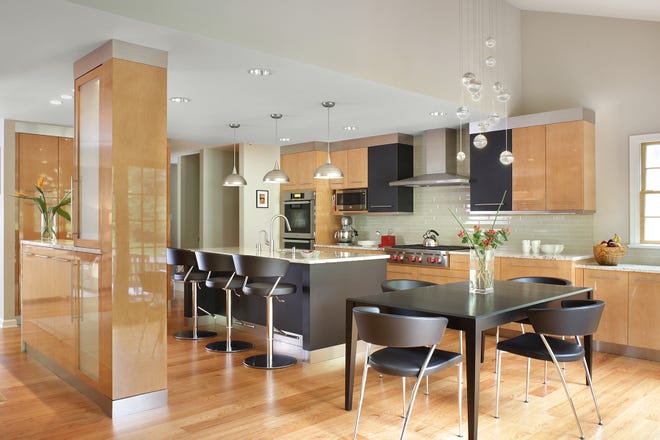
European-inspired kitchen designs go Modern
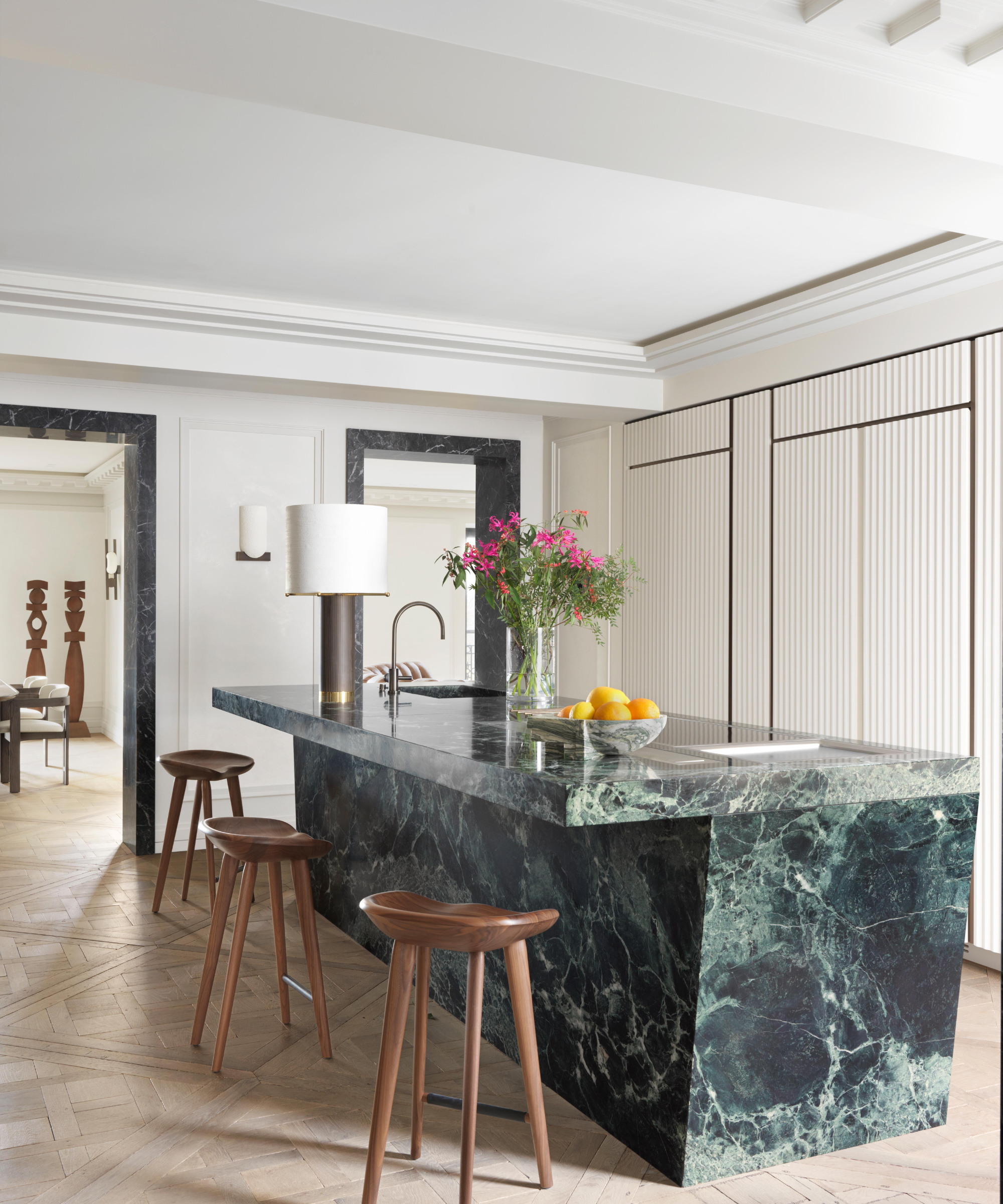
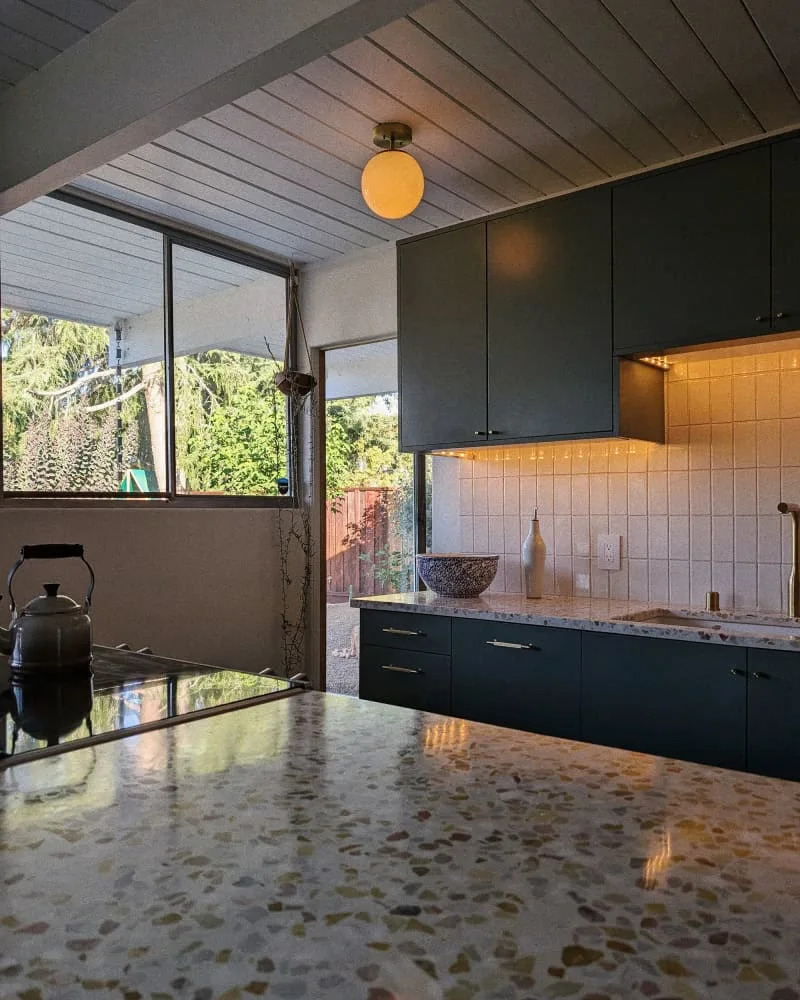
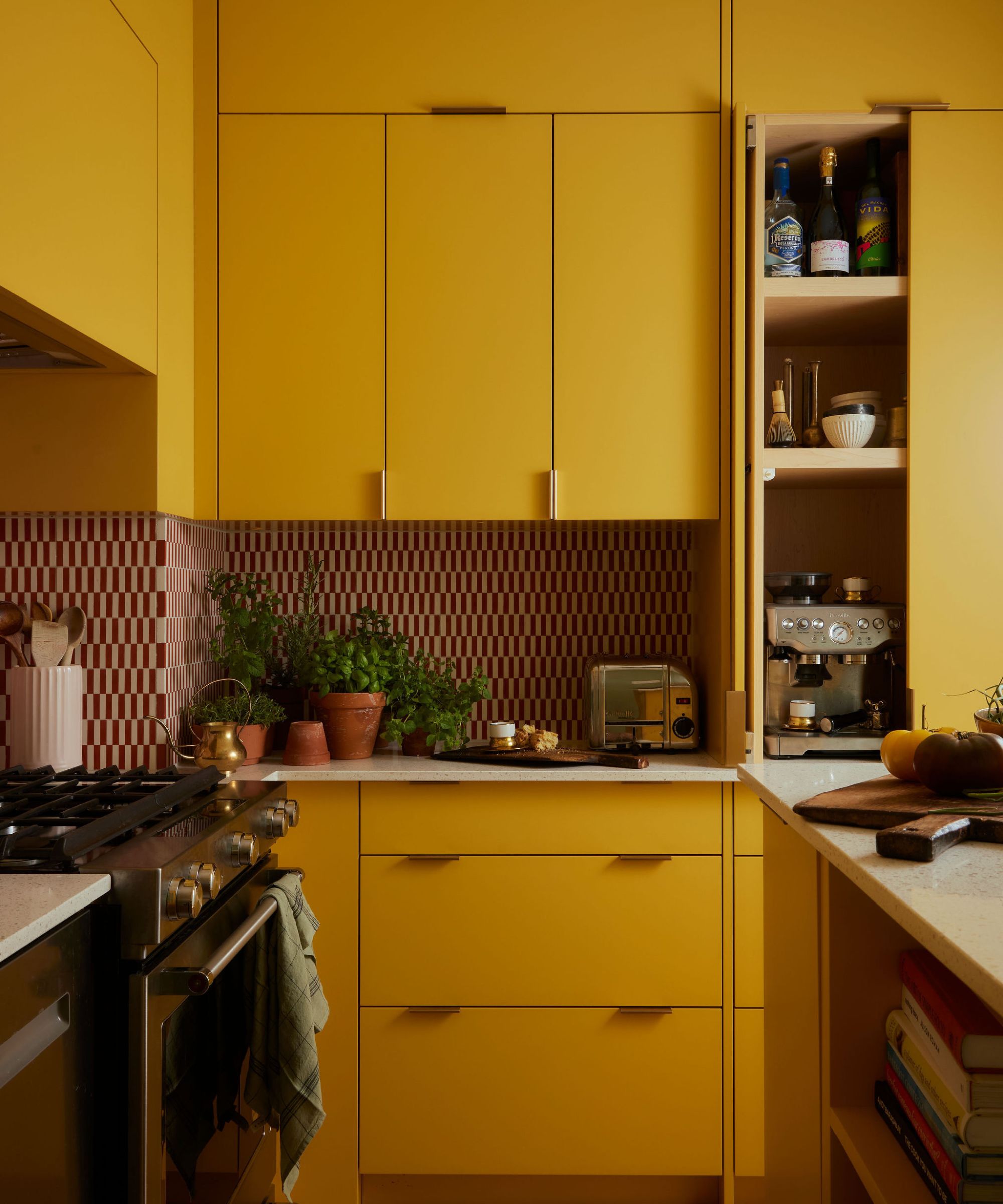
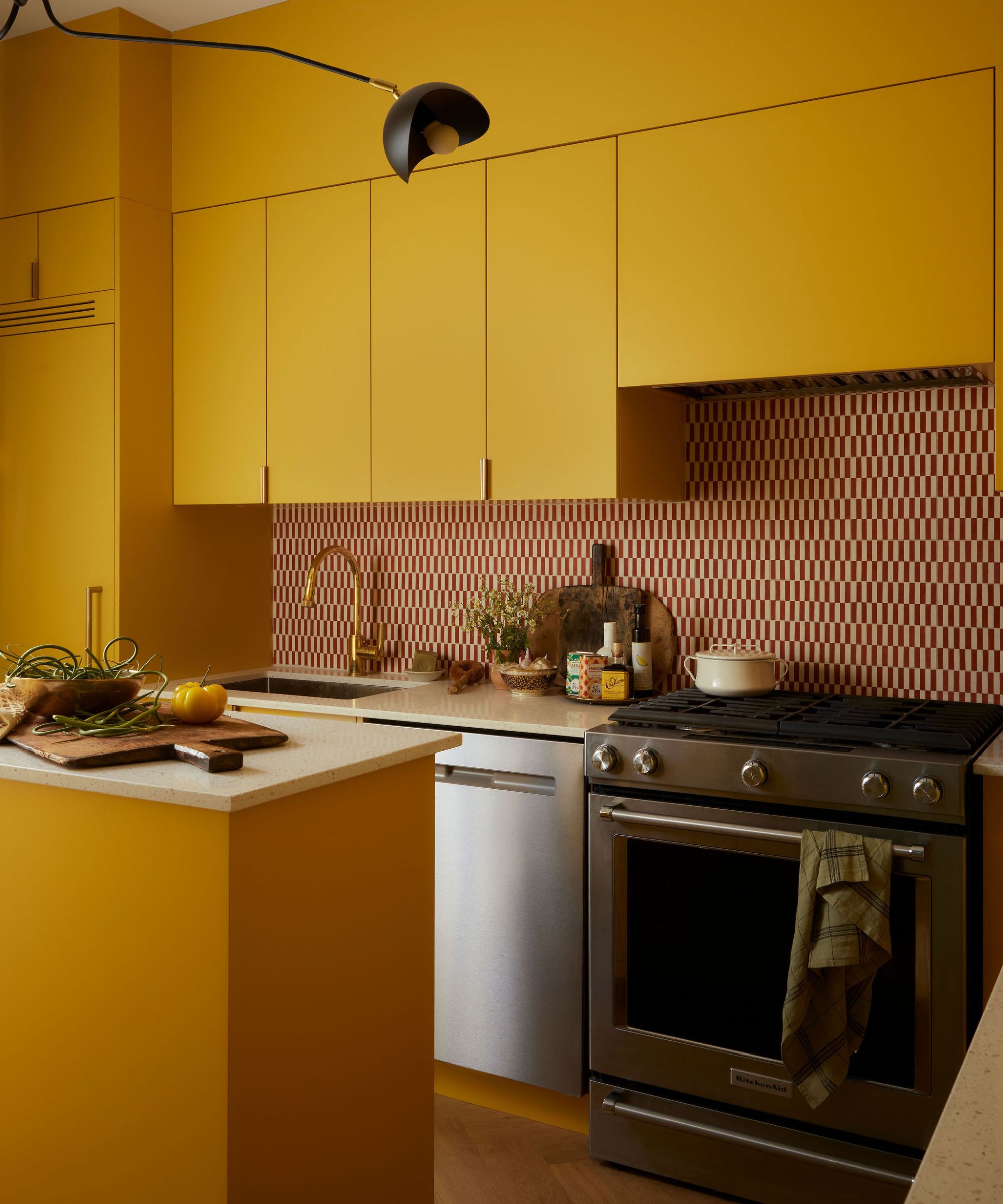
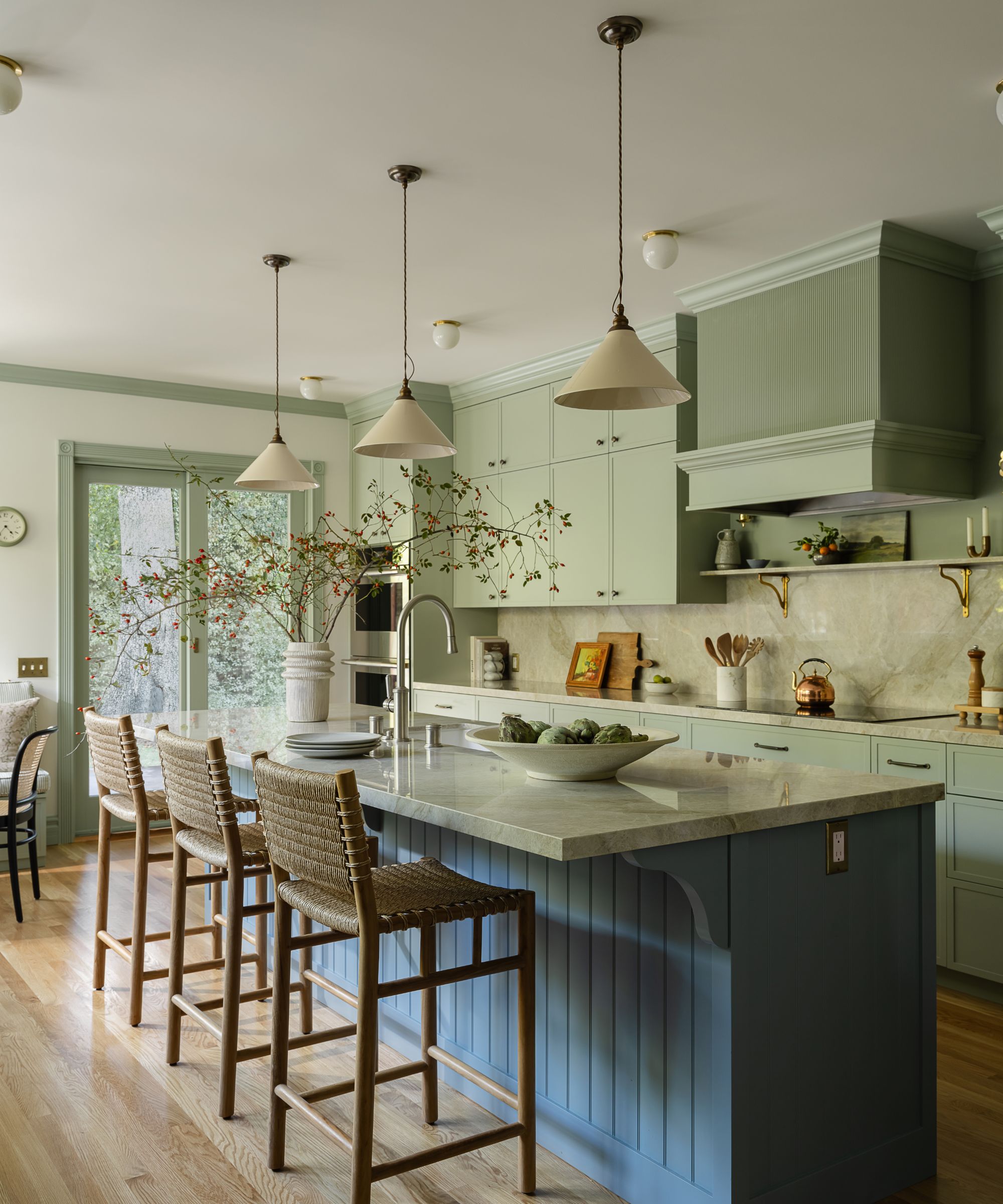
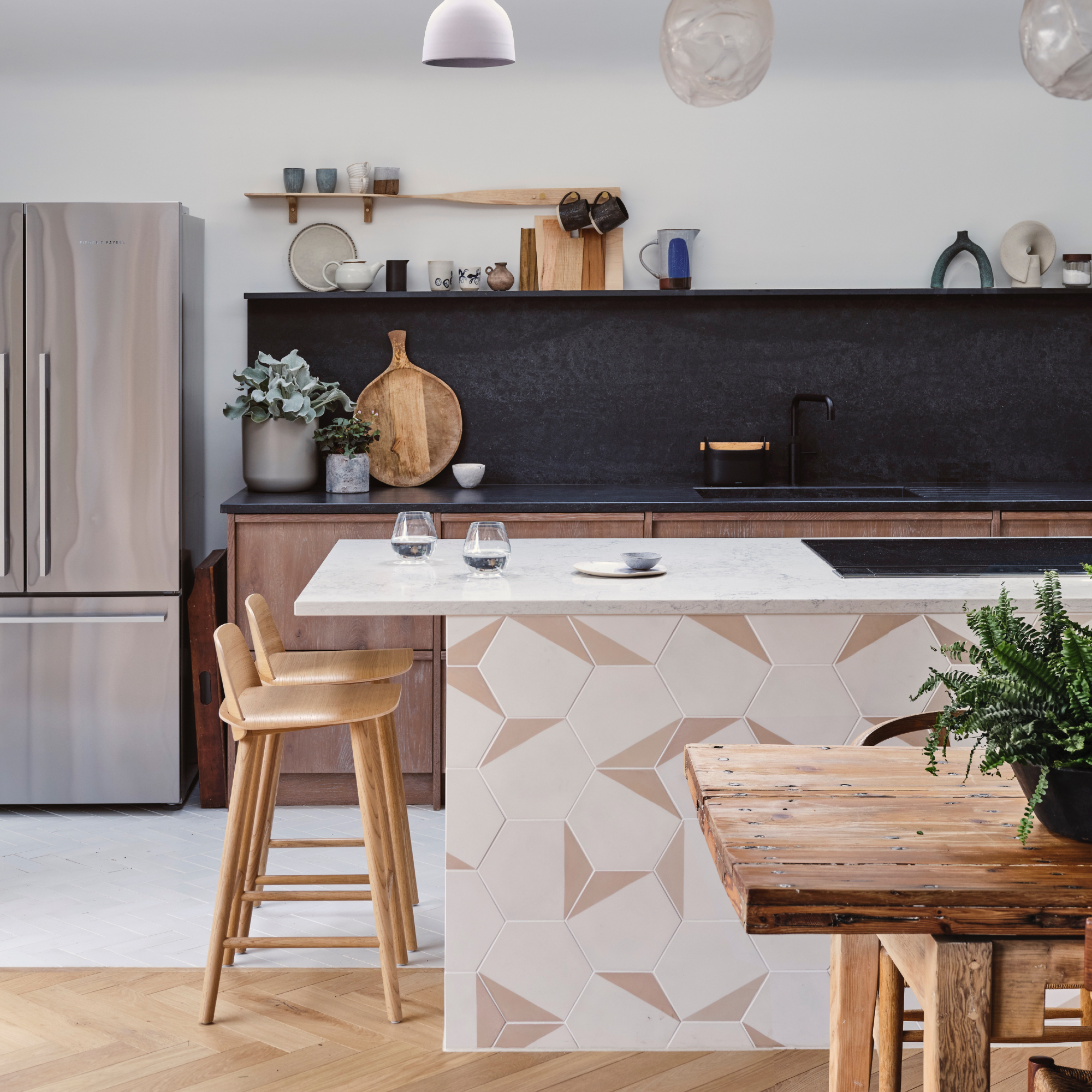
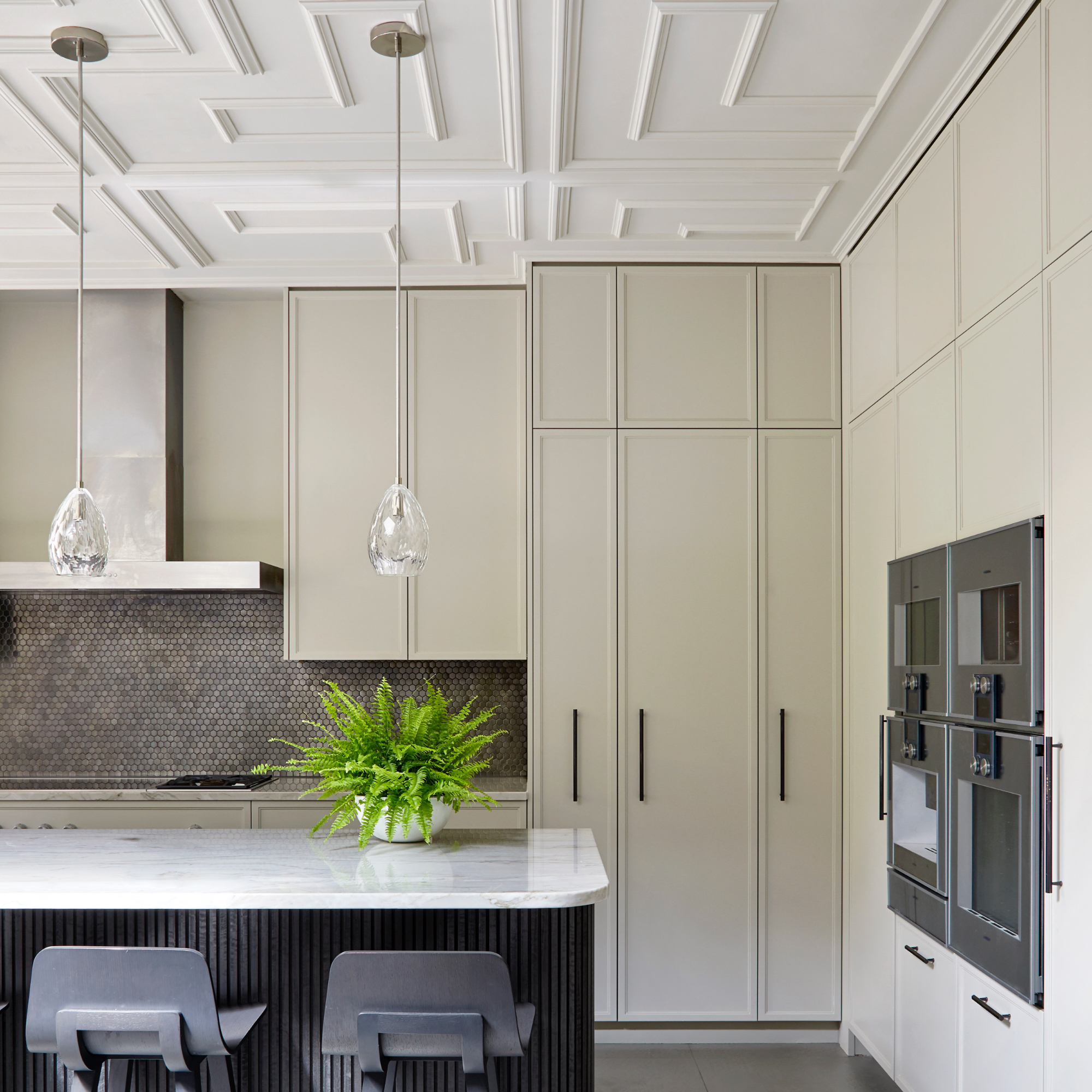
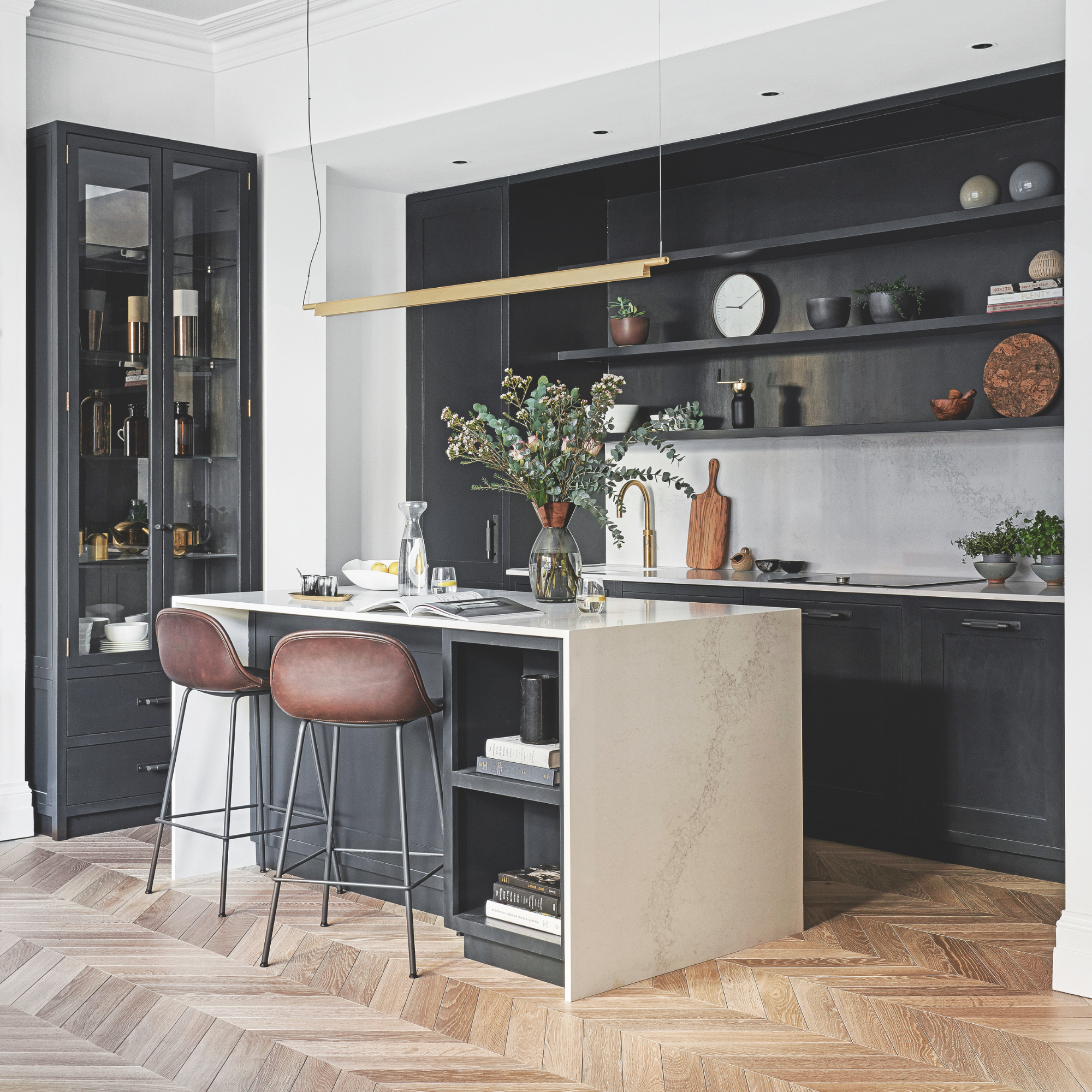
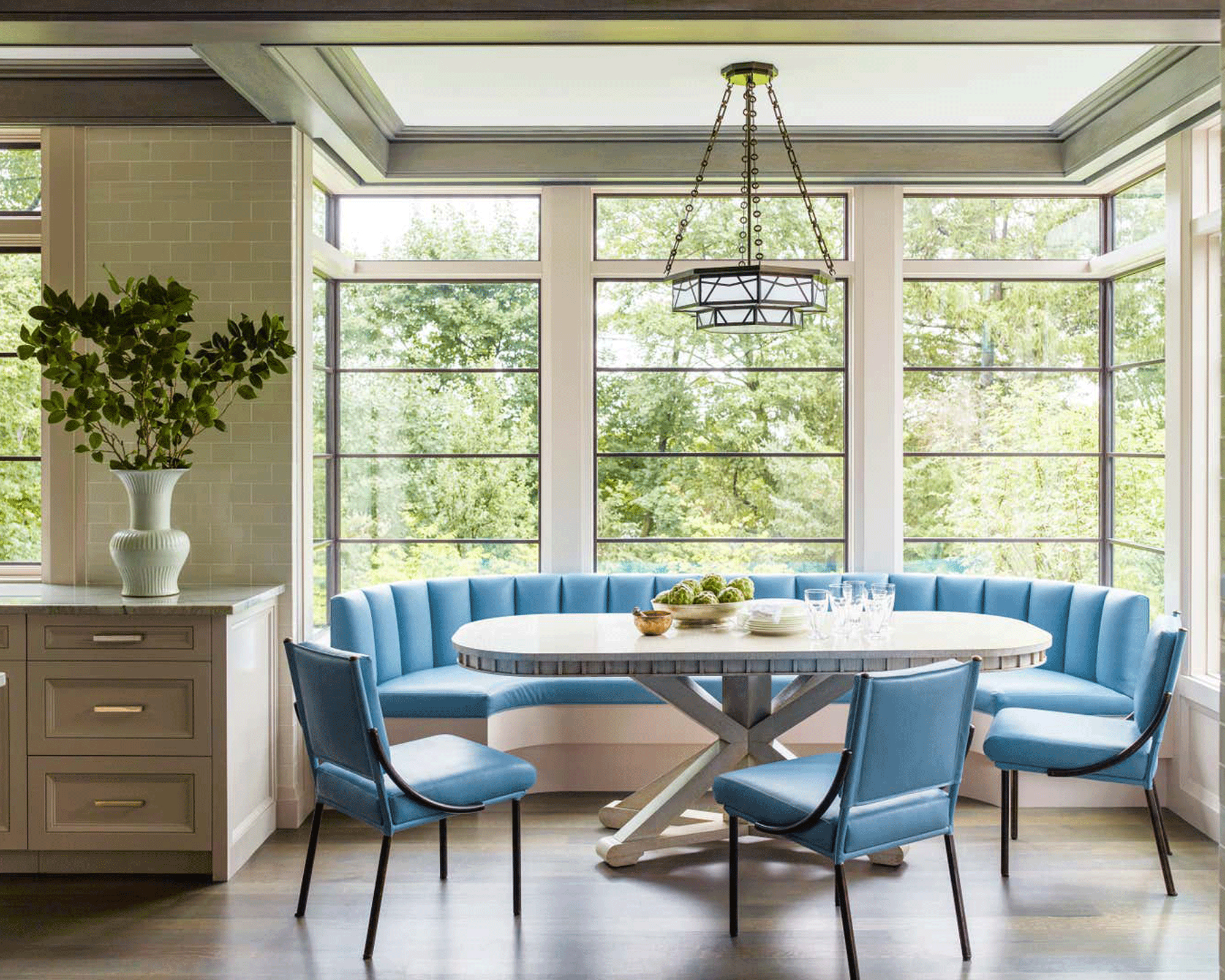
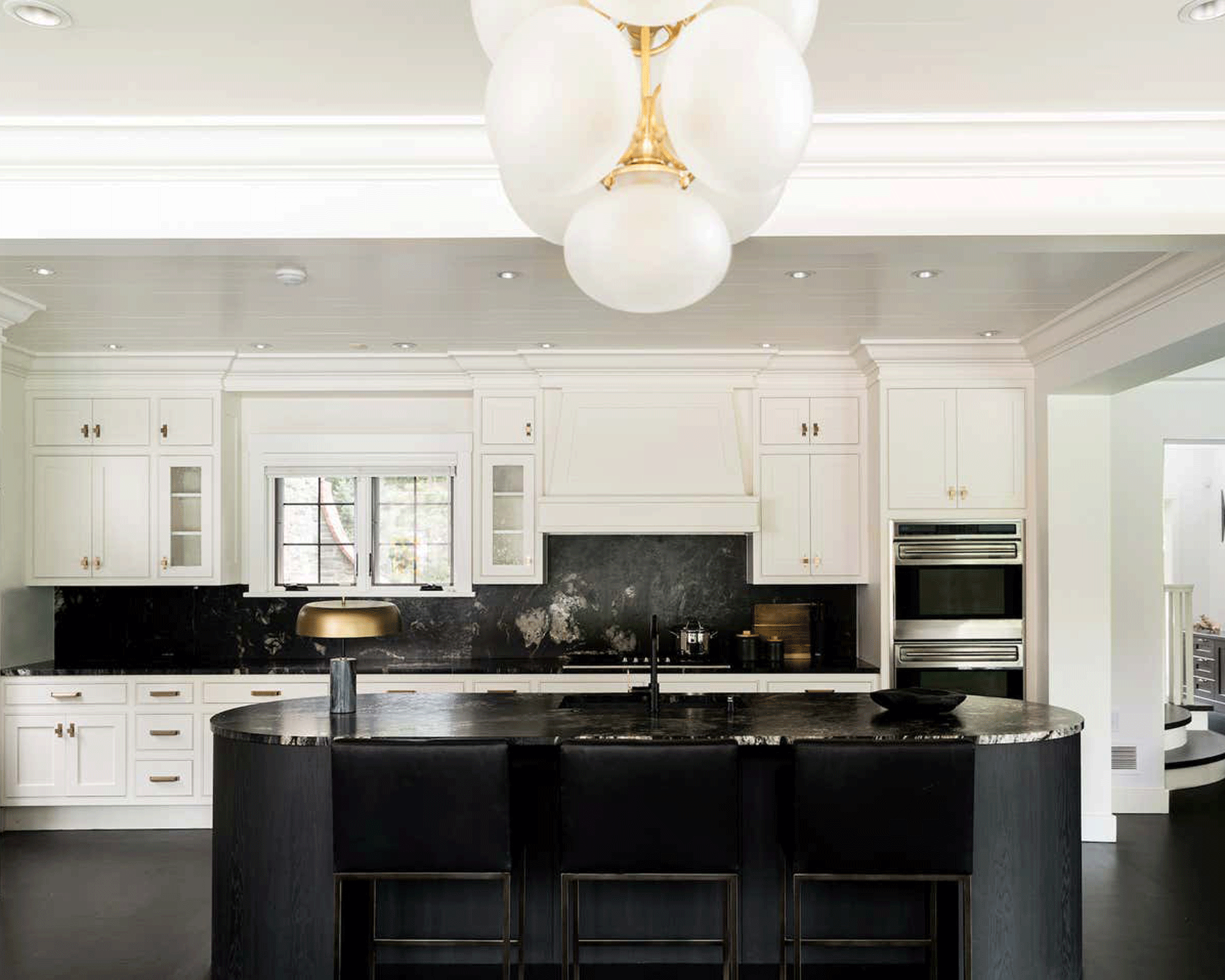
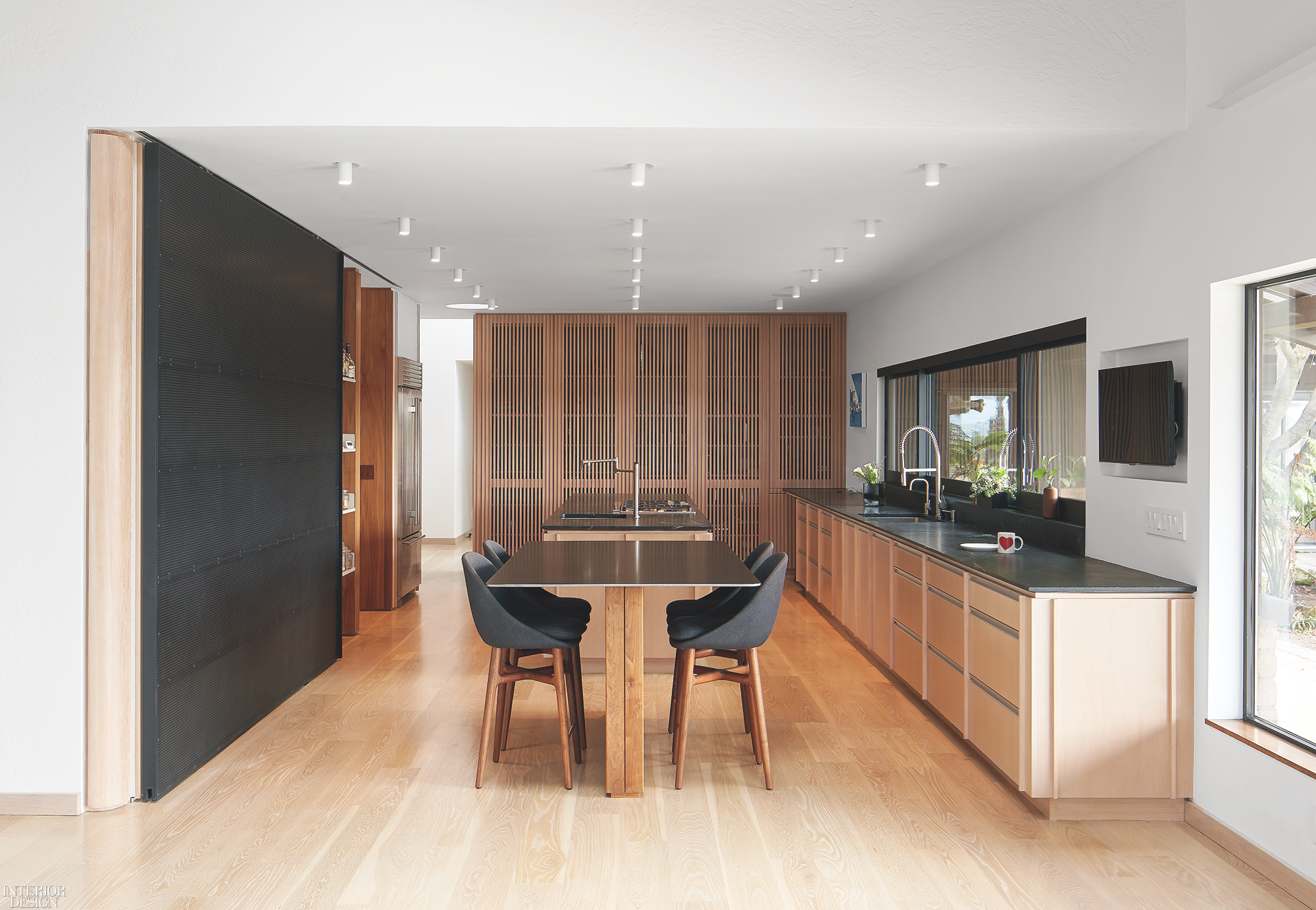
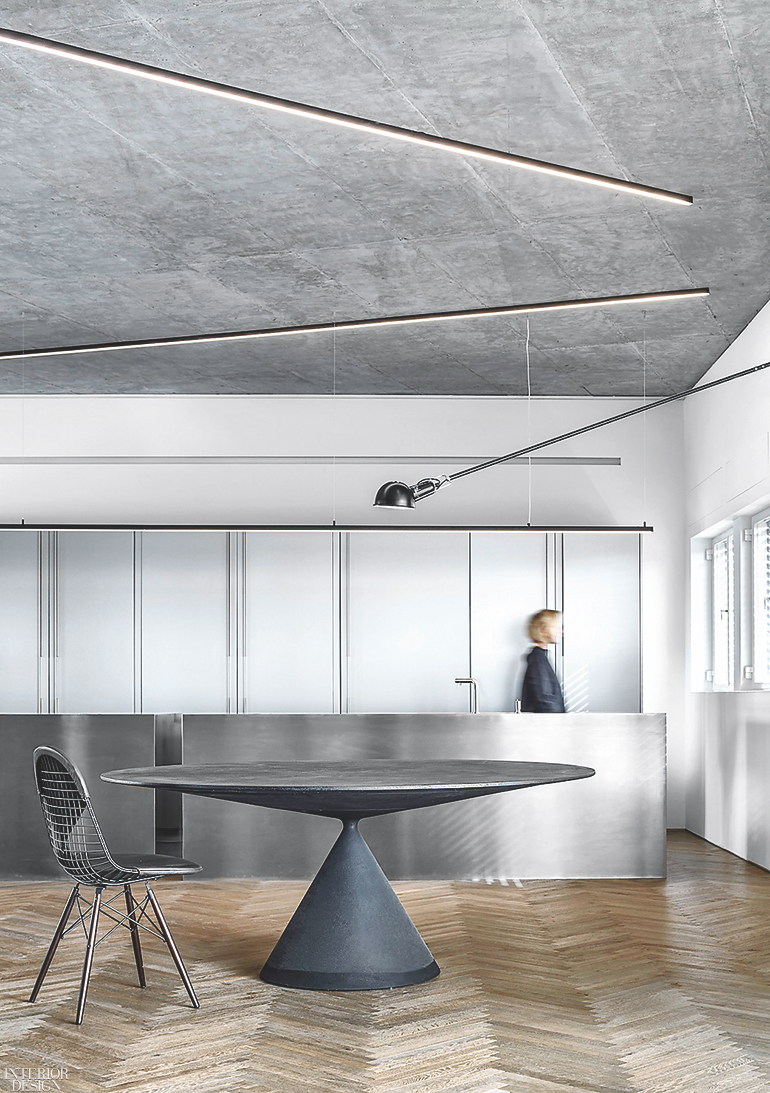
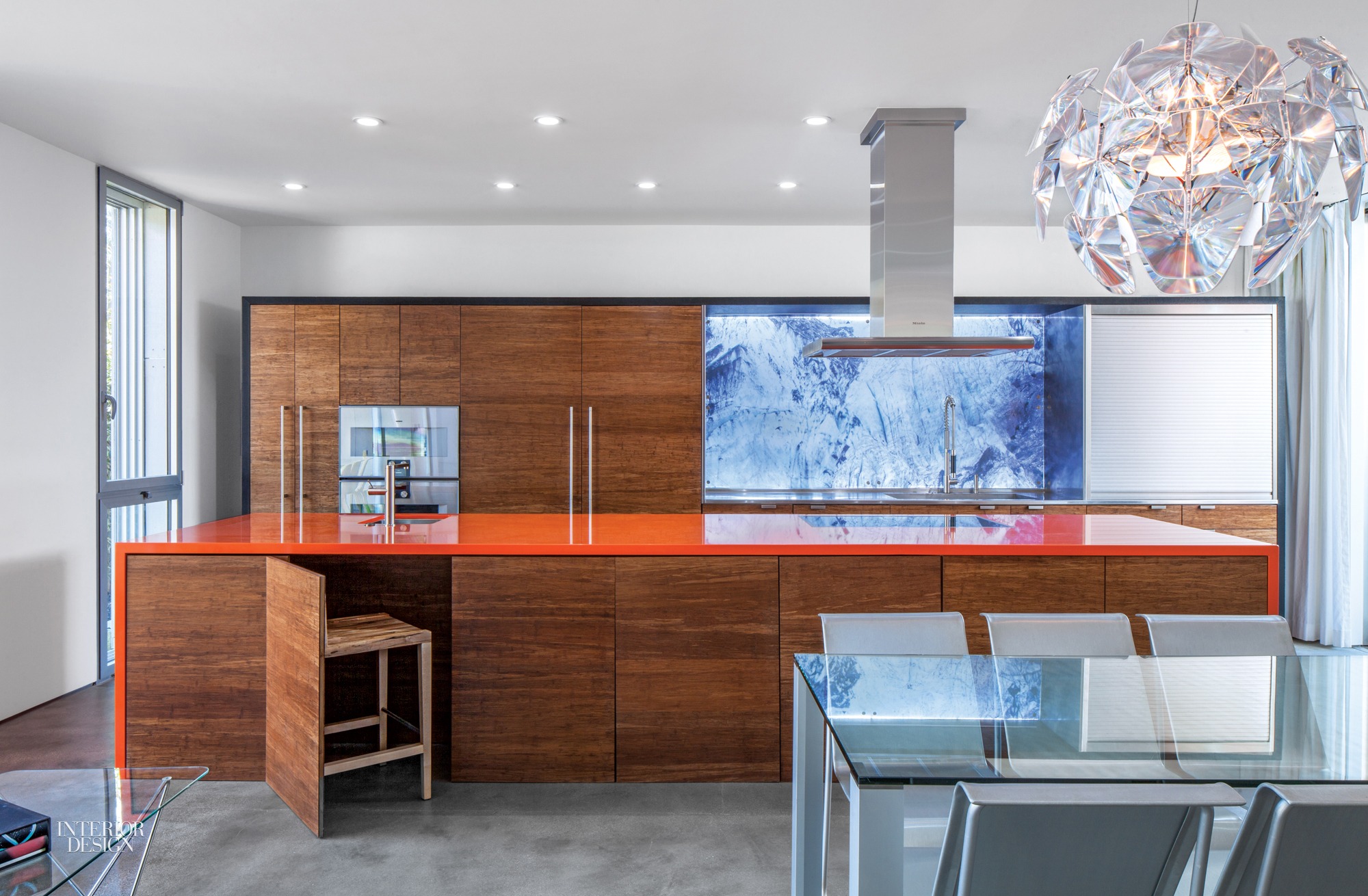
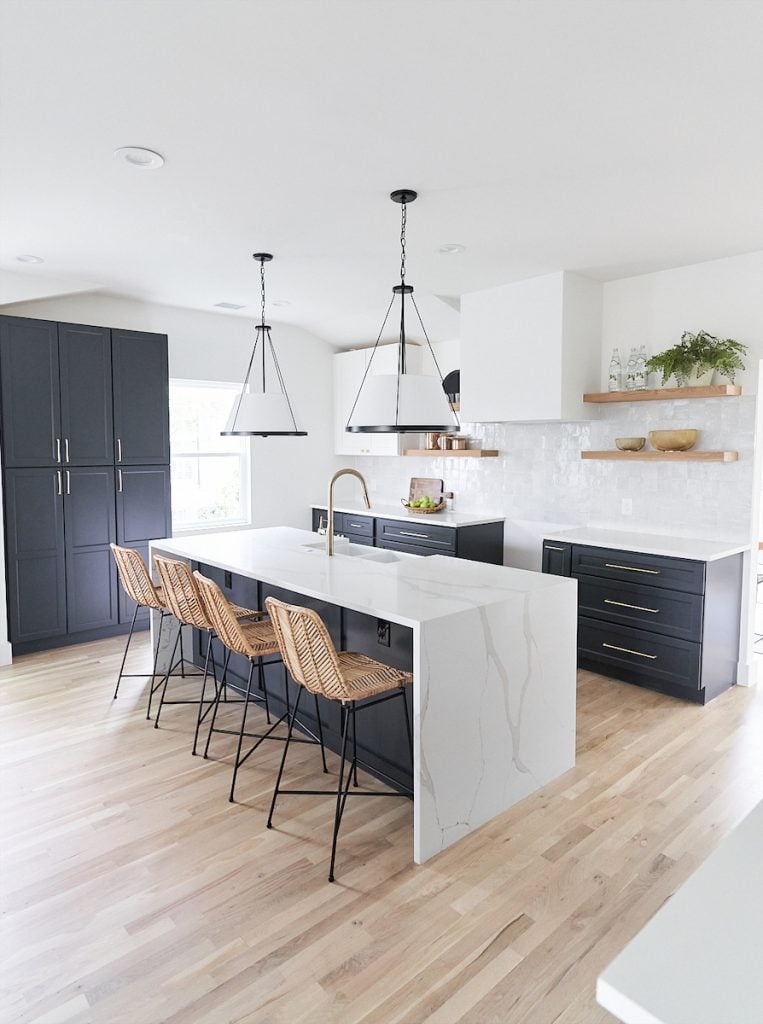
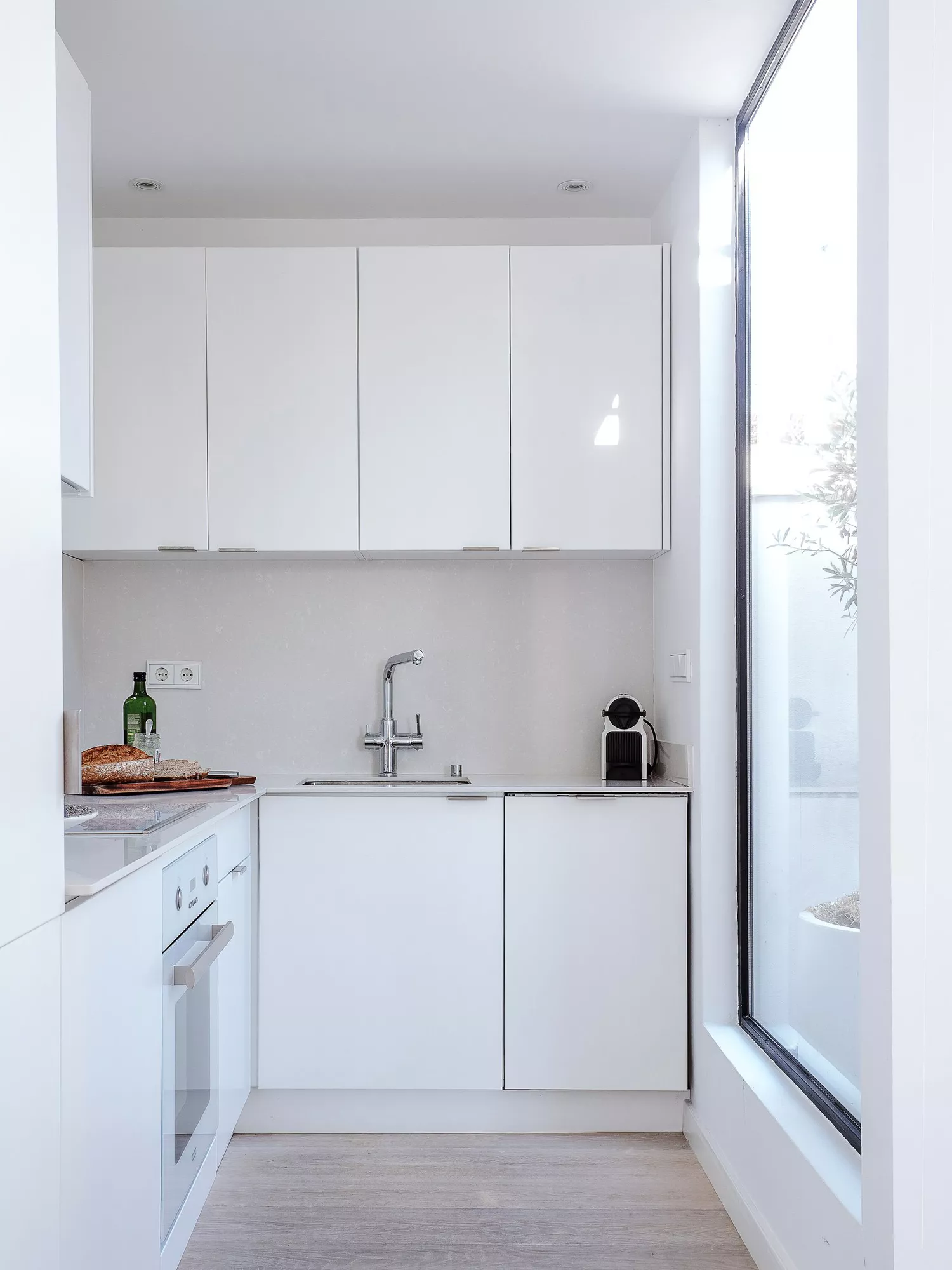
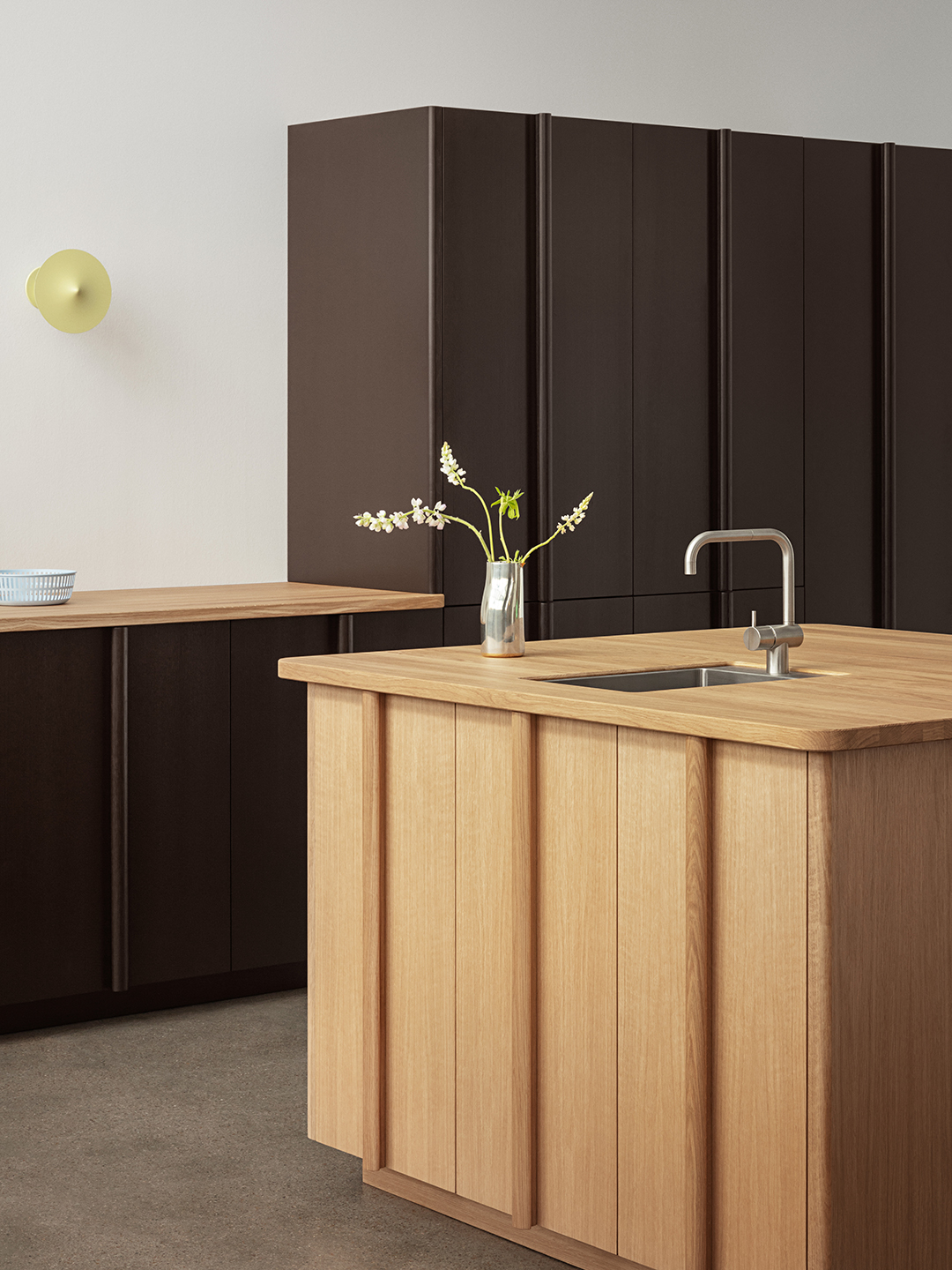
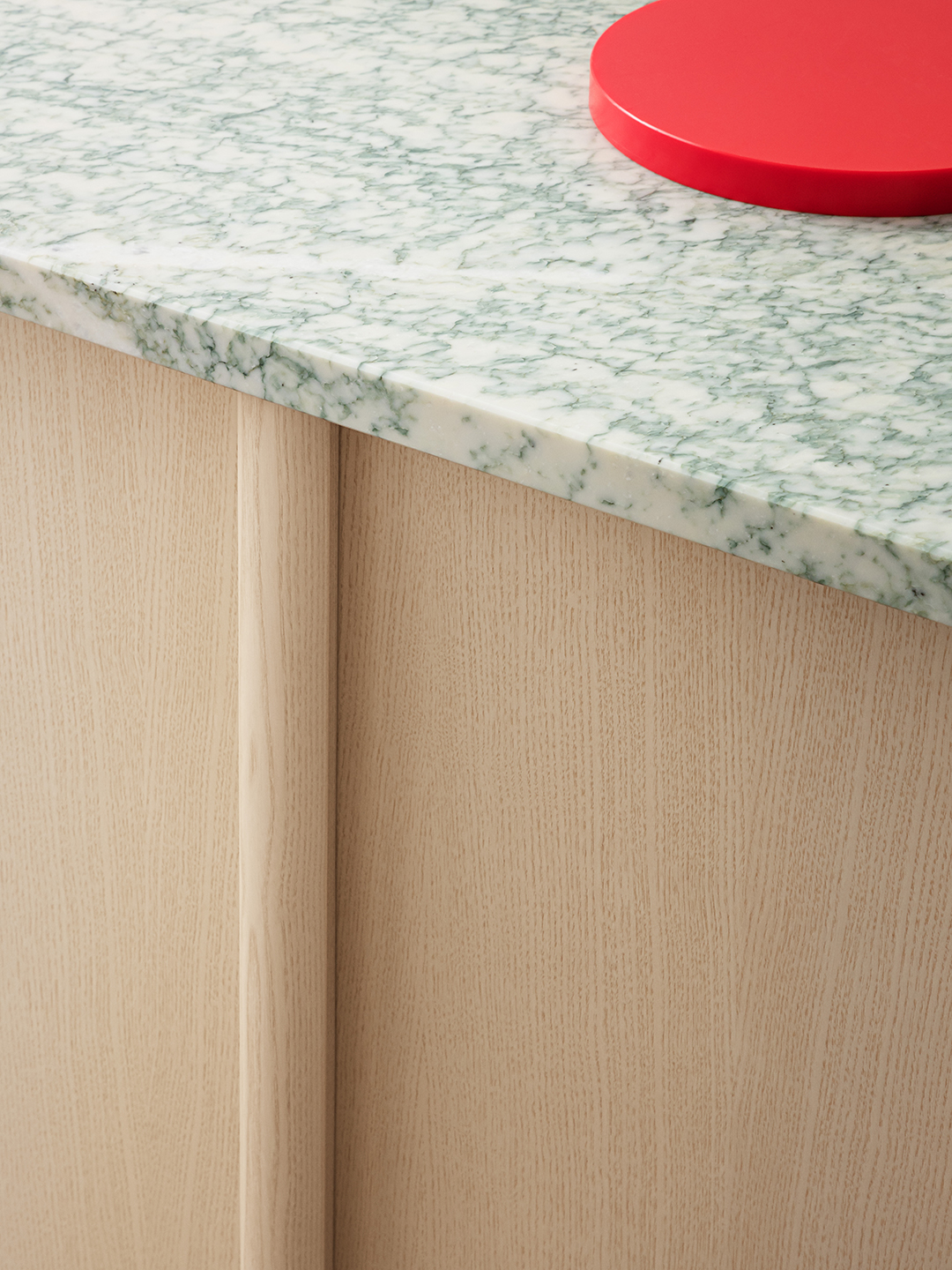
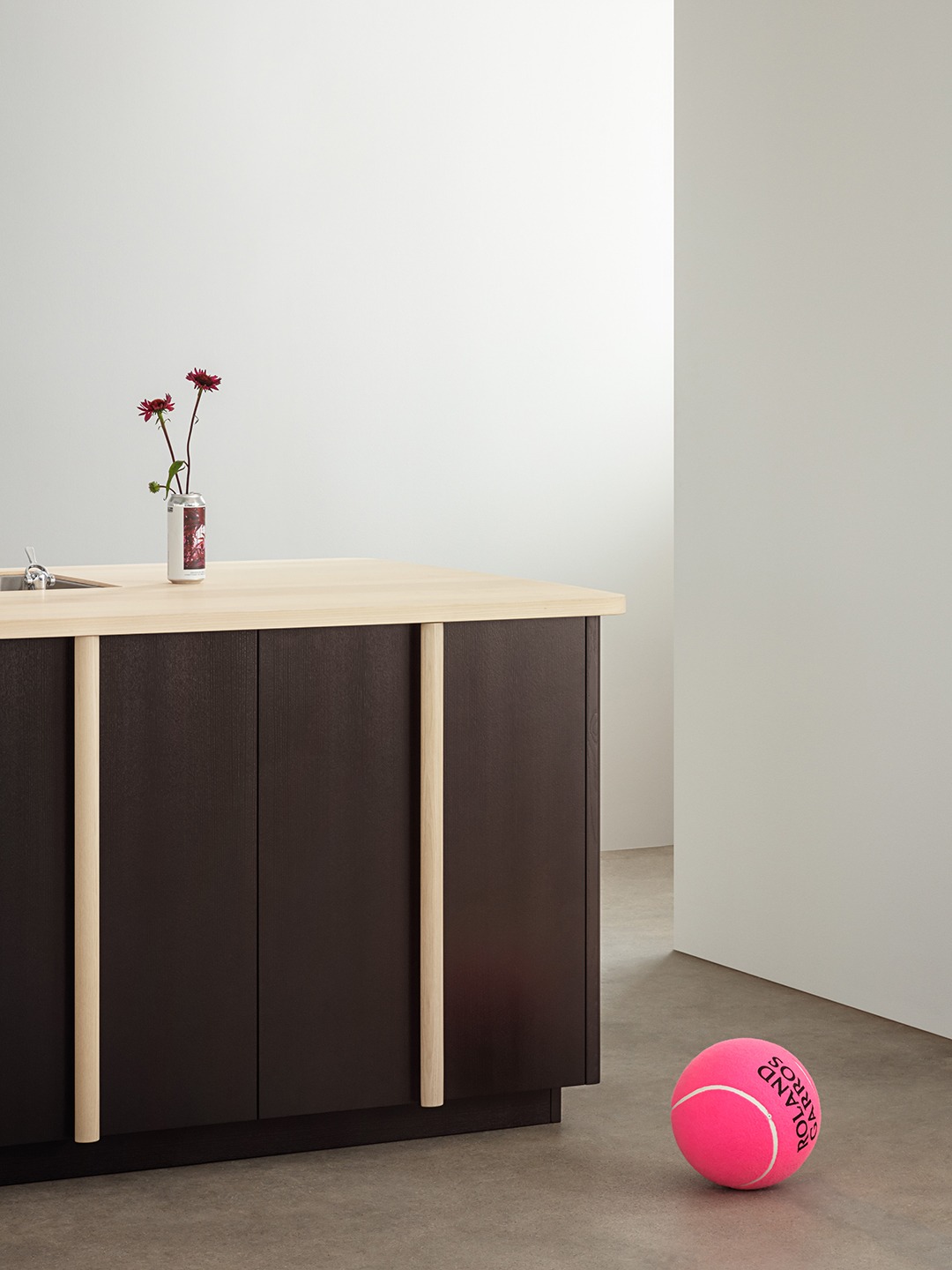
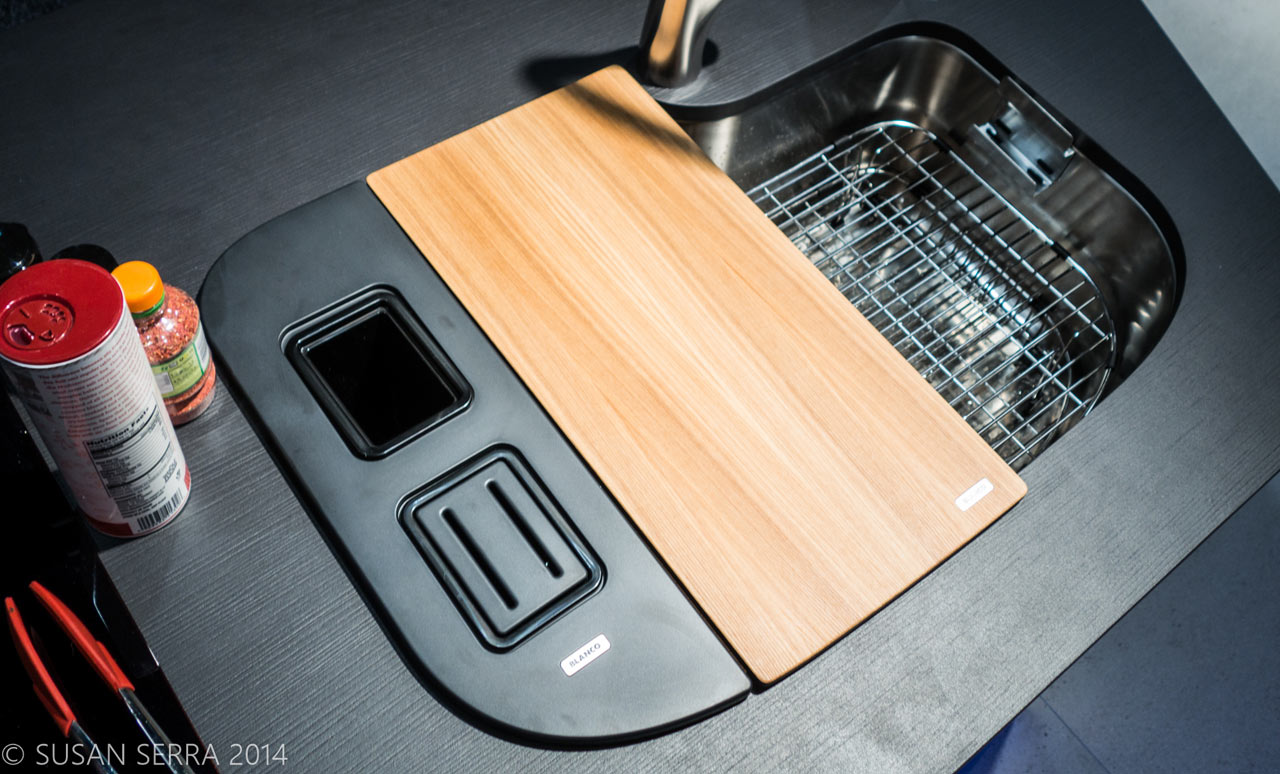
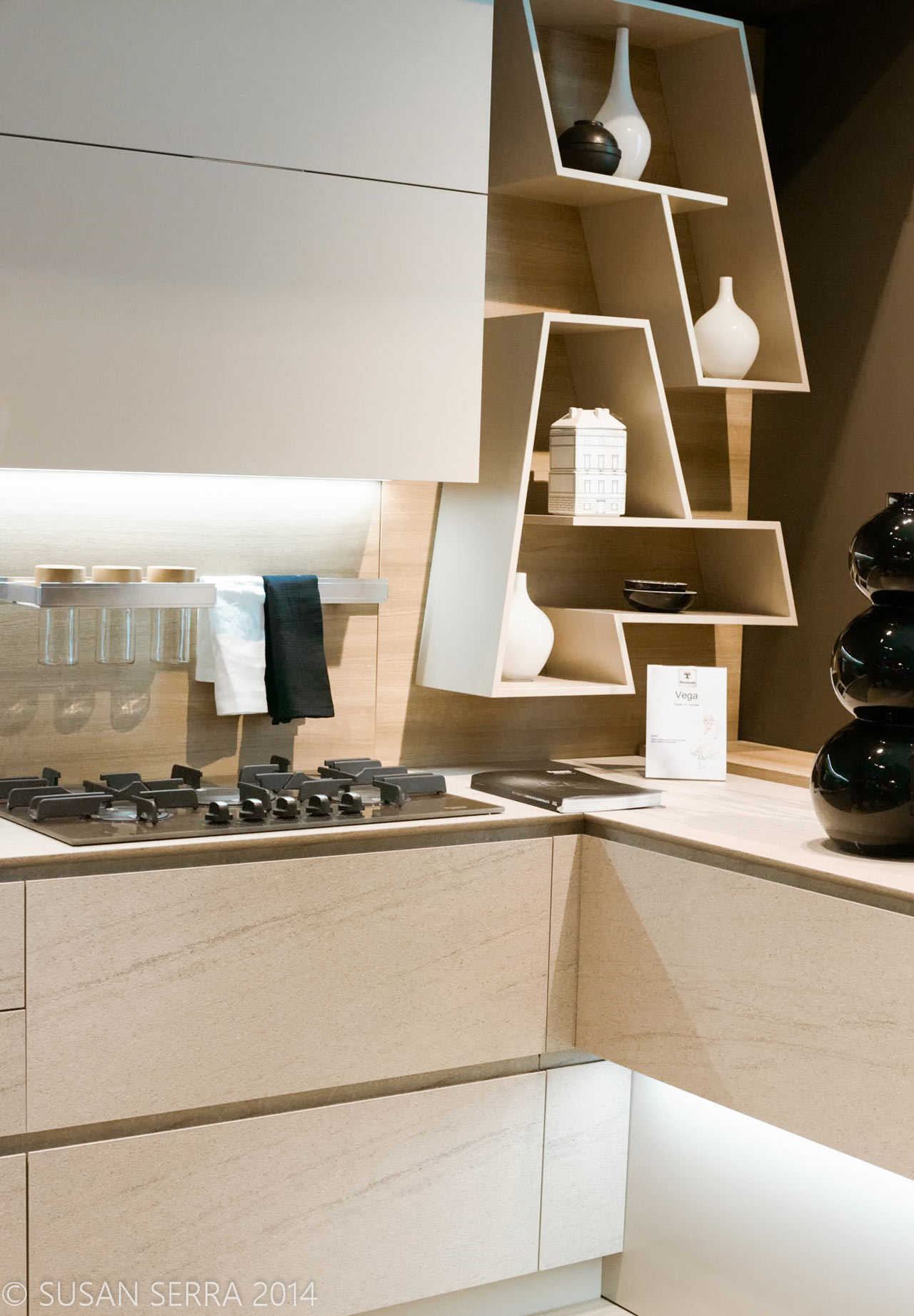
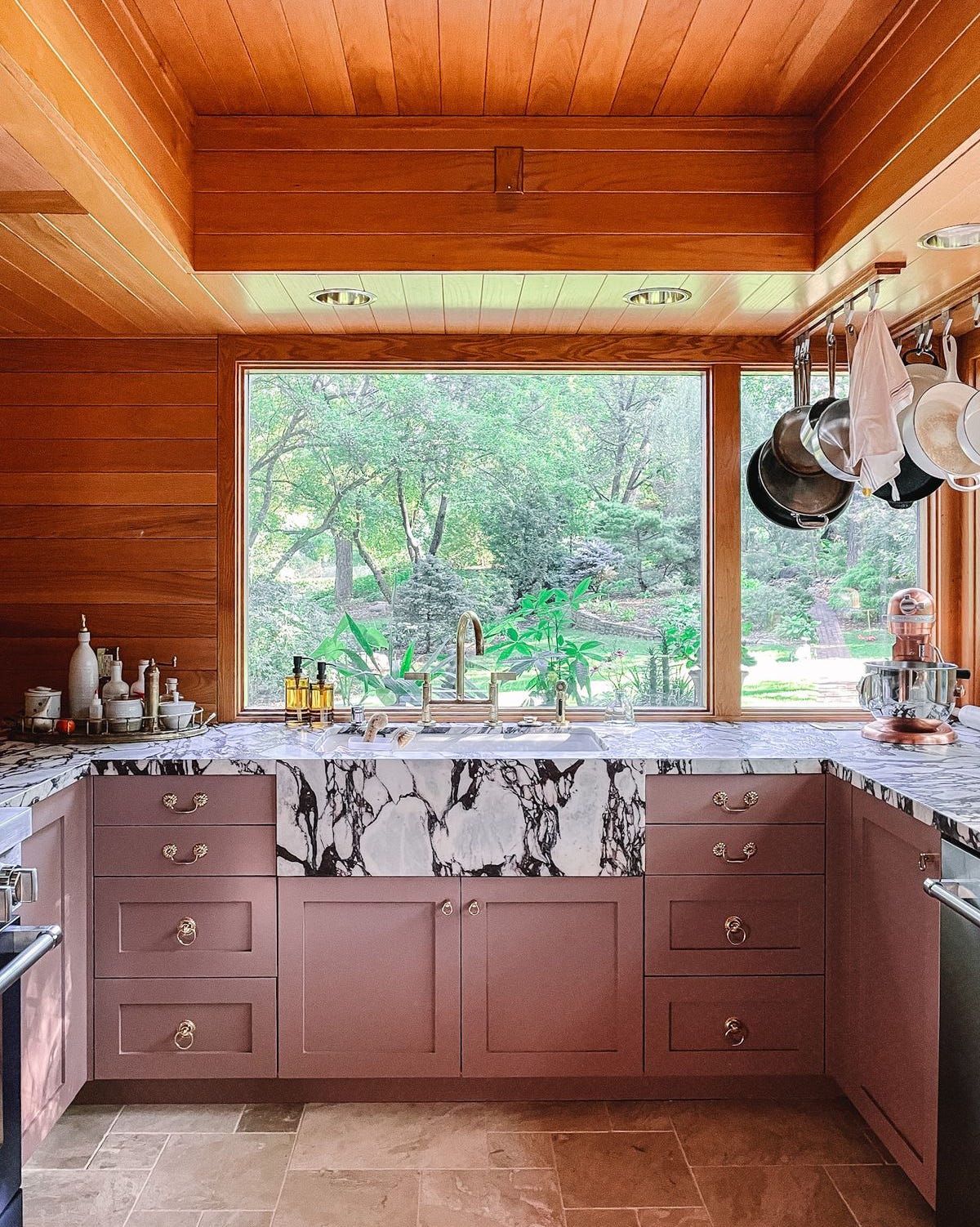
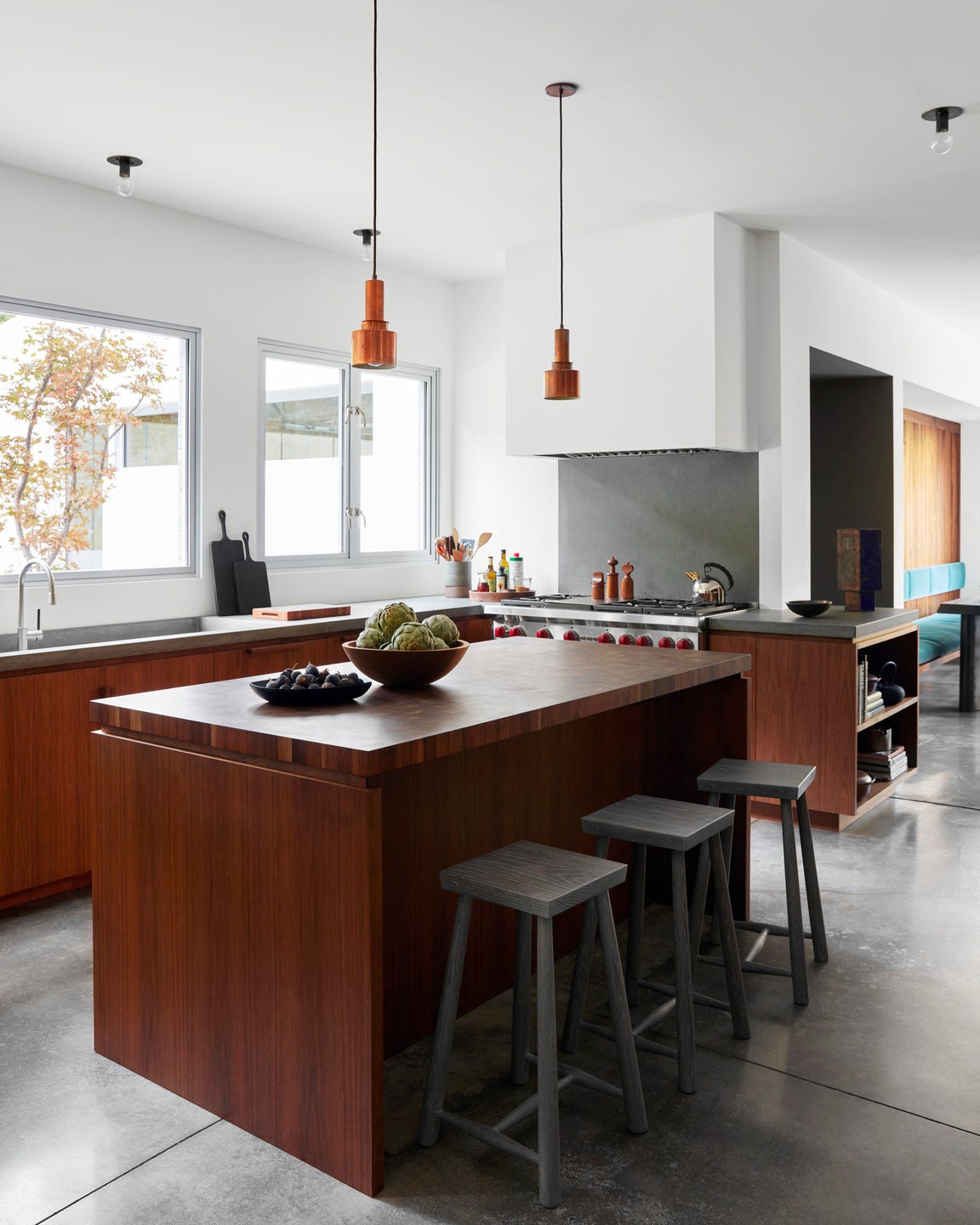
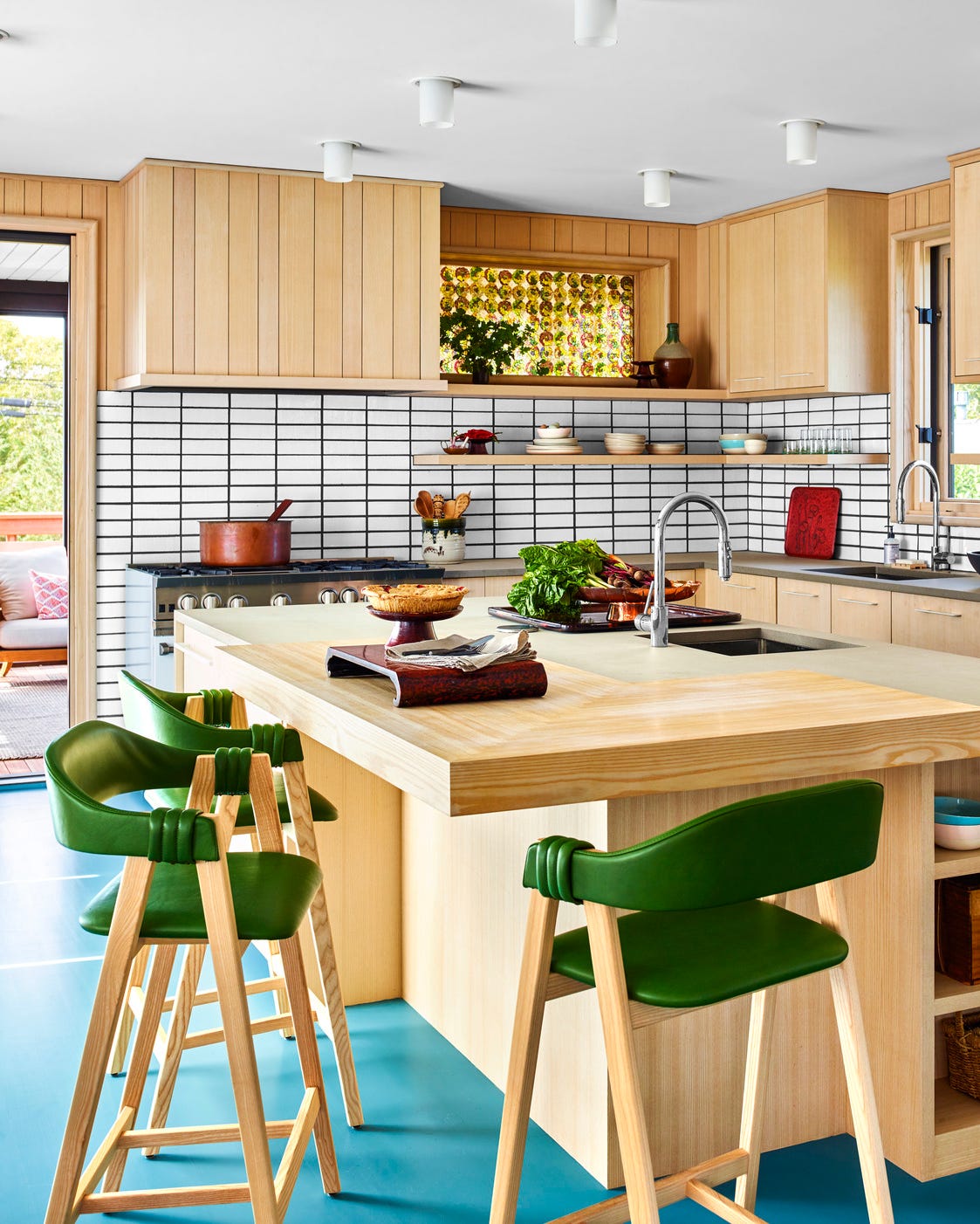
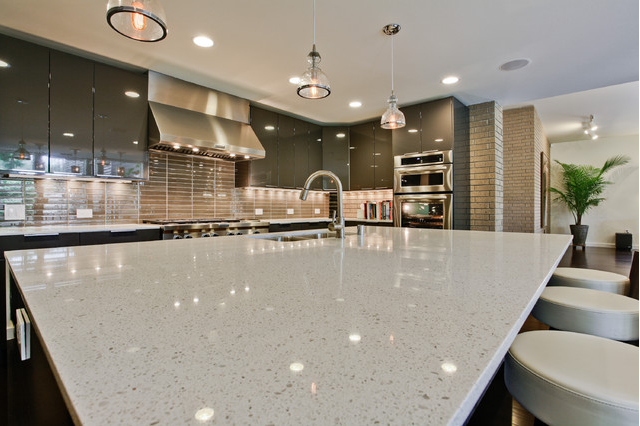
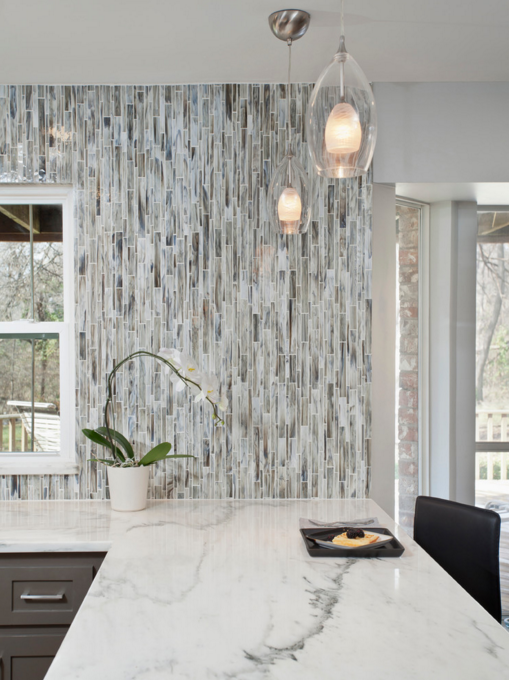
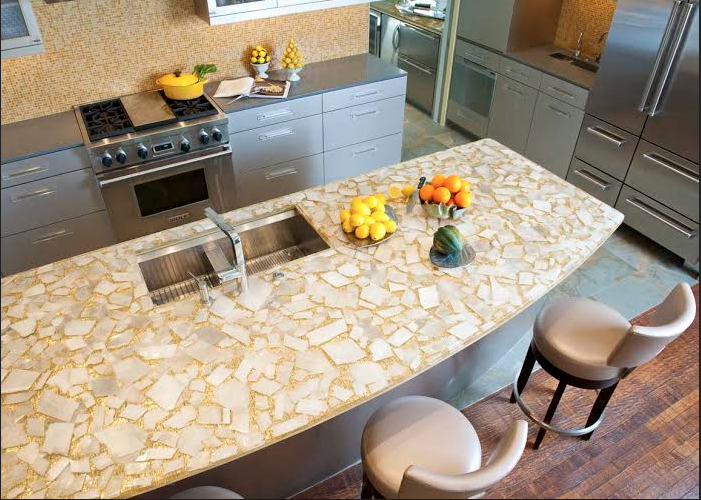
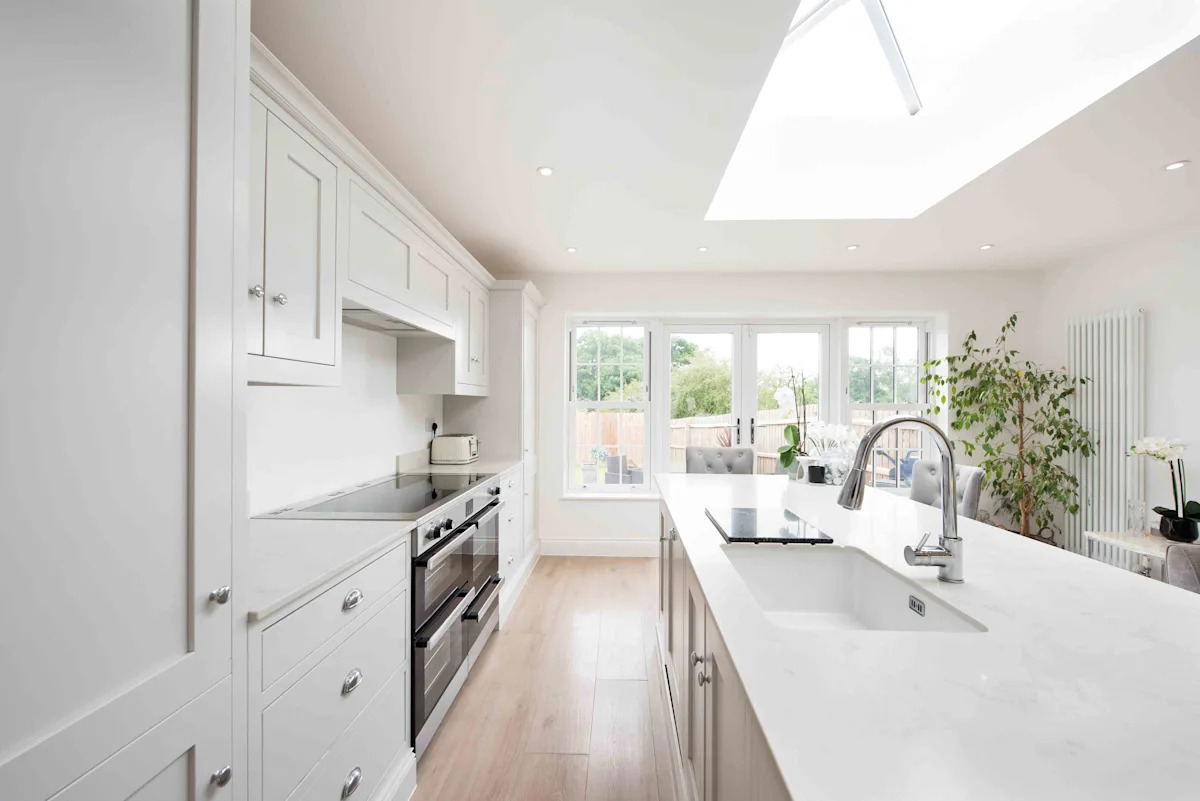
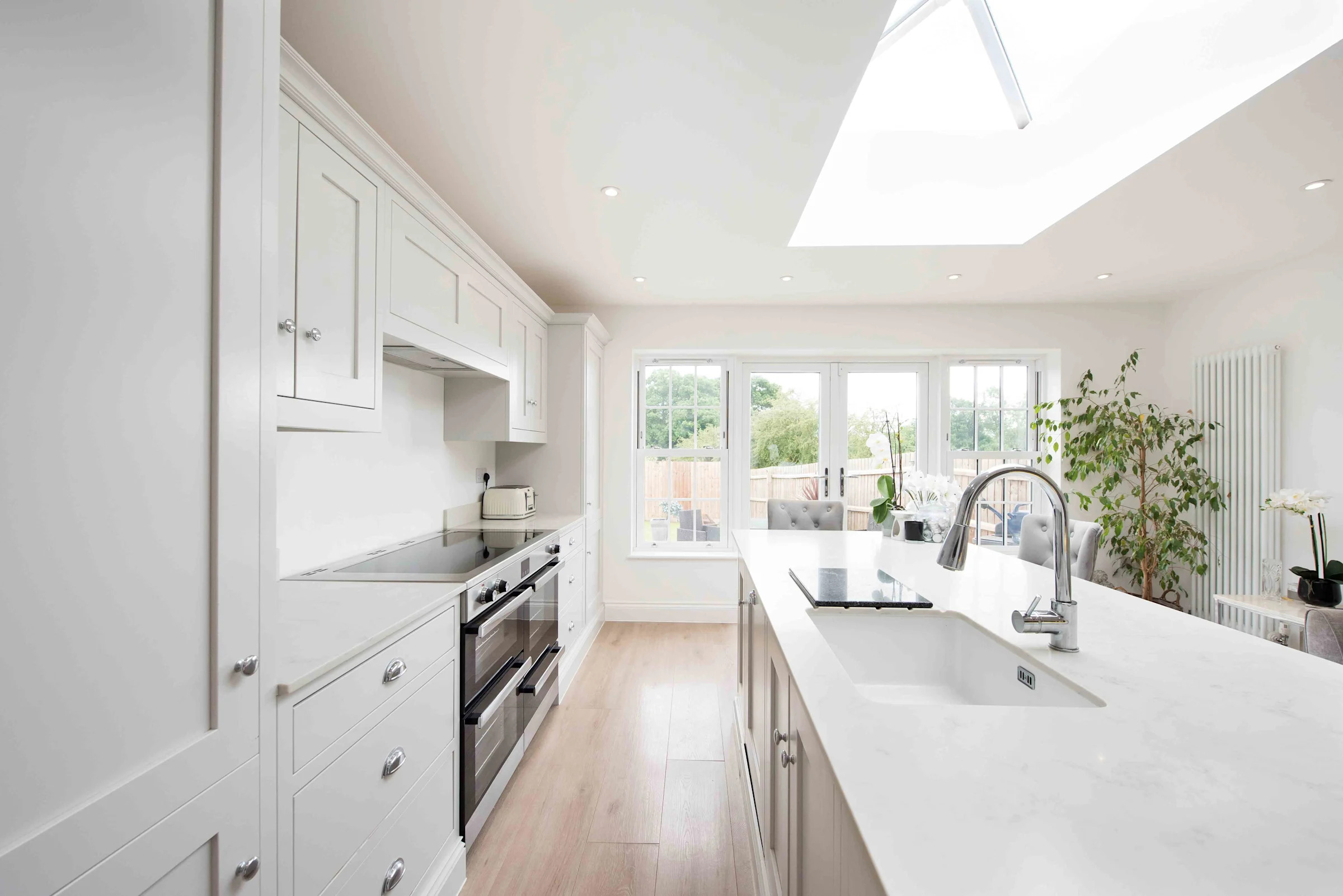
The American kitchen and bath industry is currently experiencing a significant shift influenced by European design trends, moving away from traditional opulent styles like Tuscan and Mediterranean towards a more modern, clean, and minimalist aesthetic. This evolution is characterized by the increasing popularity of unadorned, textured-laminate cabinet doors and exotic veneer doors, often featuring sleek or minimal hardware. Designers note a preference for an industrial look, incorporating materials such as textured laminates, Quartz countertops, textured or 'leathered' natural-stone tops, live-edge wood tops, and metal shelving with glass inserts. This minimalist approach is favored by consumers, particularly millennials, due to its ability to cater to busier lifestyles and its alignment with contemporary trends.
The advancement in technology has allowed laminates to achieve greater realism and texture, including authentic wood looks and dimensional finishes that combine the luster of metals with organic elements. To counteract the potentially stark nature of modern materials, designers are integrating traditional elements to create a more transitional appeal in American homes, although contemporary design is projected to soon surpass transitional as the leading consumer preference. The demand for European-inspired cabinetry also extends to hardware, with pulls being chosen more frequently than knobs for their clean, linear, and modern appearance. Leading American cabinet manufacturers are adopting European hardware technology from brands such as Blum, Richelieu, Hefele, and Rev A Shelf, focusing on improved functionality, organization, and innovative features like built-in lighting.
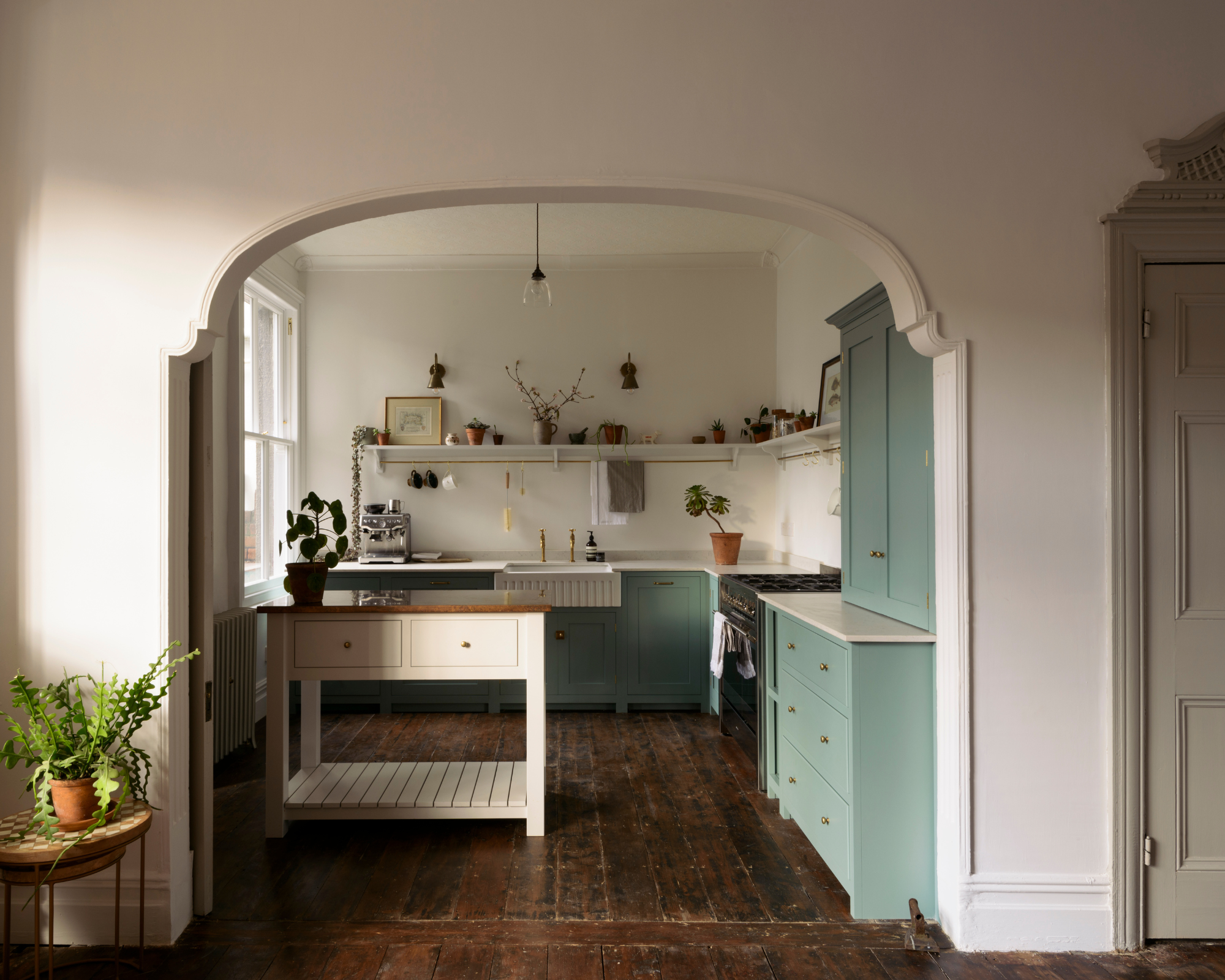
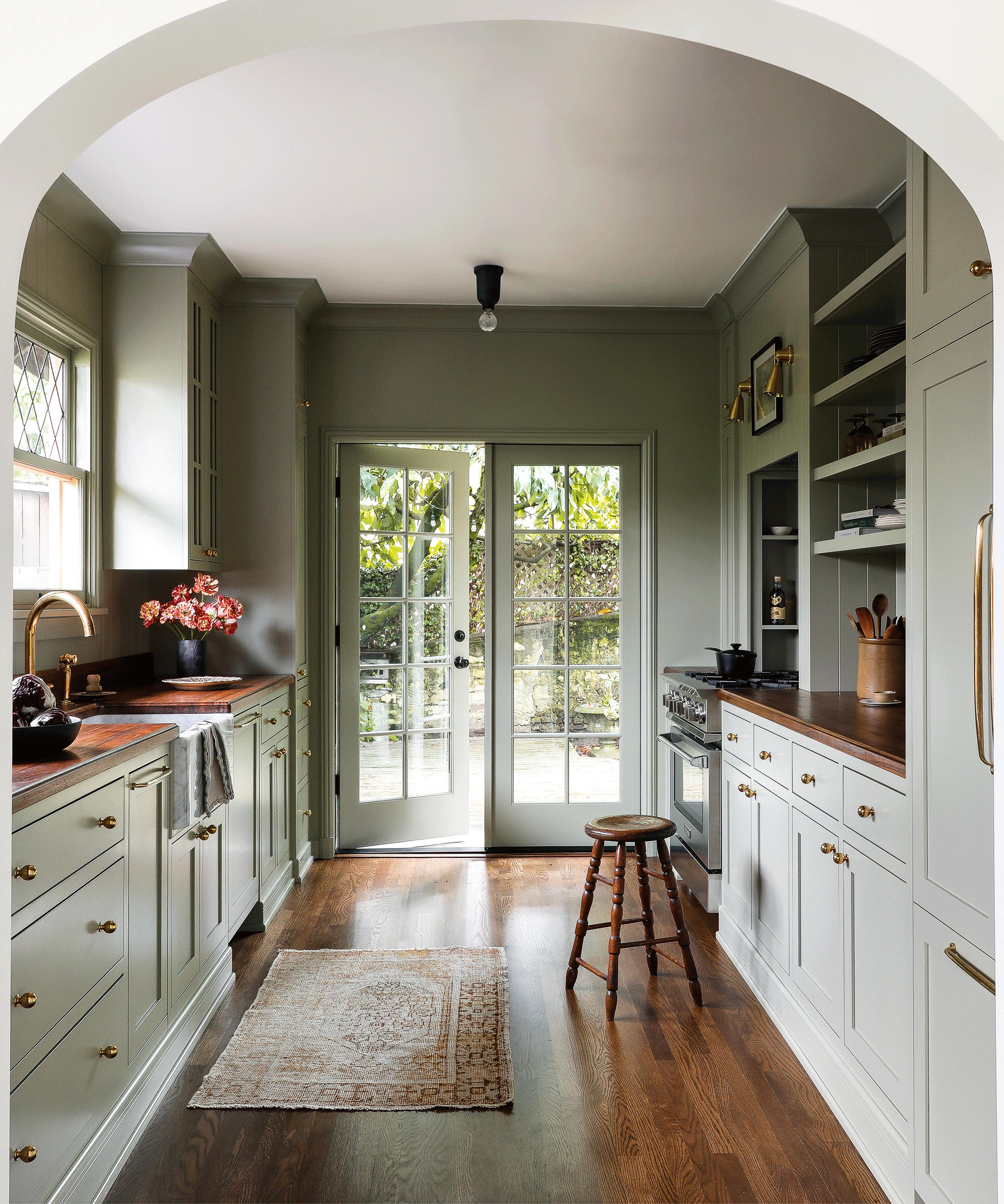
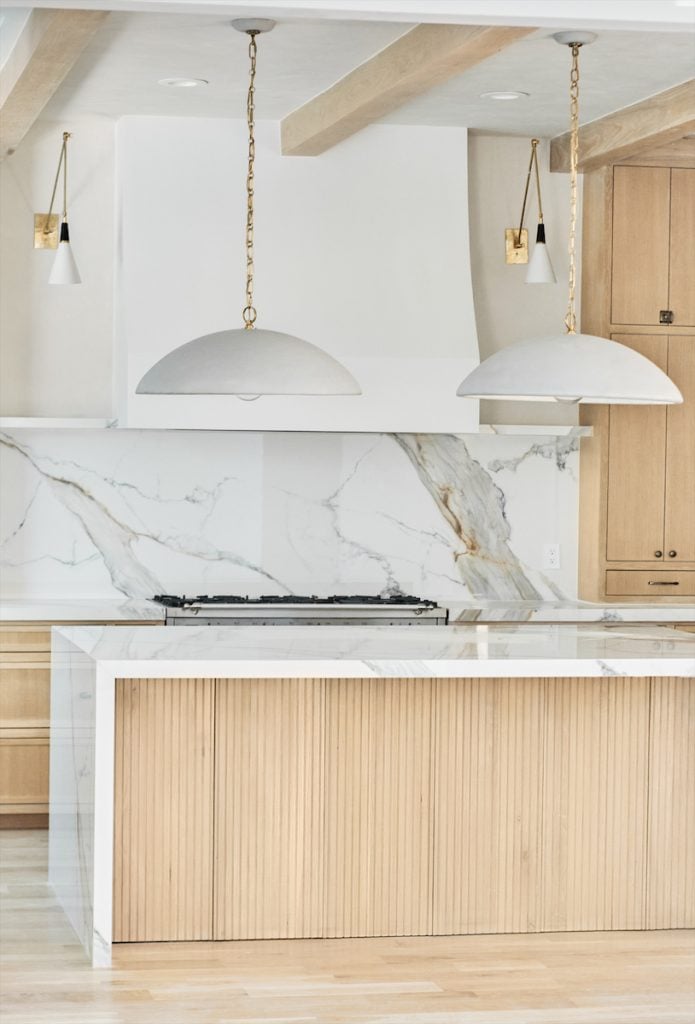
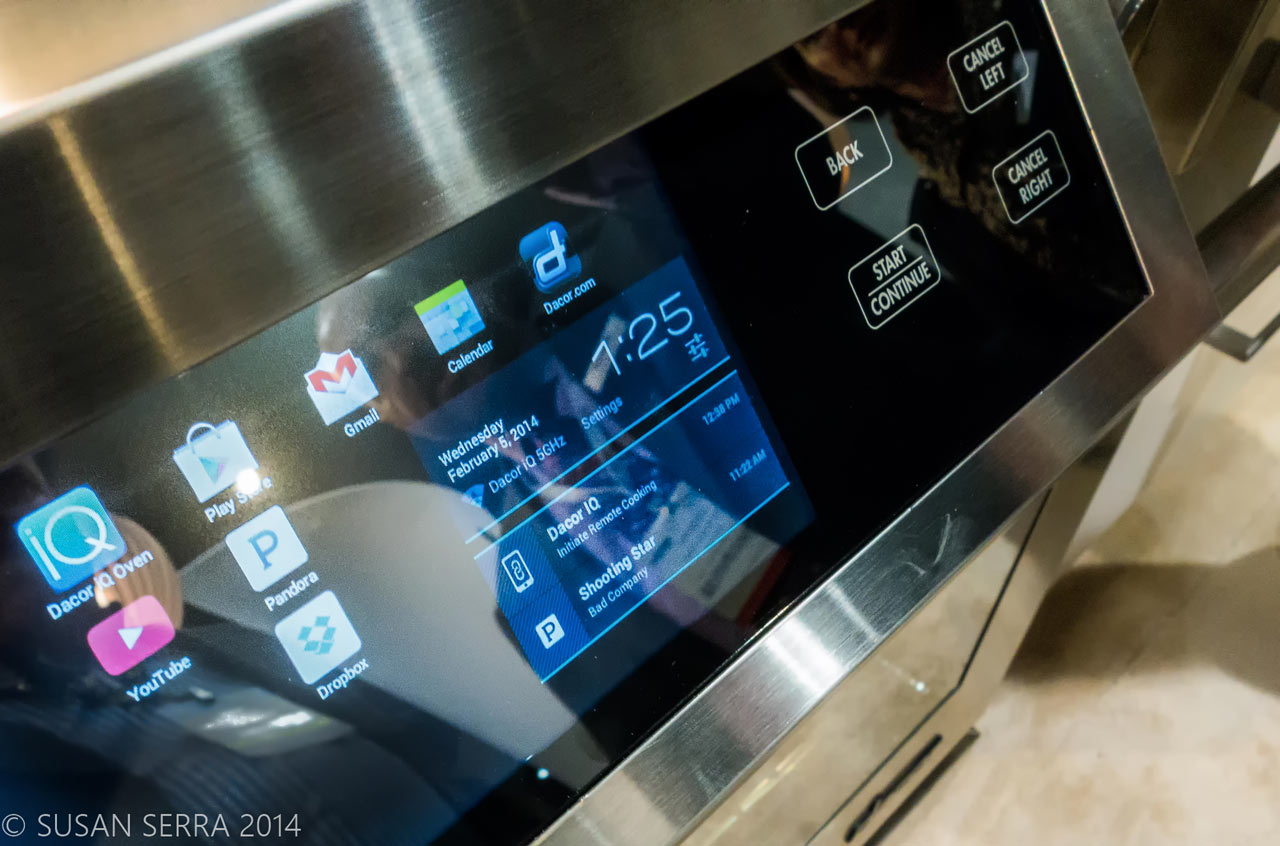
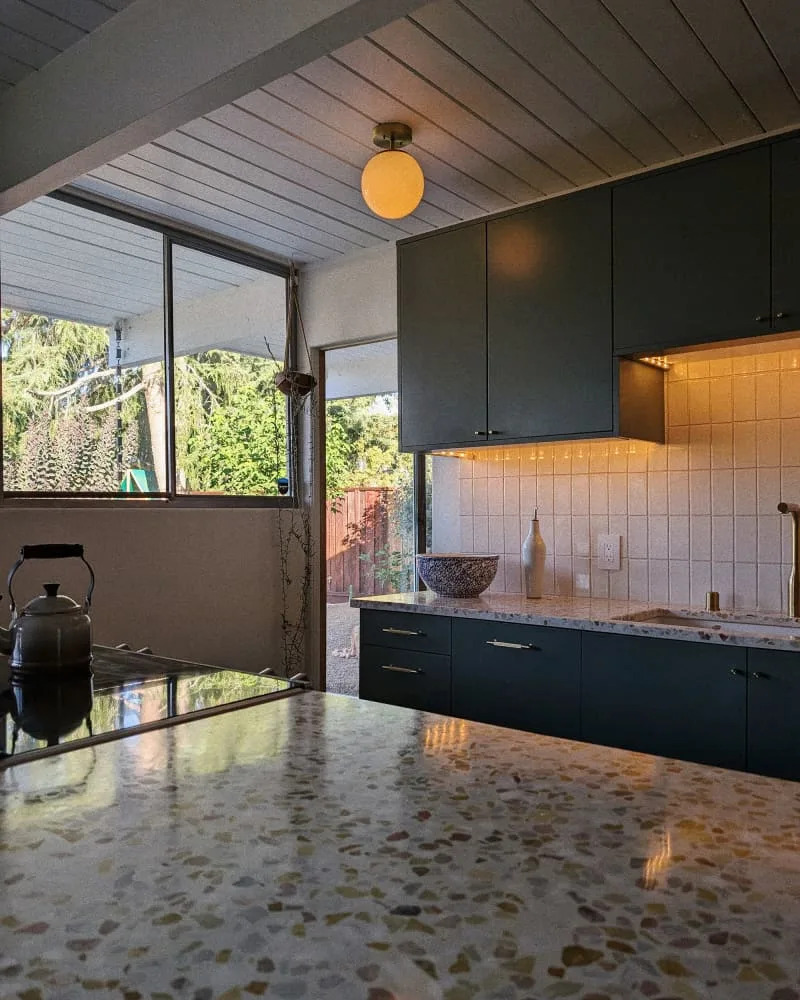
In terms of finishes, satin-finish and un-lacquered brass are experiencing a resurgence, adding warmth to popular gray and white palettes and creating contrast with trendy navy-blue cabinets. Pull-down faucets, initially introduced by high-end European manufacturers like Dornbracht, Hansgrohe, Rohl, and KWC, have become a favorite in the American market and are now widely available from various manufacturers. European engineering also continues to drive innovation in kitchen appliances, with a focus on sleeker designs and features compatible with on-the-go lifestyles, such as timer functions, smart technology, and Sabbath modes. Built-in coffee makers, speed ovens, and steam ovens, once uncommon in the U.S., are now gaining popularity.
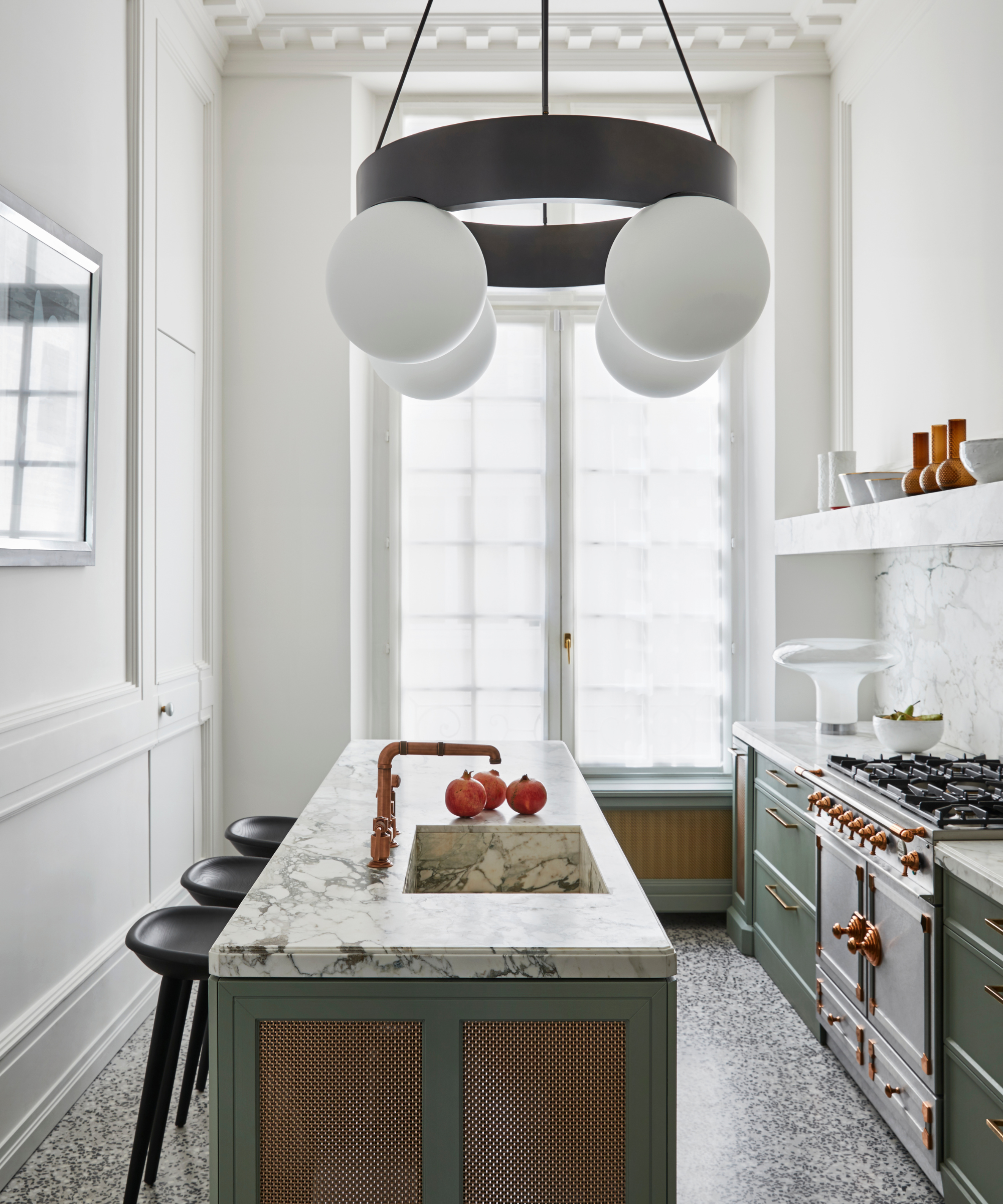
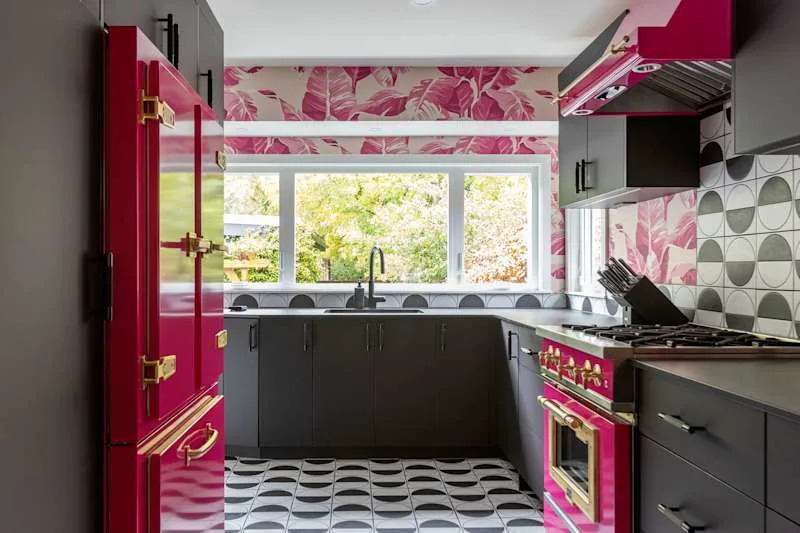
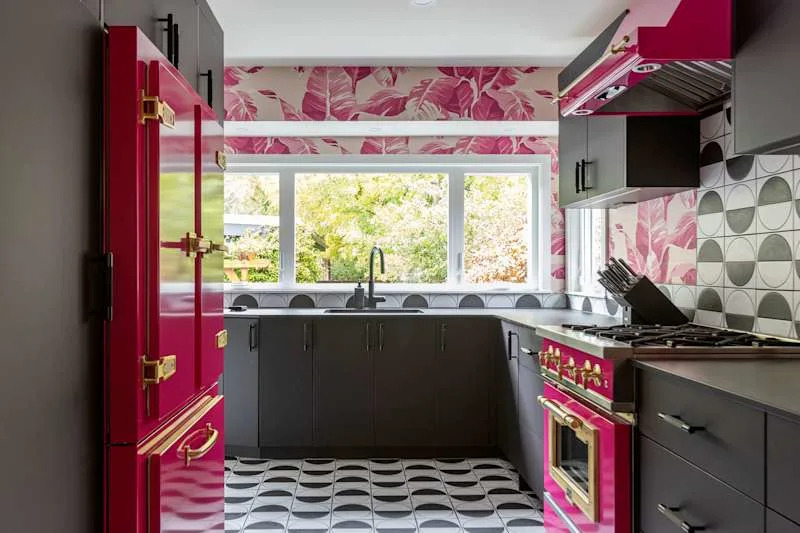
While some European appliances, like La Cornue Chateau ranges with their extensive color options, cater to the luxury market, others, such as Bertazzoni and Liebherr, offer competitive pricing compared to American-made counterparts. Premium European brands like Miele are often aligned in price with high-end American brands like Sub Zero/Wolf and Dacor. European companies are recognized for their leadership in various appliance categories, particularly in dishwashers (Miele, Bosch, Asko) and high-efficiency ovens (Gaggenau, Miele), due to their focus on energy efficiency, acoustics, and thermal engineering. Many European ovens, for instance, are not self-cleaning, contributing to lower energy consumption. There are generally no special installation requirements for European appliances, and their sizes are often comparable to American models. Consumers are advised to physically inspect appliances before purchase, as subtle differences in components like oven racks, refrigerator interiors, grates, knobs, and burners can exist between manufacturers. Additionally, for an appliance to be sold in the USA, a robust service network must be in place.
#EuropeanDesign #KitchenTrends #ModernKitchens #InteriorDesign #ApplianceTechnology #Cabinetry #HomeRemodeling #DesignTrends #HardwareDesign #EuropeanDesign #KitchenTrends #ModernKitchens #InteriorDesign #ApplianceTechnology #Cabinetry #HomeRemodeling #DesignTrends #HardwareDesign
0 comment in total
 No comments yet
You may also like
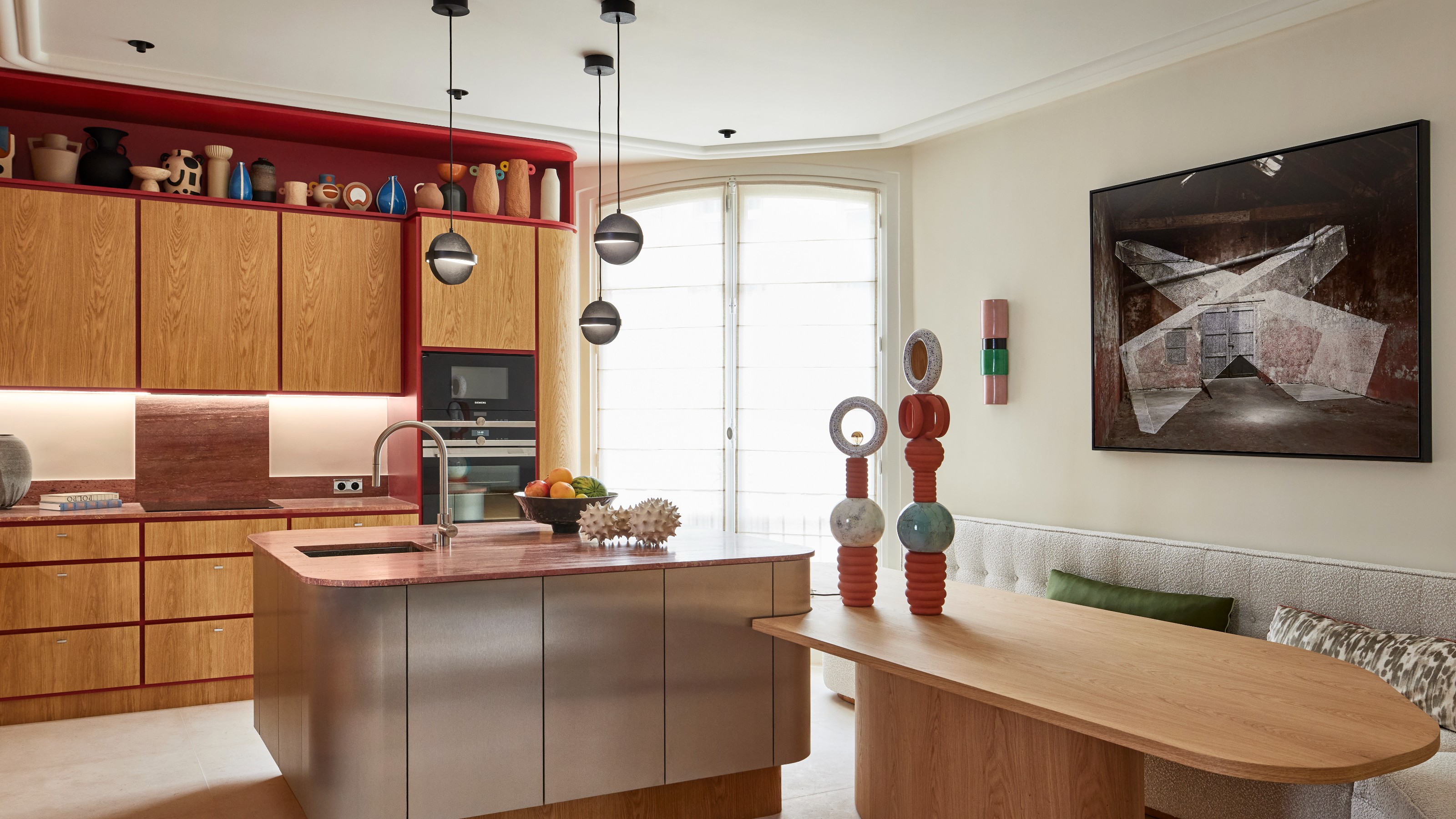
9 Style Lessons From European Kitchens for Sophisticated Spaces That Are Great to Cook in

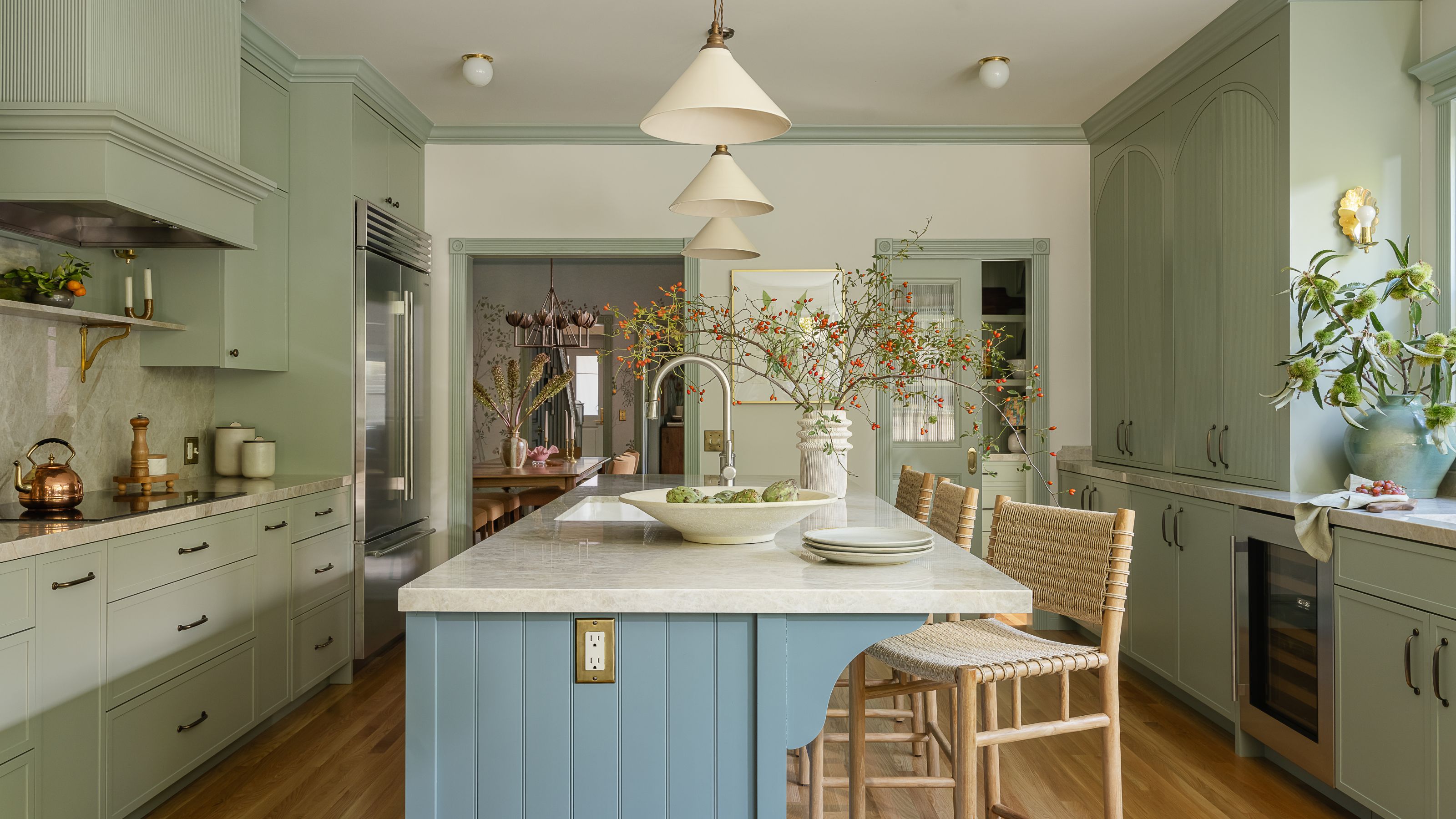
Homes & Gardens’ Best Kitchens of 2025 – The Designs You Loved Most This Year

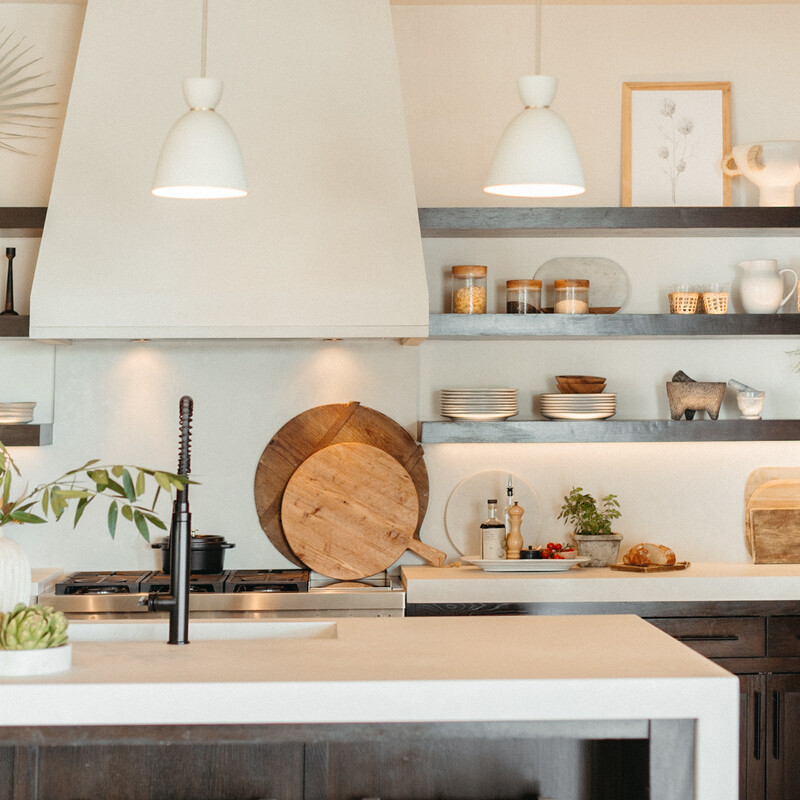
This Modern Design Trend Adds Wow Factor to Any Kitchen

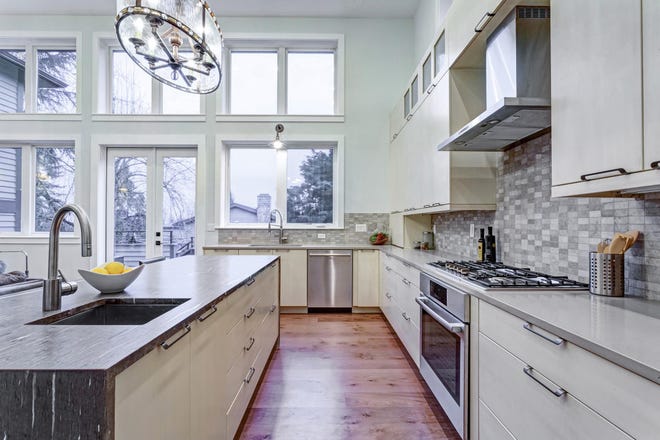
Top design styles for your kitchen remodel
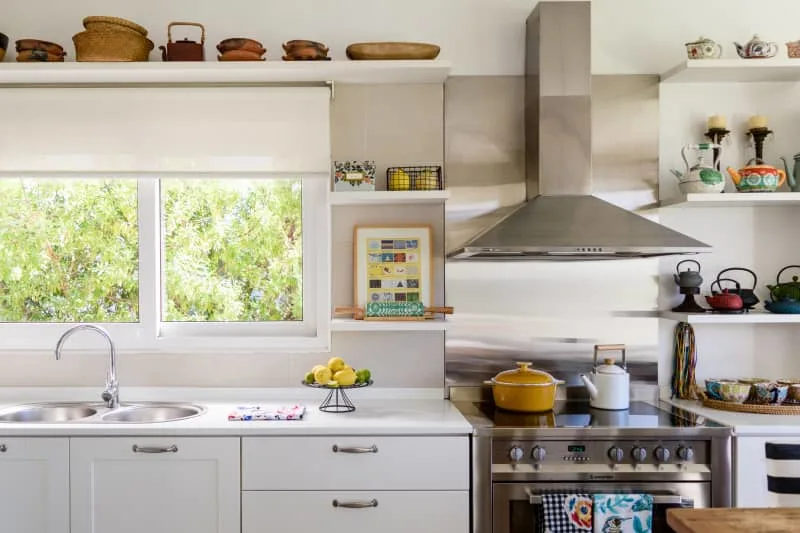
15 Gorgeous Modern Kitchen Ideas That’ll Never Go Out of Style
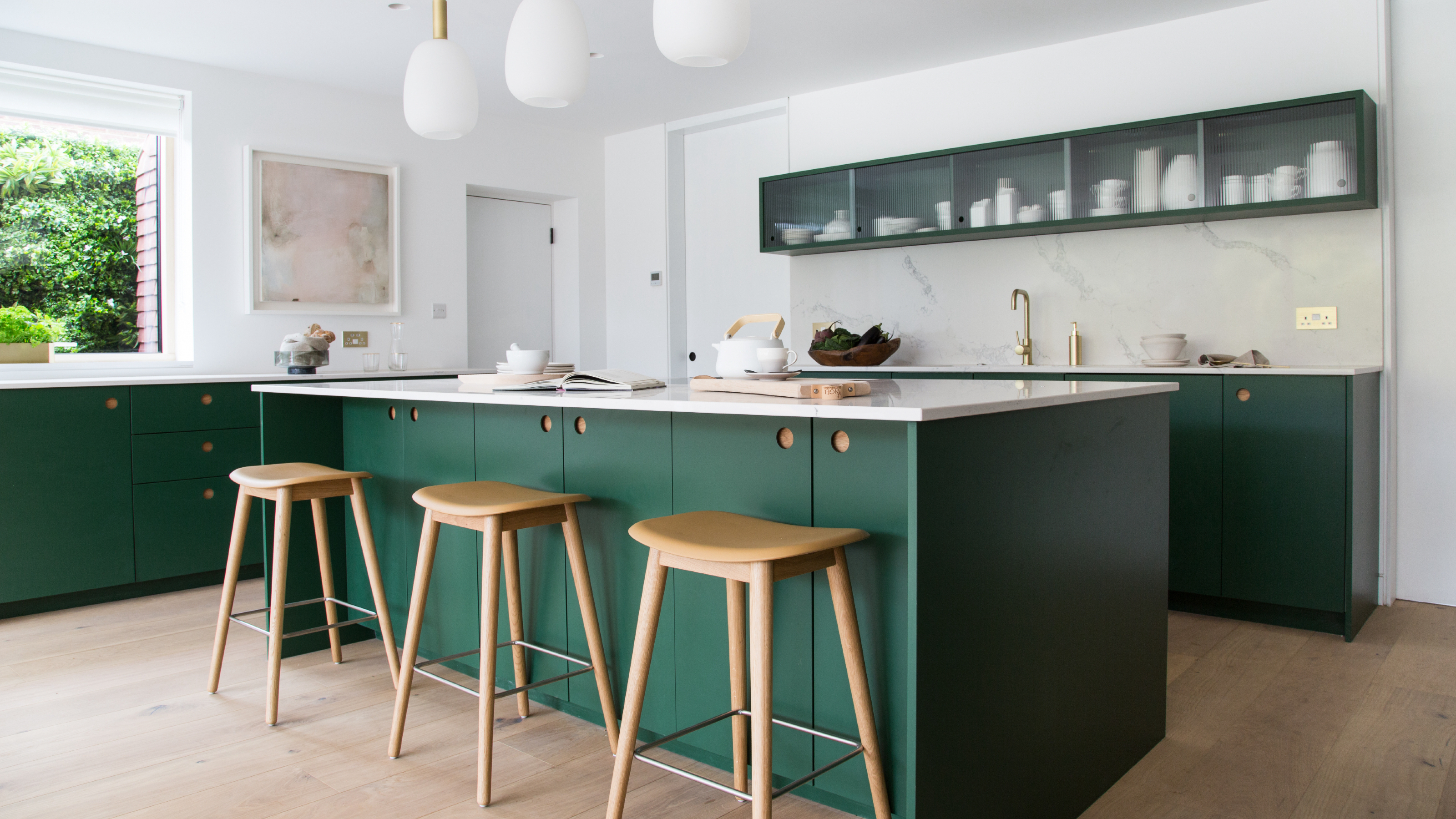
37 modern kitchen ideas – transform this key room into a contemporary space
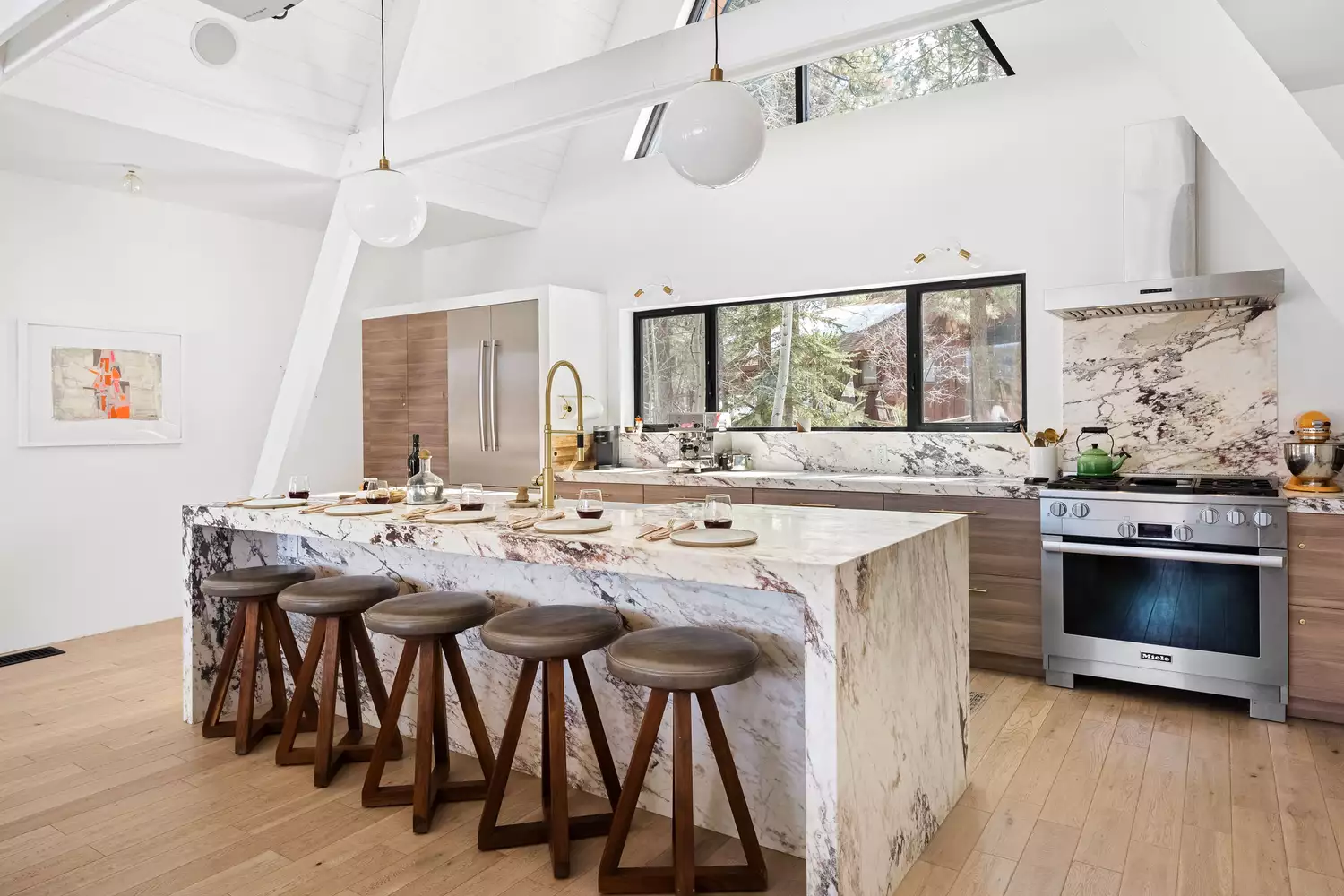
39 Modern Kitchens That Feel Fresh and Current

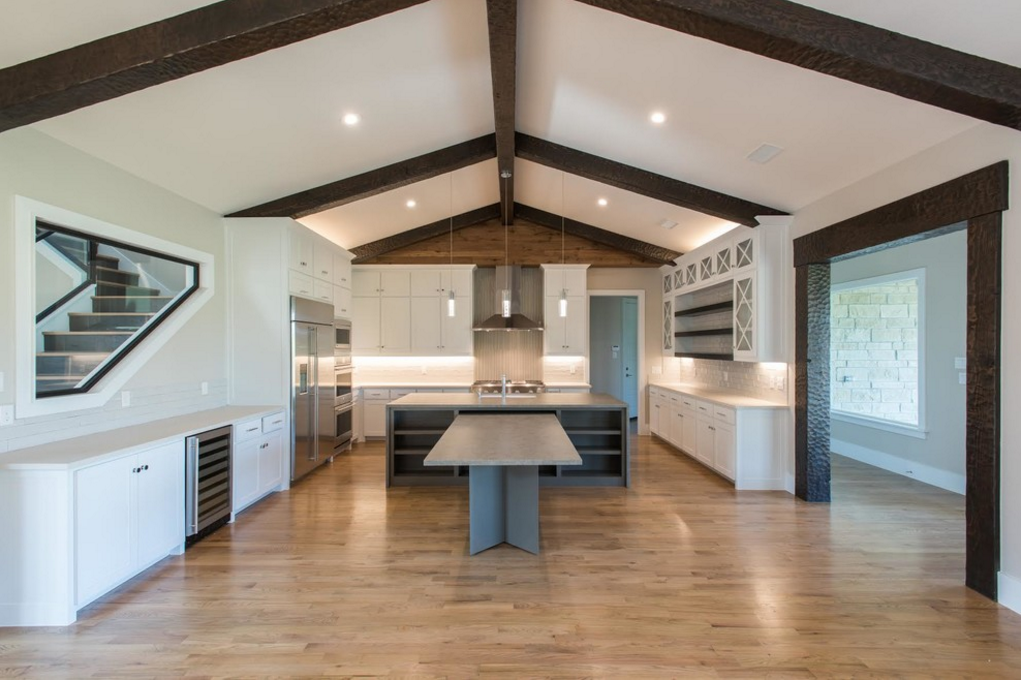
Dallas Top Designers Dish on 2016 Kitchen Trends, From Lacquer Paint to LED Lights

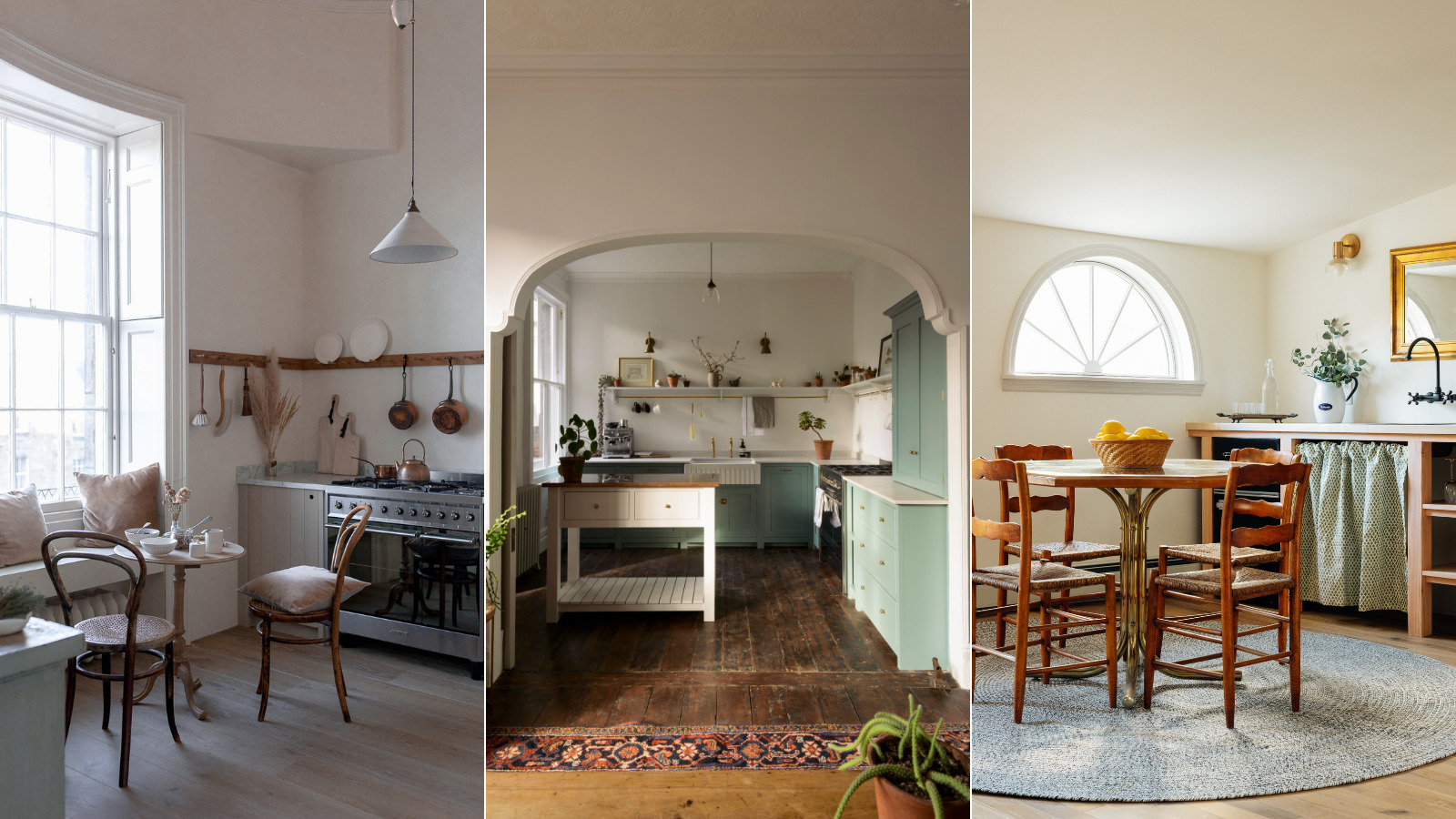
European kitchens are having a moment – here's how to master the look for a timeless, homey cook space
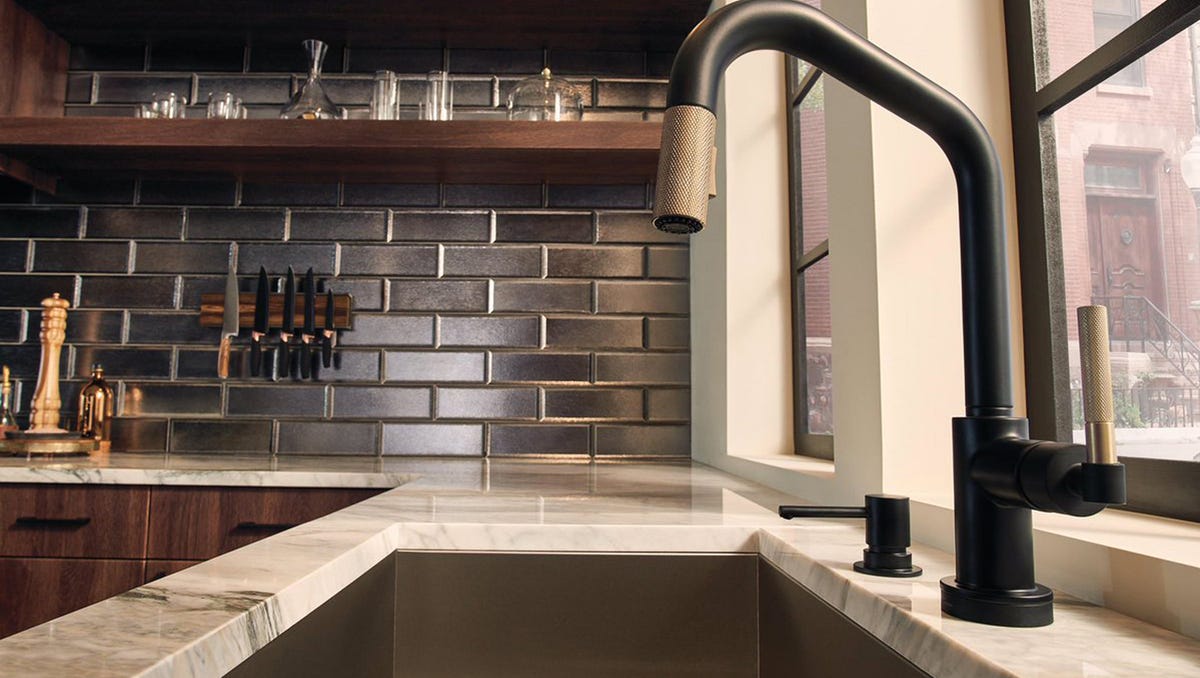
Kitchen trends
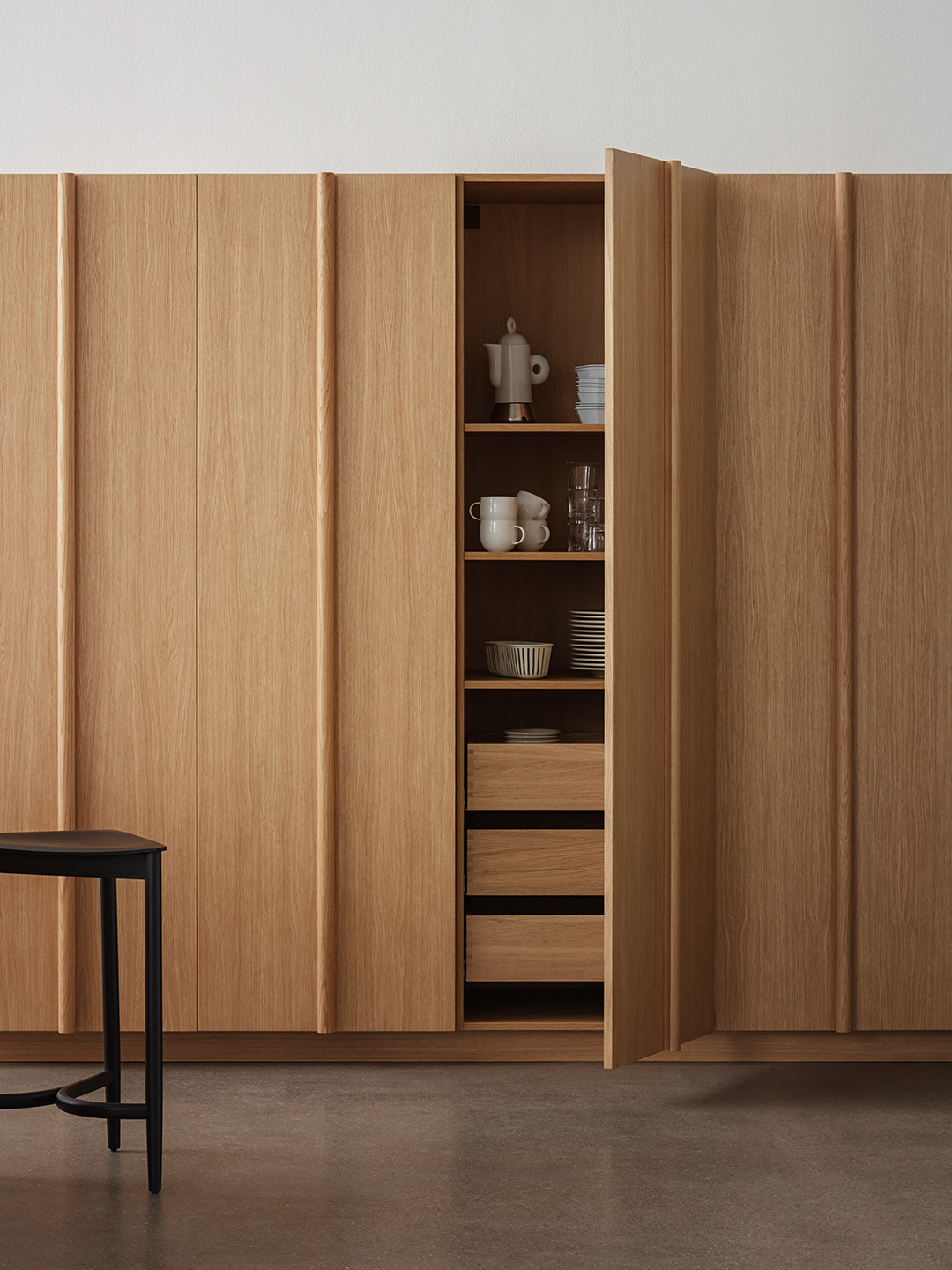
We Predict This Kitchen Cabinet Trend Will Take Over in 2024

15 Gorgeous Modern Kitchen Ideas That’ll Never Go Out of Style

31 Modern Kitchen Ideas for an Elegant and Streamlined Space

Kitchen ideas – leading designers reveal the 34 most stylish looks which will inspire your next kitchen remodel
Current Kitchen Interior Design Trends

Transitional Kitchen Decor — 28 Modern Heritage Finds |
1920s and now: Kitchen design trends through the decades

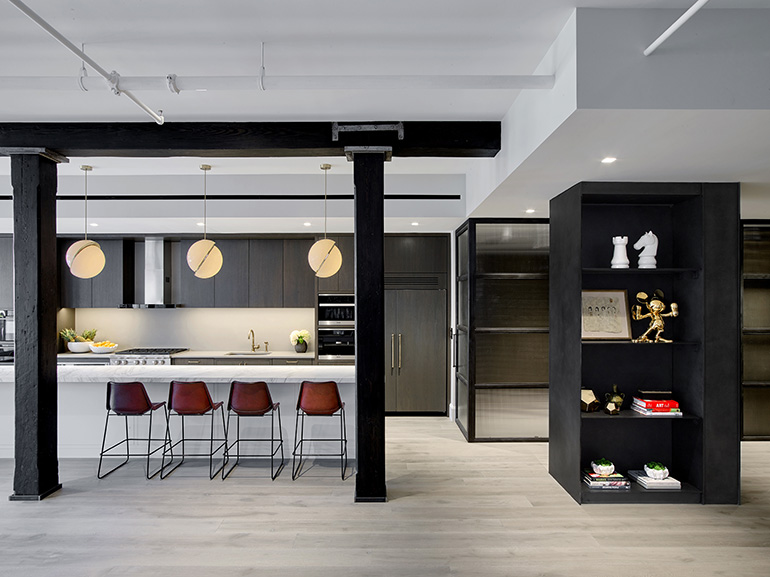
20 Sleek and Modern Kitchen Interior Designs

These 12 Kitchens Prove How Timeless Midcentury Design Is

6 Kitchen Design Styles That Are No Longer Trendy, Designers Share