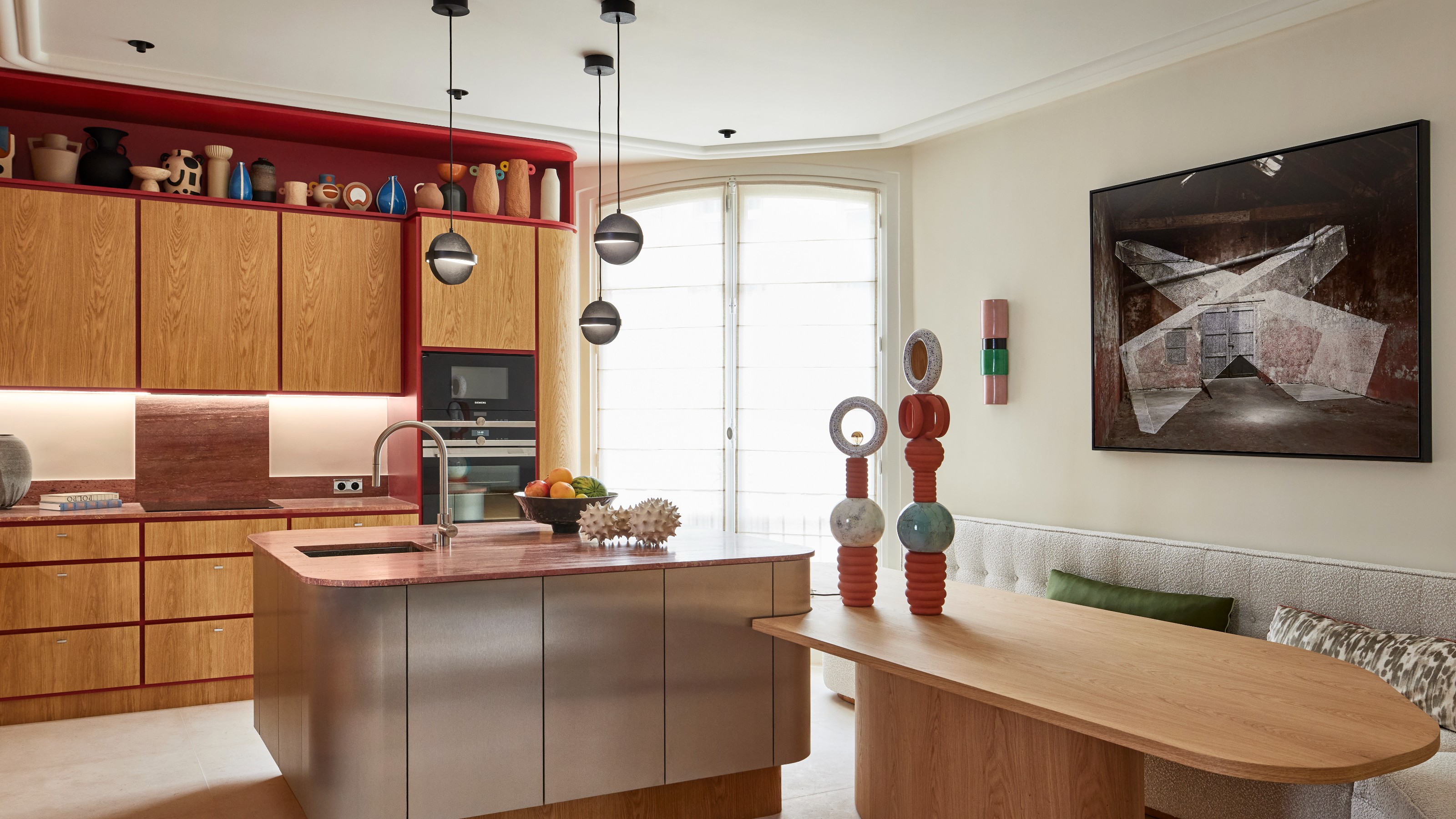
1/9
9 Style Lessons From European Kitchens for Sophisticated Spaces That Are Great to Cook in
This article explores nine style lessons derived from European kitchen designs, offering insights into creating sophisticated and functional cooking spaces. It gathers perspectives from interior designers across France, Belgium, Italy, and Sweden, highlighting how they infuse good mood and atmosphere into their culinary environments. The core idea is to draw inspiration from diverse European design philosophies to guide kitchen remodeling or refreshing projects.
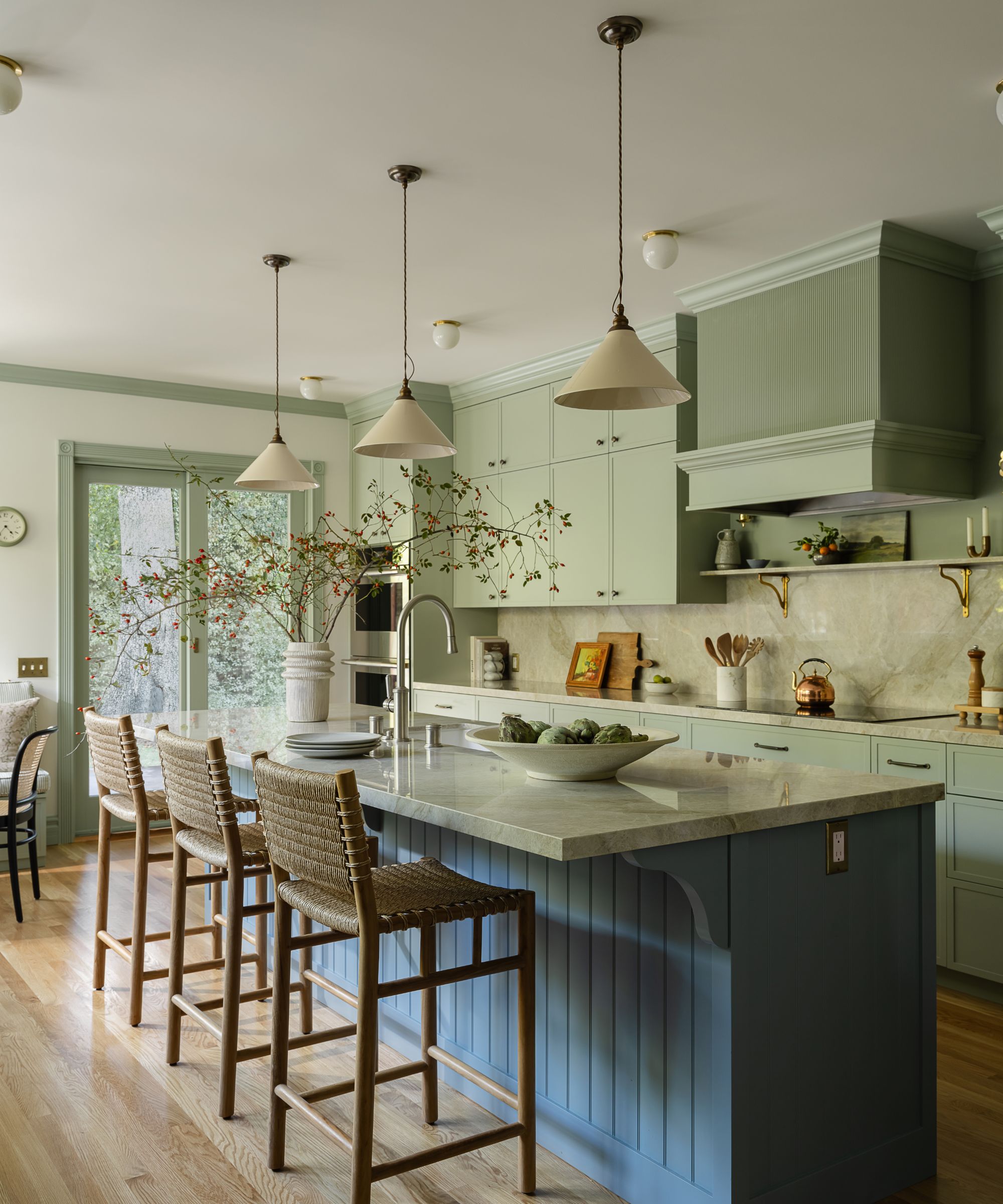
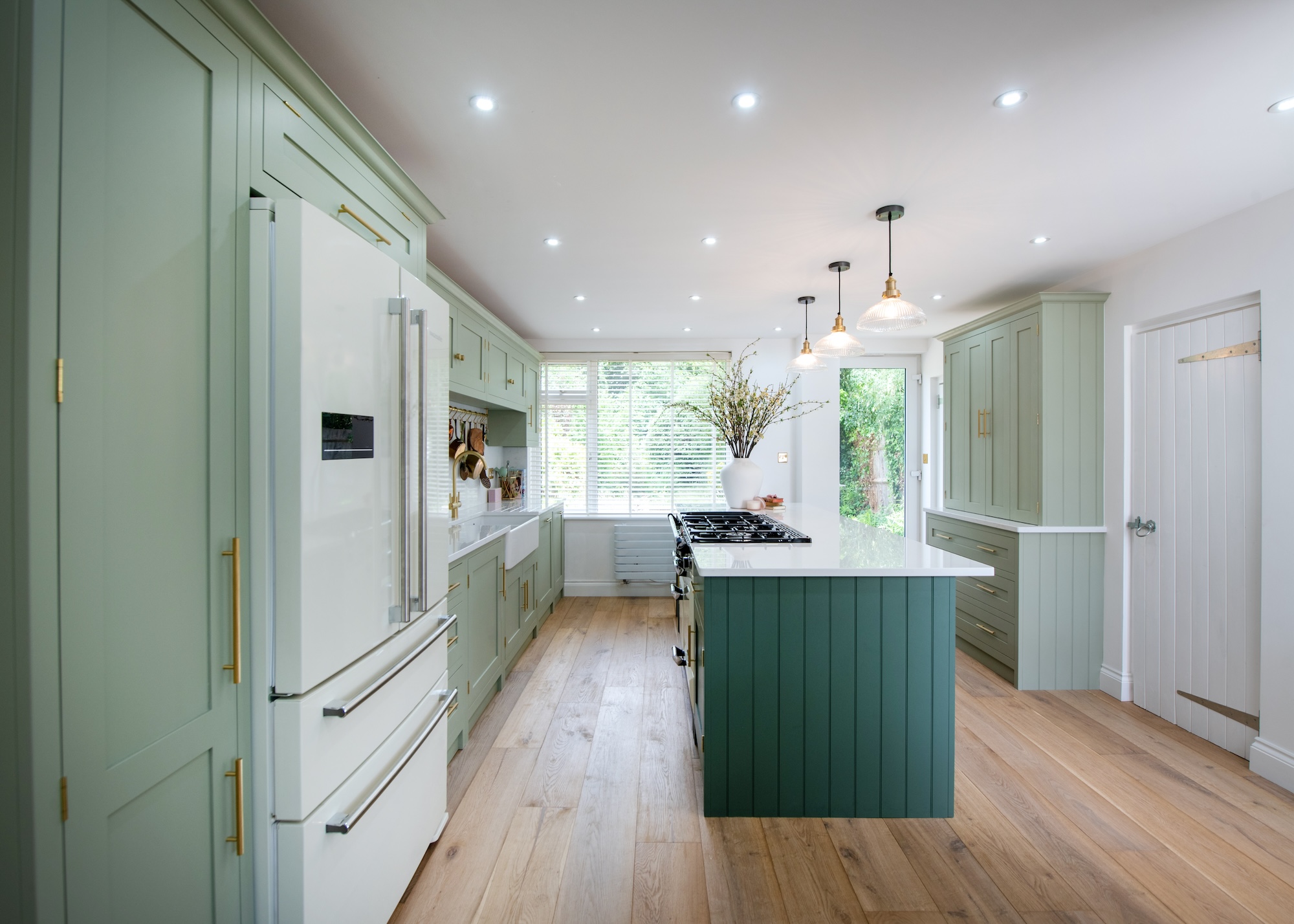
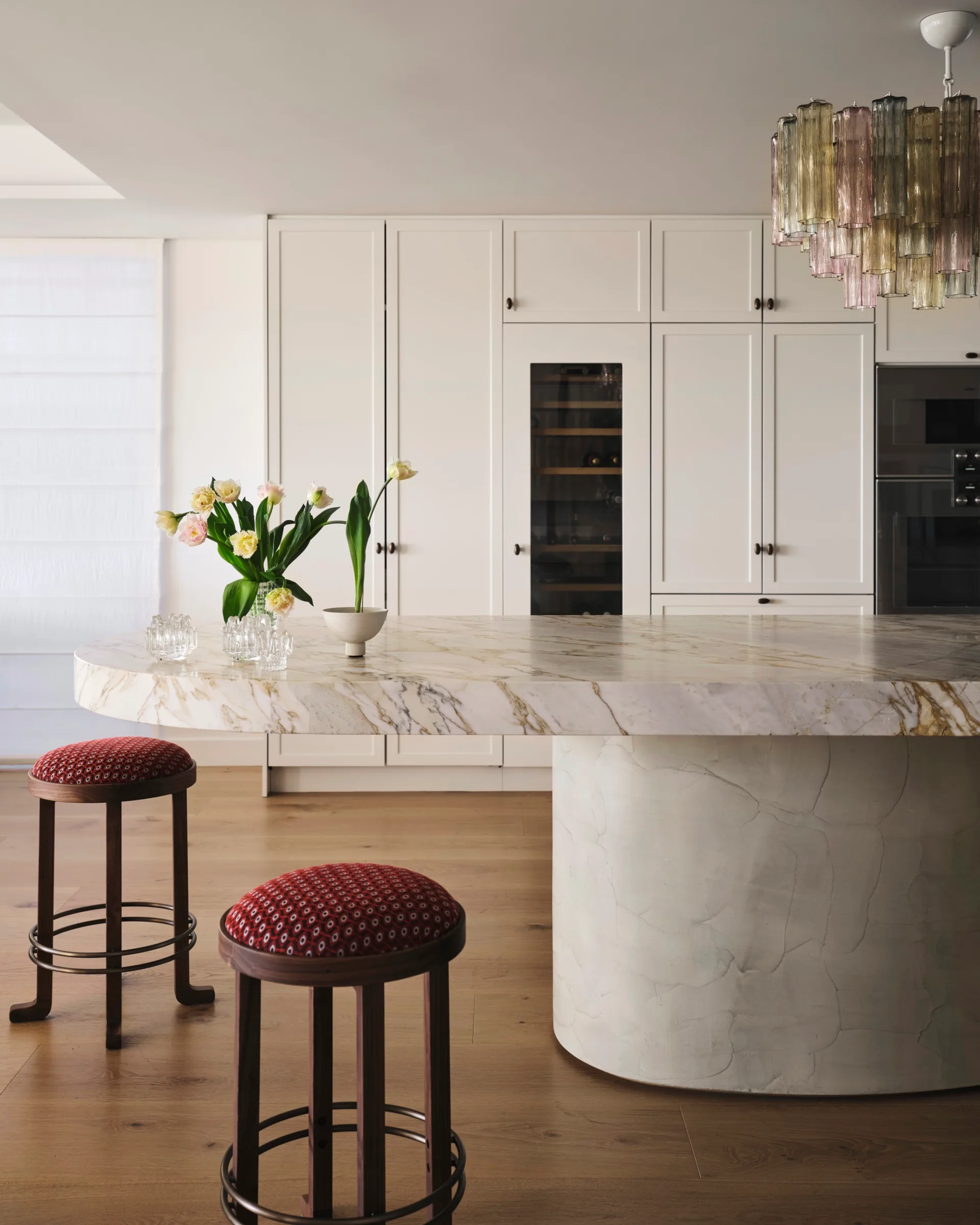
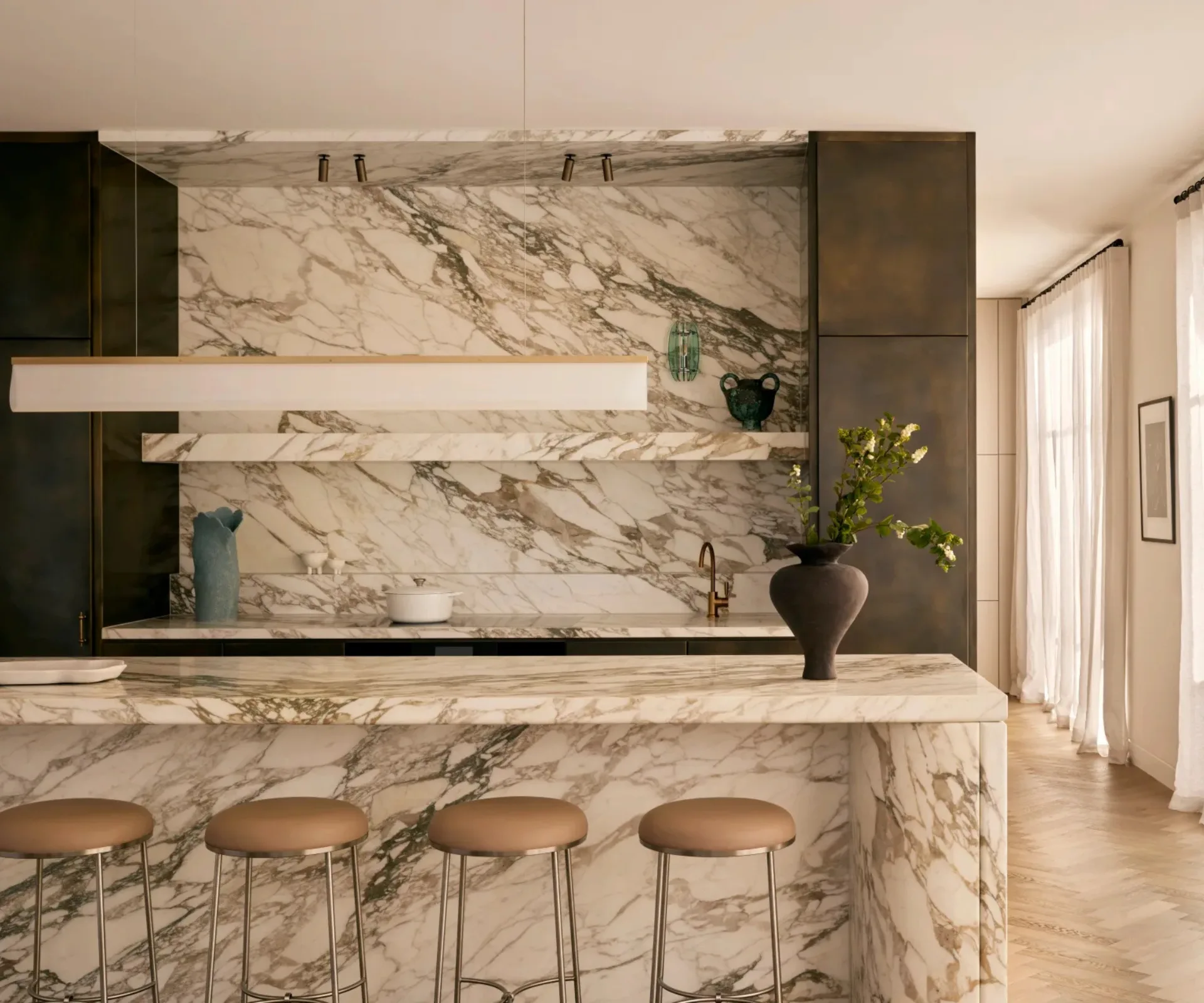
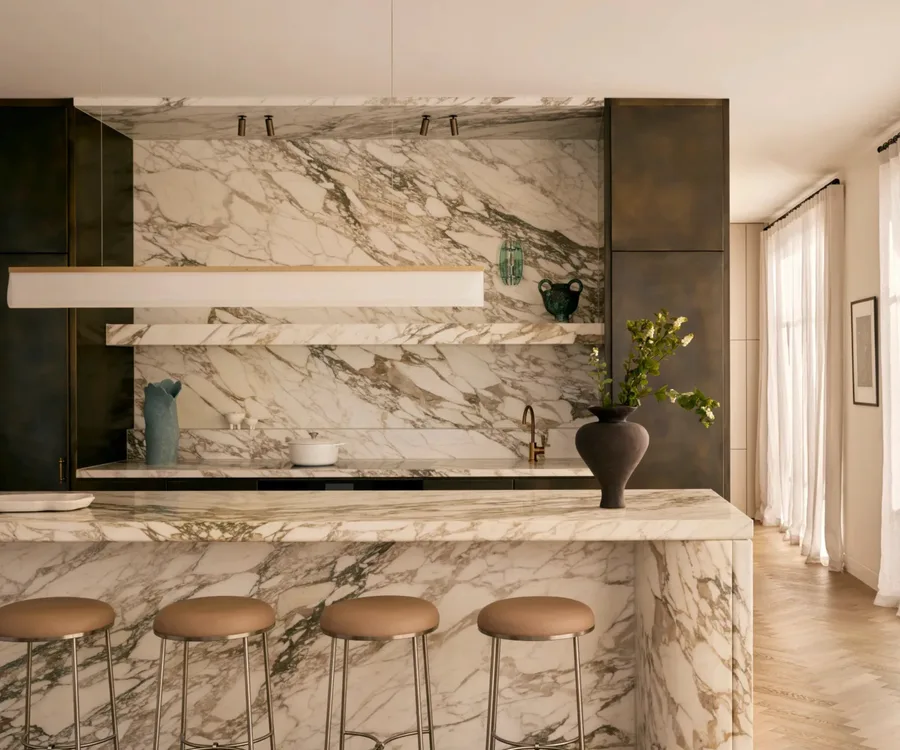
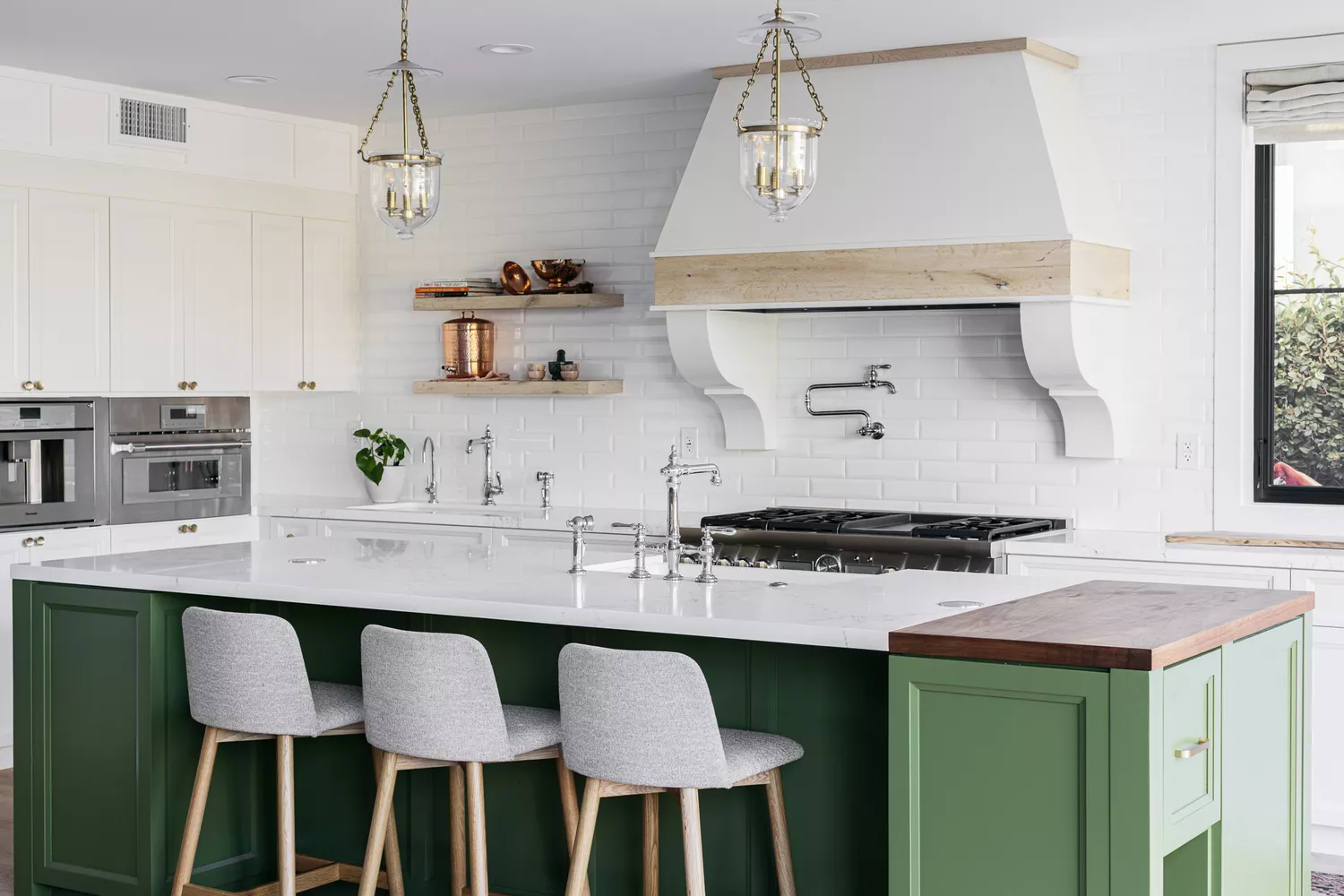
One fundamental lesson emphasizes balancing accent pieces with light walls and flooring. Paris-based studio Humbert & Poyet illustrates this by using a statement green marble kitchen island against light parquet floors and off-white walls, creating depth and balance. This approach ensures that prominent features stand out without overwhelming the space, maintaining an overall warm and cohesive look.
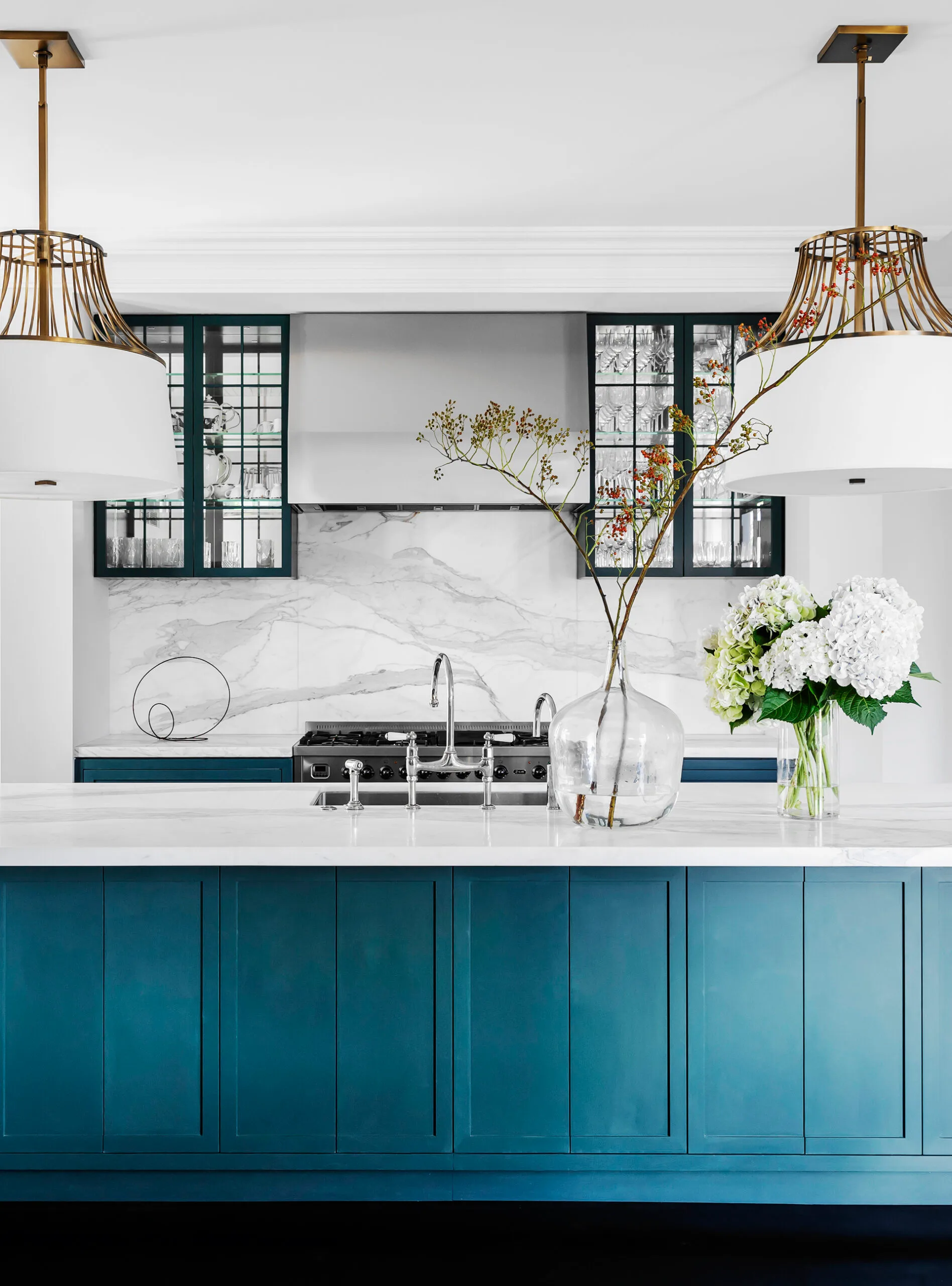
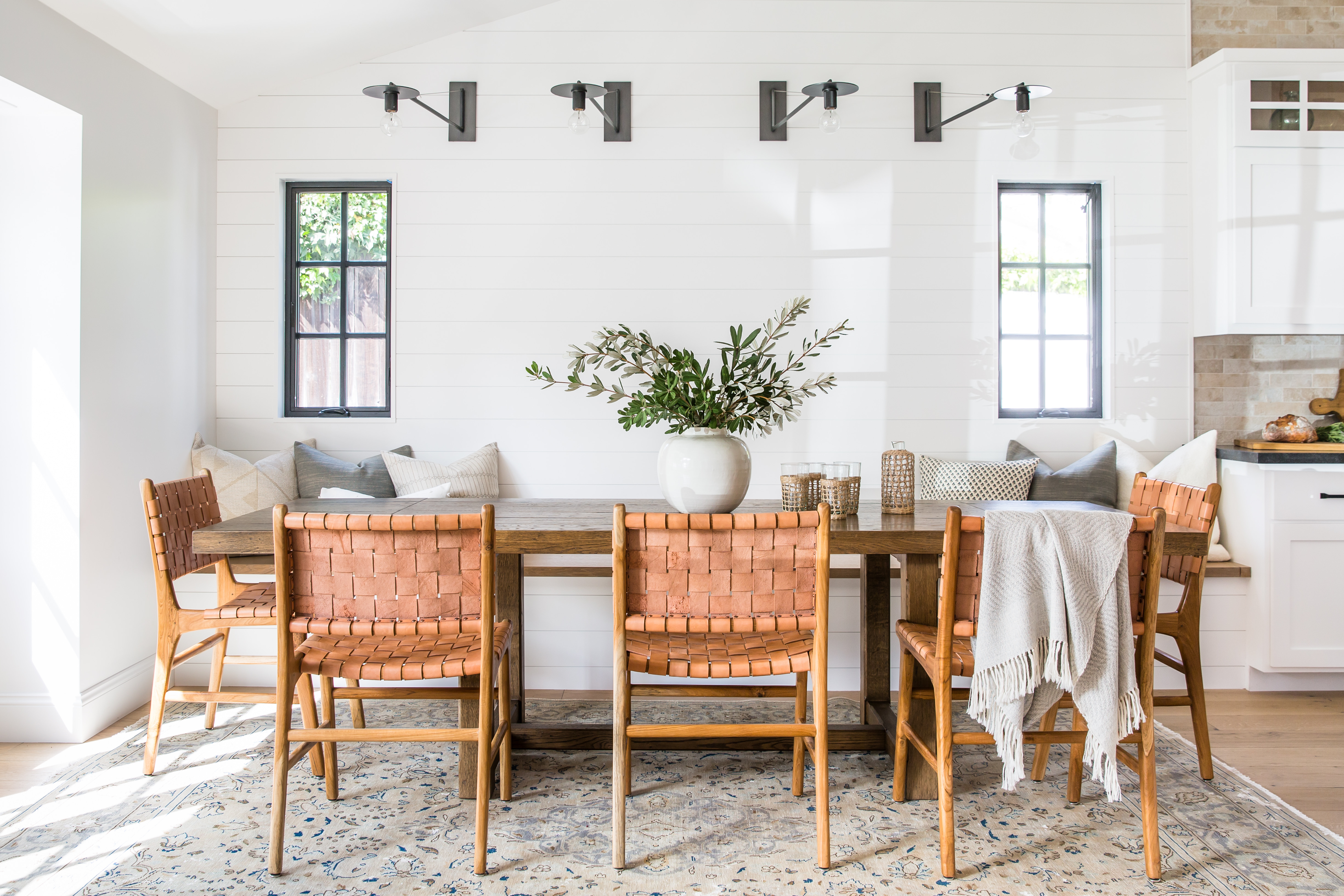
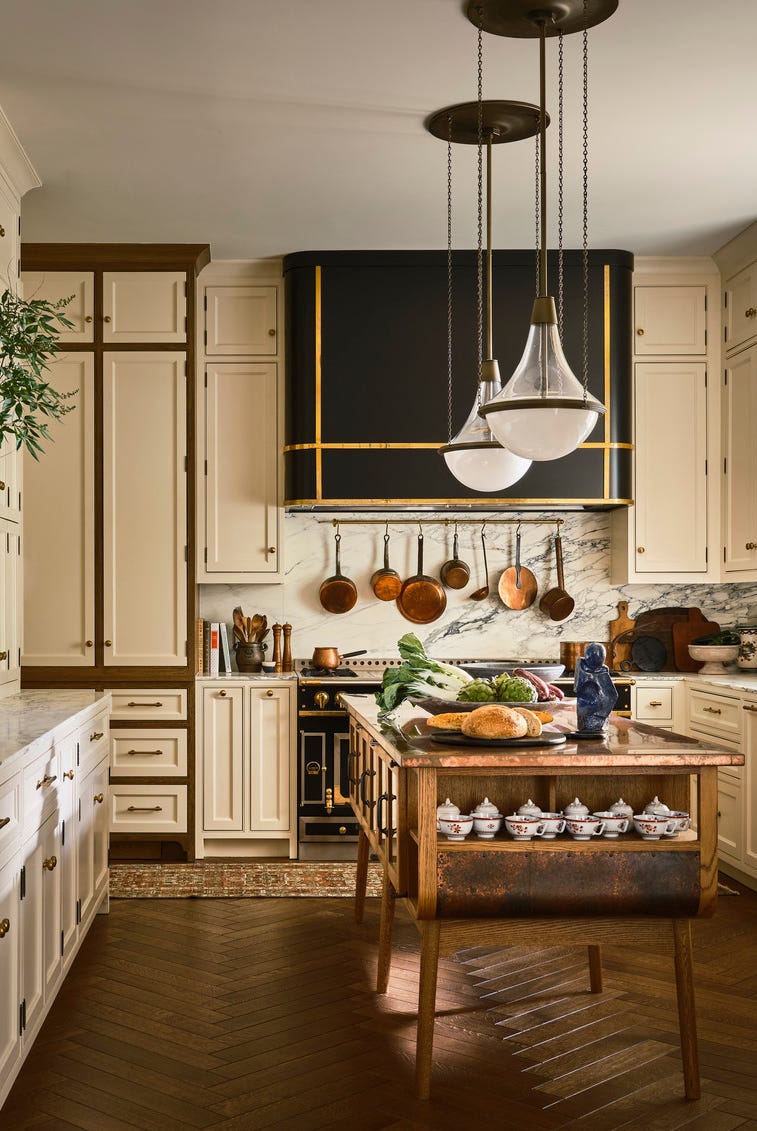
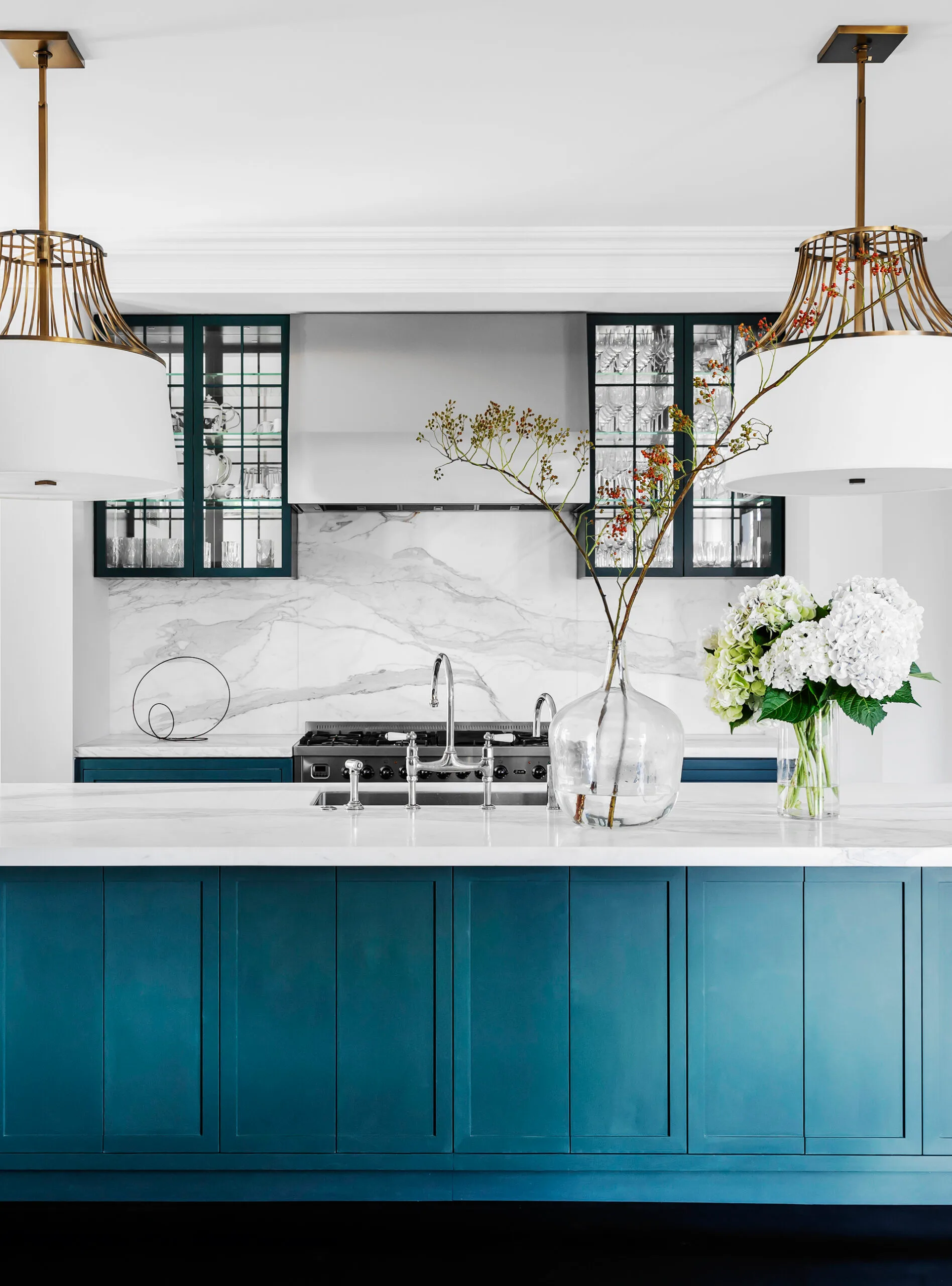
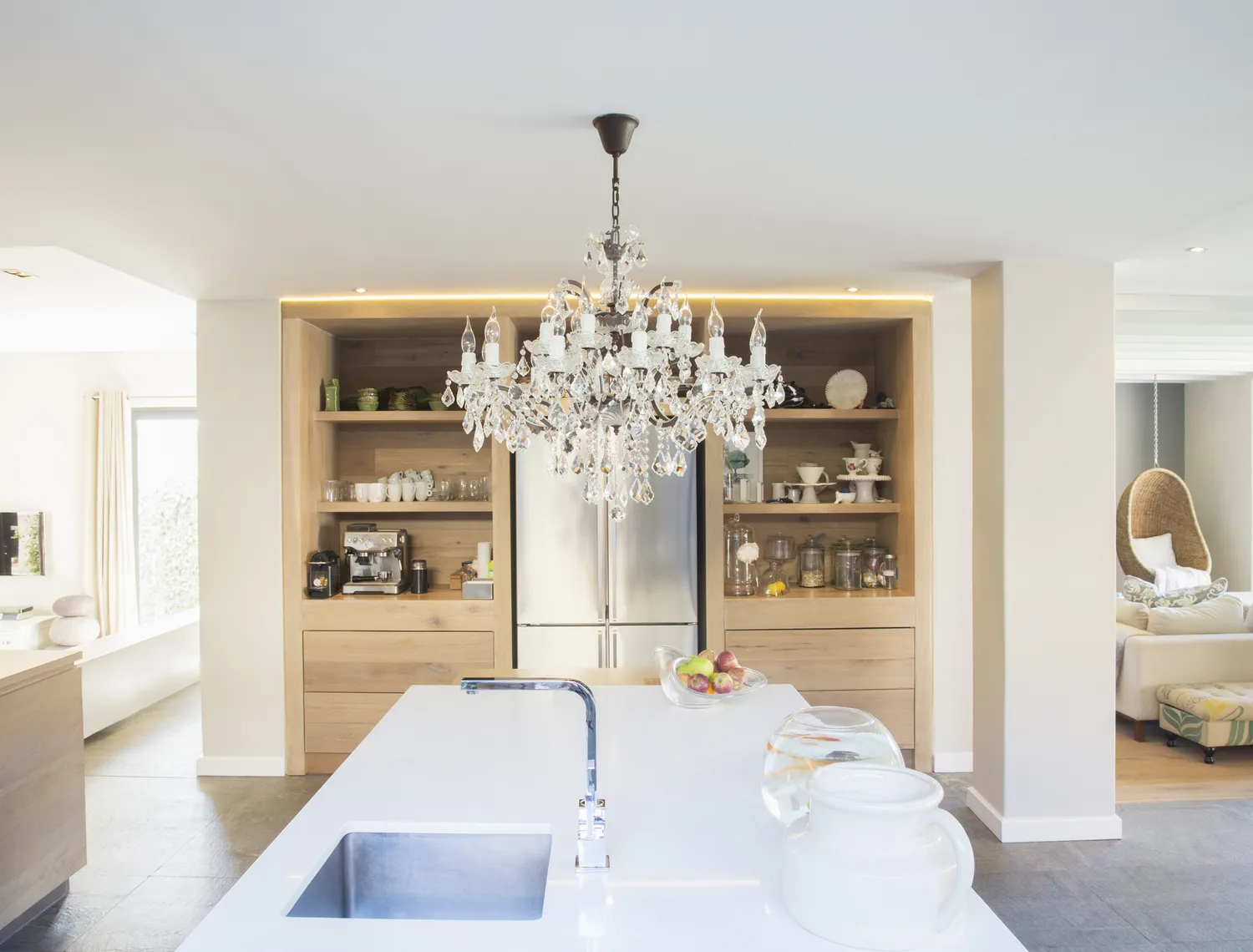
The importance of varied lighting is another key takeaway. European kitchens often feature layered lighting schemes, including standing lamps, sconces, and remarkable pendants, to create flexible moods and atmospheres. This strategic use of different light sources enhances both functionality and aesthetic appeal, especially in spaces with ample natural light.
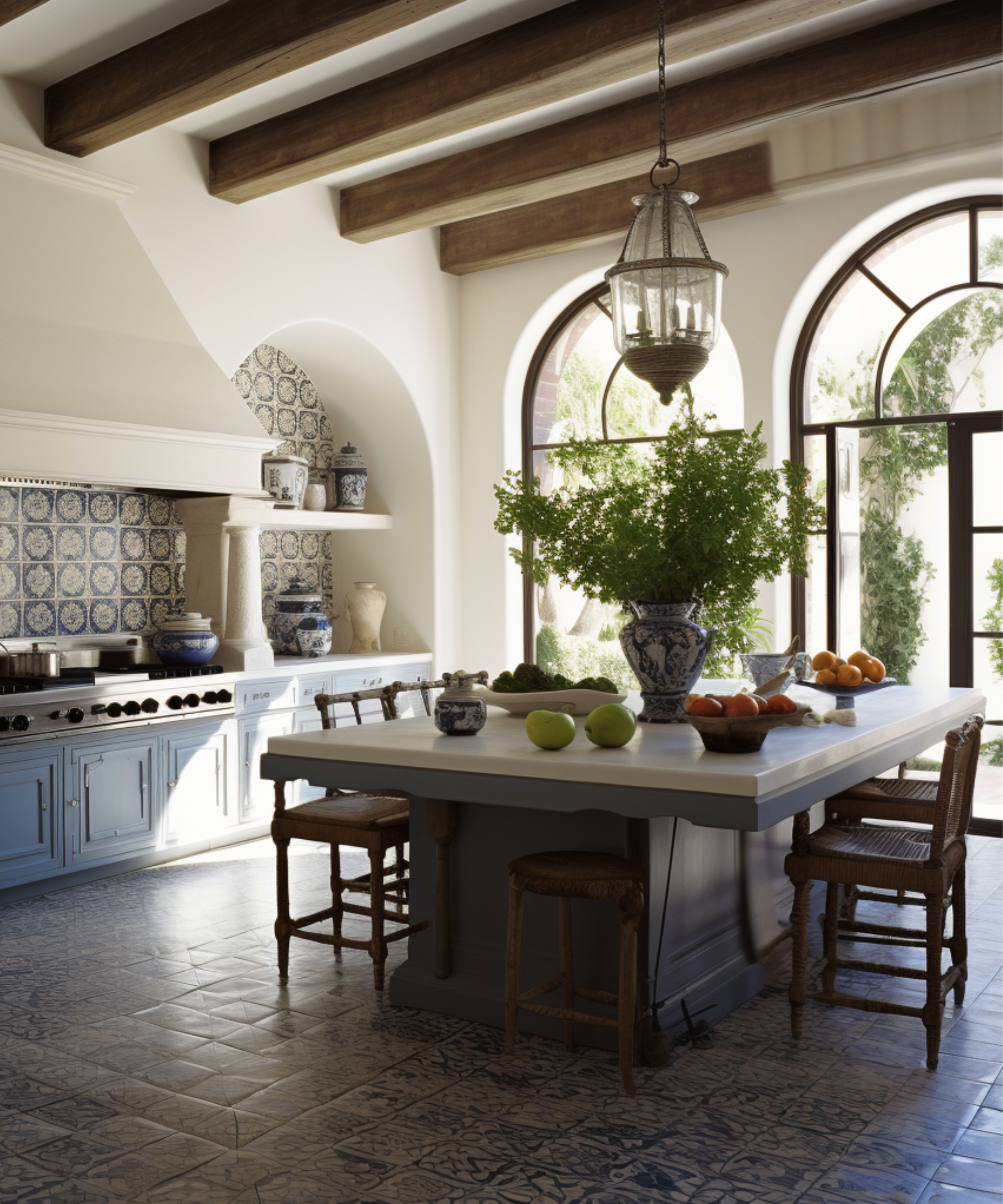
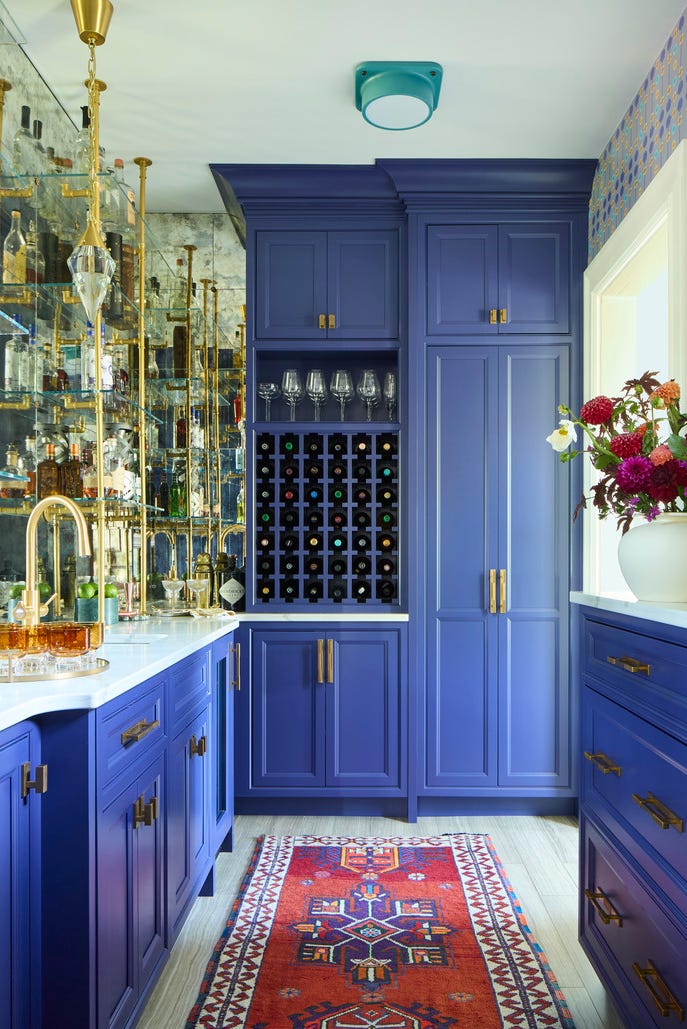
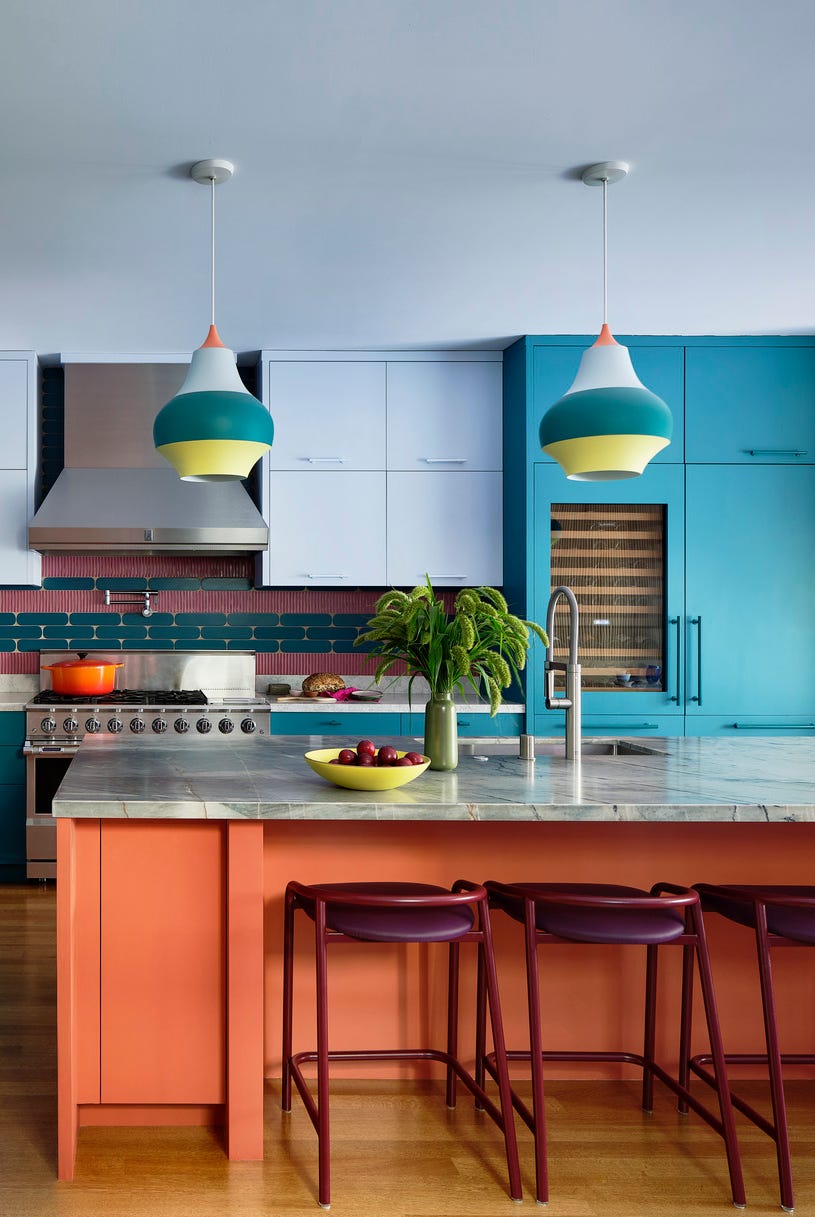
Playful color schemes and accent pieces are identified as effective focal points. Belgian designer Victoria-Maria, for instance, uses a distinctive blue floor kitchen tile and a whimsical pendant to add character to a space, showcasing how color palettes or unique art pieces can centralize a room and bring warmth and timelessness. These elements serve as subtle yet impactful statements.
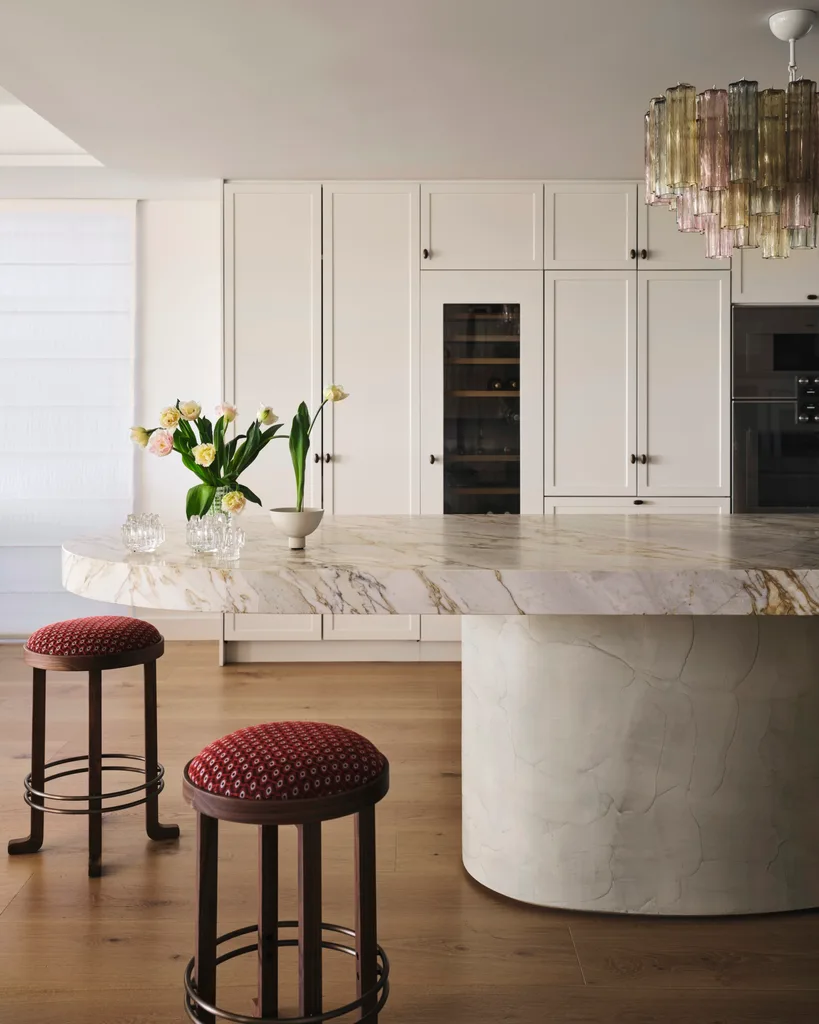
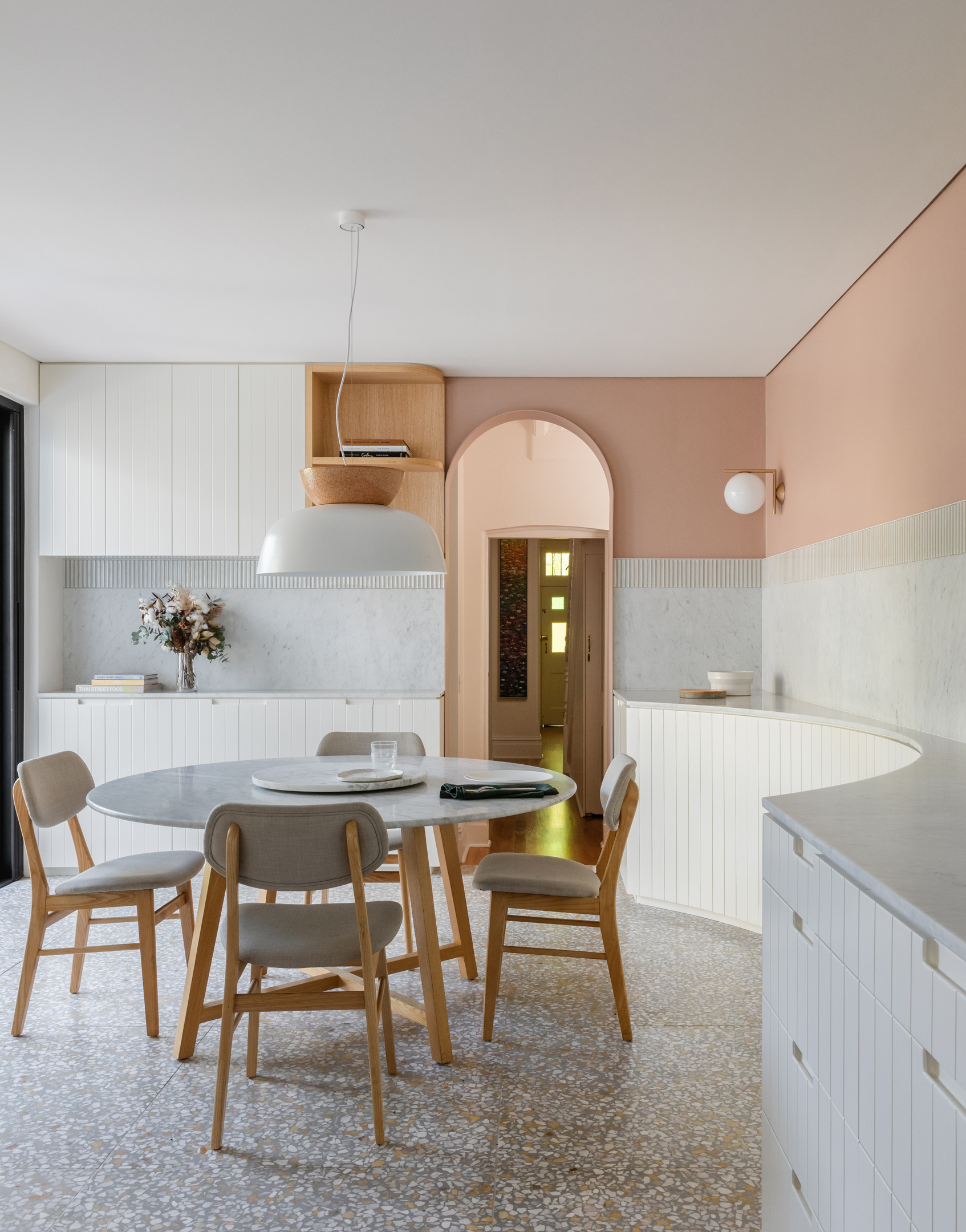
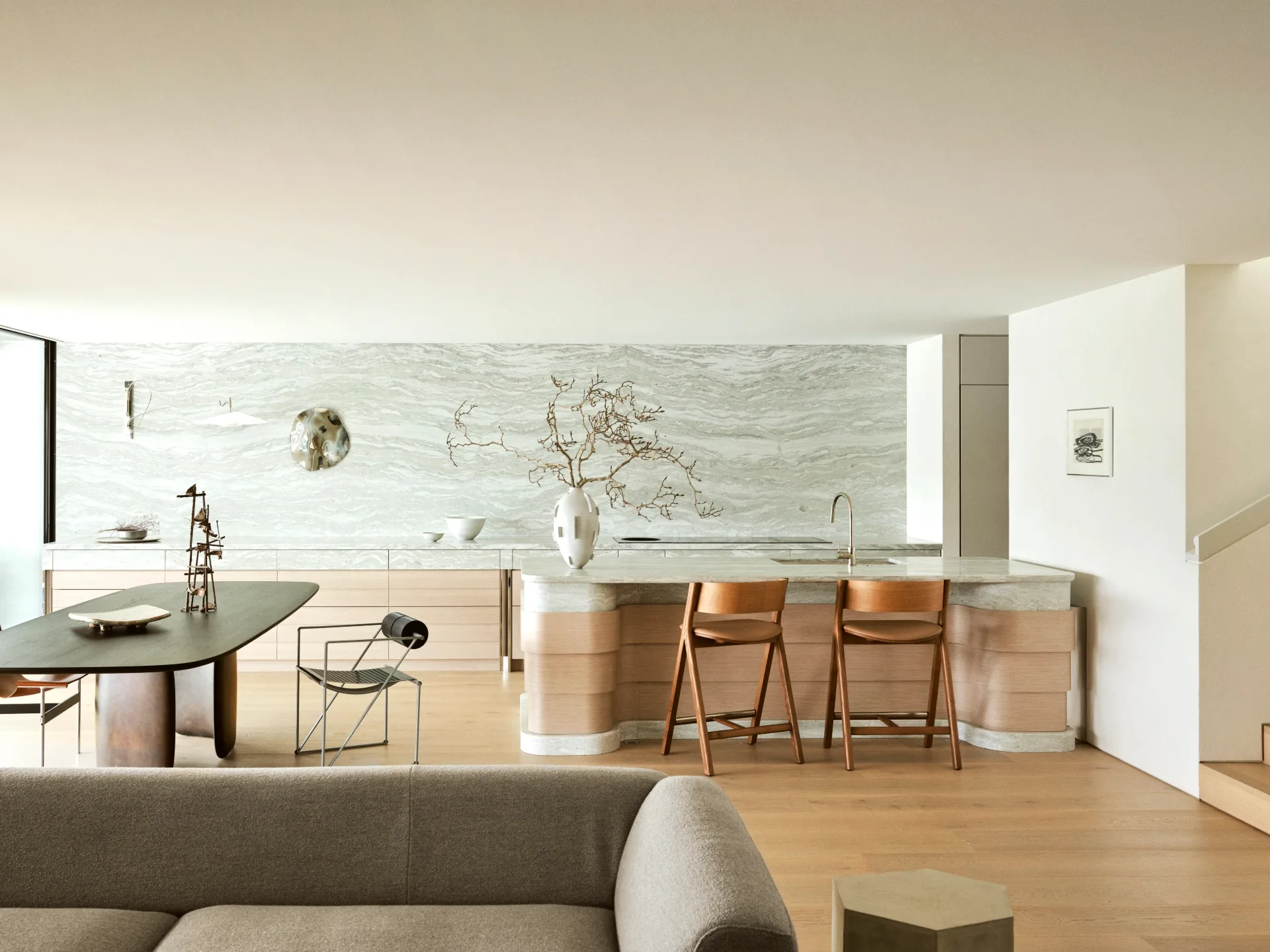
Moving beyond traditional tile for warmth and personality is also discussed. Victoria-Maria's use of marble and onyx instead of conventional tile is presented as an example of infusing elegance, sophistication, and luxury. These materials offer timeless beauty and durability, and when combined with wood and natural textiles, they achieve a balance of natural warmth and refined elegance. This approach allows for visually stunning surfaces that extend beyond typical material choices.
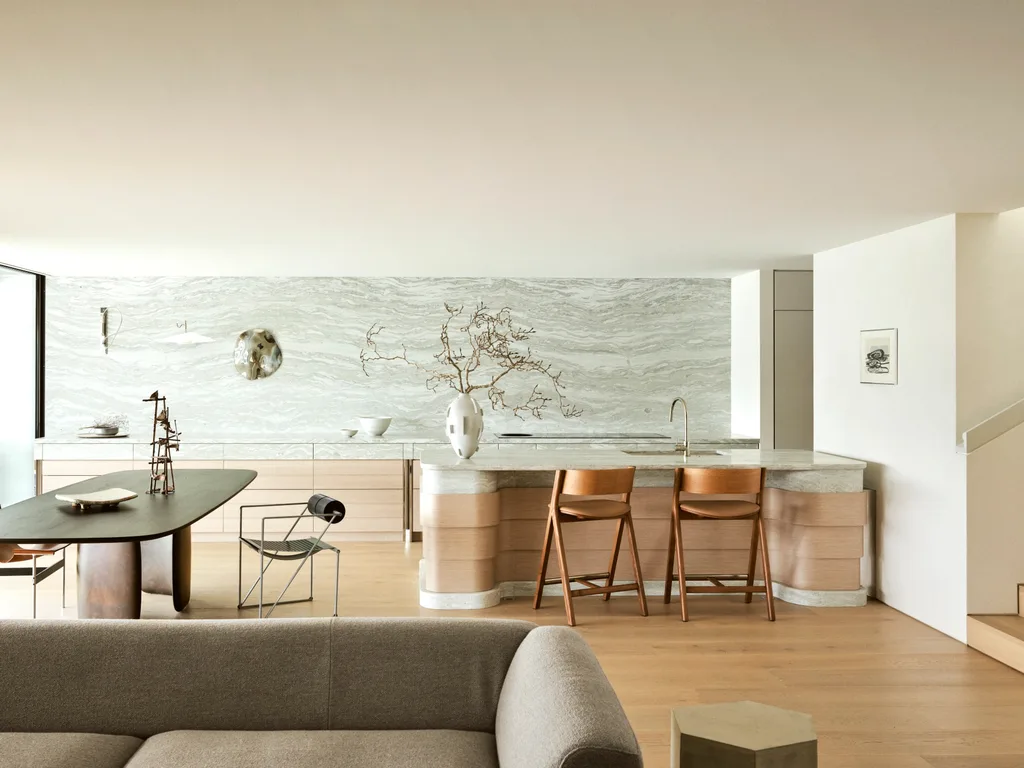
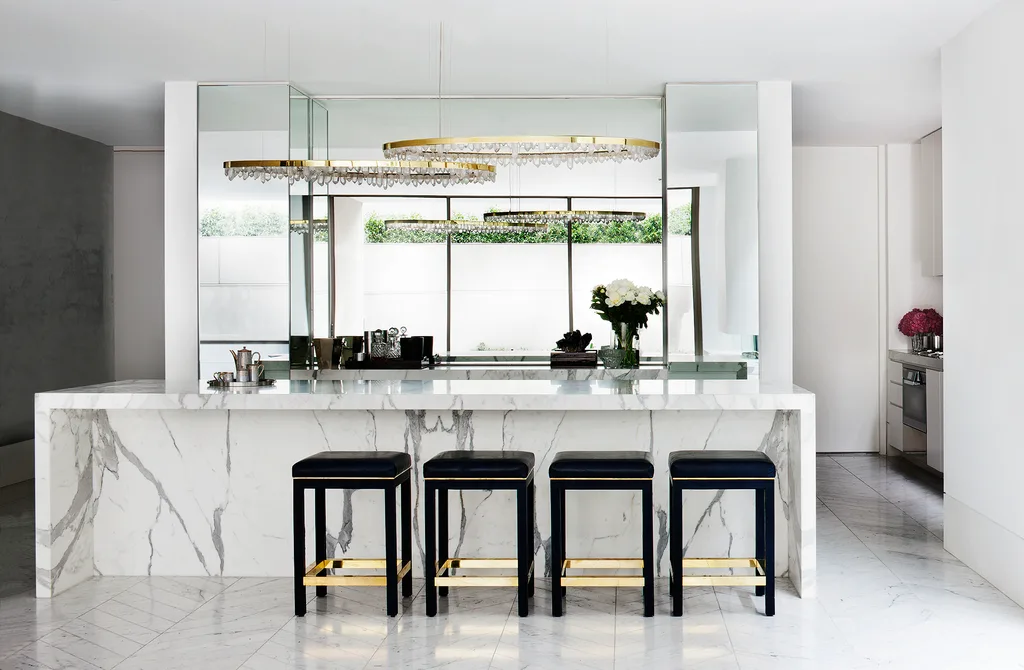
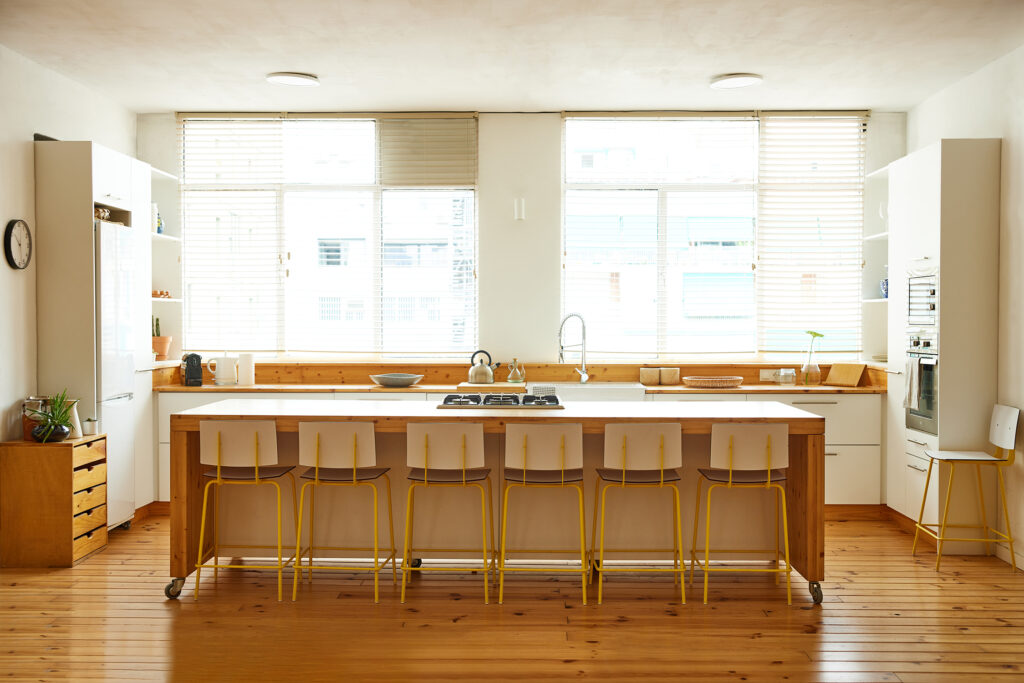
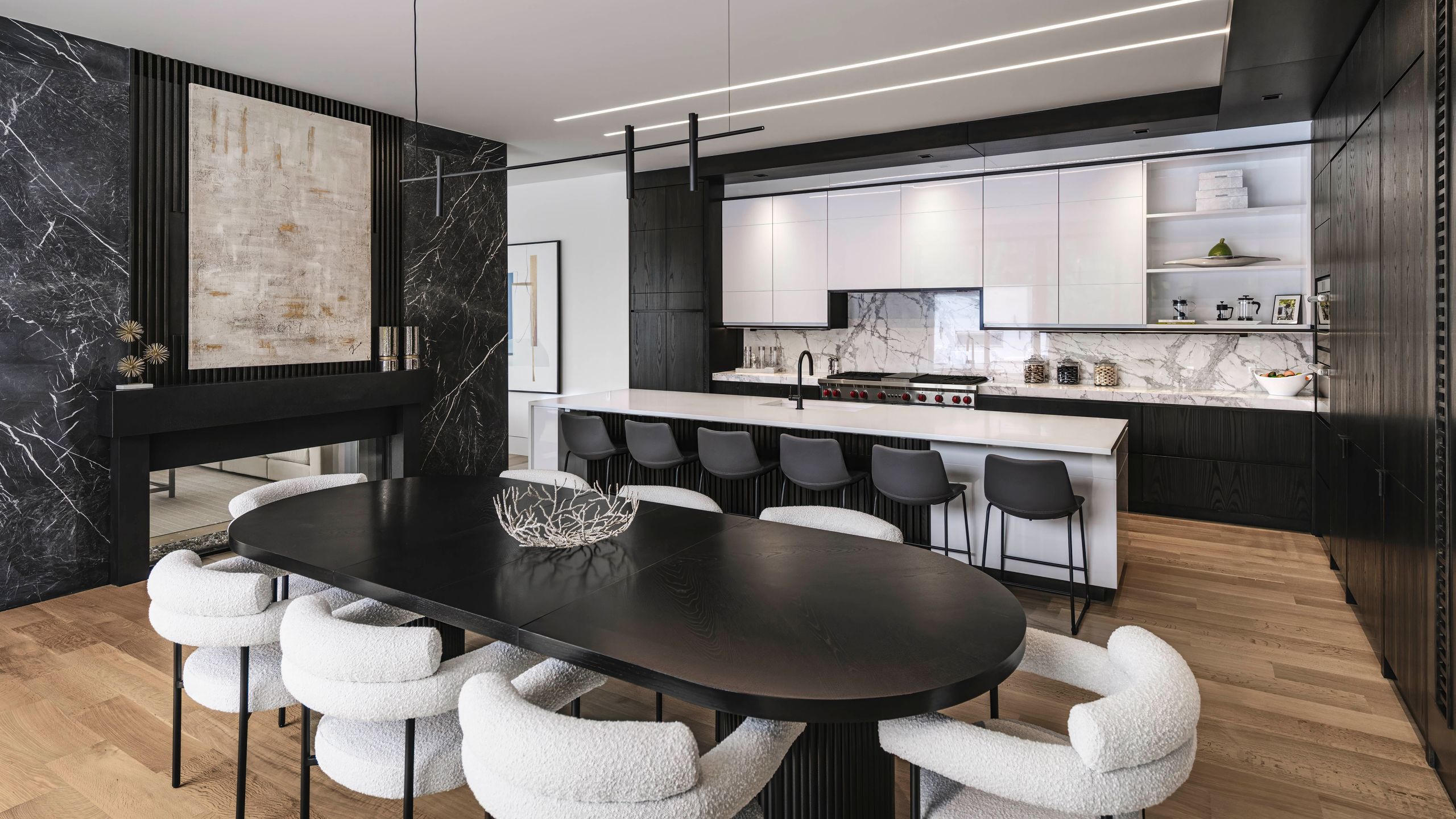
The article also highlights that a kitchen's anchor doesn't solely have to be an island. Stéphanie Coutas’s design, featuring mirrored surfaces, sculptural pendant lighting, and a traditional low-set dining table, demonstrates how a dining table can effectively centralize a space. This European preference for eat-in kitchens provides a multi-functional anchor that supports both dining and design aesthetics.
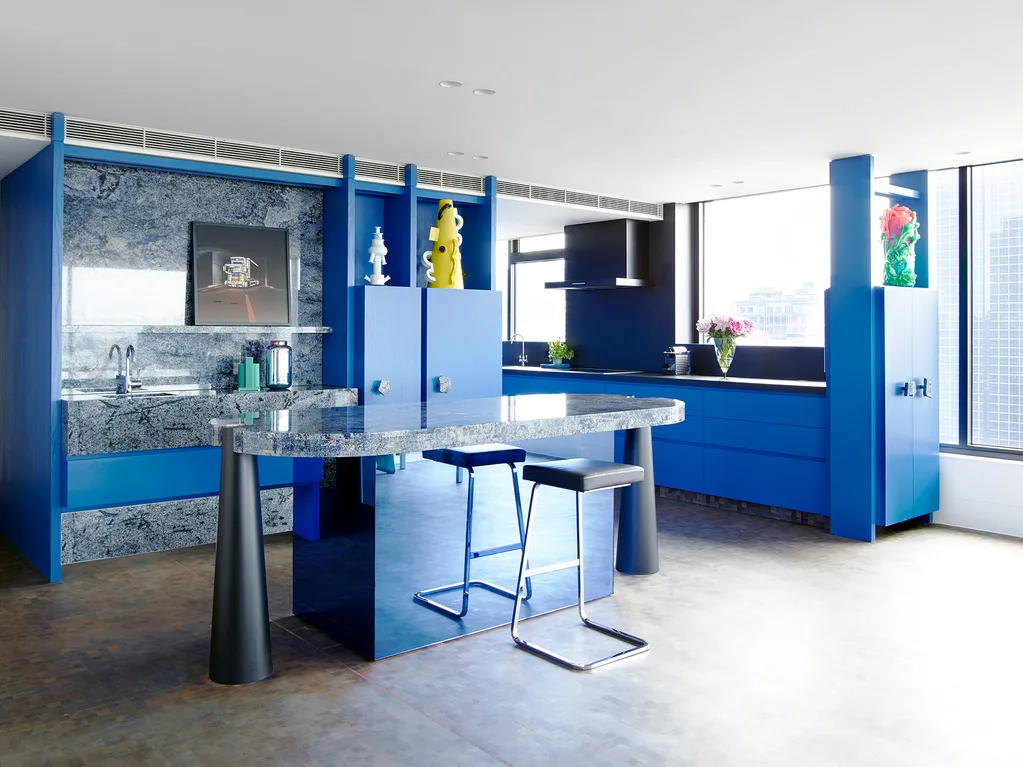
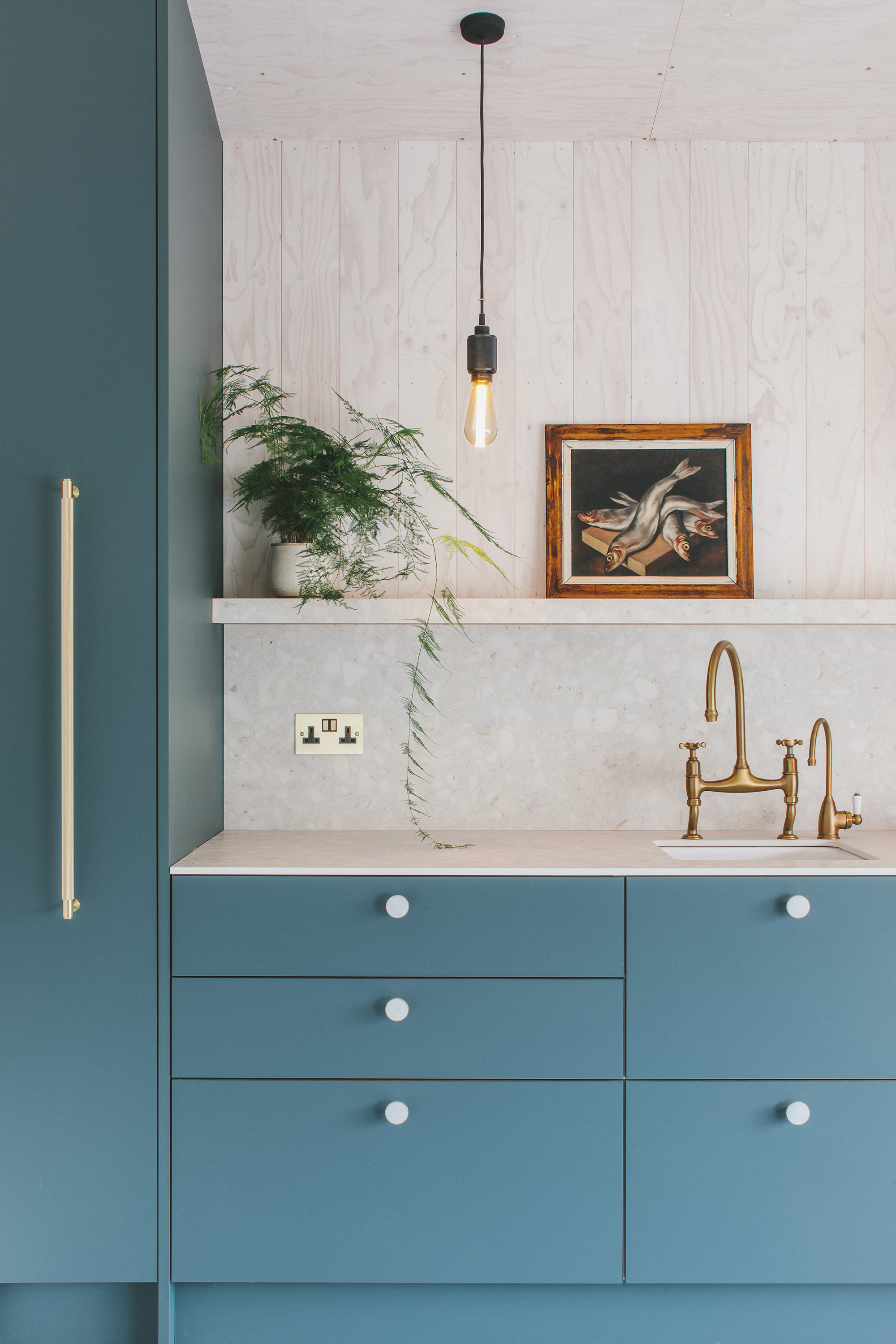
Artwork is presented as a 'concluding flourish' in modern kitchen design. Stéphanie Coutas notes the increasing trend of incorporating artwork, which can range from framed prints to unique sculptures, to add a refined touch. This concept encourages individuals to interpret 'artwork' broadly, using it to create a distinctive focal point and personalize the kitchen environment.
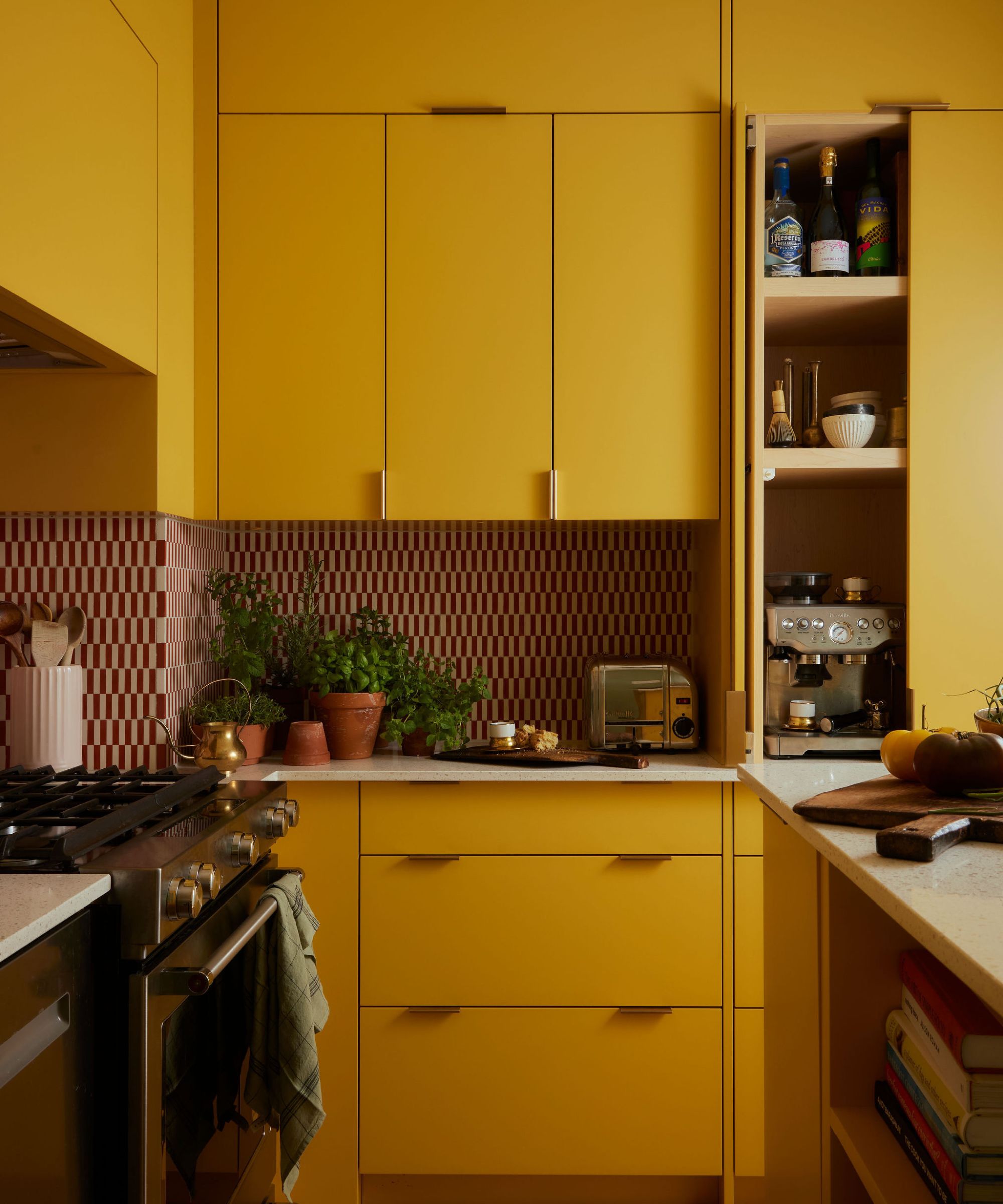
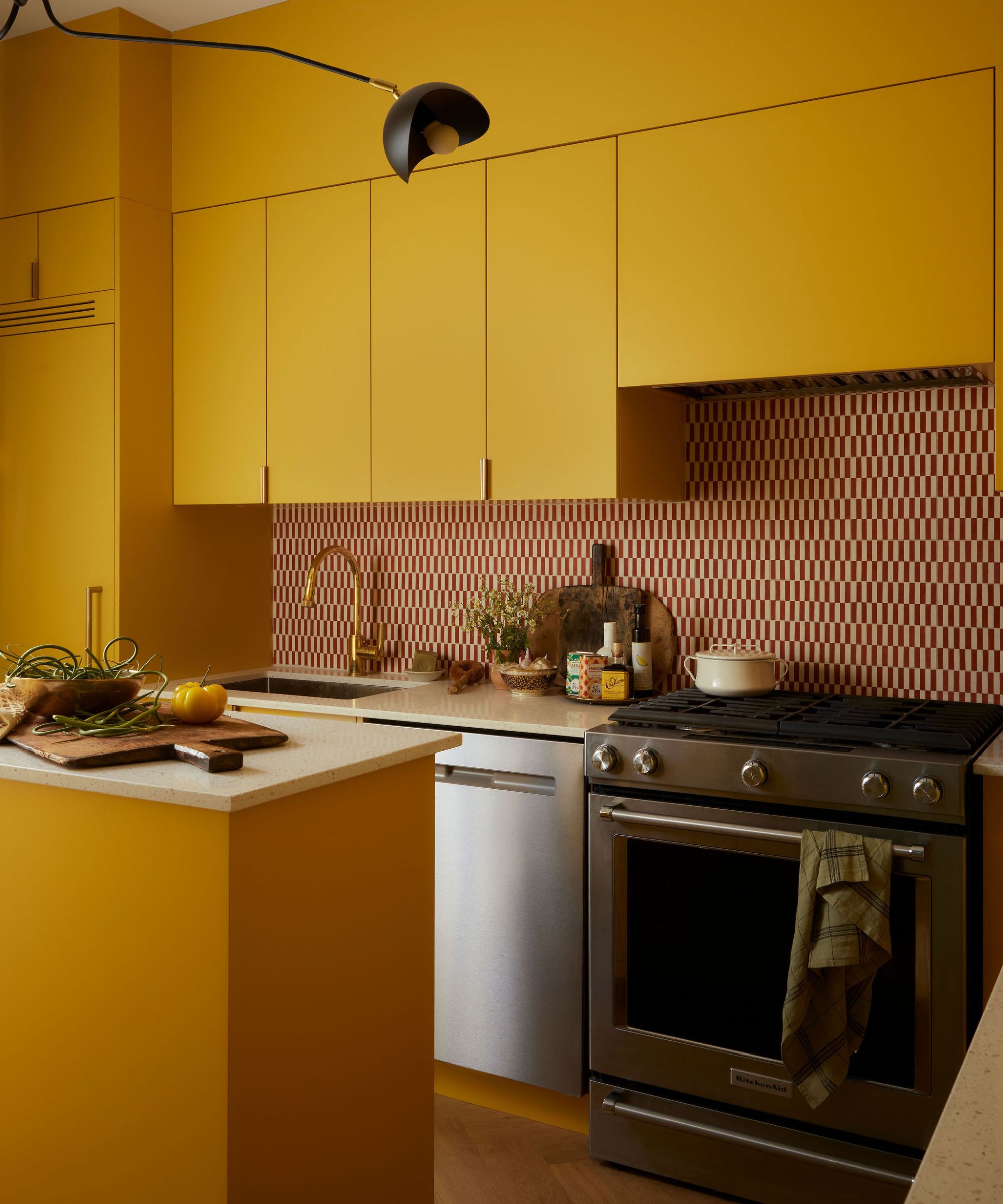
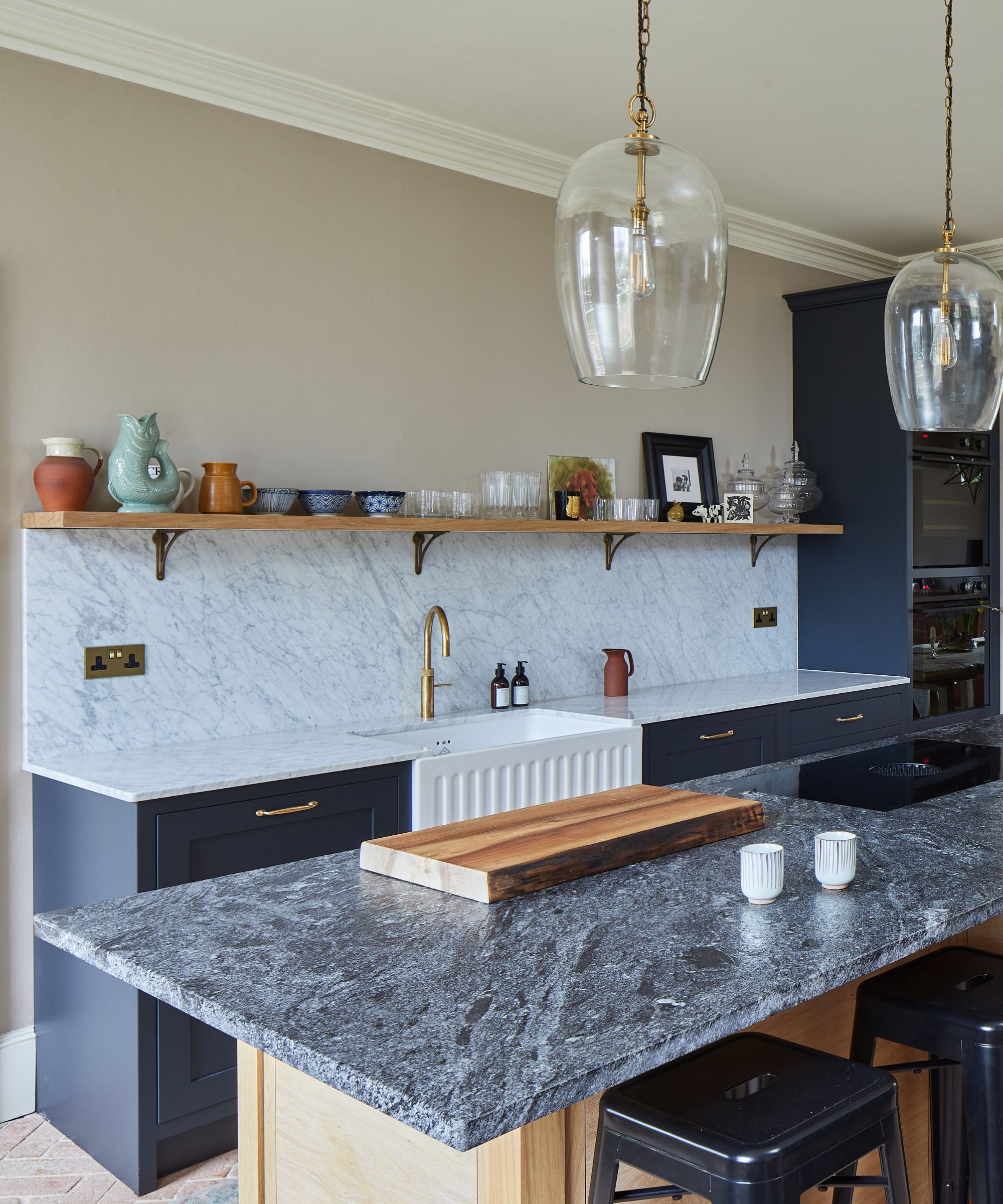
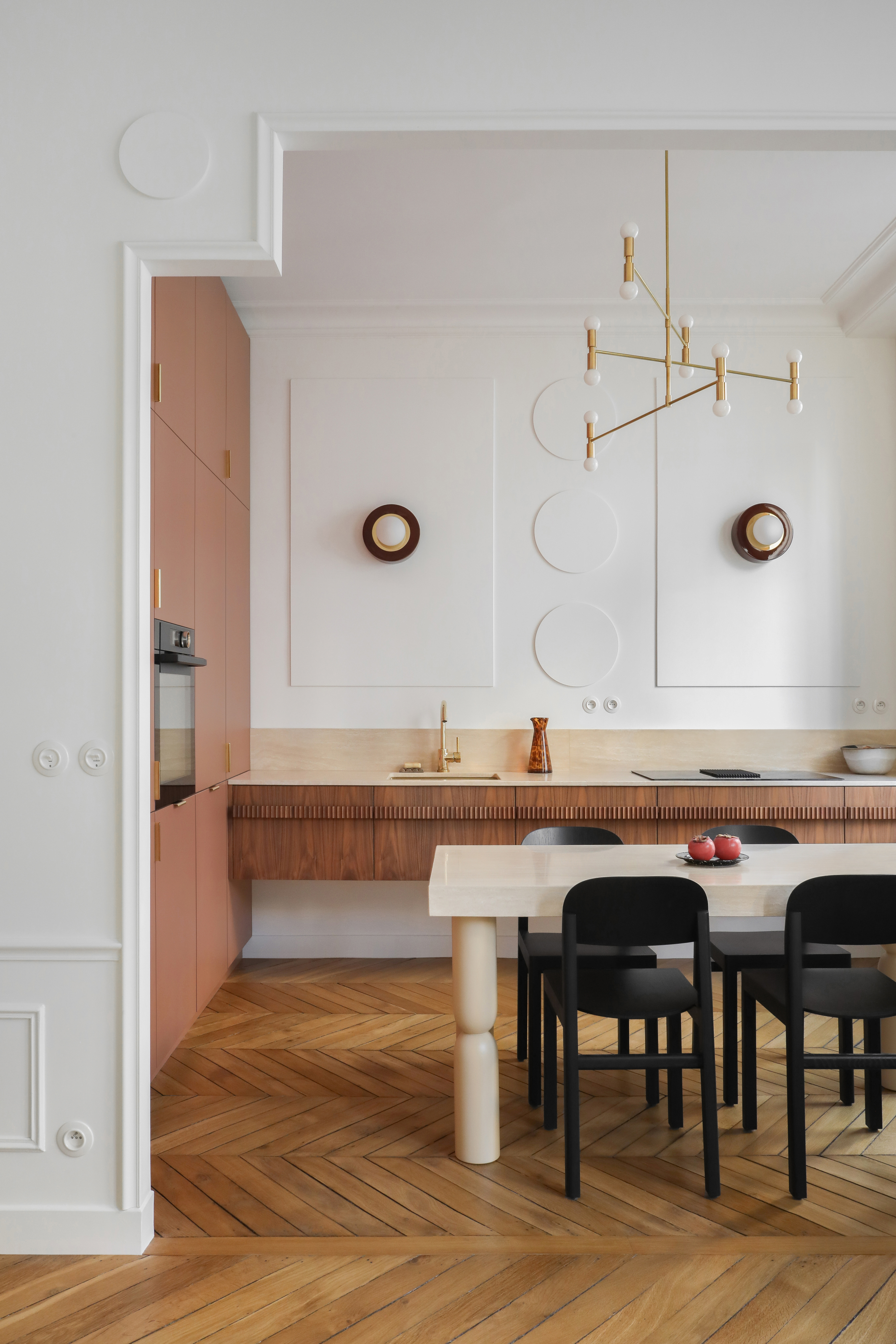
Contrasting countertop materials and cabinetry colors are shown to create visual interest. Fabrice Juan's design, combining oak and red lacquer with a brushed stainless steel island and red travertine top, exemplifies this. The blend of warm wooden cabinets with elegant marble worktops brings a sense of natural beauty and sophistication, making the kitchen both functional and aesthetically pleasing through textural and color contrasts.
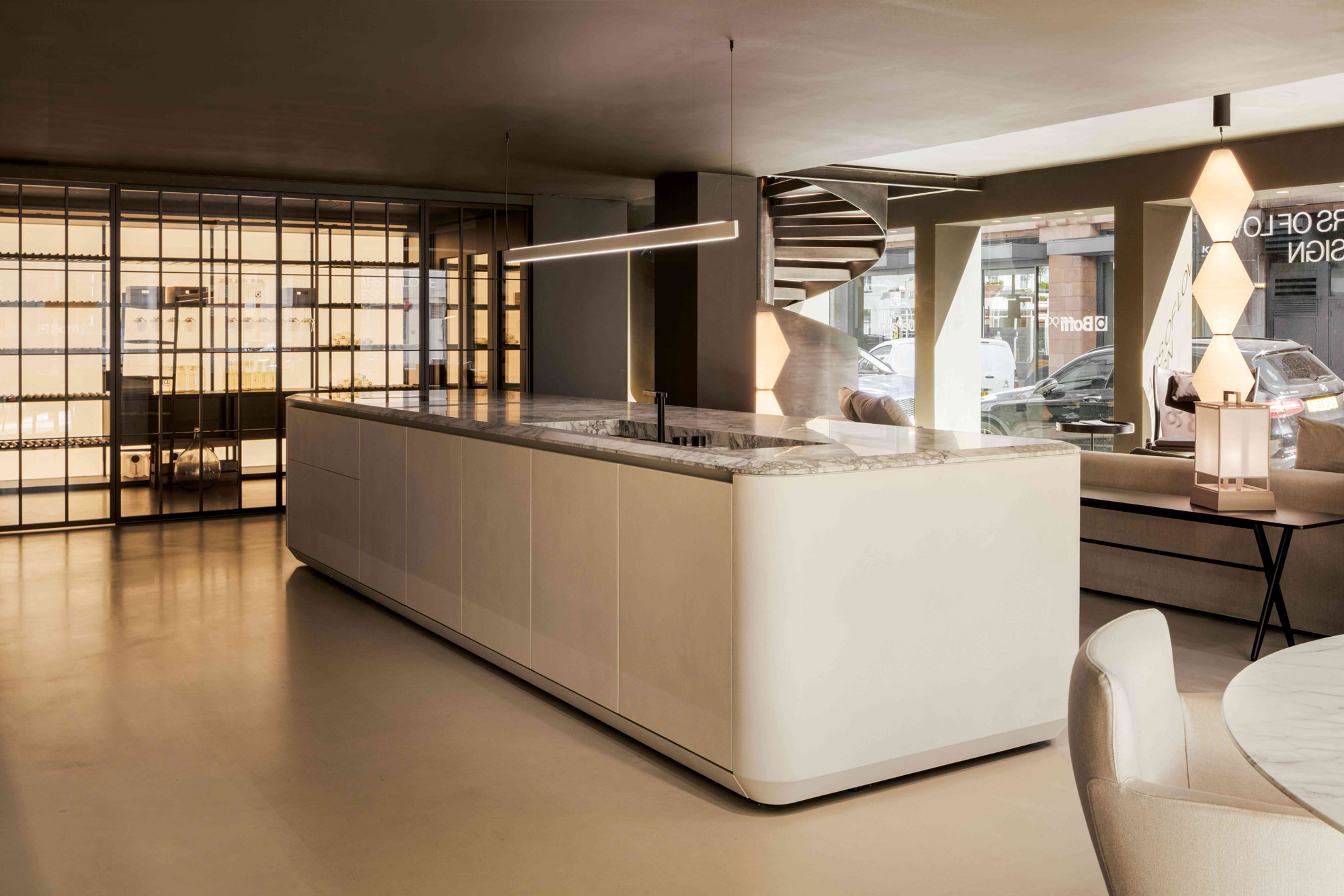
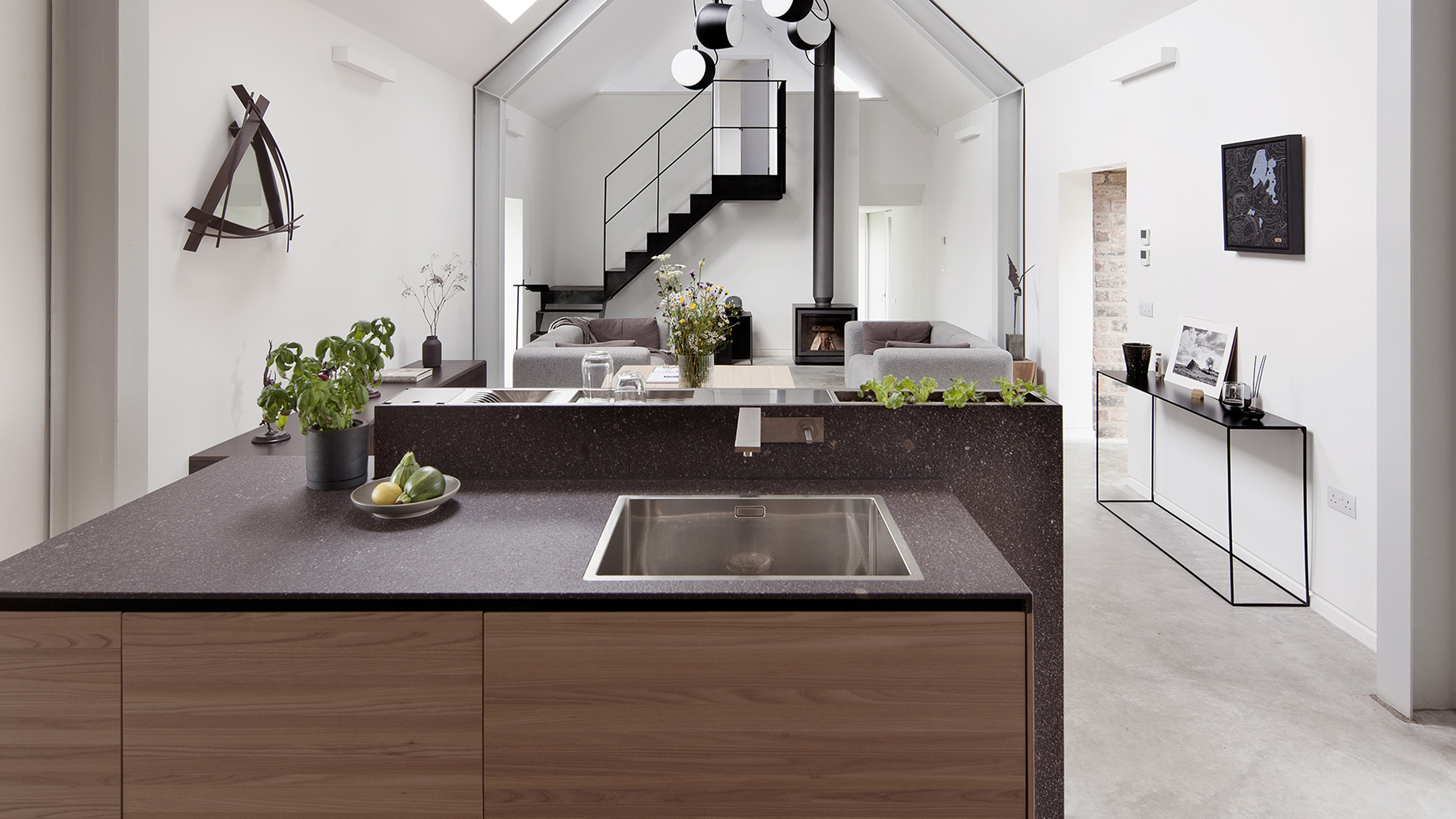
Architectural impact and design synergy are achieved by working across both horizontal and vertical axes. Piero Lissoni’s Novanta kitchen system, designed for Boffi, is described as an architectural product rather than just a design product. It uses horizontal elements for work surfaces and perpendicular containment elements, creating a sleek, clean-cut space that mimics a suspended building and integrates seamlessly with the surrounding architecture.
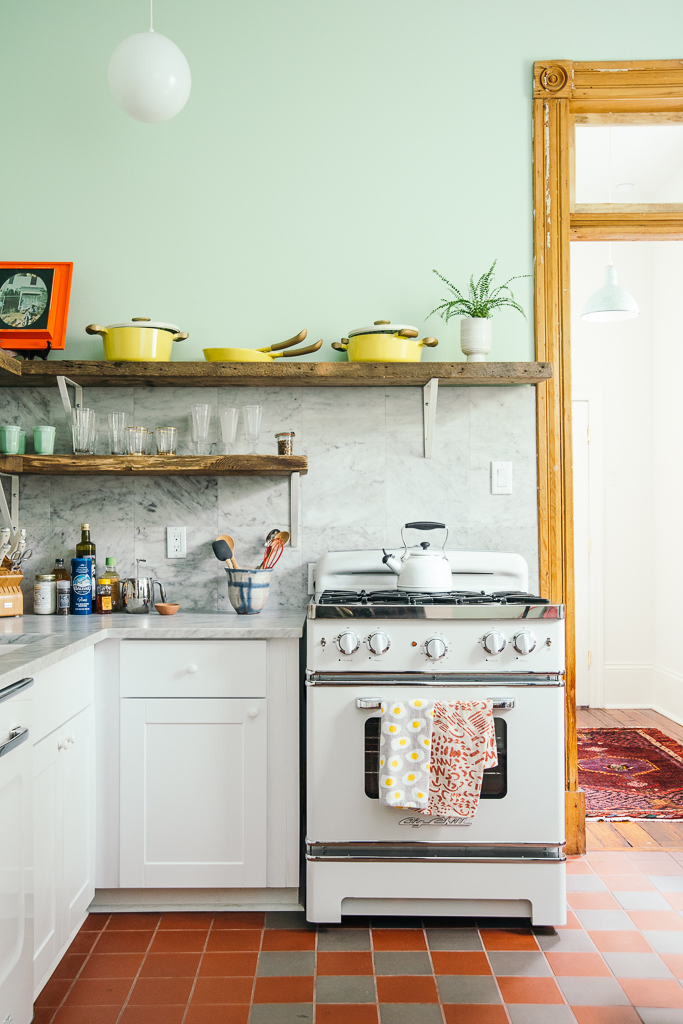
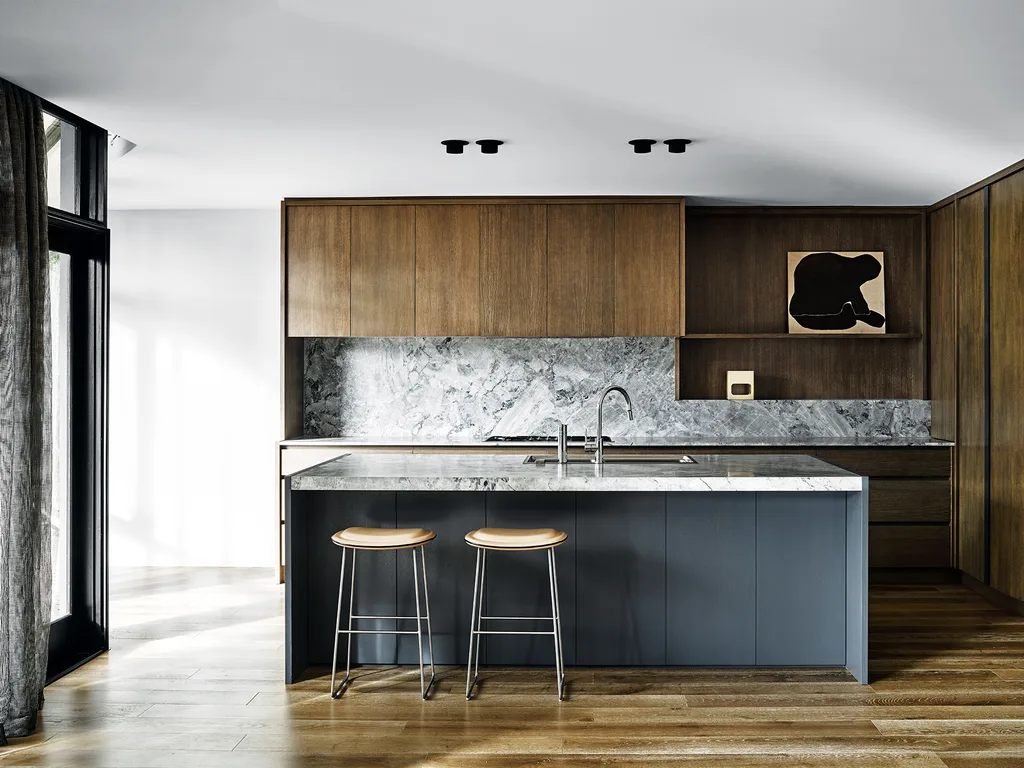
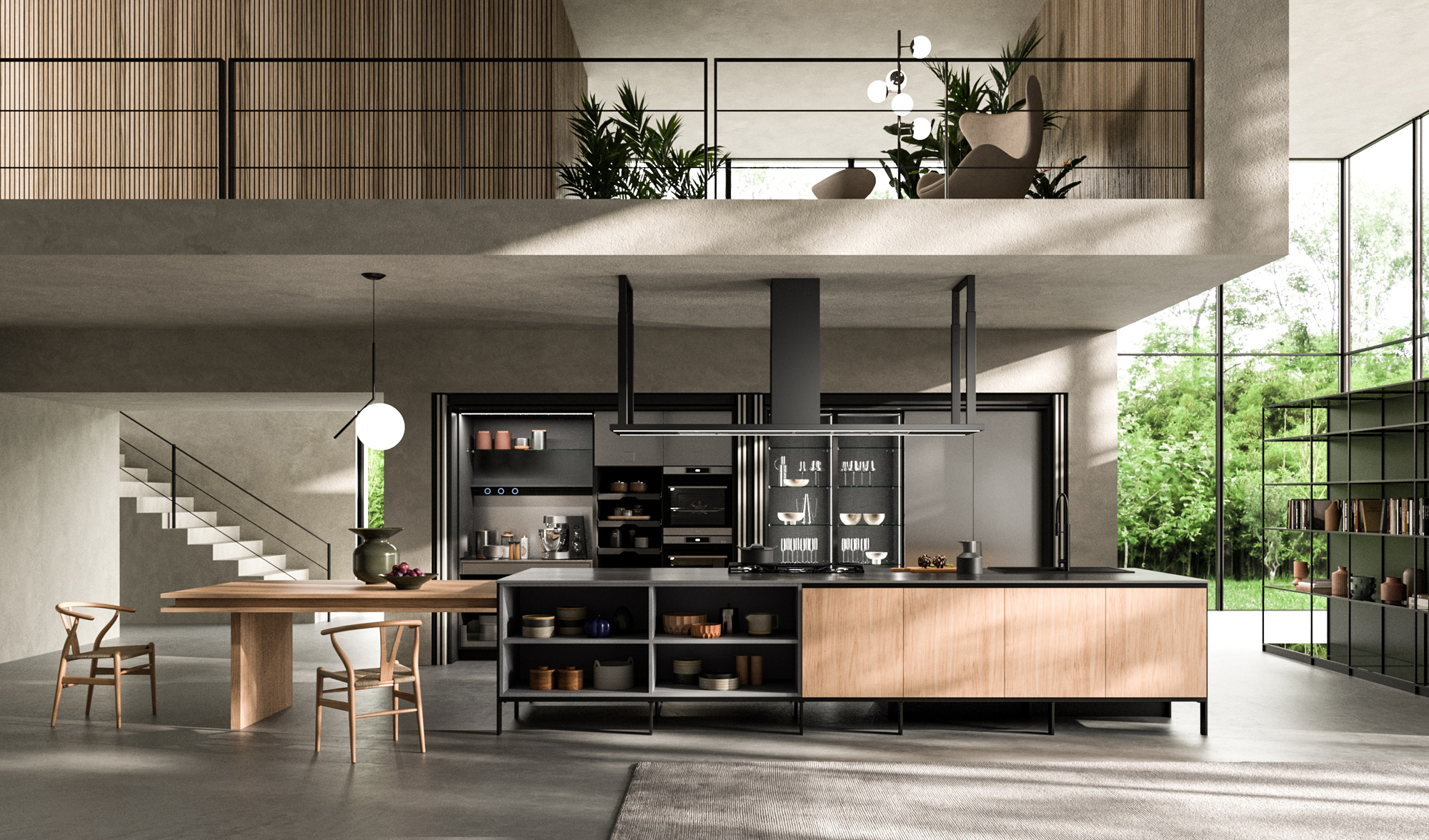
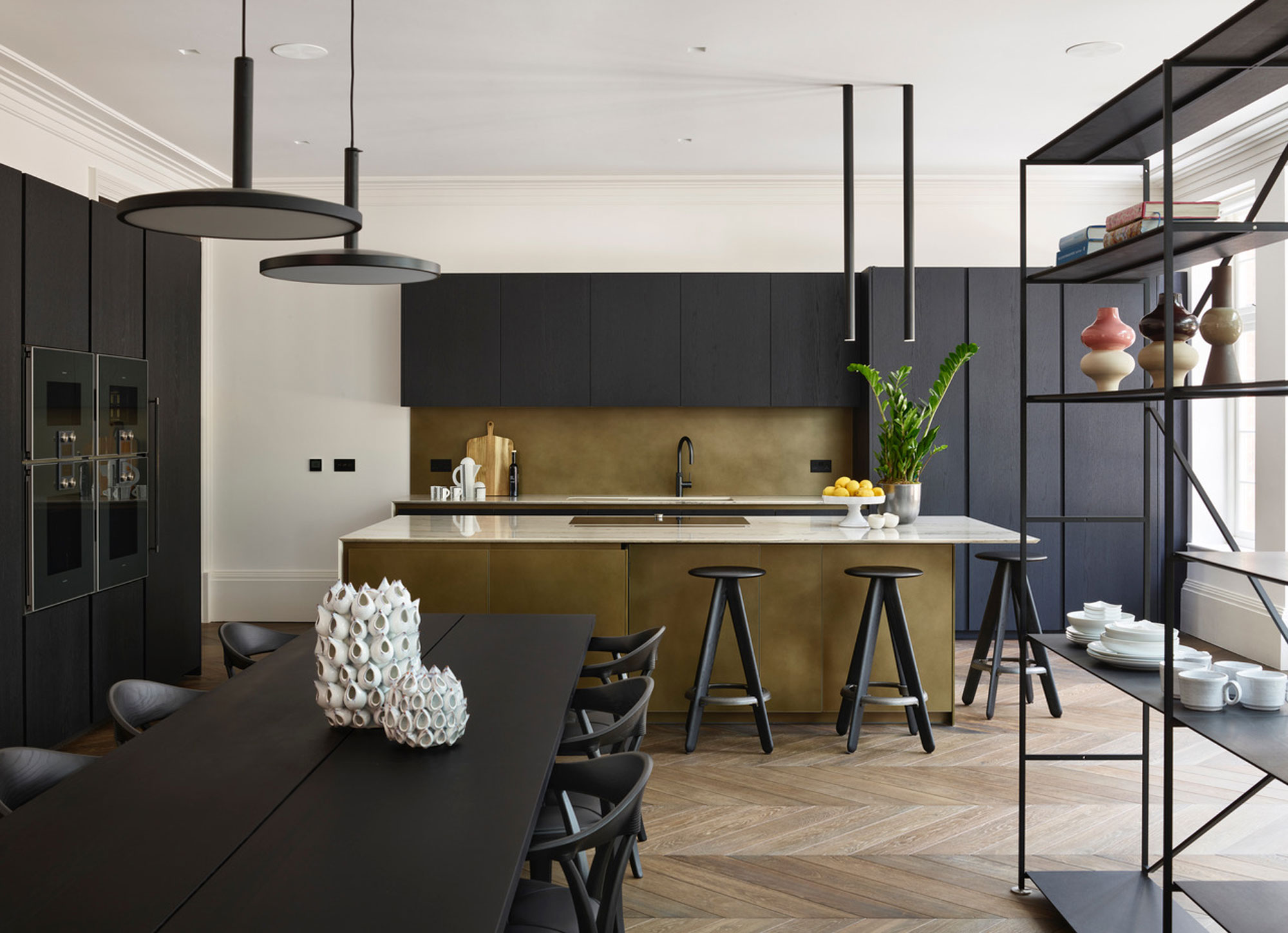
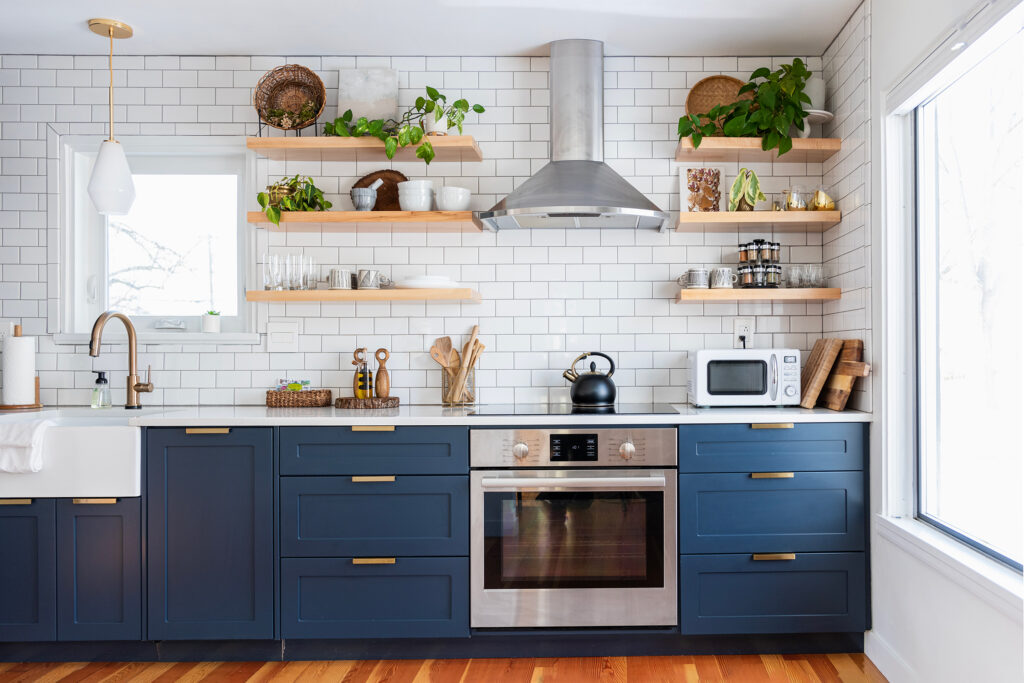
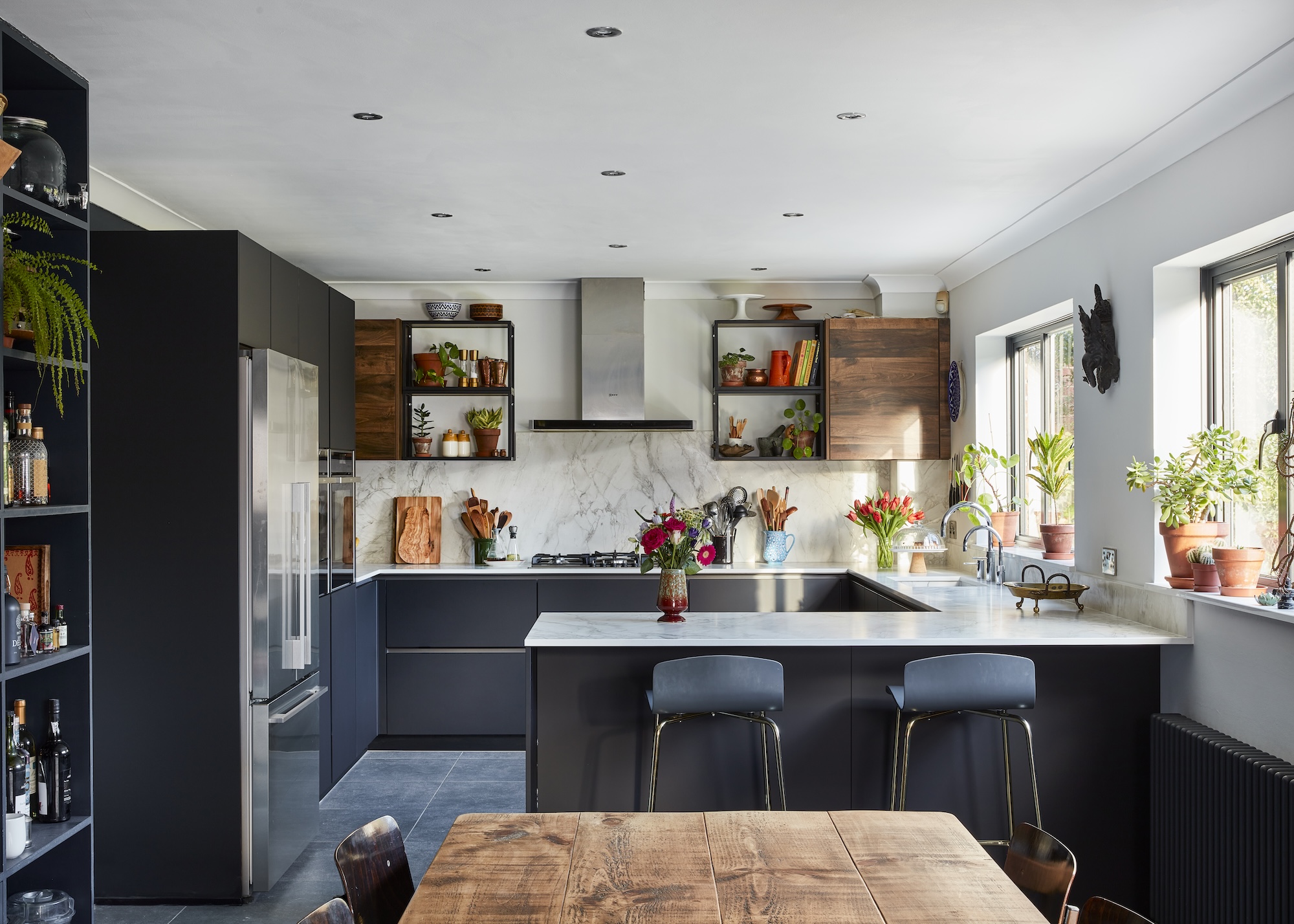
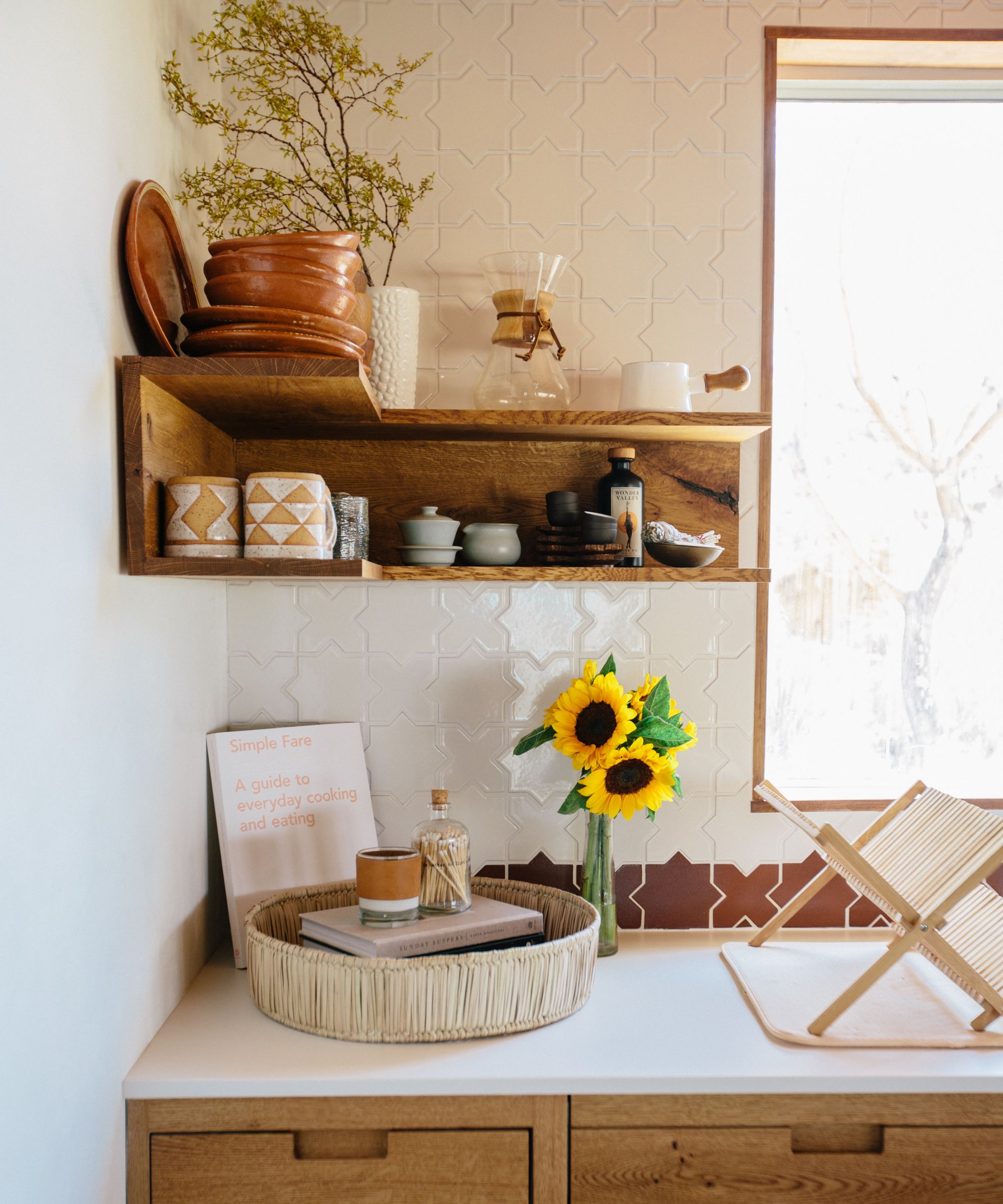
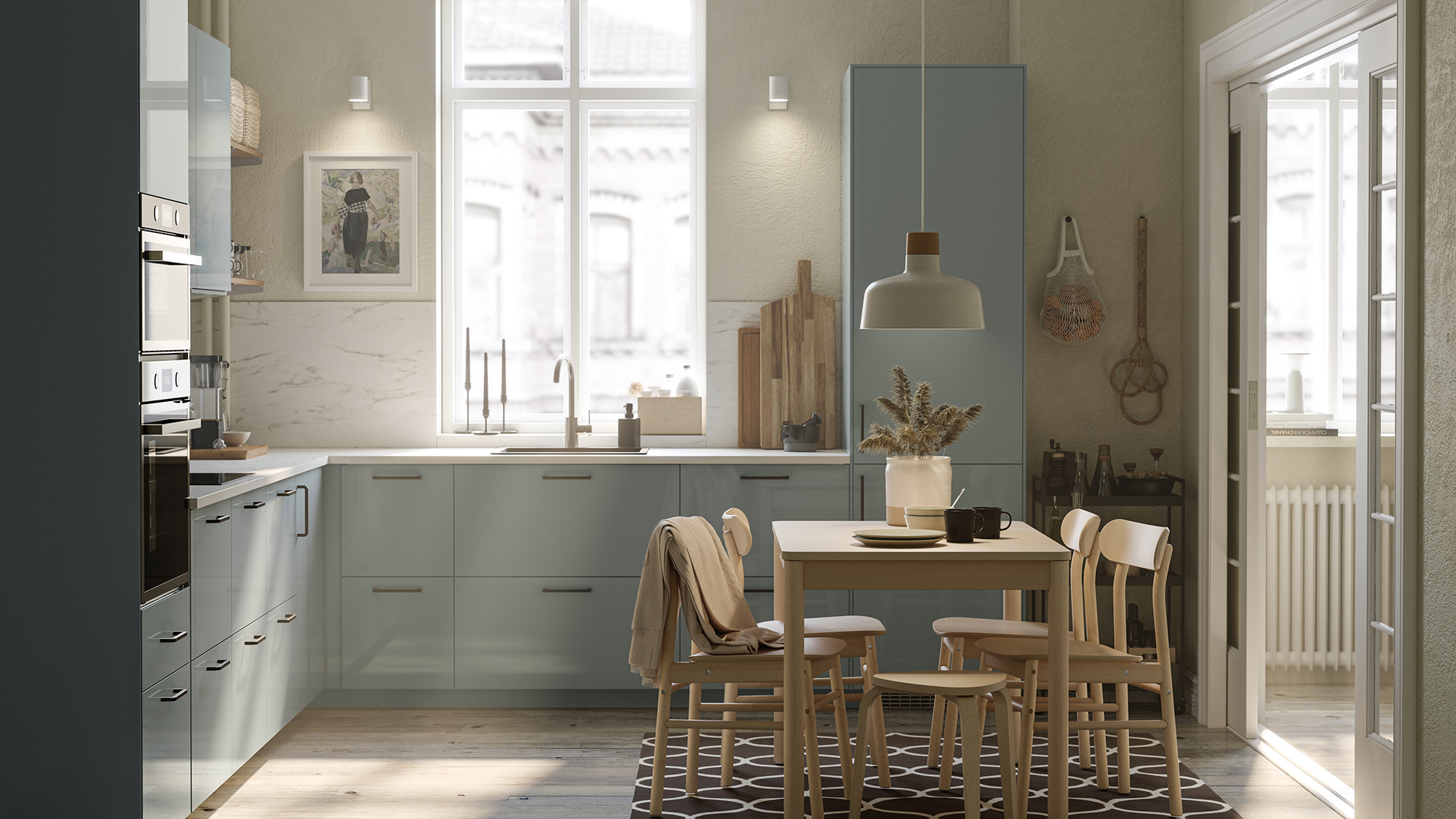
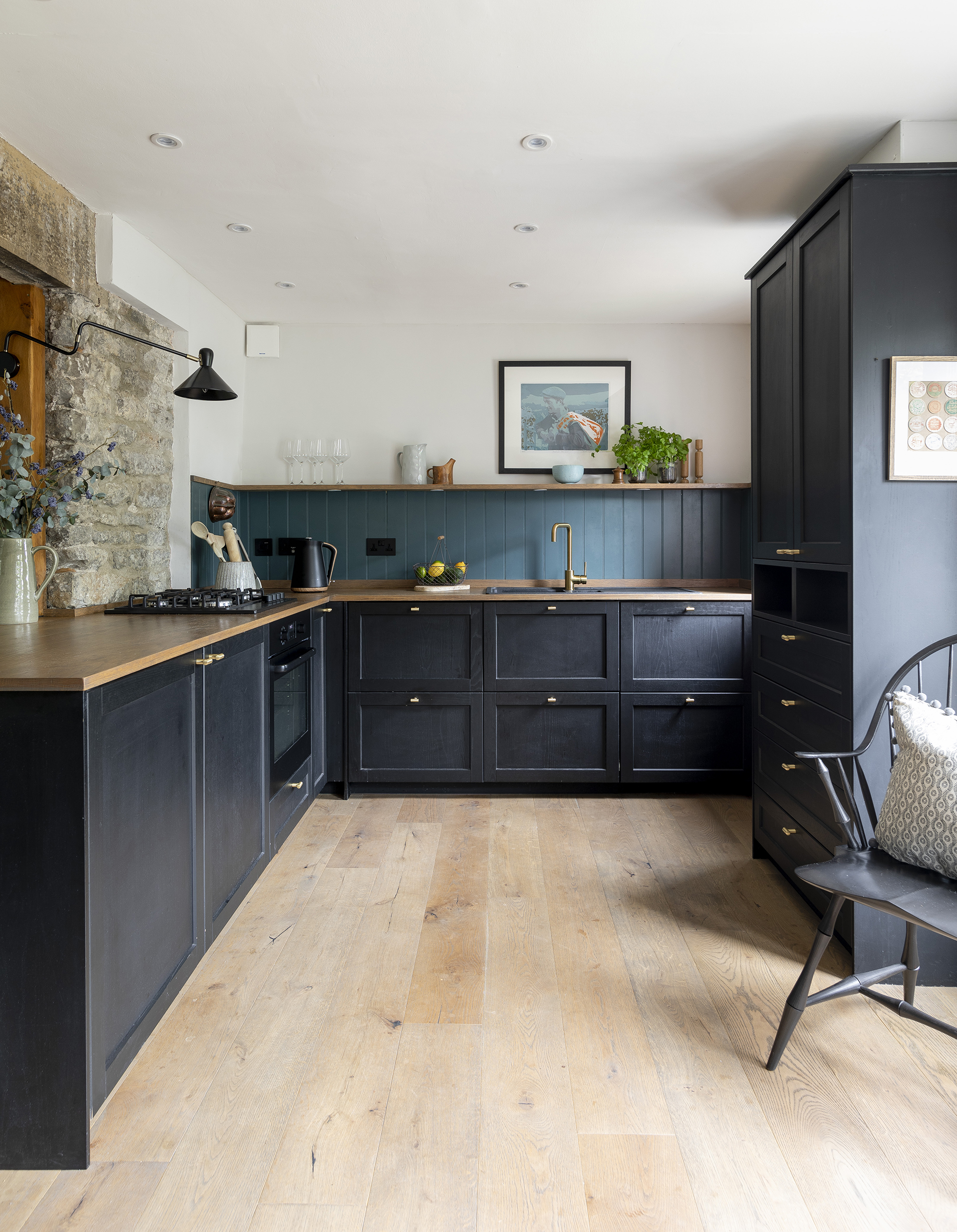
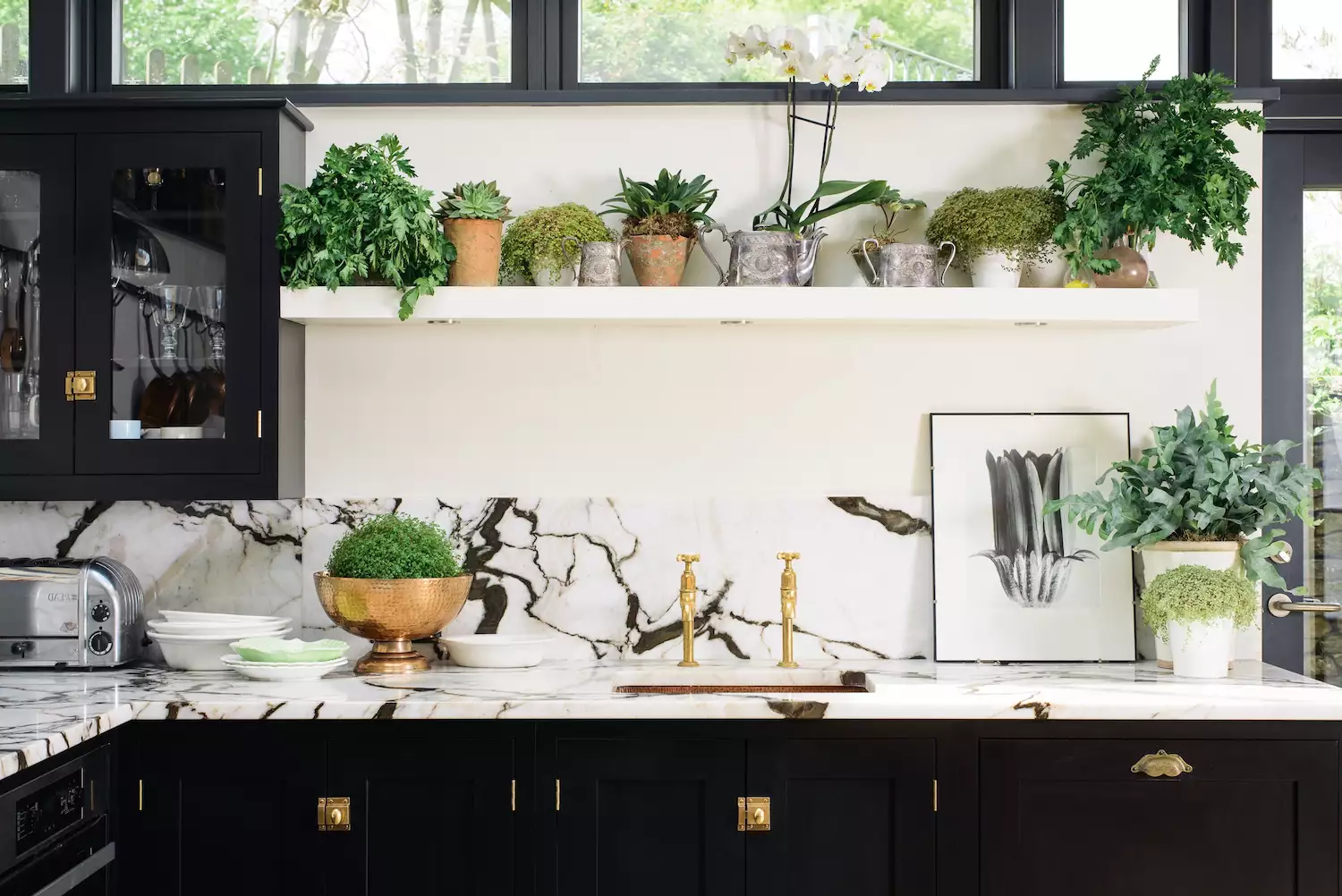
Finally, the article challenges the necessity of upper kitchen cabinetry, especially in Scandinavian design. Swedish interior designer Christina Richardson advocates for open shelving to maximize natural light and maintain functionality. In Nordic countries, where long, dark winters necessitate optimizing every bit of natural light, open storage prevents obstruction and emphasizes practical, daily-use items over purely decorative ones. This approach ensures a light, airy, and highly functional kitchen space, keeping the design simple yet inviting.
#EuropeanKitchens #KitchenDesign #InteriorDesign #ModernKitchen #ScandinavianDesign #LightingDesign #MaterialSelection #KitchenRemodel #HomeDecor #EuropeanKitchens #KitchenDesign #InteriorDesign #ModernKitchen #ScandinavianDesign #LightingDesign #MaterialSelection #KitchenRemodel #HomeDecor
0 comment in total
 No comments yet
You may also like
European kitchens are having a moment – here's how to master the look for a timeless, homey cook space

Homes & Gardens’ Best Kitchens of 2025 – The Designs You Loved Most This Year
Look Inside 9 Real Chefs' Home Kitchens
6 “High-End” Kitchen Features That Aren't Worth the Money, Designers Say

European Kitchen Design Trends to Know for 2019
Italian Kitchen Brands Combine Design Flair With Cooking Knowhow — These Are the 9 to Know
What Makes a Great Kitchen? An Expert Shares His Best Design Tips

8 luxury kitchen designs to lust over

9 luxury kitchen designs to lust over

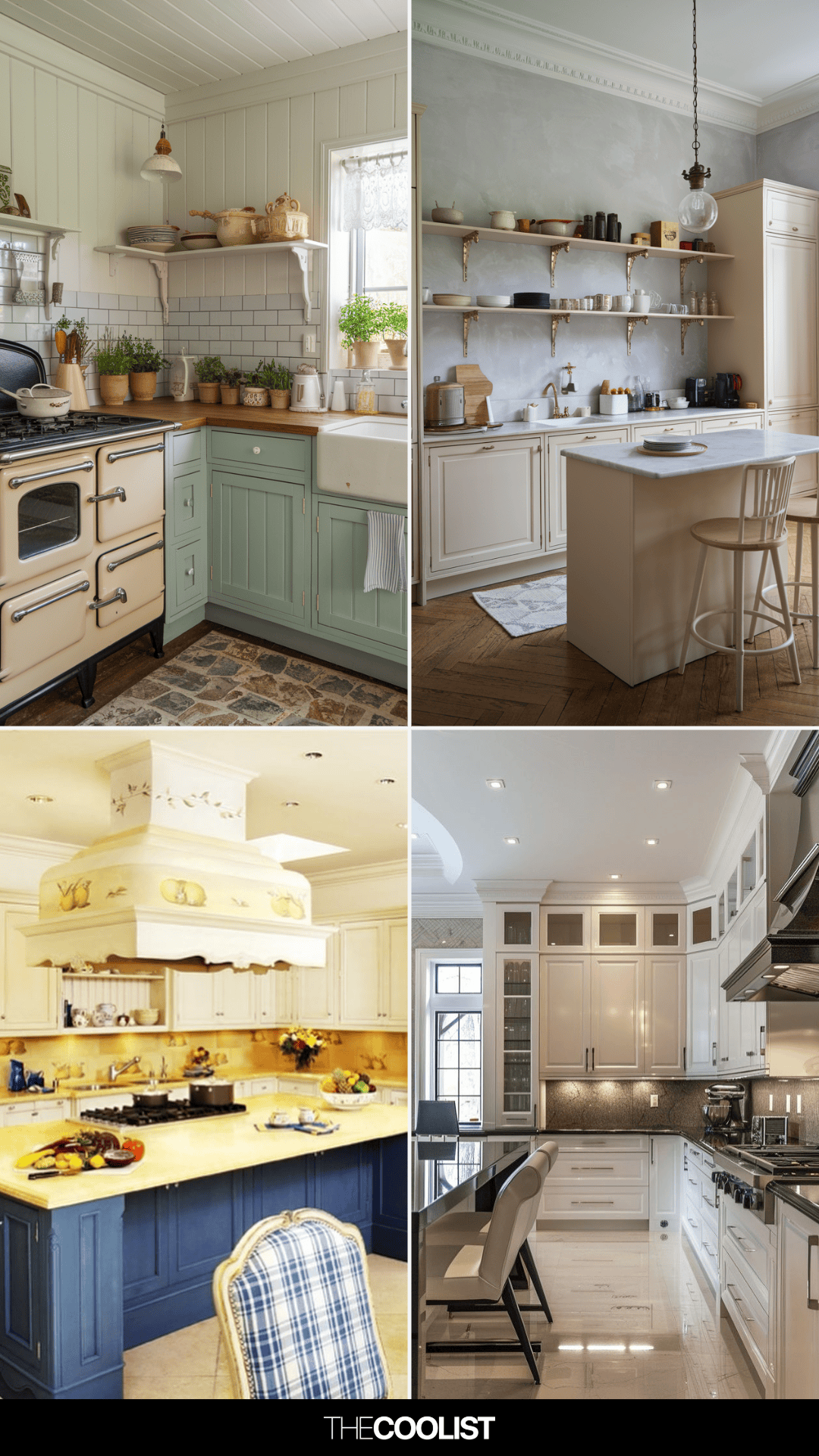
21 French Kitchen Ideas That Capture Timeless European Charm

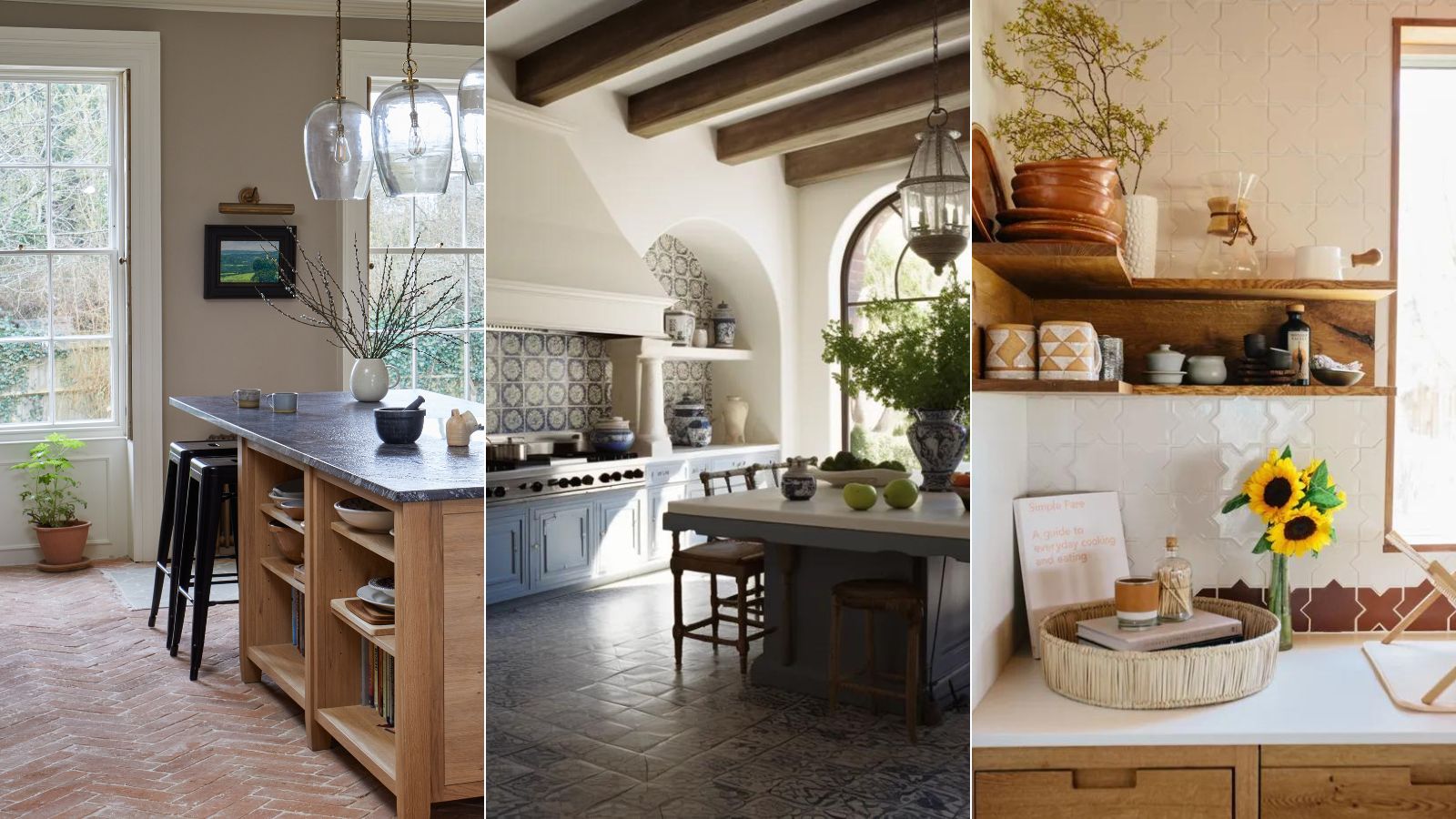
Italian kitchen decor is trending – here’s how to infuse this traditional European style into your cooking space
Ikea kitchen ideas – 10 stylish and practical spaces to inspire
European-inspired kitchen designs go Modern
This food stylist's 'soulful' small kitchen renovation blends culinary function with inviting European style
10 of the very best eat in kitchen ideas for spaces that will make casual dining feel special
Top 9 Kitchens of 2020

9 beautifully-crafted kitchens
7 Kitchen Design Trends Chefs Say Are Totally Bogus
Bookmark These Unforgettable Kitchen Ideas—They're Moodboard MAGIC

93 Kitchen Ideas for Every Style and Budget That Actually Look Good