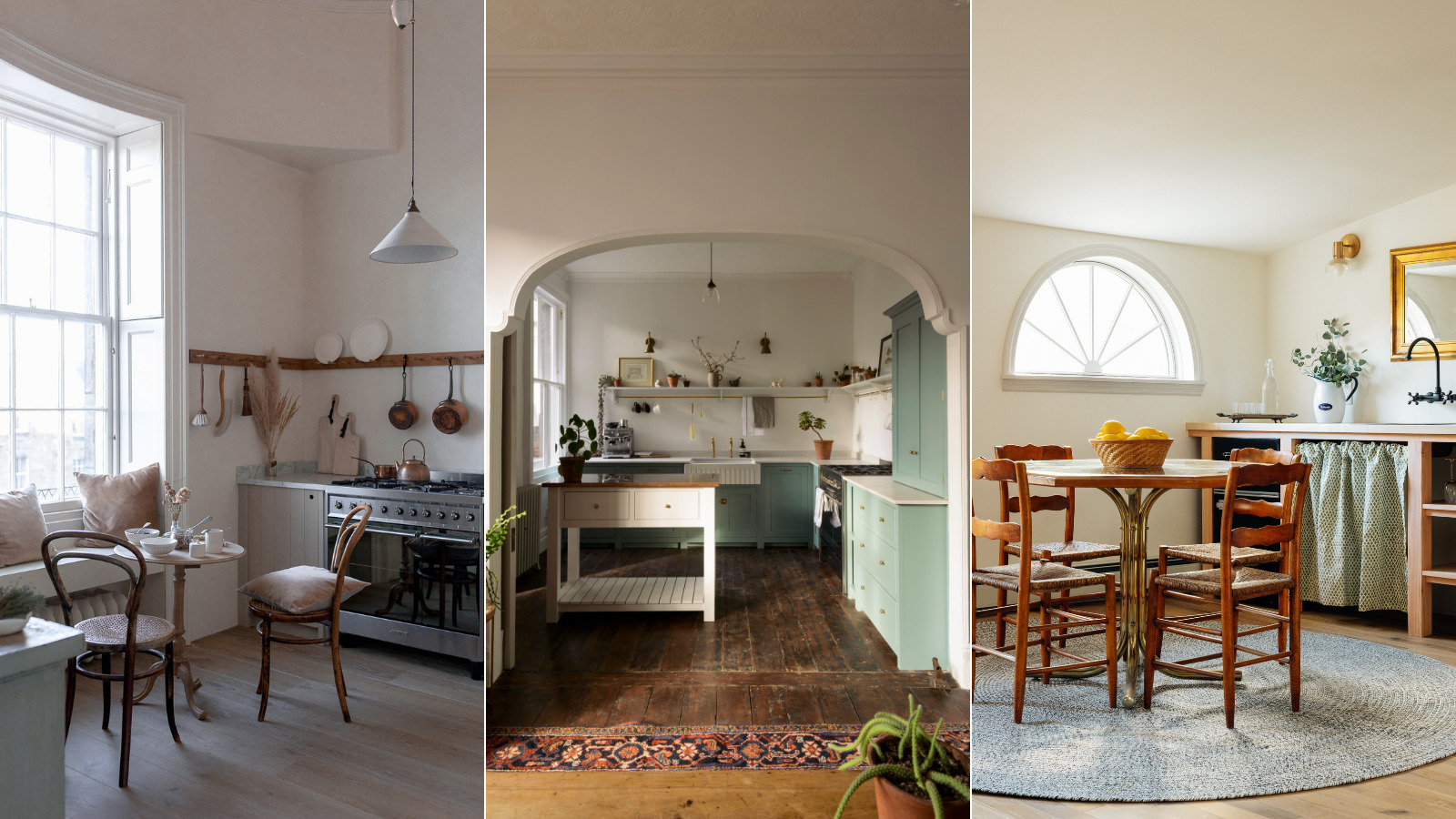
1/13
European kitchens are having a moment – here's how to master the look for a timeless, homey cook space
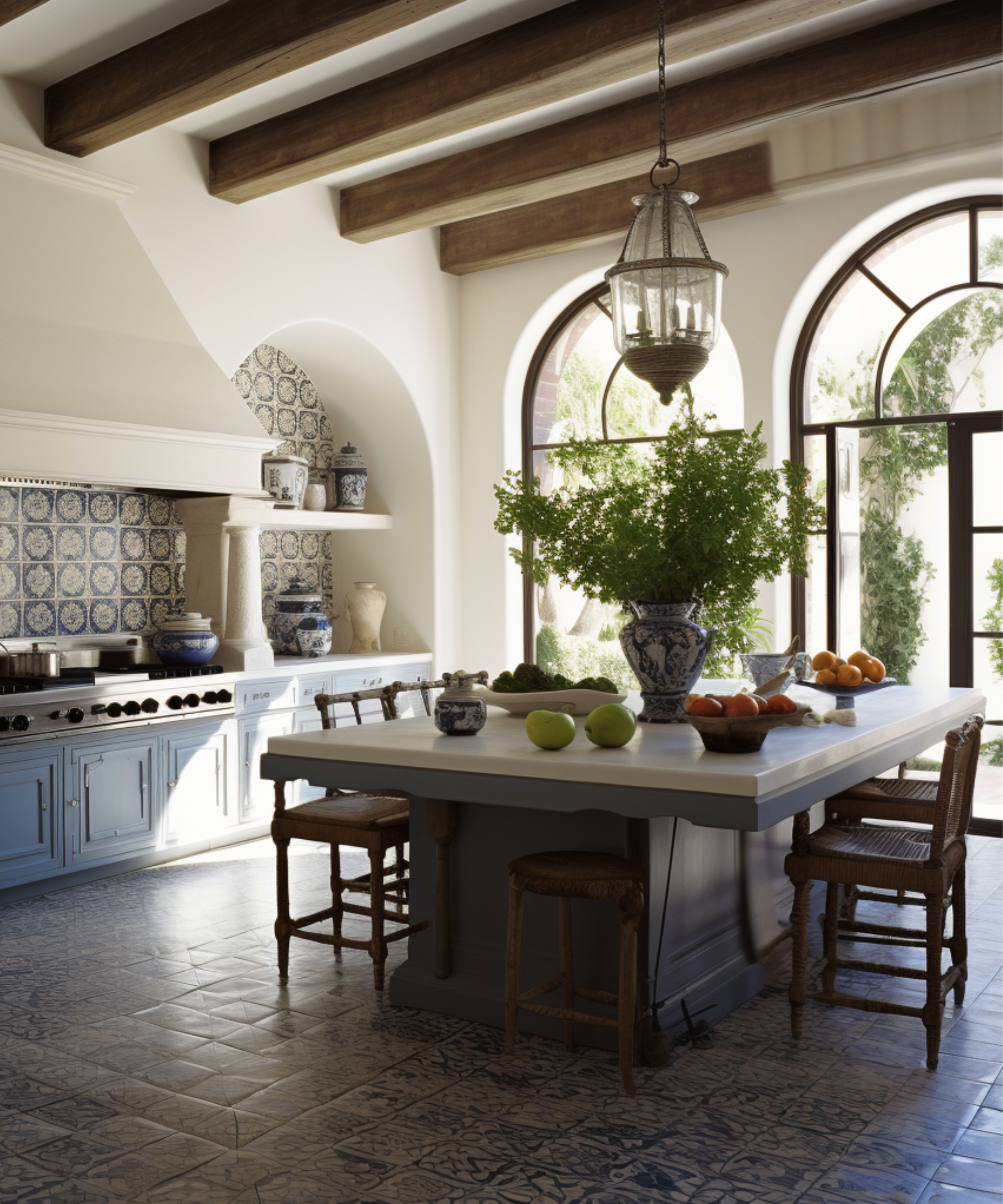
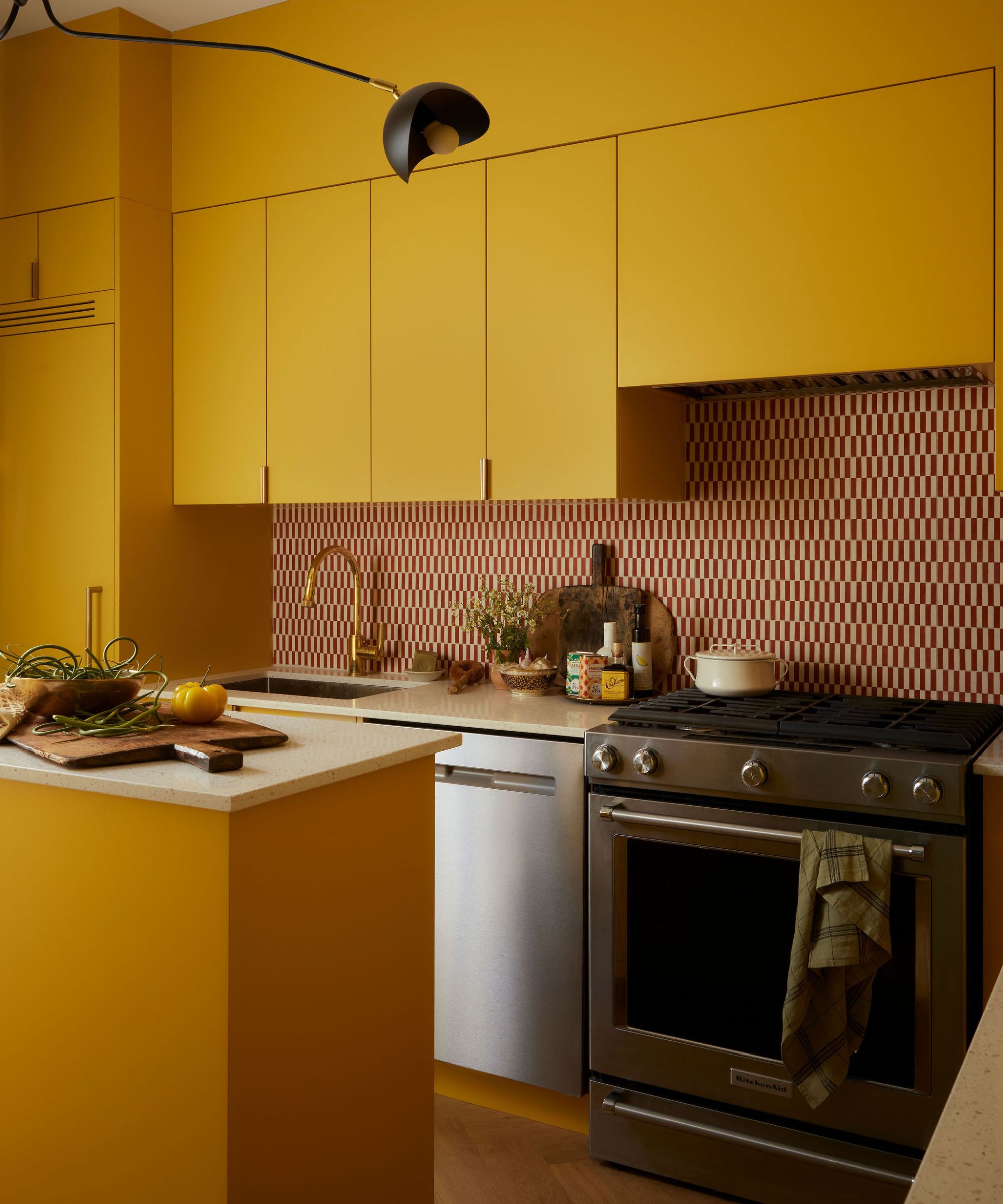
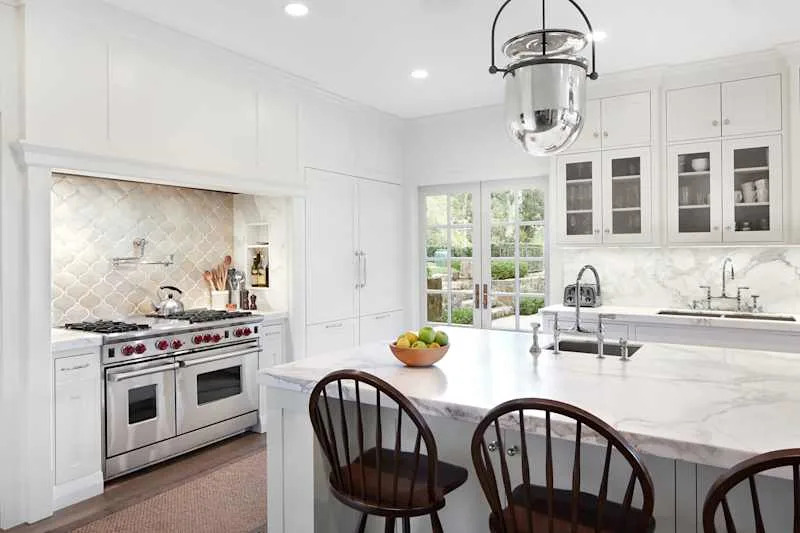
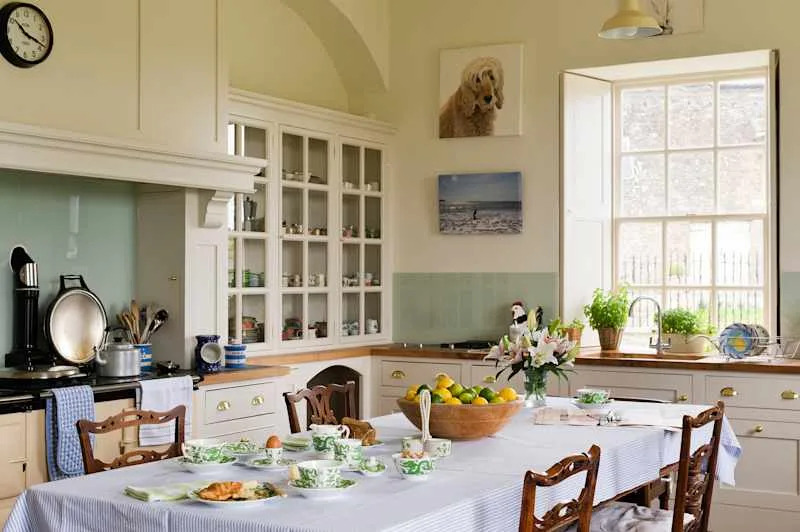
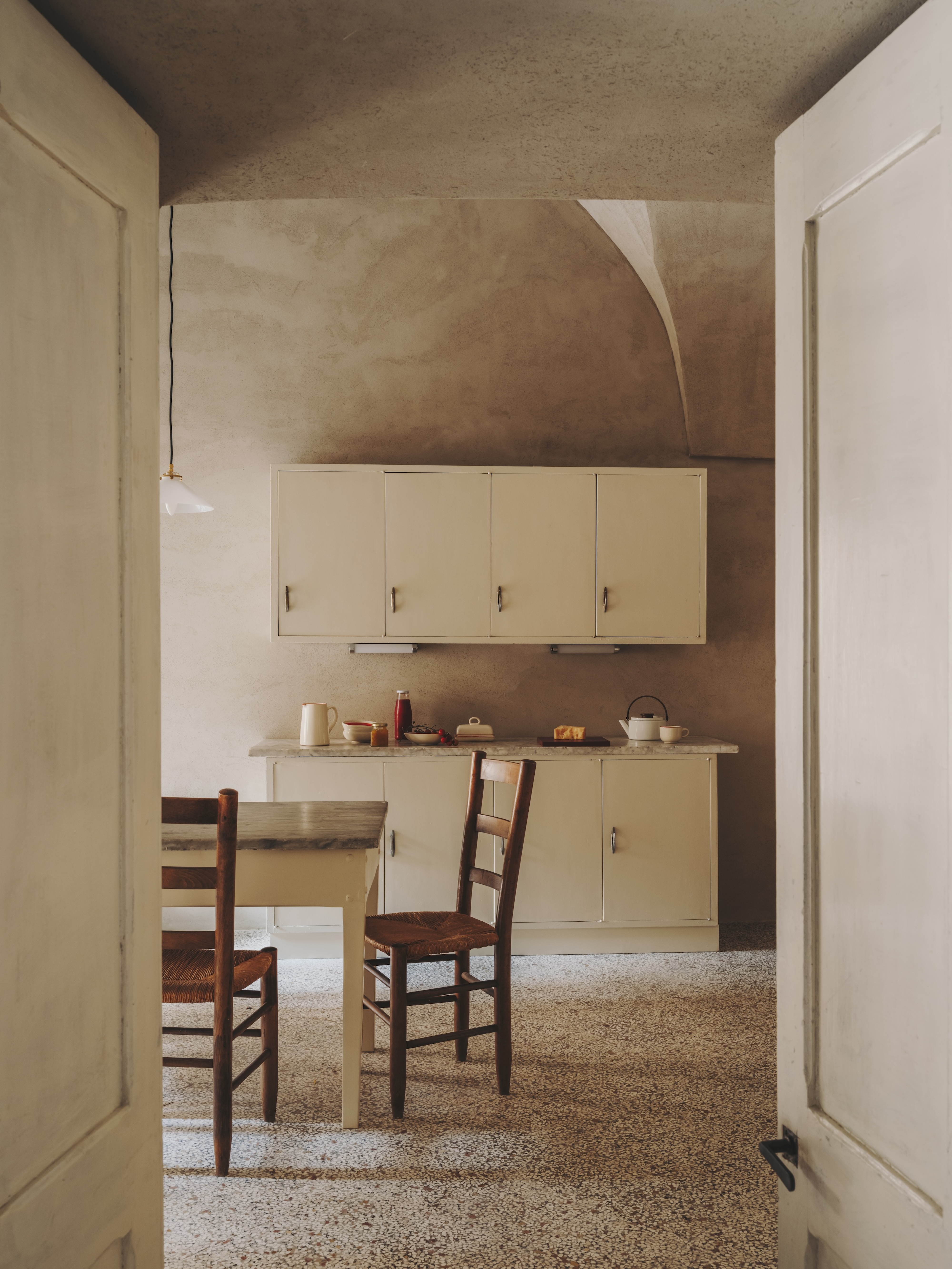
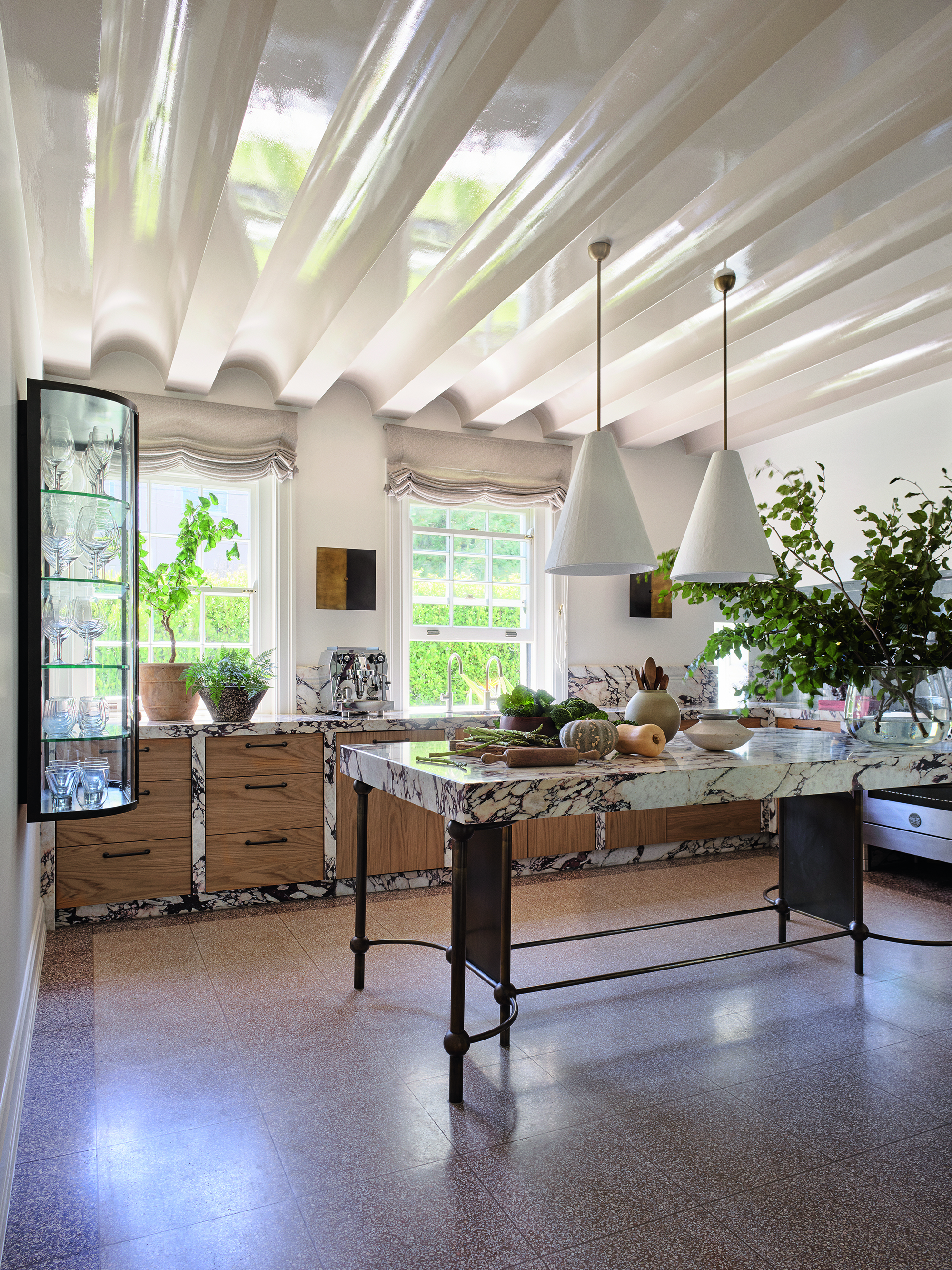
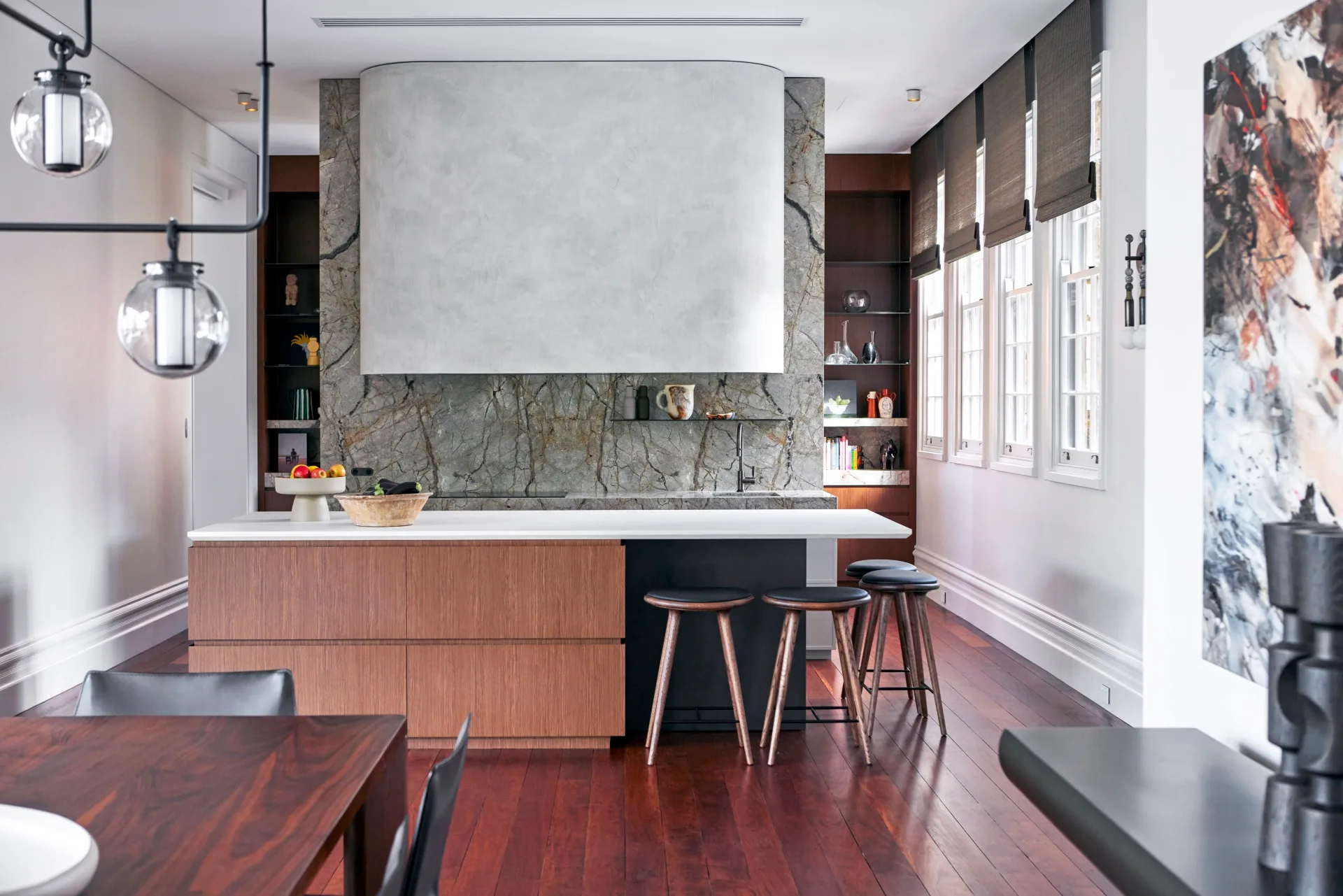
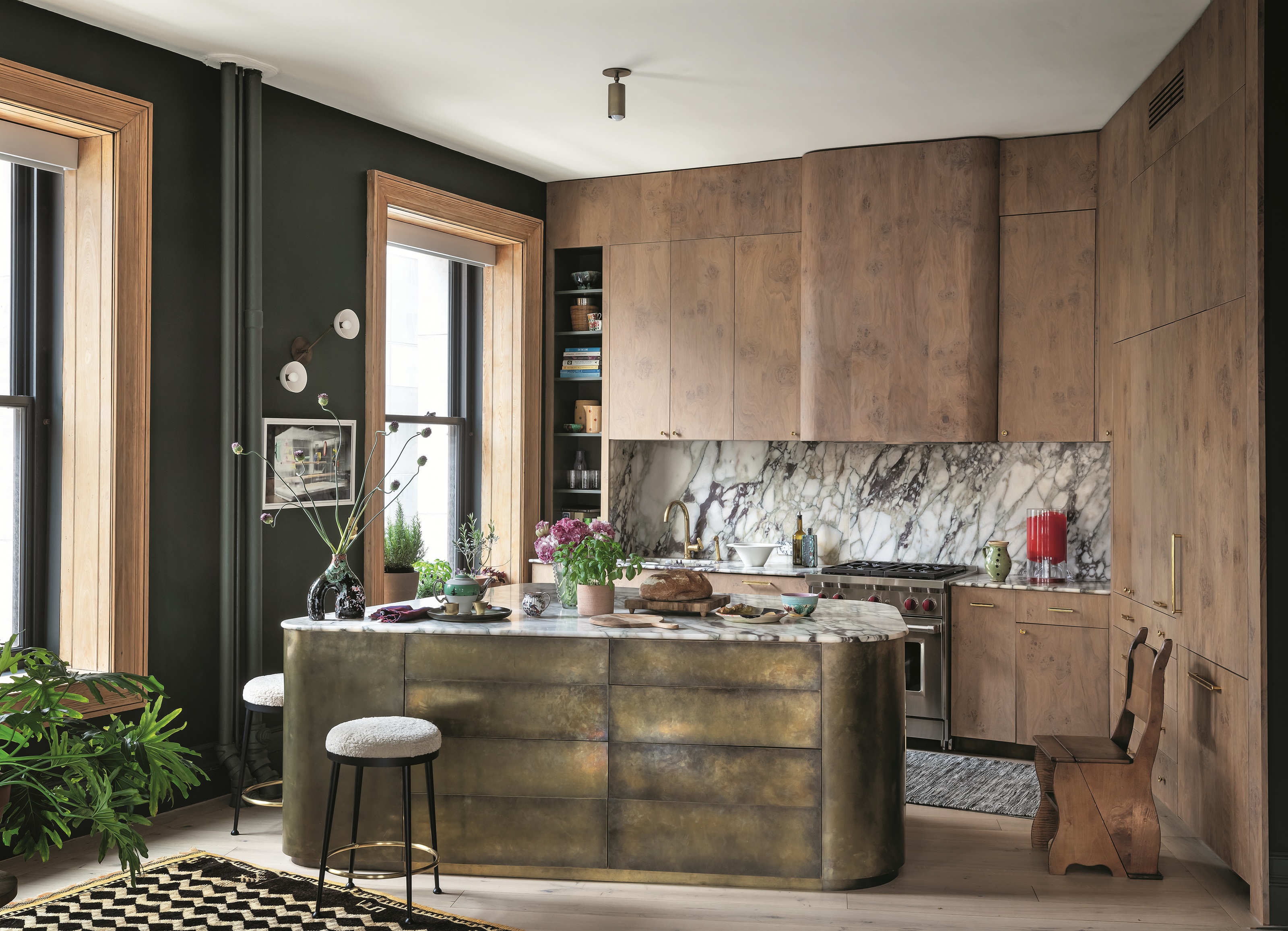
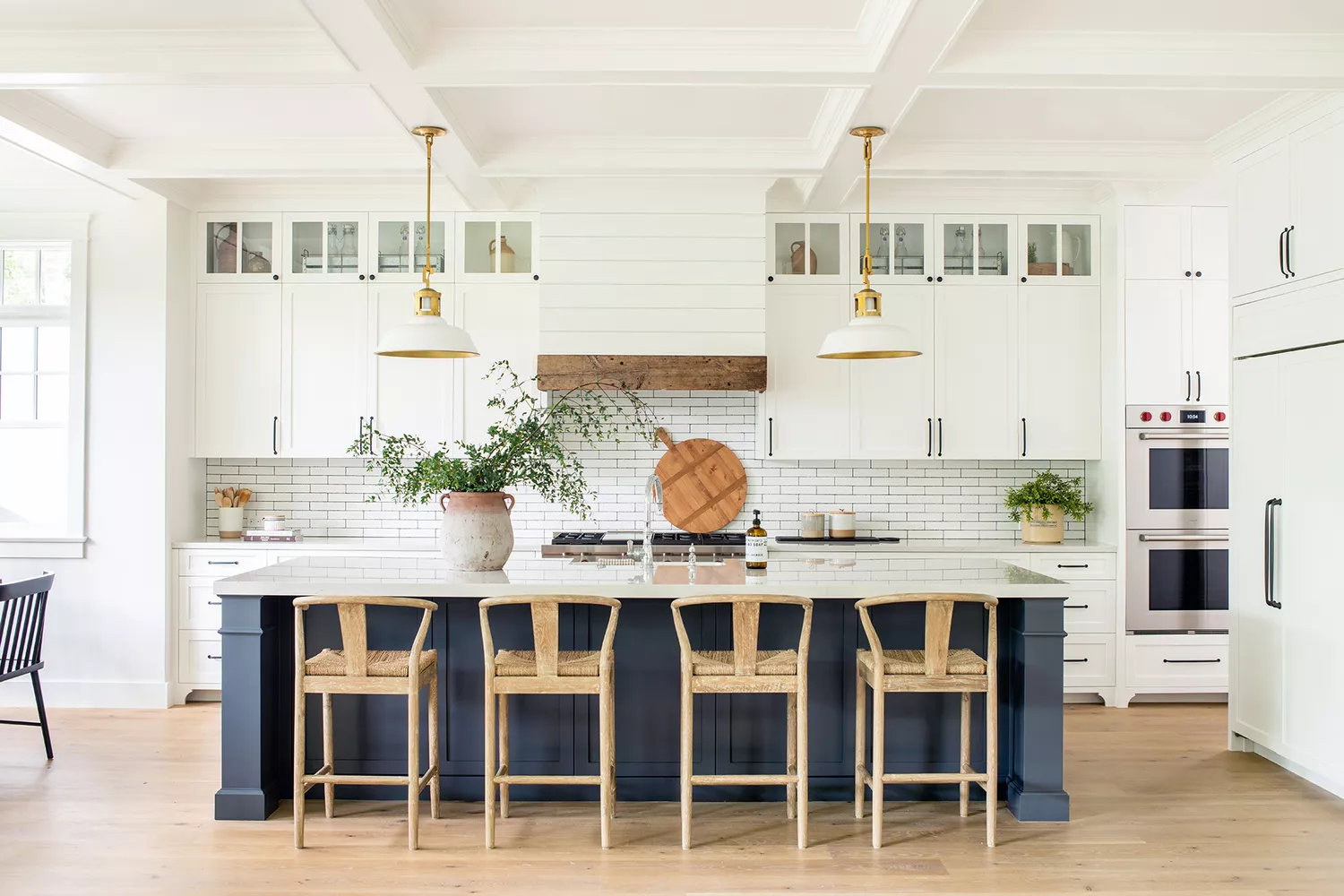
European kitchen design trends offer a blend of traditional and modern elements, creating a characterful, charming, warm, and welcoming space that feels both lived-in and contemporary. Interior designers and kitchen experts highlight key elements to achieve this aesthetic. One prominent feature is the incorporation of arches and curved edges, reminiscent of historical Italian porticoes. These organic shapes soften the typically harsh lines of kitchen layouts and cabinetry, adding character and uniqueness, whether through archways in doorways, custom range hoods, or rounded cabinetry on islands. Interior designer April Gandy emphasizes that rounded elements create a fun and unique look.
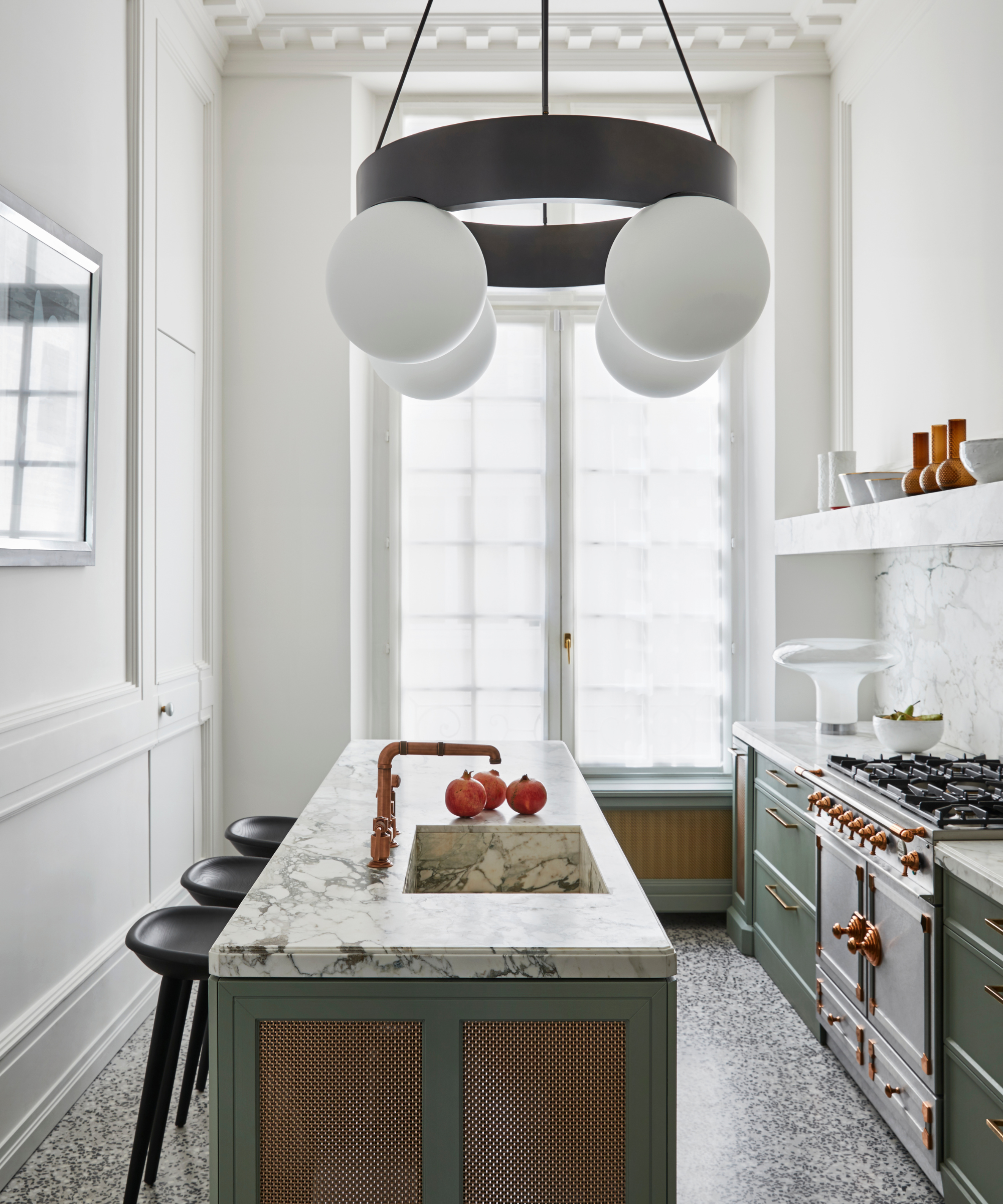
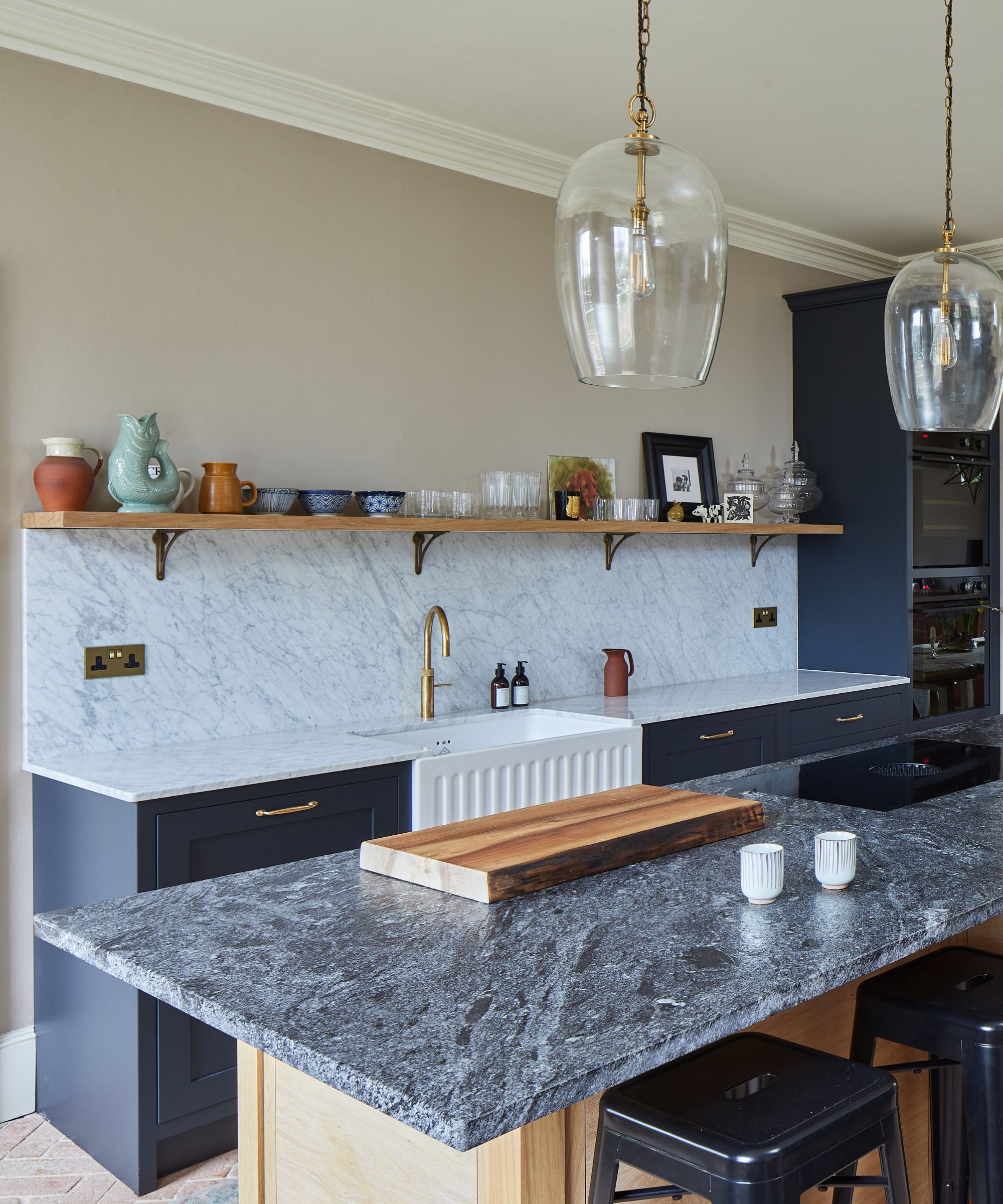
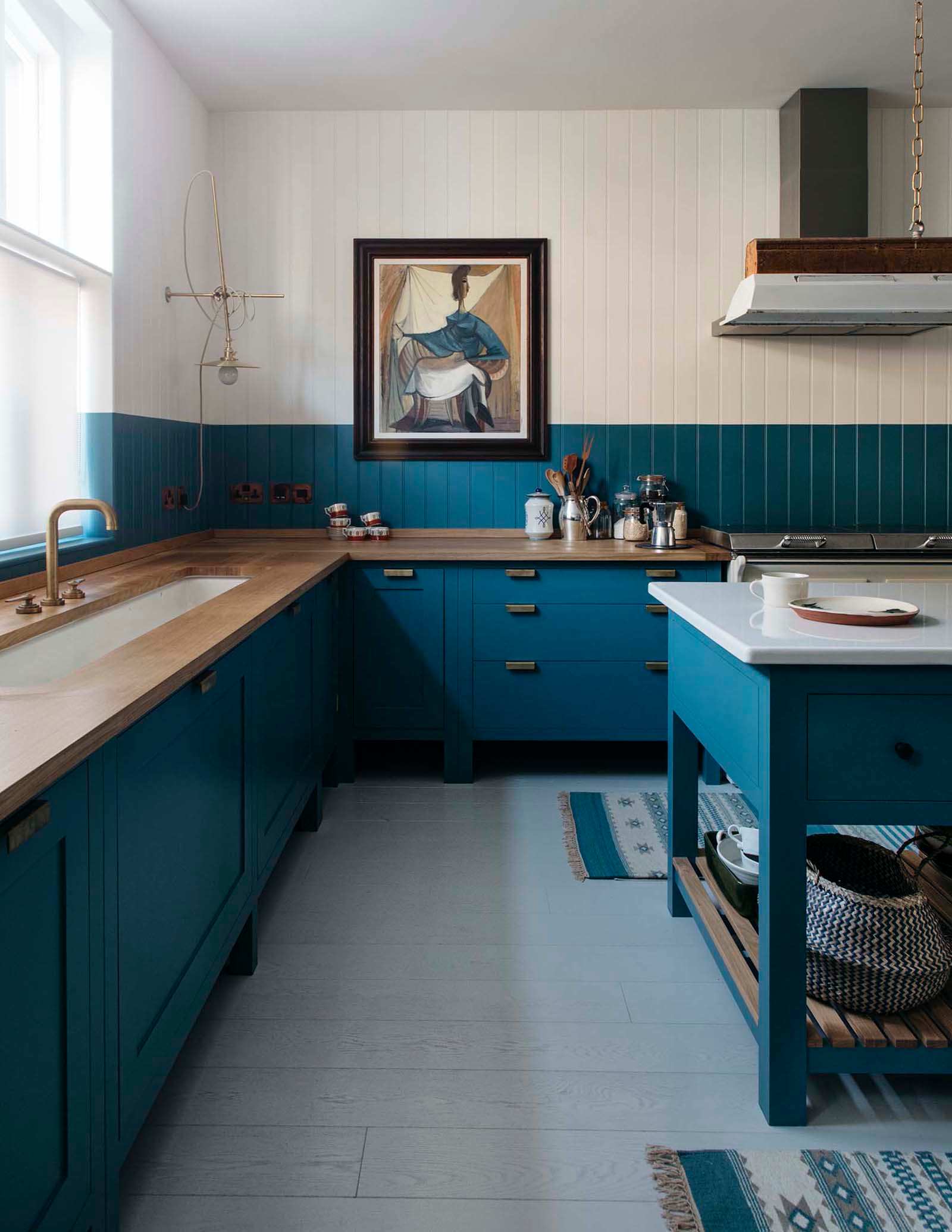
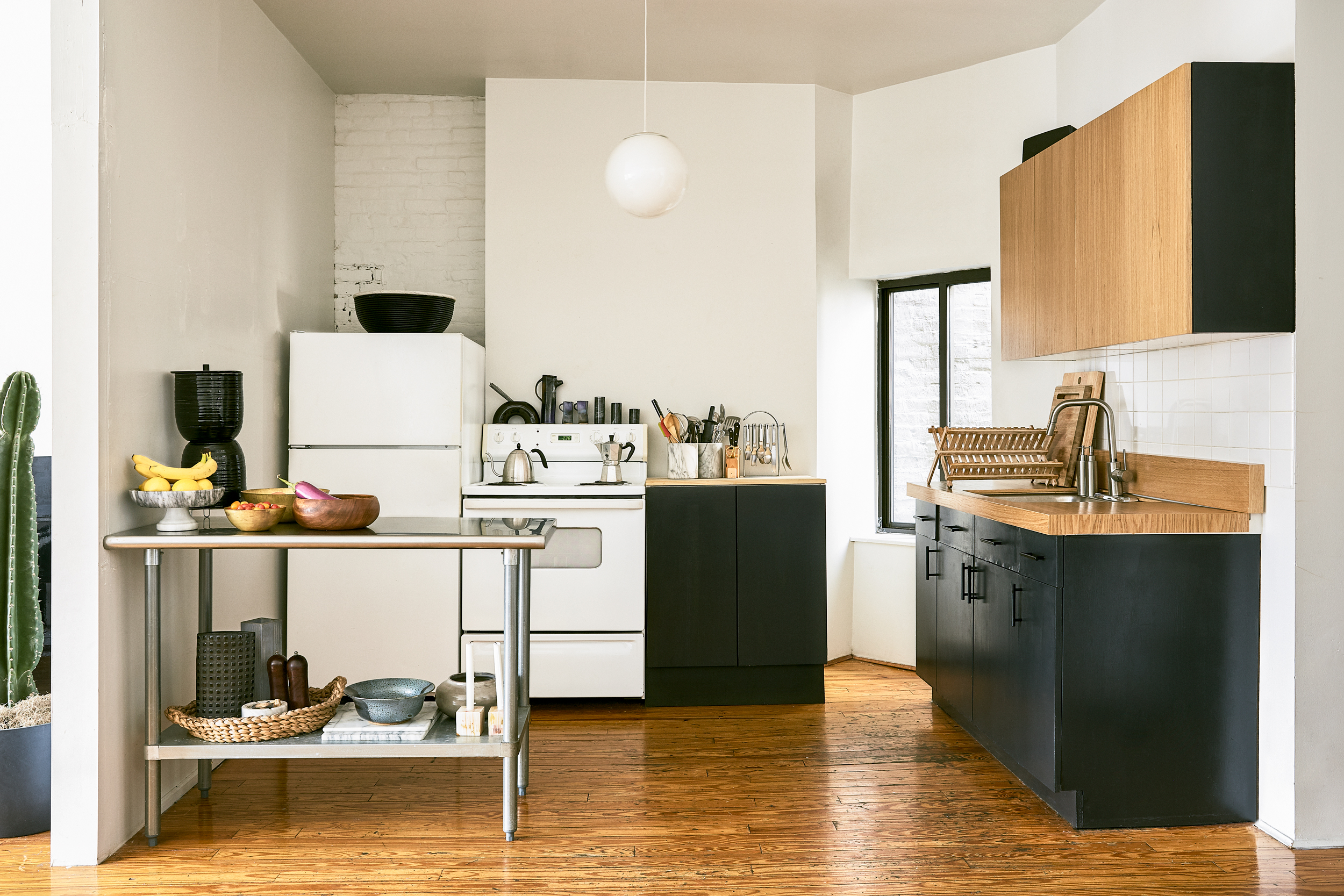
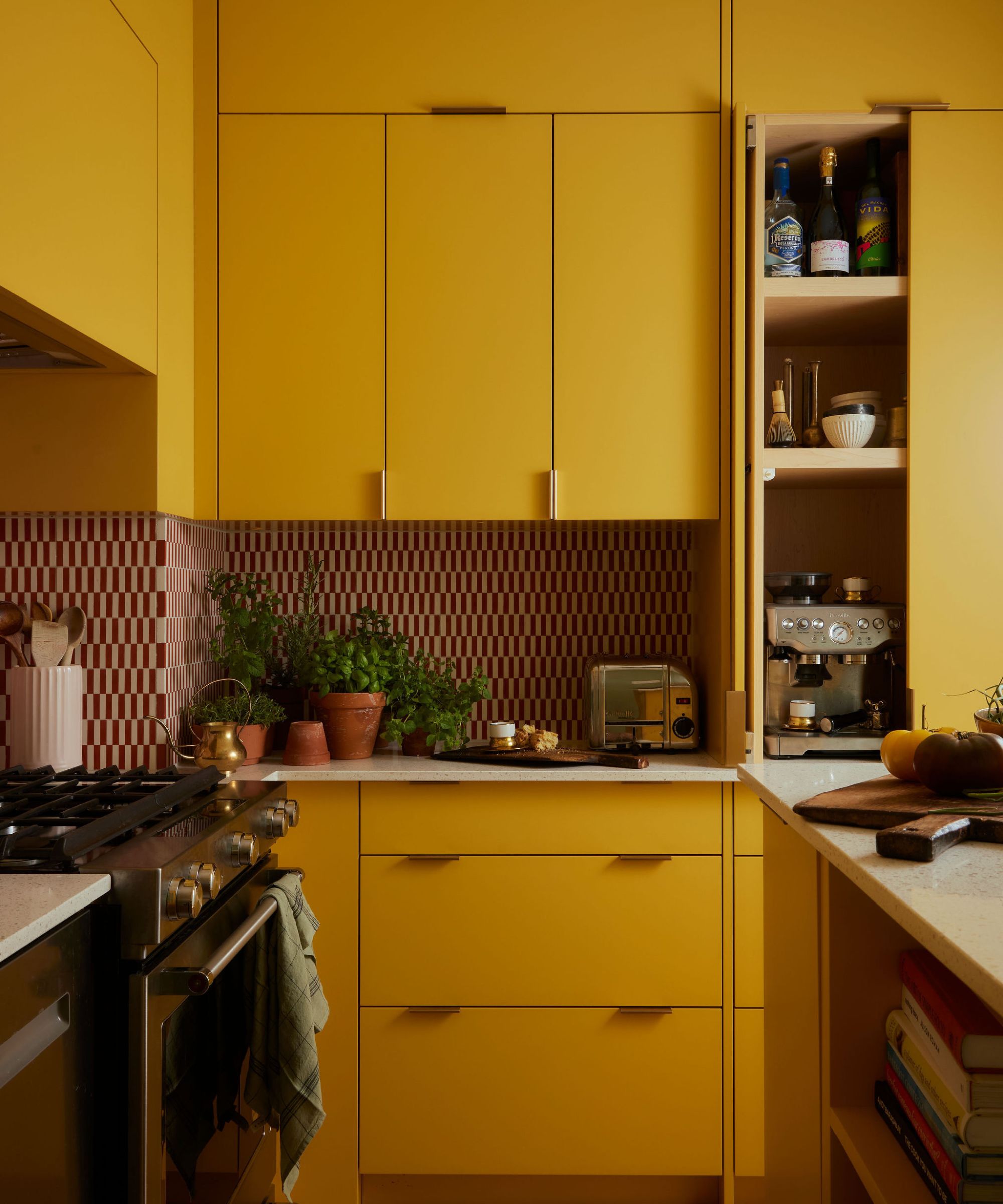
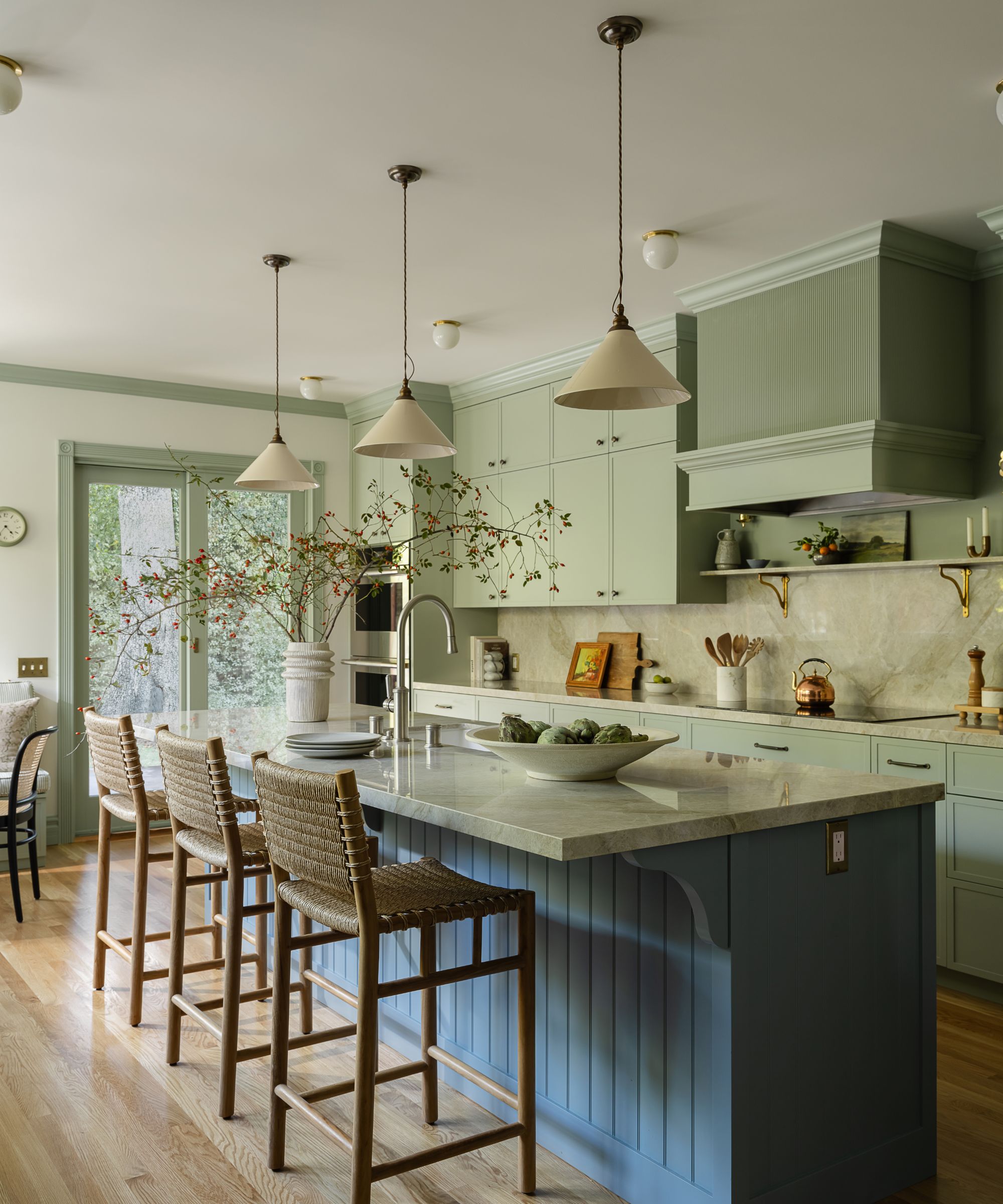
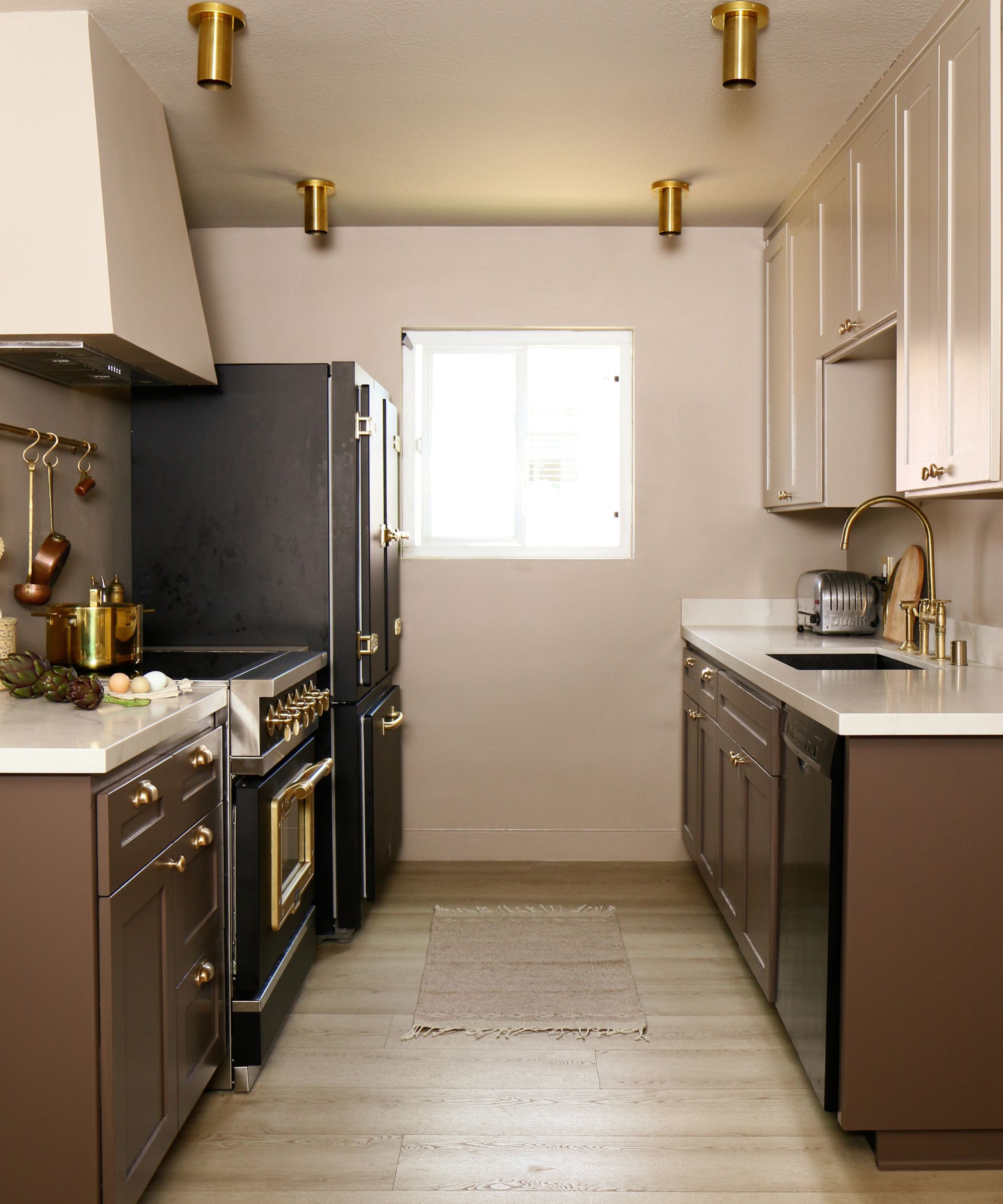
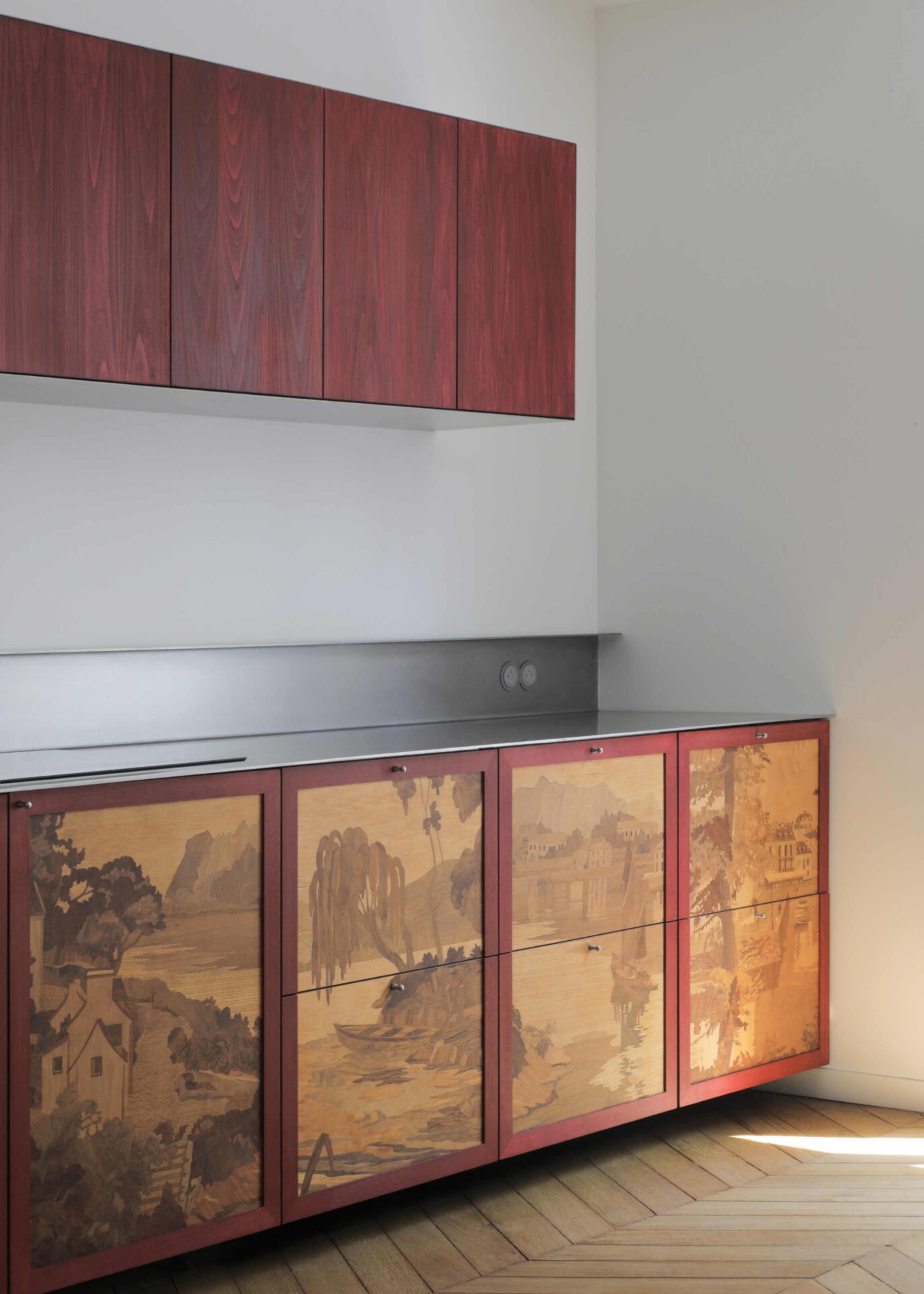
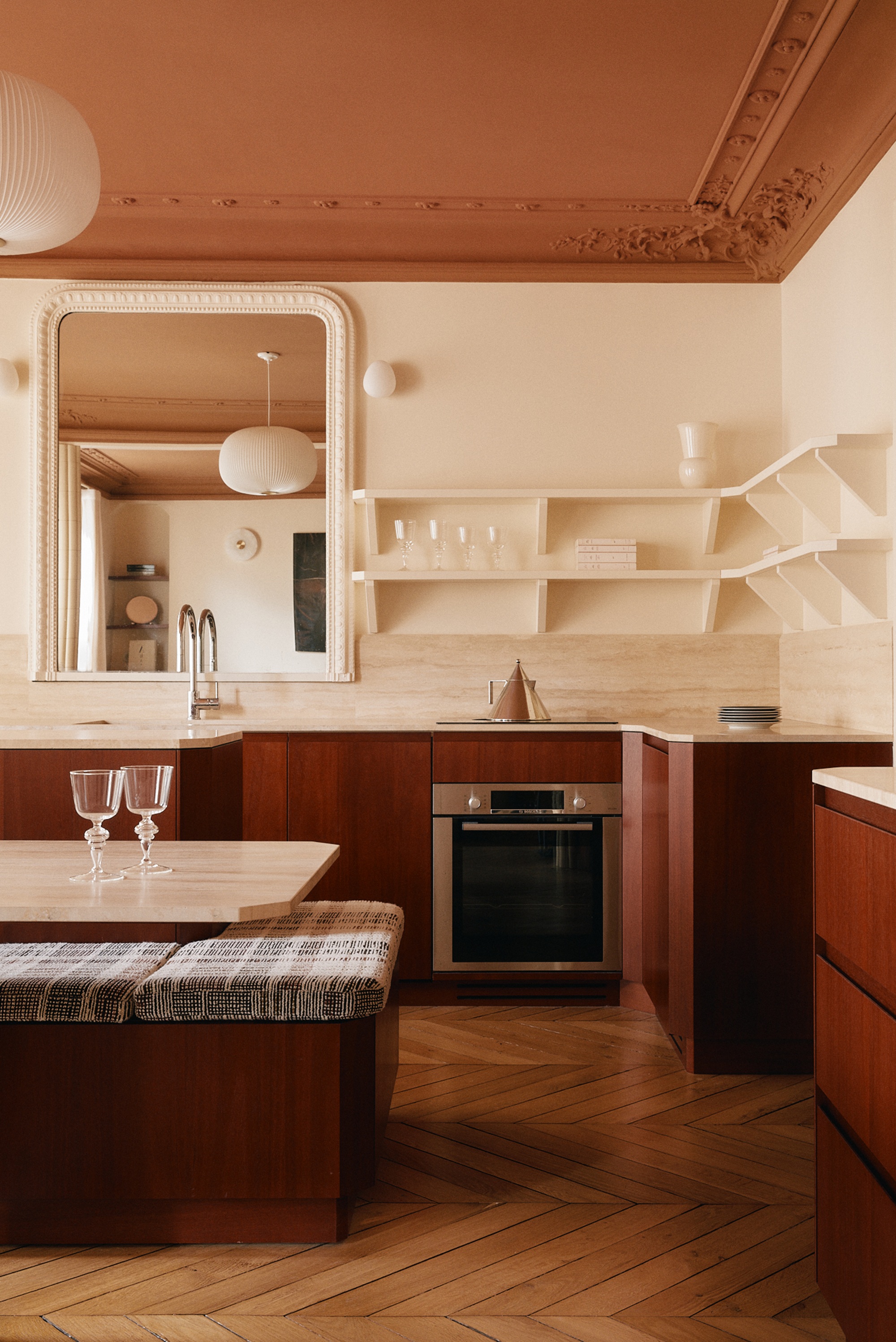
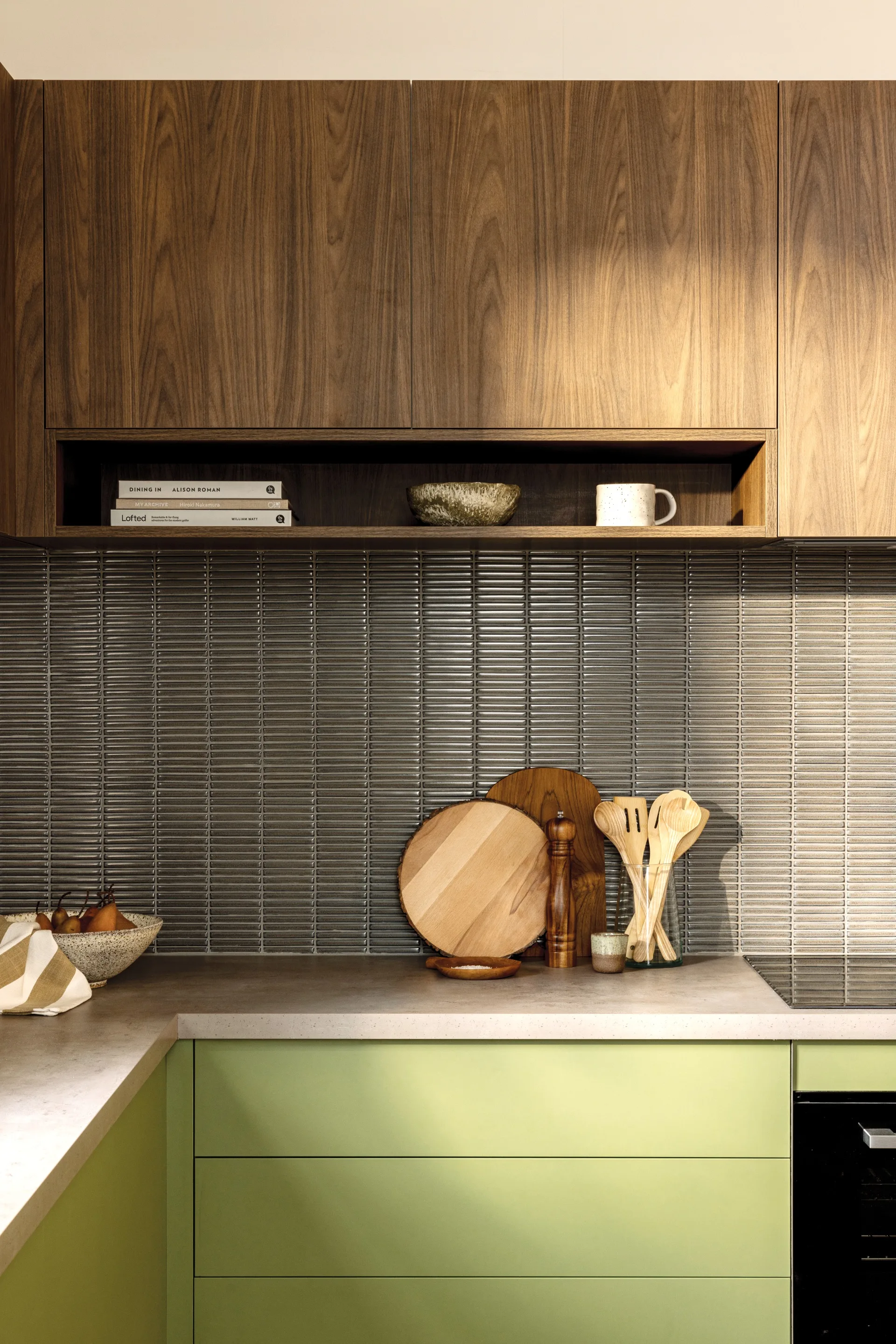
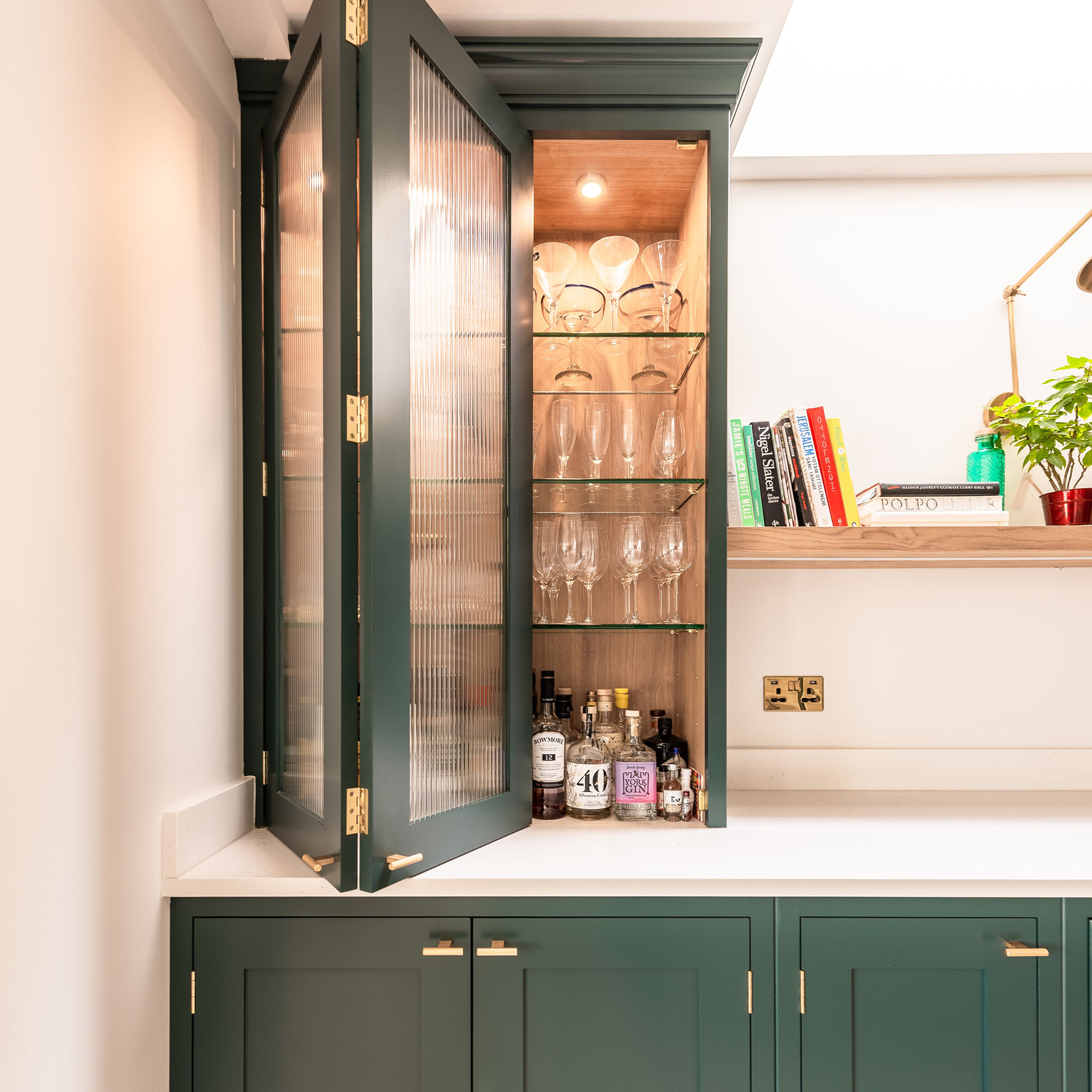
A limited color palette is another crucial aspect of European kitchen design. Designers advocate for a pared-back approach, using a few carefully selected colors that complement each other for an understated and timeless appeal. Maria Tschertou Schäder of Superfront suggests harmonious colors that don't dominate, while Fiona Ginnett of HØLTE recommends a consistent application of a limited palette of materials like oak, stainless steel, and off-white. This approach ensures a cohesive and enduring aesthetic.
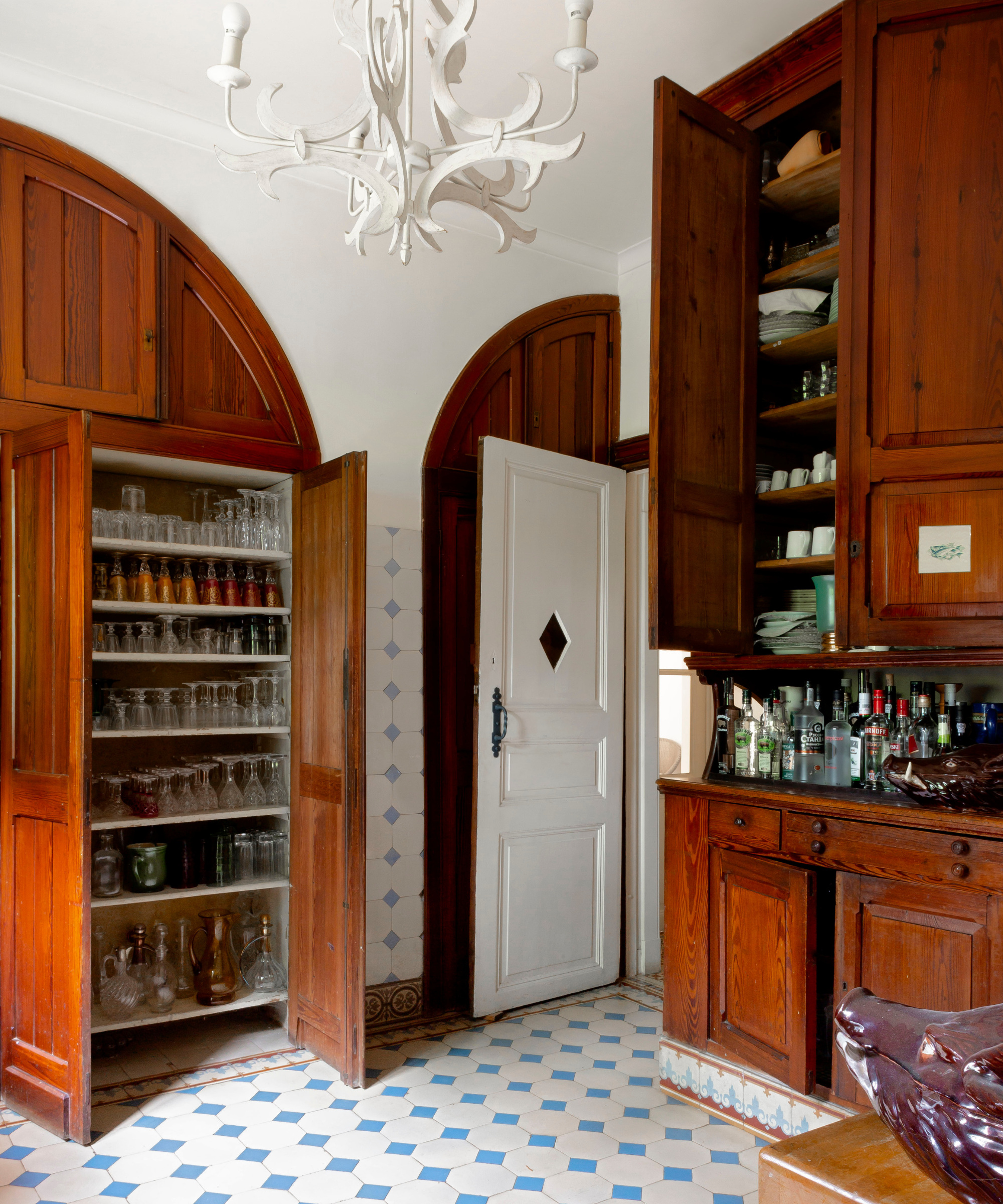
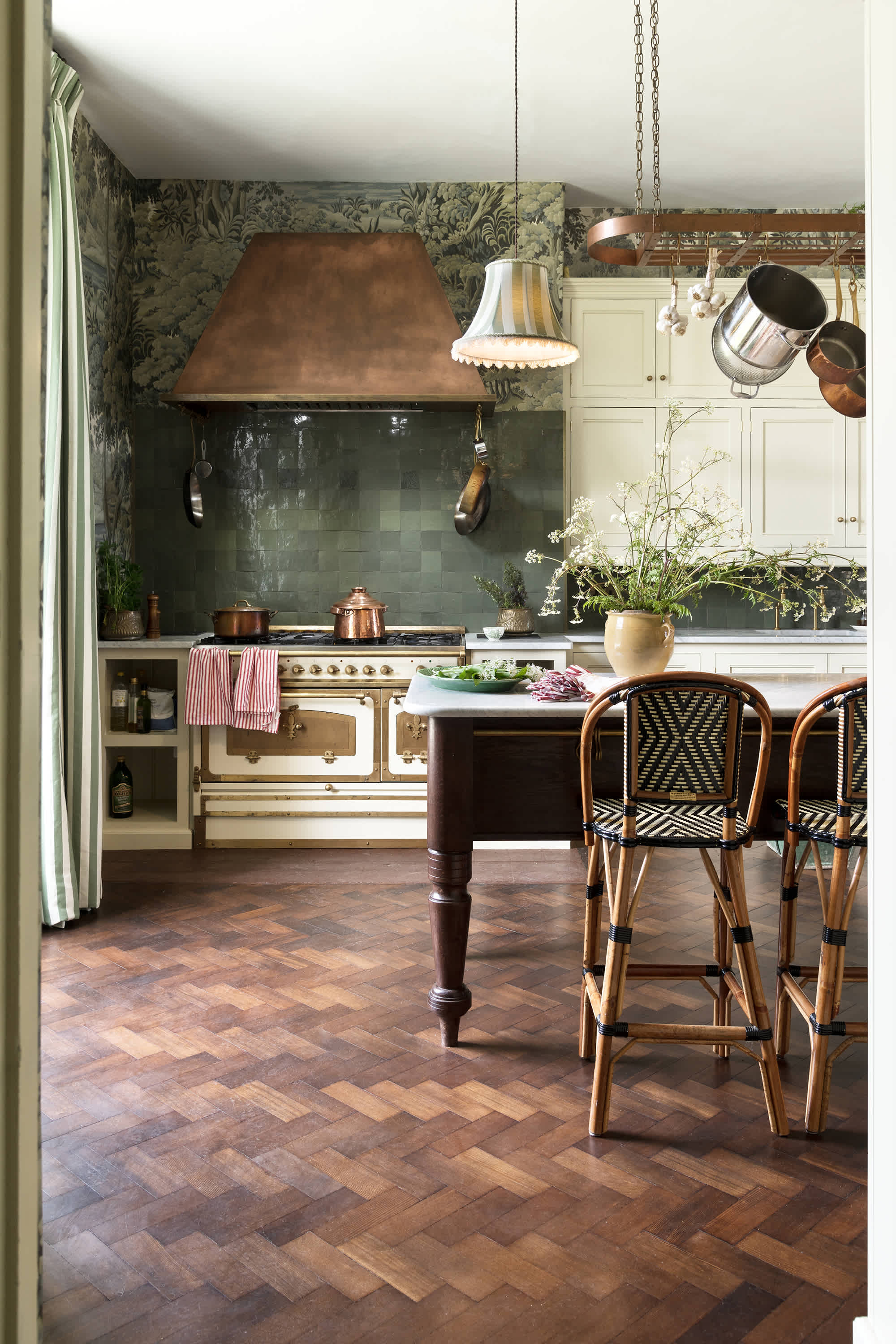
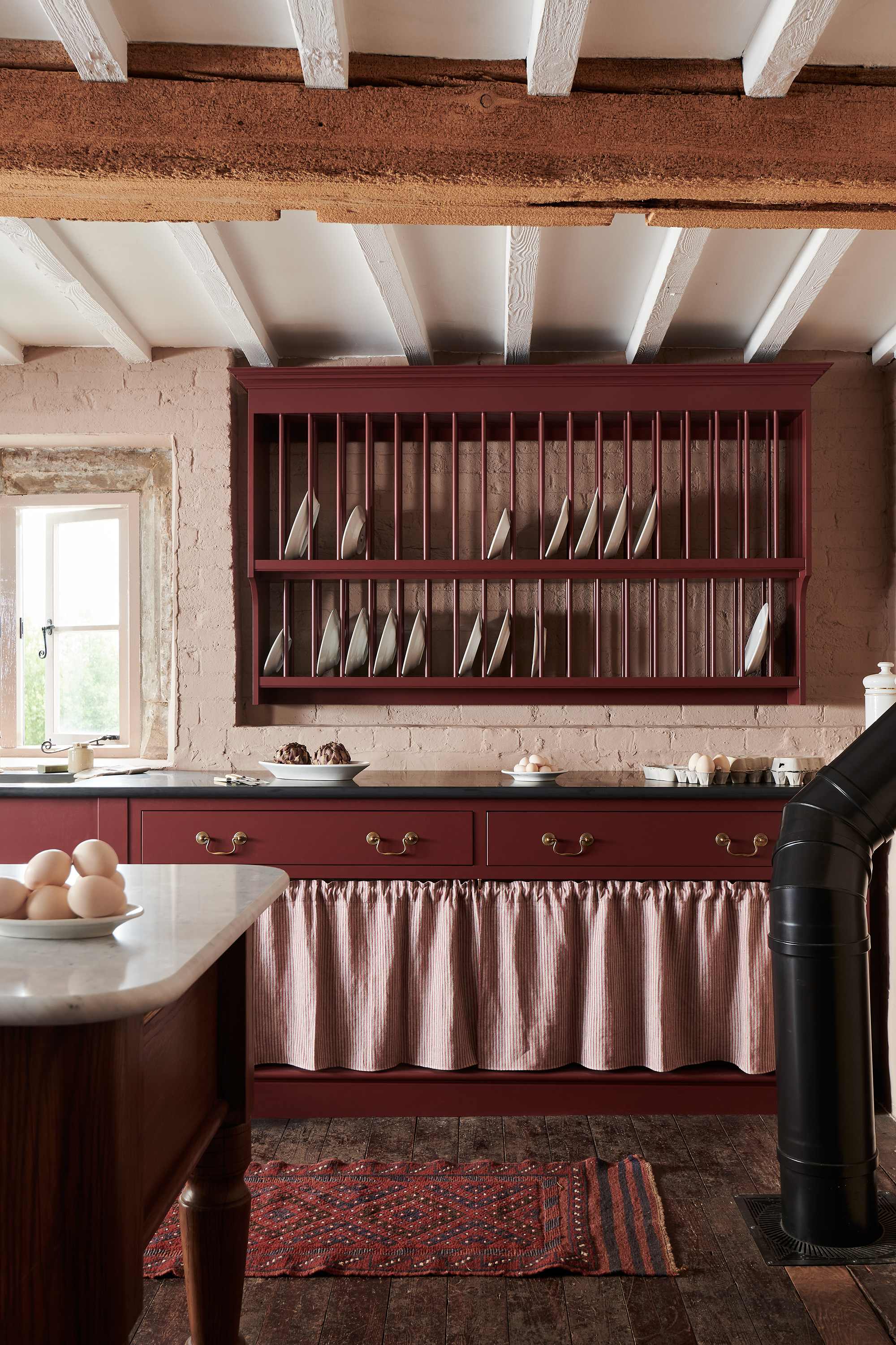
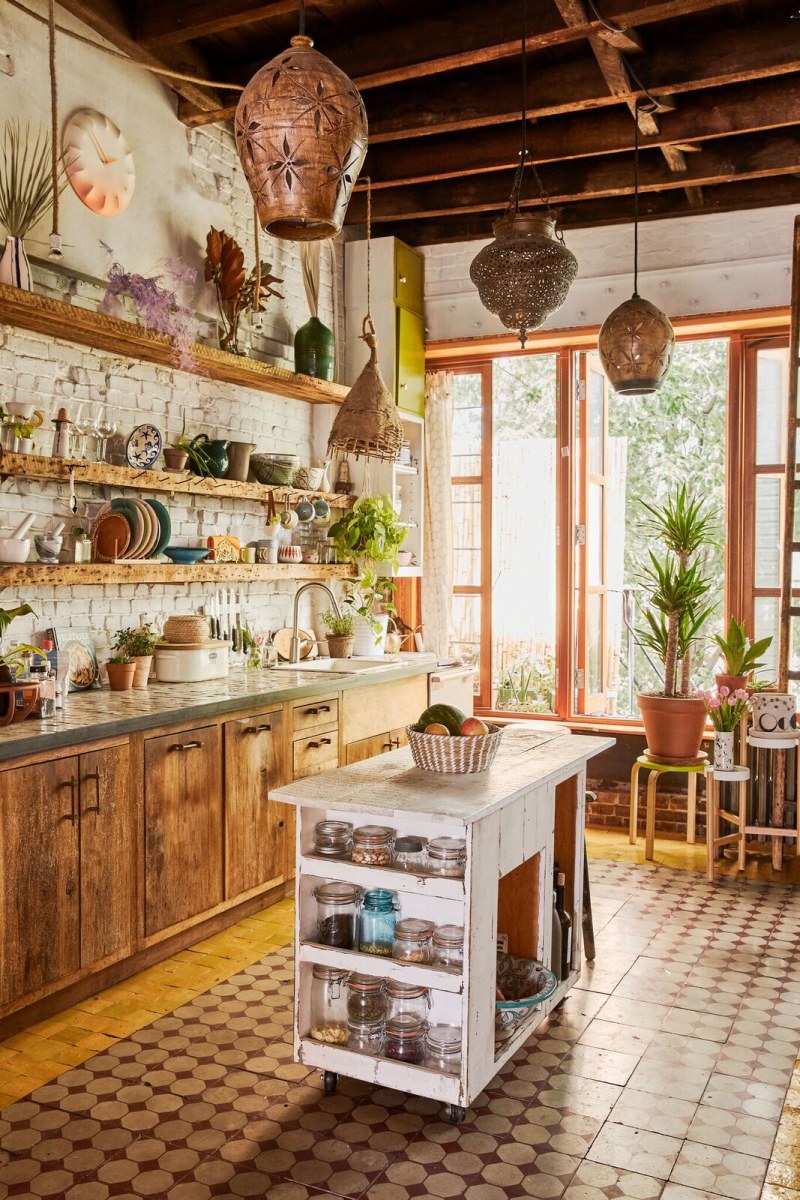
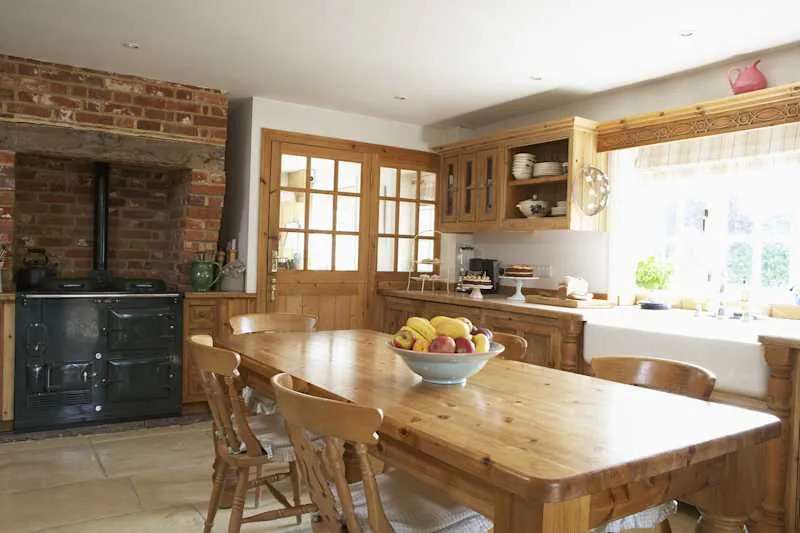
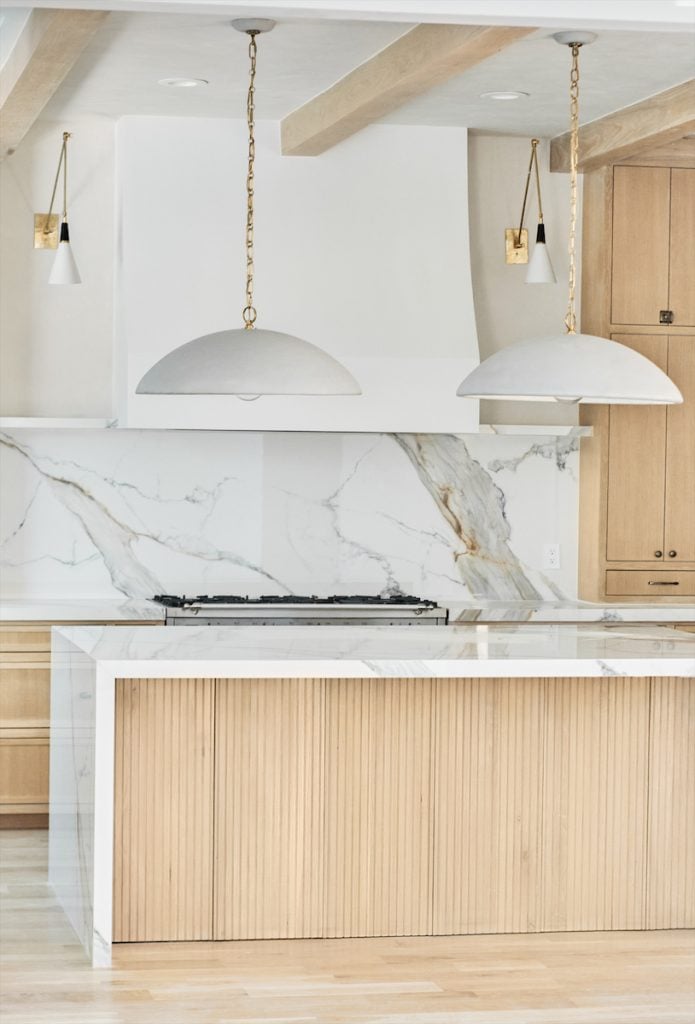
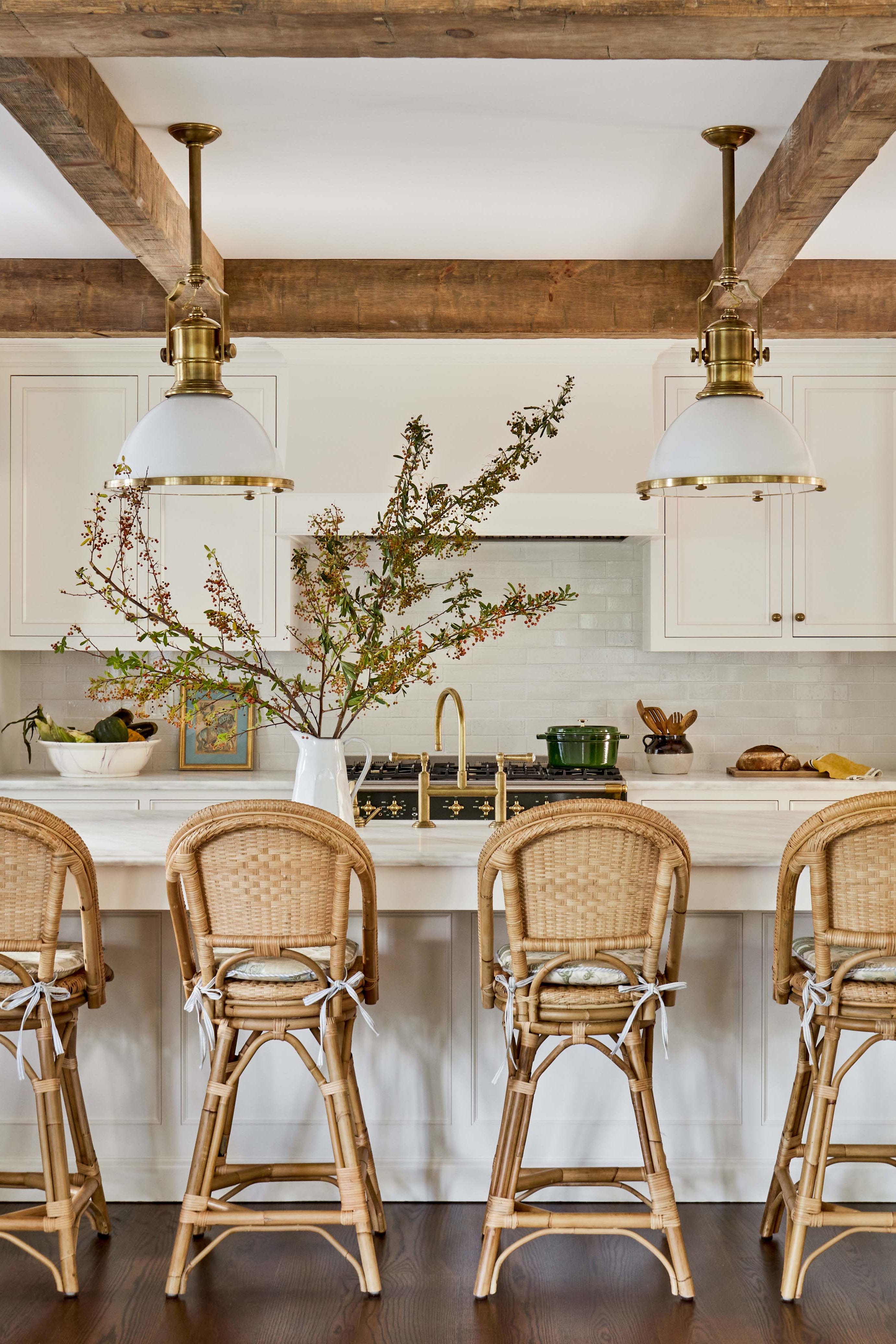
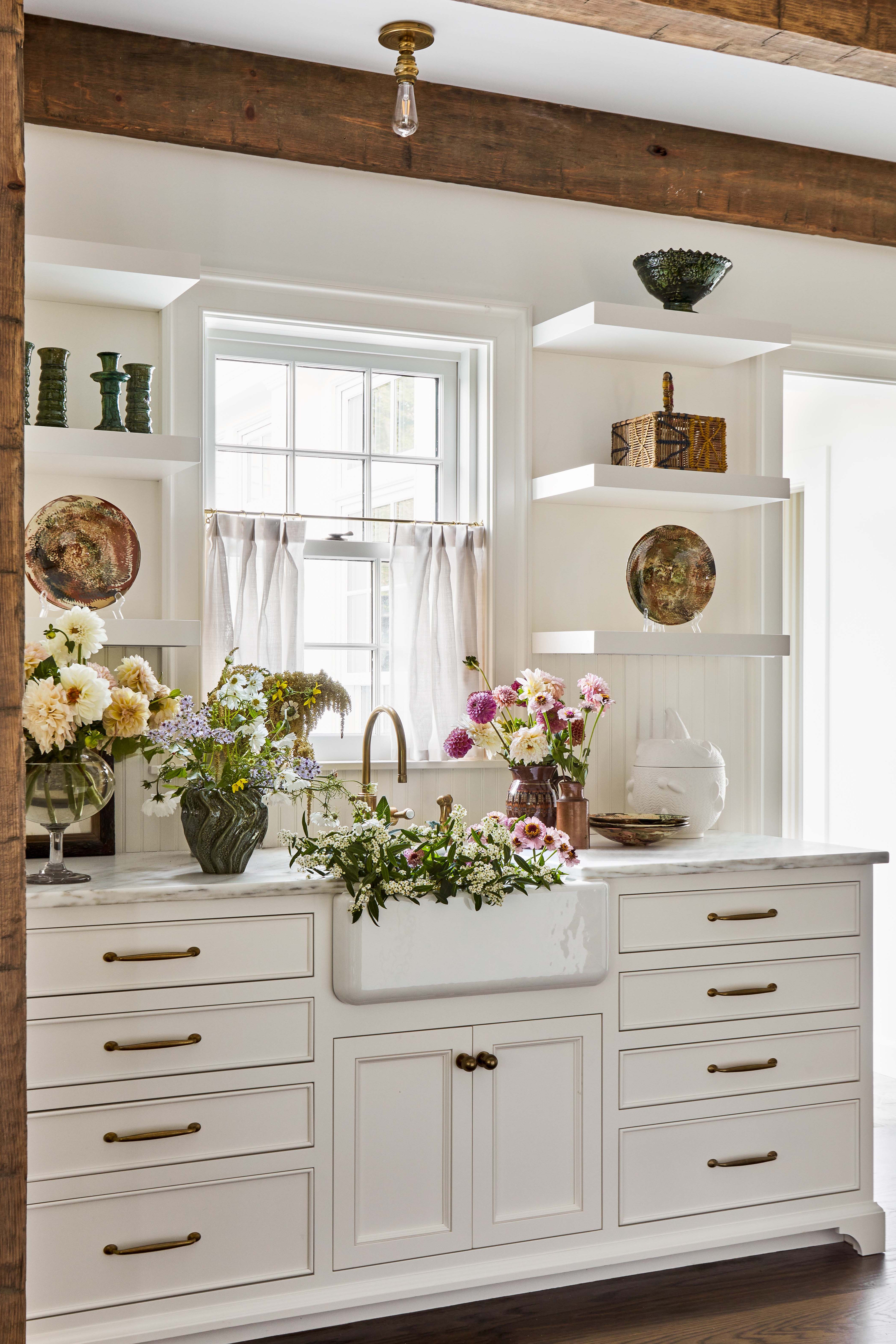
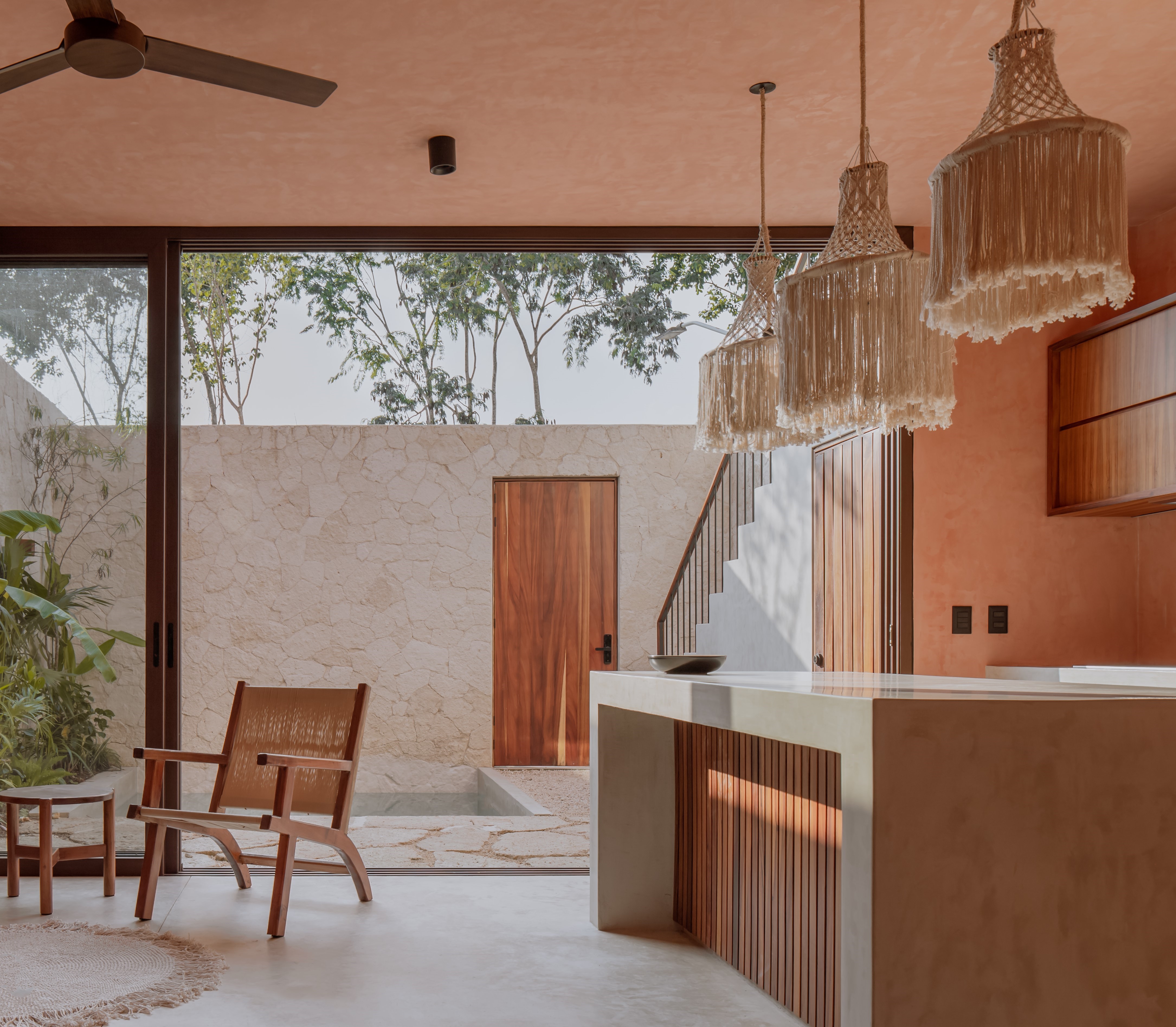
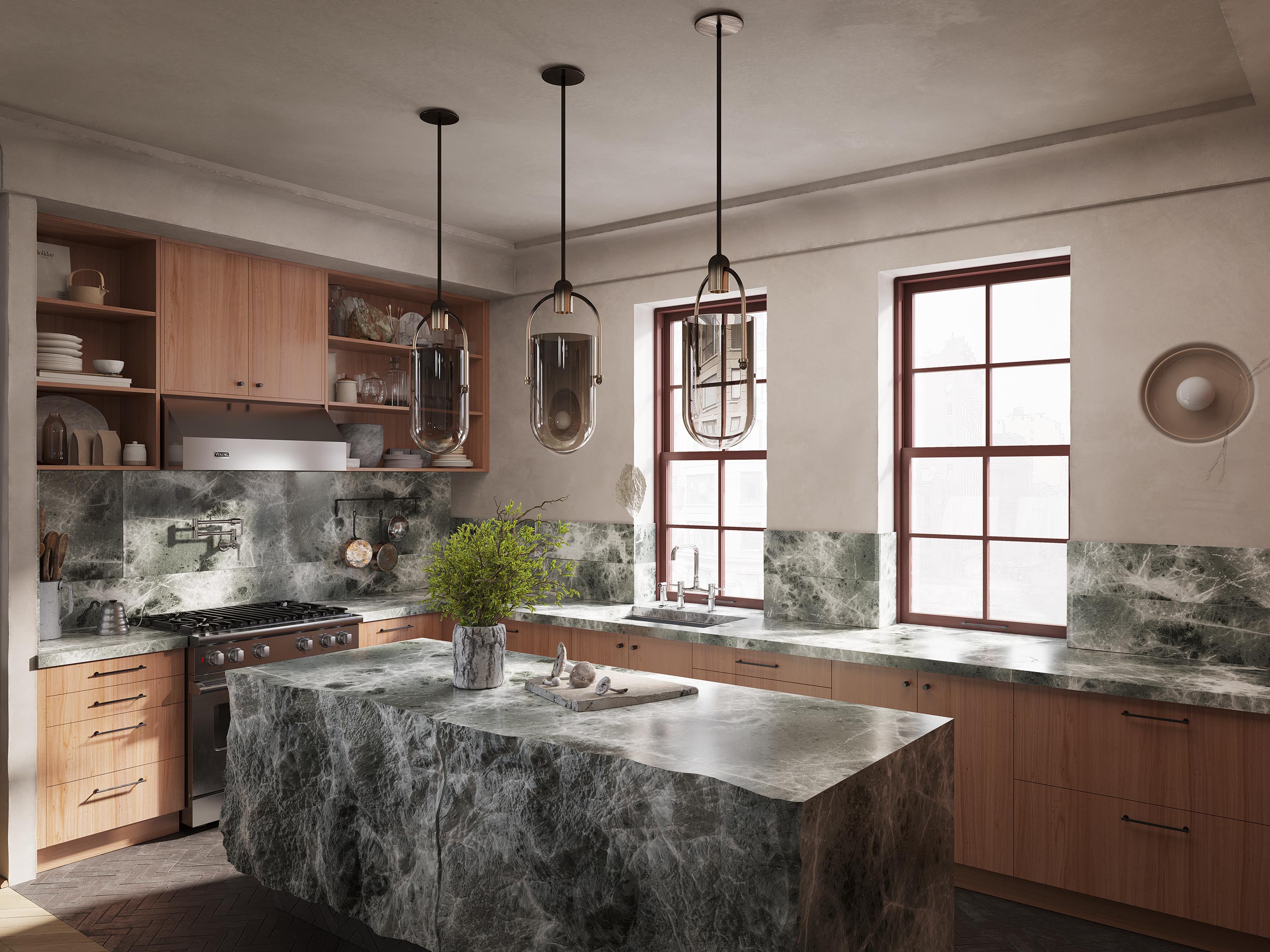
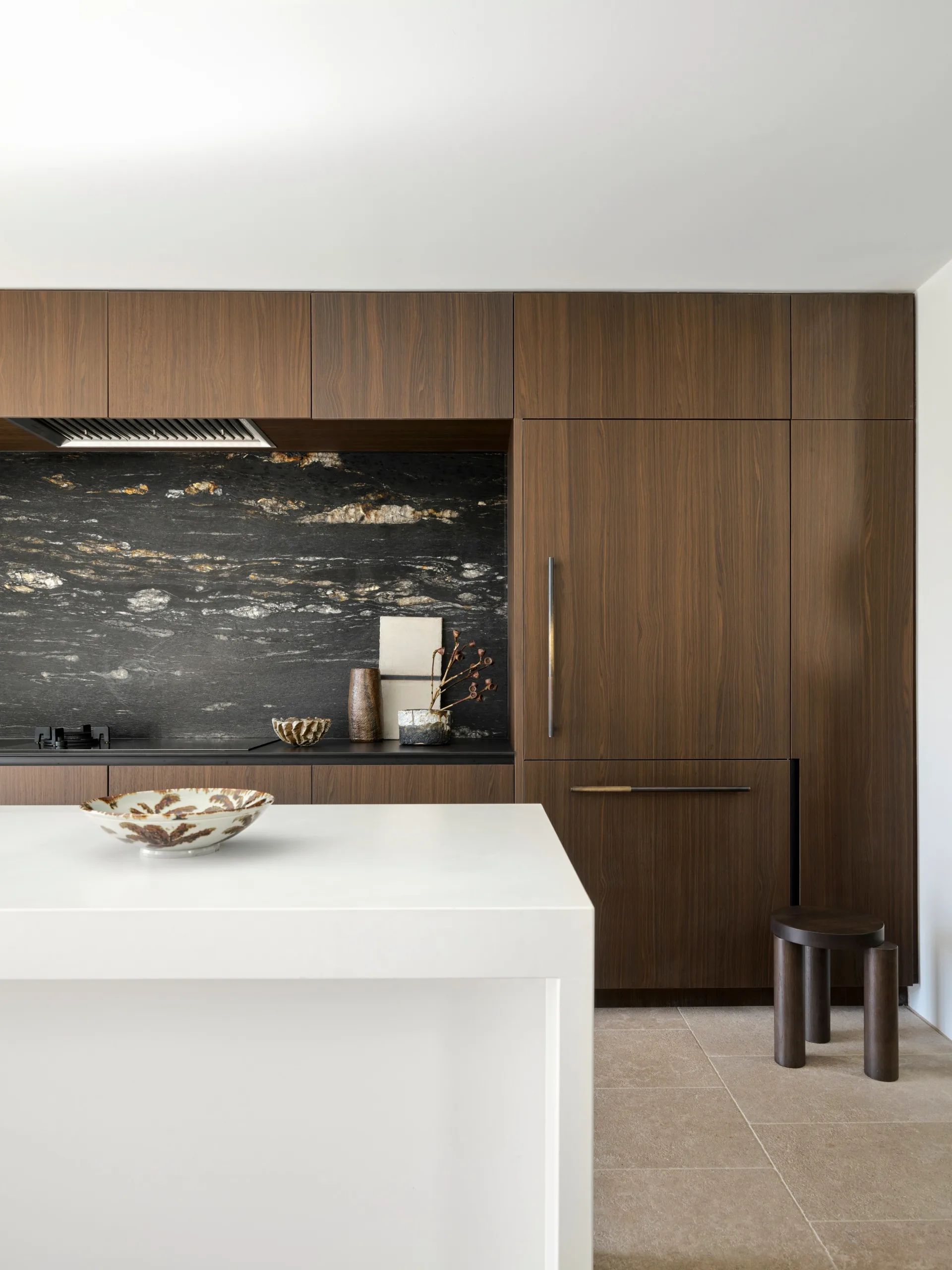
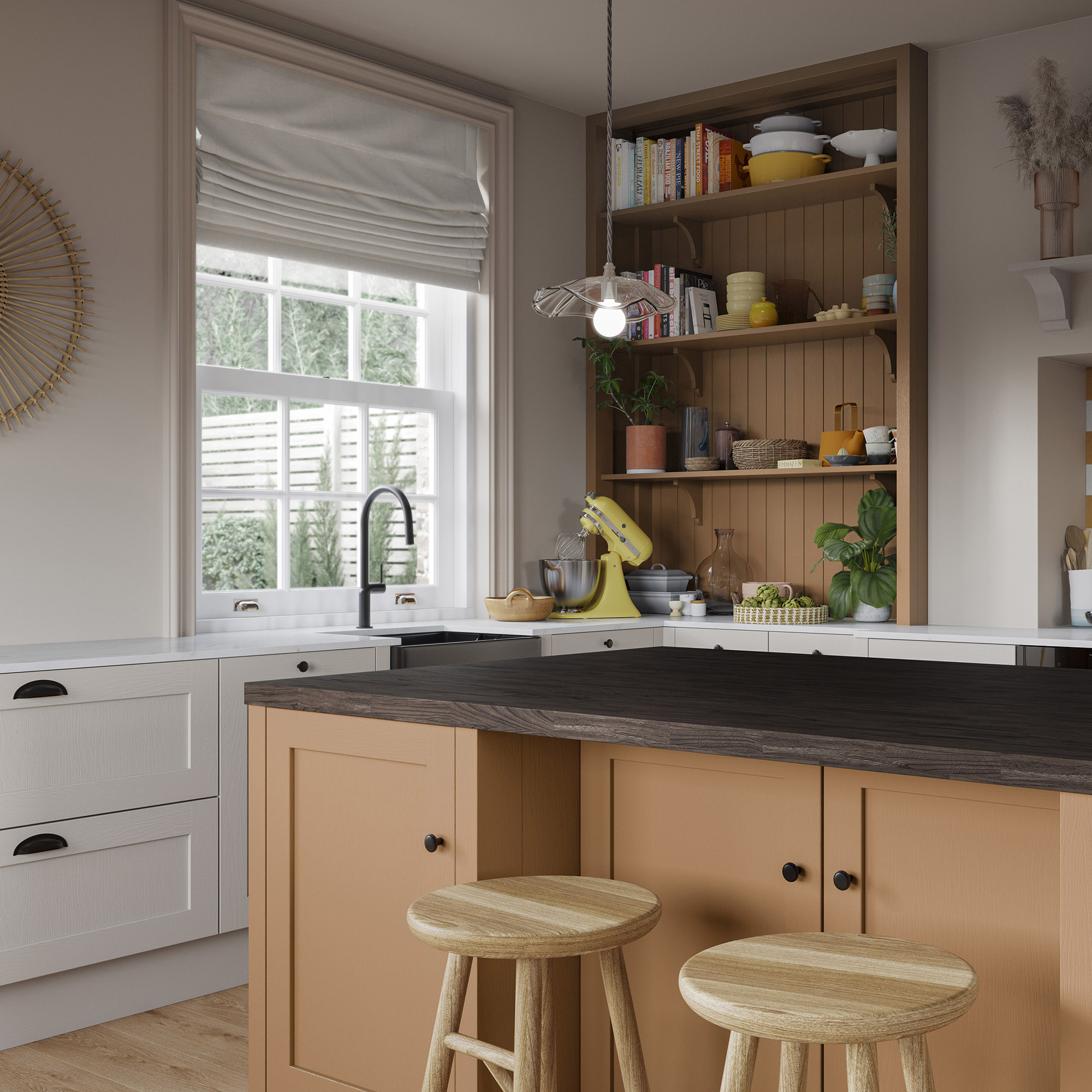
Warm wood tones are integral to the European style, often seen in countryside homes. This includes natural wood kitchen cabinetry, dining tables, and islands. Kati Curtis notes the use of distressed wood and wrought iron combined with an inviting color palette of earth tones, neutrals, and pastels. She enhanced a kitchen project by adding reclaimed oak beams to a high ceiling for architectural interest. Leah Harmatz suggests leaning towards darker woods like walnut, cherry, or oak with a deep chestnut finish for a more pronounced European feel.
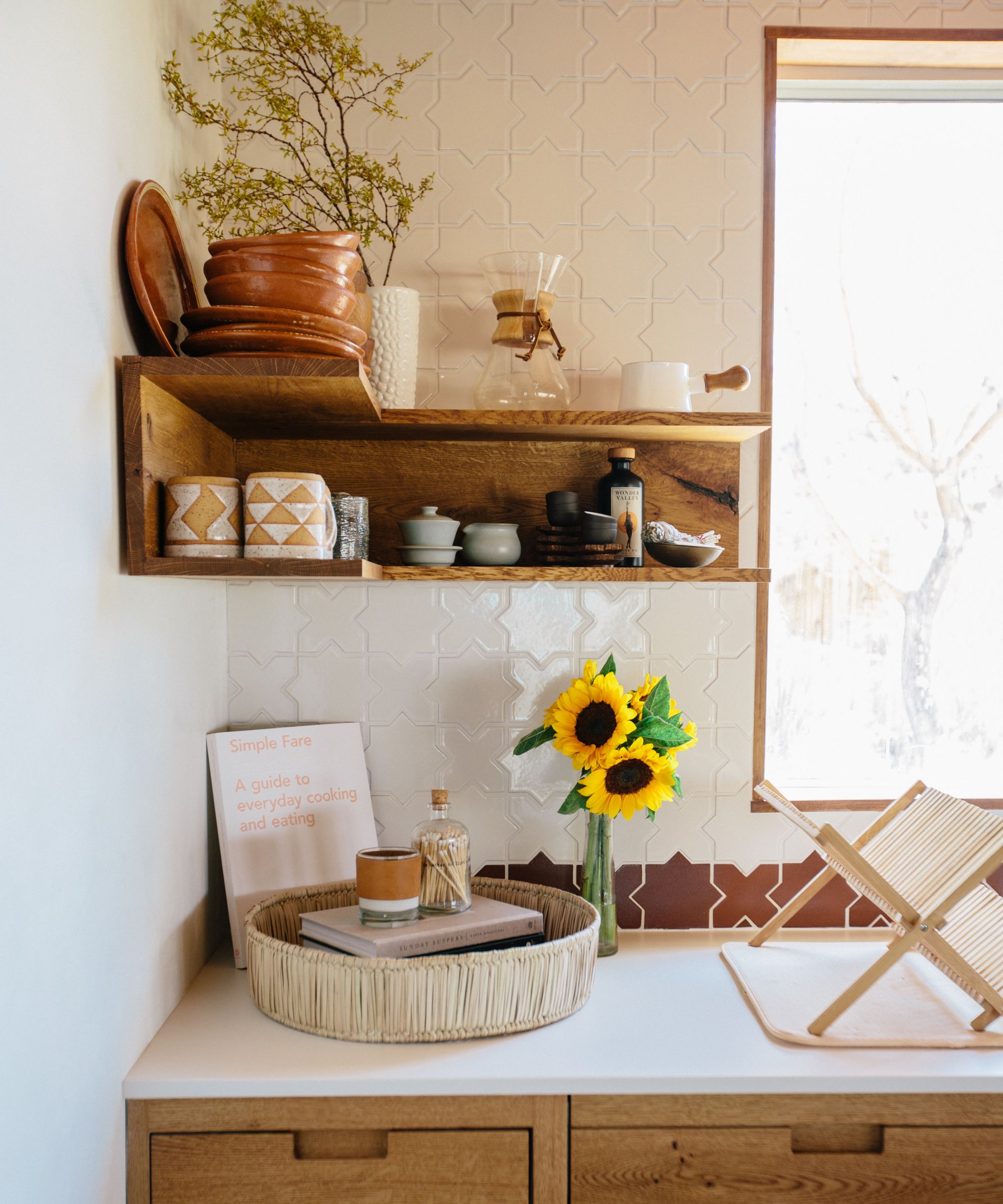
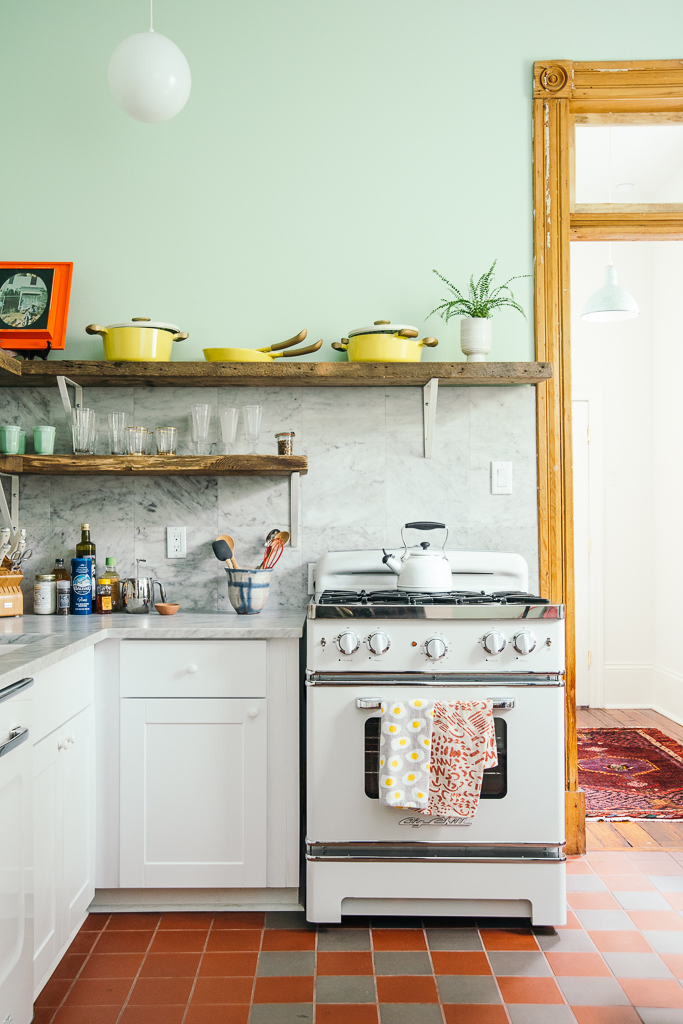
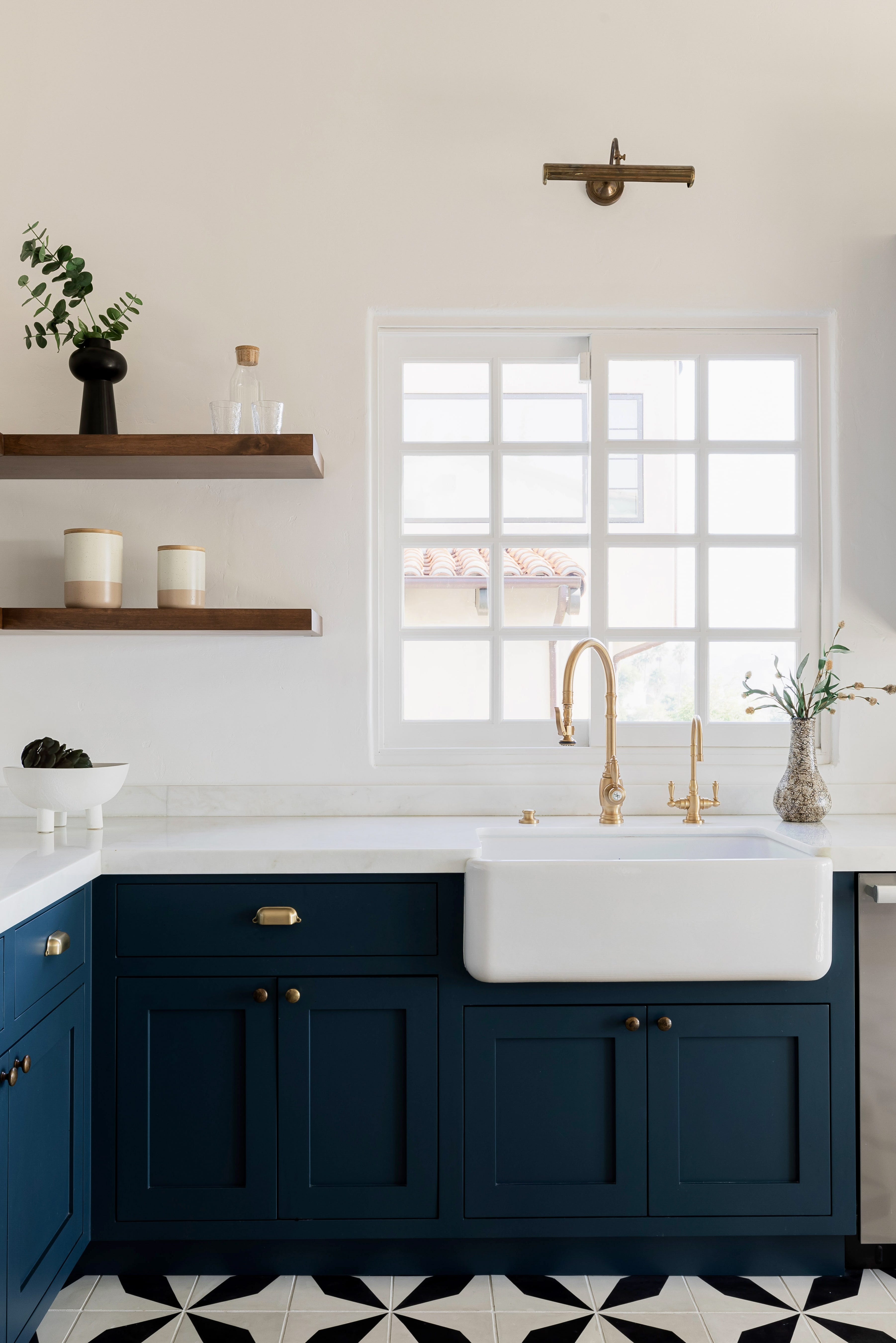
Delft tiles are also experiencing a resurgence, providing a distinctive European touch. These hand-painted tiles, traditionally in whites and blues with floral and wildlife motifs, offer a soft and ornate look without appearing kitsch. Leah Harmatz suggests incorporating them subtly, perhaps by scattering antique tiles within a more neutral backsplash or mixing newly crafted Delft tiles with solid ones. Smaller decorative elements can also evoke a French aesthetic, such as cafe curtains, bistro chairs, and checkerboard tiles for a Parisian cafe vibe, or Delft tiles and stoneware for a more Provencal country feel, as advised by Kathy Kuo.
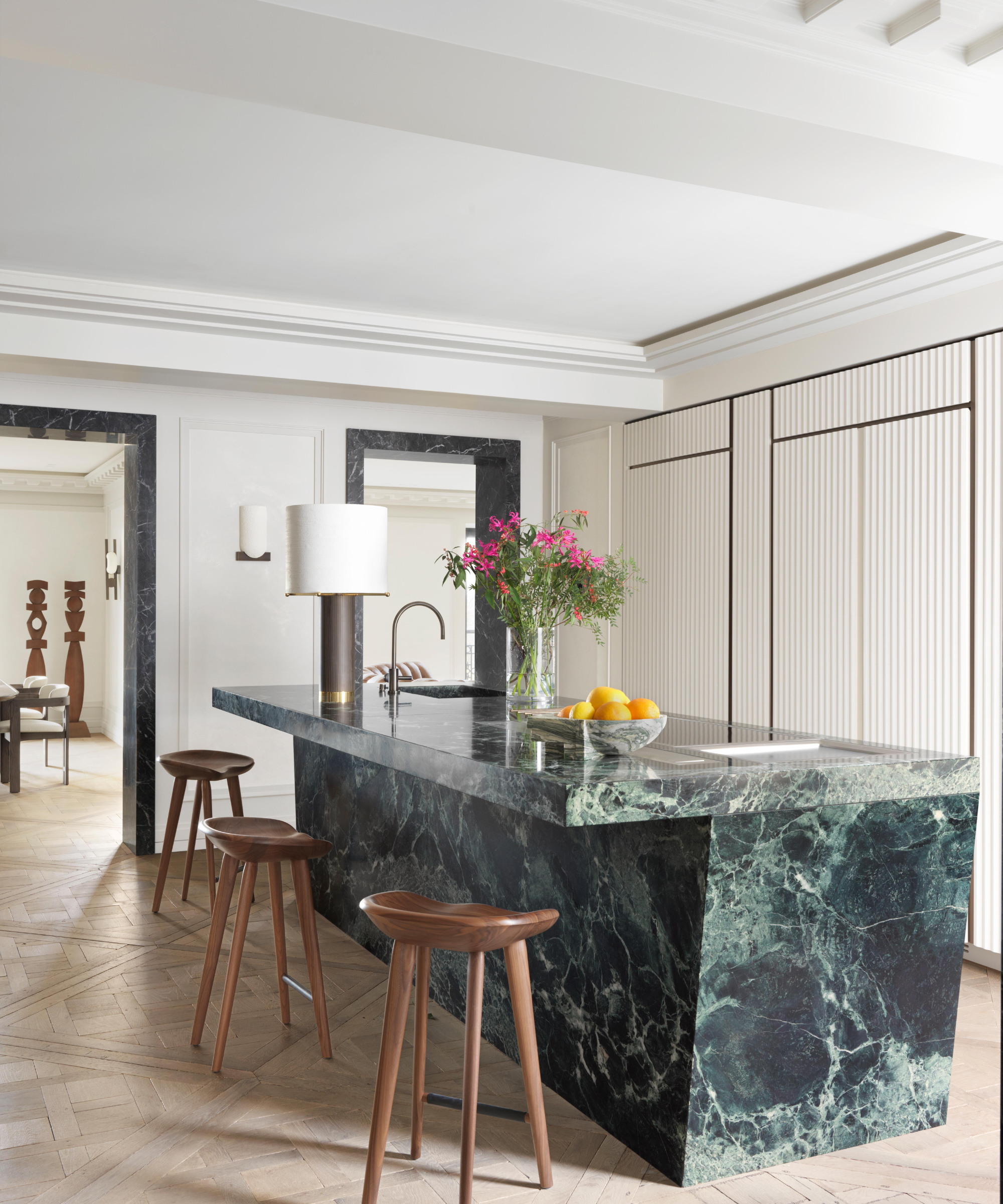
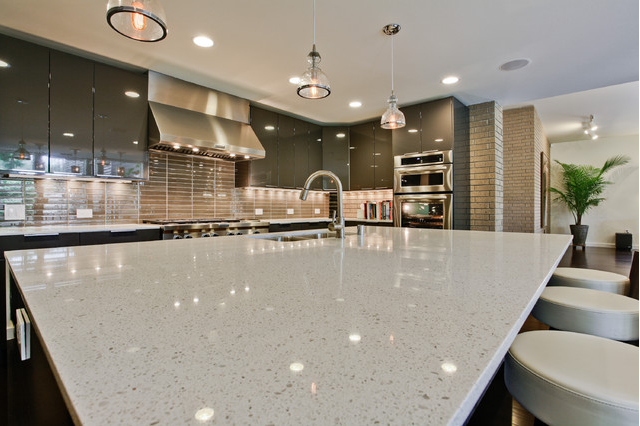
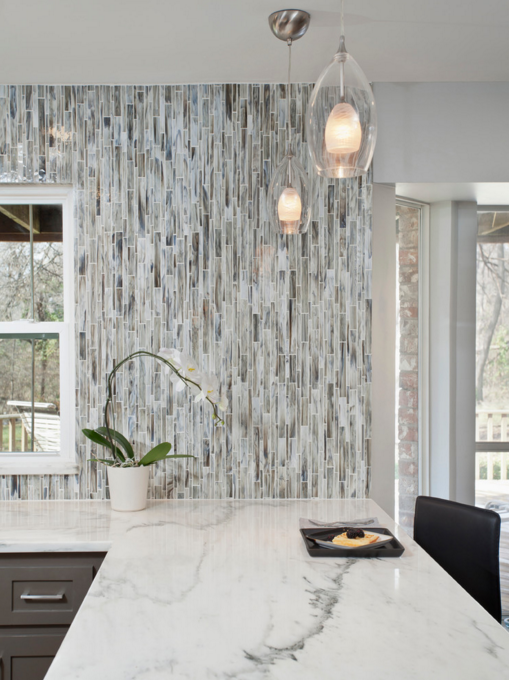
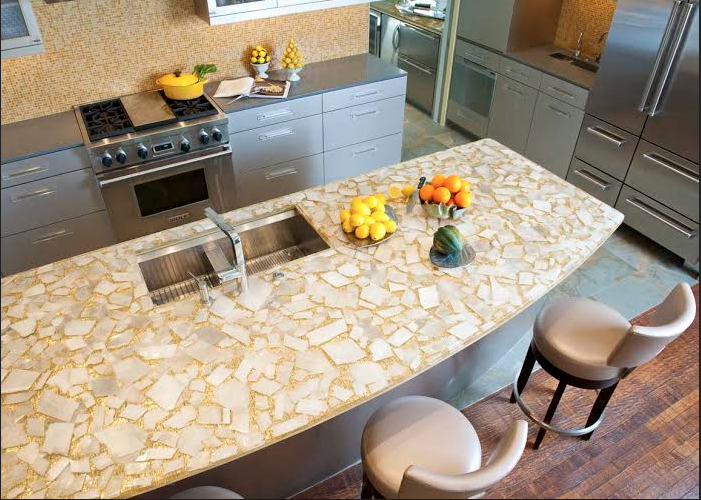
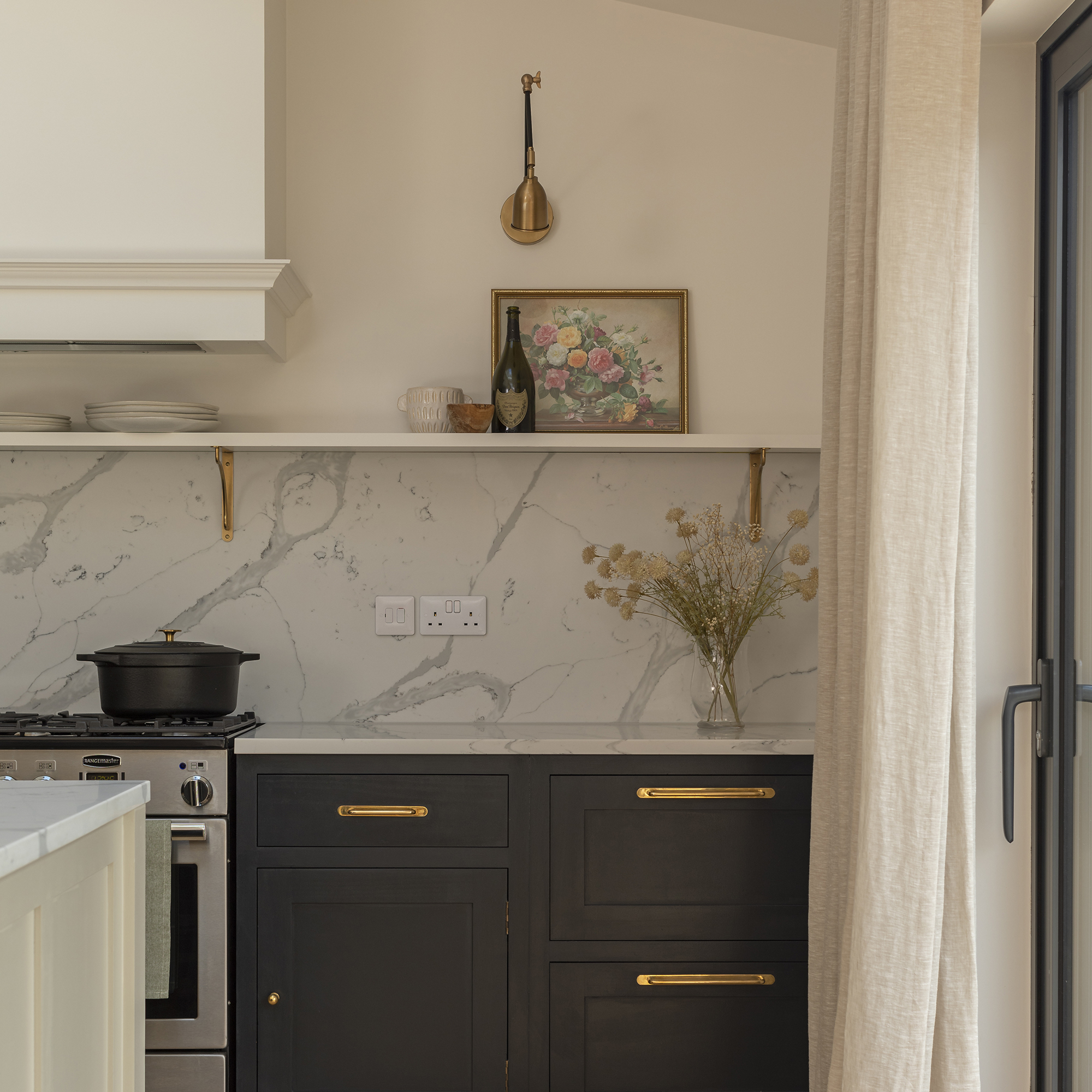
Finally, stone plays a significant role in European kitchens, impacting the overall style of the space. Breegan Jane highlights the durability and timelessness of stone, noting its extensive use in older European kitchens for countertops, floors, and raw stone walls. She suggests modernizing these historical uses of stone for a fresh yet regal look. The overarching philosophy emphasizes quality over quantity, a focus on natural materials, and an embrace of color and texture to create spaces that feel like an extension of the living area rather than a purely utilitarian kitchen. Efficient use of space and attention to old-world craftsmanship are also key characteristics of European-style homes.
#EuropeanKitchenDesign #KitchenTrends #InteriorDesign #ArchesAndCurves #LimitedColorPalette #WarmWoodTones #DelftTiles #FrenchStyleKitchen #StoneKitchenElements #EuropeanKitchenDesign #KitchenTrends #InteriorDesign #ArchesAndCurves #LimitedColorPalette #WarmWoodTones #DelftTiles #FrenchStyleKitchen #StoneKitchenElements
0 comment in total
 No comments yet
You may also like
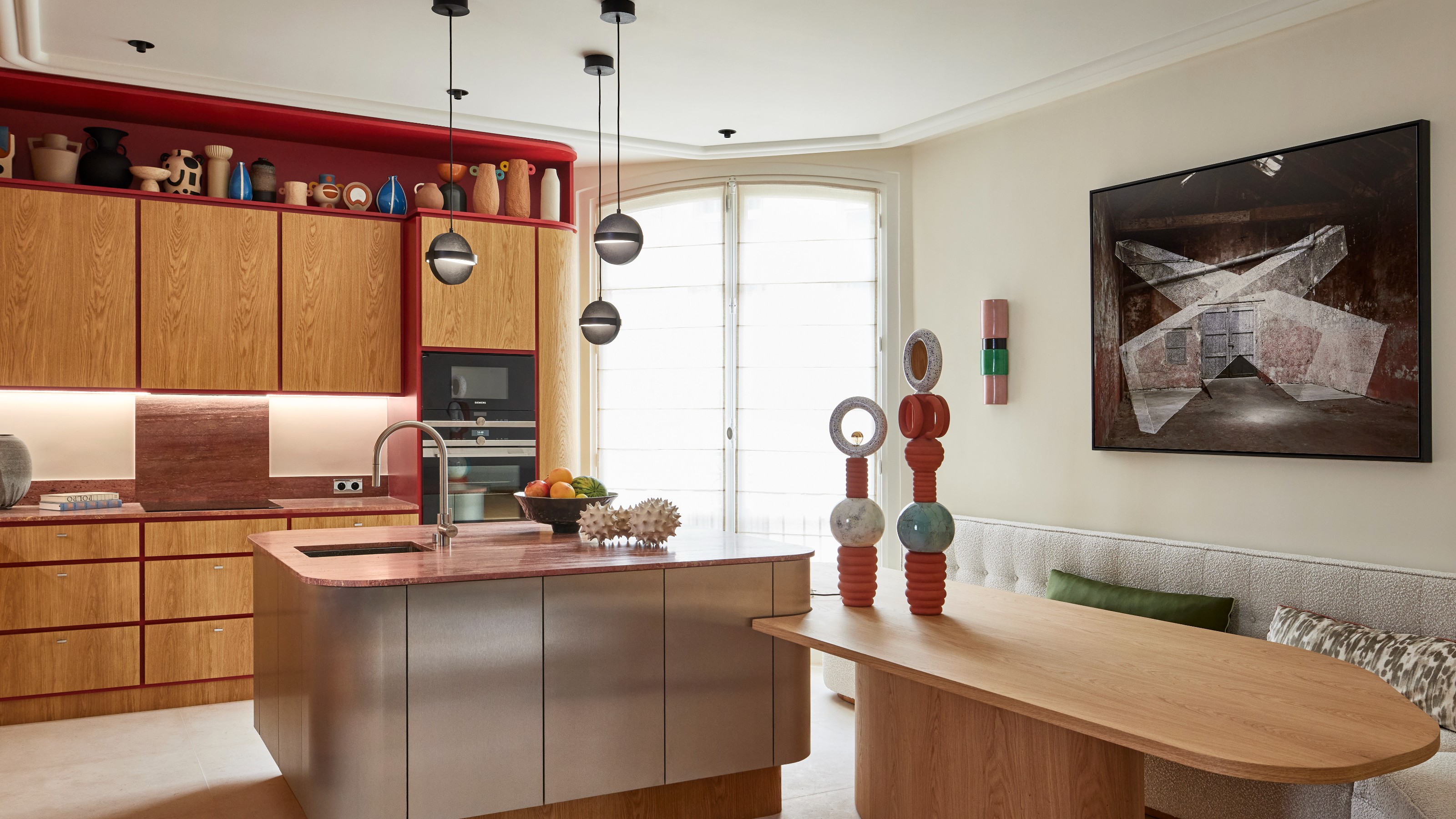
9 Style Lessons From European Kitchens for Sophisticated Spaces That Are Great to Cook in

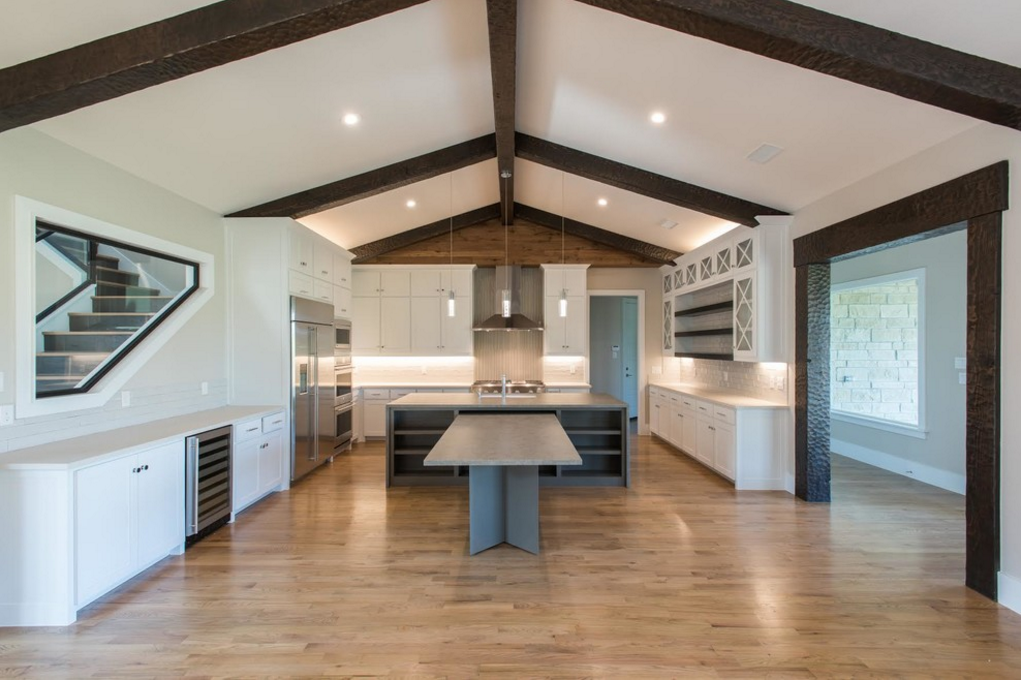
Dallas Top Designers Dish on 2016 Kitchen Trends, From Lacquer Paint to LED Lights

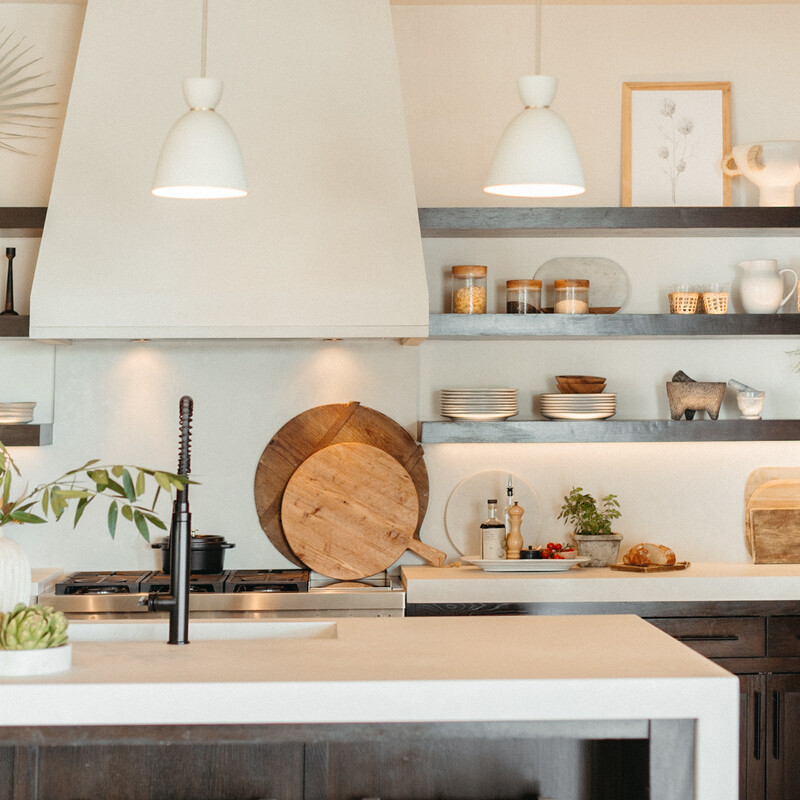
This Modern Design Trend Adds Wow Factor to Any Kitchen

TikTok Says Farmhouse Kitchens Are Out for 2024—Here’s How to Upgrade

Italian kitchen decor is trending – here’s how to infuse this traditional European style into your cooking space
Homes & Gardens’ Best Kitchens of 2025 – The Designs You Loved Most This Year
21 French Kitchen Ideas That Capture Timeless European Charm

10 Kitchen Trends for 2026 to Know for Your Next Project |
A British Design Is Now America's Most Stylish Kitchen
Kitchen trends
This food stylist's 'soulful' small kitchen renovation blends culinary function with inviting European style
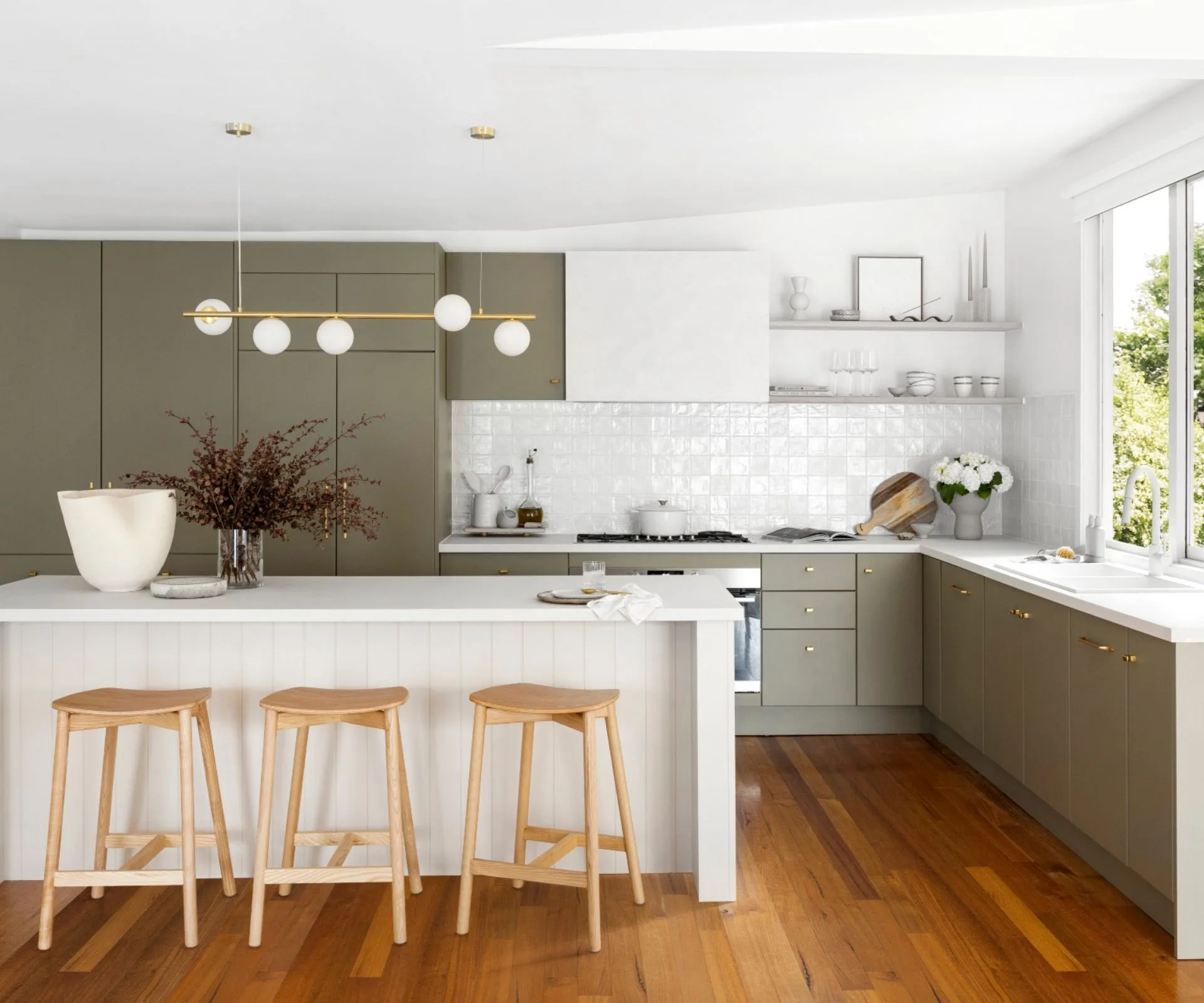
How to Embrace Kitchen Trends That Won't Go Out Of Style

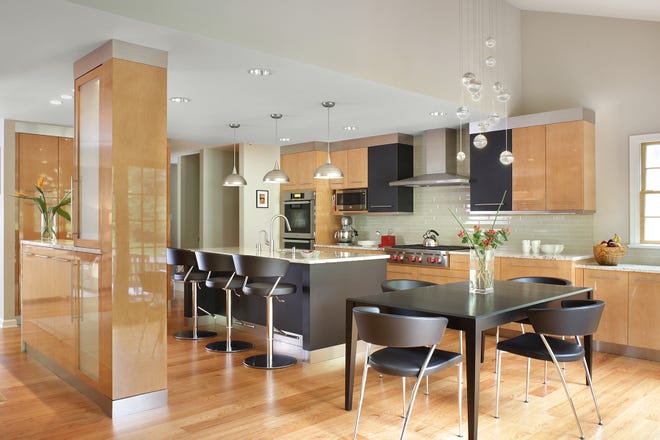
European-inspired kitchen designs go Modern
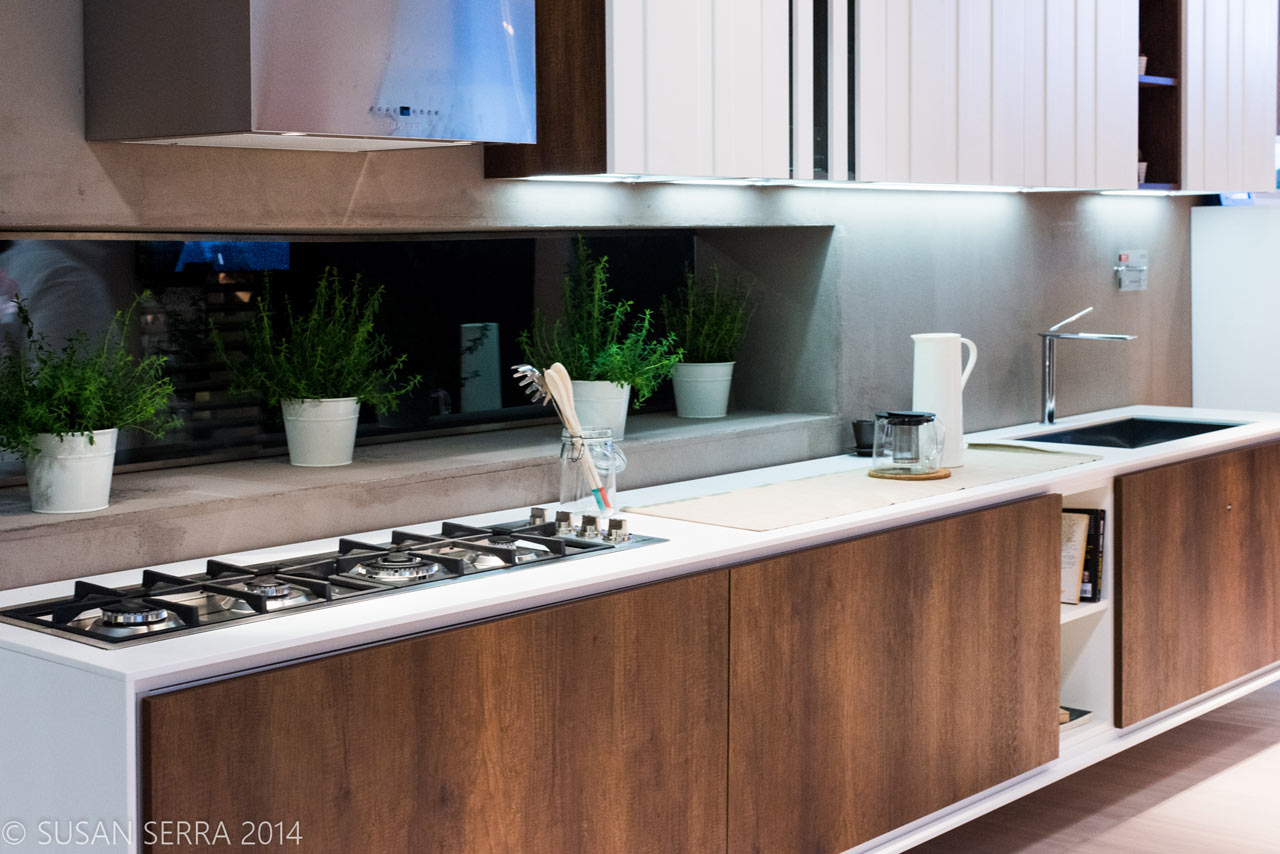
Current Kitchen Interior Design Trends

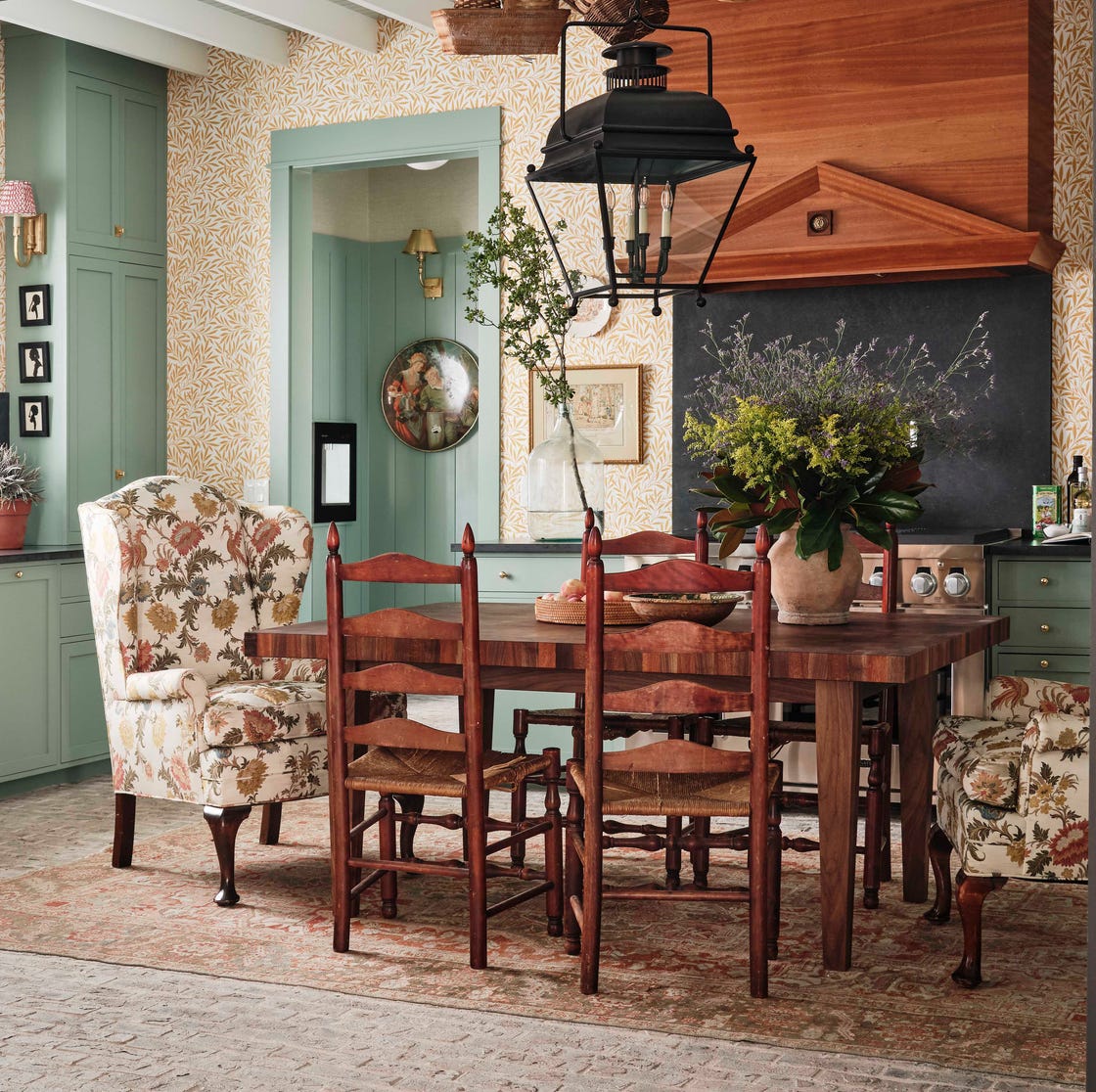
For a Homey and Charming Kitchen Vibe, Designers Say to Choose This Aesthetic

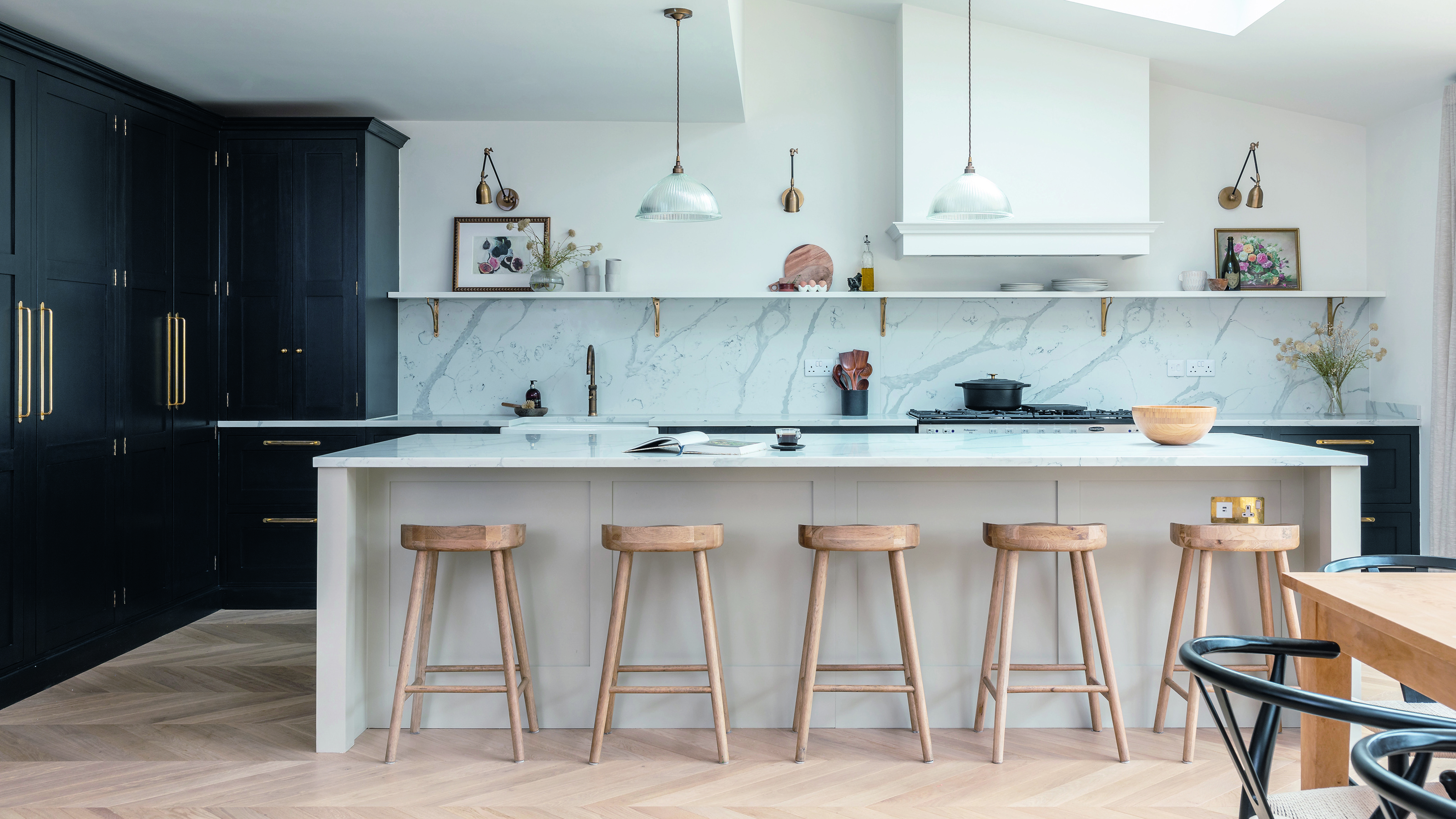
5 kitchen trends to avoid for a unique and timeless design
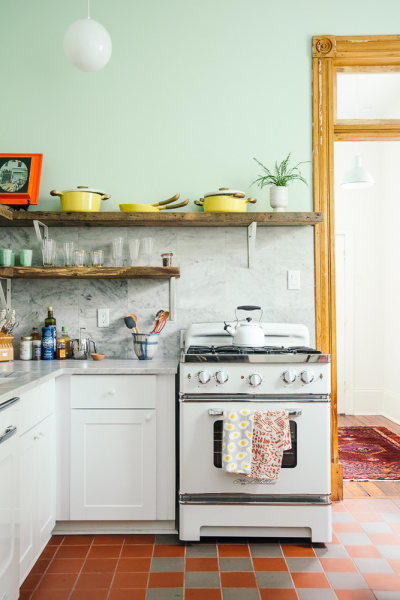
European Kitchen Design Trends to Know for 2019
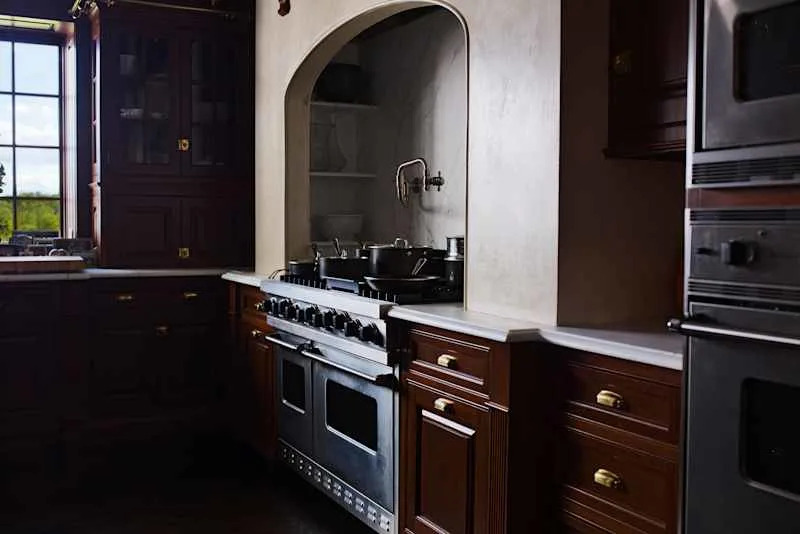
This Is the Old-World Interior Design Trend Taking Over Kitchens Again
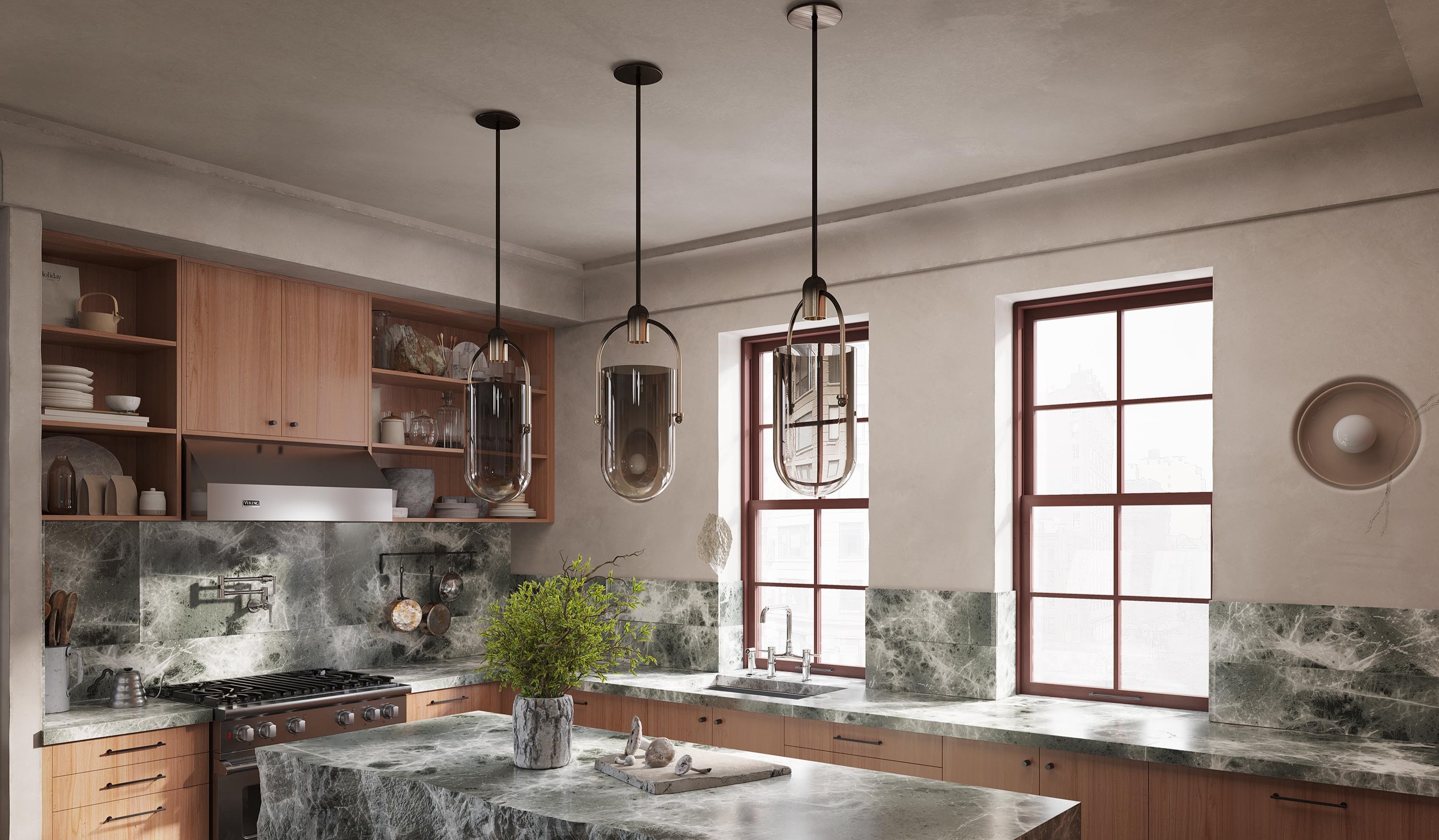
This Kitchen Trend Can Make Your Space Look Like a Charming, Tuscan Retreat — "It's Instantly Warming"
7 Kitchen Trends That Will Never Go Out of Style