1/2
A secret Zen garden in Mill Valley
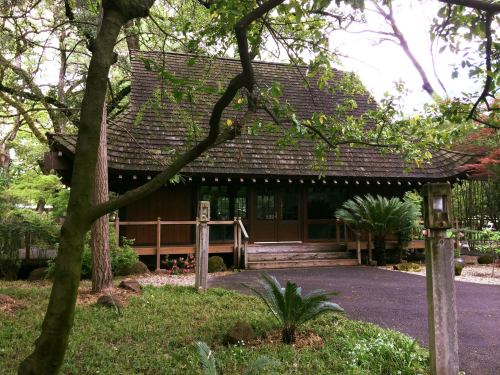
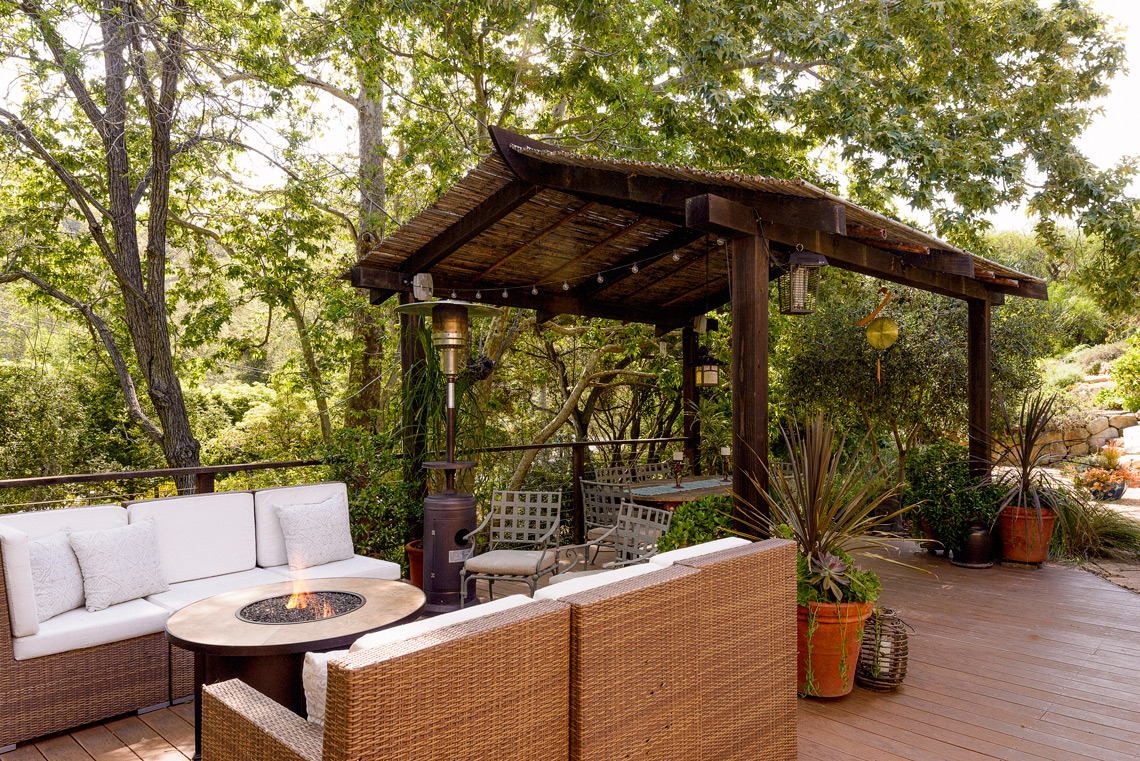
Mike Donohue, a Mill Valley resident, has cultivated a wabi-sabi inspired Zen garden in his home, a project that began in 2020 and spanned two years. Donohue's interest in Japanese aesthetics was sparked by a visit to a San Francisco tearoom and a subsequent trip to Japan in 2015, where he was particularly impressed by the gardens surrounding temples, fostering an understanding of Zen and gardening principles. His aspiration was to create a private, intimate space that offered a sense of calm and beauty upon returning home. The garden, which now covers approximately half of his 7,000-square-foot lot, is situated around the Mill Valley creek, a feature that came with the property he purchased in 2016.
To realize his vision, Donohue collaborated with a team including San Francisco designer Eva Holbrook, who contributed to the wabi-sabi design of both his home and garden, and Diego González of Diego’s Gardens Inc., responsible for plant sourcing, irrigation, and ongoing garden maintenance. Both individuals helped procure elements from various global locations. Donohue's approach involved meticulously selecting each natural and man-made component, emphasizing simplicity, imperfection, and impermanence, which are core tenets of wabi-sabi. This process involved reviewing numerous plants, flowers, trees, lighting, statues, stones, bridges, and considering sounds and smells, all aimed at fostering peace and relaxation.
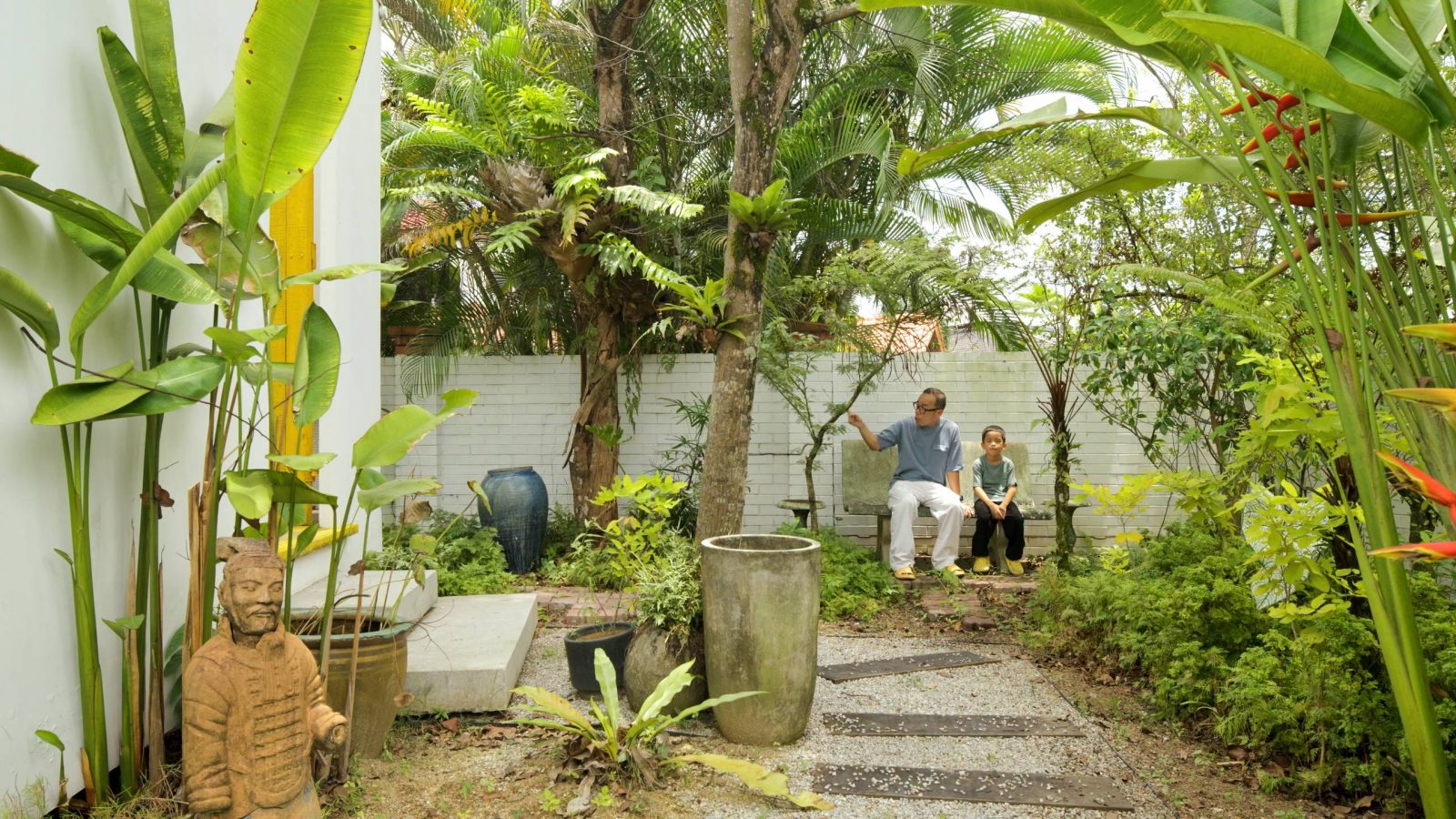
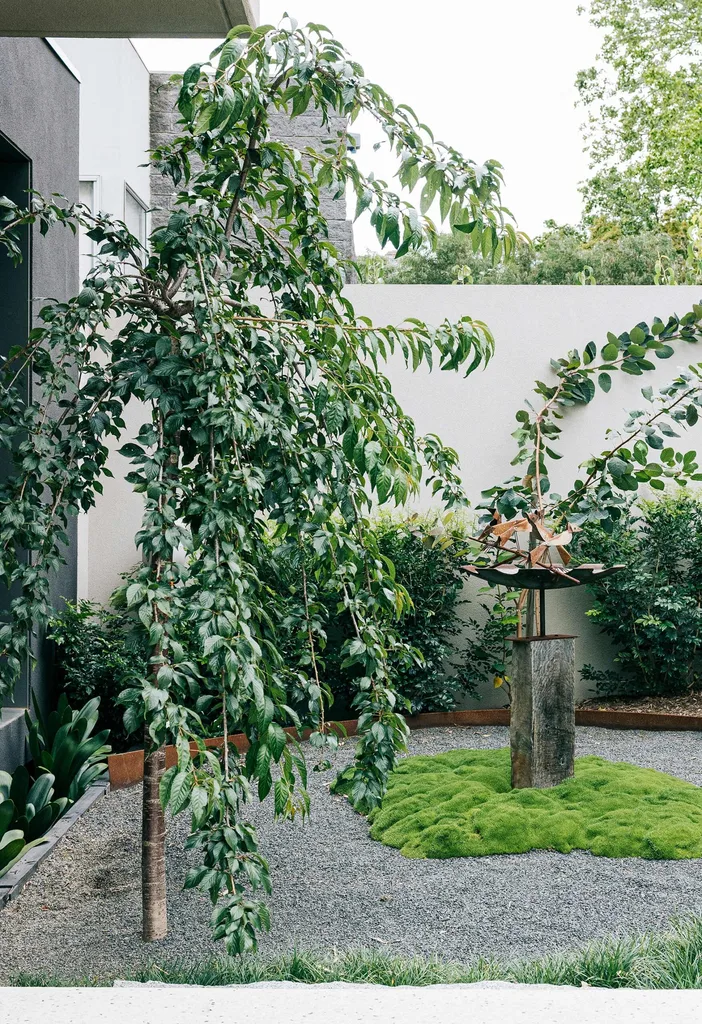
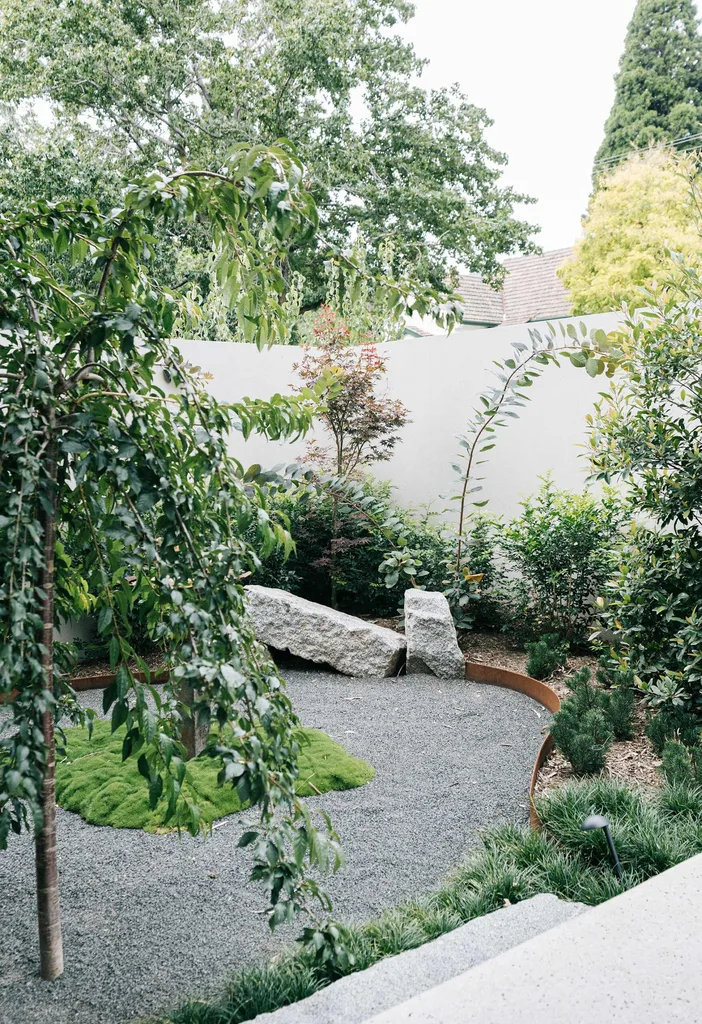
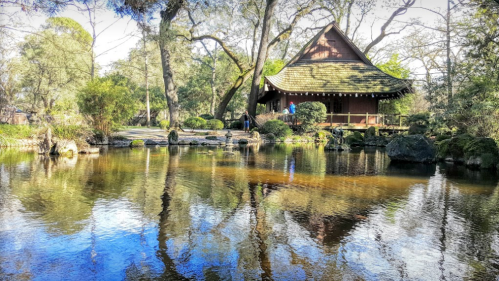
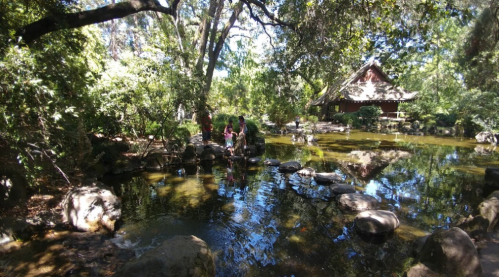
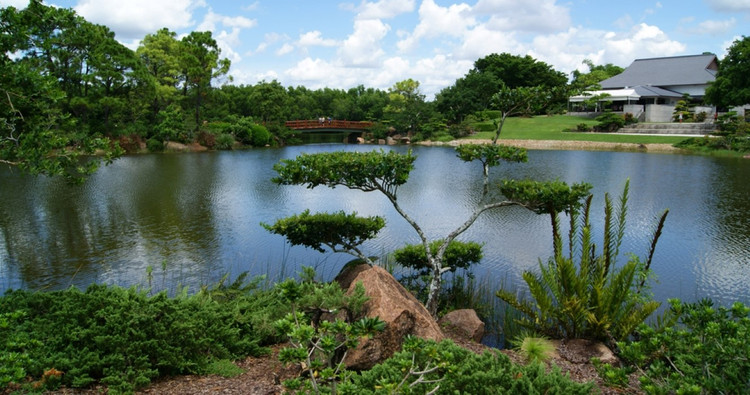
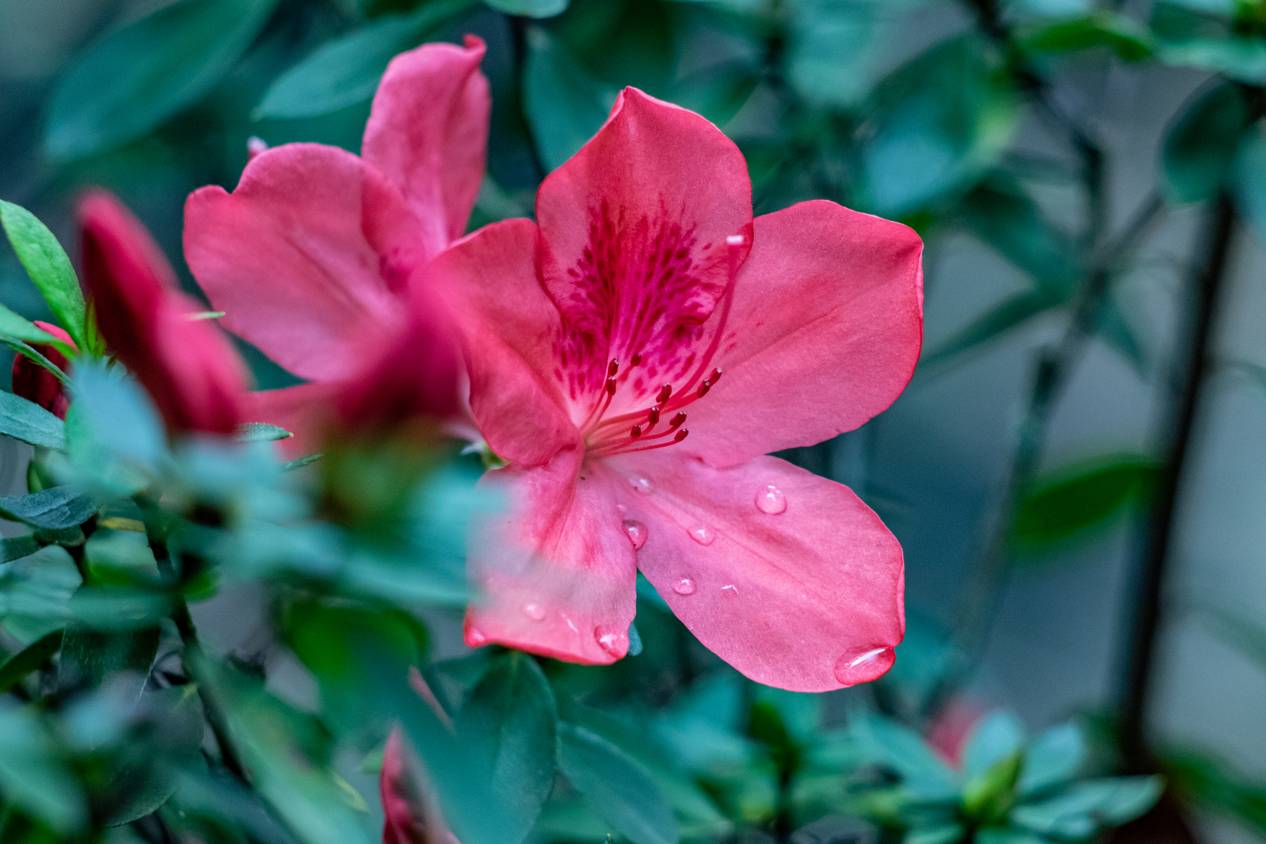
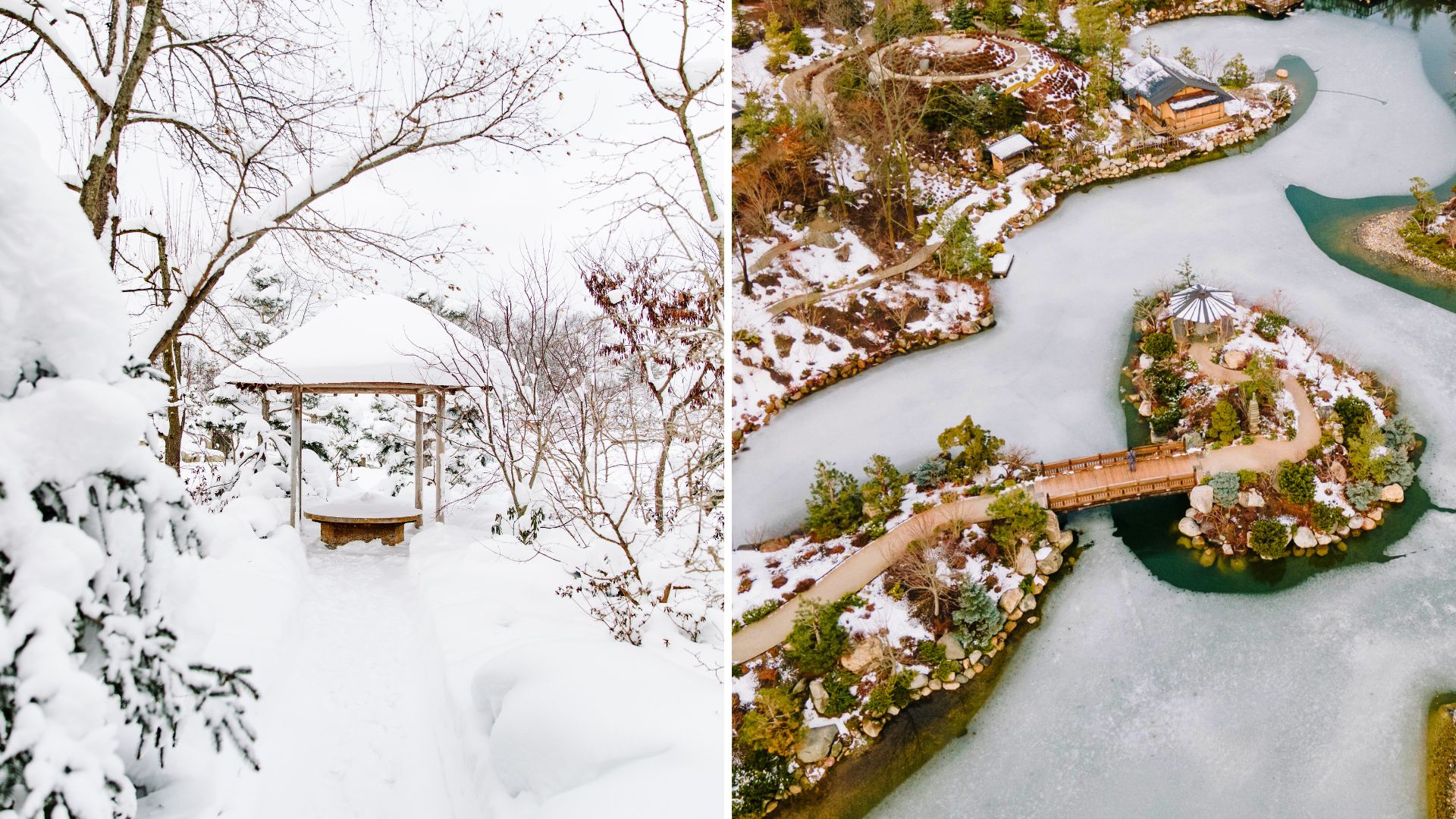
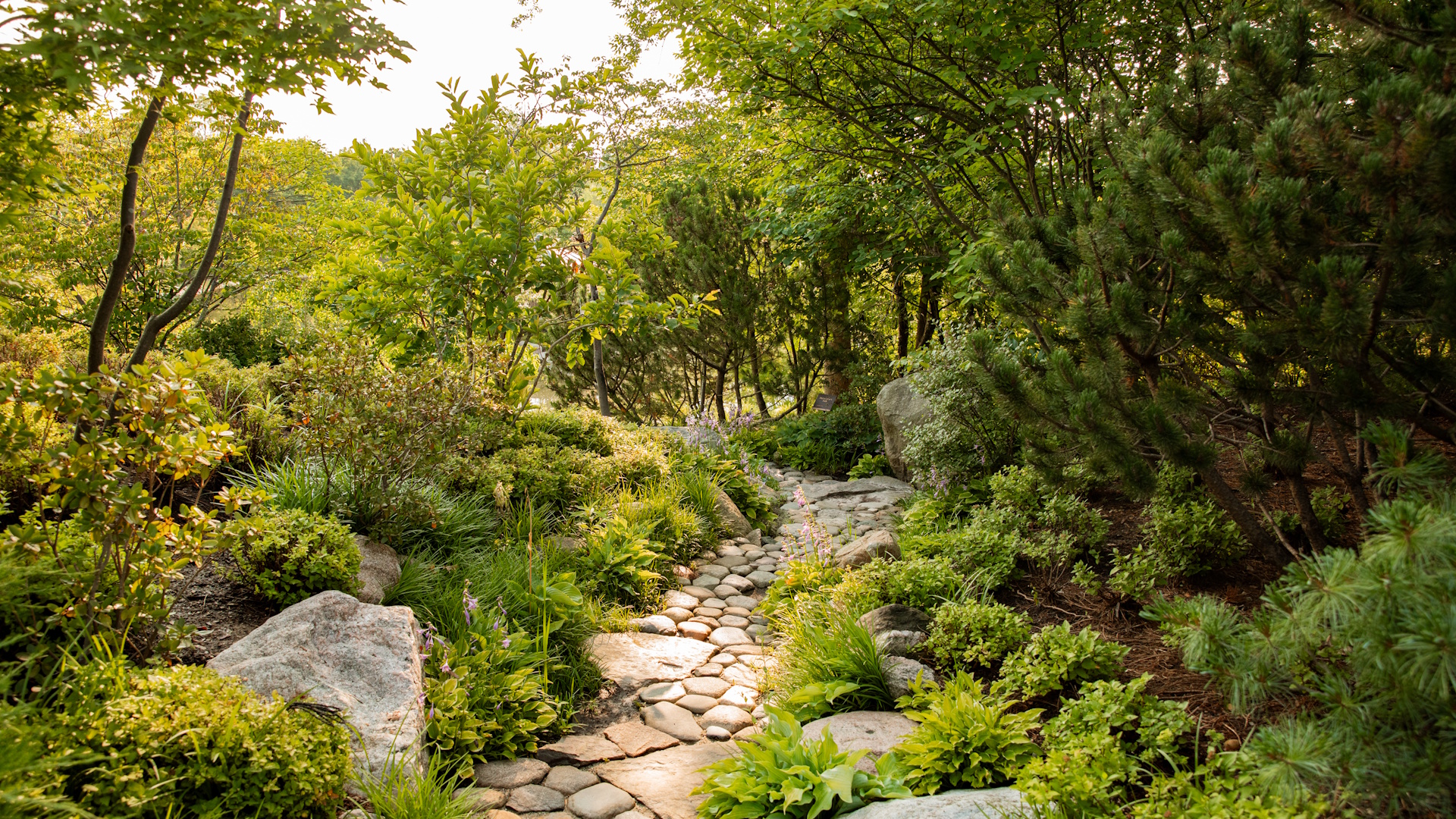
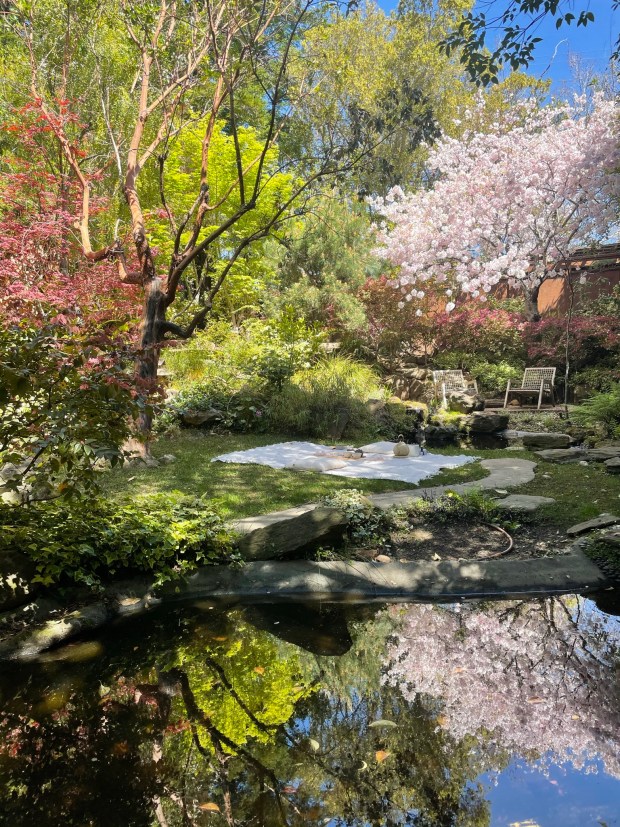
The finished garden is characterized by a serene landscape. A cherry blossom tree overlooks an upper pond, described as being in an "imperfect, perfect place." An arched wooden bridge spans the babbling creek, while Japanese-style lanterns illuminate a path winding beneath a canopy of red maple trees. The garden features carefully chosen statuary and symbolic figurines of animals and objects, nestled among ferns, birds of paradise, cherry laurel, and loropetalum. Donohue notes that all elements harmonize in a unique and complementary manner, creating numerous detailed "moments" for observation.
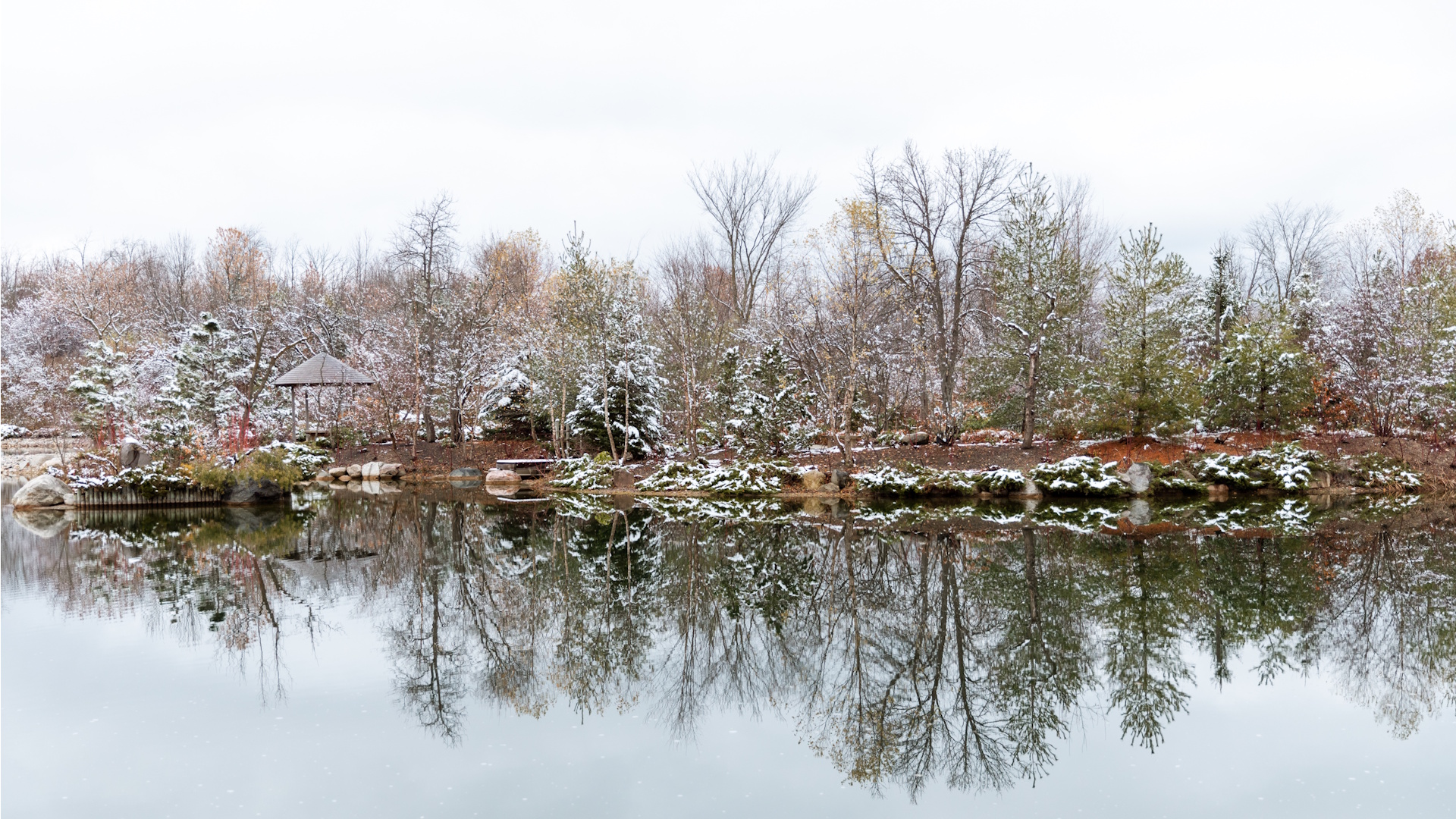
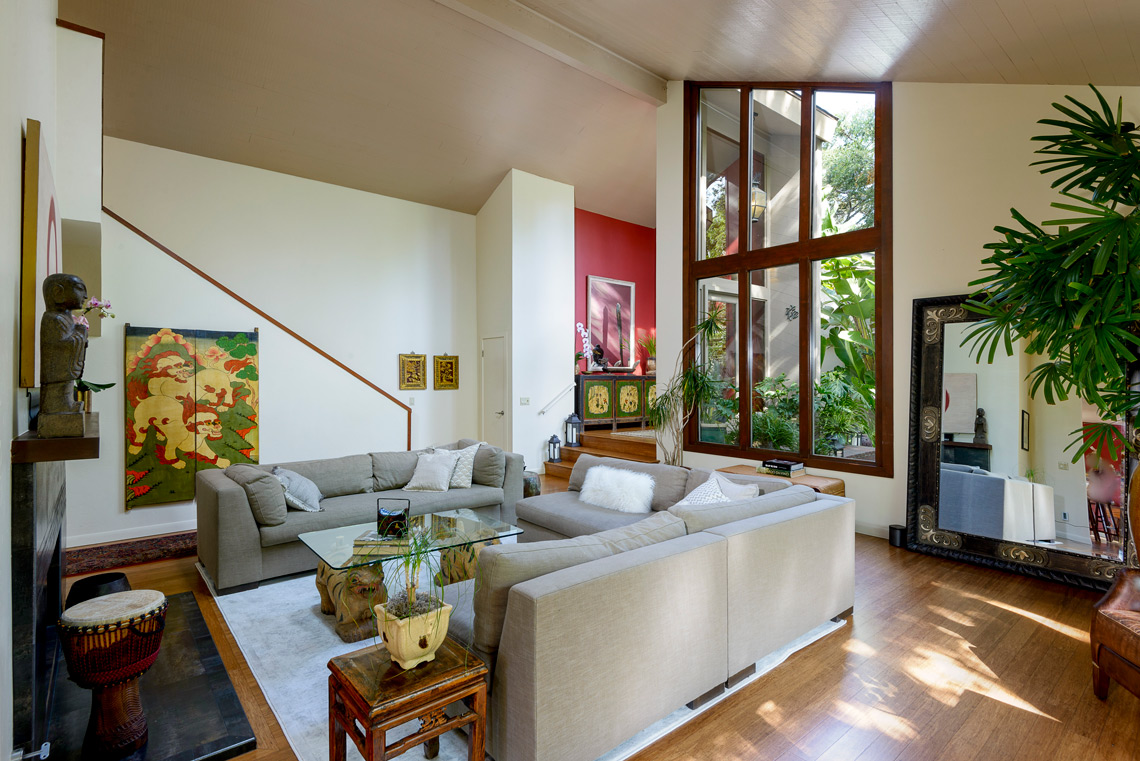
From inside his home, through walls of glass, Donohue can observe the garden's seasonal transformations. He witnesses the red maples' progression from full bloom to their winter wilt and fall, and in spring, the vibrant pink and white blooms of the cherry blossom tree, which eventually drift onto the pond. The garden is also a habitat for birds, squirrels, and other wildlife during summer. Autumn, particularly Halloween, is a favored time when Donohue welcomes over a thousand trick-or-treaters to the garden, which is enhanced with atmospheric music and dry-ice fog over the ponds (which are fish-free during this time). He appreciates the children's admiration for his home during this period.
In line with the wabi-sabi philosophy, the garden is a dynamic, evolving space. Donohue plans to host his first hanami, a flower-viewing party, under the cherry tree in the spring. He also intends to create safe havens in the pond for future koi and goldfish and is considering adding a karesansui, a raked garden of sand, gravel, or stones. Donohue expresses profound satisfaction with the garden, stating that the joy and beauty it brings to his daily life are immeasurable, reflecting the considerable planning and thought invested in its creation.
#ZenGarden #WabiSabi #JapaneseAesthetics #GardenDesign #MillValley #OutdoorLiving #LandscapeArchitecture #NatureInspired #HomeGarden #ZenGarden #WabiSabi #JapaneseAesthetics #GardenDesign #MillValley #OutdoorLiving #LandscapeArchitecture #NatureInspired #HomeGarden
0 comment in total
 No comments yet
You may also like
Zen out with a miniature Zen garden
This zen garden in Melbourne is a relaxed retreat

This Tranquil Garden Is A Slice Of Japan In An Unexpected Place

Find Your Zen at This $5M Estate with Authentic Japanese Teahouse and Gardens
This $6 Million Zen Sanctuary in LA Is Surrounded By Lush Botanical Gardens

A zen garden with a sunken hot tub awaits at this $2.5M Greenwich Village co-op

These 7 Japanese Zen Gardens In The US Are The Perfect Spots To Ease Your Worried Mind

Make Myself at Home: Wooded Zen Sanctuary
An Architect’s Hidden Tropical Sanctuary Inspired by Japanese Zen Gardens

Backyard Zen

Michigan’s Slice of Japan: Where Design Connects Humanity with Nature

This Taiwan Home Features a Private Zen Garden

Over the Garden Gate: Zen gardens are therapeutic
$10.9M Soho penthouse has an open-air zen garden and three terraces
Gorgeous homes with secret gardens hidden inside | loveproperty.com

The 8 best plants for an indoor zen garden – what to grow to add calm and tranquility to your home

Finding Zen in Forest Hills

The Japanese Garden In A Lodi, California Park Is A Gem

7 clever design tips to borrow from this zen retreat in California
26 Secret Garden Ideas That Will Transport You Inside Your Favorite Book