1/10
Outdoor water features to turn your garden into a zen oasis
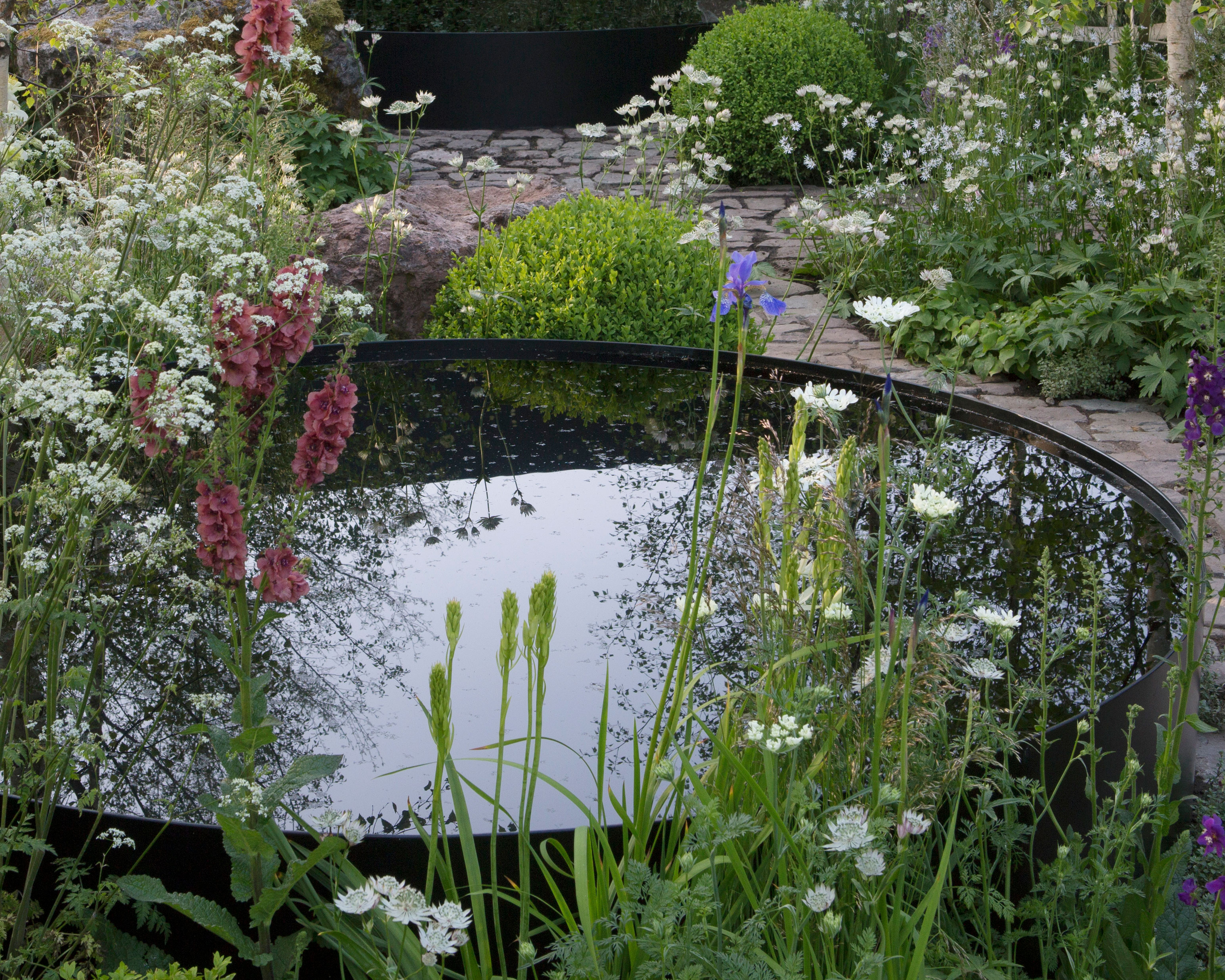
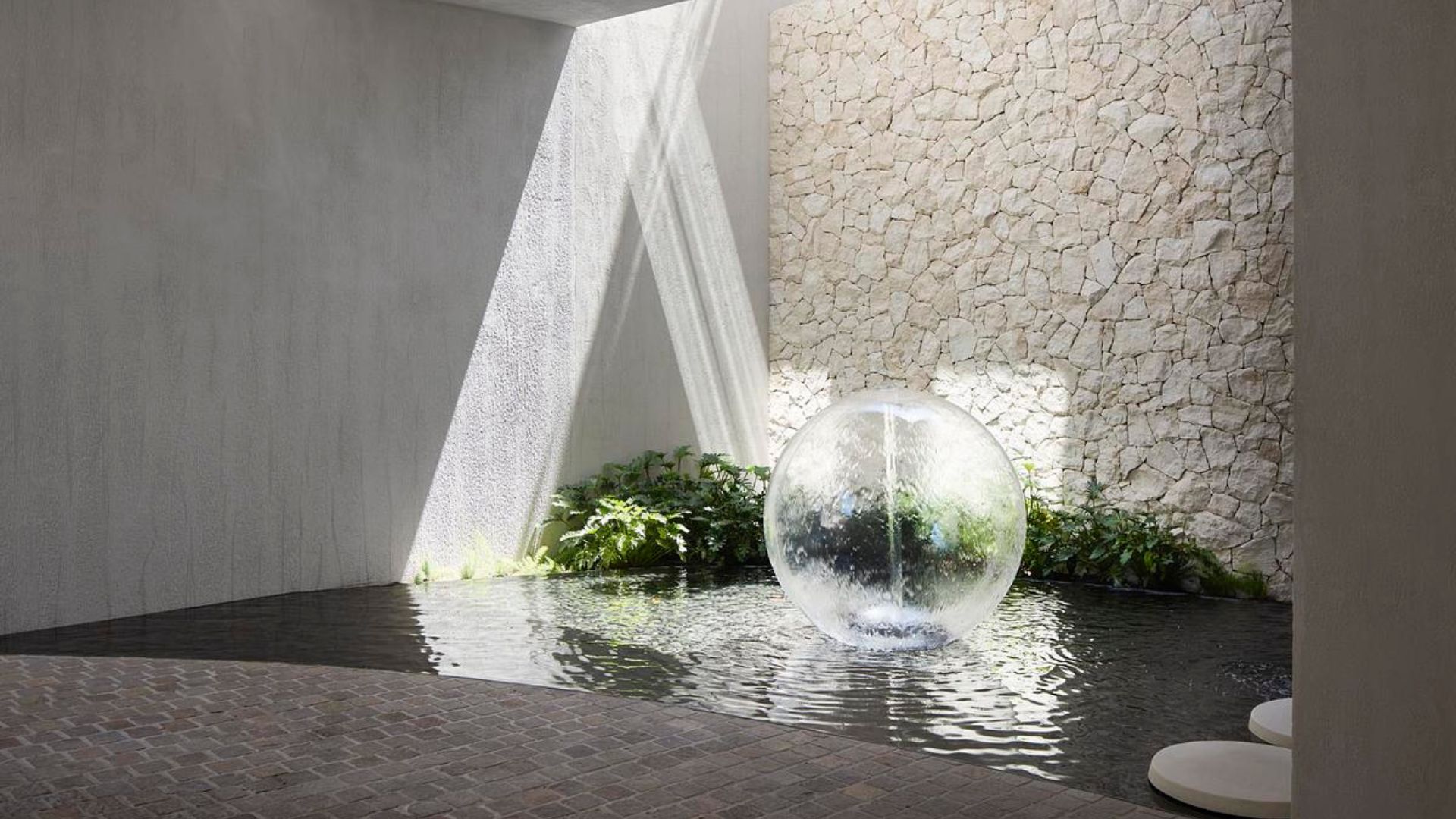
Incorporating outdoor water features can transform any backyard into a tranquil sanctuary, offering both aesthetic appeal and practical benefits such as cooling ambient temperatures. The gentle sound of running water or the serene presence of a reflective pool enhances the atmosphere, making gardens more inviting and peaceful. Award-winning Sydney garden designer Peter Fudge highlights the importance of water features in creating a cooling ambience, particularly in hot climates, where they can reduce air temperature by up to 10 degrees. Fudge frequently integrates water features into his designs, emphasizing their versatile functions, which include masking unwanted noise, reflecting scenic views, and fostering a calming environment.
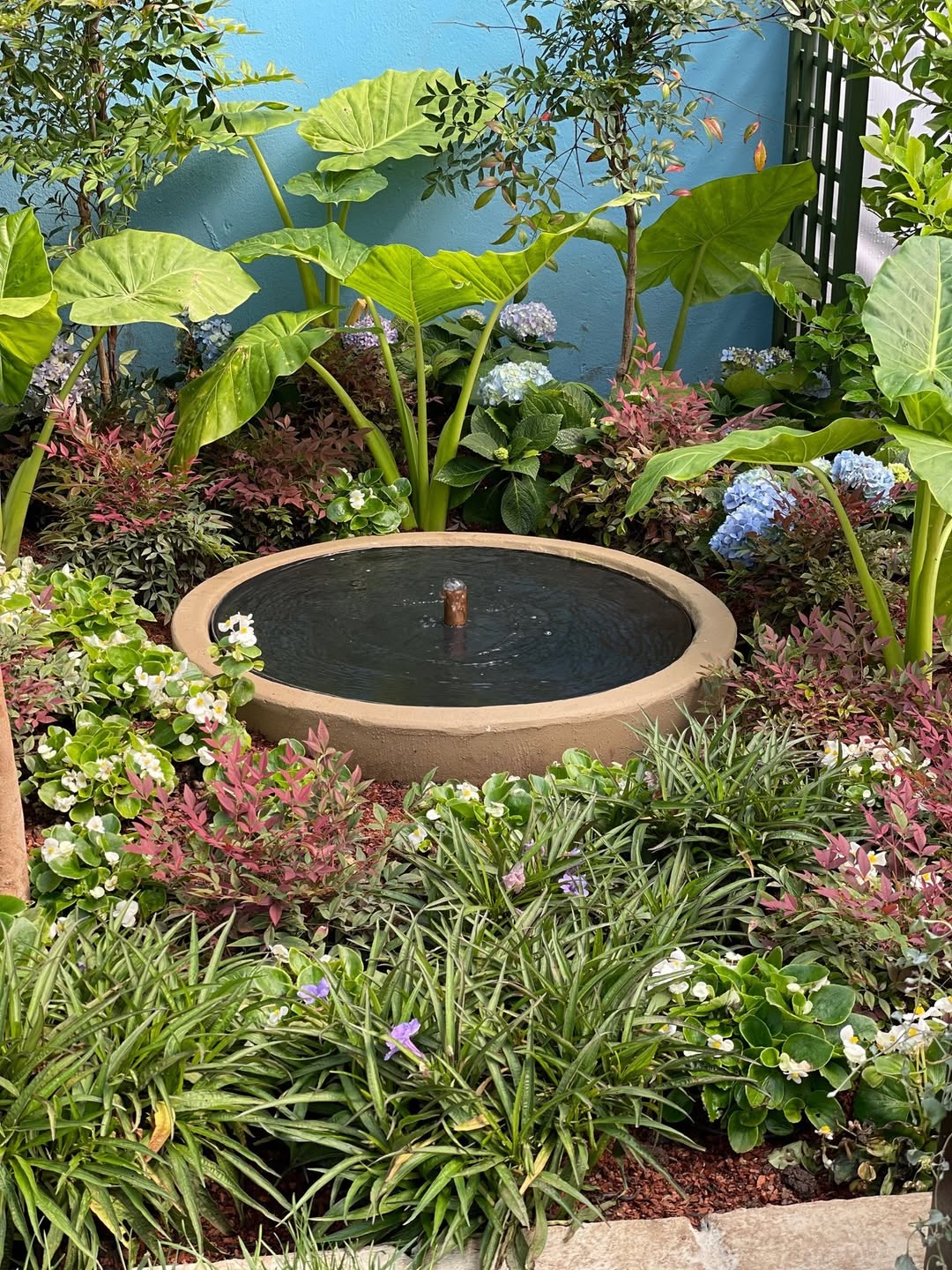
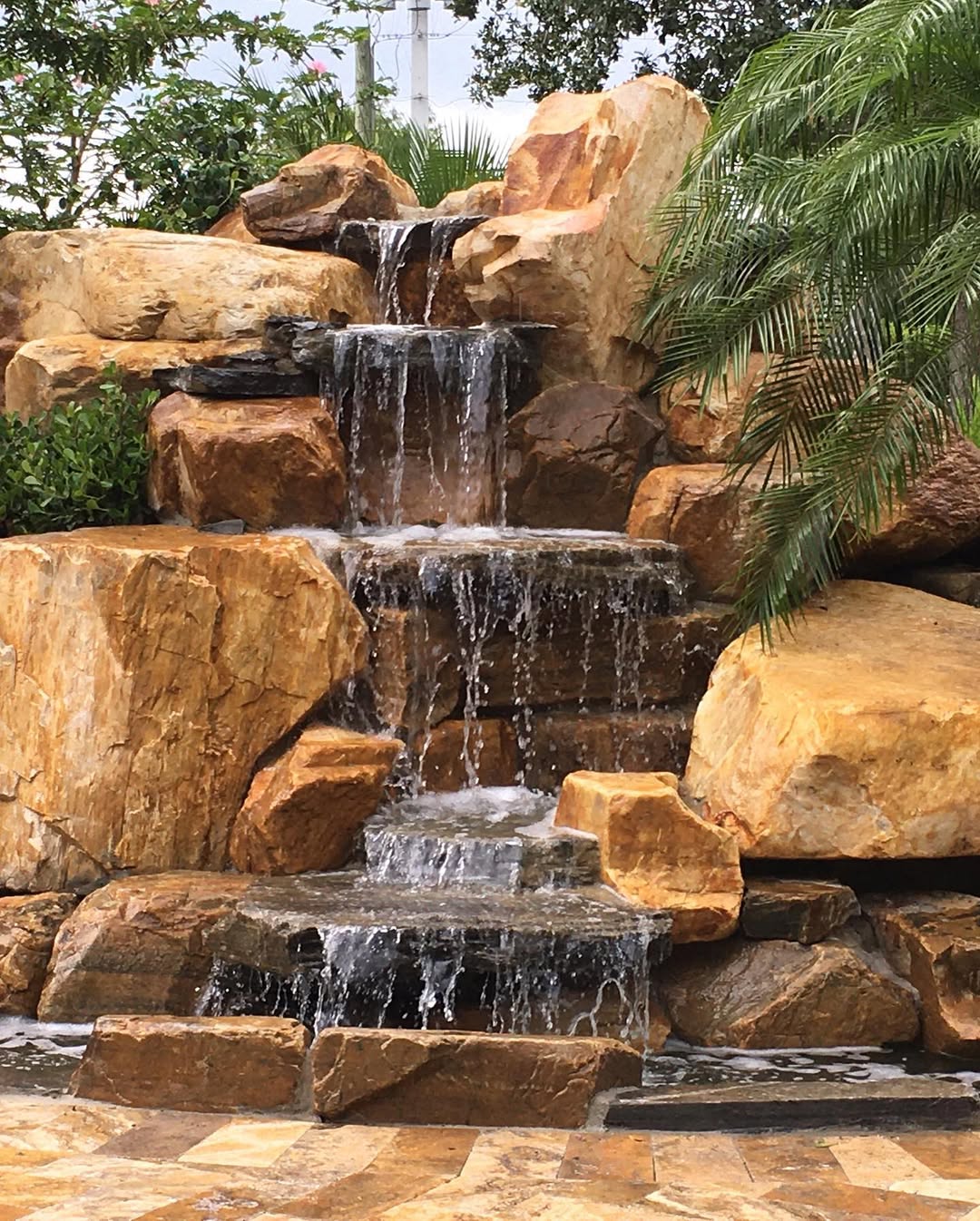
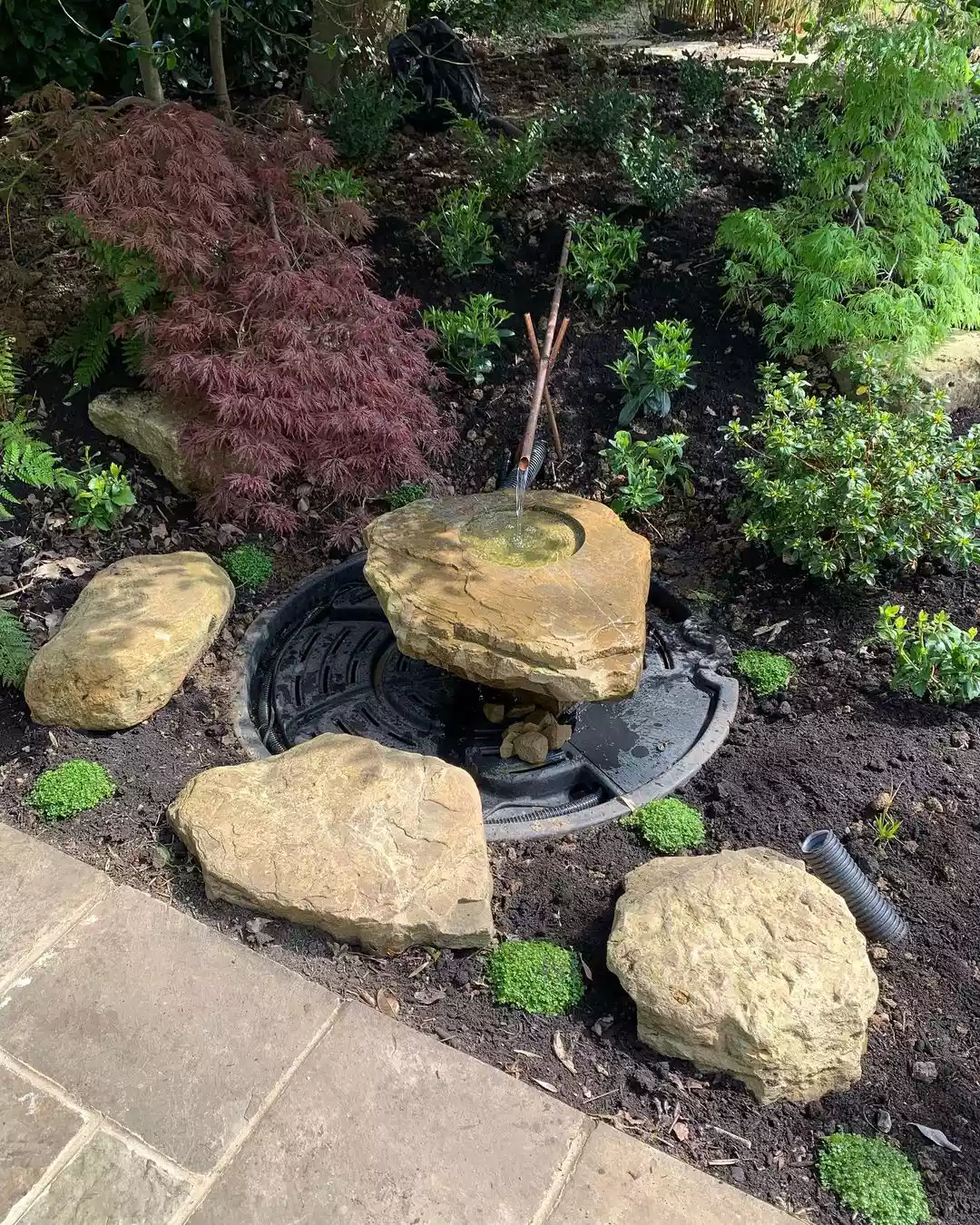
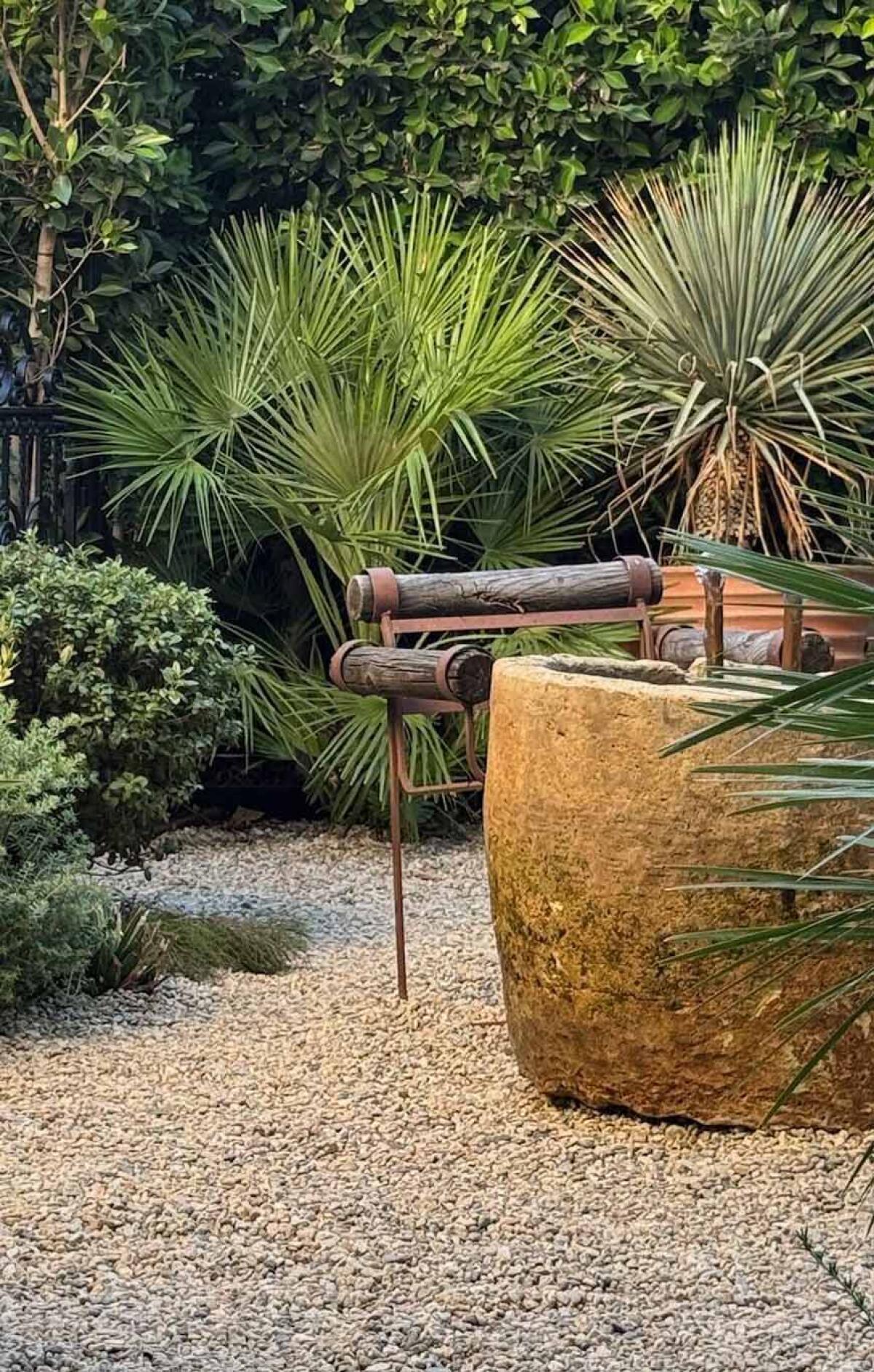
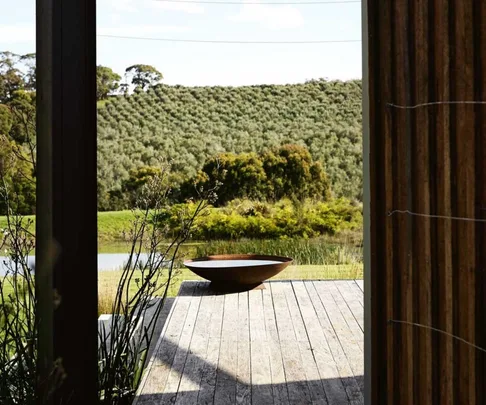
Today's market offers a diverse range of water features to accommodate various garden sizes, styles, and budgets. For those seeking bespoke designs, landscape designers can assist with concept development, detailed plans, and navigating council approvals, as well as recommending skilled artisans for custom creations. Melissa King, a horticulturalist and Northcote Pottery ambassador, notes a growing trend in homeowners investing in their gardens to create personal retreats. Rustic designs, such as Northcote Pottery’s Steel Irondale Water Feature, are particularly popular due to their ability to complement a wide array of garden styles. Other emerging trends include DIY balcony ponds and resort-style cascading fountains.
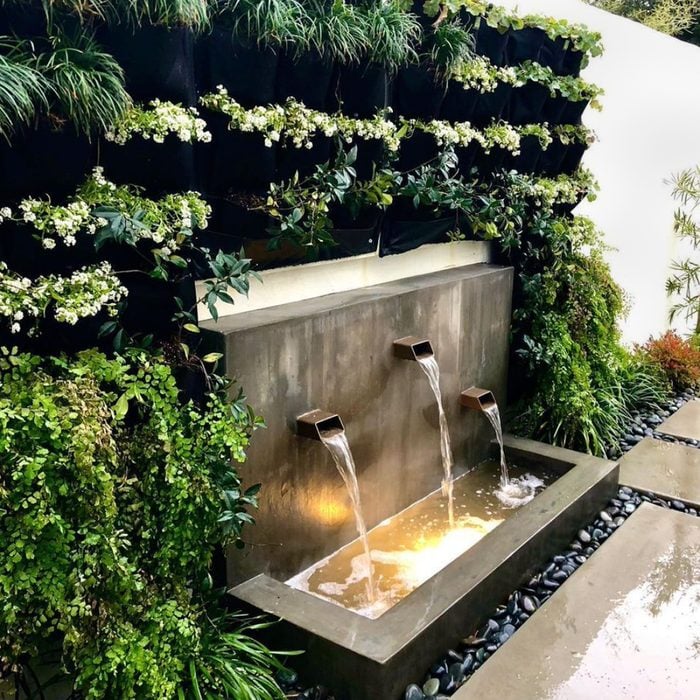
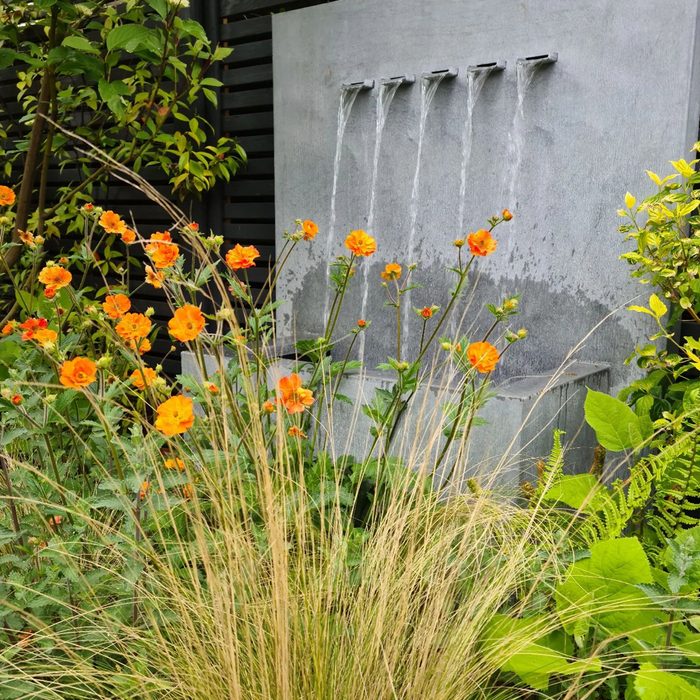
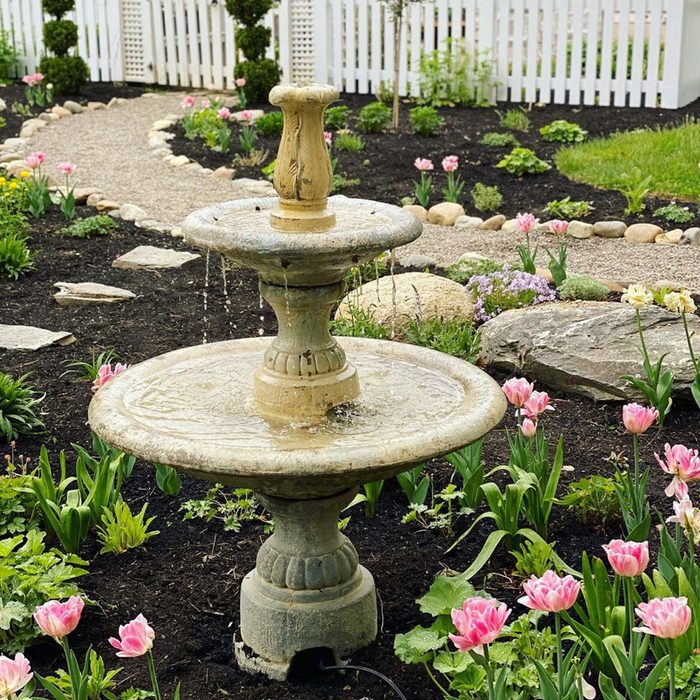
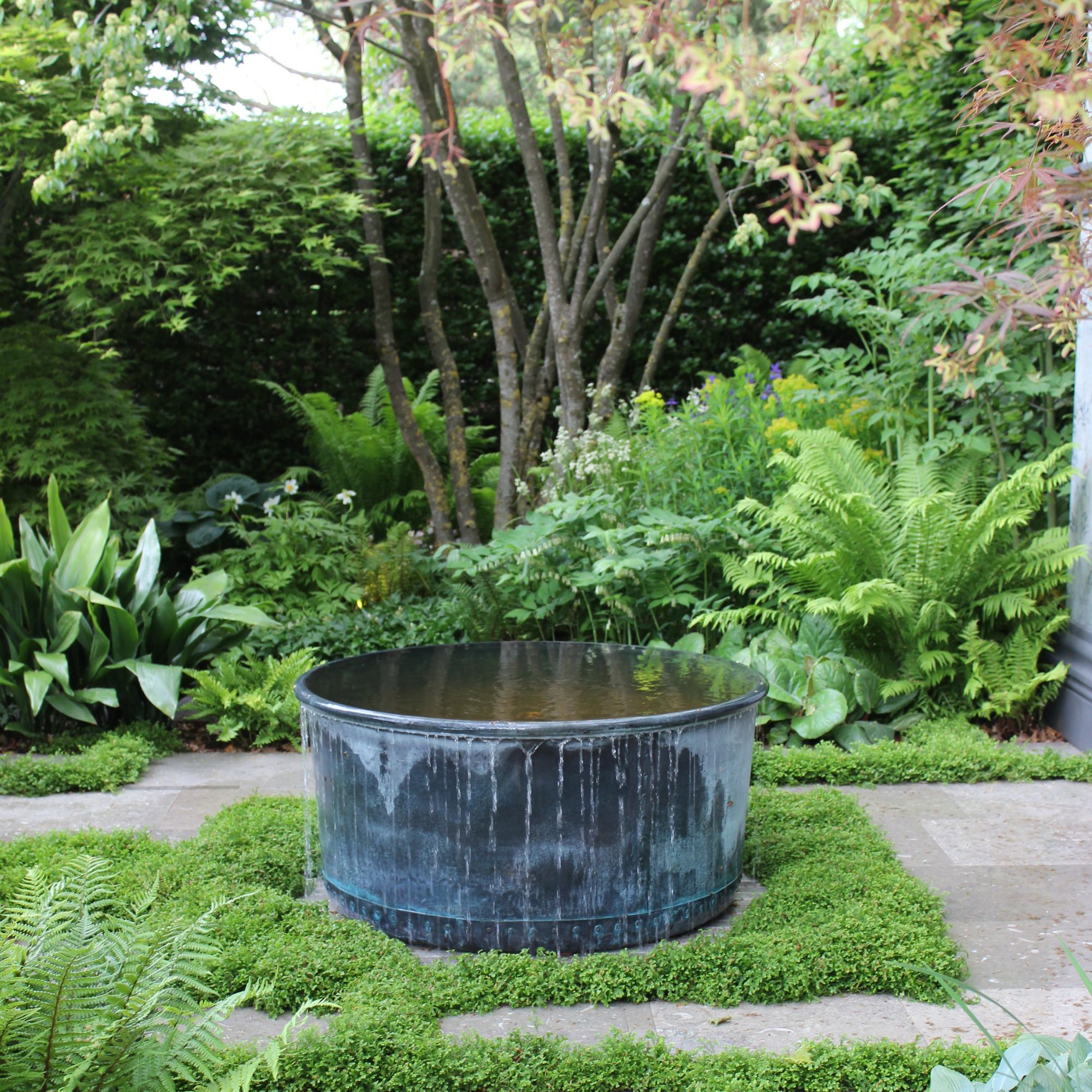
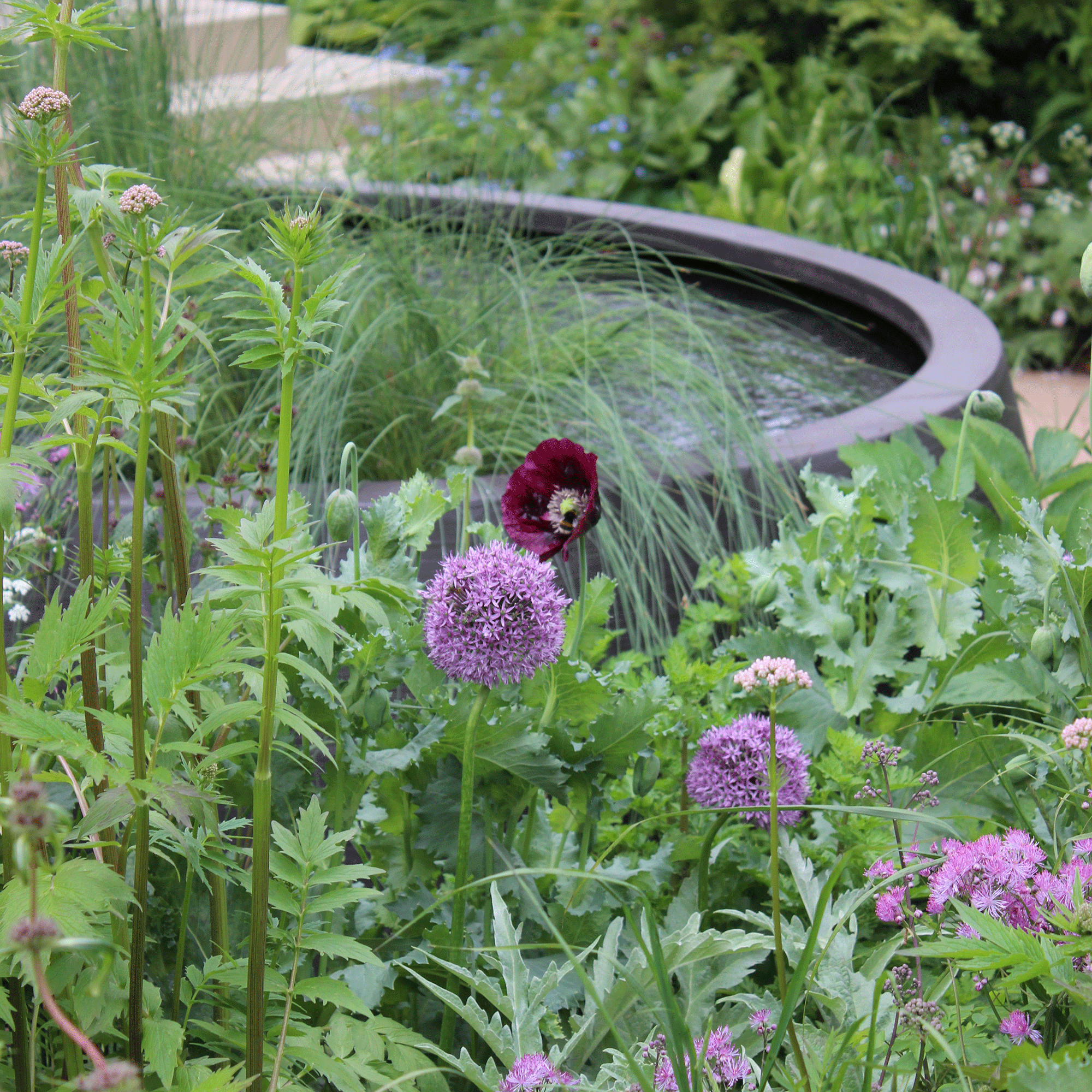
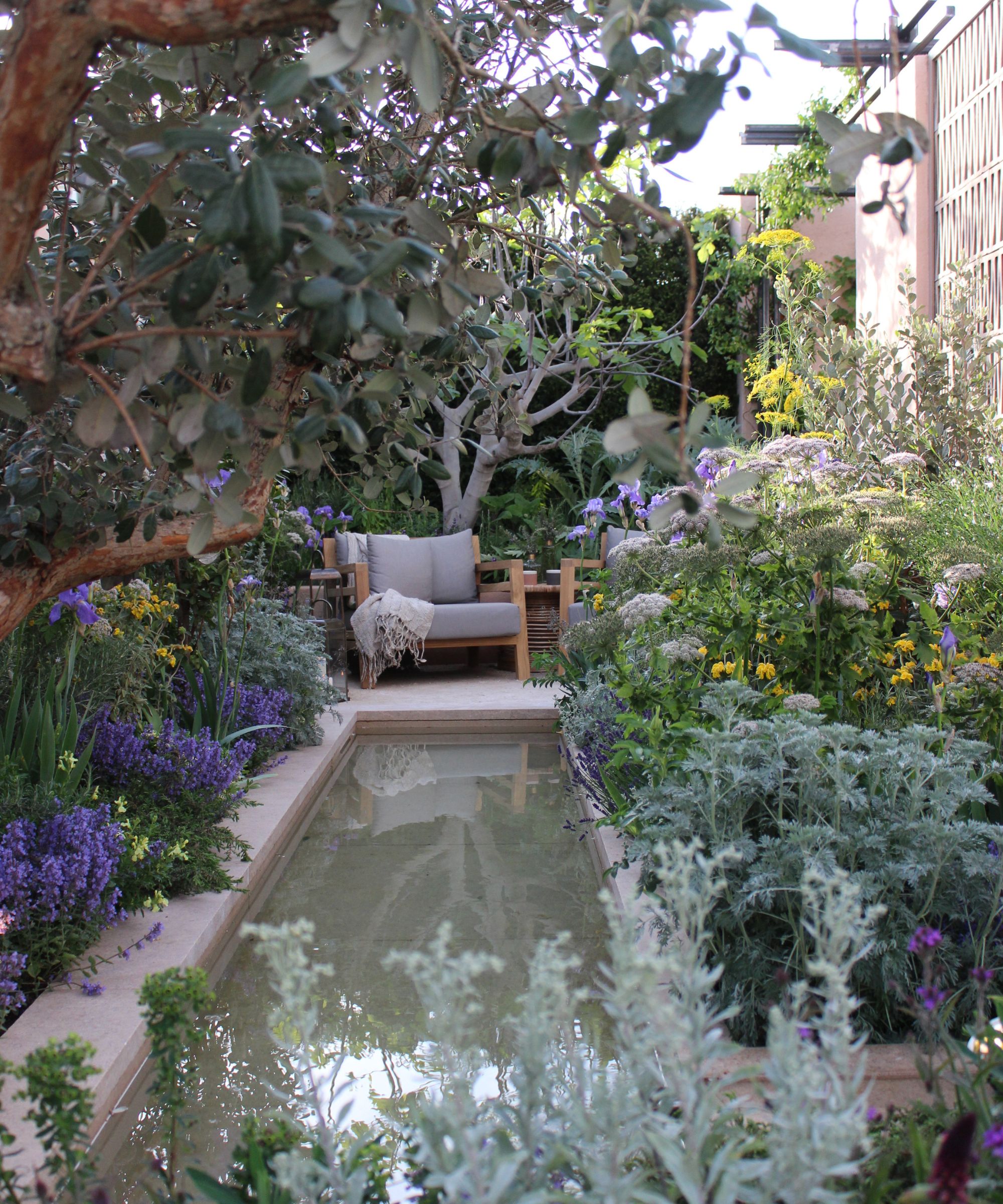
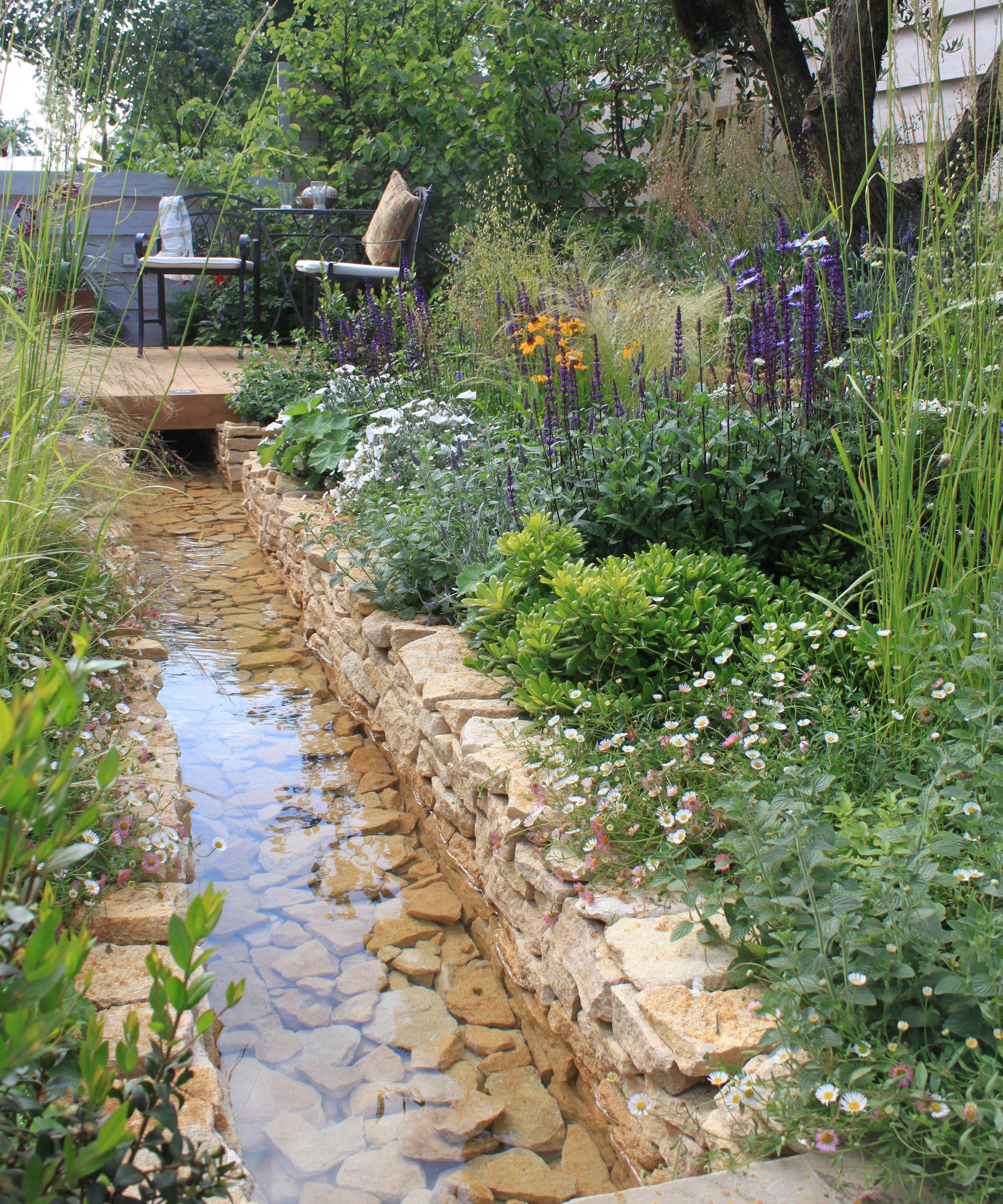
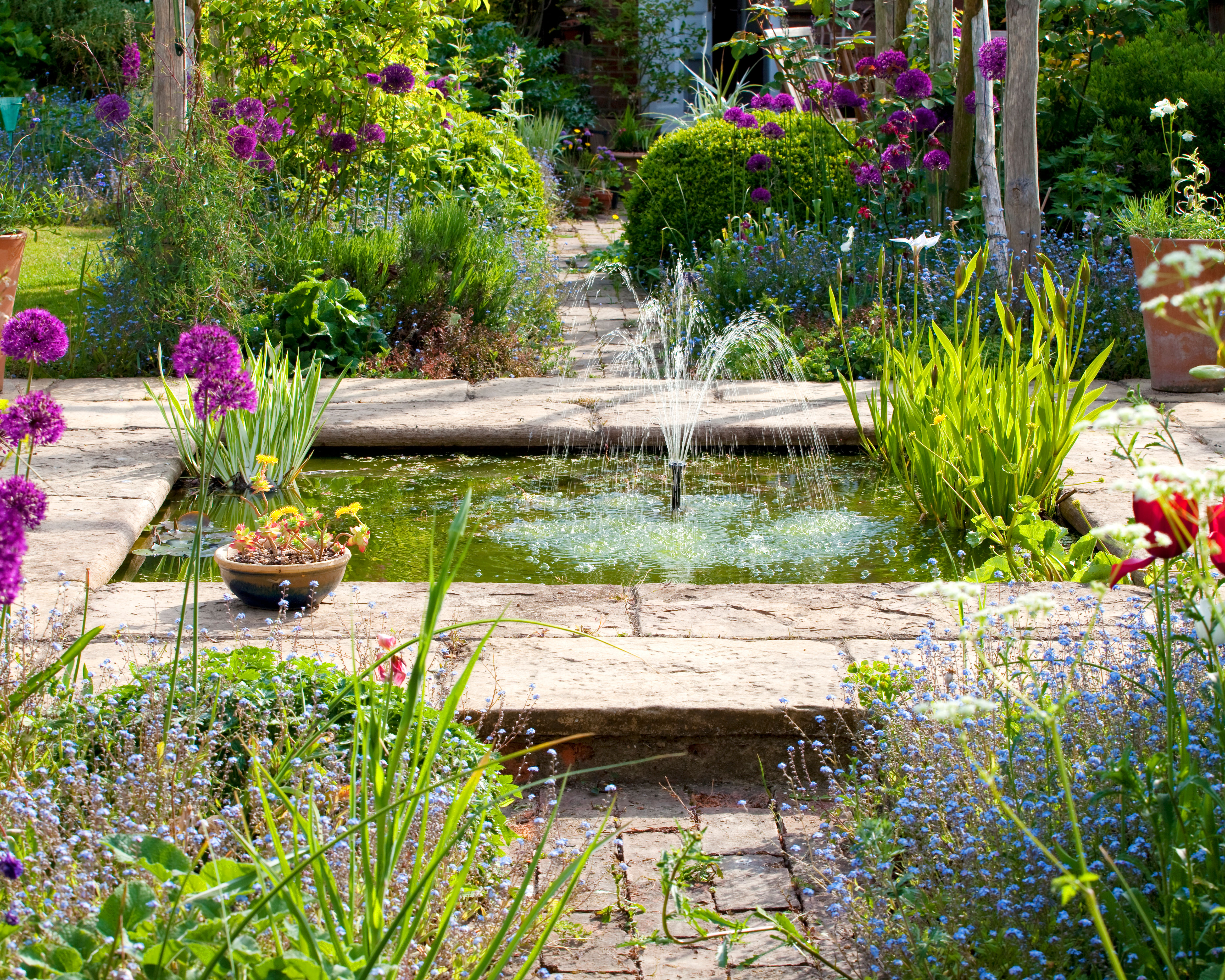
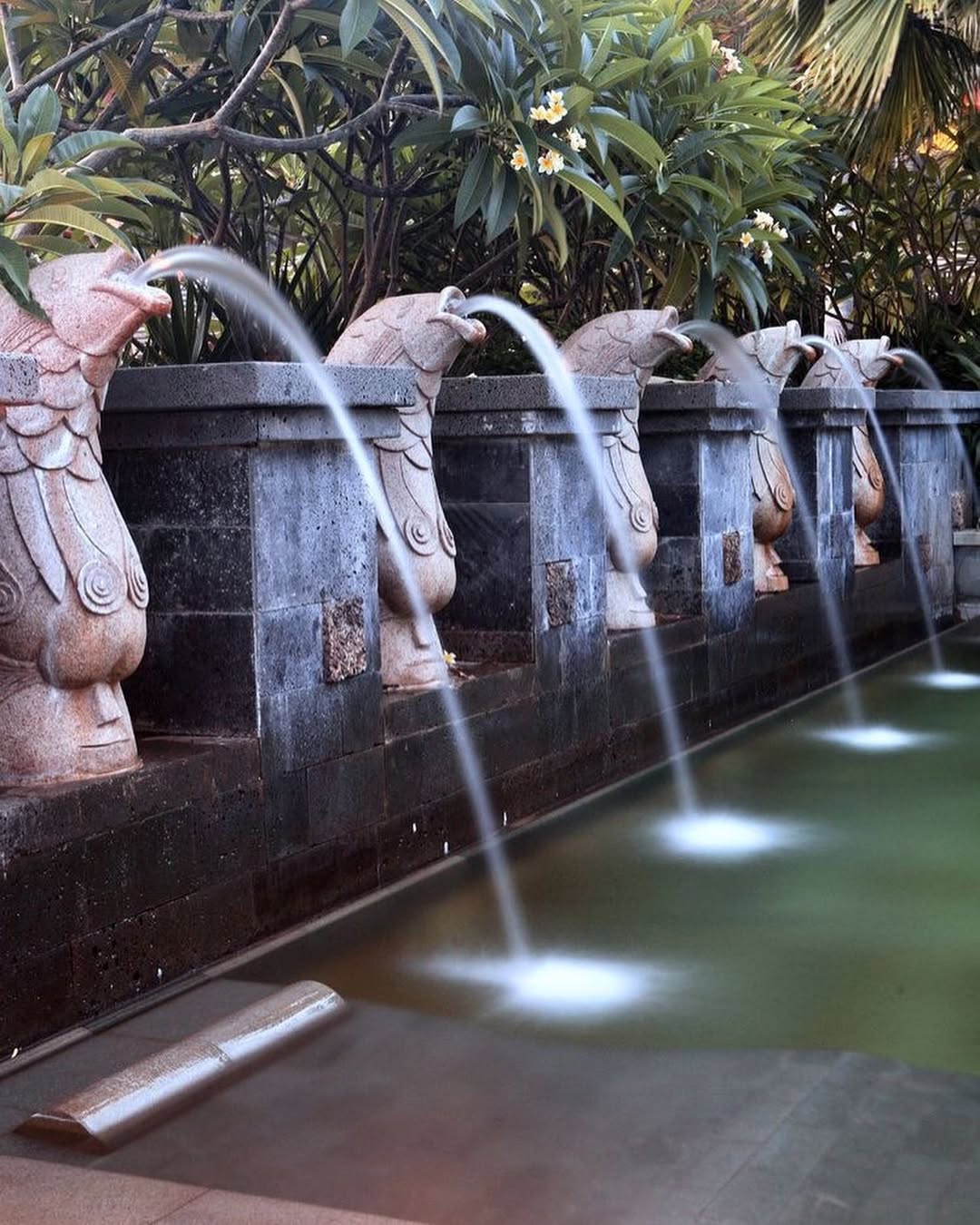
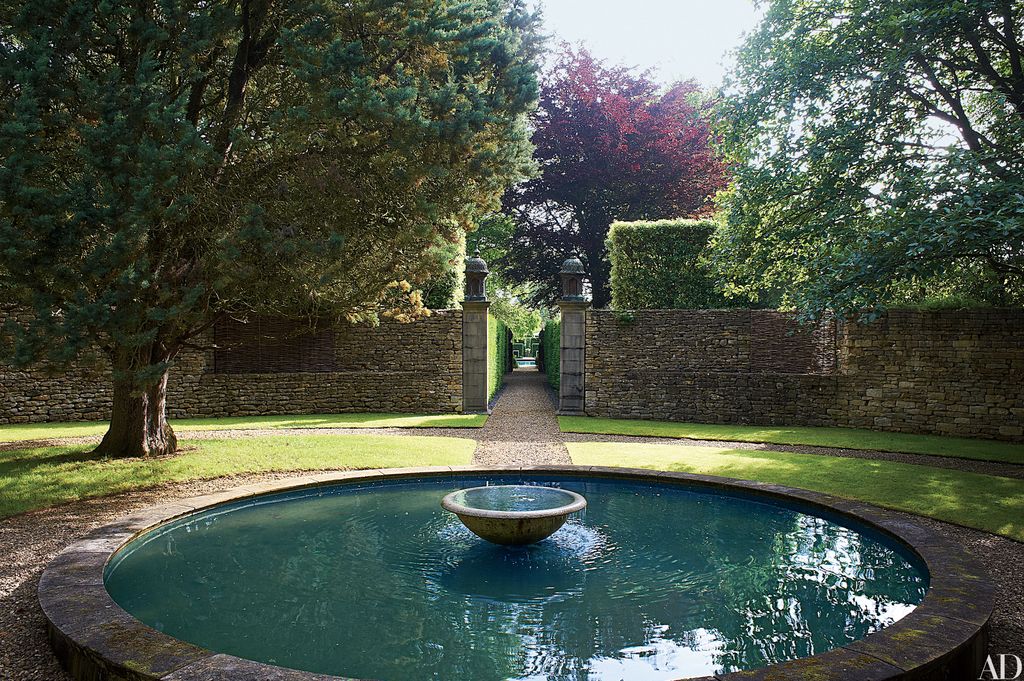
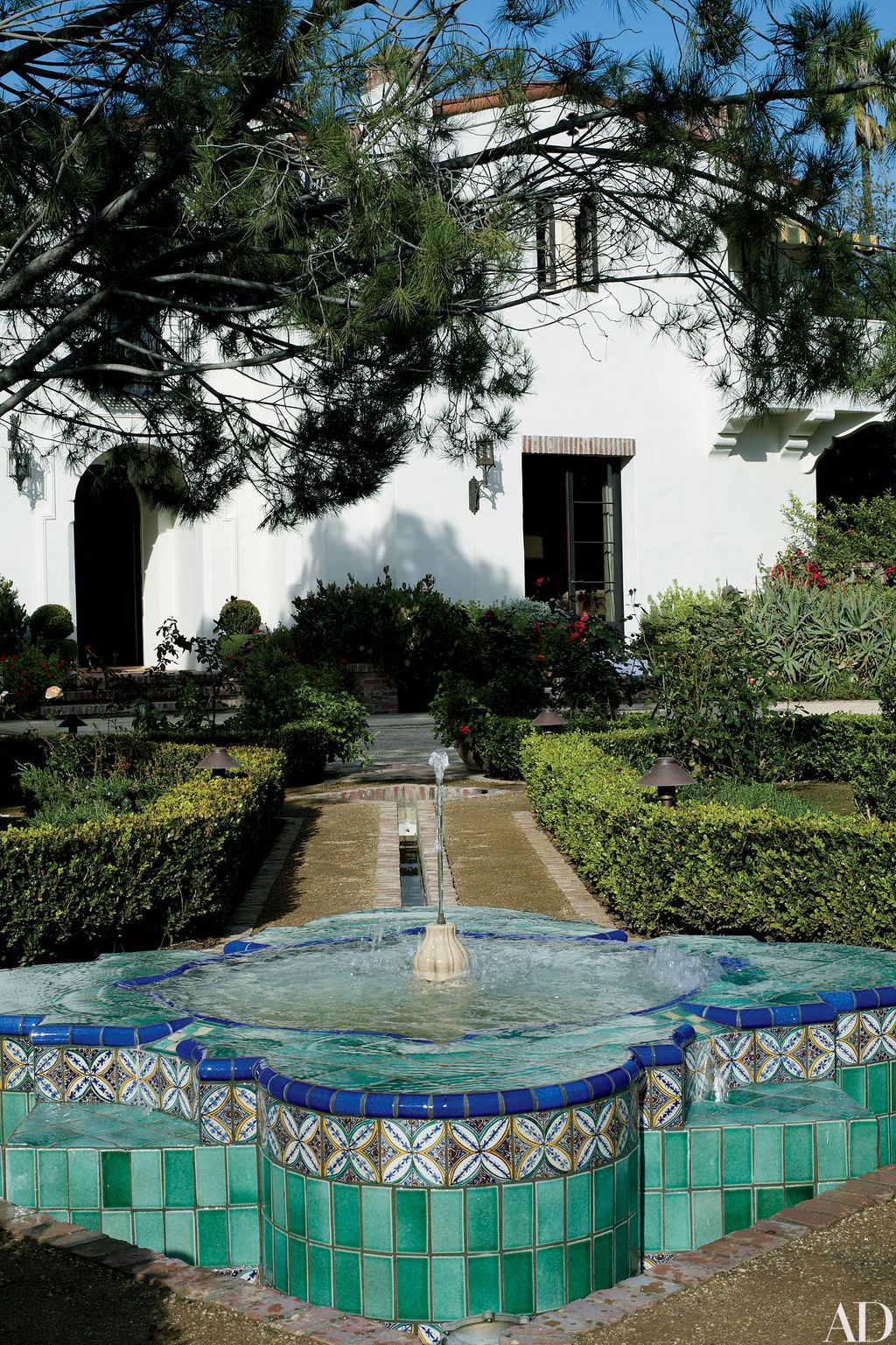
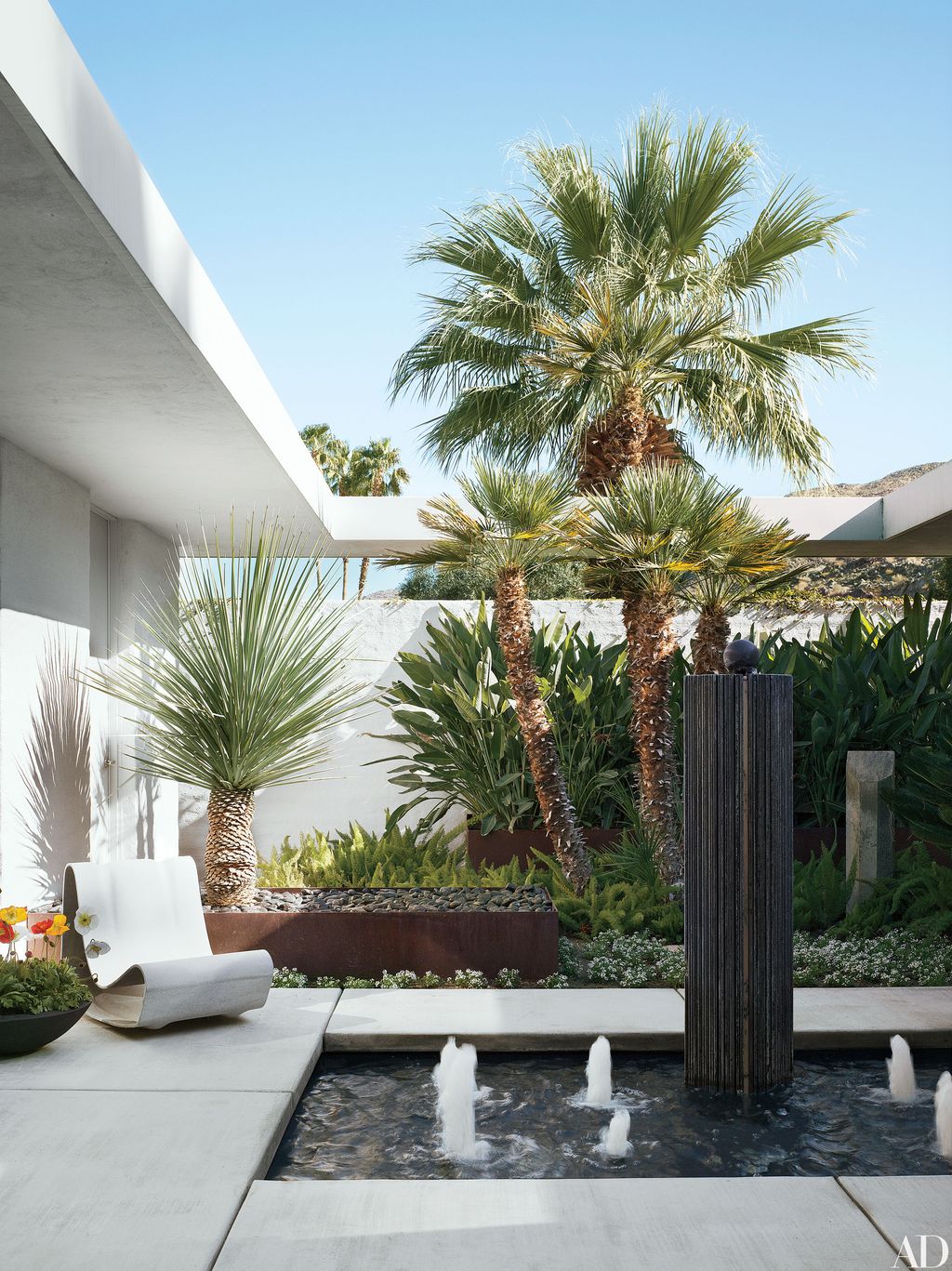
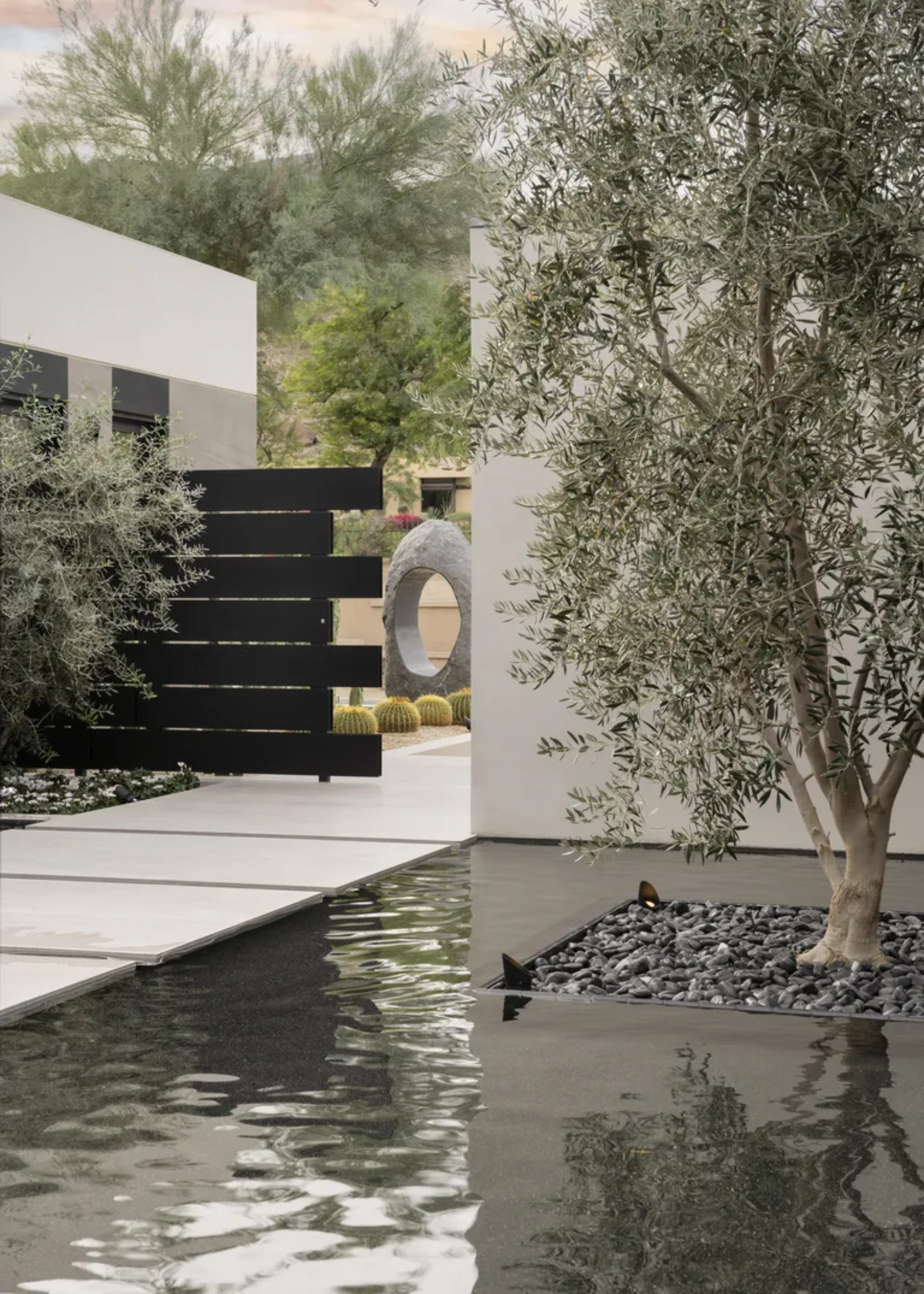
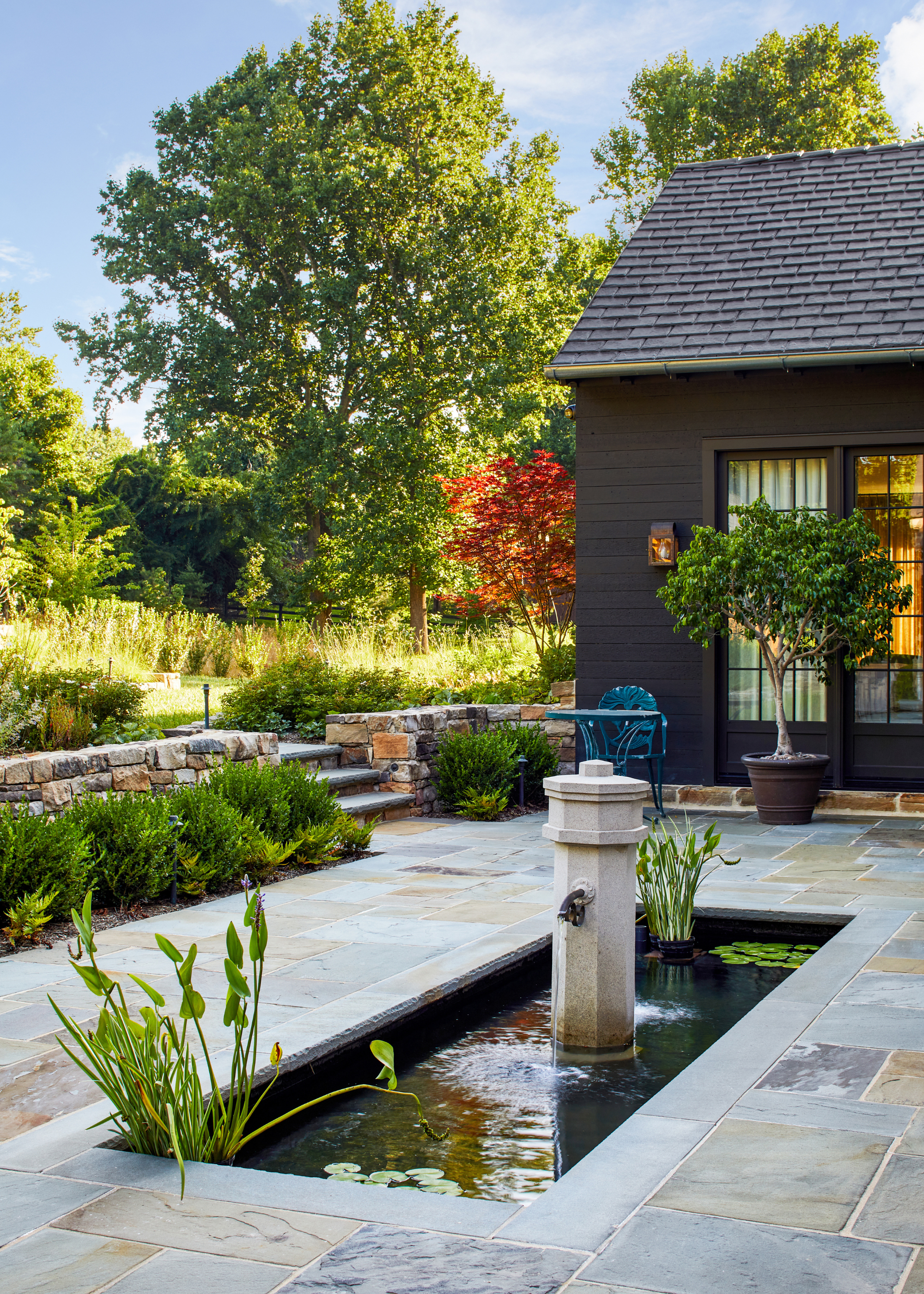
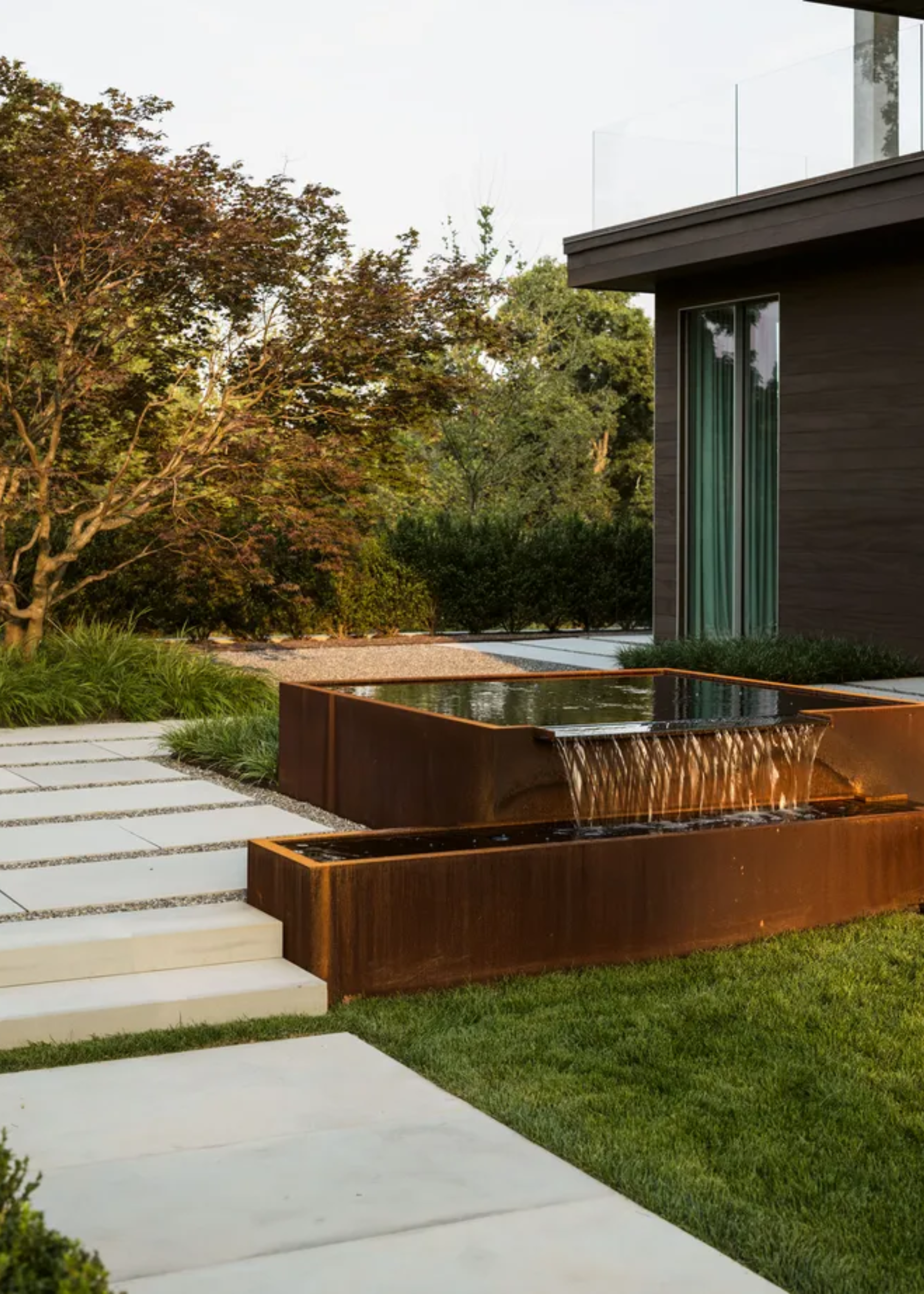
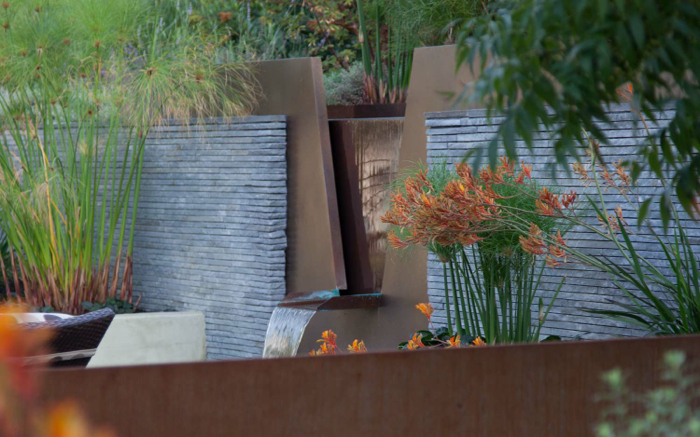
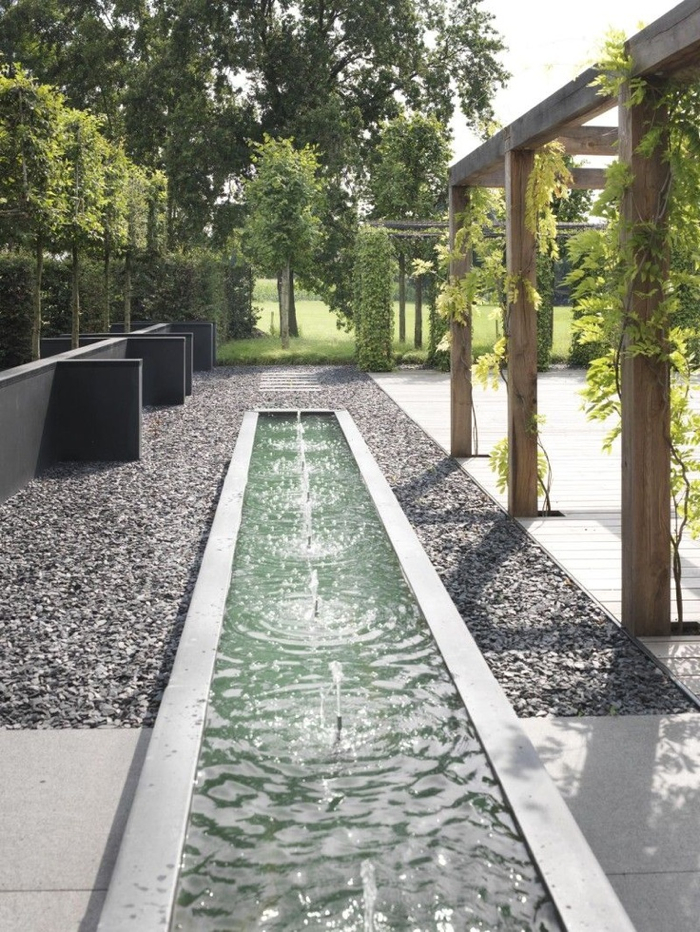
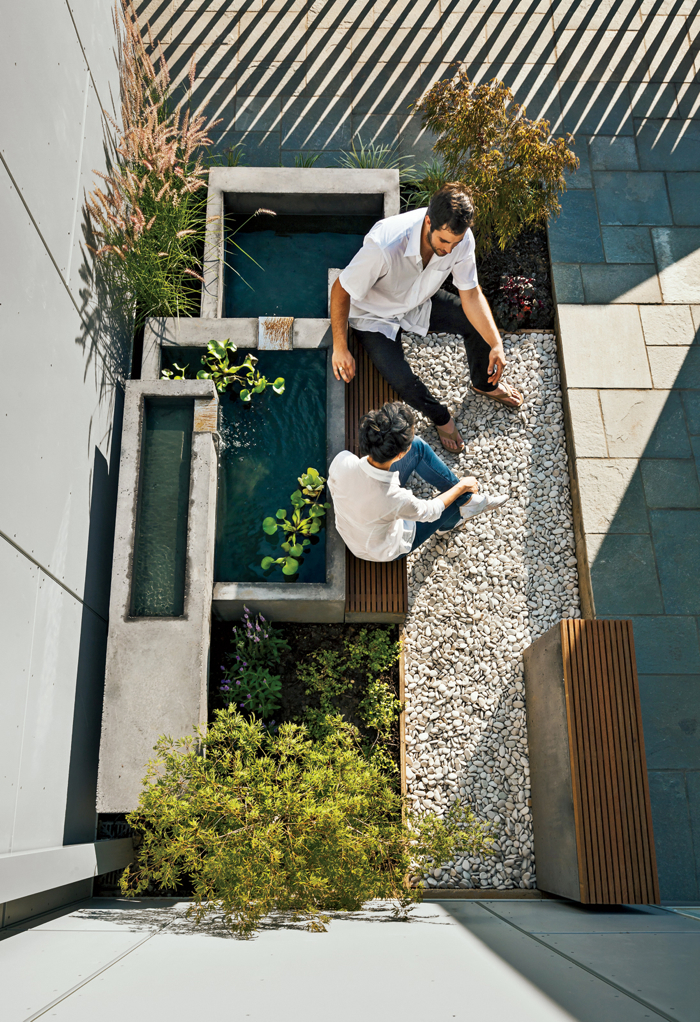
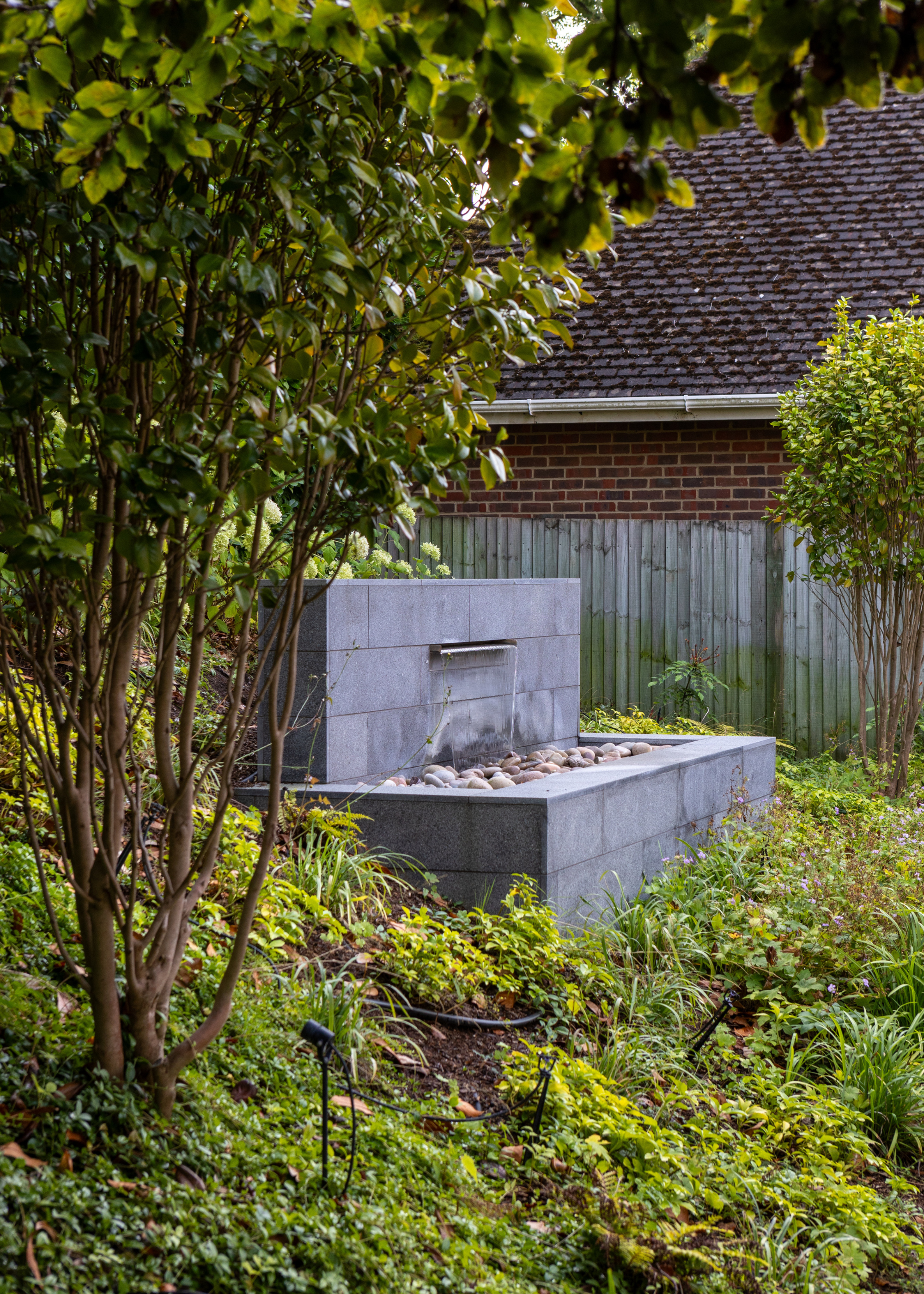
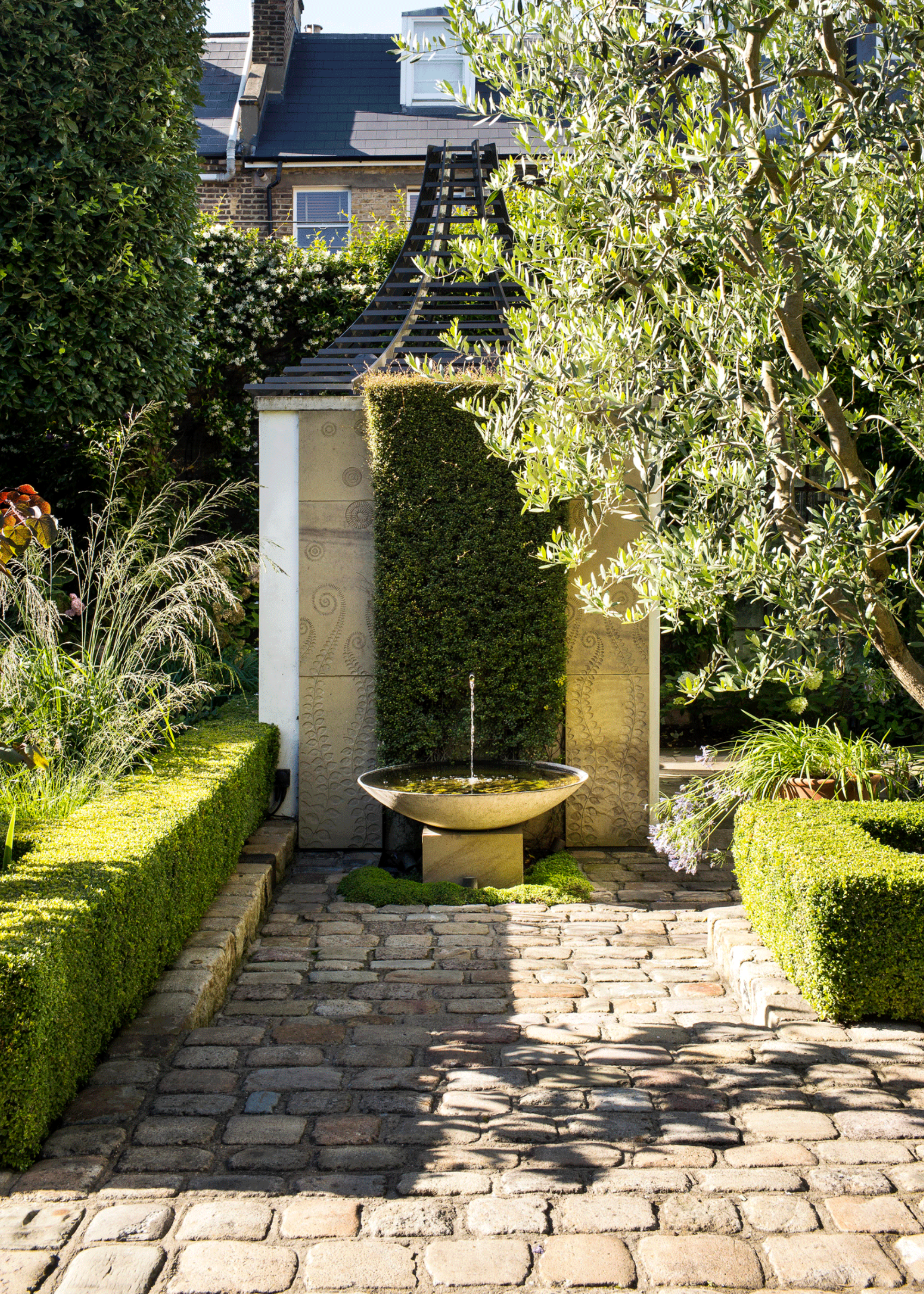
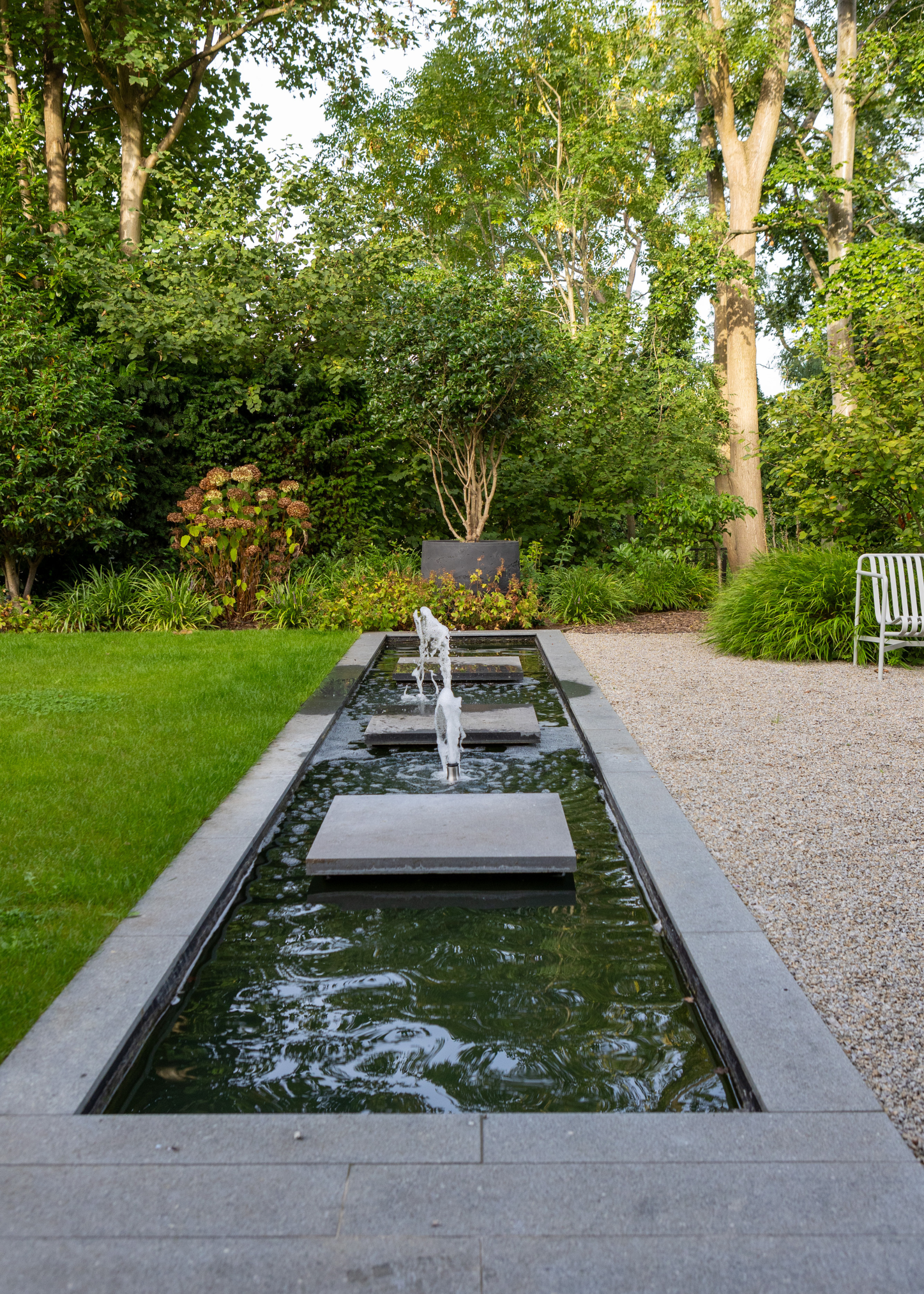
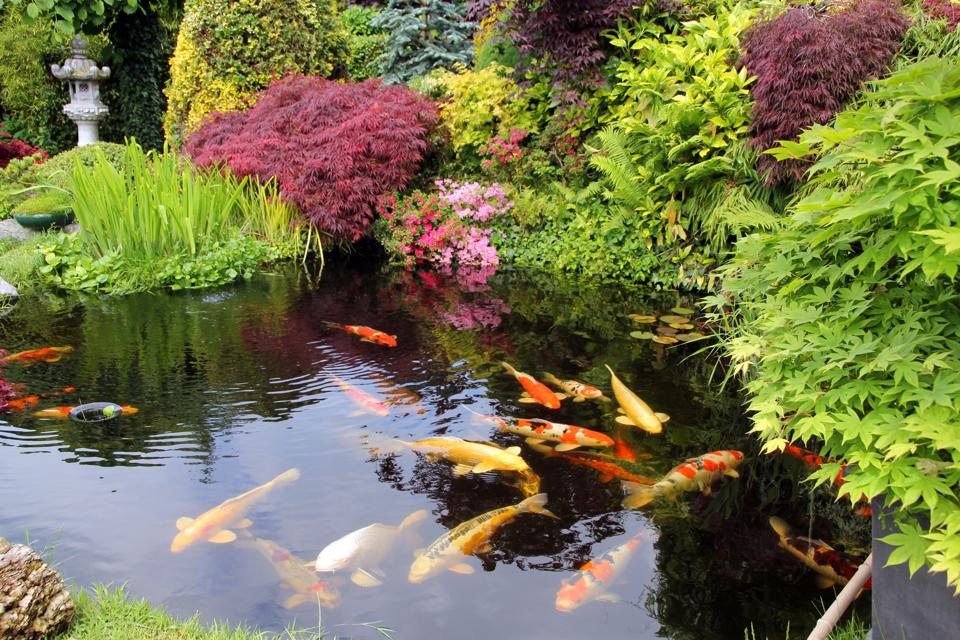
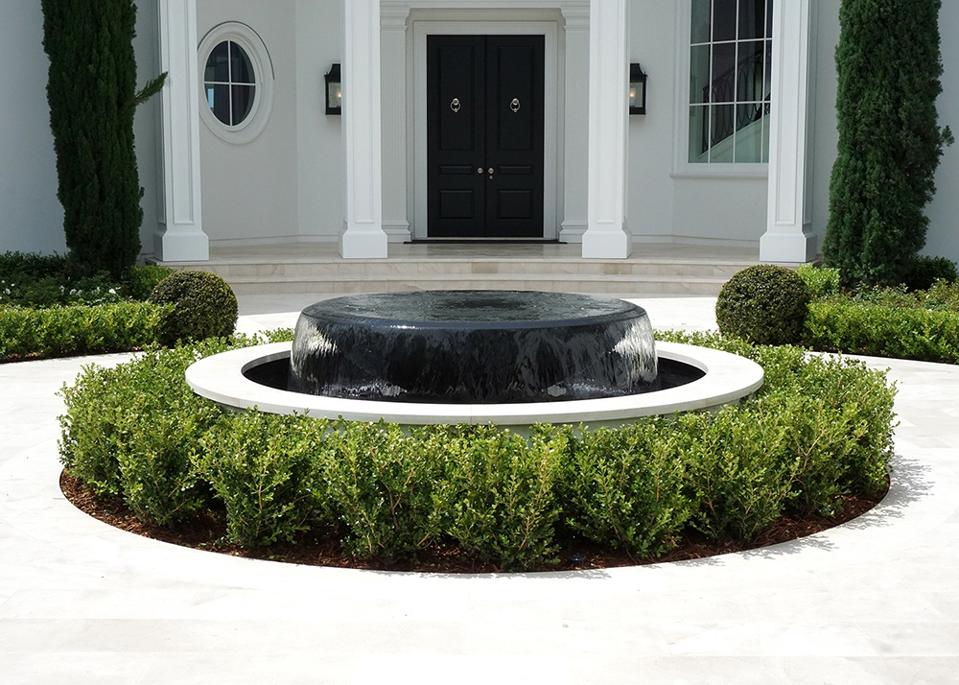
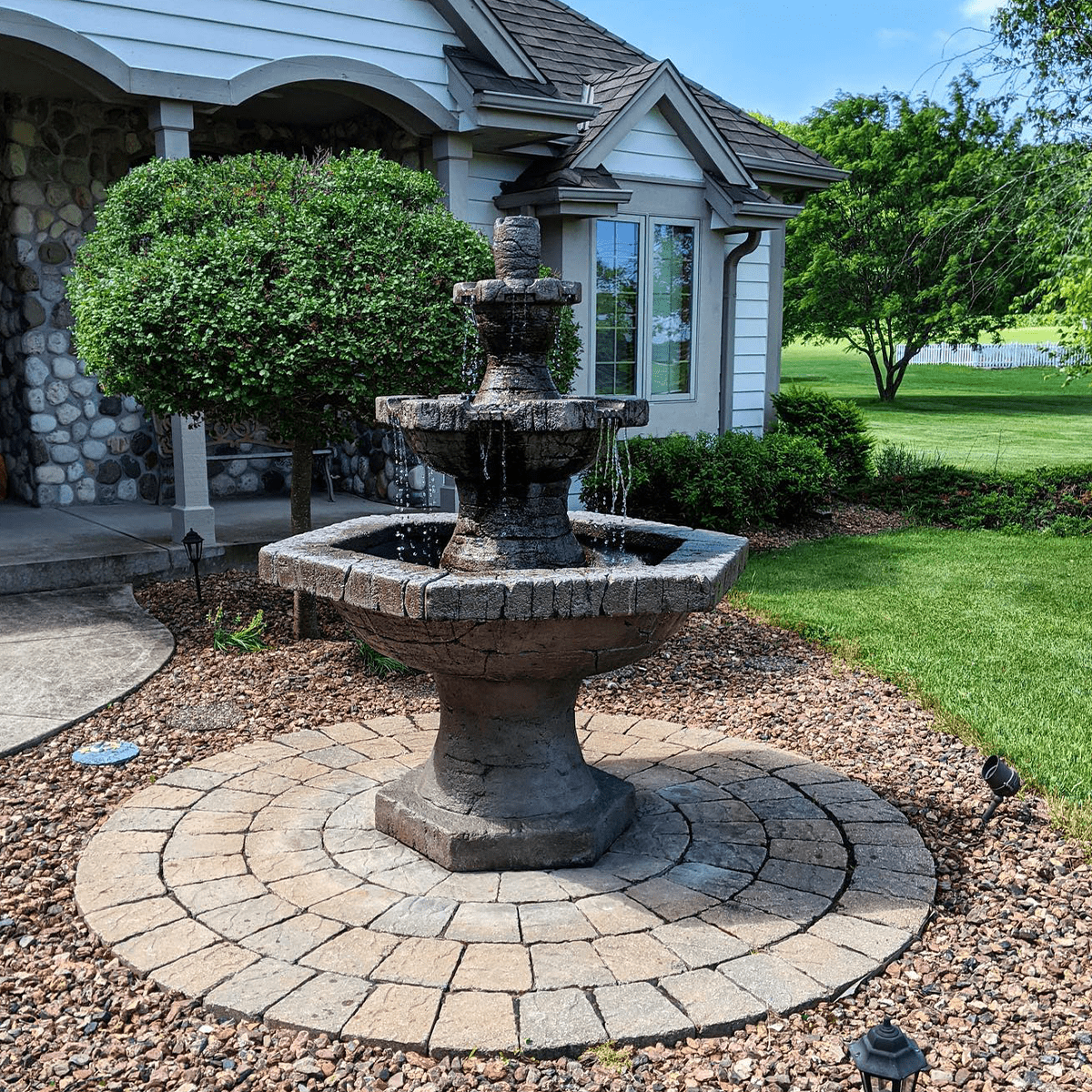
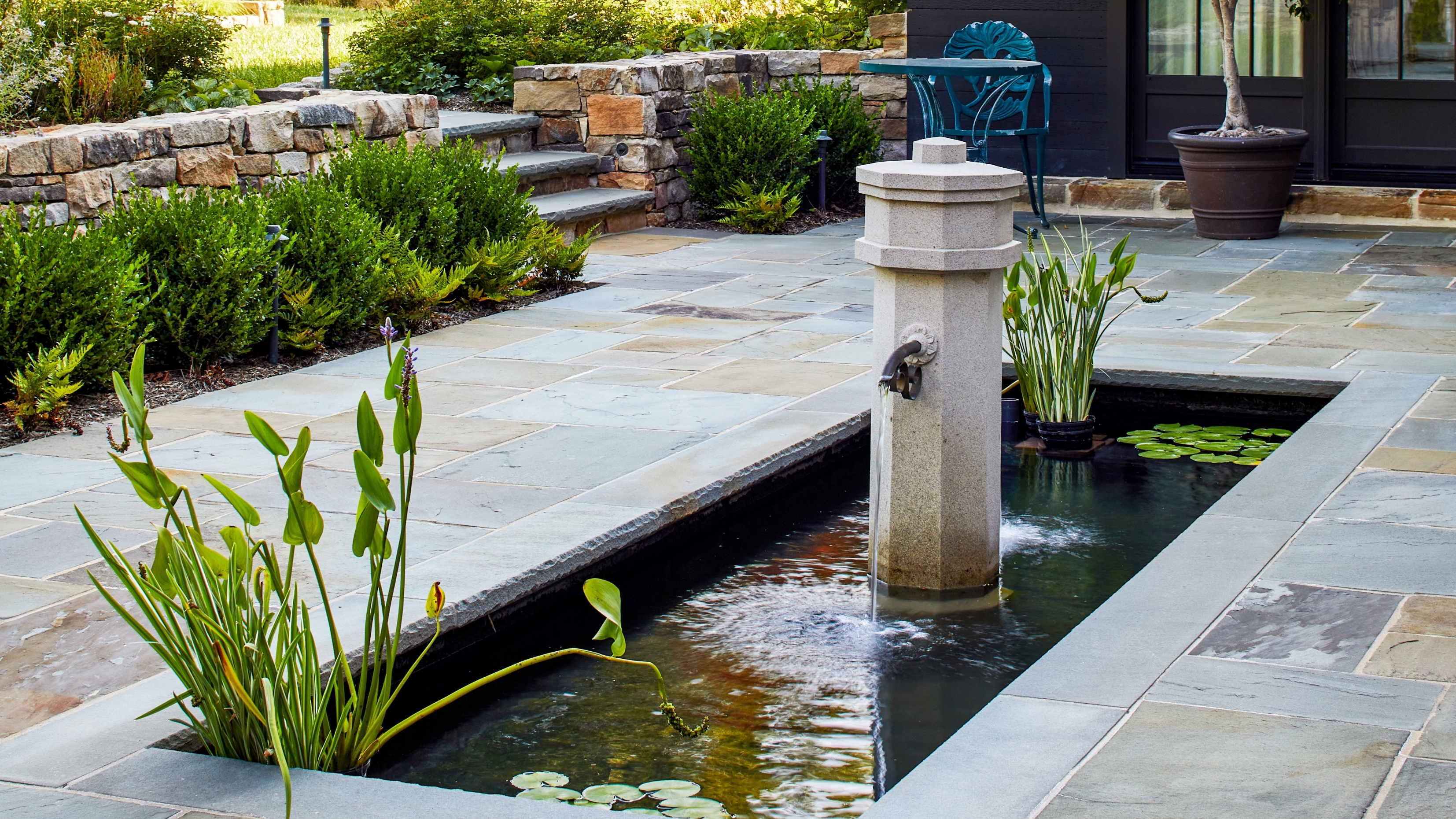
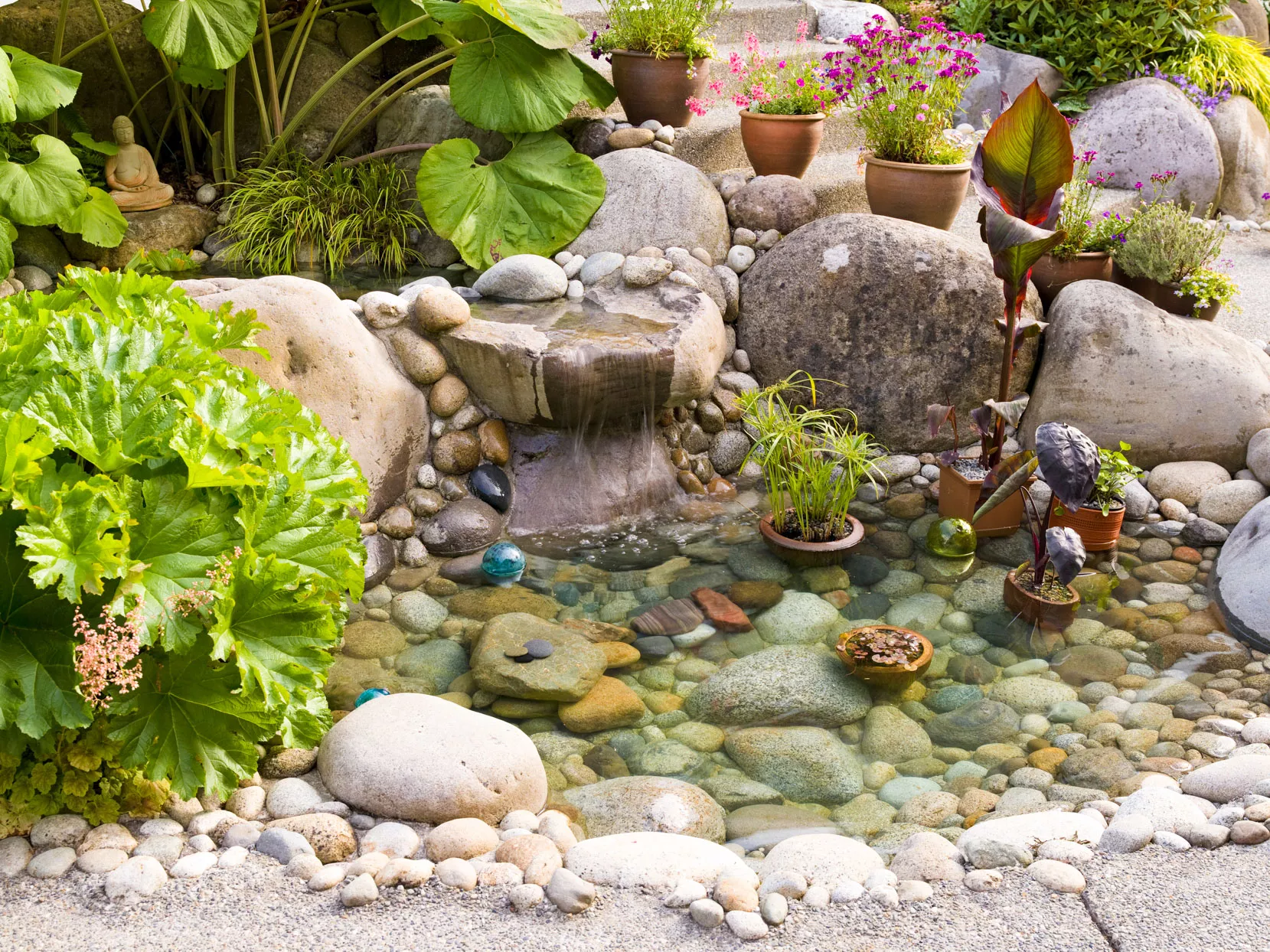
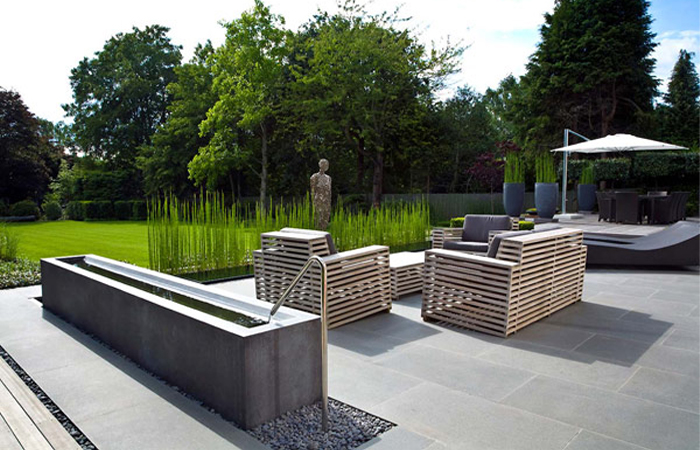
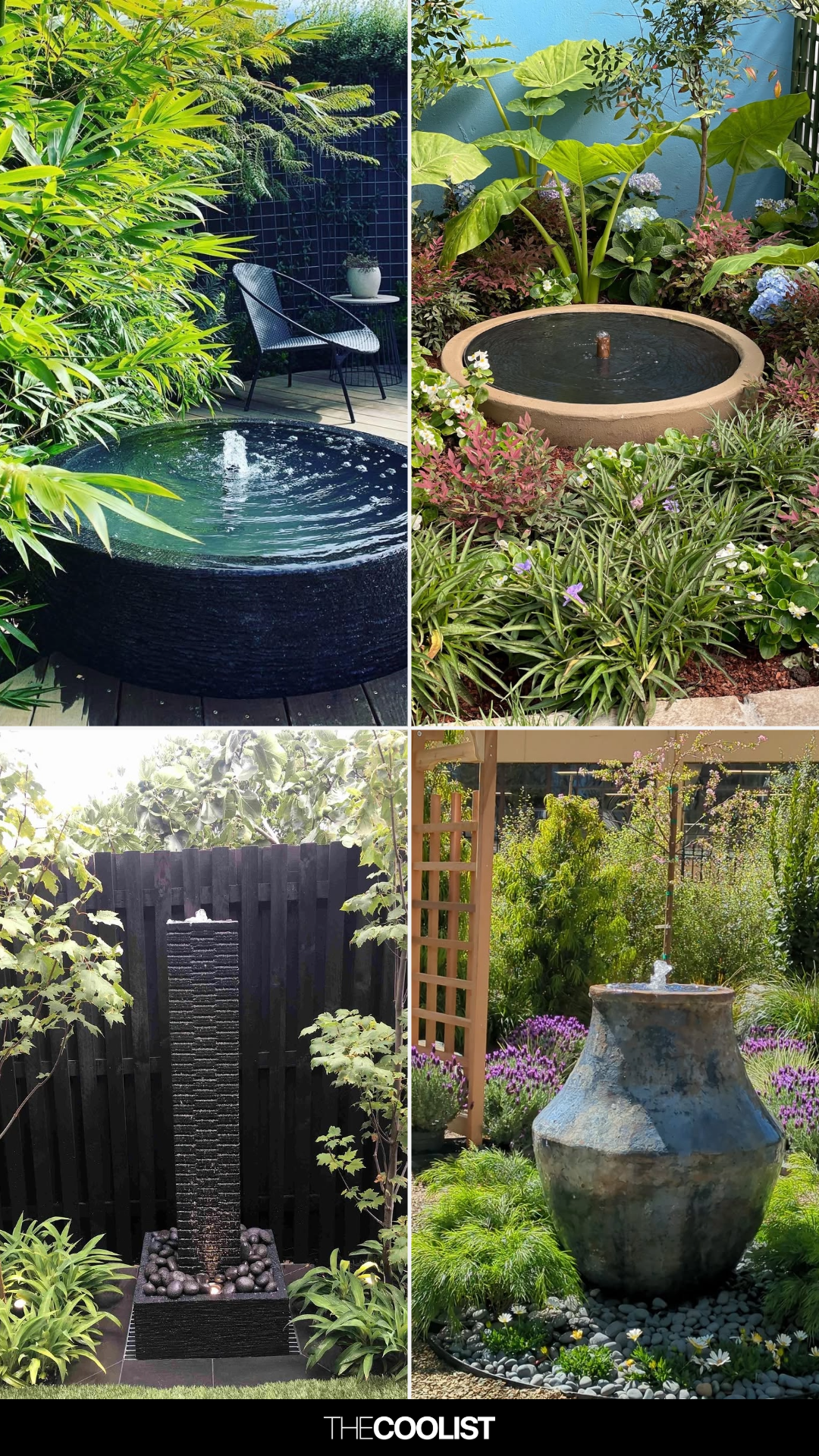
Water features encompass various styles, from contemporary water walls crafted from sleek materials like stainless steel, ideal for modern courtyards, to classic designs found in traditional courtyards and gardens. Contemporary water walls provide a moving visual element and a cooling effect, are easy to install, and require minimal maintenance. Classic options include raised rectangular ponds, decorative urns that gently spill water, and bronze statues. Small ponds can be further enhanced with fish and aquatic plants, which establish a living ecosystem that naturally purifies the water and helps control mosquito larvae.
Addressing environmental concerns, modern water features are designed for water conservation. Most systems recycle their initial fill, minimizing wastage. While larger custom features may require a significant initial volume, smaller pond-style options are inherently water-wise, often only needing occasional top-ups. Melissa King emphasizes that Northcote Pottery’s water fountains, for example, recirculate water, thus preventing wastage. Beyond their aesthetic and cooling advantages, water features, fountains, and birdbaths also provide crucial water sources and cooling spots for wildlife, especially vital during warmer months.
Maintenance for water features is generally straightforward. Regular removal of leaves and occasional water replenishment are typically sufficient. A key maintenance tip is to ensure the pump remains fully submerged to prevent it from running dry. Safety is also a critical consideration, particularly with children. Ponds should be situated in protected, fenced areas or courtyards with controlled access. Additionally, when selecting aquatic plants, it is advisable to consult local nurseries to ensure species are suitable and non-invasive, as some water plants can become weeds. Various water feature products, including steel irondale water features, tiered fountains, sandstone fountains, bird baths, and decorative water bowls, are available from retailers like Bunnings, The Fountain Store, and Garden Life.
#OutdoorWaterFeatures #GardenDesign #ZenOasis #LandscapeDesign #WaterConservation #HomeDecor #GardeningTips #OutdoorLiving #TranquilSpaces #OutdoorWaterFeatures #GardenDesign #ZenOasis #LandscapeDesign #WaterConservation #HomeDecor #GardeningTips #OutdoorLiving #TranquilSpaces
0 comment in total
 No comments yet
You may also like
10 Best Garden Water Features

29 Elegant Fountains That Create a Sense of Tranquillity

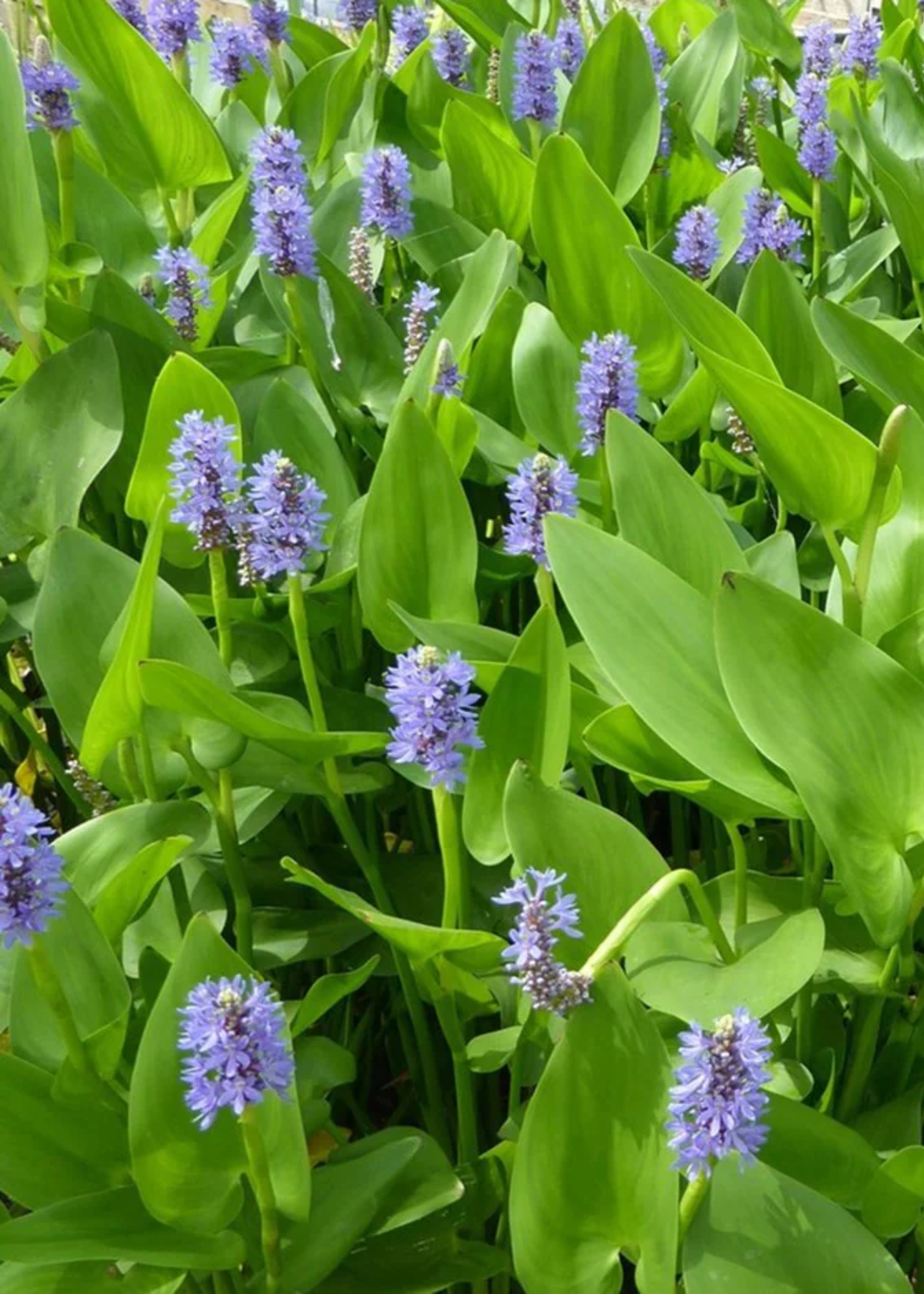
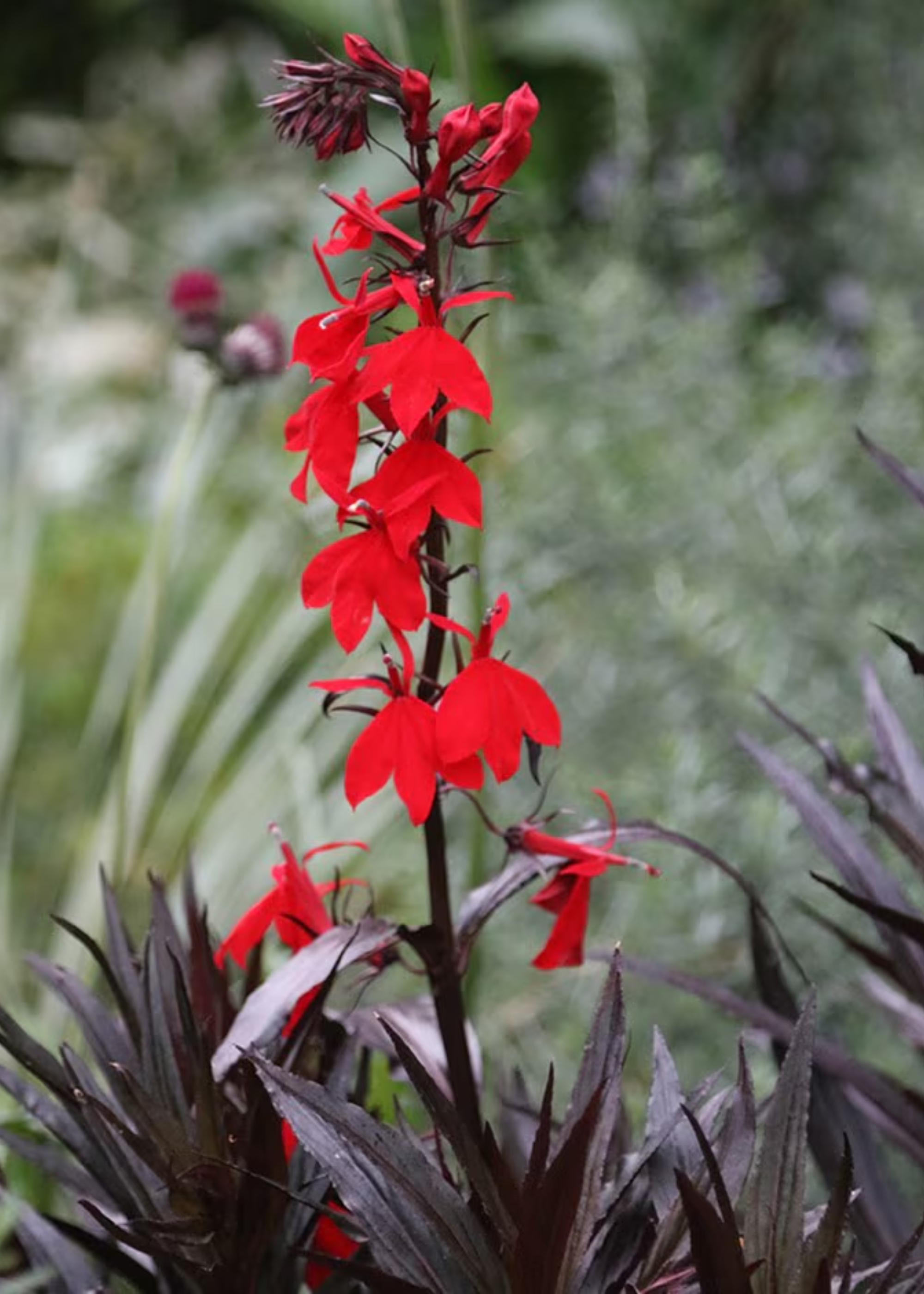
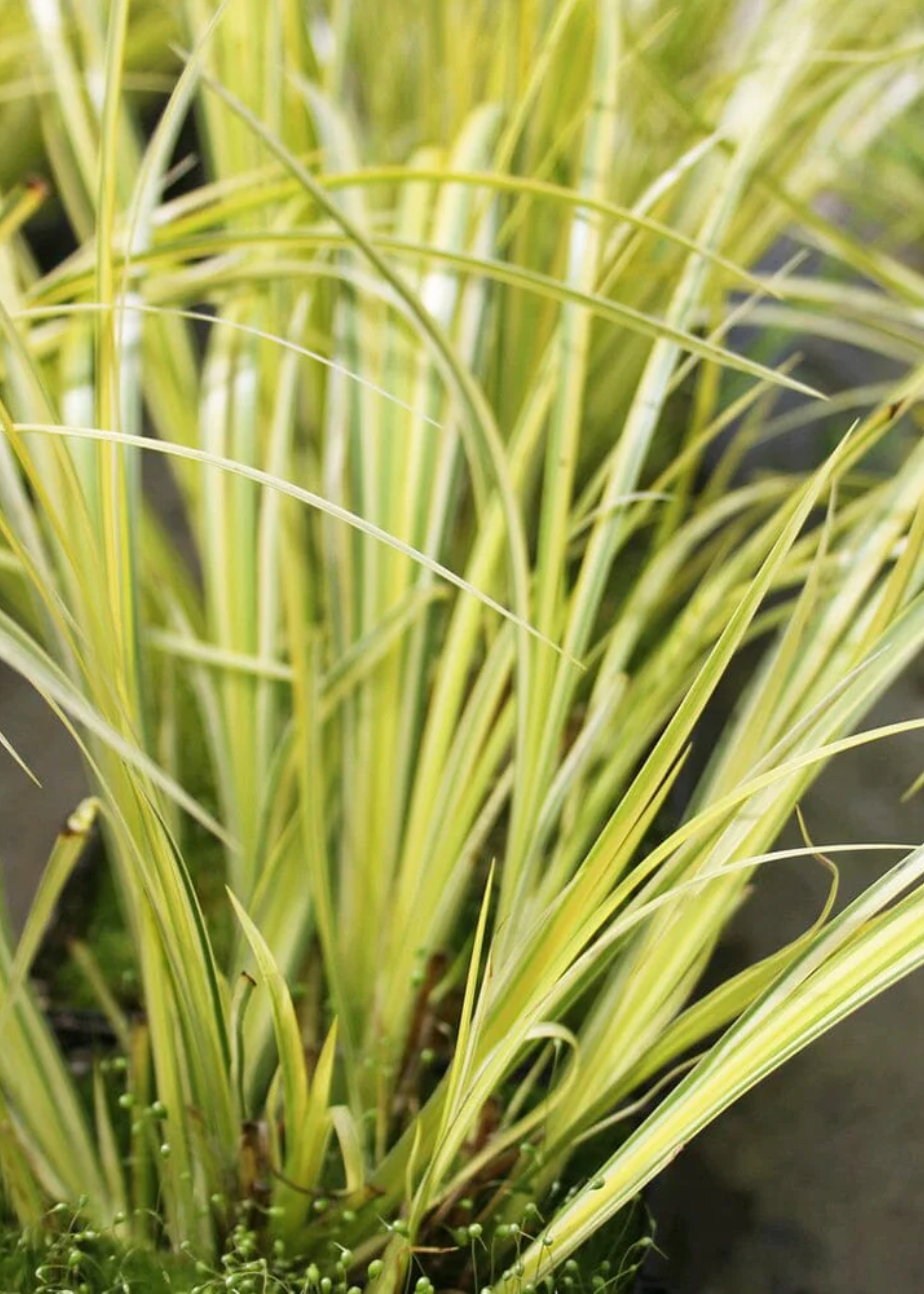
5 Aquatic Plants to Brighten Up Your Water Feature

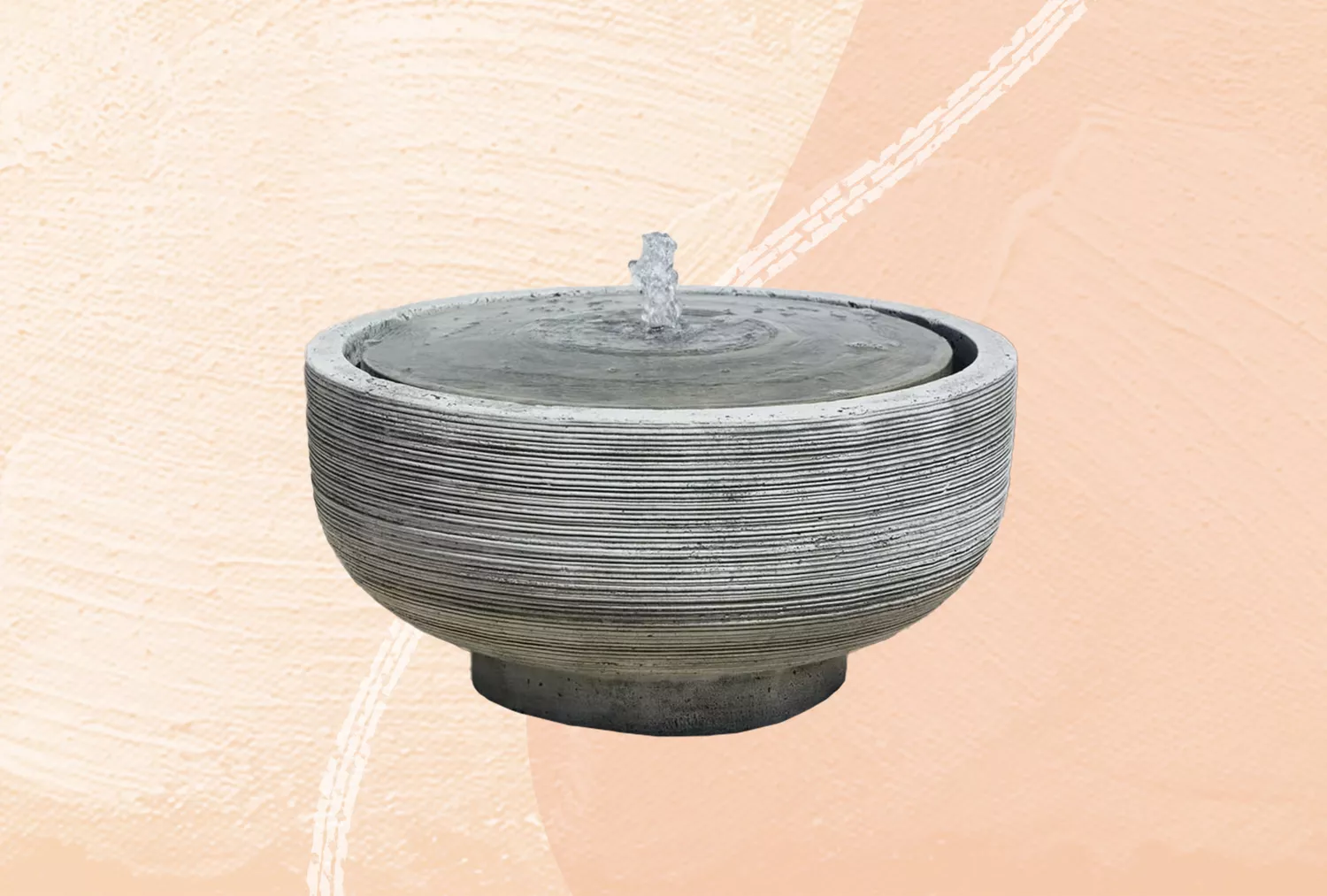
Want a Calm, Peaceful Backyard Escape? Start With One of These Water Fountains

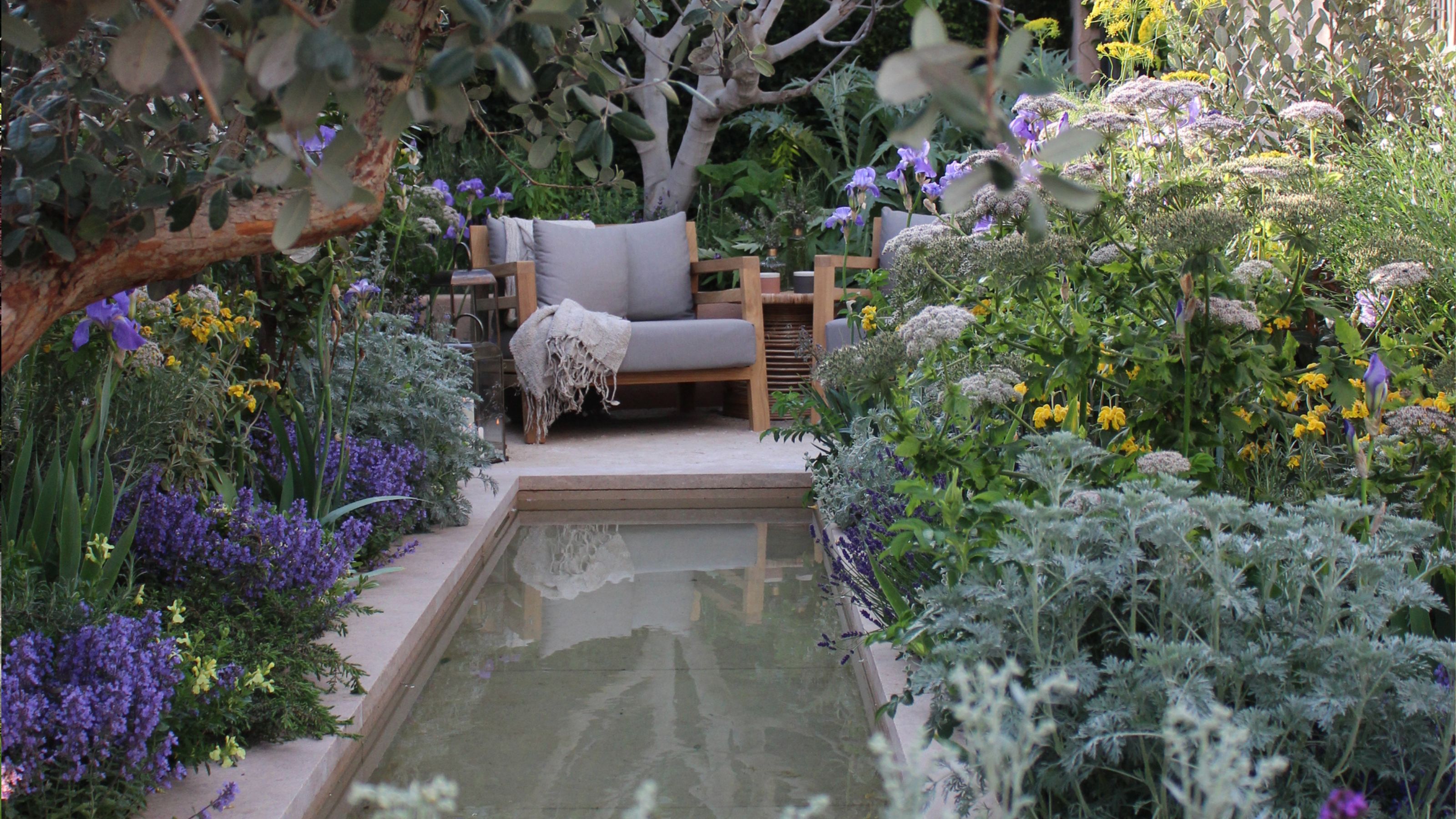
13 Water feature ideas to add a new sense of flow to your garden

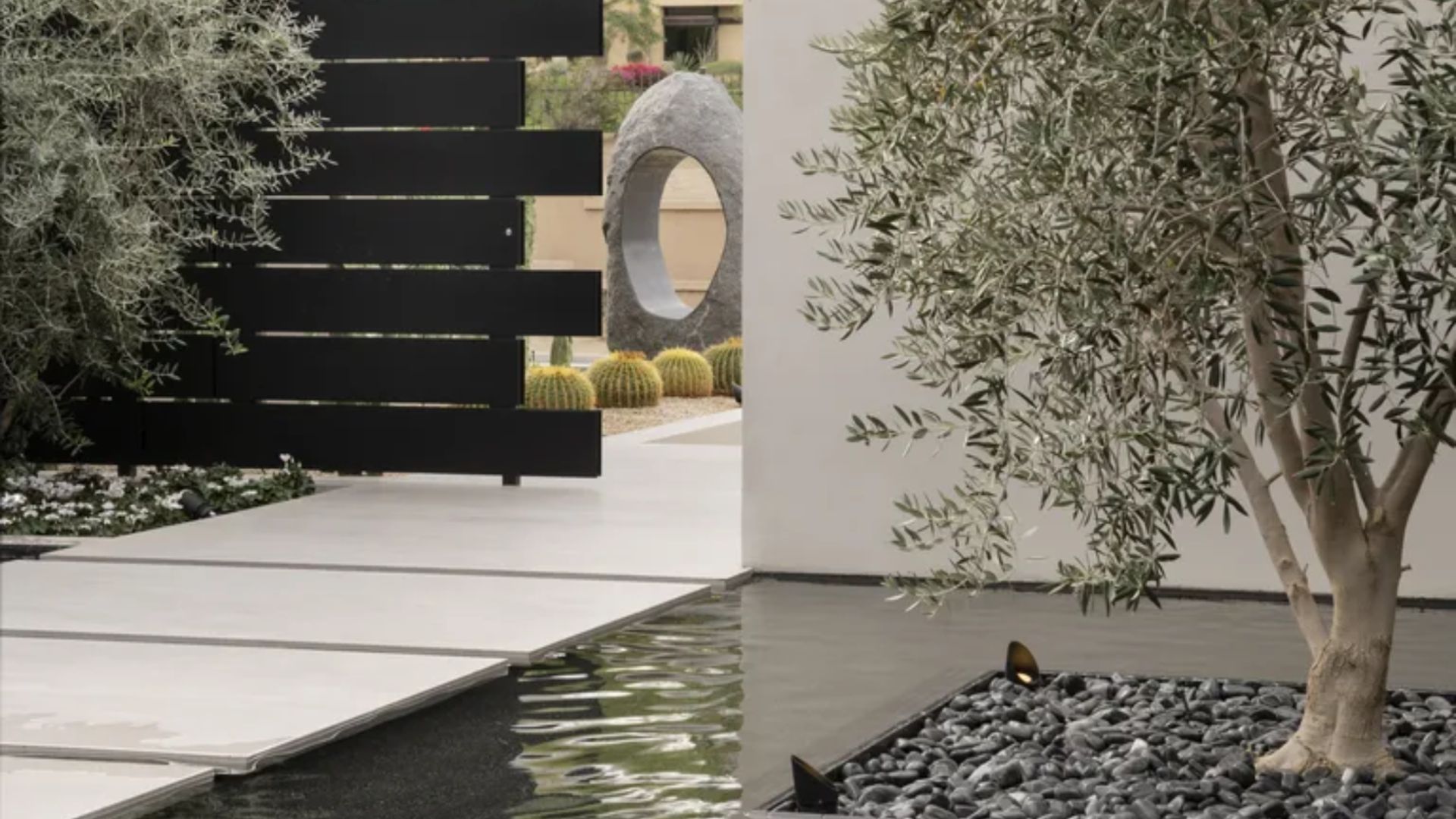
8 Tranquil Water Garden Ideas That Look Beautiful and Train Your Ear Away From Noisy Outdoor Distractions
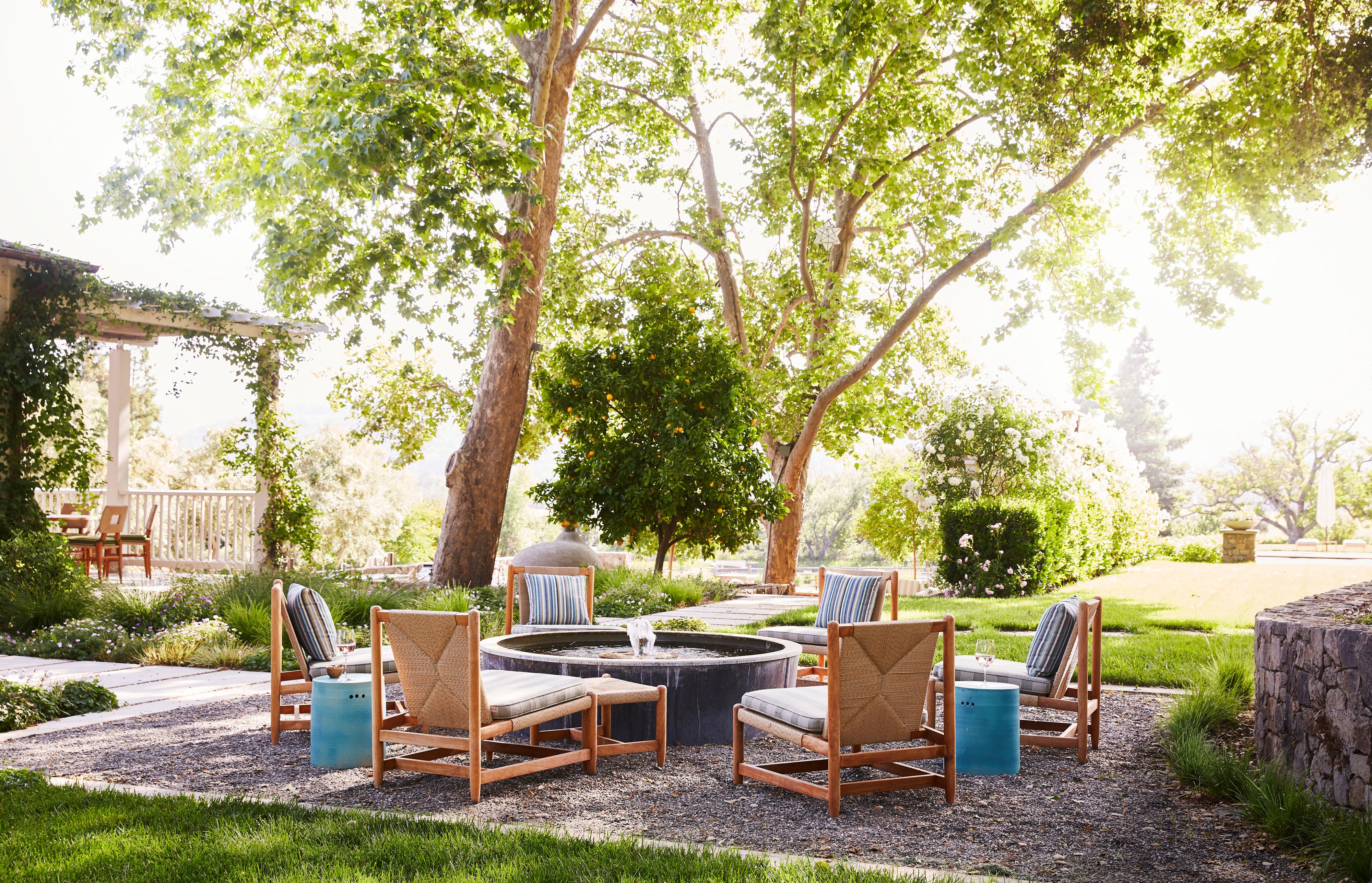
Garden Fountains Are the New Backyard Firepit—Here's How to Incorporate One into Your Space

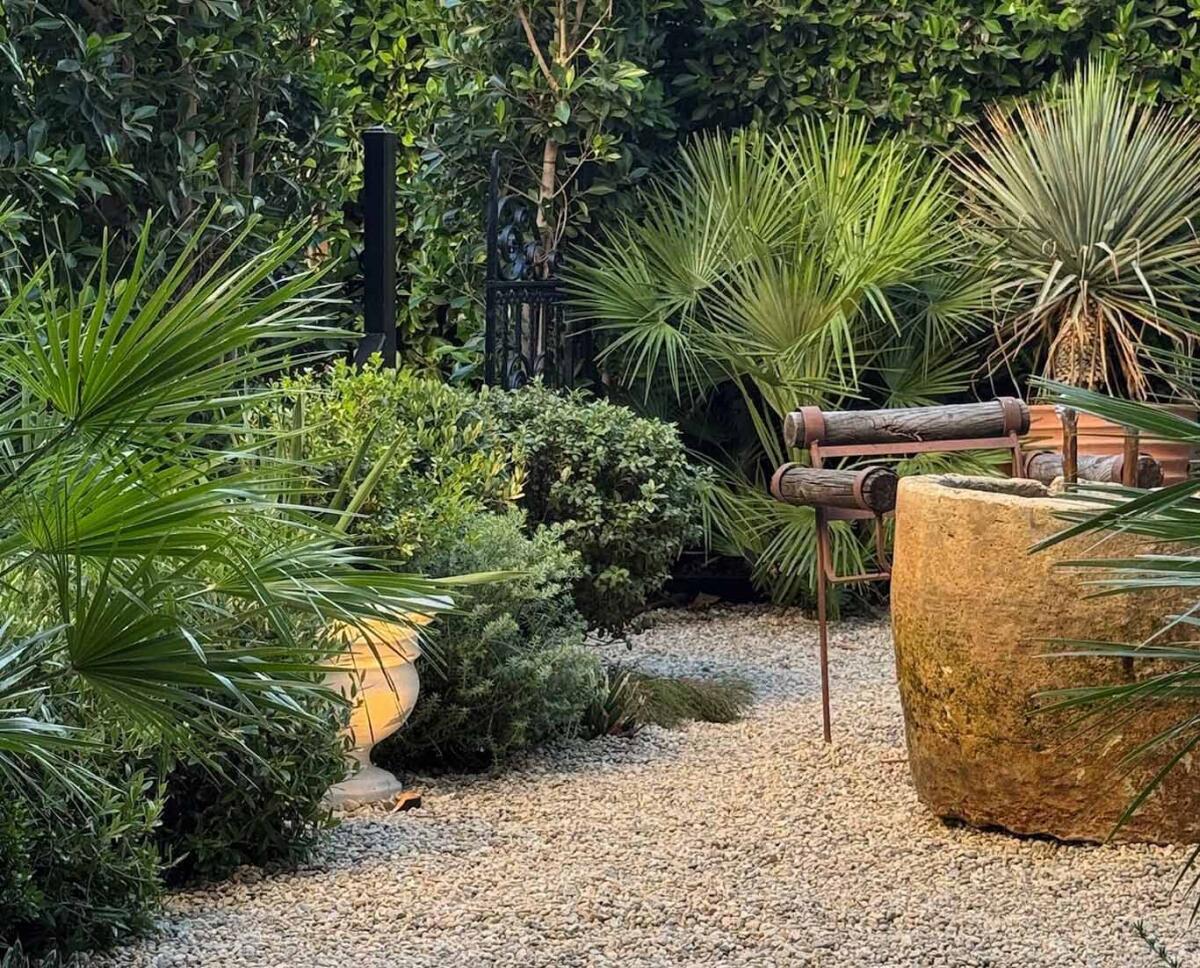
Backyard Water Feature Trends for 2025: Pools, Ponds, and Tech

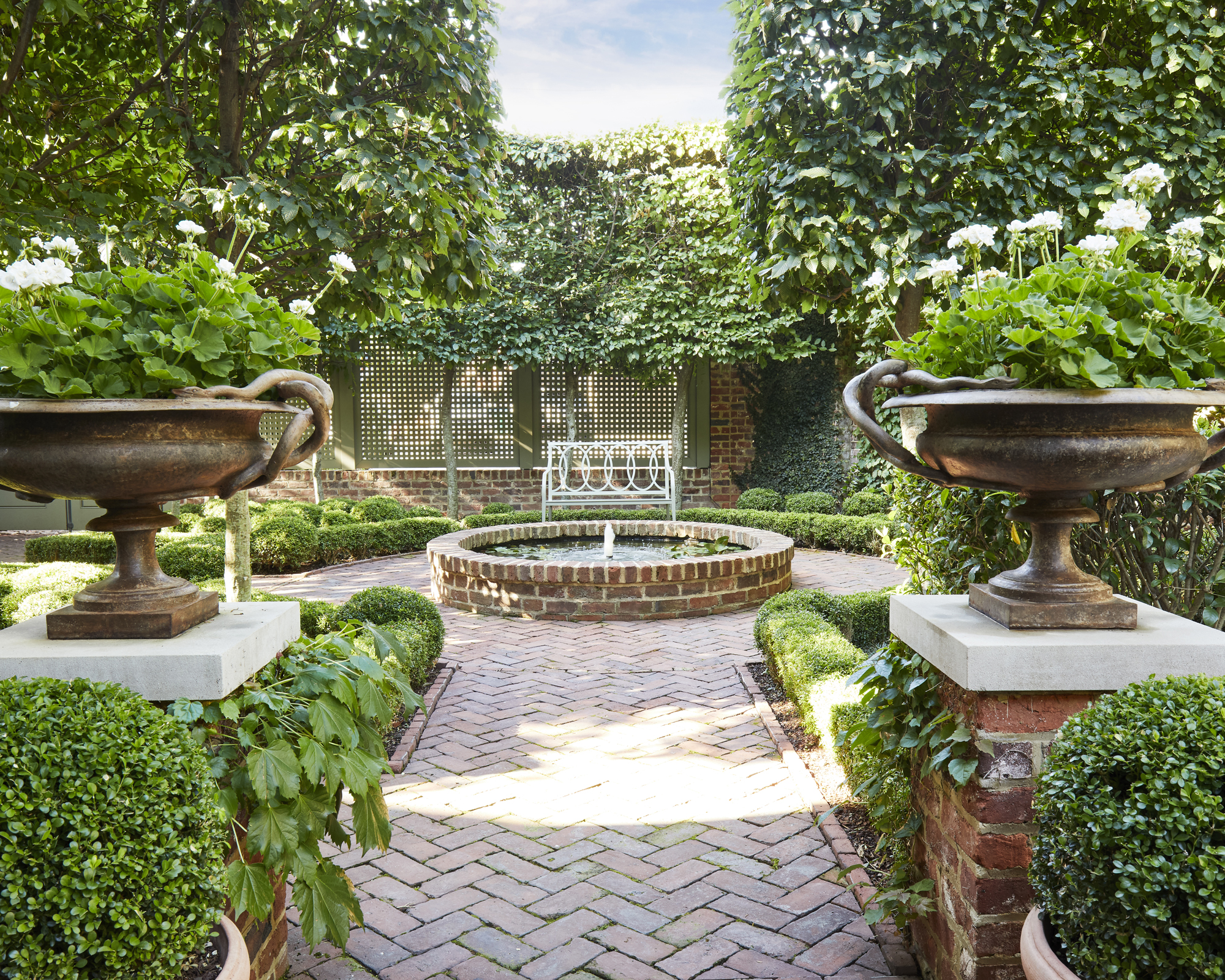
Water feature ideas – 11 ways to add water to any backyard

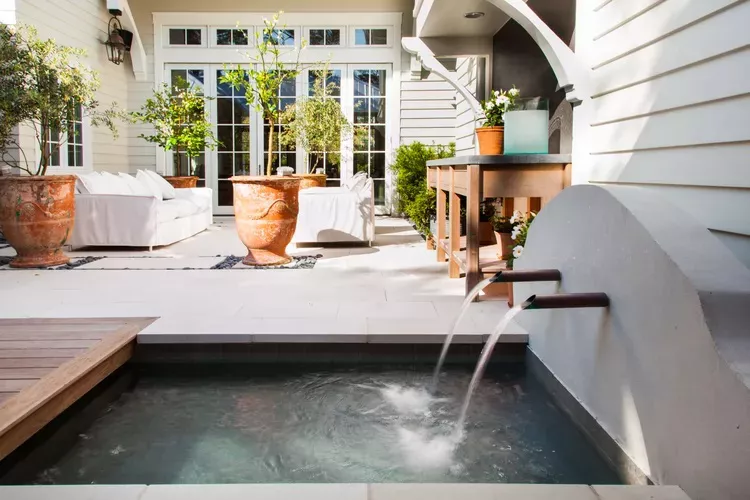
Want A Water Feature in Your Yard? 44 Ideas That Will Fit in Any Budget

3 Ways to Use Water Features That Can Make Your Garden Feel More Private

Water Features Add Architectural Flair, Wellness Benefits And Real Estate Enhancements To A Home

25 Refreshing Water Feature Ideas for Your Landscape
12 Modern Gardens With Water Features

9 Garden Divider Ideas That Help to Create the Sense of 'Rooms' Within Your Landscaping
This Stunning Garden with Zen Vibes Uses Shockingly Little Water

26 Stupidly Gorgeous Water Feature in the Garden Ideas That’ll Haunt Your Mood Boards

I turned a plant pot into a DIY water feature with Temu bargains - I spent £8.41

5 Mistakes in Your Garden's Design You'll Only Notice When Temperatures Soar in the Summer
Homeowner’s Guide To Outdoor Fountains