1/2
Want A Water Feature in Your Yard? 44 Ideas That Will Fit in Any Budget
Water features offer a serene and aesthetically pleasing addition to any outdoor space, transforming it into a relaxing oasis. The soothing sounds of flowing water contribute to a calm ambiance, while the features themselves can serve as captivating focal points. These additions are versatile, suitable for various yard sizes and budgets, encompassing everything from intricate koi ponds to simple solar-powered fountains.
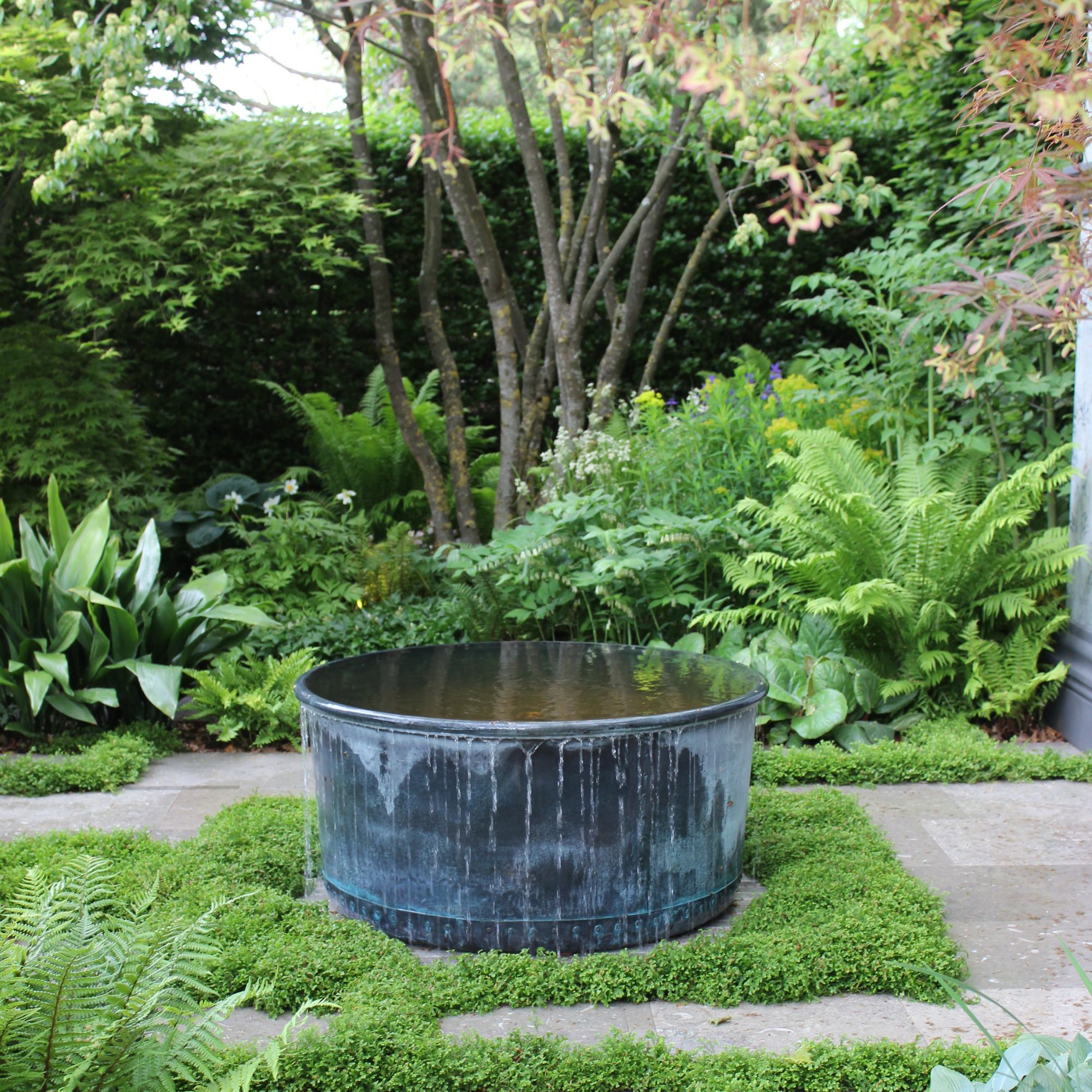
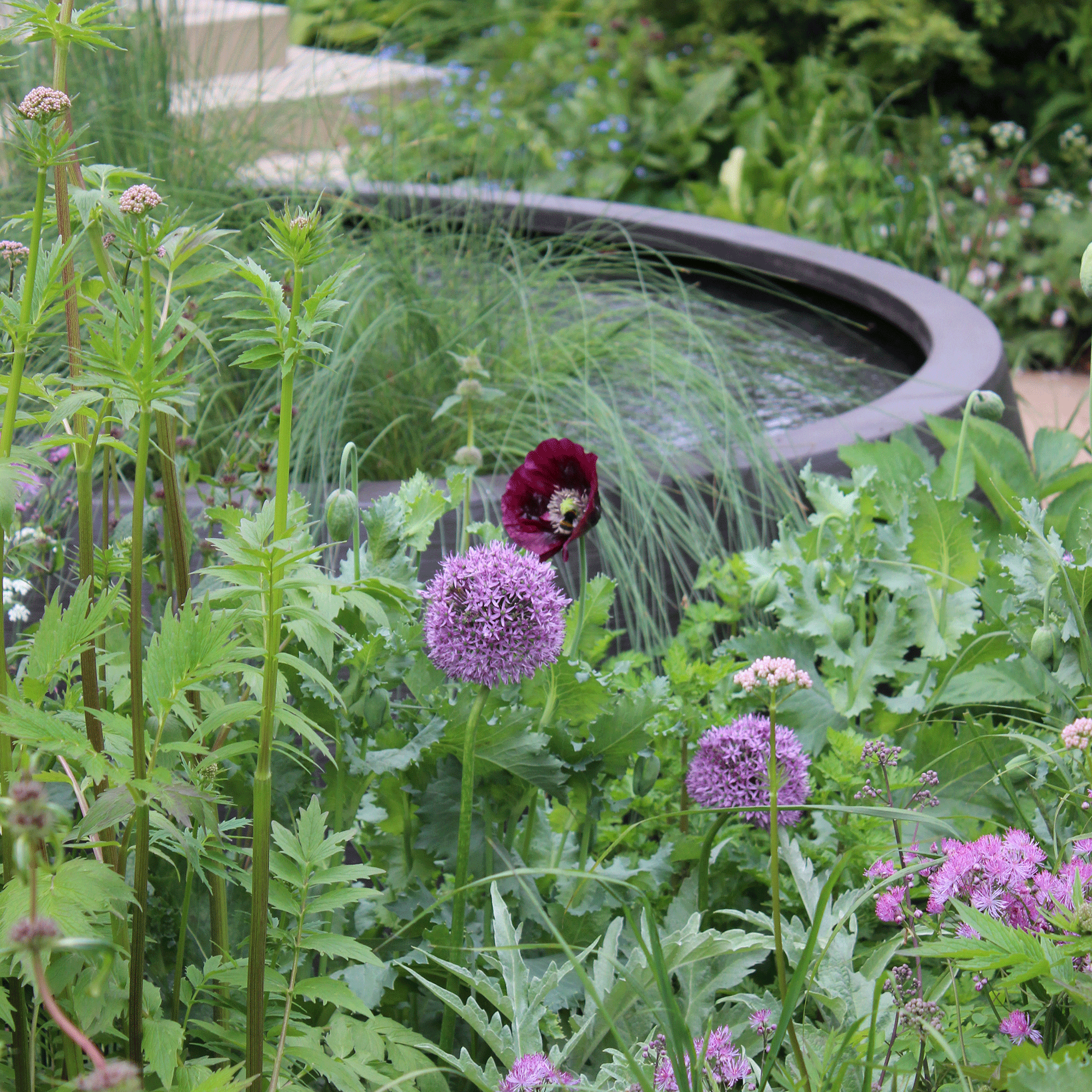
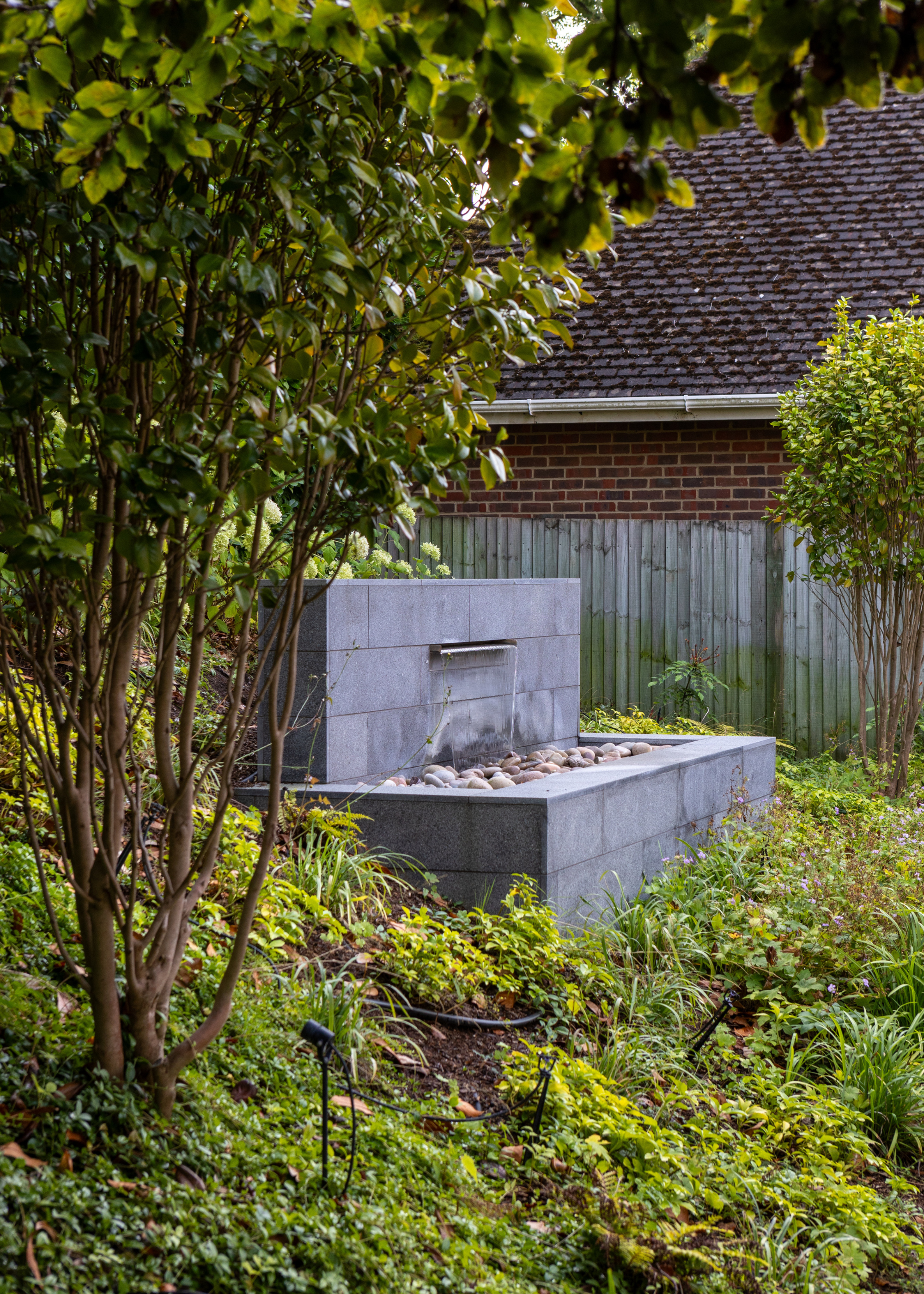
One popular option is a Japanese-inspired water feature, often based on a tsukubai. These typically involve a stone bowl with water pumped through a copper pipe, with surrounding plants like acers and ferns enhancing the traditional aesthetic. Stone wall water features seamlessly integrate natural elements, creating a tranquil environment where water flows over or through existing or newly constructed stone walls. For those with larger spaces, a trio of tall-standing water features can add vertical interest and provide consistent soothing sounds near an entrance or within a garden.
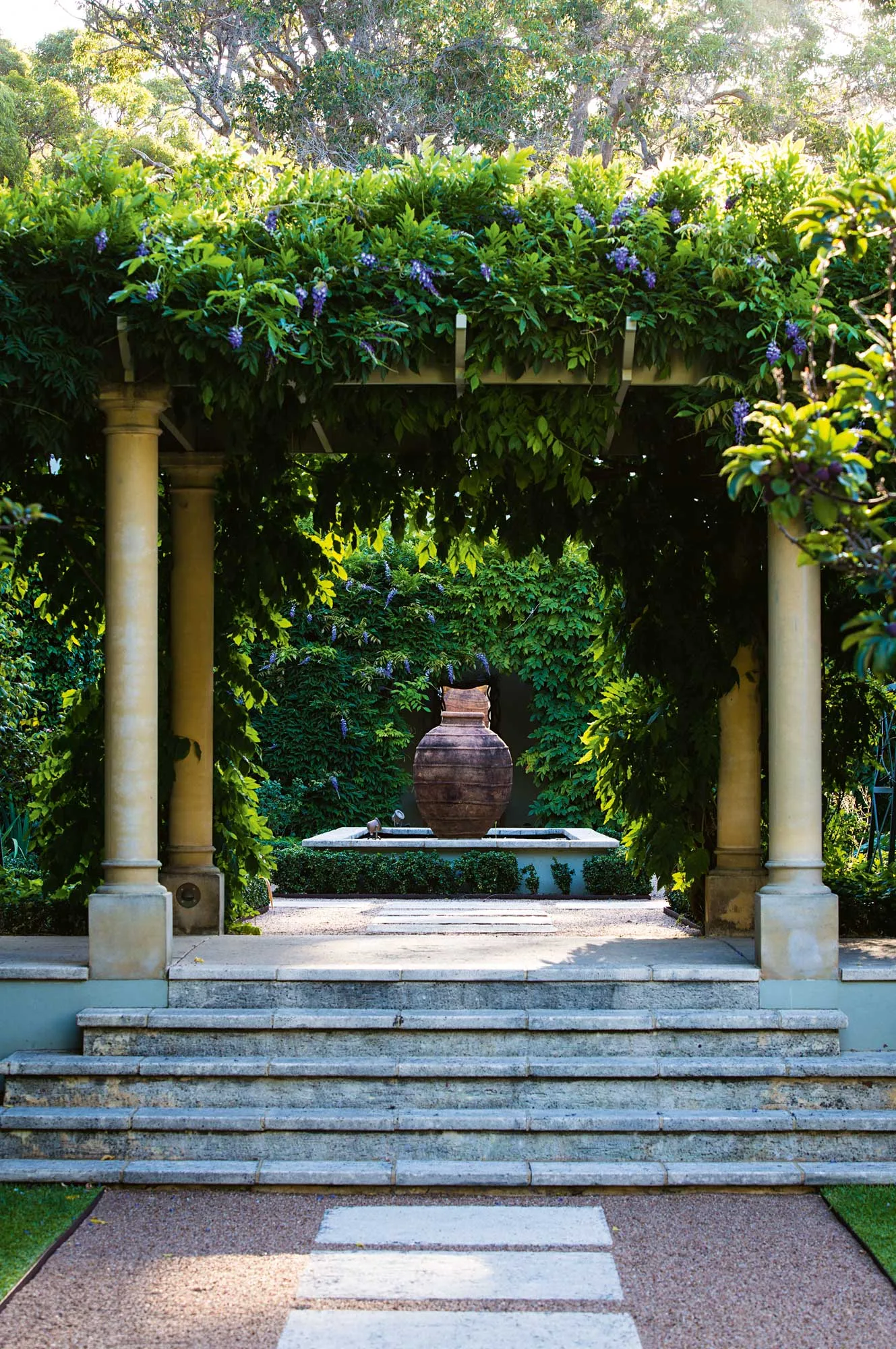
Water features can also be incorporated into lounge pools, offering both visual appeal and a refreshing element on hot days. Wall-mounted fountains, such as a lionhead design, are ideal for saving space while adding a touch of elegance, particularly when paired with vine-covered walls and bistro seating to evoke a cafe-like atmosphere. Timeless water features, often crafted from limestone and surrounded by lush greenery, blend seamlessly into French country-style exteriors.
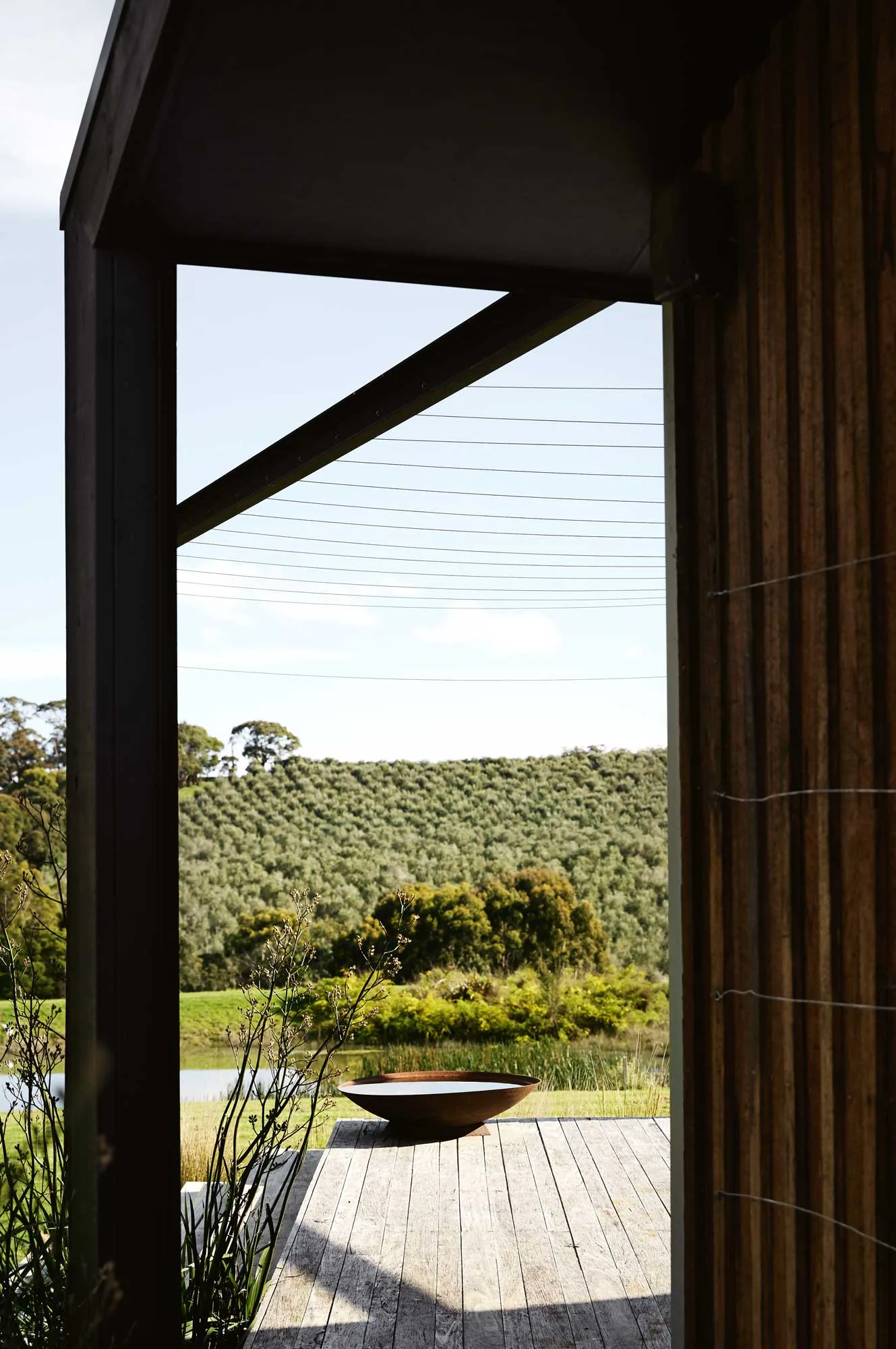
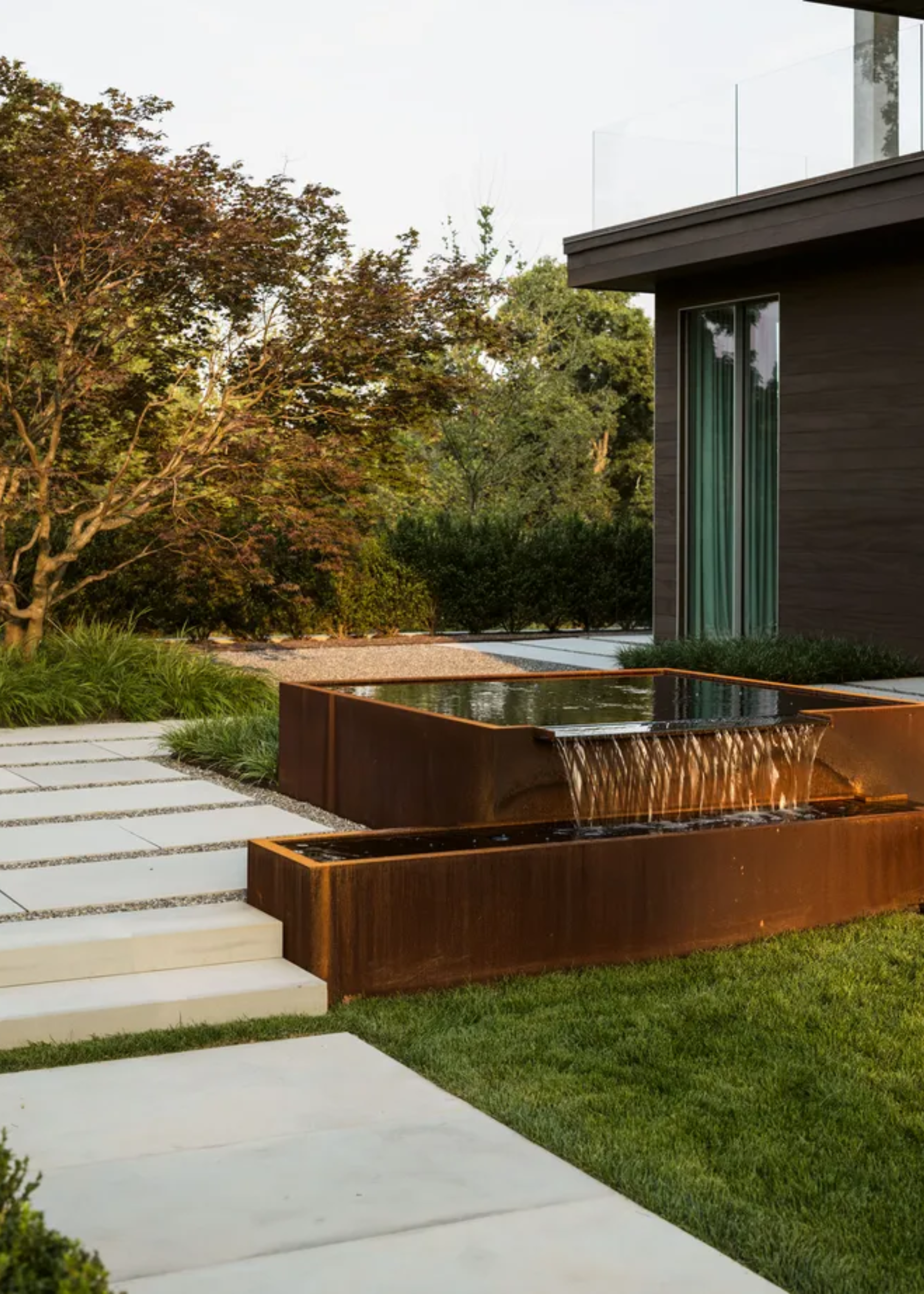
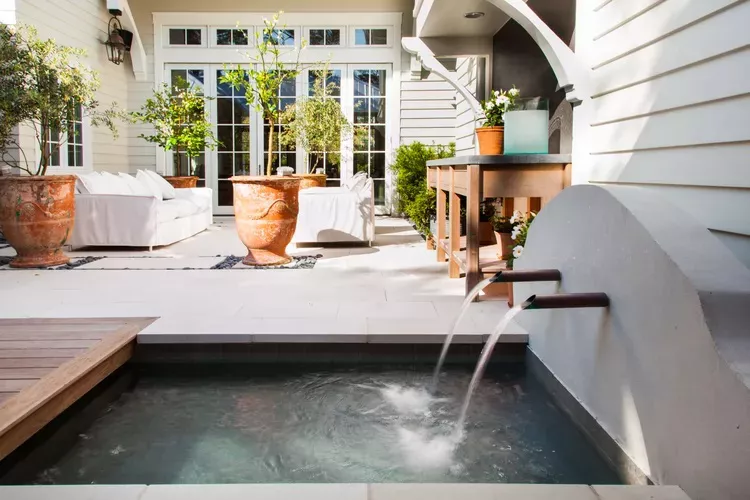
Innovative designs combine different elements, such as fire and water. Fire bowls with water spouts create a striking contrast in modern backyard designs, while steel trough water features bring the tranquil sound of flowing water to create a peaceful outdoor setting. Koi ponds, featuring Japanese fish known for their calm movement, instantly infuse an outdoor space with tranquility and are a relatively budget-friendly option.
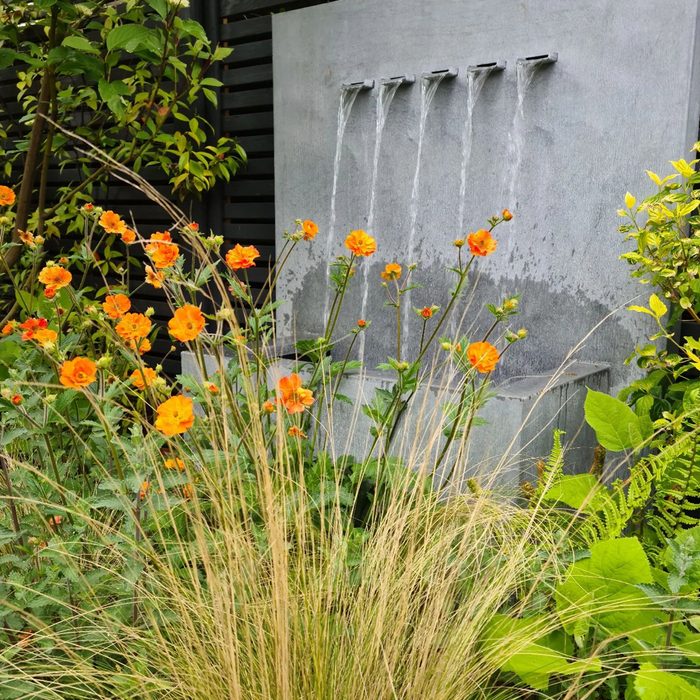
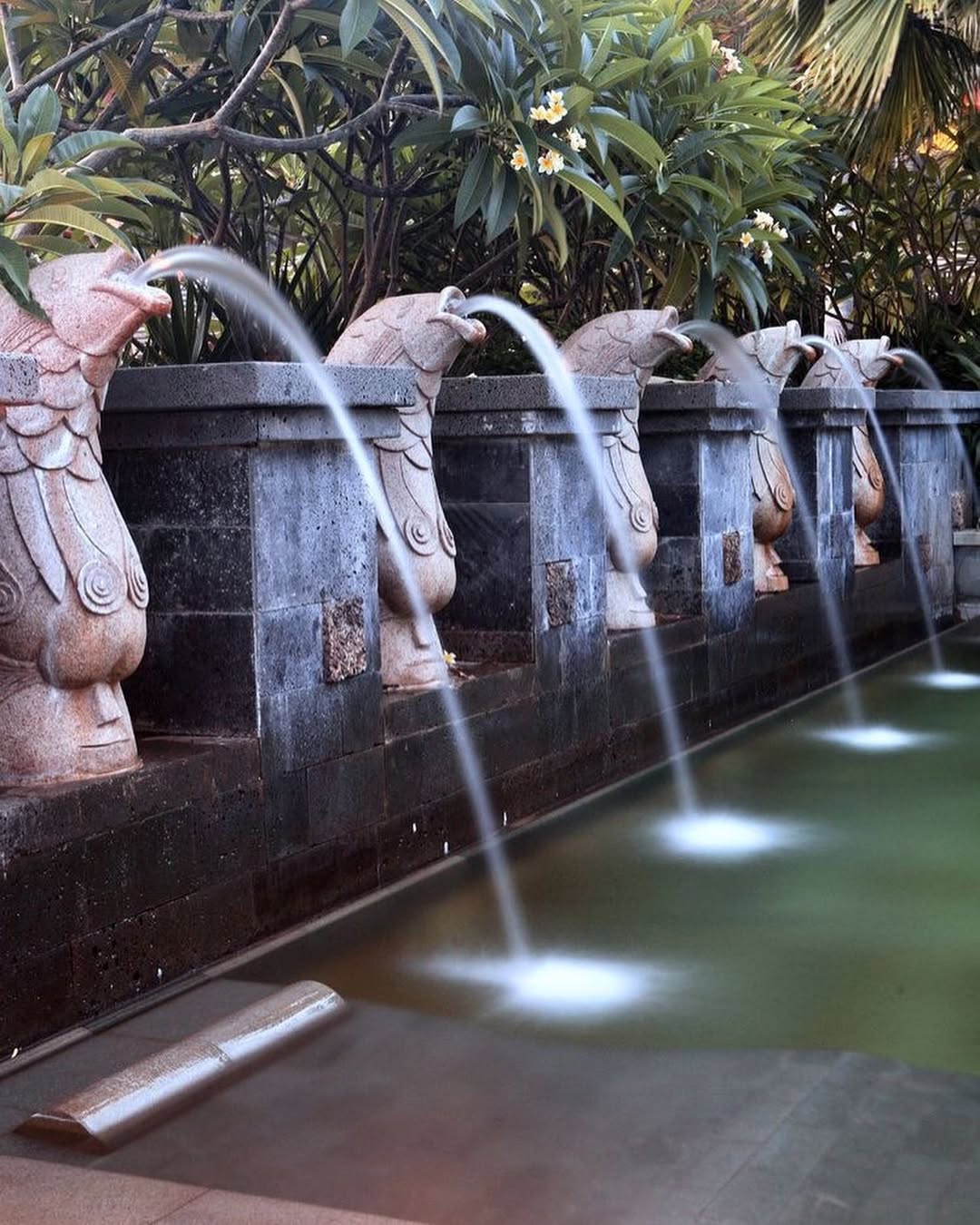
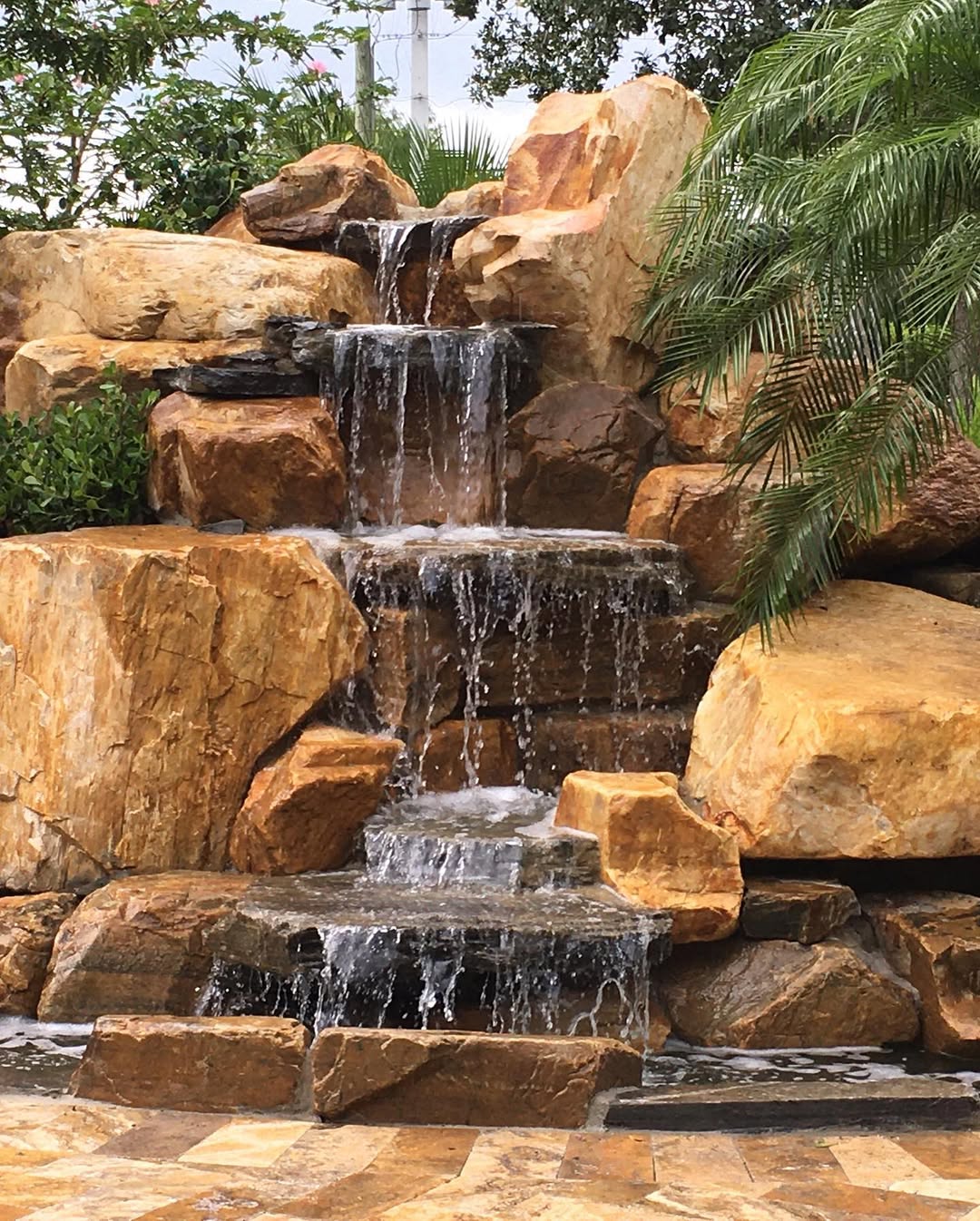
Symmetry can be achieved with matching water features flanking a pathway, contributing to a cohesive and relaxing garden design. Multiple water features, such as five spouts on a stone mosaic wall, ensure the calming sounds of water are audible throughout the backyard. Vertical installation on retaining walls is a space-saving solution for smaller yards, drawing the eye upward and blending seamlessly with surrounding plants. Boulder water features, combined with river rocks, create interesting water flow patterns and can be strategically placed in pathways.
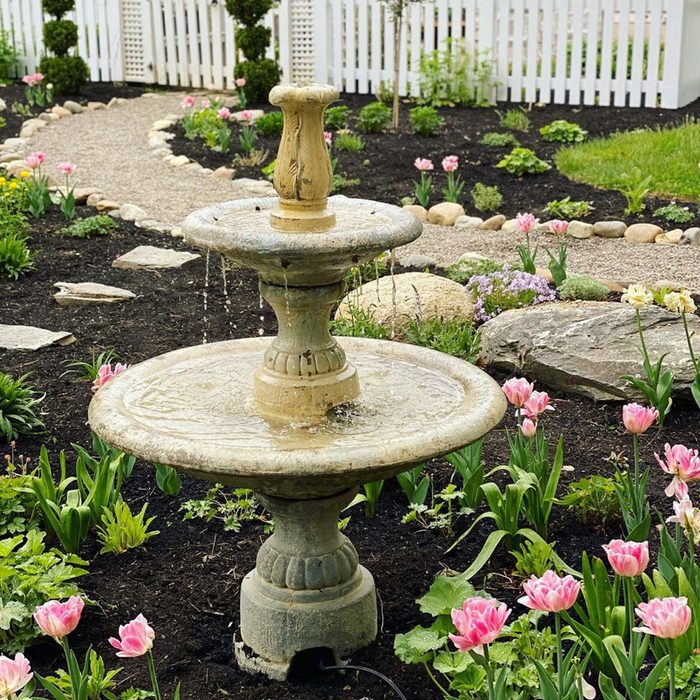
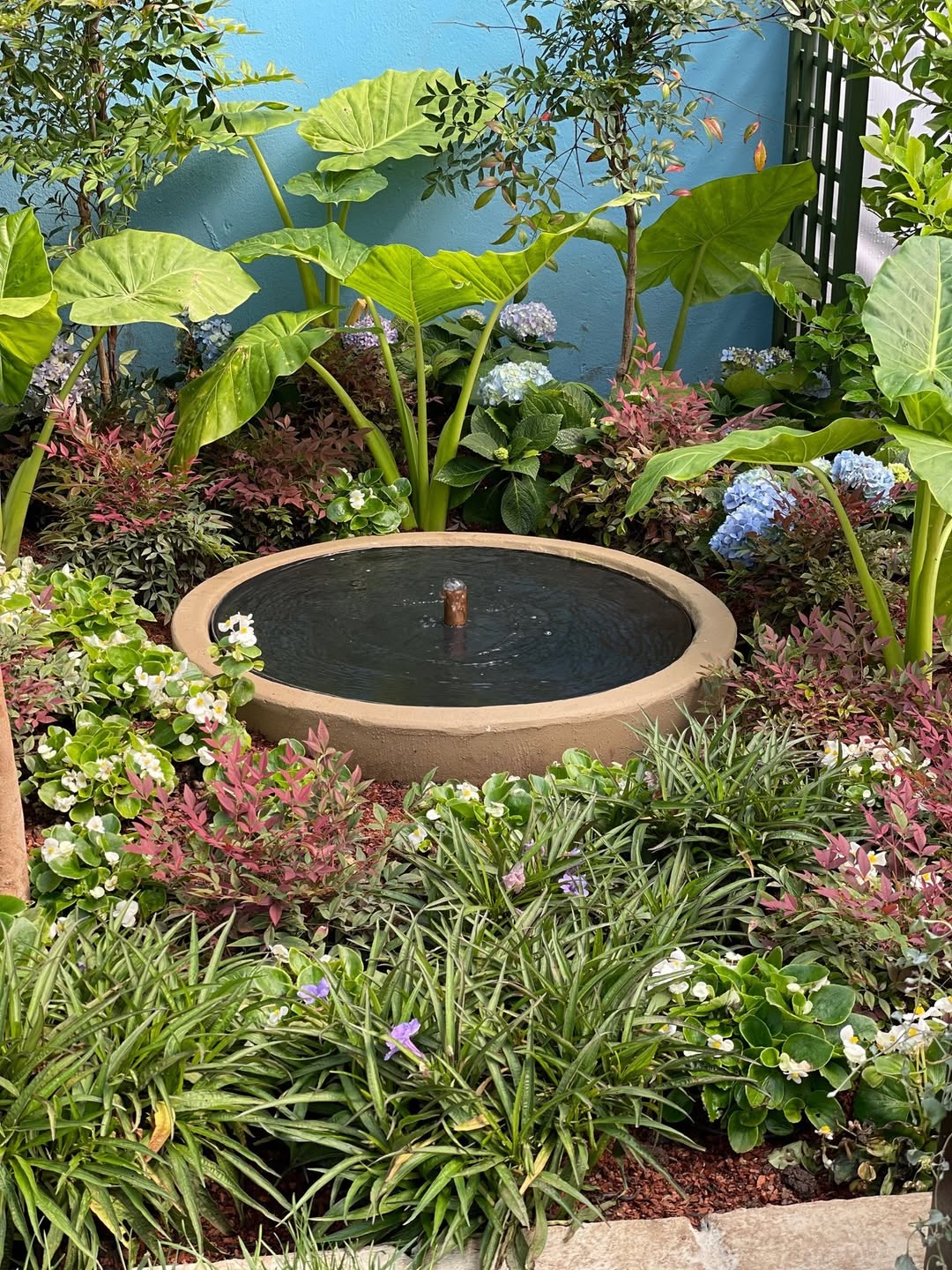
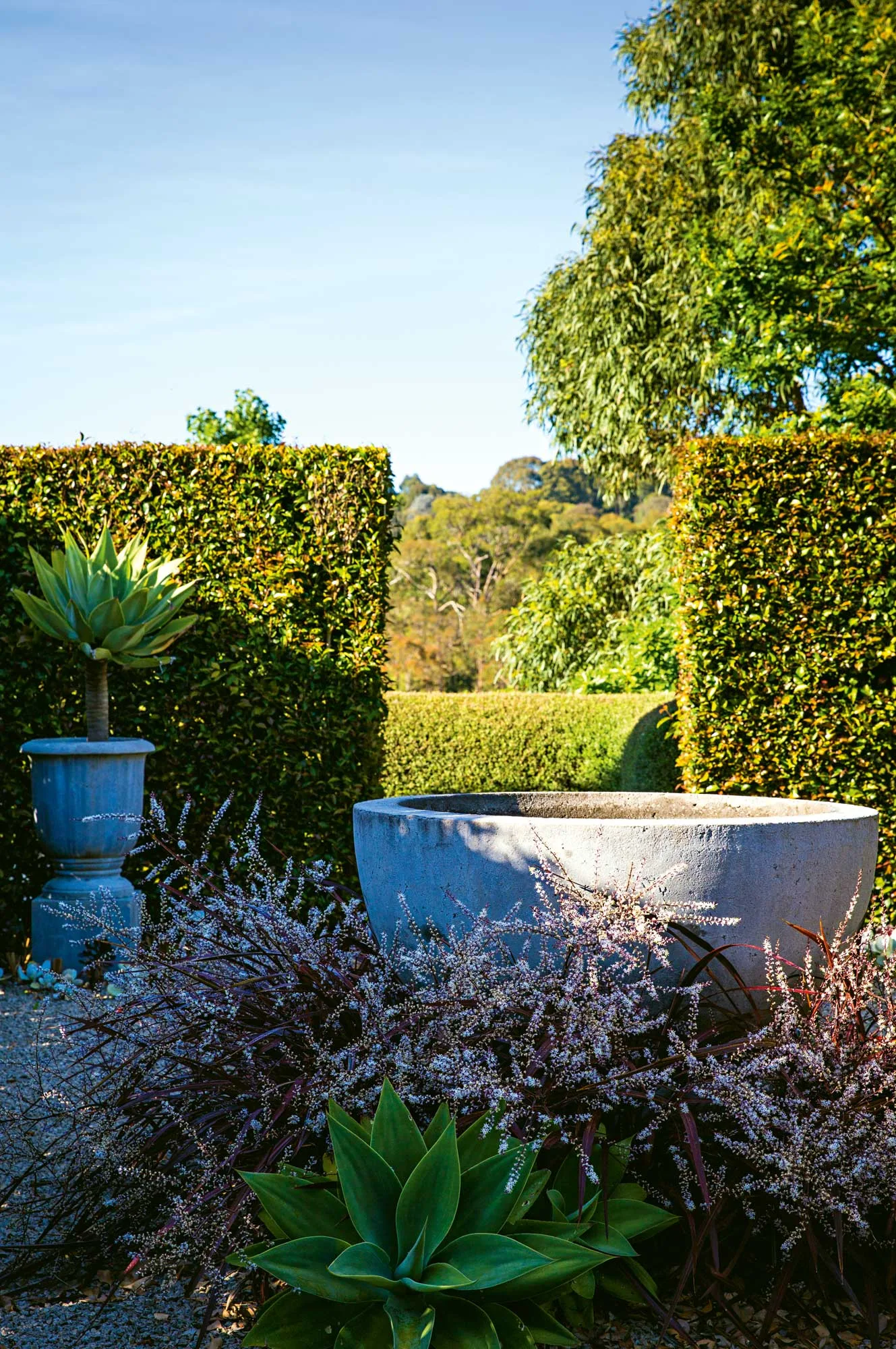
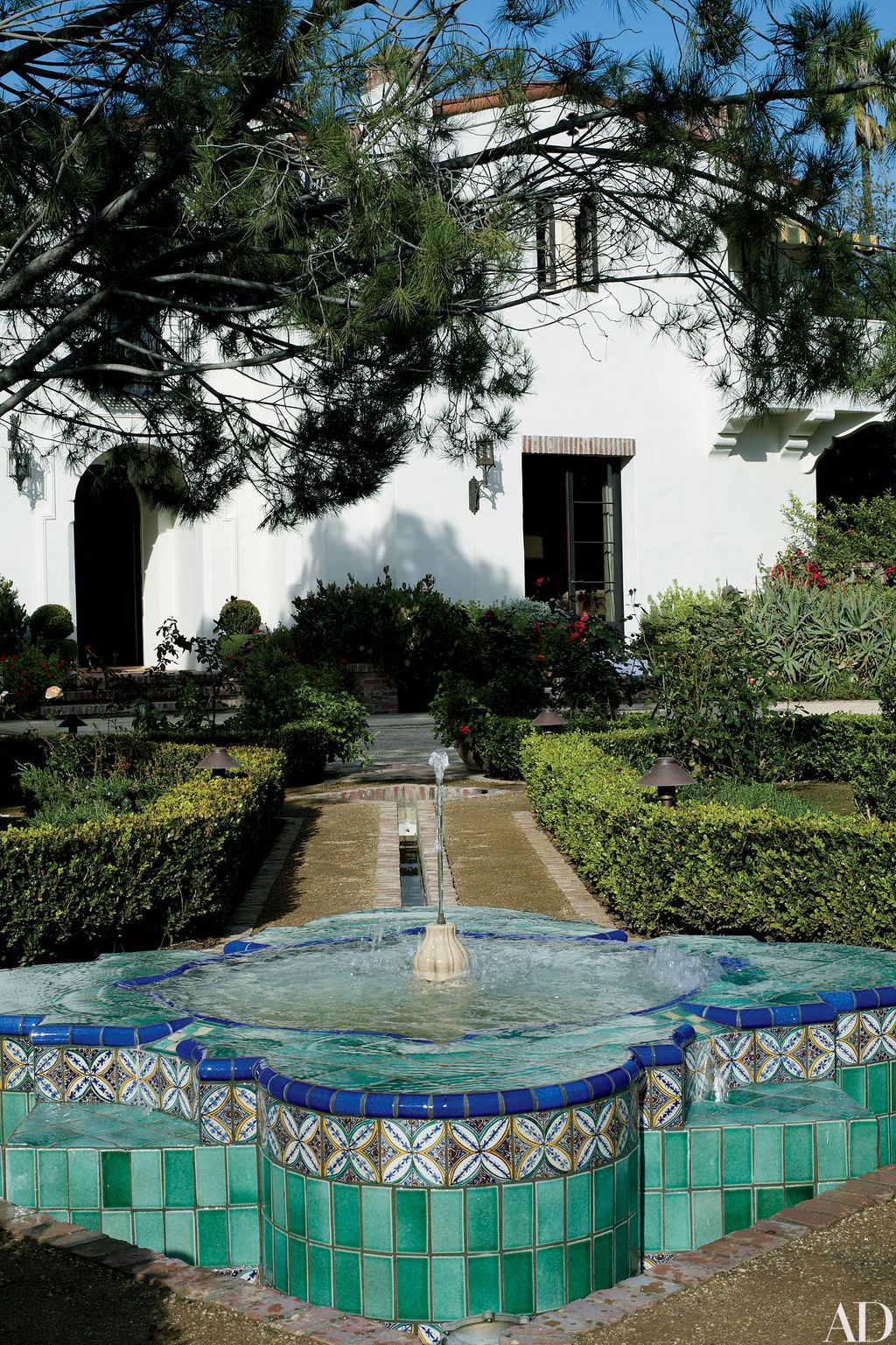
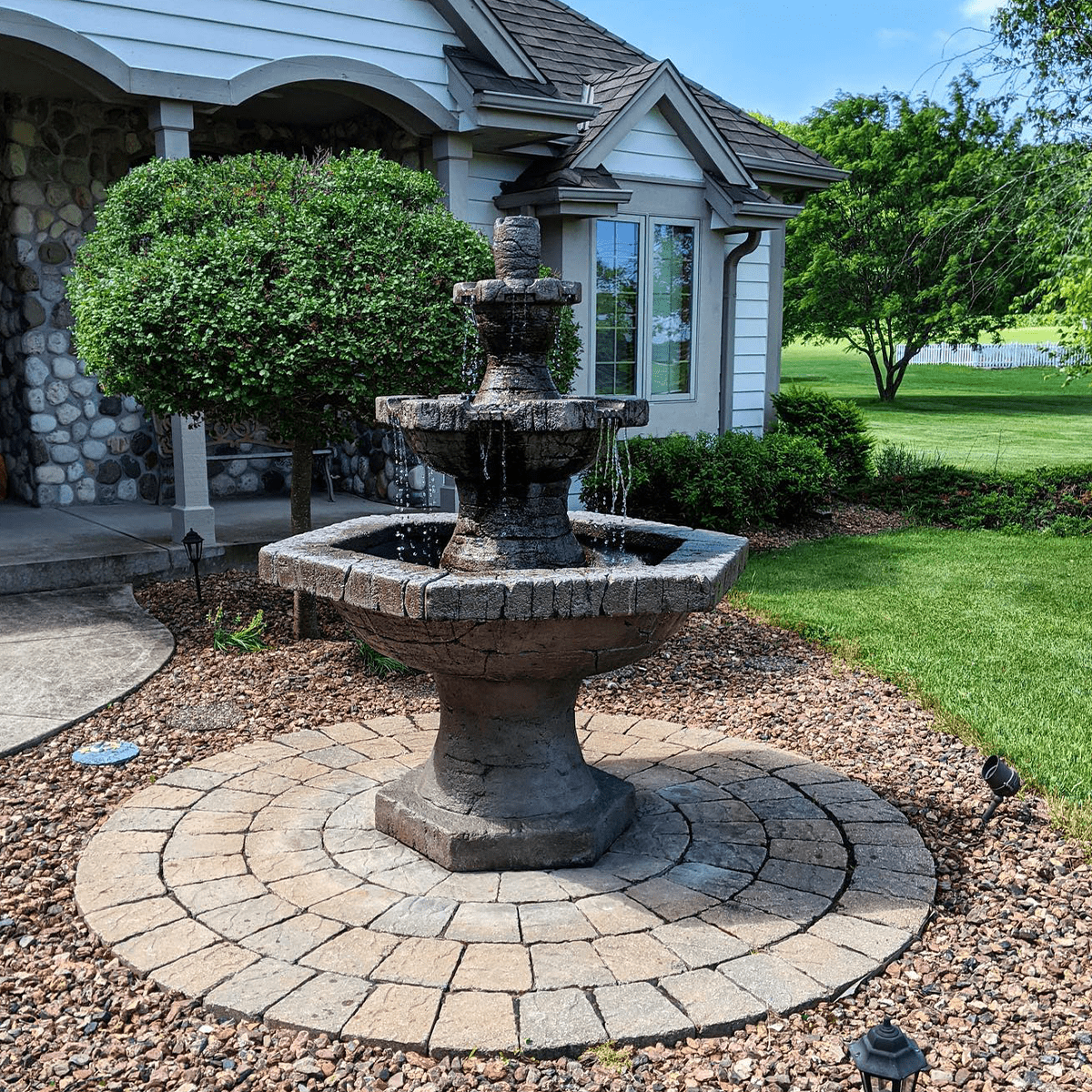
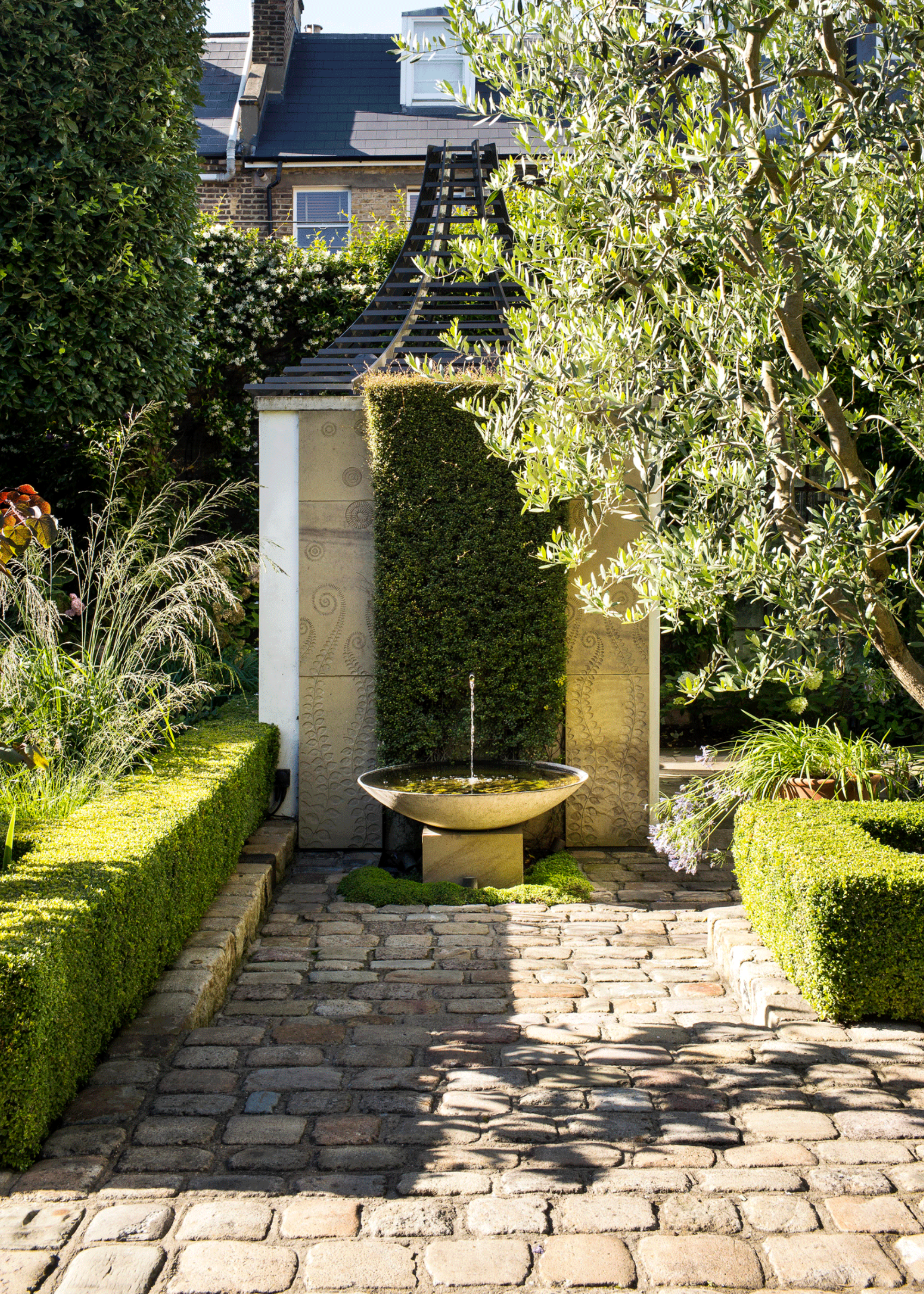
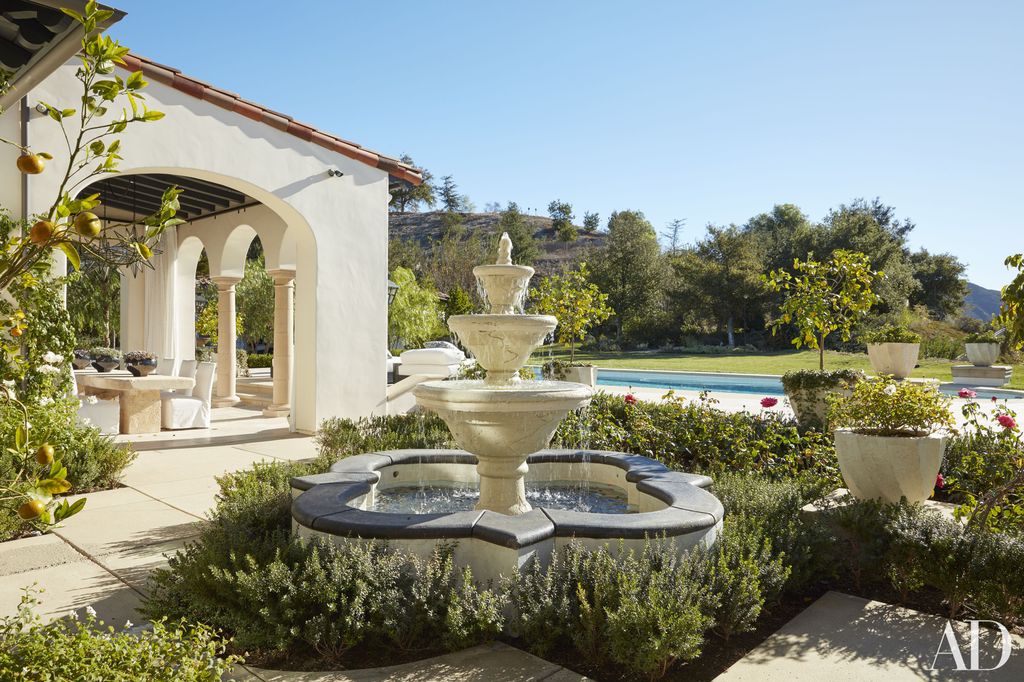
Some water features are designed to be functional, like stock tank pools that house plants and serve as water-saving mechanisms in drought-prone climates. Large water bowls, especially oversized resin ones, can be eye-catching additions in spacious yards. Tiered fountains with Spanish-inspired tile basins can become central focal points in courtyards, complemented by potted tropical plants. Contrasting sizes, such as a large basin with a small water spout, add visual interest to garden pathways.
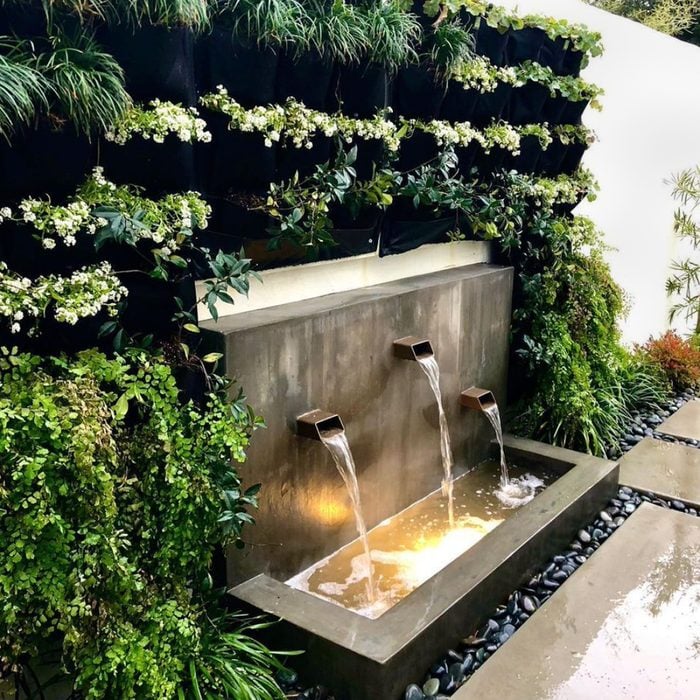
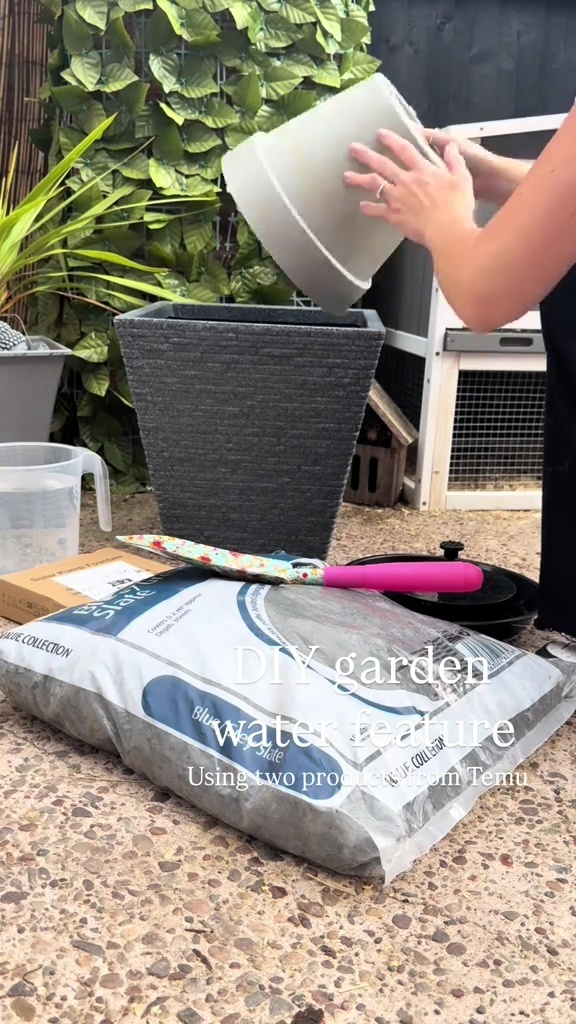
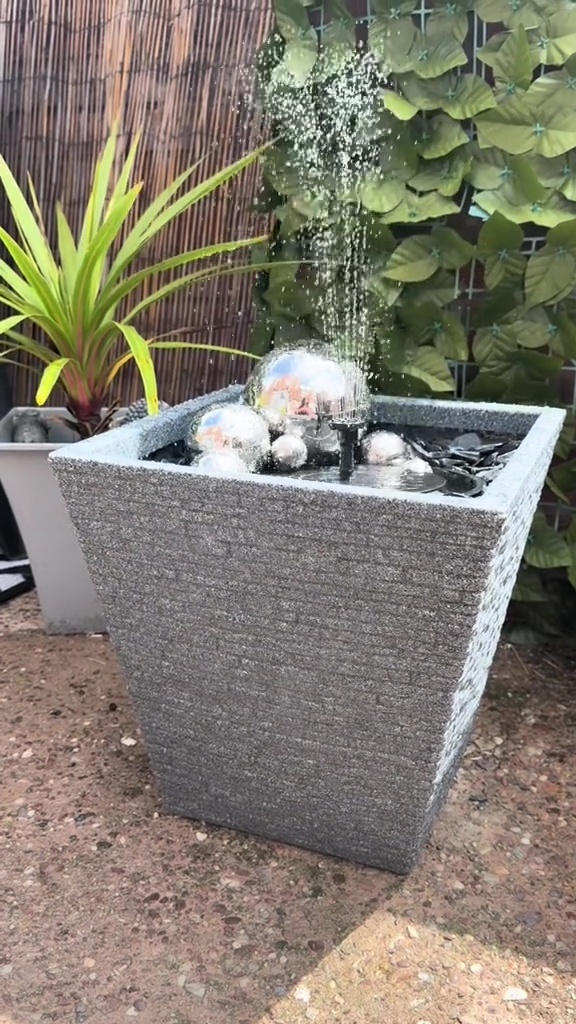
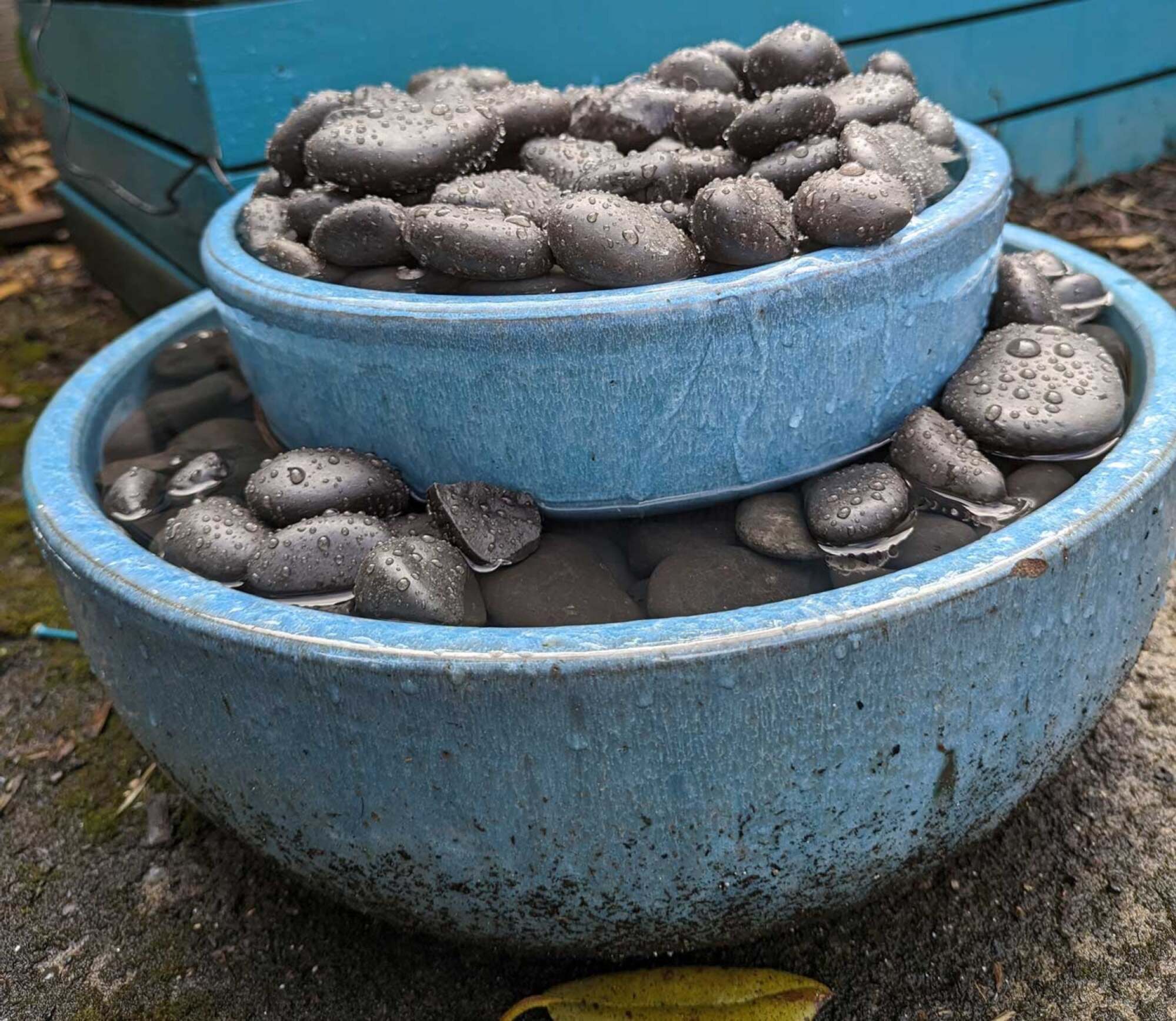
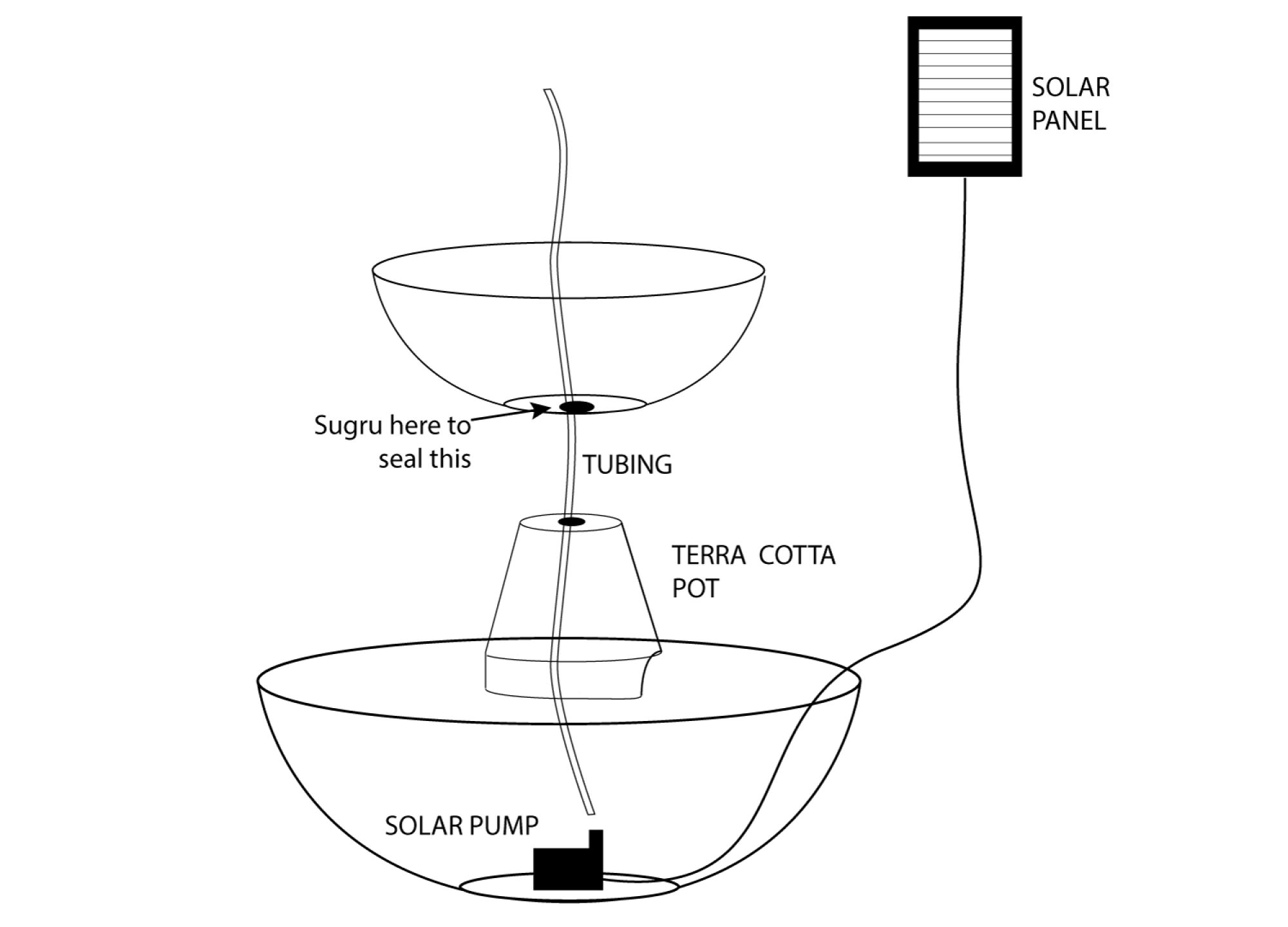
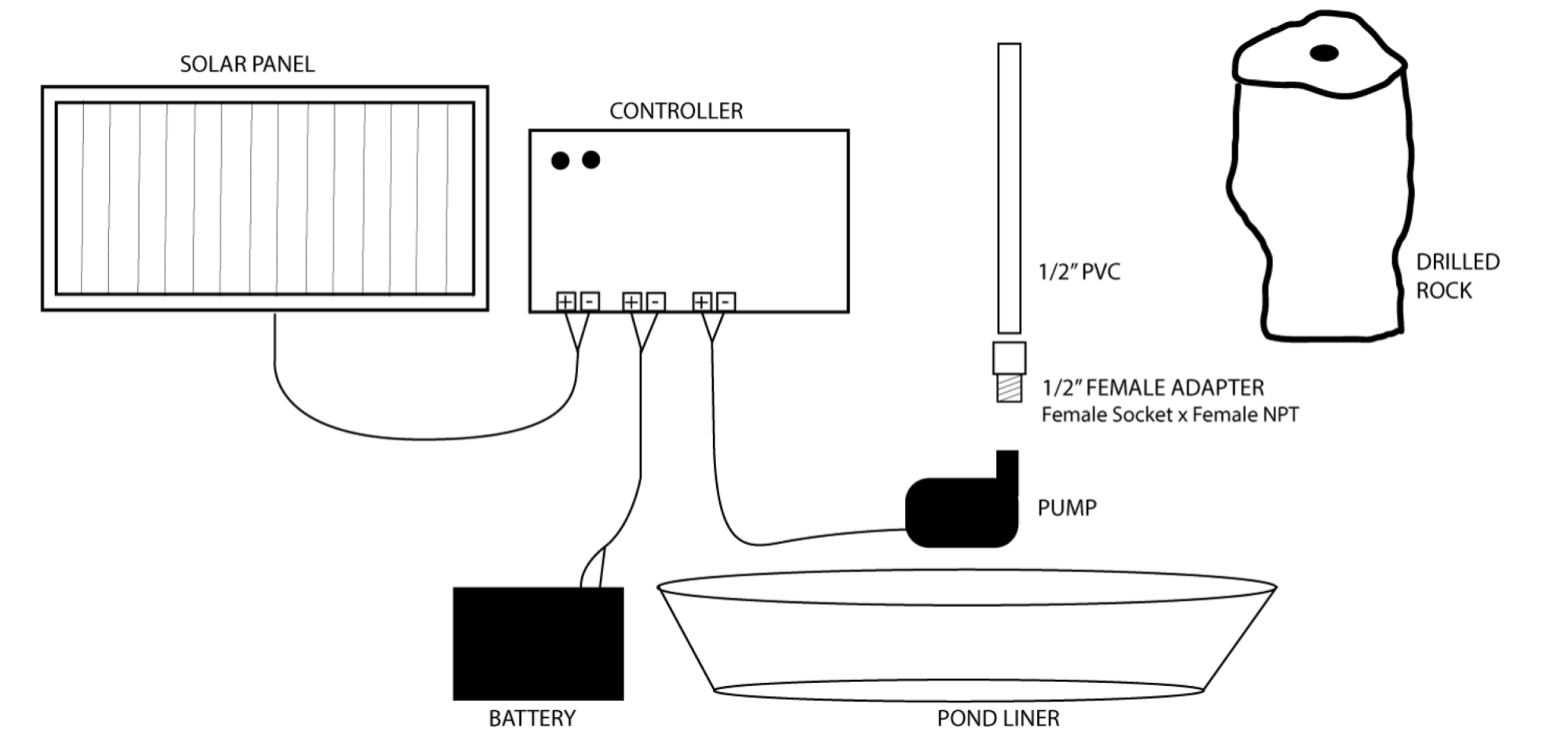
Sustainability can be a key aspect, with DIY solar-powered water fountains offering an eco-friendly way to enjoy the benefits of flowing water. Custom water features, often made from concrete and metal, can enhance the ambiance of a vertical garden wall, aligning with Feng Shui principles for outdoor spaces. Integrating water features into existing pool designs, such as spouts from a retaining wall, is also a common approach.
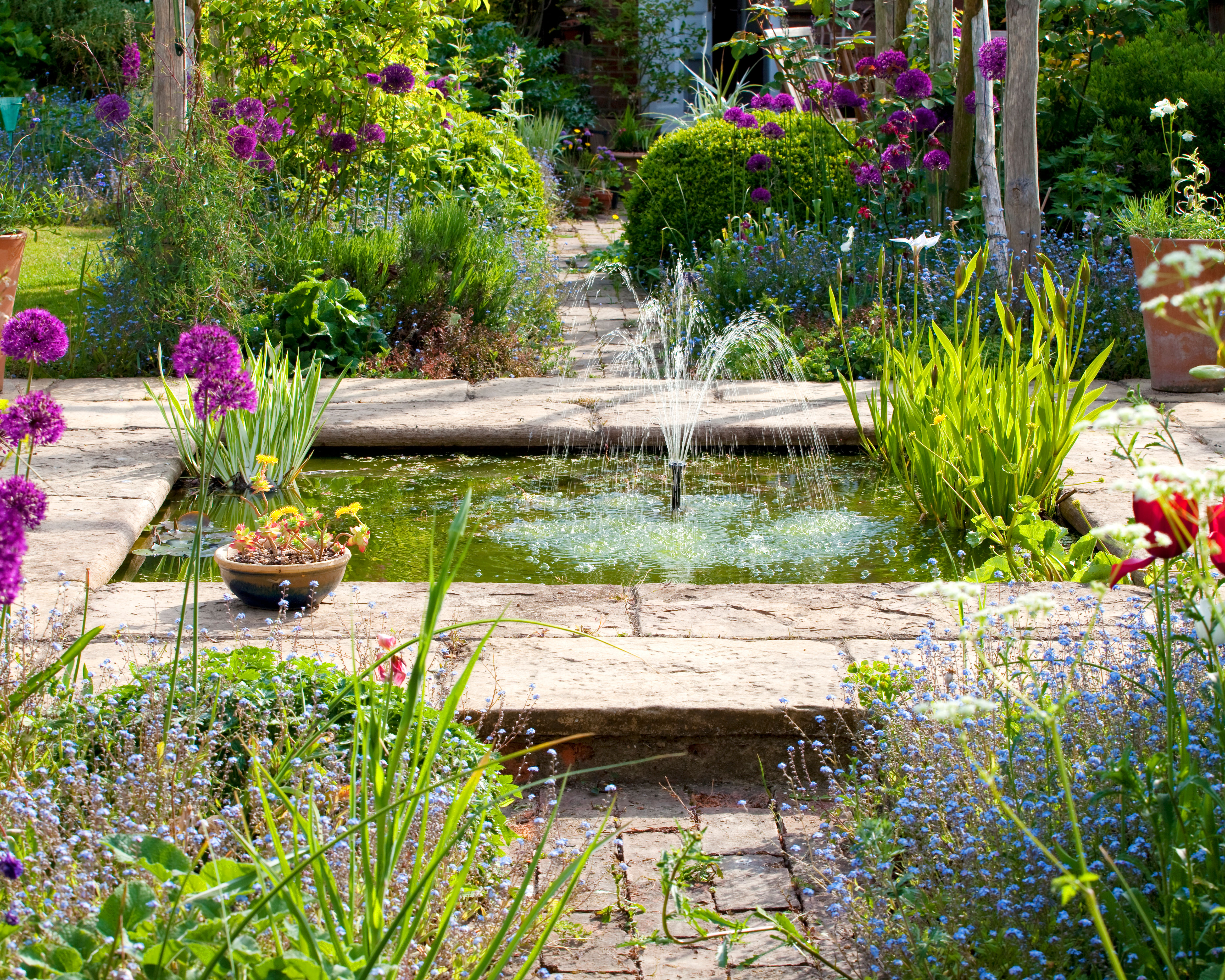
Plunge pools serve as excellent water features for smaller areas, and can be heated for night swims. Natural boulder and stone features around pools and spas can create the illusion of a natural lagoon. Elaborate stone water features, complete with growing vines, offer a dramatic statement for those with a larger budget. Small ponds with spouts can transform compact backyards into relaxing getaways.
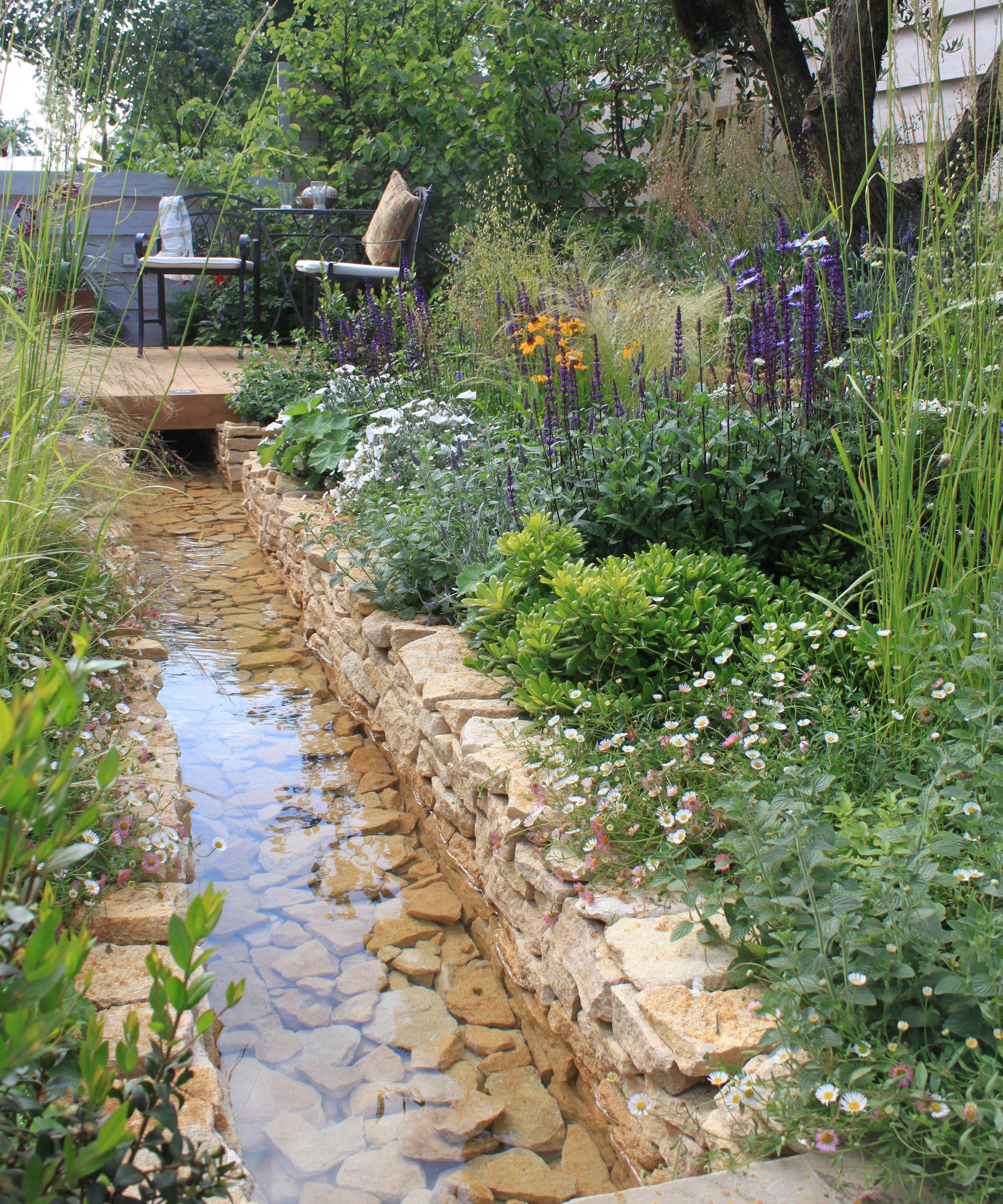
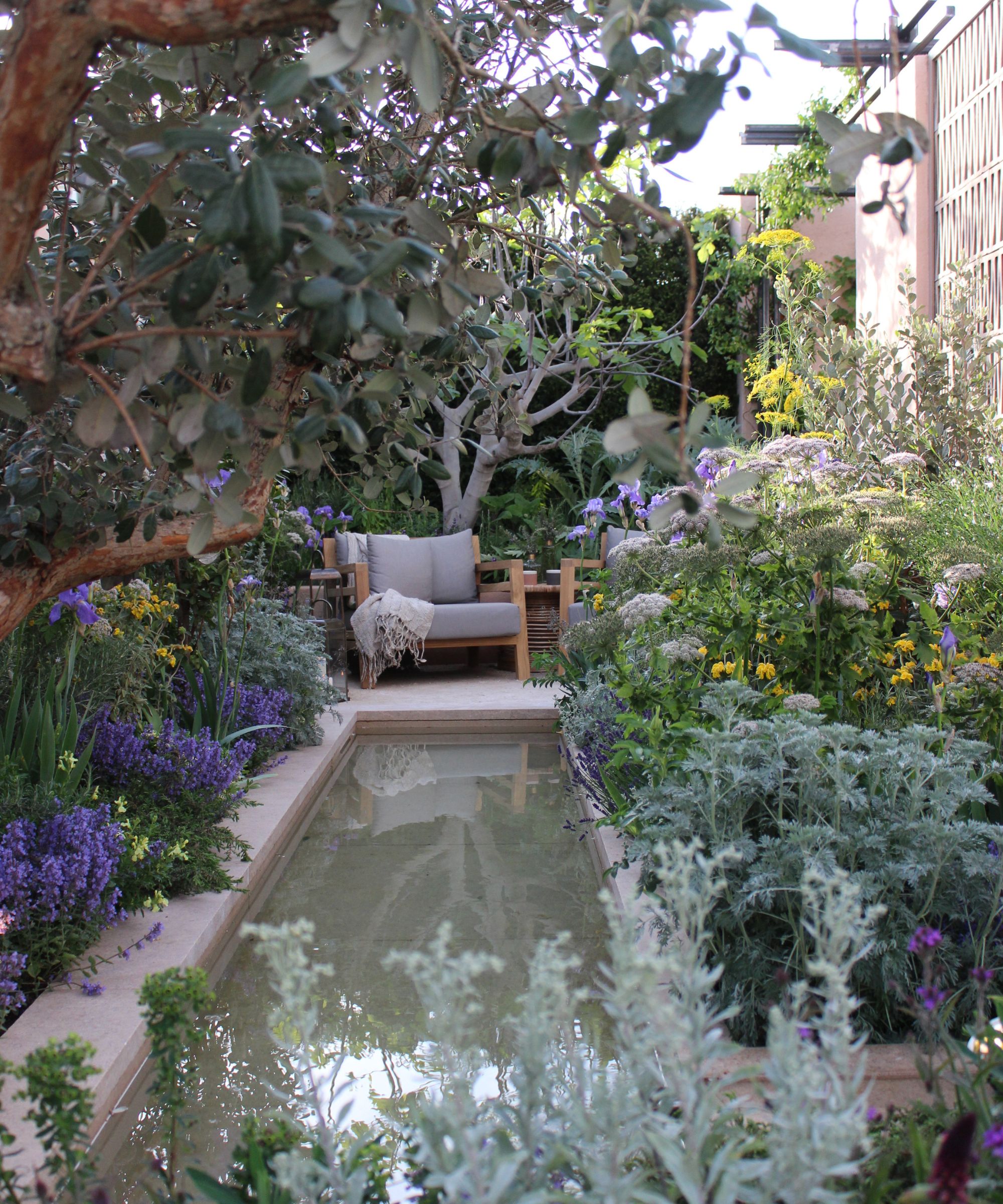
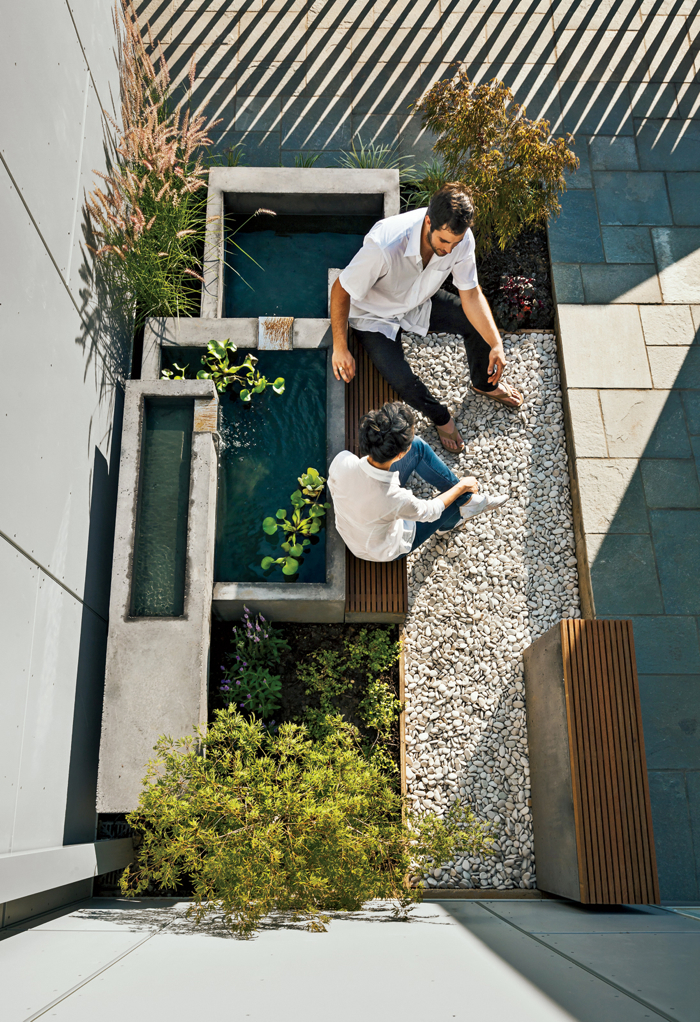
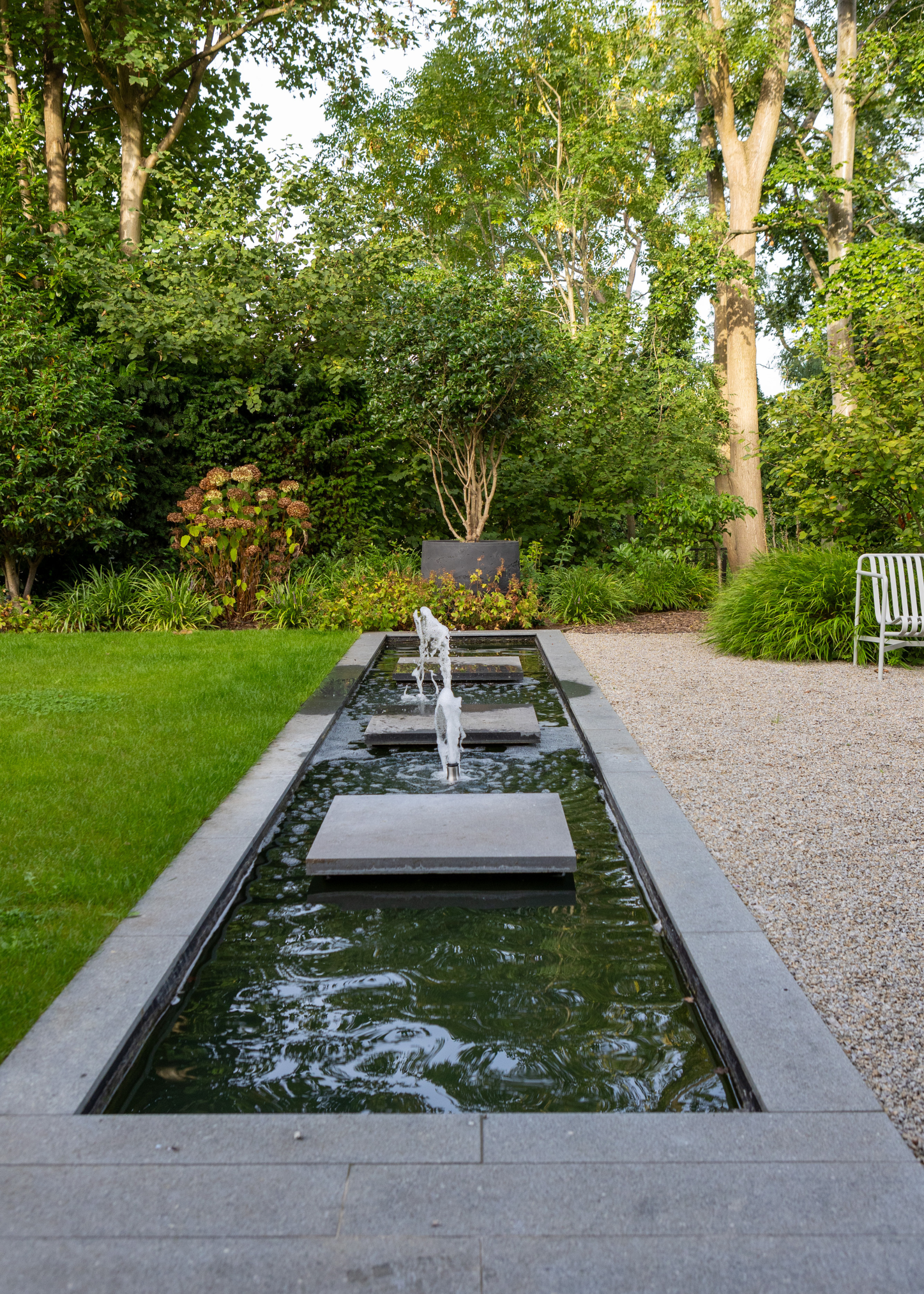
Built-in ponds, especially those integrated into decks with lily pads, bridge the gap between paved and green spaces. Water feature walkways, like a teak wood path over a pond with spouts, enhance the flow and sensory experience of a garden. Natural water features, such as narrow ponds built into retaining walls, utilize existing landscape elements. Artistic water fountains can double as garden art, completing the look of a pond.
Tuscan-inspired wall-mounted fountains trickling into a pond evoke European charm, especially when paired with lush gardens and textured privacy walls. Elevated water features mimic waterfalls without significant cost, and can be adorned with lily pads. Incorporating water features into outdoor dining areas elevates the experience with soothing sounds. Unexpected placements, like a water feature at the bottom of deck stairs, utilize overlooked spaces.
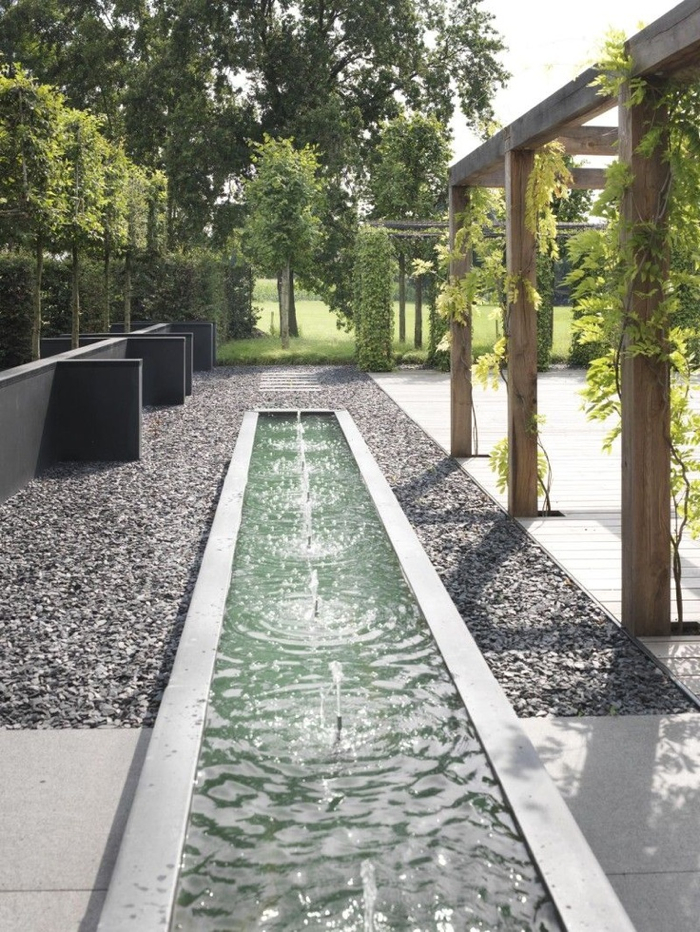
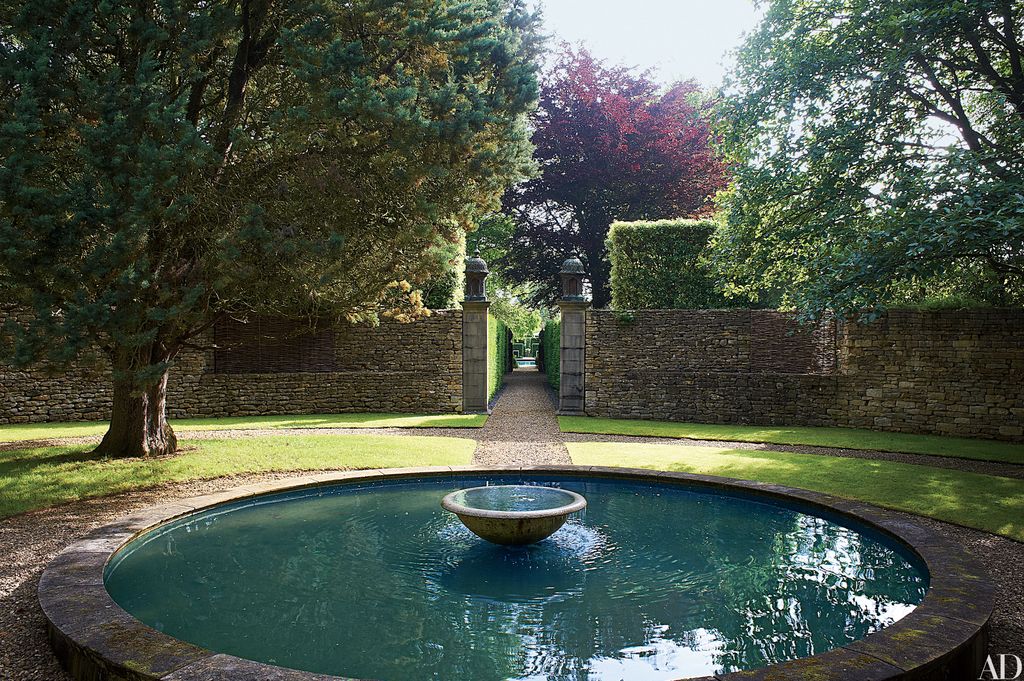
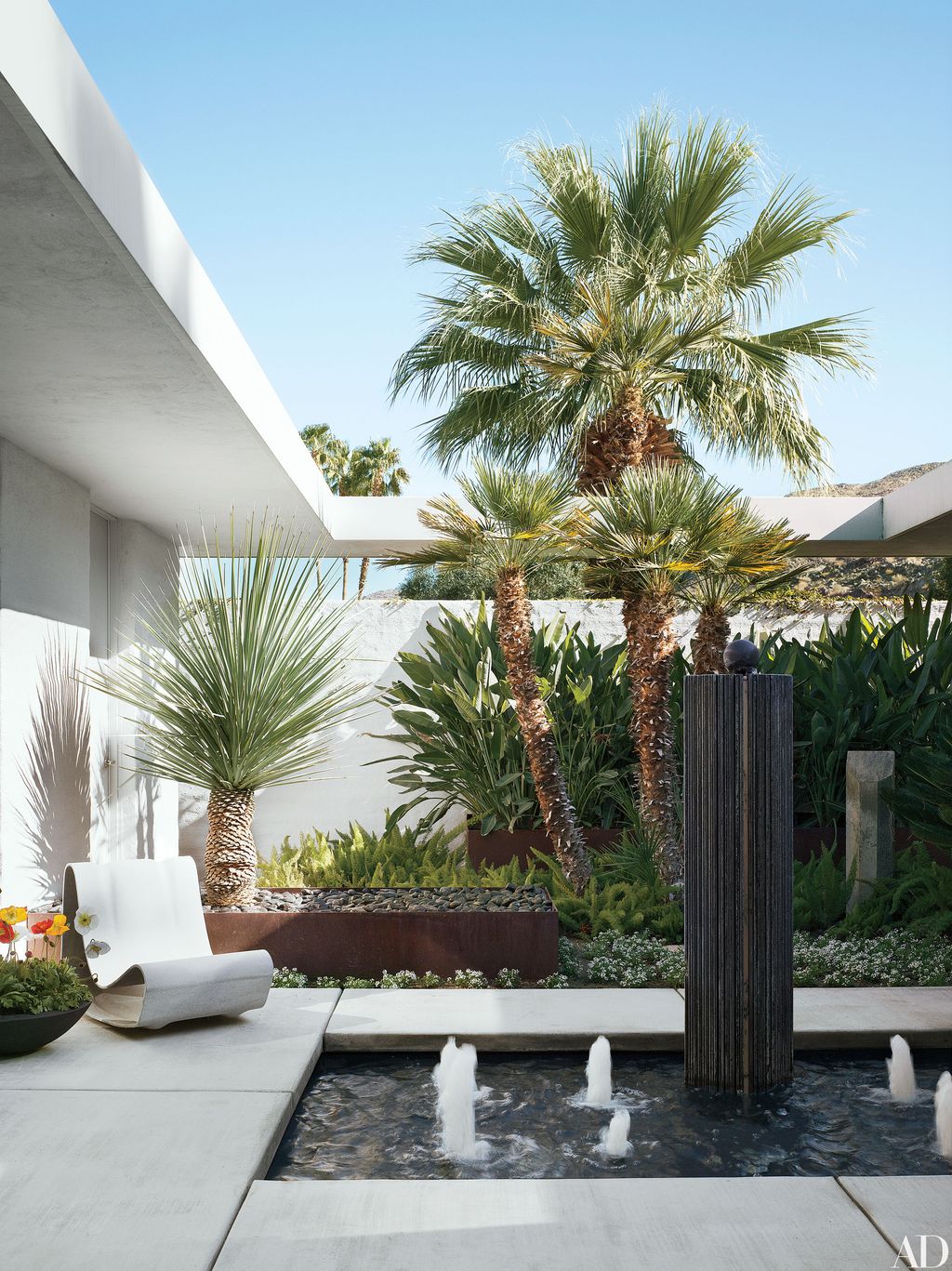
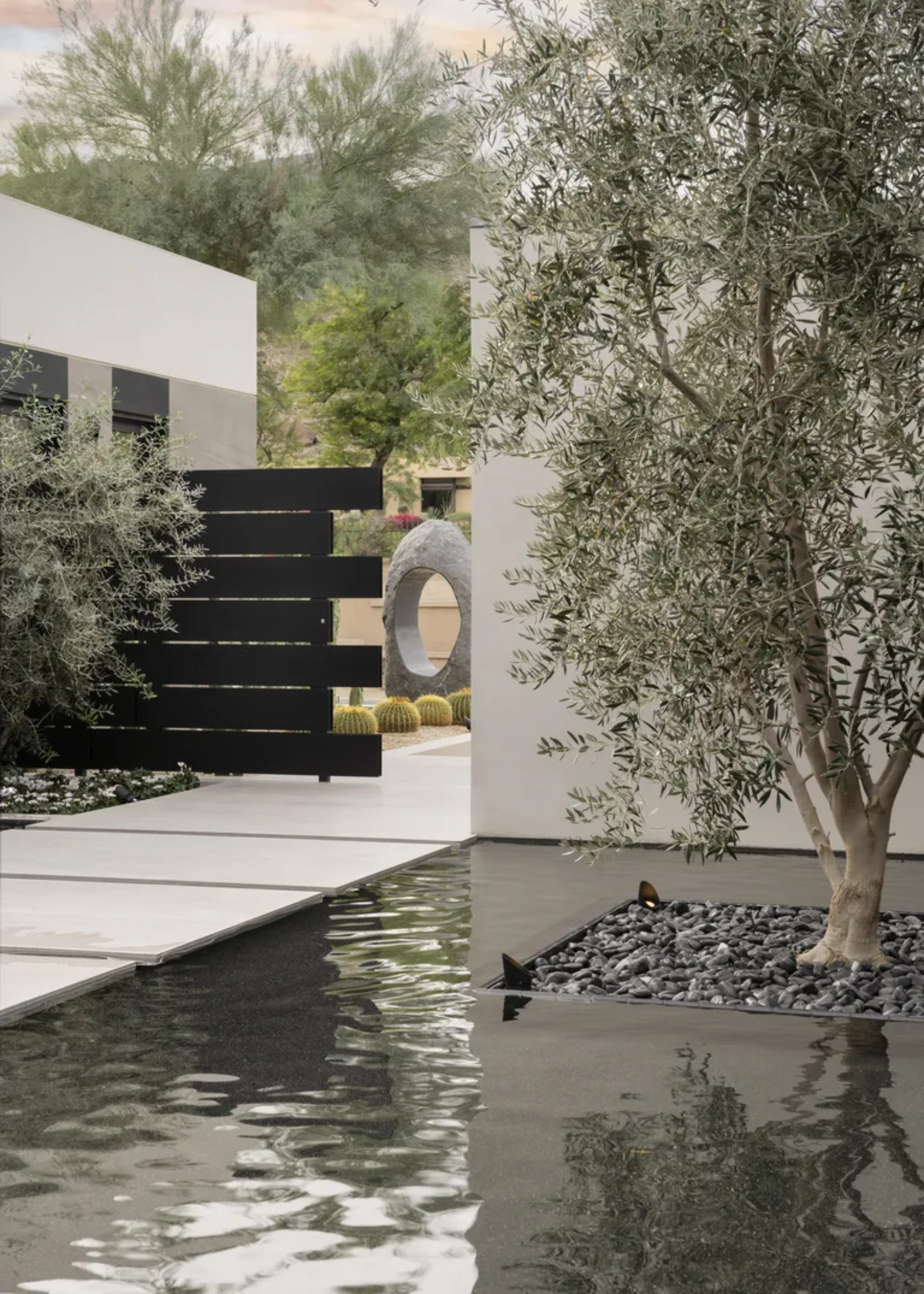
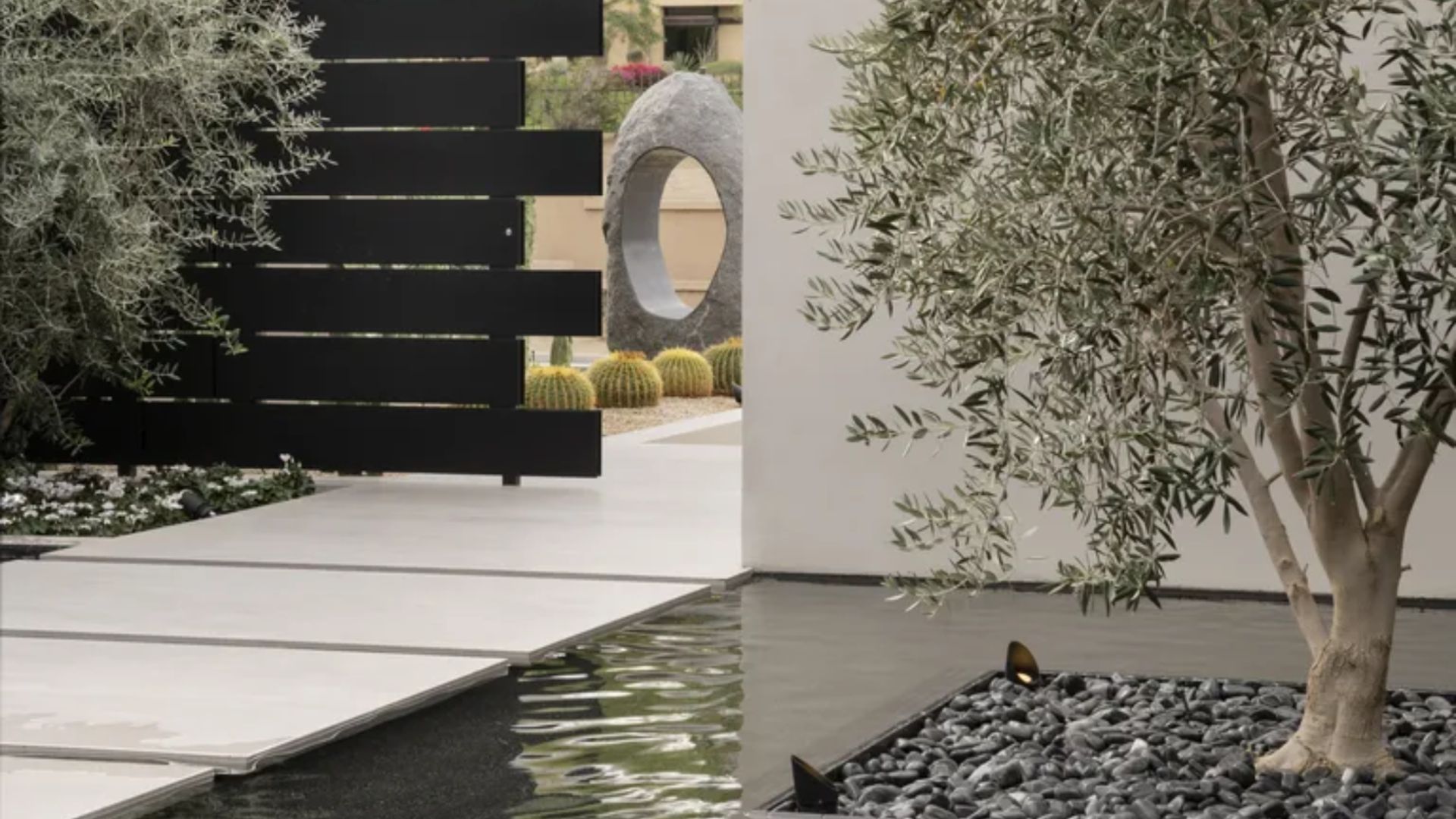
Modern water features often incorporate sleek materials like fire glass, river stones, and copper pipes for added color and texture. Water spout additions to existing ponds improve visual appeal and help keep the water oxygenated and clean. Round water features with manicured hedges offer a polished, symmetrical look. Utilizing natural creeks by adding native plants and boulders enhances their inherent beauty.
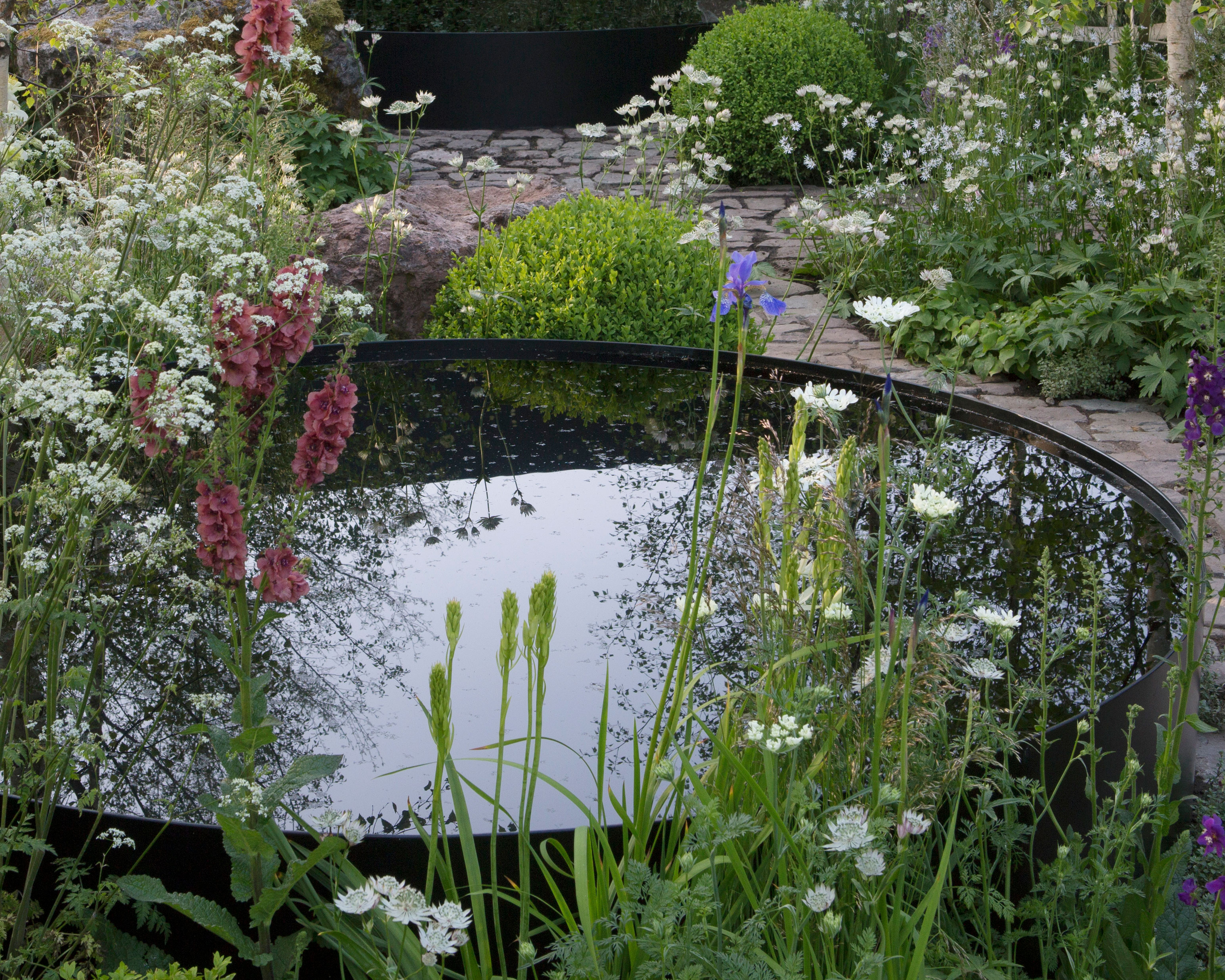
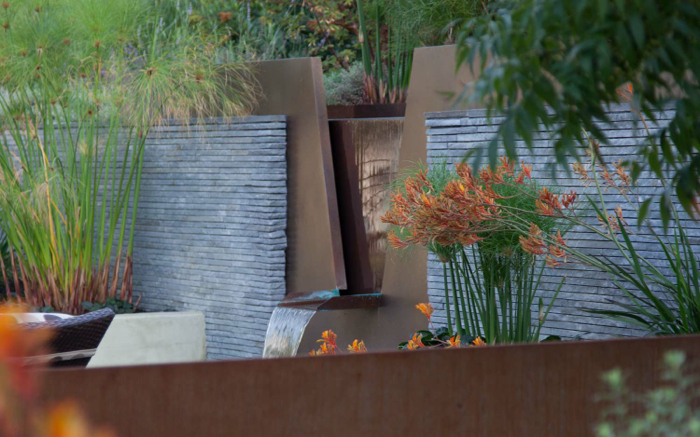
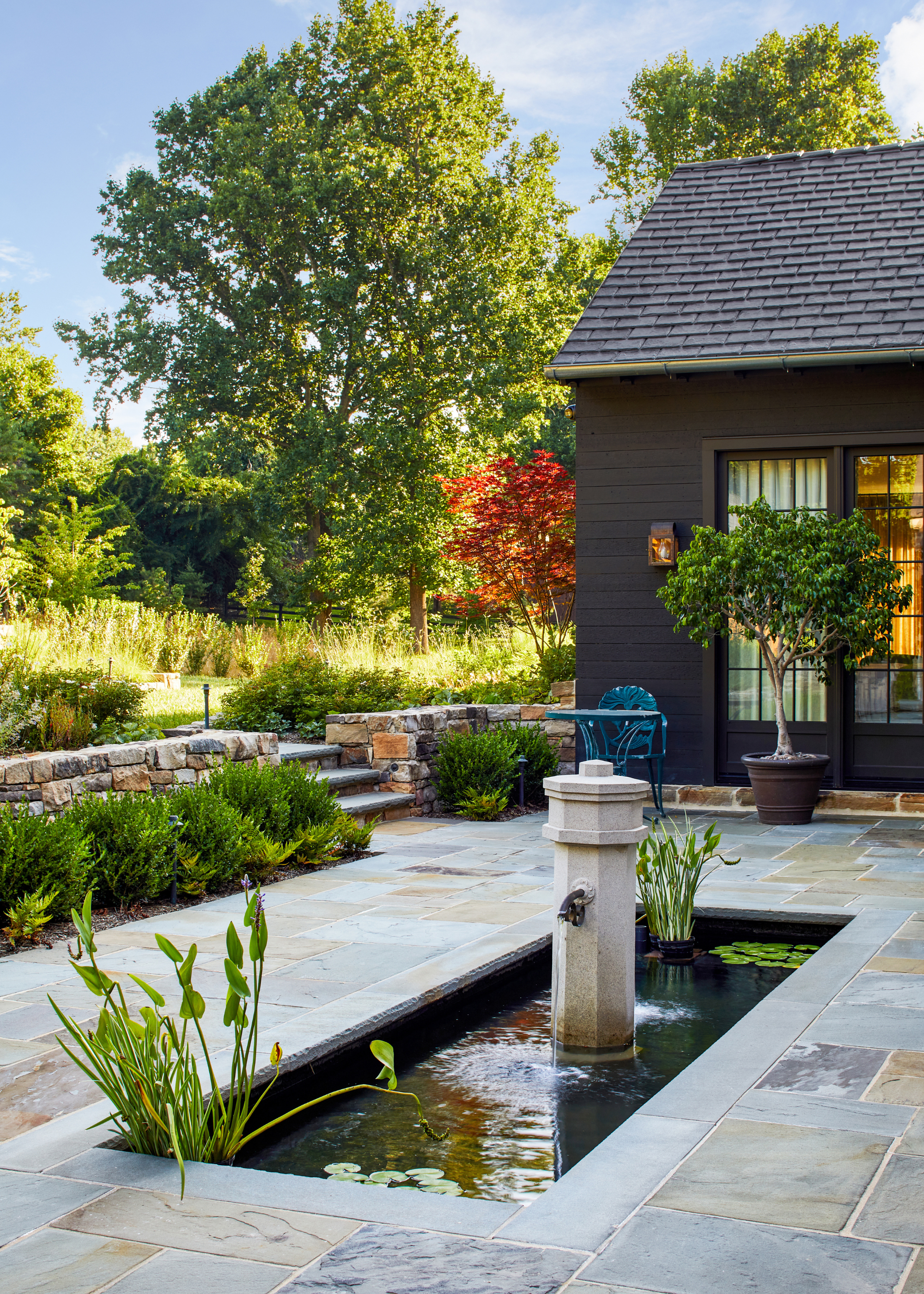
For ultimate backyard transformations, professional landscape architects can design complex water features like waterfalls, creek beds, and rock gardens. Infinity water features, where water cascades between metal bodies, provide a contemporary and clean aesthetic. Grand limestone water features surrounded by boxwoods and perennials create welcoming front entrances. Unconventional designs, such as a long metal spout with a round steel pond, function as both water features and garden art.
Regarding practical considerations, water features in hot climates benefit from partial shade to reduce evaporation, while in cooler climates, placement should prioritize enjoyment. Low-maintenance options include fountains with free-flowing water and pumps, as standing water features require regular cleaning or filtration to prevent algae. Decorating the inside of small water features involves selecting items based on personal style, arranging larger elements like driftwood and rocks, and filling gaps with smaller pebbles and floating plants. The best location for a water feature is one where its sounds can be enjoyed, considering proximity to a power source and safety for children and pets.
#WaterFeatures #LandscapeDesign #OutdoorLiving #GardenDesign #HomeDecor #BackyardIdeas #FountainDesign #PondDesign #OutdoorOasis #WaterFeatures #LandscapeDesign #OutdoorLiving #GardenDesign #HomeDecor #BackyardIdeas #FountainDesign #PondDesign #OutdoorOasis
0 comment in total
 No comments yet
You may also like
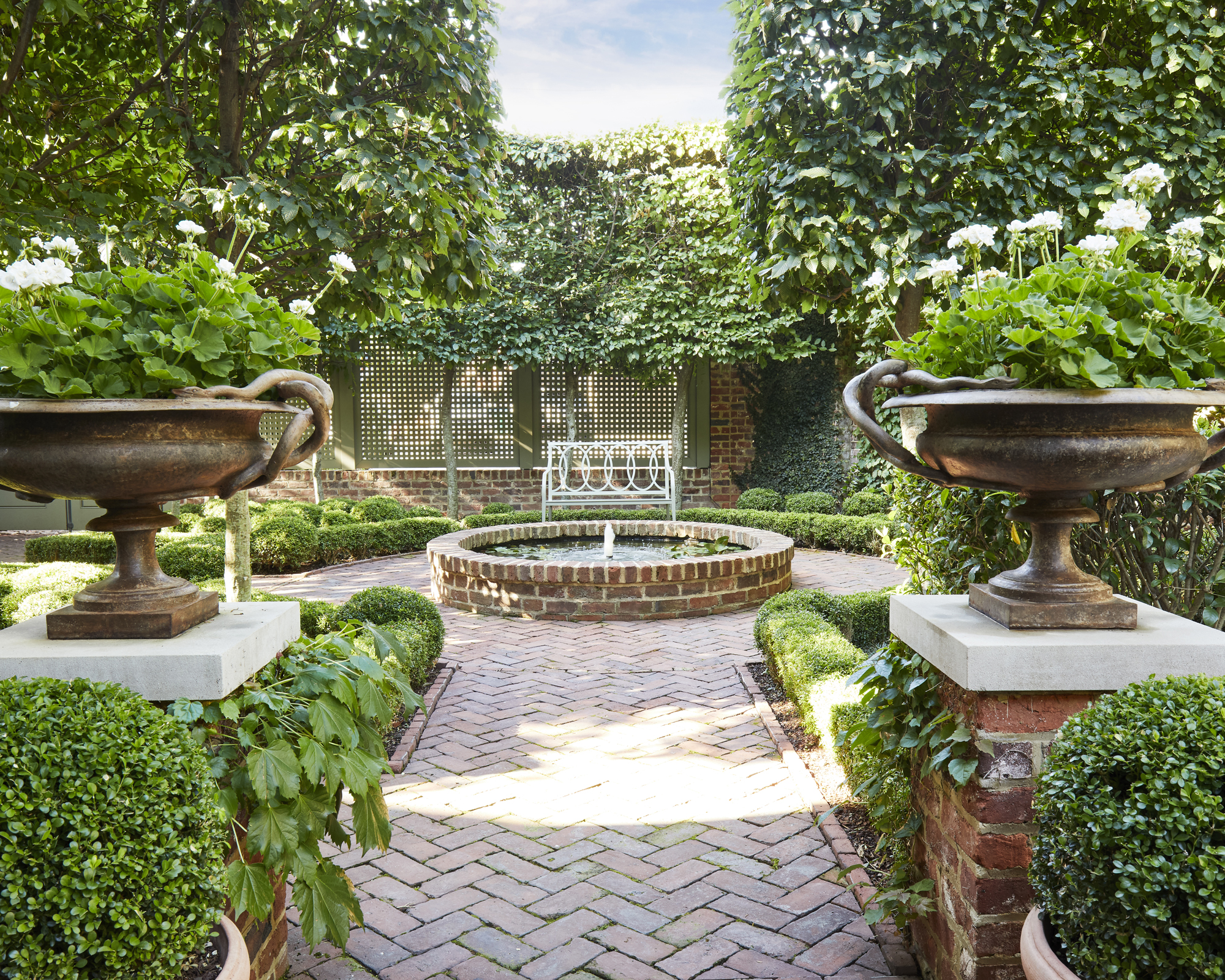
Water feature ideas – 11 ways to add water to any backyard

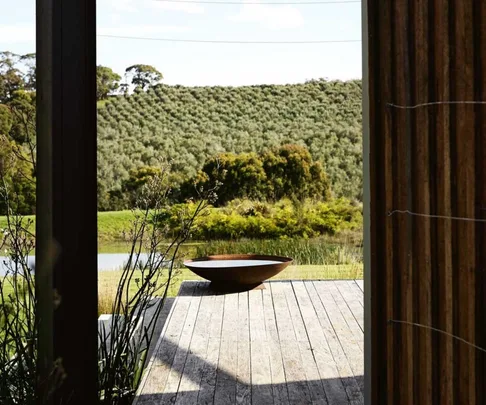
Outdoor water features to turn your garden into a zen oasis

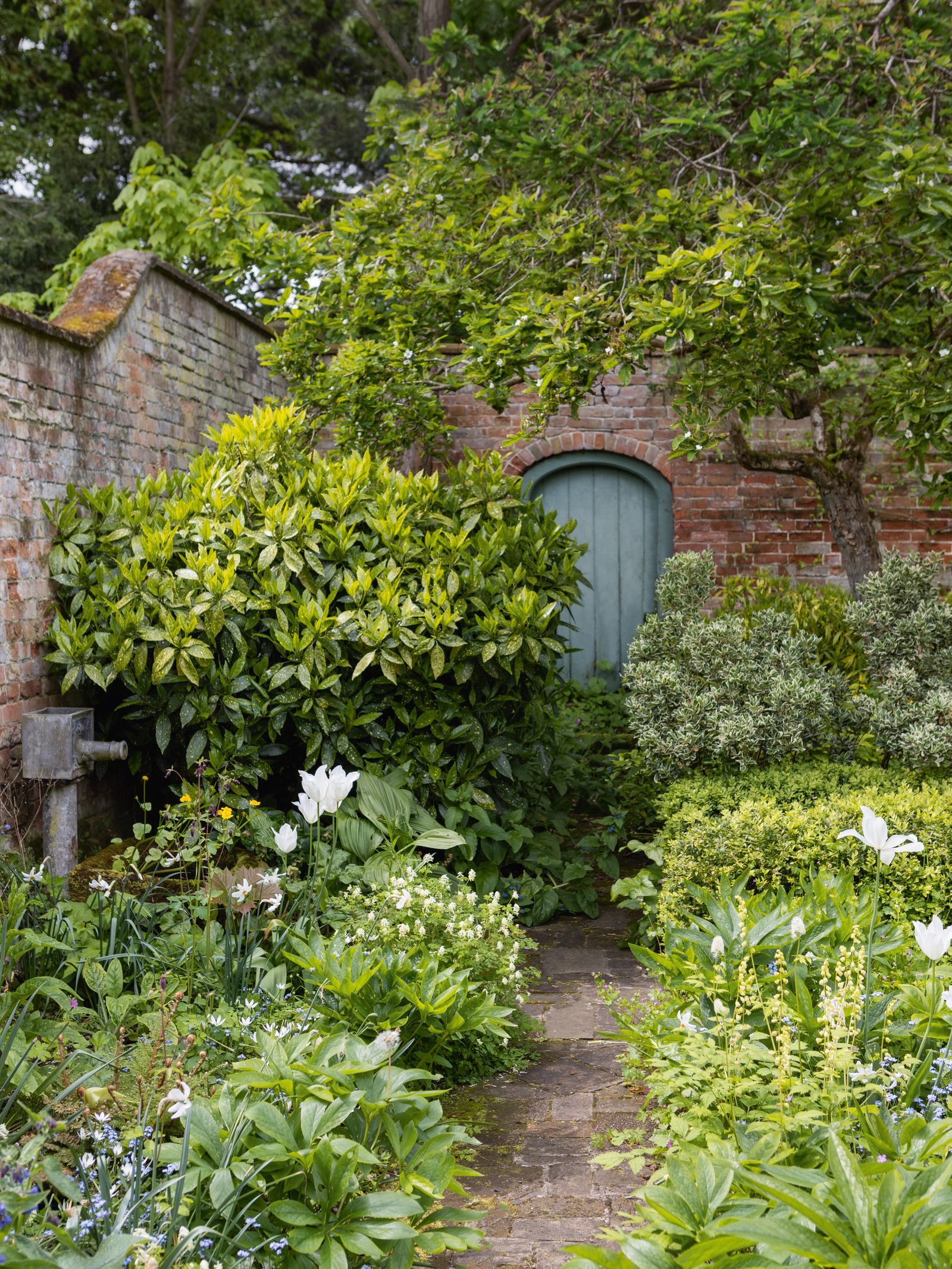
19 simple garden ideas for every style, size and budget
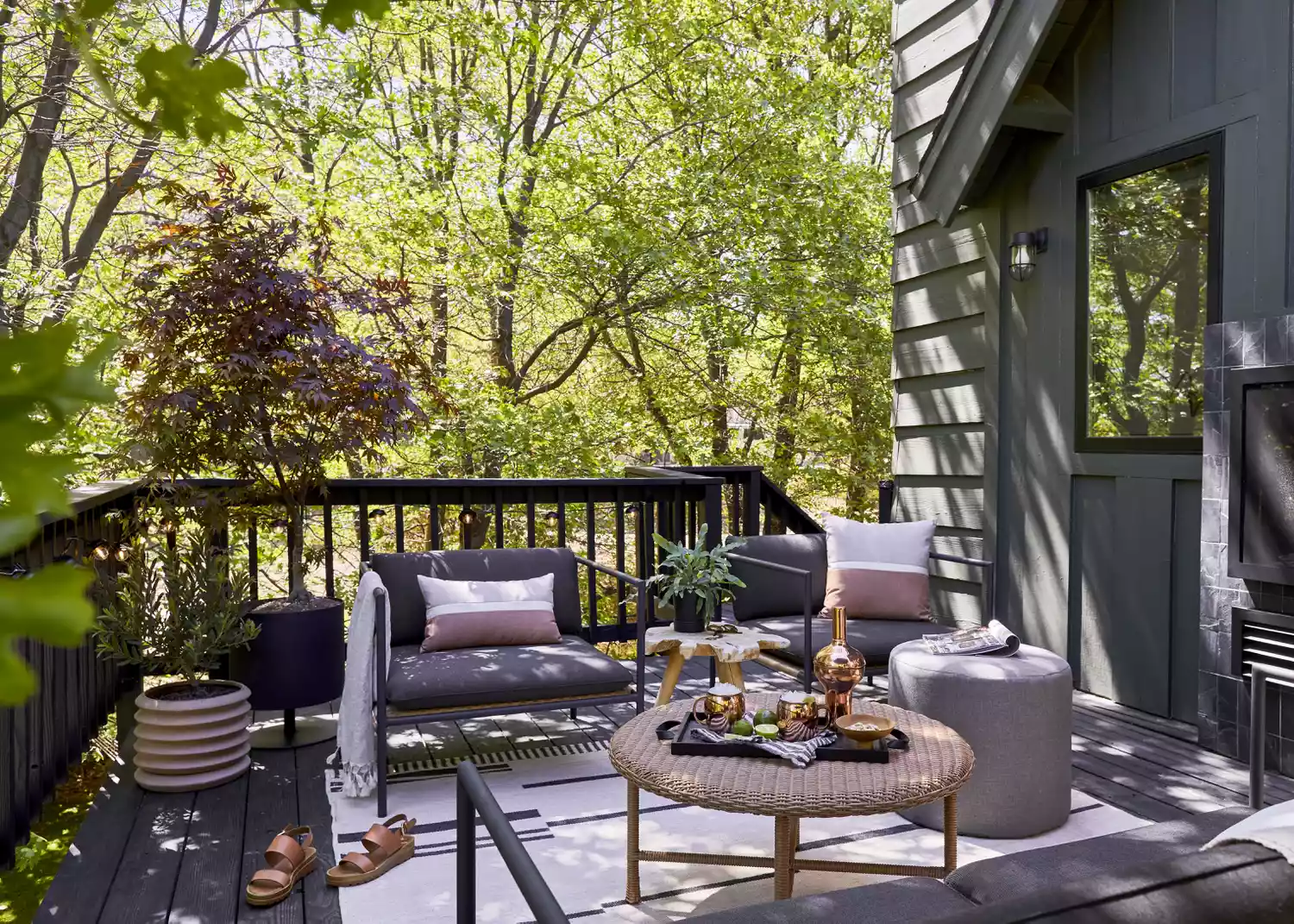
43 Small Patio Ideas on a Budget That Will Have a Big Impact on Your Space

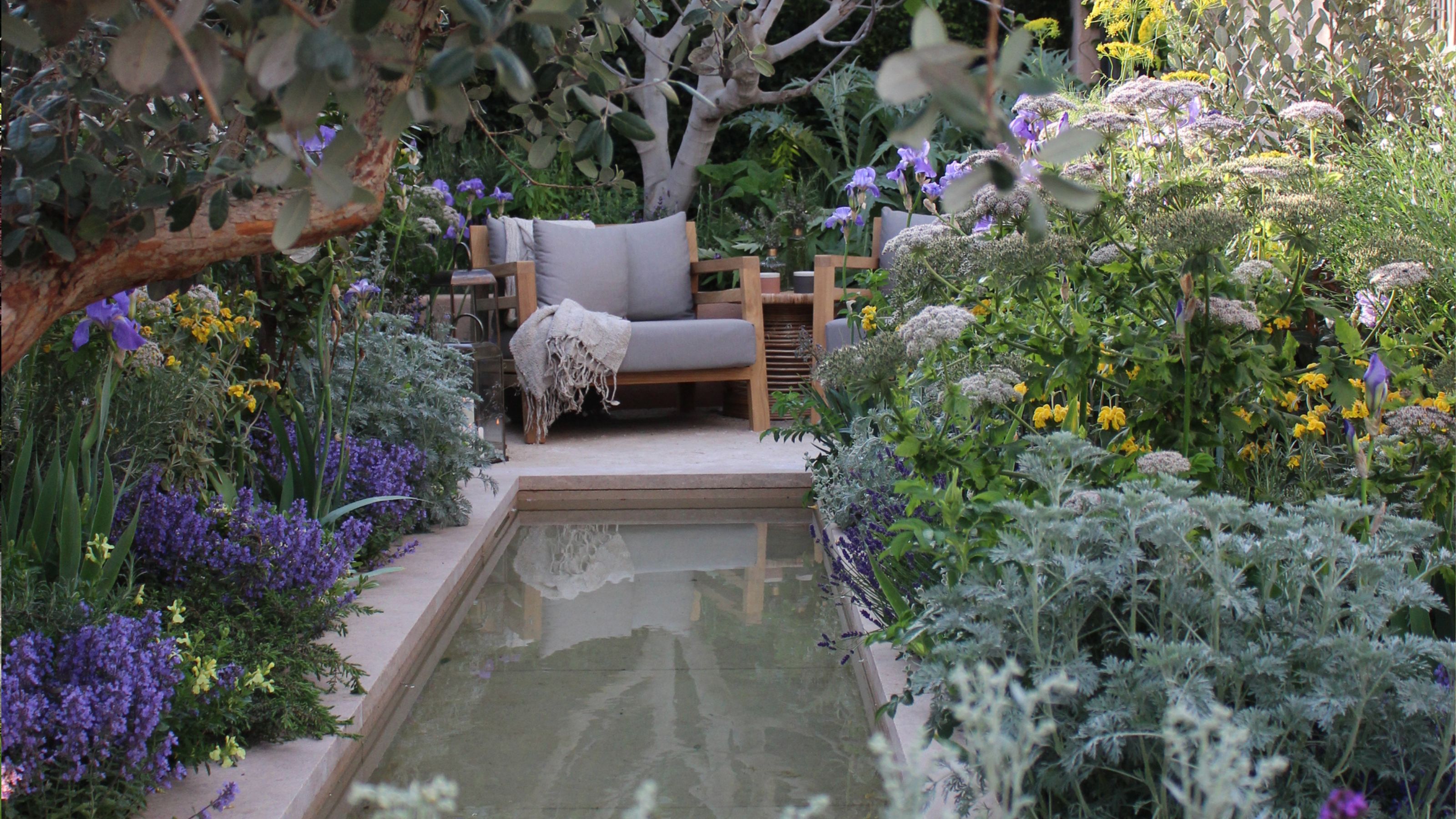
13 Water feature ideas to add a new sense of flow to your garden

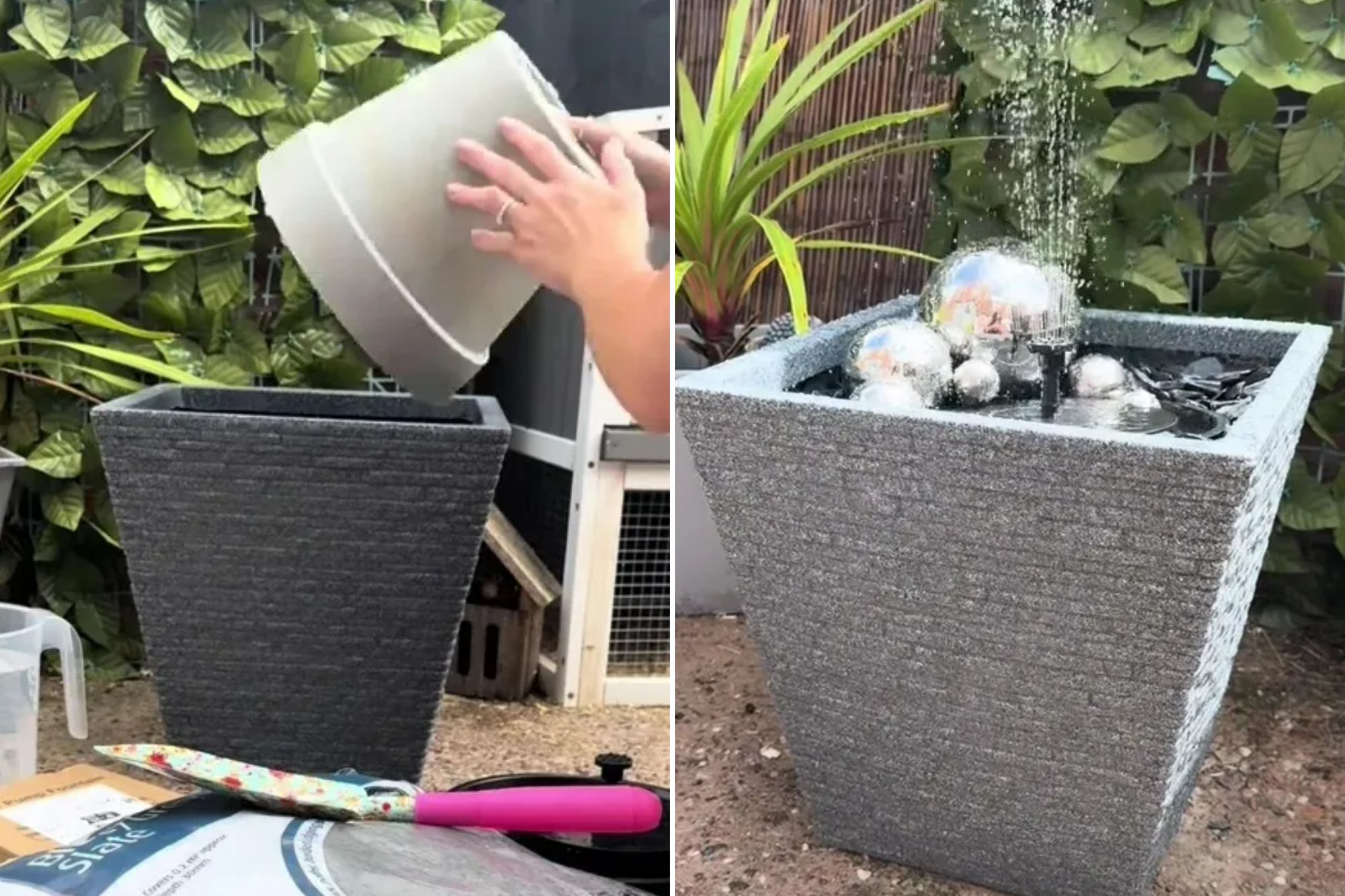
I turned a plant pot into a DIY water feature with Temu bargains - I spent £8.41

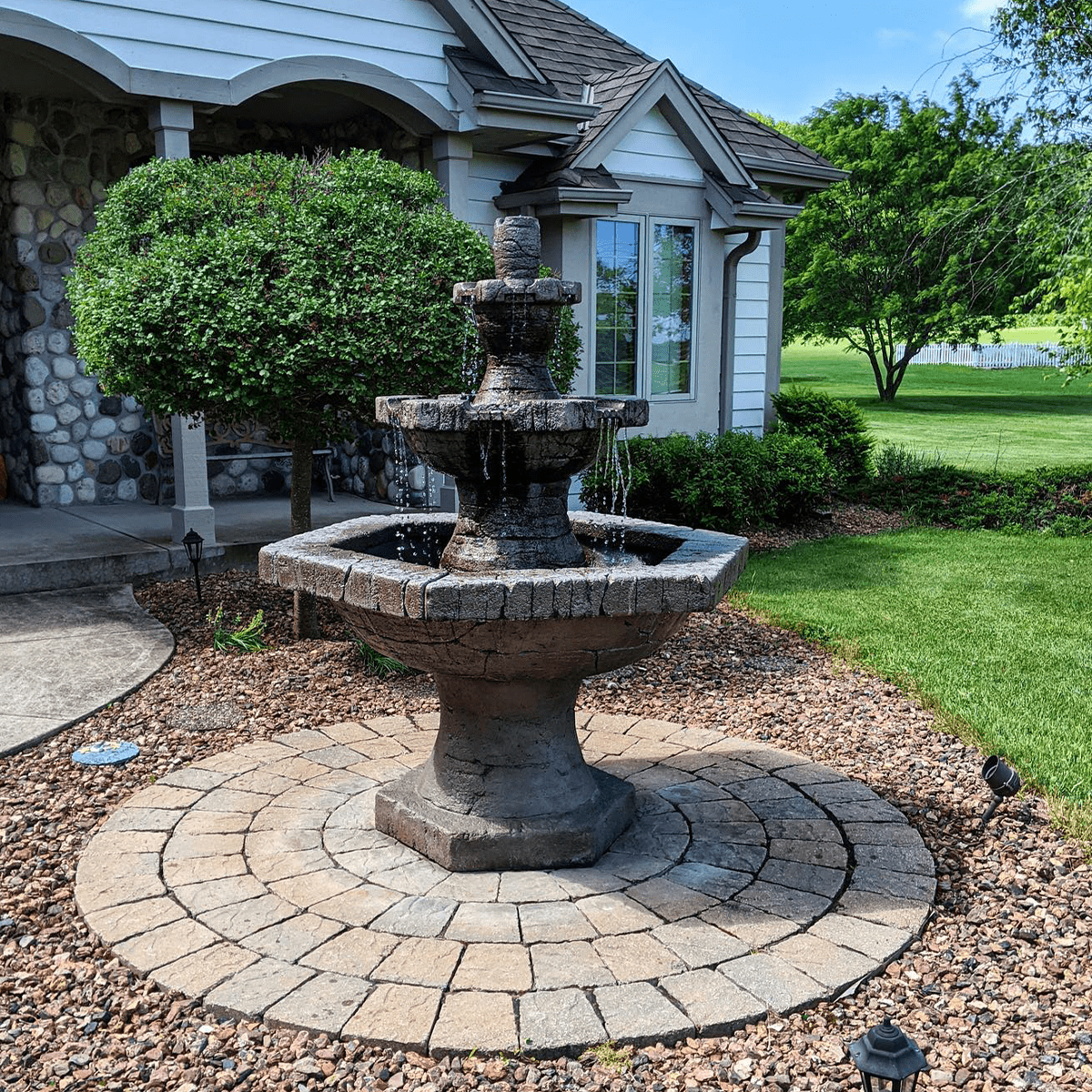
Homeowner’s Guide To Outdoor Fountains

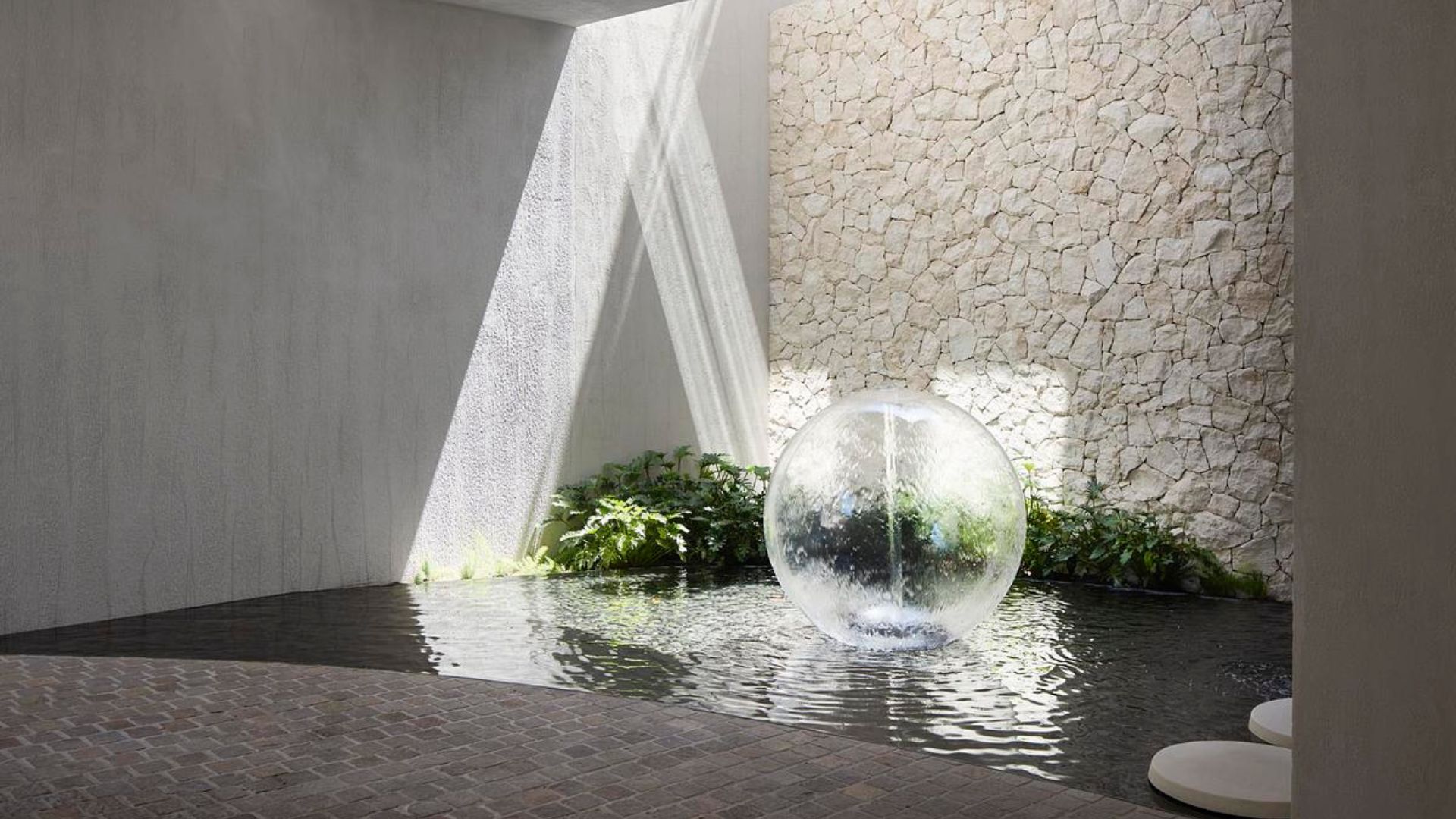
5 Aquatic Plants to Brighten Up Your Water Feature

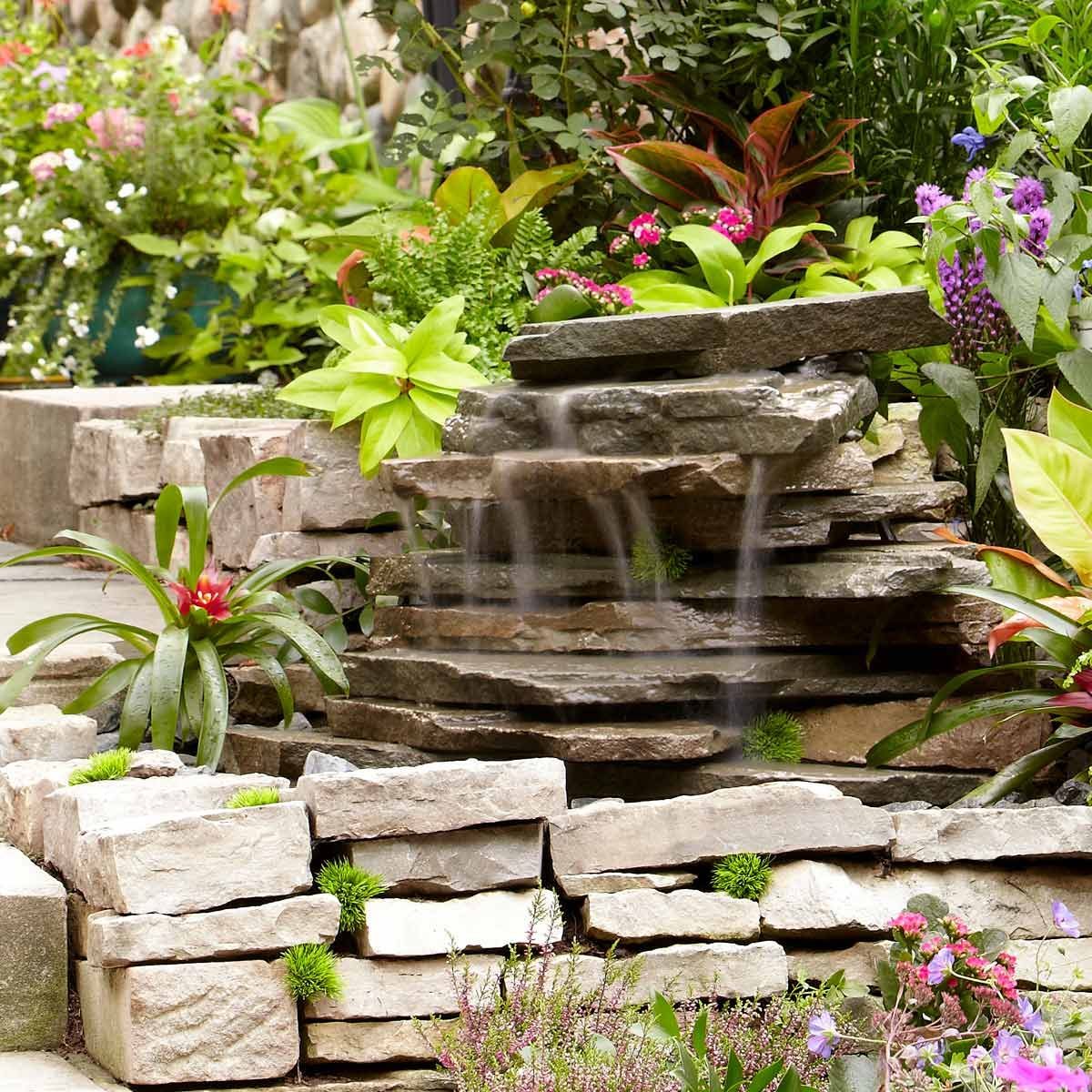
10 Best Garden Water Features
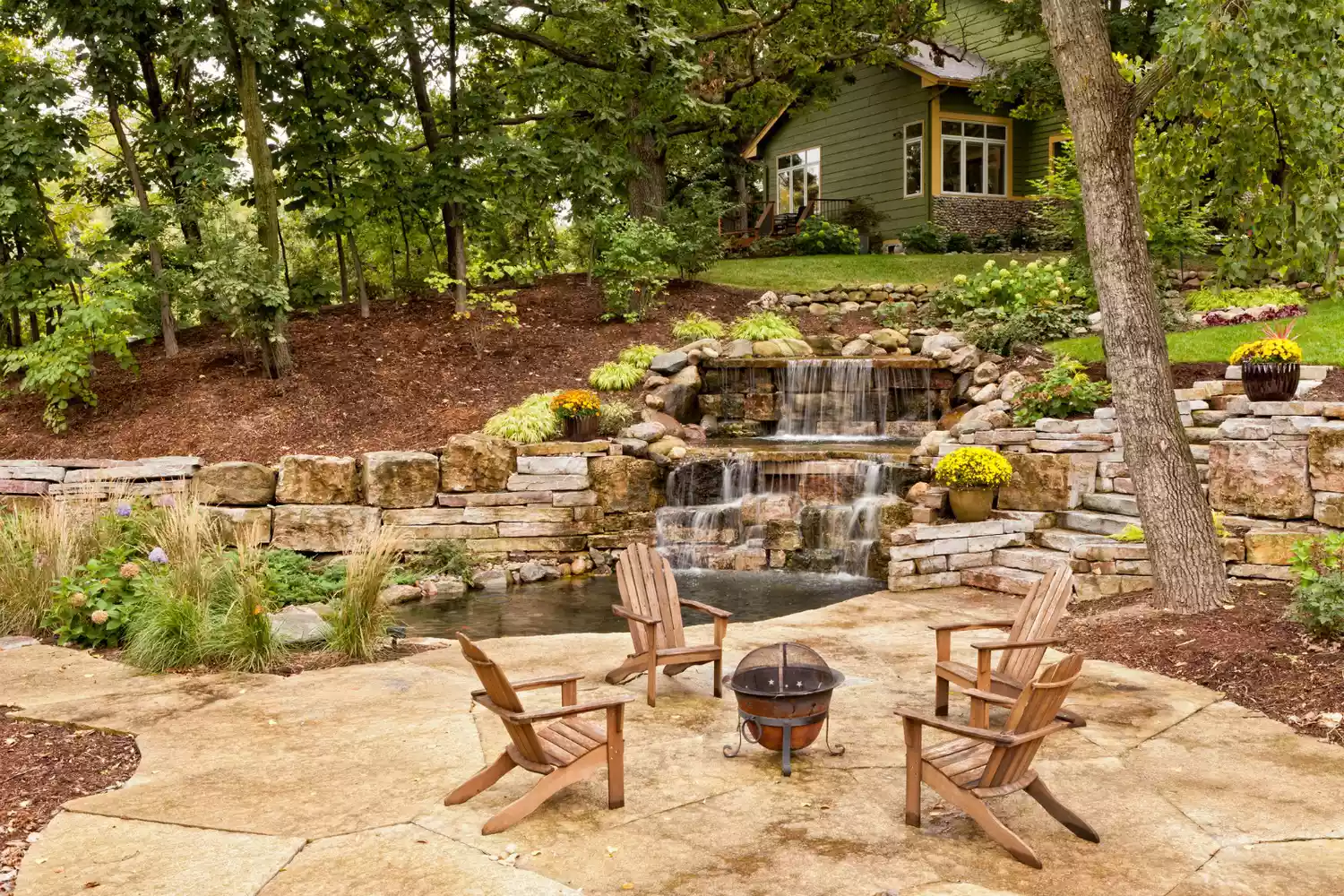
25 Small Ponds With Waterfalls Worth Adding to Your Yard
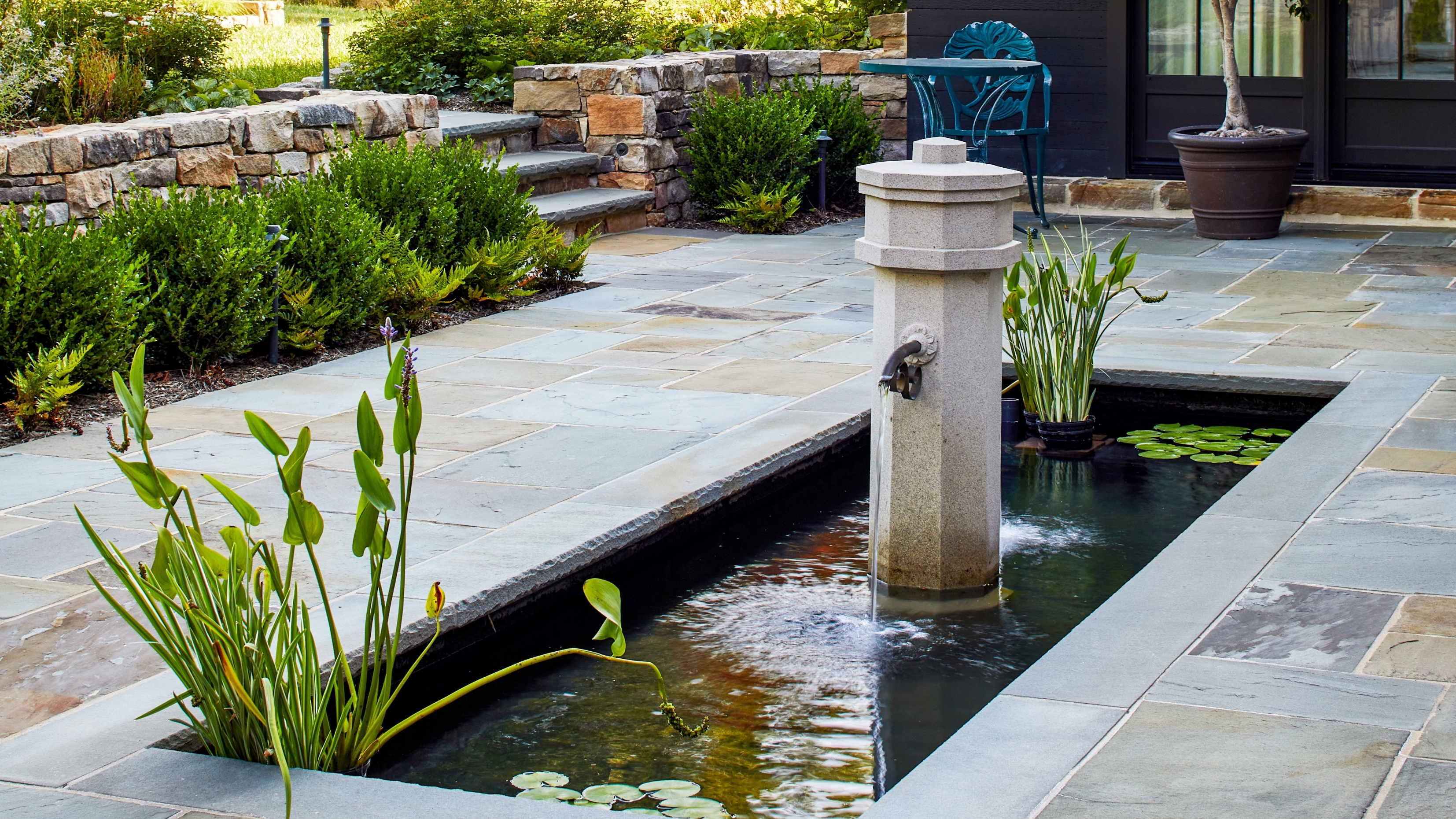
3 Ways to Use Water Features That Can Make Your Garden Feel More Private

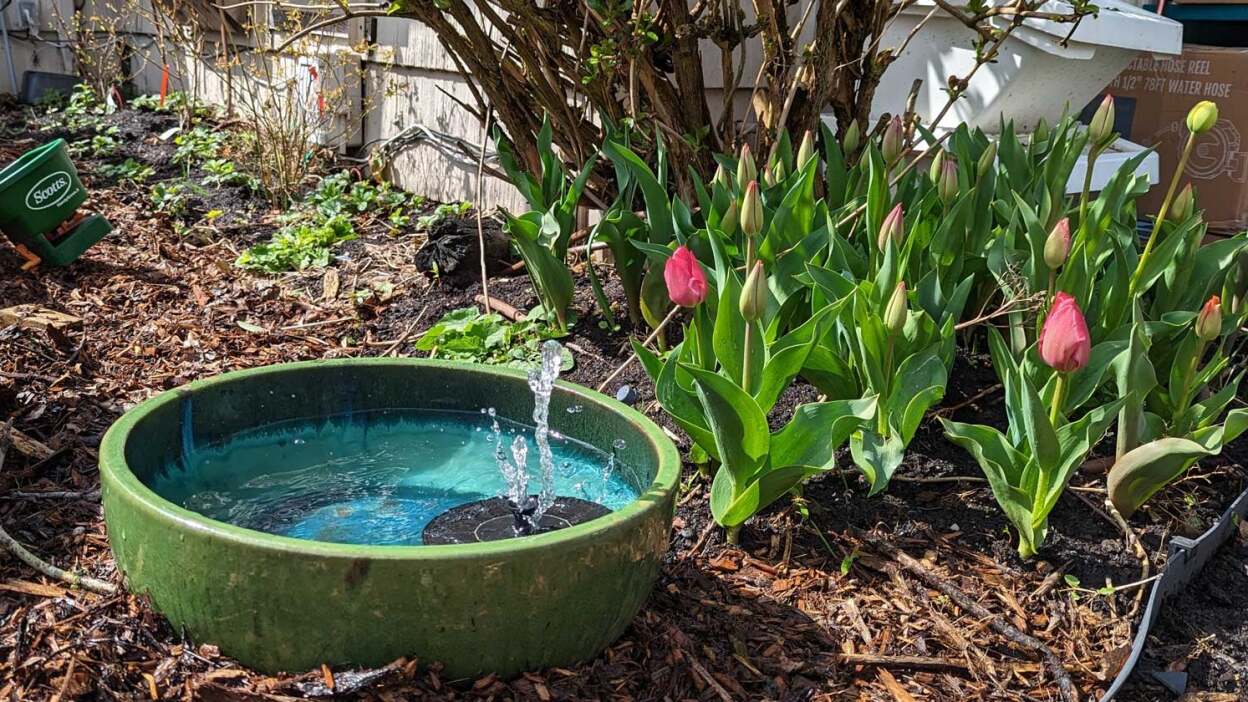
Construct a DIY Solar-Powered Water Feature for Your Garden

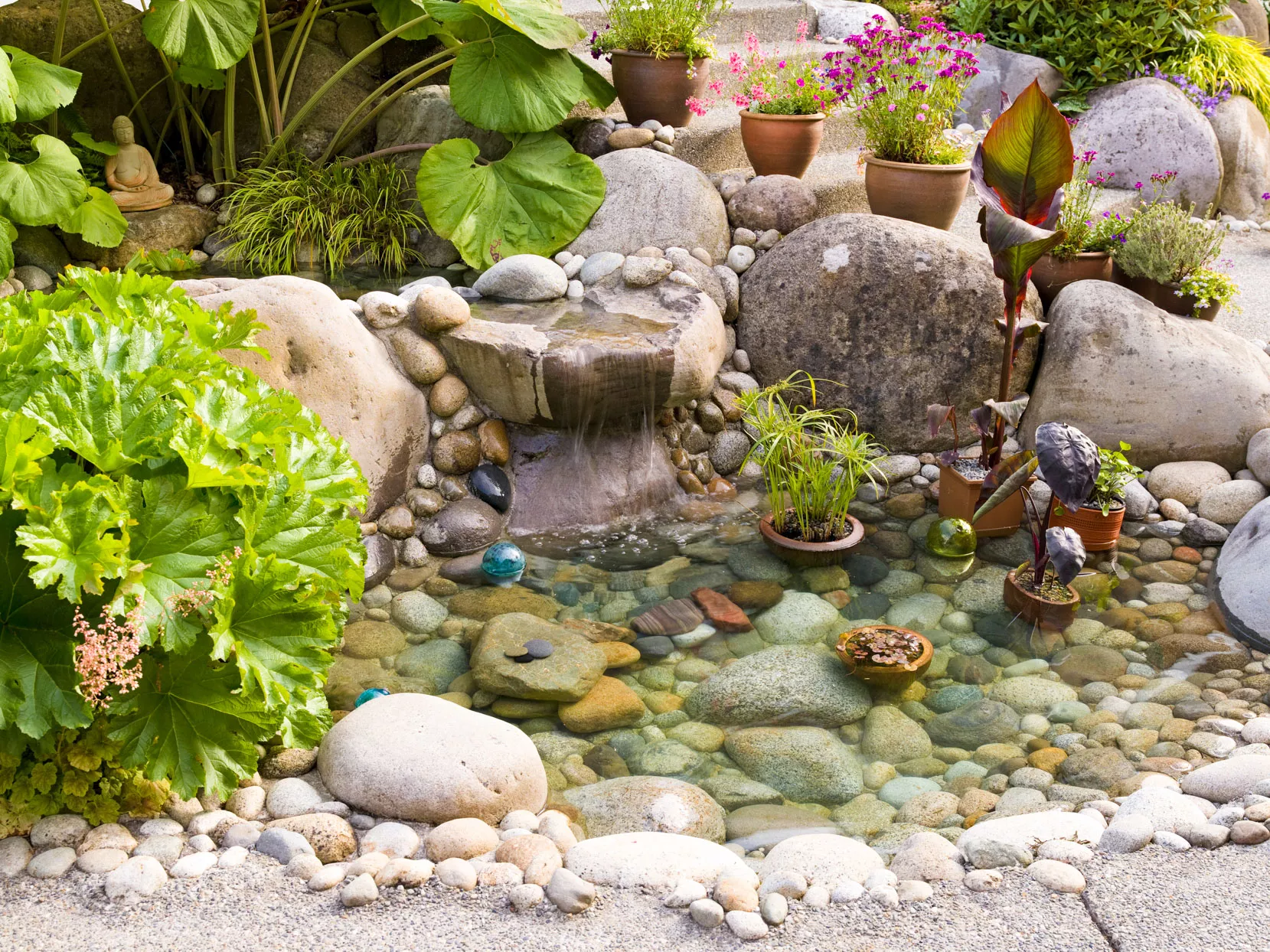
25 Refreshing Water Feature Ideas for Your Landscape

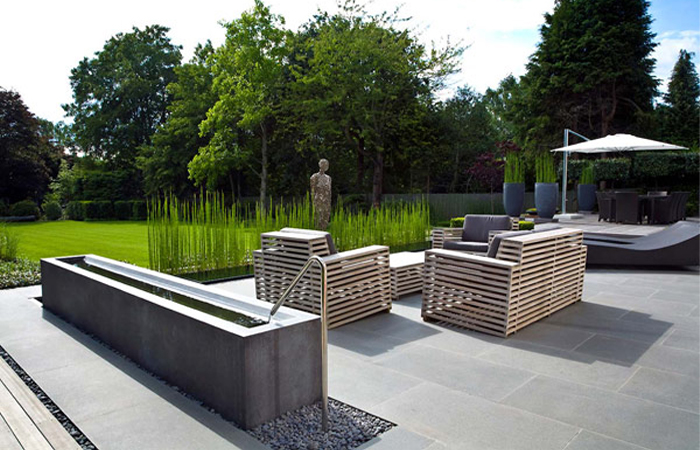
12 Modern Gardens With Water Features

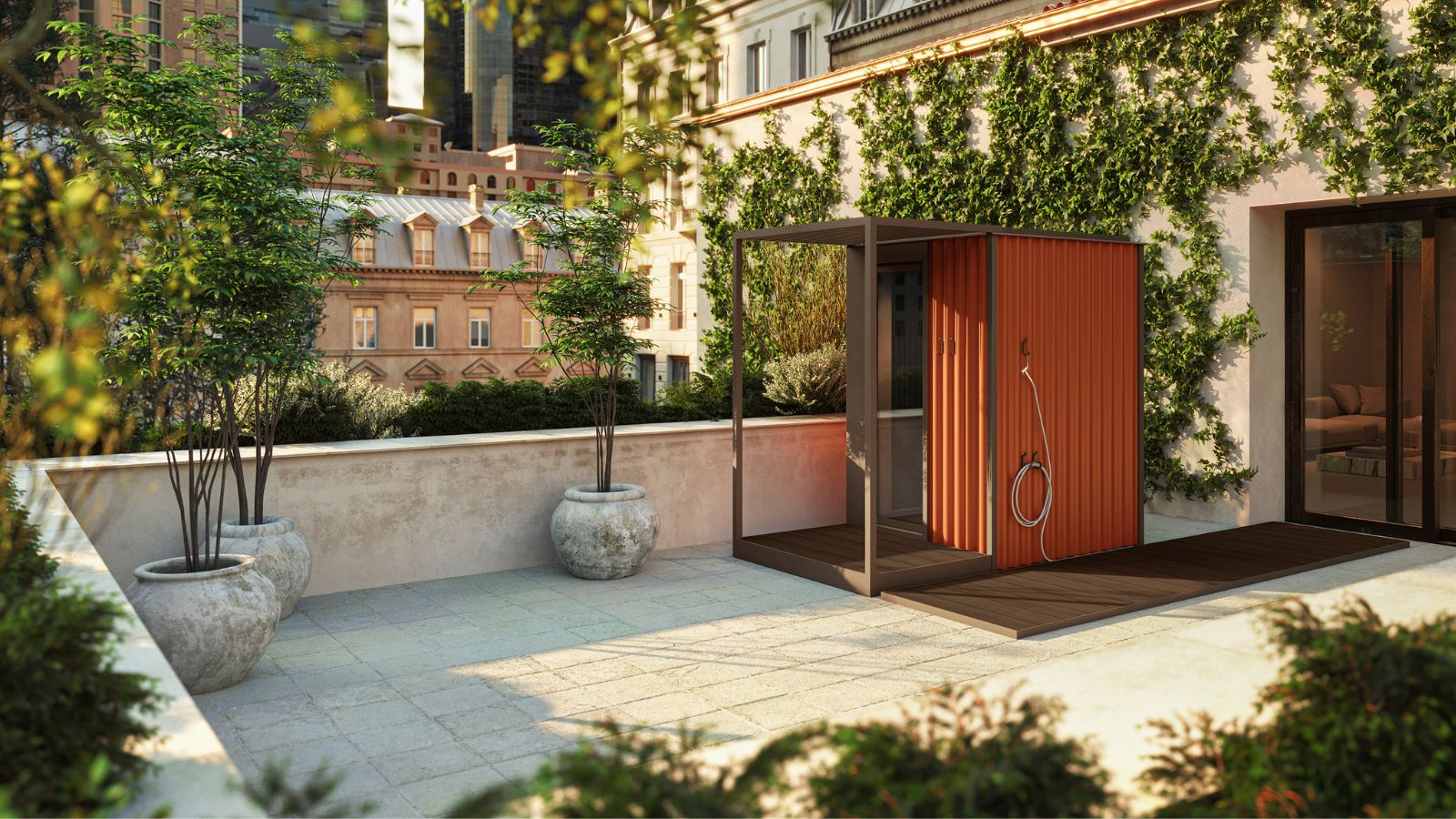
15 outdoor shower ideas to elevate your backyard design
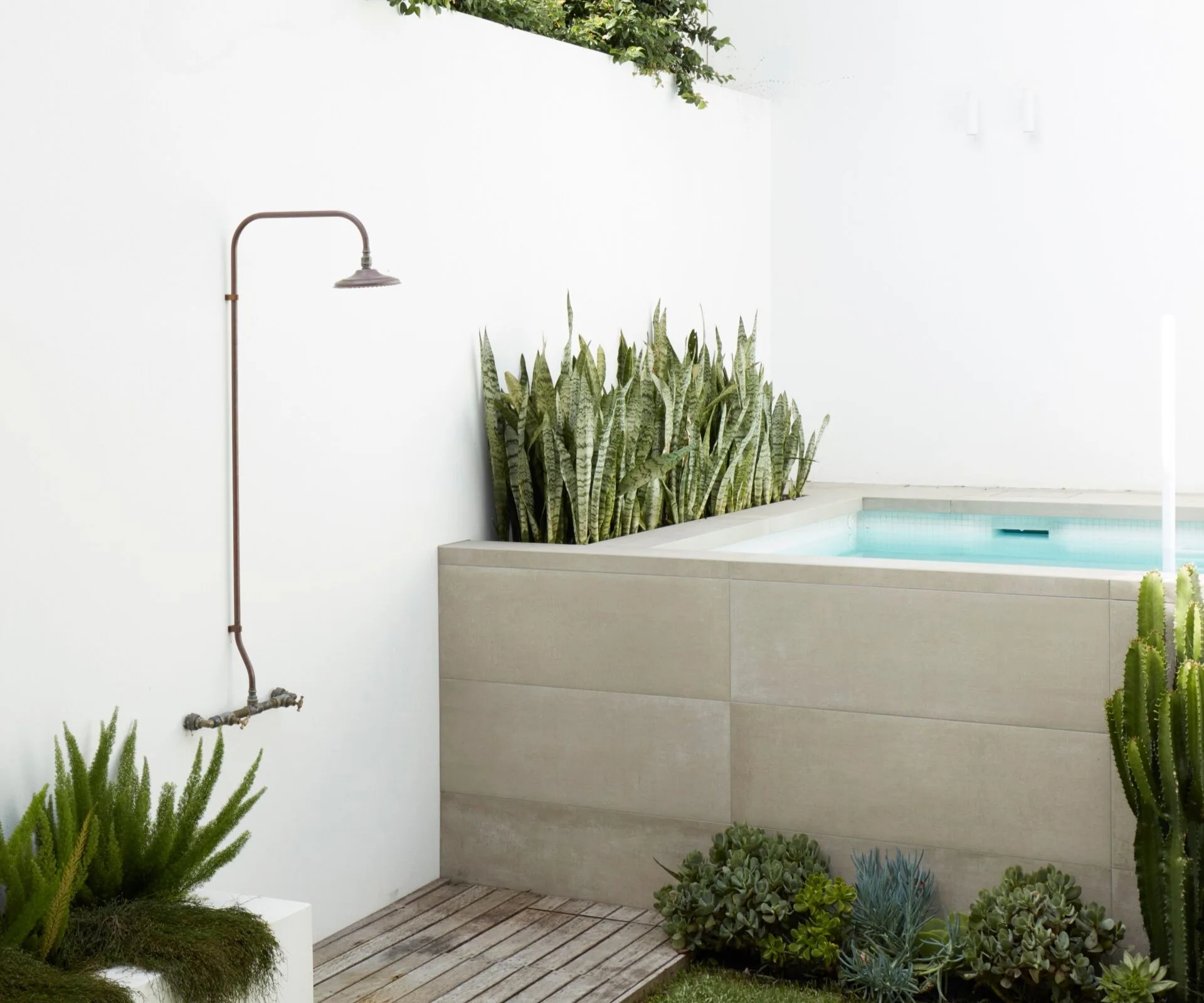
25 outdoor shower ideas that will inspire a backyard overhaul

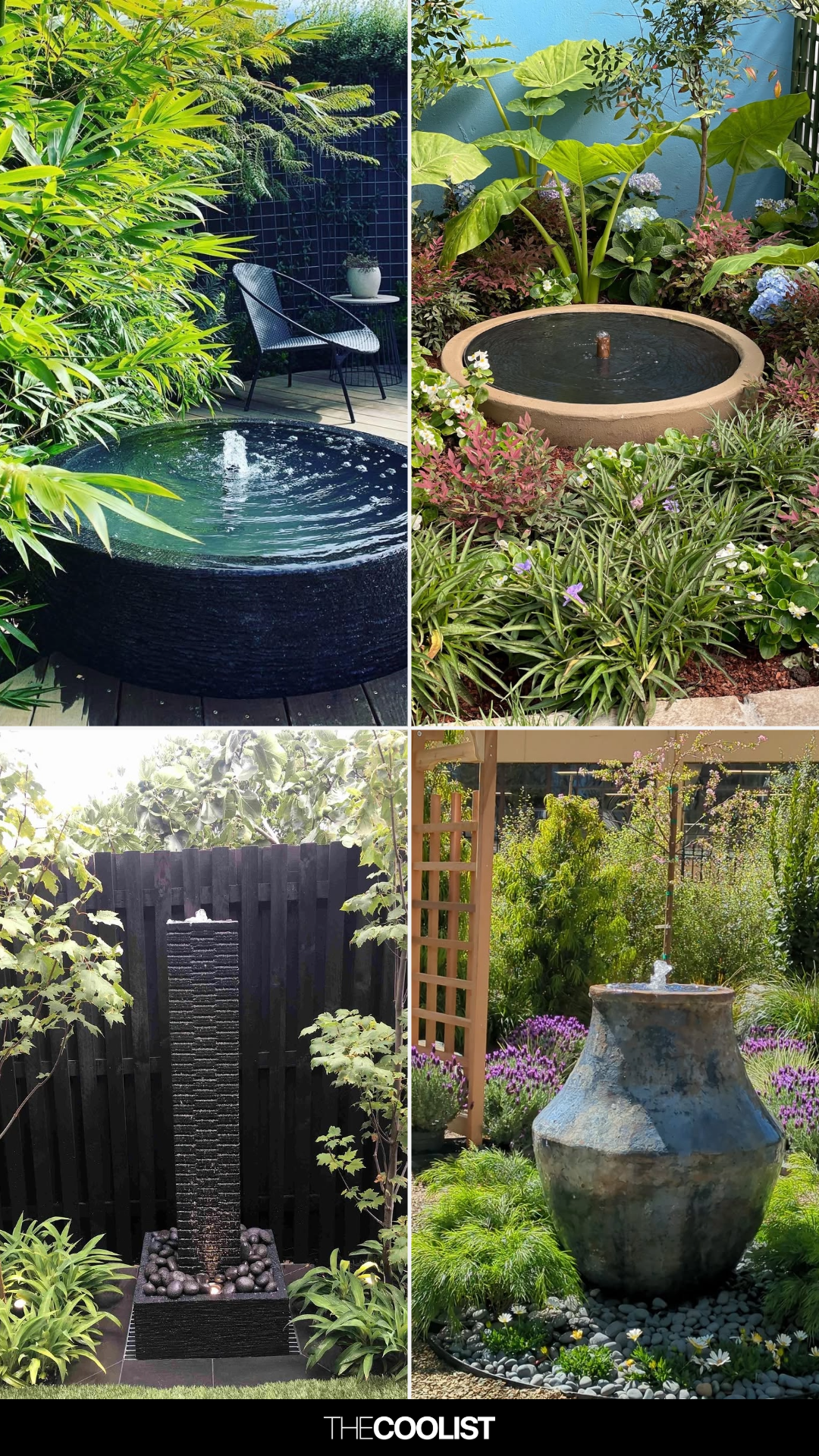
26 Stupidly Gorgeous Water Feature in the Garden Ideas That’ll Haunt Your Mood Boards

29 Elegant Fountains That Create a Sense of Tranquillity

8 Tranquil Water Garden Ideas That Look Beautiful and Train Your Ear Away From Noisy Outdoor Distractions
Garden Fountains Are the New Backyard Firepit—Here's How to Incorporate One into Your Space