1/2
Homeowner’s Guide To Outdoor Fountains
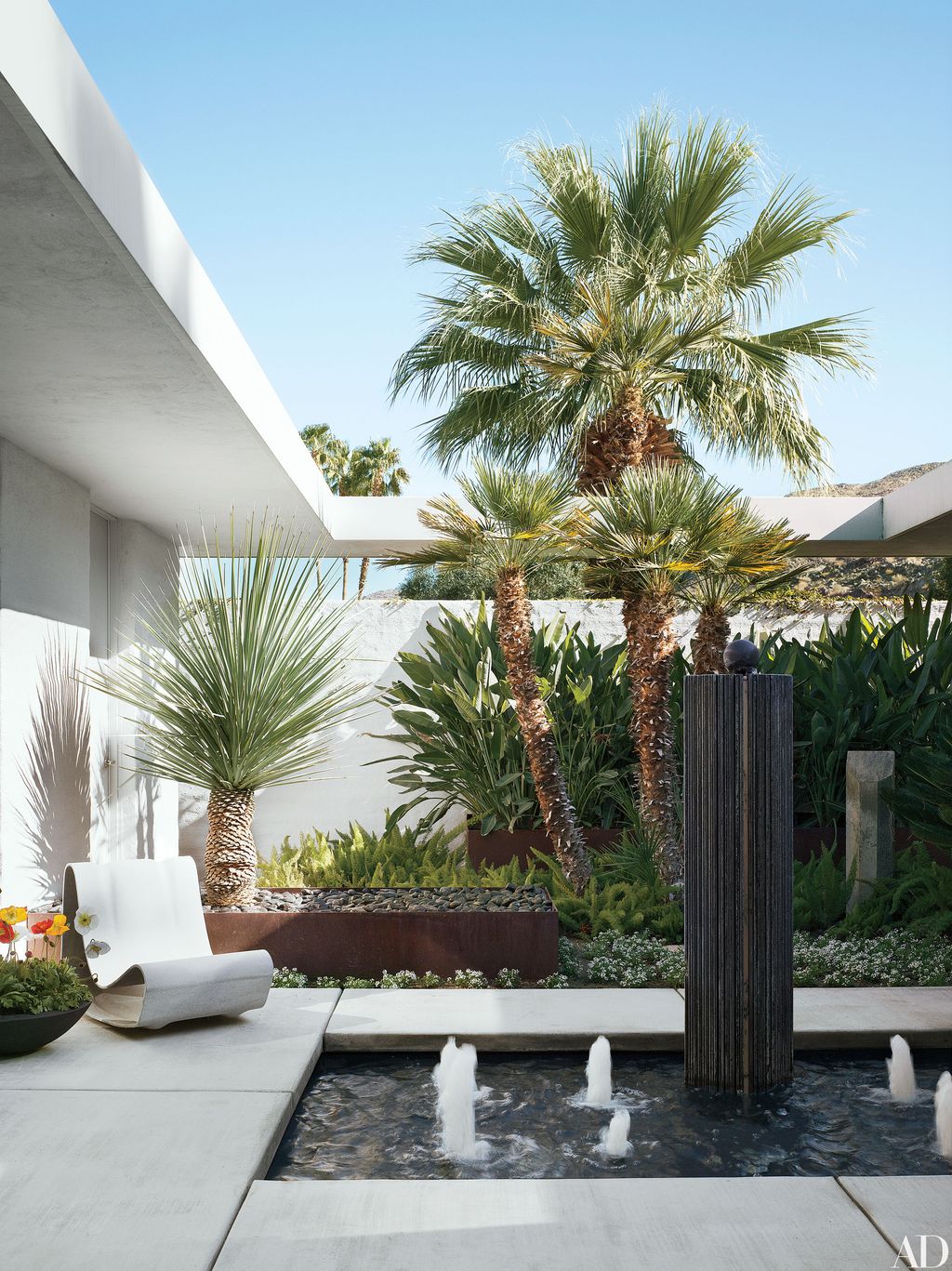
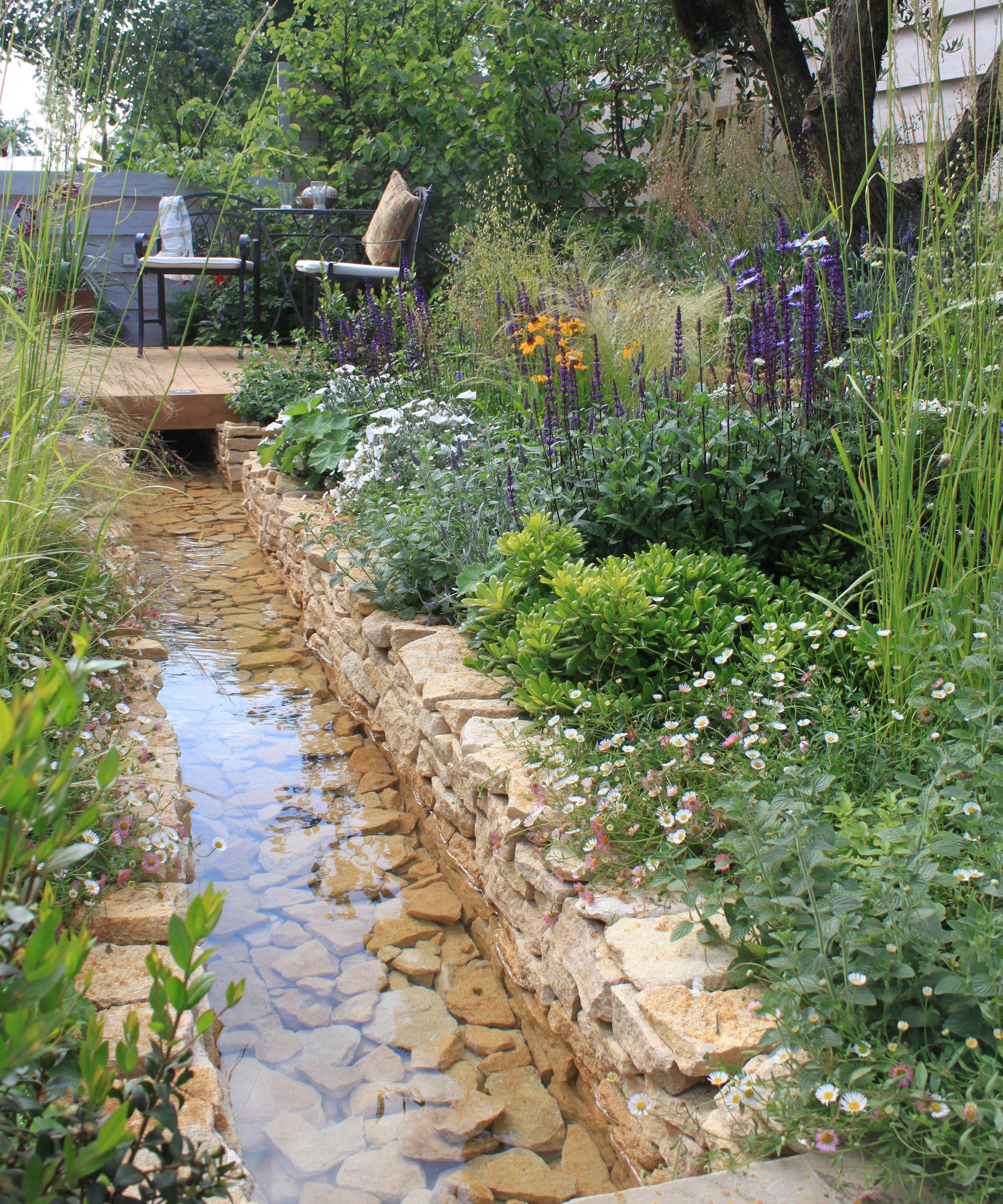
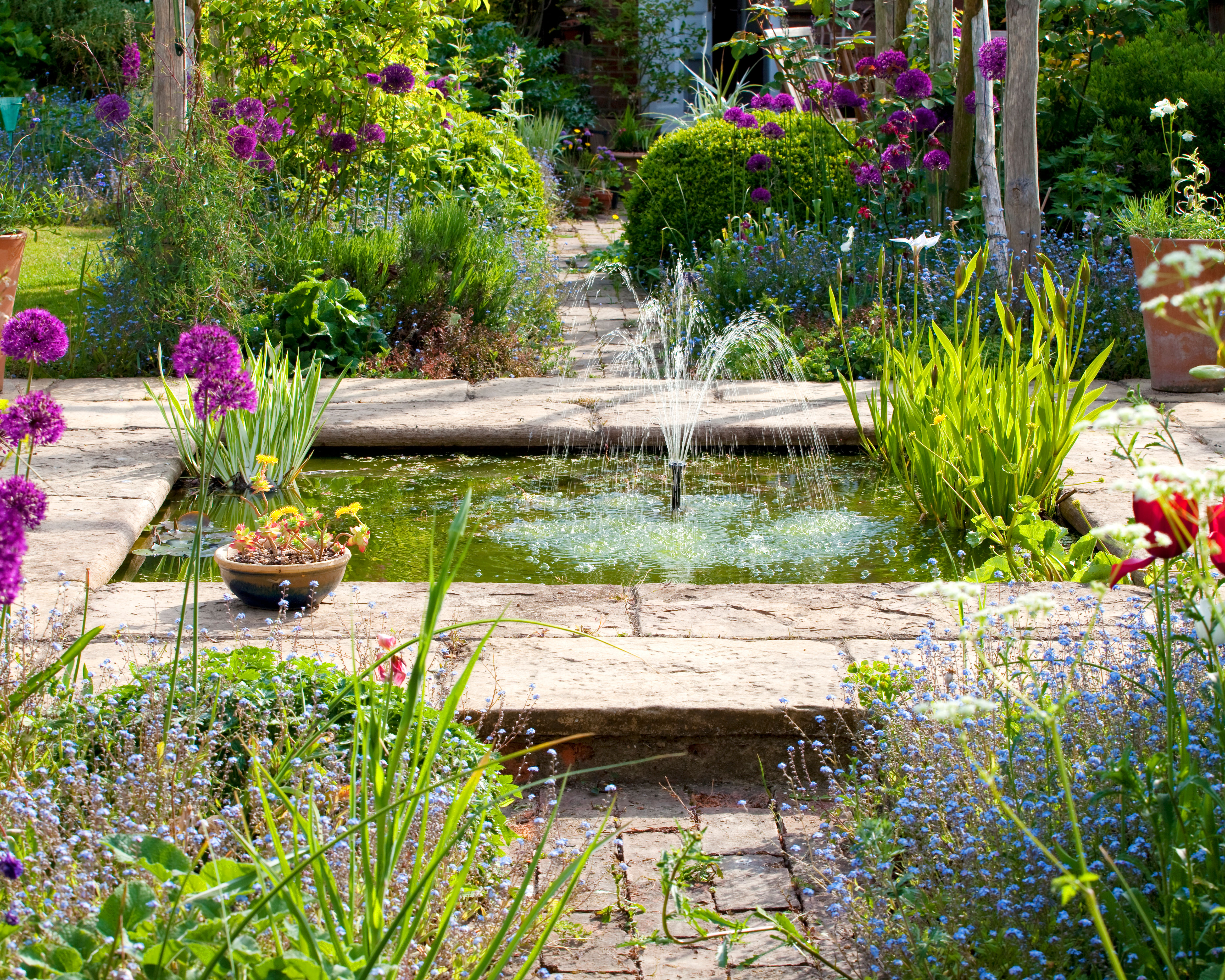
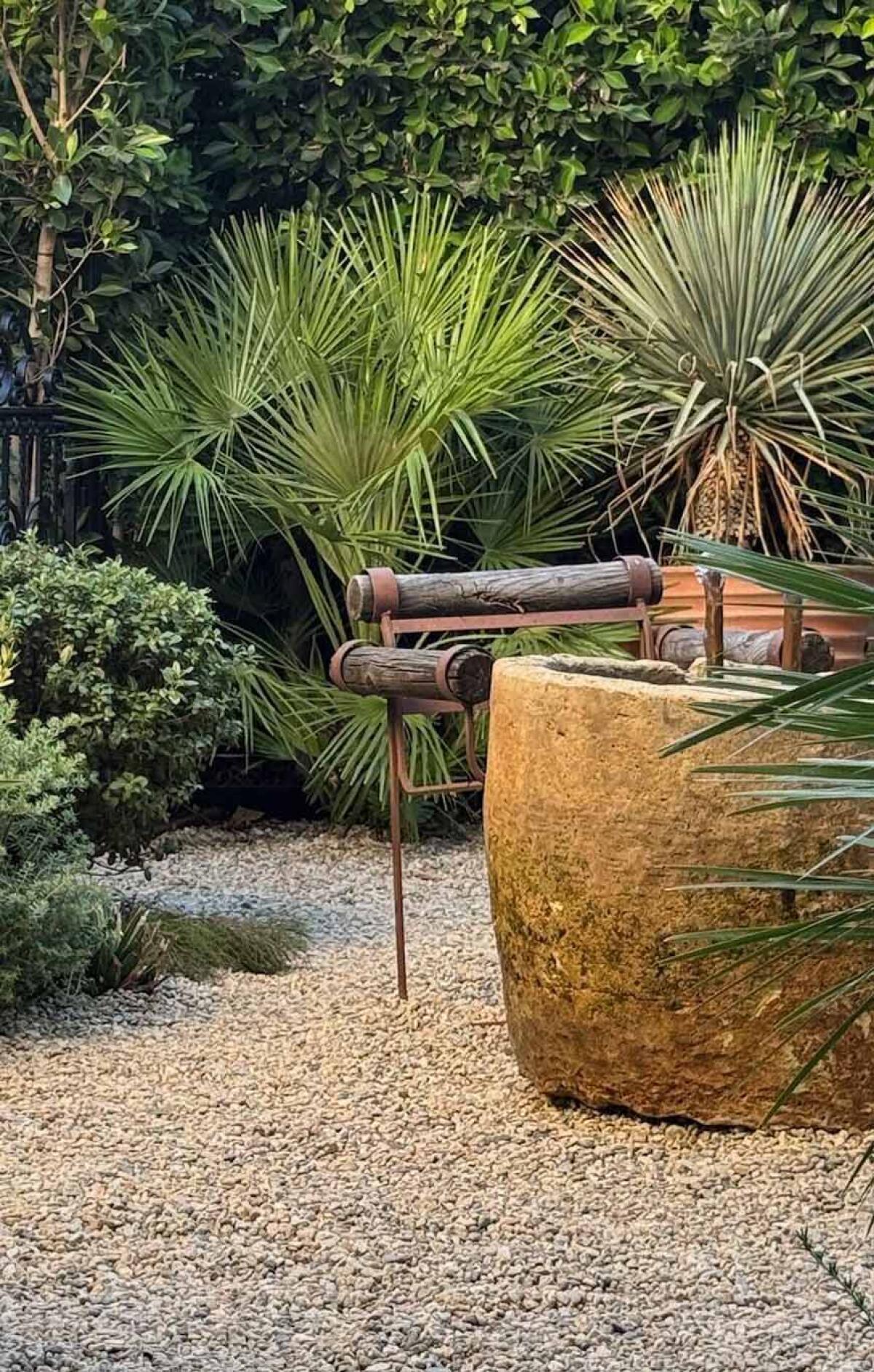
Adding an outdoor fountain to a home’s exterior can significantly enhance the aesthetic and auditory experience of a yard or garden. Since the COVID-19 pandemic, there has been a notable surge in demand for home improvement projects, with outdoor spaces, particularly fountains, seeing a significant increase in popularity. Experts note a doubling in fountain sales in recent years, attributing this trend to people spending more time at home and seeking comforting elements like the sight and sound of flowing water.
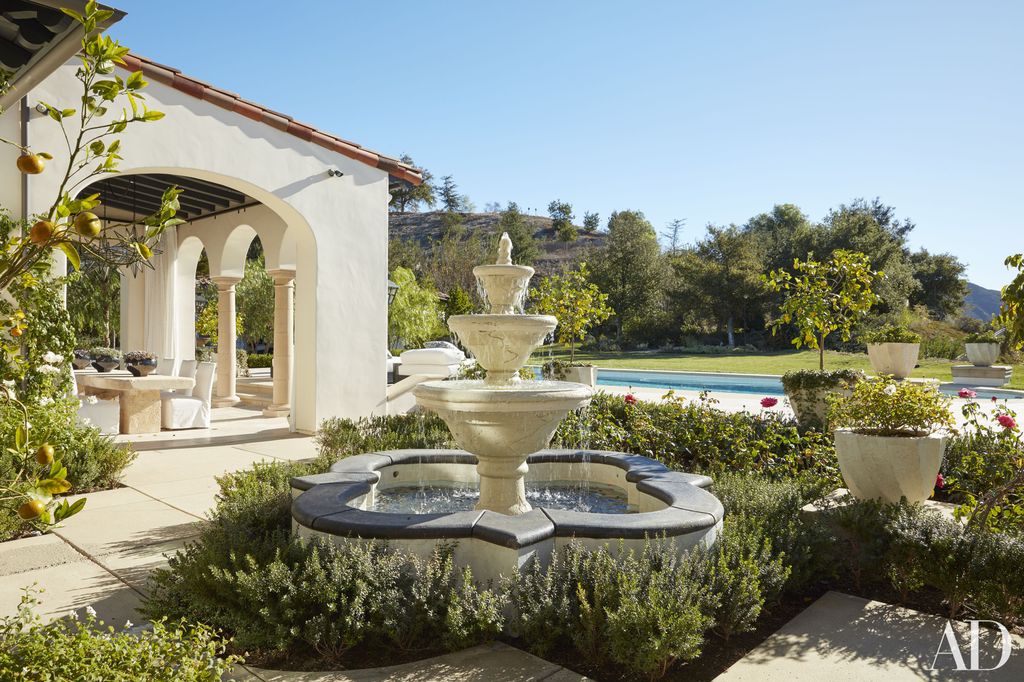
Outdoor fountains offer multiple benefits beyond just visual appeal. They contribute to a serene atmosphere, helping to reduce stress. Additionally, they are more water-efficient compared to maintaining large grassy areas and can attract local wildlife, adding vitality to a garden. The choice of an outdoor fountain involves considering various types and factors during the purchasing and installation process.
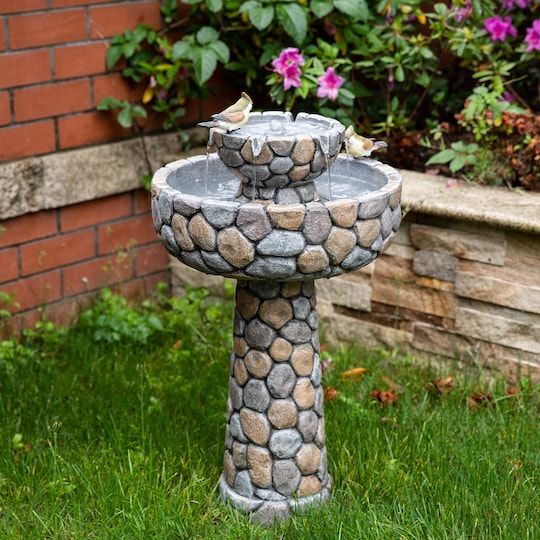
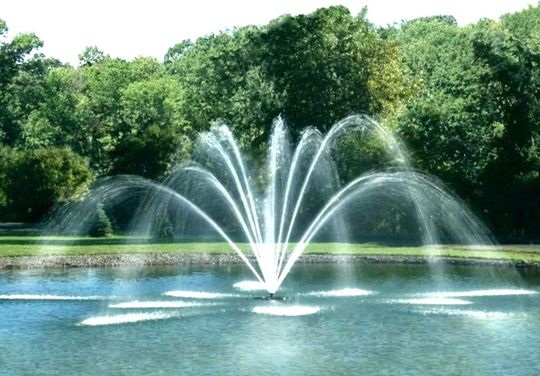
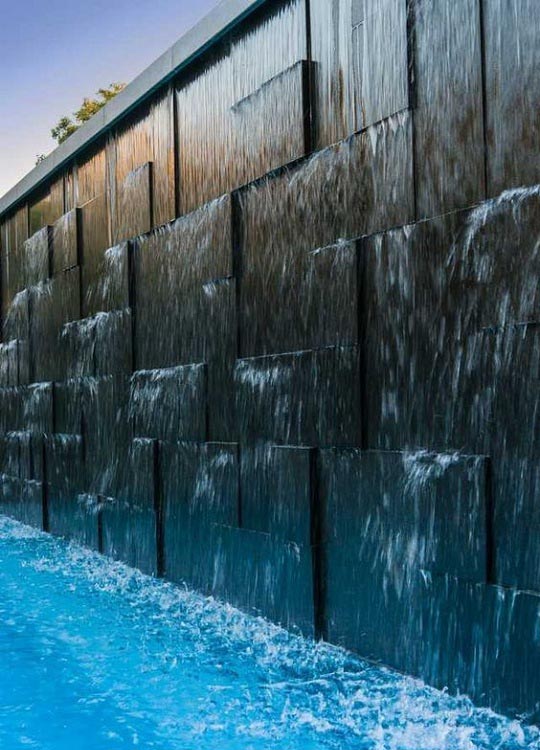
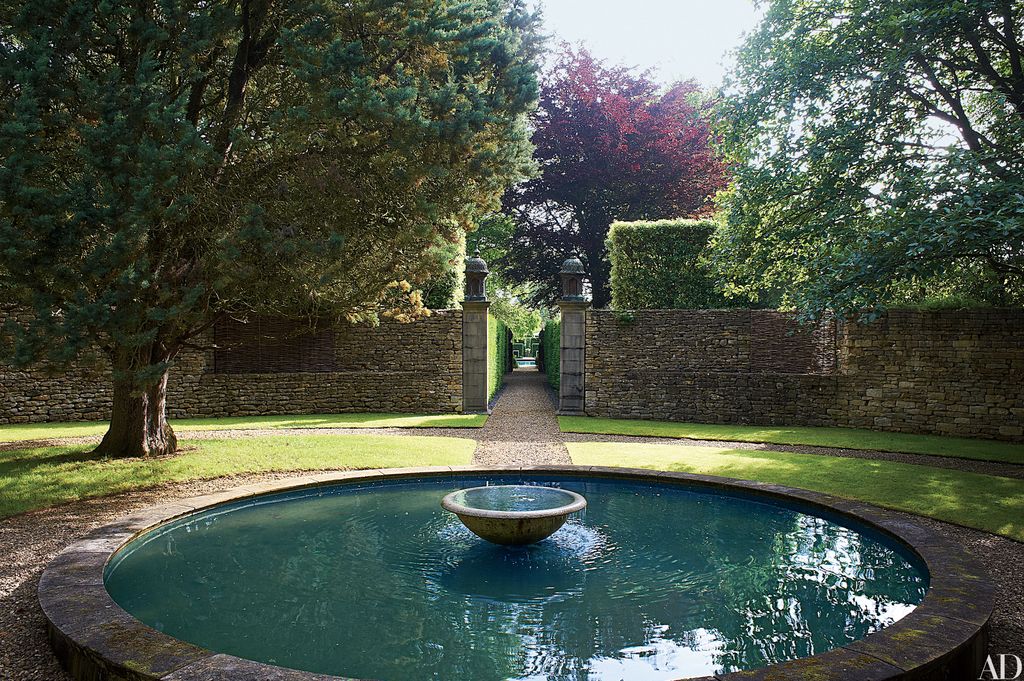
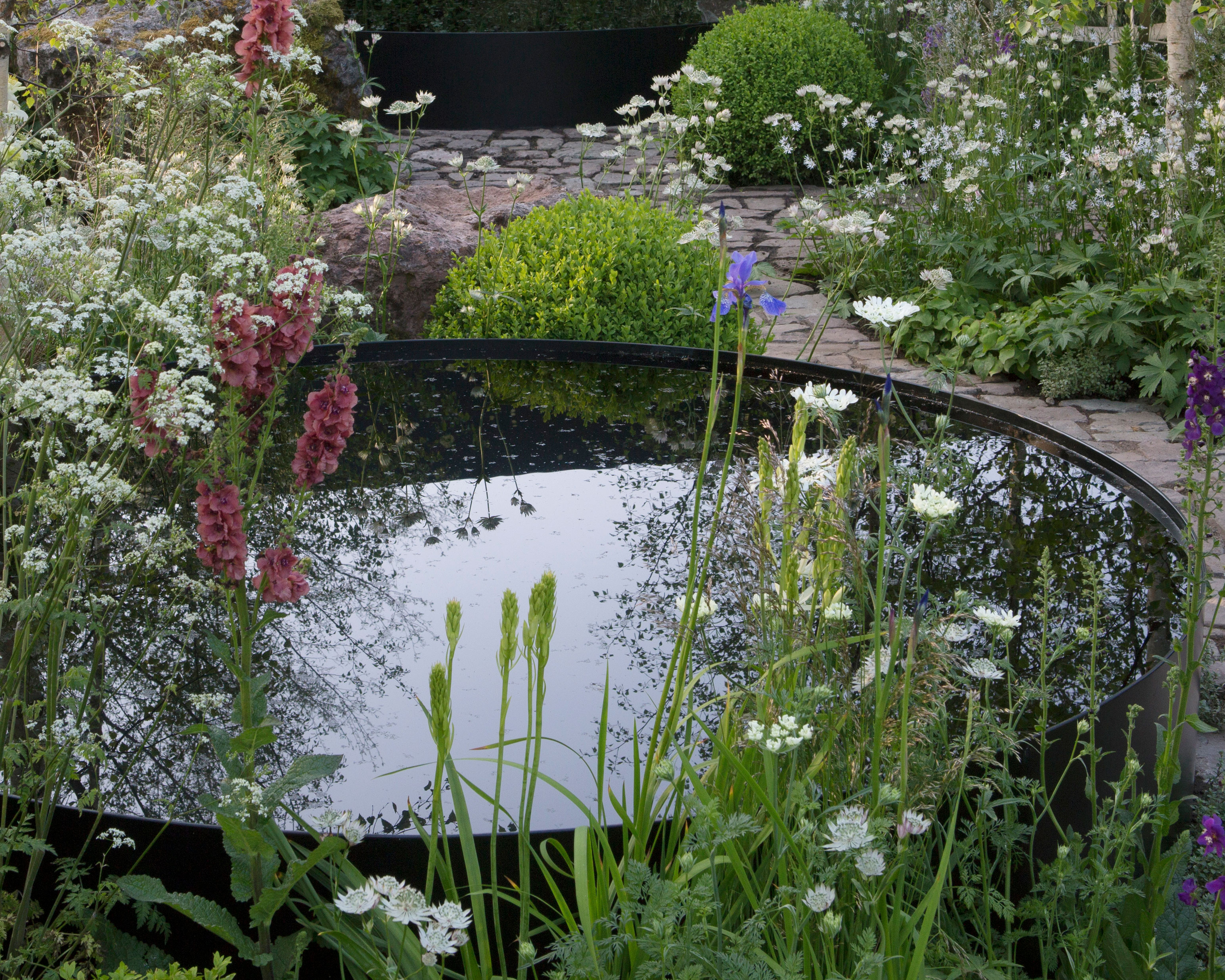
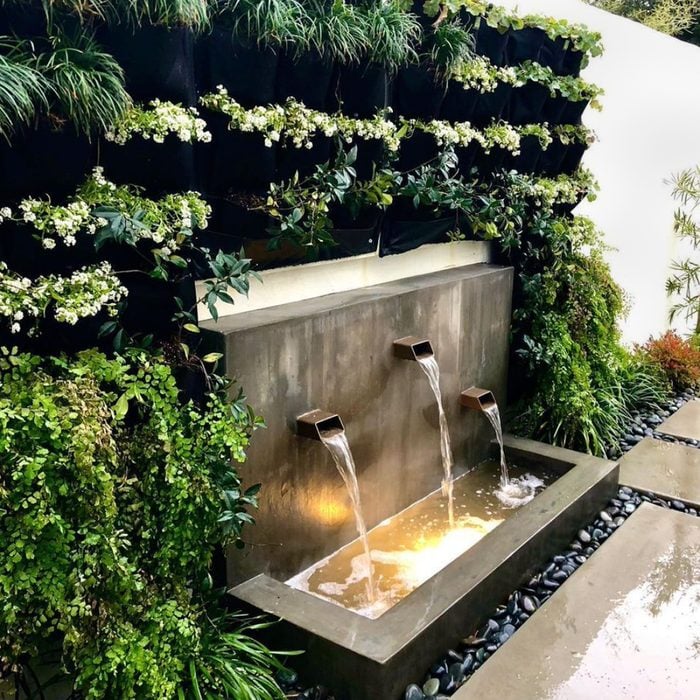
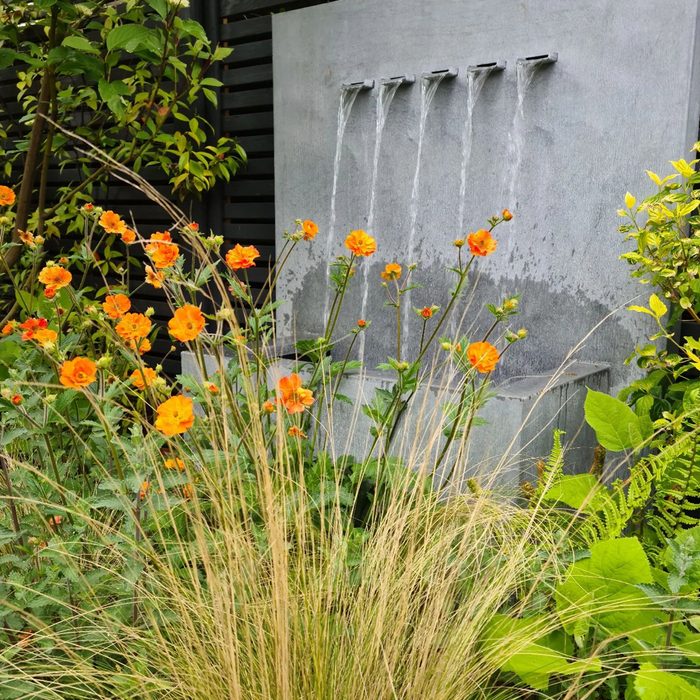
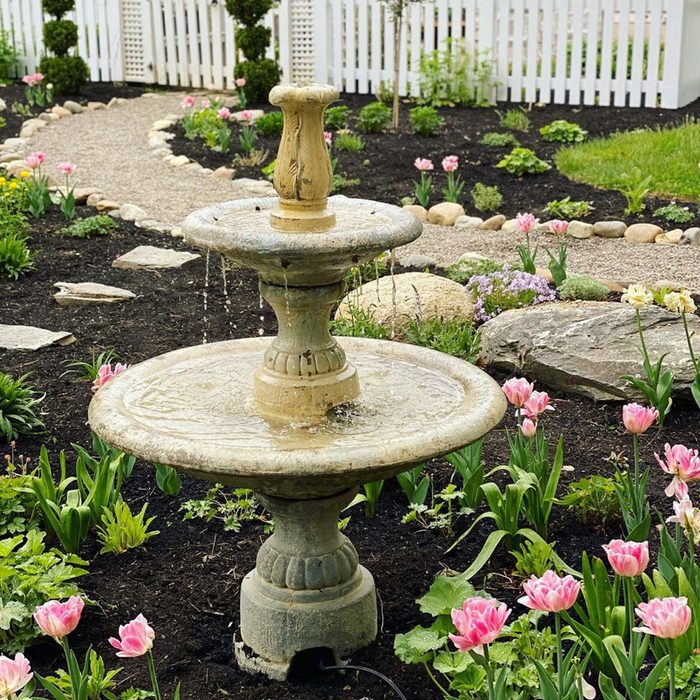
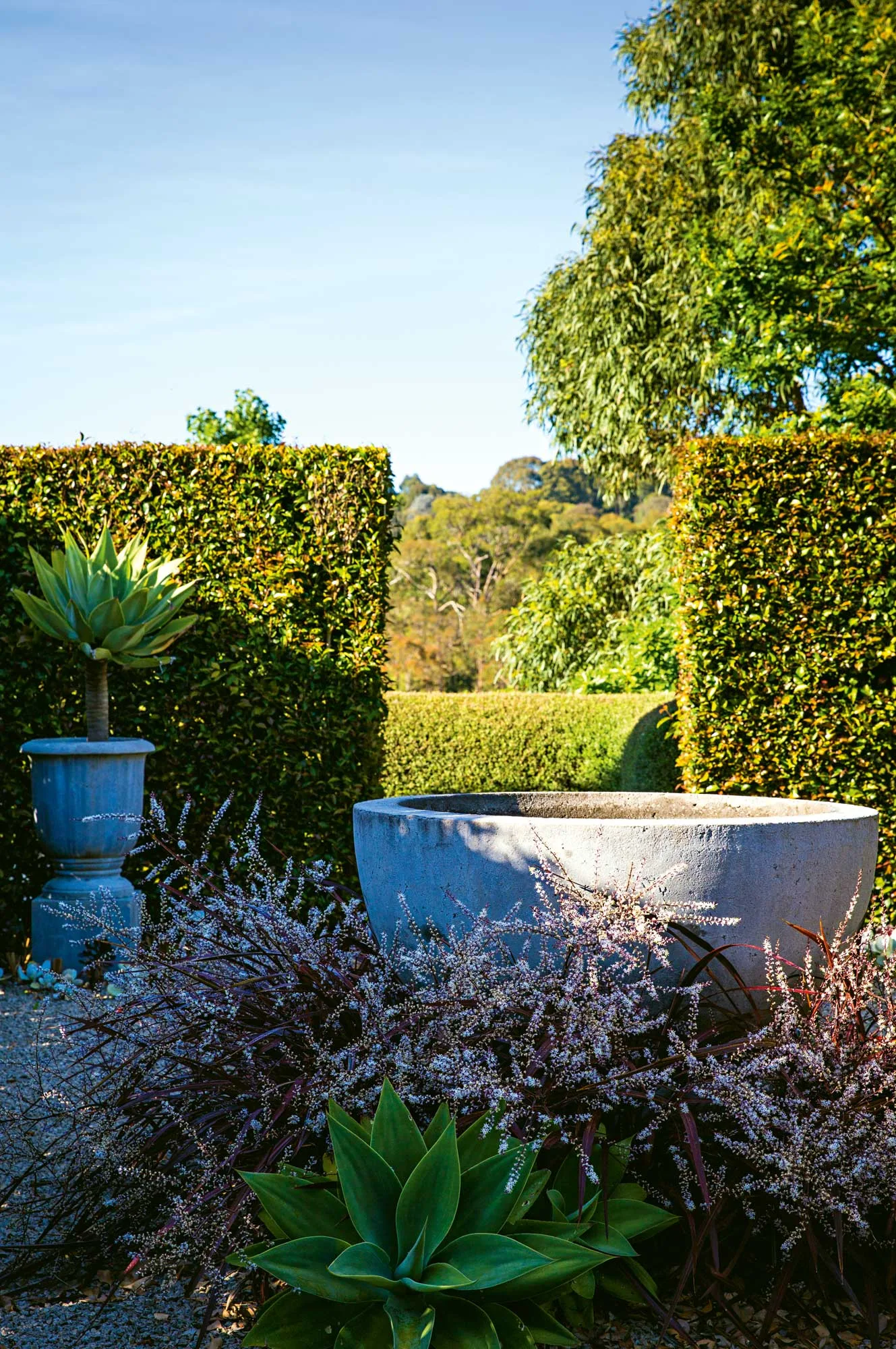
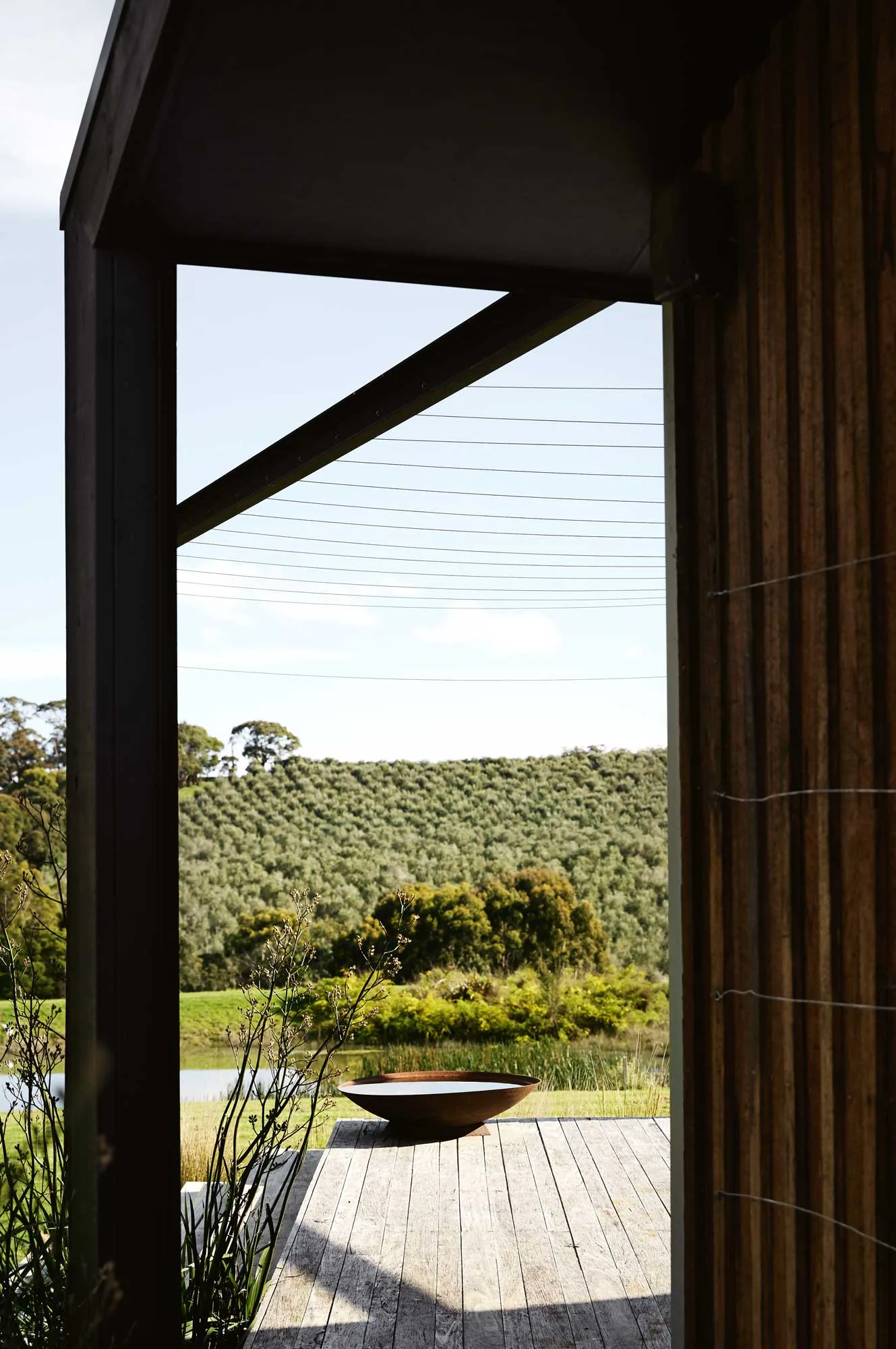
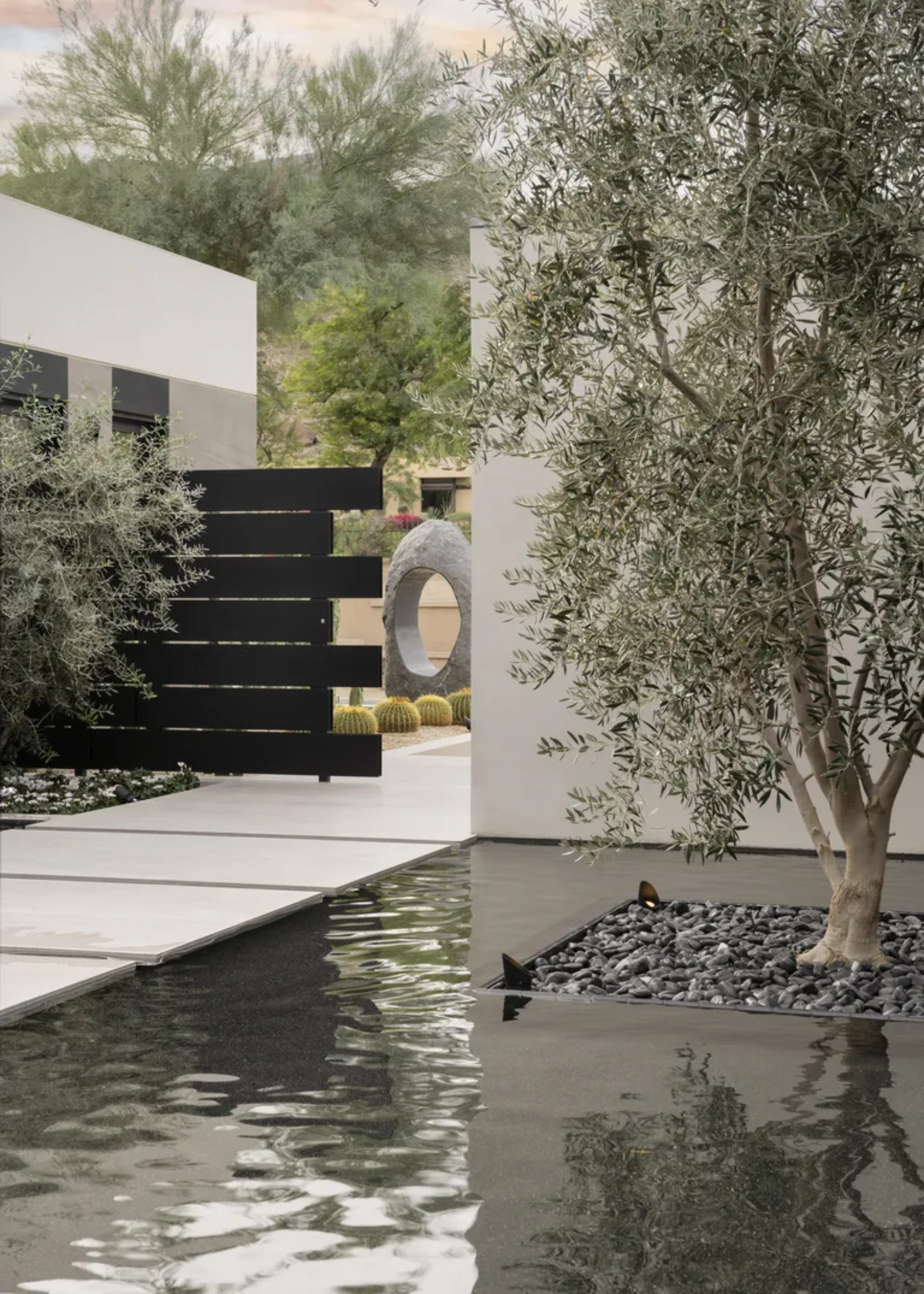
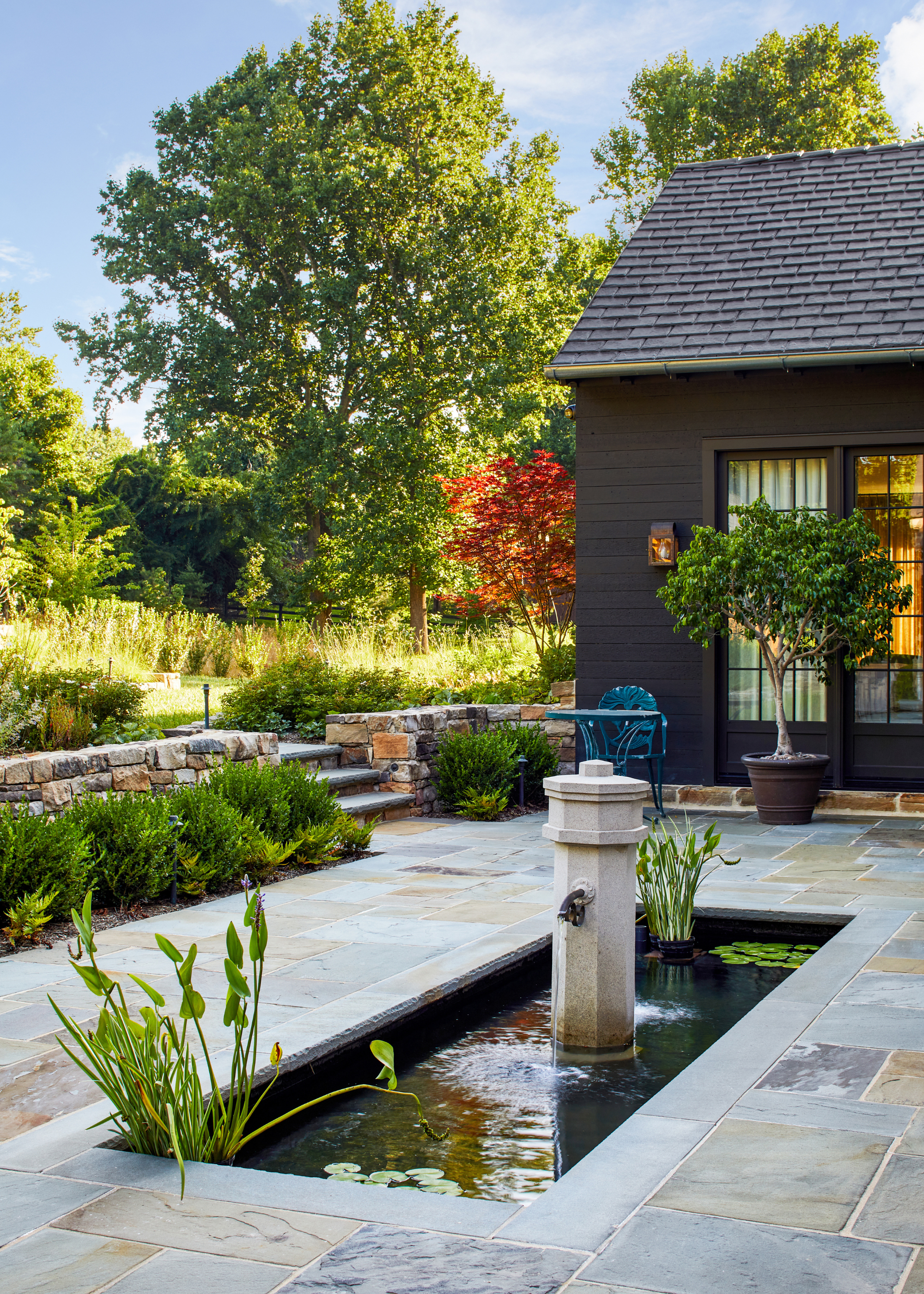
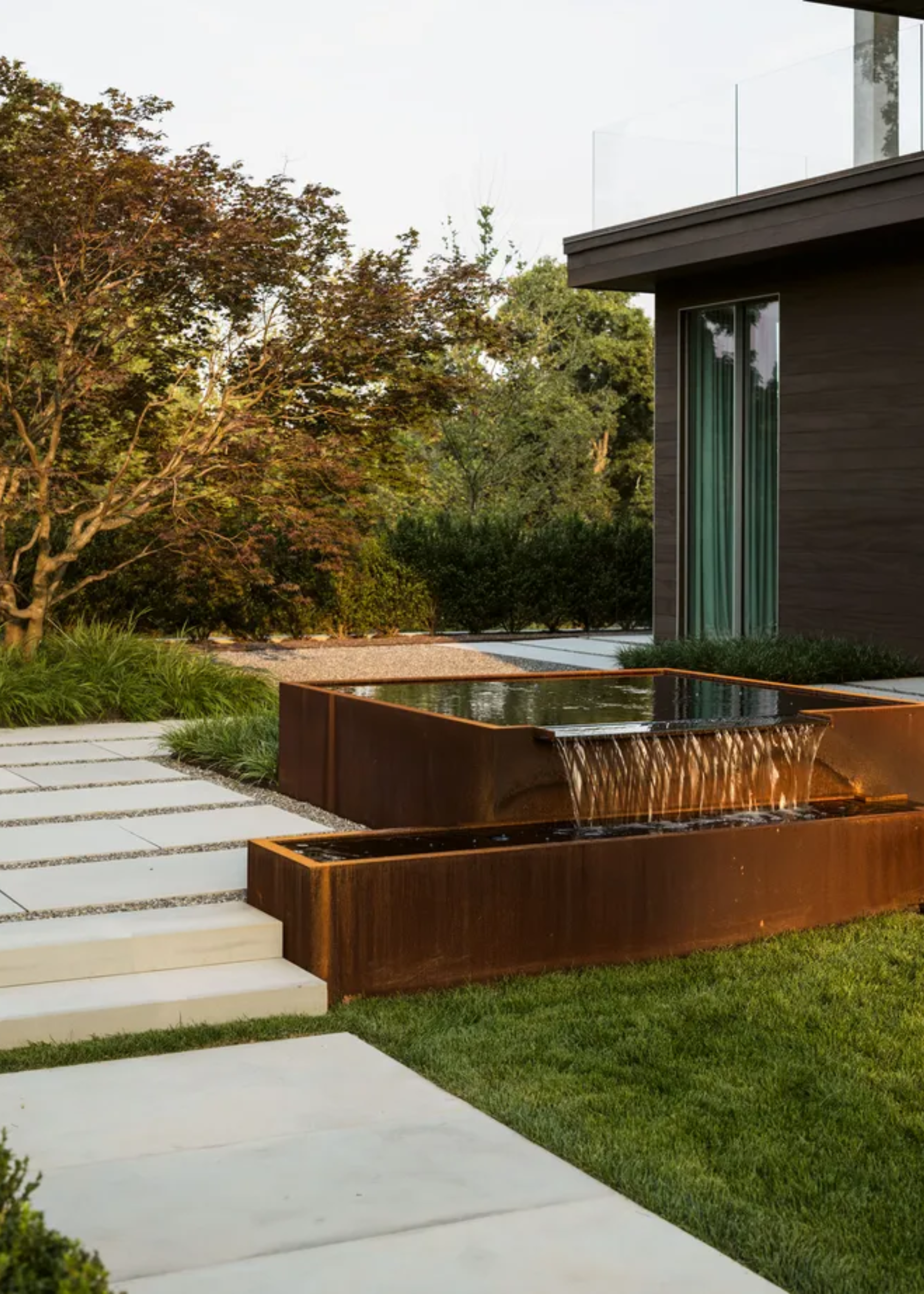
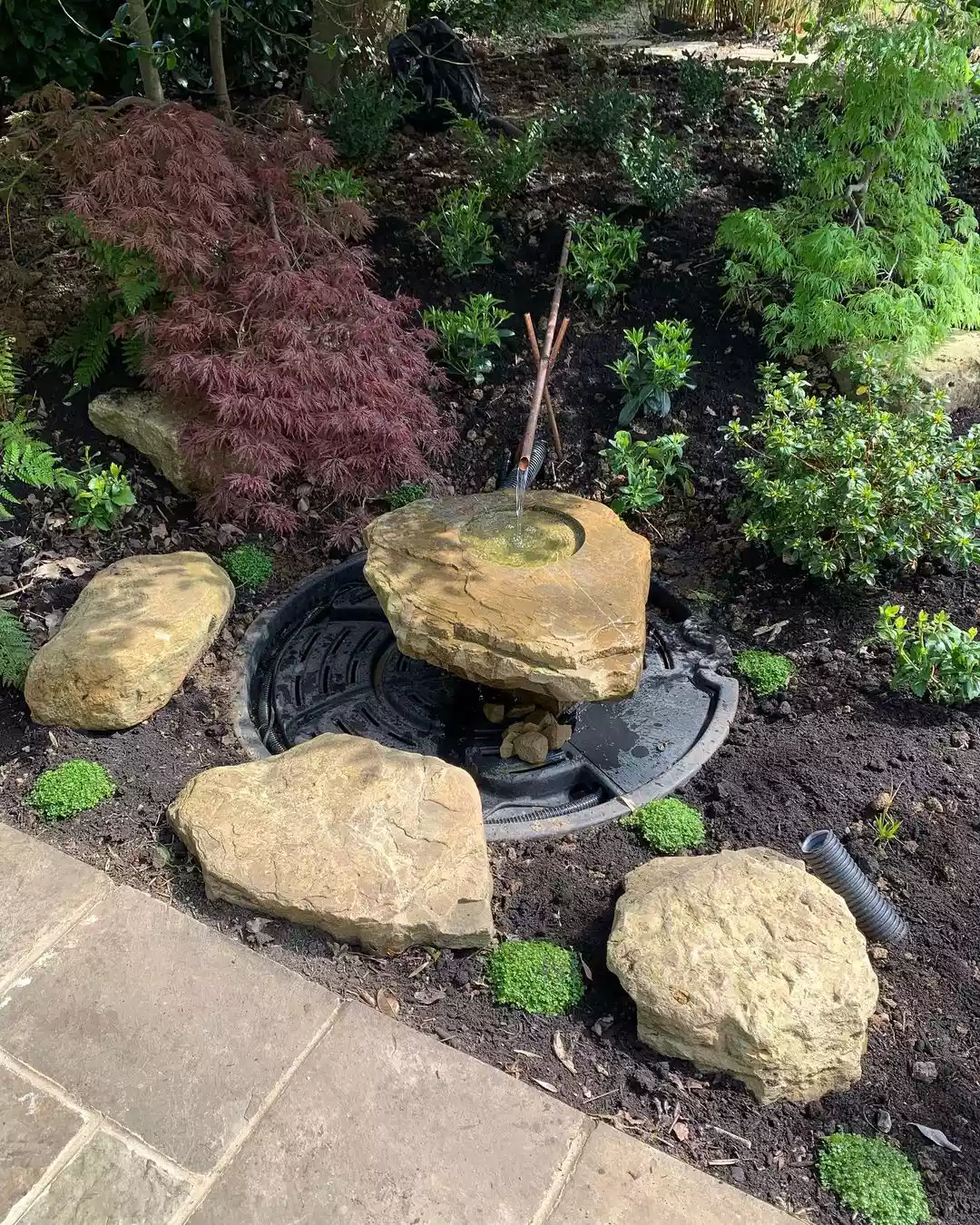
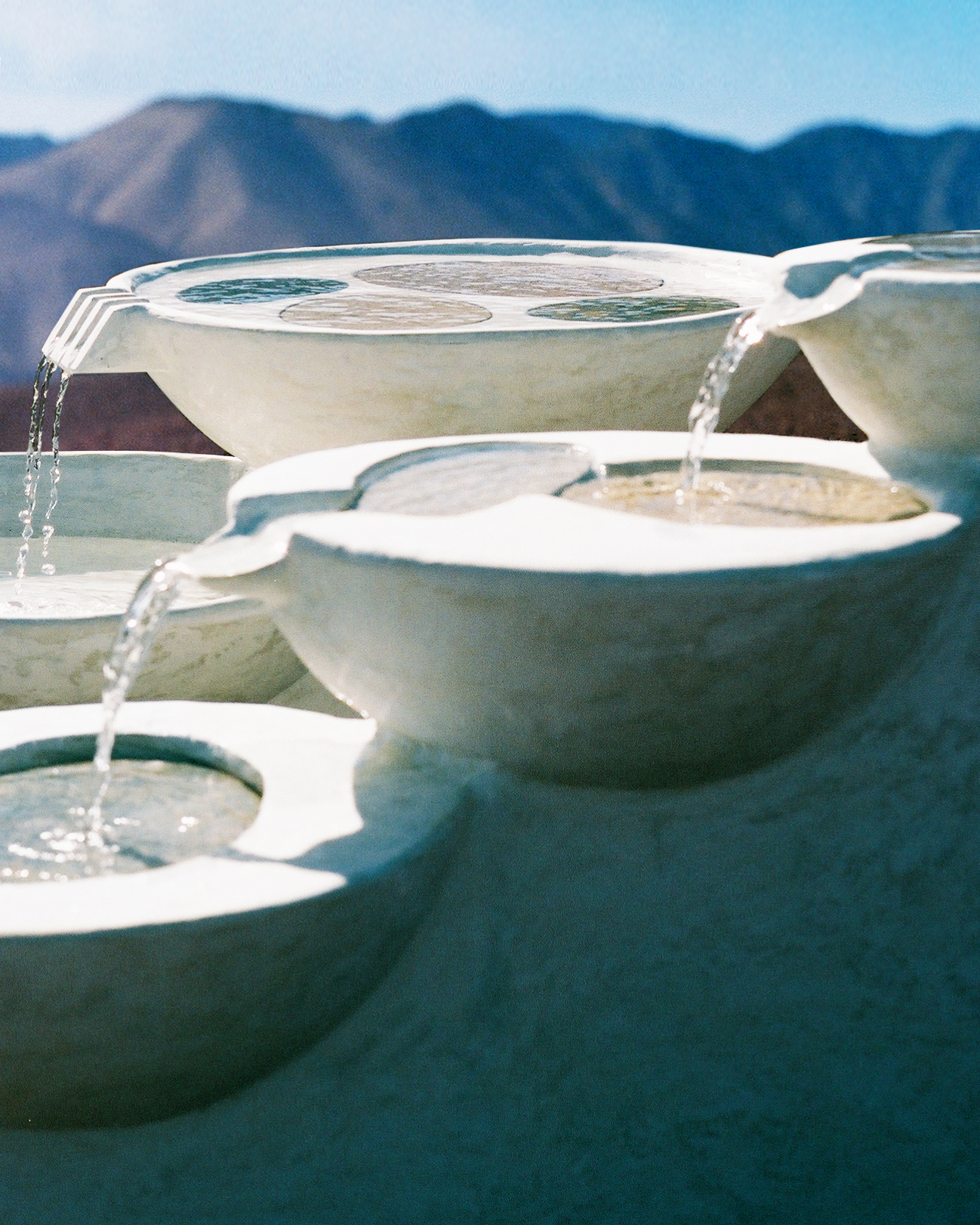
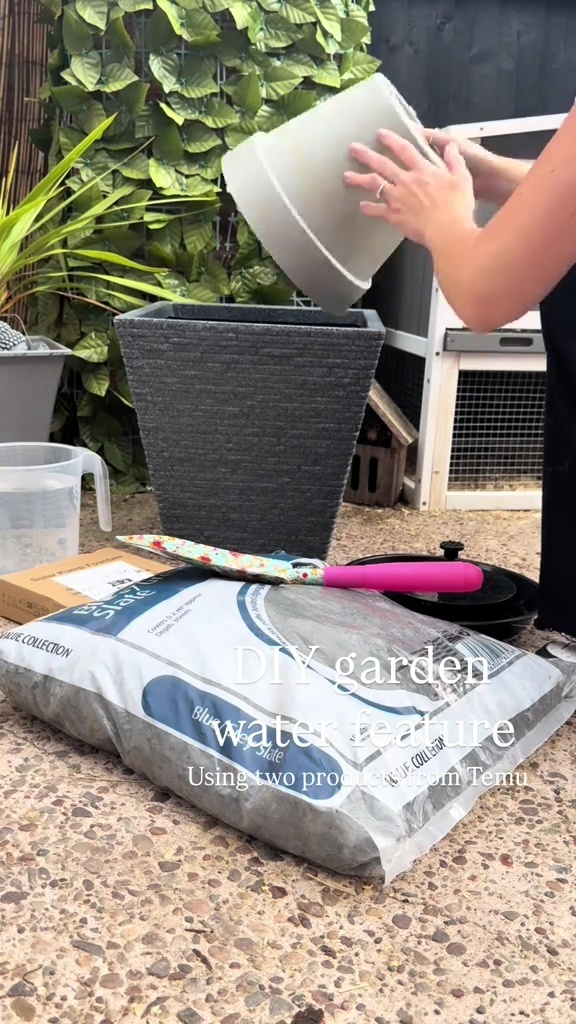
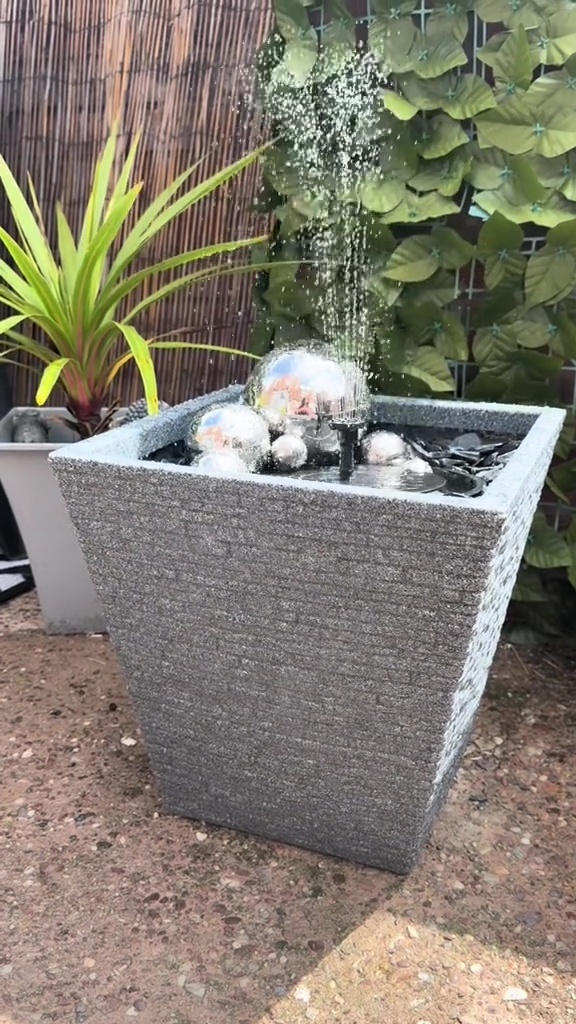
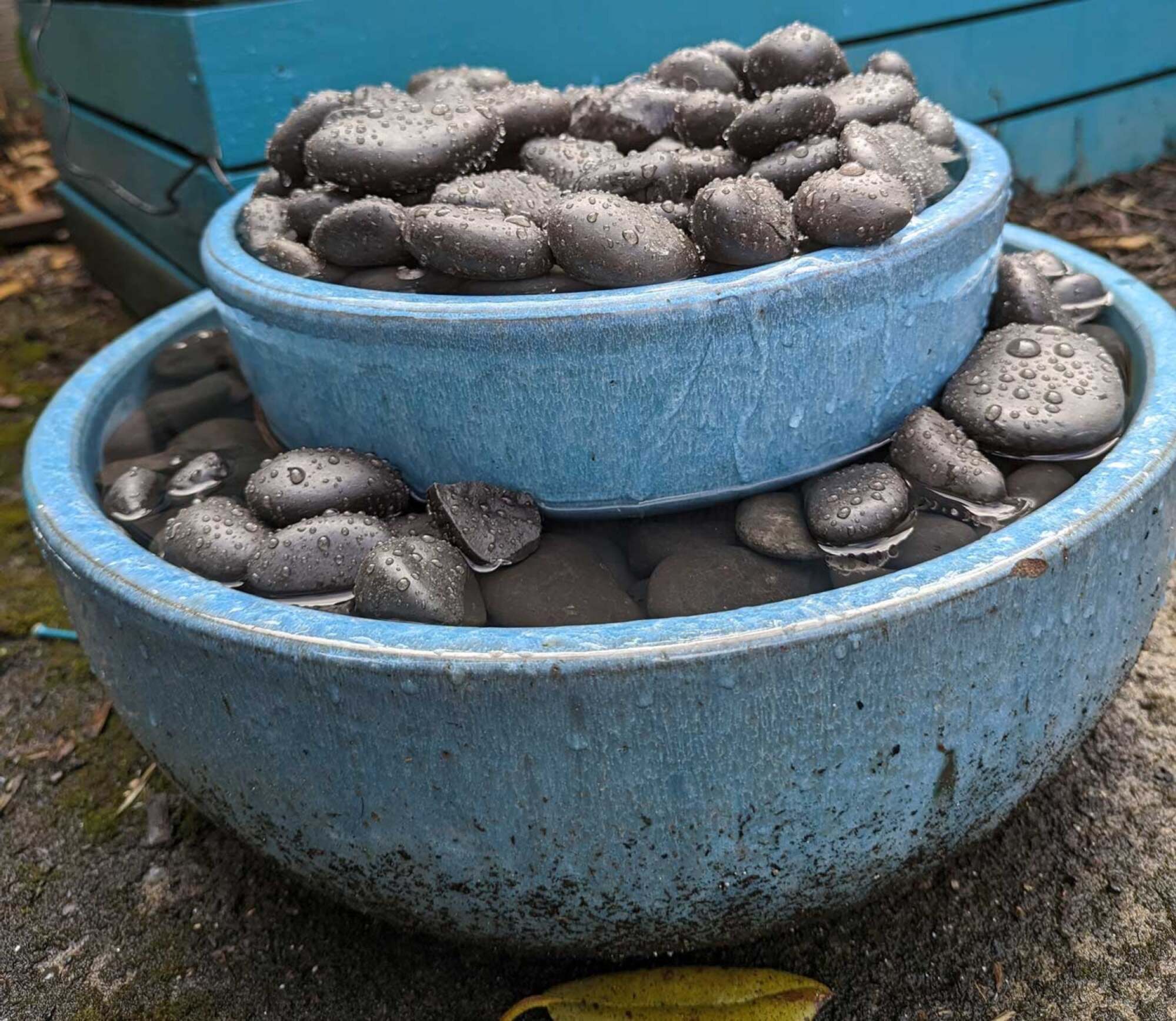
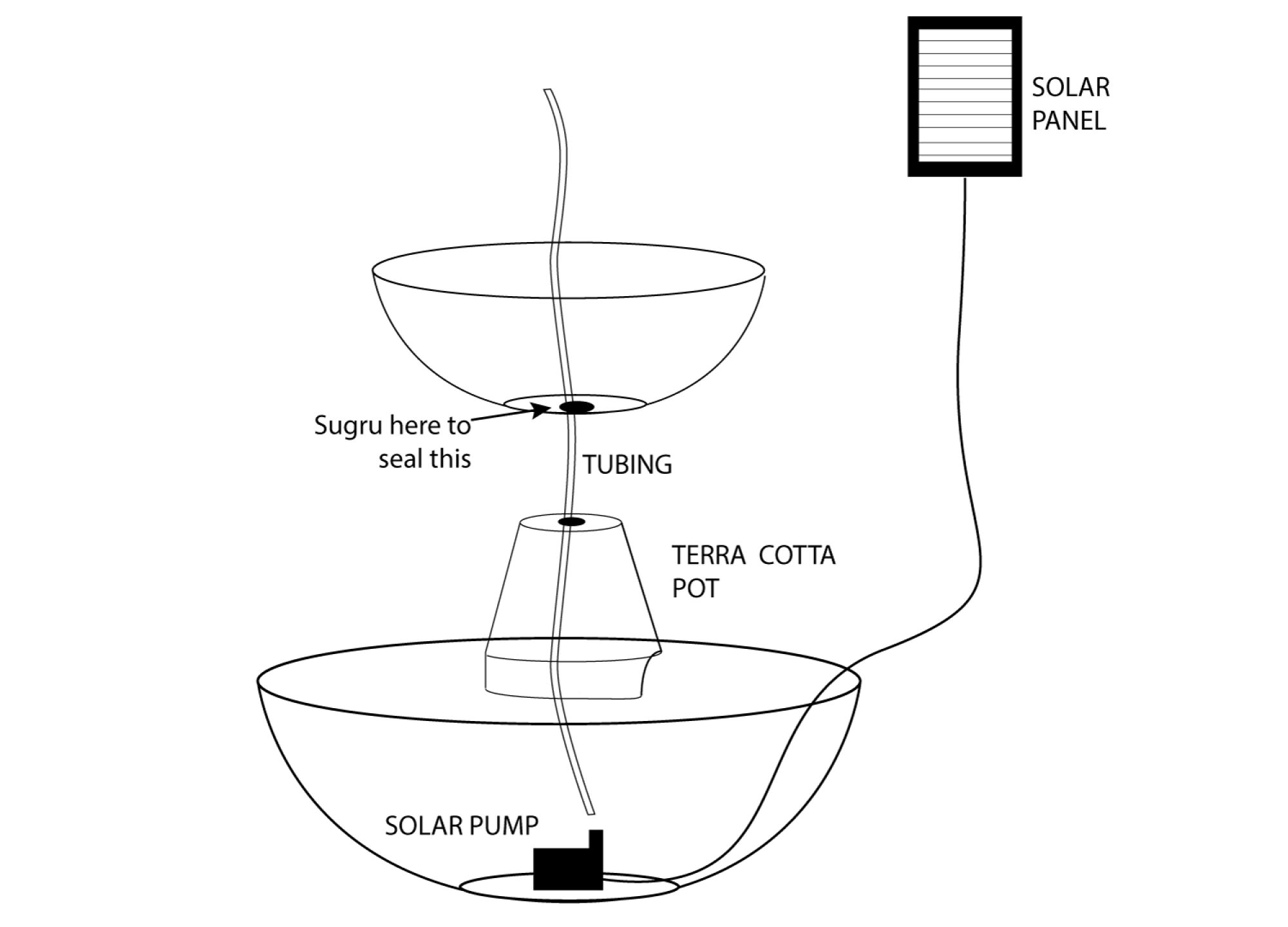
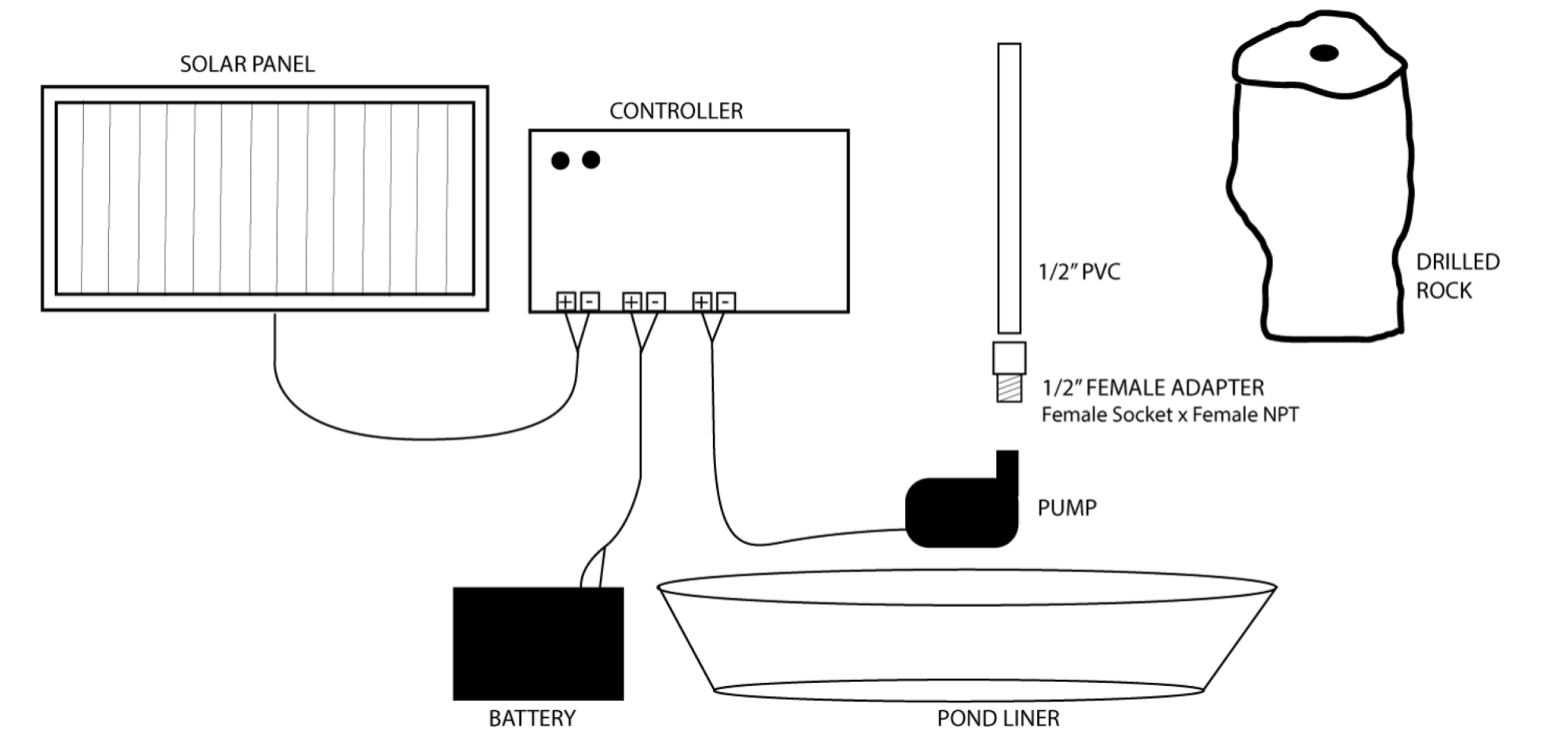
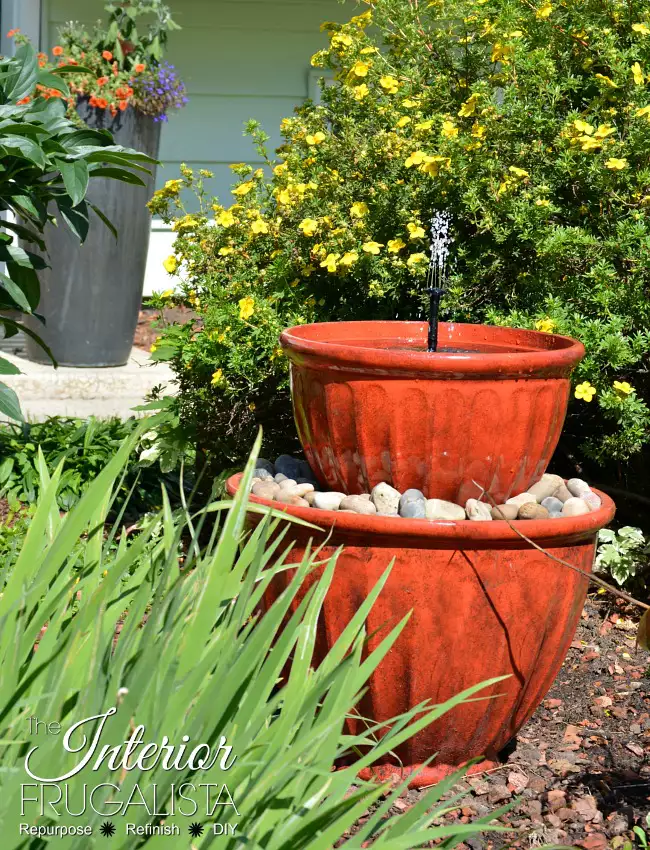
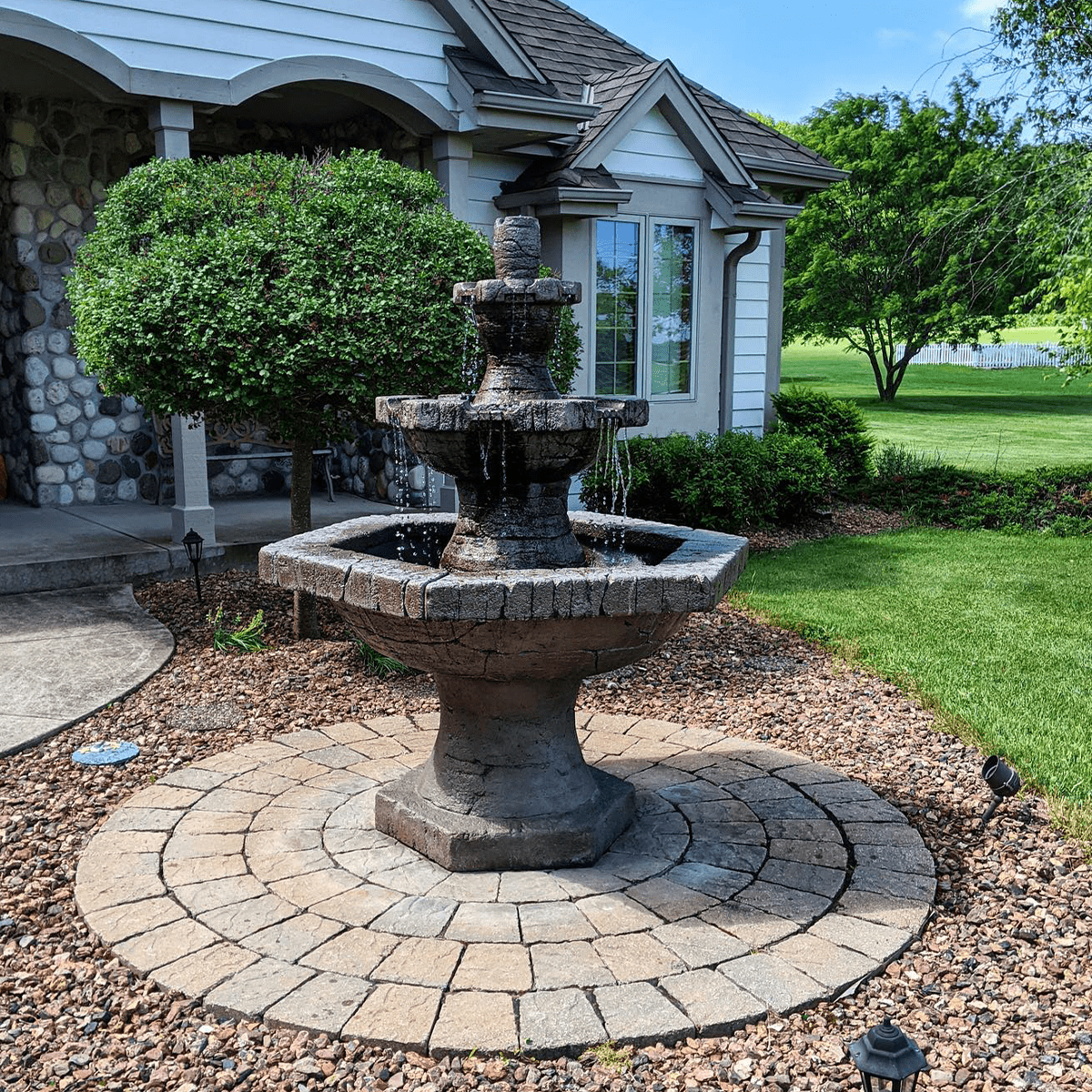
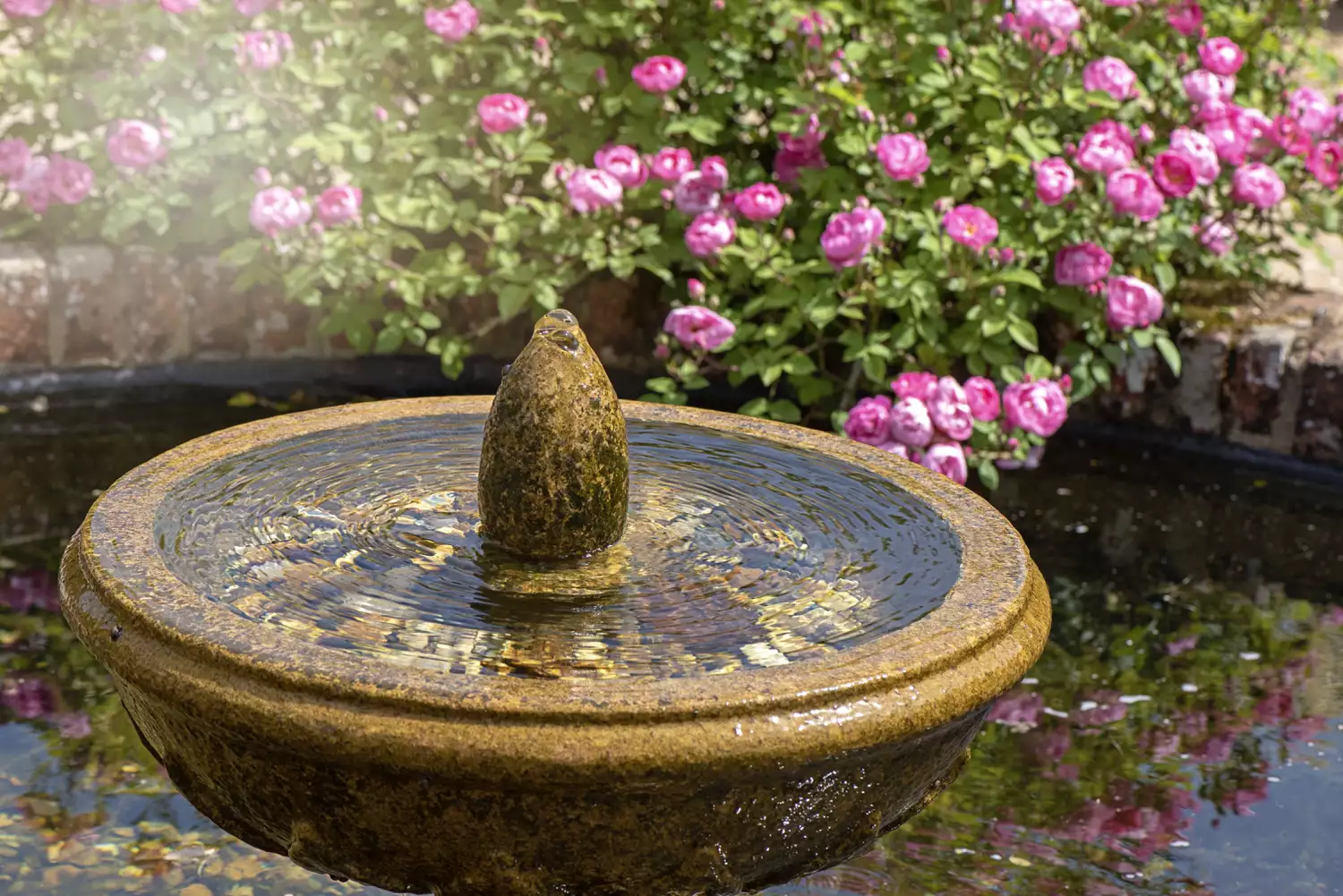
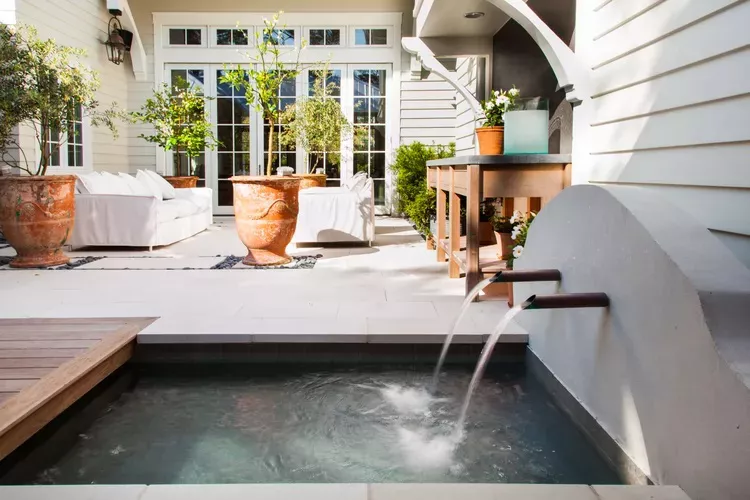
There are numerous types of outdoor fountains available, each catering to different aesthetic and functional preferences. Bird bath fountains, for instance, circulate water, creating an inviting spot for birds. Cistern fountains collect water in containers, forming reflective pools that can host fish and aquatic plants. For those with a creative inclination, DIY fountains allow for personalization using waterproof containers, tubing, and a pump, though it is crucial to use solid materials that will not damage the pump. Floating fountains are designed for pools or ponds, often used for special occasions. Flowerbed fountains can be integrated into garden beds, either above or in-ground. Outdoor wall fountains are mounted on exterior walls, providing dynamic water movement and sound. Solar-powered fountains offer an energy-efficient option, operating on direct sunlight, which helps in reducing utility costs. Lastly, spitter fountains typically feature a sculpture that projects a concentrated stream of water from a pond or pool.
When purchasing an outdoor fountain, material selection is a key consideration, influencing durability, appearance, and cost. Common materials include lightweight aluminum, tranquil bamboo, robust concrete, versatile fiberglass, durable and affordable resin, natural slate, corrosion-resistant stainless steel, and heavy, long-lasting stone.
The sound produced by a fountain is another critical aspect, as preferences vary widely. What one person finds soothing, another might find distracting. Therefore, it is advisable to listen to different fountains before making a decision to ensure the water flow creates the desired auditory experience. Fountains are also considered a form of yard art, similar to sculptures. Personal taste should guide the selection process, with various companies offering beautifully designed options to suit diverse aesthetic preferences.
Installation of an outdoor fountain can range from simple plug-and-play models to those requiring more effort. A universal rule for installation is to ensure the fountain is placed on a level surface, such as concrete or packed gravel. Most smaller to medium-sized fountains can be installed by homeowners with basic tools and shims. However, factors like size, sunlight exposure, and shelter need to be taken into account. Large concrete fountains can be extremely heavy, requiring careful consideration for transport, installation, and winter storage. Placing a fountain out of direct afternoon sun can prevent excessive algae growth, which can clog the pump and tubing. Similarly, choosing a sheltered spot can protect the fountain from debris like sticks, grass, and tree seeds, minimizing maintenance efforts.
#OutdoorFountains #GardenDesign #HomeImprovement #WaterFeatures #DIYProjects #YardArt #StressReduction #WildlifeAttraction #OutdoorFountains #GardenDesign #HomeImprovement #WaterFeatures #DIYProjects #YardArt #StressReduction #WildlifeAttraction
0 comment in total
 No comments yet
You may also like

Types of Fountains: Top 20 Options for Garden, Business or Home
Outdoor water features to turn your garden into a zen oasis


Livingetc's 10 favorite backyards ever to inspire and help elevate your own alfresco space

16 DIY Outdoor Fountain Ideas for Instant Peaceful Energy

29 Elegant Fountains That Create a Sense of Tranquillity

How to fix low water pressure in an outdoor faucet

Want A Water Feature in Your Yard? 44 Ideas That Will Fit in Any Budget
These 33 Houseplants Are Easy to Grow in Water
Water feature ideas – 11 ways to add water to any backyard
Want a Calm, Peaceful Backyard Escape? Start With One of These Water Fountains

Lily Clark’s water fountains offered a moment of sensorial escapism at Design Miami 2022

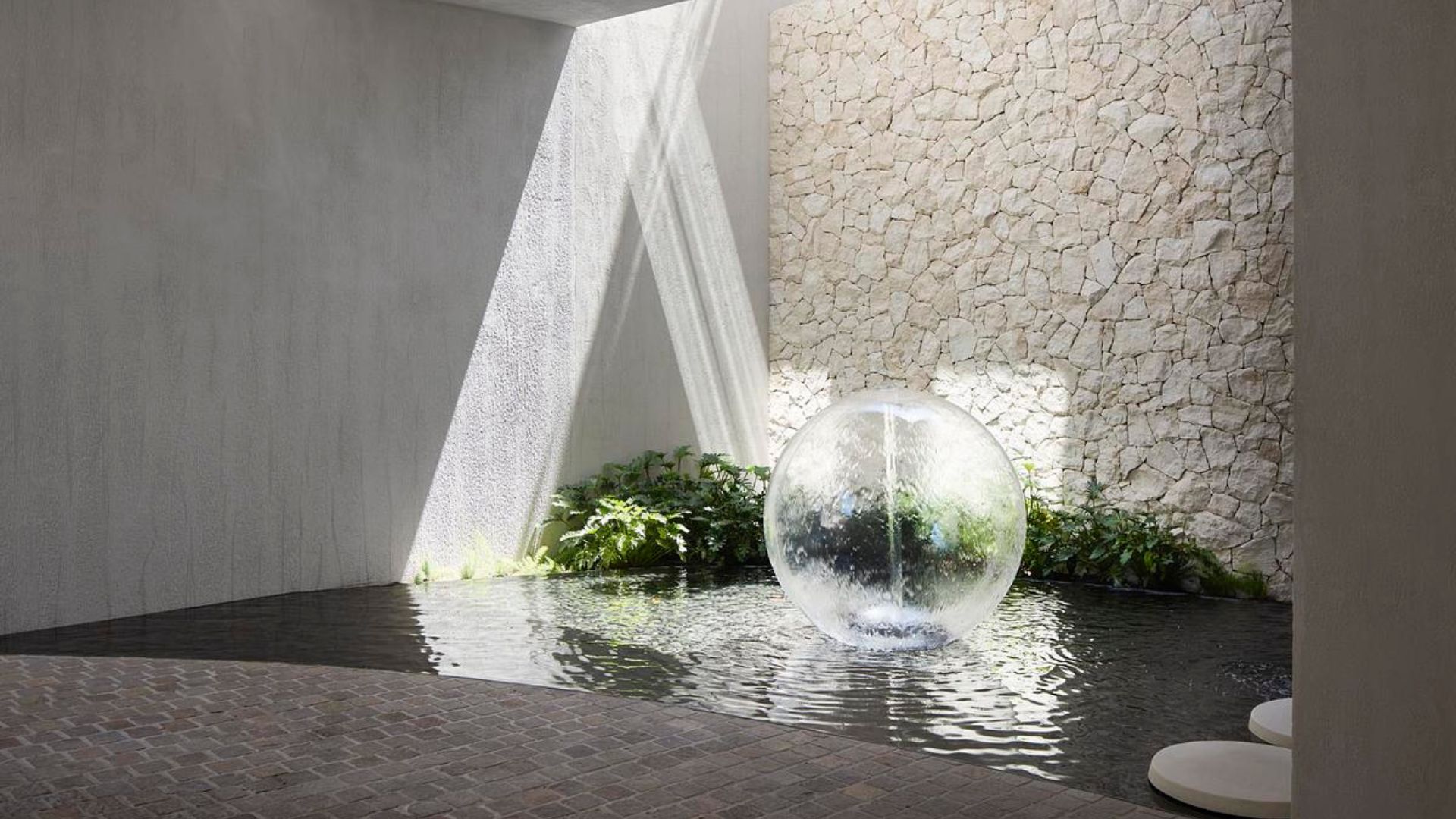
5 Aquatic Plants to Brighten Up Your Water Feature


Garden Fountains Are the New Backyard Firepit—Here's How to Incorporate One into Your Space

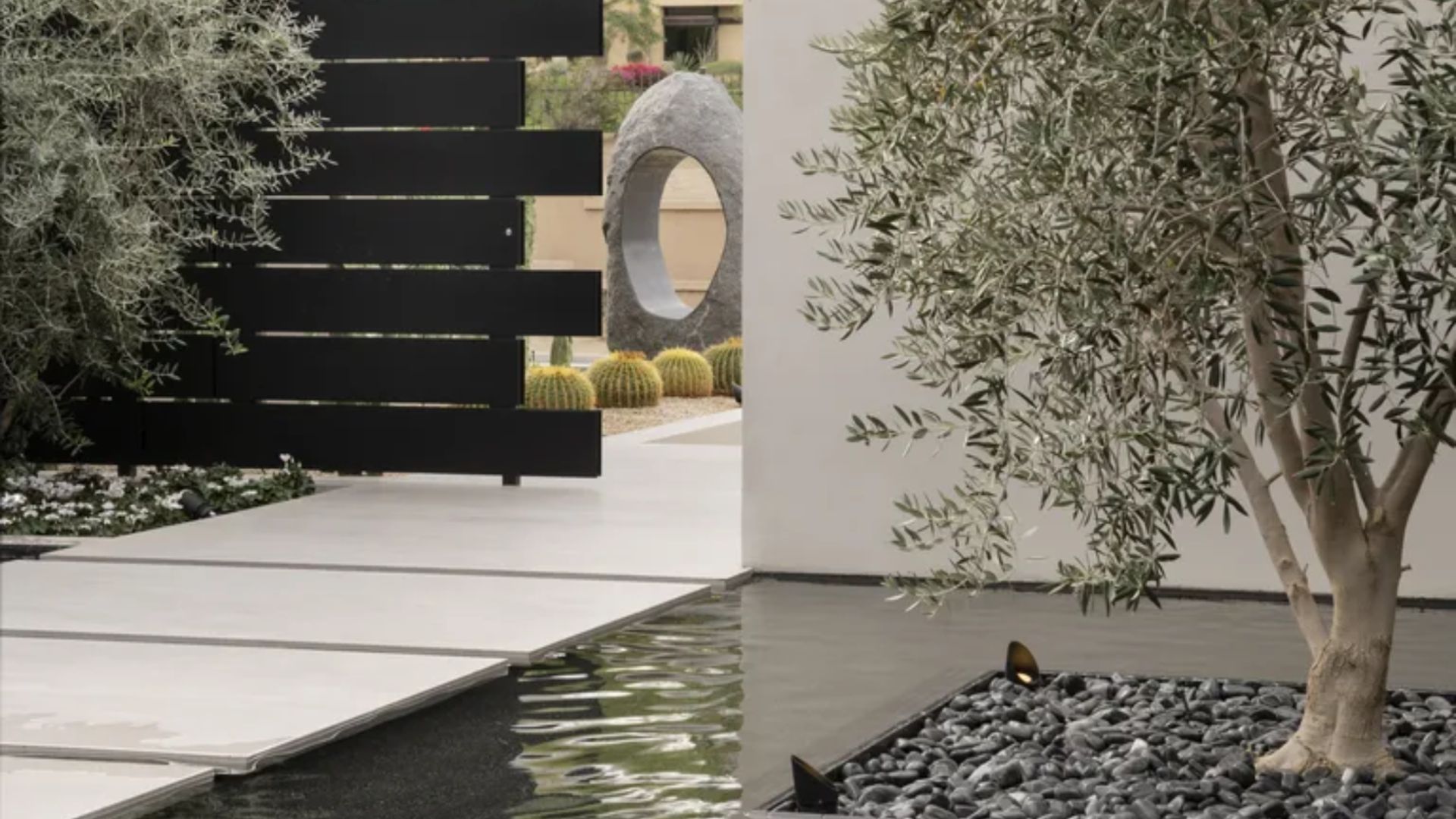
8 Tranquil Water Garden Ideas That Look Beautiful and Train Your Ear Away From Noisy Outdoor Distractions
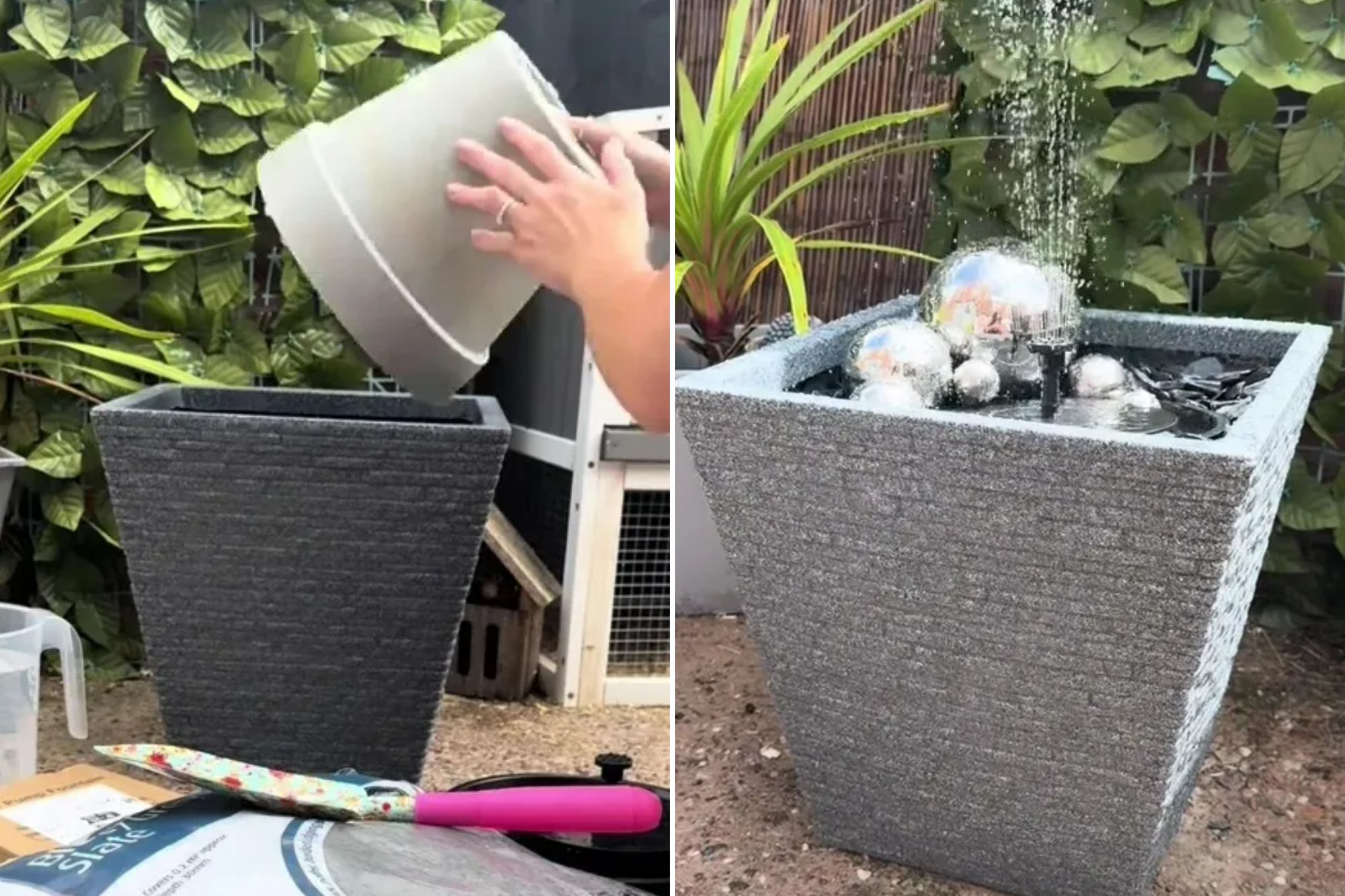
I turned a plant pot into a DIY water feature with Temu bargains - I spent £8.41

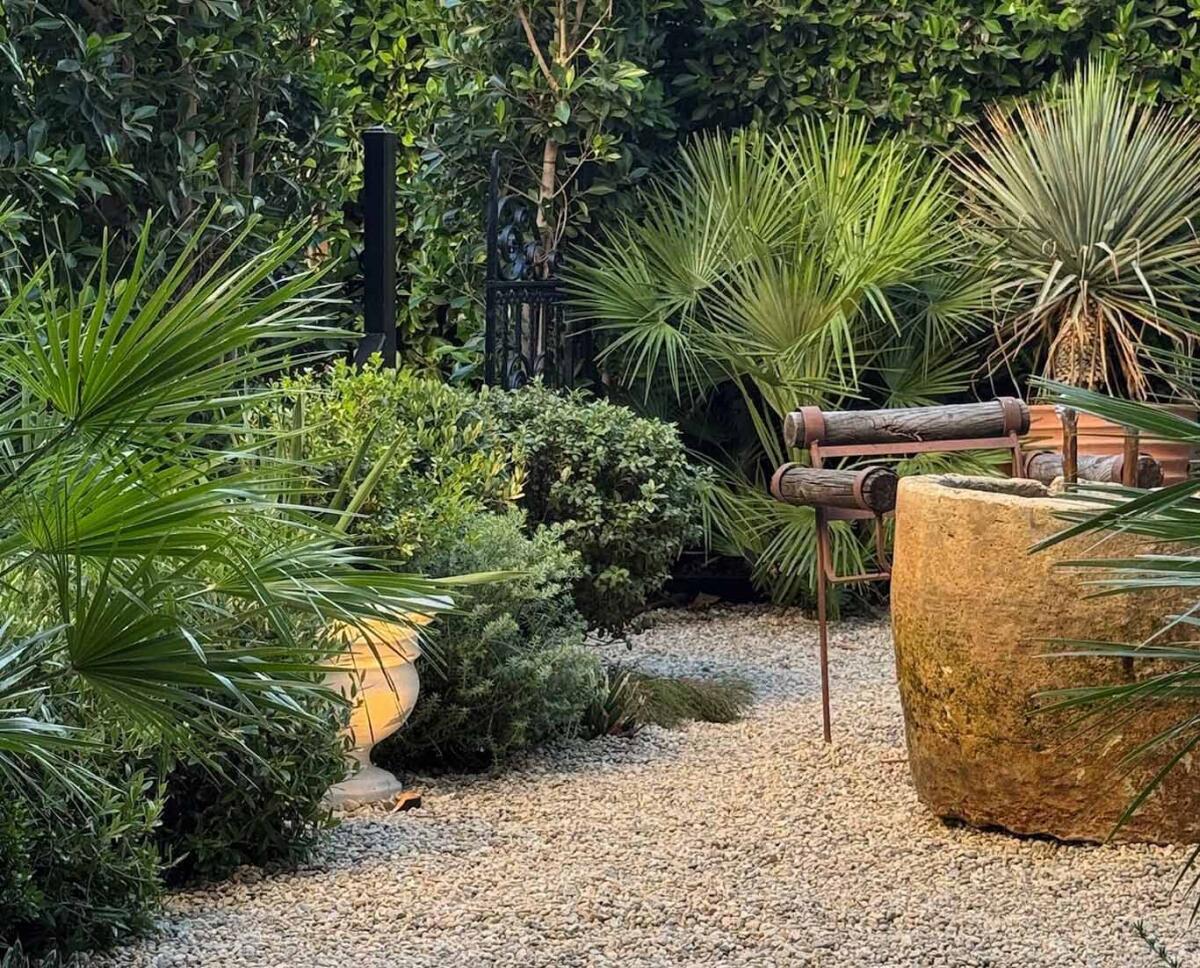
Backyard Water Feature Trends for 2025: Pools, Ponds, and Tech

10 Best Garden Water Features
The Best Outdoor Faucet is Easy to Install—and It Prevents Hose Kinks

Construct a DIY Solar-Powered Water Feature for Your Garden


Costco Is Selling A Stunning Outdoor Water Feature - Is It Actually Worth The Price?