1/13
The Best Outdoor Faucet is Easy to Install—and It Prevents Hose Kinks
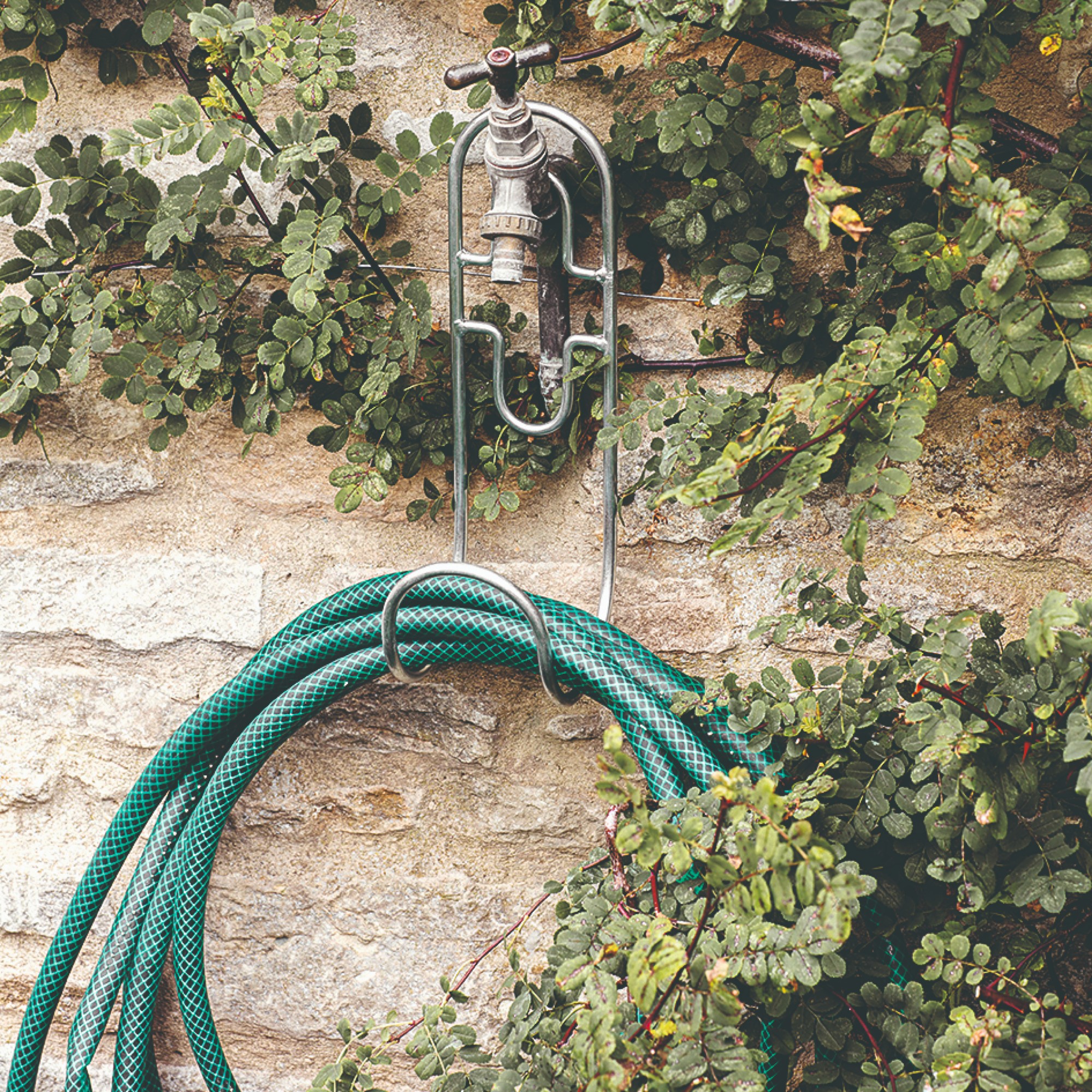
An outdoor faucet is an essential plumbing component for any home, used for tasks such as watering lawns, washing cars, and tending to potted plants. Unlike indoor faucets, outdoor models must be robust enough to withstand various weather conditions while reliably supplying water. The market offers a wide array of outdoor faucet types, including traditional spigots, frost-free models designed for winter functionality, and anti-siphon versions that safeguard the home's water supply from contamination. The selection process for the most suitable outdoor faucet can be intricate due to this variety.
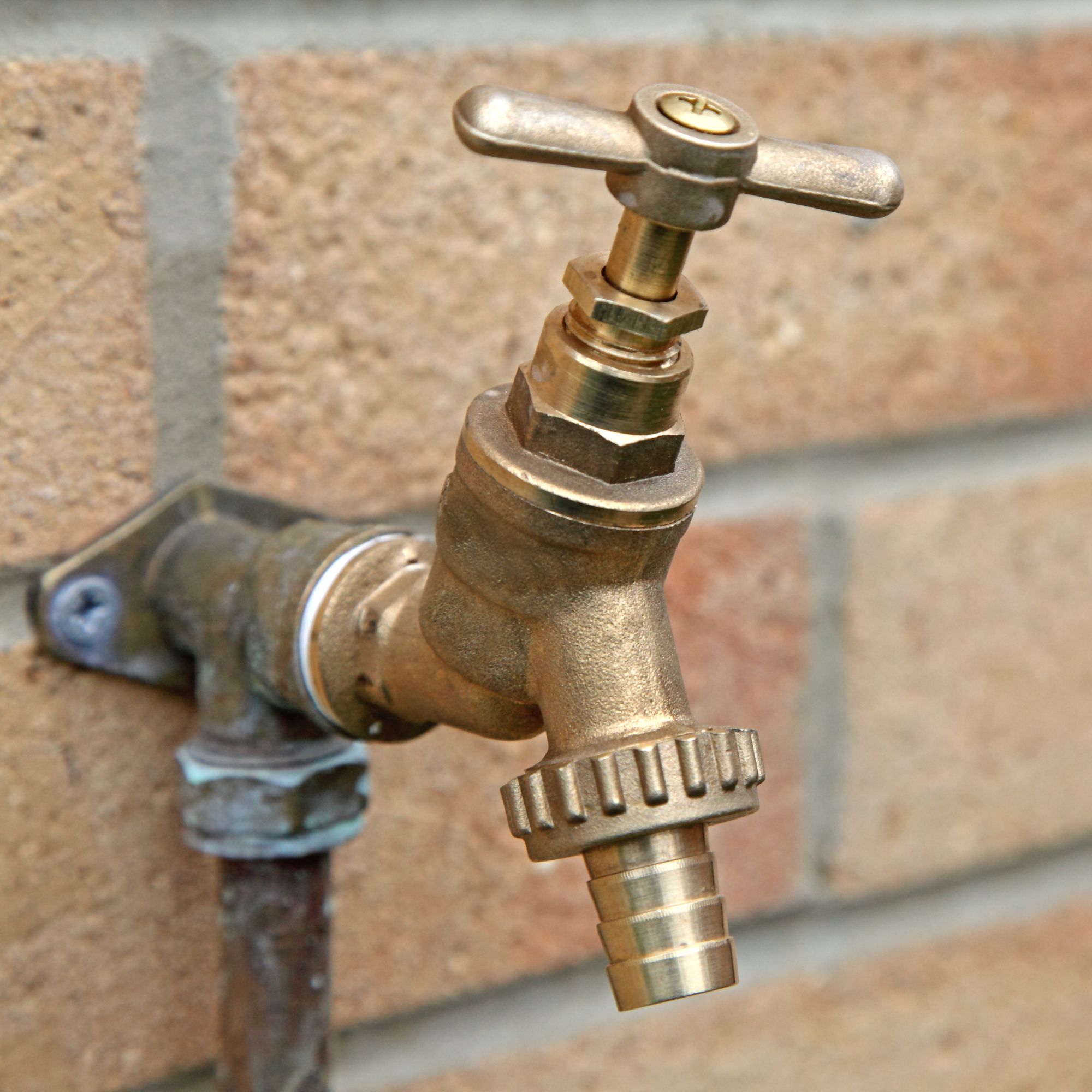
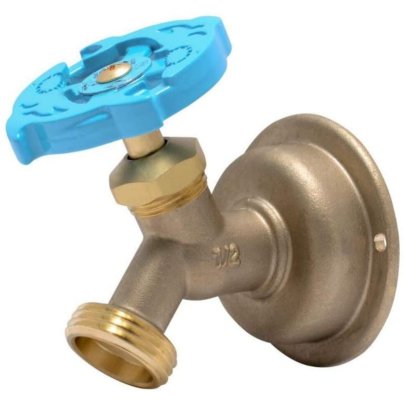
The SharkBite 24632LF Multi-Turn Hose Bibb is highlighted as a top recommendation for its simplicity, affordability, durability, and ease of installation, making it an excellent choice for a basic outdoor hose bibb. However, the article emphasizes that other faucet types may be more appropriate depending on specific needs. Key factors to consider when choosing an outdoor faucet include its type, material, size, handle style, and additional features.
Outdoor faucets are categorized into several types. Spigots feature a compression valve for gradual water flow control but require winter shut-off to prevent freezing. Frost-free faucets incorporate a long stem that extends into the home's climate-controlled interior, eliminating freezing risks during cold months. Ball valve faucets offer quick on/off functionality with a quarter-turn lever but less precise flow regulation. Yard hydrants are freestanding units, ideal for gardens, and are installed below the frost line with plumbing extended from the house. Anti-siphon faucets prevent backflow of potentially contaminated water into the home's clean water supply.
Material and maintenance are critical considerations. Outdoor faucets, unlike their indoor counterparts, are typically constructed from robust materials like solid brass or galvanized steel to endure harsh weather. While indoor faucets often feature chrome or stainless steel finishes, the internal components are usually brass. Compression-style faucets use rubber stoppers that need periodic replacement to prevent leaks. Many modern outdoor faucets are designed for easy maintenance, allowing users to access the stem and rubber washers with simple tools.
Faucets come in ½-inch or ¾-inch diameters, which should match the home’s existing pipe size. A larger diameter faucet will not increase water pressure if the supply line is smaller. Design choices should align with the application; for instance, hose bibbs are ideal for garden hoses, while ornamental spigots can enhance backyard aesthetics. Additional features such as frost-free and anti-siphon capabilities enhance functionality and safety.
Installation of most outdoor faucets is straightforward, with many featuring male ends compatible with copper, PVC, or galvanized steel plumbing via adapters. Some models, like those with push-to-connect fittings, offer exceptionally quick installation. Regular maintenance is necessary to prevent leaks, which often involve tightening a retaining nut, replacing washer assemblies, or cleaning/repairing the vacuum breaker. Tips for winterizing outdoor faucets include installing frost-free models or turning off the internal water supply and draining the line before freezing temperatures set in. The cost to replace an outdoor faucet typically ranges from $100 to $300, with new installations costing $200 to $500.
#OutdoorFaucets #HomeImprovement #Plumbing #HoseBibbs #FrostFreeFaucets #AntiSiphonFaucets #HomeMaintenance #DIYProjects #OutdoorFaucets #HomeImprovement #Plumbing #HoseBibbs #FrostFreeFaucets #AntiSiphonFaucets #HomeMaintenance #DIYProjects
0 comment in total
 No comments yet
You may also like
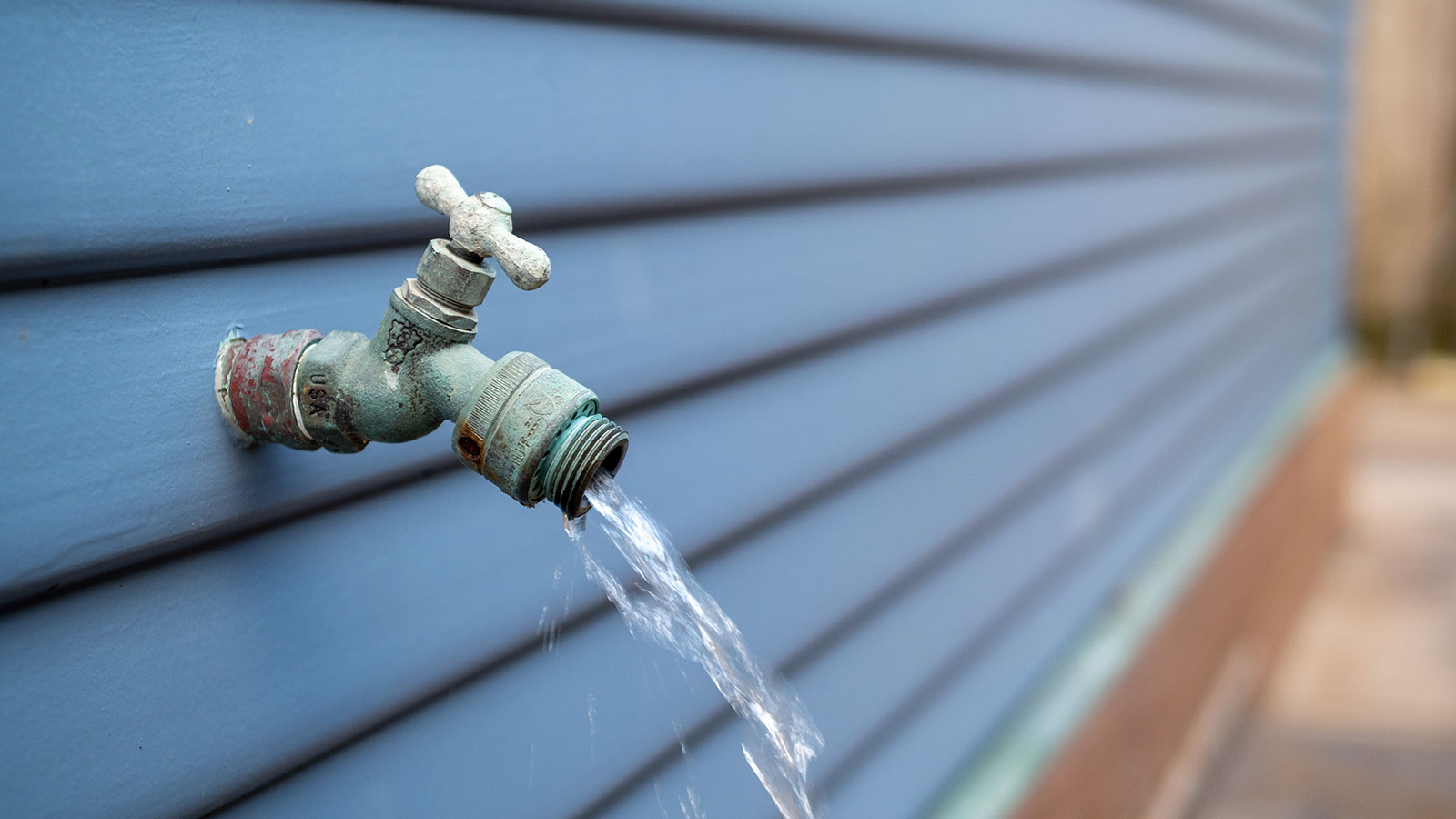
How to fix low water pressure in an outdoor faucet

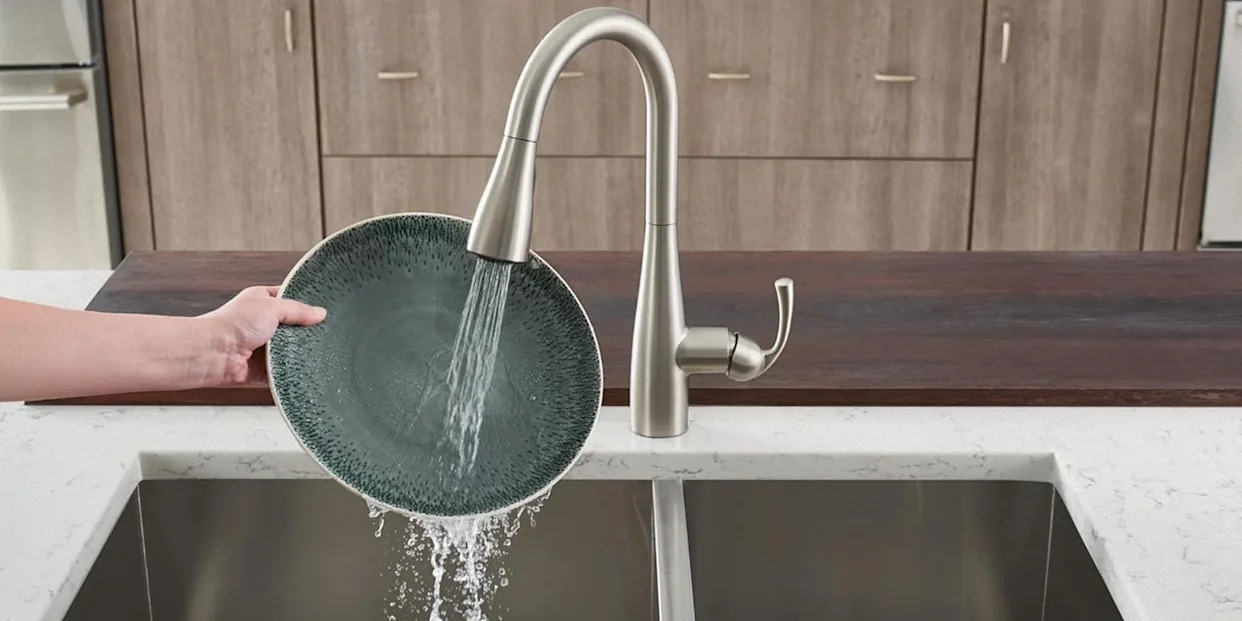
The Best Kitchen Faucets Are Well Designed and Easy to Install— Here's What Our Editors Recommend
My DIY Outdoor Shower Cost $1,000 and Makes Me Feel Like a Million Bucks—Year-Round

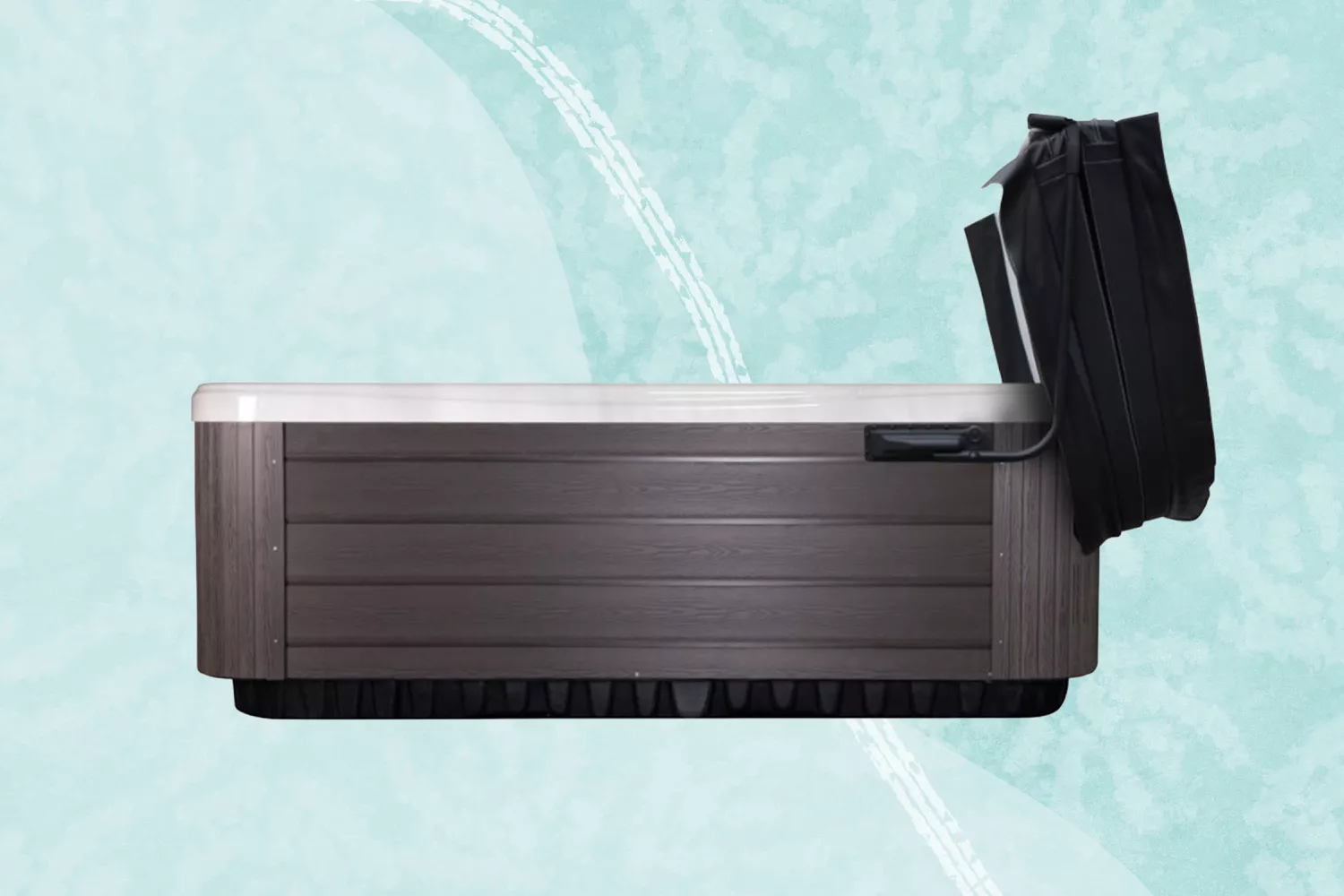
Your Hot Tub Is Ready for an Upgrade, so Snag These Accessories for Fun and Function

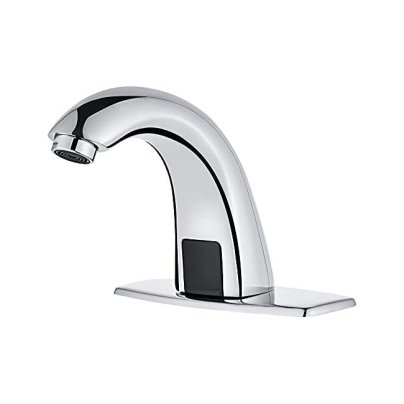
After Researching 20+ Bathroom Faucets, Our Favorite Offers Hands-Free Operation and is Easy to Install
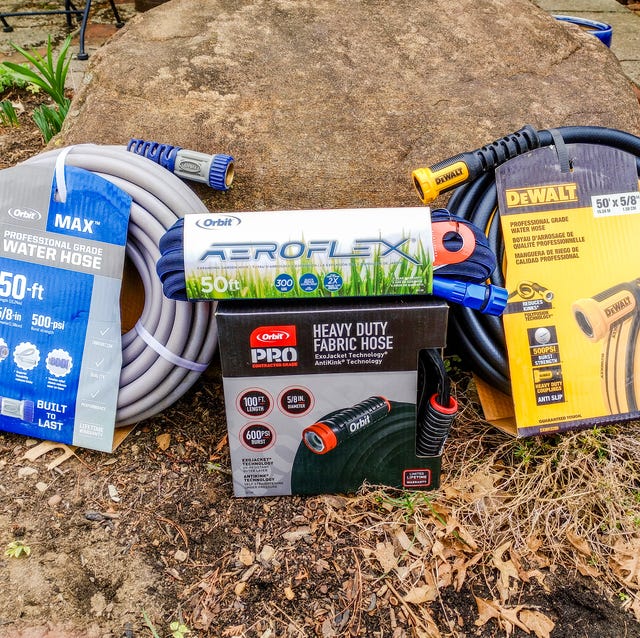
We Looked For The Lightest Garden Hoses With The Best Water Flow: Here's What We Found

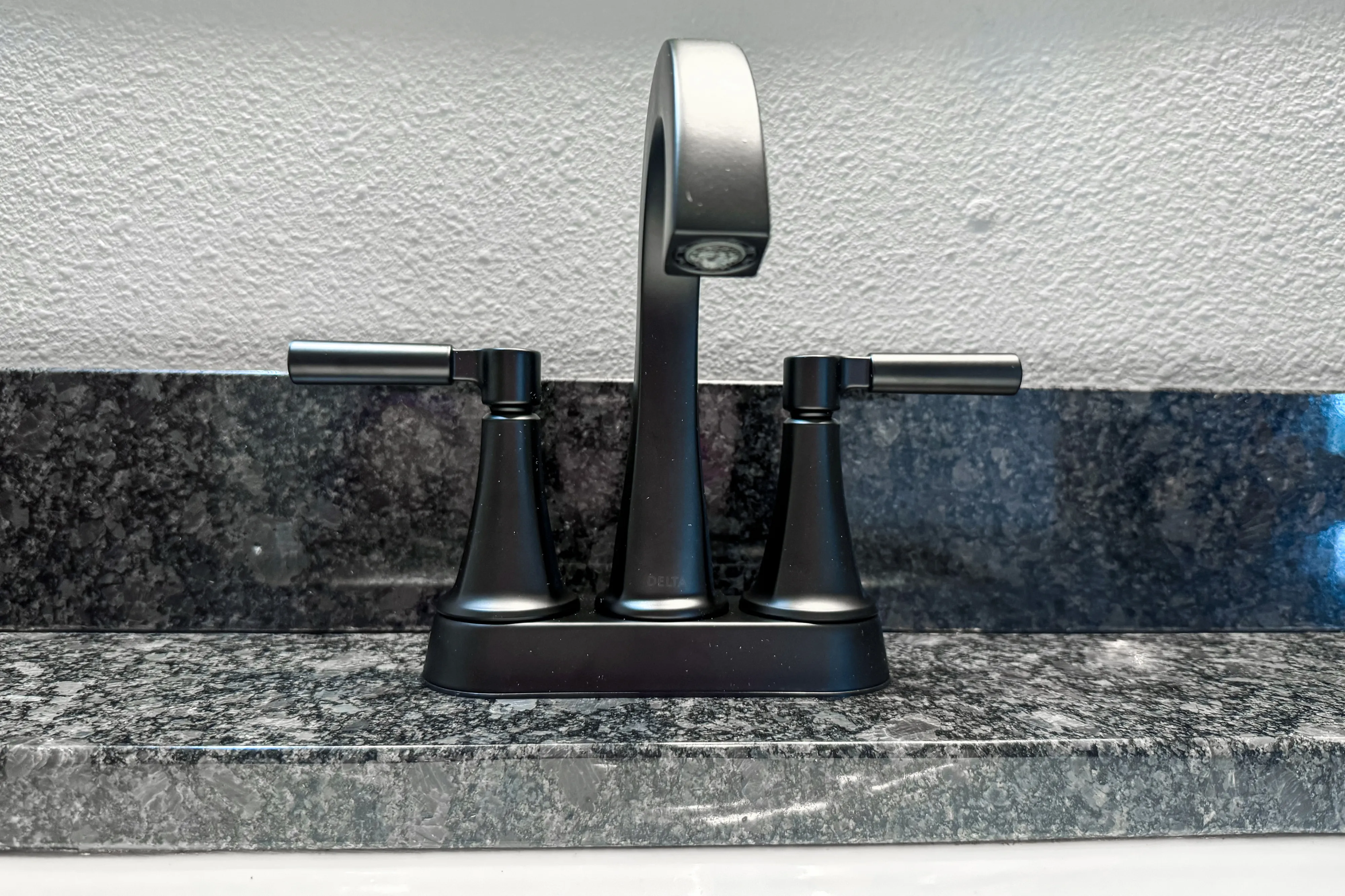
Explore the Best Bathroom Faucets From Top Brands like Delta, Kohler, and Moen—Tested by BHG

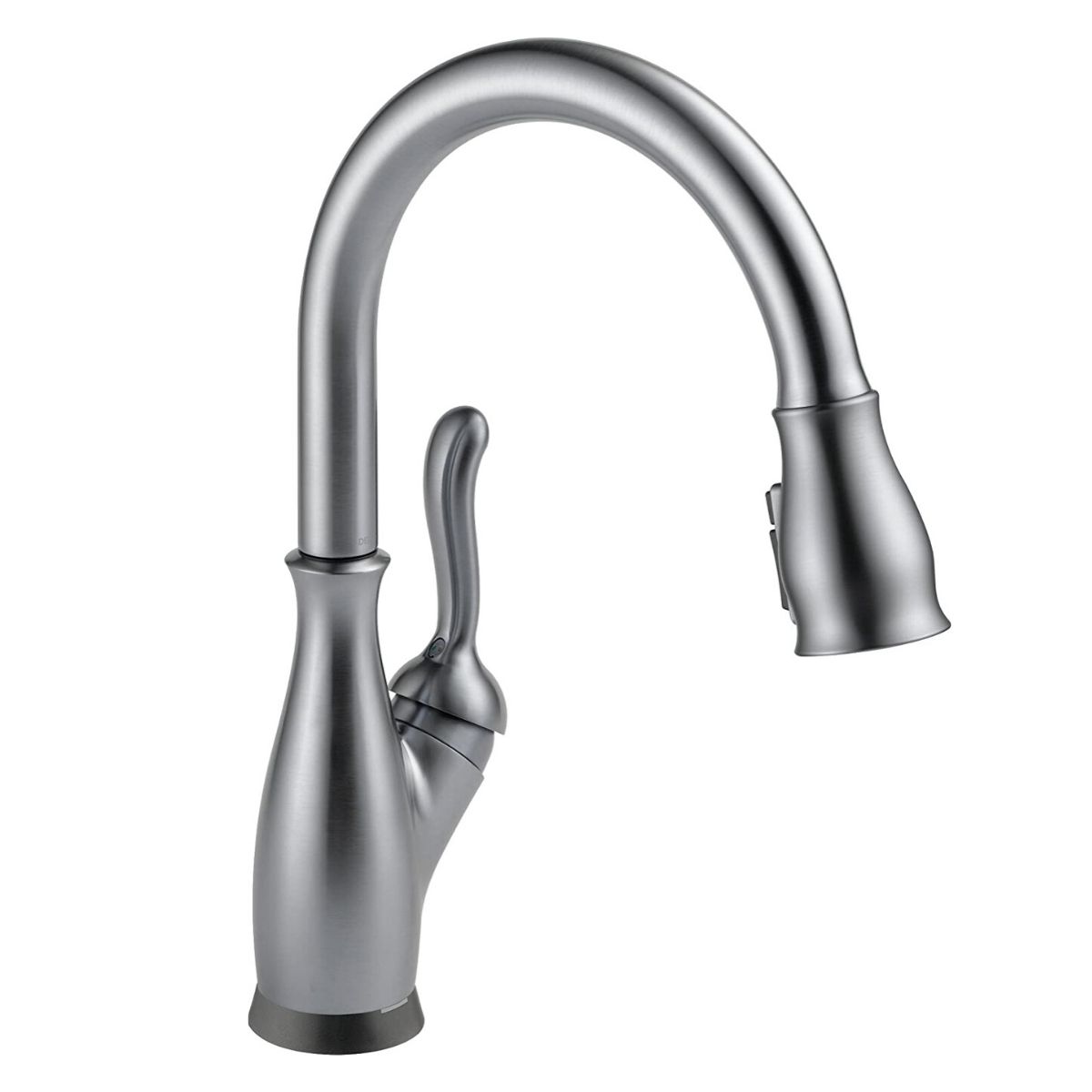
The Best Kitchen Faucets Can Transform Your Kitchen and Simplify Your Life
How to install an outdoor hot water tap for cleaning your patio, washing the dog, or filling the paddling pool
We Tested Bathroom Faucets for 6 Months—These 5 Won Us Over
9 Outdoor Sink Ideas to Upgrade Your Patio

No Lie, This Study Says an Outdoor Shower Can Double the Value of Your Home

Homeowner’s Guide To Outdoor Fountains
6 Smart Faucets Worth Buying
The Best Outdoor Showers for Pools, Camping, and More
8 Bathroom Faucets We’ve Used Daily for Weeks (And Still Look Great)

The Best Kitchen Faucets Are Well Designed and Easy to Install— Here's What Our Editors Recommend
Planning a Kitchen Remodel? These Are the Best Kitchen Faucets We Tested
Buyer’s Guide To Touchless Bathroom Faucets (Plus, Our Top 5 Picks)
We Tested 14 Faucets in Our Own Kitchens for a Year, and These Are the Only 4 We Recommend