1/4
Why Mosaics Are Suddenly on Every Interior Designer’s Mood Board
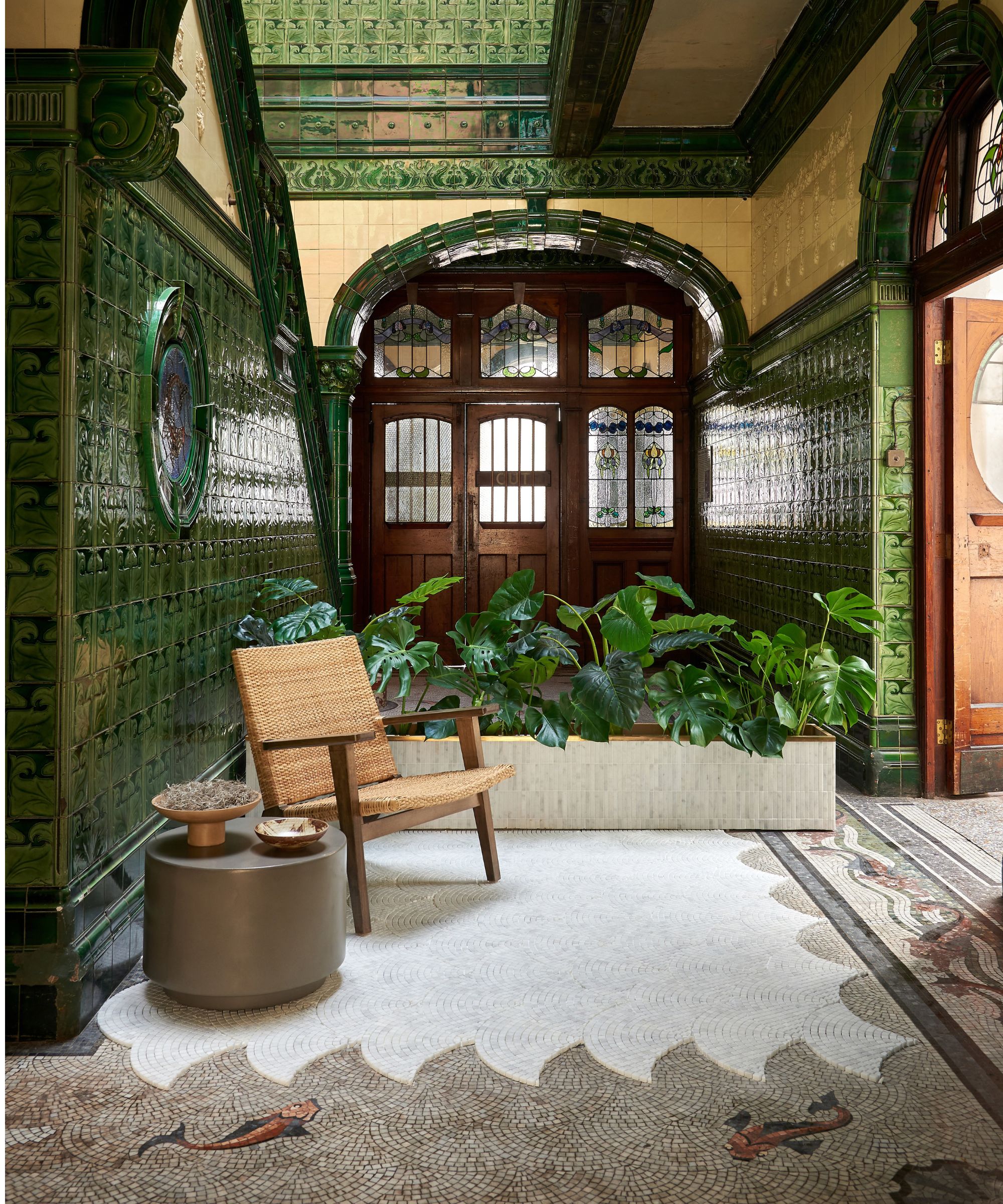
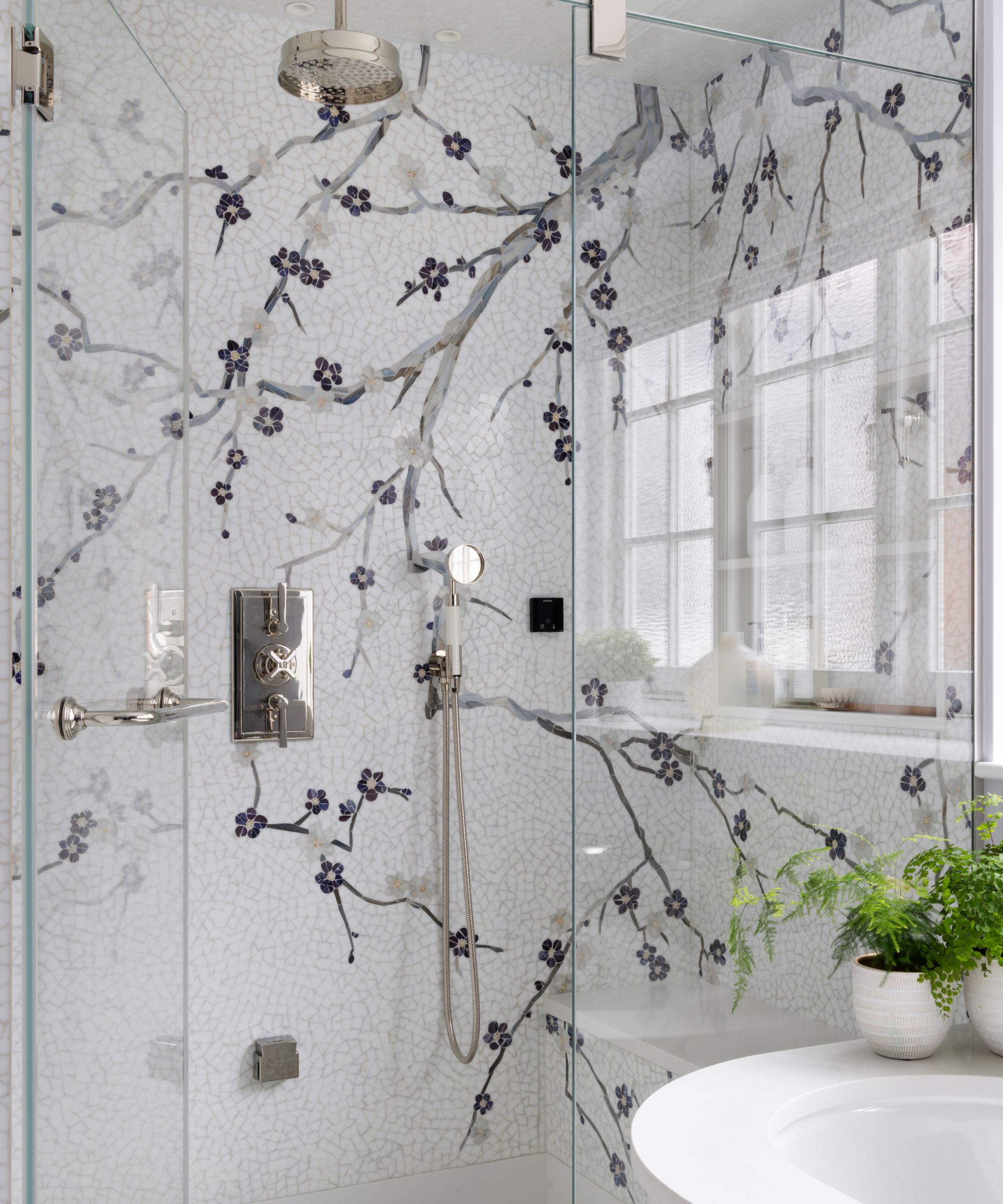
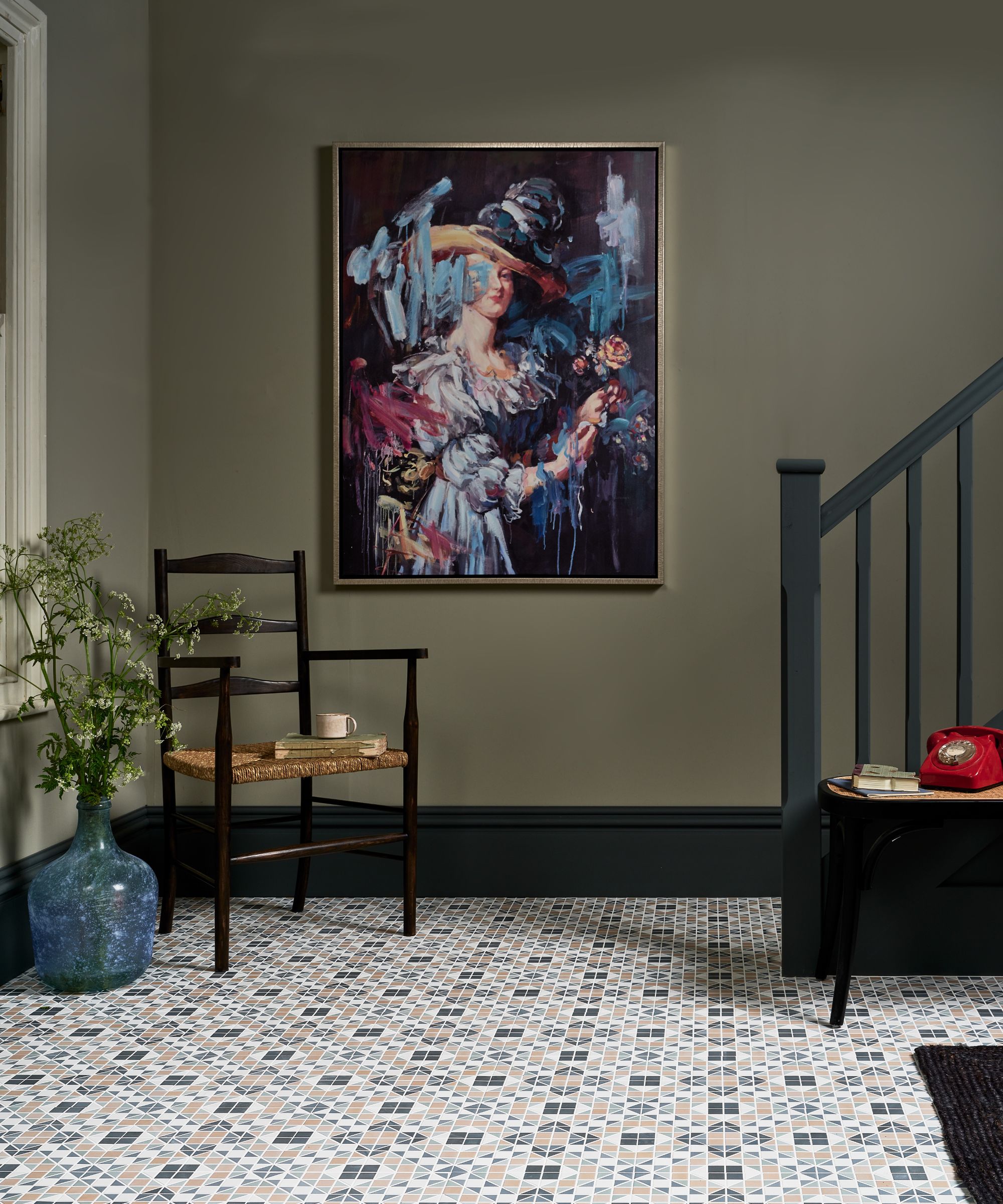
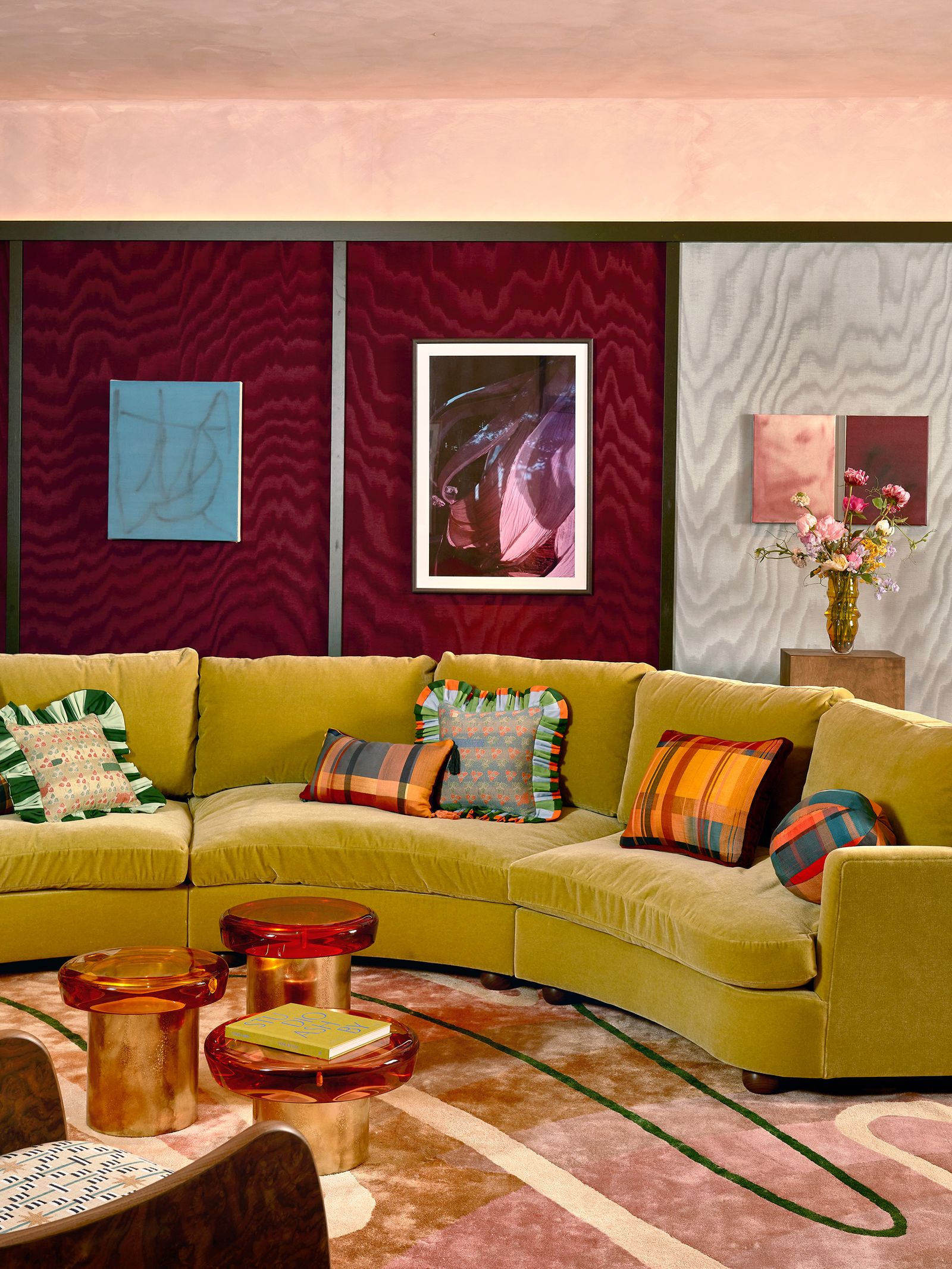
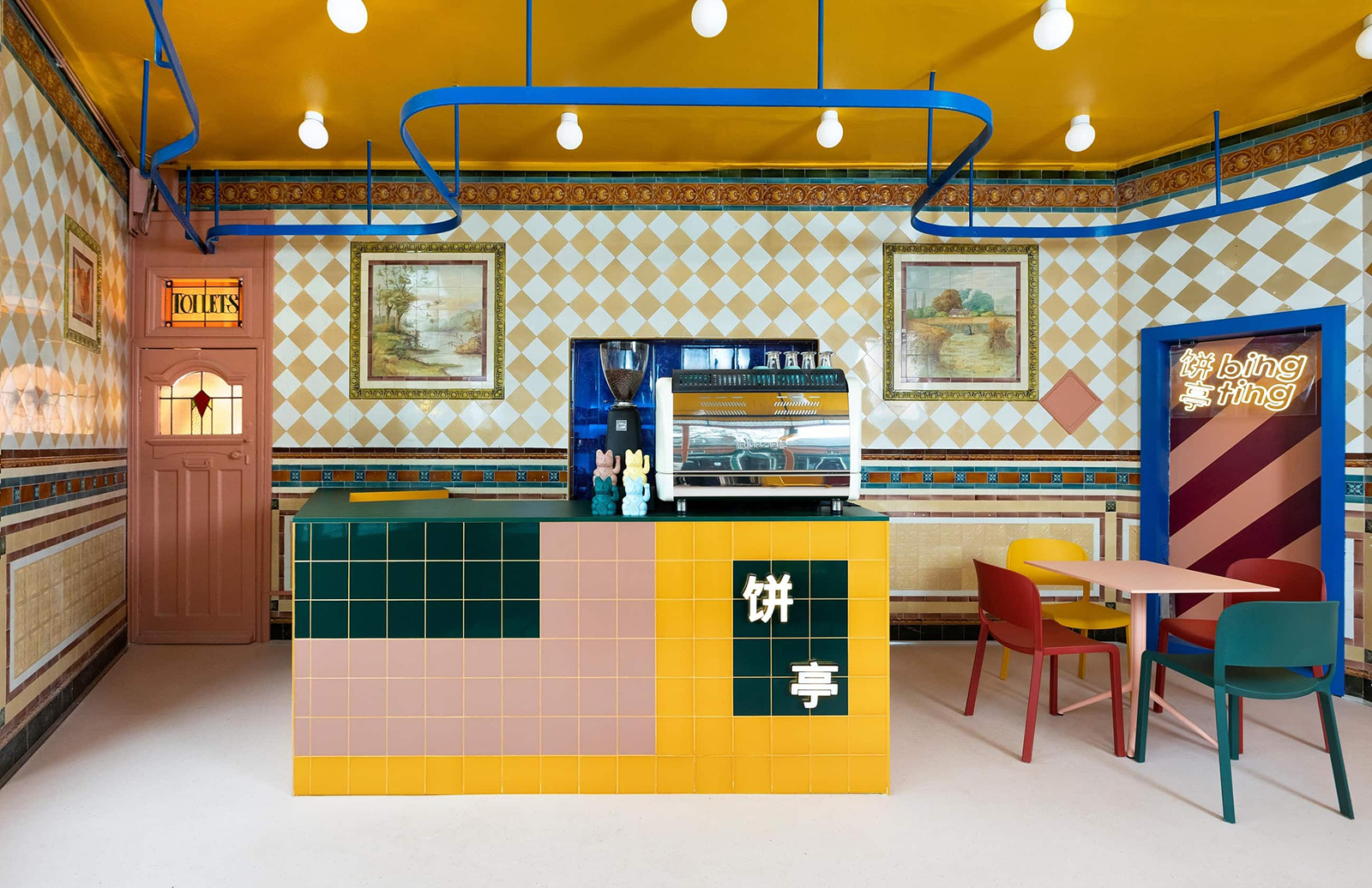
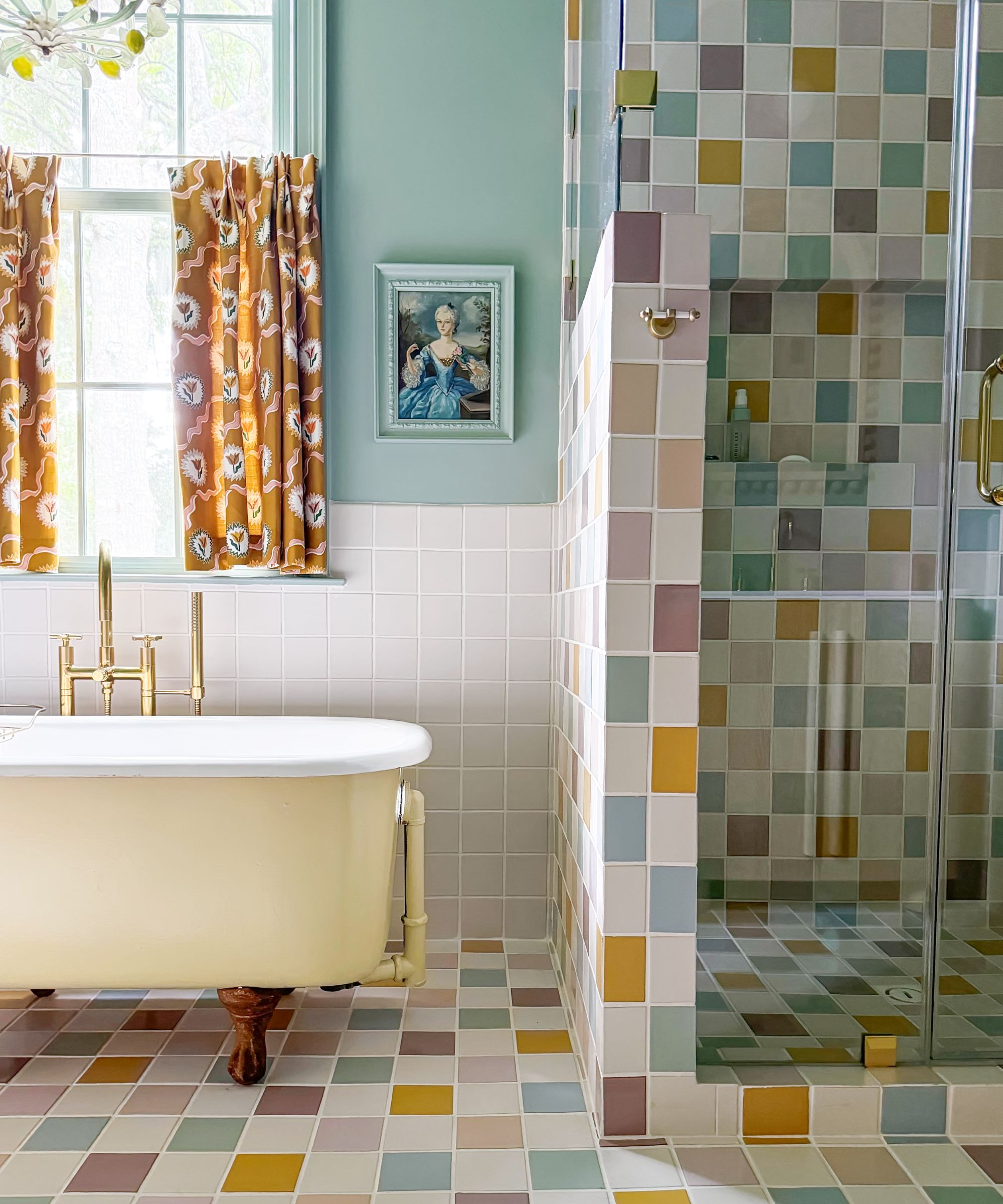
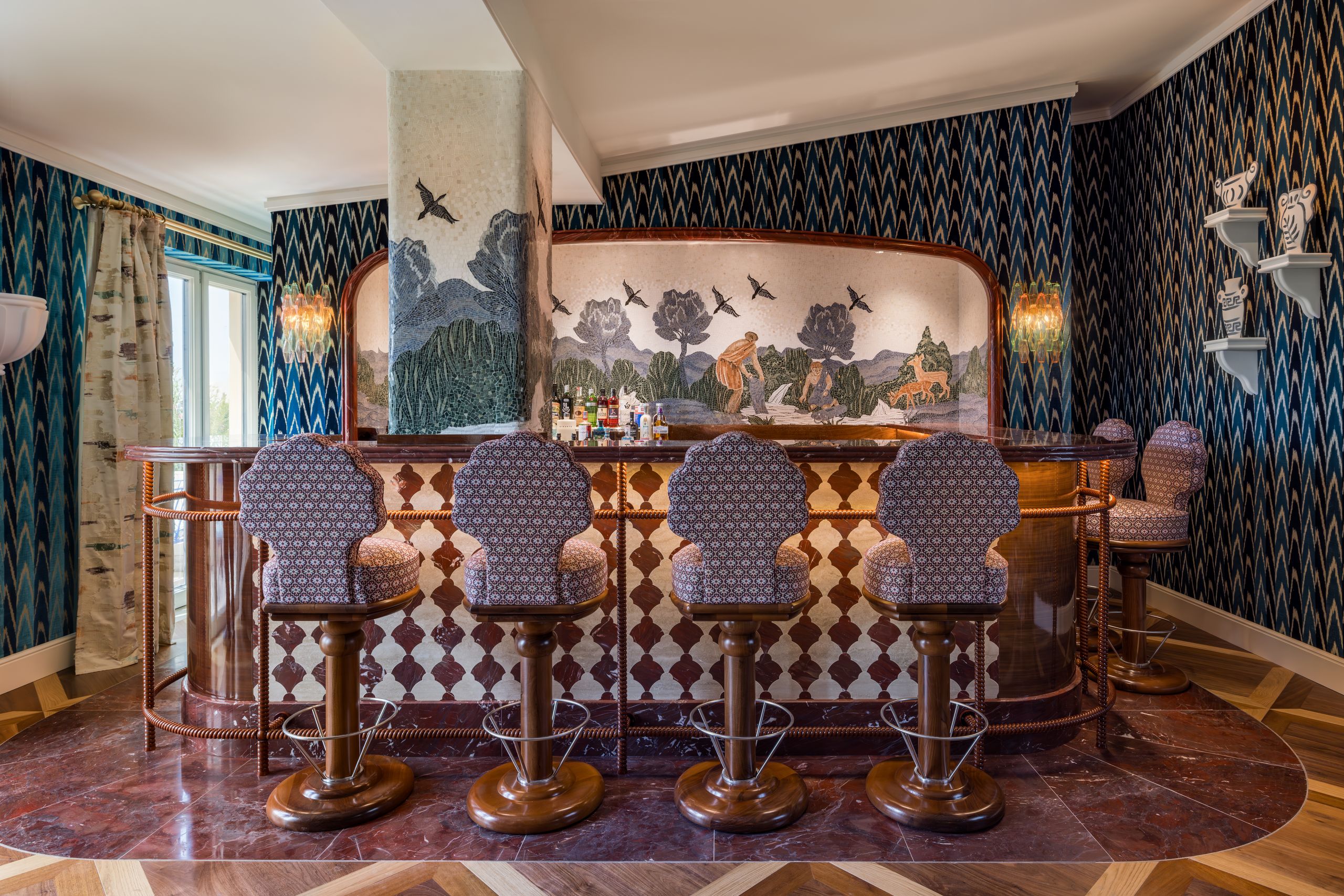
Mosaics, once considered an outdated art form, are experiencing a significant resurgence in the world of interior design, moving beyond their traditional applications to become a prominent feature in luxurious and contemporary spaces. This renewed interest is largely attributed to a growing appreciation for craftsmanship in an increasingly technology-driven world, echoing the Art Nouveau movement's response to the Industrial Revolution. Designers and mosaic masters note a clear shift from minimalism towards more opulent and maximalist aesthetics, with mosaics playing a key role in this decorative evolution.
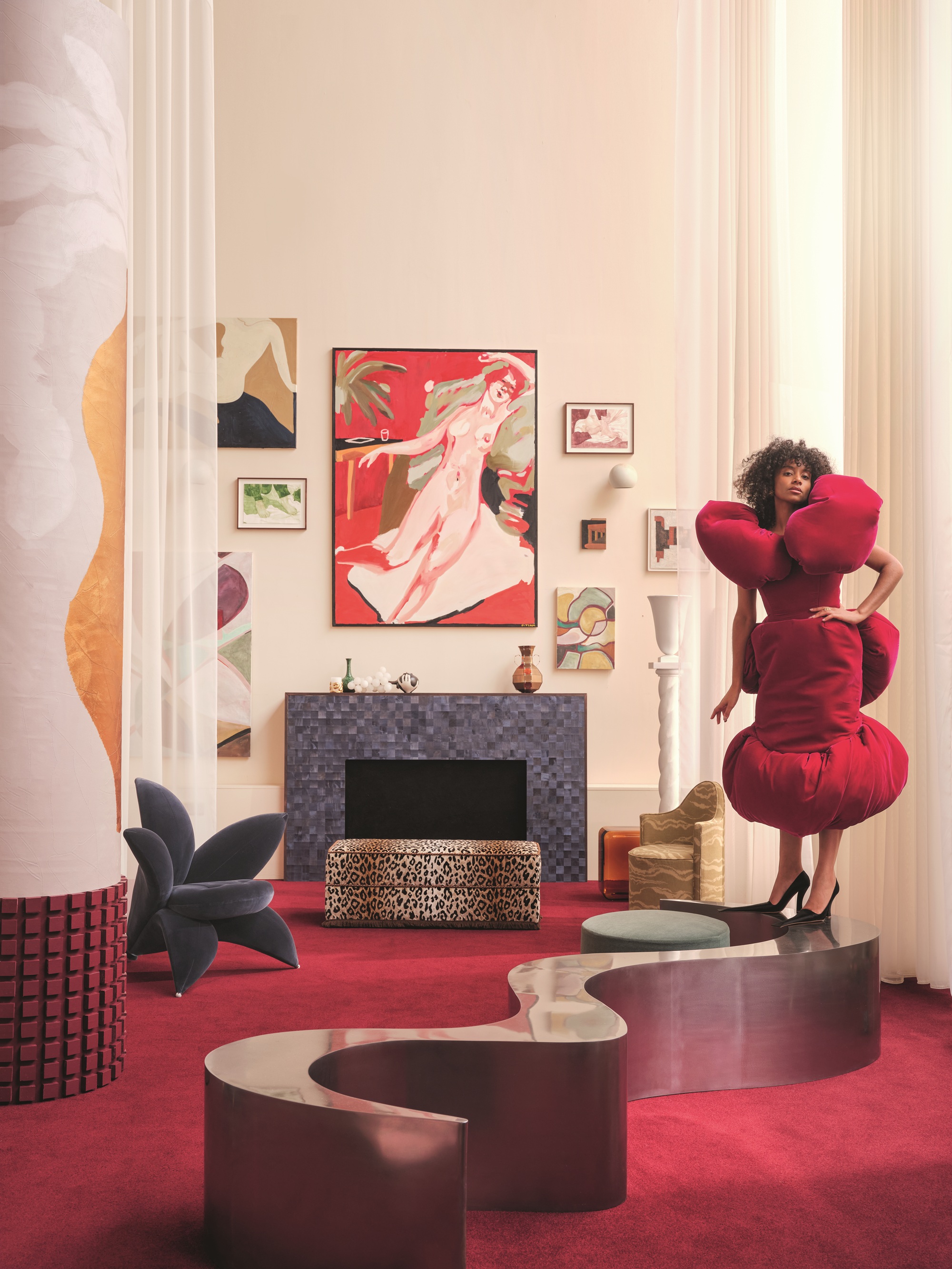
A prime example of this trend is the newly opened Printemps department store in New York, where interior designer Laura Gonzalez commissioned mosaic artists Pierre Mesguich and Kautar Larif of MesguichMosaik KLD. They created a "red river" mosaic floor for the store's Red Room, designed to complement the building's original 1931 murals. This ambitious project, years in the making, has generated considerable buzz on social media and interior design platforms, highlighting the visual impact and artistry of modern mosaics.
Pierre Mesguich, who began working with mosaics four decades ago, observes a stark contrast to their previous lack of popularity. He emphasizes the artisanal nature of mosaics, describing them as a bridge between architecture and art. The process is labor-intensive, with designs sketched by hand, materials meticulously cut, and placed individually. This hands-on approach and the creative freedom it offers attracted Mesguich, who transitioned from urban planning to mosaic artistry after experiencing the restrictive nature of city development.
Mesguich's career breakthrough came with the Peter Marino-designed Guerlain store on Champs-Élysées, where his gilded floor-to-ceiling mosaics created an immersive experience. In 2010, he partnered with Kautar Larif, whose artistic approach and use of unexpected color combinations complemented his precise execution. Together, they have worked on prestigious commercial and residential projects for clients like Aman, Louis Vuitton, and Cartier, and are currently booked for the next two years, indicating a substantial demand for their specialized craft.
The trend extends beyond individual artists. Bisazza, a renowned Italian mosaic company, recently opened its first U.S. flagship store in New York City, signaling a strong market appetite for high-quality, design-driven materials. Mosaics are also gaining recognition in the art world, with contemporary artists like Andrés Reisinger and Nicolas Party incorporating them into their work, such as Reisinger's "Mosaic Sky with Apples, 2024" and Party's mosaic pool at Le Sirenuse in Positano.
Despite the significant investment of time, skill, and precision required, making mosaics a luxury finish, designers acknowledge their transformative power at any scale. Larif, for instance, plans to launch a collection of mosaic coffee tables and art pieces, offering accessible options for those who admire the aesthetic but cannot commit to permanent installations. The consensus among designers like Laura Gonzalez is that mosaics represent a fusion of precision and poetry, where color, craftsmanship, pattern, and materiality converge to create a unique tactile language. This movement away from minimalism towards intricate, maximalist mosaic designs signifies a significant shift in contemporary interior aesthetics.
#InteriorDesign #Mosaics #Craftsmanship #MaximalistDecor #LuxuryInteriors #ArtisticRevival #PrintempsNewYork #LauraGonzalez #MesguichMosaikKLD #InteriorDesign #Mosaics #Craftsmanship #MaximalistDecor #LuxuryInteriors #ArtisticRevival #PrintempsNewYork #LauraGonzalez #MesguichMosaikKLD
0 comment in total
 No comments yet
You may also like
Are mosaic tiles making a comeback? Here's how designers are making this once-dated look work in 2025

Why top designers are turning to porcelain for contemporary surface solutions
Tile drenching is the unexpected way to add a sense of luxury to your home – here's how to nail the trend
Bye-Bye, Accent Walls! Designers Say THIS Is Now the Hottest Decorating Feature

Moiré is coming back in a way – here's how interior designers are using the pattern
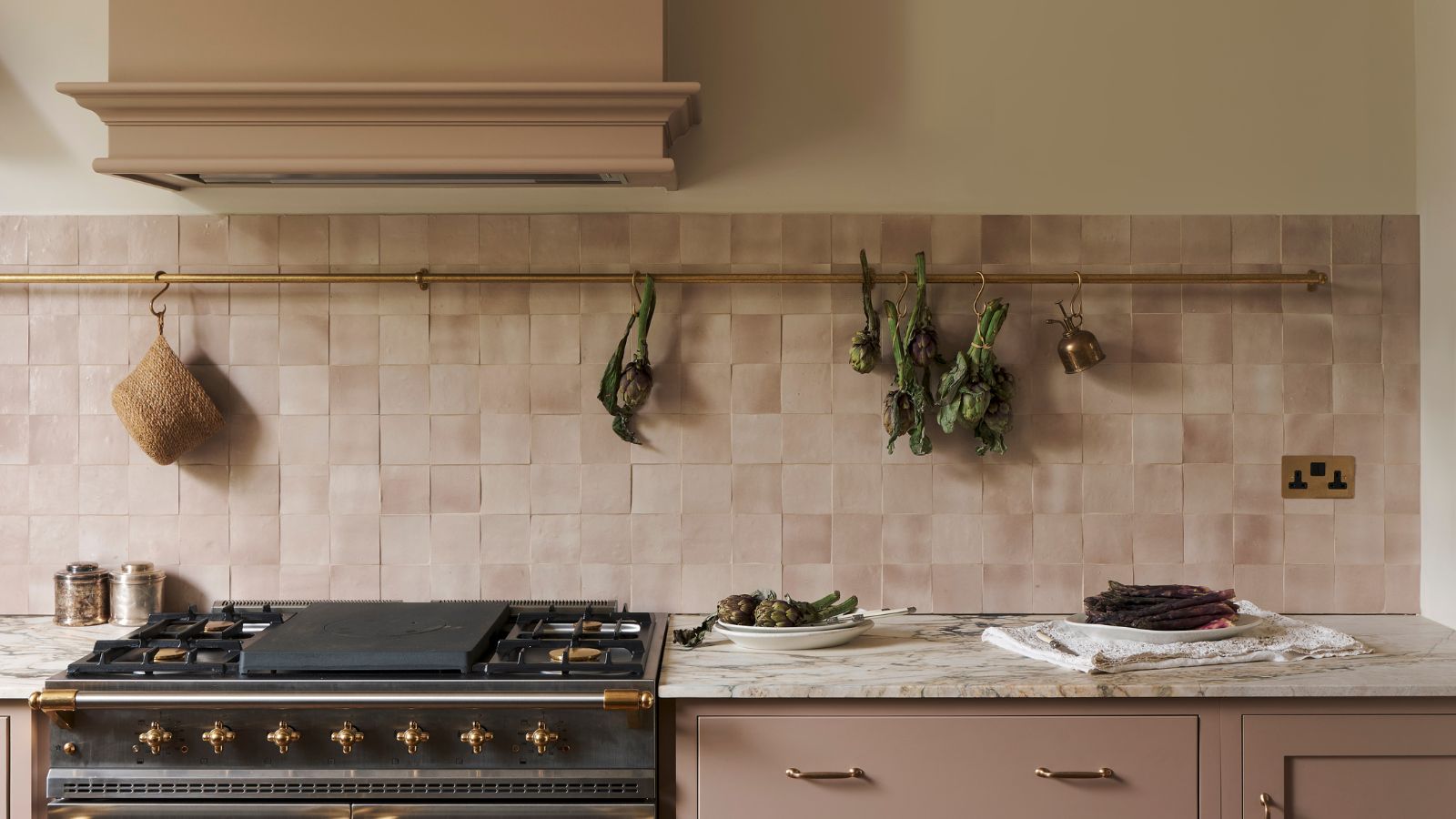
Goodbye subway tiles, every stylish kitchen and bathroom has replaced rectangles with squares – I am on board, as are many interior designers
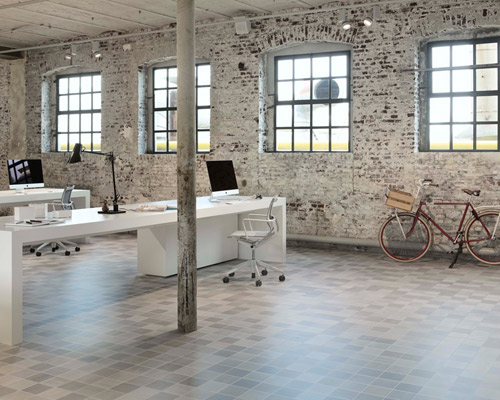
MOSA scenes wall + floor color gradations bring depth to interiors
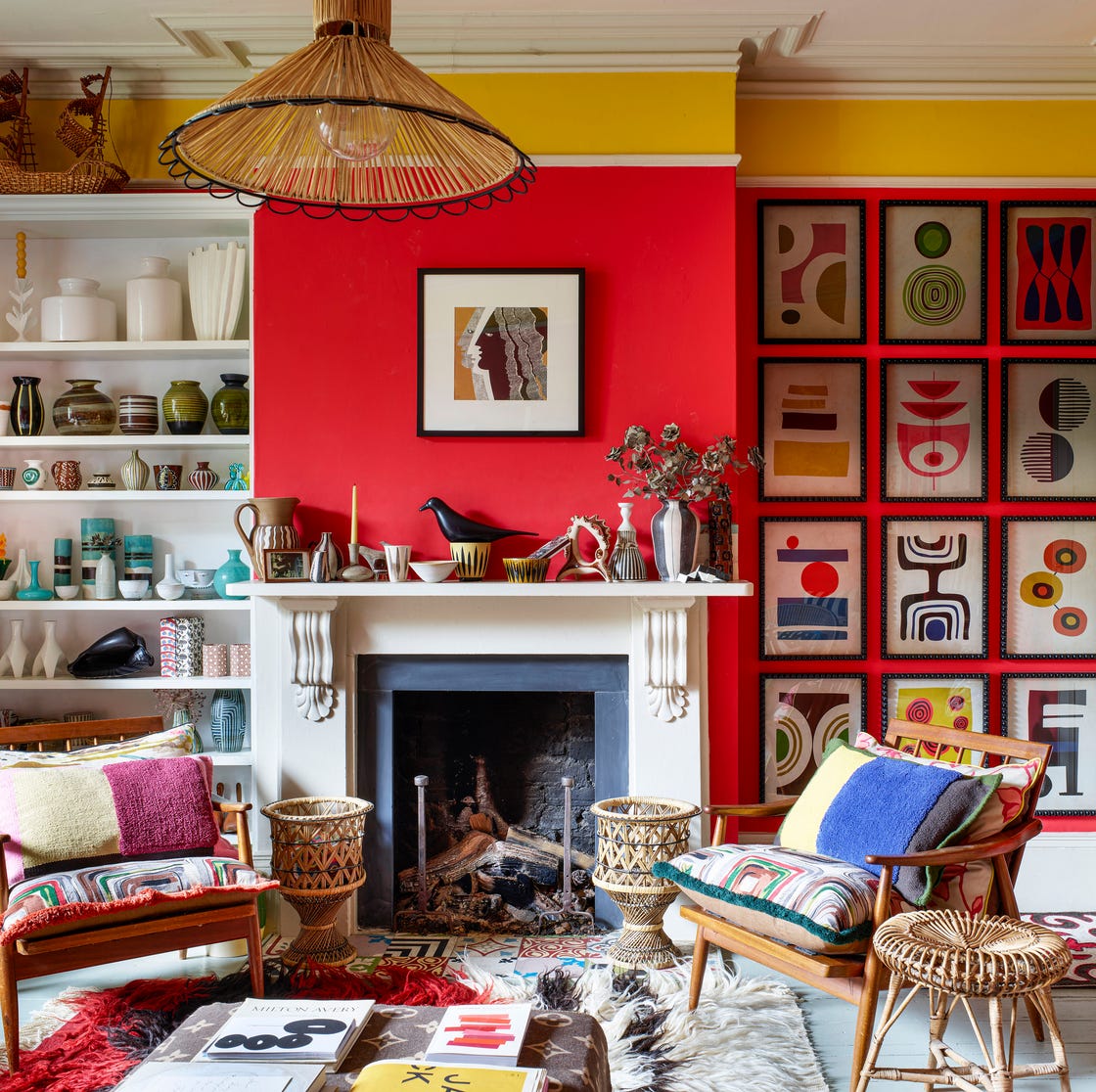
"Cluttercore" Is Trending—Here's How to Make It Feel Intentional, According to Designers

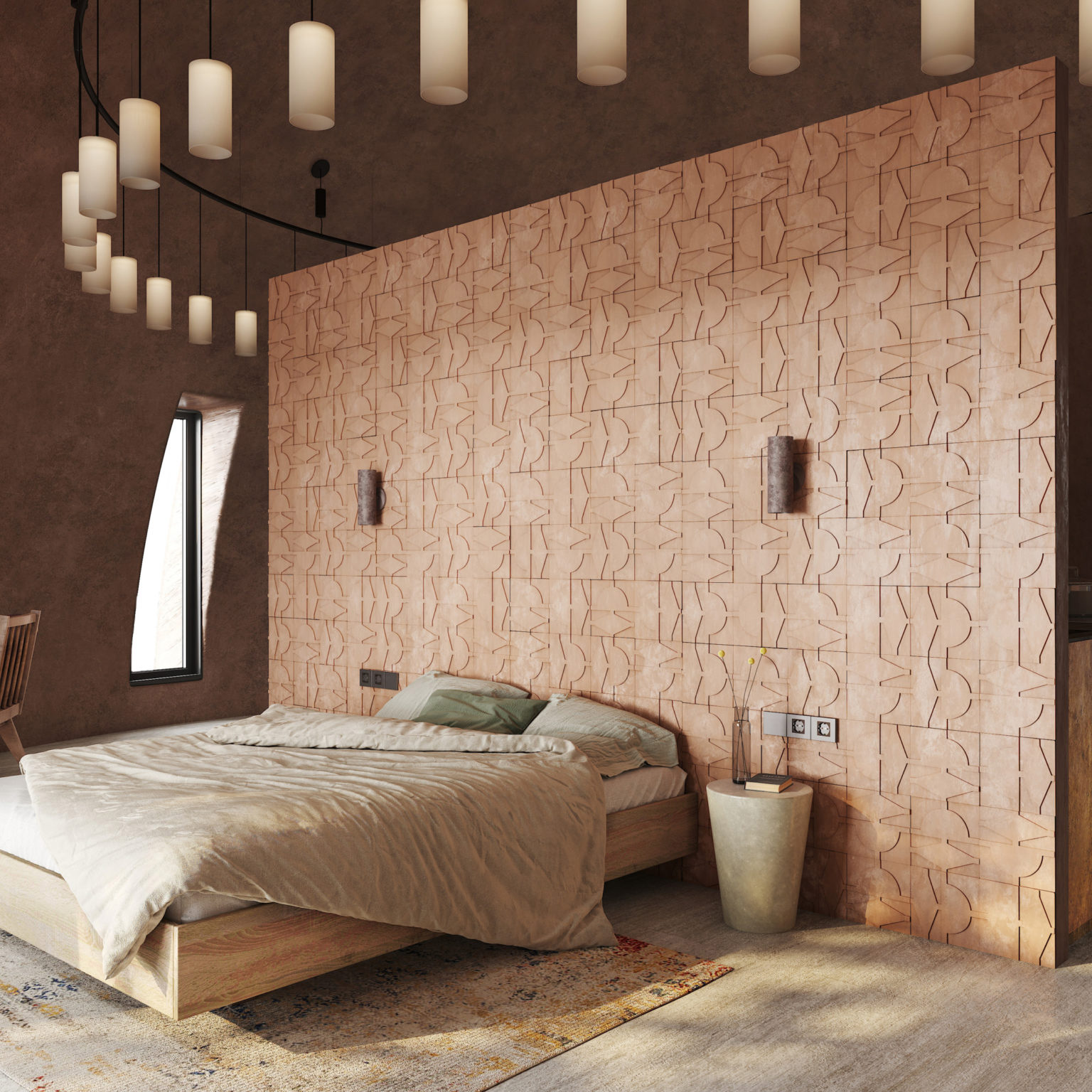
Surprising ways interior designers are using tiles
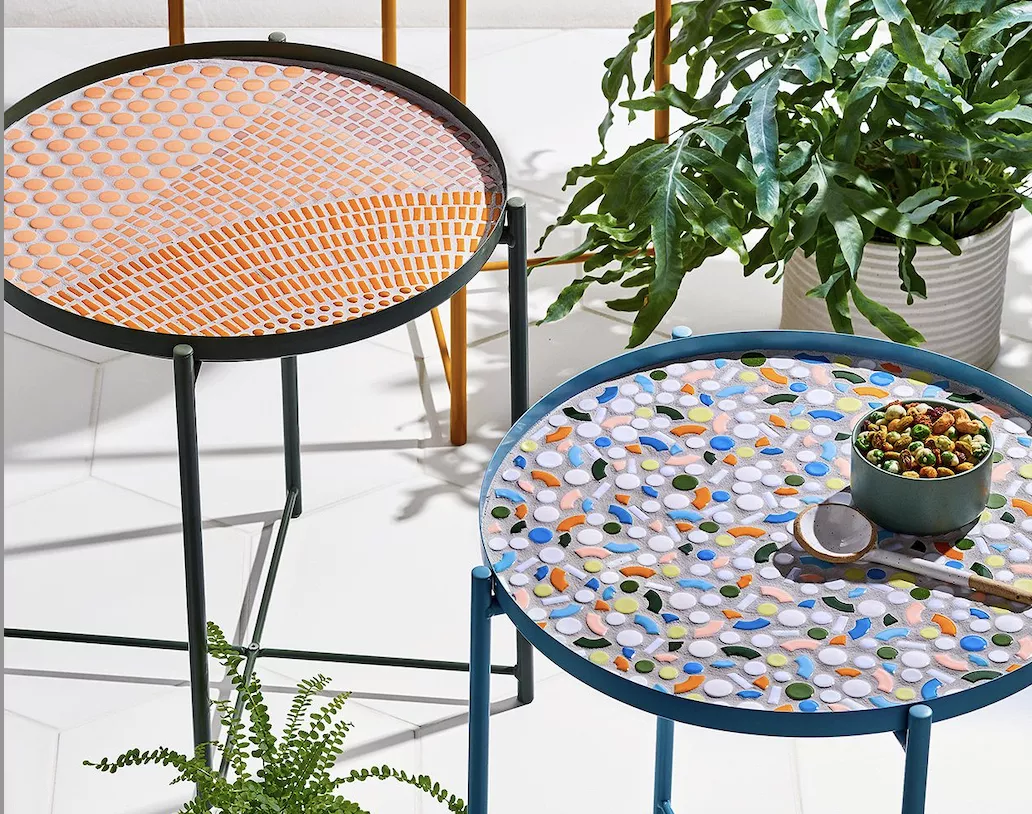
The Mosaic Tiling Trend Will Turn Your Home into a Work of Art

Adhesive Sconces Are Everywhere Right Now—And Designers Love These
Designers say this 'plastered-in' decor trend will bring a serene feel to every room in the house


Tiles take inspiration from fashion
Designers Reveal the Surprising Home Trend That's Taking Over Right Now

Interior Design Trends for 2017
Interior Design Trends — The 16 Defining Ideas for Decorating Homes in 2025
Bye-Bye, Accent Walls! Designers Say THIS Is Now the Hottest Decorating Feature

Pedestal styling is the overlooked decor trend we shouldn't ignore – says this leading interior designer
These Are the Home Design Trends You Need to Know About in 2025
Designers Reveal the Bold Design Trend That's Taking Over Homes