1/8
Why top designers are turning to porcelain for contemporary surface solutions
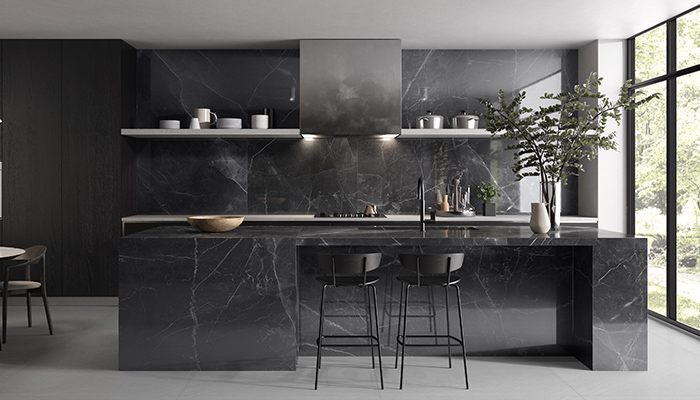
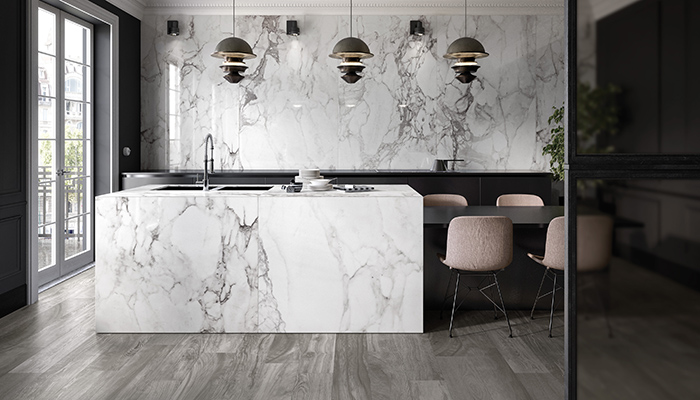
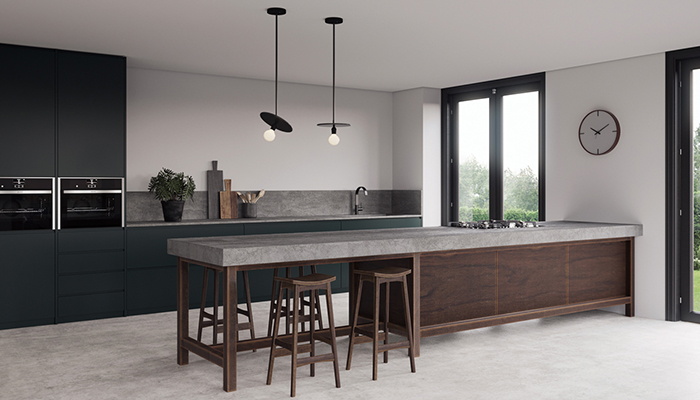
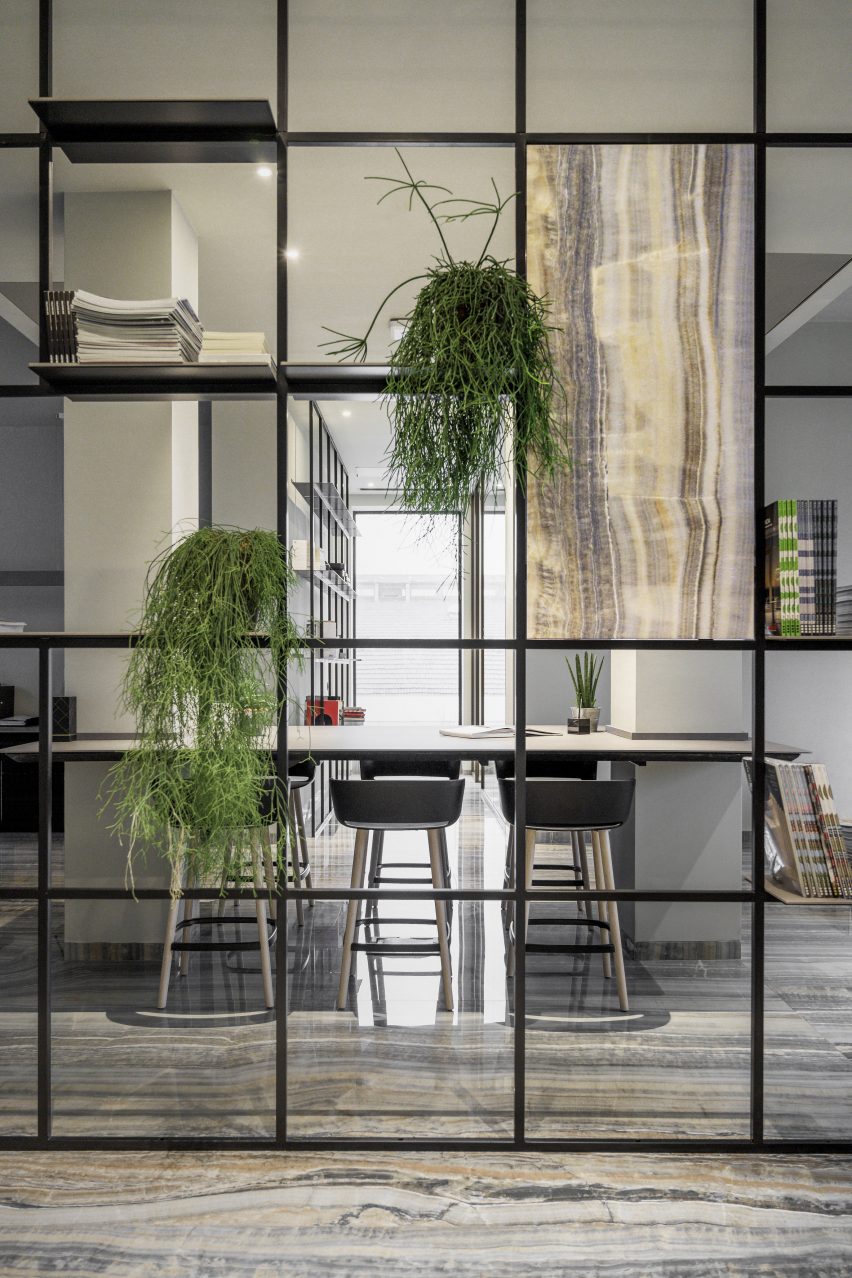
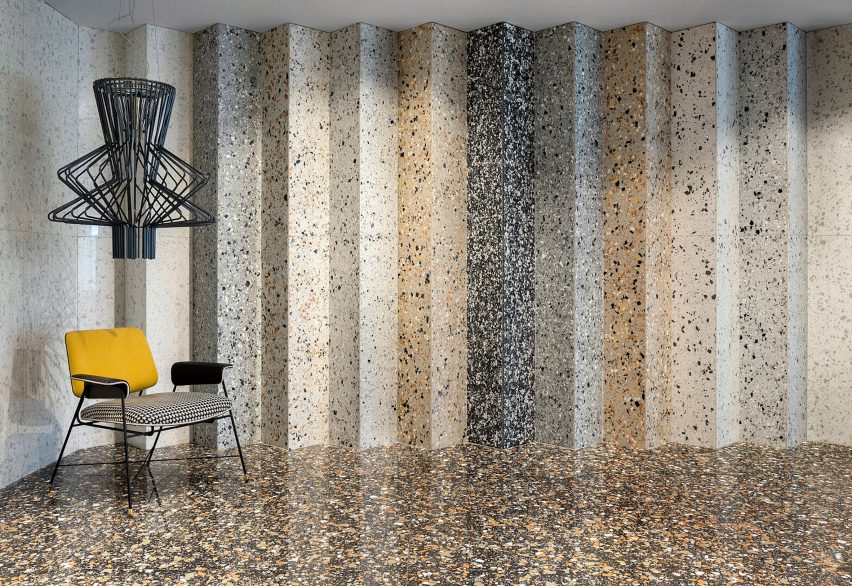
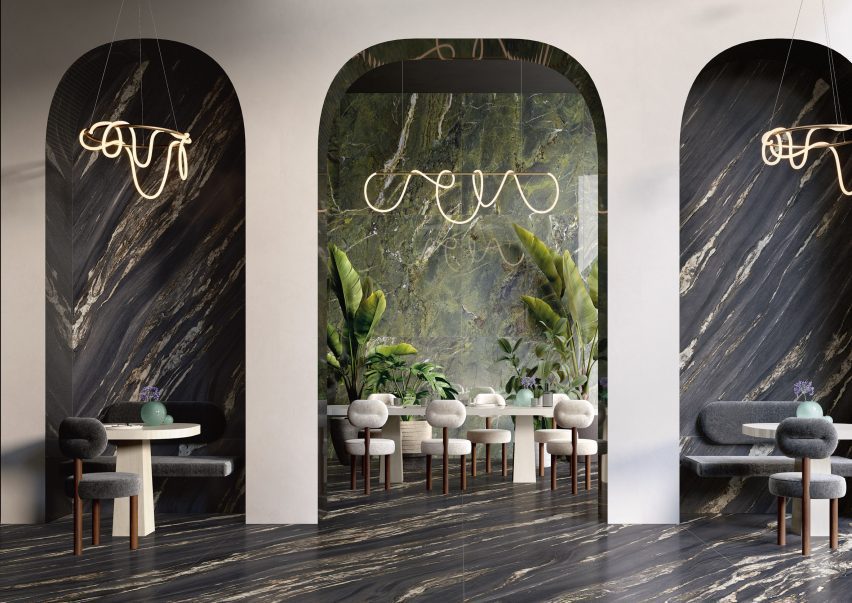
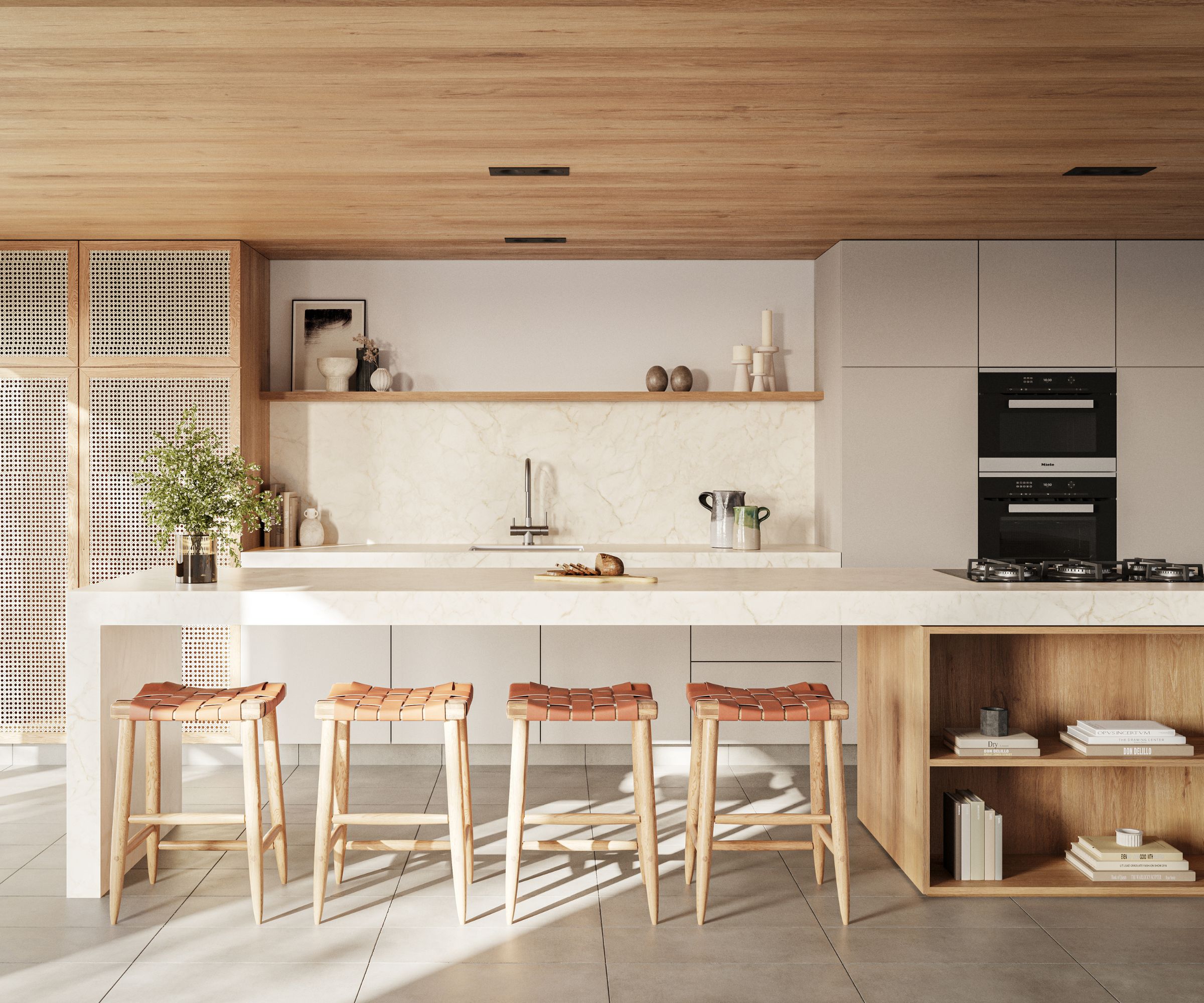
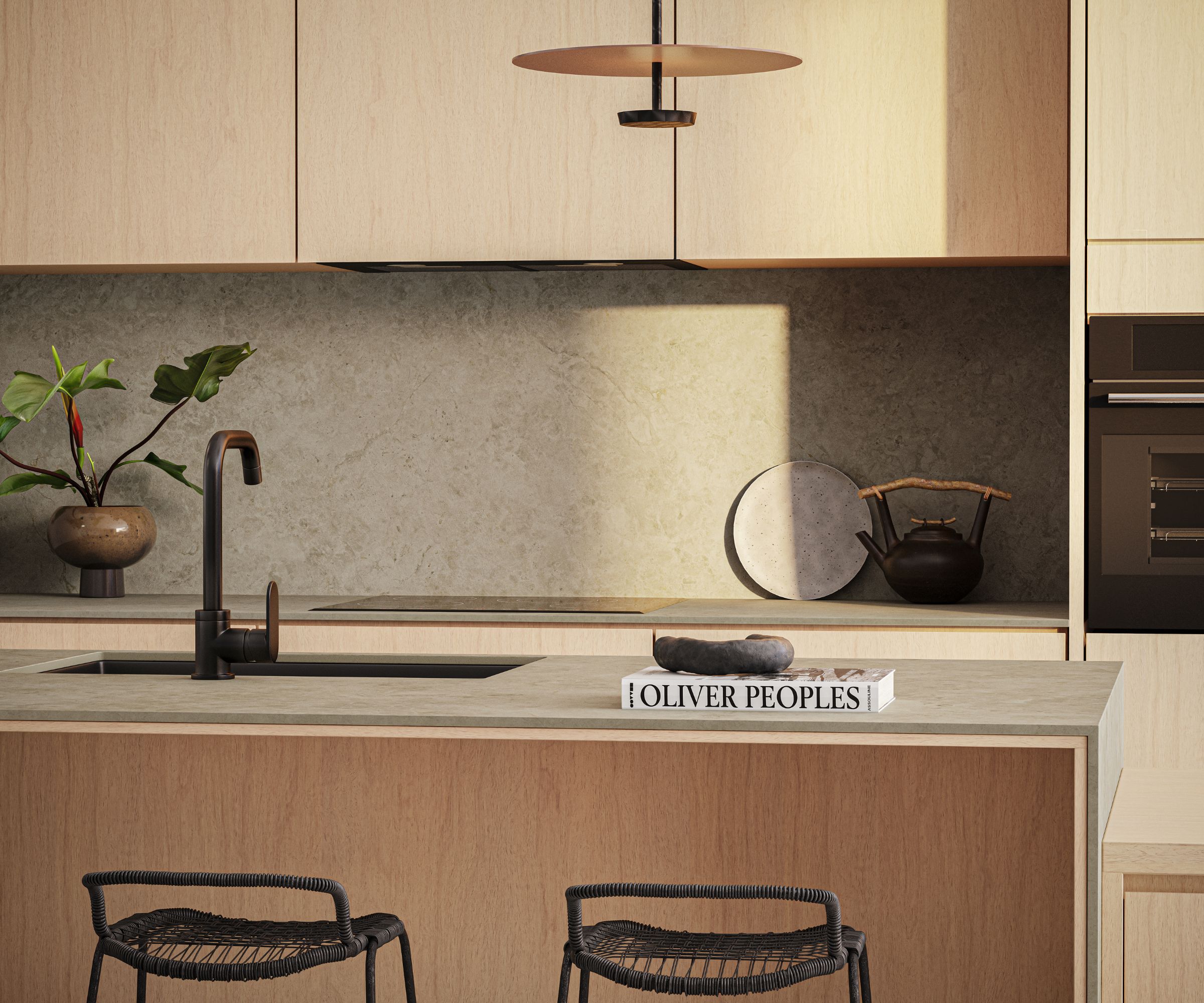
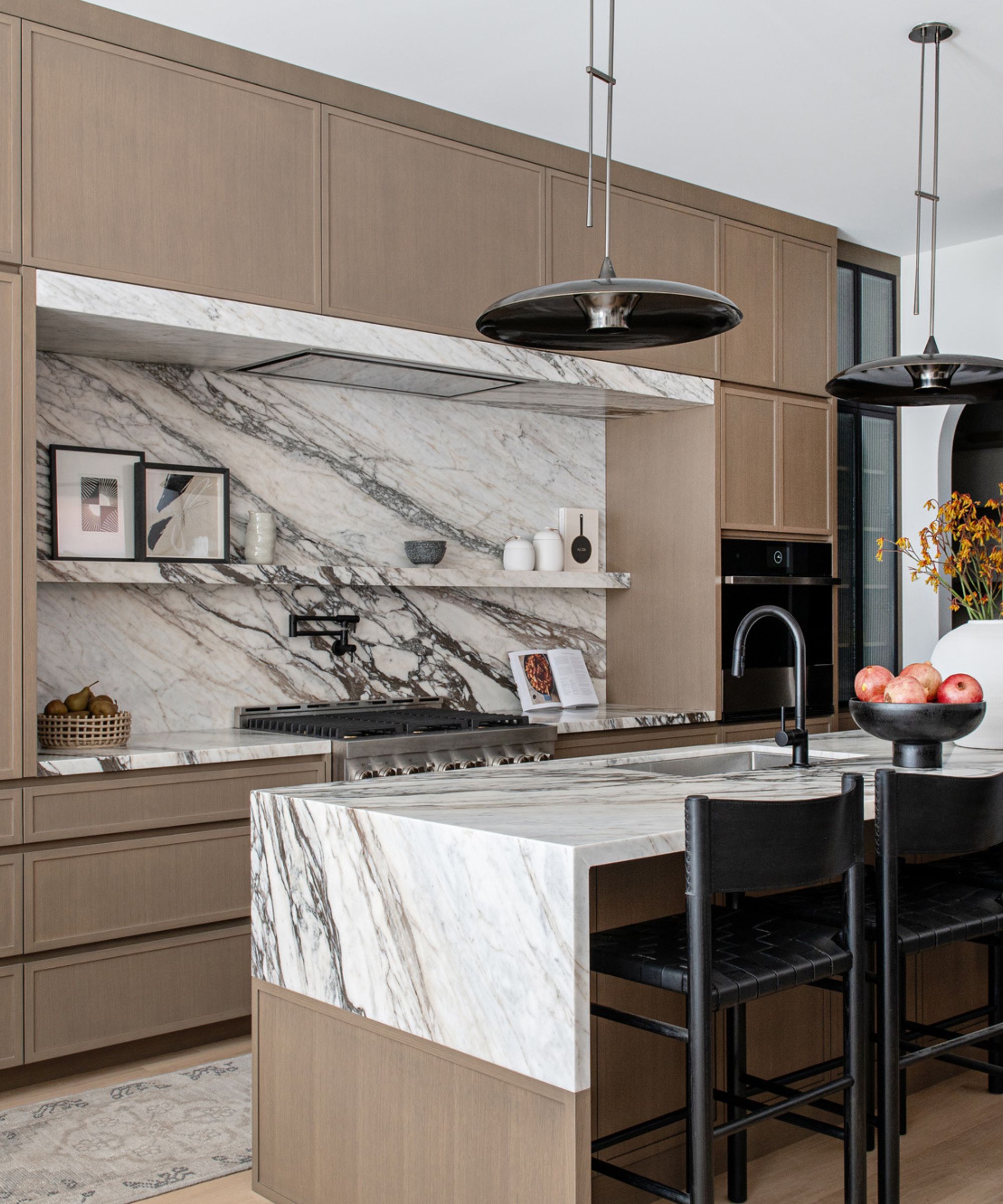
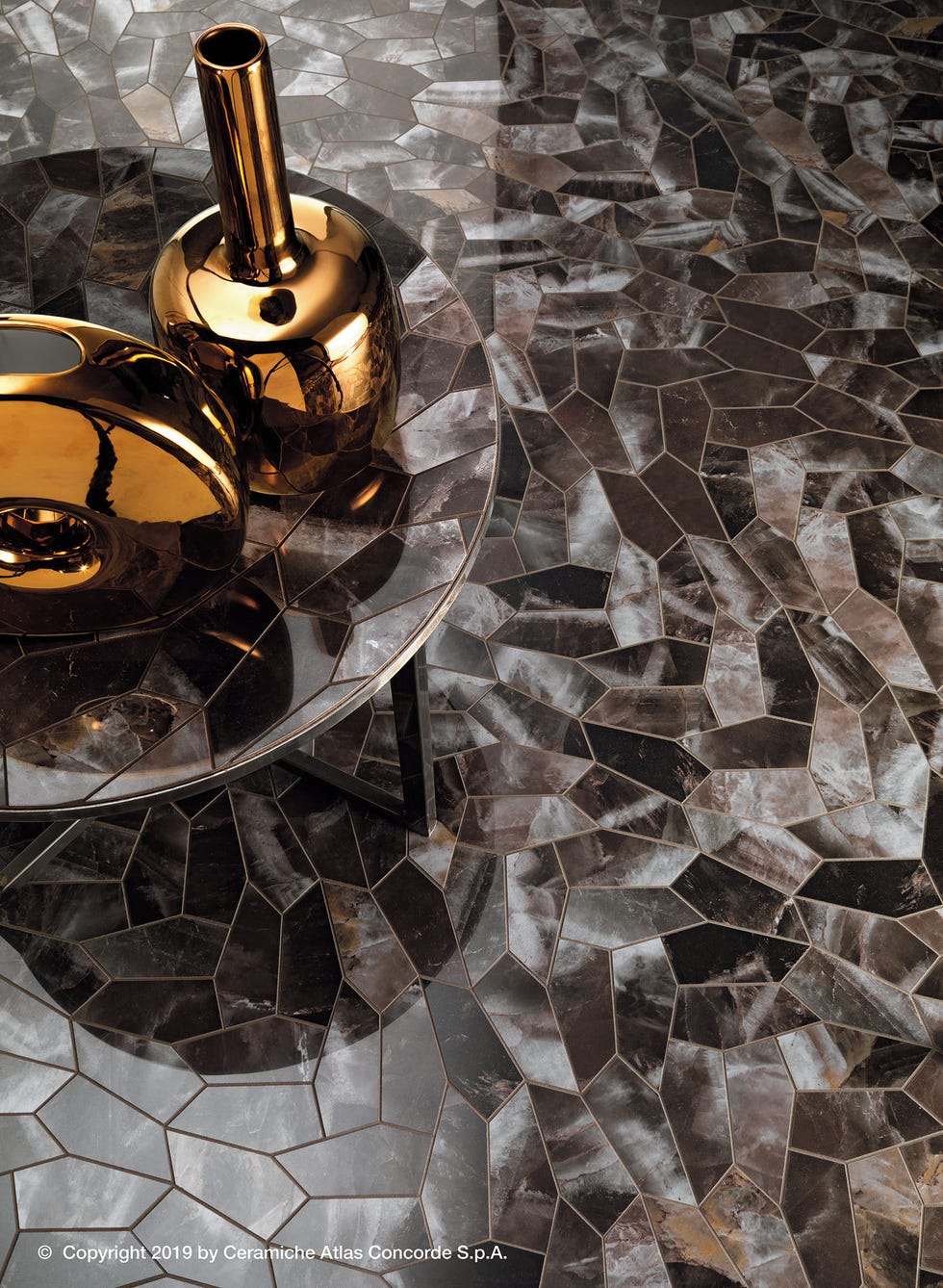
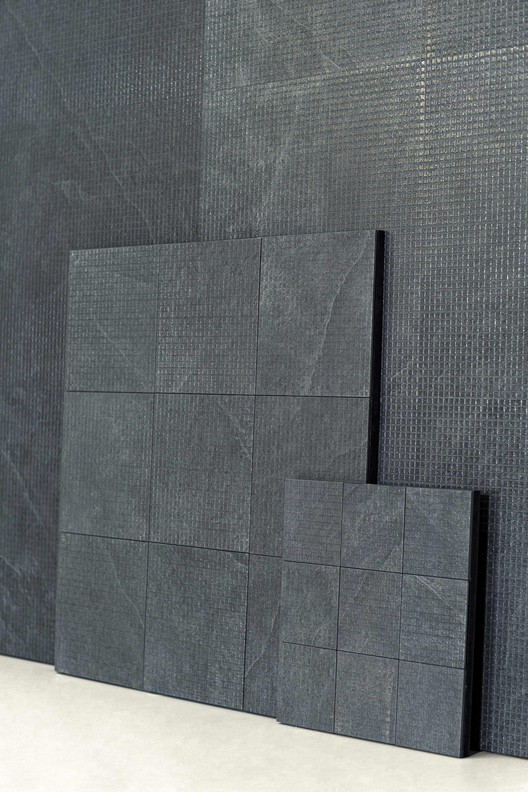
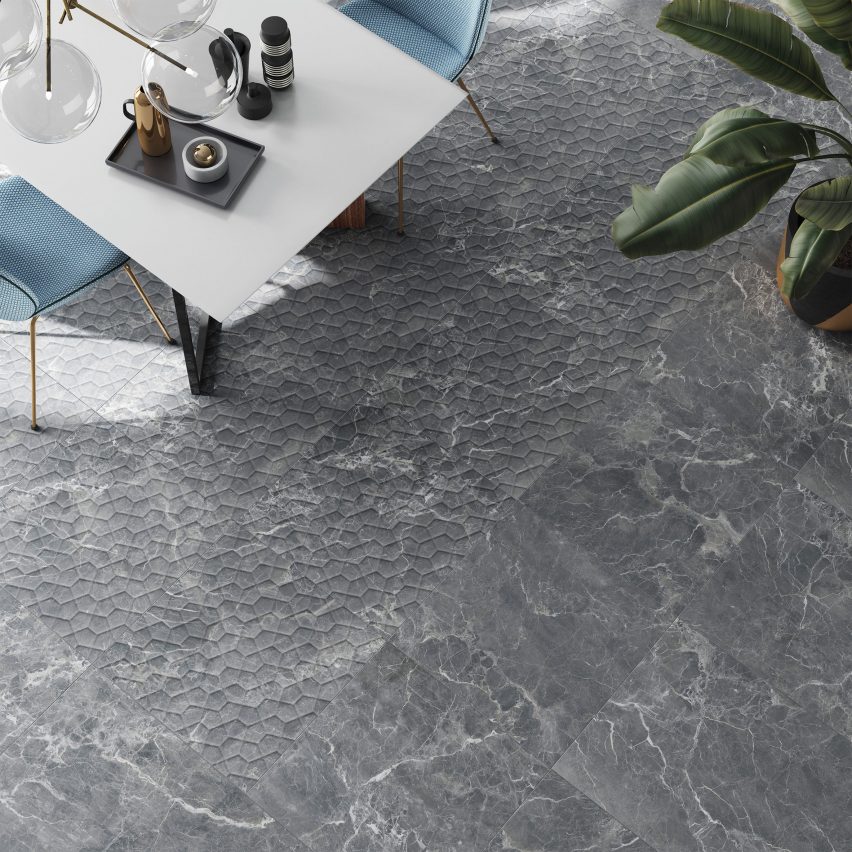
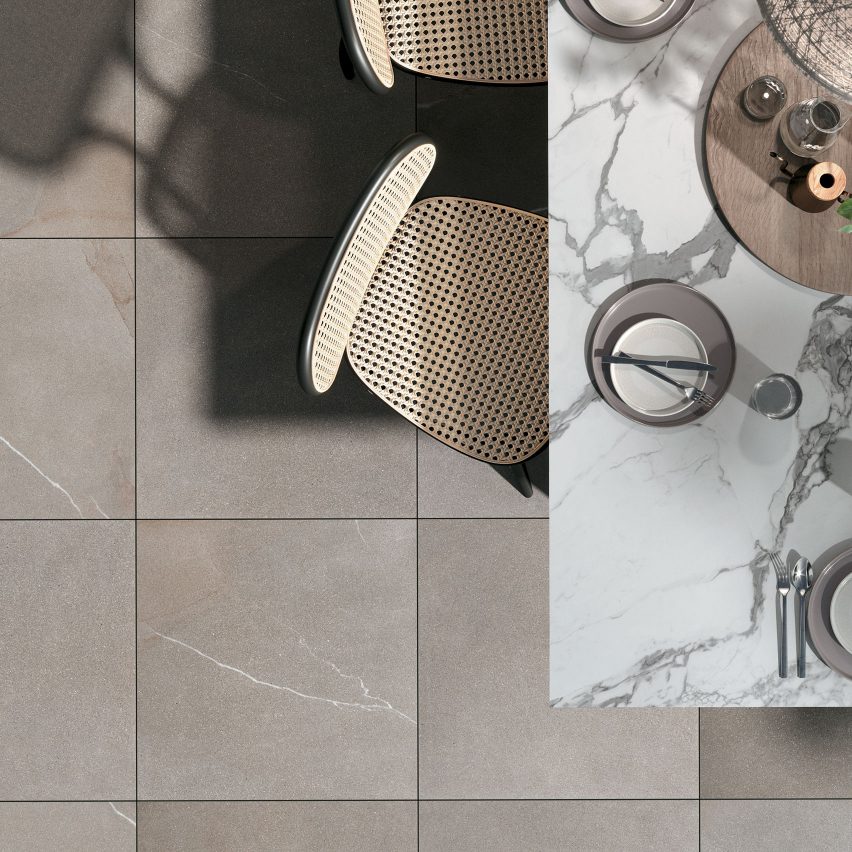
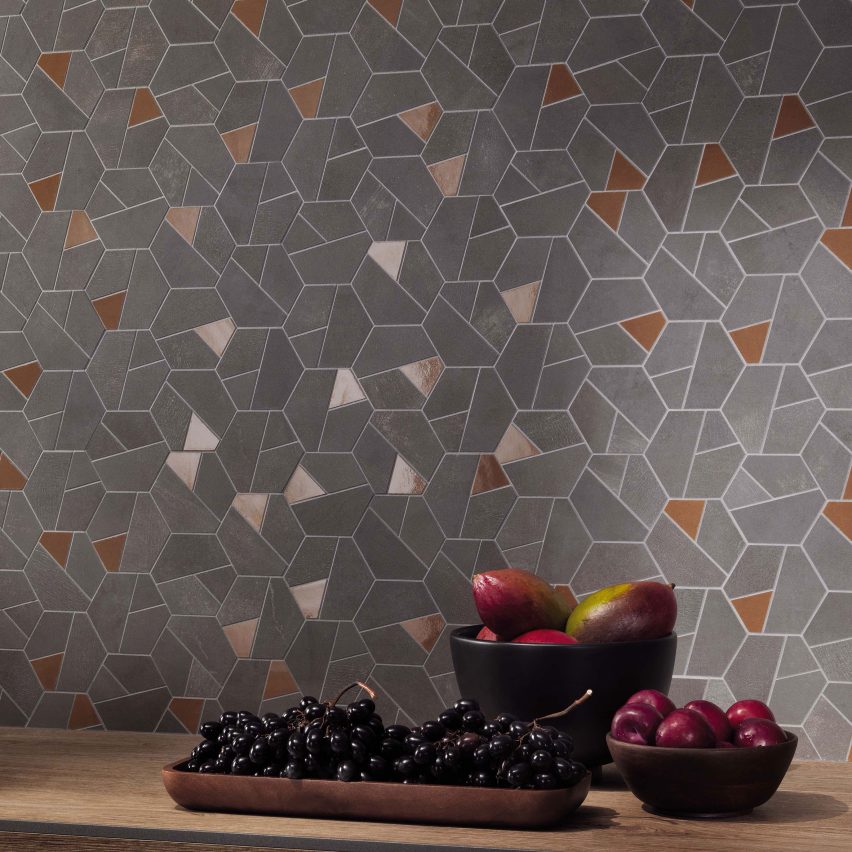
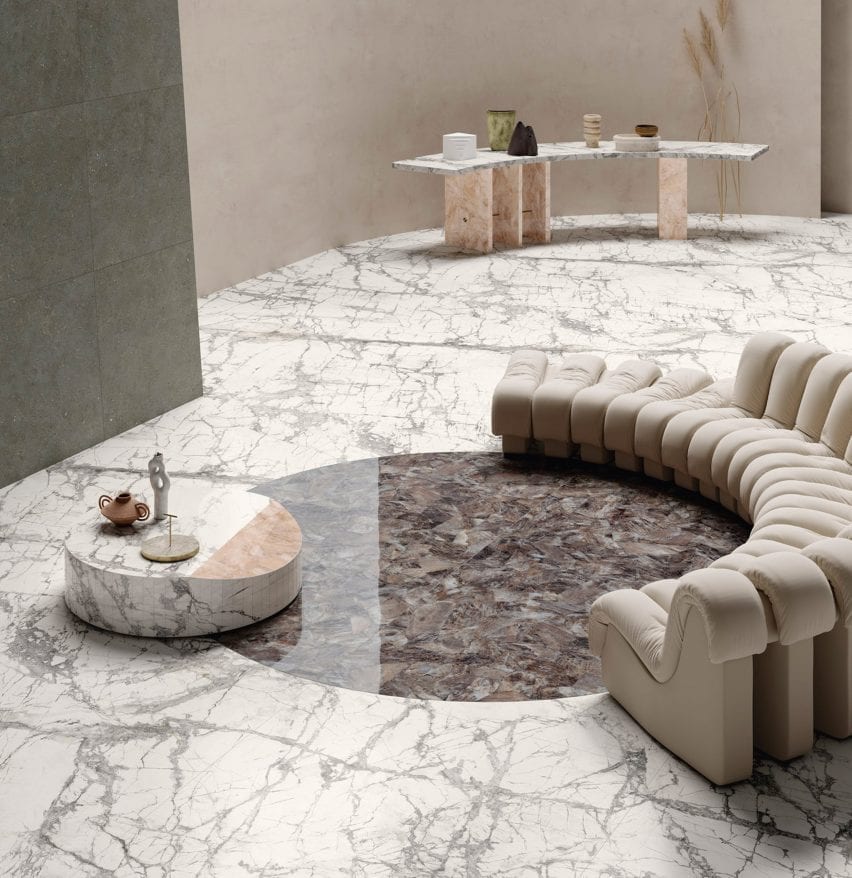
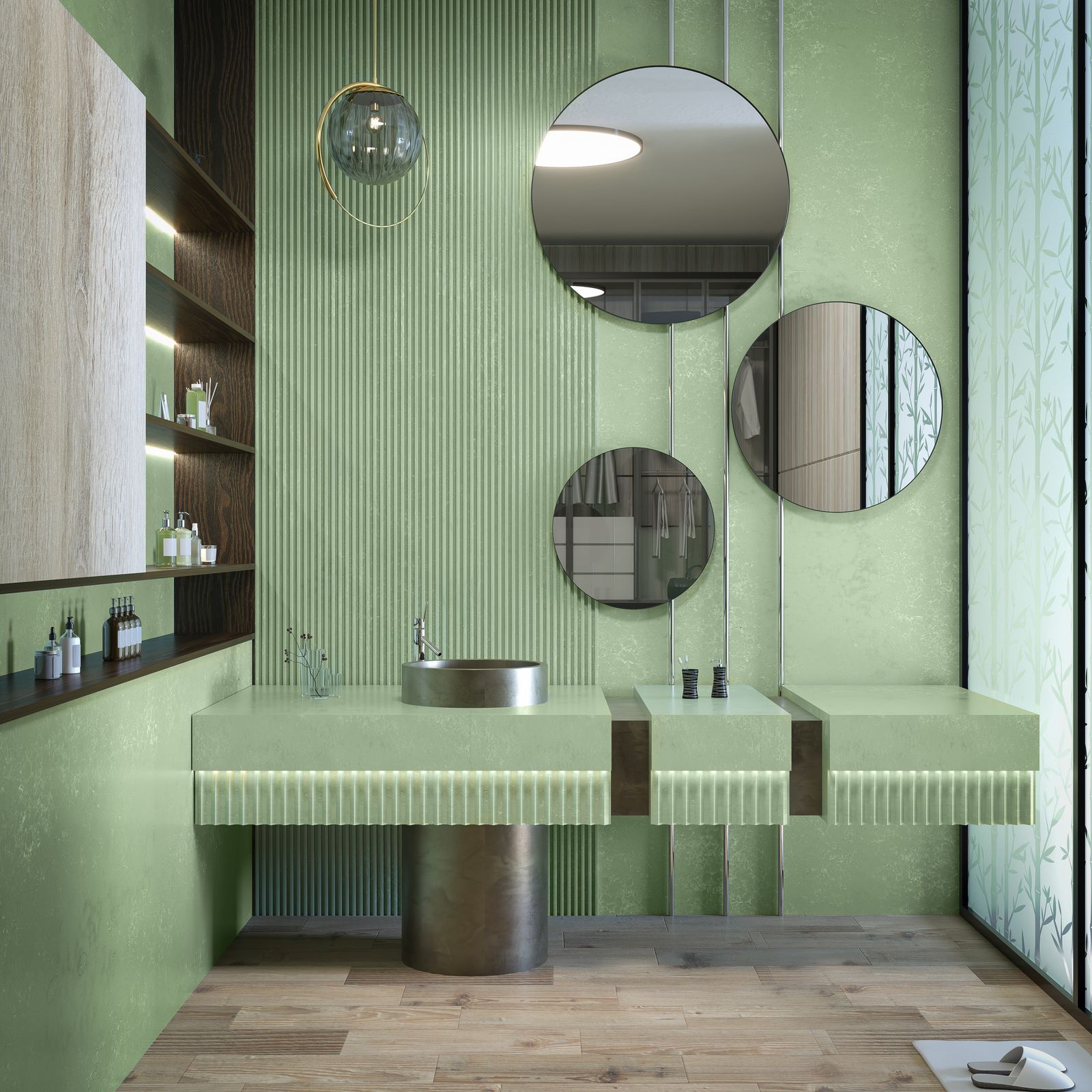
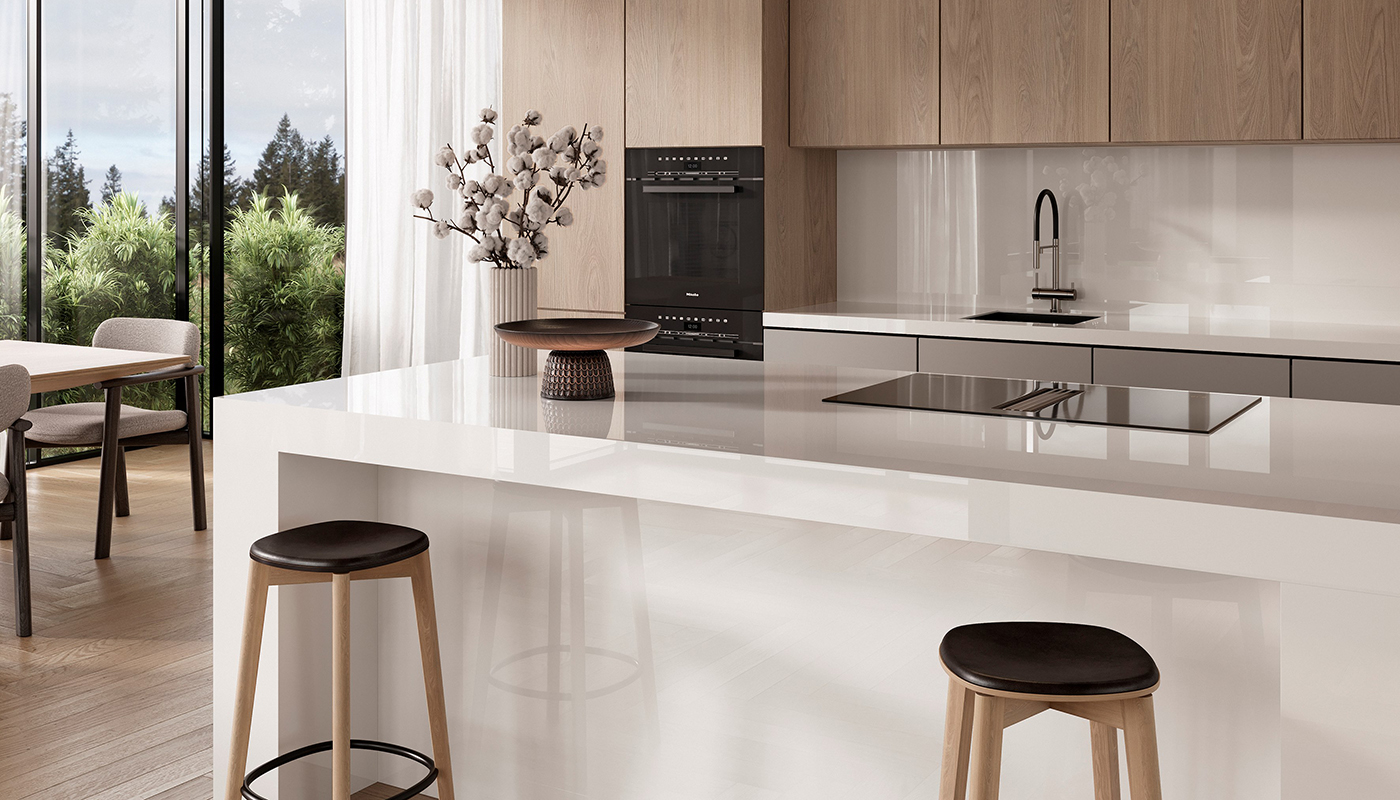
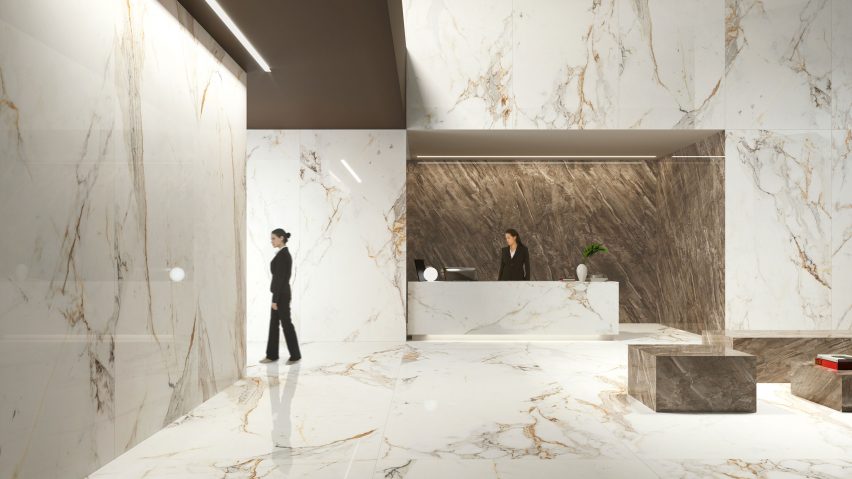
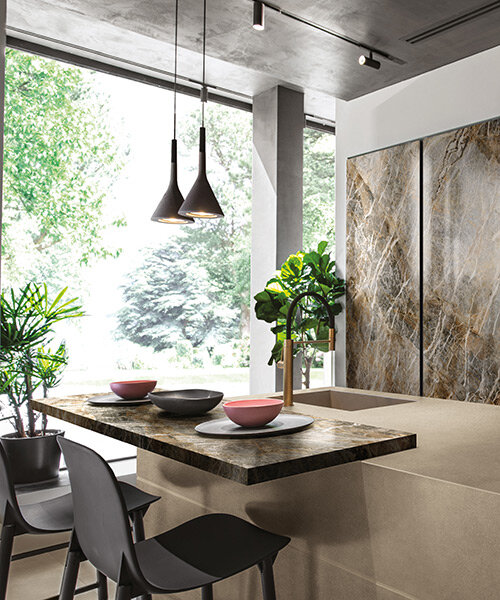
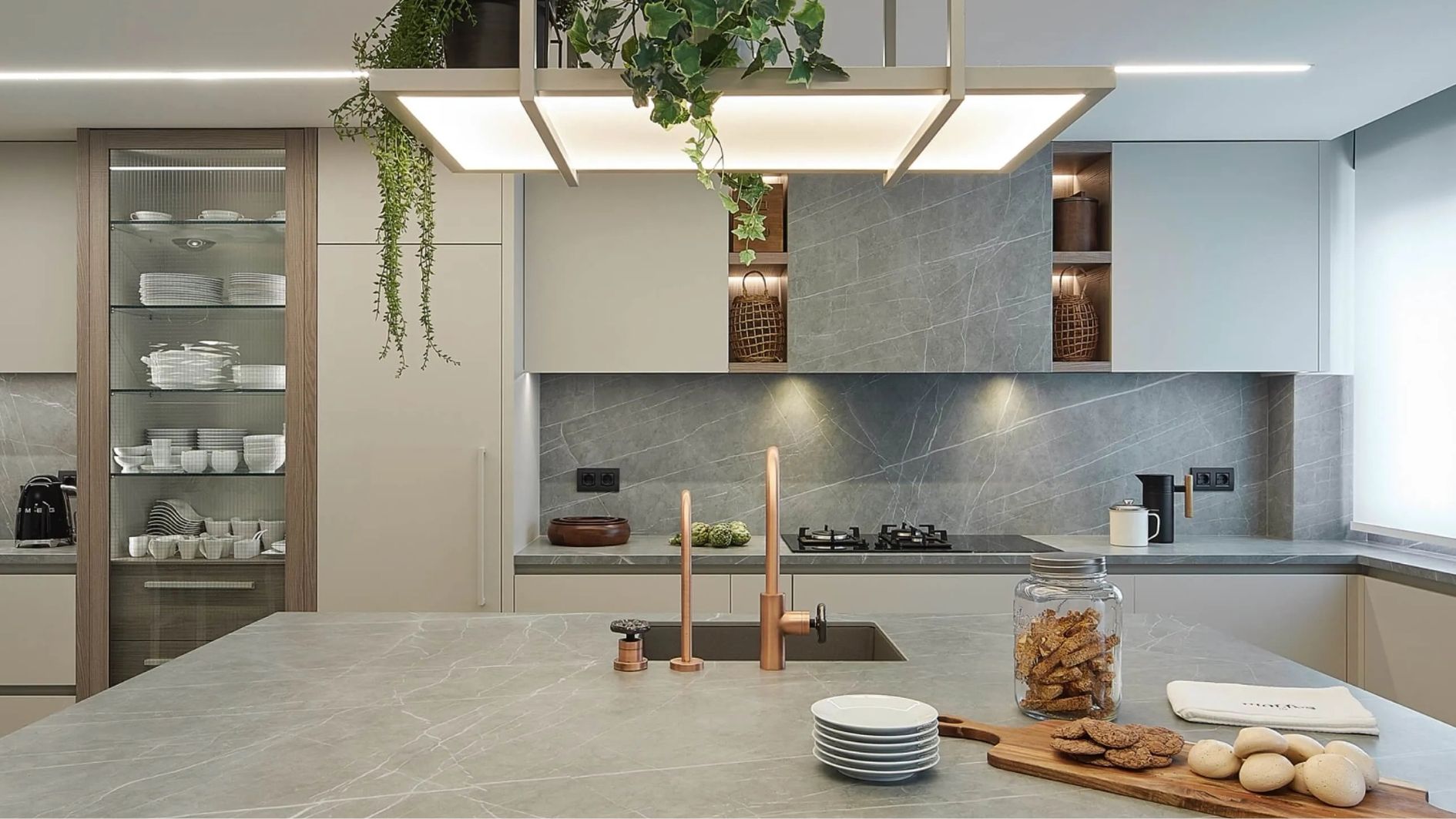
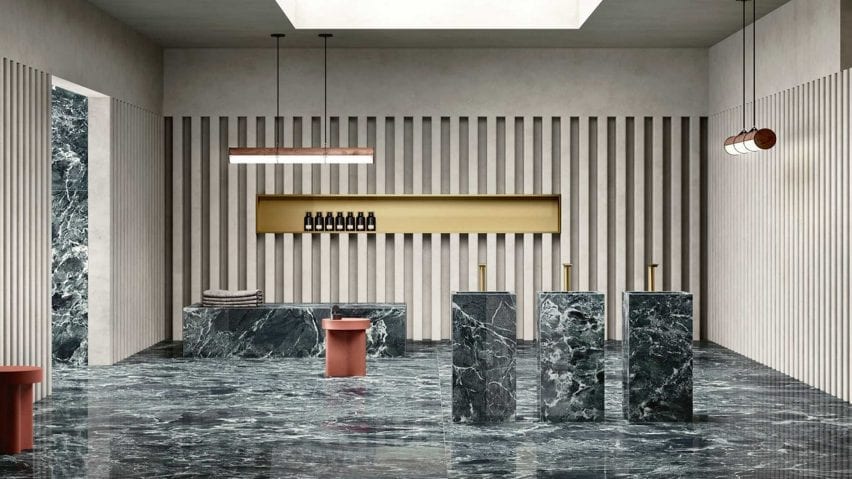
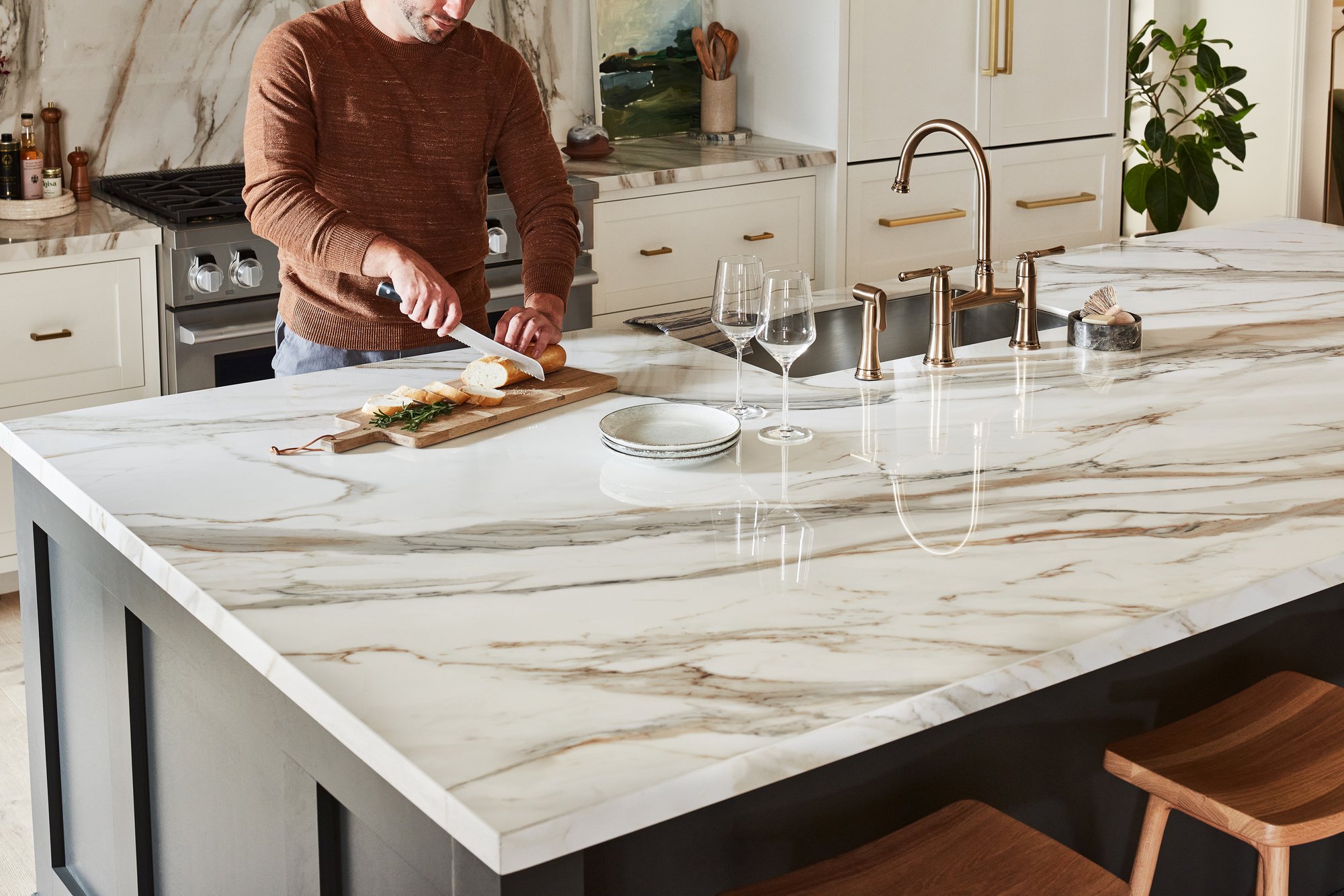
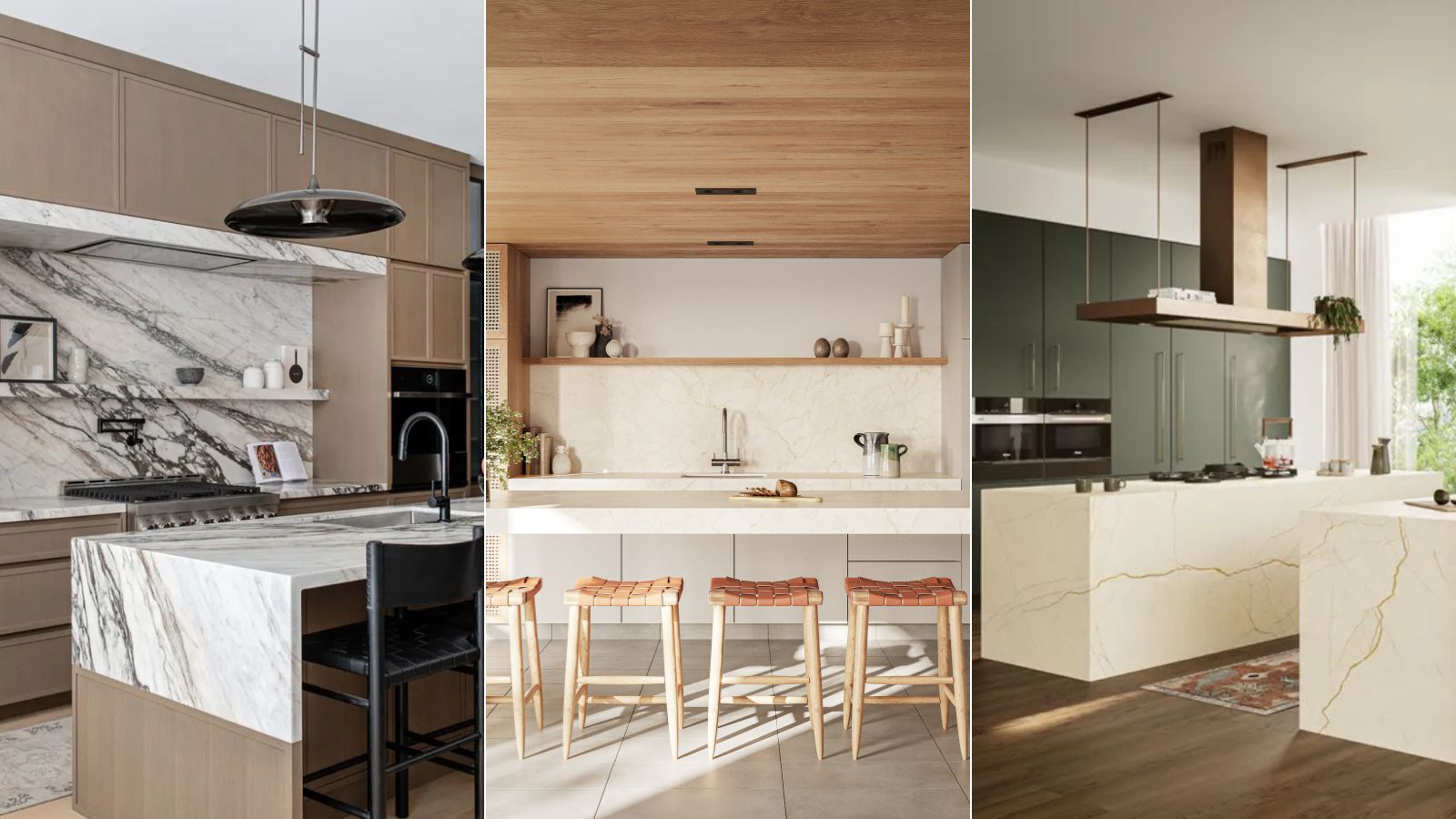
Porcelain is emerging as a dominant material for surfaces in both kitchens and bathrooms, progressively challenging quartz's market share due to its superior functional attributes and aesthetic versatility. This material, once installed, requires minimal upkeep, boasting remarkable resistance to scratches and heat, alongside low porosity. While quartz and natural stone are often desired for their appearance, they frequently come with the caveat of extensive maintenance, a concern largely absent with porcelain. Modern porcelain manufacturing techniques allow for the replication of natural stone’s appealing characteristics, including intricate veining and patterns, to such a high degree that distinguishing between genuine stone and high-quality porcelain has become increasingly difficult.
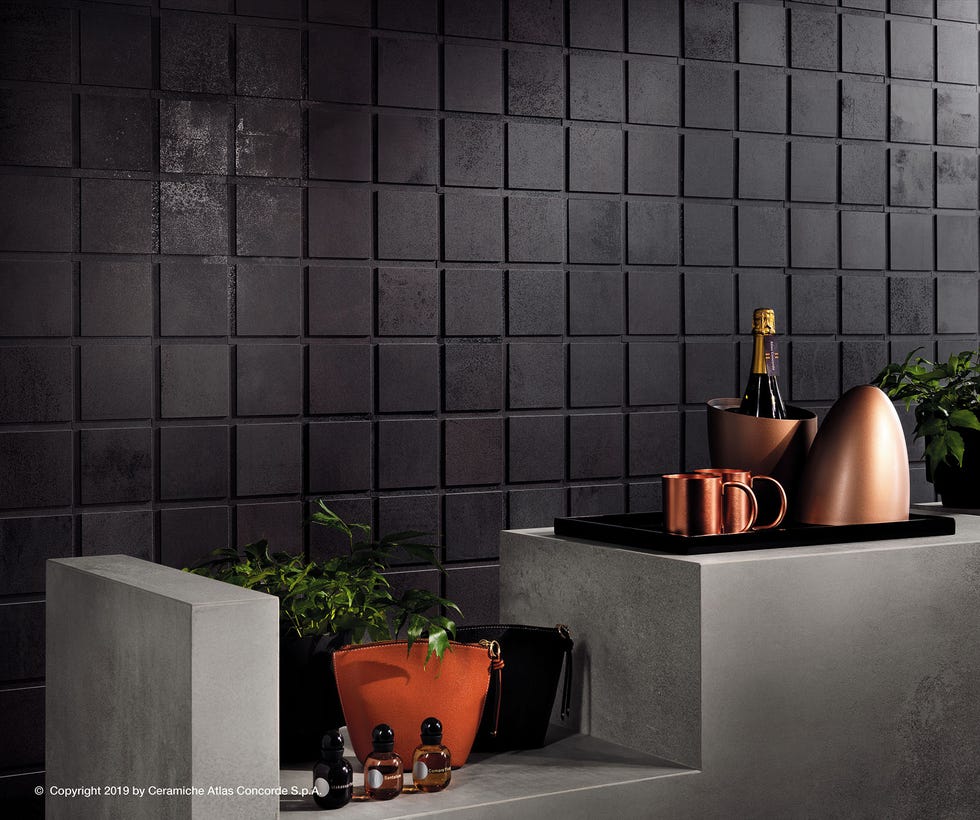
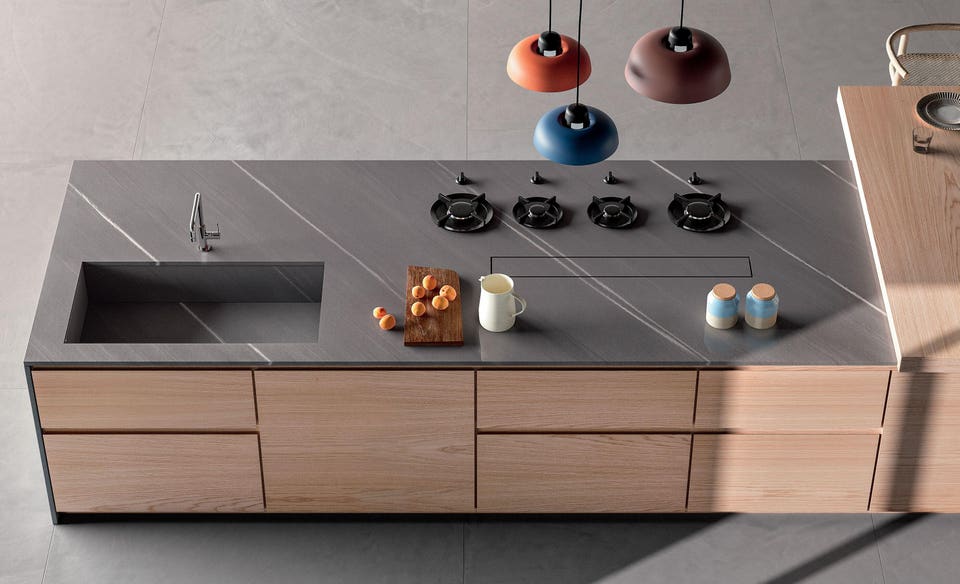
Evidence of porcelain's ascendance is supported by a 2023 research paper from German consultancy Titze, titled 'Worktops in Europe', which forecasts a substantial 46% growth rate for porcelain worktops between 2022 and 2030 across key European markets. This trend is actively reflected within the UK's Kitchen, Bedroom, and Bathroom (KBB) sector. For instance, Max Cunningham of Rock Revelations notes a significant reversal in sales, with porcelain surfaces like Dekton now outselling quartz, highlighting porcelain's consistency and heat resistance as key benefits in kitchen environments. Black, grey, and marble-effect porcelains are particularly in demand, with brands like Atlas and Infinity also gaining traction.
The UK market is primarily served by a handful of prominent European porcelain manufacturers. Spanish brands include Dekton by Cosentino, Xtone Porcelanosa, and Neolith, while Laminam originates from Italy. Each brand offers distinct advantages: Dekton is recognized for its ultra-compact nature, Xtone for its sustainability, Neolith for its natural material composition, and Laminam for its extensive large-format slabs. Thickness preferences in the UK typically lean towards 20mm, and all these brands provide a vast array of design options in various colours and finishes. Dekton alone offers over 60 colours and multiple finishes, while Laminam boasts 130 colour and texture options, and Neolith provides 50 colours.
These manufacturers are continuously innovating, with frequent product expansions. Neolith, for example, recently introduced five new products, including the polished Neolith Lux, which is anticipated to be popular for its timeless appeal. A crucial factor in these brands' strong market presence in the UK is their significant investment in comprehensive training programs, including workshops, seminars, and factory tours, designed to educate the entire supply chain, from designers to fabricators, thereby empowering them to better inform end-users.
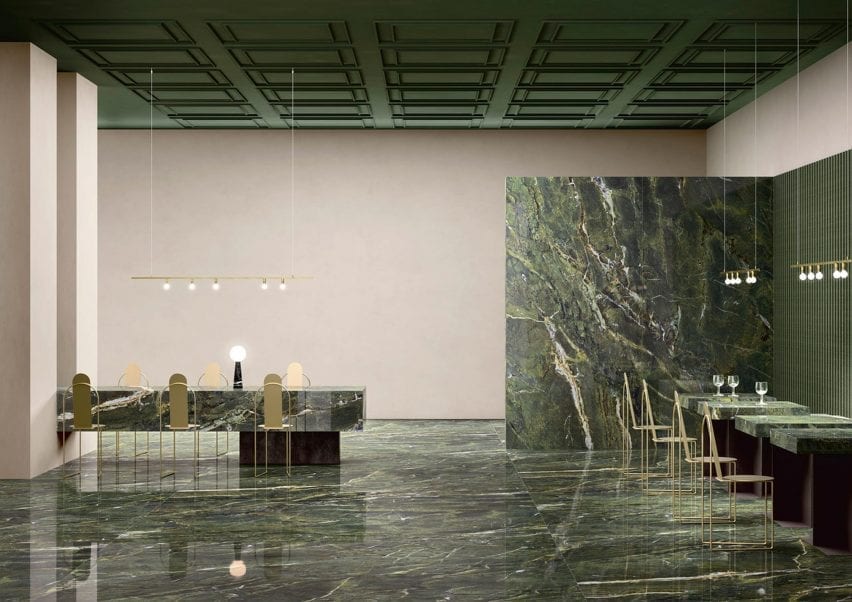
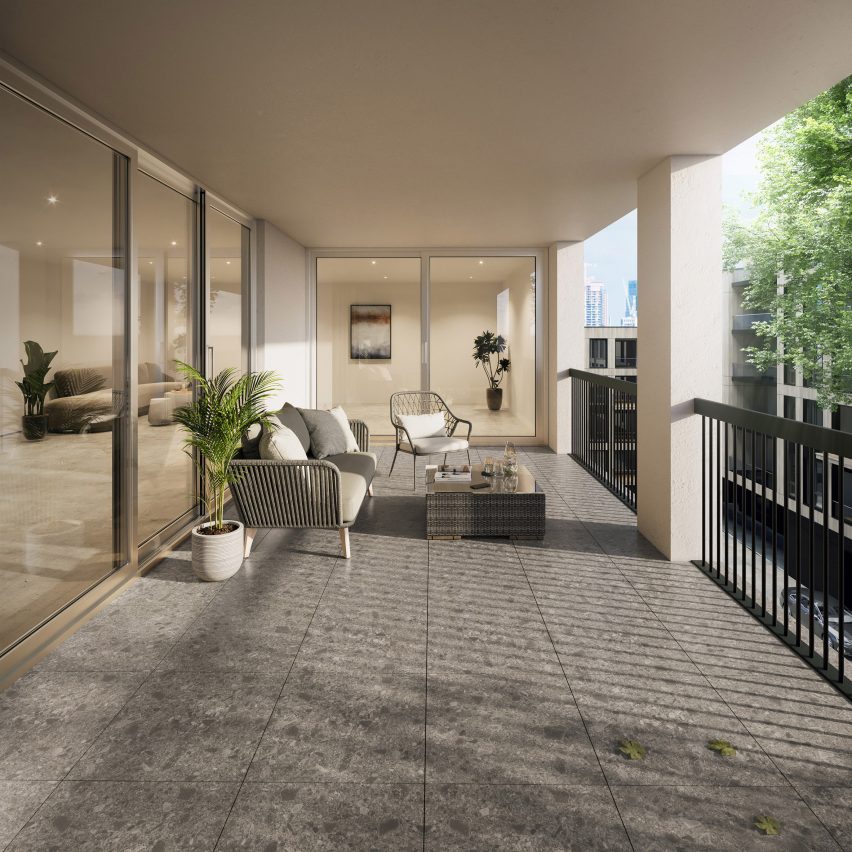
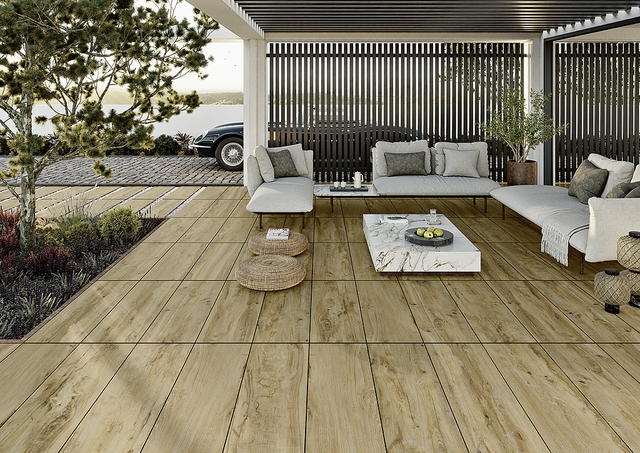
Even Caesarstone, traditionally known for quartz, ventured into the porcelain market in 2022 and reports rapidly increasing sales. Jonathan Stanley, VP of marketing & customer service at Caesarstone UK & ROI, attributes this growth to both kitchen and bathroom renovations and porcelain's suitability for outdoor applications due to its resistance to heat, sunlight, UV, and extreme weather. Porcelain's capacity to facilitate bolder, more dramatic designs, including heavily veined surfaces, is also a significant draw for homeowners and designers seeking aesthetic versatility. RAK Ceramics, a leading global ceramics manufacturer, has also observed rapid growth in its porcelain portfolio. Alvin Biggs, MD at RAK Ceramics UK, emphasizes porcelain's ability to mimic natural stone at a more affordable price point, alongside its durability, ease of cleaning, and eco-friendly attributes, as major factors driving consumer demand for worktops, splashbacks, and wall/floor tiles.
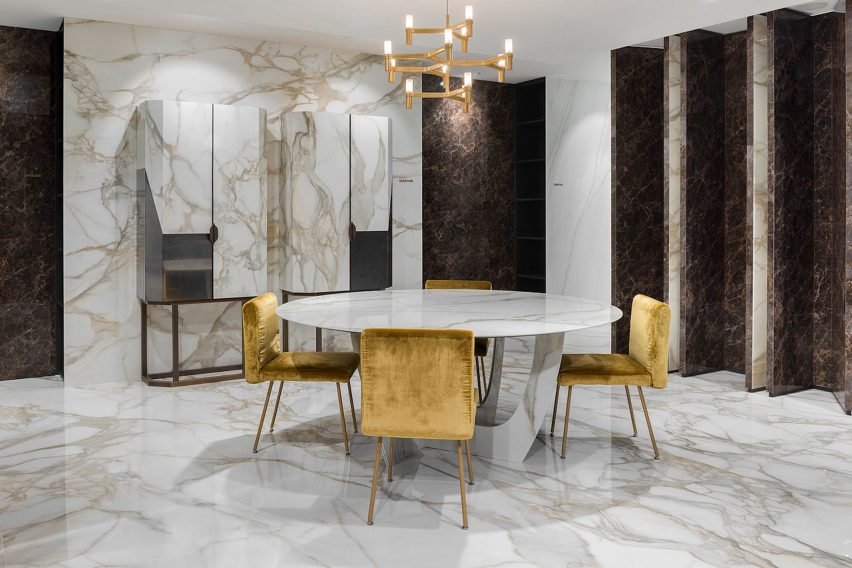
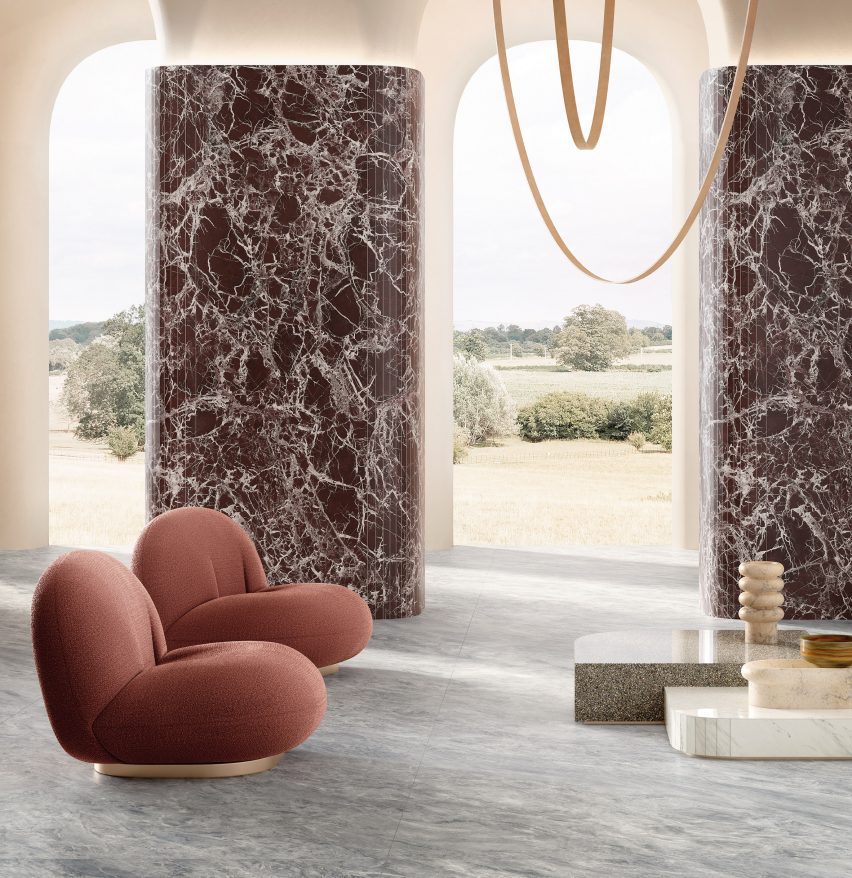
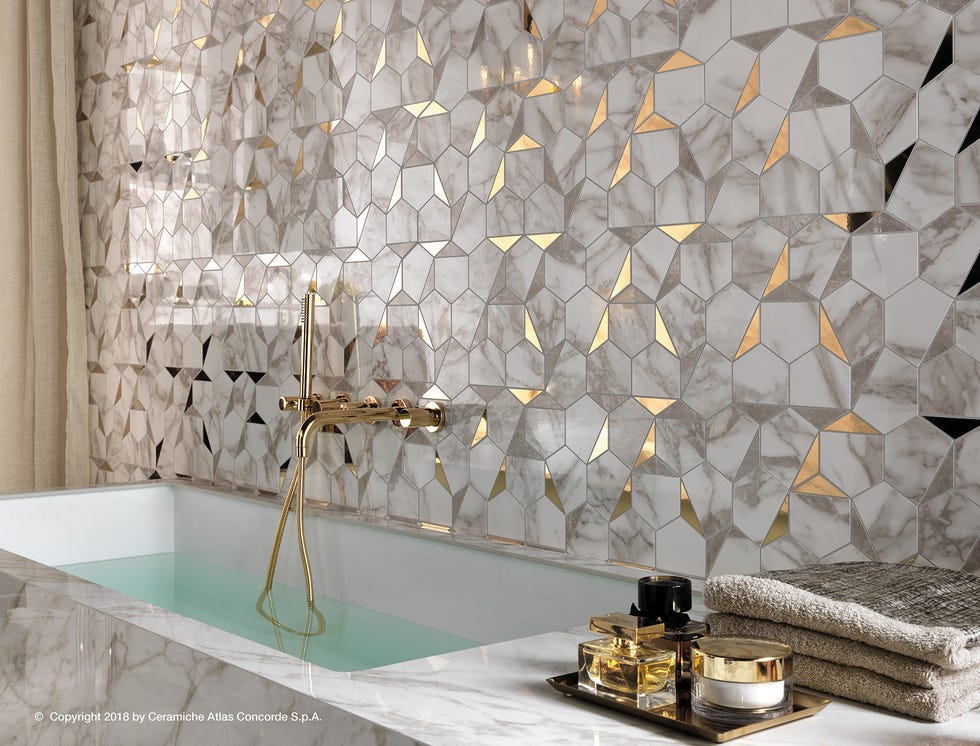
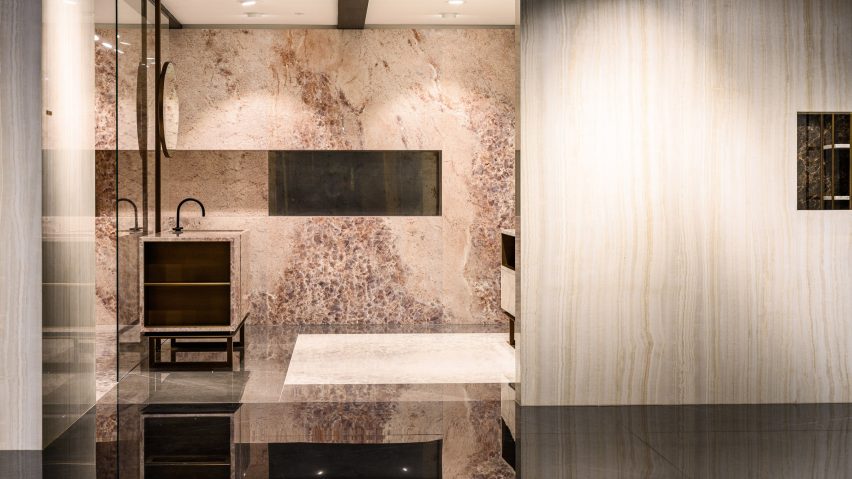
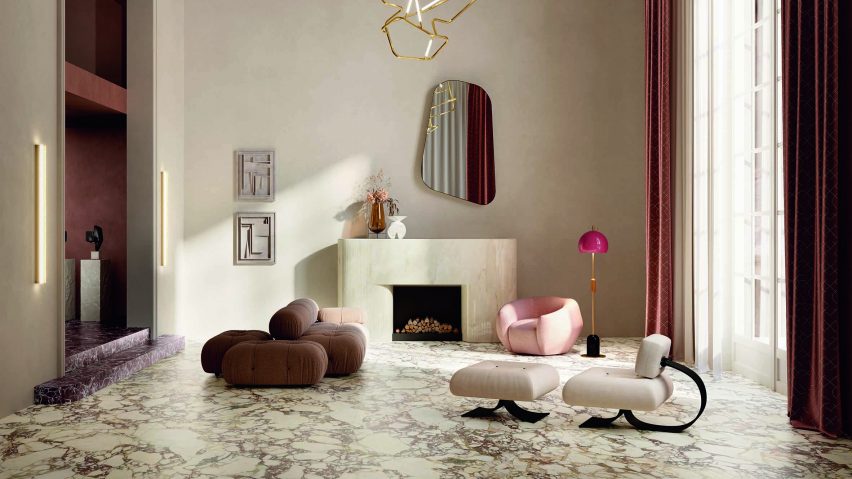
Luxury tile and stone specialist Lapicida, with showrooms in Yorkshire and London, exemplifies porcelain's showroom performance. Their extensive porcelain collection, featuring opulent designs inspired by natural stone, such as Mirrored Marble, highlights the material's premium aesthetic with minimal maintenance requirements. Porcelain thus presents itself as a versatile, low-maintenance 'blank canvas' that seamlessly integrates into diverse home aesthetics, offering considerable potential for growth across the entire supply chain.
#PorcelainSurfaces #KitchenDesign #BathroomDesign #MaterialInnovation #InteriorDesignTrends #WorktopSolutions #SurfaceMaterials #HomeRenovation #SustainableMaterials #PorcelainSurfaces #KitchenDesign #BathroomDesign #MaterialInnovation #InteriorDesignTrends #WorktopSolutions #SurfaceMaterials #HomeRenovation #SustainableMaterials
0 comment in total
 No comments yet
You may also like
How the latest porcelain surfaces offer both form and functionality
Ornament is no longer a crime. And the new trims on the coatings confirm it
Ceramics of Italy predicts tile trends for 2019
Case study: Specifying the surfaces at Juno Rooms

FMG releases collection of tiles that can be applied to any interior surface
Surprising ways interior designers are using tiles
FLORIM stone surfaces enhance the indoors with fluid visual transitions
5 brands that are transforming the architectural surfaces of your home

Marmi Maximum tiles by Fiandre Architectural Surfaces
Why You Might Want Porcelain Slab Countertops

Maximum Marmi tiles by Fiandre Architectural Surfaces
Glazed Porcelain Tiles - Wooden from Love Tiles

Porcelain Surfaces

The Manufacturing Process Behind Ceramic District's Porcelain Tiles

Design Industry ceramic tiles by Refin
6 inspiring sensory surface trends to expect in 2023
Is porcelain the most practical countertop material? Interior designers weigh in on its appeal

Must-See Tile and Stone Designs From Coverings 2023

Ryno releases porcelain paving designed to combine style and durability

Tiles take inspiration from fashion