1/4
The Weird and Wonderful World of Radioactive Glassware Collecting
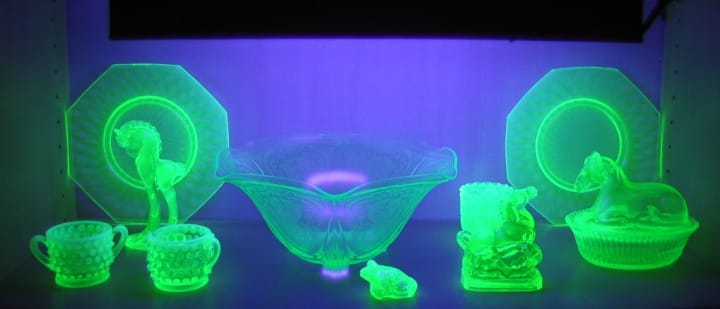
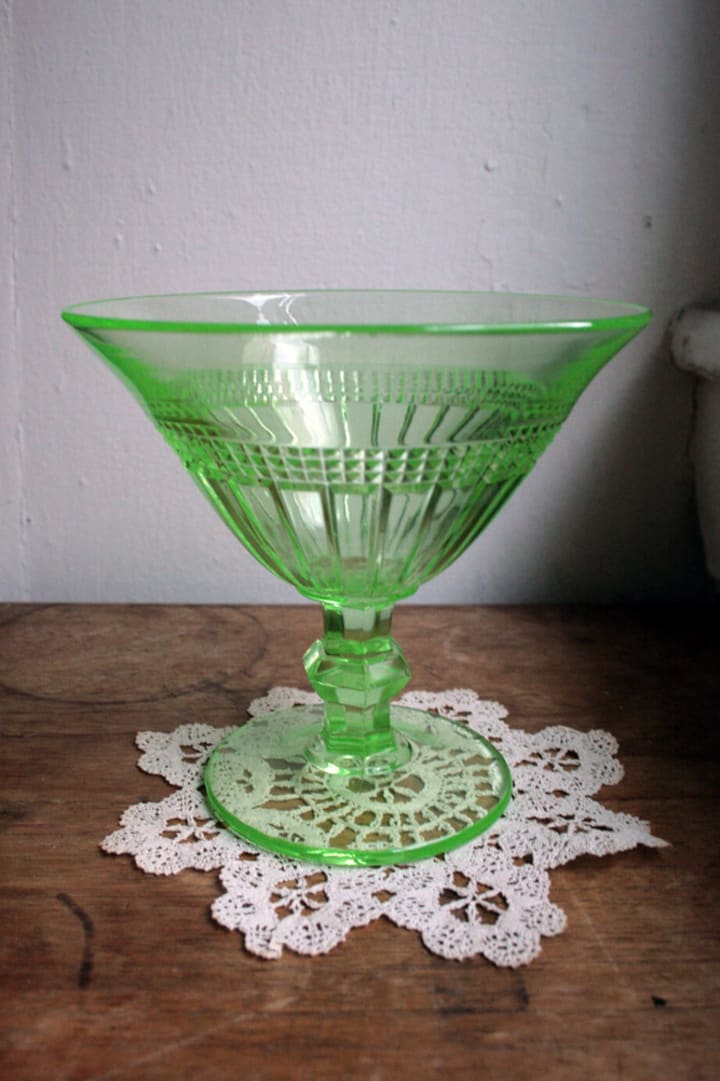
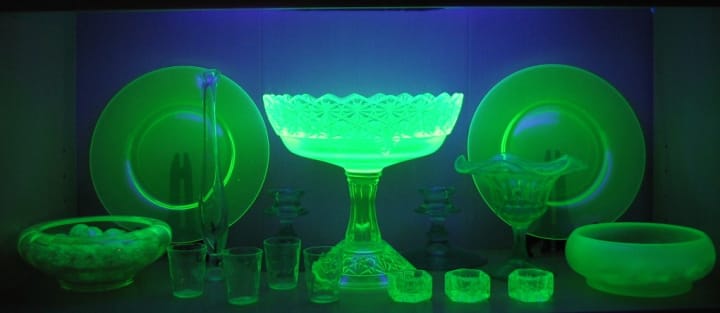
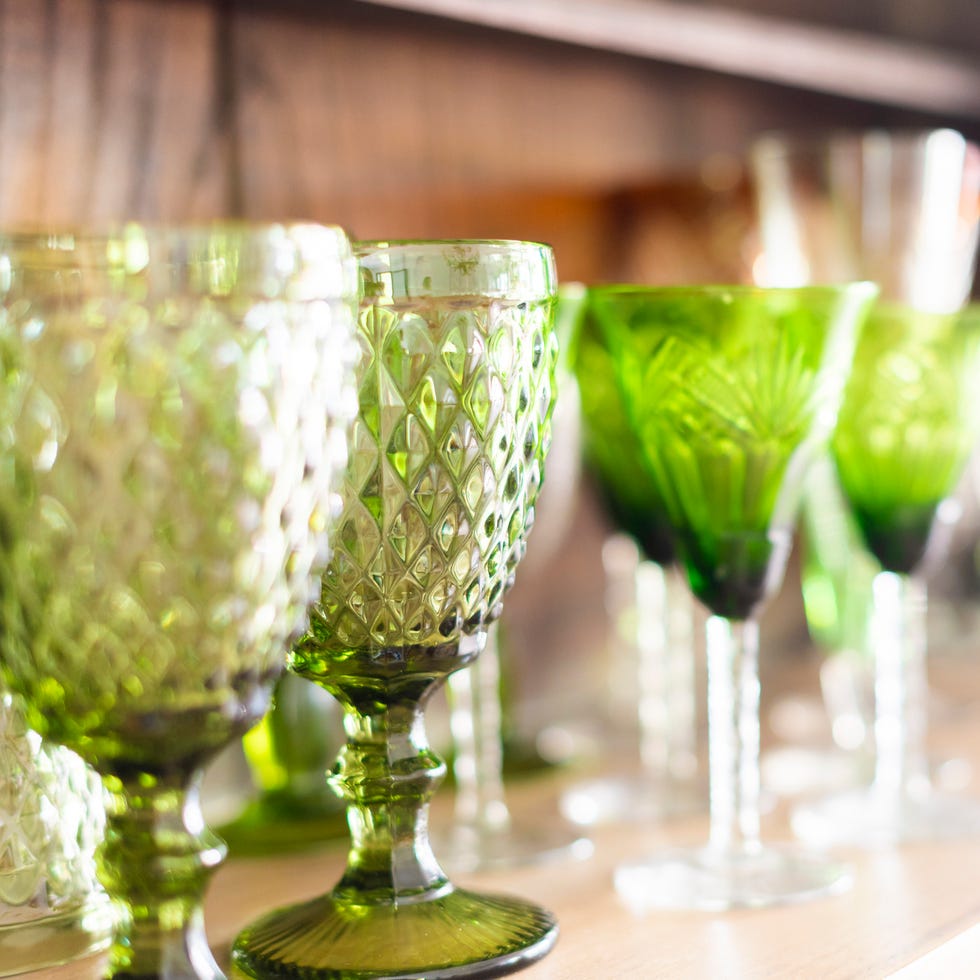
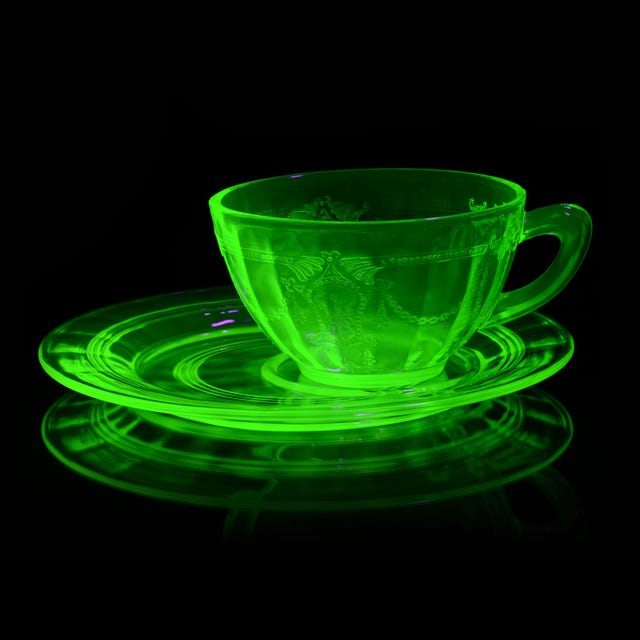
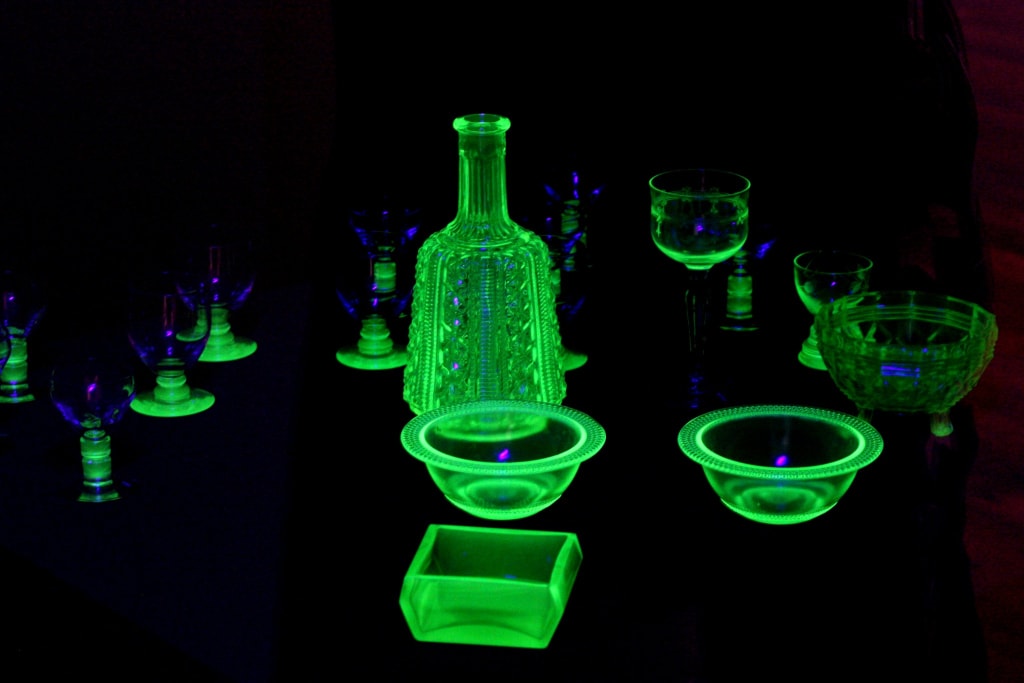
Uranium glass, known for its distinctive neon-green glow under blacklight, is a highly sought-after vintage item among collectors. This unique glassware, often found through secondhand shopping, contains uranium as a colorant, a practice that originated in Bohemia in the mid-1800s with glassmaker Josef Riedel. Initially popular, the use of uranium in glass was regulated by the U.S. government in 1943 to conserve the material for atom bomb production. Deregulation in 1958 led to a resurgence in popularity, particularly between 1958 and 1978, with over 4 million decorative pieces produced using depleted uranium. However, by the 1970s, U.S. glassmakers phased out uranium in favor of more accessible colorants, though it is still used in some other countries.
Despite its radioactive component, experts like Dr. Paul Frame, a senior health physicist, affirm that collecting uranium glass poses an "incredibly small" risk. He notes that naturally occurring uranium is ubiquitous in the environment, and its use as a coloring agent dates back to the Romans. The low levels of radiation emitted by vintage uranium glass can be detected by a Geiger counter but are generally considered safe for display in homes. Concerns about radioactivity are often heightened by fictional portrayals, but scientists frequently reassure collectors within online communities about the safety of these items.
Collectors are drawn to uranium glass for its aesthetic appeal and the "weird and wonderful" experience of seeing it fluoresce under UV light. Sarah Cooper, a collector from Ohio, uses a blacklight during her secondhand hunts to identify genuine uranium glass. Malissa Nicholson, an administrator of a large Facebook group for secondhand finds, highlights the excitement and occasional surprise of discovering a glowing piece. She suggests that estate sales, especially those with numerous glassware items, are prime locations for finding uranium glass.
Whitney Granger, a vintage jewelry collector, also found her passion for uranium glass through online communities. She created a Facebook group dedicated to uranium glass jewelry and displays her glowing rings, brooches, and beads in a custom-built curio cabinet. Granger advises aspiring collectors to blacklight everything, as uranium glass jewelry can come in various colors, not just green. She also clarifies that while resin, acrylic, and plastic can glow due to polymers, a bright green glow in glass under blacklight confirms it as authentic uranium glass. This unique characteristic makes uranium glass a prized and captivating collectible.
#UraniumGlass #VintageCollectibles #RadioactiveGlassware #SecondhandShopping #HomeDecor #Antiques #GlassCollecting #BlacklightEffects #DecorativeGlass #UraniumGlass #VintageCollectibles #RadioactiveGlassware #SecondhandShopping #HomeDecor #Antiques #GlassCollecting #BlacklightEffects #DecorativeGlass
0 comment in total
 No comments yet
You may also like
Did You Know Old Glass Is Radioactive?
Colorful Glassware is Trending — Here are 5 Ways to Display Your Collection to Give it Pride of Place in Your Home

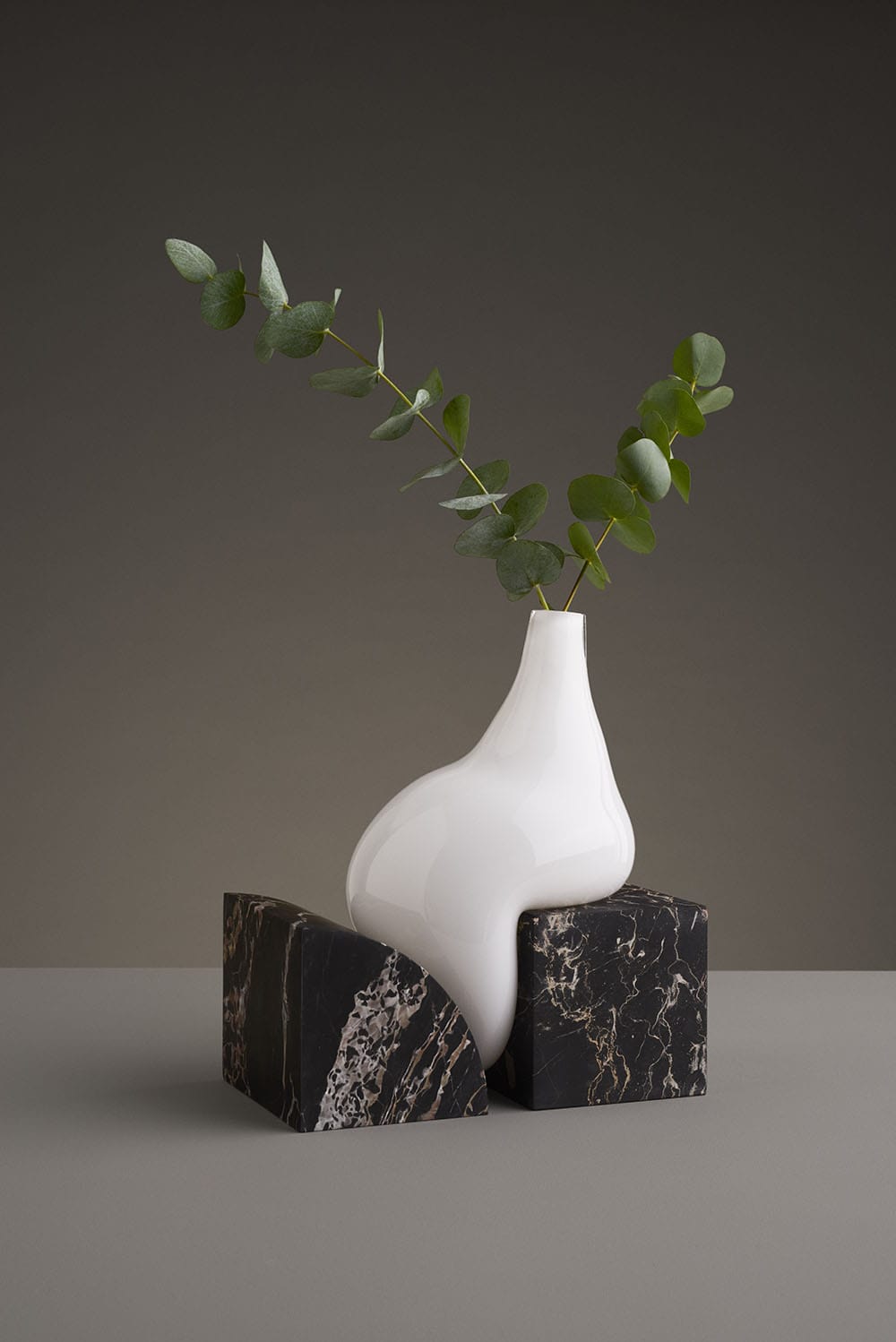
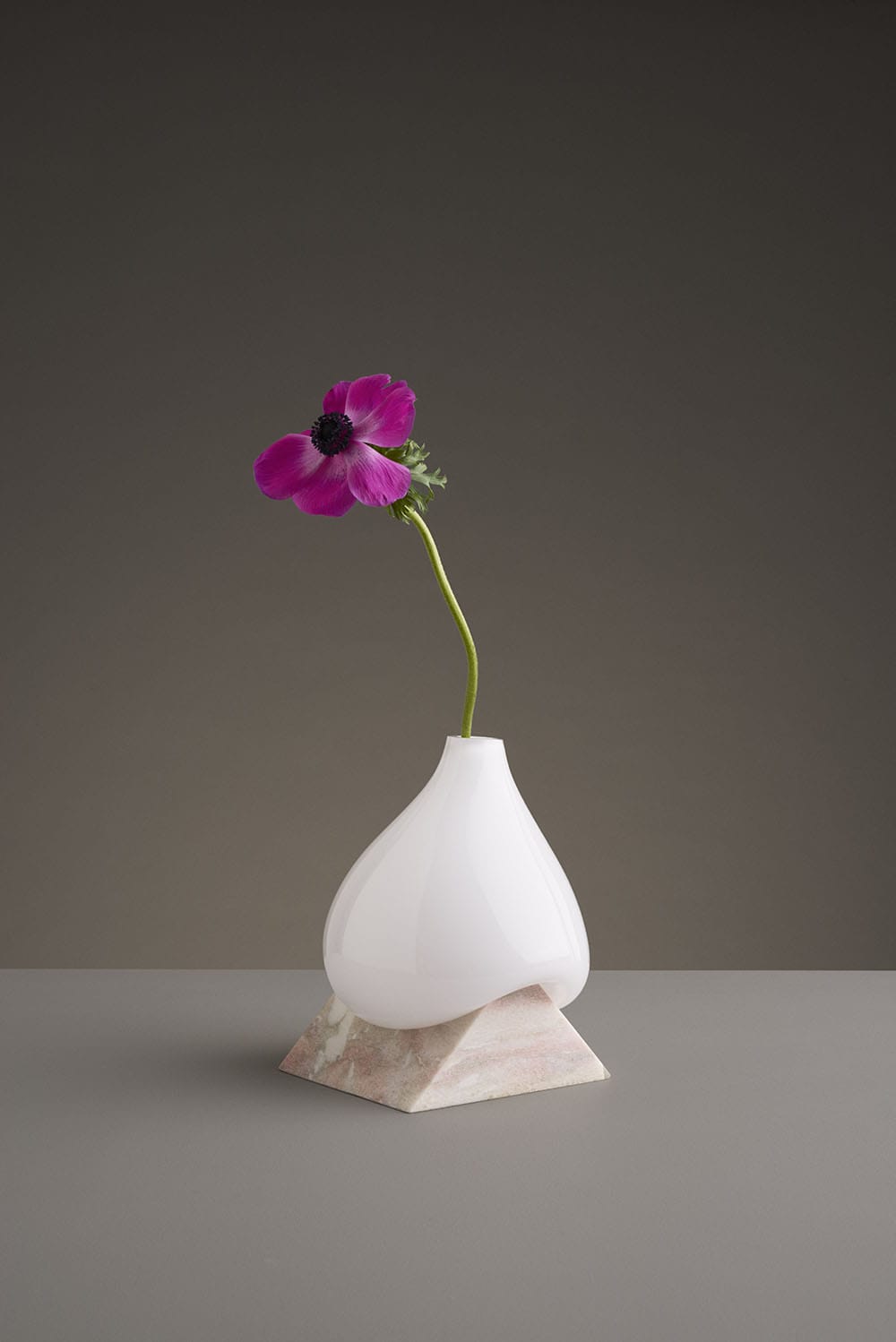
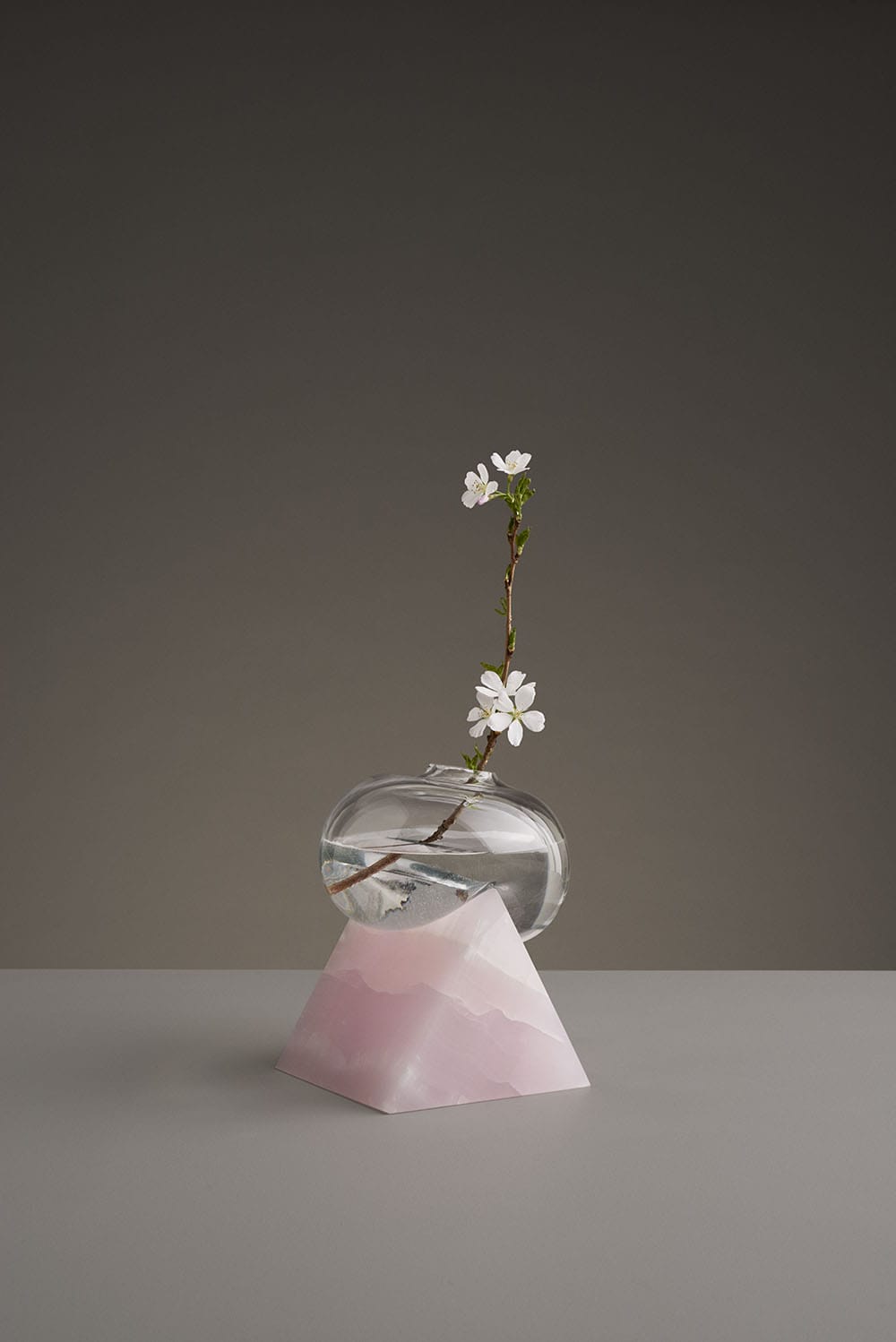
Misshapen Glass Vases by Studio E.O Appear to Melt Atop Angular Stone Platforms

This Space Age Tableware Is Now a Prized Collectible
These Glassware Pieces Are Mind-Blowing

A Gem of a Collection

Sustainable Material Spotlight: Recycled Glass
3D Printed Vases That Give New Life to Old Bottles


glass art and design Archives
manipulate glass with the 'touch-me' vase collection by matteo silverio + stefano bullo

I Built A Chandelier Which Flashes When It Detects Radioactive Particles
Geek Review: Sgtoydisplay Cruiser Display Cabinet

Some glassware has spent years in the back of cupboards. It could be valuable

Glassware Traditions We Love From Around the World—and Their Modern Interpretations

Why glamorous glassware is booming

Glass Vases That Look Like They're Growing Ice Crystals
Glass Is Red-Hot: Here Are 6 New Collections to Know

Experts Say These Rare Antique Glassware Finds Are Always Worth Buying at Vintage Stores

11 vases that will be the star of the shelf

Great Collections