1/2
Great Collections
This article explores how three Westchester homeowners master the art of chic collecting, blending formidable treasures and flawless taste to create truly livable homes rather than museum-like spaces. Each homeowner or couple showcases a unique approach to integrating extensive and diverse art collections into their personal residences.
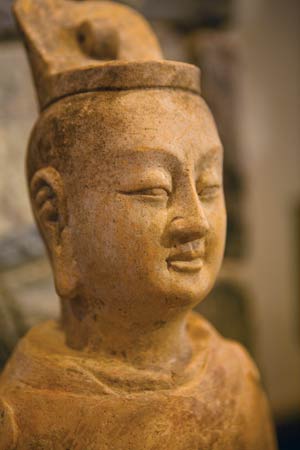
Karen Schlansky's Chappaqua home, which also functions as a gallery for her business, Rose Court Asian Antiques, exemplifies how Asian art can be seamlessly integrated into various decors. Her 1987-built "country barn" style home, characterized by wide-planked pine floors and exposed-beam ceilings, eclectic furnishings, and diverse collections. Schlansky's collection includes Tang Dynasty pottery sculptures, a third-century pottery lokapala, and Ming Dynasty musicians, which she skillfully mixes with contemporary furniture and art from other cultures like African masks and Southwestern paper collages. Her journey into antique dealing began with a passion for Chinese history and culture during her travels, leading her to establish Rose Court Asian Antiques in 1997. Initially, her gallery was in the lower level of her home, but she later moved it to the first floor to better demonstrate how the pieces would look in a living space. While most of her pieces are for sale, a cherished Qing Dynasty lacquered leather box, representing her family's leather business, remains a permanent fixture, symbolizing her past, present, and future.
Dr. Lewis Shapiro and Linda Swanson, after downsizing from a rustic Briarcliff Manor home to a two-bedroom condominium in Trump Tower at City Center, faced the challenge of displaying their extensive global art collection. Their collection, which began in 1985 after Swanson acquired African art from Sotheby's, includes 20th-century wooden masks from Western Africa, thousand-year-old Casas Grandes pottery from Mexico, and antique Chinese snuff bottles. They enlisted Scarsdale interior designer Linda Blair of Blair Interiors Group, Ltd., who, as a collector herself, understood their desire to integrate art into their living space rather than merely displaying it. Blair designed the apartment with a neutral color palette of cream, beige, and caramel to highlight the art and used traditional yet comfortable furniture. Custom cabinetry in the living room showcases a range of their prized pieces, such as a painted gold Ashanti staff finial, a Kuba cub, and a Dan chimpanzee mask. A concrete pillar was transformed into a display for intricately carved Yoruba twins, and an illuminated niche in the entry foyer highlights ancient Roman artifacts, flanked by 16th-century French church columns. The entrance also features framed illuminated miniatures from Les Très Riches Heures du Duc de Berry, holding both artistic and sentimental value for Swanson. Blair's goal was to unify and organize their diverse collection, creating a livable space that avoided feeling like a museum.
Marc and Denyse Ginzberg, homeowners in Rye, have transitioned from collecting African art to focusing on Ethiopian crosses. Their sleek, modern home, designed by Charles Forberg in 1993, offers spectacular water views and features custom-made shelves, antique armoires, and chests to display their collections. Initially, their collection included world-class African art such as ceremonial combs, hairpins, hats, sword handles, spoons, clubs, and whistles. After collecting for over 35 years and amassing an impressive collection of authentic African masks and sculptures, the Ginzbergs decided to sell their figurative works due to rising prices. They then shifted their focus to non-figural, abstract objects of use, known as "forms," which were featured in Marc's book, African Forms. After auctioning off a significant portion of this collection at Sotheby's Paris, breaking records for non-figurative African art, the Ginzbergs have now turned their attention to intricately designed Ethiopian crosses from the 12th to 19th centuries, composed of bronze, iron, wood, and silver. This new passion reflects their continuous engagement with collecting and their ability to identify emerging areas of interest in the art world, often ahead of museums and other collectors.
#ArtCollection #HomeDesign #InteriorDesign #AsianAntiques #AfricanArt #EthiopianCrosses #ArtCollecting #DecorativeArts #HomeDecor #ArtCollection #HomeDesign #InteriorDesign #AsianAntiques #AfricanArt #EthiopianCrosses #ArtCollecting #DecorativeArts #HomeDecor
0 comment in total
 No comments yet
You may also like
A Gem of a Collection

These Midcentury Reissues Are Crafted to Be True Collector’s Items

Meet Bengaluru’s secret carpet collector with an enviable collection and knowledge of rugs

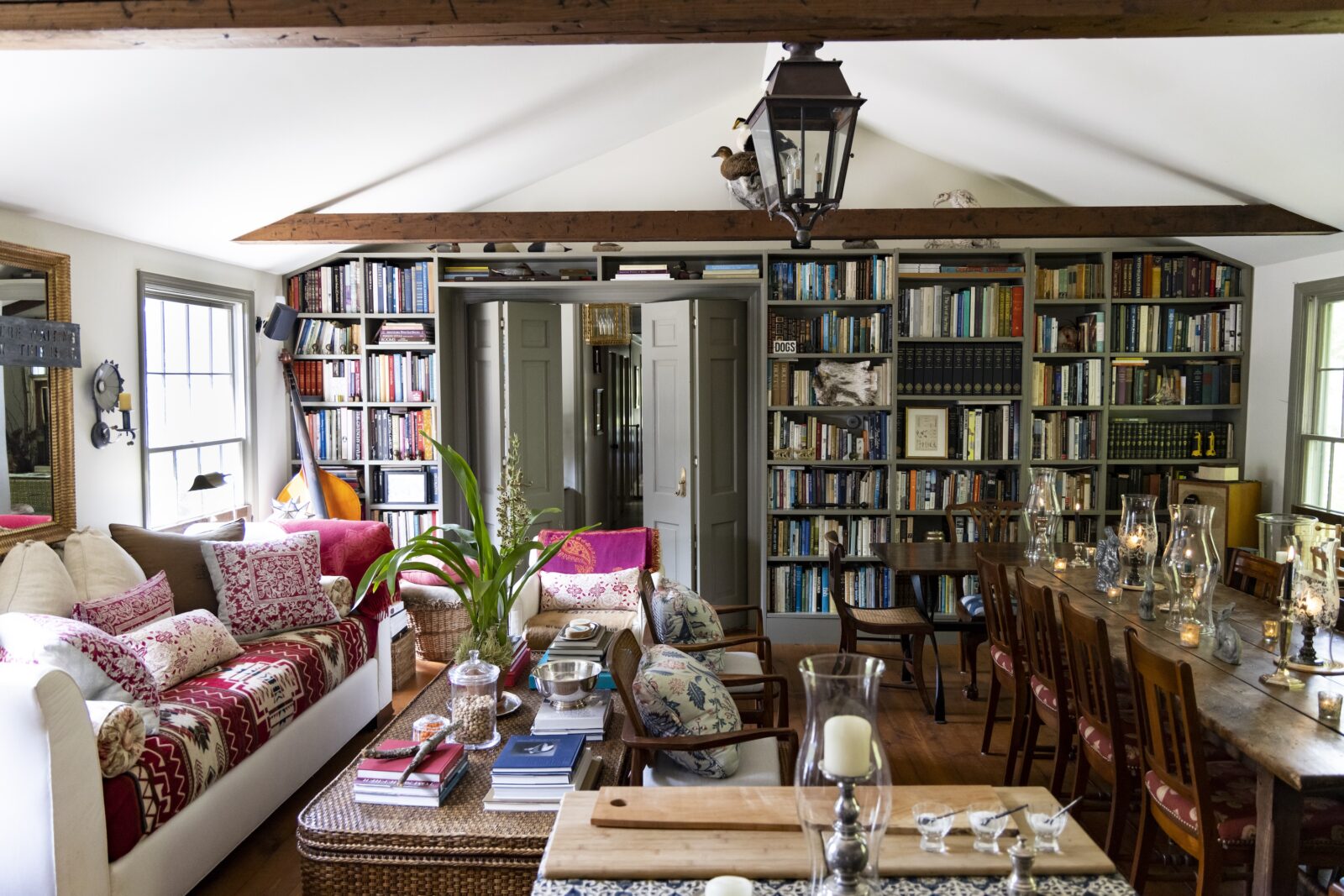
Clutter Is a Sign of a Life Well Lived, Says This Virginia-Born Collector
Putting a Collection on Display
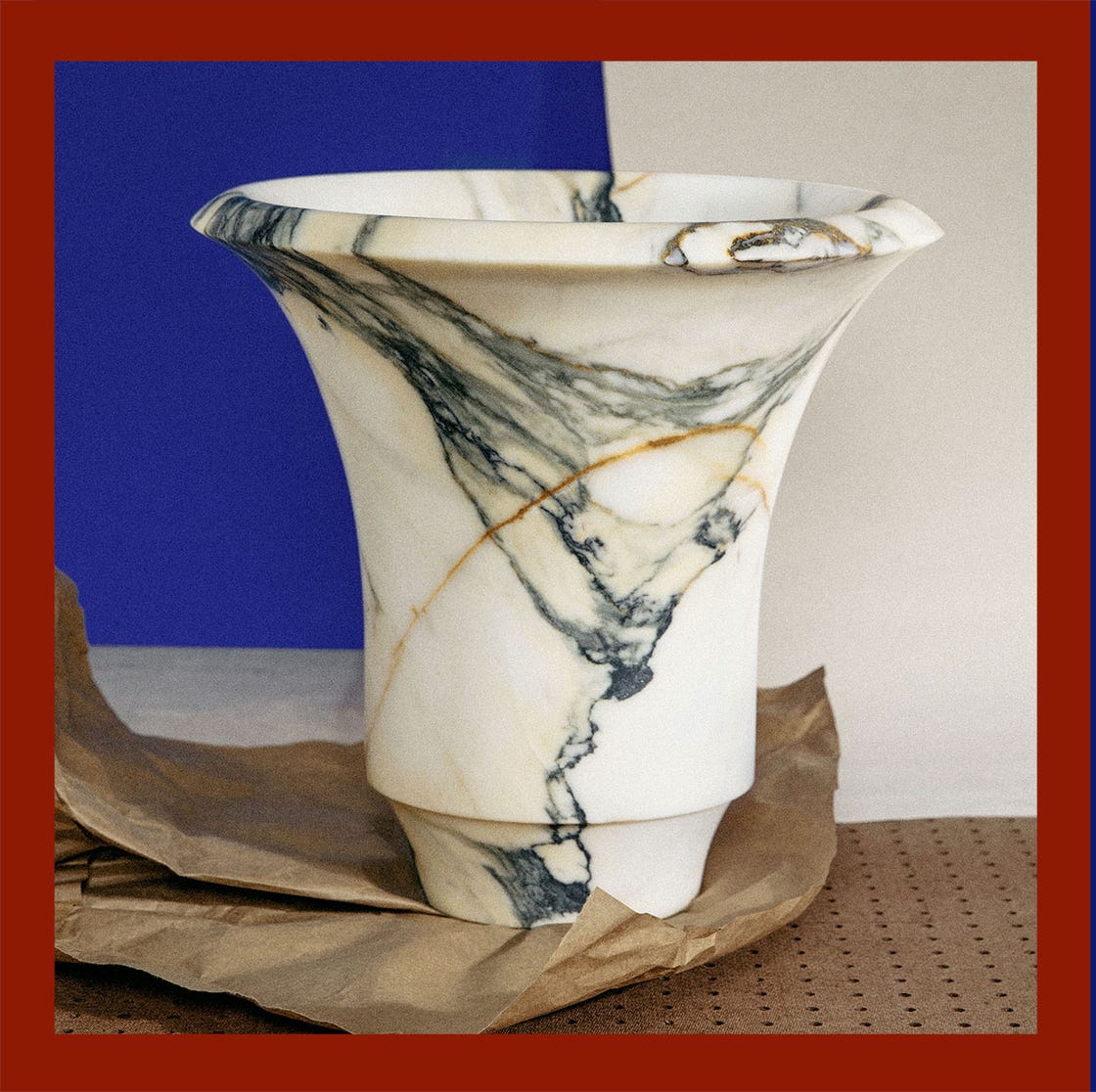
Expand Your Art Collection with These Gallery-Worthy Vessels

Joanna Gaines' Target Collection Declutters Every Room With ‘Stylish and Practical’ Storage From $5

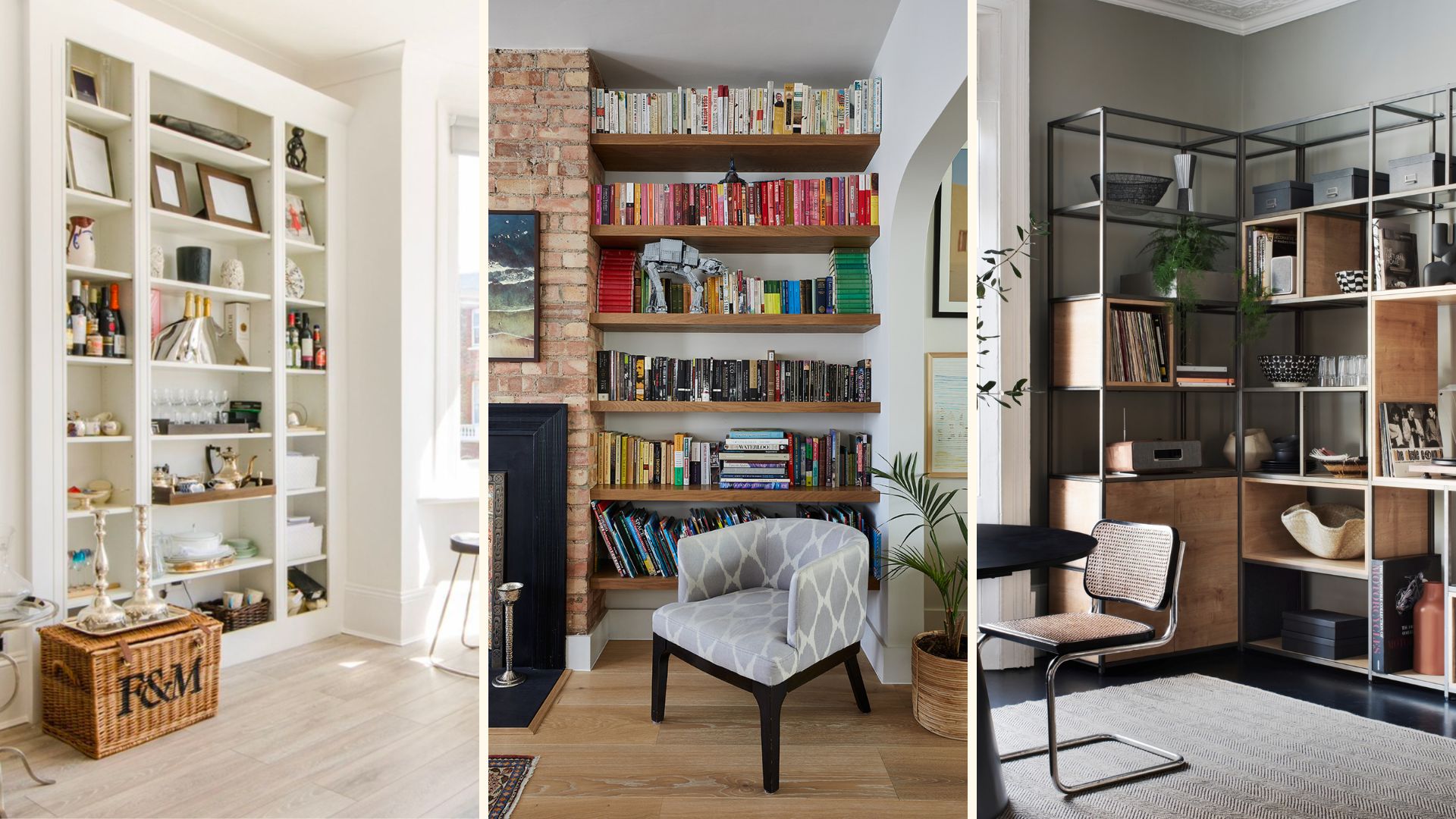
What is ‘Bookshelf Wealth’ and why is it becoming the stand-out design trend of 2024?

Stockbridge Collection

Most-Loved Pieces
These antique and vintage collectibles are in high demand this year
David Pollack Sotheby's Hang Artwork Hanging Old Masters Interior Design Art
Legendary creatures of interest to collectors
We Are Huge Bookworms—These Are Our Favorite Bookshelves to House Our Growing Collections

From the Archive: A Tour of Some of the World’s Most Elegant Home Libraries
The Best Bookshelves for Bulking Up Your Reading Collection

Ellisfield Collection
8 most expensive antiques in the world

21 Antiques We Love This Month
8 Simply Amazing Closets