1/5
Meet Bengaluru’s secret carpet collector with an enviable collection and knowledge of rugs
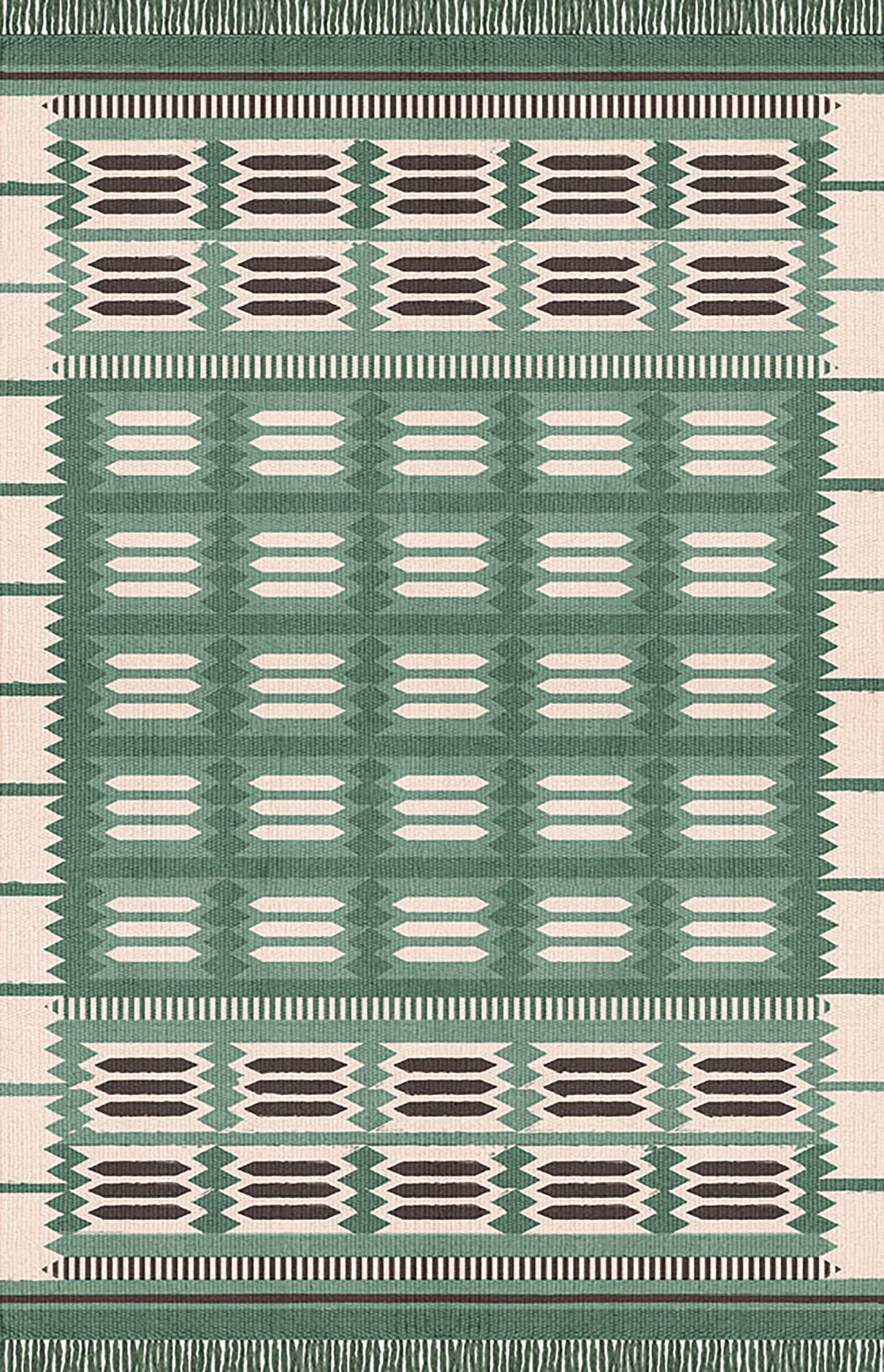
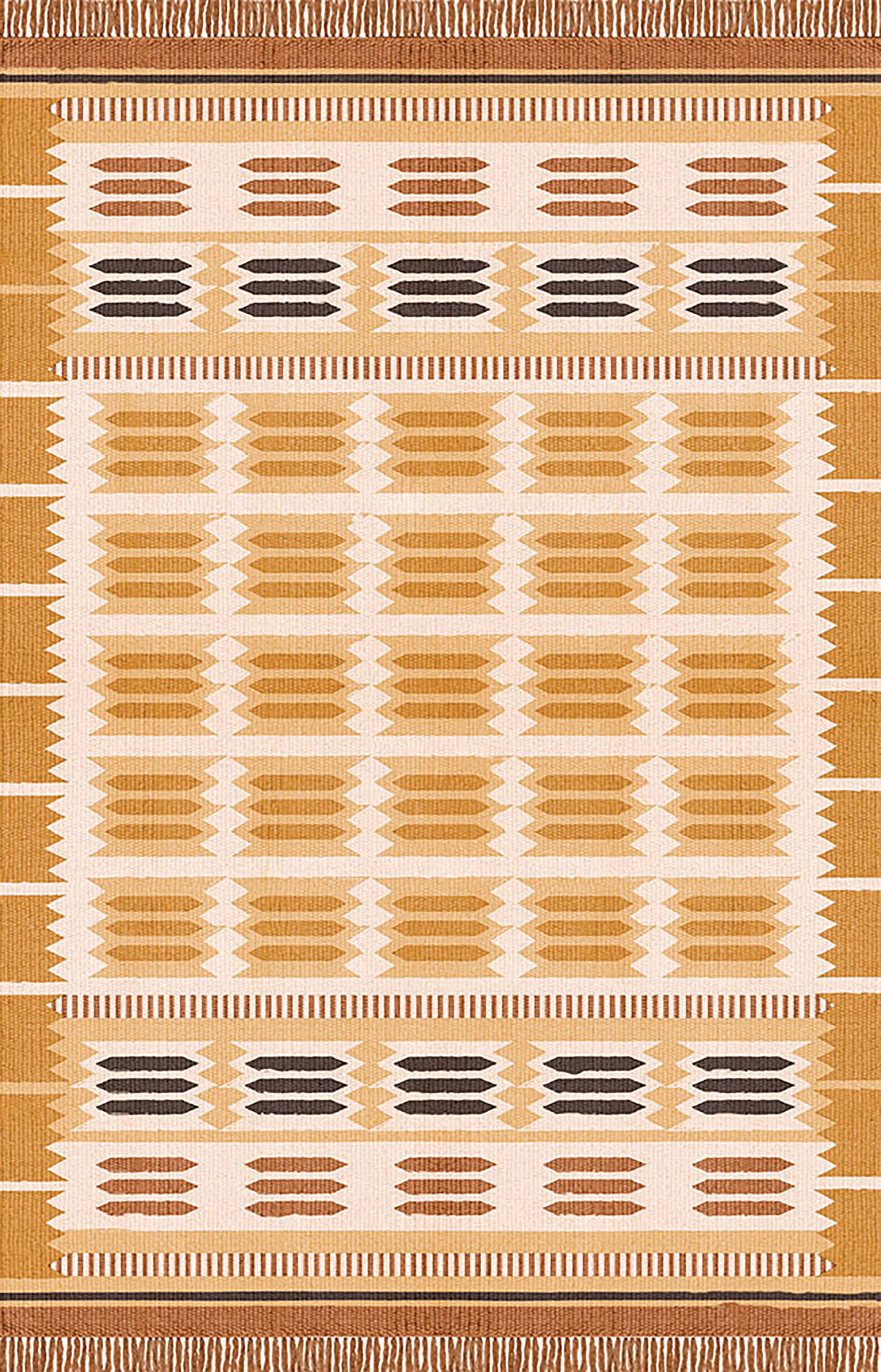
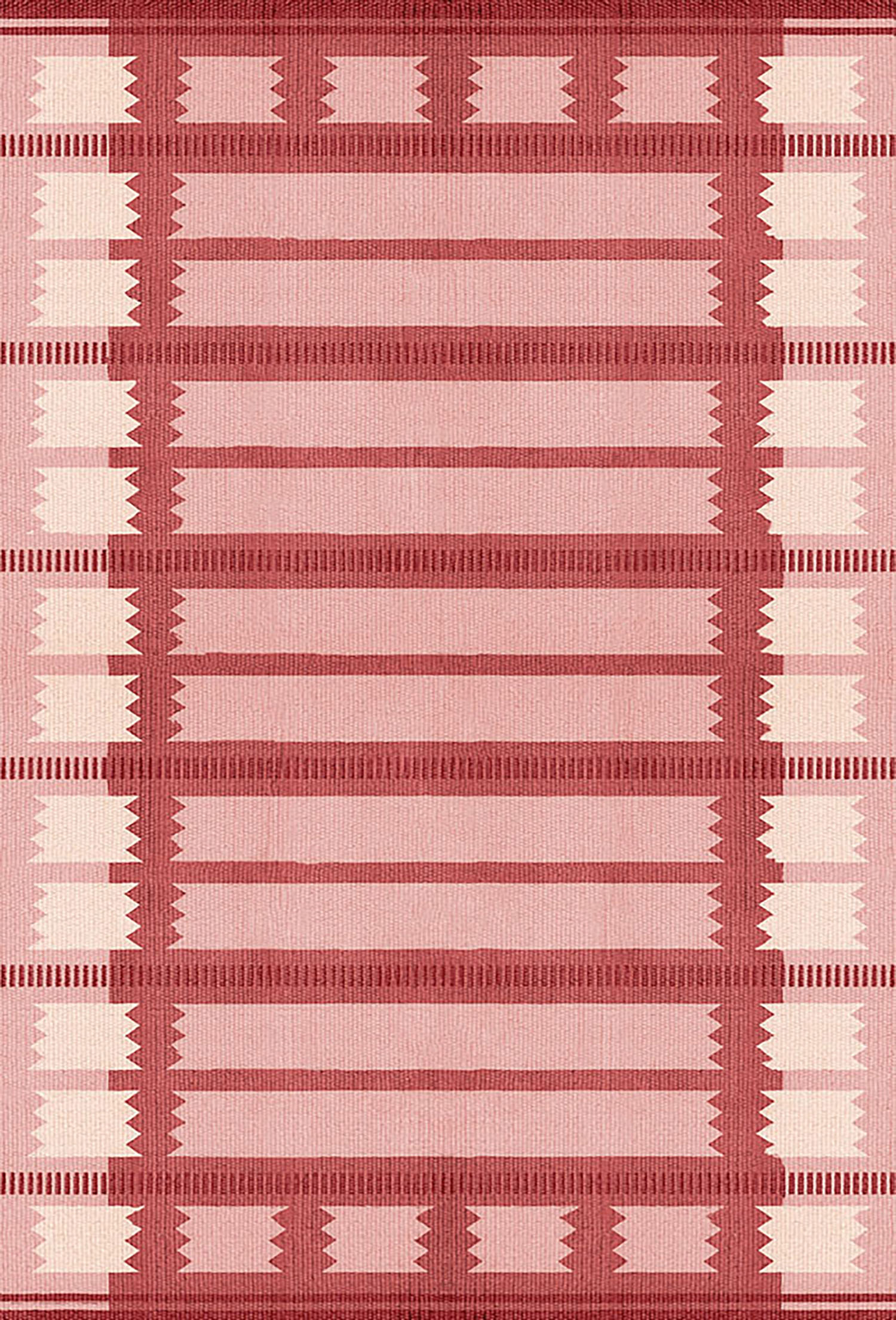
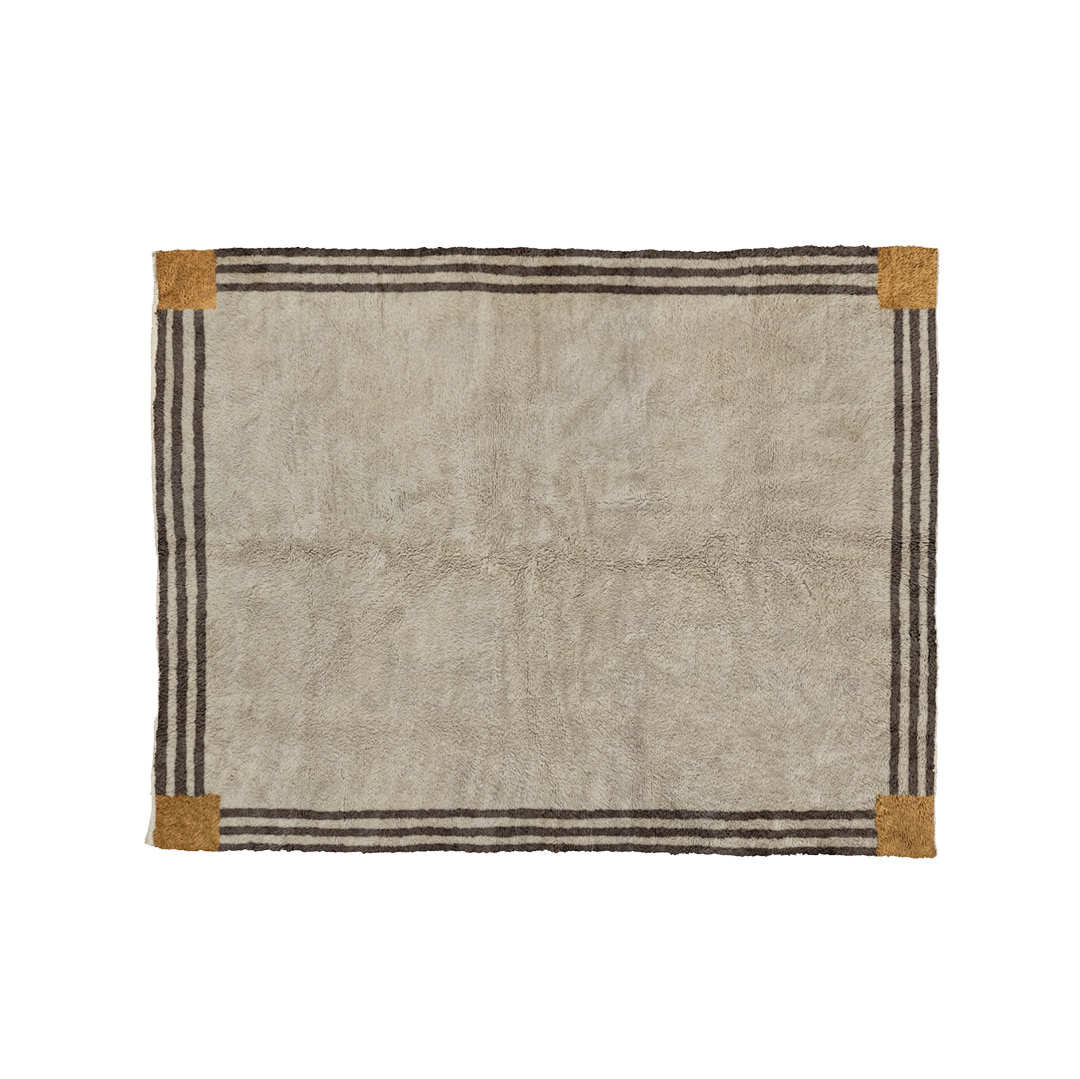
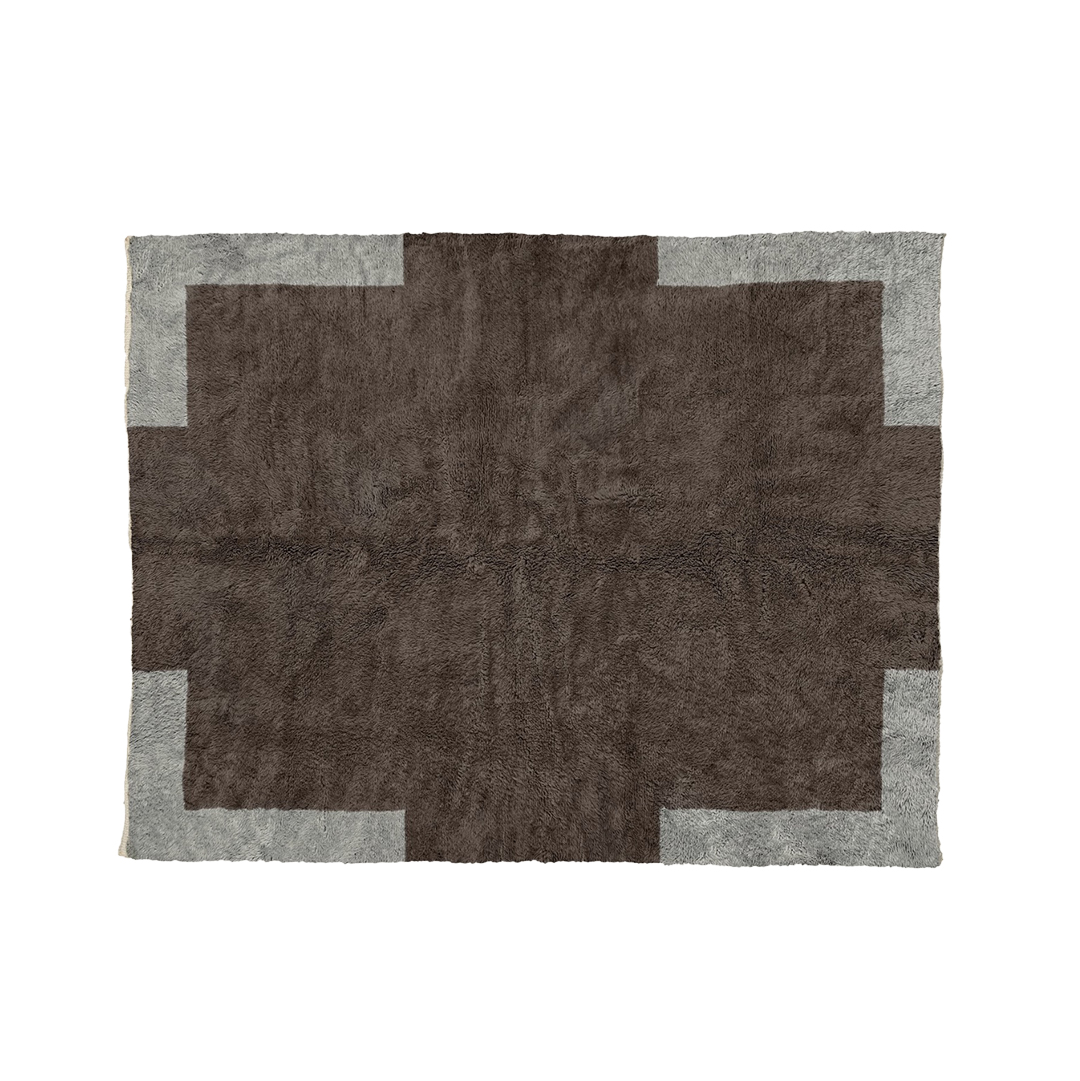
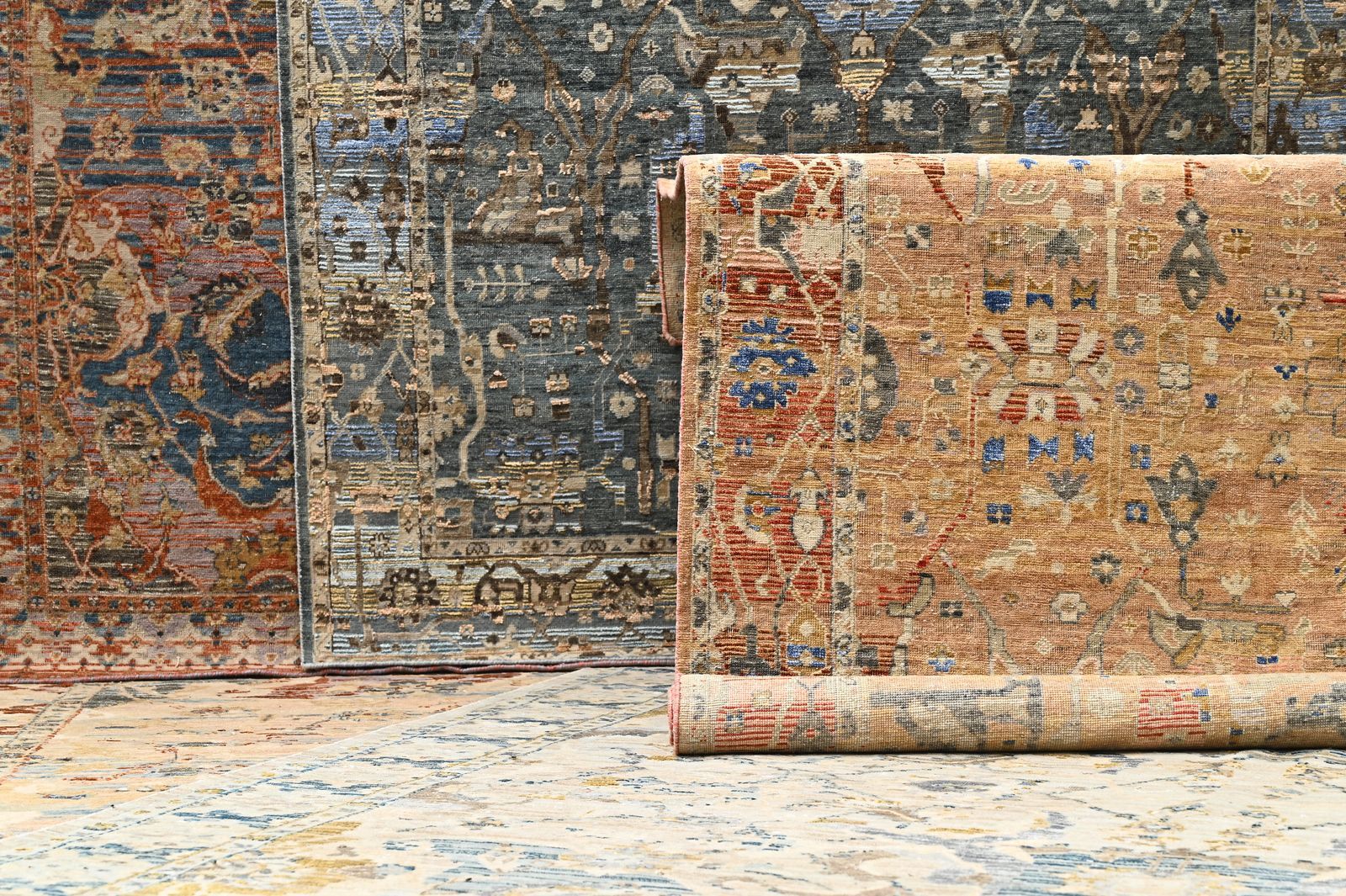
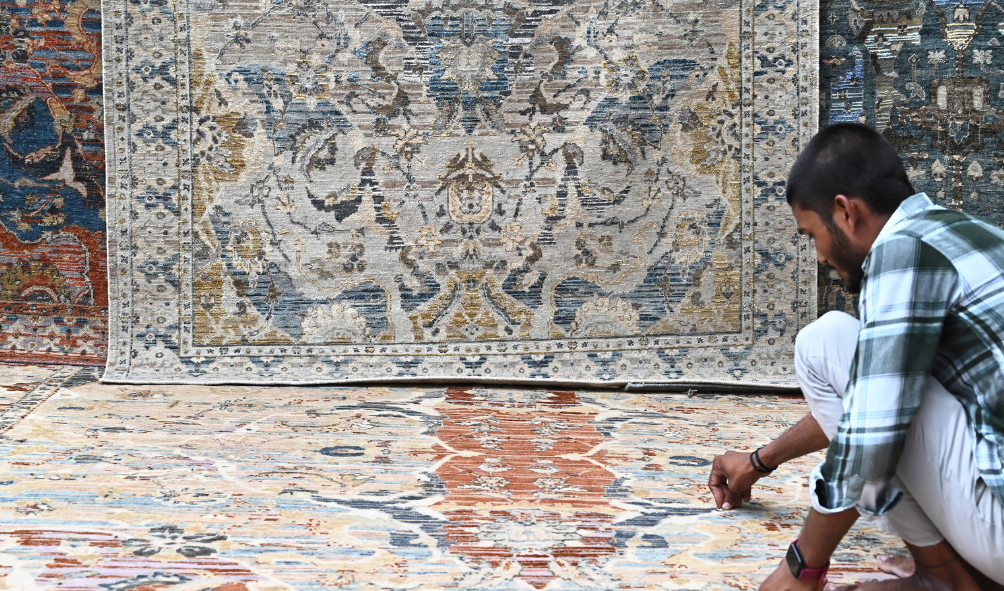
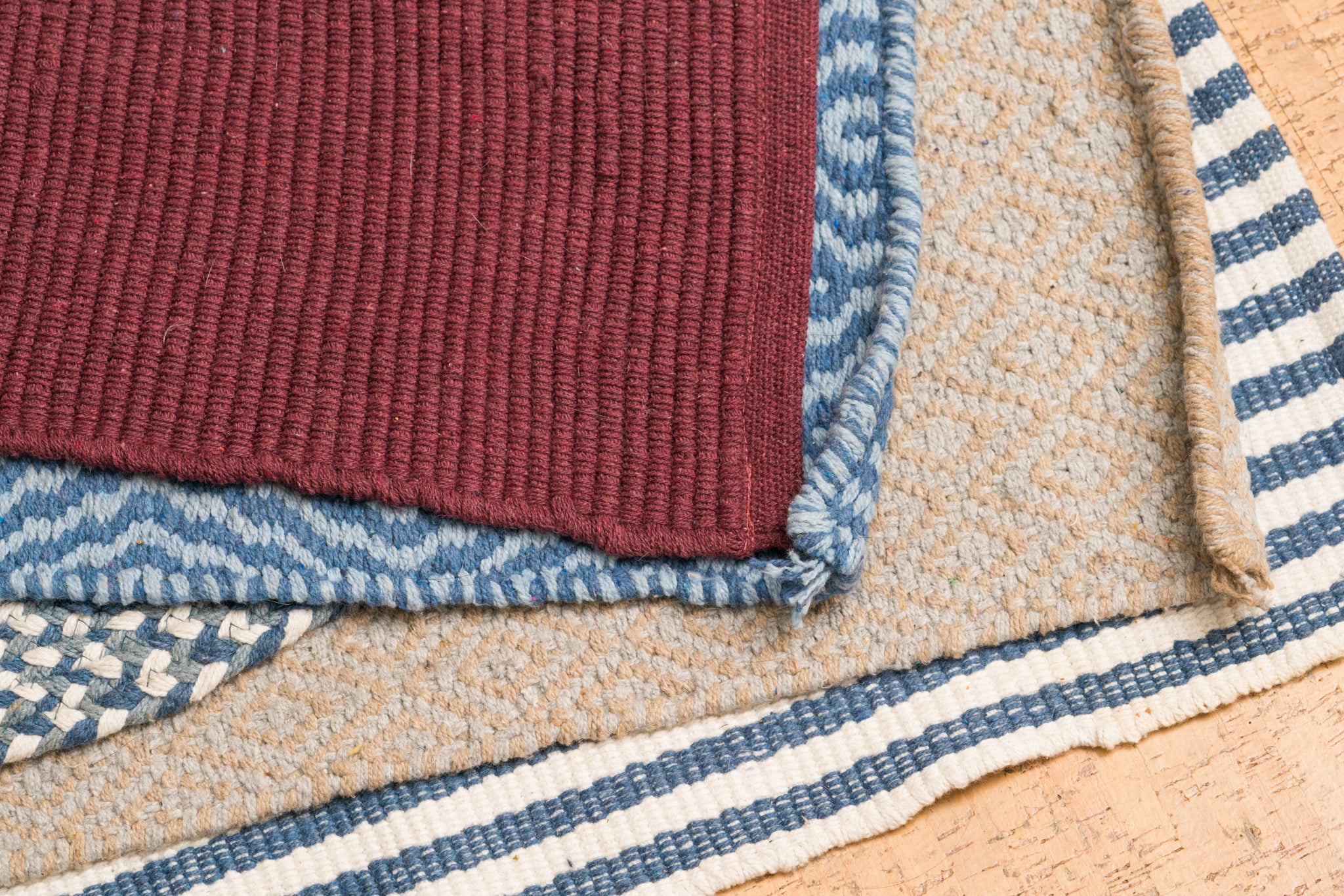
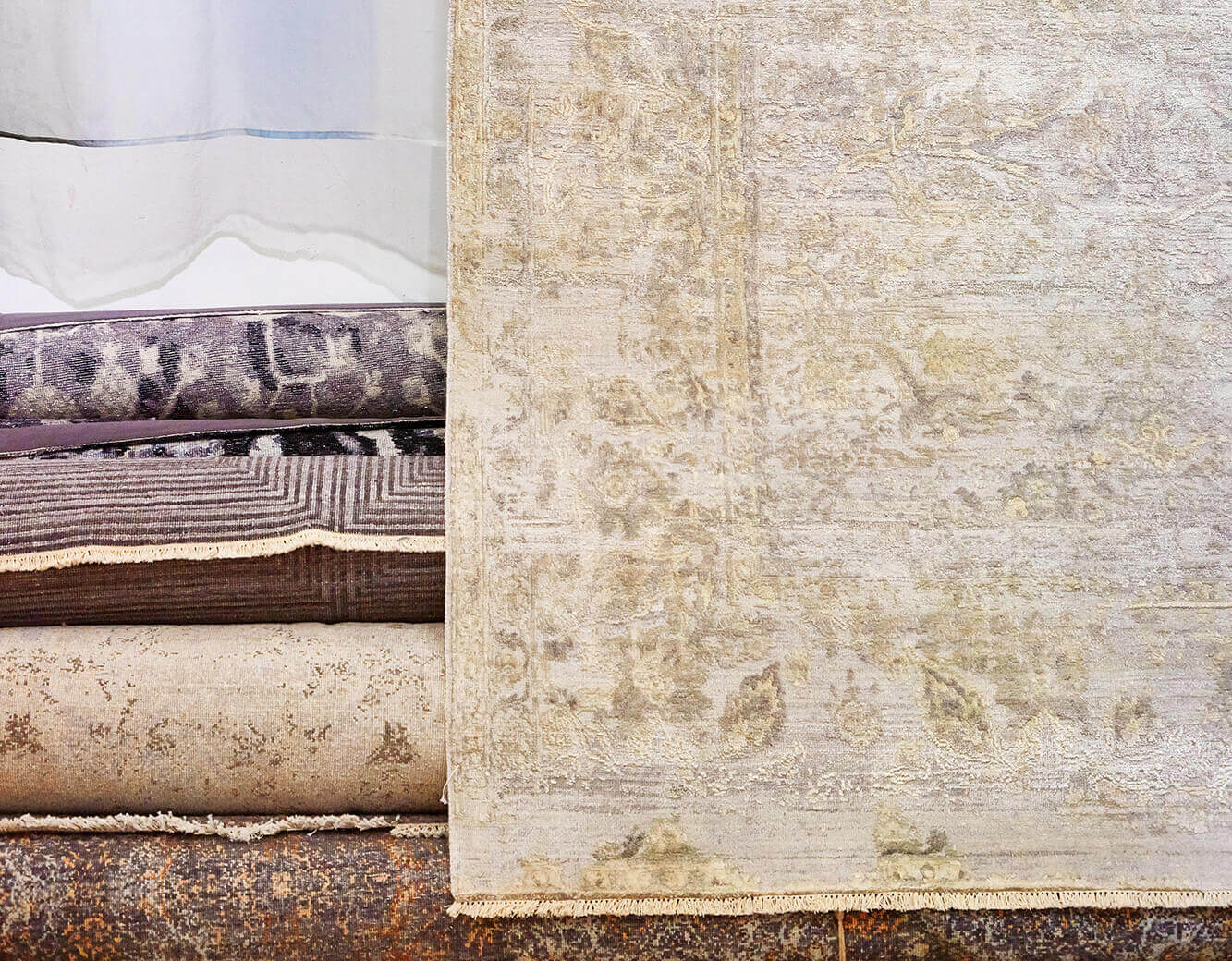
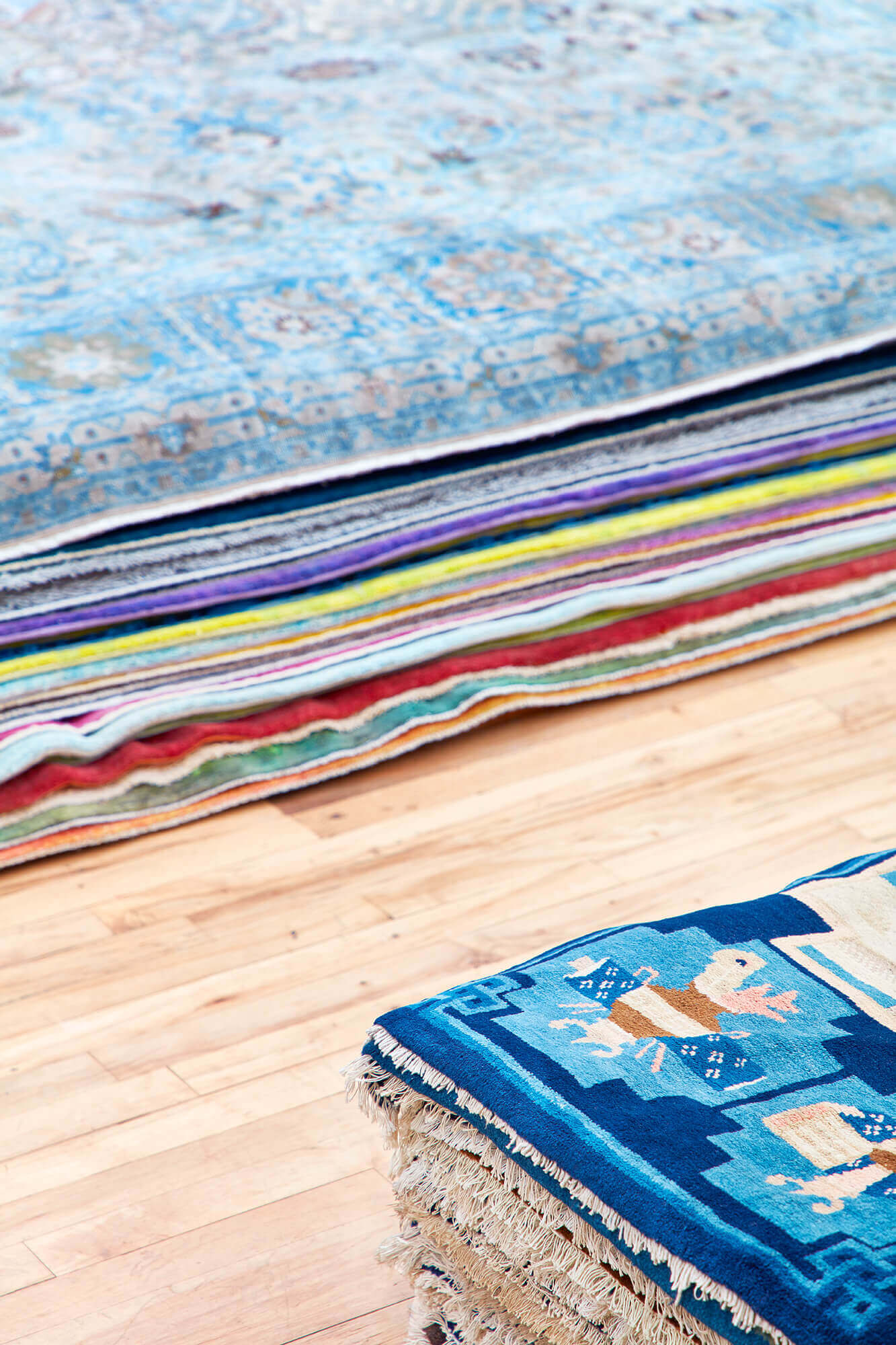
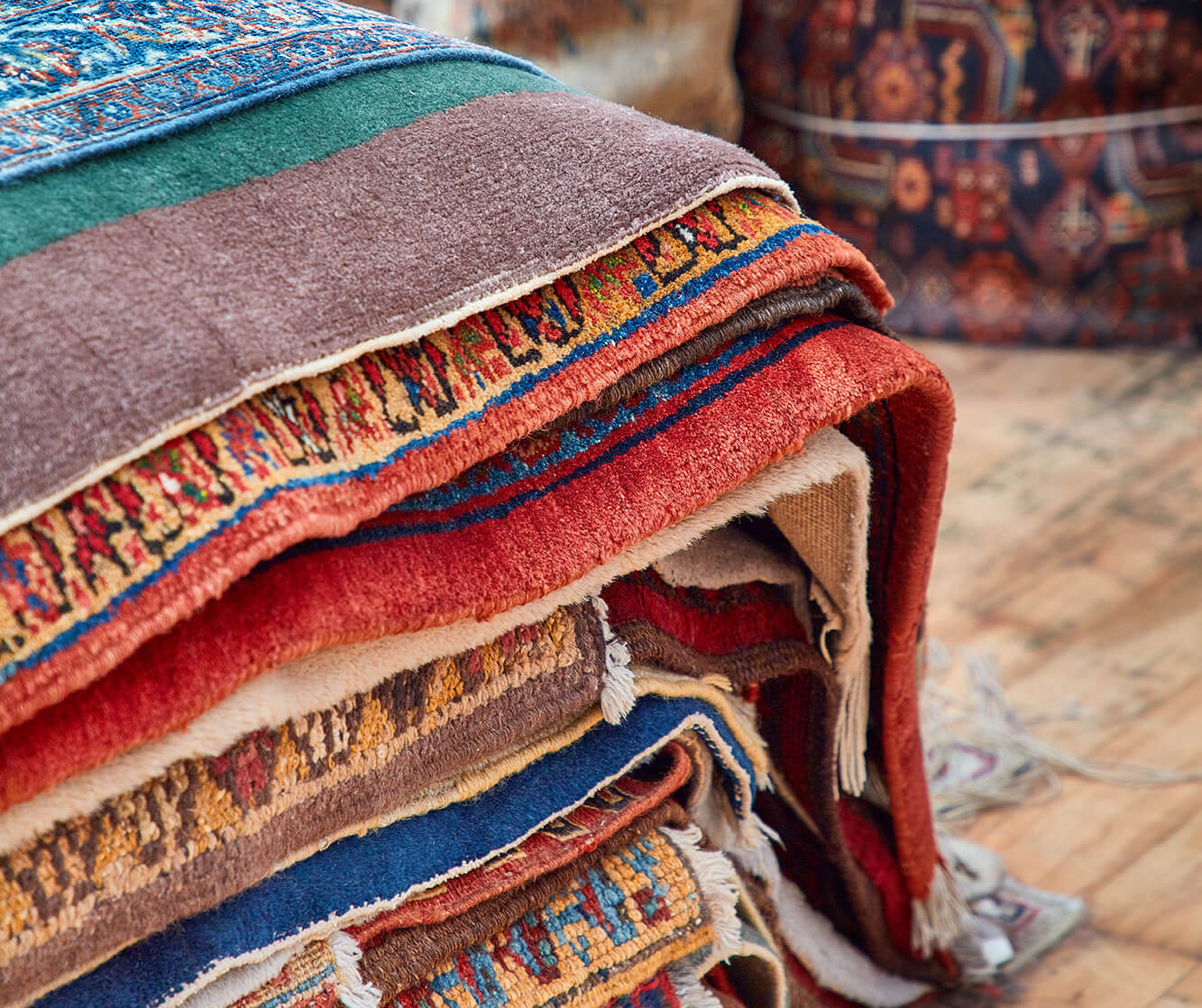
The article introduces Danny Mehra, a Bengaluru-based carpet collector whose passion for tribal carpets has led to a remarkable collection of approximately 1,500 pieces from the 19th century, sourced primarily from the Silk Route. Mehra, a 64-year-old former finance professional, began his collecting journey serendipitously with a wedding gift from his mother-in-law. This initial gift, likely Azerbaijani carpets, sparked an interest that grew into a profound fascination with tribal weavings, particularly for their inherent imperfections and the stories they convey.
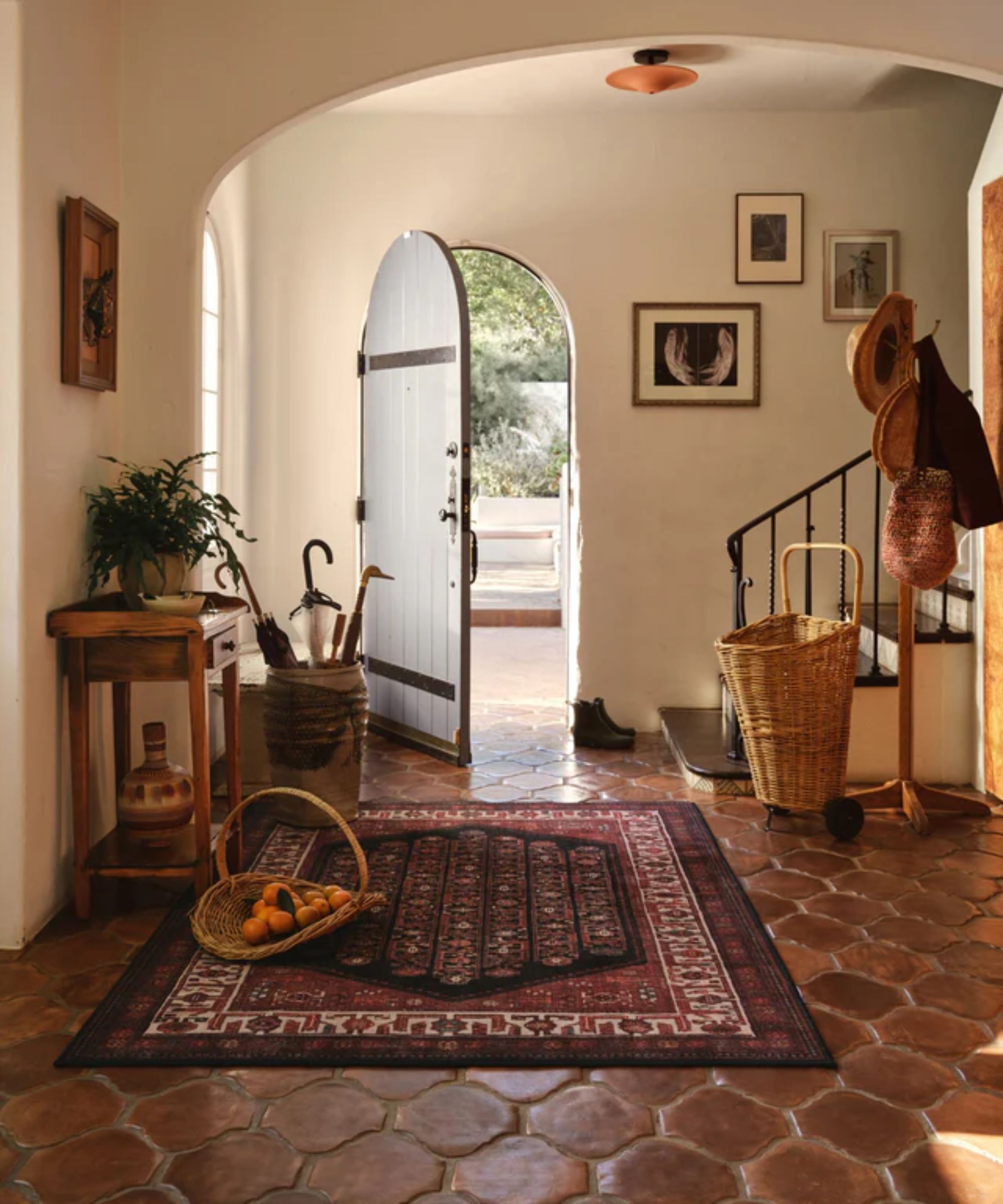
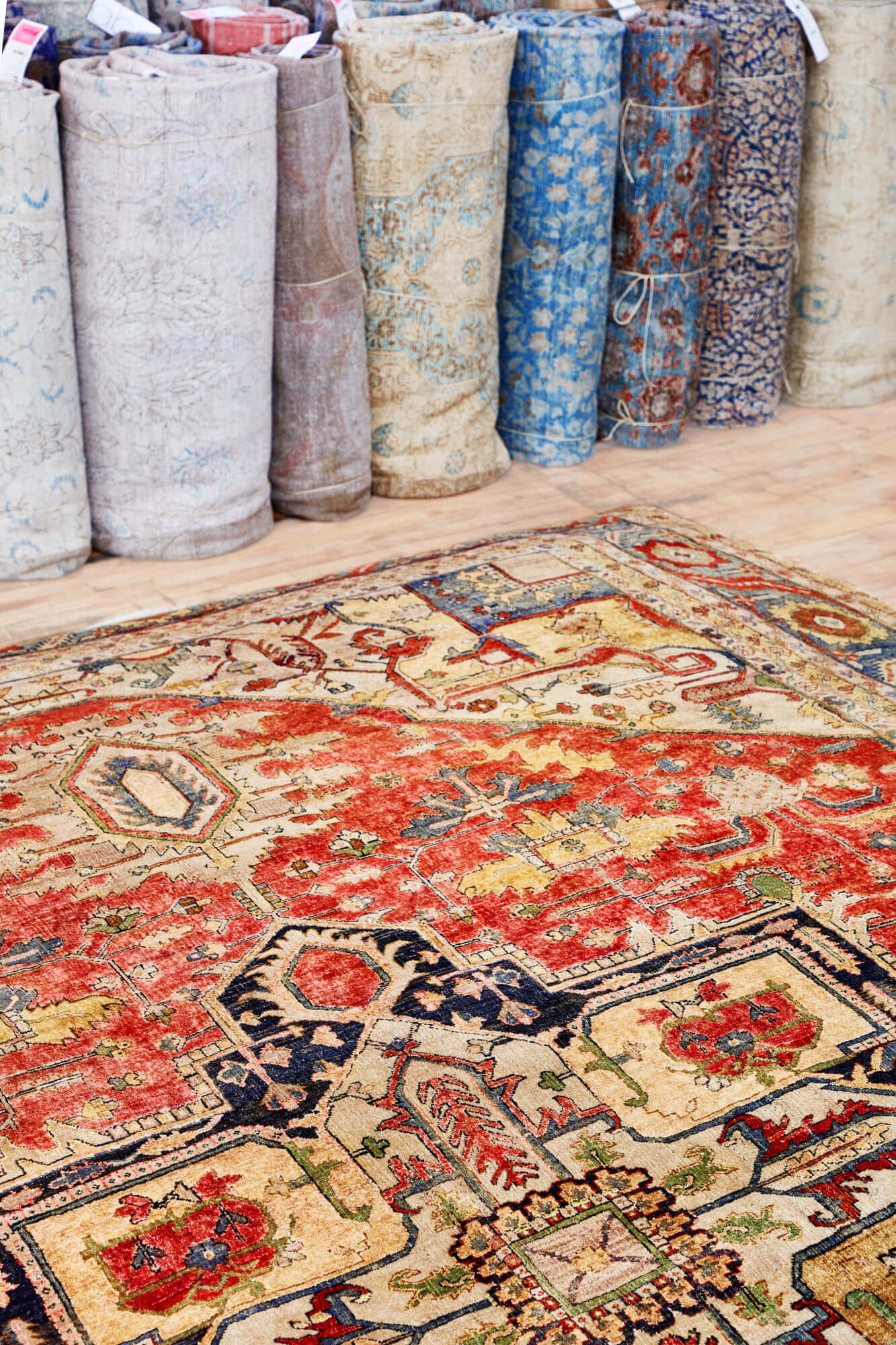
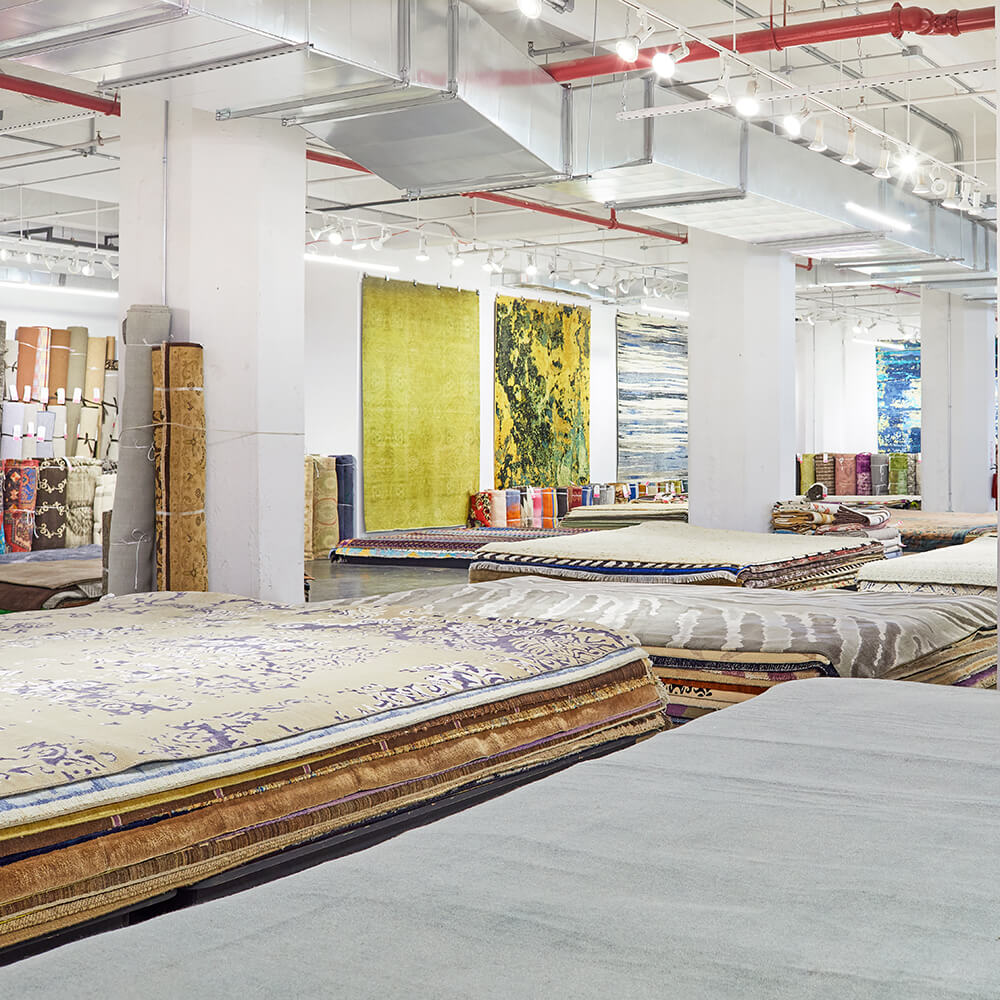
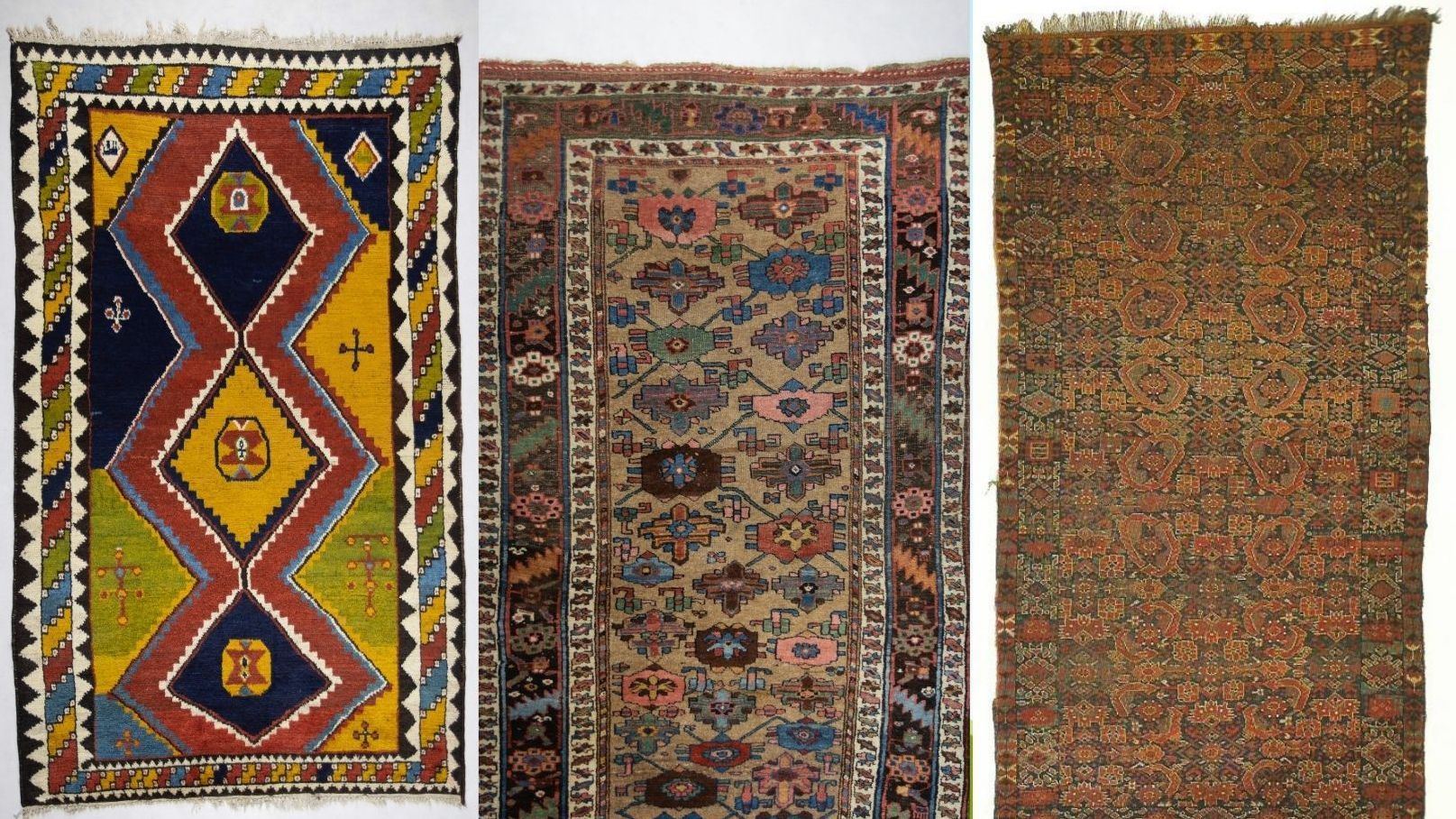
Mehra's collection is characterized by its diversity in size, origin, motif, and color. His apartments are filled with carpets from regions such as Kurdistan, Iran, Afghanistan, Azerbaijan, and the Balkans. He emphasizes that the motifs on these carpets are more than mere decorations; they are narrative elements, with symbols like camels representing wealth, birds signifying faith, snakes wisdom, stars happiness, and trees of life perpetuity. His attraction to tribal carpets stems from their "Wabi sabi shibumi" quality—the beauty found in imperfection—a stark contrast to the rational world of finance he previously inhabited.
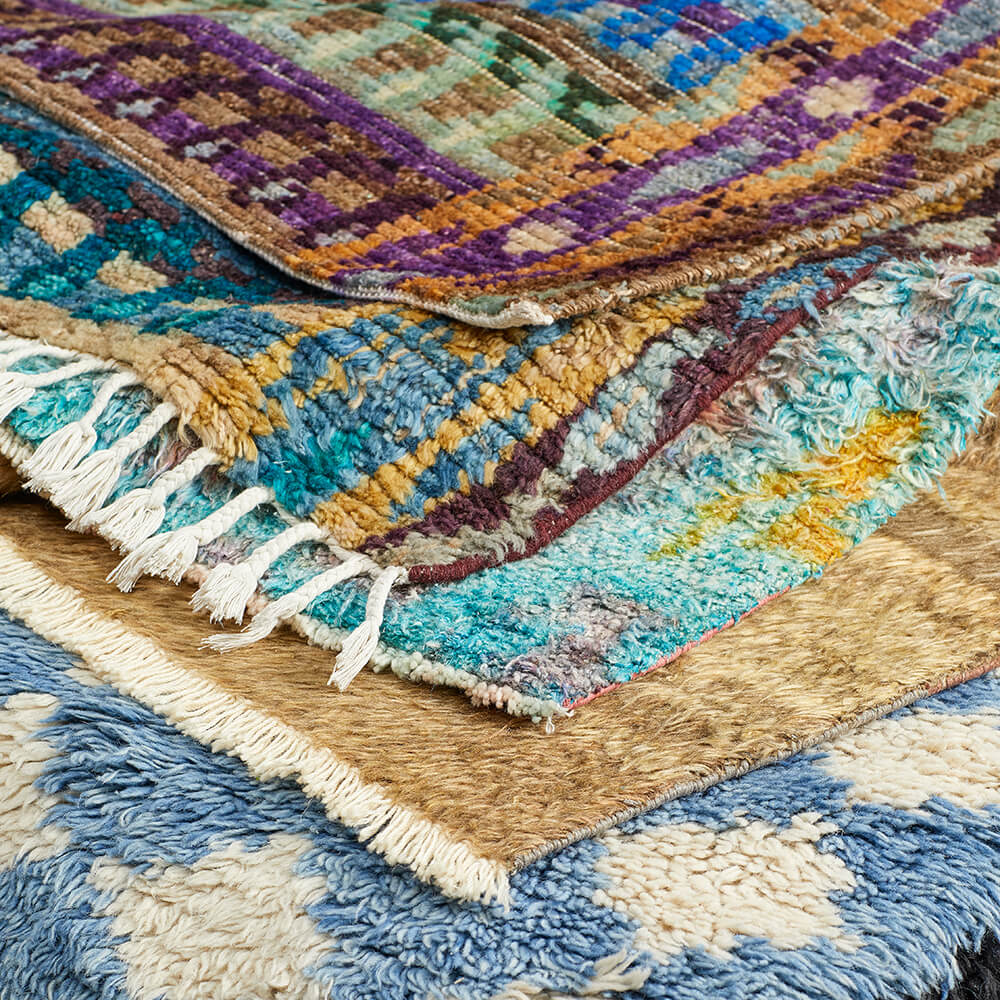
His journey as a collector began with bargain hunting in Delhi and later extended to antique and thrift stores in Manhattan, where he discovered the abundance of carpets available. Mehra highlights the unique characteristics of tribal carpets, describing them as abstract, spontaneous, and naive, breaking traditional design rules. He explains that these carpets were primarily woven by women who improvised designs from their imaginations, often sharing stories while they worked. This spontaneous and creative process, he notes, results in distinct and whimsical compositions.
Mehra shares insights into distinguishing different types of carpets, such as Persian and Kurdish. Persian carpets, including the long-piled Gabbeh, often exhibit a modern aesthetic comparable to the Bauhaus school, while Kurdish carpets are known for their bold designs and vibrant colors. Despite his extensive knowledge, Mehra acknowledges the ongoing learning process in collecting, humorously recounting "early collector's mistakes" and the difficulty in discerning fact from fiction in the often-colorful histories provided by dealers.
The article also provides practical advice from Mehra for aspiring collectors. He advocates buying from the heart, selecting pieces that bring personal joy, and designing rooms around carpets rather than the reverse. He suggests hanging carpets on walls to fully appreciate their beauty, noting that they can be more affordable than paintings. Finally, Mehra views good old carpets as safe and lasting investments, though he advises against purchasing them solely for investment purposes, suggesting instead to be open to potential future windfalls.
#CarpetCollection #TribalCarpets #BengaluruCollector #SilkRoute #HomeDecor #ArtCollecting #TextileArt #InteriorDesign #WabiSabi #CarpetCollection #TribalCarpets #BengaluruCollector #SilkRoute #HomeDecor #ArtCollecting #TextileArt #InteriorDesign #WabiSabi
0 comment in total
 No comments yet
You may also like
Turn Heads With This Artisan Rug Collection

Carpets Central

The latest looks for patterned carpet
Smart shopper: carpet buying tips


These are the best carpet designs of the year

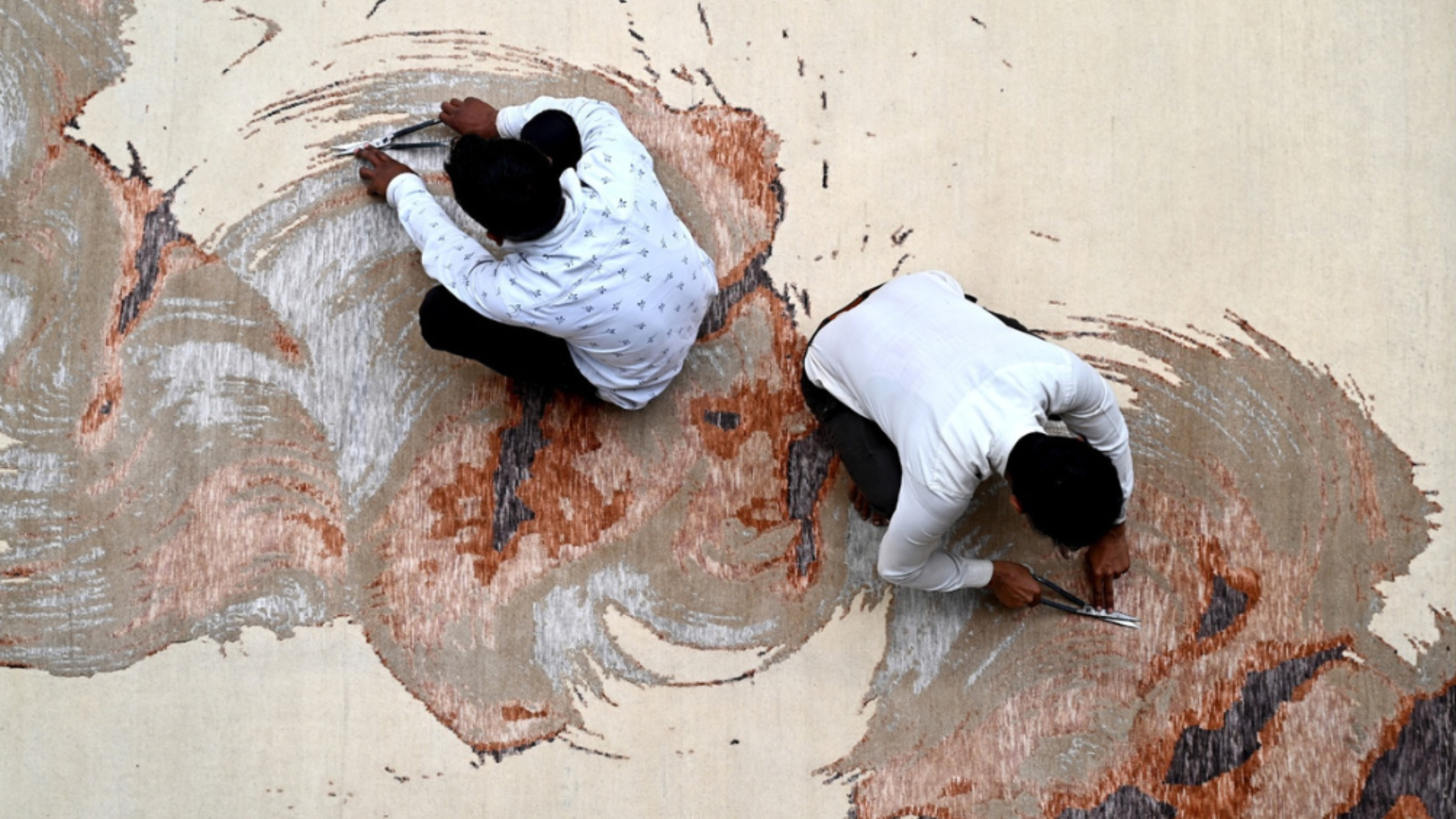
The Ambiente, Handcrafted Rugs
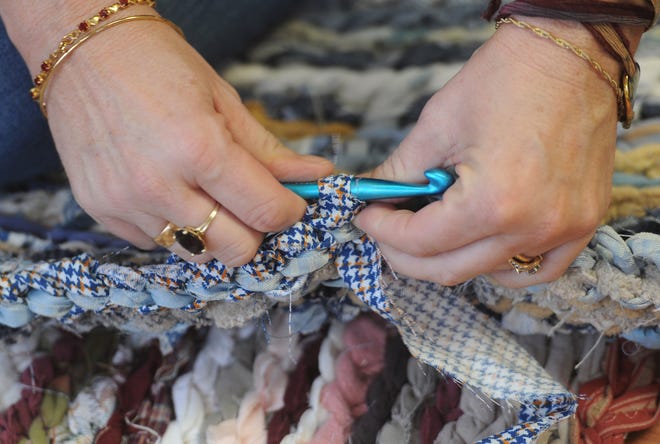
Artisan goes from rags to rugs

Meet the world’s leading Ming furniture collector

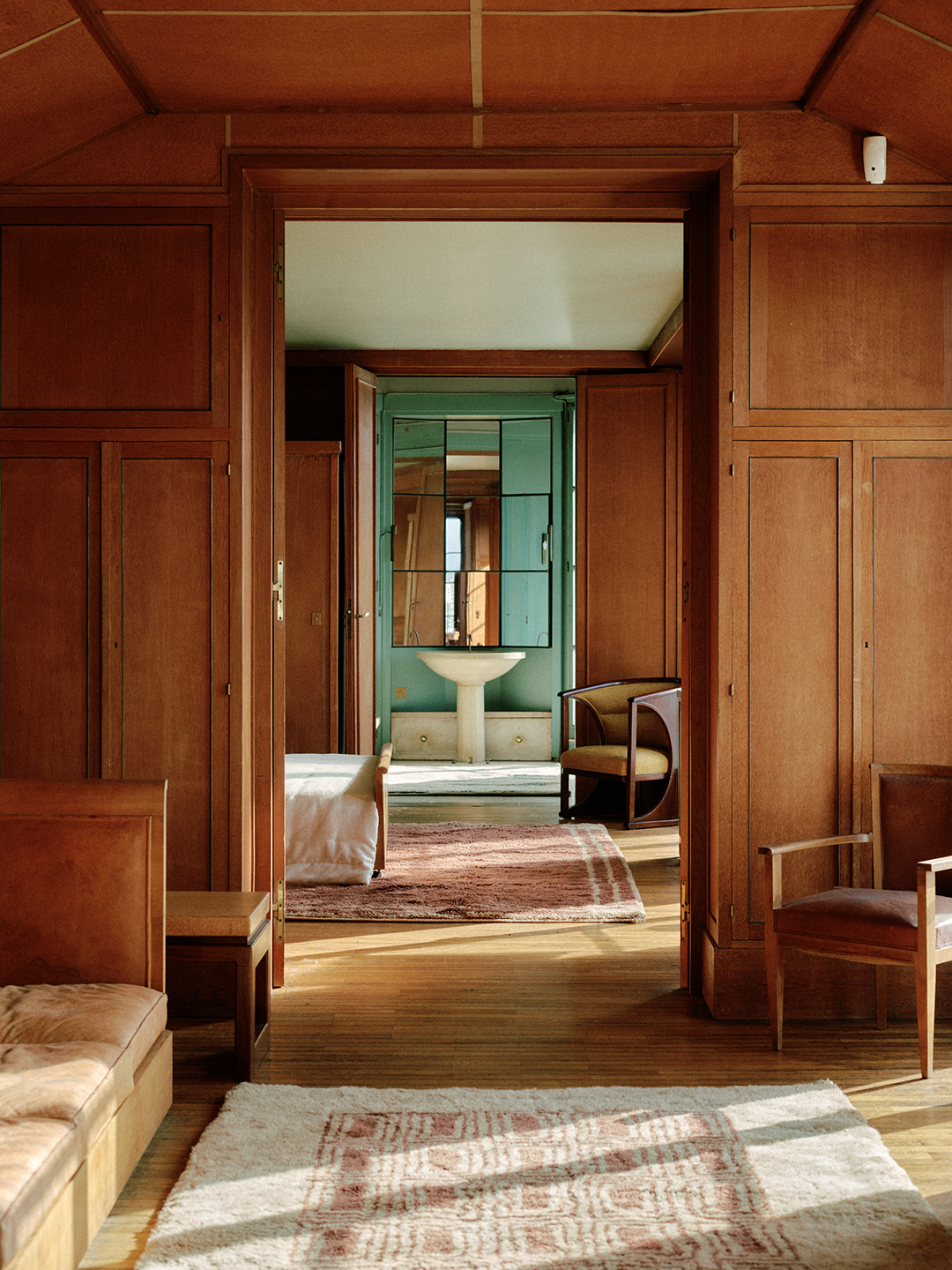
The Edgy Detail We’re Spotting on the Best New Rugs Makes Them Borderline Art

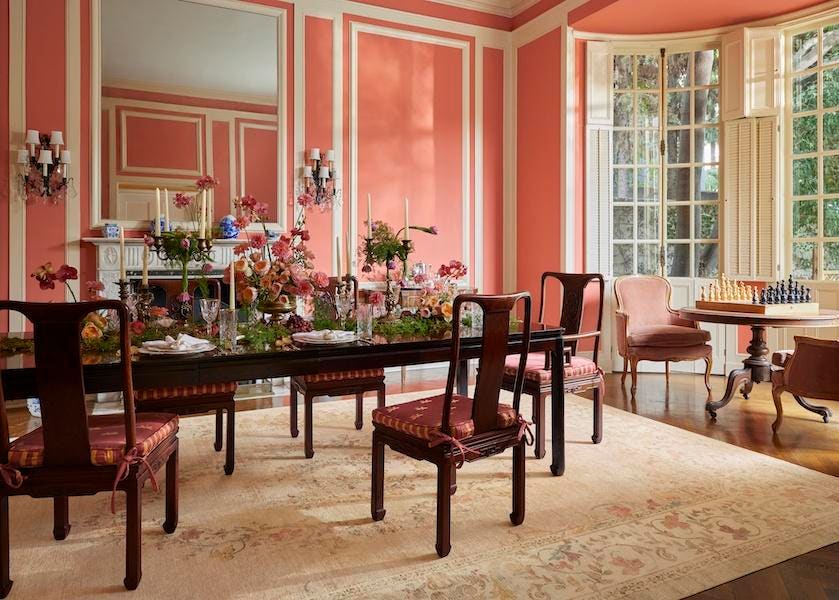
Ruggable Launches A ‘Bridgerton’ Rug Collection

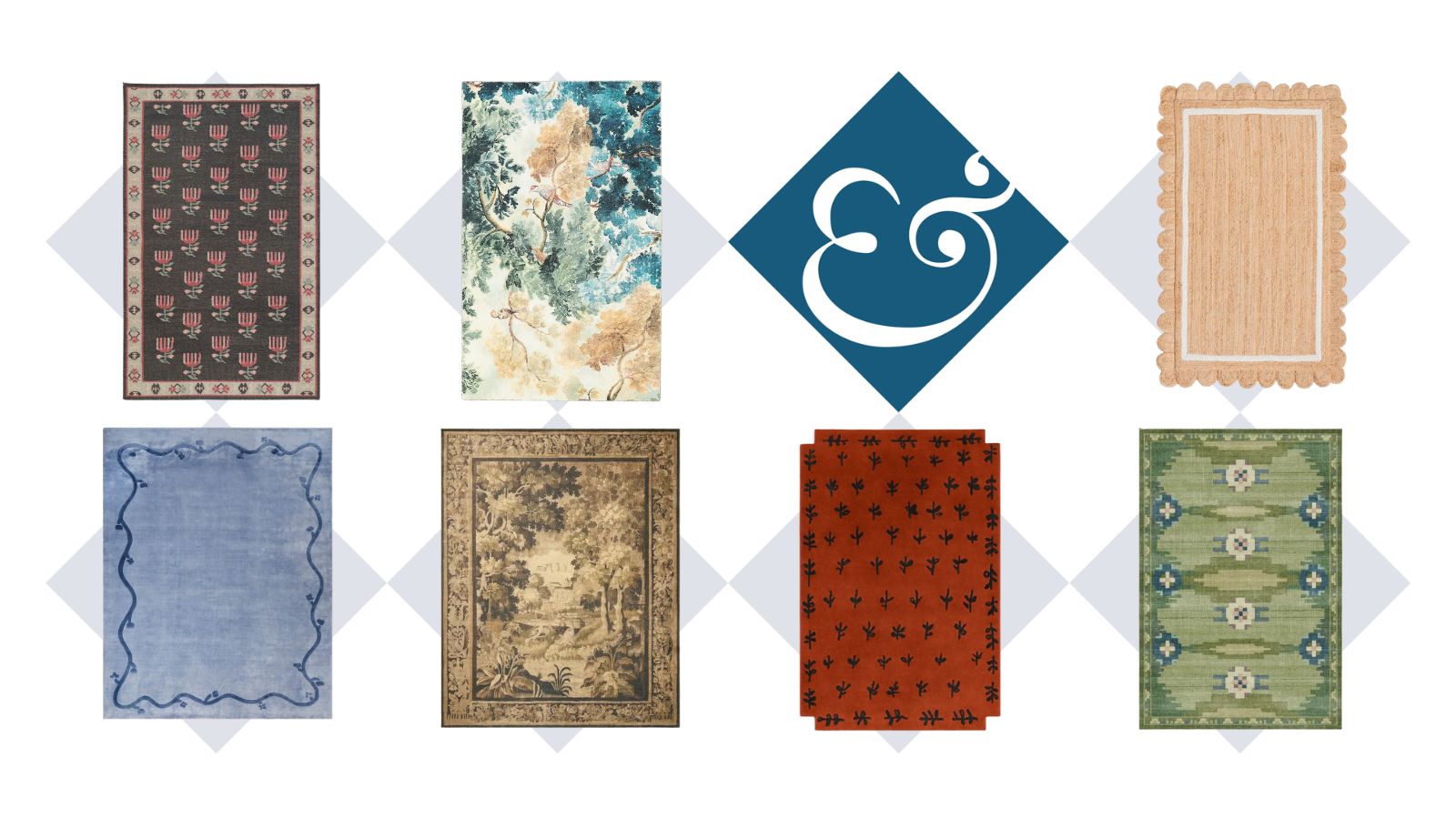
These are the 15 best rugs to shop right now from Wayfair, Ruggable, Lulu & Georgia, and more

Snap Up a Fabulous Handmade Rug (or Two) at a Great Price at ABC Carpet & Home's Winter Sale
Discover Luxury Flooring at The Carpetman by Stark

Modulyss lists carpet tiles on Dezeen Showroom
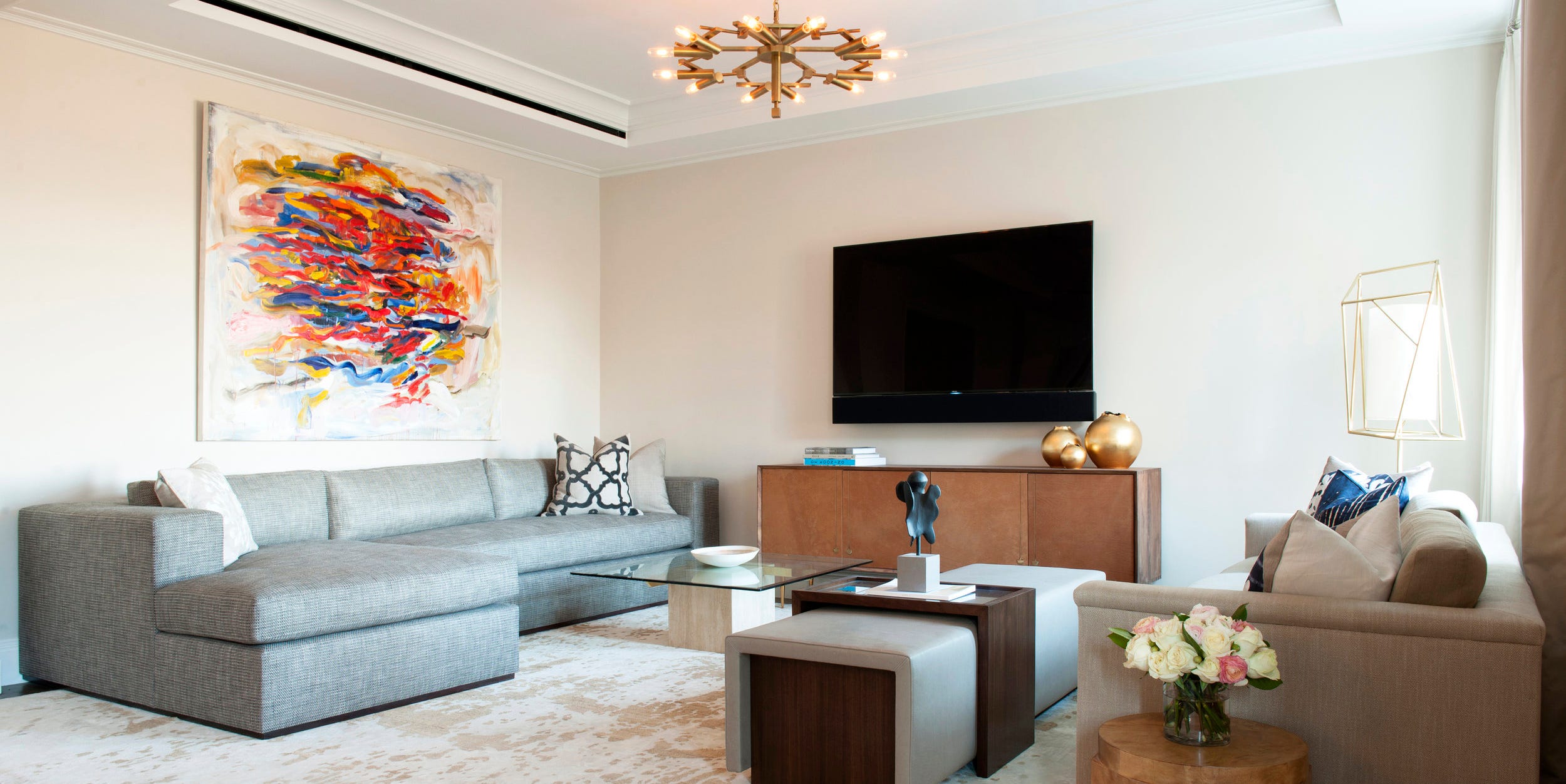
These Are the Top Carpet Trends to Know for 2019

Save Up to 80 Percent on Rugs and Home Decor at ABC Carpet & Home Moving Sale
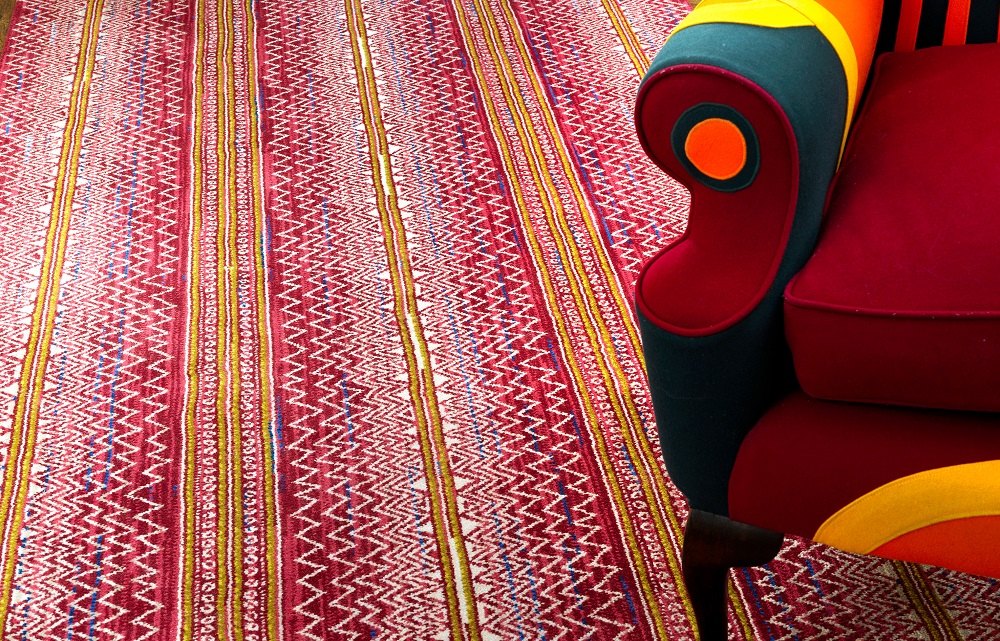
Kit Kemp, Wilton Carpets create exciting carpet collection
Looking for a New Rug or Even a Fabric Wall Piece? We’ve Got You Covered

Our Favorite Rugs For Every Room
Carpets Central