Legendary creatures of interest to collectors
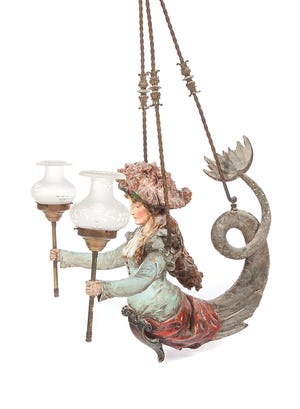
Mermaids, mythical beings depicted as half-woman and half-fish, have a rich history spanning from the Babylonian era through various cultures in Greece, Japan, Ireland, Russia, and Scotland. Their presence in folklore is evidenced by historical accounts of mermaid skeletons, the enduring popularity of Hans Christian Andersen's 1837 fairy tale "The Little Mermaid," and its 1989 Disney adaptation featuring Ariel. In the 19th century, mermaids were often portrayed as beautiful, long-haired women with fish tails instead of legs. These legendary creatures, along with others like elves, the Abominable Snowman, and the Loch Ness monster, continue to captivate collectors who seek out related stories and art. For example, a 19th-century hanging lamp featuring a carved mermaid, fashionably dressed and adorned with a feathered hat, holding two glass-shaded light fixtures, recently sold at auction for $1,500, highlighting the market for such unique items.
The article also addresses practical questions related to collecting and heirlooms. One query concerns the restoration of a silver tea service and tray inherited from a great aunt, dating back to her 1910 wedding. The silver is significantly worn, and the interiors of the coffee and tea urns are discolored. The owner attempted to clean the urns with Alka-Seltzer without success and is considering replating, but is concerned about losing the intricate details. Replating silver is confirmed not to cause loss of detail, though it is an expensive process. It is advised to first use silver polish to identify areas that truly require replating. Seeking out a silver replater in the local area is recommended, and inquiring about sales or discounts is suggested. The replater should also be able to clean the discolored interiors of the urns.
Another question pertains to the value of two 1985 Cabbage Patch Kids dolls, complete with their original birth certificates, adoption papers, and clothing. These dolls originated in 1977 as "Little People Originals," created by art student Xavier Roberts and sold at craft shows. Coleco Industries became the licensed manufacturer in 1982, renaming them Cabbage Patch Kids. The peak of their popularity was around 1986, after which the fad began to decline. A last-ditch effort in 1987 to revive interest with "talking" dolls was unsuccessful, leading to Coleco's bankruptcy in the late 1980s. Currently, Cabbage Patch Kids dolls typically sell for $10 to $25 online. Dolls in their original packaging with adoption papers can fetch around $50, with very rare examples commanding higher prices.
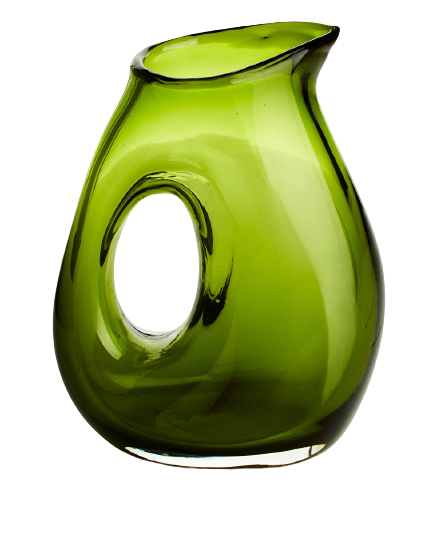
The article concludes with a list of current prices for various antiques and collectibles, observed at shows, flea markets, sales, and auctions across the United States. These prices are subject to regional economic variations. Examples include an L.G. Wright blue opalescent pitcher from the 1900s at $80, a Navajo Indian pipe with a staghorn bowl for $120, a painted Nippon vase with nasturtiums and gold moriage from the early 1900s for $120, an 1800s Chinese Celadon vase with lappets and peony blossoms for $265, and a Fenton epergne with four branches, opalescent and vaseline glass, for $300. These price points provide a snapshot of the market for different types of collectible items.
#LegendaryCreatures #Collectibles #Mermaids #AntiqueRestoration #SilverReplating #CabbagePatchKids #DollCollecting #AntiqueValuation #HomeDecor #LegendaryCreatures #Collectibles #Mermaids #AntiqueRestoration #SilverReplating #CabbagePatchKids #DollCollecting #AntiqueValuation #HomeDecor
0 comment in total
 No comments yet
You may also like
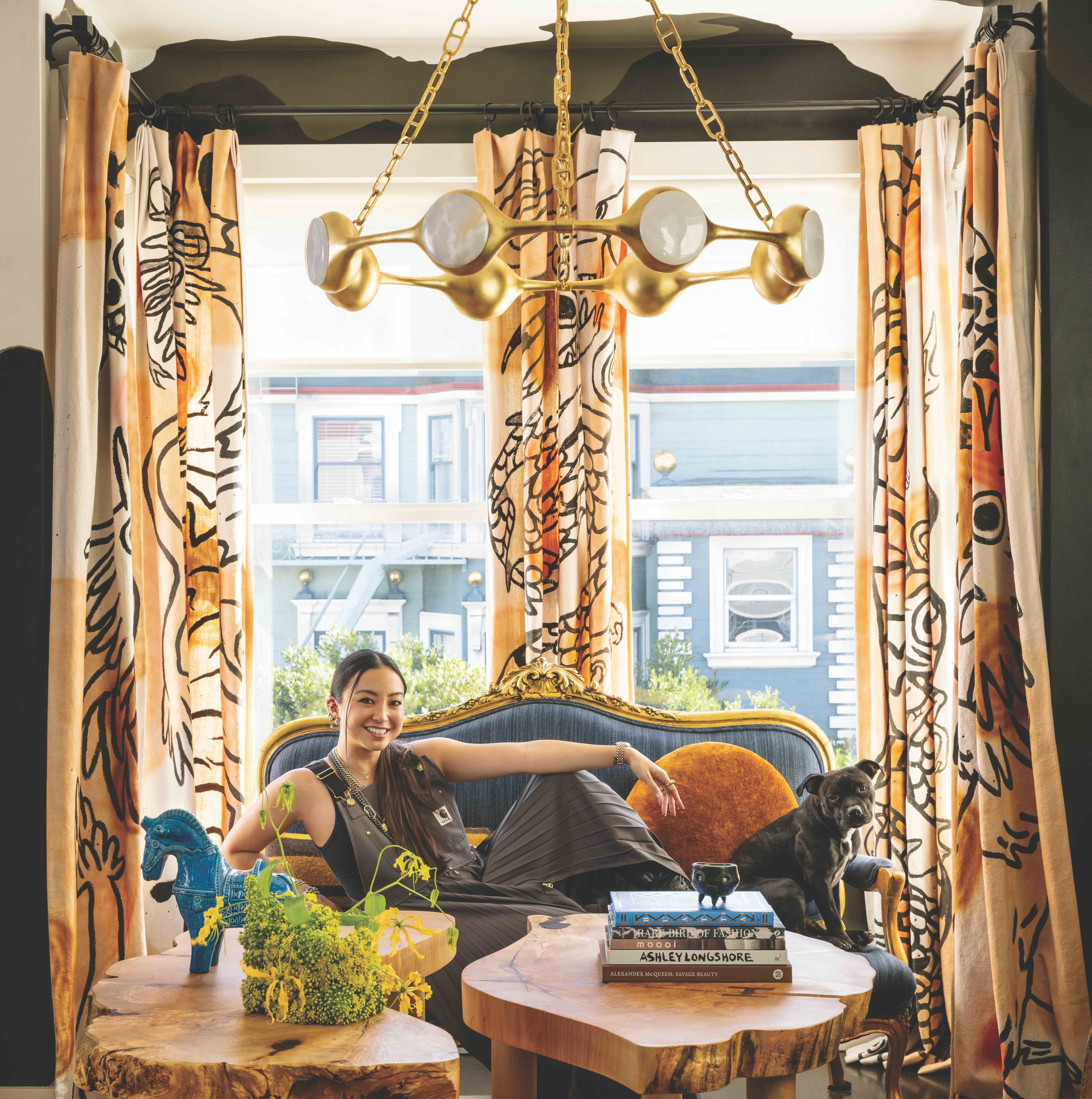
A Gem of a Collection

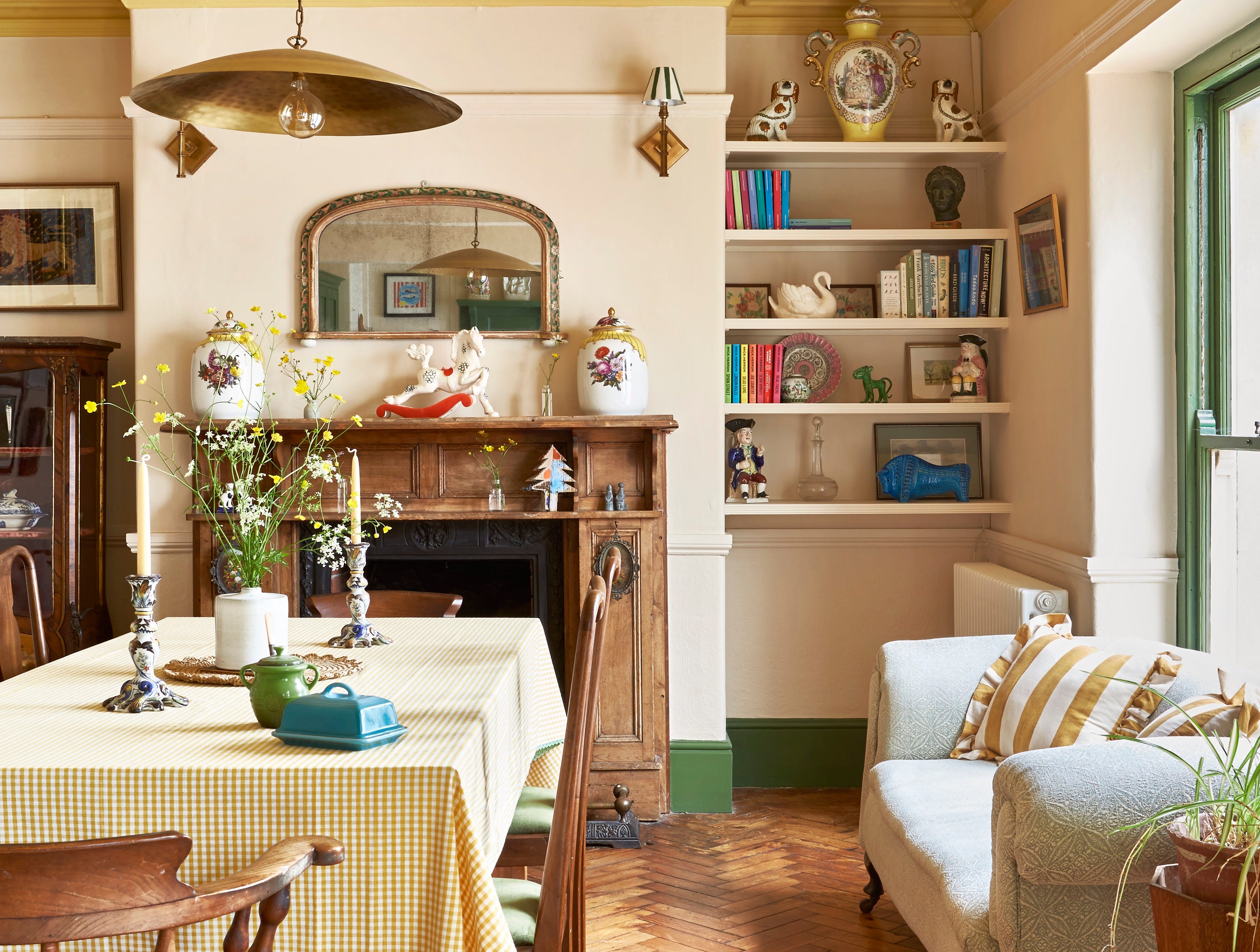
These antique and vintage collectibles are in high demand this year
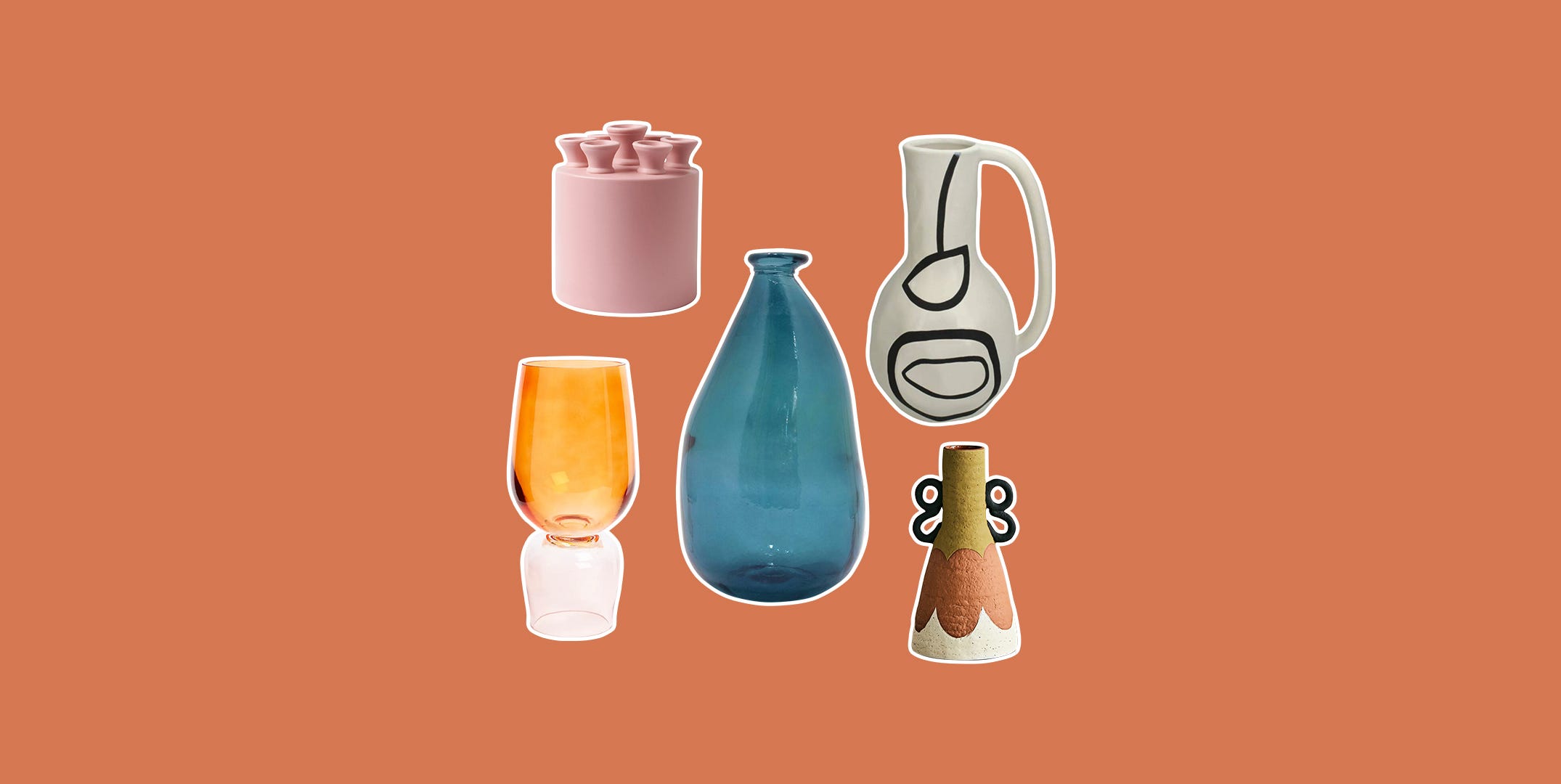
11 vases that will be the star of the shelf
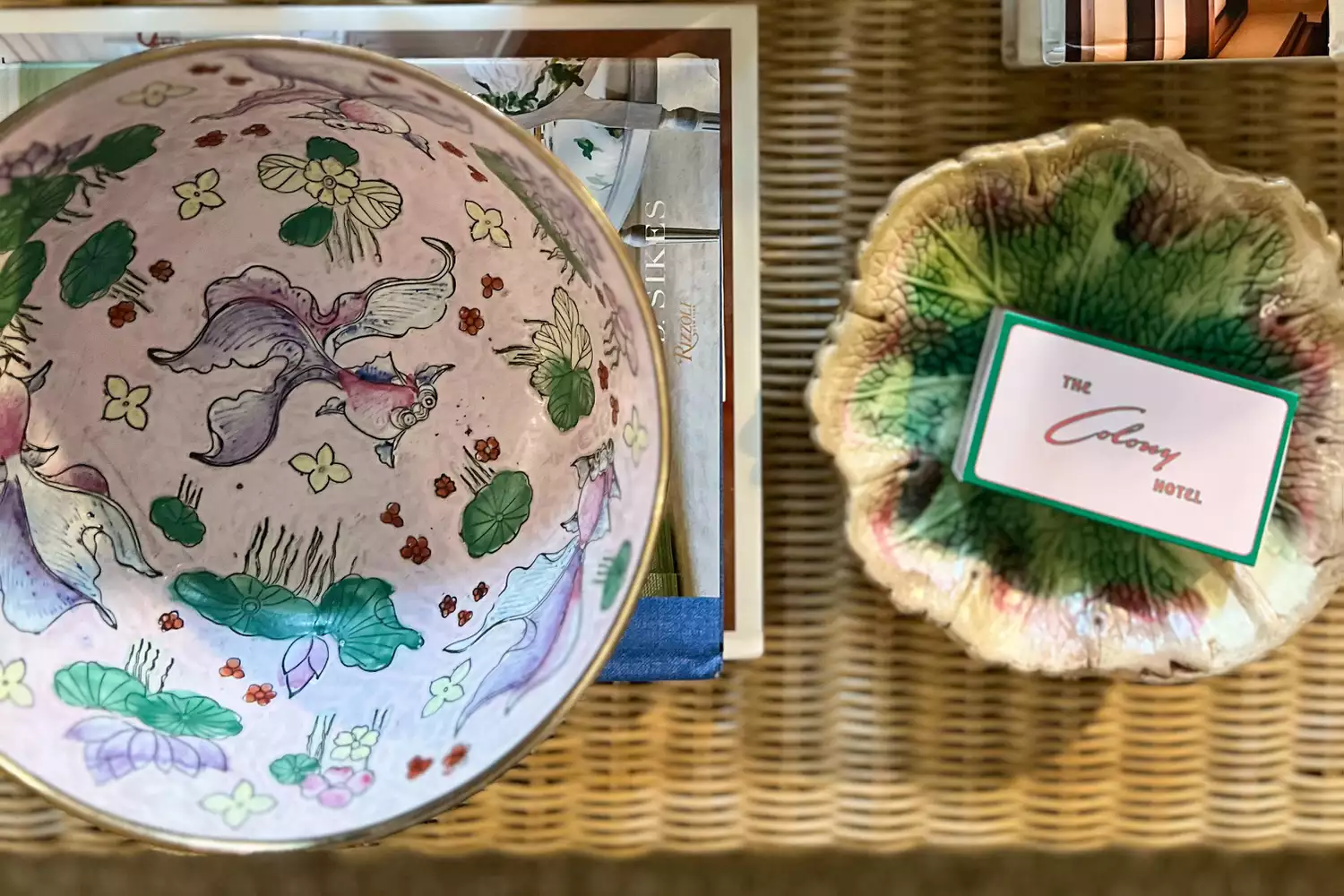
10 Valuable Items That Could Be Hiding In Your Grandmother's House
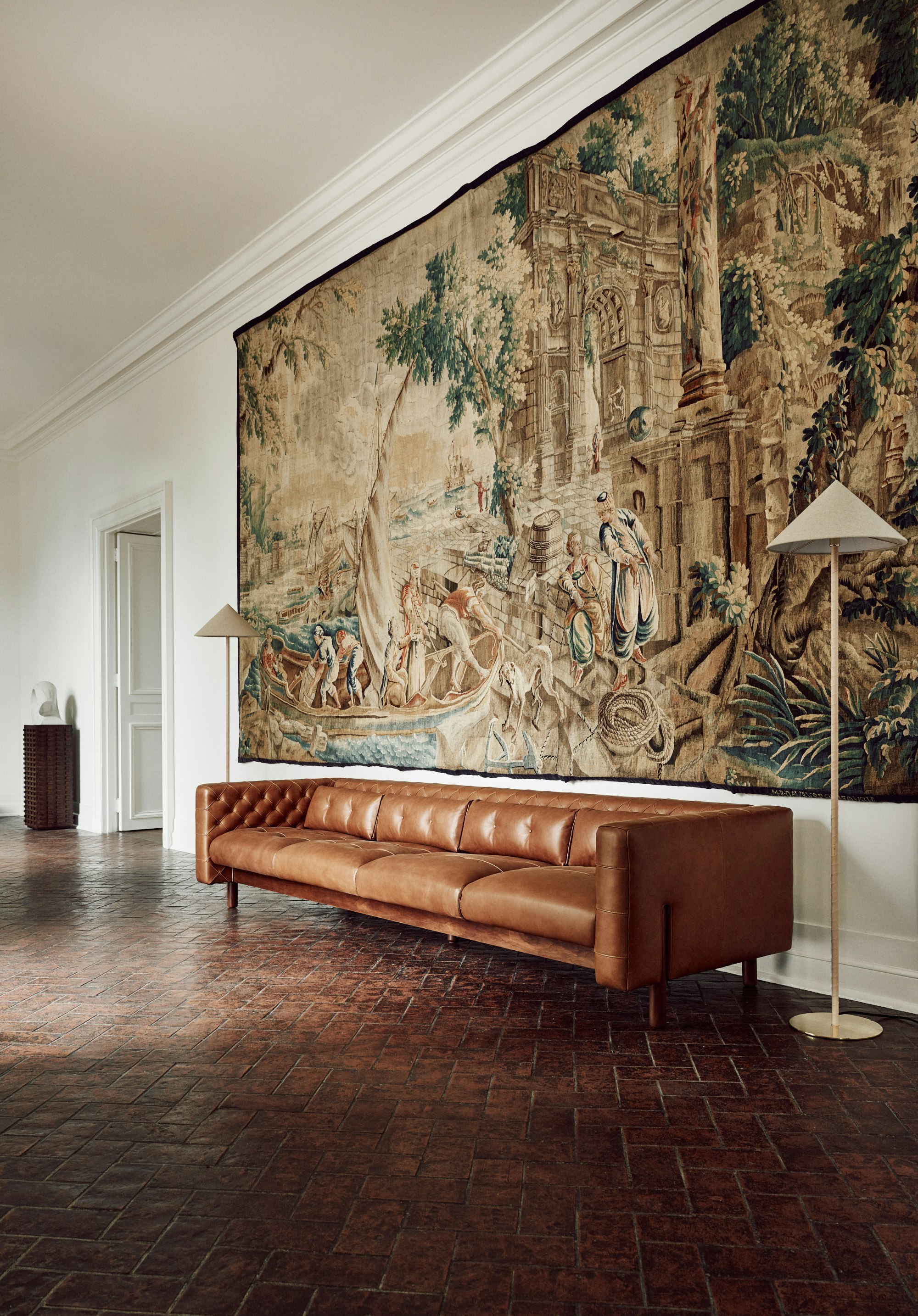
These Midcentury Reissues Are Crafted to Be True Collector’s Items

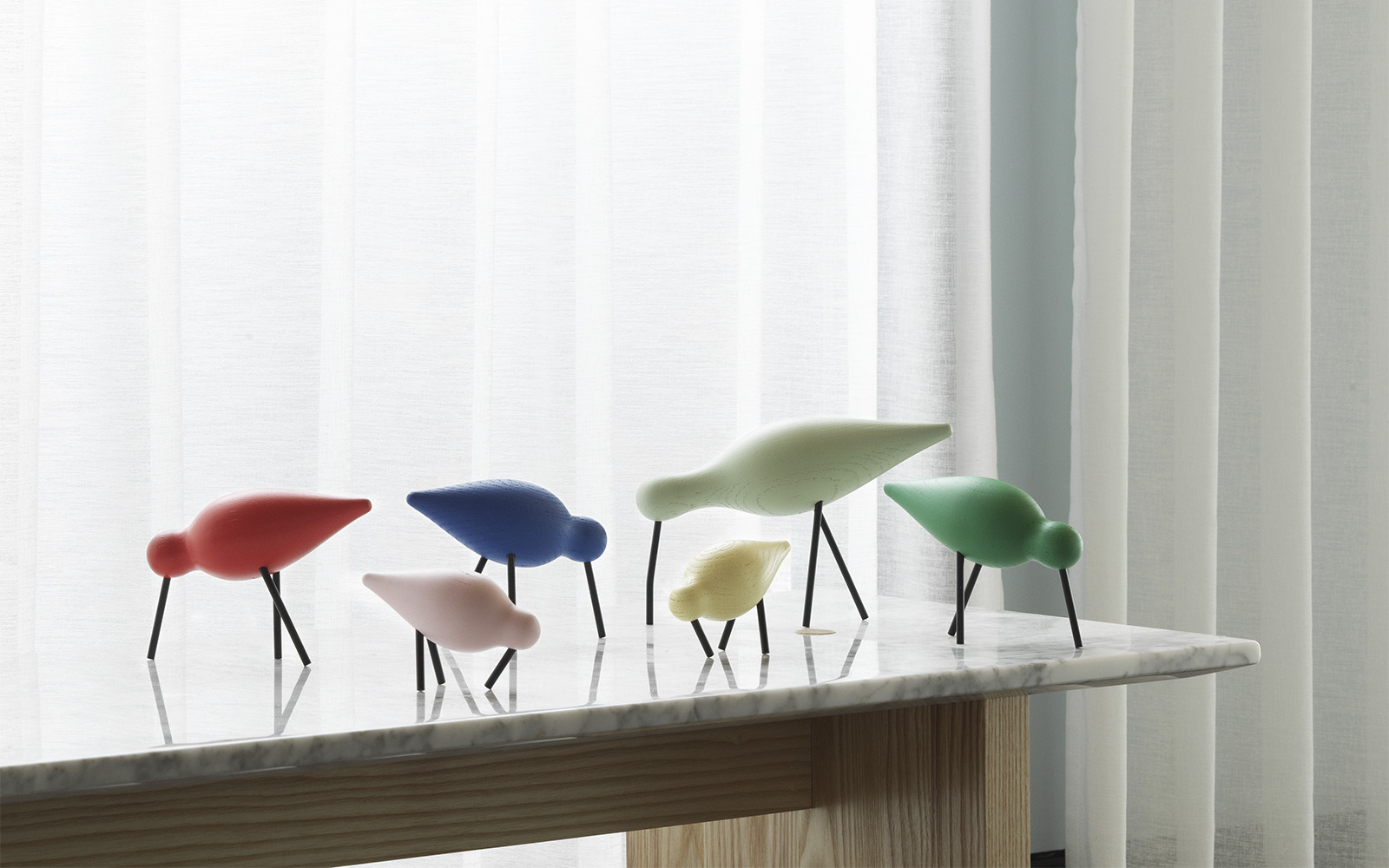
Carved wooden animals to rewild to your tabletop

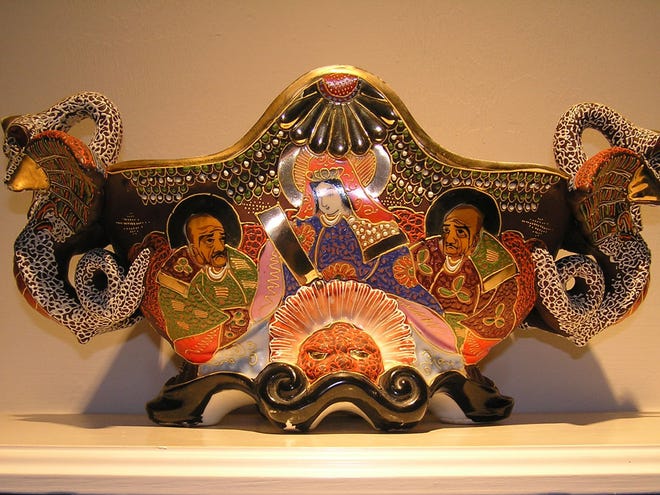
These Moriage pottery pieces will create excitement in the marketplace
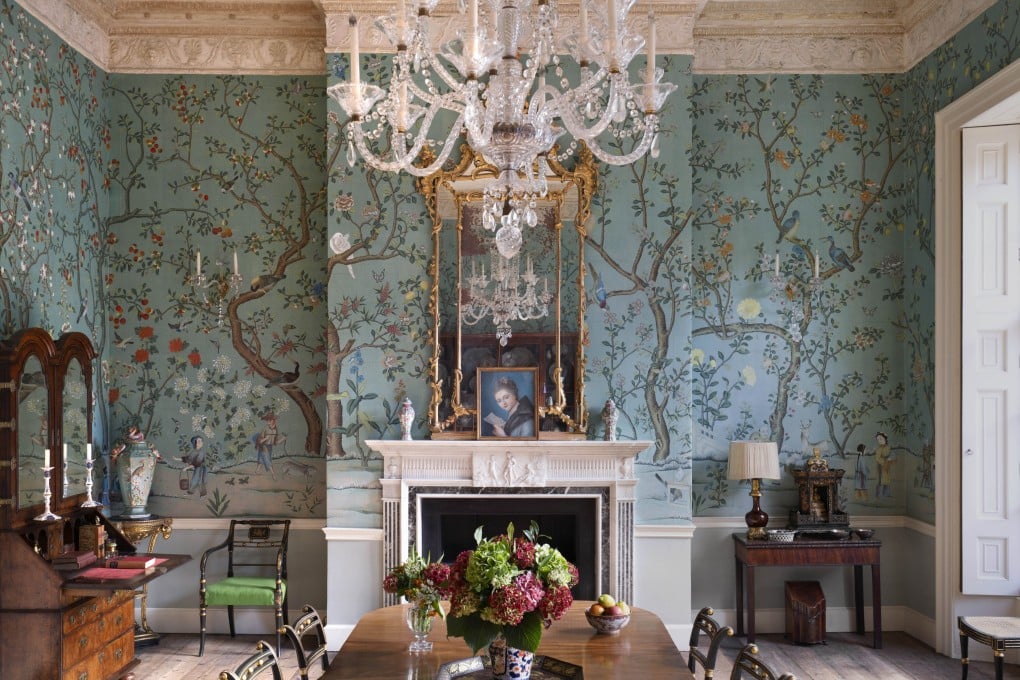
Painstakingly made, these products are also unique pieces of art

Experts Say Collectors Will All Be Looking for THESE Specific Antiques in 2025

7 of the Most Eye-Catching and Sought-After Rare Plants on the Market
7 Items That Are Always Worth Buying At Hobby Lobby

Great Collections

8 most expensive antiques in the world

21 Antiques We Love This Month
Expand Your Art Collection with These Gallery-Worthy Vessels

Putting a Collection on Display
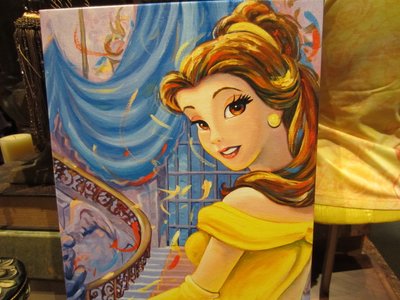
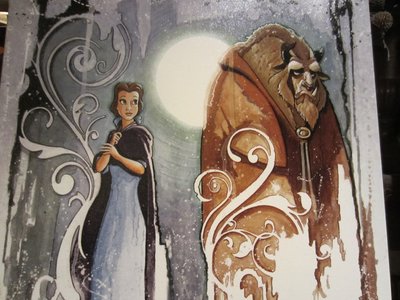
Beauty And The Beast Artwork At Bonjour Gifts