1/5
Did You Know Old Glass Is Radioactive?
The article explores the presence of radioactive antiques in homes, focusing primarily on vintage glassware, but also mentioning other items like military compasses, watches, photographic camera lenses, and ceramic tiles. It notes that some of these objects, particularly antique compasses and watches from the 1920s, were painted with radioluminescent paint containing Radium-226, applied by the 'Radium Girls' who suffered severe health consequences. While most of these radium-laced objects have lost their glow due to radioactive decay, they remain notably radioactive with a half-life of 1600 years, and some may still fluoresce under blacklight.
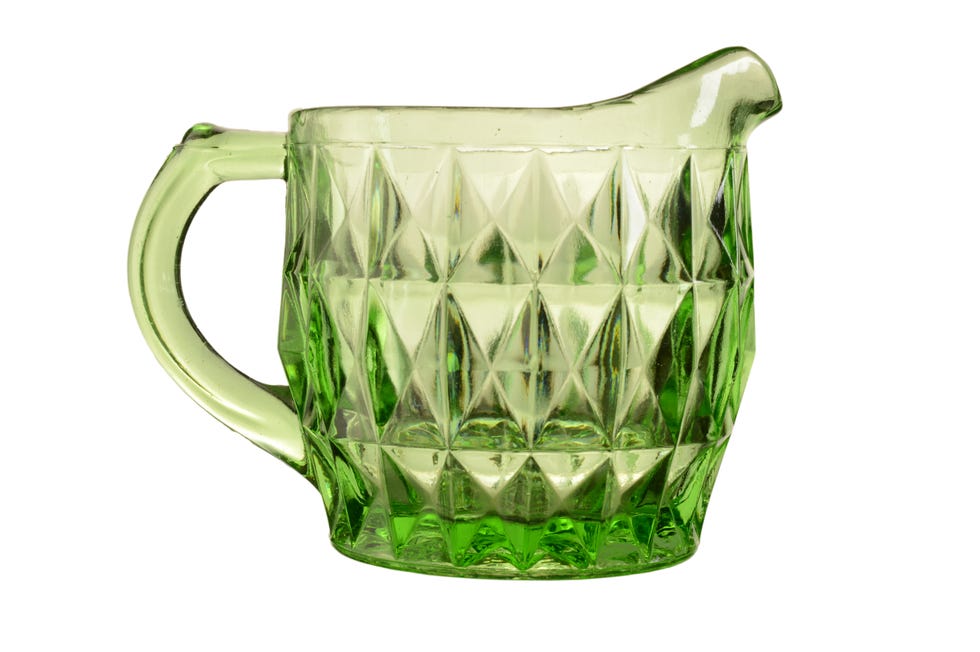
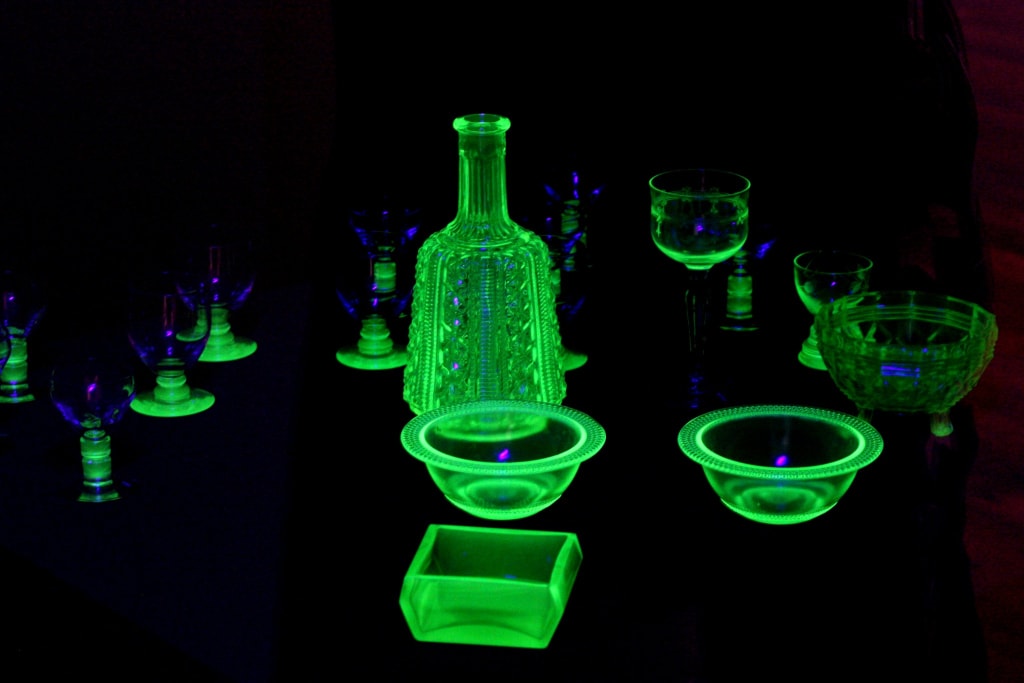
The article then distinguishes between radium-containing items and uranium-glazed kitchenware, such as Fiestaware, which used uranium, a less dangerous radioactive element, giving it a bright orange appearance without glowing under blacklight. In contrast, uranium glass, also known as Vaseline glass or canary glass, displays a vibrant, emerald-green glow under blacklight. Production of uranium glass began in the 1830s and continued through the Great Depression, earning pieces from that era the nickname 'Depression glass.' Earlier uranium glass from before the Great Depression is referred to as 'Vaseline glass' or 'canary glass,' appearing yellowish to the naked eye, similar to petroleum jelly, while Depression glass is typically greener, though sometimes blue or pink. The intensity of the glow in uranium glass correlates with the quantity of uranium oxide present.
The use of uranium oxide in glass manufacturing provided vibrant colors for mass-produced, affordable glass during the Great Depression. However, production ceased for over a decade during World War II when the United States began experimenting with radioactive materials for the Manhattan Project. The article assesses the danger of uranium glass by calculating potential radiation exposure. Using a hypothetical scenario where one is exposed to 2.0 microSieverts per hour, it would take approximately 57 years of continuous exposure to accumulate a dose requiring medical attention, indicating a low risk from external exposure, especially since uranium is primarily an alpha emitter, which is not absorbed by the body through external contact.
While handling uranium glass is generally safe, ingestion of uranium, such as from broken glass fragments or inhaled dust, could pose a health risk. The article acknowledges that acidic foods or drinks could, over time, leach trace amounts of uranium from dinnerware into food, but the amounts are considered insignificant and unlikely to cause health issues. Despite the low risk, it is recommended to avoid using uranium glass as kitchenware due to its antique nature, fragility, and historical value.
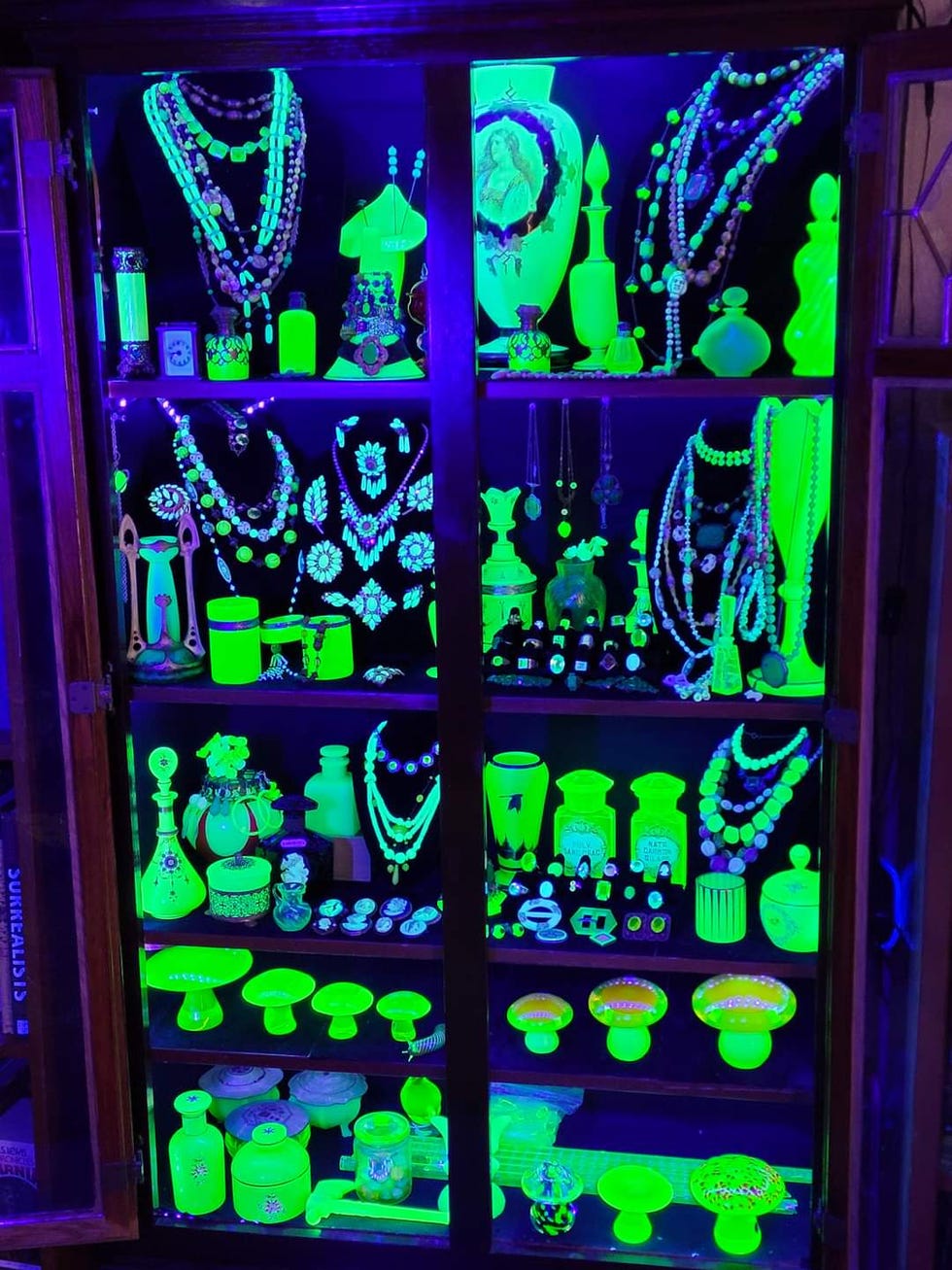
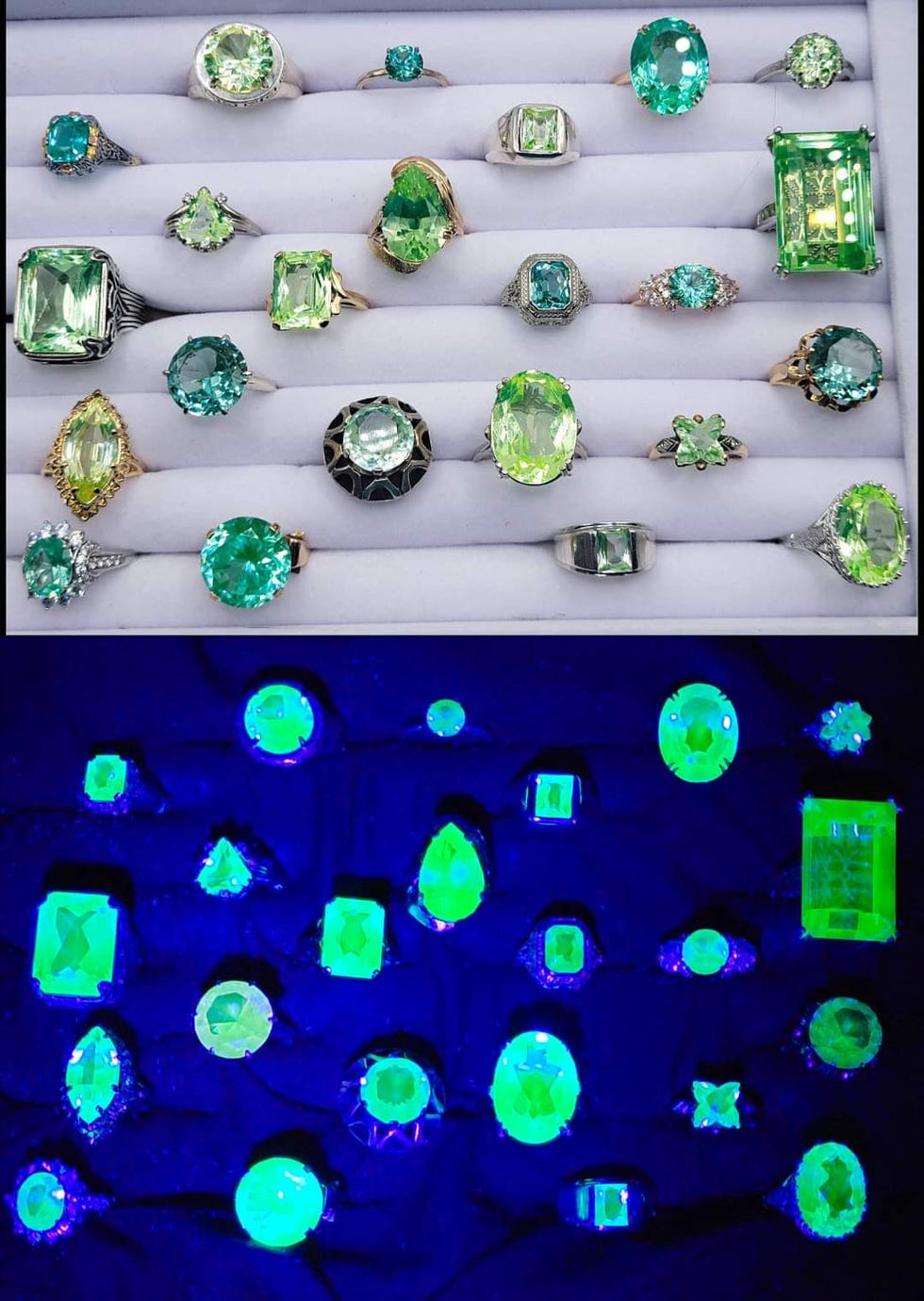
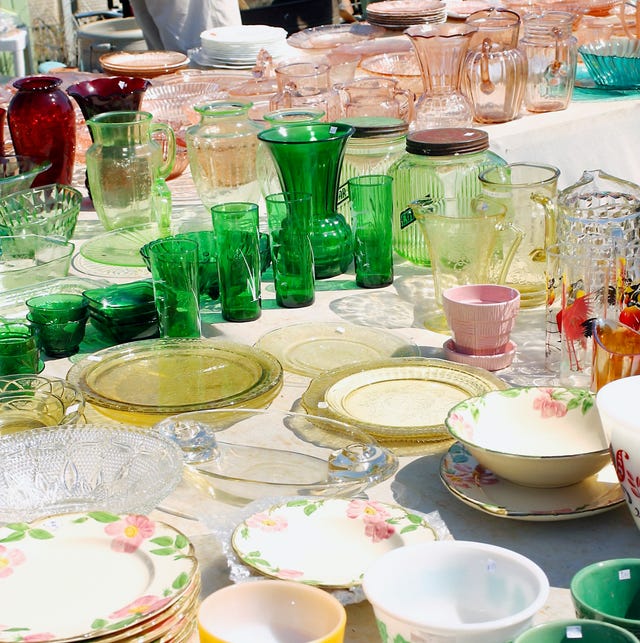
For collectors, uranium glass is often found at estate sales, thrift stores, garage sales, and even old glass dumps, often at low prices. The article highlights that many people are unaware of their radioactive properties, making them undiscovered treasures for those who know what to look for, often using handheld blacklights. Antique shops and online platforms like eBay also offer these items, though at potentially higher prices. Collectors frequently display uranium glass in cabinets lined with blacklights to showcase their distinctive glow, creating striking displays that can serve as conversation starters. Beyond kitchenware, uranium was incorporated into various household objects, including marbles, figurines, oil lamps, vases, ashtrays, salt and pepper shakers, jars, and jewelry. These items can appear opaque or transparent and come in a range of colors. The article concludes by encouraging appreciation for these historical and collectible objects, emphasizing their aesthetic appeal and generally safe nature.
#radioactiveAntiques #uraniumGlass #vaselineGlass #depressionGlass #antiqueCollecting #homeDecor #radiationSafety #vintageGlassware #blacklightDisplays #radioactiveAntiques #uraniumGlass #vaselineGlass #depressionGlass #antiqueCollecting #homeDecor #radiationSafety #vintageGlassware #blacklightDisplays
 No comments yet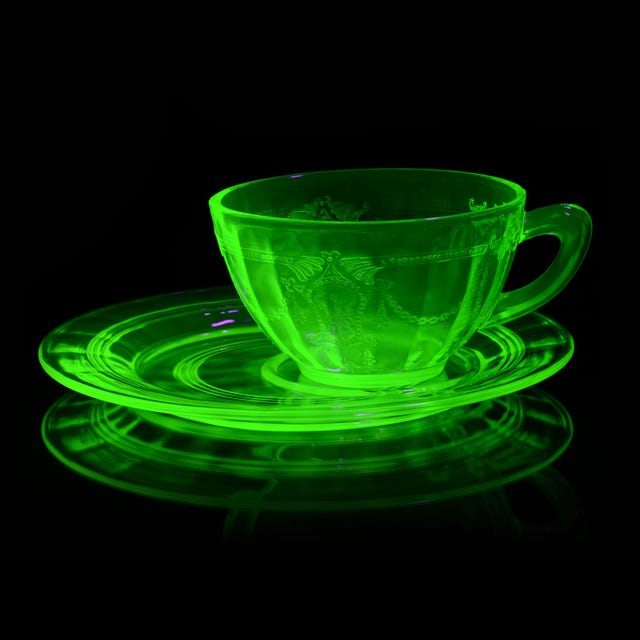
The Weird and Wonderful World of Radioactive Glassware Collecting
Is Leaded Glass Dangerous?


Some glassware has spent years in the back of cupboards. It could be valuable