1/3
How to care for a snake plant – 3 things every houseplant parent should know
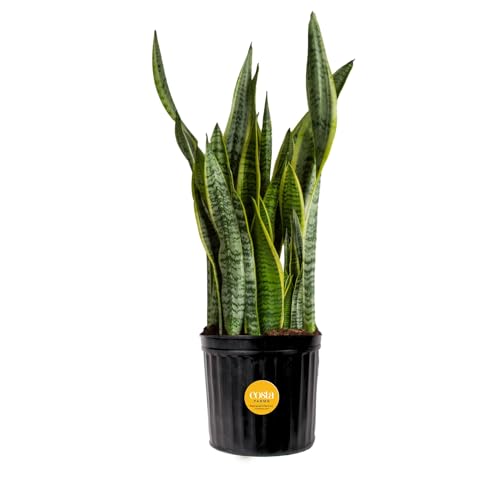
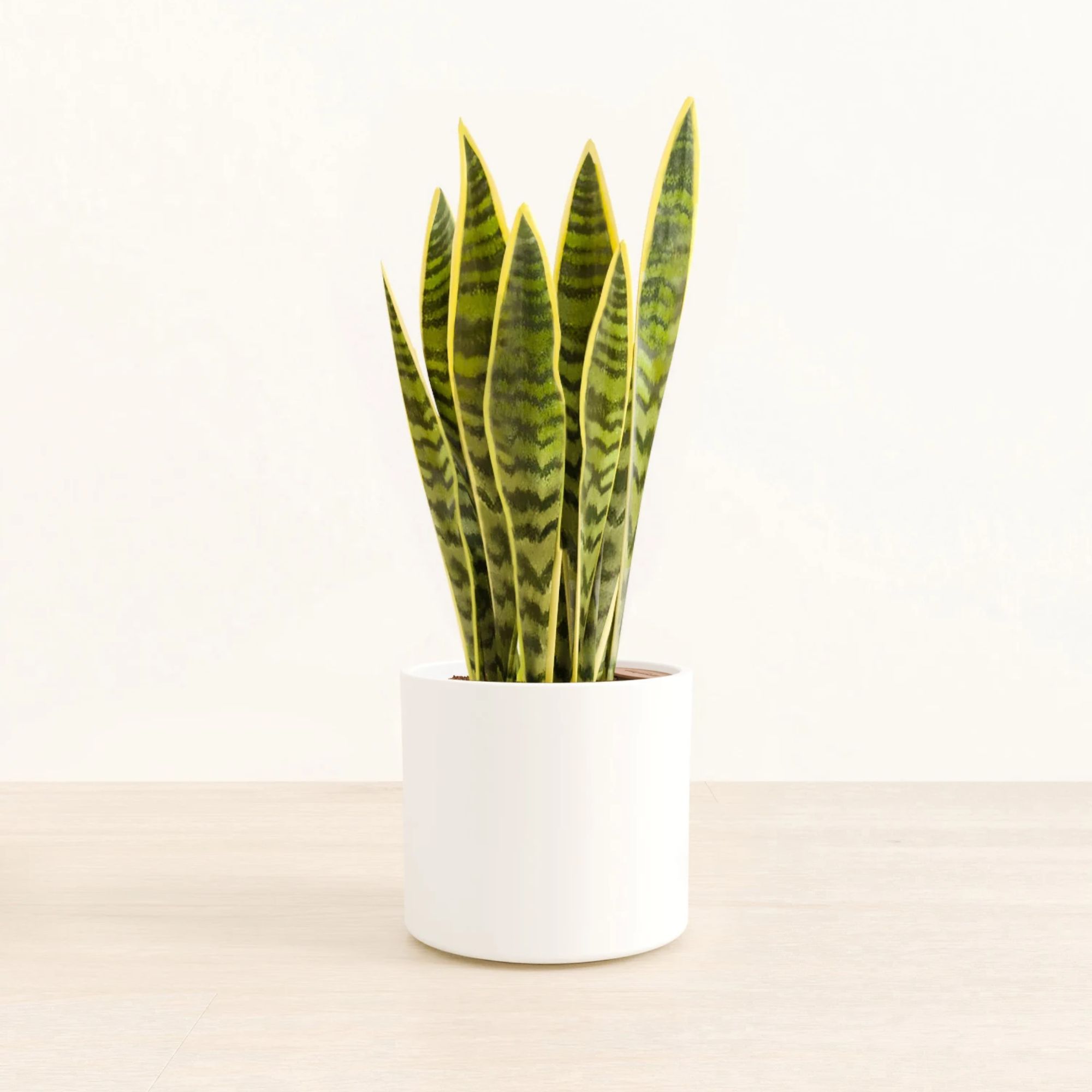
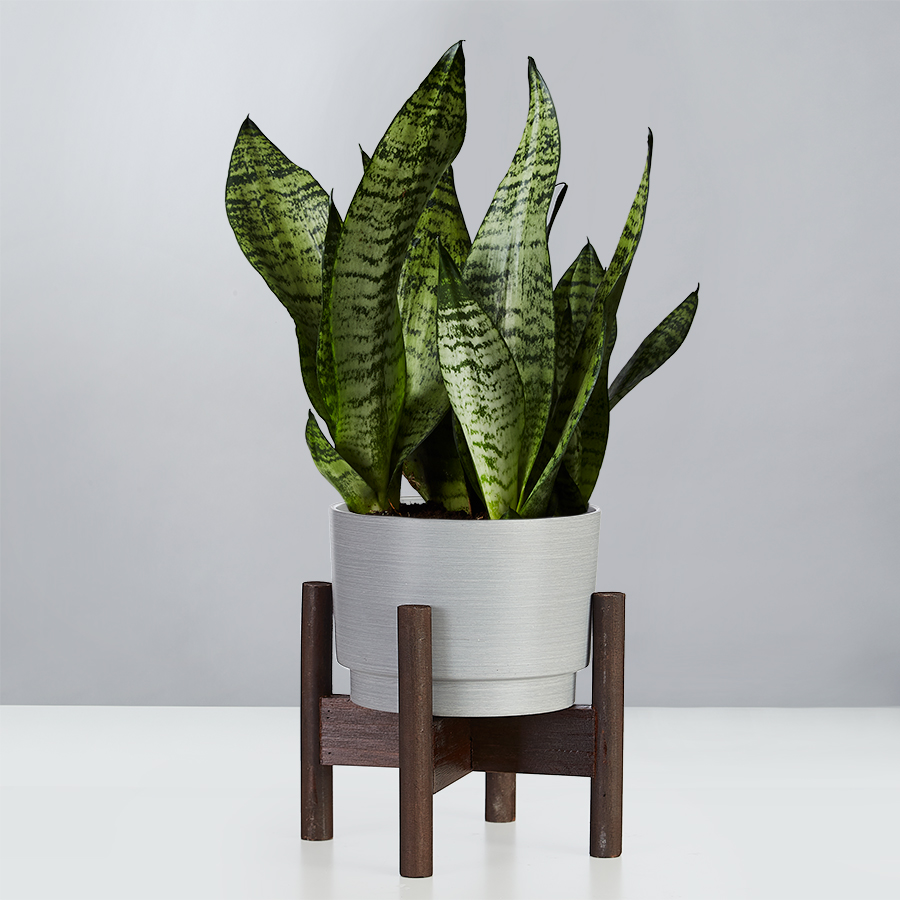
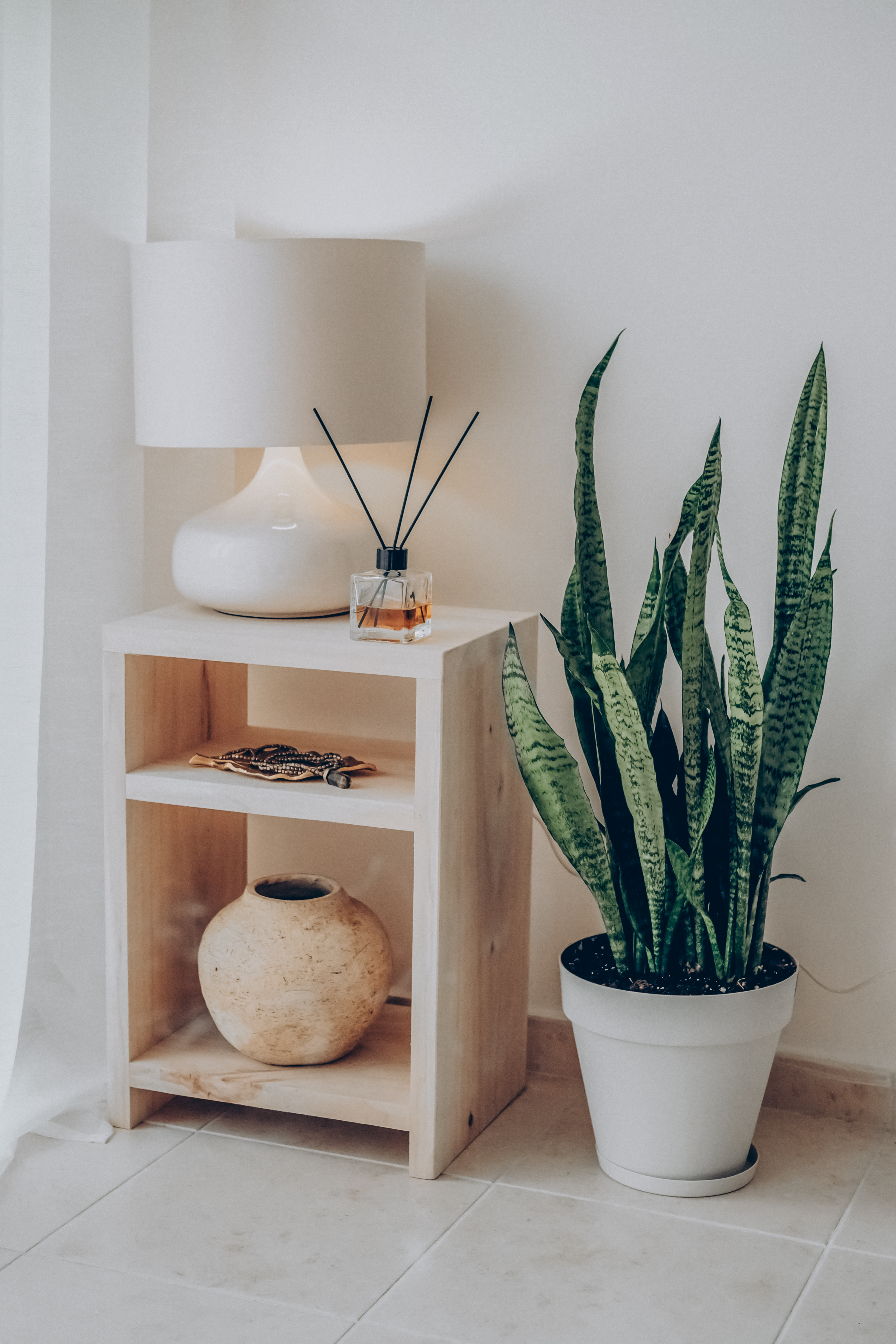
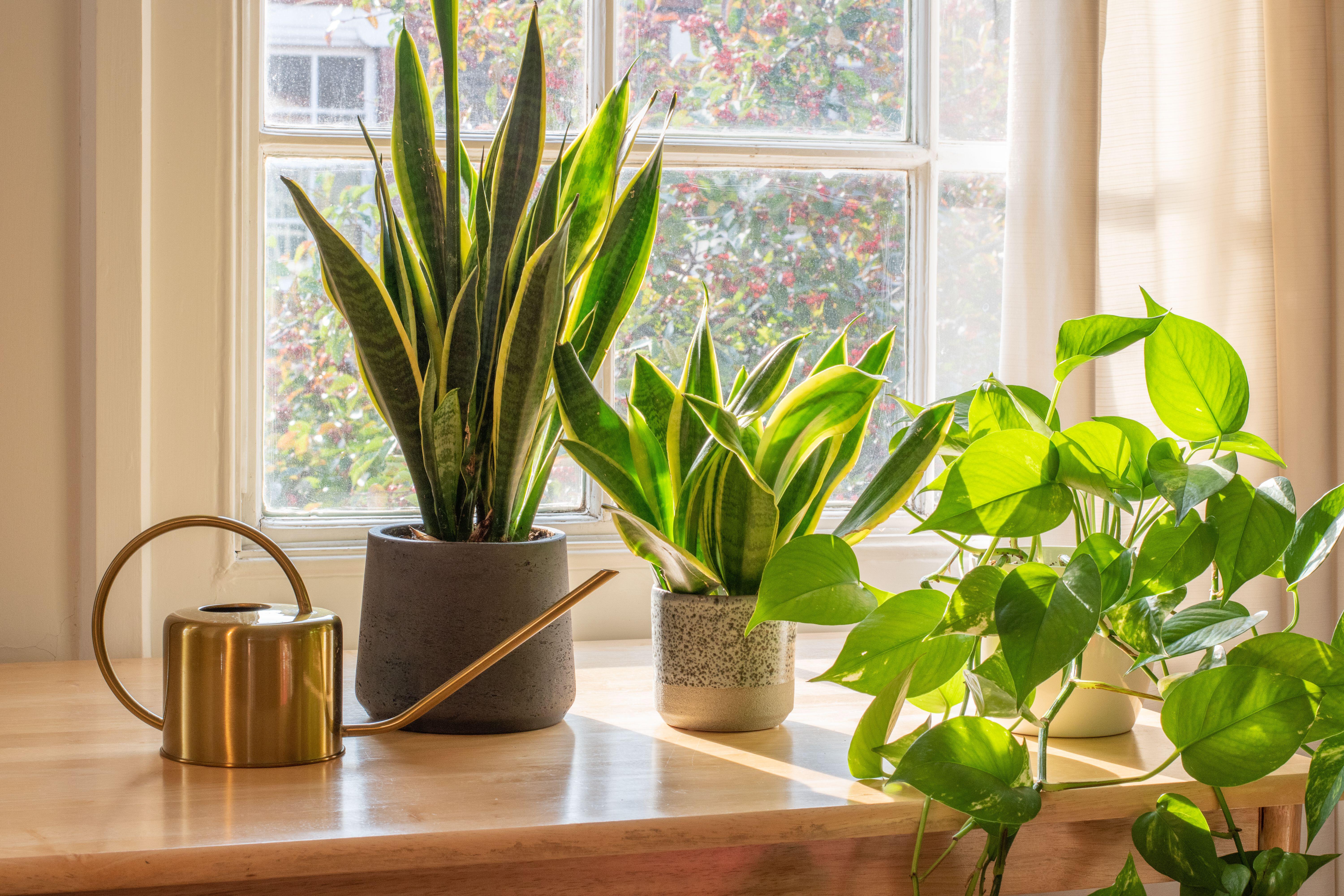
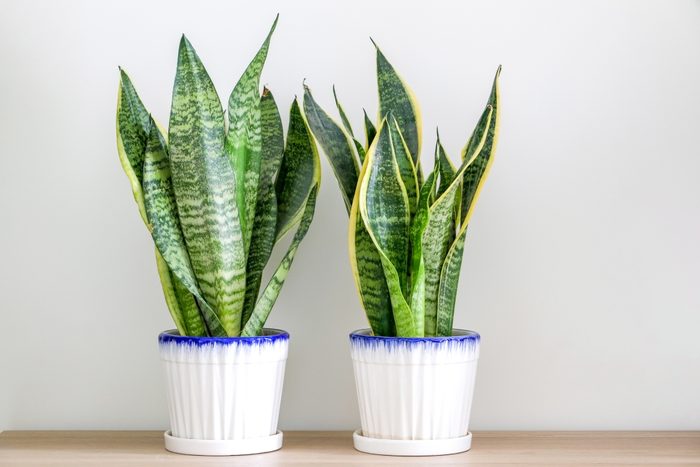
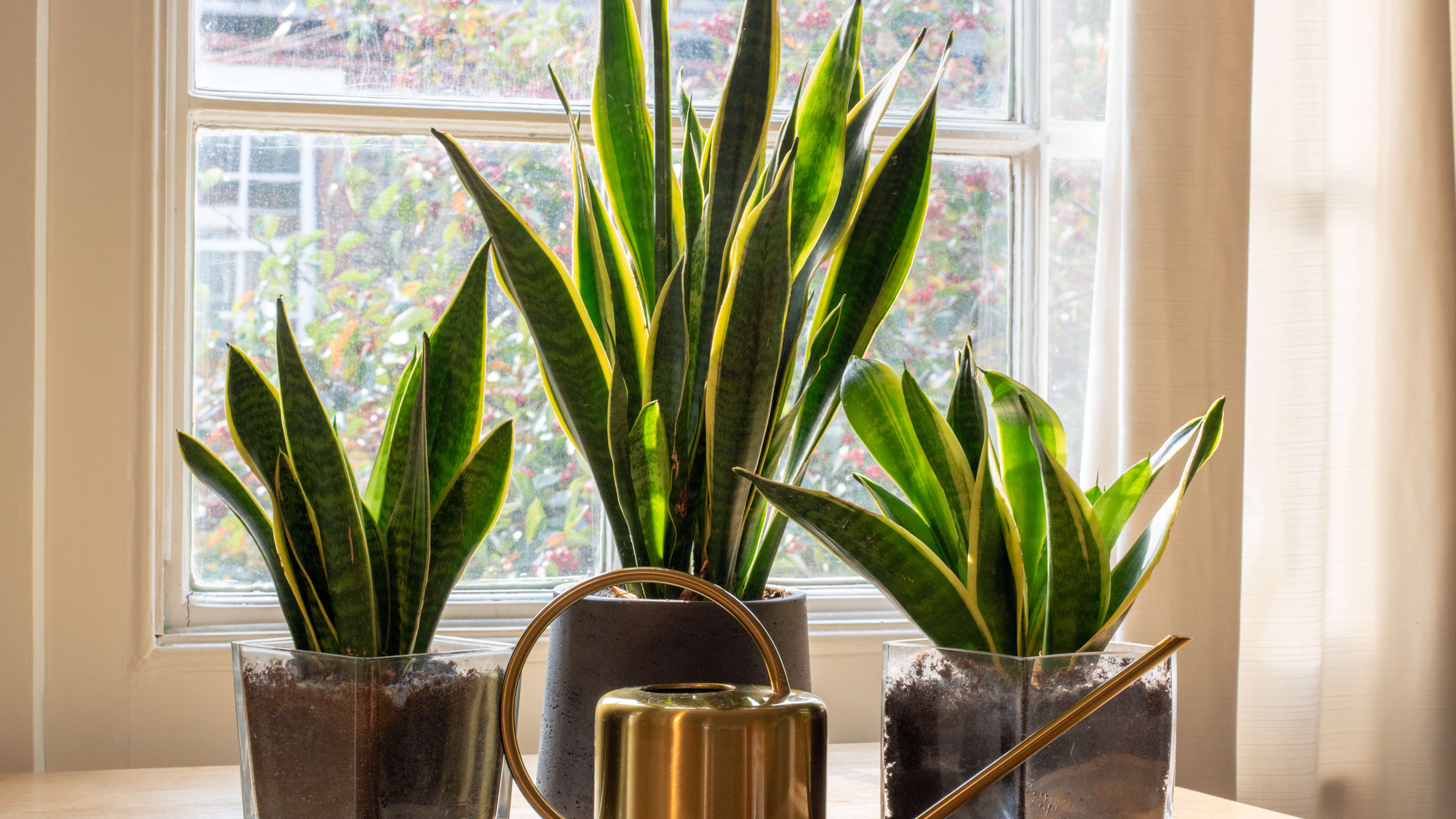
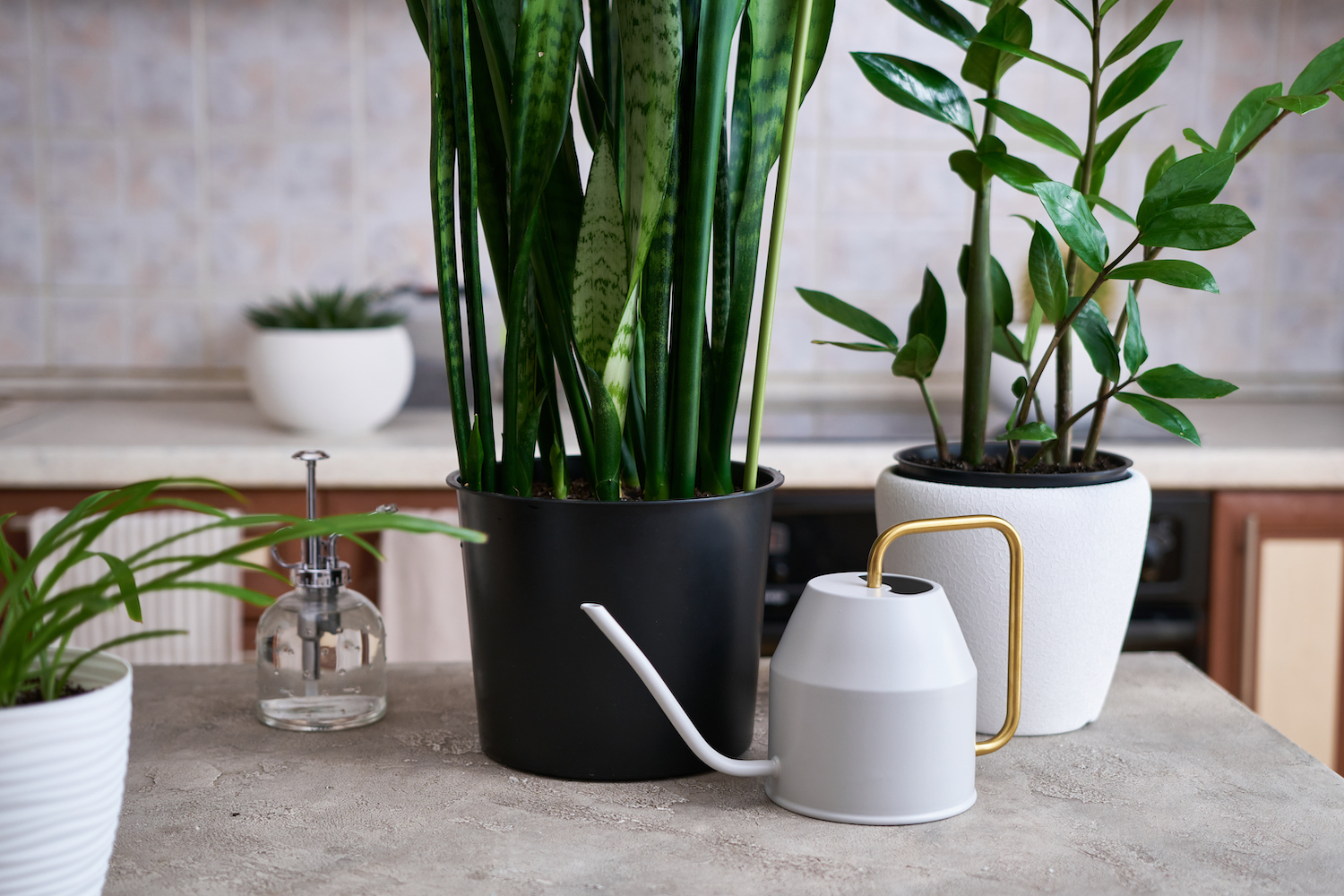
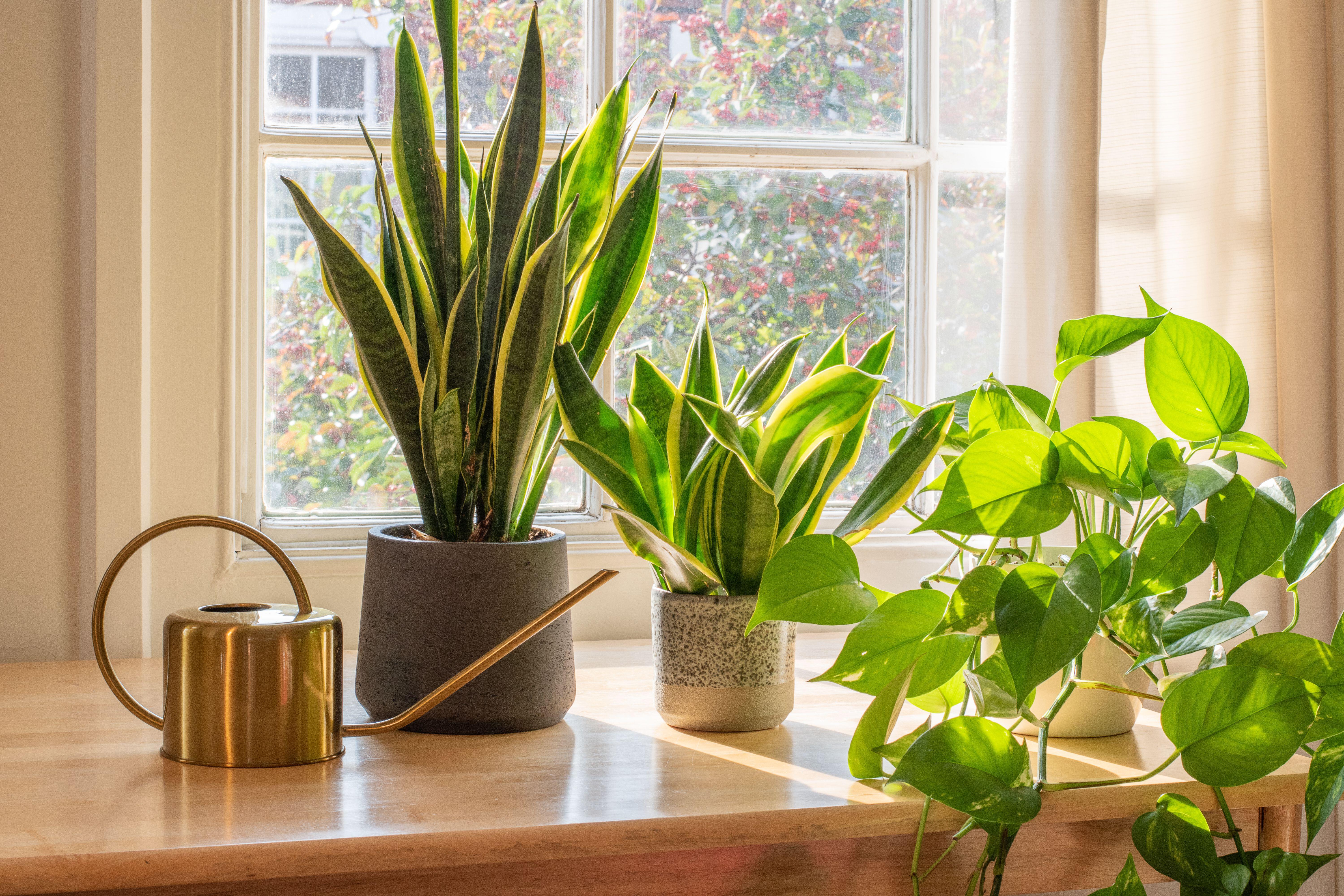
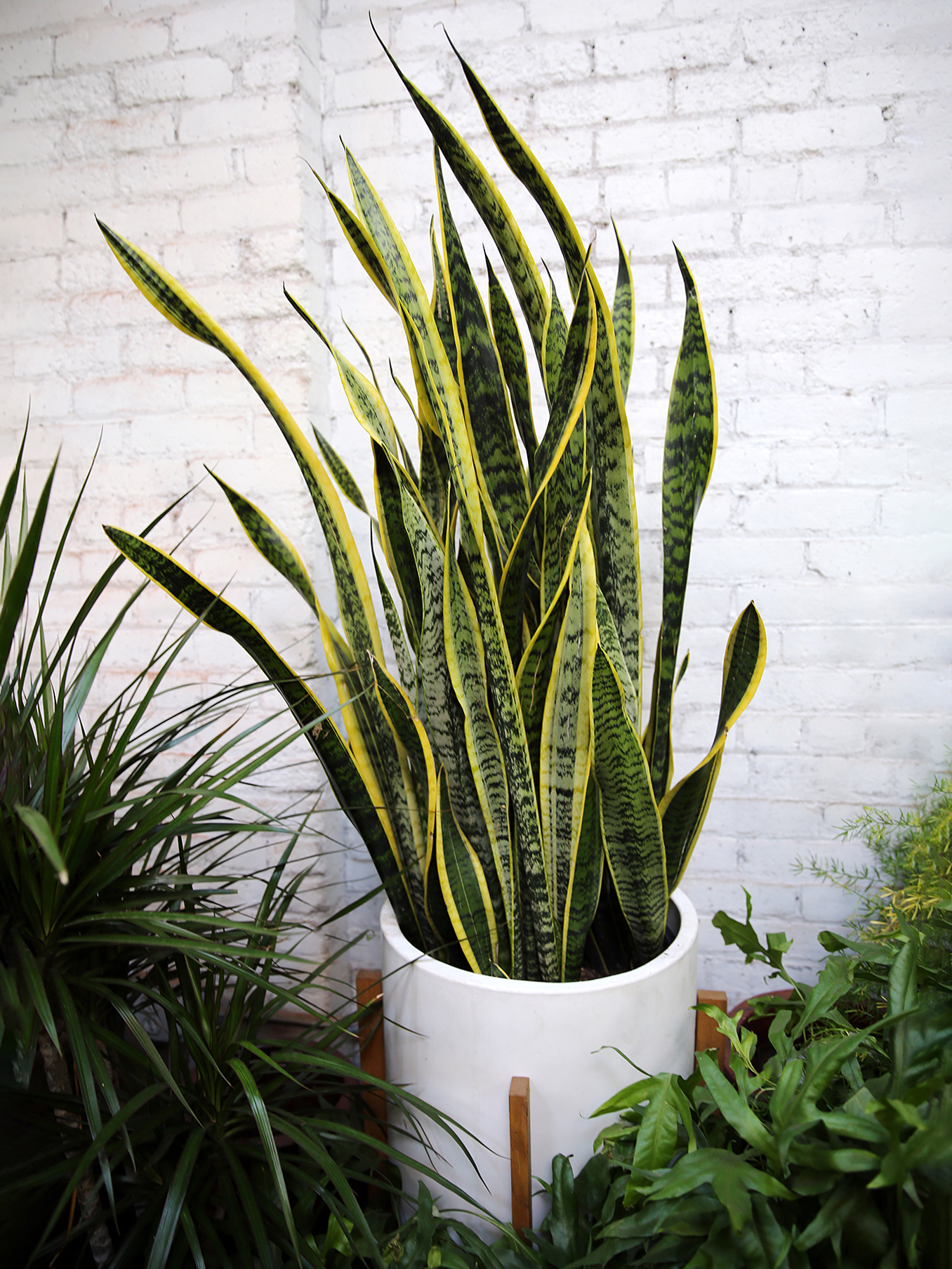
The snake plant, also known as Mother-in-Law's Tongue or officially Dracaena Trifasciata, is a classic houseplant recognized for its tall, sturdy, pointed variegated leaves and often a distinctive yellow border. While historically associated with a 1970s aesthetic, its unique shape and vibrant coloration make it a versatile addition to modern home decor. Growing in clusters of stiff, dark green leaves banded with lighter green or silvery streaks, the variegated variety is particularly popular as a decorative element due to its striking appearance and lack of a traditional stem.

This plant is highly recommended for beginner plant parents due to its remarkable resilience, earning it the reputation of being 'virtually indestructible.' Most snake plants typically grow to about a foot in height, making them ideal for placement on shelves or desks. Beyond their aesthetic appeal, snake plants are notable for their air-purifying capabilities. They were recognized in NASA’s Clean Air Study for their effectiveness in removing toxins from indoor environments, which contributes to improved air quality. While generally shelf-friendly, some snake plant varieties can grow up to eight feet tall, making them impressive statement pieces in larger spaces.
Caring for an indoor snake plant primarily involves three key considerations, largely stemming from its origin in tropical West African regions, which makes it drought-tolerant and accustomed to minimal intervention. Firstly, proper watering is crucial, as the snake plant thrives in dry conditions and is highly susceptible to over-watering. There is no rigid watering schedule; instead, it is recommended to water only when the top inch of soil feels dry, which will be more frequent in warmer months and for larger plants. Signs of overwatering include yellow or drooping leaves that feel soft and squishy. Water should be poured directly into the soil to prevent root rot, and the plant should be kept in a pot with adequate drainage. It is always safer to under-water than over-water, as recovery from drought is easier.
Secondly, repotting should be infrequent. As a slow-growing plant, the snake plant becomes comfortable in its pot and does not require frequent disturbance. Repotting is only necessary when the roots begin to burst out of the nursery pot. When repotting, select a new pot that is only 1-2 inches larger, gently remove the plant, dust off loose soil, and inspect the roots. The plant should then be placed in fresh compost and thoroughly watered. The best time for repotting is during spring or summer when the plant is in its active growing phase.
Finally, appropriate lighting is essential, though snake plants are highly adaptable. They are among the best houseplants for low-light conditions, but growth will be slower in such environments. The optimal condition is bright, indirect light. While a few hours of direct sun can encourage growth, excessive direct sunlight, especially when combined with heat, can burn the leaves. Despite these guidelines, the snake plant is notably resilient and can adapt to varying light conditions. Regular wiping of the leaves with a damp cloth is also beneficial to remove dust, allow the plant to breathe, absorb light efficiently, and maintain its vibrant appearance.
Furthermore, the snake plant is considered a Feng Shui plant, believed to absorb negative energy and enhance concentration and productivity, making it suitable for home offices. Its air-purifying qualities also make it an excellent choice for bedrooms, as it releases oxygen at night, contributing to a more restful sleep environment by removing toxins like formaldehyde and benzene.
#SnakePlantCare #HouseplantTips #IndoorPlants #PlantCareGuide #BeginnerPlants #AirPurifyingPlants #HomeDecorPlants #DracaenaTrifasciata #GardeningAdvice #SnakePlantCare #HouseplantTips #IndoorPlants #PlantCareGuide #BeginnerPlants #AirPurifyingPlants #HomeDecorPlants #DracaenaTrifasciata #GardeningAdvice
0 comment in total
 No comments yet
You may also like
Where to place a snake plant, according to Feng Shui experts

Types of spider plants – 8 varieties of this low maintenance favorite to grow at home
5 best indoor screening plants to protect your privacy

14 Succulents That Will Thrive Indoors All Year Round

3 Places to Put Snake Plant That Are Meant to Bring You Good Luck, According to a Feng Shui-Practicing Architect

10 Must-Have Indoor Plants To Liven Up Your Entryway

7 things you should never do in a plant shop, according to owners and employees
You Should Plant Night Sky Flowers in Your Yard ASAP

'Too hot or cold and you risk damaging the plant' – this is the ideal watering temperature for healthy houseplants
This Tropical, Evergreen Shrub Will Add Long-Lasting Greenery to Your Home

It’s Official: Windowsill Succulents Are Out, Statement Succulents Are In
How to protect houseplants from central heating – to keep them thriving indoors throughout the colder months
Snake Plants Are the New Self-Care


Smudge Your Greenery, and More Indoor Plant Advice We Shouldn’t Be Giving Away for Free

What You Need to Know About Watering Houseplants — The Rules for a Healthy Indoor Garden

Feng shui plants – 12 of the best plants for positive energy

Designing With Plants: Expert Tips for Stylishly Greening Your Interiors

Growing and Care Tips for Mexican Bush Sage

Invasive climbers never to grow – 5 vines to avoid and what you should grow instead
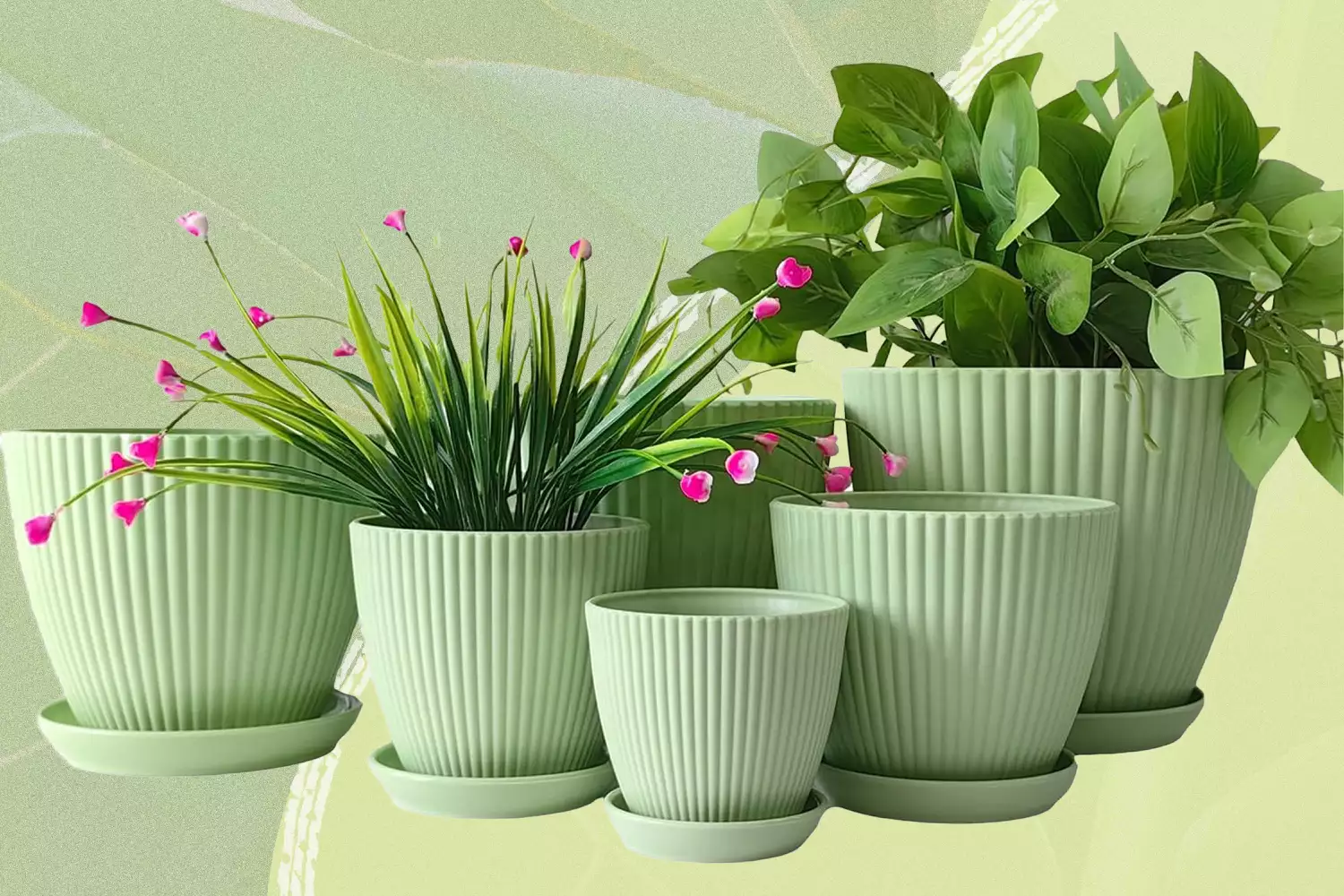
We Found the Perfect Planters for Monsteras, Snake Plants, and Every Other Plant in Your Home