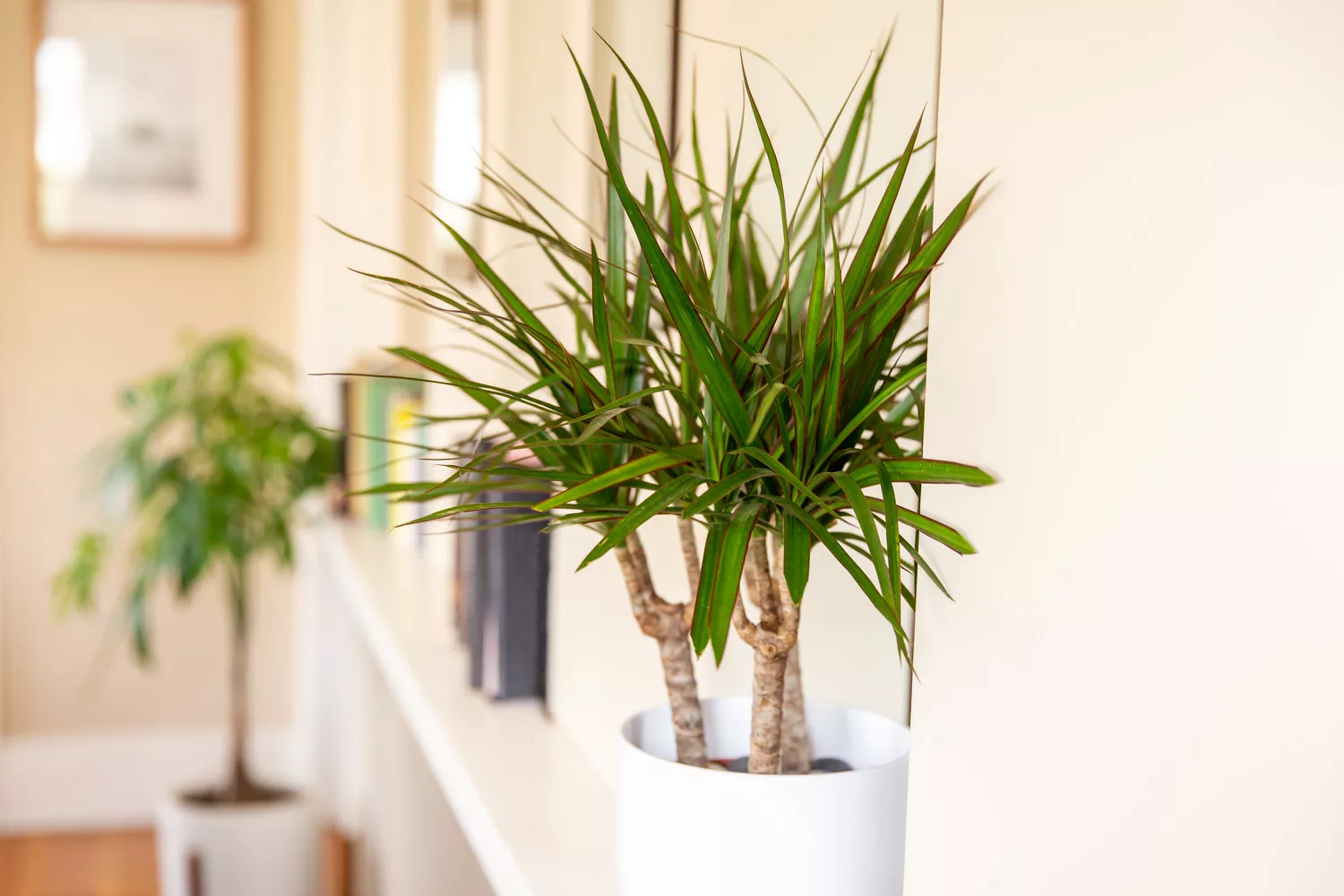
This Tropical, Evergreen Shrub Will Add Long-Lasting Greenery to Your Home
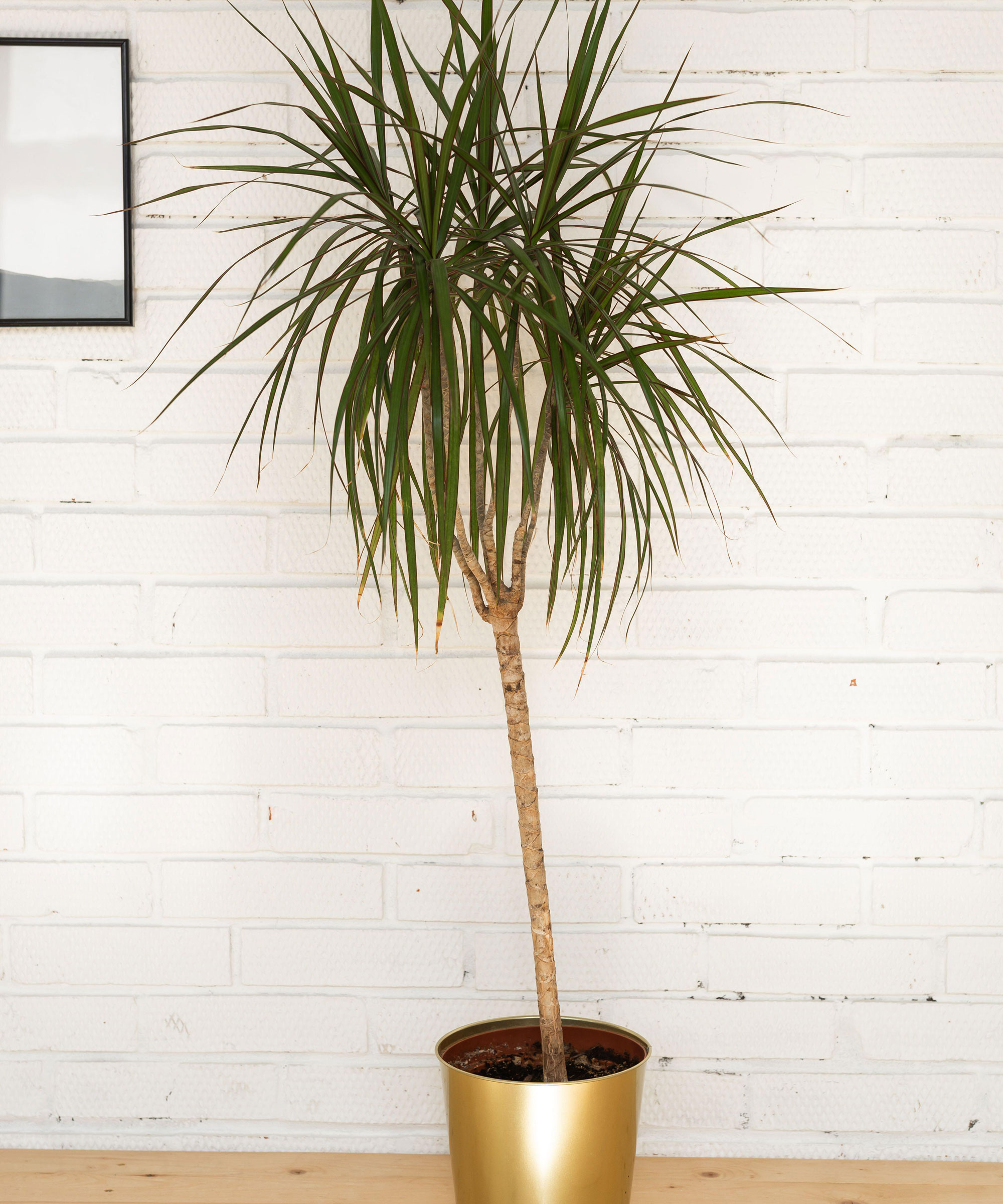
Dracaena, a genus of tropical broadleaf evergreen shrubs and trees, encompasses several species frequently cultivated as houseplants. These plants are characterized by their spear- or grass-shaped leaves, which typically emerge from one or more thick, cane-like main stems. Dracaenas are recognized for their ease of growth and ability to thrive in bright, indirect light, though they can also tolerate low-light conditions. Their primary appeal lies in their attractive foliage, which often displays variegation and a diverse range of colors. While some dracaena varieties can reach heights of 20 feet or more in their native tropical habitats, most indoor specimens remain under 8 feet tall. It is important to note that plants within the Dracaena genus contain saponins, which are toxic to dogs and cats.
Optimal care for dracaena involves several key factors. They prefer locations with bright, indirect light indoors, or dappled sun outdoors, as prolonged direct sunlight can lead to leaf scorch. When potting, a peat-based commercial potting mix is recommended due to its slight acidity. If planted outdoors in tropical regions, the soil should be rich and well-drained. Watering should be consistent during the active growing season (spring through fall), ensuring the soil remains moist, but allowing it to dry out more in the dormant winter period. Thorough watering weekly during growth, and moderately every two weeks in winter, is advised. Dracaena thrives in temperatures between 70°F and 80°F, reacting poorly to temperatures below 50°F. As tropical plants, they benefit from higher humidity, which can be maintained with a room humidifier if indoor air is dry. Monthly feeding with a water-soluble houseplant fertilizer is beneficial during spring and summer, but fertilization should cease in fall and winter when growth slows. Due to their numerous narrow leaves, dusting can be challenging; using a detachable shower head to spray the plants clean is an effective method.
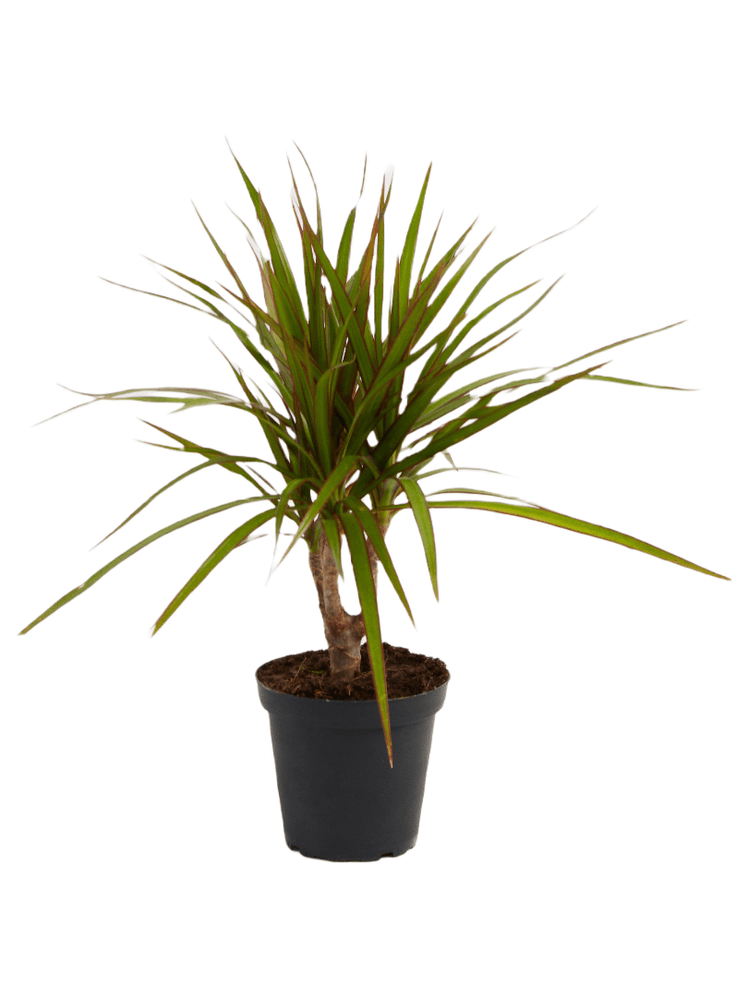
When positioning dracaenas, north- or east-facing windows are ideal for bright, indirect light. For south- or west-facing windows, plants should be placed a few feet away or shielded with a sheer curtain to filter direct sun. The Dracaena genus includes over a hundred species, with several popular varieties commonly sold as houseplants. Notable types include the Corn Plant (_Dracaena fragrans_), known for its strap-like leaves and fountain-like growth; the slow-growing Drago (_Dracaena draco_), valued for its toughness; _Dracaena deremensis_ cultivars like ‘Janet Craig’ and ‘Lemon Lime’; the Dragon Tree (_Dracaena marginata_), characterized by thinner, grass-like leaves; Lucky Bamboo (_Dracaena sanderiana_), often trained for curled stems; 'Florida Beauty' (_Dracaena surculosa_), with distinctive spotted variegation; and 'Song of India' (_Dracaena reflexa_), featuring alternating green and chartreuse stripes. Identifying specific dracaena types can be done by observing leaf color, variegation patterns, and growth habits.
Pruning dracaenas is not always necessary but can be done to manage shape or height, ideally during spring and summer. Yellowing or dead leaves should be removed promptly. Propagation is relatively easy through stem cuttings, best performed in spring. An 8-inch stem cutting, with lower leaves removed, can be dipped in rooting hormone and planted in moist potting soil. New leaves typically emerge after about three weeks, indicating root establishment. Alternatively, cuttings can be rooted in water, with the water changed regularly until a strong root network develops before transferring to soil. Growing dracaena from seeds is uncommon indoors due to infrequent flowering and fruit production. Annually, the top 2 to 3 inches of potting mix should be replaced to refresh nutrients. Repotting into a slightly larger container is recommended when the plant becomes pot-bound or roots emerge from drainage holes. When planting outdoors in USDA zones 10-11, dracaenas grow significantly larger, often becoming sizable trees, requiring a partial shade location, preferably with morning sun. The outdoor soil should be well-draining and slightly acidic, with a pH between 6.0 and 6.5.
Dracaena plants are susceptible to common houseplant pests such as thrips, mealybugs, aphids, and spider mites. Fungal leaf spot disease can occur if the soil is excessively moist. Various leaf problems often indicate specific care issues. Browning leaves can result from sensitivity to fluorides or salt buildup, suggesting the use of non-fluoridated water and monthly deep watering to flush salts. Scorched leaves are a sign of too much direct sunlight, necessitating a move to a less exposed location or the use of sheer curtains. Yellowed leaves typically indicate overwatering, requiring reduced watering and potentially repotting with fresh soil if drainage is poor. However, older leaves naturally yellow and fall off as part of the plant's growth cycle. Wilted leaves can be caused by lack of moisture, sudden temperature changes, improper lighting, insufficient humidity, or fungal disease. If leaves lighten in color without browning or crisping, it usually means the plant is receiving more light and is not a cause for concern.
#DracaenaCare #HouseplantTips #IndoorGardening #PlantPropagation #TropicalPlants #FoliagePlants #HomeDecor #PlantHealth #DracaenaCare #HouseplantTips #IndoorGardening #PlantPropagation #TropicalPlants #FoliagePlants #HomeDecor #PlantHealth
0 comment in total
 No comments yet
You may also like
15 Hardy Shrubs to Spruce Up Your Yard

8 of the best indoor plants with patterned leaves

Growing and Care Tips for Mexican Bush Sage

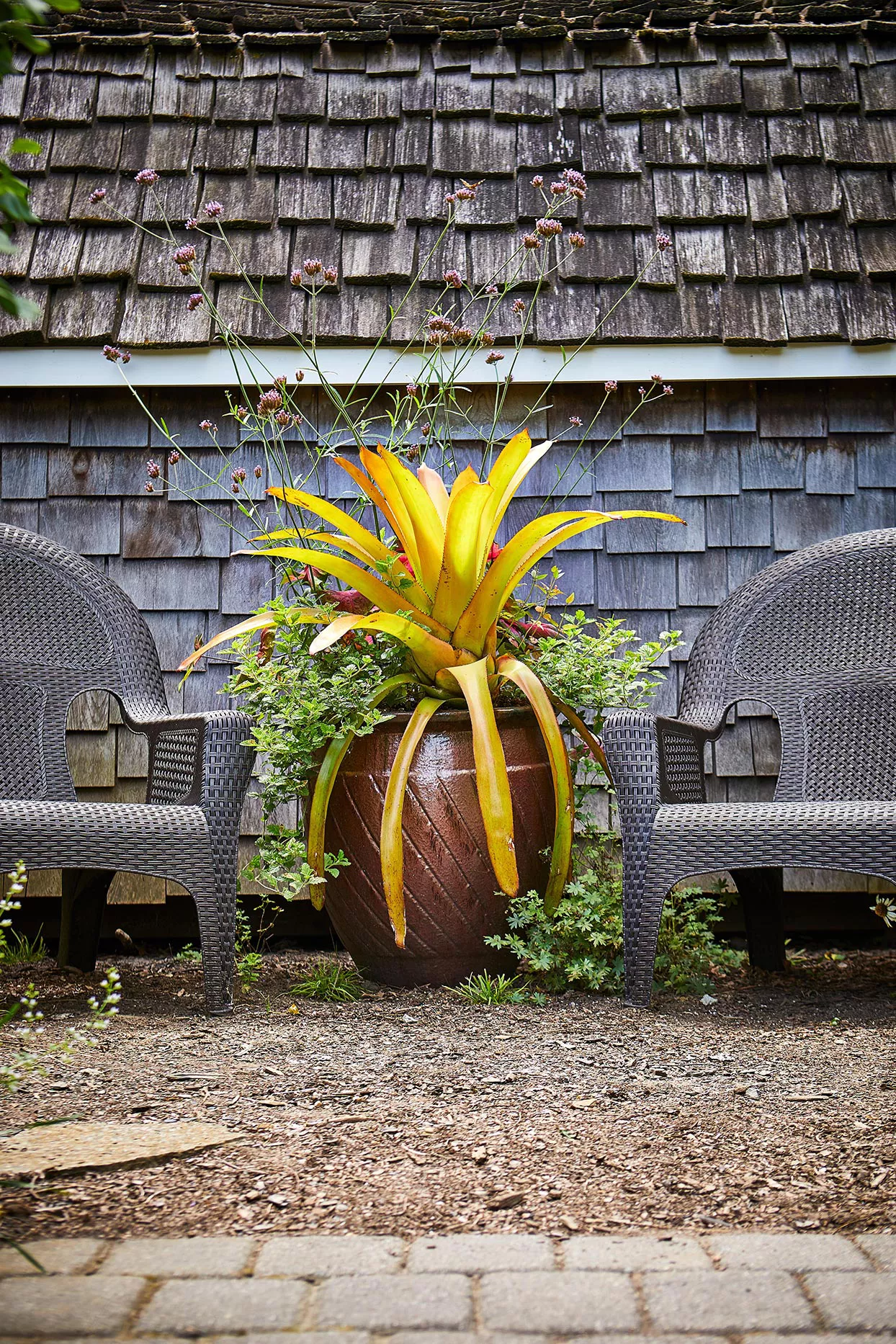
23 Gorgeous Tropical Landscape Plants to Fill Your Garden with Color
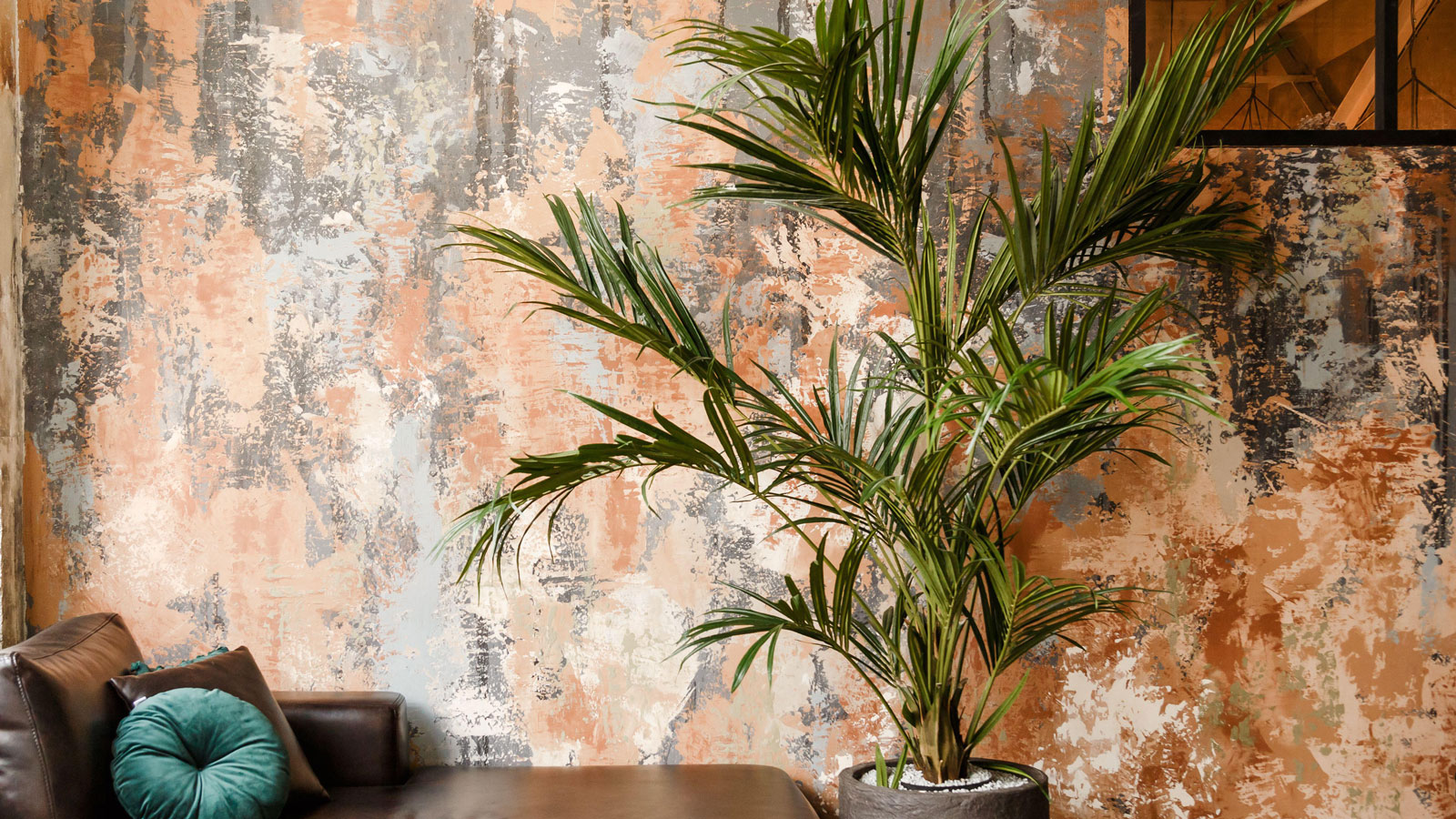
Best tall indoor plants – 10 statement plants, chosen by houseplant experts

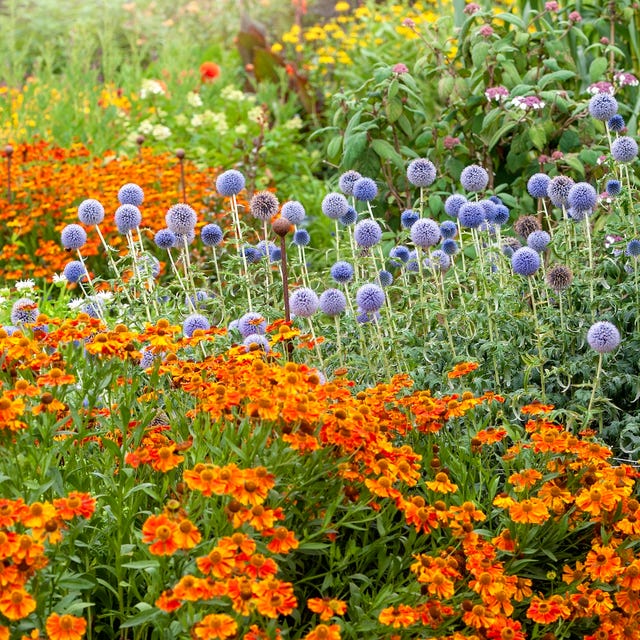
These Low-Maintenance Perennial Flowers Bloom Every Season

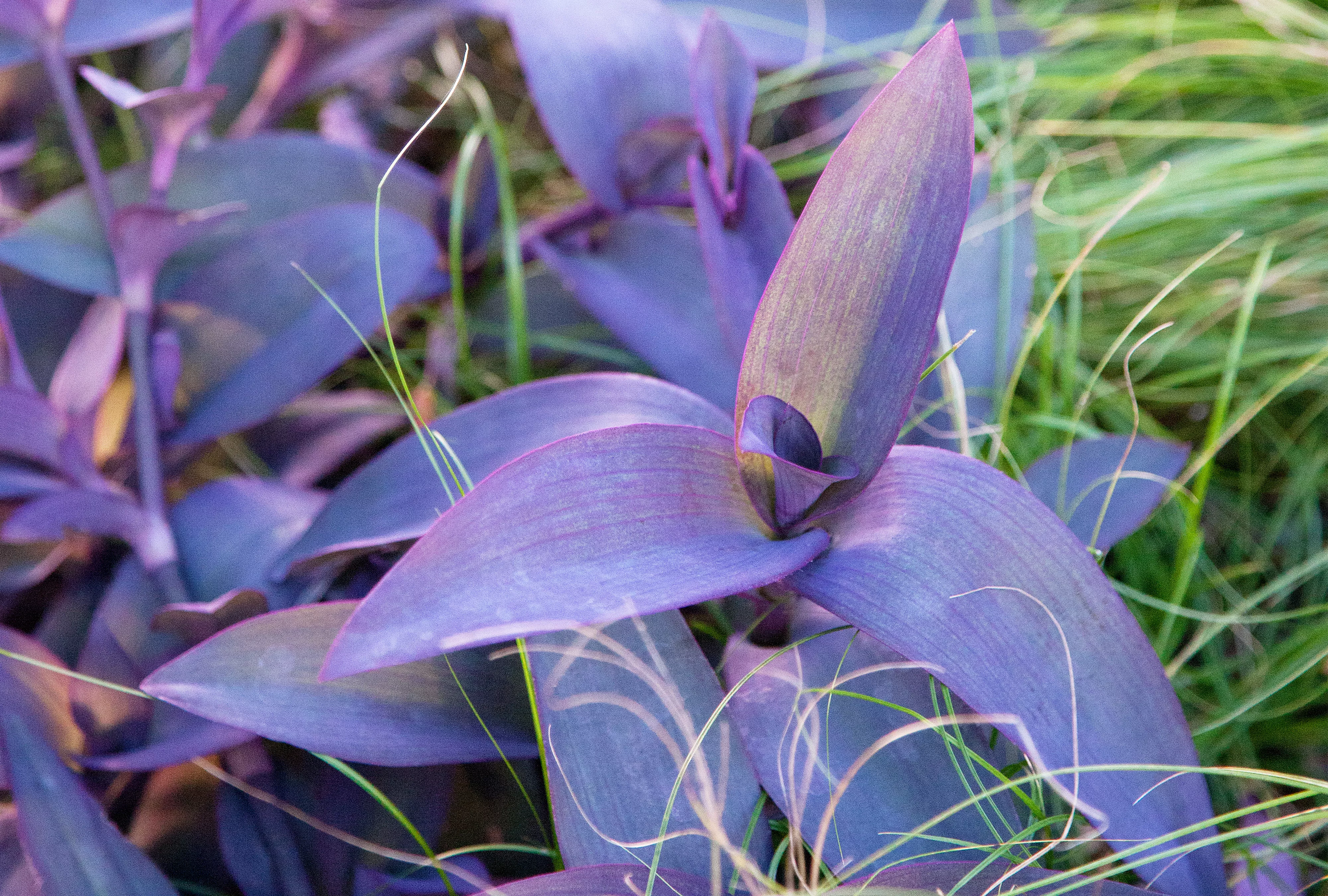
15 Purple Plants with Leaves that Stay Perpetually Purple


Landscaping with evergreens – 9 ways to add structure and interest to your garden year round
20 Best Indoor Trees and Tropical Plants to Grow in Your Living Room

14 Easy-Care Indoor Plants for Bedrooms to Add Natural Greenery
These Beautiful Flowering Shrubs Will Add Major Color to Your Garden

Flowers they both will love: Pollinator-friendly perennials for Mom and Mother Nature
The Drought-Tolerant And Low-Maintenance Perennial That Showcases Lovely Purple Blooms

Gardeners, These Low-Maintenance Perennial Flowers Bloom Every Season
Plants to hide a garden wall – expert-approved options for a beautiful, botanical screen

Nature to nurture: how to get more plants in your life and home


10 Beautiful Privacy Shrubs You'll Want To Grow Right Next To Your Windows

‘Go big or go home’: Plants that can live large in your garden
Best Chinese evergreen varieties – 5 stunning choices with bright variegated foliage
Blue to Purple Perennial Flowers