




1/15
Feng shui plants – 12 of the best plants for positive energy
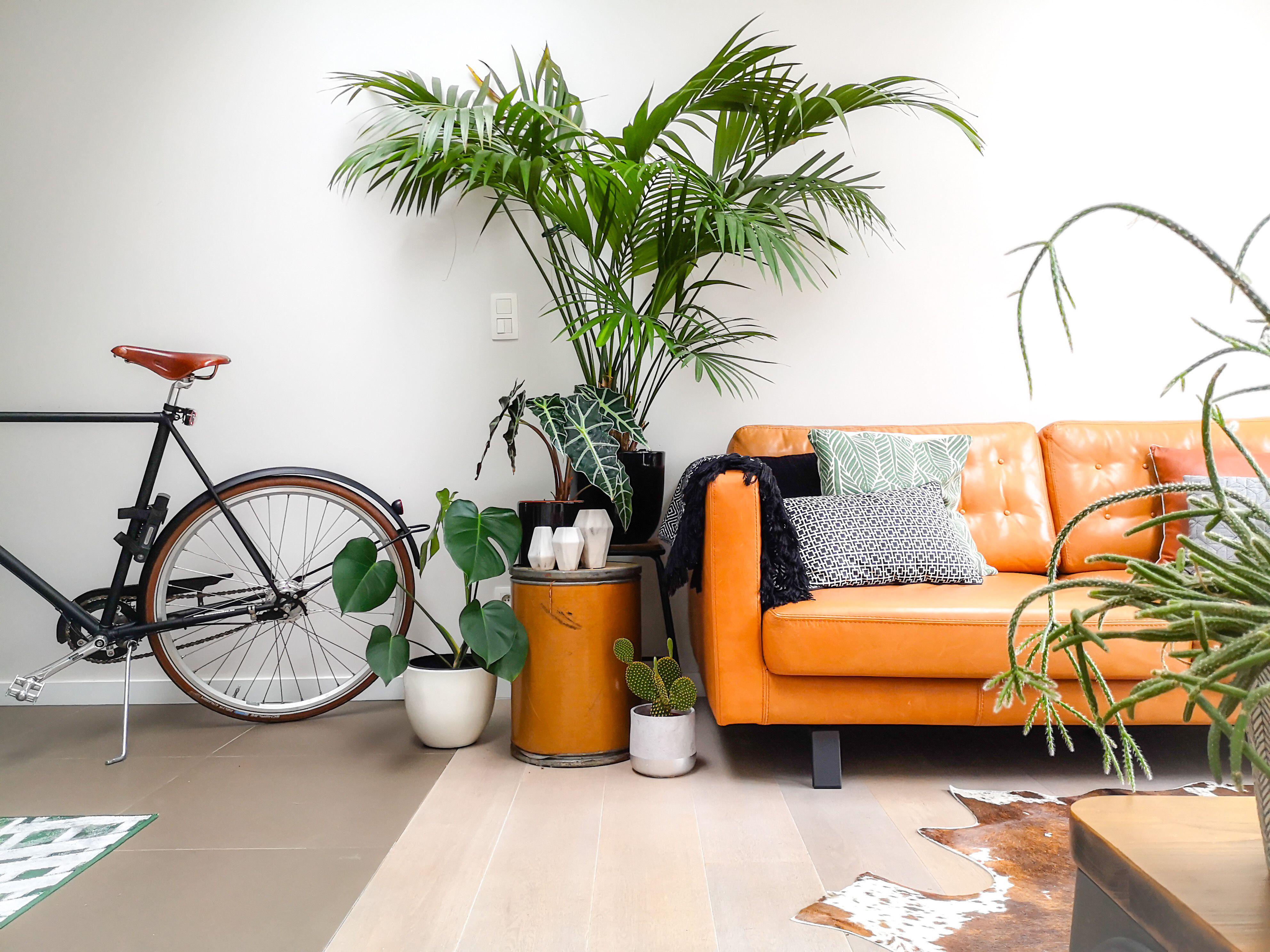
The ancient Chinese practice of feng shui emphasizes the importance of cultivating positive energy, or 'Chi,' within one's living space to enhance well-being, health, and prosperity. Incorporating living green plants, which represent the wood element, is a key aspect of this philosophy. The wood element is believed to foster resilience, flexibility, healing, and growth, thereby promoting harmony between internal and external environments. Anjie Cho, an interior architect and feng shui advisor, highlights that plants not only bring these qualities into a home but also create a natural balance within interior spaces. This article explores a selection of 12 feng shui plants, detailing their specific benefits and optimal placement within a home.
When selecting feng shui plants, it is generally recommended to choose those with soft, rounded, and heart-shaped leaves, as these shapes are thought to encourage ease and flow. Sharp or spiky plants, such as cacti, are often advised against, as they can introduce 'prickly' or 'sharp' energy, potentially draining personal energy. Most plants naturally clean the air, and their green color is uplifting, contributing to a balanced environment. While plants can be placed in any room, certain types are better suited for specific areas.
The money tree (Pachira aquatica) is a popular choice, believed to attract wealth and good fortune. Its palmate leaves and braided trunk also make it an attractive decorative element. Proper care, including deep, infrequent watering and bright, indirect light, is essential to maximize its feng shui benefits. The white bird of paradise (Strelitzia nicolai) is another excellent option, known for its lush foliage and ability to promote positive energy, particularly due to its tall, elegant form.
The jade plant (Crassula ovata), often called the money plant, is cherished for its coin-shaped leaves, which are thought to attract wealth and good fortune. It is particularly effective in the southwest area of a home or office to enhance prosperity. This plant thrives in bright, indirect light with some direct sunlight and requires regular leaf wiping for optimal photosynthesis and appearance. Pothos varieties are celebrated for their hardiness and ease of propagation, symbolizing abundance and generosity, making them suitable for beginners. They can be particularly useful in kitchens or offices to absorb negative energy from electronic devices.
Snake plants (Sansevieria) with their sword-like leaves are recommended for hallways or entryways, symbolizing protection and enhancing the flow of positive Chi. They are low-maintenance, tolerant of low light, and produce oxygen at night, making them ideal for bedrooms. Philodendron heart leaf (Philodendron scandens) is an air-purifying plant with heart-shaped leaves, perfect for office desks or shelves to boost positive energy, even tolerating neglect. Anthurium clarinervium, with its large, dark green, velvety, heart-shaped leaves and distinct white veins, thrives in humid environments like bathrooms or kitchens, adding a striking visual element.
The rubber plant (Ficus elastica) is known for its air-filtering capabilities and broad, glossy leaves that are believed to promote positive energy and eradicate negative Chi. Placing it in a sunny spot in the east or southeast of the home can bring calm and positivity. The rattlesnake plant (Calathea lancifolia) with its distinctive markings, is a pet-friendly option that adds a tropical touch. It requires bright, indirect light and consistent moisture. String of hearts (Ceropegia woodii) with its trailing, heart-shaped leaves, makes a thoughtful gift and thrives in both shady and sunny spots. Aloe vera, a trendy and easy-to-care-for succulent, is said to ward off bad luck and negative energy while providing healing properties. Finally, the peace lily is highly regarded in feng shui for maintaining positive energy, attracting wealth through its leaves, and bringing good luck through its flowers.
Optimal placement of plants is guided by the feng shui principle of balancing the five elements: wood, fire, earth, metal, and water. Different areas of the home require varying amounts of the wood element; for instance, the east, southeast, and south benefit from more plants. While some feng shui schools advise against plants in bedrooms due to their active energy, personal feelings and experiences should guide decisions. If placed in a bedroom, the relationship area (far right when entering) can benefit from two plants, such as two bamboo stalks in one base, symbolizing growth in partnership. Ultimately, healthy and thriving plants are crucial, as dying or ill plants can attract negative energies, making it important to select plants that will flourish in their chosen location.
#FengShui #Houseplants #PositiveEnergy #HomeDecor #IndoorGardening #Wellness #MoneyTree #SnakePlant #JadePlant #FengShui #Houseplants #PositiveEnergy #HomeDecor #IndoorGardening #Wellness #MoneyTree #SnakePlant #JadePlant
 No comments yet