1/3
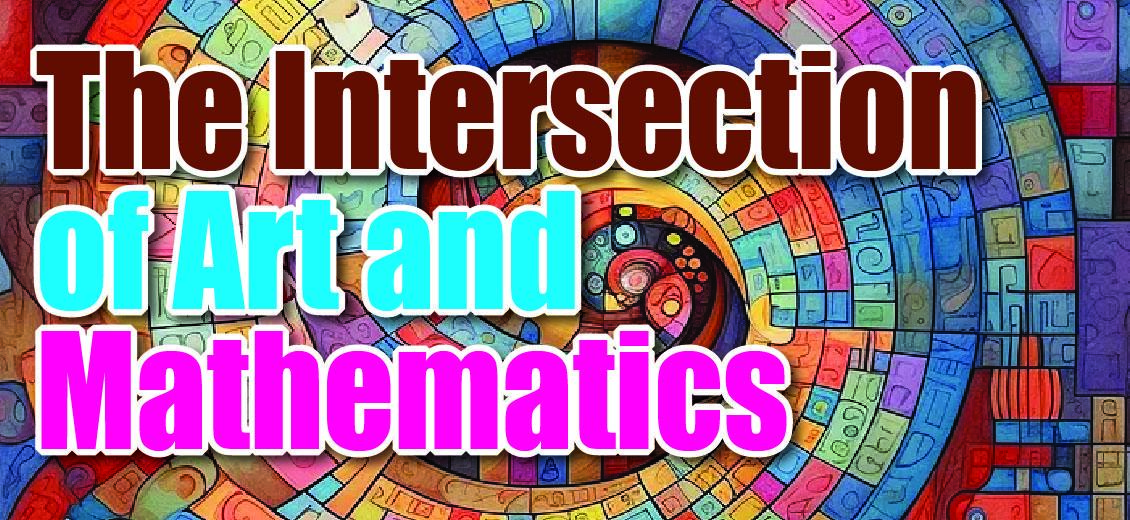
The Intersection of Art and Mathematics Blogs Home
The relationship between mathematics and art, often overlooked, is a profound connection evident in various creative fields, including art, music, and architecture. This interplay demonstrates how mathematical principles underpin the creation of beauty, structure, and rhythm. While mathematics is frequently associated with equations and numbers, its presence in artistic masterpieces, melodies, and architectural designs is significant.
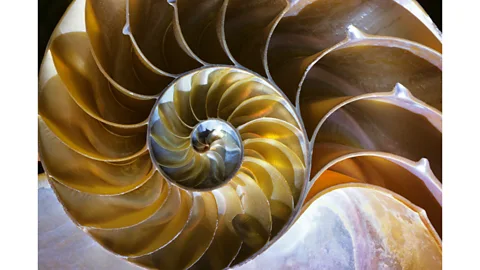
In artworks, mathematical concepts like the Golden Ratio and perspective are widely applied. The Golden Ratio, denoted by φ (phi) and approximately 1:1.618, is a mathematical proportion used by artists to achieve aesthetic balance and proportional design. This 'divine proportion' can be seen in famous works such as Leonardo Da Vinci's "The Last Supper," Michelangelo's "The Creation of Adam," Hokusai's "The Great Wave off Kanagawa," and Piet Mondrian's "Composition in Red, Yellow, Blue and Black." Perspective, another geometric principle, enables artists to create the illusion of three-dimensional space on a two-dimensional surface. Linear perspective uses vanishing points and converging lines to suggest depth, as exemplified by "The Last Supper" where architectural lines converge to a point behind Christ, enhancing realism. Atmospheric perspective, on the other hand, employs color and clarity variations to convey distance. Symmetry, a mathematical concept signifying balanced elements across an axis, is also utilized by artists to create order, balance, and harmony in their compositions. Furthermore, algorithmic art, which emerged in the 1960s with advancements in computer technology, uses algorithms and geometric principles to generate intricate patterns and visual effects, transforming mathematical logic into striking visuals through plotter machines.
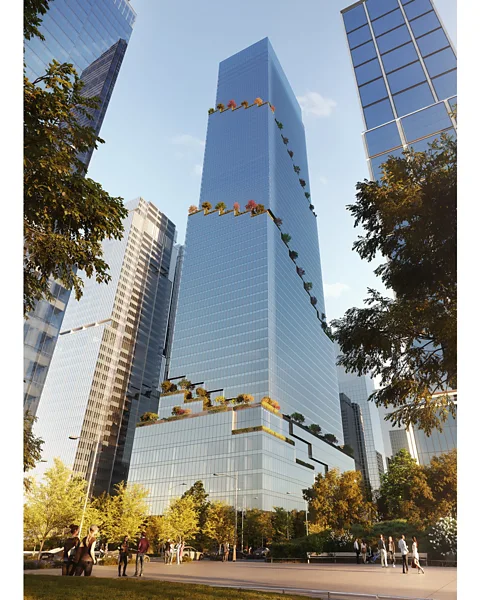
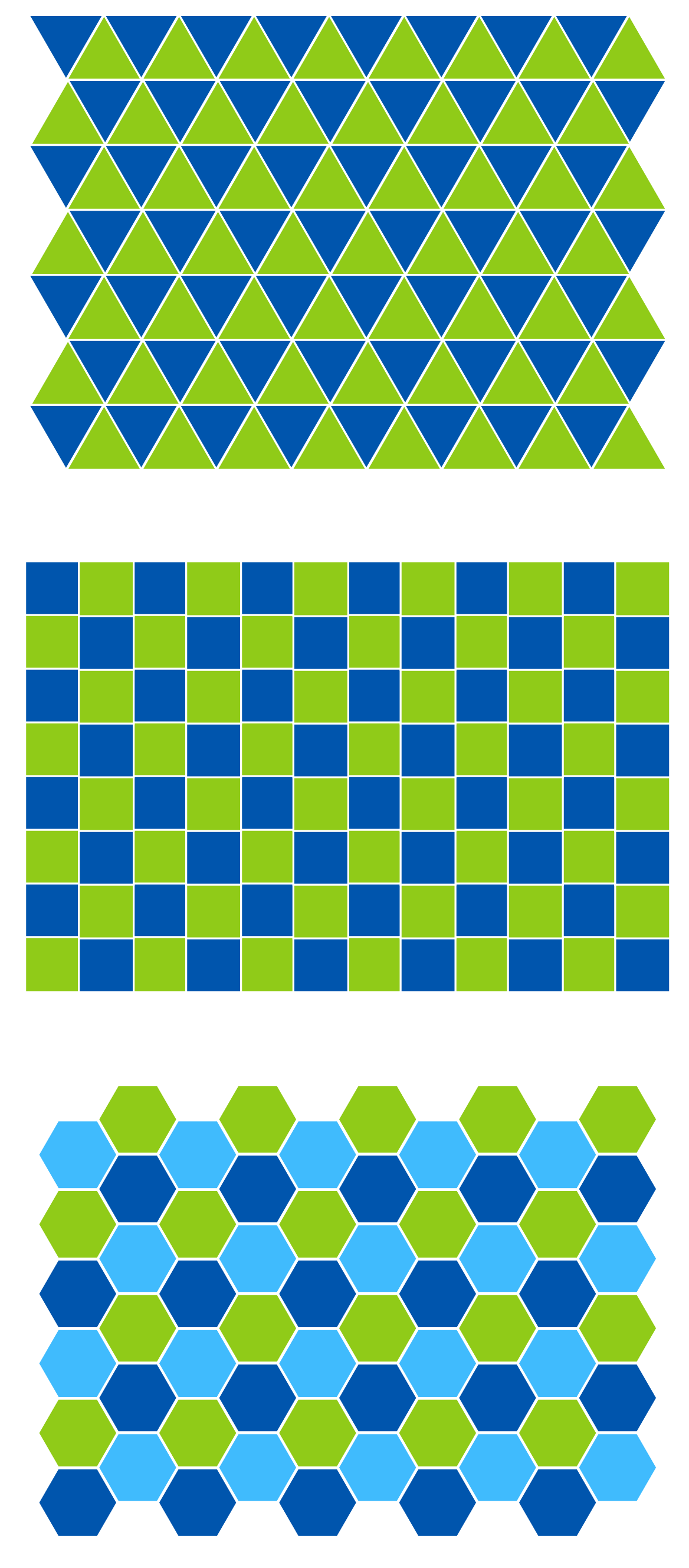
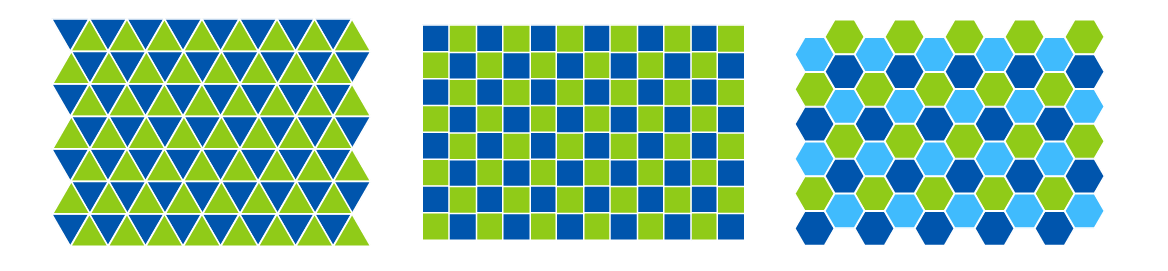
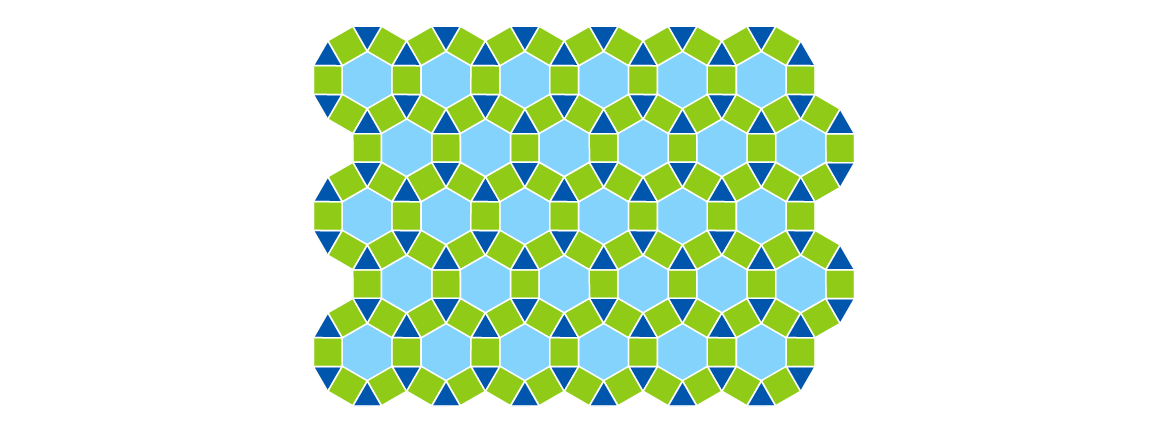
The historical link between mathematics and architecture is equally strong, with figures like Vitruvius and Leonardo da Vinci being both mathematicians and architects. Mathematics is crucial at every stage of architectural development, serving both practical and artistic functions. It aids in budgeting, determining dimensions, proportions, and spatial arrangements. Concepts such as geometry, symmetry, and trigonometry are employed to design structures that account for environmental factors like solar radiation and wind. Ancient architectural marvels, including temples, mosques, mausoleums, pyramids, and palaces across various civilizations, showcase the application of the Golden Ratio, Fibonacci sequence, and Pi. The Guggenheim Museum in New York City and the Notre-Dame-du-Haut Chapel in France are modern examples illustrating the continued use of these principles. Classical mathematical ideas like Tessellation, involving repetitive geometric patterns for ornamentation, and Cartesian coordinate systems, which provide a framework for organizing space and describing geometric relationships, are fundamental to architectural design. Fractional dimensions, preceding the decimal system, were also instrumental in crafting proportional elements in classical architecture.
In music, the connection to mathematics is evident in the physics of sound. Musical notes are vibrations with specific frequencies, mathematically described by properties such as amplitude, frequency, and wavelength. The design of string instruments, for instance, considers shape, size, and string tension and placement. The relationships between notes, intervals, and chords are understood through mathematical ratios. For example, a perfect fifth interval, like between C and G notes, involves a frequency ratio of 1.5 times the lower note, producing a harmonious sound. Composers like Bach, Mozart, and Beethoven reportedly incorporated the Golden Ratio into their works, subtly influencing musical arrangements and proportions. Notable examples include Bach's "Goldberg Variations" and Beethoven's "Symphony No. 5," as well as modern compositions like Debussy's "Preludes" and Tool's "Lateralus." These instances demonstrate how mathematical principles enrich the aesthetic and practical dimensions of artistic and musical creation, imbuing them with both mystery and beauty.
#ArtAndMathematics #GoldenRatio #PerspectiveInArt #ArchitecturalMathematics #MusicalProportions #AlgorithmicArt #SymmetryInDesign #FibonacciSequence #ArtAndMathematics #GoldenRatio #PerspectiveInArt #ArchitecturalMathematics #MusicalProportions #AlgorithmicArt #SymmetryInDesign #FibonacciSequence
0 comment in total
 No comments yet
You may also like
Home & Design | Art + Soul
How to Hang an Art Collection Like an Expert
How to transform your home with art
Patterns on Repeat (Published 2014)

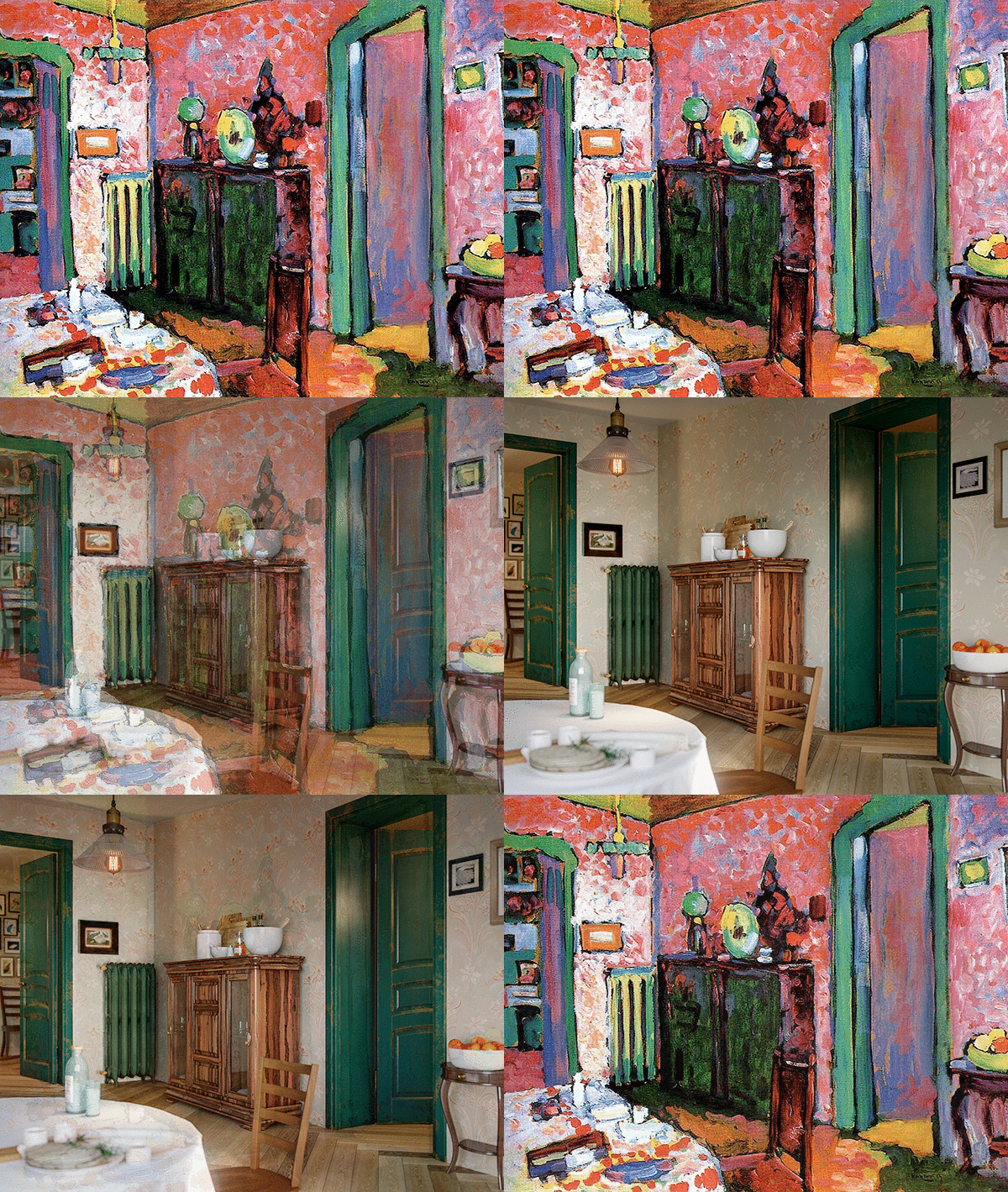
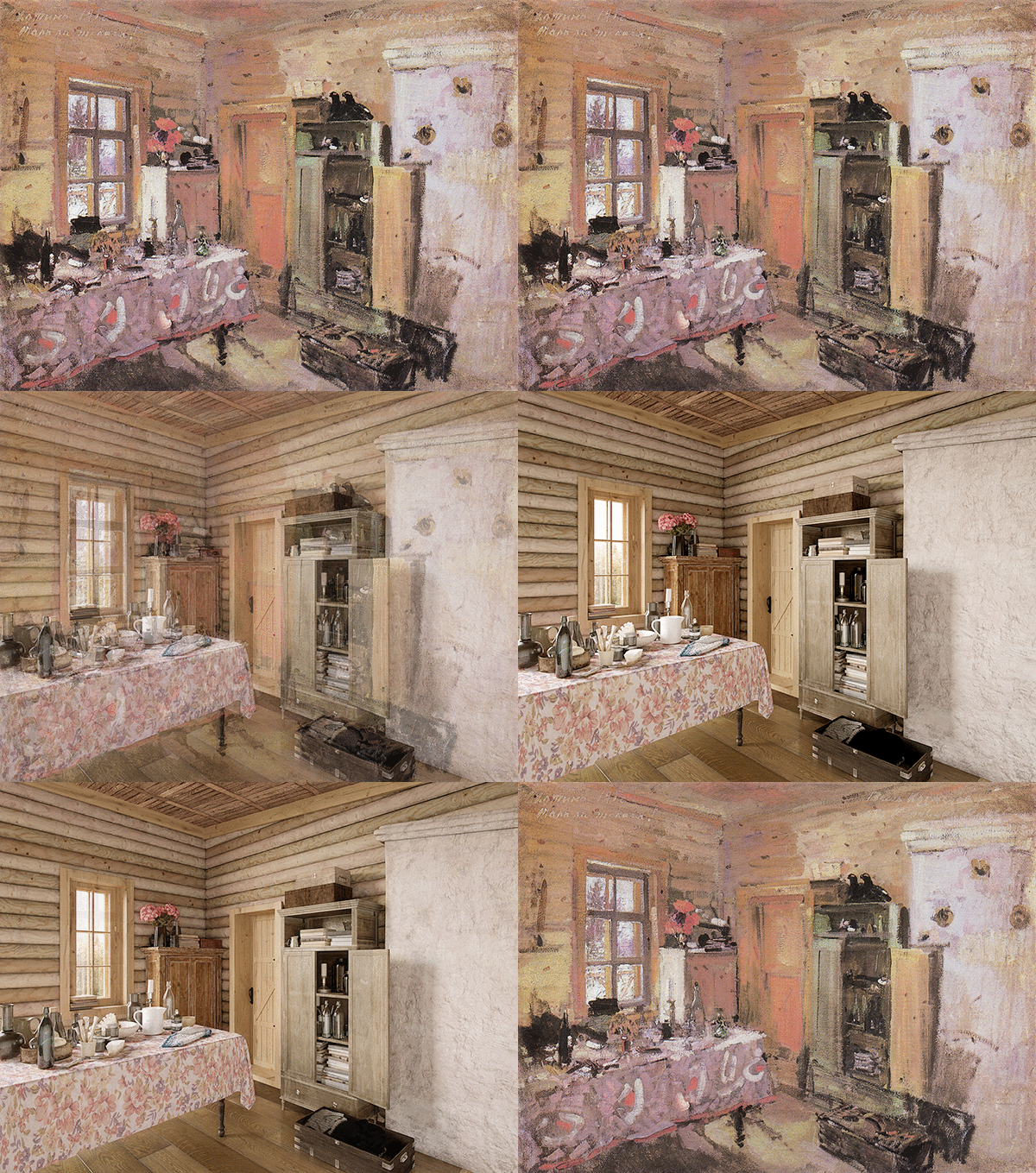
What the Rooms from 6 Famous Paintings Would Look Like Today

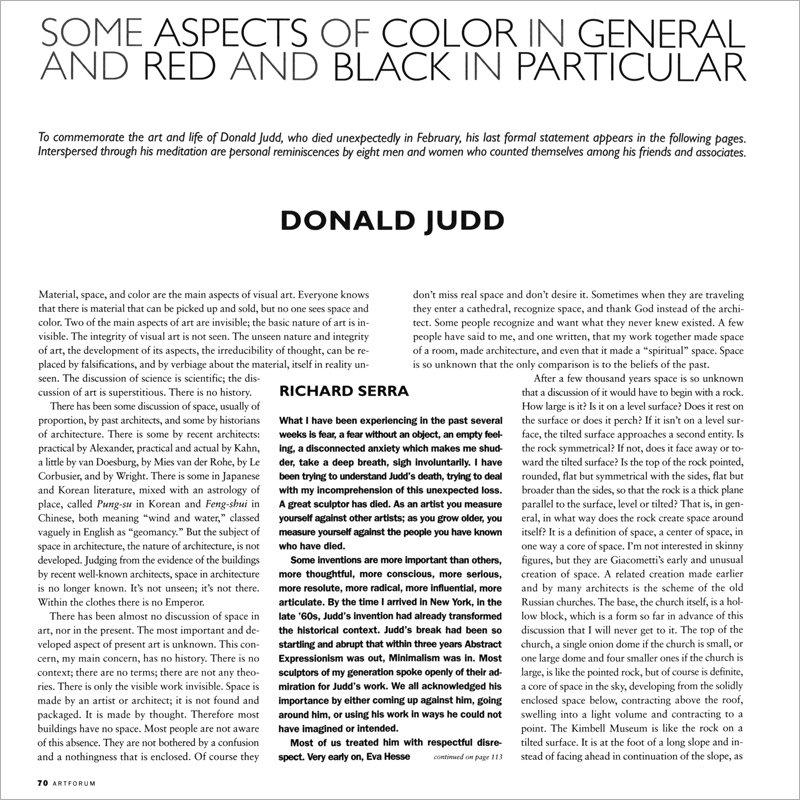
SOME ASPECTS OF COLOR IN GENERAL AND RED AND BLACK IN PARTICULAR

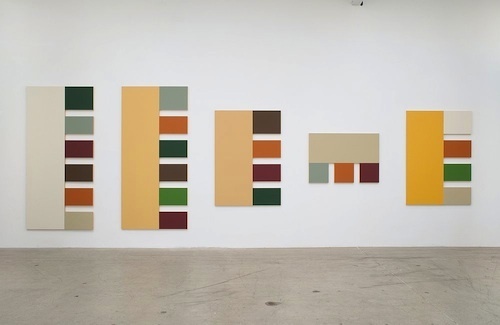
Morgan Fisher

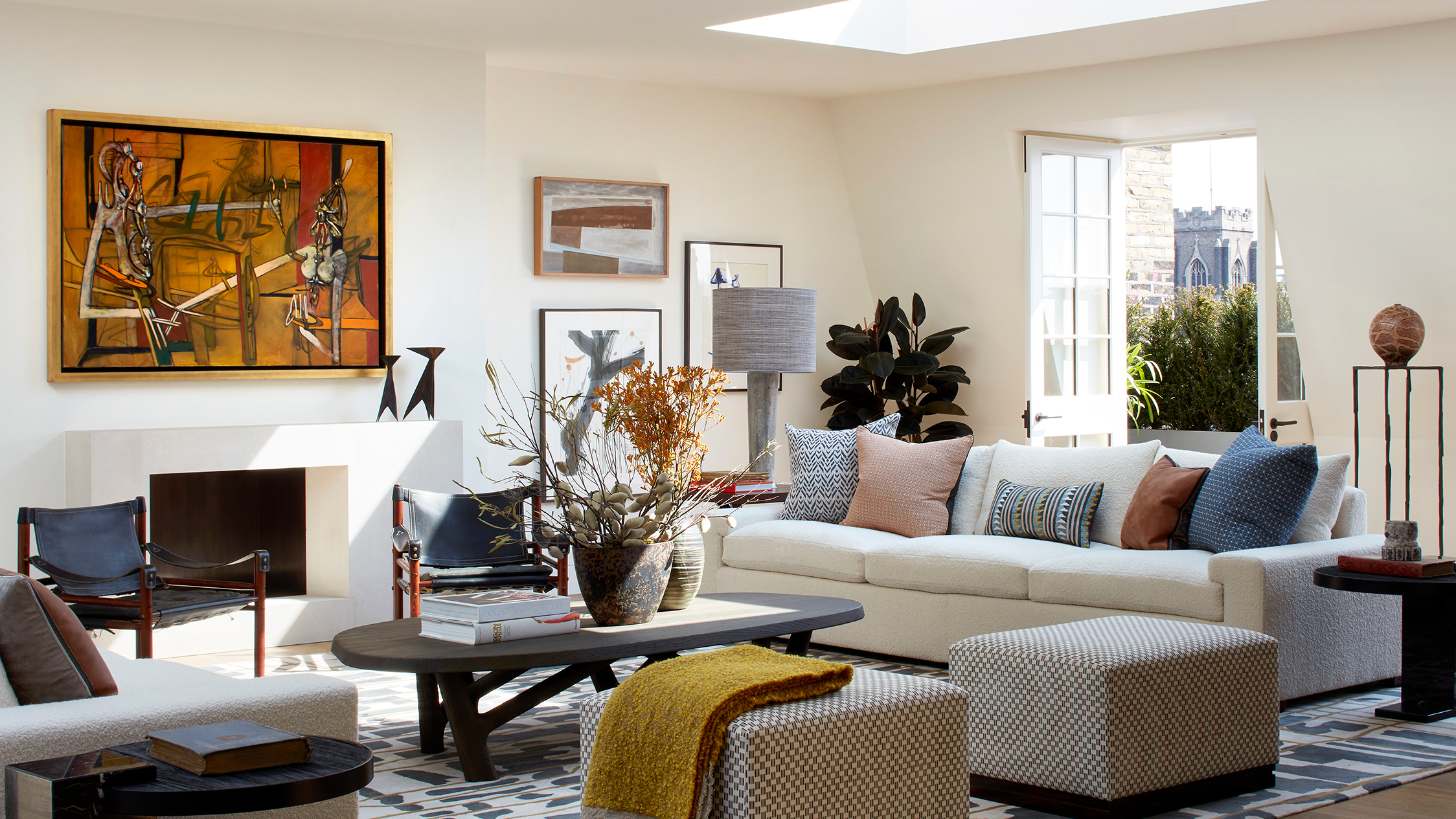
'Your art should be in conversation with each other' – how to coordinate wall decor in a room for a curated display

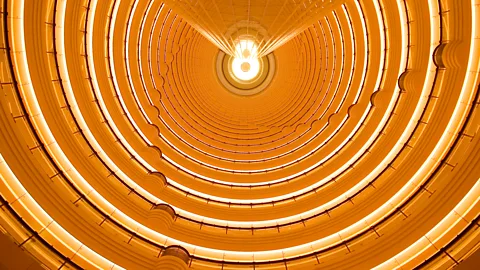
The ancient enigma that still resonates today

Painters Debra and Randy Brienen keep learning 'Side by Side'

A Brief History of Tricky Mathematical Tiling

A geometric pattern rises up in space as seen from a certain point Cheek art
A Work of Art

OBSESSED: Everything We Can't Stop Talking About This Week
Peek inside these artists’ amazing houses
How to hang paintings: Everything you need to know
The Post-Materialist | A Pattern’s Math Magic

I’m at the hot tub. I’m at the art installation. I’m at the combination hot tub-art installation

Curating art for the home is an art in itself


Designer Basma Medhat.. Pioneer of Egyptian Fluid Art