1/16
15 Vertical Garden Ideas, From Living Walls to Botanical Libraries
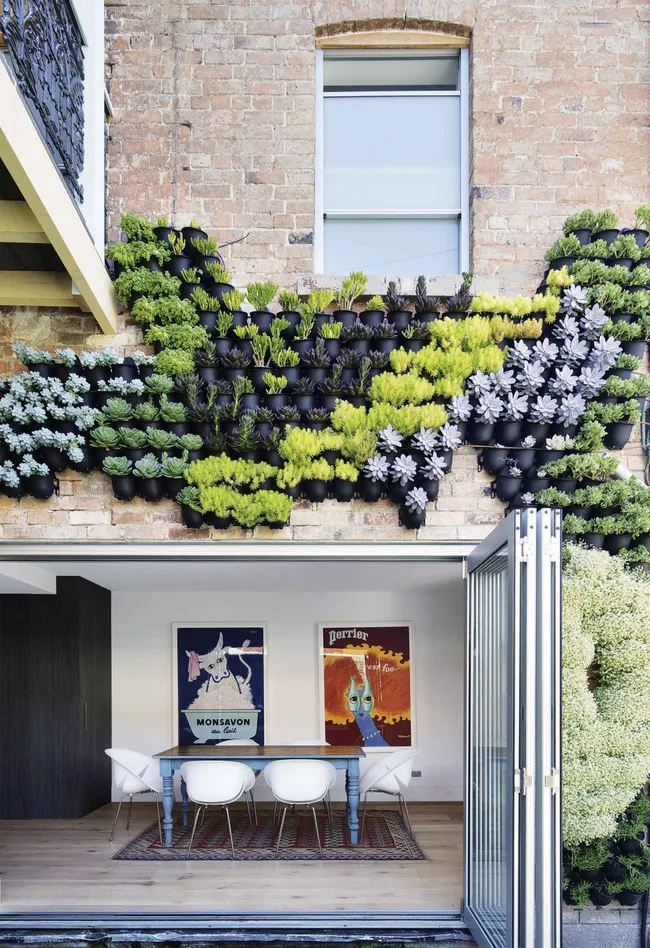
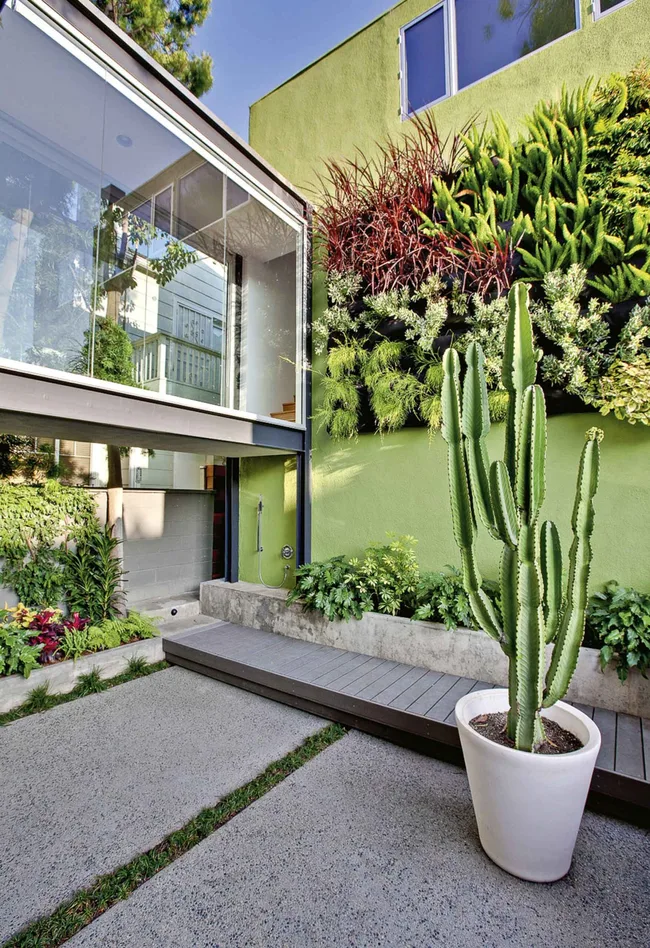
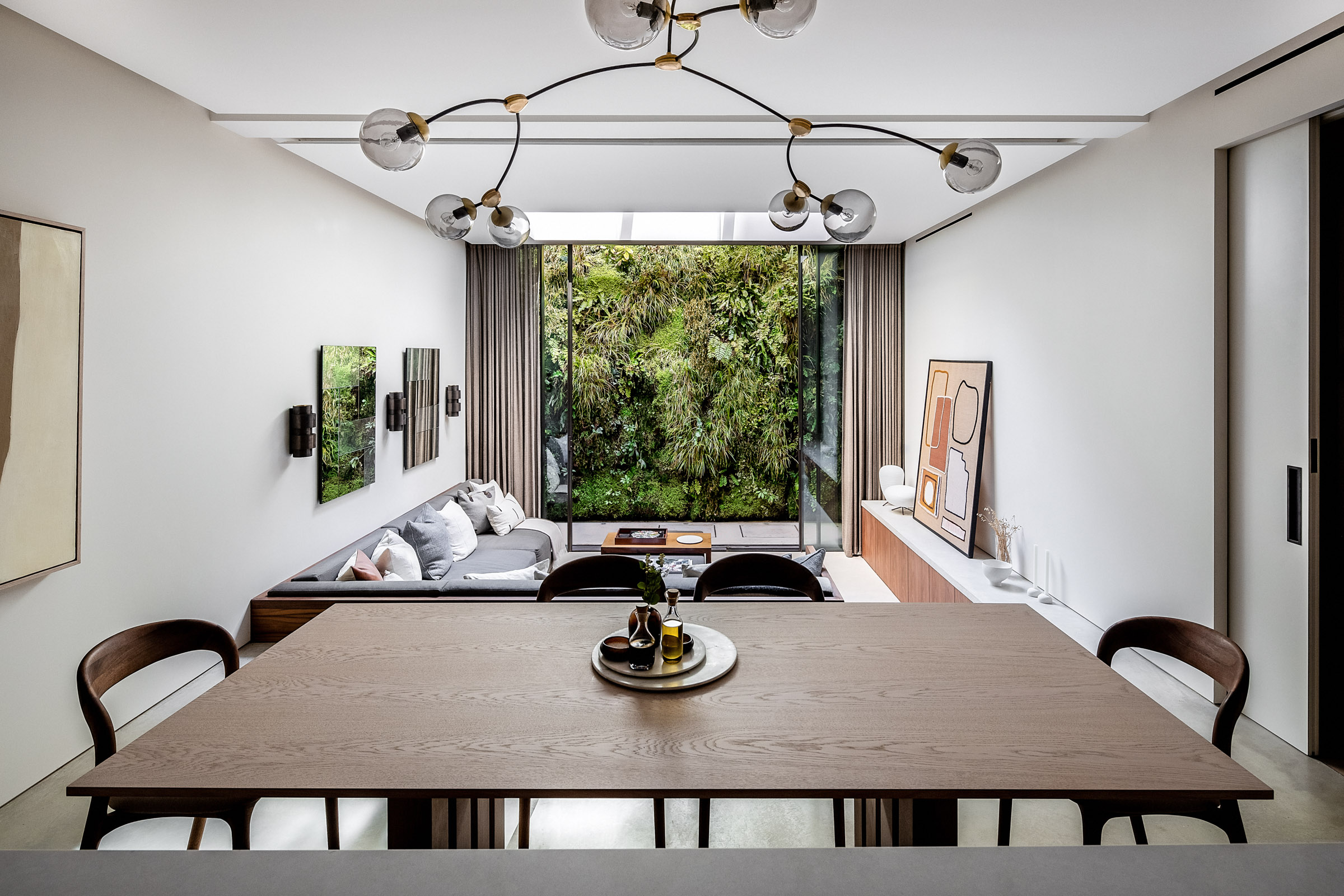
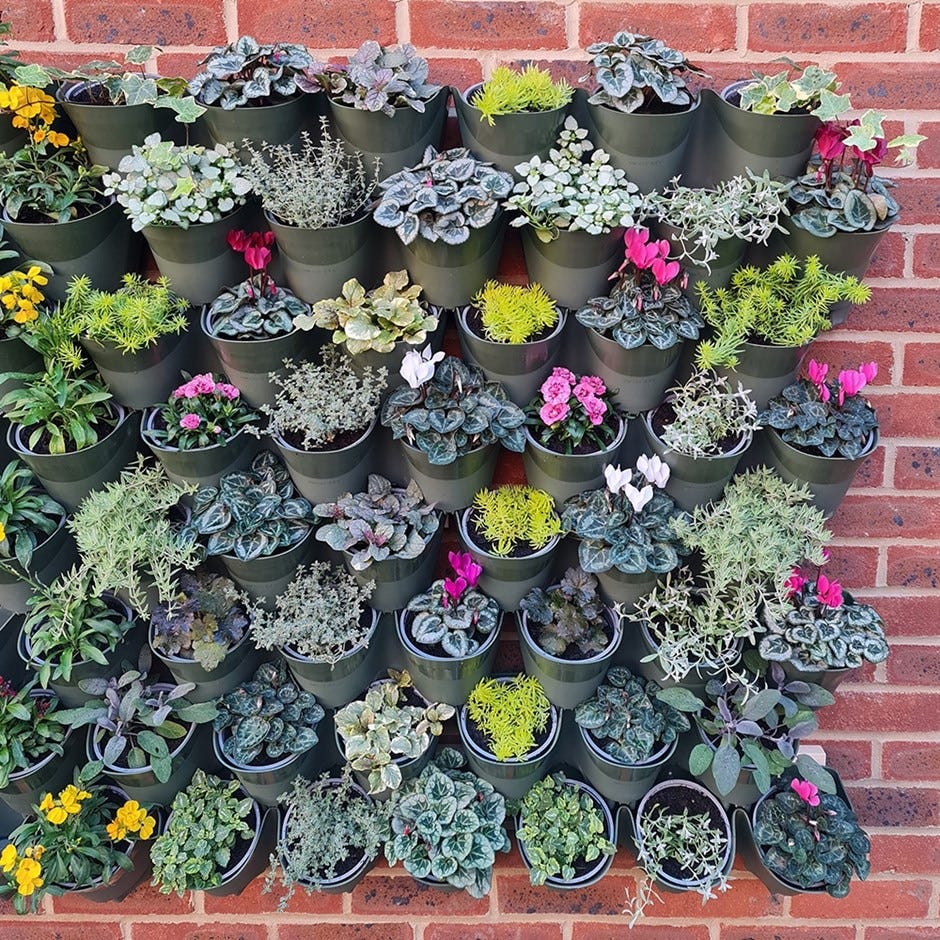
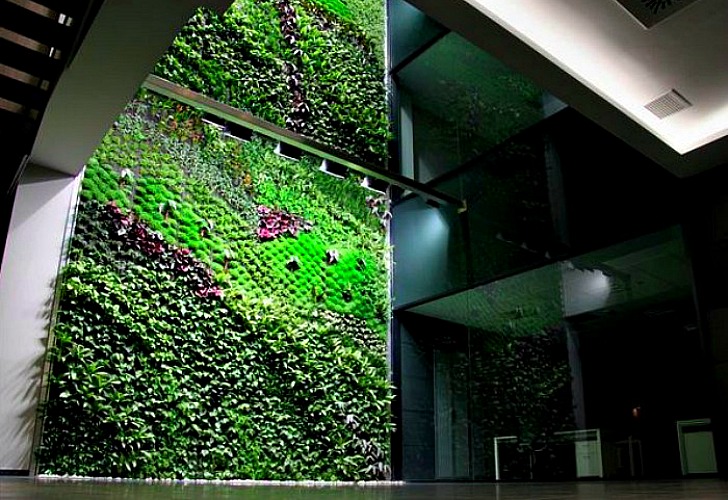
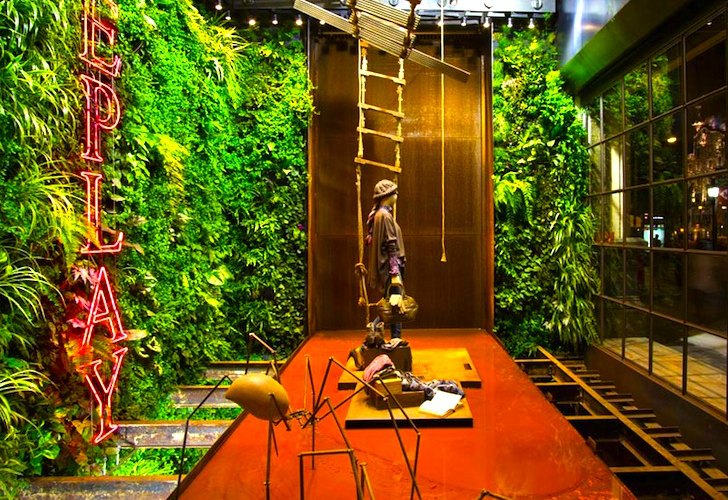
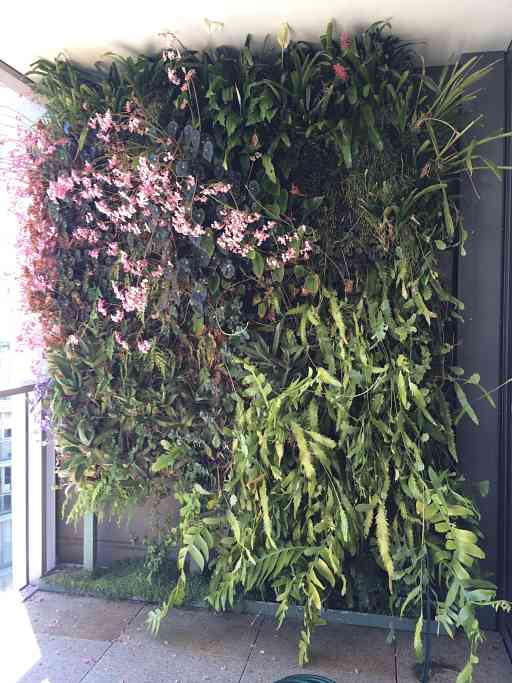
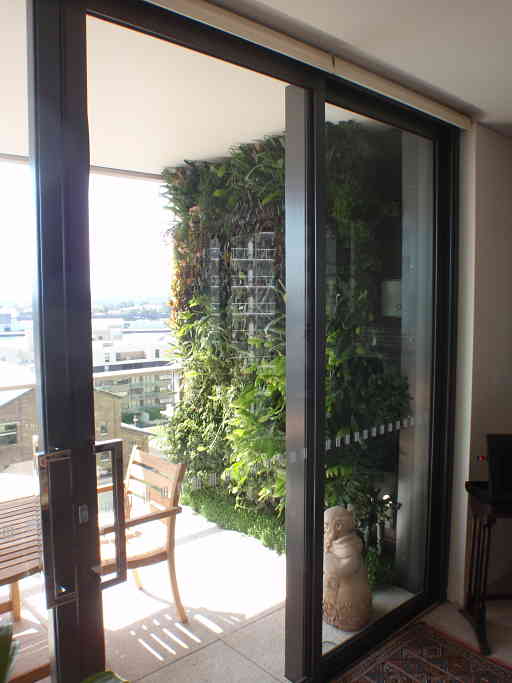
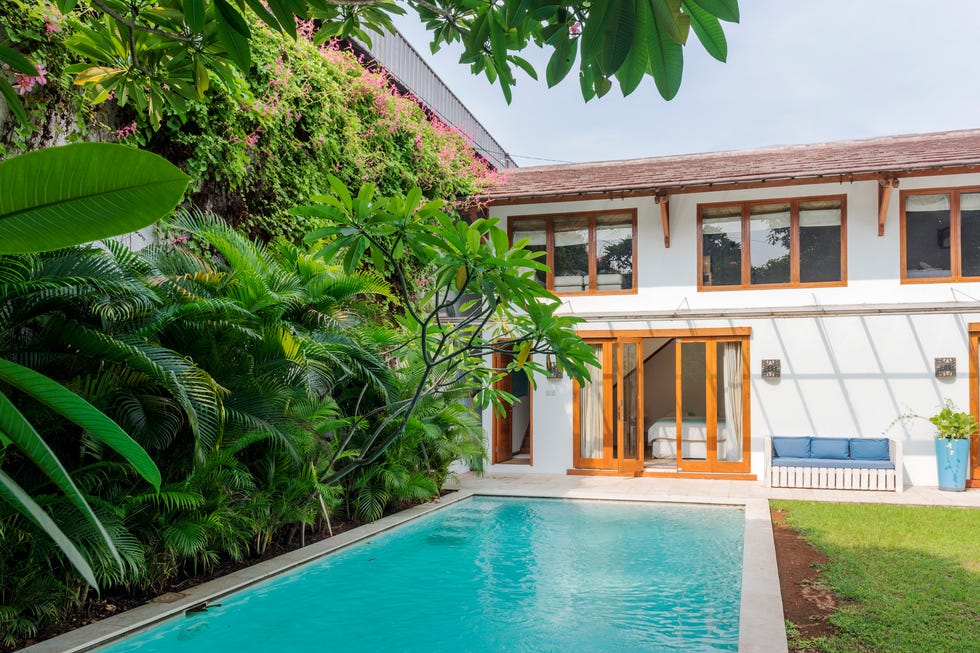
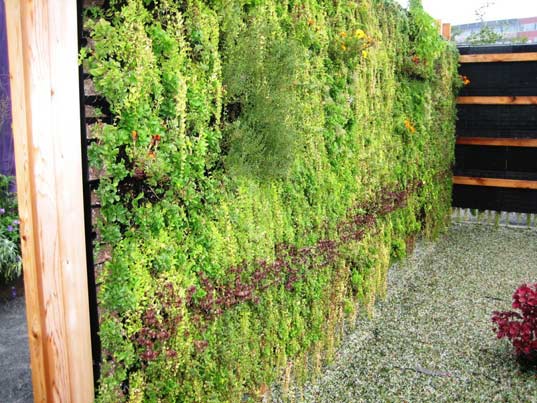
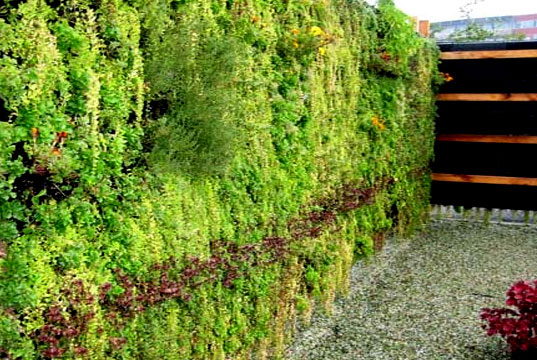
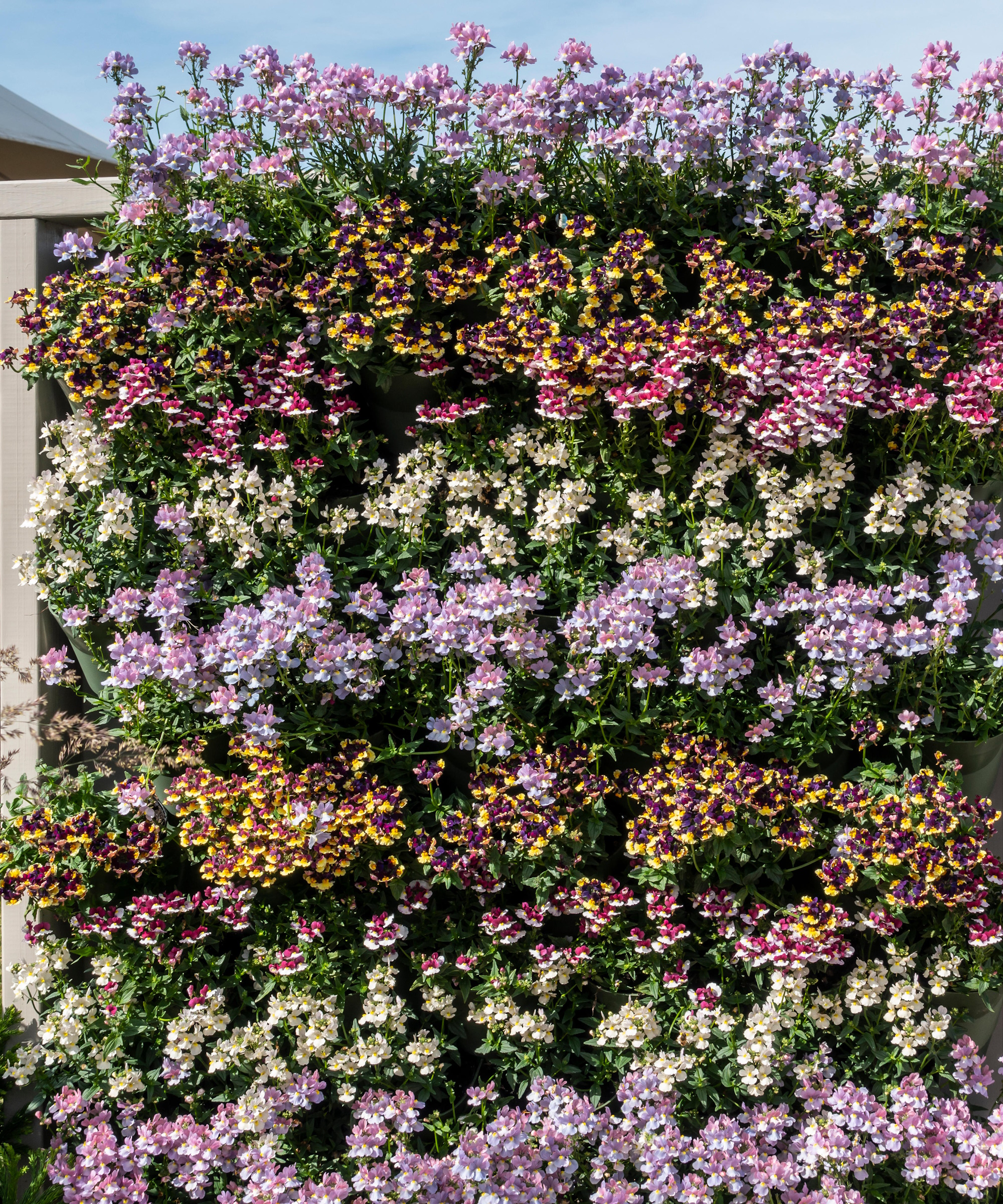
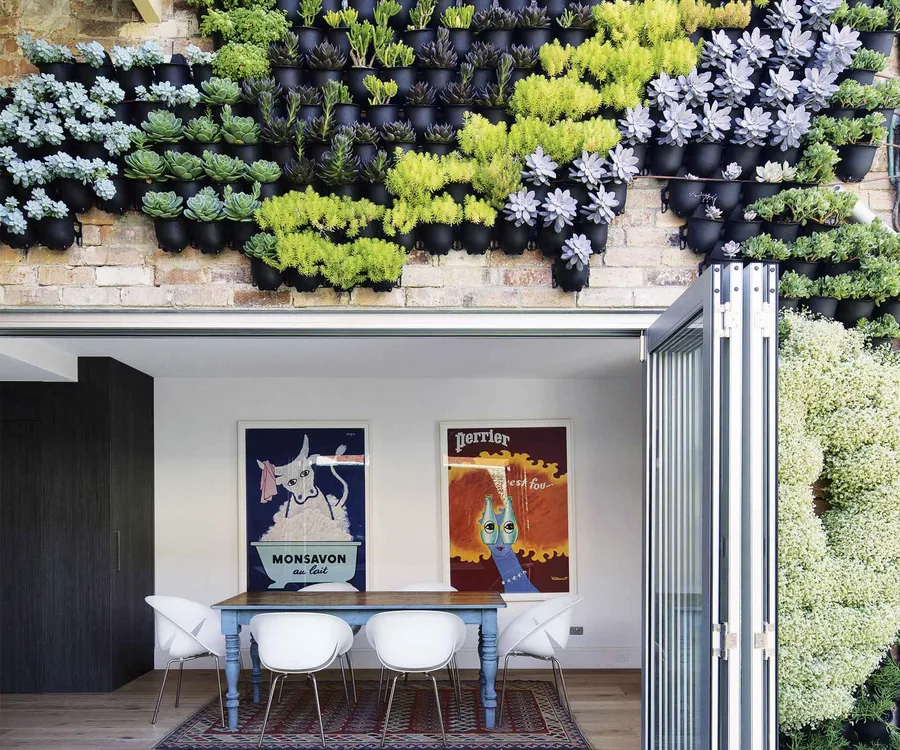
Vertical gardens offer significant benefits for both physical and mental well-being. Research indicates that living walls, particularly those with air-purifying plants in office settings, can improve workers' skin quality and boost immune systems. Furthermore, the presence of plants has a calming effect, leading to their common integration into spaces designed for relaxation, such as meditation studios and spas. From a design standpoint, vertical gardens are highly advantageous for optimizing small spaces, especially in urban environments. They can provide shade and privacy, introduce vibrant color and volume, and either soften or accentuate architectural features. The versatility of vertical gardens allows for their implementation in various settings, addressing both aesthetic and practical needs.
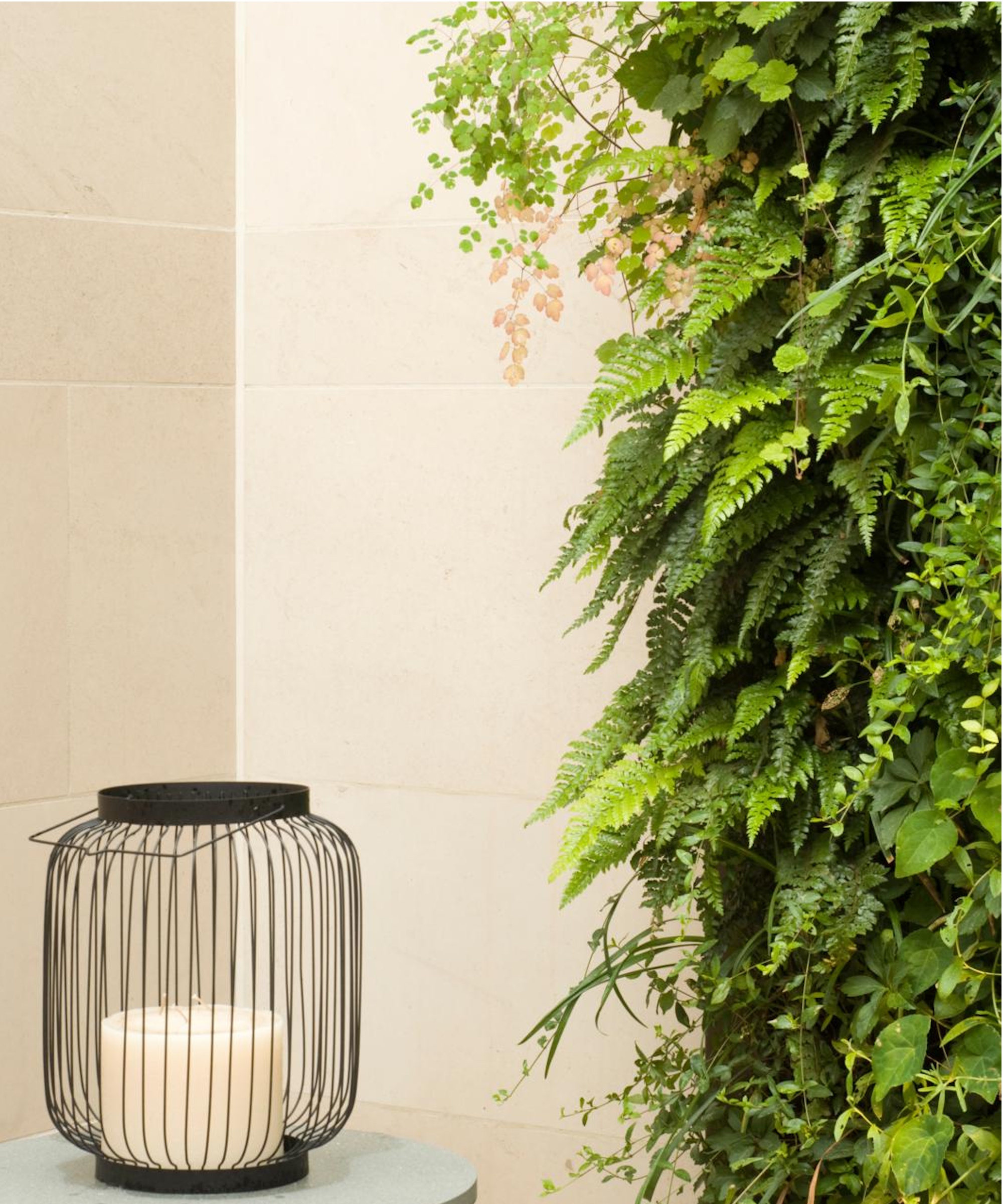
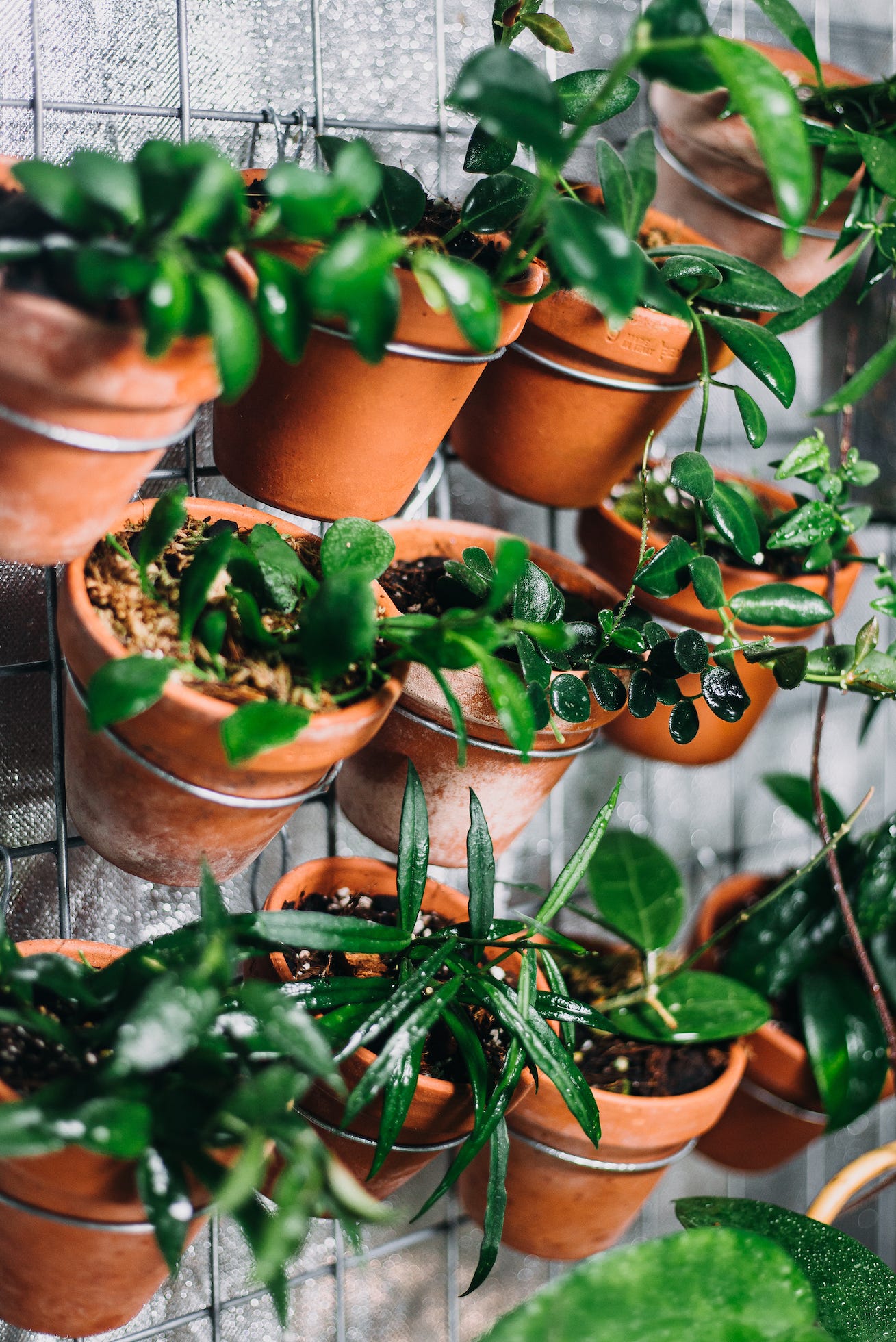
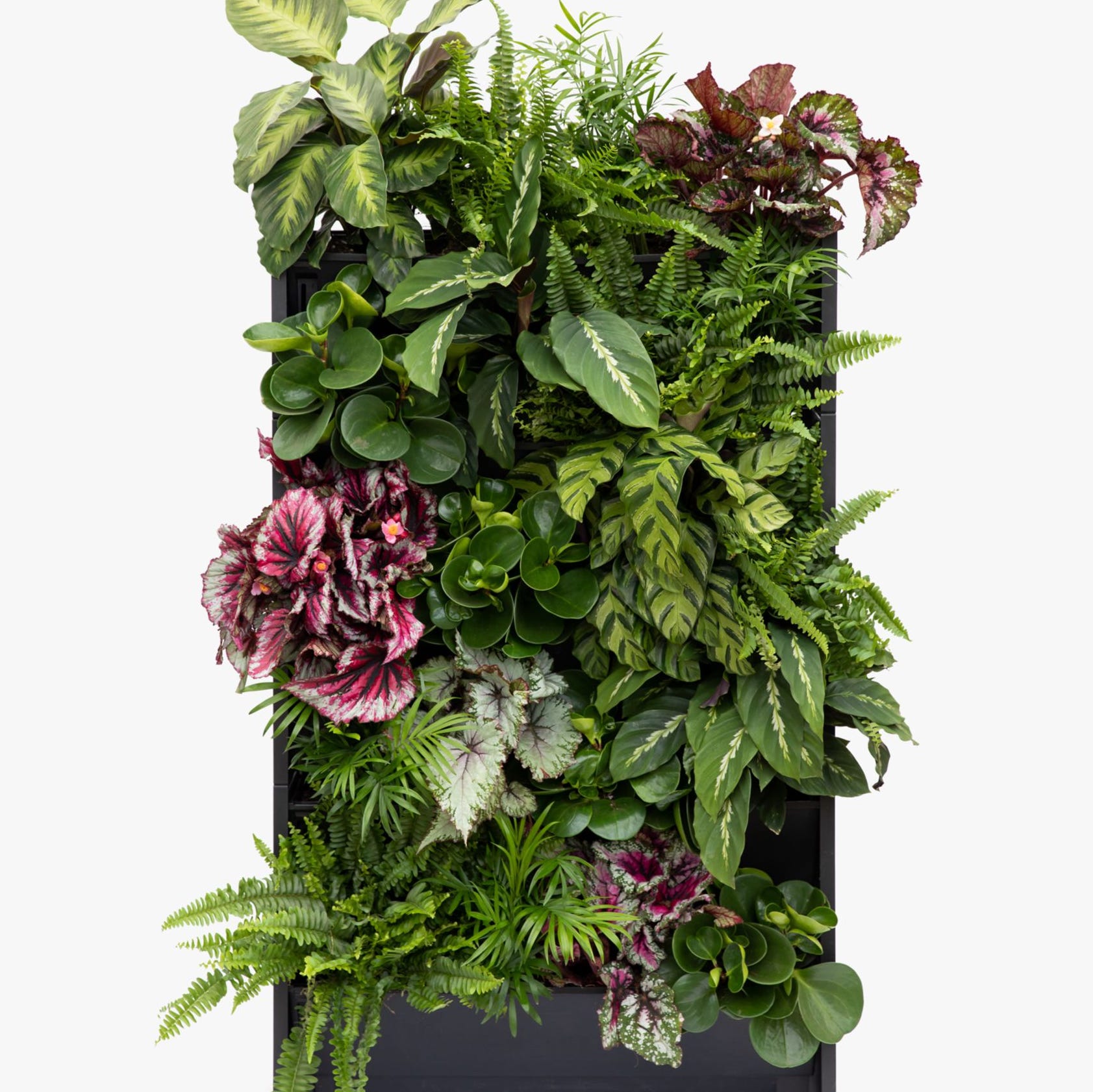
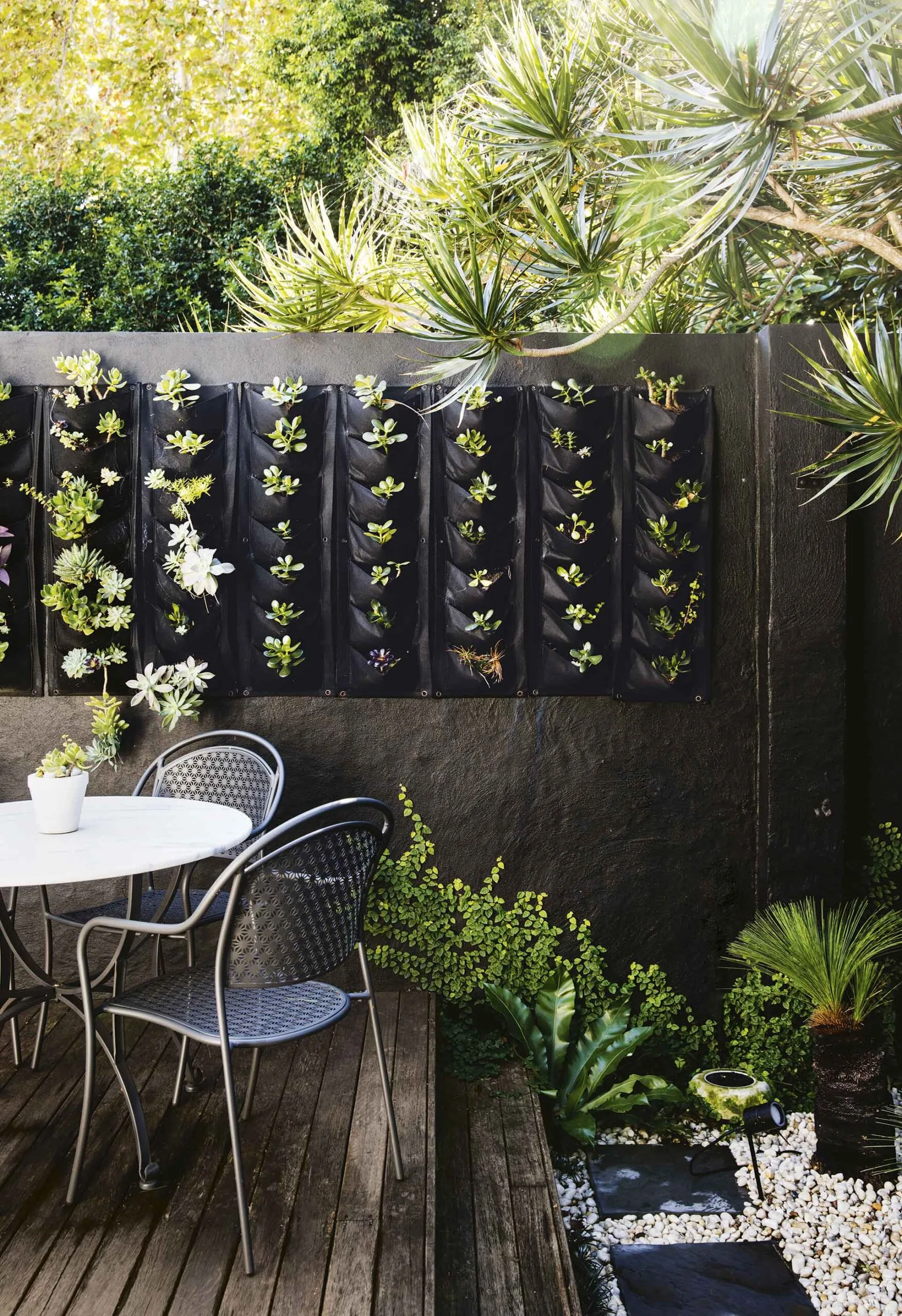
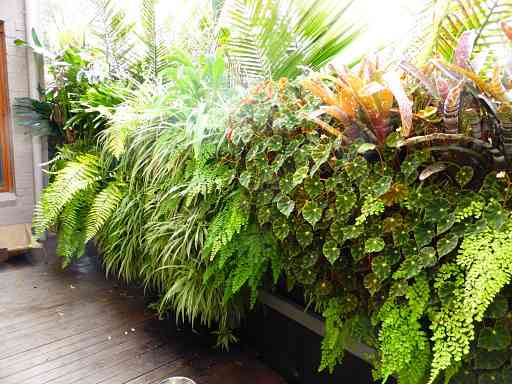
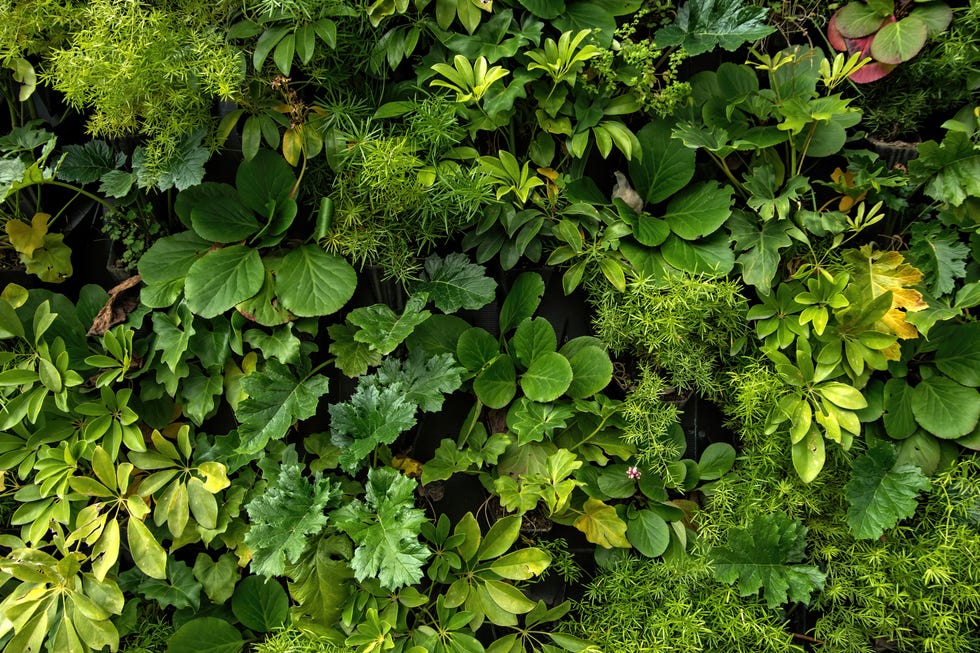
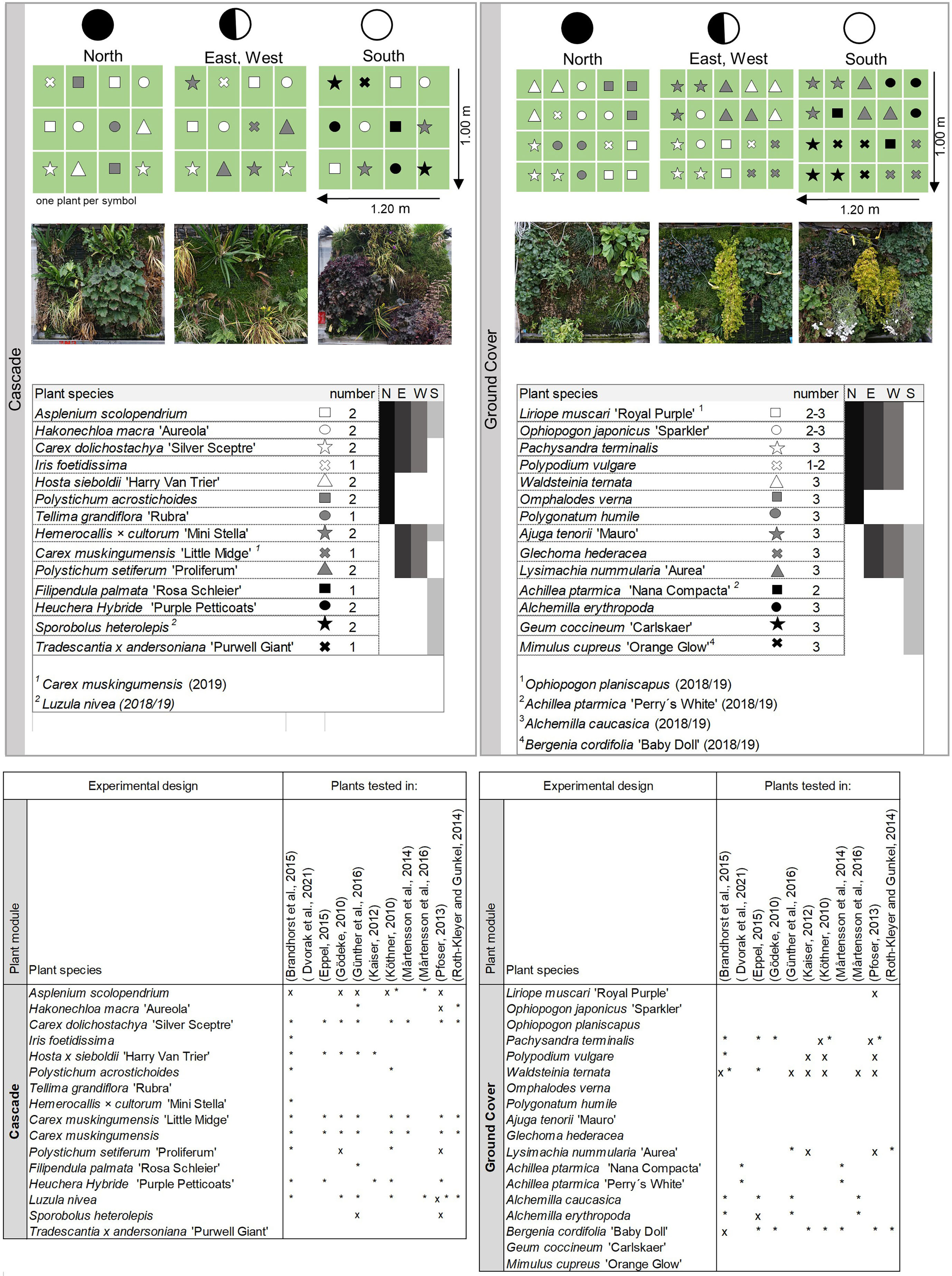
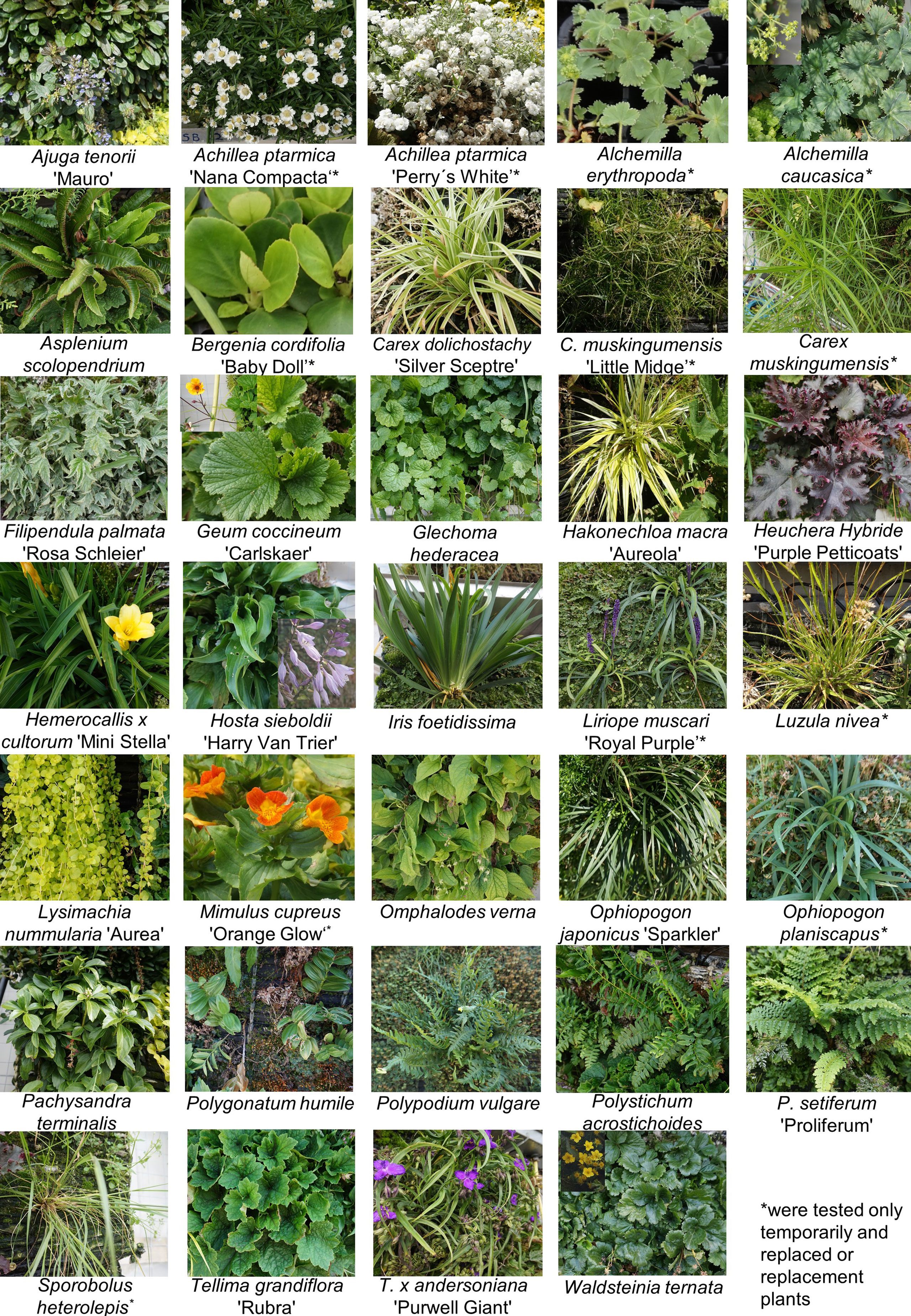
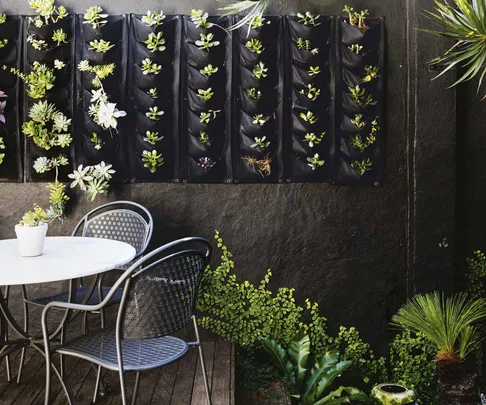
When selecting plants for a vertical garden, the principle of 'right plant, right place' is paramount, emphasizing consideration of factors such as microclimate, light exposure, moisture levels, soil composition, and wind conditions. For outdoor vertical gardens, vines and trailing plants are frequently chosen, with options ranging from common ivy to climbing roses, jasmine, morning glory, black-eyed Susan vine, moonflower, and clematis. Indoor vertical gardens often feature succulents and moss for living walls, while hanging planters benefit from English ivy, Boston fern, pothos, and philodendron. For plants arranged on shelving, monstera, peace lily, anthurium, and aloe vera are robust choices suitable even for gardening novices.
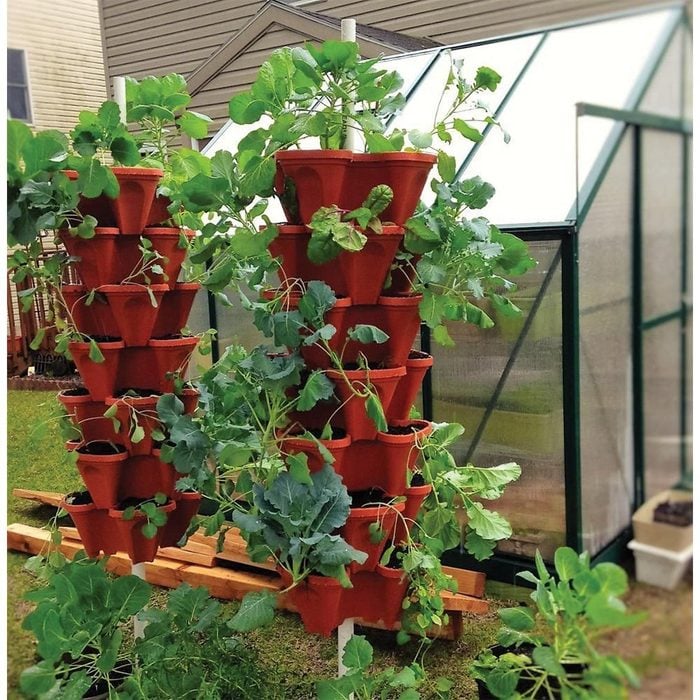
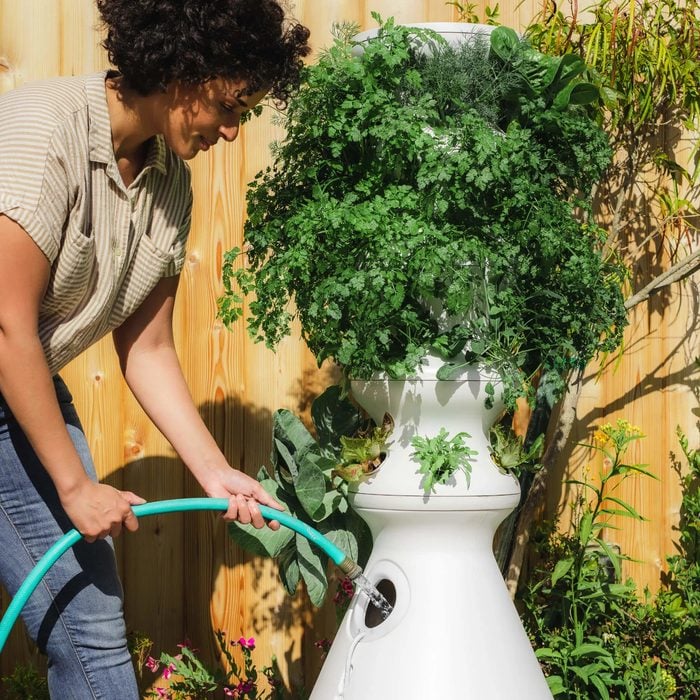
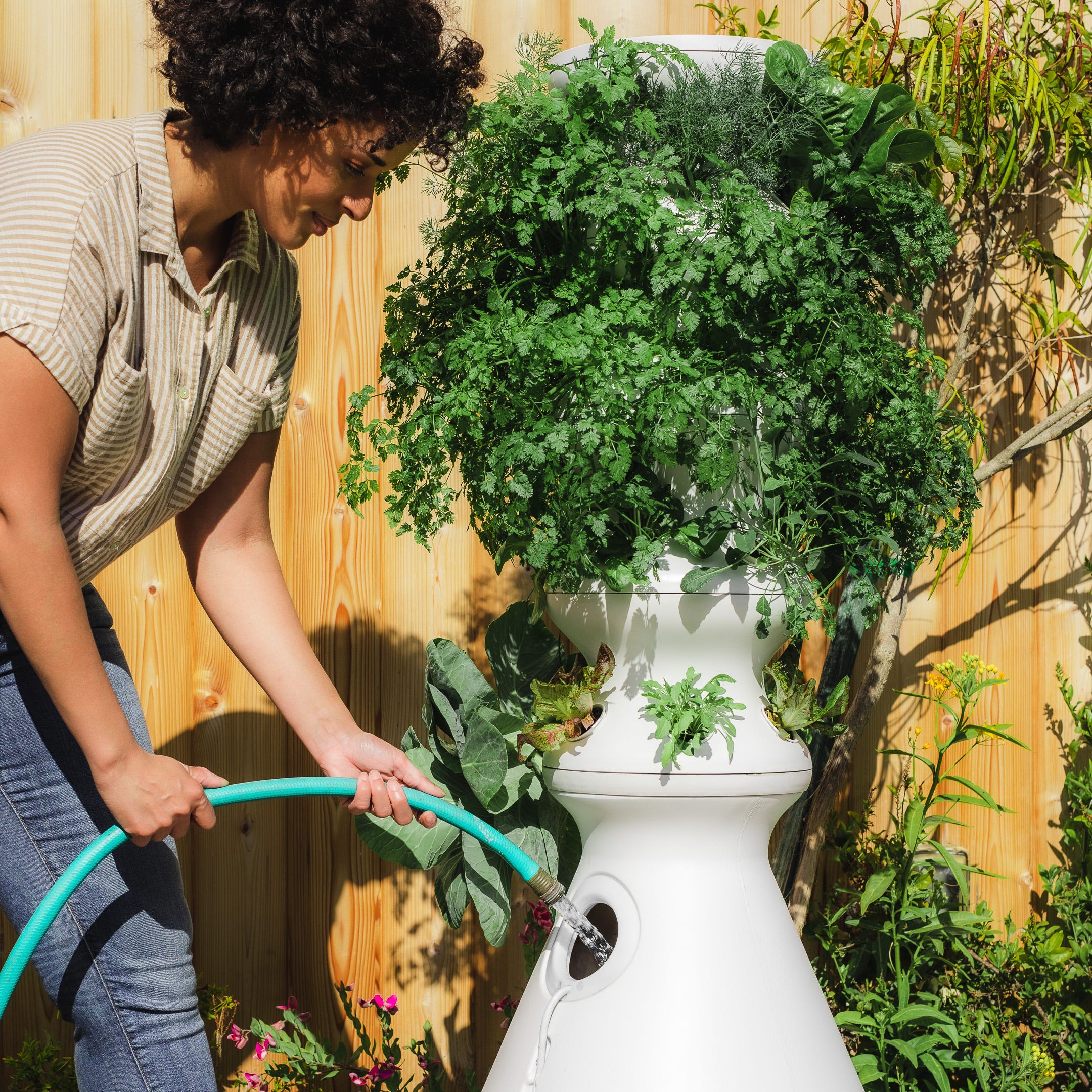
Vertical gardening extends to edible plants, allowing for high-yield vegetable production in limited spaces. This method improves air circulation around plants, which can reduce the need for pesticides and fungicides. Recommended climbing varieties include pole beans, peas, cucumbers, tomatoes, and specific types of squash, provided that sturdy supports are in place to bear the weight of mature plants. Indoors, hydroponic garden towers are a popular trend, enabling the cultivation of herbs, lettuce, and peppers year-round.
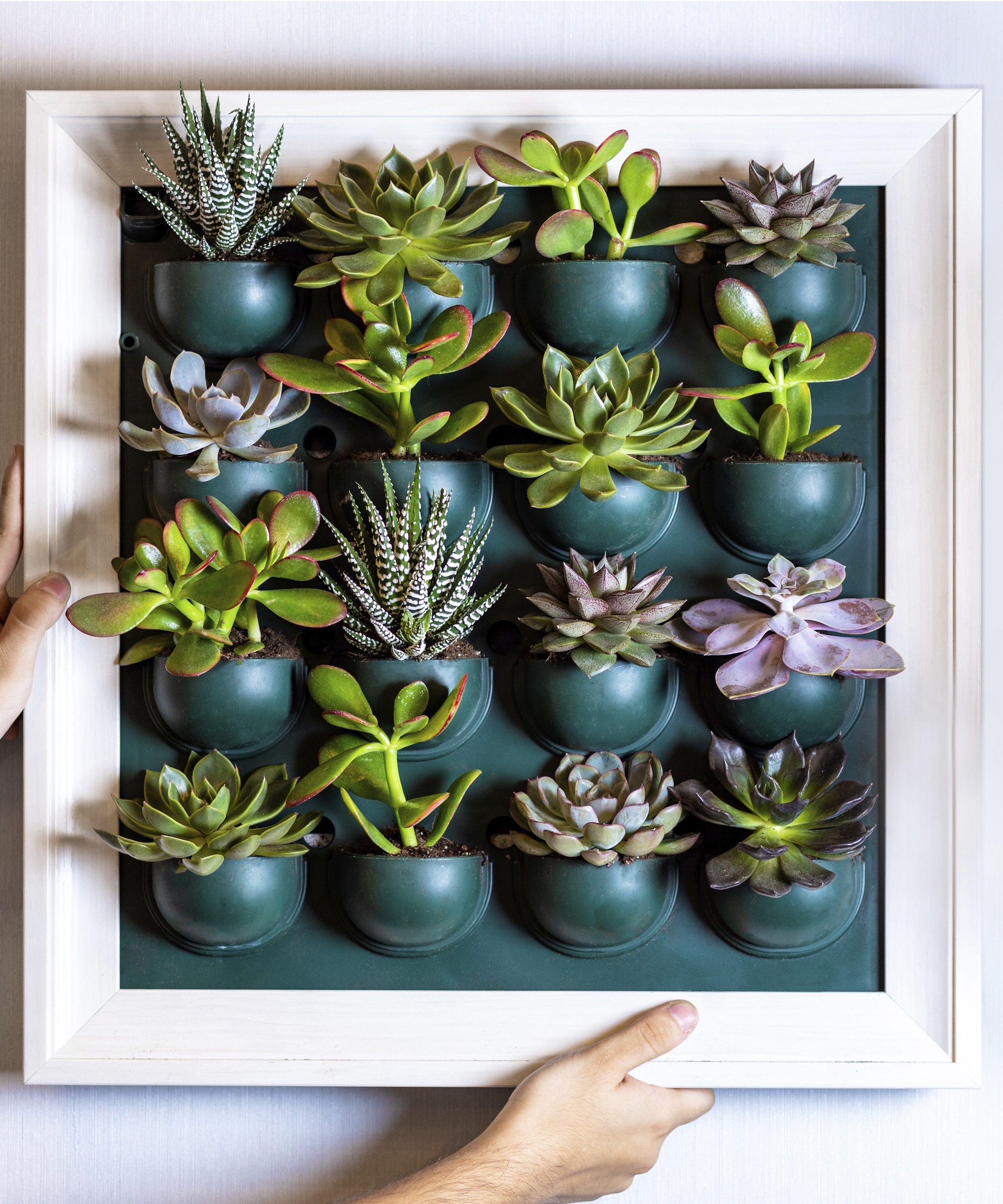
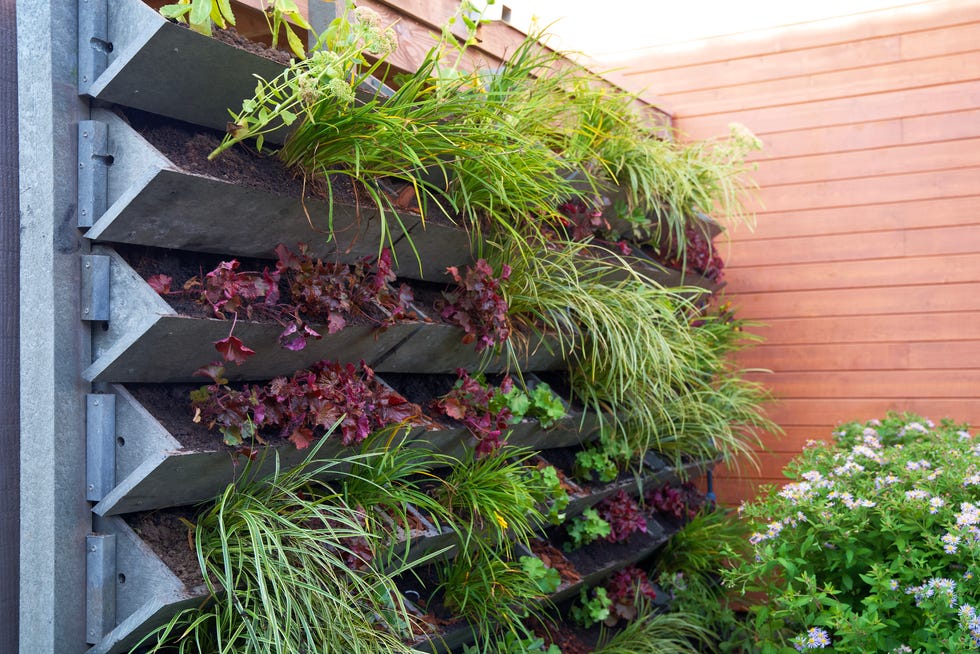
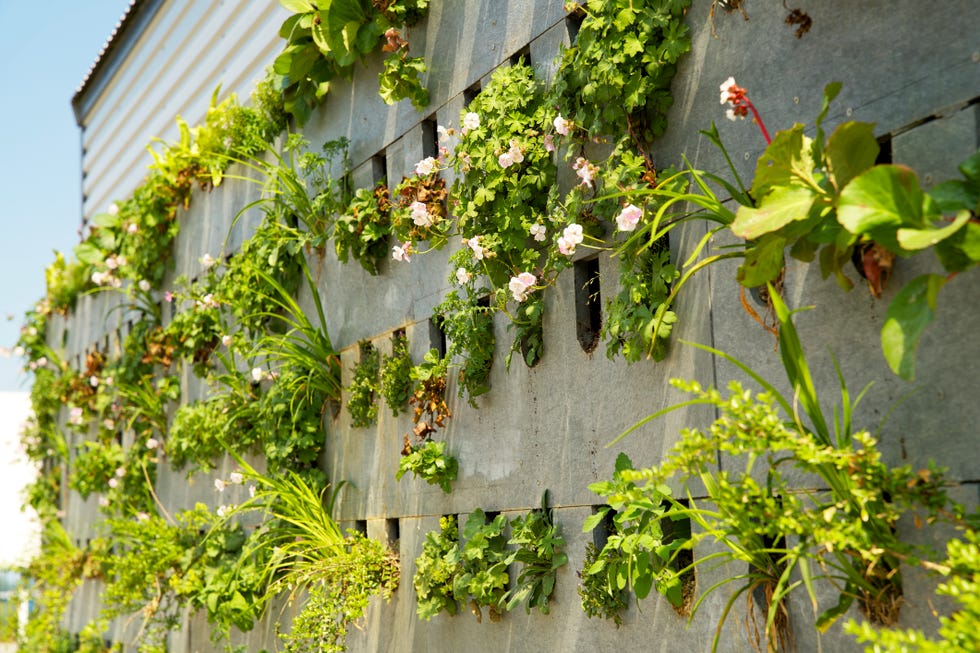
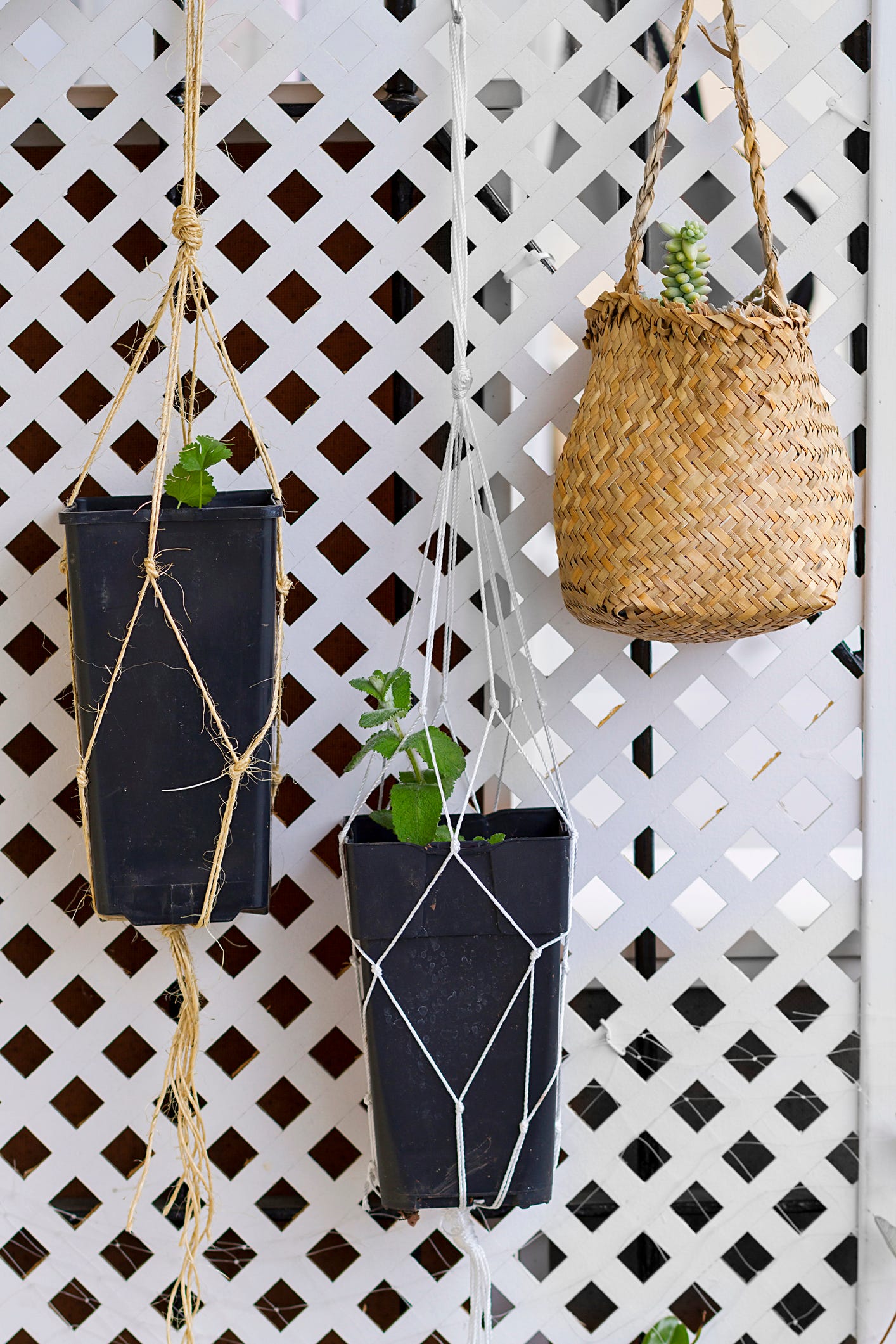
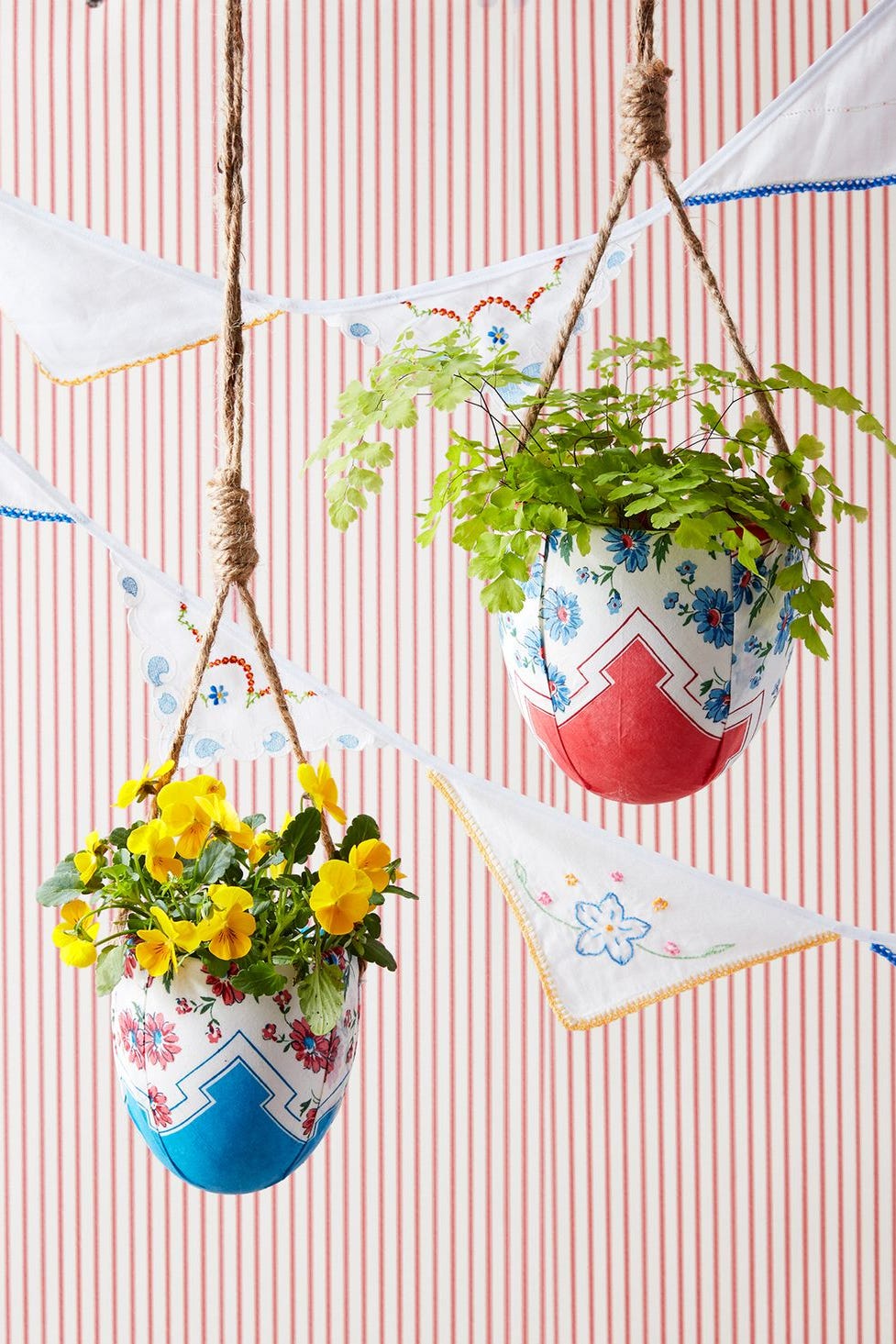
Creative DIY solutions for vertical planters involve repurposing everyday items. Old picture frames can be transformed by attaching small wooden boxes, and thrift store finds capable of holding soil can be hung. Other innovative approaches include stacking pots on stakes, utilizing repurposed pallets, or mounting gutters on walls. Proper care for vertical gardens necessitates sufficient growing media and efficient watering systems, as these gardens tend to dry out more quickly than traditional setups. Timed irrigation systems are critical for success and can be easily installed by homeowners using kits from suppliers like DripWorks.
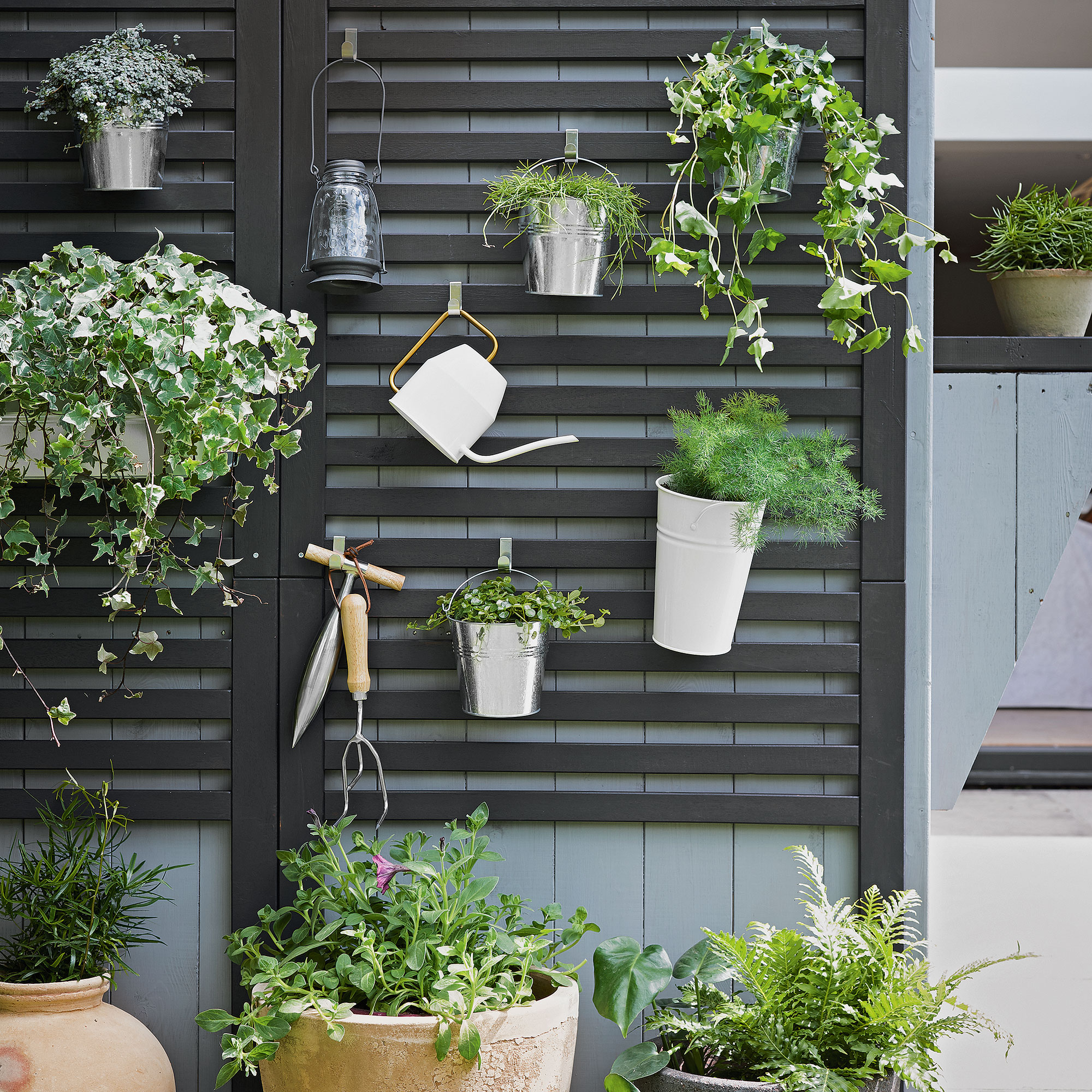
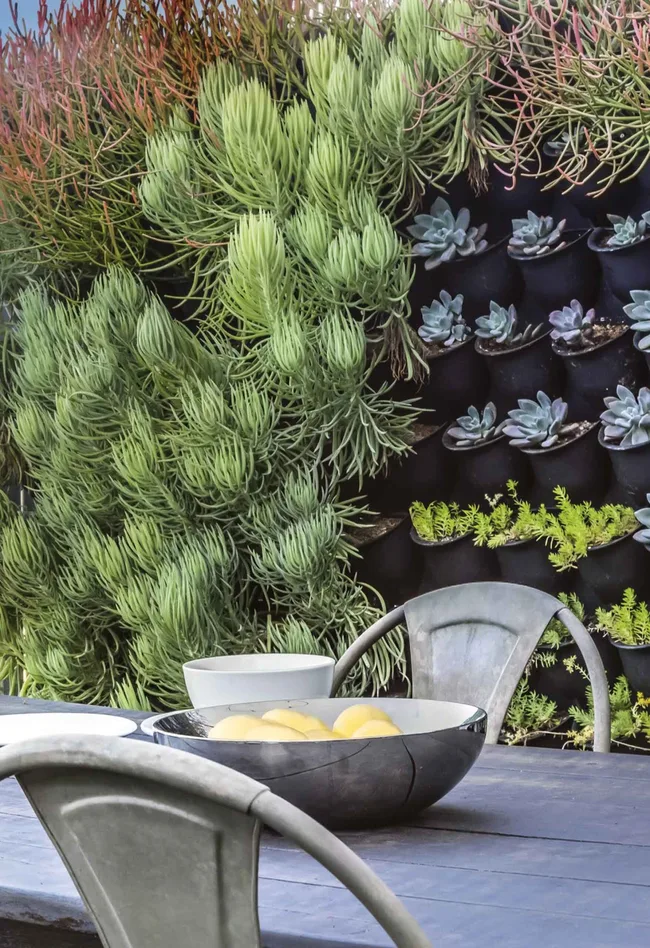
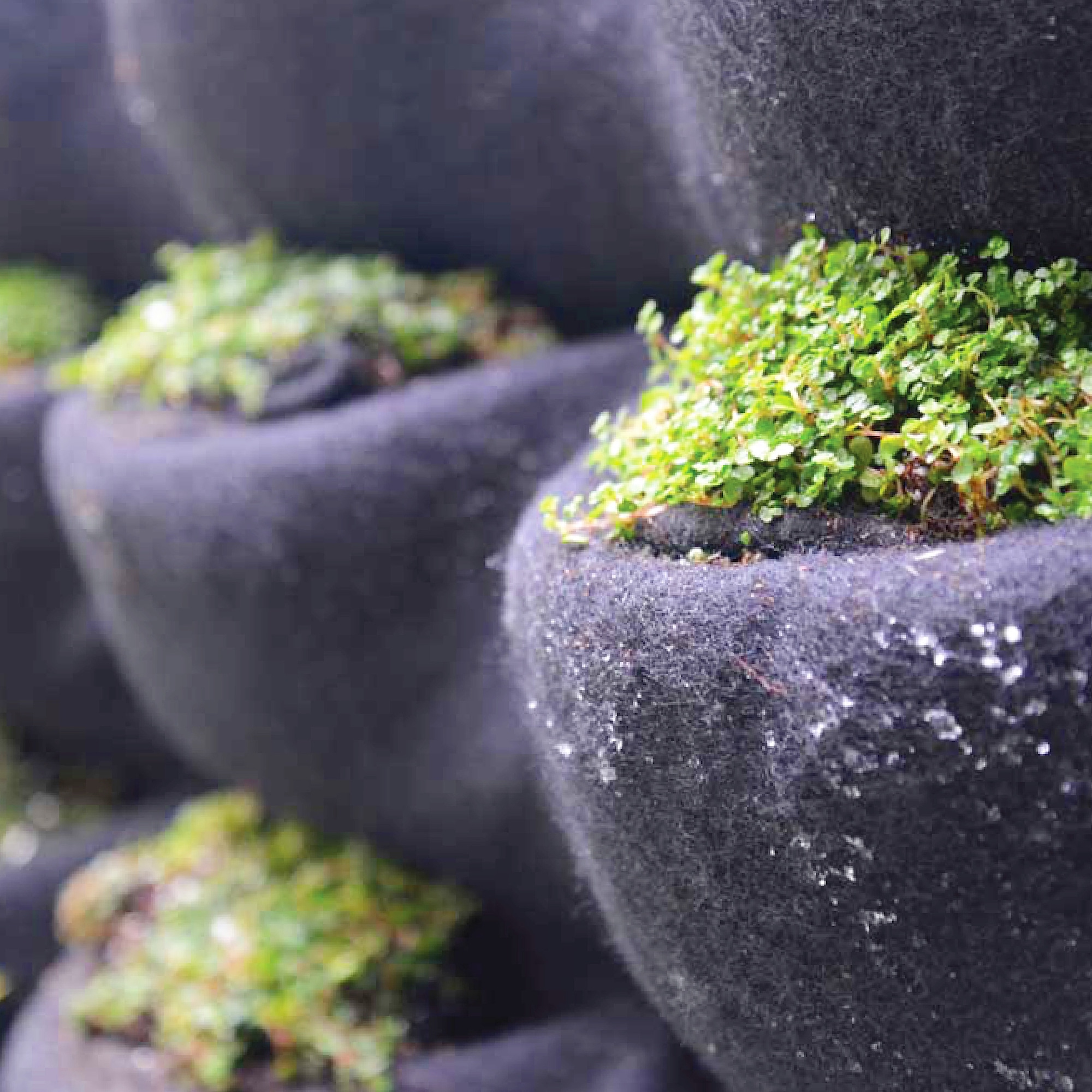
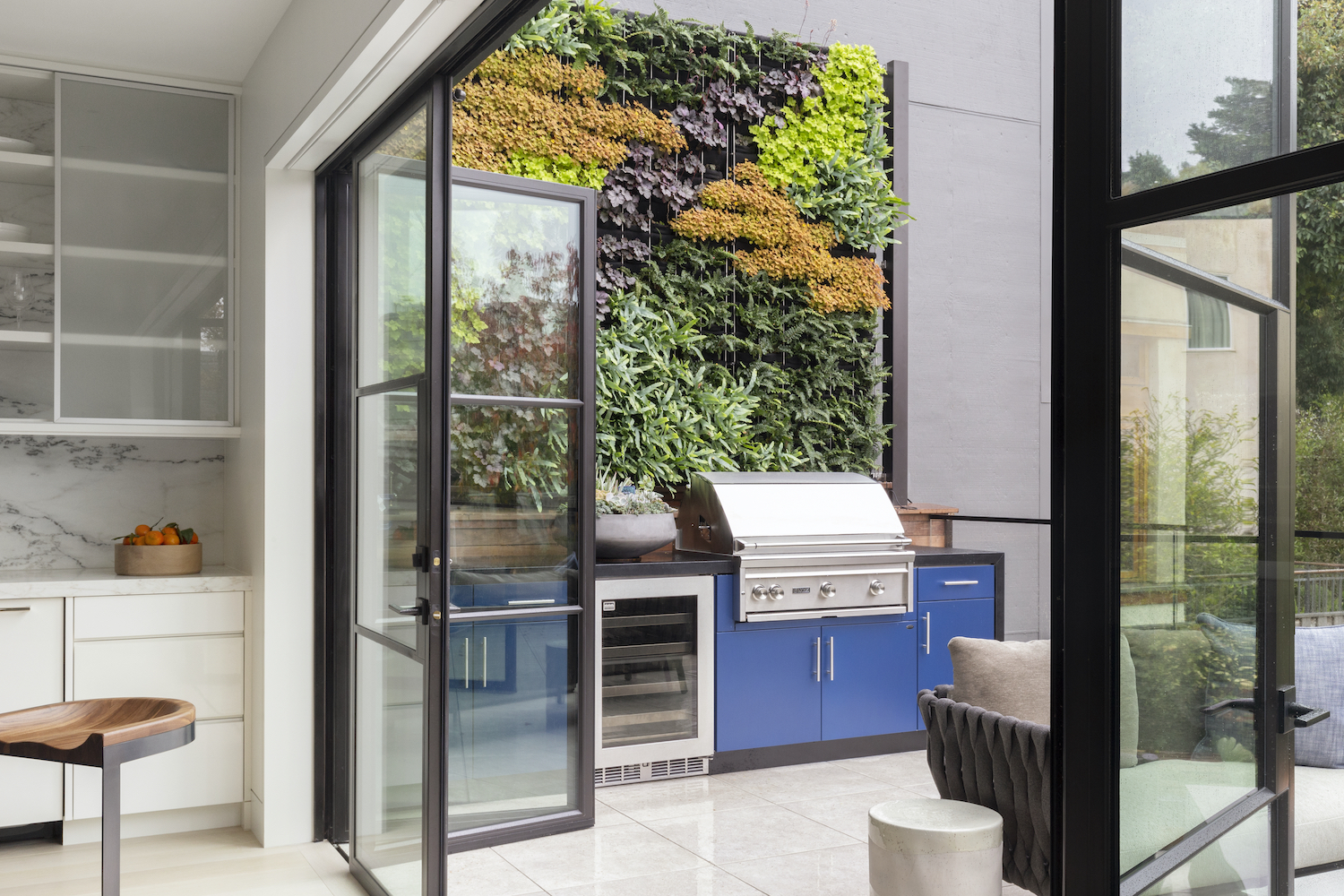
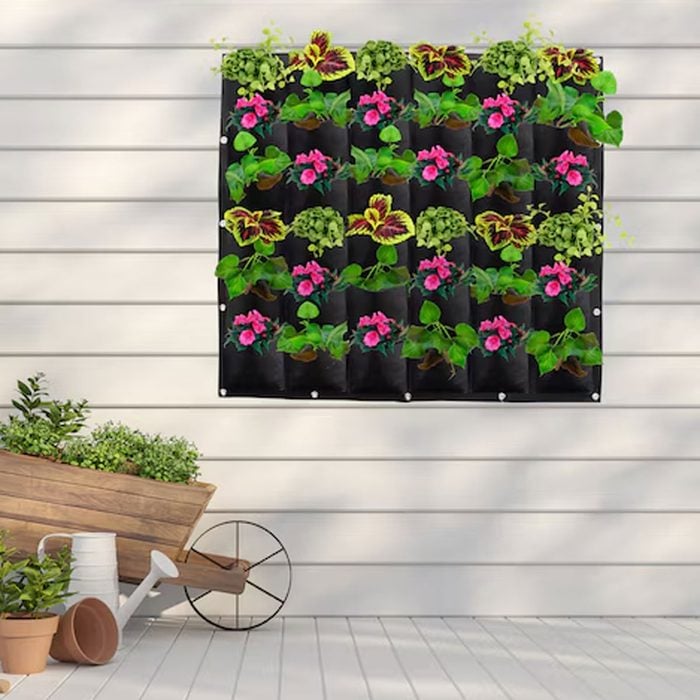
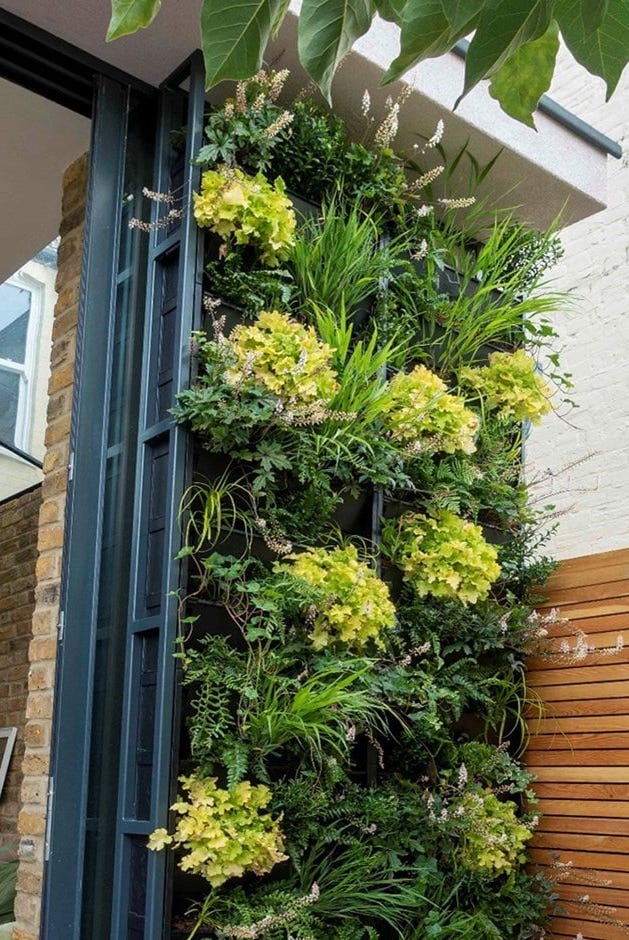
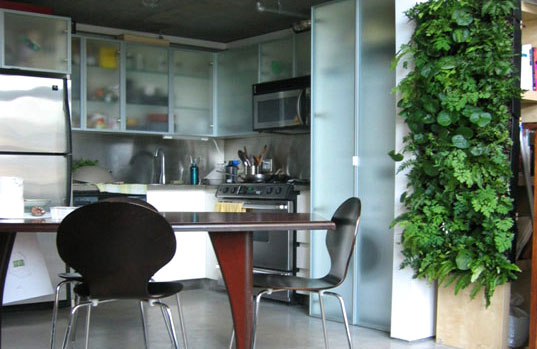
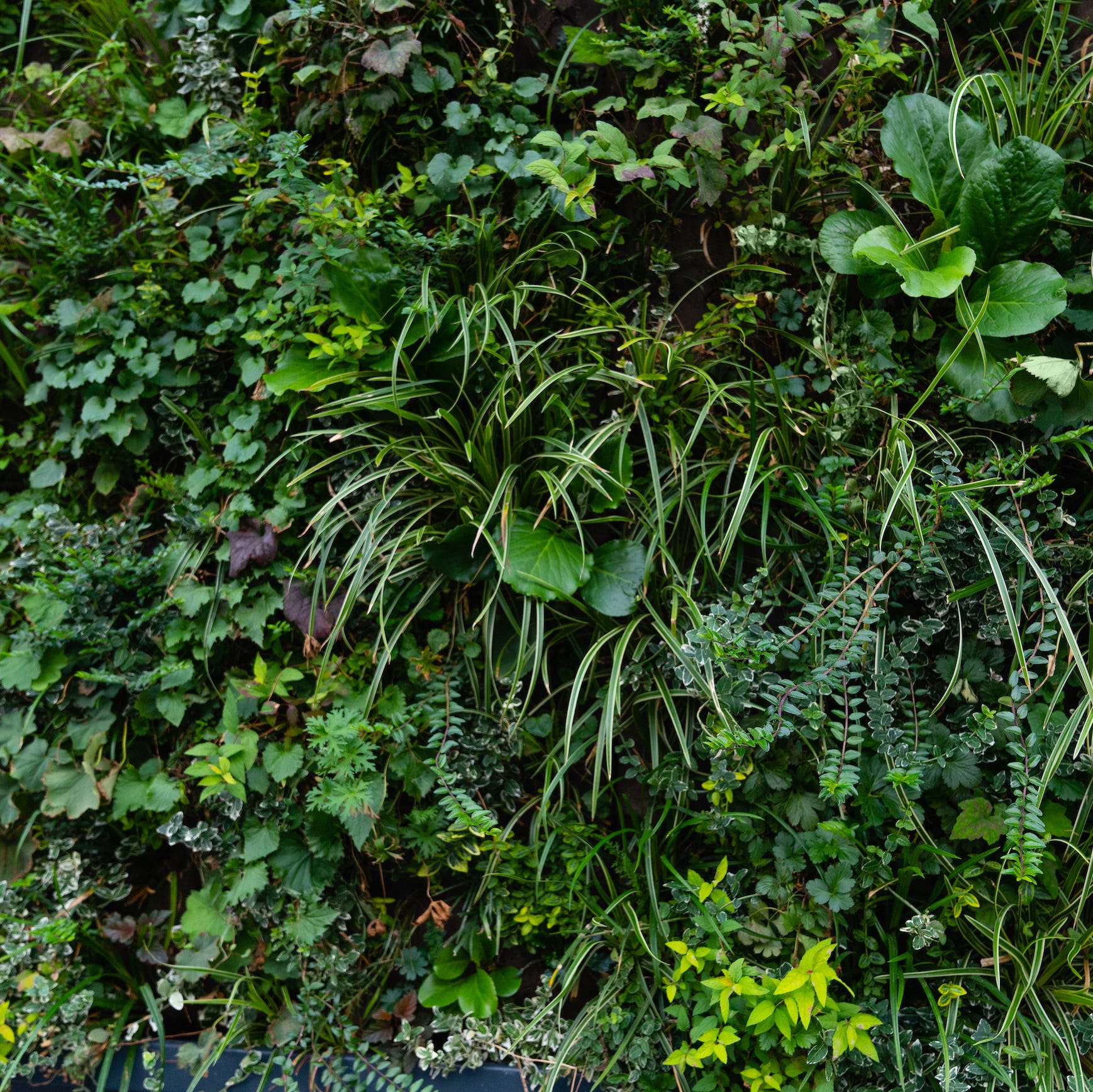
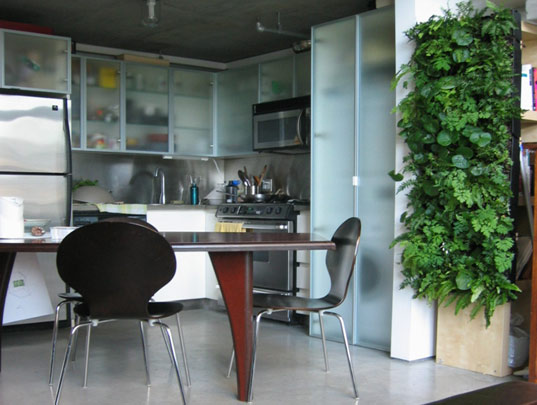
Specific design ideas for vertical gardens include creating vine walls using stainless steel wire cabling systems for a modern look, or employing climbing ivies for privacy screens in urban balconies, which also offer shade. Indoor living walls can be achieved with wall-mounted planters, allowing for a mix of ivy, grasses, or low-maintenance succulents and moss. Plants can also serve as indoor partitions, such as shelving filled with potted plants to separate rooms or hanging planters with draping vines to define specific areas. Floating shelves offer flexibility for rearranging plants and displaying decorative pottery, with potential for integrated irrigation systems. Vertical gardens can also conceal unsightly views using trellises or lattice panels covered with fragrant climbing plants like jasmine.
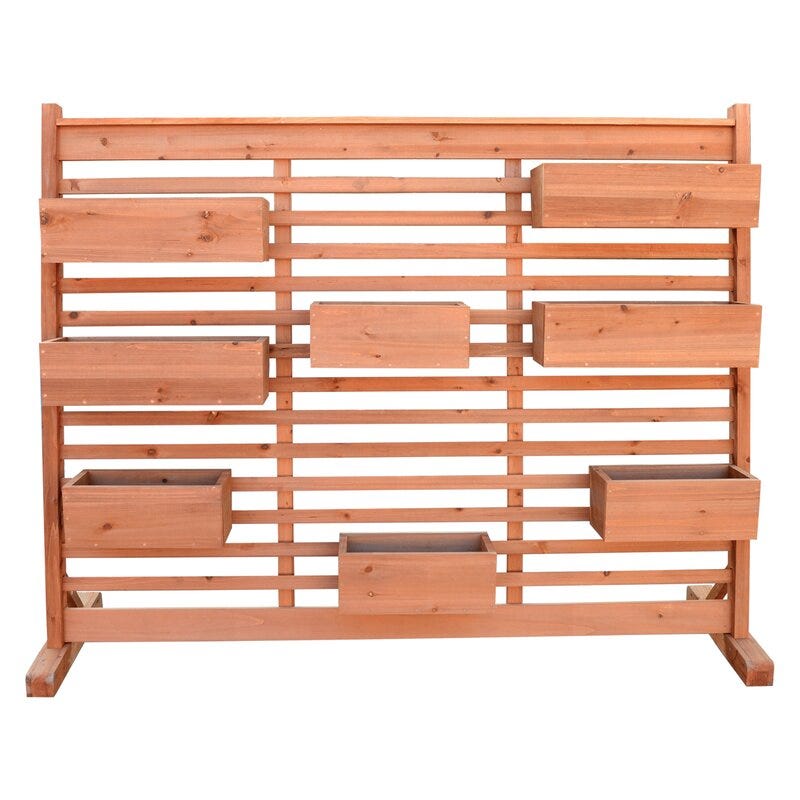
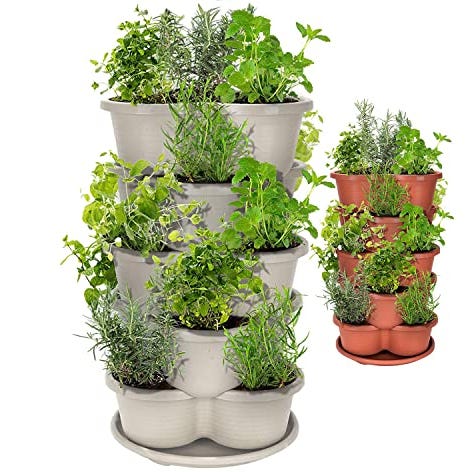
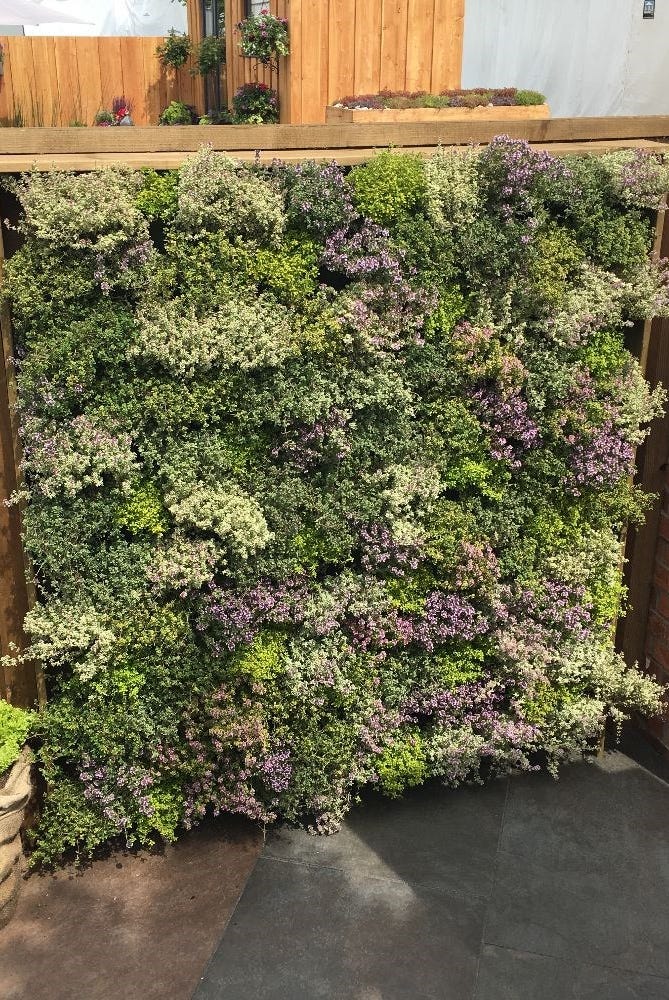
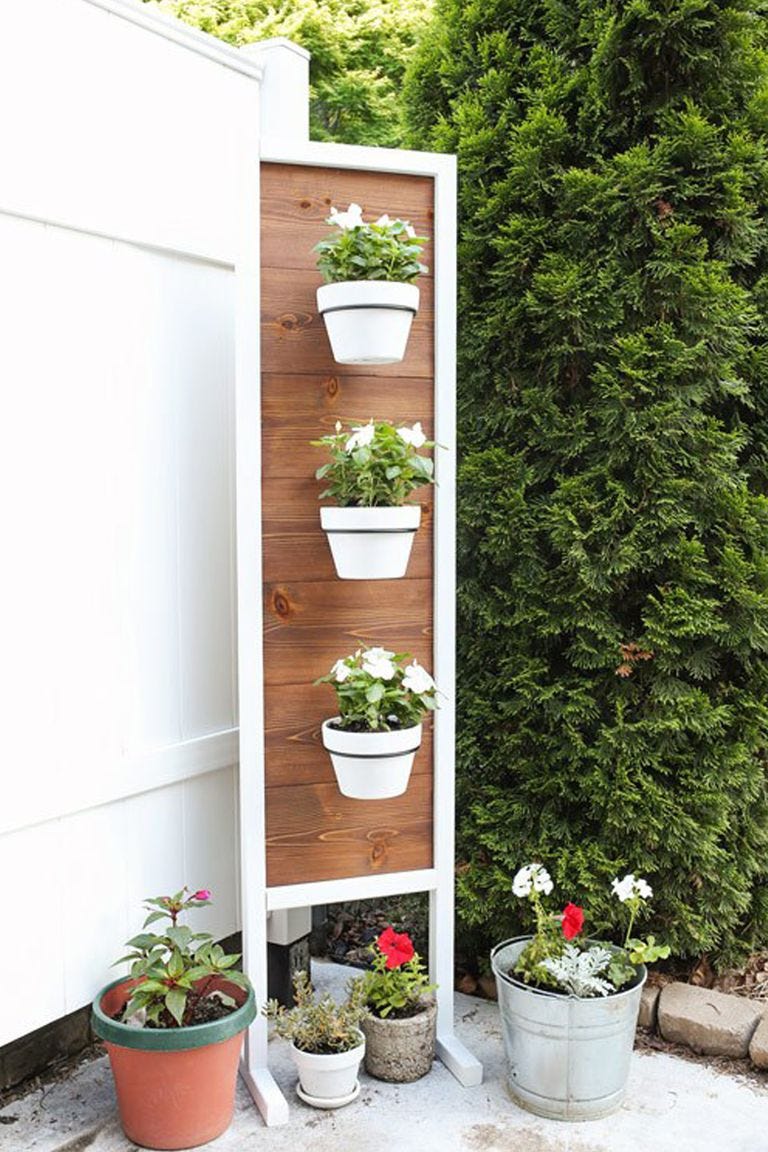
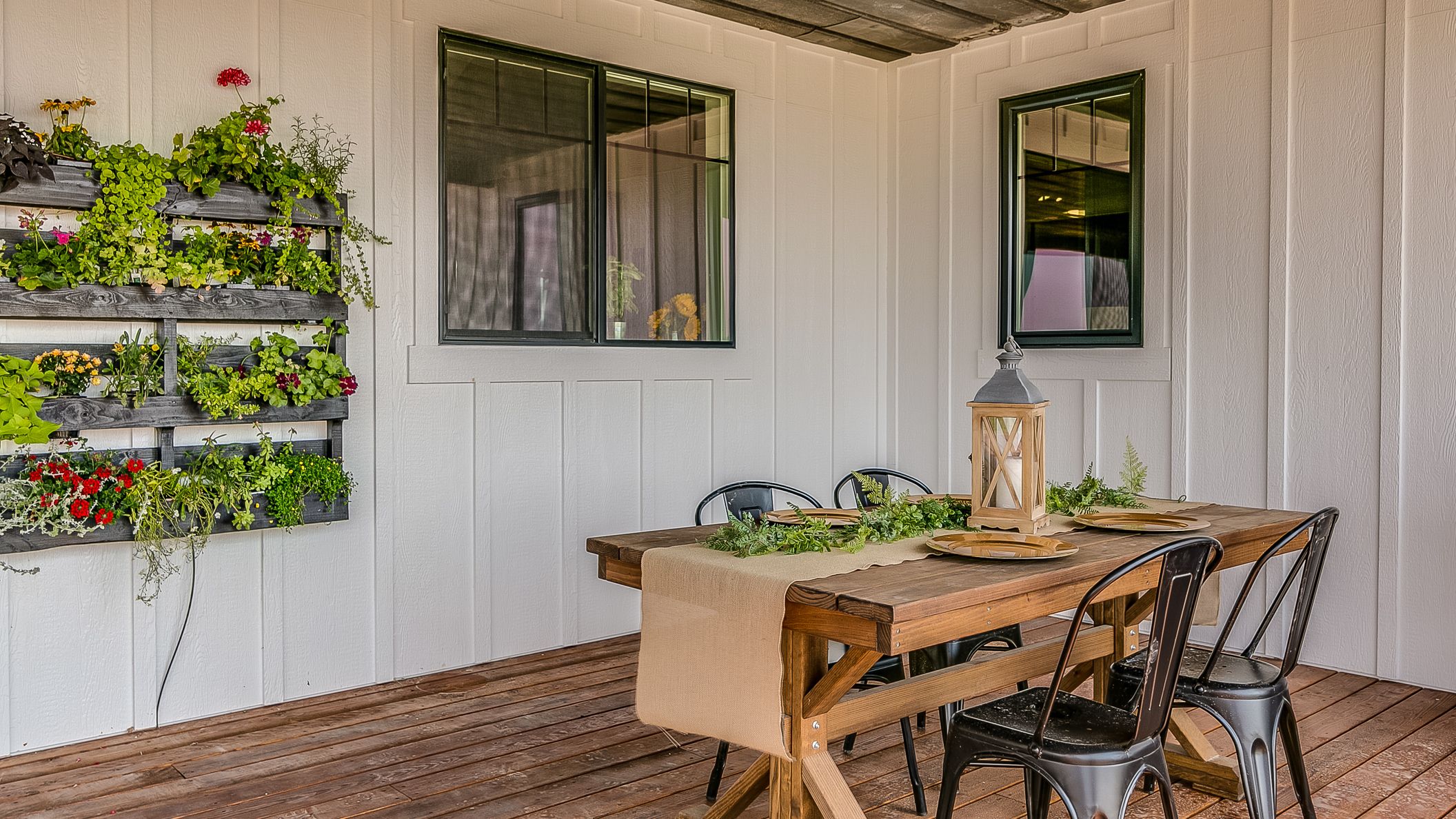
Unique approaches include Japanese kokedama, where plants are grown in moss-covered soil balls and hung to create a floating effect. Bookcases can be transformed into botanical libraries by arranging various plants, including snake plant, pothos, philodendron, and peace lily, especially suitable for low-light conditions. Outdoor decks can feature wall-mounted wooden planters for a rustic aesthetic, suitable for creeping Jenny, coleus, petunias, impatiens, or a vertical herb garden. Metal trellises provide a modern support structure for hanging planters, moss balls, or air plants. For temporary or low-maintenance solutions, free-standing garden towers offer hooks for pots and planter boxes. Indoor planter boxes stacked vertically can create decorative displays or serve as room dividers. Smaller vertical planters with vining plants and regular, small-scale maintenance ensure longevity. Finally, incorporating greenery into chandeliers or extending outdoor vertical installations with pergolas, using plants like wisteria or clematis, adds unique aesthetic and functional elements, providing fragrance, attracting pollinators, and enhancing privacy and shade.
#VerticalGardens #LivingWalls #HomeGardening #SmallSpaceDesign #IndoorPlants #OutdoorPlants #DIYGardening #SustainableLiving #ArchitecturalDesign #VerticalGardens #LivingWalls #HomeGardening #SmallSpaceDesign #IndoorPlants #OutdoorPlants #DIYGardening #SustainableLiving #ArchitecturalDesign
0 comment in total
 No comments yet
You may also like
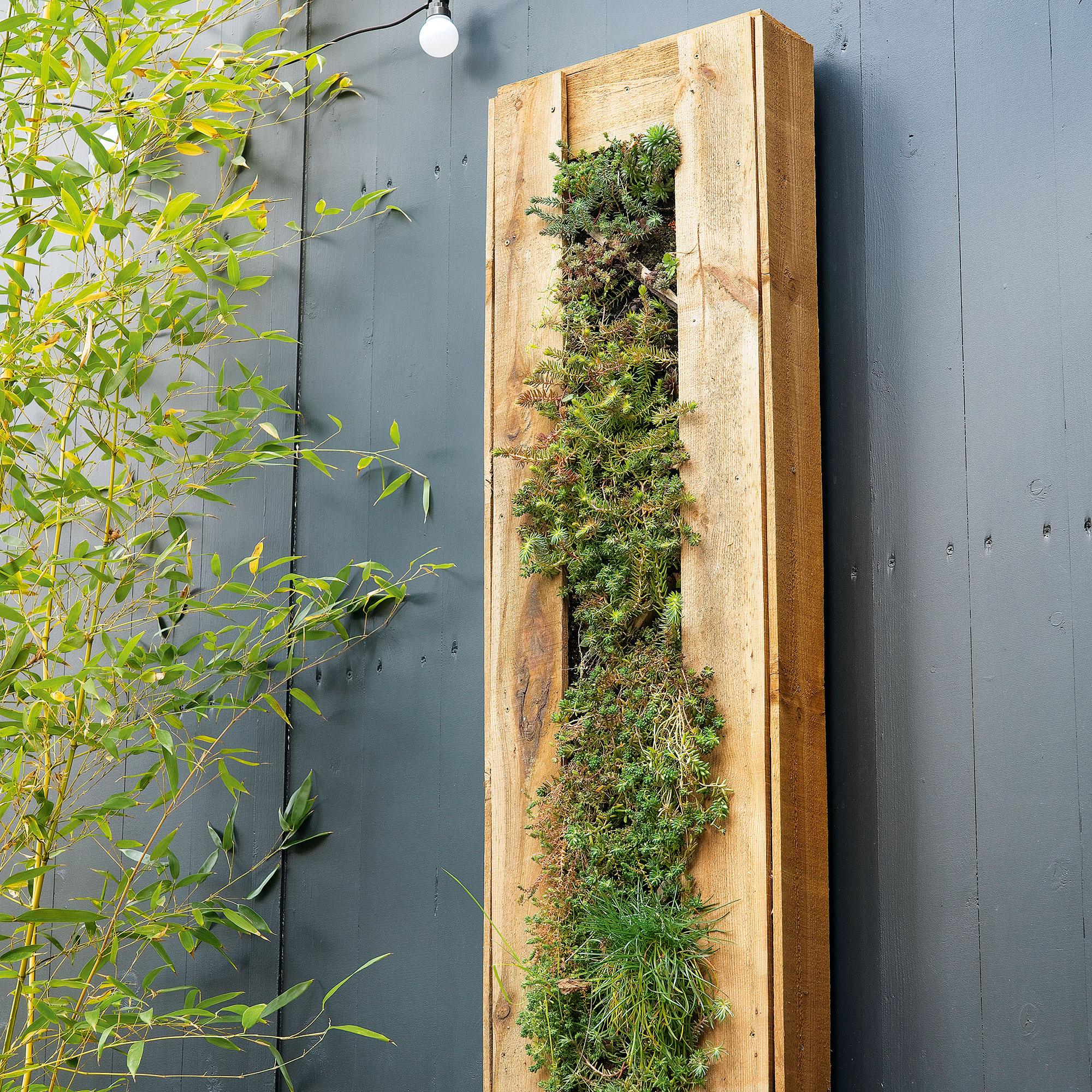
Living wall ideas to create a stylish vertical garden in your space
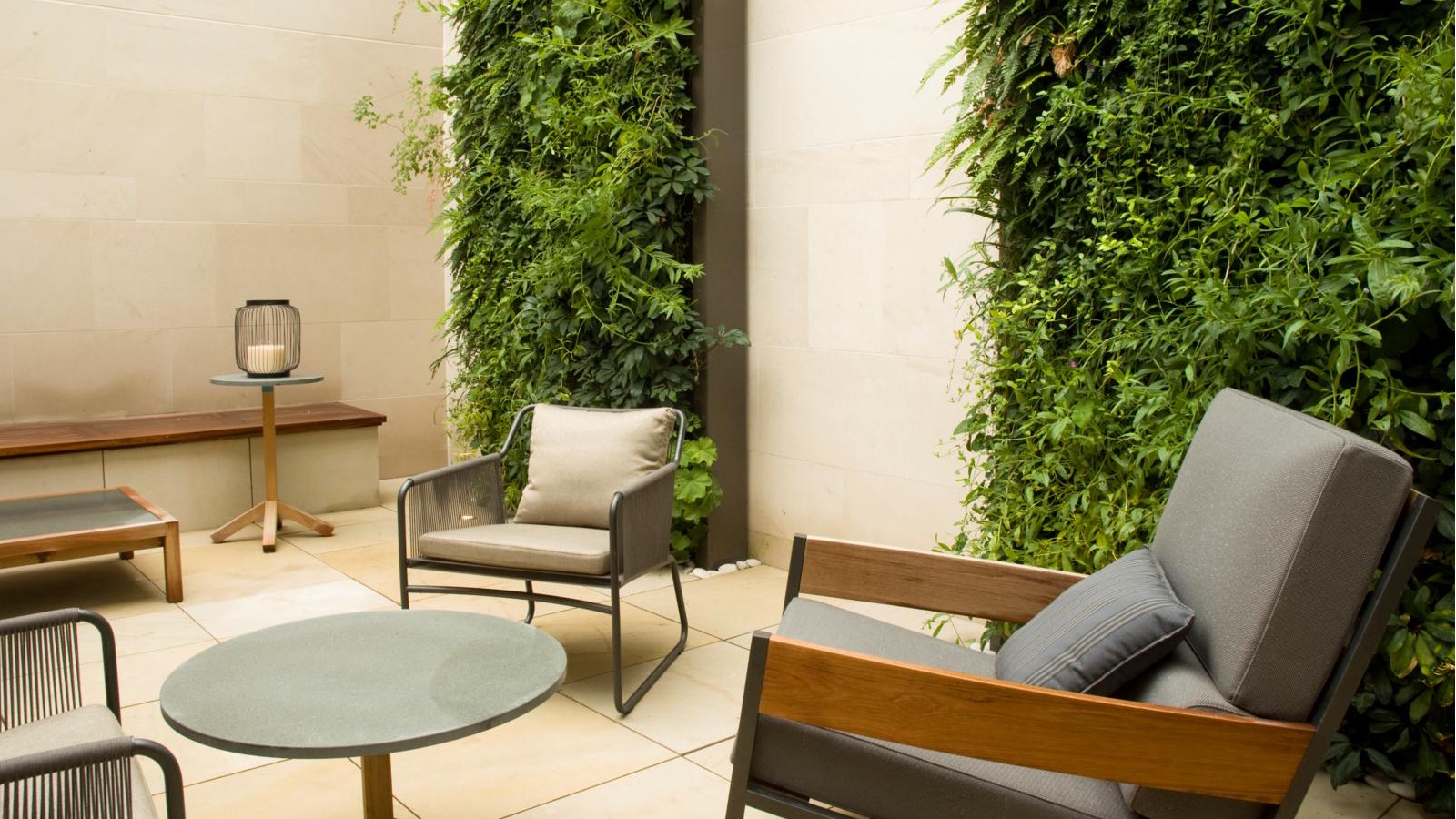
Vertical indoor garden ideas: 7 elevating ideas

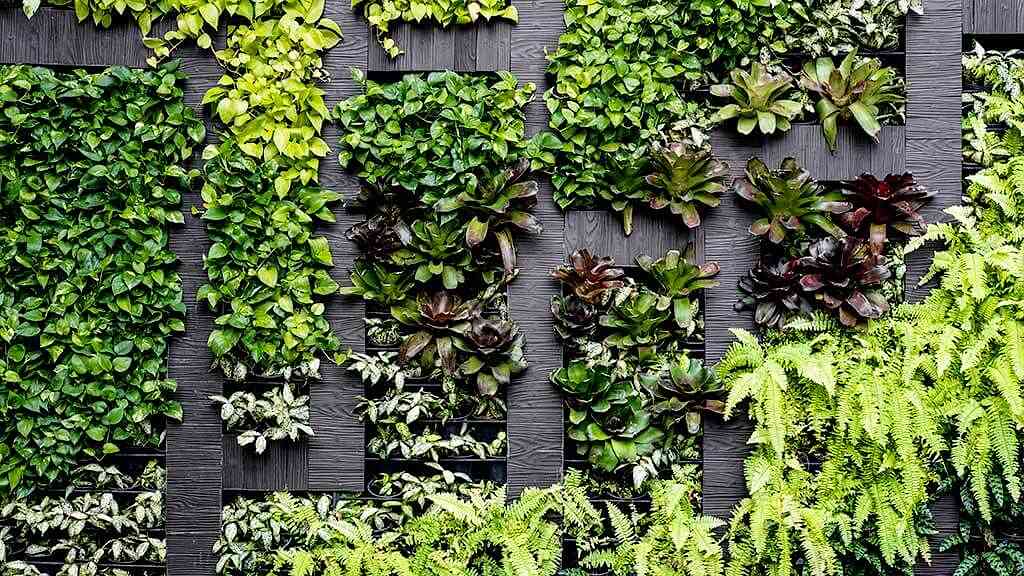
How to grow a vertical garden at home
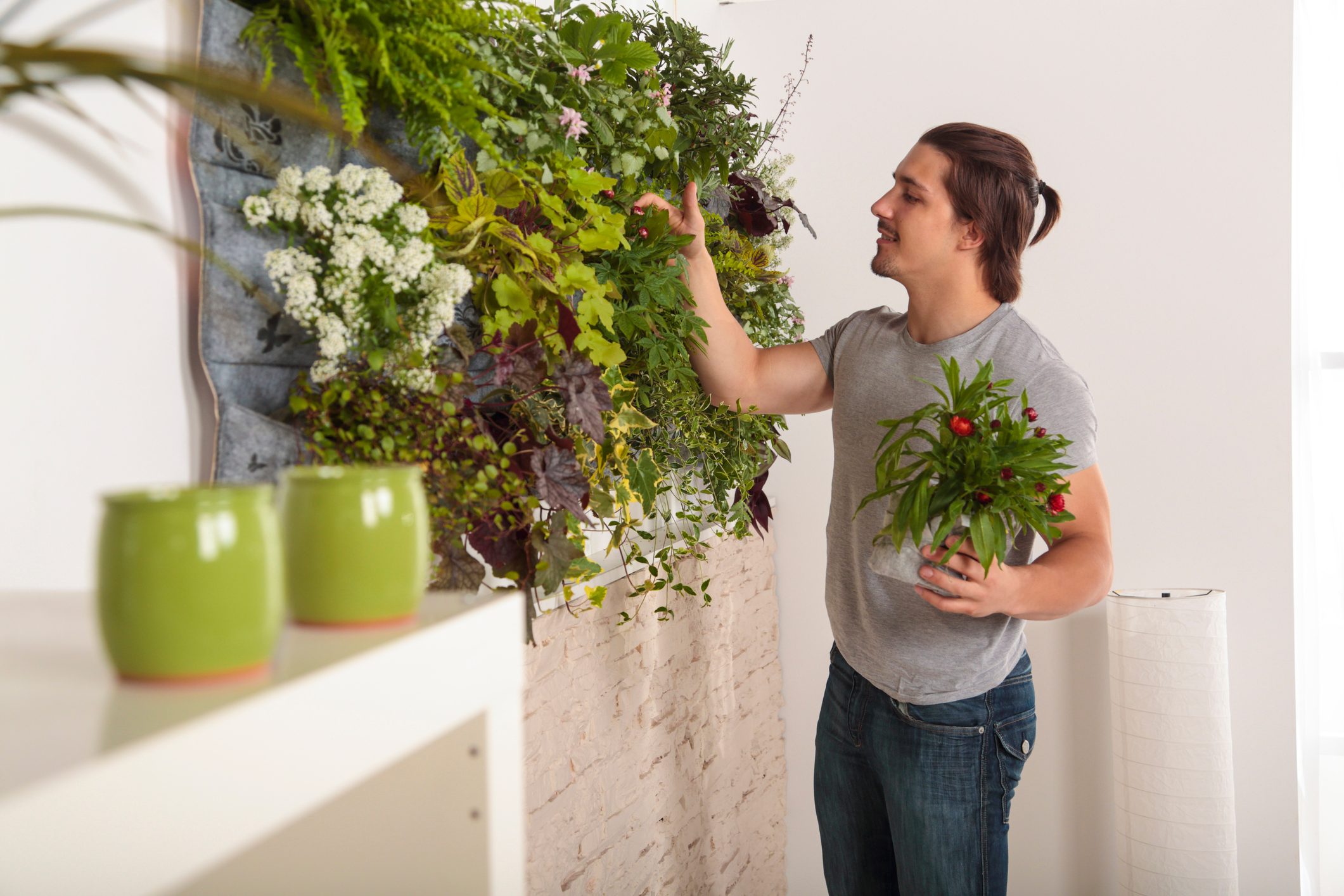
Homeowner’s Guide To Living Walls

12 vertical garden ideas to inspire your own plant wall

How to make a living wall that brings the outdoors in

31 Inspiring Vertical Garden Ideas That Transform Bare Walls Instantly

ELT EASY GREEN LIVING WALLS


19 vertical garden ideas - landscape experts show how plants thrive in small spaces inside and outside the home

9 of the best plants for vertical gardens

How to Create a Living Wall to Maximize Your Outdoor Space

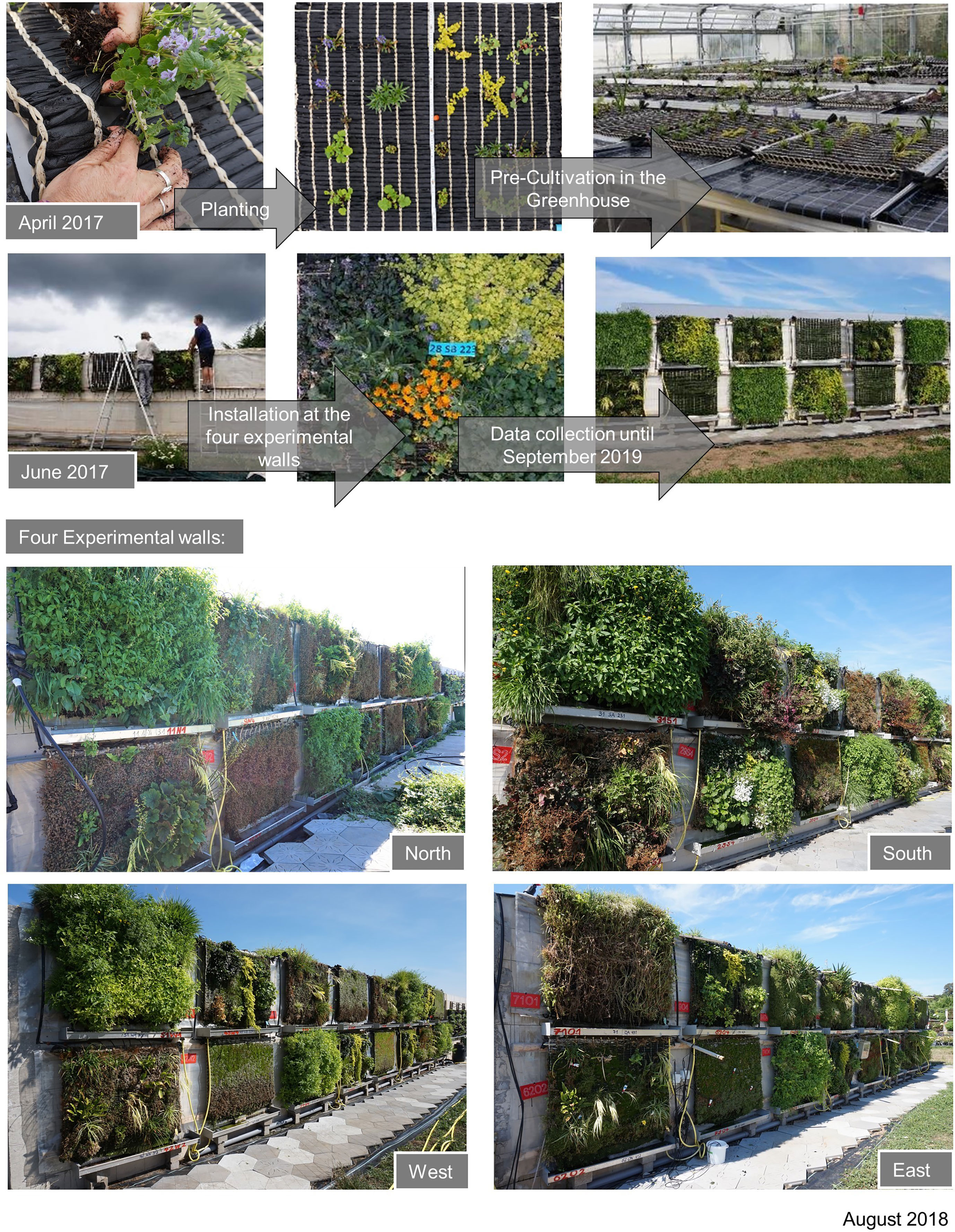
Vertical plants: Plant design of Living walls – evaluation of 34 perennials in a textile based Living wall over a three years experiment
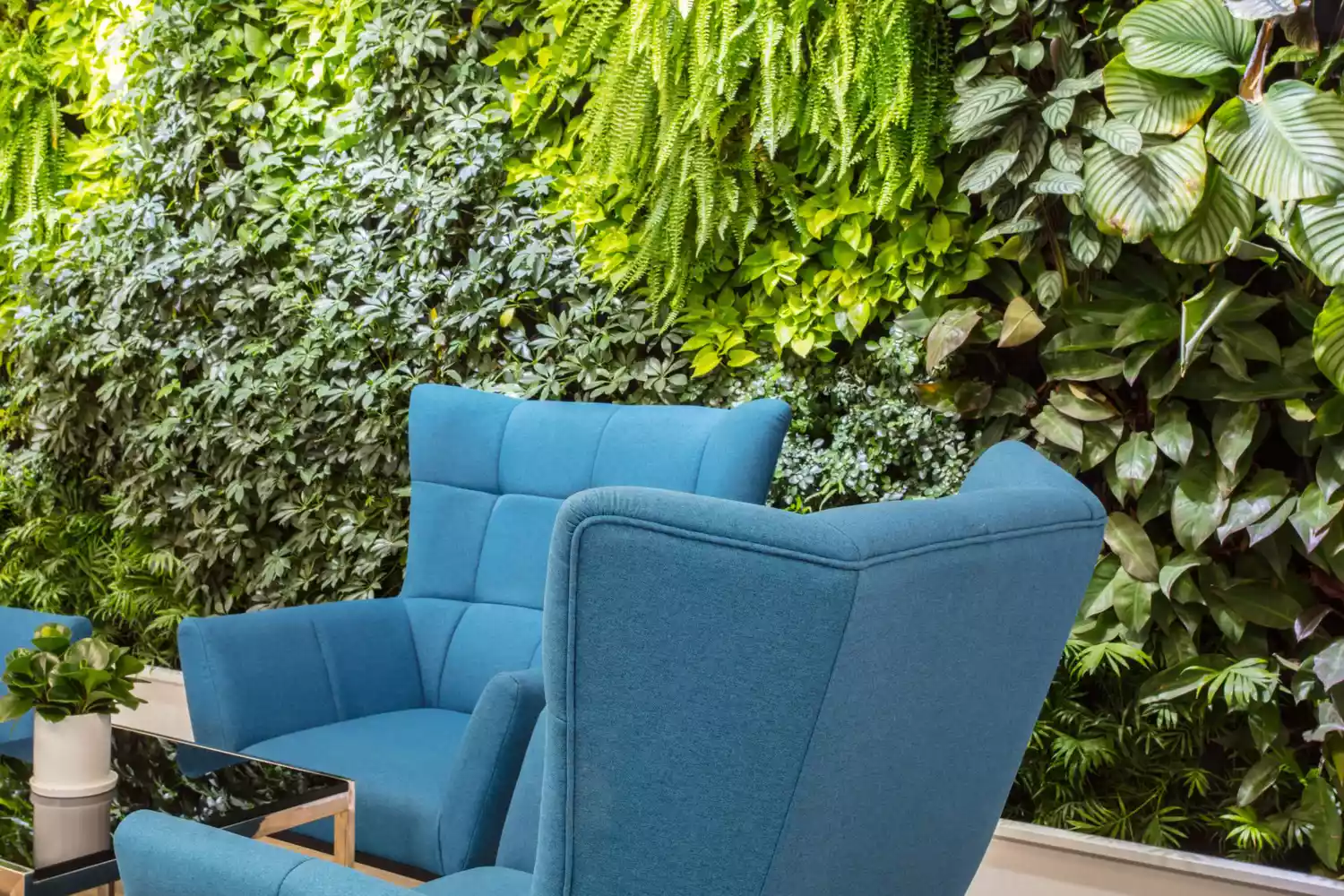
Vertical Gardens Are the Ideal Small-Space Solution—Here Are 12 Ideas to Get Started

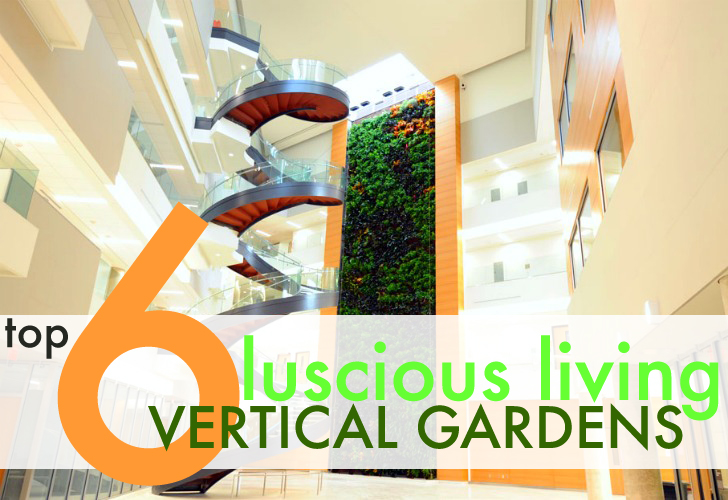
6 Luscious Living Vertical Gardens That Bring A Breath Of Fresh Air Indoors

How to create a plant wall in your garden

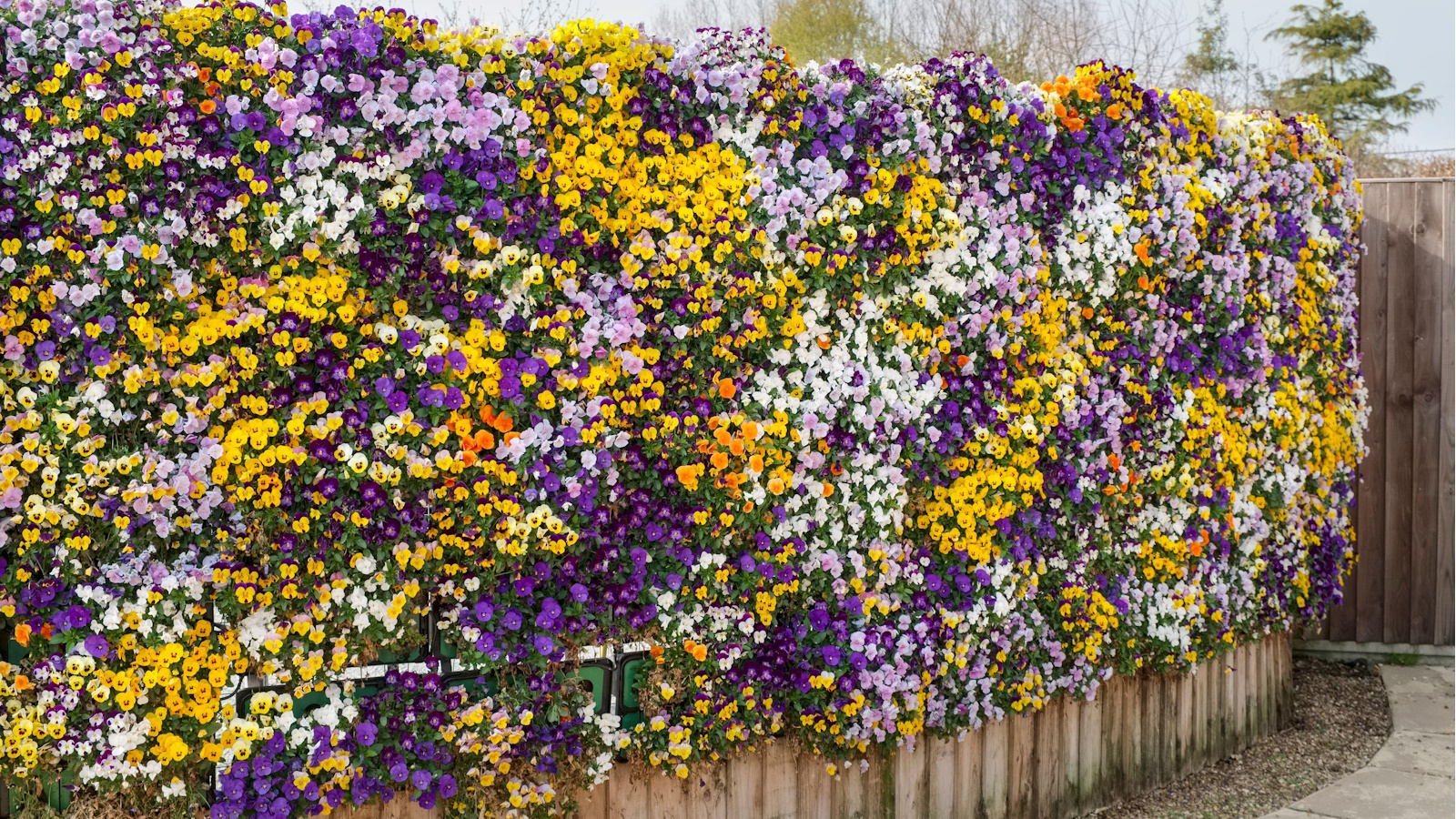
Best plants for a flowering living wall – 5 vertical blooms for a beautiful garden feature
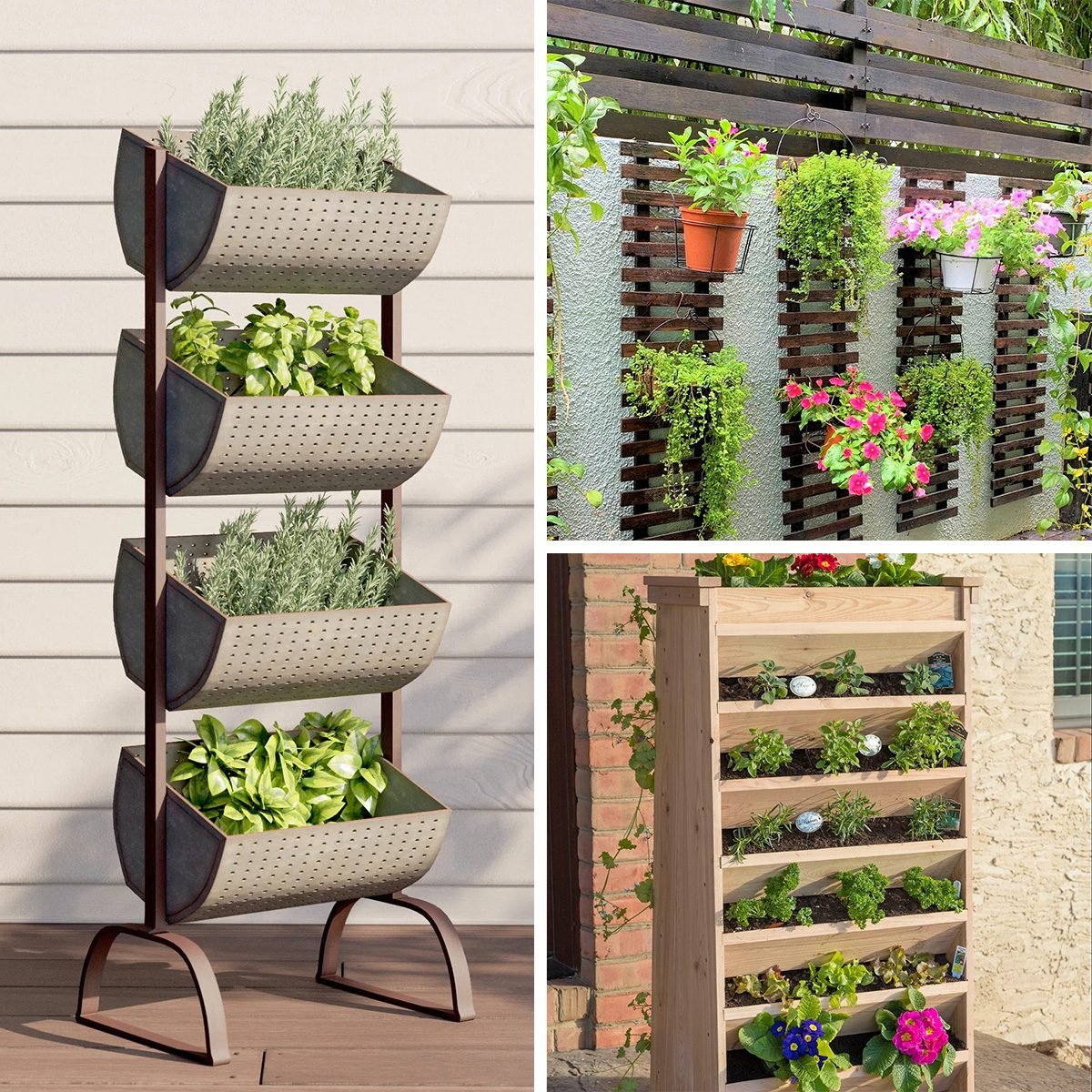
10 Best Vertical Garden Planters
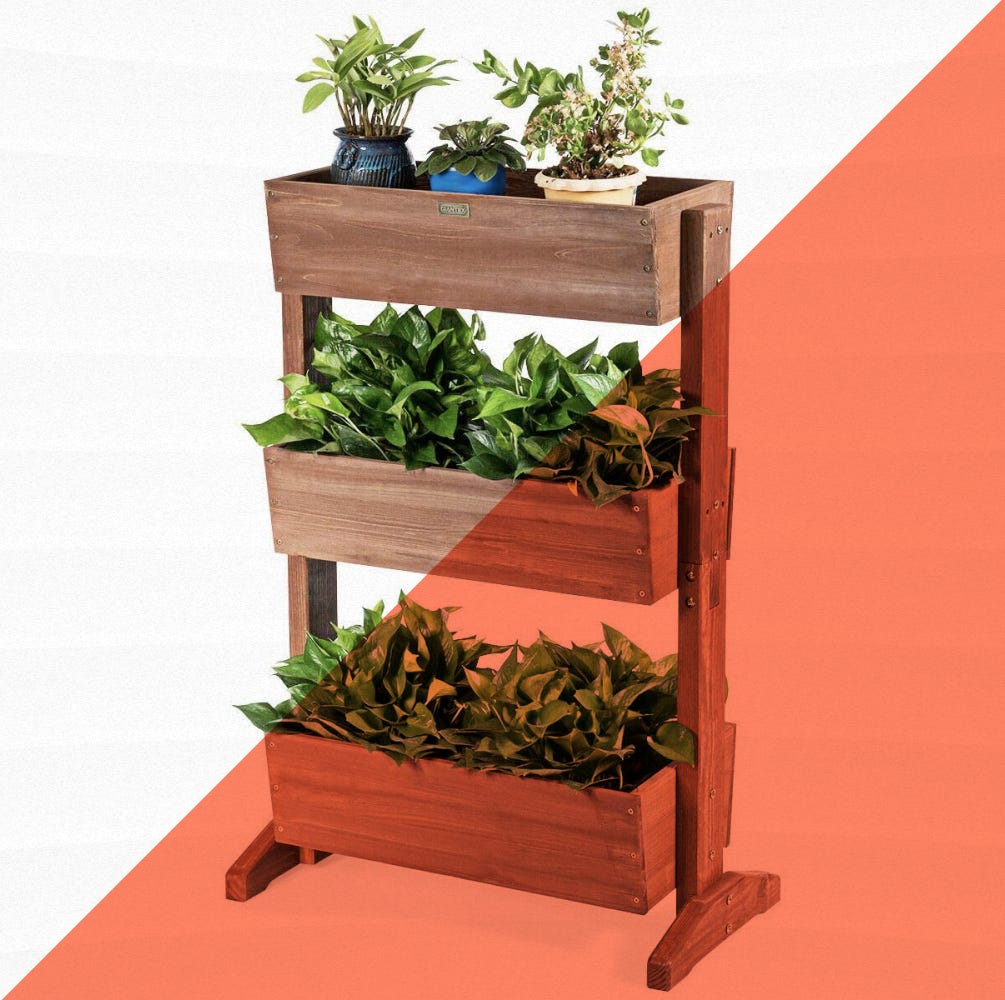
These Vertical Gardens Are a Plant Lover’s Dream

Here's How to Use an Old Shoe Organizer to Showcase Your Succulents

Linda Cobb: Gardens get fresh looks by planting living walls