Vertical Gardens Are the Ideal Small-Space Solution—Here Are 12 Ideas to Get Started
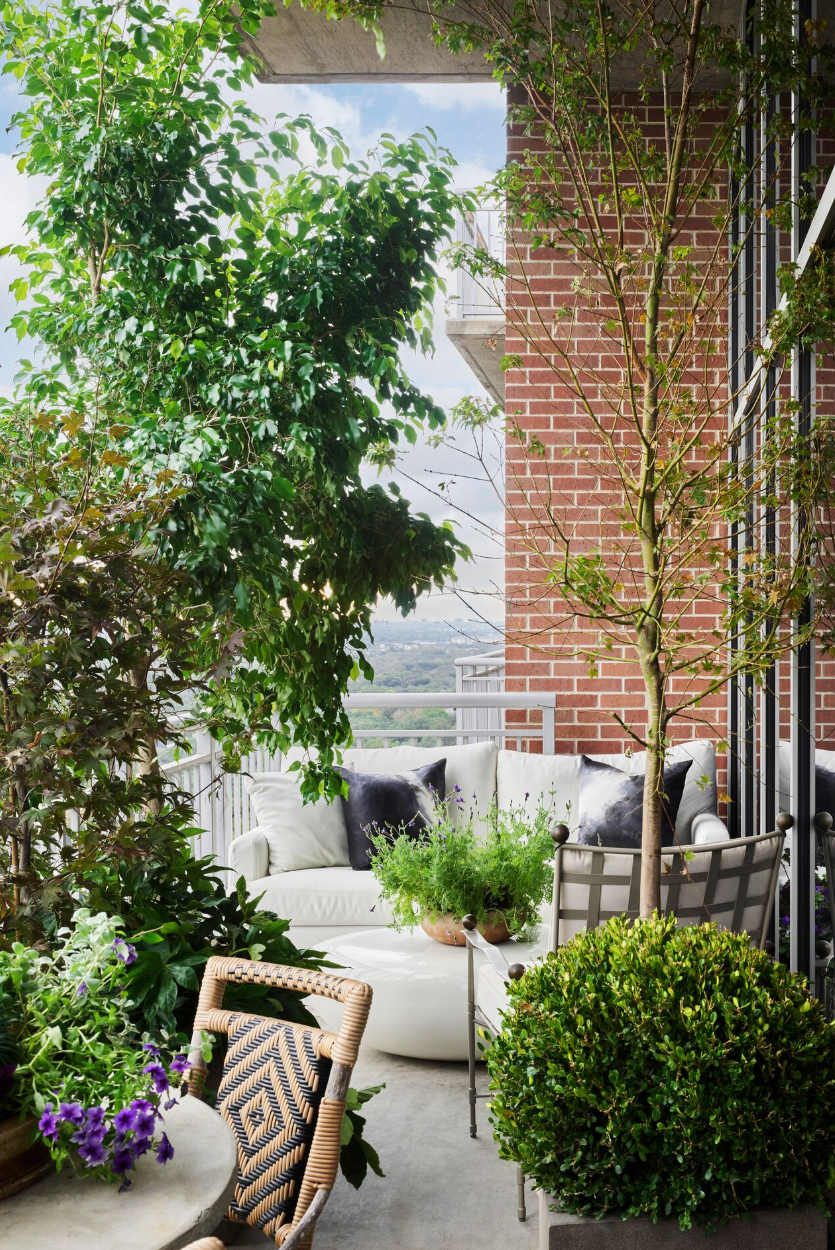
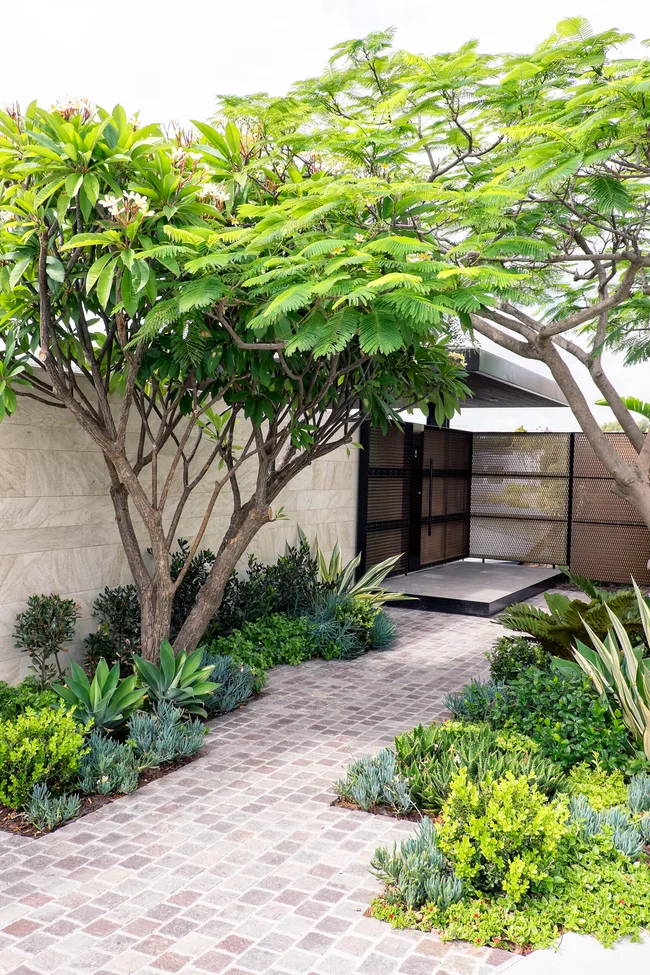
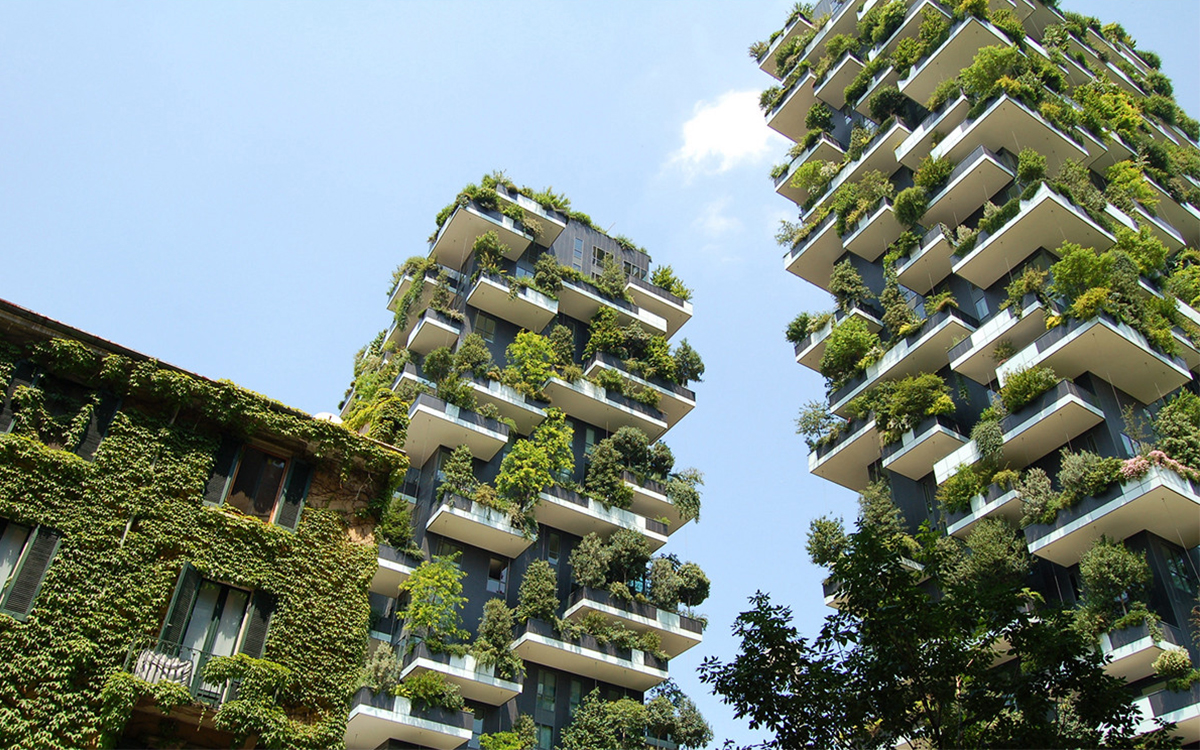
Vertical gardening offers an effective solution for adding height and aesthetic appeal to both indoor and outdoor spaces, regardless of size, from expansive backyards to small patios. This gardening technique involves utilizing vertical structures such as walls, trellises, fences, and doors to support plant growth upward rather than outward. Experts highlight that vertical gardens are particularly beneficial for individuals with limited outdoor space, such as those living in apartments with small terraces, allowing them to enjoy greenery and color where traditional horizontal gardens are impractical.
The core concept of a vertical garden is to invert the conventional garden structure, placing plants along a vertical support rather than in a flat bed. A significant advantage of this method is water conservation, as water from the upper layers drips down to irrigate plants below, optimizing water usage. When selecting plants for a vertical garden, it is crucial to choose varieties suitable for container planting, preferably those with shallow root systems. Annual flowers, various vegetables like leafy greens (lettuce, spinach), and herbs (mint, parsley, rosemary) are ideal choices due to their compatibility with container environments and shallow root structures. Vining plants are also highly recommended for their ability to create a visually appealing trailing effect on vertical supports.
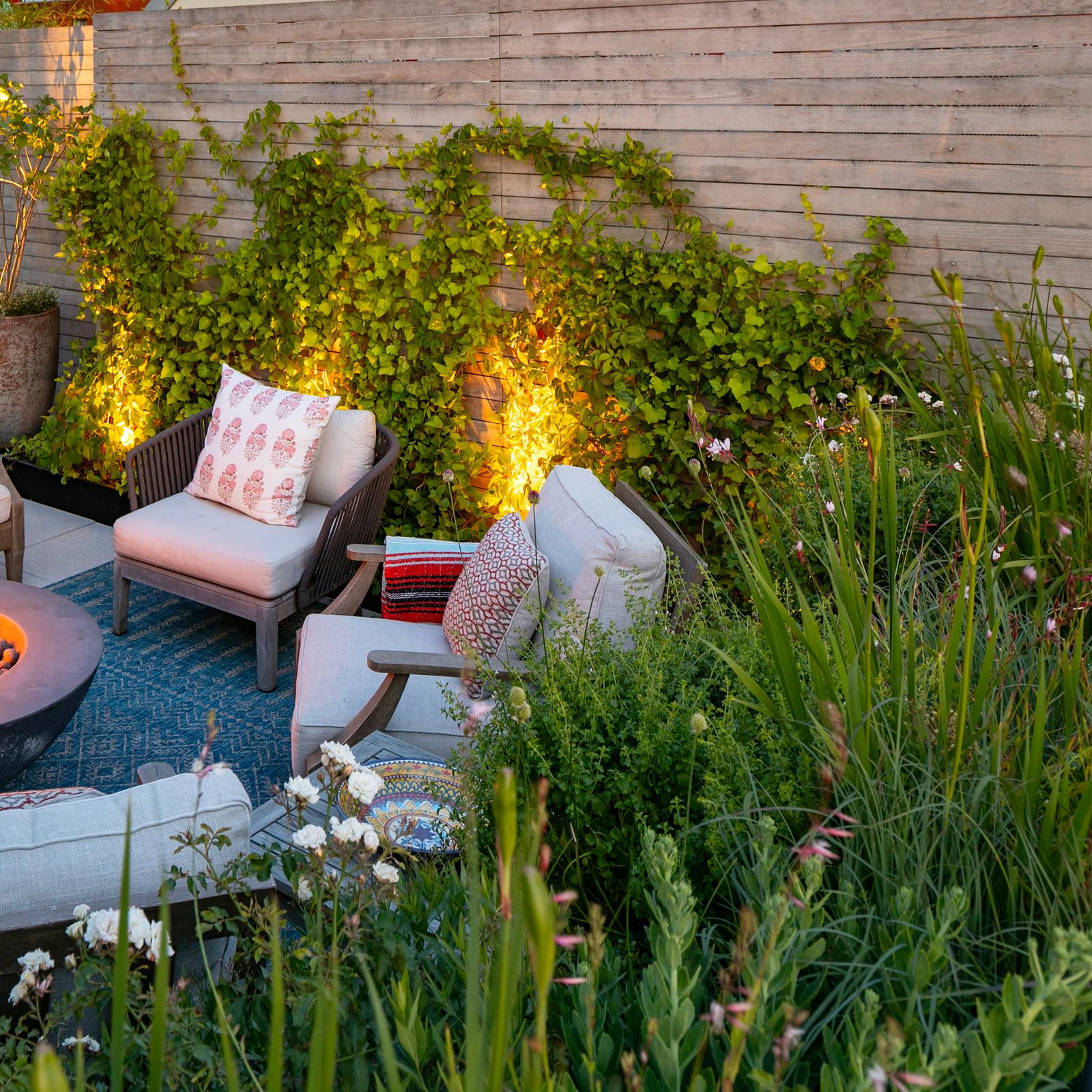
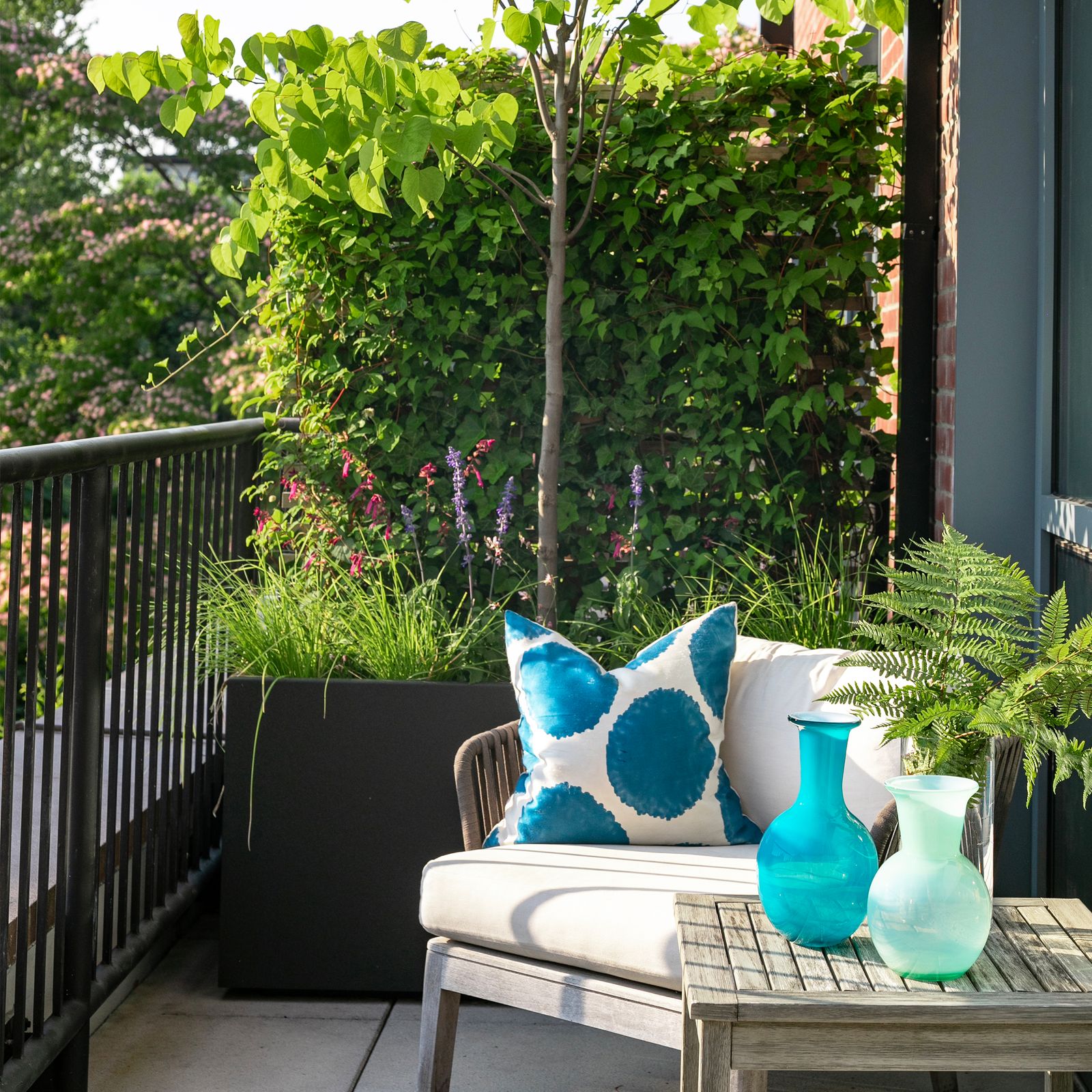
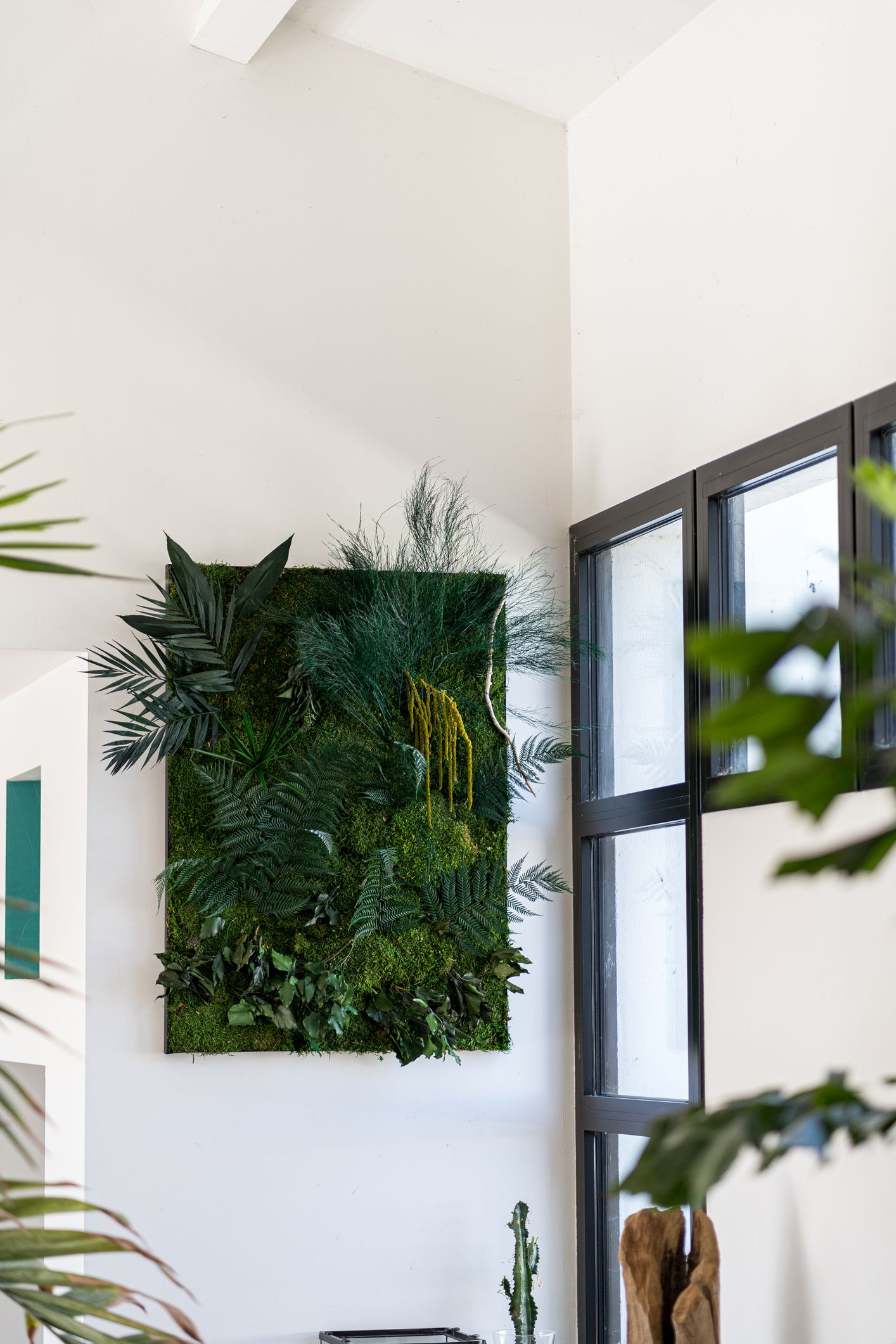
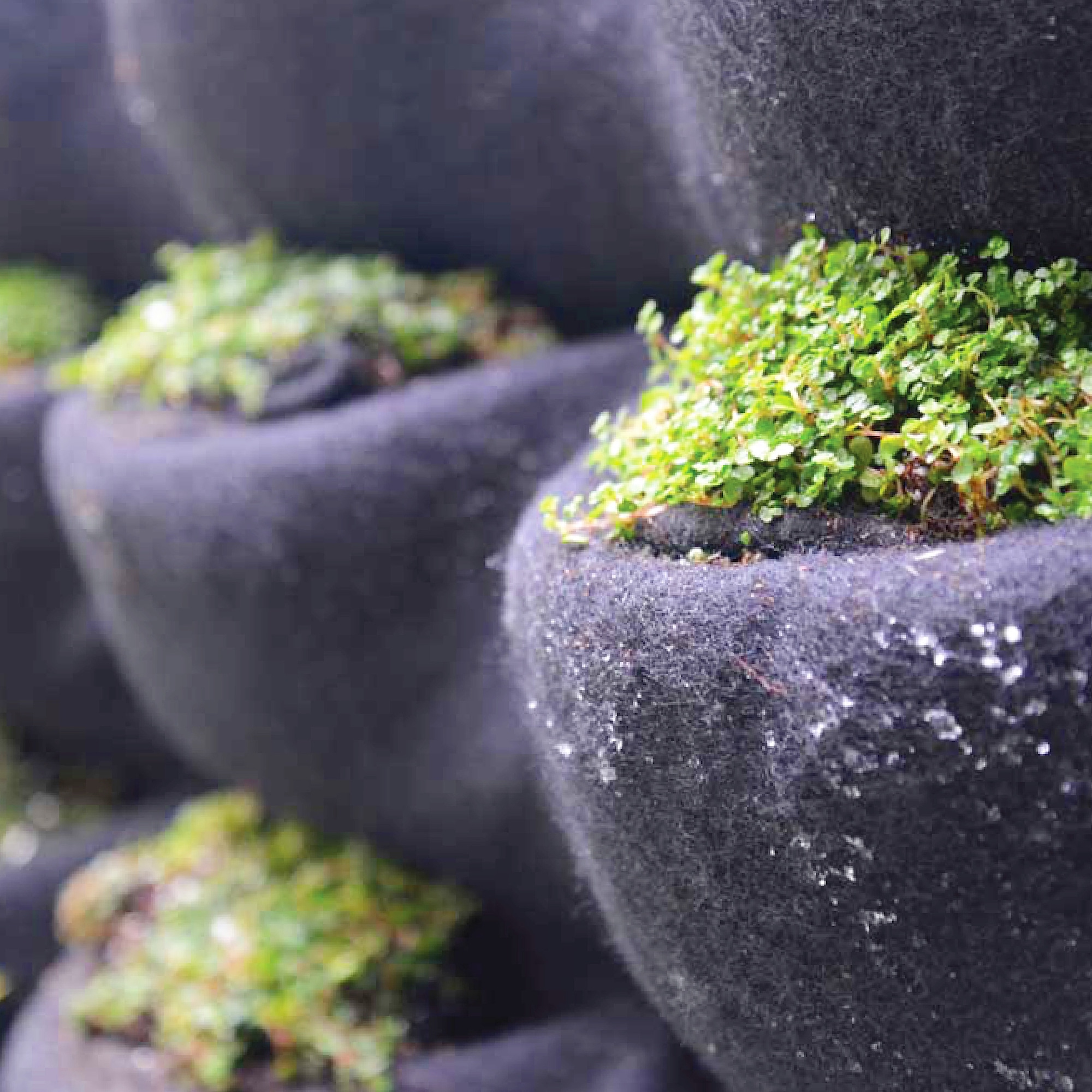
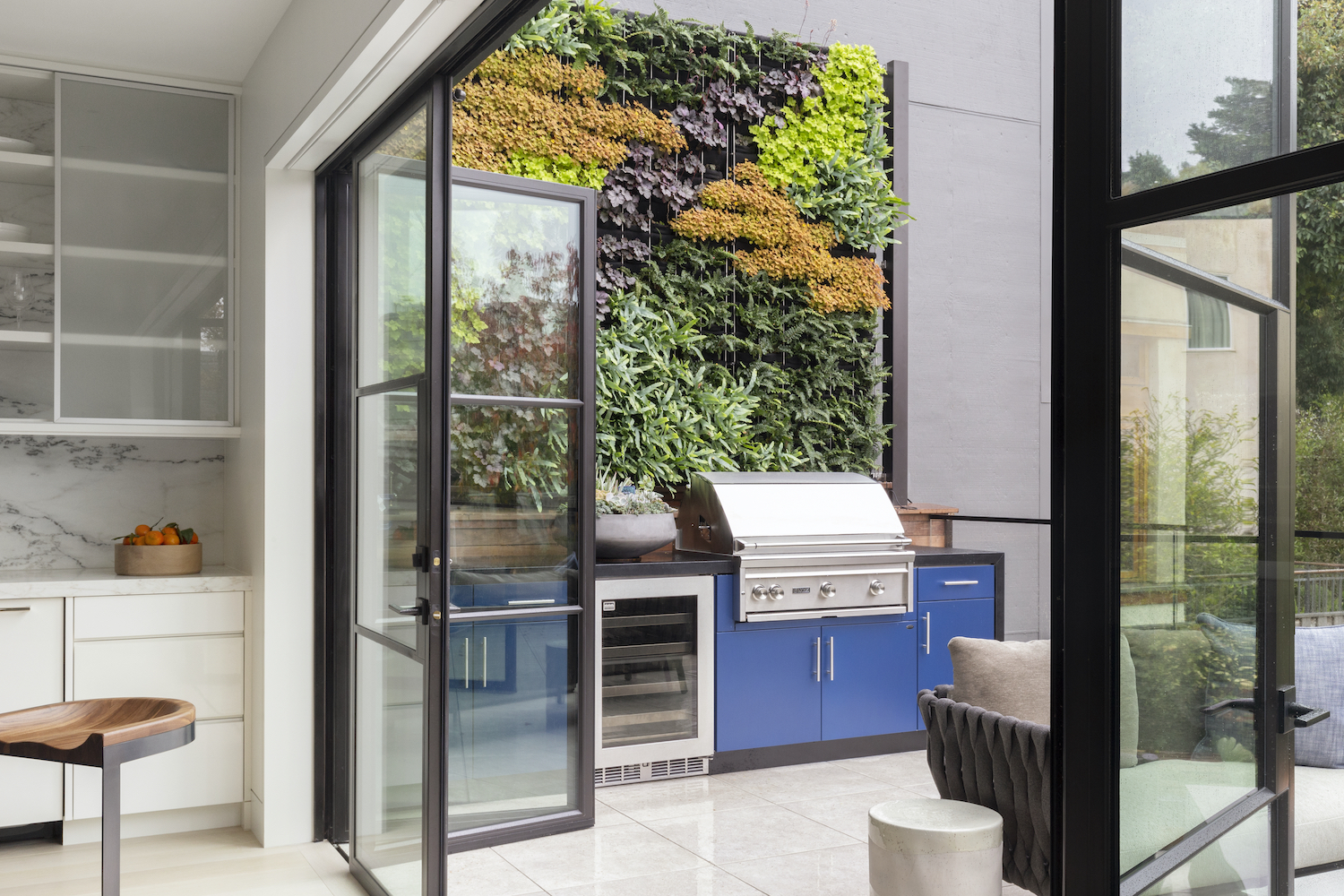
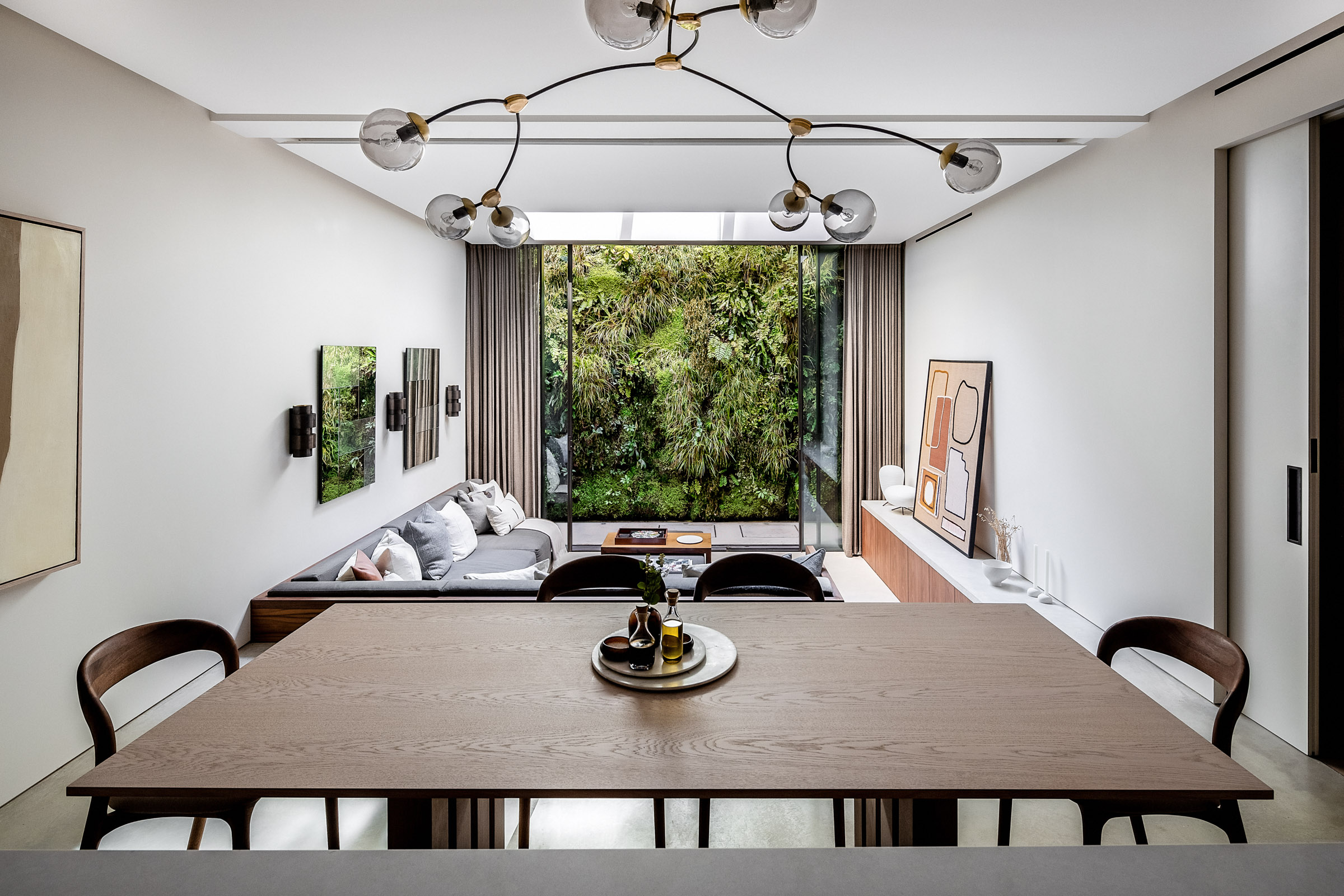
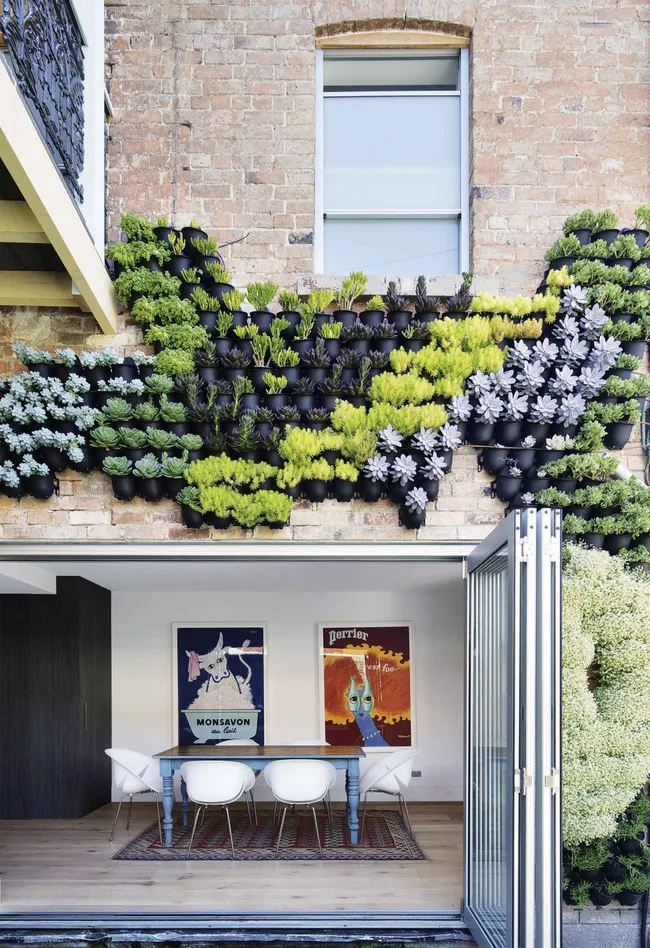
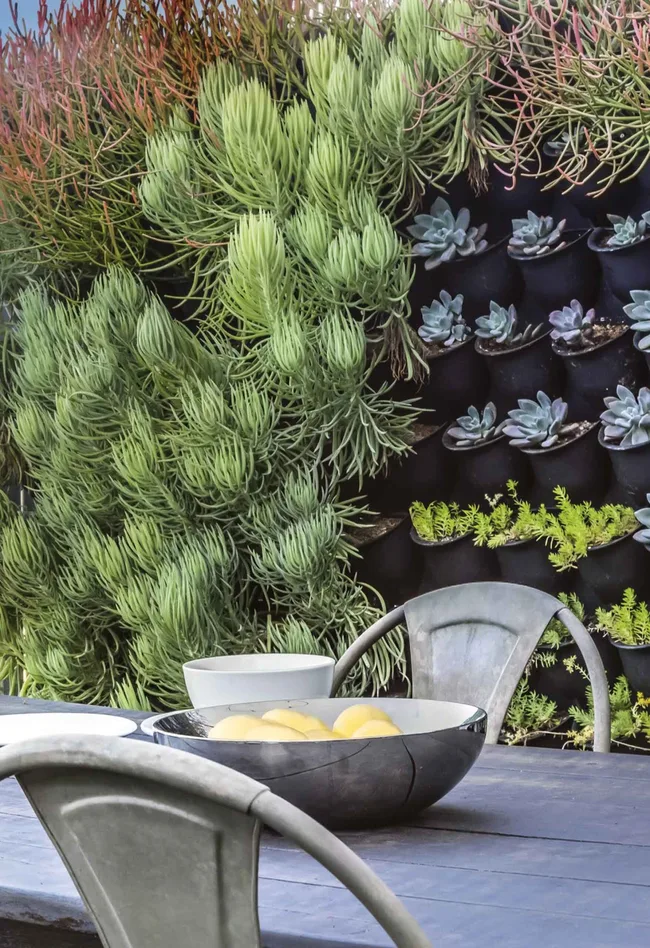
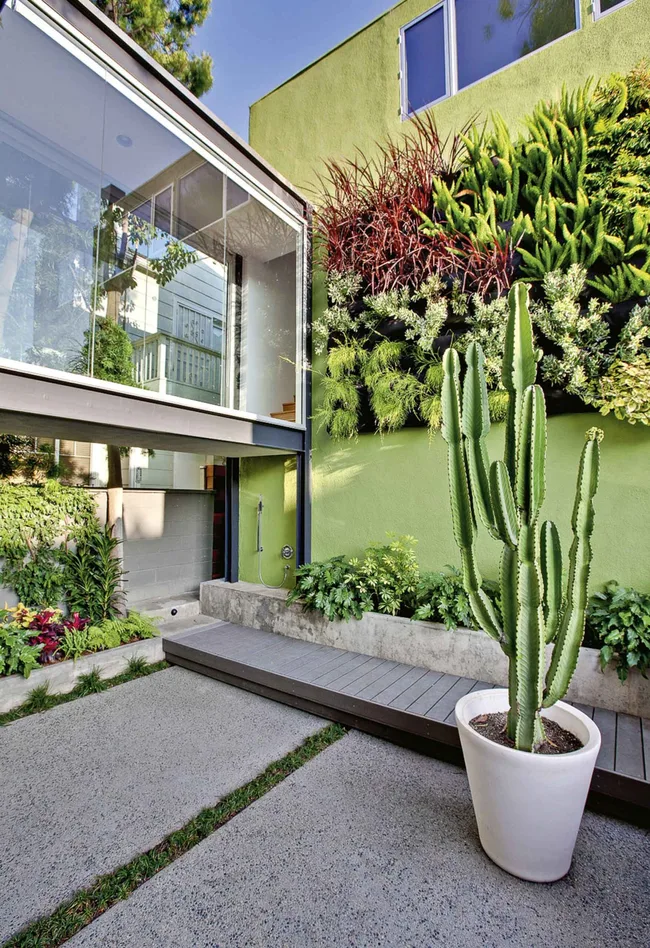
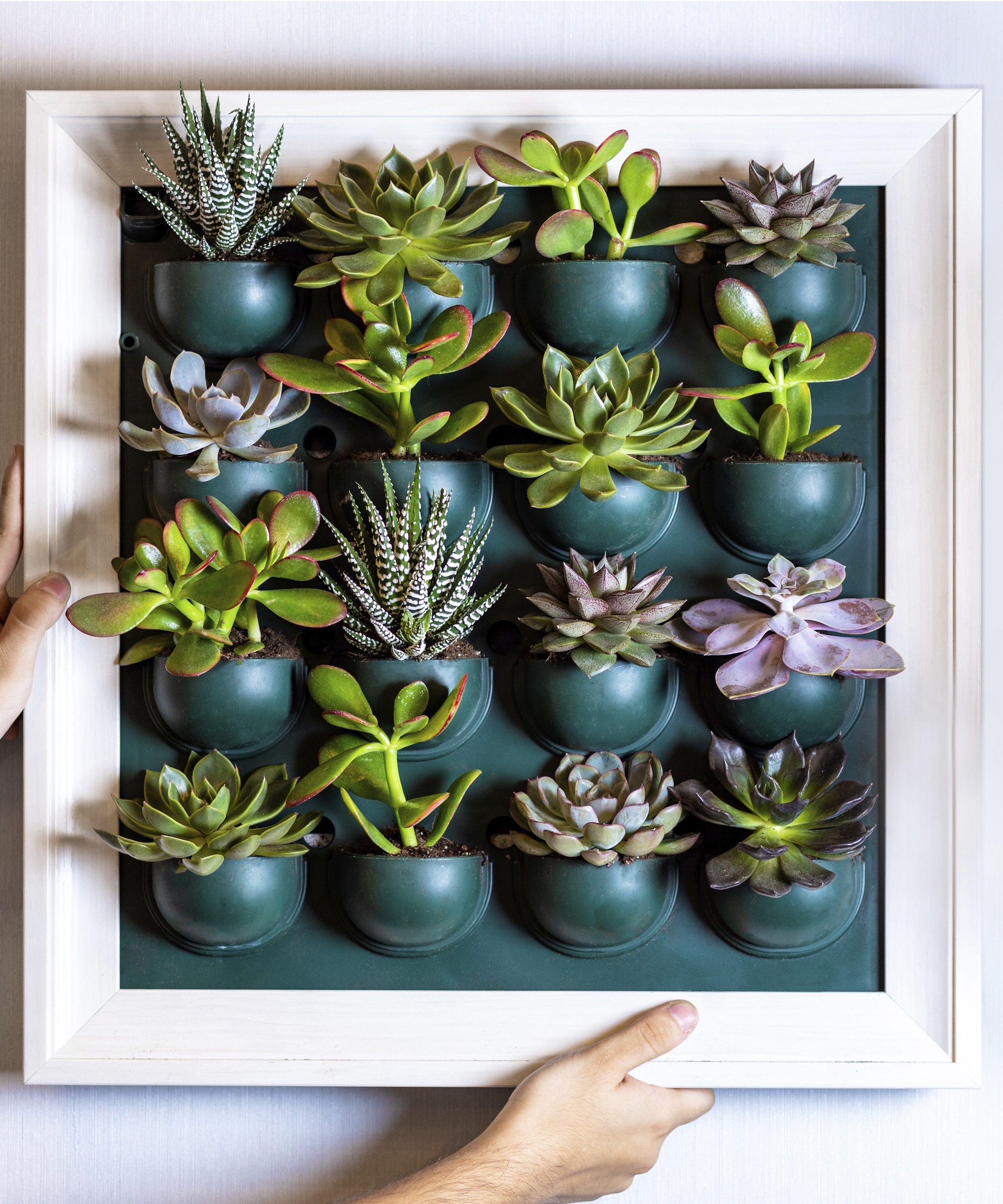
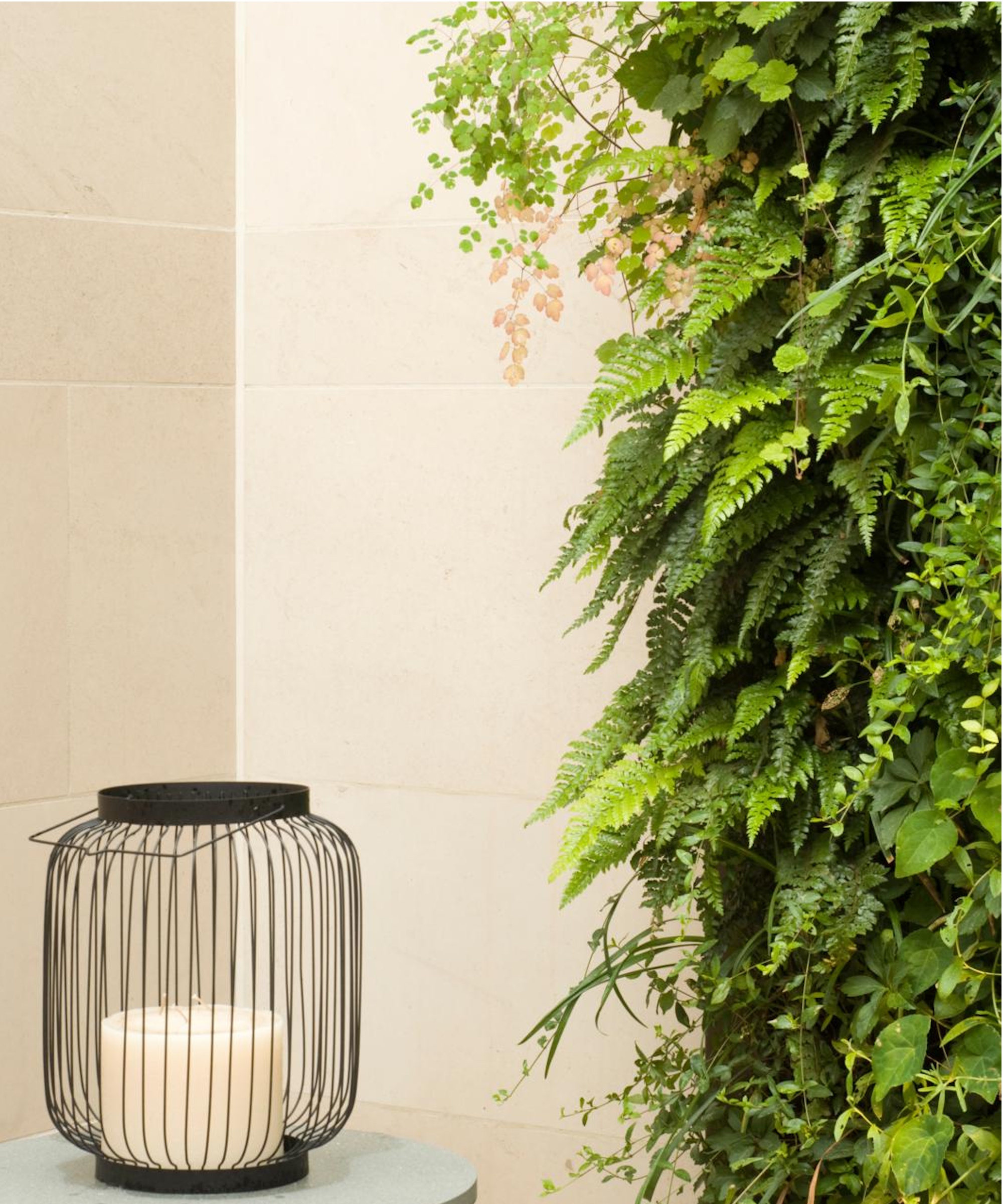
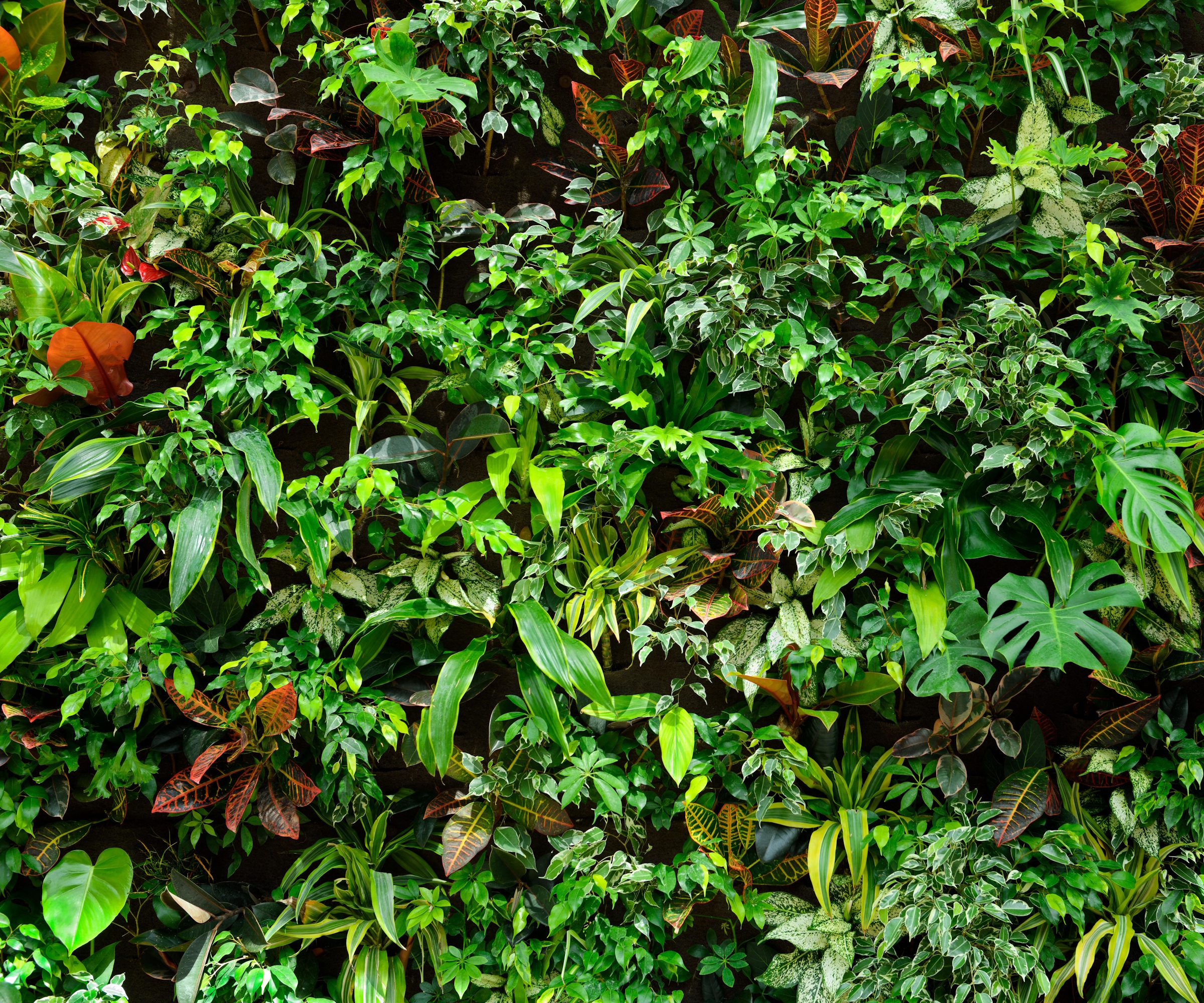
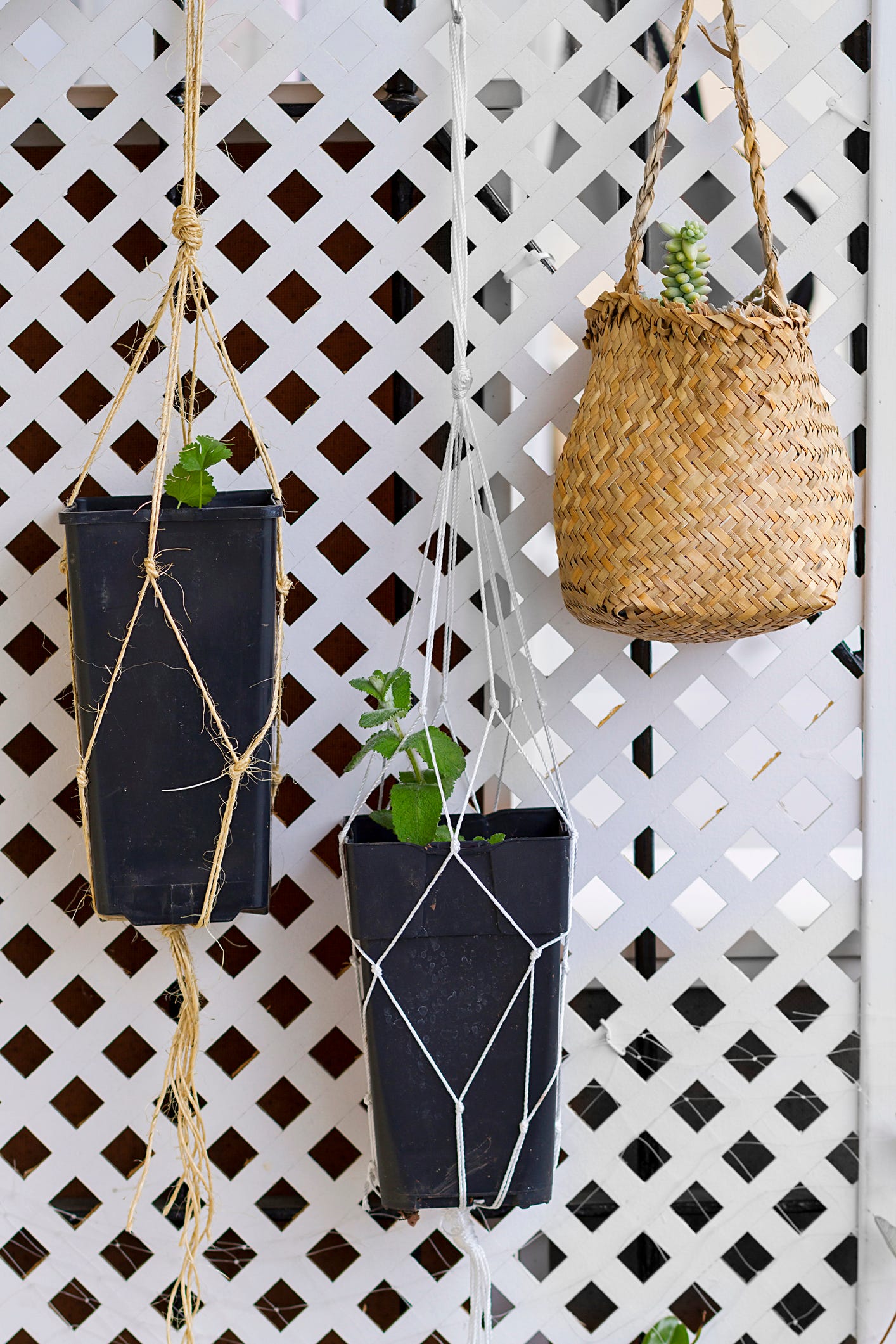
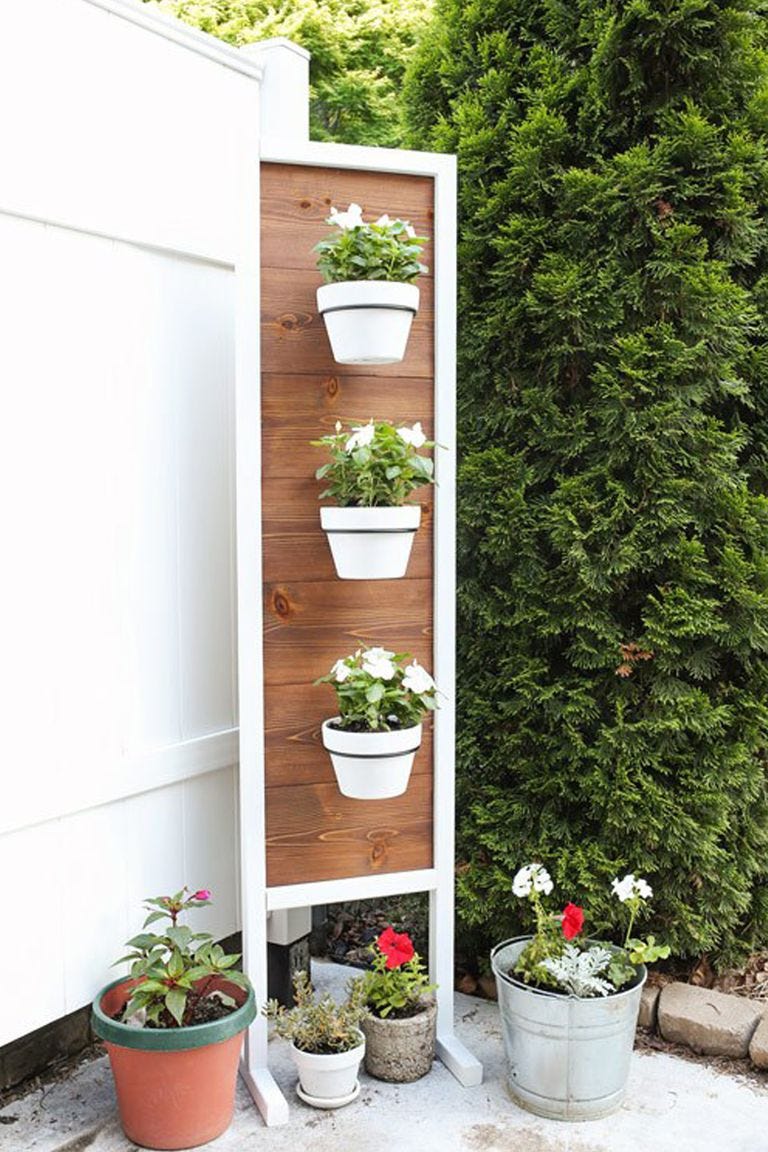
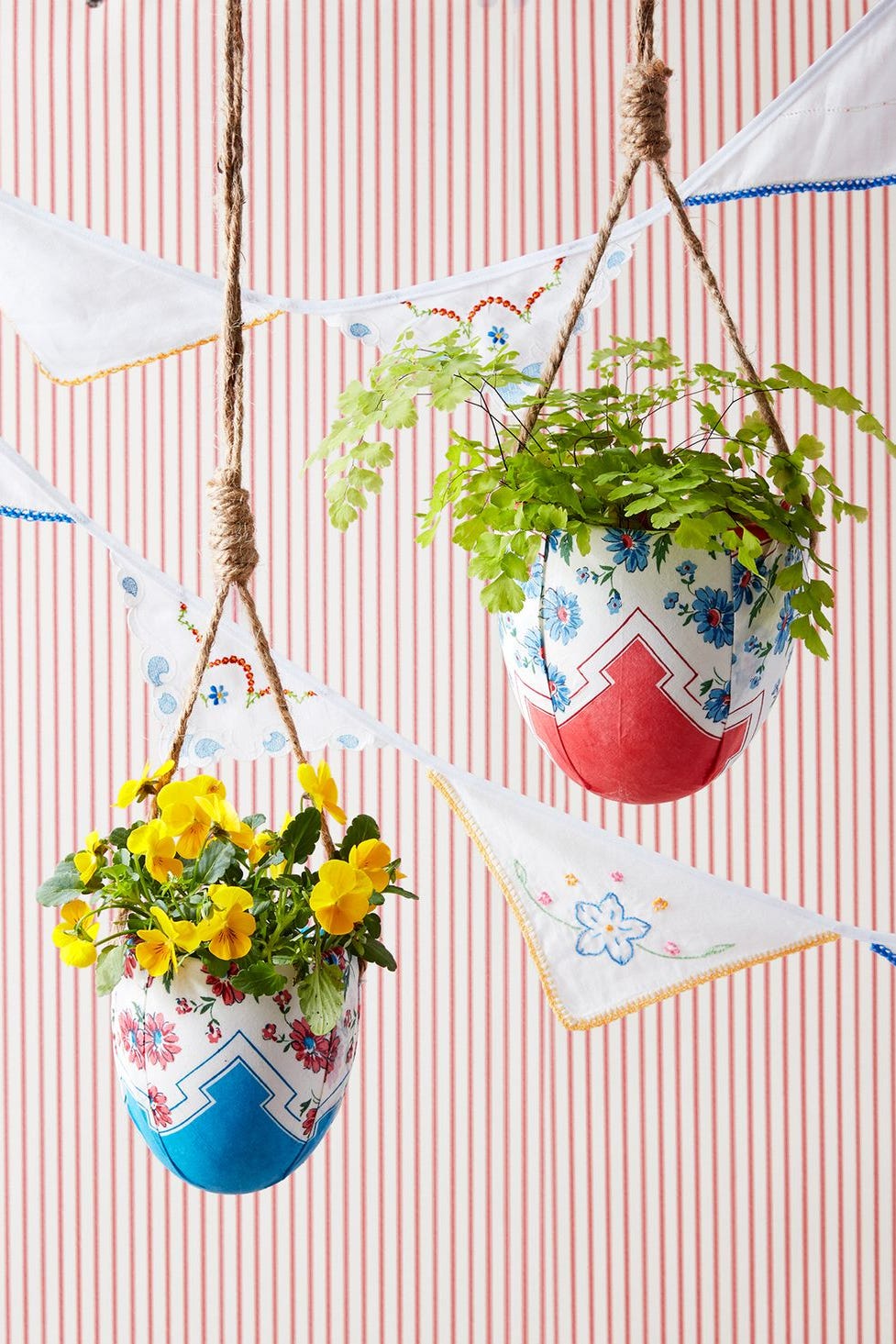
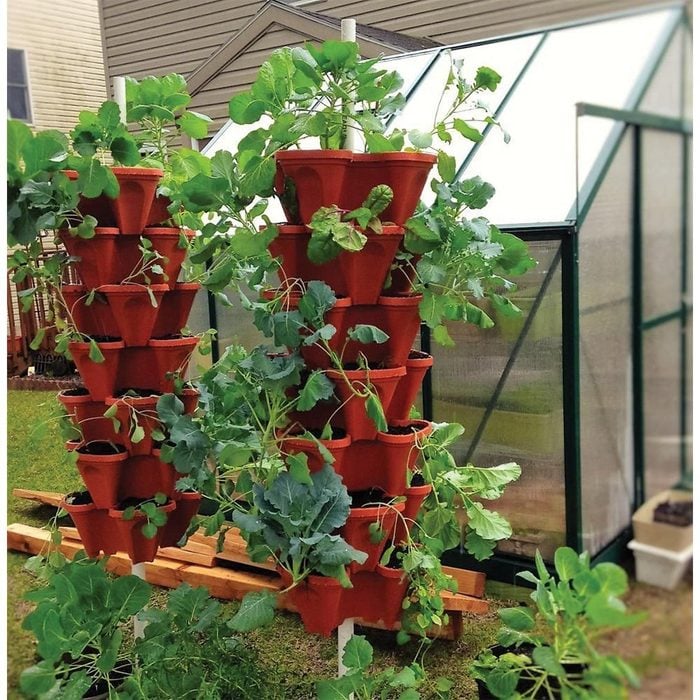
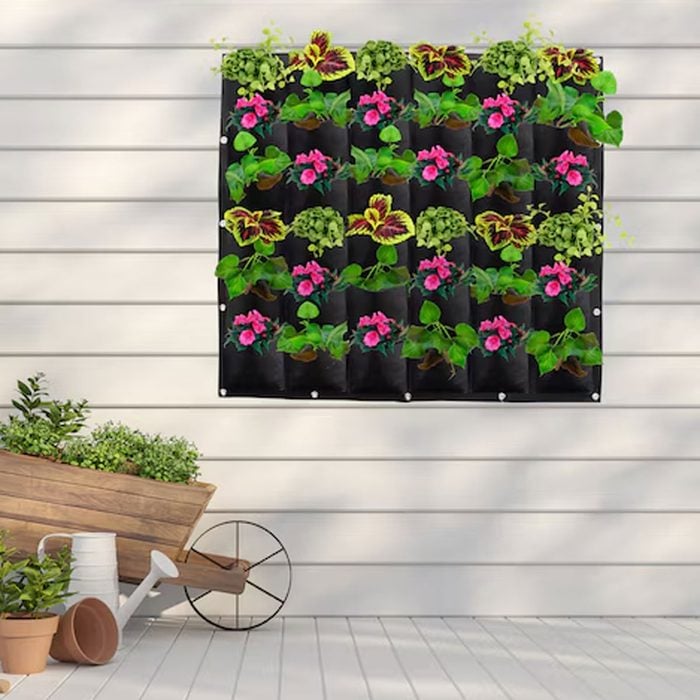
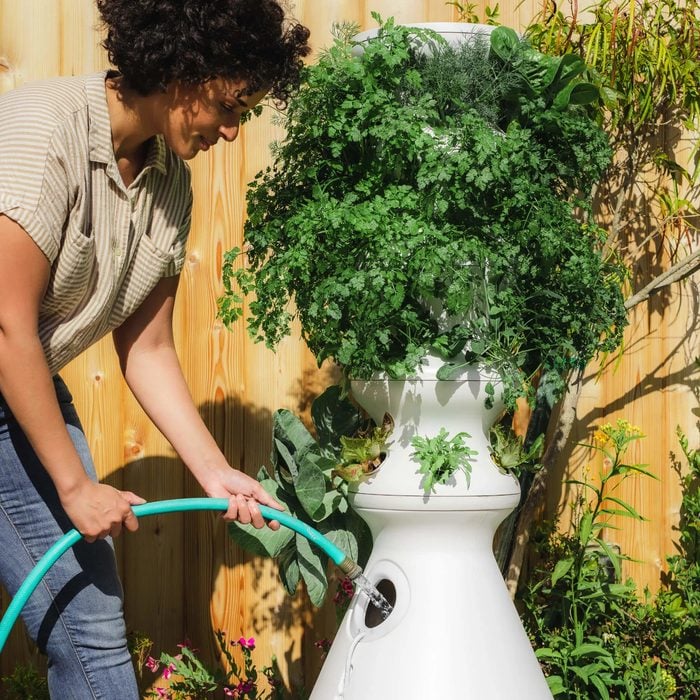
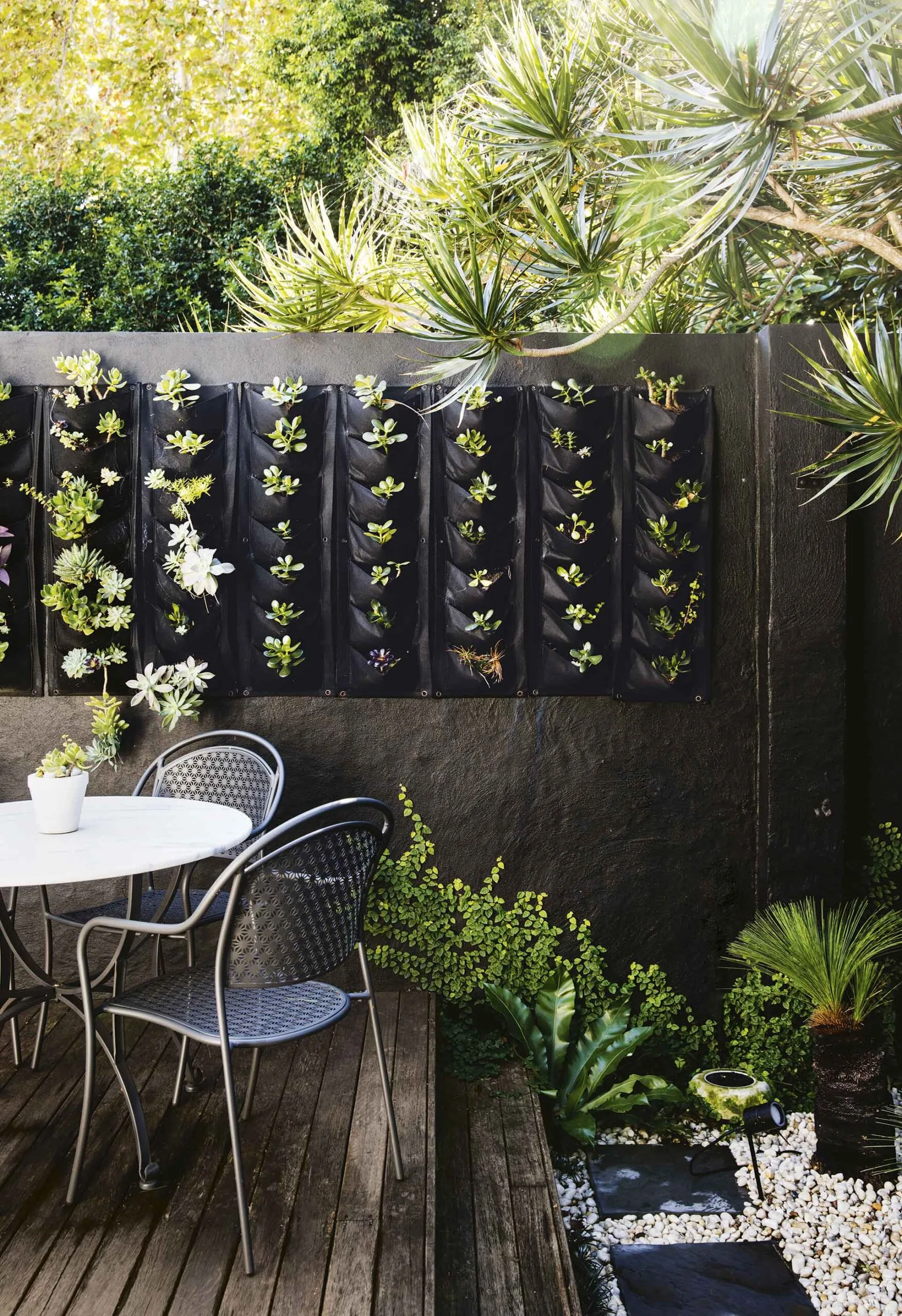
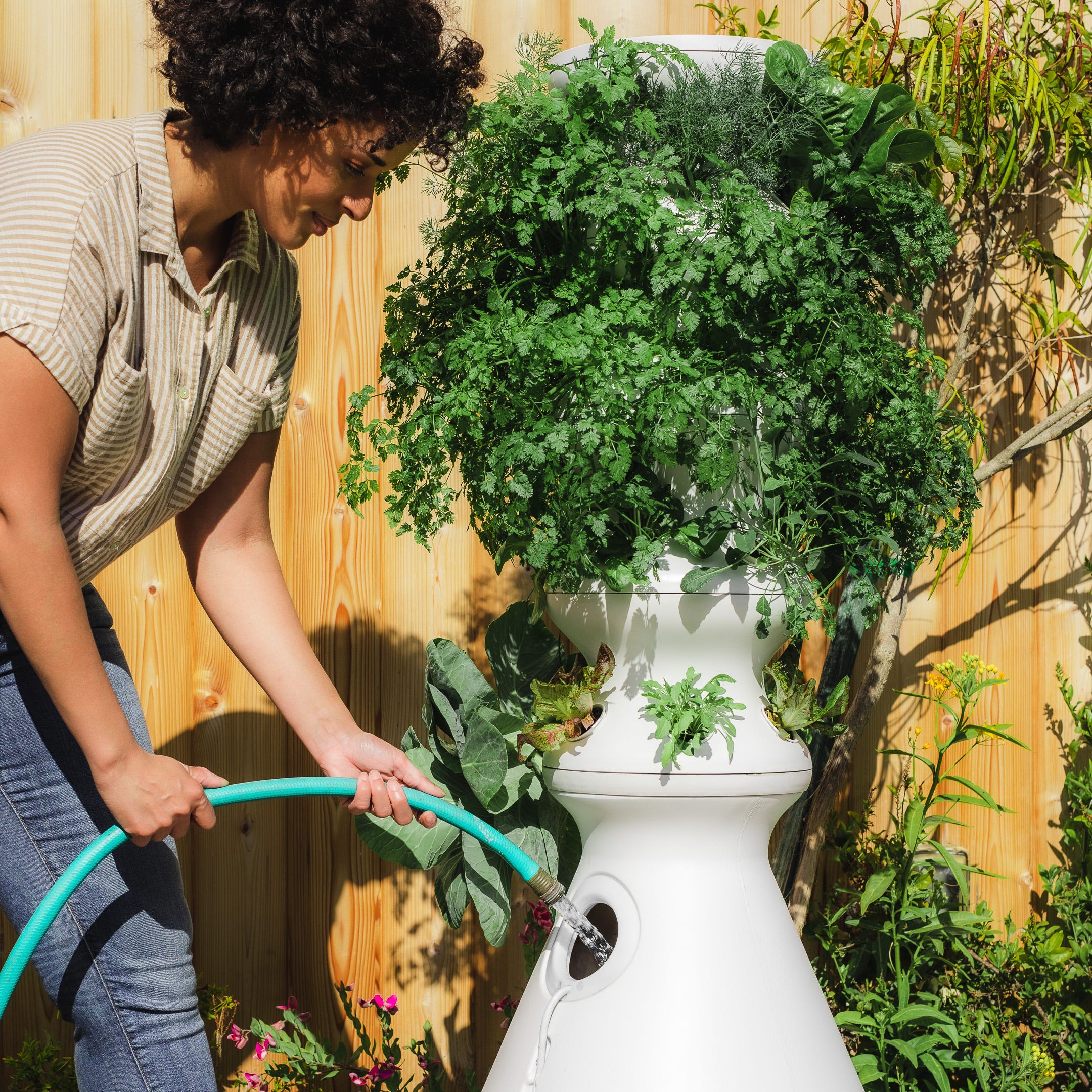
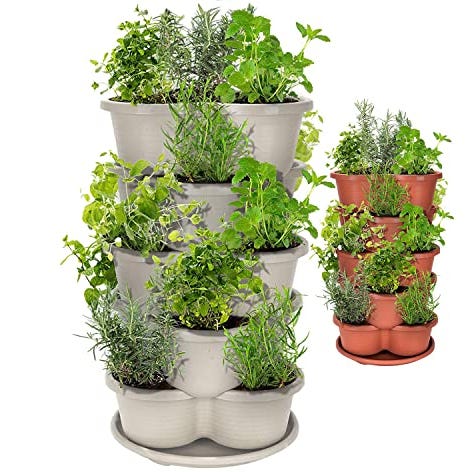
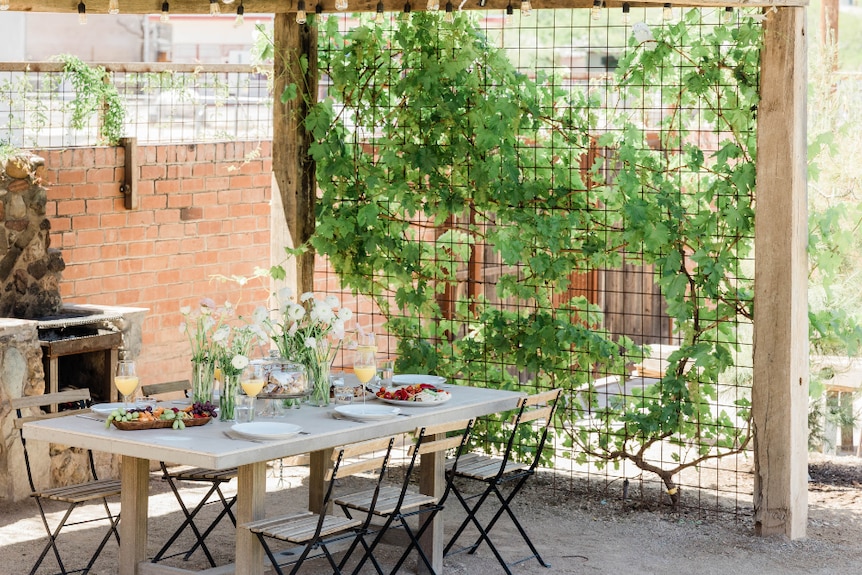
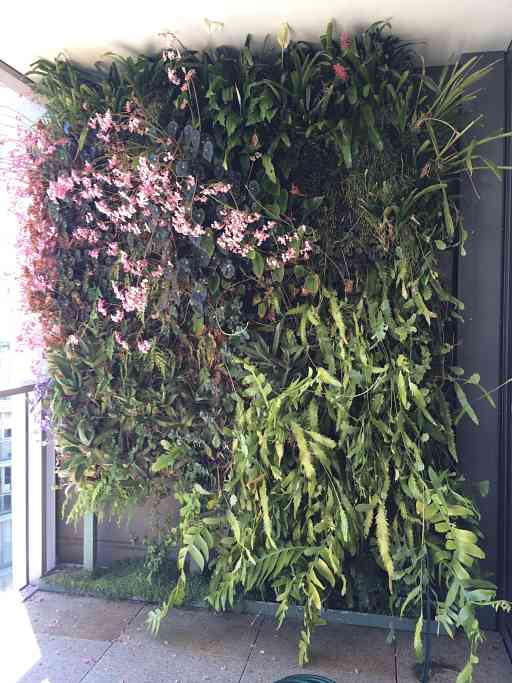
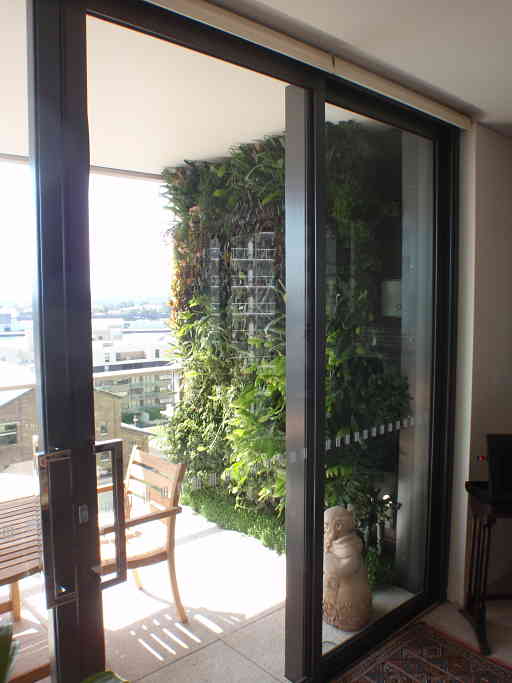
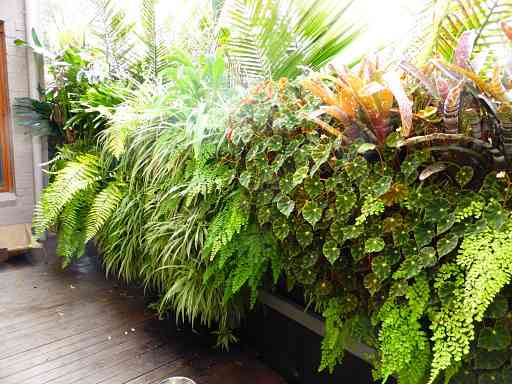
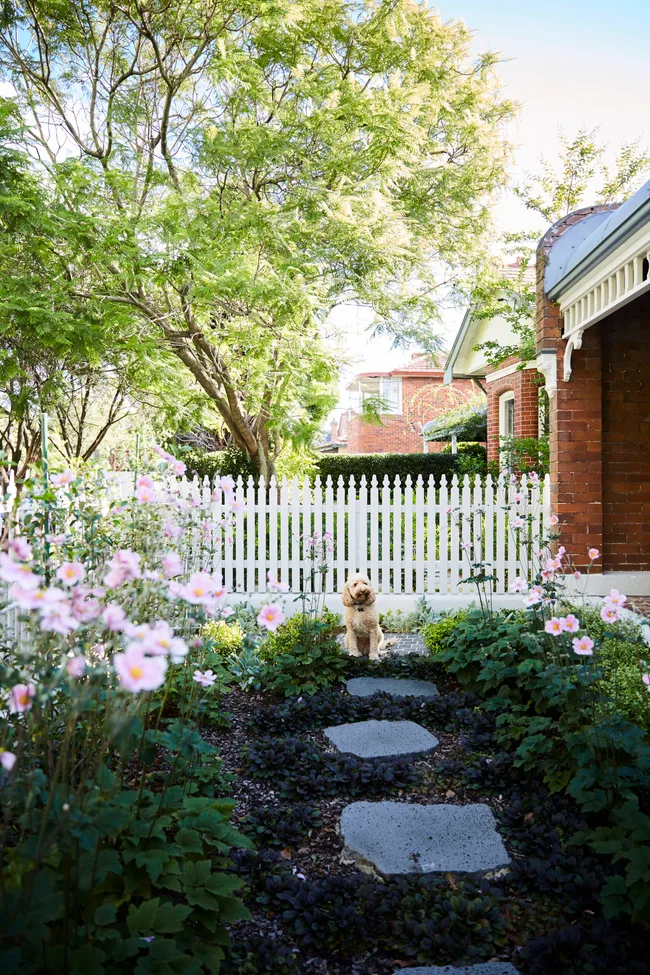
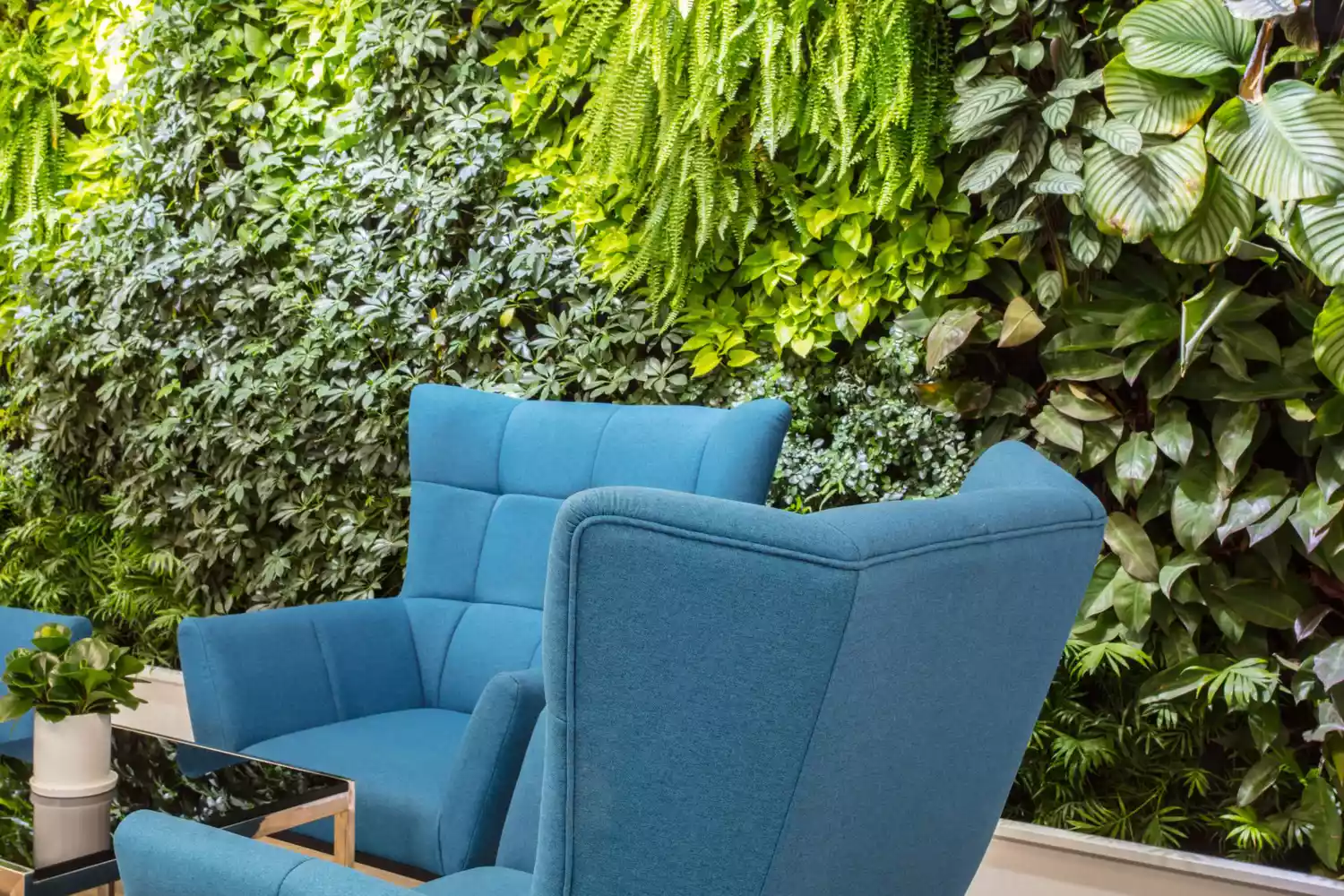
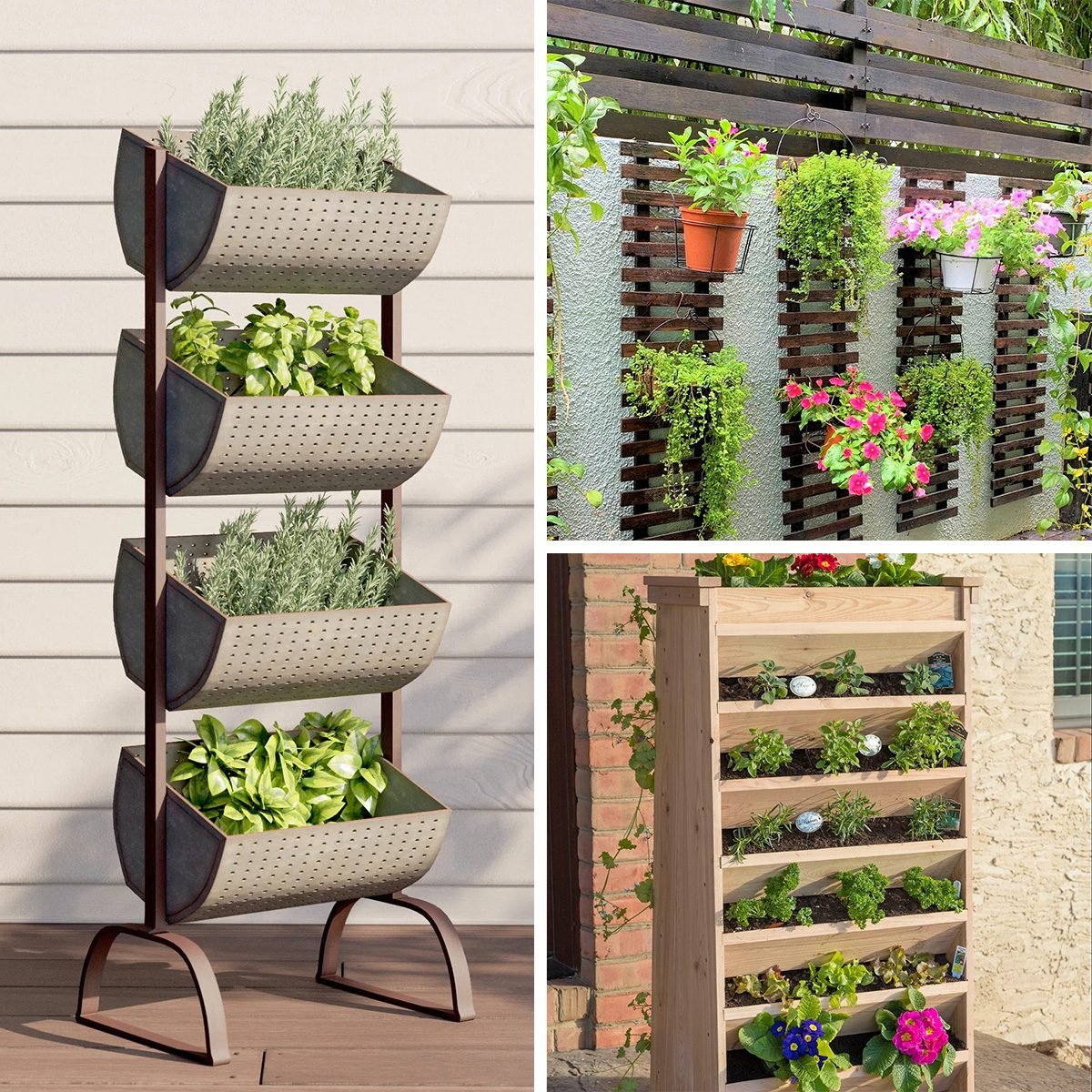
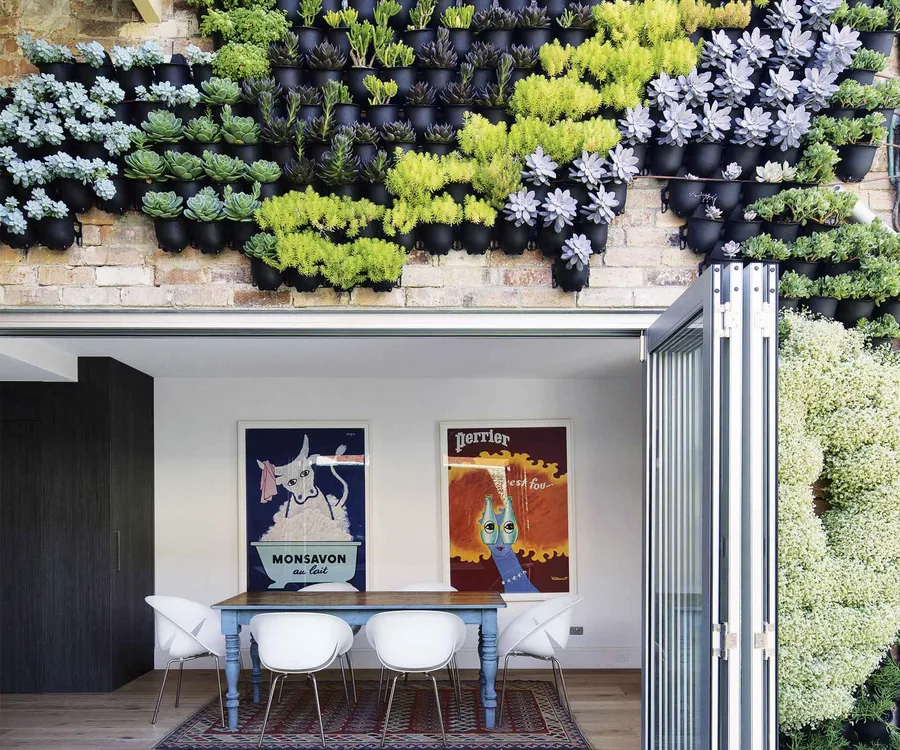
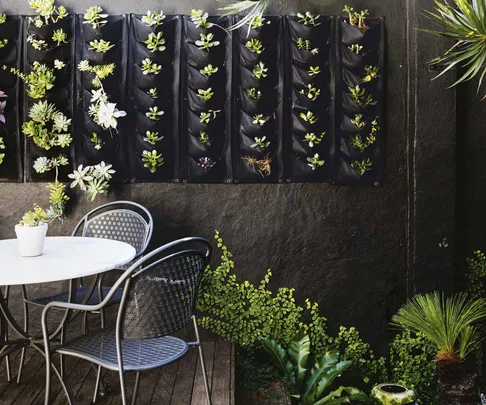
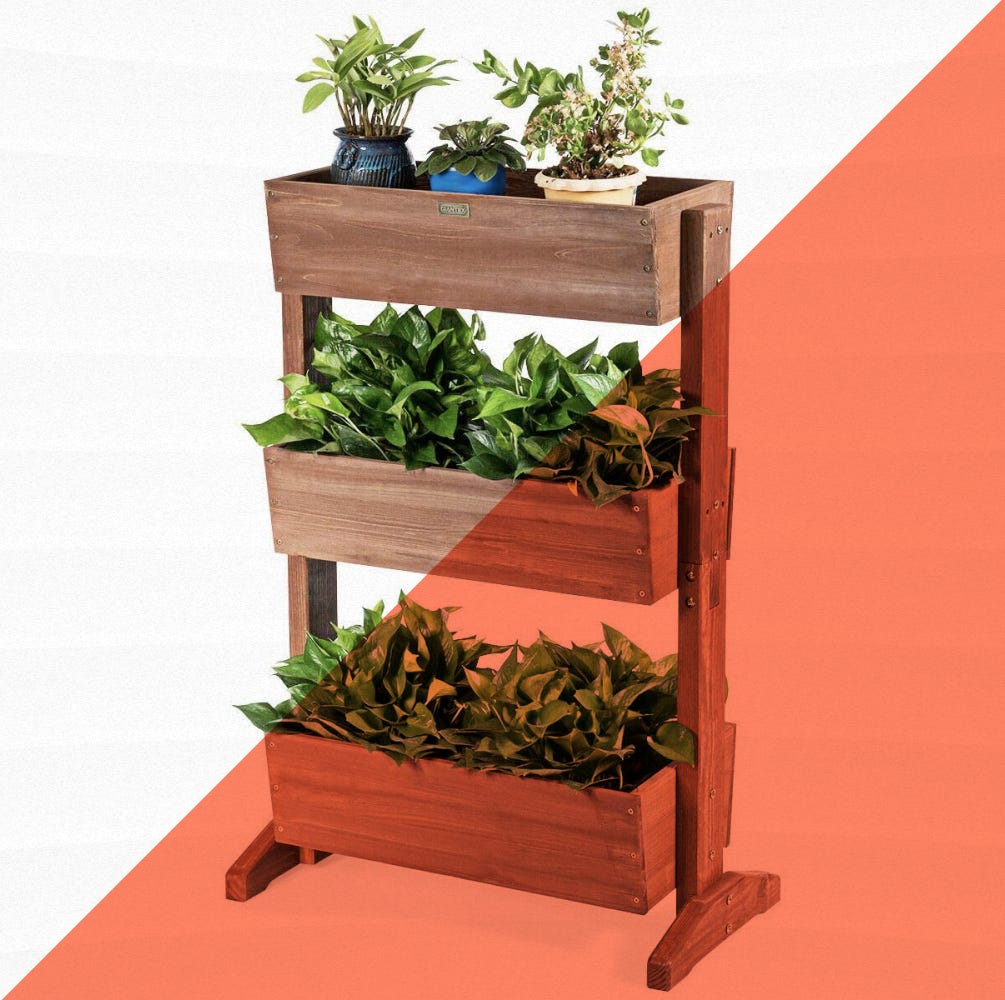
The article presents twelve distinct ideas for implementing vertical gardens. Installing a trellis is a straightforward way to add greenery, especially for climbing plants or flowering vines, which create an organic and dramatic lengthening effect. Hanging baskets provide an easy and low-maintenance option for growing plants in minimal space. Creating a living wall, an ecosystem of plants designed to thrive year-round both indoors and outdoors, offers an abundance of greenery without occupying floor space and doubles as living art. Stacked displays, utilizing multiple container plants in a vertical arrangement, are perfect for growing herbs in a compact footprint. Repurposing upcycled materials, such as pallets and old containers, not only provides creative planting solutions but also promotes sustainability by reducing waste.
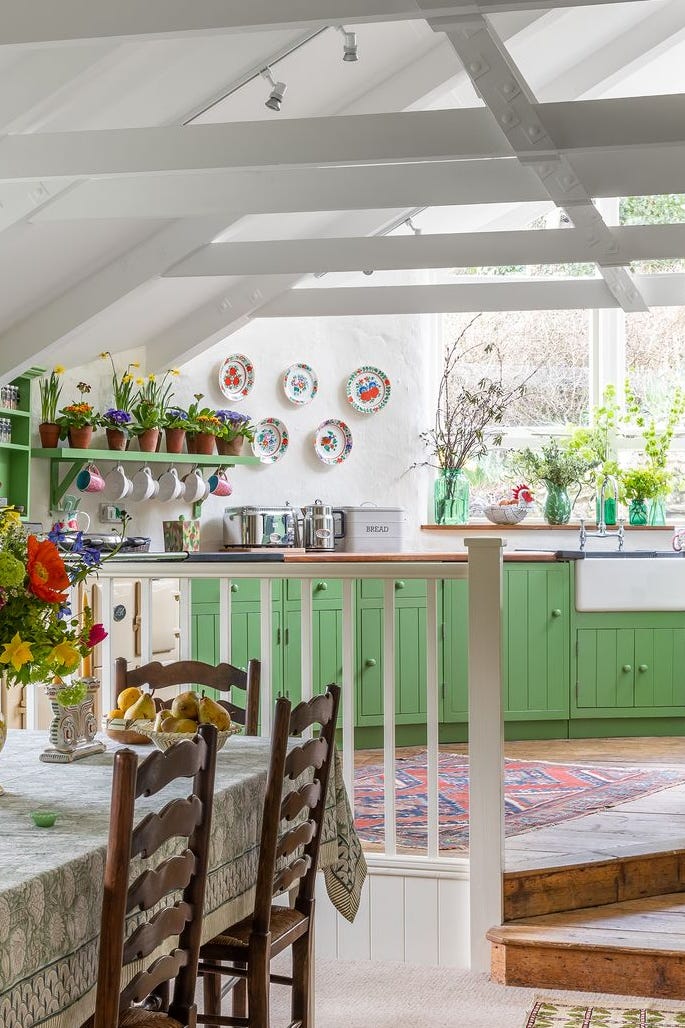
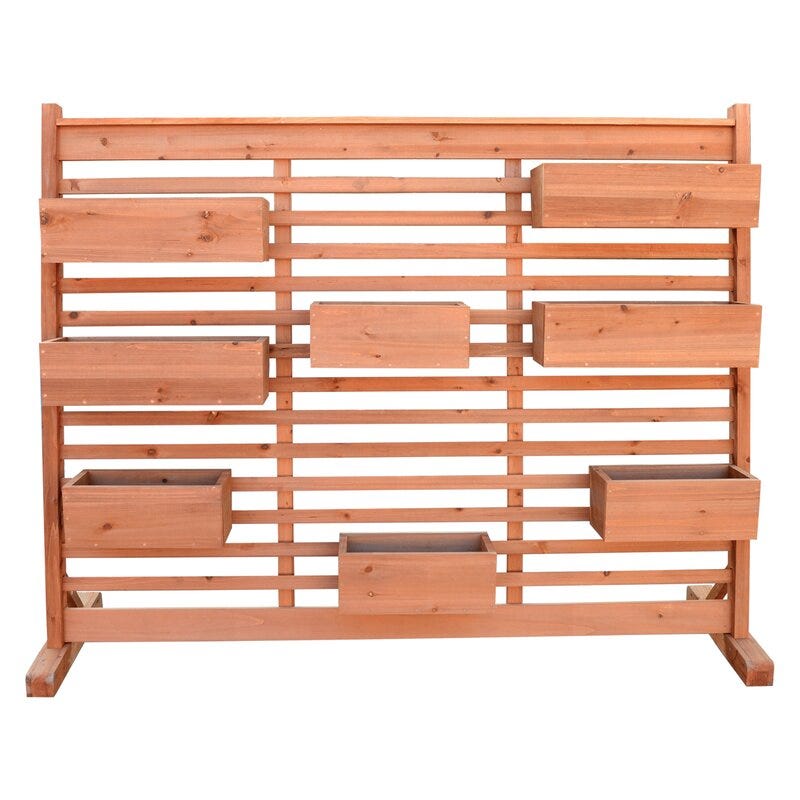
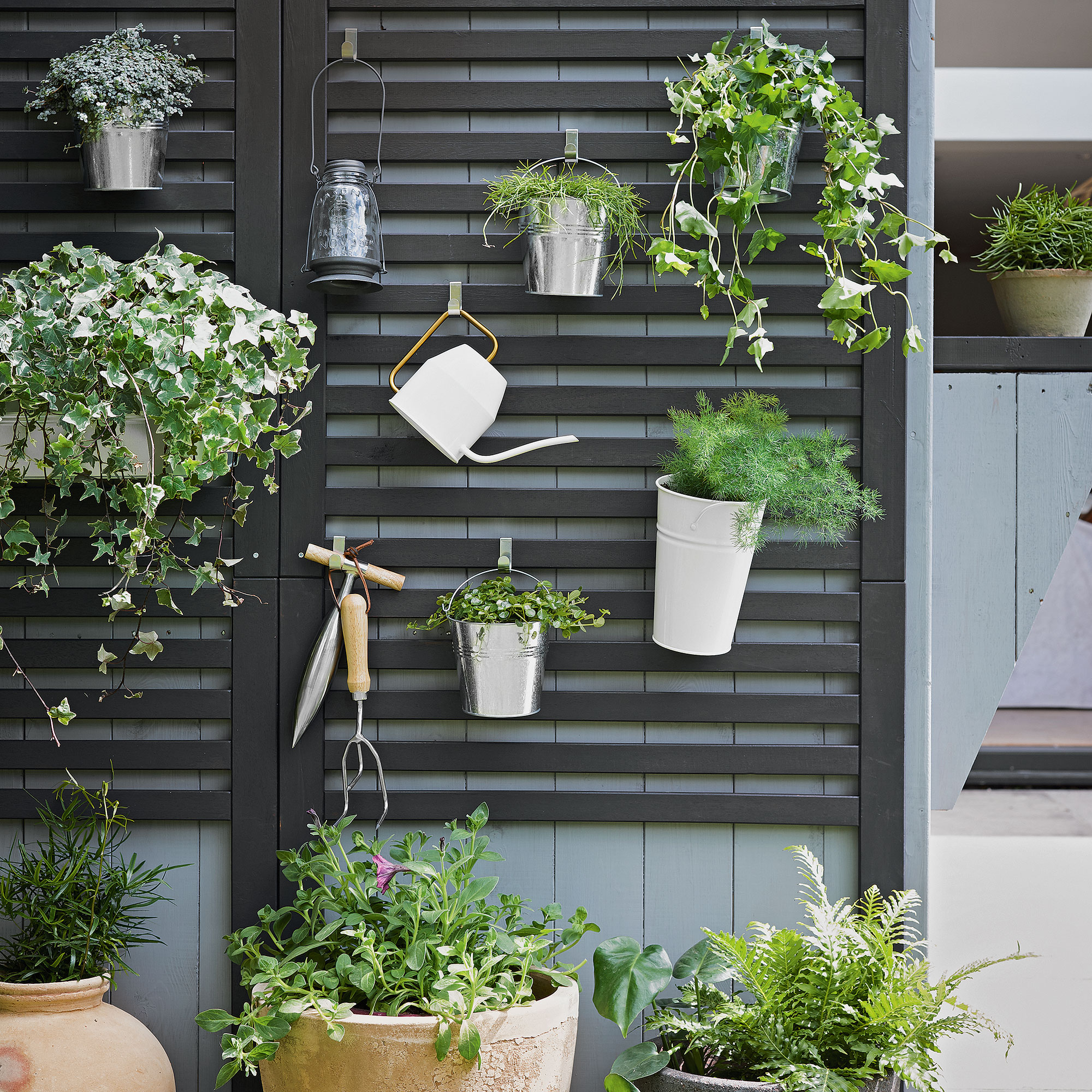
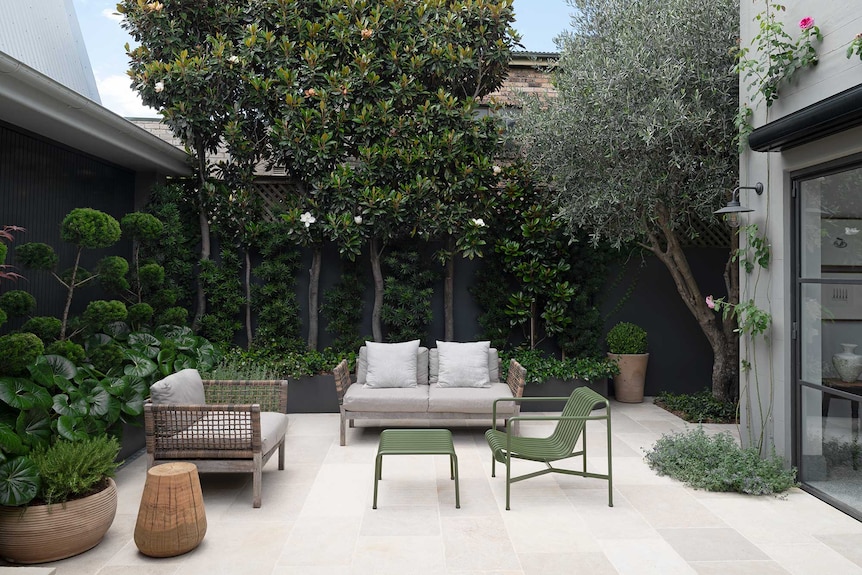
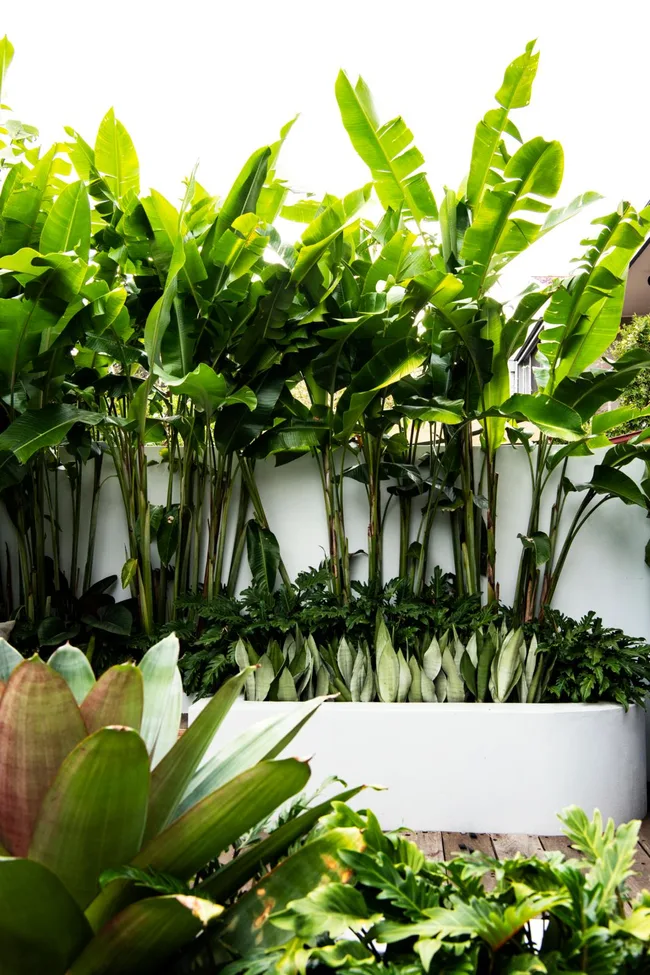
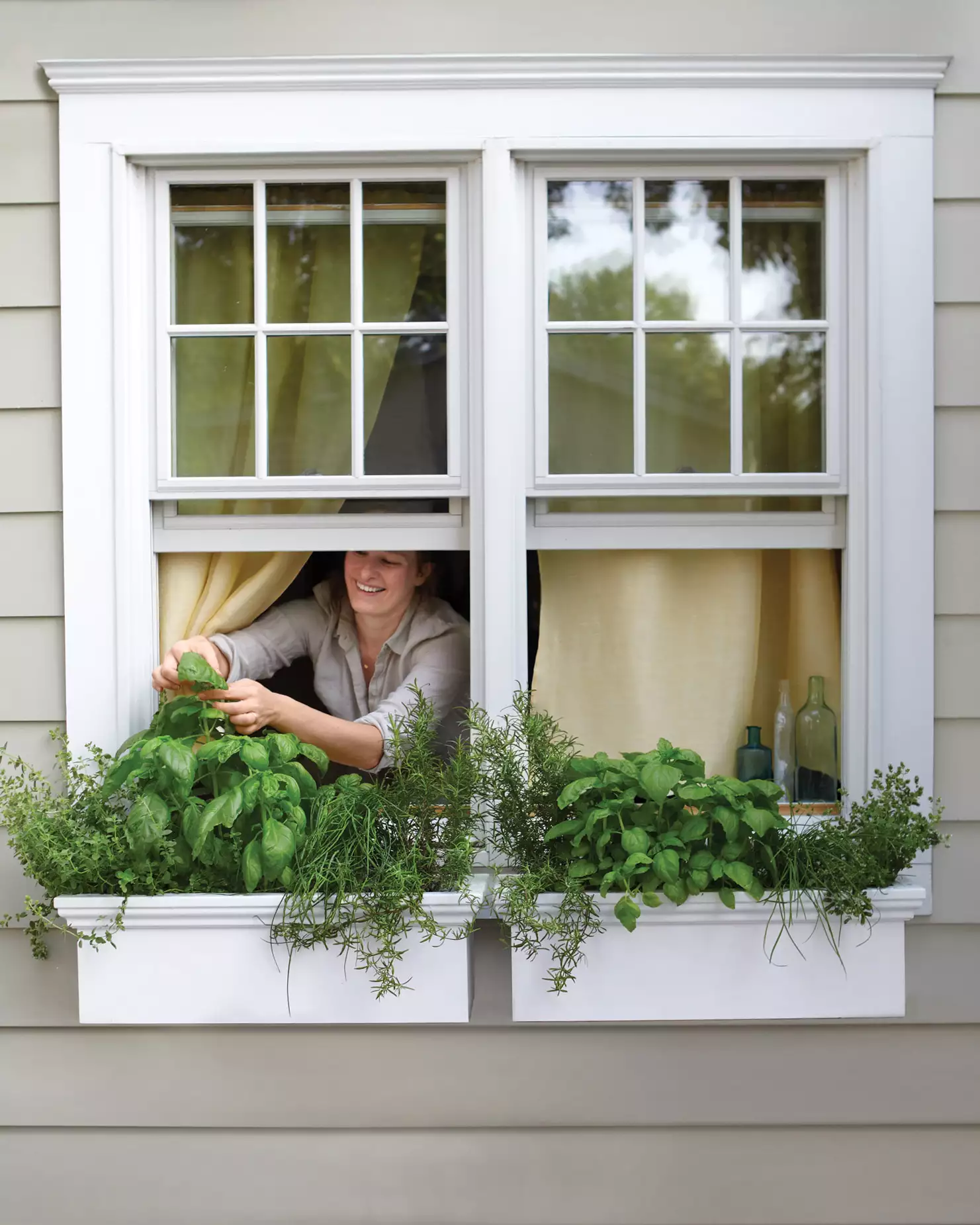
A hanging rack offers an organized way to display container plants, serving as both a functional gardening setup and a decorative element. Old ladders can be repurposed into rustic displays for potted plants, simplifying the watering process for multiple plants. Window boxes are an excellent choice for shallow-rooted plants like herbs and annual flowers, requiring careful consideration for mounting based on the home's exterior material. Even a simple arrangement of potted herbs on a windowsill can constitute a vertical garden, bringing culinary plants closer to hand. Column-style plants, such as certain trees, offer another method to conserve ground space and add visual interest, as they grow upward without needing additional support. Indoors, floating shelves can be strategically placed to allow potted plants to trail and fill spaces as they grow. Lastly, utilizing natural slopes in a landscape by incorporating walls and steps can create a stunning and orderly vertical garden, with vines and plants growing around the structured elements.
#VerticalGardening #SmallSpaceGardening #ContainerGardening #LivingWalls #TrellisIdeas #HangingBaskets #UpcycledGardening #DIYGarden #HomeDecor #VerticalGardening #SmallSpaceGardening #ContainerGardening #LivingWalls #TrellisIdeas #HangingBaskets #UpcycledGardening #DIYGarden #HomeDecor
0 comment in total
 No comments yet
You may also like
15 Vertical Garden Ideas, From Living Walls to Botanical Libraries

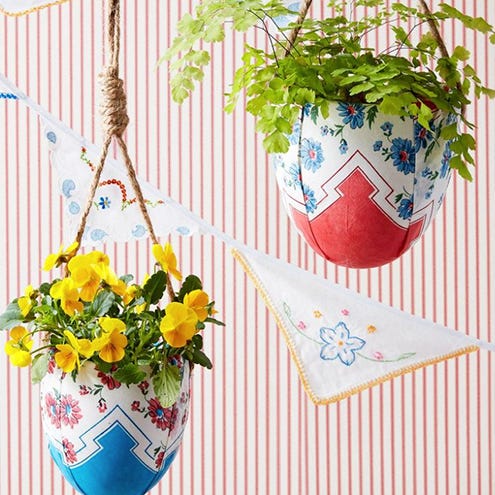
Here's How to Use an Old Shoe Organizer to Showcase Your Succulents

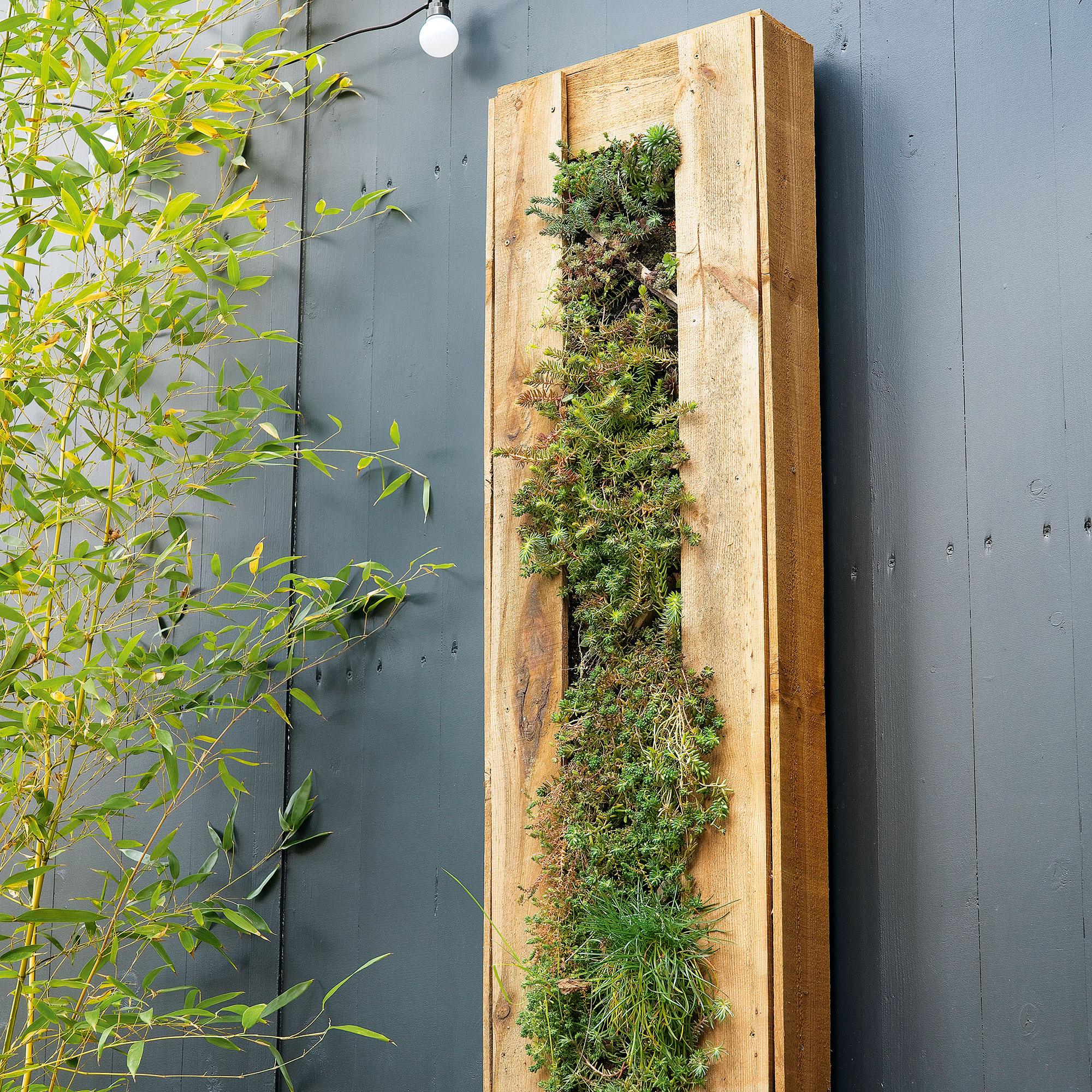
Living wall ideas to create a stylish vertical garden in your space
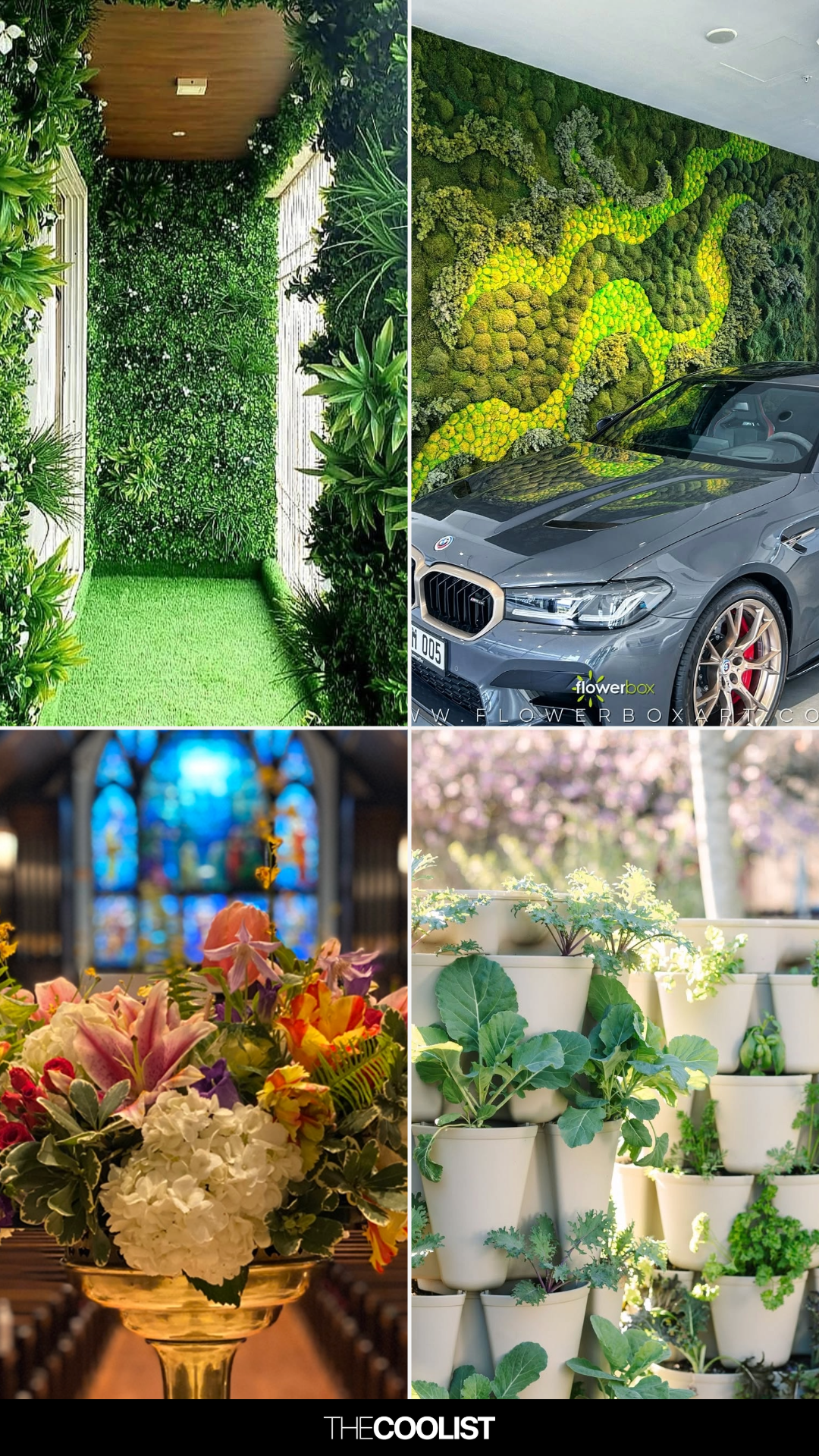
31 Inspiring Vertical Garden Ideas That Transform Bare Walls Instantly

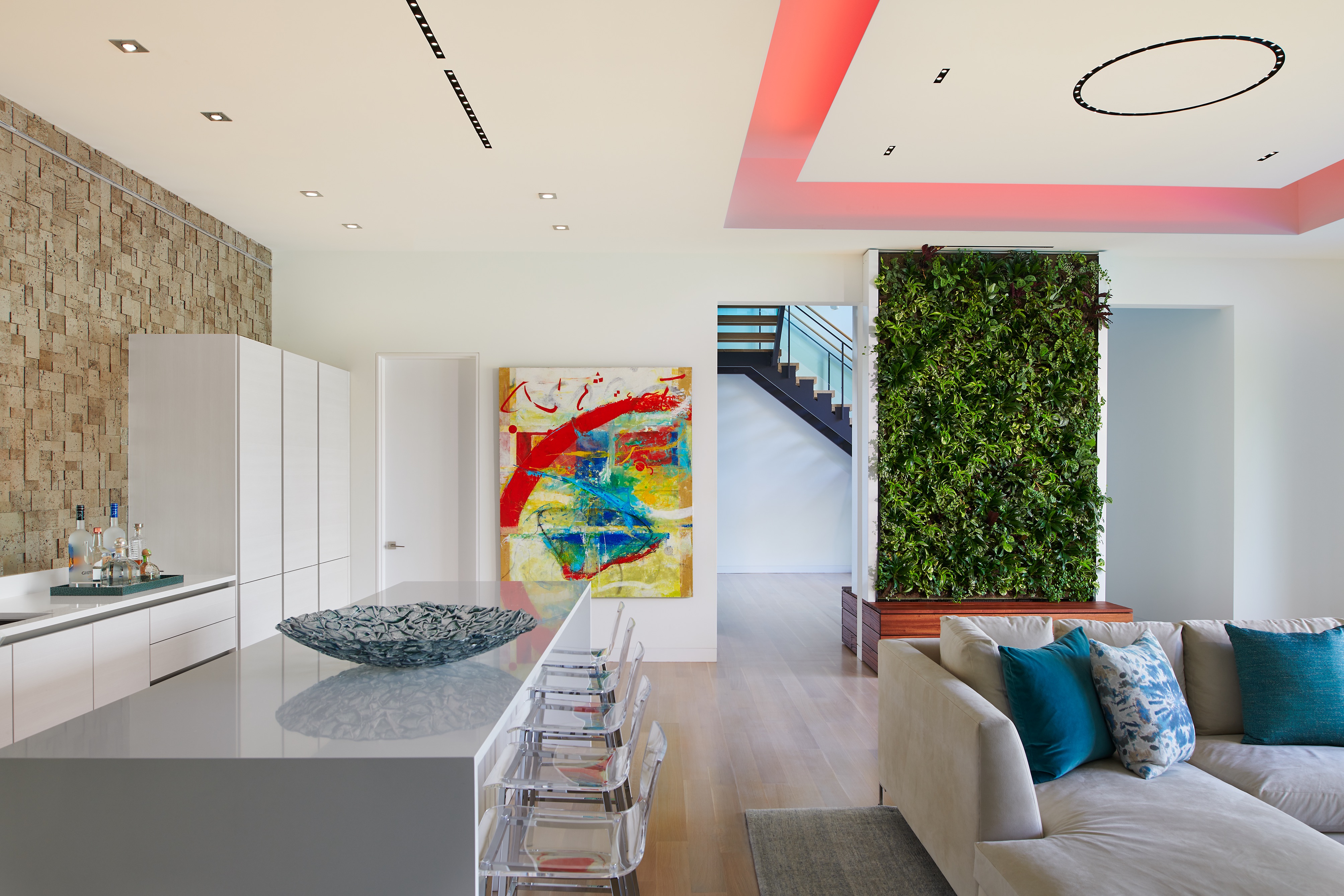
19 vertical garden ideas - landscape experts show how plants thrive in small spaces inside and outside the home

10 Best Vertical Garden Planters

Vertical Gardening Is a Dead-Simple DIY Project That Any Space Can Handle

ALDI's $4.99 garden wall planter is back in stock for 2025

12 vertical garden ideas to inspire your own plant wall

9 of the best plants for vertical gardens
You don't need much space or sun to have a flourishing garden
How to make a small garden look bigger –25 ideas that are simple but effective

Maximize limited space with vertical gardens

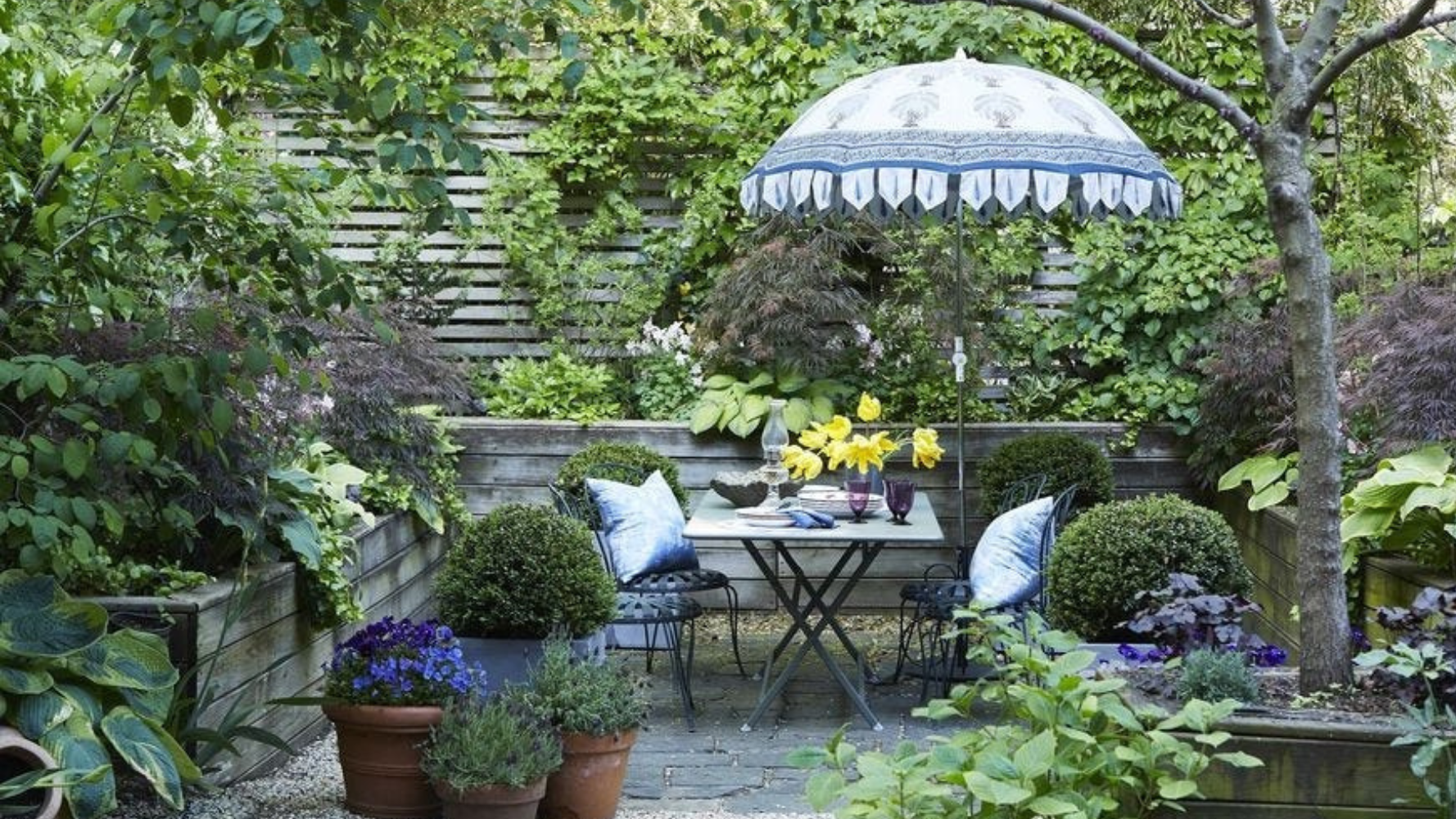
I Can’t Stop Thinking About These Enchanting Small Gardens

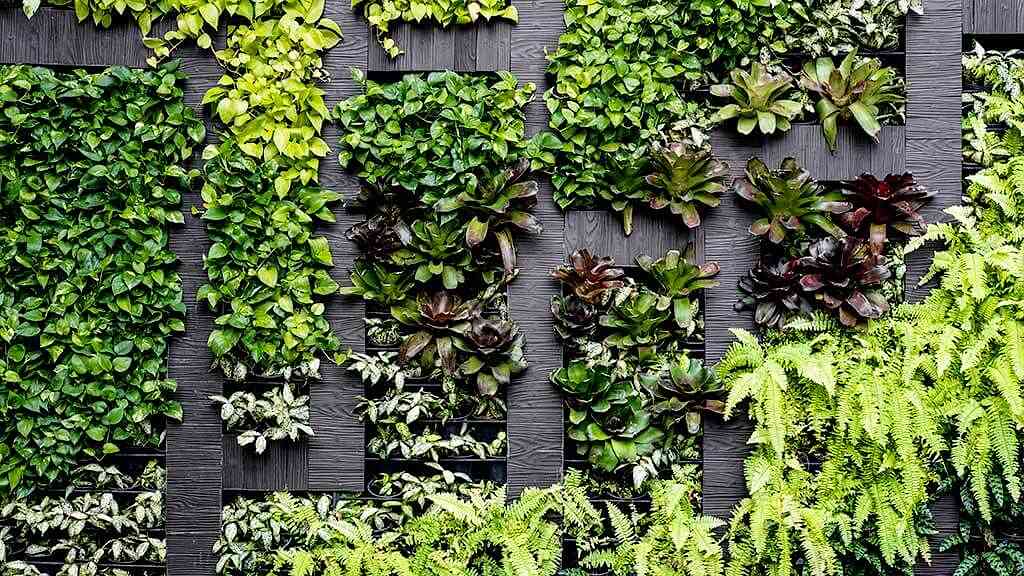
How to grow a vertical garden at home
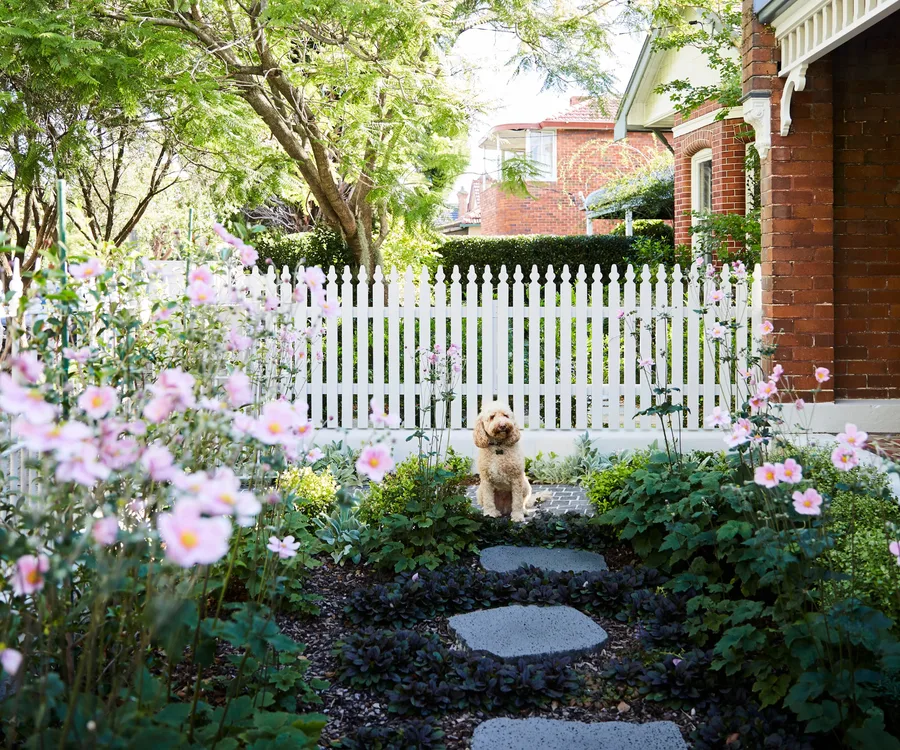
13 small garden design ideas that maximise space and greenery
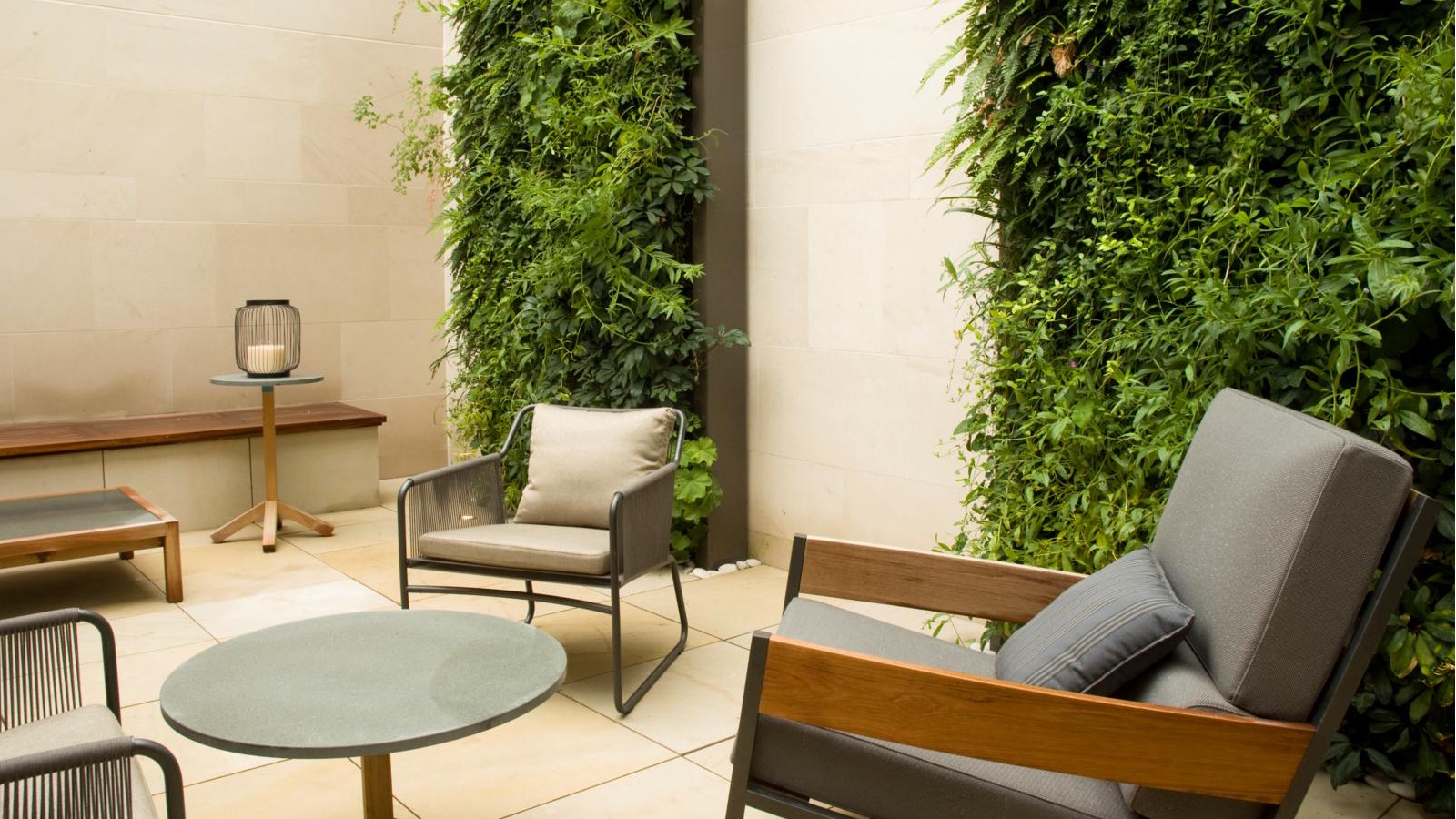
Vertical indoor garden ideas: 7 elevating ideas
These Vertical Gardens Are a Plant Lover’s Dream

12 Garden Room Ideas That Will Elevate Your Outdoor Space and Bring You Extra Room to Unwind

17 Small-Space Garden Ideas Perfect for Your Patio or Windowsill