werteloberfell experiments with 3D printing to obtain flexible lighting structures
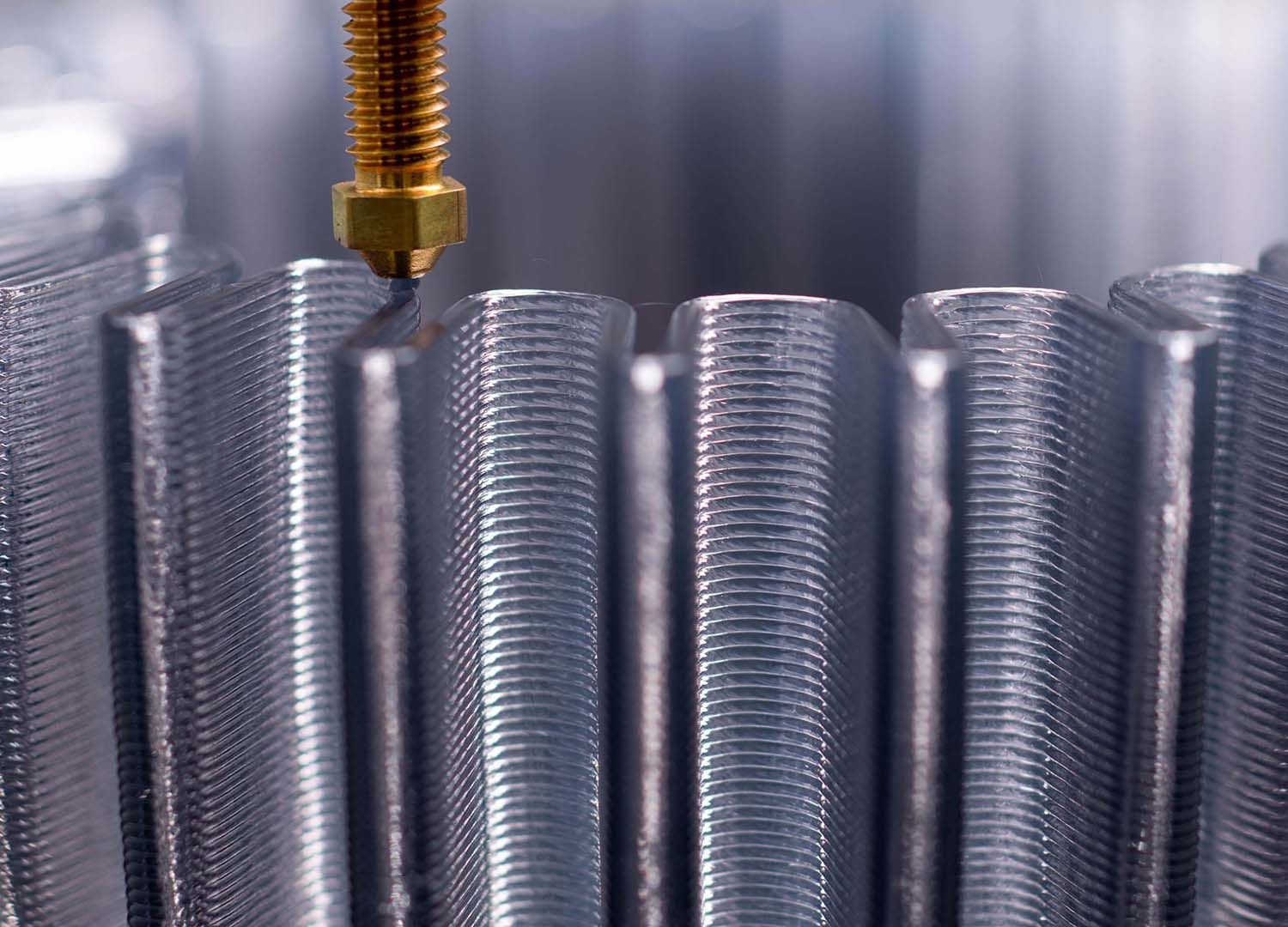
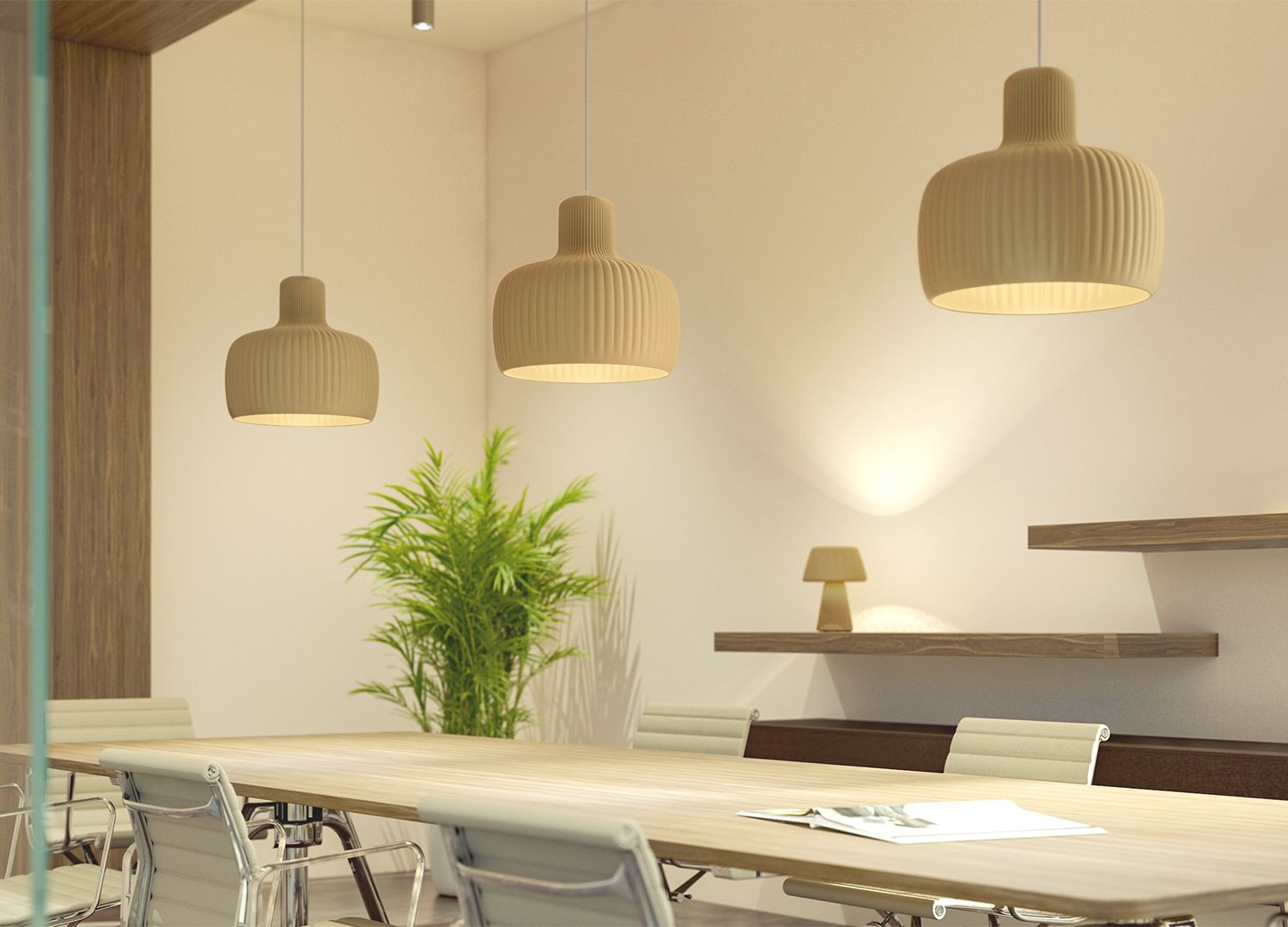
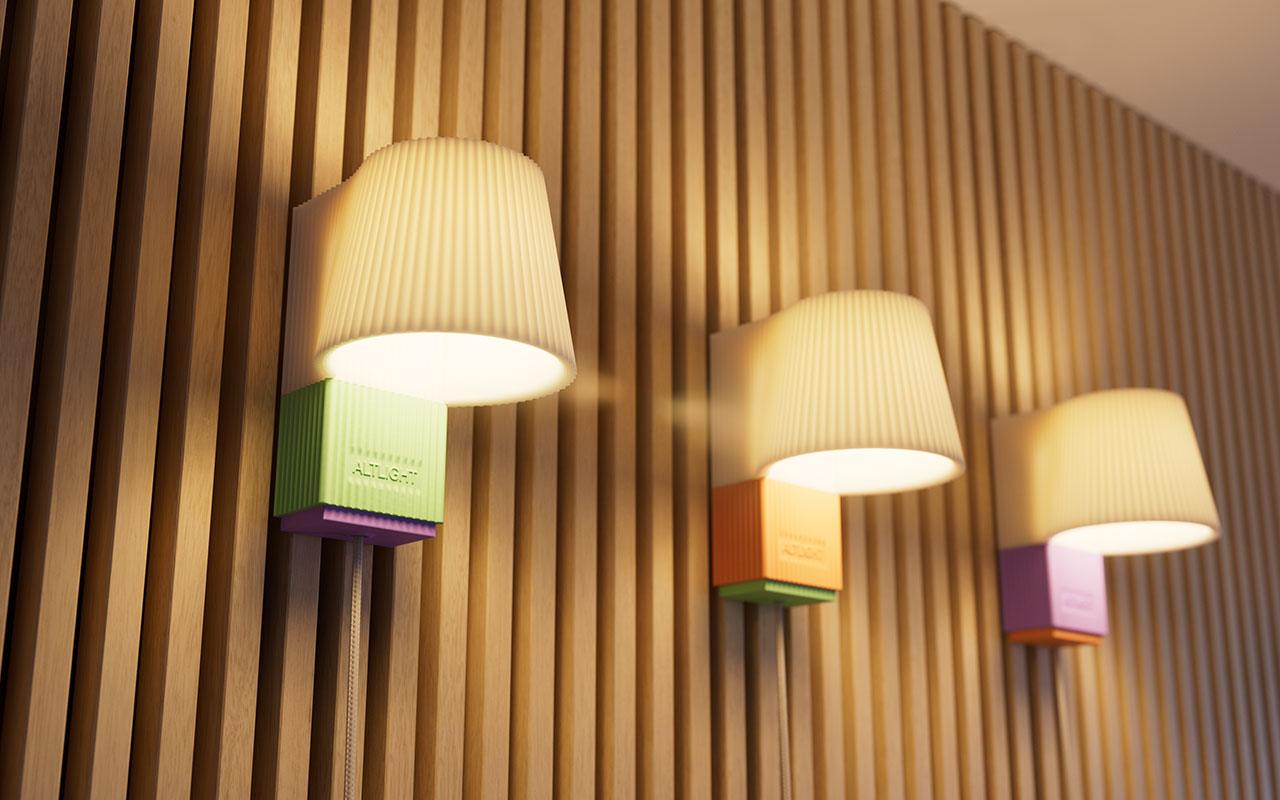
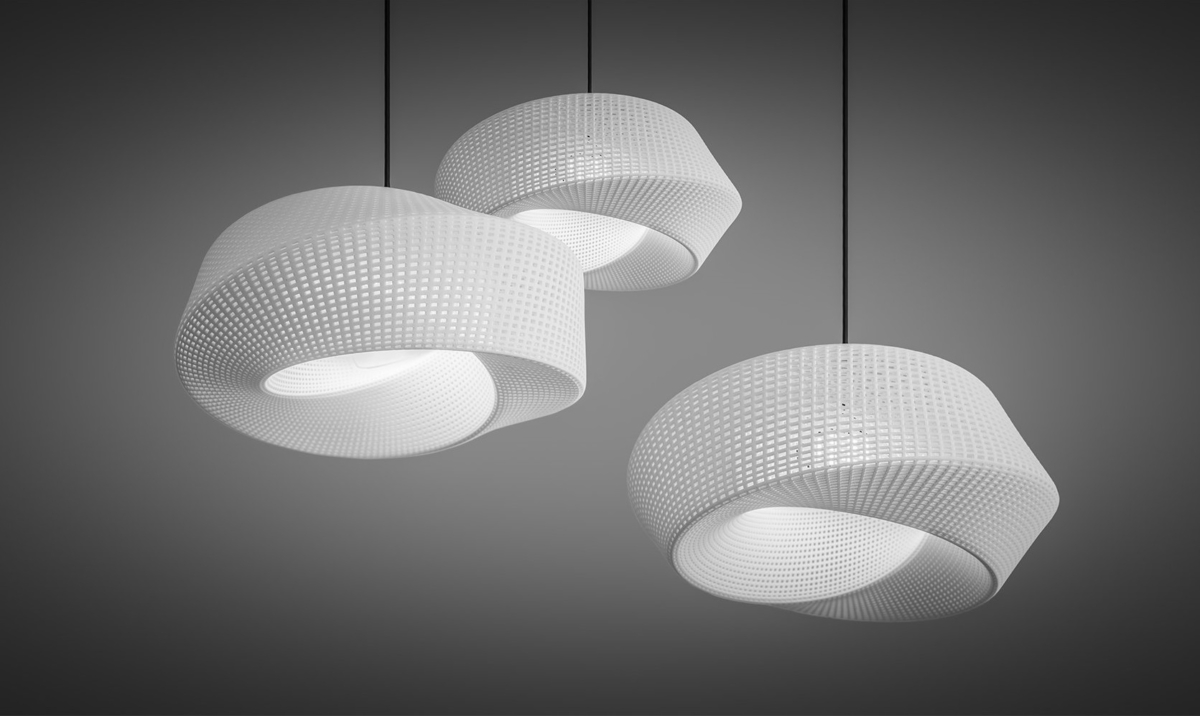
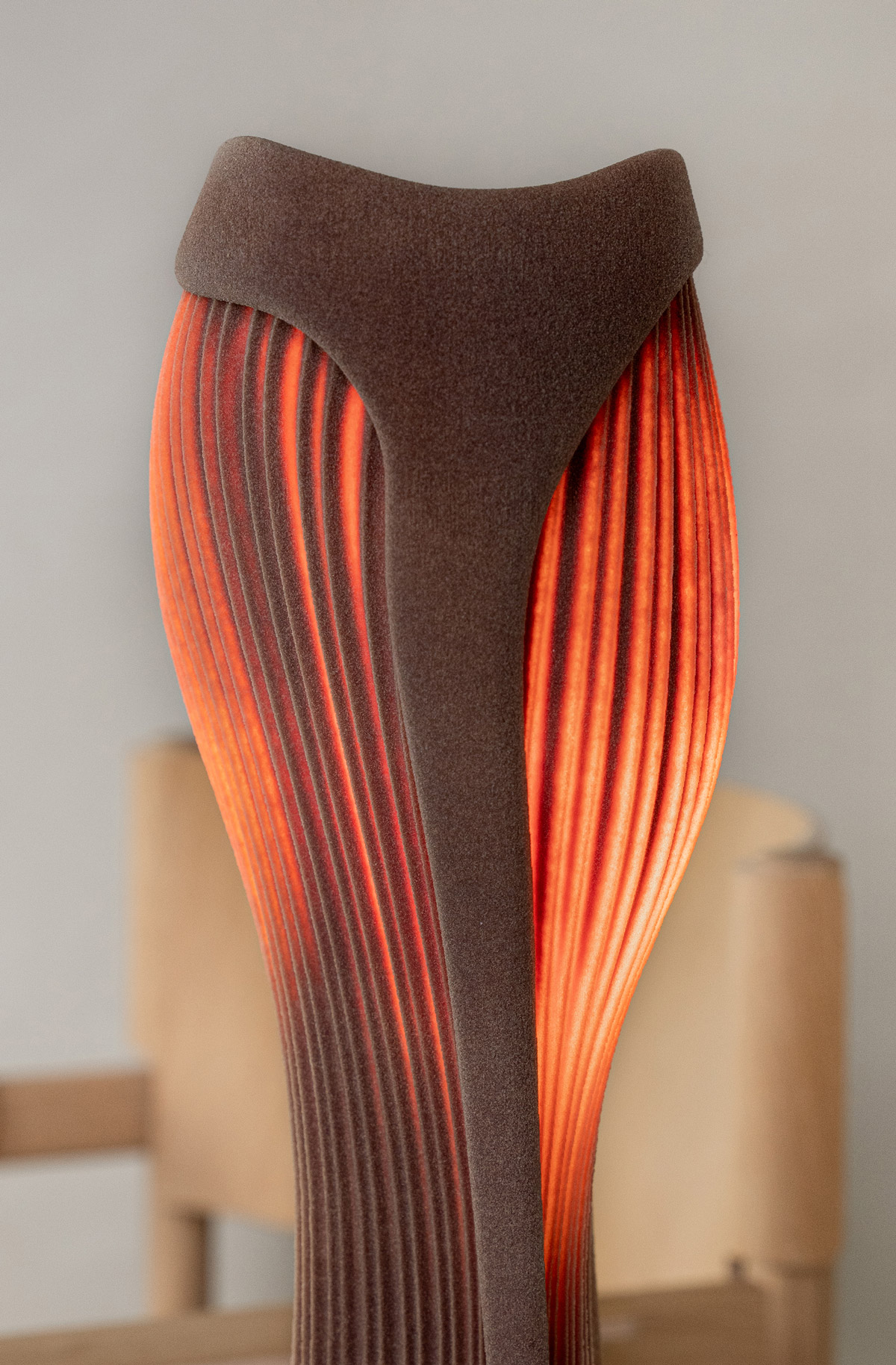
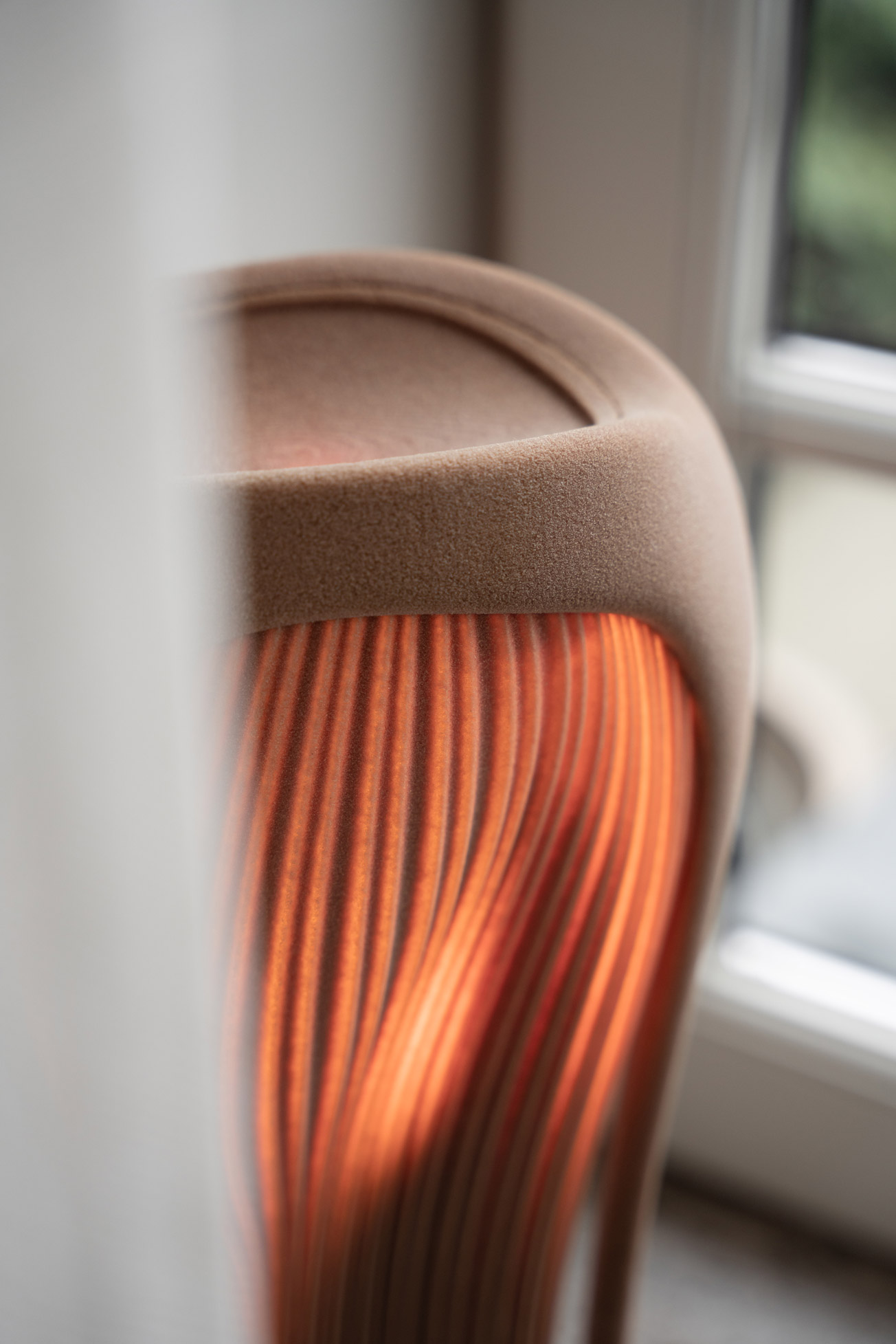
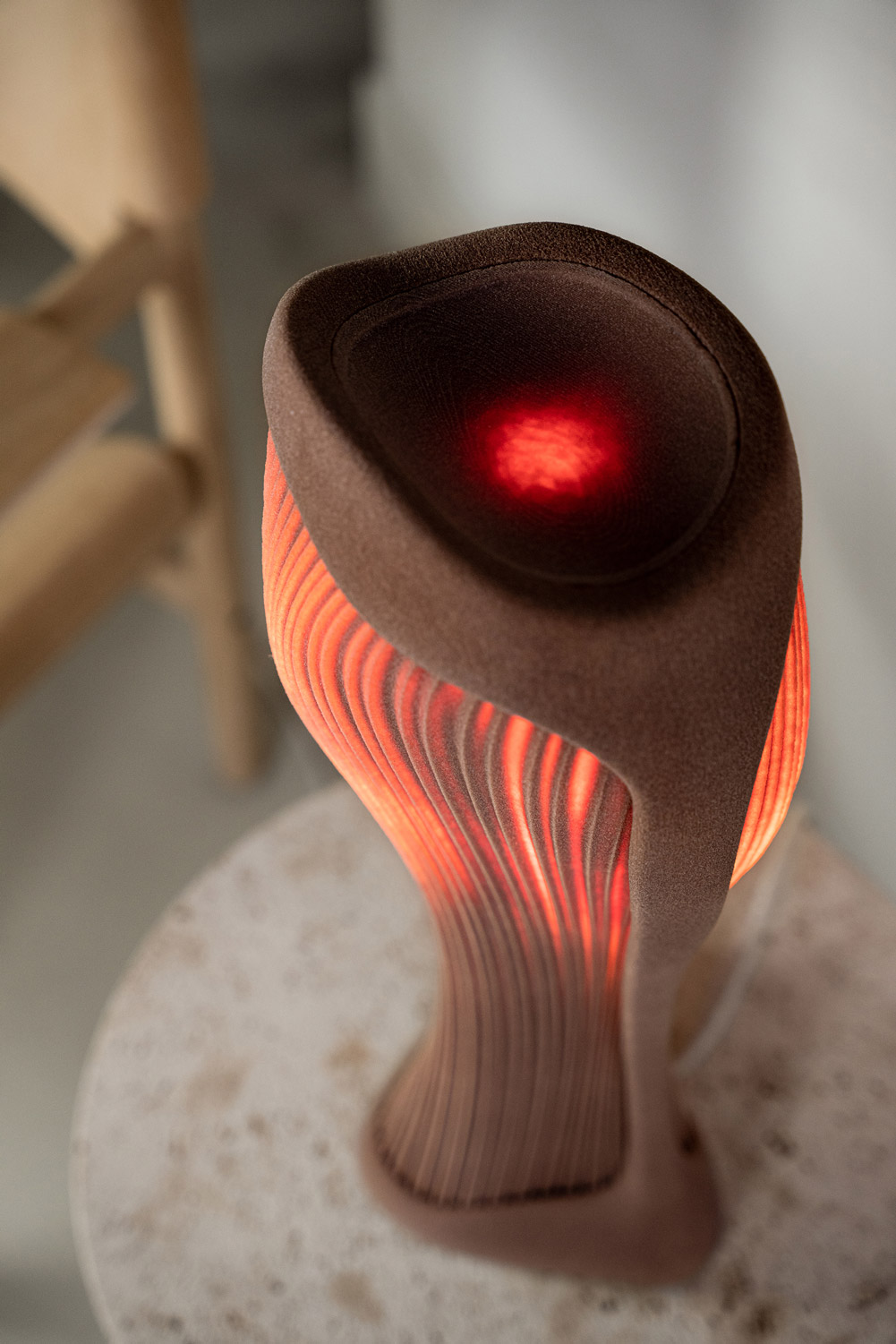
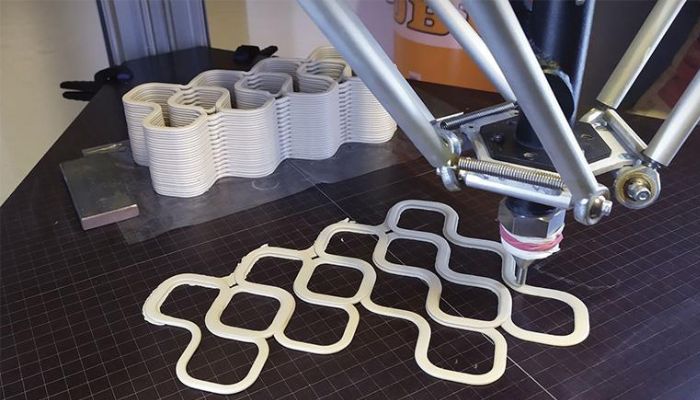
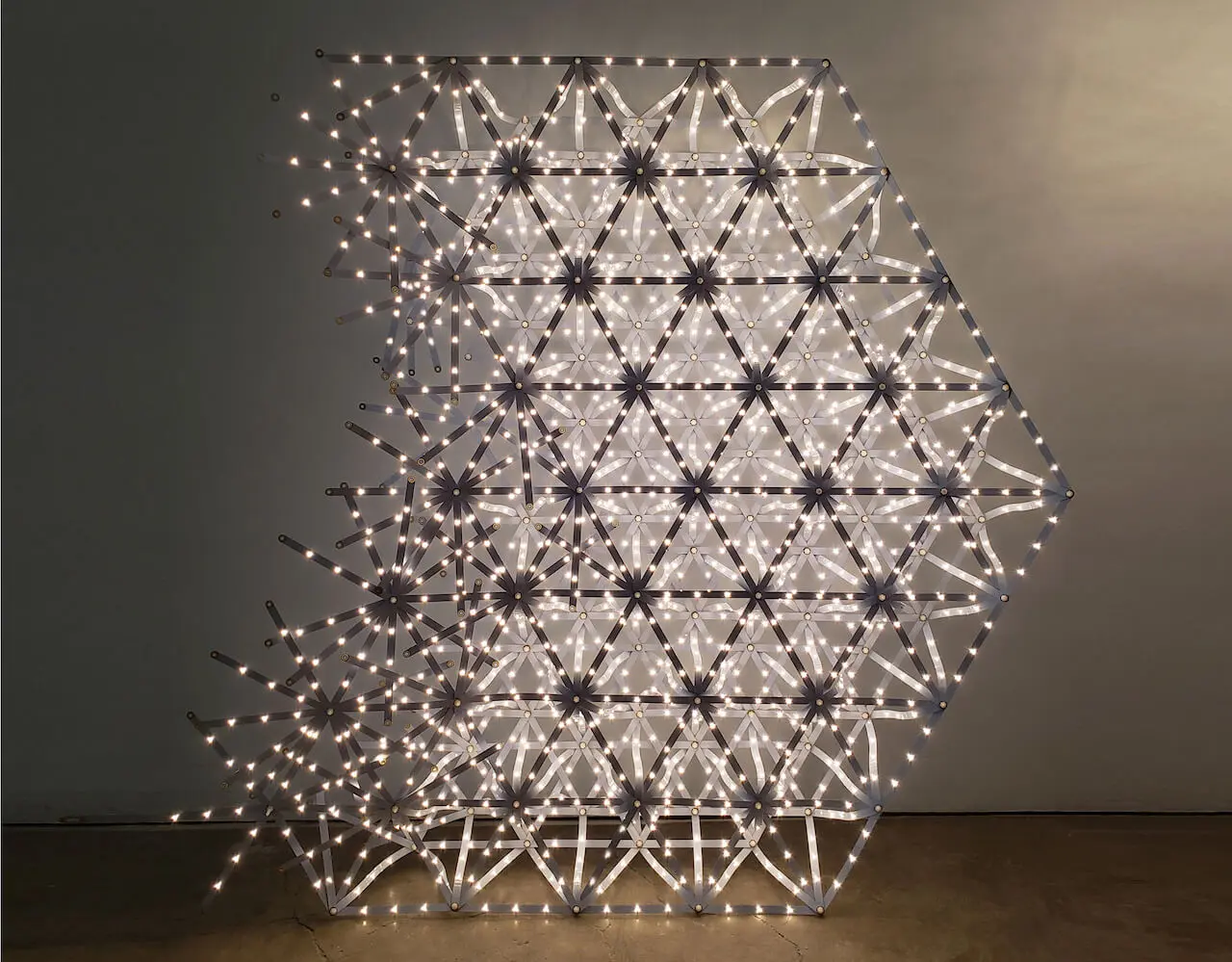
The interdisciplinary design studio WertelOberfell, based in Munich, has been actively exploring the integration of 3D printing technologies into lighting design. Their objective is to optimize these technologies to create lighting structures that are both efficient in material usage and rapid in production. The core of their experimentation revolves around developing flat lamp components that can be printed quickly using minimal material, yet exhibit a range of properties from stiffness to flexibility and deformability through diverse patterns and geometries.
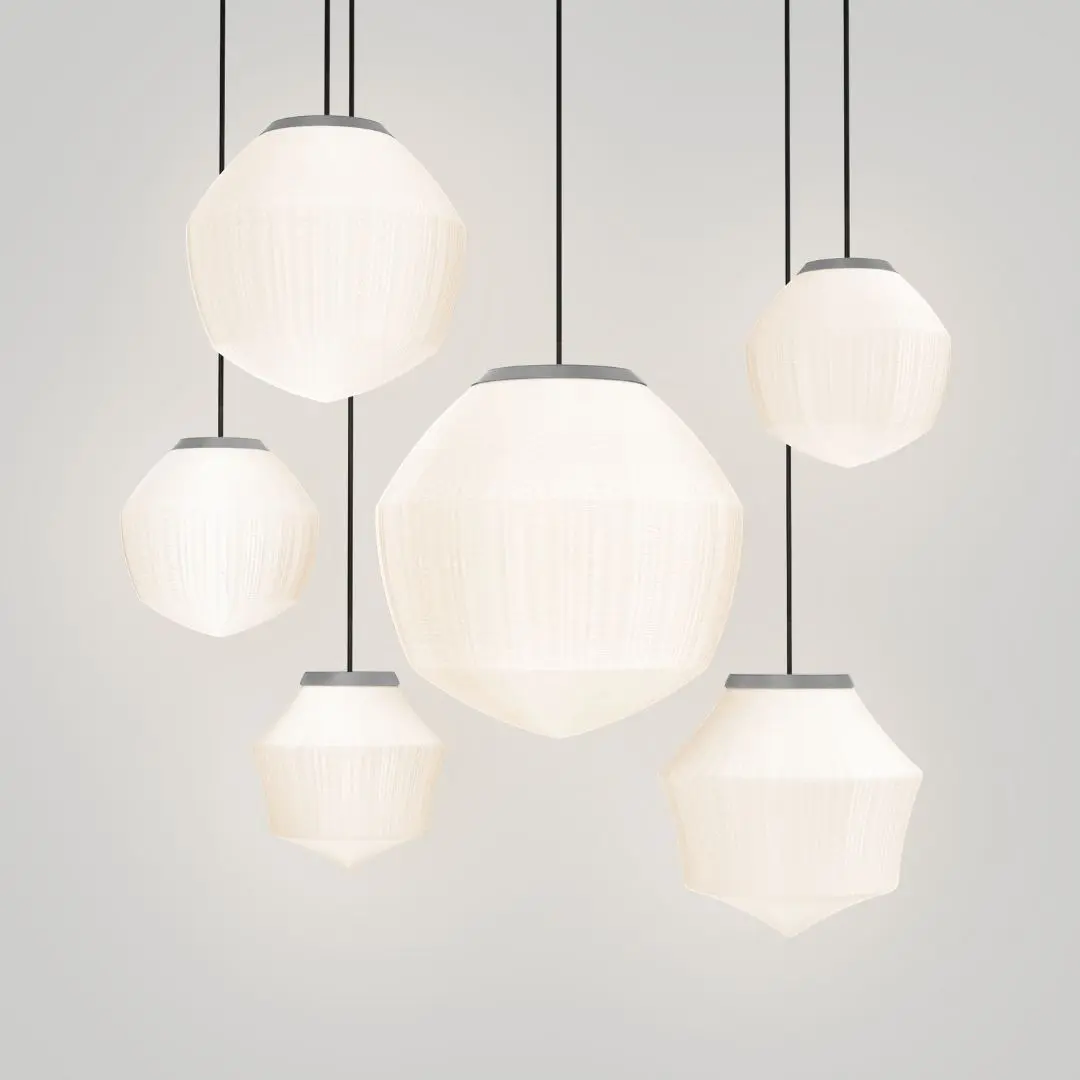
A significant inspiration for WertelOberfell's approach comes from the renowned paper lanterns designed by Isamu Noguchi. Drawing from this concept, the studio prints their lighting structures directly onto Japanese silk paper. This choice of material is crucial as it effectively reinforces the structural components of the lamps, providing the necessary strength and integrity. The studio undertook extensive material experimentation, ultimately finding that Japanese silk paper offered the most superior properties for supporting their innovative designs.
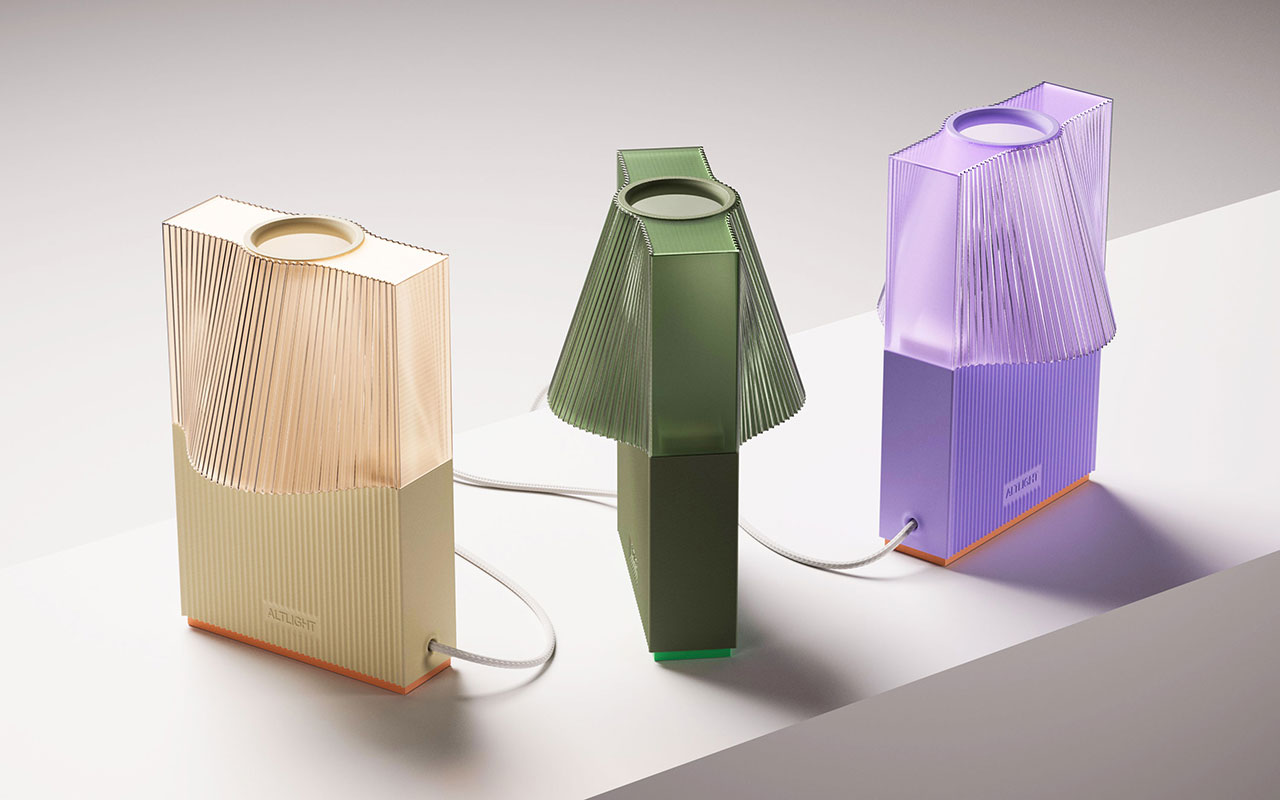
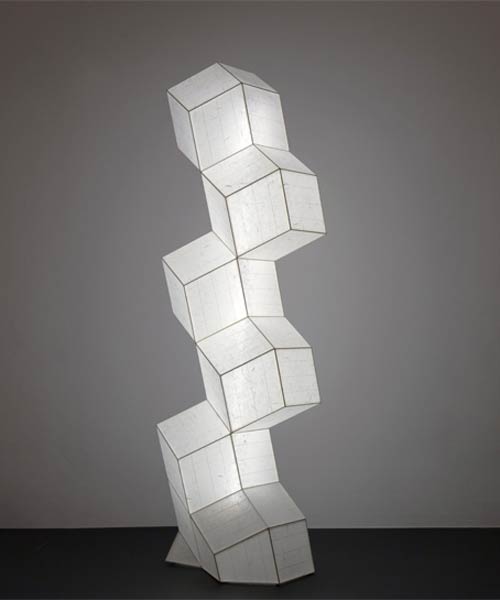
The generation of these complex structures is facilitated by specialized 3D printing software. This software ensures a streamlined, quick, and reliable printing process, allowing for the precise execution of intricate designs. The resulting collection of lighting fixtures showcases various geometric forms, including an icosahedron geometry with a linear structure, a rhombic dodecahedron geometry, and a rhombohedron geometry. These designs highlight the versatility and aesthetic potential of 3D printing in creating unique and functional lighting solutions.
Further exploration by the studio included experiments with printing on plastic foil, demonstrating their commitment to testing various mediums and expanding the application possibilities of their technique. An image illustrating the 'making of generated structure on Cura software' provides insight into their design and production workflow, emphasizing the role of advanced software in translating conceptual designs into tangible objects. Additionally, 'samples of the experimentation process' are presented, offering a glimpse into the iterative nature of their design development and the meticulous testing involved in achieving desired material and structural characteristics.
The culmination of these experiments was set to be showcased at the Munich Creative Business Week 2018, which took place from March 3rd to 11th. The collection was featured as part of the VICIS exhibition, an event known for highlighting innovative design and architectural concepts. This presentation offered a platform for WertelOberfell to demonstrate their advancements in optimizing 3D printing for lighting design, illustrating how precise control over geometry and material can lead to novel, aesthetically pleasing, and functionally diverse lighting structures.
#3DPrinting #LightingDesign #WertelOberfell #FlexibleStructures #JapaneseSilkPaper #ProductDesign #DigitalFabrication #MunichCreativeBusinessWeek #DesignInnovation #3DPrinting #LightingDesign #WertelOberfell #FlexibleStructures #JapaneseSilkPaper #ProductDesign #DigitalFabrication #MunichCreativeBusinessWeek #DesignInnovation
0 comment in total
 No comments yet
You may also like
Philips MyCreation: illuminating a sustainable future with 3D printed design solutions

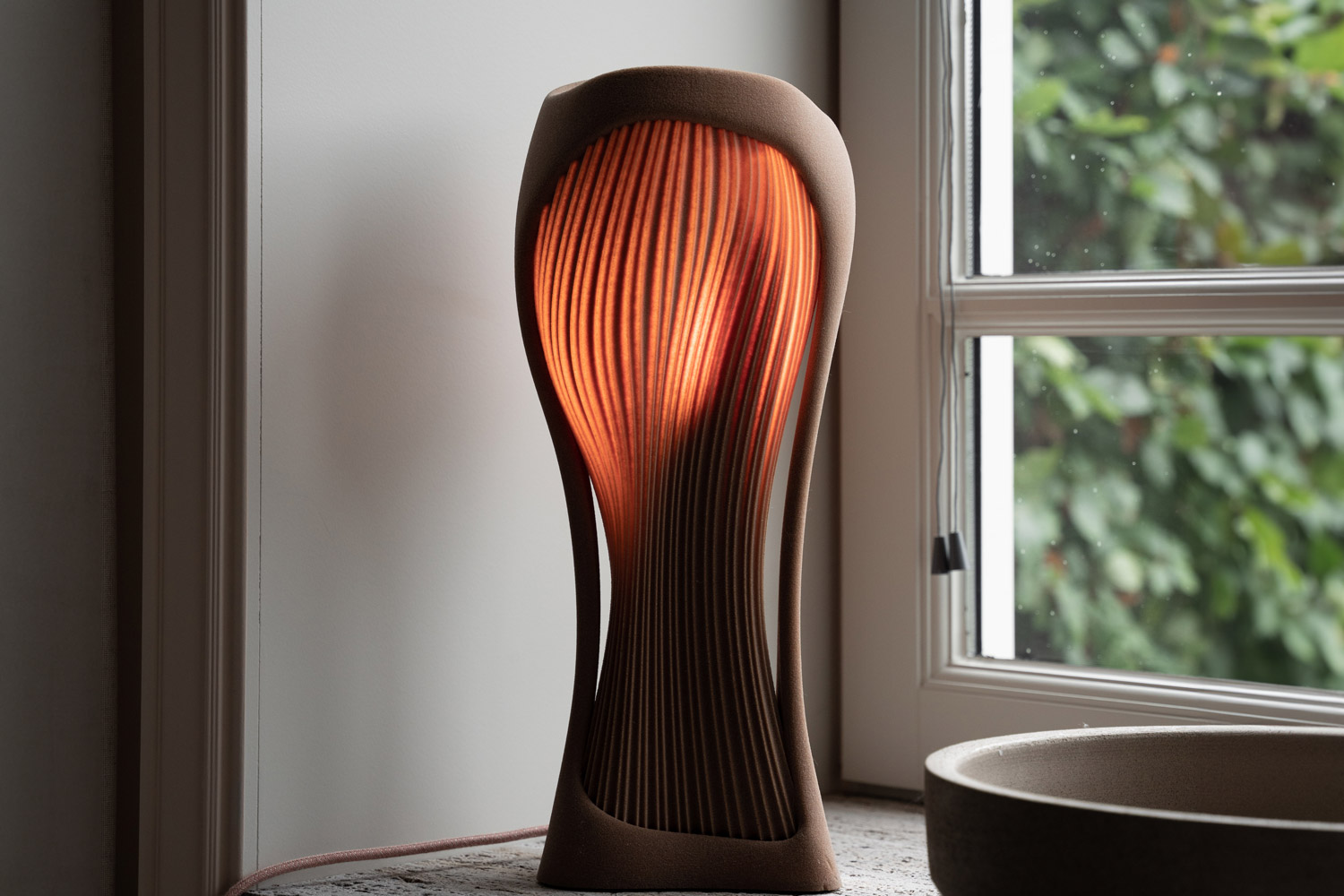
3D-printed lighting: Dune Collection inspired by the desert landscapes
3D Printing Lightweight, Insulated Walls Using Cement-Free Mineral Foam

canopy by alex buckman floats 3D printed lights in the air
Signify myCreation always looks on the bright side
Designers showcase creative lighting solutions at recent exhibit

manual air pump inflates glowing bubble lighting series
How artist Jason Krugman turns power into striking light sculptures
A 3D-Printed Lamp Achieves Translucency with Bio-Based Plastic
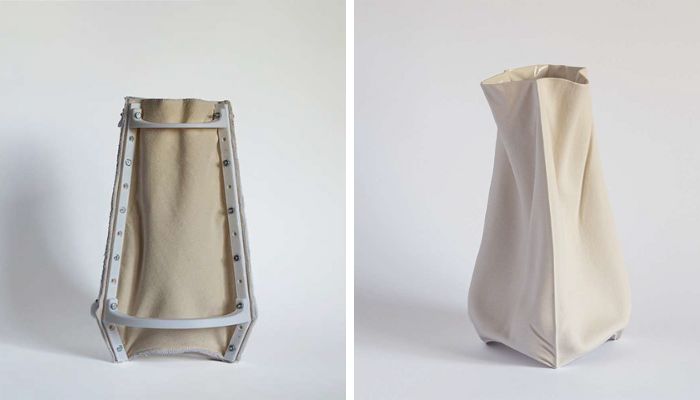
3D Printing and Fabrics: The Unique Design Process Behind the Forma Fabrica Vase Collection
Mycelium as a Material for 3D Printing
Finding your way back to wonder through Lodes’ luminous landscapes
Decimal Is Manufacturing 3D Printed Light Fixtures
Smart Design's Light Collaboration with Gantri is a Commendable Feat in 3D Printing

Fabric awnings vs. metal

The Comeback of Curved Design: Materials That Can Bend and Curl
Aztec Scenic Design Creates Custom 3D Printed Arabian-Inspired Ceiling and it’s Amazing!

Lighting the way: Danielle Trofe’s fungus-fueled fixtures
Lodes and the light as a design material
Top 11 LED Downlight Manufacturers in the World