1/5
Fabric awnings vs. metal
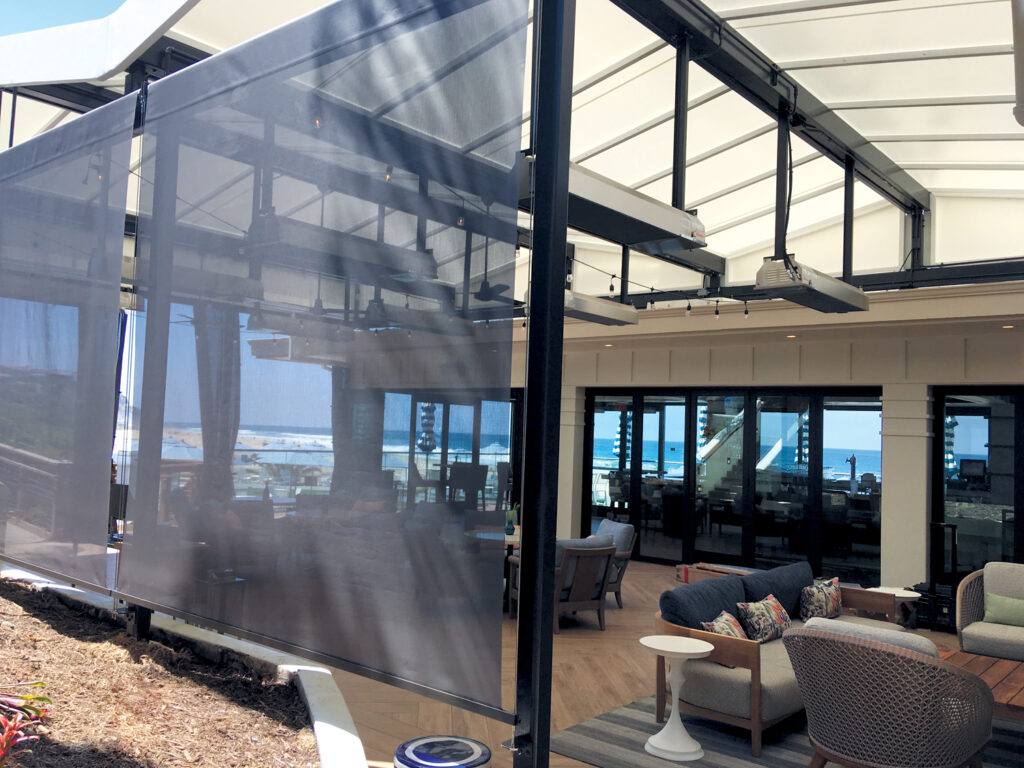
The market for shading products is currently experiencing a notable shift, with metal options gaining significant traction and encroaching on the market share traditionally held by fabric awnings. Despite this trend, fabric awnings retain unique advantages that allow them to remain competitive. Seth Duplantis, president of USA Canvas Shoppe in Dallas, Texas, notes that approximately two-thirds of his company's projects now involve metal, with fabric making up the remaining third. Chris Noyes, co-owner of Roberts Awnings in Petersburg, Virginia, observes a similar ratio, with his company now at about 60% metal and 40% fabric, a reversal from previous years.
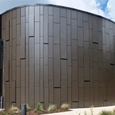
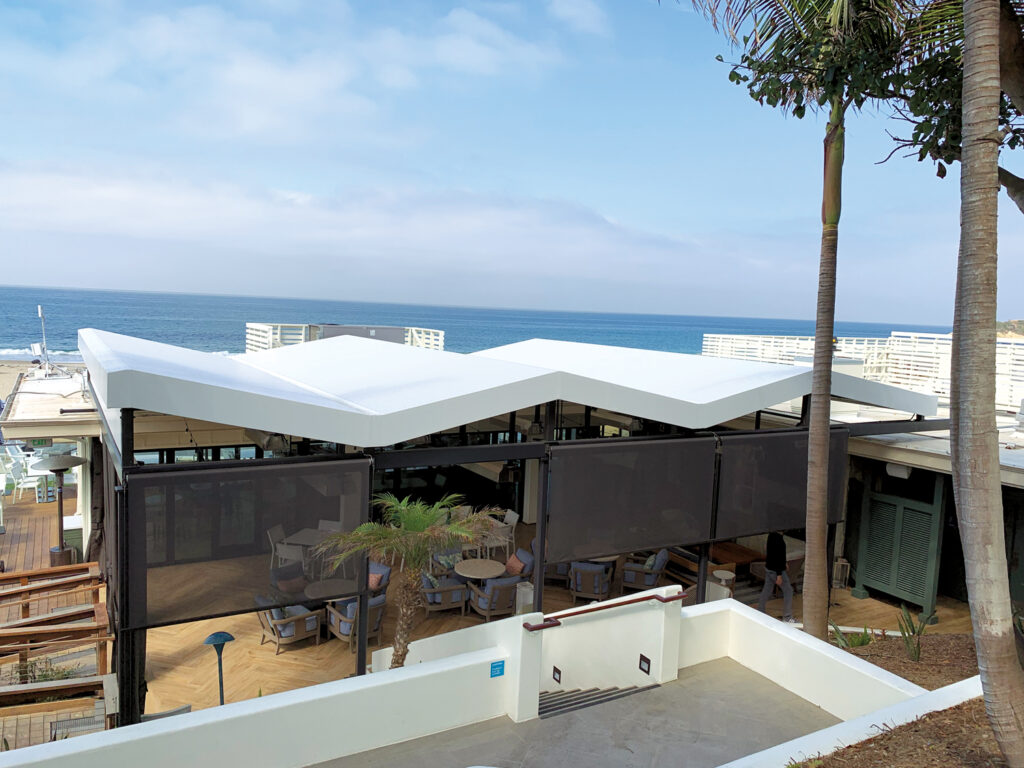
Metal's rising popularity is attributed to several key strengths, primarily its durability and lower cost of ownership. Duplantis highlights metal's resilience, especially against events like hailstorms, which can lead to unexpected maintenance for fabric alternatives. Noyes emphasizes the maintenance-free aspect of metal awnings, often accompanied by long-term warranties, making them particularly appealing to commercial clients who value a one-and-done solution. This preference has led many shopping centers to replace existing fabric awnings with metal ones. Generally, metal tends to be favored in commercial applications, while fabric is more common in residential settings.
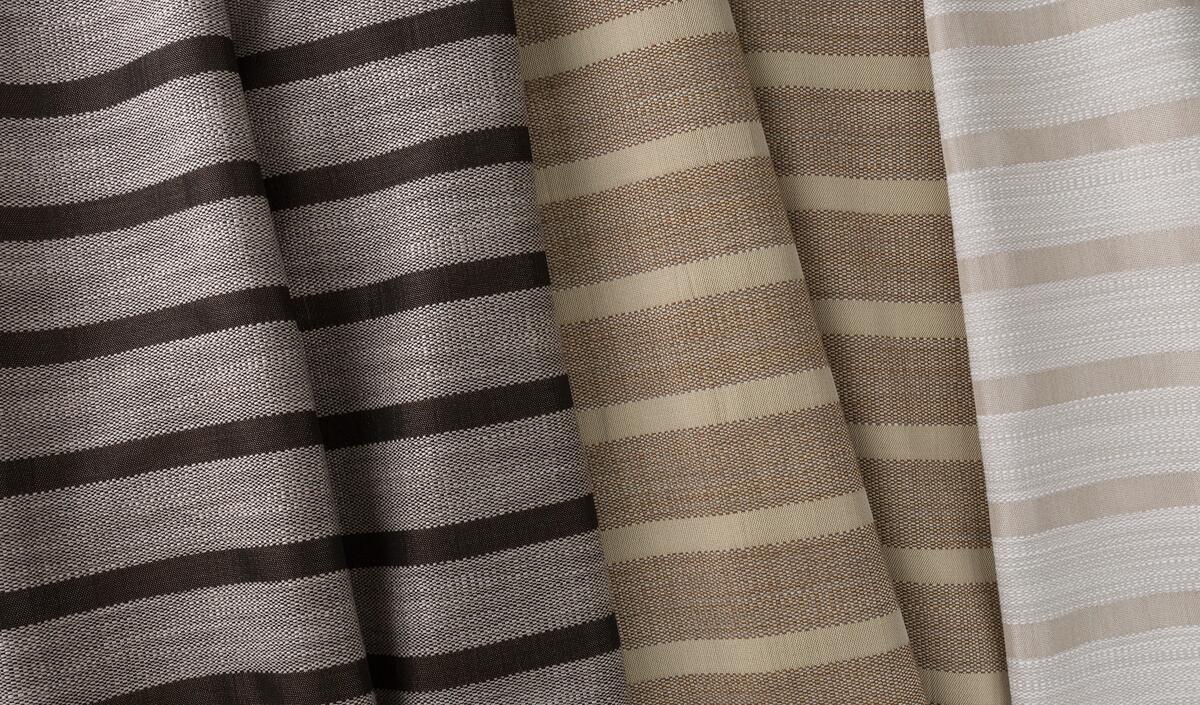
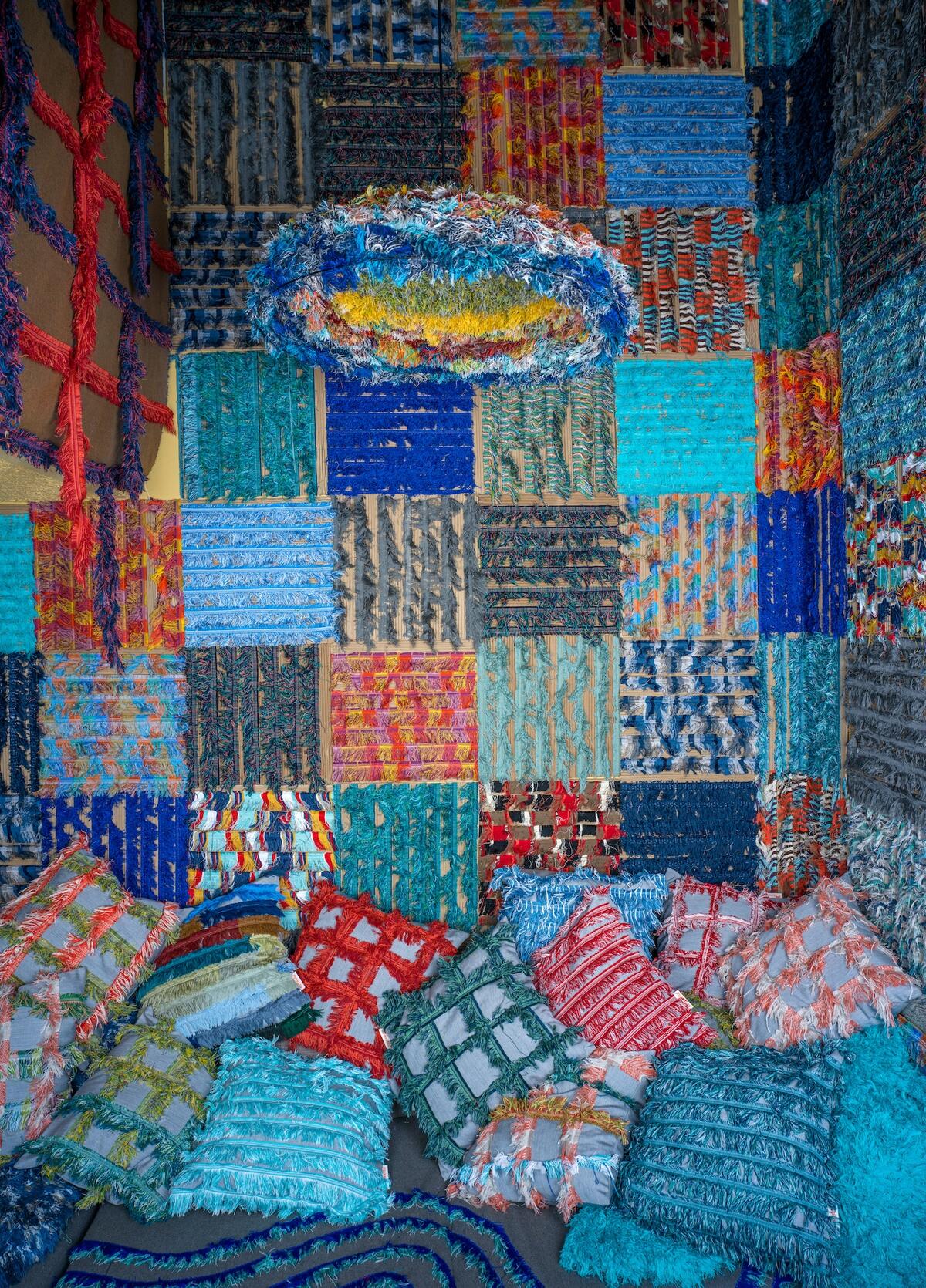
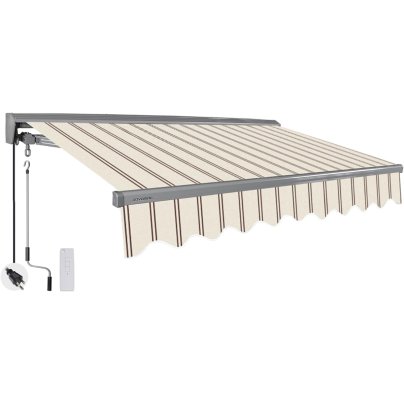
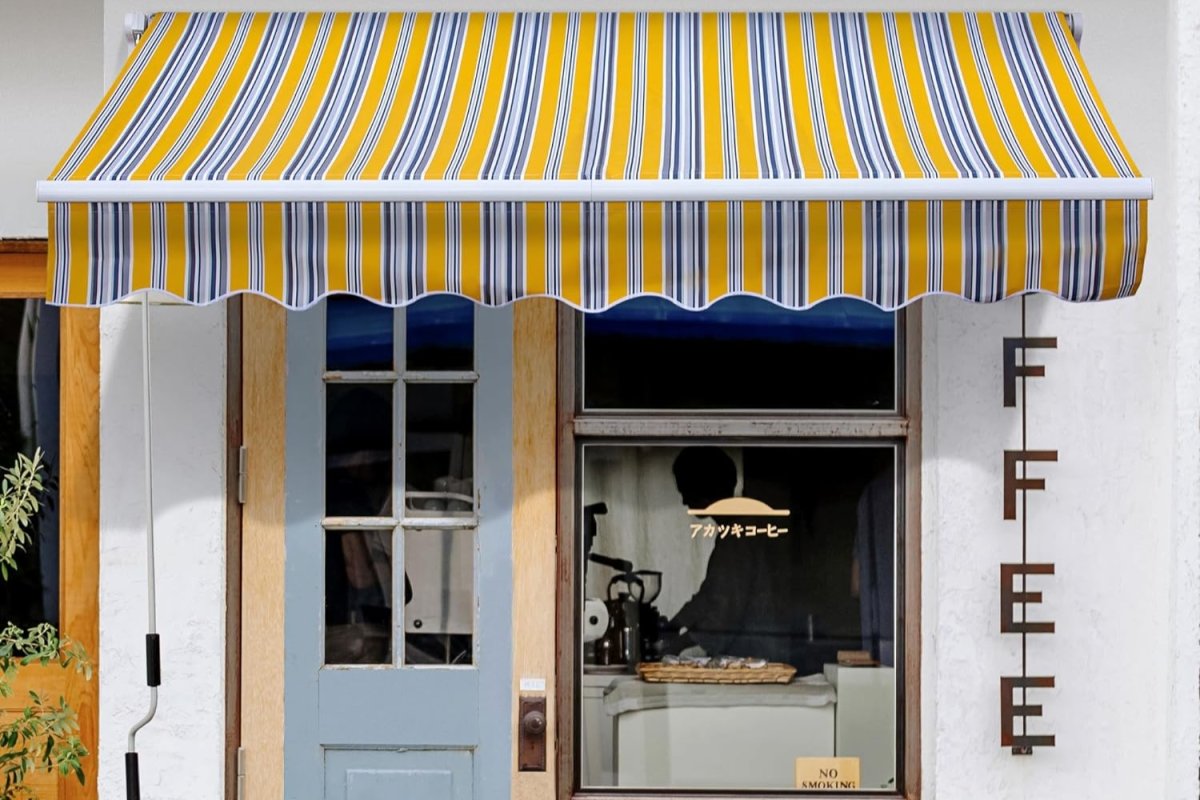
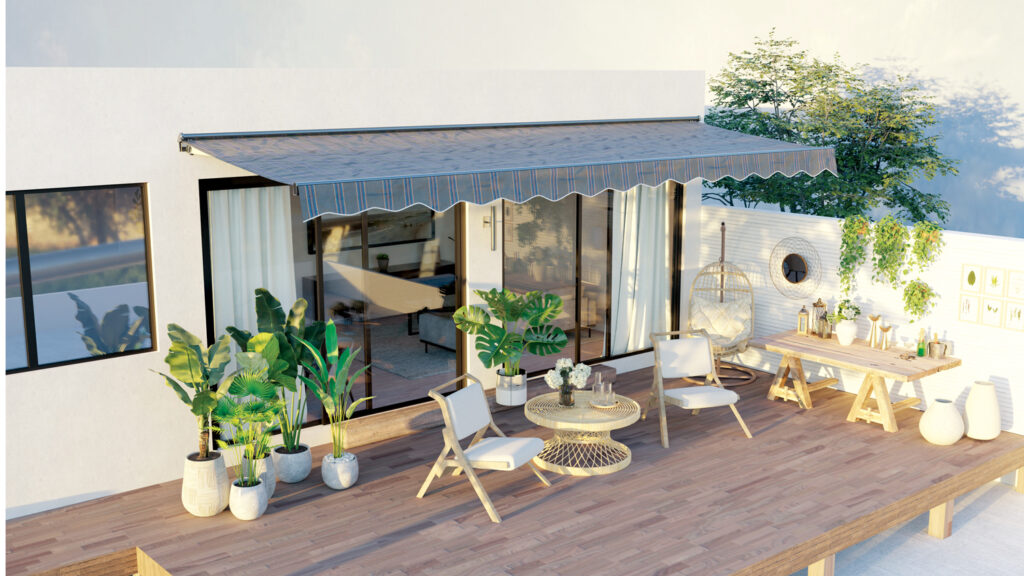
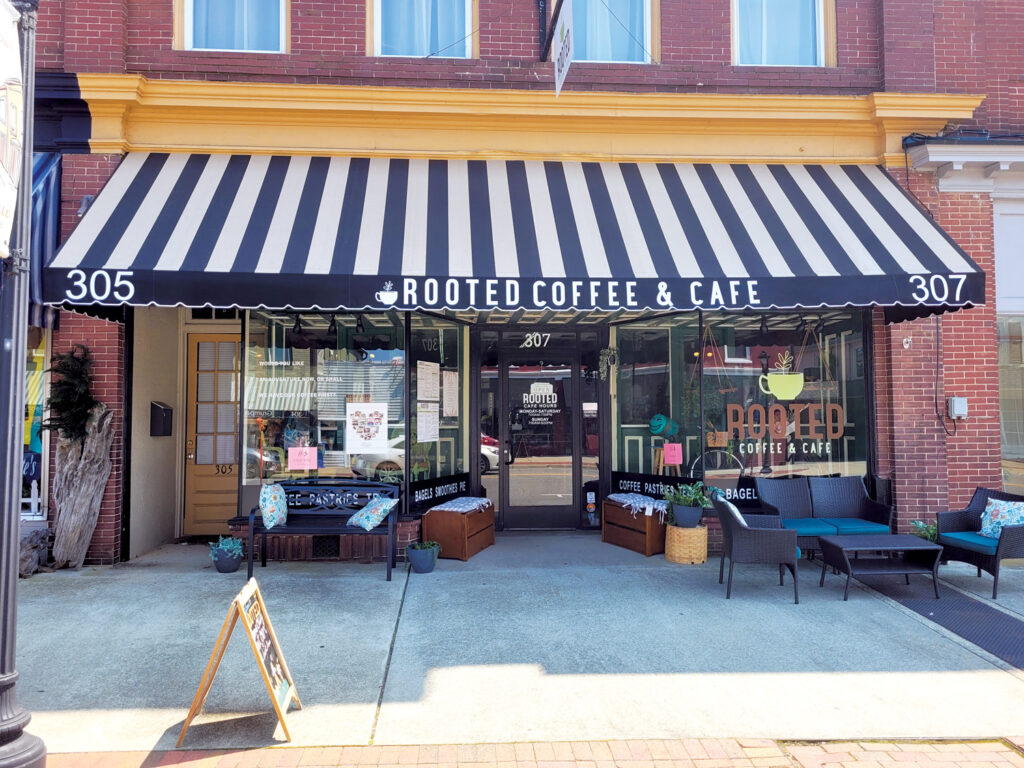
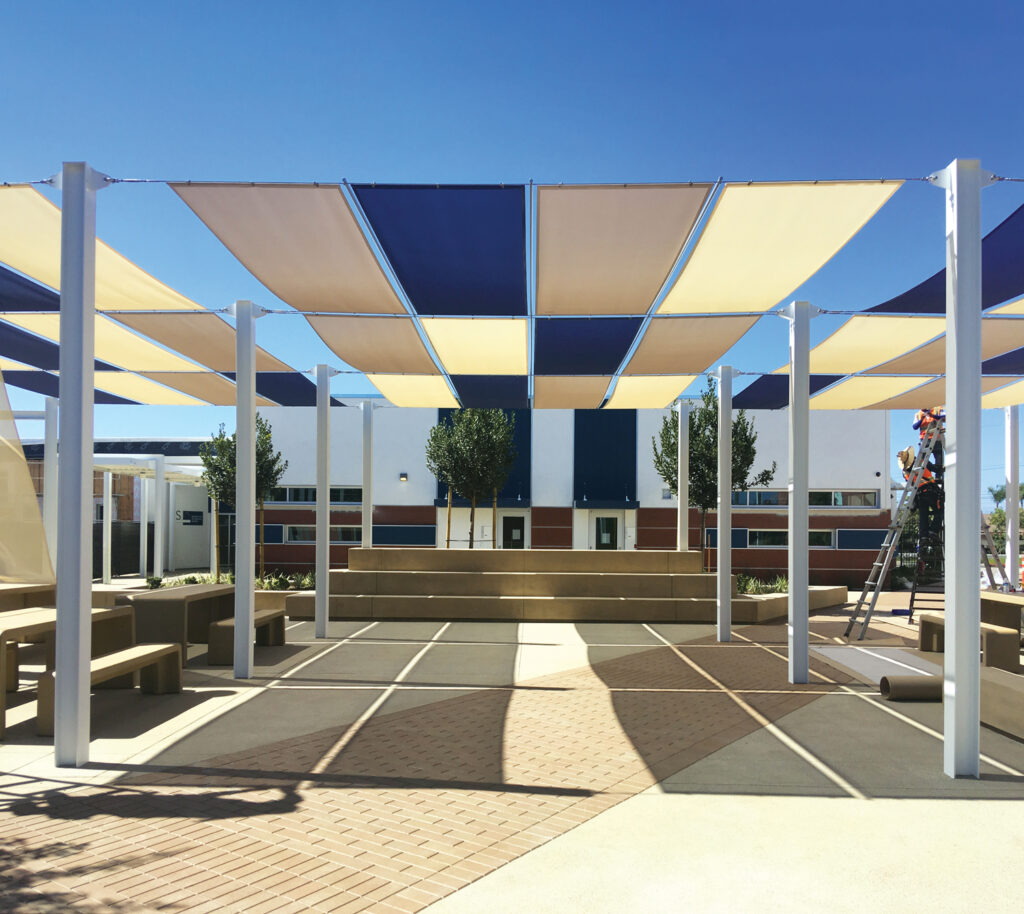
However, fabric awnings offer distinct benefits that metal cannot. Fabric provides greater versatility and aesthetic appeal. Duplantis points out that fabric allows for personalized artwork and designs, which can help businesses distinguish themselves. For residential properties, fabric offers a wider range of color options, enabling homeowners to achieve a desired visual "pop" that metal's limited palette of around nine colors cannot provide. Furthermore, fabric awnings are initially more cost-effective, often being three times cheaper than their metal counterparts, although metal products typically last four to five times longer. Fabric also facilitates more creative and complex designs, such as wavy structures, which can be challenging to achieve with rigid metal panels. Laura Noyes from Roberts Awnings summarizes that metal offers a modern, clean, and functional look, while fabric provides more style and design possibilities.
Another practical consideration is the installation of metal awnings on older buildings, which may require additional structural reinforcement or blocking in the walls, making the process more labor-intensive. Moreover, the permanence of metal can be a disadvantage in commercial environments where brand identities, tenant occupancy, and building ownership frequently change. Fabric awnings, with an average commercial lifespan of about five years, align well with the typical cycle of logo and color updates for businesses, meaning replacements often coincide with re-branding efforts. In a project for downtown Clarksville, Virginia, Roberts Awnings implemented removable valances for fabric awnings, allowing businesses to easily update their branding without replacing the entire awning structure, thus saving costs and offering flexibility.
To enhance competitiveness against metal, fabric awning manufacturers can adopt several strategies. Duplantis suggests sourcing fabric directly to reduce costs and embracing automation, such as production management systems and automated cutting equipment, to minimize labor hours and pass savings to customers. USA Canvas Shoppe is also focusing on post-installation maintenance follow-ups for fabric shading structures. Advancements in fabric technology, particularly in thread materials like Tenara® and SolarFix®, have significantly improved the longevity of fabric awnings by addressing previous vulnerabilities to UV degradation. Despite the current prevalence of metal, Laura Noyes anticipates a cyclical nature in design trends, suggesting that fabric's popularity may resurge in the future, as styles often shift over time. The article was written by Alan Pierce, a freelance writer based in Minneapolis-St. Paul, Minnesota, and was published on March 1, 2025.
#FabricAwnings #MetalAwnings #ShadingSolutions #BuildingMaterials #ResidentialDesign #CommercialDesign #ProductTrends #TextileInnovation #AestheticAppeal #FabricAwnings #MetalAwnings #ShadingSolutions #BuildingMaterials #ResidentialDesign #CommercialDesign #ProductTrends #TextileInnovation #AestheticAppeal
0 comment in total
 No comments yet
You may also like
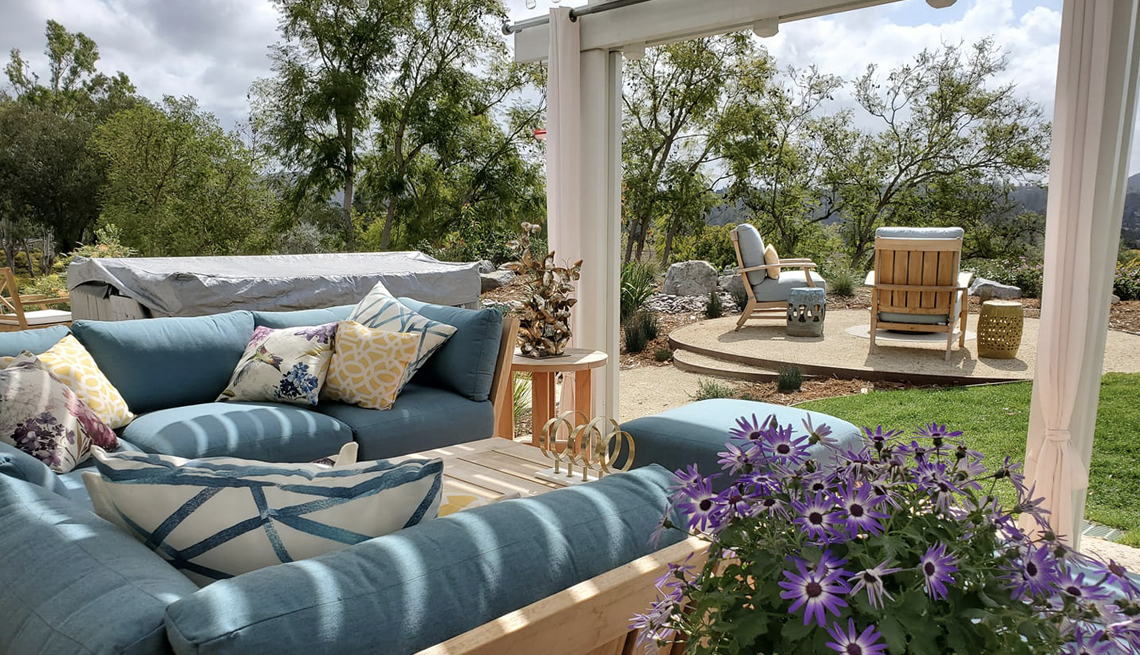
Outdoor Fabrics Have Come a Long Way, With New Colors, Designs
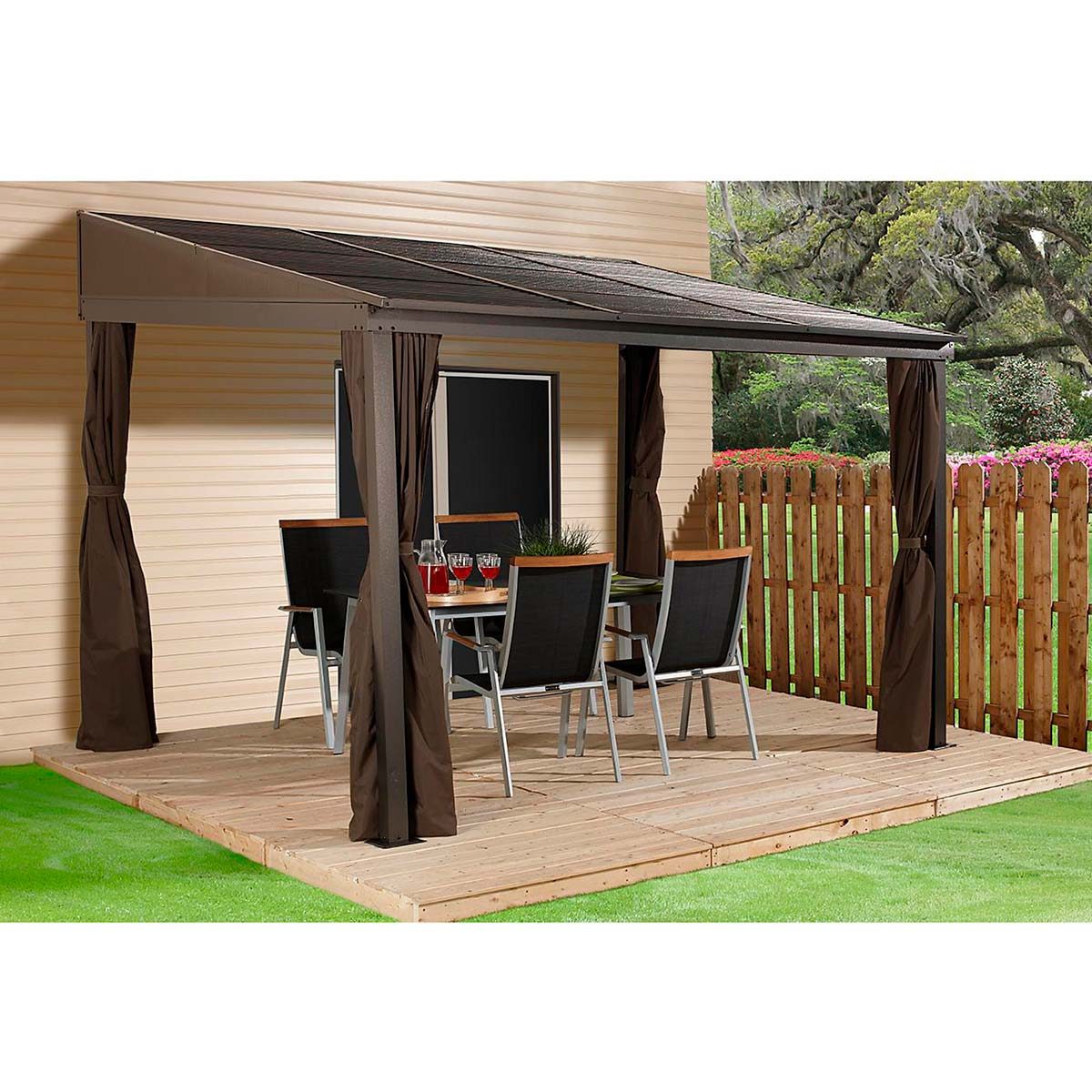
10 Metal Deck Roof Options We Love

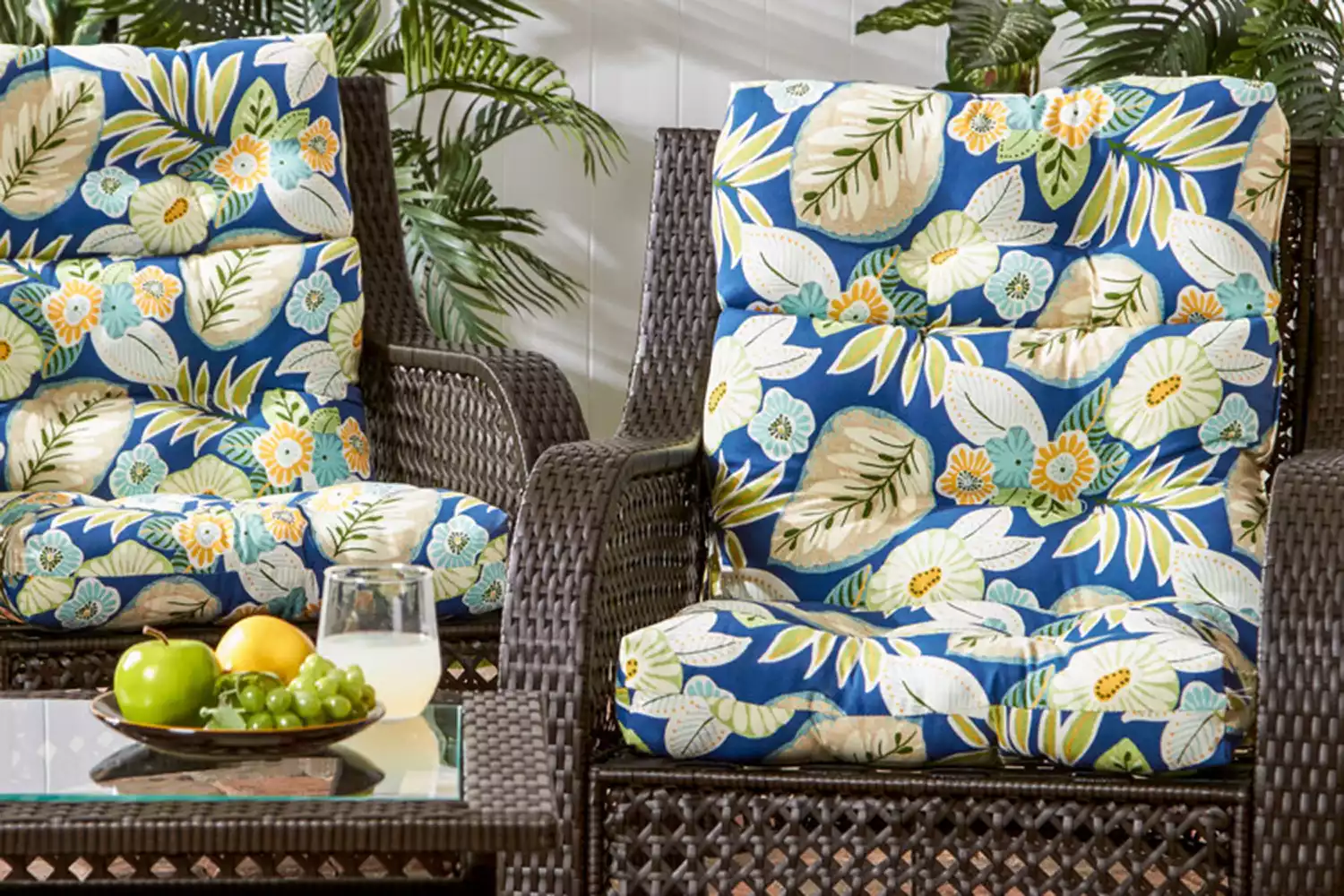
These Outdoor Cushions Will Make Your Patio Furniture So Much Comfier, and They Start at $21

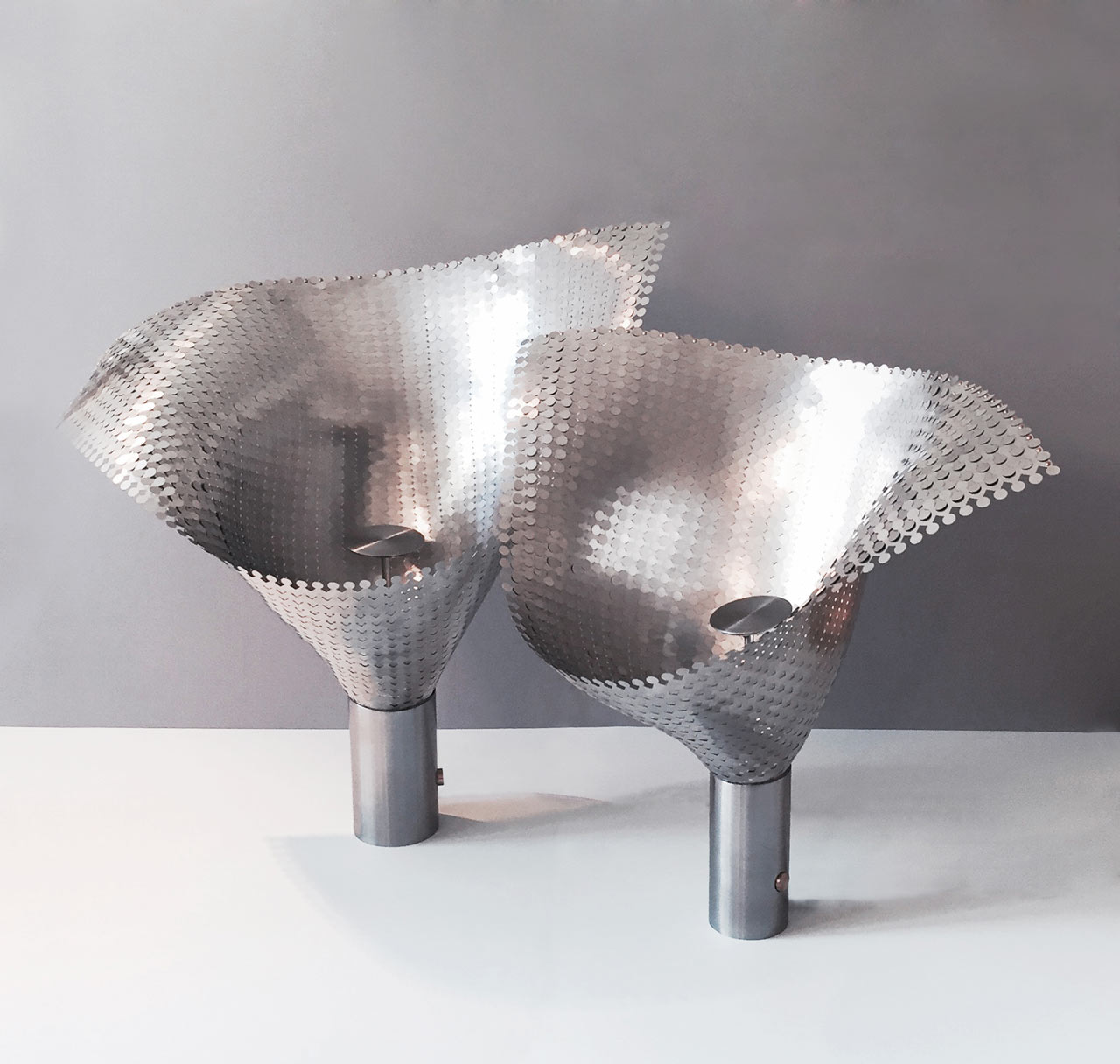
Lights Made From Woven Metal Fabric
Upgrade Your Patio with the Best Retractable Awnings
Block the Sun and Lower Your Energy Costs With Window Coverings
Sunbrella erases the line between indoor and outdoor fabrics

Installing roof battens
Made in the shade: Keep your outdoor living area cool with these innovative canopies and awnings
Outdoor shade and screens ride the storms out
Metal Panels - Shadow Series from Dri-Design

6 Outdoor Performance Fabrics That Feel as Good as They Look