1/5
Hidden dangers hiding in your upholstery: Experts reveal harmful bugs living in YOUR home
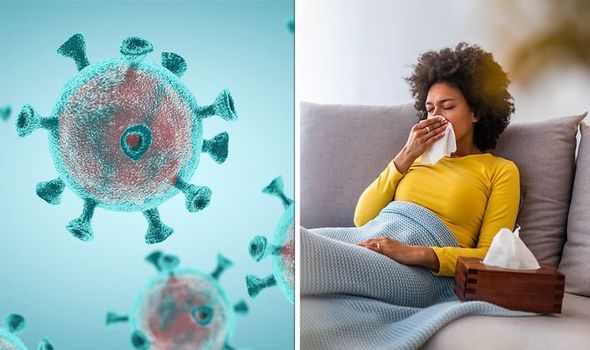
While the arrival of cold November evenings encourages many to seek comfort on their sofas with soft cushions and blankets, attention to cleaning often focuses solely on visible stains and dirt. However, a less obvious threat lurks within upholstery: harmful bacteria and microorganisms that are invisible to the naked eye. Upholstery cleaning expert Dean Davies and airborne allergens expert Max Wiseberg highlight the extent of this hidden problem, revealing that soft furnishings act as prime breeding grounds for various undesirable inhabitants.
Regular vacuuming is a basic step, but experts stress the need for more thorough cleaning to combat microorganisms embedded in porous fabrics like cotton, nylon, and polyester. Davies explains that these organisms pose health risks as they are released into the environment every time someone sits on the furniture, emphasizing that regular upholstery cleaning eliminates mold, dust, mildew, and allergens. This issue is particularly concerning for individuals with allergies or asthma, as dust mites are a common trigger for asthma attacks. These microscopic creatures, whose shed skins and waste products can be inhaled, irritate the respiratory system. Similarly, mold spores from food scraps and crumbs can induce allergy-like symptoms and asthmatic reactions.
The home environment provides an ideal habitat for numerous microbes. Max Wiseberg points out that dust mites, almost invisible due to their tiny size and translucent bodies, are present in all UK homes. High concentrations can be found in beds and carpets, with estimates suggesting millions of dust mites in typical household furnishings. Symptoms often mistaken for a common cold, such as a runny nose and sinus pain, are frequently the result of increased indoor exposure to dust allergens during colder months.
Beyond dust mites, various germs can transfer to and survive on sofas and armchairs, lying dormant until a host comes into contact. Davies lists MRSA, VRE, HIV, and influenza as examples of viruses and bacteria that can persist on soft surfaces. Bed bugs also contribute to the array of unwanted occupants in upholstery. Effectively managing these household allergens requires a multi-faceted approach.
Max Wiseberg advises creating a 'dust allergy first aid kit' stocked with antihistamines, nasal sprays, and eye drops, noting that these remedies can often be used complementarily under professional guidance. Crucially, he warns against combining certain medications without consulting a pharmacist or doctor. Regular cleaning of upholstery is paramount, especially in homes with young children or pets, as soft surfaces allow contagious germs to thrive. Additional strategies include installing allergy-friendly flooring, using air purifiers with HEPA filters to capture dust particles, and consistently washing bedding. Storing cuddly toys and blankets in cupboards helps prevent allergen accumulation, and regularly vacuuming beds and fabrics removes dust allergens. Wiping surfaces with a damp cloth before dusting ensures allergens are not merely redistributed into the air. Maintaining indoor humidity levels between 40 and 20 percent is also crucial, as dust mites flourish in moist environments. Implementing these practices can significantly reduce the presence and impact of hidden dangers within home upholstery.
#UpholsteryCleaning #HomeHygiene #DustMites #Allergens #IndoorAirQuality #HomeMaintenance #Bacteria #CleaningTips #HealthRisks #UpholsteryCleaning #HomeHygiene #DustMites #Allergens #IndoorAirQuality #HomeMaintenance #Bacteria #CleaningTips #HealthRisks
0 comment in total
 No comments yet
You may also like
This often-overlooked bedroom spot could be teeming with bed bugs
Did you know you could be allergic to your sofa? Expert shares how you can tell and what to do about it

How to get rid of clothes moths – and why they are becoming more common
How Bedroom Design Is Evolving for Healthier, Deeper Rest


Designers Share 6 Ways to Rid Your Home of Hidden Toxins

The 4 Best Mattress and Pillow Encasements of 2025 | Reviews by Wirecutter

Buzzing pests: Carpenter bees can cause destruction
Stop Pests Before They Move In: 5 Places You Need to Seal Around Your Home Right Now

6 couch cleaning mistakes that pros say could lead you to 'serious upholstery heartbreak'


7 Unexpected Ways You're Secretly Damaging Your Furniture, Designers Say
How to make sure that lady beetles, and stink bugs too, never spend winter in your home again

Experts reveal 7 surprising ways you're ruining your furniture
Cleaning Experts Reveal GROSS Bacteria May Be Lurking In Your Upholstered Bed Frame


5 things professional cleaners always notice in dirty bedrooms that are a ‘breeding ground’ for dirt
Cleaning fans warned of the 4 dangerous ‘hacks’ totally ruining their homes - and the products to steer clear of too


6 Things in Your Home That Could Be Triggering Your Pet’s Allergies

This home heating habit could be ruining your sofa

7 Upholstery Details That Make Your House Look More Expensive, According to Experts

Don’t Let Pets Destroy Your Bedding. Use These Tips Instead. | Wirecutter
How to store bedding properly to prevent mould and mildew - avoid ‘worst’ room in the home