1/3
How to get rid of clothes moths – and why they are becoming more common
This article addresses the increasing prevalence of clothes moths in British households and offers practical solutions for prevention and extermination. Drawing on 2018 research by pest control company Rentokil, the piece highlights that a combination of factors contributes to the rise in moth infestations. One significant factor is the weather; record-breaking warm temperatures and heatwaves create favorable conditions for moth breeding and survival, extending their breeding season and increasing the risk to natural fiber items in homes. Rentokil's head of technical training academy, David Cross, noted this trend in 2018, emphasizing the vulnerability of clothes and soft furnishings to damage from moth larvae feeding on natural fibers.
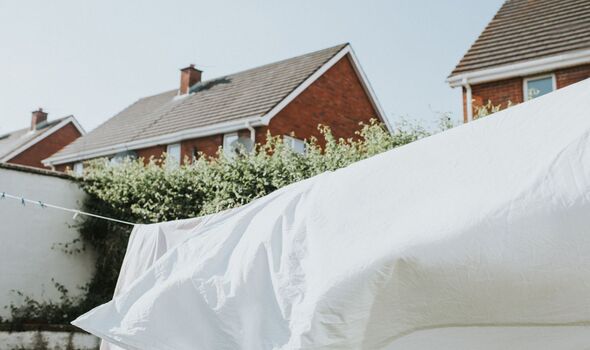
Another contributing factor is evolving shopping habits. A survey revealed that over half of consumers (59%) prefer buying higher-quality clothes made from natural fibers like wool, silk, and fur, which contain keratin—a protein that moth larvae consume. While this preference for durable, natural clothing is environmentally conscious, it inadvertently provides a richer food source for moths. The third key factor identified is the shift towards washing clothes at cooler temperatures. The 2018 research indicated that 54% of individuals were washing clothes at 30°C, a number likely to have increased. While cooler washes are beneficial for the environment and energy saving, they are less effective at killing moth eggs and larvae, which require a temperature of at least 55°C for eradication. This means that current laundry practices, though eco-friendly, may be inadvertently aiding moth survival.
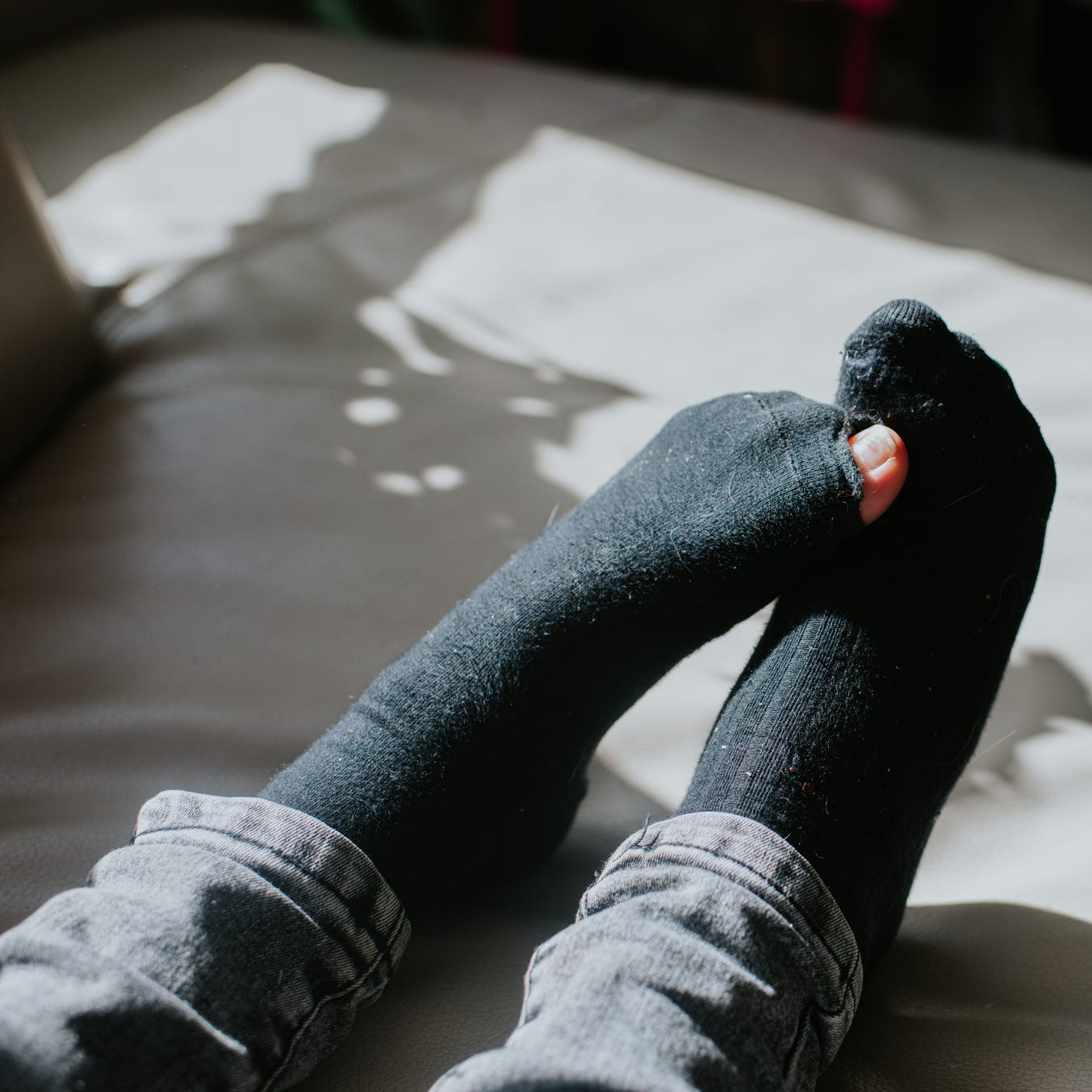
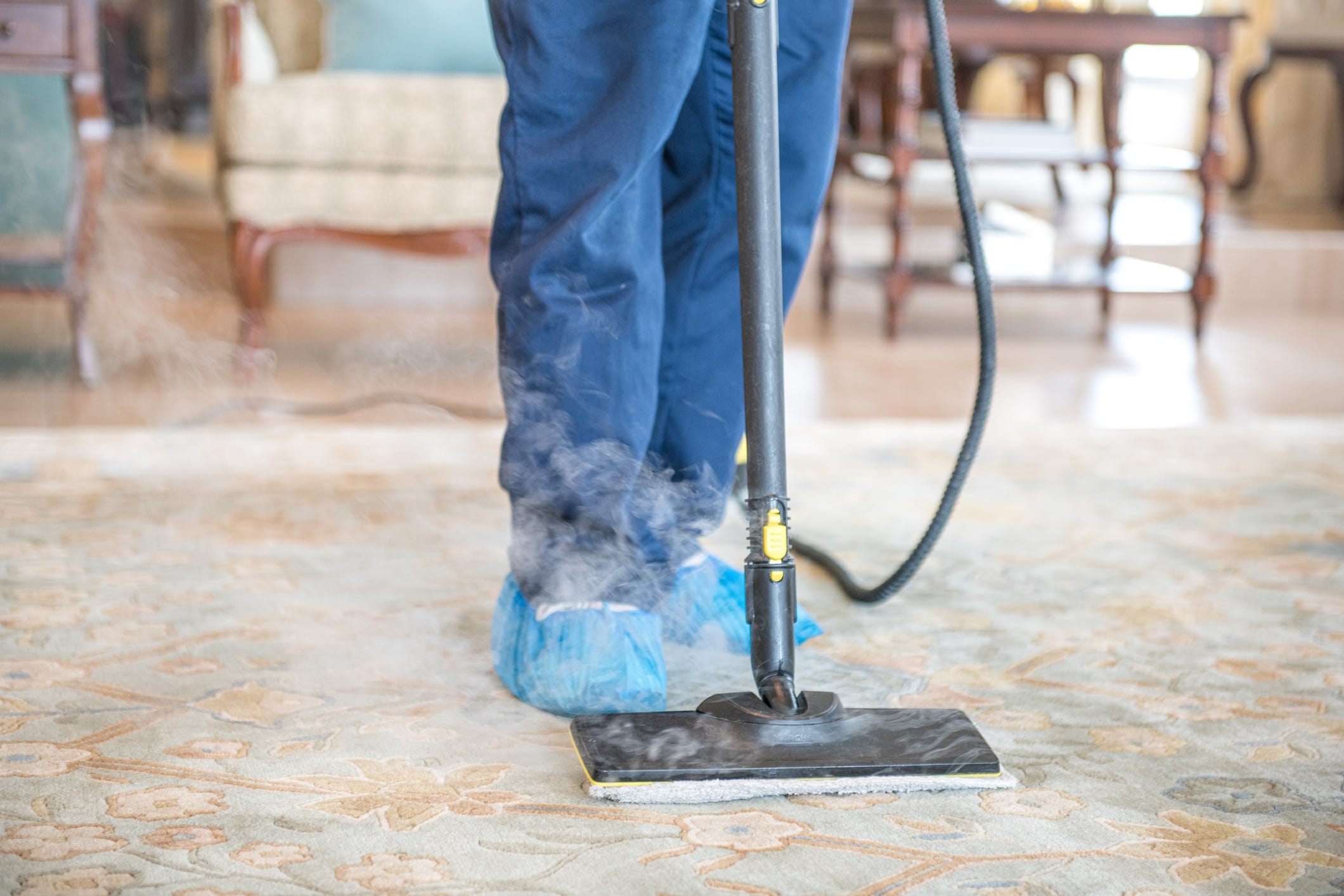
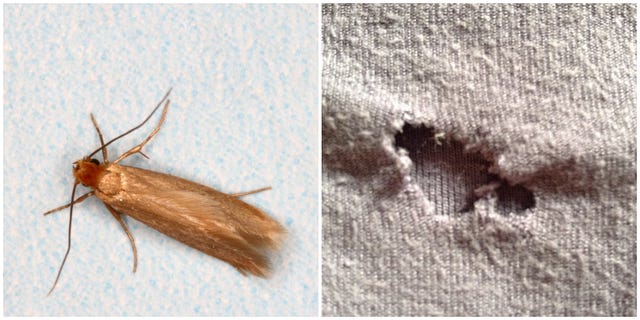
The article describes what clothes moth larvae and adult moths look like: larvae are creamy white with brown heads, up to 10mm long, while adult moths are 6-8mm long with straw-colored wings and no markings, tending to run rather than fly. The primary indicator of an infestation is the presence of small holes in clothes and fabrics. To address an infestation, the article recommends several steps. First, affected items should be washed at a high temperature, with careful attention to fabric labels, especially for wool. Alternatively, items can be placed in a freezer for several days to kill eggs. Second, all cupboards and wardrobes should be cleaned with a vinegar and water solution, taking care with antiques. Third, regular vacuuming is essential to remove eggs and debris from carpets.
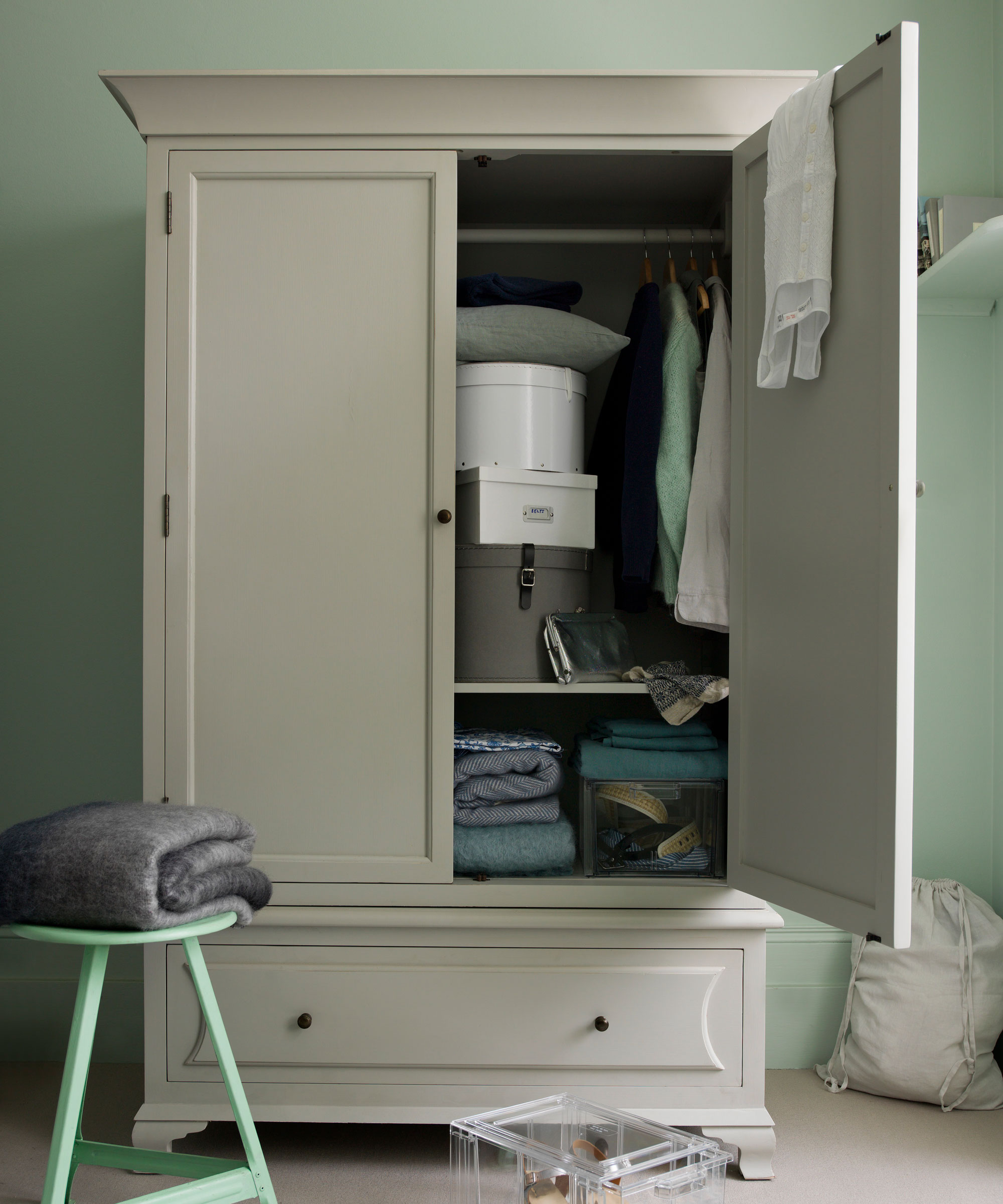
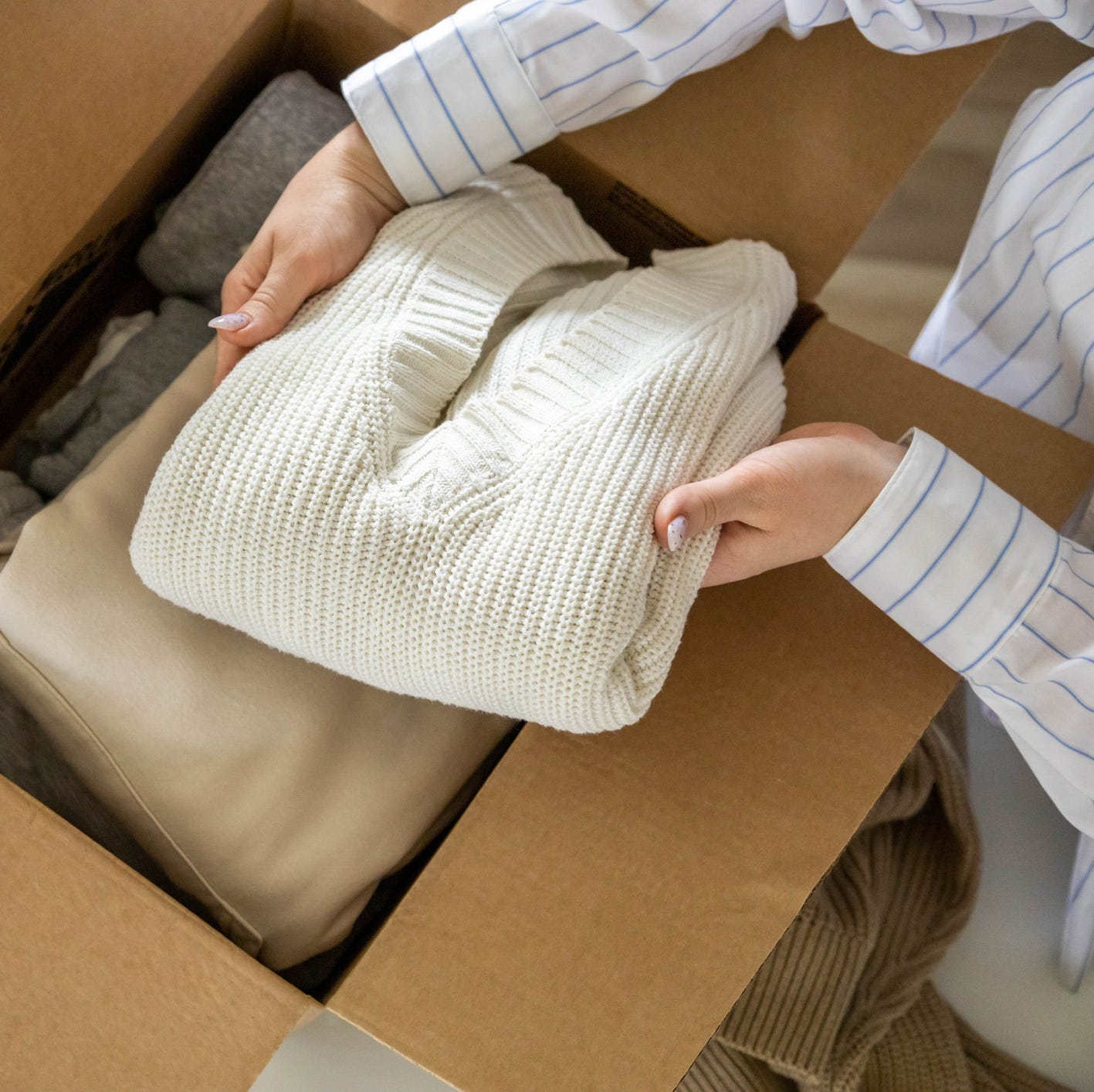
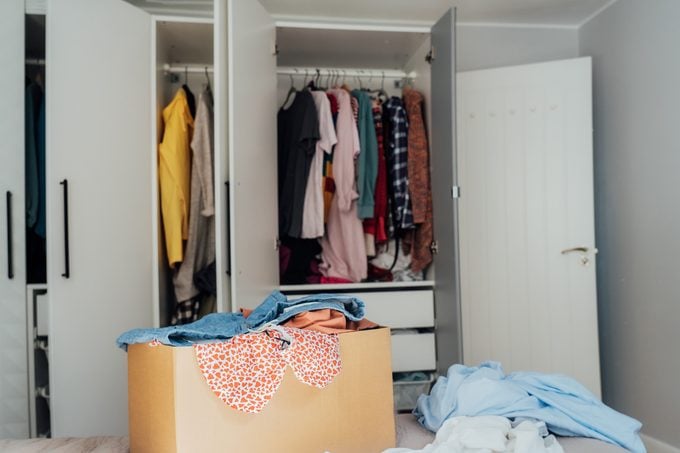
Additional solutions include using natural moth sprays and, for severe cases, consulting a pest control expert. Beyond treating existing infestations, the article provides preventative measures. One method is creating homemade repellents using dried herbs such as rosemary, thyme, cloves, lavender, or bay leaves in cloth bags, or spraying essential oil forms of these herbs. Regular cleaning and ventilation of wardrobes are crucial to prevent the warm, humid environments that moths favor. Sealing unused seasonal clothes in airtight bags or vacuum-packed containers, ensuring they are clean and moth-free beforehand, is also recommended. Finally, vacuuming bedrooms regularly, particularly carpets and rugs where moths can reside, and investing in cedar hangers, known for their natural repellent properties, are effective long-term strategies. The article also provides links to various moth repellent products available for purchase, such as garment bags, lavender oil, cedar rings, and cedarwood hangers.
#ClothesMoths #PestControl #HomeInteriors #LaundryHabits #NaturalFibers #PreventativeMeasures #HouseholdPests #SustainableLiving #PestManagement #ClothesMoths #PestControl #HomeInteriors #LaundryHabits #NaturalFibers #PreventativeMeasures #HouseholdPests #SustainableLiving #PestManagement
0 comment in total
 No comments yet
You may also like

How to prevent mould in wardrobes - expert-approved tips to protect your furniture and your clothes
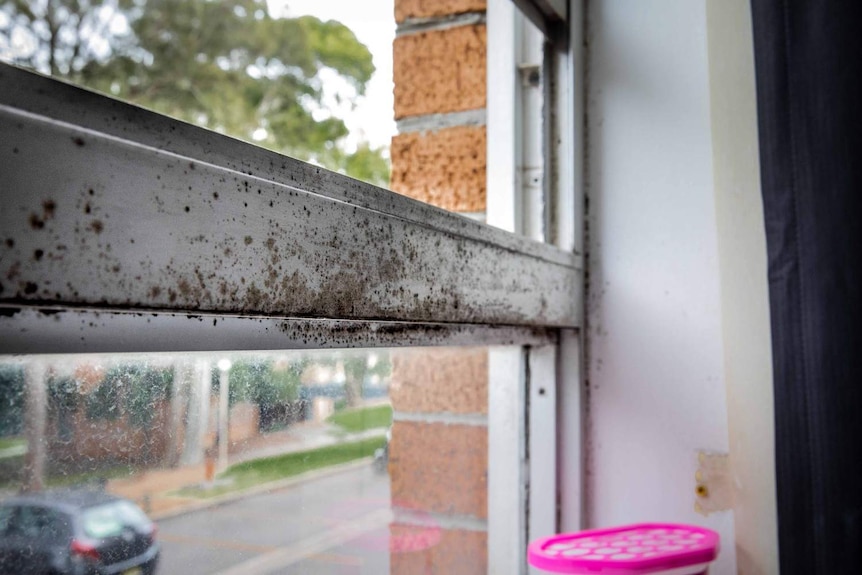
Lots of rain can mean mould, this is how to get rid of it. - ABC Emergency


Launder textiles as summer ends to stop allergies in fall


How to store clothes long term: 7 ways pros love

Hidden dangers hiding in your upholstery: Experts reveal harmful bugs living in YOUR home

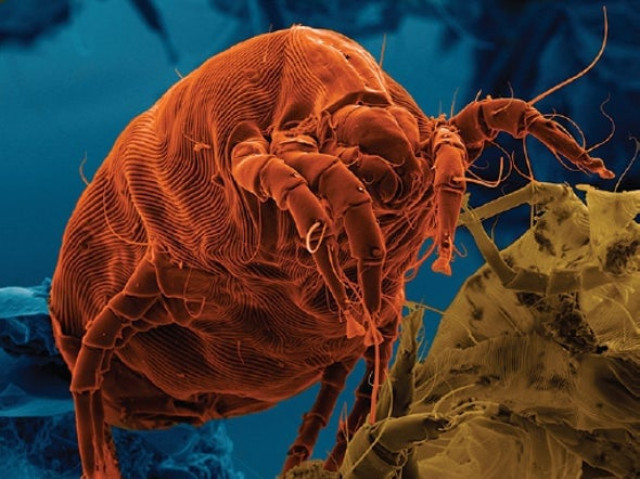
Four allergist-approved ways to get rid of dust mites


Clothes You Need to Get Rid of ASAP

How Long Should You Really Leave Laundry in the Washer? The Answer Might Gross You Out
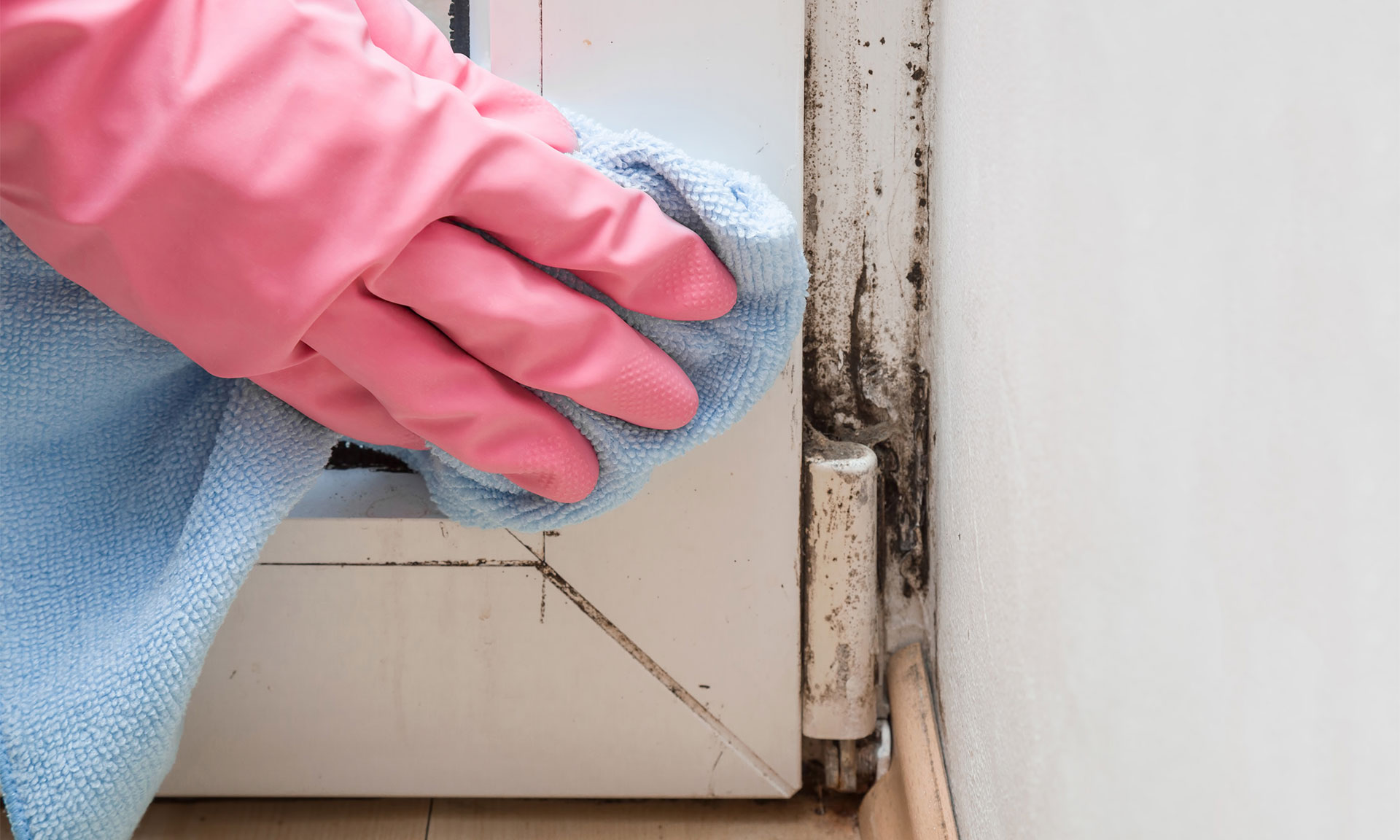
How to get rid of mould
How to store bedding properly to prevent mould and mildew - avoid ‘worst’ room in the home
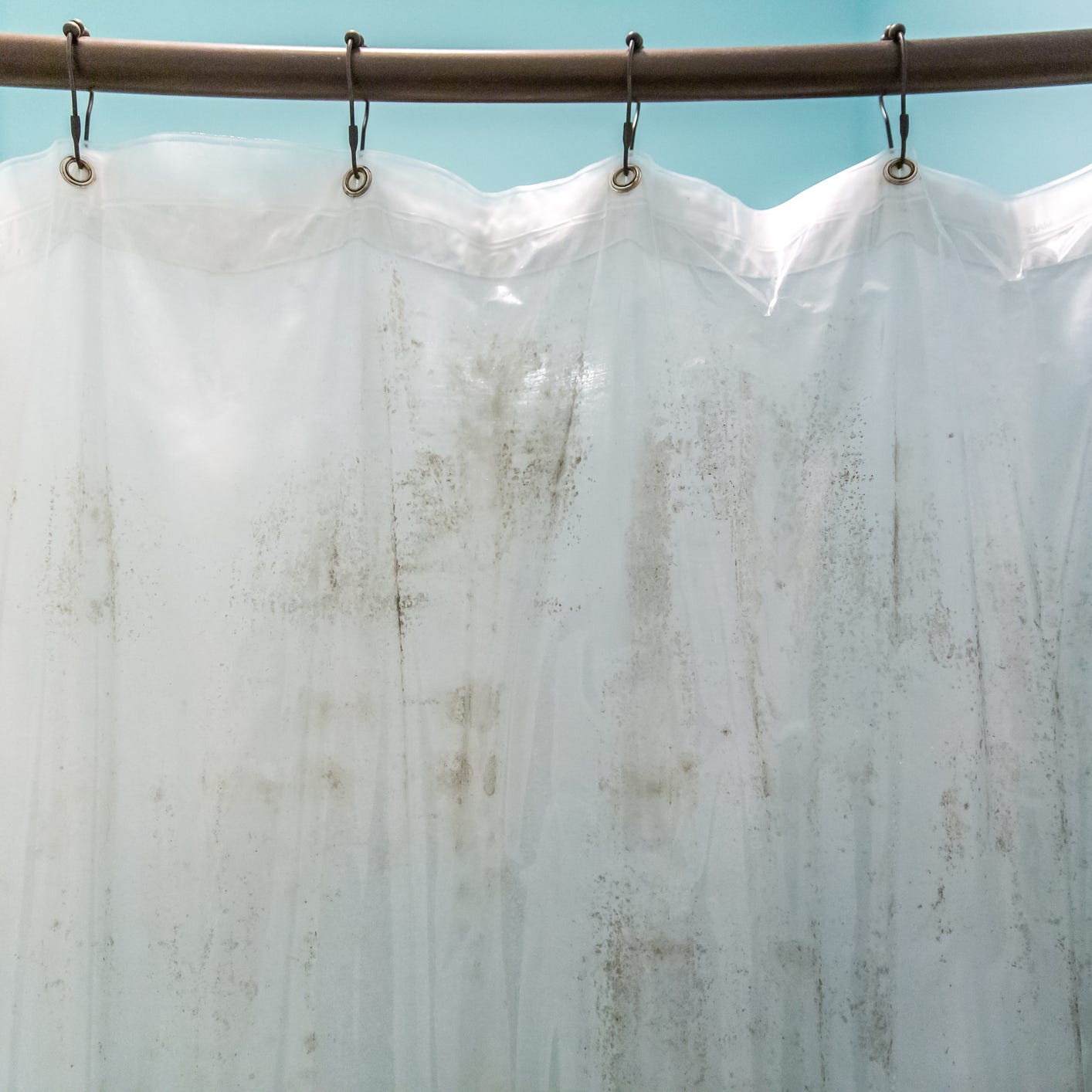
The Best Way to Remove Mildew, According to Experts


How to get paint out of clothes – the easy method experts fall back on
Gross! Here Are the Best Ways to Remove Mildew for Good

How to get rid of cluster flies – simple expert-approved methods to banish these pests
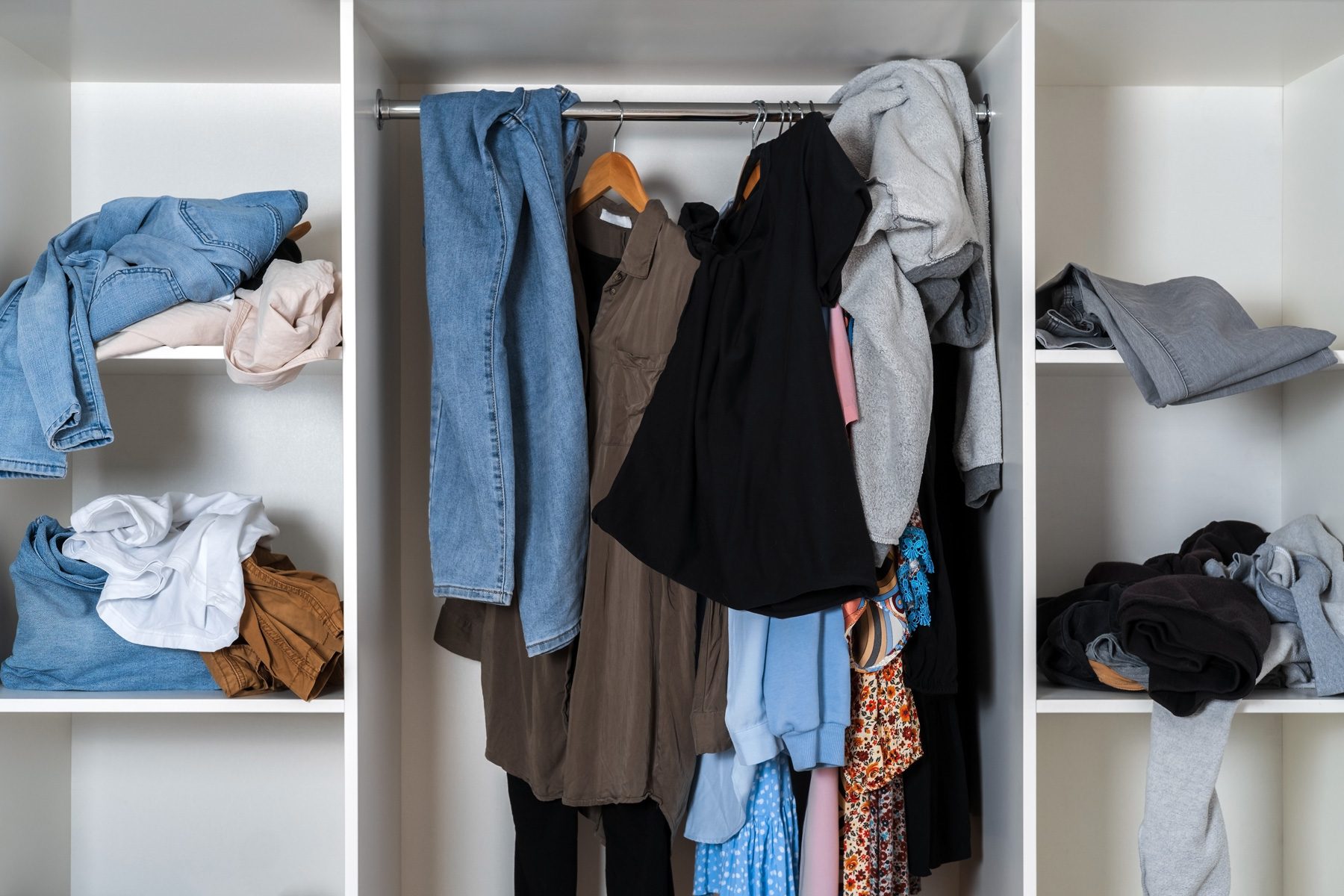
5 Tips for Decluttering and Organizing Your Closet