Four allergist-approved ways to get rid of dust mites
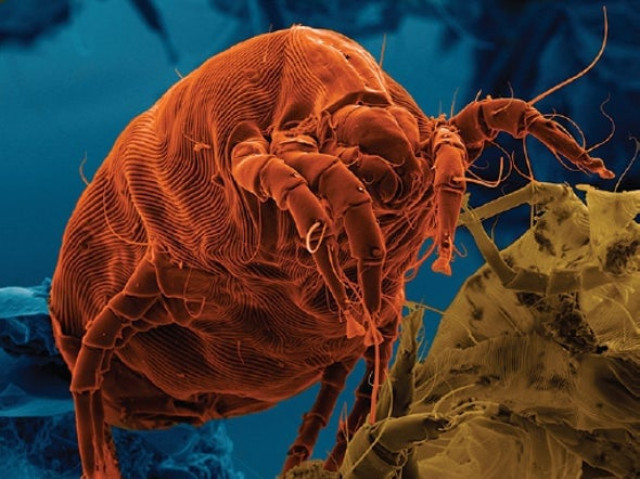
Dust mites, microscopic organisms measuring approximately one-quarter to one-third of a millimeter, are a common household allergen. They are white, eight-legged creatures that feed on dead human skin cells and do not bite. These mites thrive in environments with high temperatures and humidity, as they absorb moisture from the air. Their typical habitats include bedding, mattresses, upholstered furniture, carpets, curtains, and stuffed toys. A dust mite's life cycle from egg to adult spans about a month, and an adult female can lay around 100 eggs during her two-month lifespan. Geographical location plays a role in their prevalence; areas that are high, dry, and cold tend to have fewer dust mites.
Allergists, such as Neeta Ogden, MD, explain that dust mites cause allergic reactions through the inhalation of their microscopic fecal matter and dead body parts, which act as allergens. This can lead to chronic allergy symptoms, with year-round nasal congestion being a classic indicator of a dust mite allergy. Other symptoms include sneezing, sniffling, itchy eyes, and coughing. Dust mite allergies are also linked to the itchy, irritated skin associated with eczema. Furthermore, these allergies can trigger or worsen asthma, leading to symptoms like difficulty breathing, wheezing, shortness of breath, chest pain or tightness, difficulty talking, and potentially severe asthma attacks.
While completely eradicating dust mites is not feasible, managing symptoms and reducing exposure can significantly alleviate discomfort. Immunotherapy, such as allergy shots, is one treatment option. Symptomatic relief can be achieved with over-the-counter antihistamines for sniffling and sneezing, and eye drops for itchy eyes. Dr. Ogden emphasizes that dust mites are an unavoidable aspect of home environments, but proactive steps can minimize their impact.
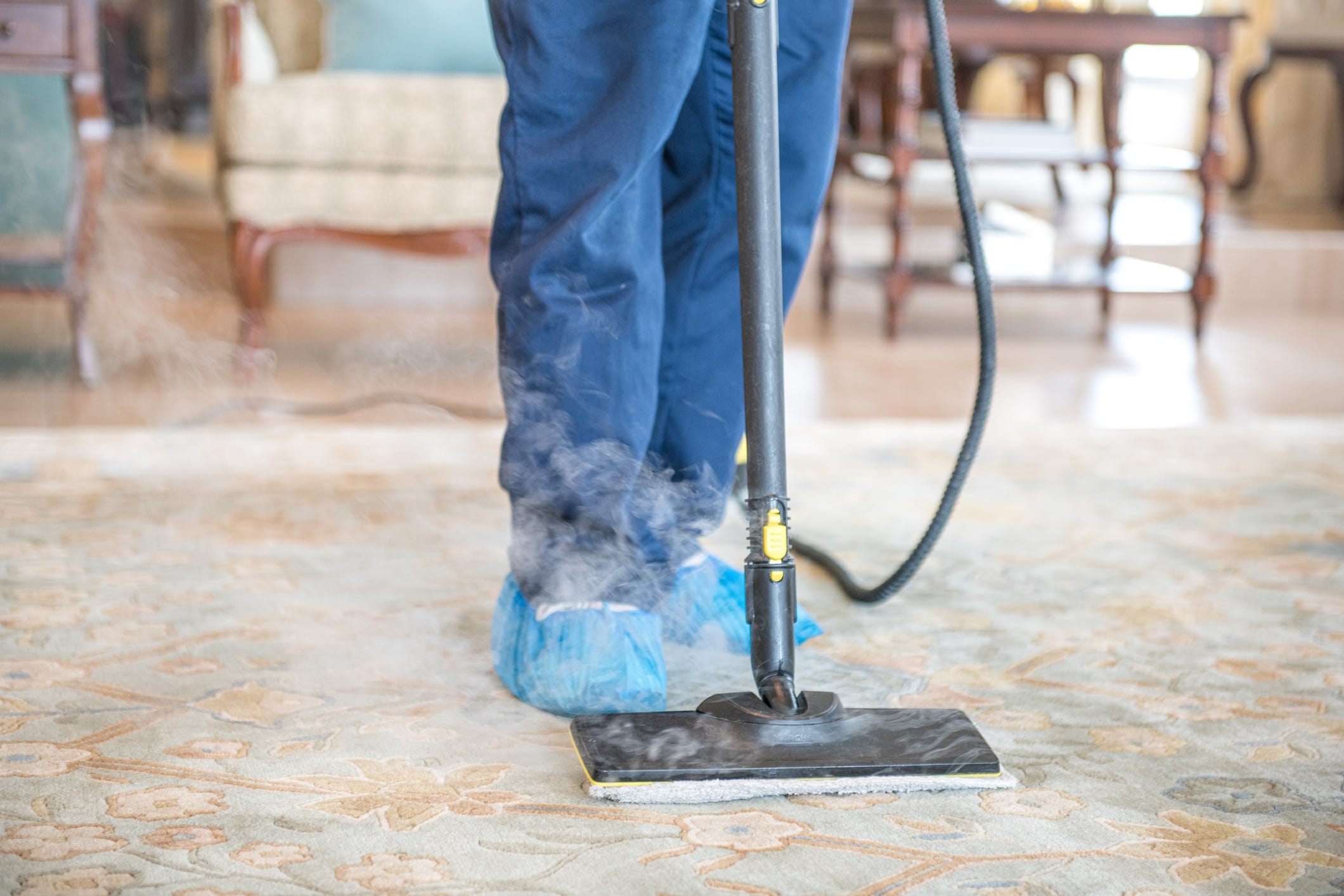
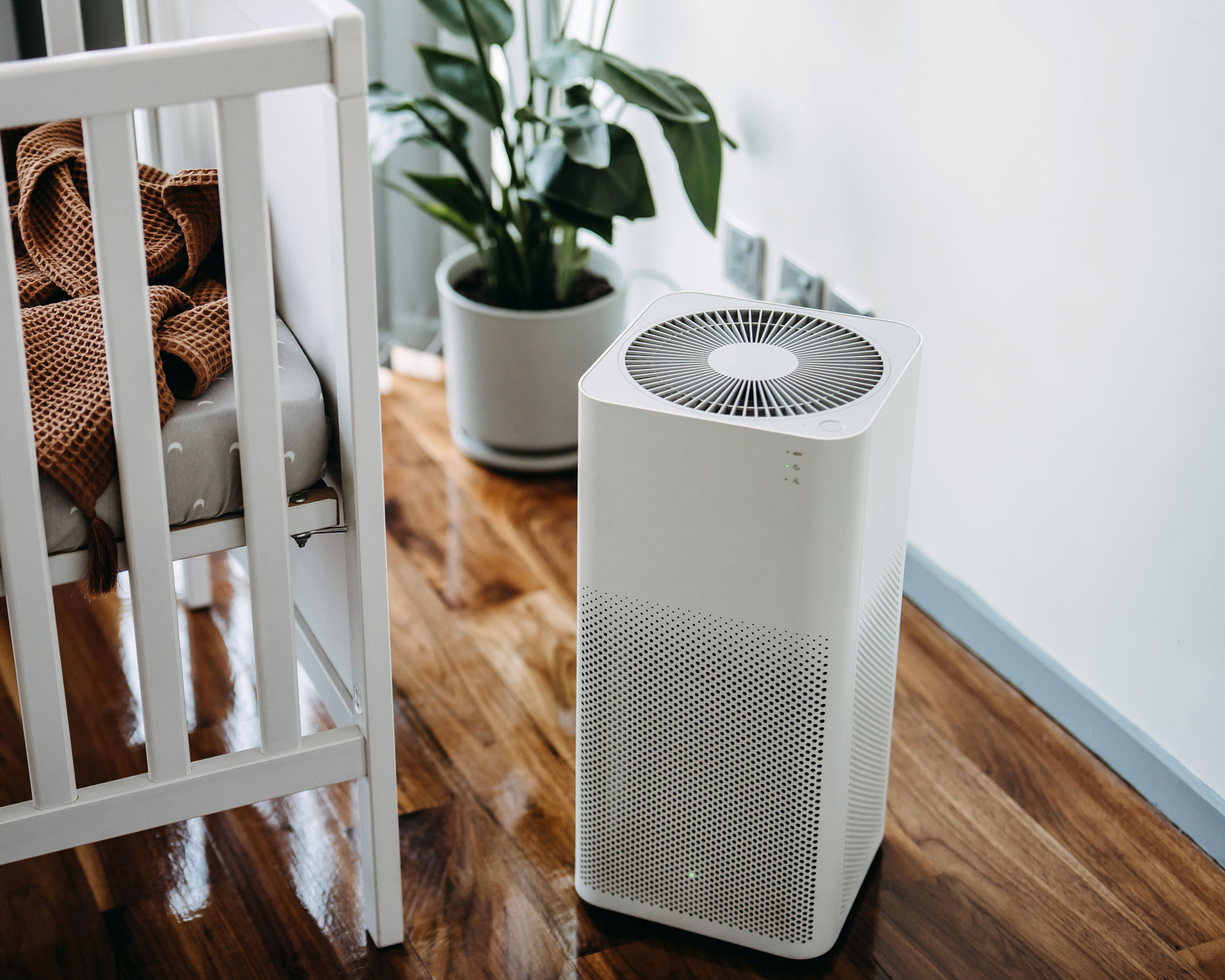
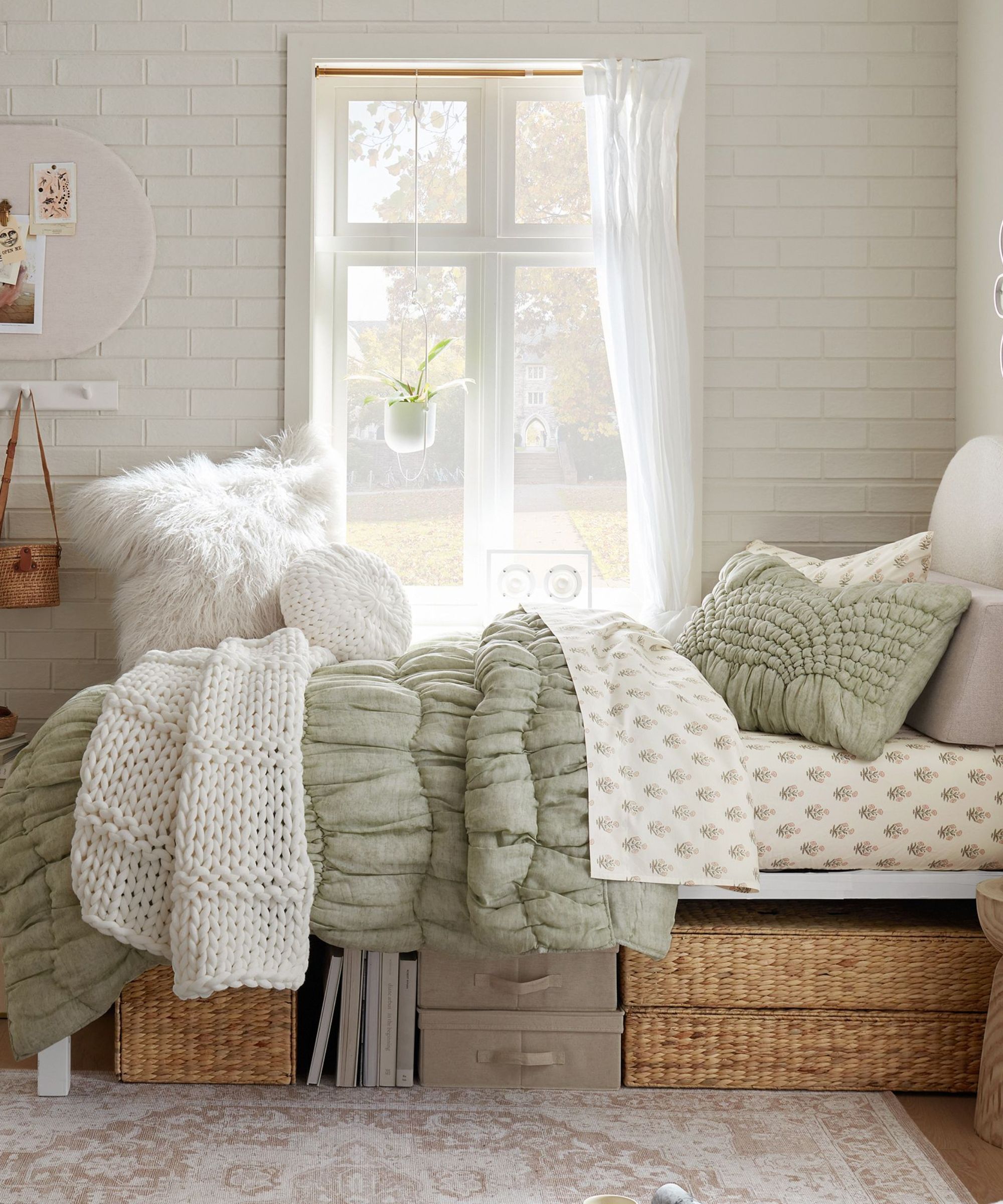
Four allergist-approved methods for reducing dust mite exposure include using dust-mite-proof covers for mattresses and pillows, which are made from finely woven fabrics proven to prevent mites from penetrating. Washing bedding weekly in hot water is crucial to kill residual dust mite particulate matter; this method can also be applied to stuffed animals. For delicate stuffed toys, placing them in a freezer for 24 hours in a plastic bag can also eliminate dust mites. Selecting appropriate home decor is another strategy; replacing carpets with hardwood floors or easily washable area rugs, and choosing blinds and wipeable furniture over fabric drapes and headboards, can reduce mite habitats. Finally, utilizing High-Efficiency Particulate Air (HEPA) filters can remove dust mites and other allergens from the air. Regular vacuuming with a HEPA-certified vacuum ensures that dust and allergens are effectively captured and contained within the vacuum, rather than being recirculated. If possible, delegating cleaning tasks to individuals without dust mite allergies is also recommended to prevent exposure during the cleaning process.
#DustMites #Allergies #HomeHygiene #Asthma #Eczema #IndoorAllergens #HomeCleaning #HealthTips #DustMites #Allergies #HomeHygiene #Asthma #Eczema #IndoorAllergens #HomeCleaning #HealthTips
0 comment in total
 No comments yet
You may also like
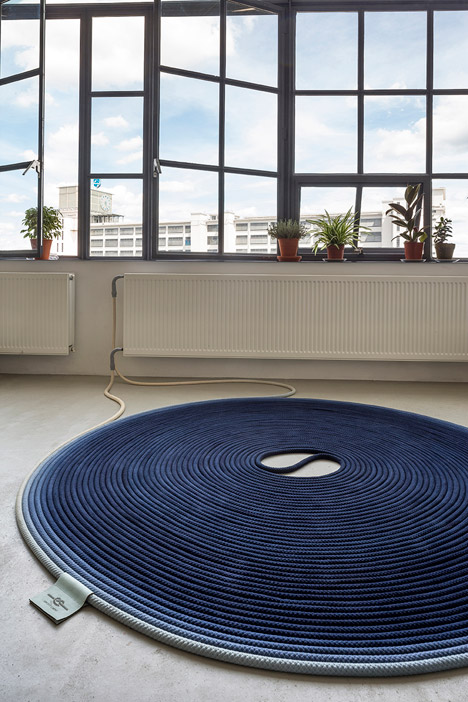
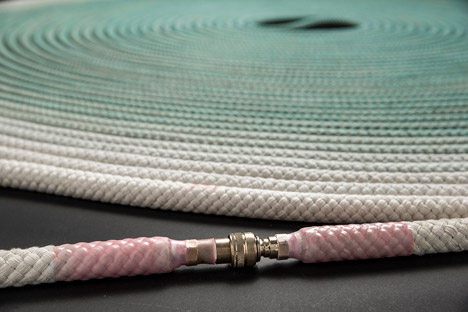
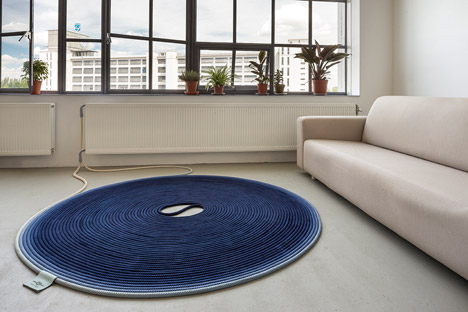
Studio Siem & Pabon's Fervent Carpet kills dust mites to relieve asthma sufferers

How to prevent dust on furniture – 3 quick time-saving solutions

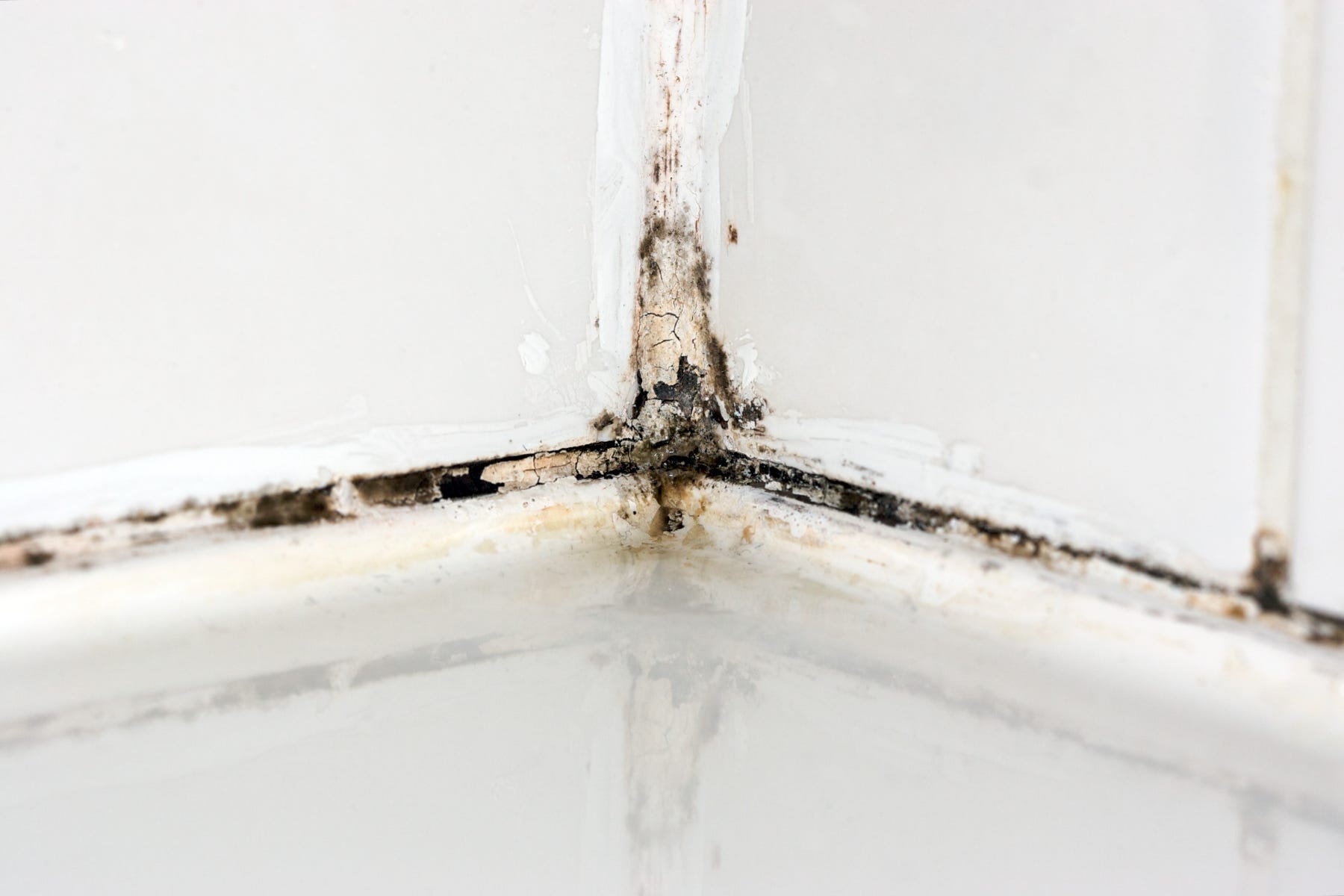
The Best Way to Remove Mildew, According to Experts


Expert-tested mould removal tips that actually work

'If you can smell it, there's a problem in progress' – 5 expert-approved ways to get rid of musty smells in an attic

The reason you need to vacuum your baseboards this month
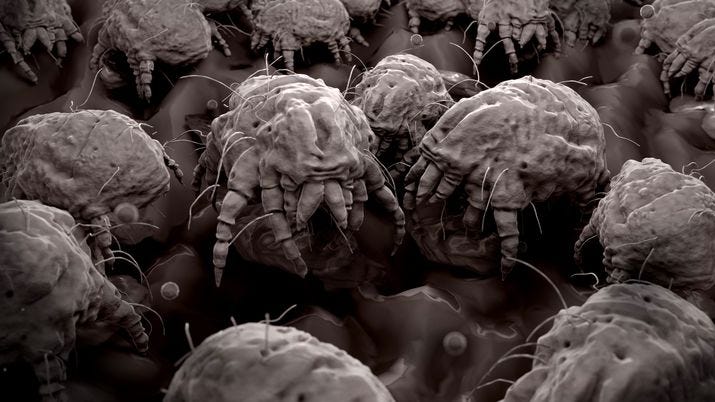
Here's What Really Happens if You Don't Clean Your Mattress Every Few Months


5 things professional cleaners always notice in dirty bedrooms that are a ‘breeding ground’ for dirt

Hidden dangers hiding in your upholstery: Experts reveal harmful bugs living in YOUR home