6 Things in Your Home That Could Be Triggering Your Pet’s Allergies
Pets, like humans, can suffer from allergies, which manifest through various symptoms such as scratching, licking, sneezing, or watery eyes. These reactions are often triggered by common allergens found within the home environment. Identifying and minimizing exposure to these triggers is crucial for managing pet allergies and preventing secondary infections.
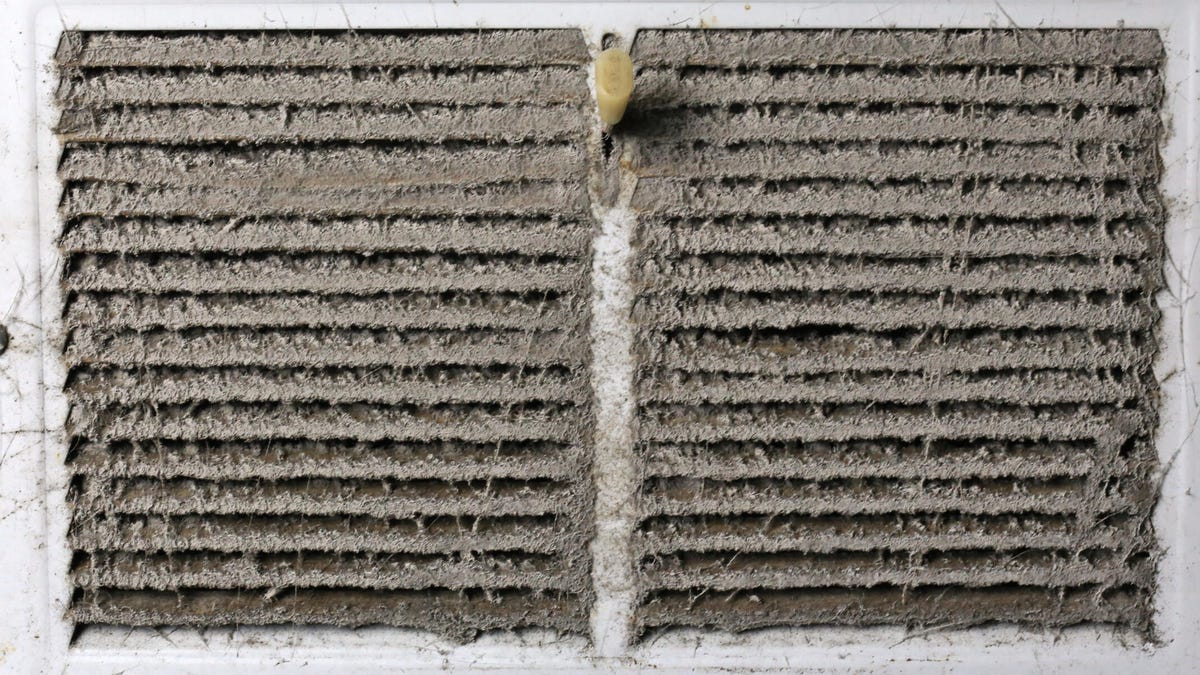
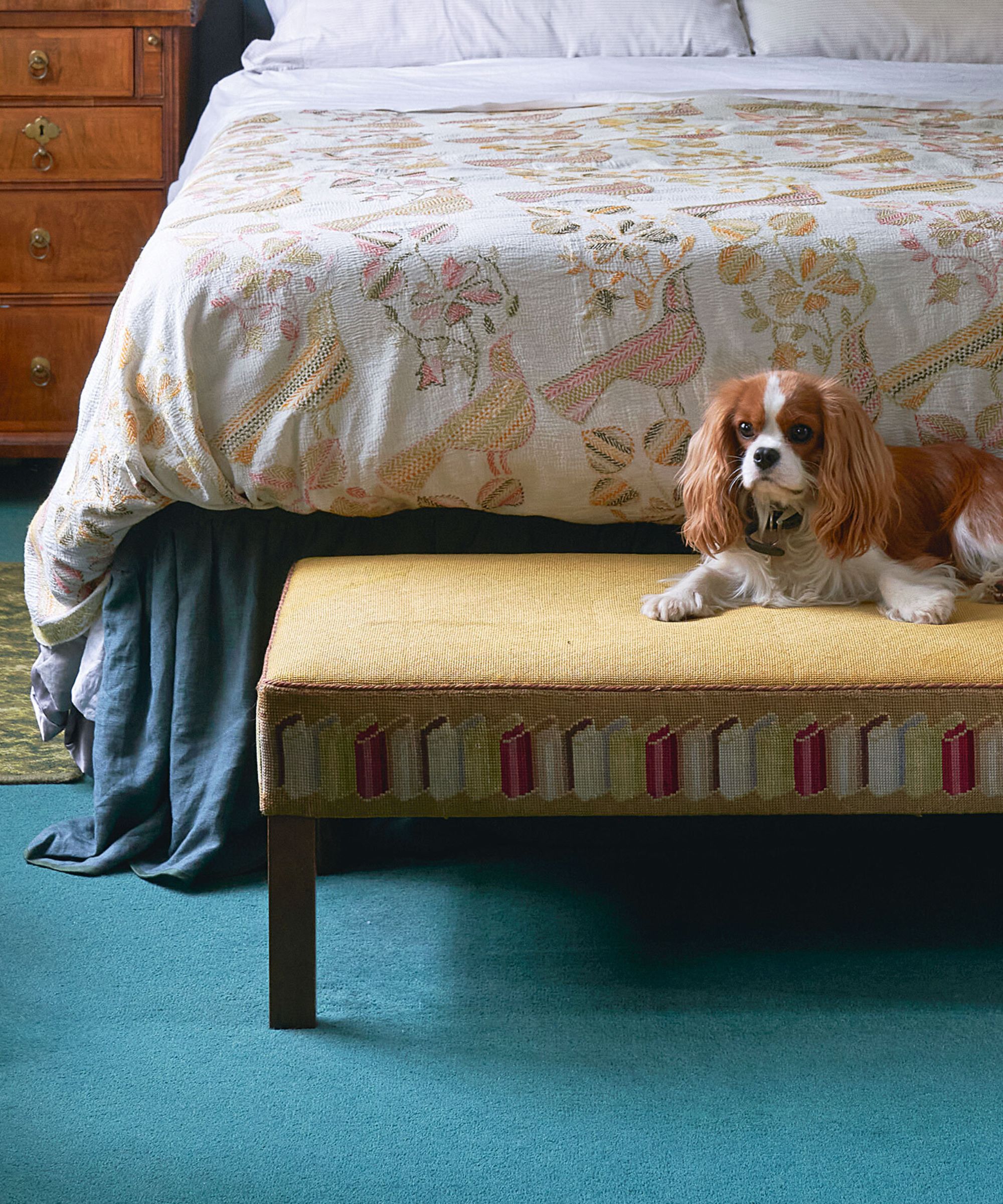
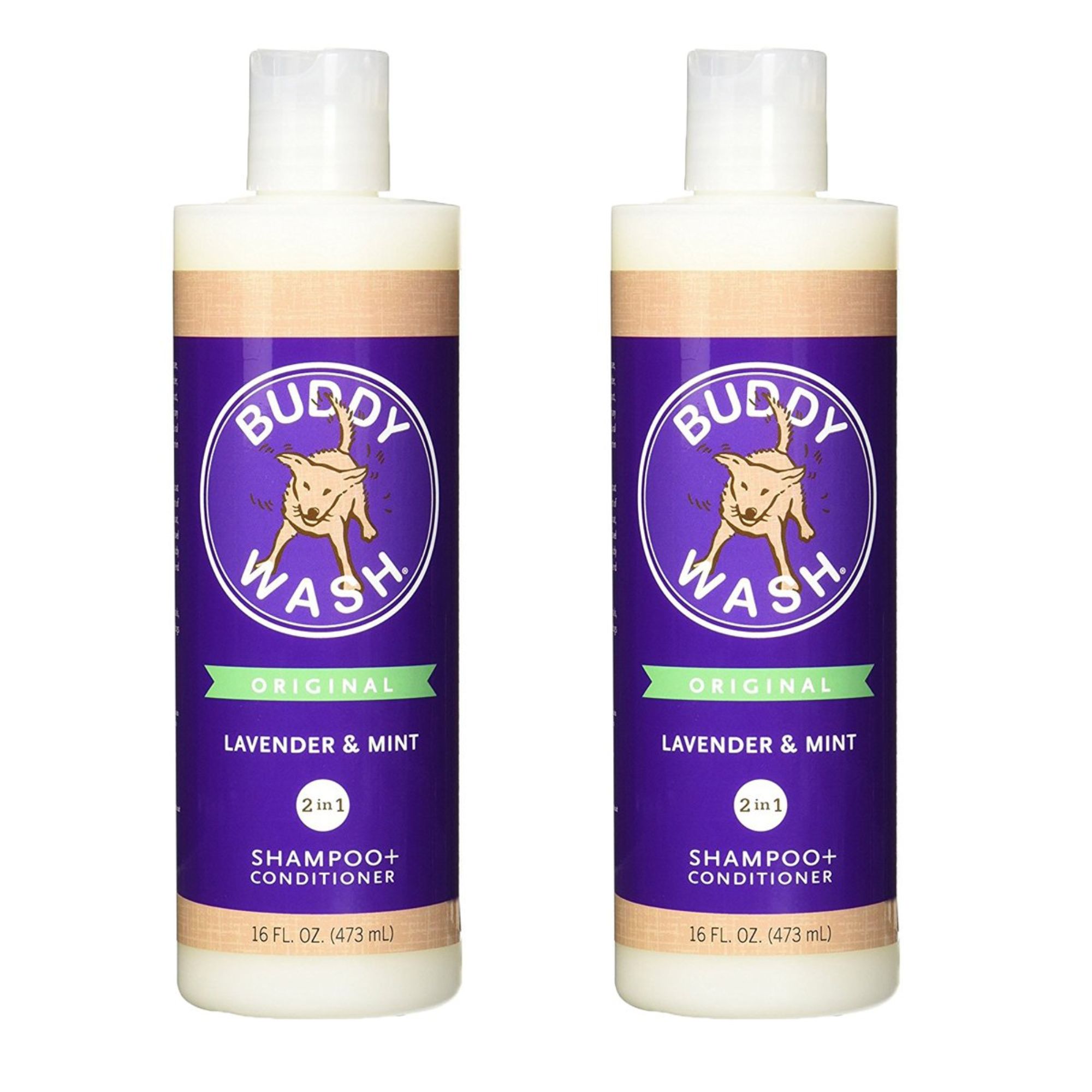
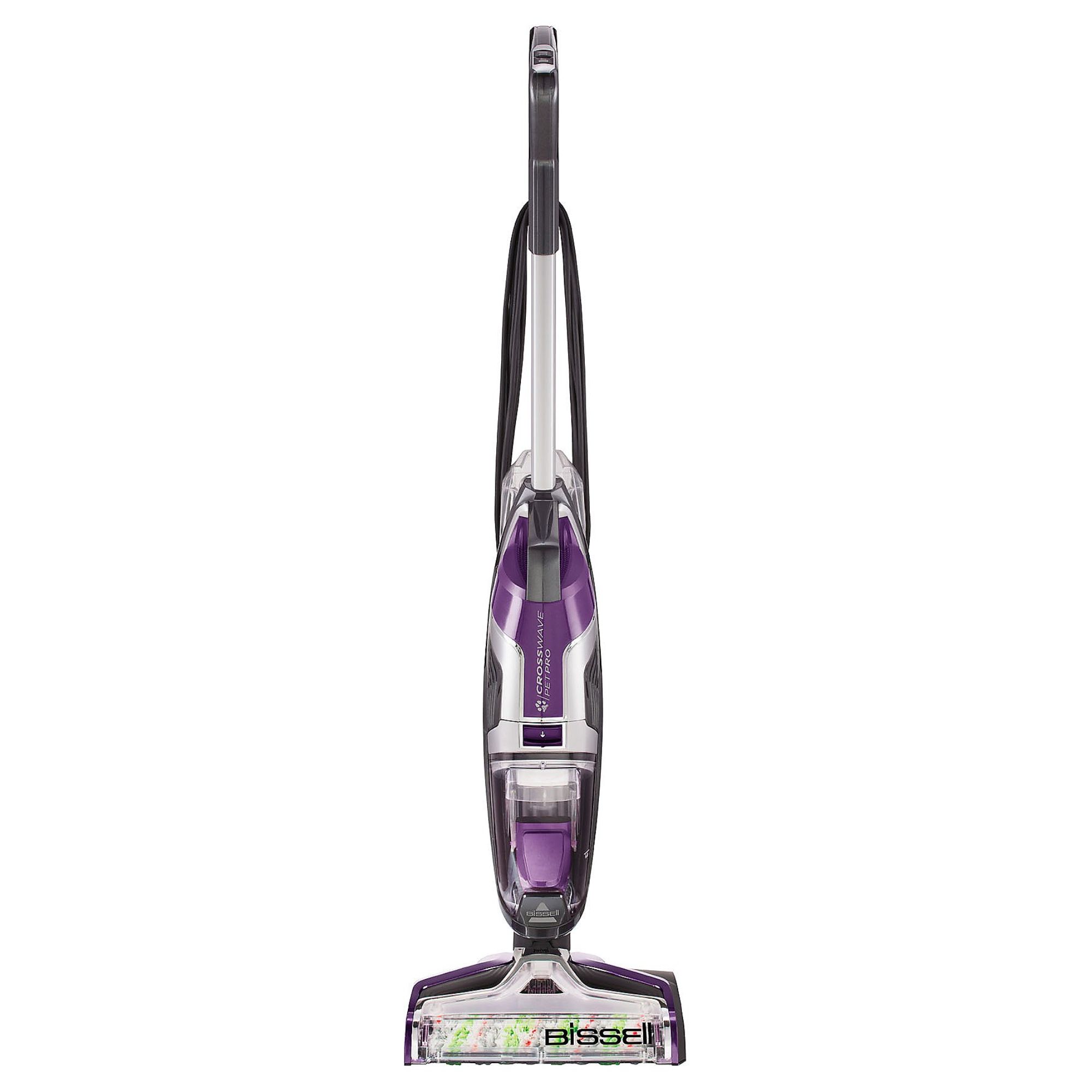
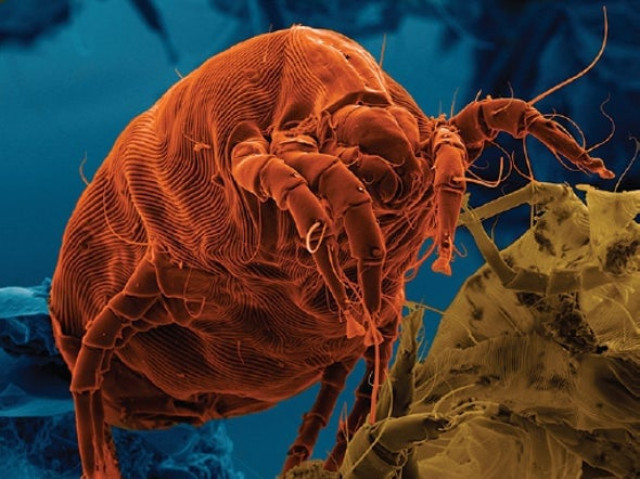
One significant category of allergens includes dust mites, mold, and pollen. These microscopic particles thrive in indoor settings like carpets, upholstered furniture, bedding, and air vents. When pets are exposed, they often develop itchy skin, leading to excessive scratching and licking, particularly on their paws, which can result in redness and irritation. To combat these allergens, regular vacuuming with a HEPA-filter vacuum, weekly washing of pet bedding in hot water, and the use of air purifiers with HEPA filters are recommended. Dehumidifiers in damp areas can prevent mold growth, and keeping pets off human furniture can limit exposure. Regular bathing with hypoallergenic shampoo and wiping paws after outdoor activities also helps.
Household cleaning products pose another risk due to the chemicals they contain. These can cause symptoms ranging from skin irritation, mild coughing, and watery eyes to more severe reactions like vomiting, difficulty breathing, or even seizures. Pets can be exposed through skin contact or by inhaling chemical fumes. Animals with chronic respiratory issues are particularly vulnerable. The use of pet-safe, non-toxic, unscented, or green cleaning products is advised, and cleaned areas should be allowed to dry thoroughly before pets re-enter.
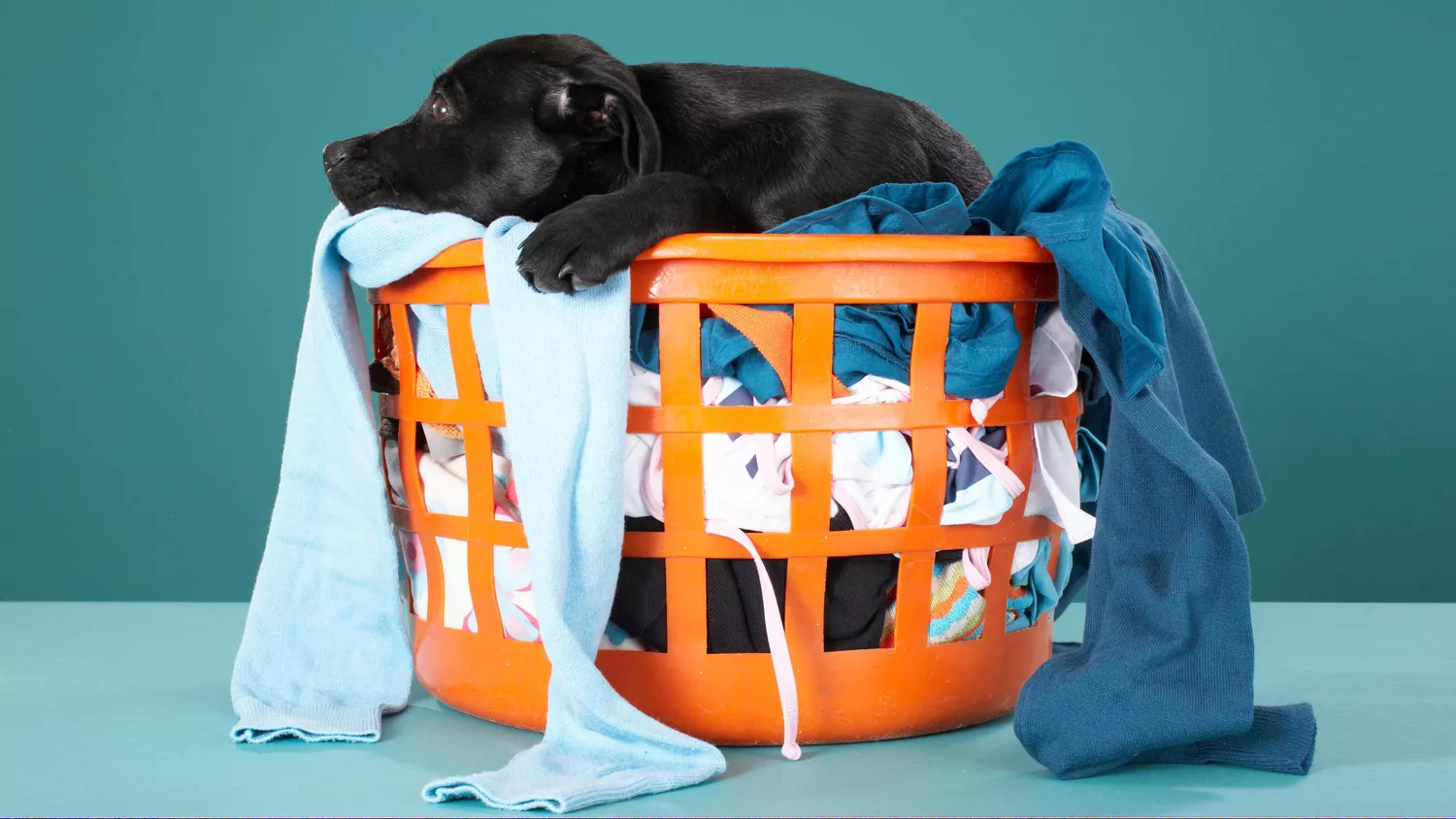
Laundry detergents and fabric softeners, especially scented varieties, can also trigger allergies. These products can cause red, irritated skin and excessive licking and scratching in pets who come into contact with washed items like pet beds, blankets, or even human laundry. Switching to unscented or pet-specific laundry detergents and washing pet belongings weekly in hot water can alleviate these issues.
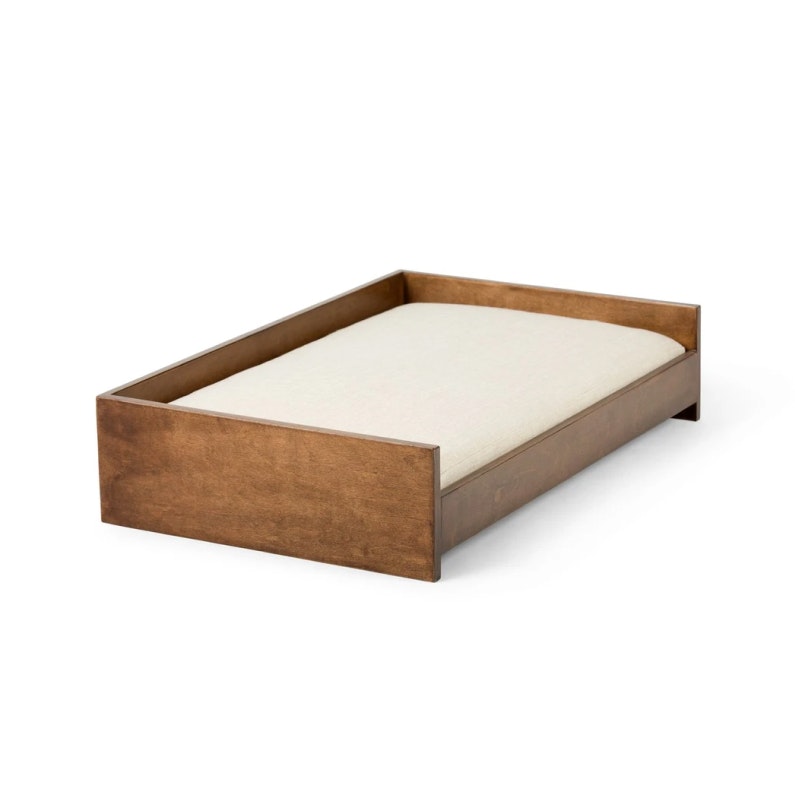
Synthetic materials found in pet bedding can also be allergenic. Materials such as nylon, vinyl, rubber, plastic (including memory foam), synthetic dyes, and certain finishes or polishes can cause skin irritation, presenting as redness, bumps, hair loss, scaling, crusting, thickened skin, or darkened skin in sparsely haired areas. Even natural materials like wool, due to the lanolin content, can cause reactions. Replacing synthetic bedding with cotton alternatives is recommended.
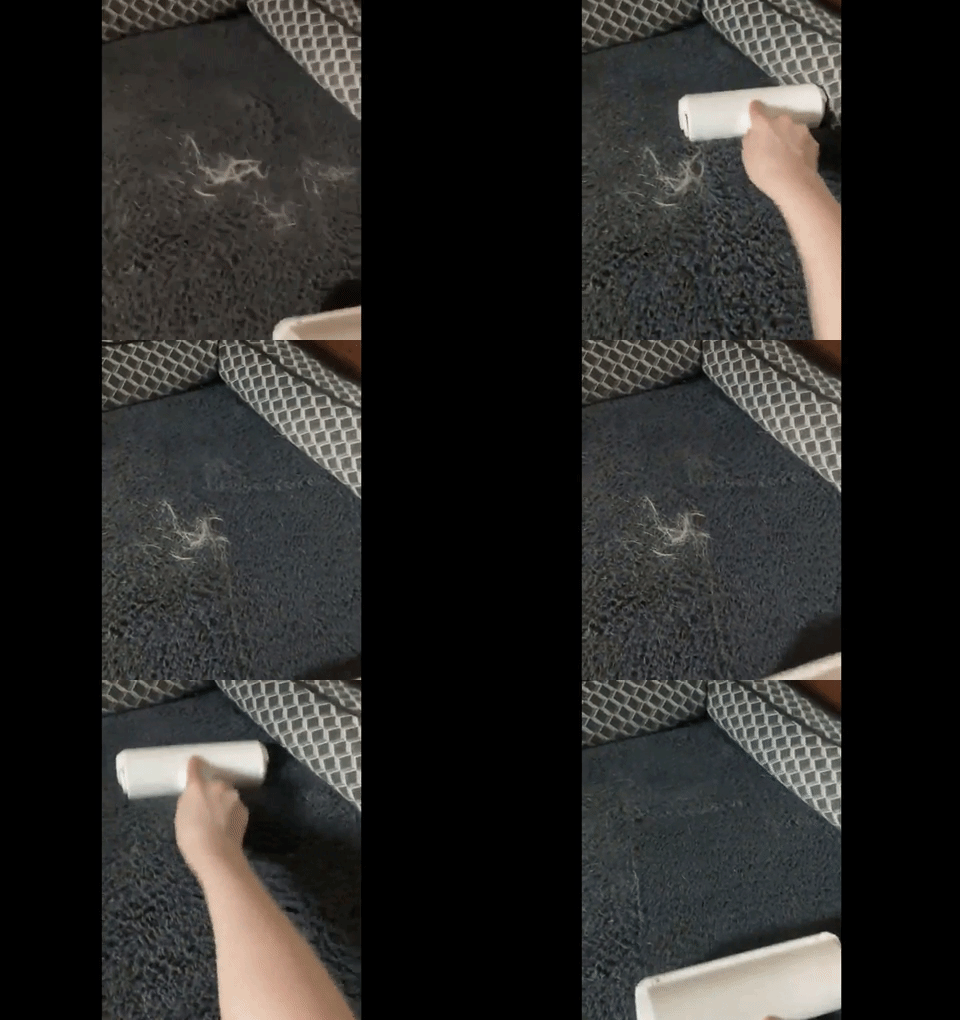
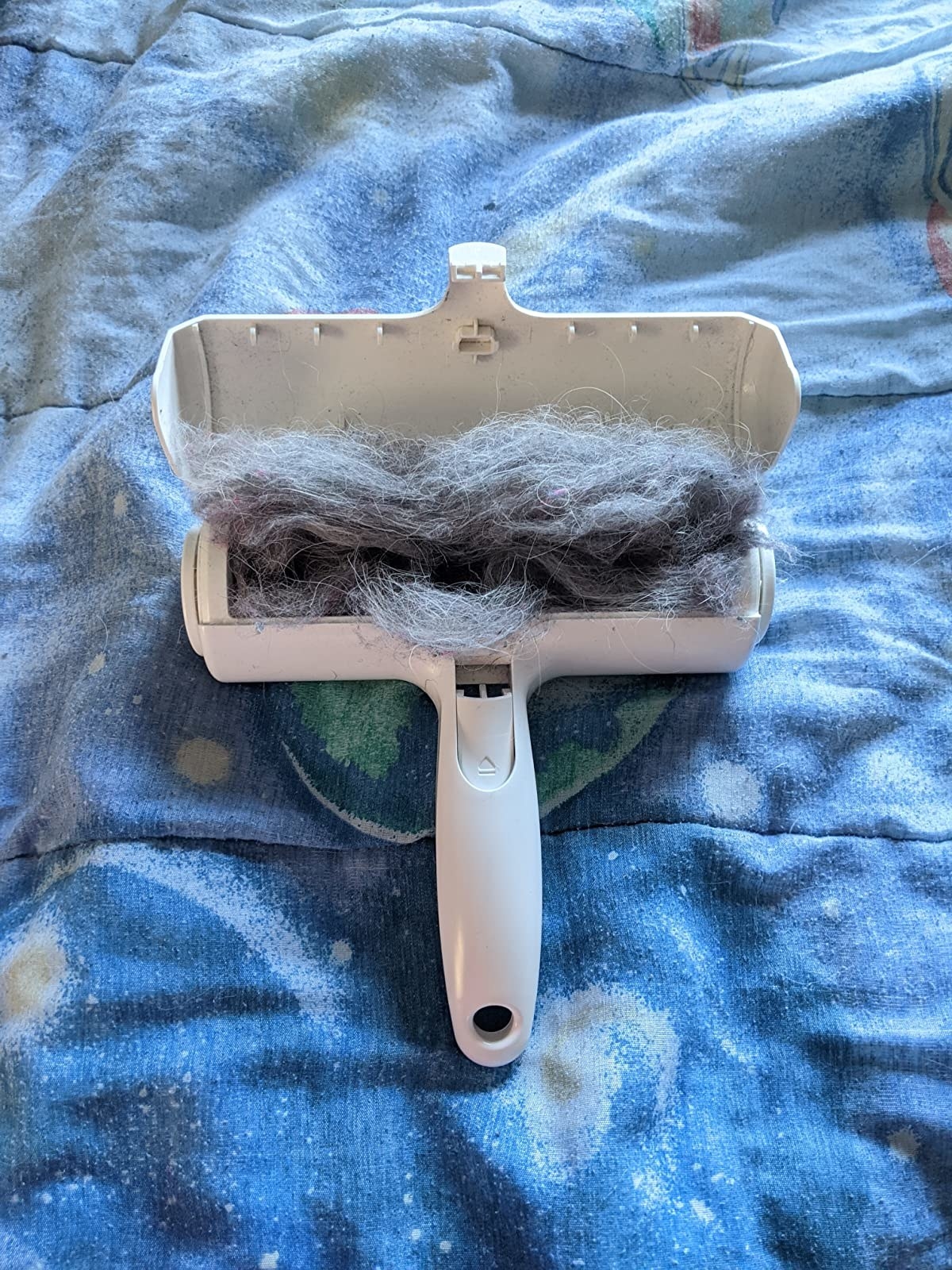
Dander, from both humans and other pets, is another common allergen. Symptoms include itchy skin, hair loss, bumpy or red skin, and scabs, with less common signs being coughing and red, watery eyes. Dander accumulates in upholstered furniture, bedding, carpets, and clothing. Managing dander involves using air purifiers, frequent cleaning with a HEPA vacuum and pet-safe cleaners, regular bathing with hypoallergenic shampoo, and providing designated pet beds to keep them off human furniture.
Finally, fleas are a significant allergen. Their bites cause itchy allergic reactions known as flea allergy dermatitis, characterized by hair loss, intense itching, crusting skin, and redness. Fleas also transmit diseases like Bartonella bacteria, cause anemia, and pass tapeworms. Fleas reside in dirt, clothing, pet beds, and carpets. Prompt action to eliminate fleas involves thorough home cleaning and consistent use of monthly flea preventive treatments for pets.
Determining the exact cause of a pet's allergies requires careful observation, documentation of symptoms, and veterinary consultation. There are three main types of pet allergies: environmental/seasonal, food, and flea allergies. Symptoms often appear after the second or third exposure as the immune system becomes sensitized. Vets can help eliminate potential triggers, prescribe medications, treat secondary infections, and perform allergy testing. A step-by-step elimination process, guided by veterinary advice, including changing detergents, pet beds, or implementing monthly flea prevention, is crucial for effective management.
#PetAllergies #HouseholdTriggers #DustMites #Mold #Pollen #CleaningProducts #LaundryDetergent #SyntheticMaterials #PetDander #Fleas #PetHealth #HomeEnvironment #PetAllergies #HouseholdTriggers #DustMites #Mold #Pollen #CleaningProducts #LaundryDetergent #SyntheticMaterials #PetDander #Fleas #PetHealth #HomeEnvironment
0 comment in total
 No comments yet
You may also like

3 ways to reduce pet dander in the bedroom and keep your sleep space free of allergens, according to air quality pros

Did you know you could be allergic to your sofa? Expert shares how you can tell and what to do about it


Purr-fect Design: Make your furry loved one feel right at home with your décor


How to Prep Your Home for a New Pet, According to an Interior Designer

Design Ideas: Solving Pet Peeves

Home design is going to the dogs

Experts say these 6 products will get rid of dog odor in your house

Four allergist-approved ways to get rid of dust mites

If Your House Smells Weird, It Might Be Due to One of These Common Problem Areas


16 Stylish Pet Accessories You Won't Have to Hide When Guests Come Over