1/9
Launder textiles as summer ends to stop allergies in fall
As summer transitions to fall, many individuals focus on seasonal adjustments like wardrobe changes and home decorating. However, a critical aspect often overlooked is the lingering presence of allergens such as pollen, dust, and dander, which accumulate in home textiles during warmer months. These irritants can lead to discomfort, including sneezing and stuffy noses, persisting well into the colder seasons. Cleaning experts emphasize the importance of thoroughly laundering household textiles as summer concludes to mitigate these allergens, ensuring a cleaner and healthier indoor environment for the upcoming months.
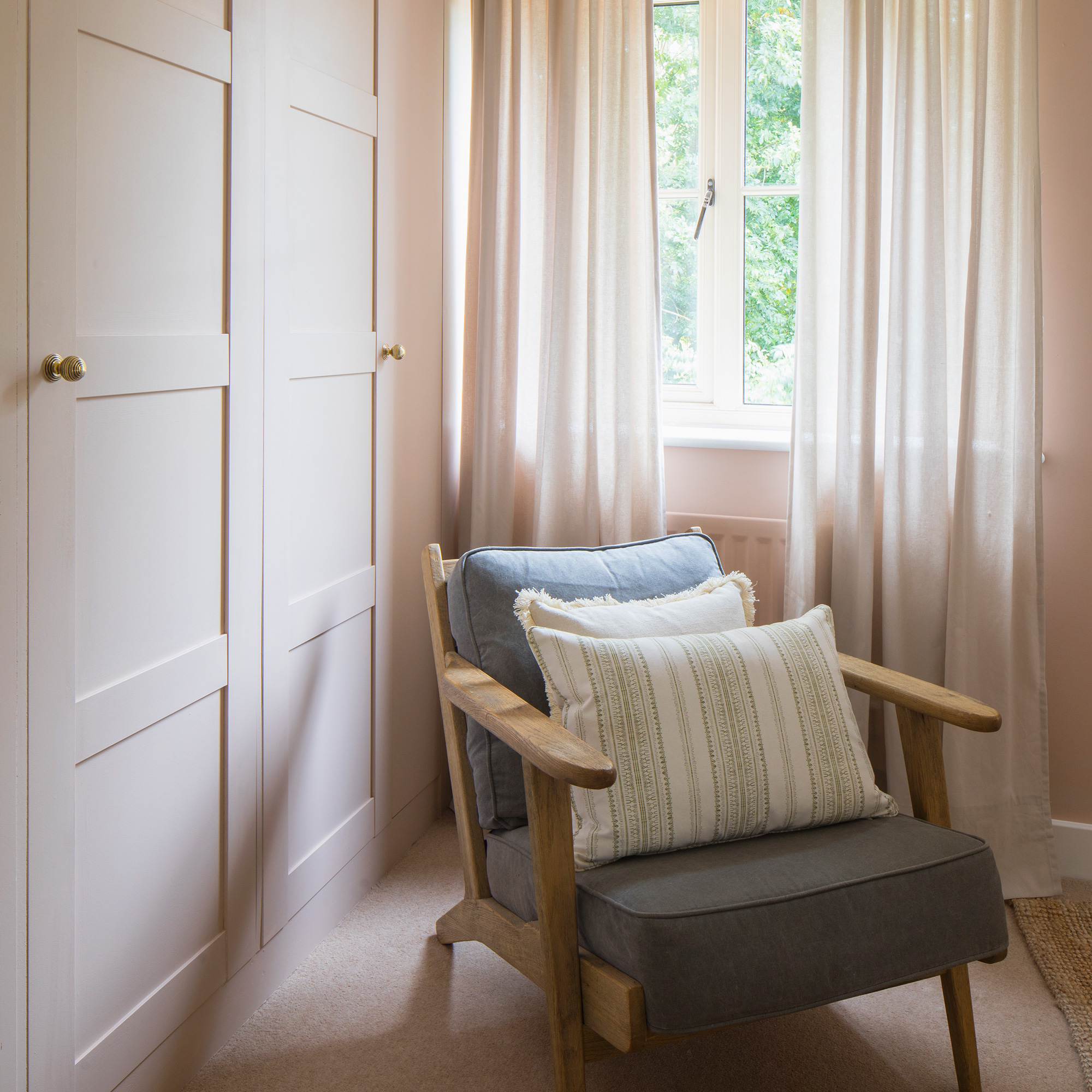
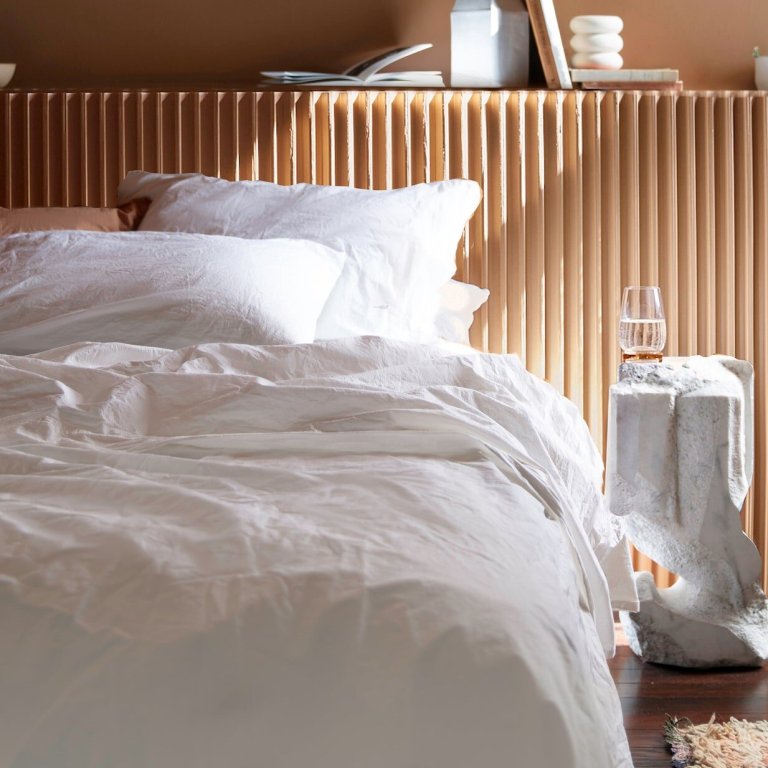
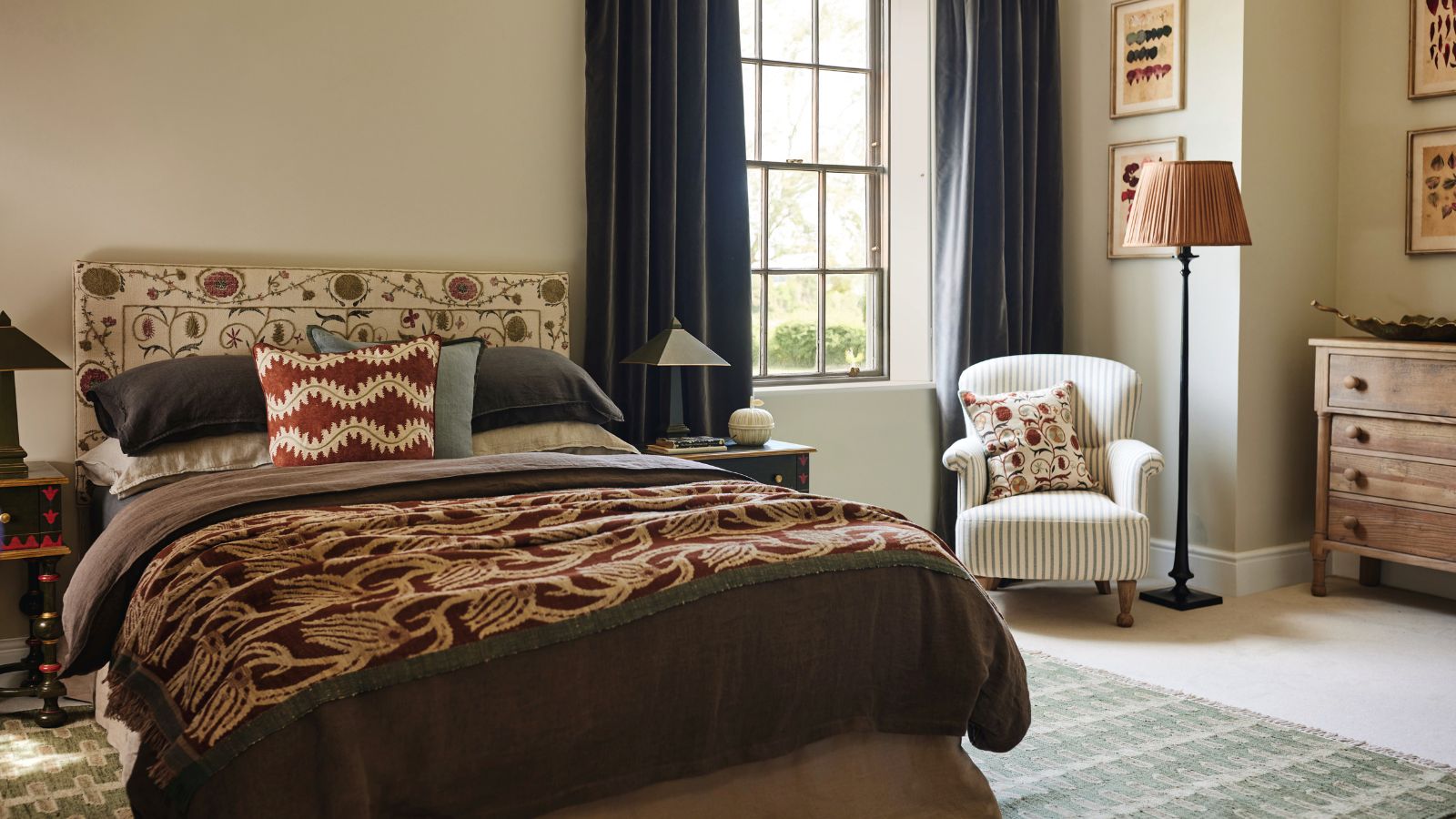
Key textiles that accumulate irritants include curtains and throw blankets, which, if not regularly cleaned, can harbor significant amounts of pollen. Scott Schrader, a cleaning expert at CottageCare, highlights that pollen can deeply embed itself in fabrics, especially if windows were open frequently during summer. Unlike dust, pollen does not simply dissipate and requires proper washing to be removed effectively. Laundering these items and cleaning upholstery at the end of summer is crucial for substantially reducing allergen buildup and preventing them from affecting indoor air quality throughout the fall.
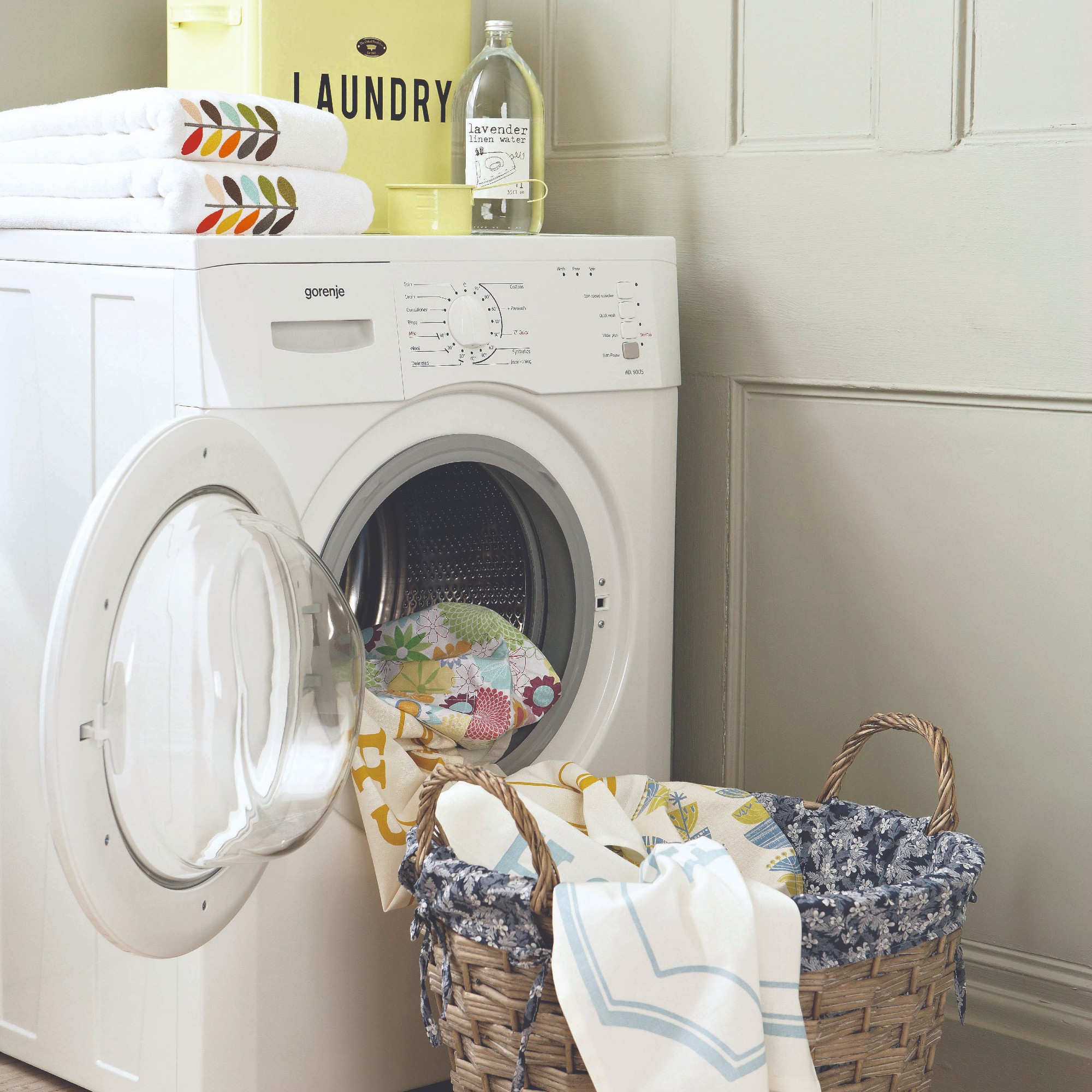
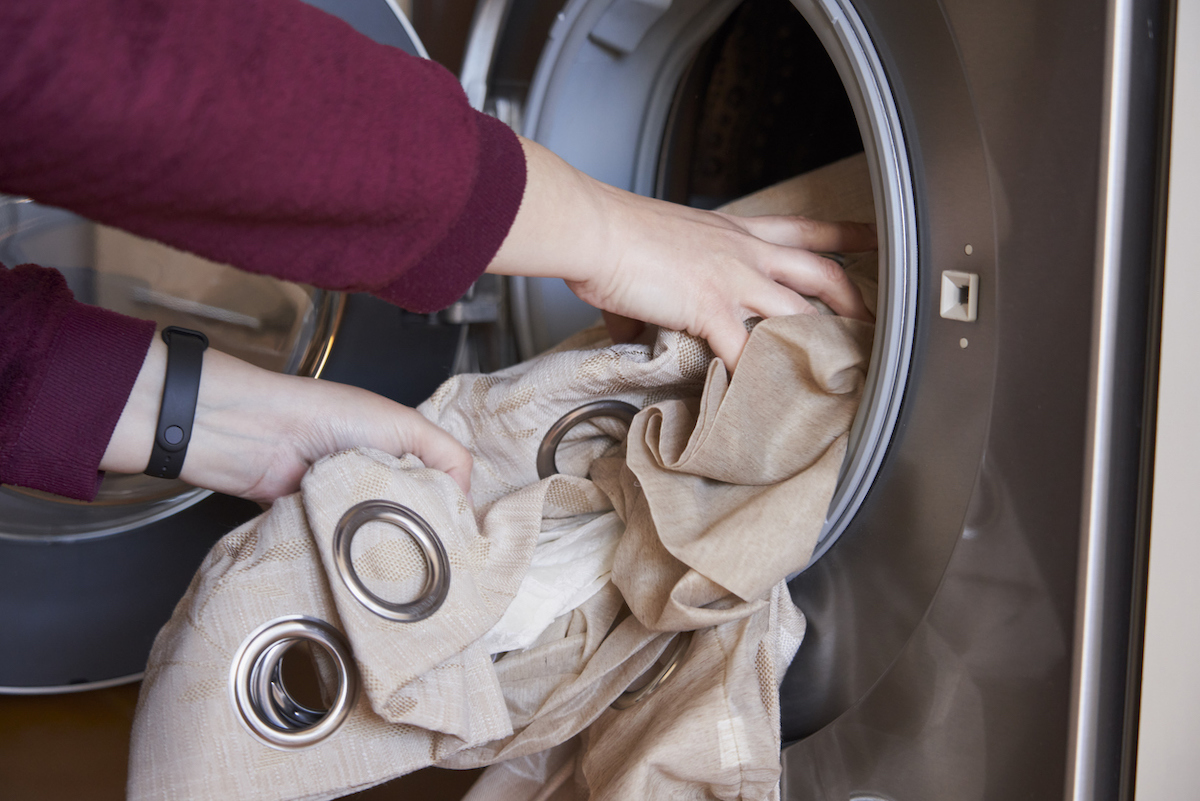
For items that are machine washable, Schrader advises using the hottest water temperature permitted by the fabric care instructions. Hot water is particularly effective at dissolving the proteins found in pollen. He recommends employing an unscented laundry detergent that includes a built-in enzyme booster, noting that such products are designed to break down and remove stubborn allergens. An additional rinse cycle is also suggested to ensure that all lingering pollen and detergent residues are thoroughly flushed out, preventing any remaining irritants.
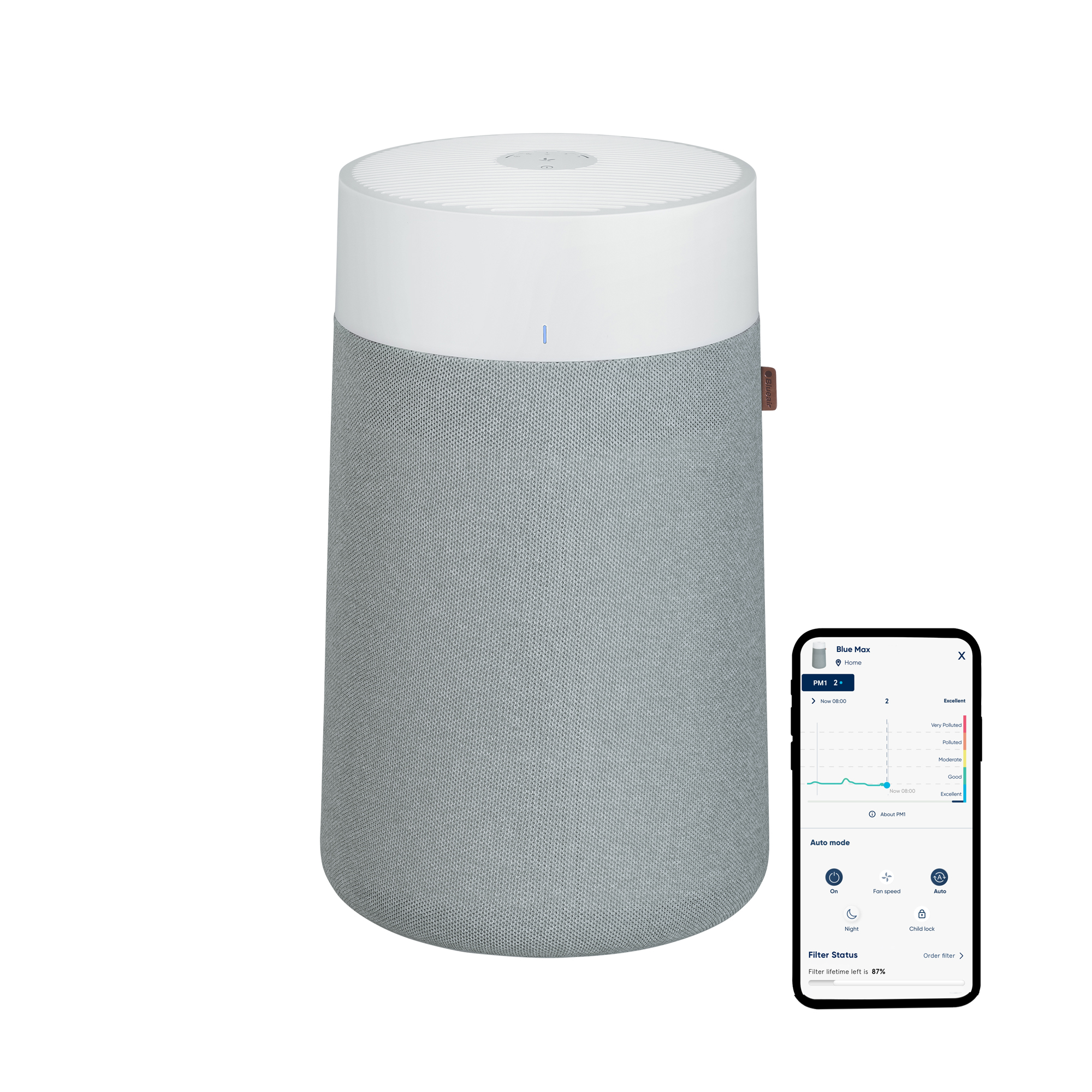
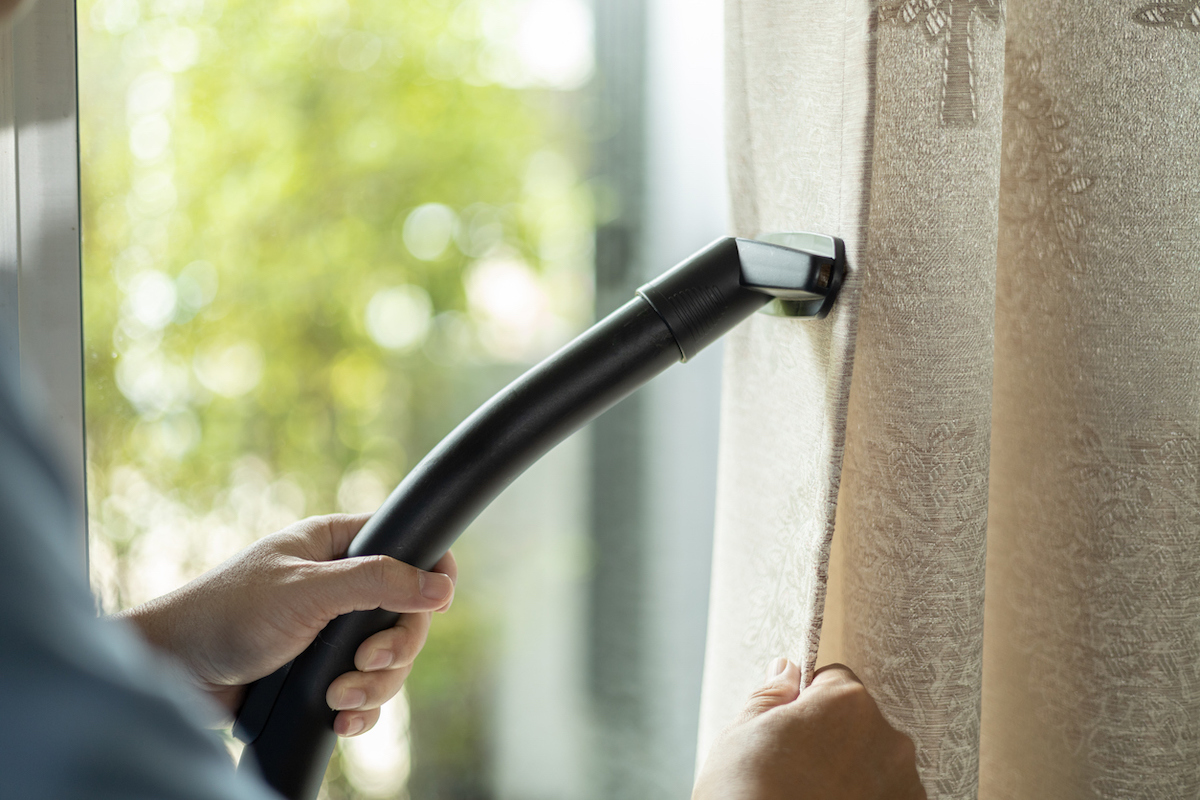
For upholstery and other textiles that cannot be machine washed, a different approach is necessary. Schrader recommends starting with thorough vacuuming using an upholstery attachment. It is vital to use a vacuum equipped with a HEPA filter, as this type of filter is designed to capture fine particulate matter like dust and pollen, preventing them from being recirculated into the air. Following vacuuming, spot cleaning with a fabric-safe solution is advised.
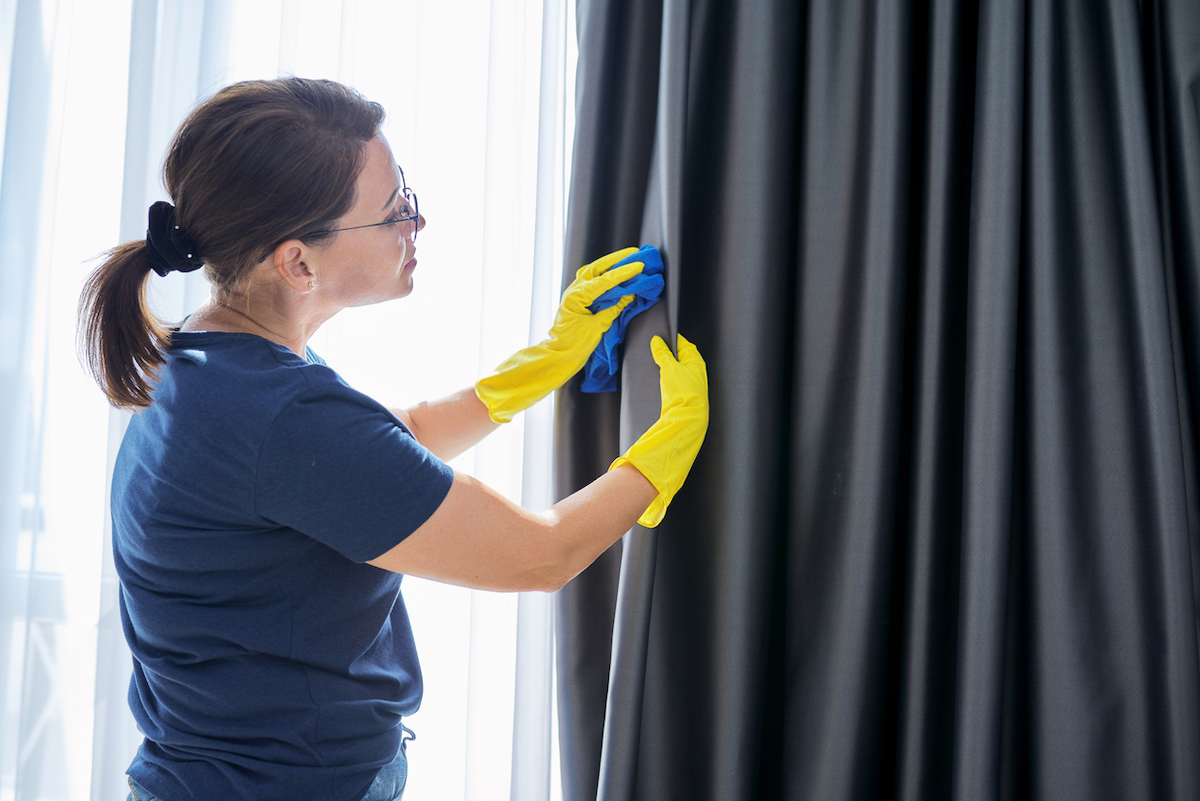
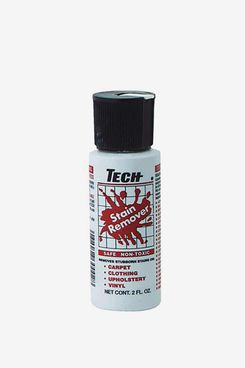
Commercial cleaning solutions, such as Bissell Woolite carpet & upholstery cleaner, are suitable for this purpose, and can also help in neutralizing odors embedded in fabrics. Alternatively, a homemade cleaning solution can be prepared by mixing a small amount of warm water with a few drops of mild dish soap. This solution should be applied to a microfiber cloth, which is then used to gently rub the upholstery, creating a mild soapy foam. The goal is to lift the pollen from the fabric fibers without oversaturating the material, which could lead to moisture-related issues.
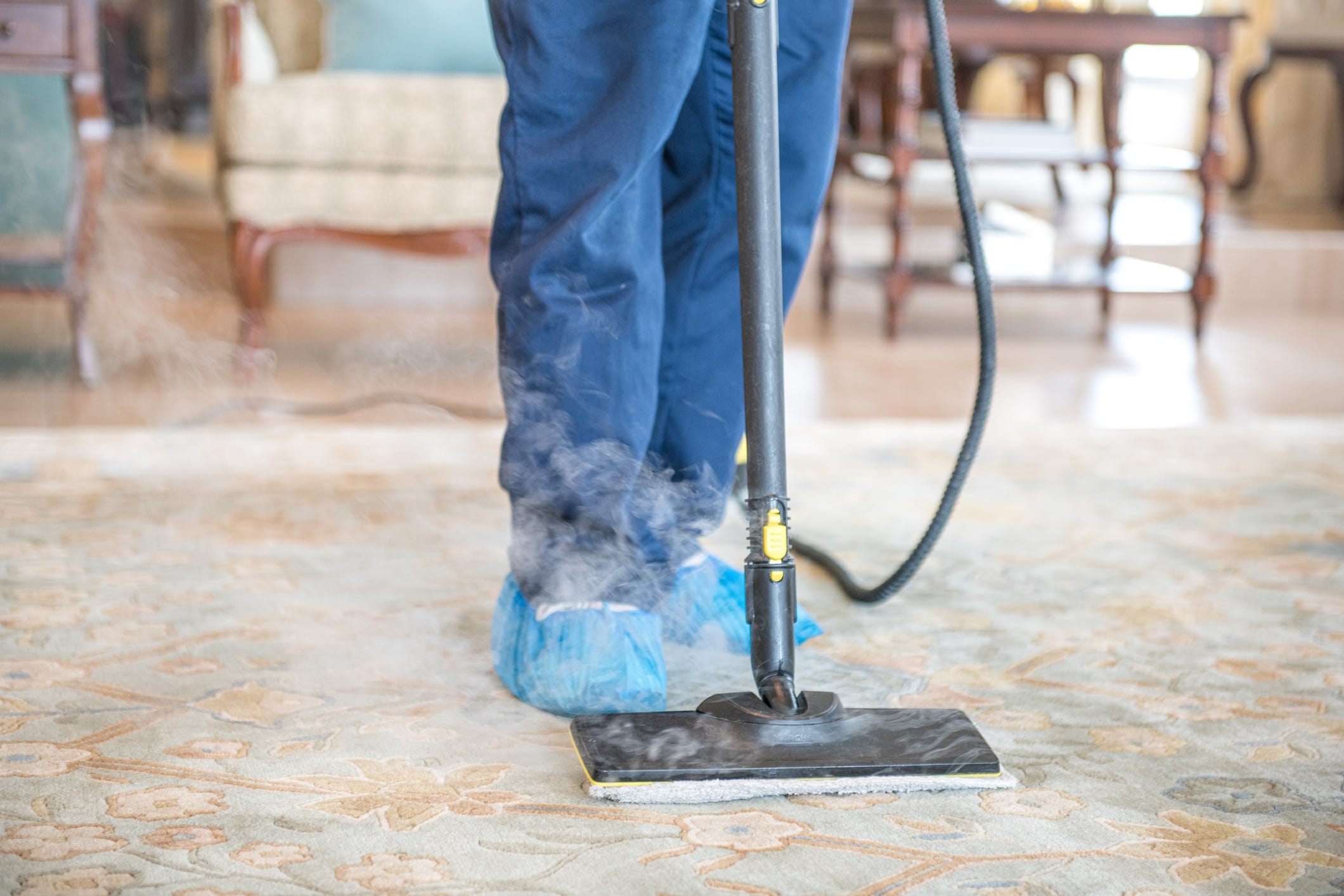
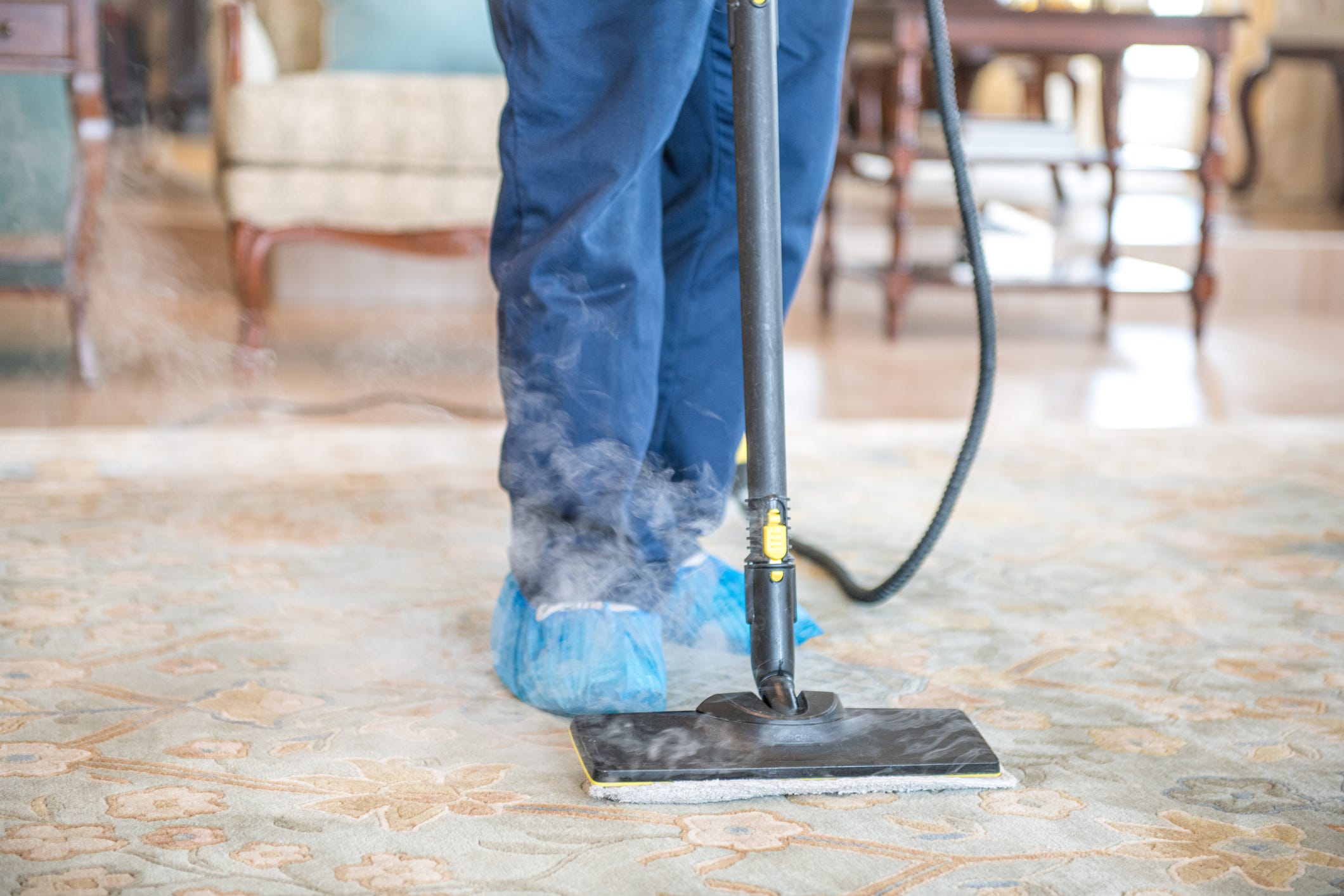
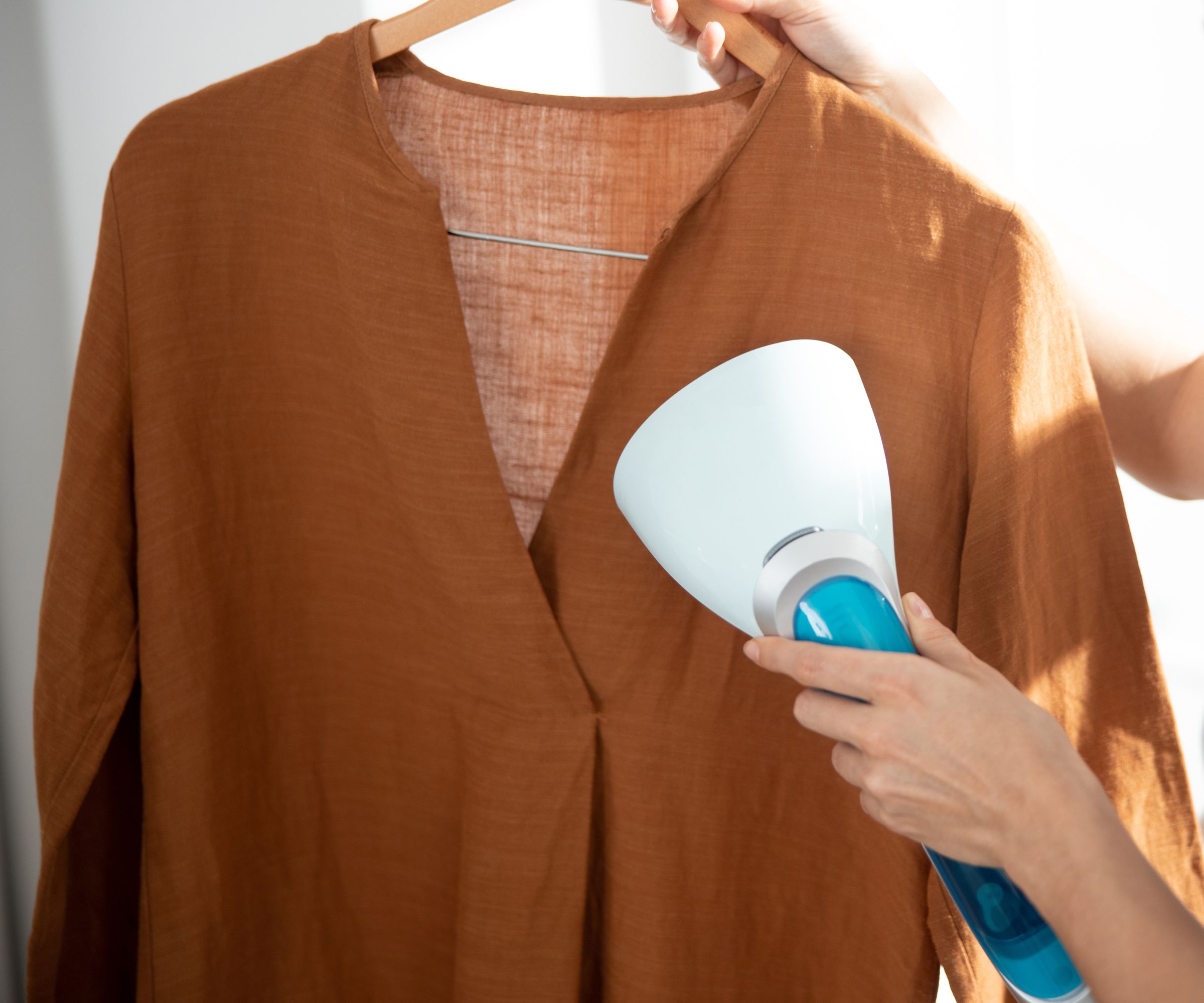
In some cases, depending on the upholstery material, steam cleaning can be an effective method for allergen removal. However, it is essential to consult the care tag of the item and perform a patch test on an inconspicuous area first to ensure that steam cleaning will not cause damage. Utilizing a portable steam cleaner can help to tackle spills, pet stains, and efficiently remove dander, dust, and pollen, while also eliminating everyday household odors, contributing to an overall fresher home environment.
#AllergenRemoval #SeasonalCleaning #HomeTextiles #PollenControl #LaundryTips #UpholsteryCare #IndoorAirQuality #CleaningSolutions #FallPreparation #AllergenRemoval #SeasonalCleaning #HomeTextiles #PollenControl #LaundryTips #UpholsteryCare #IndoorAirQuality #CleaningSolutions #FallPreparation
0 comment in total
 No comments yet
You may also like

Turn Your Home Into a Cozy Fall Dream With These Designer Ideas
Experts warn not to hang washing to dry on your bannisters or doors – it can create a 'serious issue'


6 things people with clean sunrooms always do – expert tips to make the most of your sunroom this spring
These ‘Beautiful’ Target Quilts Are ‘Just the Right Weight’ for Fall Nights—and Prices Start at Only $18

How to store clothes long term: 7 ways pros love
This Is the Right Way to Wash Your Curtains, According to Experts


How Often You Should Wash Your Sheets (And How to Get Them Really Clean) | Reviews by Wirecutter

Gross! Here Are the Best Ways to Remove Mildew for Good


Cleaning experts are urging people to wipe down their windowsills every day this summer
How Long Should You Really Leave Laundry in the Washer? The Answer Might Gross You Out

How to Clean a Slipcover, According to Experts

We’re Replacing Relaxed Linen With Crisp Hotel-Style Bedding This Fall

How to store bedding properly to prevent mould and mildew - avoid ‘worst’ room in the home
Winter Deep-Clean: 5 Things Pros Never Forget in December
How to prevent mould in wardrobes - expert-approved tips to protect your furniture and your clothes
This is the best way of getting wrinkles out of clothes – and laundry experts all agree
Looking to wind down on your washing machine usage? These clothes sprays could help

The Best Way to Remove Mildew, According to Experts
Best Fall Amazon Products: Hair Loss Treatment, Blanket Wrap, More

Get your closets and laundry room in shape for spring & summer!