1/4
Experts warn not to hang washing to dry on your bannisters or doors – it can create a 'serious issue'
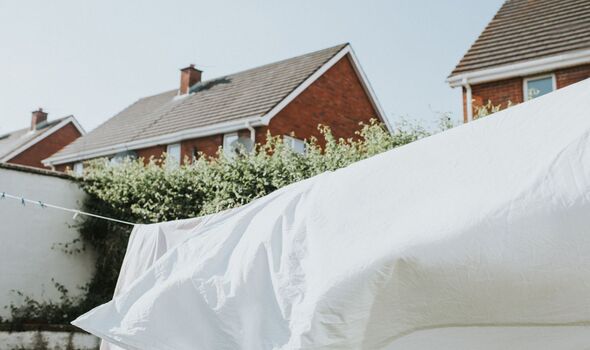
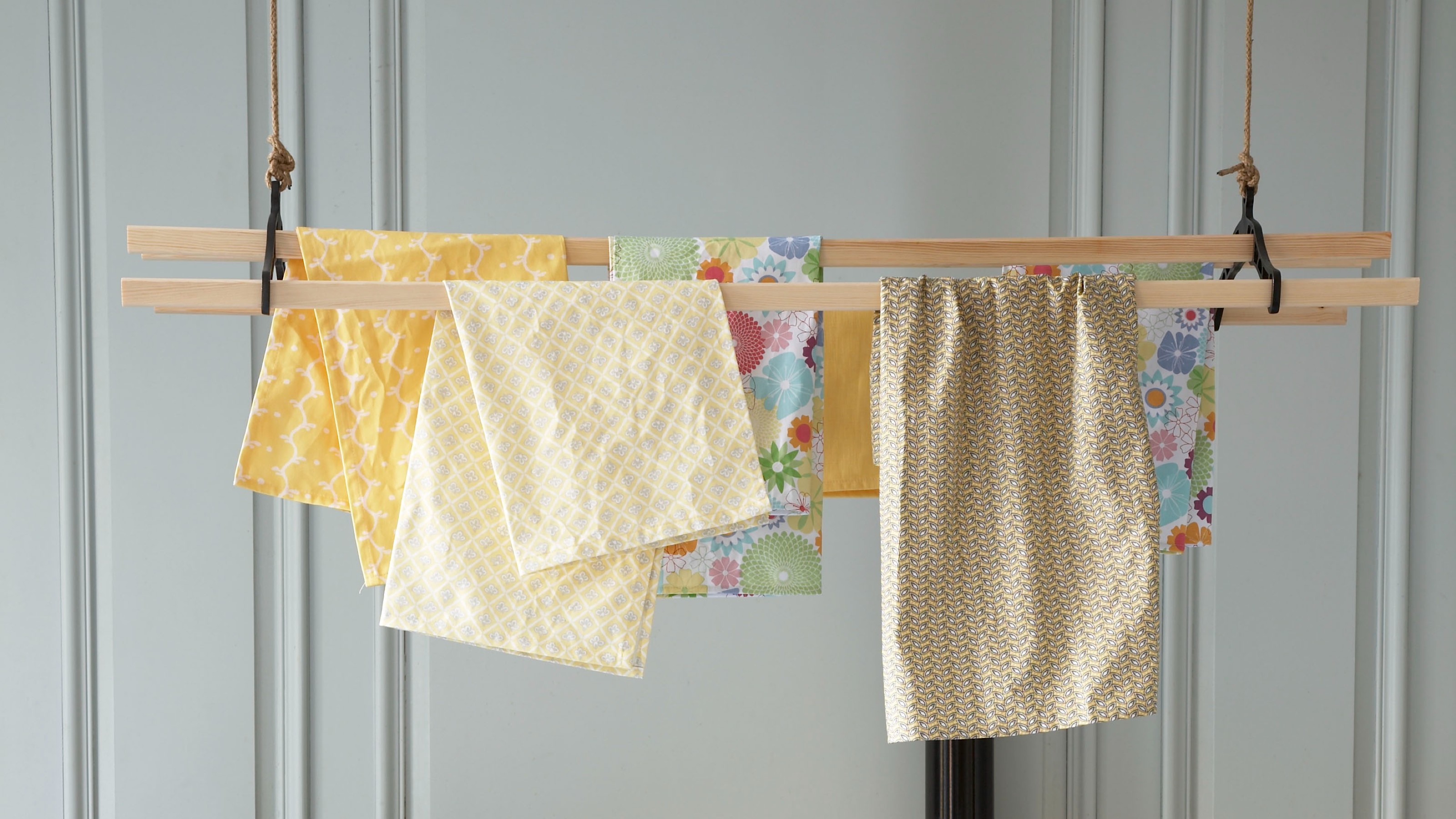
Drying laundry indoors, especially on bannisters and doors, is a common practice, particularly in smaller homes or during unfavorable weather. While it might seem convenient, experts warn that this habit can lead to significant problems for both the home's structure and the inhabitants' health. Paul Strong, store operations manager at Magnet Trade, explains that wooden bannisters and doors are particularly susceptible to damage from wet laundry. Wood is a porous material, and repeated exposure to moisture from damp clothes can cause it to warp or even rot over time, leading to long-term structural issues for the property.
Beyond structural damage, there's also the risk of aesthetic harm. Deyan Dimitrov, laundry expert and founder of Laundryheap, highlights that paint or varnish from wooden surfaces can transfer onto clothes, resulting in stains that are often impossible to remove. This not only ruins garments but also degrades the appearance of the wooden fixtures.
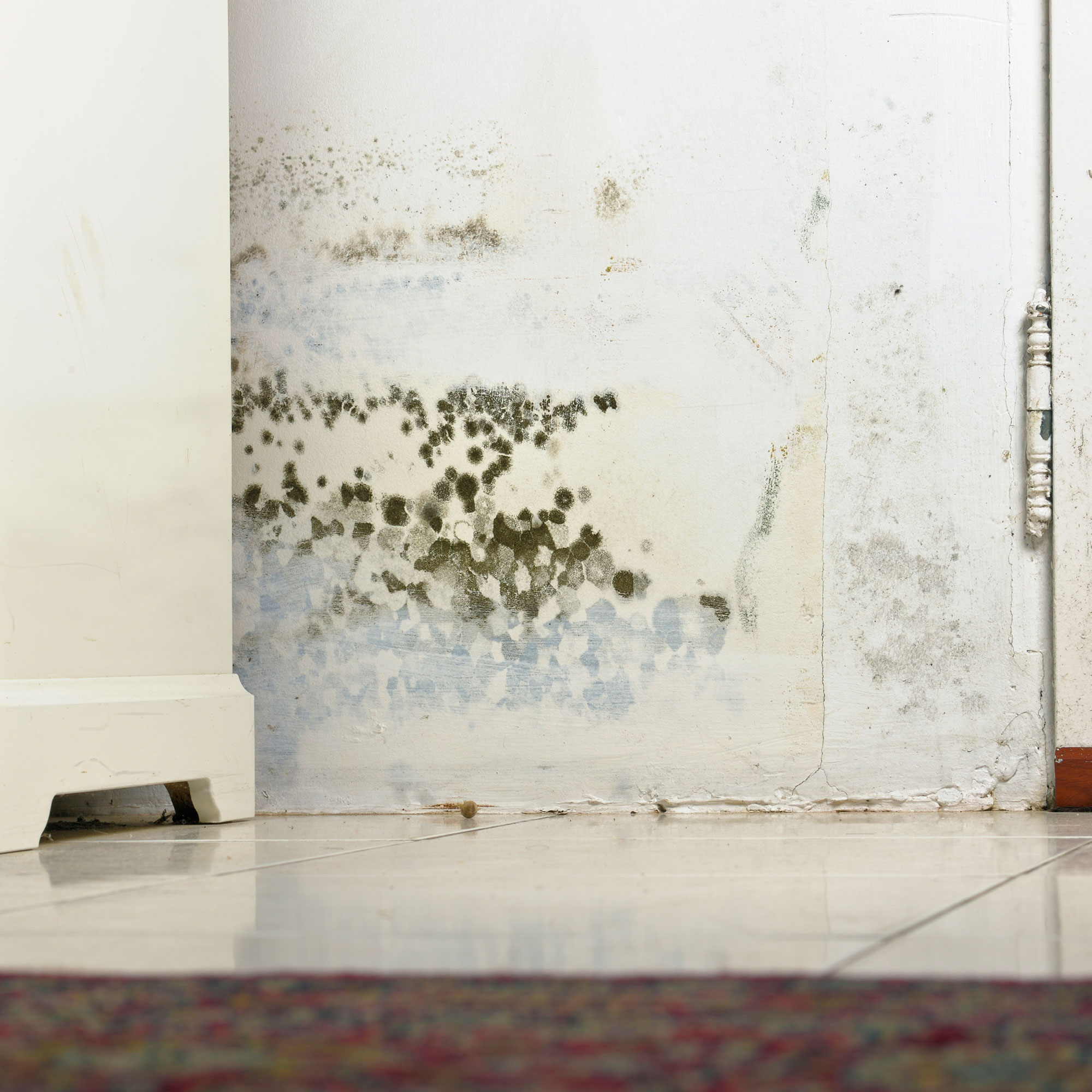
A more widespread concern, according to Dimitrov, is the impact of indoor drying on the home's humidity levels. Hanging wet clothes indoors significantly increases humidity, creating an ideal environment for mold and mildew to flourish. These fungi can pose serious health risks, triggering or exacerbating allergies, asthma, and other respiratory problems for residents. The moisture released from drying clothes becomes trapped indoors, allowing mold spores to multiply on walls, ceilings, and other surfaces, often in unseen areas.
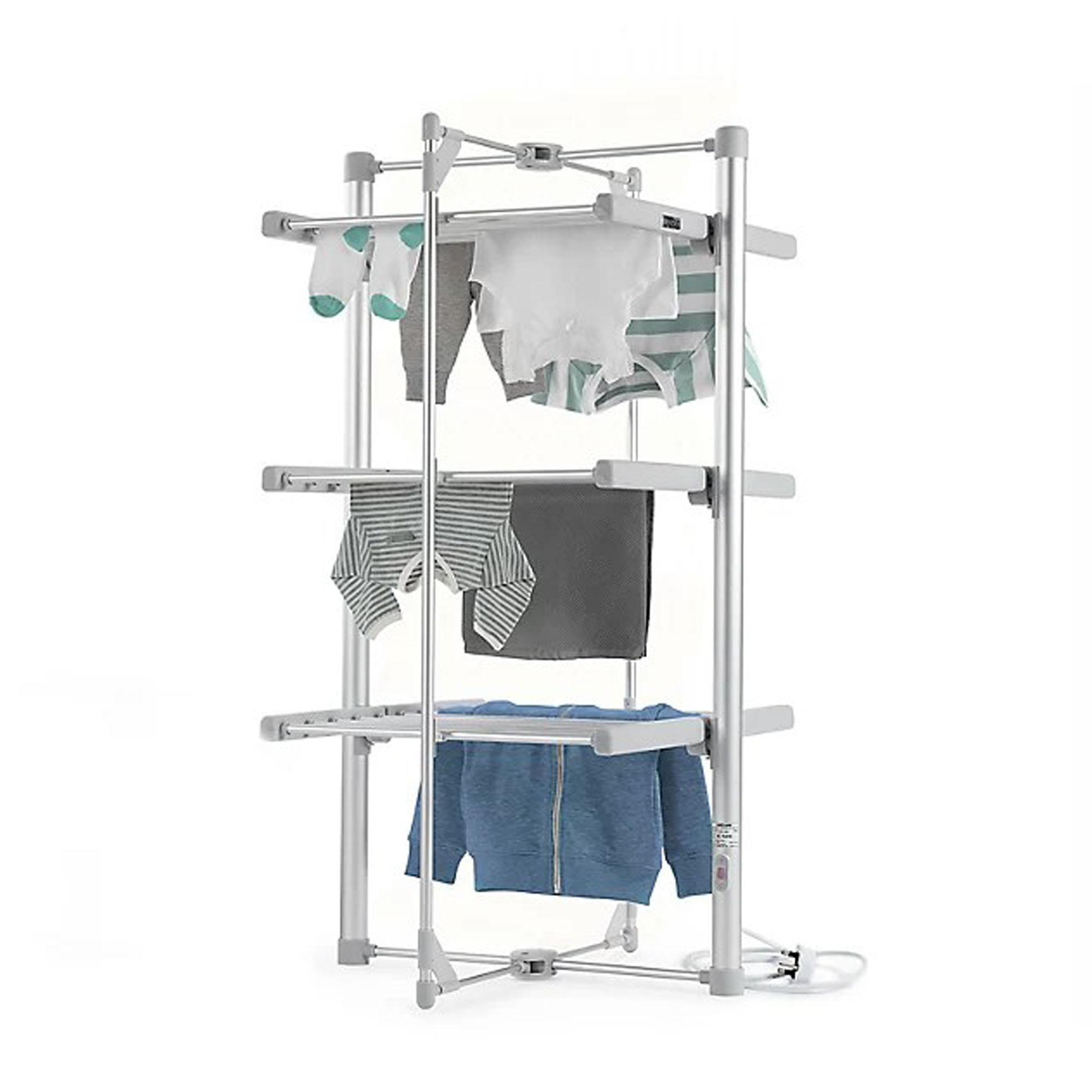
To mitigate these issues, experts recommend alternative drying methods. Investing in additional clothes airers is a straightforward solution that prevents laundry from being draped over unsuitable surfaces. For faster drying, especially of larger items, heated clothes airers are highly effective. These appliances accelerate the drying process, reducing the time clothes spend releasing moisture into the air.
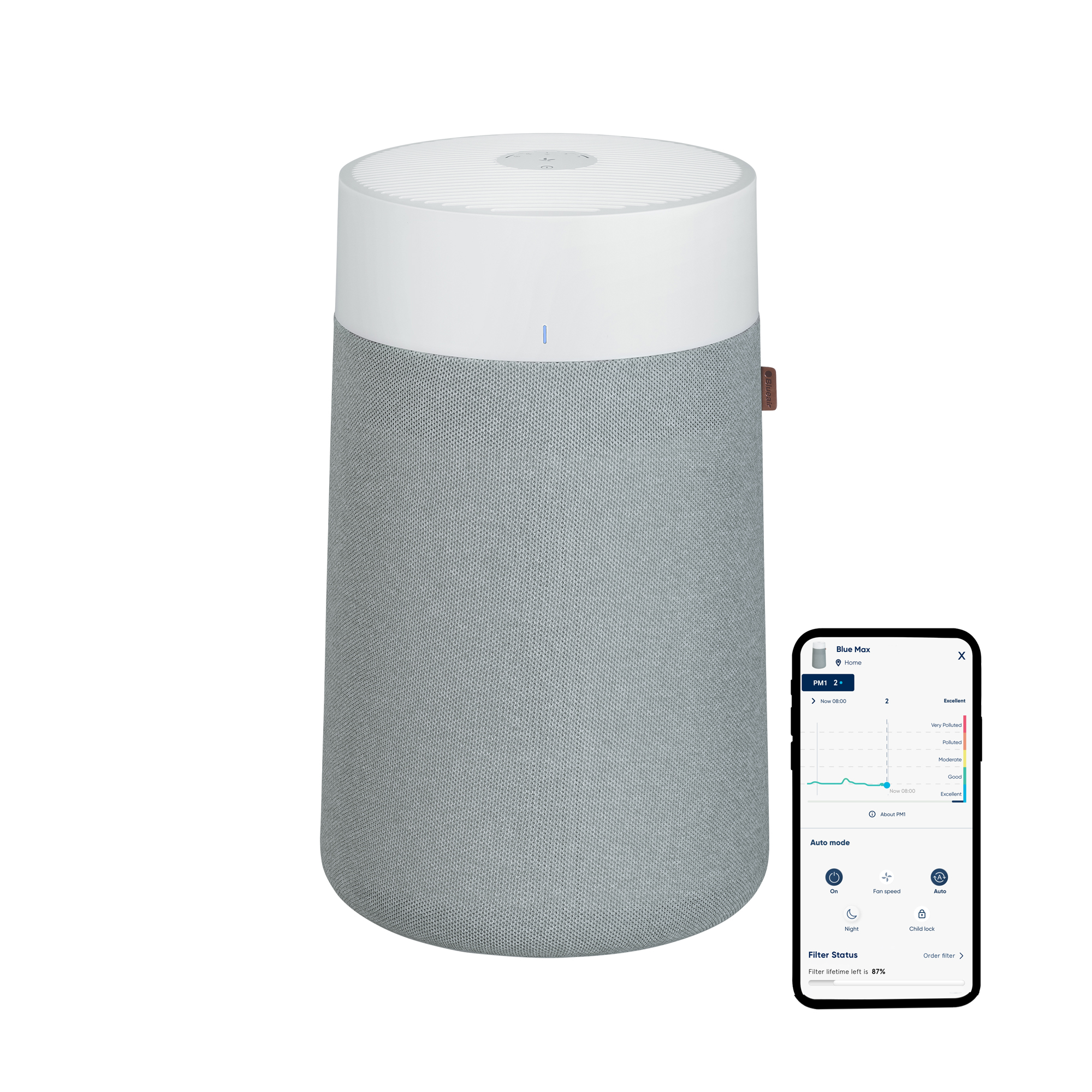
Another valuable tool is a dehumidifier. Placing a dehumidifier near a drying rack or DIY washing line can drastically reduce drying times. Many modern dehumidifiers even come with a "laundry-boost" setting specifically designed for this purpose. Critically, dehumidifiers actively remove excess moisture from the air, thereby preventing dampness and the musty odors that can cling to clothes and surfaces. This not only safeguards the home's structure and prevents mold growth but also ensures that clothes dry more efficiently and without developing unpleasant smells, ultimately contributing to a healthier indoor environment.
#LaundryCare #HomeMaintenance #HumidityControl #MoldPrevention #DryingClothes #HouseholdTips #InteriorHealth #WoodDamage #CleaningMistakes #LaundryCare #HomeMaintenance #HumidityControl #MoldPrevention #DryingClothes #HouseholdTips #InteriorHealth #WoodDamage #CleaningMistakes
0 comment in total
 No comments yet
You may also like

Avoid insulating these spots as it can cause damp and mould

8 Things You Should Never Wash Down The Sink


7 Items You Should Never Hang With Adhesive Hooks, According to Designers

How To Avoid a Flooded Laundry Room Upstairs

This washing machine placement mistake could be damaging your appliance – here's where to put it instead


How to prevent mould in wardrobes - expert-approved tips to protect your furniture and your clothes

10 Items You Should Never Store In The Bathroom
How to store bedding properly to prevent mould and mildew - avoid ‘worst’ room in the home
Never Make These Closet Organization Mistakes, Warn Experts

6 Things You Should Never Store In Your Laundry Room, According To Experts
How Long Should You Really Leave Laundry in the Washer? The Answer Might Gross You Out
The Perfume Storage Mistake You Need To Stop Making, According To An Expert

Gross habit we're all doing with our towels is causing mould, according to an expert


Items to never store in an entryway, according to cleaning, organizing and interiors experts
Hanging curtains: You’re probably doing it wrong


Drybar


Cleaning experts are urging people to wipe down their windowsills every day this summer
This Is the Right Way to Wash Your Curtains, According to Experts

6 Things You Should Never Store in Your Laundry Room, According to Pro Organizers


5 Things You Should Never Store In Your Bathroom Cabinets