1/5
Designers Are Ditching Gallery Walls for This Gorgeous Antique Item
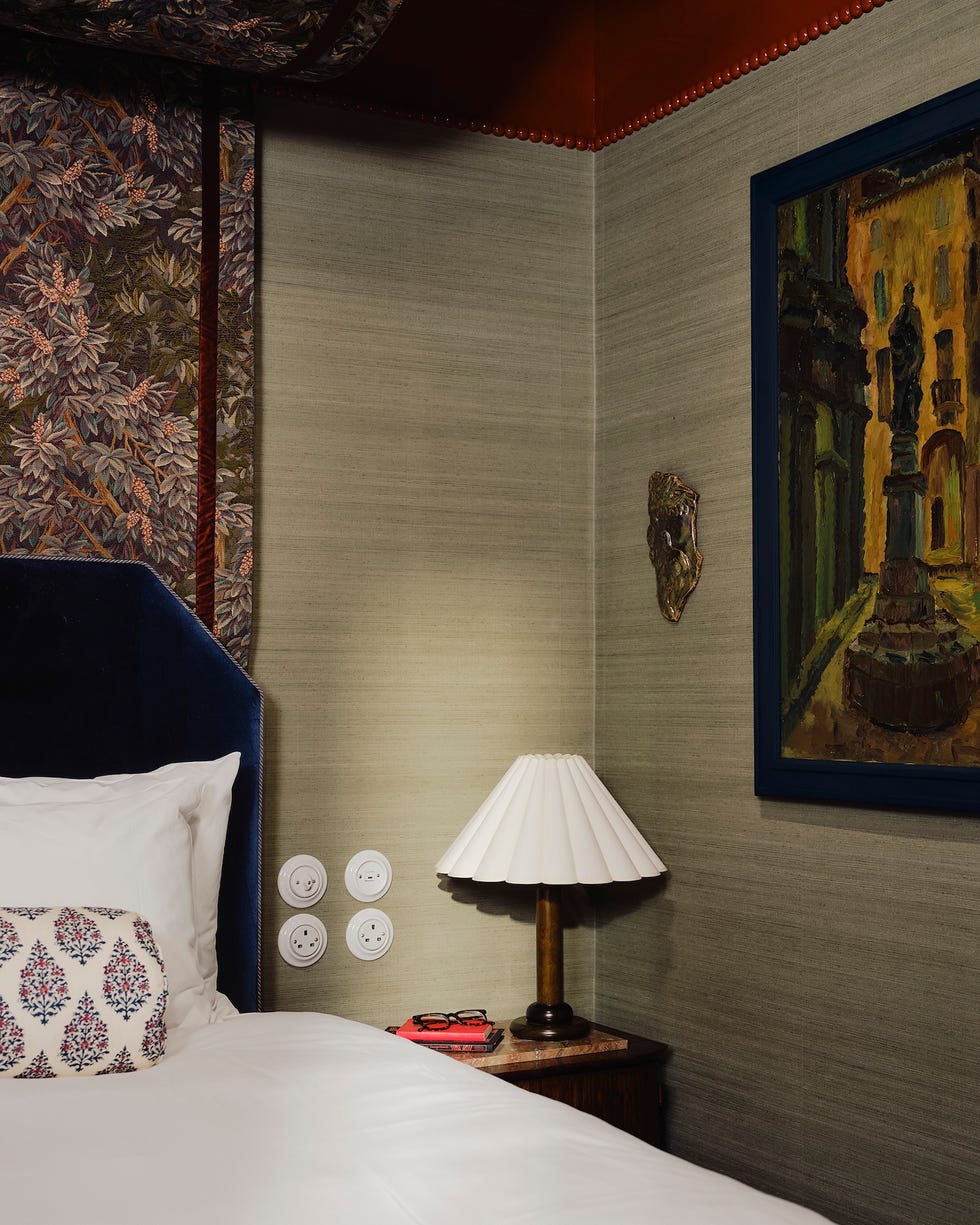
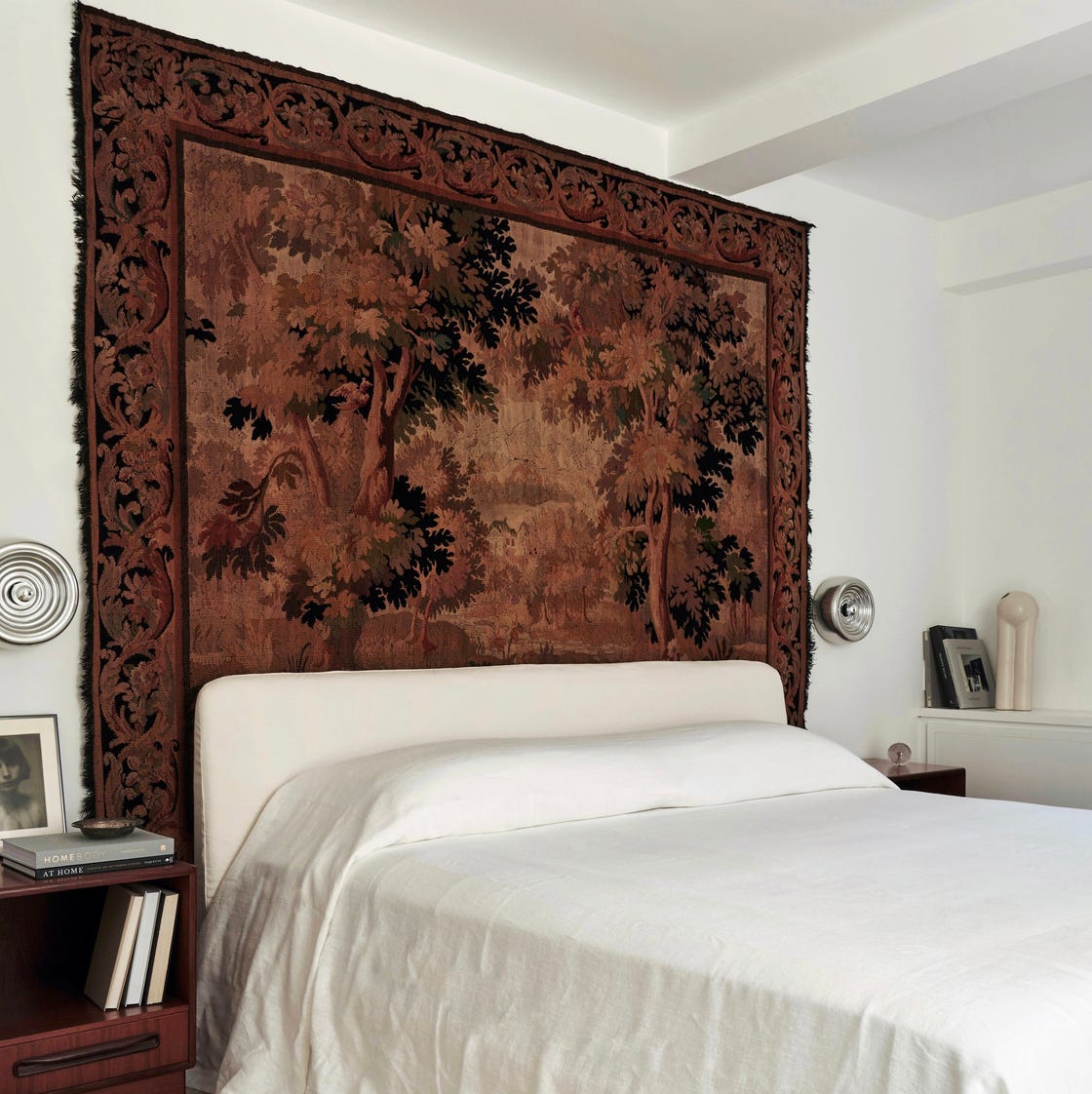
Designers are increasingly drawing inspiration from English interiors, and tapestries are emerging as a prominent antique item in stylish spaces. These textiles are being embraced to introduce warmth and character into modern interiors, moving away from formal perceptions to appear cozy and confident. Whitney Romanoff of Meet West notes that tapestries instantly add mystery, romance, and softness, captivating with their historical craftsmanship and visual narratives. This trend signifies a shift towards cultivating atmosphere, reminiscent of English country houses where layered textures, mixed patterns, and a lived-in feel are valued over excessive polish. Modern applications of tapestries emphasize rich, moody aesthetics, often featuring velvets, fringe, and pastoral scenes that contribute texture and depth, creating an intimate, cocooning effect in living spaces and bedrooms.
The renewed appeal of tapestries aligns with a broader desire for personalized rather than impeccably polished rooms. Designer Sarah Stacey highlights that tapestries are classic, versatile, and can function as wall art, a means to conceal televisions, or even as material for pillows and upholstery. She notes their ability to read as almost neutral despite intricate designs due to their non-repeating patterns. The growing appreciation for handmade items in an increasingly AI-driven world also contributes to the timing of this trend. For individuals seeking impactful decor without committing to extensive gallery walls or large paintings, a tapestry offers an accessible solution to complete a large wall.
Designers recommend specific strategies for styling tapestries. Crystal Sinclair appreciates the texture antique tapestries bring, using them to introduce a sense of history and balance to modern environments. She advocates for pairing them with contemporary furniture to avoid a heavy or theatrical feel, emphasizing that the textile's age becomes an asset when contrasted with clean-lined pieces. Sinclair advises homeowners to be bold with their choices, suggesting that a tapestry should be a room's focal point. Both Stacey and Chiara de Rege agree on the importance of scale, encouraging oversized pieces that can extend almost wall-to-wall or behind furniture, making the layering appear intentional and allowing the tapestry to define the space.
Achieving a current aesthetic with tapestries hinges on contrast. Designers stress the importance of combining them with modern furniture, streamlined shapes, or unconventional materials. De Rege particularly enjoys the dynamic tension created by juxtaposing very old tapestries with contemporary elements like steel consoles or modern seating, describing the effect as both grand and subtly satirical. The objective is not to replicate historical period rooms but to use the tapestry as a grounding element, allowing the rest of the decor to feel fresh and contemporary. When sourcing, designers overwhelmingly favor vintage pieces for their unique character and inherent narrative. Sinclair emphasizes the challenge and reward of finding suitable vintage tapestries, while Stacey often searches auctions, flea markets, and online marketplaces. De Rege encourages selecting pieces whose stories resonate with the client and project. In an era where warmth, personality, and thoughtful design are highly valued, tapestries provide a unique blend of intimacy, layering, and groundedness, offering a sense of escapism that aligns with current design sensibilities.
#InteriorDesign #HomeDecor #TapestryTrend #AntiqueDecor #DesignInspiration #EnglishInteriors #TextileArt #VintageHome #InteriorDesign #HomeDecor #TapestryTrend #AntiqueDecor #DesignInspiration #EnglishInteriors #TextileArt #VintageHome
0 comment in total
 No comments yet
You may also like
Decorative plates are the new gallery wall
Old-World Style Meets Modern Sentiments in These Flecked Surfaces

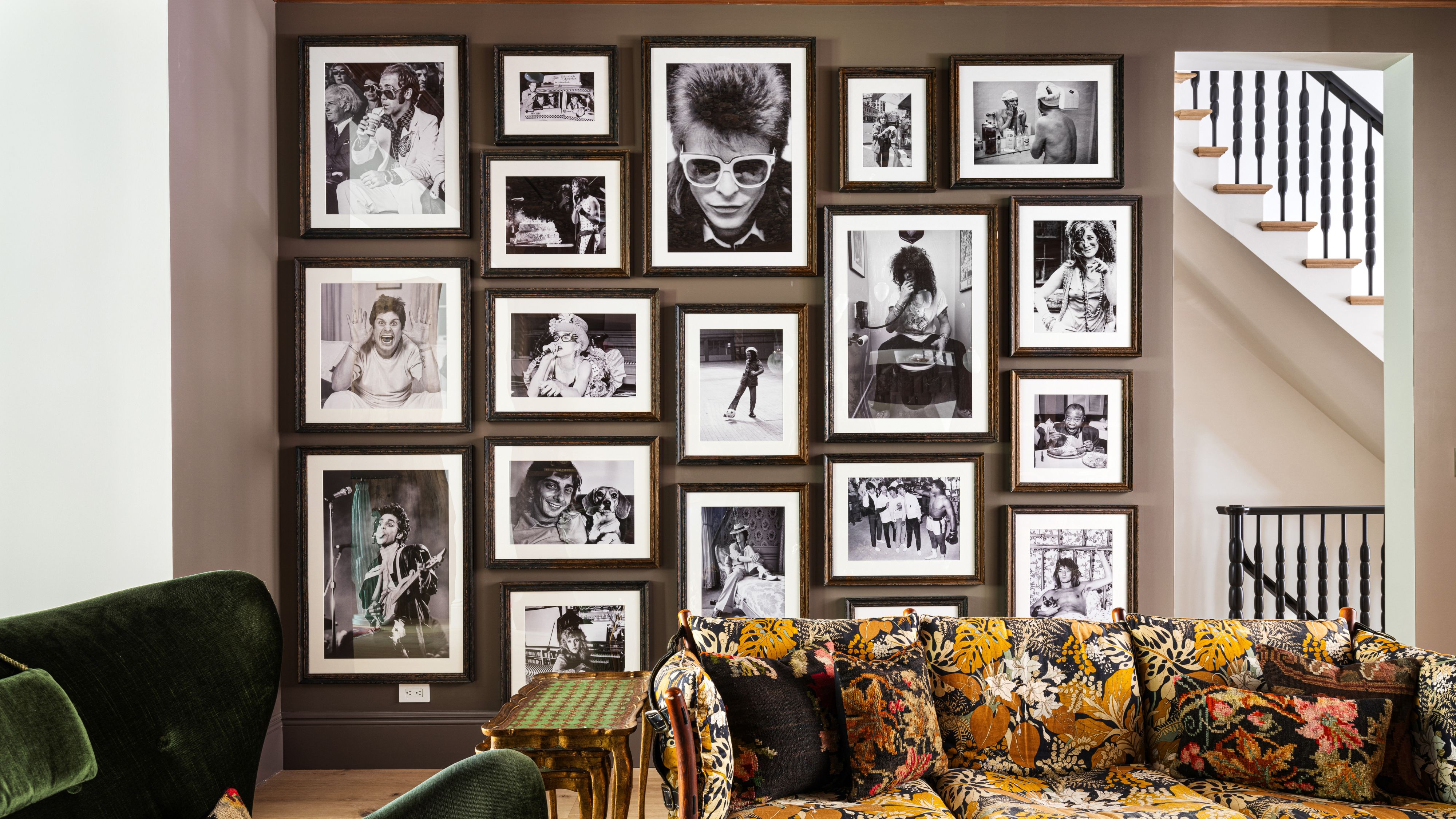
Gallery Walls Aren’t Dated – They’re Just Being Done Wrong

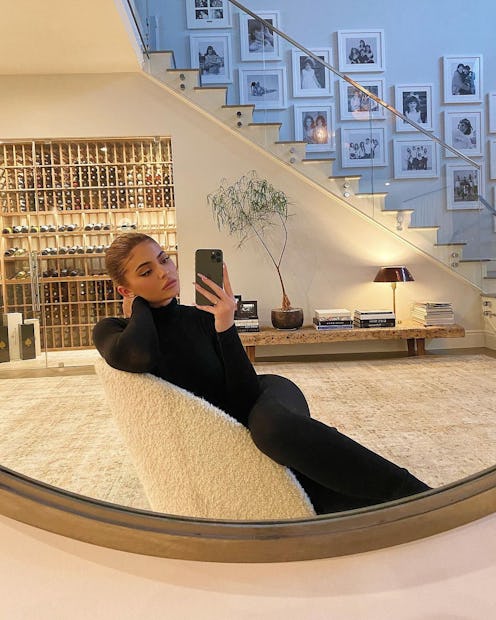
Hanging A Stunning Gallery Wall, Demystified
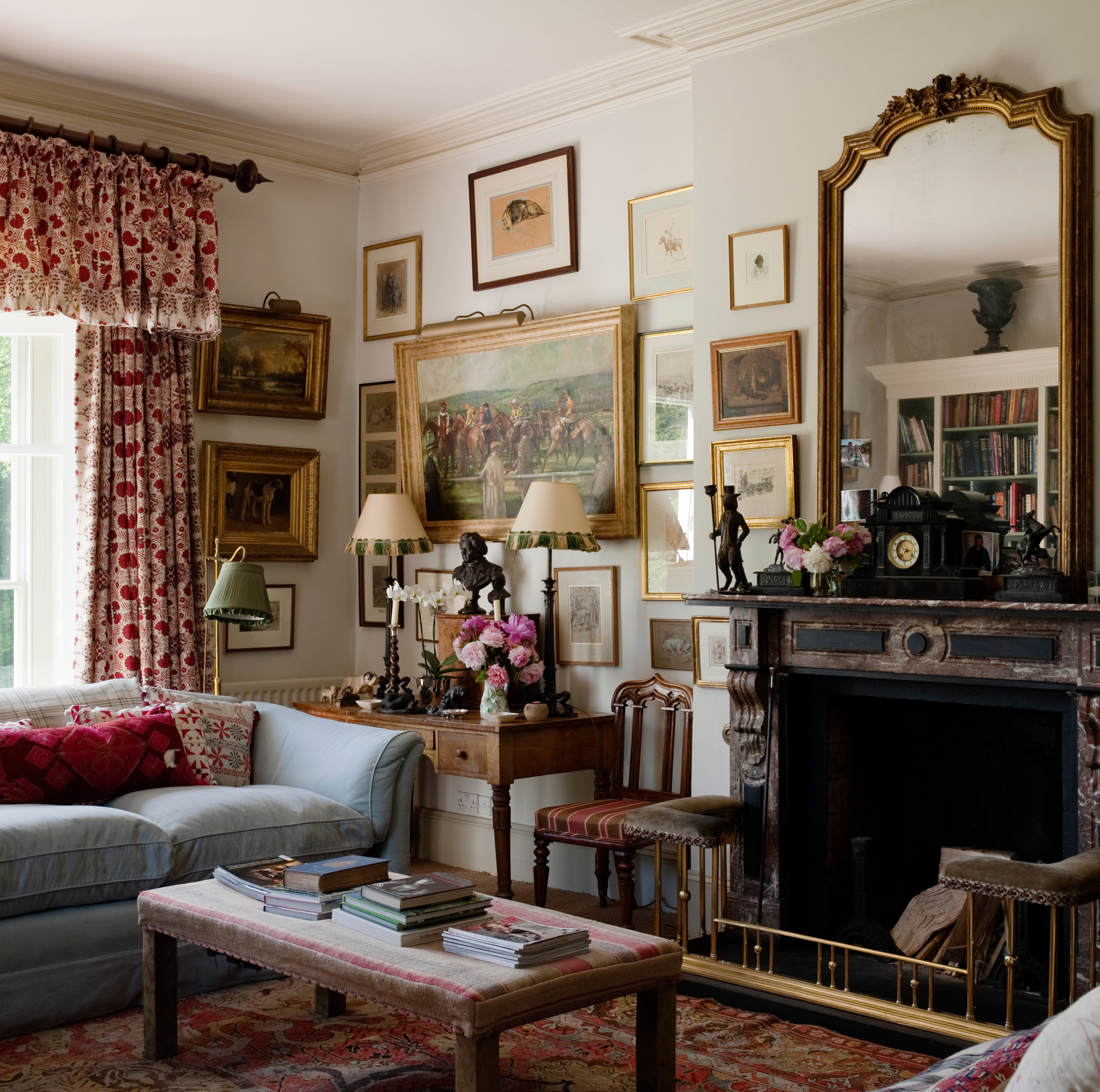
5 ‘Overlooked’ Antiques That Are About to Become Cool Again, According to Designers

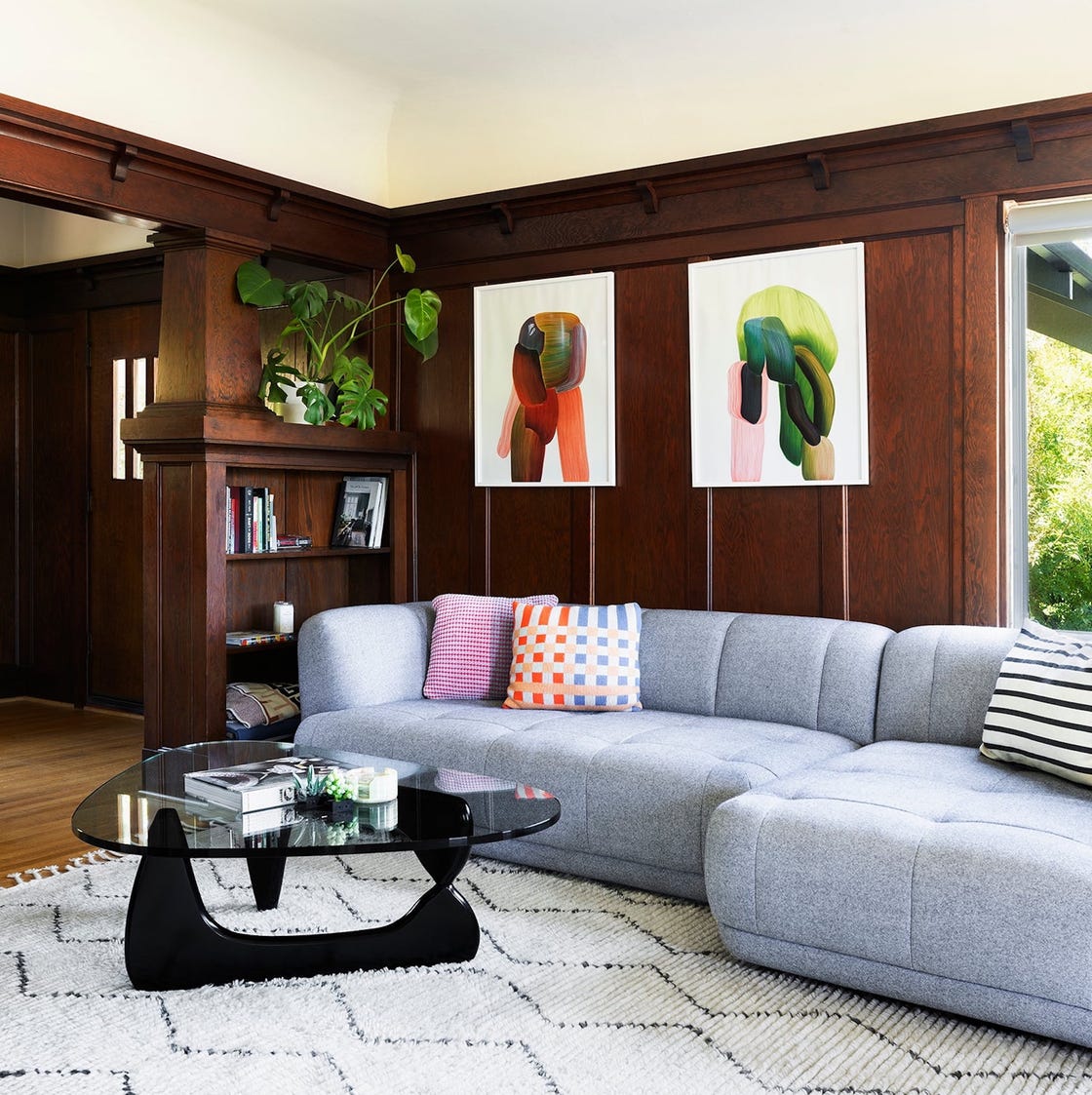
Designers Are Ditching "Flat Painted Walls" for THIS Unexpected Trend

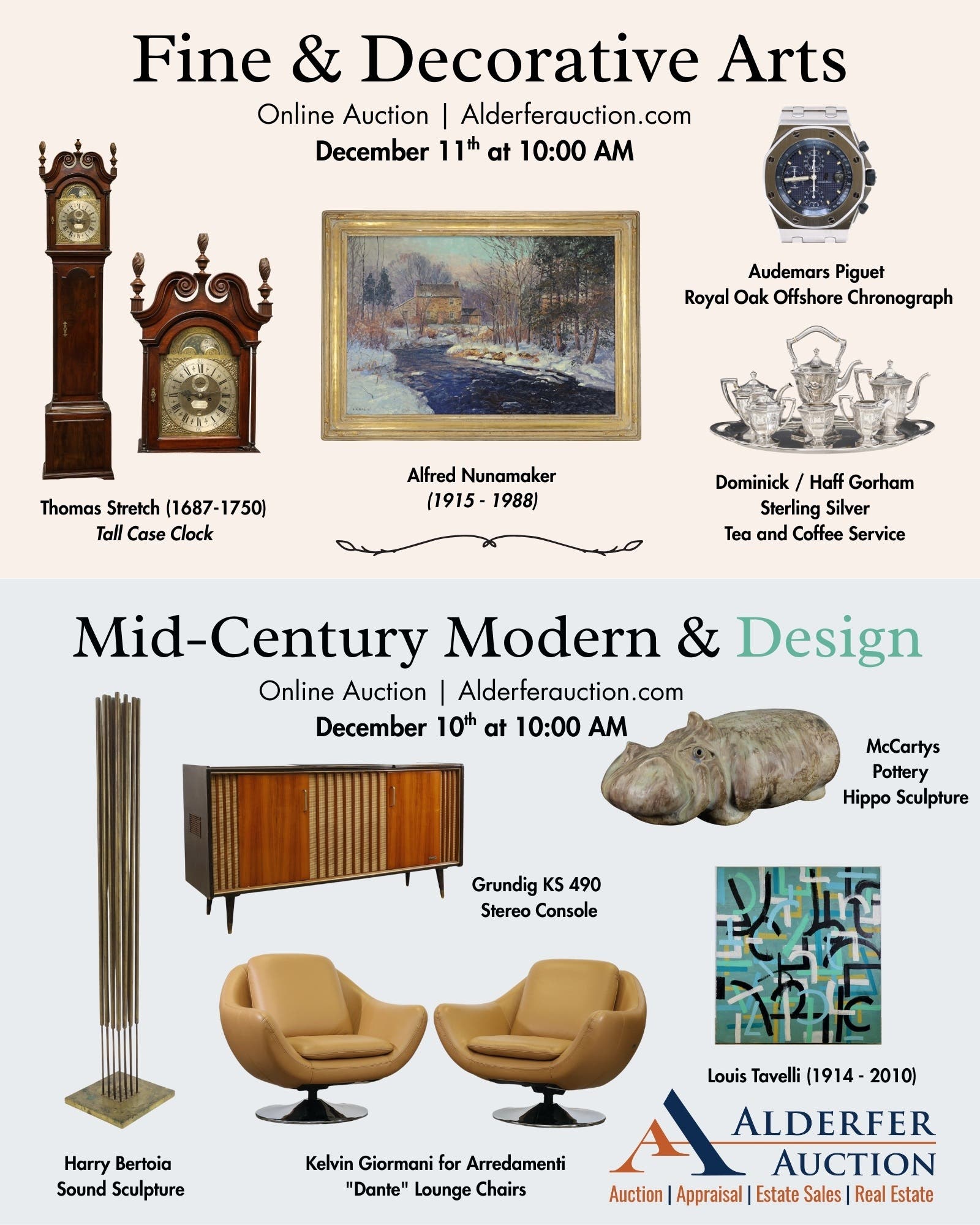
Local Event: Fine Art & Mid-Century Modern Design | Online Auctions Dec. 10 & 11
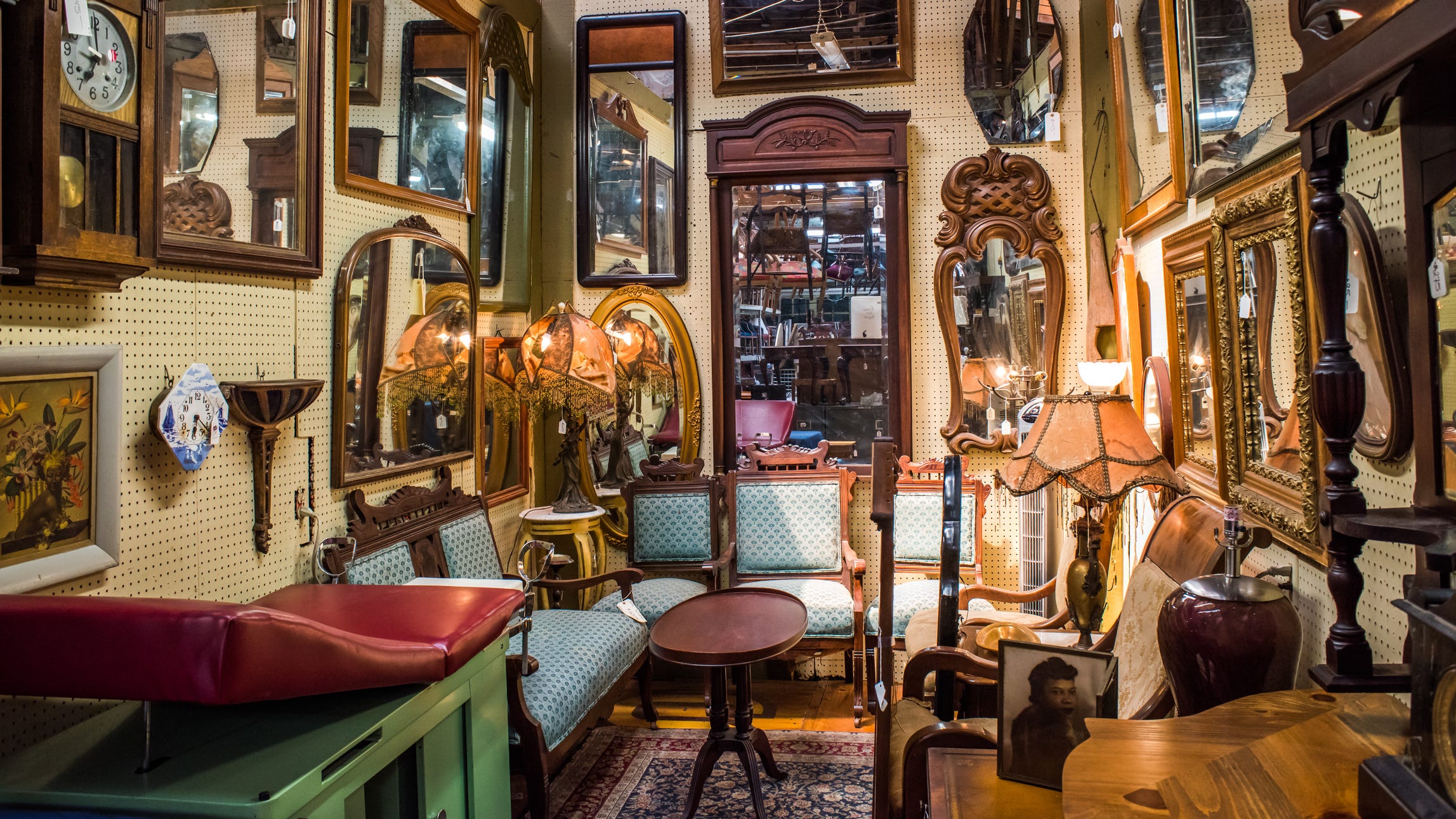
Experts Say Collectors Will All Be Looking for THESE Specific Antiques in 2025
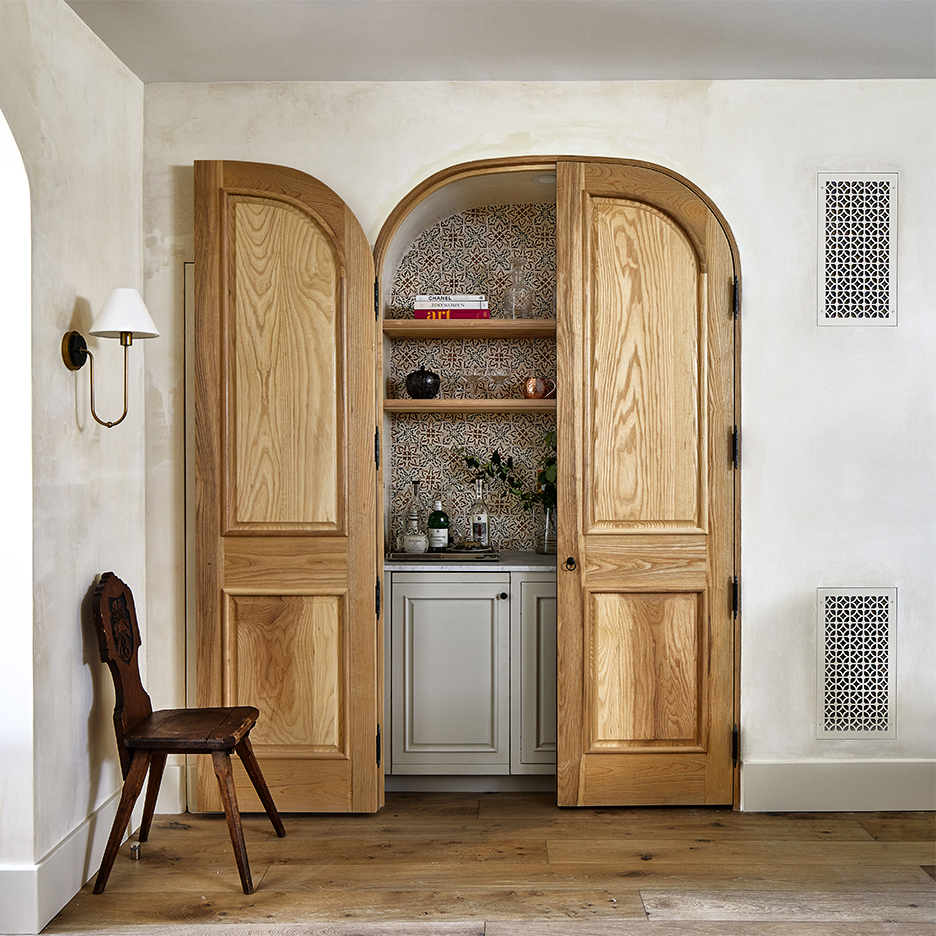
This $28 Purchase Solved a Designer’s All-Too-Common Wall Eyesore

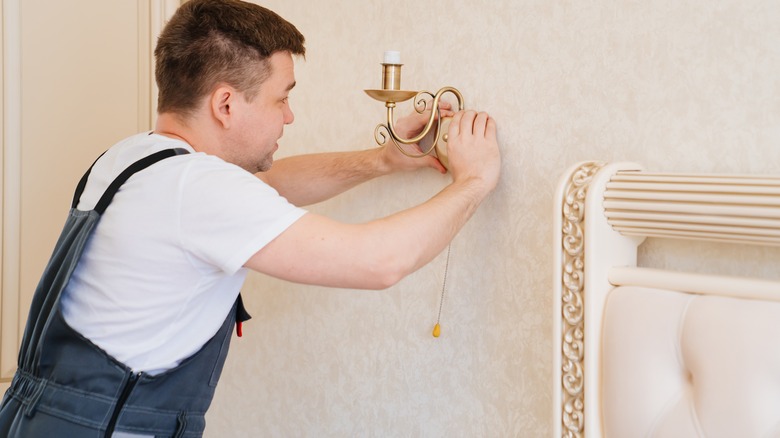
The Designer-Approved Alternative To Wall Art That Adds A Dose Of Glamour
This Surprising NEW Trend Is Replacing Accent Walls
Arts and Crafts decor is making a comeback for 2025 – here's how designers are reimagining this iconic vintage style
An Art Deco treasure is diminished

A midcentury gem gets a polish in LA
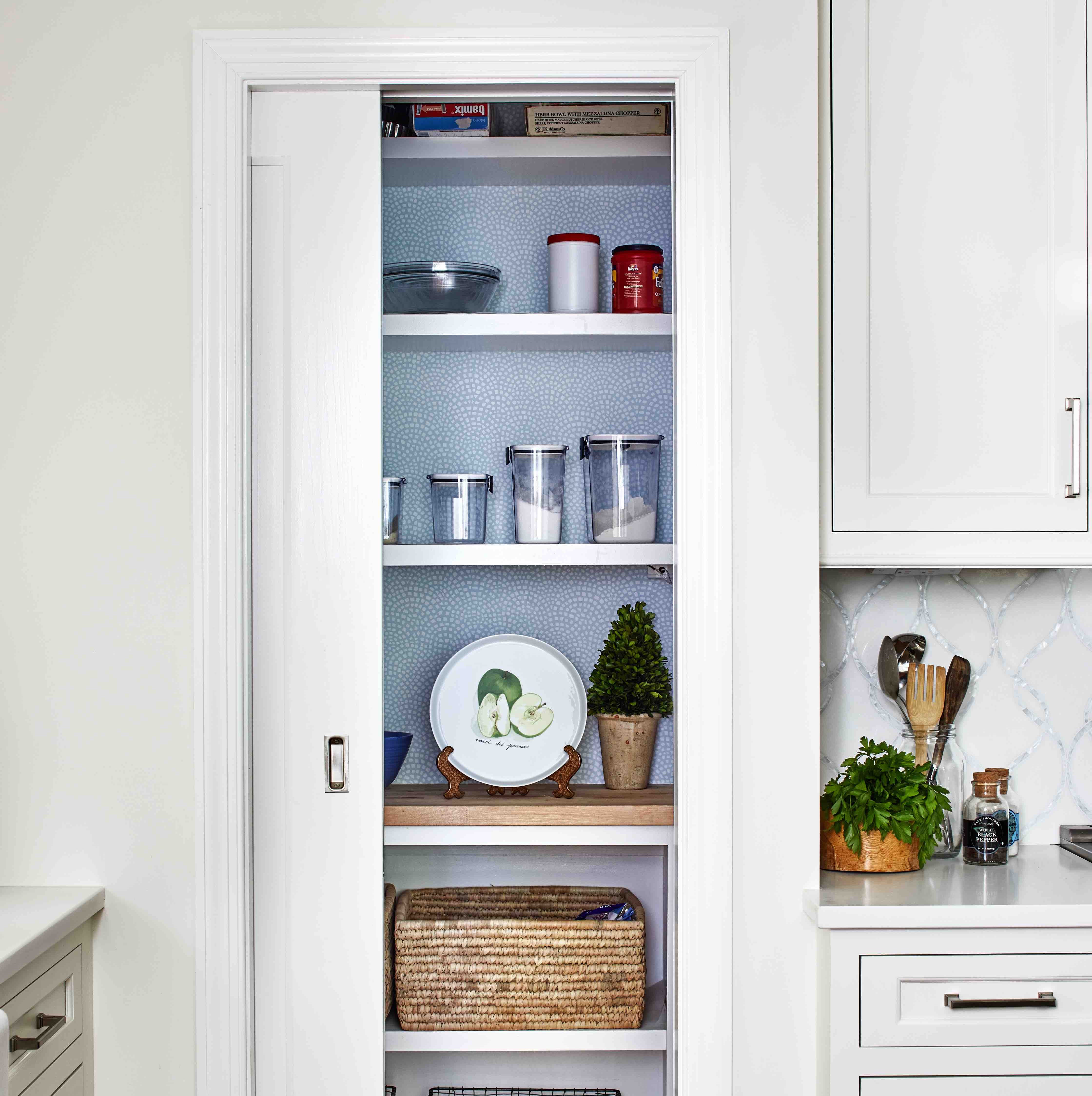
Designers Say This Vintage Home Feature Is Back

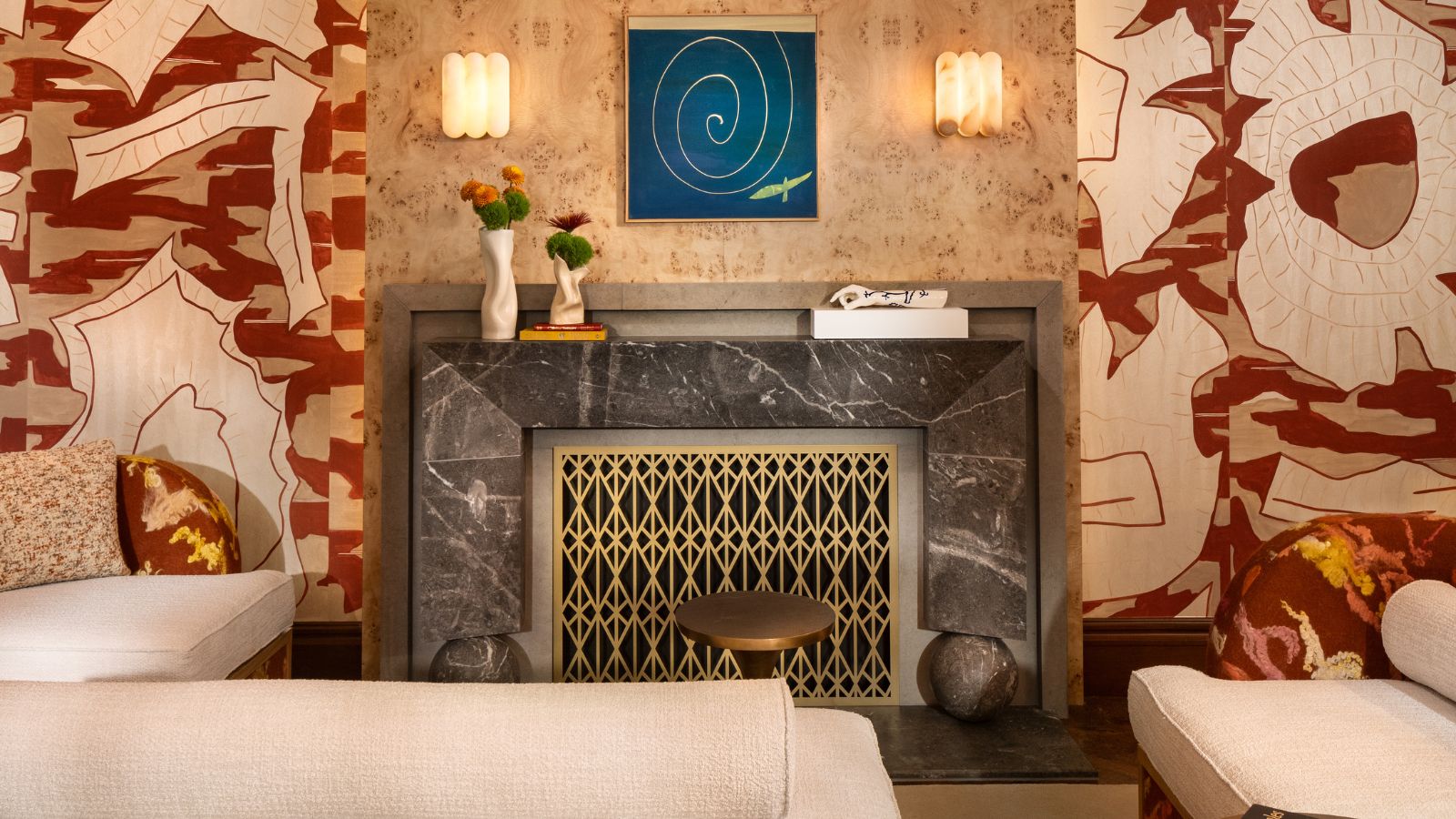
This is how designers are doing Art Deco in 2025, 100 years on from when this iconic style began
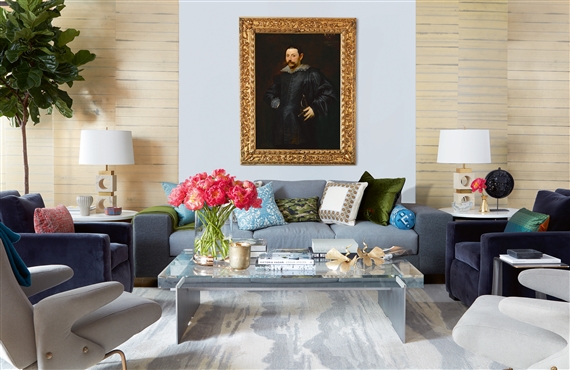
David Pollack Sotheby's Hang Artwork Hanging Old Masters Interior Design Art
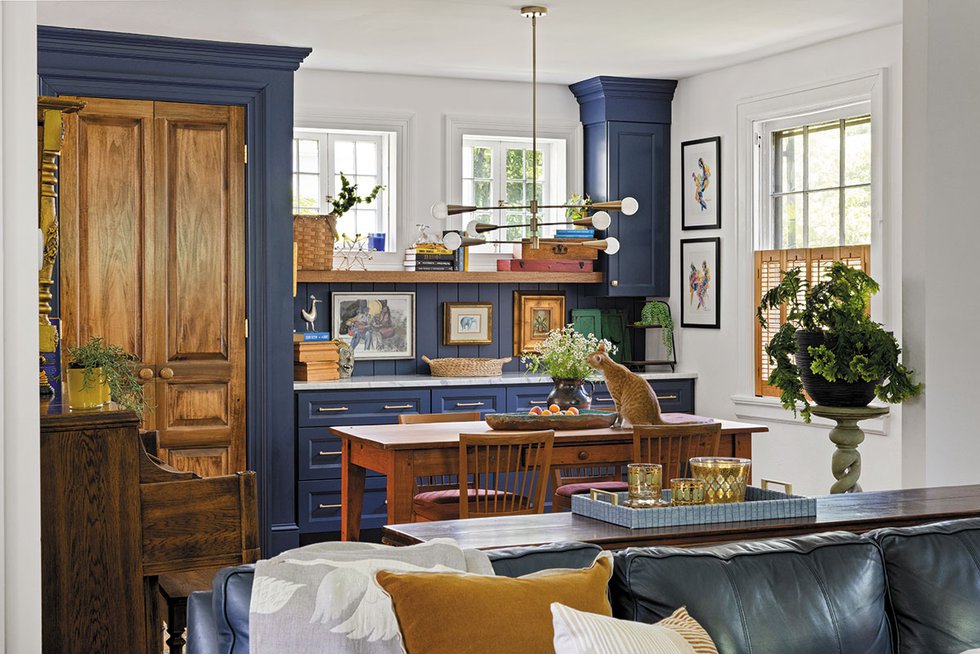
Common Threads
A New Color Palette Rewrote the Story of This Art Deco Gem, Previously Untouched for Over Half a Century


A Work of Art