1/5
David Pollack Sotheby's Hang Artwork Hanging Old Masters Interior Design Art
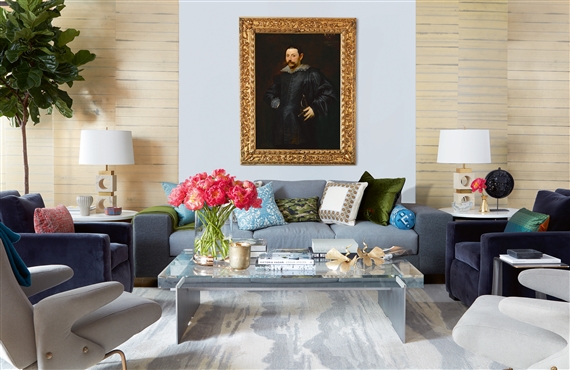
This article provides ten key tips from David Pollack, an Old Master Specialist at Sotheby's New York, on effectively hanging artworks to enhance a living space. The primary advice emphasizes that personal preference dictates the 'correct' way to hang art, as individuals should arrange pieces in a manner that brings them joy. However, Pollack also offers professional insights to optimize the visual impact of artworks within a home.
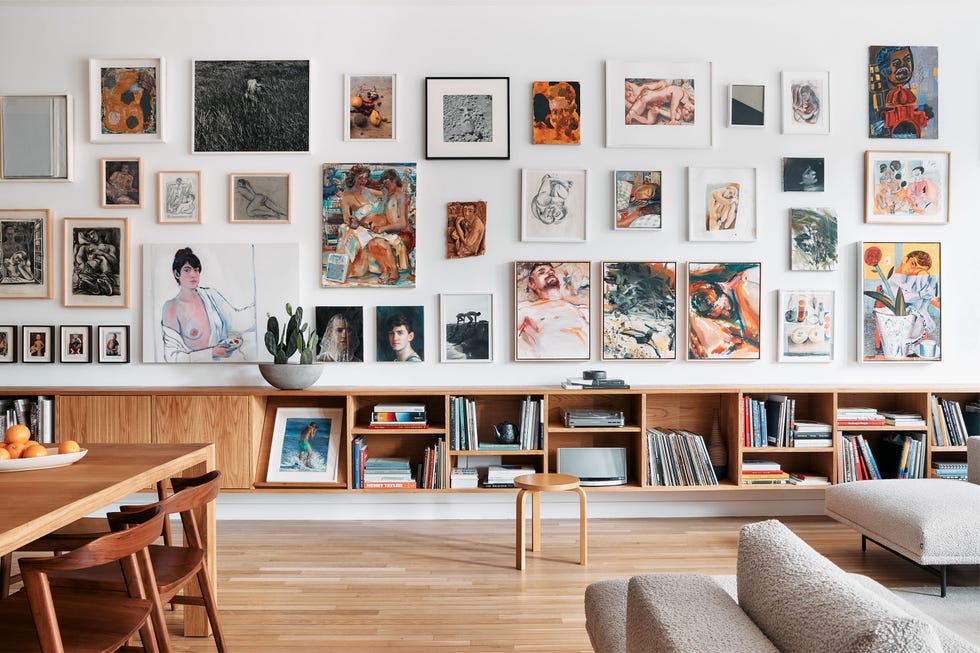
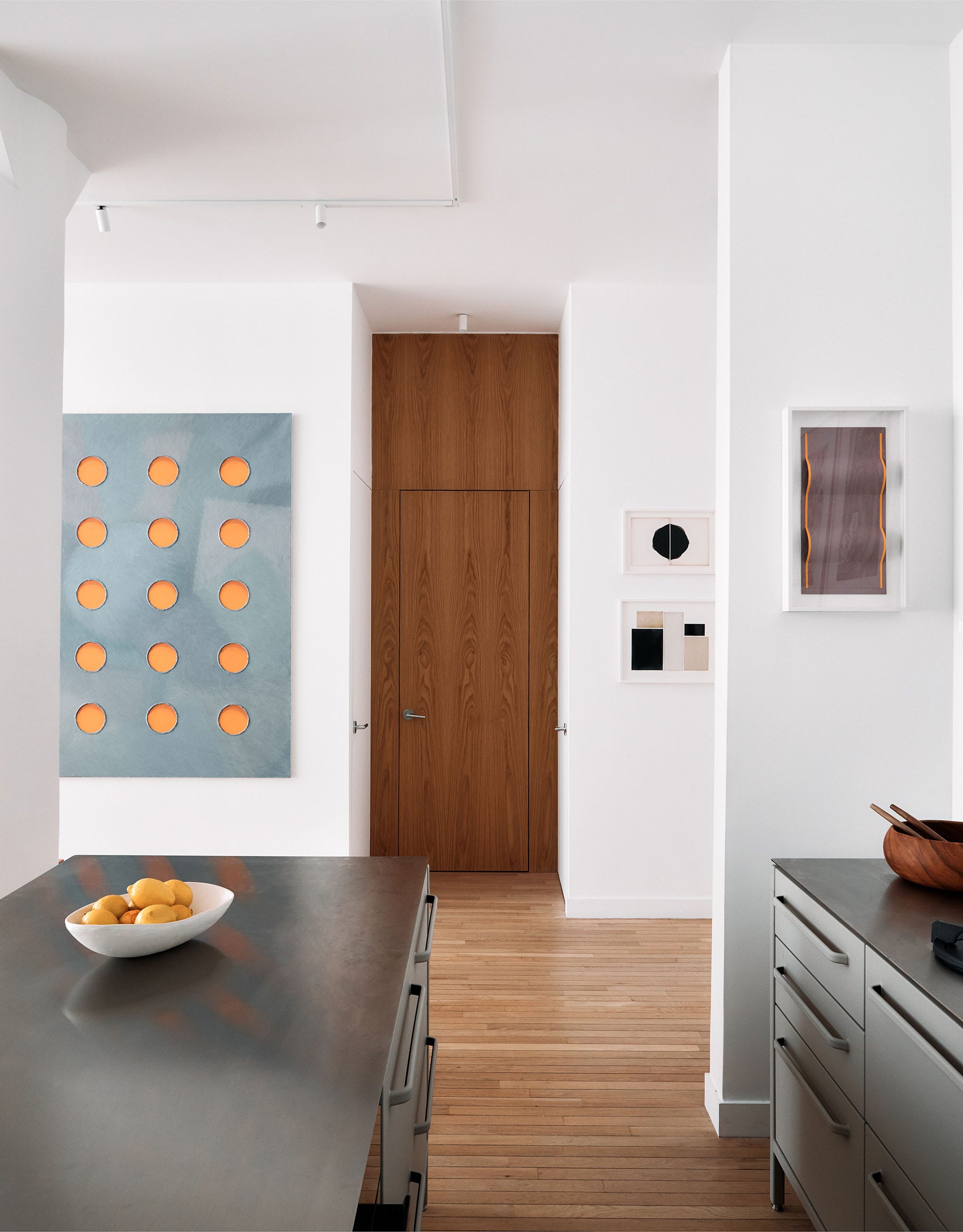
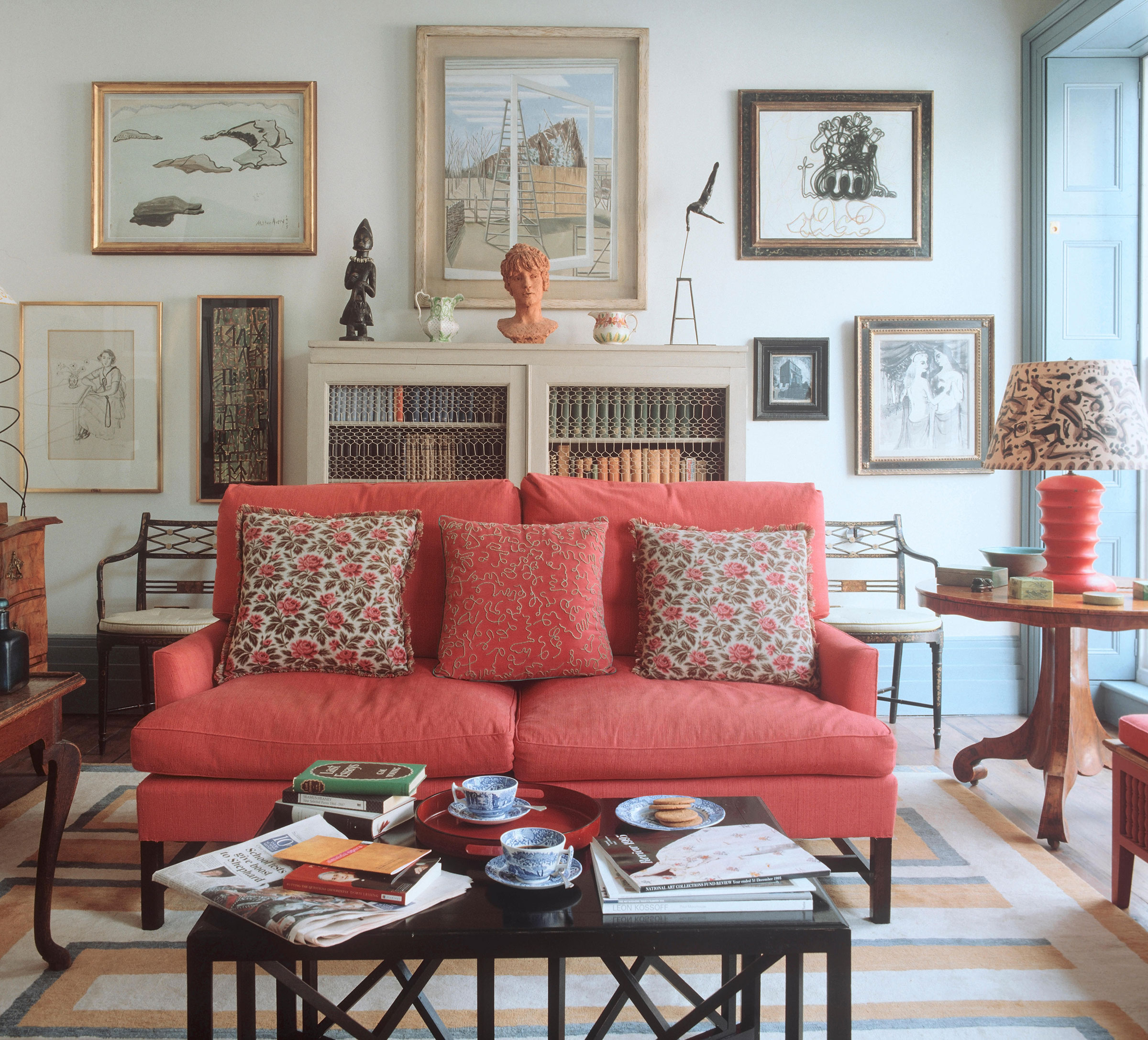
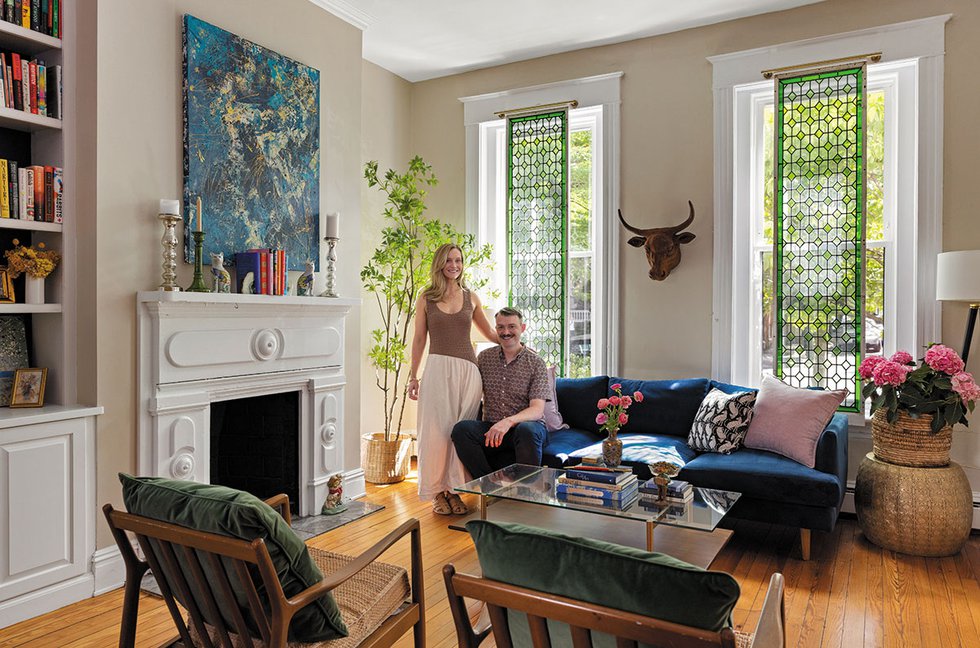
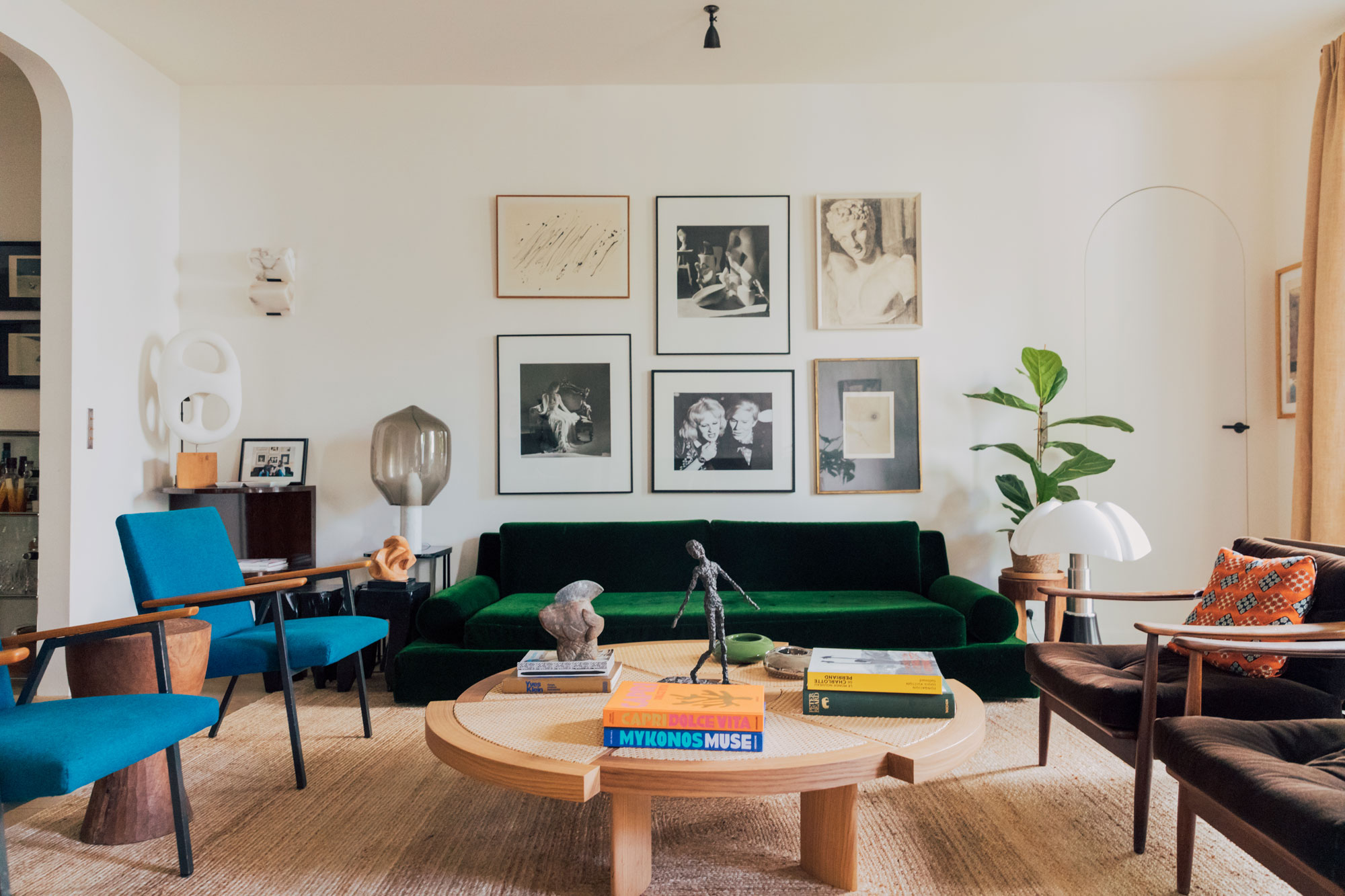
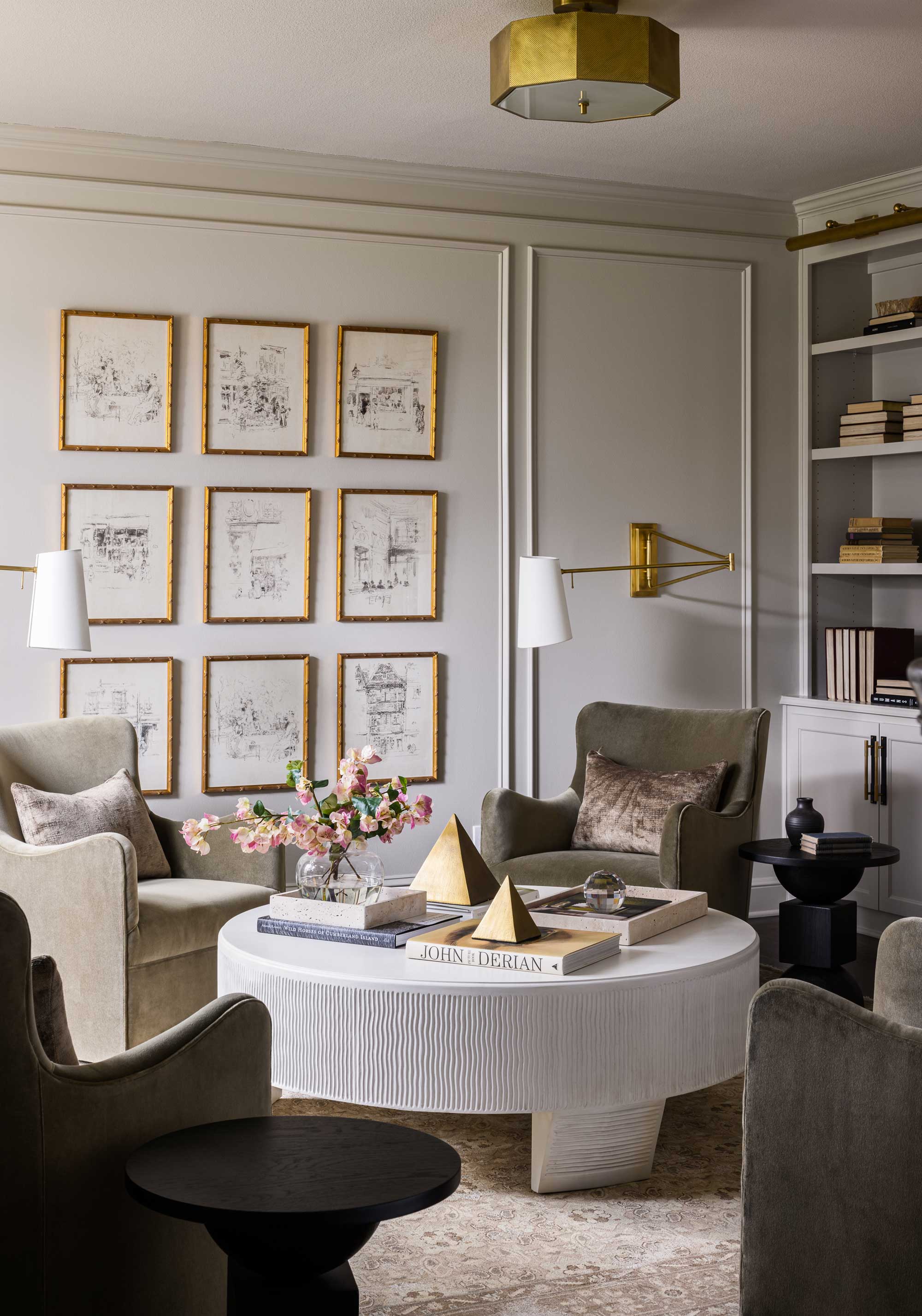
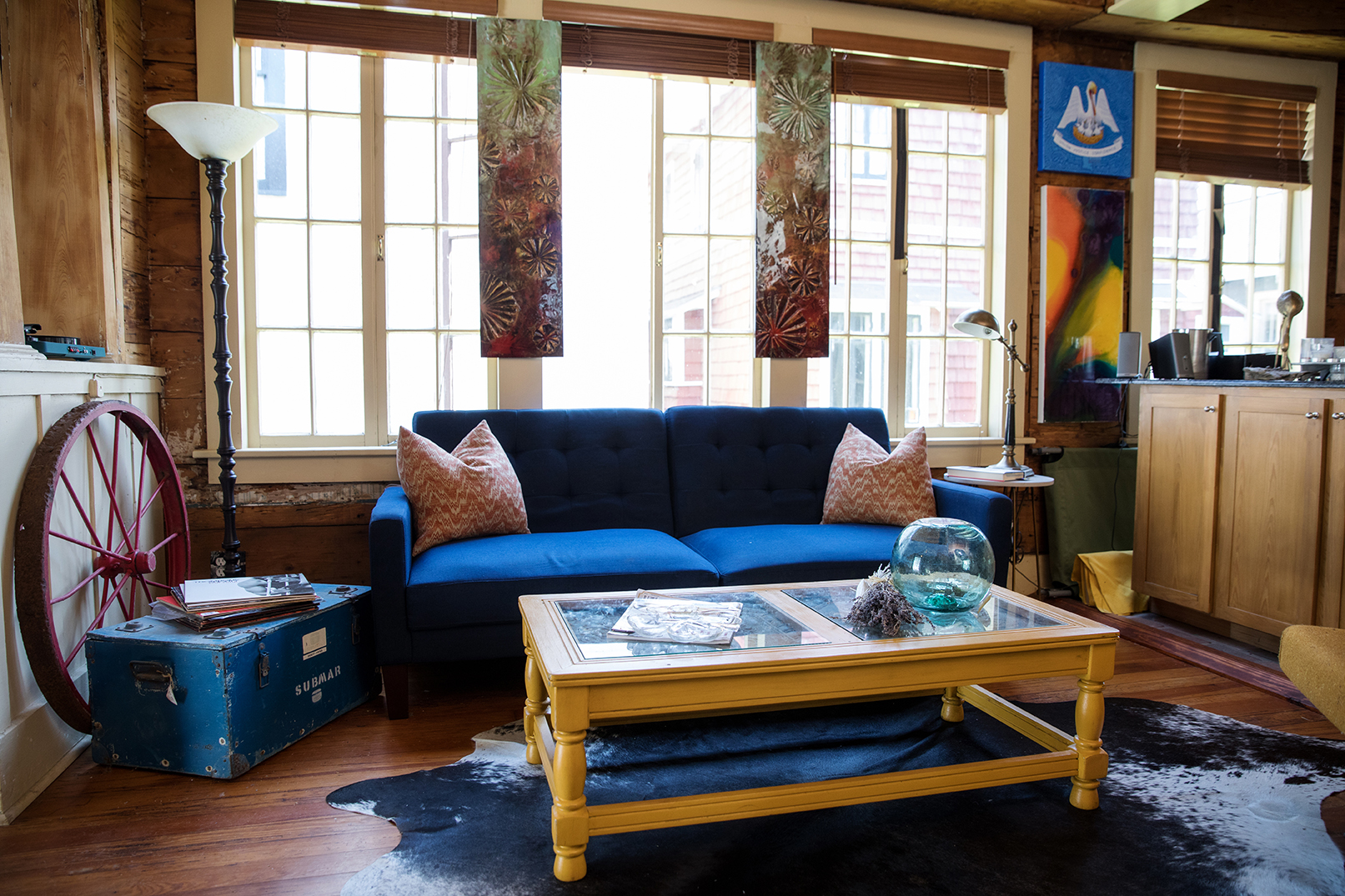
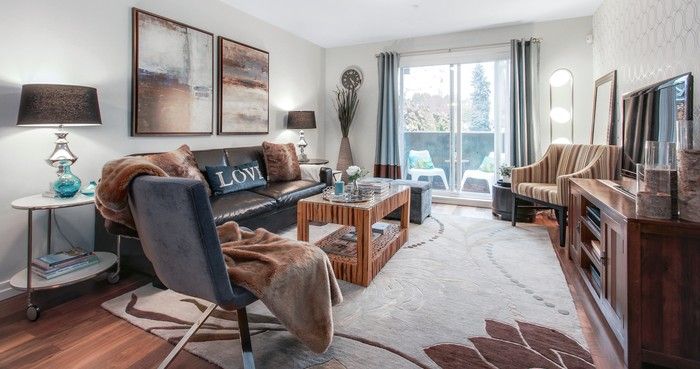
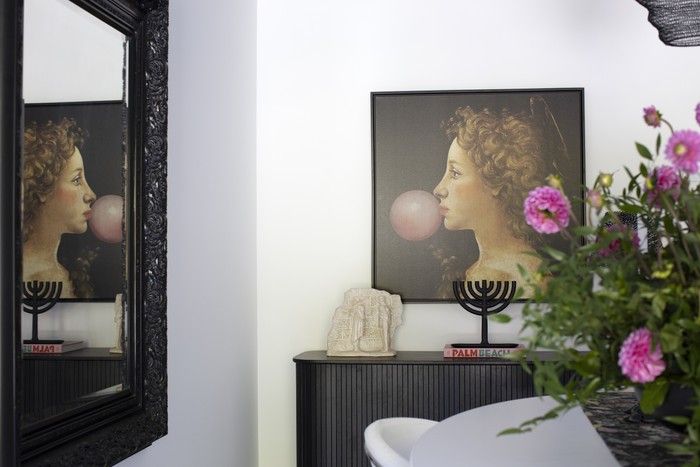
The article differentiates hanging strategies based on the artwork's scale and detail. Intricately detailed and minutely painted pictures, such as smaller works or sketches, are best placed where they can be viewed up close, like on a side wall, desk, or bookshelf. Conversely, large, painterly pieces require more expansive settings, such as above a sofa, mantelpiece, or on a larger wall, to allow their full visual impact to be appreciated.



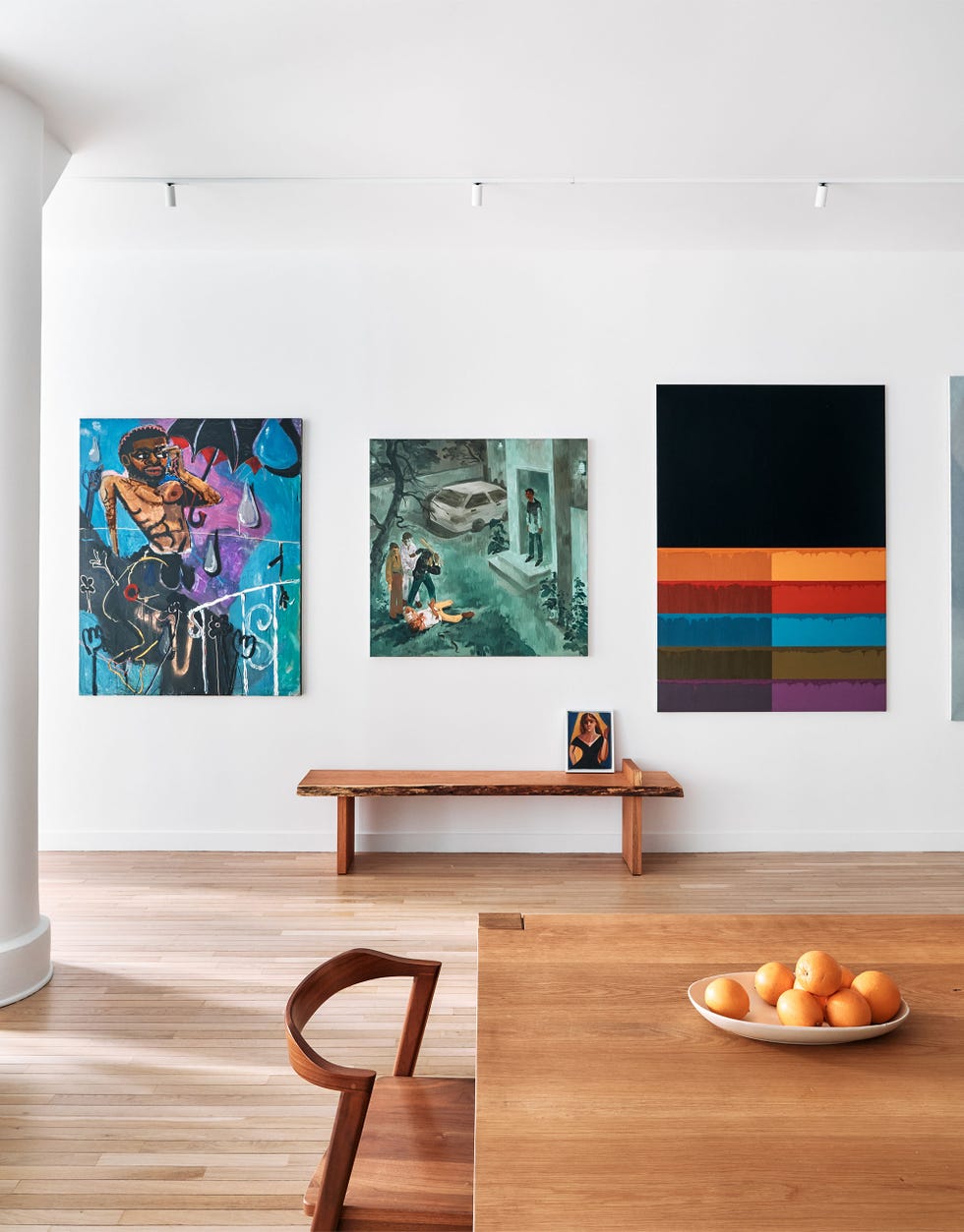
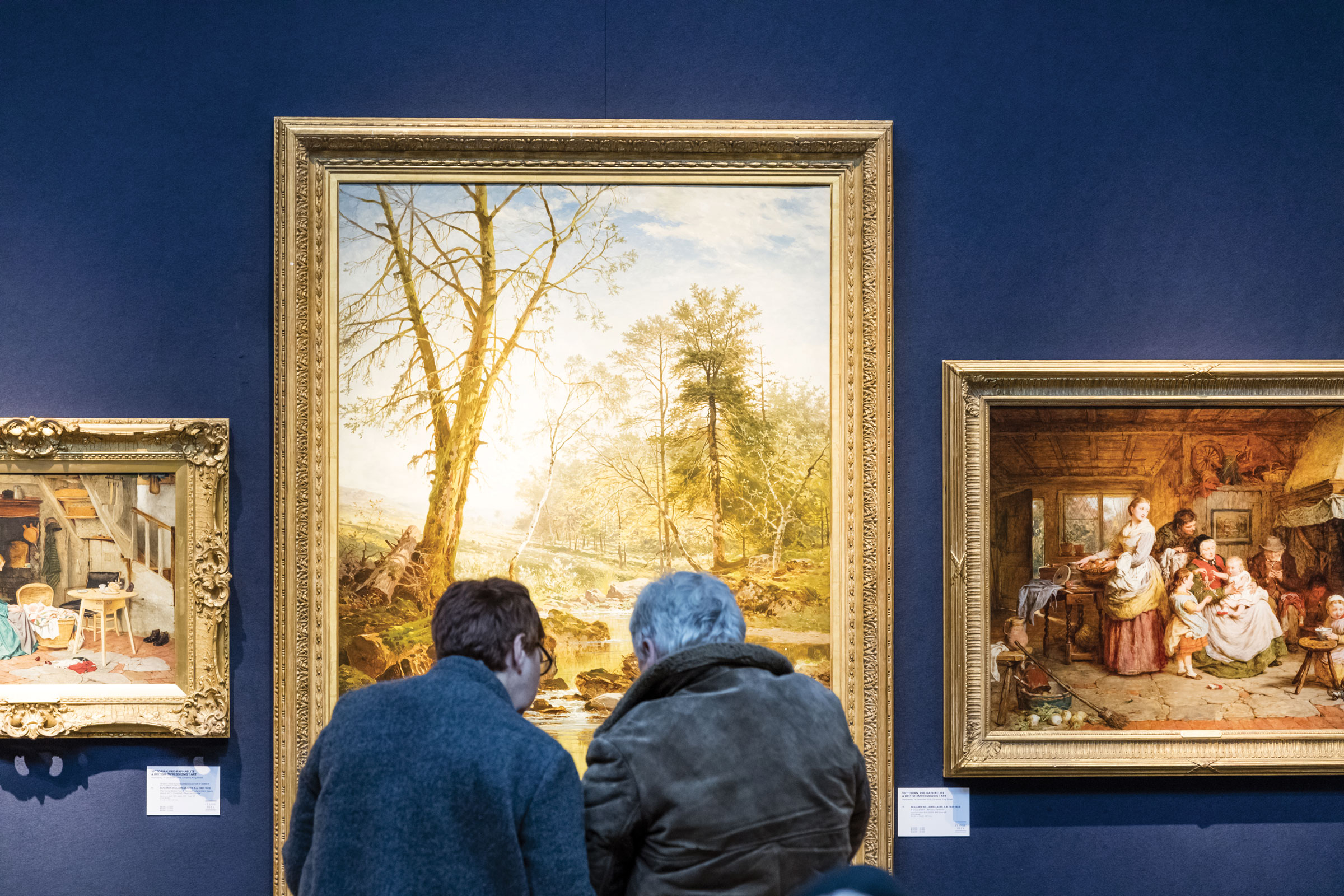
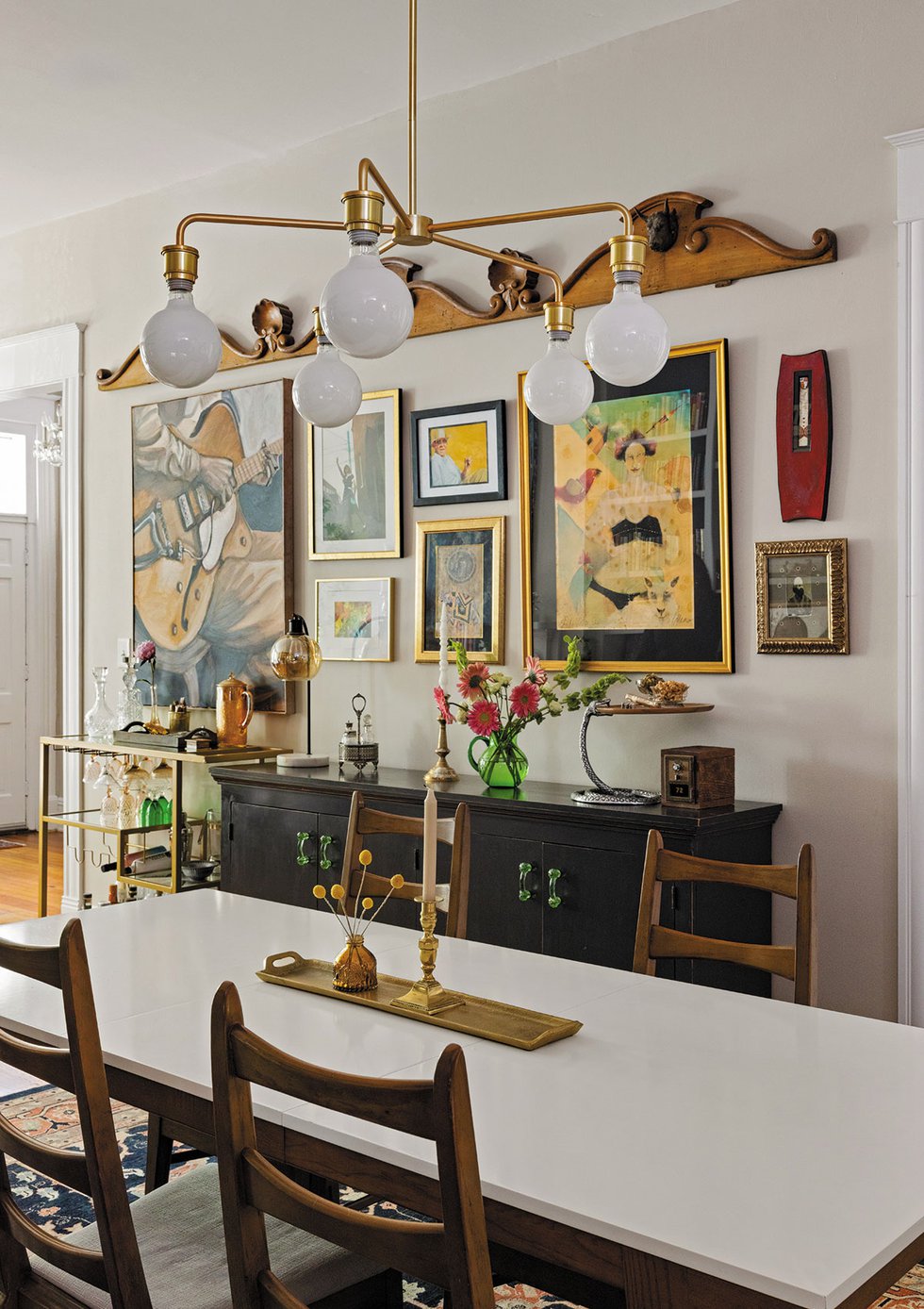
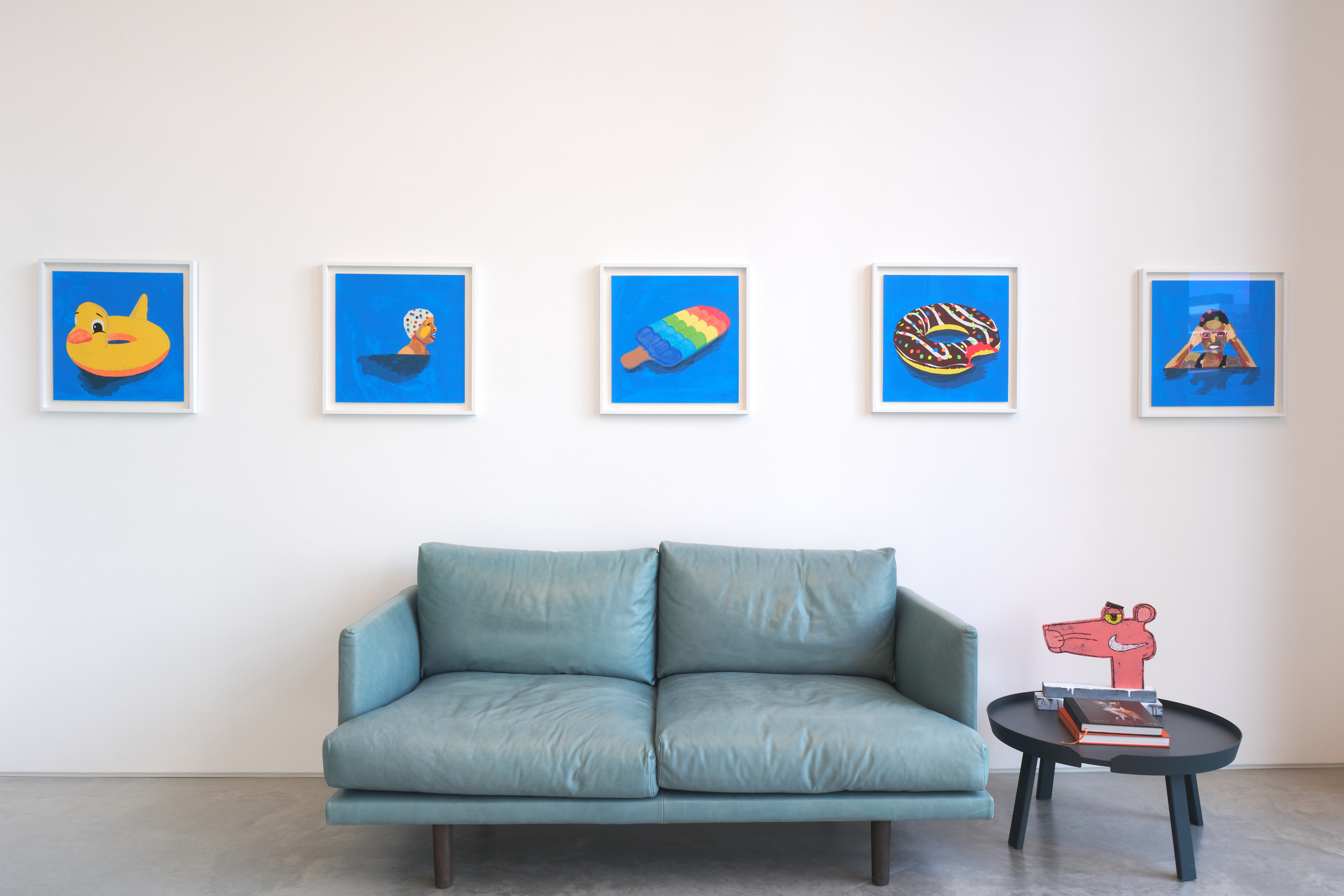
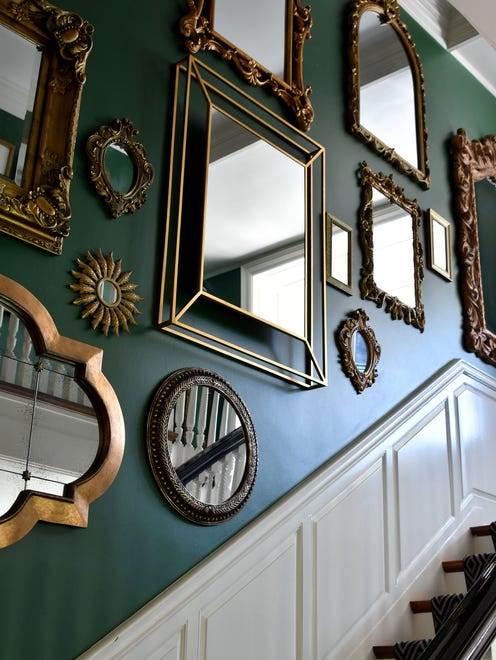
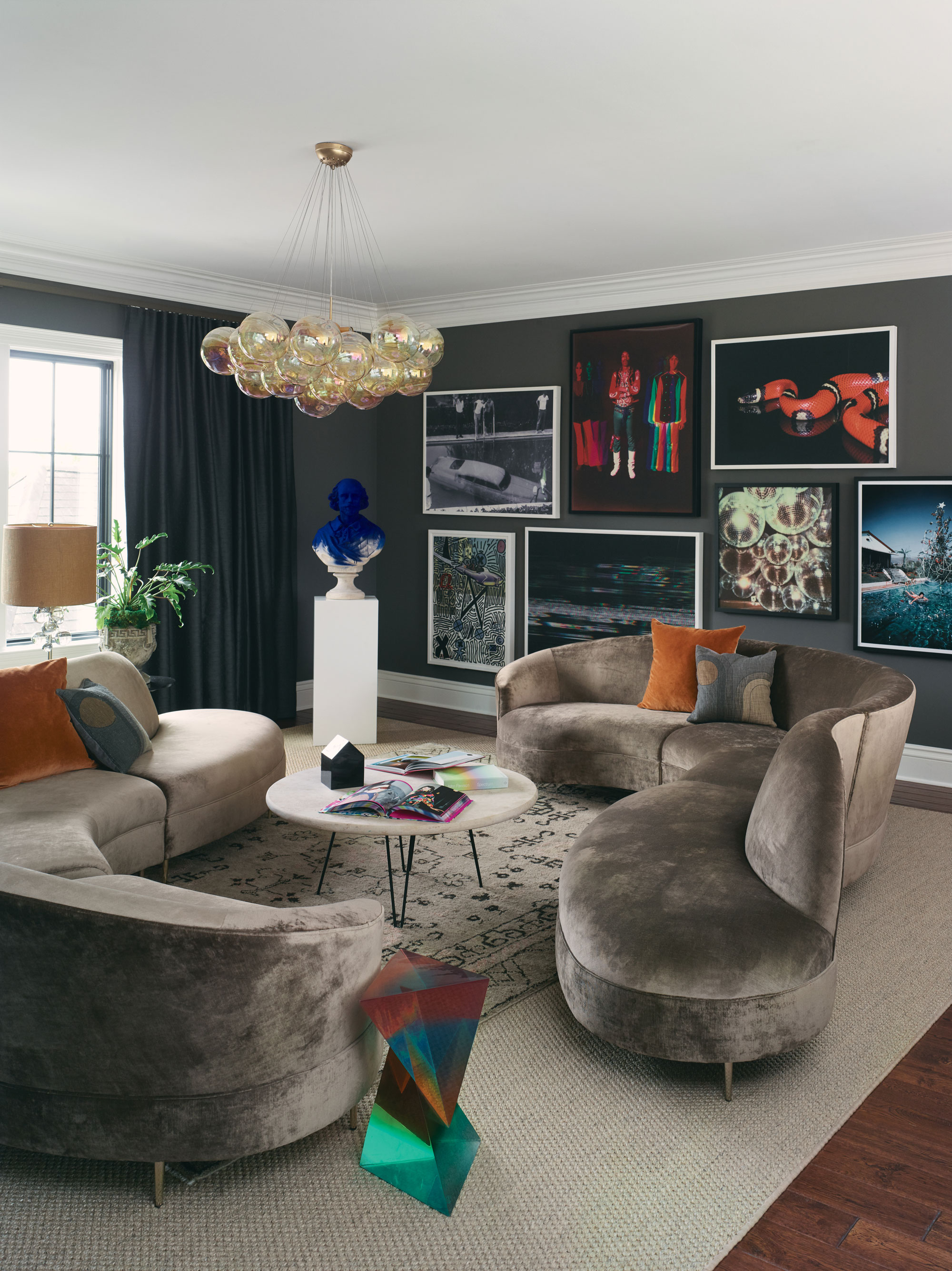
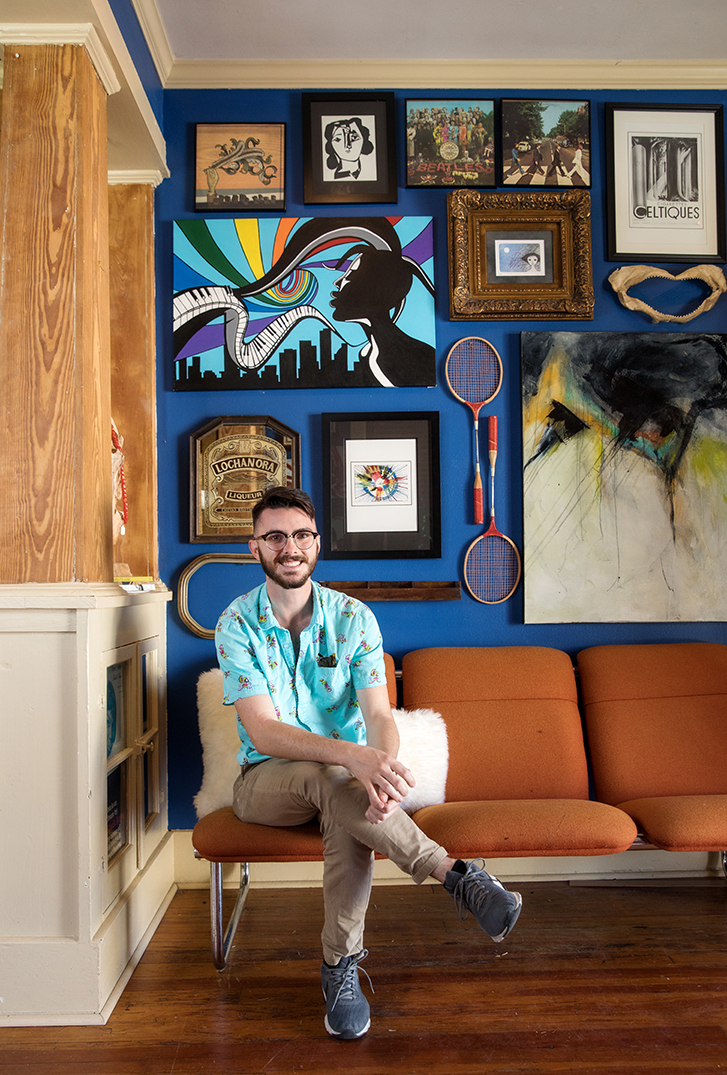
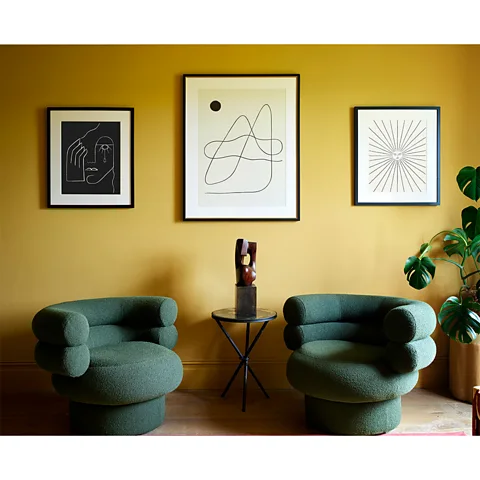
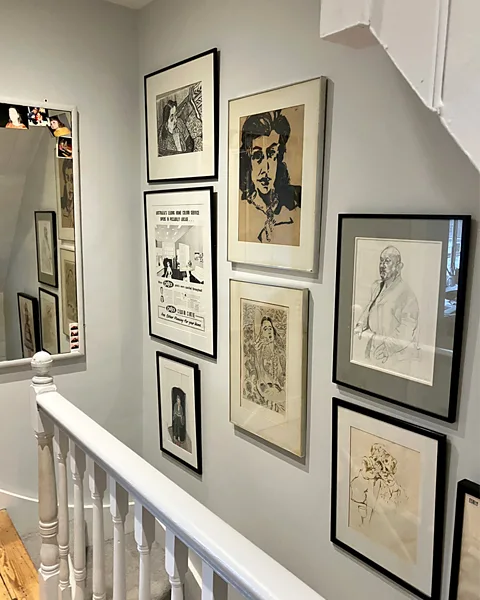
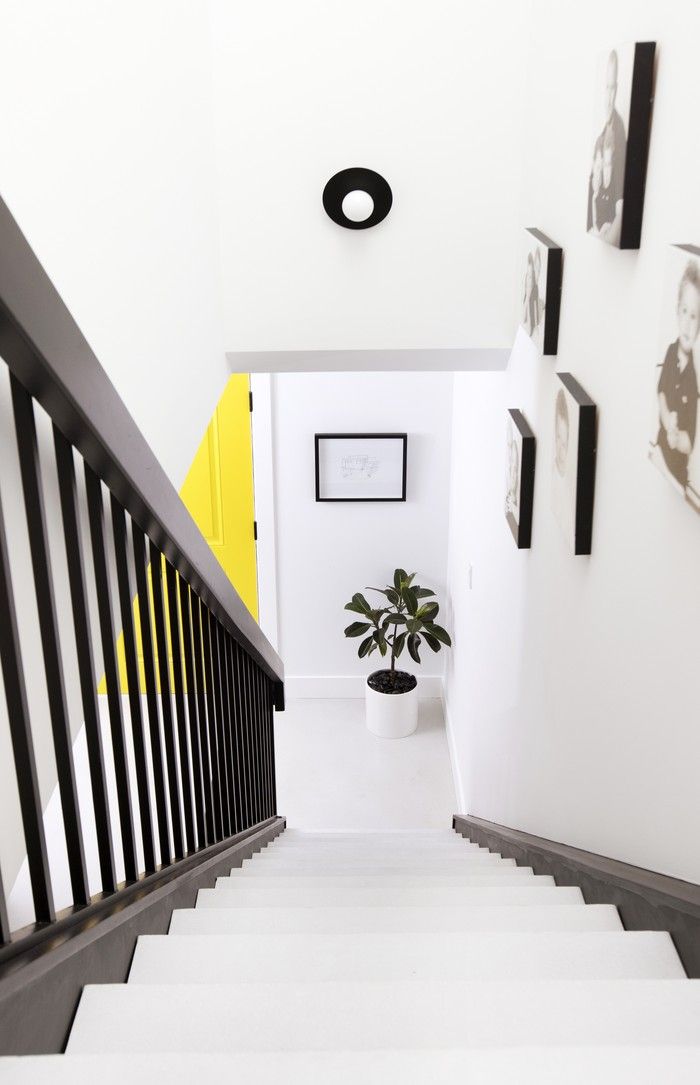
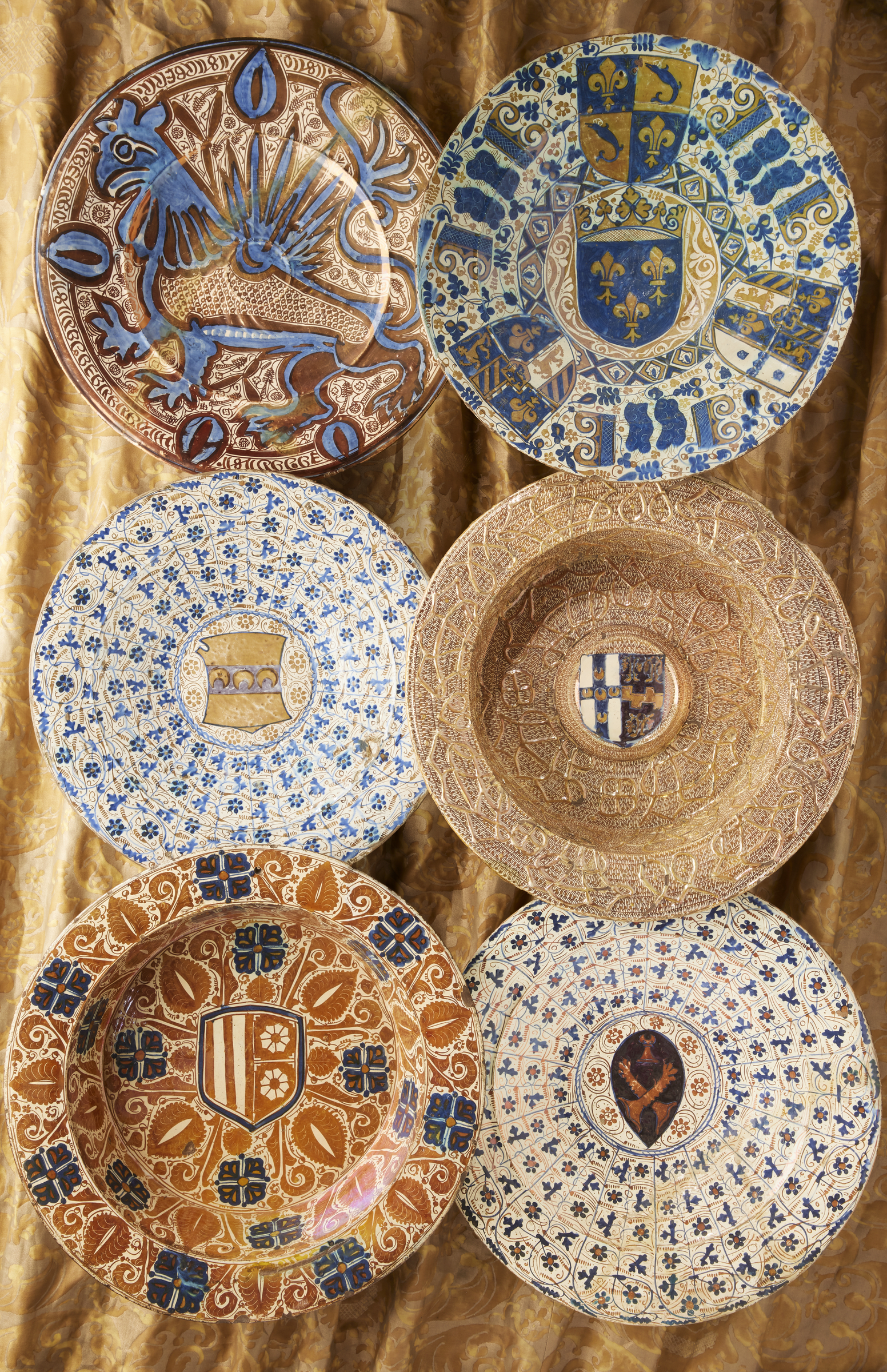
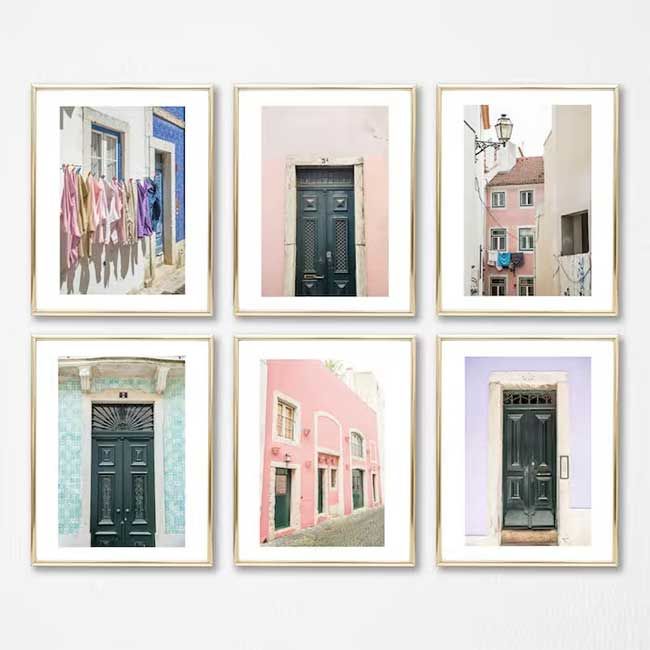
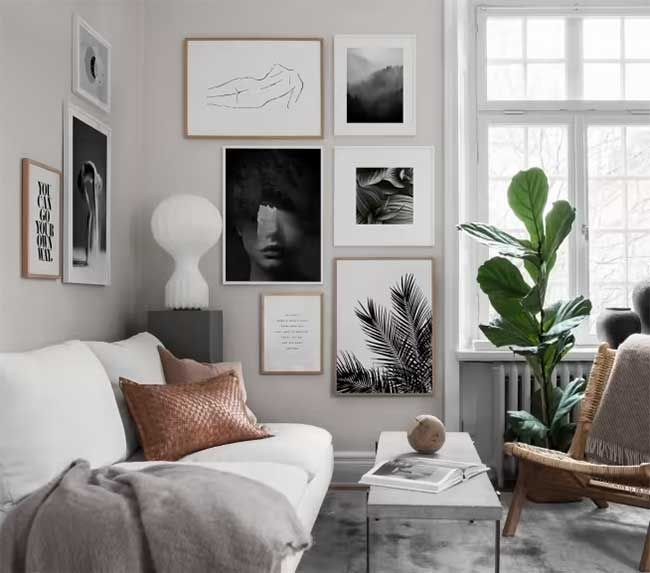
Regarding placement within a home, Pollack suggests hanging cherished artworks in high-traffic areas, including sitting rooms, dens, and bedrooms. These locations ensure both residents and guests have frequent opportunities to view and enjoy the pieces. The article also addresses distinctions in displaying contemporary art versus Old Masters. Contemporary works, often larger, are typically hung as individual statement pieces with ample surrounding space, while Old Masters were traditionally displayed 'Salon Style,' covering entire walls. While this traditional method can be visually rich, Pollack cautions that it is best suited for spaces with high ceilings and large walls, and he expresses a fondness for the intentionally asymmetrical 'gallery hang' of smaller works.
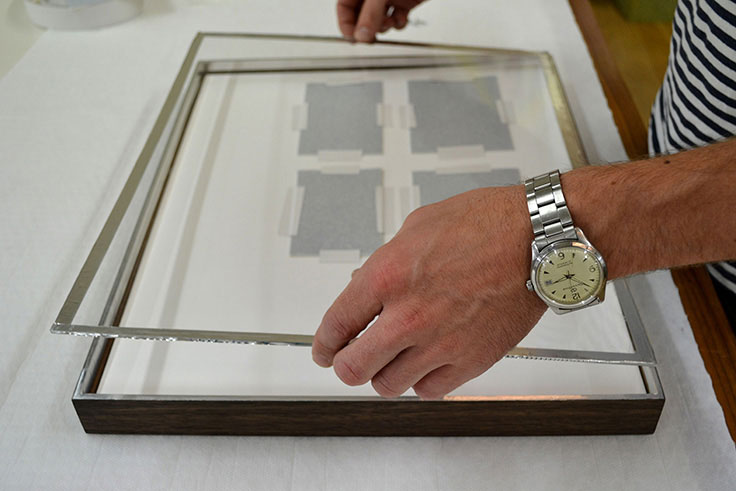
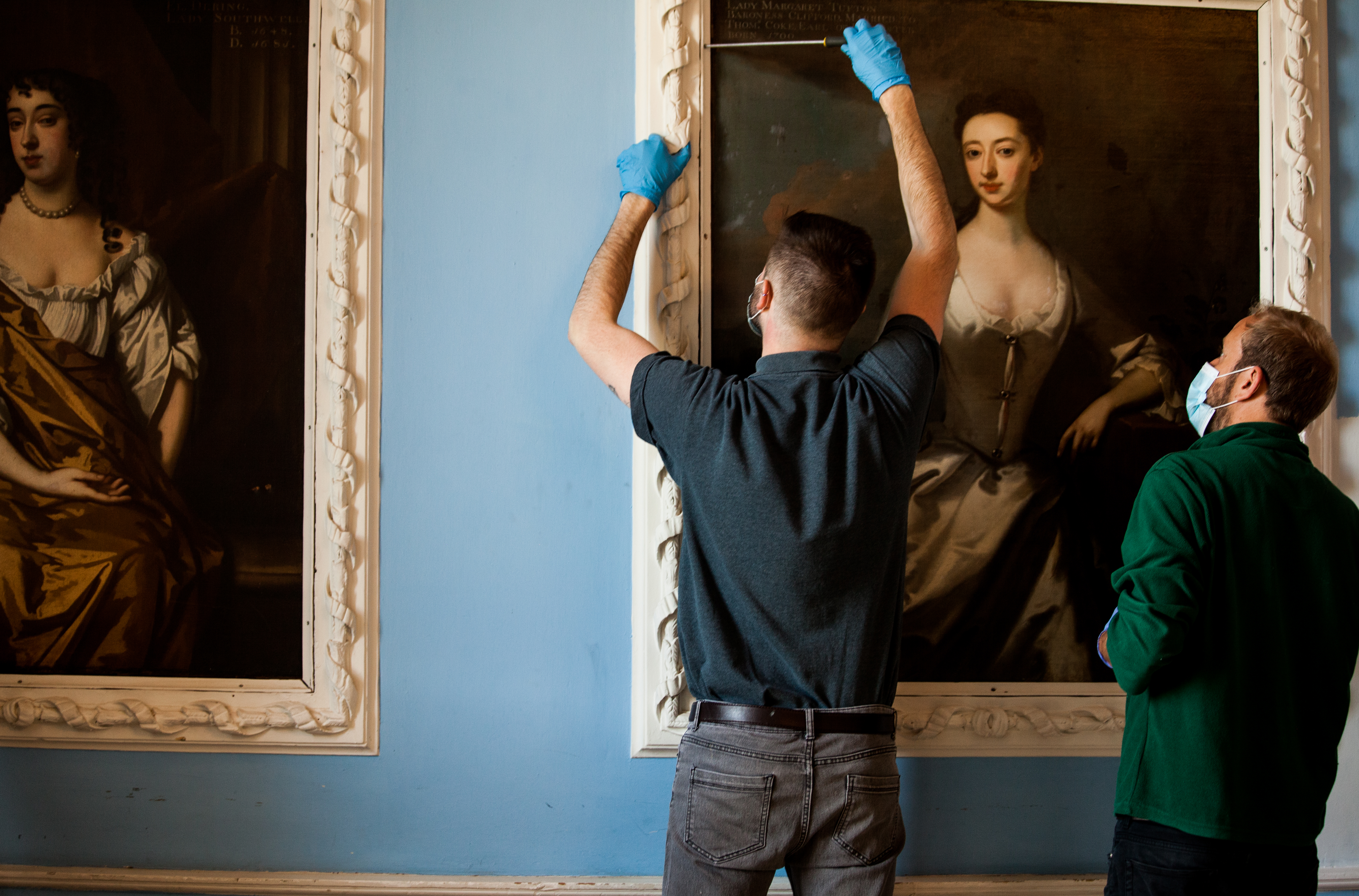
Conservation is highlighted as a crucial aspect of responsible art display. The article advises particular care for pieces on wood panels, which are susceptible to warping due to humidity fluctuations, recommending consistent climate control. Proper framing is also presented as a means to create a protective microclimate for delicate works. The integration of different styles and periods is strongly encouraged, with Pollack advocating for blending old and new art as the most effective way to collect and decorate. He notes that such an approach allows for unique connections between seemingly unrelated works, creating interesting and personalized home environments.
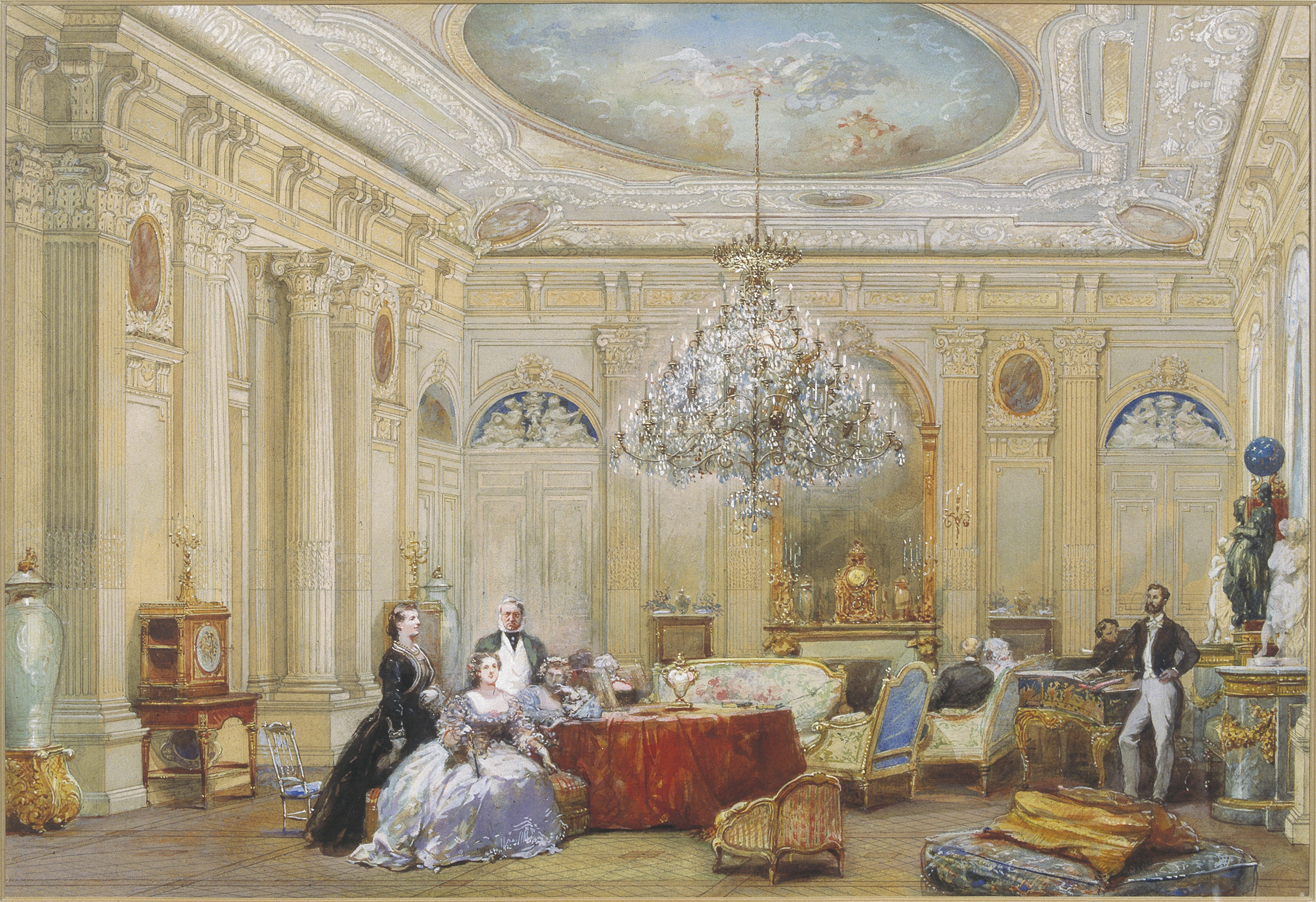
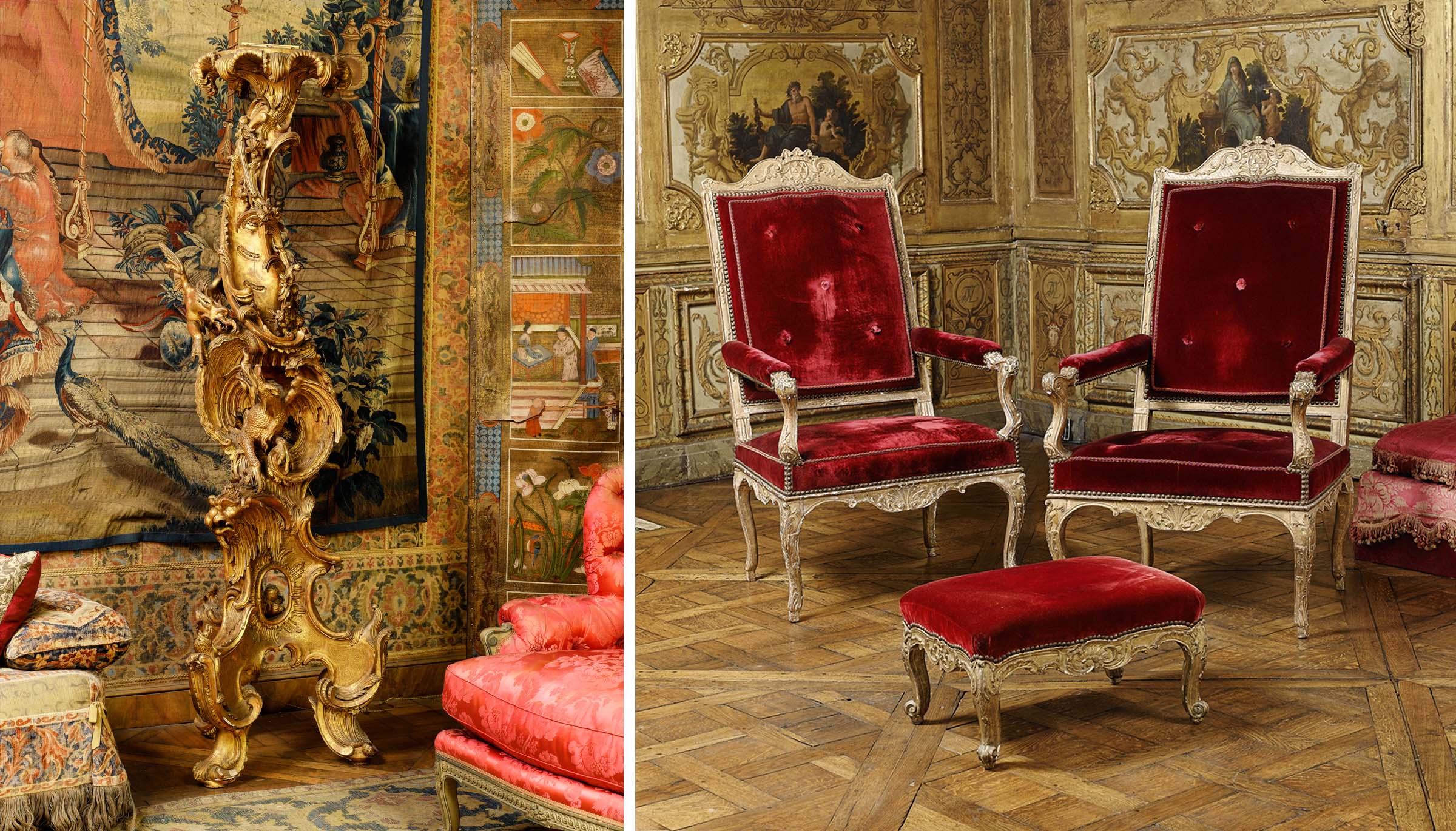
Regarding framing, Pollack, as an Old Master specialist, offers guidance on traditional frames. He suggests that certain 'old fashioned' frames, like simple, jet-black 17th-century Dutch frames, can appear surprisingly modern and complement various paintings. Traditional gilt frames can also work in contemporary homes, though elaborately carved 18th-century French frames are described as grand statement pieces requiring deliberate placement. The article also touches upon the role of interior designers, acknowledging their value for larger projects while asserting that personal taste should ultimately drive display decisions. Finally, the importance of conservation is reiterated, particularly concerning light exposure, which can damage works on paper or other non-oil-based mediums, though oil paintings are generally more resilient to direct sunlight. The overarching golden rule presented is that 'quality looks good next to quality,' implying that a well-chosen object can hold its own in any domestic setting.
#ArtworkDisplay #HomeDecor #InteriorDesign #ArtCollection #OldMasters #ContemporaryArt #ArtConservation #FramingArt #SothebysTips #ArtworkDisplay #HomeDecor #InteriorDesign #ArtCollection #OldMasters #ContemporaryArt #ArtConservation #FramingArt #SothebysTips
0 comment in total
 No comments yet
You may also like

How Interior Designer Robert Stilin Weaves Art Into Every Corner of His Home

Common Threads
The key to building a great gallery wall is, well, thinking a little off-the-wall

My Home Didn't Feel Finished Until I Finally Crossed This Task Off My To-Do List

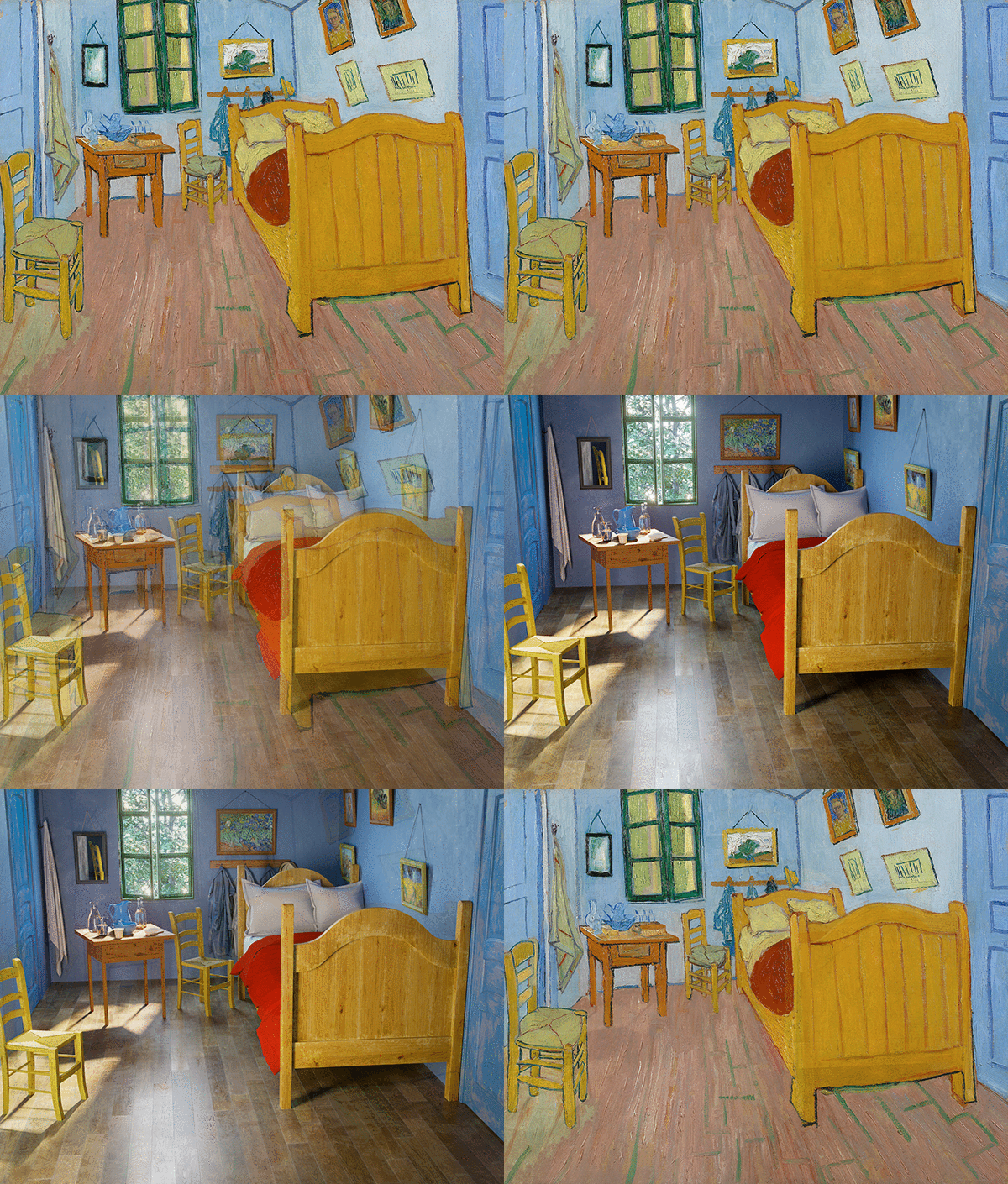
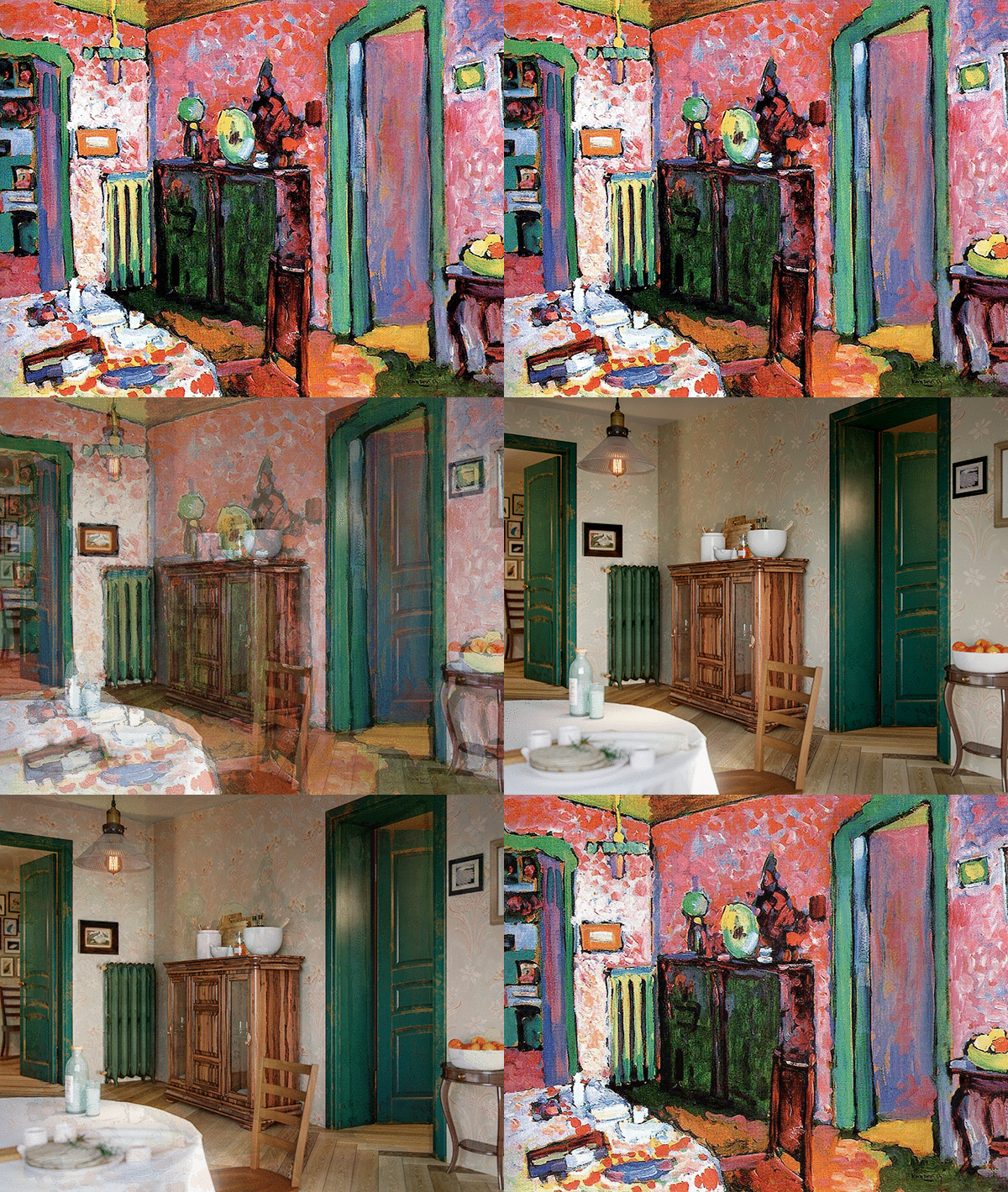
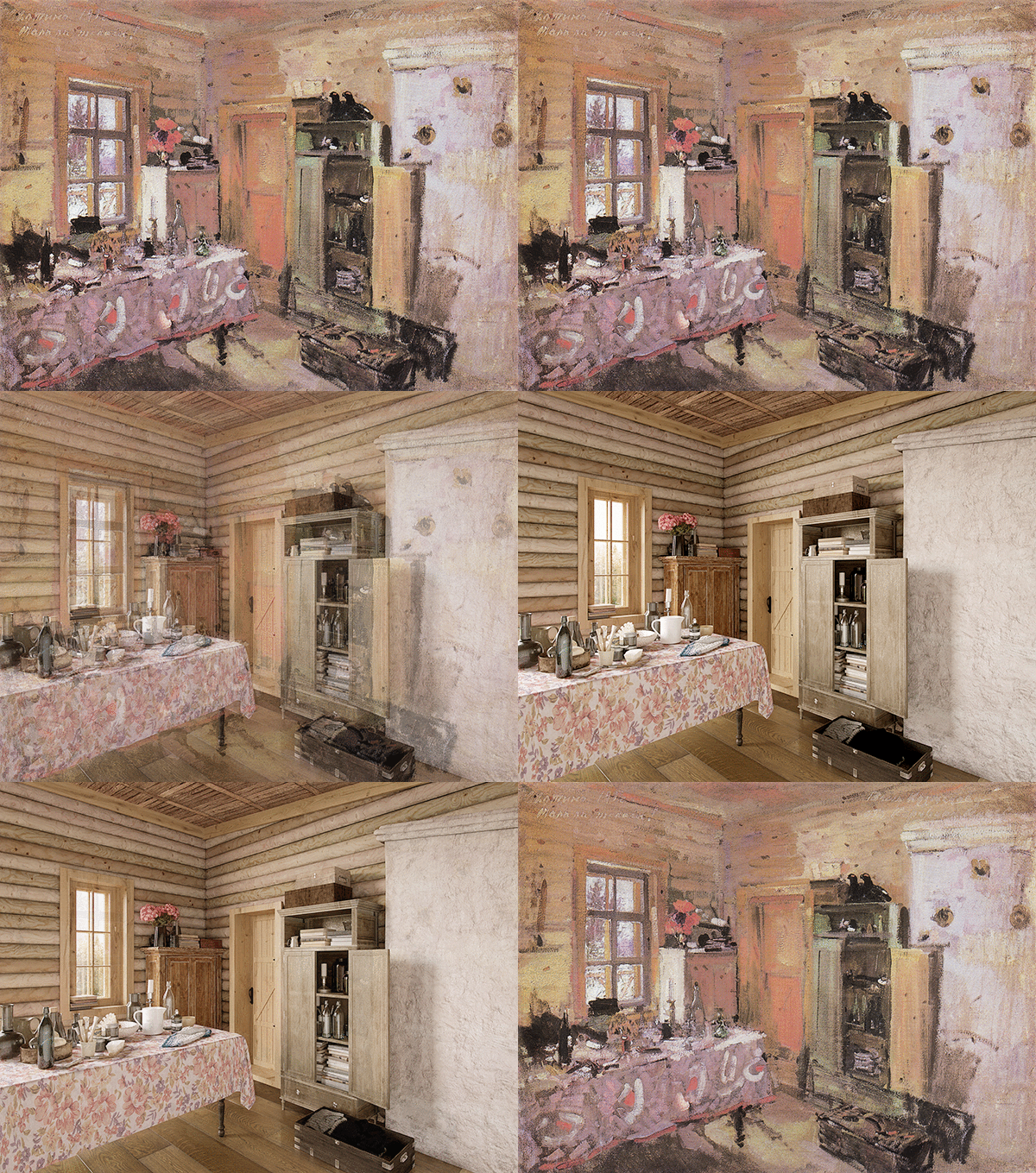
What the Rooms from 6 Famous Paintings Would Look Like Today
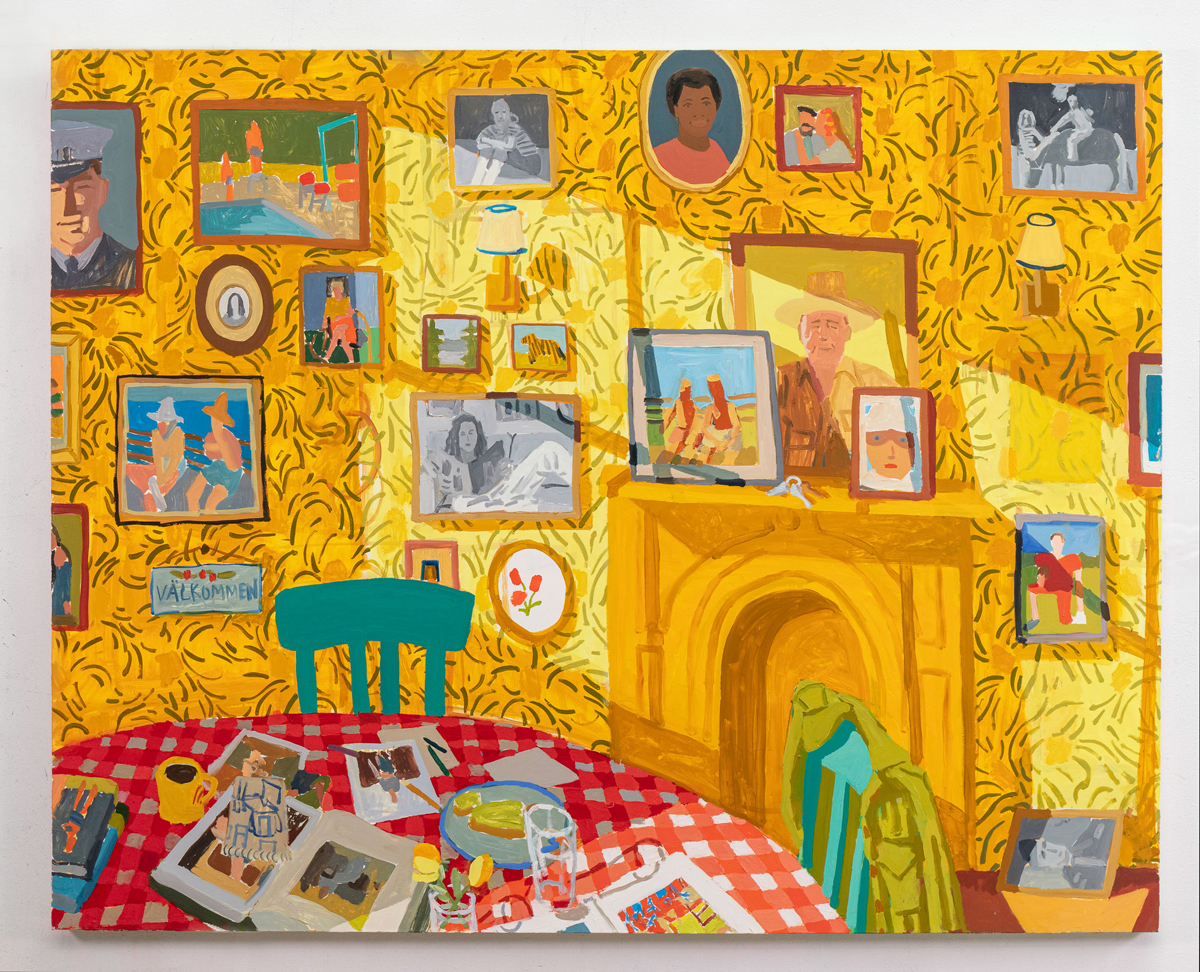
How to Hang an Art Collection Like an Expert
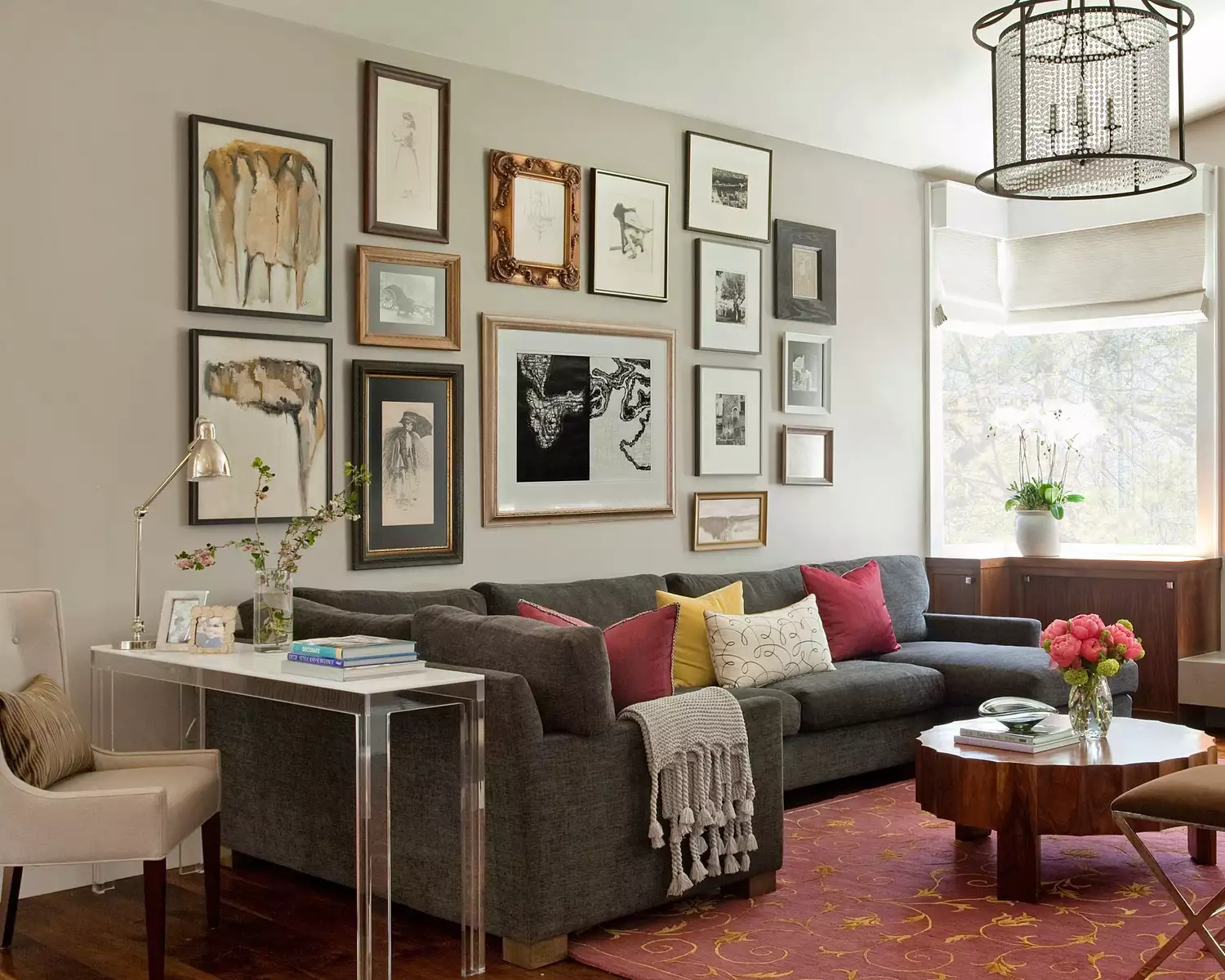
Are Gallery Walls Losing Their Appeal? Here's What Interior Designers Are Doing
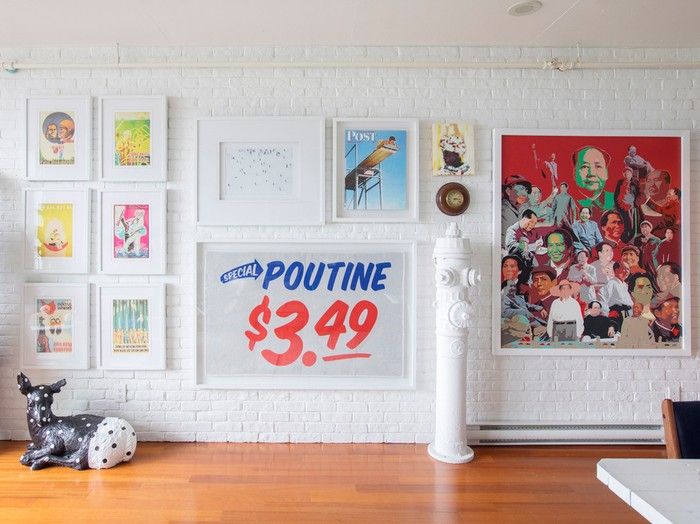
Curating art for the home is an art in itself

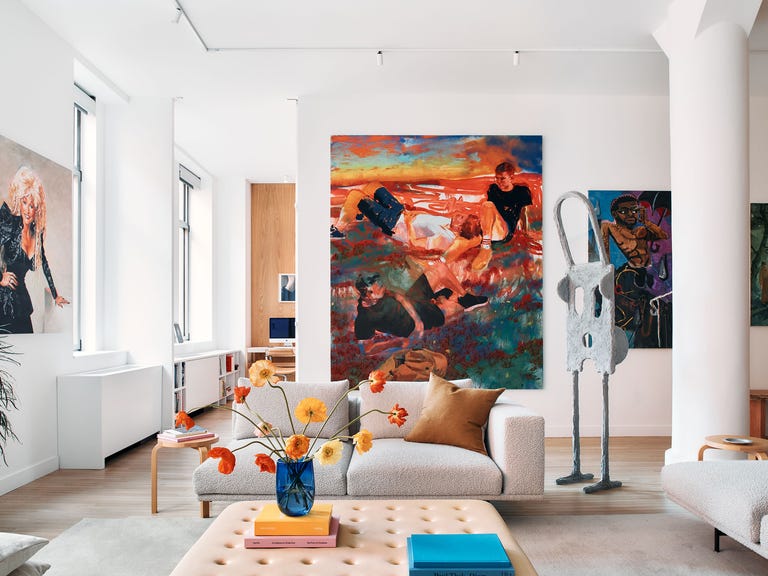
With 100 Artworks on Display, This New York Loft Takes Wall Real Estate Seriously


Trash or Treasure: Sculpture Is spelter, not bronze, but still desirable
to create a gallery art wall - Ideas & Advice

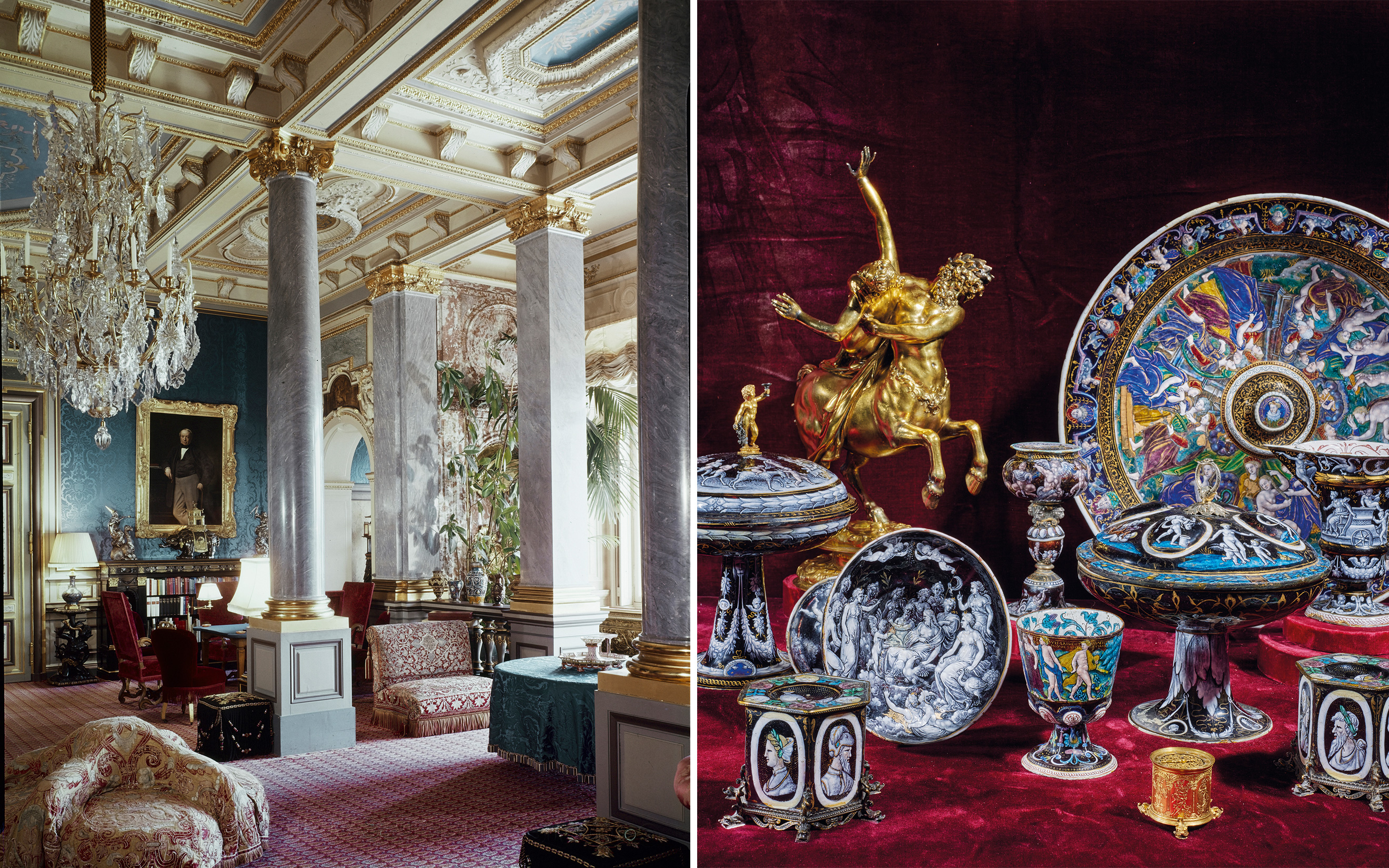
Le goût Rothschild: defining the dynasty’s legendary style

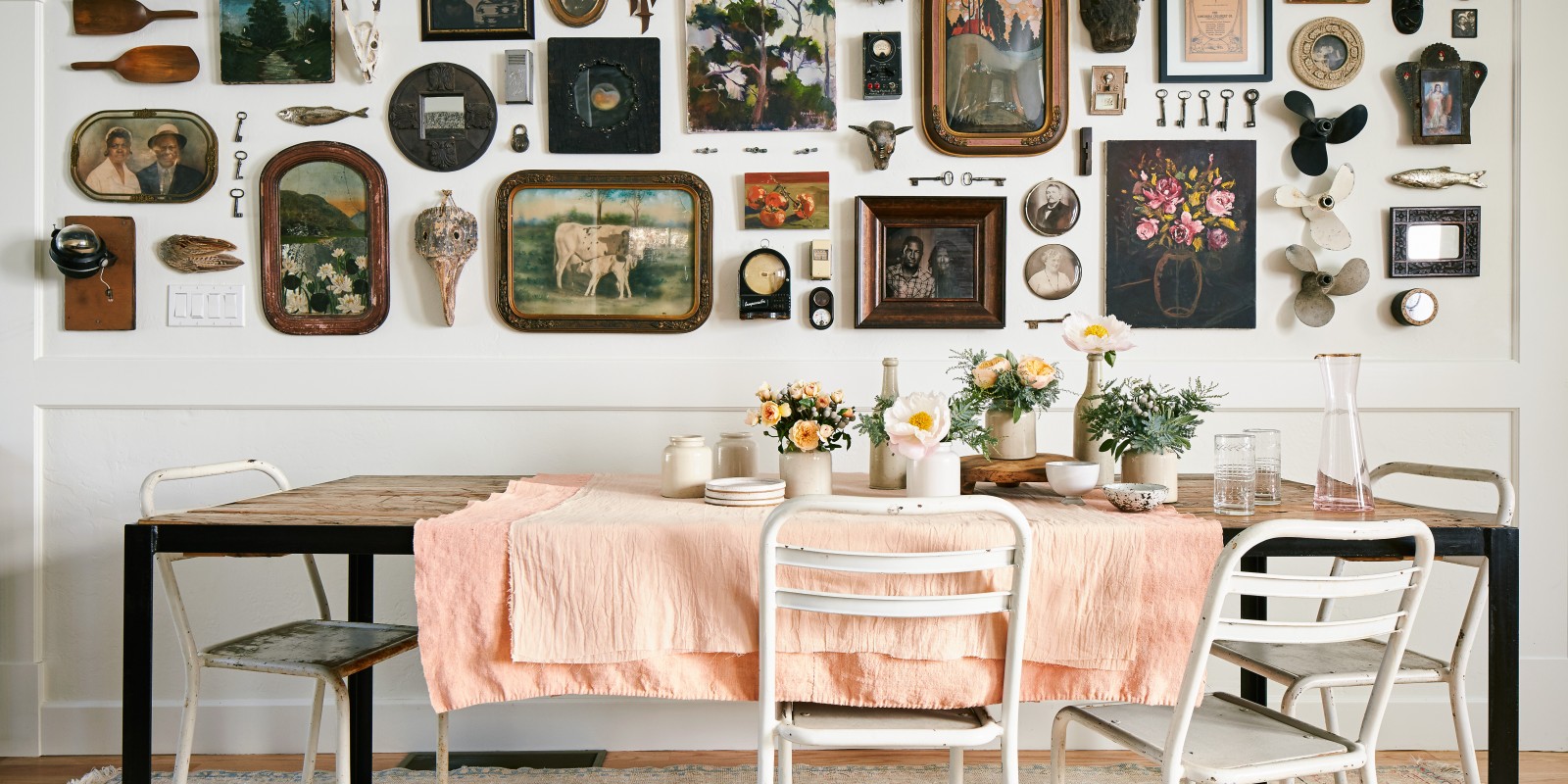
Make a Room Museum-Worthy with These Gallery Wall Ideas

Wonder Walls
How to transform your home with art
Where to buy the best wall art to create a spectacular gallery wall

How to hang paintings: Everything you need to know
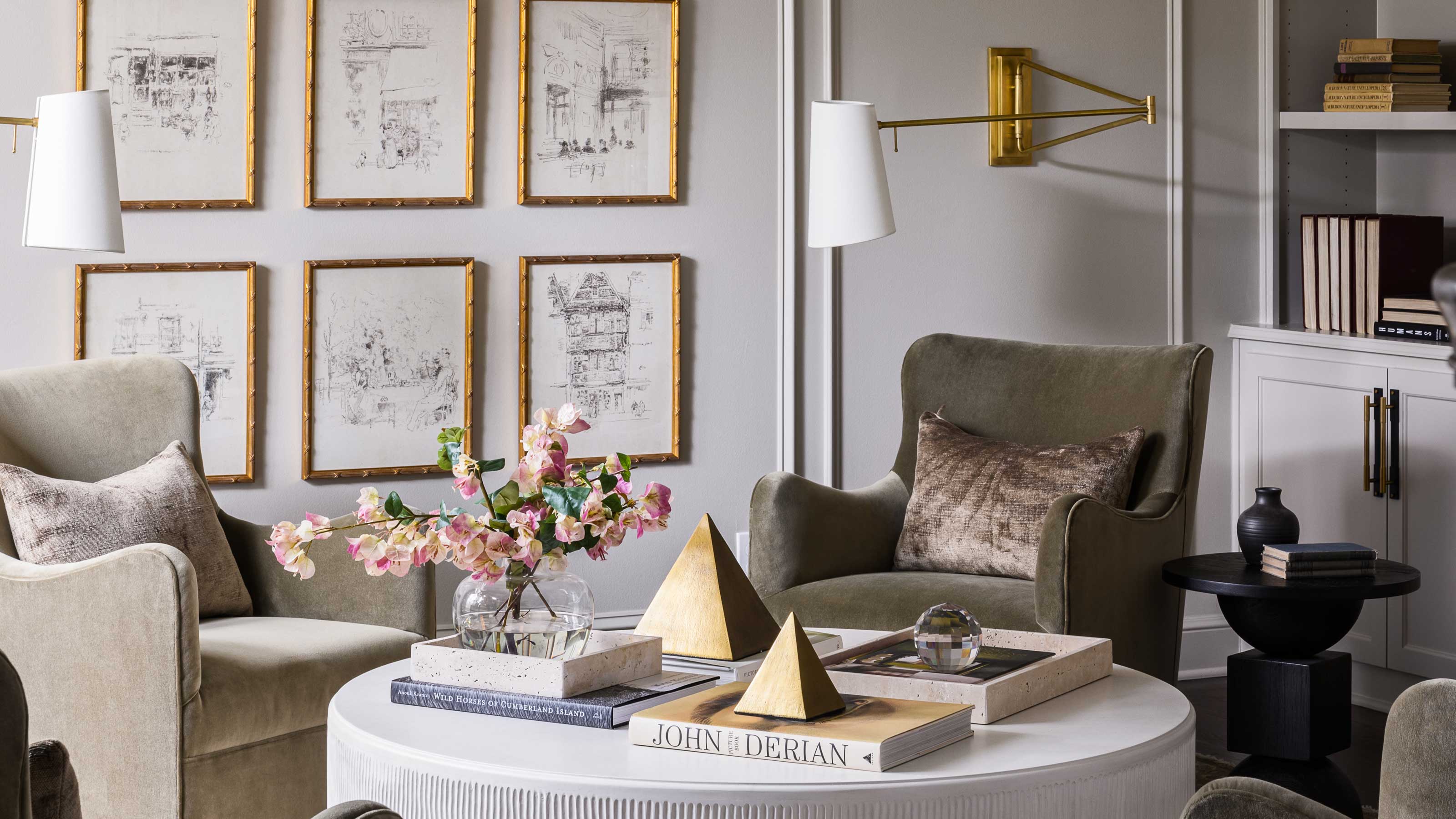
Are gallery walls going out of style? These interior designers all came to the same verdict


Even newbies can master this popular home-decor trend
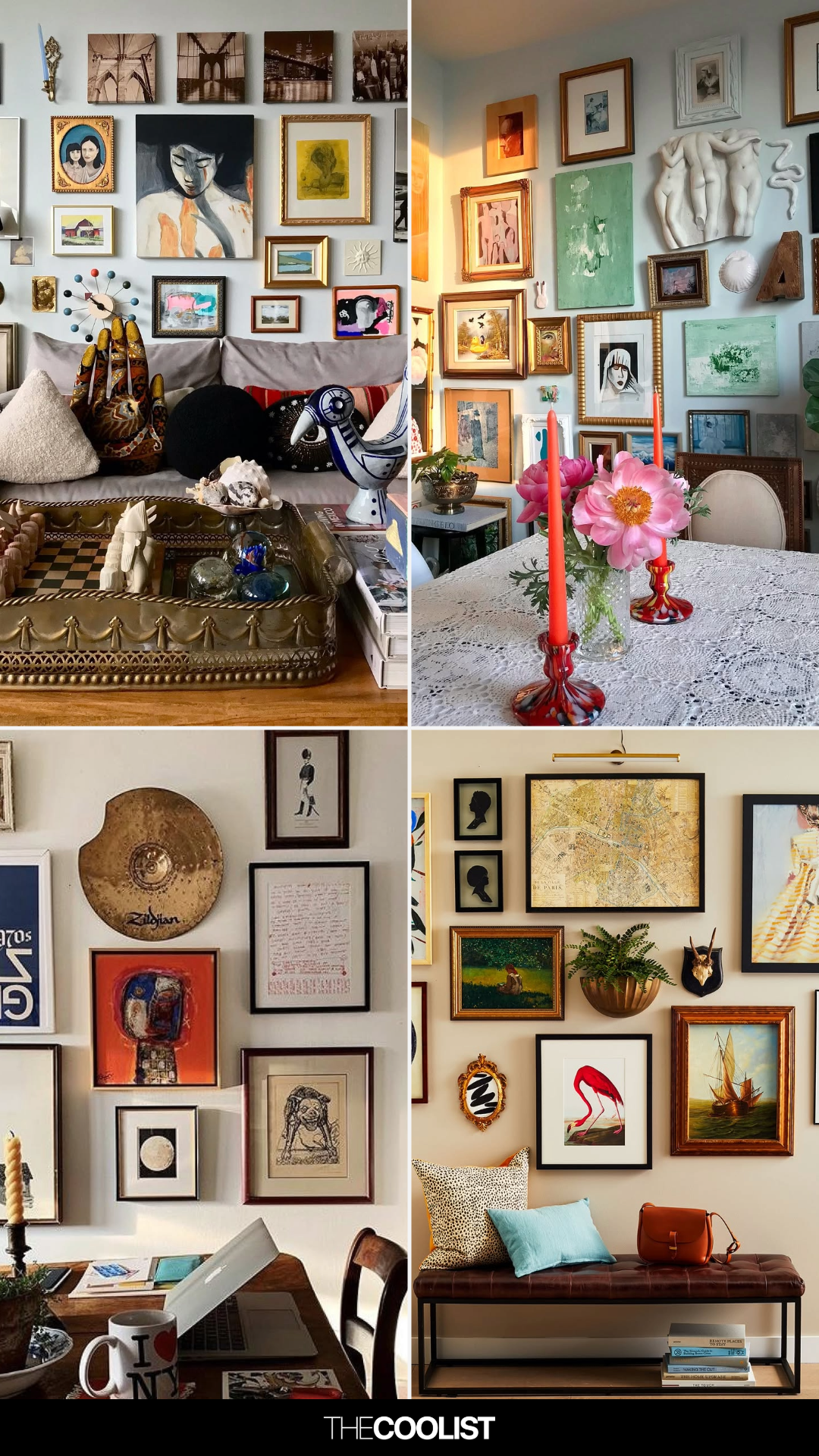
28 Insanely Chic Gallery Wall Decor Ideas That Feel Personal, Curated, and Timeless