1/10
Experts say these are the 3 sofa colours to avoid
Choosing the right sofa color involves considering both personal preference and practical longevity, according to interior design experts. While individual taste is paramount, certain colors are identified as less ideal due to issues like practicality, potential for quickly looking dated, or limited versatility within evolving decor schemes. It's crucial for consumers to select a sofa that will remain stylish, durable, and complementary to their living space for many years, especially given that a high-quality sofa is a significant investment expected to last at least a decade. The interplay between a shade and the natural light in a room, as well as its ability to adapt to future changes in a living room's color palette, are important factors.
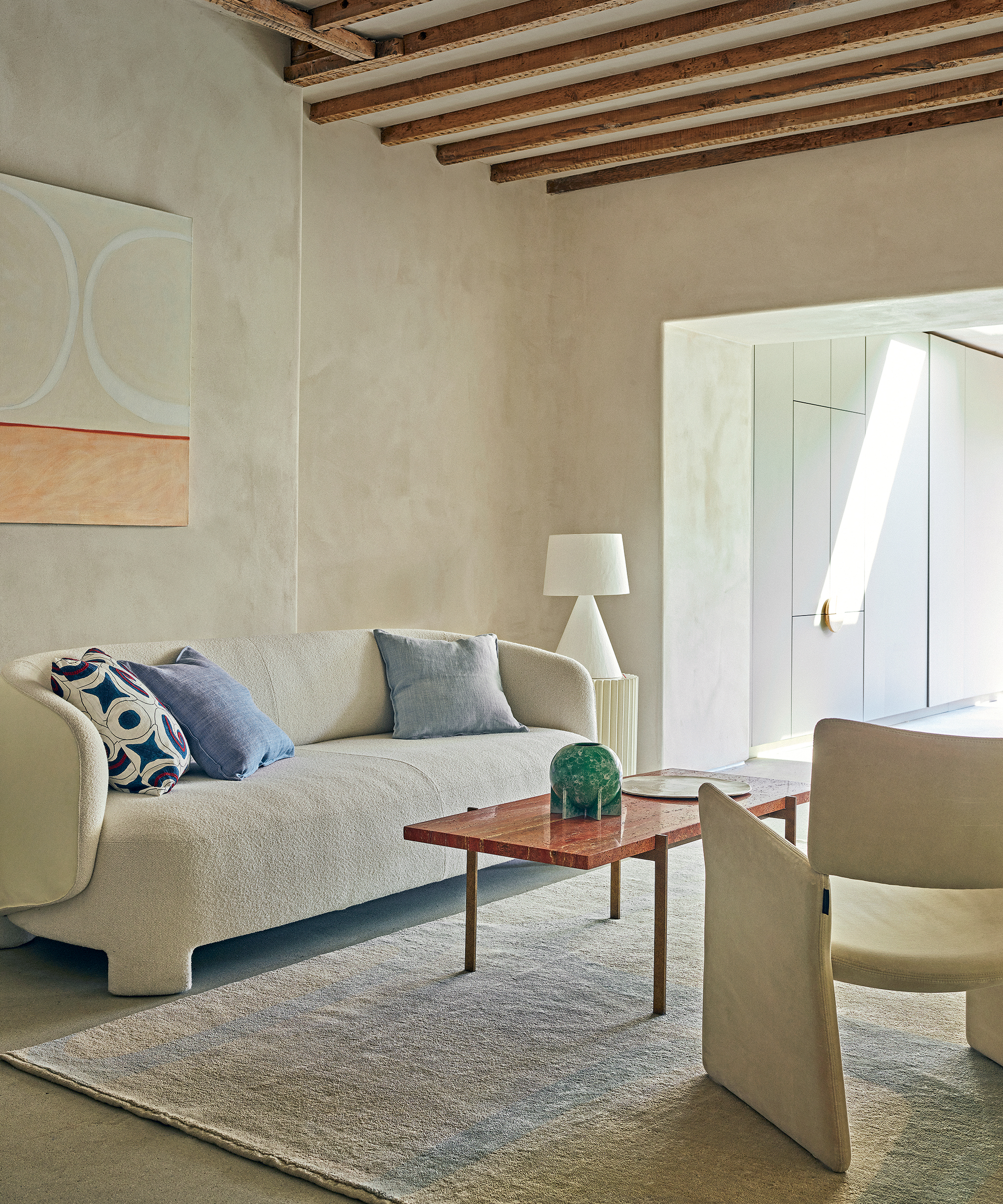
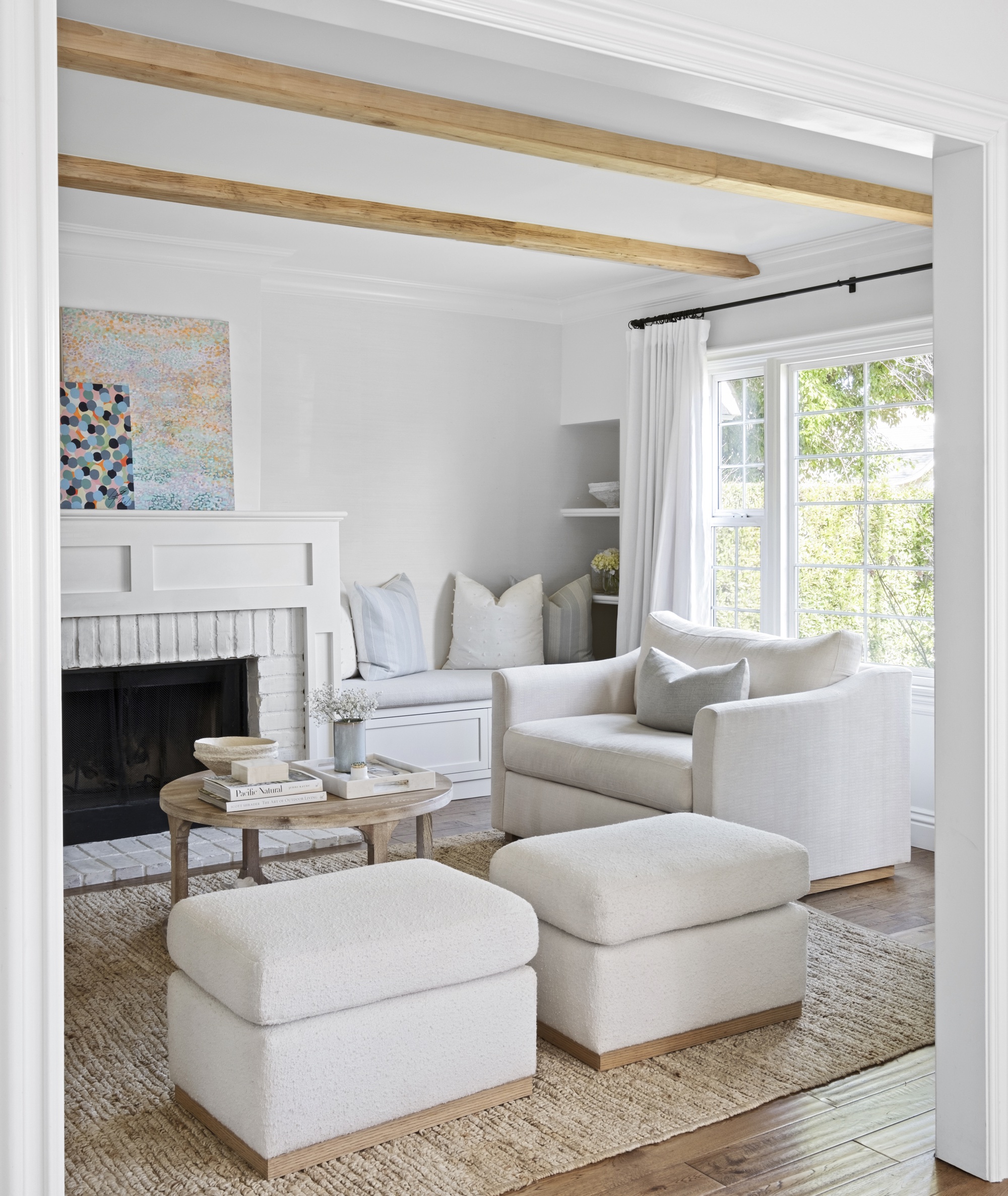
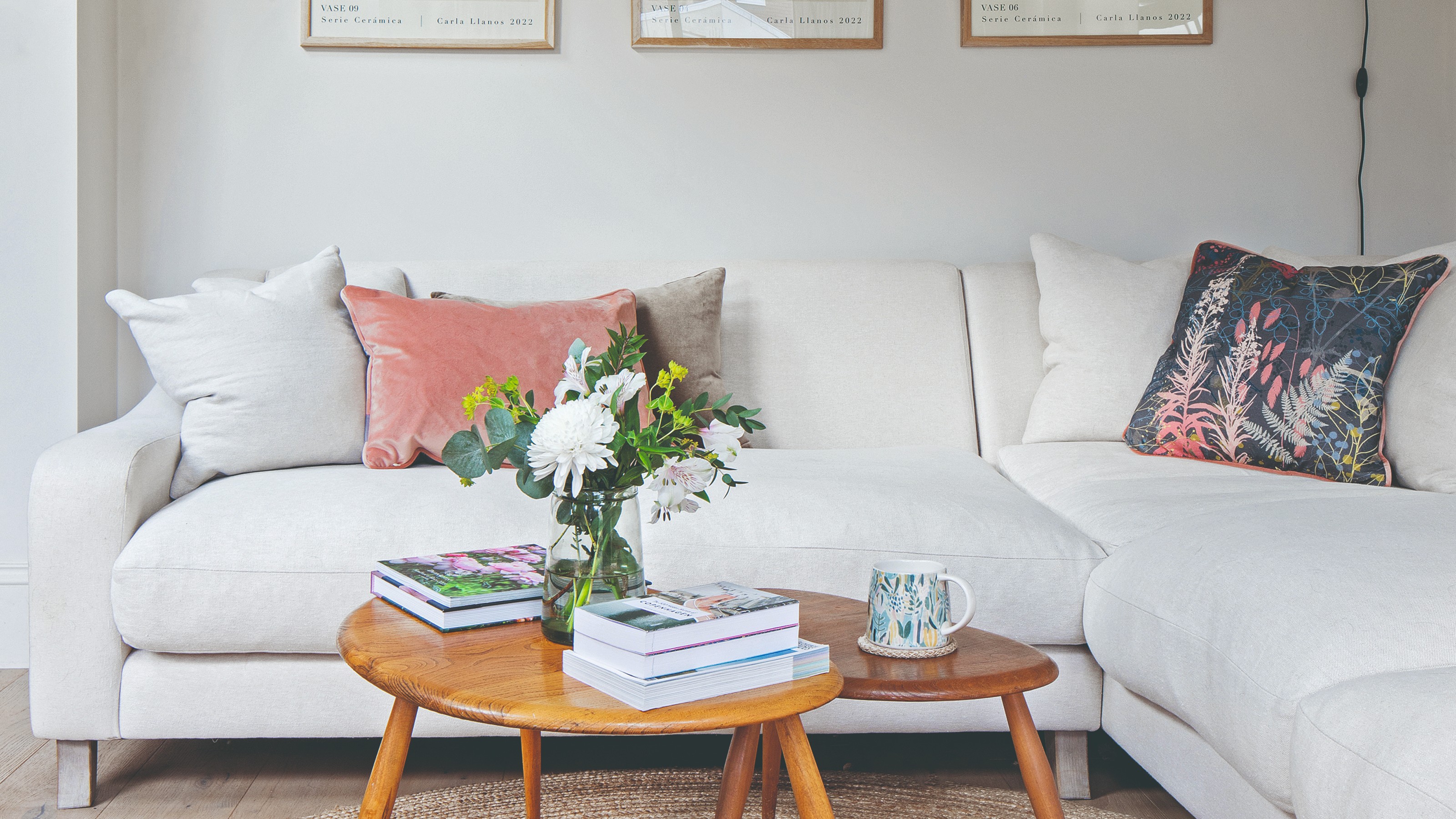
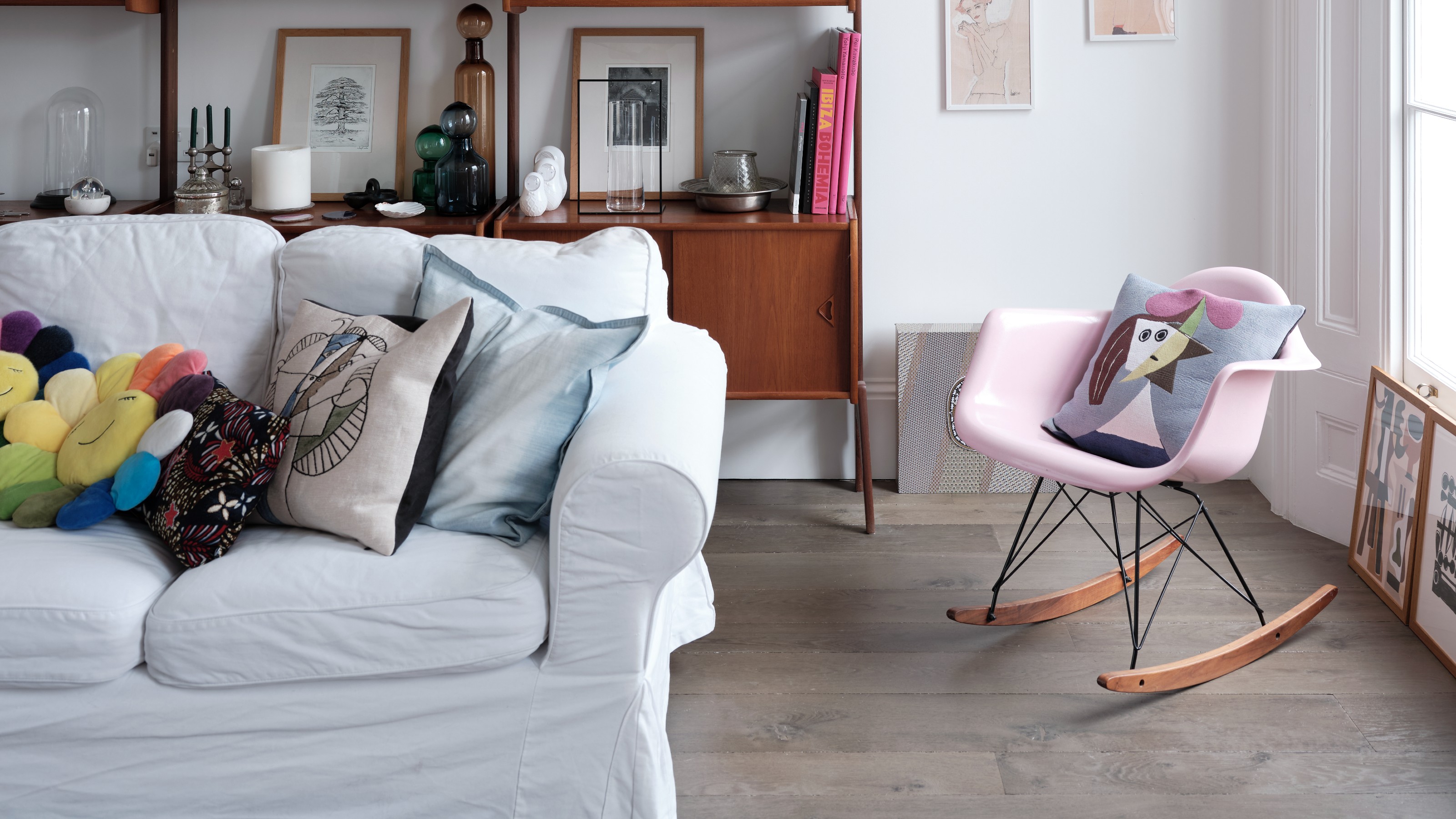
Experts advise caution against white sofas. Despite their elegant aesthetic and suitability for smaller living rooms, white sofas are highly impractical. They easily show stains, dirt, pet hair, and general wear. Such a color is only recommended for formal, low-traffic areas or homes without children and pets, where the risk of soiling is minimal. For those who appreciate the bright look of white, light neutral alternatives are suggested.
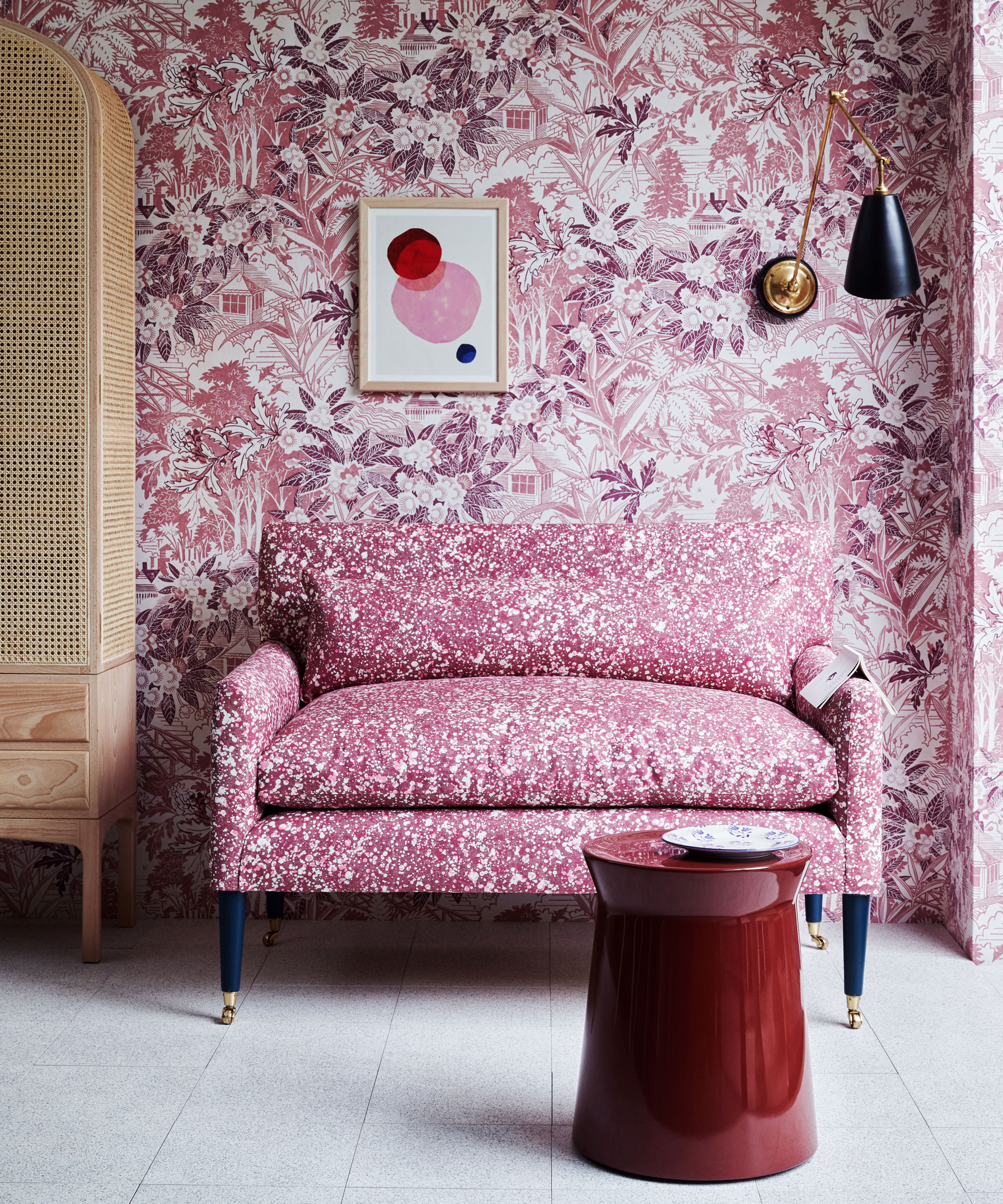
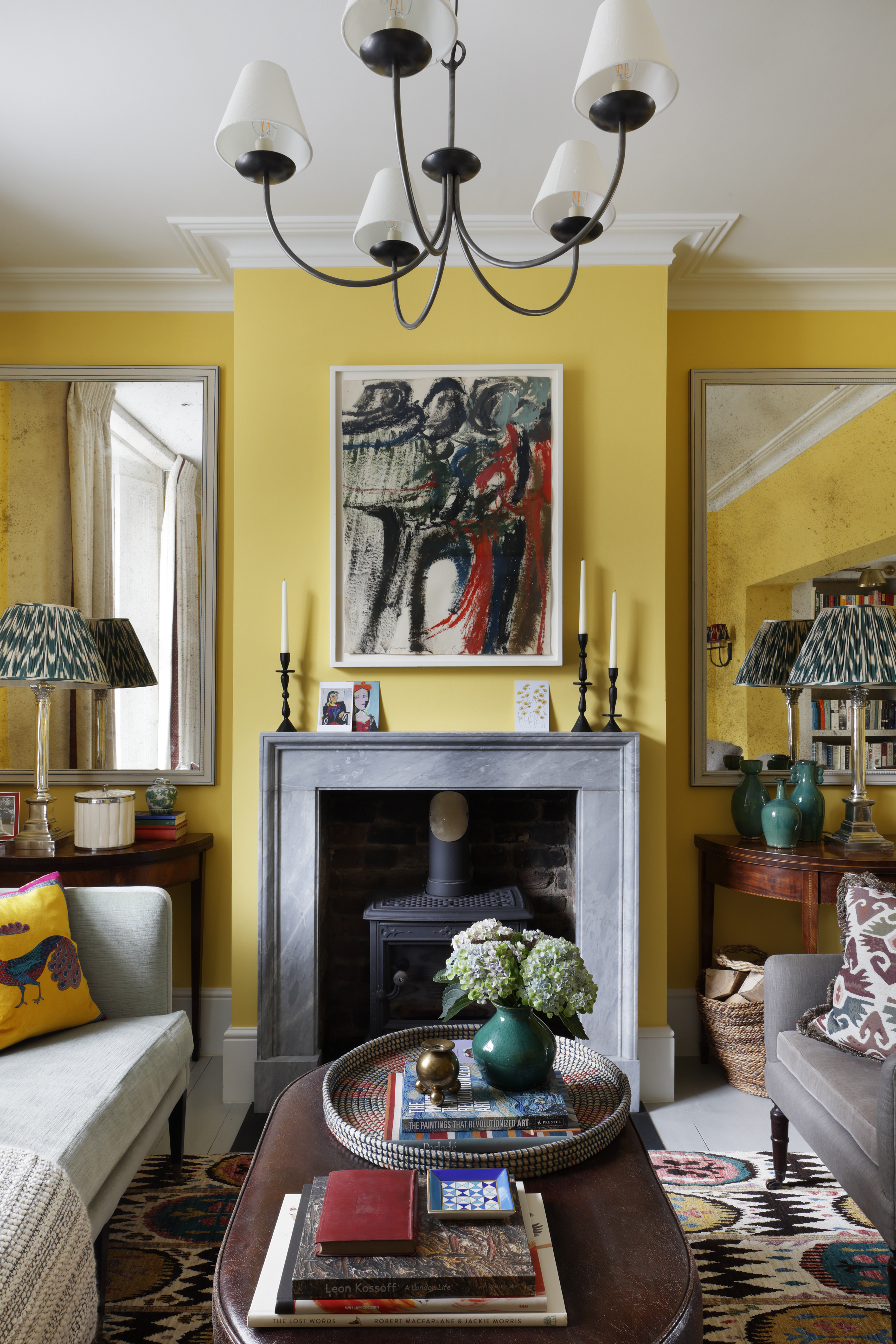
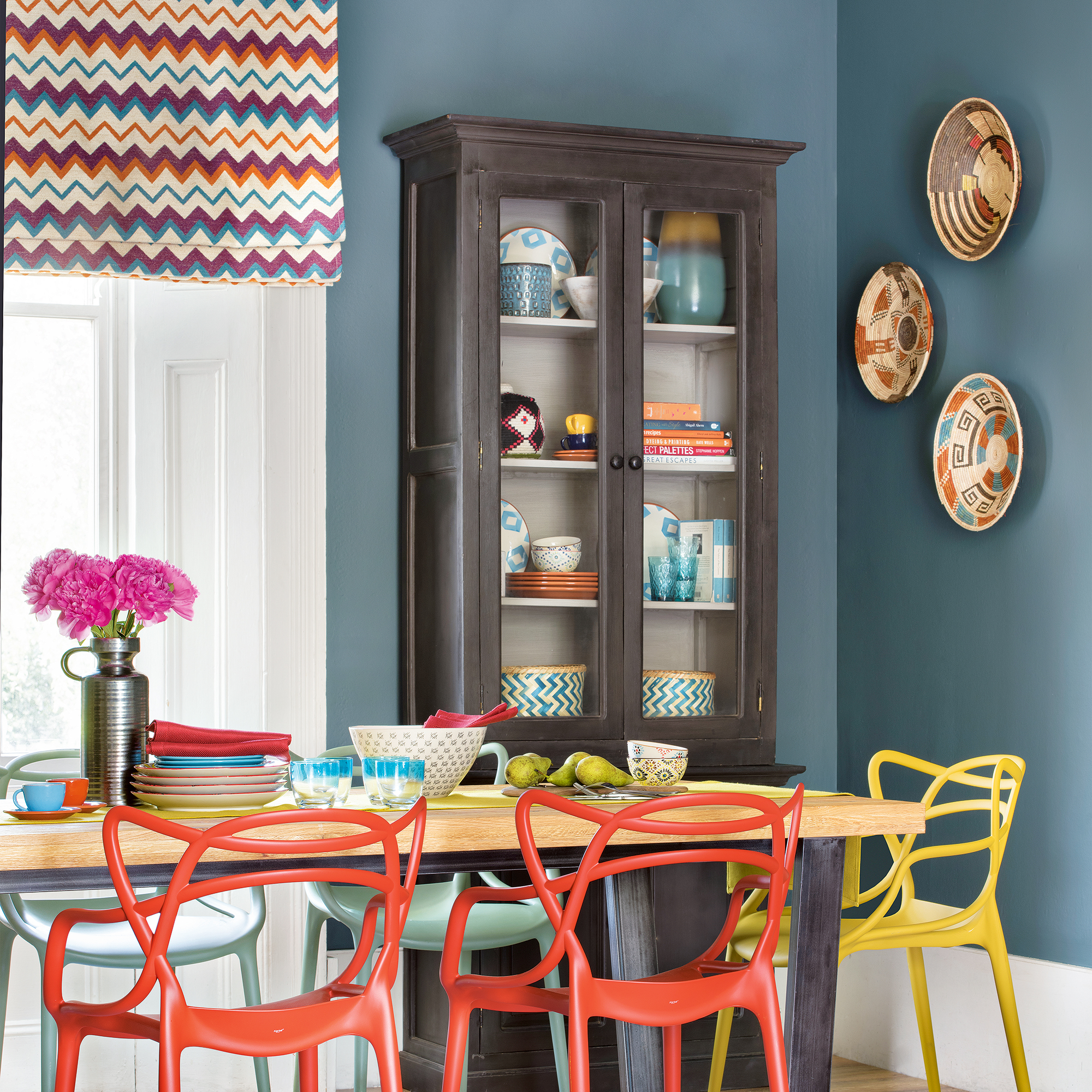
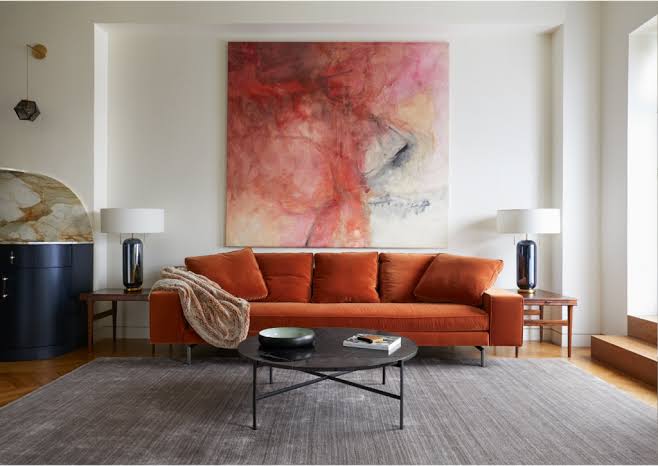
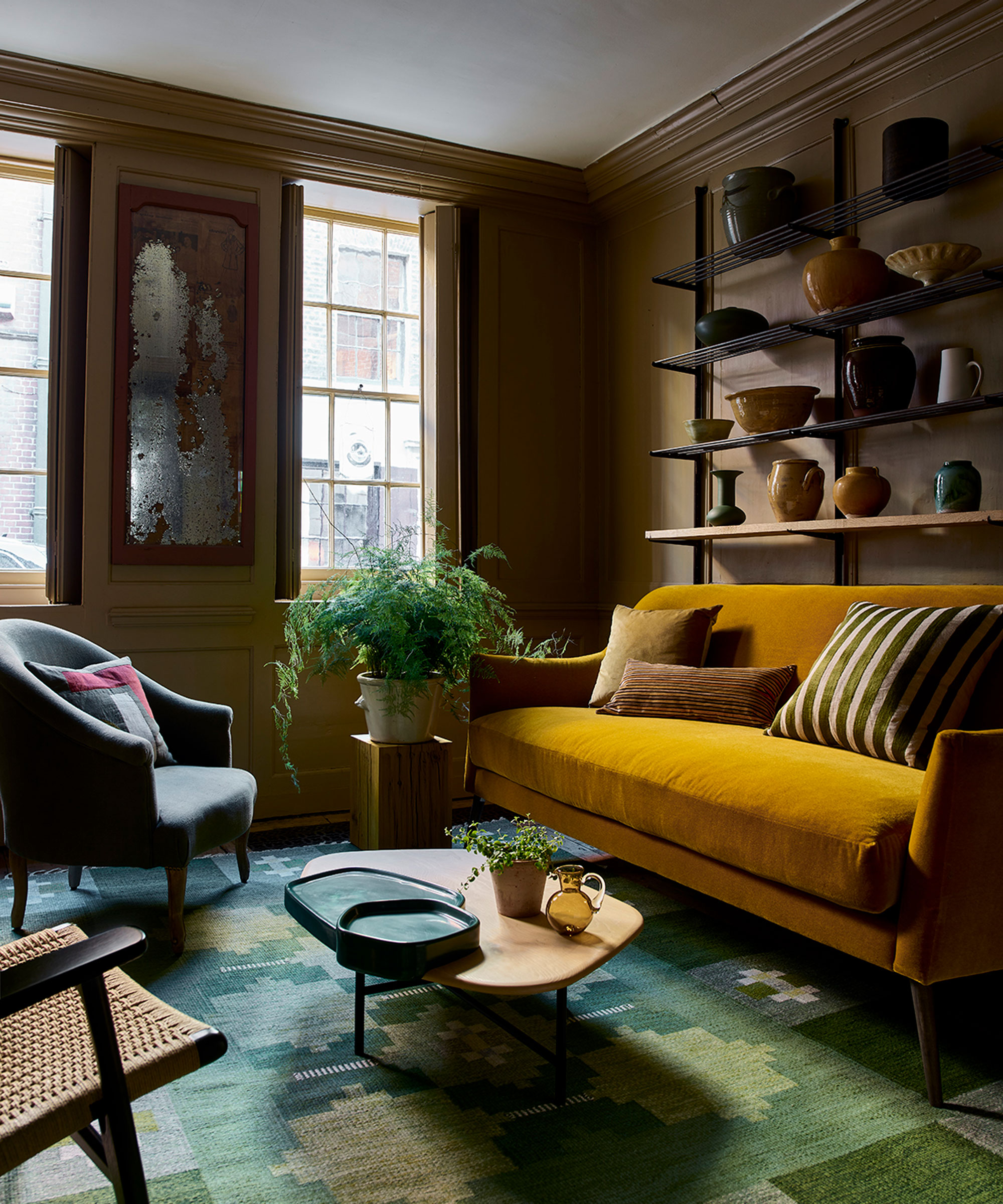
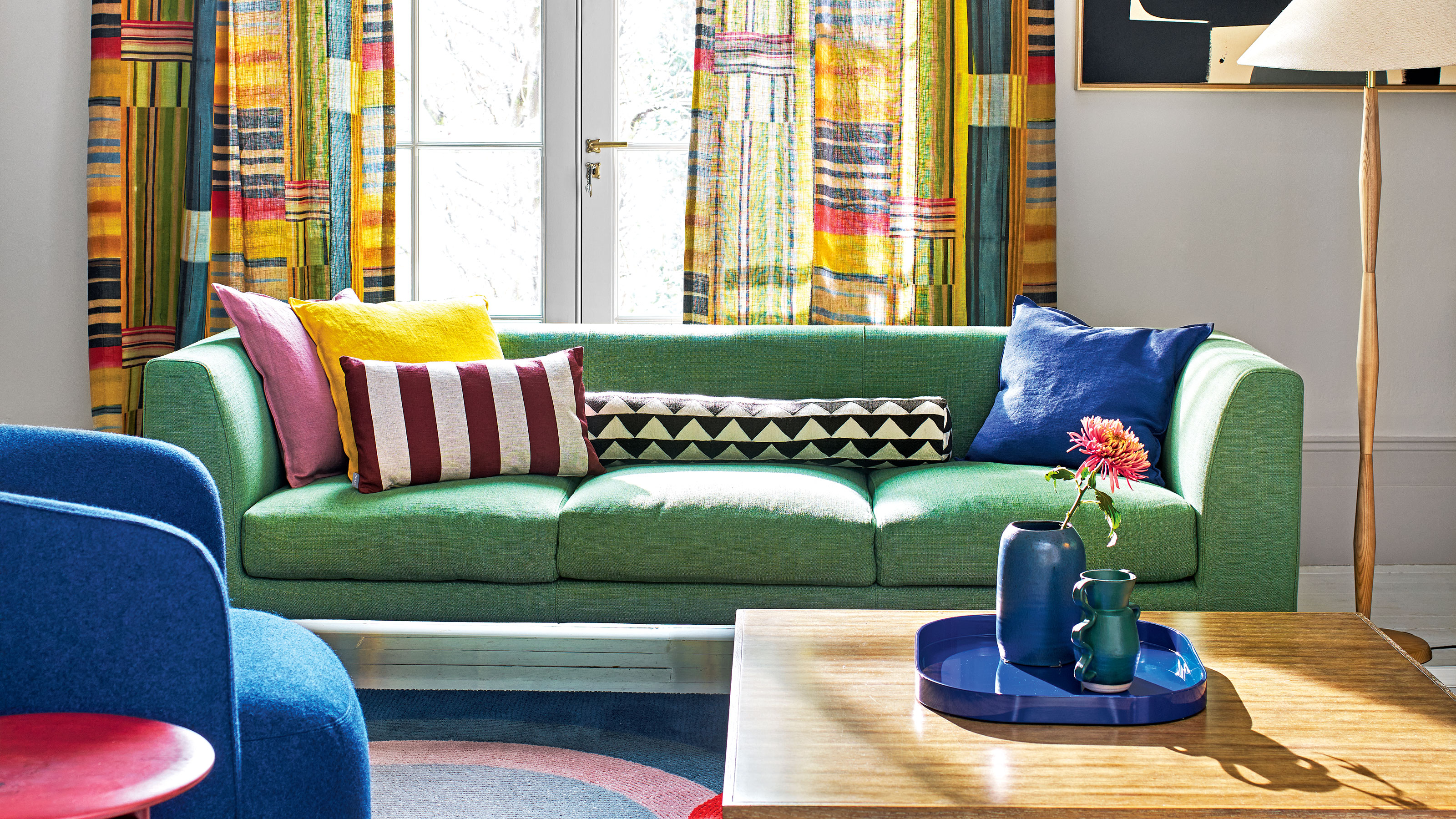
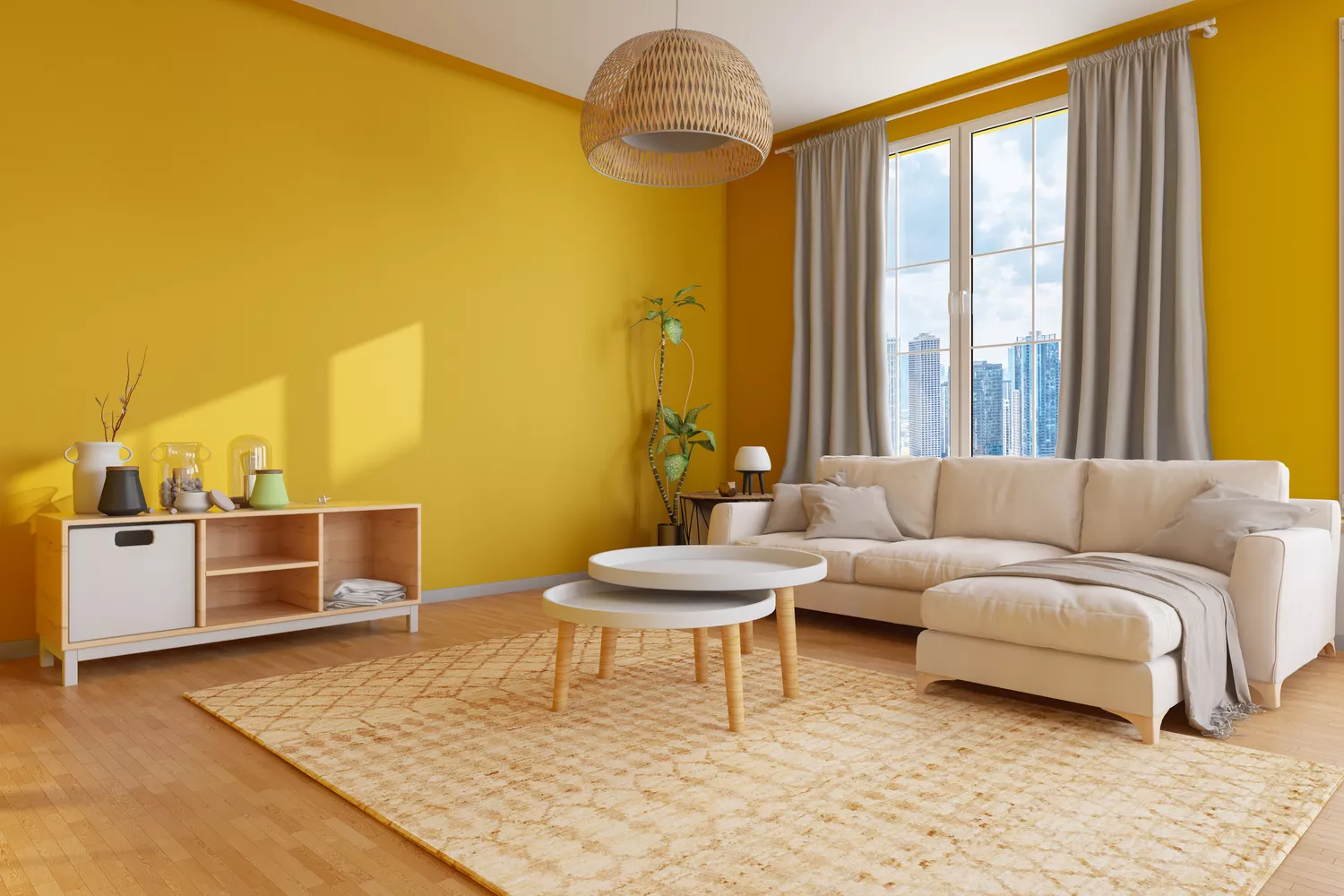
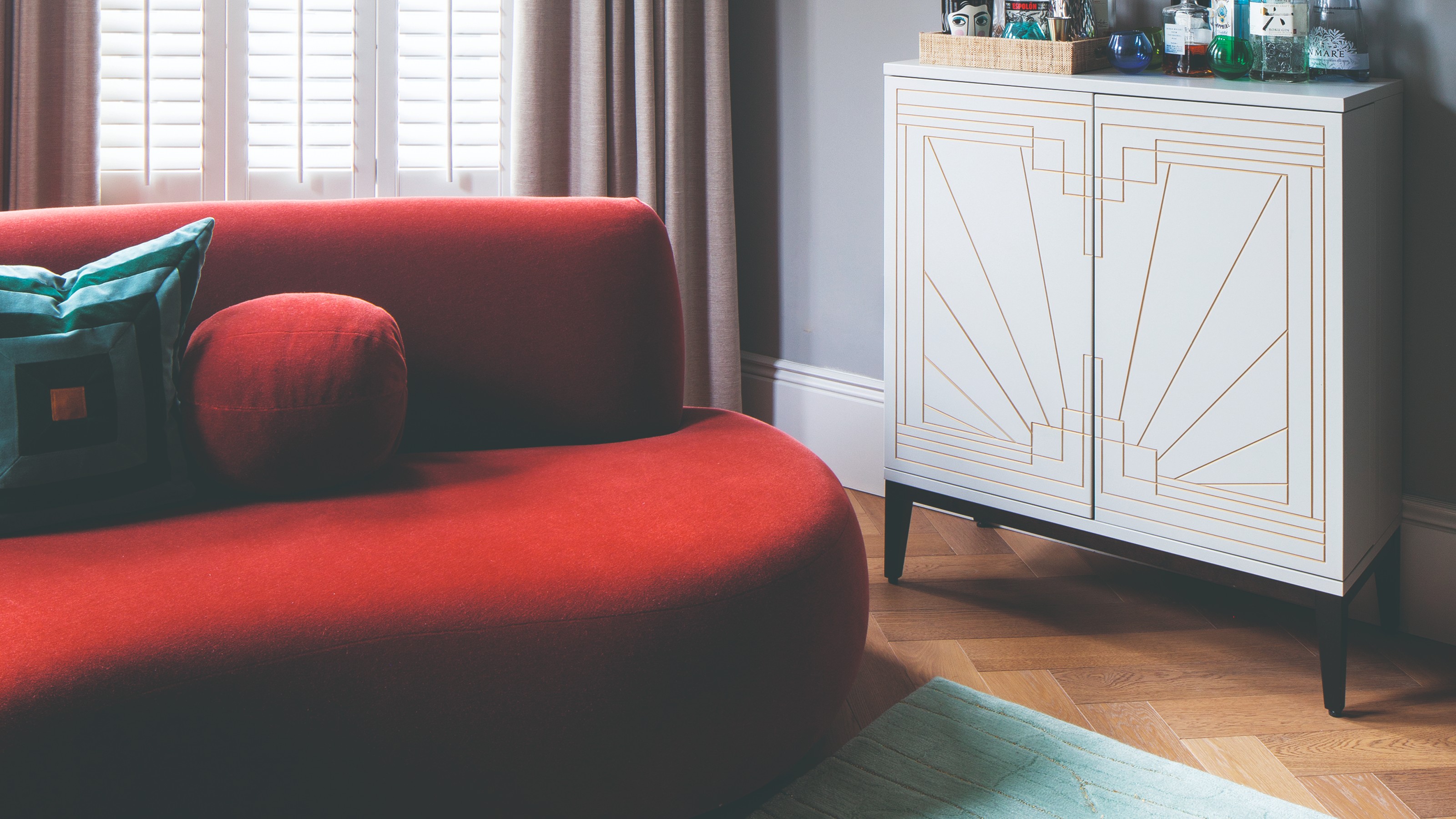
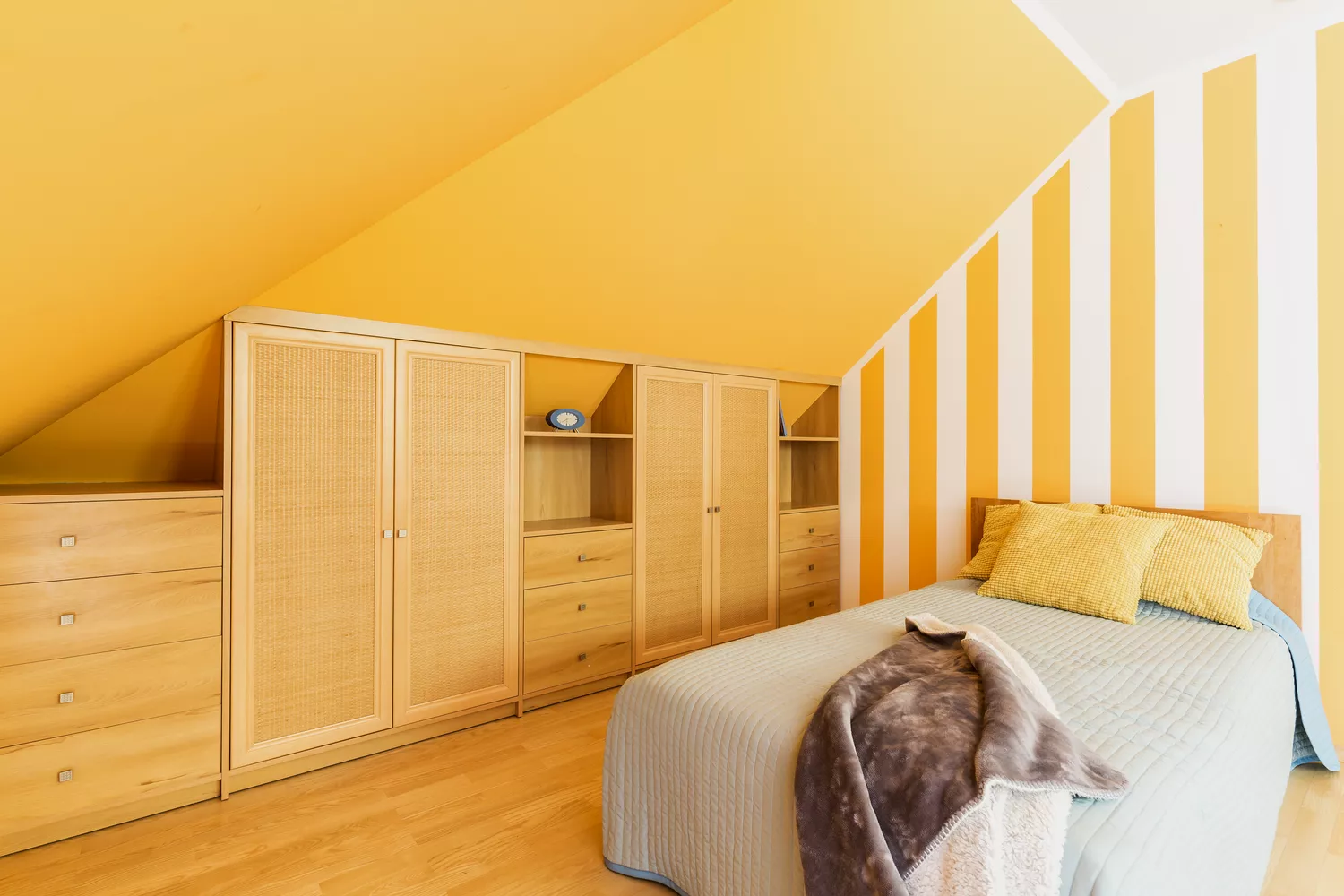
Bright and bold shades, such as mustard yellow, teal, or fuchsia, are also identified as colors to approach with care. While these can be fashionable, they often align with fleeting sofa trends and can quickly feel restrictive if personal tastes change or if one enjoys frequently updating their decor. The vibrant nature of these colors can be overwhelming when used on large furniture pieces like sofas, making them less suitable for long-term enjoyment and versatility in styling.
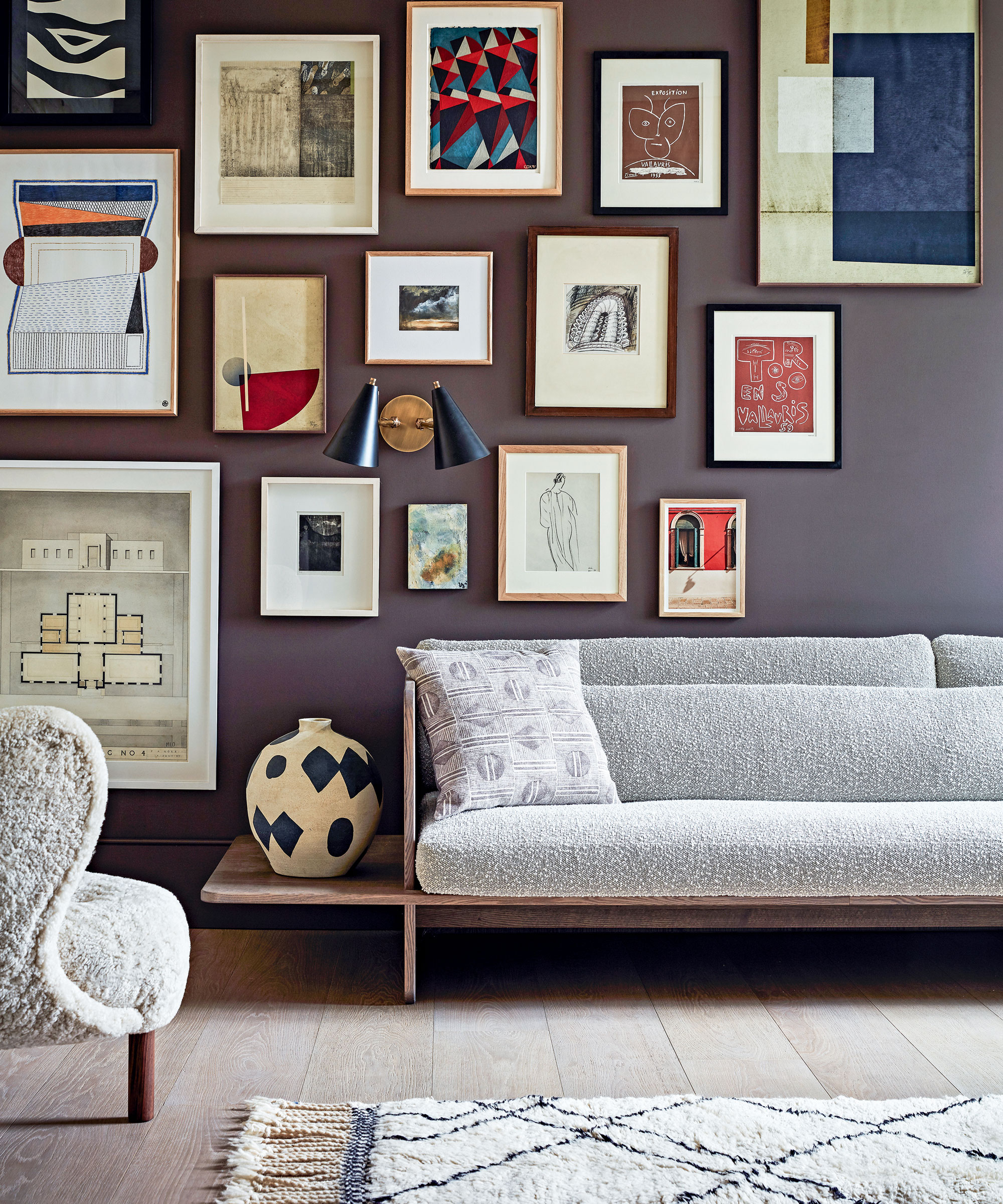
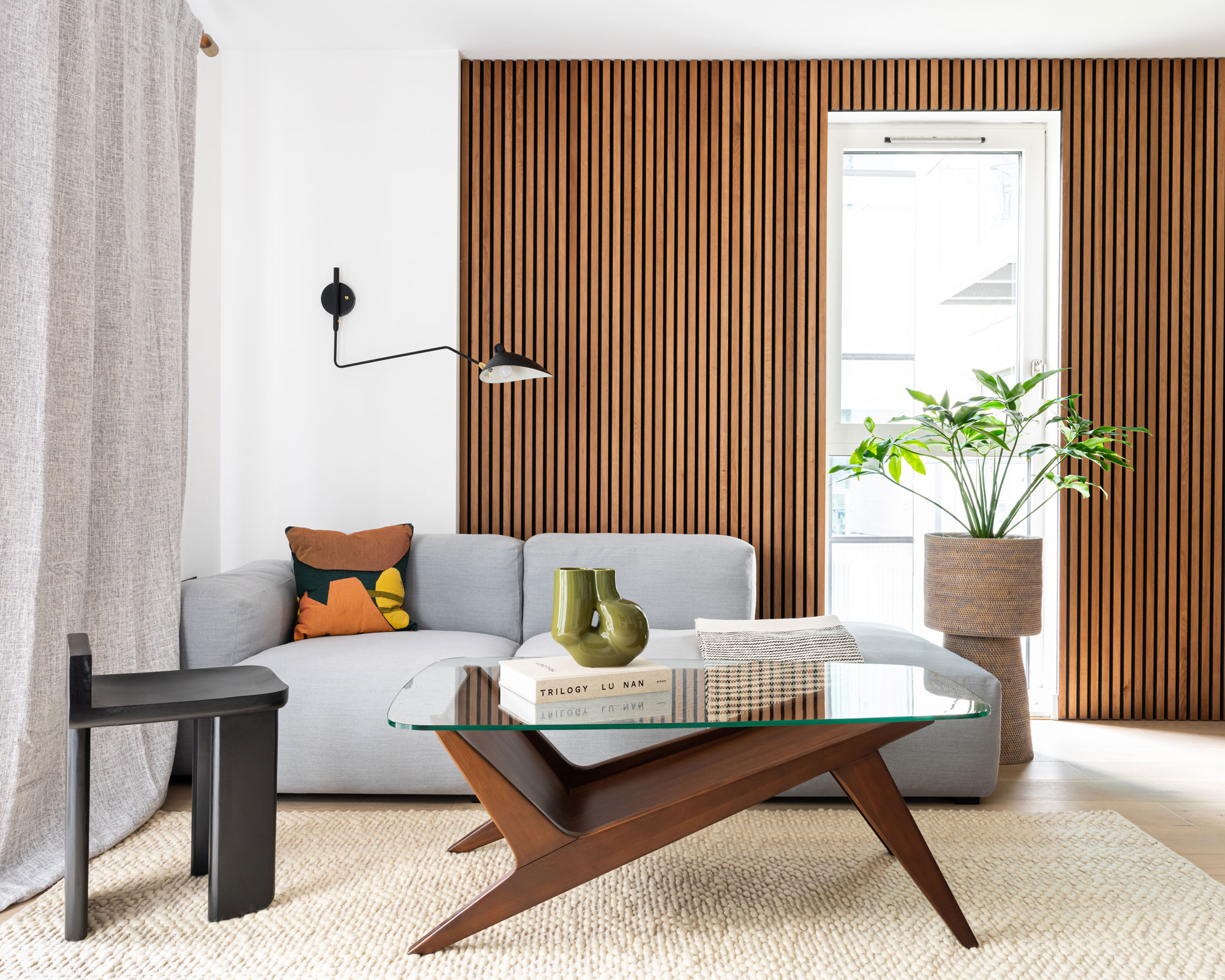
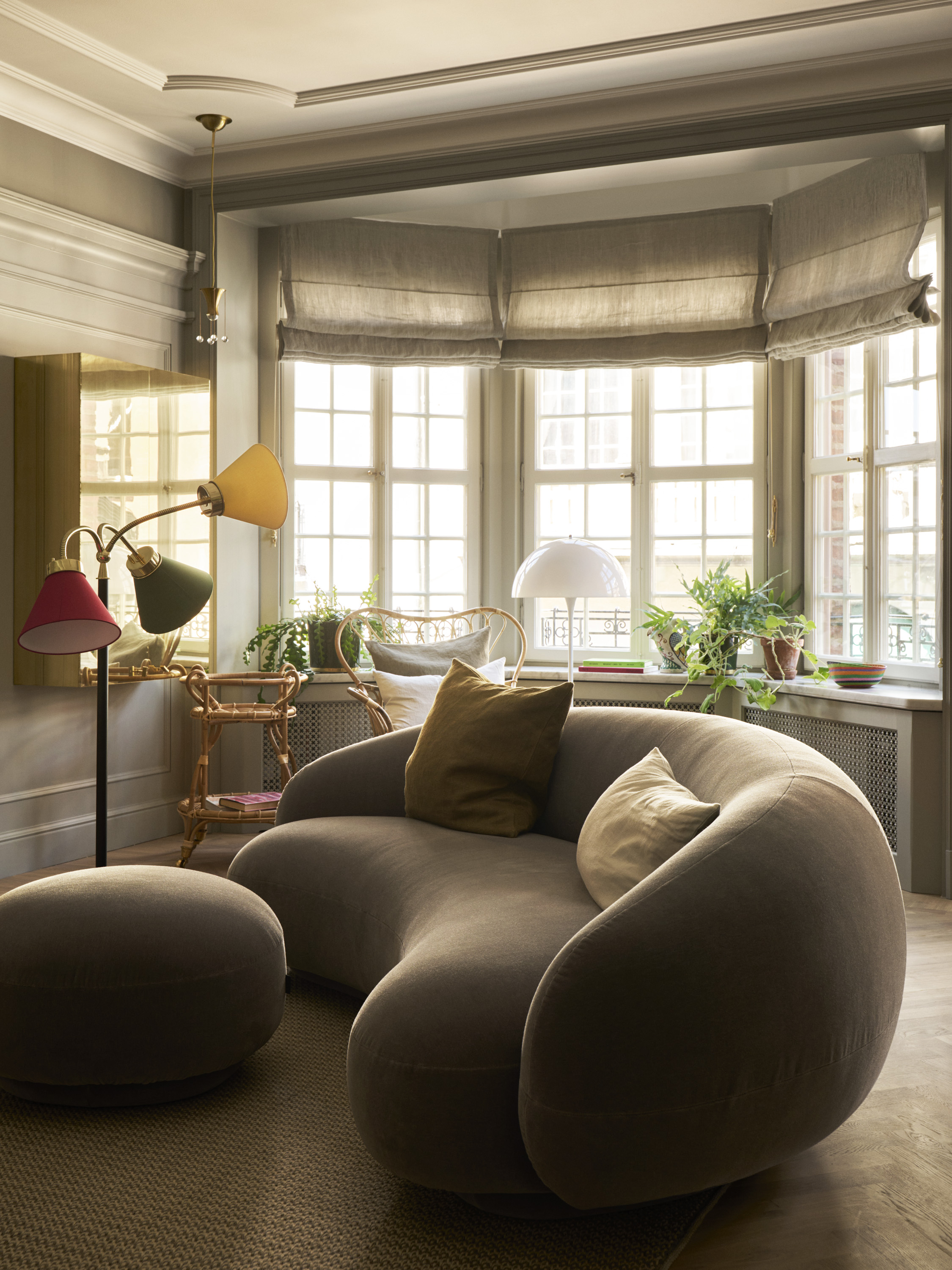
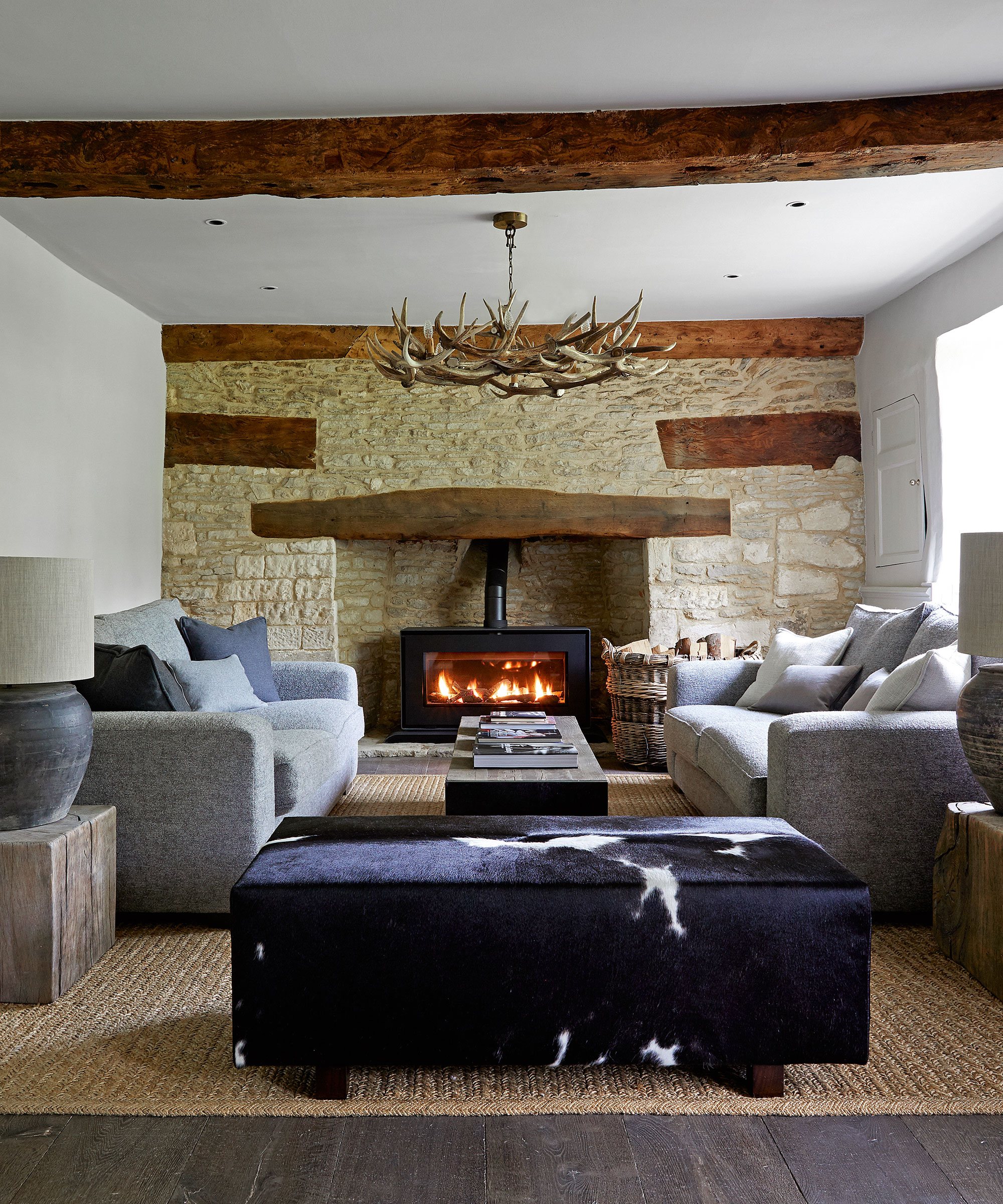
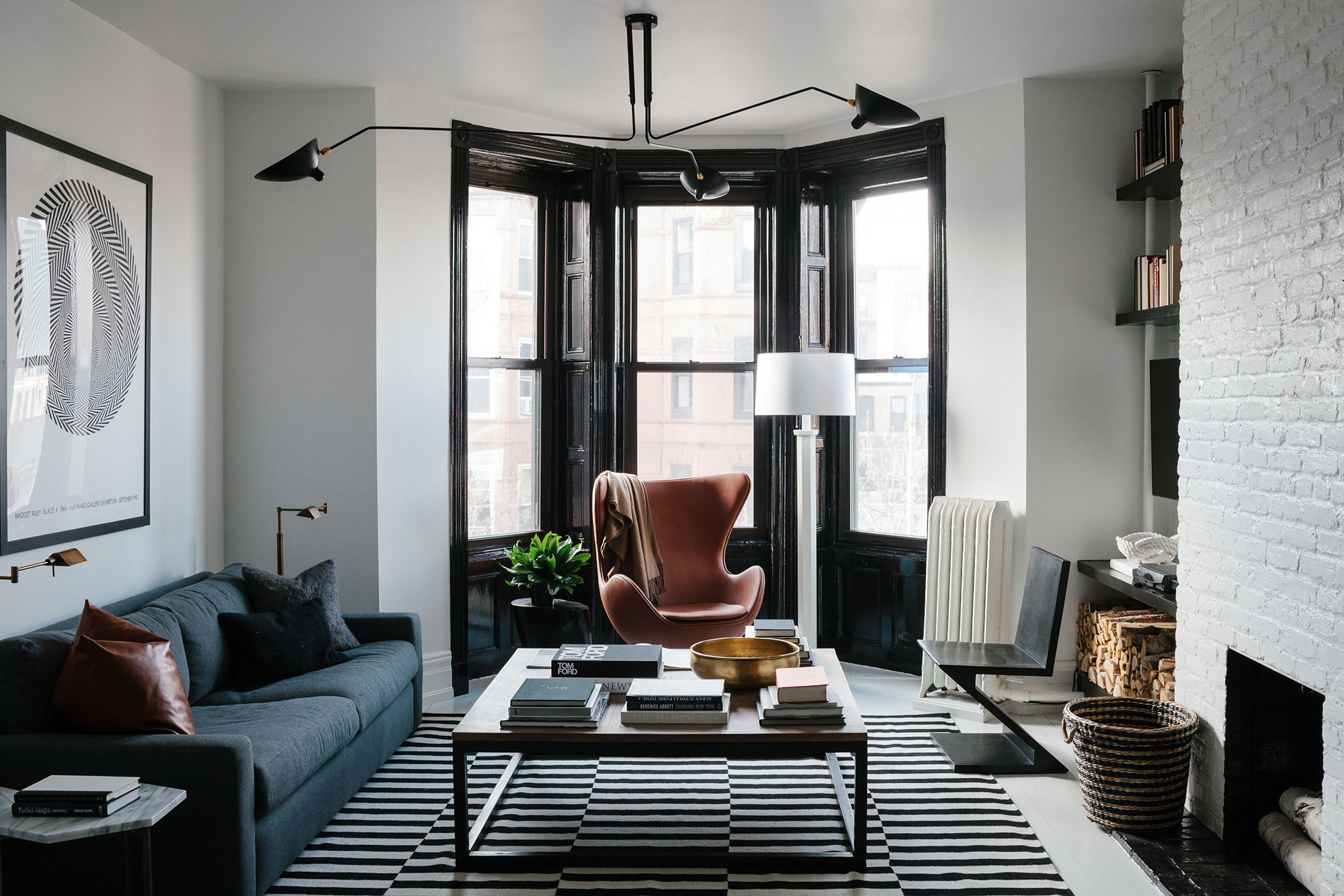
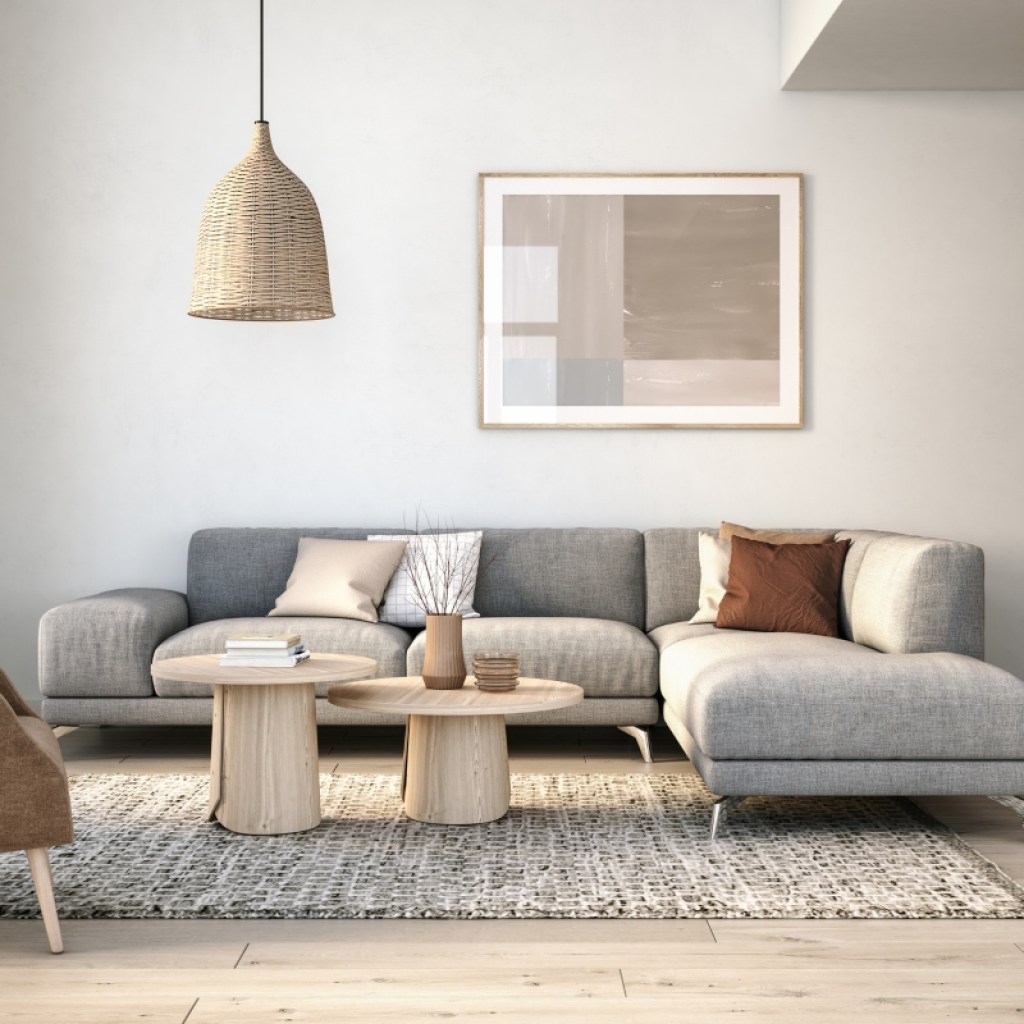
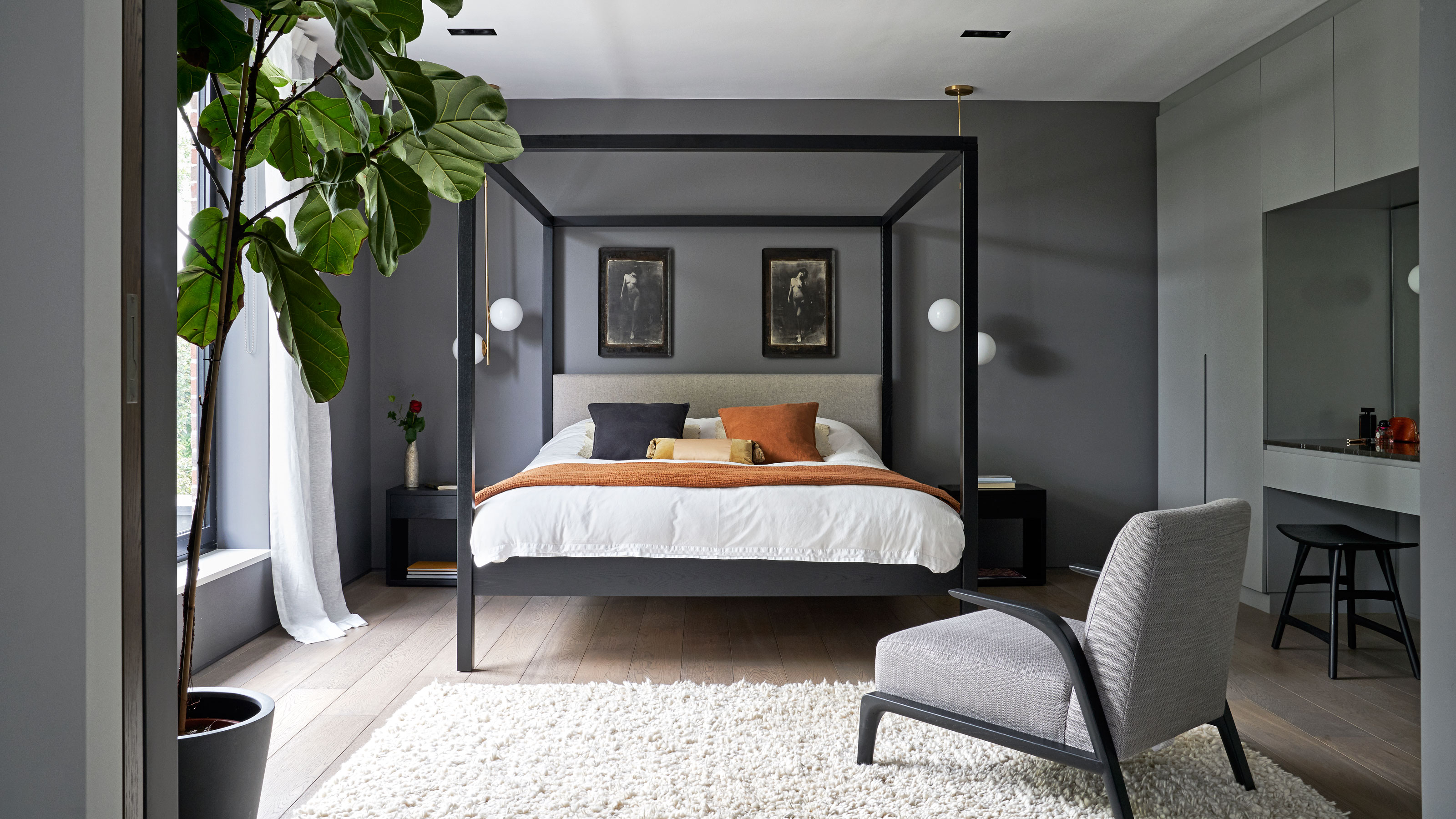
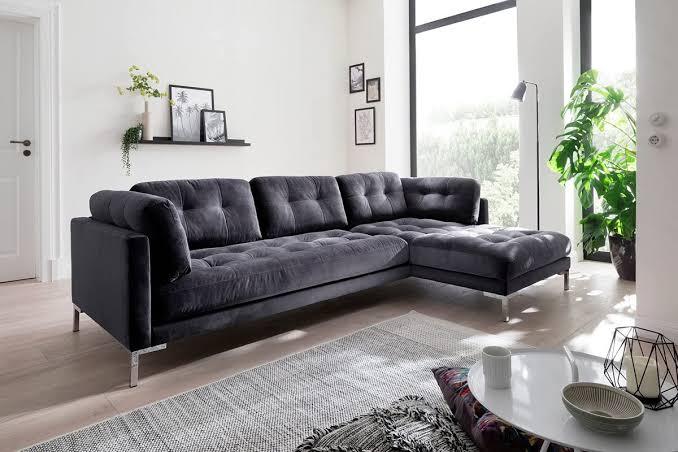
Grey, once a highly popular choice for its neutral and clean appearance, has seen a decline in favor within interior design. Many experts now consider grey to be cold, impersonal, and overly corporate. This shift suggests that darker greys, previously viewed as practical, no longer align with contemporary preferences for warmer and more inviting living spaces, indicating that this shade is moving out of vogue.
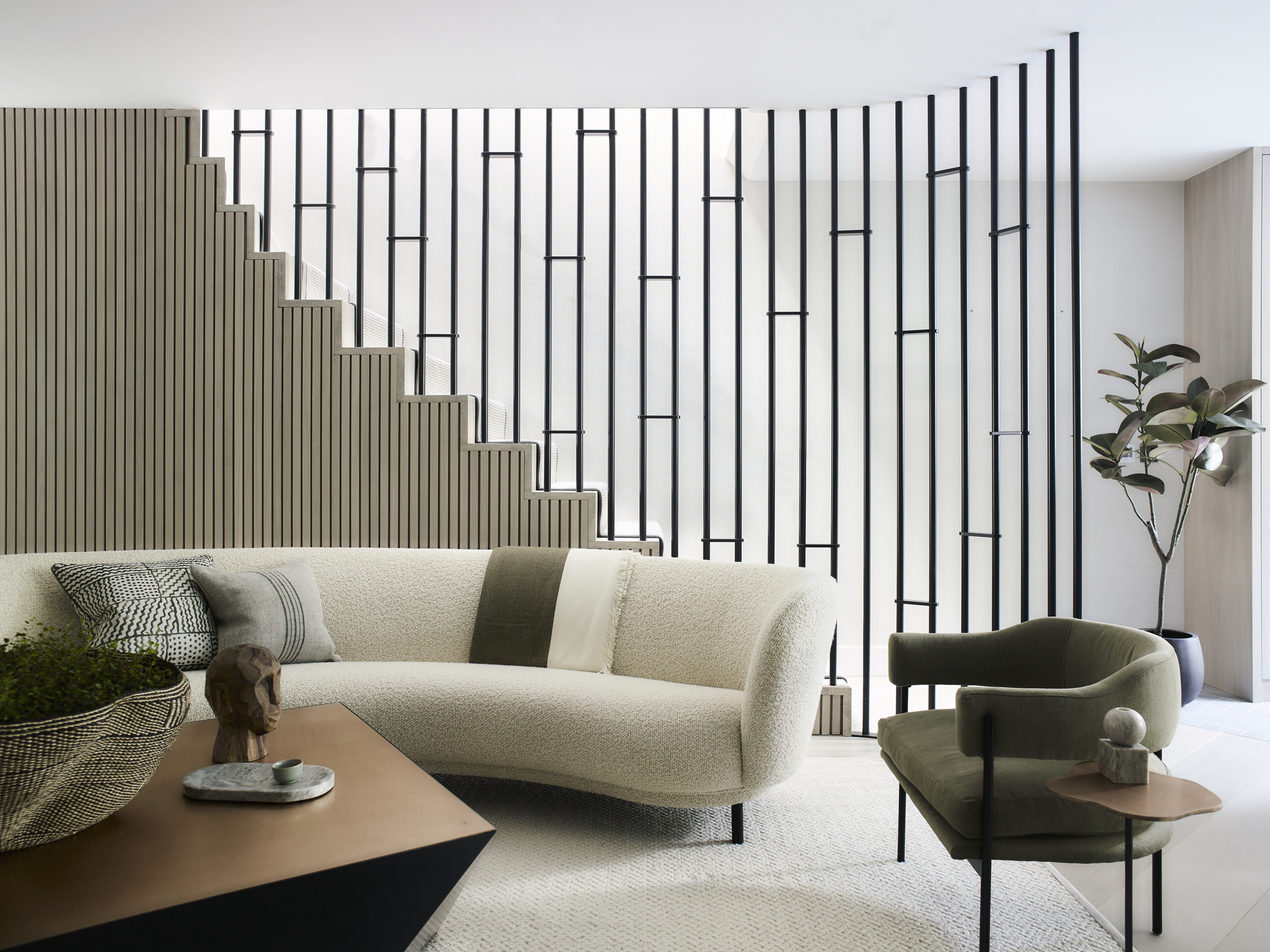
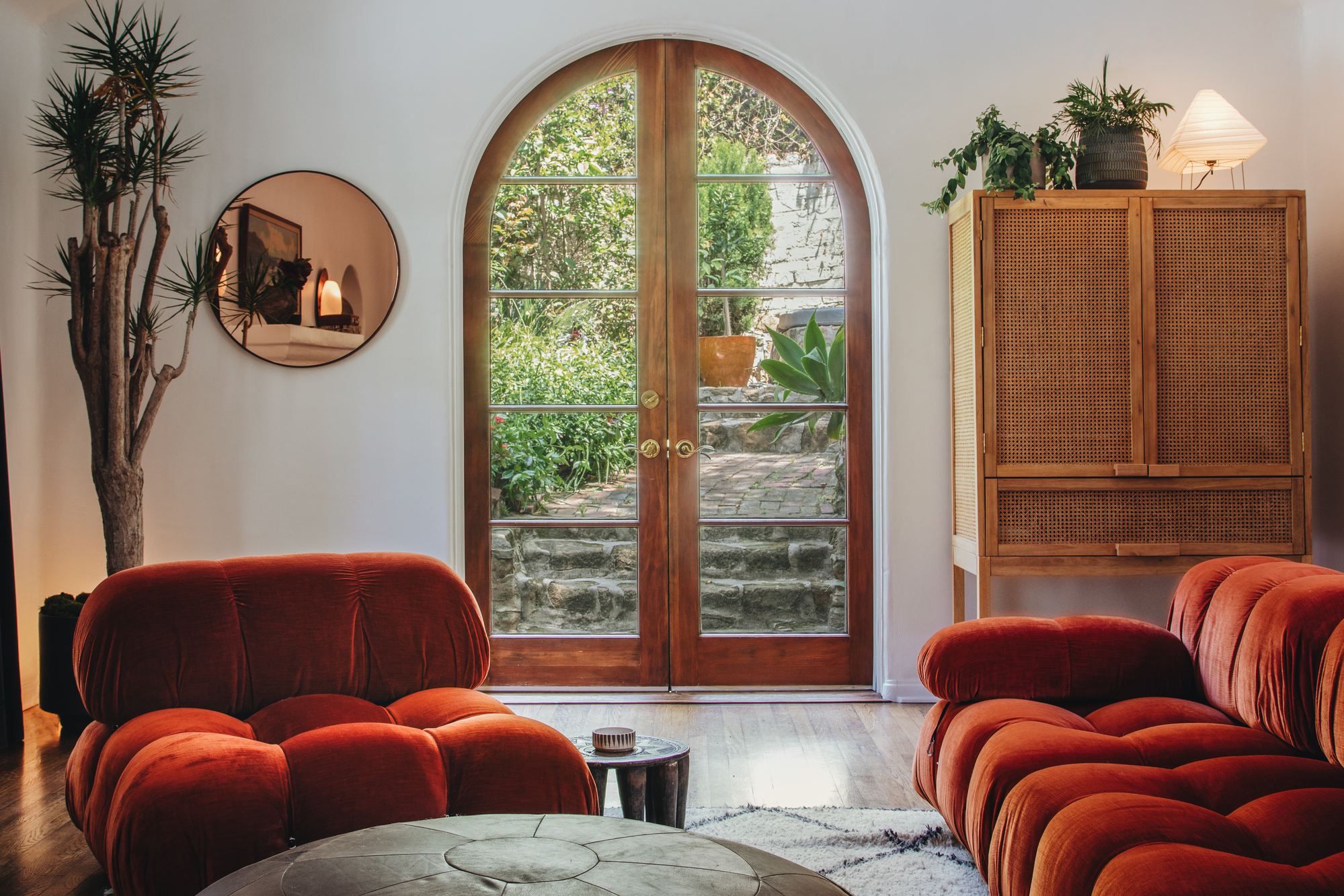
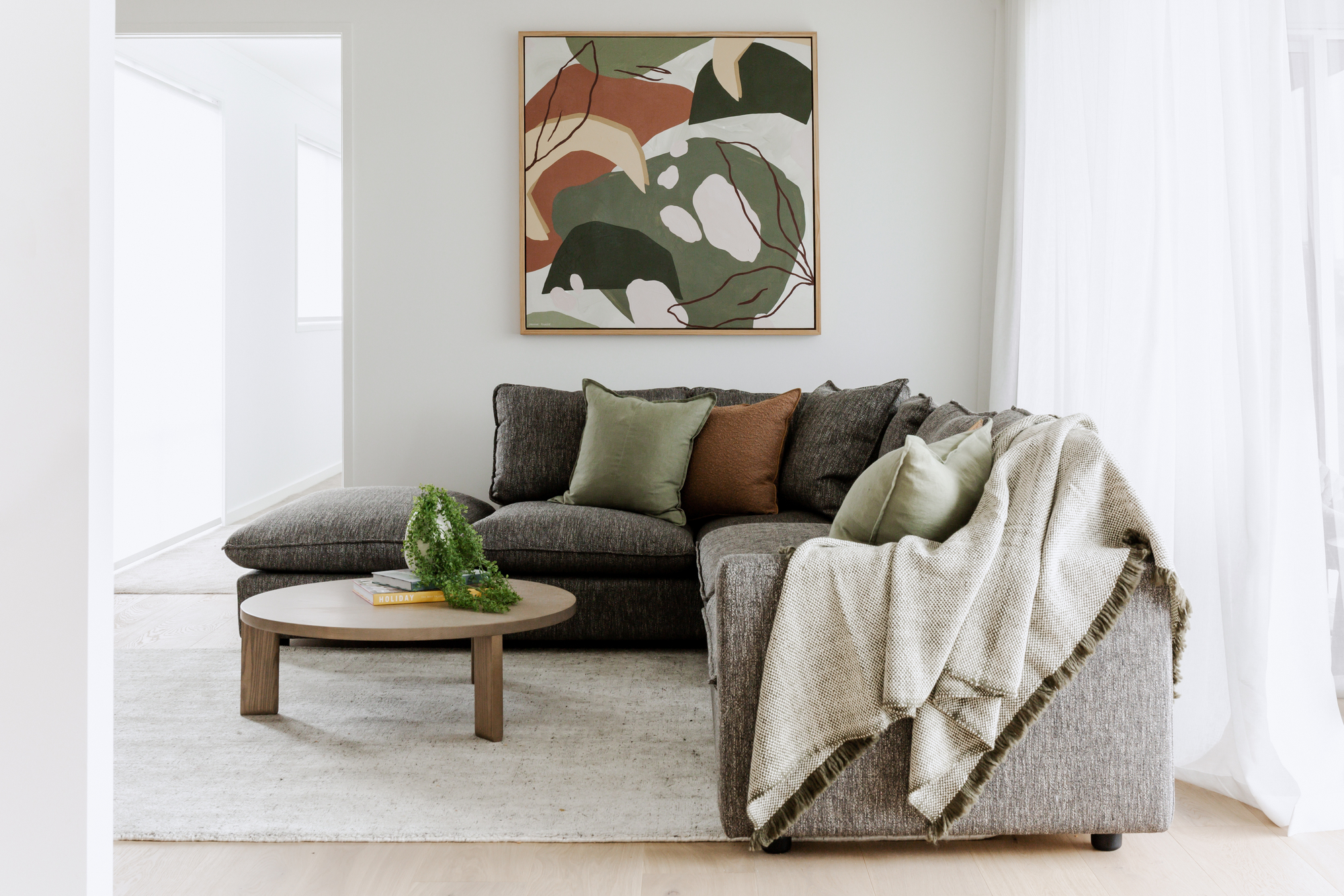
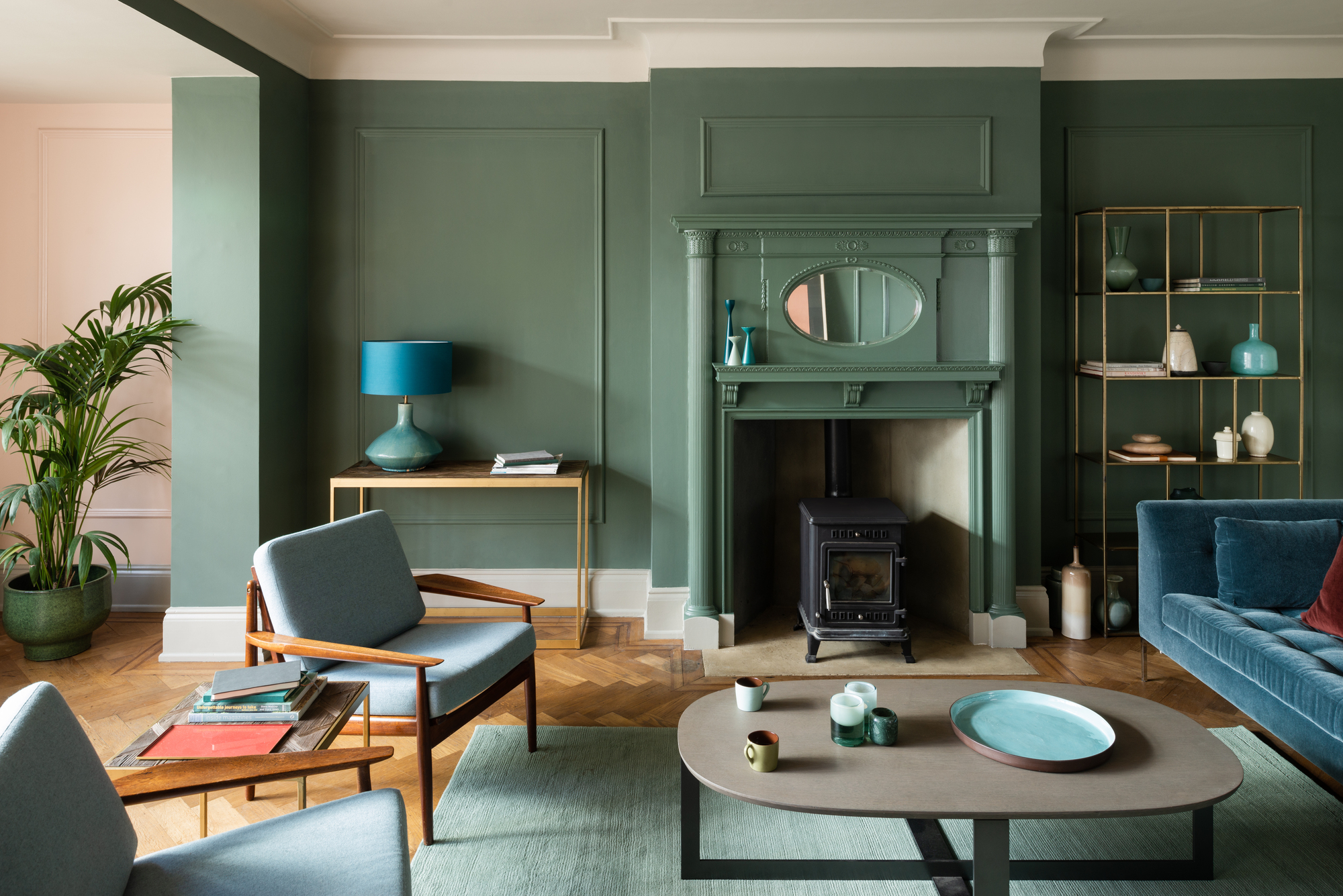
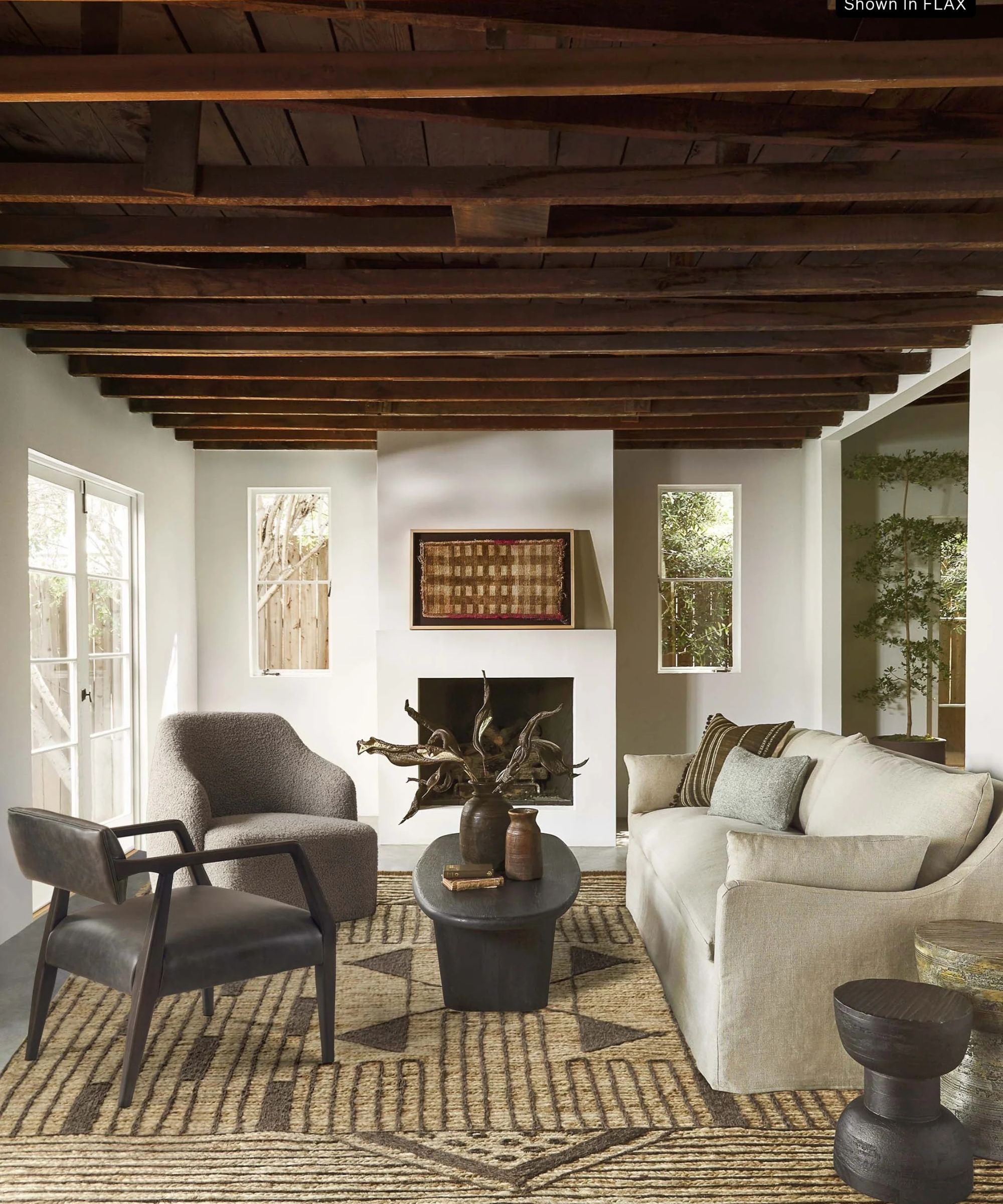
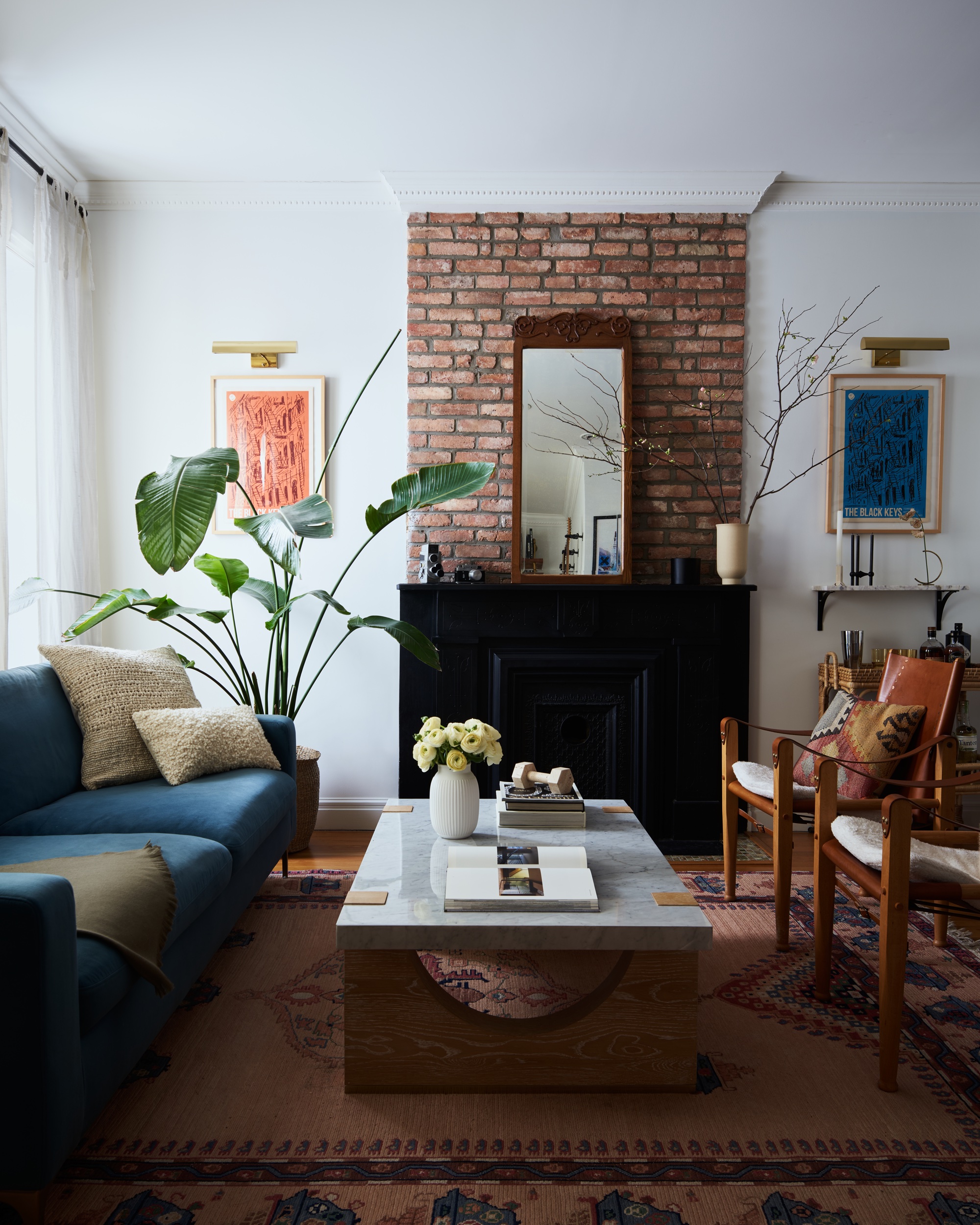
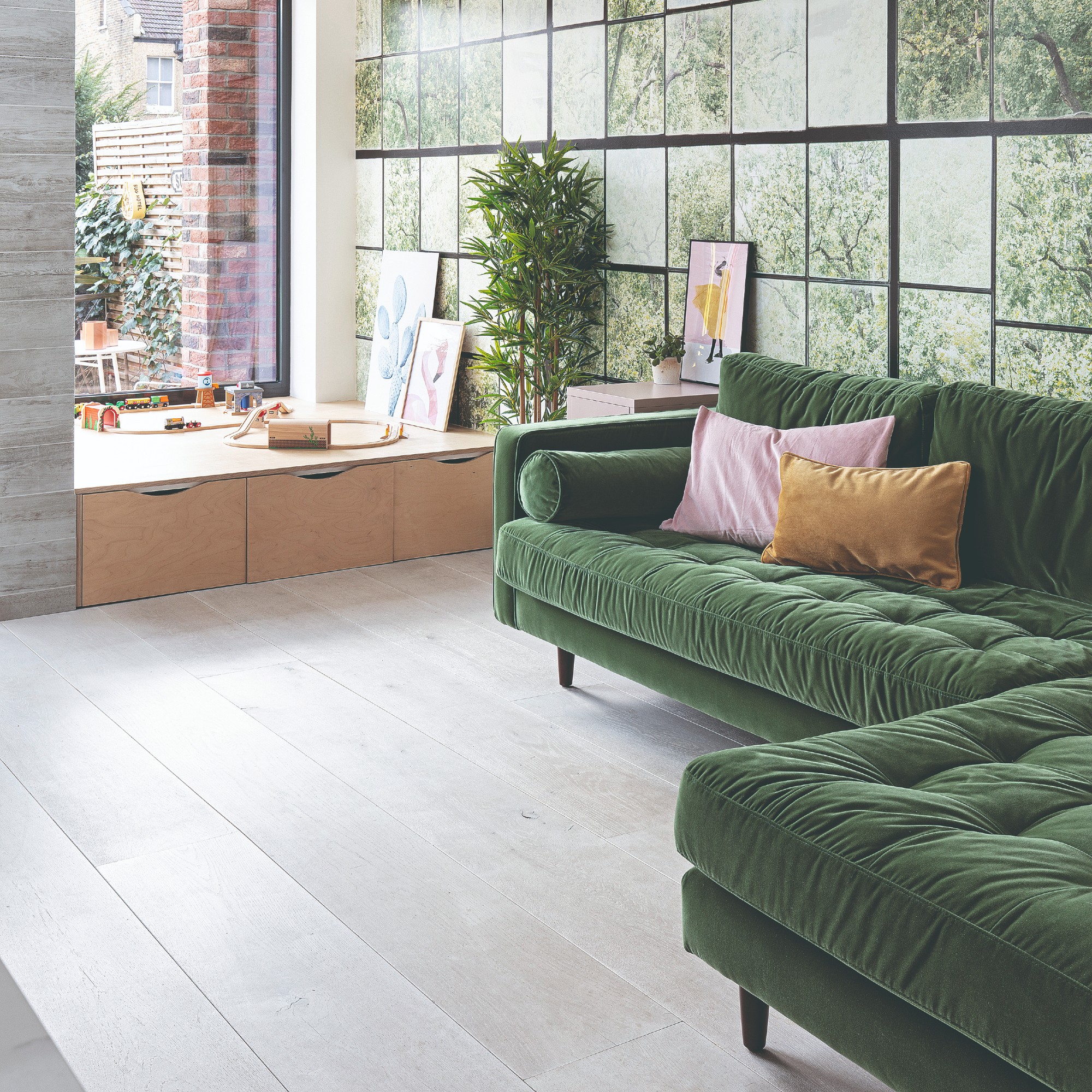
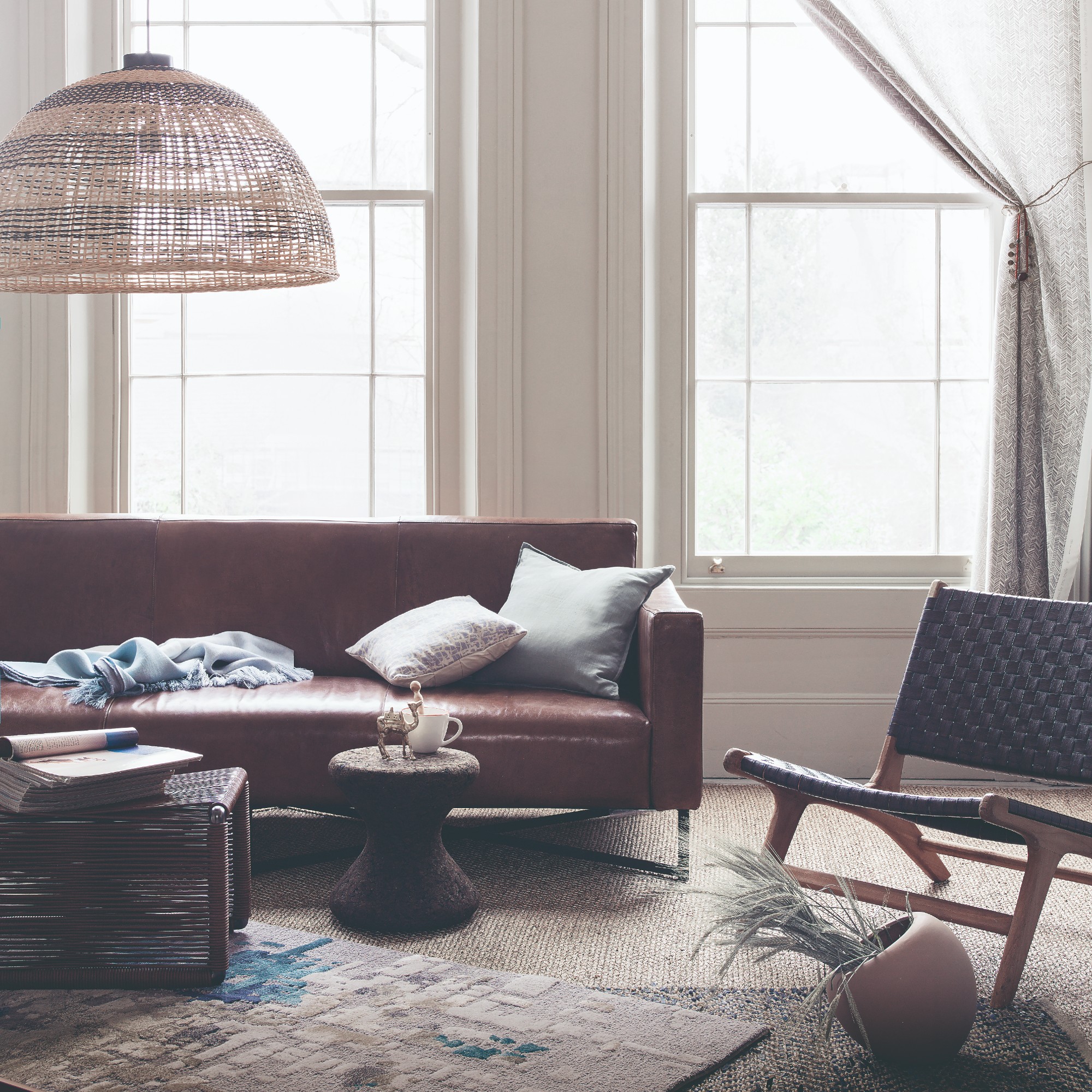
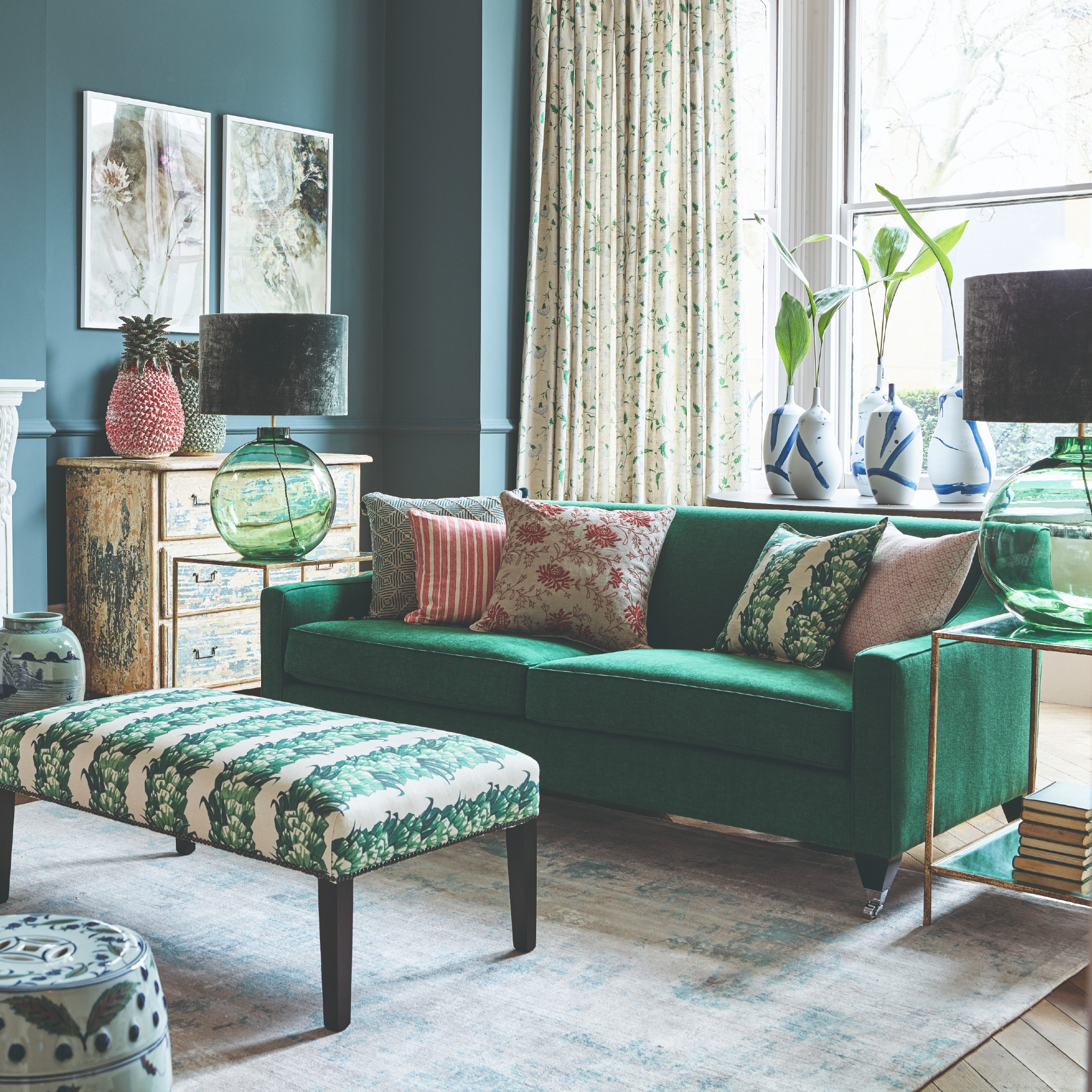
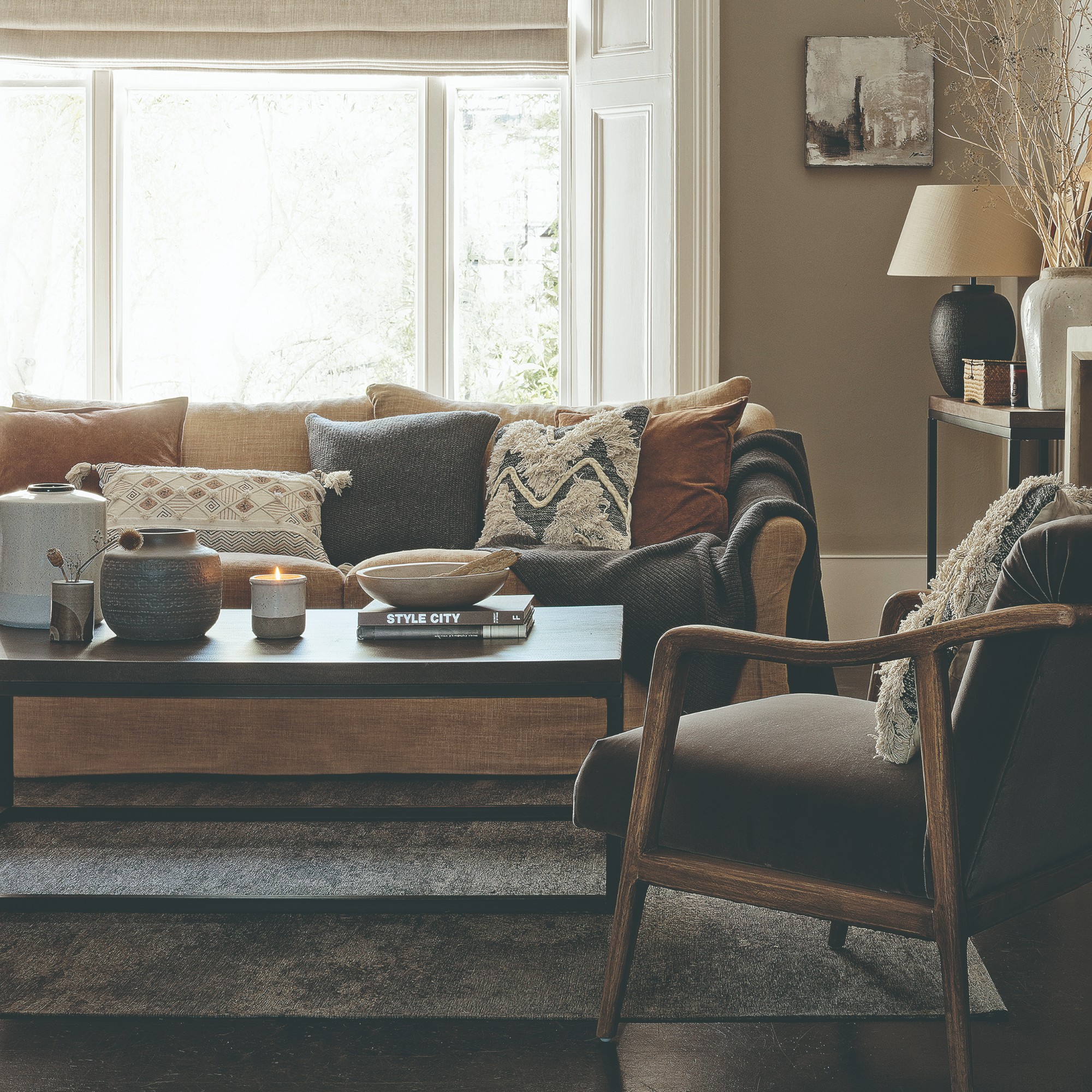
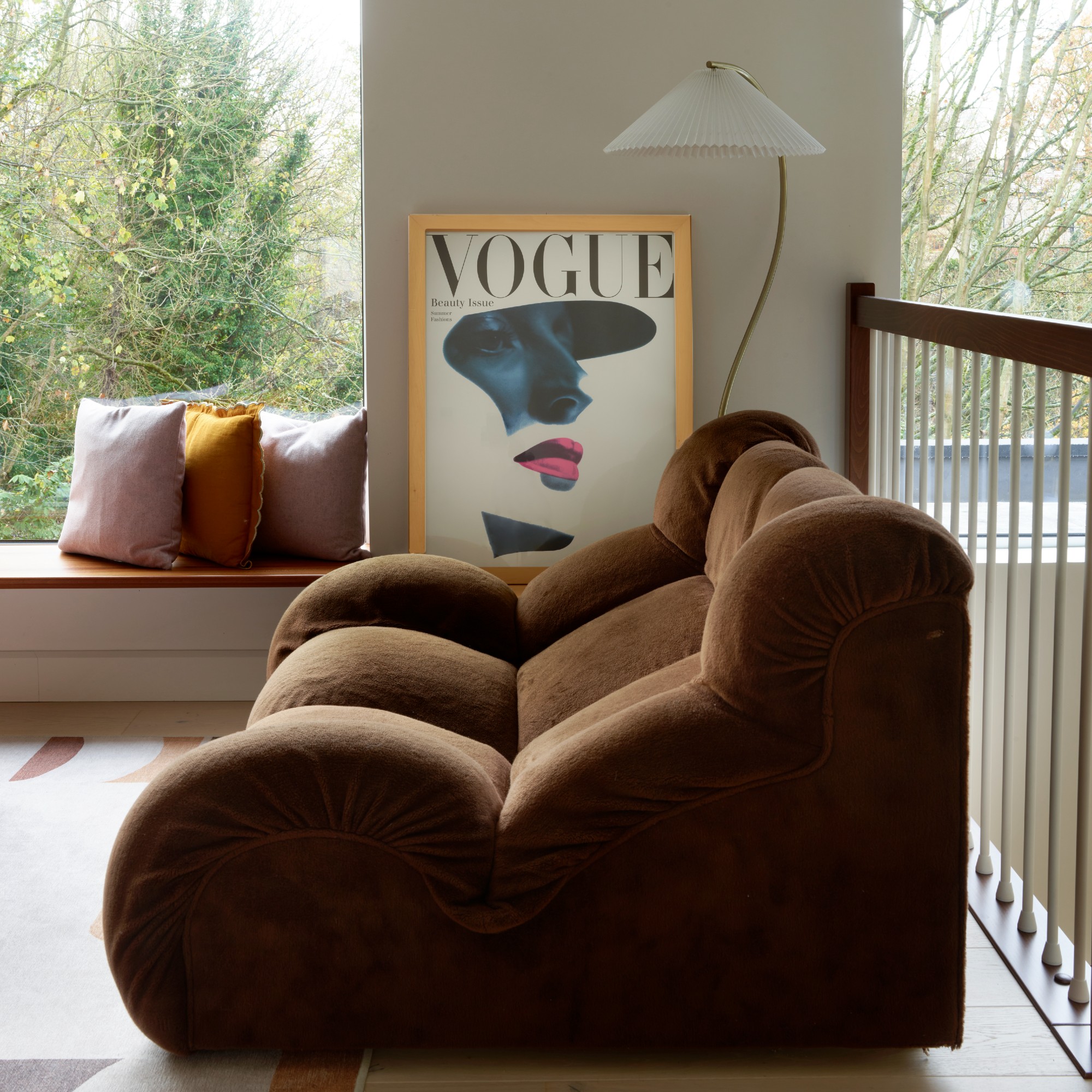
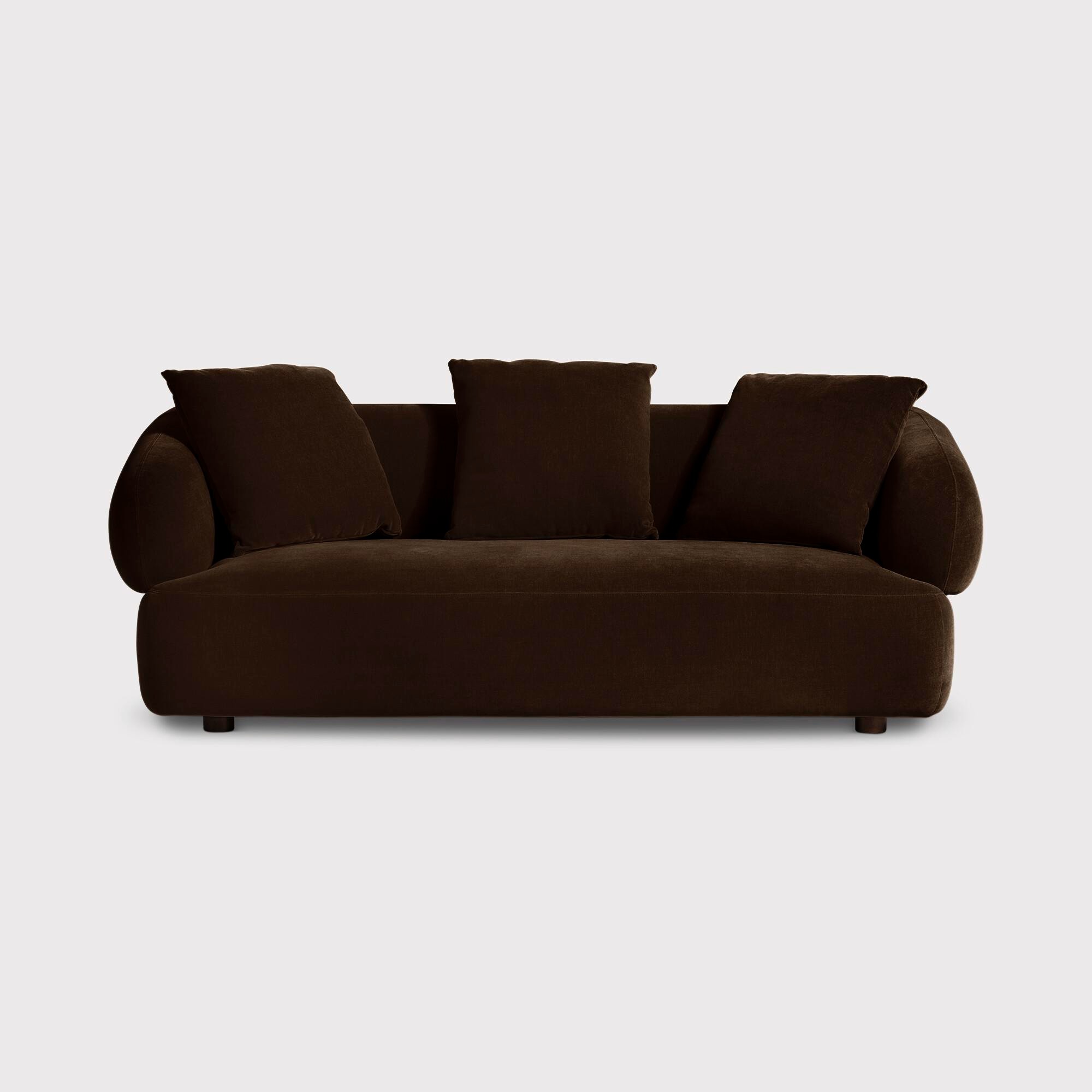
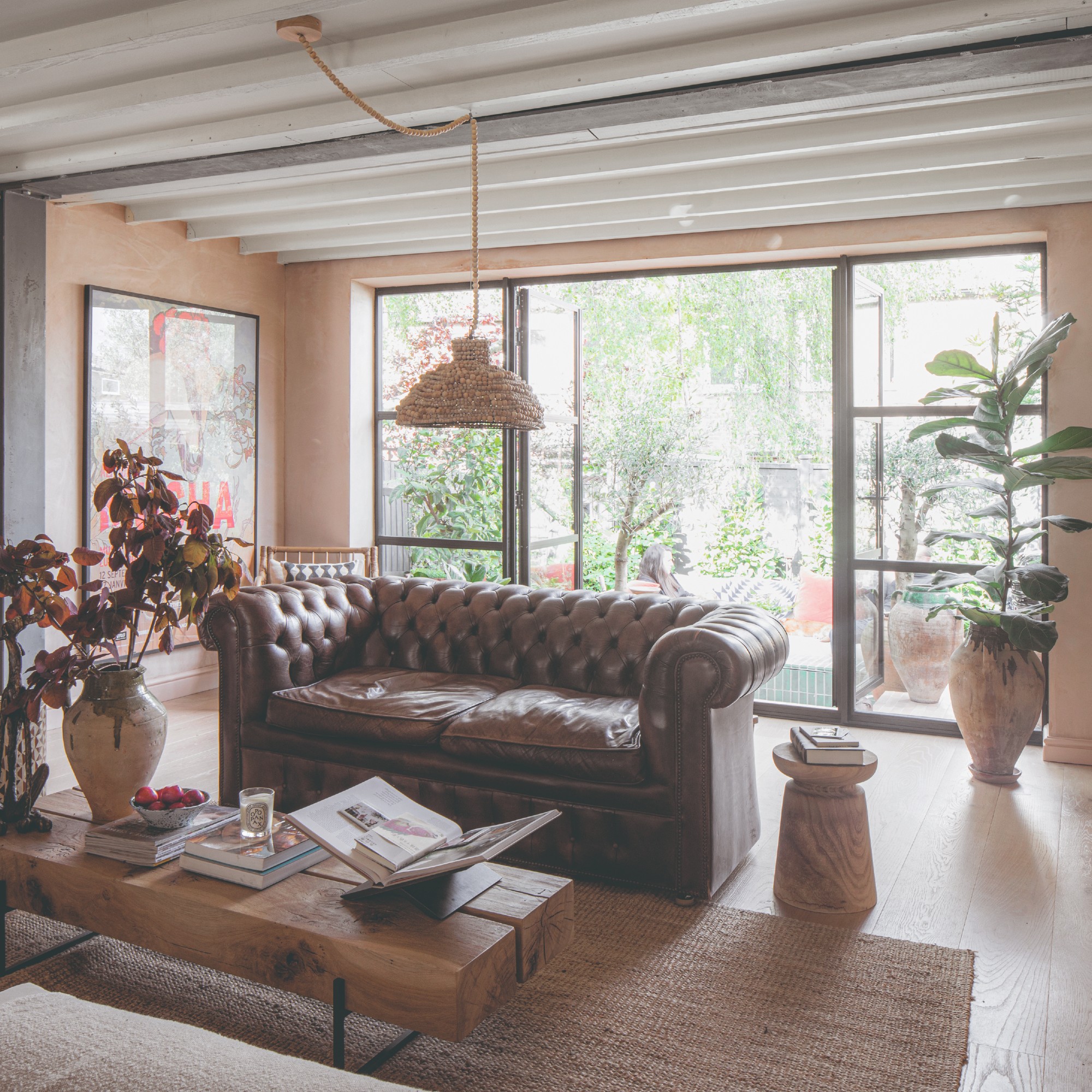
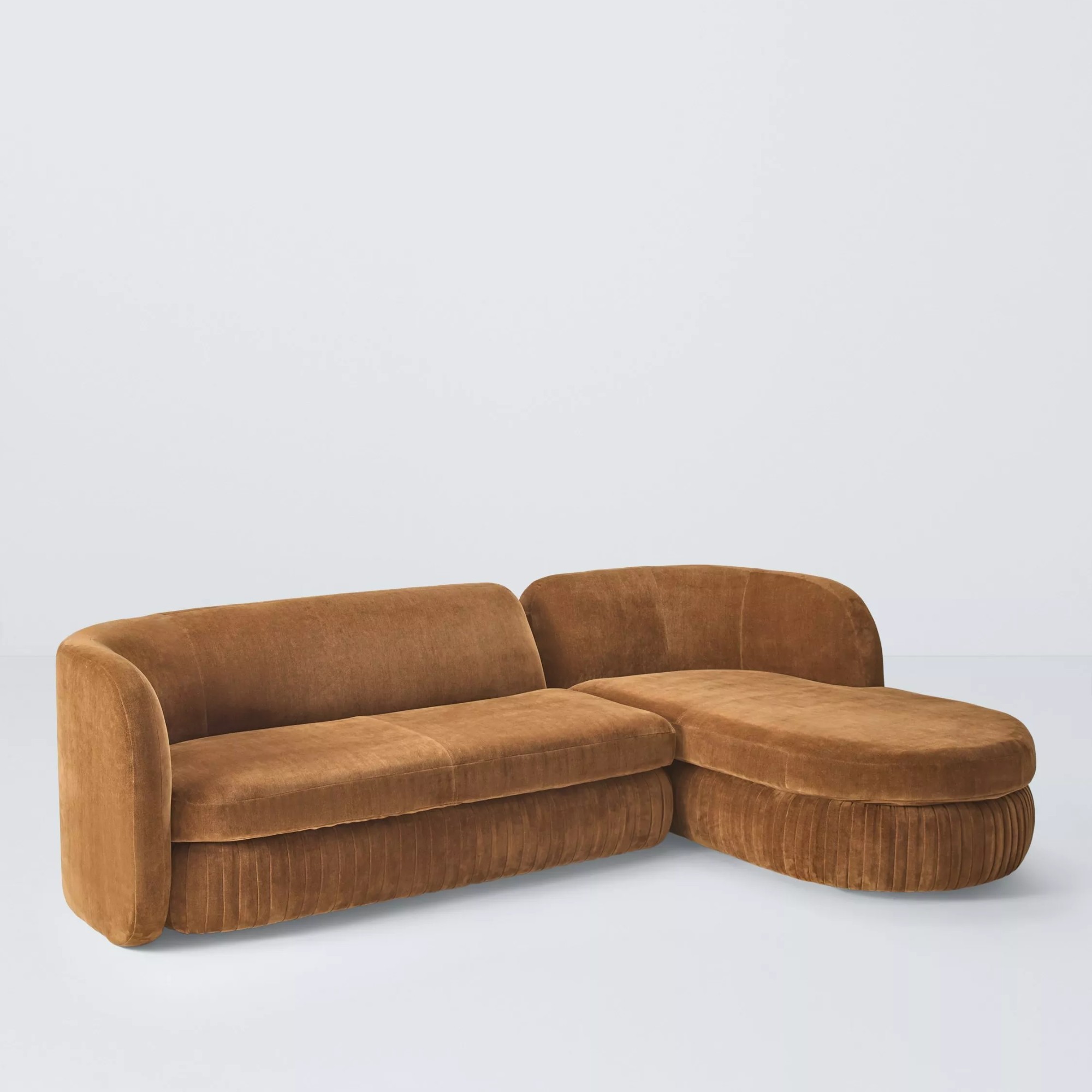
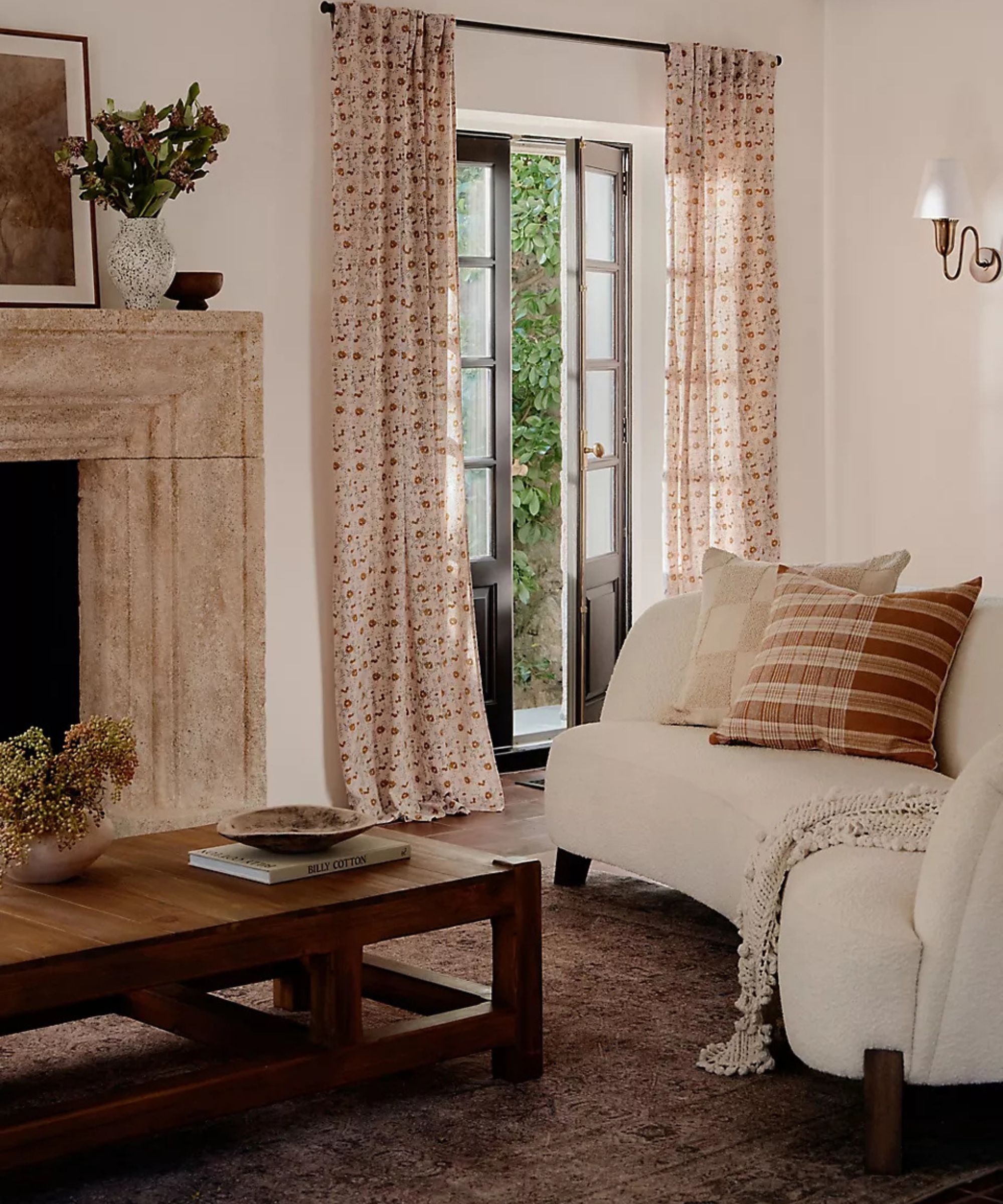
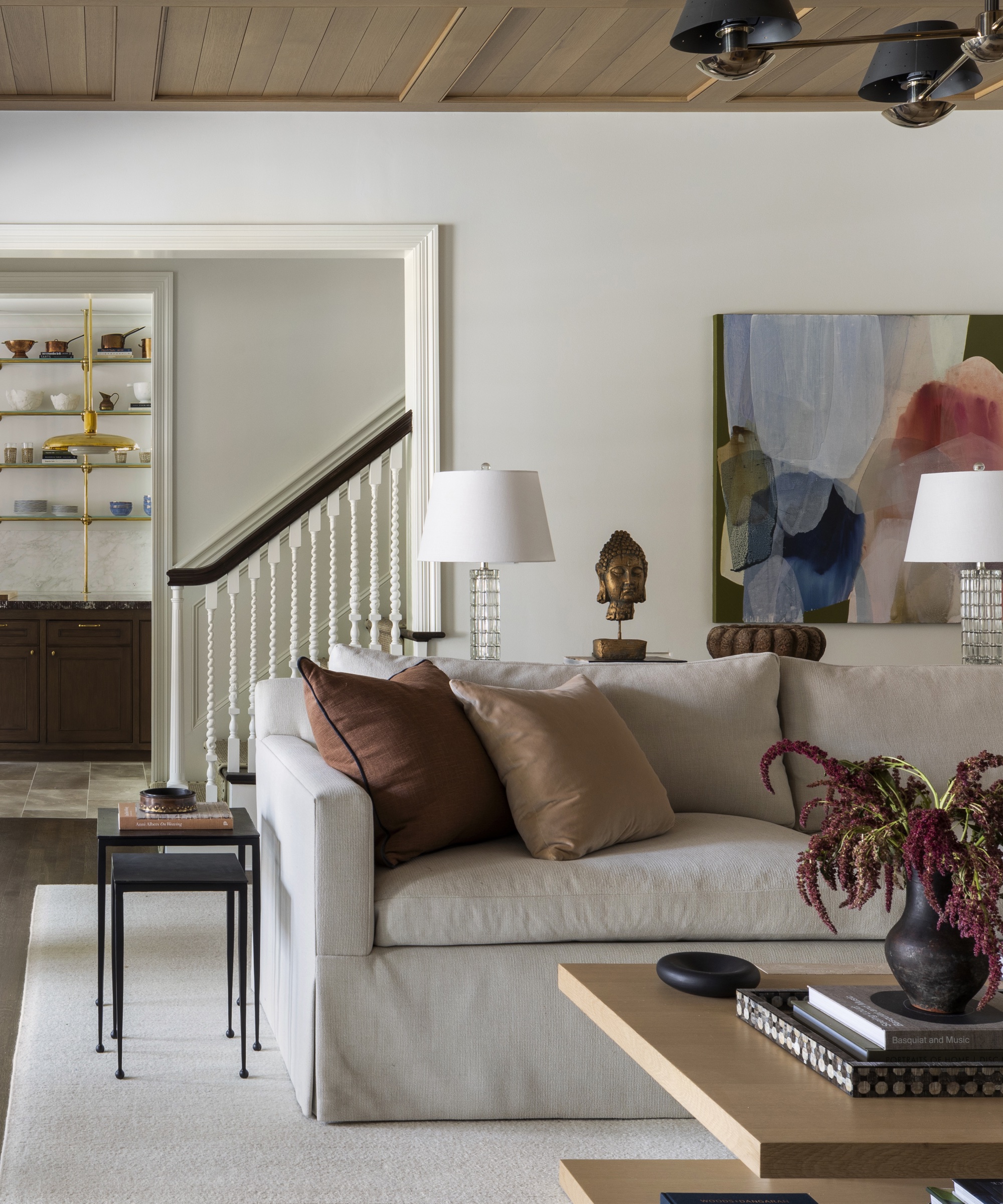
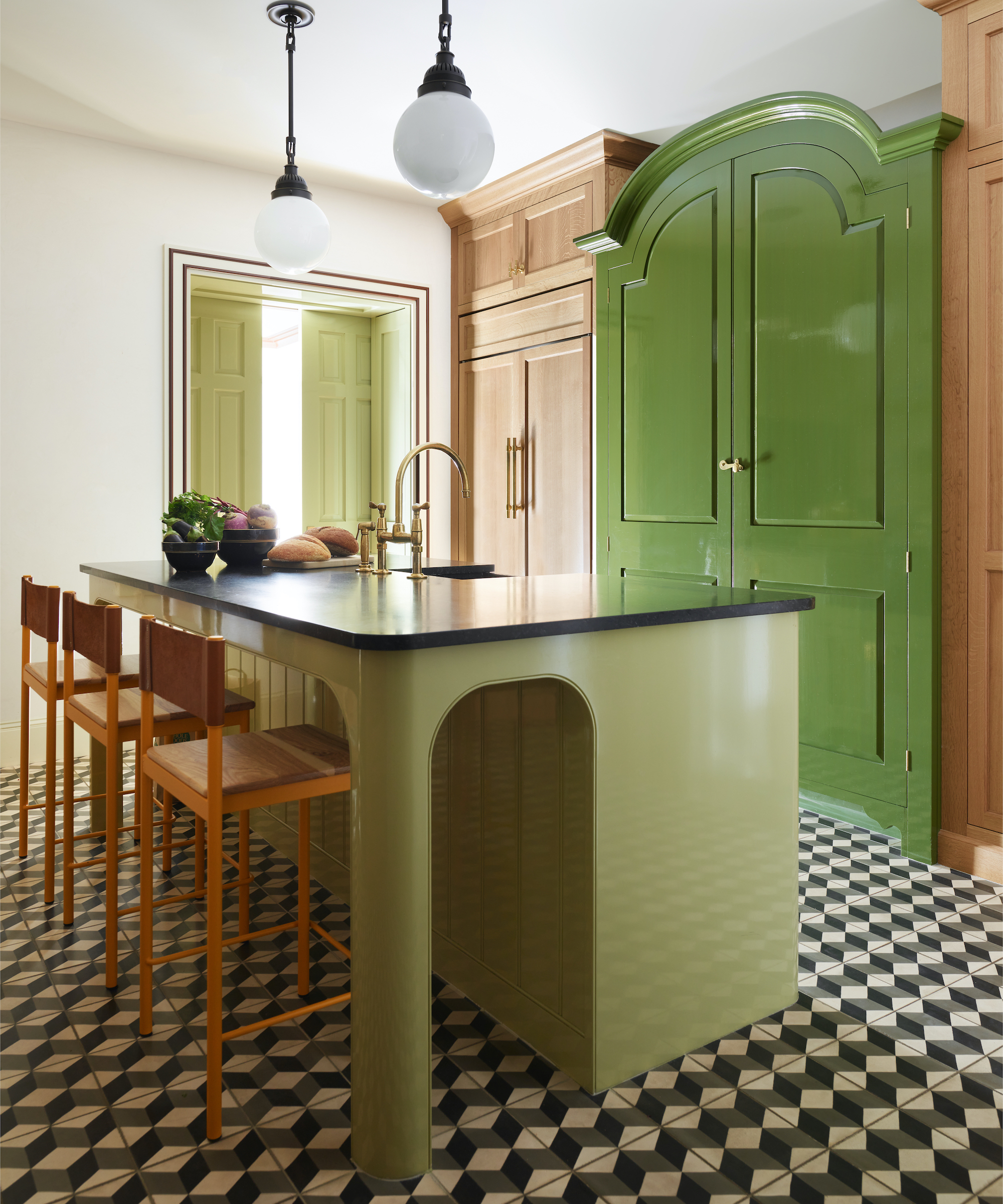
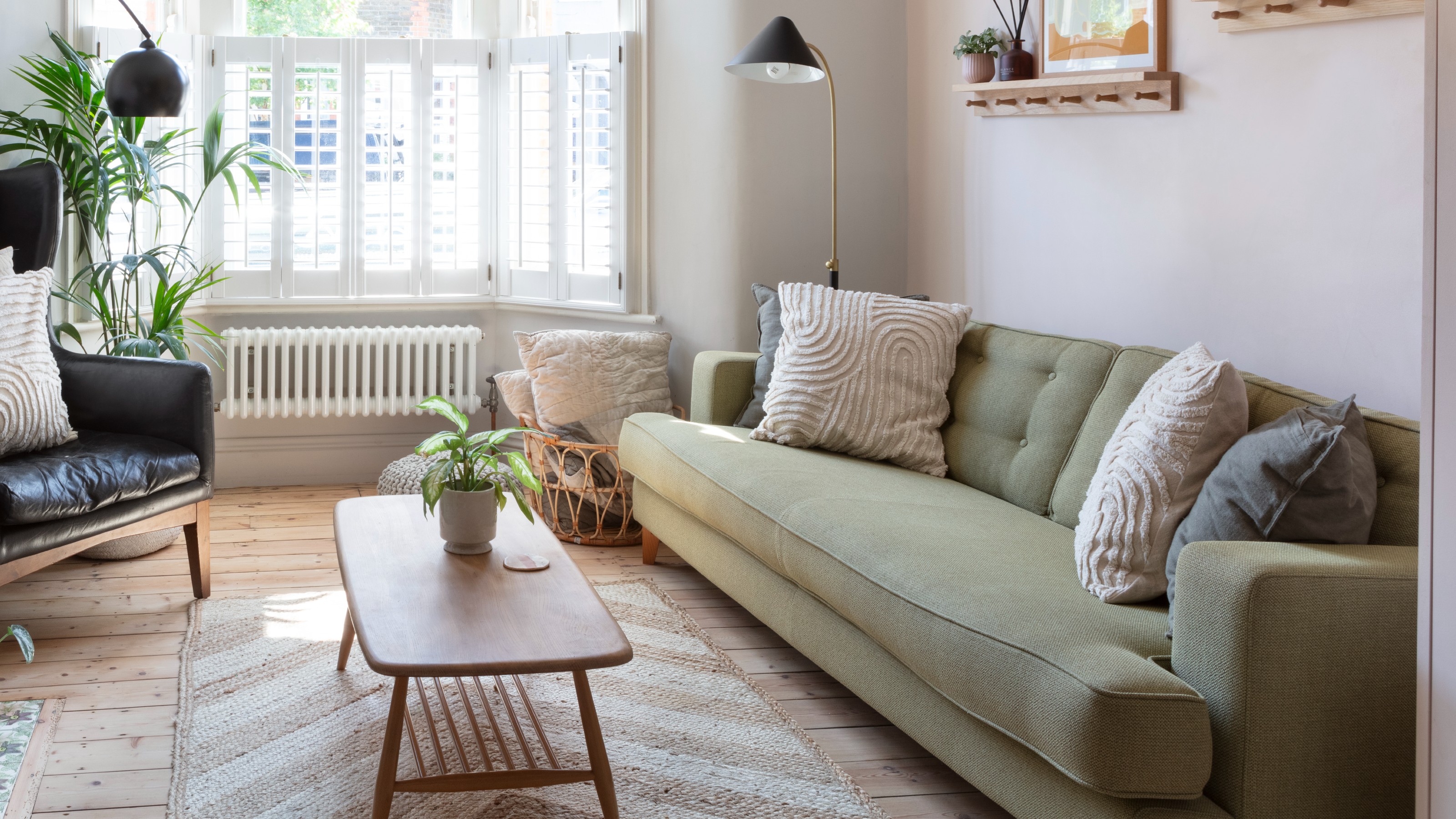
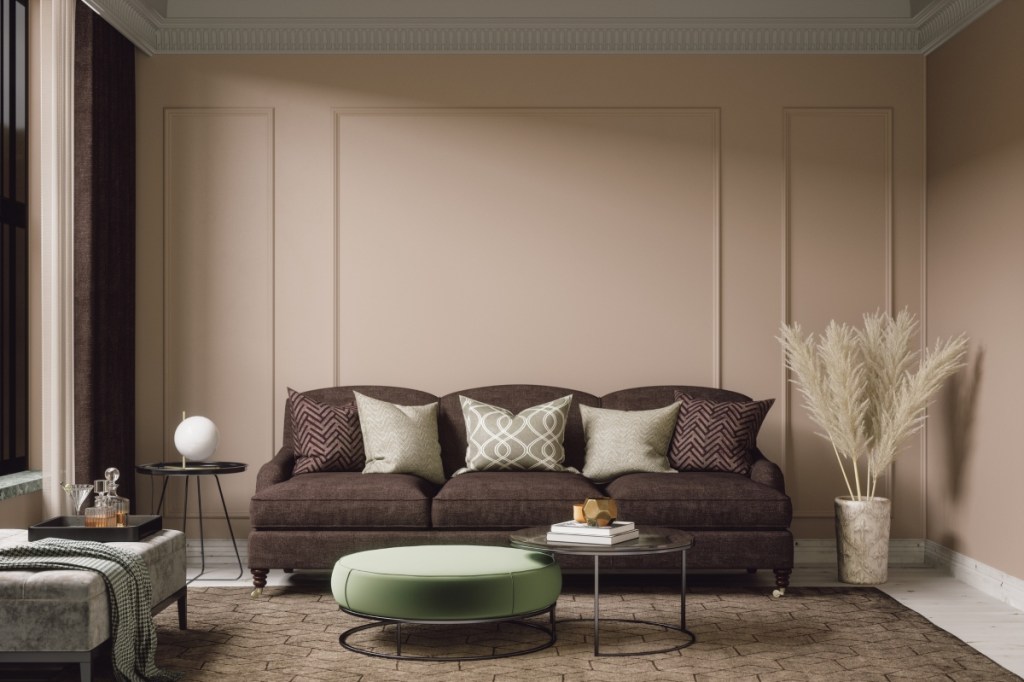
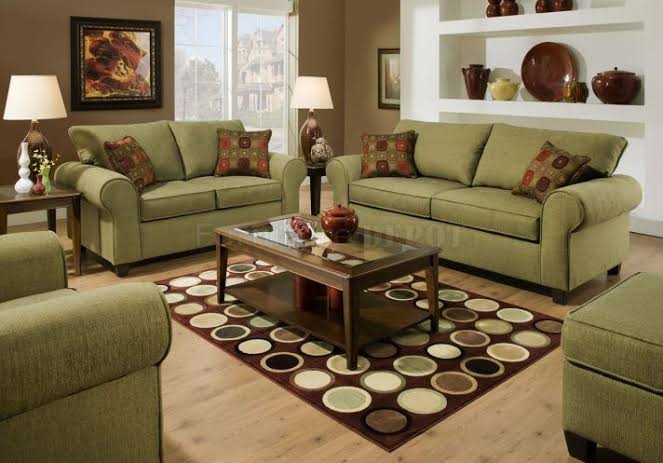
Instead of these less recommended options, experts advocate for specific colors that offer both timelessness and practicality. Brown, particularly chocolate brown, is highlighted as a durable and timeless option experiencing a significant resurgence. Its earthy neutrality makes it versatile and compatible with various interior styles and fabrics like cord, linen, and velvet. Light neutrals, such as sand, ivory, stone, oatmeal, or warm beige, are presented as excellent alternatives to white. These shades provide a similar bright effect but are more forgiving of minor marks and offer a versatile backdrop for easily changing accessories like cushions and throws, or even wall colors. Green, especially in earthy, nature-inspired tones like sage and forest, is also strongly recommended. Positioned as the new neutral replacing beige, green introduces color while remaining incredibly versatile and compatible with a wide array of contrasting and toning colors. Its ability to adapt to changing seasonal decor makes it a flexible and enduring choice for a sofa. Ultimately, personal taste should guide the final decision, ensuring the chosen color brings daily enjoyment regardless of fleeting trends.
#SofaColors #InteriorDesignTrends #HomeDecor #LivingRoomIdeas #FurnitureSelection #TimelessDesign #NeutralPalettes #ColorPsychology #SofaColors #InteriorDesignTrends #HomeDecor #LivingRoomIdeas #FurnitureSelection #TimelessDesign #NeutralPalettes #ColorPsychology
0 comment in total
 No comments yet
You may also like
Couch colors to avoid – and what designers are recommending instead

5 rug colors to avoid – the hues designers think you should veer away from on floors, plus how to make them work

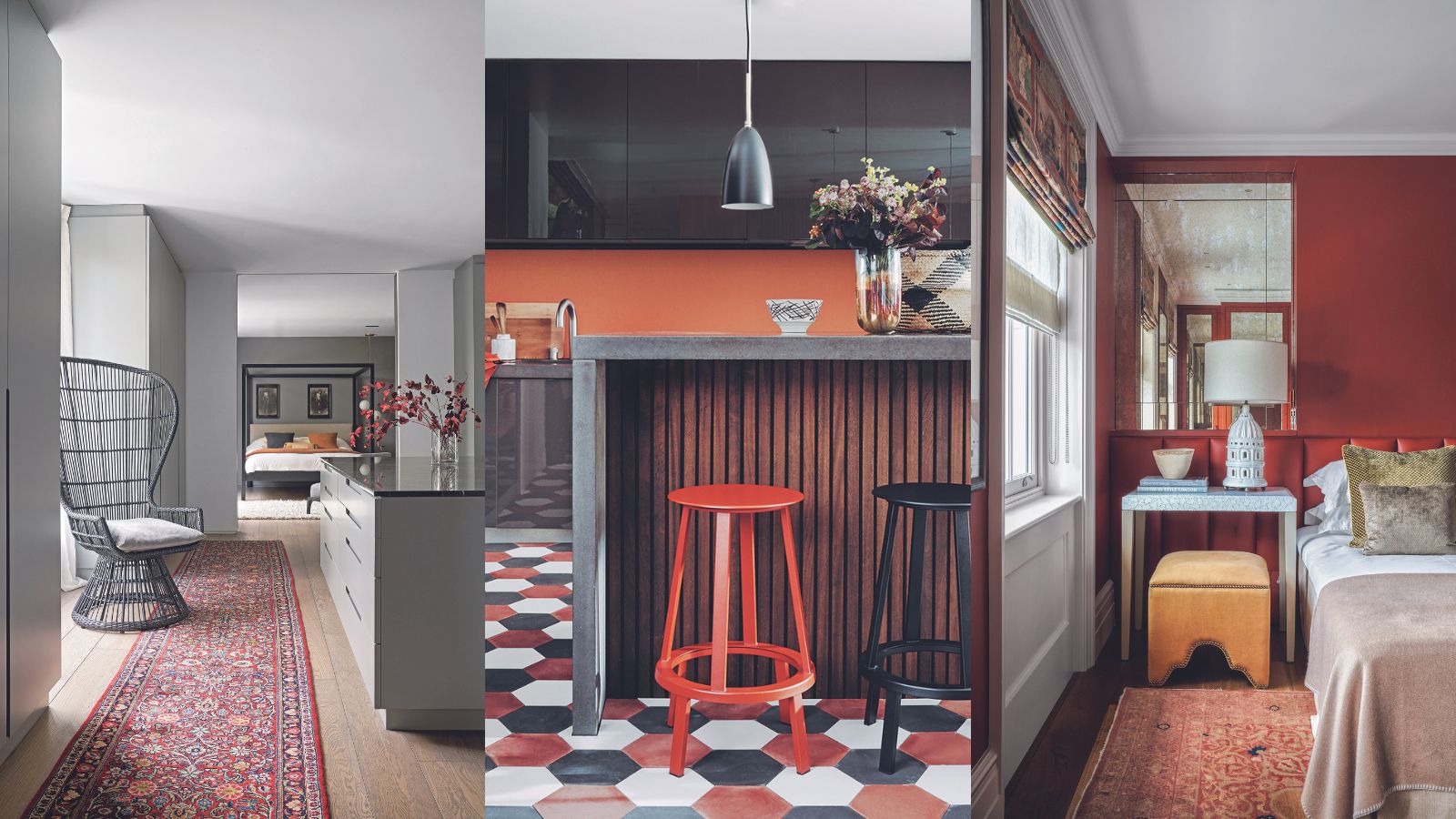
What are the worst colors to paint a room? The shades experts say you should never use
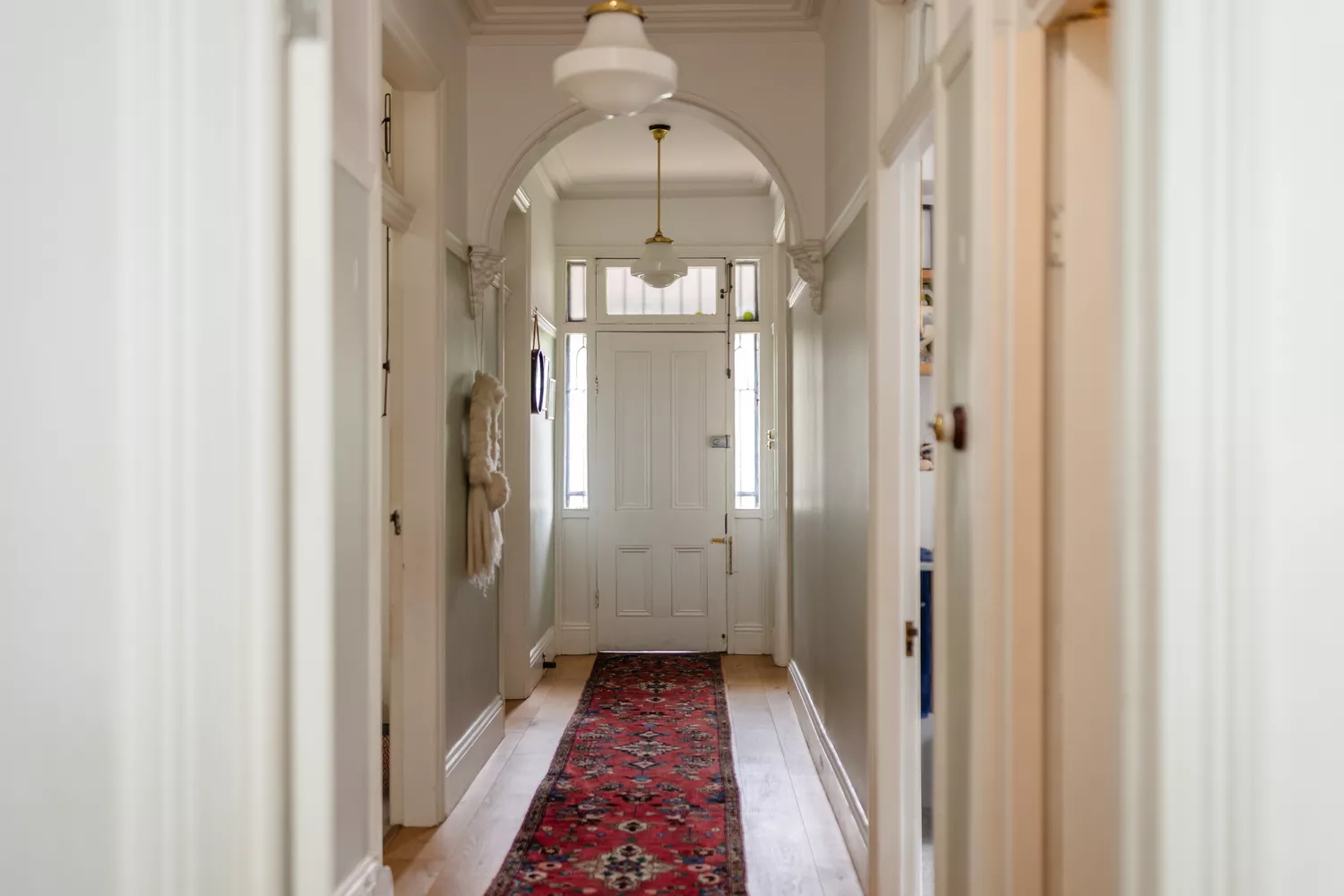
4 Paint Colors Designers Say You Should Never Use In A Hallway
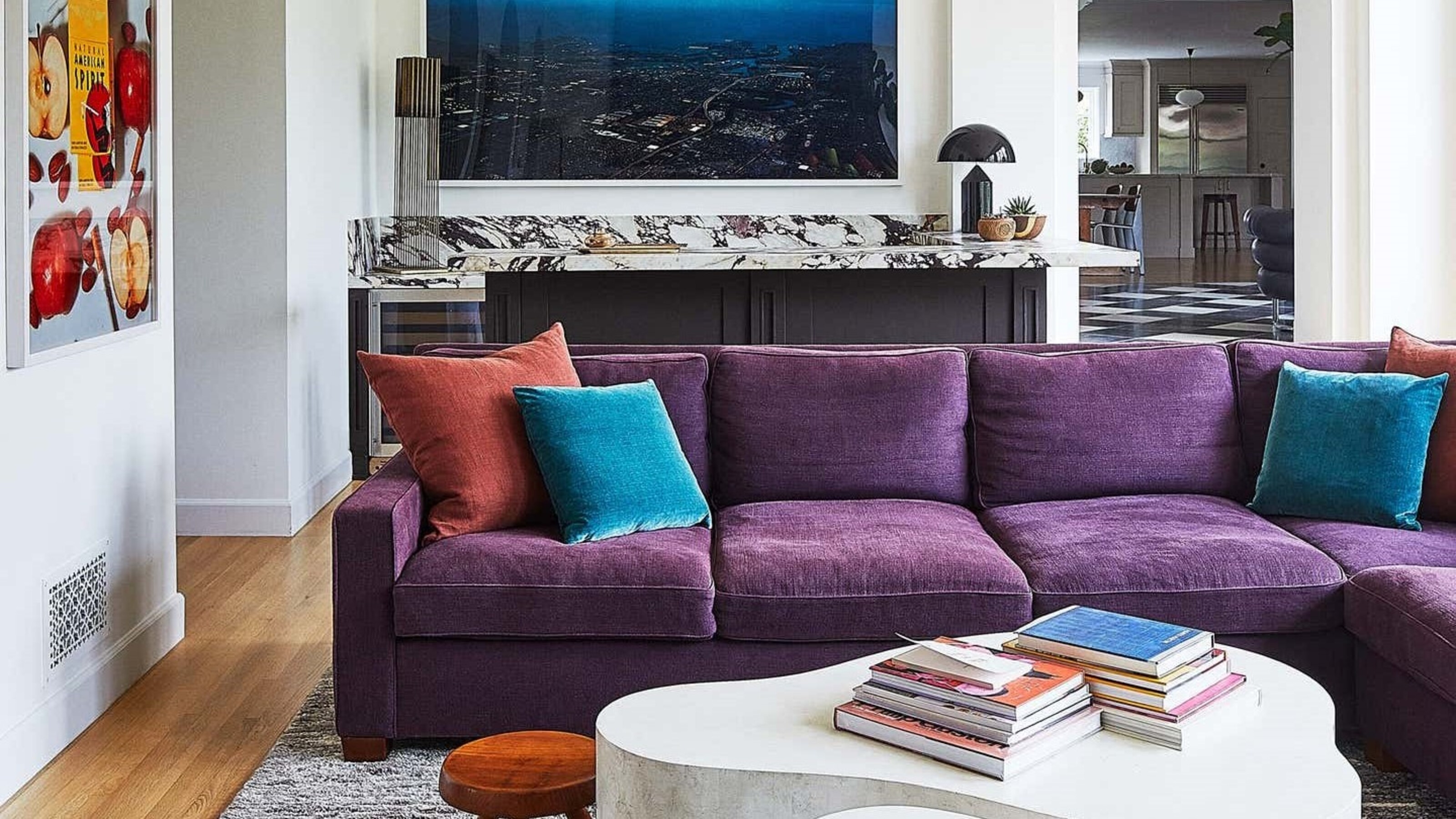
5 couch colors to avoid – stay clear of these shades for a sofa that stands the test of time

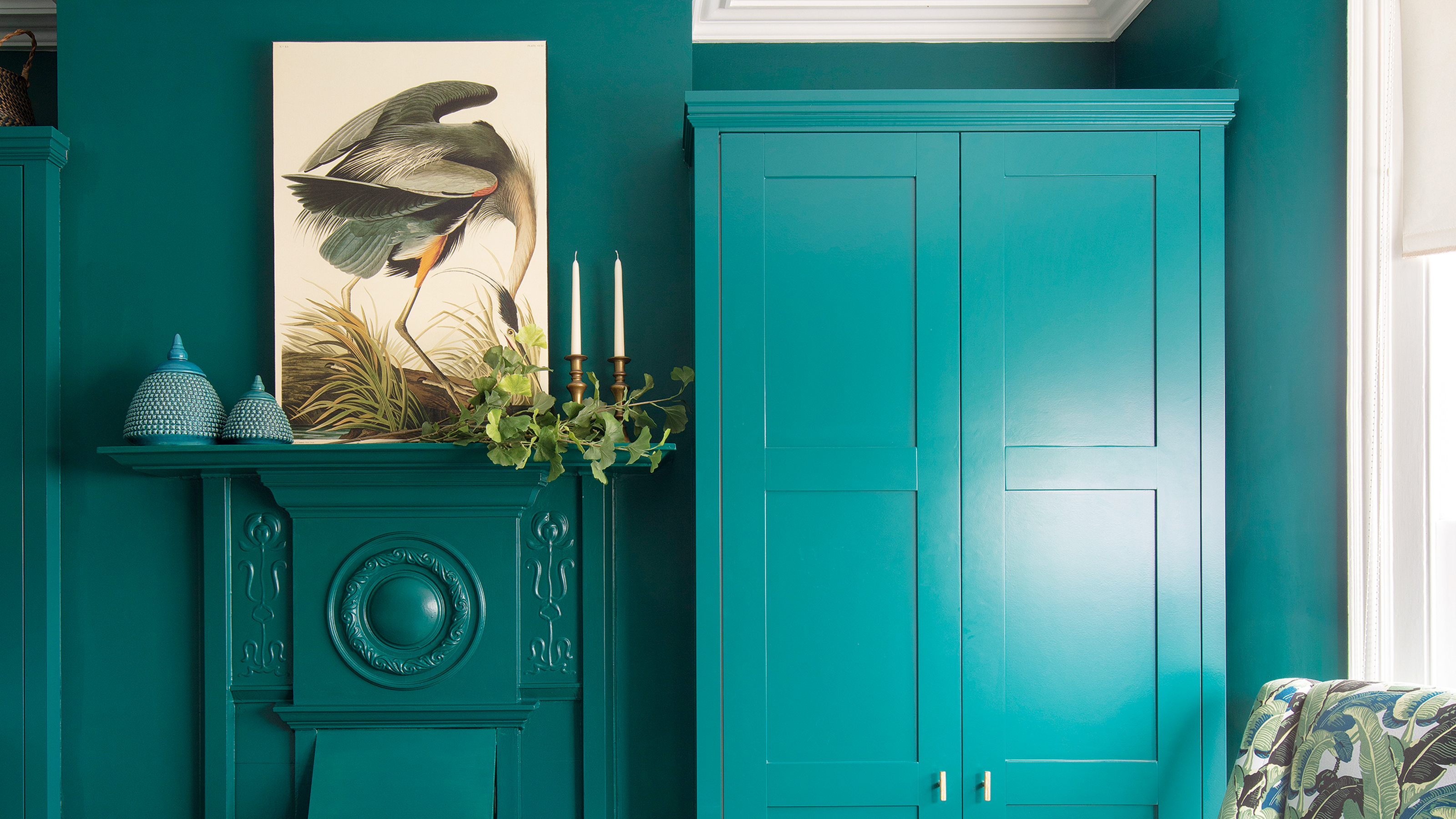
Interior design experts reveal the colour rules you should be breaking
5 Paint Colors to Never Use in Your Living Room, According to Interior Designers
‘When your sofa and wall colours are in sync, the space feels intentional’ – experts reveal the 4 best paint and sofa colour combinations
4 Outdated Colors Designers say you Should Steer Clear of When Decorating a Living Room
5 Sofa Styles That Are Falling Out of Favor, According to Experts

5 sofa styles to avoid in a family living room – the styles experts warn will spell disaster for busy families
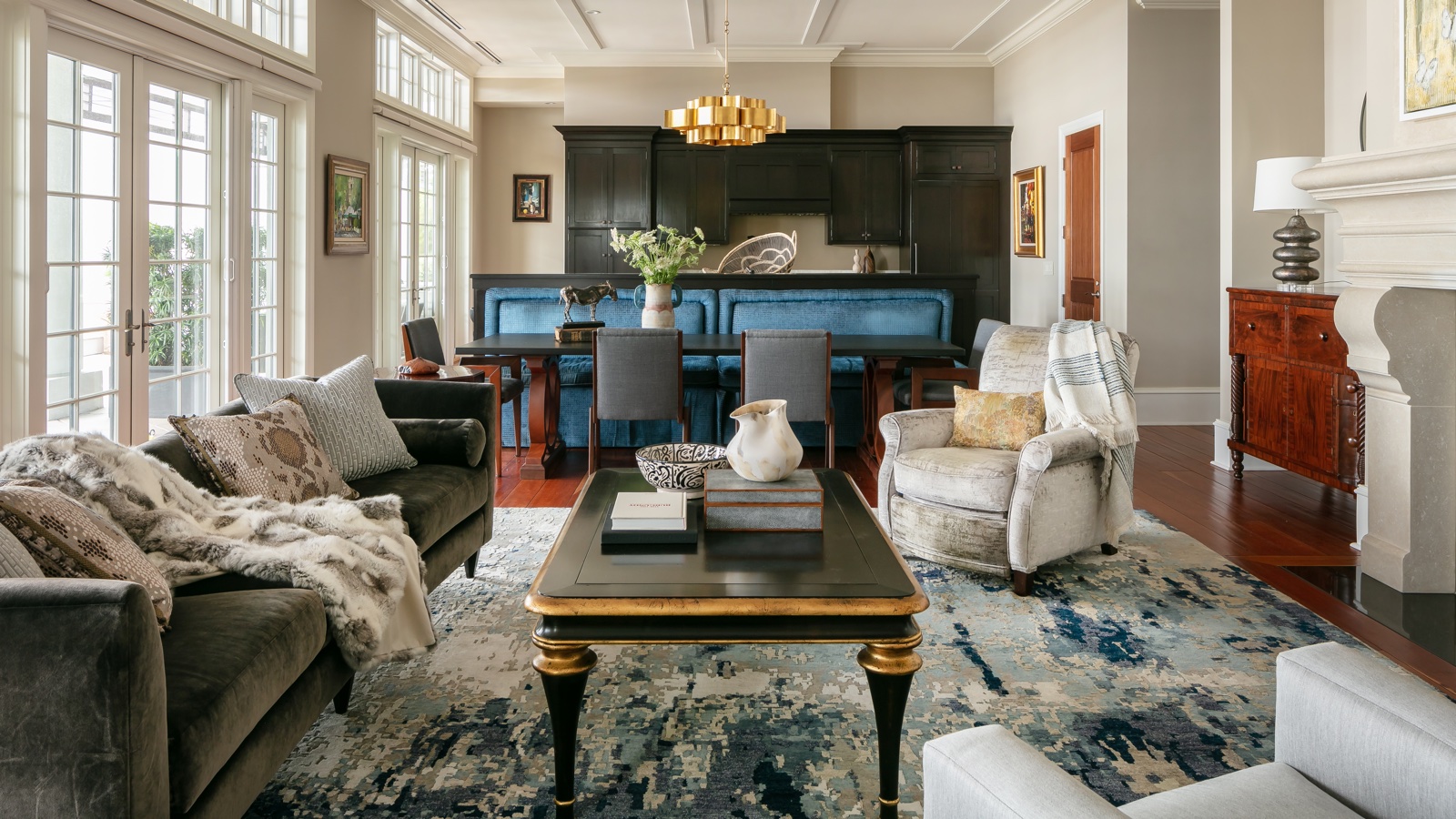
7 couch colors that will never go out of style, according to interior designers
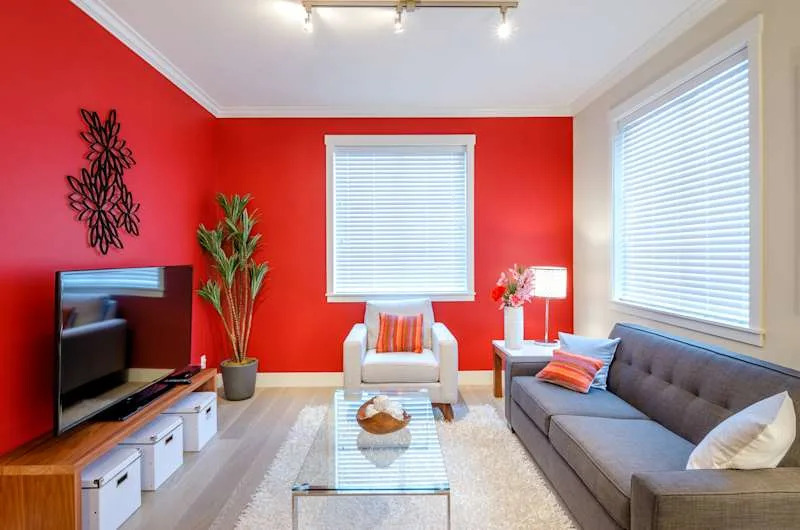
The 3 All-Time Worst Living-Room Paint Colors, According to Designers

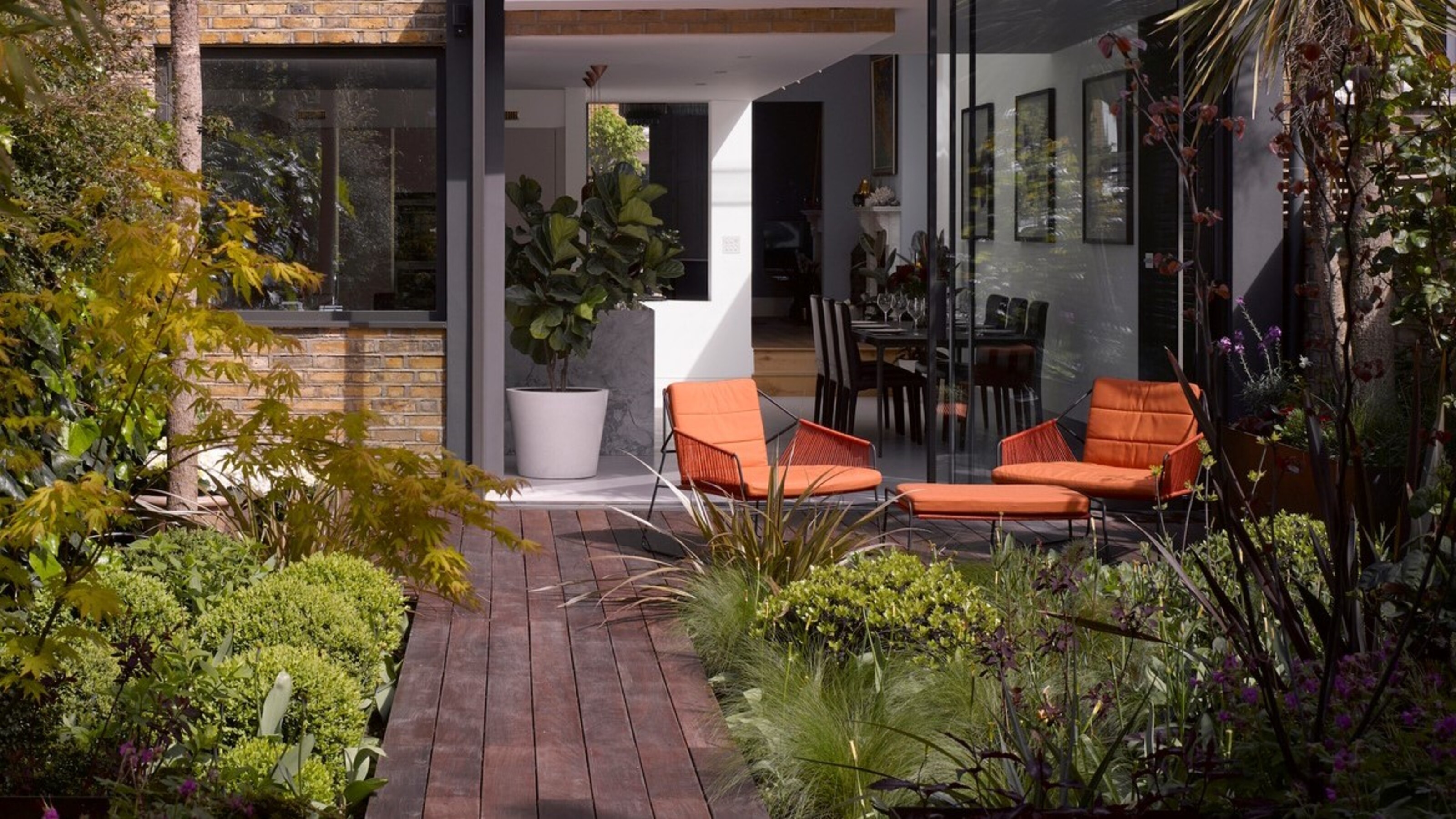
These 4 outdoor furniture colors are probably a bad idea, say experts – here's what to choose instead
Sofa colour trends 2025 – the 6 hottest shades to inject into your living room
5 'ugly colors' that I'll be decorating with in 2024 – these undesirable colors will trend this year
What couch colors are going out of style in 2025? Designers say these 6 shades should be avoided
The 3 living room paint colors all the trendiest experts are using
2024's Sofa Color Picks: Vibrant & Cozy

5 Paint Colors You Should Never Use In A Bedroom, According to Designers