1/2
Should You Light Kitchen Artwork The Same Way You Do In The Rest Of Your Home?
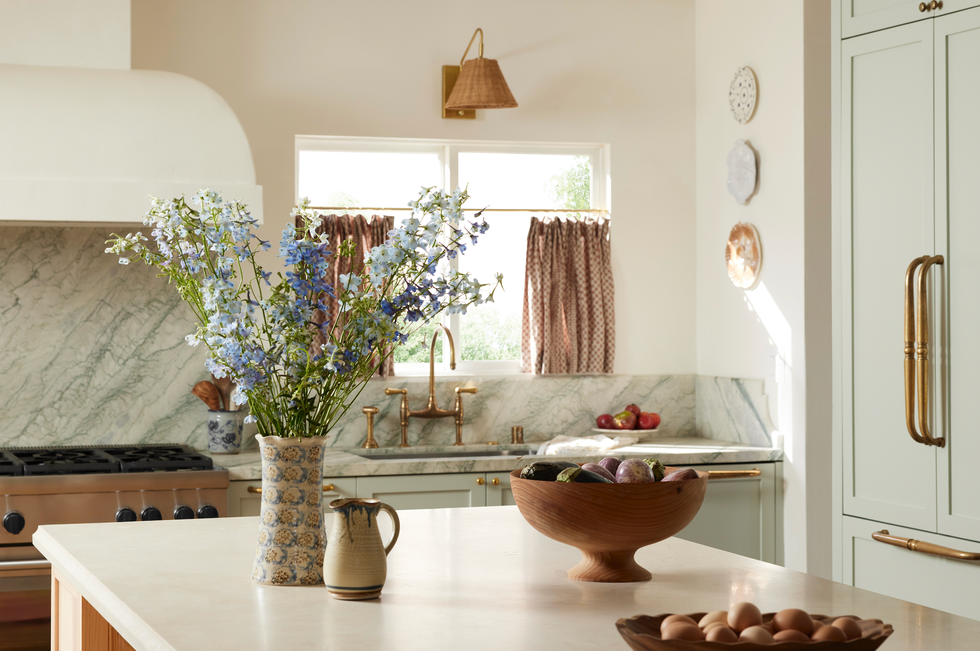
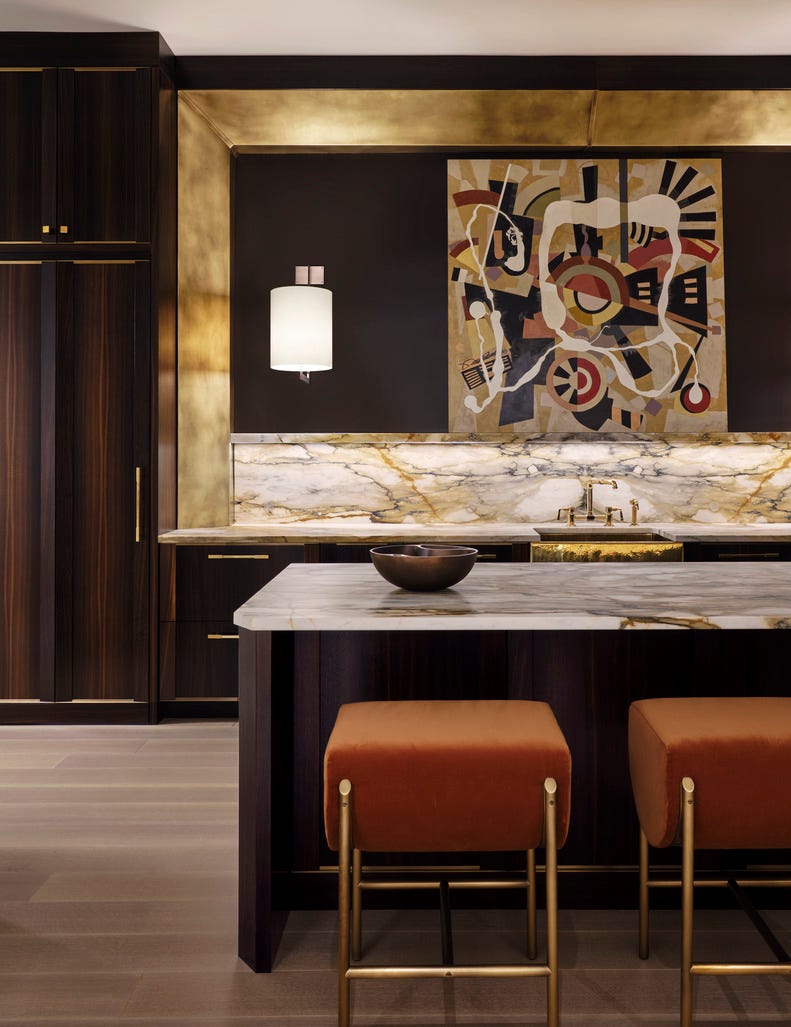
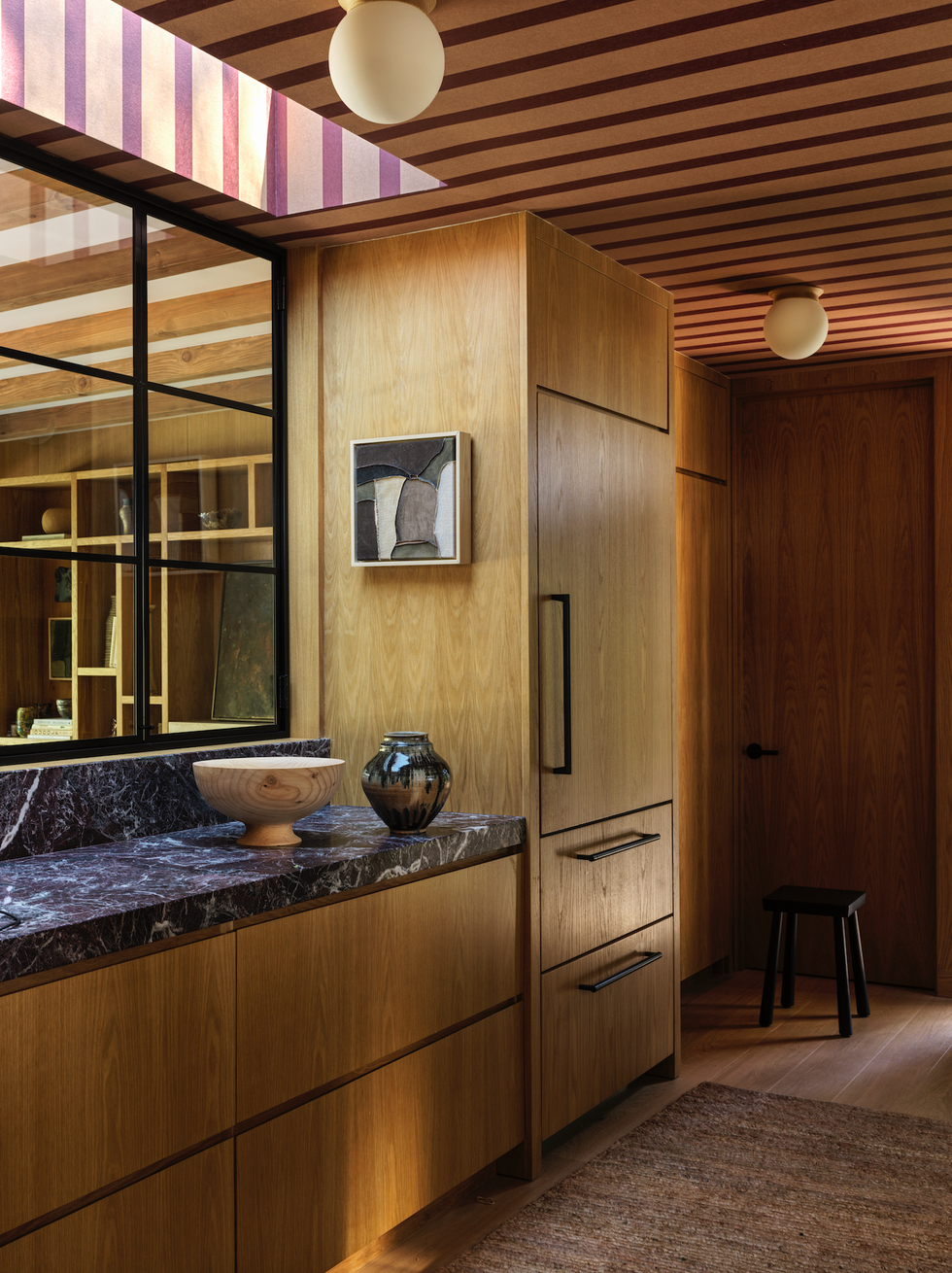
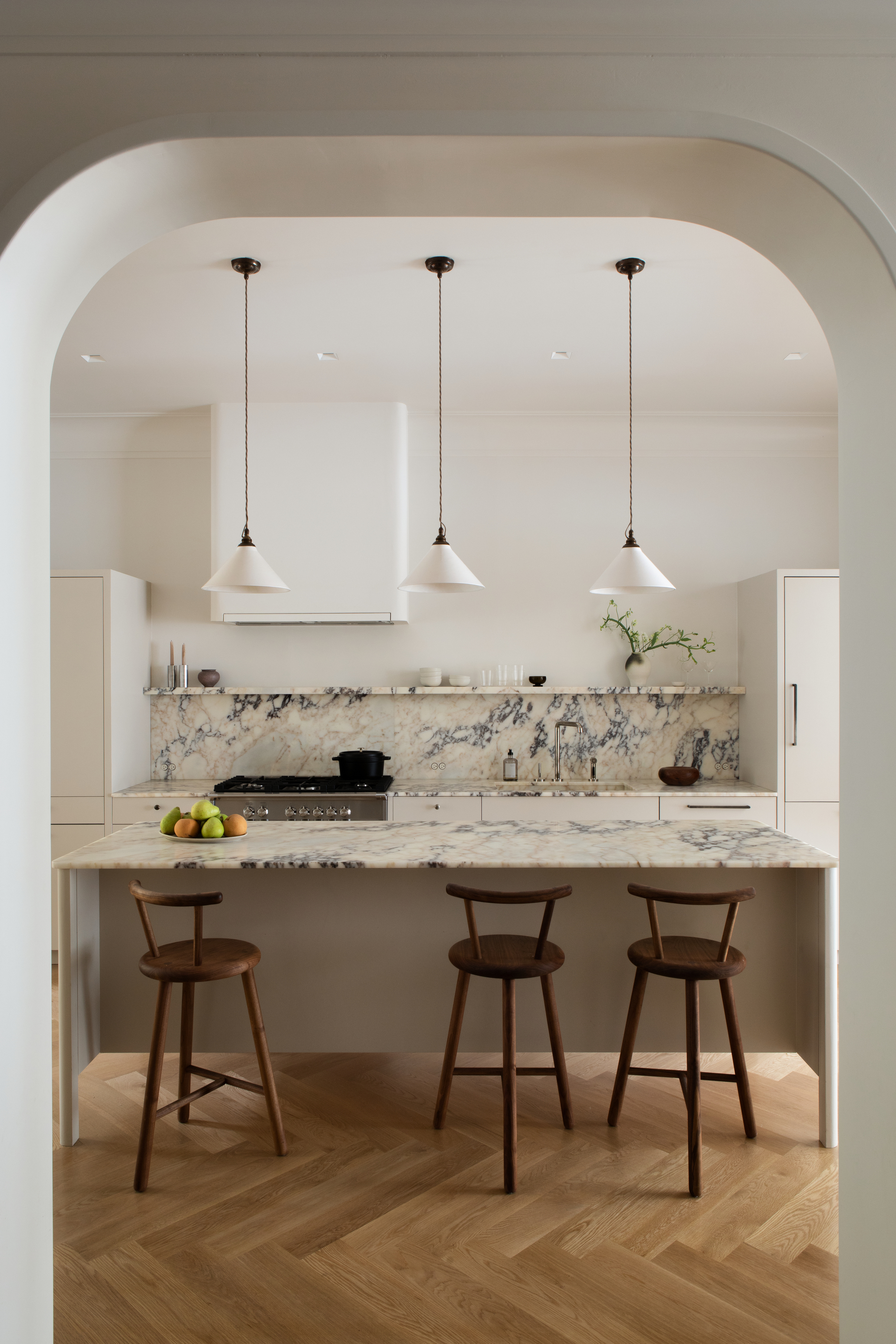
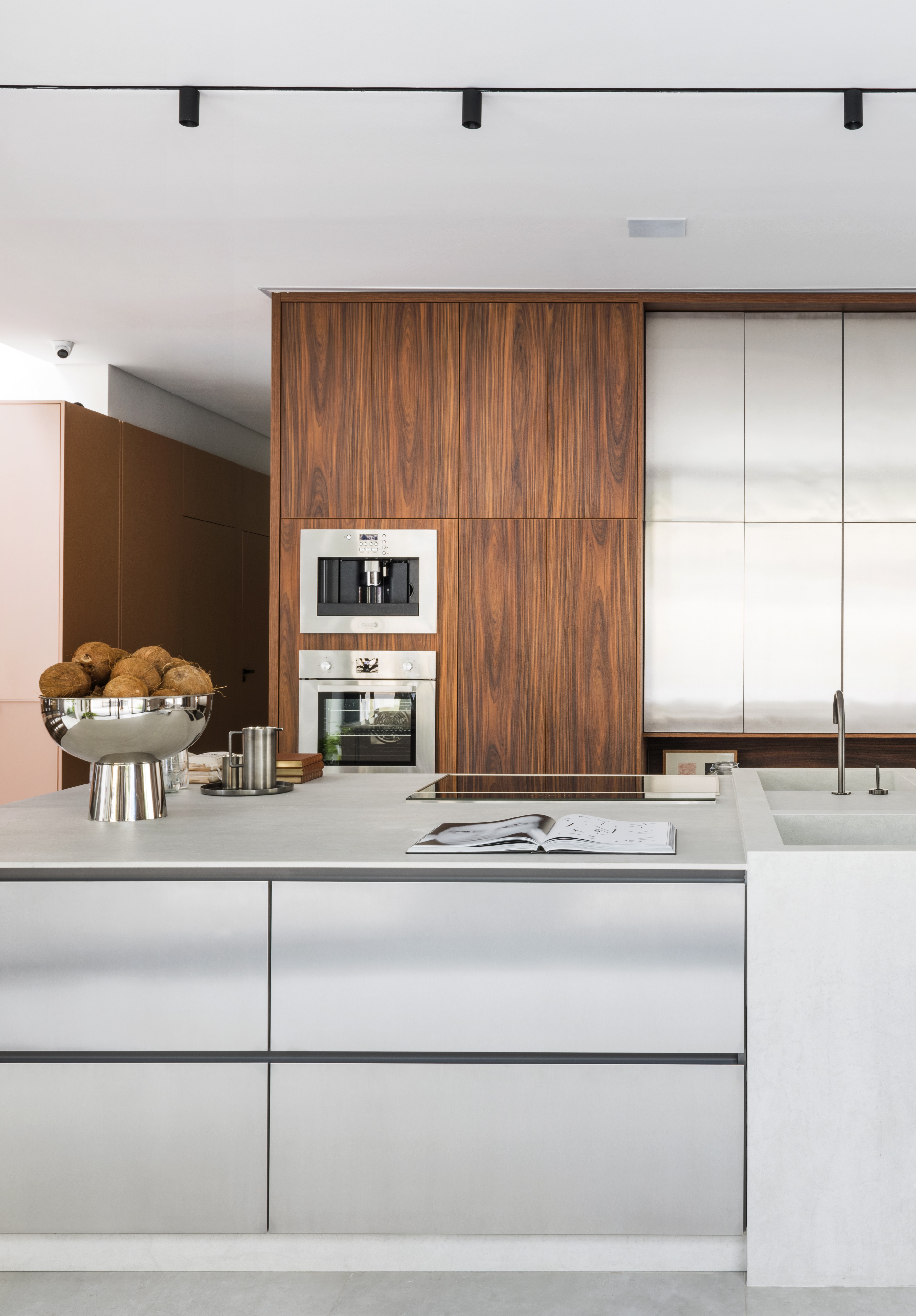
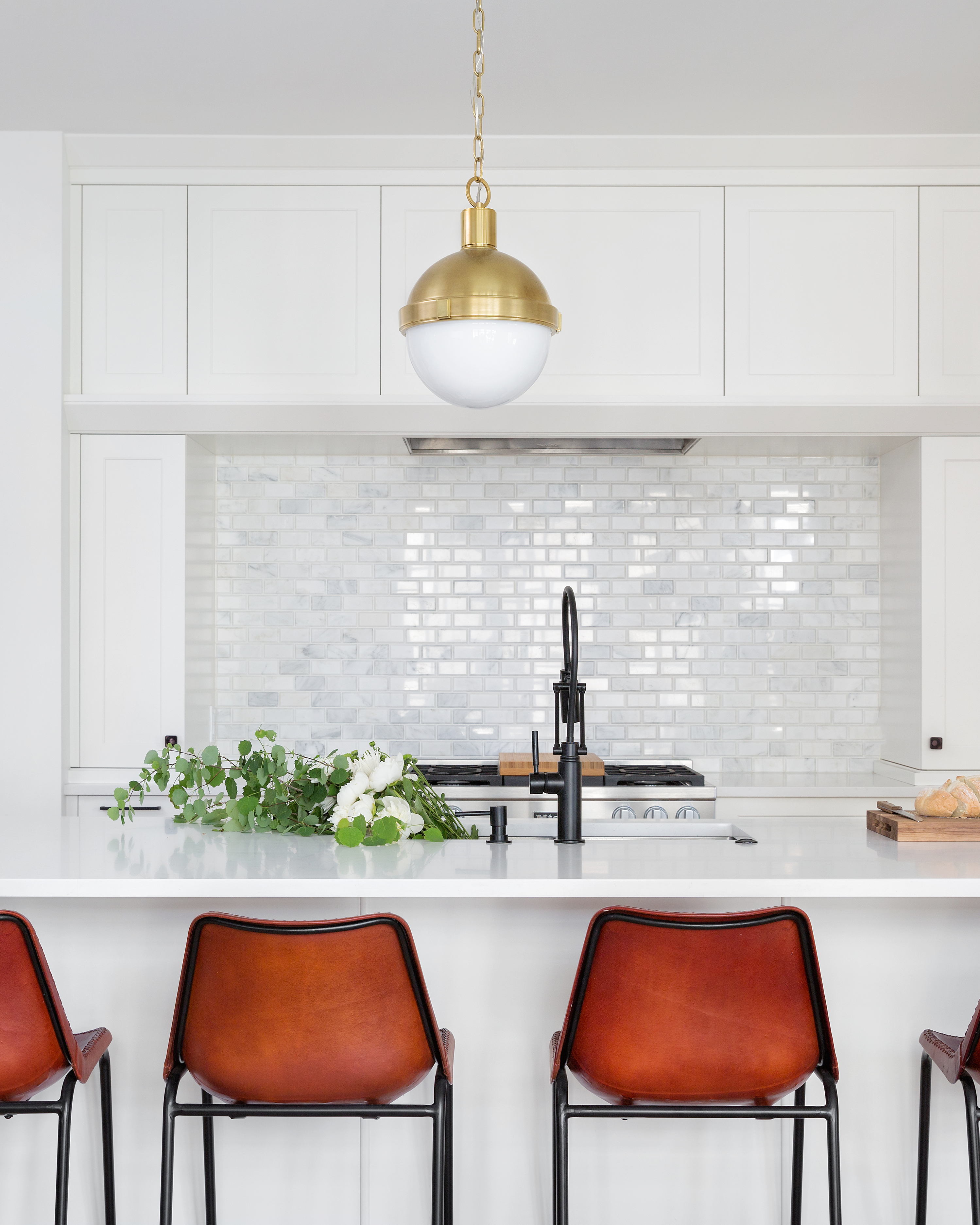
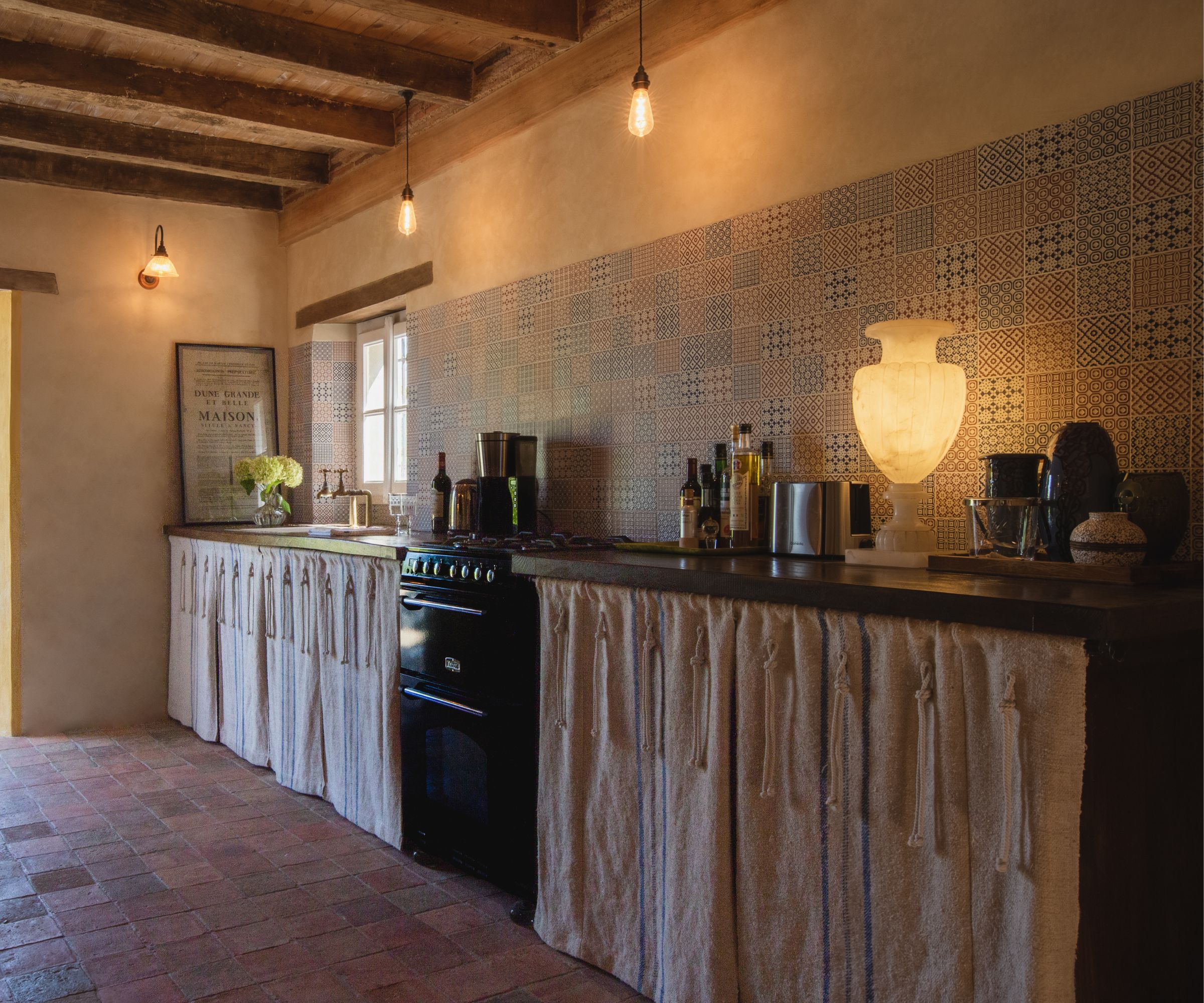
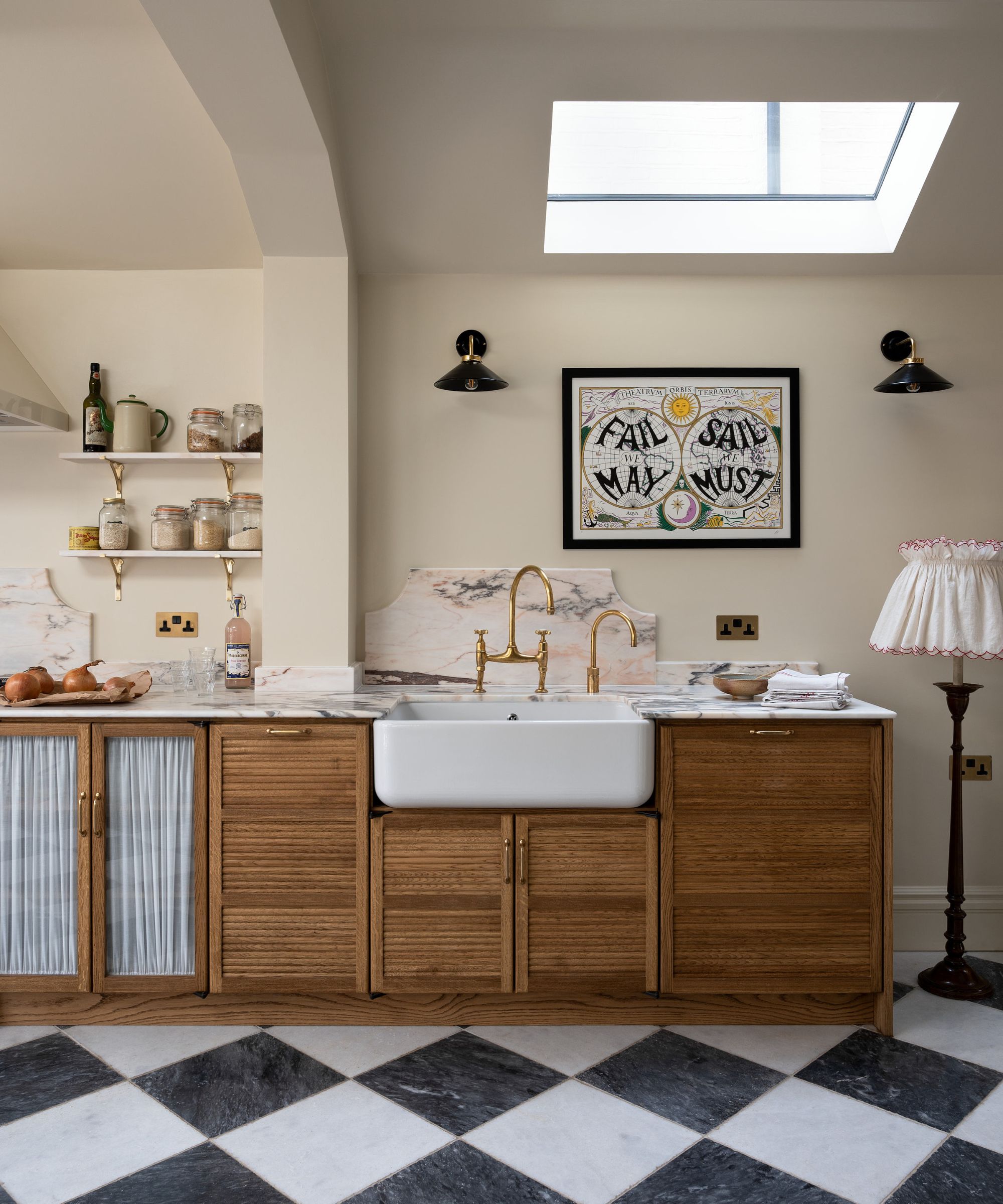
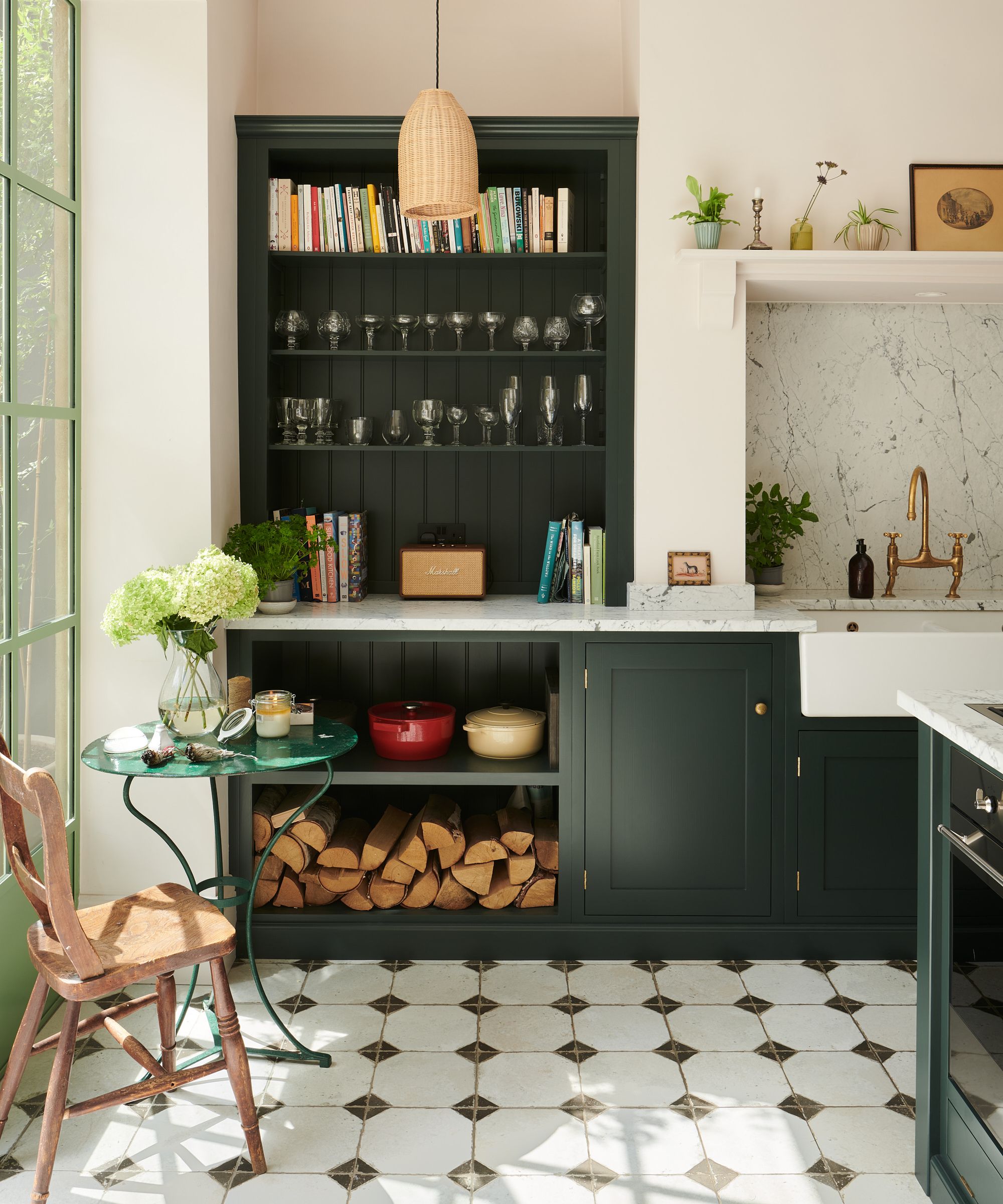
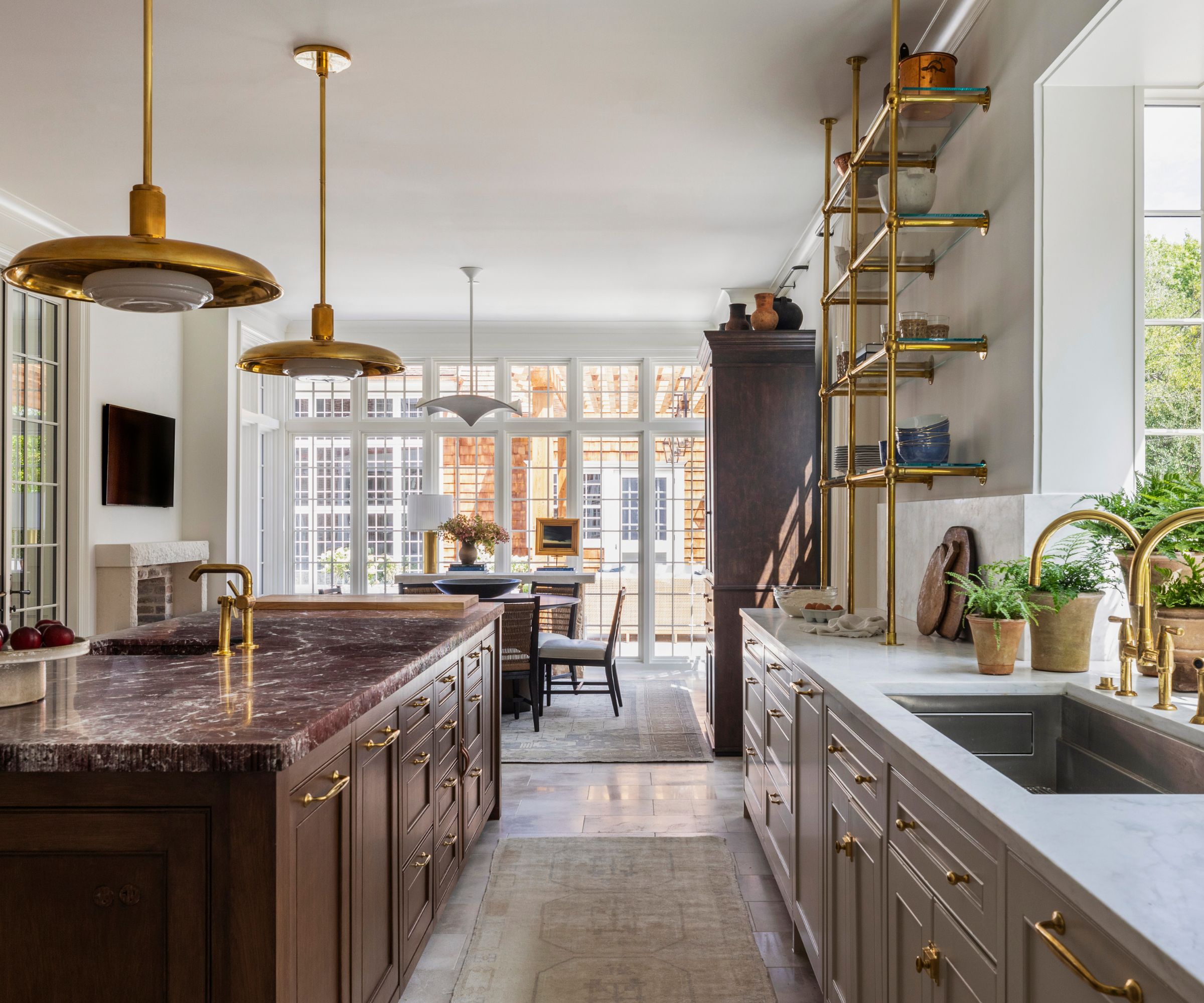
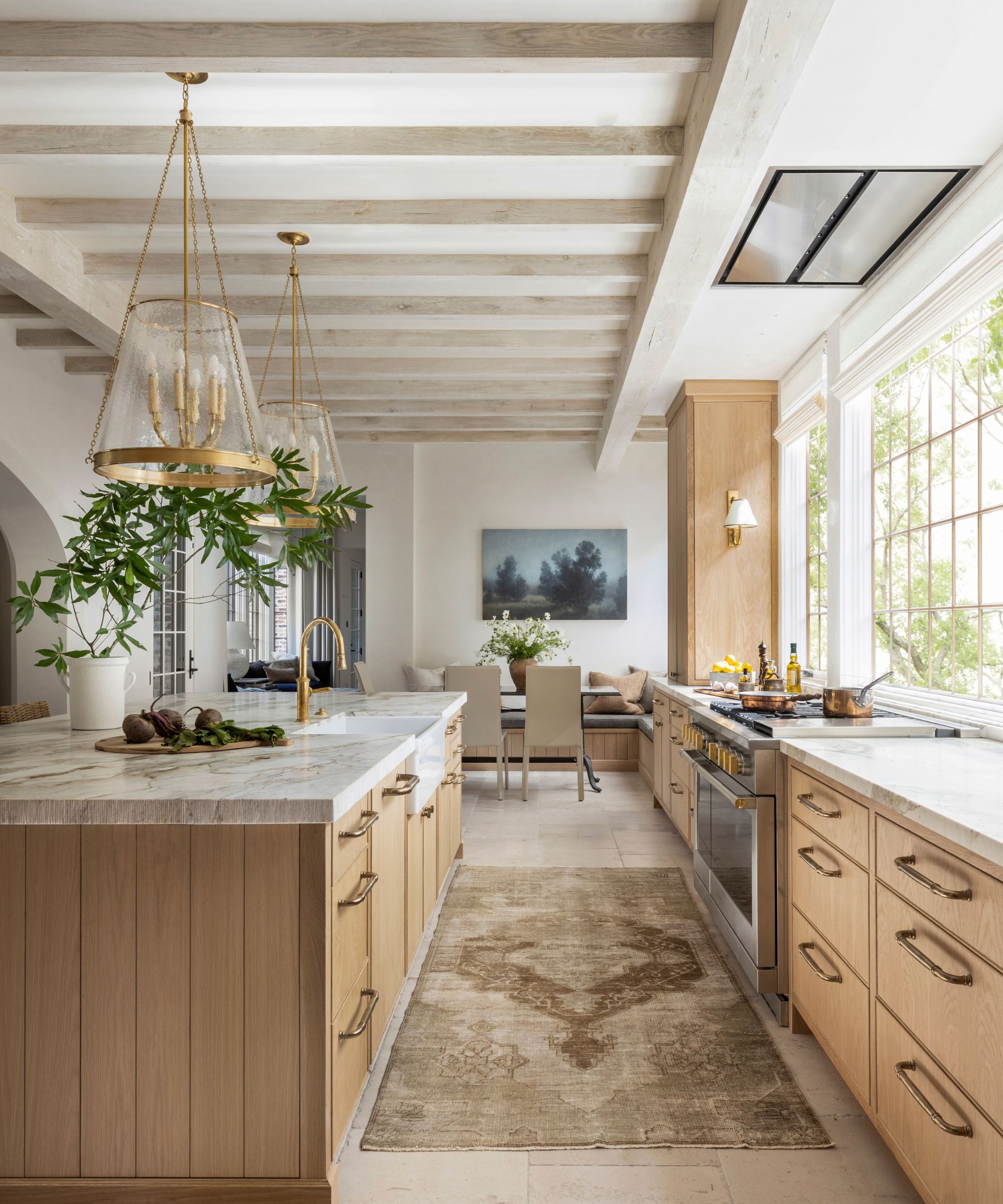
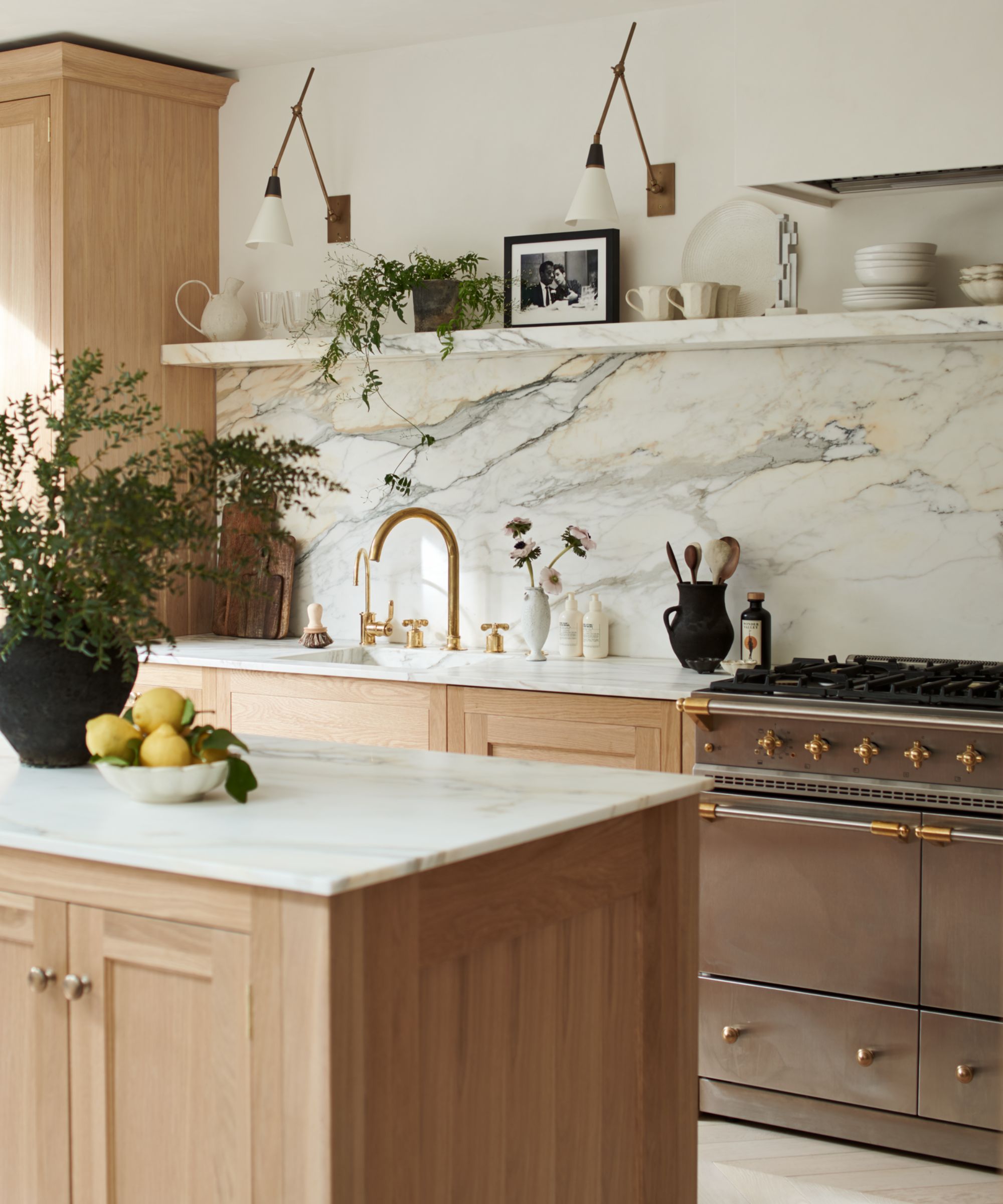
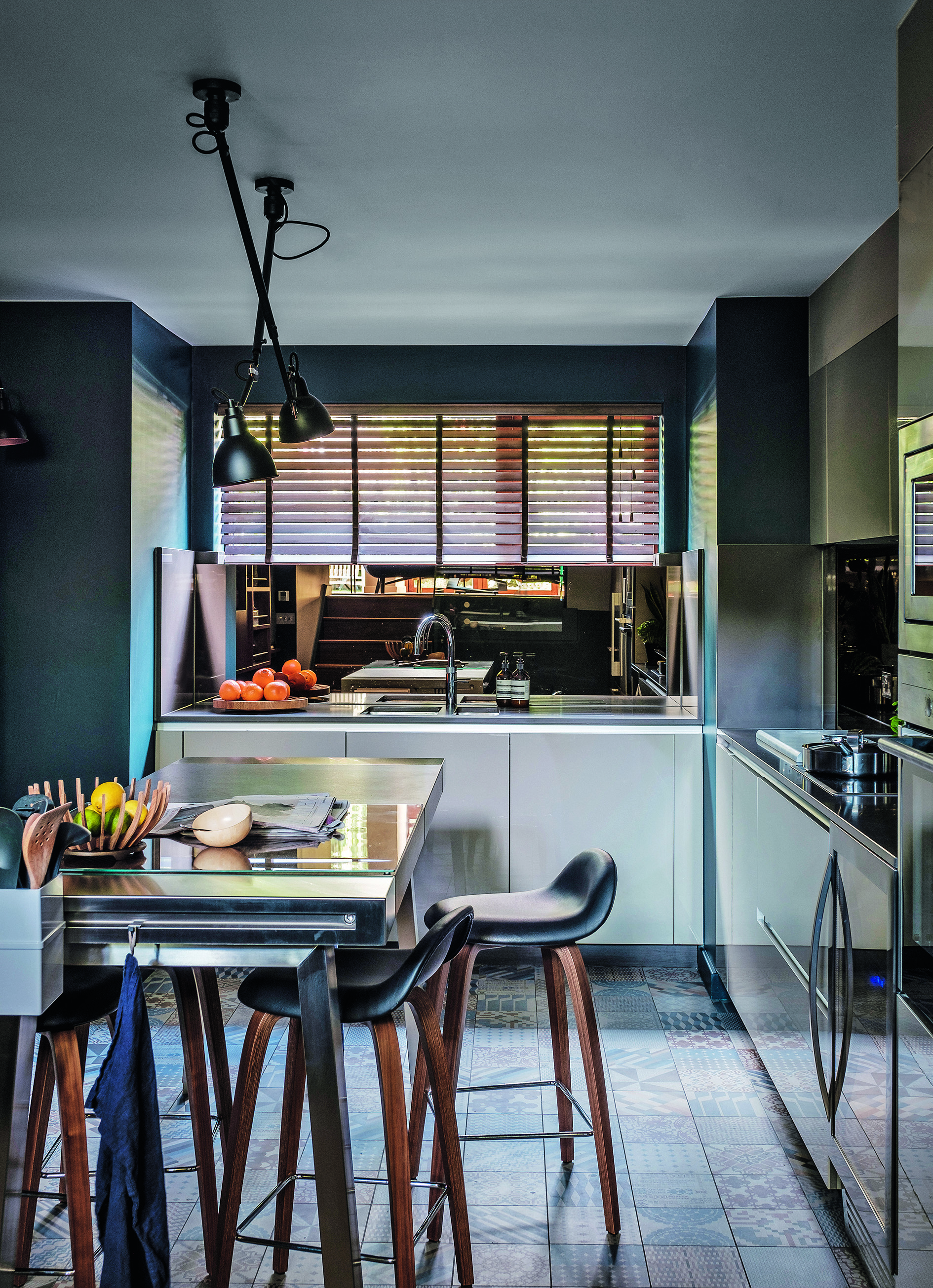
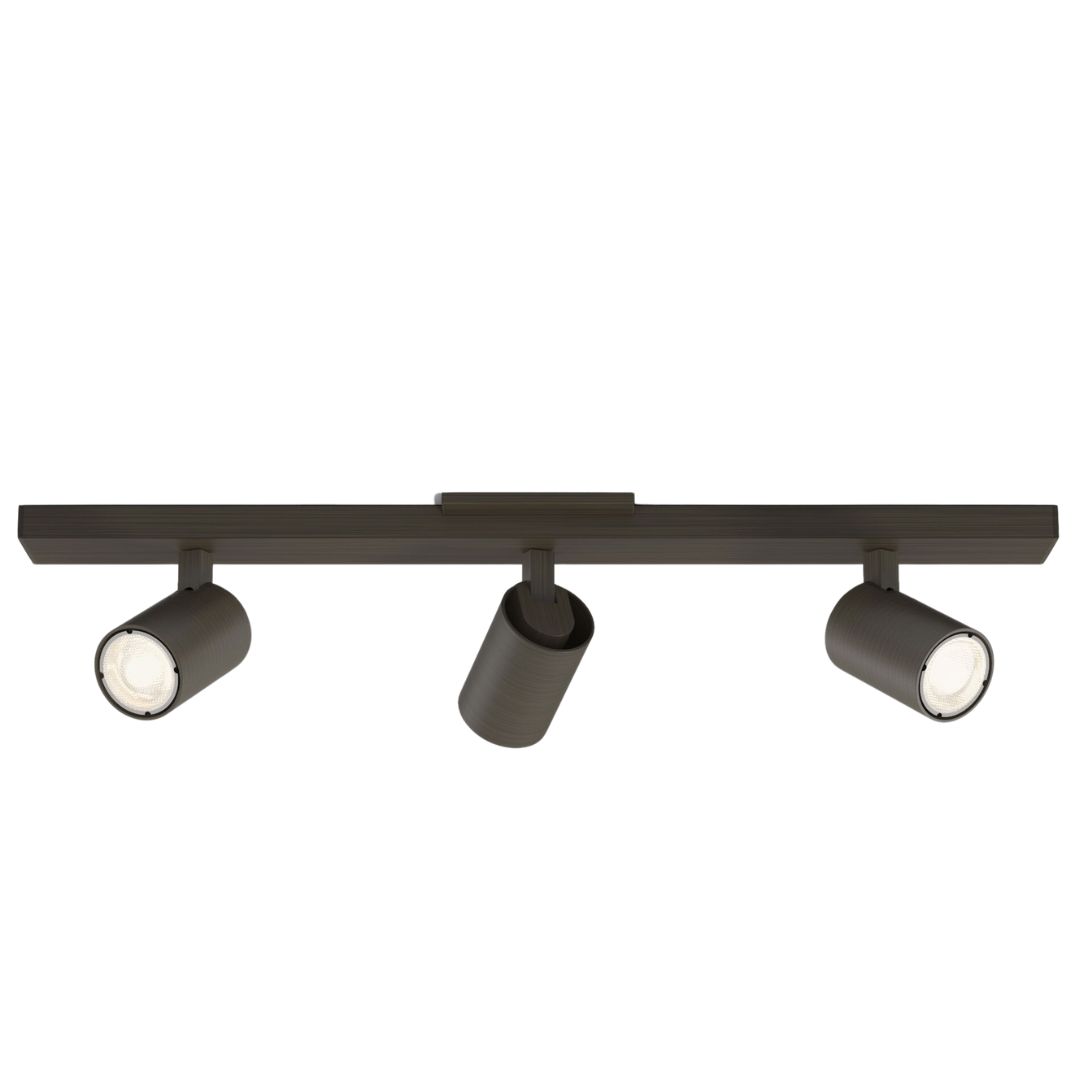
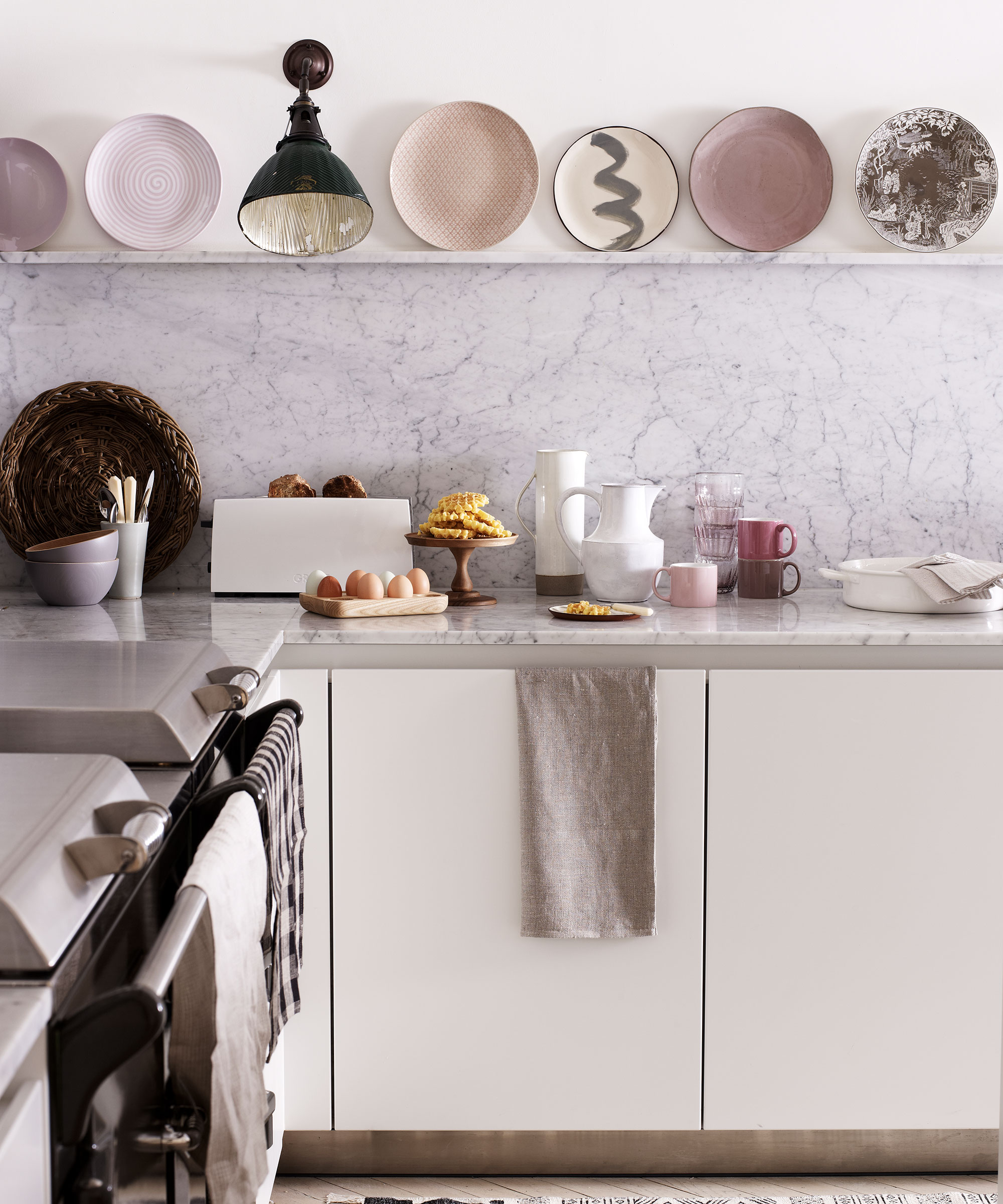
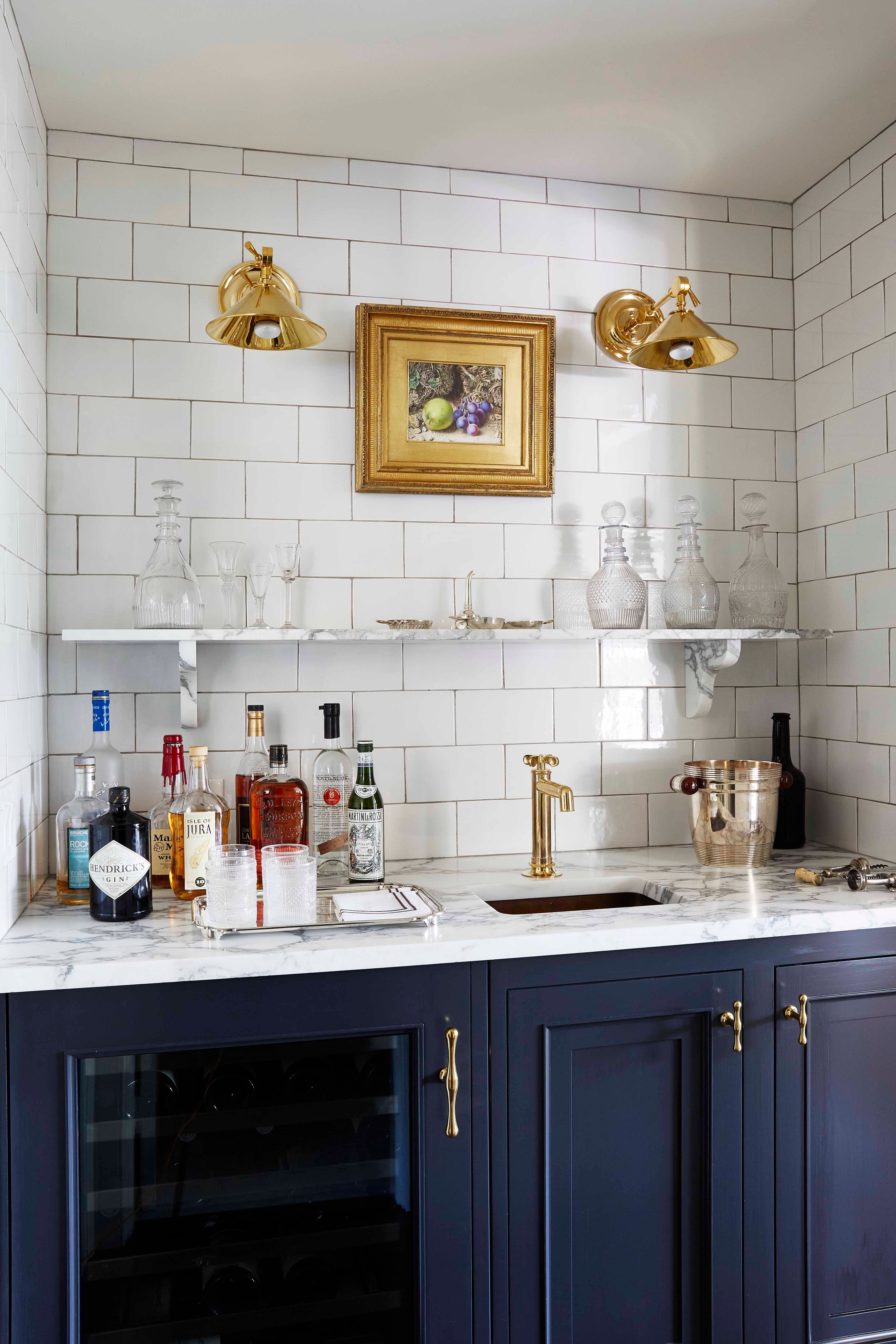

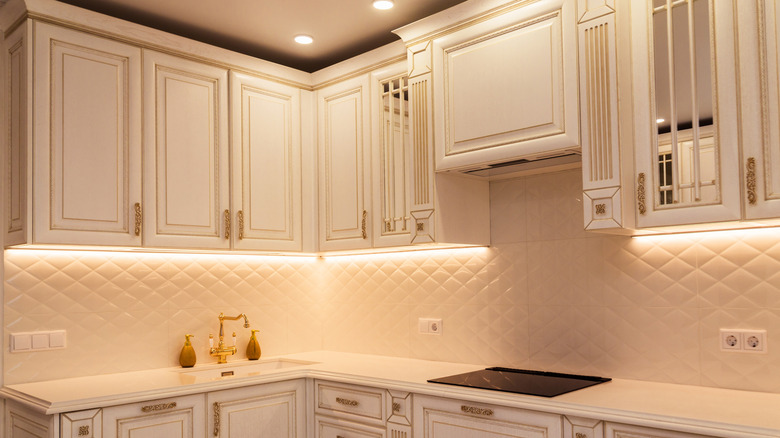
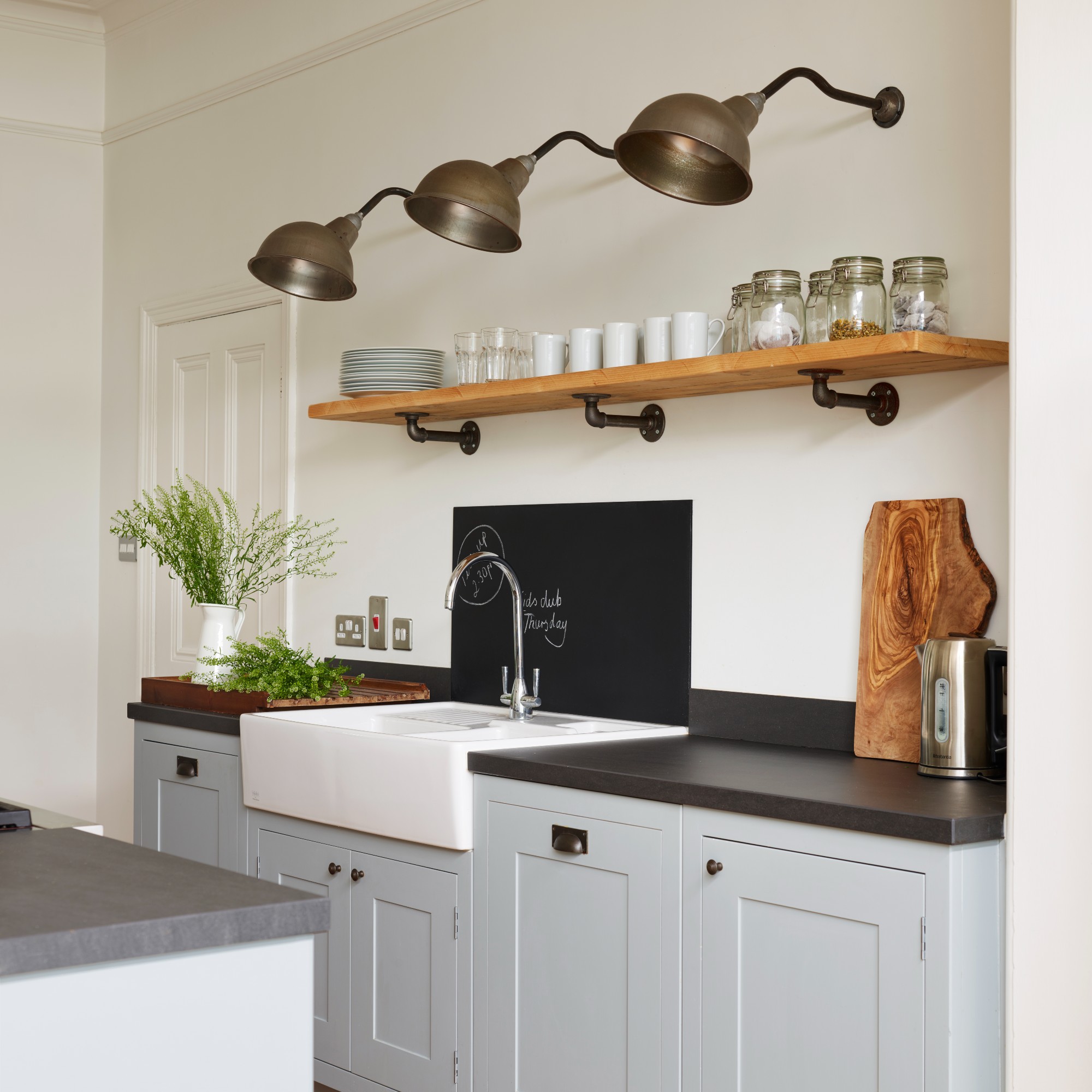
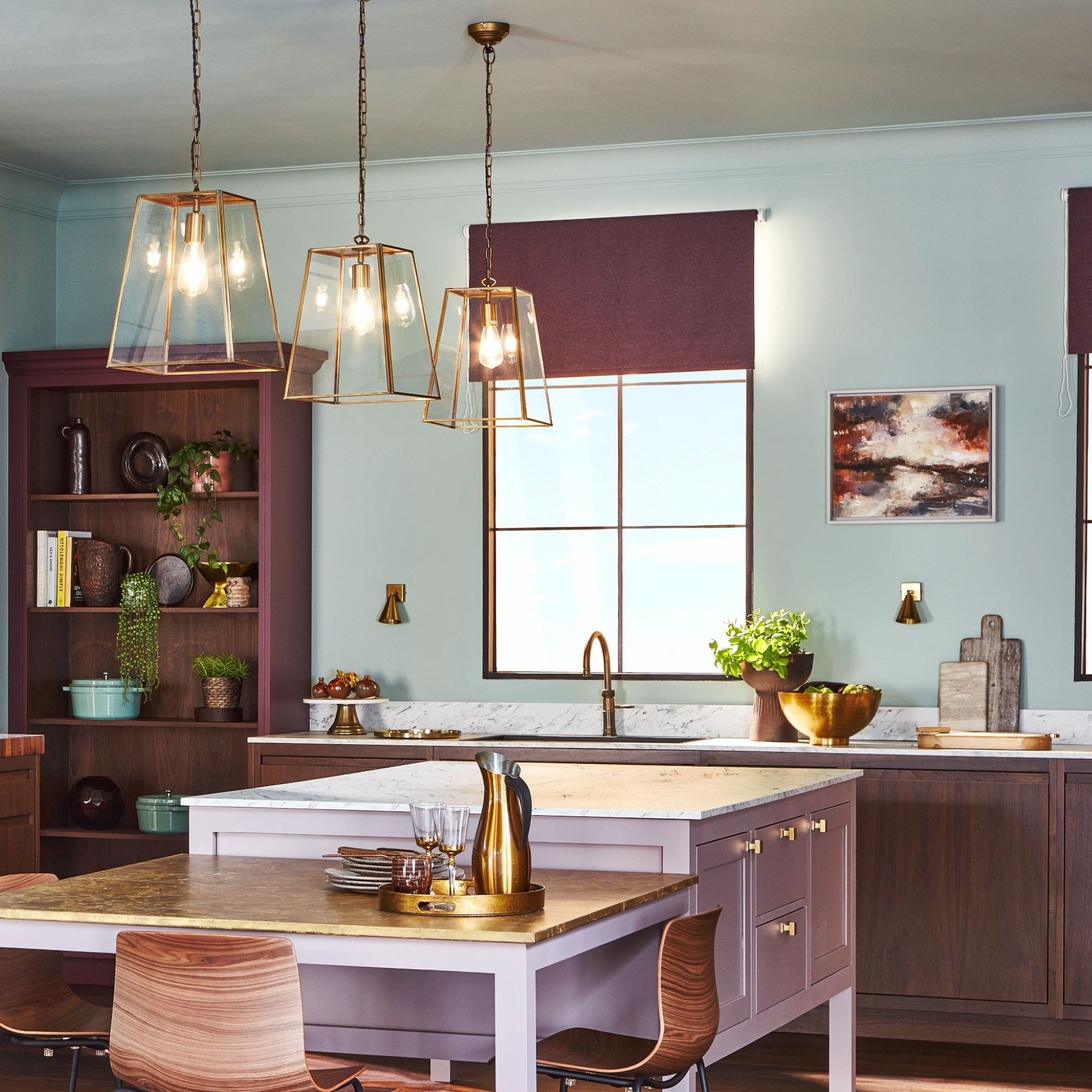
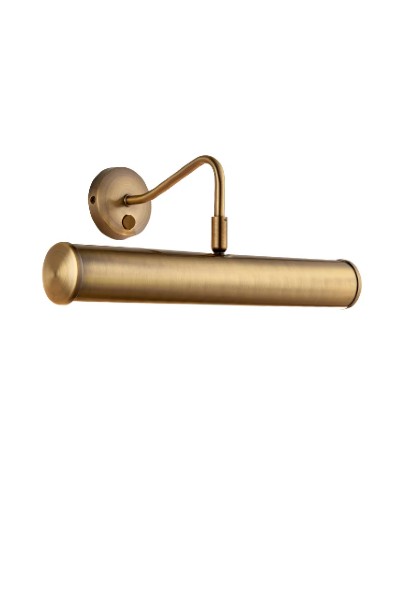
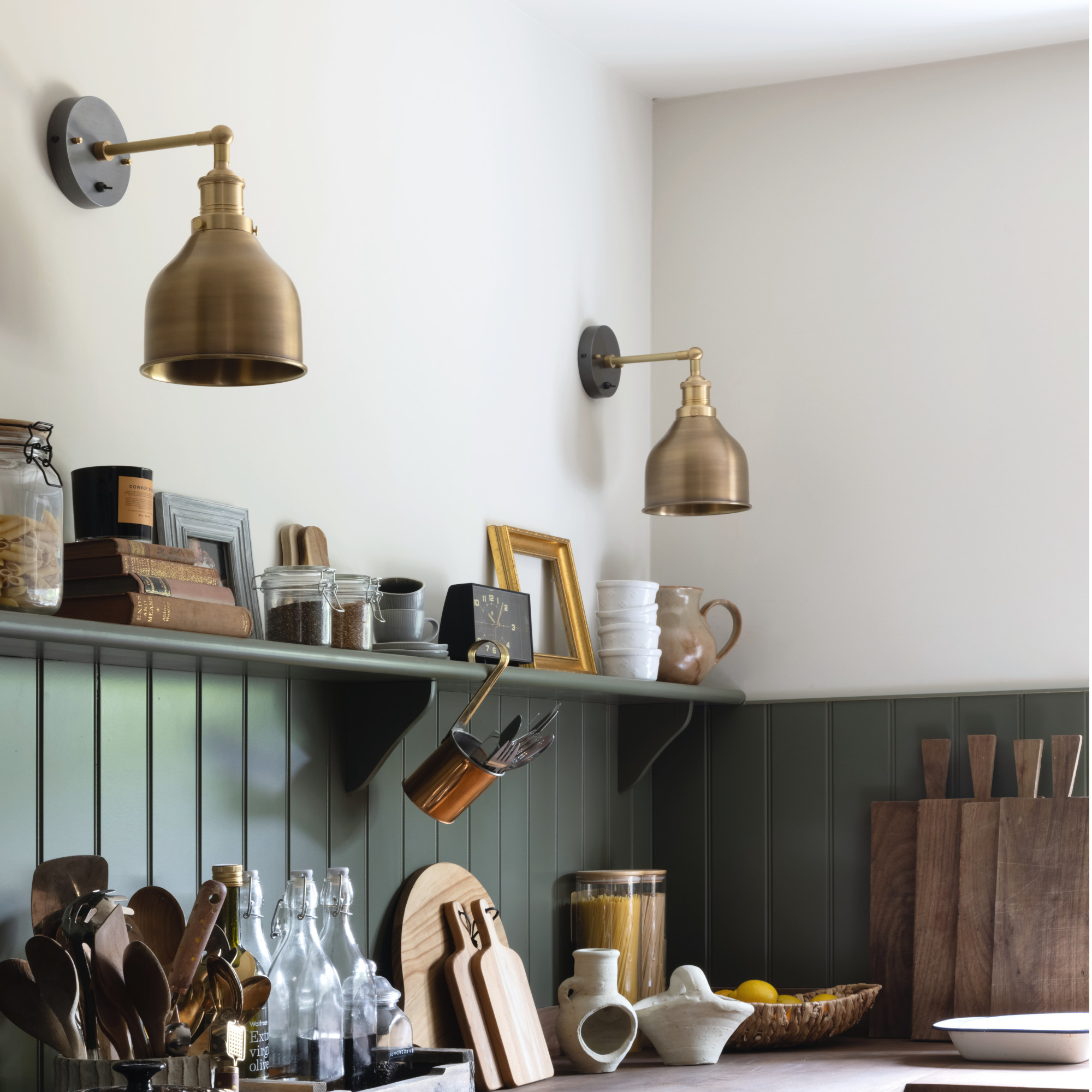
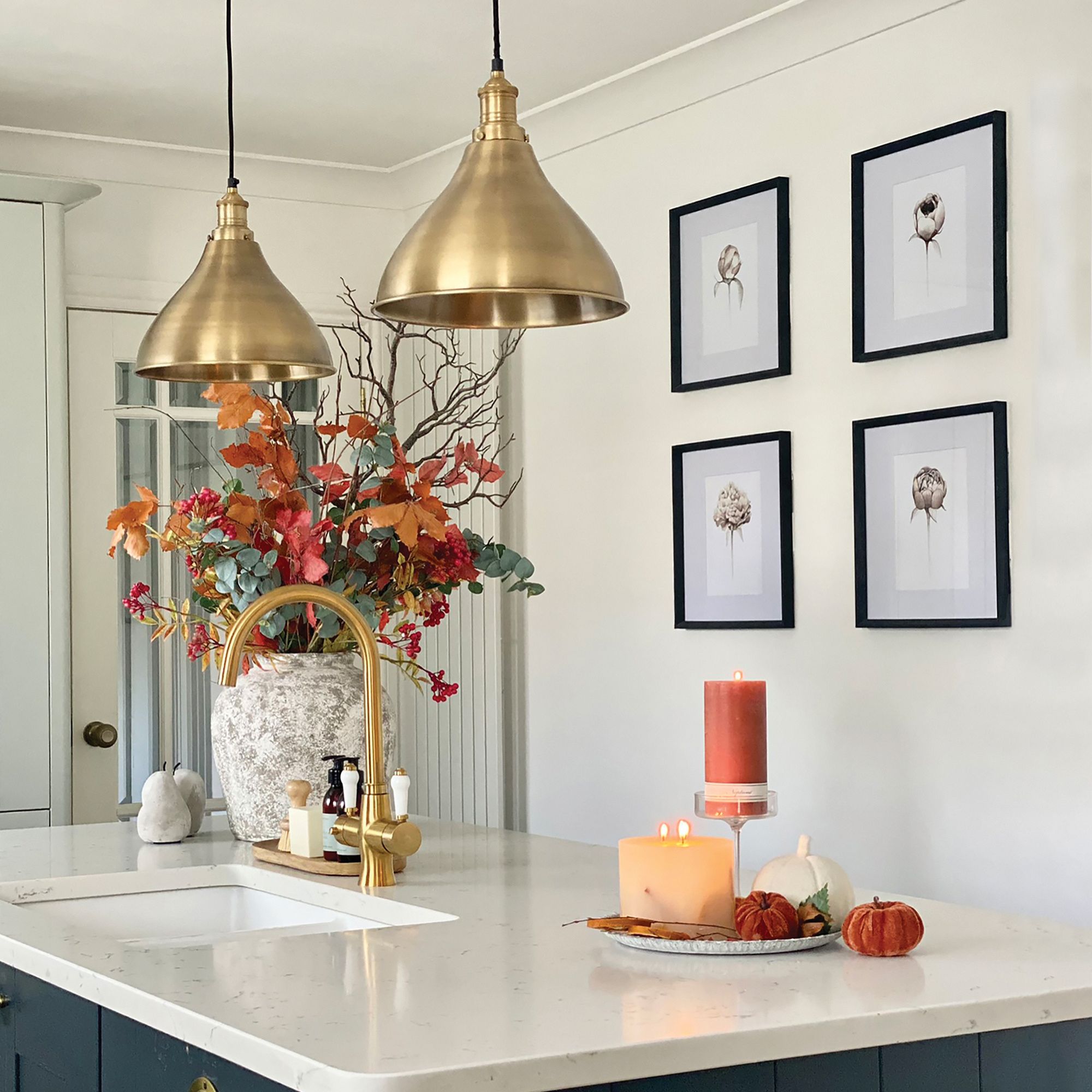
When designing a kitchen, many details are considered, such as hardware, storage, and appliances. Often, lighting is simplified to an overhead fluorescent light for basic visibility. However, proper lighting becomes more nuanced, especially when incorporating artwork into the kitchen space. Expert Cara Woodhouse, author of "It's a Mood: Your home. Your vibe." and a collaborator with Monogram, suggests that kitchen artwork should not be lit in the same manner as art in other areas of the home. Woodhouse emphasizes the importance of intentional yet never overpowering lighting for kitchen and dining room artwork. She recommends using recessed adjustable spotlights or integrated picture lights in the kitchen. This approach softly highlights the artwork without creating harsh shadows, balancing both aesthetics and practicality. This lighting upgrade can be implemented without extensive renovation, making it an accessible enhancement for most kitchens.
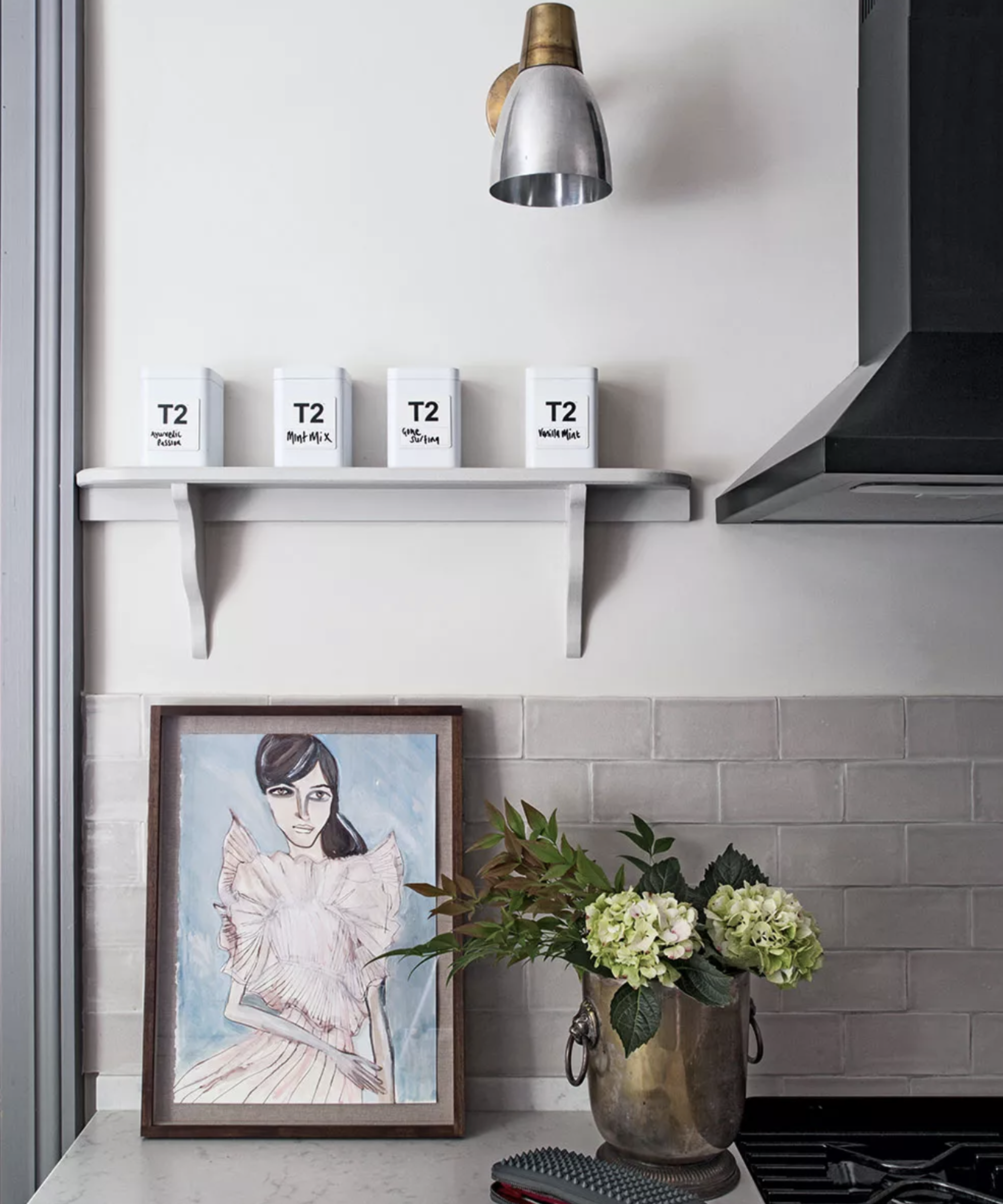
Woodhouse distinguishes the approach for dining areas, which allow for more creative and expressive lighting. Unlike the kitchen, where utility is paramount, dining spaces can incorporate elegant sconces, soft uplights, or integrated lighting around gallery wall artwork to foster mood and ambiance. The key difference lies in the balance: the kitchen requires a blend of beauty and utility, while the dining area leans more towards atmosphere.
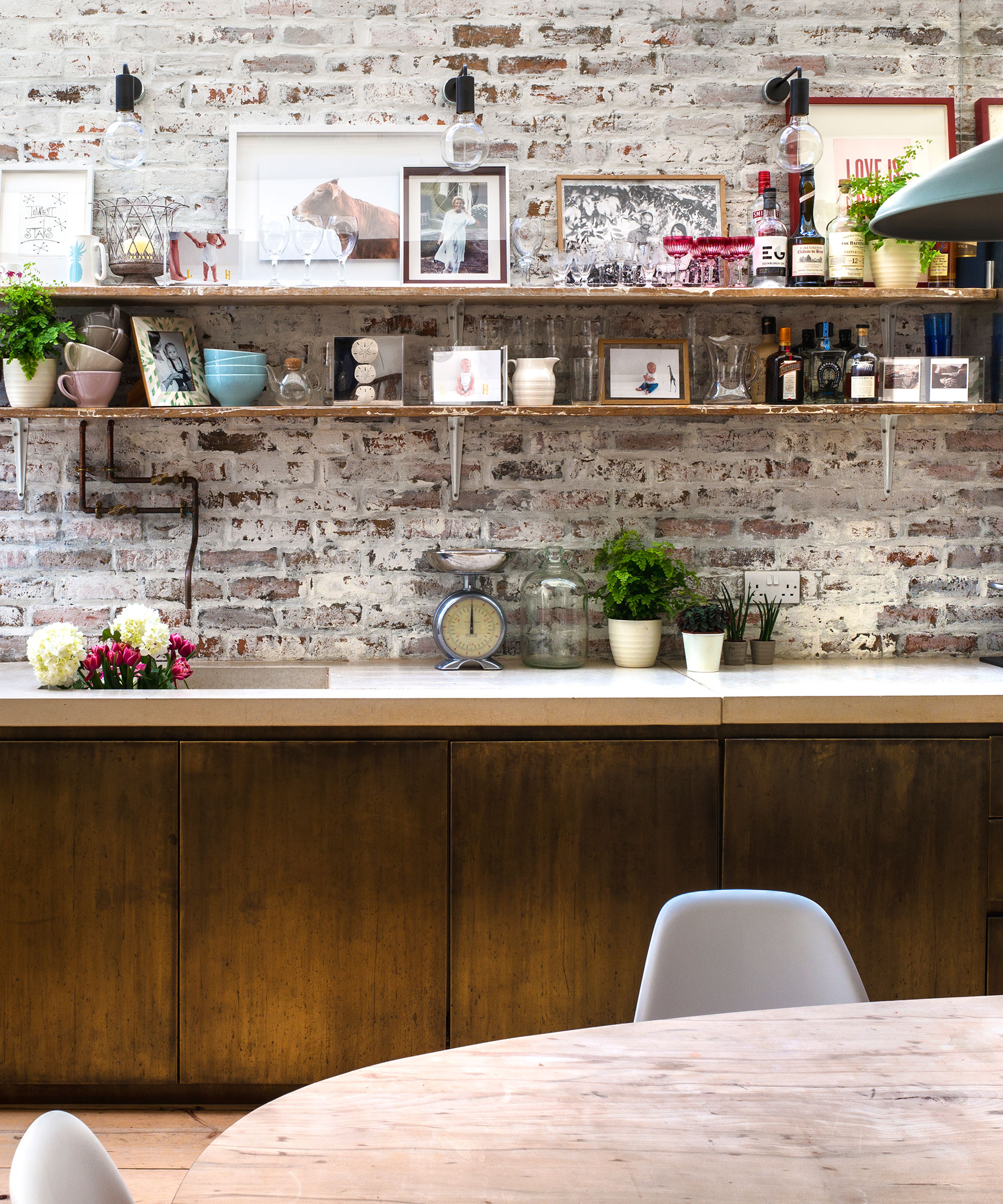
The article also draws inspiration from museum lighting practices, where lighting is strategically used to enhance art and improve the viewer's experience. While a kitchen is not a museum, applying similar principles can elevate the display of cherished artworks. Layered lighting is a recommended technique, involving the use of various light sources within a room. This method can transform the area around artwork, adding elegance and depth. A lack of proper lighting can make artworks appear flat and lifeless, so employing layered lighting helps to reveal their full glory.
Furthermore, the article highlights the importance of lighting for the preservation of artwork. It advises against using infrared or ultraviolet radiation, as the heat generated by these types of lights can cause damage. Instead, LED lights are recommended, specifically those that are brighter than the room's ambient light. This ensures the artwork is well-illuminated while minimizing the risk of damage. Creative use of other kitchen lighting fixtures can also contribute to an artistic display.
#KitchenLighting #ArtworkLighting #HomeDecor #InteriorDesign #KitchenDesign #CaraWoodhouse #LightingTechniques #ArtPreservation #LEDLighting #KitchenLighting #ArtworkLighting #HomeDecor #InteriorDesign #KitchenDesign #CaraWoodhouse #LightingTechniques #ArtPreservation #LEDLighting
0 comment in total
 No comments yet
You may also like
The BEST Way to Light Your Kitchen Is Not What You Think

15 Kitchen Lighting Mistakes Everyone Makes

These Kitchen Lighting Ideas Will Bring Idyllic Ambiance to the Heart of Your Home
Say Goodbye to Cooking in Harsh Lighting: Cabinet Lights Are Here to Save Your Cookspace’s Ambiance

Should You Have Lights Over The Kitchen Island? Designers Unanimously Agree If They Are Worth Budgeting For

17 Best Creative Lighting Ideas For Your Kitchen
The Low-Effort Kitchen Lighting Trend That Adds Instant Elegance
Lighting ideas for small kitchens – 10 ways to brighten up compact rooms

Designers say that lighting is the easiest way to elevate your kitchen
Essential Kitchen Lighting Tips, According to Industry Pros
Kitchen cabinet lighting: 8 ideas for a beautifully illuminated space


Anthony Hopkins makes the case for this unusual kitchen lighting – and for dad dancing, too
3 Steps to Perfect Kitchen Lighting, According to an Expert
Every Mistake I Made While Designing My Kitchen Lighting Scheme — The 5 Errors I Strongly Advise Against
Why Everyone Needs a Kitchen Lamp
27 smart kitchen lighting ideas that will illuminate your space and add style
The Kitchen Lighting 'Rule Of 3' Will Instantly Make Your Space Look Expensive – And Designers Swear By It For A Perfectly Layered Scheme
Kitchen wall lighting ideas – 17 must-have looks for today's contemporary kitchen
12 Kitchen Lighting Mistakes (And How To Avoid Them)

Kitchen cabinet lighting: 8 ideas for a beautifully illuminated space