How Tall Should Your Nightstand Actually Be? An Expert Explains
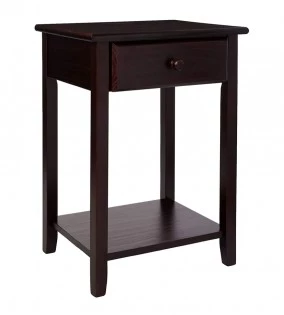
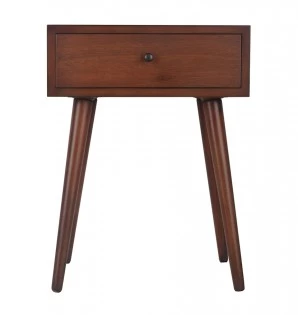
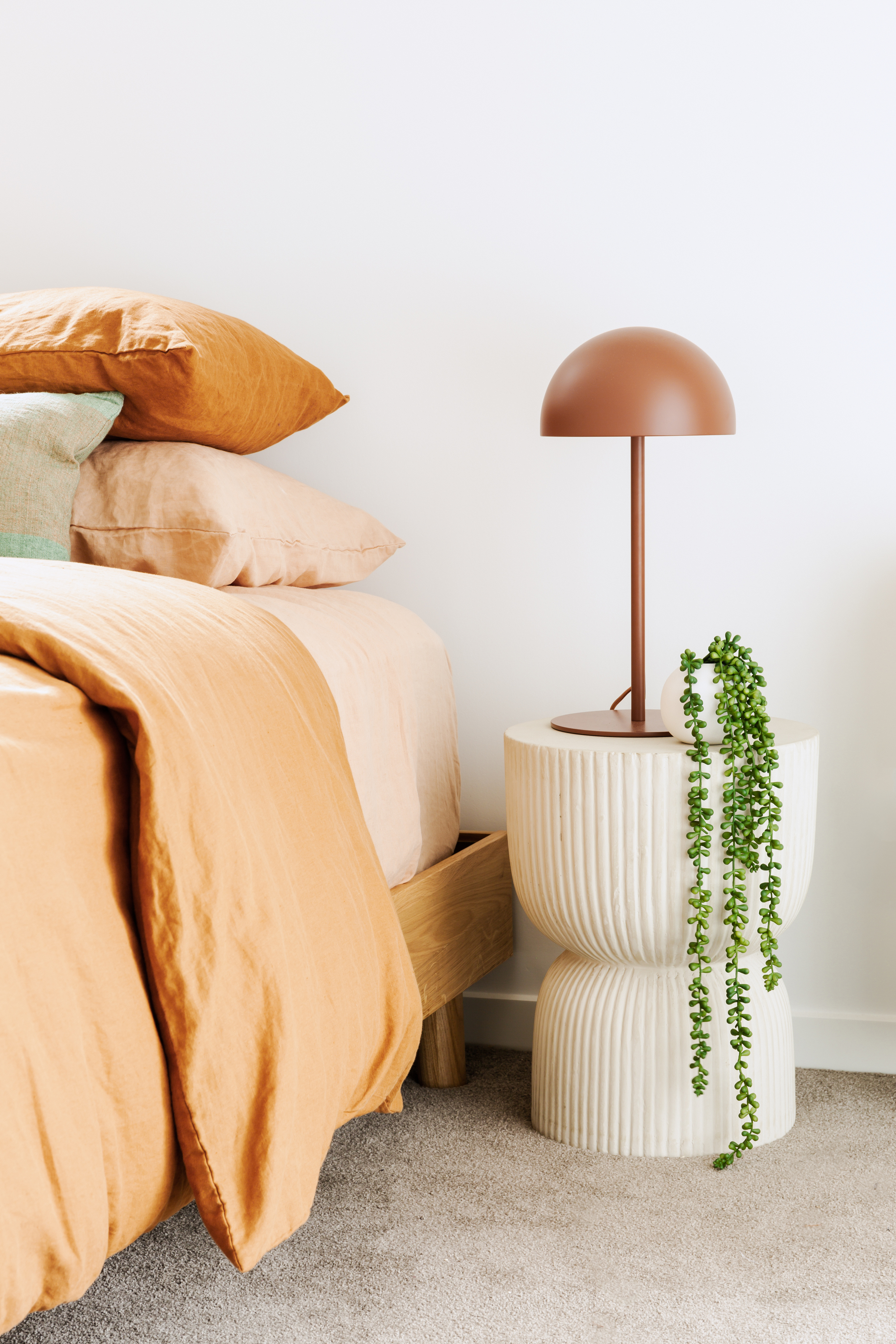
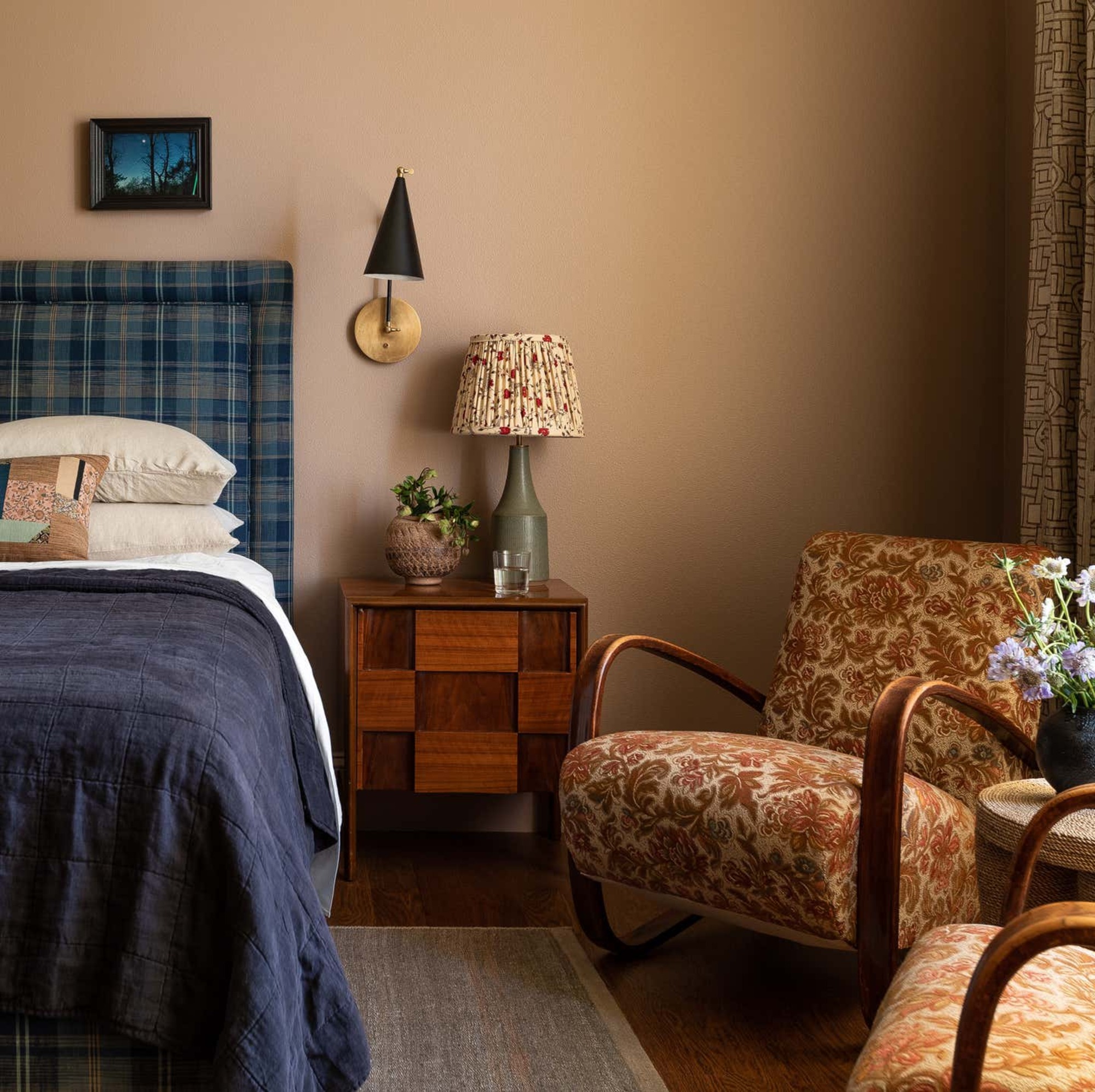
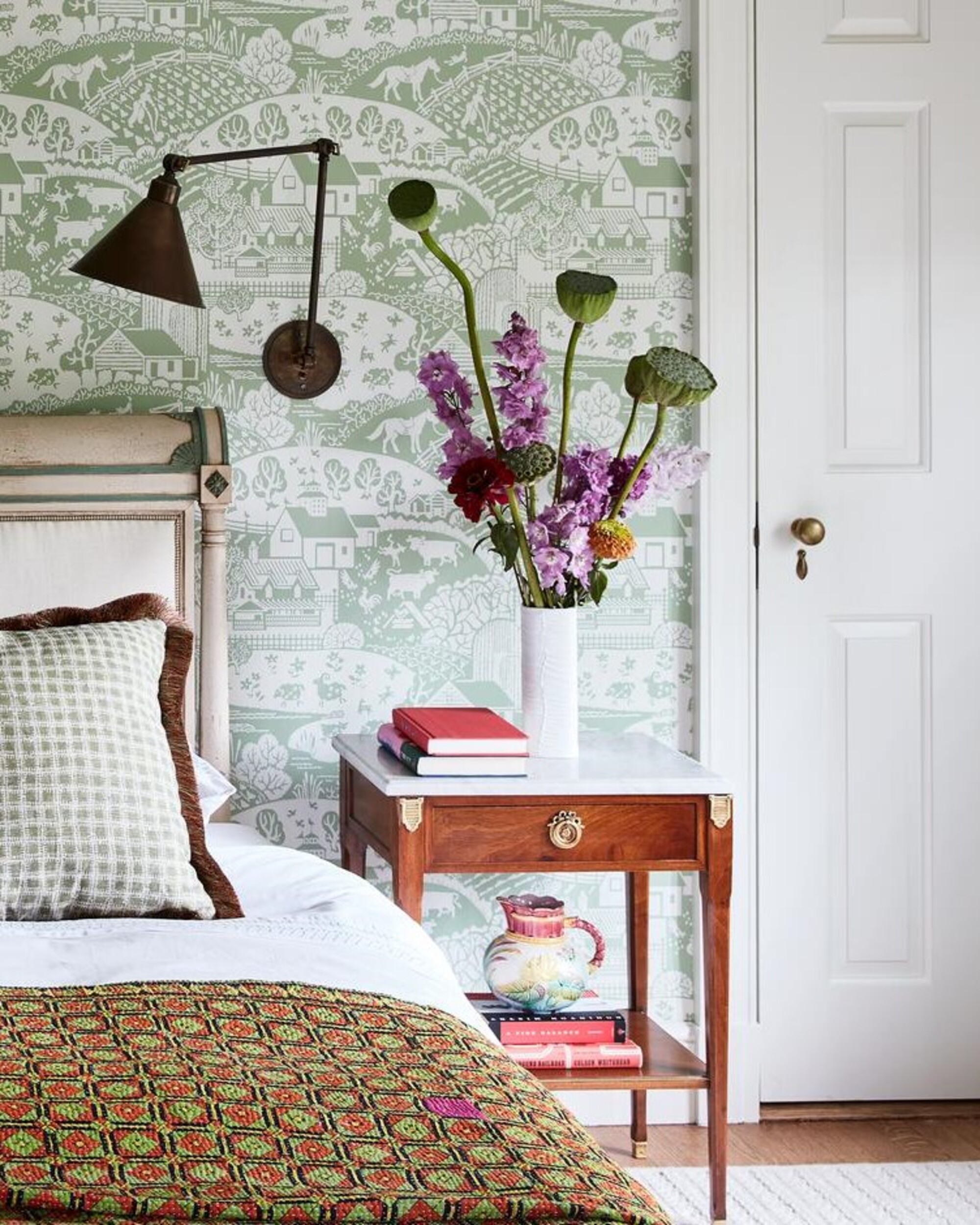
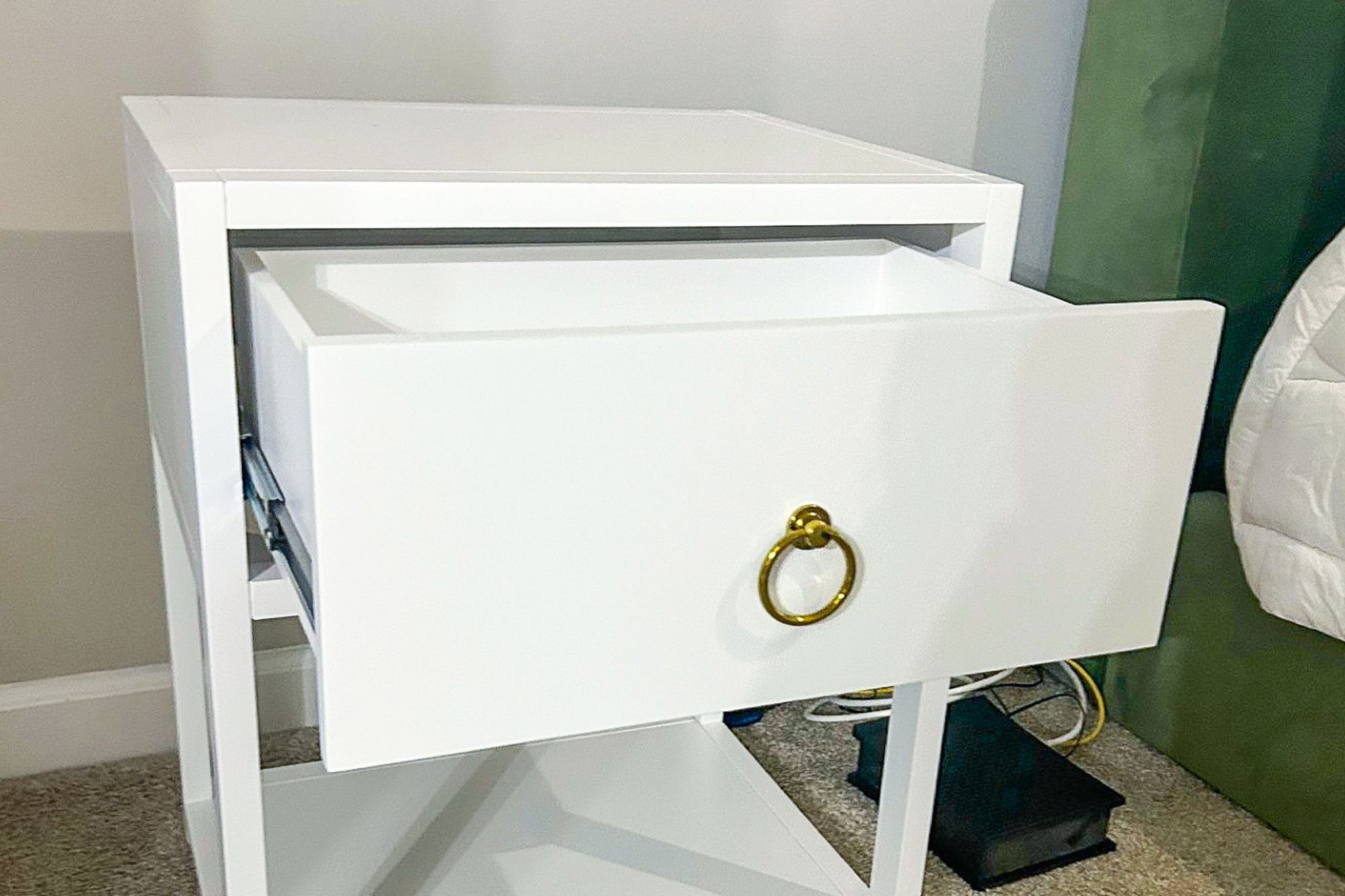
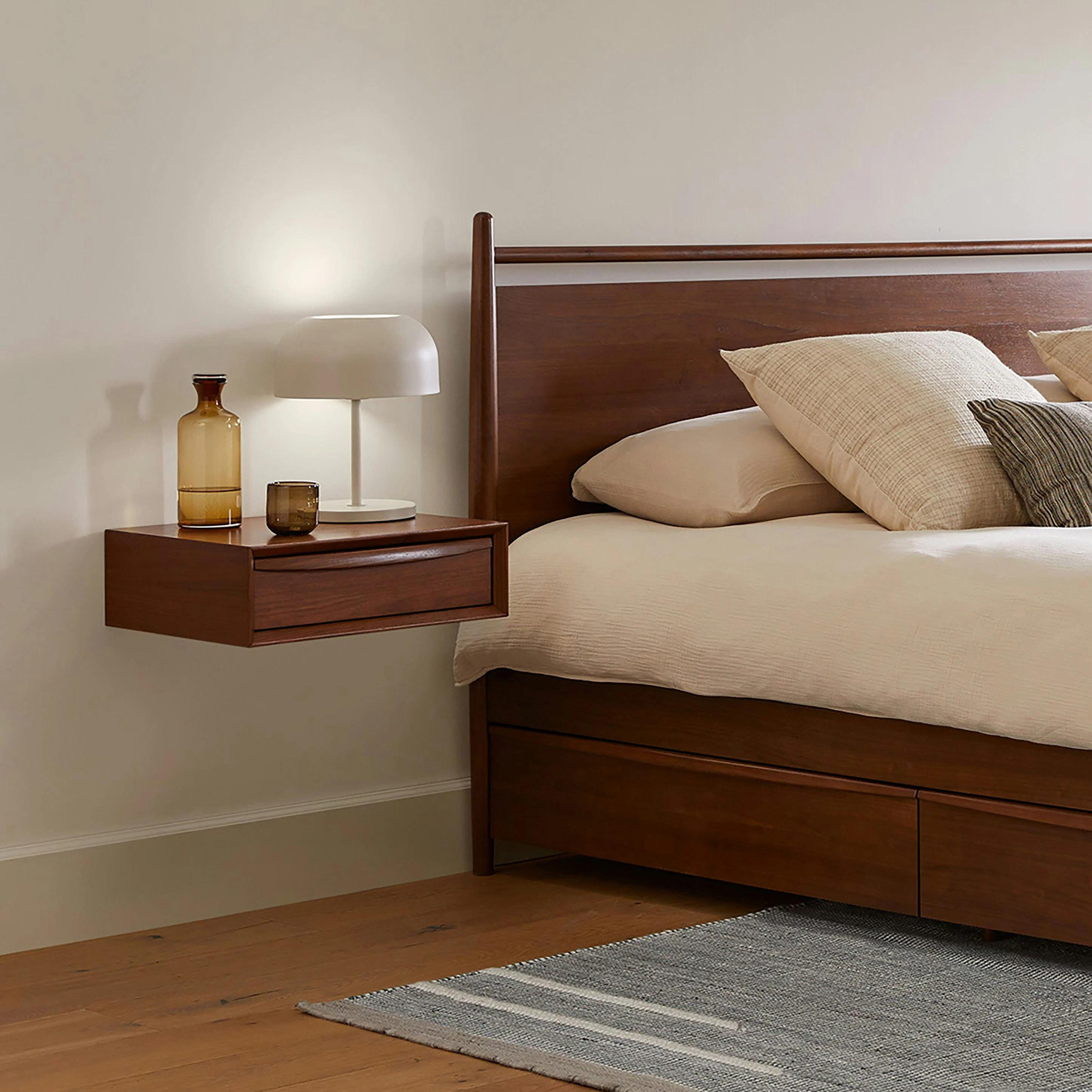
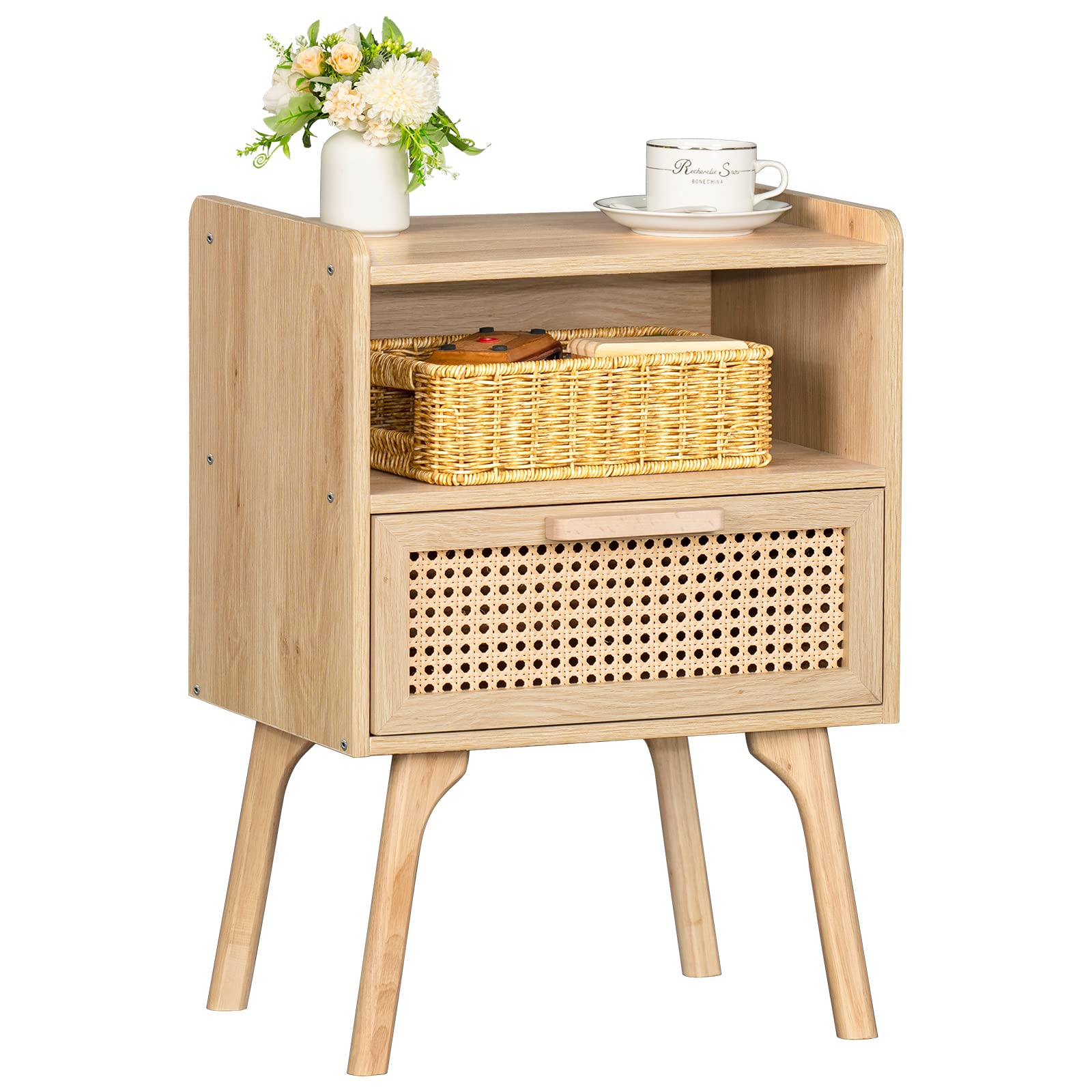
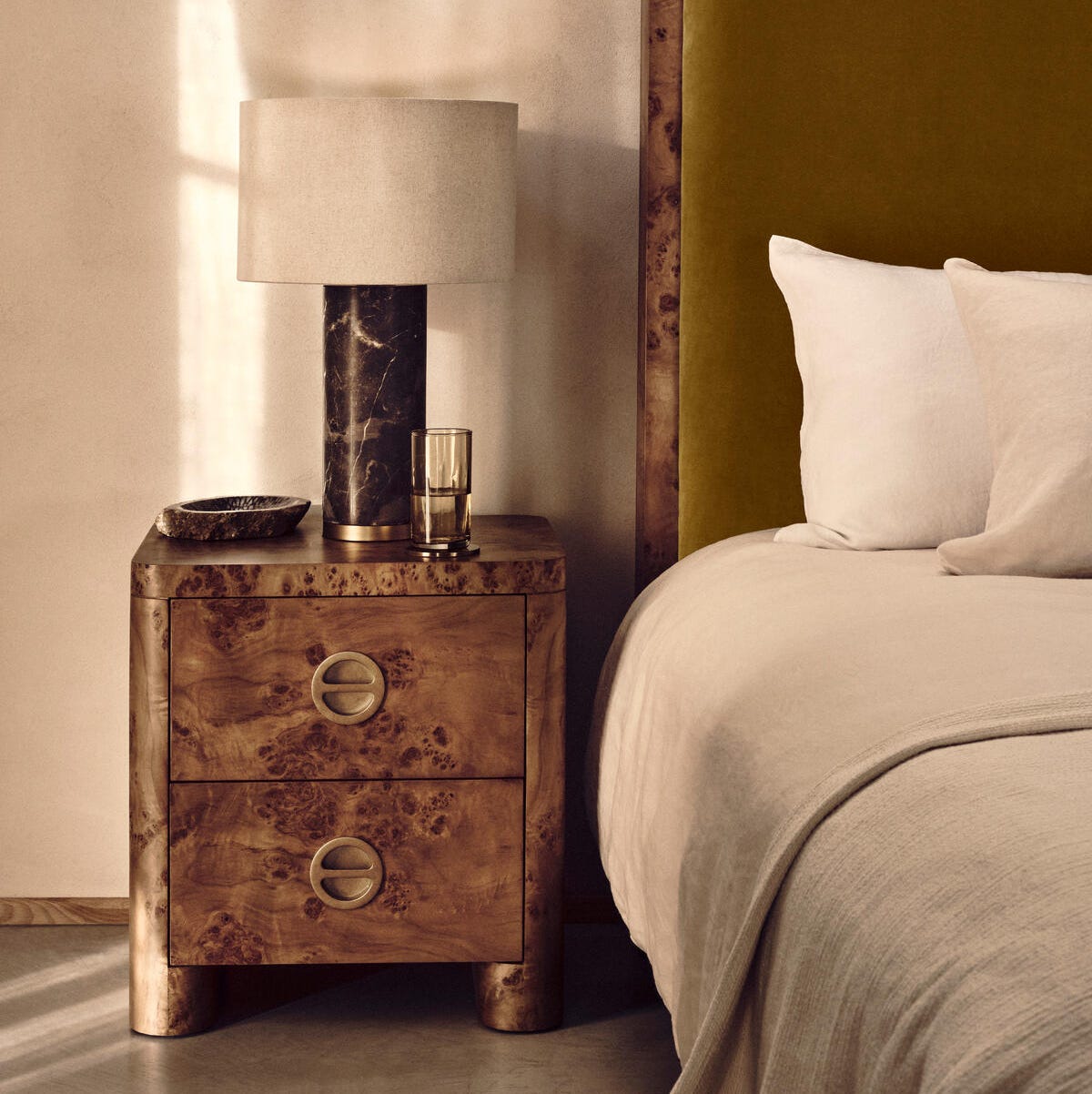
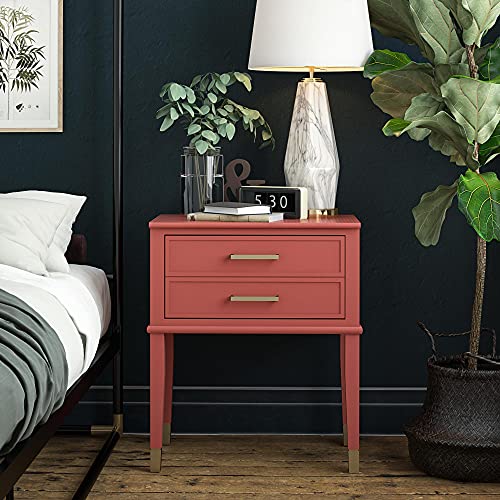
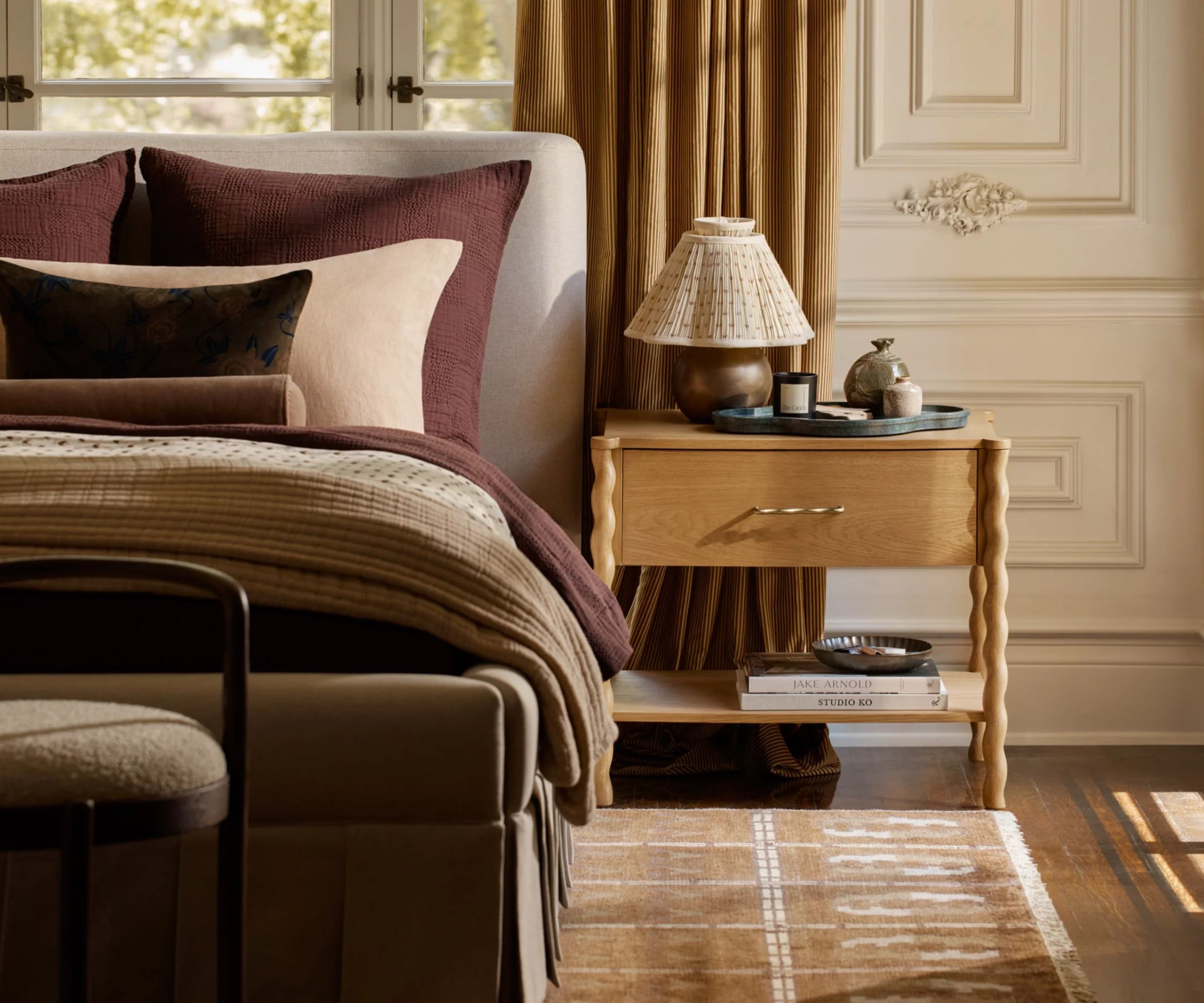
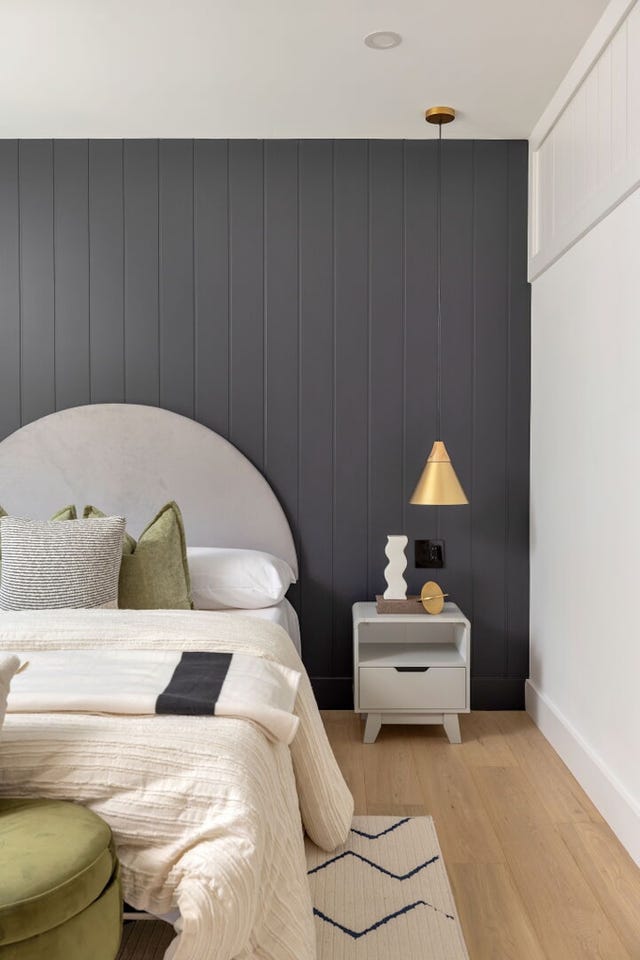
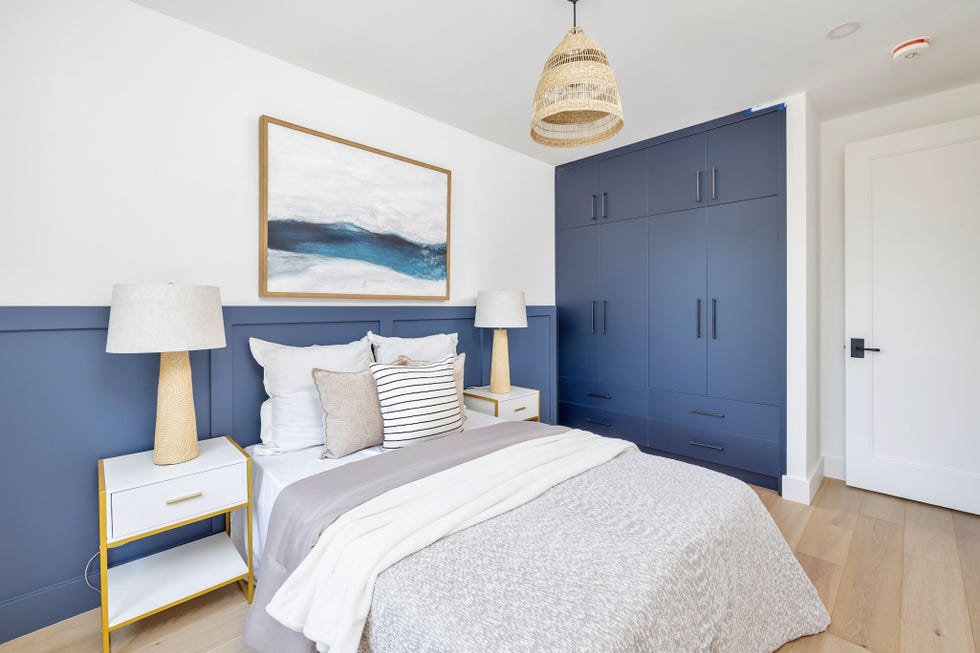
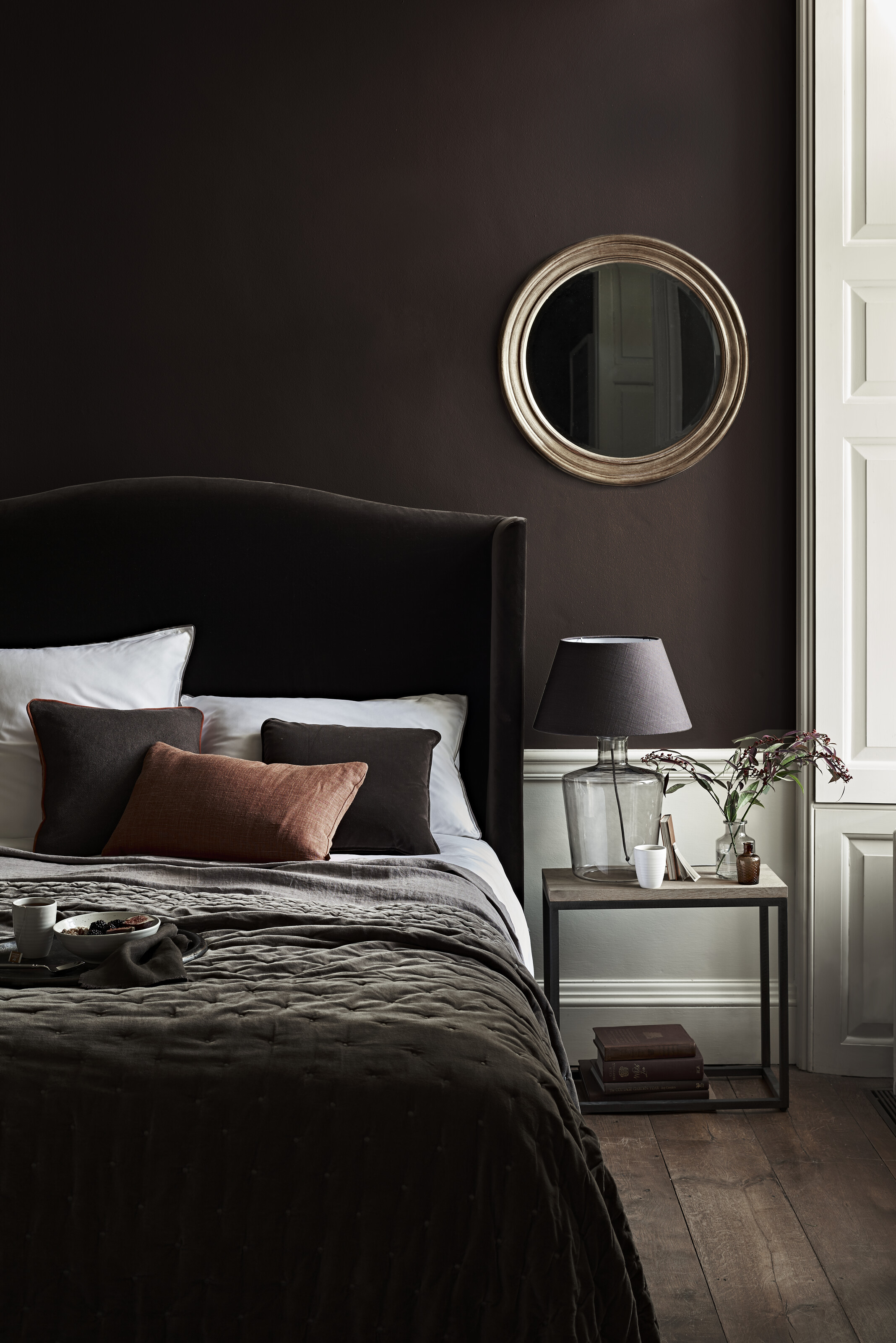
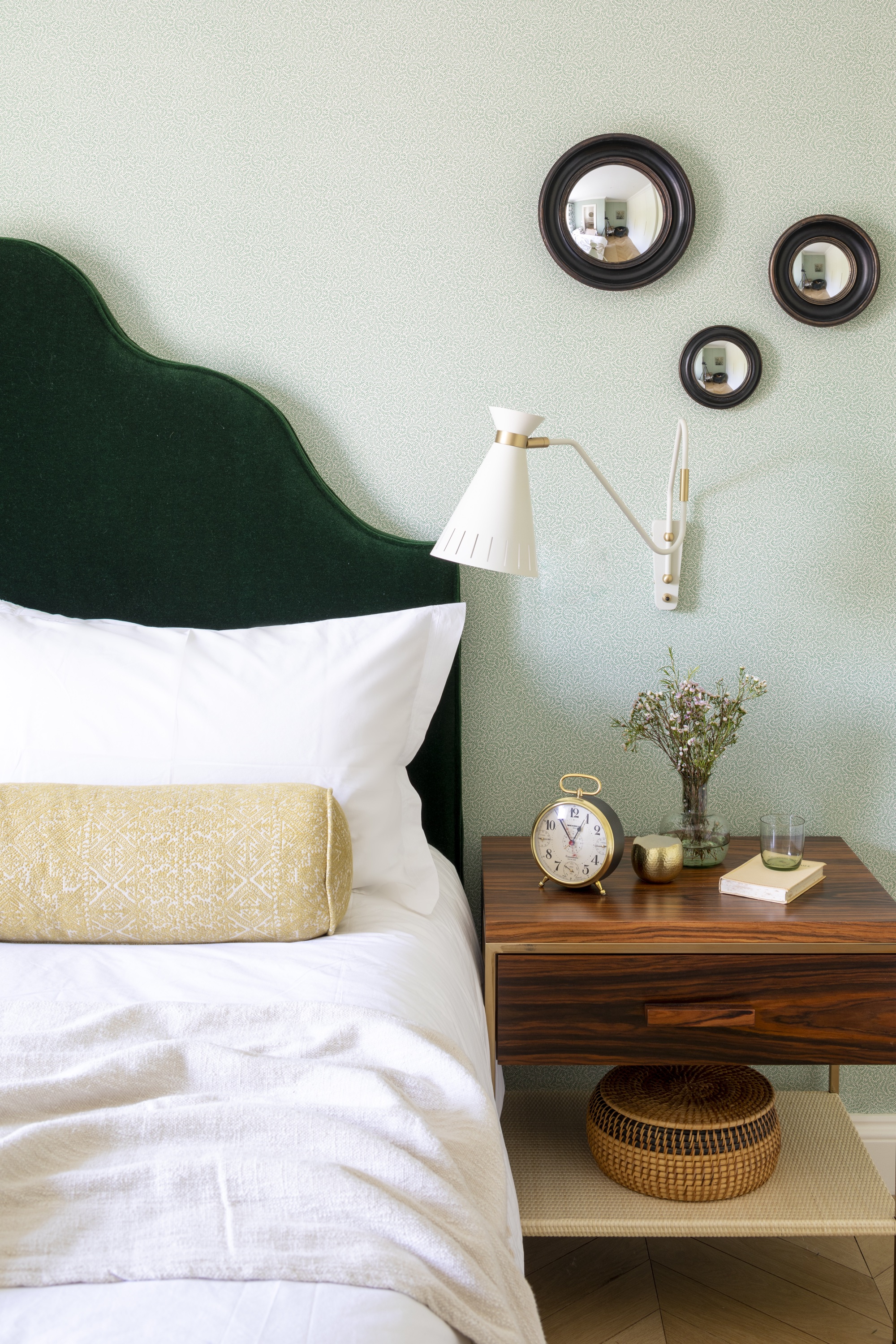
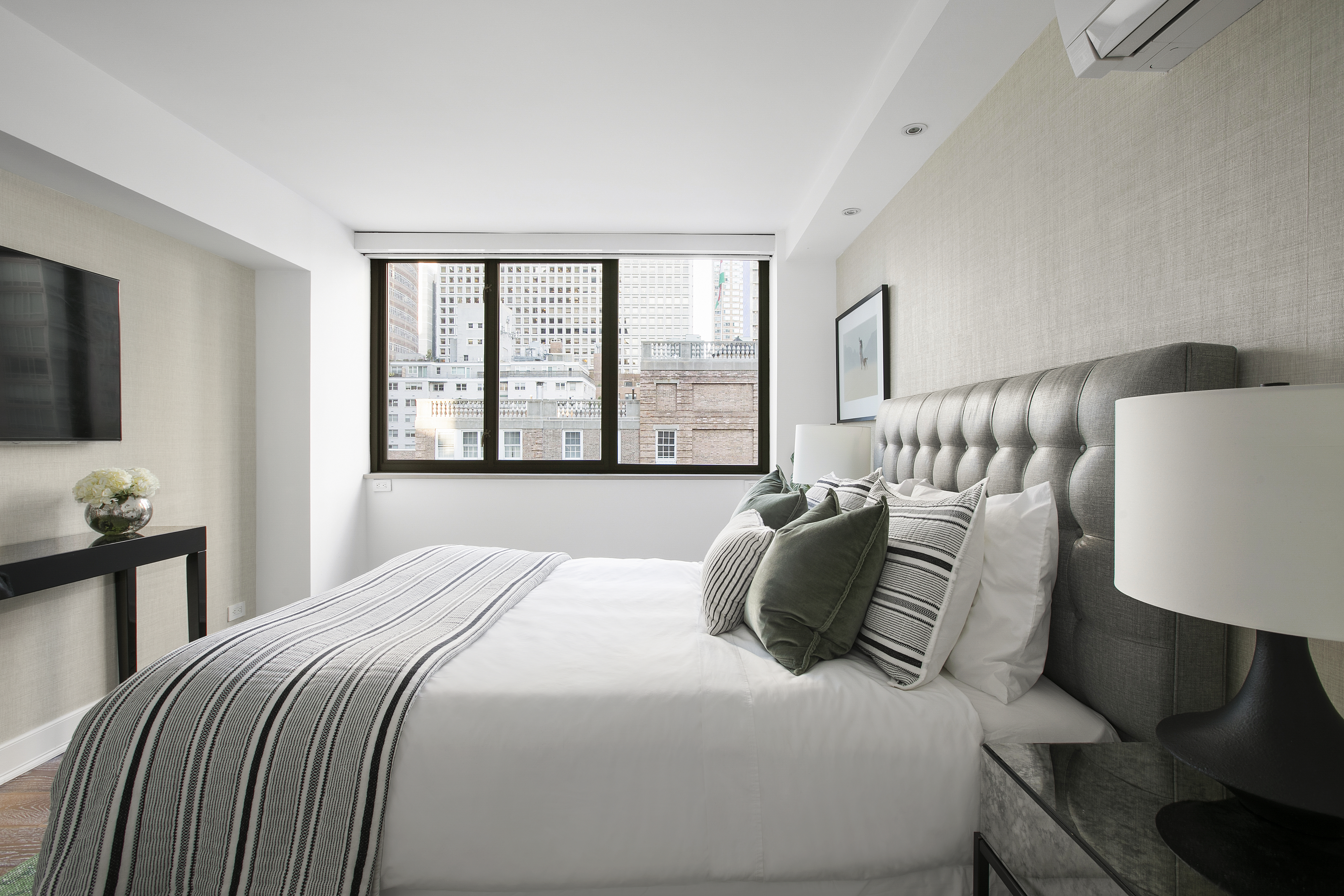
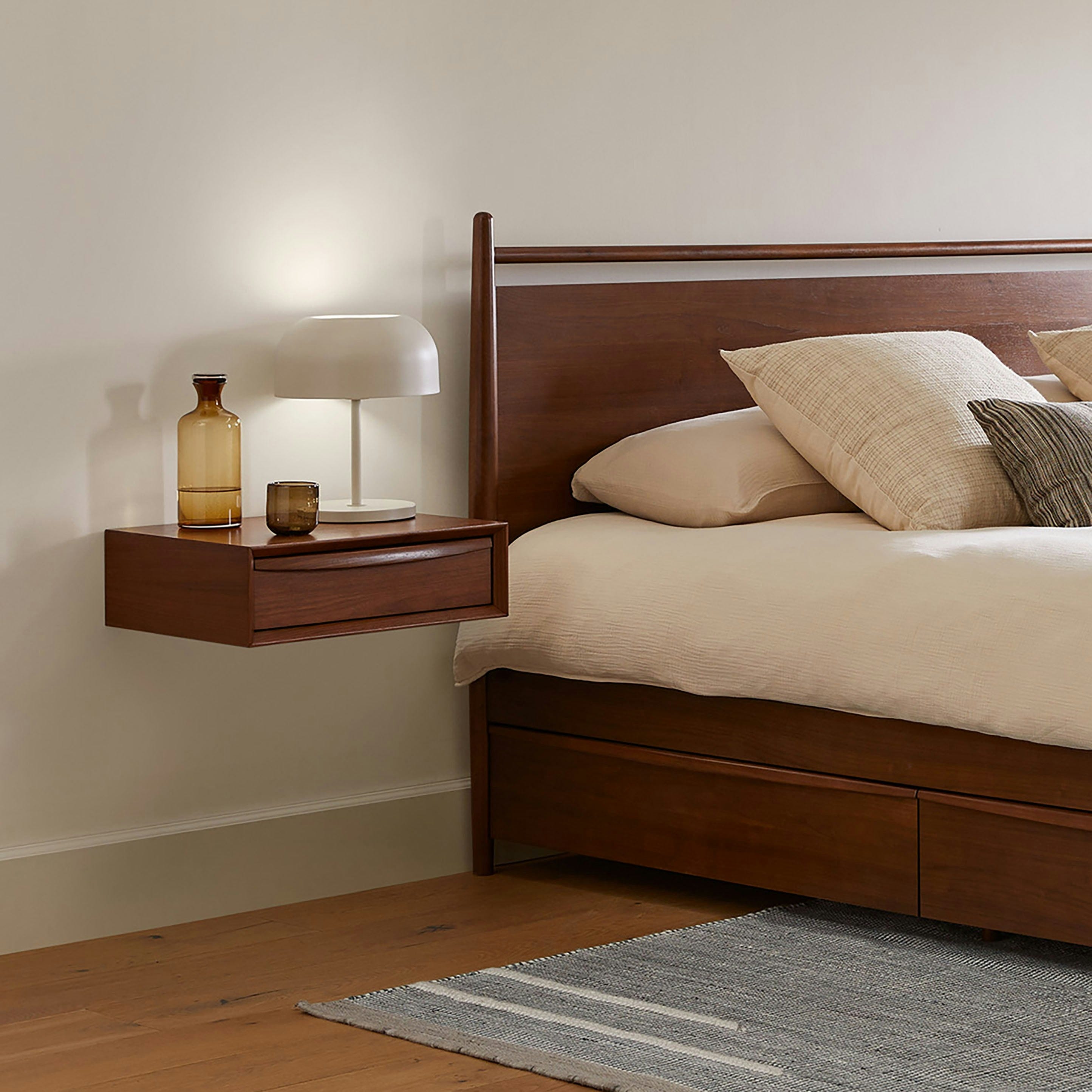
Nightstands are an essential element in bedroom design, providing both functionality and aesthetic balance. Choosing the right nightstand height is crucial for comfort and to avoid disrupting the room's overall harmony. While personal preference plays a significant role, there's a simple guideline to ensure optimal placement: the top of the nightstand should be level with or slightly lower than the top of the mattress.
Susan Caudle, Director of Marketing for Hardwood Artisans, emphasizes this "general rule of thumb" to ensure items on the nightstand are easily reachable without straining. This prevents discomfort and enhances the usability of the bedside table. To determine the ideal height, it is recommended to first select the mattress and bed frame, as the nightstand's height is relative to these items. A common height for nightstands ranges between 23 to 28 inches, though this can vary based on the specific thickness of the mattress and the height of the bed frame. The most effective way to calculate the perfect nightstand height is to measure the distance from the floor to the top of the mattress. This measurement provides the target height for the nightstand, or a height a couple of inches shorter.
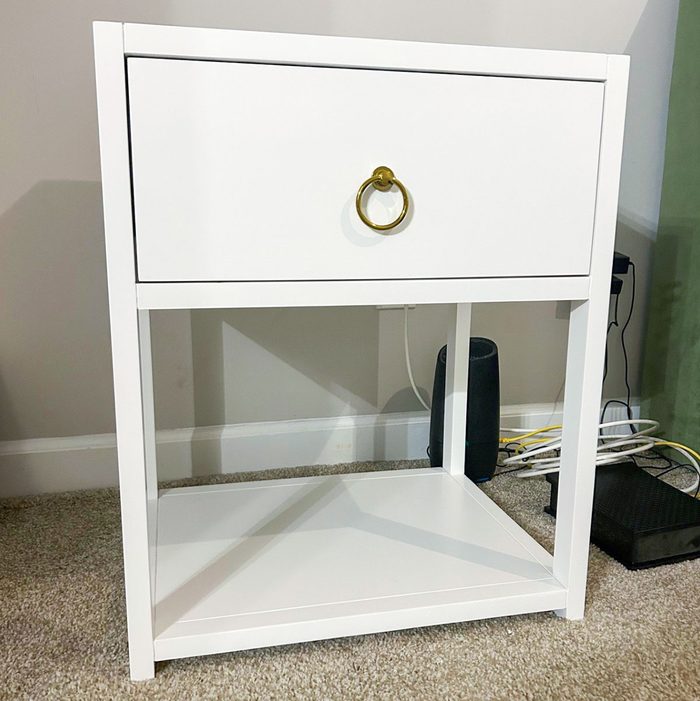
Beyond height, the width and depth of a nightstand offer more flexibility, largely dependent on the available space and the user's needs. Caudle notes that Hardwood Artisans typically crafts nightstands between 18 and 28 inches wide, adjusting for style, customer preference, and room size. Smaller nightstands are generally better suited for twin beds, while larger ones complement queen or king-sized beds. When considering width and depth, it's important to assess how the nightstand will be utilized, including storage requirements and the surface area needed for lamps and other decor items, ensuring everything fits comfortably.
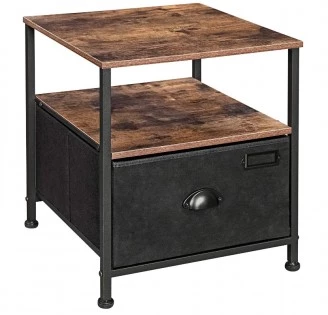
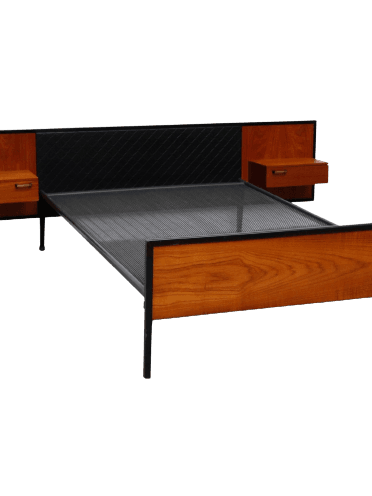
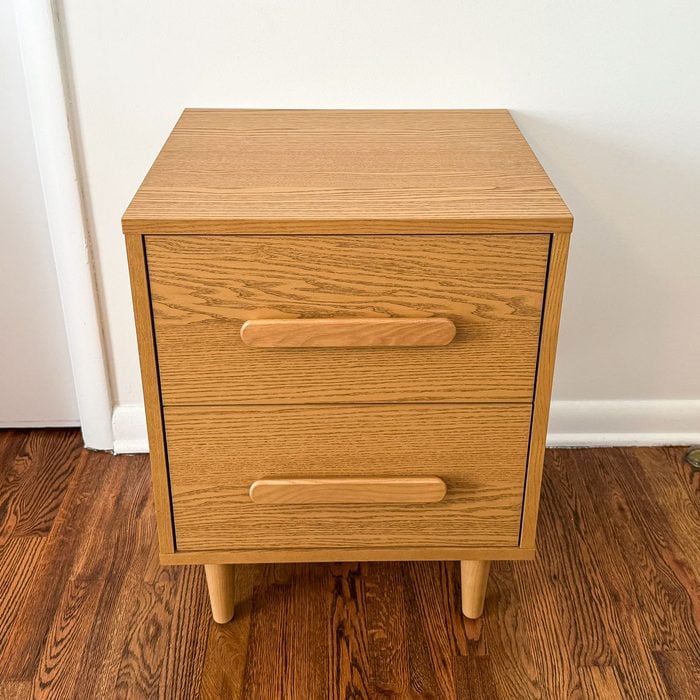
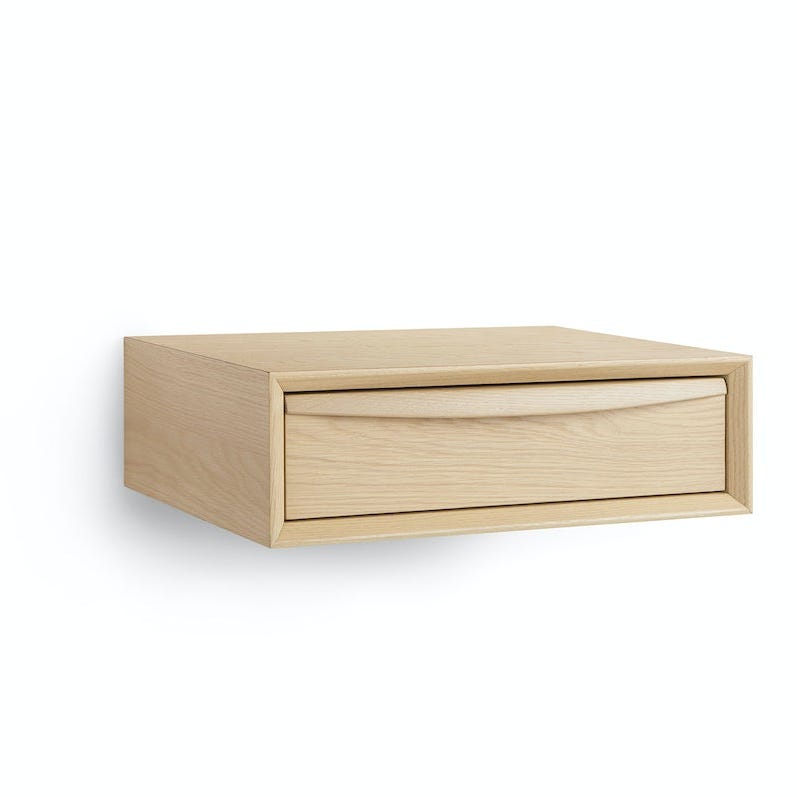
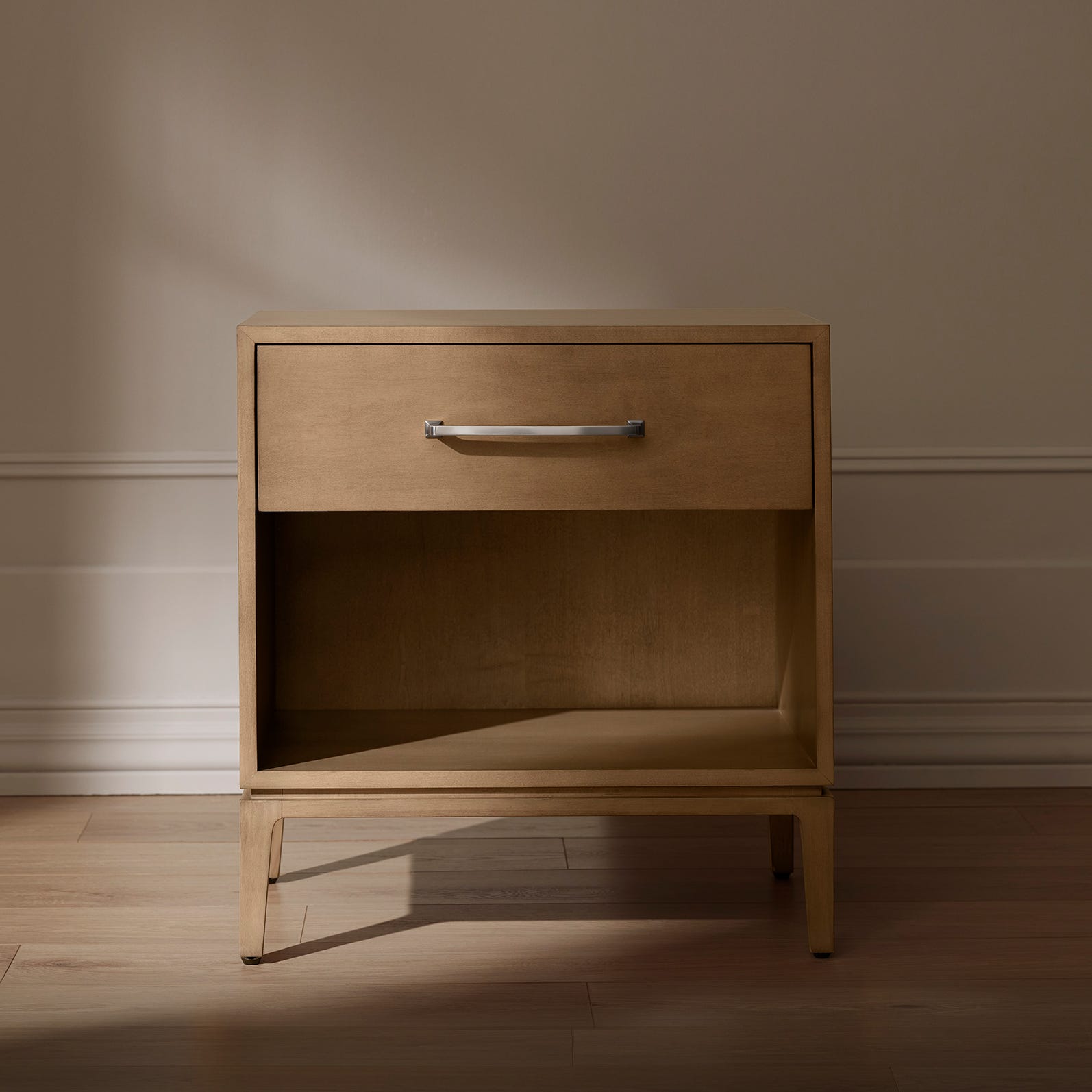
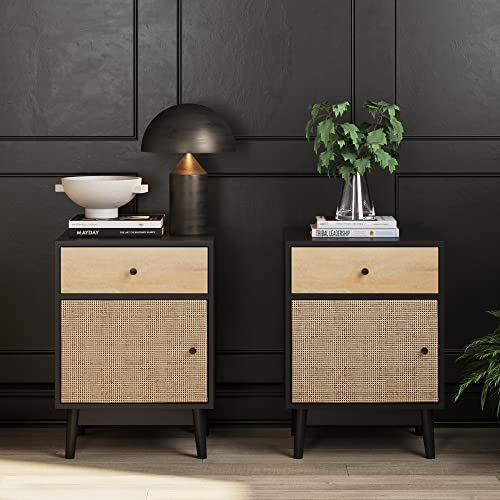
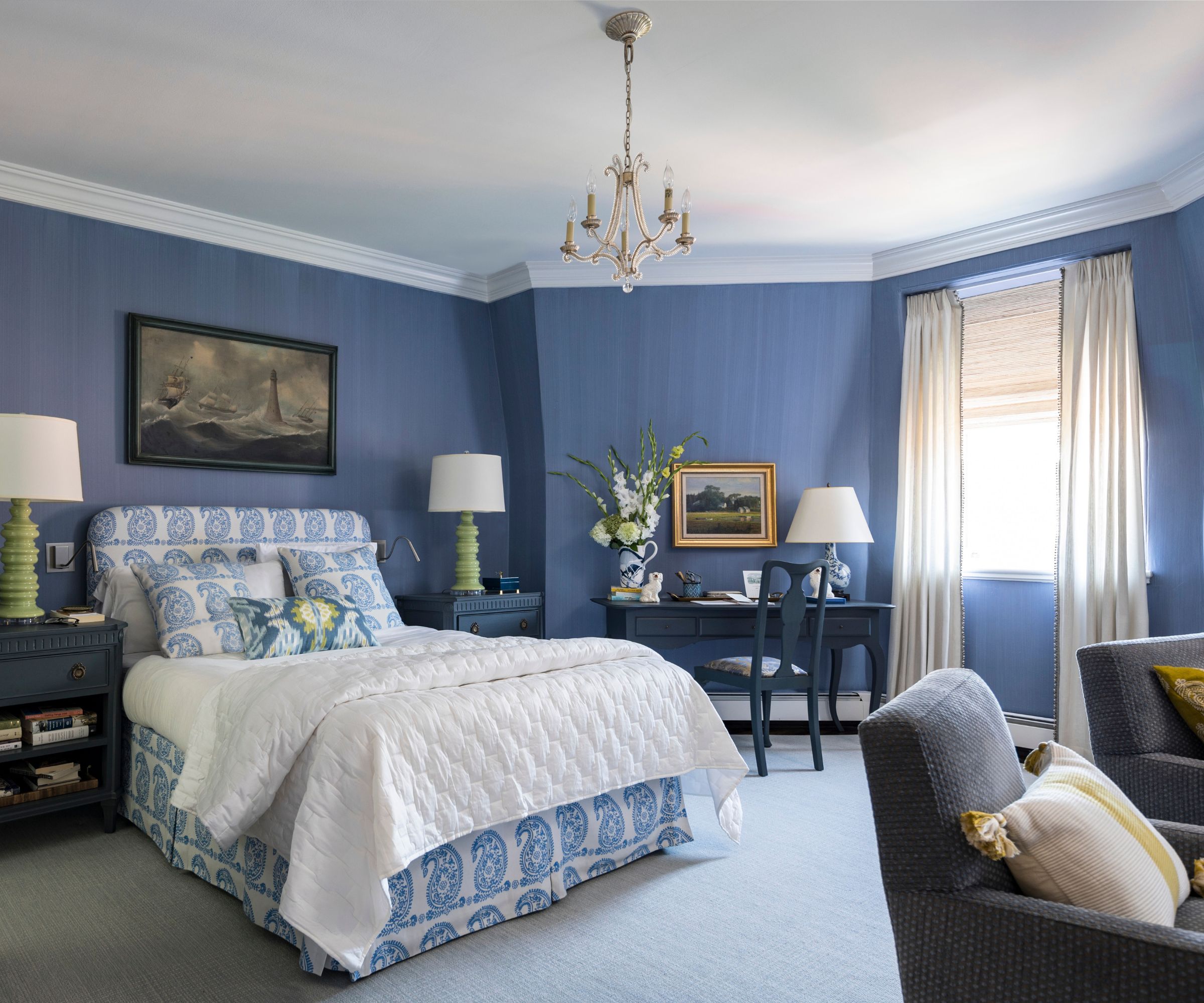
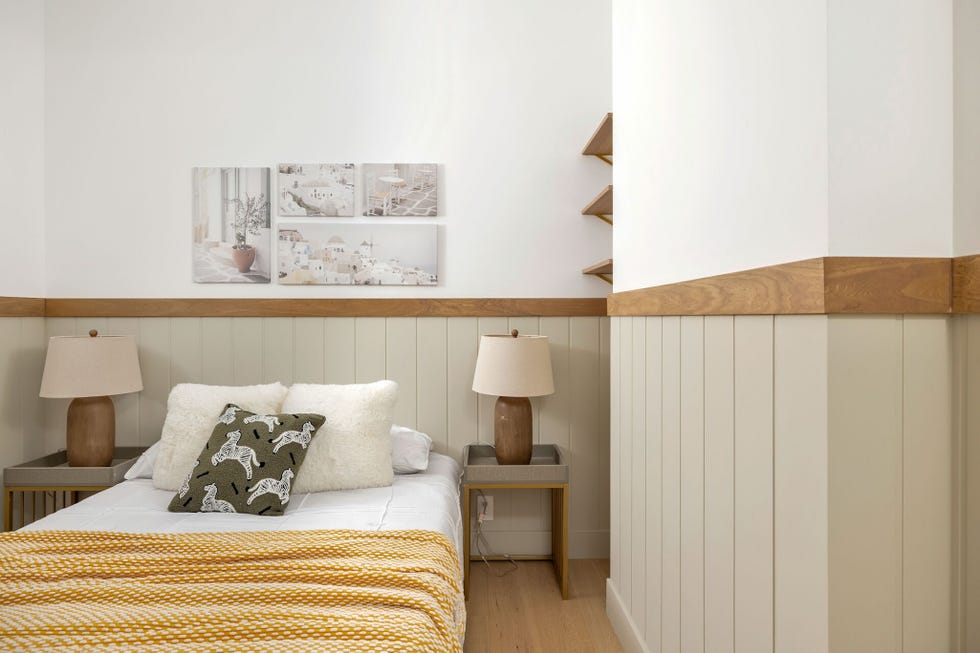
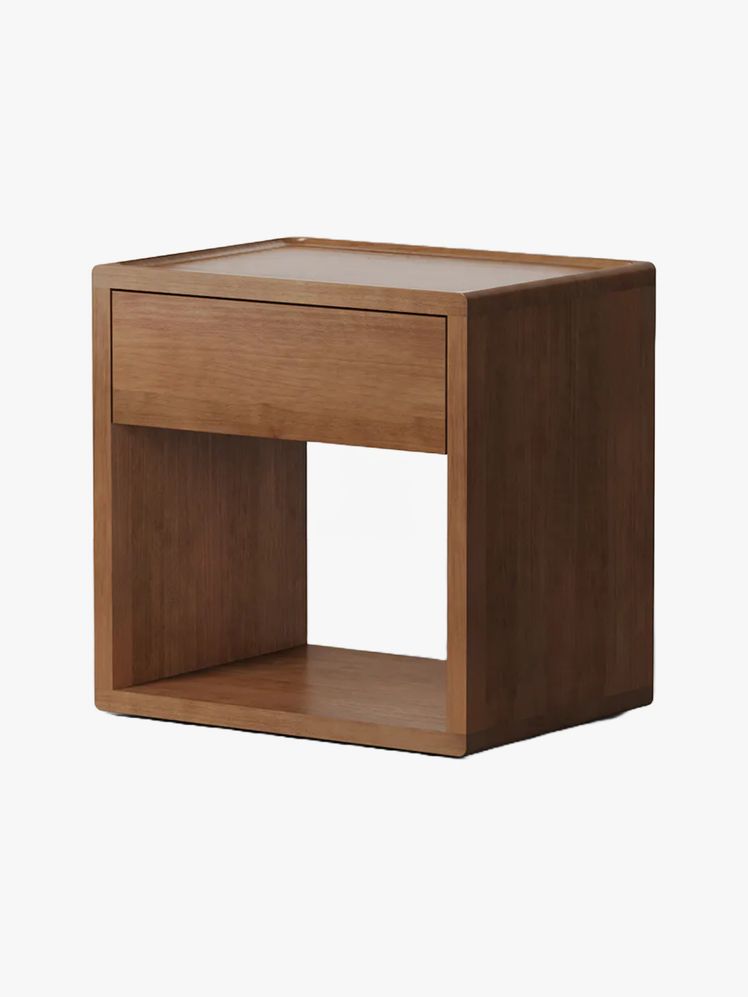
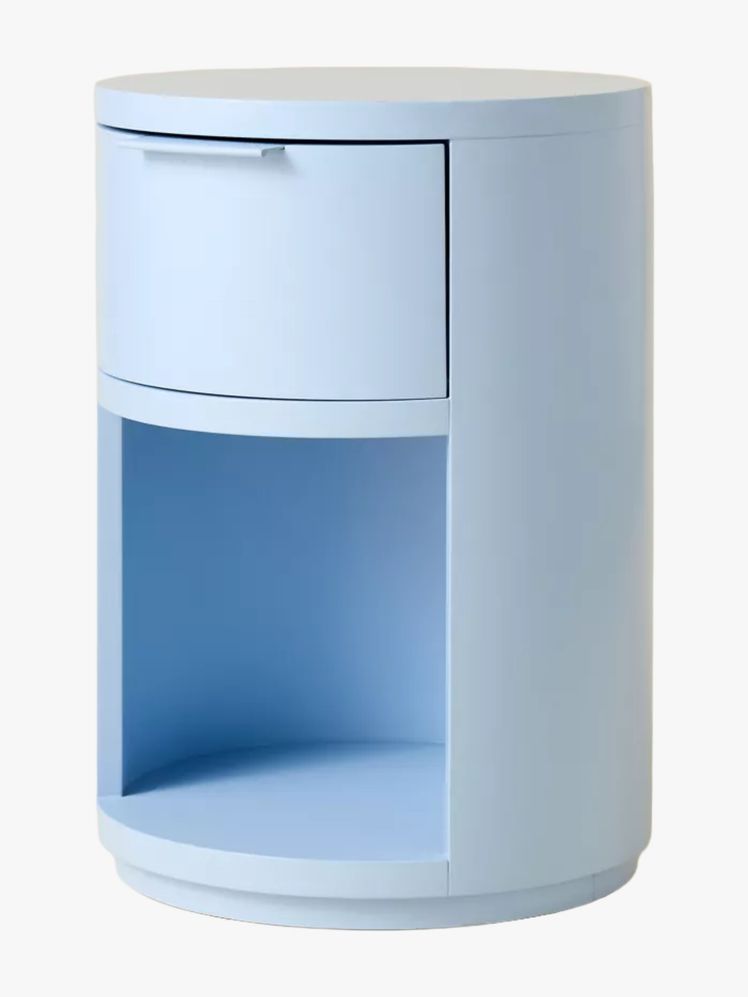
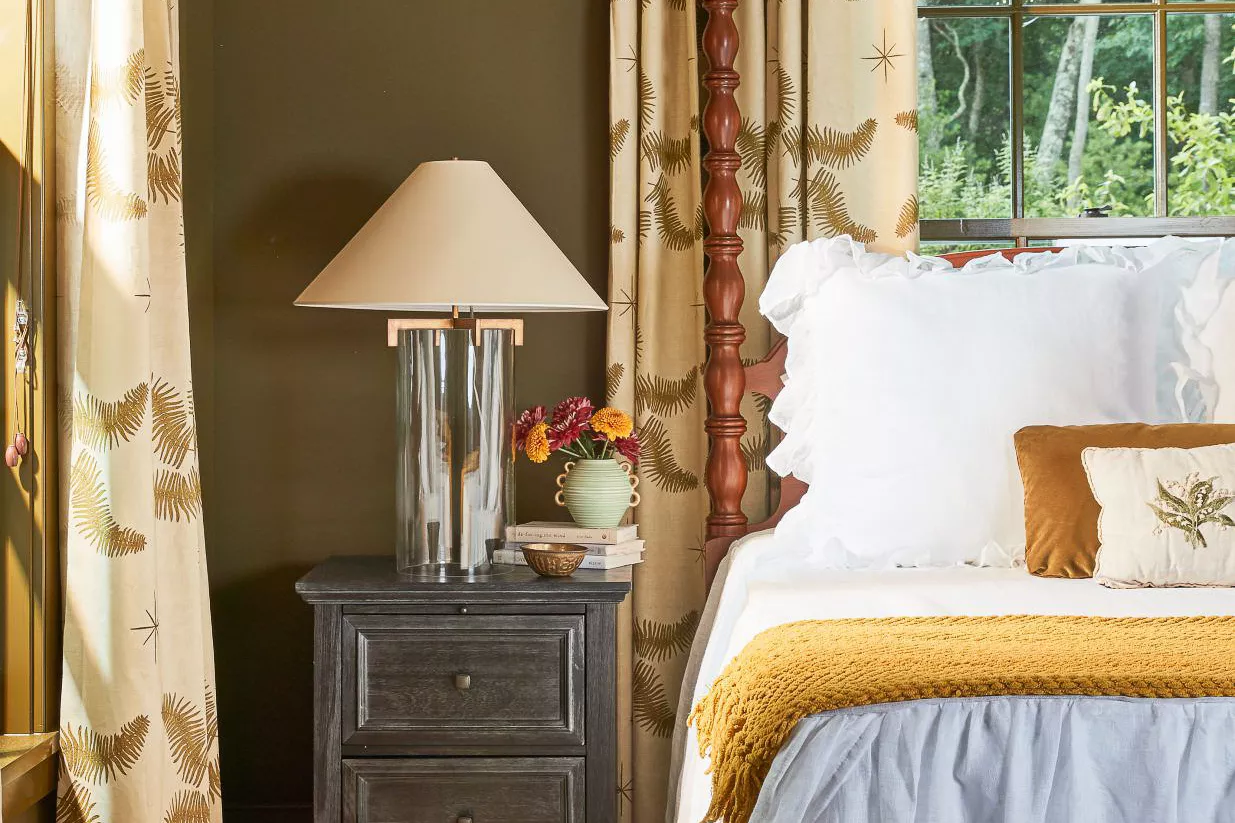
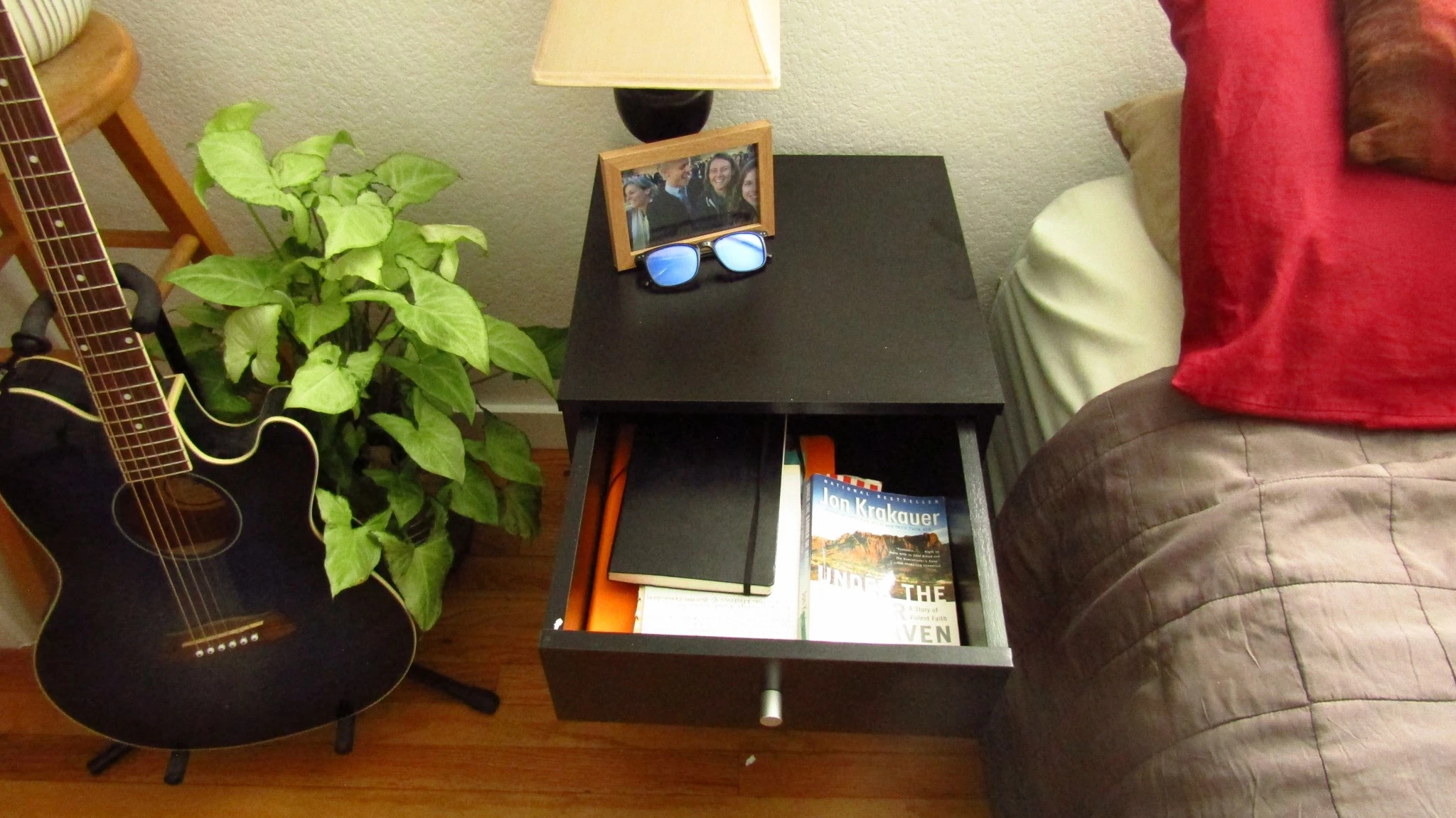
Further considerations beyond dimensions include storage options and technical needs. Modern nightstands often incorporate features like charging drawers or shelves to accommodate electronic devices, reflecting contemporary lifestyles. The choice of materials and drawer handles also contributes to the nightstand's overall aesthetic and integration into the bedroom's design. Stylistically, whether nightstands need to match is a matter of personal taste. An identical pair can create a cohesive and symmetrical look, while mismatched but complementary nightstands can add an eclectic touch. However, maintaining a consistent height for both nightstands, ensuring they are level with or slightly below the mattress, remains a key strategy for both visual appeal and practical comfort, regardless of whether they are identical or fraternal in style.
#NightstandHeight #BedroomDesign #FurniturePlacement #HomeDecor #InteriorDesignTips #FunctionalBedroom #CustomFurniture #MattressHeight #NightstandHeight #BedroomDesign #FurniturePlacement #HomeDecor #InteriorDesignTips #FunctionalBedroom #CustomFurniture #MattressHeight
0 comment in total
 No comments yet
You may also like
The Best Nightstand

Shop the Best Nightstands to Store All Your Bedside Essentials
The Most Stylish Nightstands to Elevate Your Bedroom Decor

The Game-Changing Bedroom Design Hack Pros Swear by


12 Headboard Nightstands That Maximize Space and Spend

How deep should bookshelves be? Designers agree unanimously on getting the measurements right for your space

How To Style Your Primary Bedroom Nightstand
The Best Nightstands and Bedside Tables Make Stylish Sleep Sidekicks
I tried this 5 step guide to restyle my nightstand – and it's seriously elevated my bedside set-up
How Tall Should Your Coffee Table Be? How to Choose the Right Size for Any Room

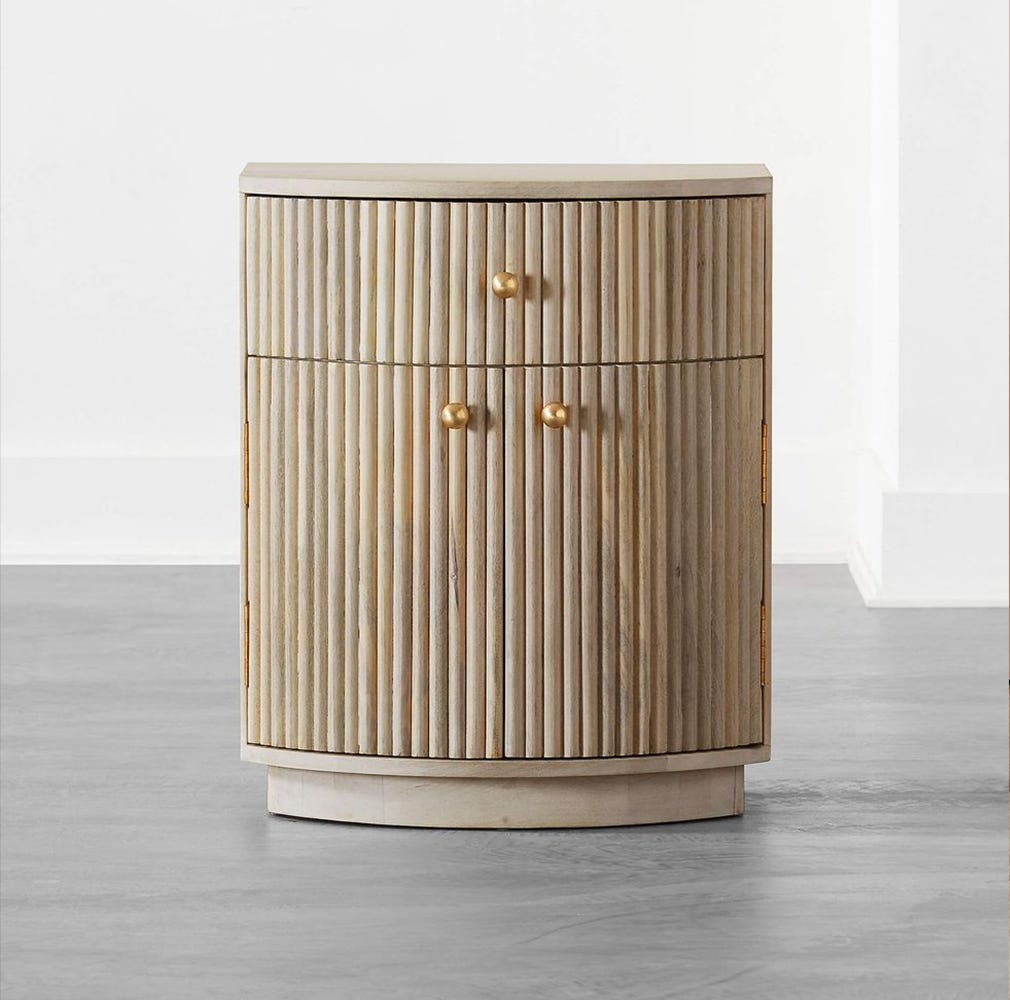
Hey, You, It's Time to Upgrade Your Nightstand

Should living room furniture be the same height? Experts give their verdict

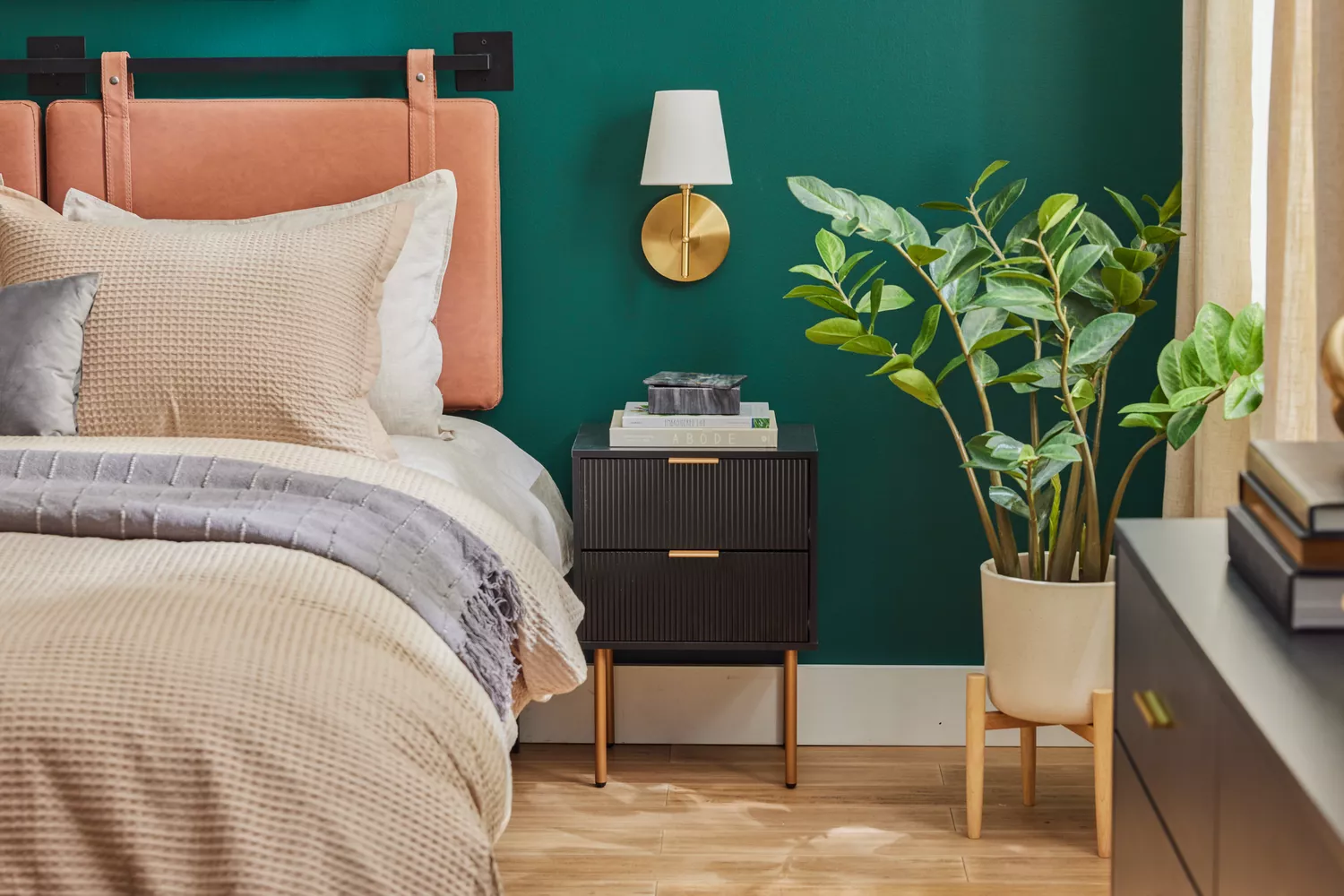
Interior Designers Share 5 Tips for Choosing the Right Nightstand
How high should a bathroom vanity be? Designers share the 'Goldilocks' measurement
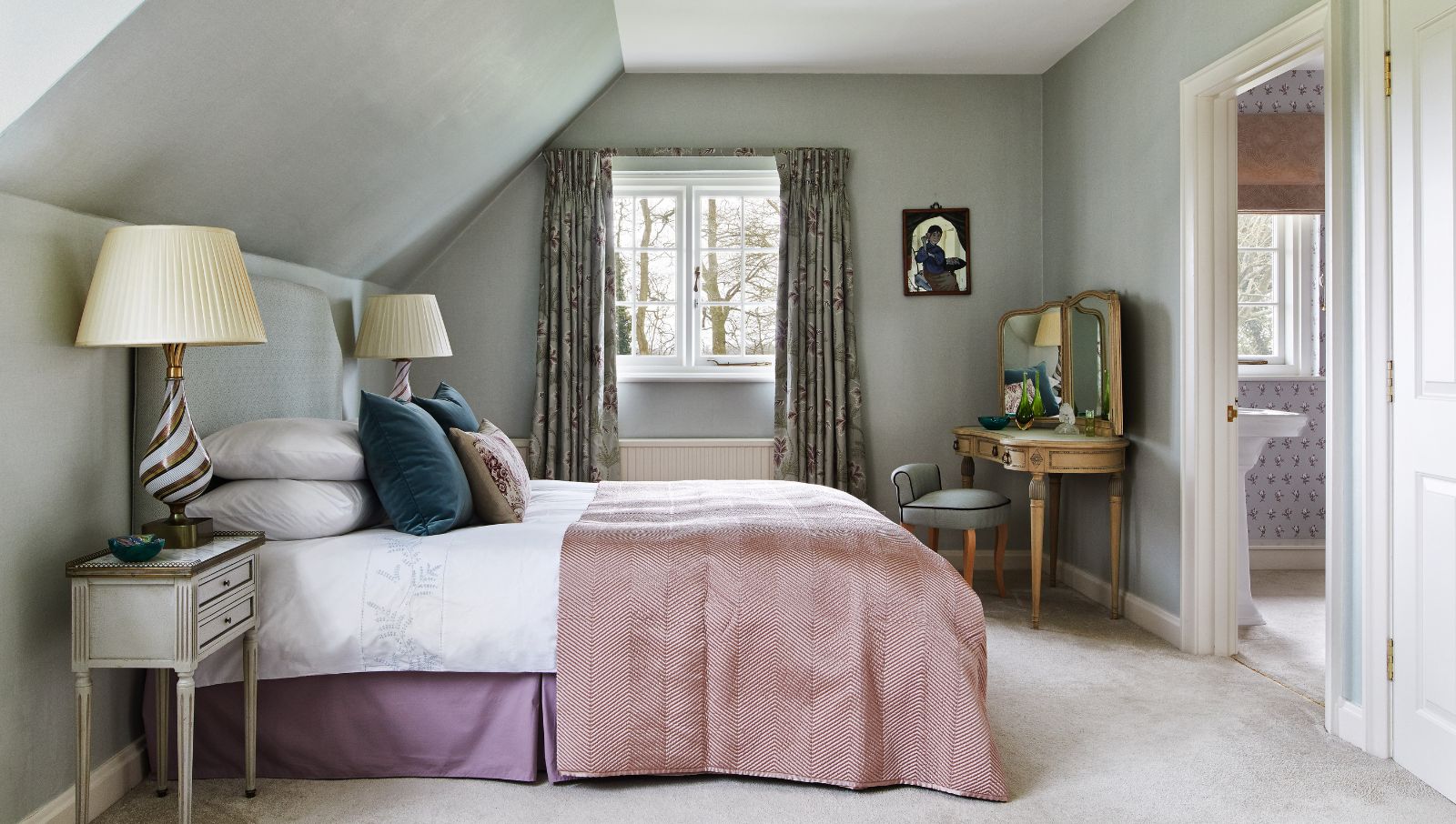
A guide to bedroom clearances, measurements, and spacing
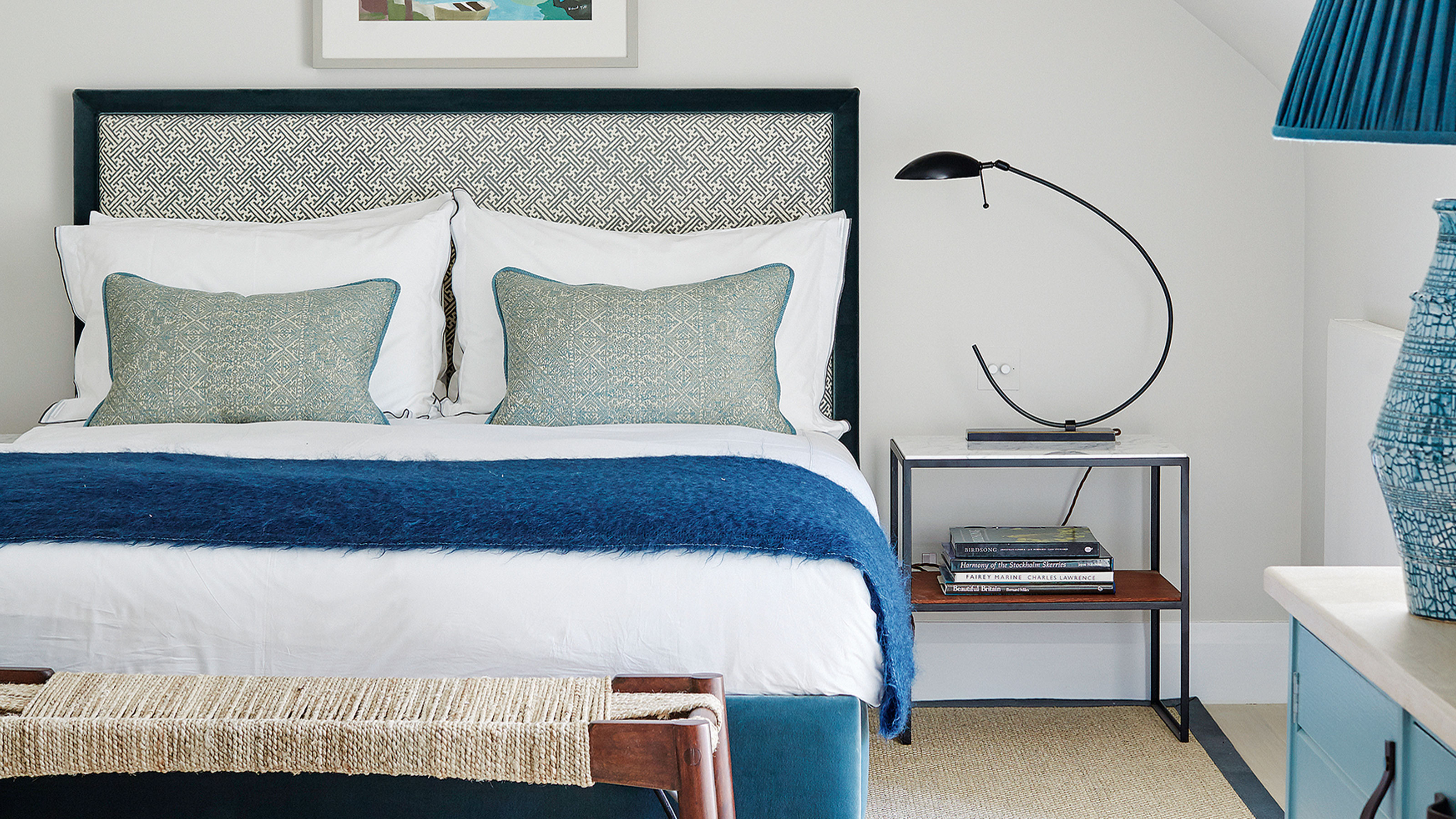
Do low beds make a bedroom look bigger? 5 expert tips on getting bedroom furniture height right in a small space
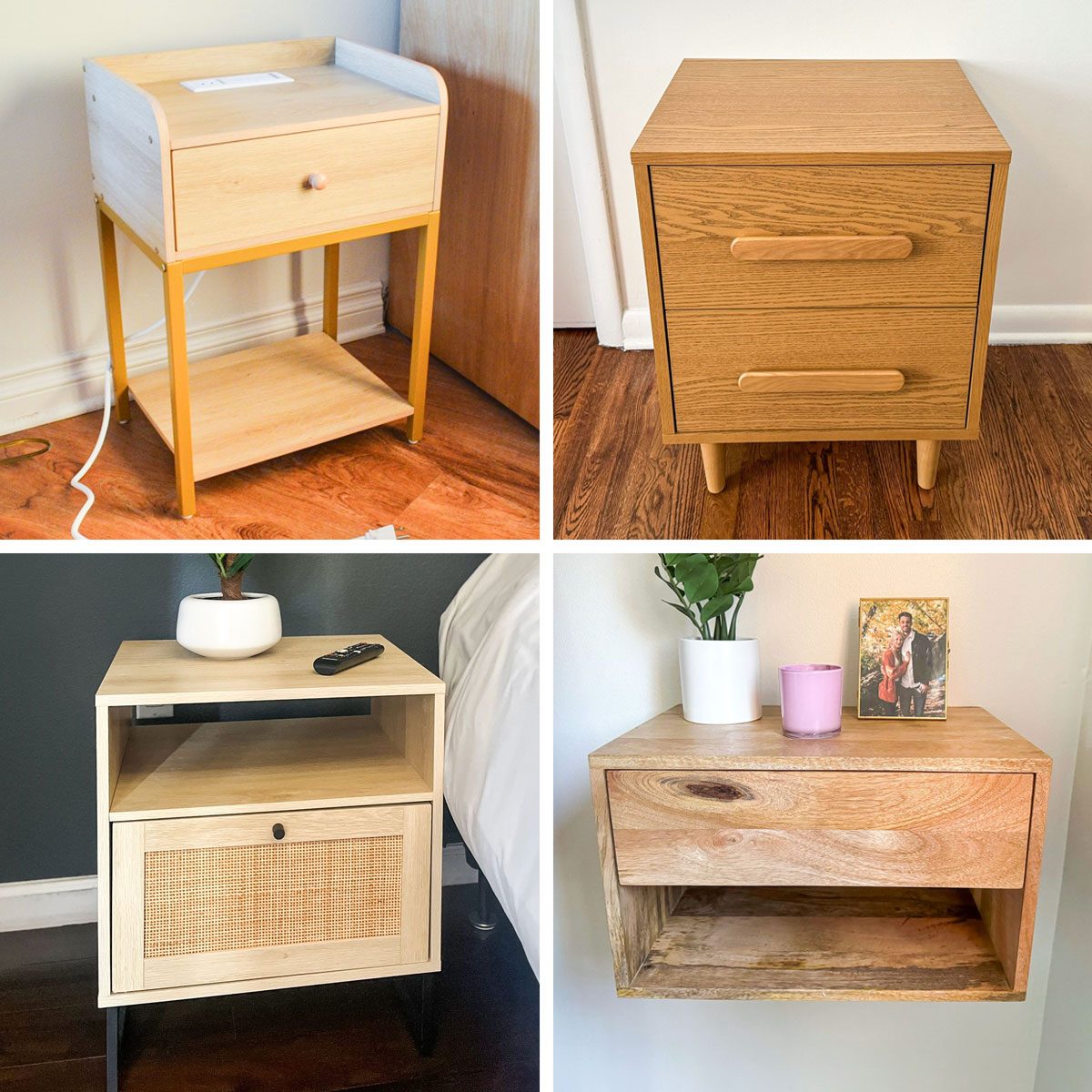
The 6 Best Nightstands to Update Your Bedroom, Tested and Reviewed

How low should a chandelier hang? Experts reveal the crucial measurements for every space
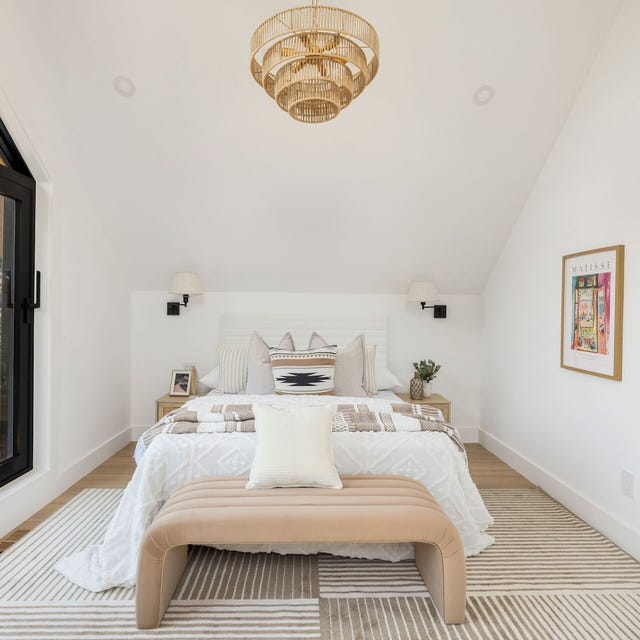
We Finally Cracked the Code on the Perfect Bed Height
How To Choose the Perfect Bathroom Vanity Height