Interior Designers Share 5 Tips for Choosing the Right Nightstand
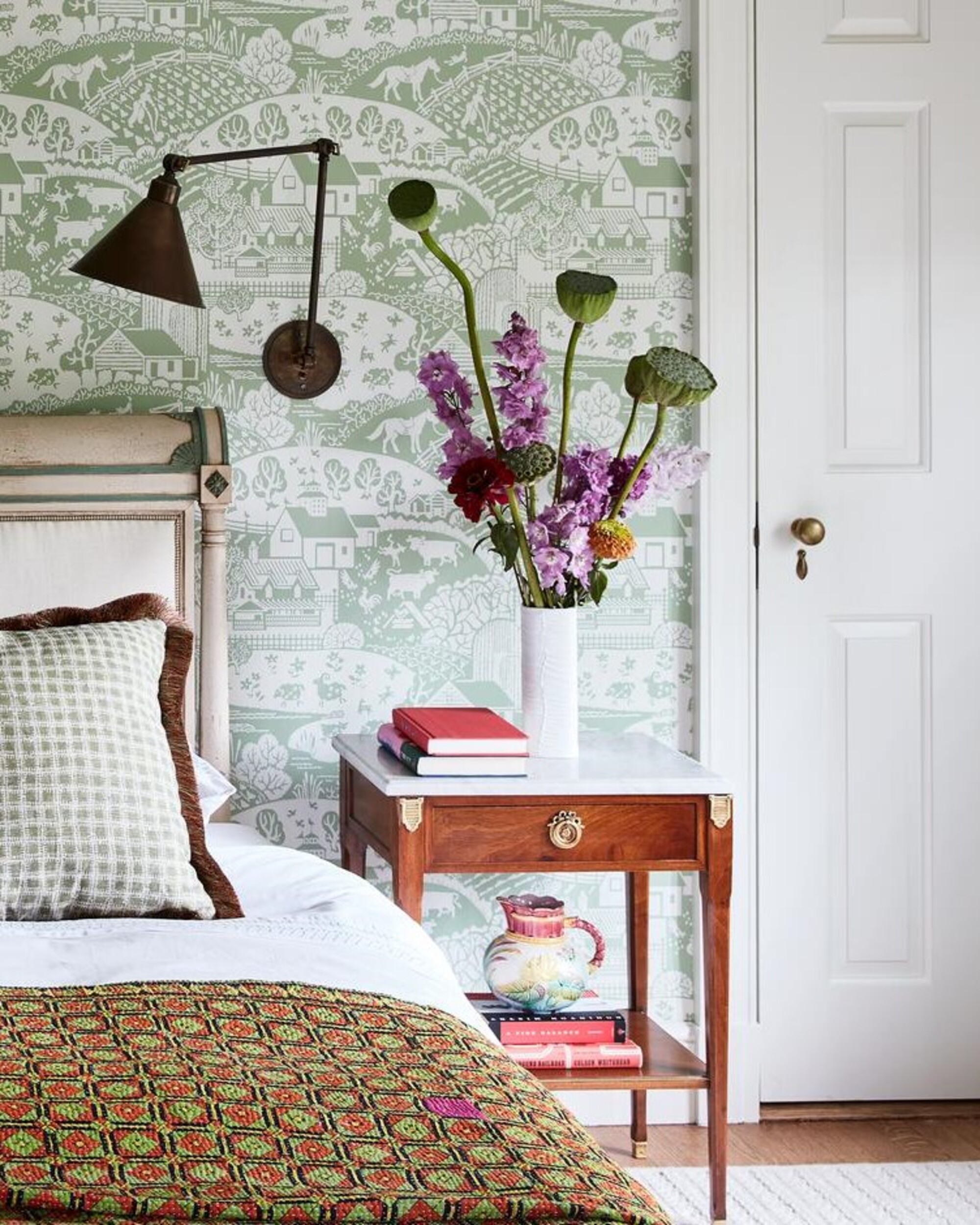
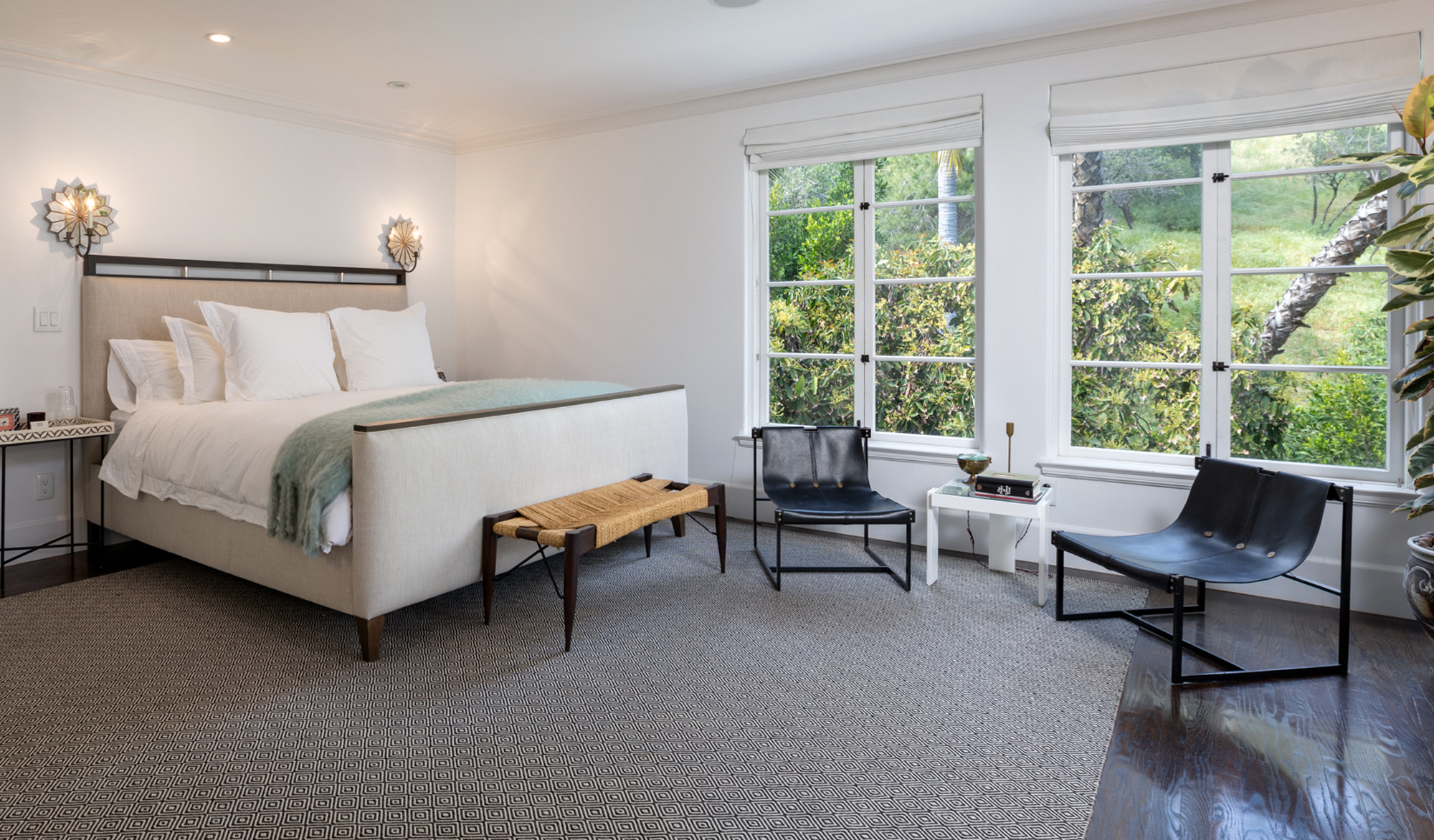
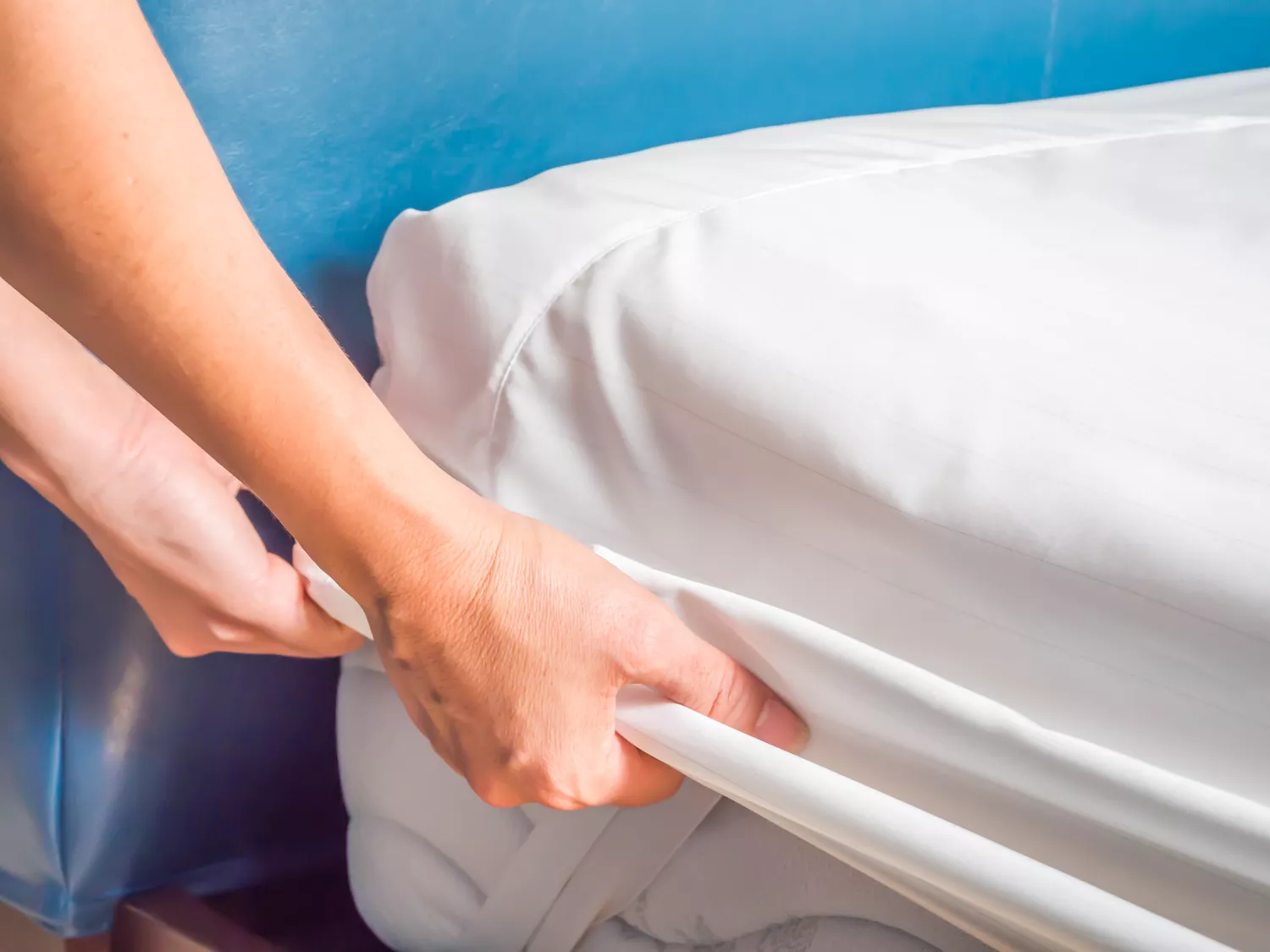
Selecting the right nightstand height is crucial for both functionality and aesthetic appeal in a bedroom. Many individuals often choose nightstands that are either too small or too large, not fully understanding the importance of scale and proportion in relation to their bed and the overall room design. Before selecting a nightstand, it is essential to ensure the bed itself is appropriately sized for the space; a queen-size bed might feel too small in a large room, while a king-size bed could overwhelm a smaller room. Once the bed is in place, all other furniture pieces in the room should be considered to achieve a balanced visual appeal.
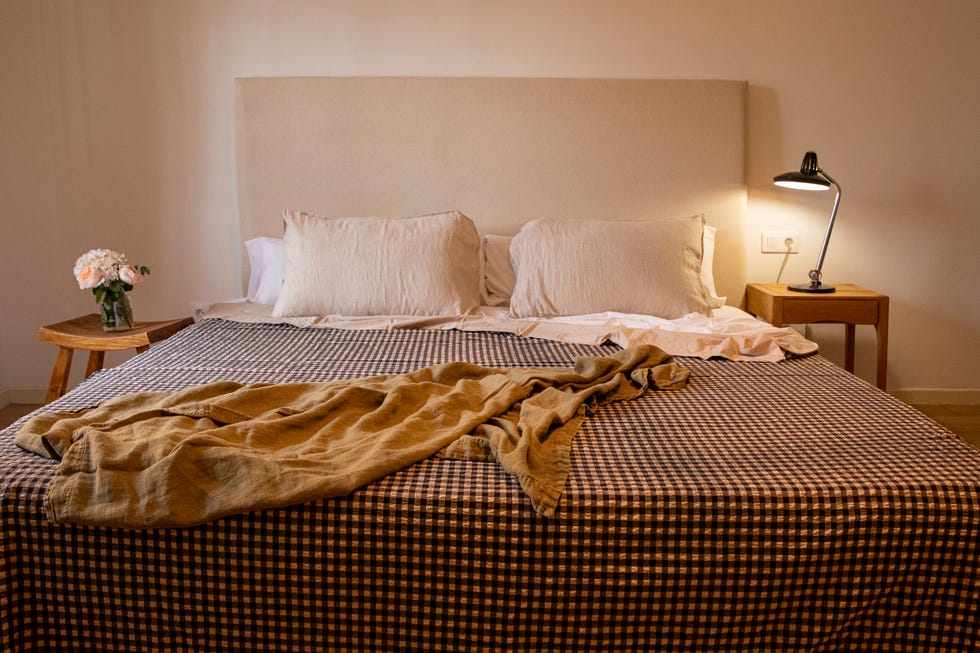
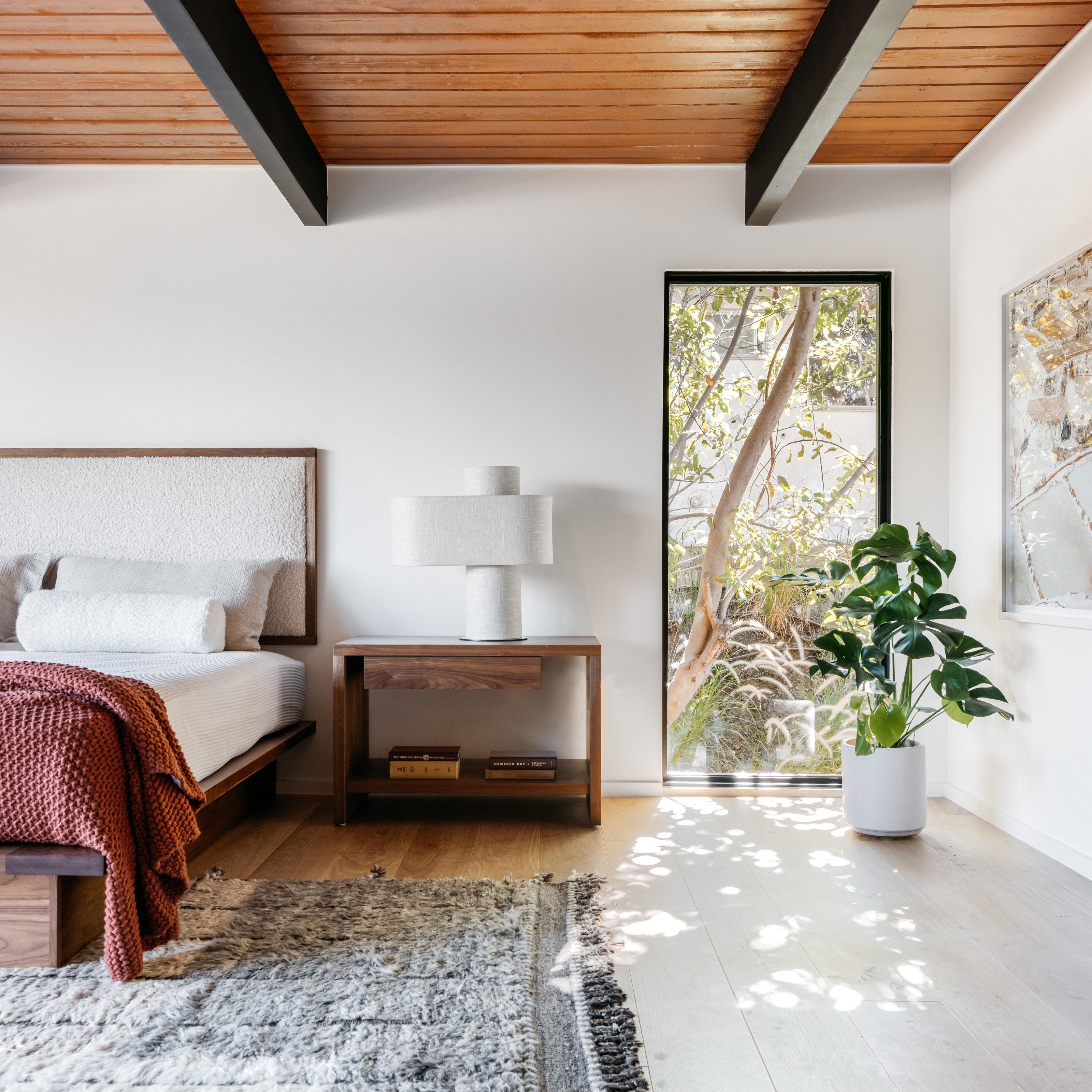
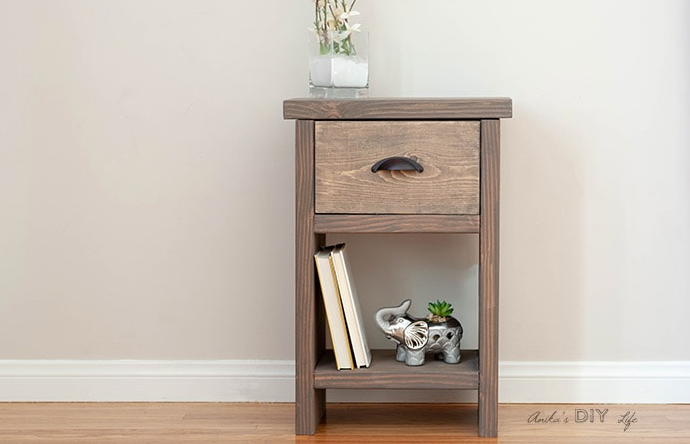
The ideal height for an average bedside table typically ranges between 24 and 28 inches, positioning it about 25 inches from the floor to the top of the mattress. This height ensures that items placed on the nightstand are easily accessible without awkward reaching. While height has a more defined range, the width of a nightstand offers greater flexibility and can be adjusted based on available space and personal preference. There are no strict rules for nightstand width, allowing for more creative expression in design.
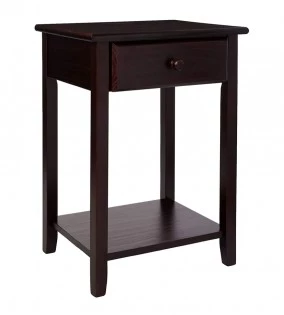
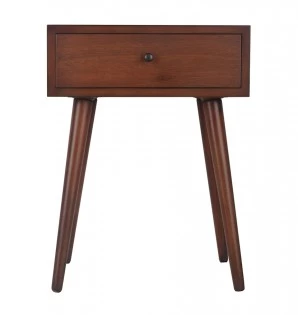
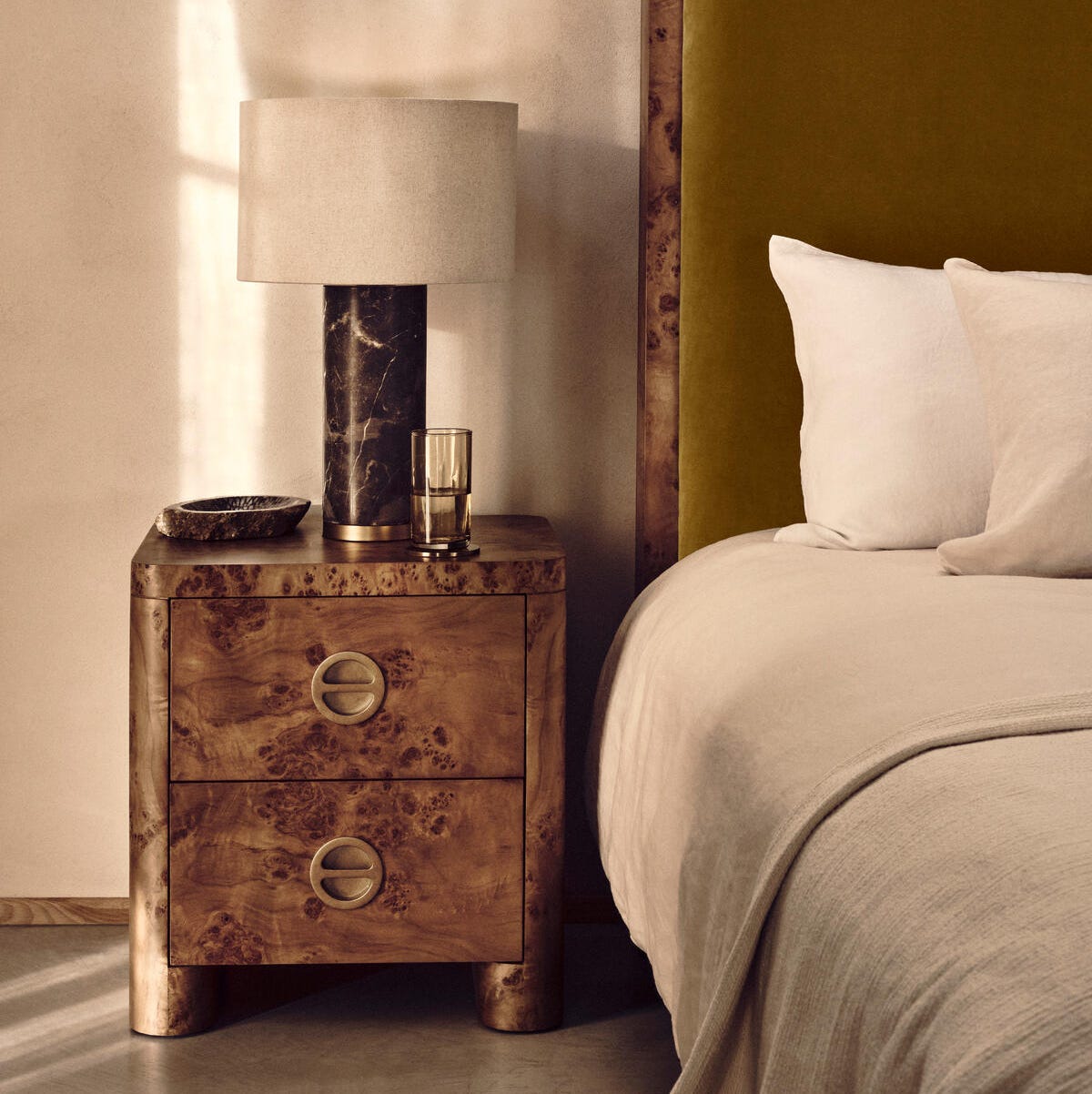
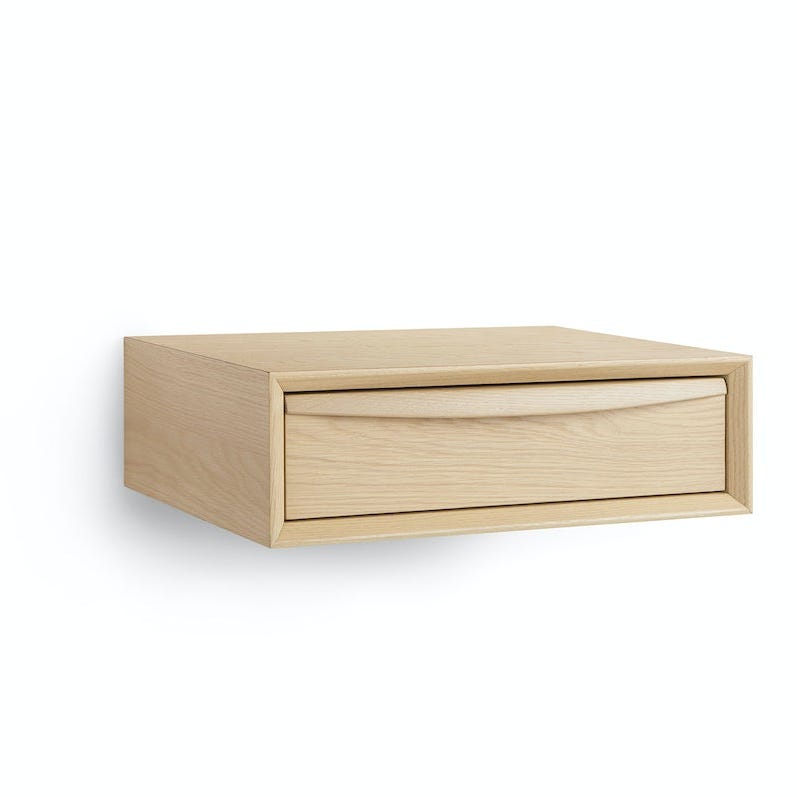
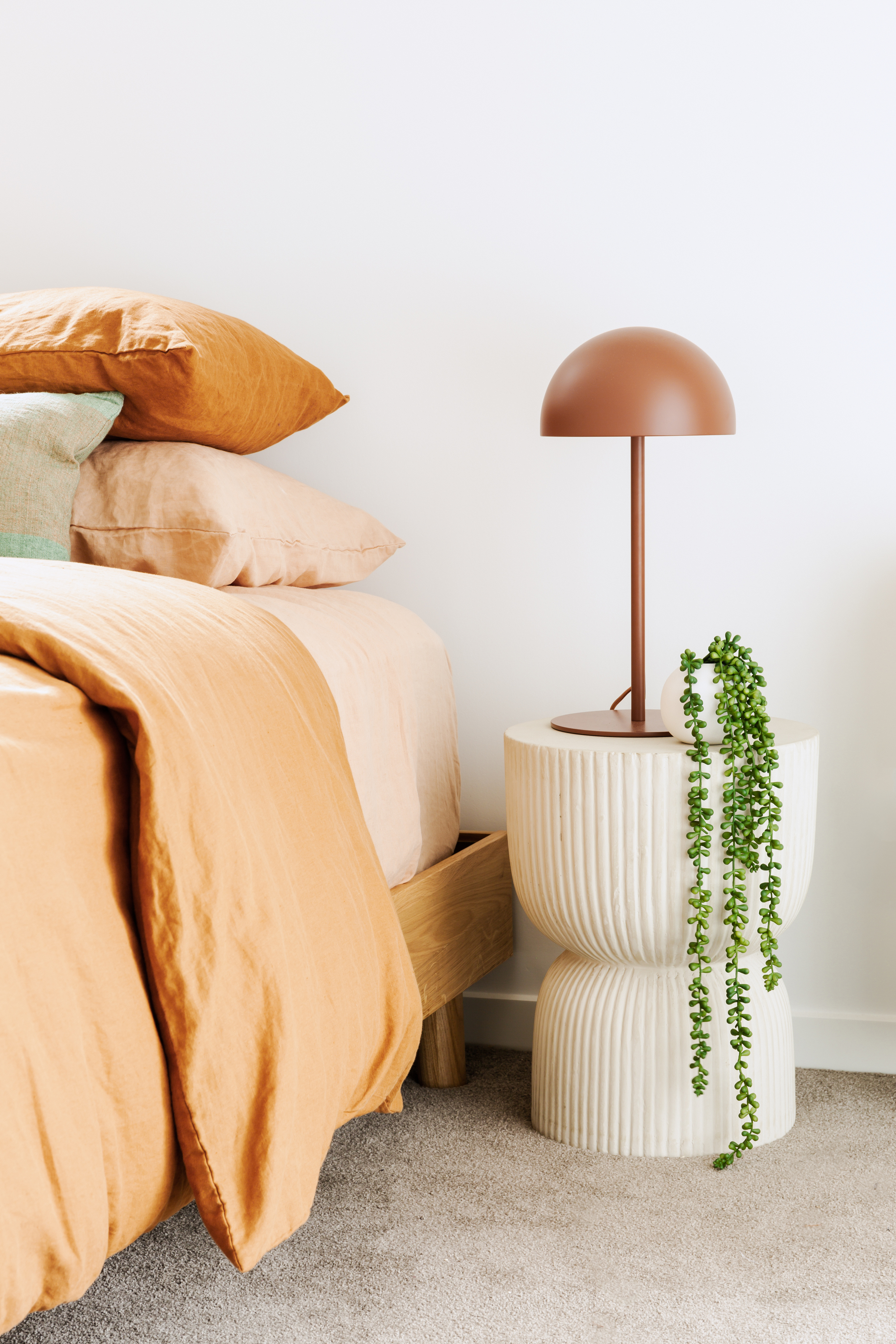
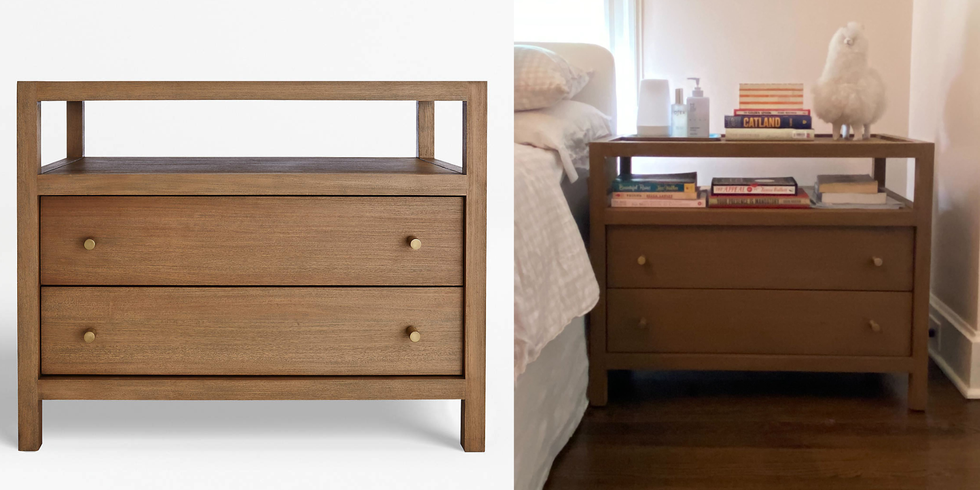
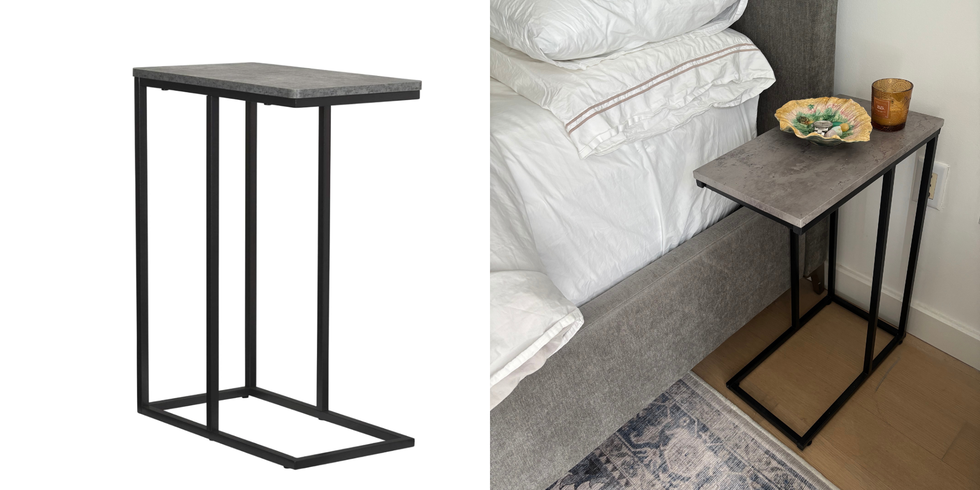
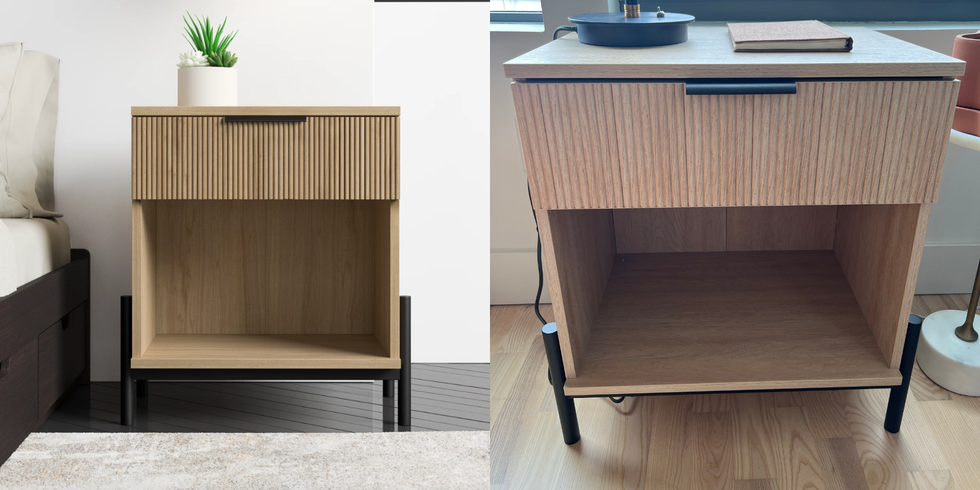
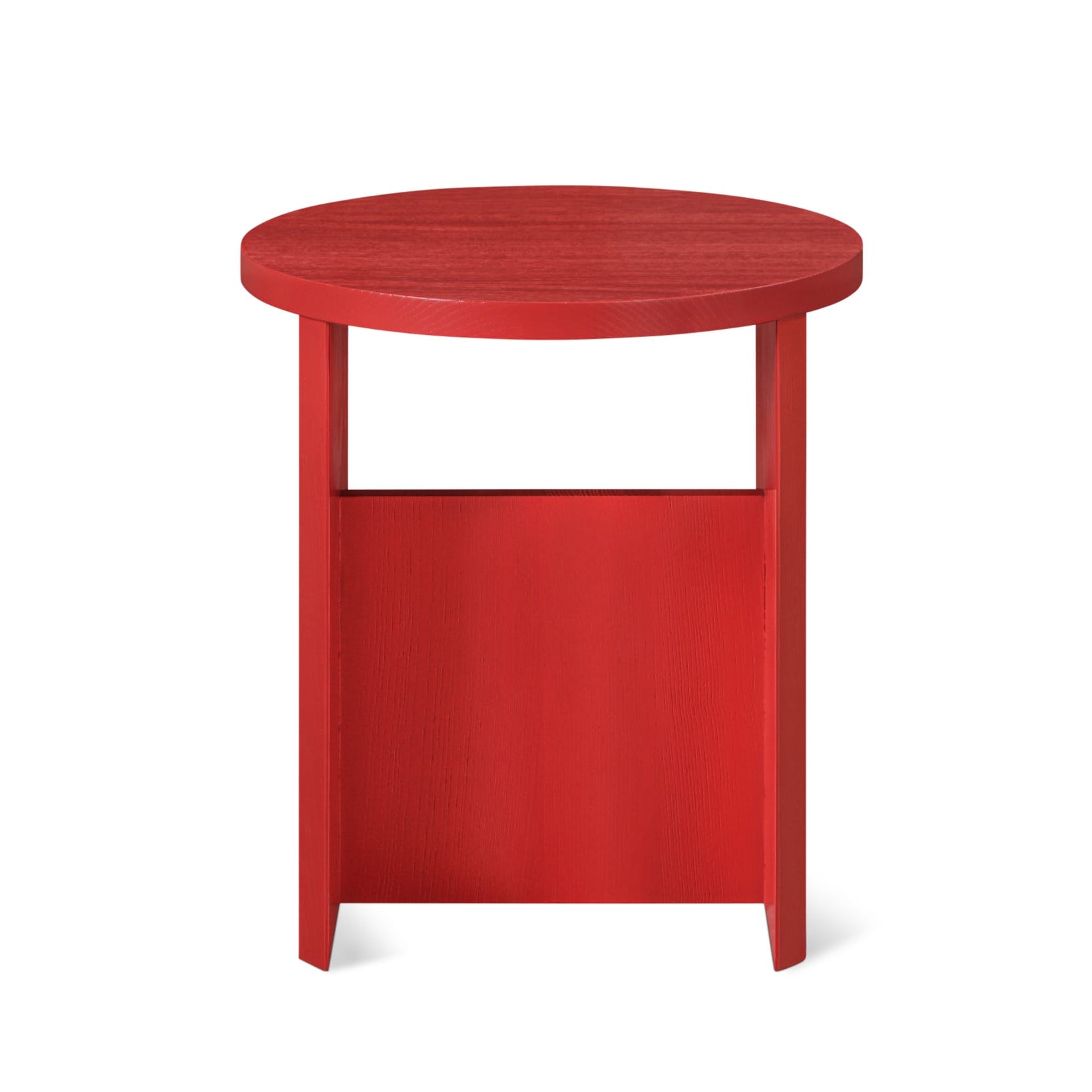
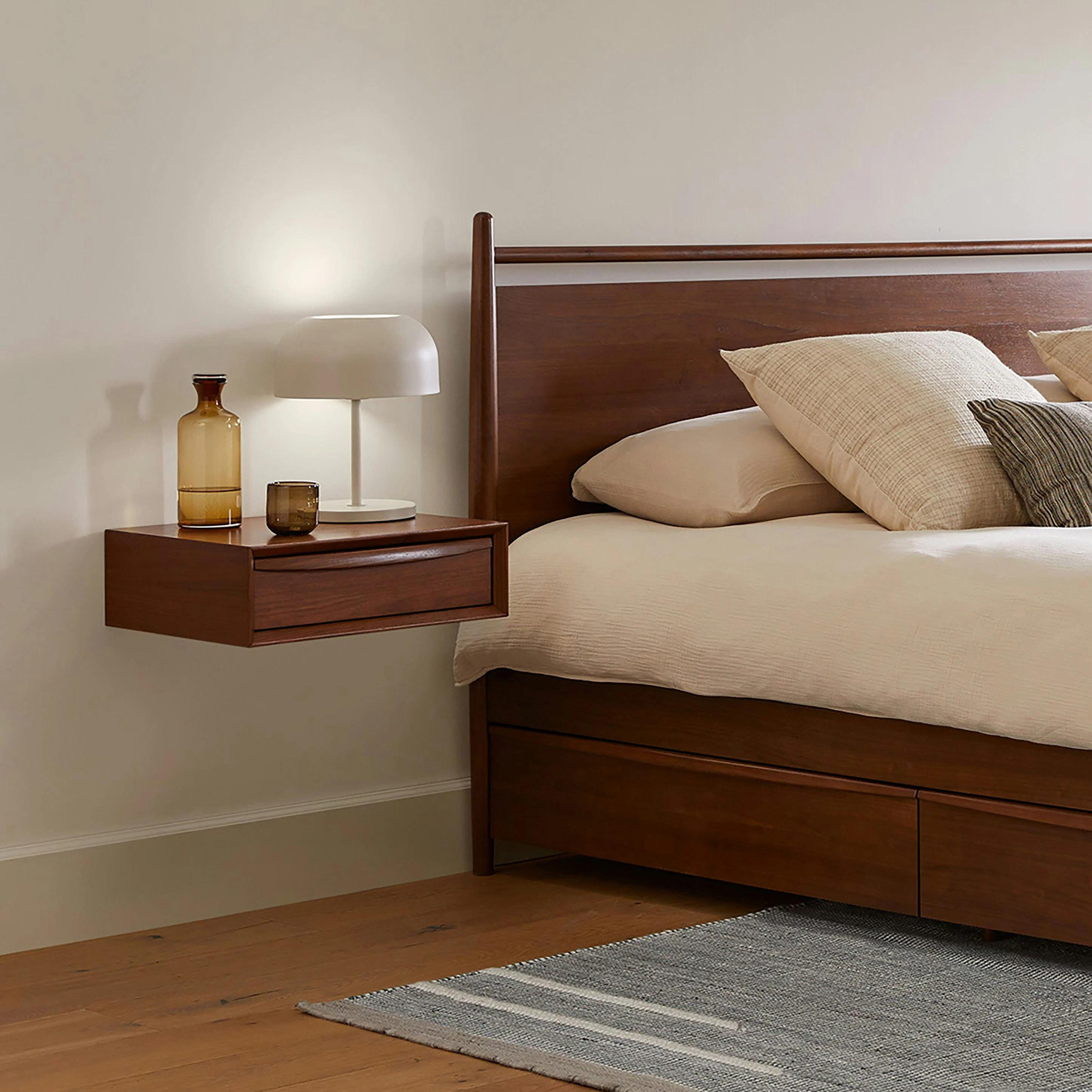
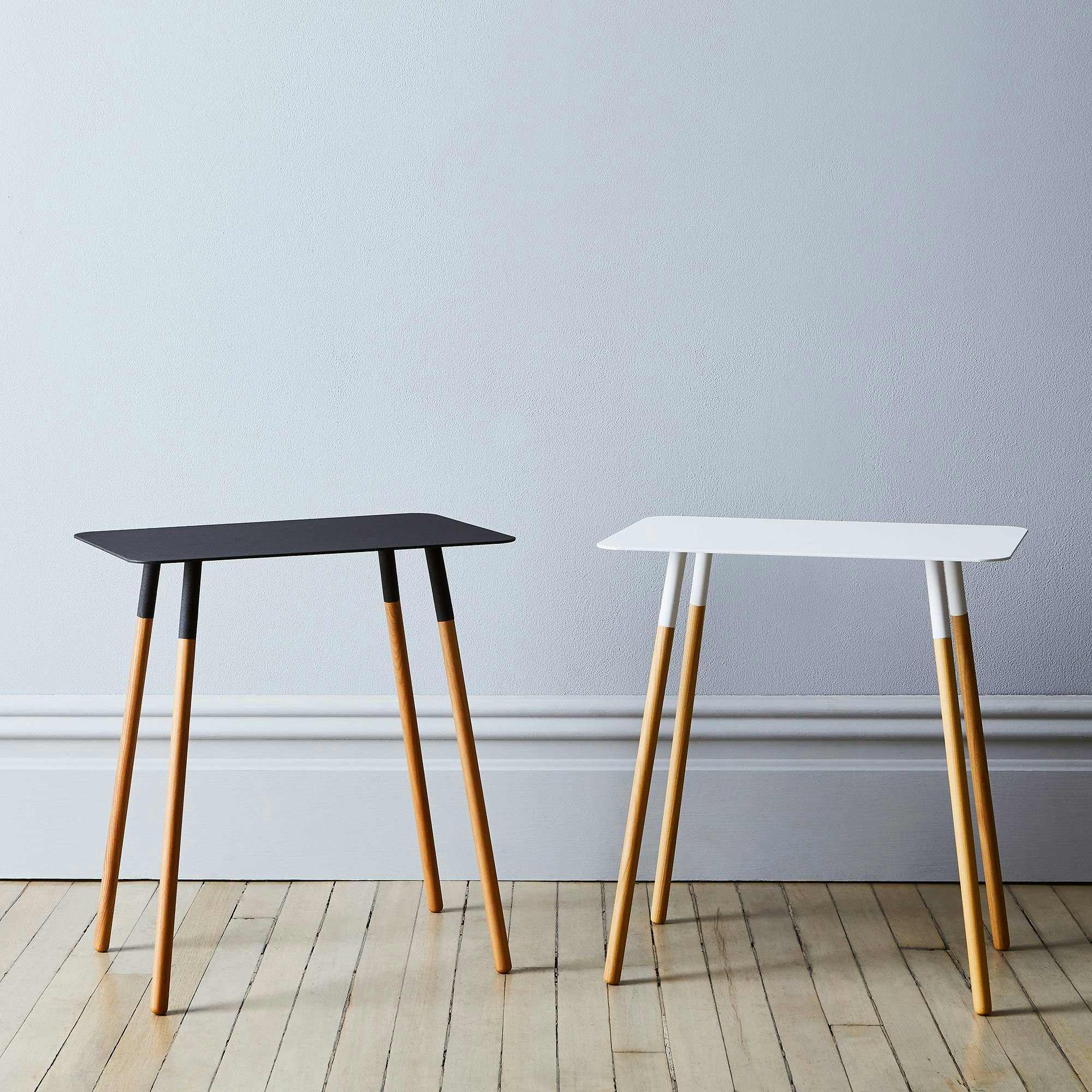
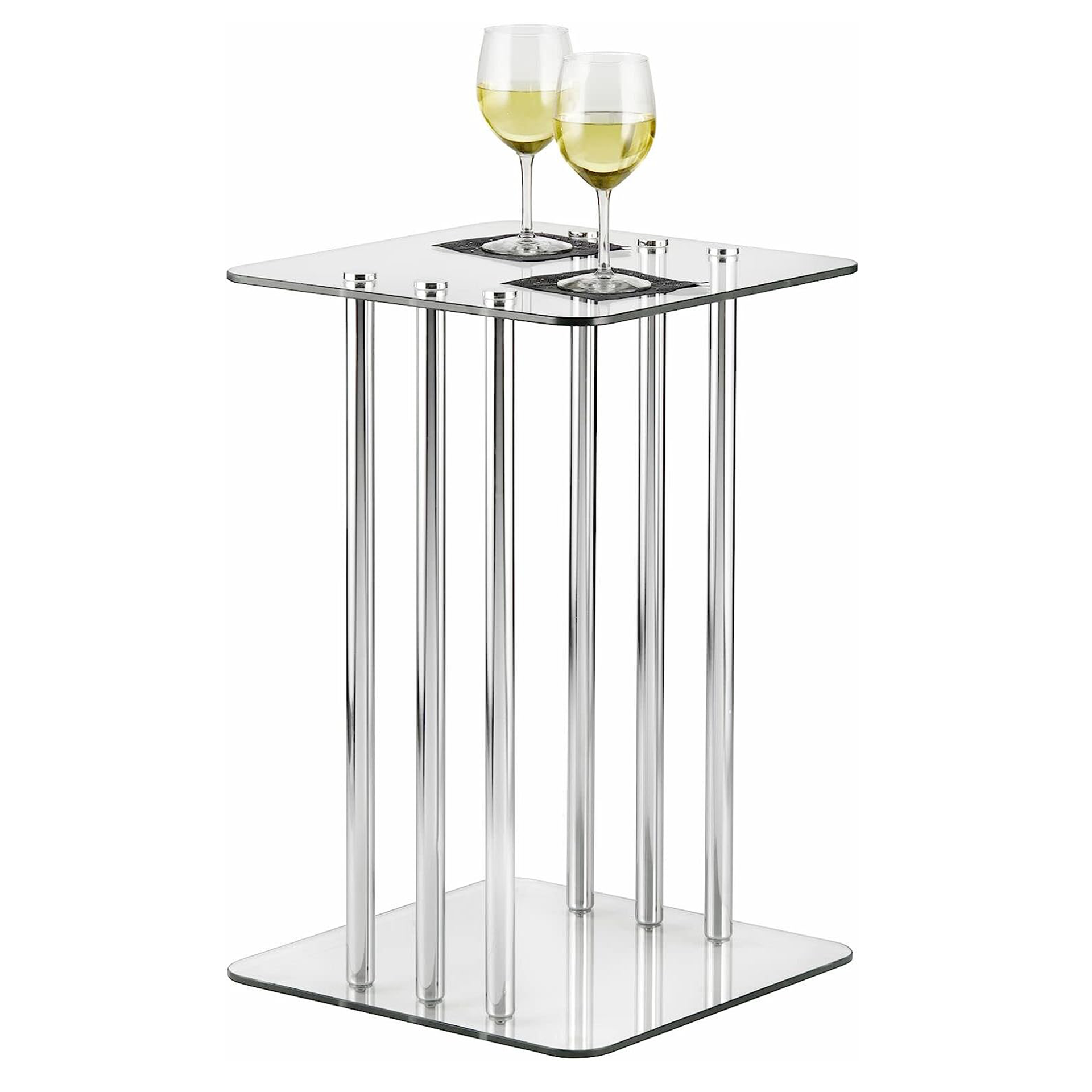
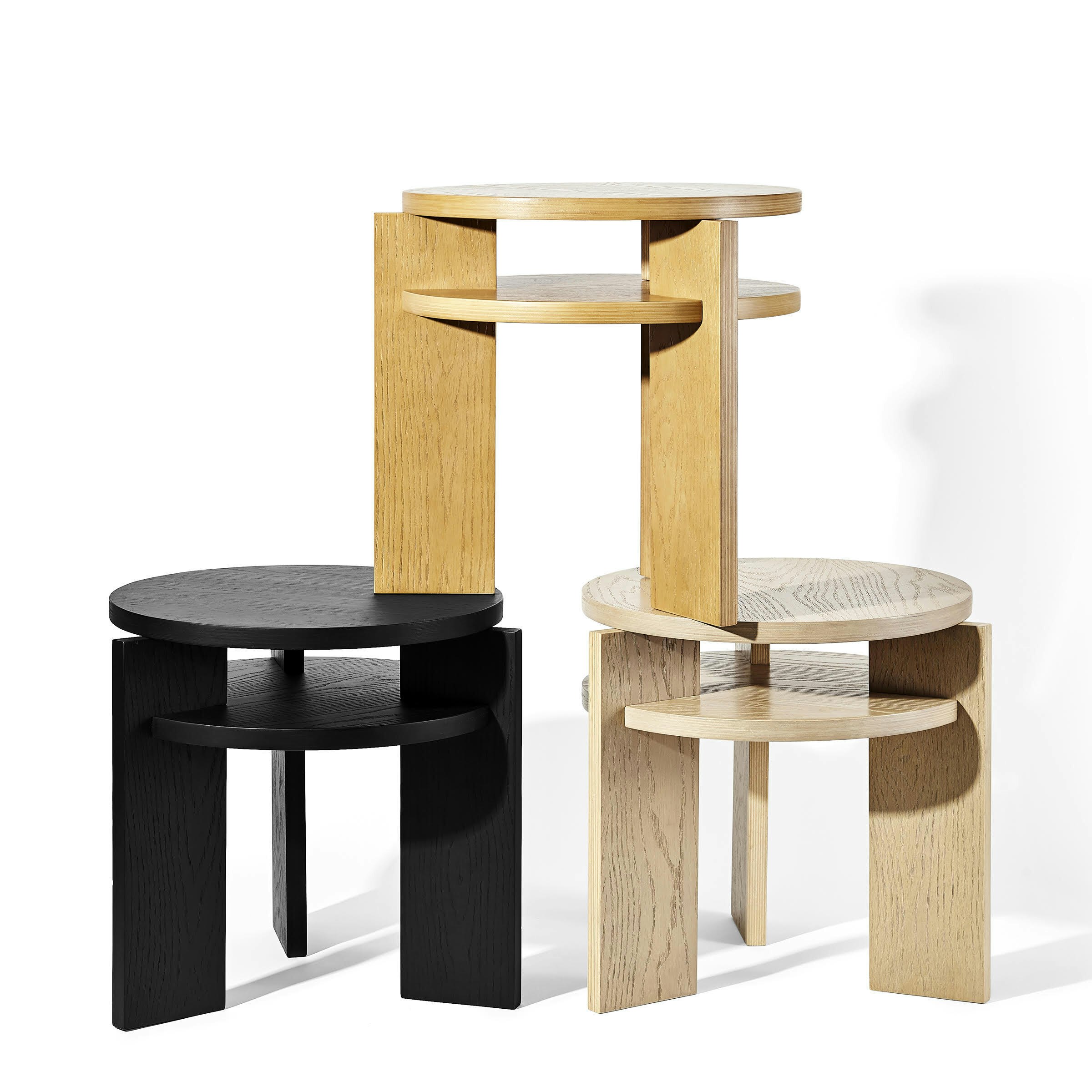
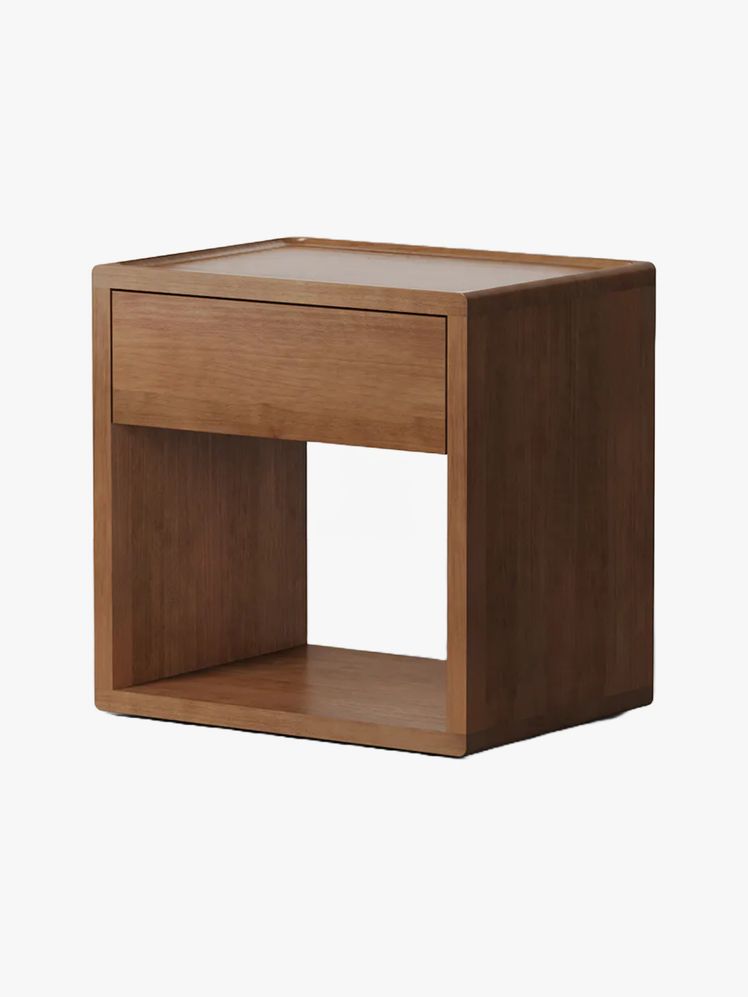
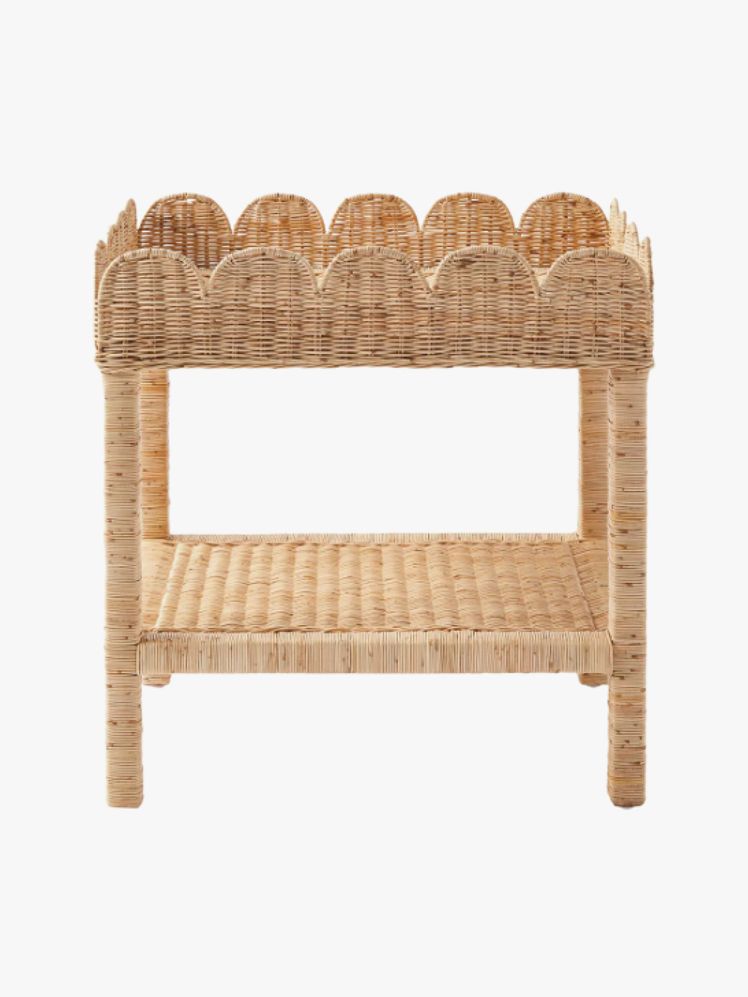
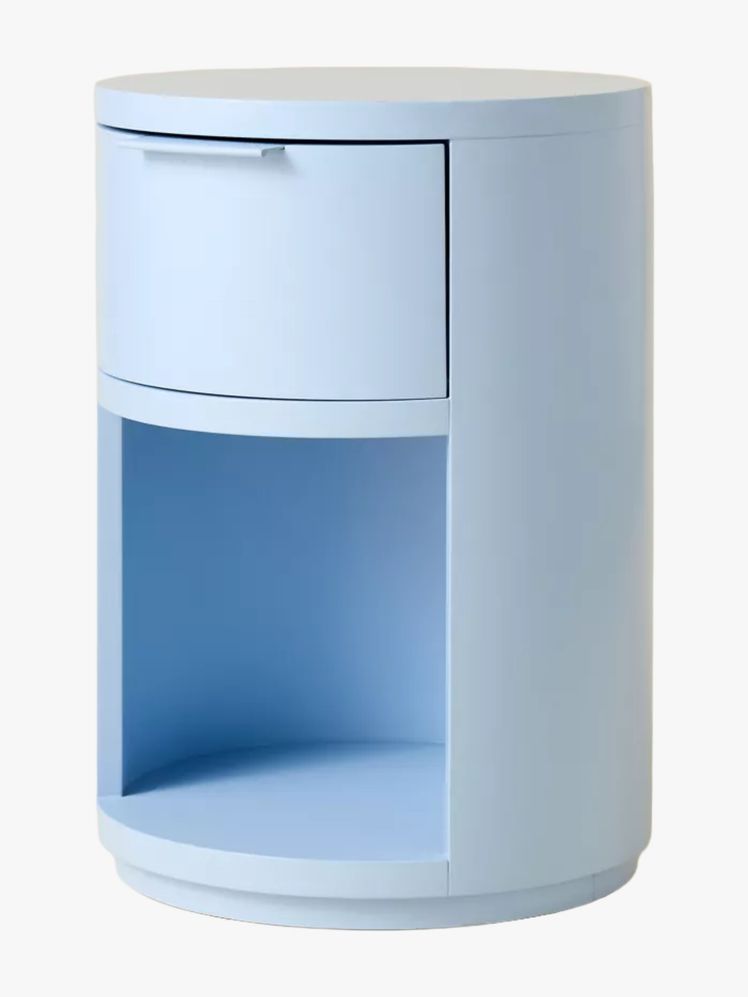
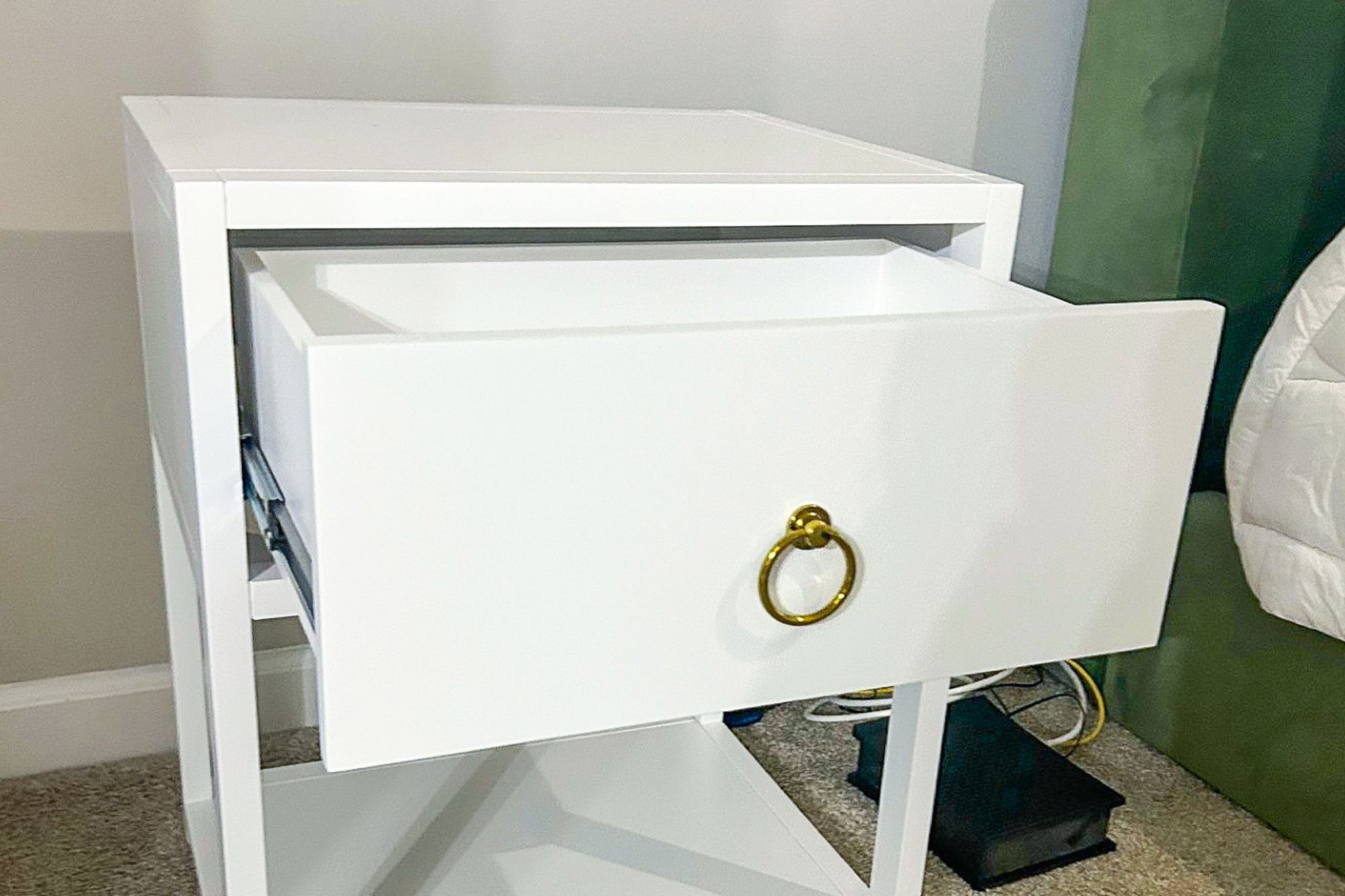
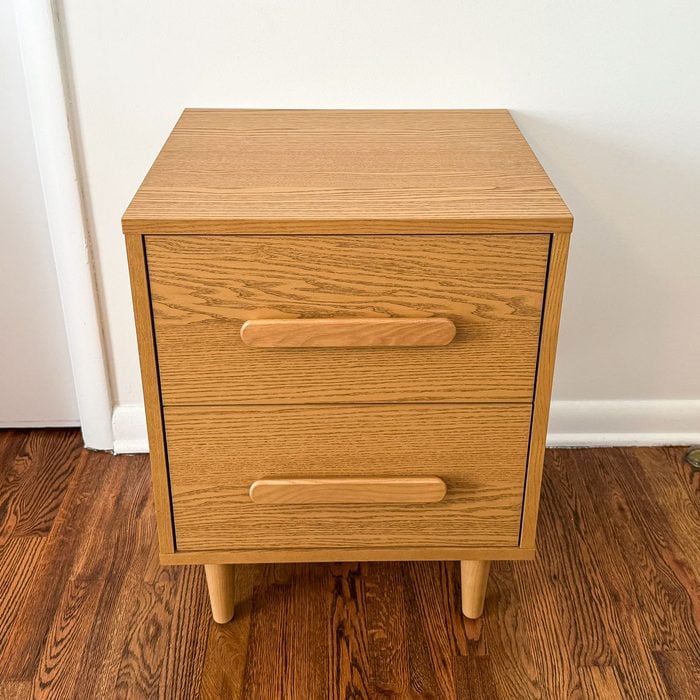
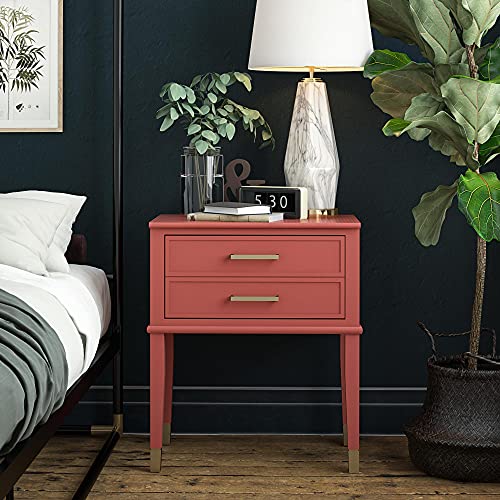
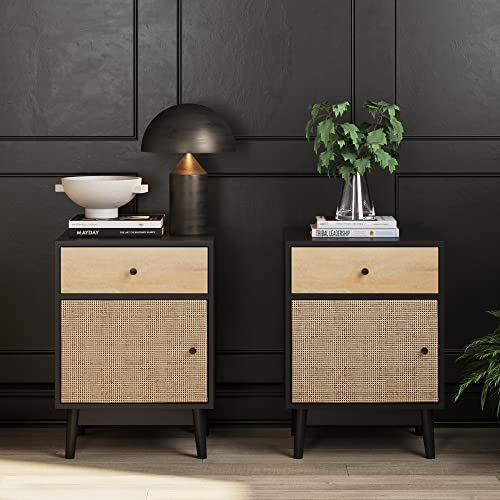
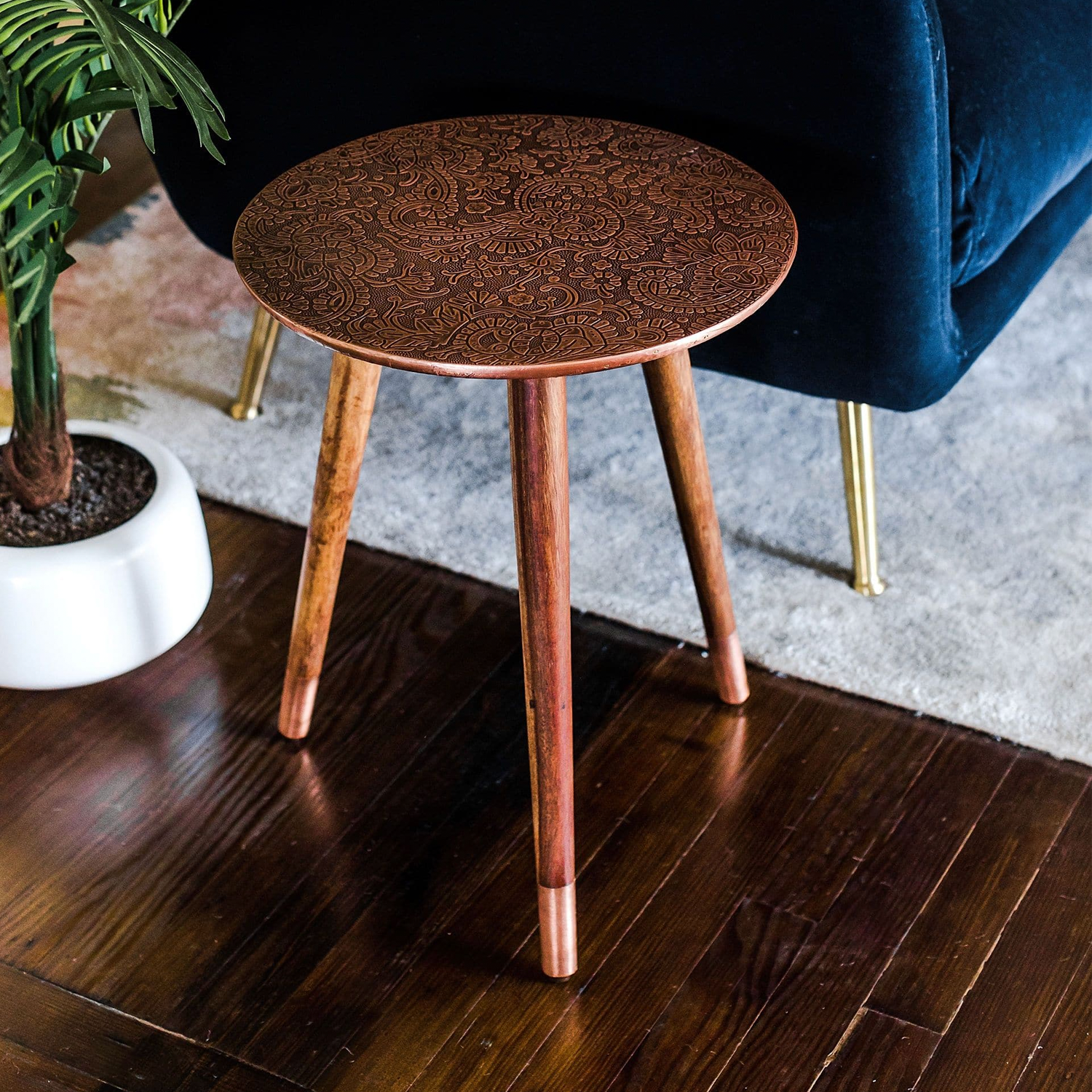
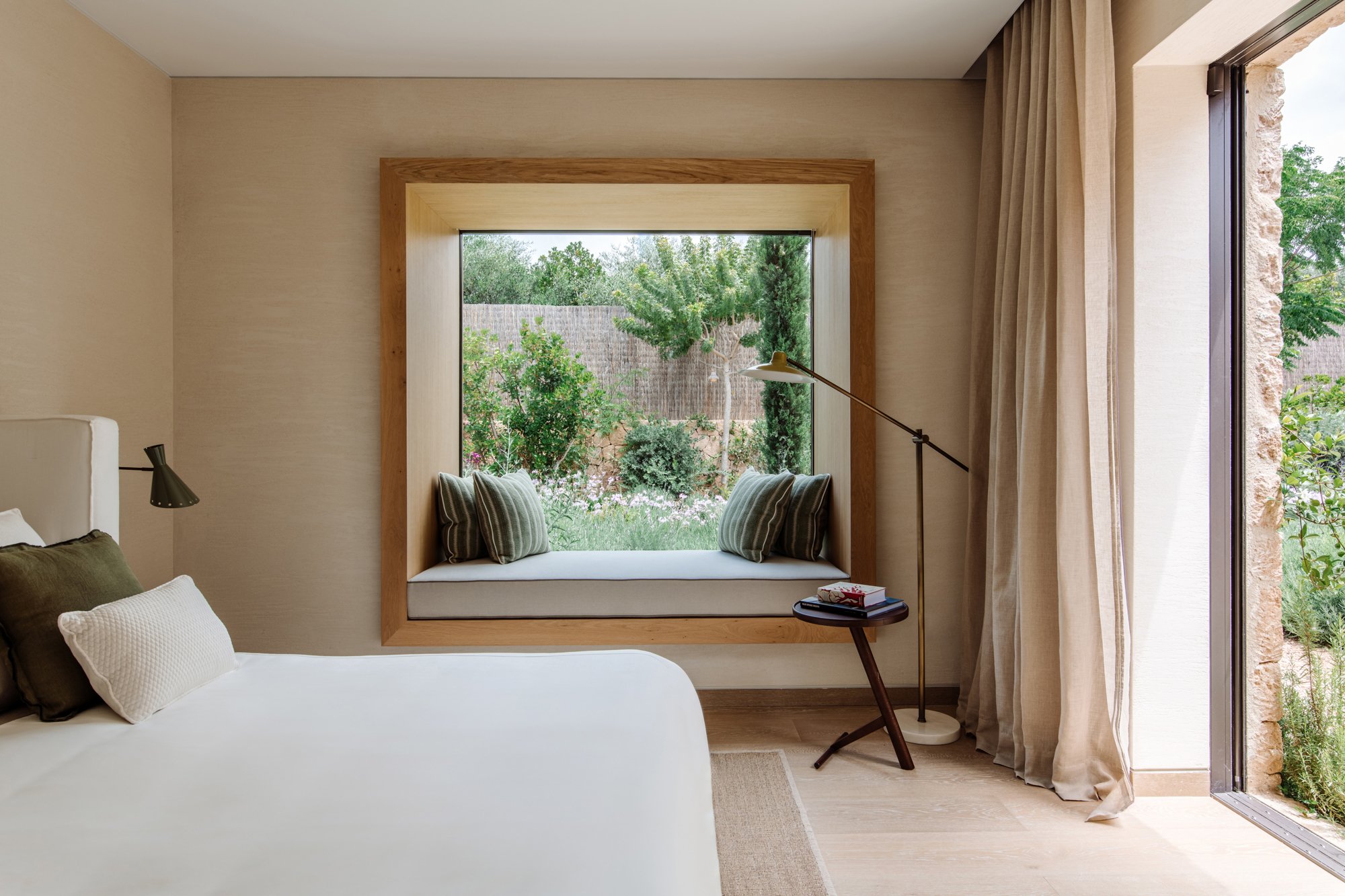
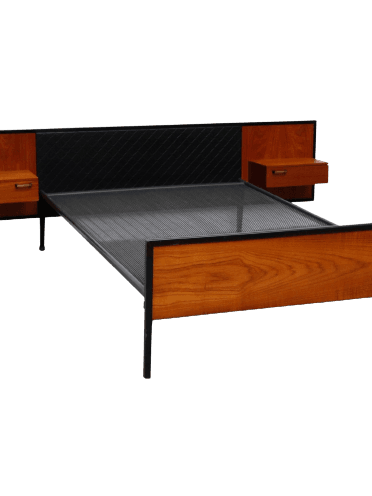
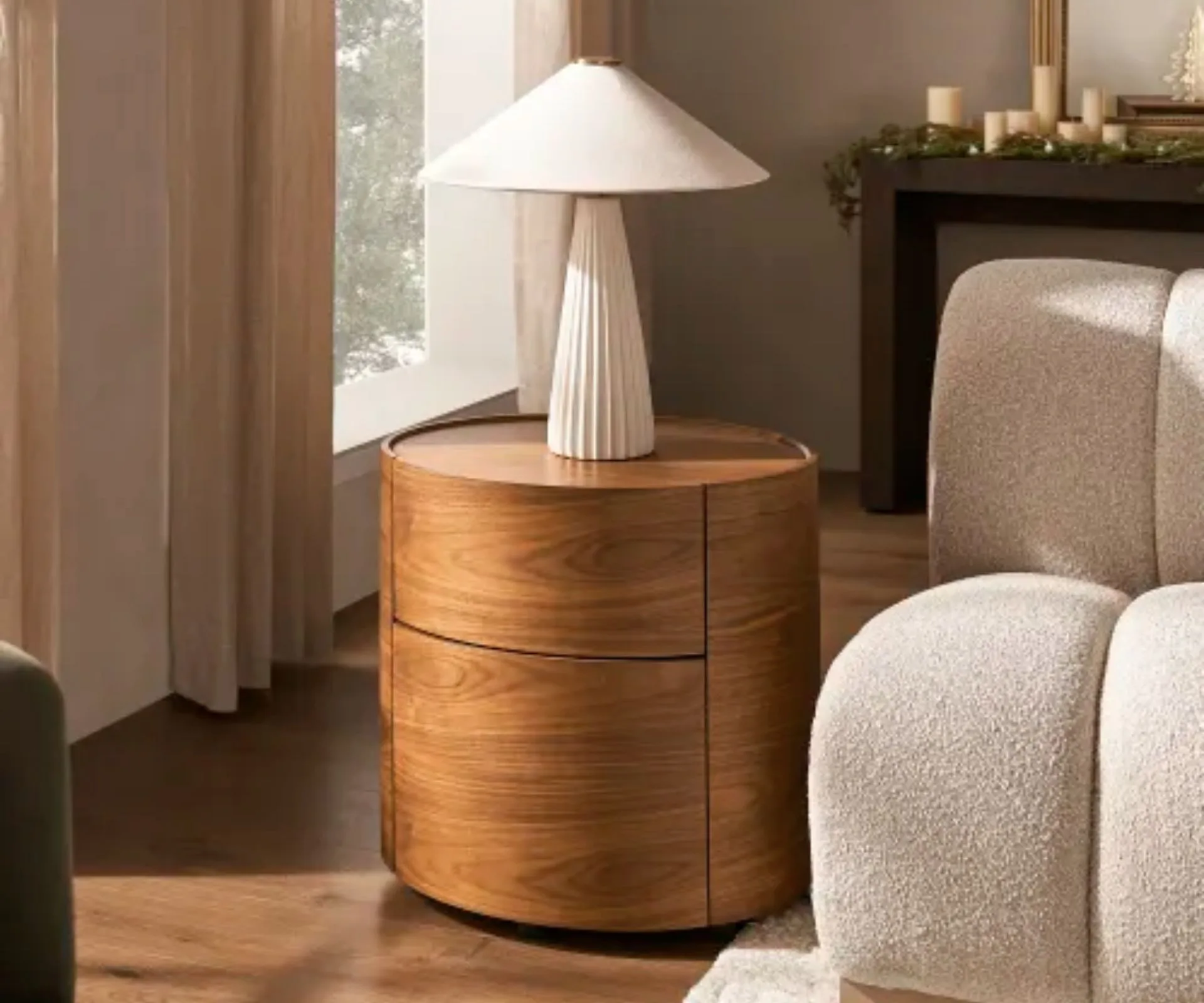
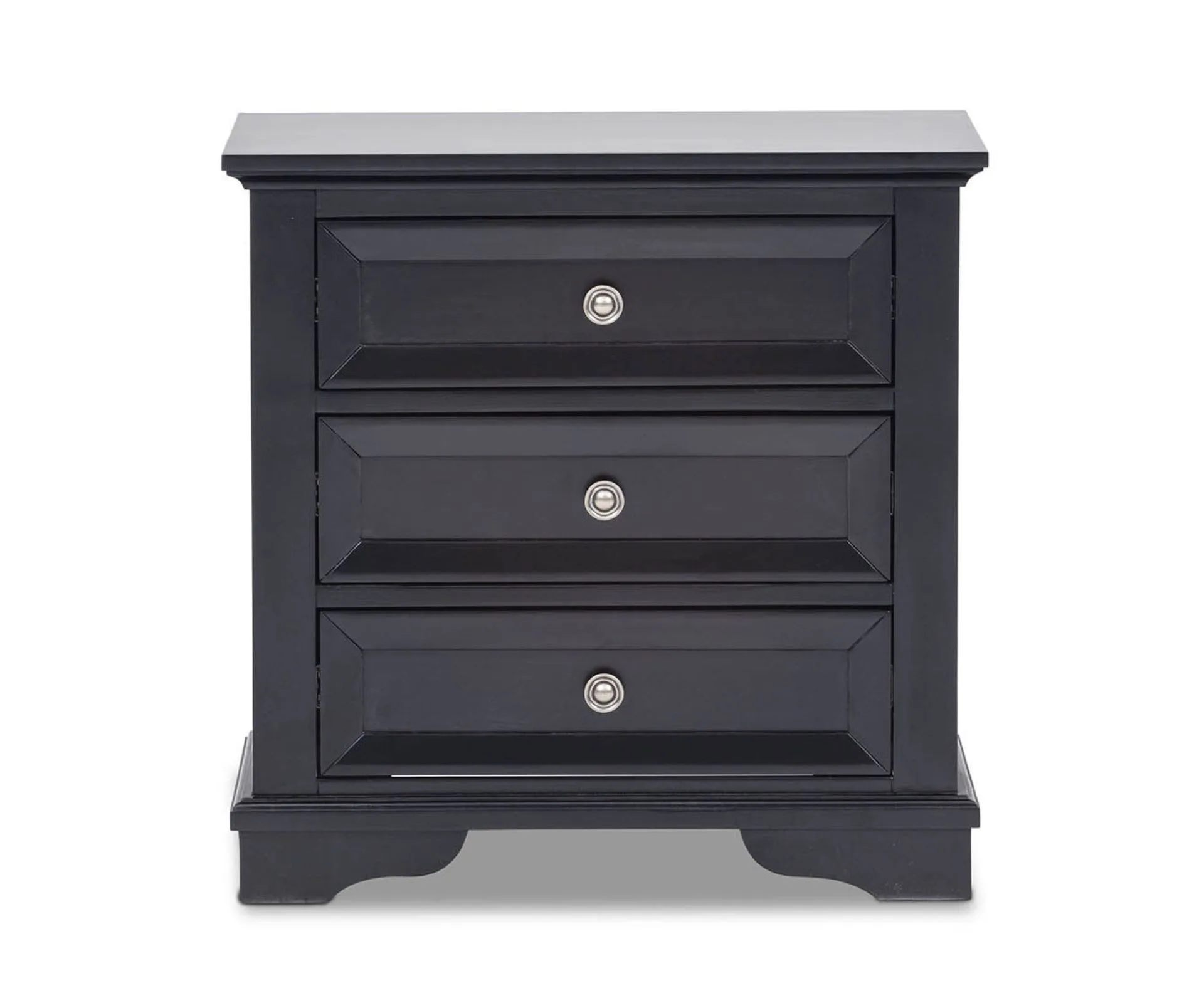
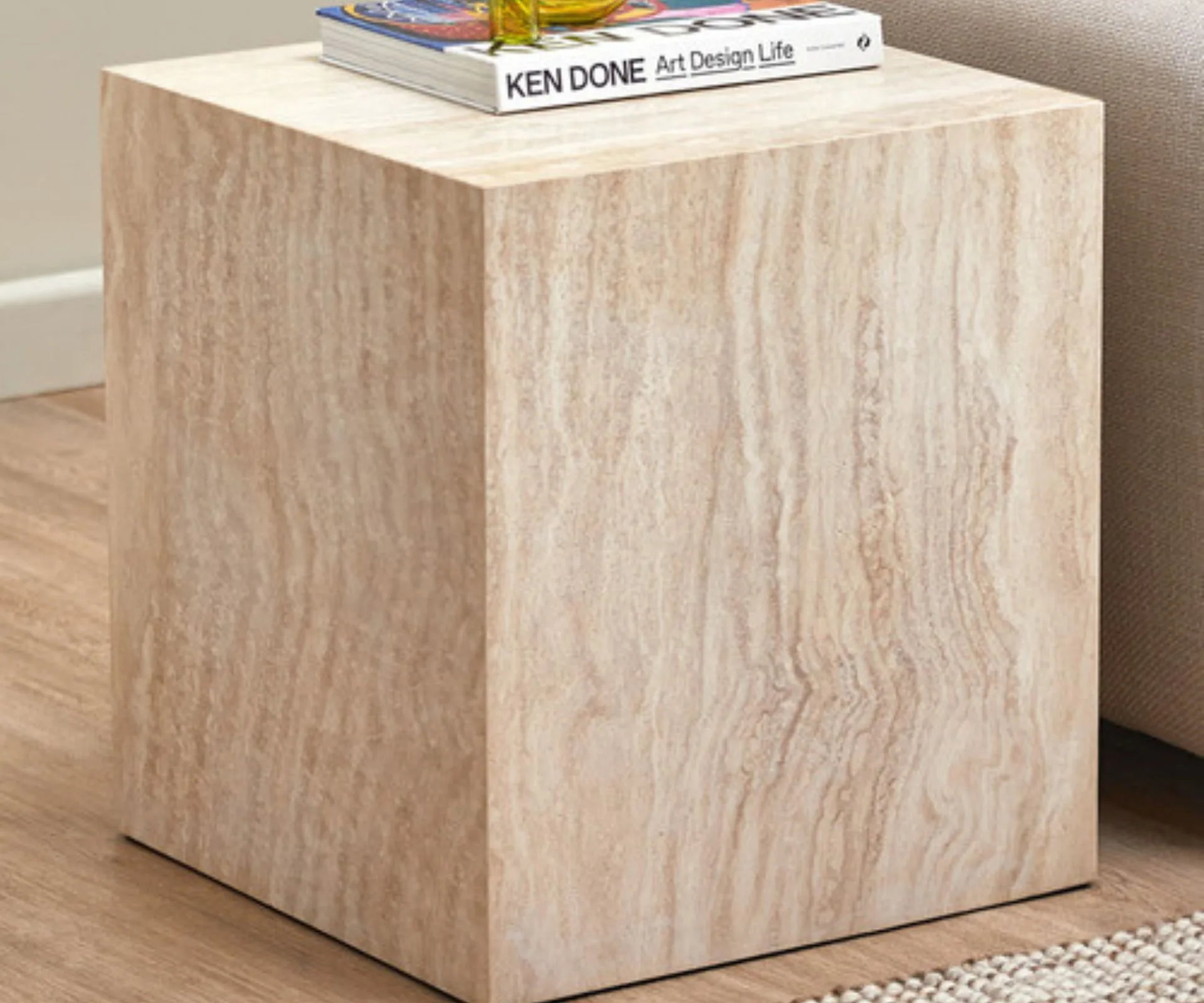
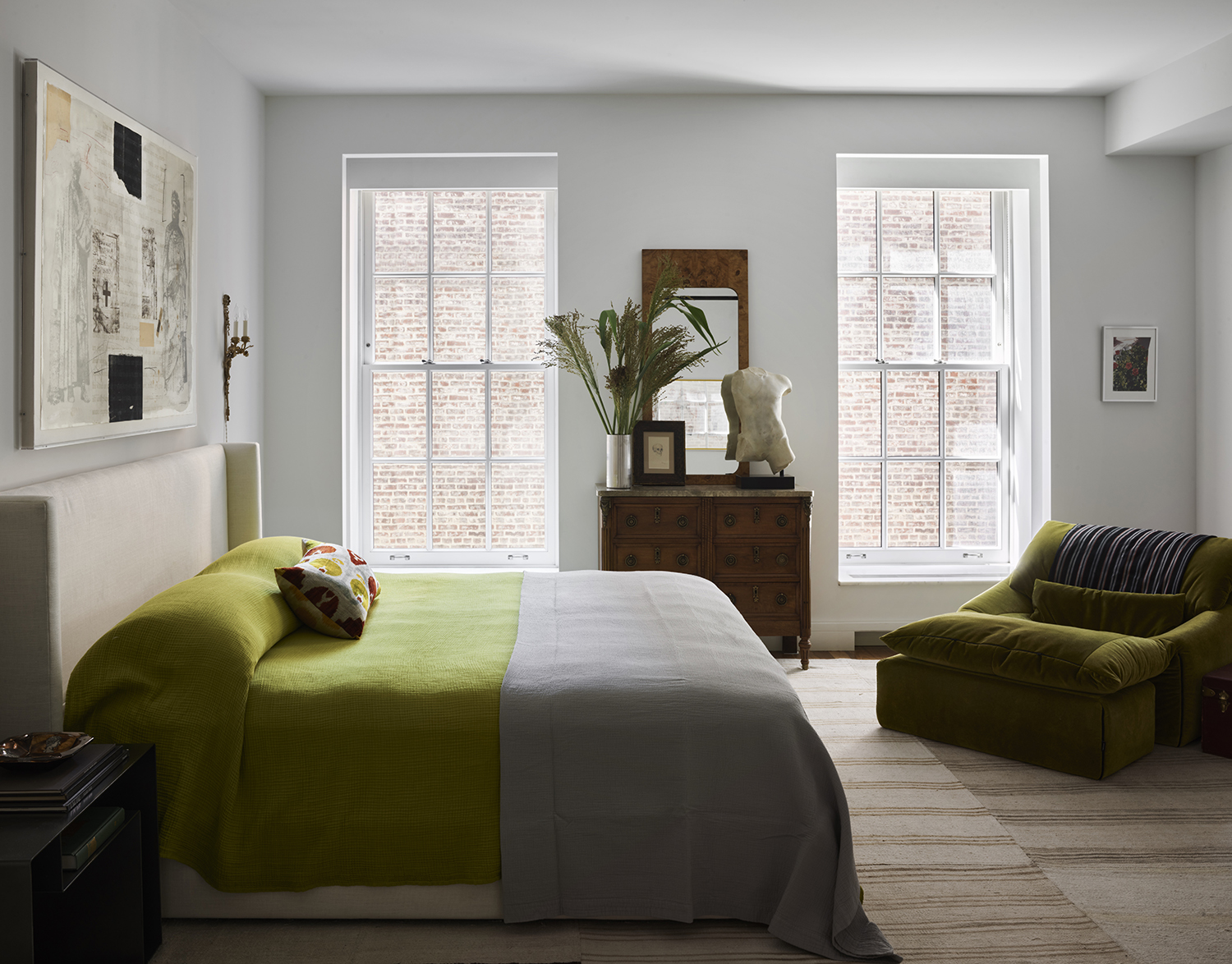
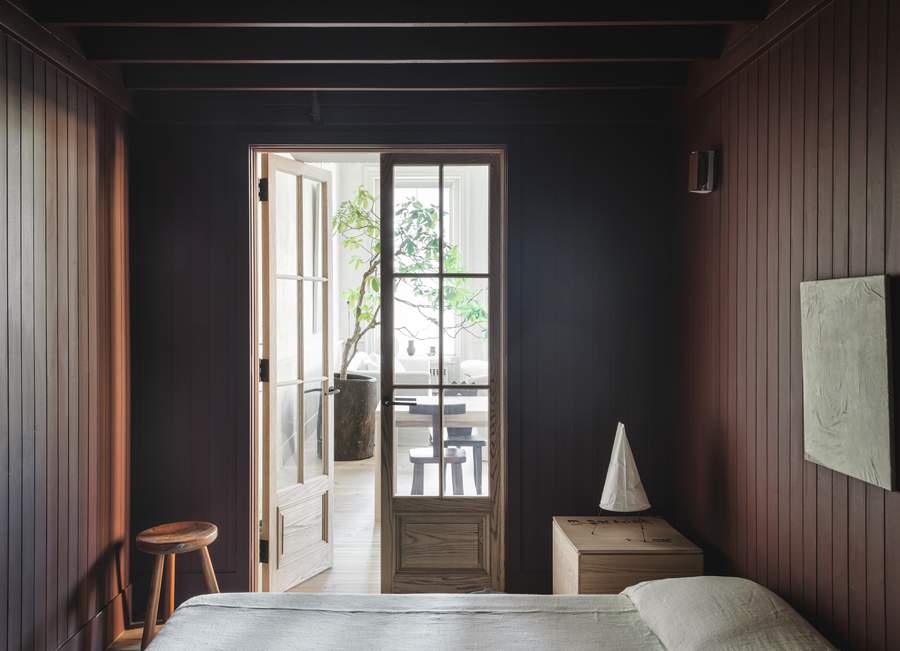
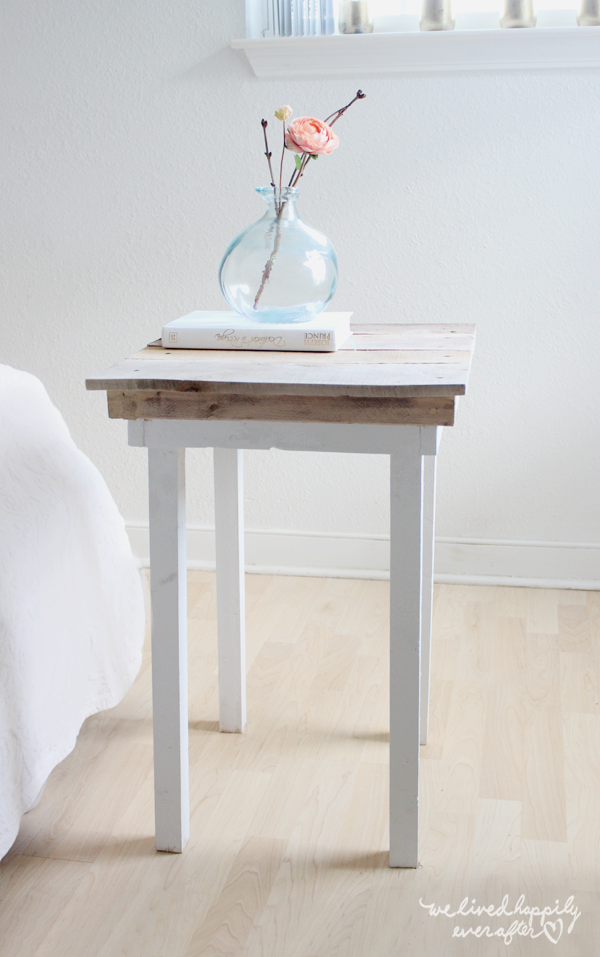
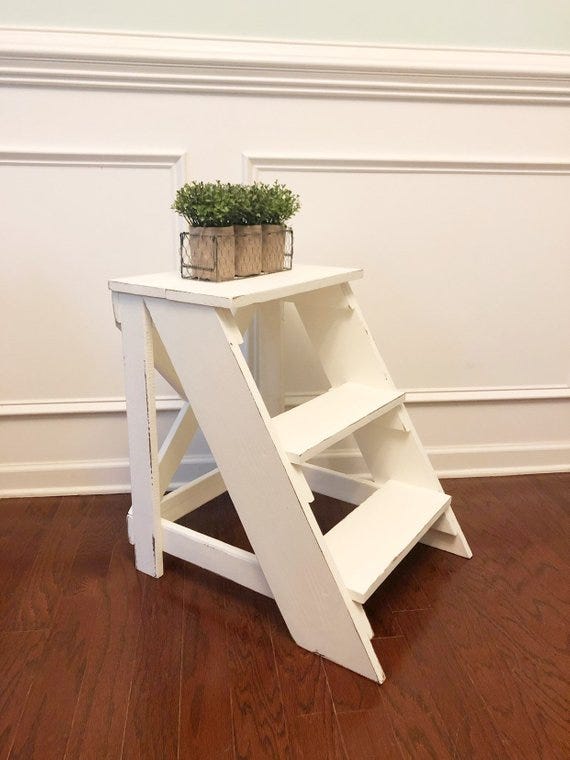
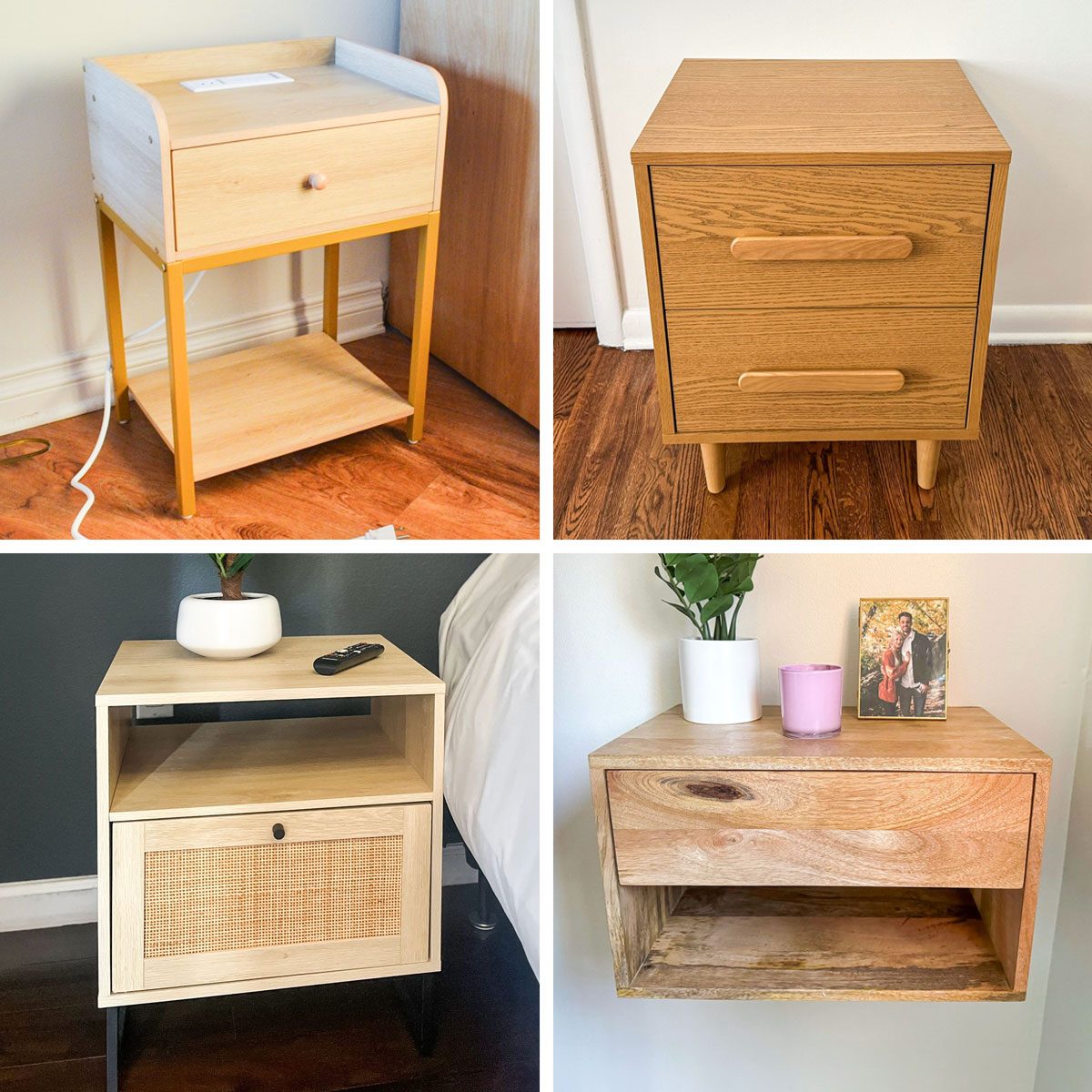
Beyond just size, the style of the nightstand is also a significant consideration. Options range from traditional to modern and trendy, offering various possibilities to complement personal decor tastes. Nightstands can serve multiple functions, acting as secondary storage, akin to a small dresser, especially if ample space is available on the headboard wall. Utilizing larger chests can create a symmetrical look, while unique pieces like antique vanities or vintage chests can add character and multi-functionality. For minimalist or contemporary bedrooms, floating shelves offer a space-saving alternative, and items like bar carts or living room end tables can also be repurposed as bedside tables.
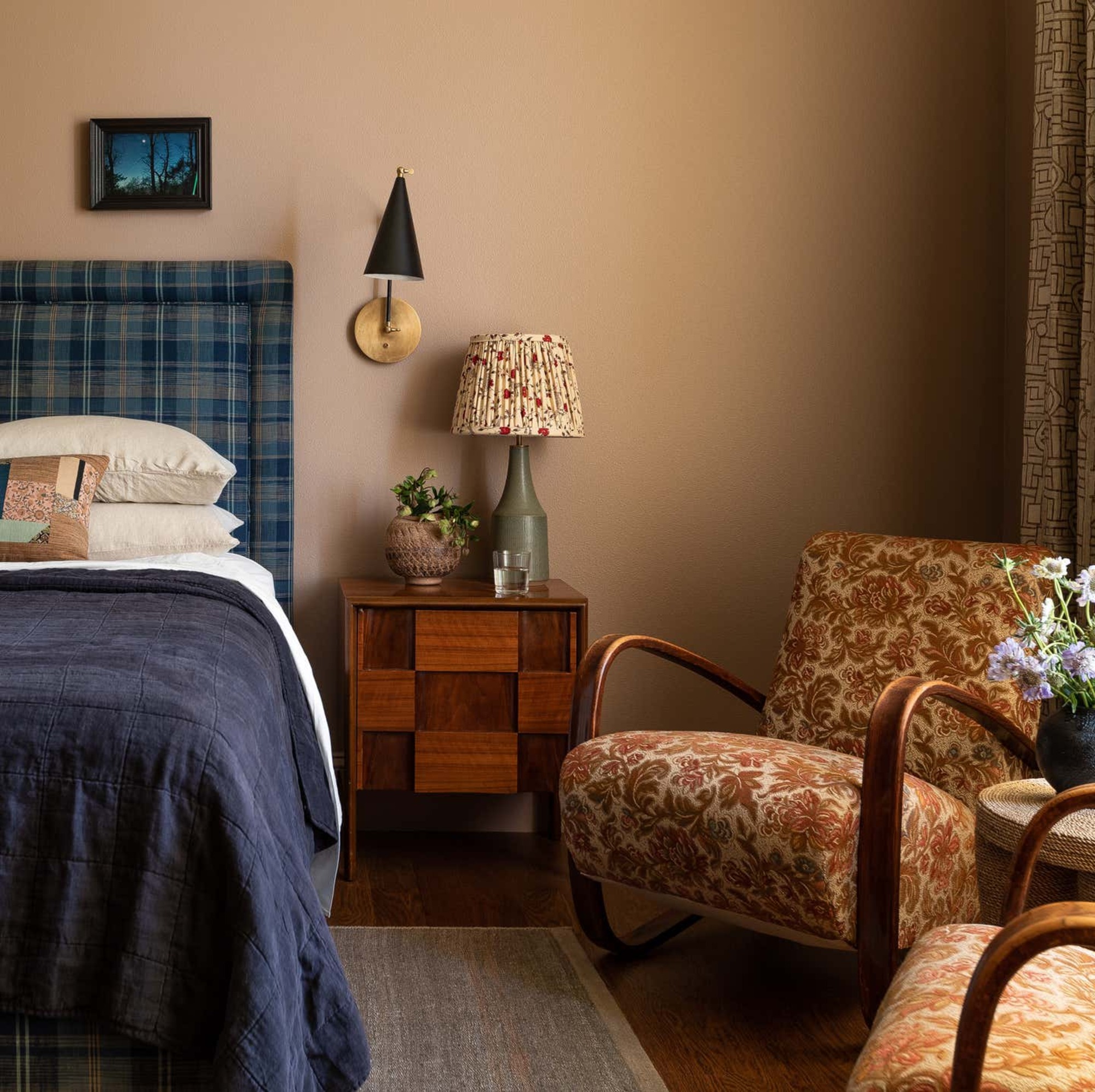
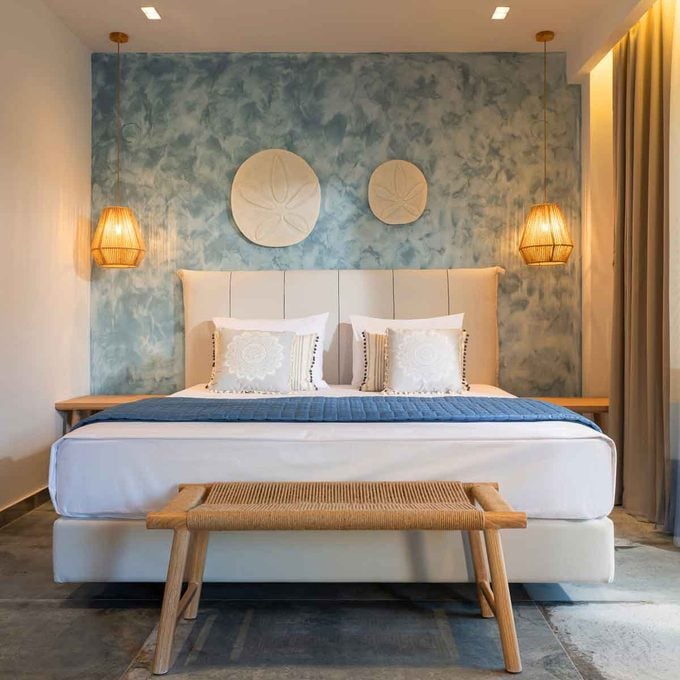
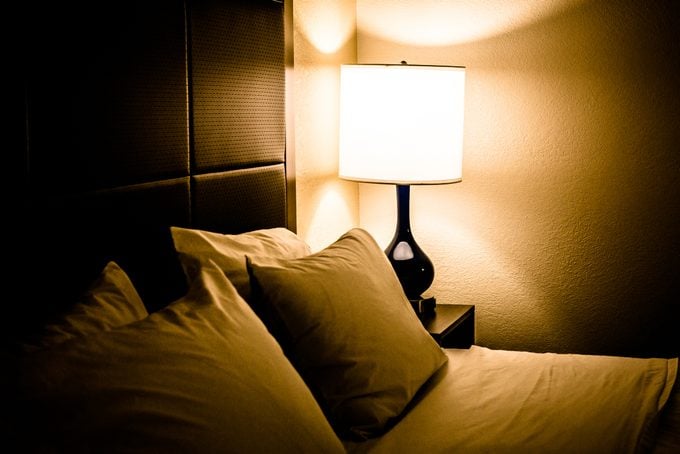
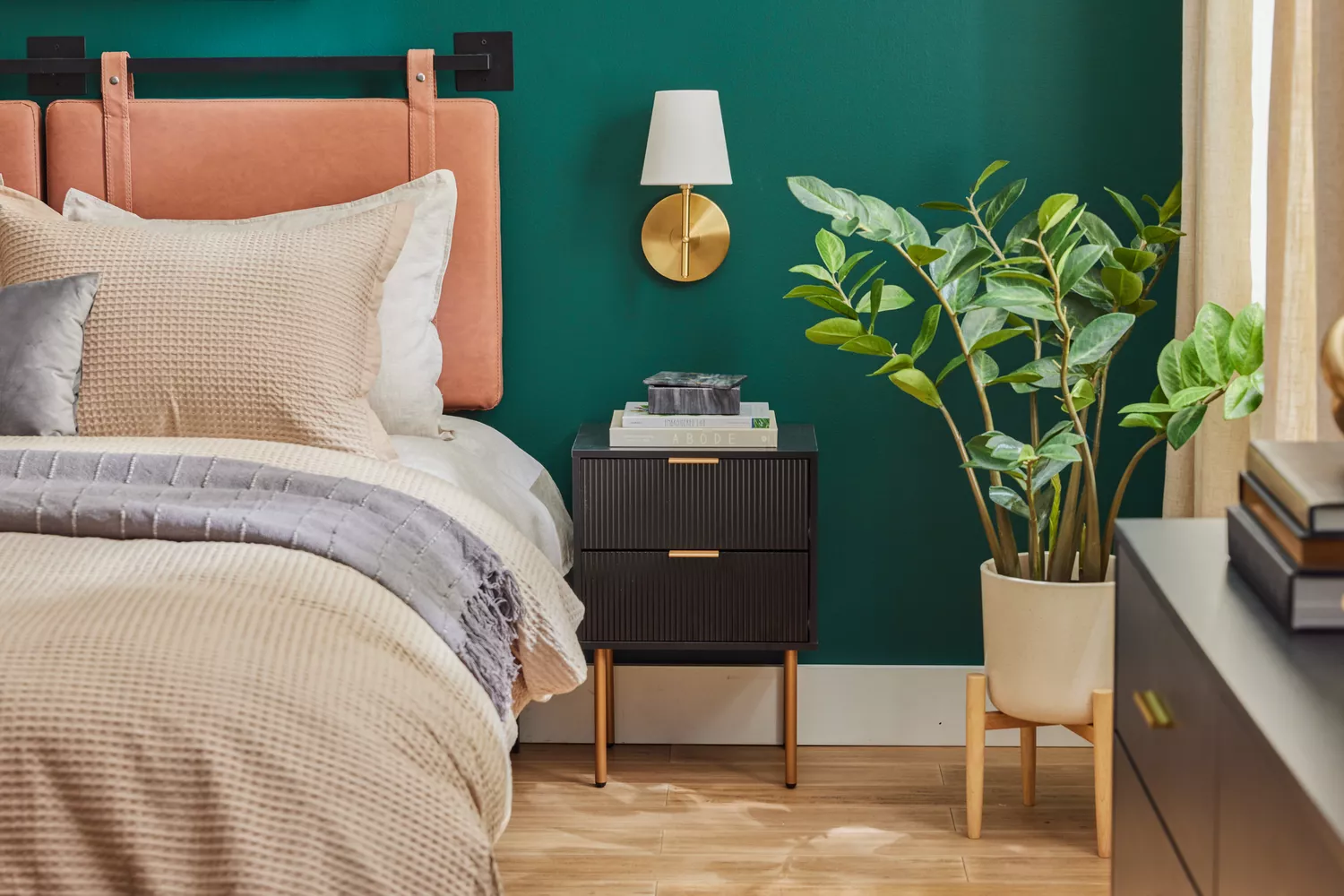
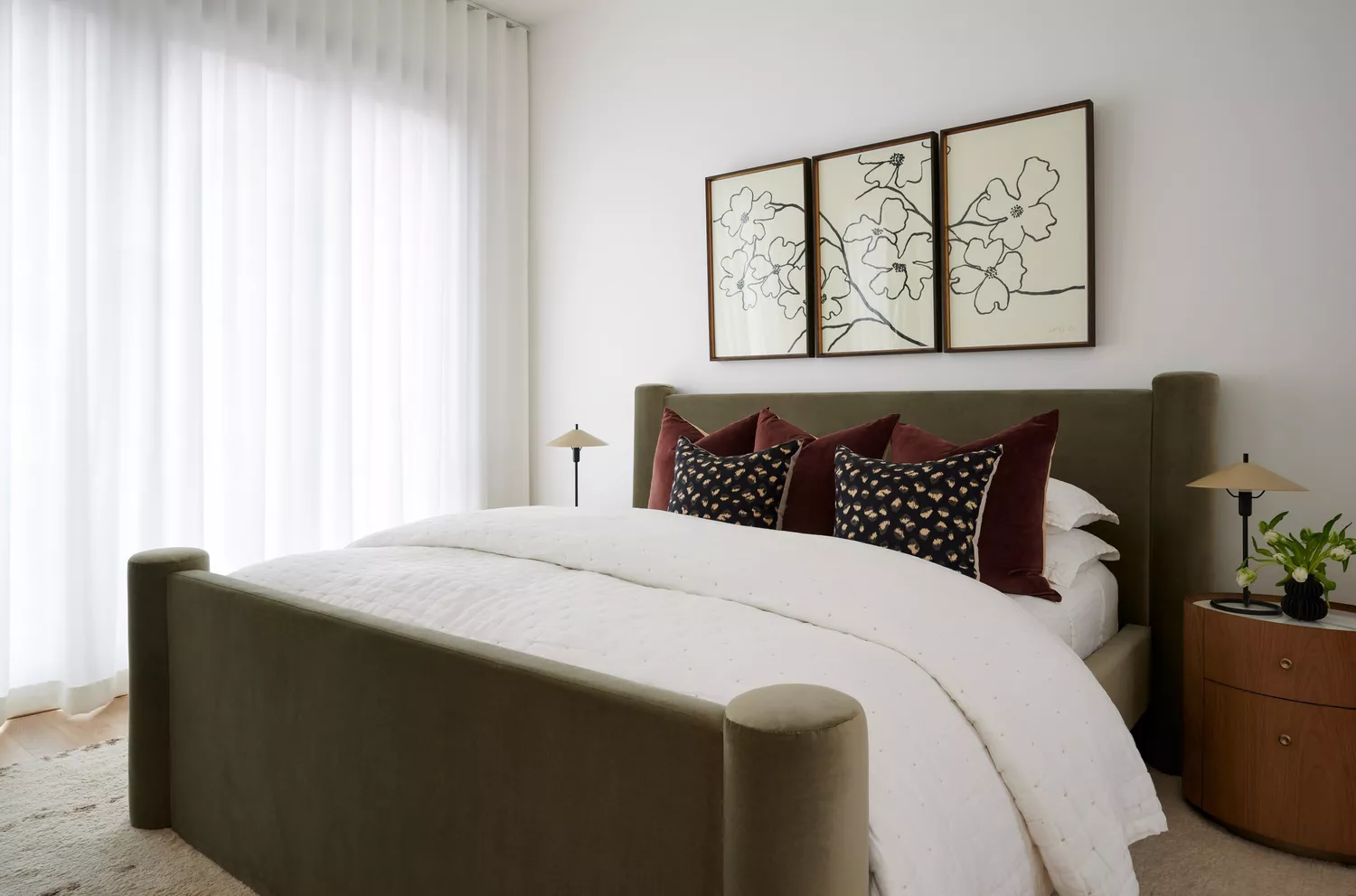
Mismatched nightstands are an acceptable and often stylish choice, adding personality to a bedroom. To maintain visual balance with mismatched pieces, it is advisable to introduce symmetry through other elements, such as a pair of matching lamps or identical artwork above each nightstand.
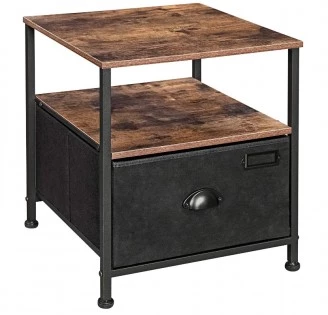
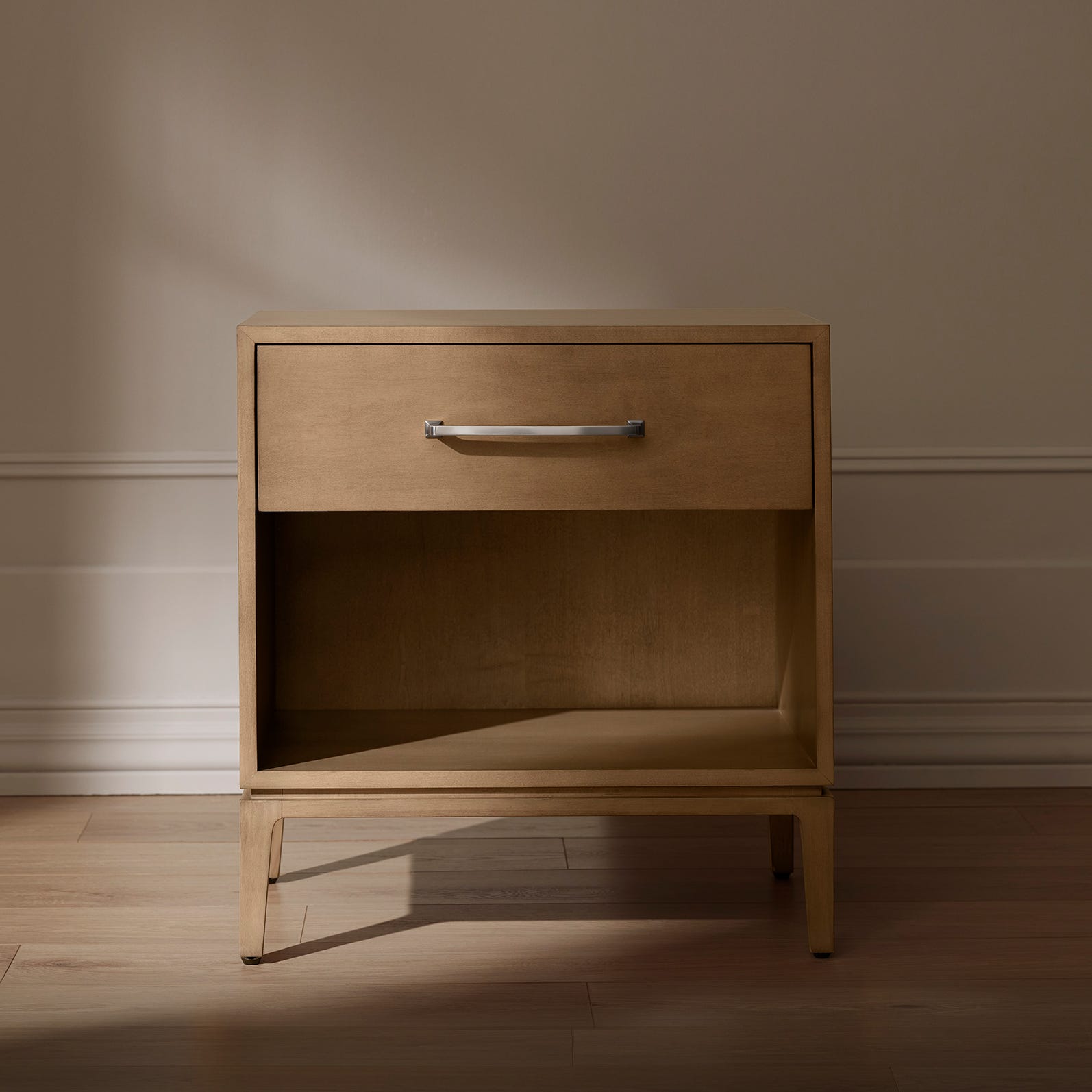
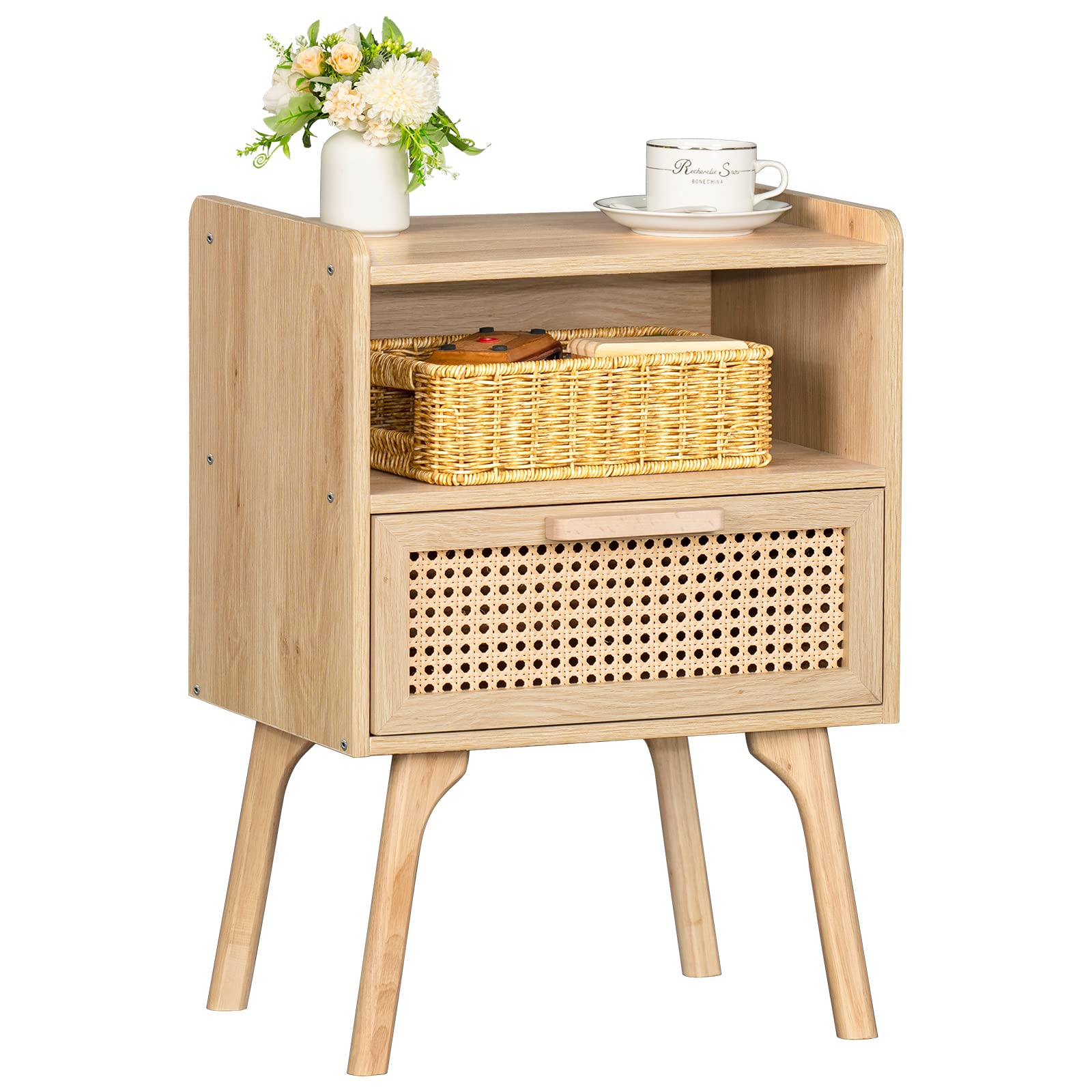
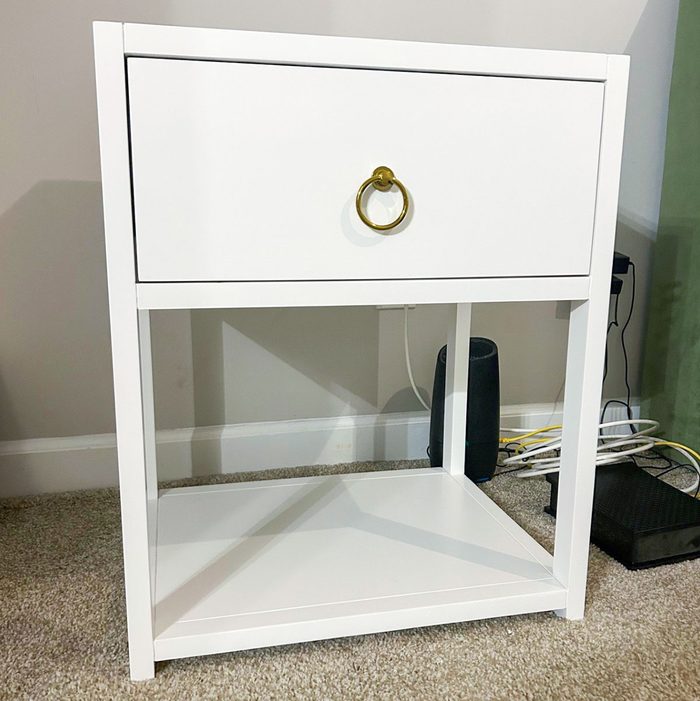
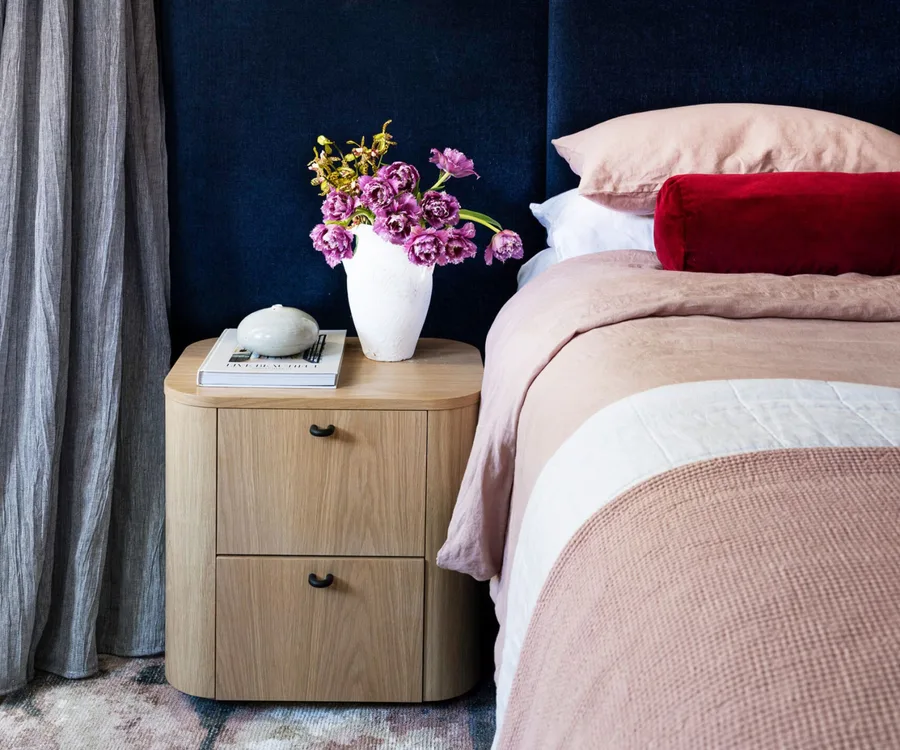
Ultimately, the functionality of the nightstand should align with daily routines and organizational needs. A nightstand should provide sufficient space for essential items like a glass of water, a book, a framed photo, and a lamp. For those who charge devices overnight, nightstands with lower drawers or shelves and integrated charging capabilities are practical solutions, preventing clutter and minimizing the risk of damage from spills. These small details, from the initial choice of bed size to the specific features of the nightstand, contribute to selecting a bedside table that is both aesthetically pleasing and highly functional.
#HomeDecor #NightstandHeight #BedroomDesign #FurnitureSelection #InteriorDesignTips #HomeStyling #FunctionalDecor #RoomProportion #HomeDecor #NightstandHeight #BedroomDesign #FurnitureSelection #InteriorDesignTips #HomeStyling #FunctionalDecor #RoomProportion
0 comment in total
 No comments yet
You may also like
The Best Nightstand

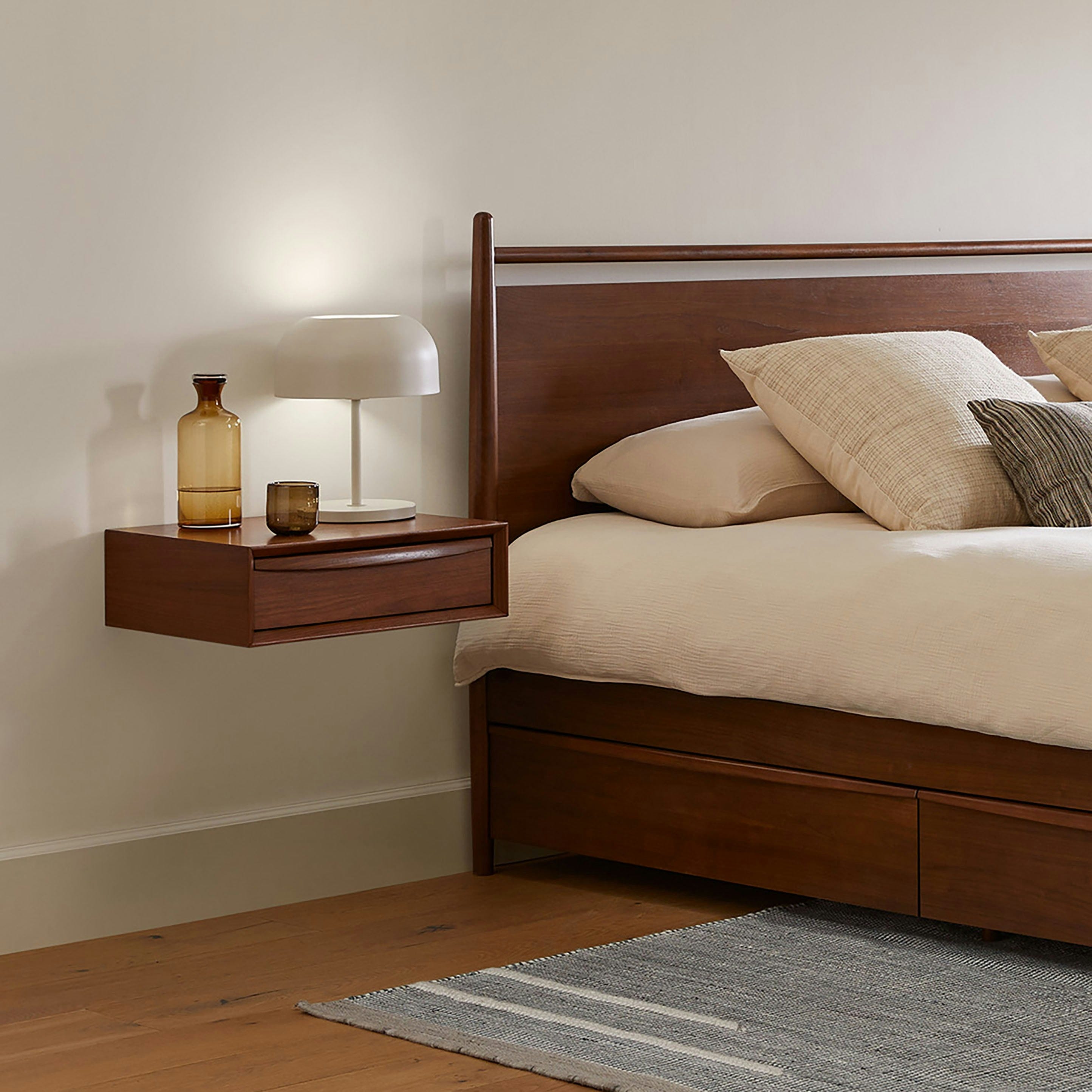
Shop the Best Nightstands to Store All Your Bedside Essentials
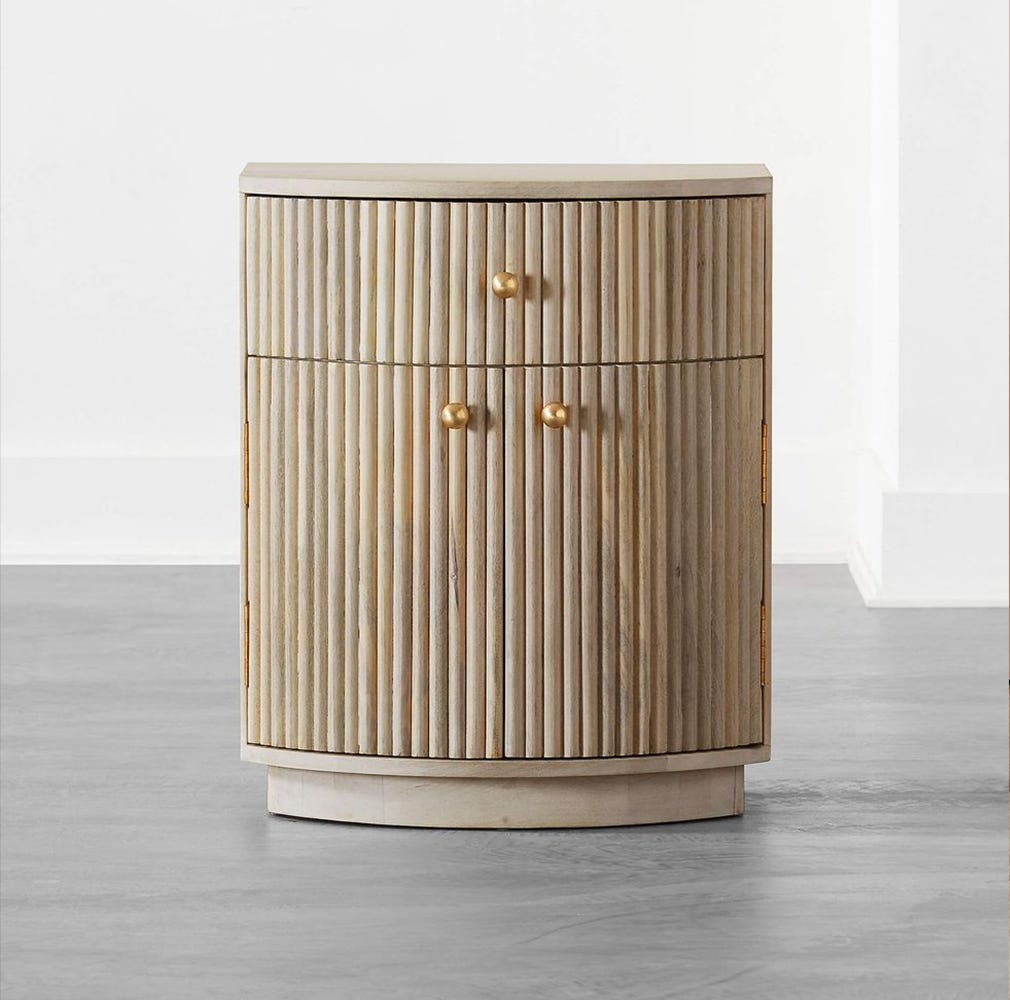
Hey, You, It's Time to Upgrade Your Nightstand
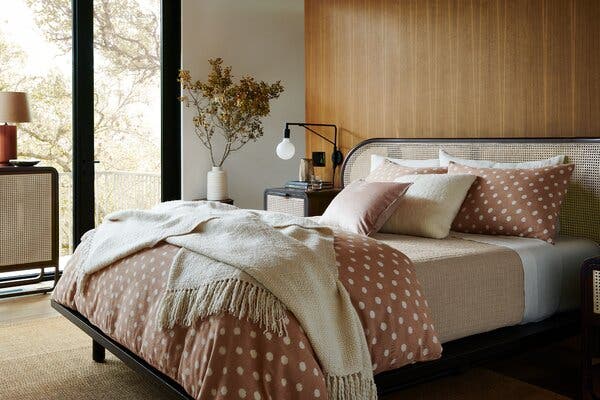
Shopping for Beds (Published 2020)
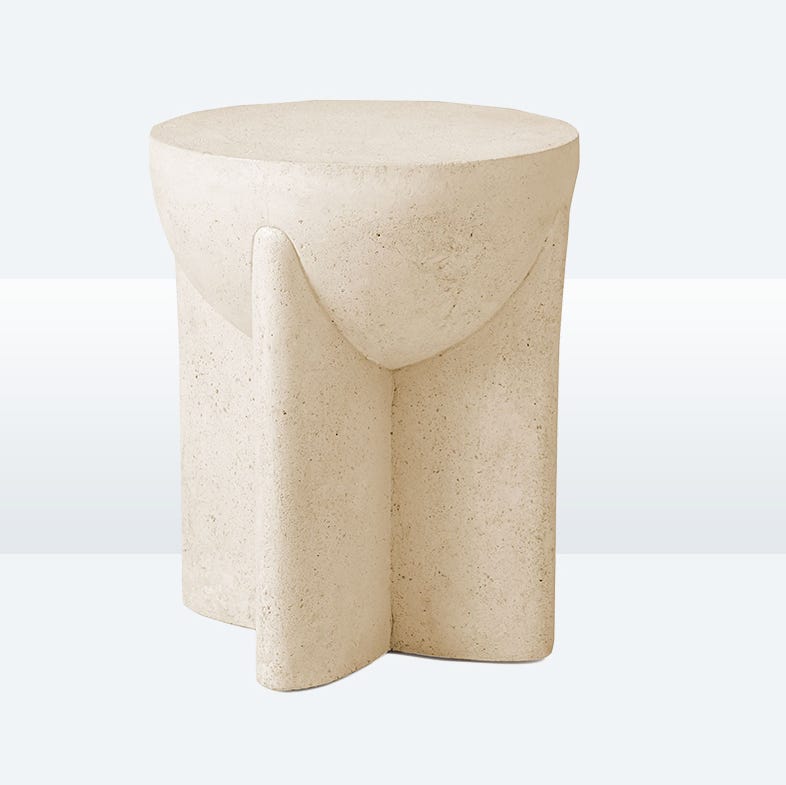
The Most Stylish Nightstands to Elevate Your Bedroom Decor

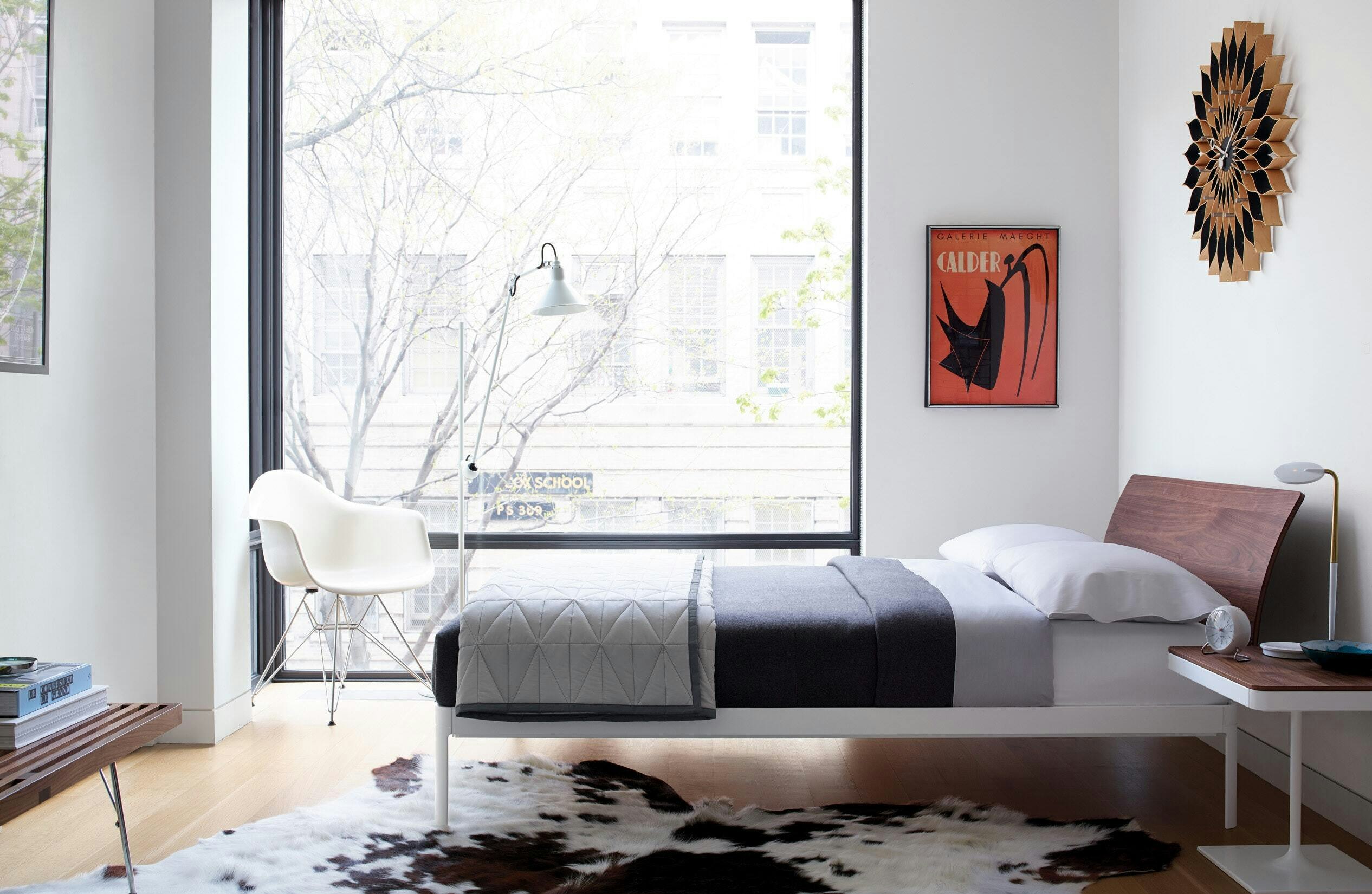
Our Favorite Bedside Tables and Nightstands at Every Price Point

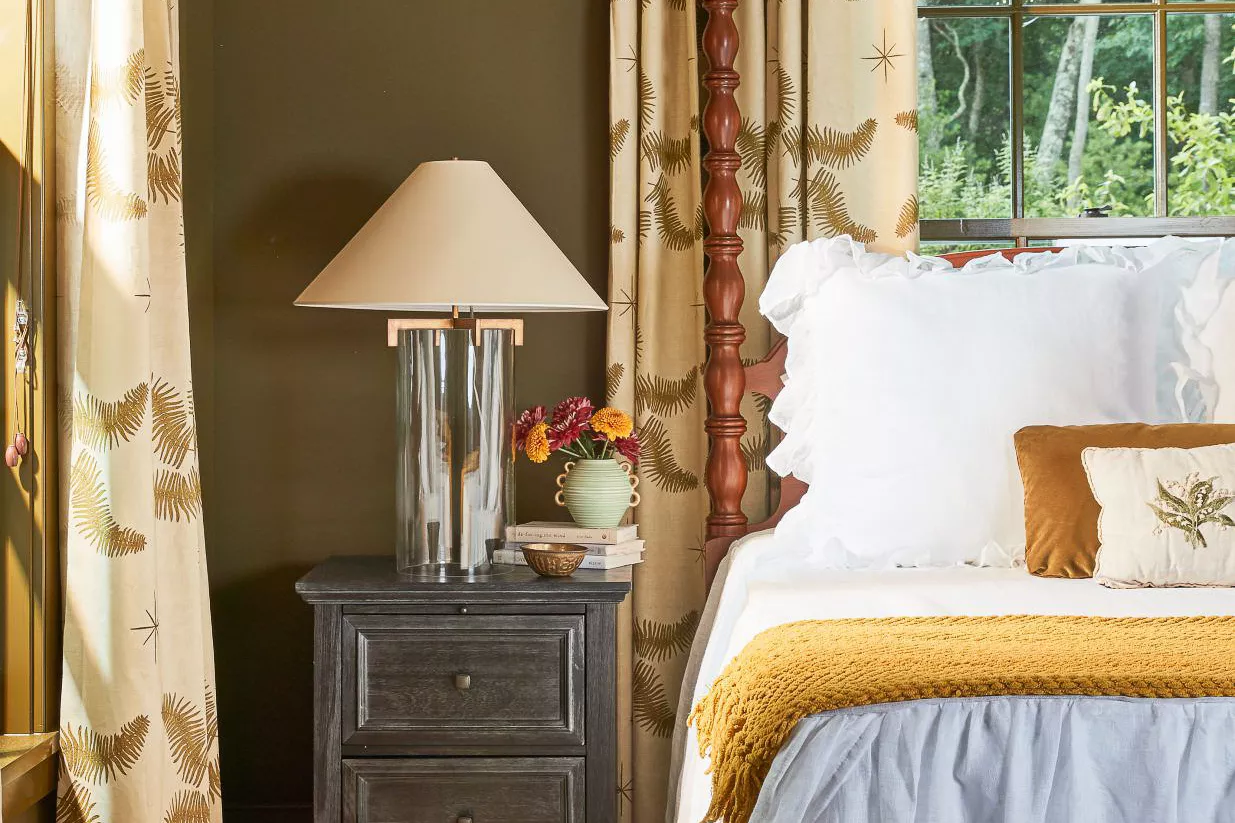
How Tall Should Your Nightstand Actually Be? An Expert Explains
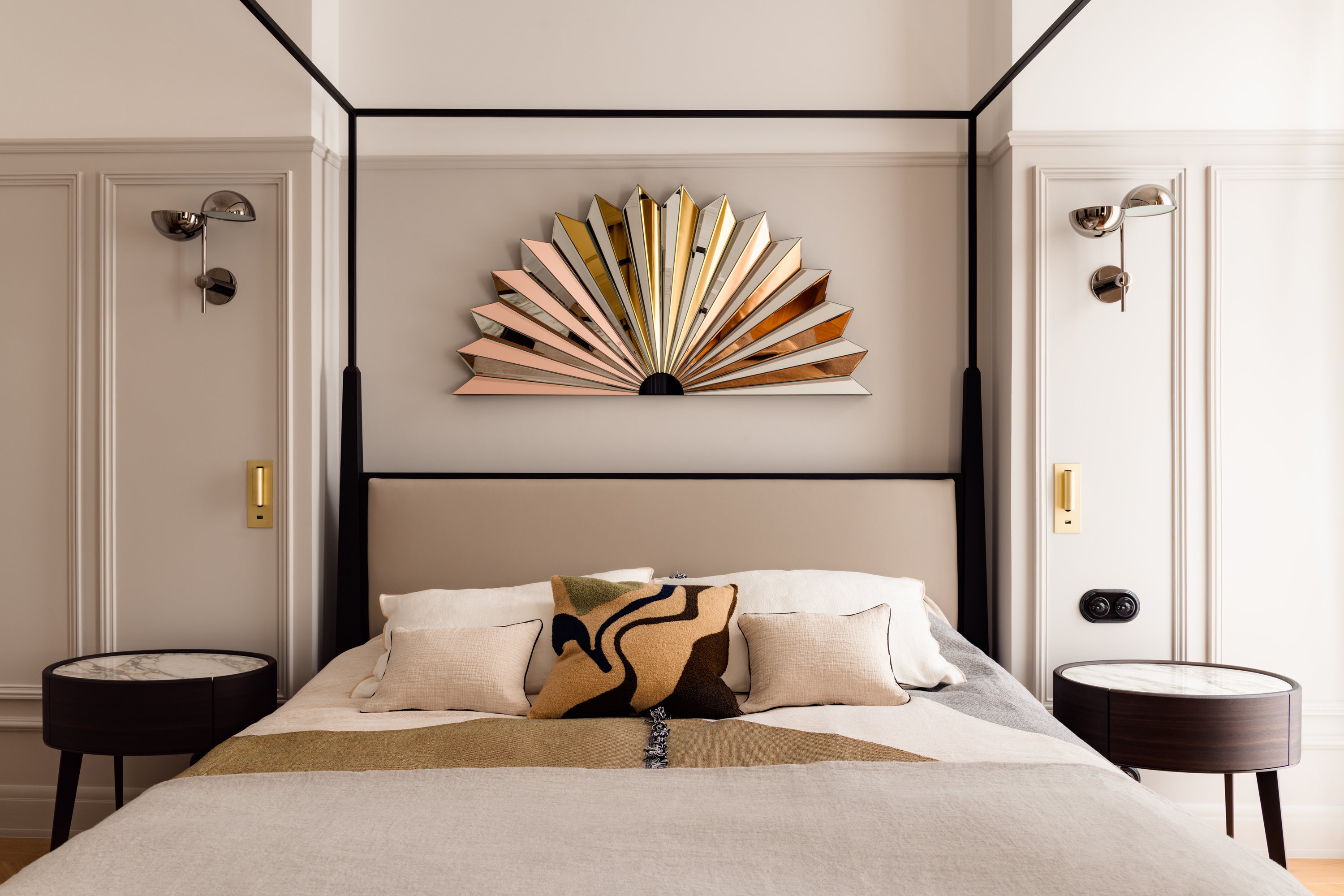
The 10 biggest bedroom furniture mistakes that interior designers always notice – and how to fix them

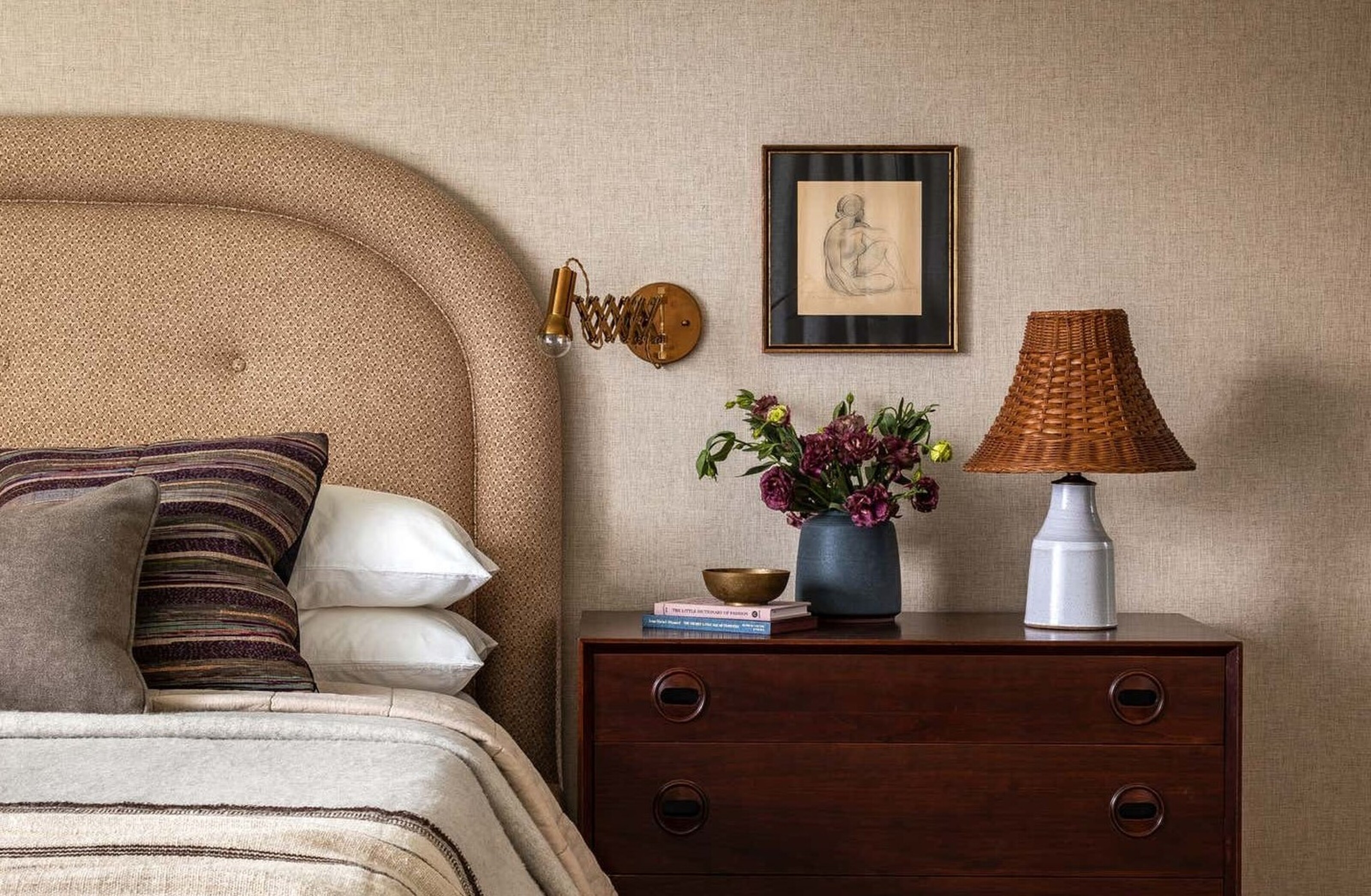
I tried this 5 step guide to restyle my nightstand – and it's seriously elevated my bedside set-up

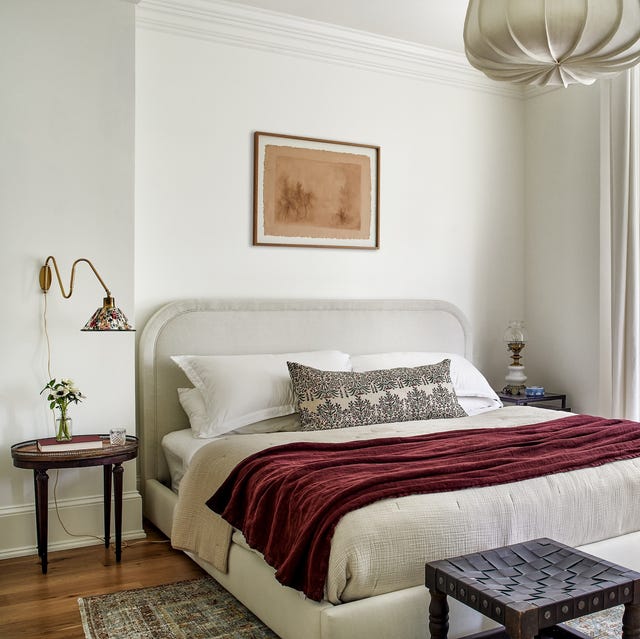
The Game-Changing Bedroom Design Hack Pros Swear by

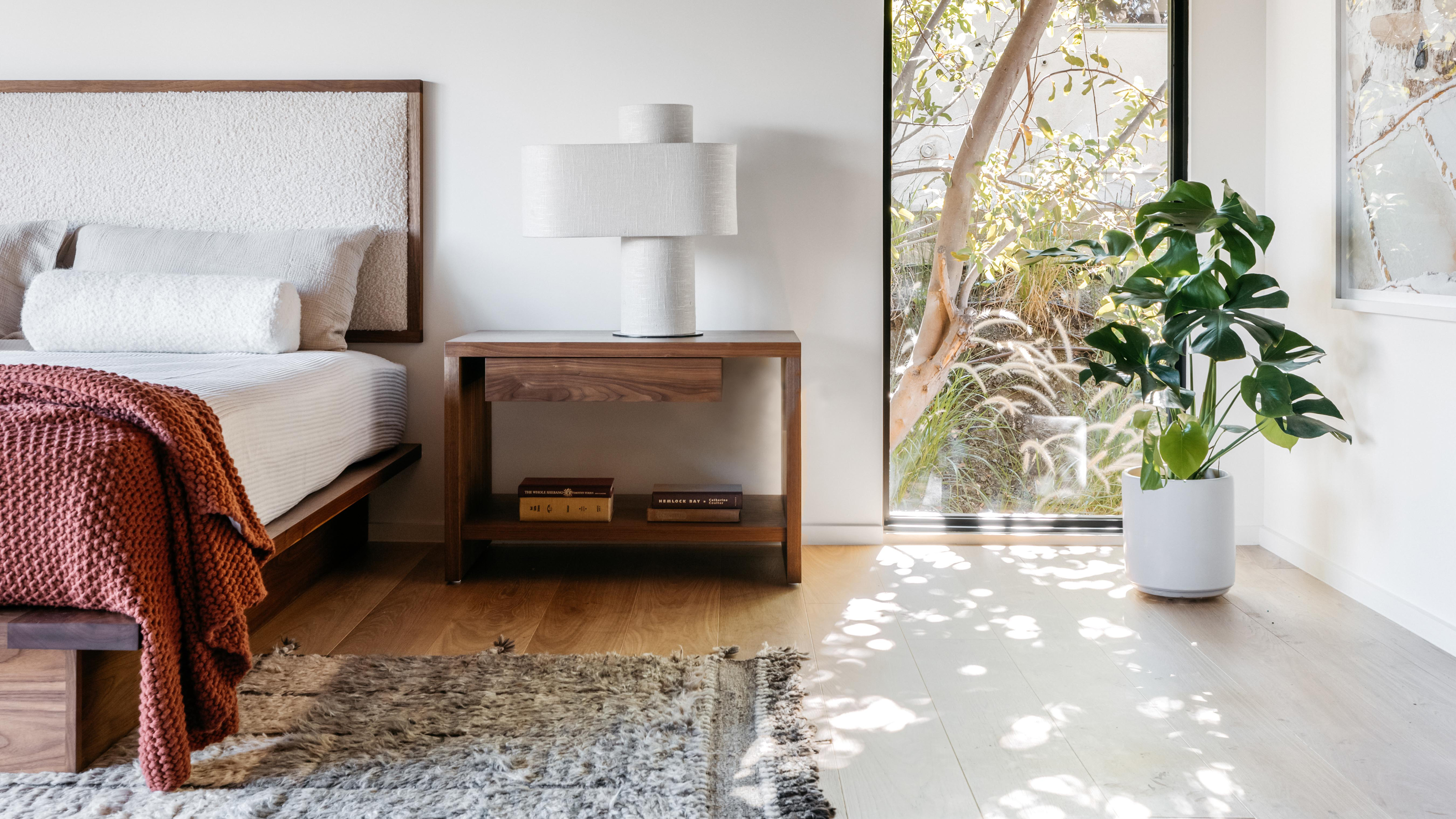
9 Bedroom Furniture Ideas — Designers Reveal How to Choose the Right Cornerstones for Your Space
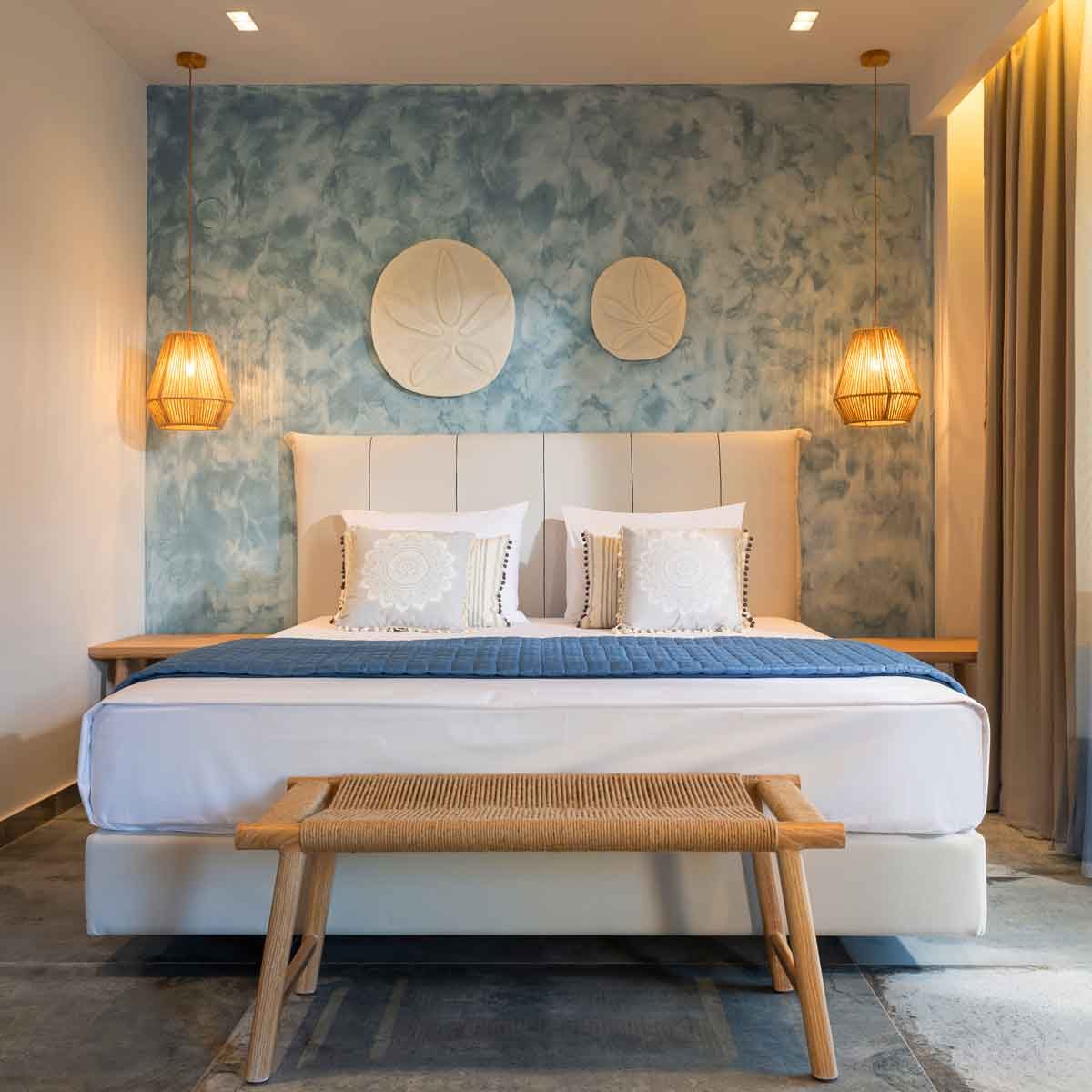
Tips for Choosing the Best Bedroom Lighting

How To Style Your Primary Bedroom Nightstand
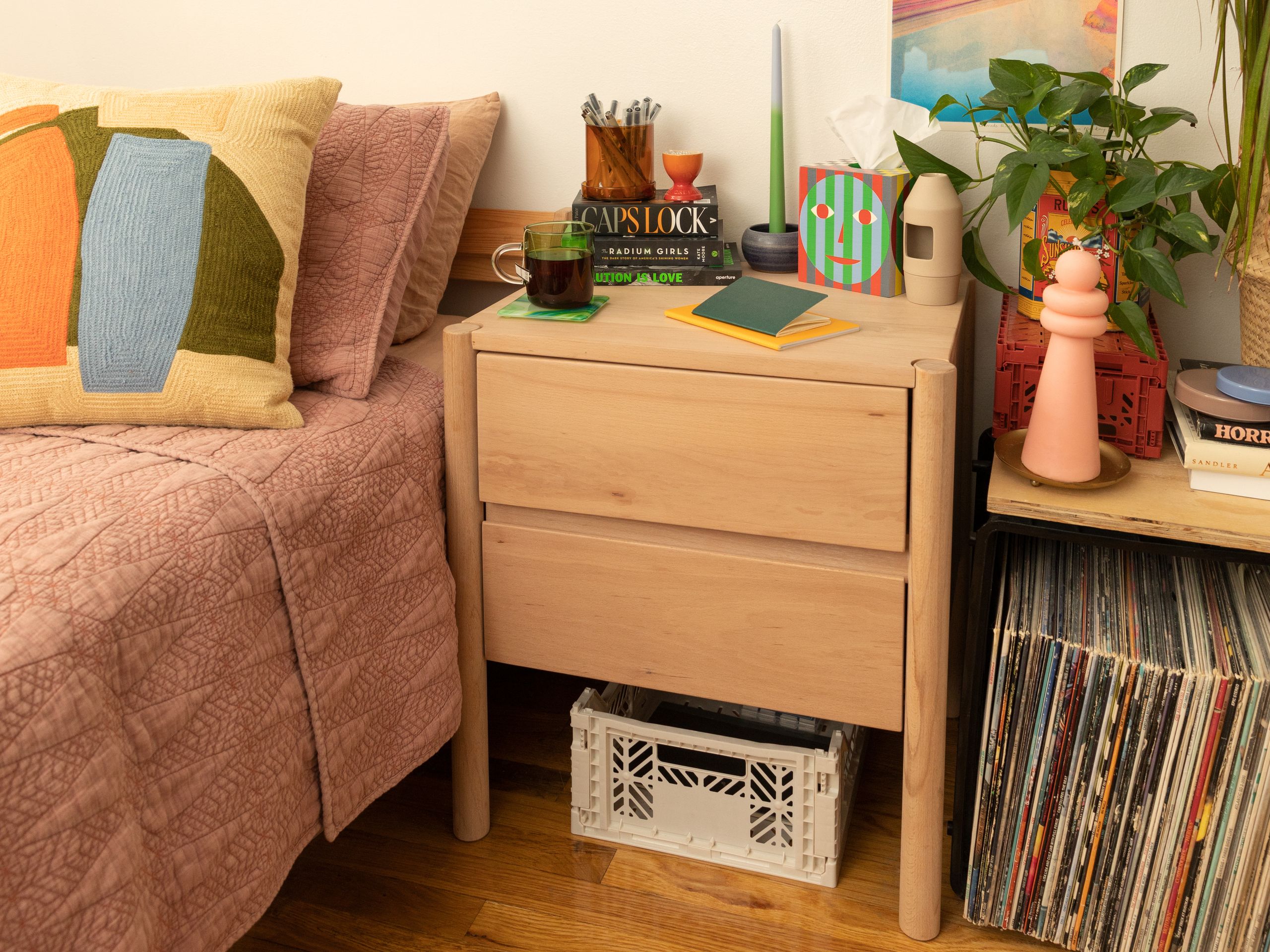
The Best Nightstands and Bedside Tables Make Stylish Sleep Sidekicks

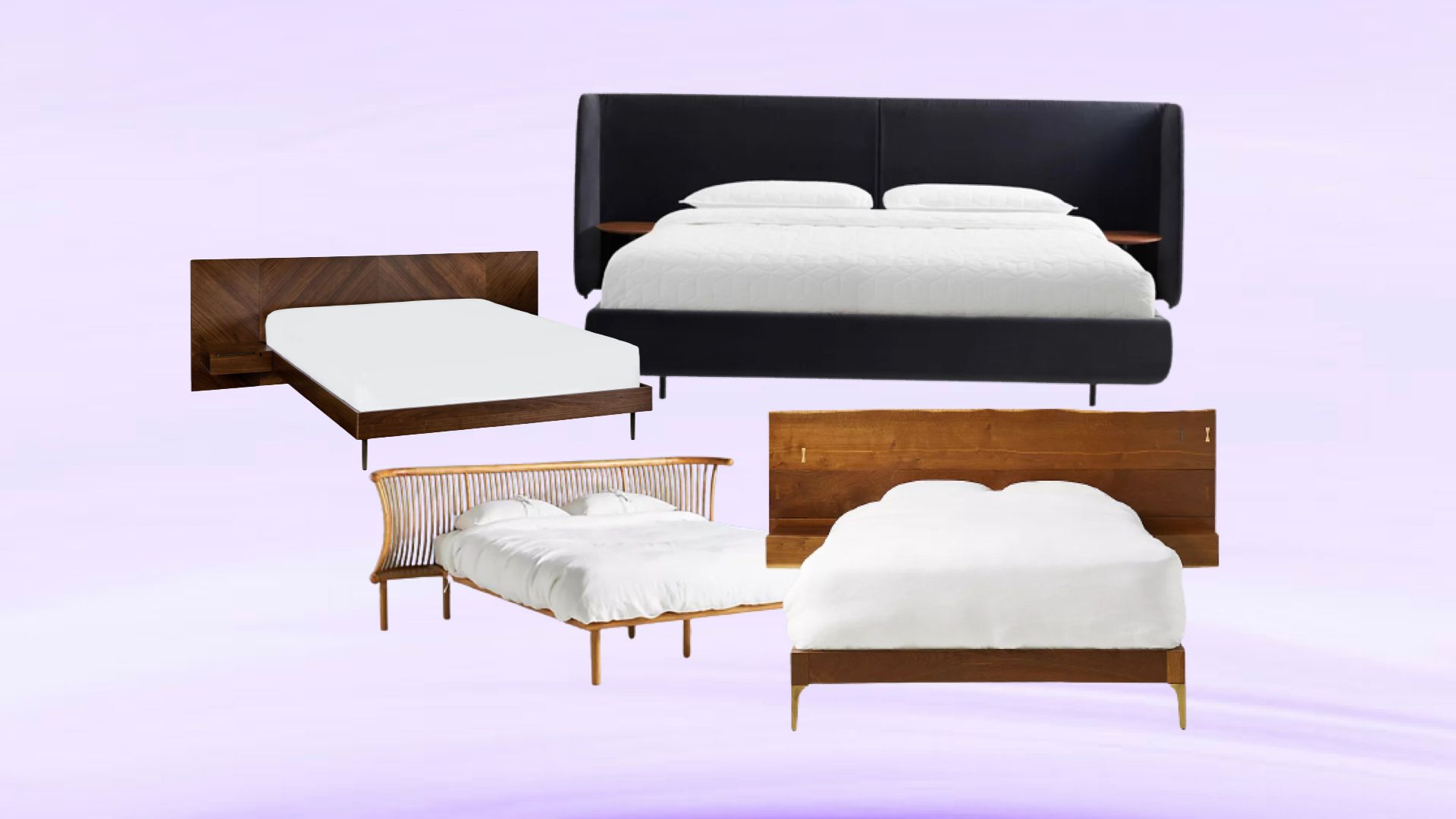
12 Headboard Nightstands That Maximize Space and Spend
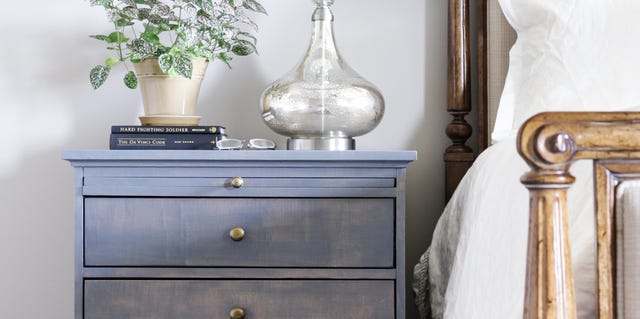
15 Easy Nightstand Ideas to Liven up Any Bedroom
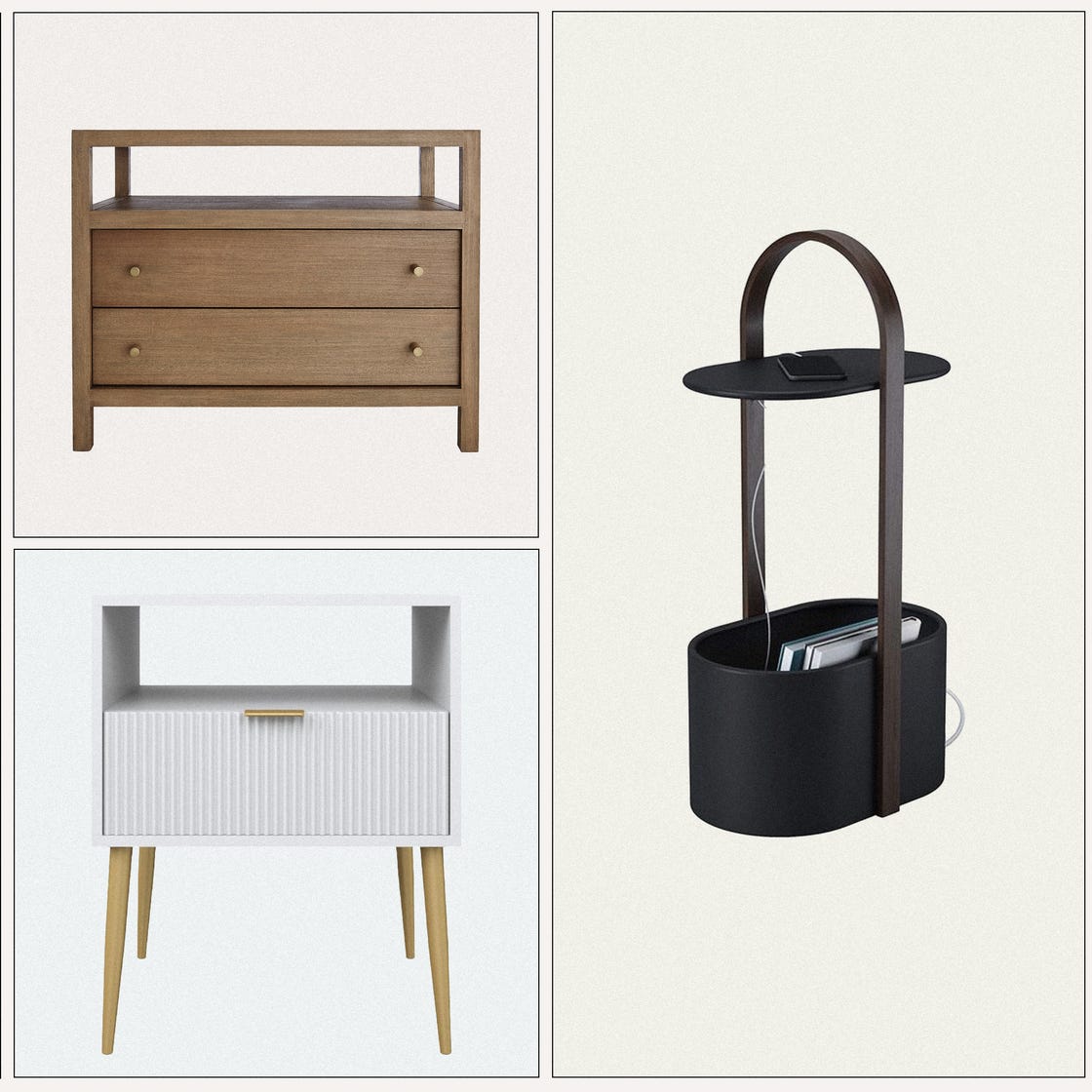
We Tested 7 Viral Nightstands—Here's How They Held Up After a Year

The 6 Best Nightstands to Update Your Bedroom, Tested and Reviewed
Elevate your bedroom with the most stylish bedside tables of 2024

5 Bed Styling Secrets Designers Always Use (But Rarely Share)