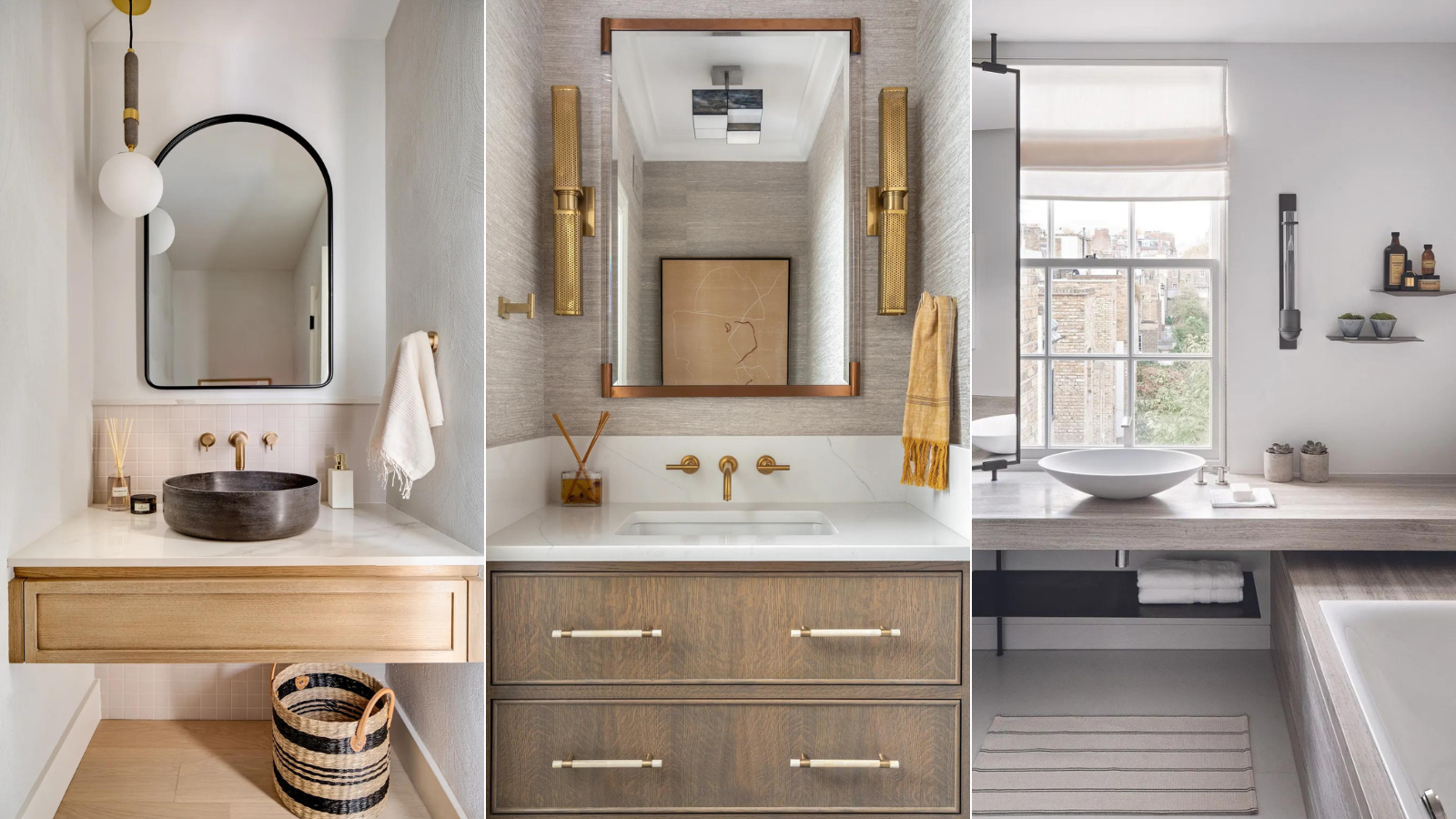
1/7
How high should a bathroom vanity be? Designers share the 'Goldilocks' measurement
This article addresses the optimal height for bathroom vanities, drawing on insights from interior designers. It highlights that while there's a modern standard, the 'ideal' height can vary depending on user needs and specific bathroom types. The common range for vanity heights is between 30 and 36 inches, with most experts leaning towards the higher end of this spectrum for general use.
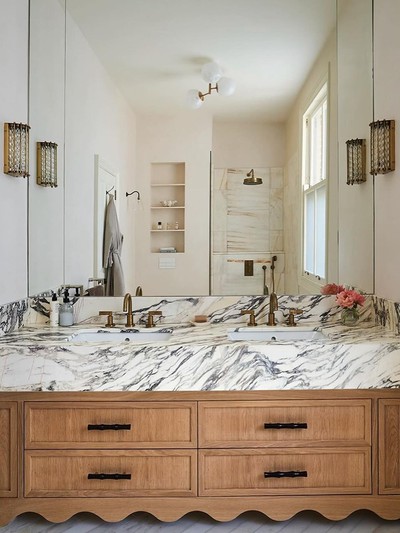
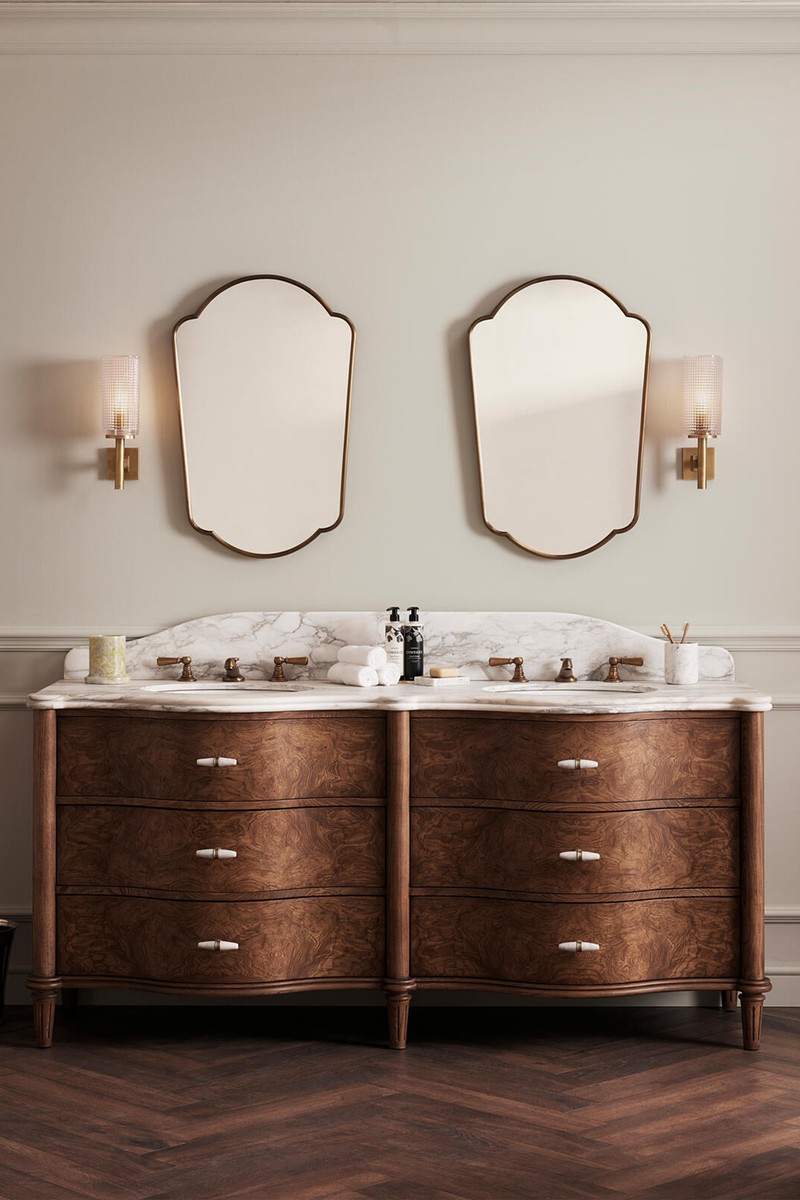
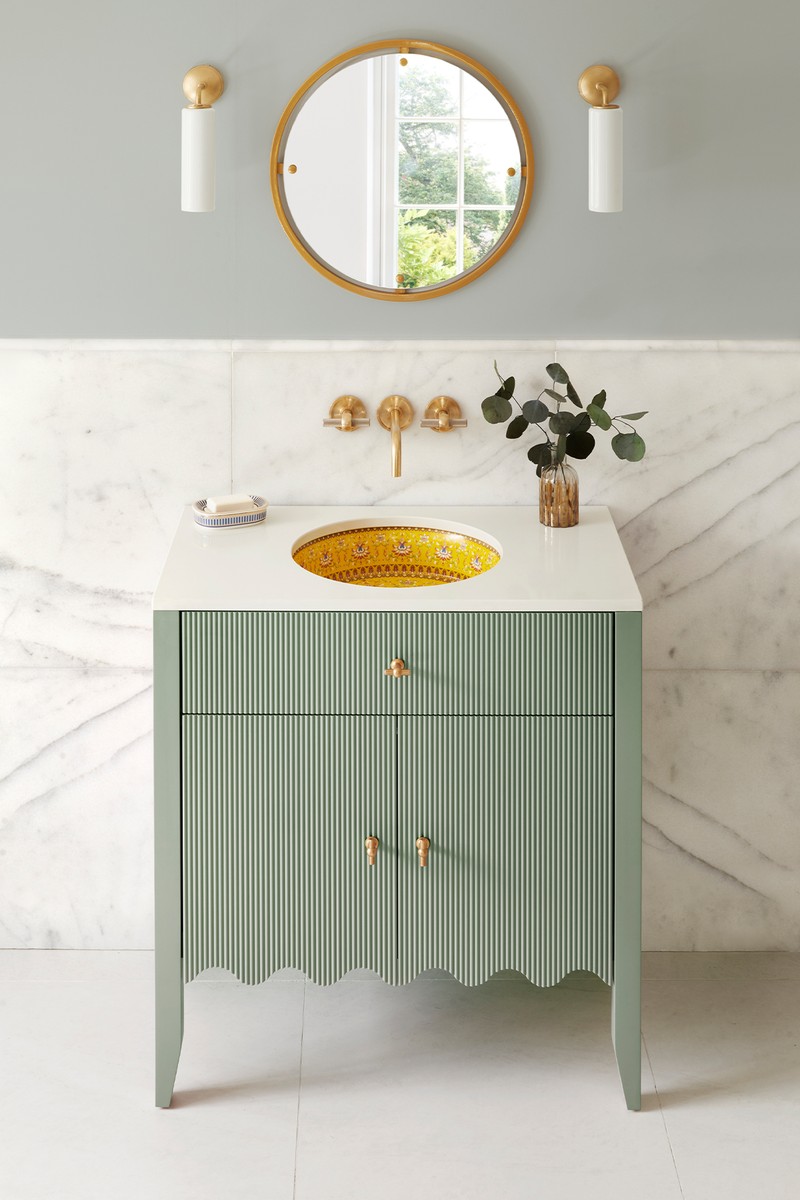
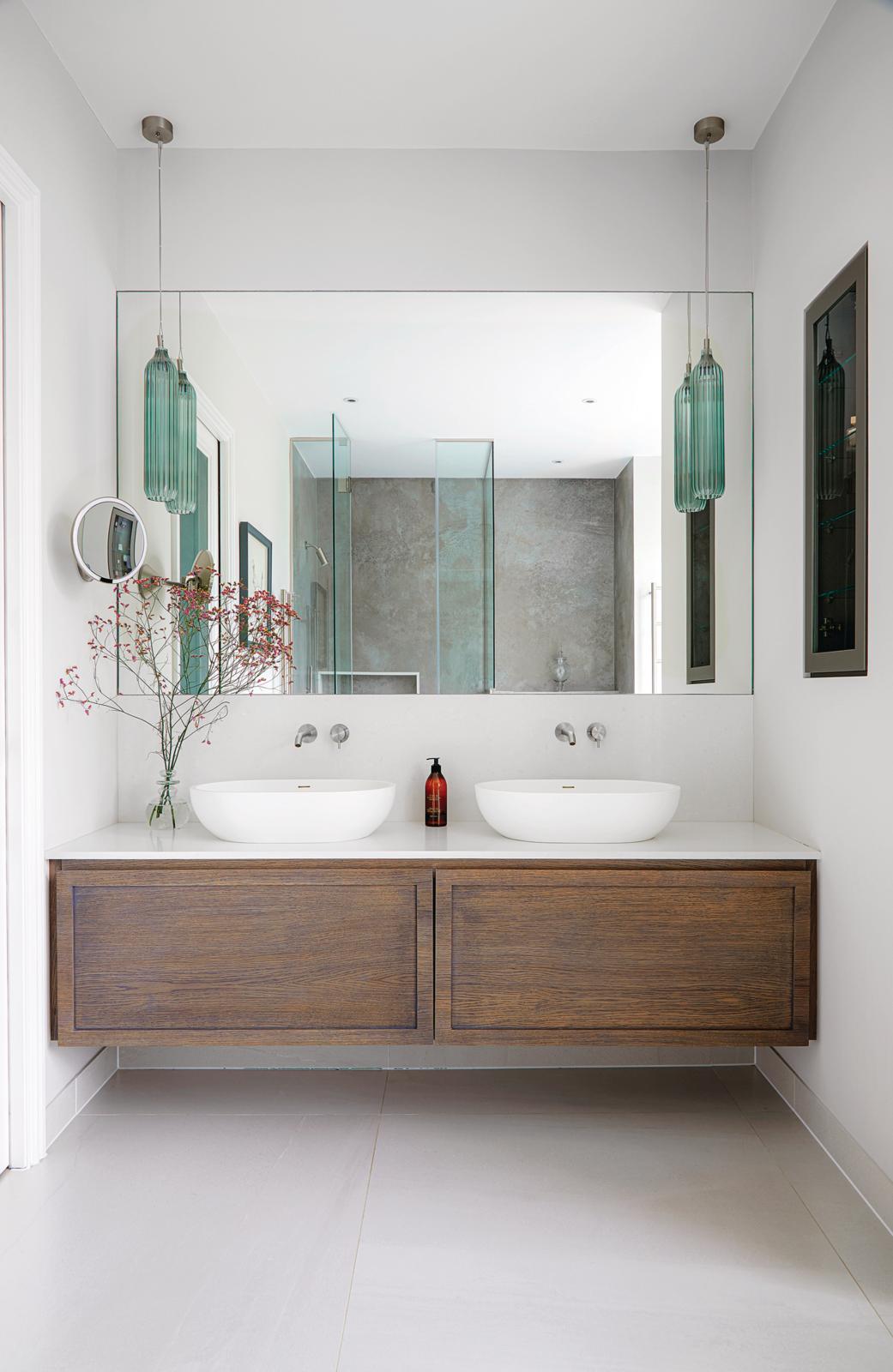
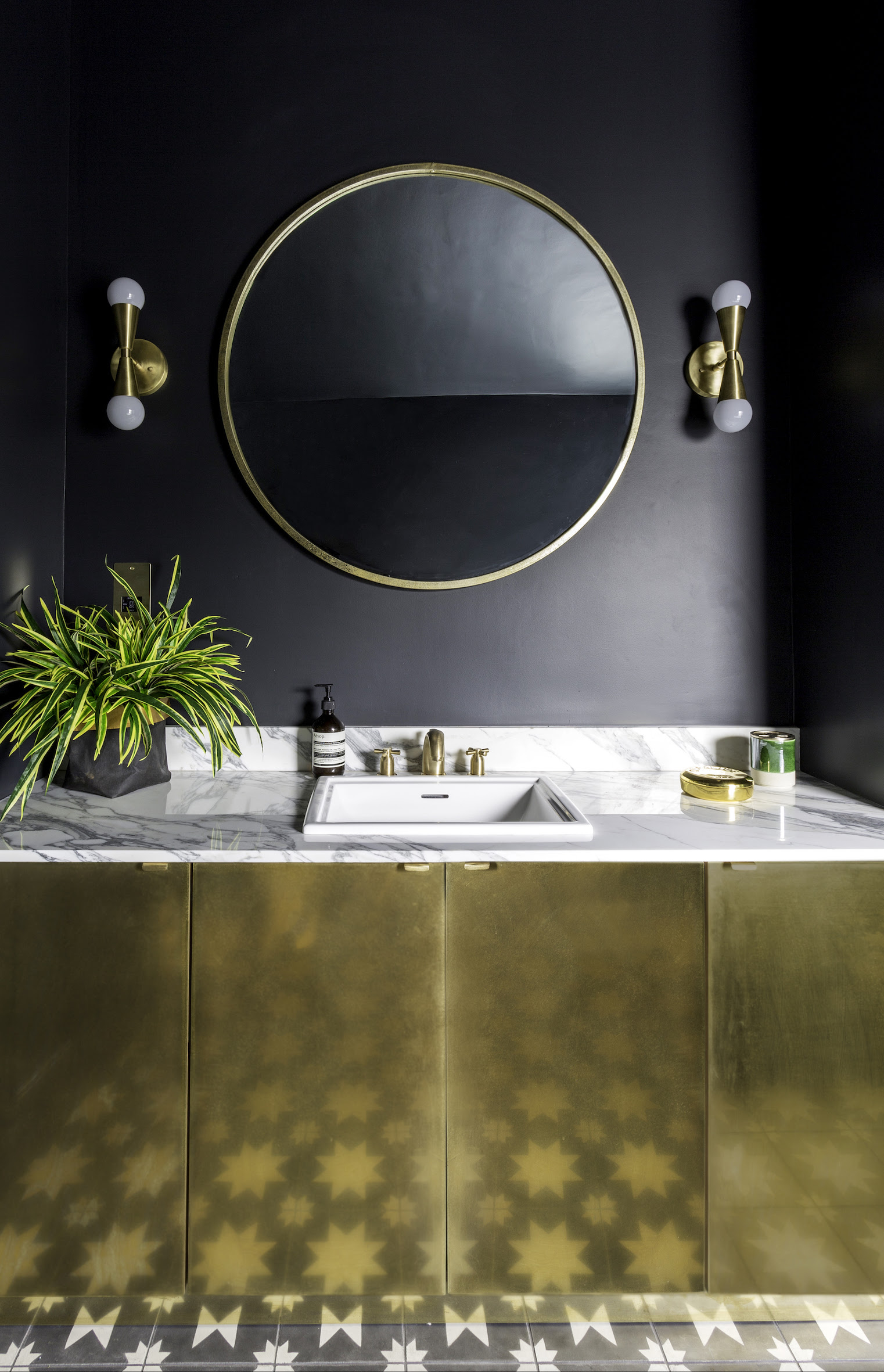
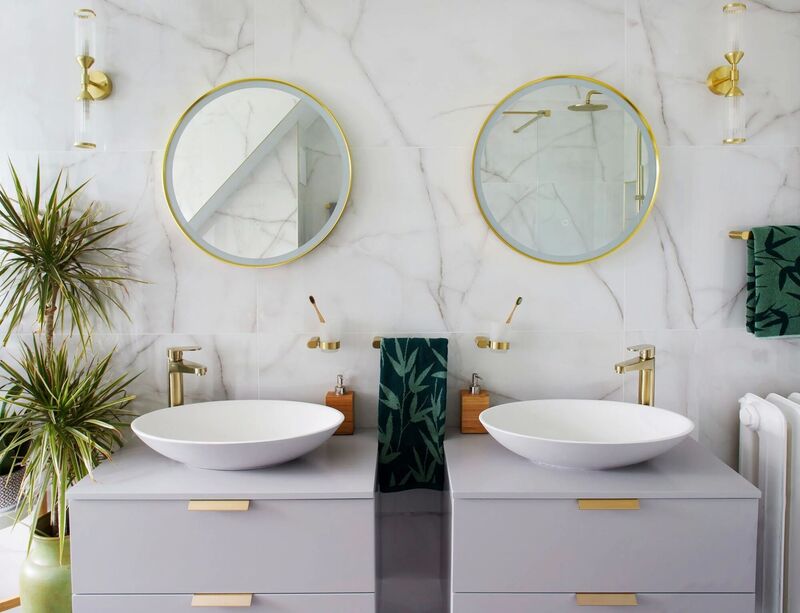
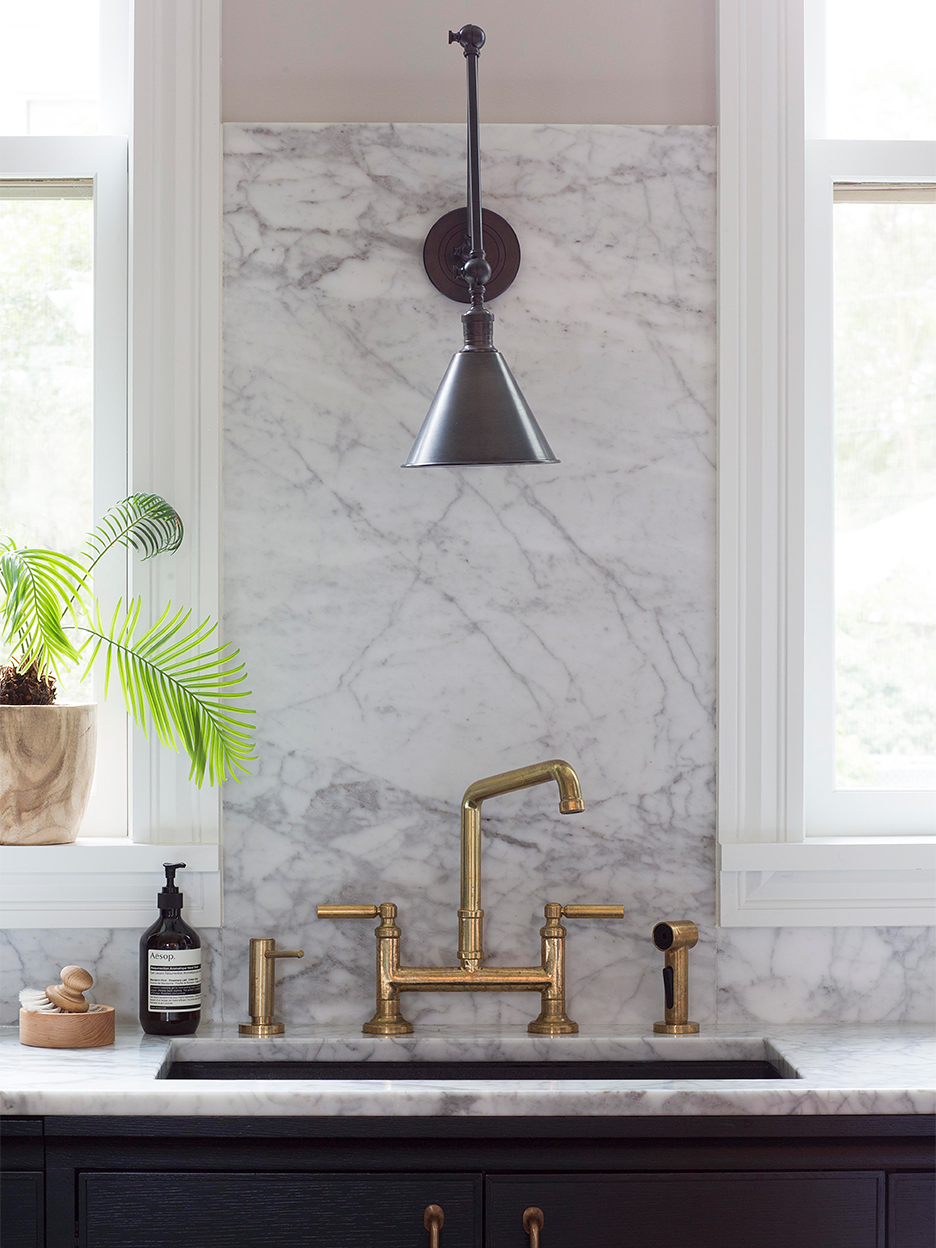
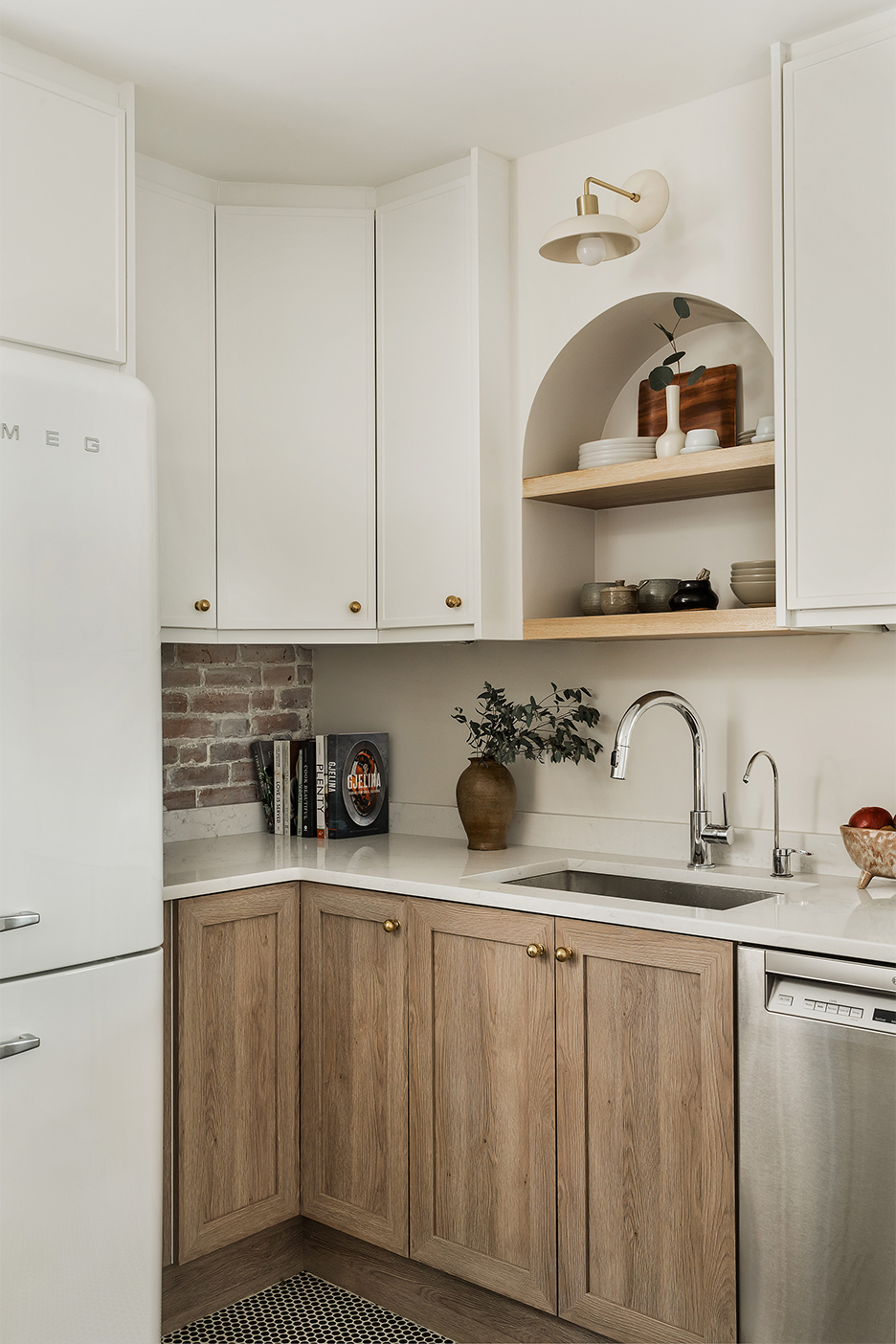
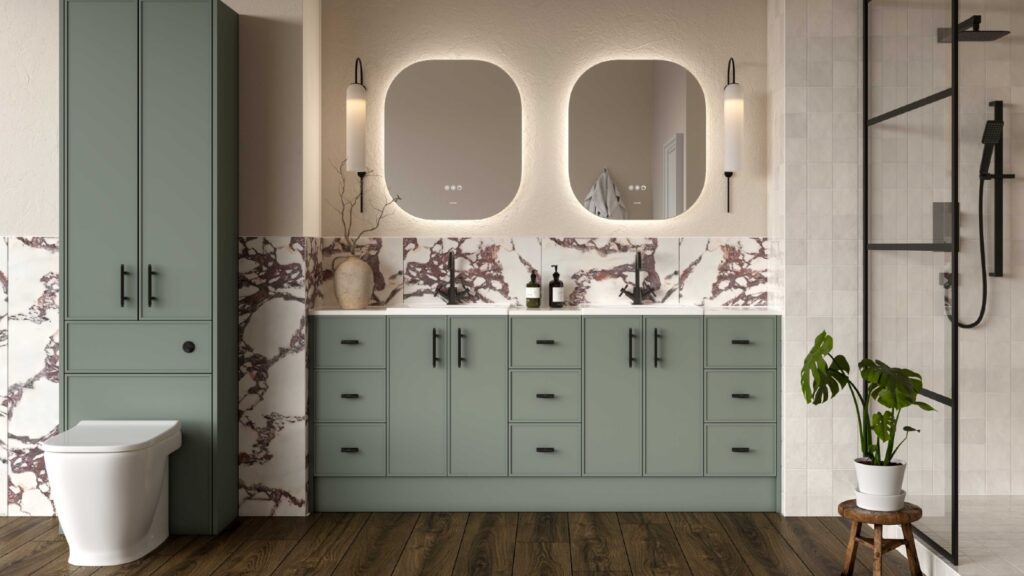
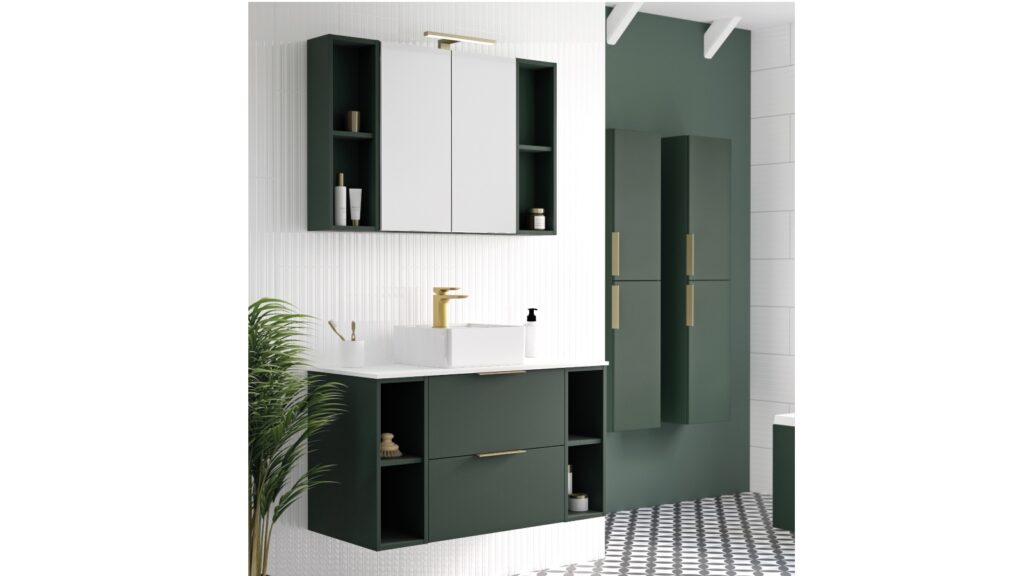
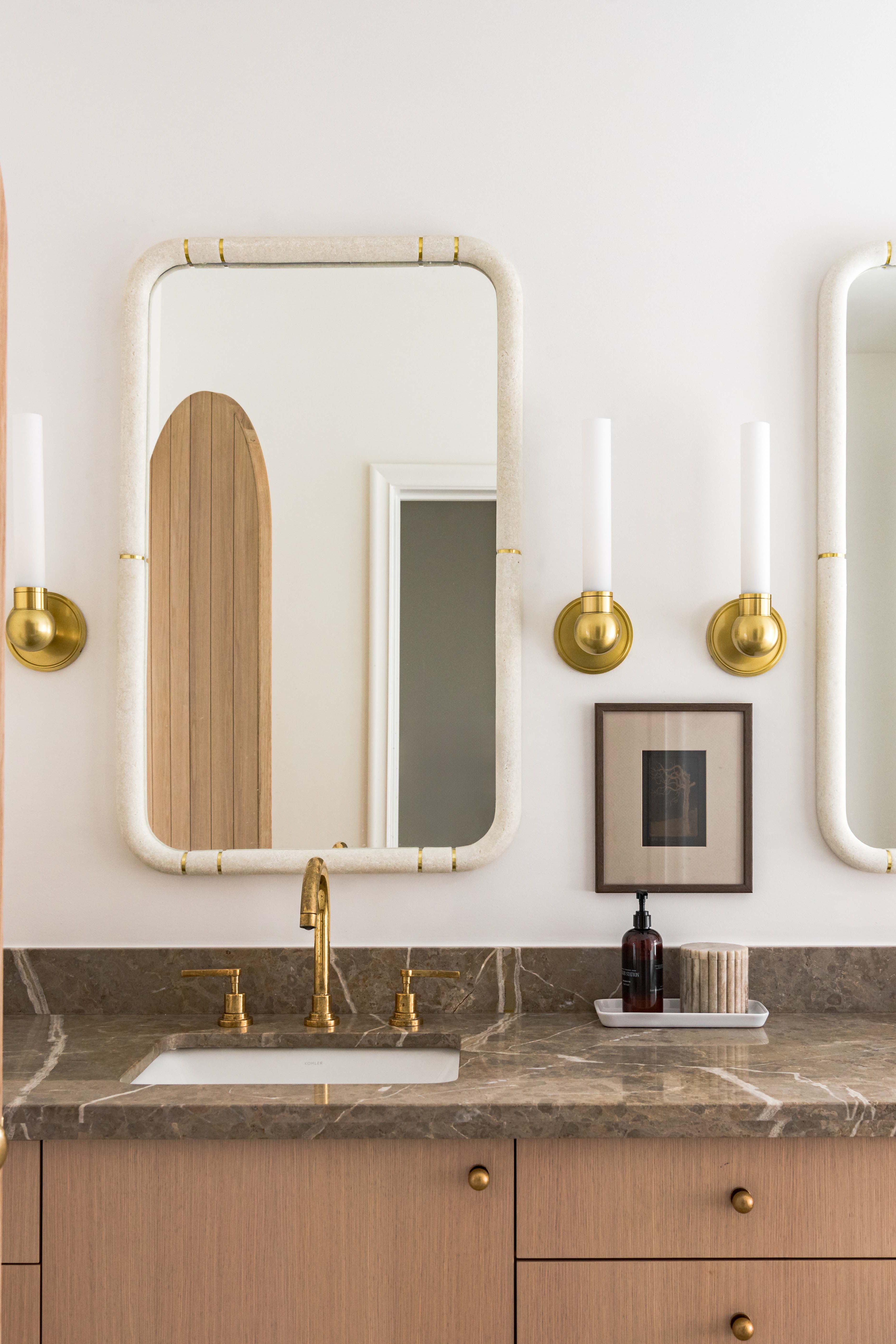
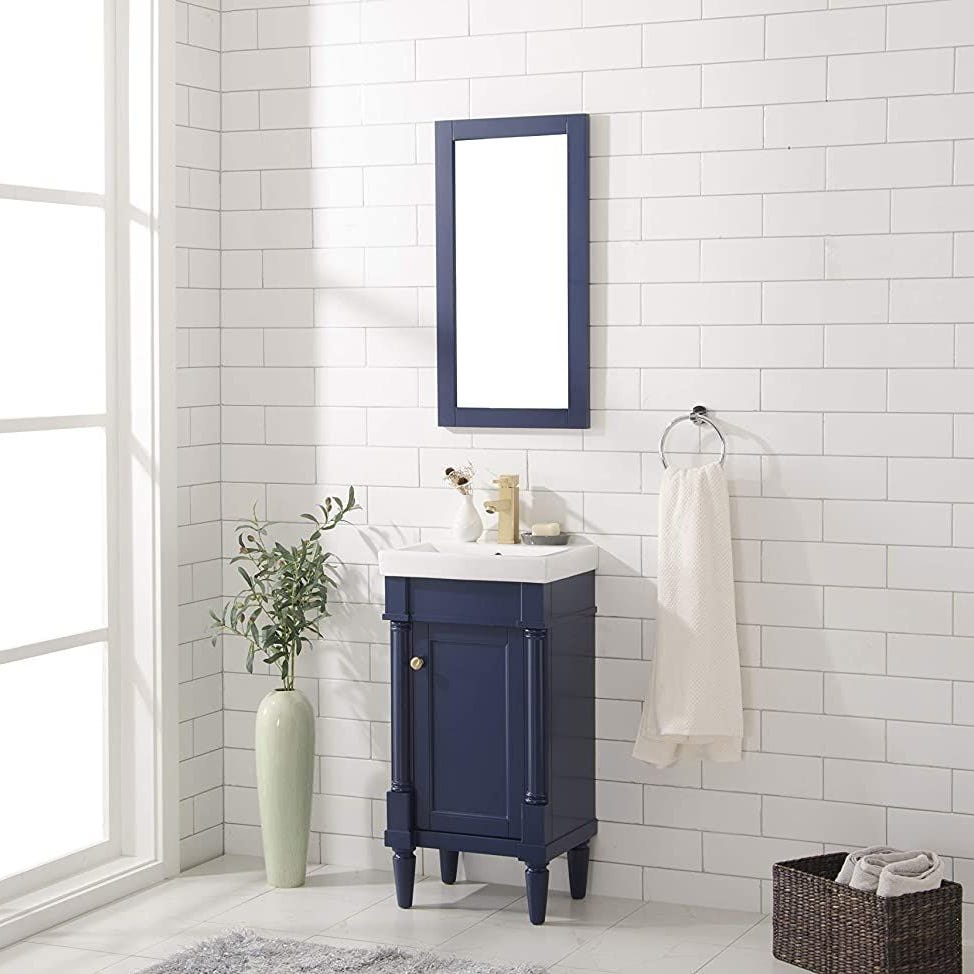
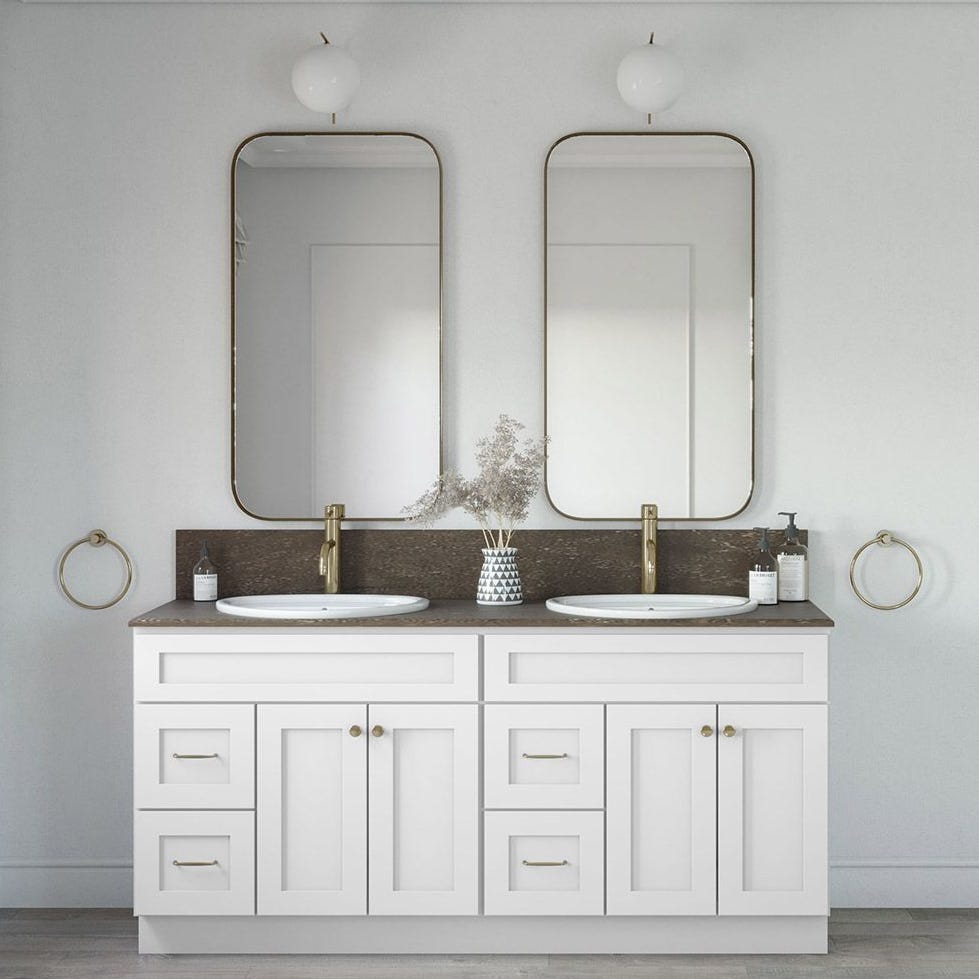
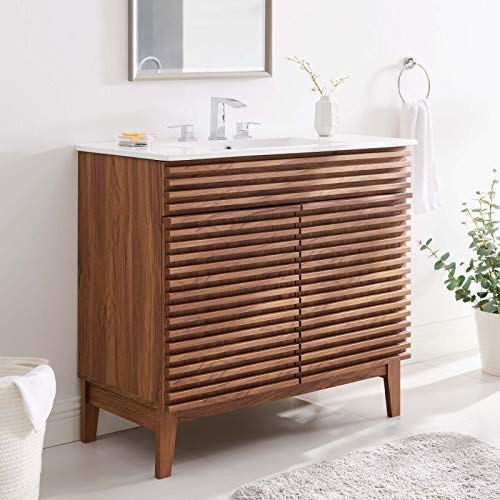
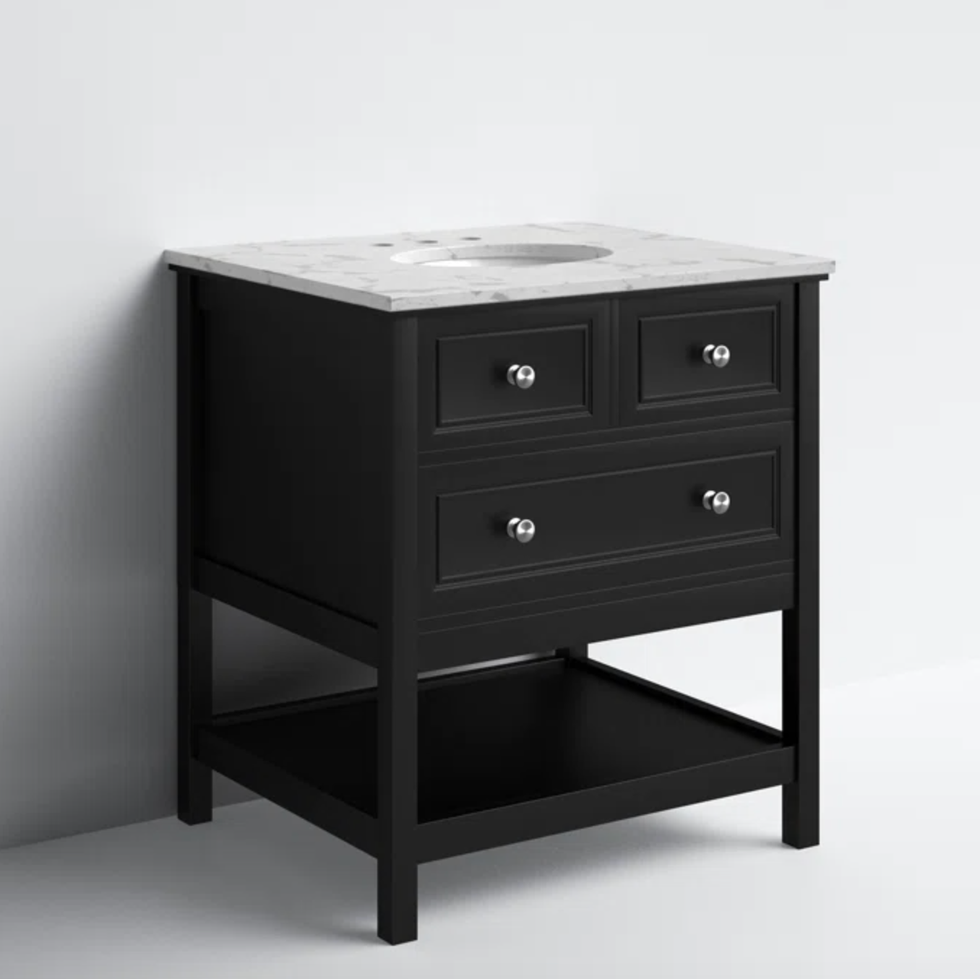
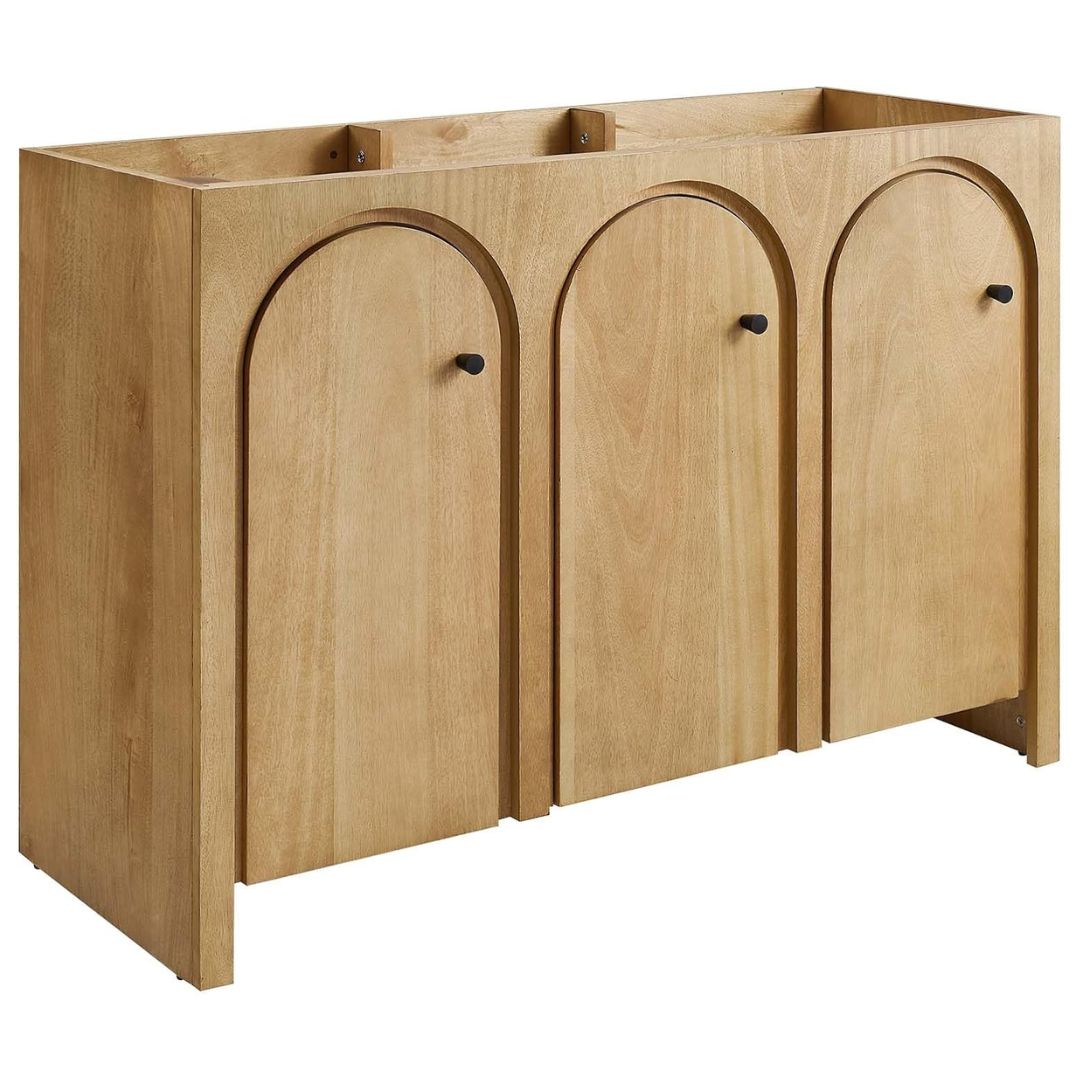
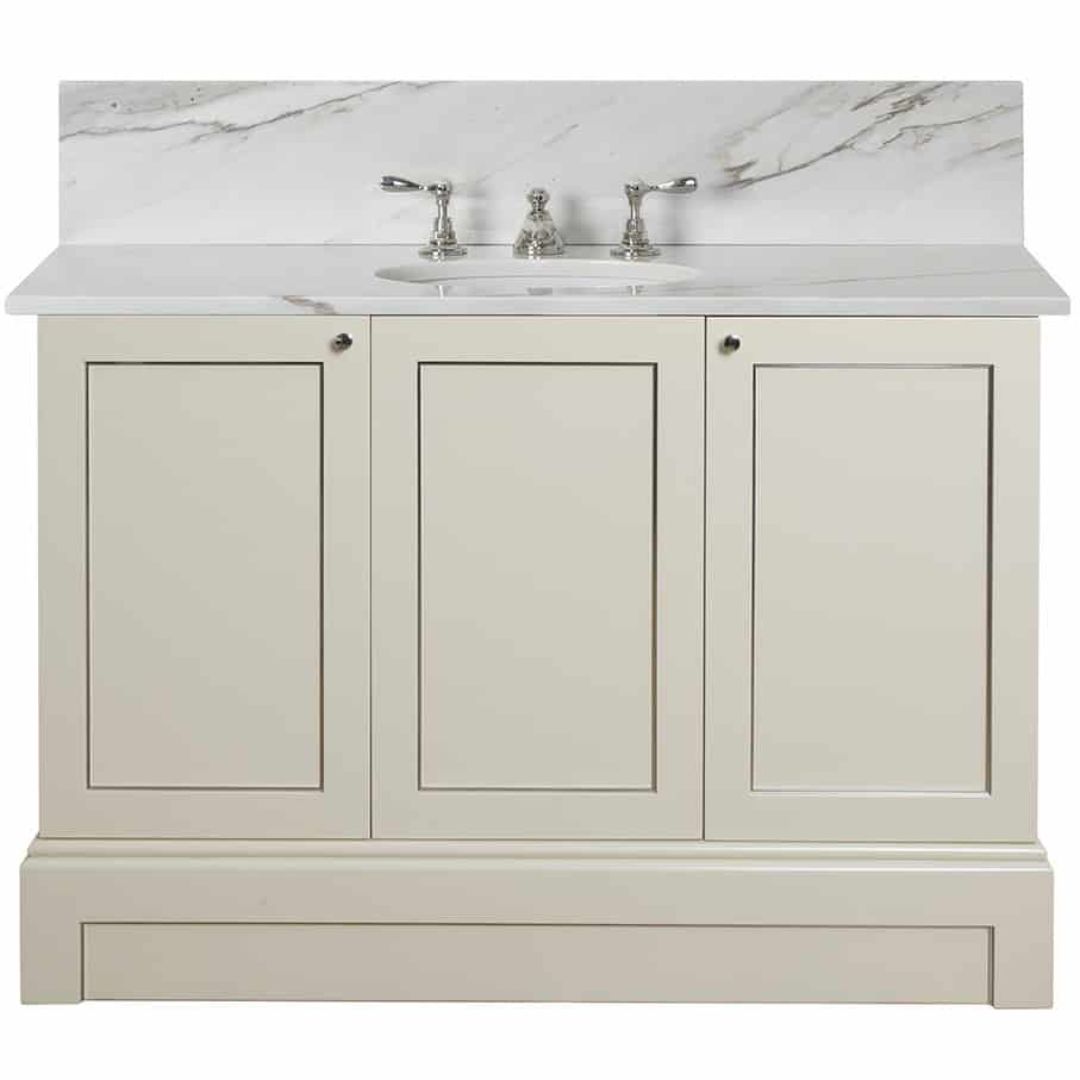
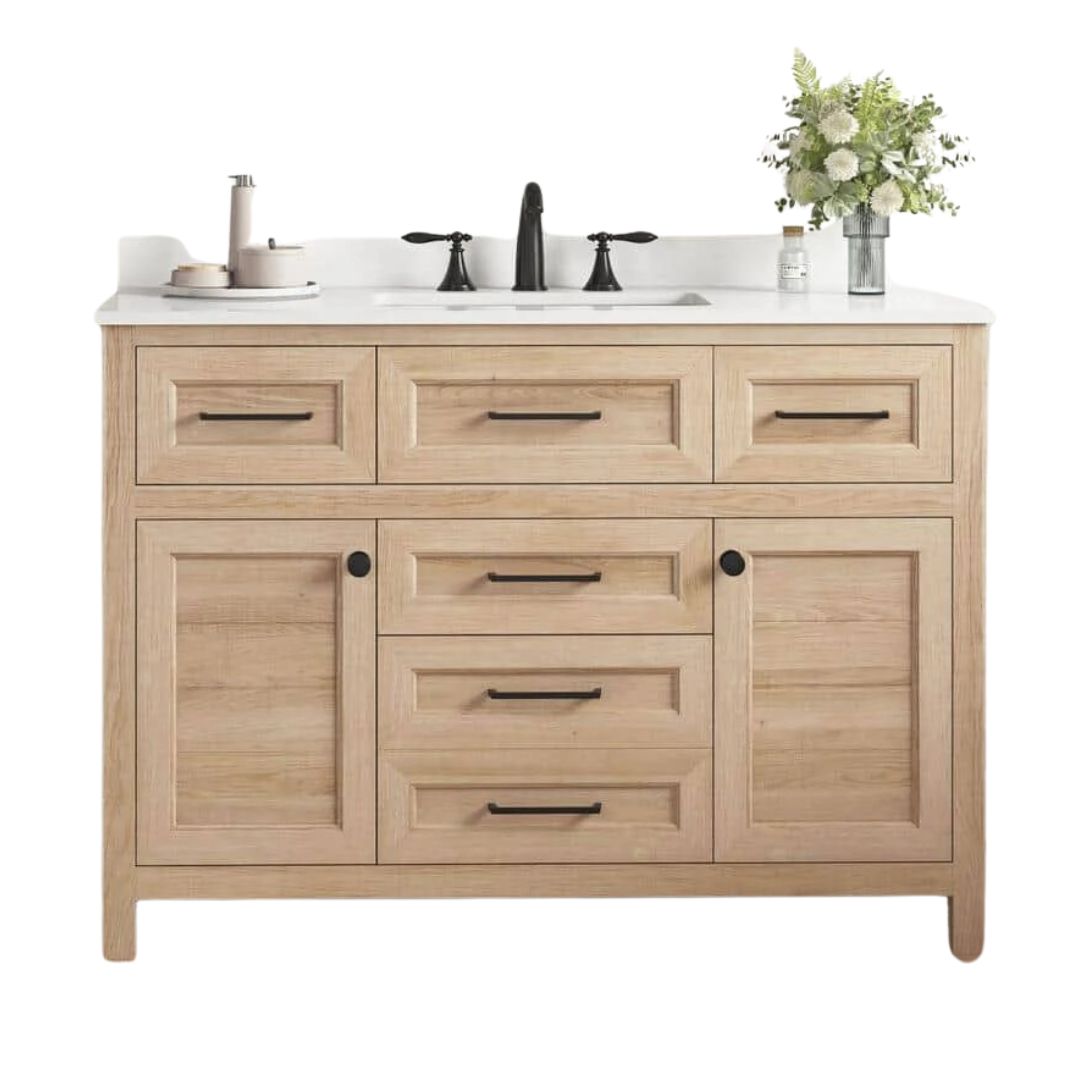
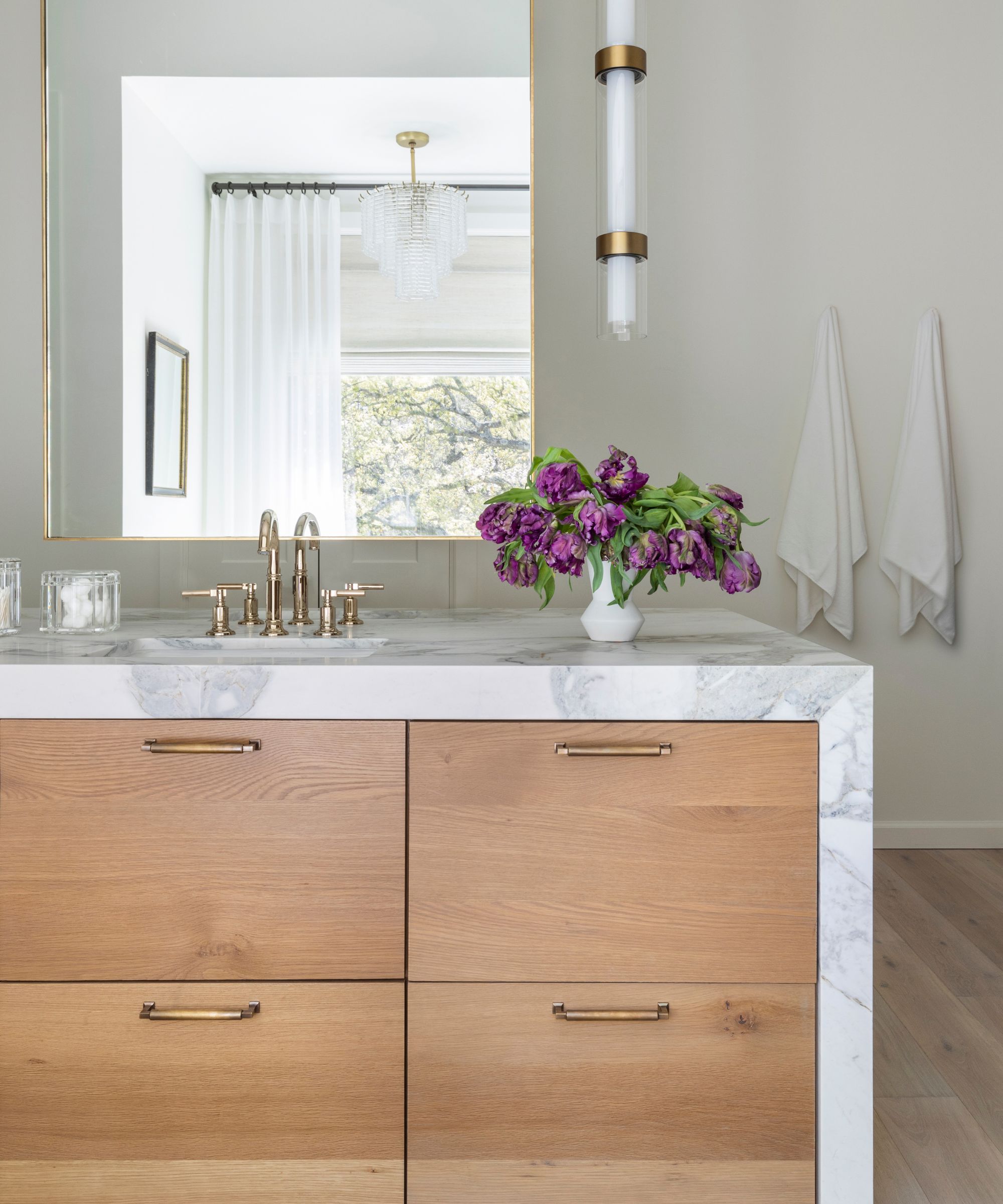
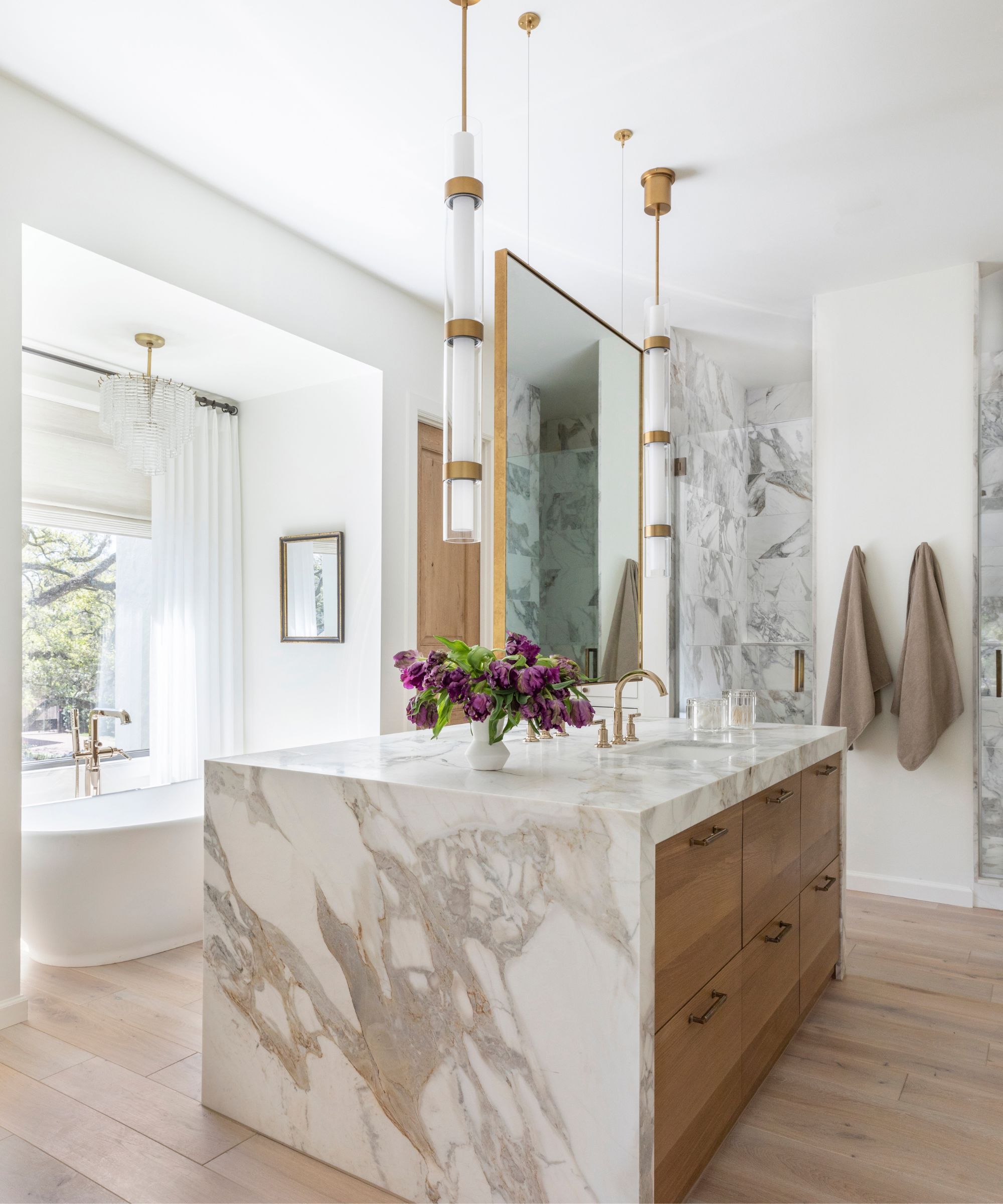
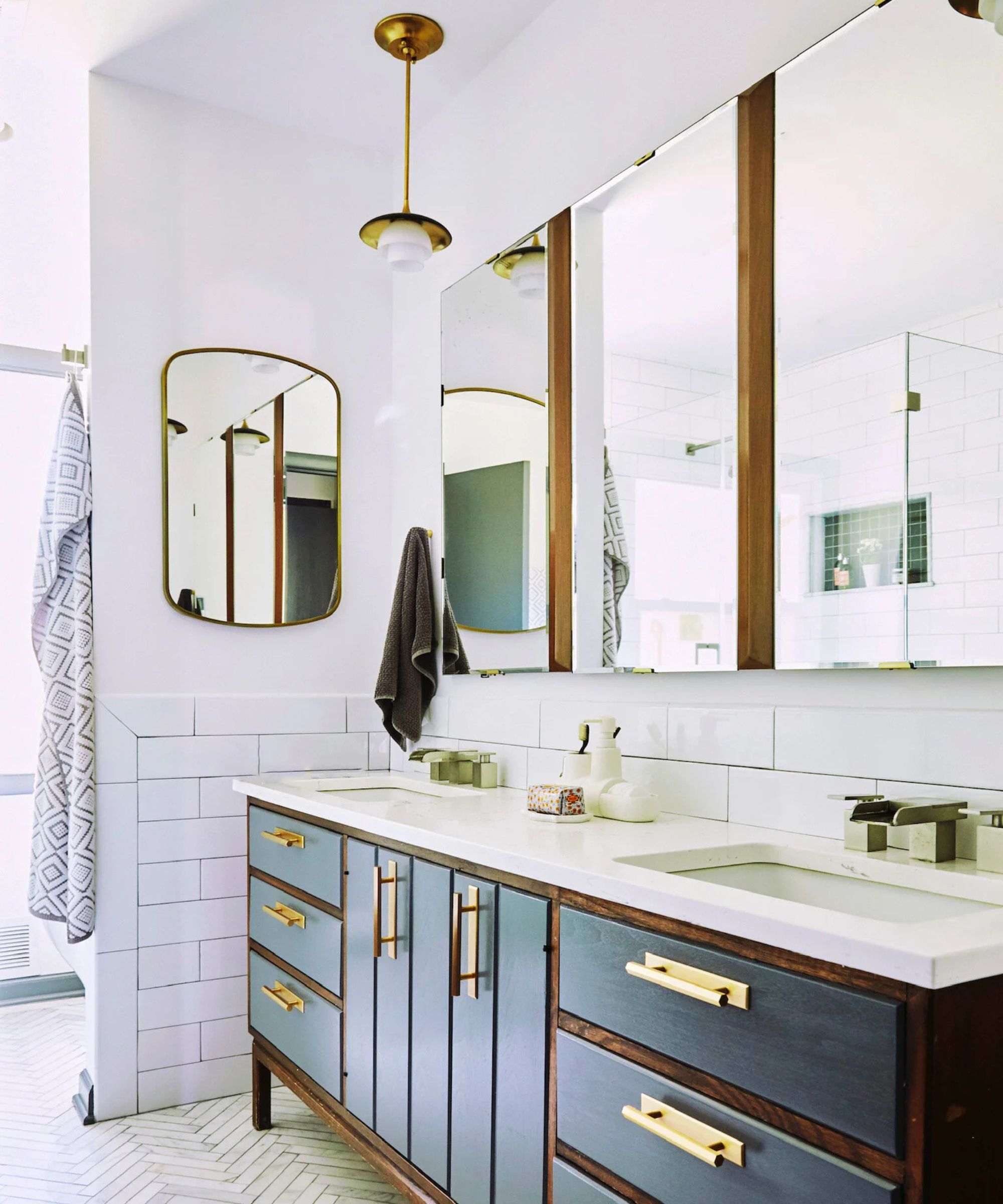
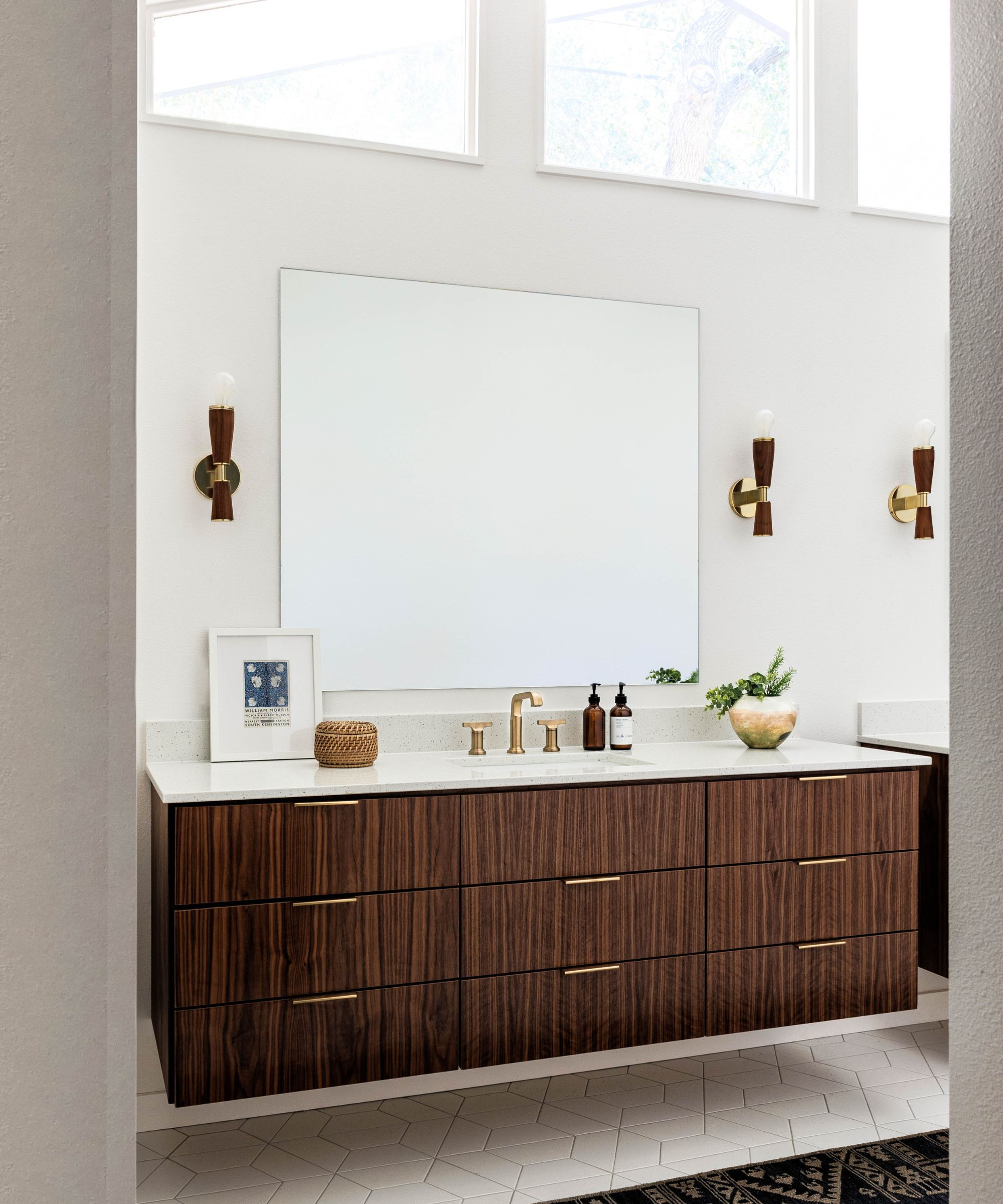
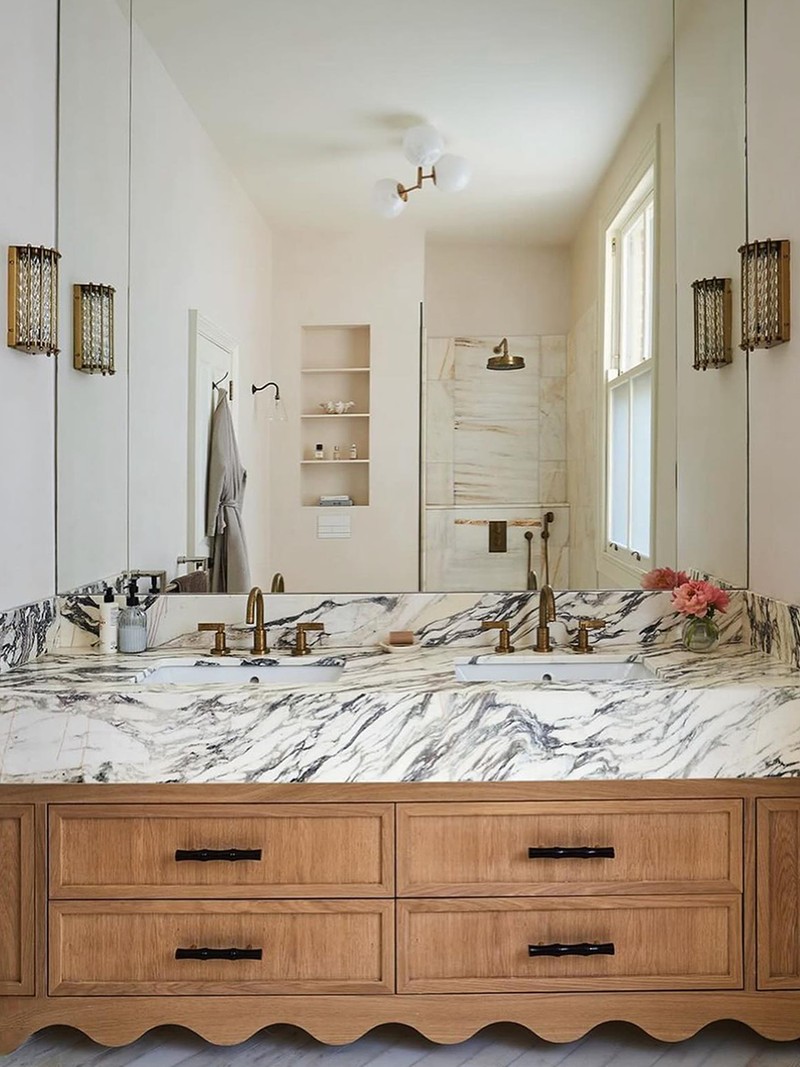
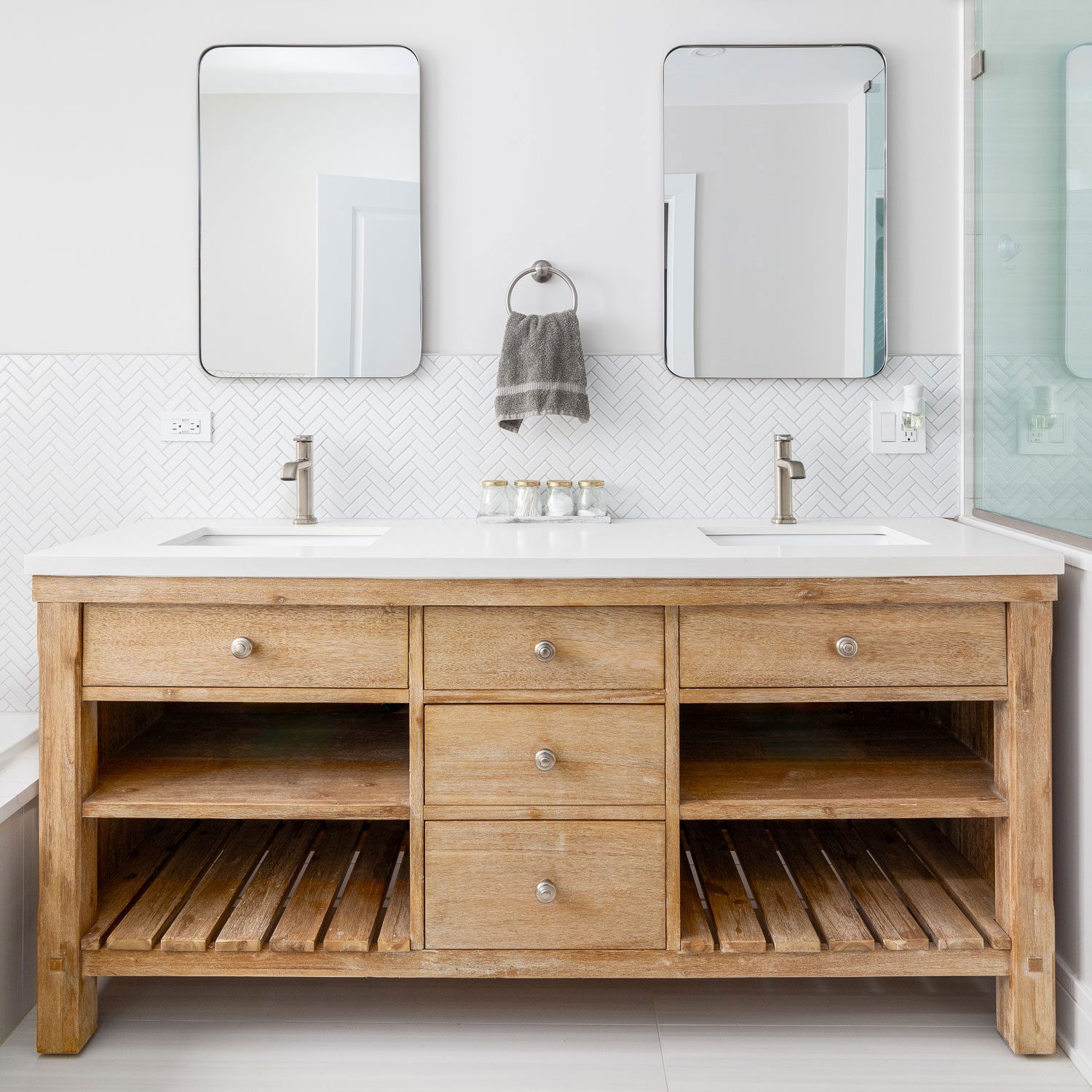
The modern standard vanity height is typically 36 inches. This measurement is favored as it accommodates most adults comfortably, reducing strain during daily routines such as brushing teeth or applying makeup. Diana Burton, a Senior Designer at Drury Design, notes that vanities with under-mount sinks often align with this 35 ¾ inch standard, similar to kitchen counters. This height is also considered beneficial for guest bathrooms and contributes to a more luxurious aesthetic due to the increased storage space it provides.
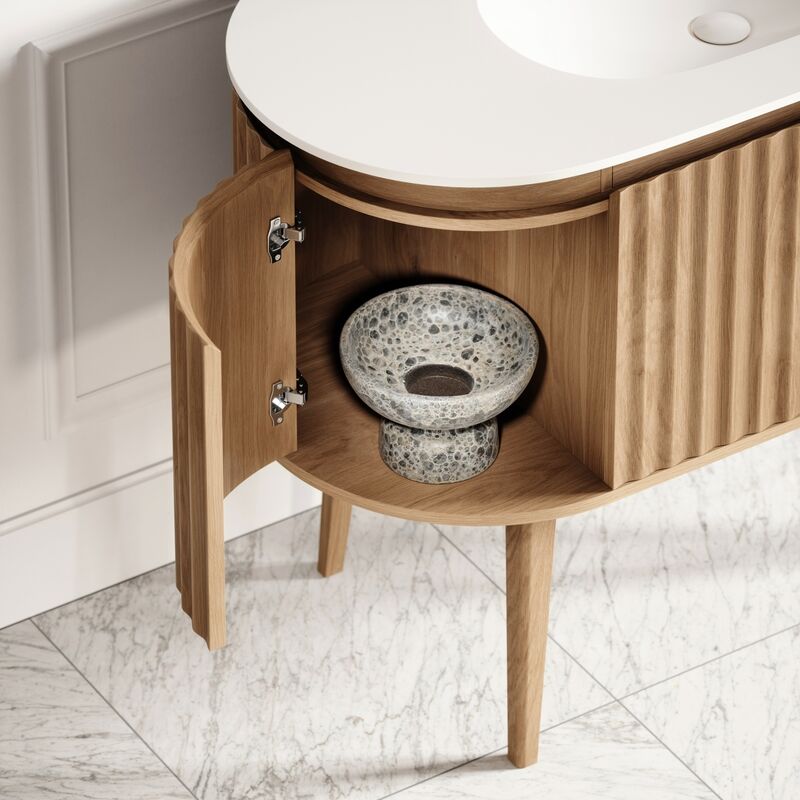
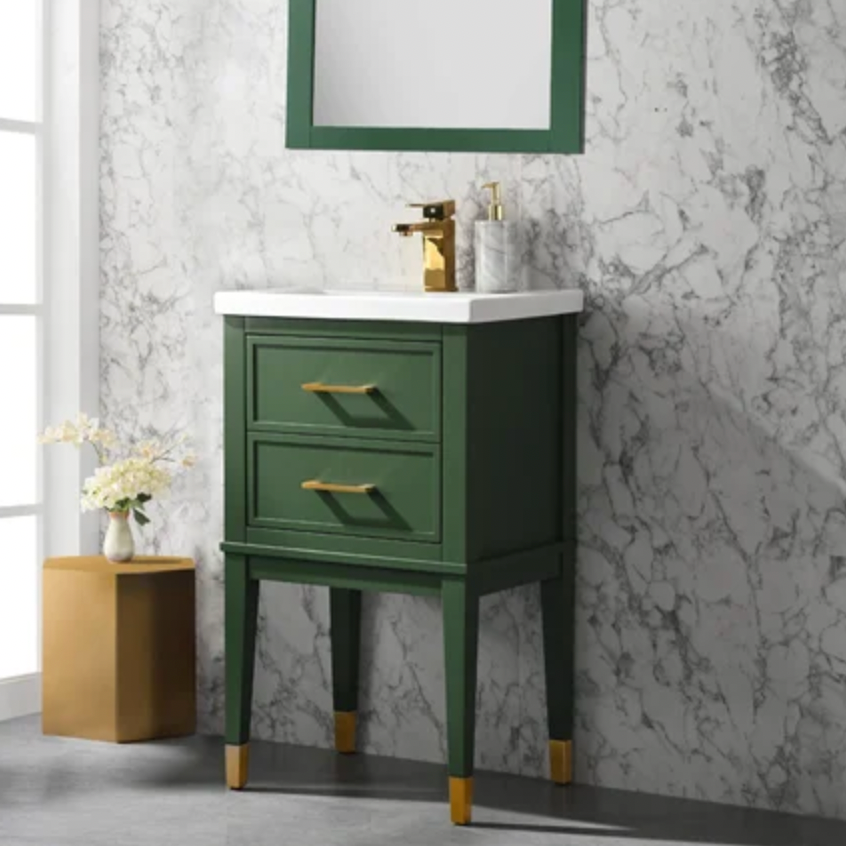
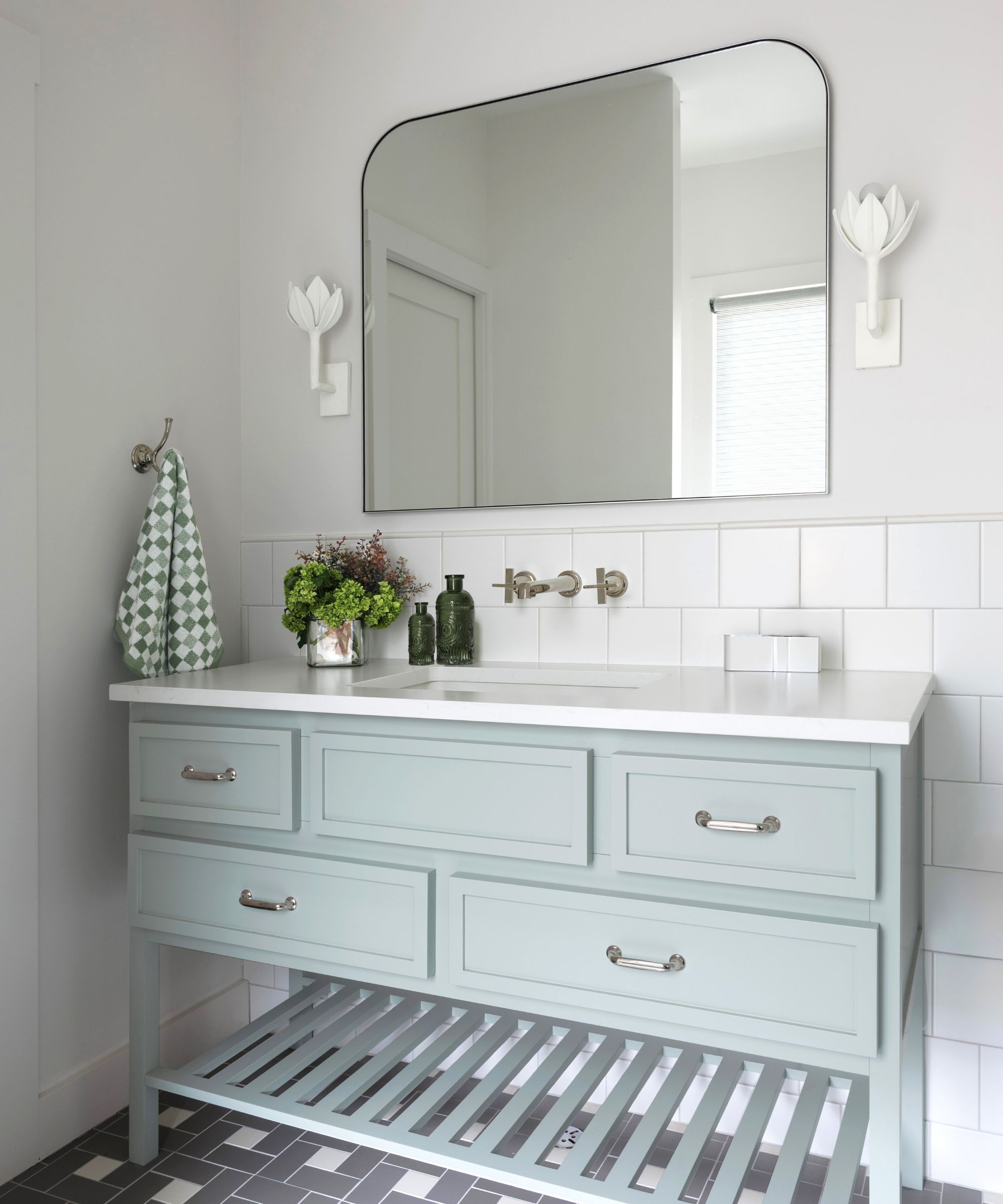
However, the article introduces a 'Goldilocks' height of 34 inches, suggested by interior designer Kati Curtis, as a versatile option that is neither too tall nor too short, making it suitable for a wider range of users, including both adults and children within a family. Artem Kropovinsky, founder of Arsight, emphasizes that comfort for every family member is a crucial factor in this decision.
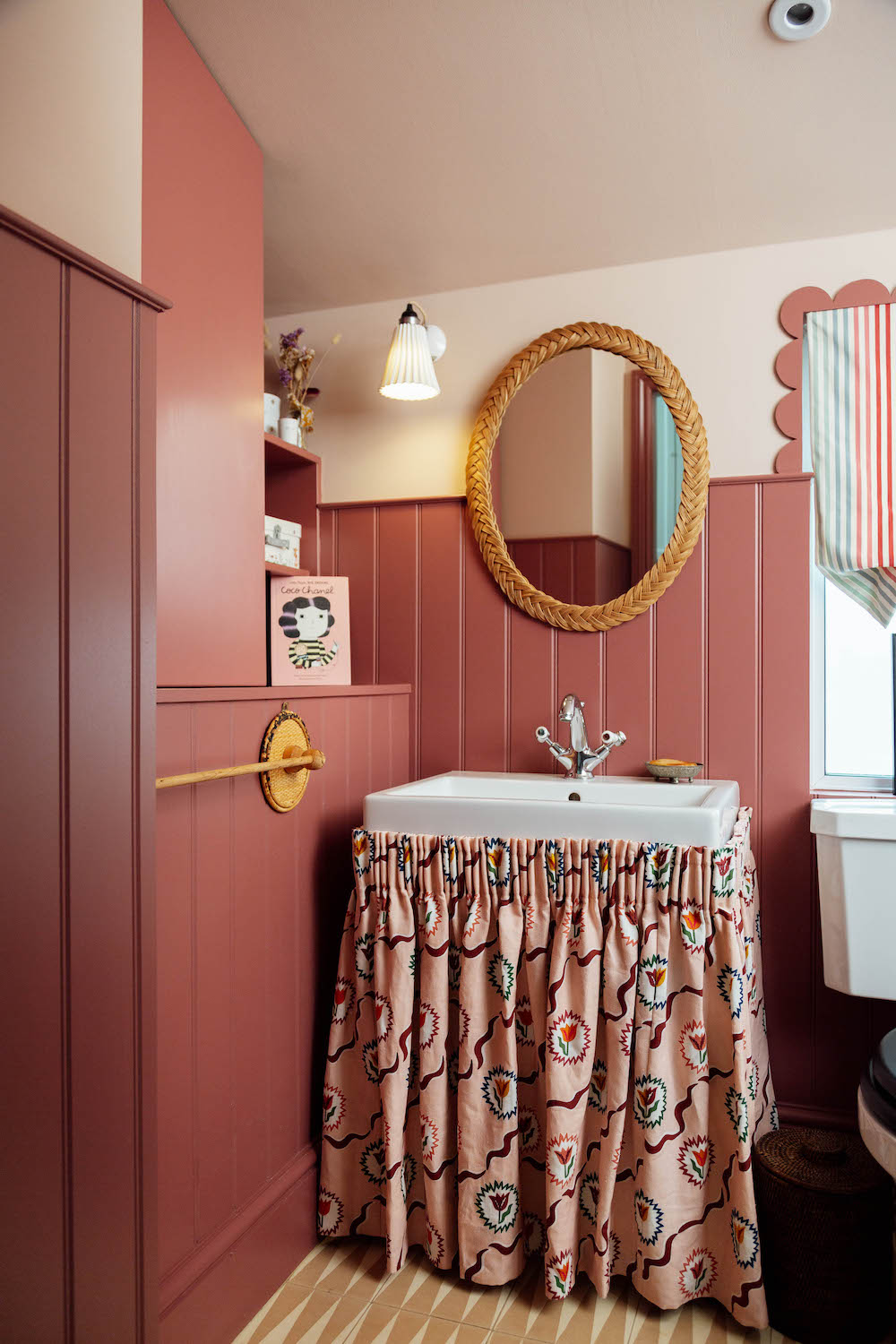
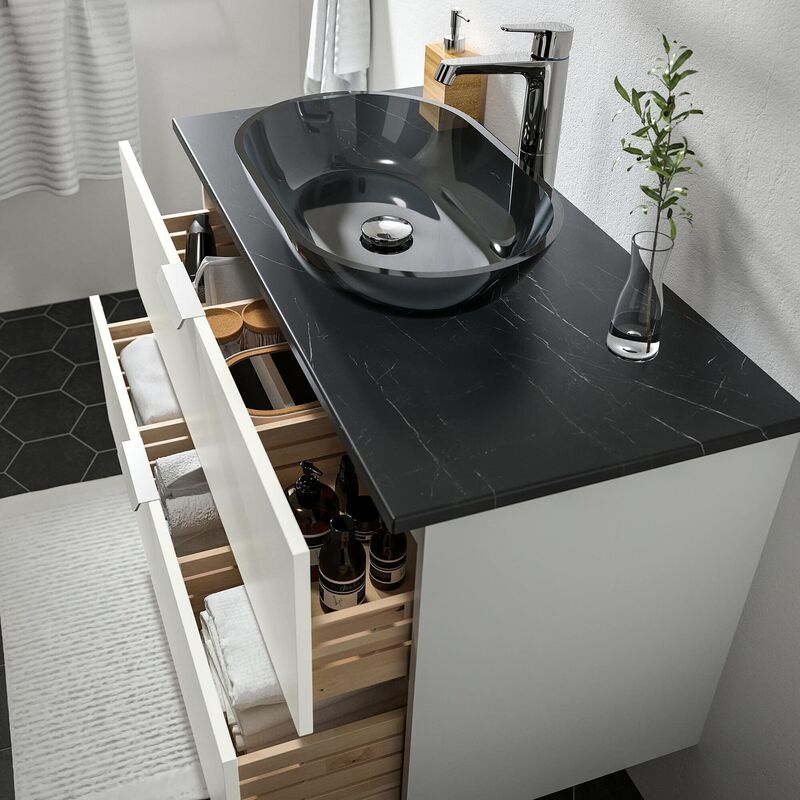
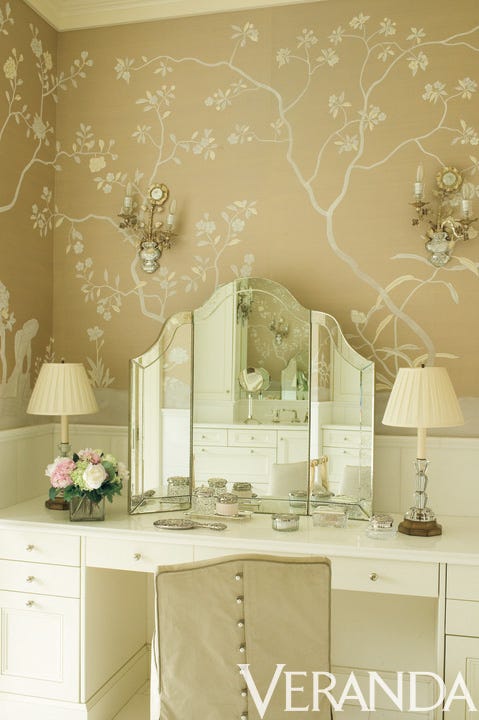
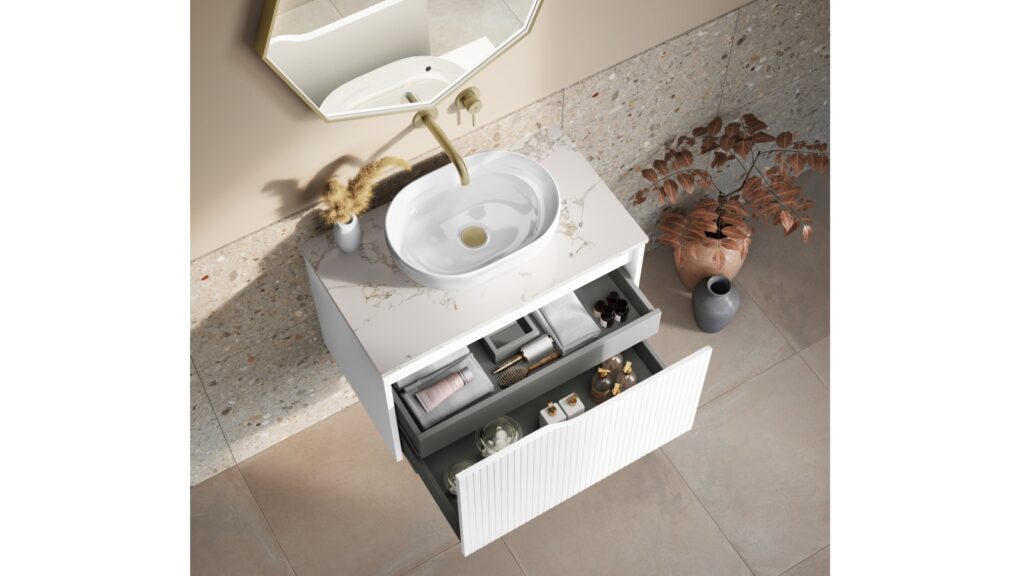
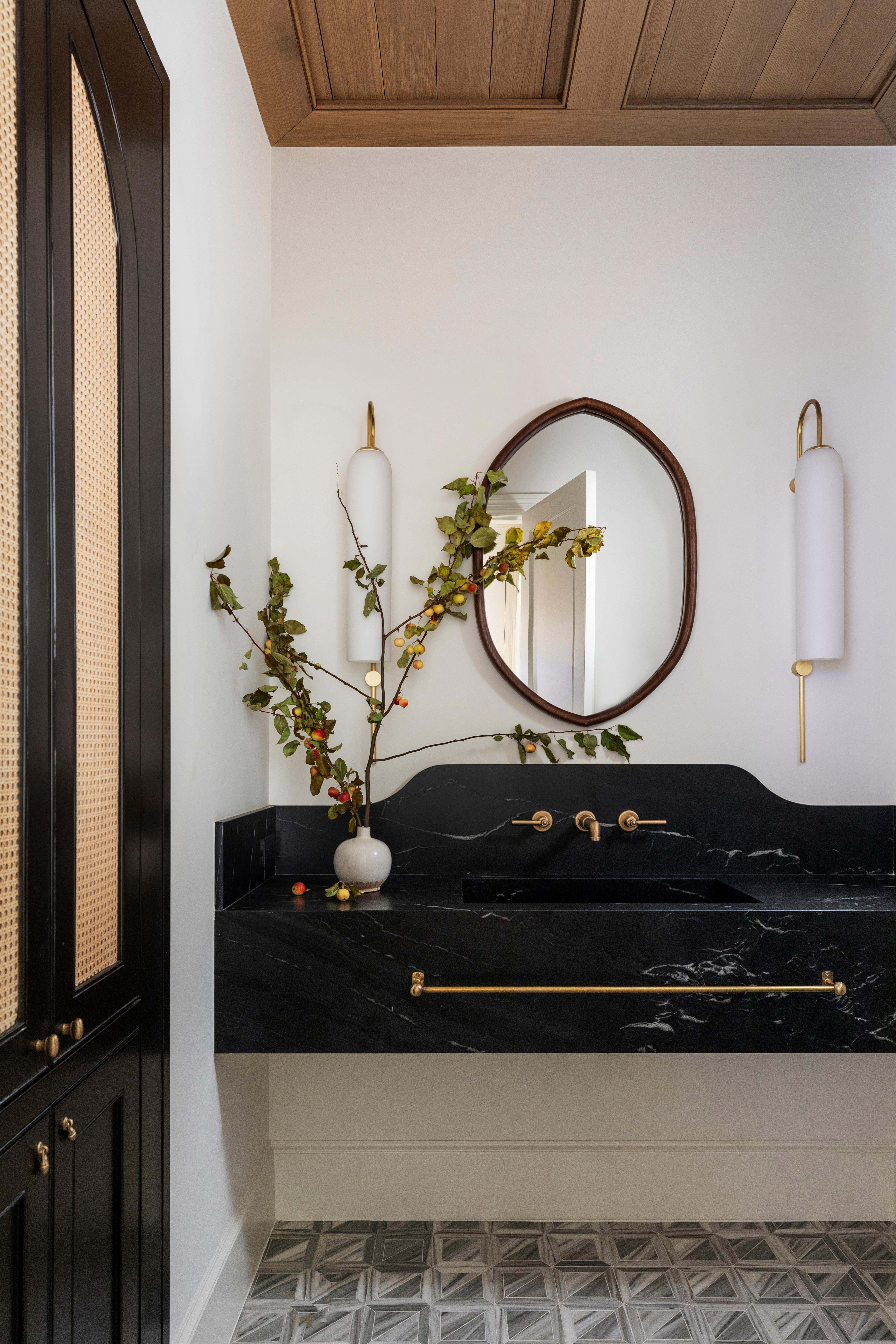
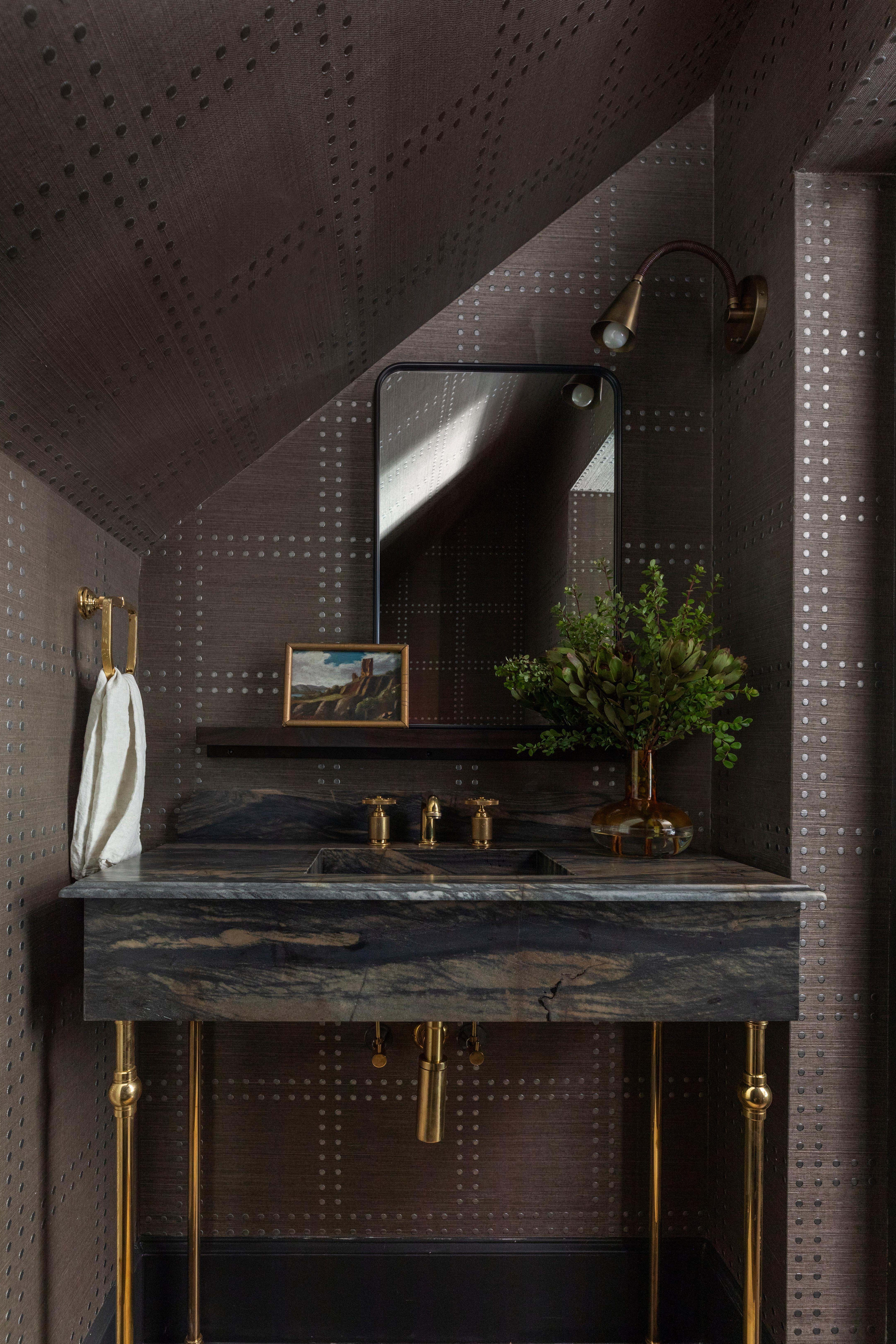
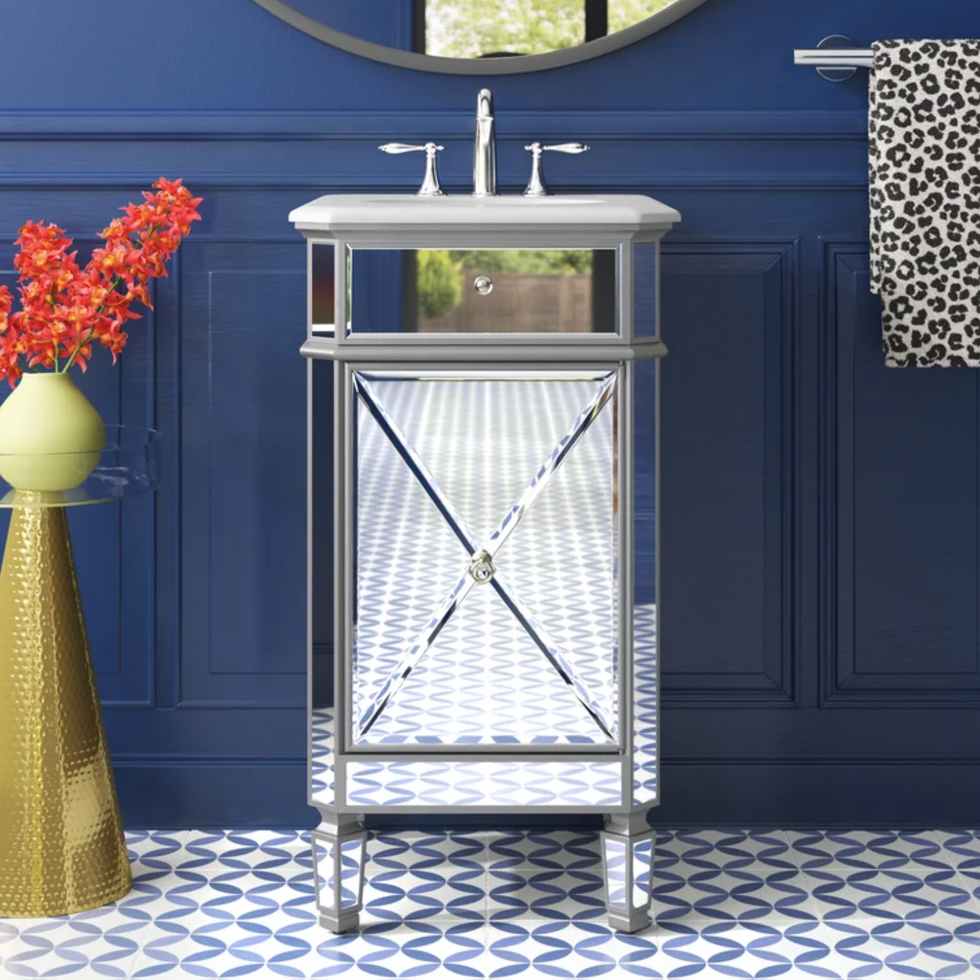
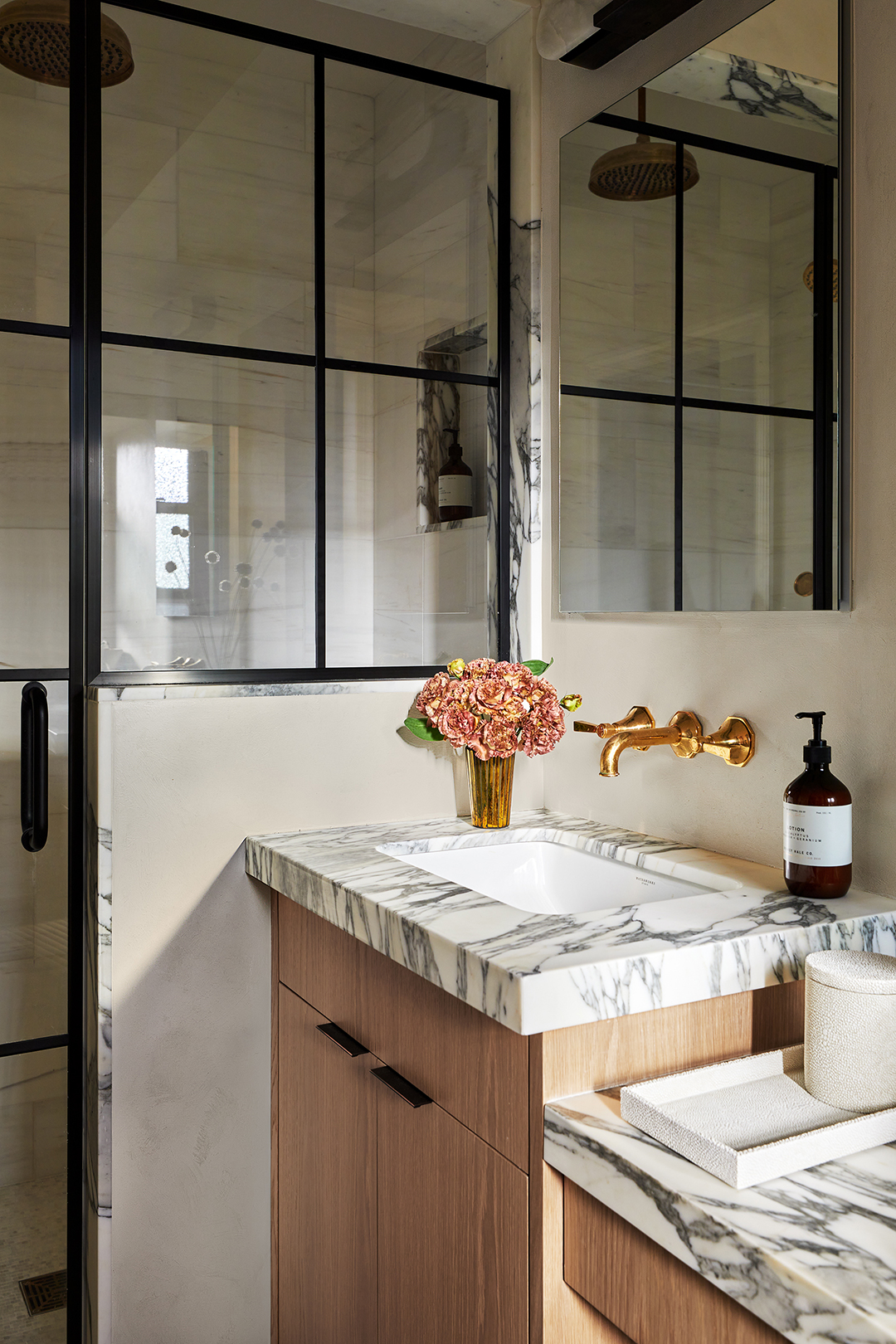
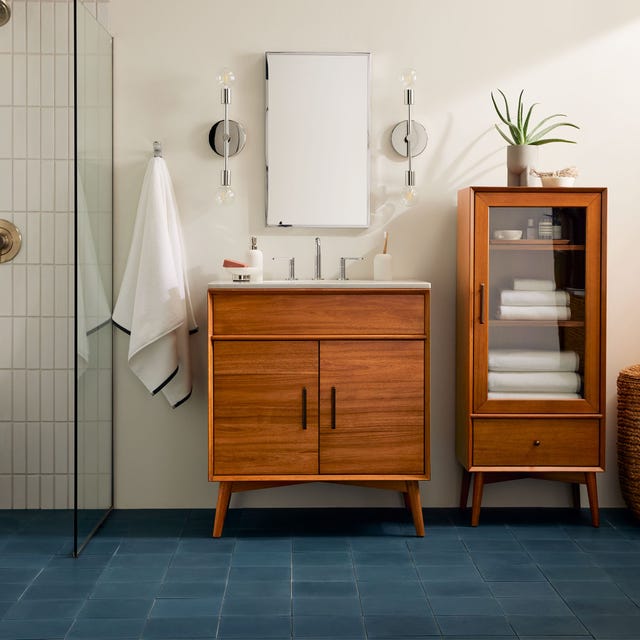
For powder rooms or specialized makeup areas, a lower height of around 30 inches is recommended. This height allows for comfortable use with a standard chair or stool, catering to individuals who prefer to sit while grooming or those who are shorter in stature. The article also touches upon vessel sinks, noting that their presence requires a customized vanity height to ensure functionality.
The article also provides practical advice for adjusting vanity heights. For vanities that are too high, especially in children's bathrooms, a simple step stool is a recommended solution. For vanities that are too low, options include using a thicker mitered countertop to add 2-3 inches or raising the entire vanity on a platform that matches the flooring, though the latter may incur additional plumbing costs.
Regarding smaller bathrooms, the size of the bathroom itself is deemed less critical than ensuring comfort and broad appeal. Diana Burton suggests that standard-height vanities are generally preferred, even in smaller spaces, to maintain resale value. In such cases, choosing an ergonomic and streamlined design is key to optimizing space without sacrificing functionality or aesthetics. Ultimately, the choice of vanity height should align with the household's specific needs, aiming for a cohesive and highly usable bathroom space.
#BathroomDesign #VanityHeight #InteriorDesign #HomeImprovement #BathroomRemodel #Ergonomics #HomeDecor #DesignTips #BathroomDesign #VanityHeight #InteriorDesign #HomeImprovement #BathroomRemodel #Ergonomics #HomeDecor #DesignTips
0 comment in total
 No comments yet
You may also like

Vanity Units

Vanity Fair: Six superb bathroom vanity choices
Bathroom furniture | How to enhance luxury with storage
15 Small Vanities That Make a Big Statement in a Powder Room

24 Stylish Bathroom Vanity Units

7 Vanity Tables That Make Getting Ready Far More Luxurious
Home touch: Oh, vanity of vanities
Where to Buy a Bathroom Vanity — We Asked Designers and Experts for Their Favorite Places to Shop

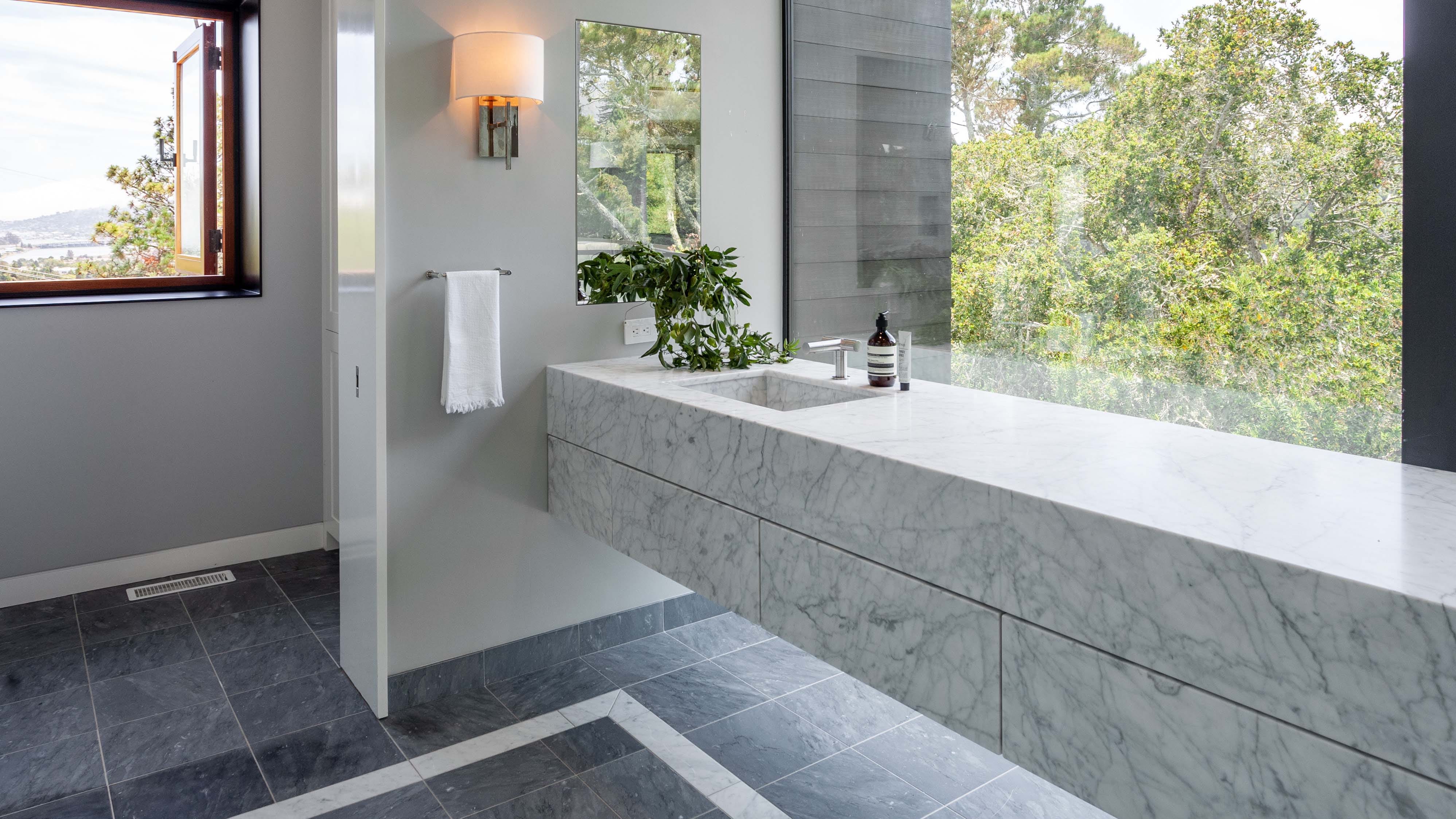
These 14 Double Vanity Ideas Could Prevent a Bathroom Divorce

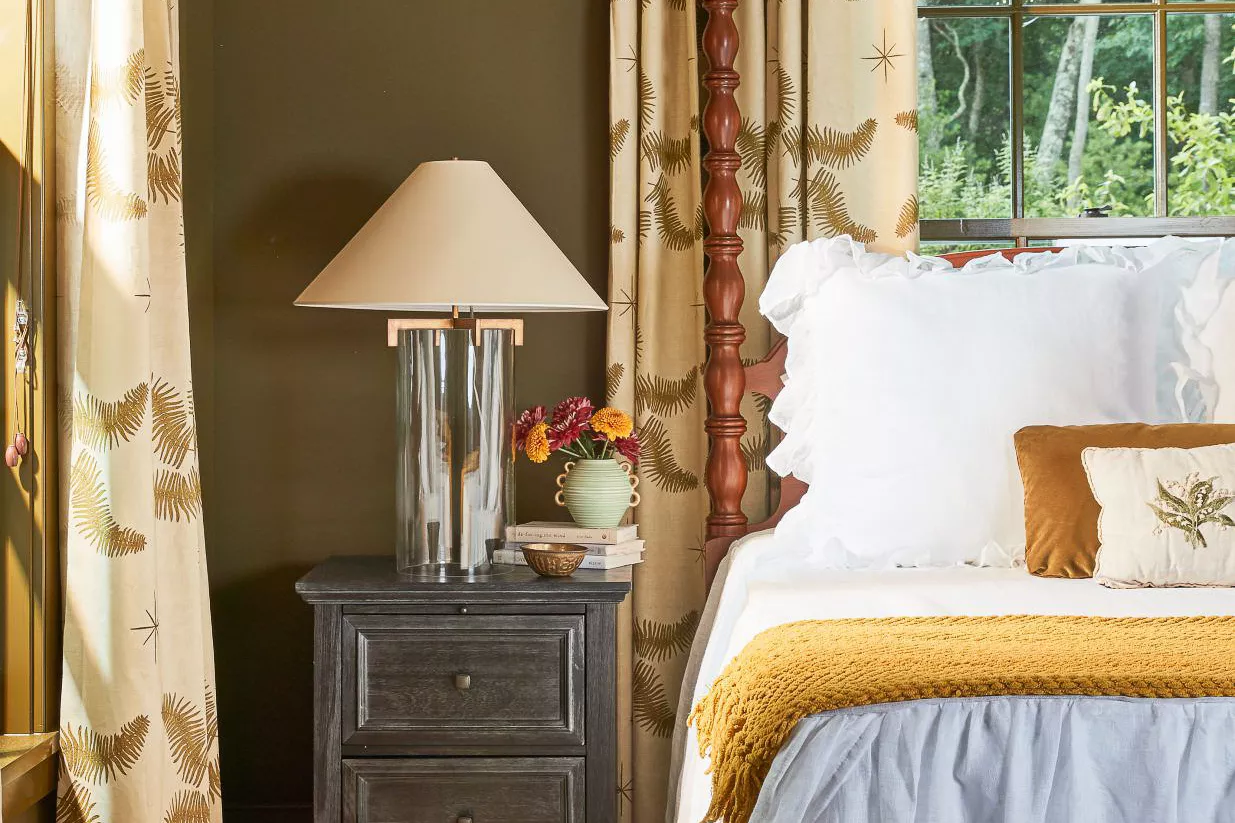
How Tall Should Your Nightstand Actually Be? An Expert Explains
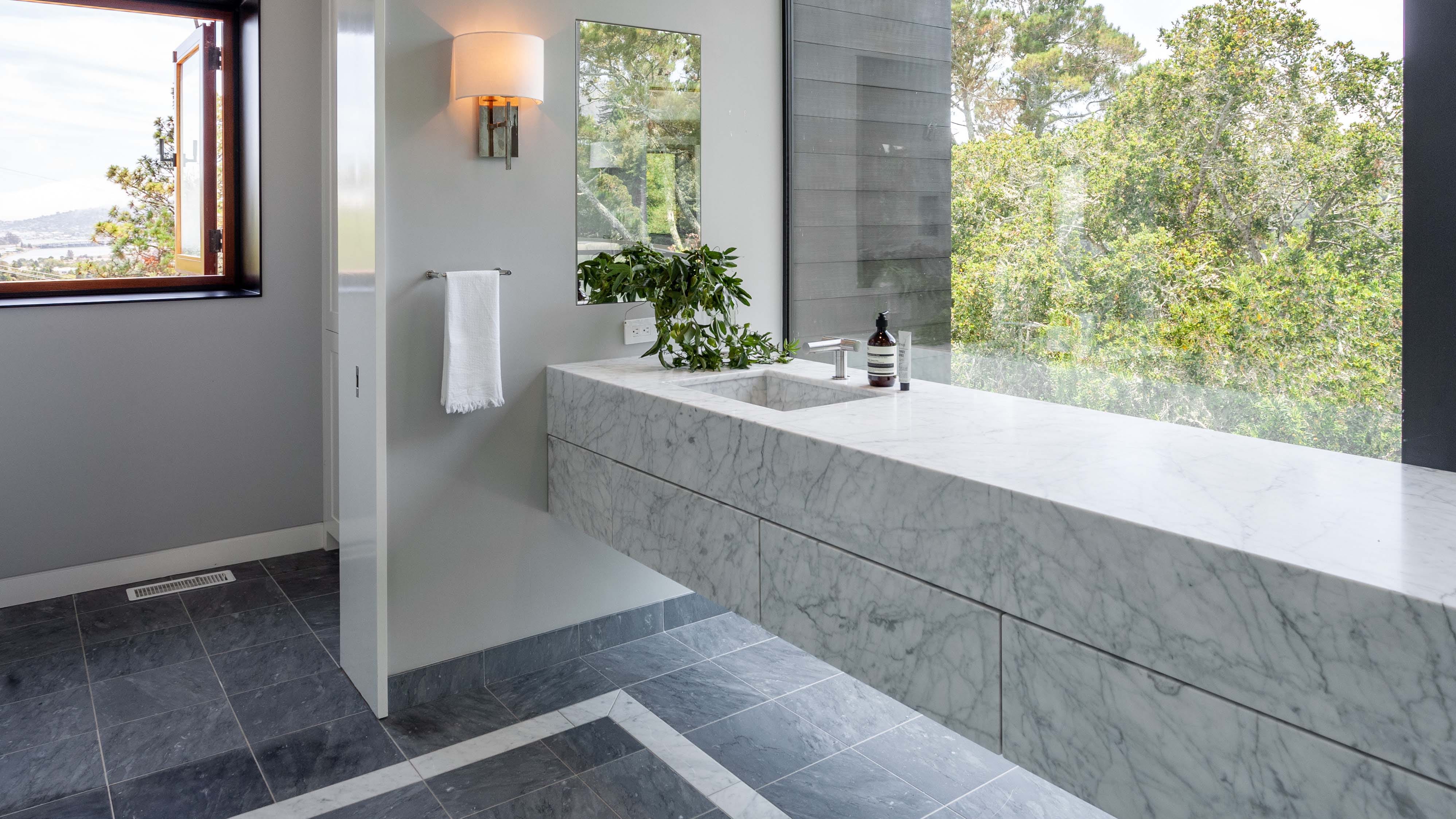
Upgrading THIS Simple Feature Makes Your Bathroom Look More Expensive, According to Designers
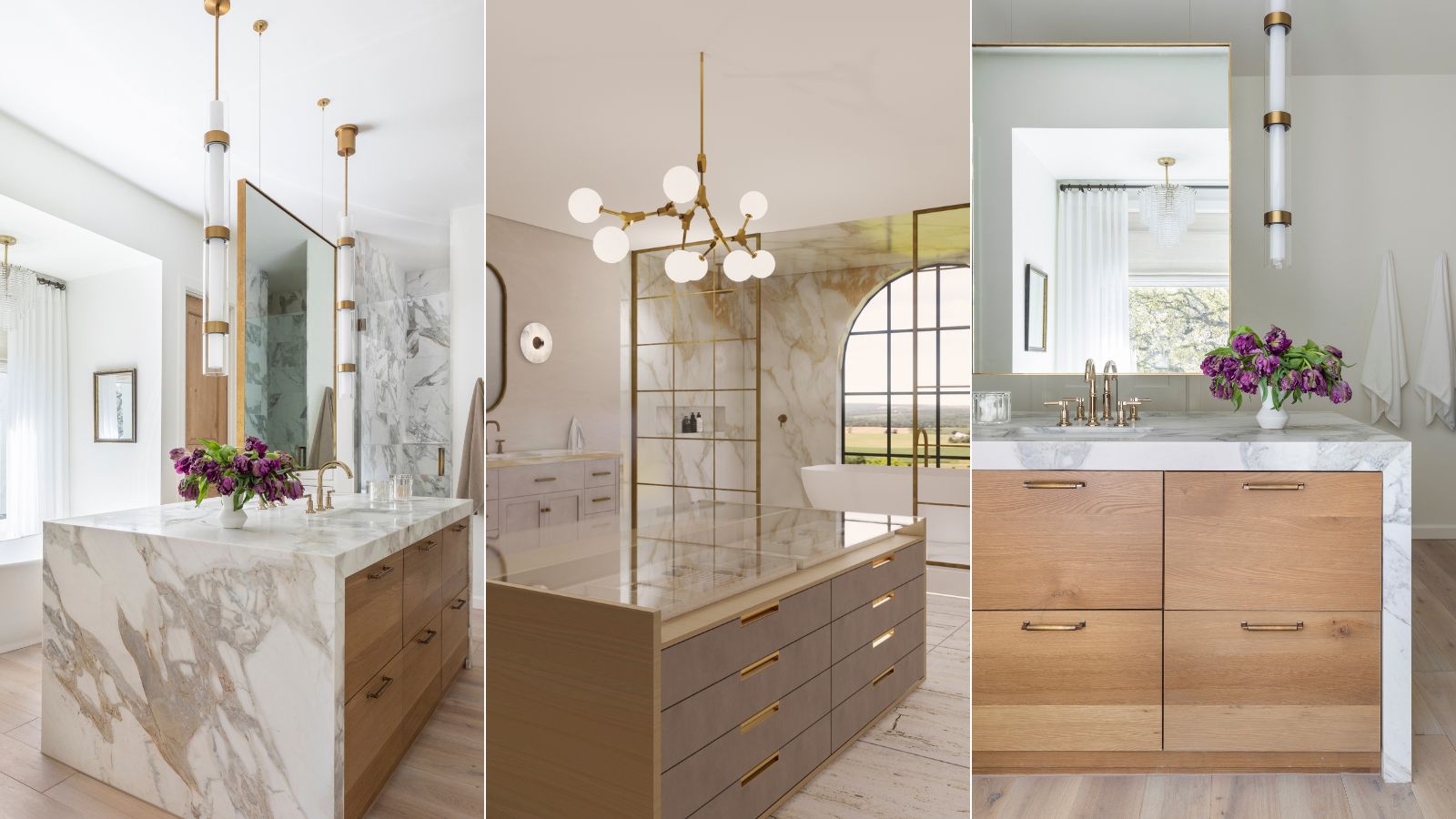
Bathroom islands are the luxurious feature you didn't know you needed – here's how designers nail the trend
How To Choose the Perfect Bathroom Vanity Height

The Standard Kitchen Base Cabinet Height for Comfortable Cooking—And Resale

15 Small Vanities That Make a Big Statement in a Powder Room
6 designer-approved bathroom vanity lighting ideas

Bathroom vanity ideas - experts explain how to use the most stylish materials and smartest designs

The decorative schemes, layouts and materials to copy for your bathroom this year
These are the Best Bathroom Vanities on the Market
This Bathroom Created for 3 a.m. Wake-Up Calls Balances Function and 5-Star-Hotel Design