Home touch: Oh, vanity of vanities
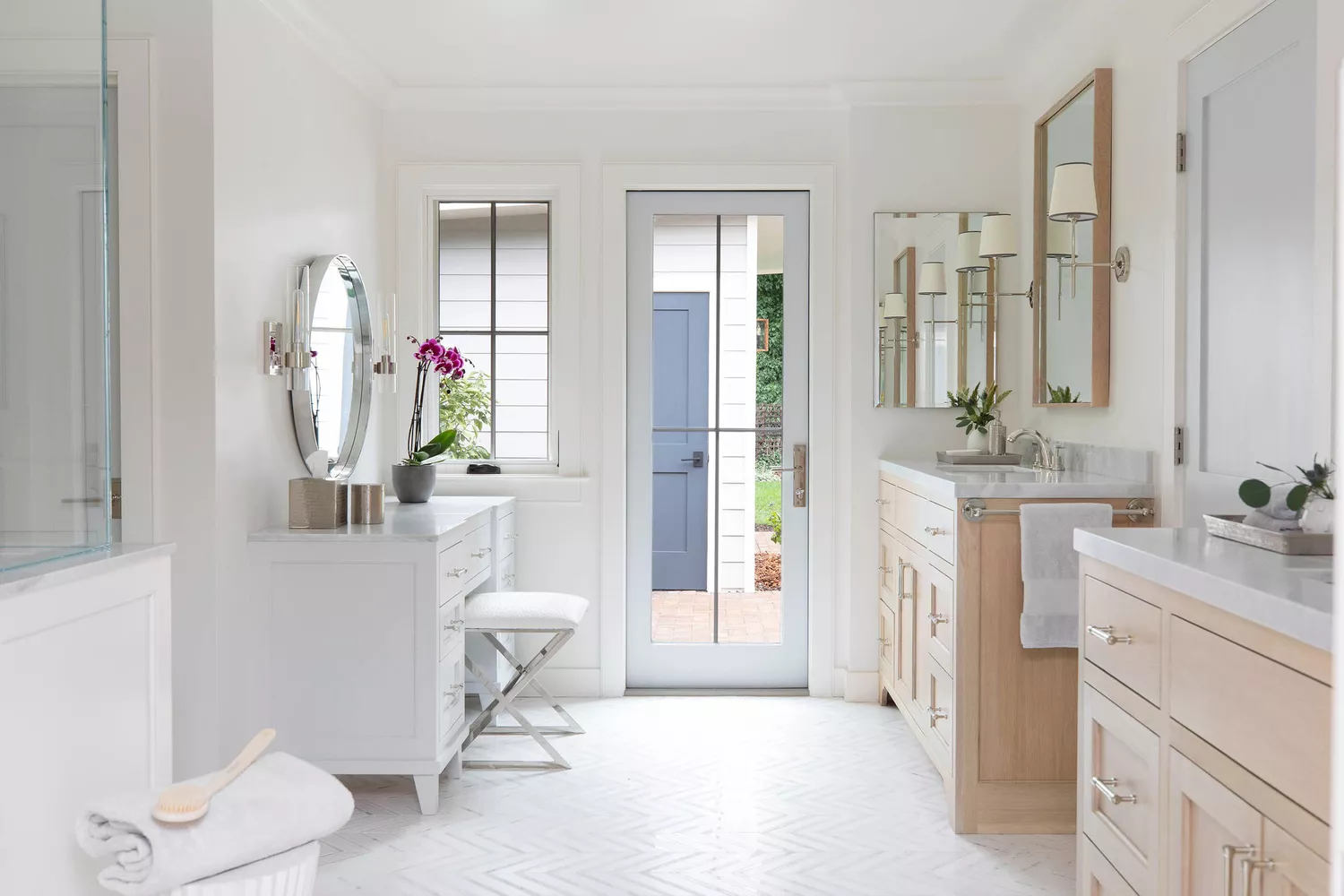
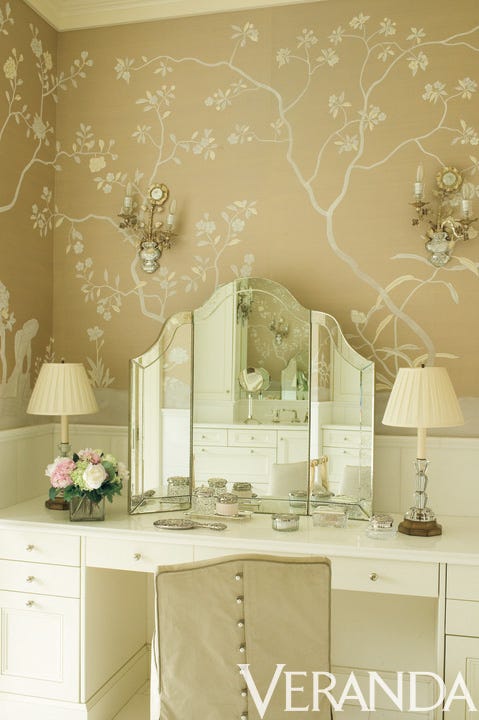
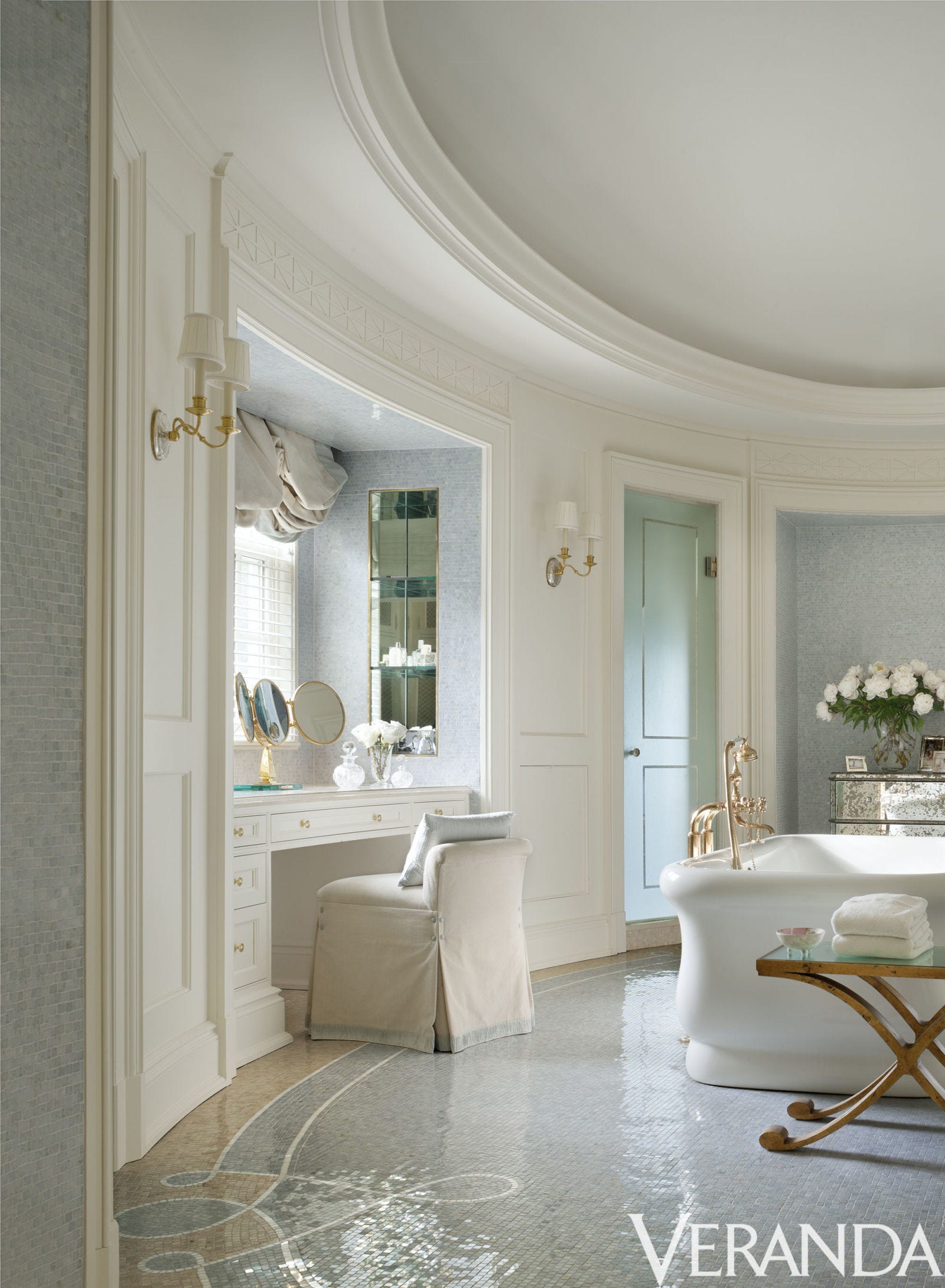
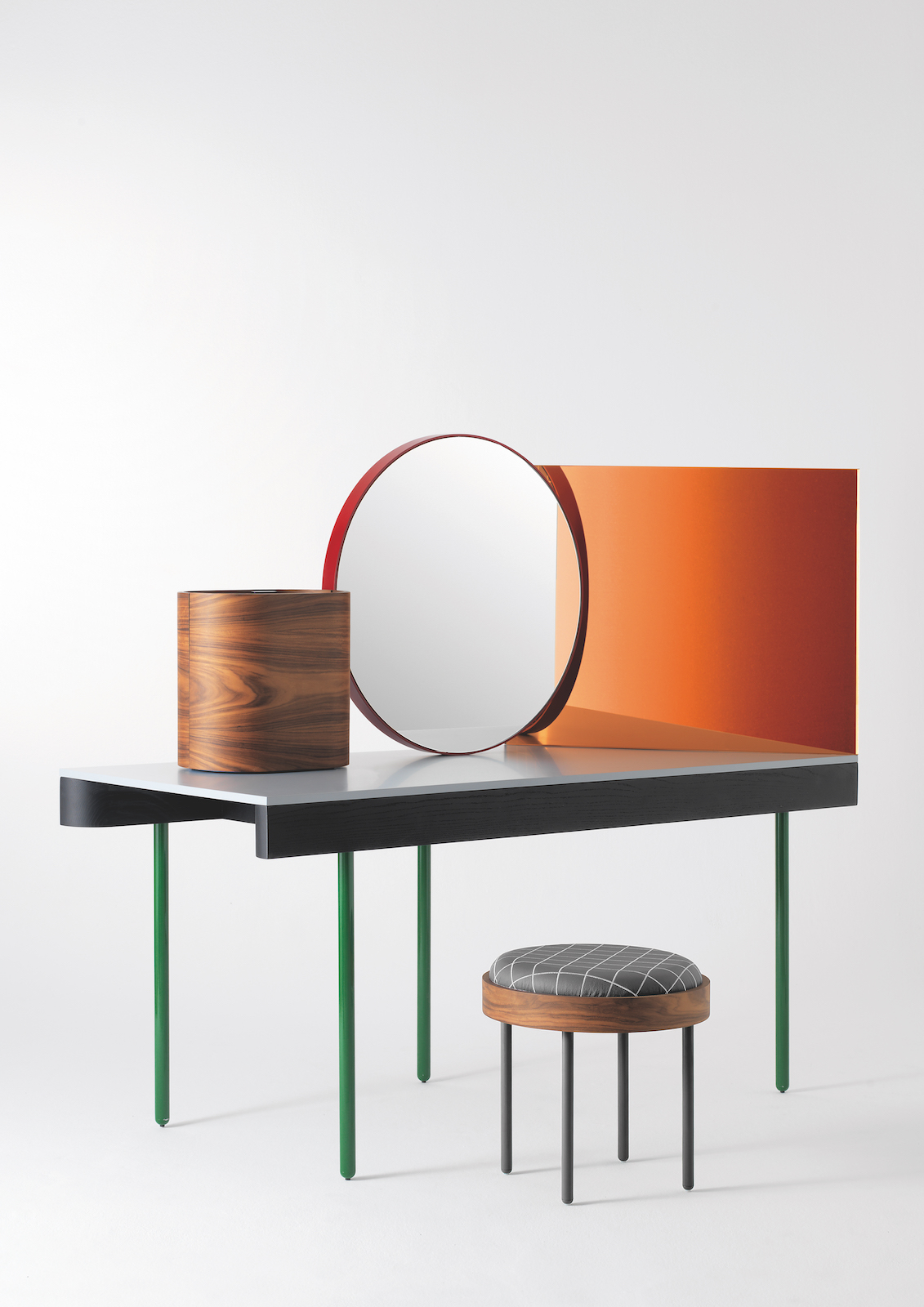
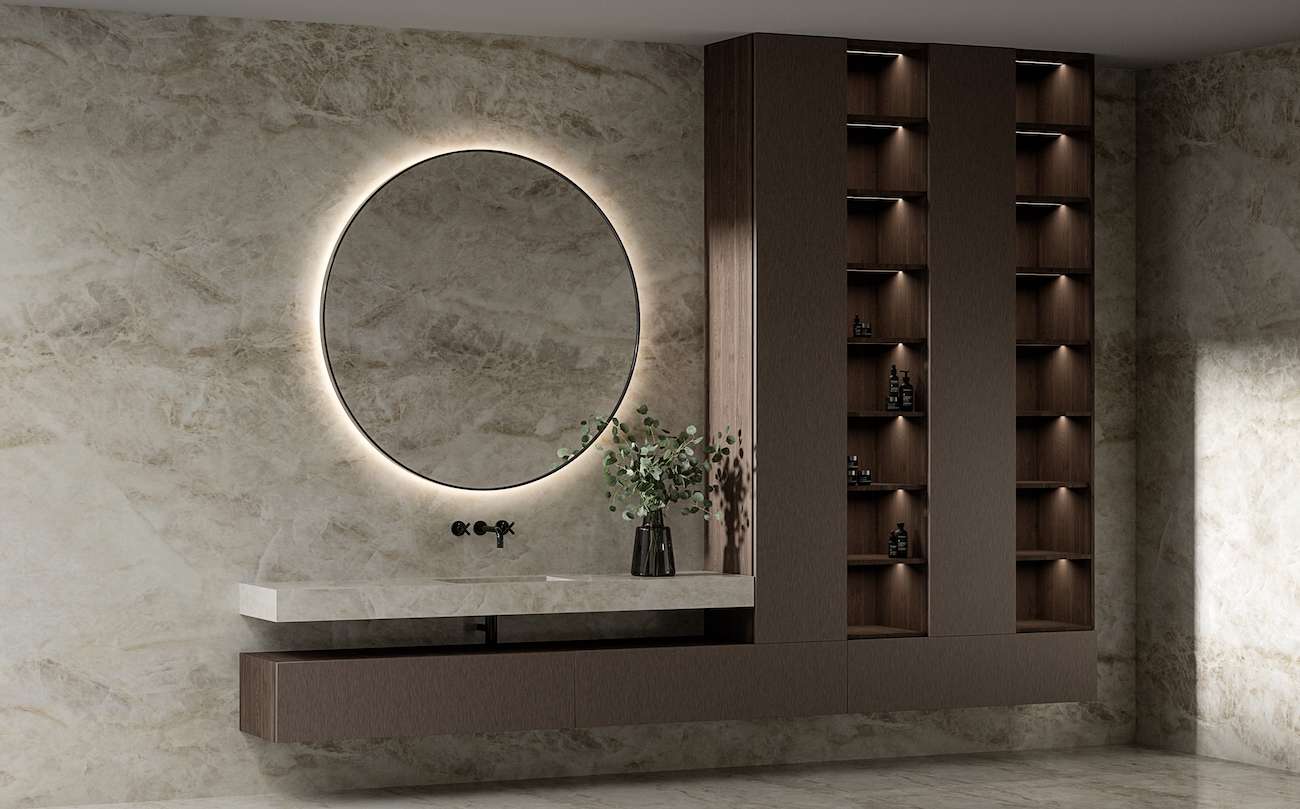
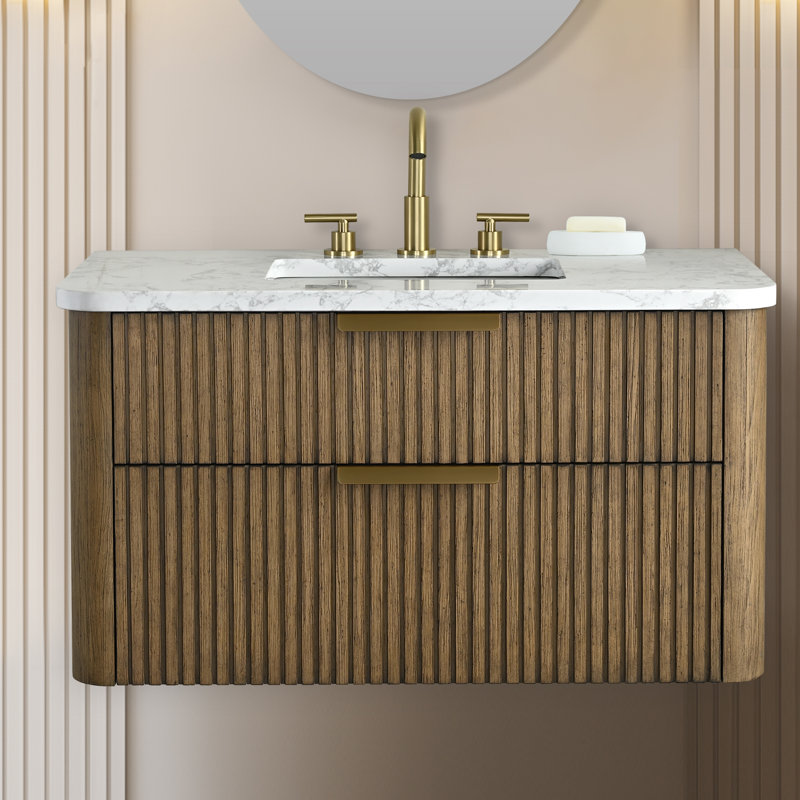
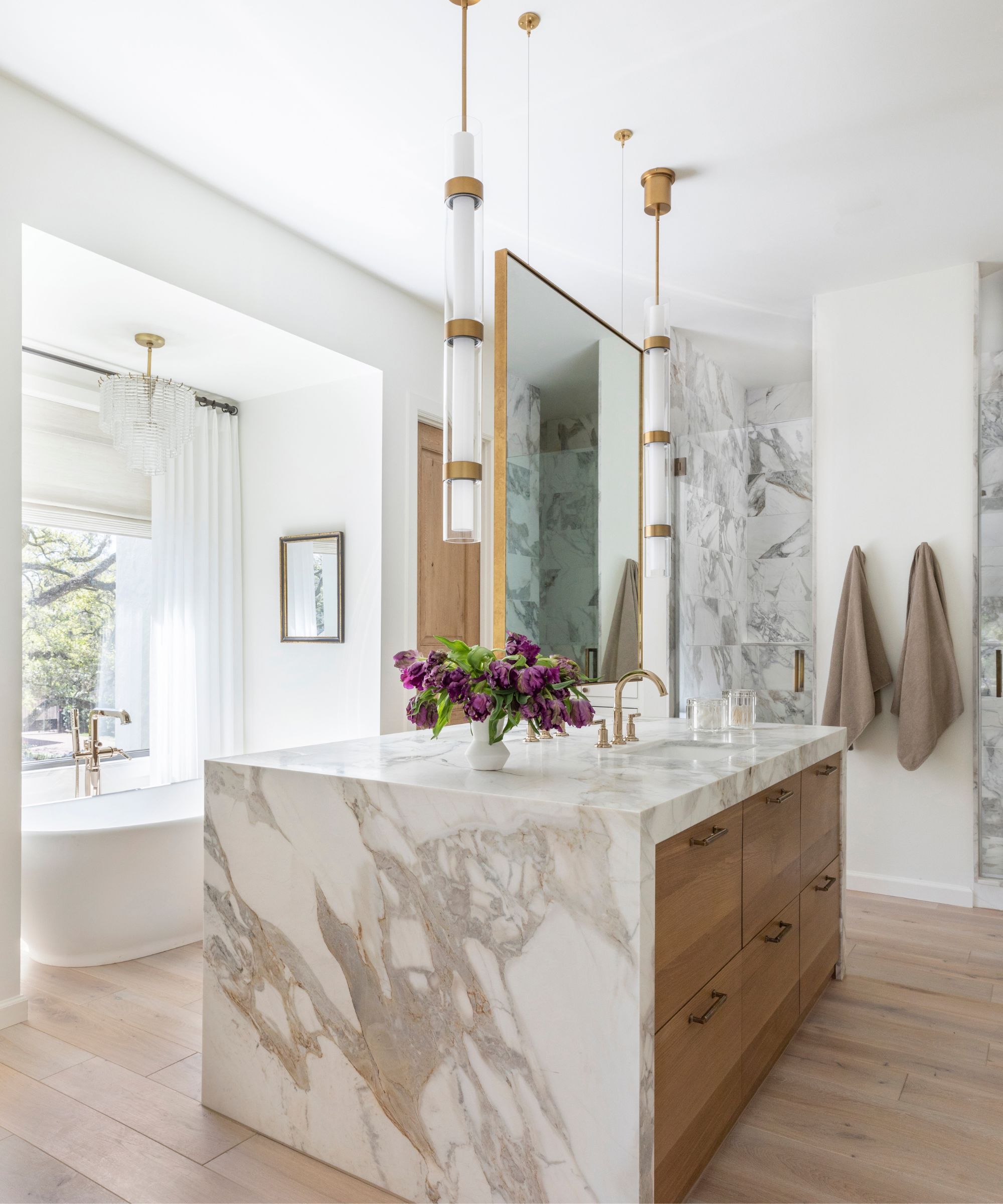
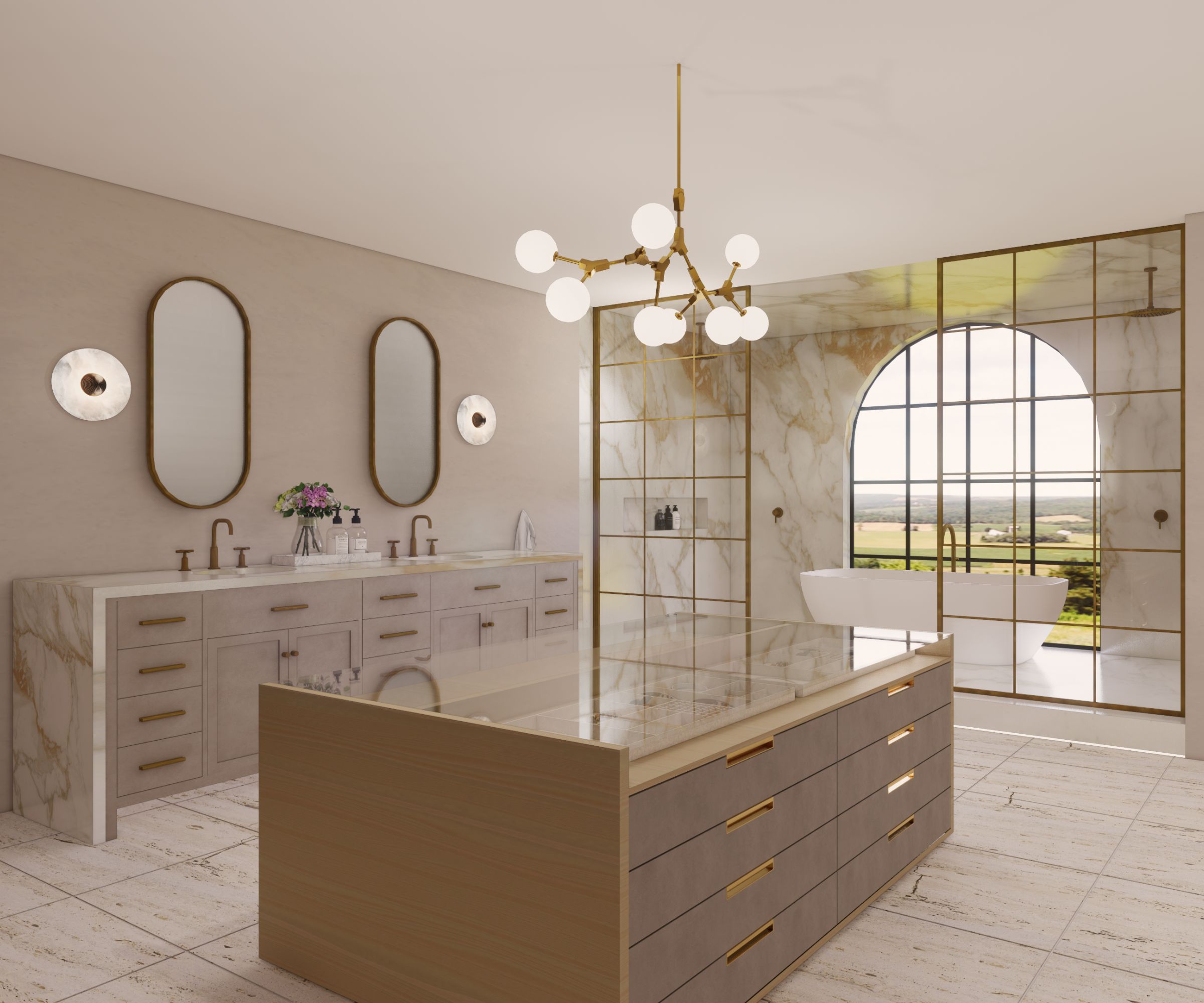
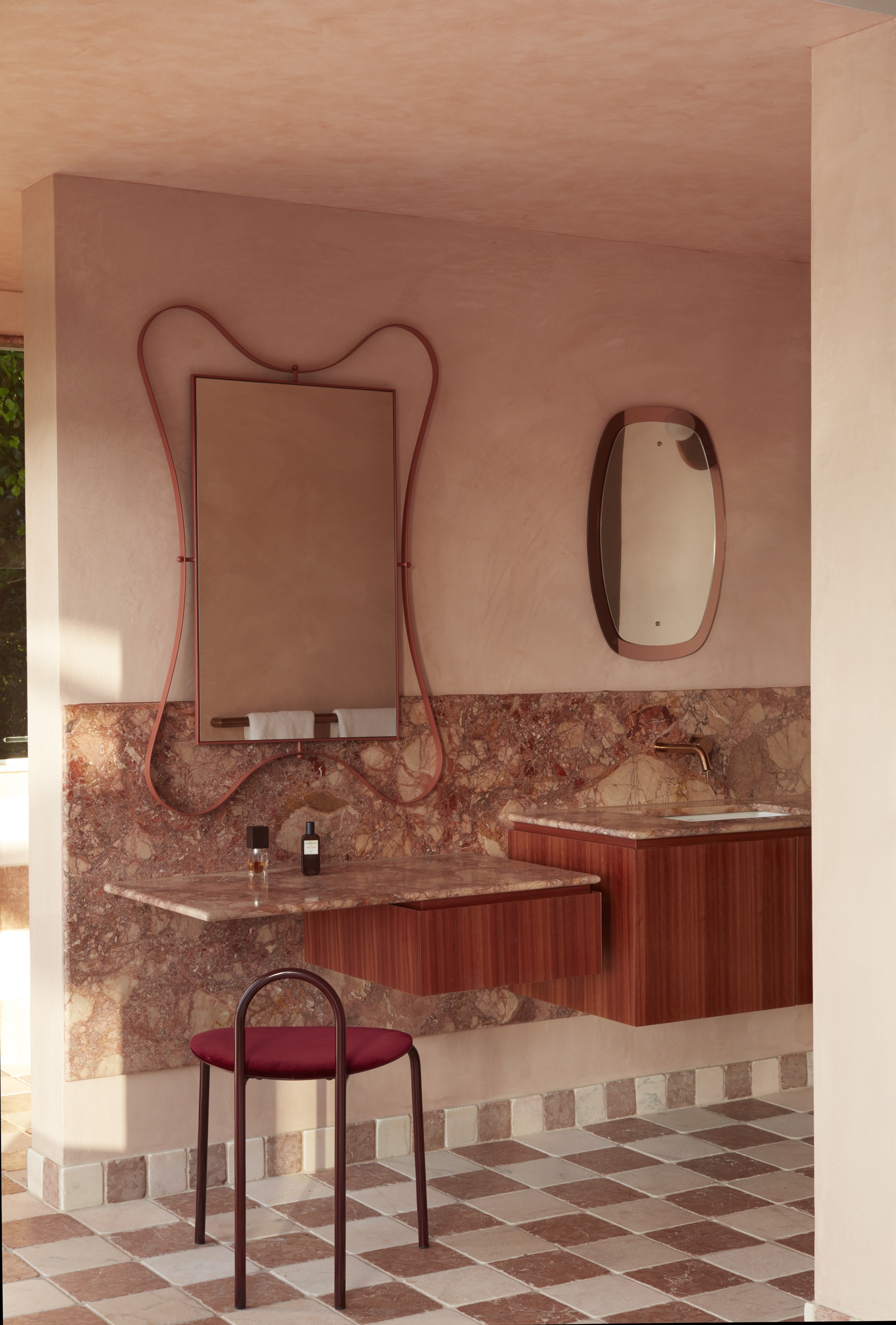
The bathroom vanity serves as a crucial focal point in both guest and master bathrooms, requiring a harmonious integration of various elements such as water, wood, stone, and metal to achieve both aesthetic appeal and functionality. Sandra Diaz-Velasco, principal architect and designer of EOLO Design, emphasizes the vanity's prominence as often the first and last thing one sees, whether looking in the mirror or washing hands. She advocates for a design that complements the home's overall furniture style, citing her award-winning master bathroom design in Coral Gables, Florida, which features a walnut wood vanity, copper-colored tubing, and a round mirror suspended against a glass backdrop for natural light. The design also incorporates a rectangular overmounted sink for dramatic effect, with the wooden structure neatly storing personal items, emphasizing the vanity as a personal space deserving careful attention to lighting and presentation.
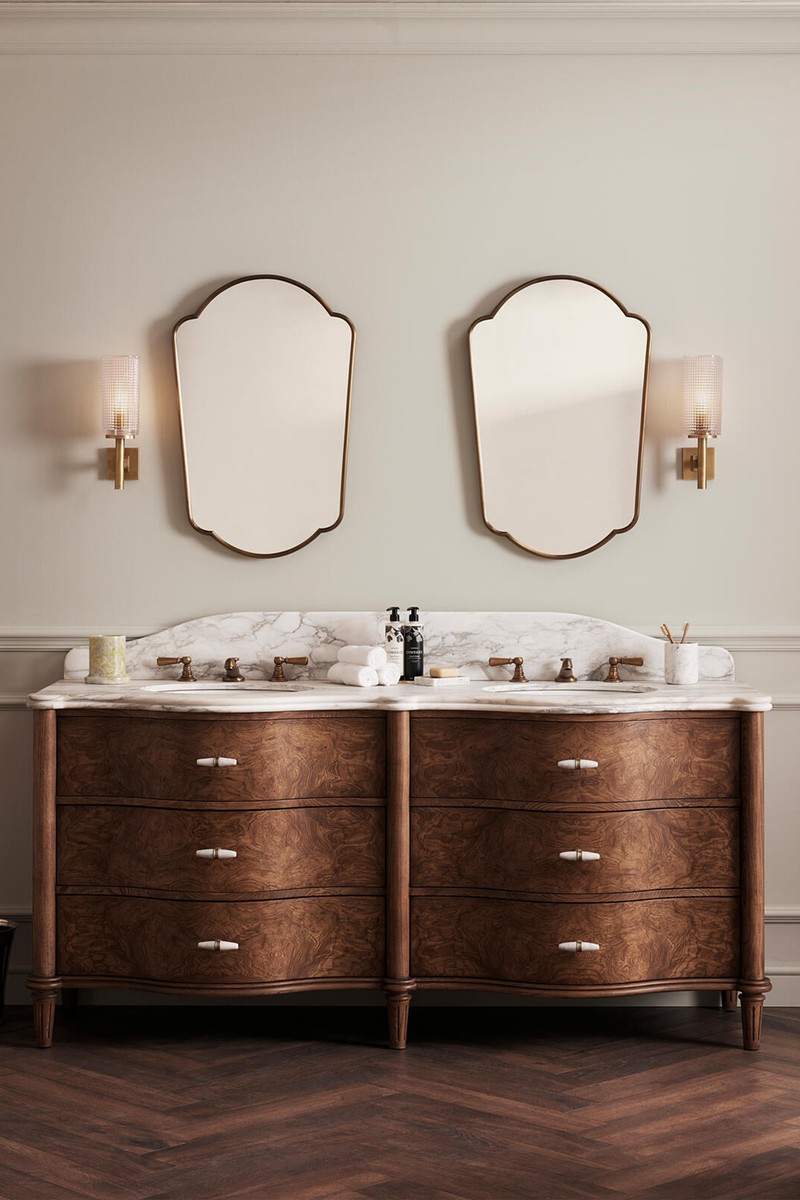
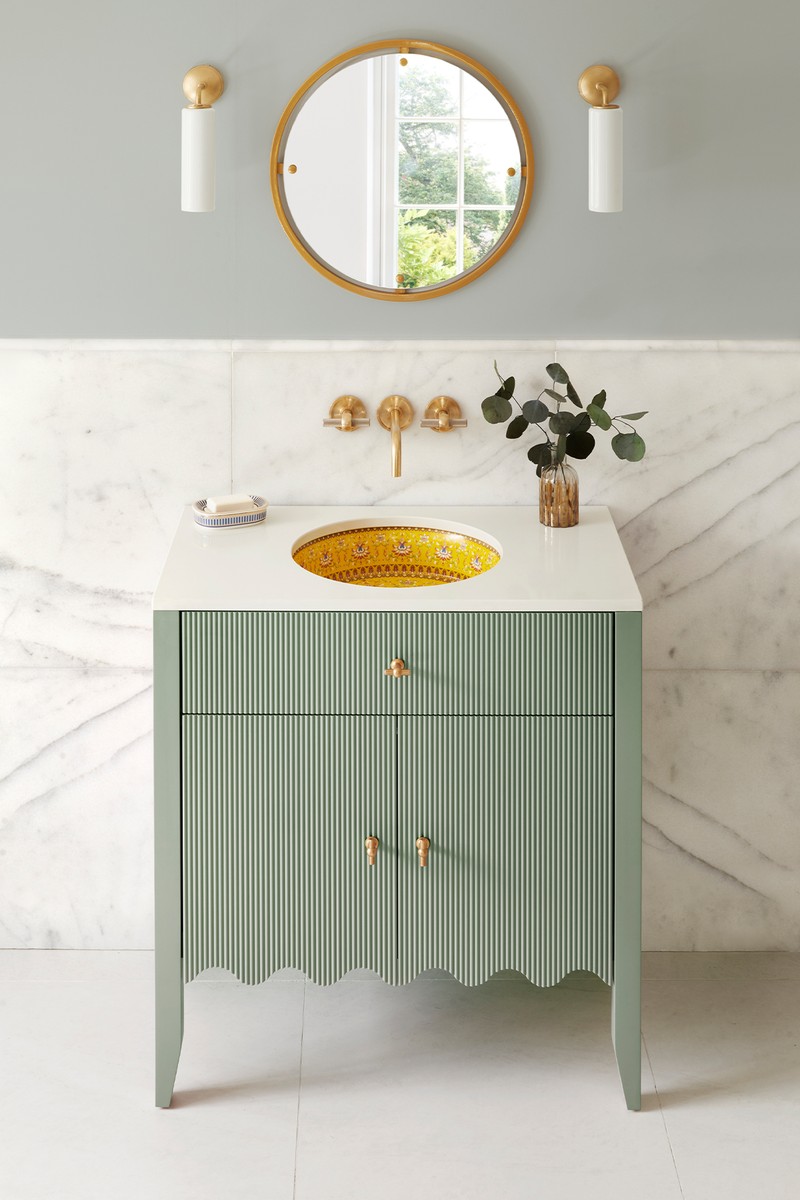
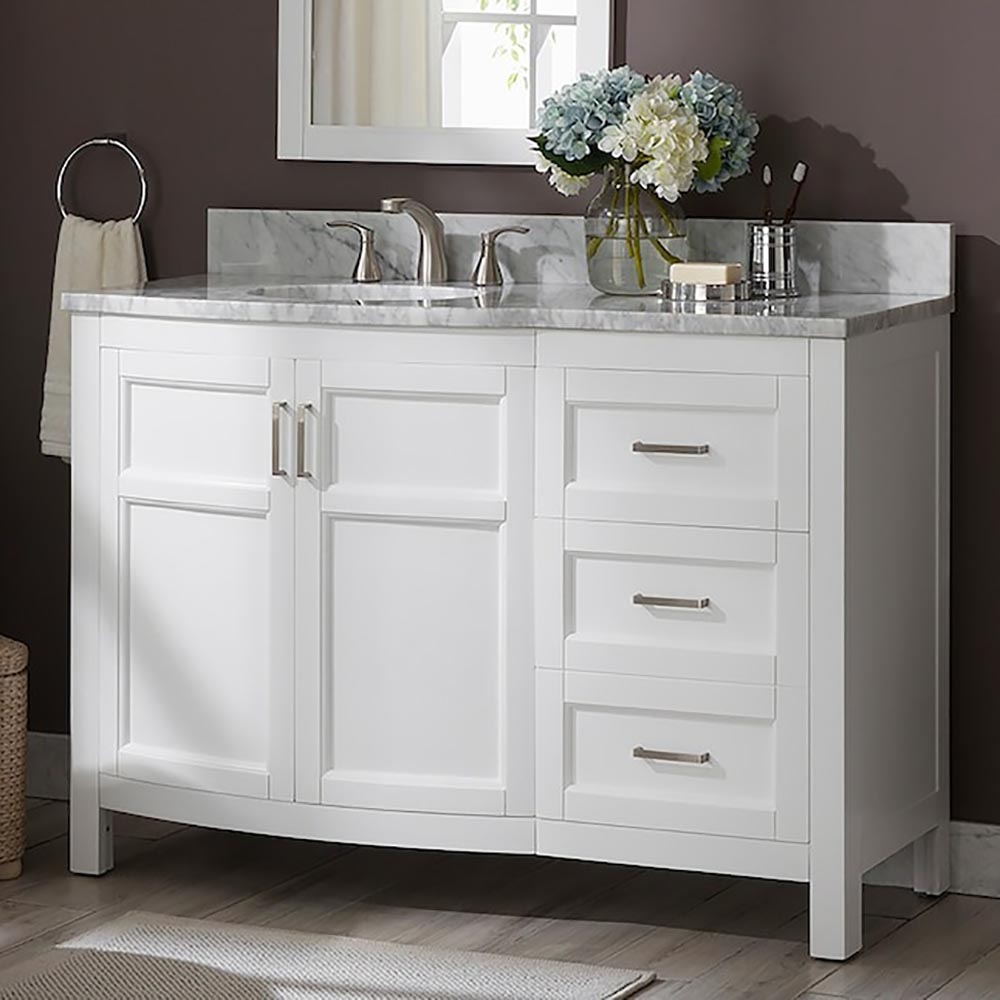
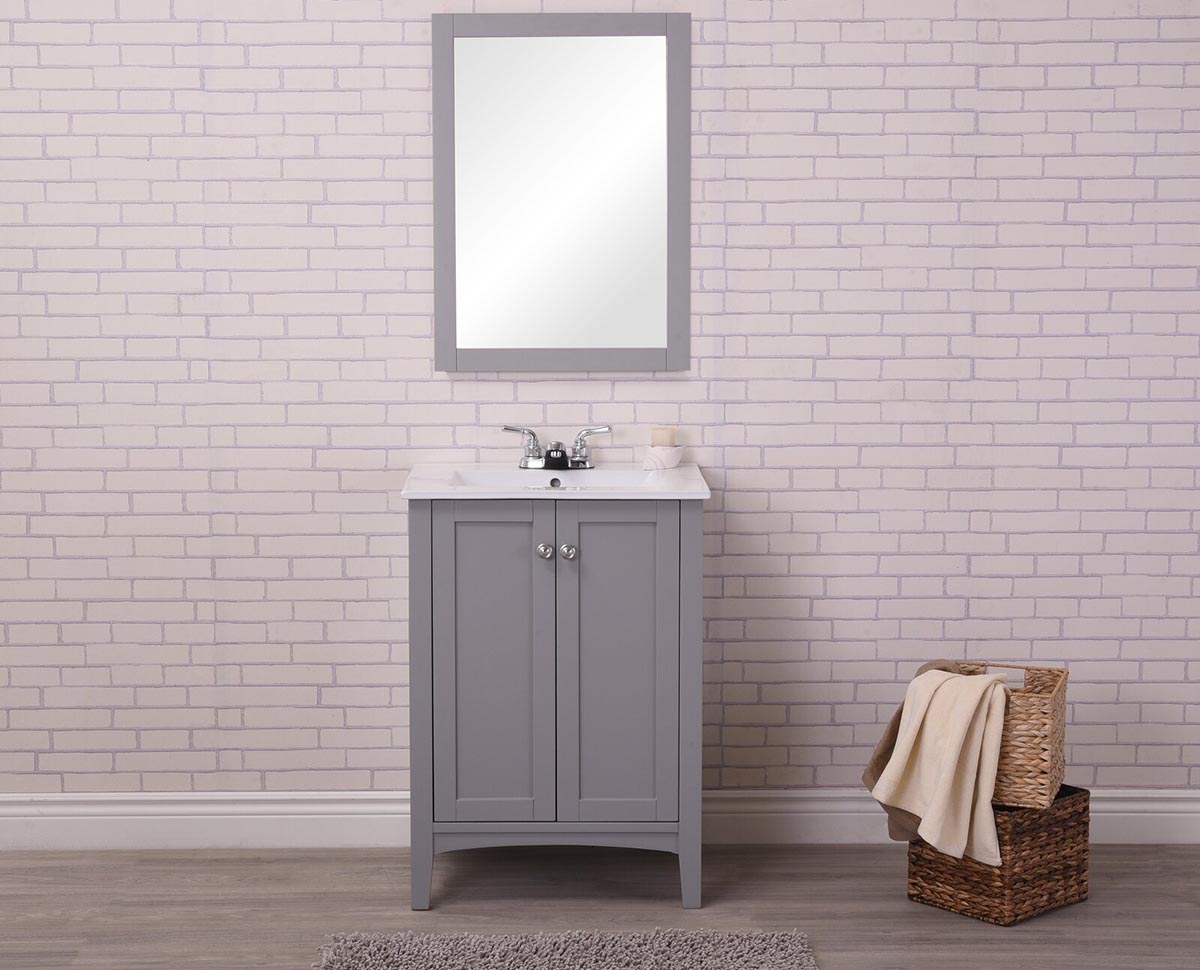
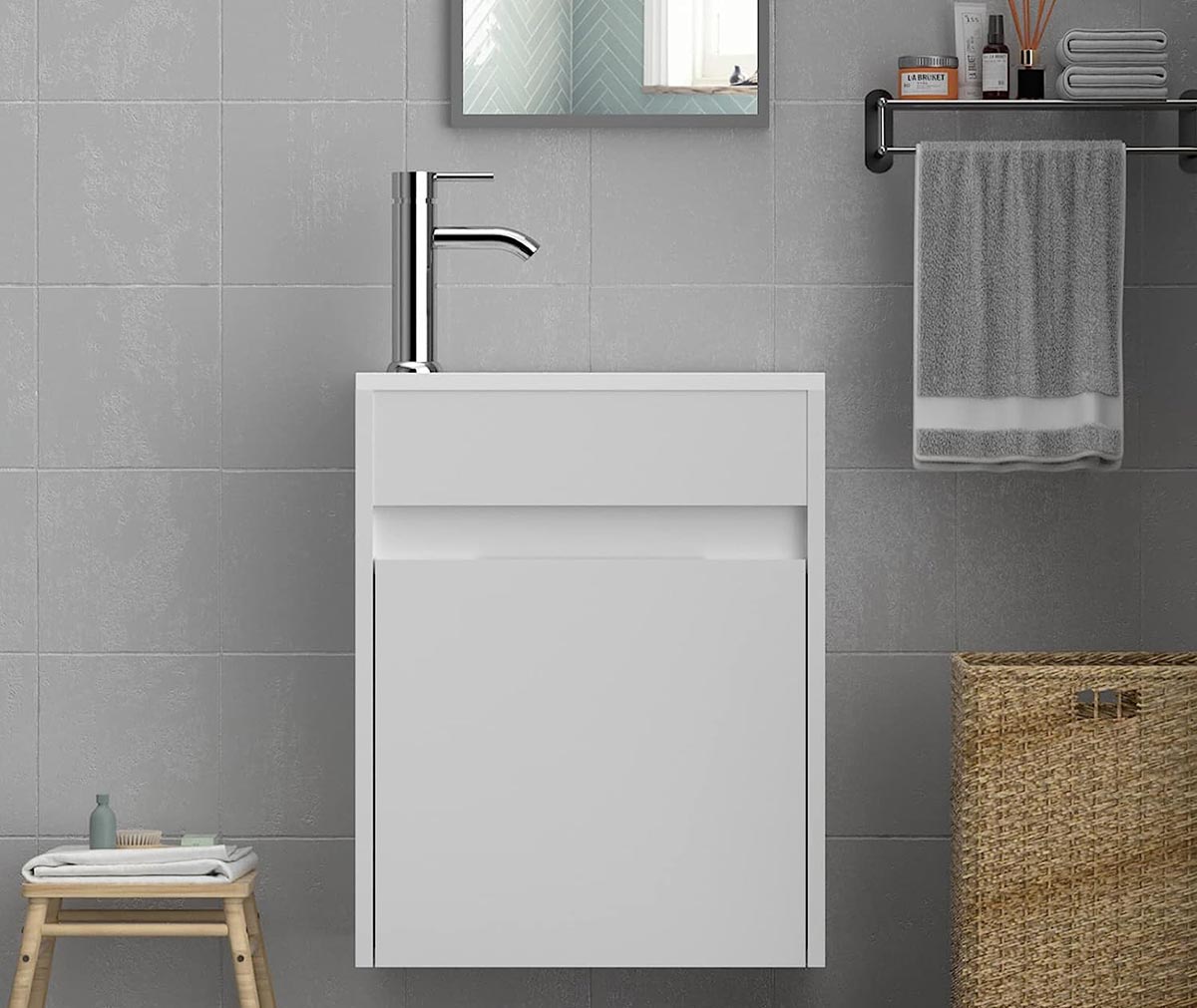
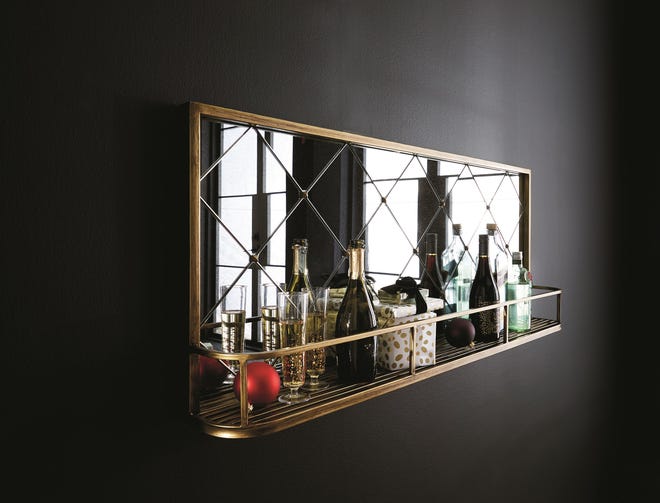
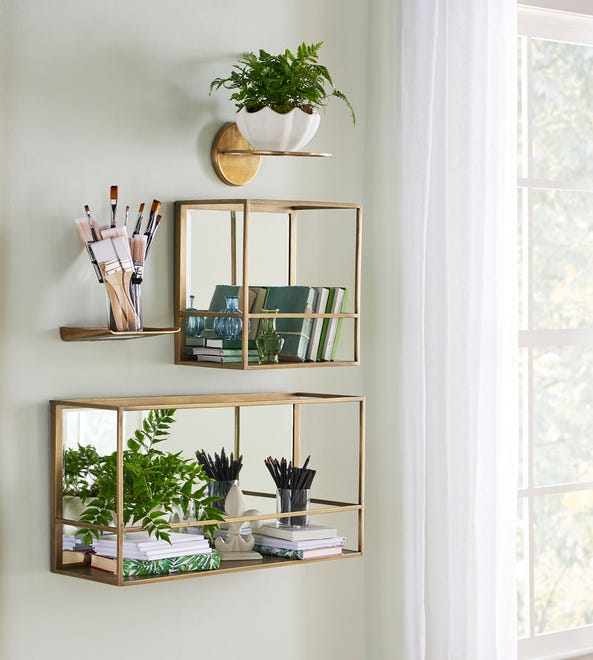
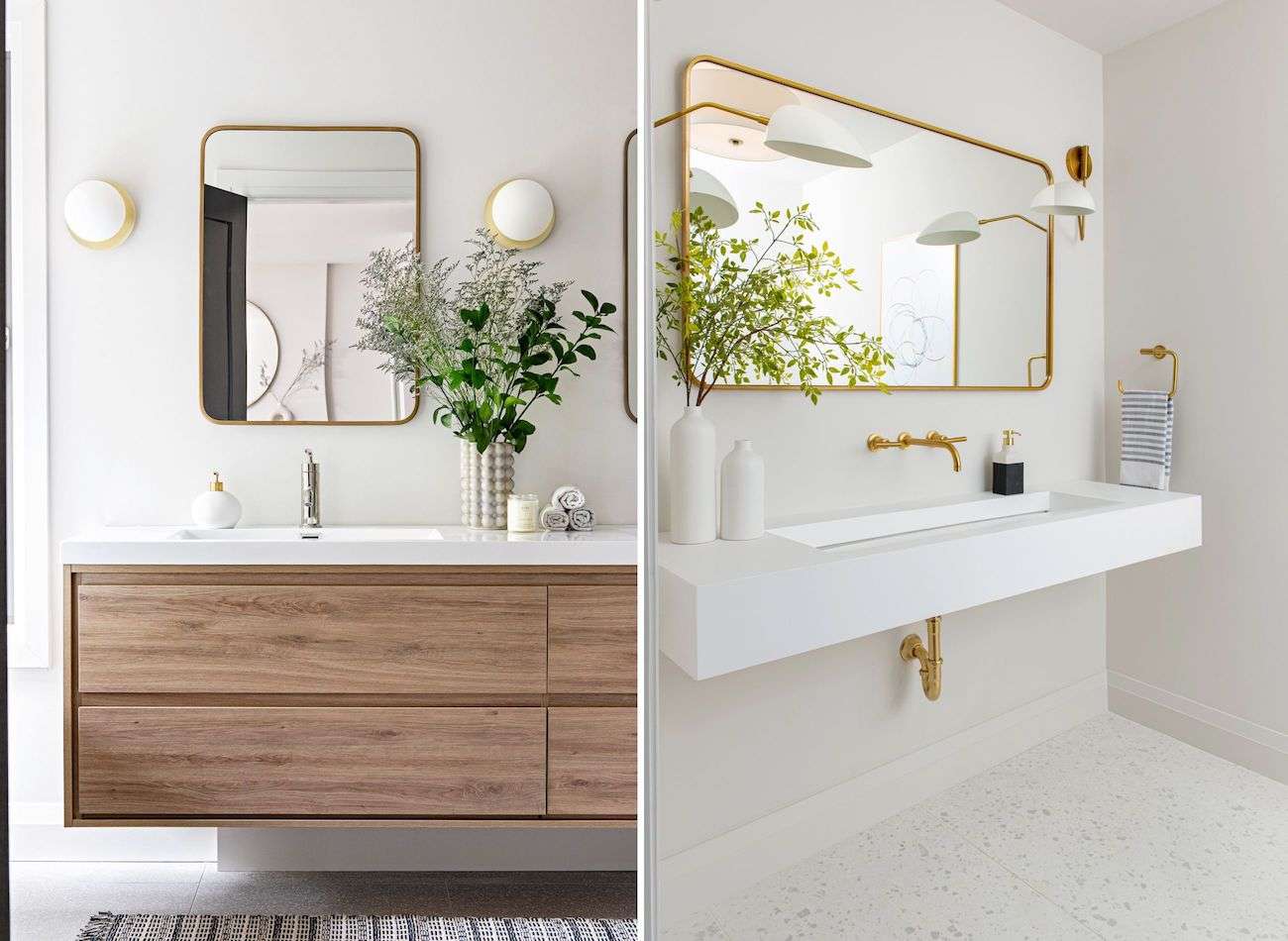
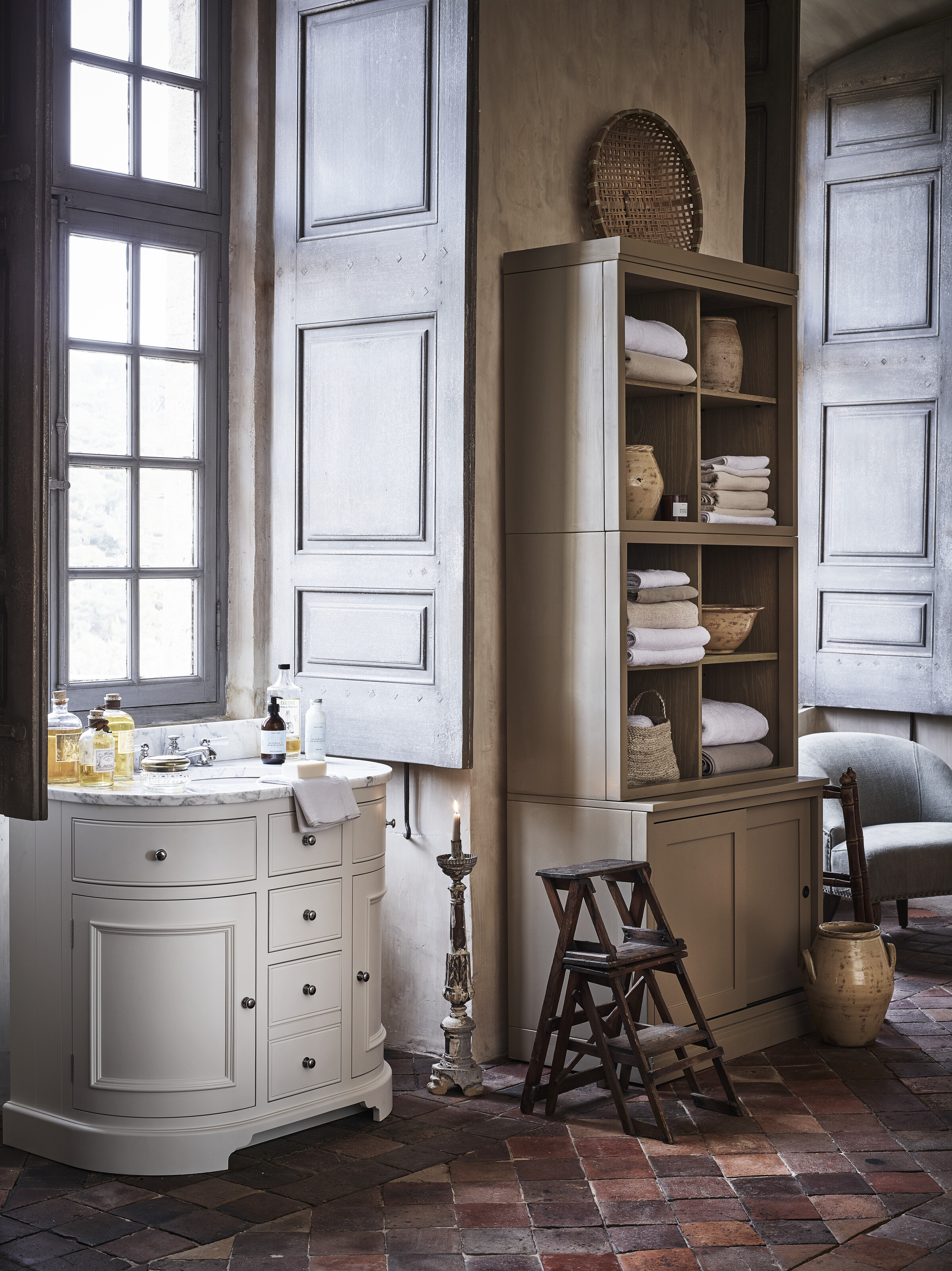
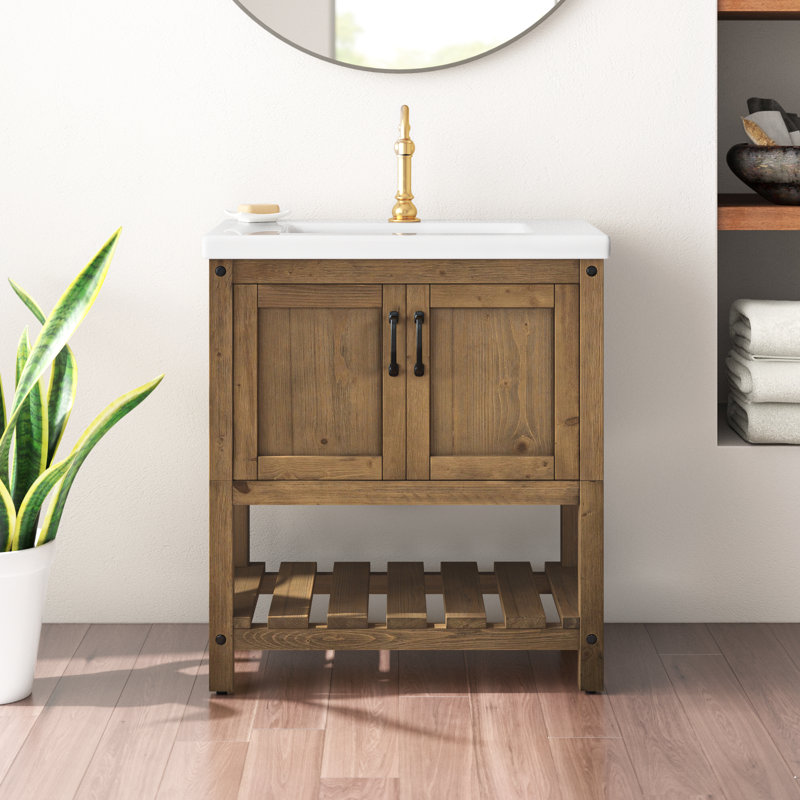
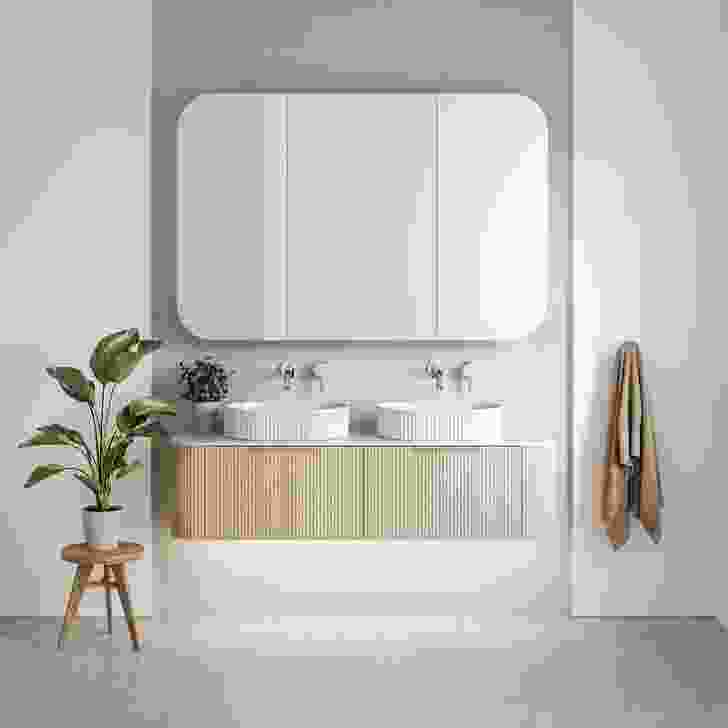
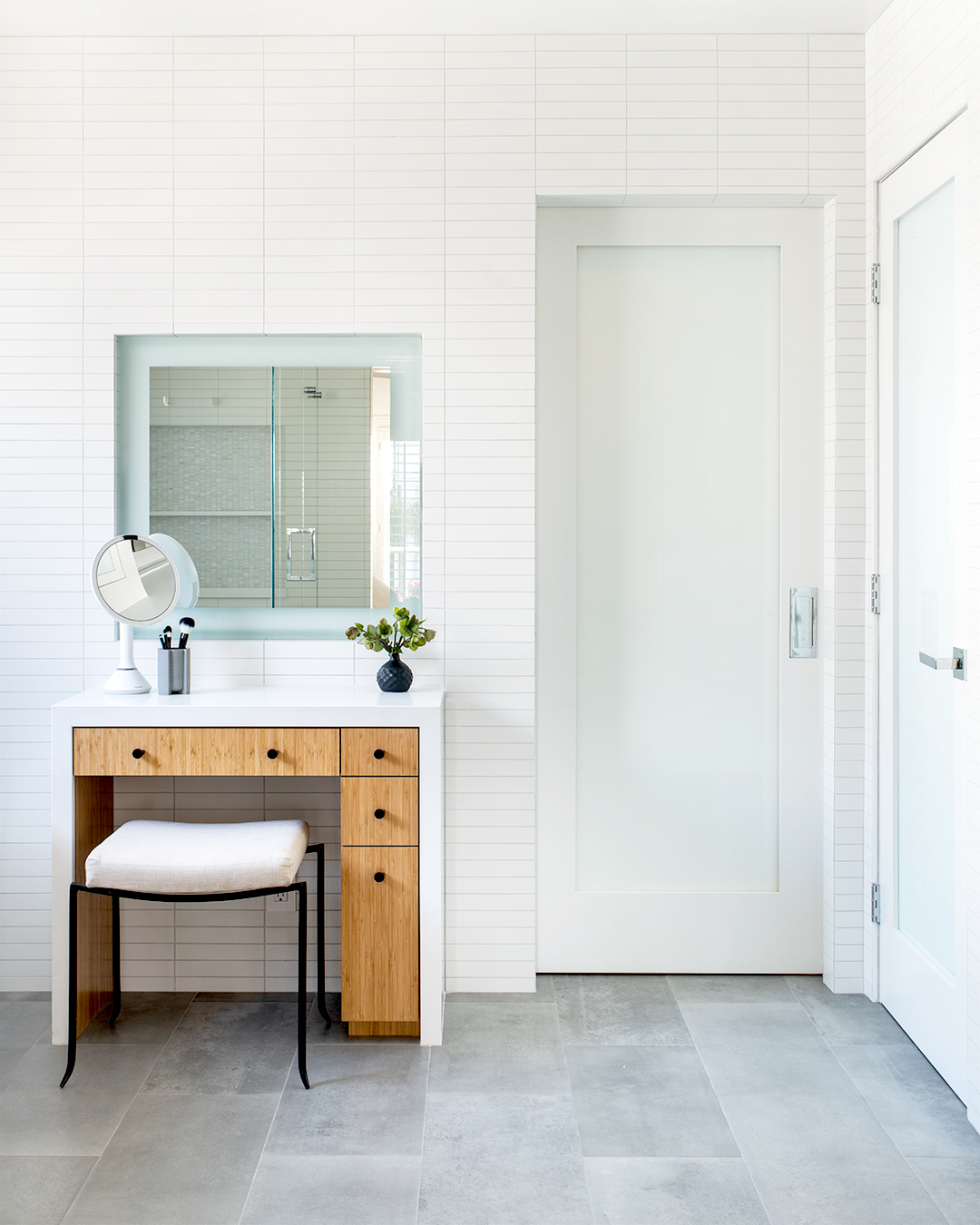
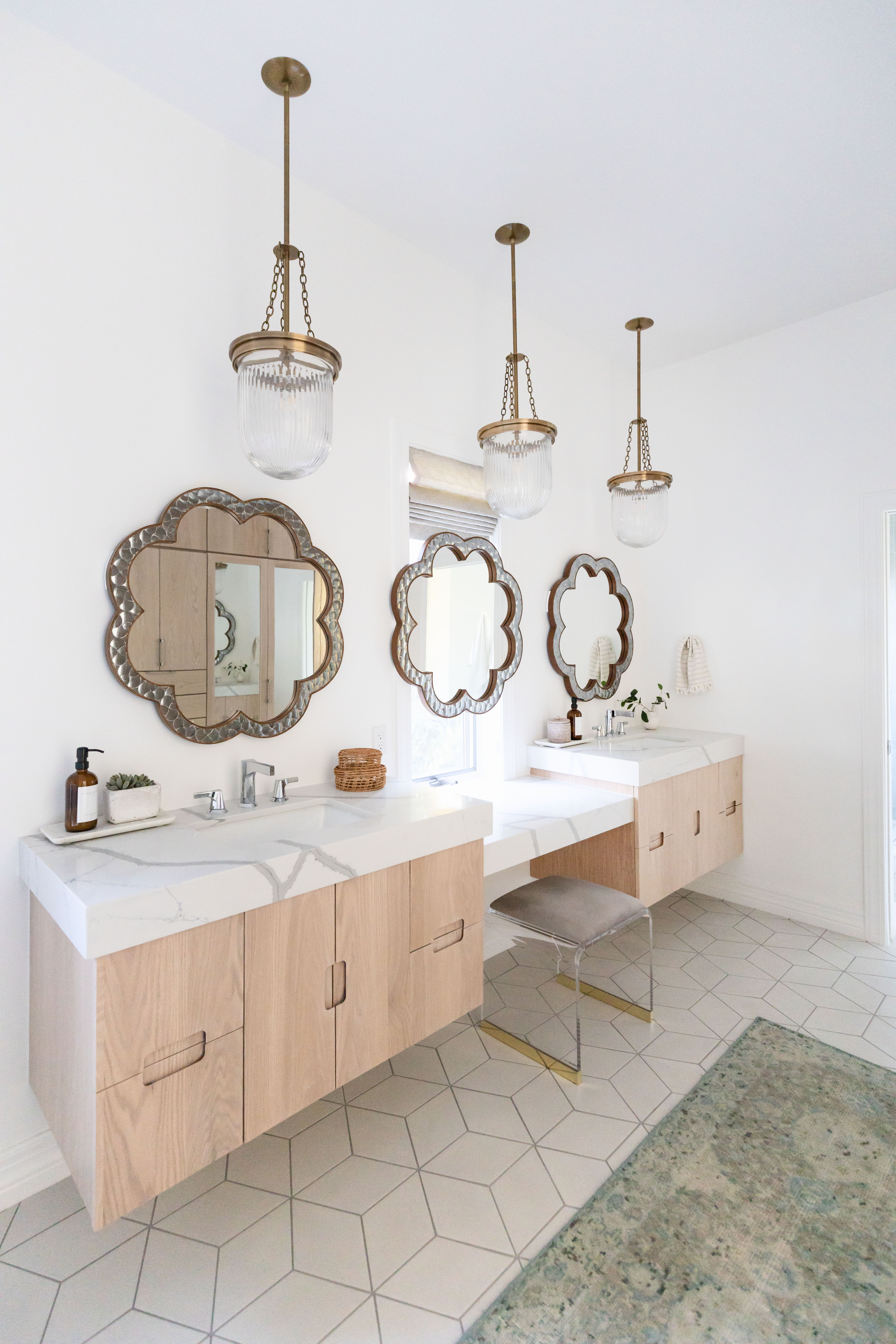
Faye Nielsen, owner and designer of The Nielsen Collection of Interiors, echoes the sentiment that the vanity is a functional focal point, stressing the importance of organized storage through features like drawer pullouts. Vanities come in diverse shapes and sizes, influencing the bathroom's overall character. Options range from single or double sink configurations to freestanding cupboard/dresser styles, custom contemporary designs with sleek storage, or wall-mounted "shelf" vanities resembling large mantelpieces. The choice of sink also makes a significant statement, with a current trend favoring larger, rectangular trough sinks. Homeowners can select from self-rimming sinks, which are dropped into a custom-cut countertop hole with a waterproof outer lip; undermount sinks, mounted beneath the countertop for a seamless look; or vessel sinks, which sit atop the vanity for dramatic visual impact.
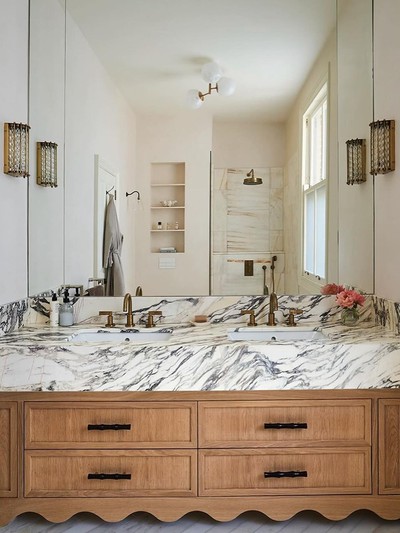
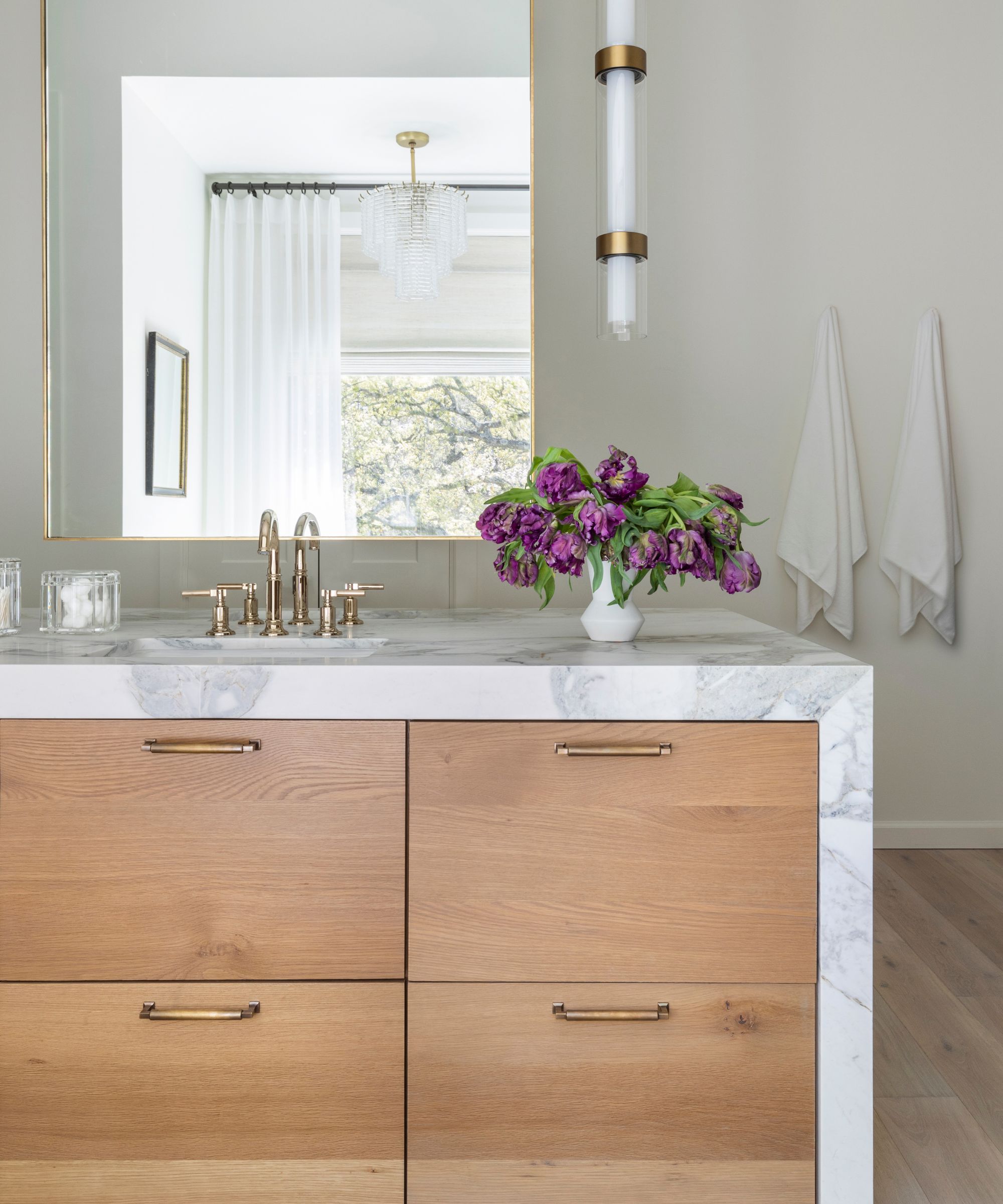
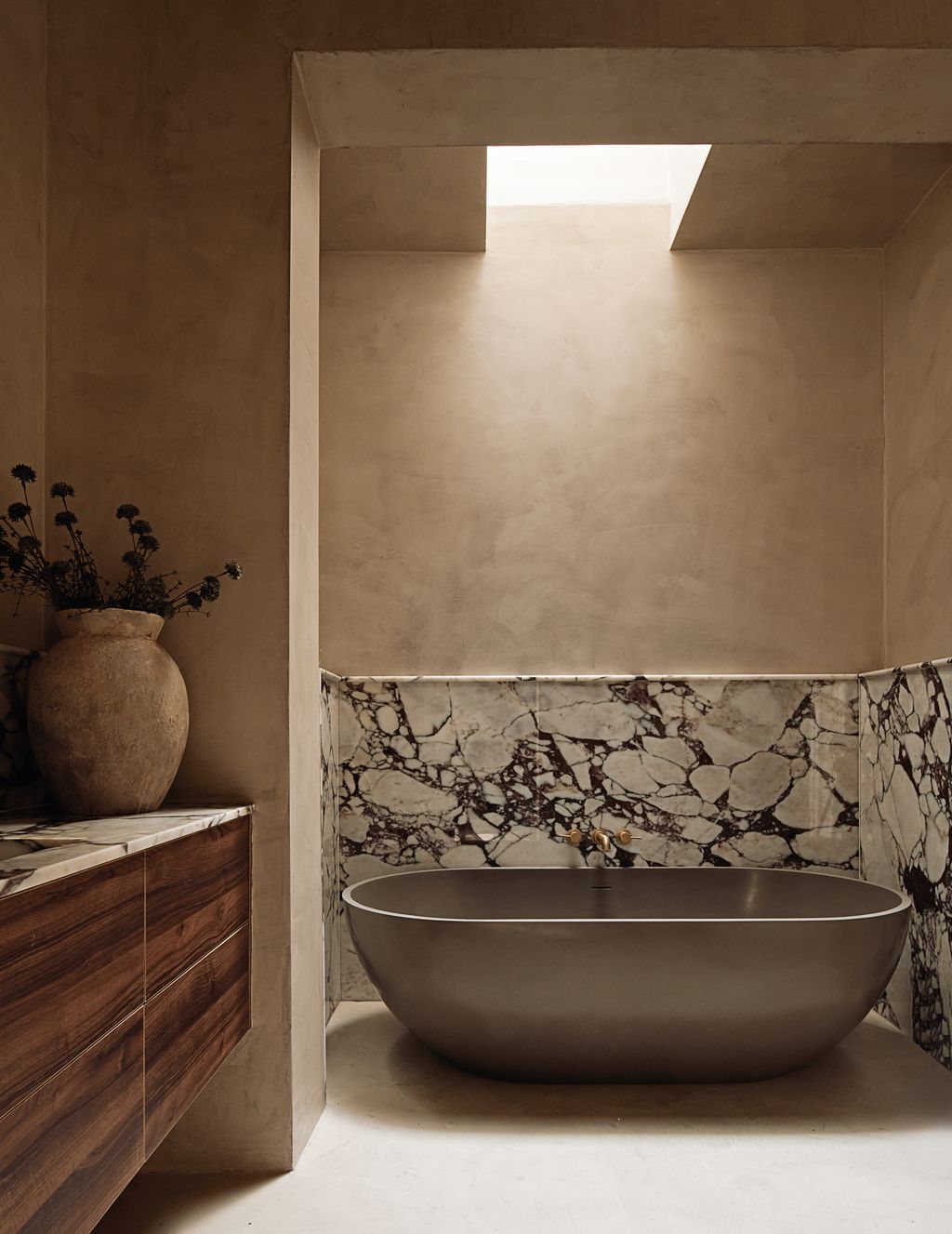
The selection of countertop material is equally important for a clean bath design. While marble remains popular, engineered stone or quartz surfaces are highly recommended for their waterproof, stain-resistant, heat-resistant, and scratch-resistant properties. These materials can mimic natural stone and, lacking surface holes, do not require sealing and inhibit bacterial growth. Glass, concrete, and stone countertops with integrated sinks are also custom choices, with colored glass offering a streamlined style. Nielsen advises that countertops should generally not exceed 3 feet in height and 2 feet in depth.
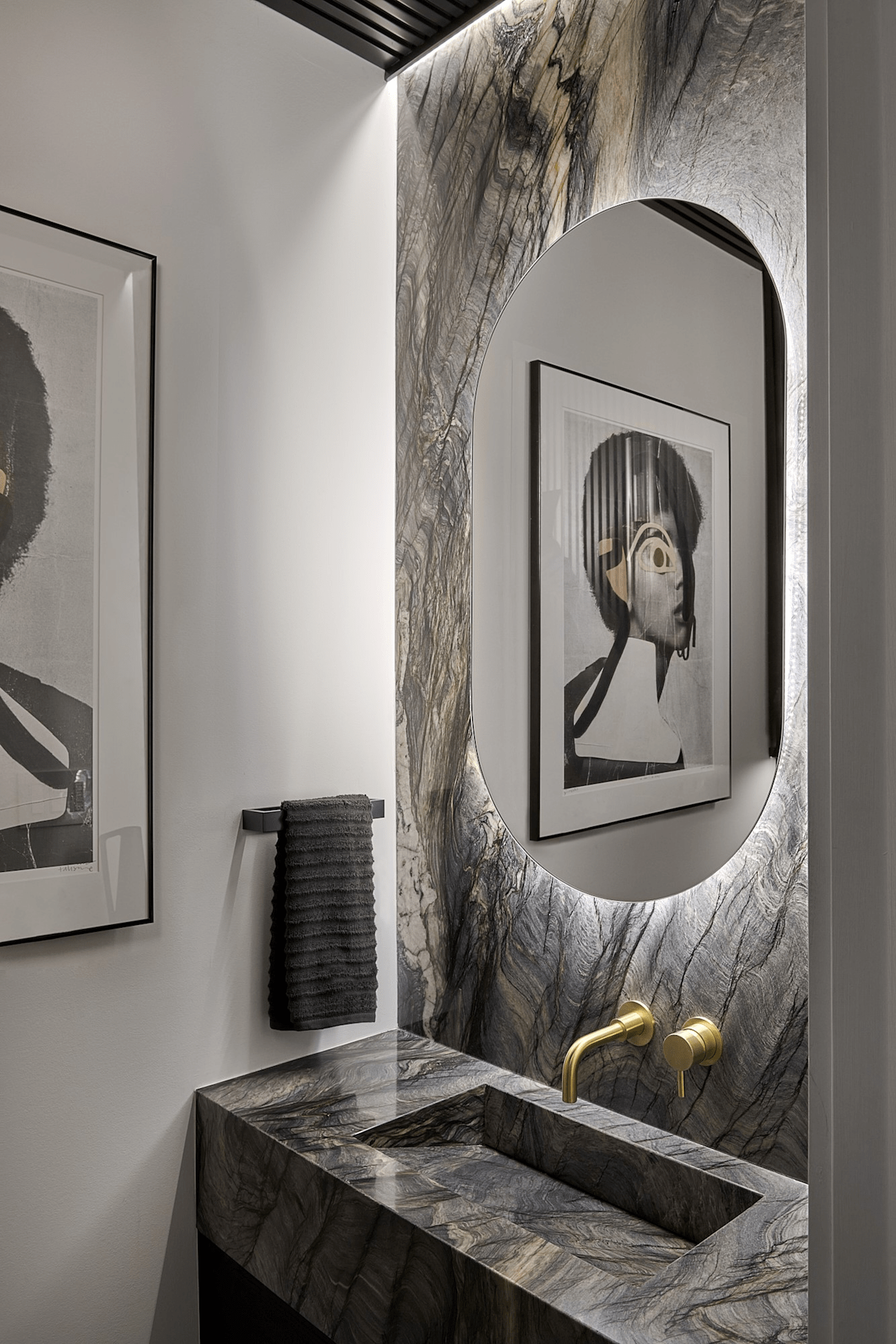
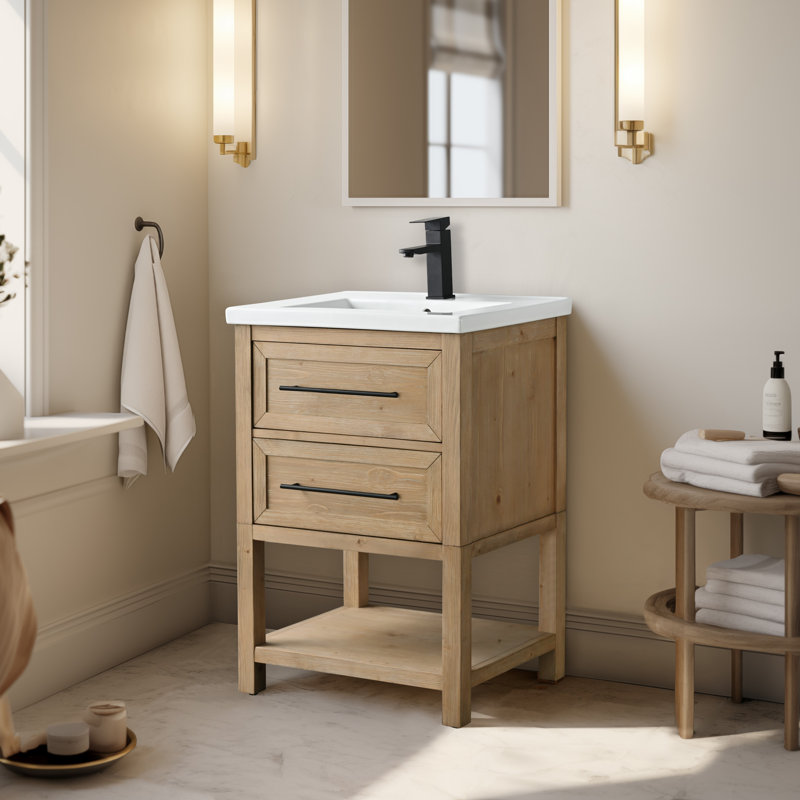
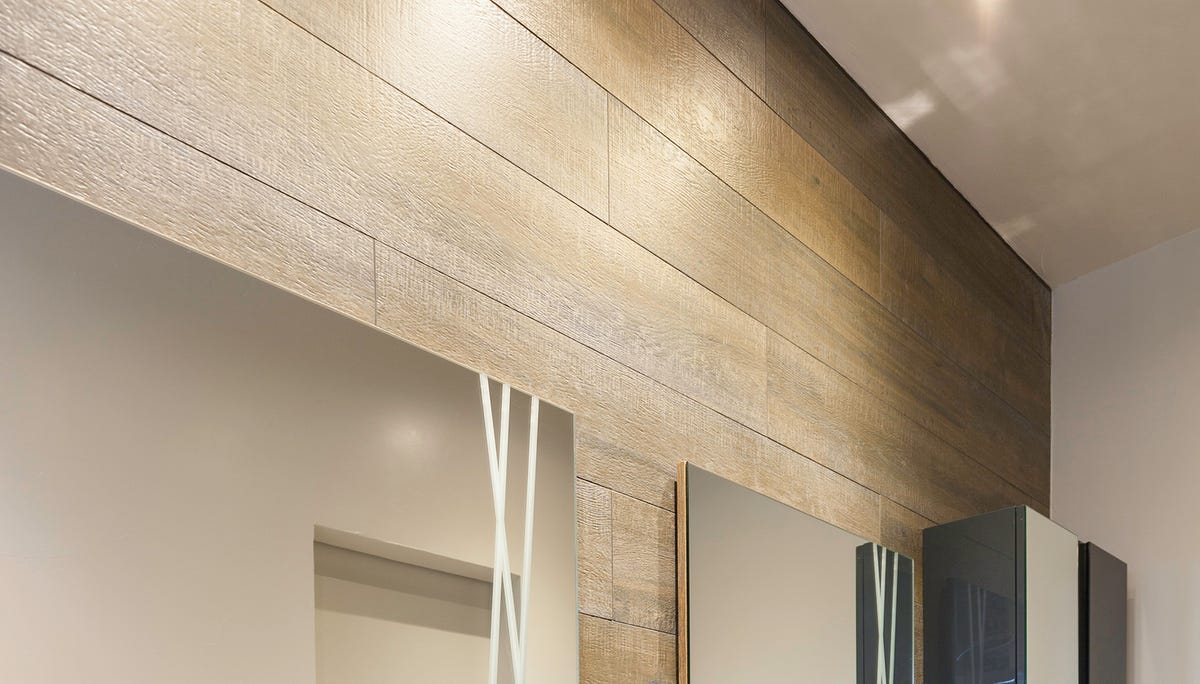
When it comes to fixtures, chrome remains a classic choice, but designers are increasingly incorporating other metal finishes such as oil-rubbed bronze, matte black, or warm copper. Wall-mounted faucets are gaining popularity for their added aesthetic appeal over traditional top-mounted options. Lighting is another critical aspect, extending beyond faucets. Mirrored medicine cabinets with integrated side lighting are preferred, as a single fixture above the mirror can create harsh shadows. A layered lighting plan, combining ceiling fixtures with task or accent lights on either side of the mirror, is recommended, with finishes matching the faucets. For a cohesive look, knobs or pulls on the vanity should complement the bathroom's accent color or metal finishes. Ultimately, natural light, whether from windows or skylights, is considered the most illuminating element for a captivating vanity, aiming to create a spa-like, clean, austere, yet warm and welcoming atmosphere.
#BathroomVanity #HomeDesign #InteriorDesign #BathroomFixtures #CountertopMaterials #BathroomLighting #DesignTrends #EoloDesign #NielsenCollection #BathroomVanity #HomeDesign #InteriorDesign #BathroomFixtures #CountertopMaterials #BathroomLighting #DesignTrends #EoloDesign #NielsenCollection
0 comment in total
 No comments yet
You may also like

Vanity Units

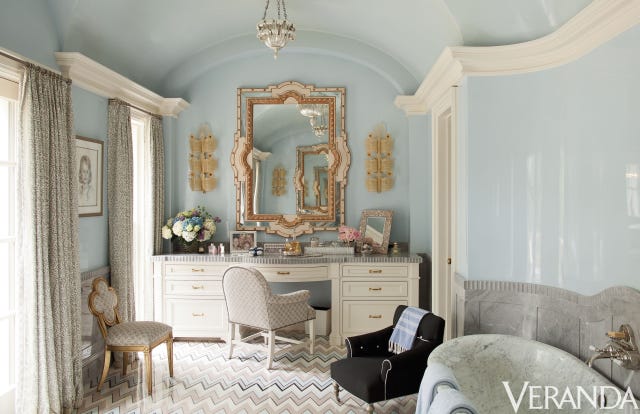
7 Vanity Tables That Make Getting Ready Far More Luxurious
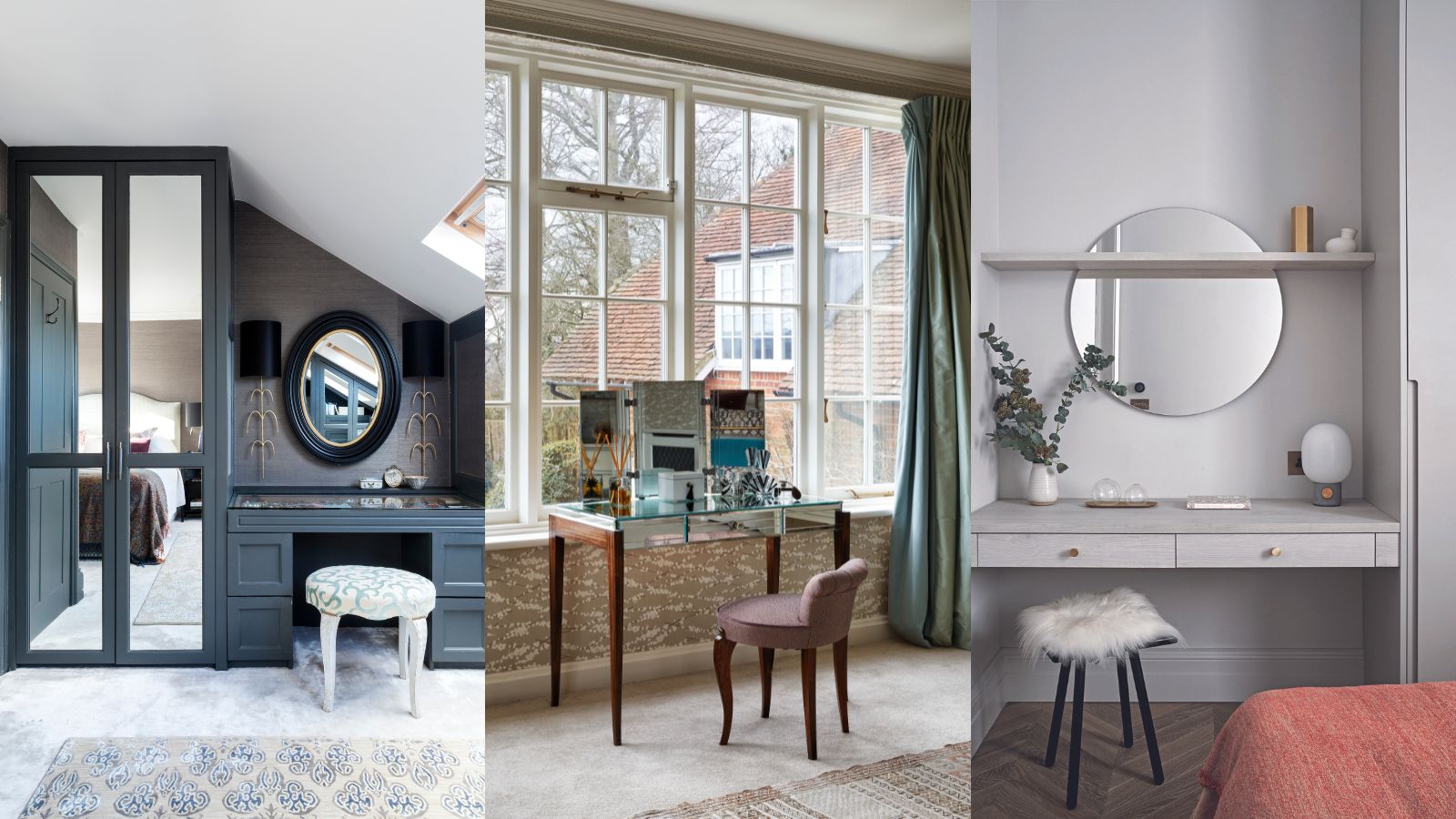
Makeup vanity ideas – 10 looks for a beautiful and ordered space
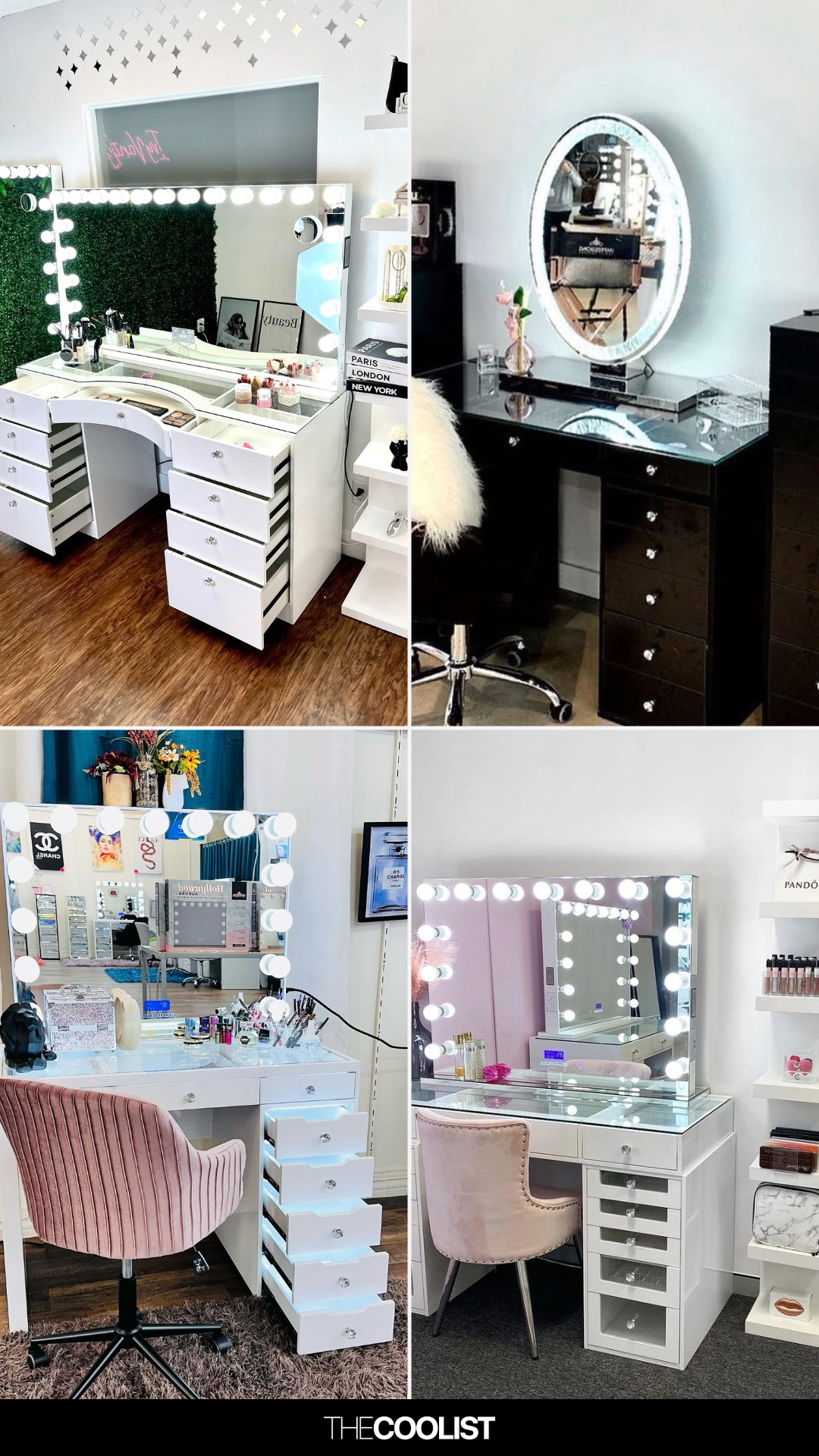
24 Insanely Chic Makeup Vanity Ideas That Make Getting Ready Feel Like a Photoshoot

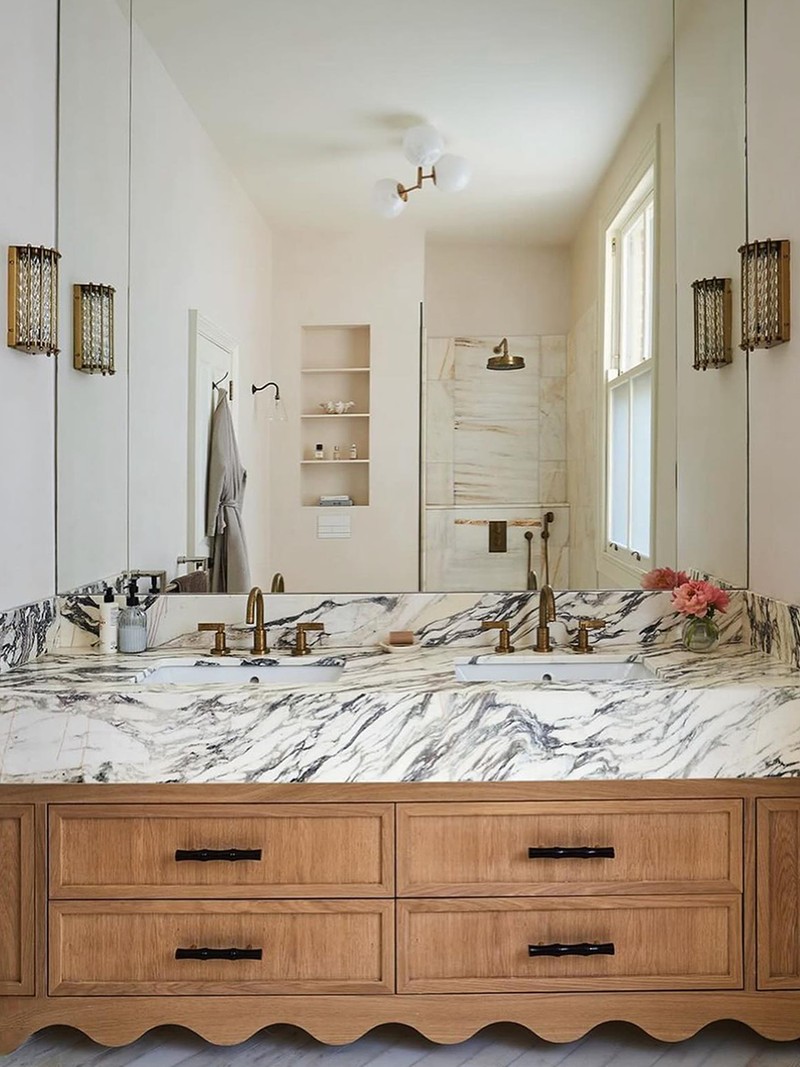
24 Stylish Bathroom Vanity Units

Homestyle: Glass and mirrors
Build A Dream Vanity And We'll Guess What Your Style Is Like
The decorative schemes, layouts and materials to copy for your bathroom this year
The 15 Best Places to Buy a Bathroom Vanity

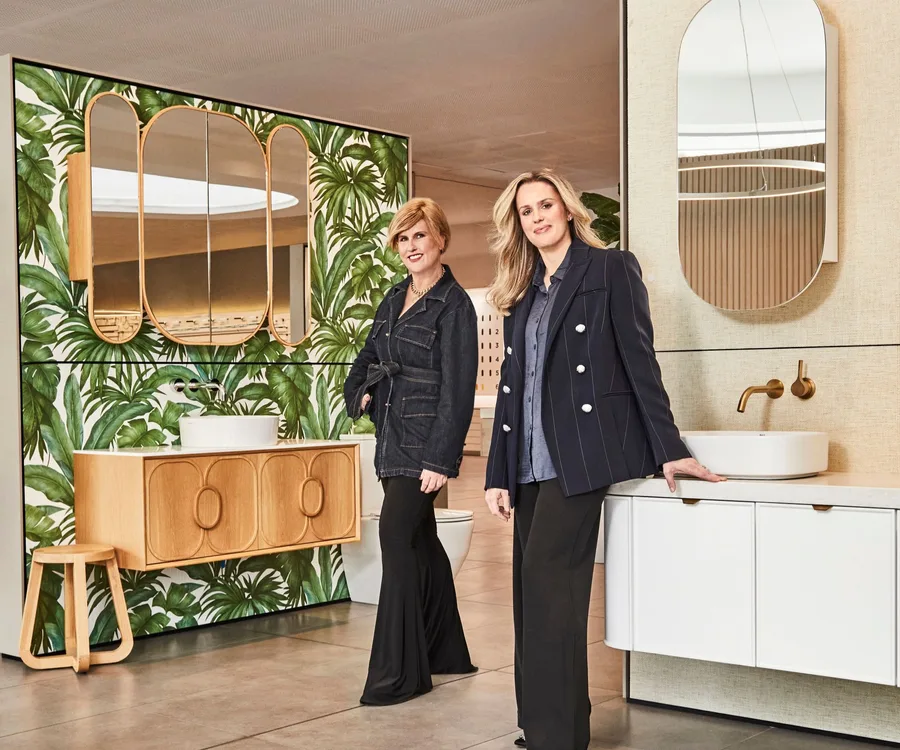
Little Black Book: Where to buy vanities and bathroom mirrors

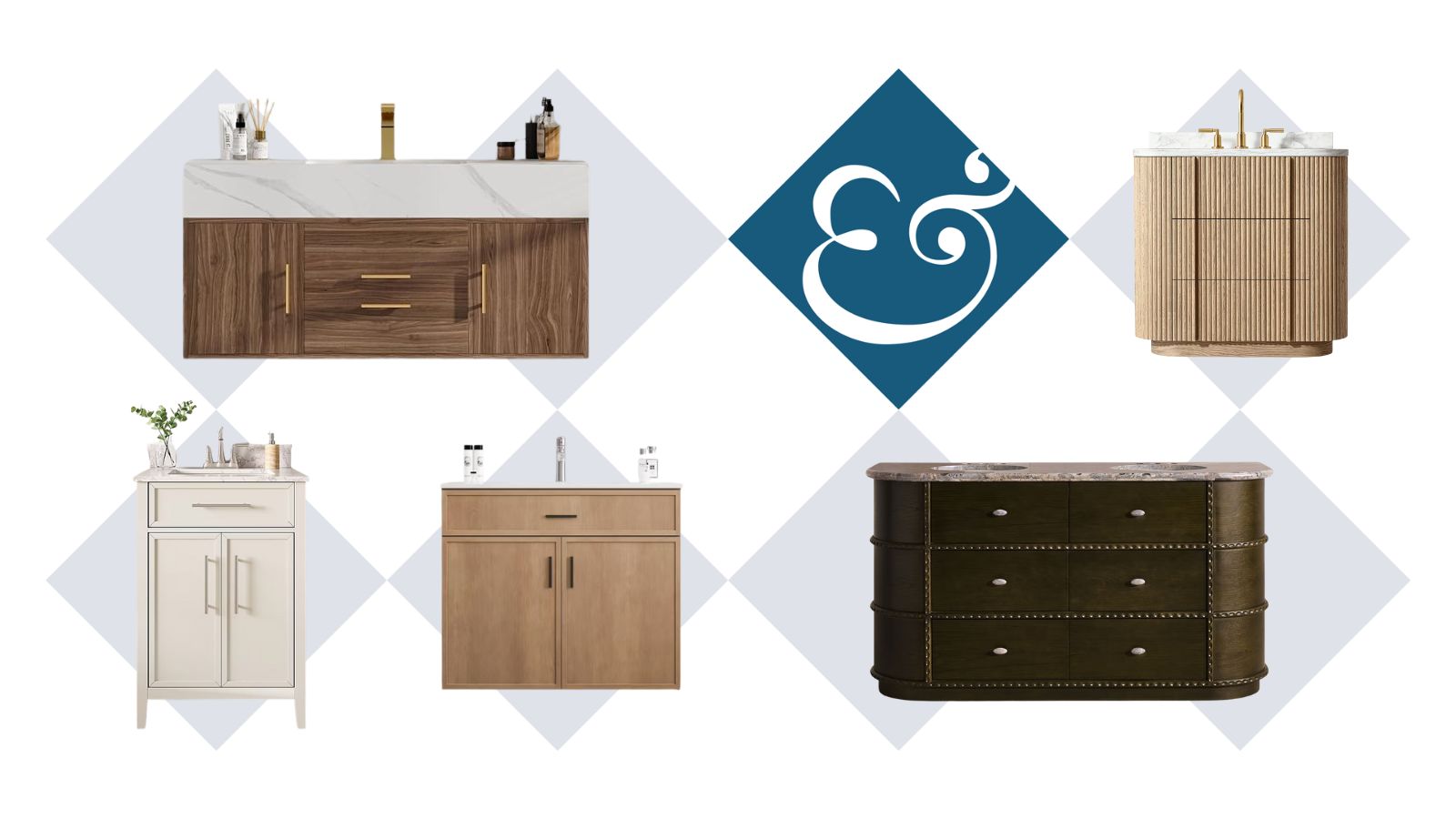
Where's the best place to buy a bathroom vanity? A style editor's top recommendations for style and practicality
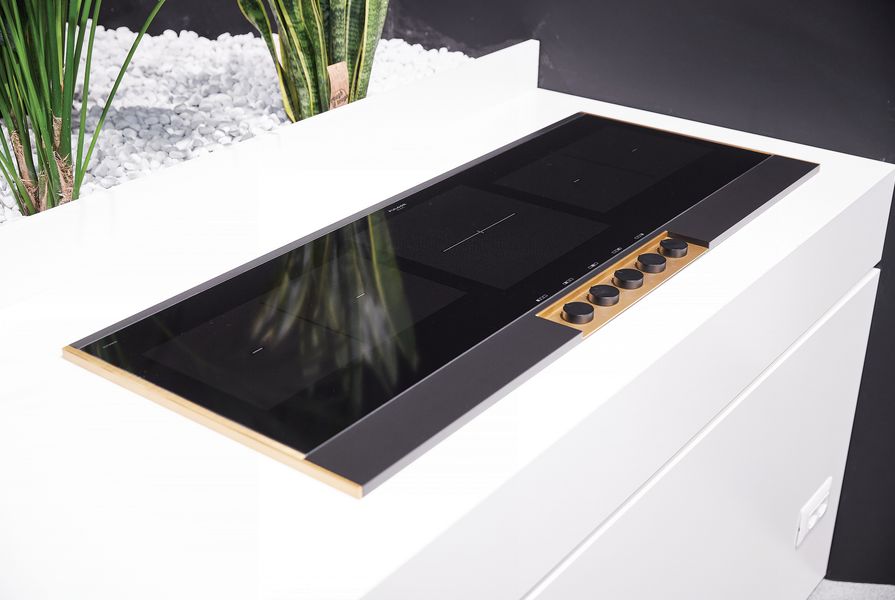
A clean slate: Kitchen and bathroom products that balance form and function
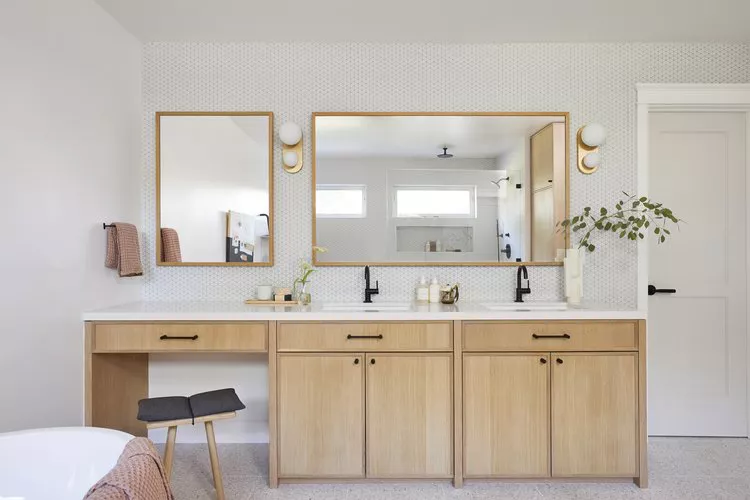
20 Makeup Vanity Ideas That Make Getting Ready Feel Like a Treat

These Eight Furniture Pieces Give “Vanity Project” a Whole New Meaning

Bathroom islands are the luxurious feature you didn't know you needed – here's how designers nail the trend
Built-in vanity make-up ideas – 10 designs that elevate bedrooms and bathrooms to new levels


These Makeup Vanities Will Upgrade Your Getting Ready Routine

Vanity Fair

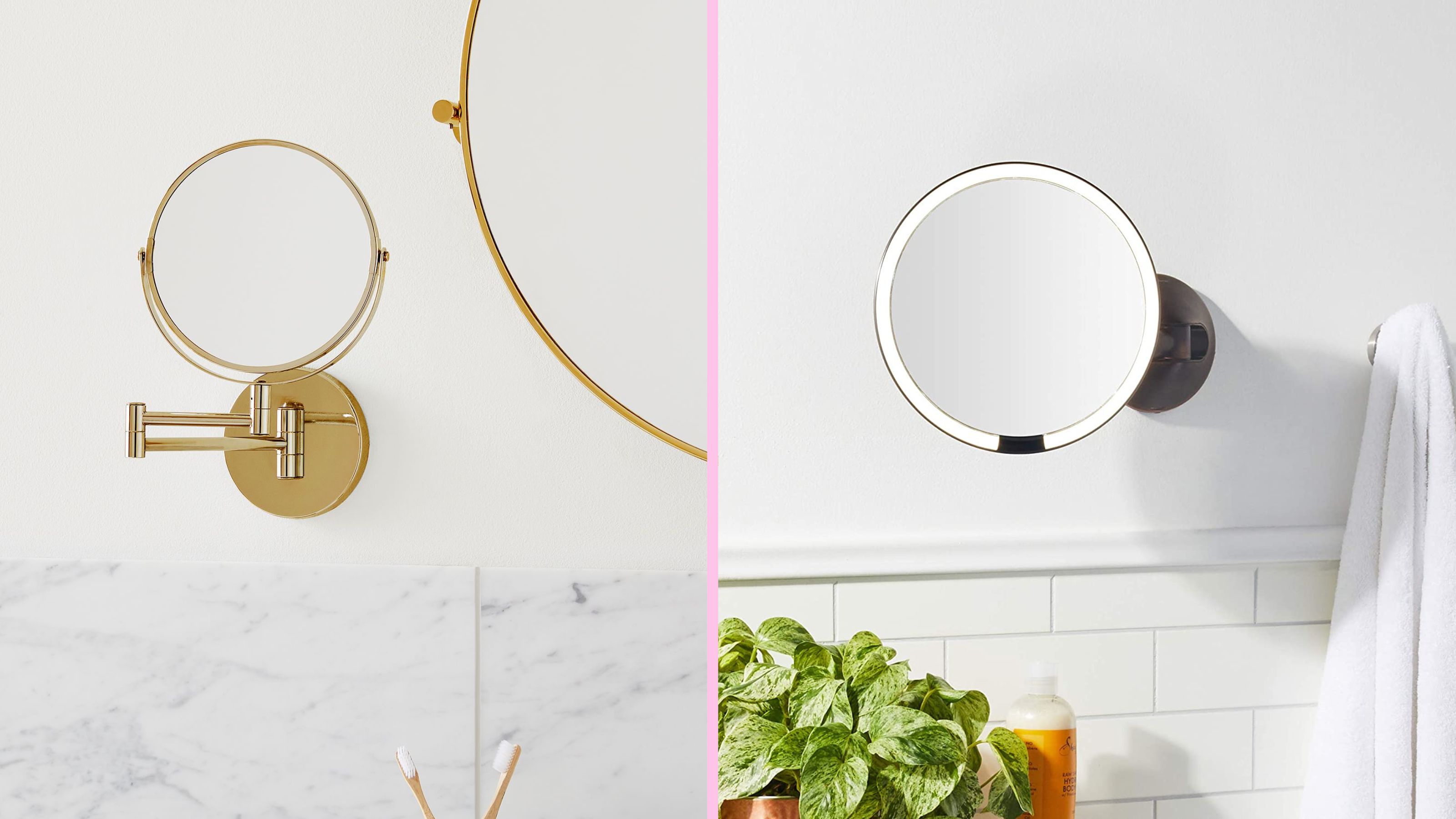
These 9 vanity mirrors are ideal for perfectionists — some are renter-friendly

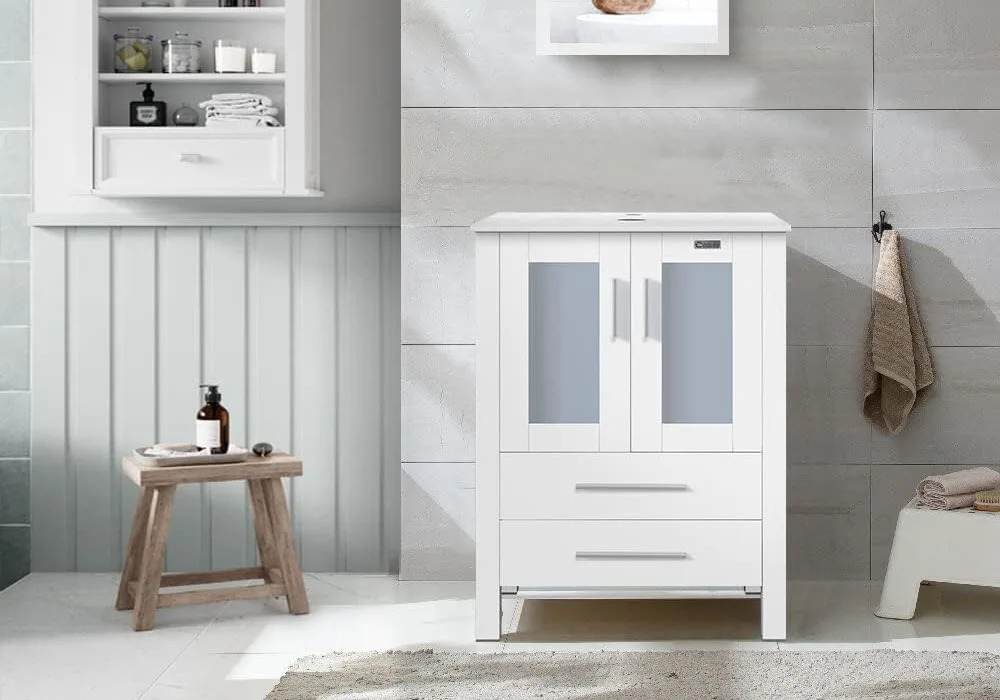
The 15 Best Places to Buy a Bathroom Vanity