1/8
The Standard Kitchen Base Cabinet Height for Comfortable Cooking—And Resale
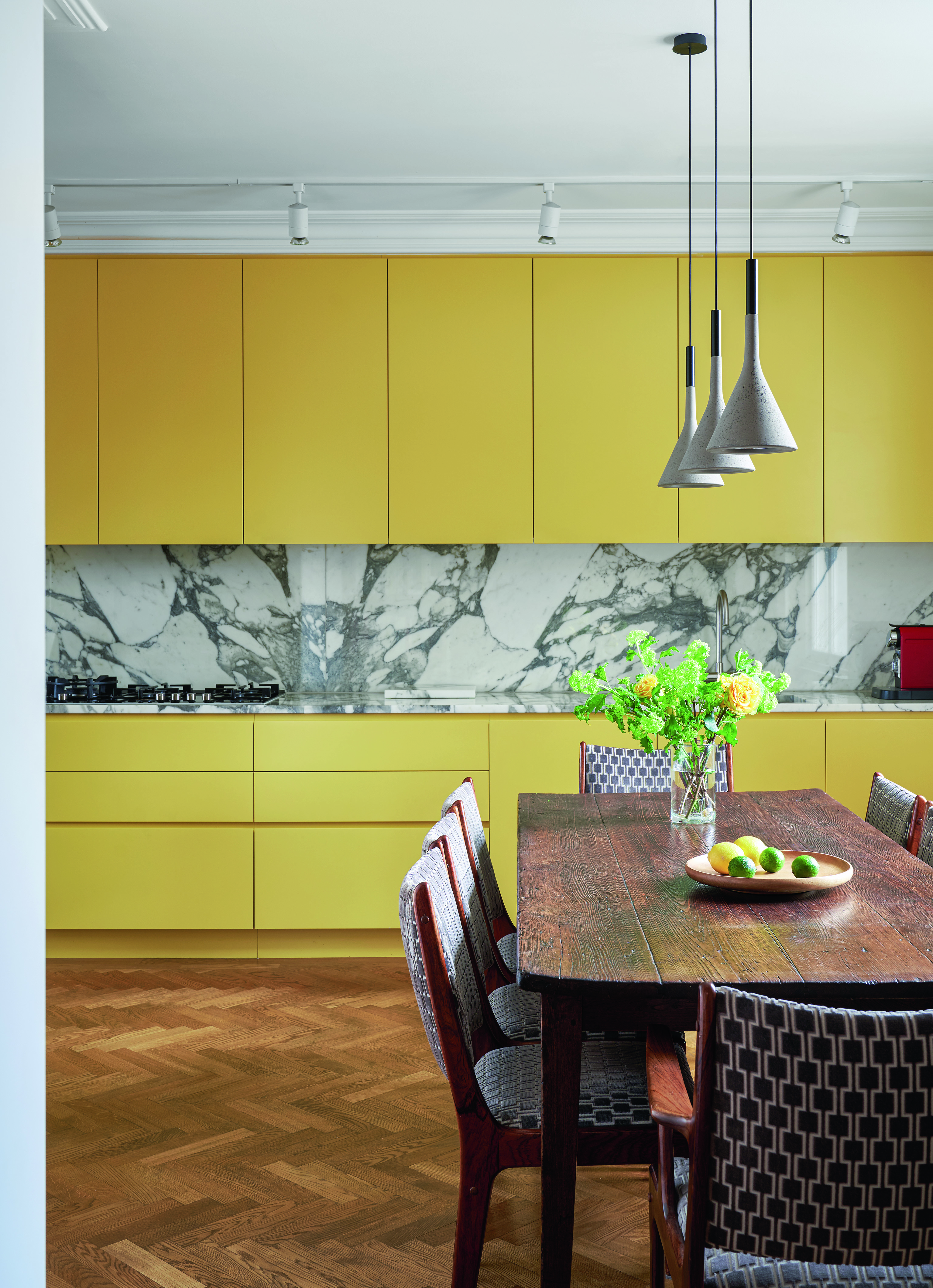
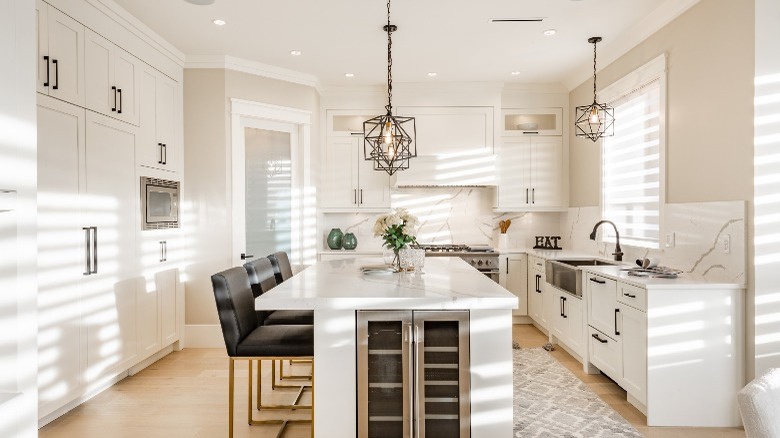
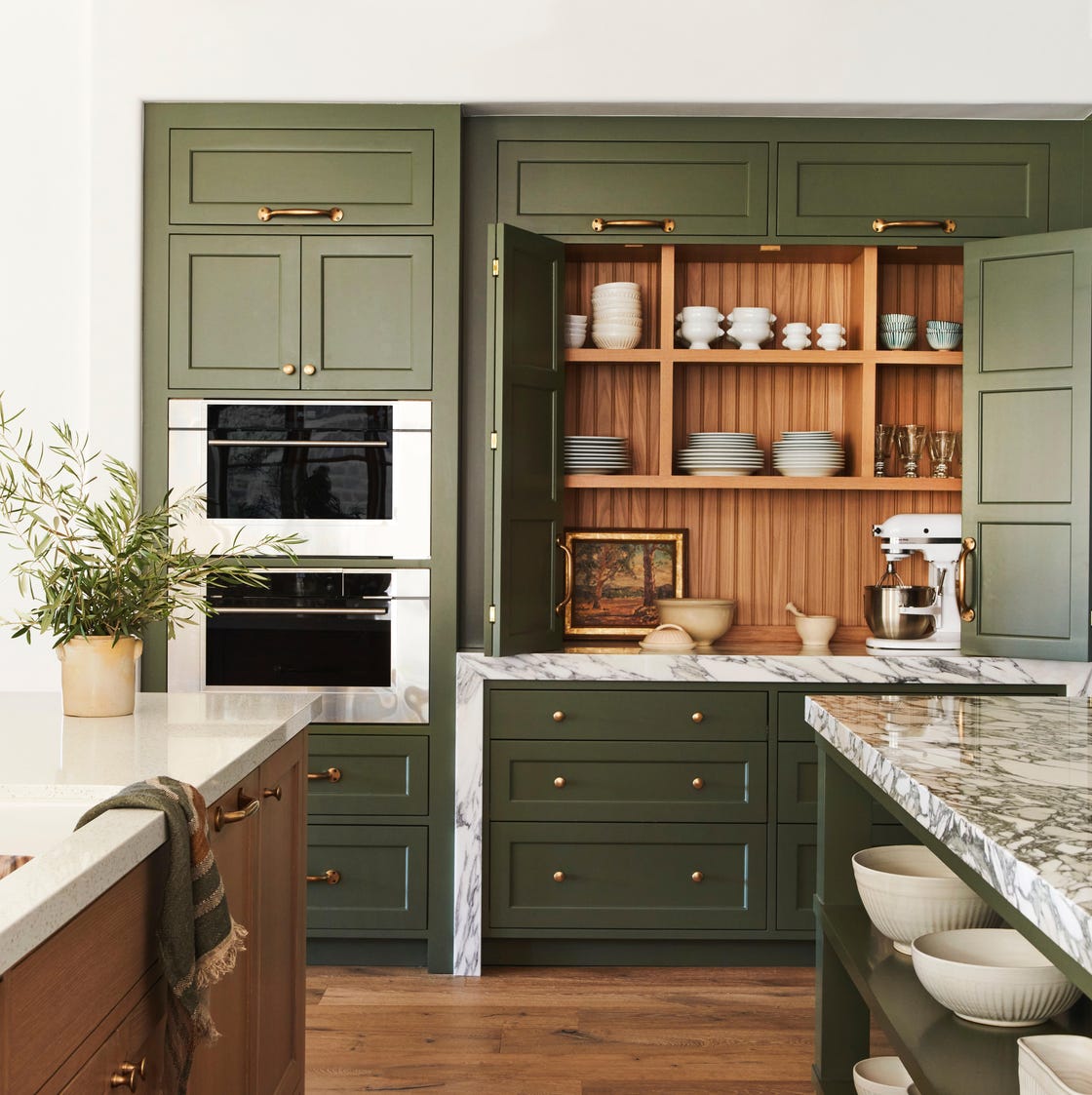
The height of kitchen cabinets significantly impacts both the ergonomic comfort of cooking and the resale value of a home. While kitchens demand functional cabinets that offer ample storage for everything from everyday dishware to infrequently used appliances, their proportionality and feel are equally important. Minneapolis-based interior designer Victoria Sass, owner of Prospect Refuge Studio, provides clear answers to common questions regarding standard cabinet heights, their variations, and their implications for home architecture and space utilization.
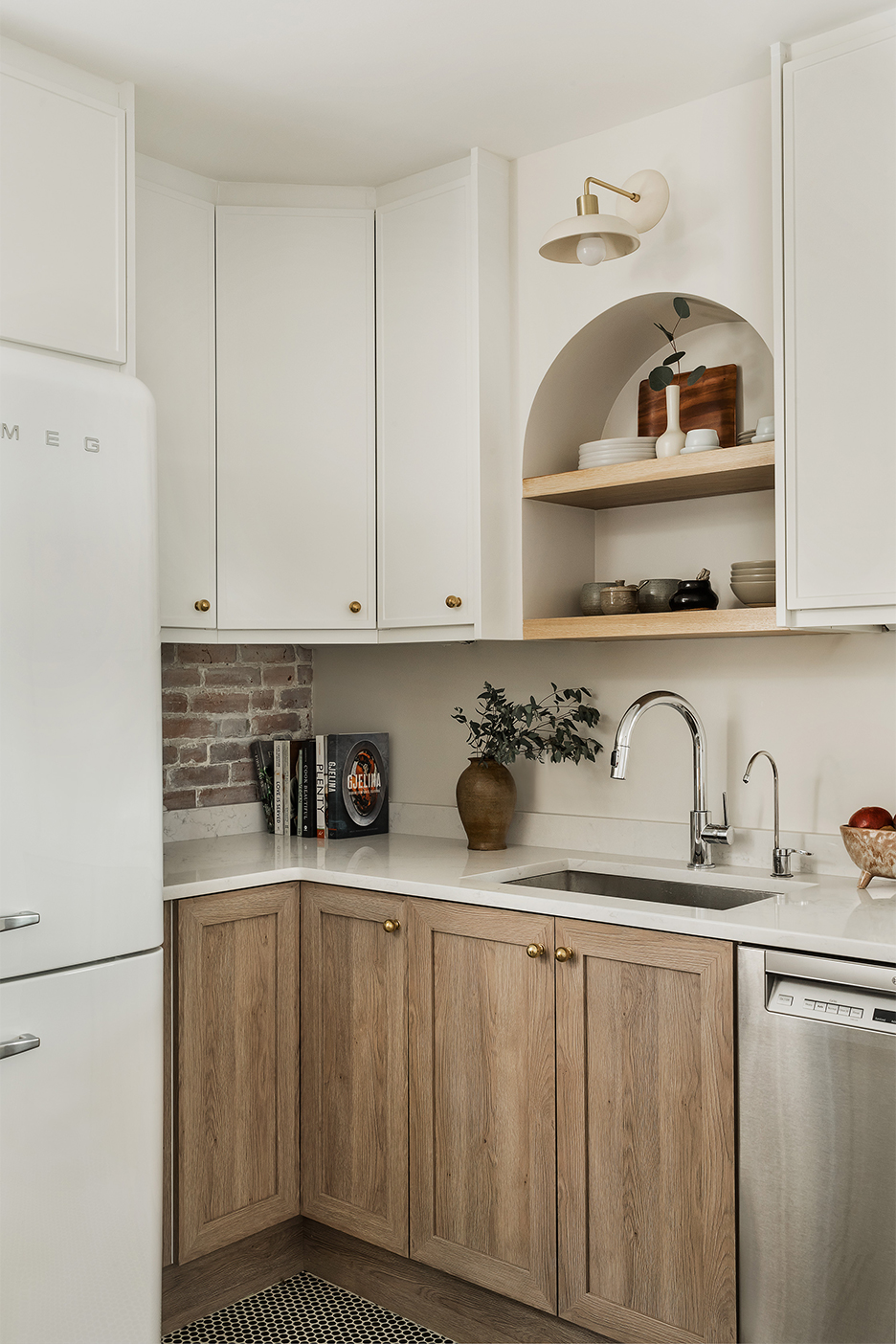
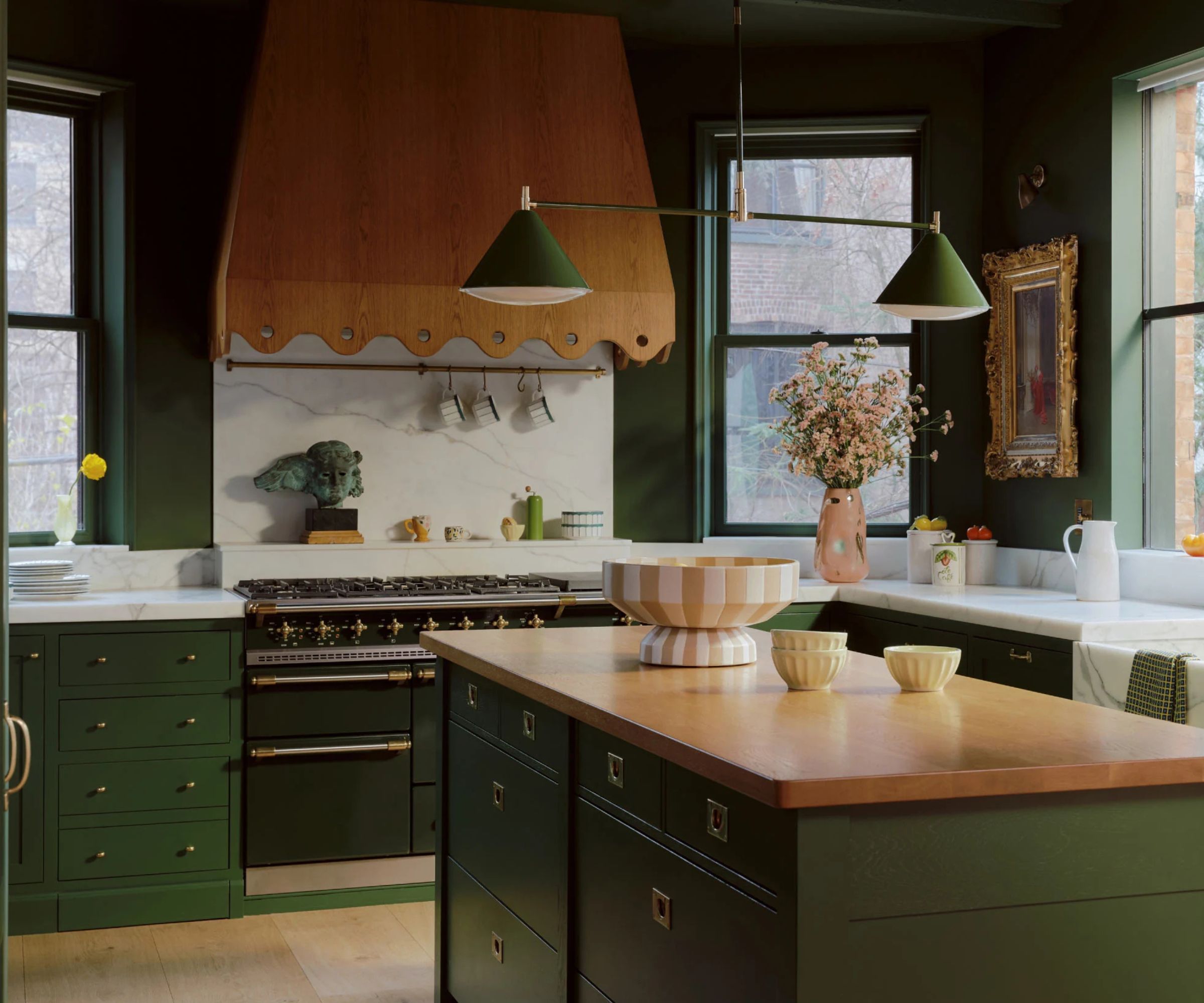
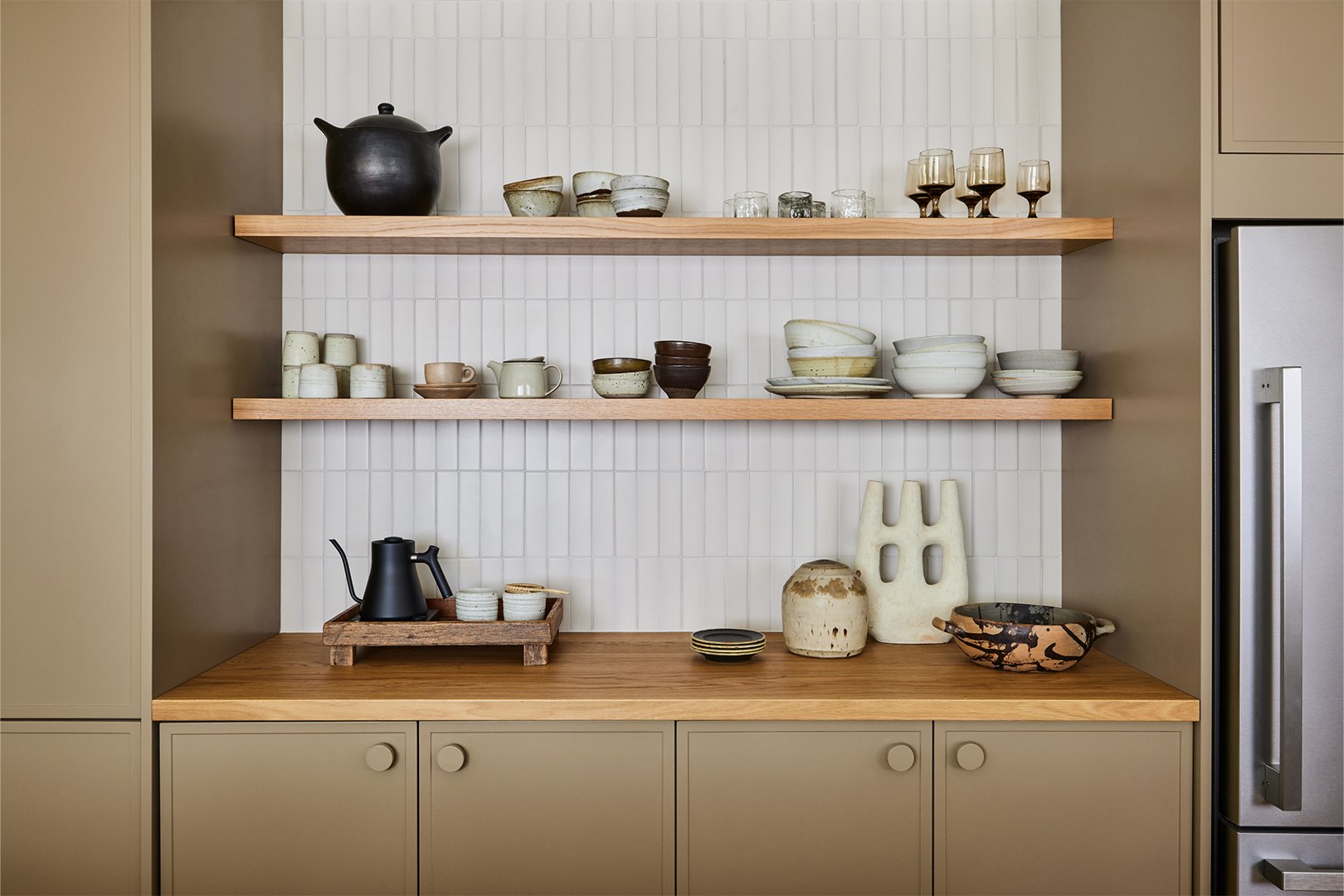
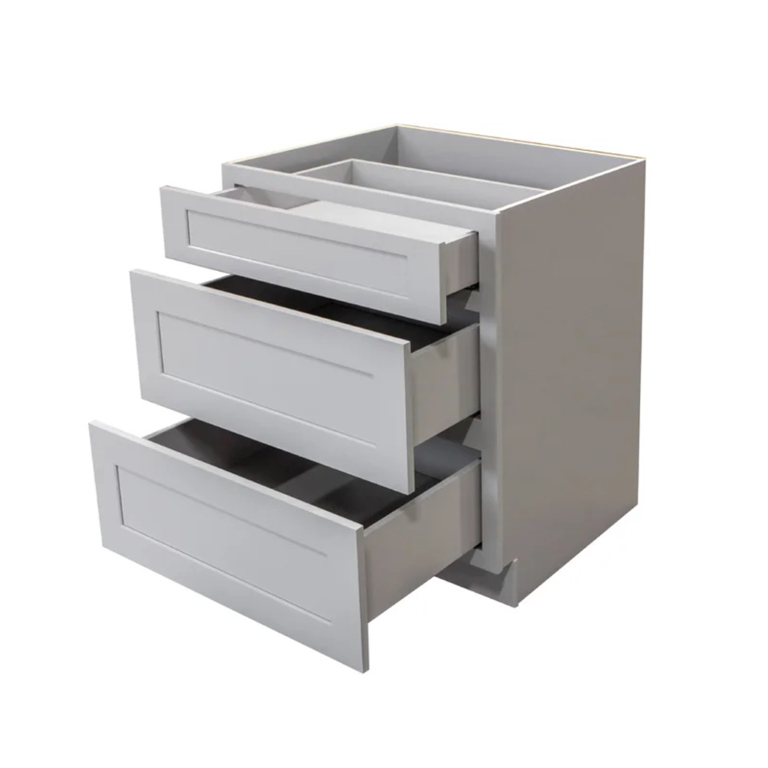
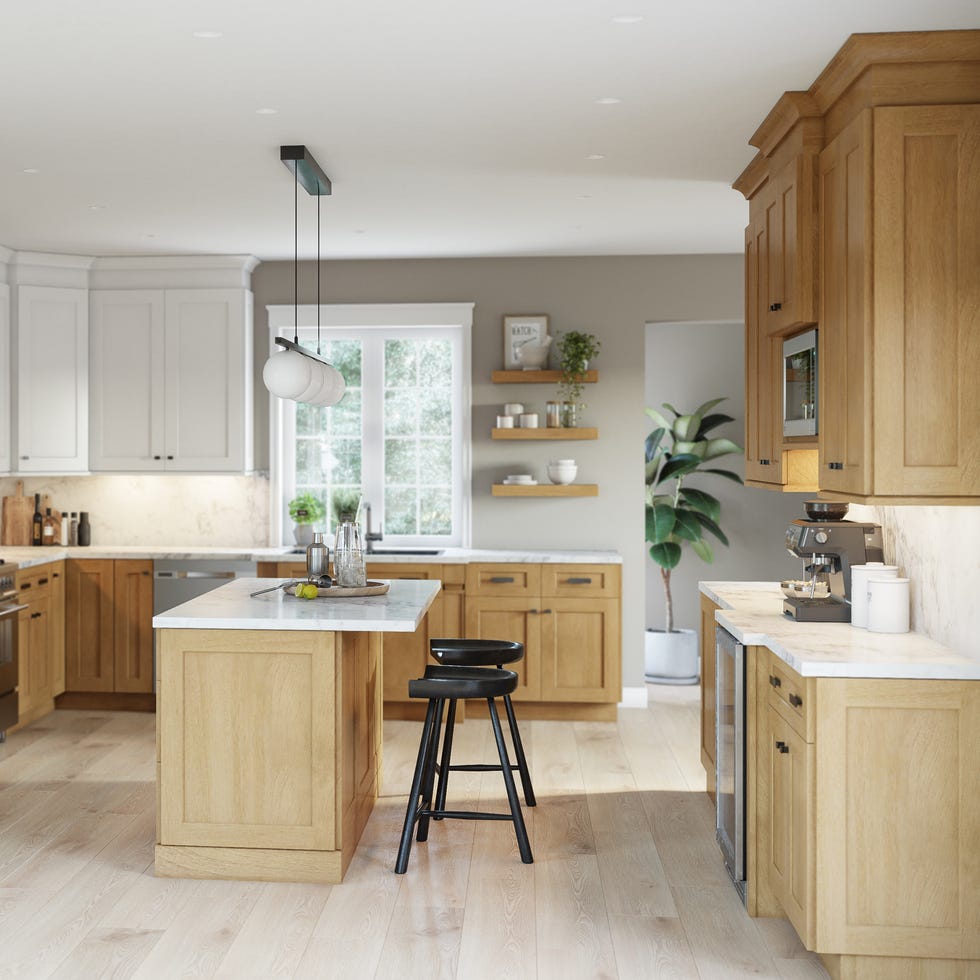
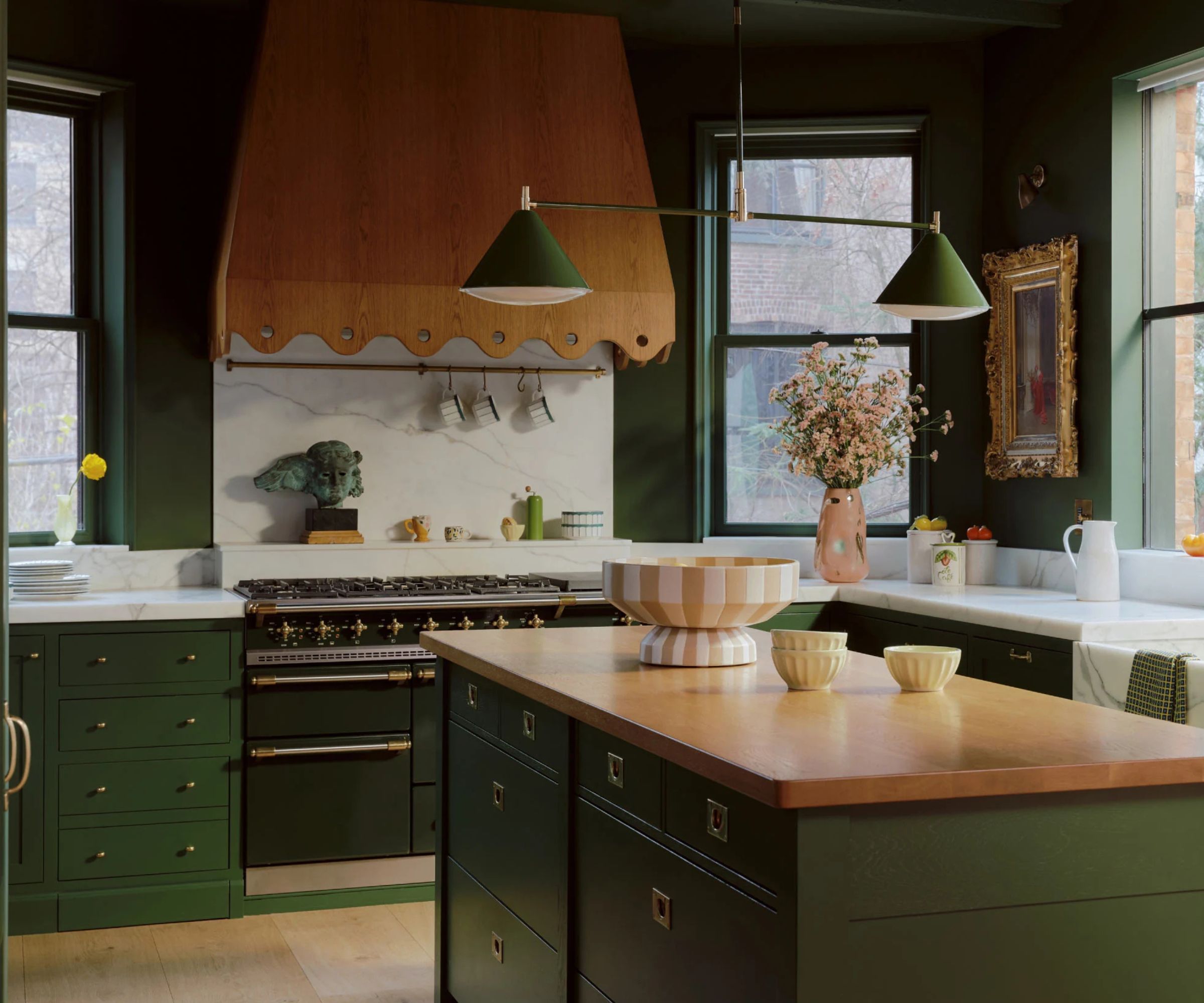
The industry standard for kitchen base cabinets, which refers to the floor-mounted units, is 36 inches. This measurement includes the cabinet box and the countertop, typically hitting most people at hip level for an optimal cooking experience. This standard height is widely accepted and deviations from it can often feel unnatural to users, much like variations in stair heights. However, an exception arises for taller individuals. For example, designer Shannon Tate-Giordano customized a kitchen for clients who were nearly 6 feet tall, raising the countertop to 39 inches by increasing the toe-kick height from a standard 4 inches to 7 inches. This adjustment ensured greater comfort and alignment with appliances, which were raised on a hidden cement foundation.
The overall countertop height is influenced by the base cabinet measurement and the countertop material's thickness. Most factory-made cabinets are 34.5 inches tall, allowing for various countertop thicknesses. Common materials like quartz and stone come in thicknesses of 1 cm, 2 cm, or 3 cm, while concrete and wood (such as butcher block) are typically thicker, ranging from 1.5 to 2 inches to prevent warping and splitting. Aesthetic preference often dictates the final thickness, and budget-conscious homeowners can achieve the look of a thicker slab by adding a mitered edge piece to the front of a thinner countertop.
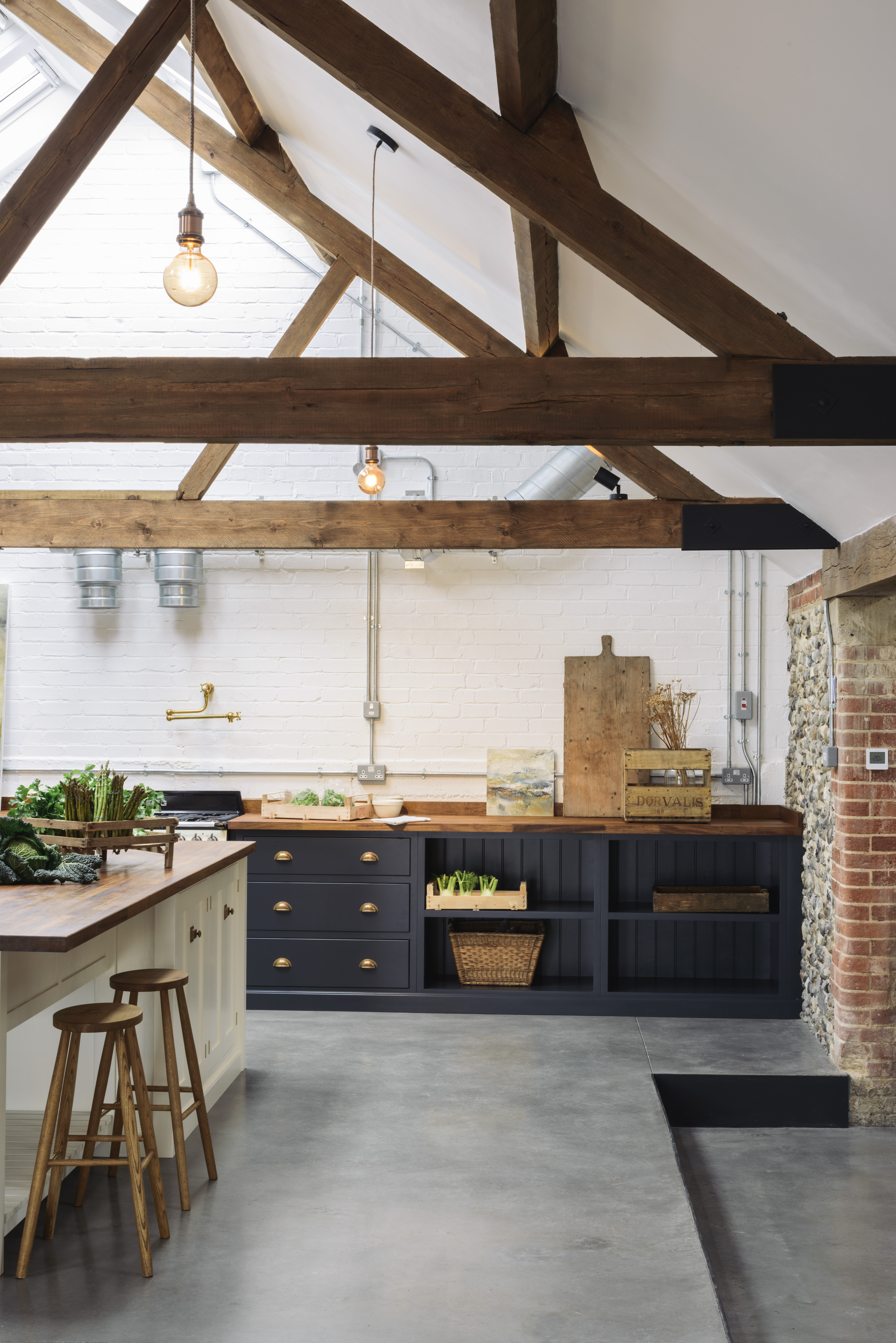
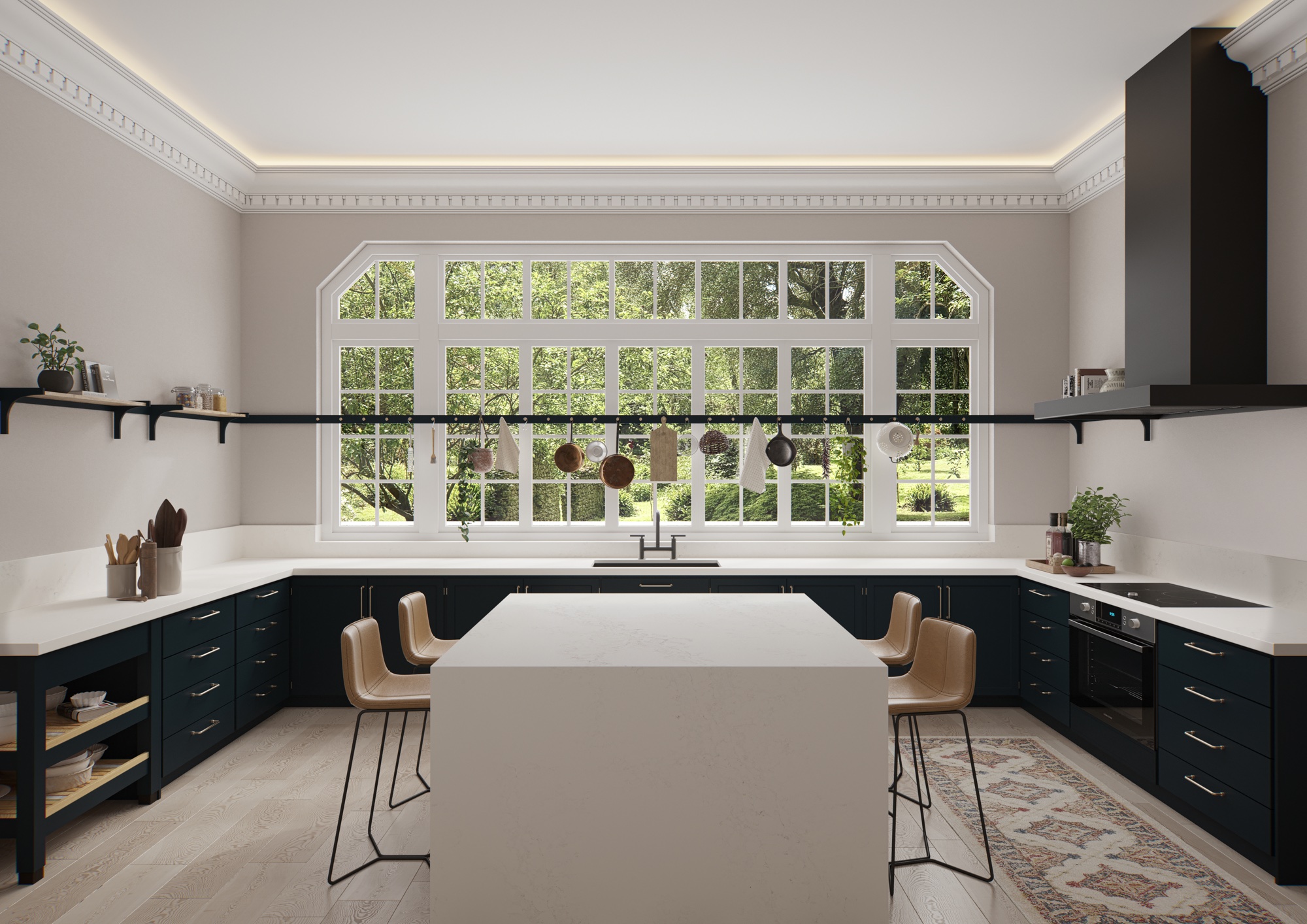
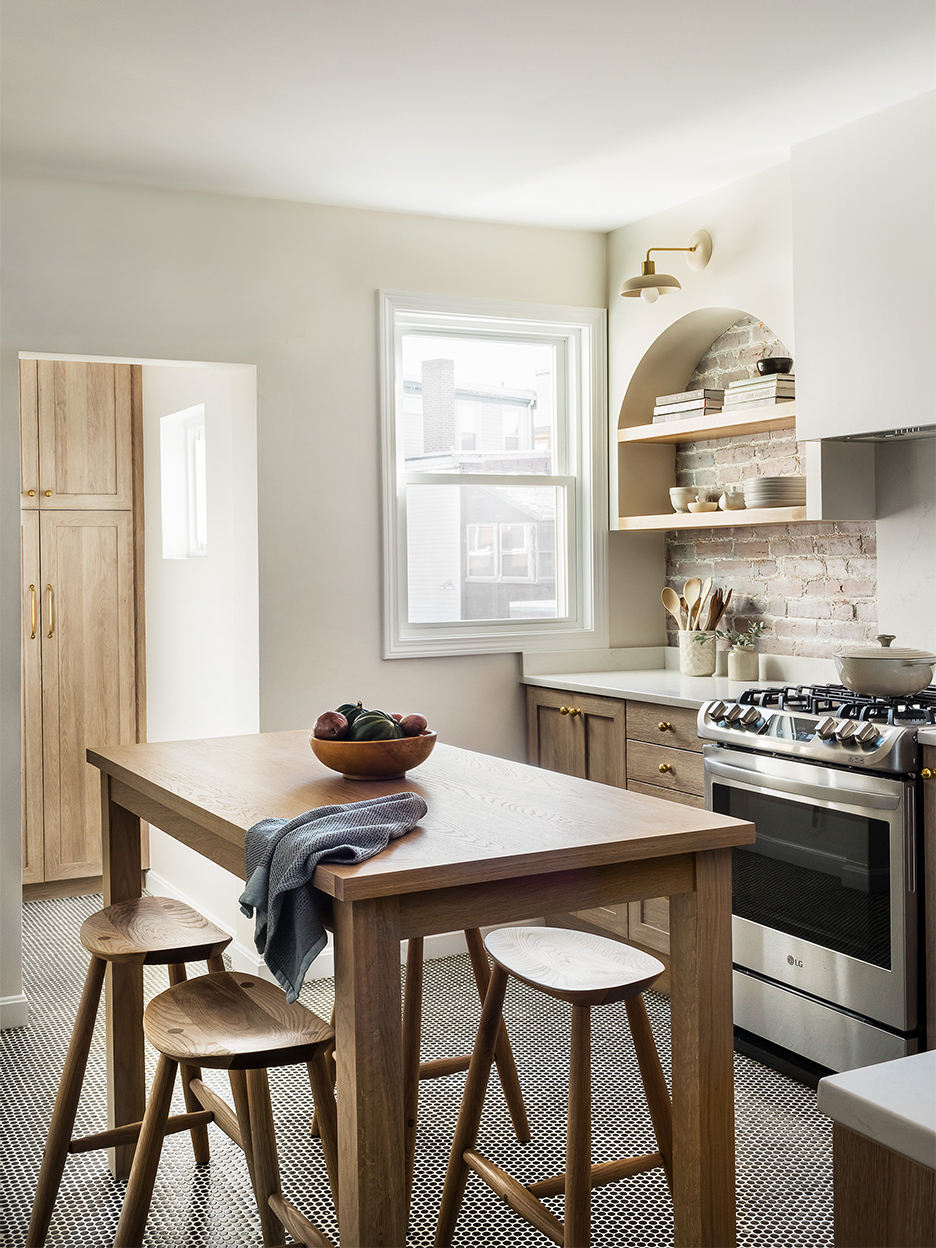
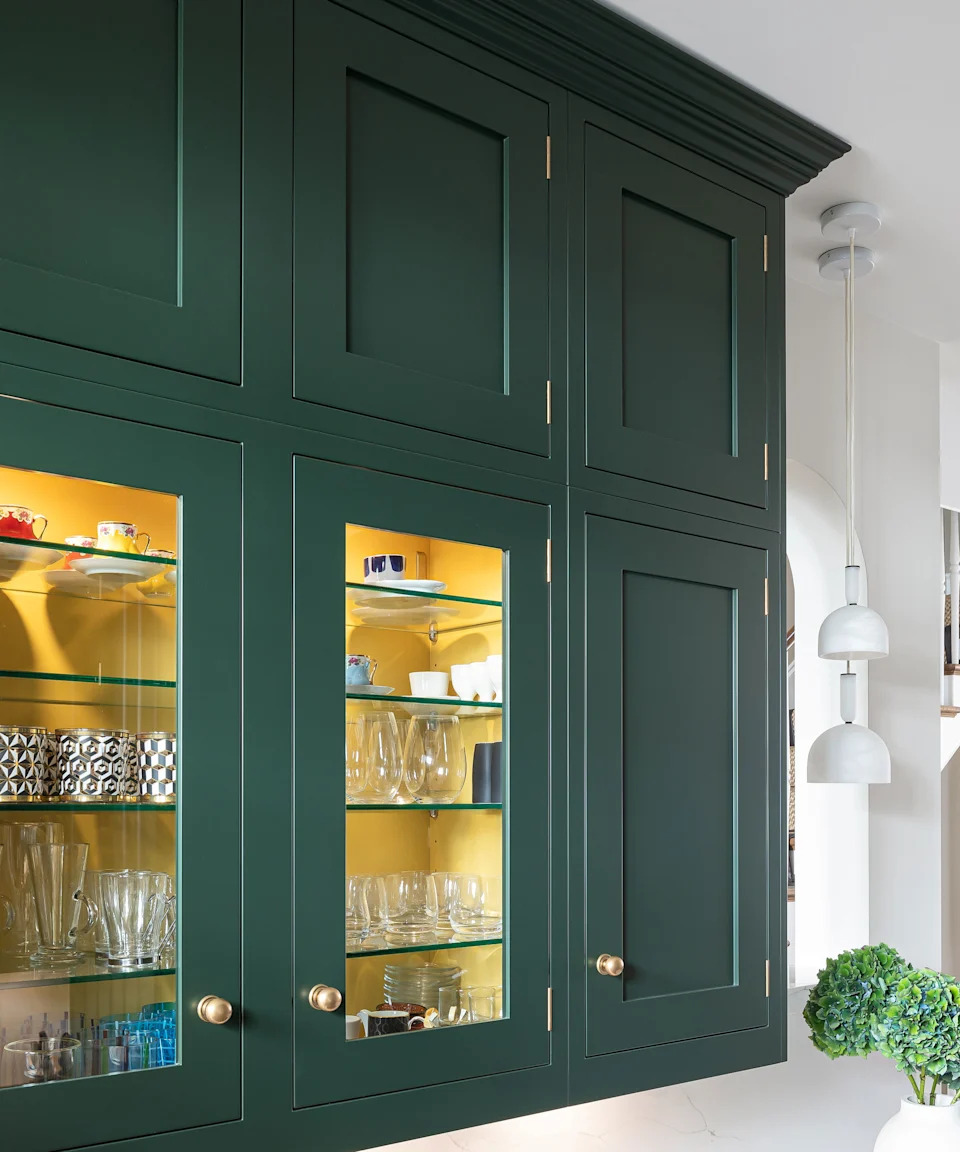
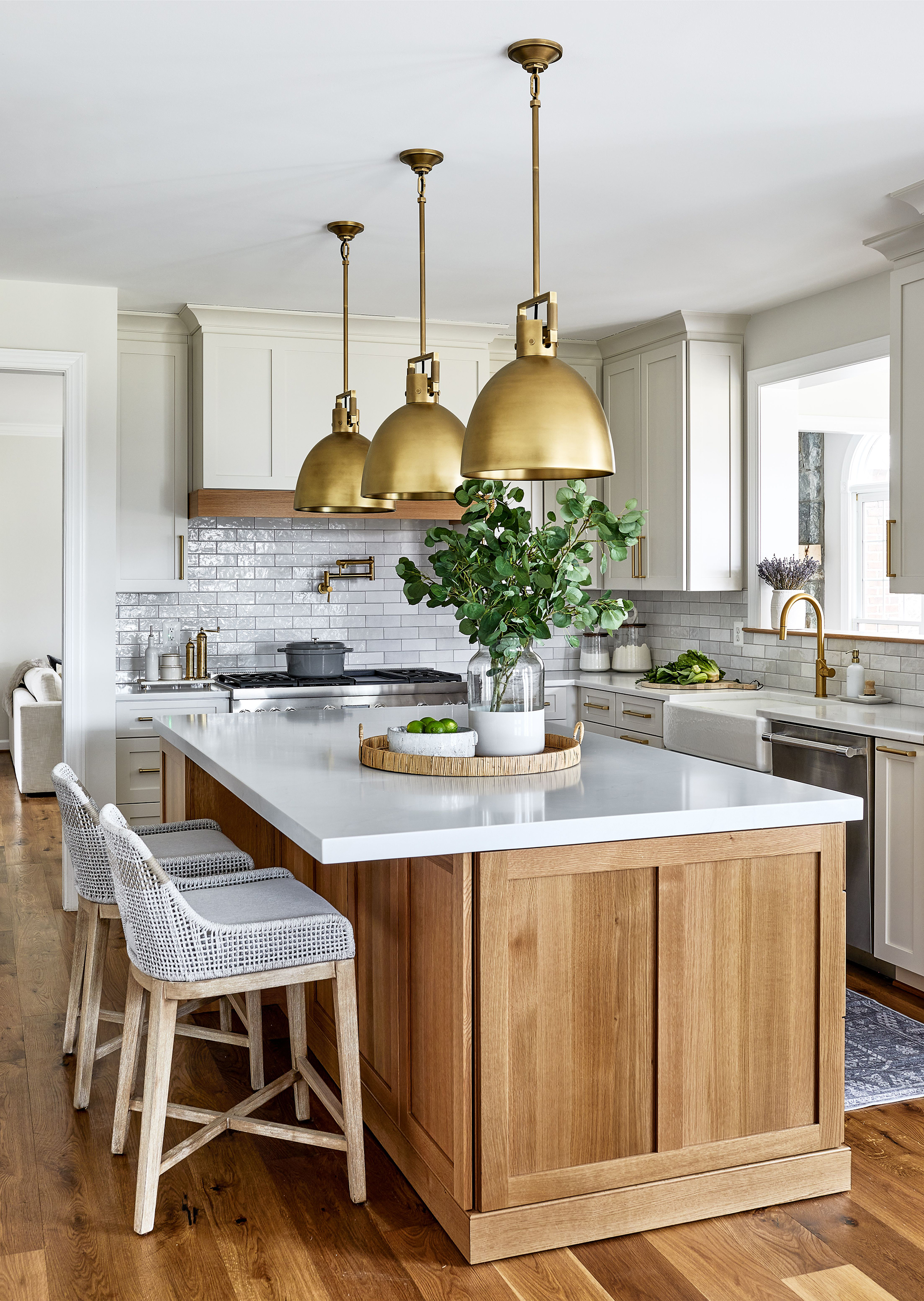
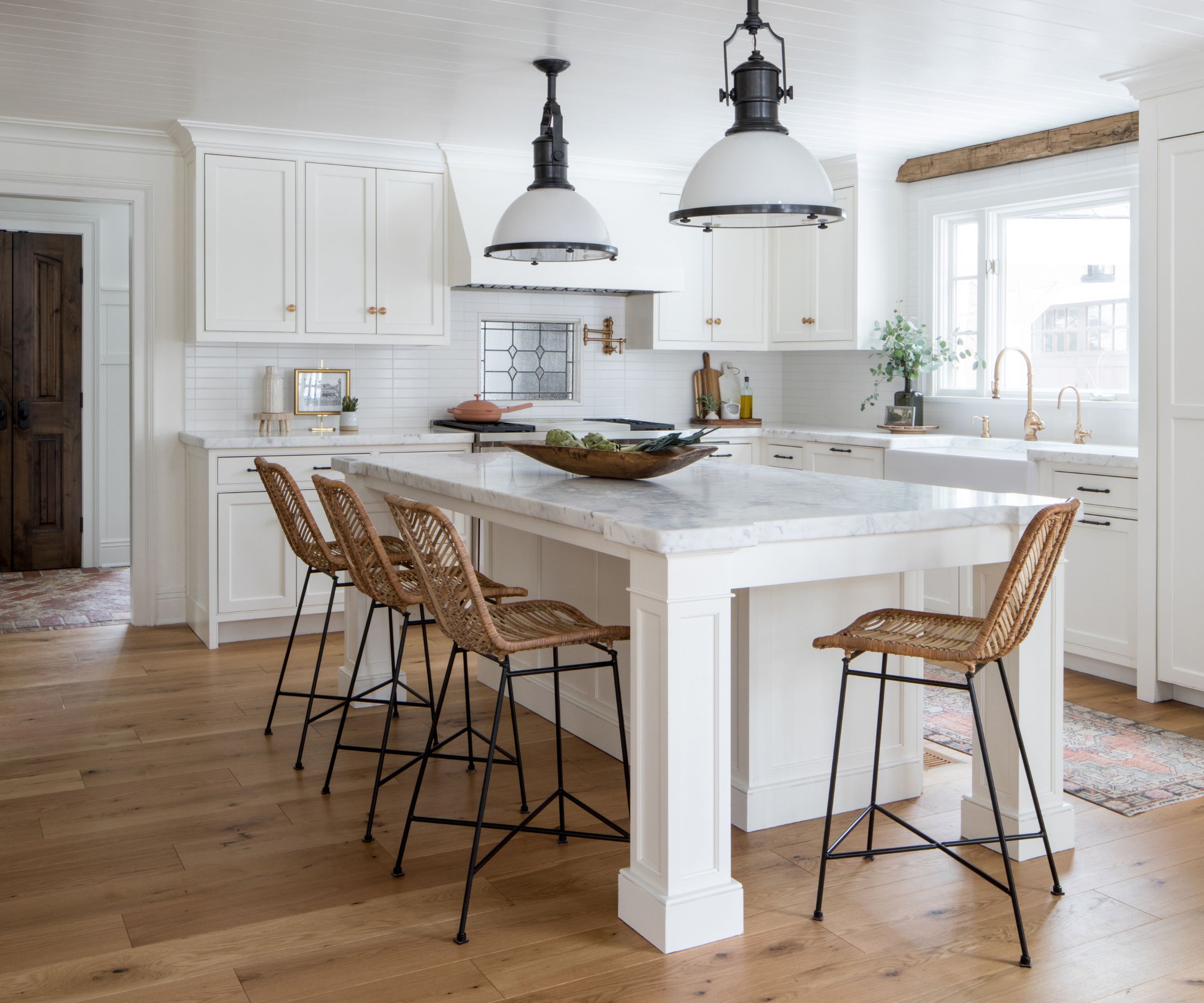
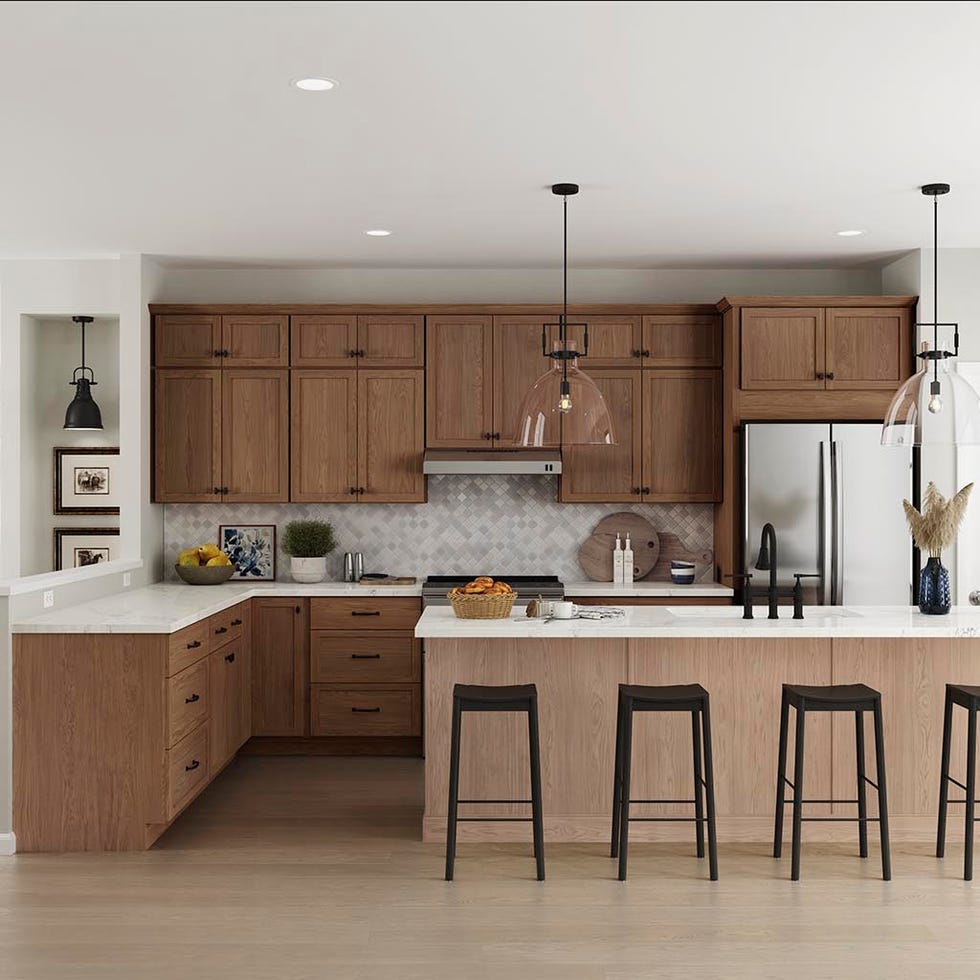
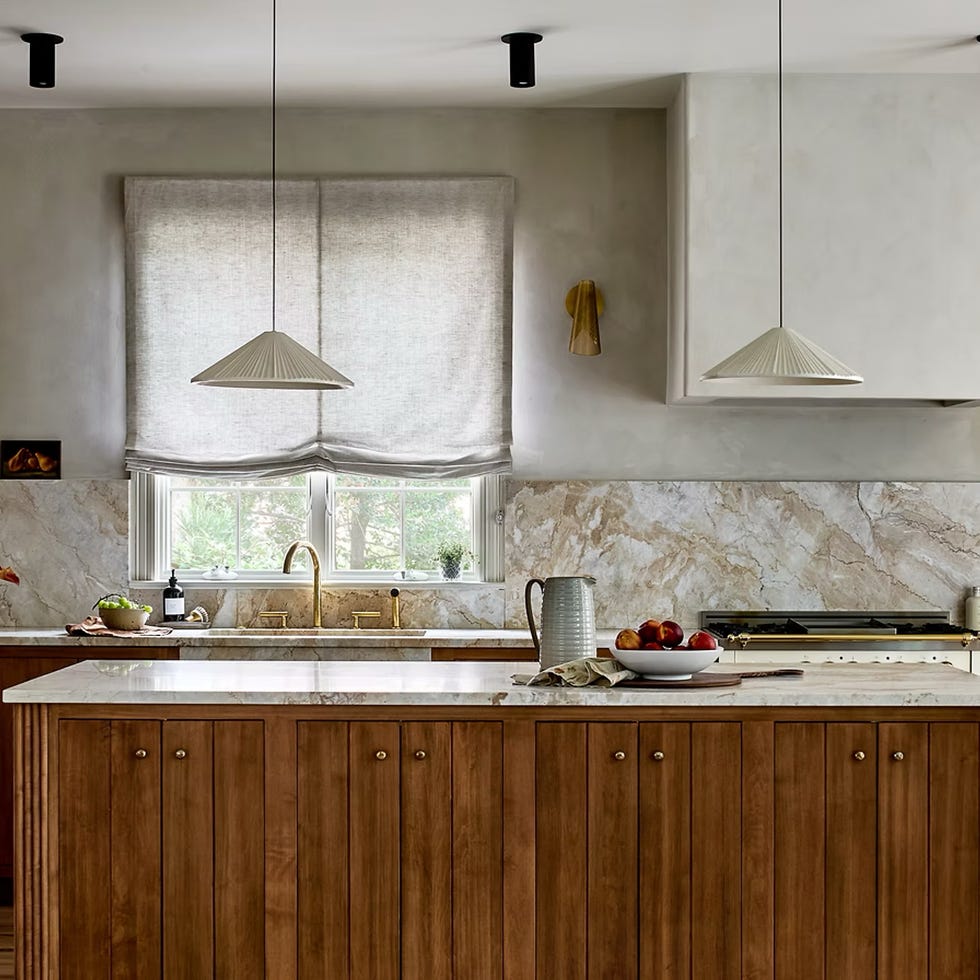
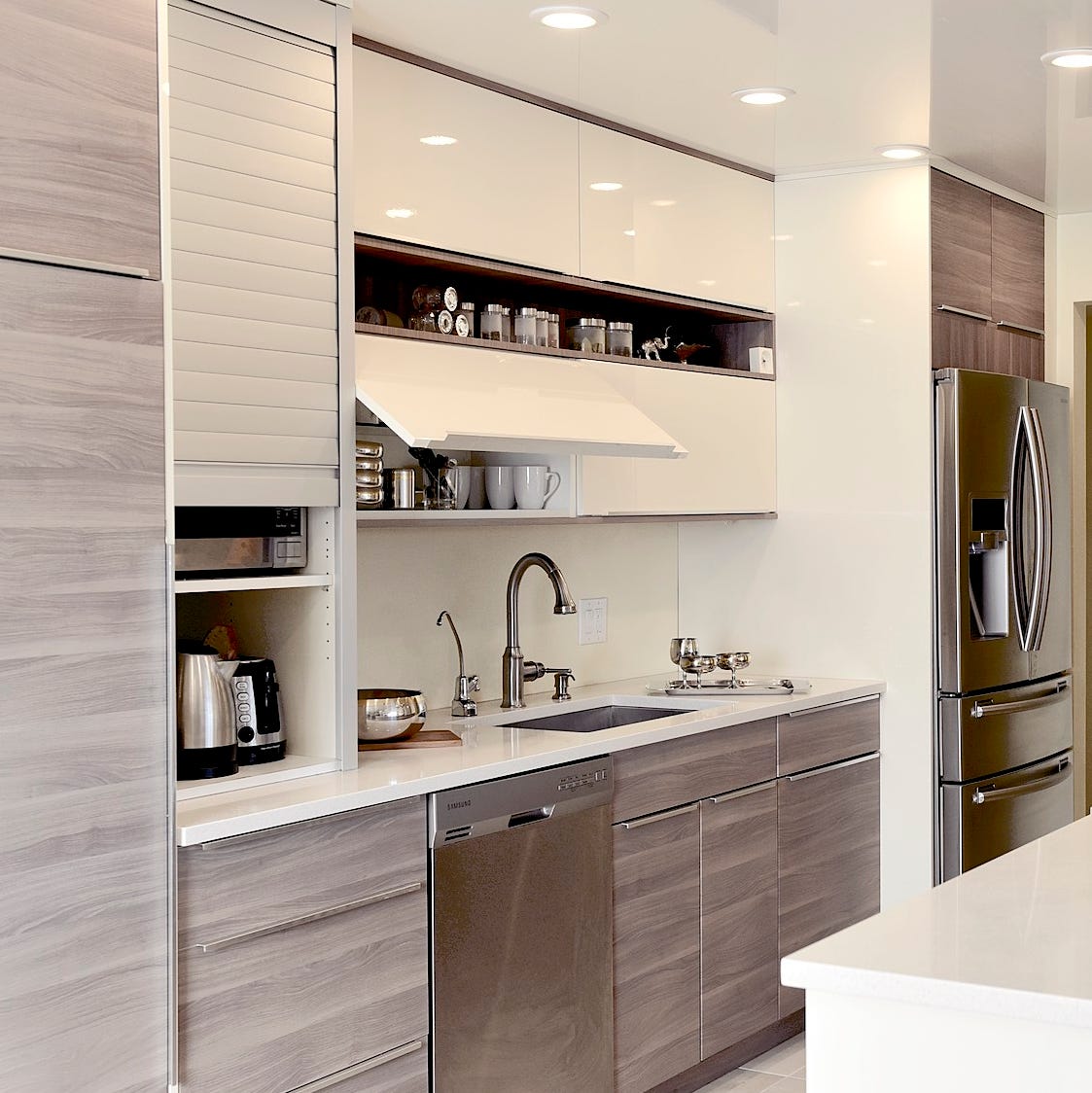
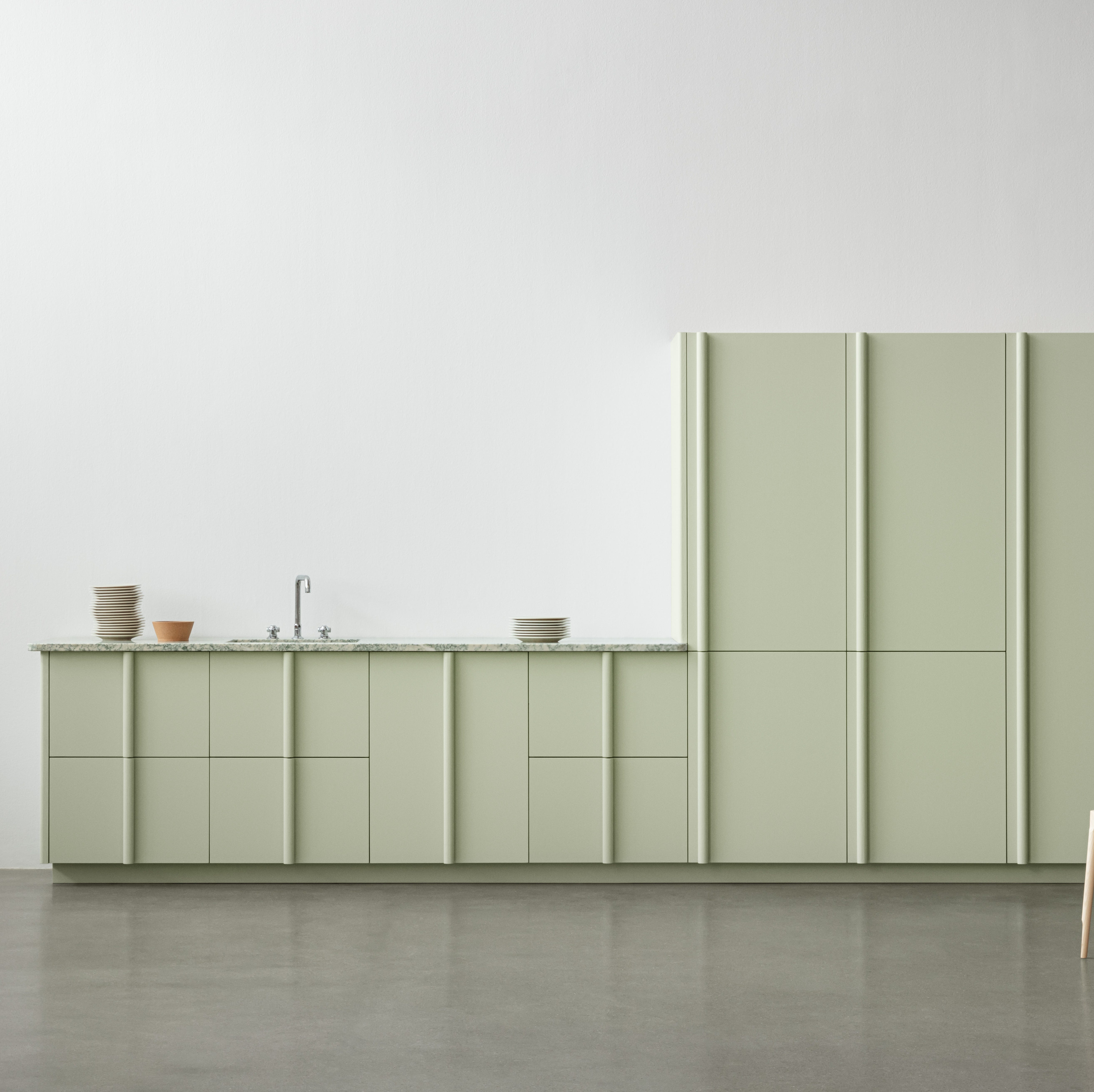
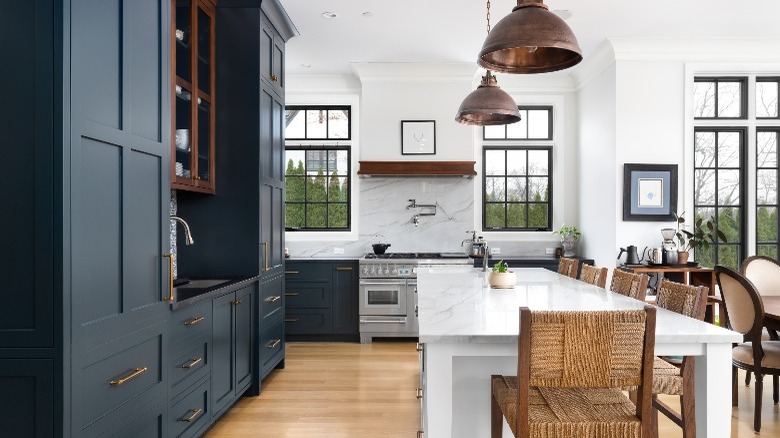
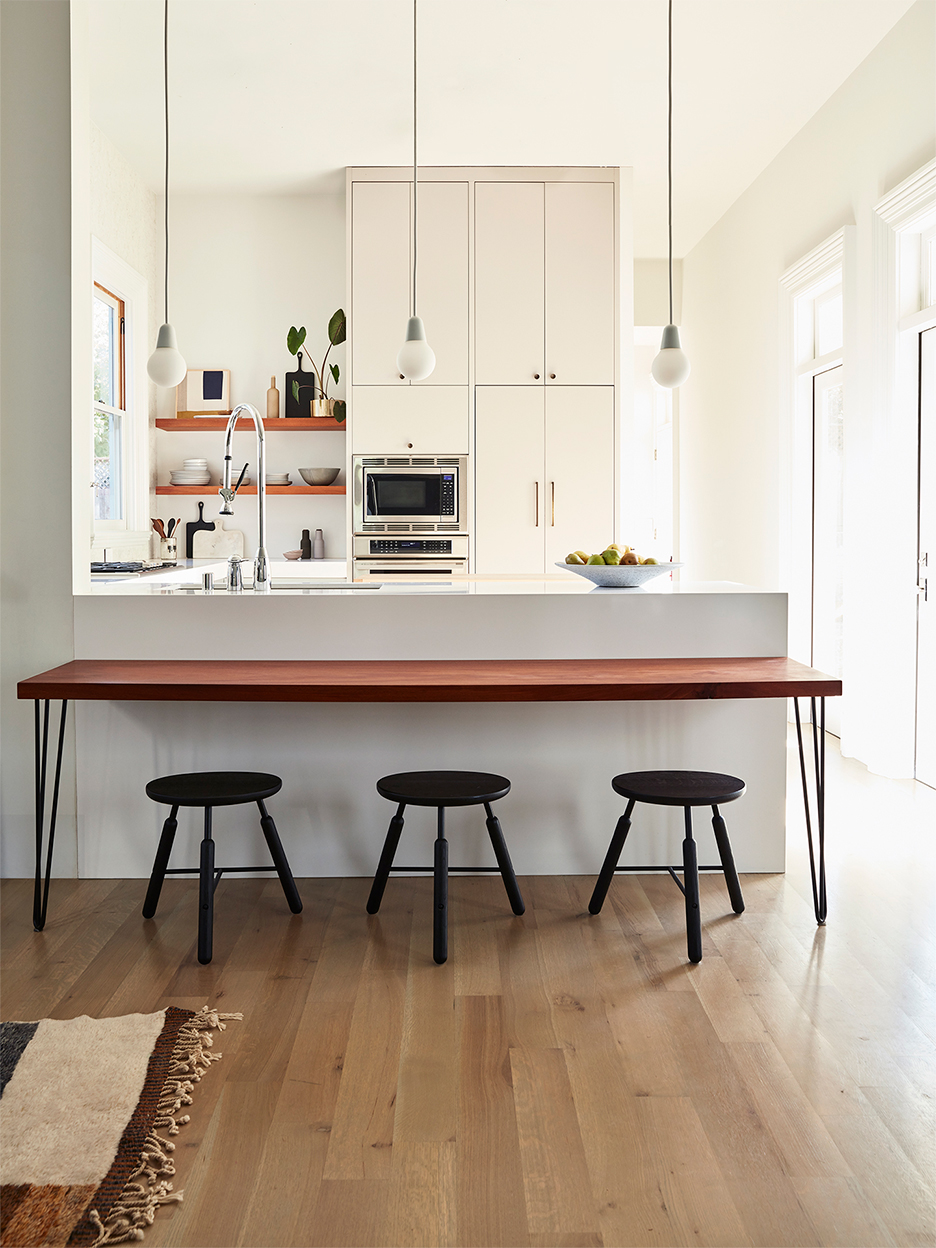
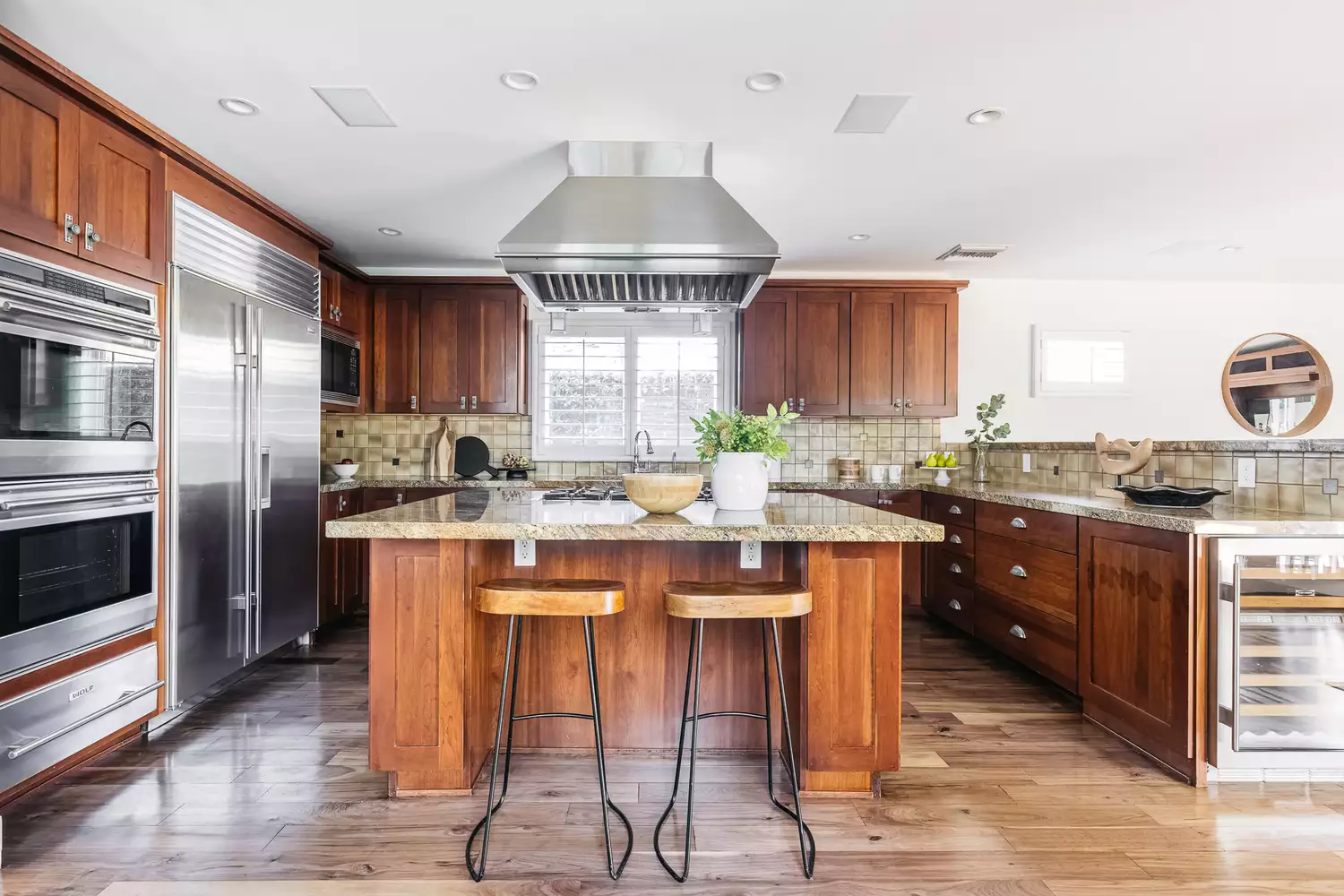
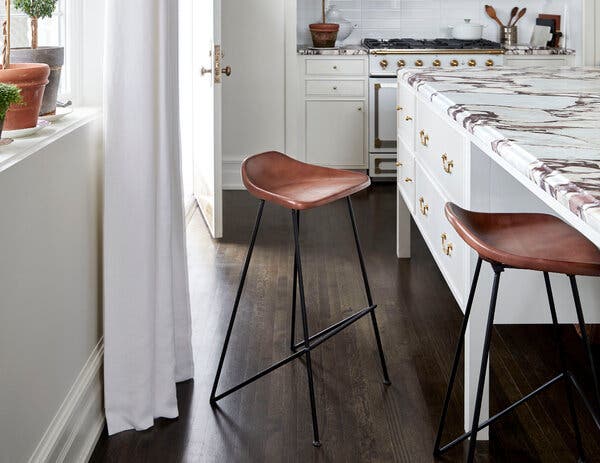
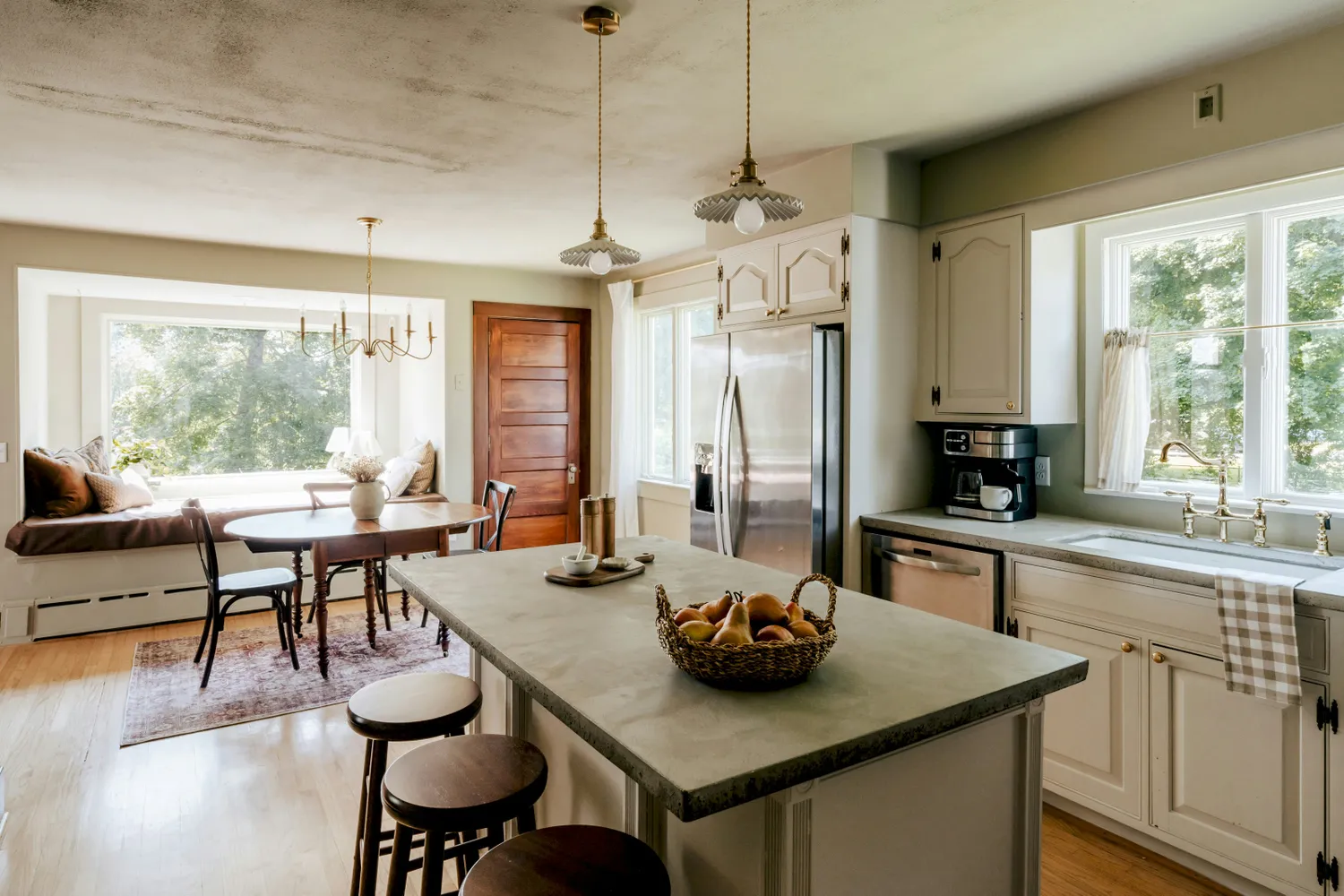
Kitchen islands also follow the 36-inch standard for their work surface. However, if an island or peninsula is intended for dining, its height should be increased to 42 inches. Adequate clearance, at least 2 feet, between barstools and the countertop is crucial to ensure comfortable seating. Floor-to-ceiling cabinets, such as pantries, introduce more complex measuring considerations. Standard tall cabinets come in heights of 84, 90, and 96 inches. Sass recommends aligning these with the top of upper cabinetry or a nearby architectural element like a doorway for a cohesive look. Contemporary designs often benefit from floor-to-ceiling tall cabinets, while more traditional spaces might treat shorter tall cabinets as furniture pieces.
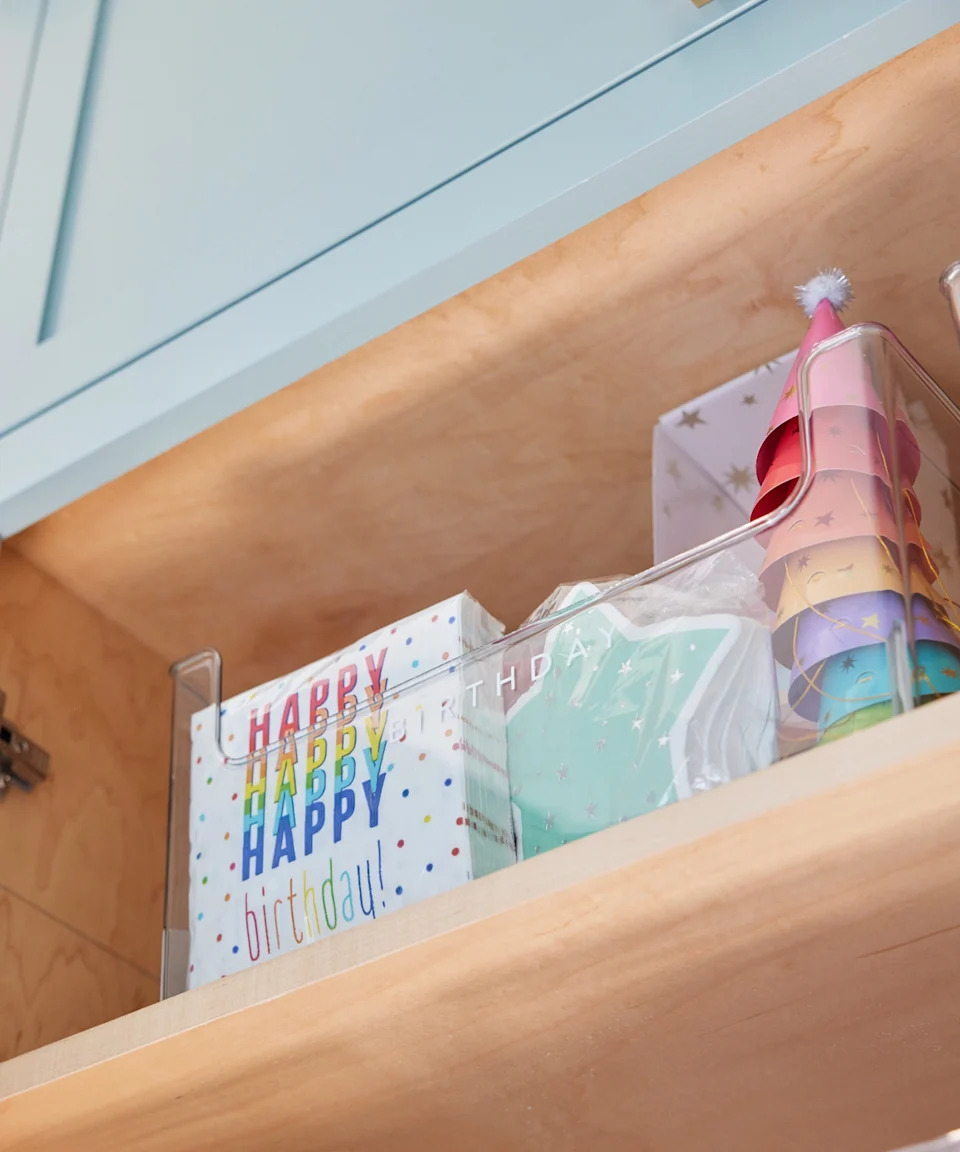
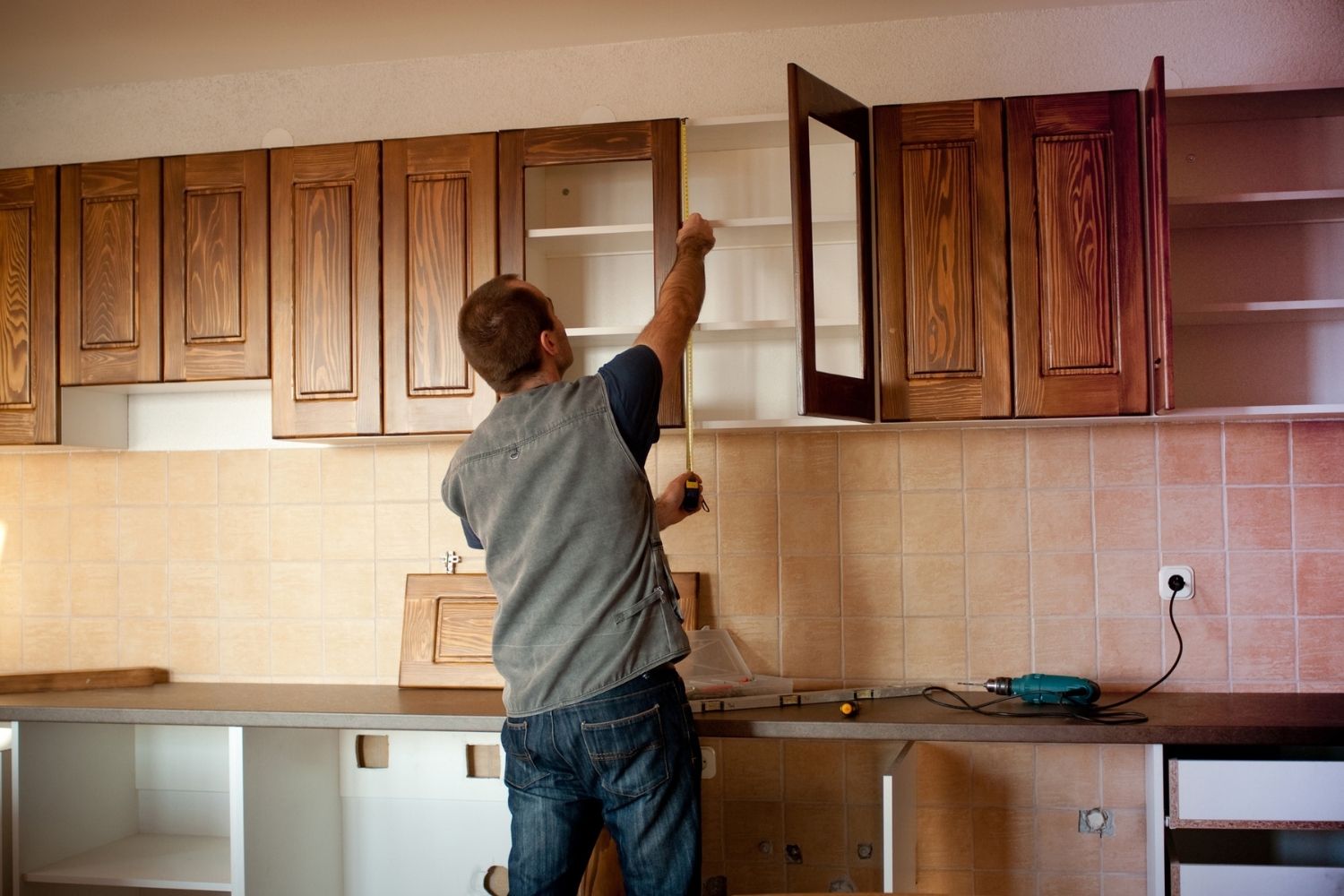
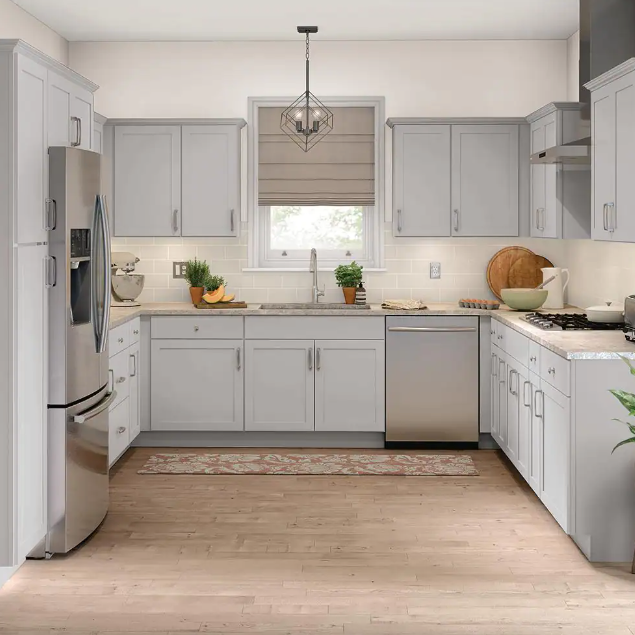
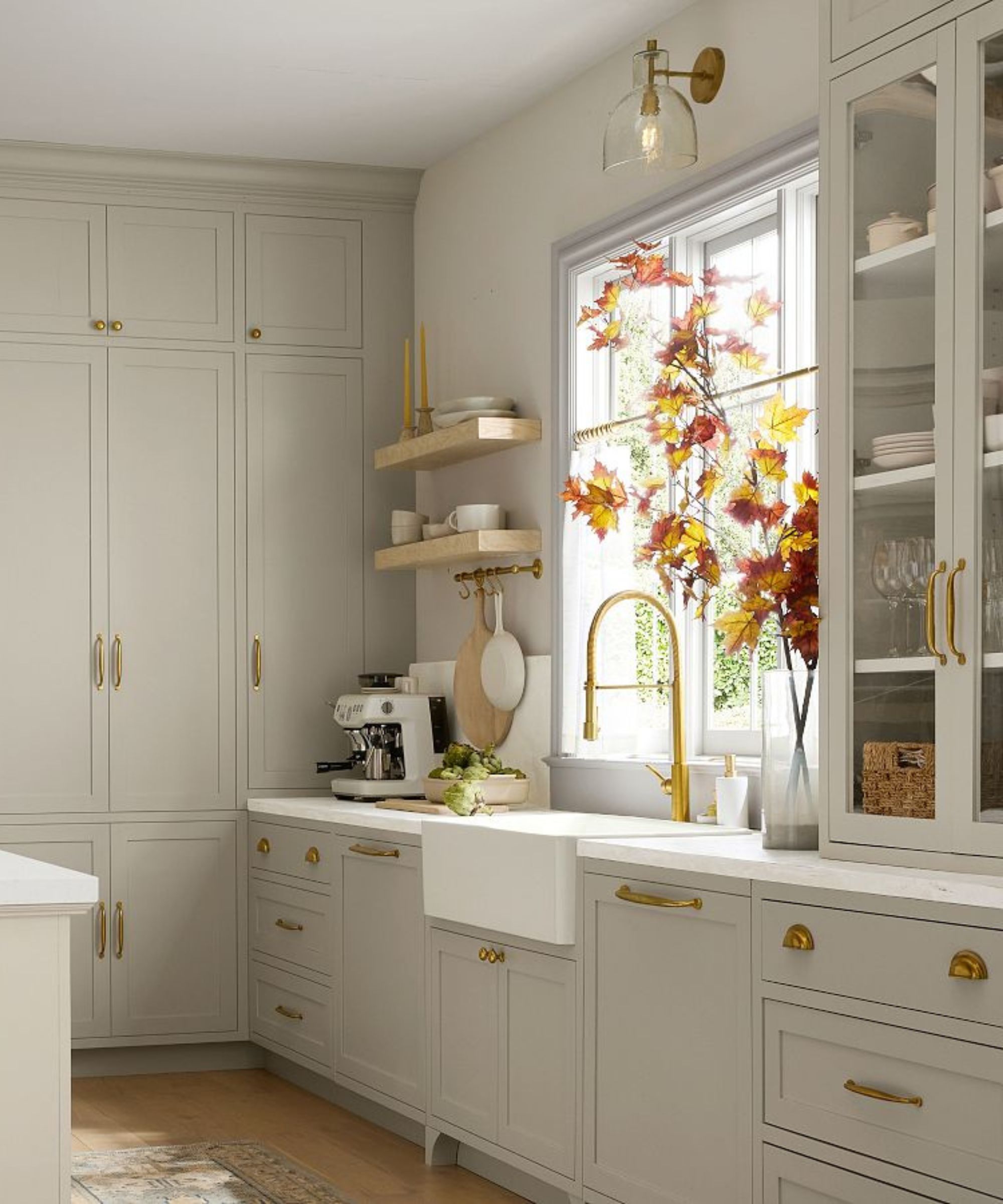
Upper kitchen cabinets typically hang 18 inches above the countertop. In older homes or smaller kitchens, this distance might be reduced to around 16 inches, particularly on non-sink walls. Conversely, large kitchens may benefit from loftier uppers, positioned 20 to 22 inches above the counters, to maintain visual balance. Exceeding this height can render the cabinets difficult to access and thus impractical. For those considering custom cabinet heights, a personalized ergonomic measurement can be determined by standing upright, bending arms to 90 degrees, and then dropping them 4 to 5 inches to find an ideal work surface height. Visualizing these dimensions with blue painter's tape or 3D cardboard mock-ups is recommended. Ultimately, sticking to the 36-inch base cabinet height is generally advisable for better resale value, accommodating various household members, and ensuring guest comfort.
#KitchenDesign #CabinetHeight #HomeRenovation #InteriorDesign #KitchenErgonomics #CountertopThickness #KitchenIsland #UpperCabinets #HomeResale #KitchenDesign #CabinetHeight #HomeRenovation #InteriorDesign #KitchenErgonomics #CountertopThickness #KitchenIsland #UpperCabinets #HomeResale
0 comment in total
 No comments yet
You may also like
Kitchen countertop standard height - what is it and why does knowing about it make your home work better?

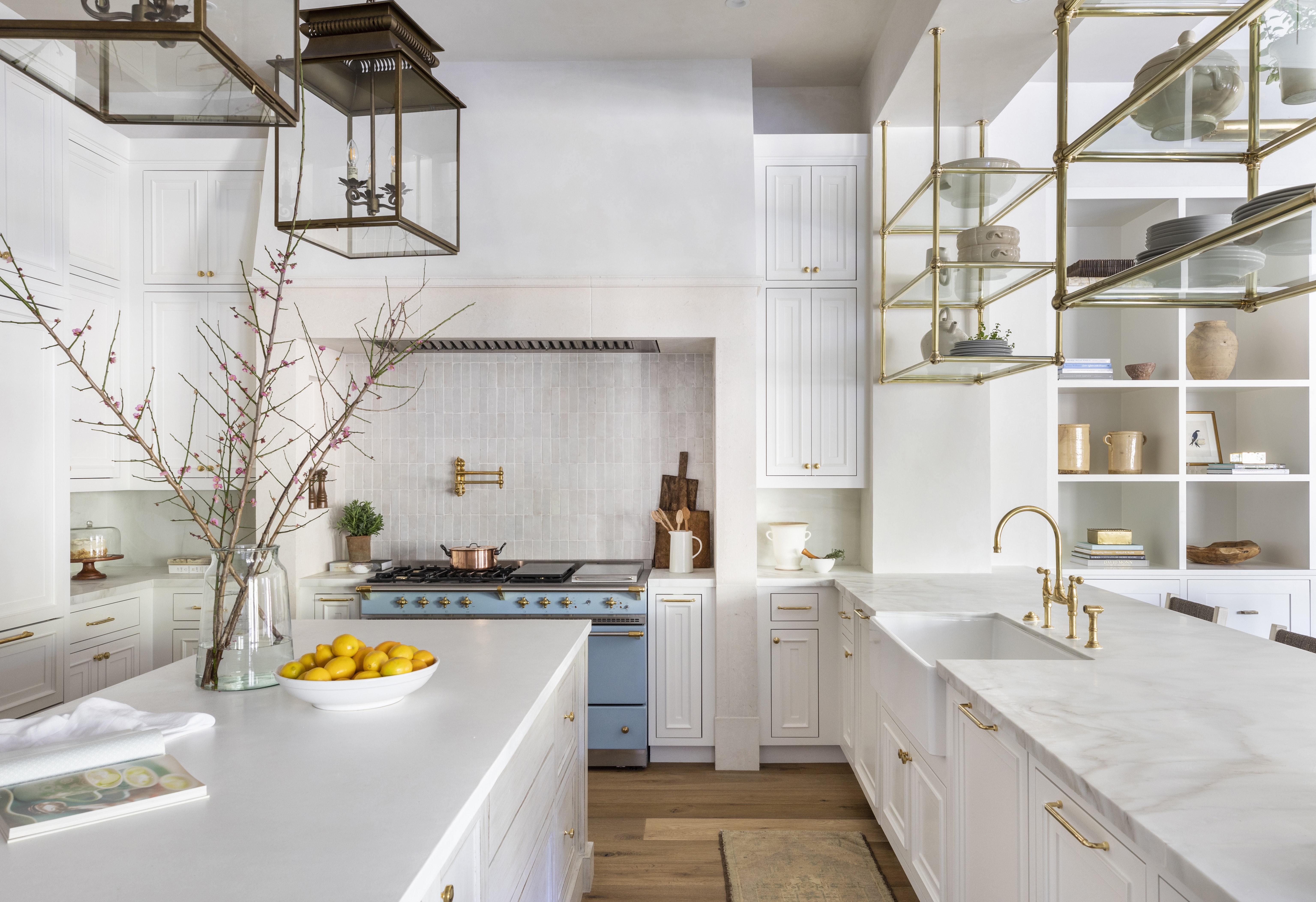
Should a kitchen island be the same height as the counters?

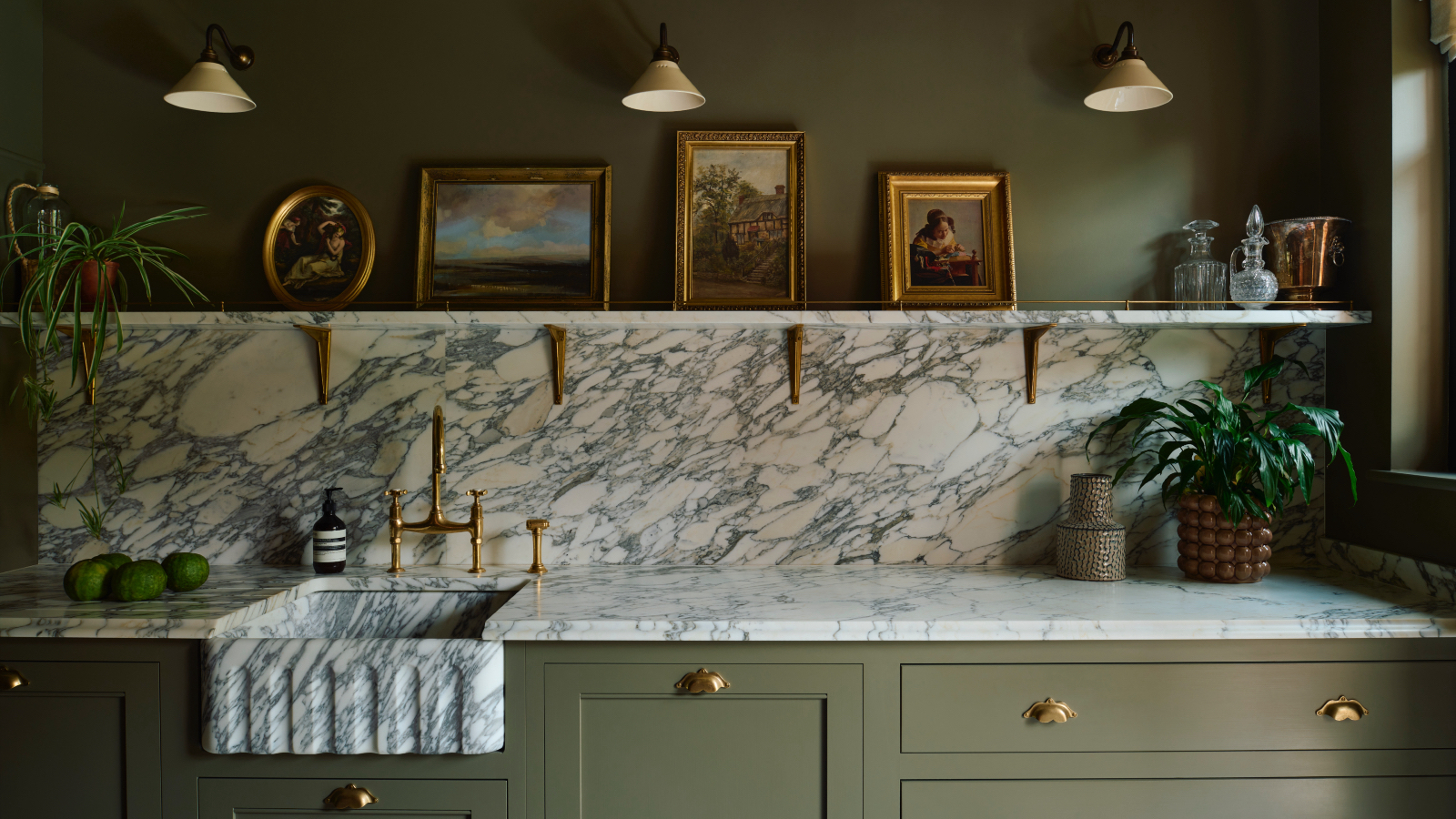
9 best places to buy kitchen cabinet hardware
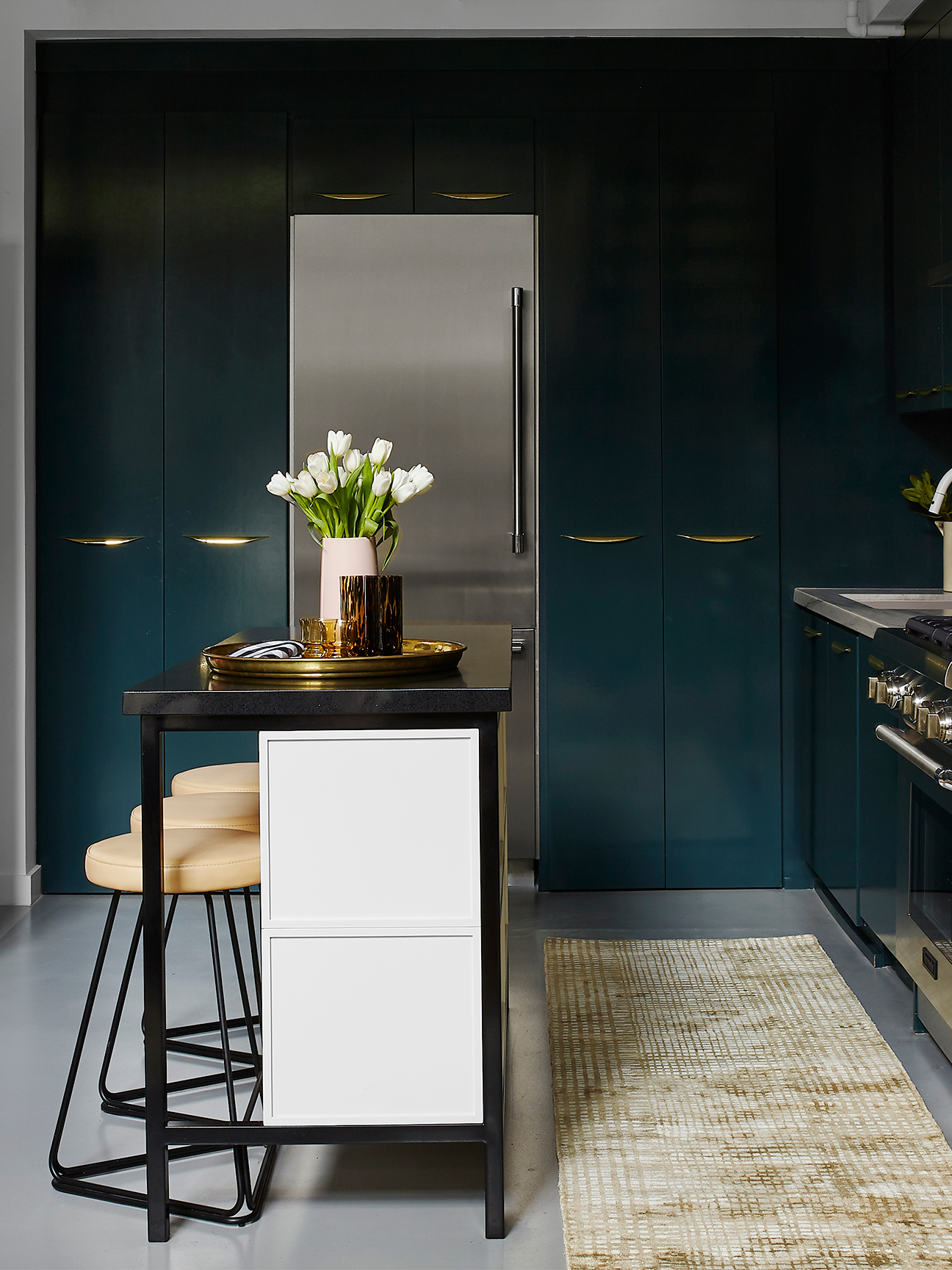
This Type of Kitchen Cabinet Is on the Rise

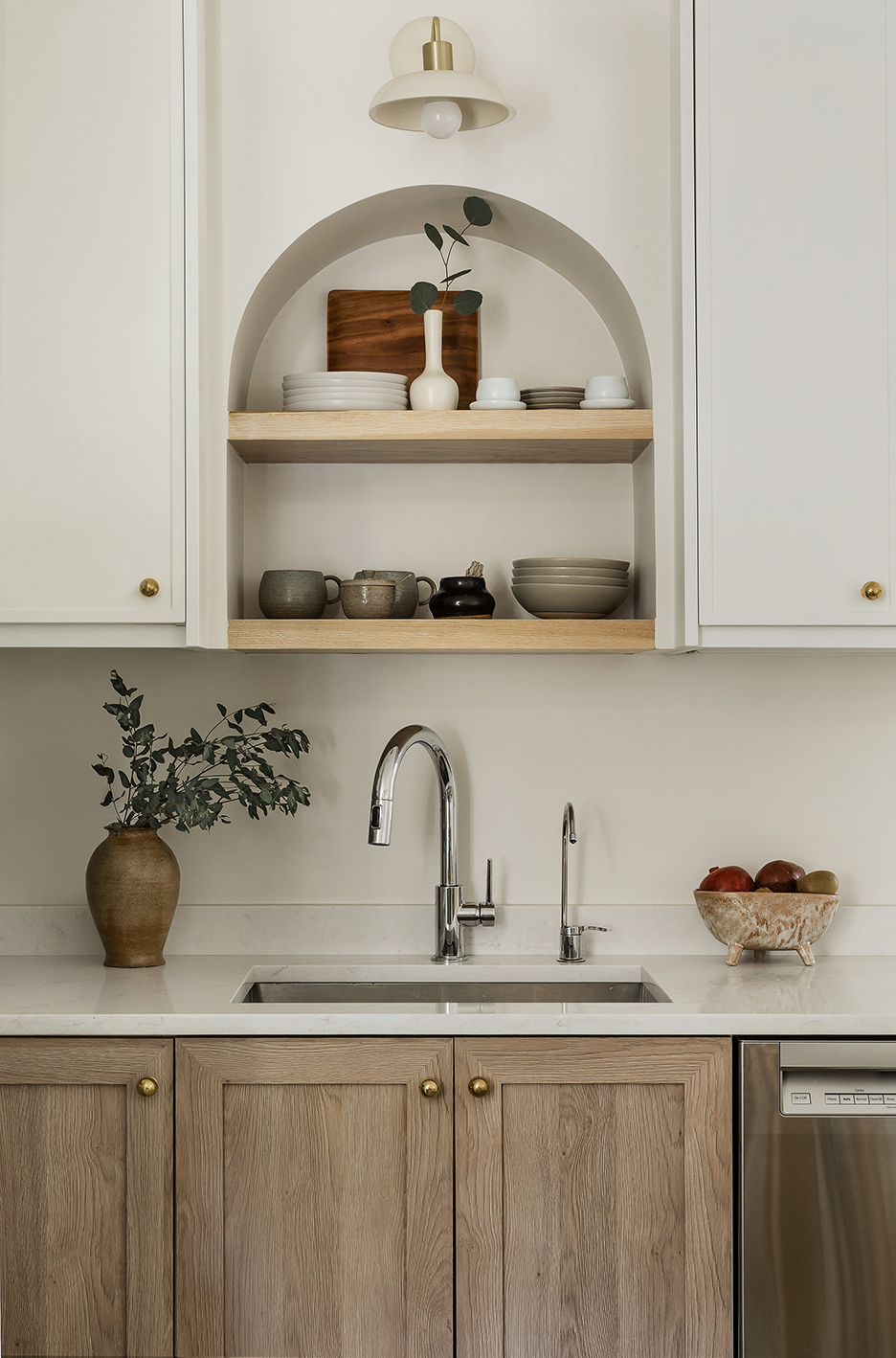
The Secret to a Comfortable Kitchen: The Right Countertop Height

Elevated, Easy-to-Use Kitchen Essentials
This Type of Kitchen Cabinet Is on the Rise
The Best Kitchen Cabinet Brands, According to Home Renovation Pros

What to put in high kitchen cabinets –according to professional organizers and designers
Average Kitchen Size: a Comprehensive Guide


LeBron and Savannah James' tall kitchen cabinets are…
Sourced by Homes & Gardens: Where to Buy Kitchen Hardware That is Elevated, Functional, and Suits Every Budget
Shopping for Kitchen Stools (Published 2021)
What Is the Cost of Kitchen Cabinets?
The Best Kitchen Cabinet Brands, According to Designers and DIYers
The Only Kitchen Cabinet Makers You Should Consider

Kitchen Upstands

New Cabinet Hardware Updates a Kitchen Instantly — Designers Love These Retailers

You NEED This Simple Thing To Double Your Kitchen Cabinet Space

We Asked Designers for a Small Kitchen Upgrade That Makes a Huge Impact —And They Said the Same Thing