1/6
Kitchen countertop standard height - what is it and why does knowing about it make your home work better?
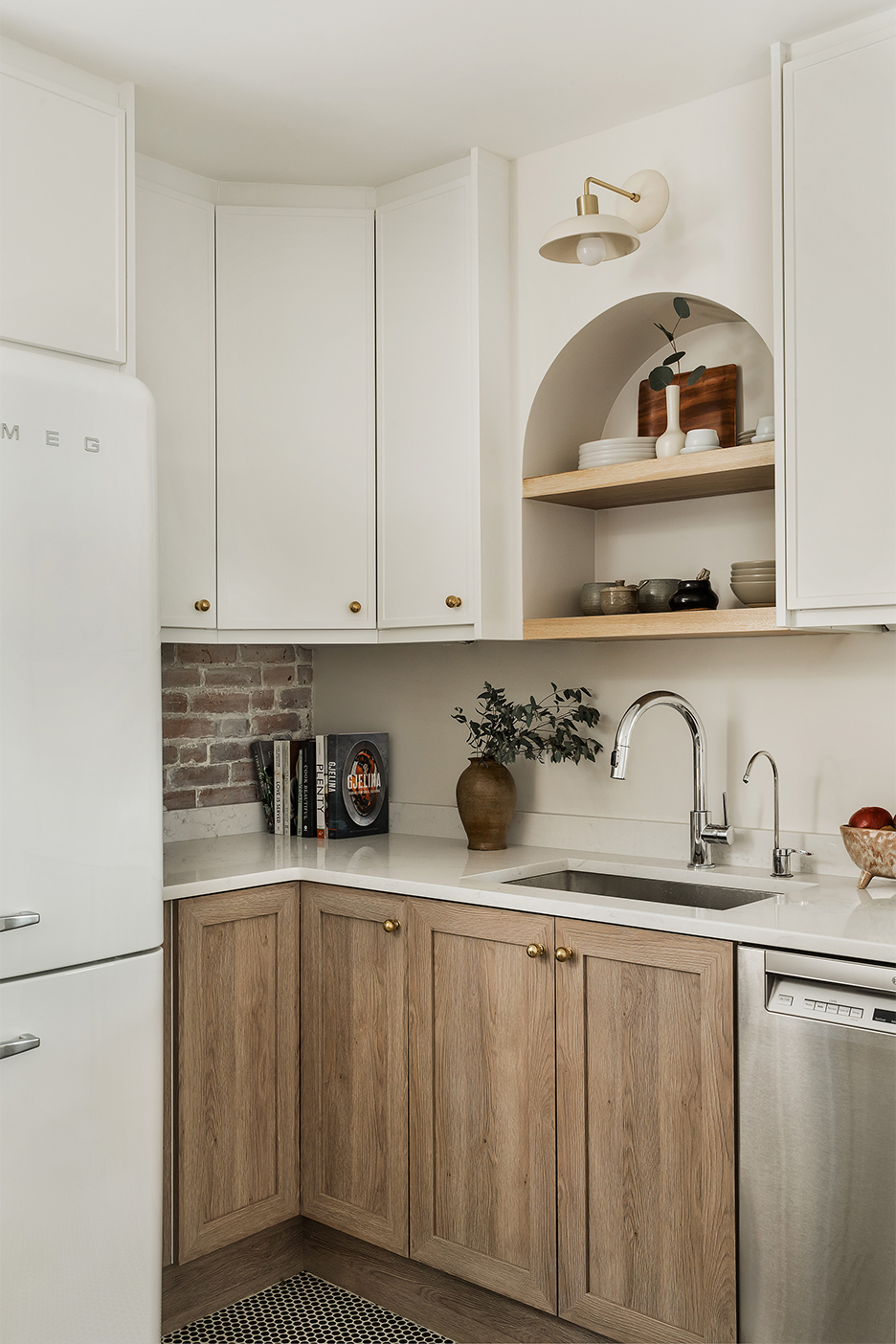
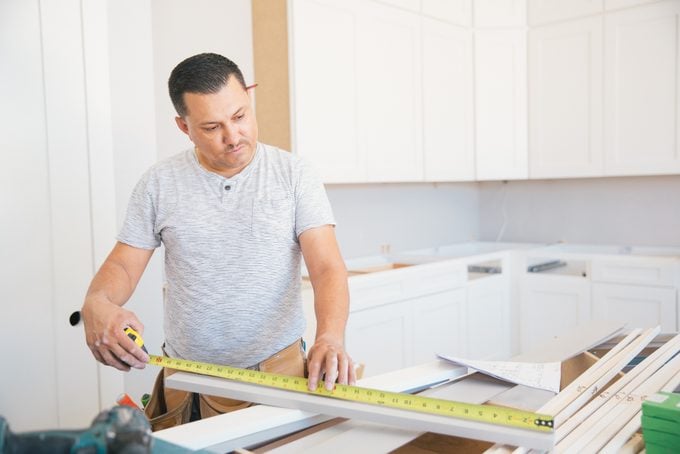
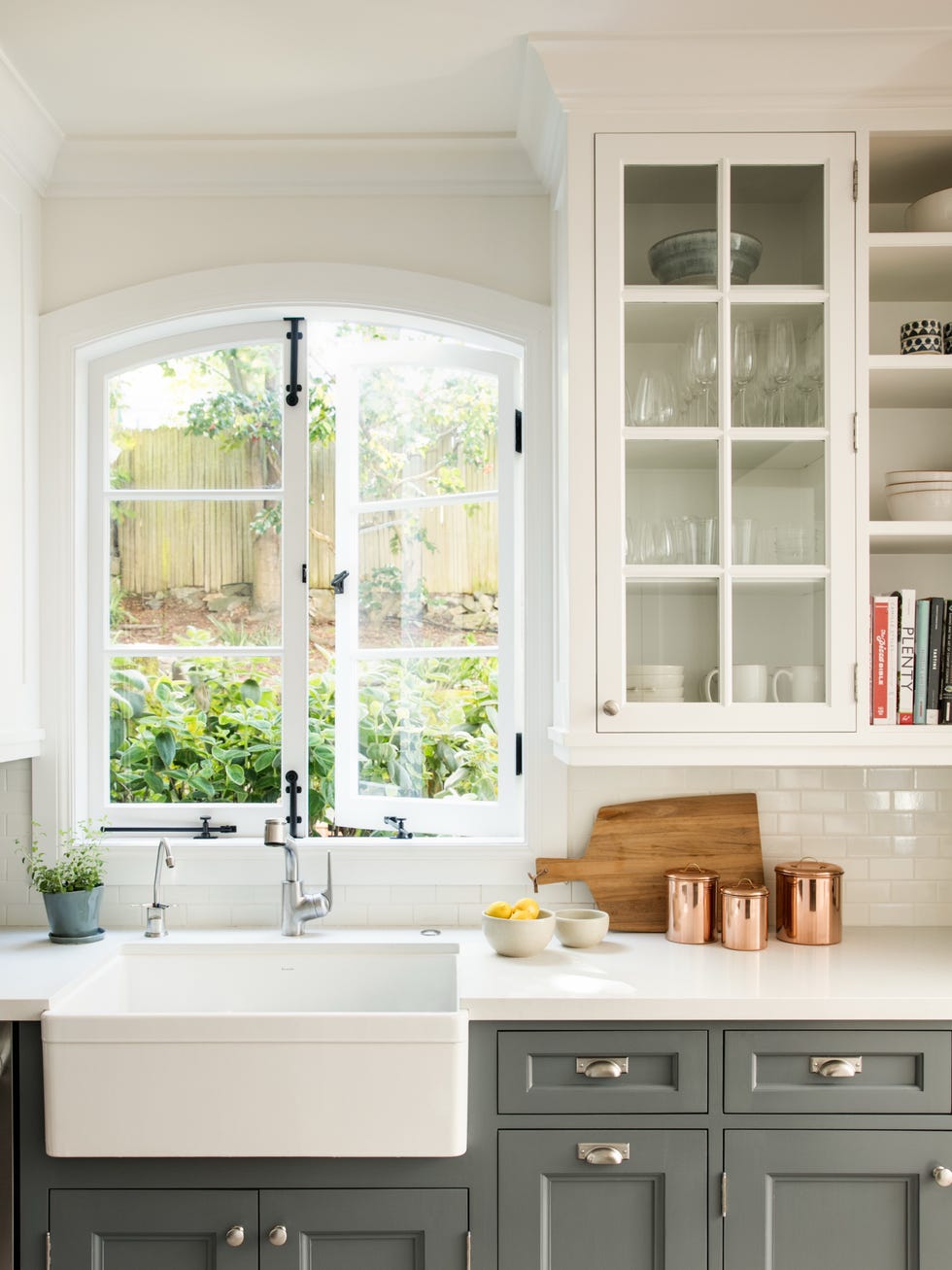
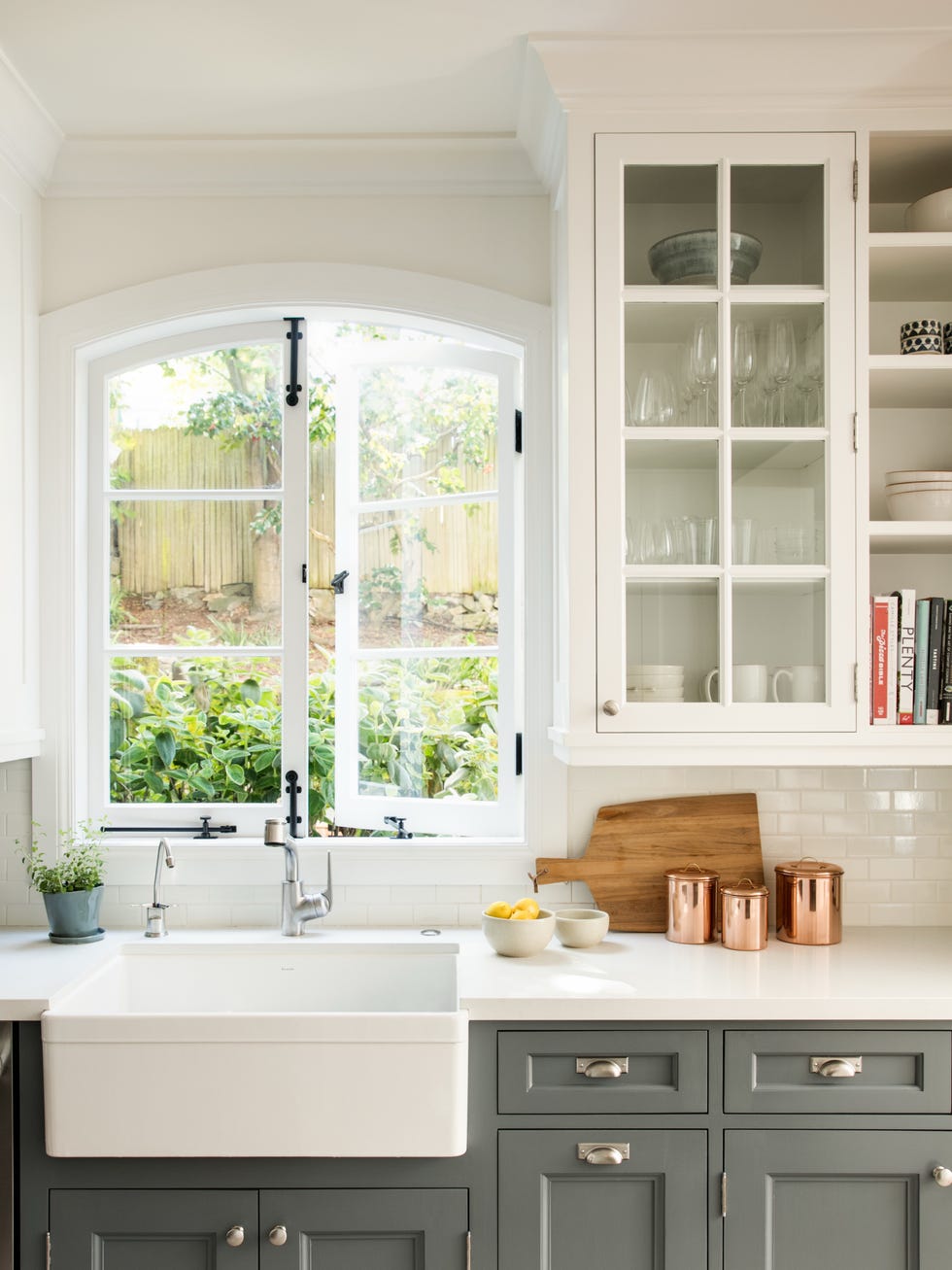
The standard height of kitchen countertops is a crucial consideration during kitchen design, impacting both functionality and long-term value. This standard, typically 36 inches from the floor with a surface thickness of 0.8-1.2 inches, was established to provide an ergonomic height for common kitchen tasks like food preparation, cooking, and stirring for an average-sized individual. Adhering to this height ensures comfort and safety when handling heavy pans or boiling water.
Deviating from this standard can present several challenges. A primary concern is compatibility with integral kitchen appliances. Most under-counter refrigerators, freezers, and washing machines are designed to fit precisely within this standard height. Choosing a lower or taller worktop could severely limit appliance options or necessitate expensive bespoke solutions. Furthermore, sticking to the standard height simplifies the process of replacing appliances in the future, as standard-sized units will easily fit.
Another benefit of maintaining the standard countertop height is the ease and cost-effectiveness of using off-the-shelf cabinetry. All pre-manufactured cabinets are designed to align with the 36-inch worktop height, making them a more affordable option compared to custom-built cabinetry. While bespoke options offer creative freedom, they come at a significantly higher cost.
Regarding resale value, extreme deviations from the standard height could potentially deter prospective buyers. While minor height differences might go unnoticed, significant alterations could become a bargaining chip for buyers, who might be concerned about the need for extensive renovations to suit their preferences or to accommodate standard appliances. The overall condition and quality of materials are also crucial factors in a kitchen's appeal, emphasizing the importance of investing in durable finishes.
However, there are valid exceptions to the standard countertop height rule. The standard is based on the average person's height and assumes they can stand comfortably. For individuals with mobility challenges, such as those using wheelchairs, or those whose height significantly deviates from the average, a customized height is essential for accessibility and comfortable use. The rise of multi-generational living also calls for more flexible design, where different countertop heights might be incorporated to cater to children, adults, and grandparents. In such cases, designers might suggest solutions like creating a higher kitchen island while keeping main appliance areas at a standard height.
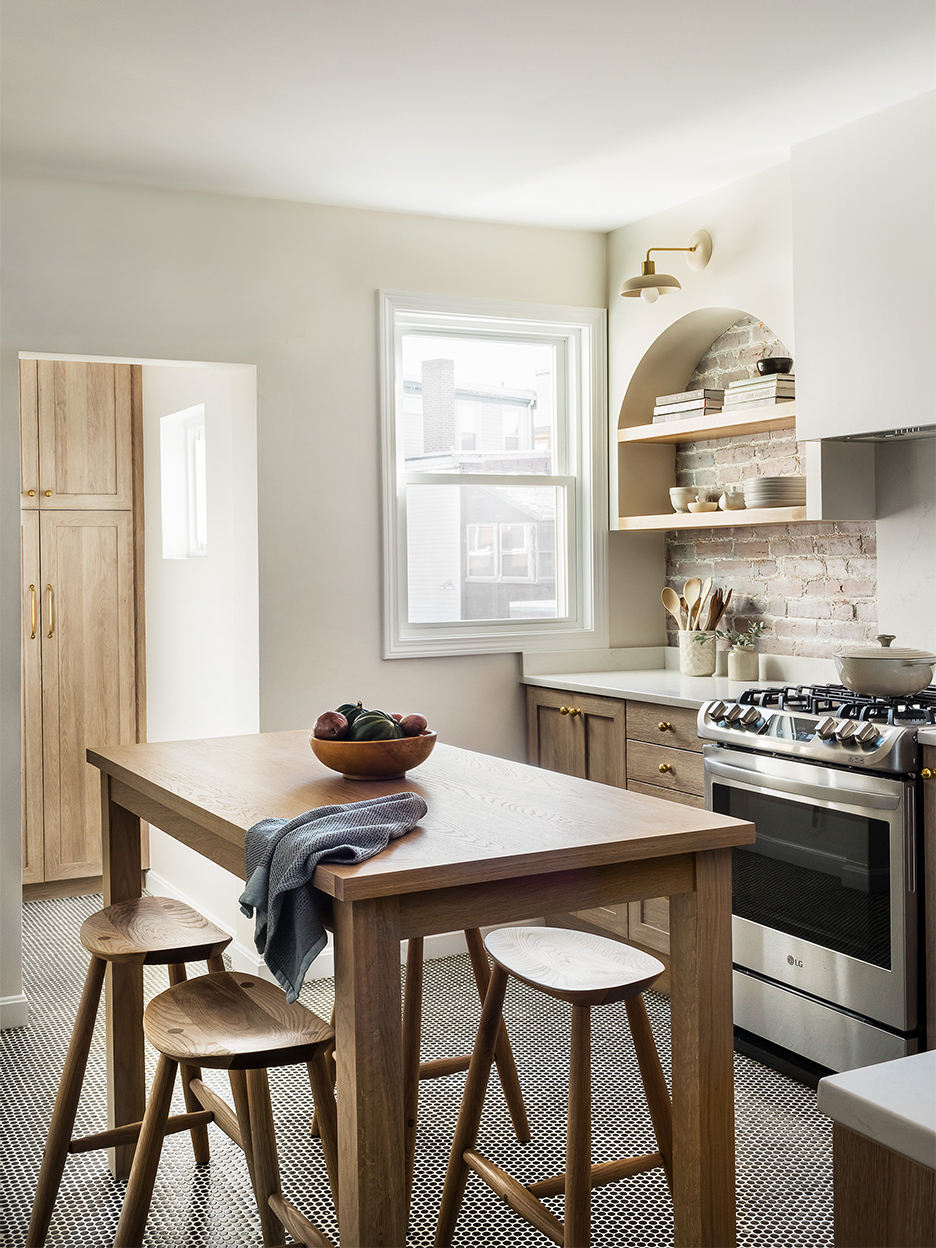
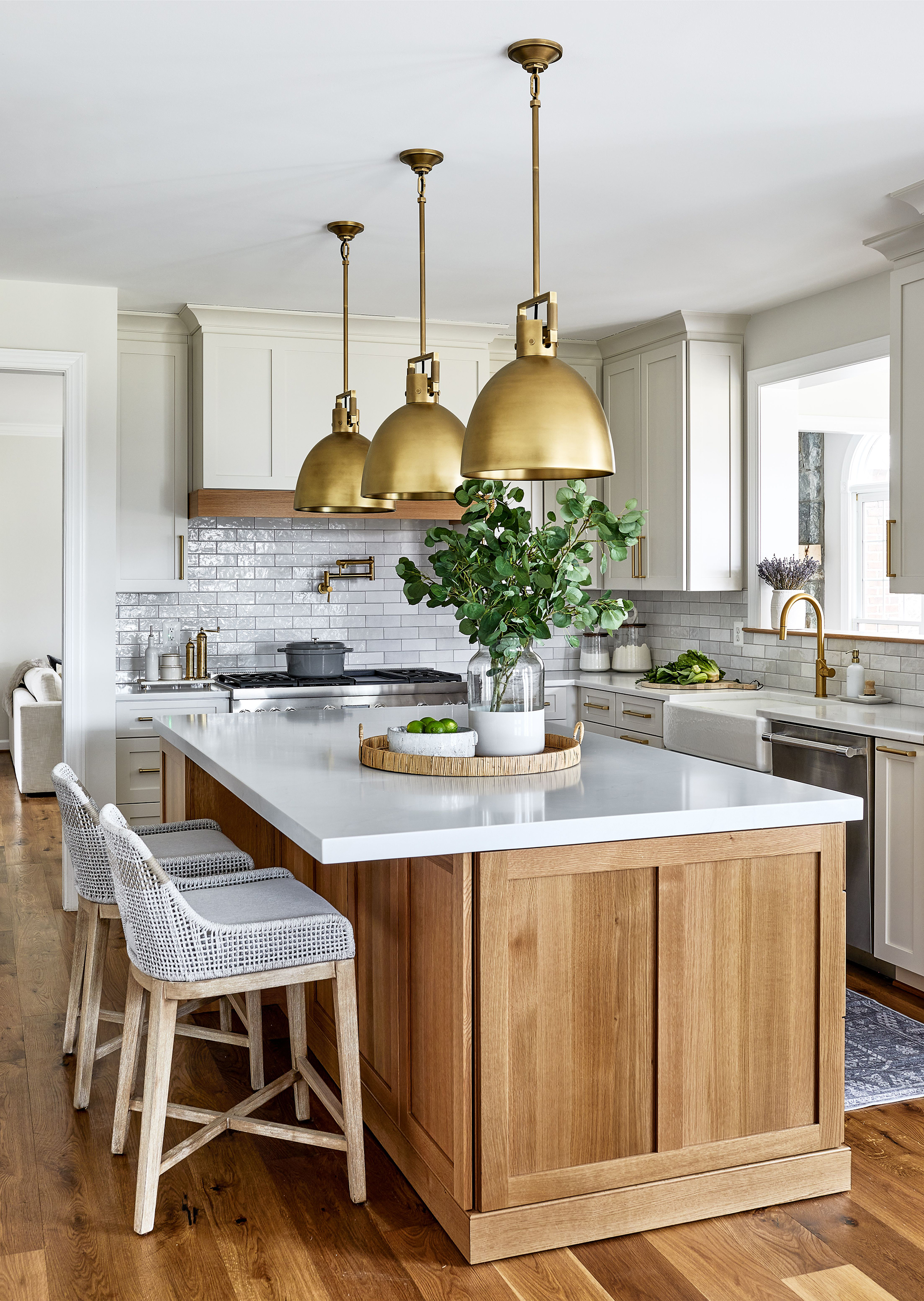
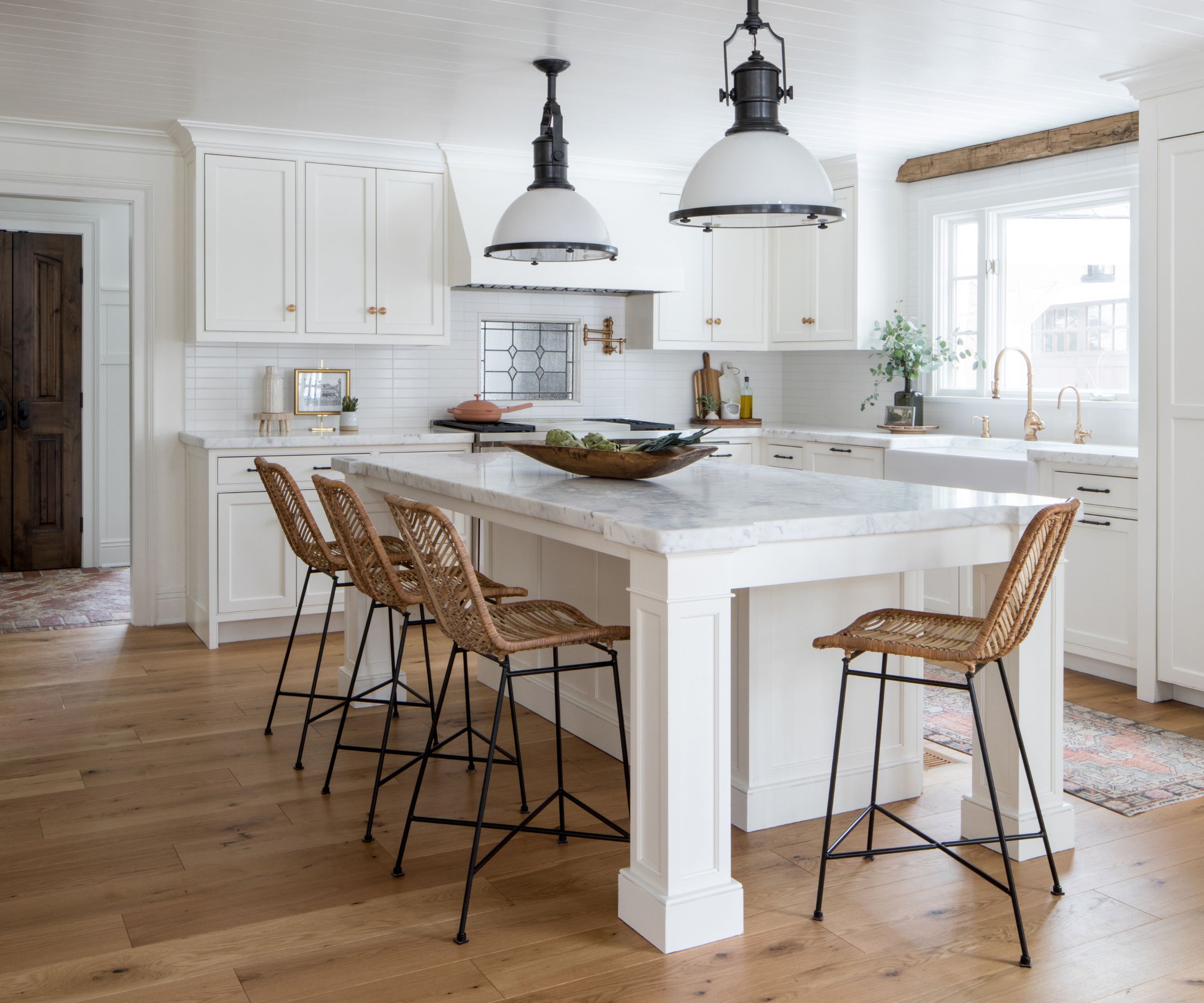
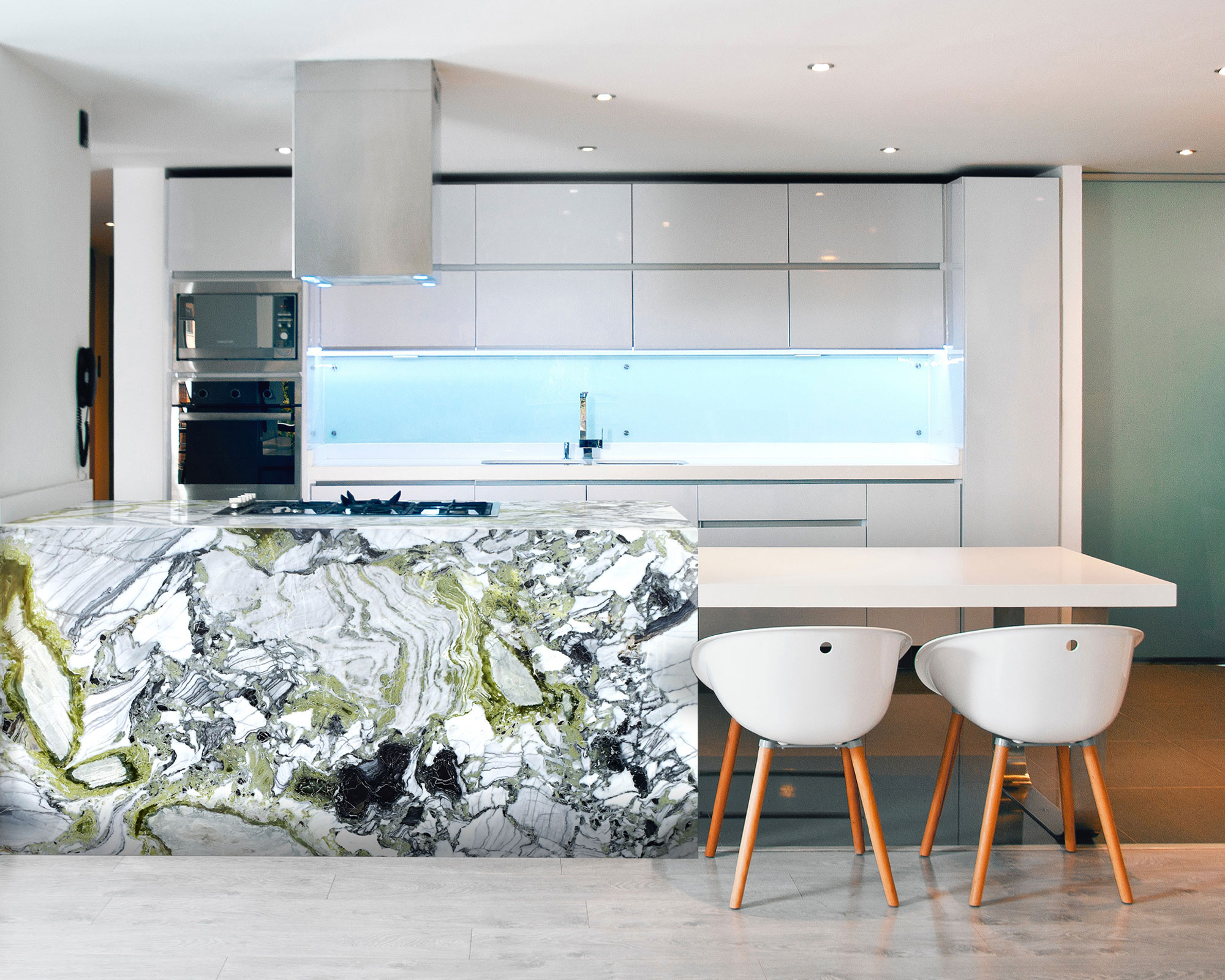
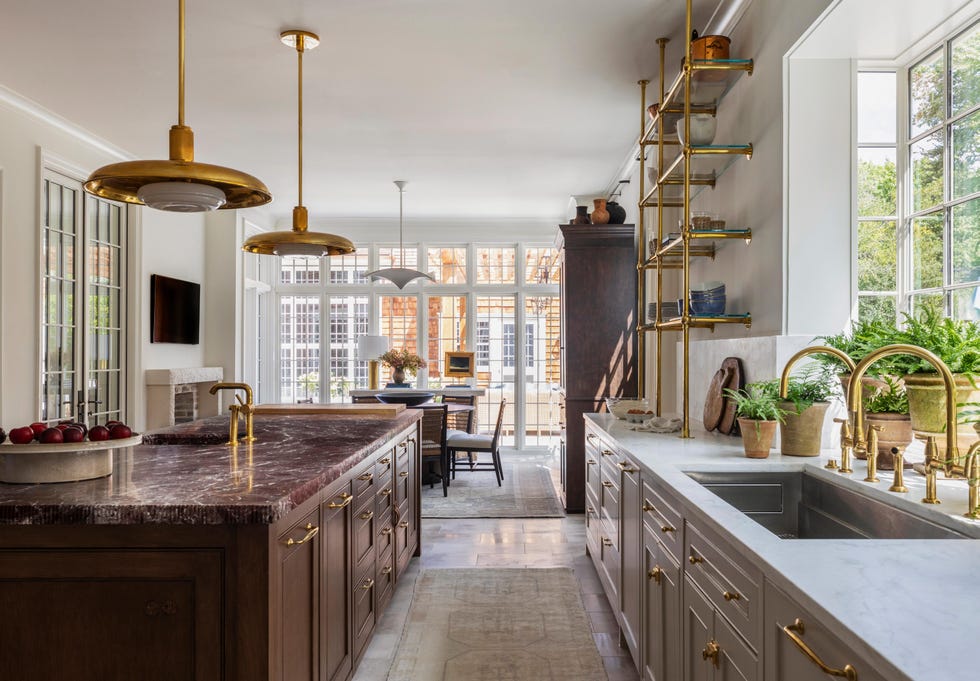
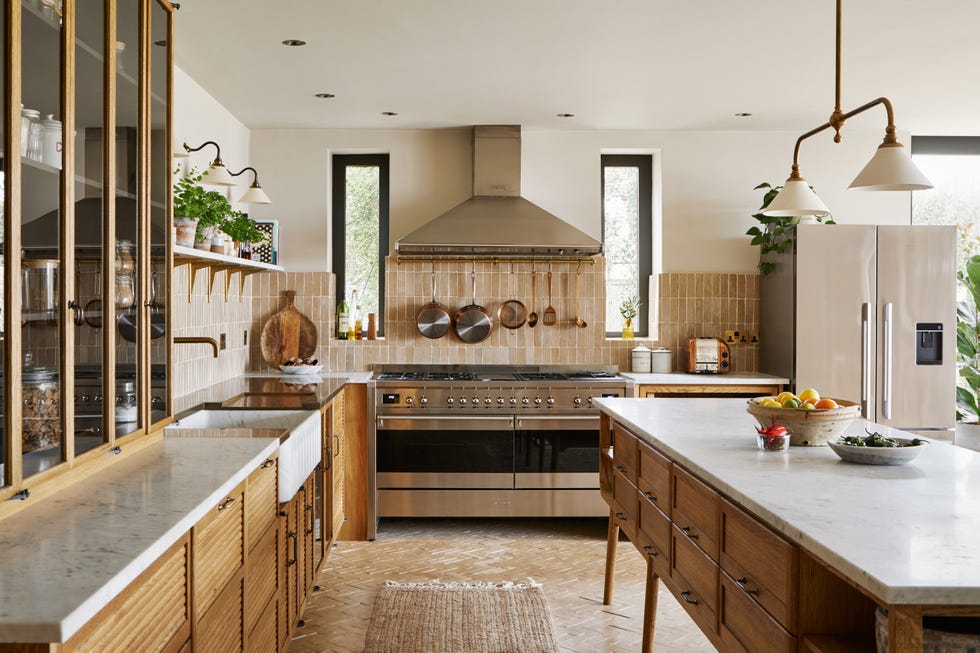
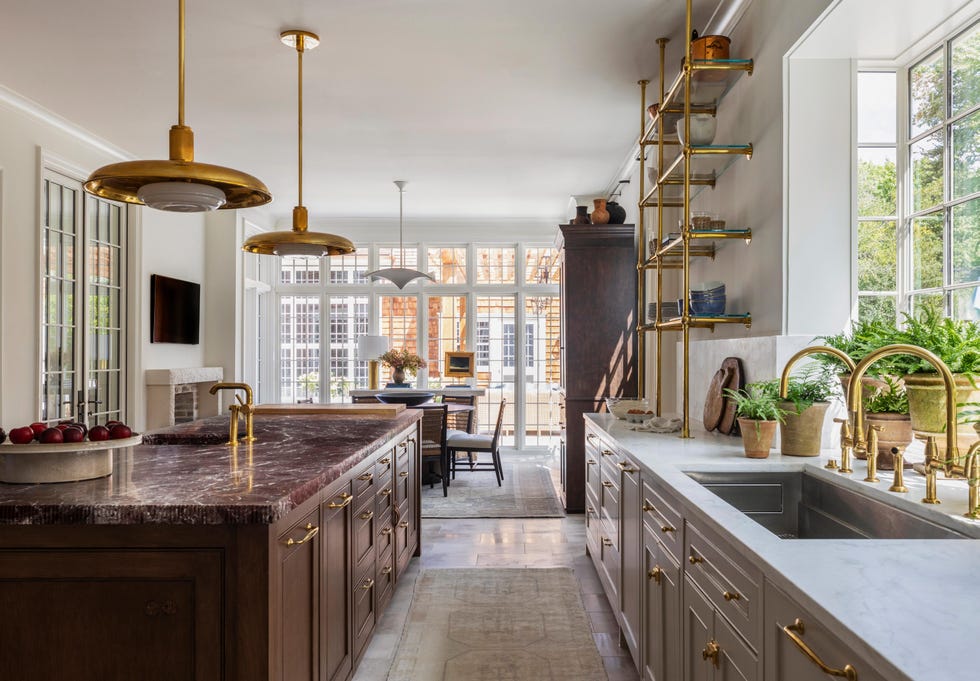
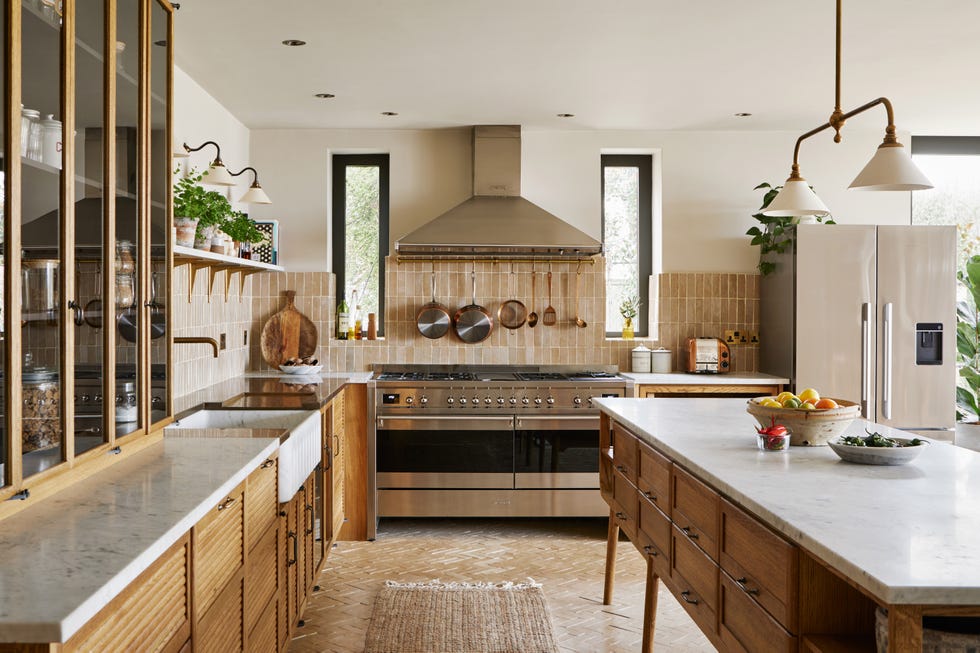
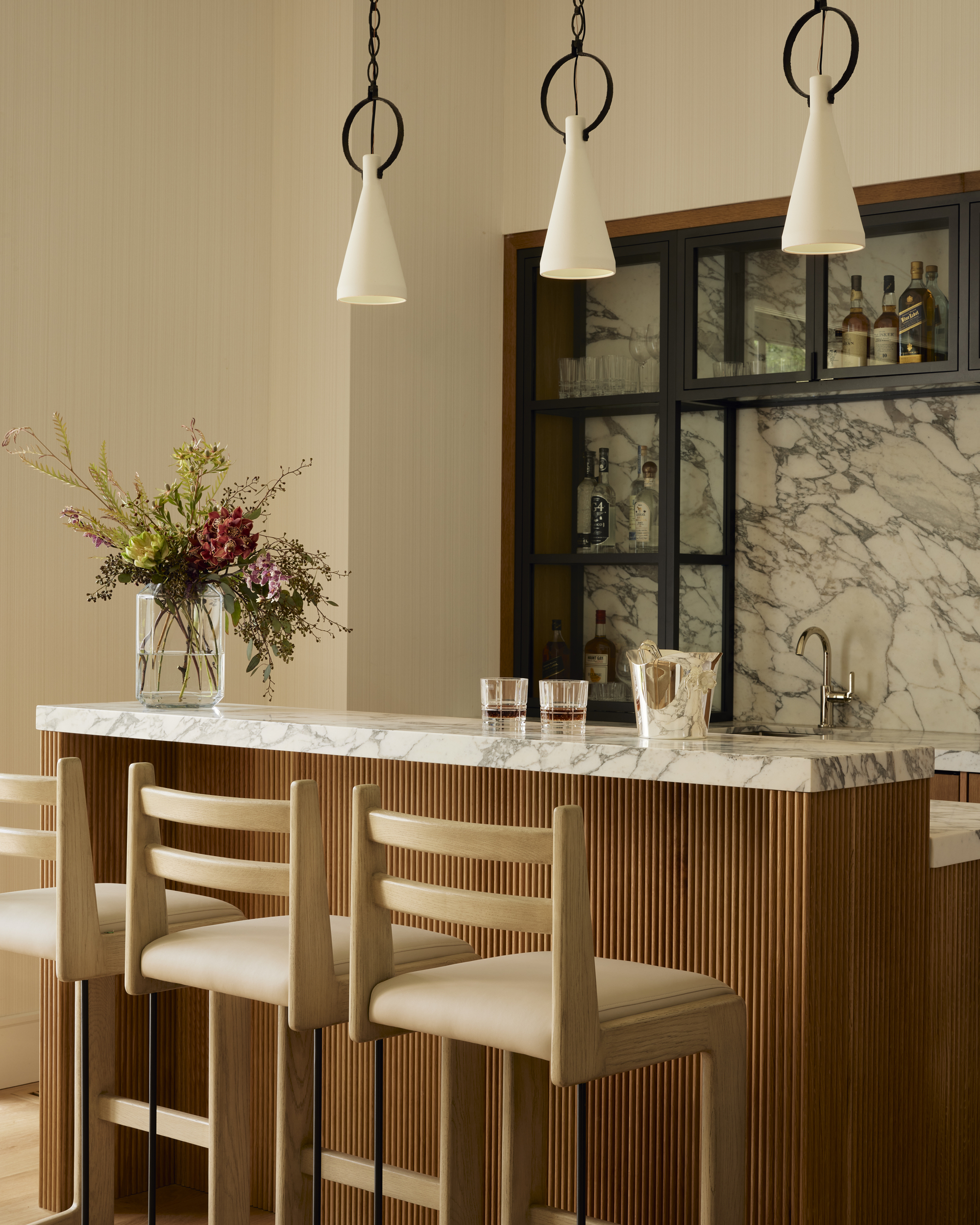
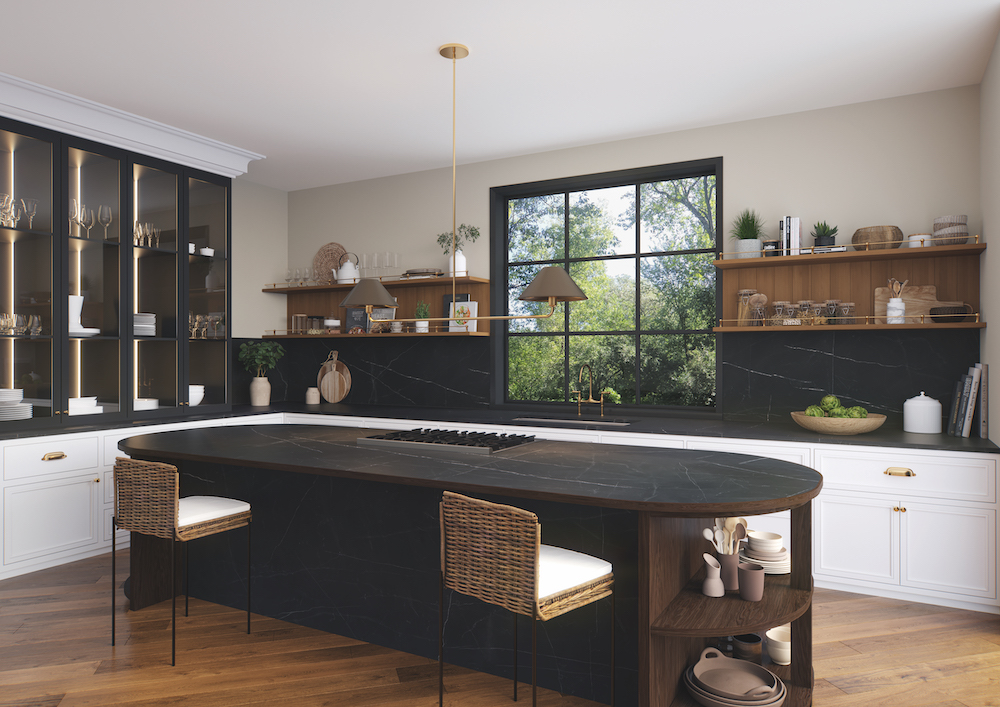
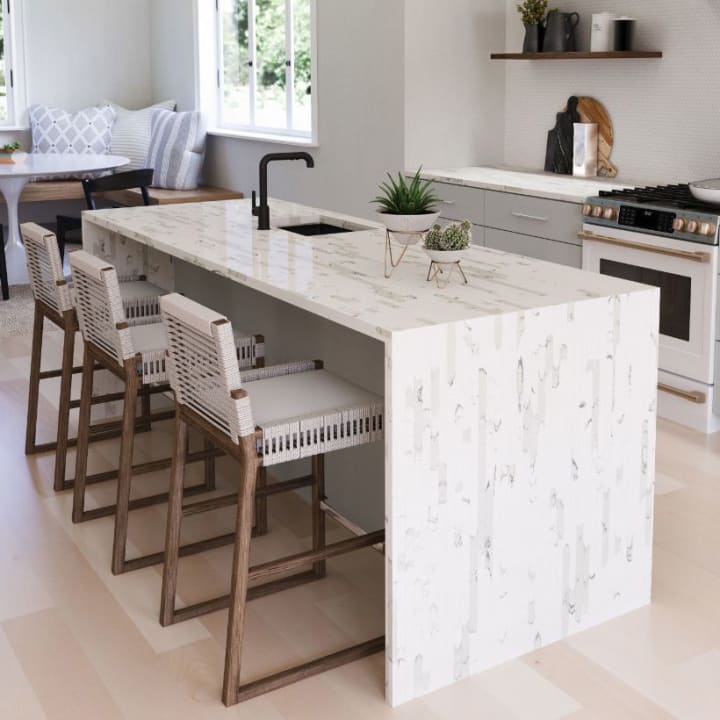
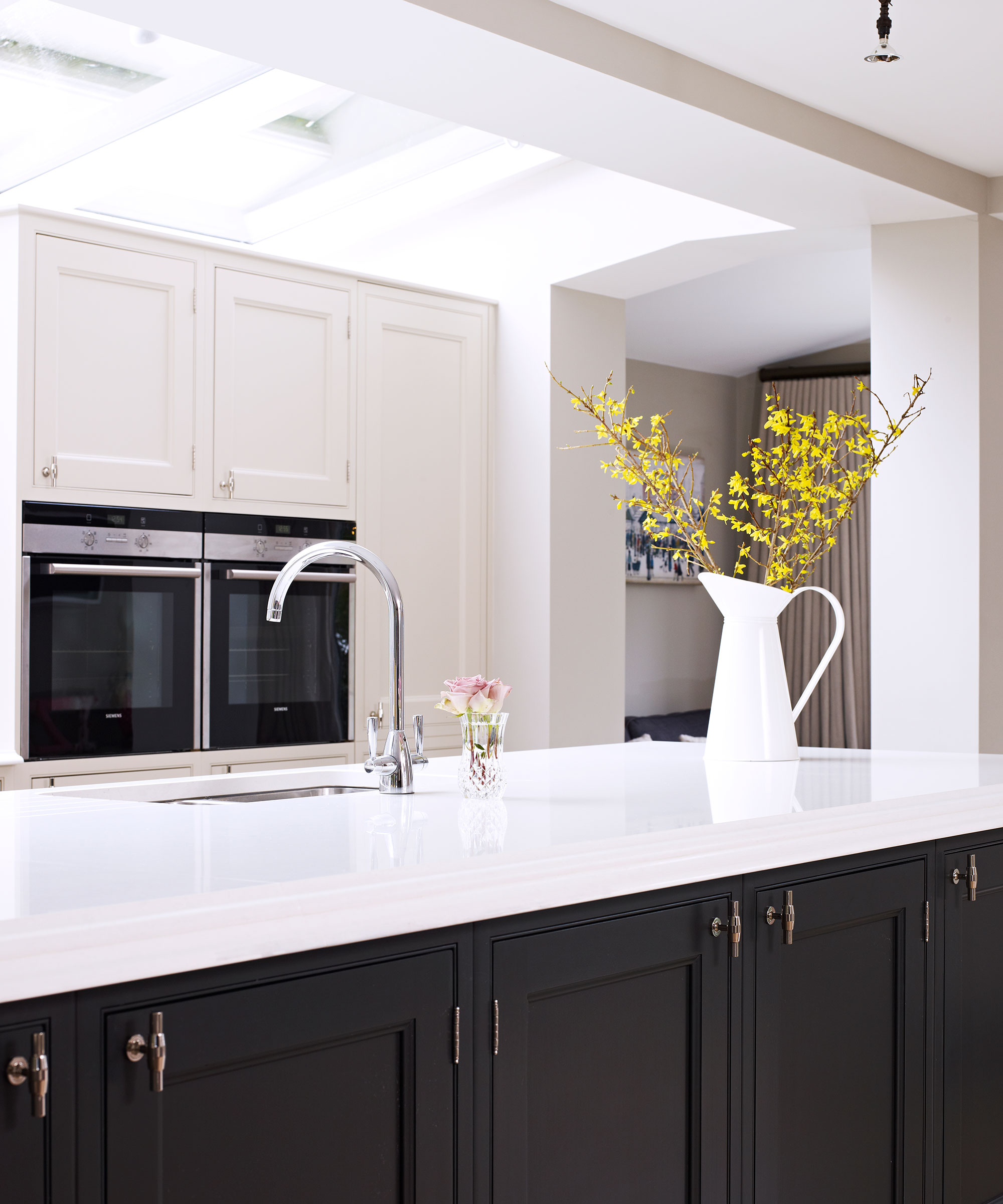
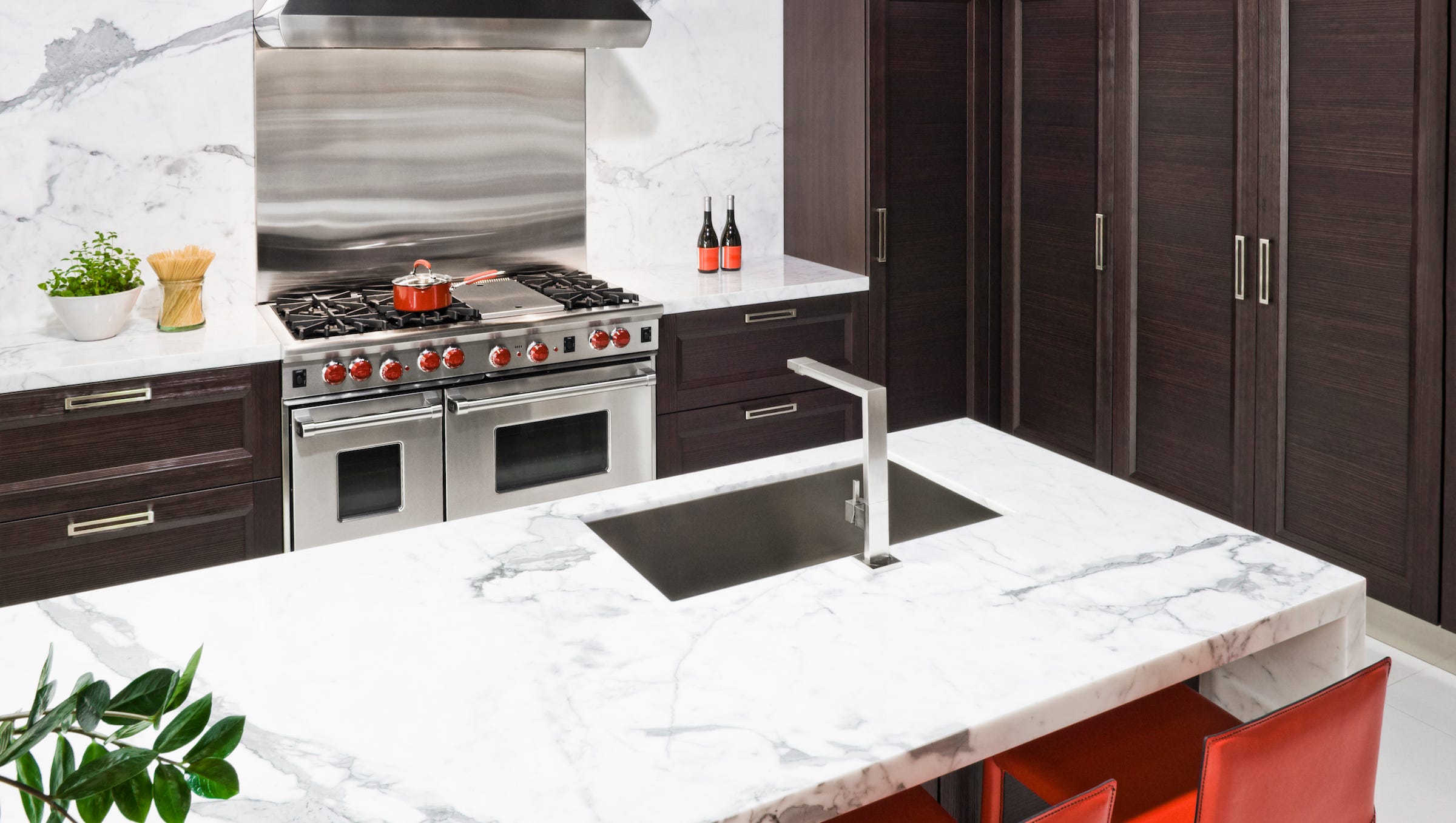
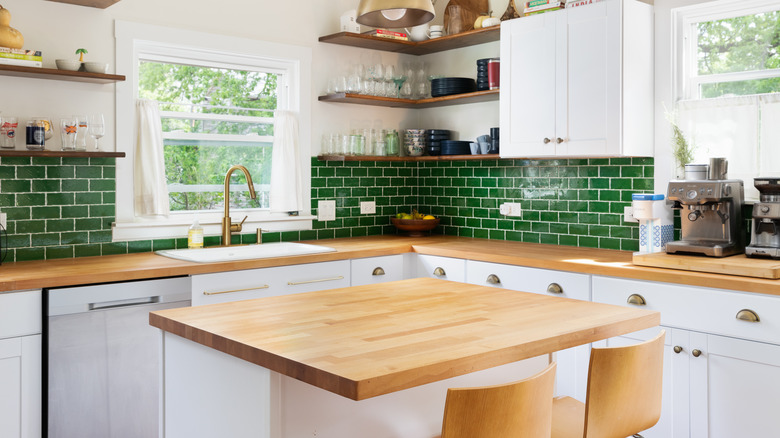
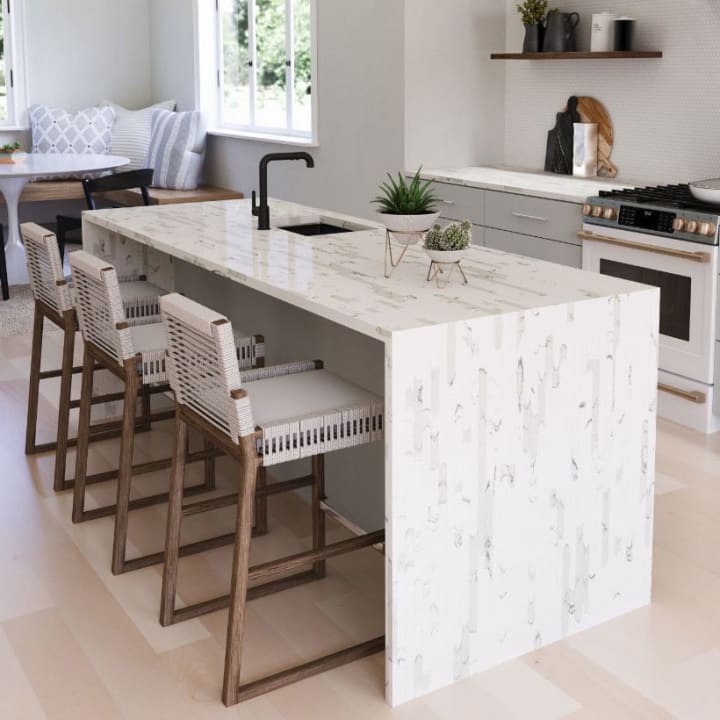
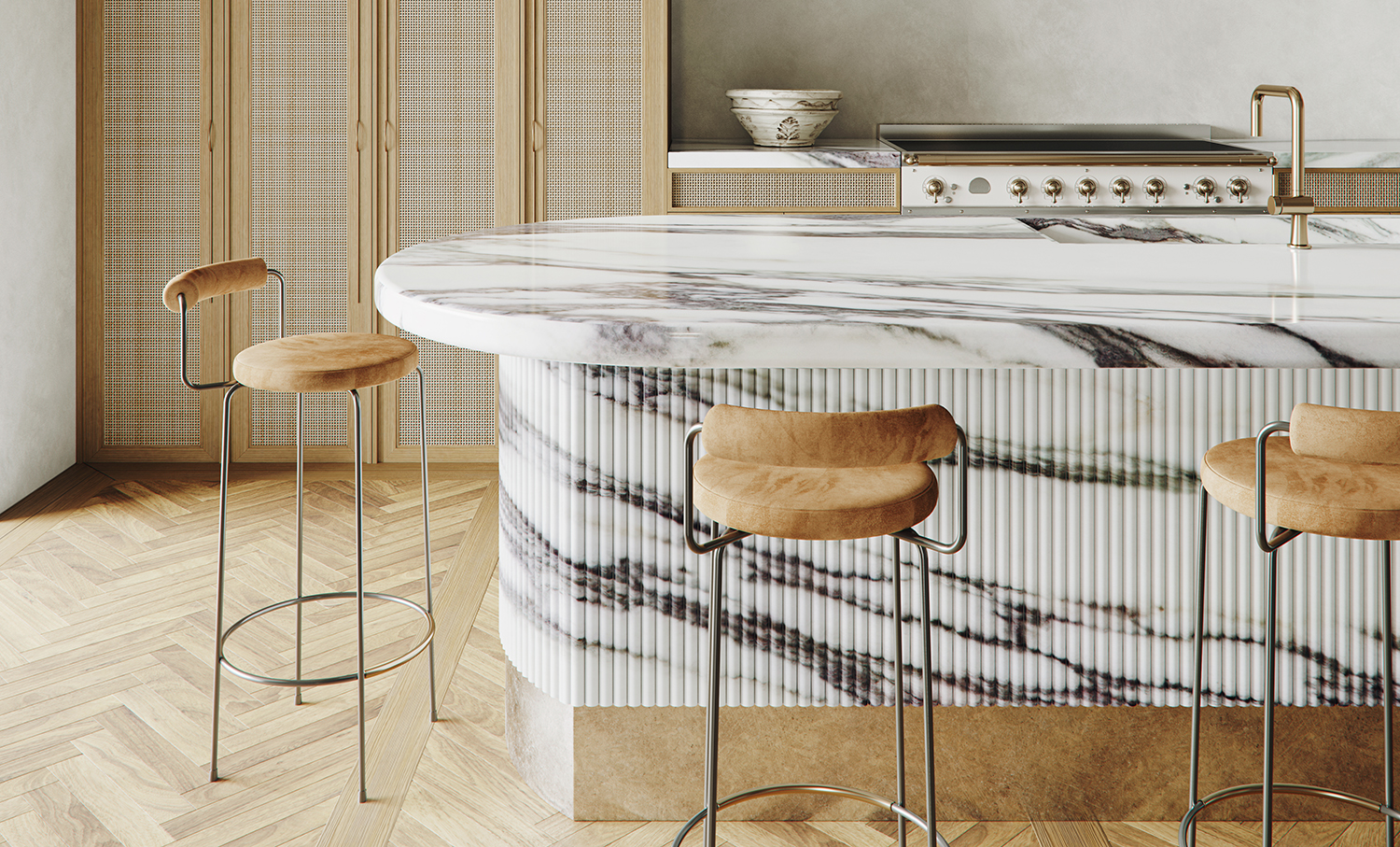
Kitchen islands offer more flexibility in height compared to main countertops. If an island is primarily used for food preparation, washing, or cooking, it is advisable to keep it at the standard 36-inch height. However, if the island's main function is storage or as a breakfast bar, increasing or lowering its height can be an option. It is important to consider the height of bar stools or chairs in relation to the island's height to ensure a comfortable seating arrangement. A split-level island design can also offer the best of both worlds, with one section for food preparation and a taller section for dining or socializing, providing versatility and catering to various needs within the kitchen space.
#KitchenDesign #CountertopHeight #Ergonomics #KitchenAppliances #HomeRenovation #ResaleValue #AccessibleDesign #KitchenIslands #InteriorDesignAdvice #KitchenDesign #CountertopHeight #Ergonomics #KitchenAppliances #HomeRenovation #ResaleValue #AccessibleDesign #KitchenIslands #InteriorDesignAdvice
0 comment in total
 No comments yet
You may also like
The Secret to a Comfortable Kitchen: The Right Countertop Height

You're Styling Your Kitchen Countertops All Wrong—Here's How to Get It Right, According to Experts

Countertops Can Set the Tone for Your Whole Kitchen—Here’s How to Choose the Right One

2 Kitchen Countertops Designers Never Choose for Busy Families—Plus the 2 That Can Handle Anything

The Standard Kitchen Base Cabinet Height for Comfortable Cooking—And Resale

Could Lack of “Counter Appeal” Be DESTROYING Your Kitchen Aesthetic?
Shopping for Kitchen Stools (Published 2021)
Elevated, Easy-to-Use Kitchen Essentials
Should a kitchen island be the same height as the counters?

Average Kitchen Size: a Comprehensive Guide

Top 10 Countertop Ideas to Transform Your Kitchen in 2025

Maximize Your Kitchen Countertop Space With These HGTV-Approved Tips

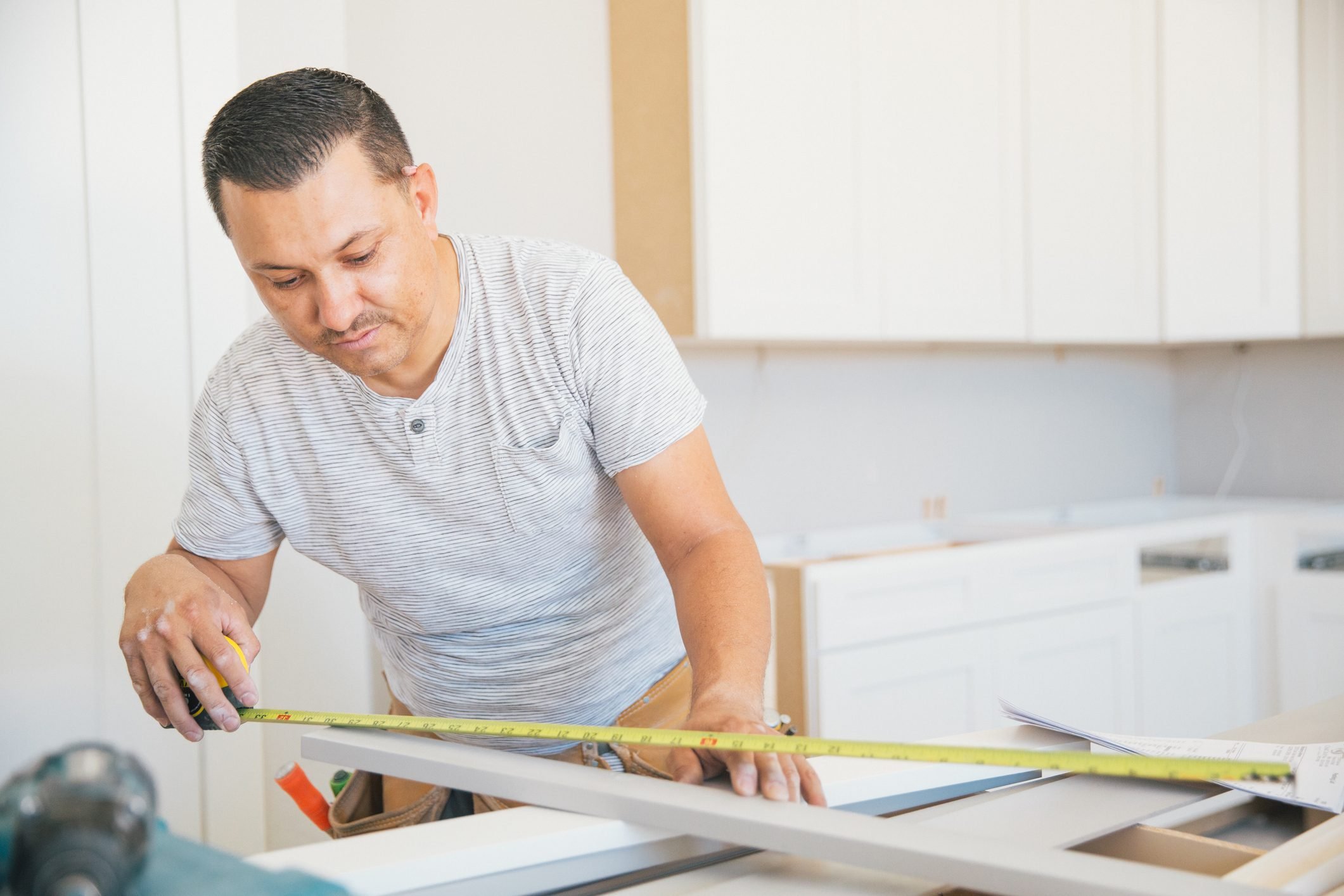
Measurement 101: Kitchen Countertop Sizing

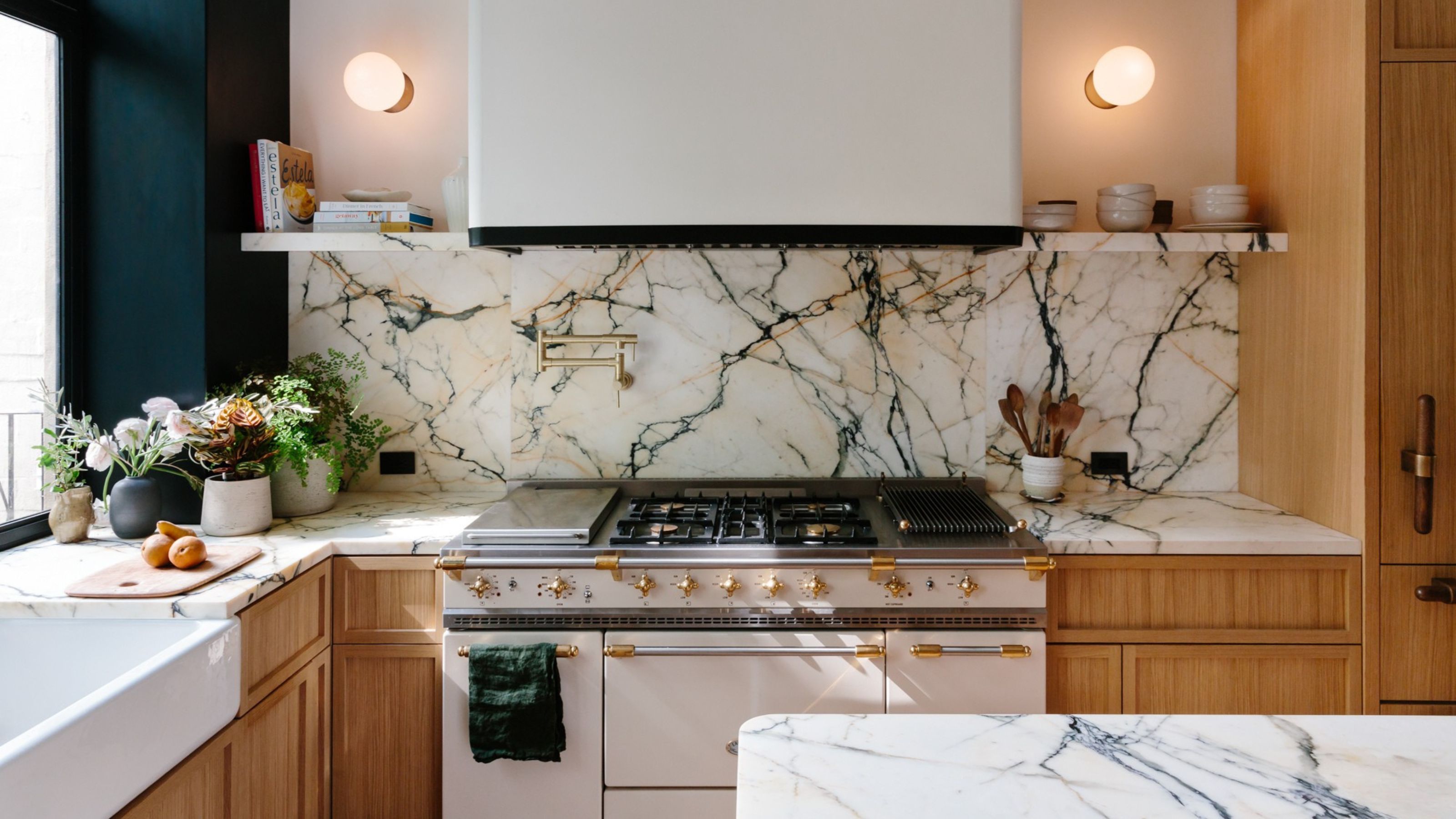
The 20mm or 30mm Debate — Which of These Worktop Thicknesses Looks Better in a Modern Kitchen?
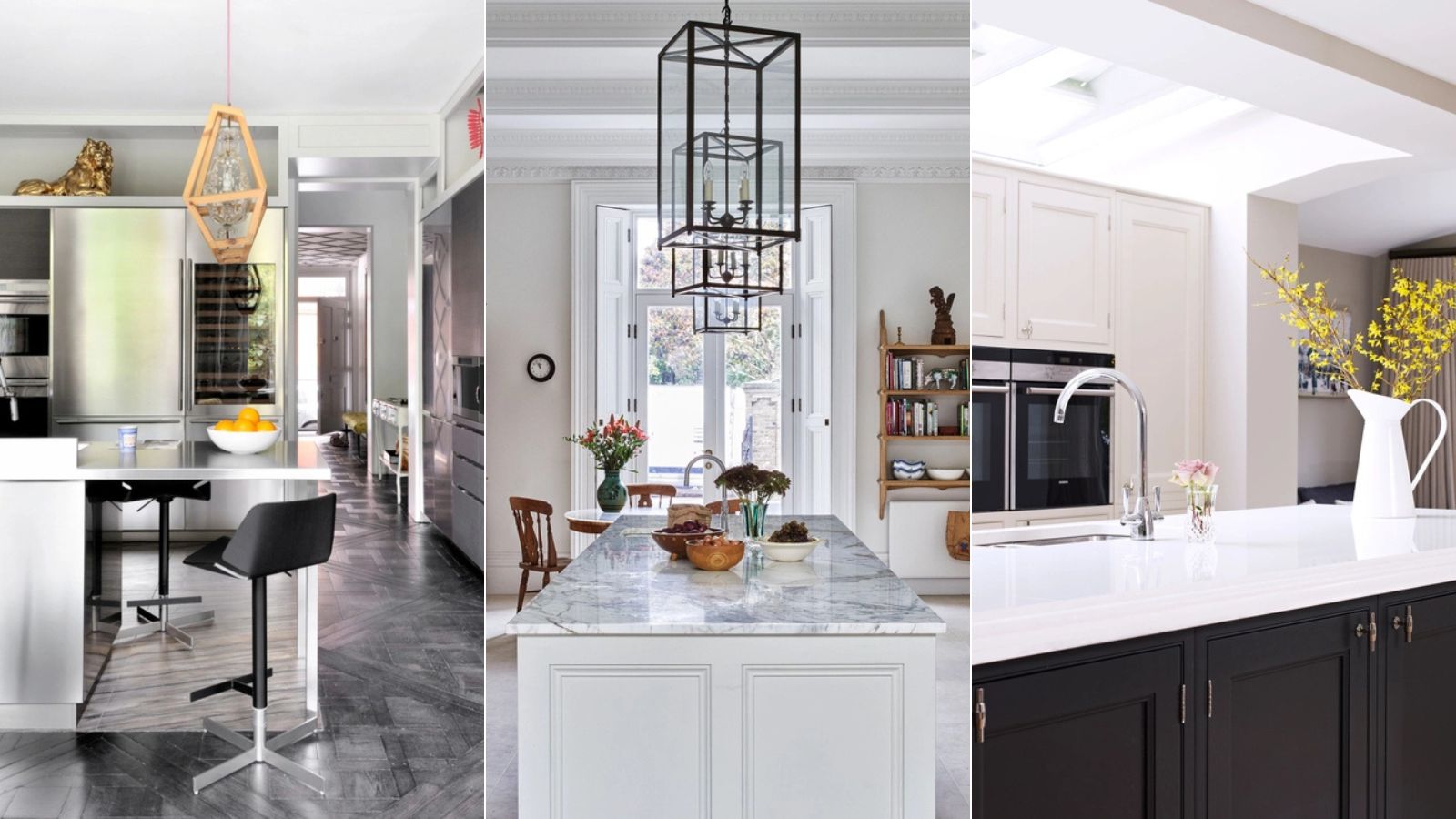
6 outdated kitchen countertop trends to leave behind in 2025
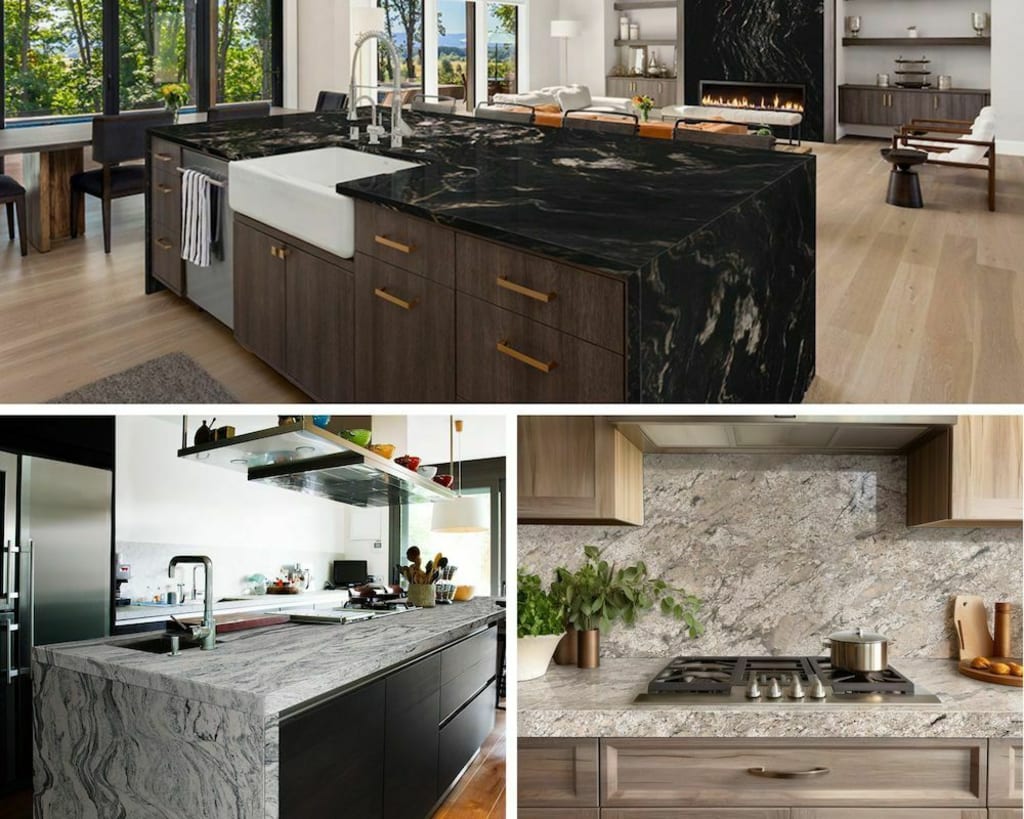
Top 10 Countertop Ideas to Transform Your Kitchen in 2025


Kitchen Upstands

A Crash Course in Choosing Kitchen Countertops
The Best Types of Kitchen Countertops

My Chef Friend Told Me I Needed This “Luxe” Upgrade — And It’s Made My Kitchen 100x More Functional