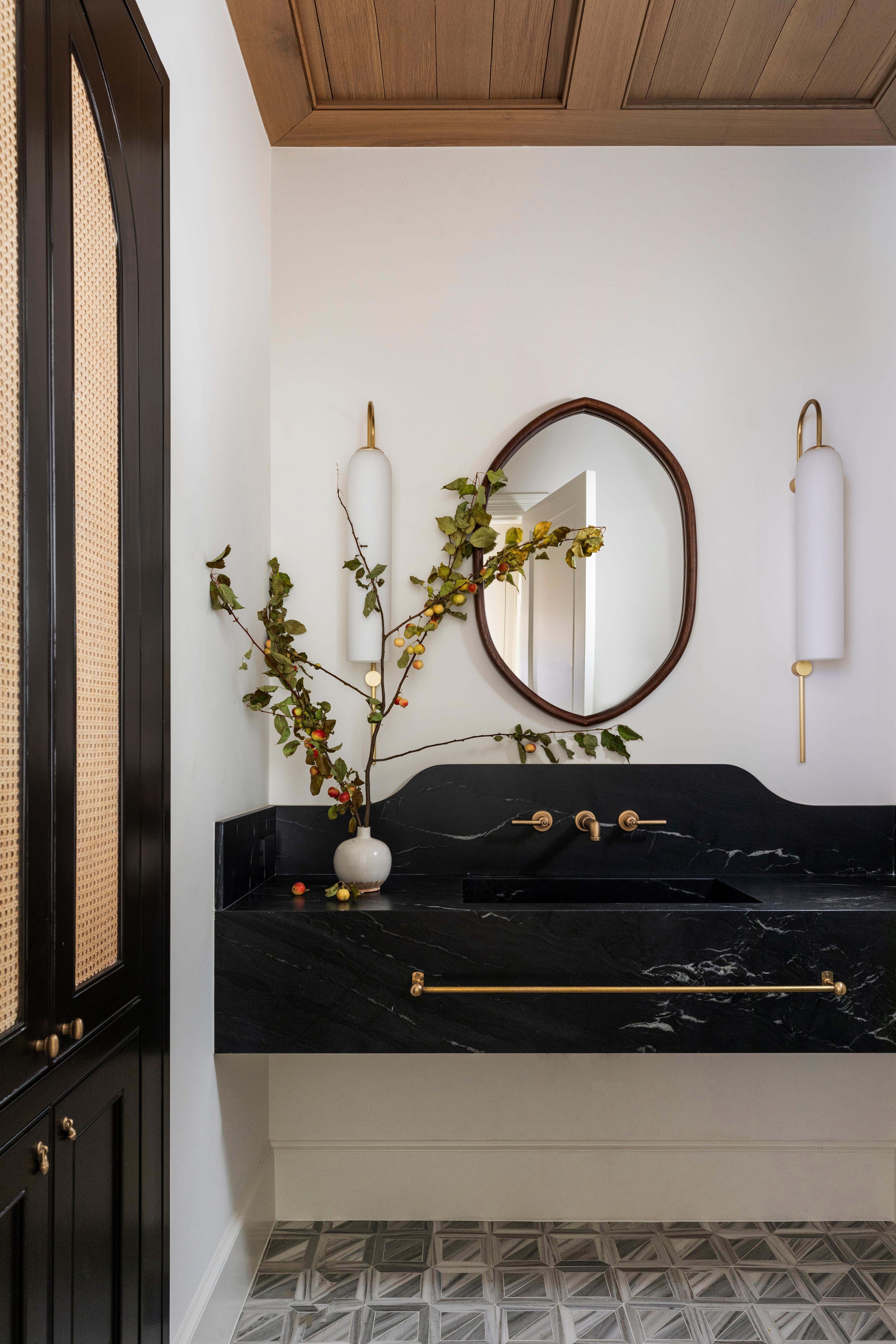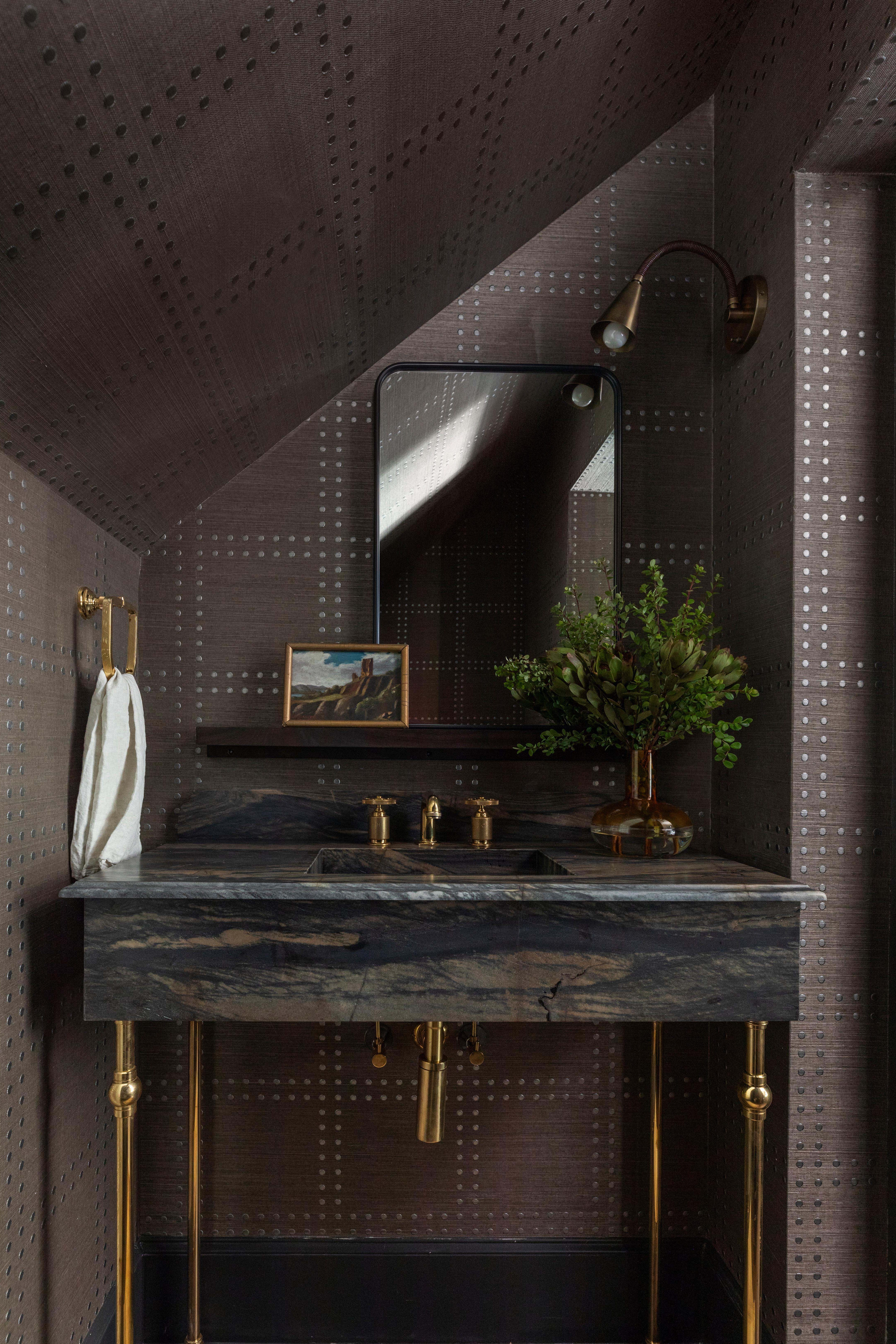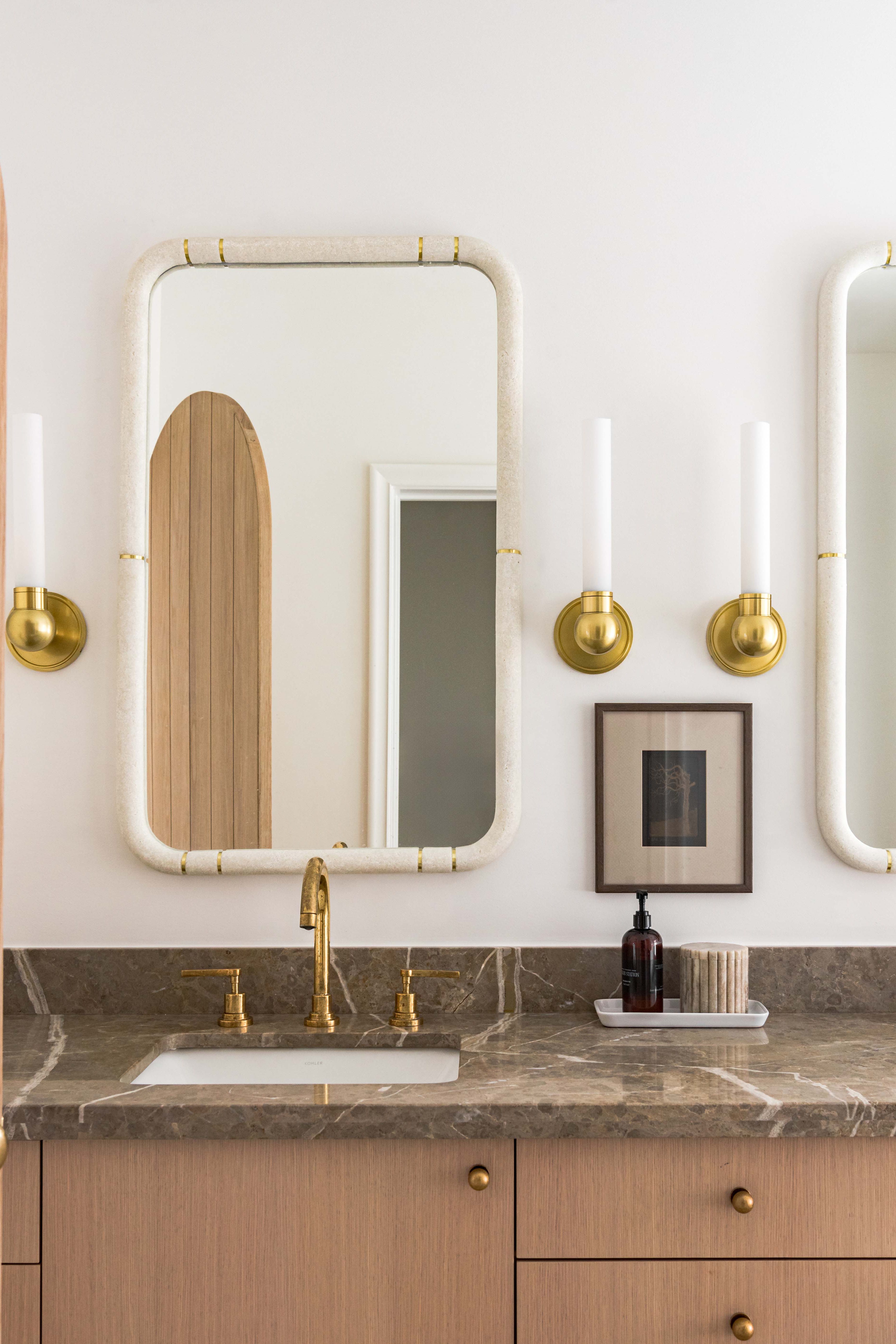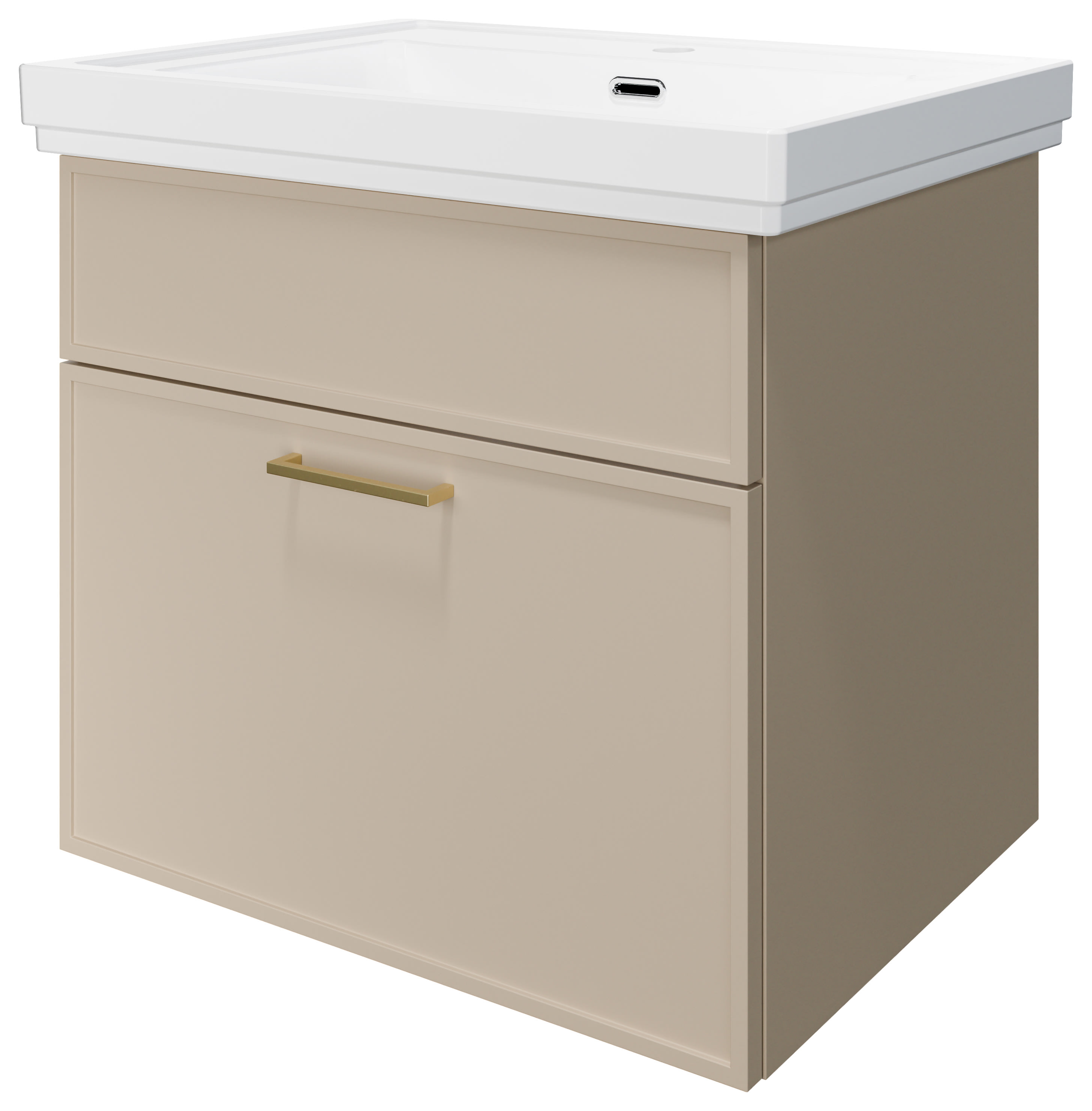
How To Choose the Perfect Bathroom Vanity Height
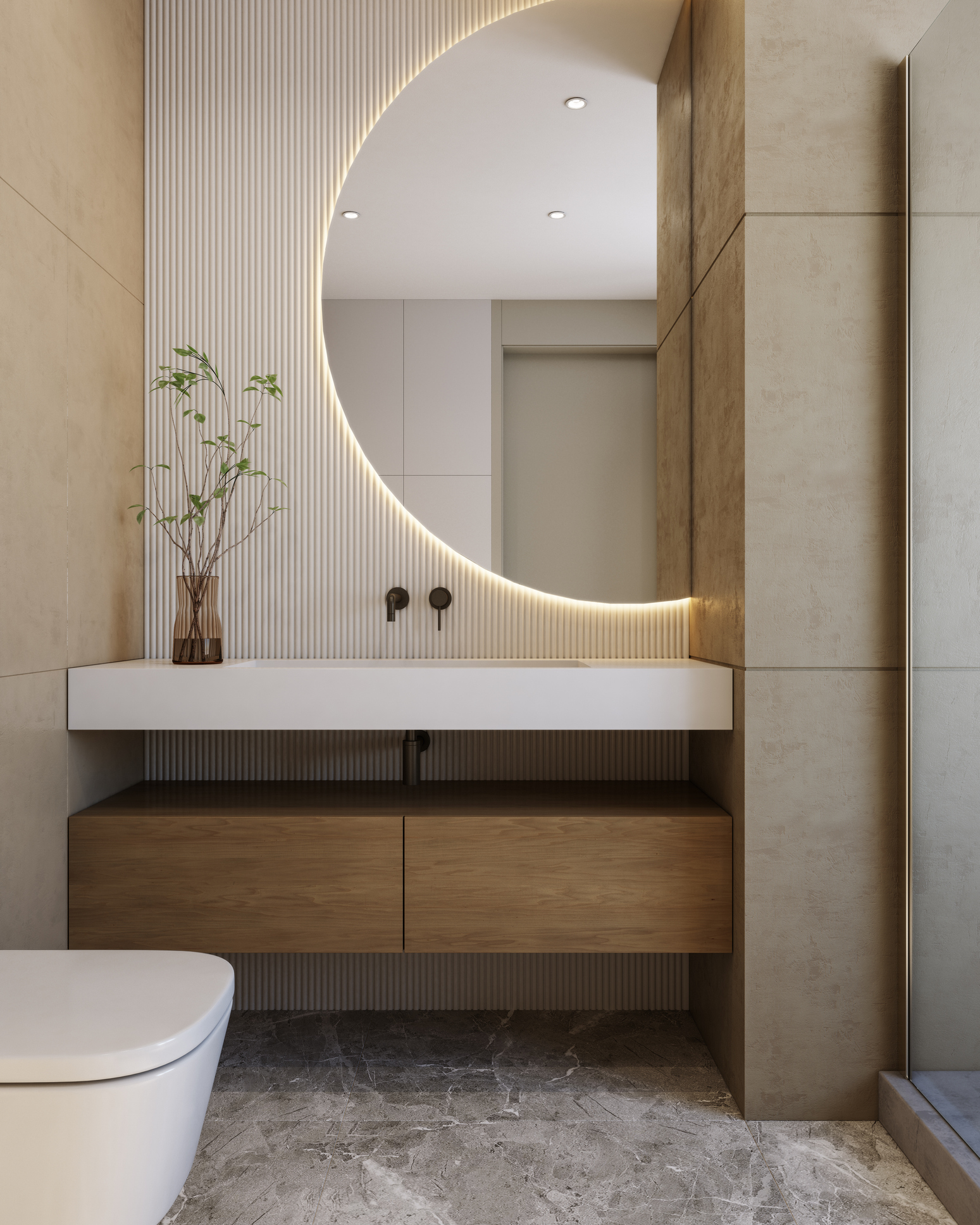
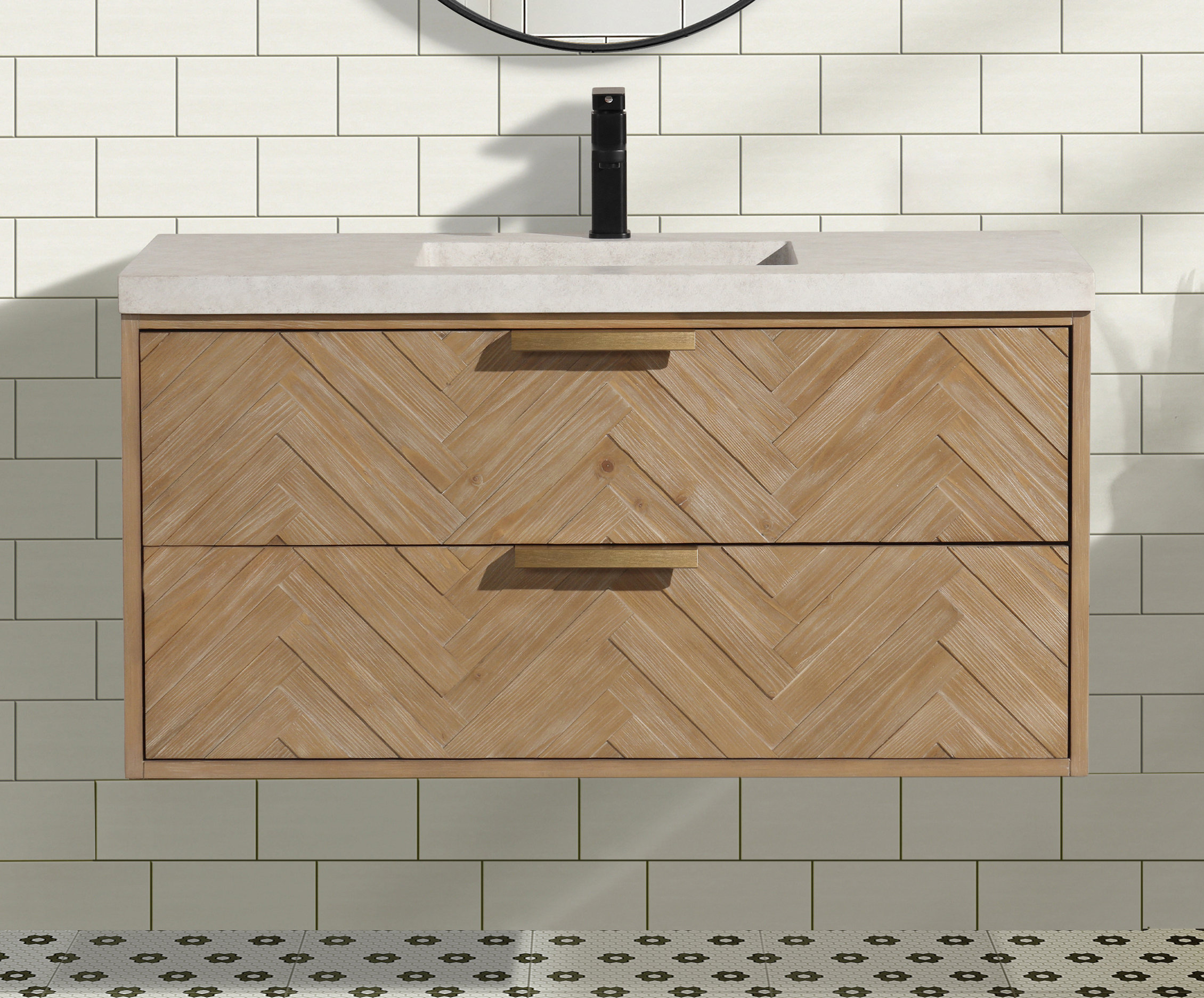
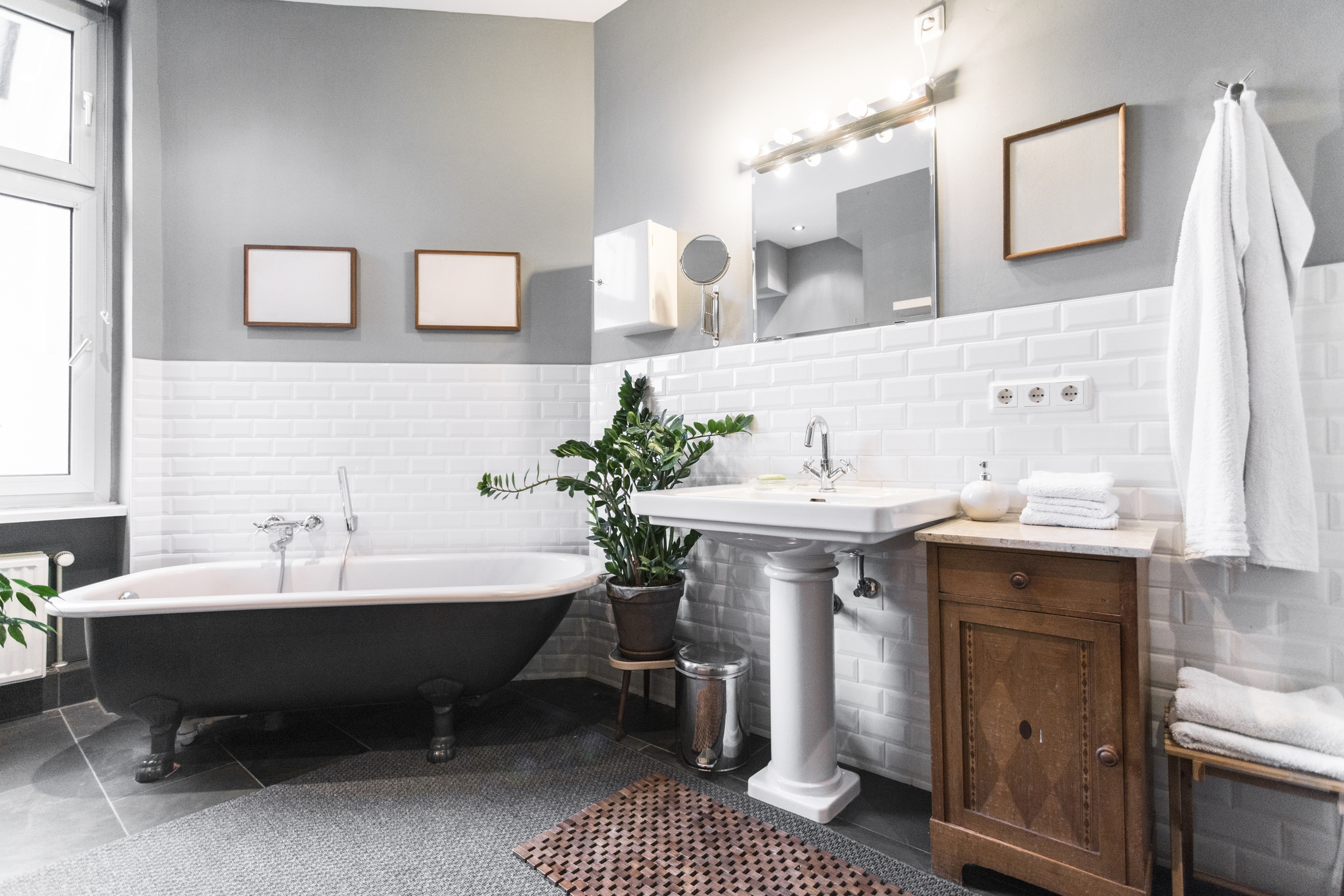
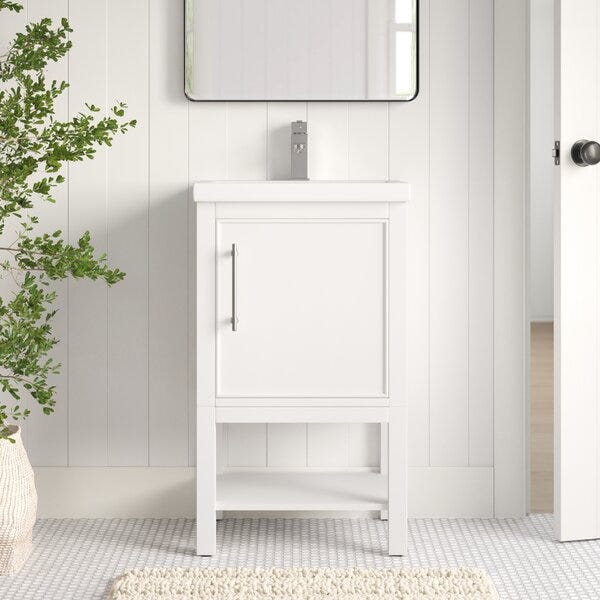
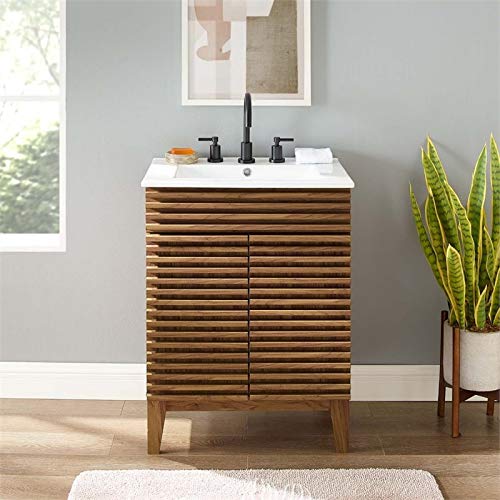
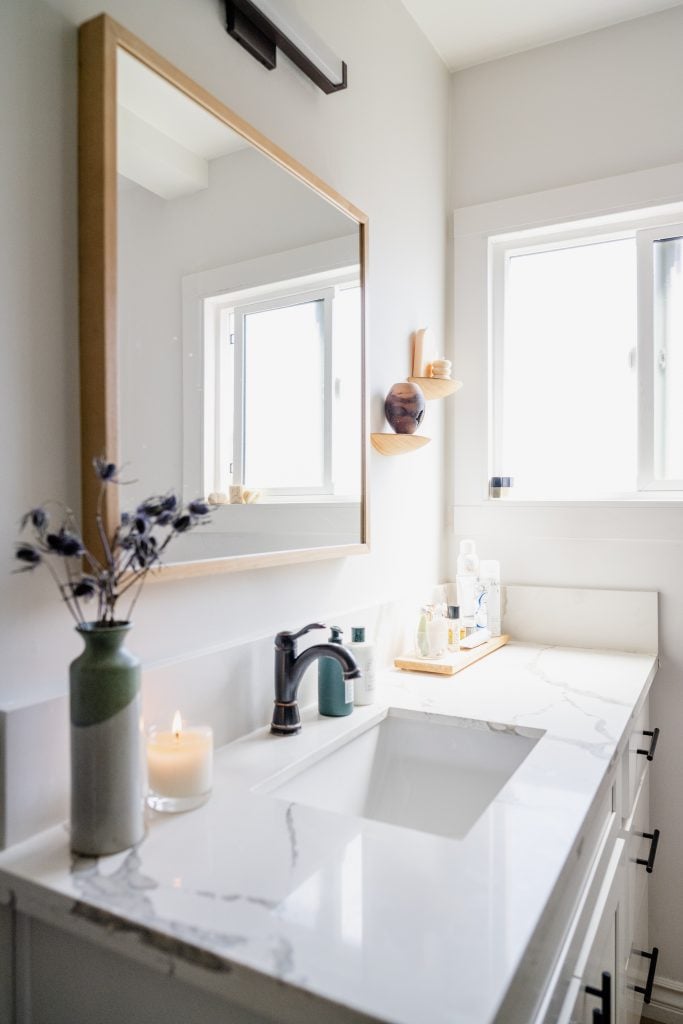
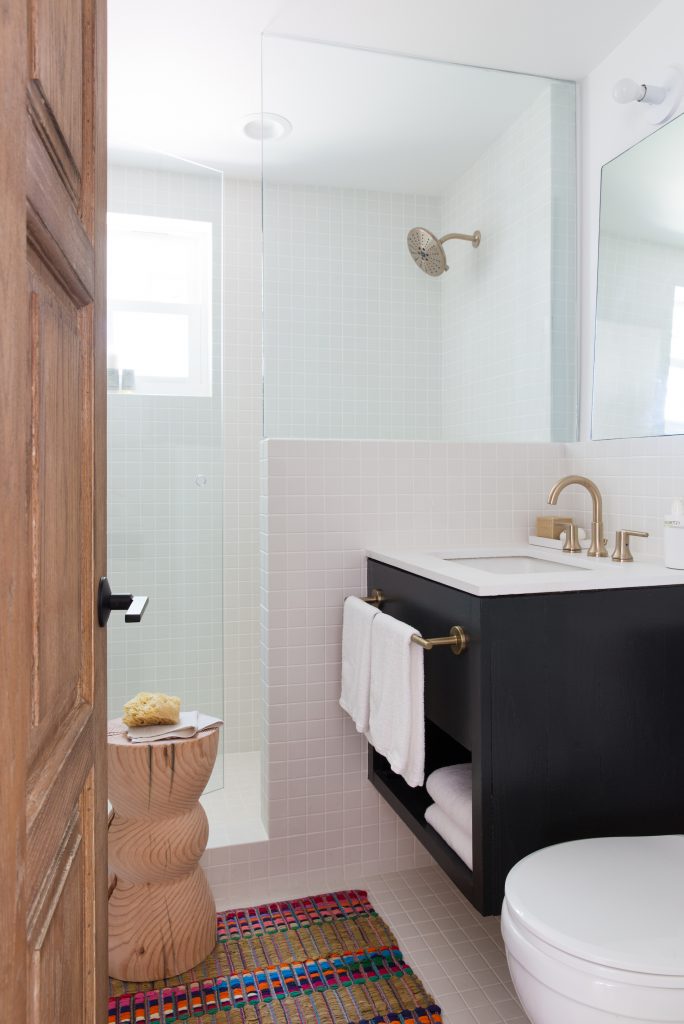
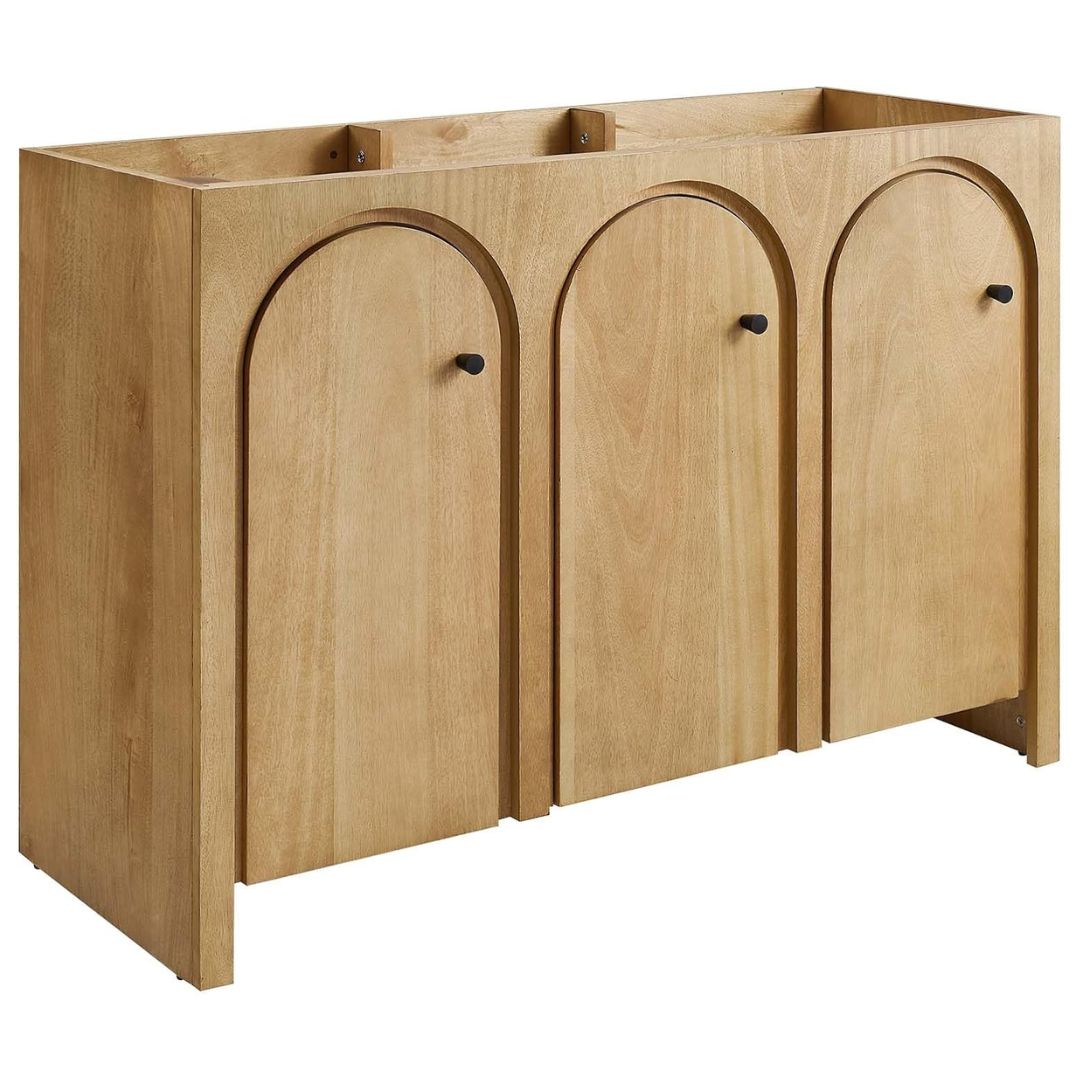
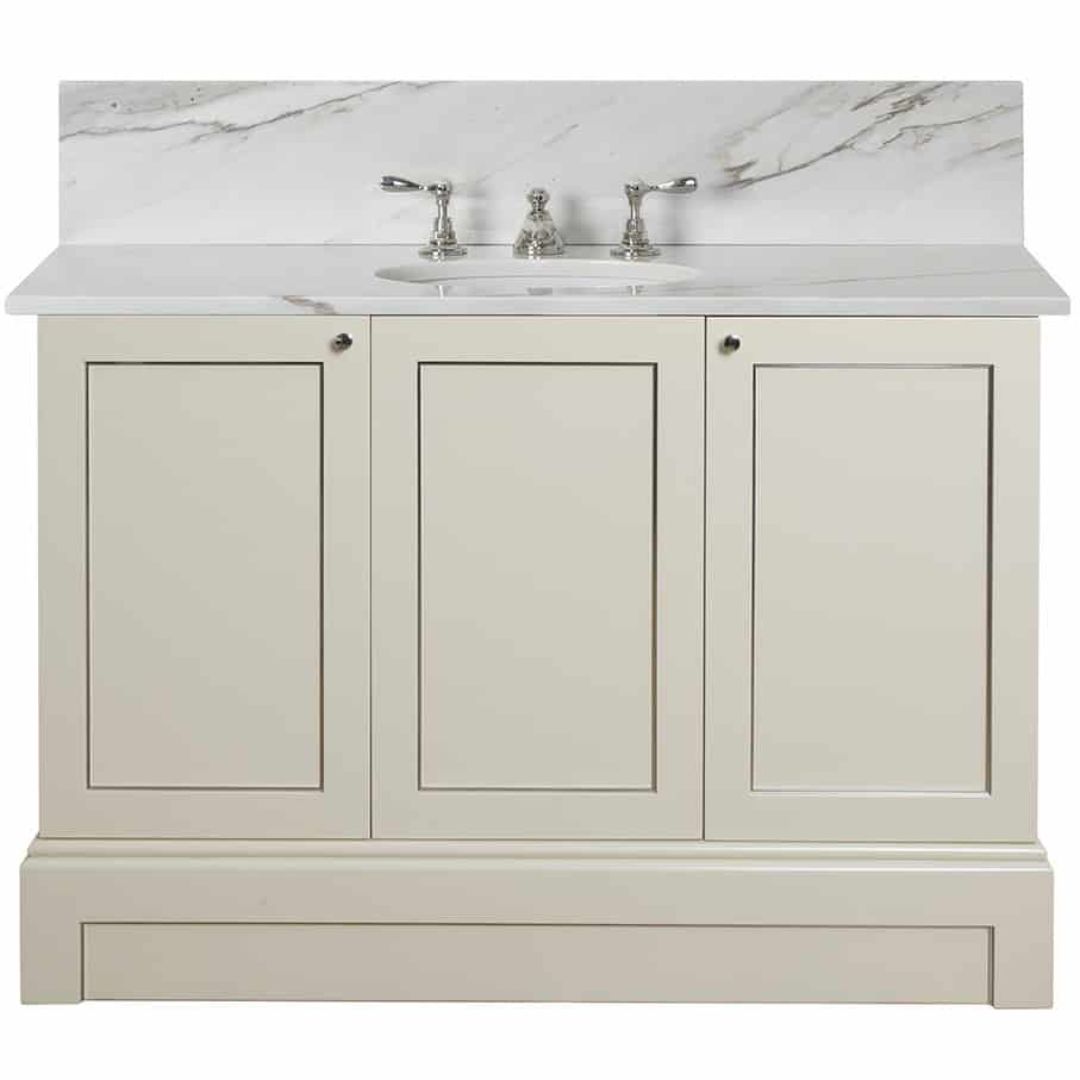
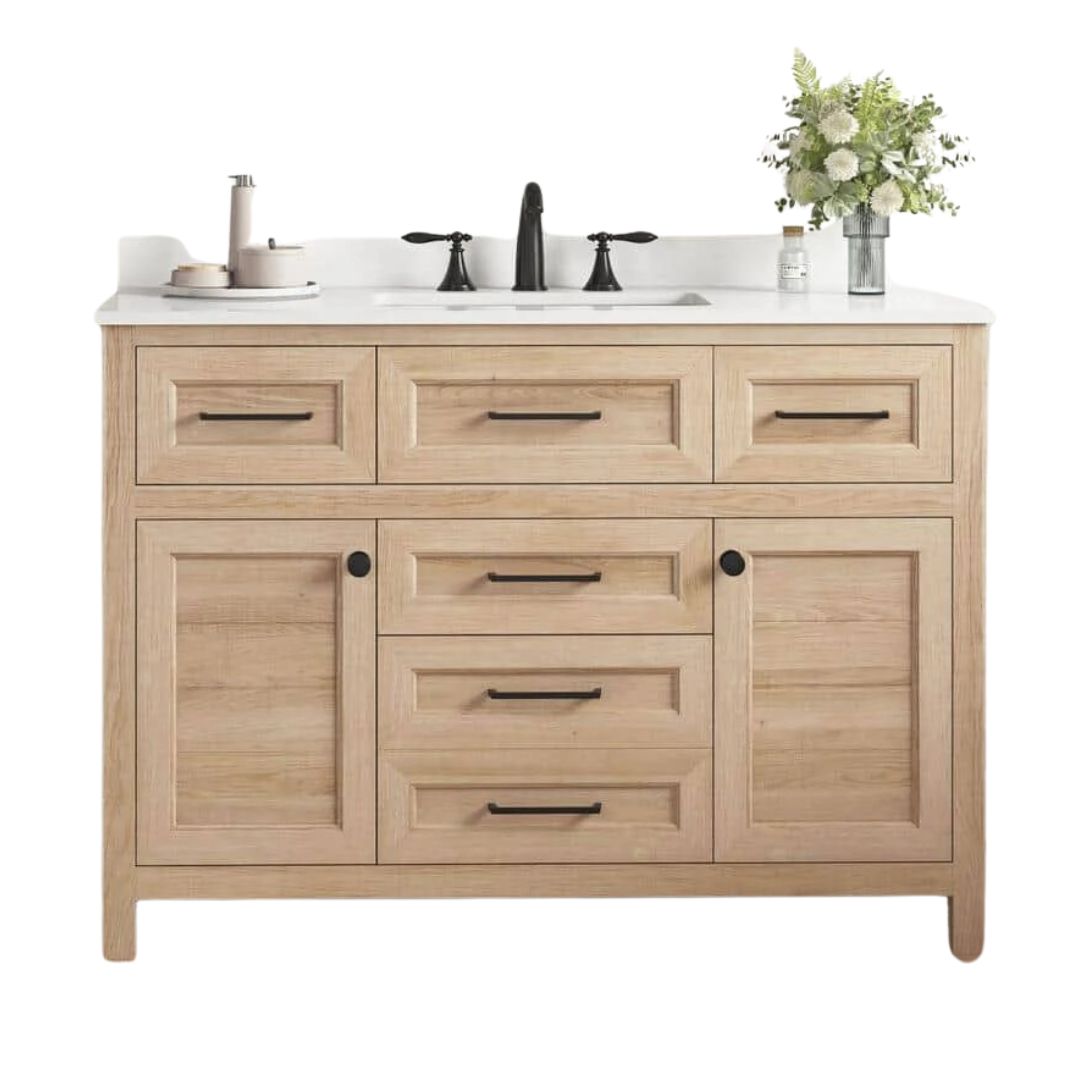
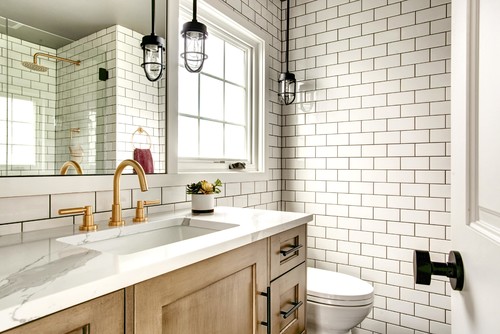
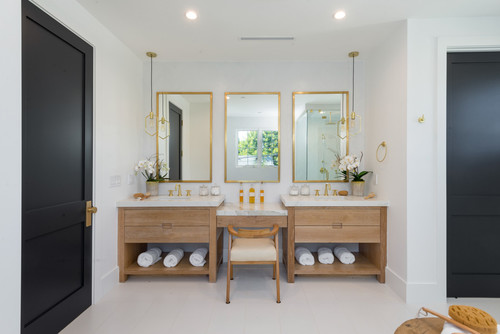
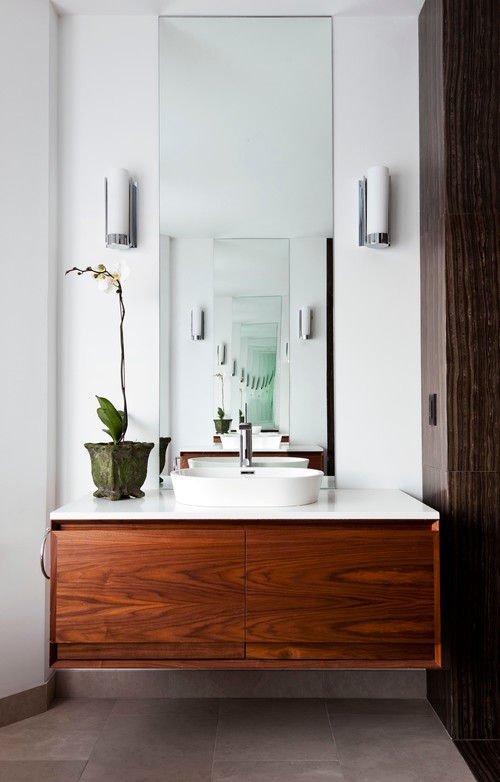
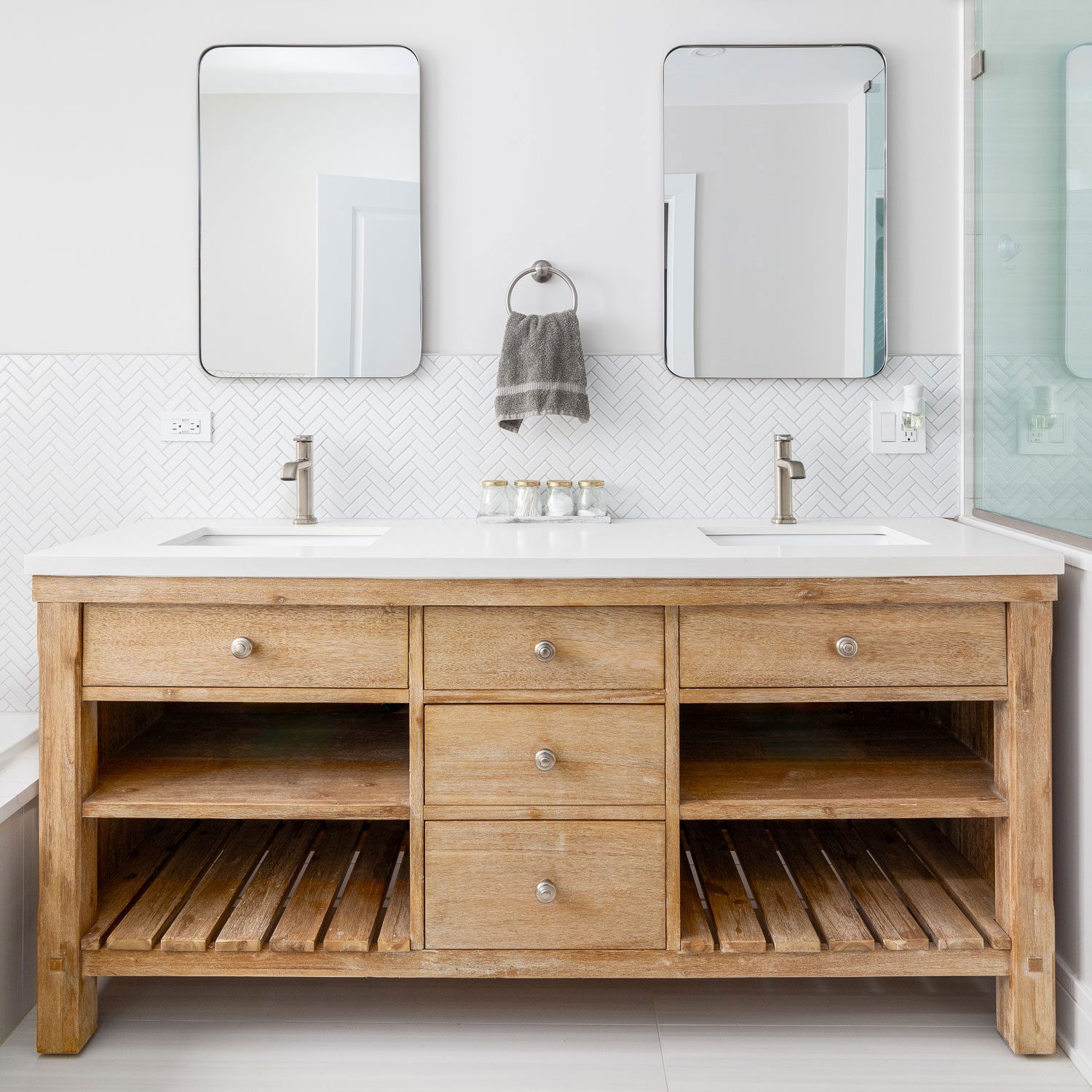
Selecting the appropriate height for a bathroom vanity is crucial for both functionality and aesthetic appeal within a bathroom space. Vanity units integrate a sink with storage, effectively concealing plumbing and toiletries, making them a practical addition, especially in bathrooms with limited space. However, simply fitting a vanity into the available wall space is not sufficient; its height must also be carefully considered to ensure comfort and accessibility for its users.
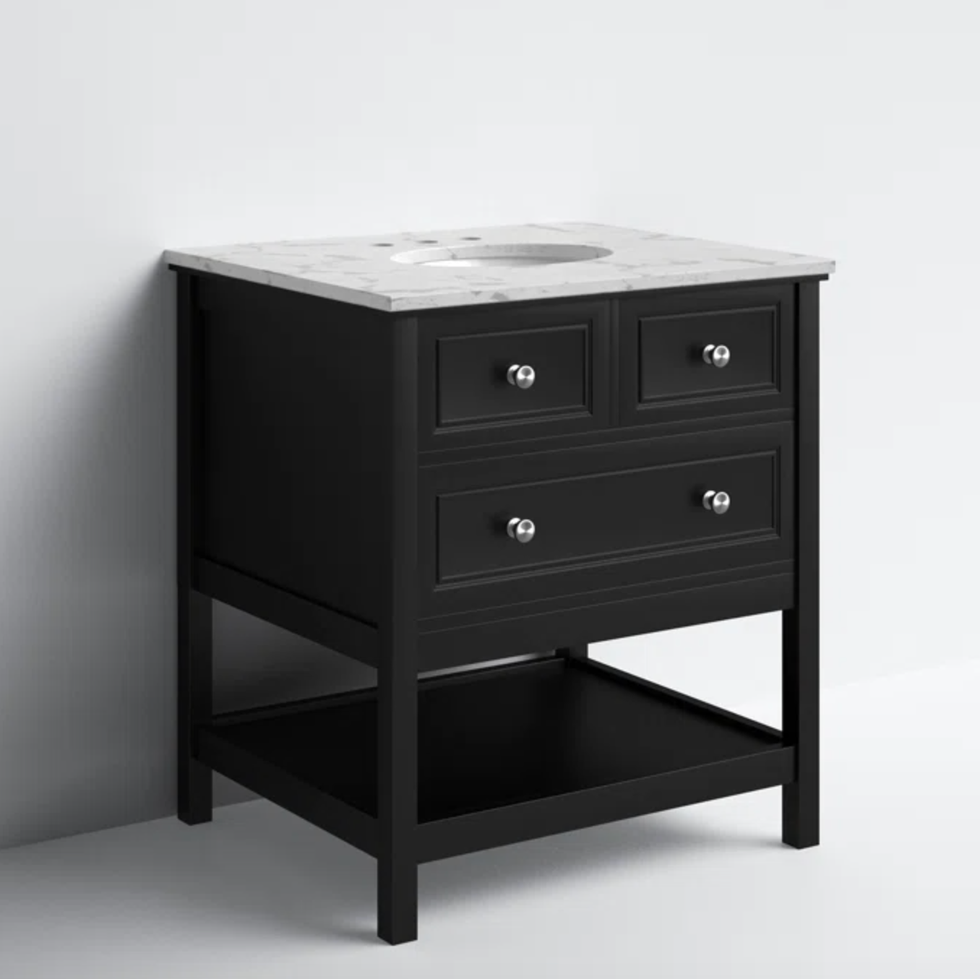
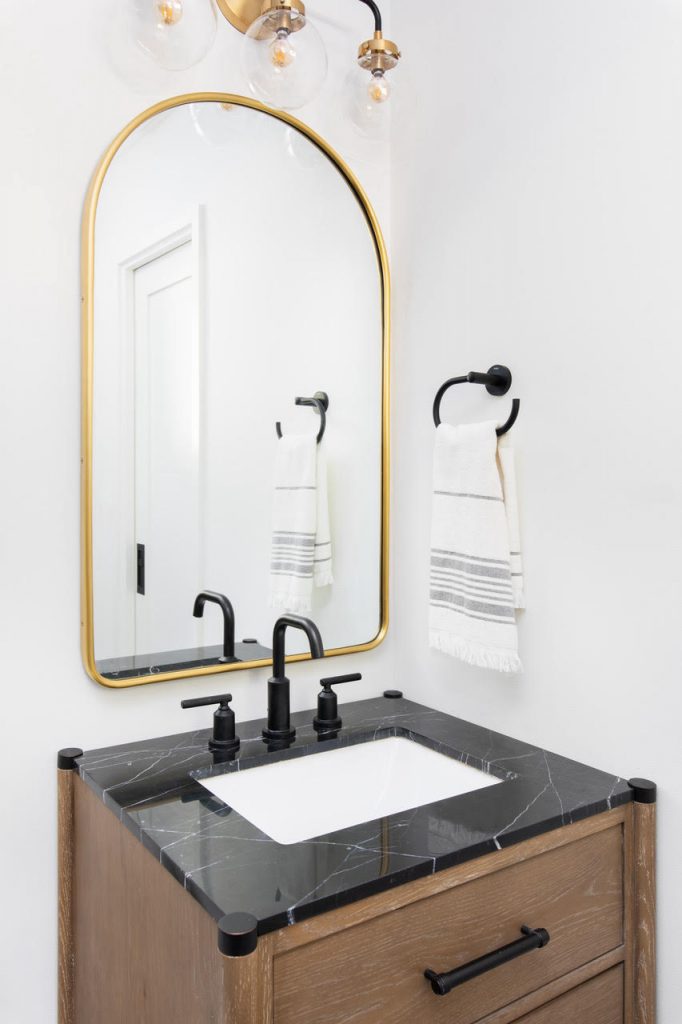
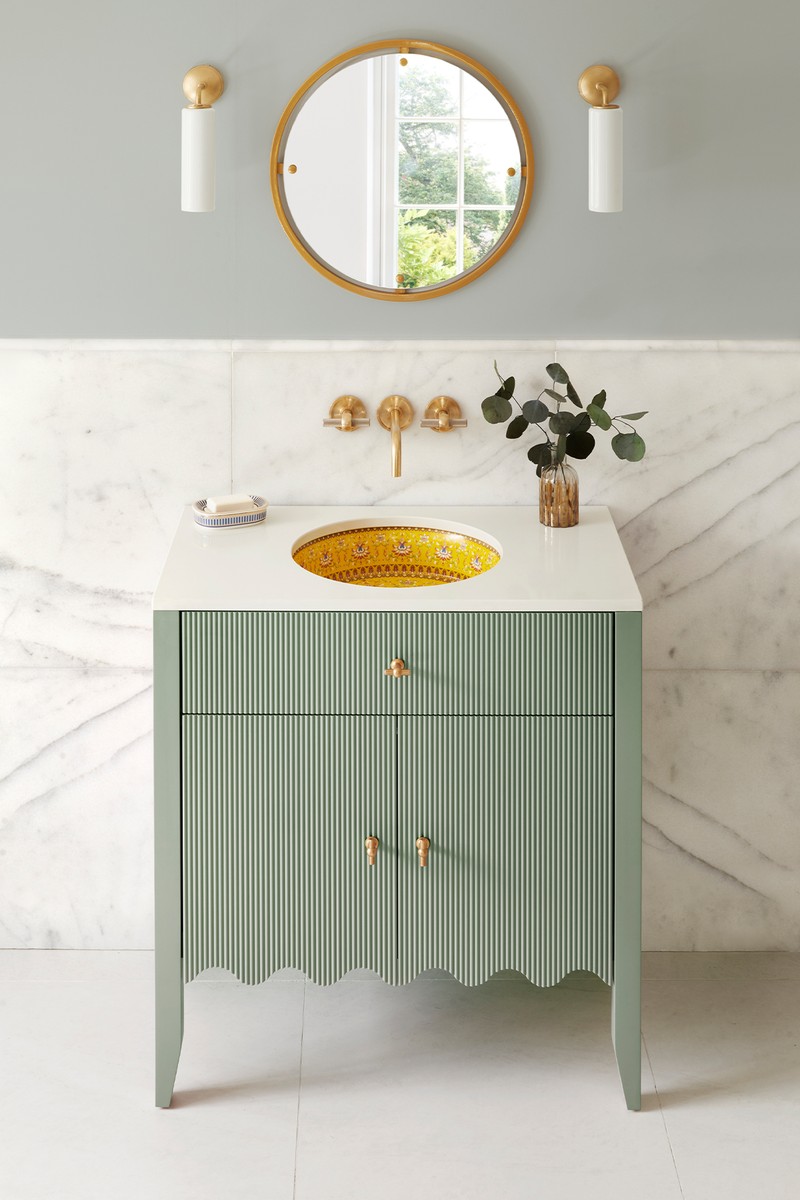
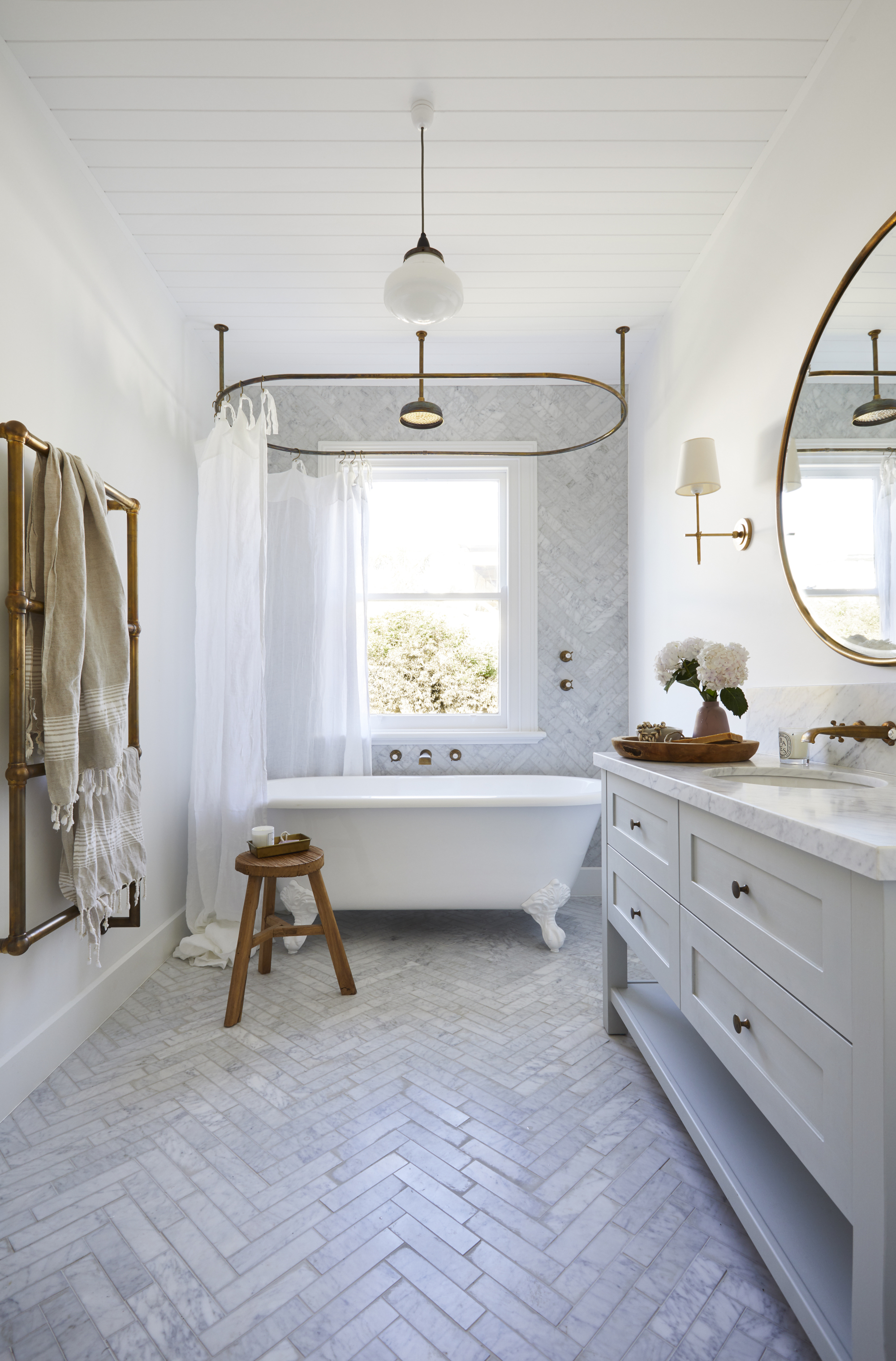
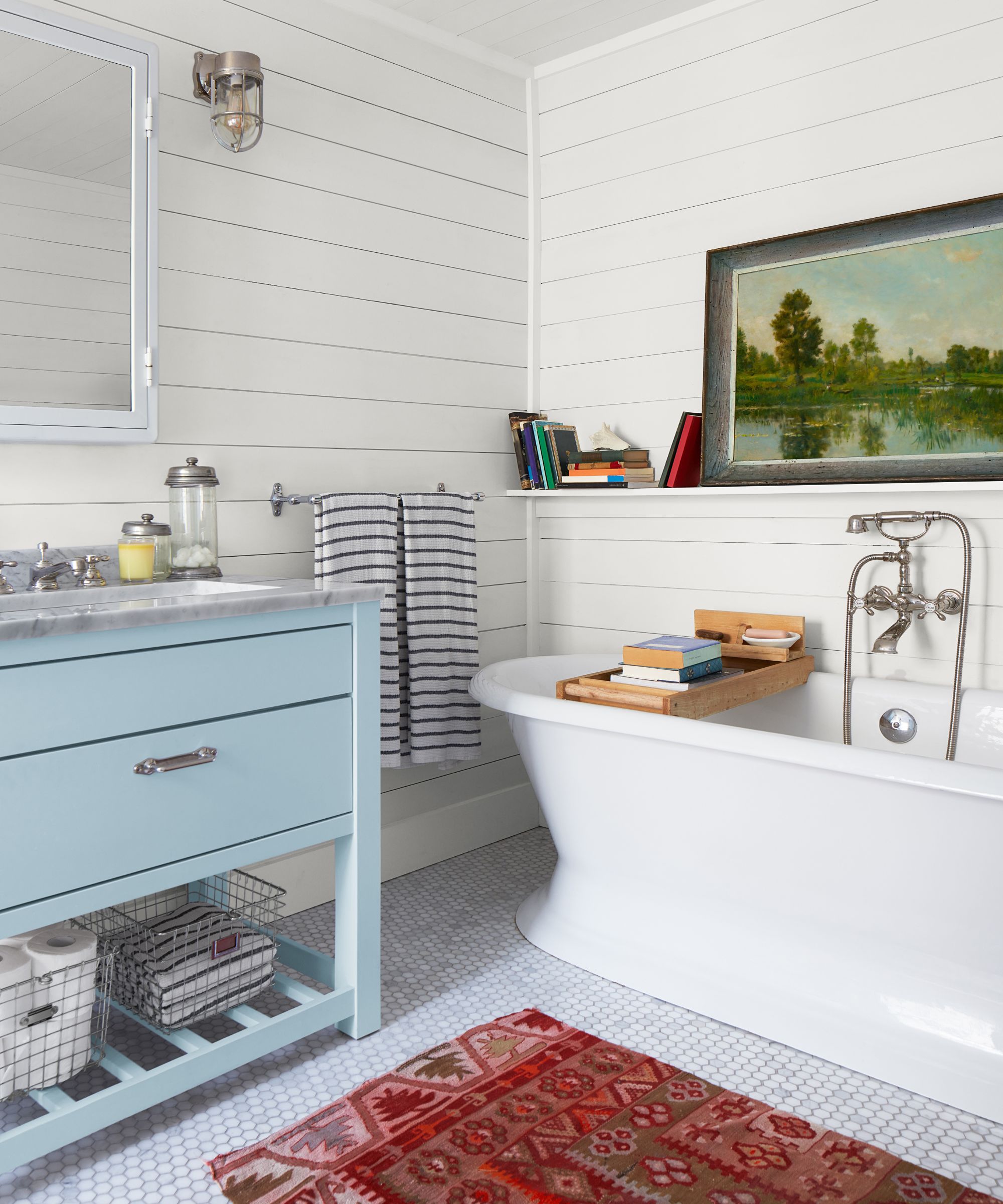
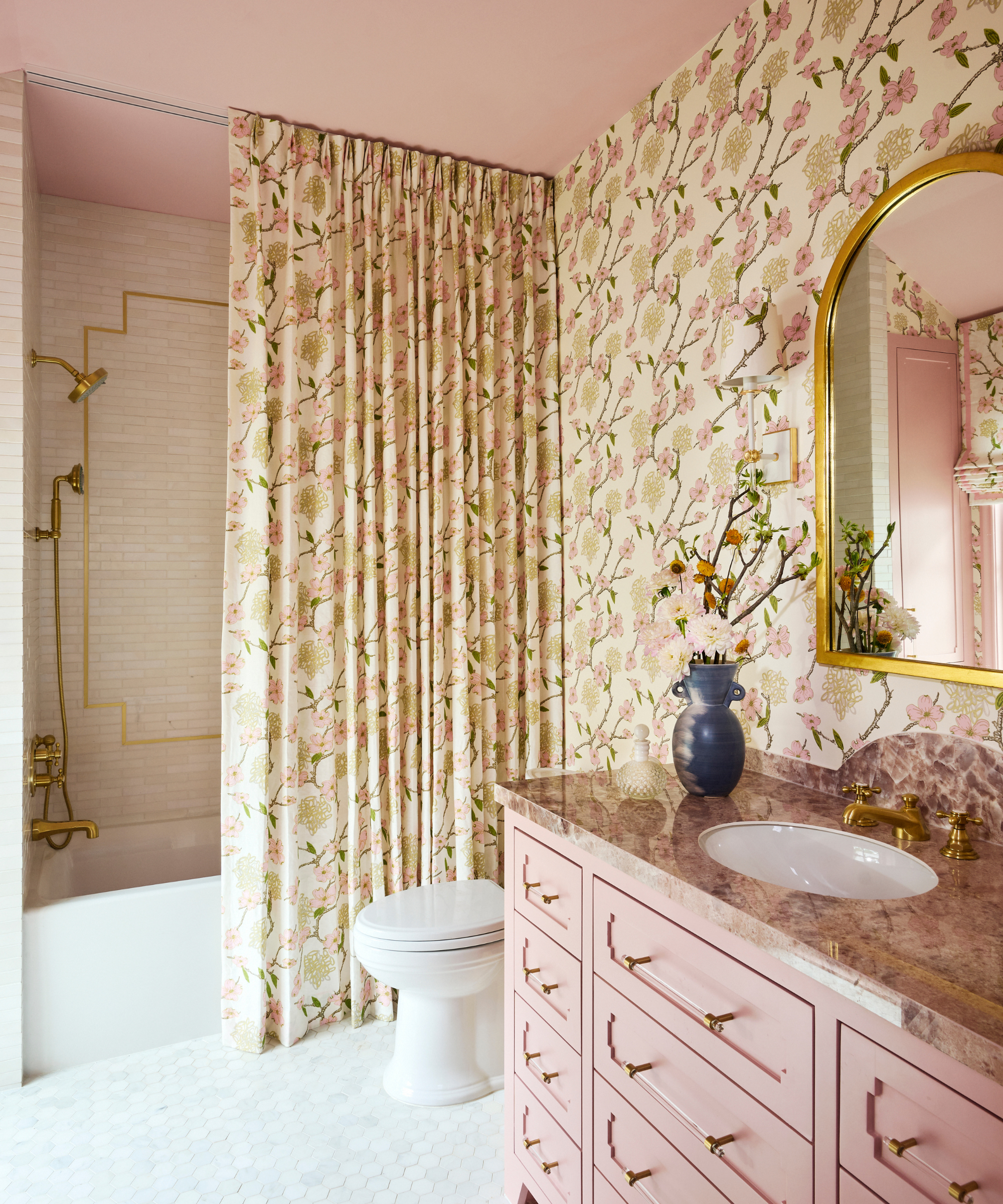
Experts emphasize the importance of correct vanity height for comfortable daily activities such as hand washing, teeth brushing, and face washing. An incorrectly sized vanity can lead to ergonomic issues and disrupt the overall balance of the bathroom's design. Over the past three decades, standard bathroom vanity heights have evolved. While older homes typically feature vanities around 32 inches tall, modern preferences have shifted towards taller options. Stephanie Pierce, Director of Design and Trends for MasterBrand Cabinets, notes that typical vanity heights range from 32 to 36 inches from the floor to the top of the countertop. Custom heights can also be achieved based on specific aesthetic or practical needs, though it's important to remember that these measurements usually factor in a 1.25-inch countertop.
The 'standard height' of 32 inches is now often considered for children's bathrooms or for future-proofing designs with aging-in-place and accessibility in mind. In contrast, 'comfort-height' vanities, typically 36 inches tall, have gained popularity, aligning with standard kitchen counter heights. These taller vanities offer better ergonomics for adults and can provide additional storage, helping to keep bathroom counters clutter-free. For families with children, a sturdy step stool can bridge the height gap until the children grow taller. Vanities as low as 30 inches are also an option for children's bathrooms, and for Americans With Disabilities Act (ADA) compliance, a sink countertop height of 34 inches is required to accommodate wheelchair access.
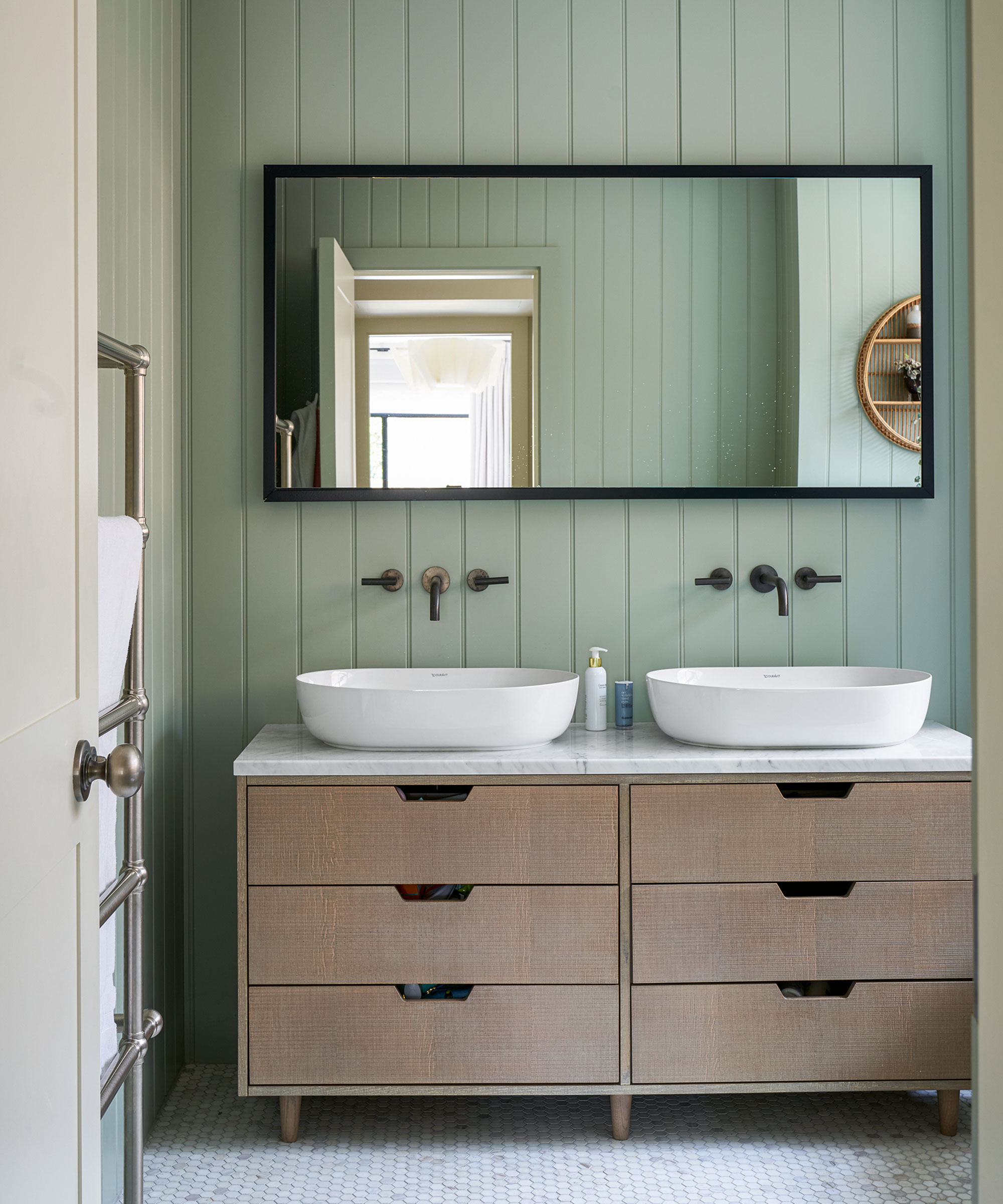
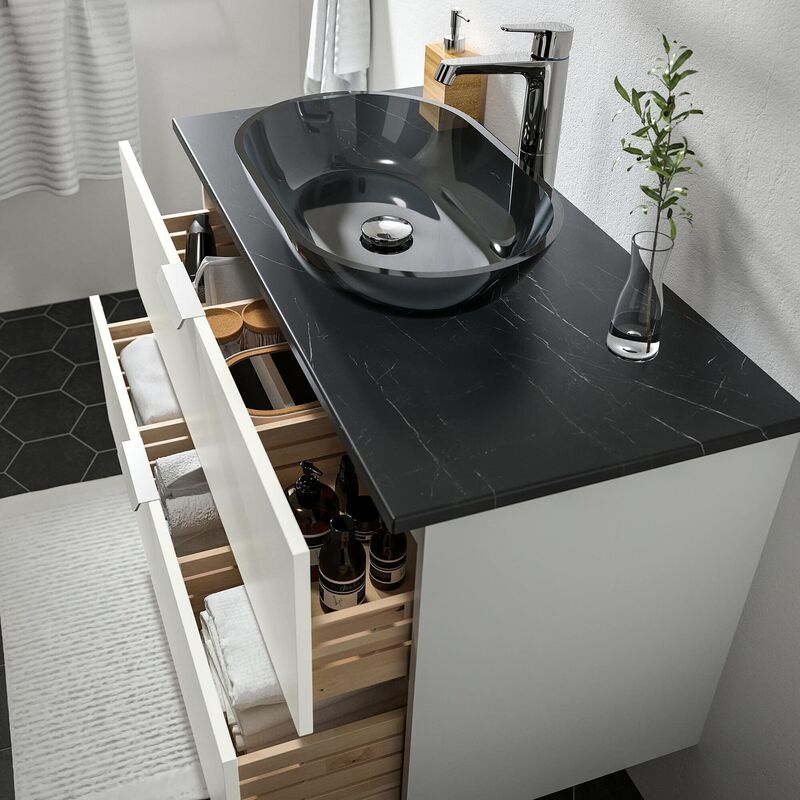
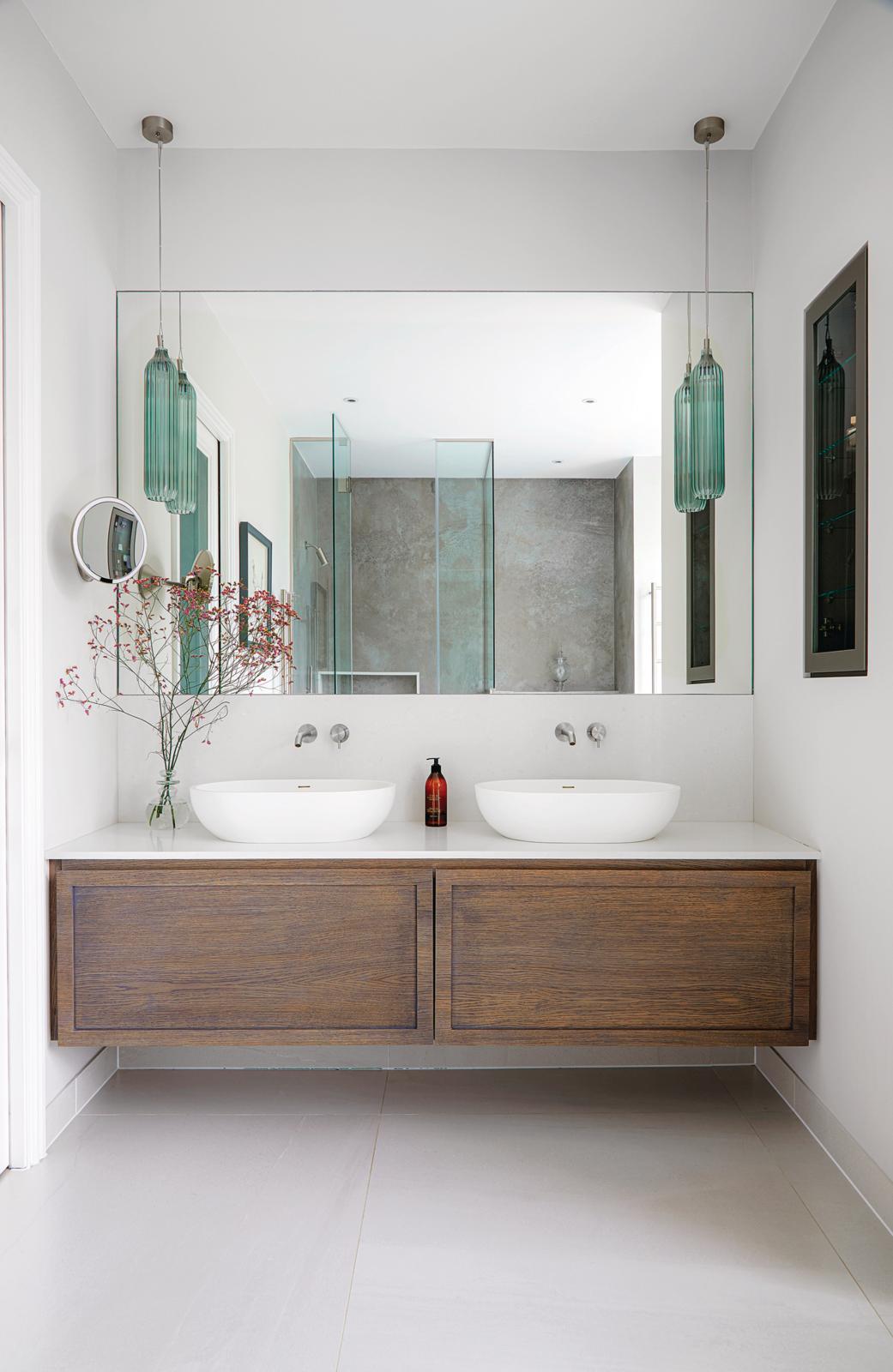
Several factors should influence the choice of vanity height. The primary consideration is the height of the users. A family with young children might benefit from a lower vanity, making routines easier, while a taller family might find a comfort-height vanity more practical. The type of sink also plays a role; vessel sinks, which sit atop the countertop, usually pair better with a 32-inch high vanity so that the rim of the sink reaches a comfortable, kitchen-height level. Practical considerations like plumbing and electrical outlets are also vital. Replacing an older, shorter vanity with a taller one could potentially block existing outlets or necessitate plumbing modifications, which could impact a bathroom renovation budget. Finally, the placement of other bathroom fixtures, such as mirrors and lighting, should be taken into account. A significantly taller vanity might require adjusting or replacing an existing mirror or impact the alignment of vertical vanity lighting, ensuring all elements work harmoniously within the space.
#BathroomDesign #VanityHeight #HomeRenovation #Ergonomics #HomeImprovement #Accessibility #PlumbingConsiderations #InteriorDesign #FamilyFriendly #BathroomDesign #VanityHeight #HomeRenovation #Ergonomics #HomeImprovement #Accessibility #PlumbingConsiderations #InteriorDesign #FamilyFriendly
0 comment in total
 No comments yet
You may also like
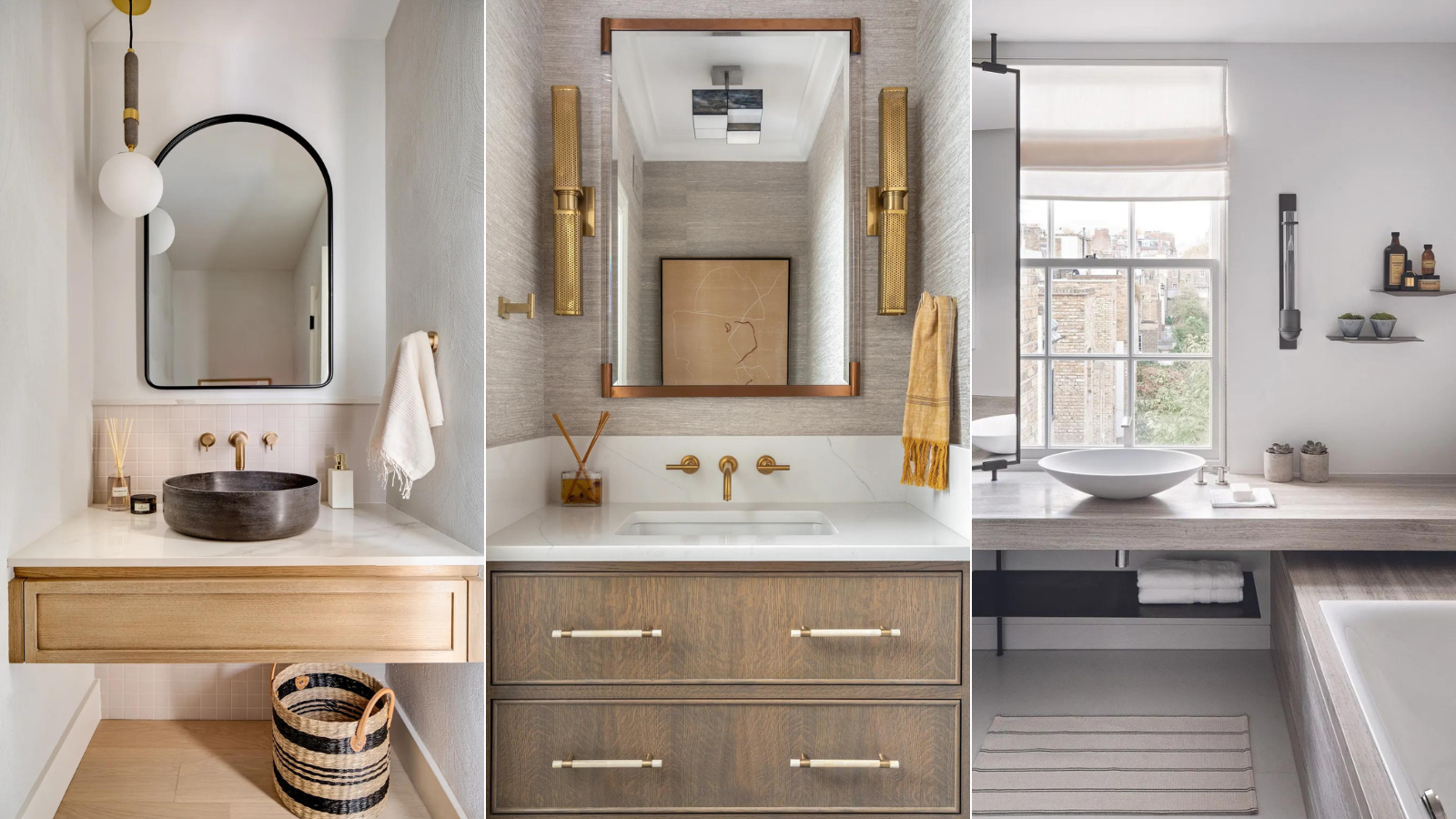
How high should a bathroom vanity be? Designers share the 'Goldilocks' measurement
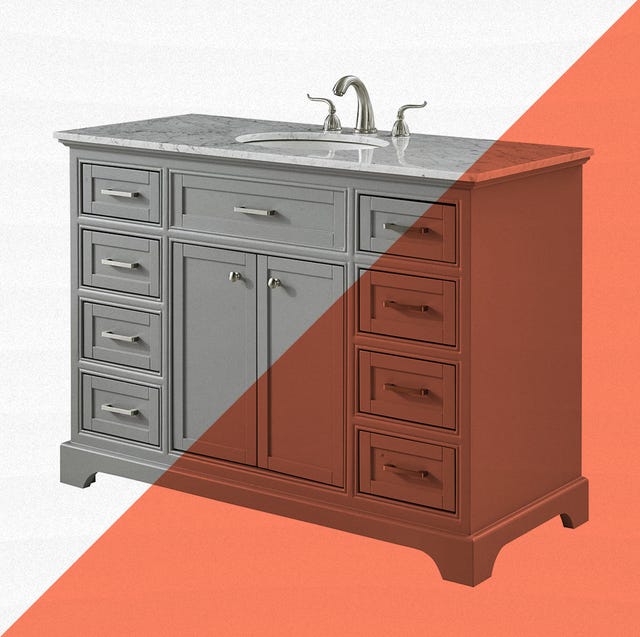
Transform Your Bathroom's Style and Storage Capacity with These Bathroom Vanities
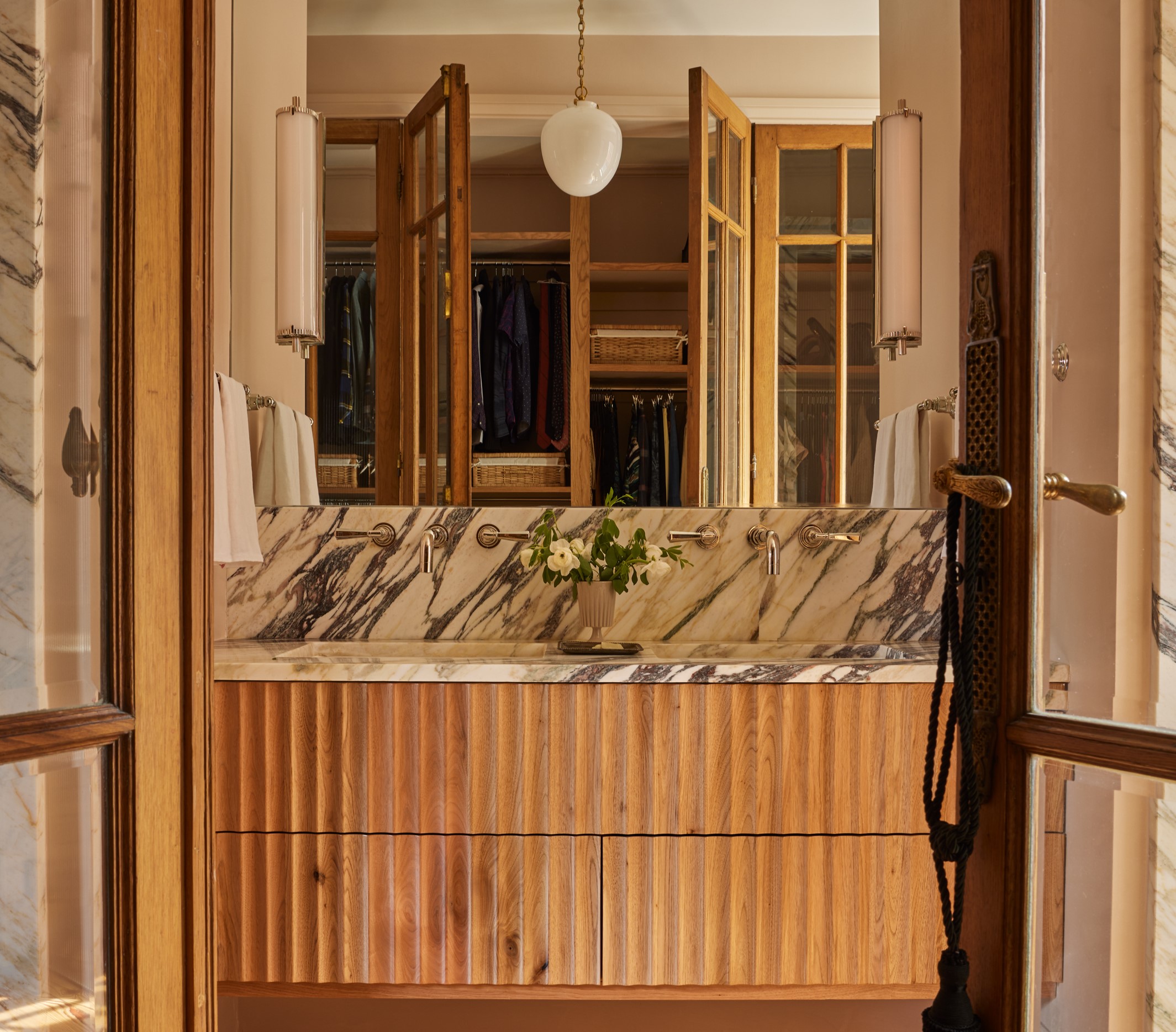
Where to Buy a Bathroom Vanity — We Asked Designers and Experts for Their Favorite Places to Shop

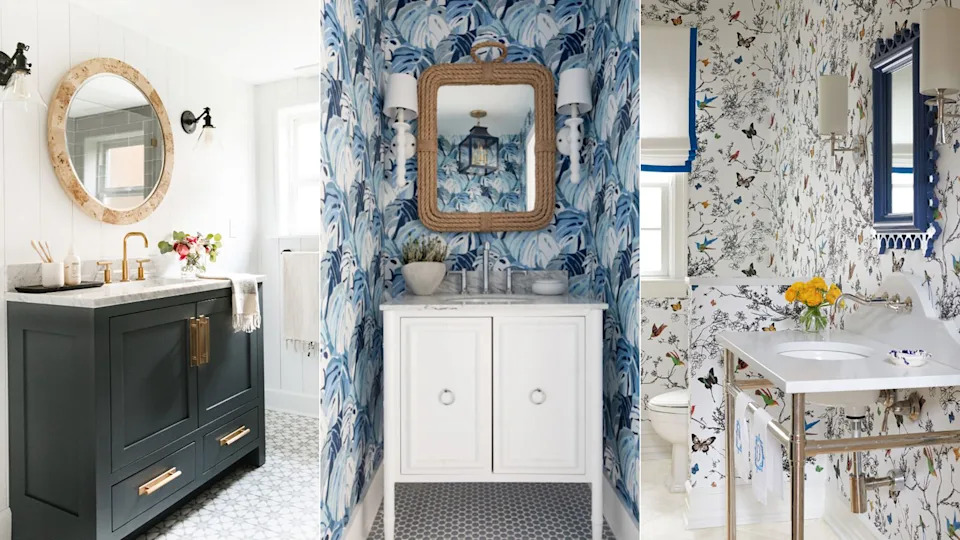
Bathroom vanity ideas – 20 ideas for a stand out vanity area
These are the Best Bathroom Vanities on the Market
How to Design a Beautiful (and Organized!) Bathroom Vanity

30 Bathroom Vanity Ideas To Elevate Your Storage Space

Vanity Units

Types of Bathroom Vanity — A Handy Guide to Help Design Your Bathroom

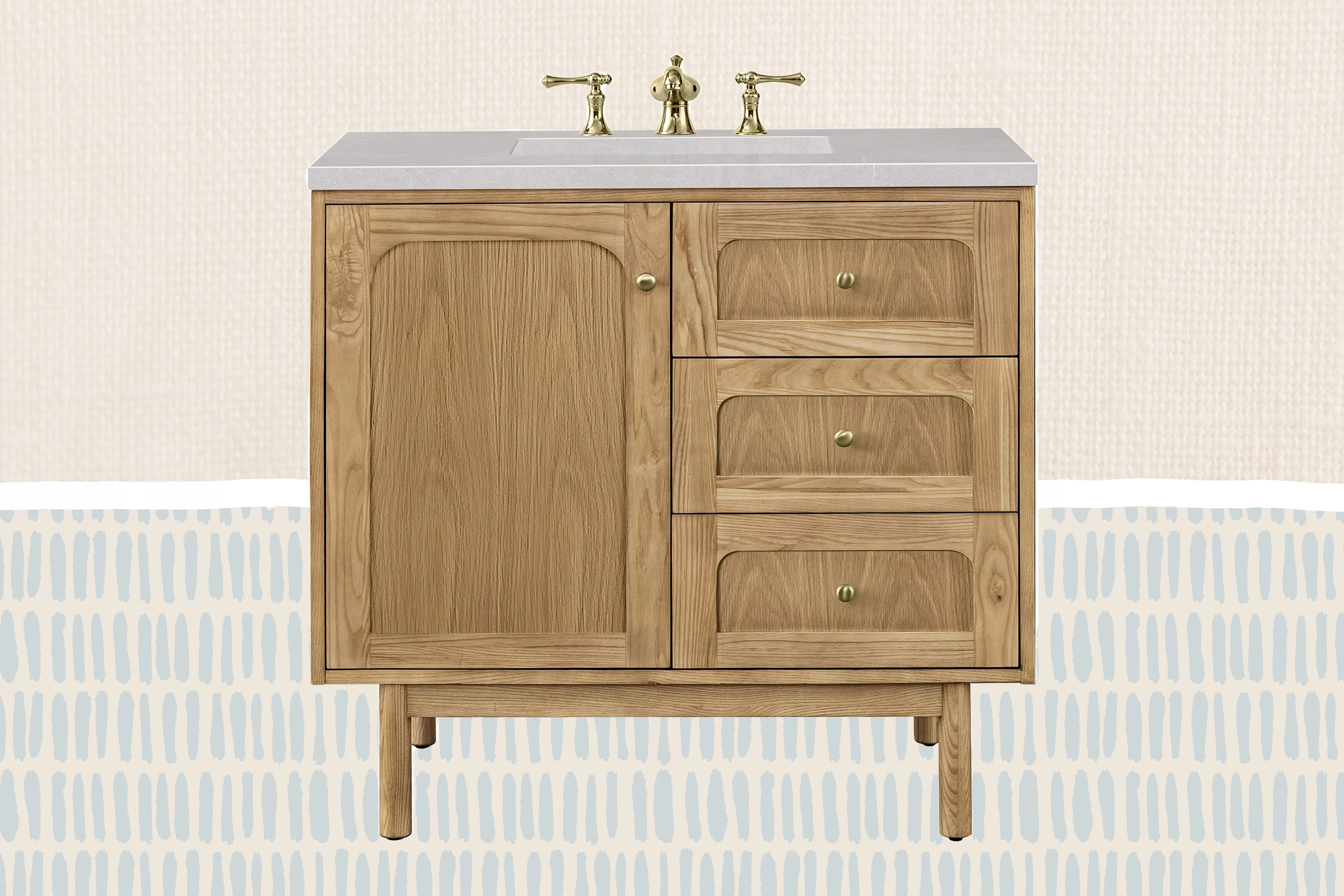
The 7 Best Bathroom Vanities of 2026 for Style and Storage

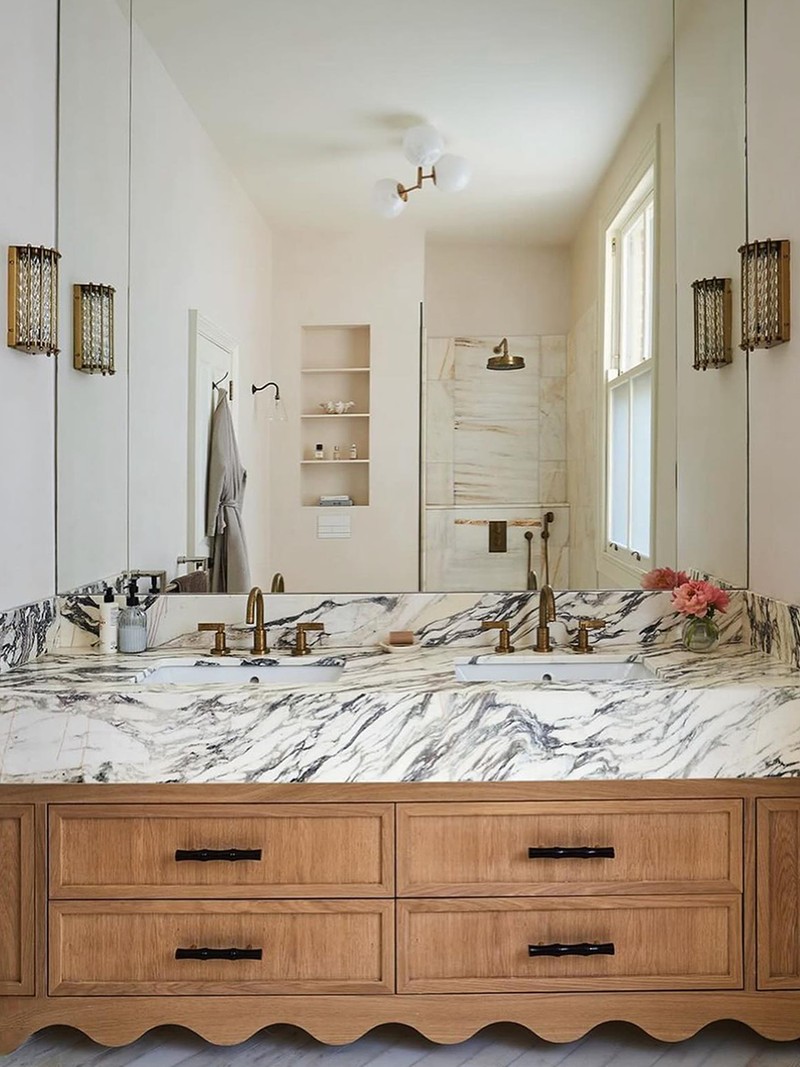
24 Stylish Bathroom Vanity Units

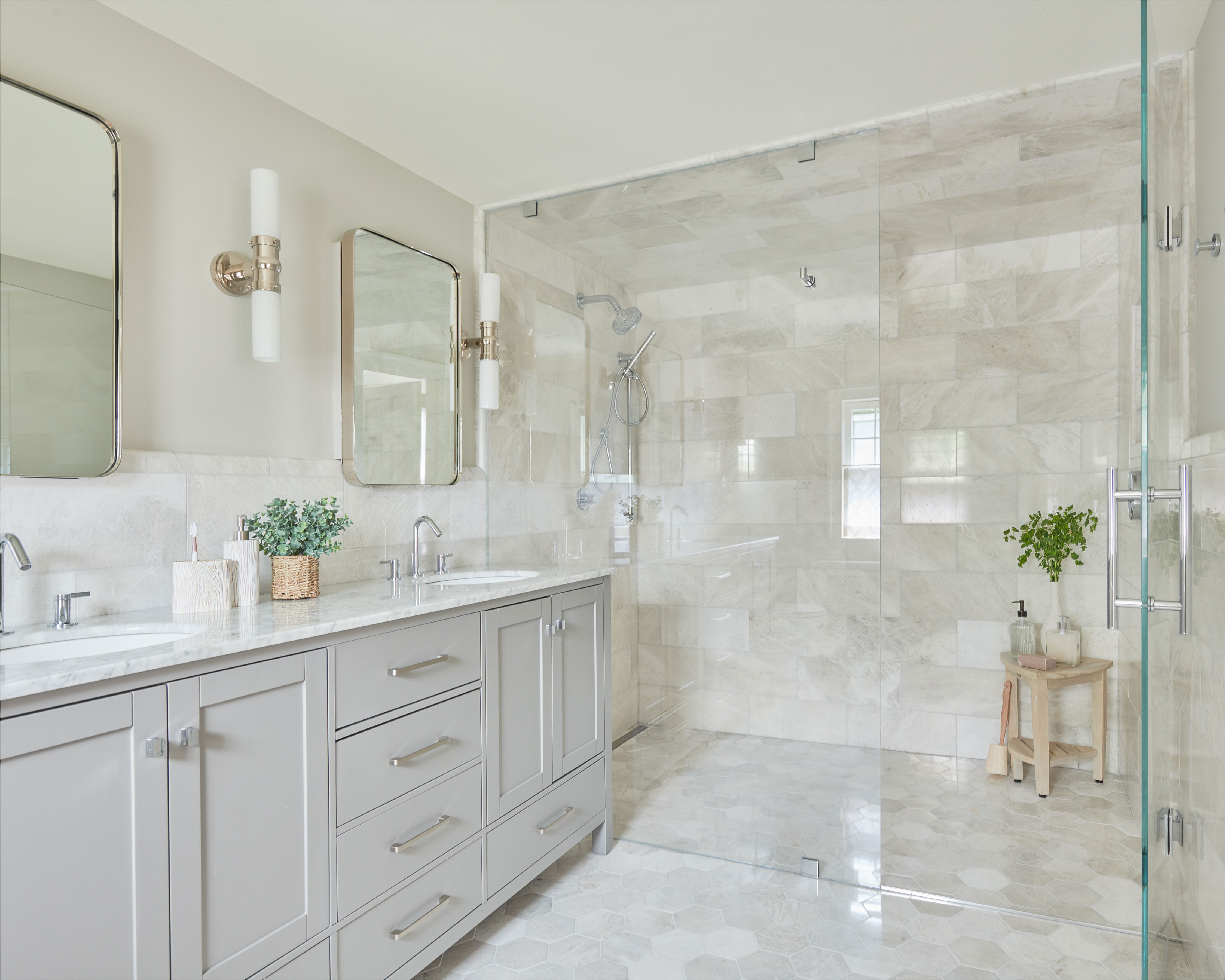
Organizing a bathroom vanity – 10 ways to order essentials
These Are The Best Bathroom Vanities on The Market

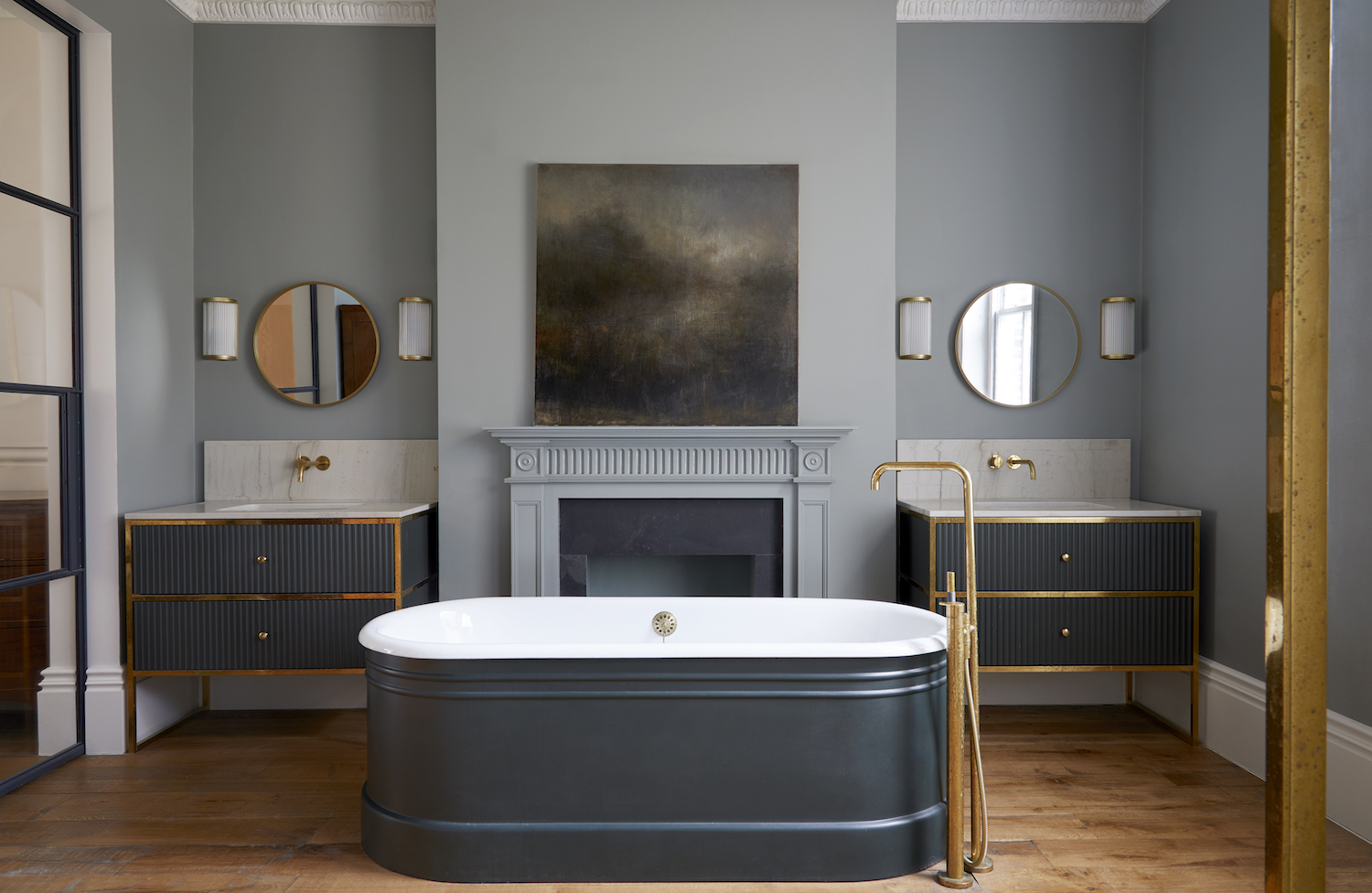
Bathroom vanity ideas - experts explain how to use the most stylish materials and smartest designs
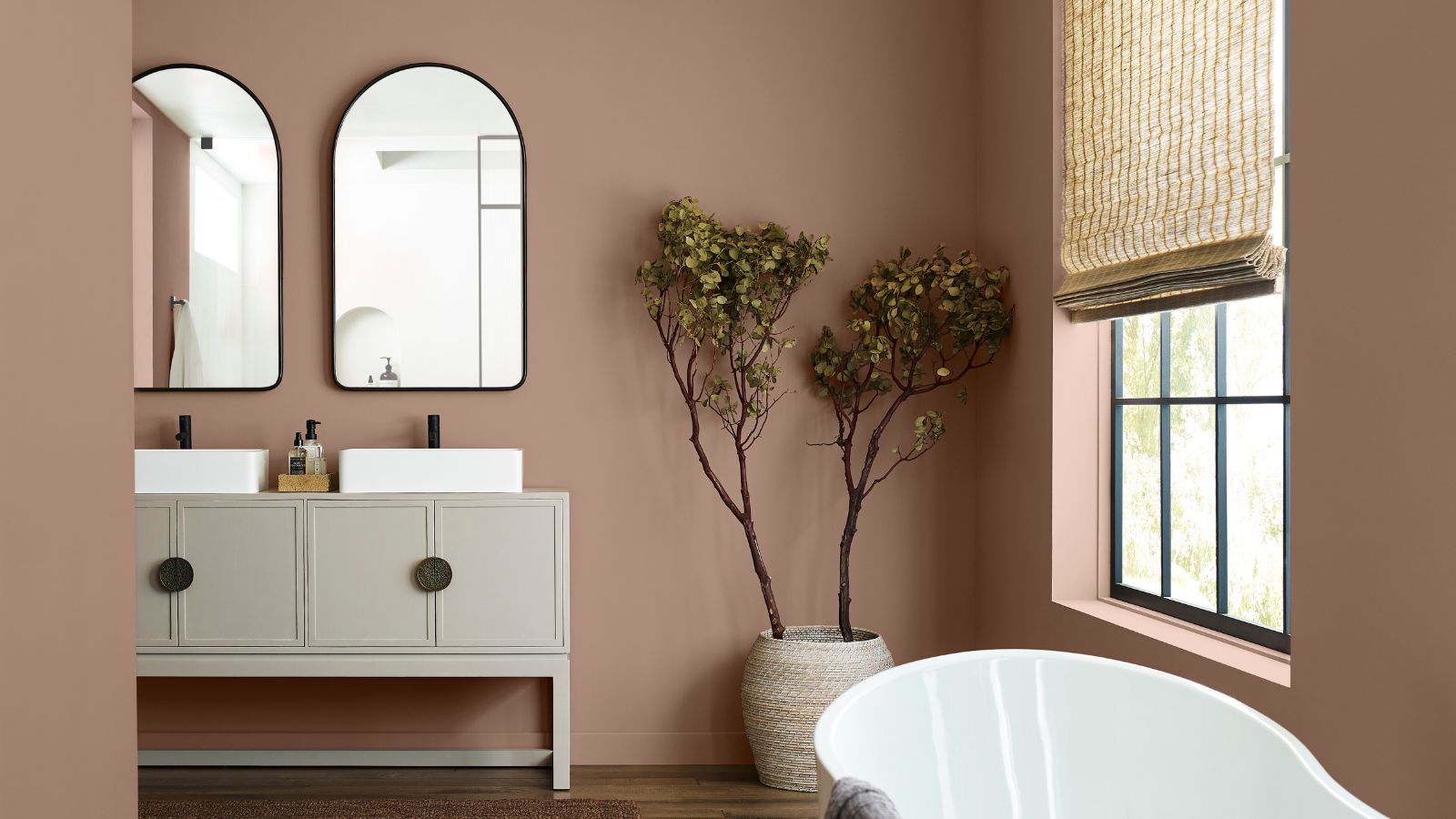
What’s the best color for your bathroom vanity? Experts share their go-to hues for a sophisticated scheme
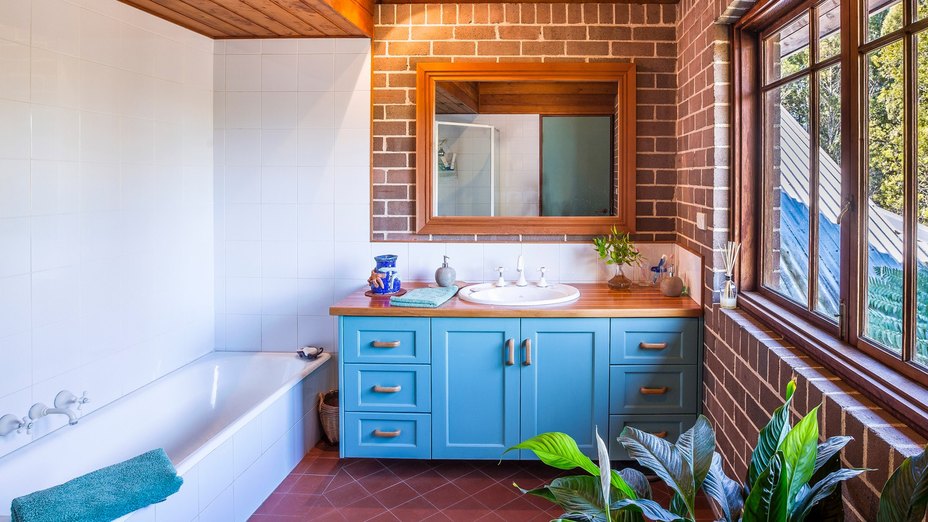
What Is a Bathroom Vanity? Adding Power (and Extra Storage) to the Powder Room
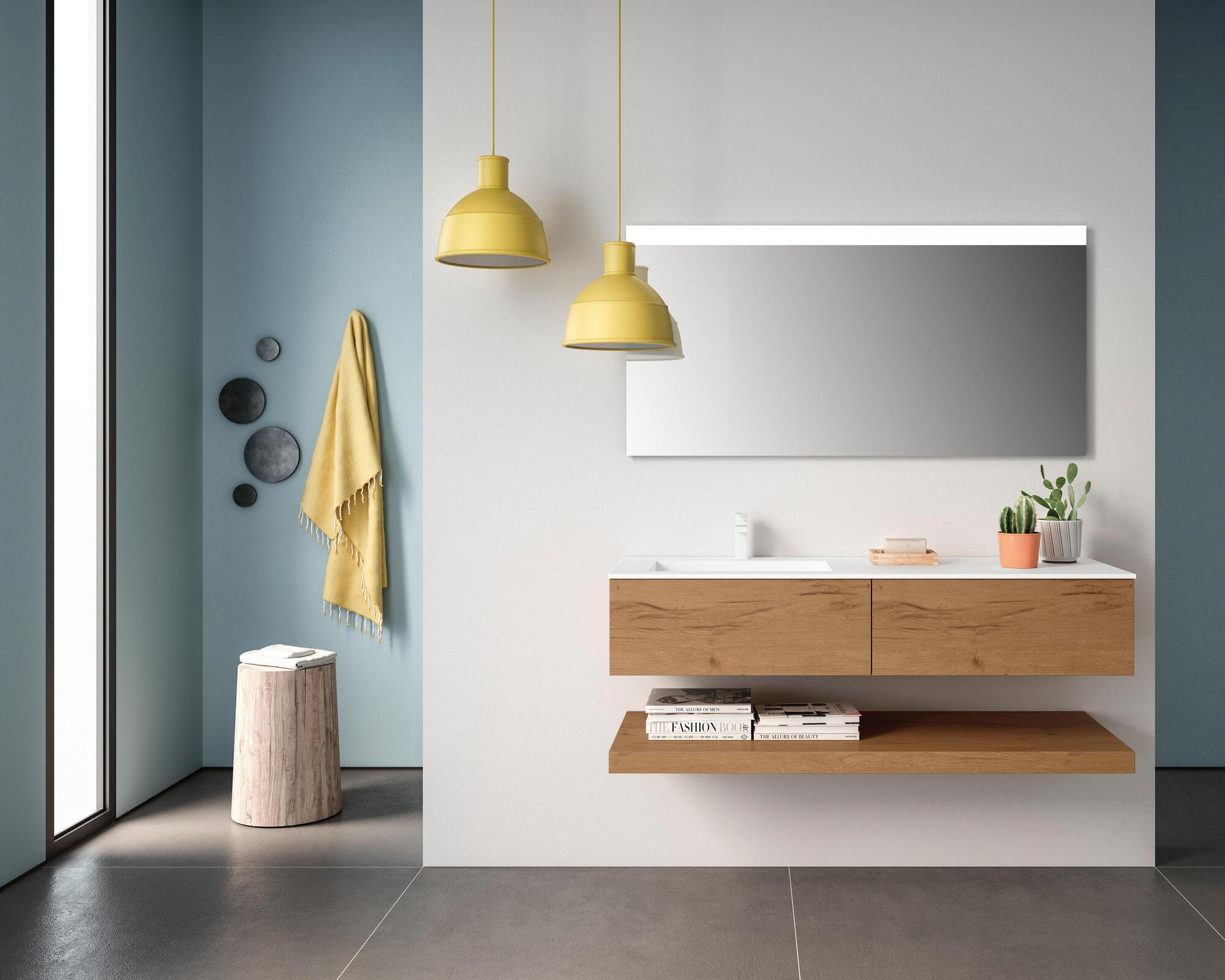
Vanity Fair: Six superb bathroom vanity choices
The 11 Best Bathroom Mirrors to Elevate Your Vanity
These 14 Double Vanity Ideas Could Prevent a Bathroom Divorce

Bathroom vanity ideas – 20 ideas for a stand out vanity area