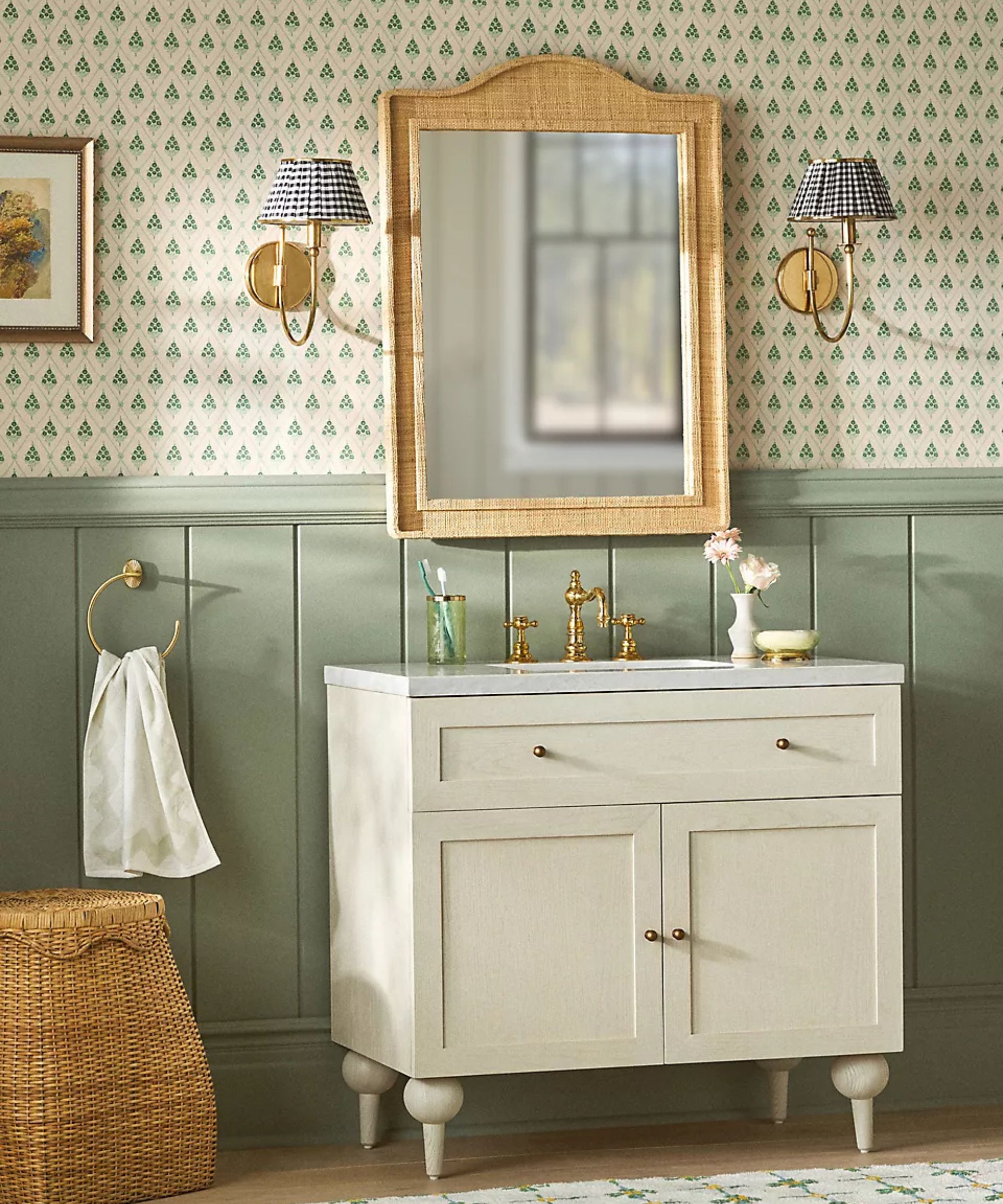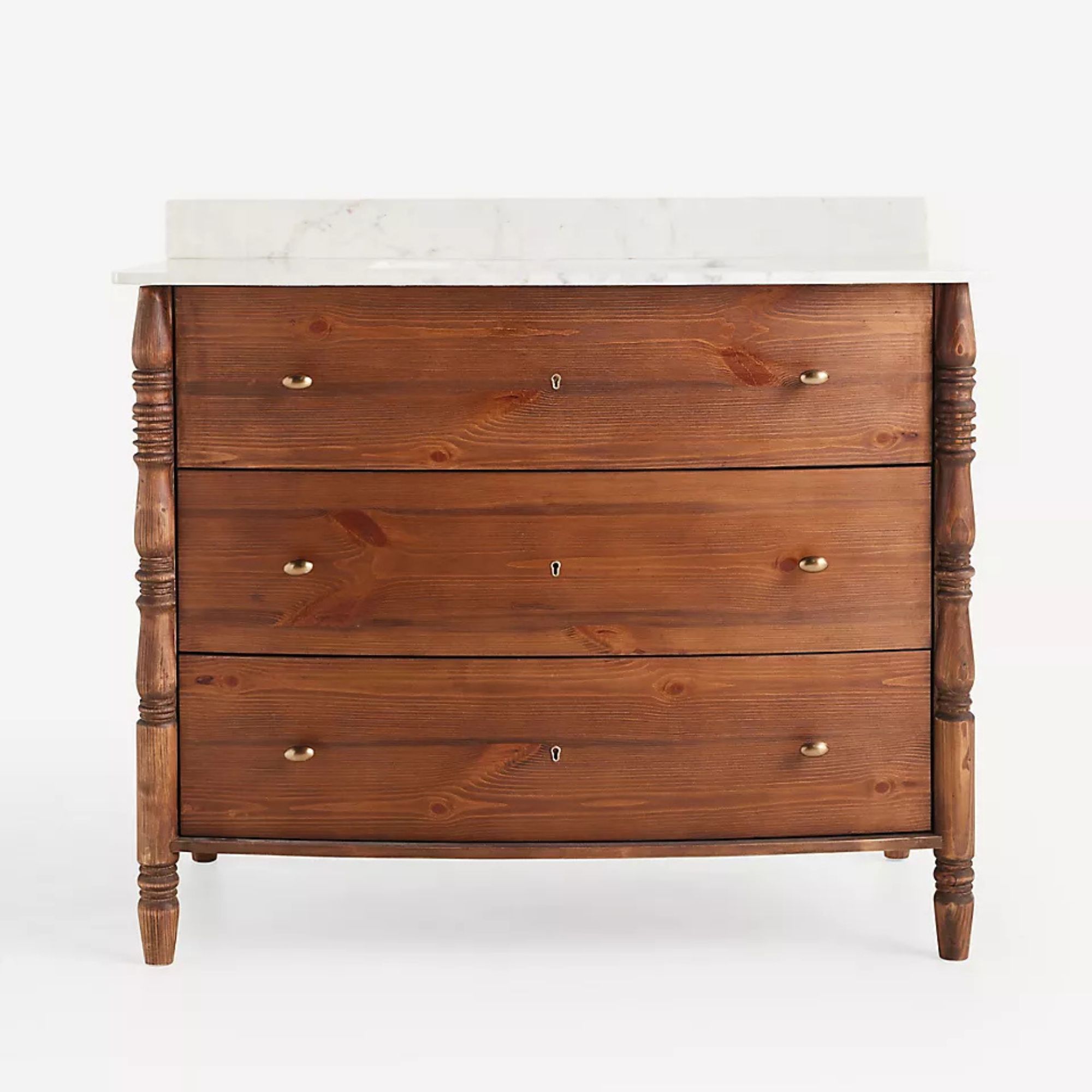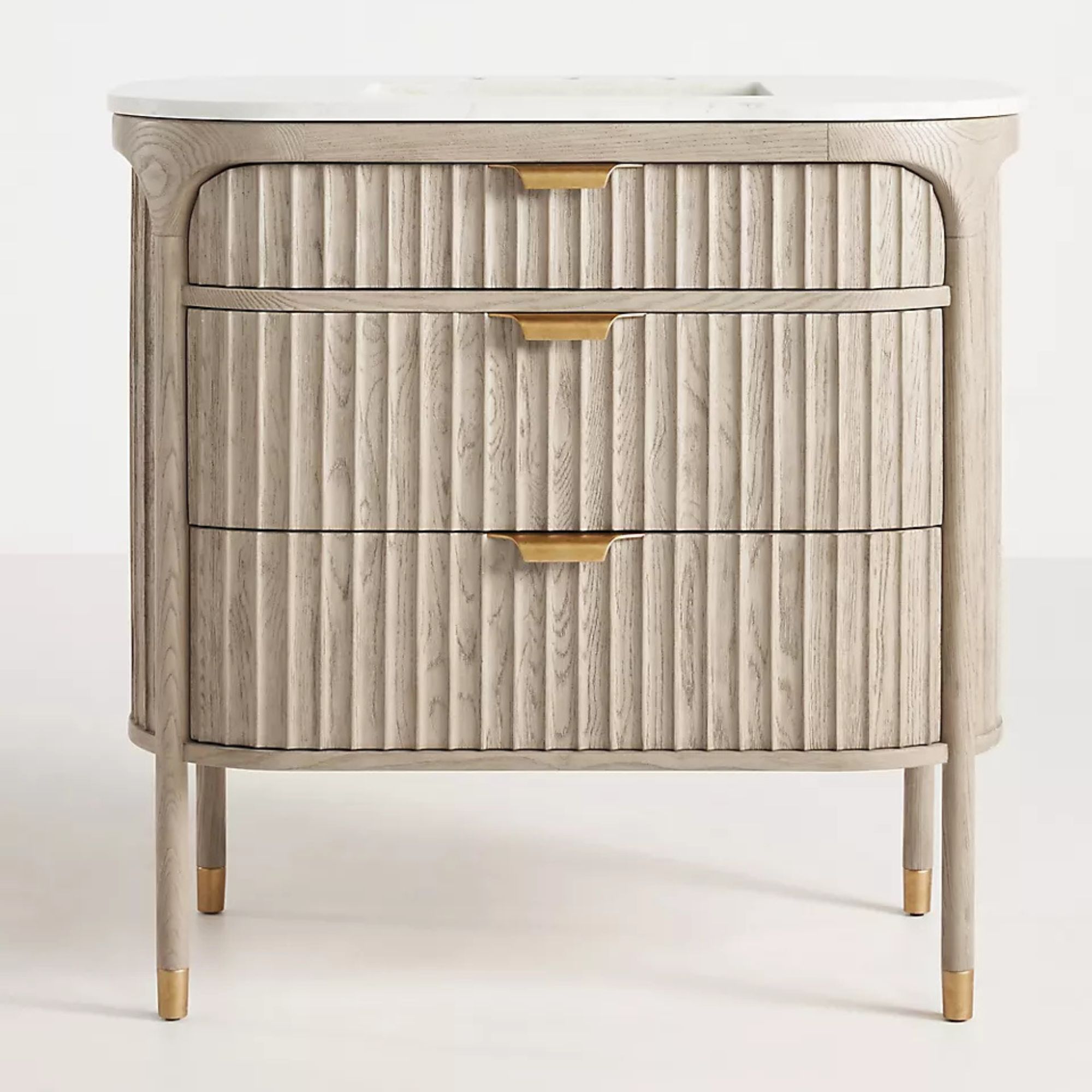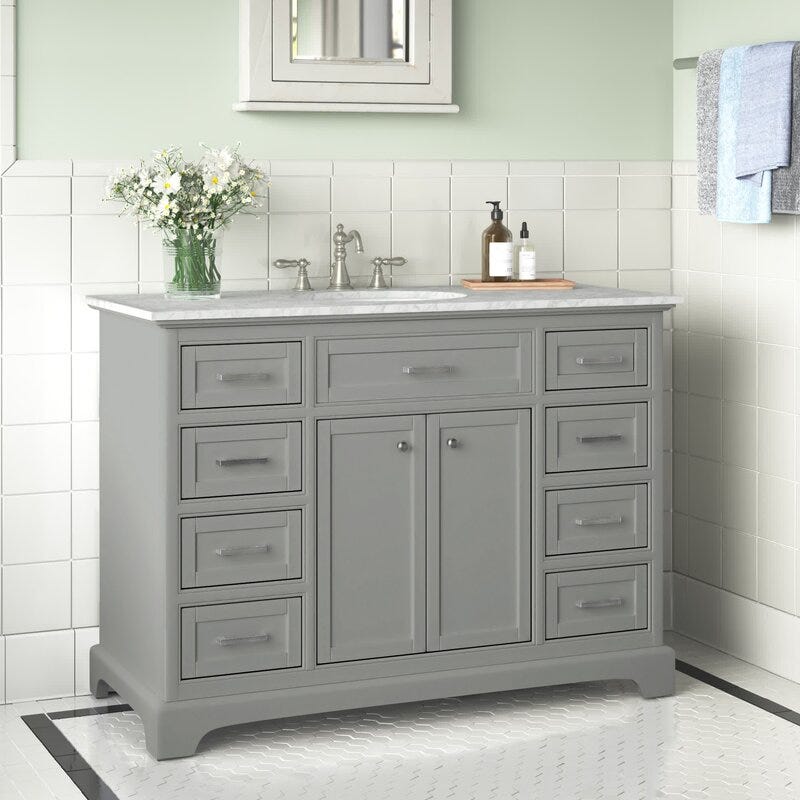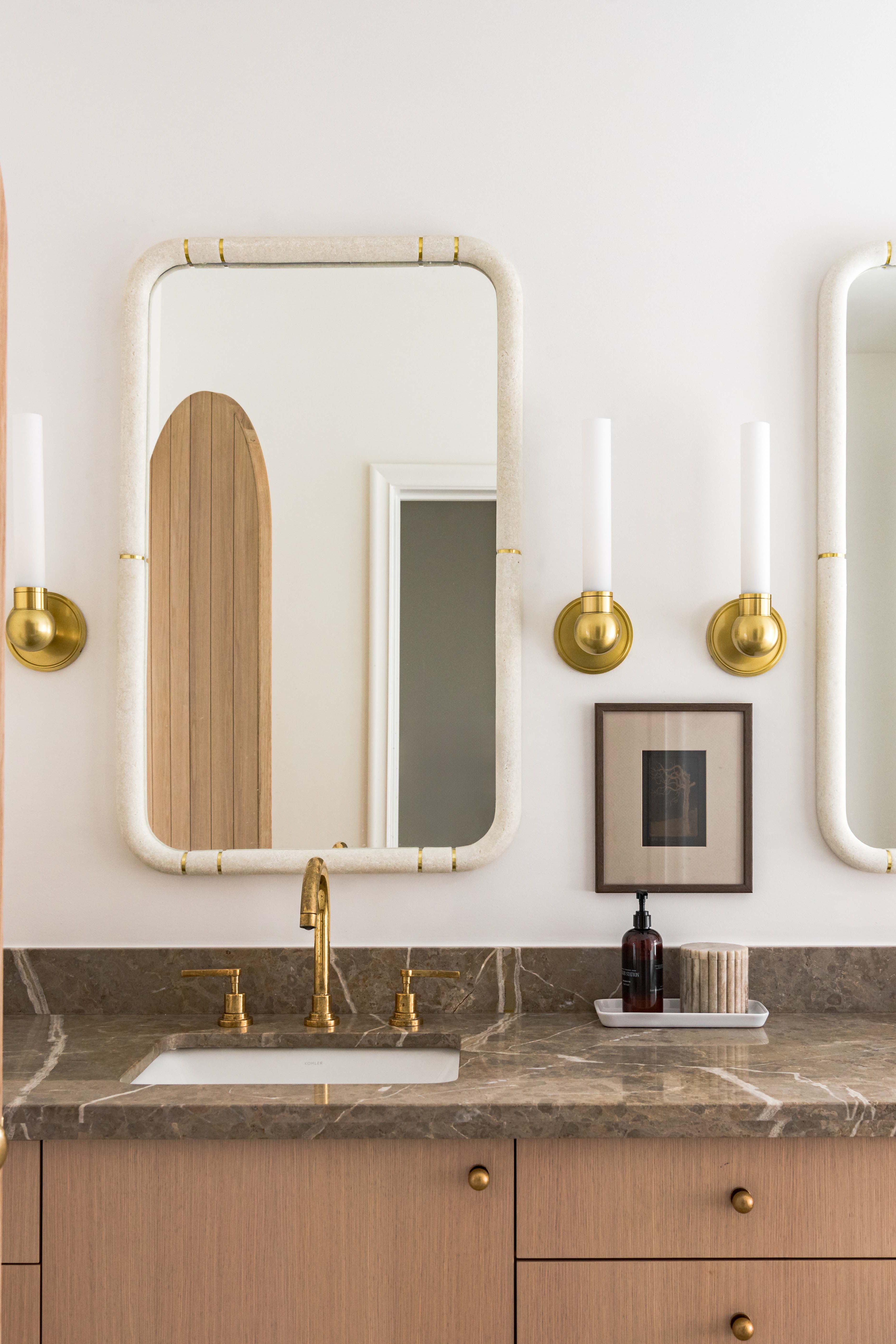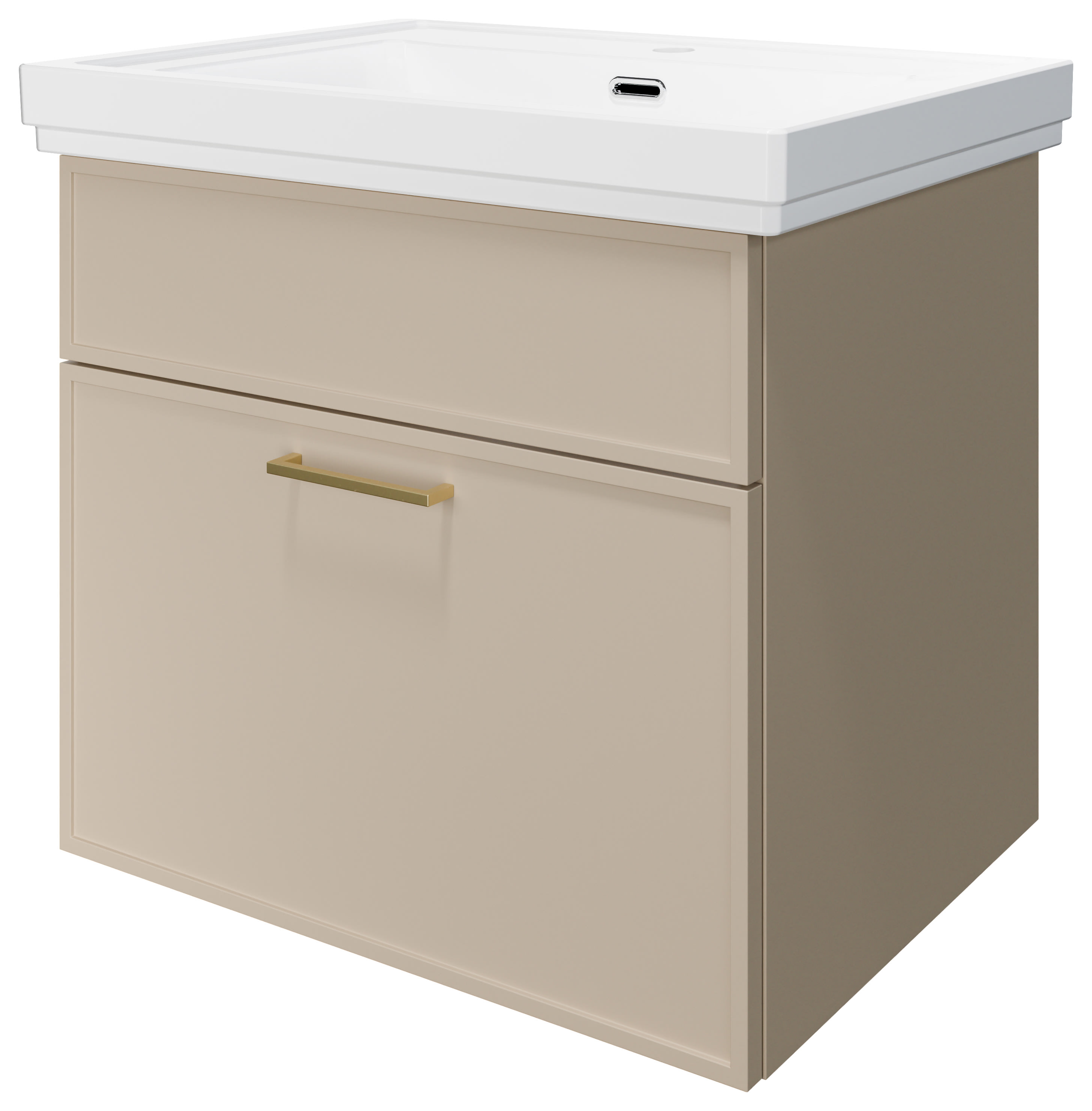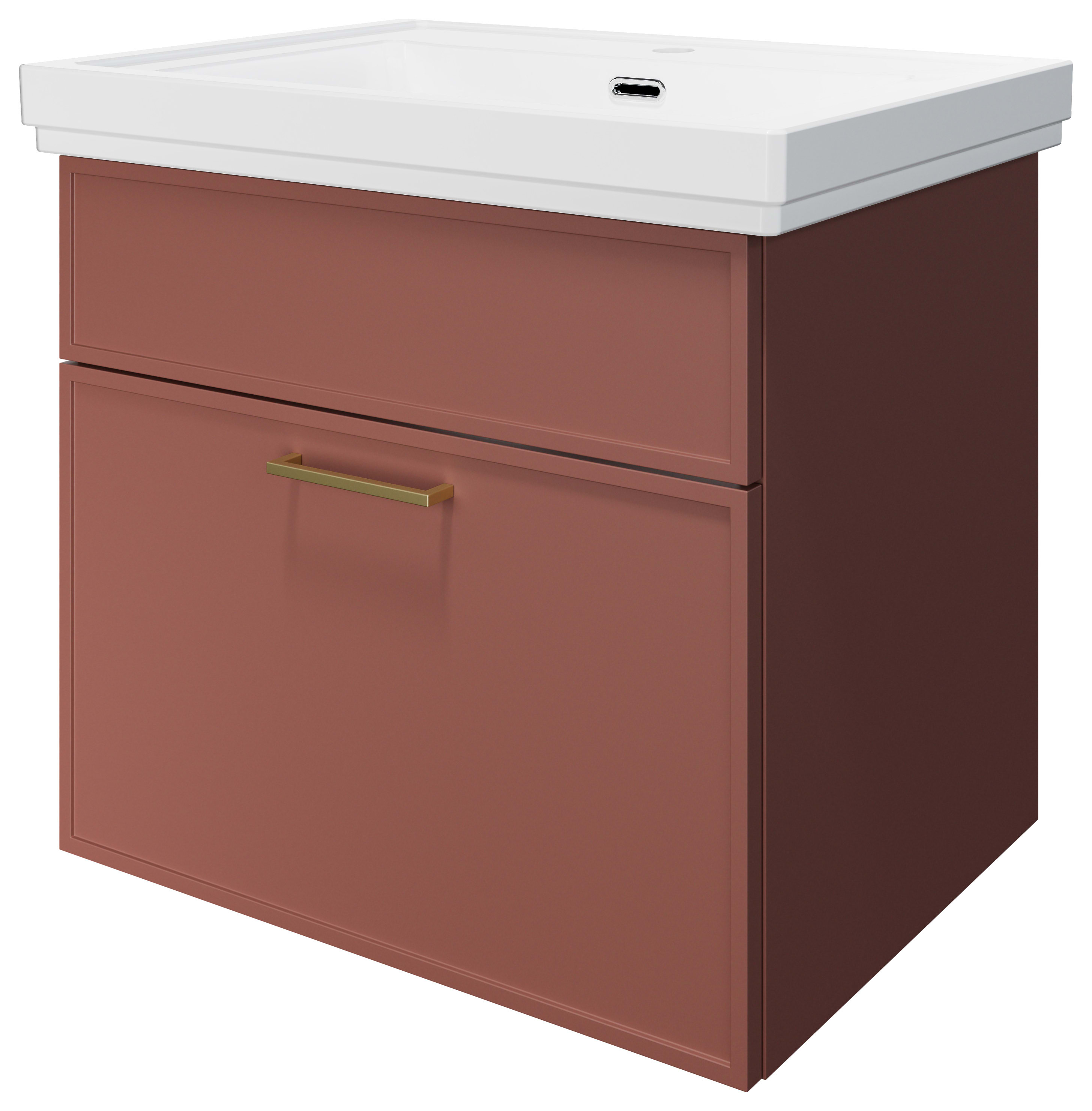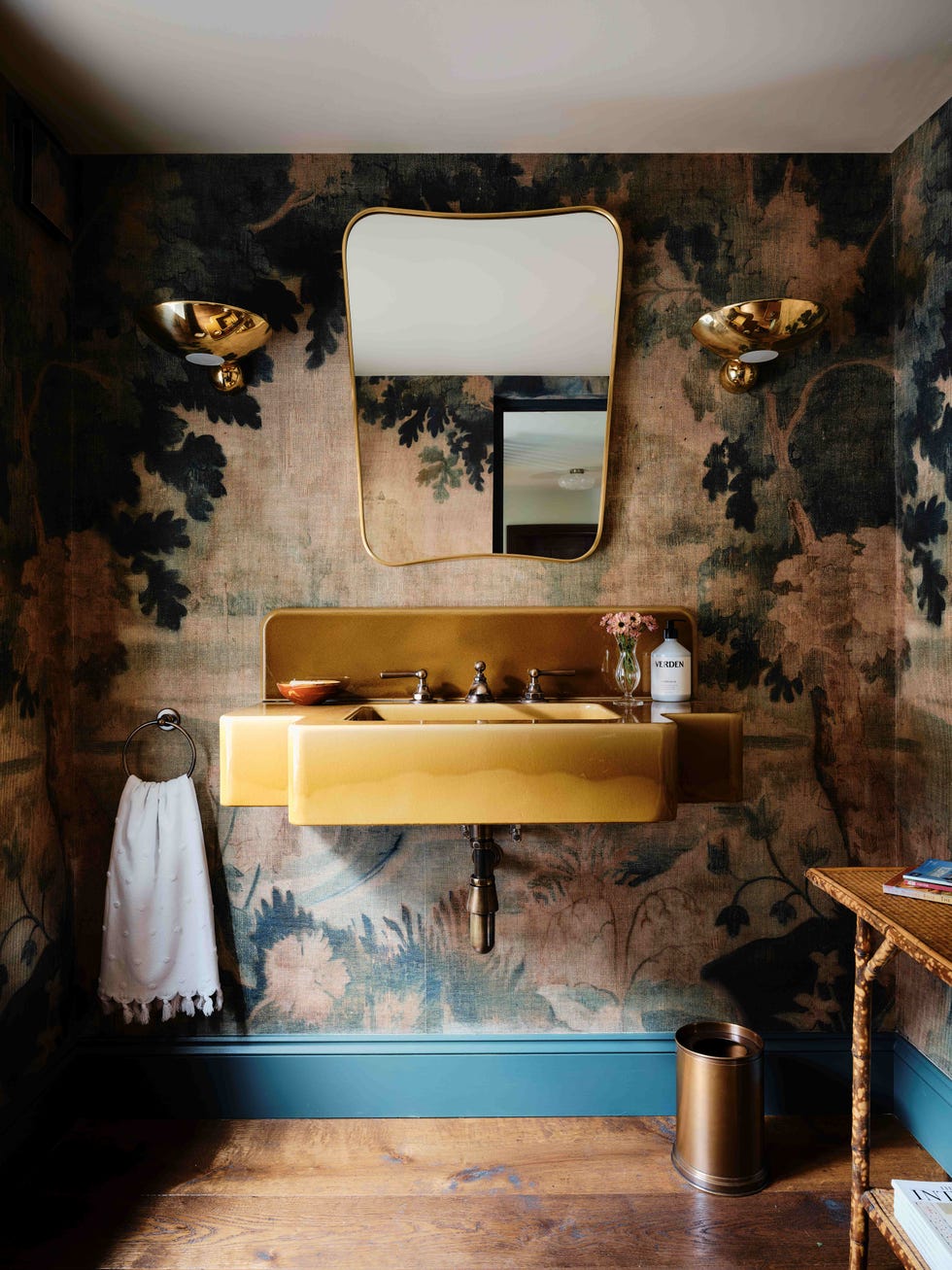
The 7 Best Bathroom Vanities of 2026 for Style and Storage
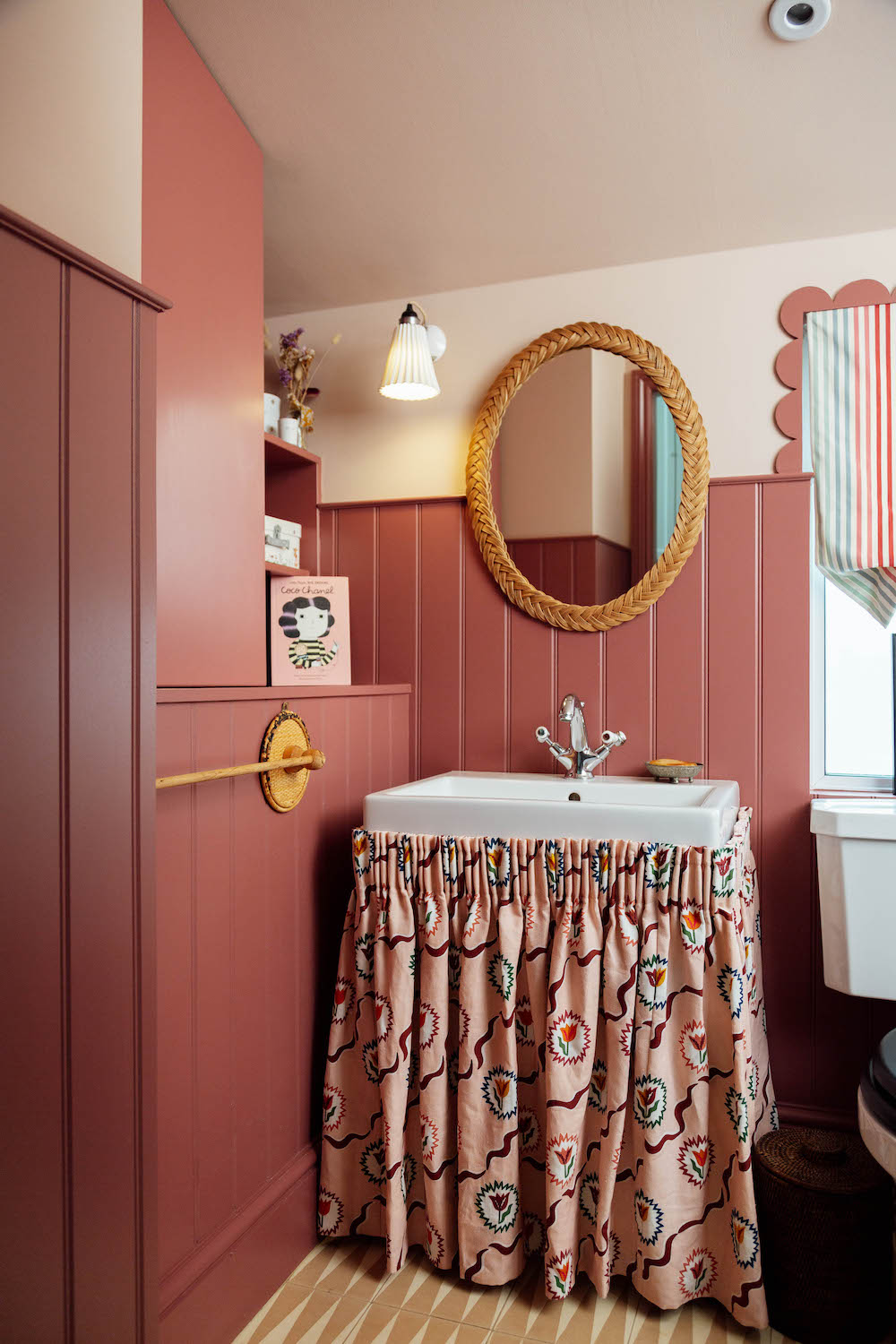
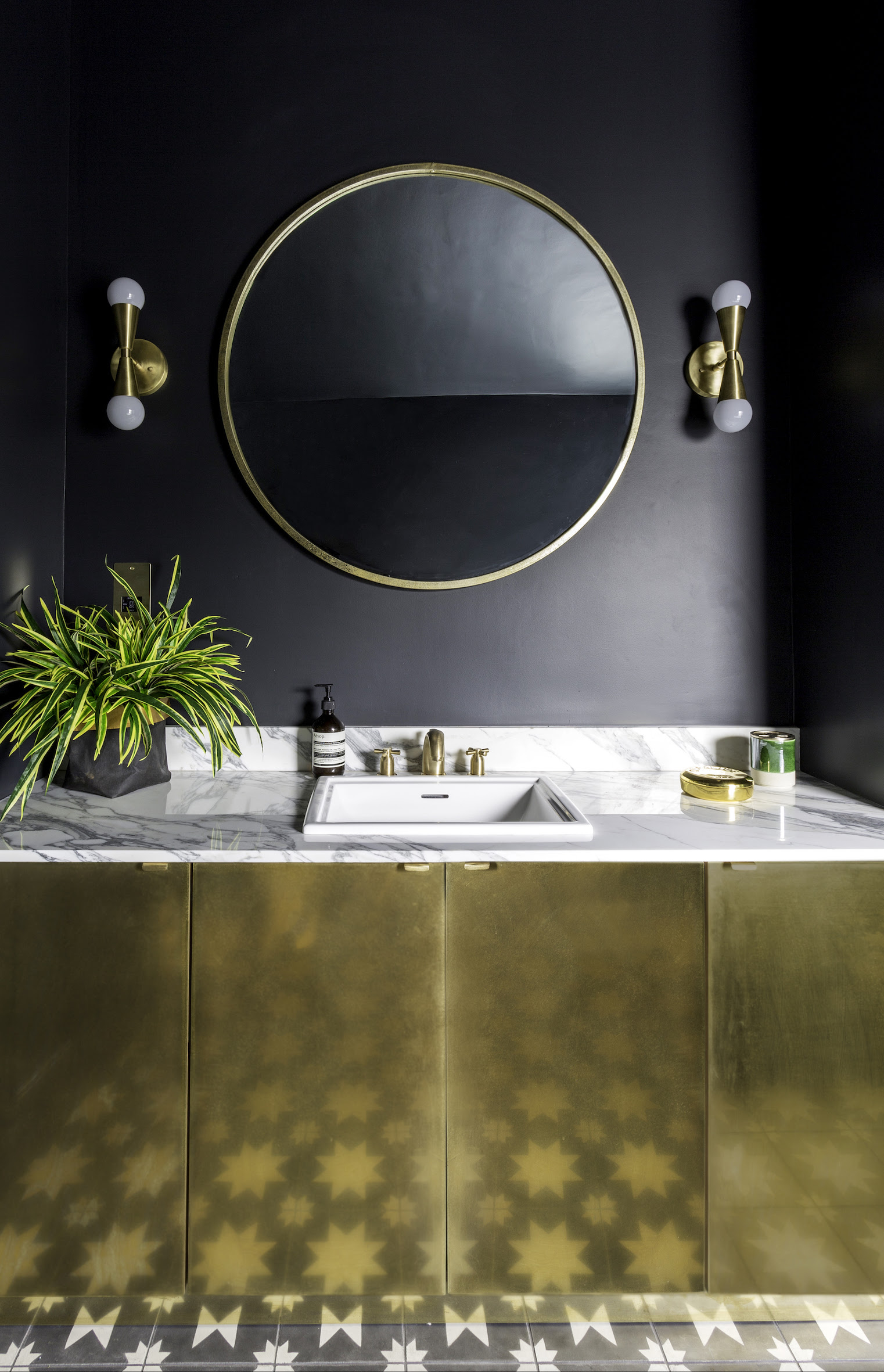
Choosing the right bathroom vanity is crucial for both functionality and aesthetic appeal, whether undertaking a full renovation or a minor update. Vanities serve as primary storage solutions in bathrooms, from compact powder rooms to spacious en-suite master baths. This guide provides a comprehensive overview of top bathroom vanity picks, categorized by type, and offers essential considerations before purchasing, including style, size, materials, and storage features.
Vanities can be purchased as complete sets, including a countertop and sink, or as cabinet bases, allowing for customized sink and countertop selections. Emily Cathcart, owner of Emily Cathcart Designs + ECD Cabinetry, notes that stock cabinets with pre-notched drawer boxes are designed to accommodate plumbing components. The article highlights both freestanding and wall-mounted vanity options, each with distinct advantages.
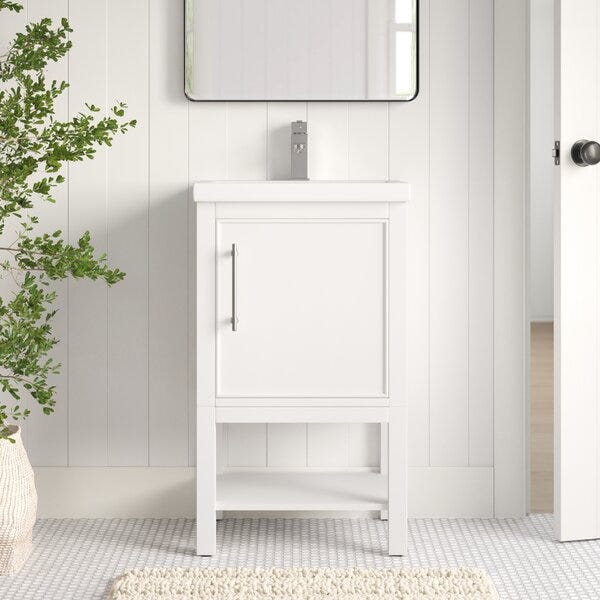
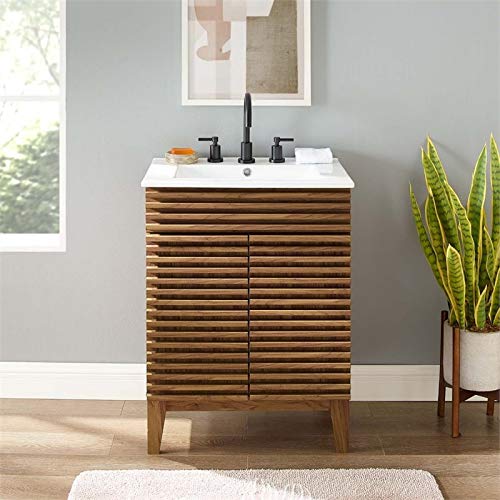
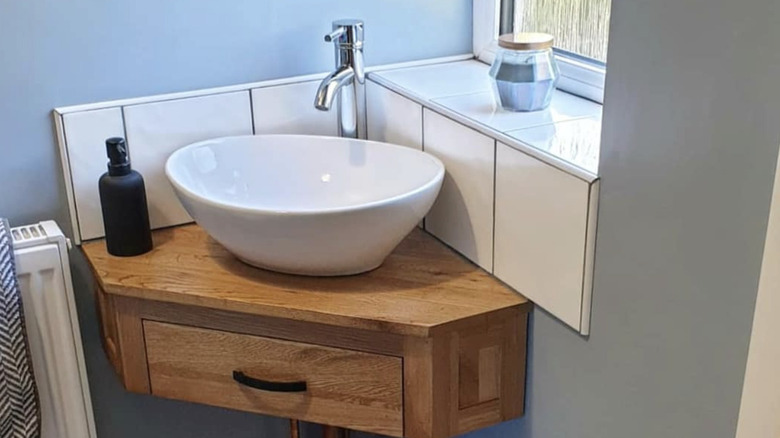
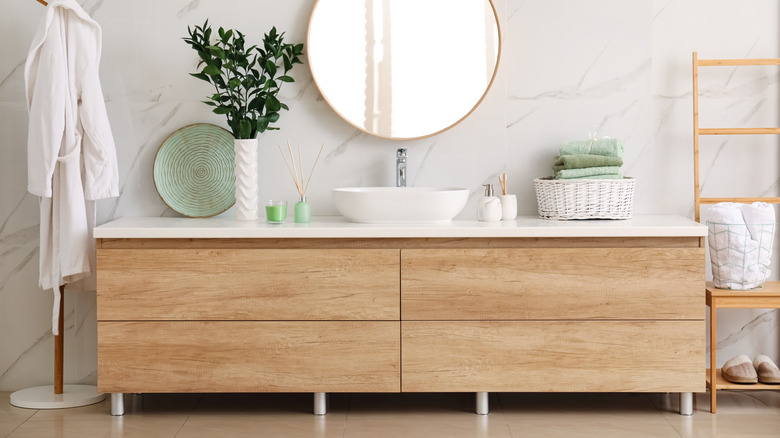
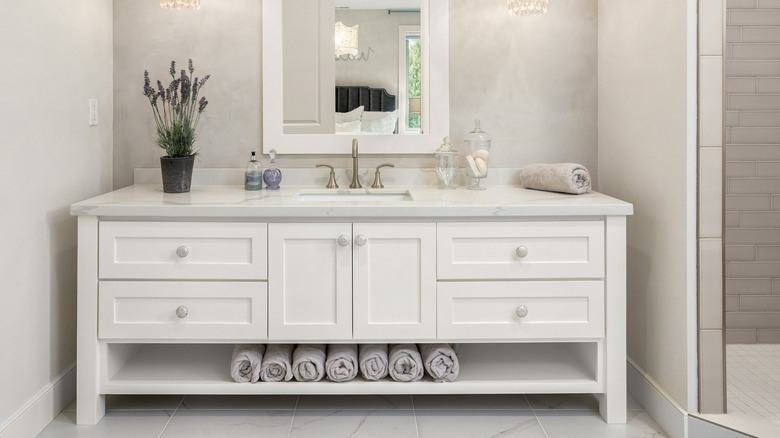
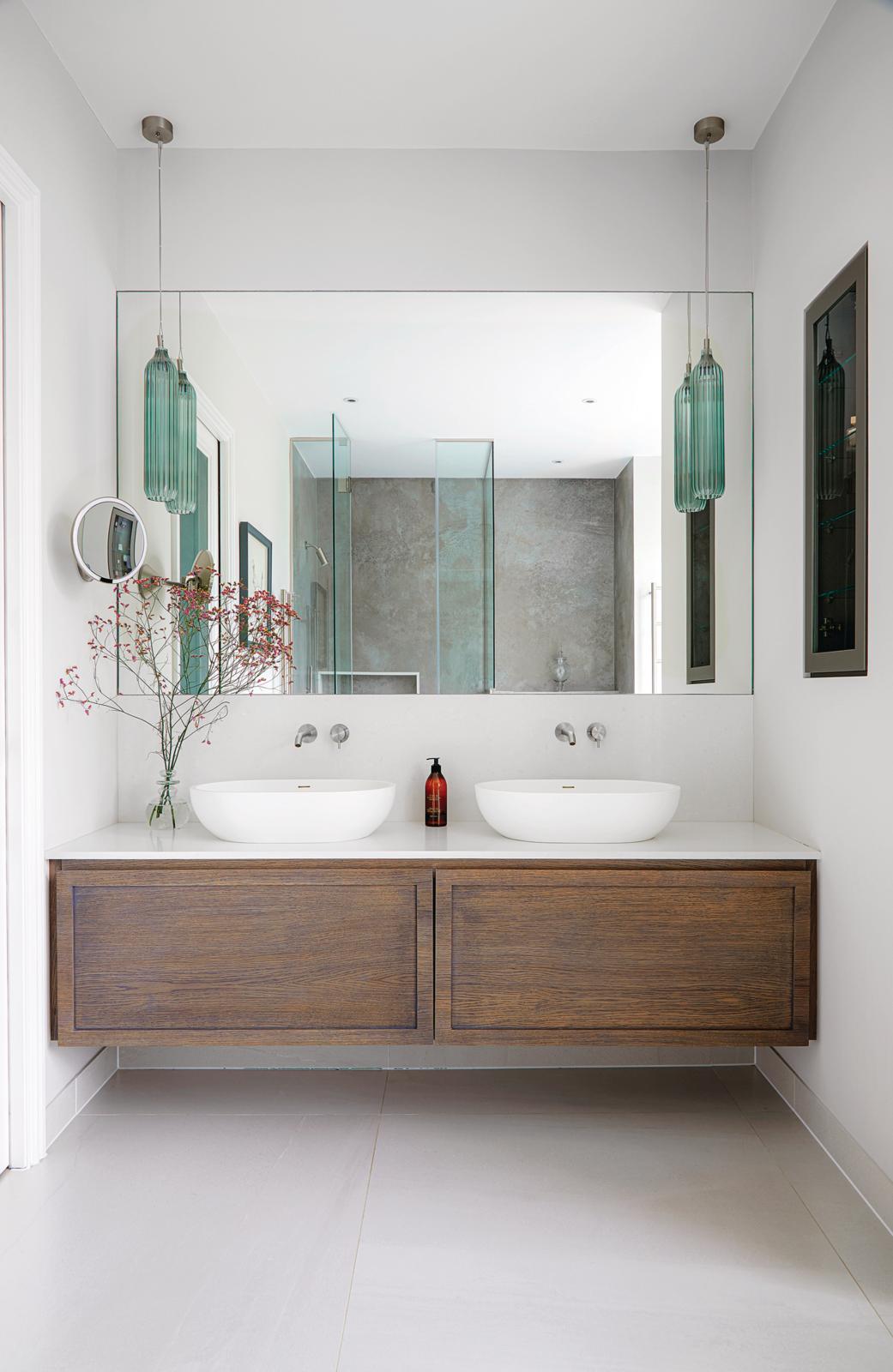
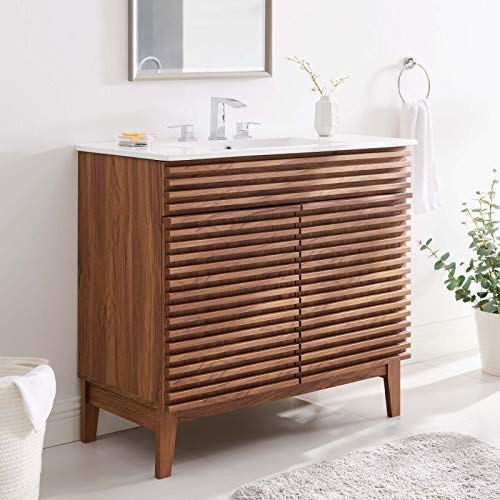
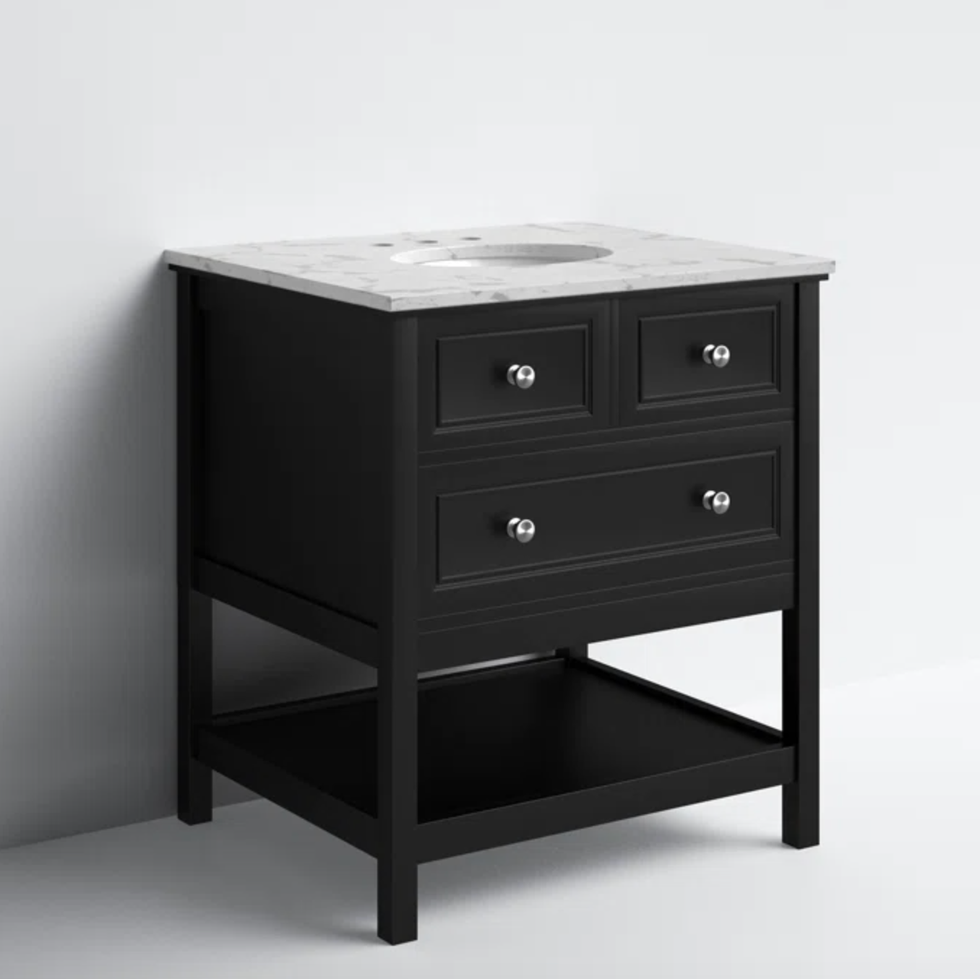
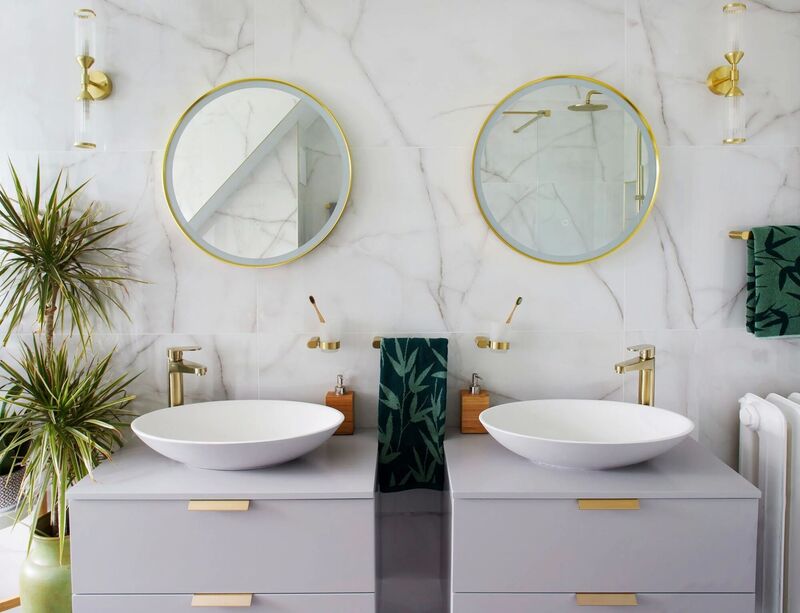
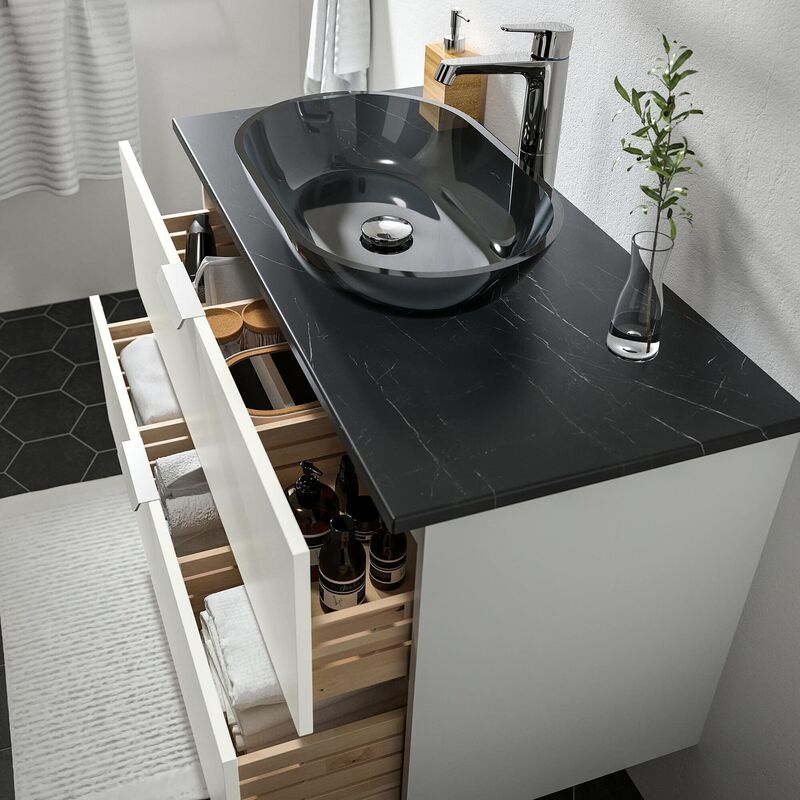
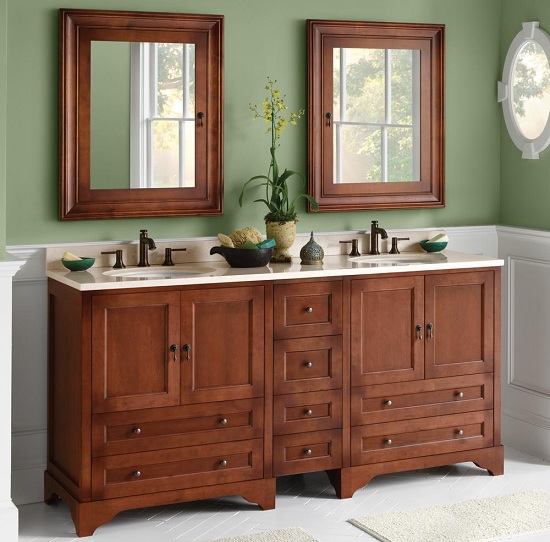
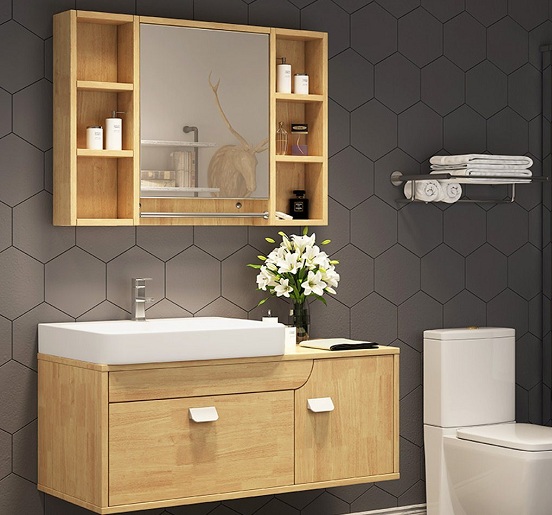
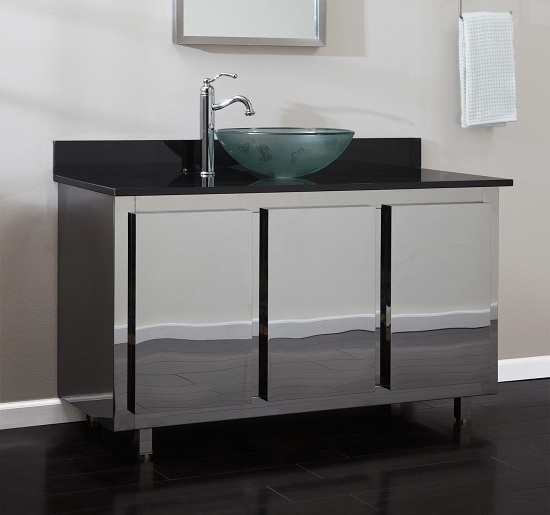
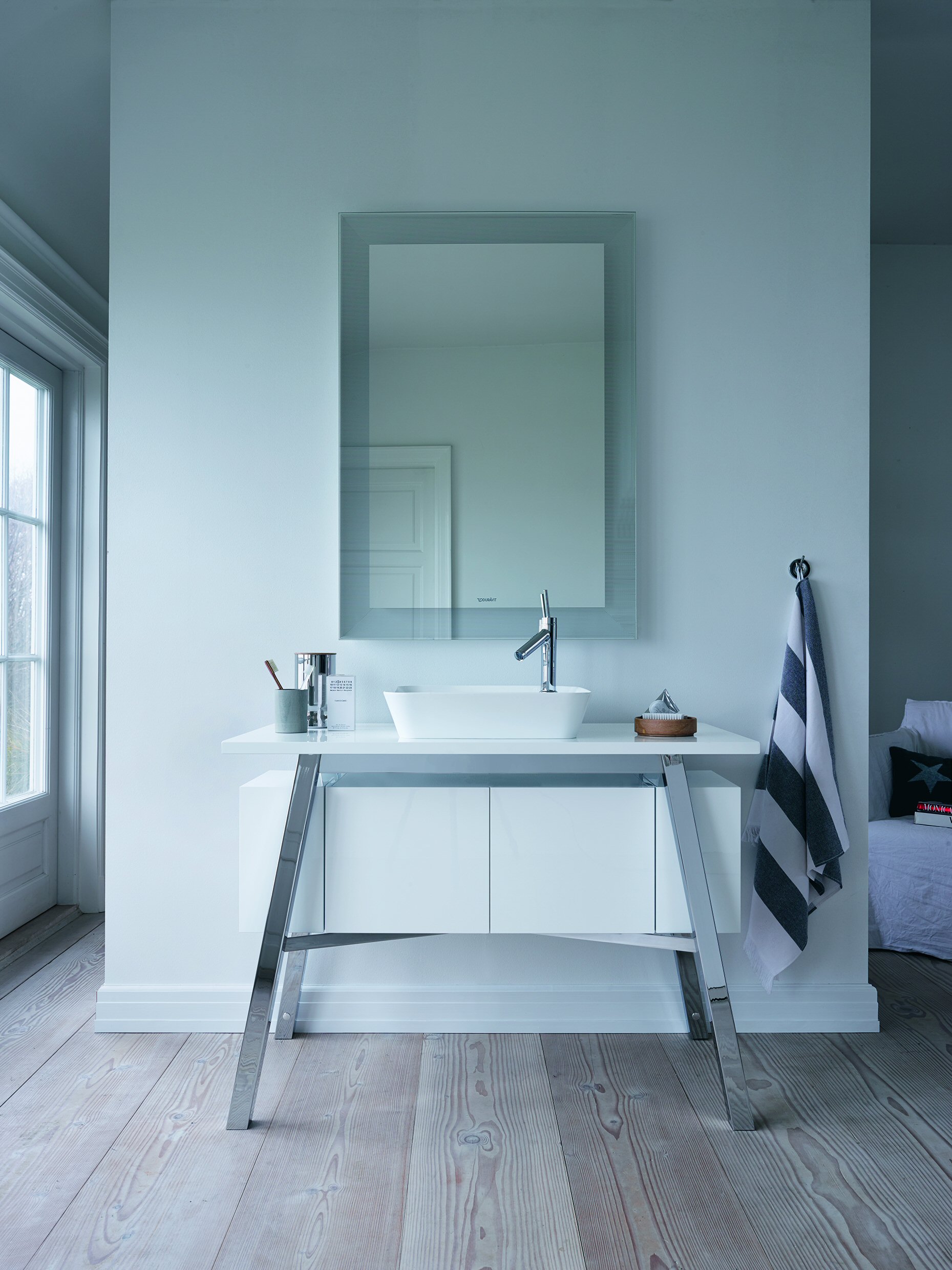
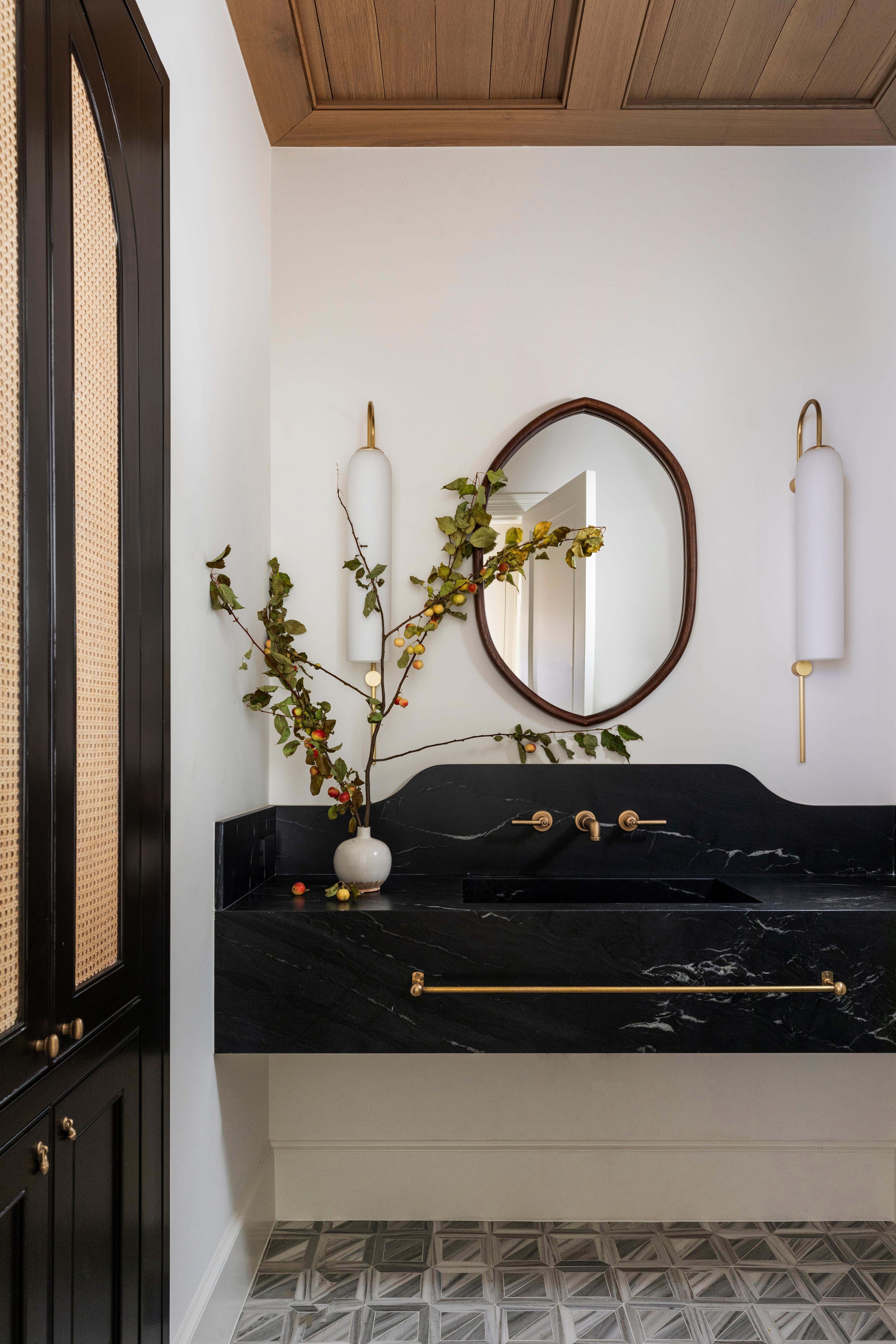
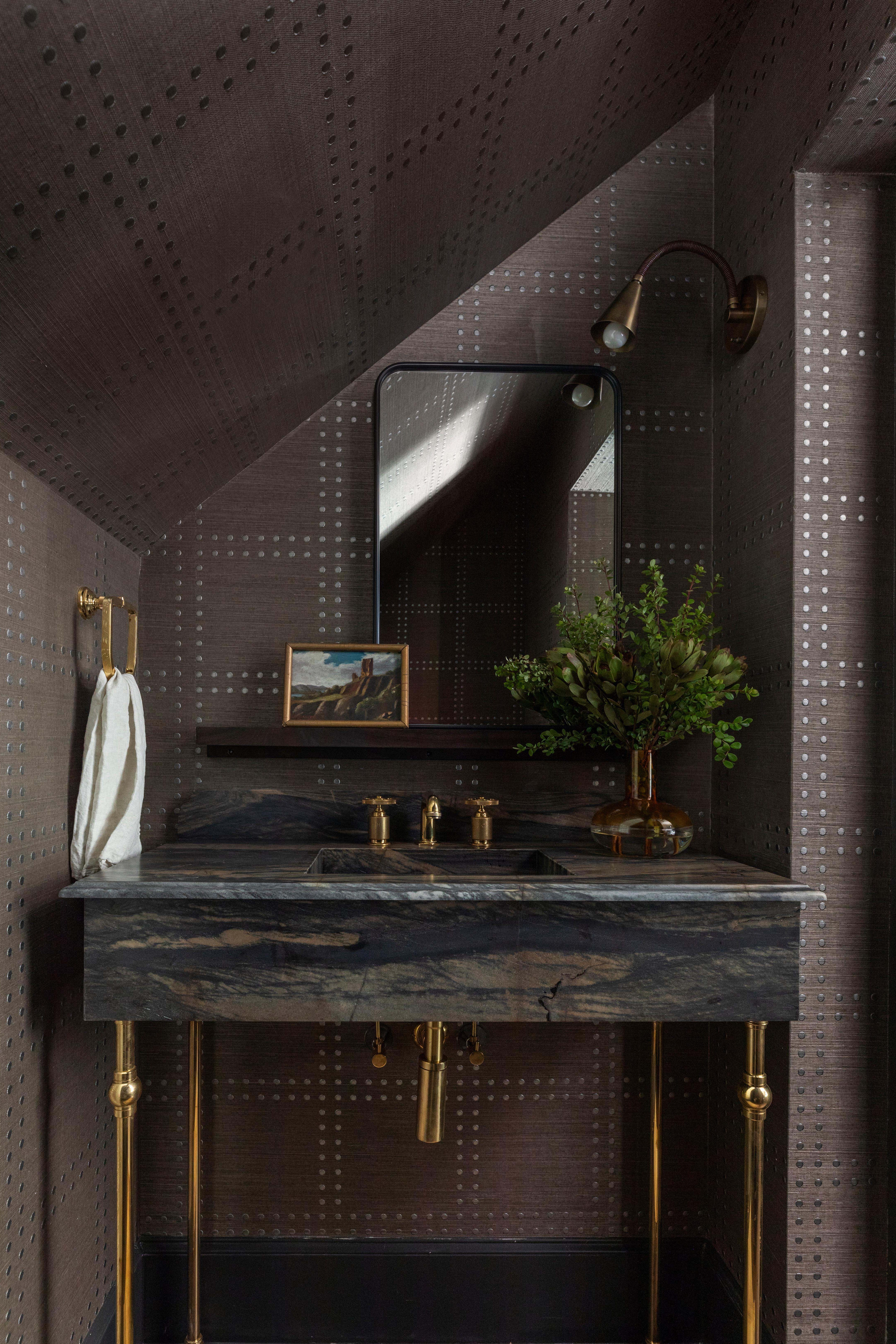
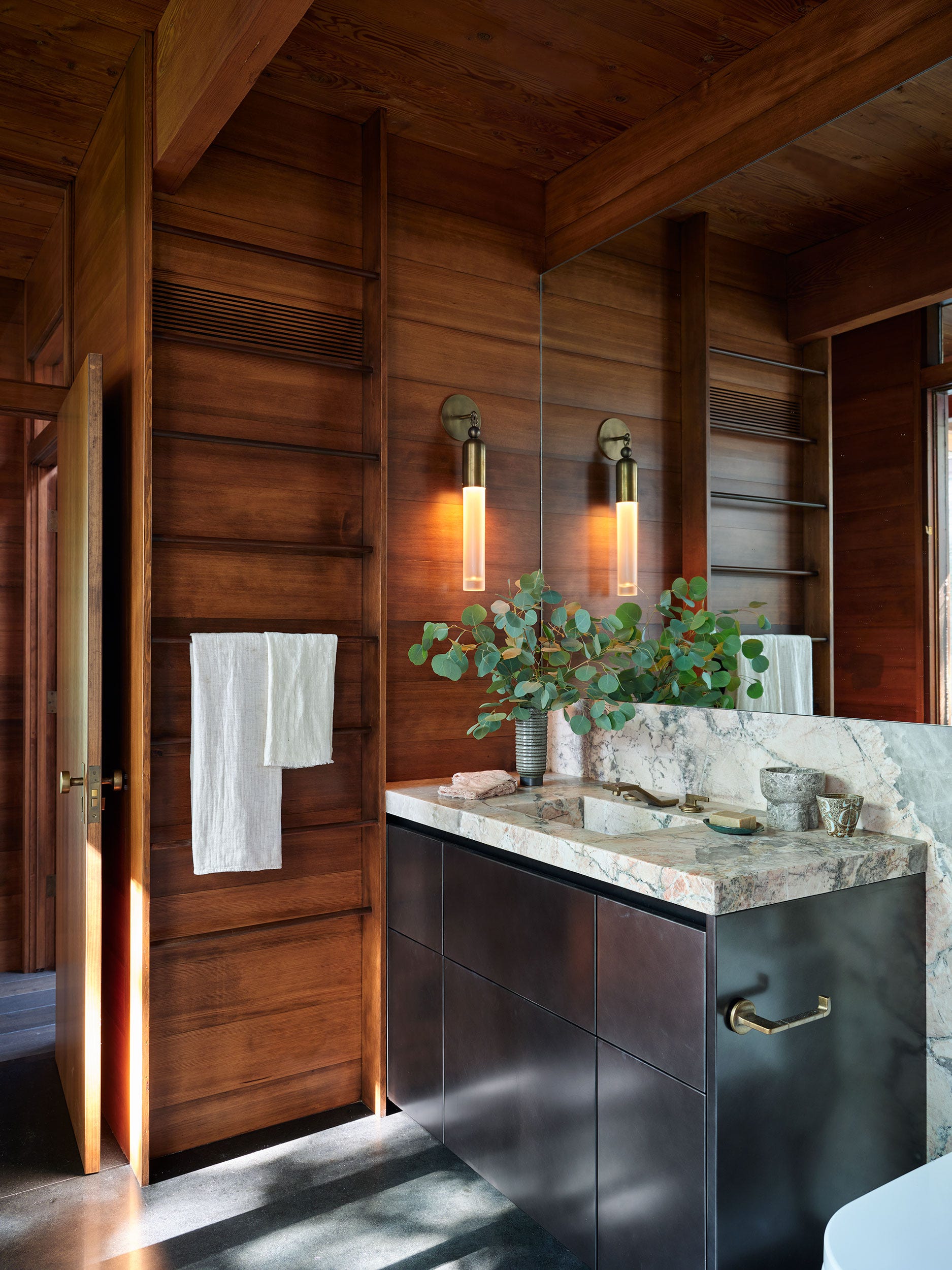
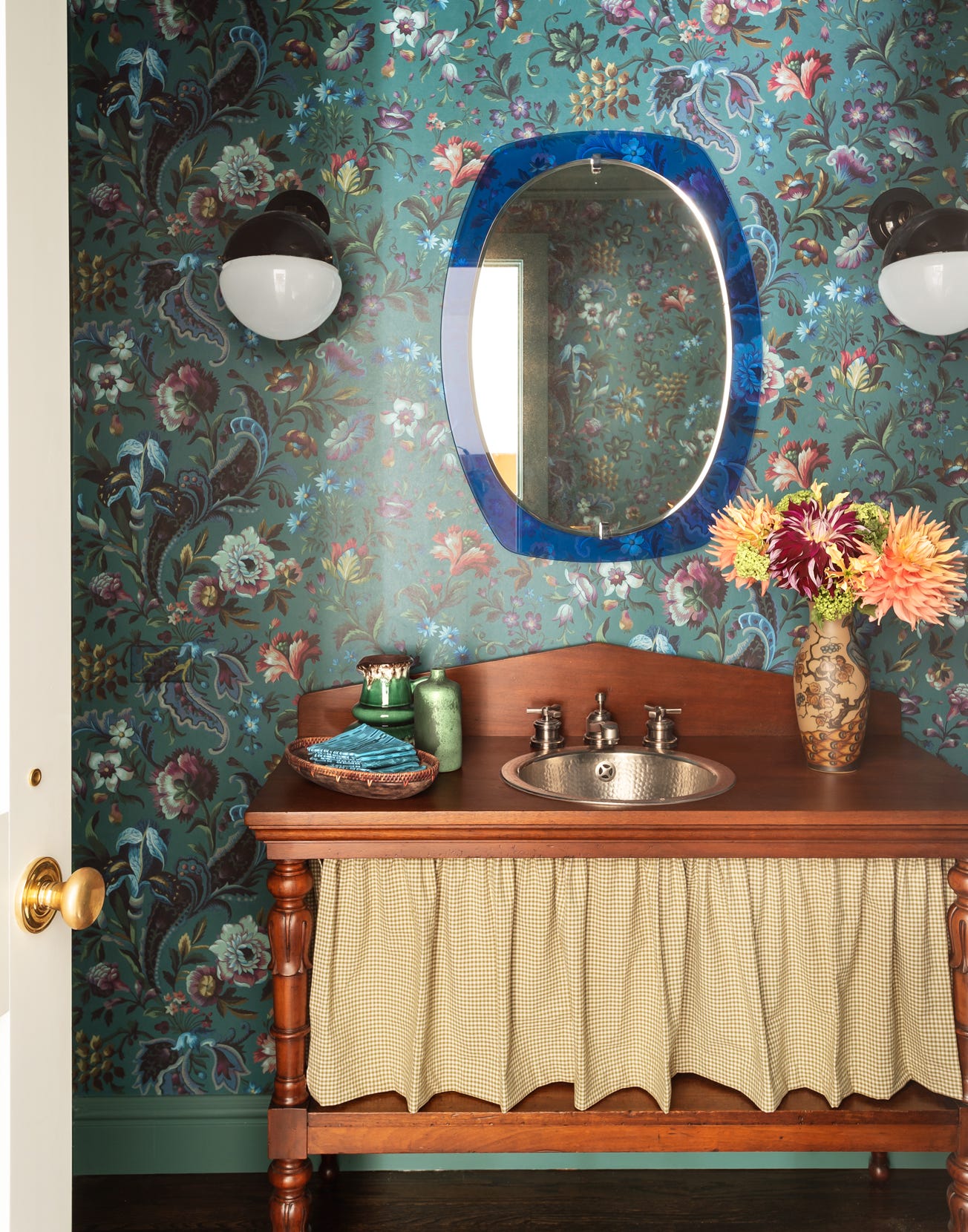
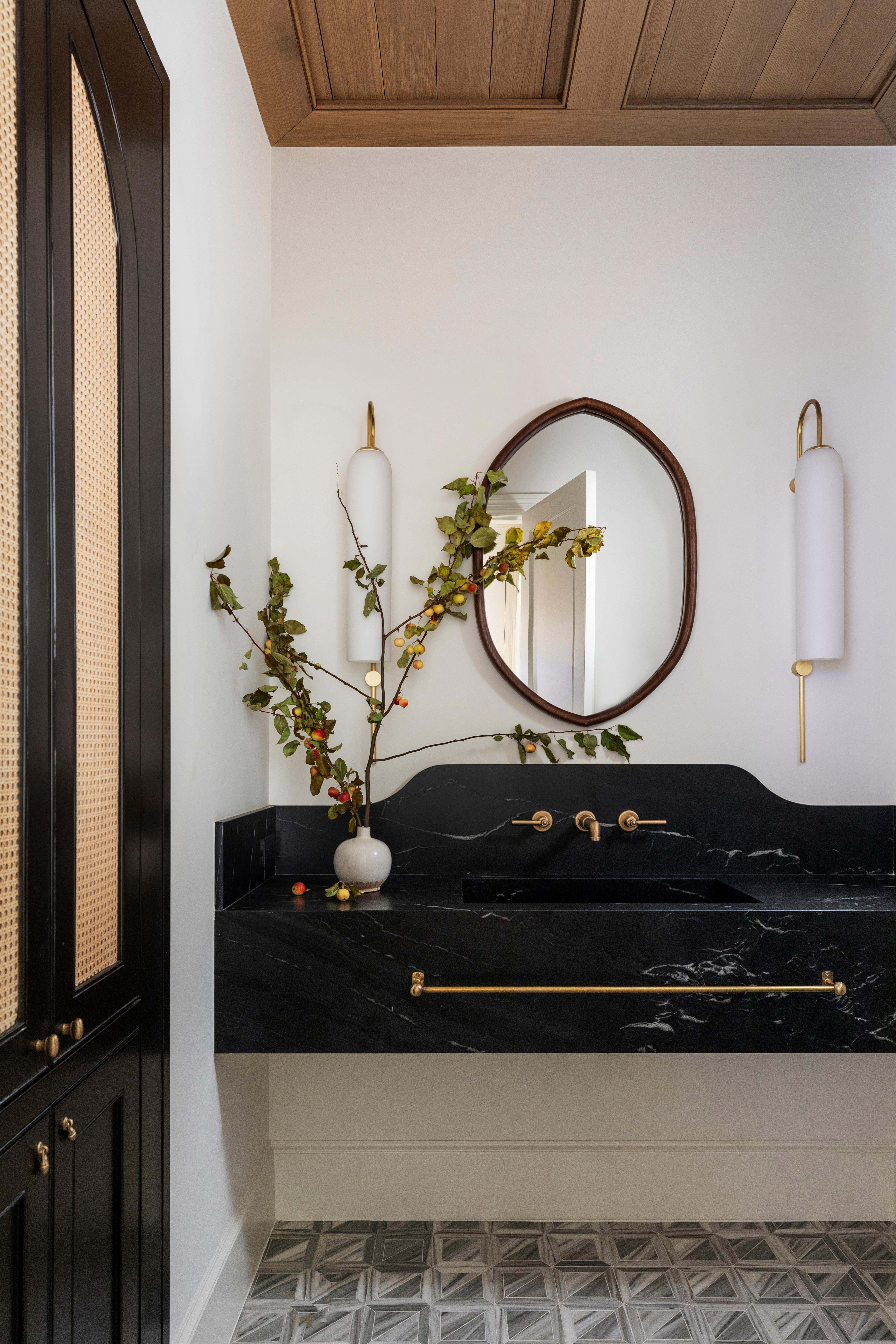
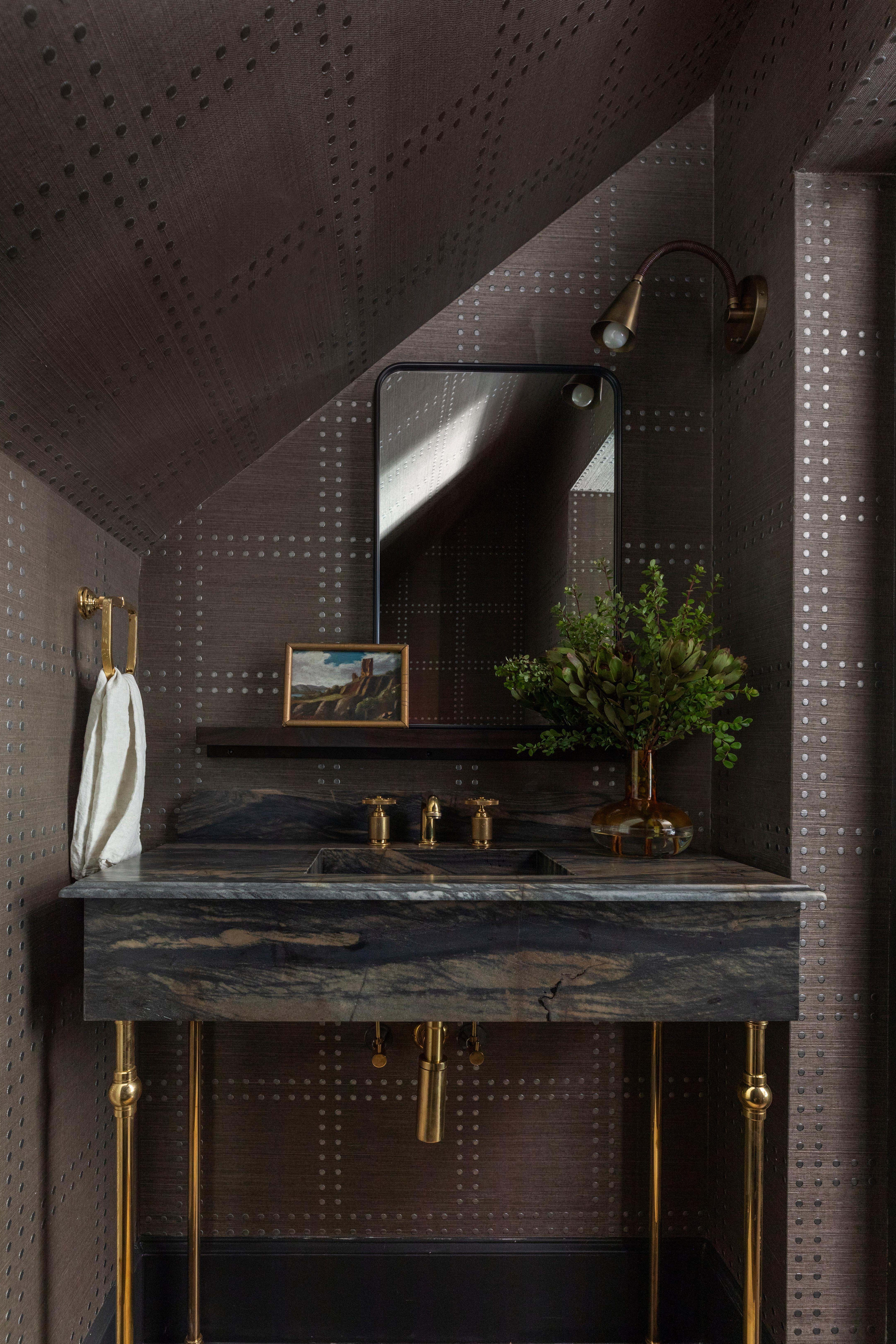
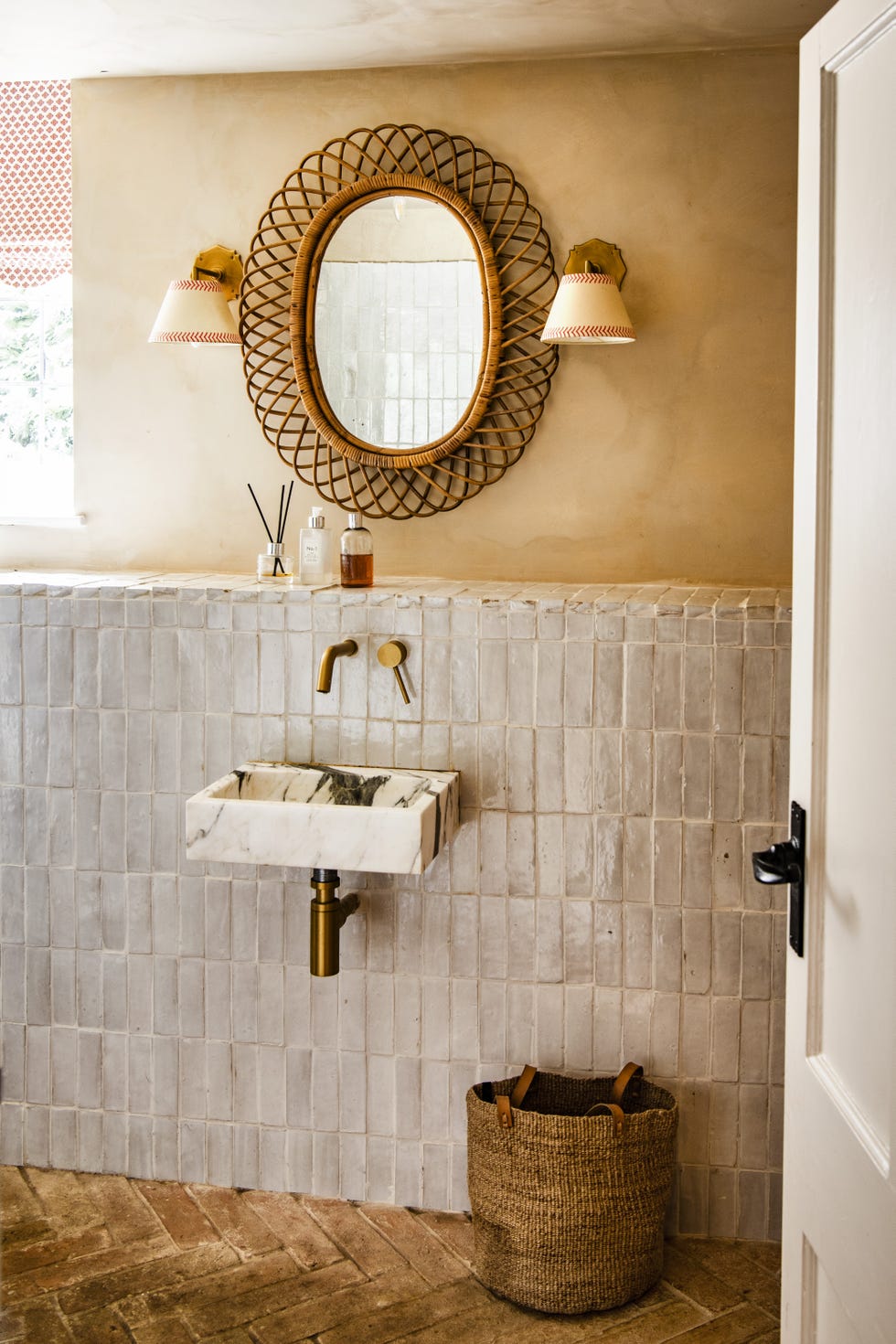
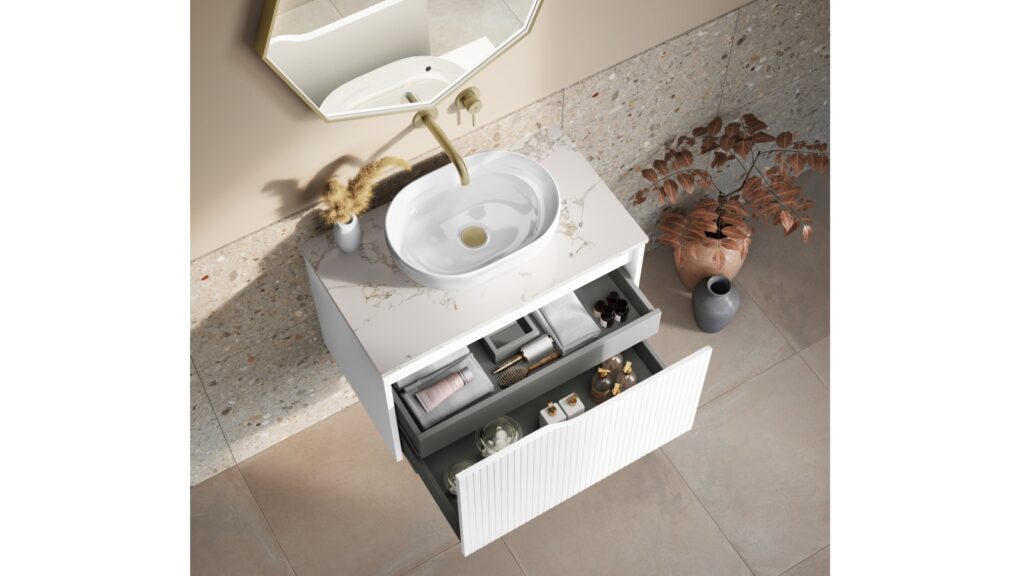
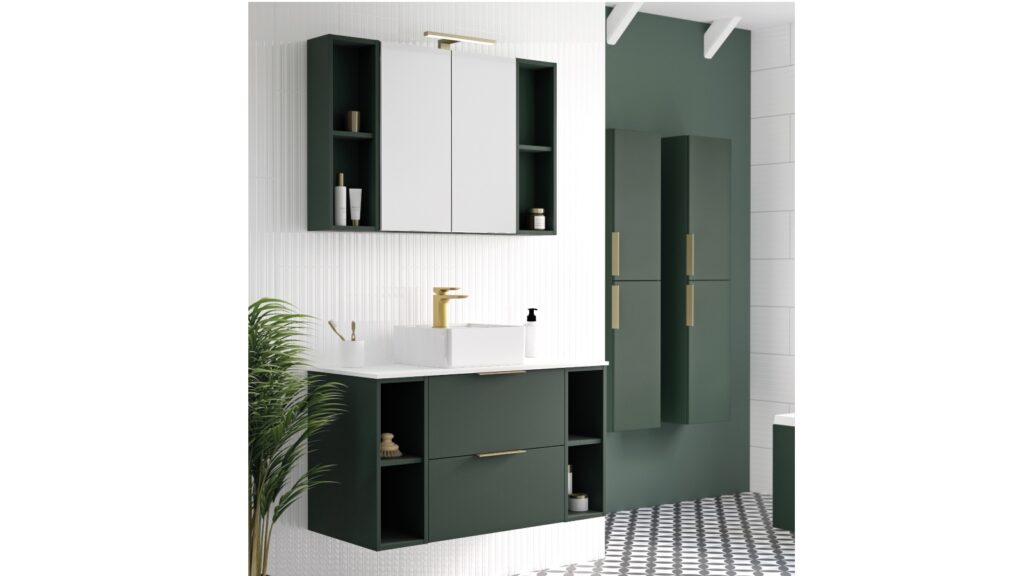
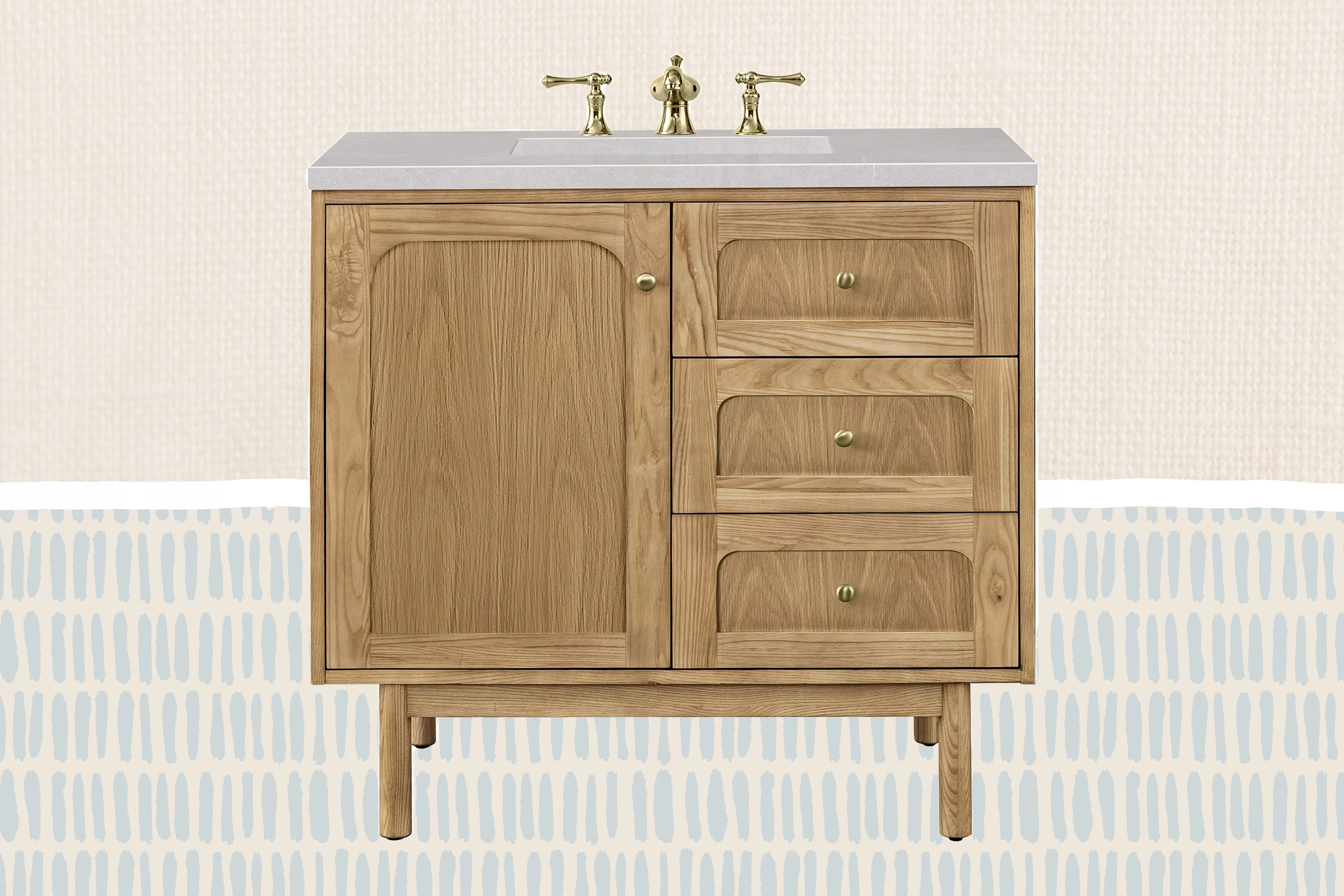
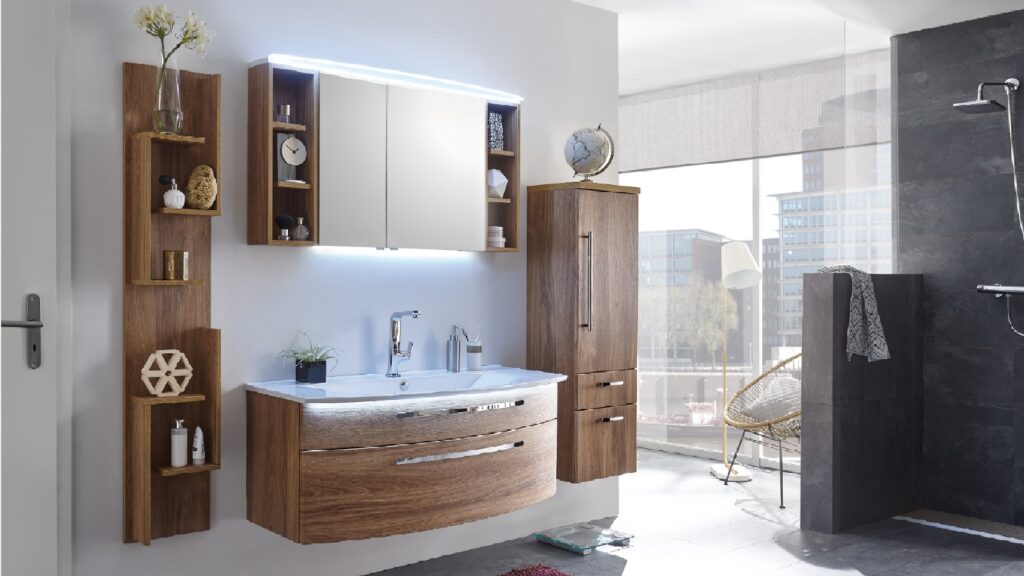
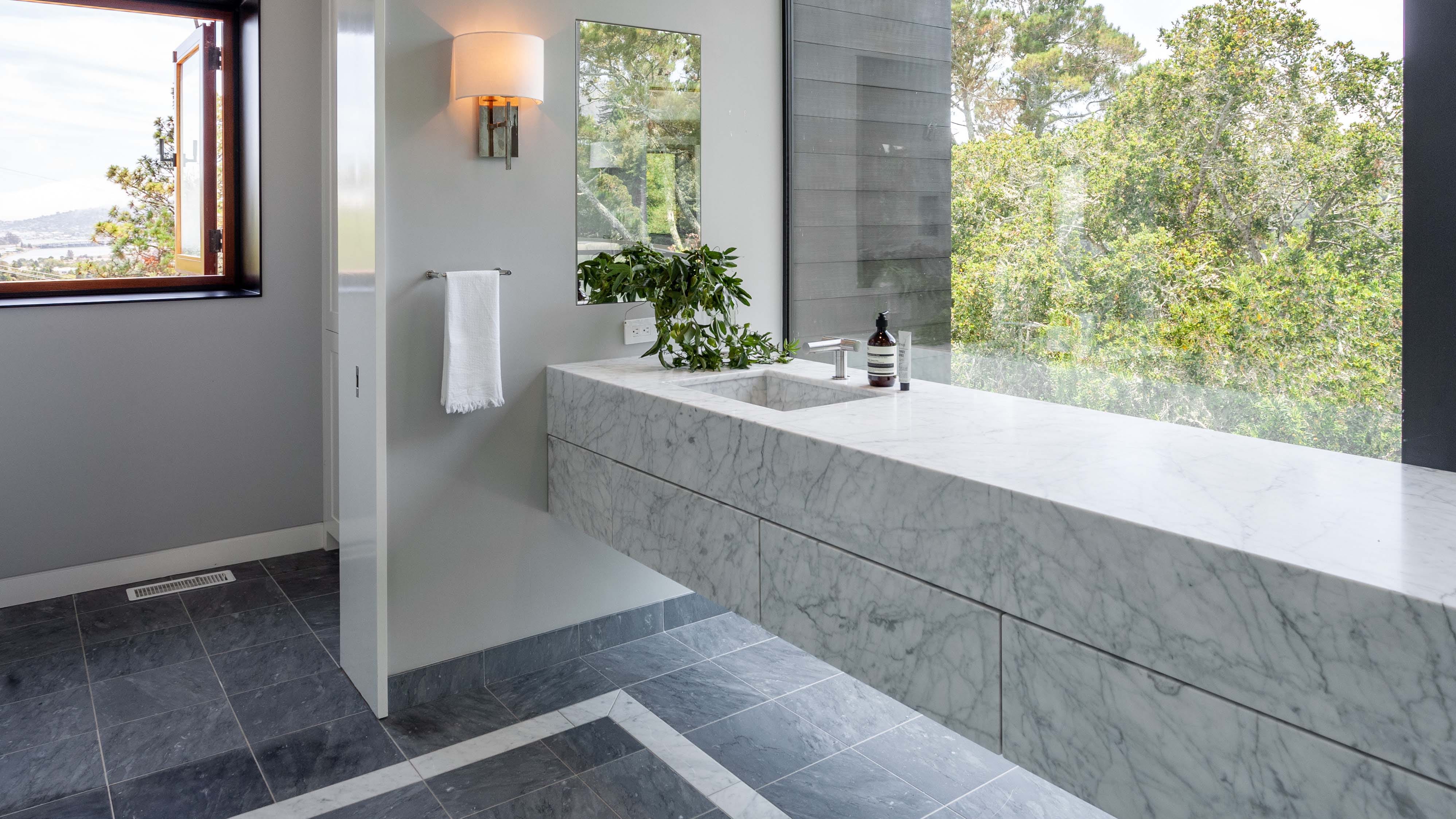
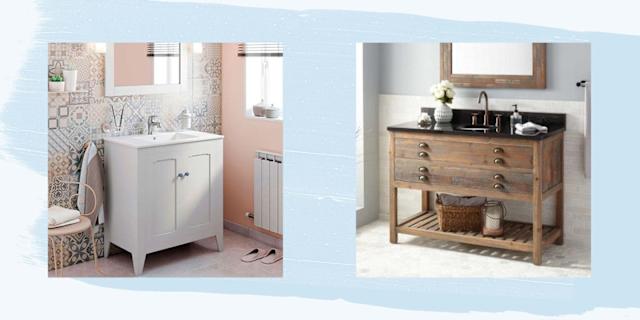
Freestanding vanities, characterized by legs or a base that rests on the floor, offer more storage due to their full-height design. They are often perceived as a more traditional choice and can be secured to the wall for added stability. However, their floor-reaching design can make cleaning the area underneath challenging. In contrast, wall-mounted, or floating, vanities are affixed to the wall, creating an open and airy feel that is particularly suitable for modern aesthetics and smaller bathrooms, as they maximize visible floor space. While stylish, they may not be ideal for households with small children who might struggle to reach the sink. Other less common vanity types include built-in units with custom cabinetry and console vanities, which typically feature a wall-mounted sink with front legs.
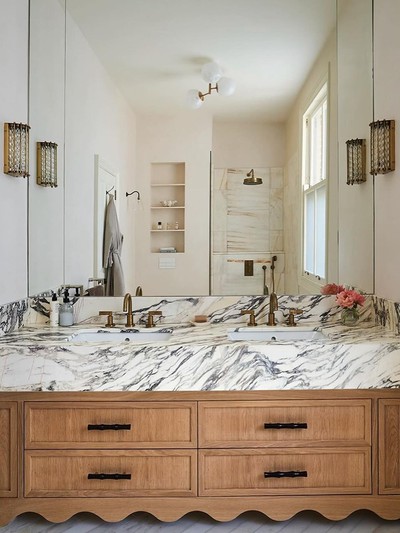
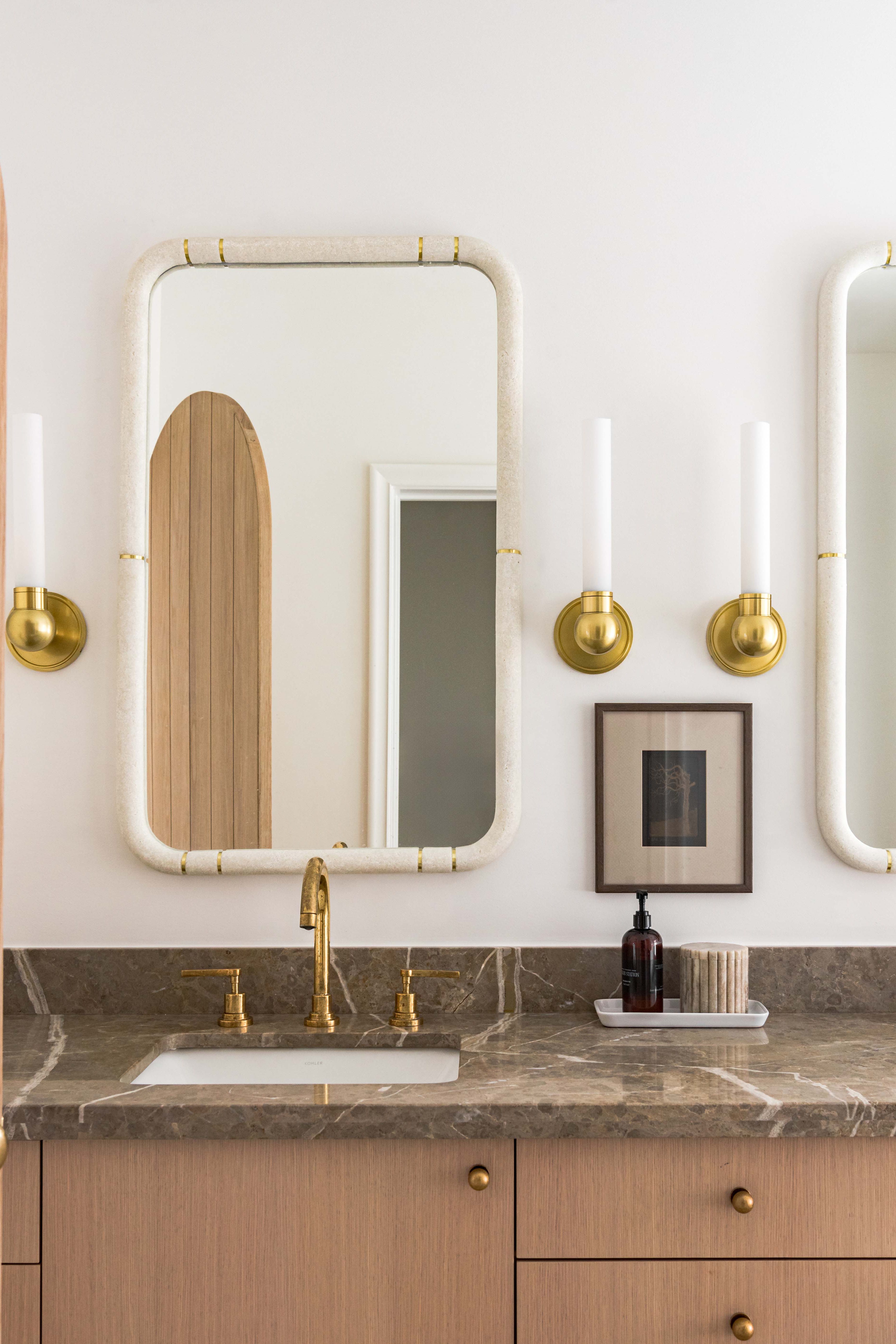
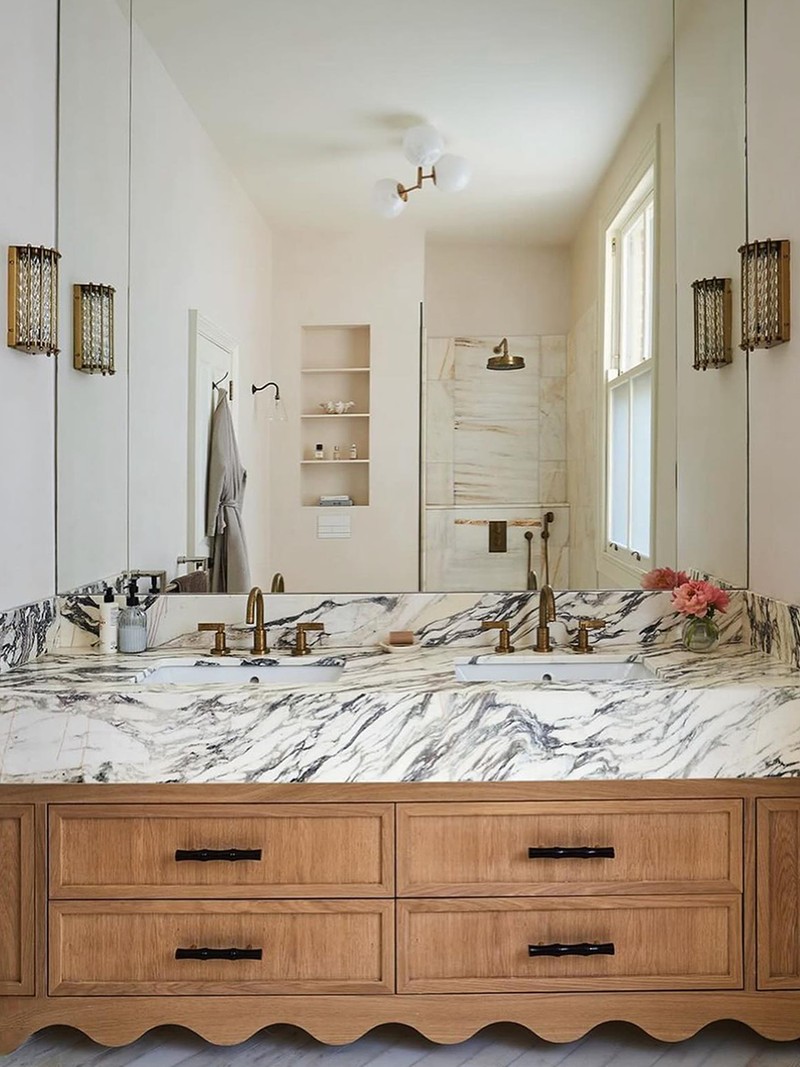
Material selection significantly influences a vanity's quality, durability, and cost. Sharon Sherman, owner of Thyme & Place Design, explains that cabinet boxes and drawers are commonly made from wood, which offers superior quality but comes at a higher price. More affordable alternatives include particleboard, while industrial furniture board and manufactured wood are also frequently used, especially for painted vanities. For countertops, high-end options like marble and quartz are popular, whereas ceramic provides a more budget-friendly choice. The article emphasizes that countertop material selection should align with lifestyle and maintenance preferences; for instance, a durable, easy-to-clean material is preferable for a high-traffic family bathroom compared to a less-used powder room, where natural stone might be acceptable despite its susceptibility to stains.
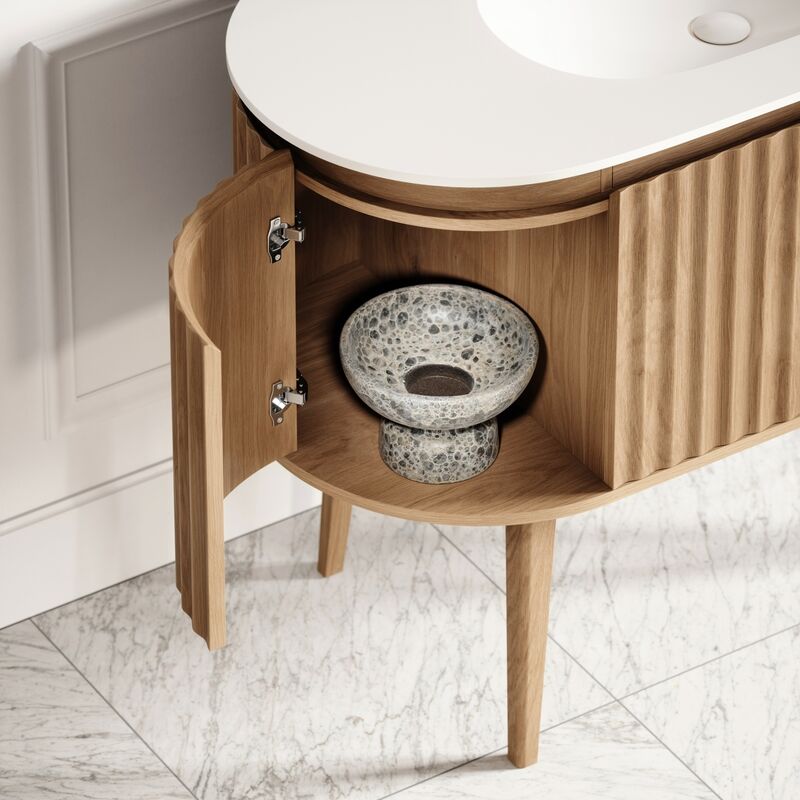
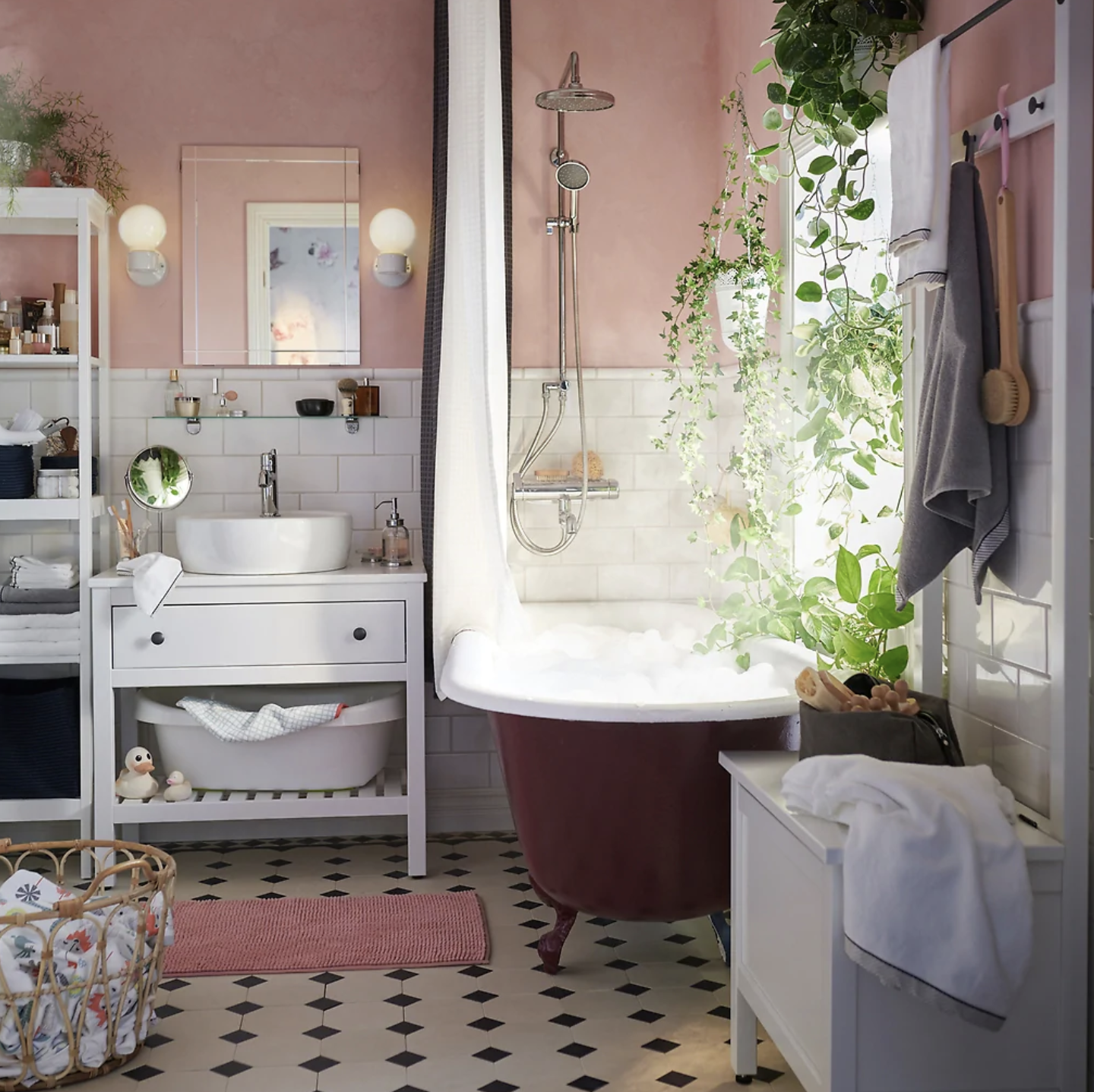
Storage features are another critical consideration. Vanities offer a mix of open and closed storage, including drawers, cabinets, and shelves. The specific storage needs depend on who uses the vanity and the bathroom's existing storage solutions. Primary and family bathrooms generally require extensive closed storage and ample countertop space for daily essentials like toiletries and makeup. Guest bathrooms and powder rooms, conversely, can often function with smaller vanities and more open storage. Special features like soft-close drawer glides, built-in power outlets, and drawer organizers can enhance usability.
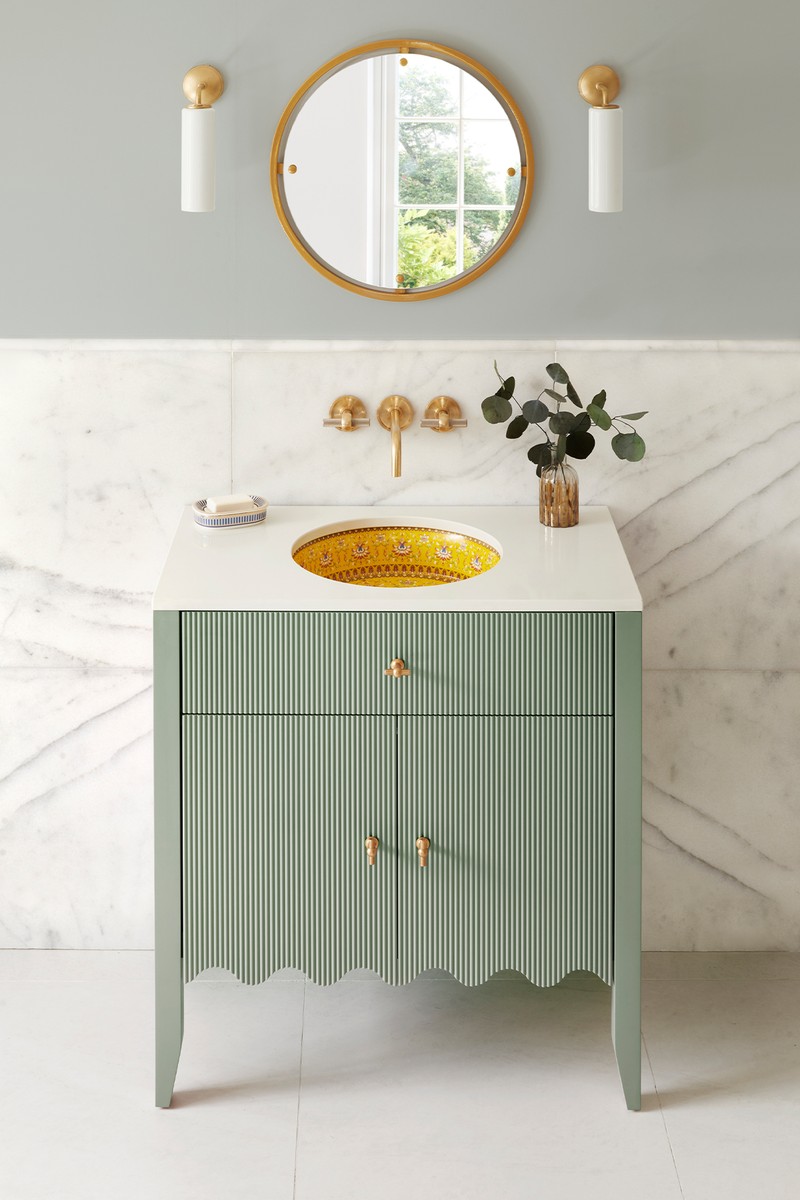
Vanity dimensions—height, width, and depth—are standardized, with common widths ranging from 18 to 72 inches. Shallow depths are practical for smaller bathrooms, but extreme compromises in height or depth should be avoided. Before purchasing, it is important to assess how the vanity will be used and the room's size. Building codes, such as maintaining a minimum of 15 inches of clear space between the side of the vanity and the centerline of a toilet, must be observed. Adequate clearance for opening doors and drawers is also essential. For replacements, plumbing considerations, including the P-trap connection, are vital. Budget constraints also play a role, as smaller vanities are generally more cost-effective.
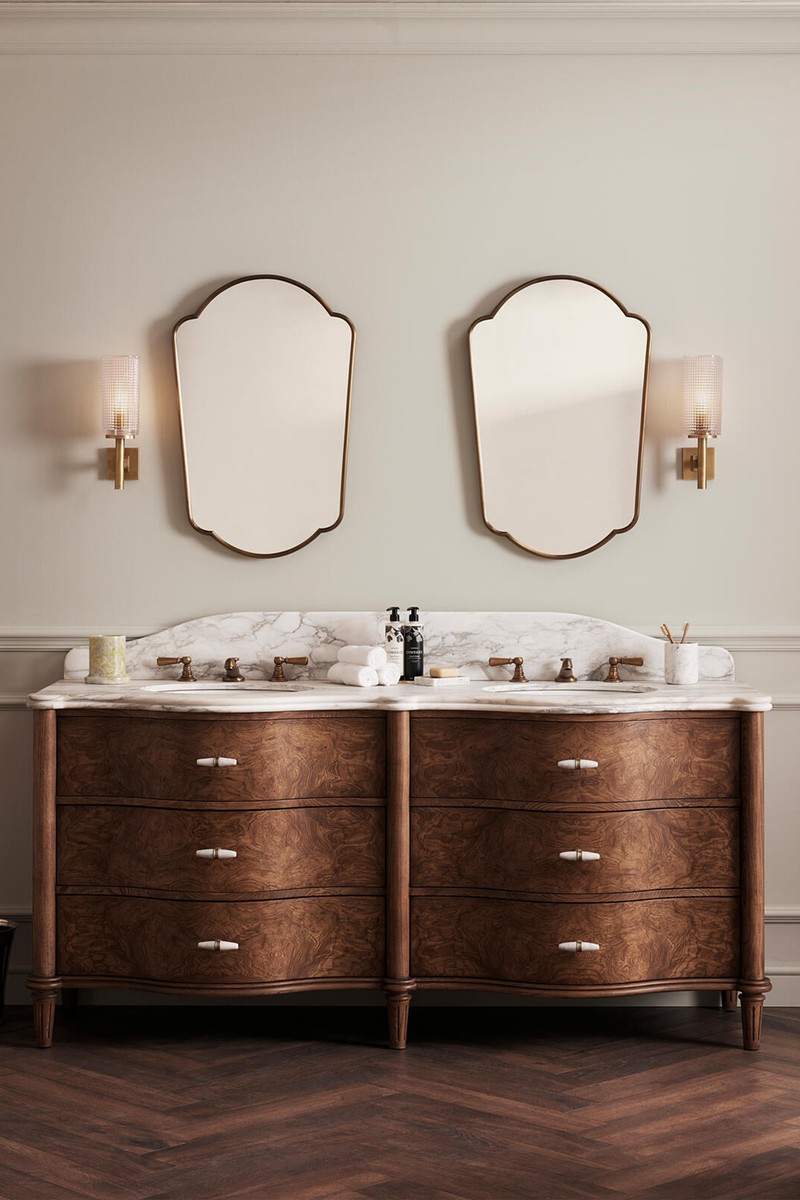
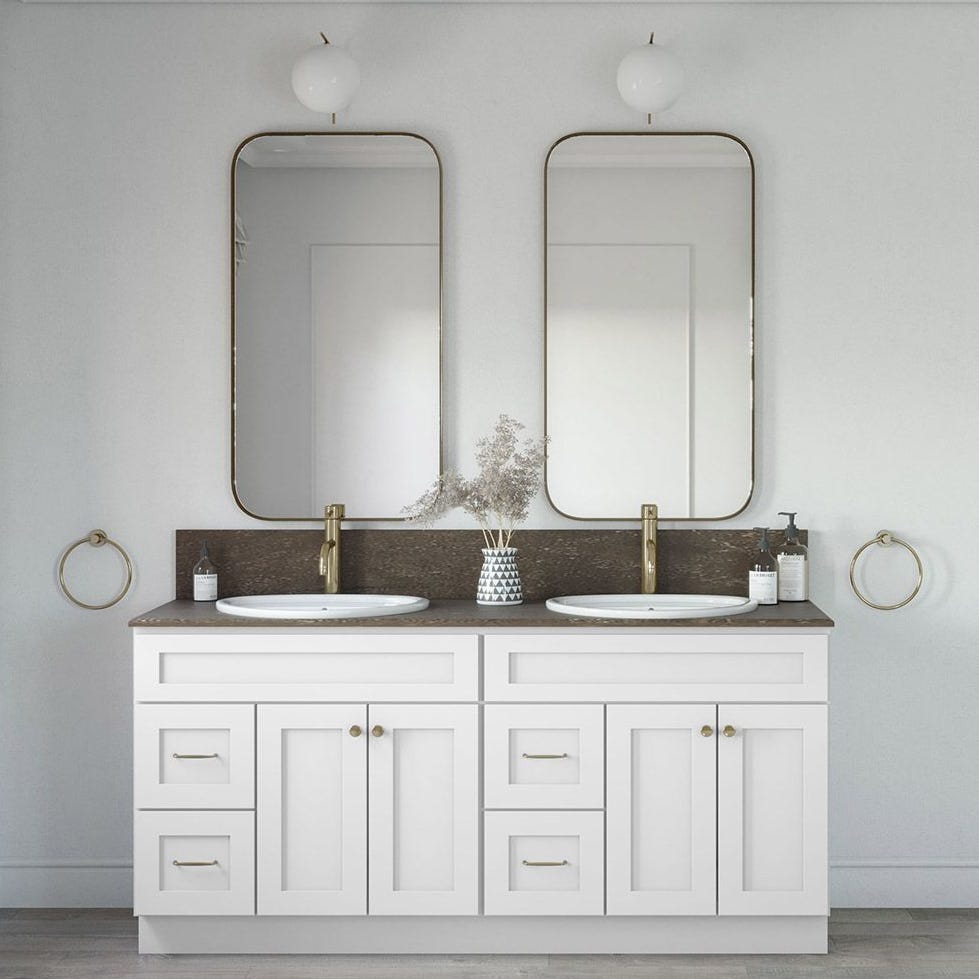
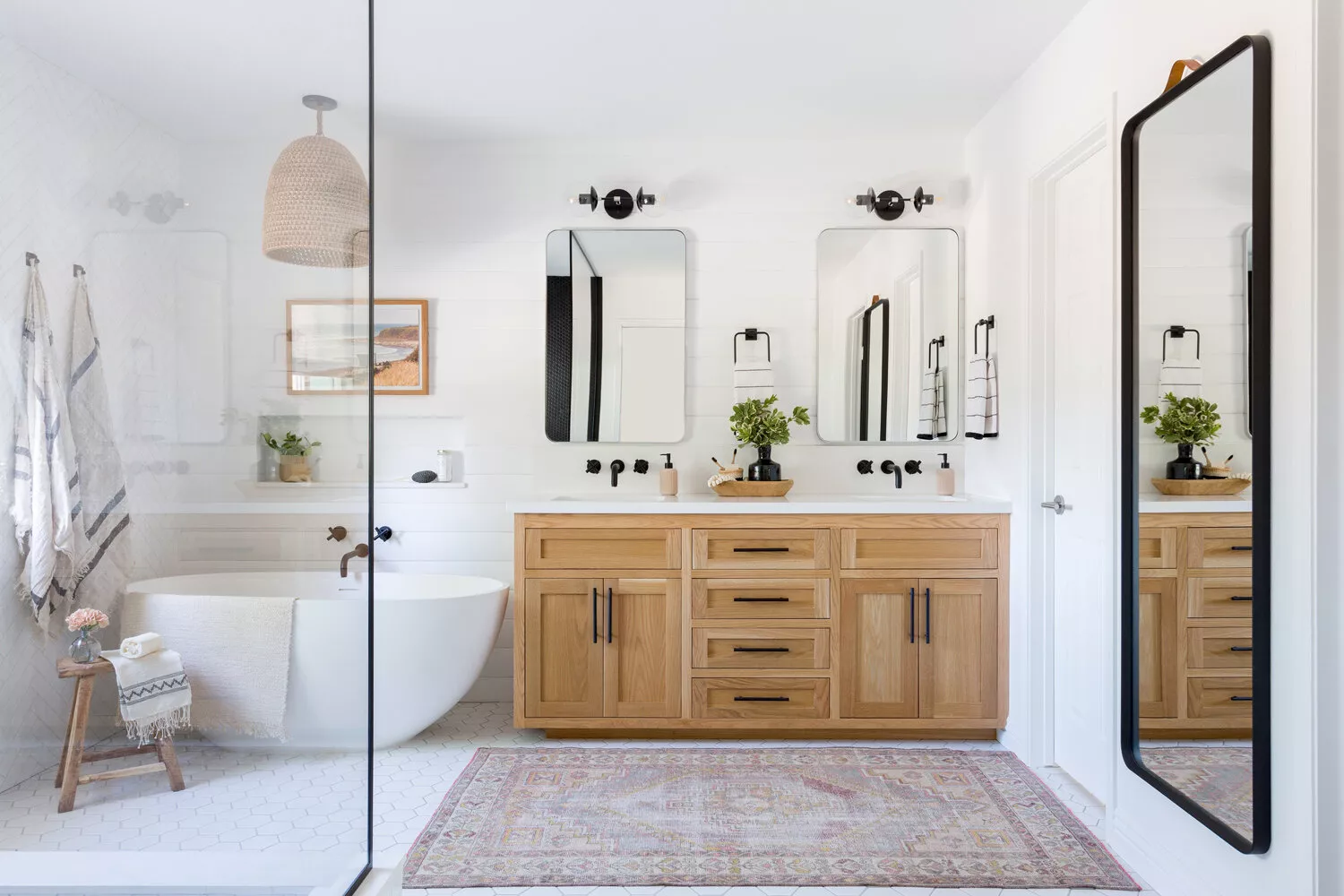
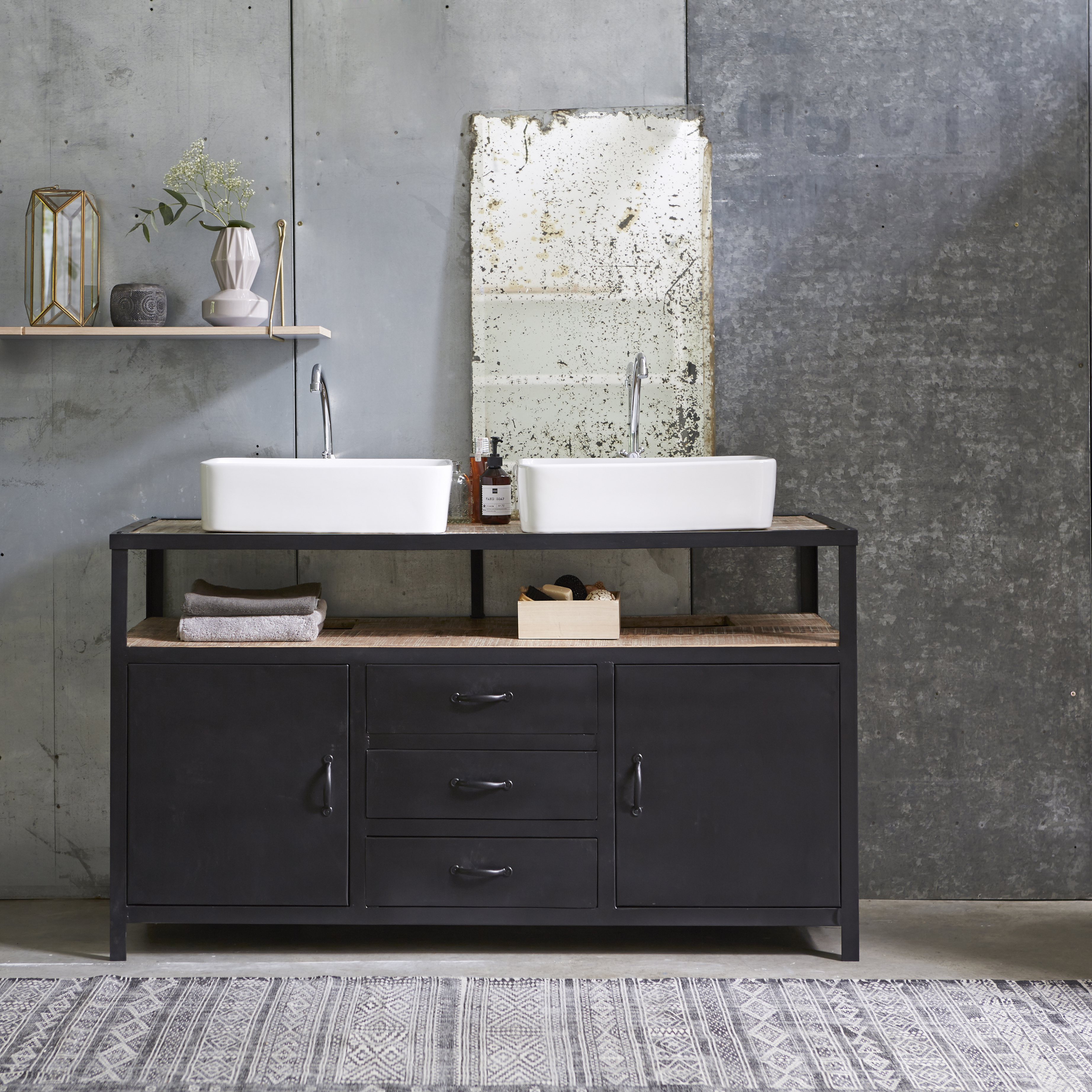
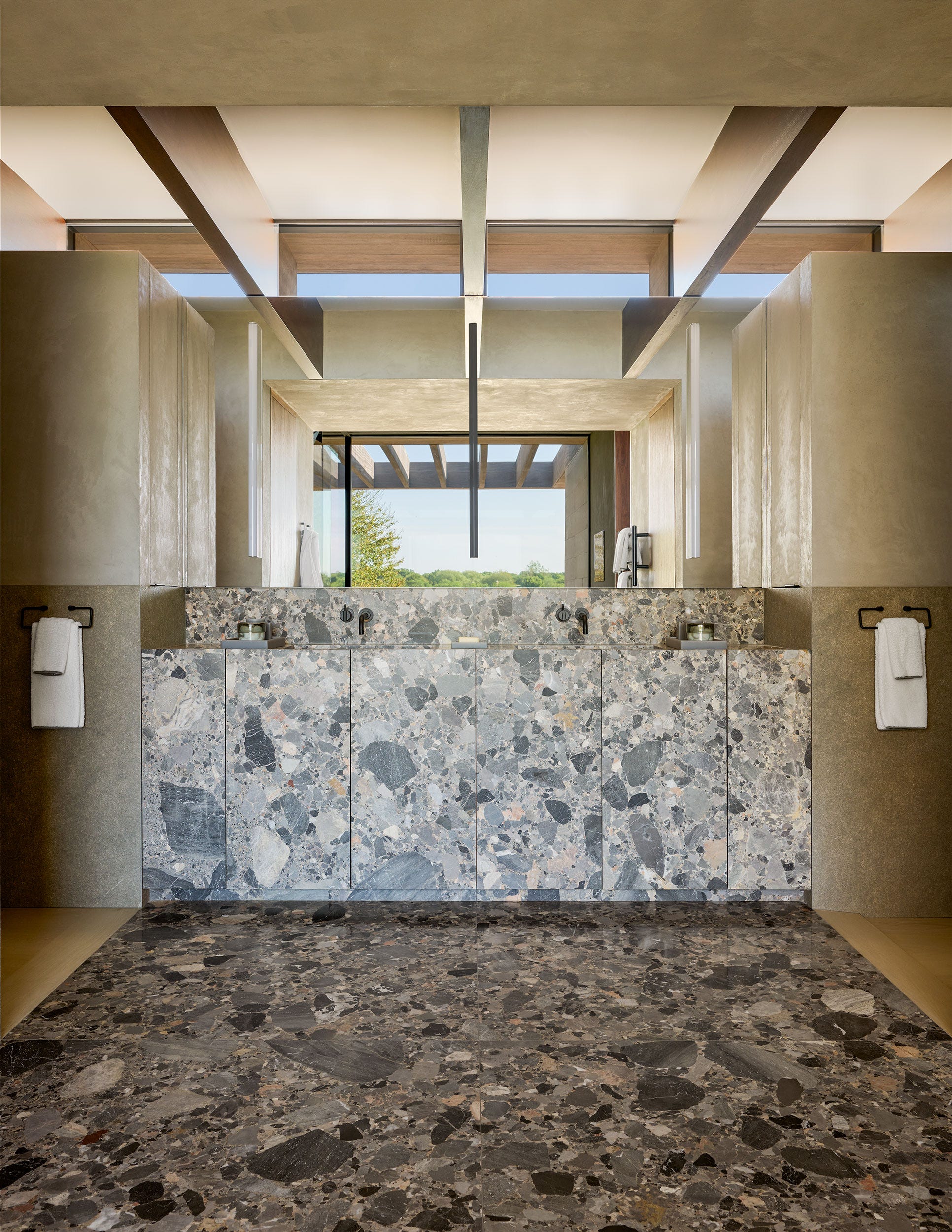
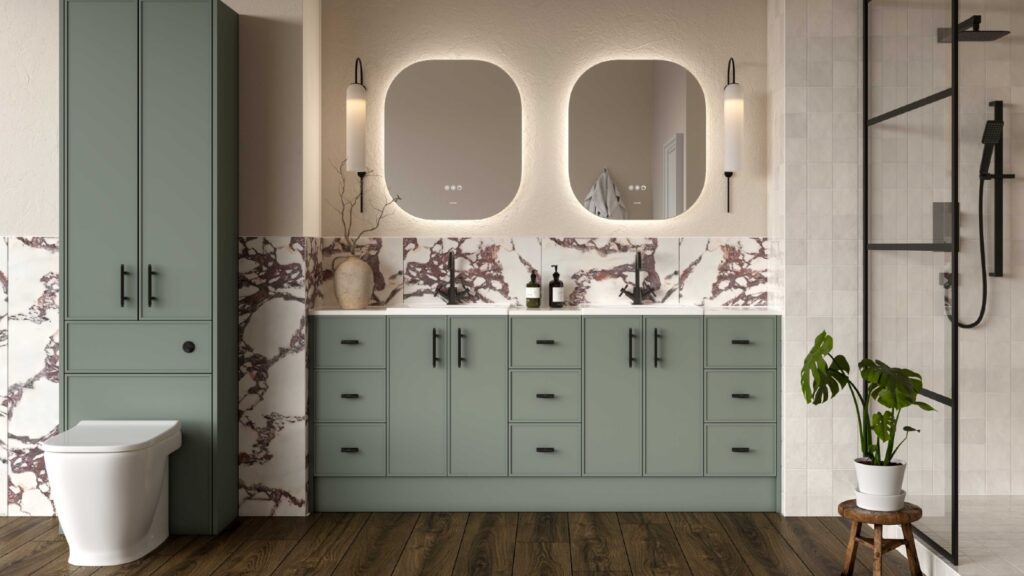
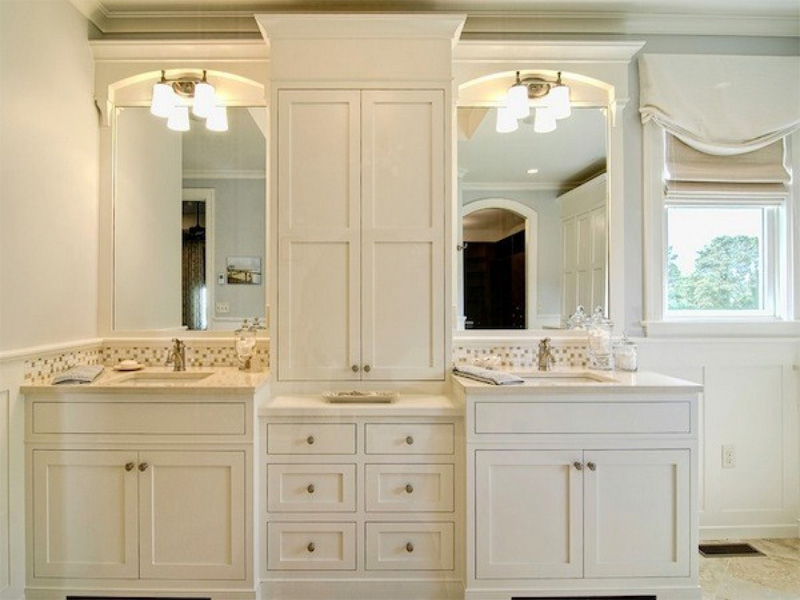
Regarding cost, bathroom vanities vary widely, from a few hundred to over $5,000, influenced by size, materials, and added storage features. The choice between a single or double vanity hinges on available space and user needs. Double vanities typically require at least 48 inches of width and are best suited for large bathrooms, while single vanities are practical for smaller and average-sized spaces. In large primary baths, two single vanities can create separate user areas. Plumbing modifications for additional sinks can increase costs. Quality indicators include solid wood construction, metal hardware over plastic, and fully assembled units, along with meticulous craftsmanship and water resistance, which is paramount in bathroom furniture. Megan Ulu-Lani Boyanton and Kristina McGuirk authored the article, consulting with design experts Sharon Sherman and Emily Cathcart.
#BathroomVanities #HomeImprovement #BathroomDesign #InteriorDecorating #HomeRenovation #StorageSolutions #FreestandingVanity #FloatingVanity #MaterialSelection #BathroomVanities #HomeImprovement #BathroomDesign #InteriorDecorating #HomeRenovation #StorageSolutions #FreestandingVanity #FloatingVanity #MaterialSelection
0 comment in total
 No comments yet
You may also like
The Best Places to Buy Bathroom Vanities in 2026

Bathroom vanity ideas - experts explain how to use the most stylish materials and smartest designs

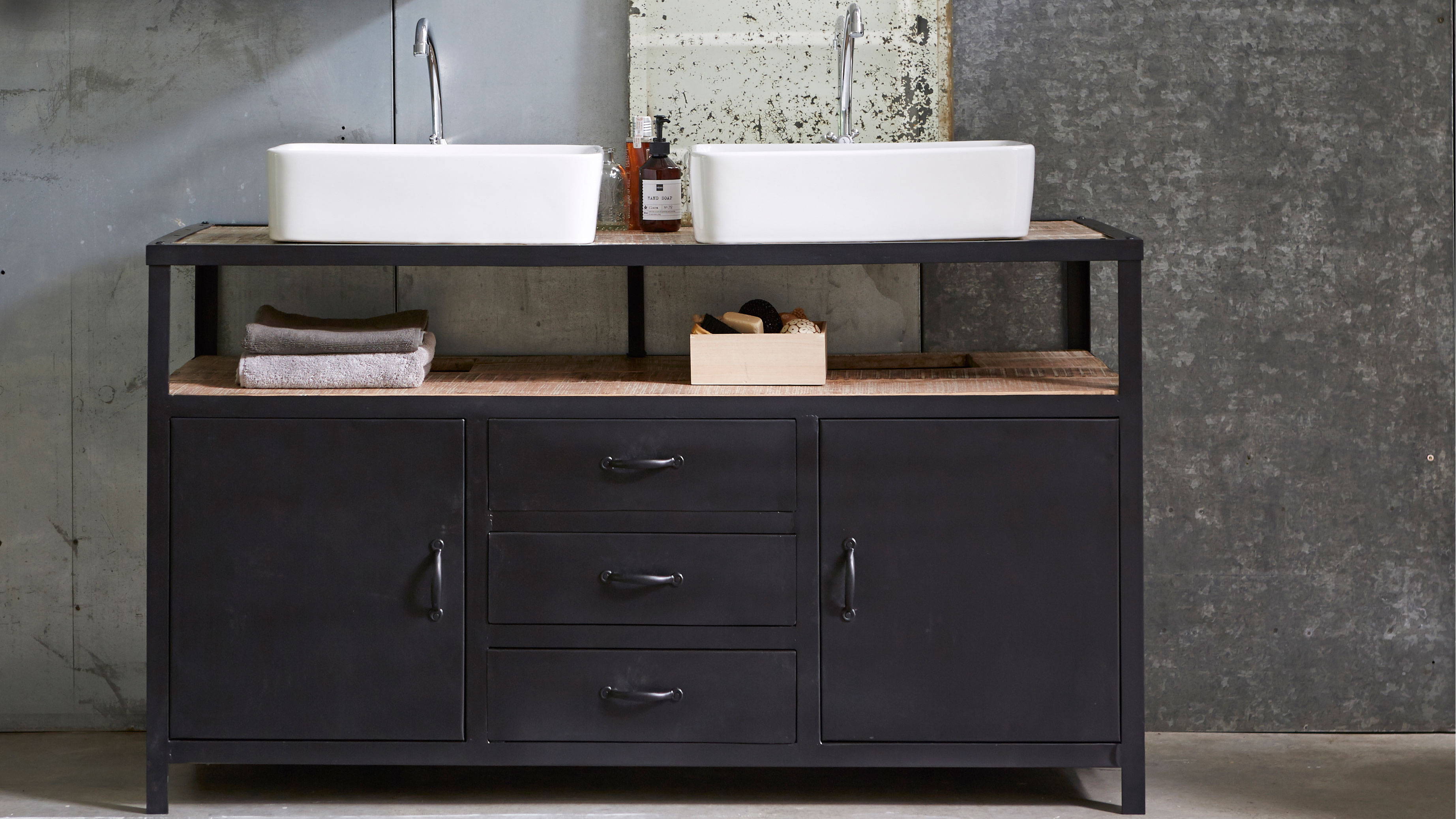
10 of the best vanity units for perfect storage

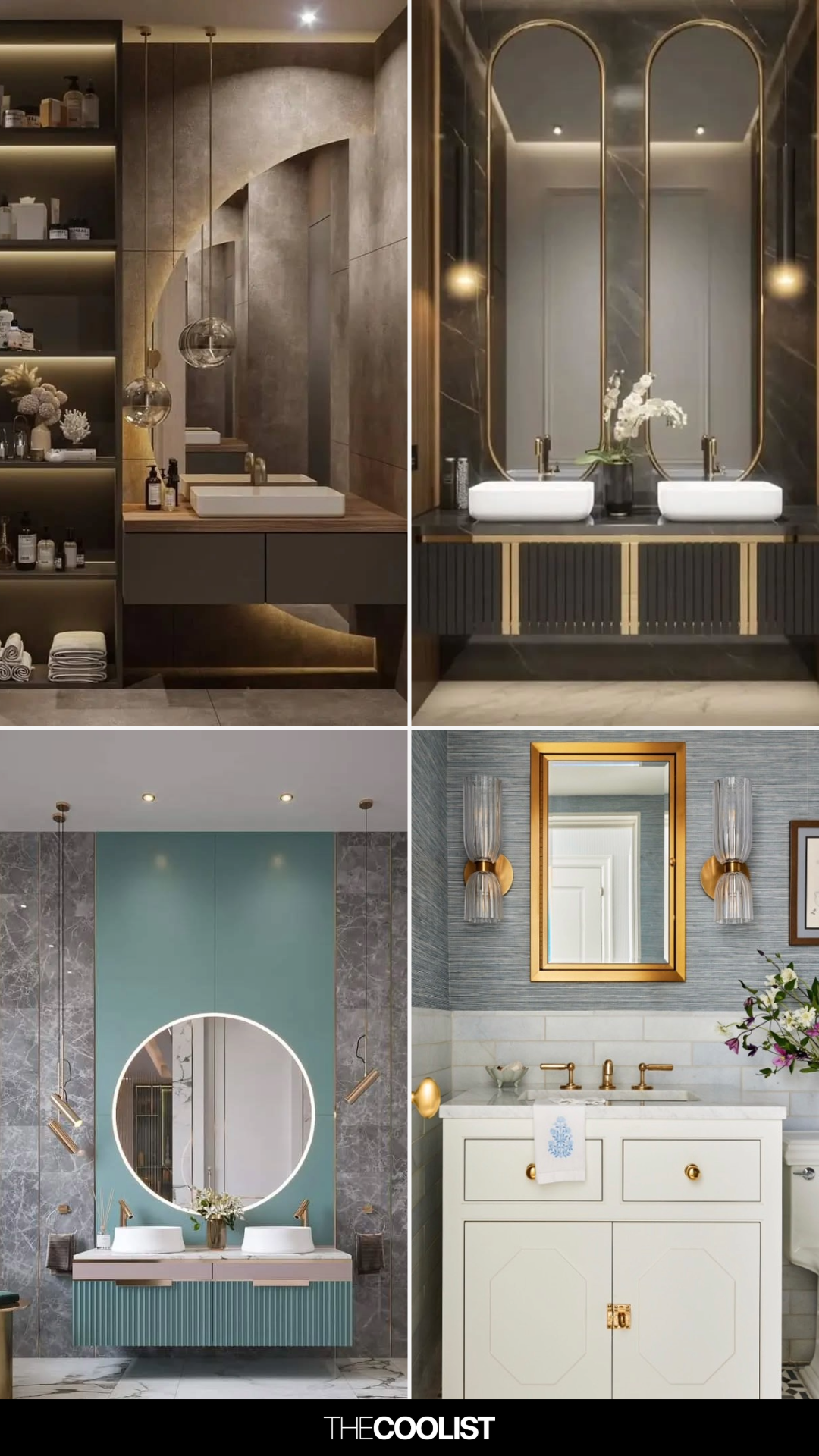
25 Undeniably Cool Bathroom Vanity Ideas That Guests Will Ask About Immediately
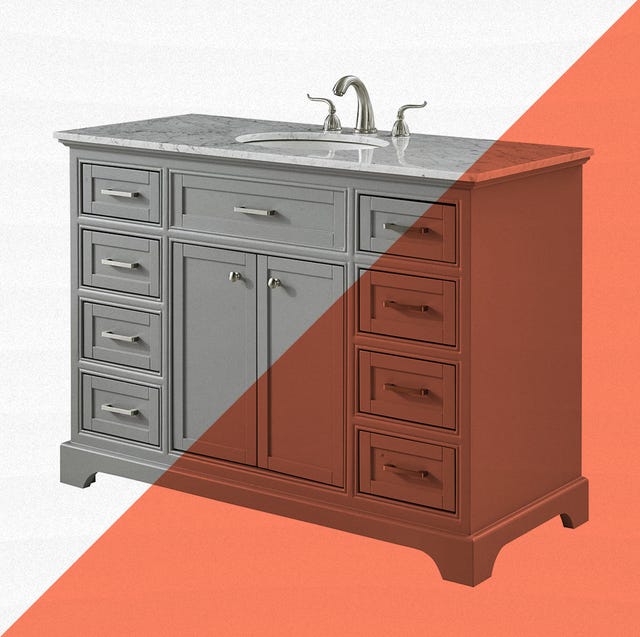
Transform Your Bathroom's Style and Storage Capacity with These Bathroom Vanities
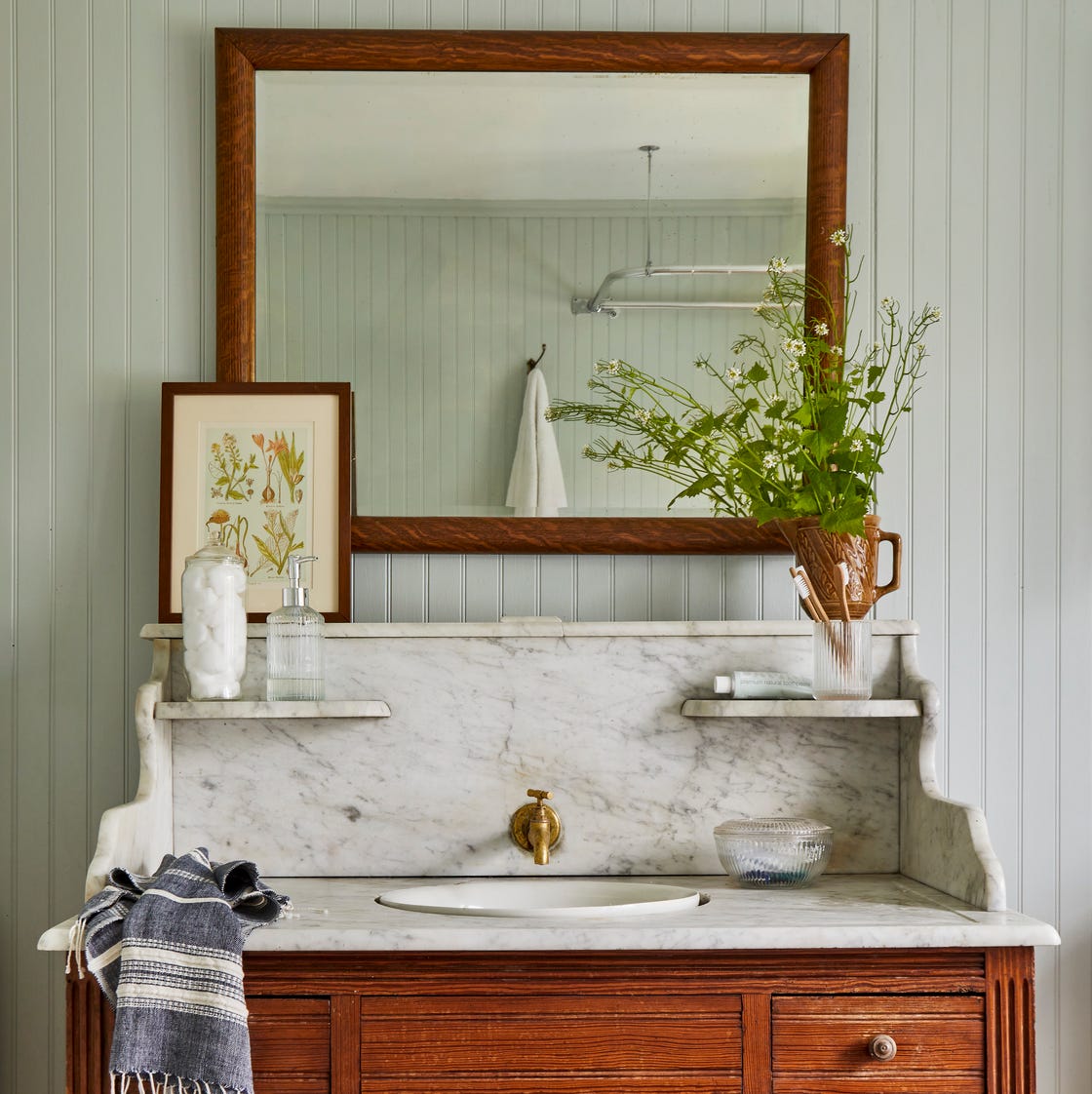
These are the Best Bathroom Vanities on the Market
22 Bathroom Vanity Ideas for 2026 Hidden in Homes That Didn’t Follow Pinterest Advice


Vanity Units

The 15 Best Bathroom Vanities You Can Install In 2022
7 Bathroom Vanity Color Trends That Aren't Going Anywhere in 2026, Designers Say

These 14 Double Vanity Ideas Could Prevent a Bathroom Divorce

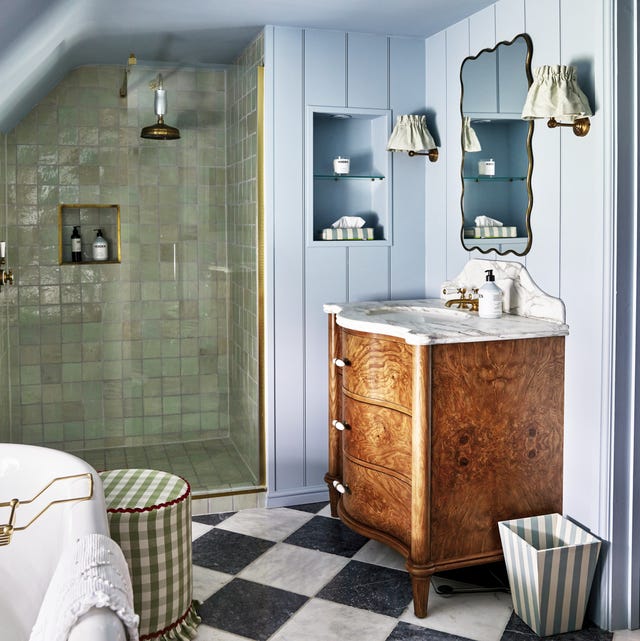
10 bathroom trends that will define 2026 – from floating vanities to pastel tones
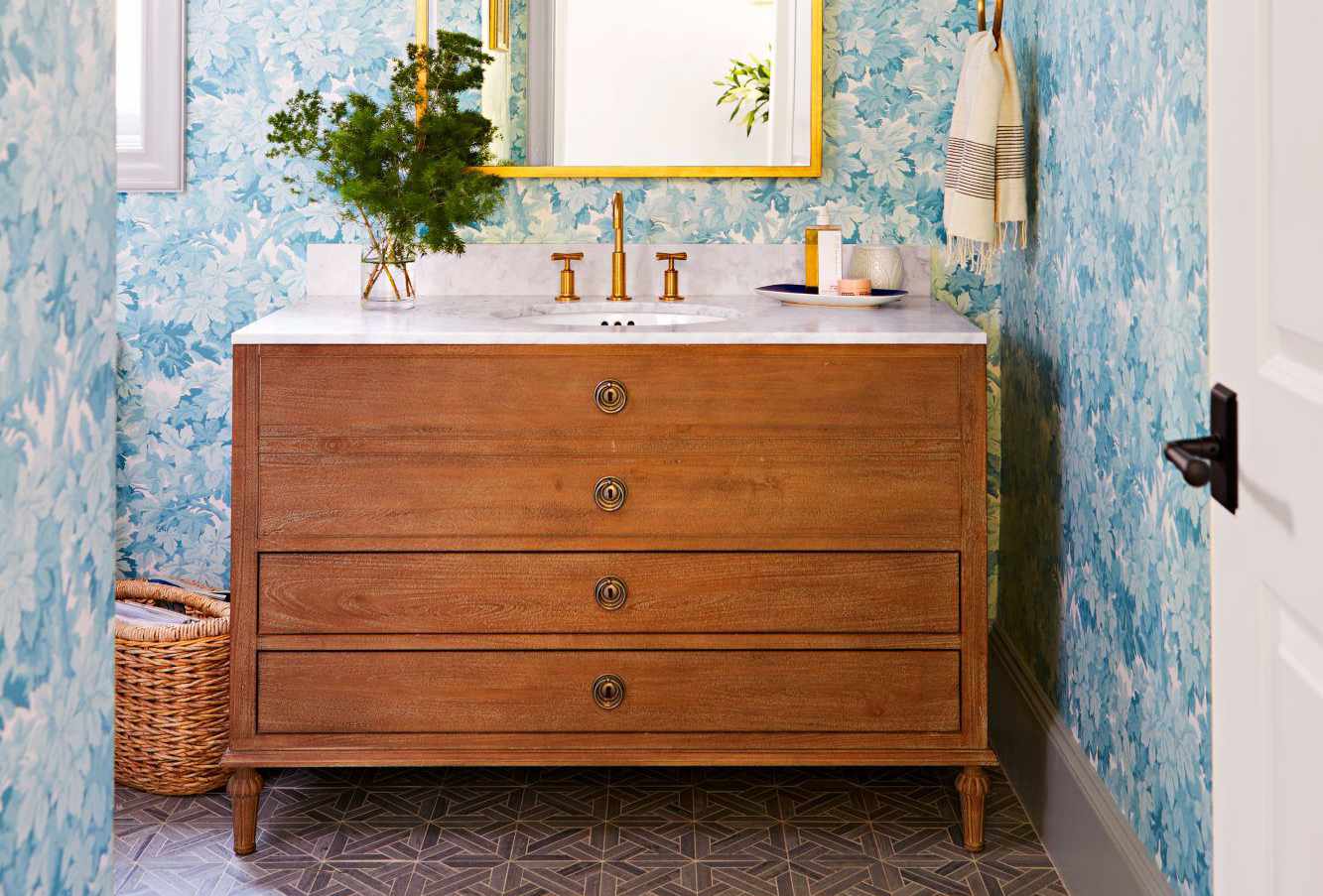
30 Bathroom Vanity Ideas To Elevate Your Storage Space
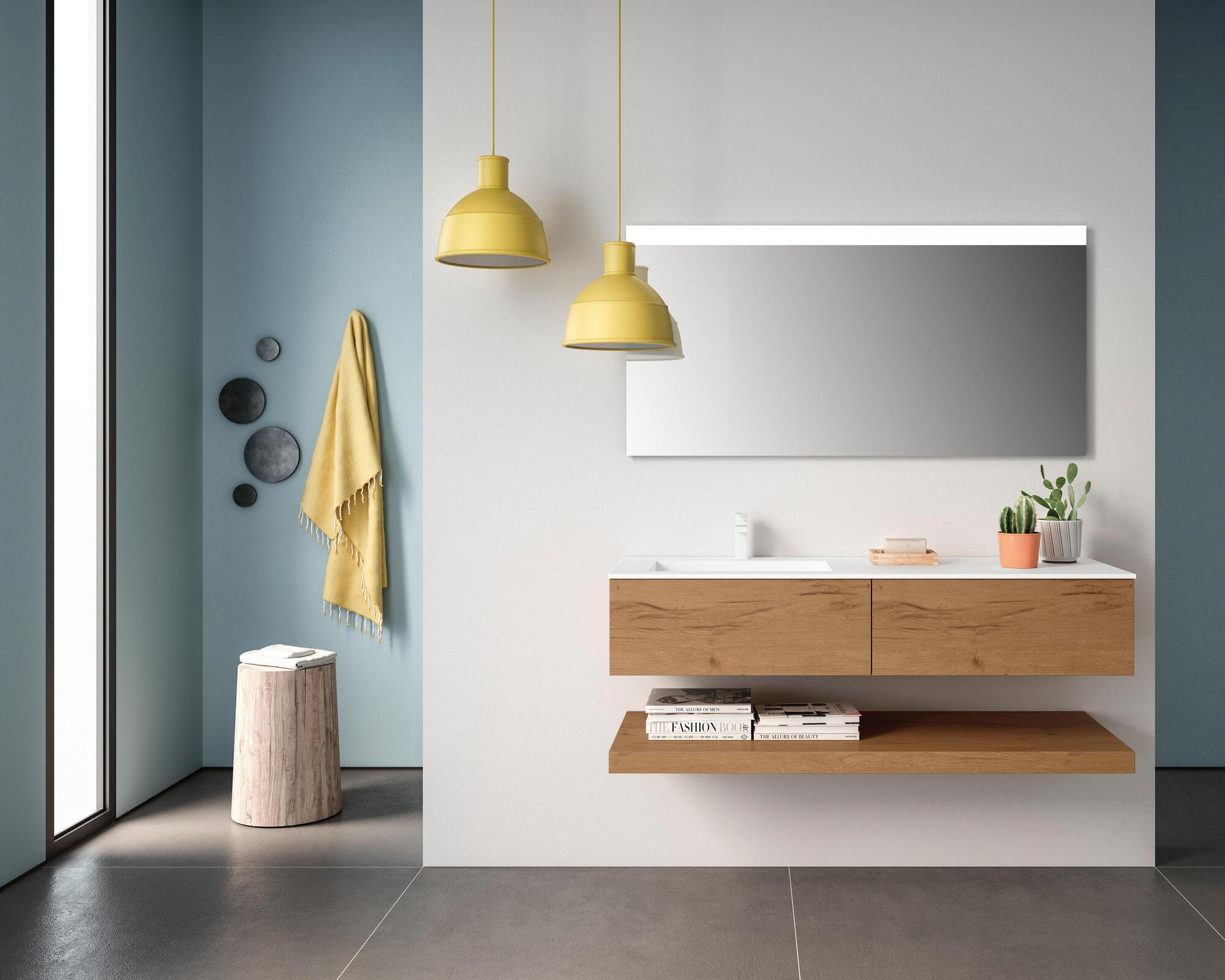
Vanity Fair: Six superb bathroom vanity choices
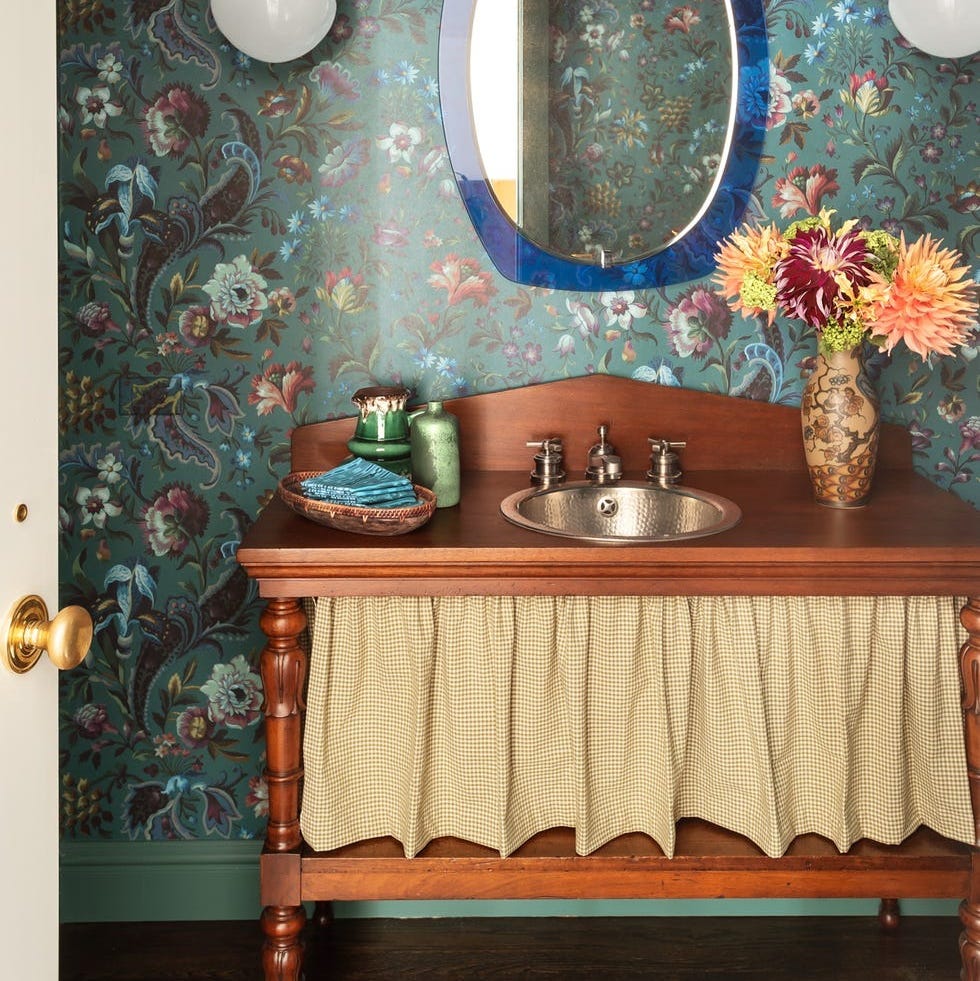
26 Bathroom Cabinet Ideas You Have to Try Right Now
Bathroom furniture | How to enhance luxury with storage
24 Stylish Bathroom Vanity Units

20 Best Bathroom Cabinet Designs With Pictures In 2025
Upgrading THIS Simple Feature Makes Your Bathroom Look More Expensive, According to Designers
These Are The Best Bathroom Vanities on The Market