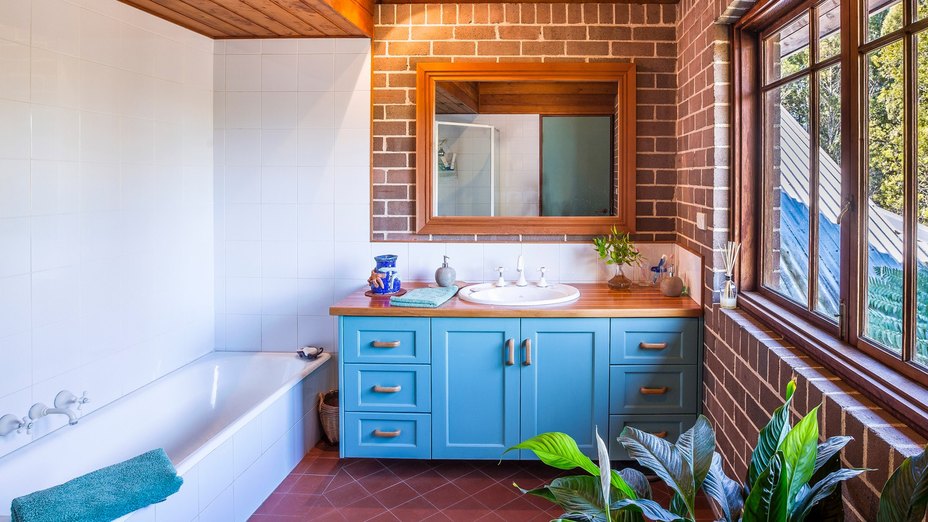
1/6
What Is a Bathroom Vanity? Adding Power (and Extra Storage) to the Powder Room
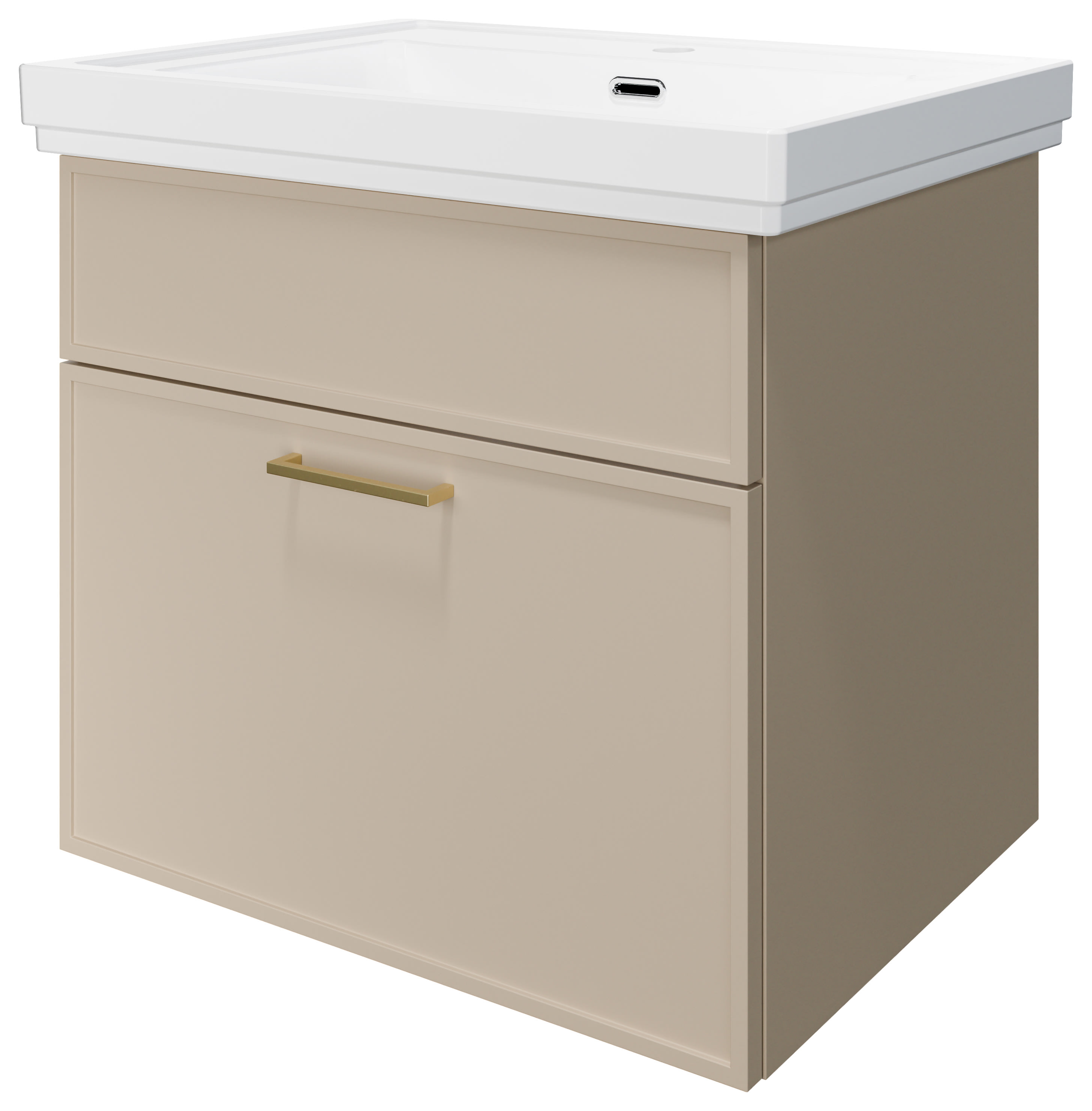
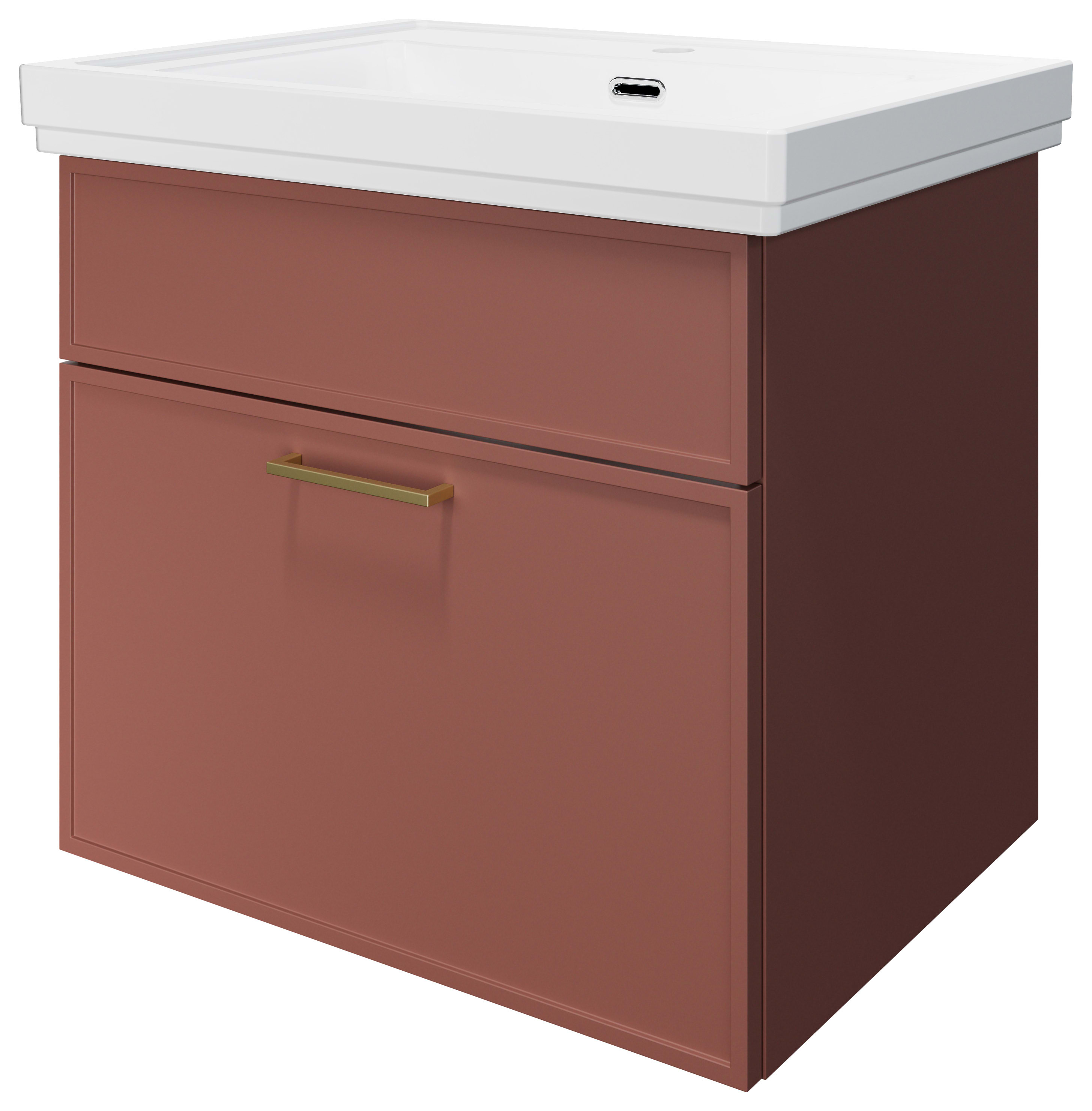
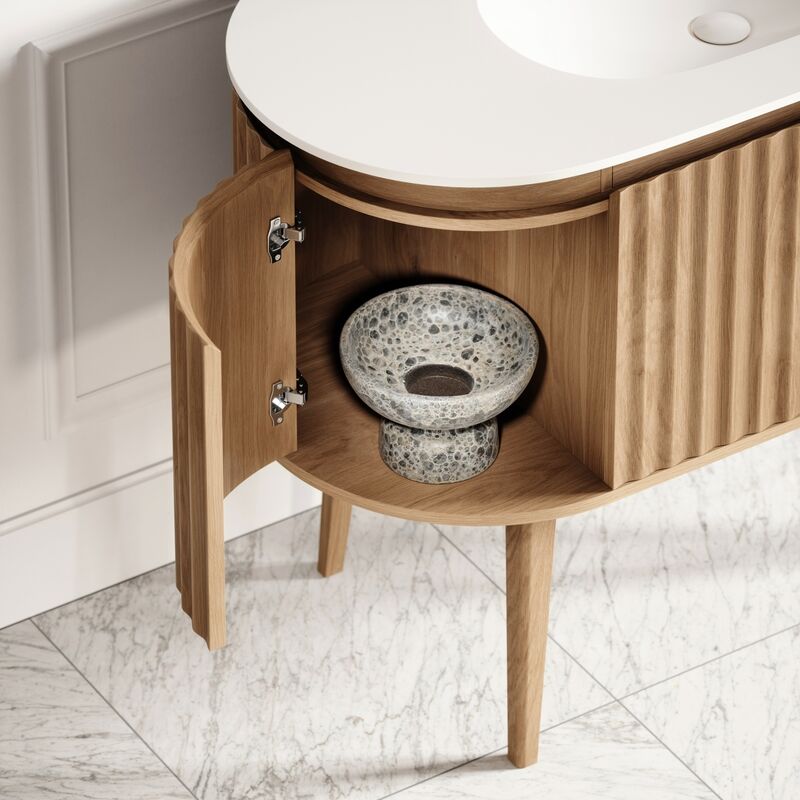
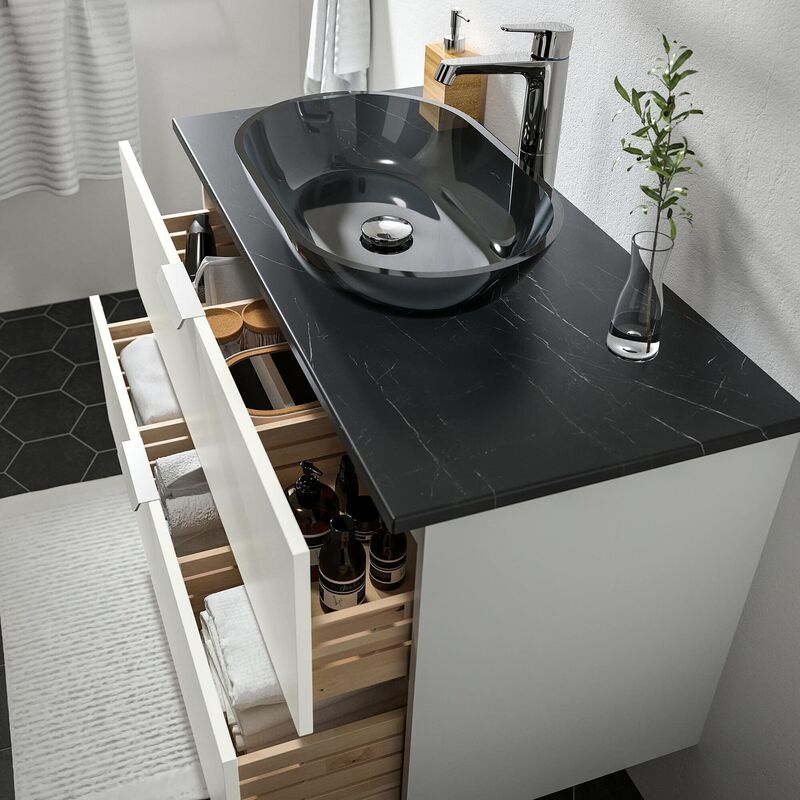
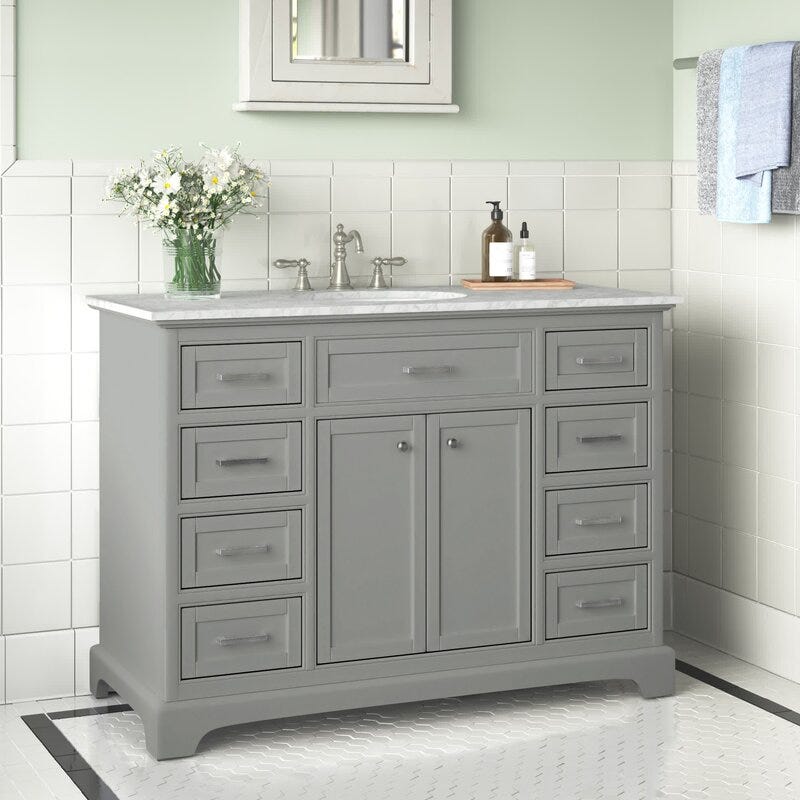
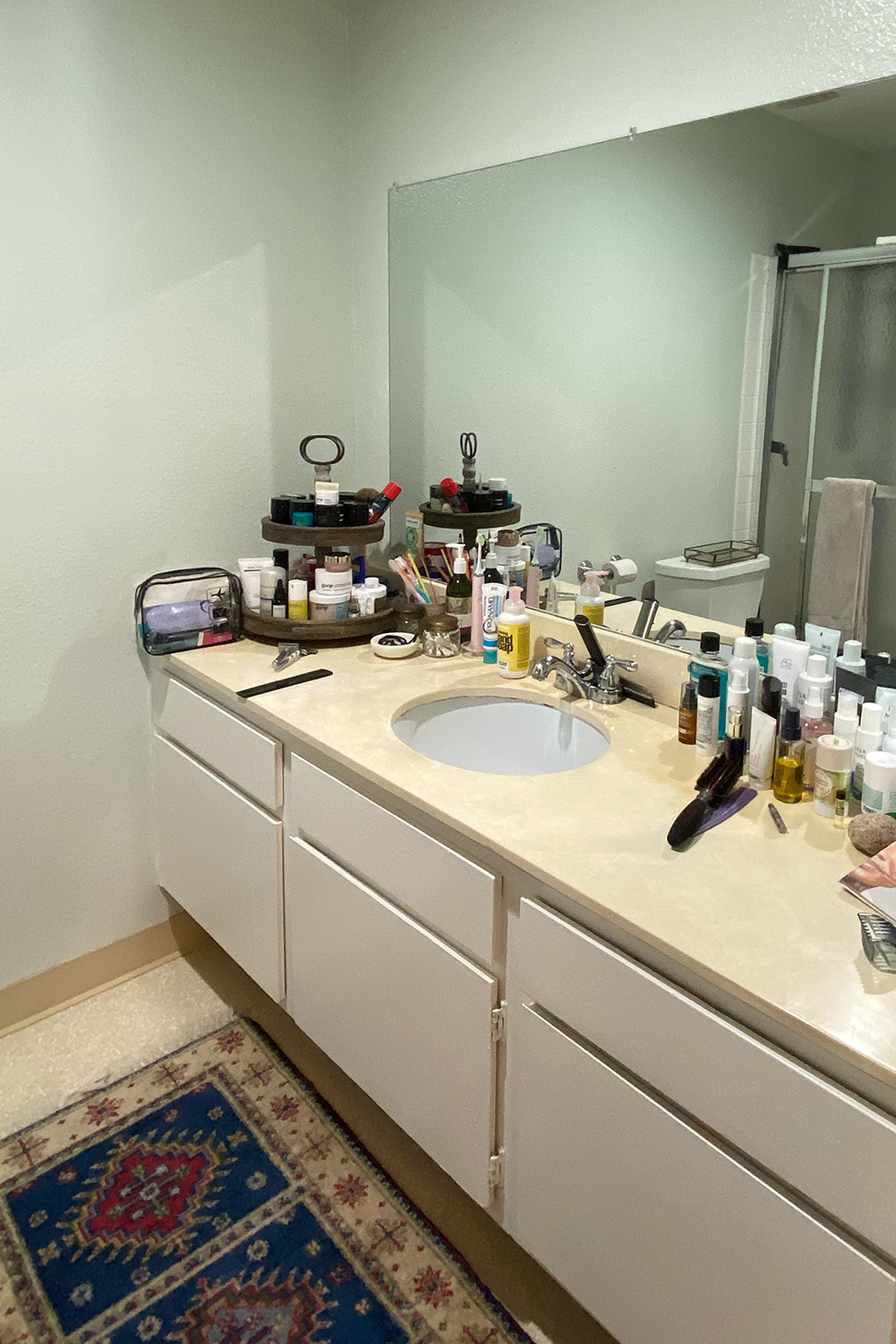
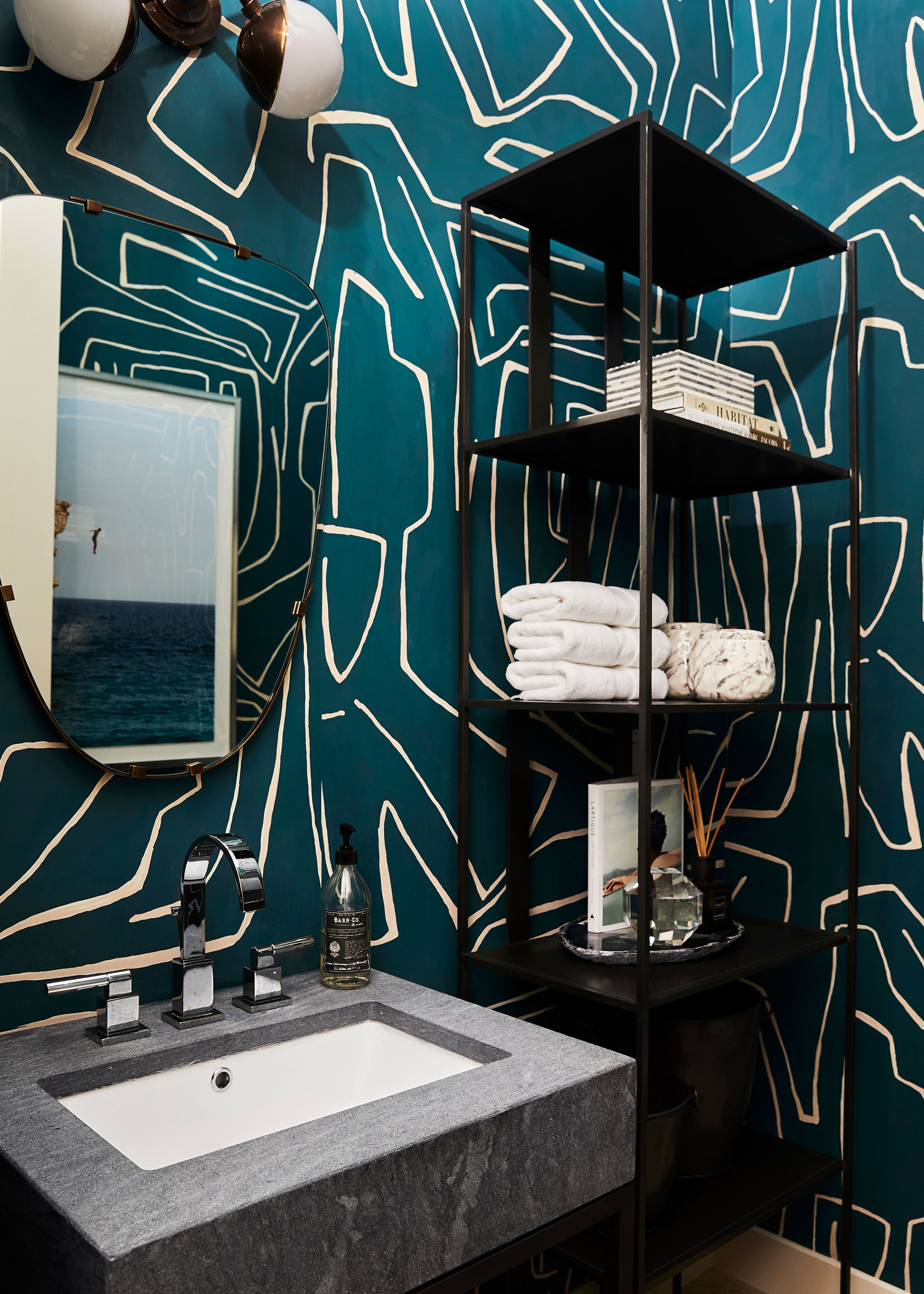
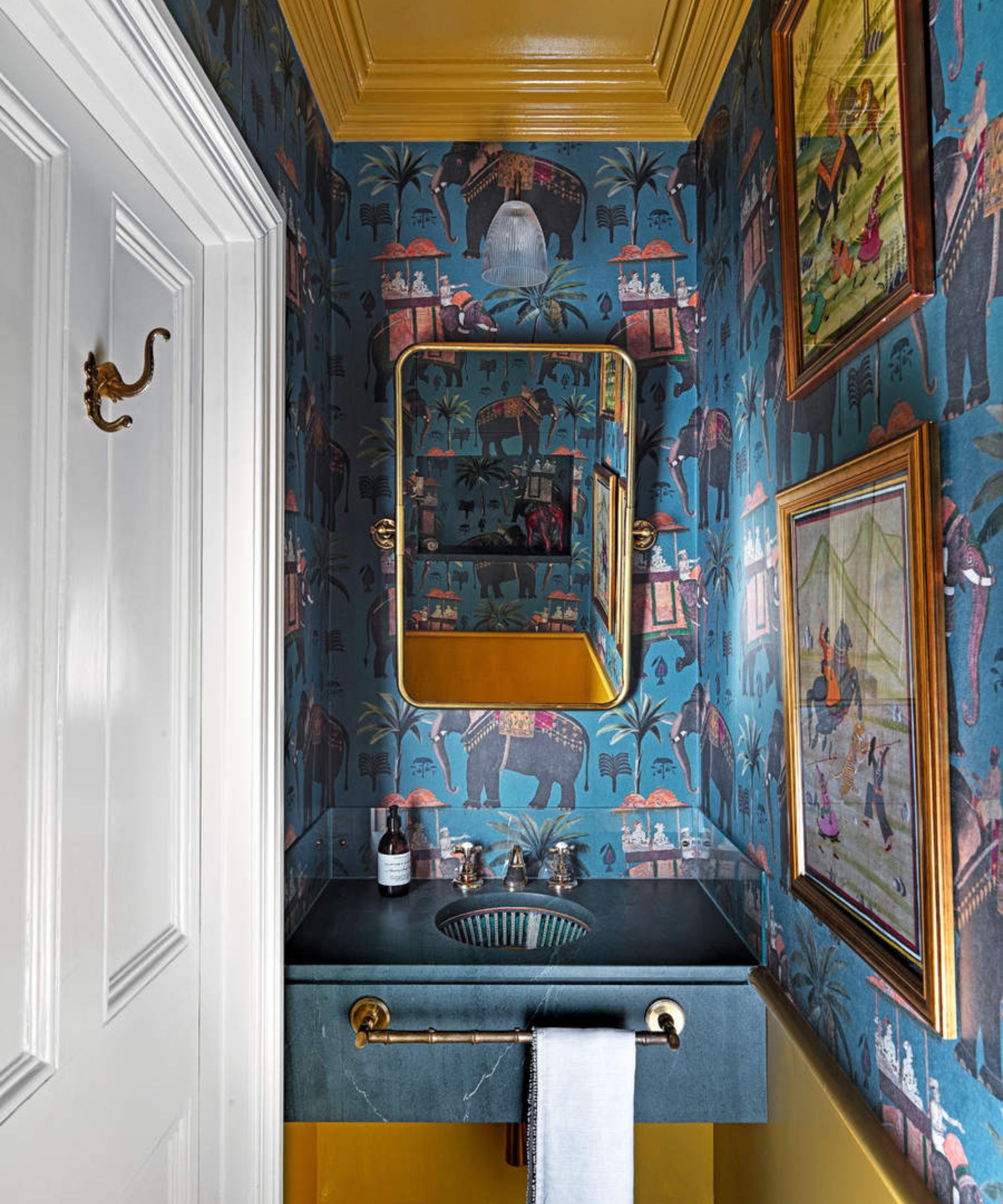
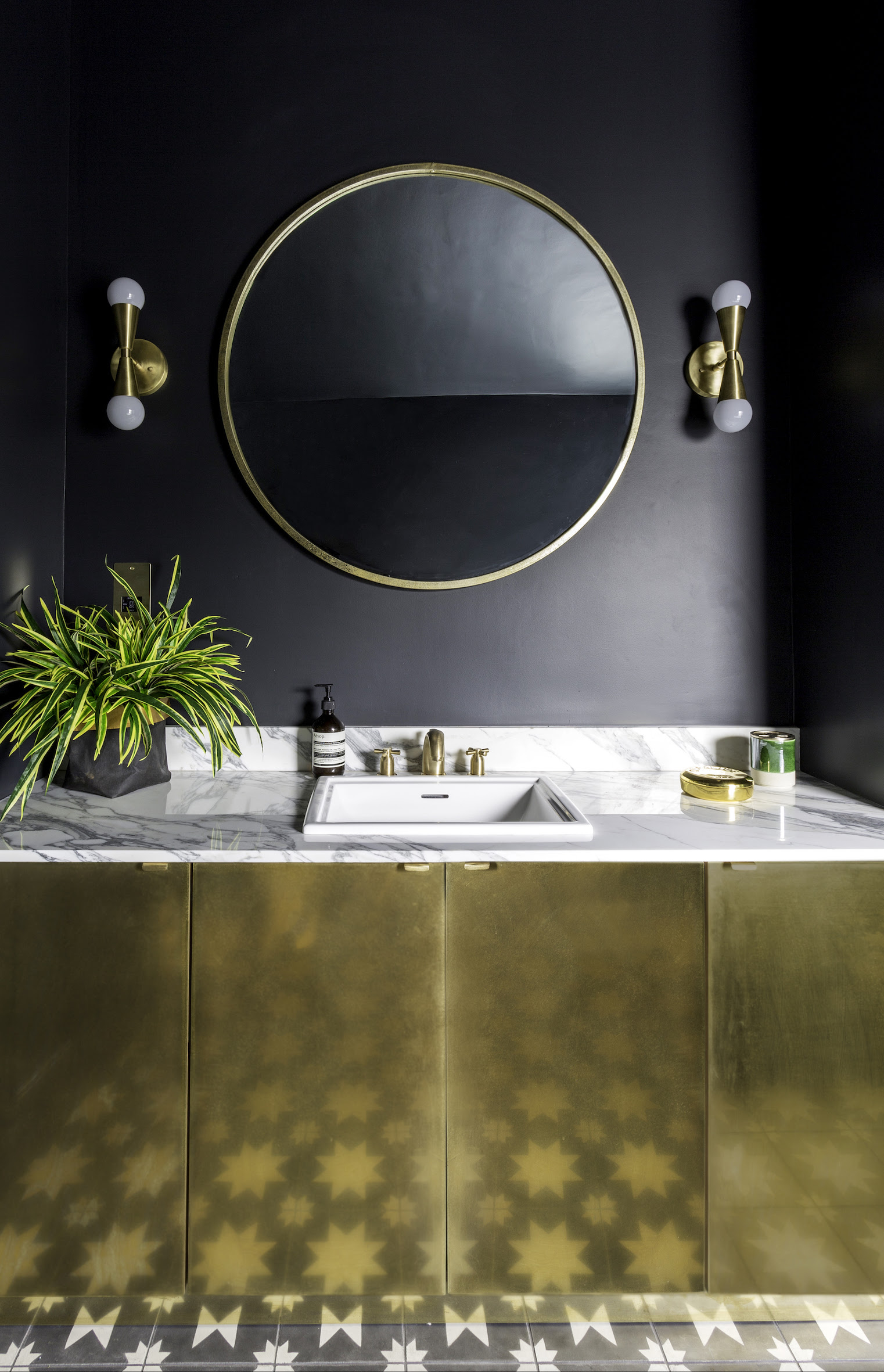
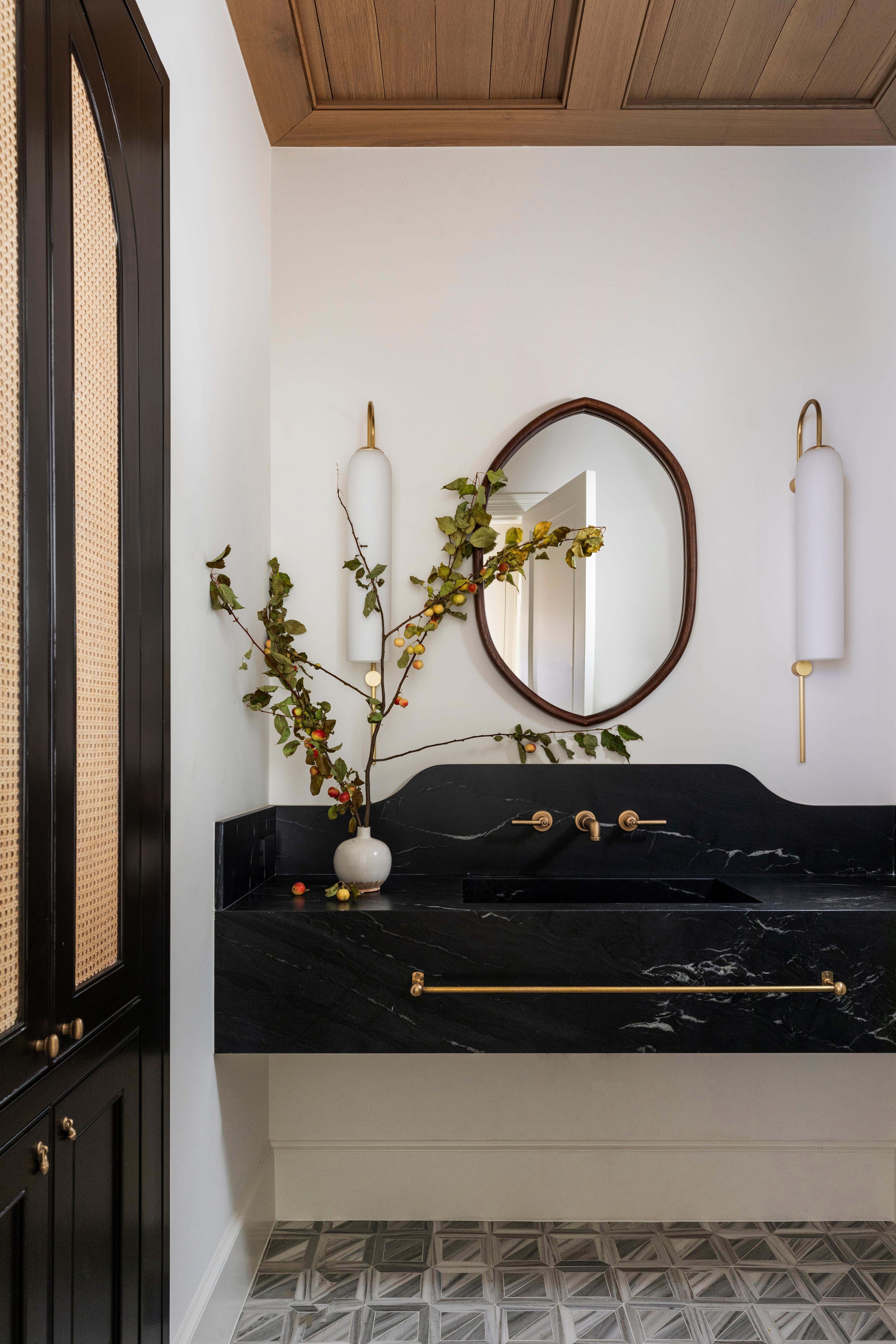
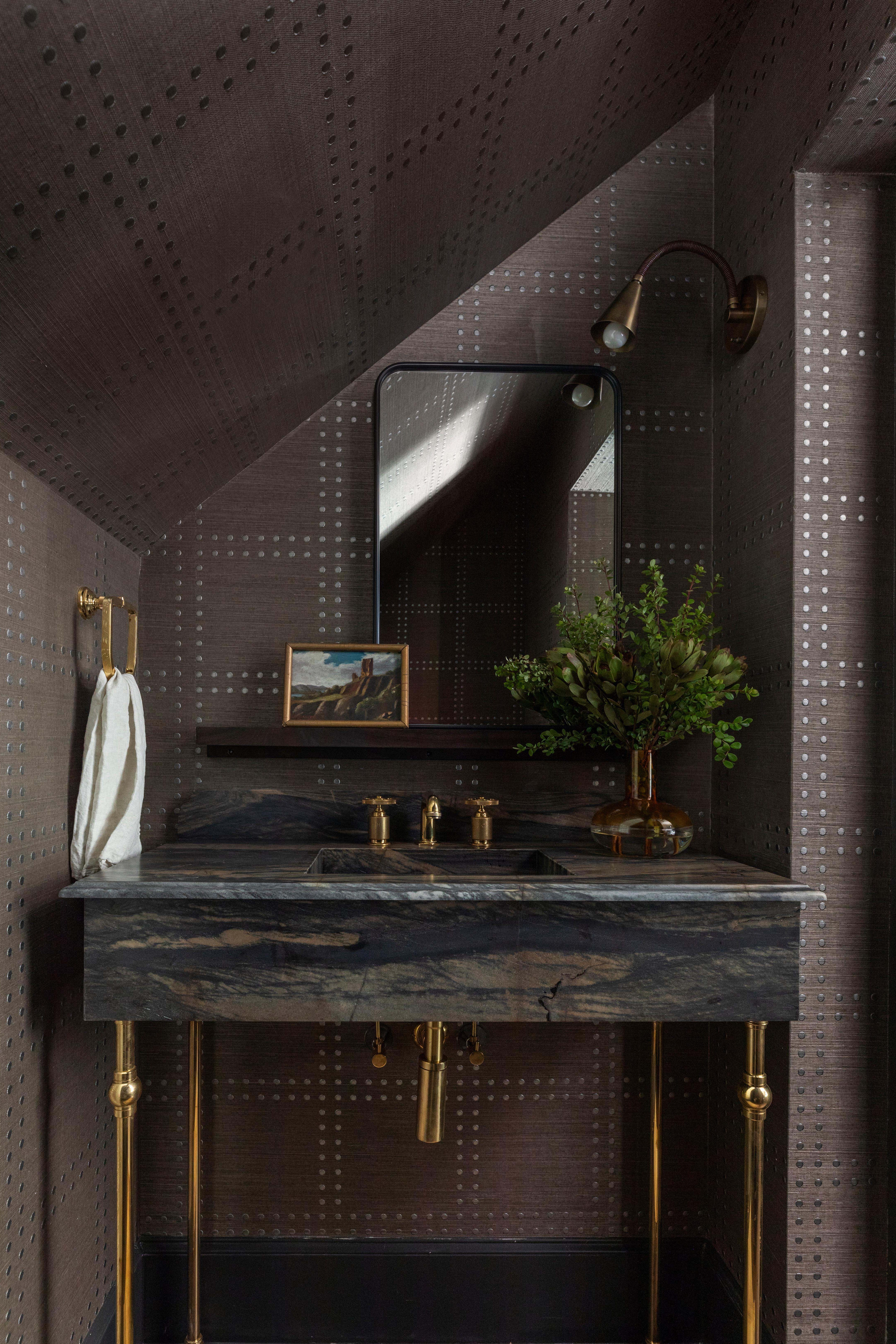
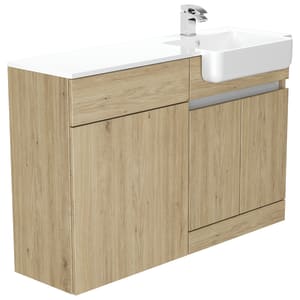
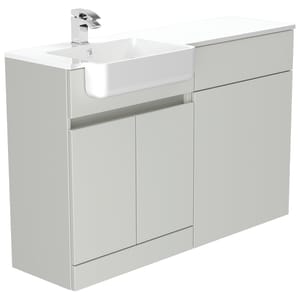
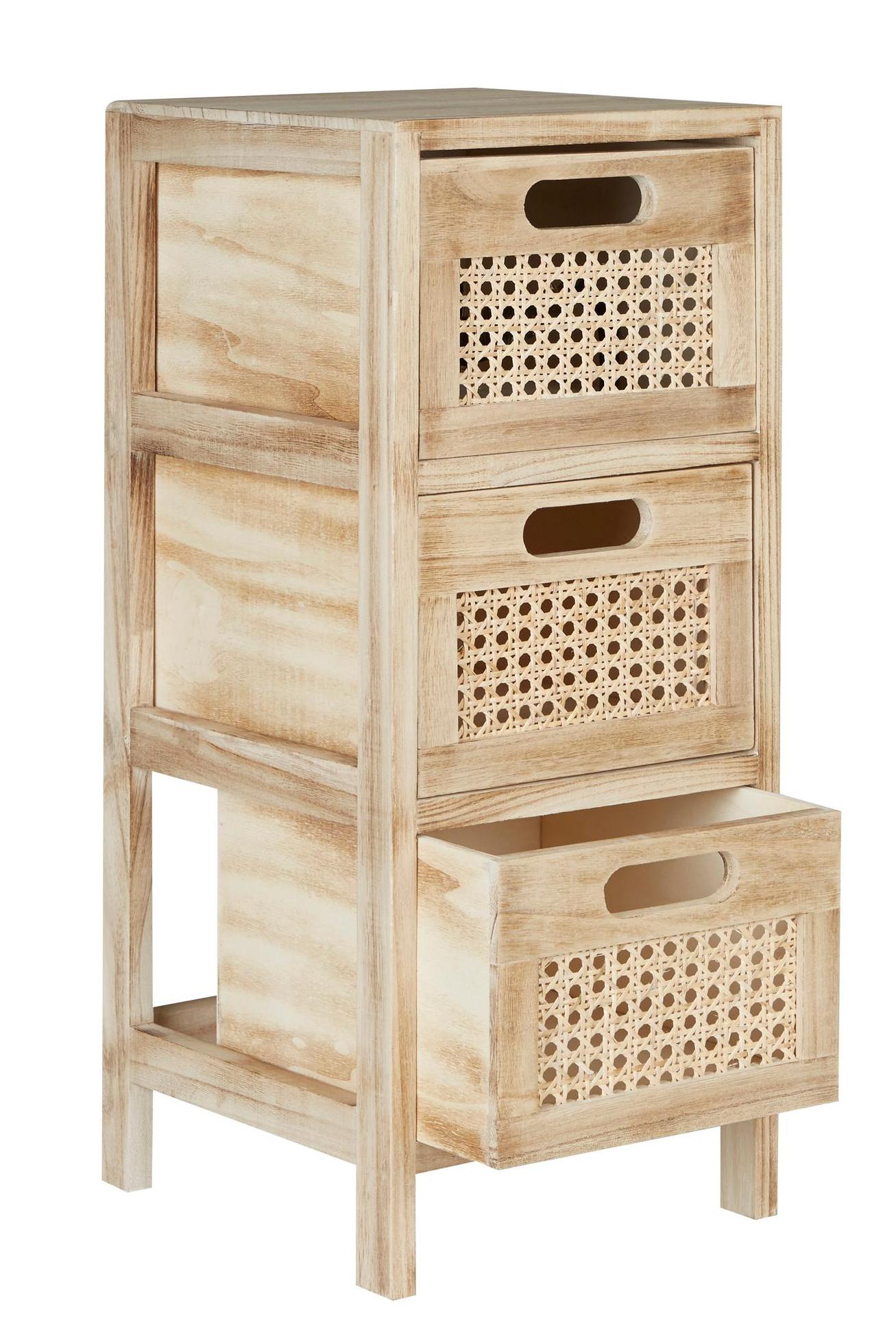
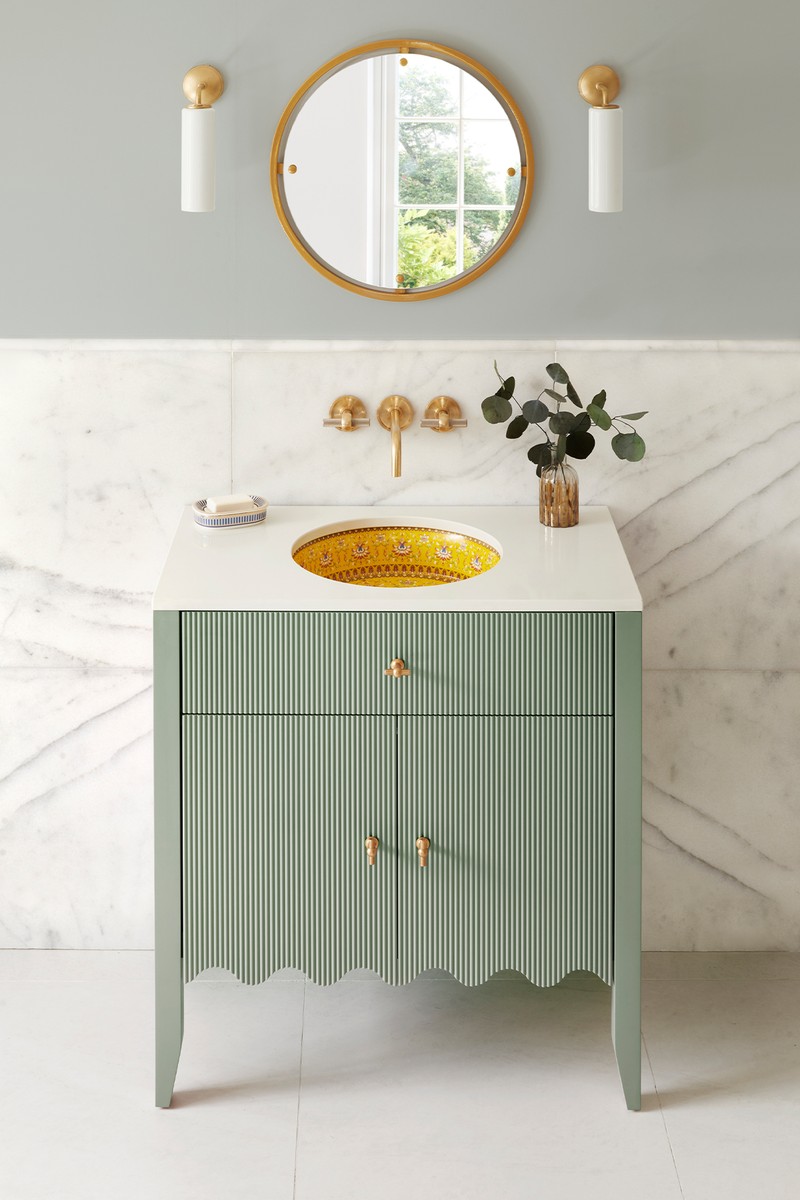
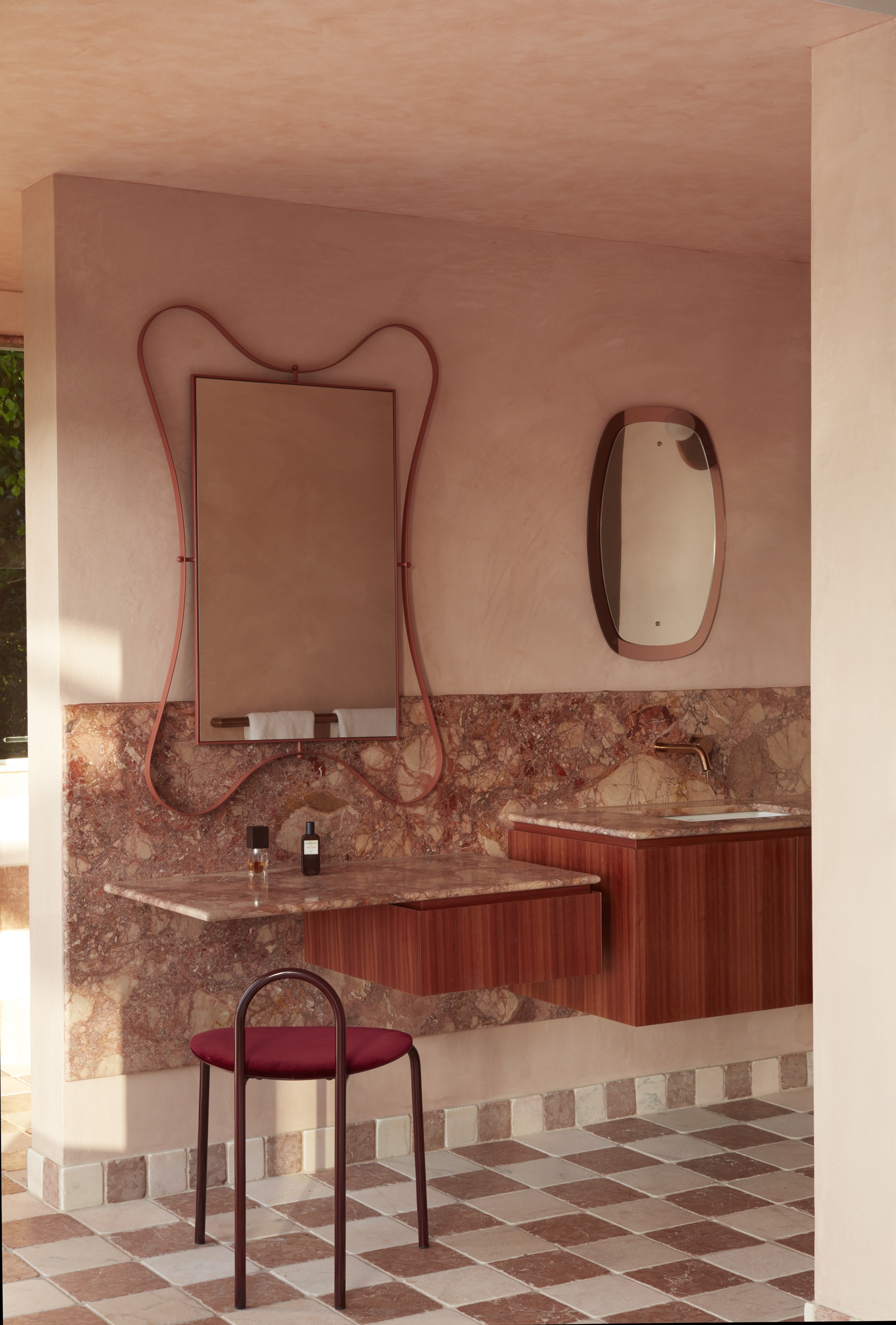
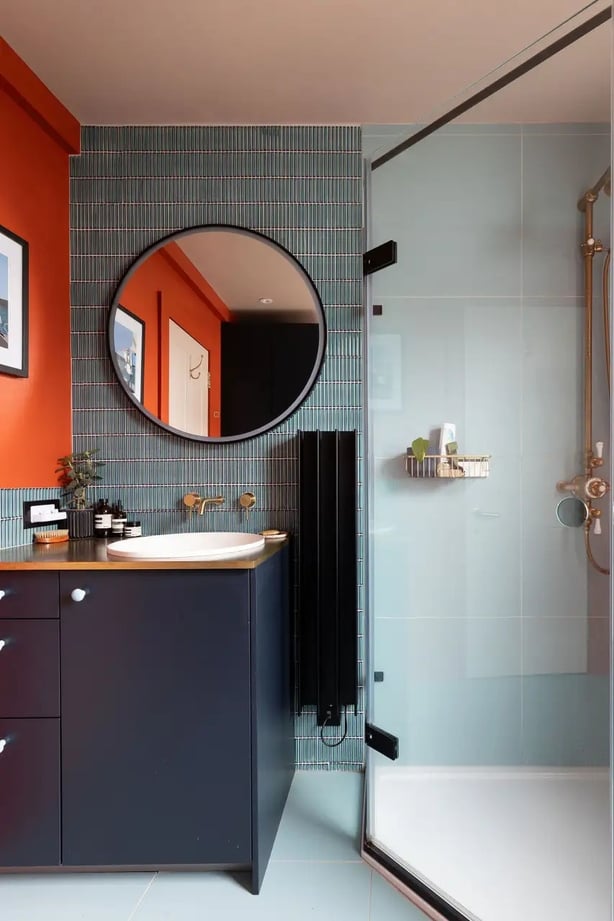
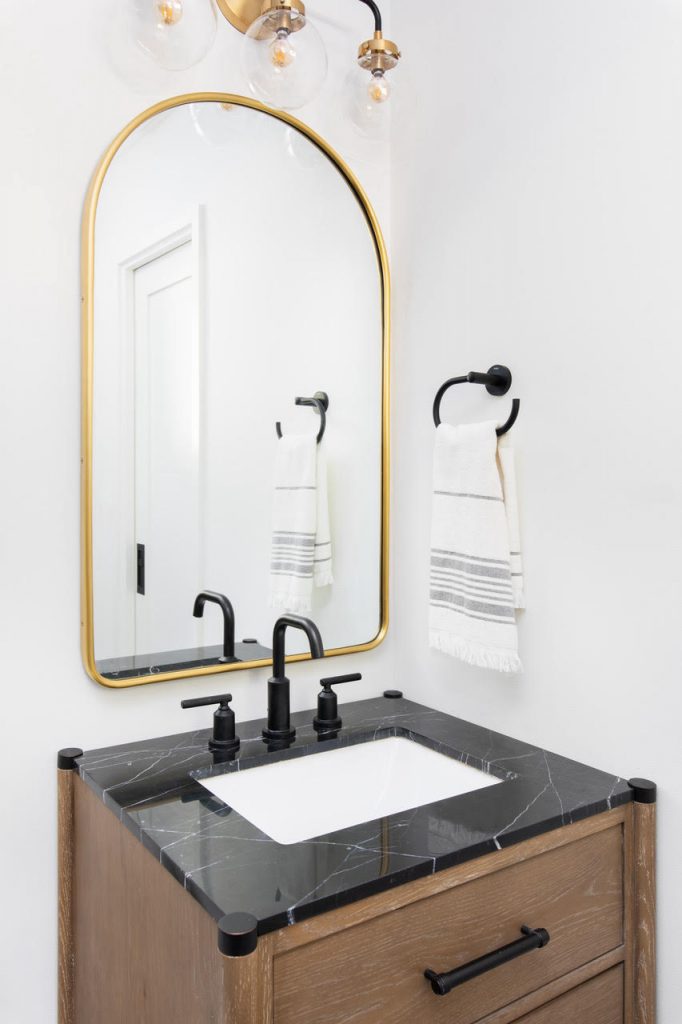
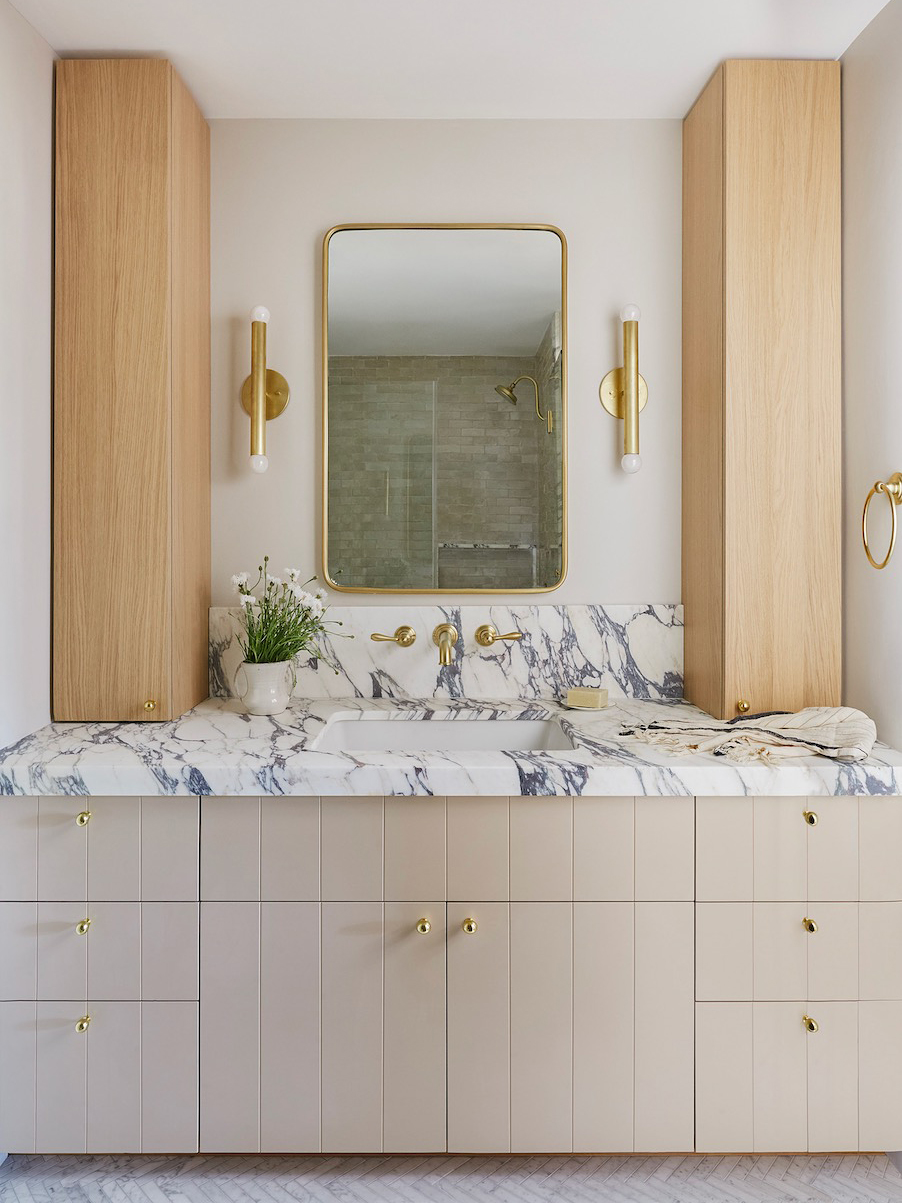
A bathroom vanity, a cabinet designed to hold a sink, is a functional and stylish addition to any bathroom, particularly during a master bath or powder room remodel. Unlike pedestal sinks that offer no storage, vanities provide essential space for toiletries, accessories, and cleaning supplies through built-in drawers and shelving. Beyond practicality, a vanity can serve as a focal point, allowing homeowners to introduce design elements like updated faucets or unique sink finishes, especially in less frequently used spaces such as powder rooms where a design risk can be taken.
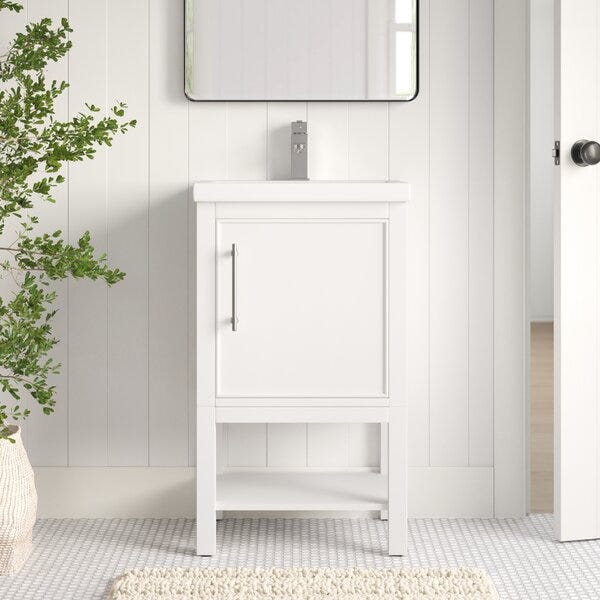
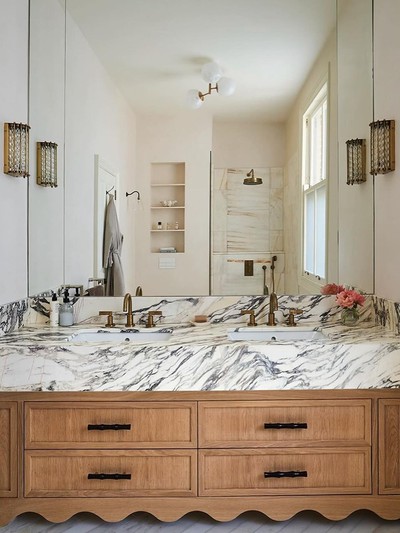
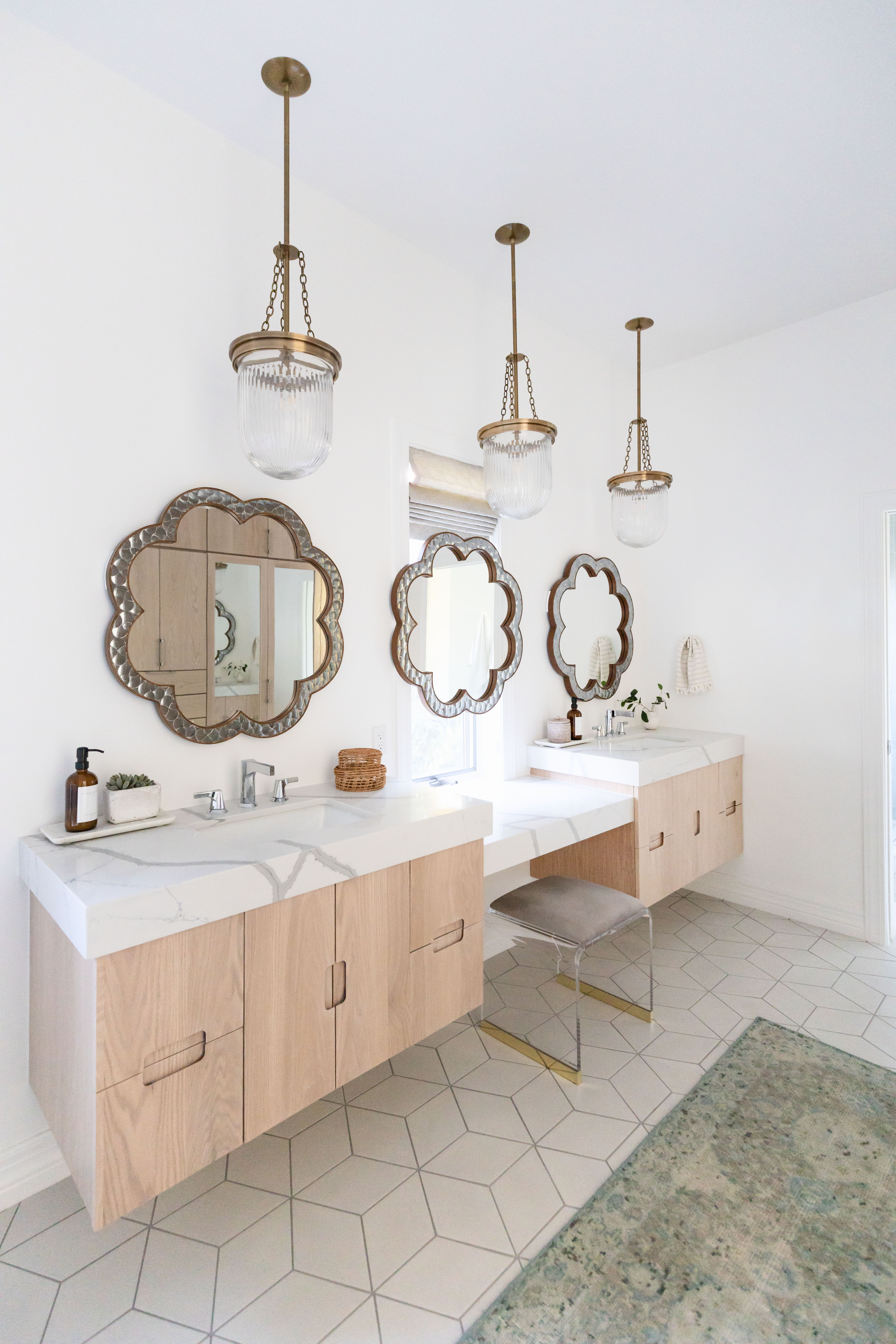
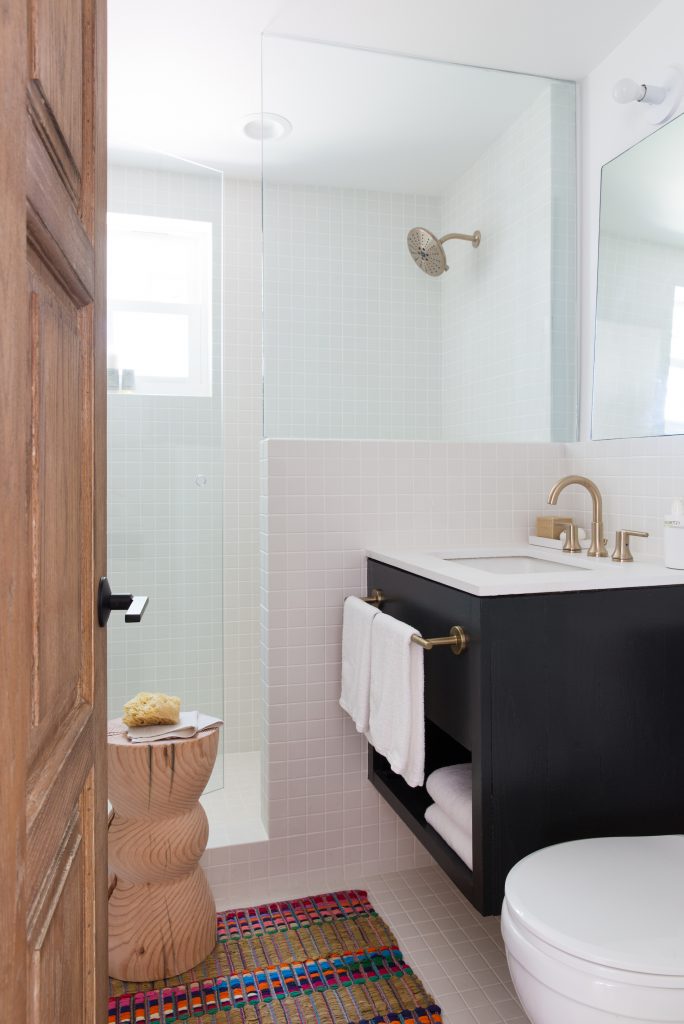
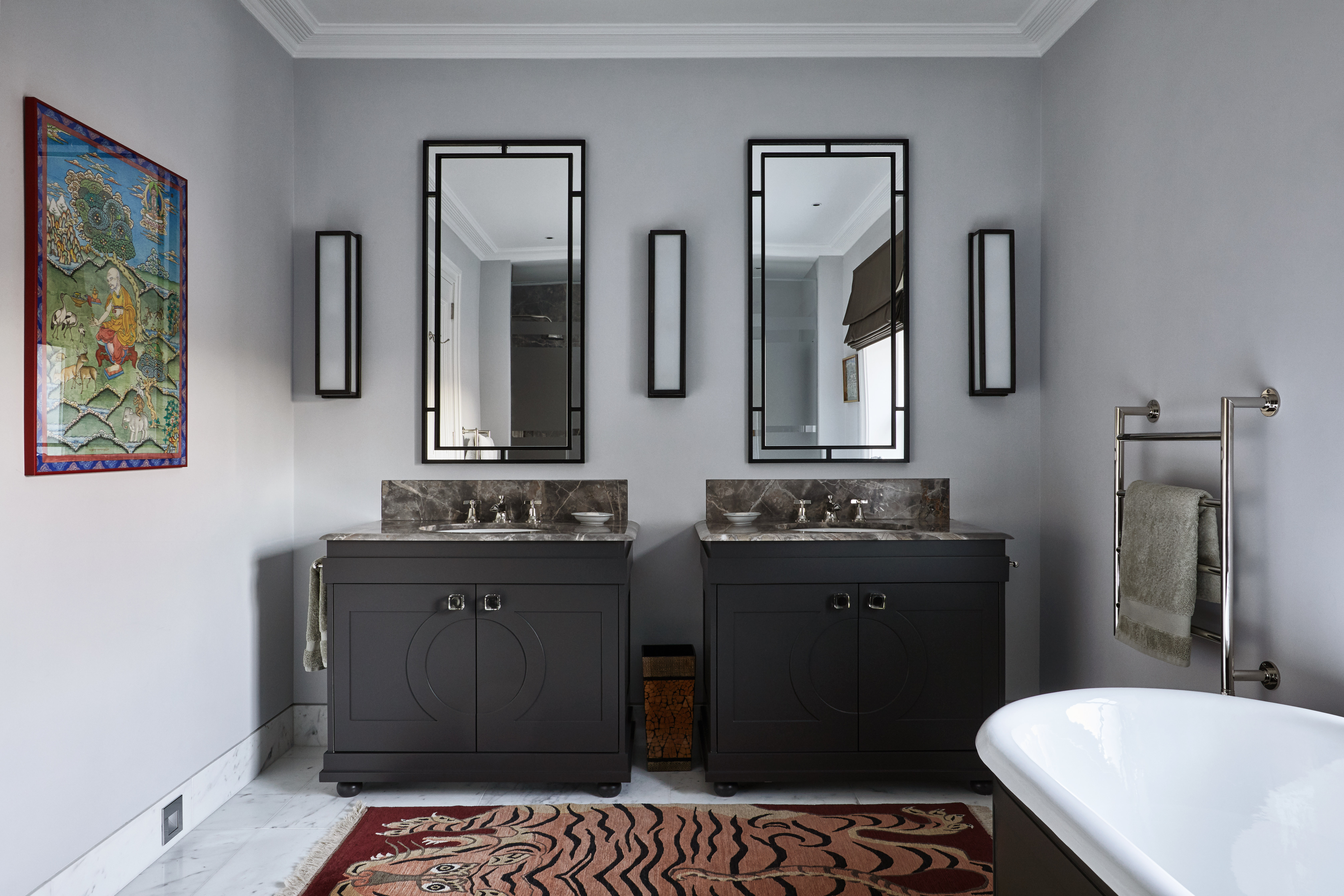
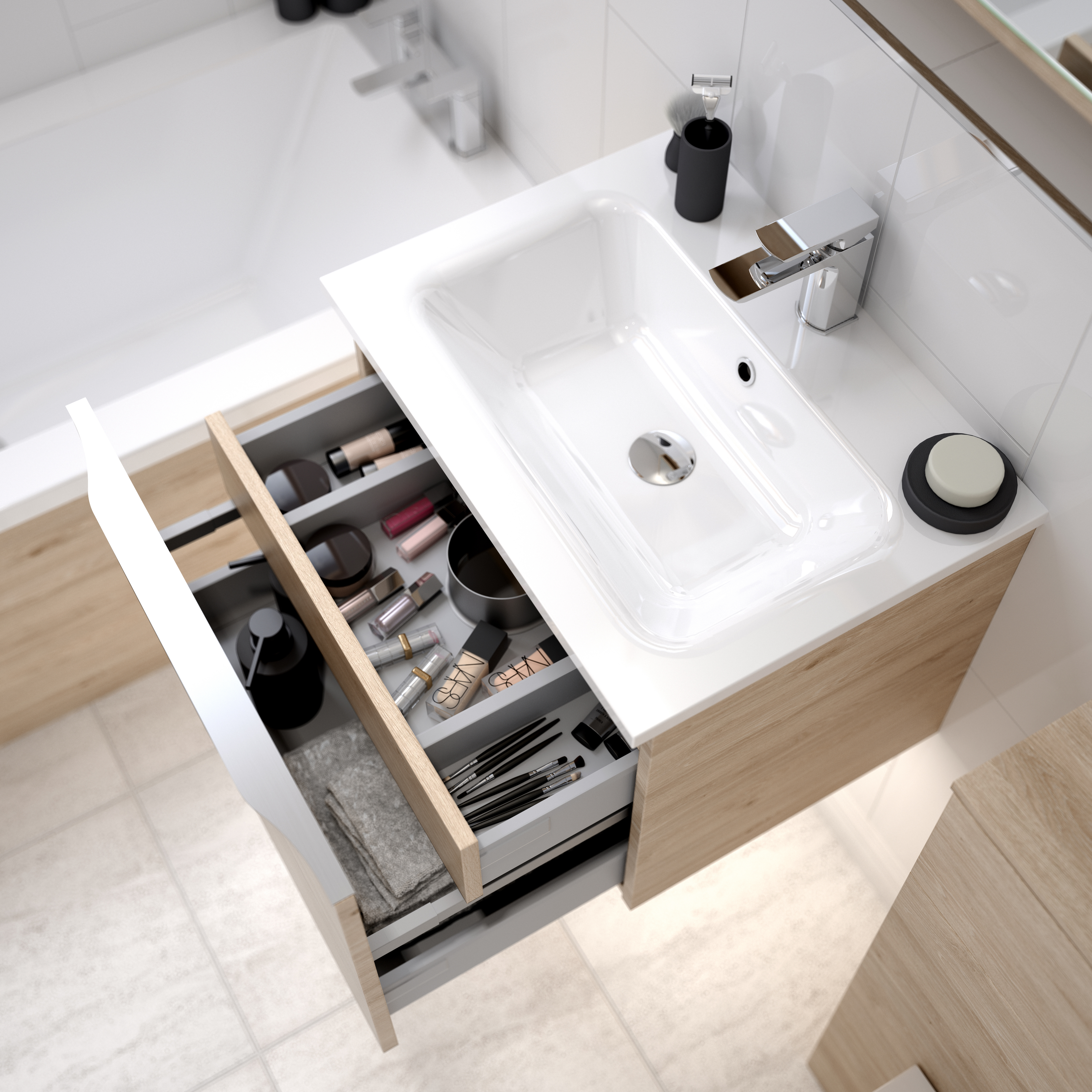
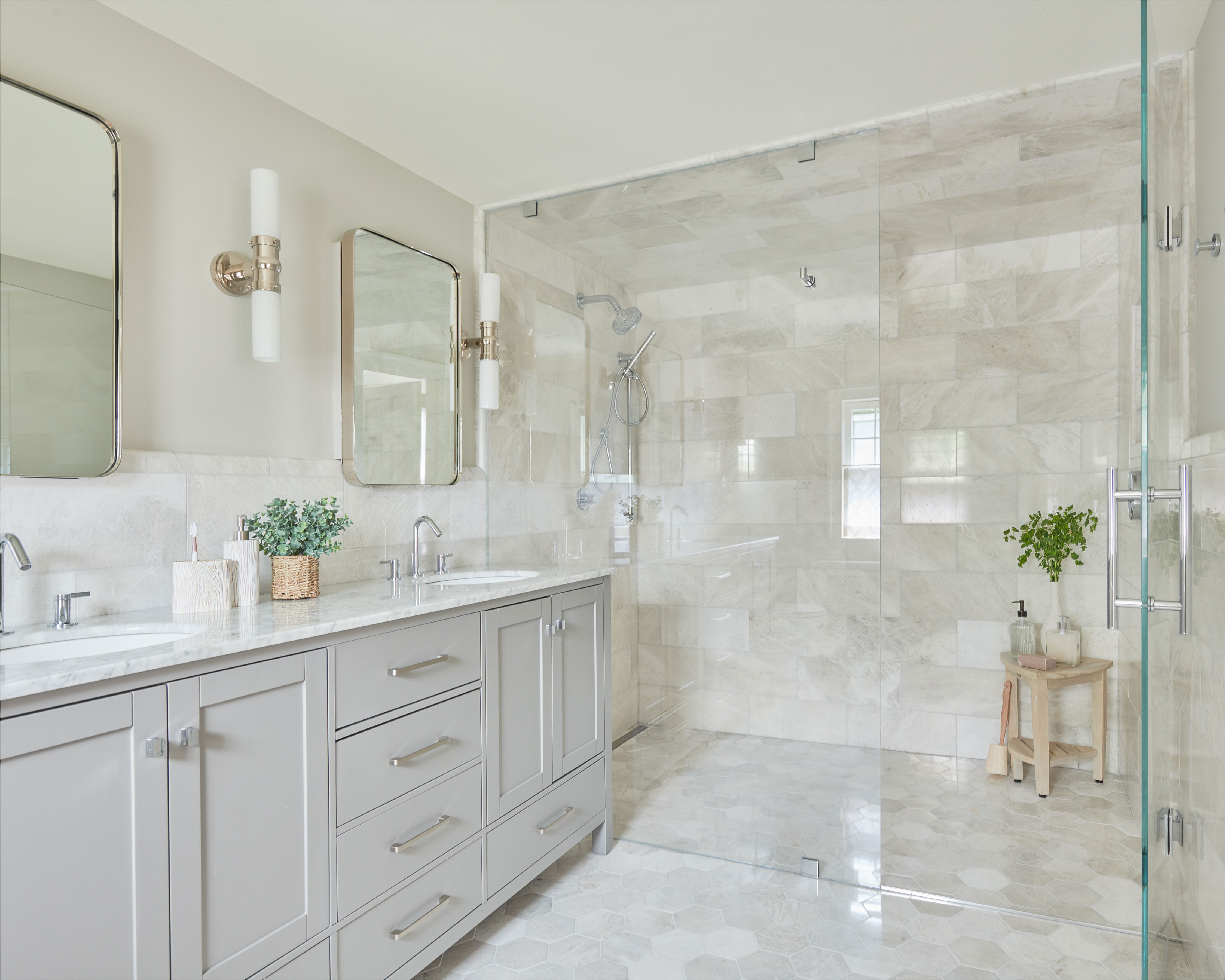
Selecting the right size for a bathroom vanity is crucial, with a general guideline of allocating 36 inches per sink to ensure adequate counter space for toiletries. However, for bathrooms with limited area, narrower or corner vanities are available, some as slim as 15 inches wide, still offering valuable storage. While it is not mandatory for vanity countertops to extend wall-to-wall, maximizing counter space and avoiding gaps where items could fall are preferred design considerations.
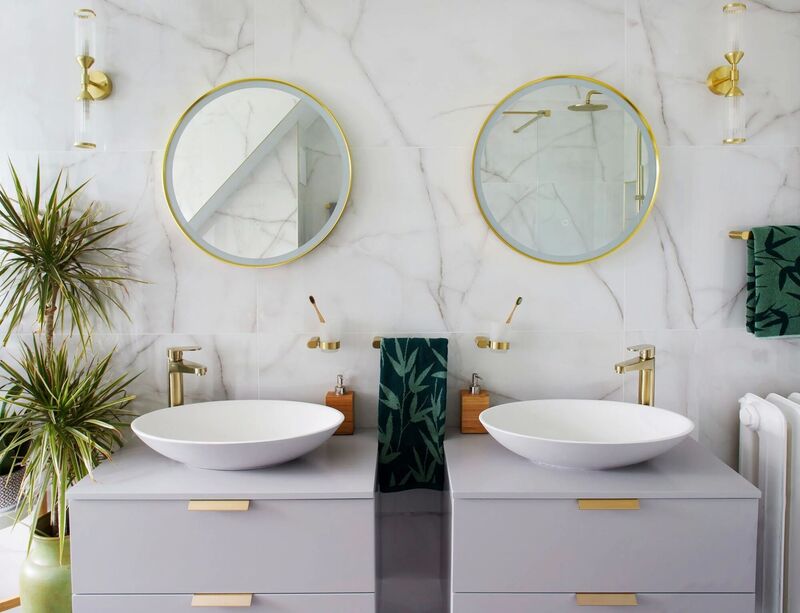
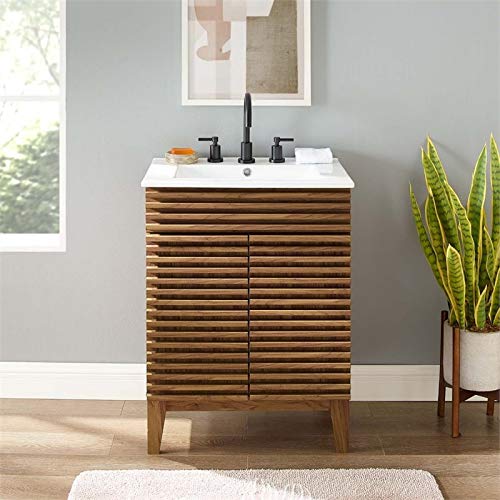
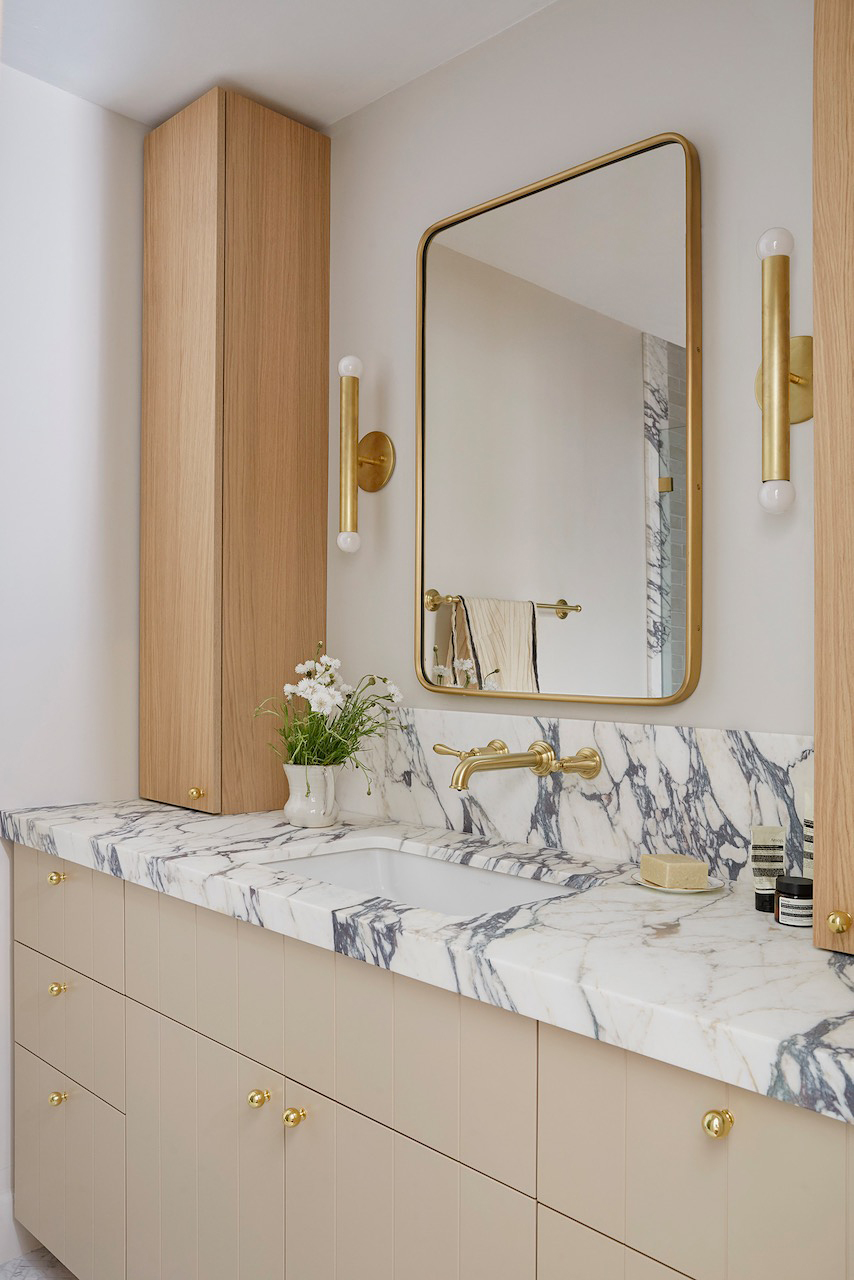
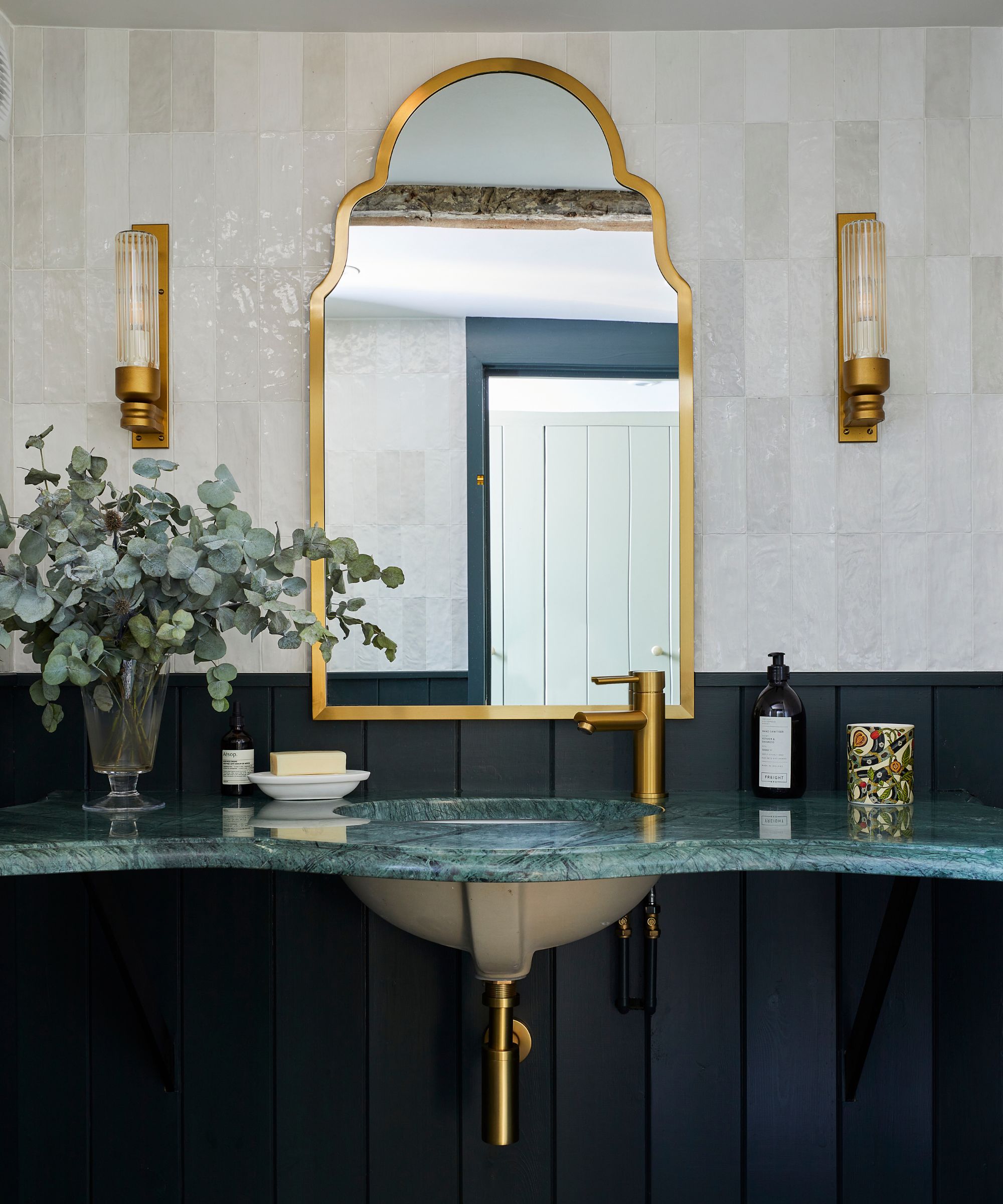
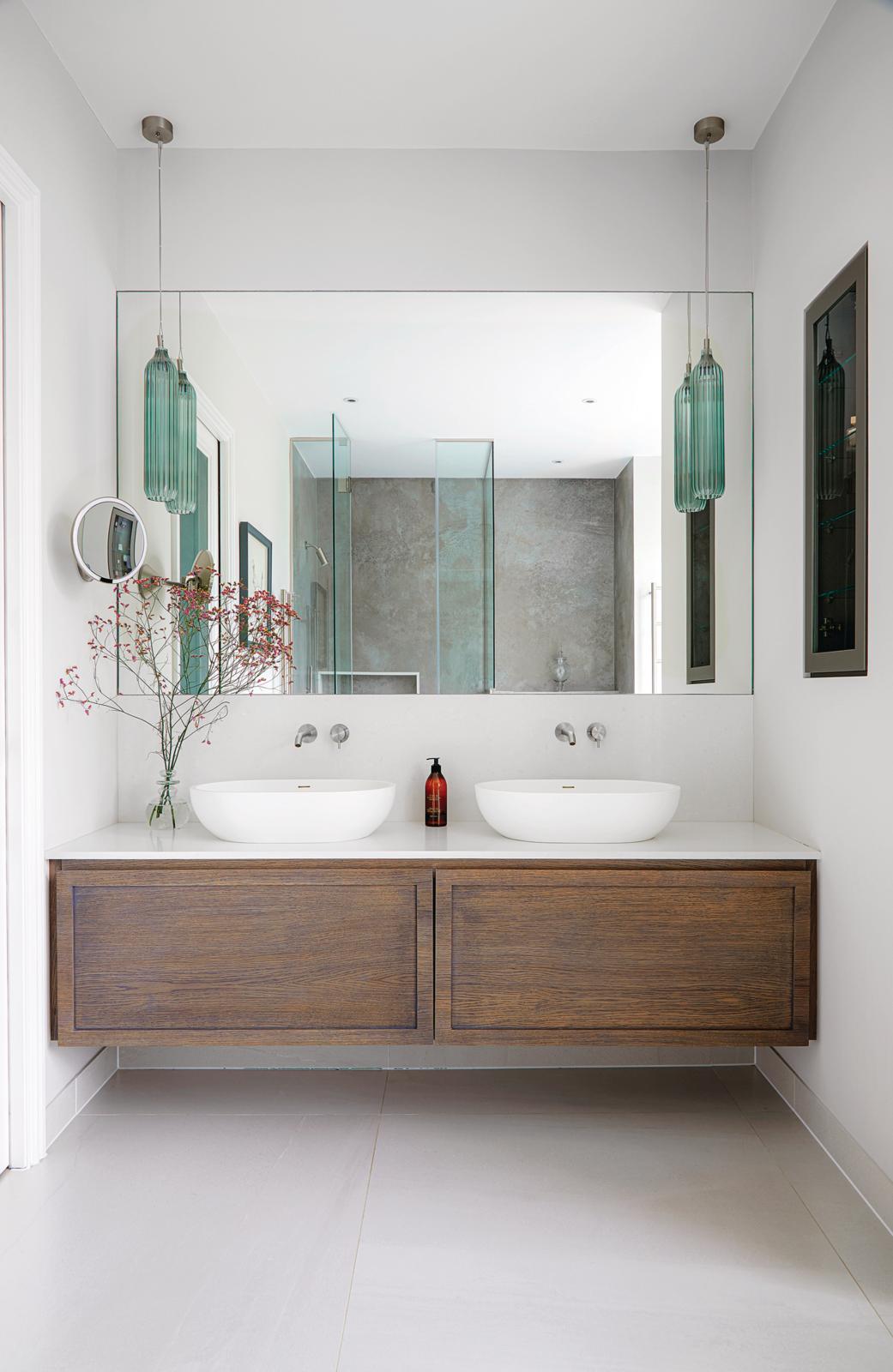
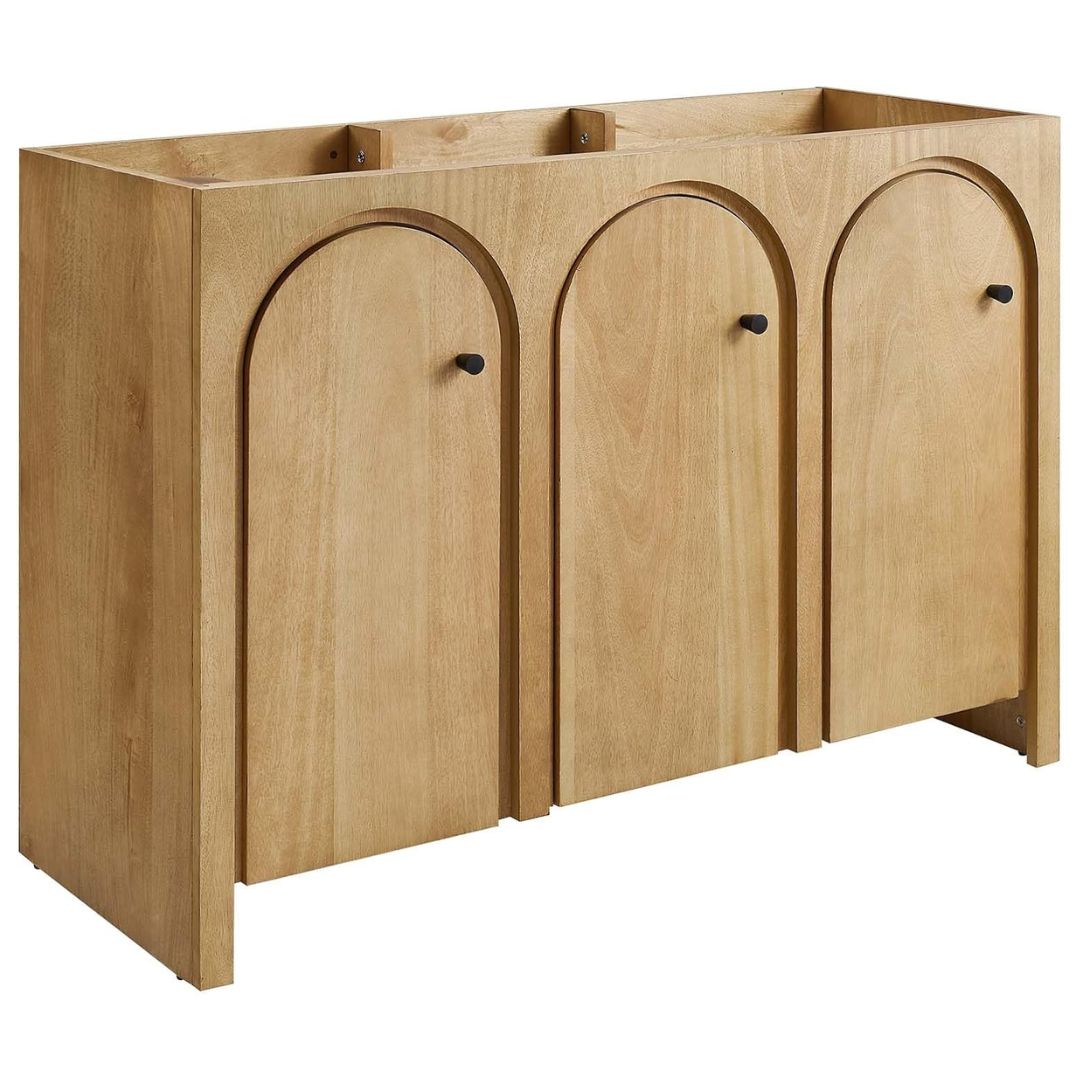
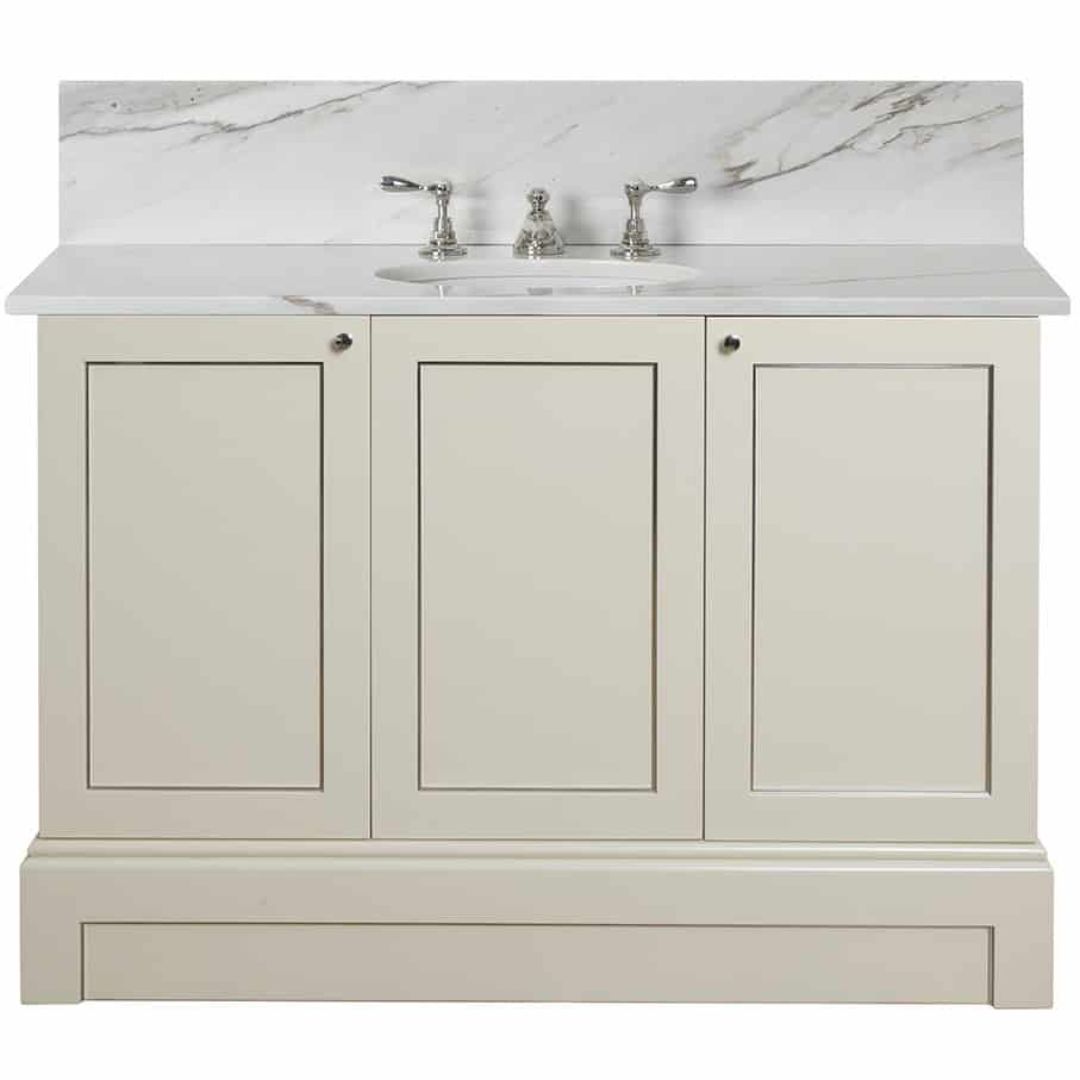
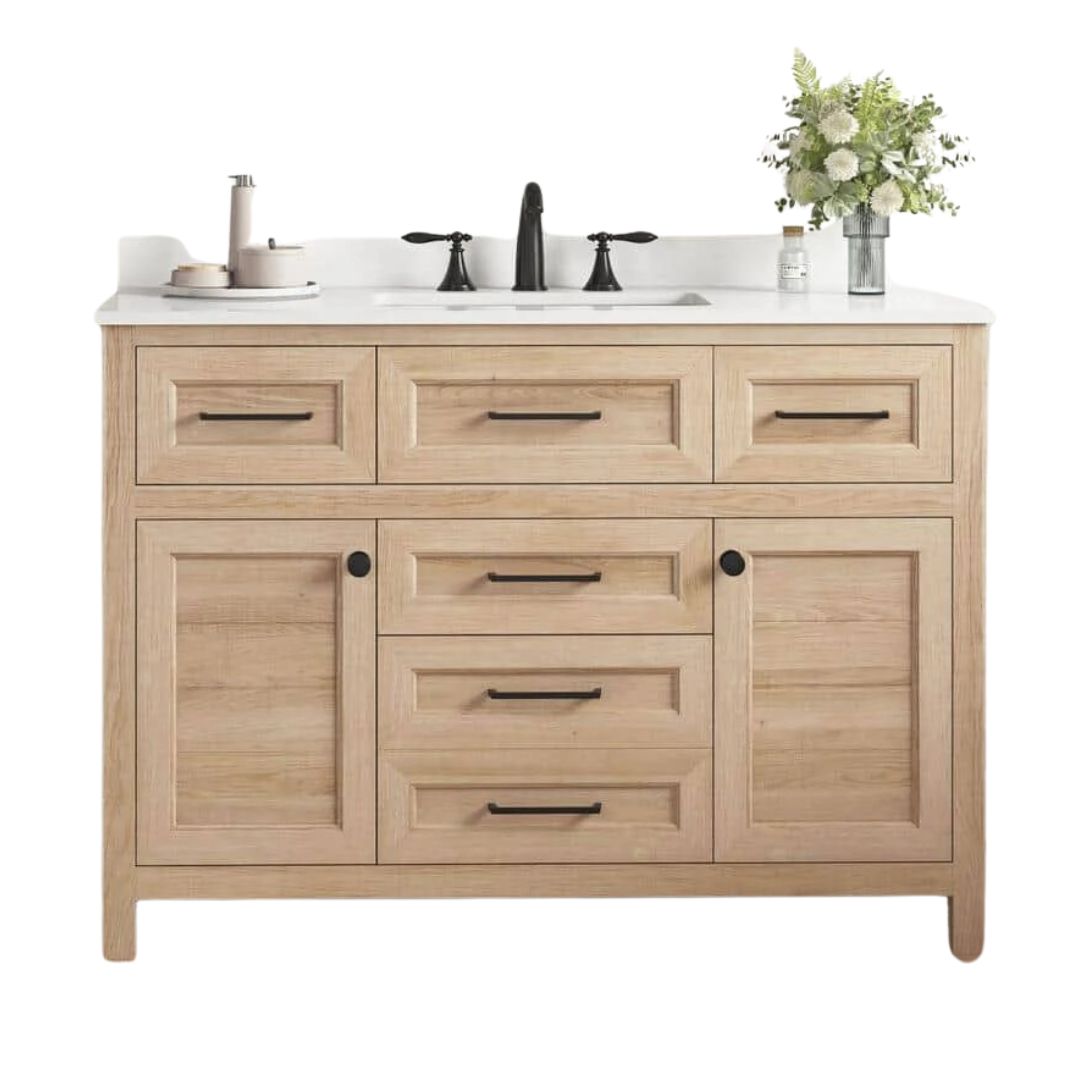
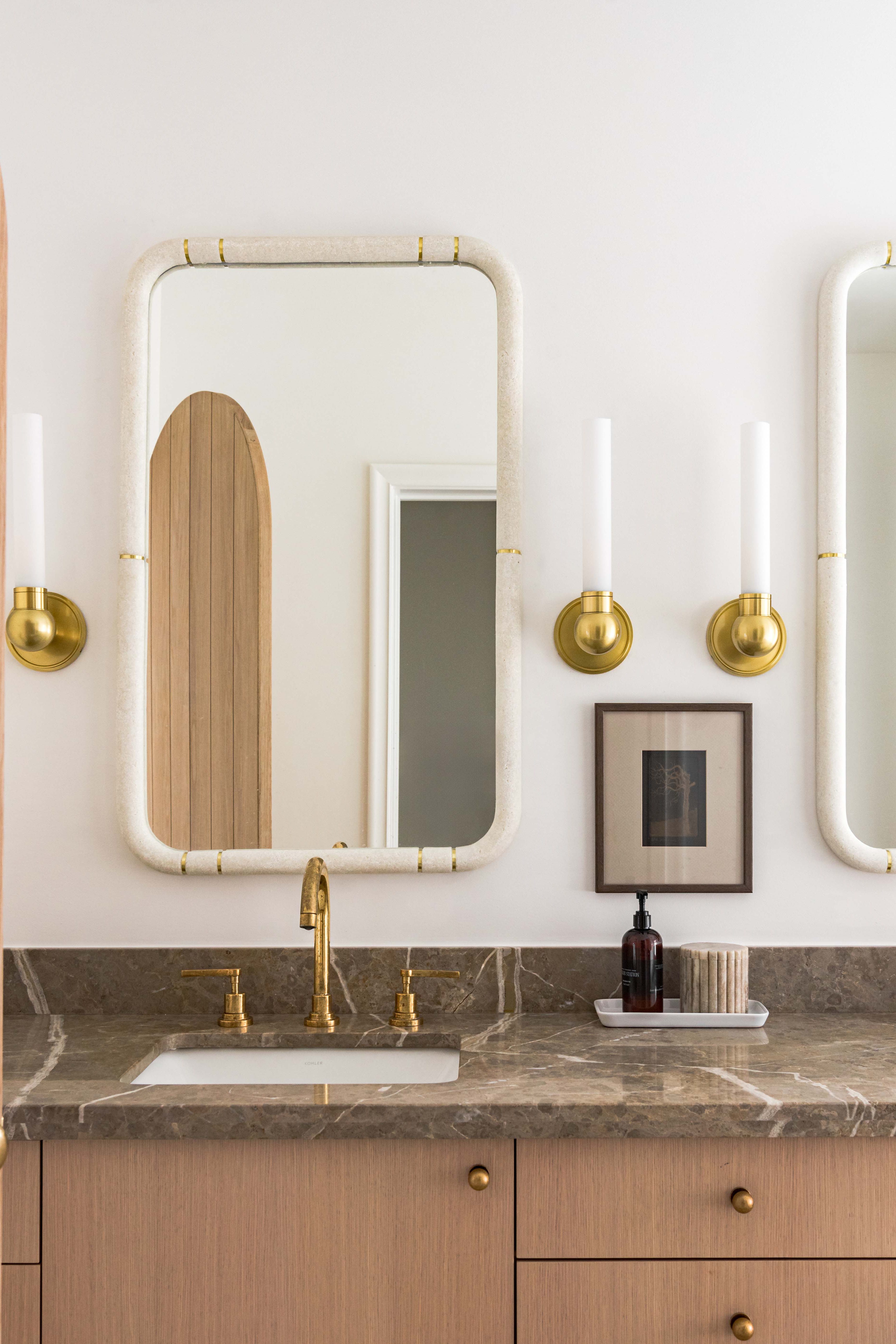
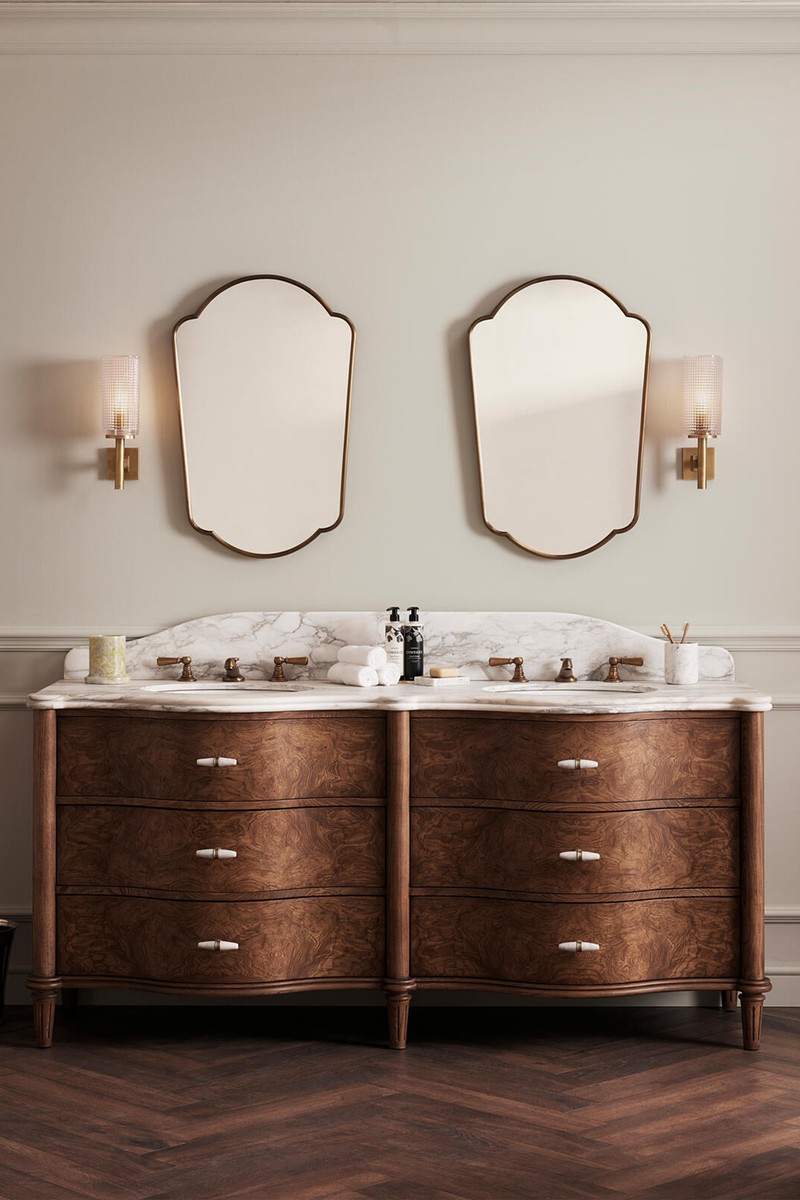
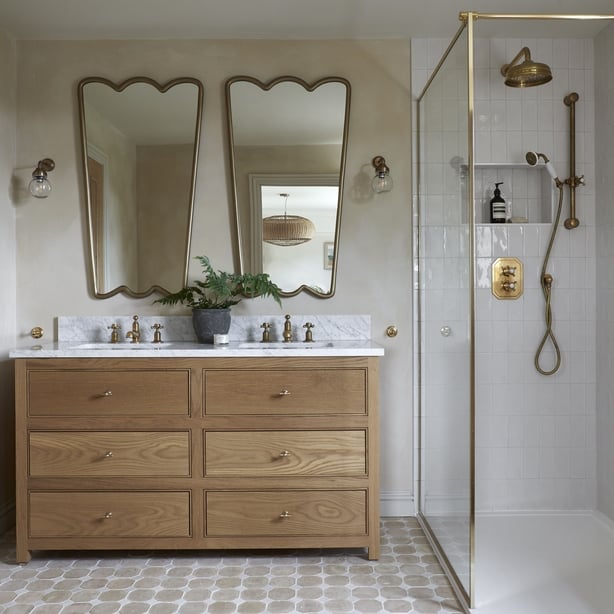
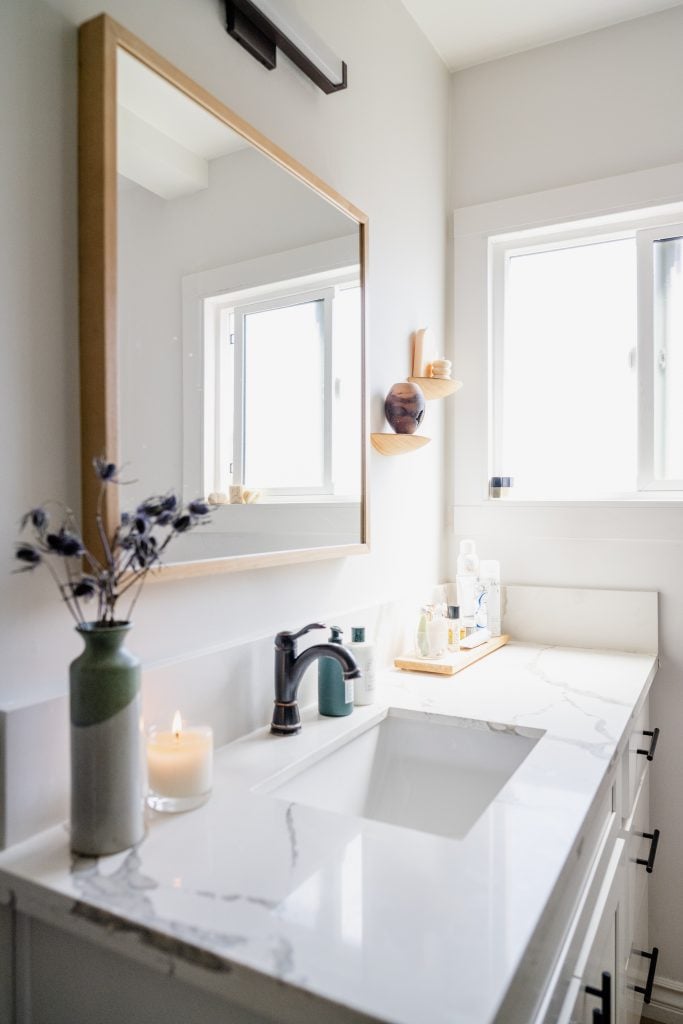
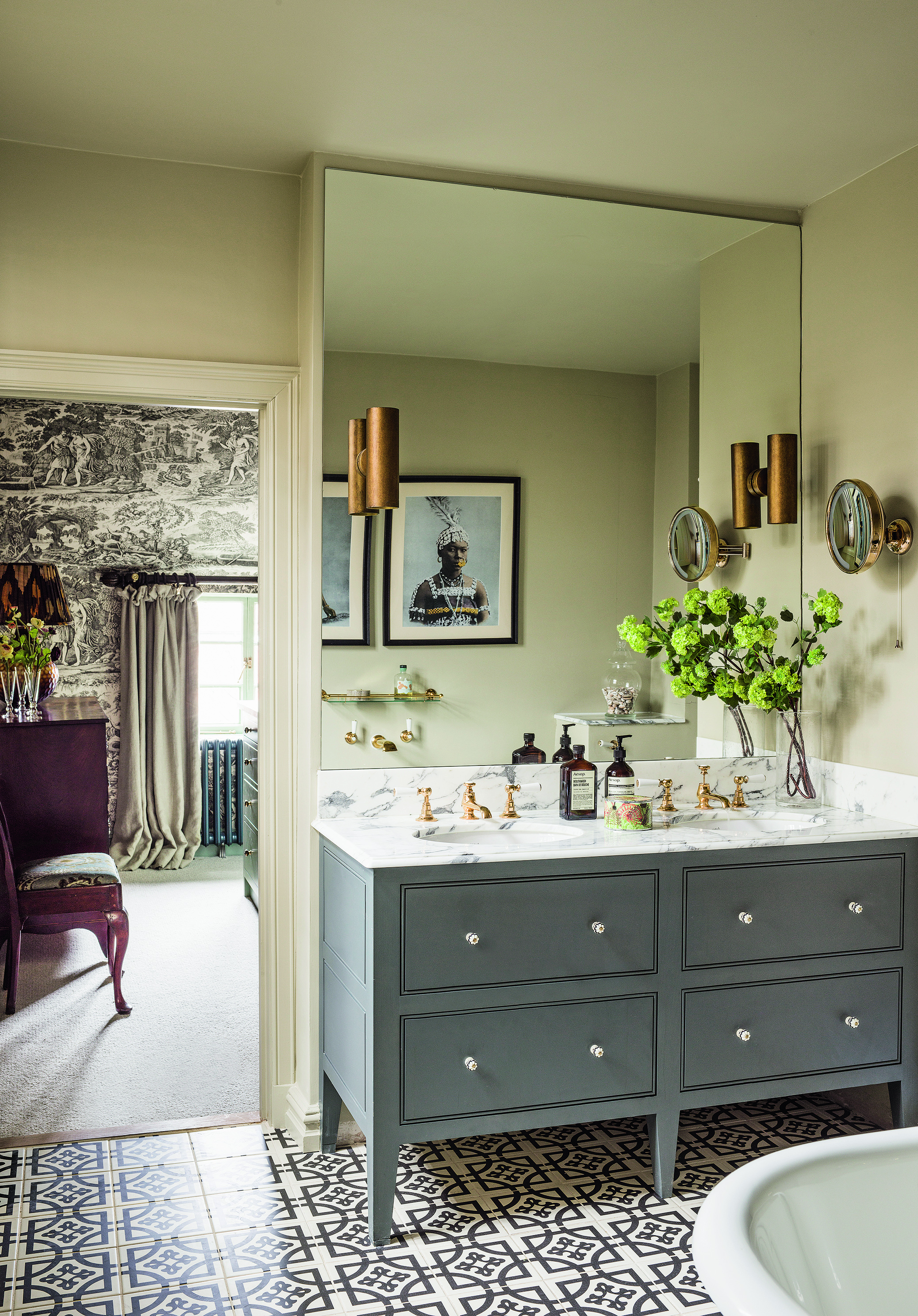
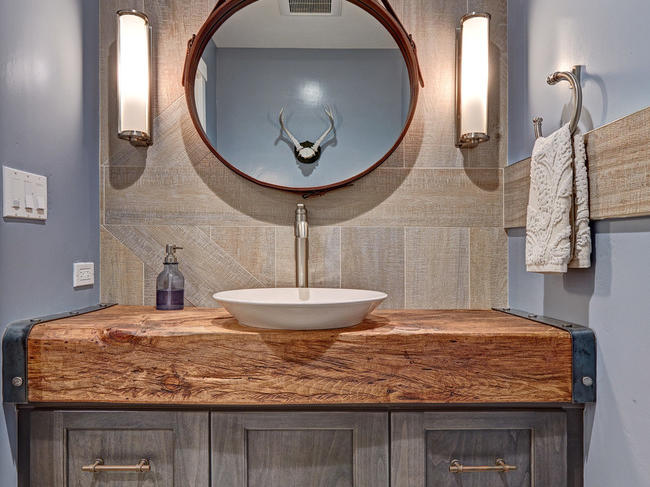
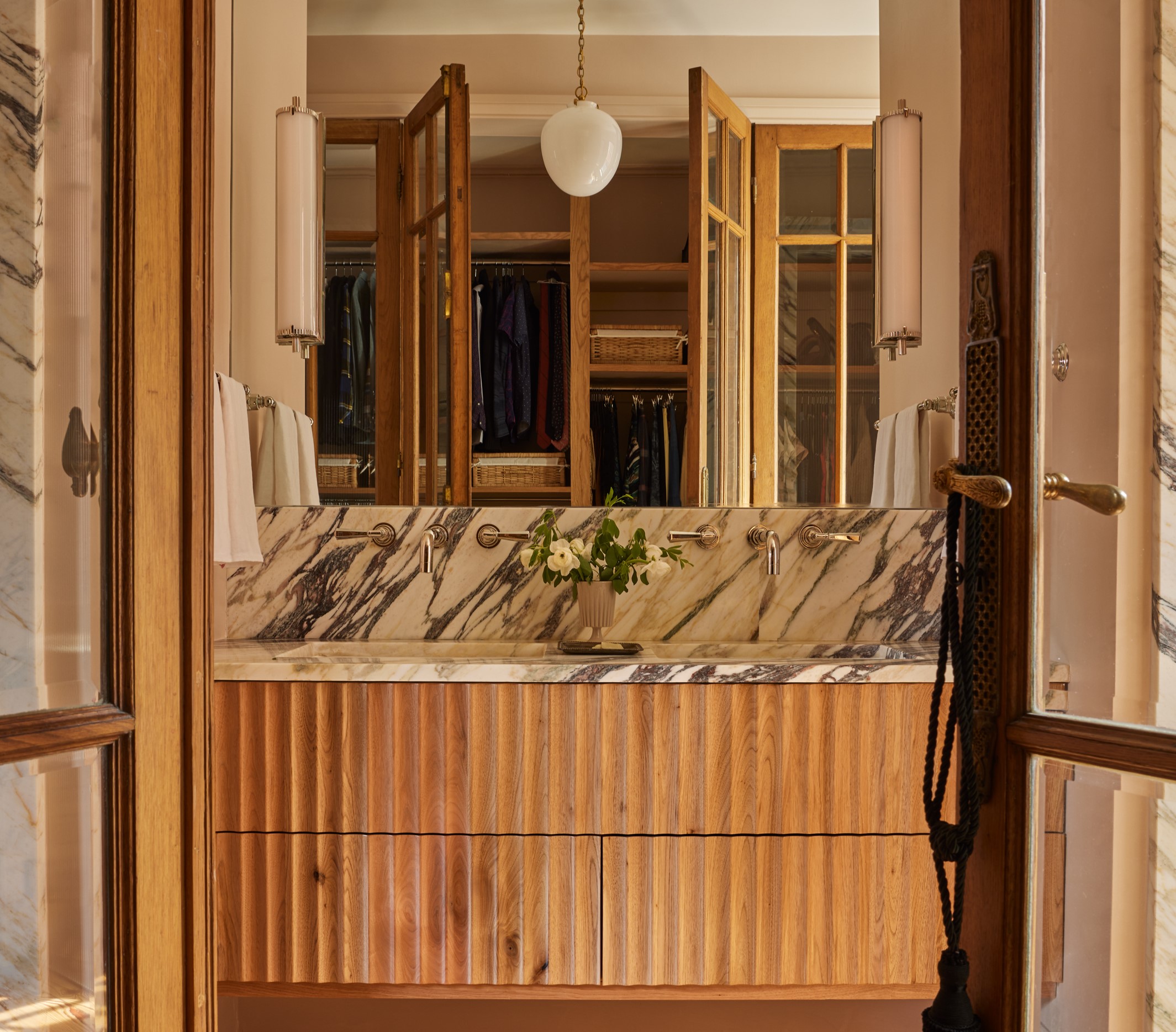
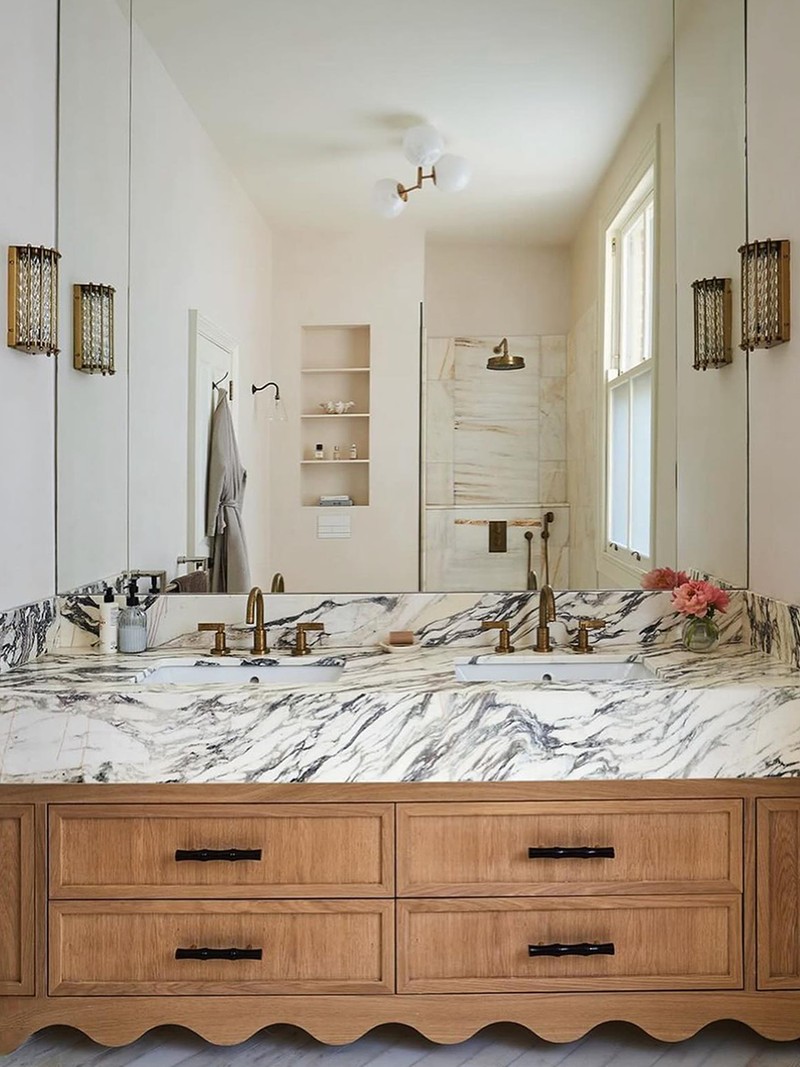
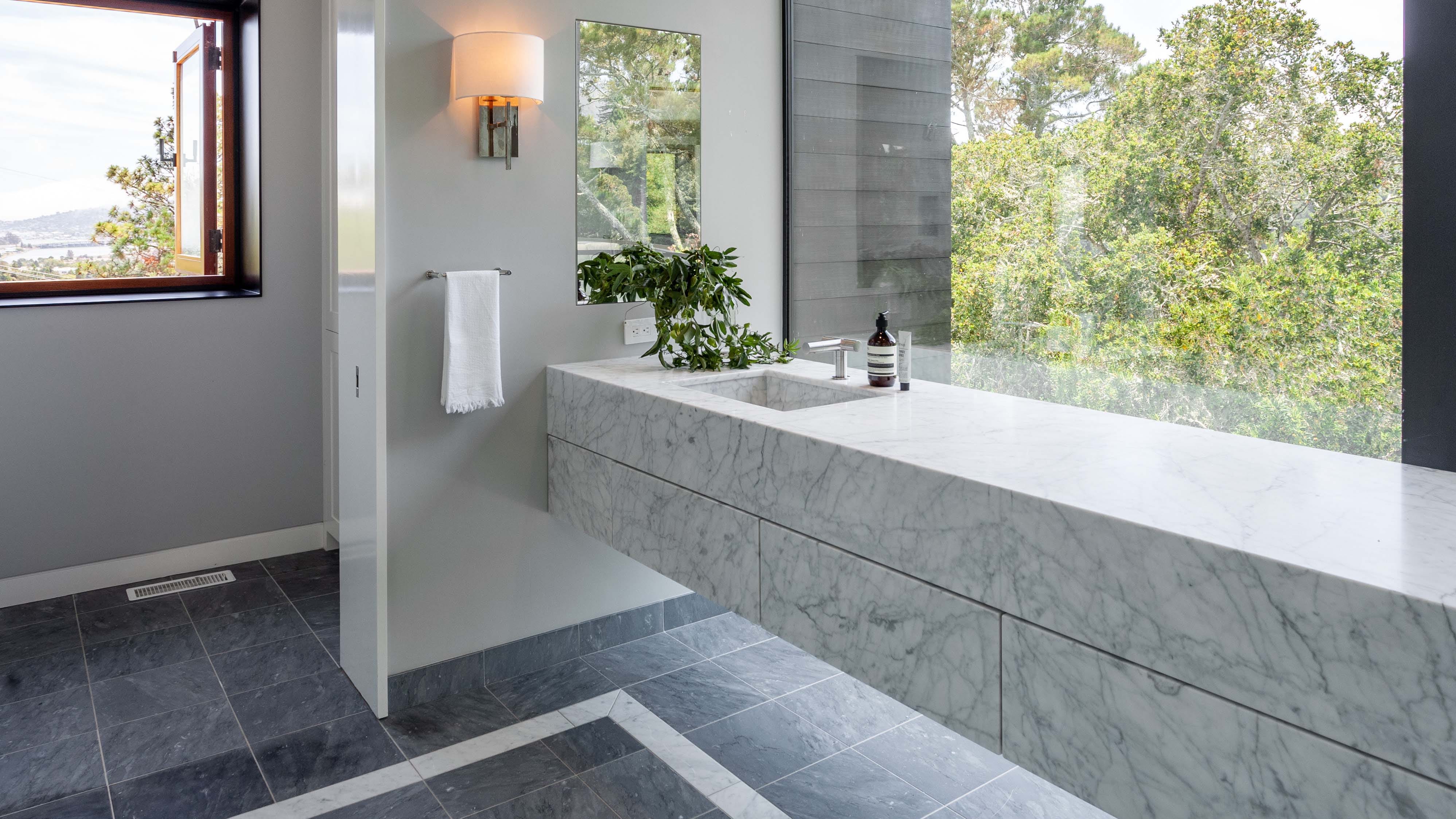
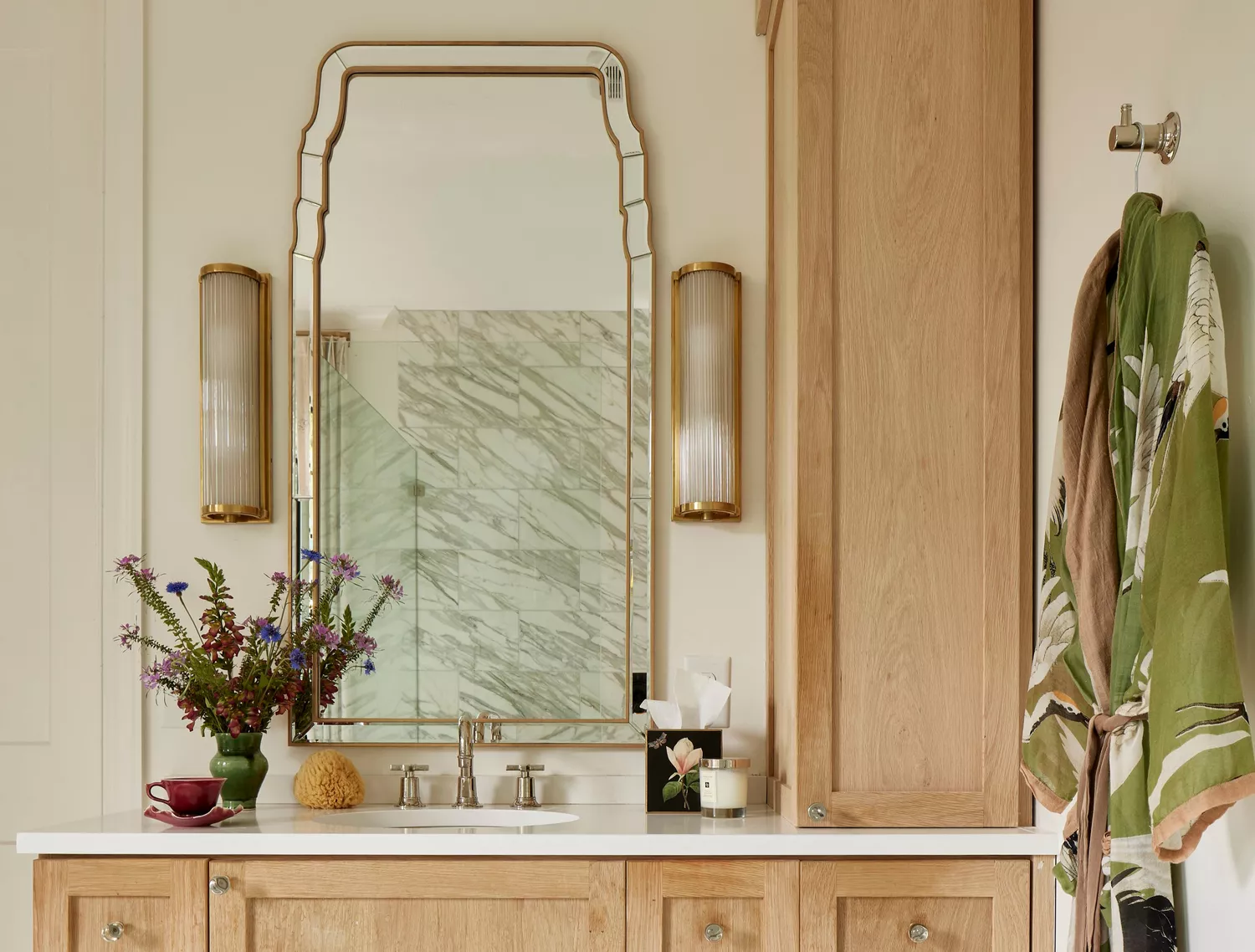
When it comes to style, bathroom vanities offer diverse options. Current trends favor clean lines, mid- to dark-toned rustic wood cabinets, and integrated acrylic or ceramic sink-and-countertop units. White marble and quartz remain popular choices for countertops. Hardware and faucet finishes are evolving, with soft gold, bronze, or brushed gold replacing traditional chrome. For those seeking a consistent home aesthetic, standard painted wooden vanities with cabinet doors are readily available. Alternatively, a more modern look can be achieved with high-gloss countertops and pullout drawers. Incorporating vintage elements is also possible by repurposing old dressers into custom vanities. Ensuring the sink and faucet finishes match those in the shower helps maintain a cohesive design throughout the bathroom.
The cost of a bathroom vanity varies significantly based on customization and materials. Mass-produced single-sink vanities typically range from $200 to $800, while custom-made options can cost between $500 and $2,800. Larger, 60-inch vanities from home improvement stores might reach up to $3,000, while smaller 24-inch units can be found for as little as $100. It is advisable to avoid vanities made from particle board or laminate, as these cheaper materials tend to peel over time; solid wood is recommended for durability. Installation costs for a stock vanity usually range from $100 to $300, while custom installations can cost $200 to $1,000 or more, depending on complexity. Additional expenses include fancy sinks, pricier faucets, updated cabinet pulls, or a new counter surround. Significant reconfigurations of showers or tubs to accommodate a new vanity will further increase costs.
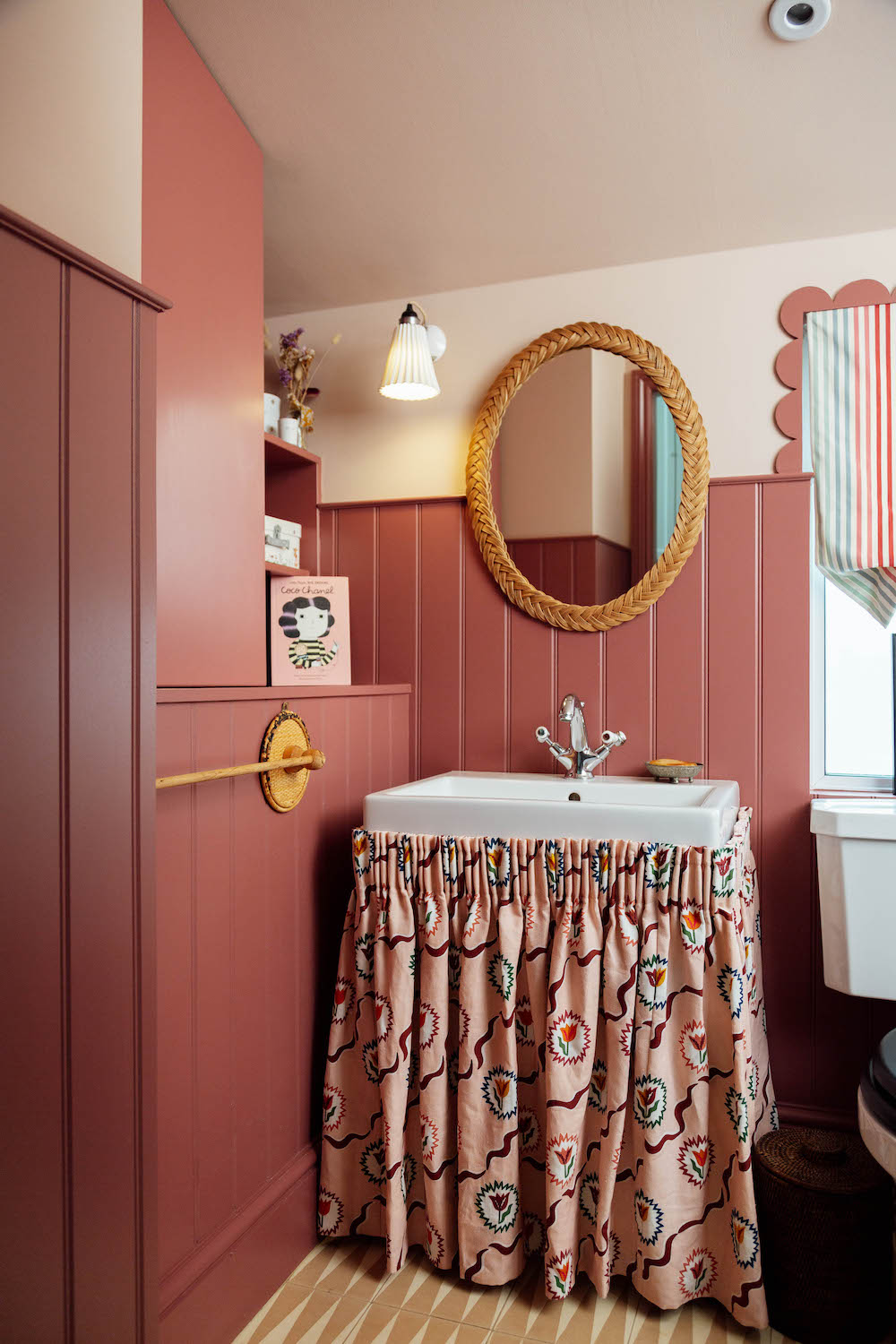
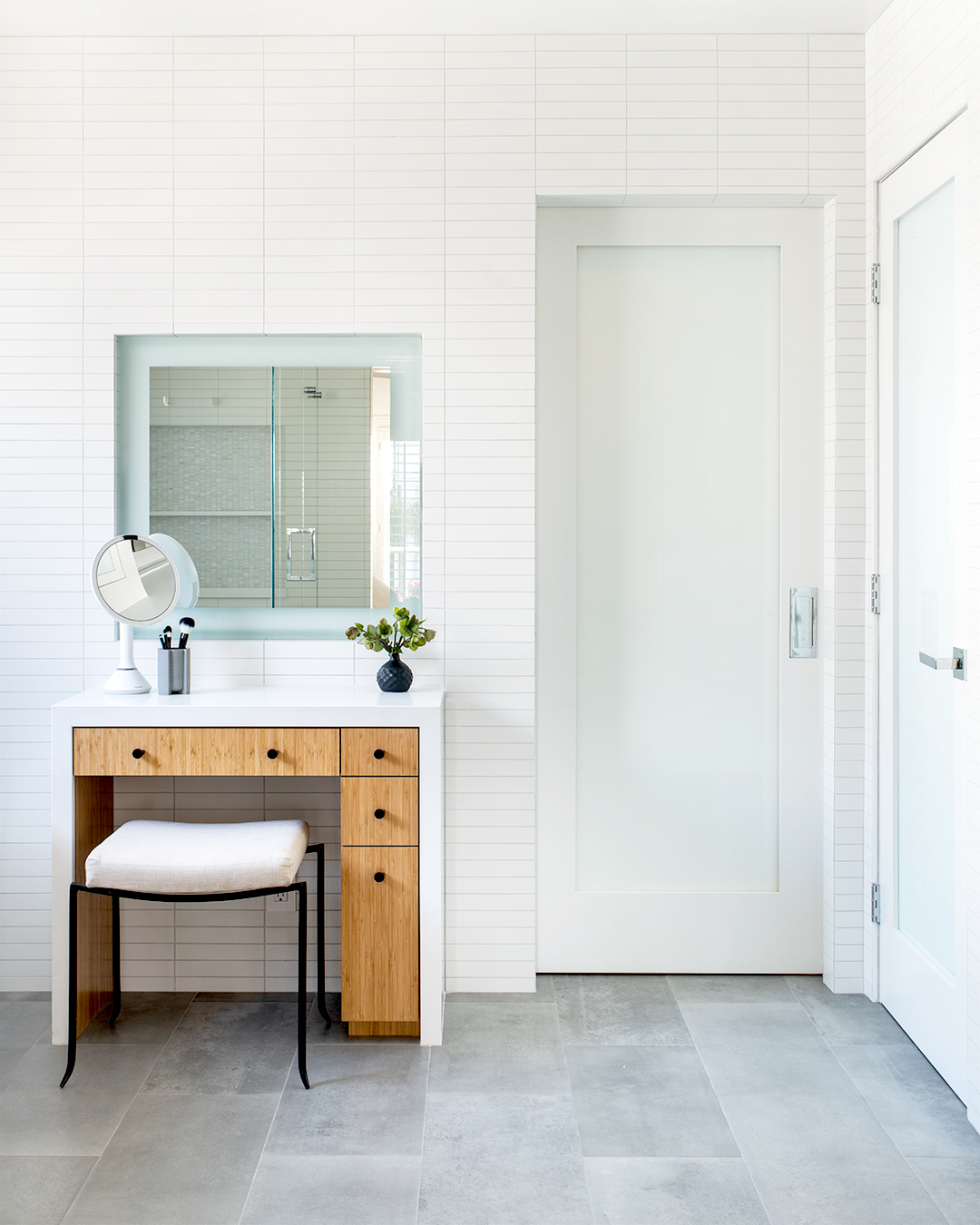
Despite the higher cost compared to pedestal sinks, designers often recommend vanities for their superior storage capabilities. Prioritizing a well-designed, functional vanity in the master bathroom is important for both daily convenience and potential resale value. Pedestal sinks are more suitable for half bathrooms or other low-traffic areas where extensive storage is not a necessity. Vanities also provide numerous customization opportunities to meet individual style and personal requirements, such as double sinks, unique faucets, sit-down makeup areas, storage towers, tall cabinets, rollout drawers, built-in hampers, charging stations, cubbies for towels, and pullout step stools.
#BathroomVanity #HomeImprovement #BathroomRemodel #StorageSolutions #InteriorDesign #PowderRoom #HomeRenovation #BathroomTrends #BathroomVanity #HomeImprovement #BathroomRemodel #StorageSolutions #InteriorDesign #PowderRoom #HomeRenovation #BathroomTrends
0 comment in total
 No comments yet
You may also like

Vanity Units

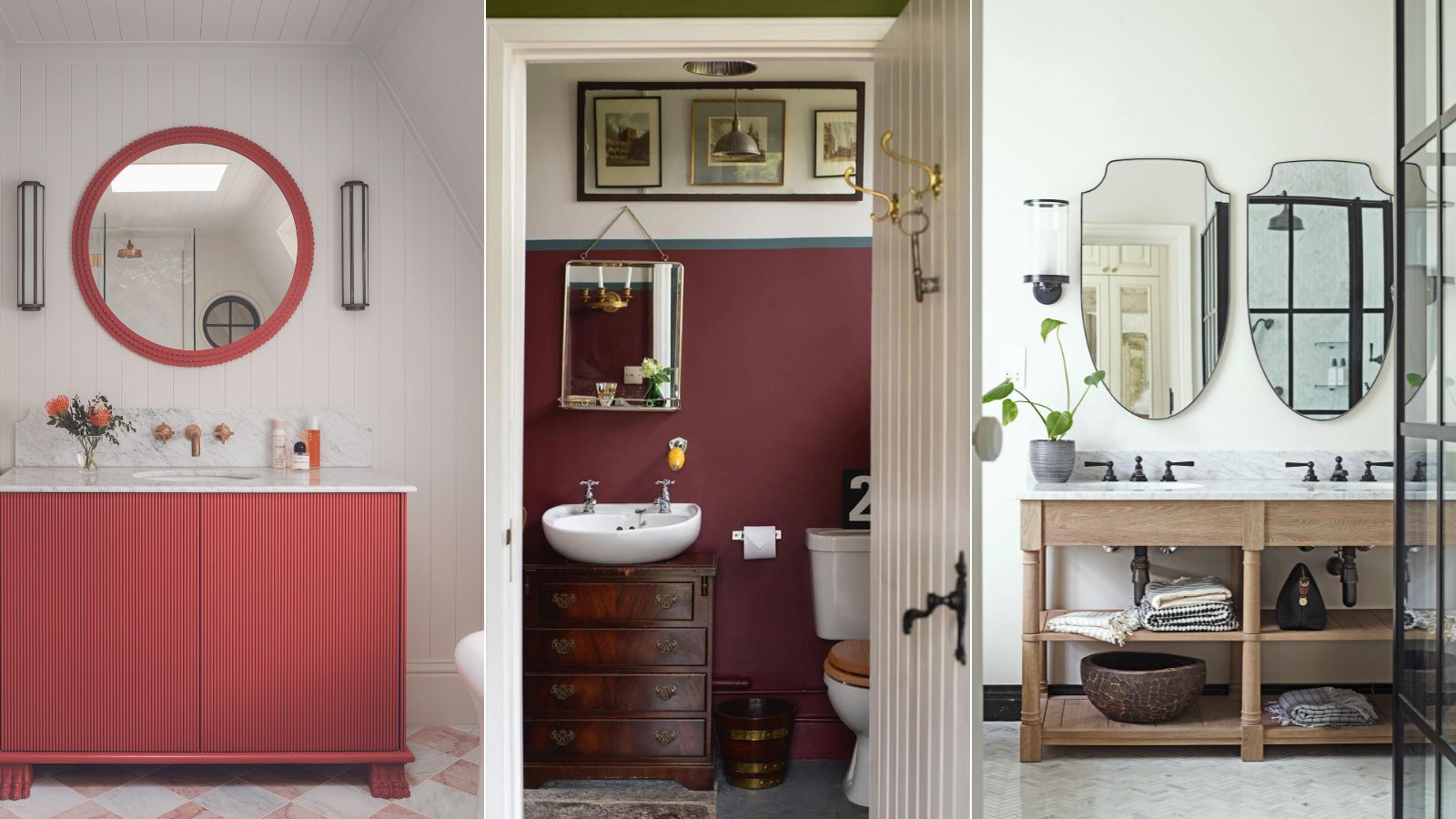
6 powder room storage mistakes to avoid – and what you should be doing instead
Combined Vanity Units
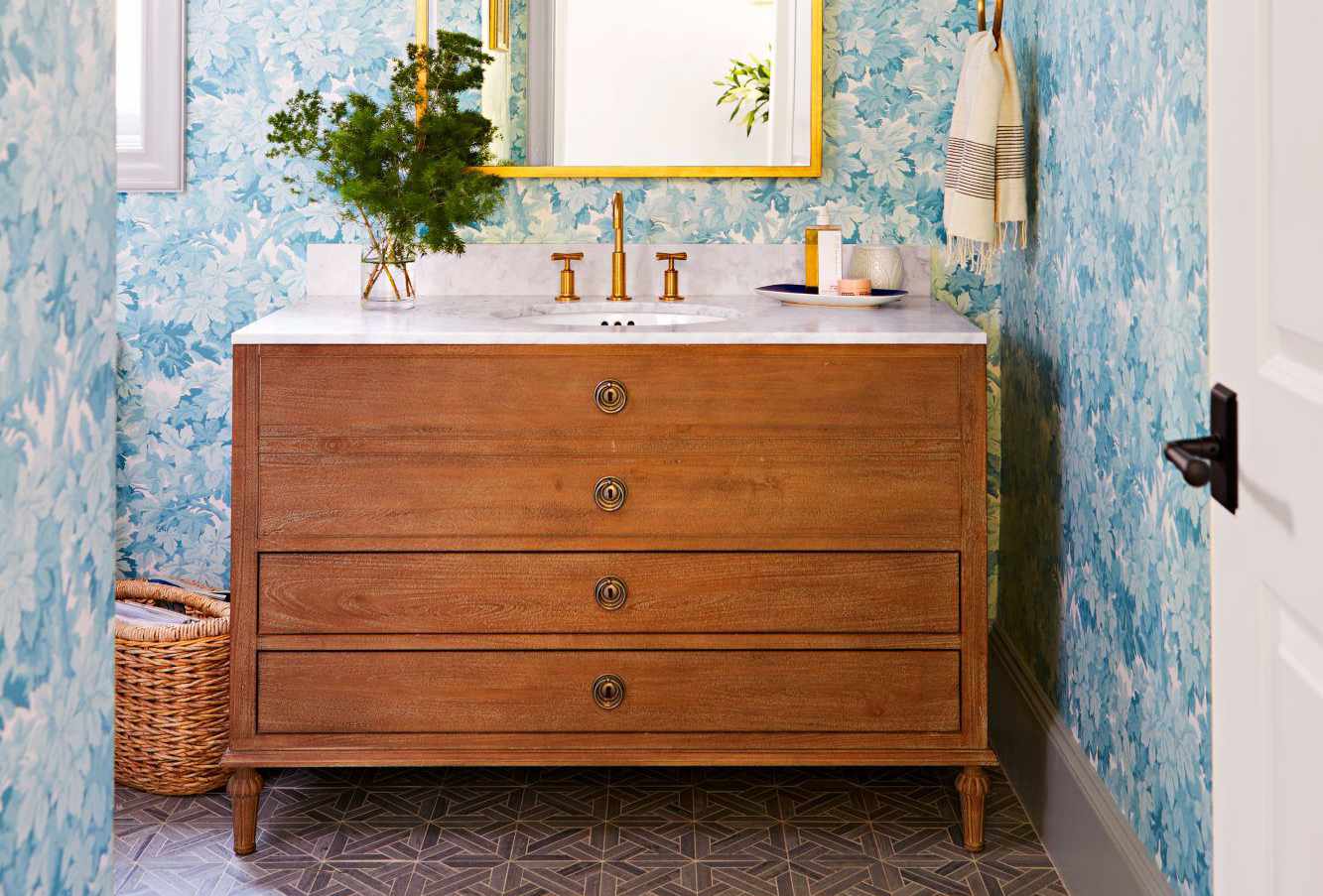
30 Bathroom Vanity Ideas To Elevate Your Storage Space
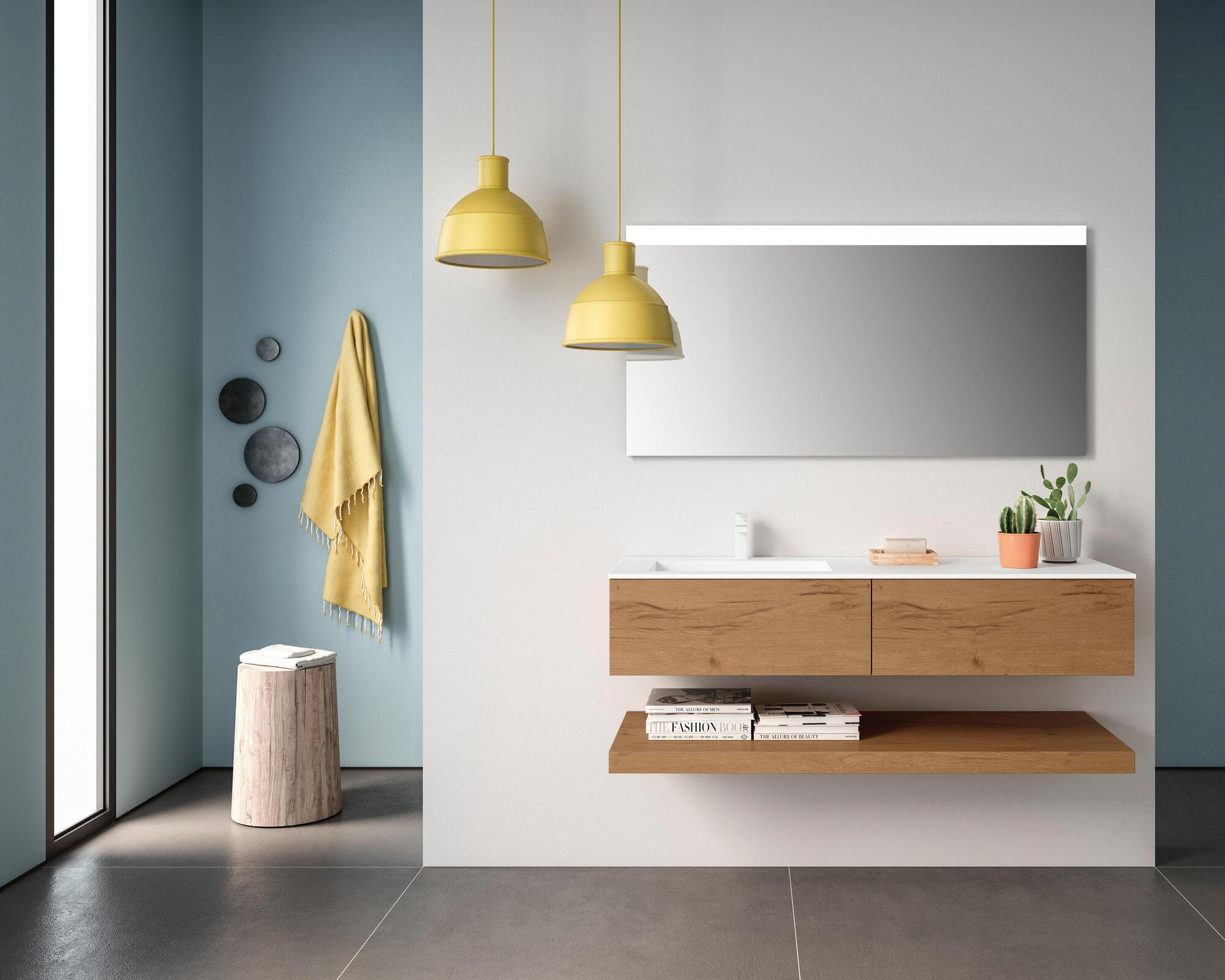
Vanity Fair: Six superb bathroom vanity choices
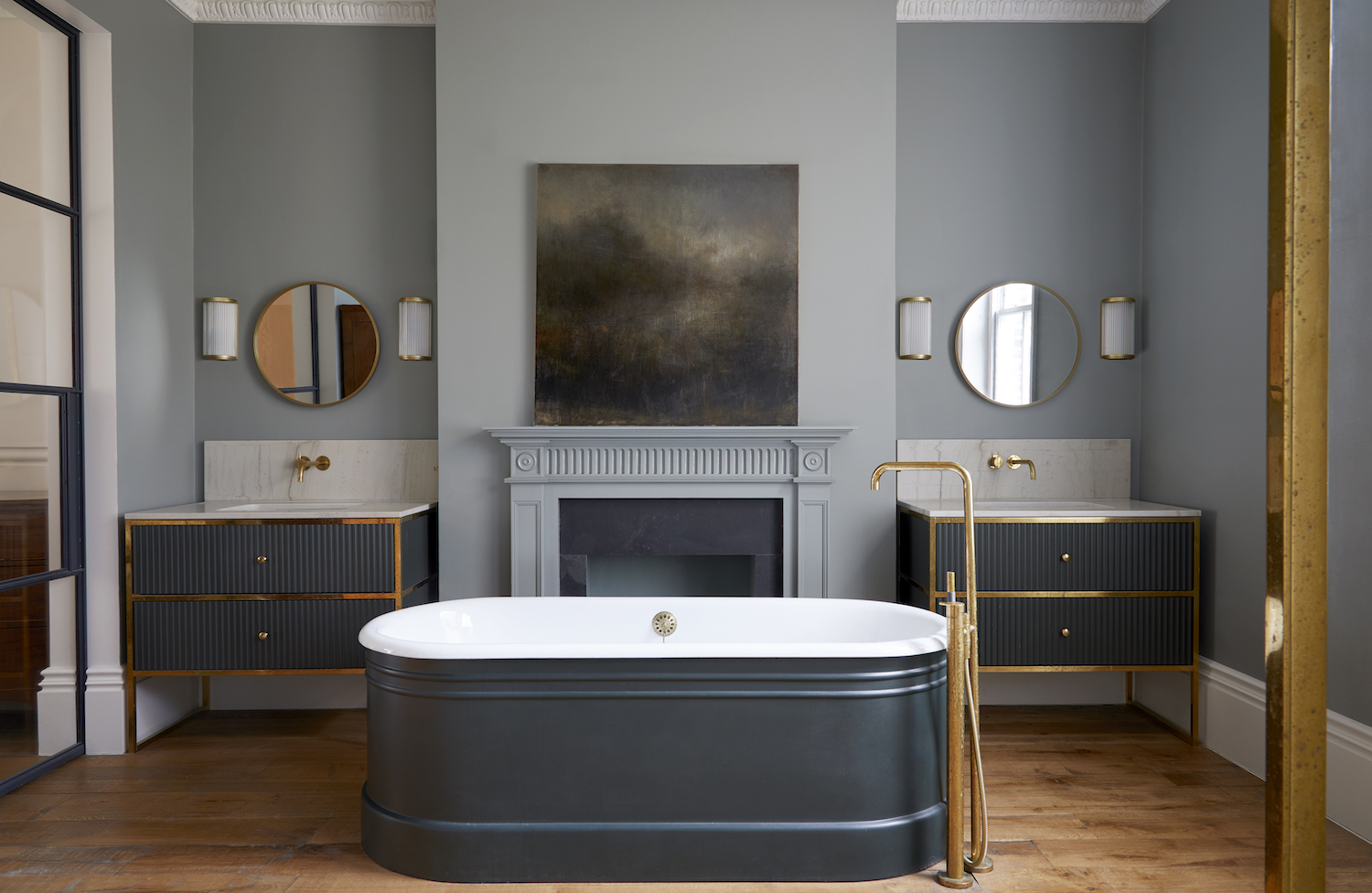
Bathroom vanity ideas - experts explain how to use the most stylish materials and smartest designs

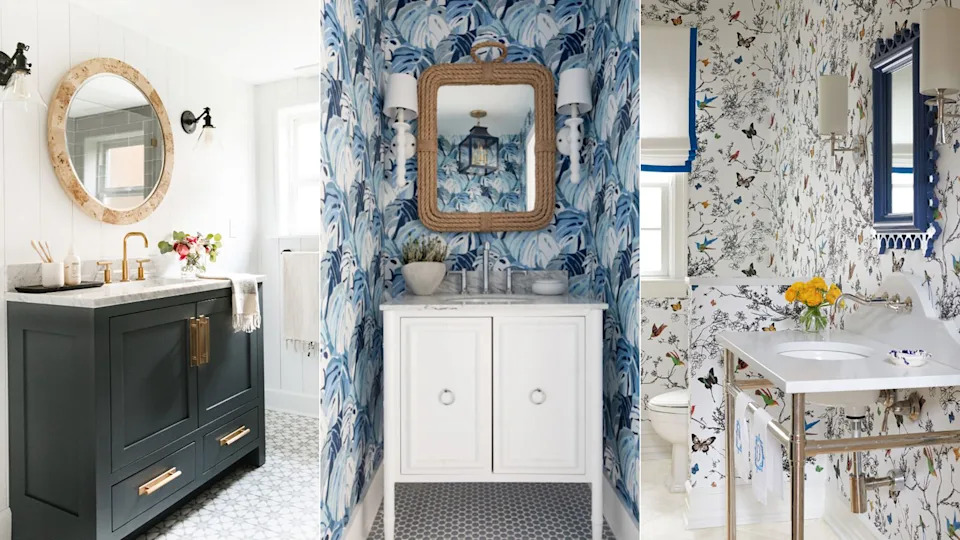
Bathroom vanity ideas – 20 ideas for a stand out vanity area
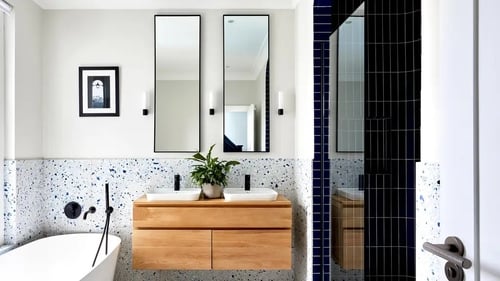
How vanity units are taking the spotlight in bathroom upgrades
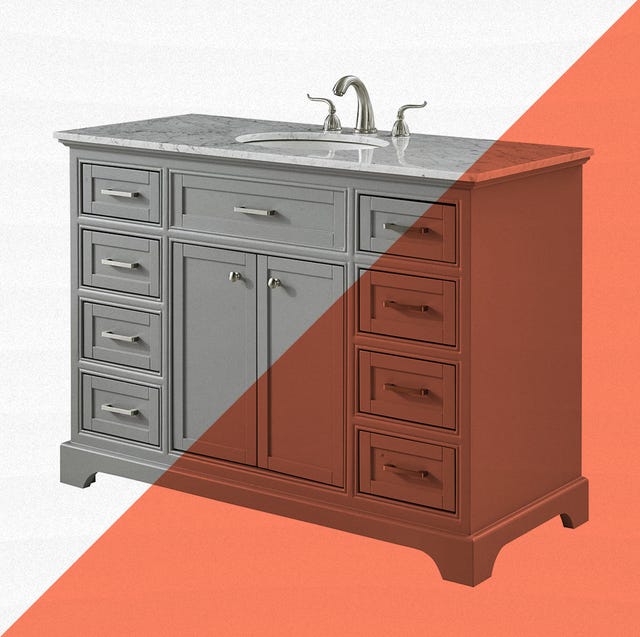
Transform Your Bathroom's Style and Storage Capacity with These Bathroom Vanities
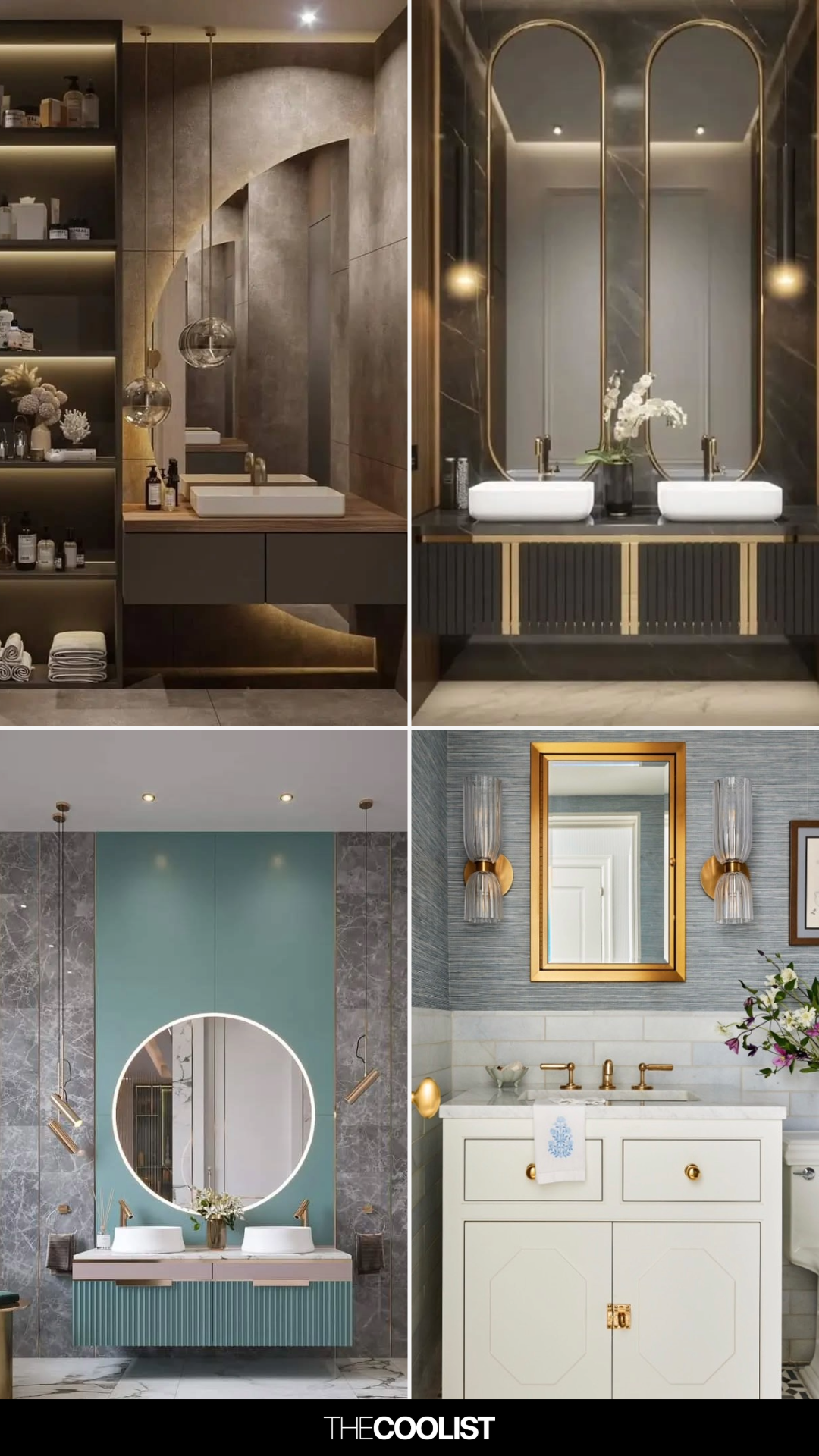
25 Undeniably Cool Bathroom Vanity Ideas That Guests Will Ask About Immediately
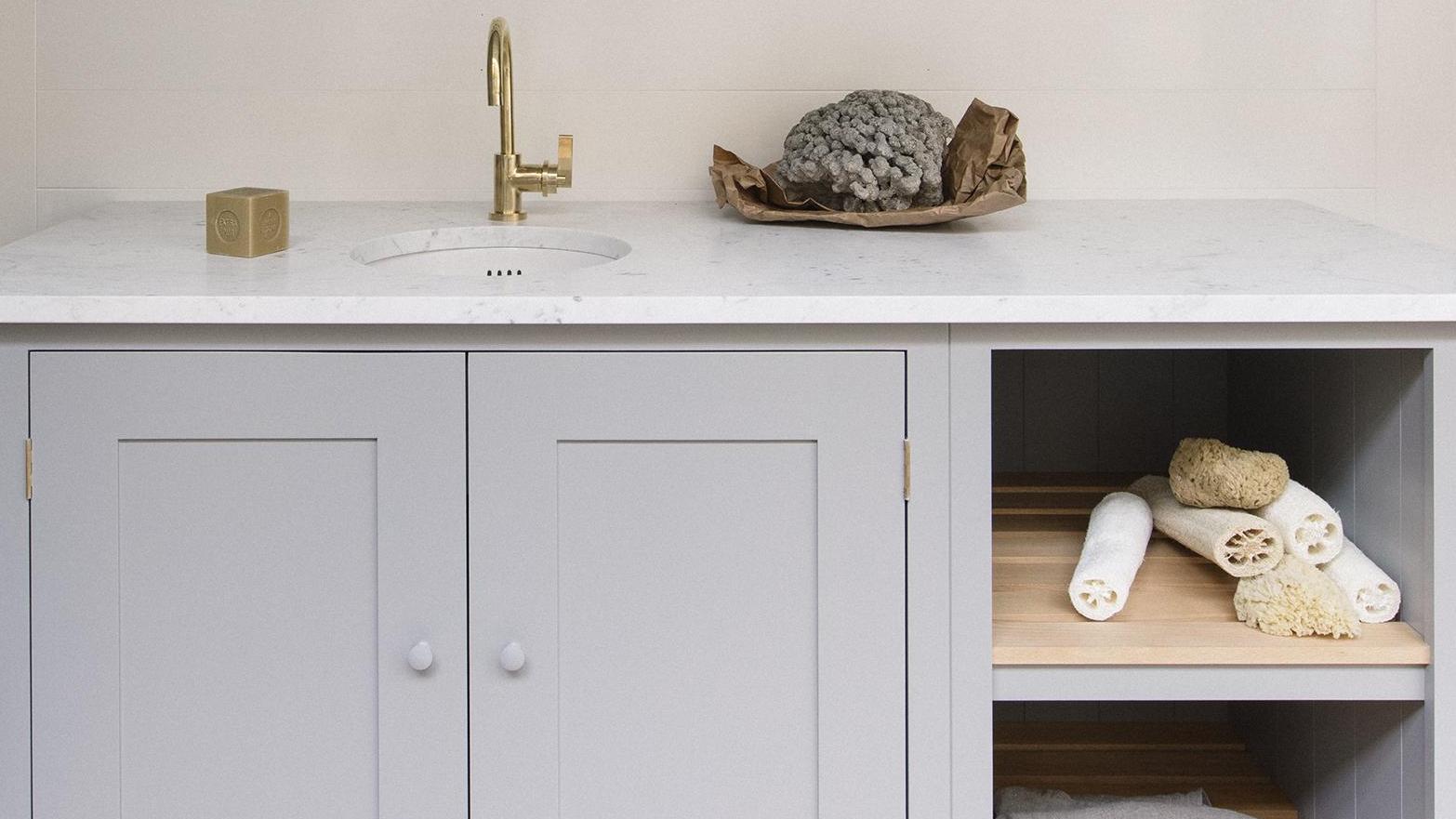
The best bathroom storage to buy in 2021
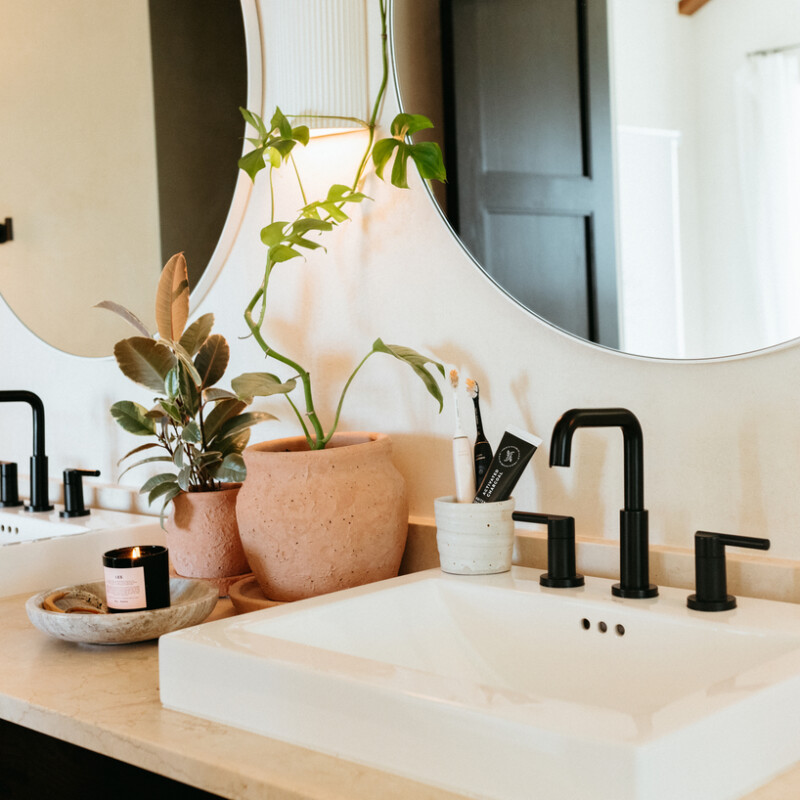
How to Design a Beautiful (and Organized!) Bathroom Vanity

6 Bathroom Vanities With Room for Everything
Where to Buy a Bathroom Vanity — We Asked Designers and Experts for Their Favorite Places to Shop

24 Stylish Bathroom Vanity Units

Organizing a bathroom vanity – 10 ways to order essentials
This Custom Bathroom Vanity Cleverly Contains Countertop Clutter
These 14 Double Vanity Ideas Could Prevent a Bathroom Divorce

Built-in vanity make-up ideas – 10 designs that elevate bedrooms and bathrooms to new levels
17 Bathroom Vanity Ideas to Give Your Space a Polished New Look