1/4
How deep should bookshelves be? Designers agree unanimously on getting the measurements right for your space
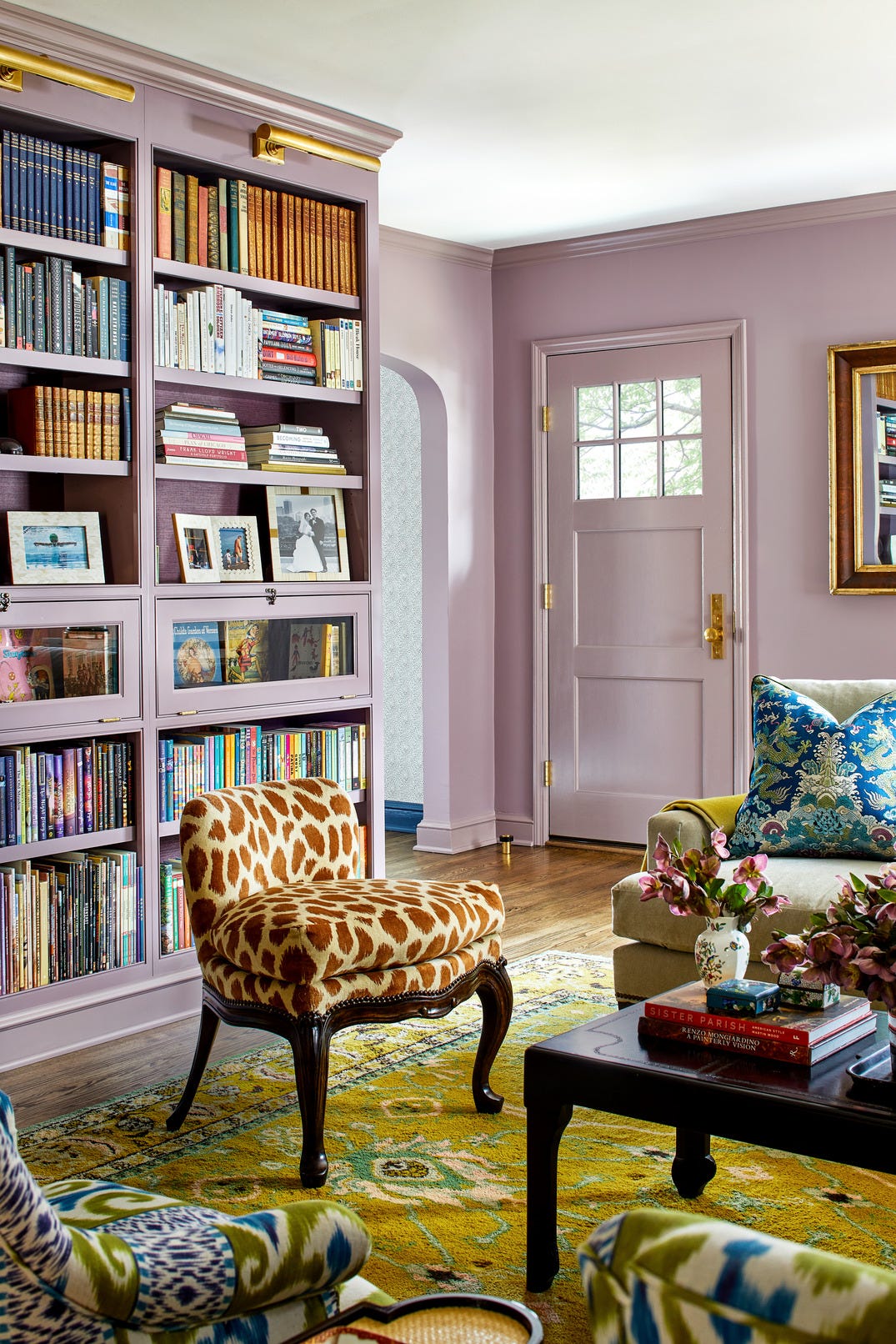
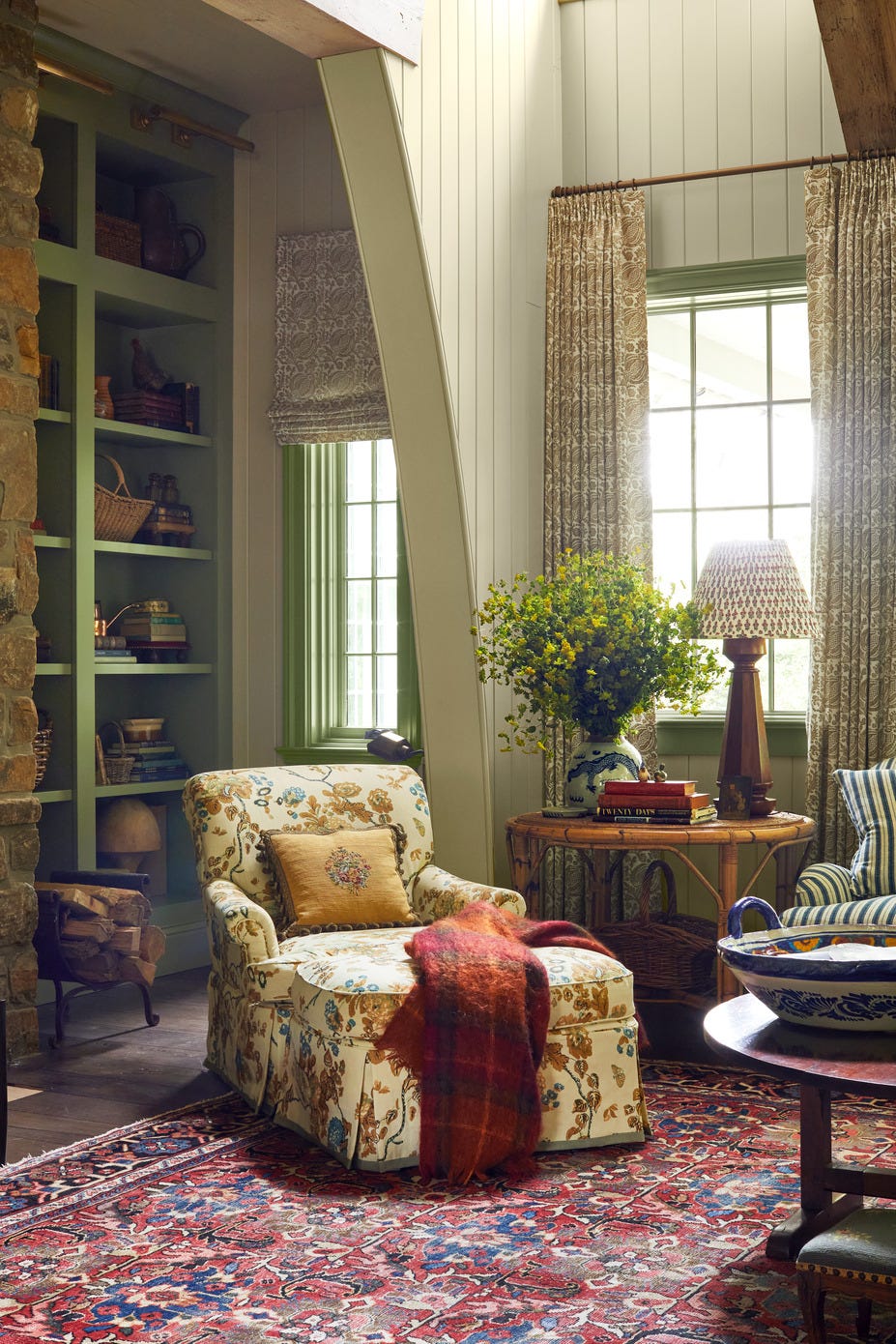
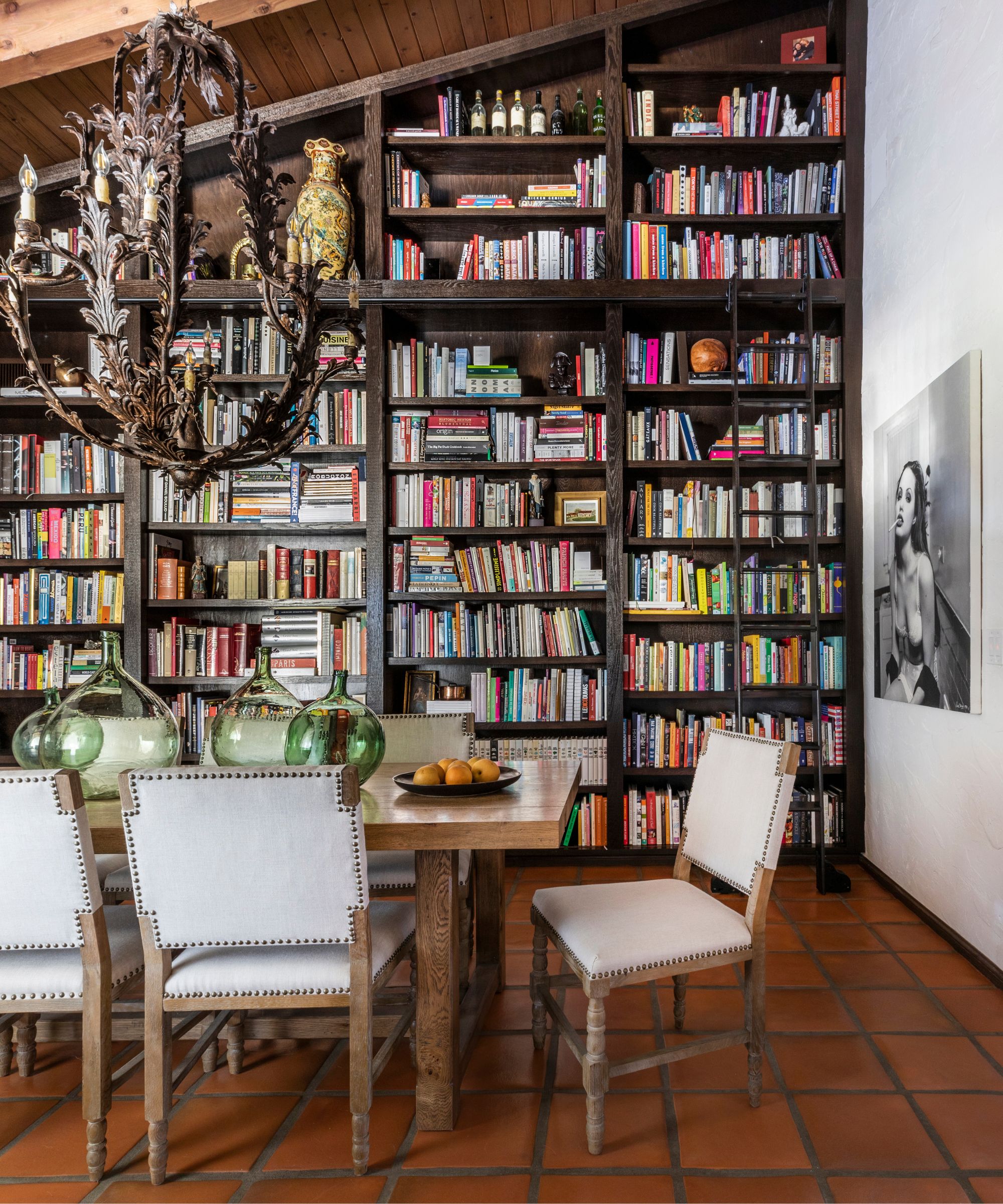
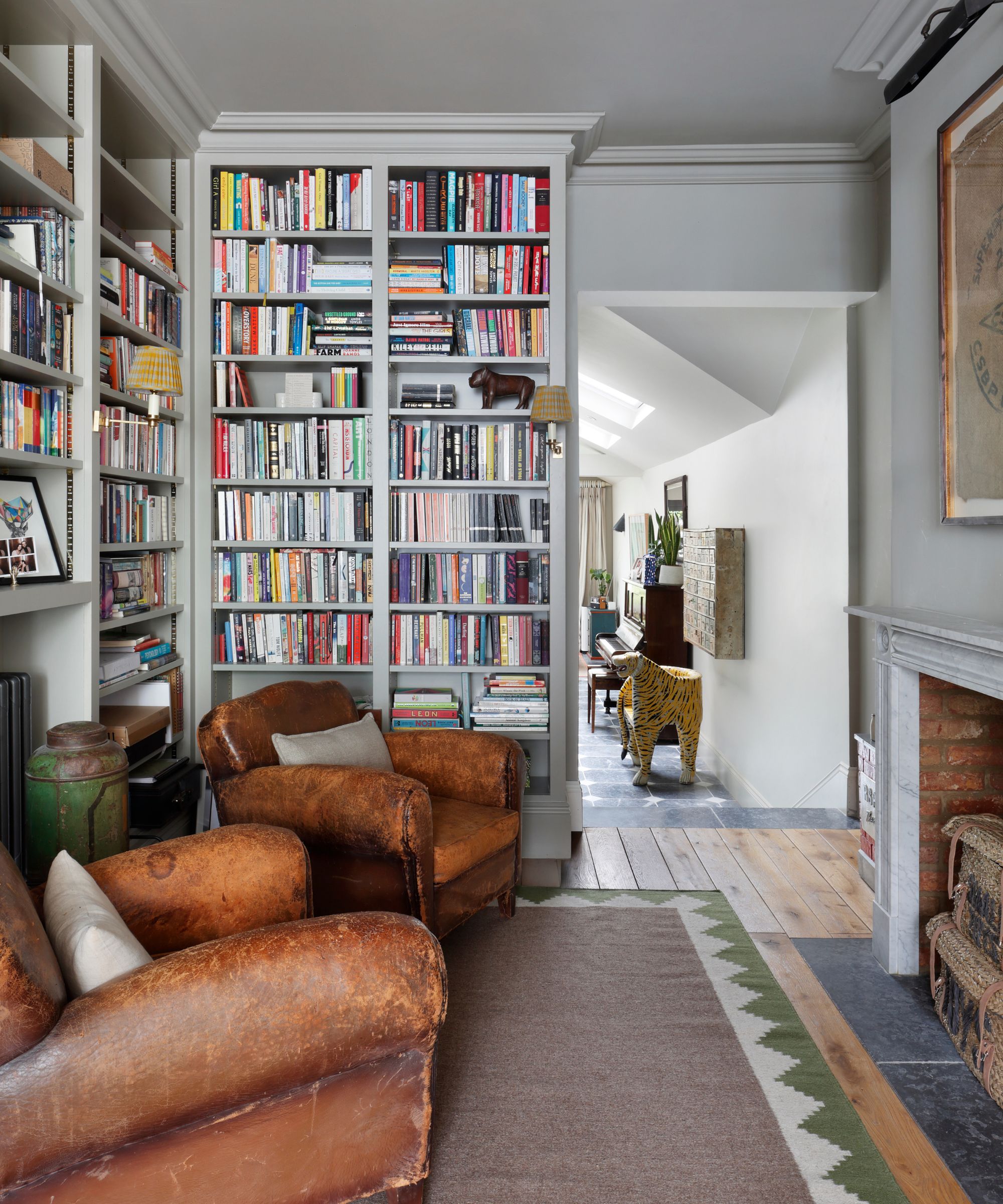
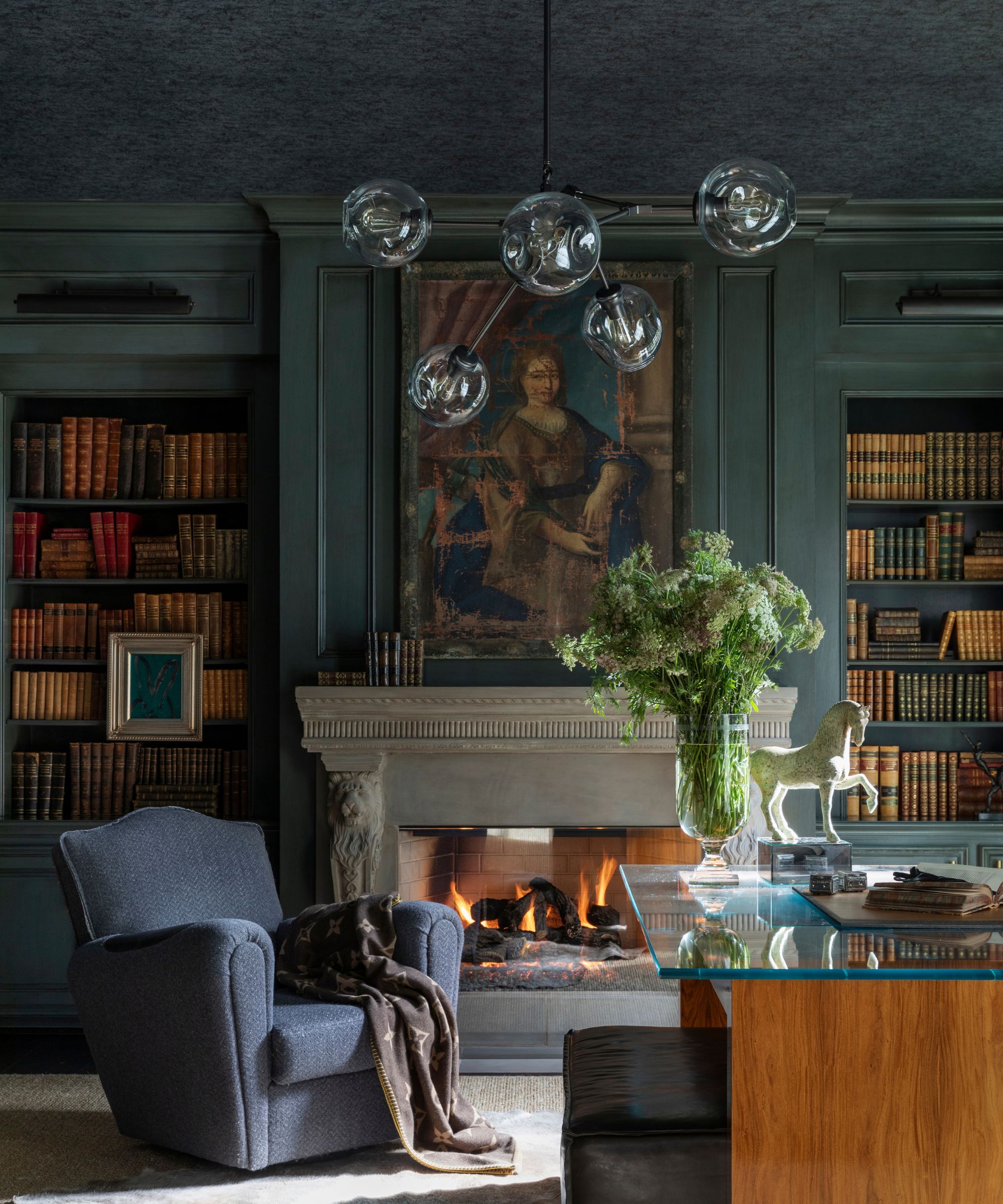
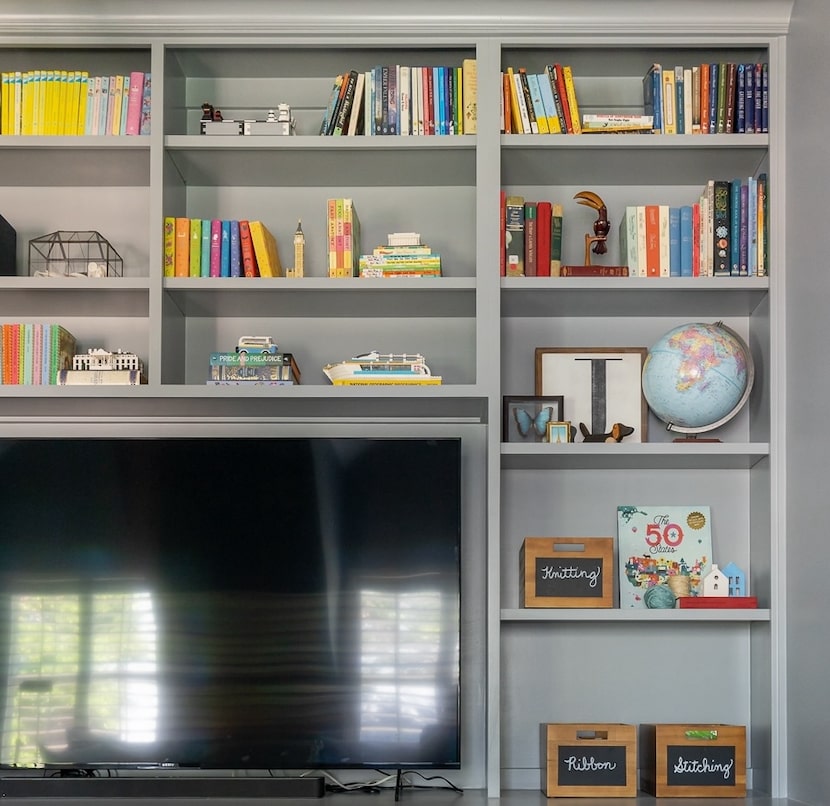
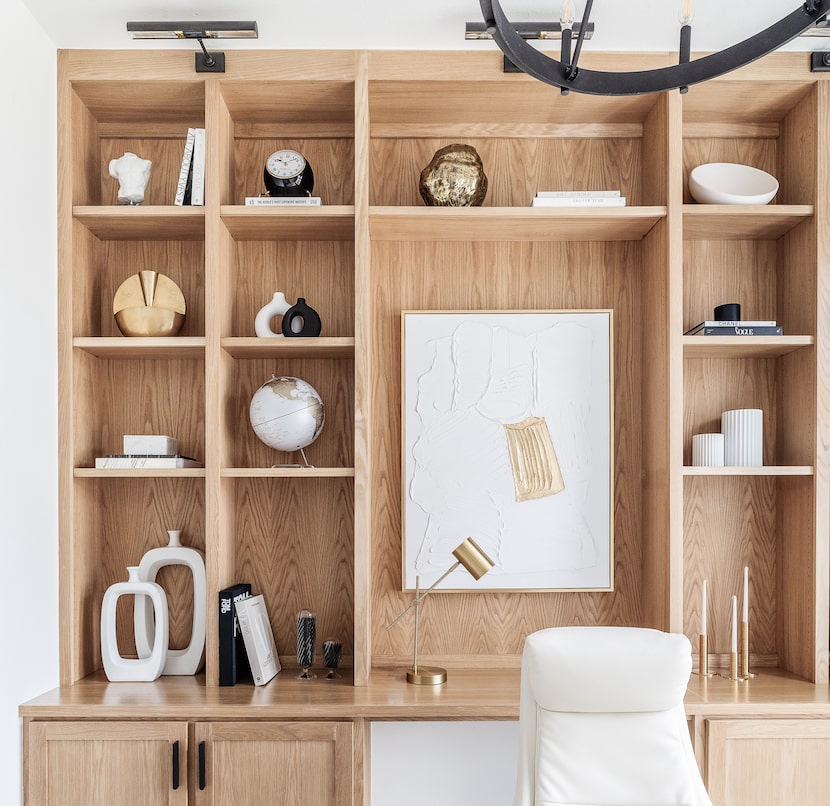
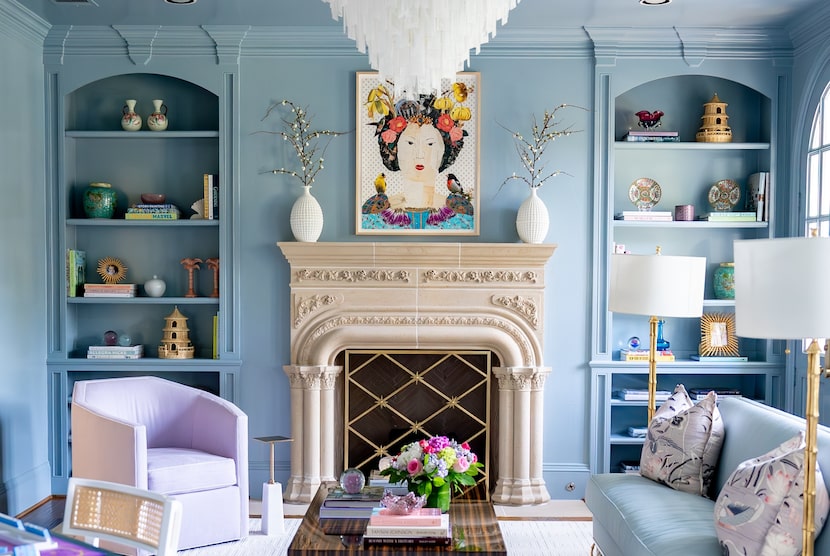
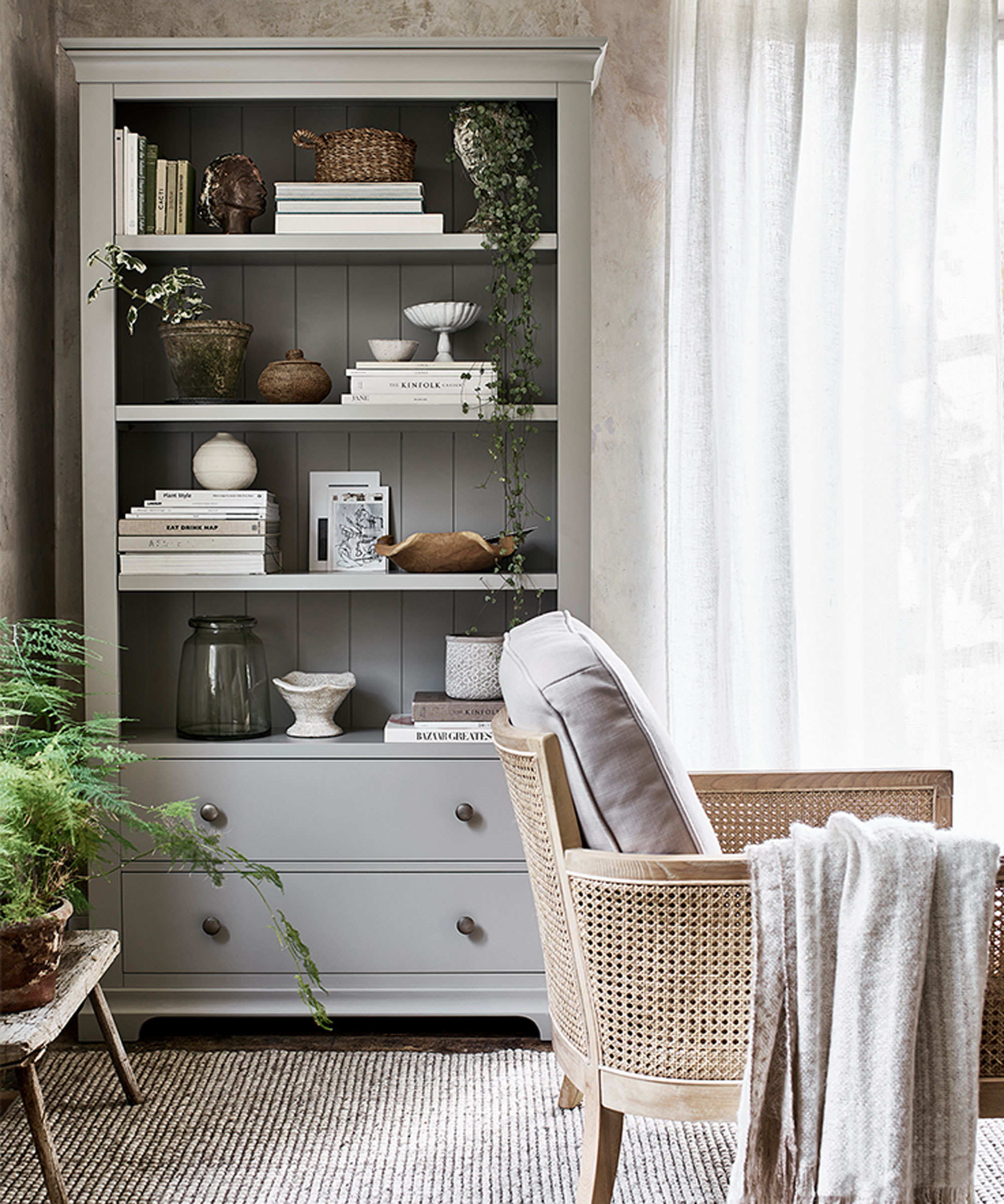
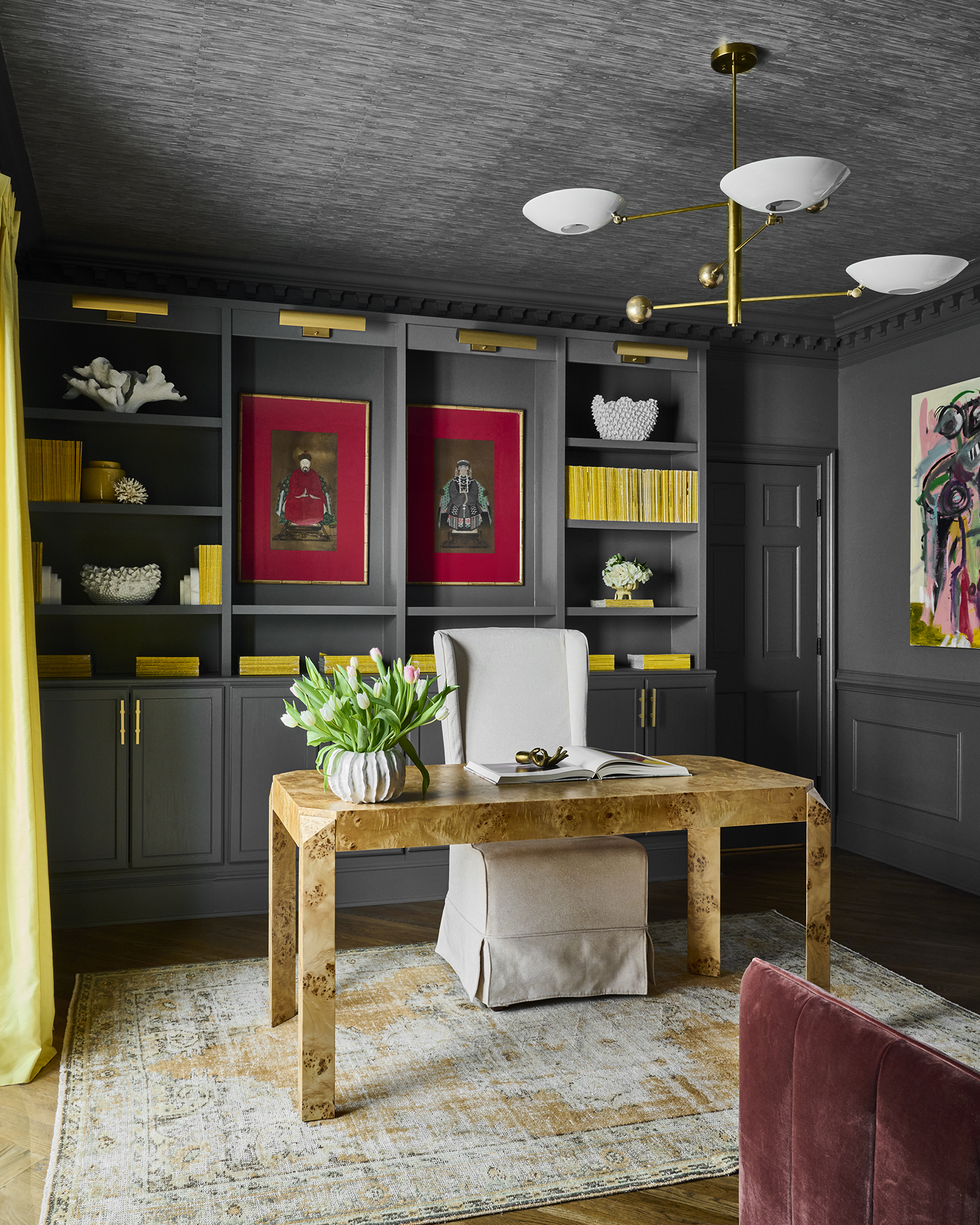
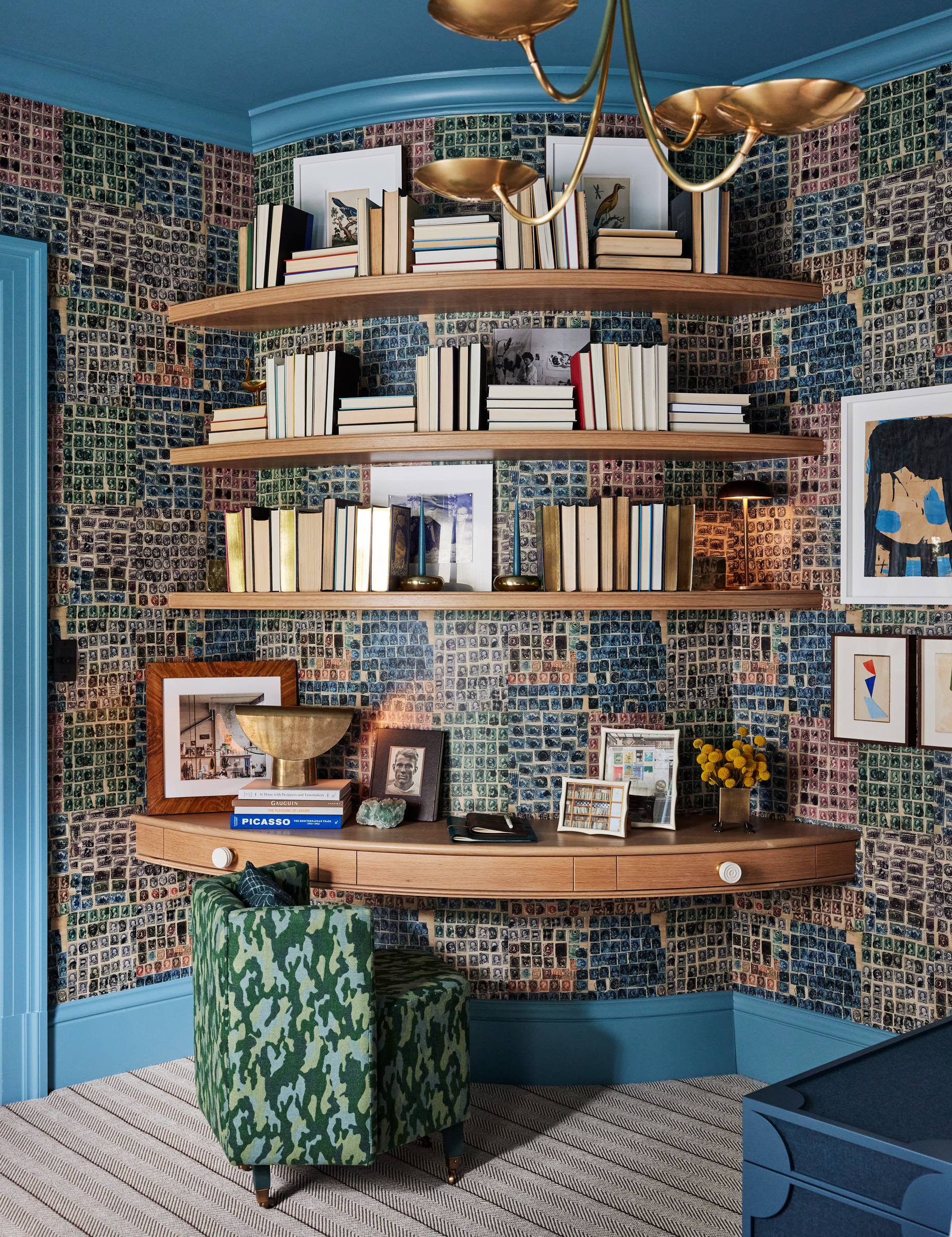
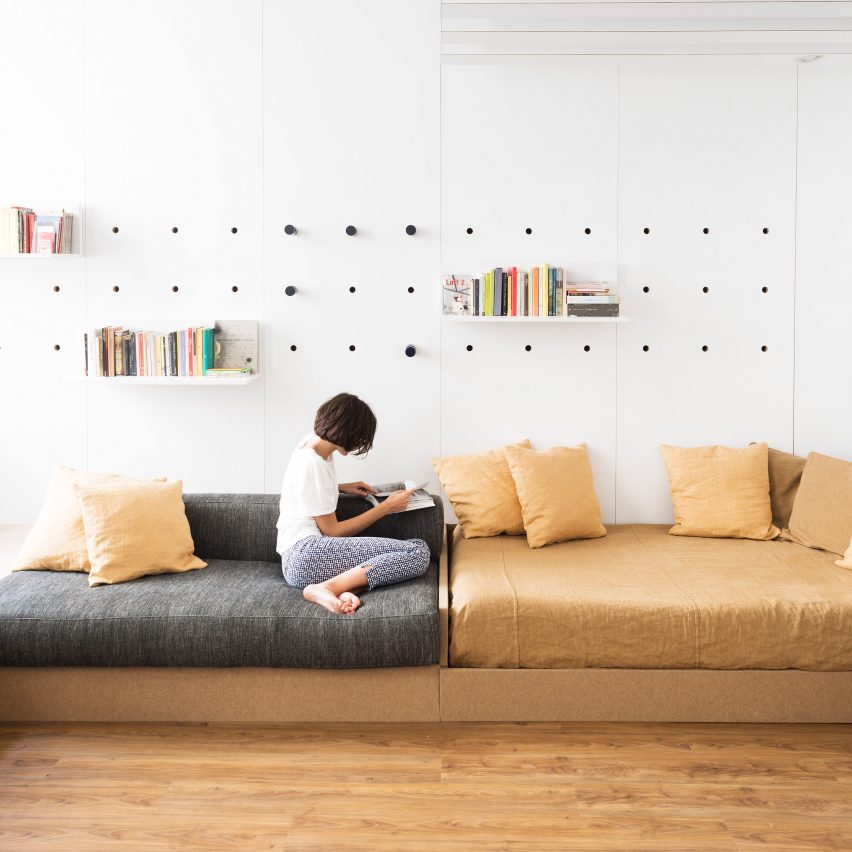
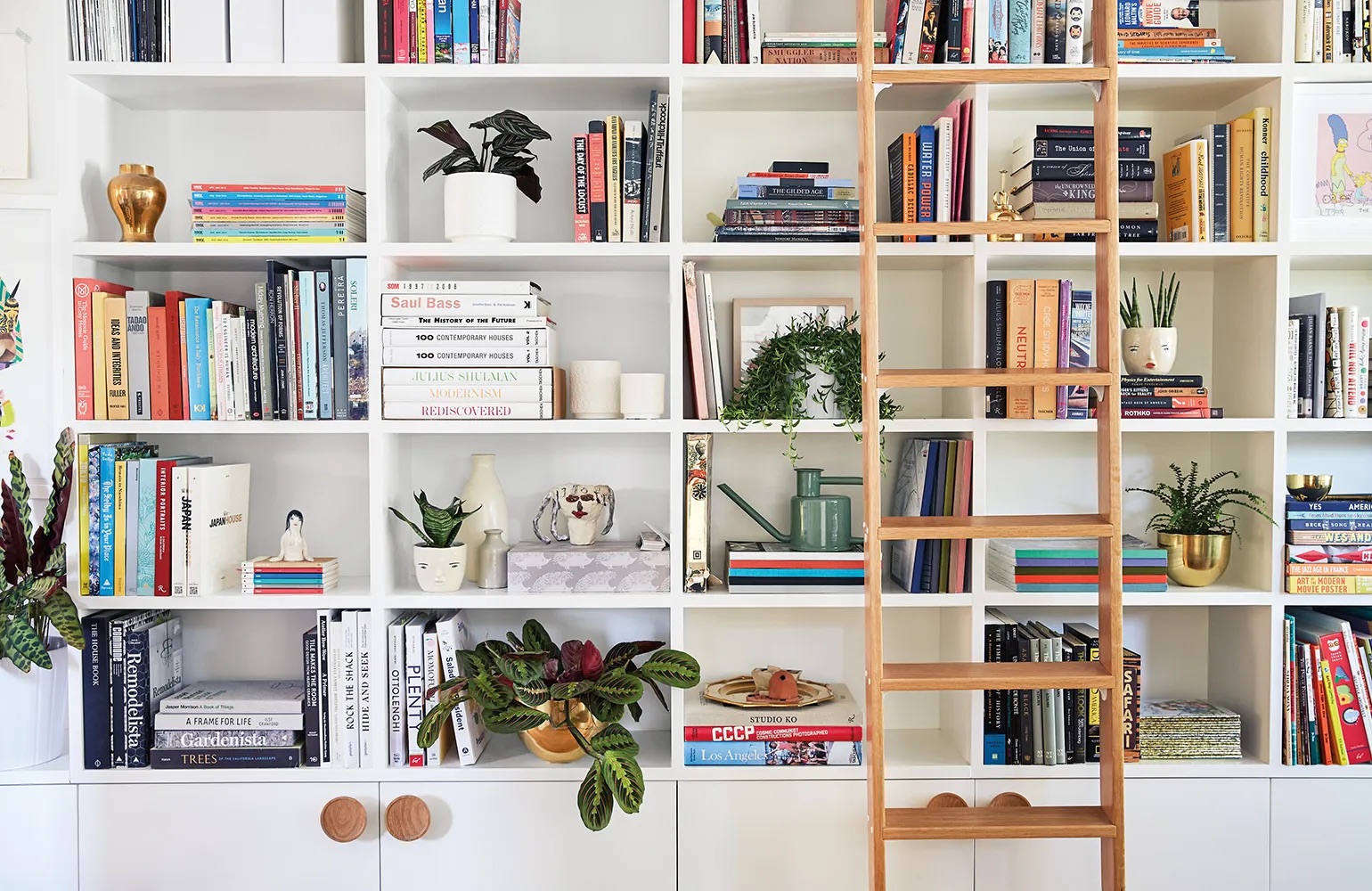
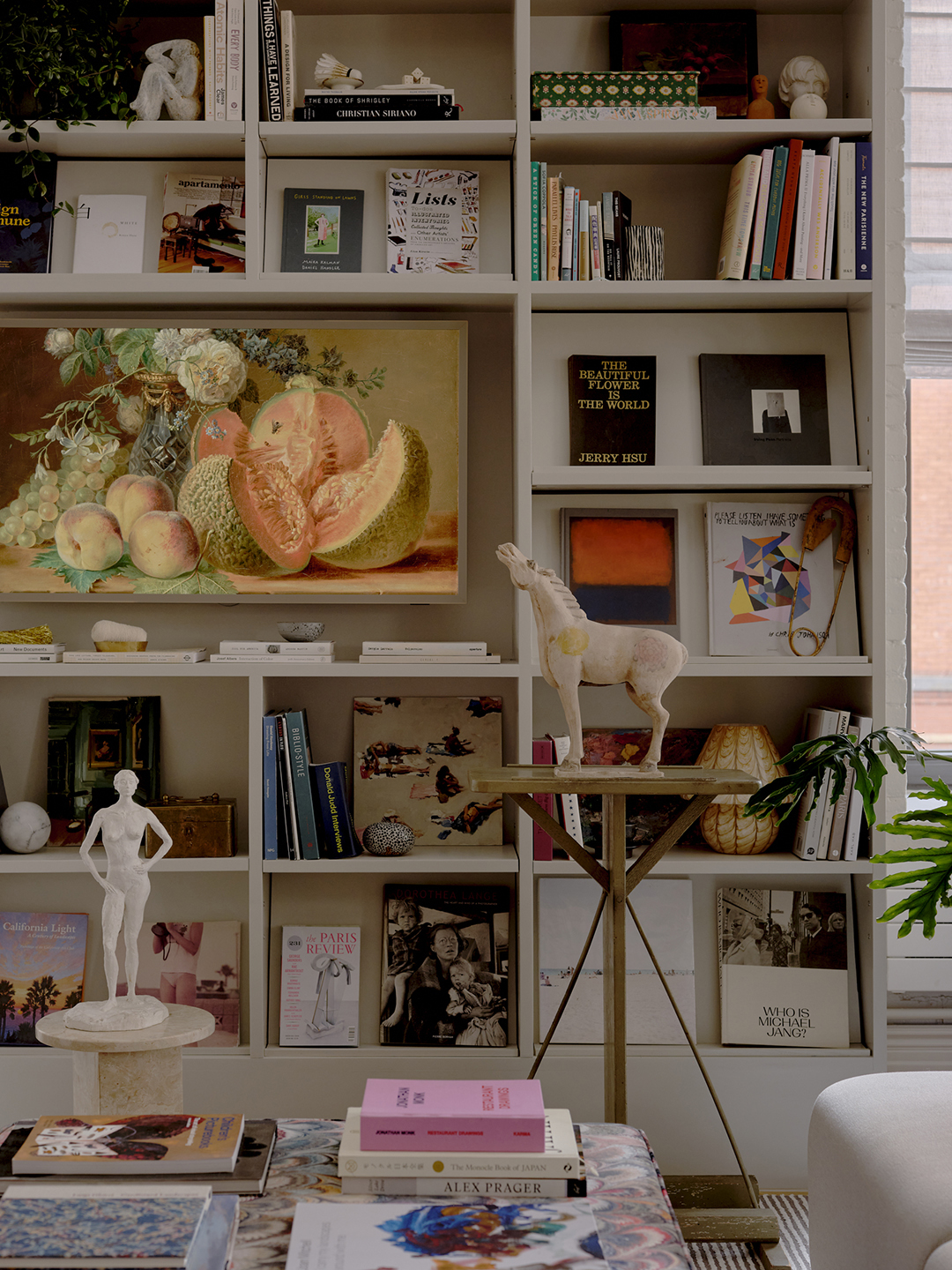
Bookshelves are more than just functional storage; they are integral design elements that can significantly enhance a room's aesthetic and express personal style. Traditionally viewed as practical units for organizing books and personal items, modern interior design emphasizes their potential as prominent features in living spaces. Simone Gordon, Interior Designer and Co-Founder of Owl Design, highlights that bookshelves can be beautifully designed joinery, showcases for ceramics, or playful installations with unique shapes and colors, blending display with hidden storage.
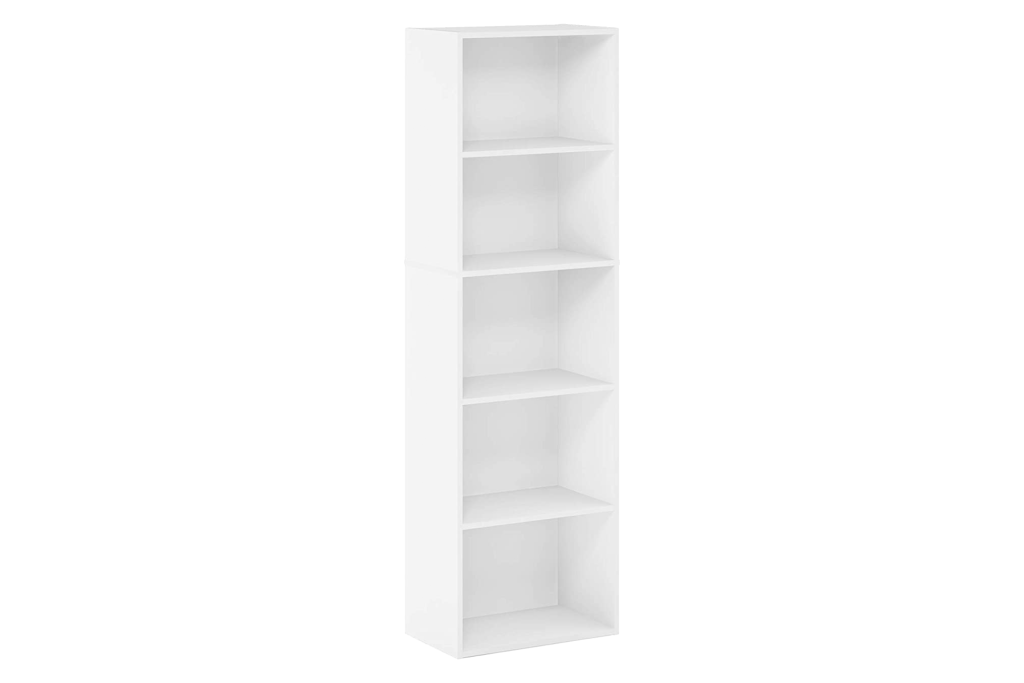
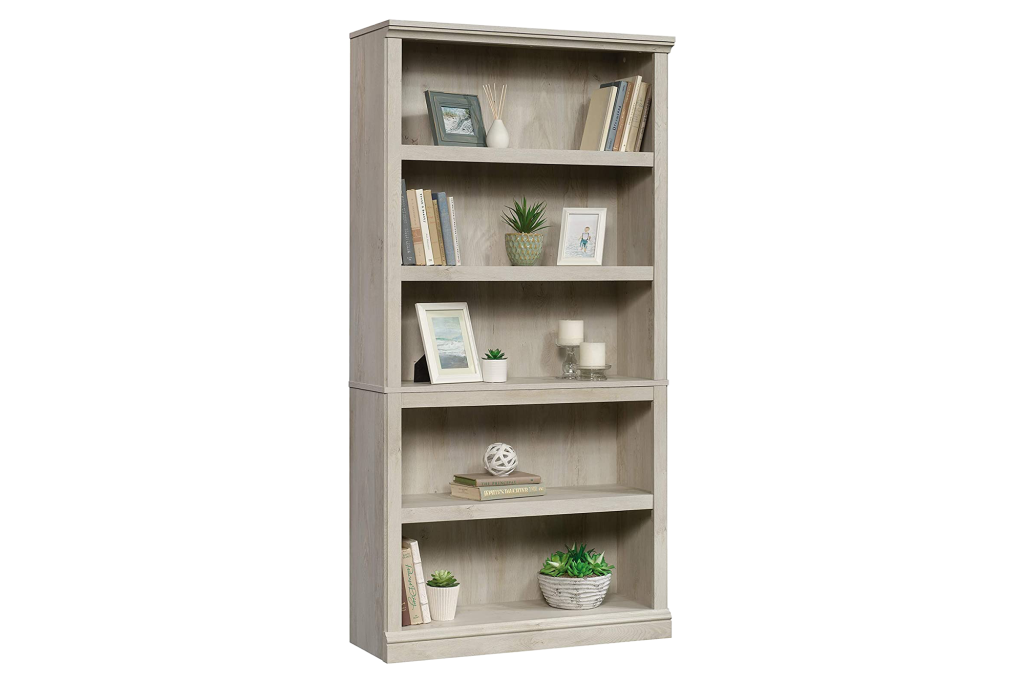
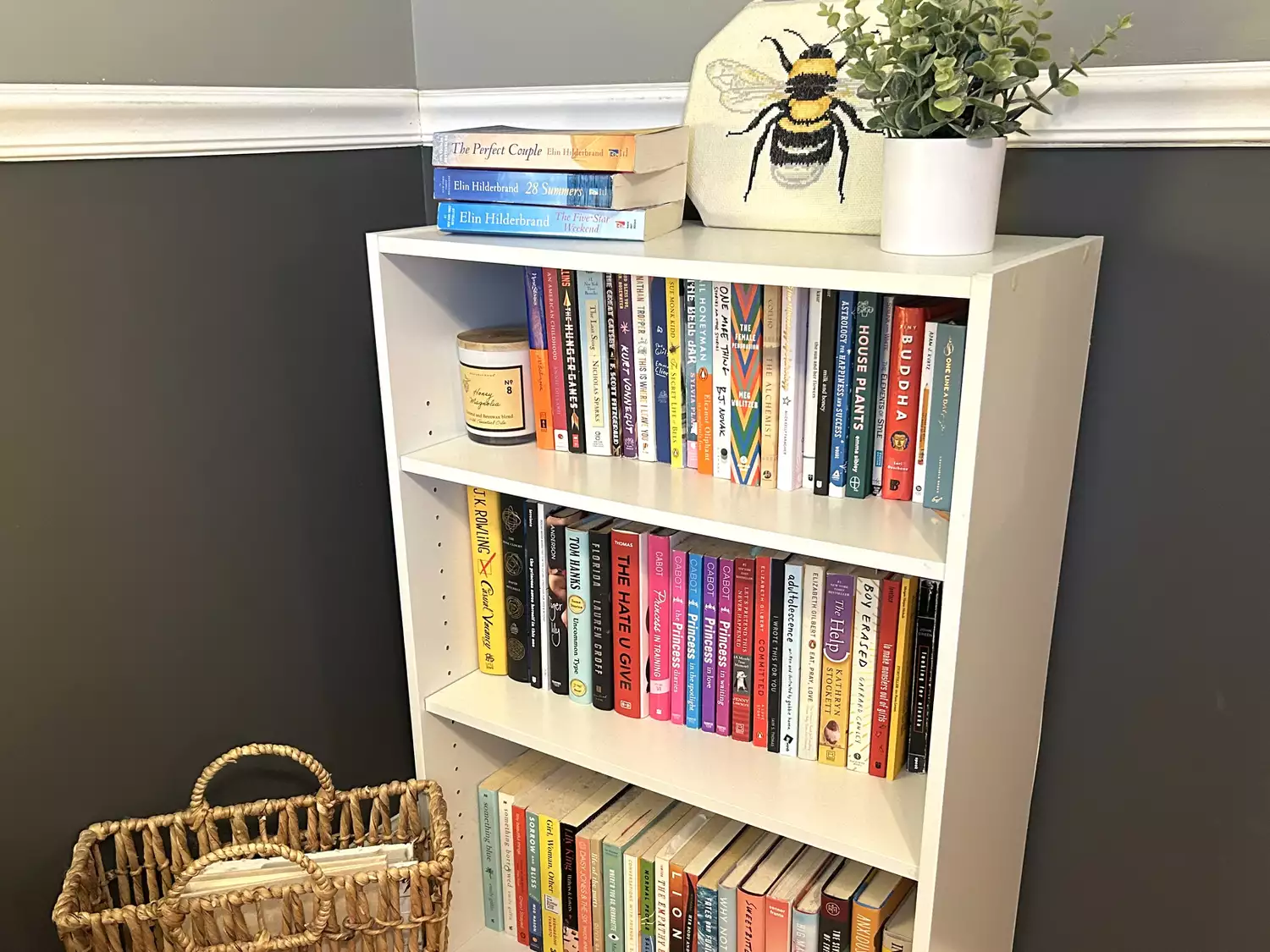
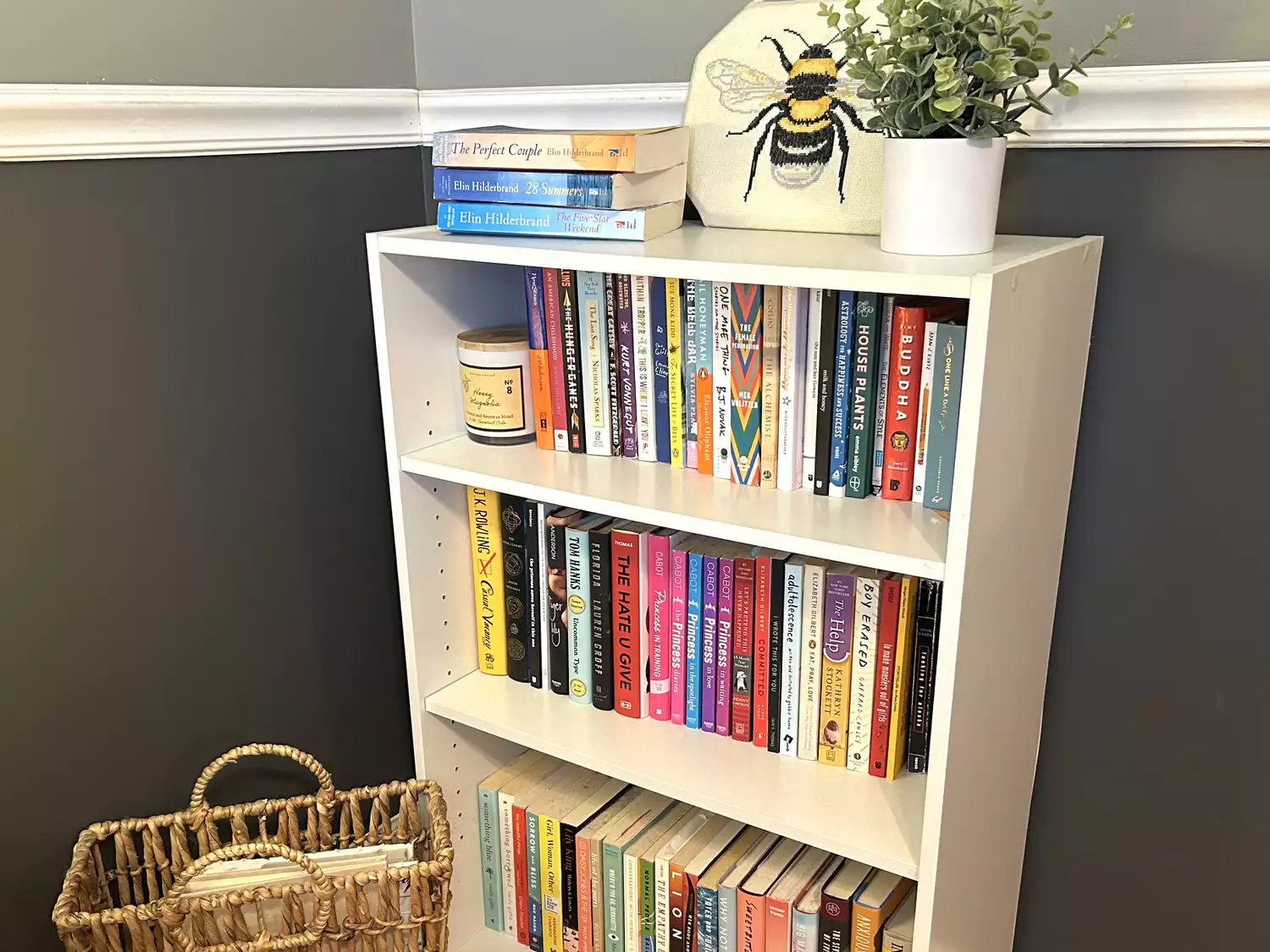
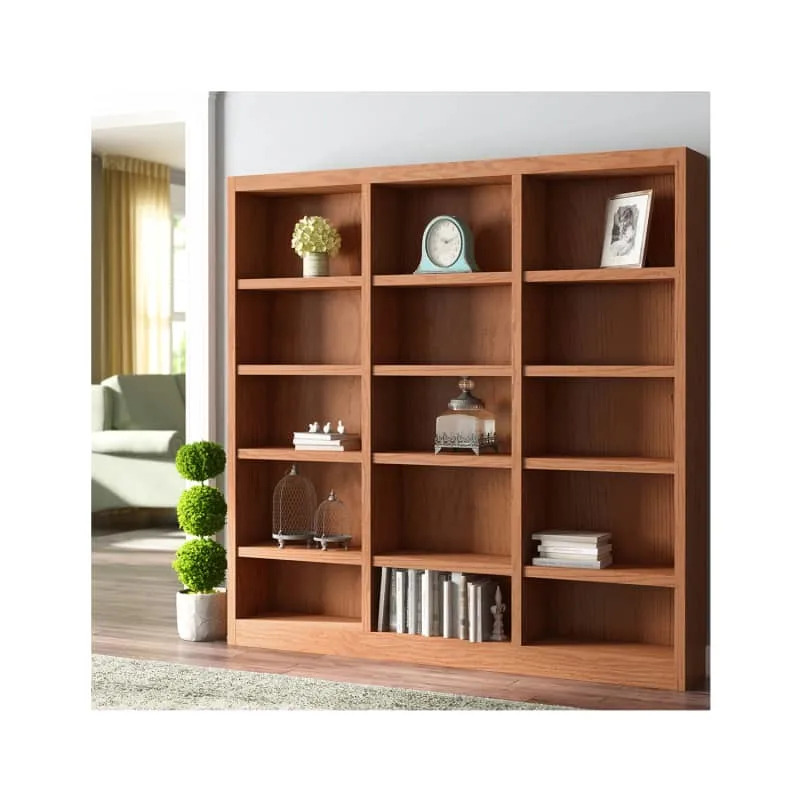
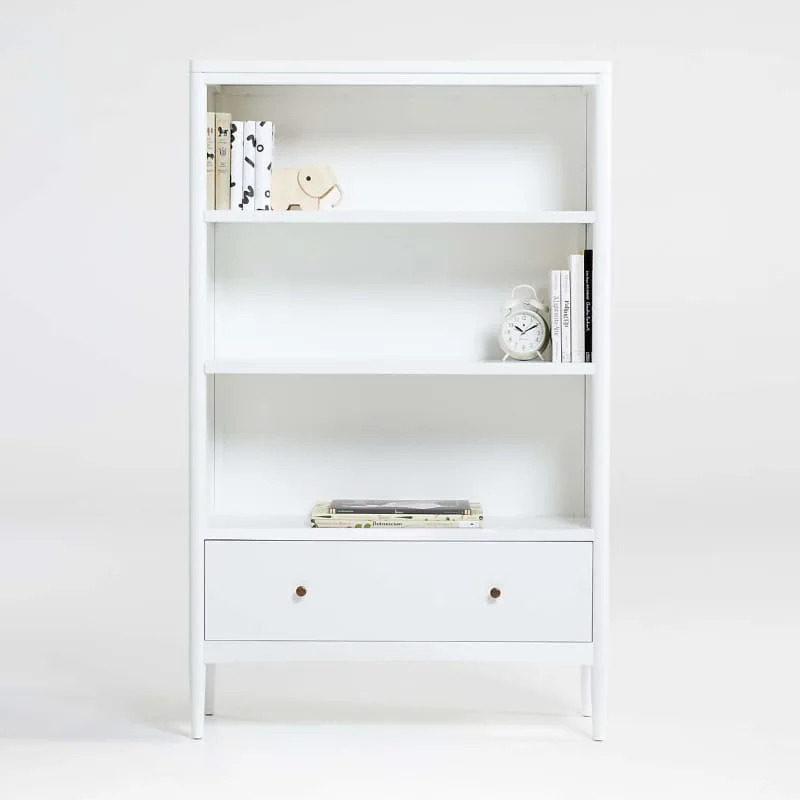
Before delving into the creative aspects, practical considerations are paramount. The primary step involves assessing the items intended for display. Whether the items are books, decorative ceramics, or trophies, ensuring they fit comfortably is crucial. Noz Nozawa, Interior Designer and Founder of Noz Design, illustrates this by noting that shelves in a bedroom might house novels, while those in a main living area could accommodate cookbooks, travel mementos, and larger non-fiction books that guests might browse. The dimensions of the items should directly influence the depth of the shelves. Nozawa suggests a minimum depth of 9 inches for novels and paperbacks, extending up to 16 inches for larger coffee table books. A versatile middle-ground of 12 inches is often recommended for a mix of items. However, optimizing depth to be only as deep as necessary helps prevent books from being pushed to the back, maintaining a tidy appearance.
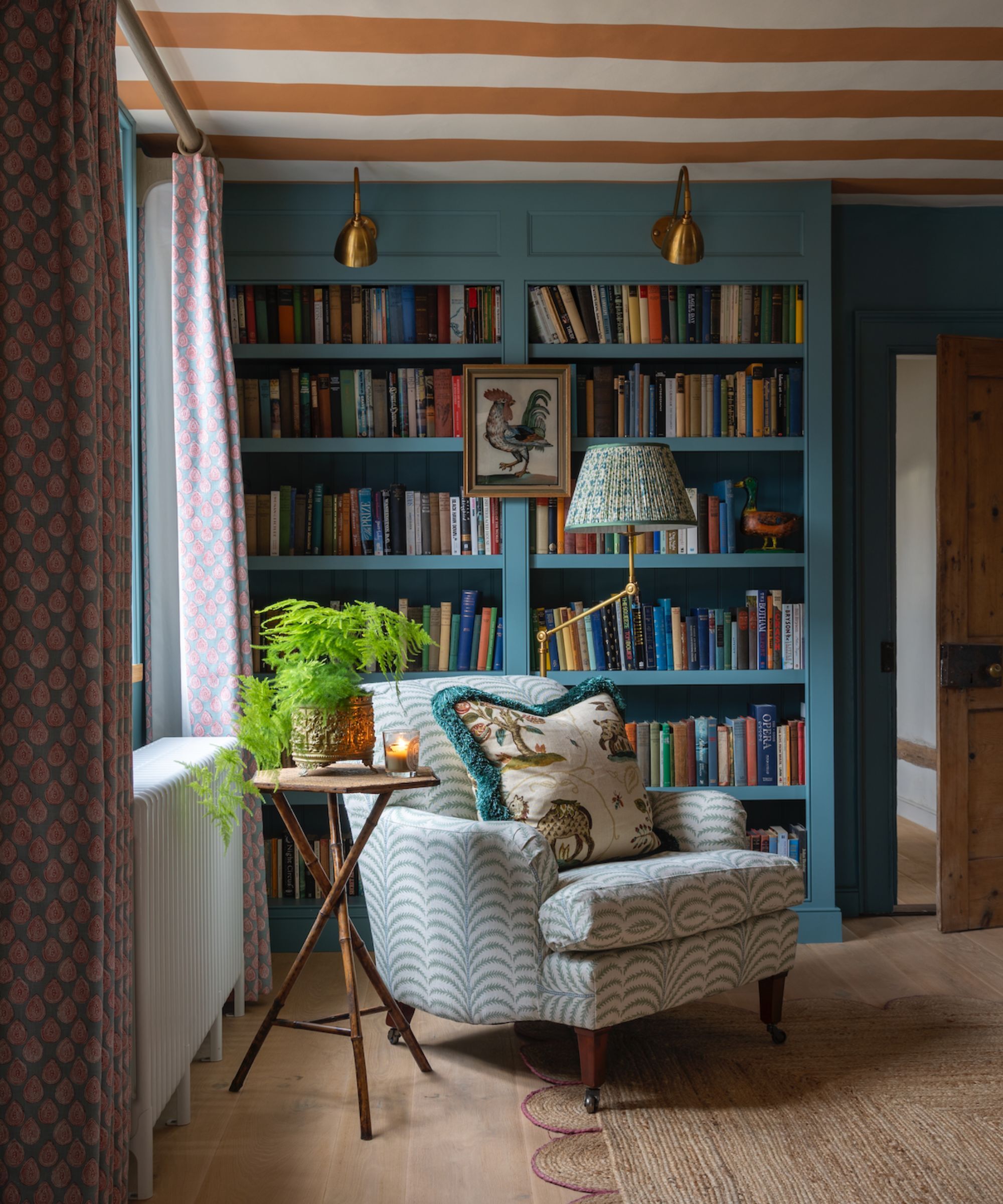
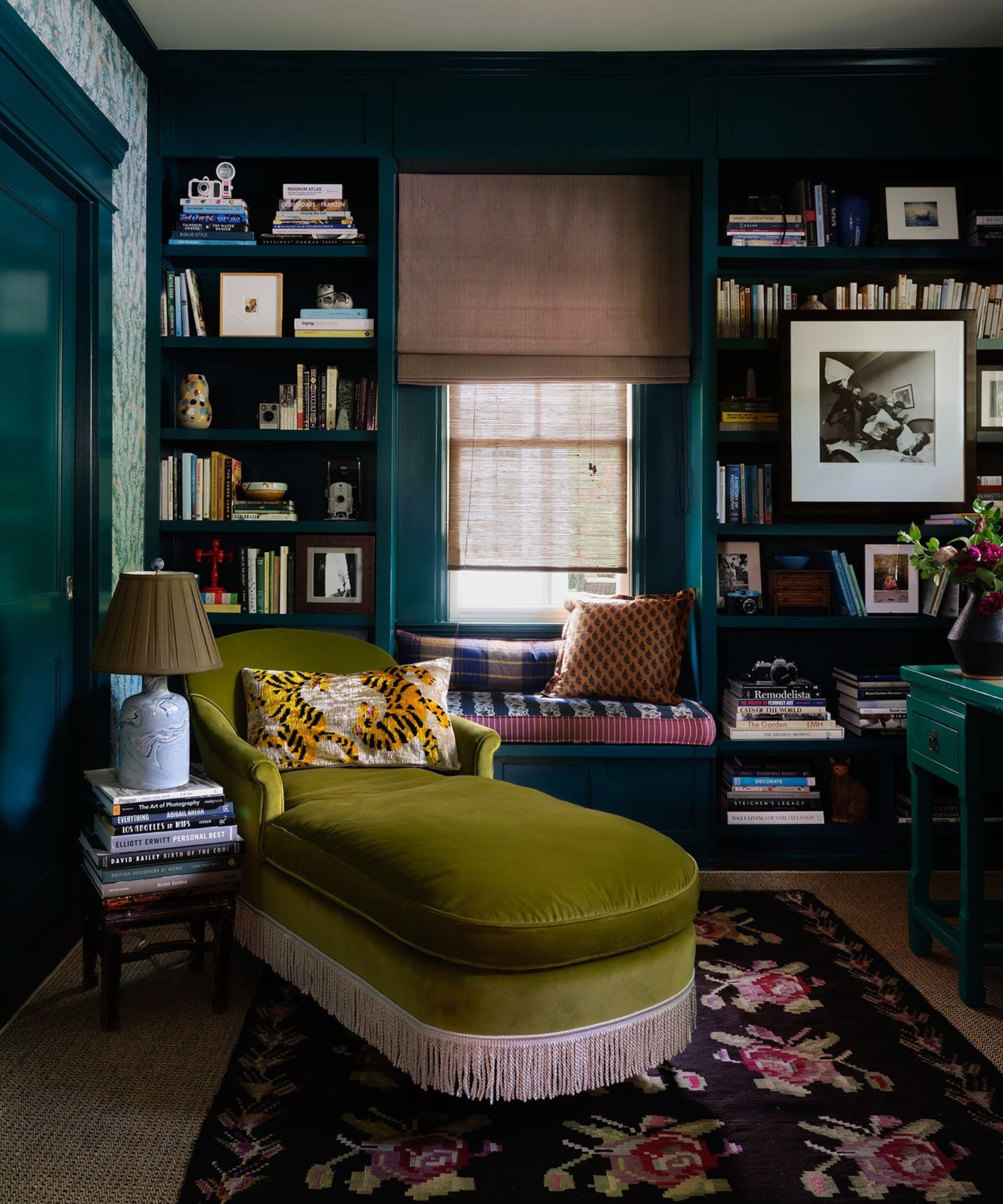
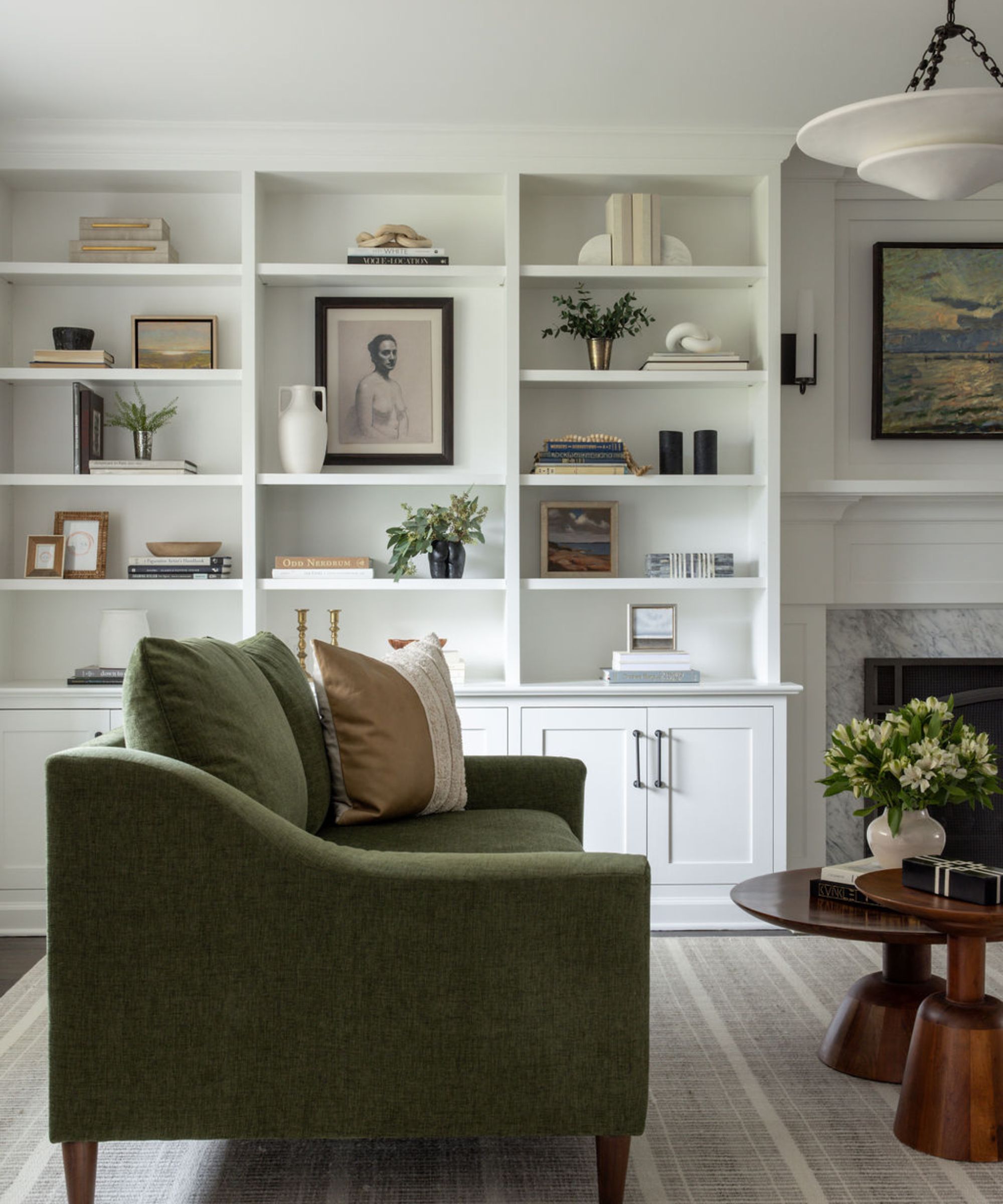
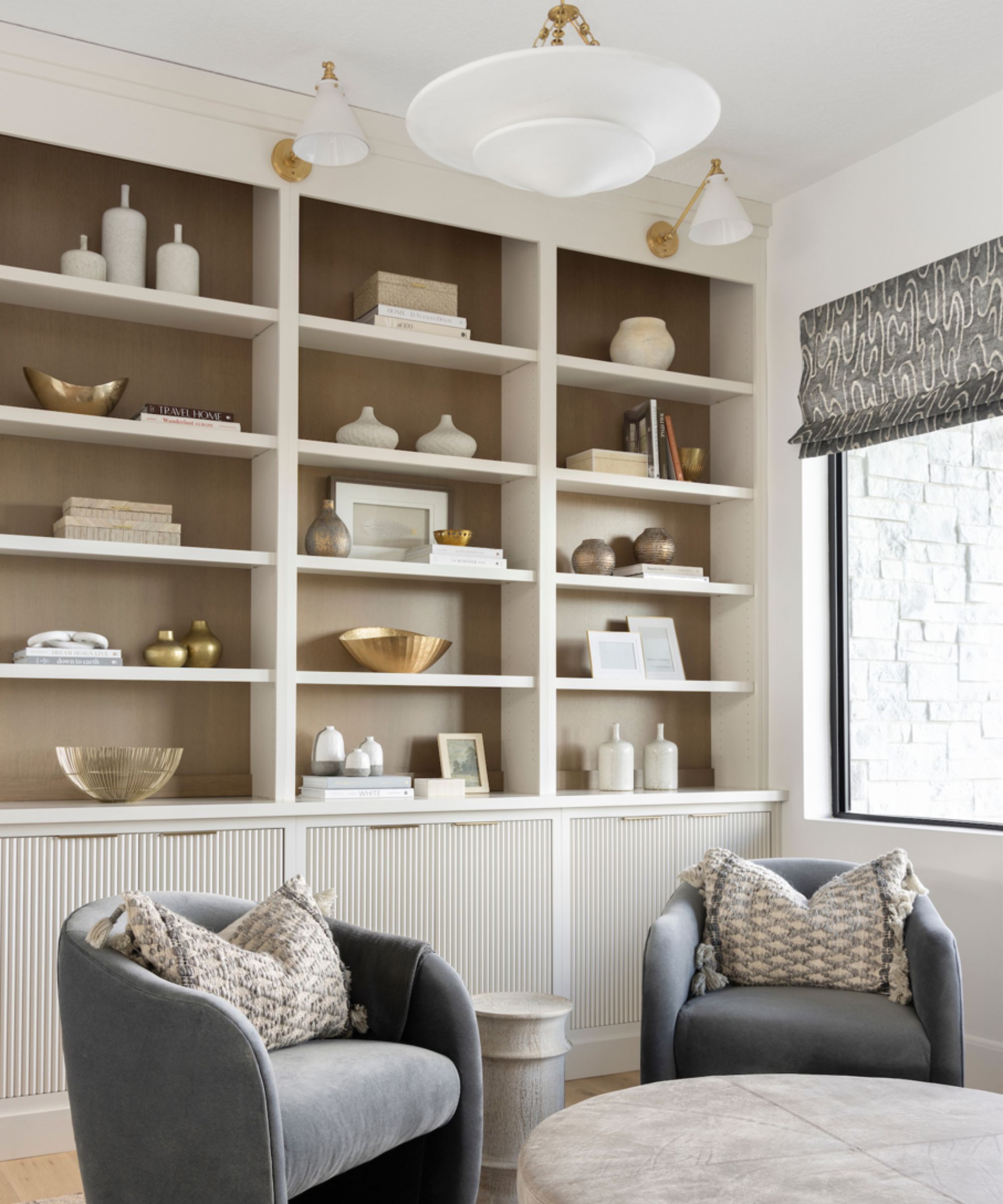
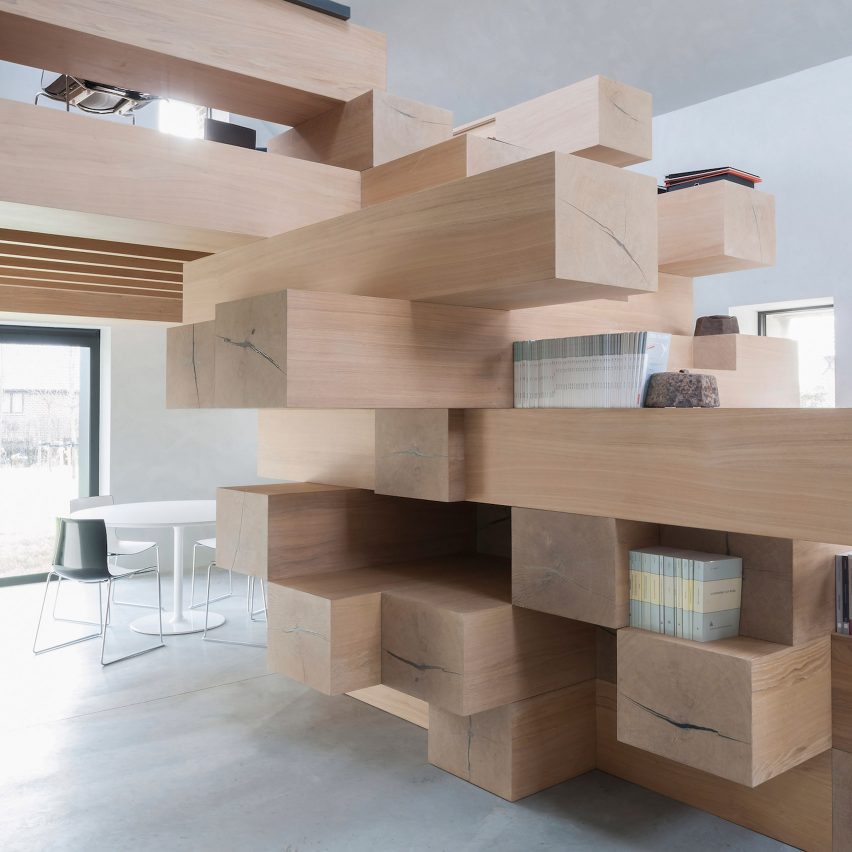
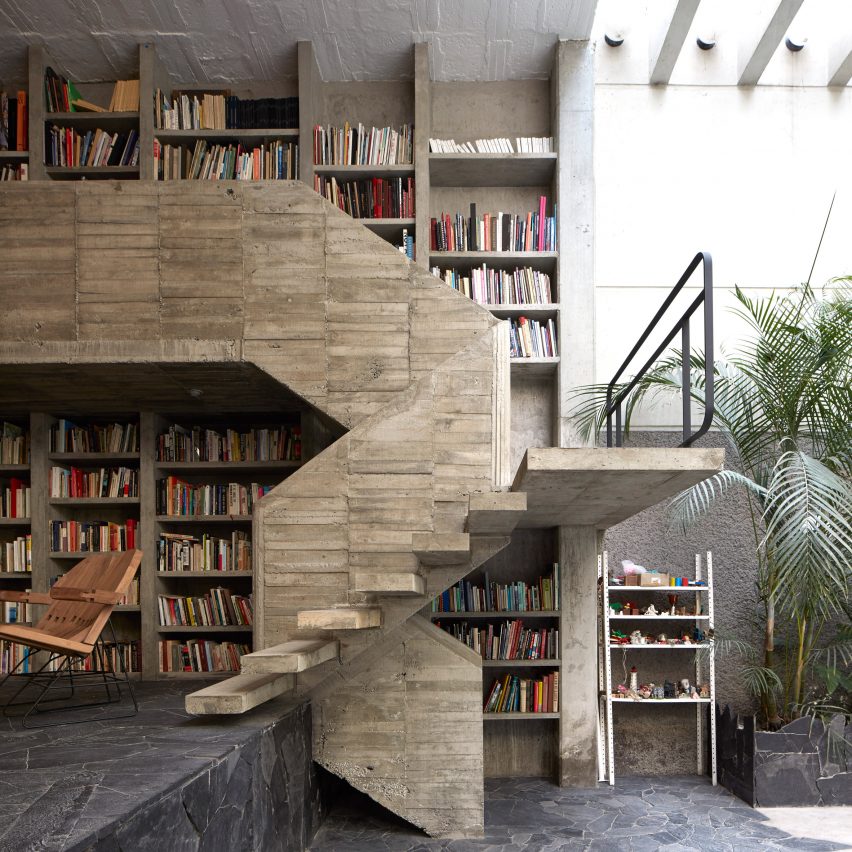
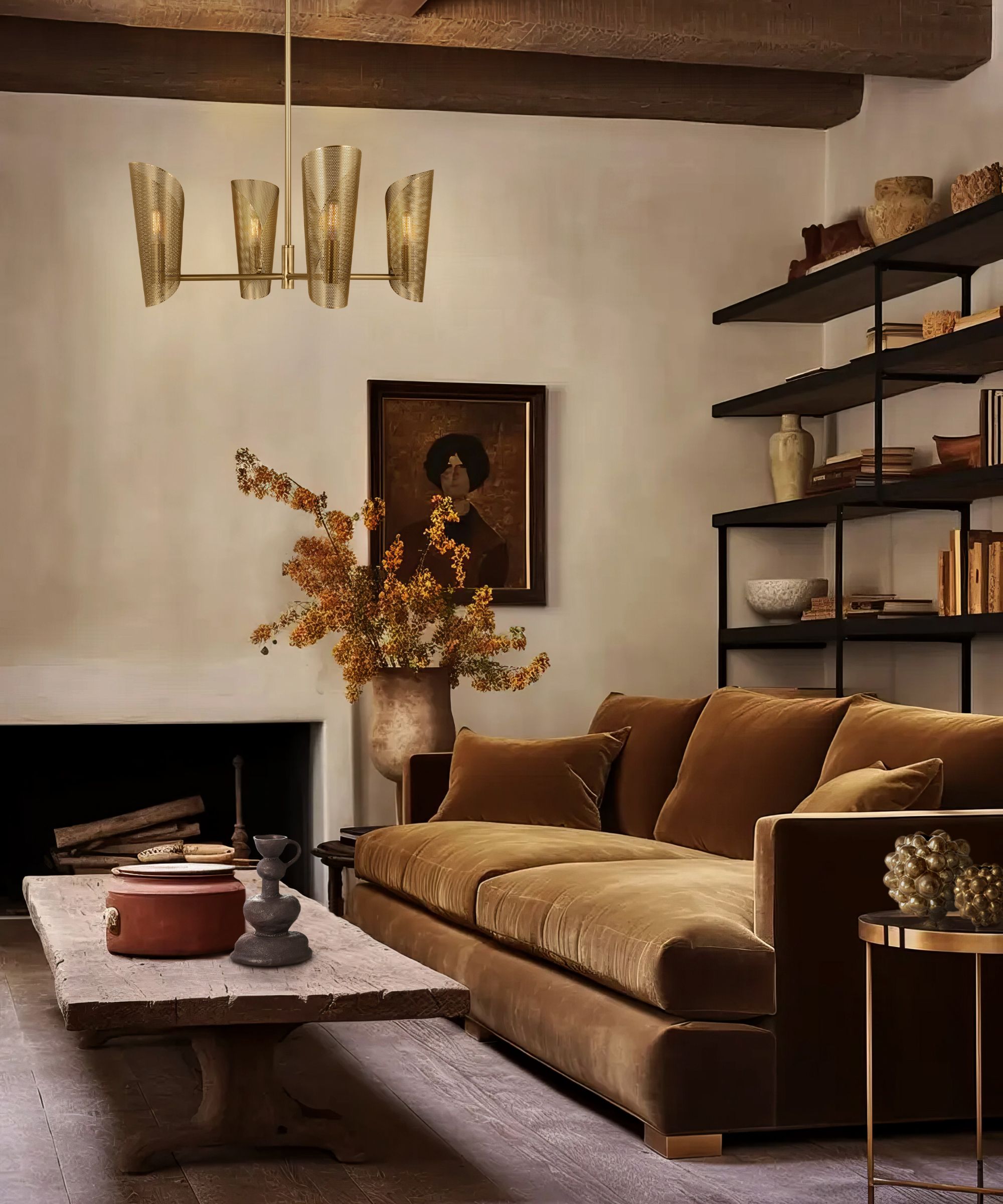
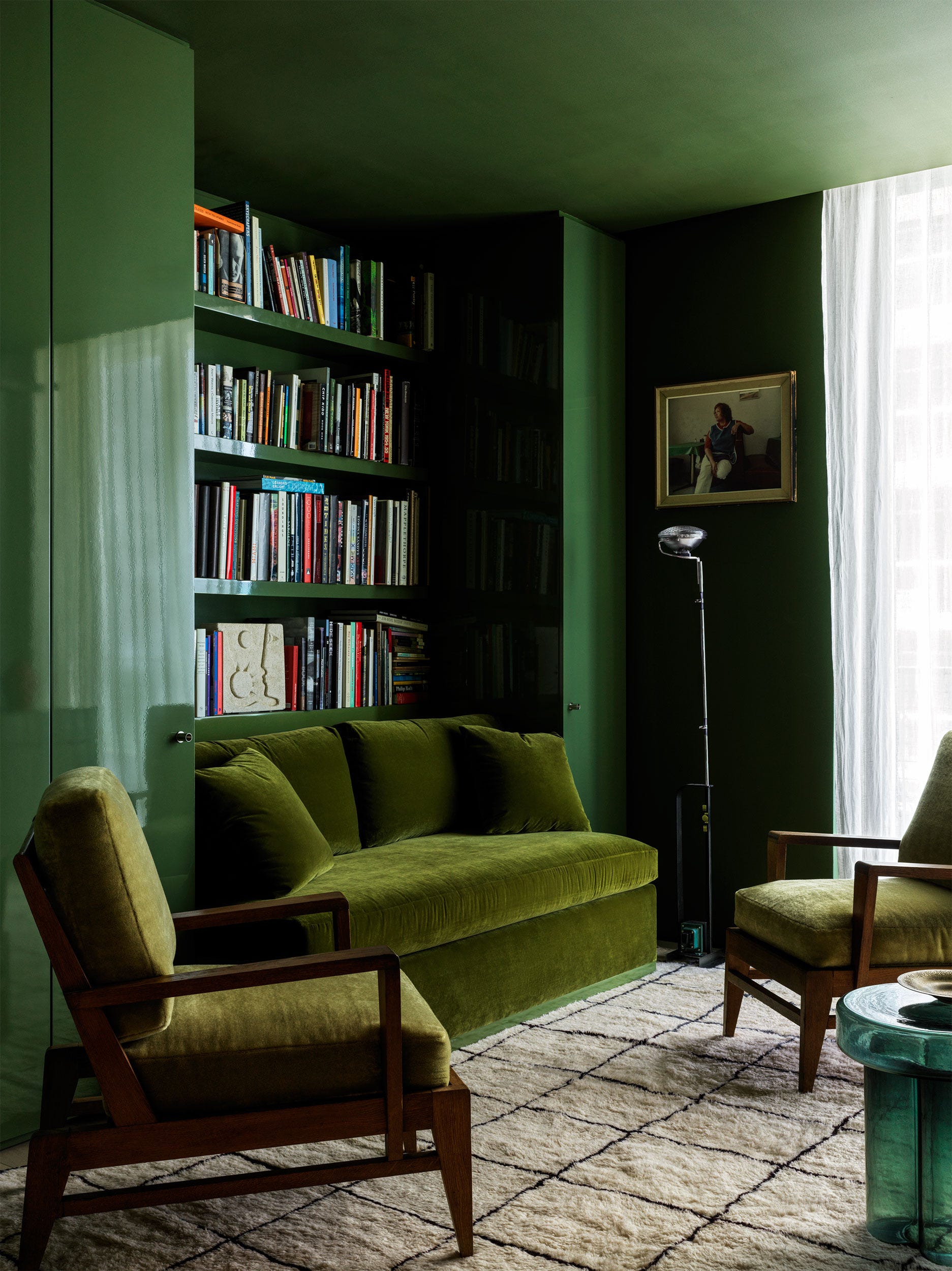
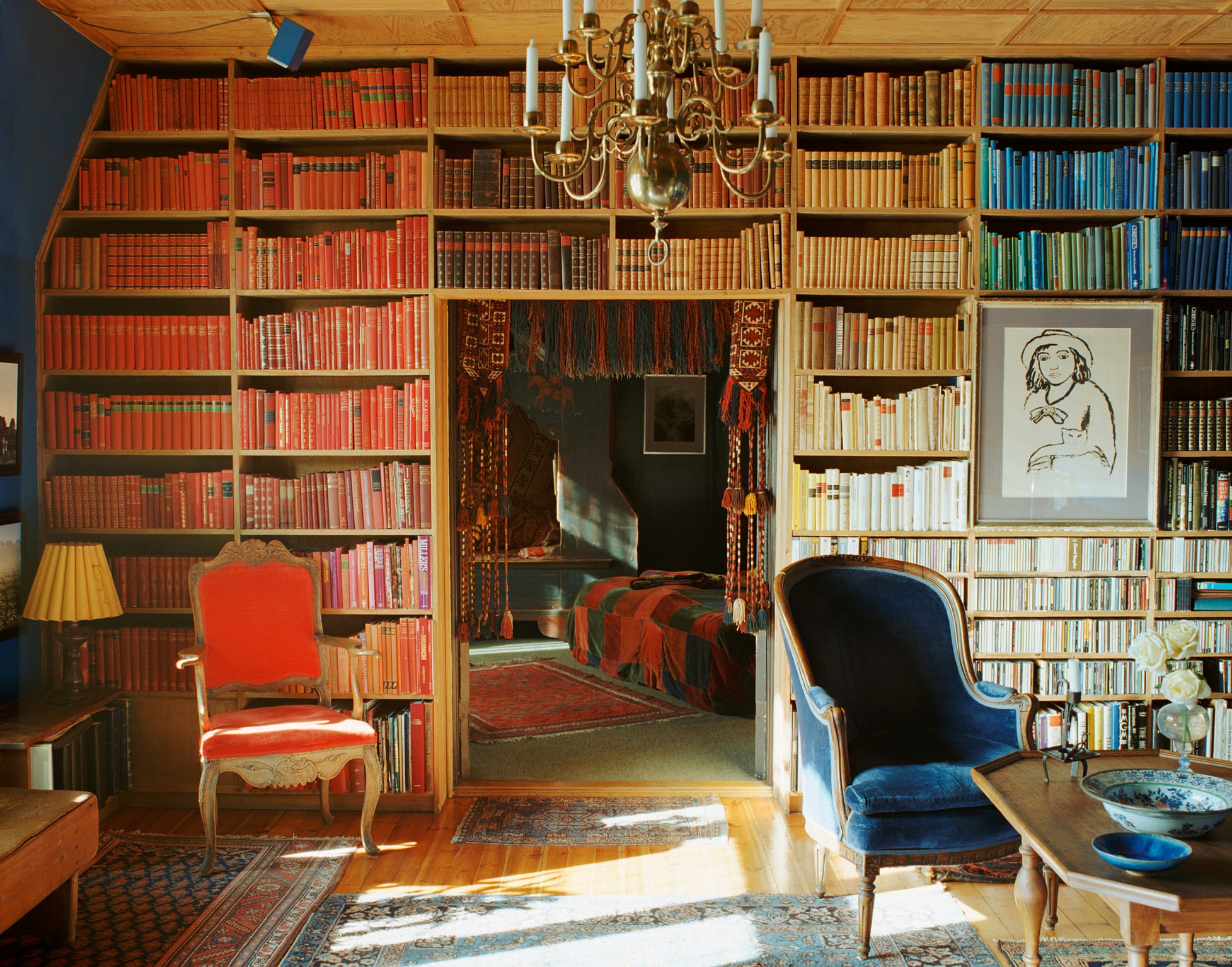
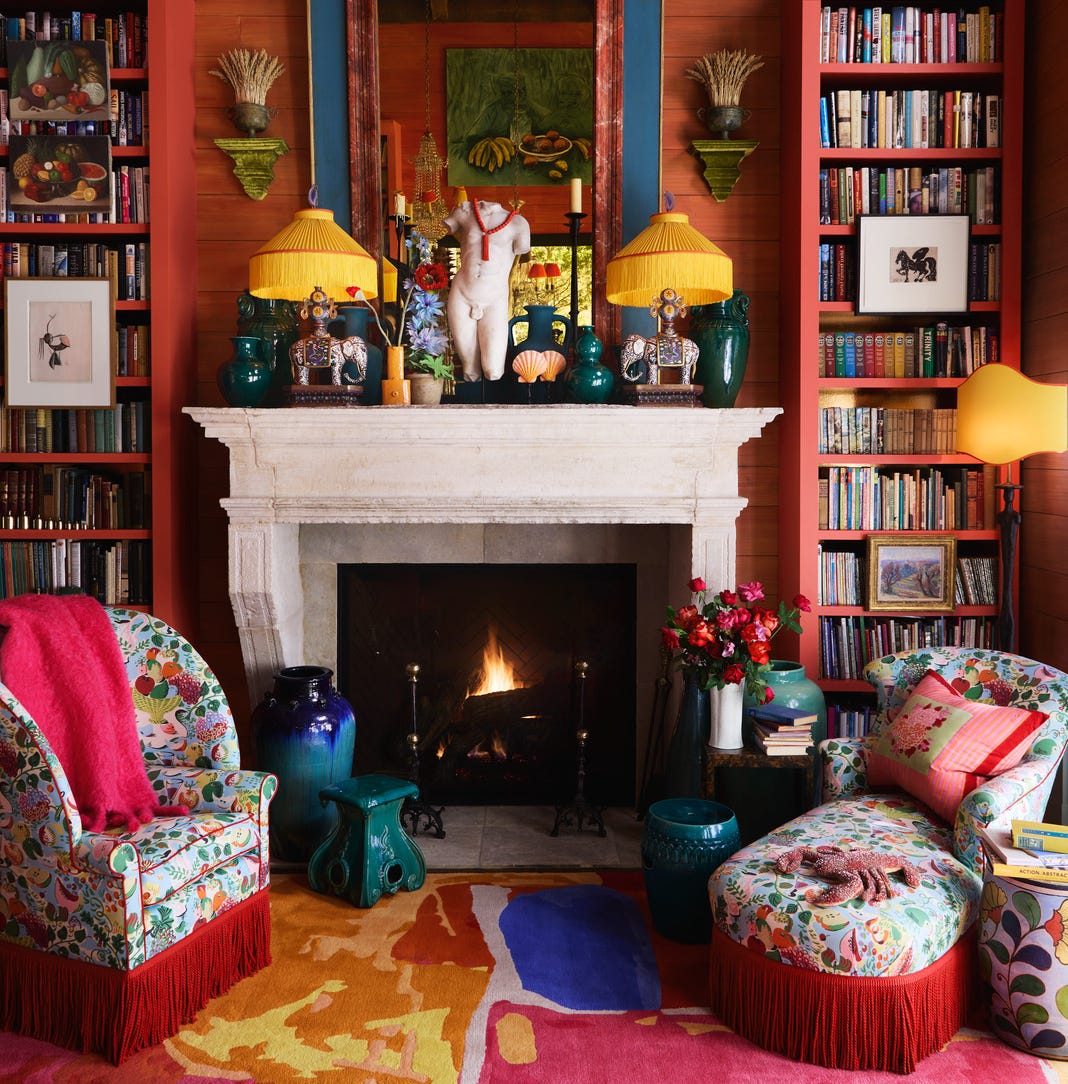
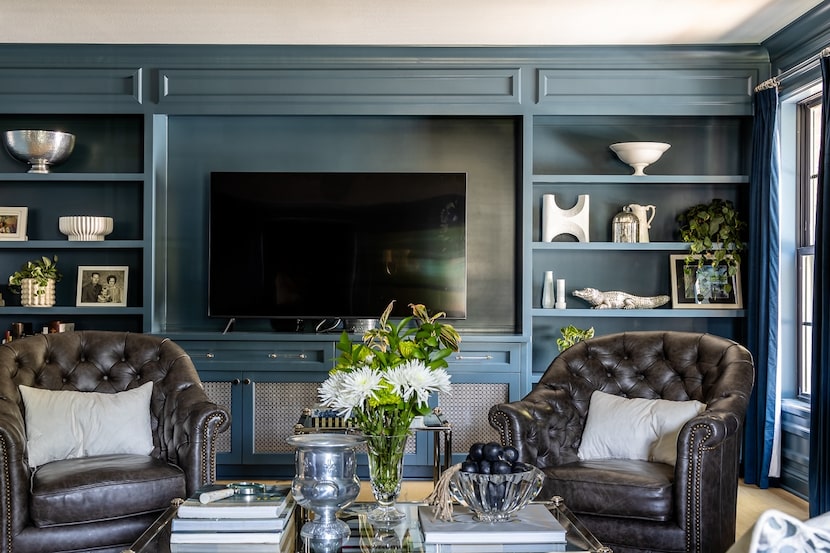
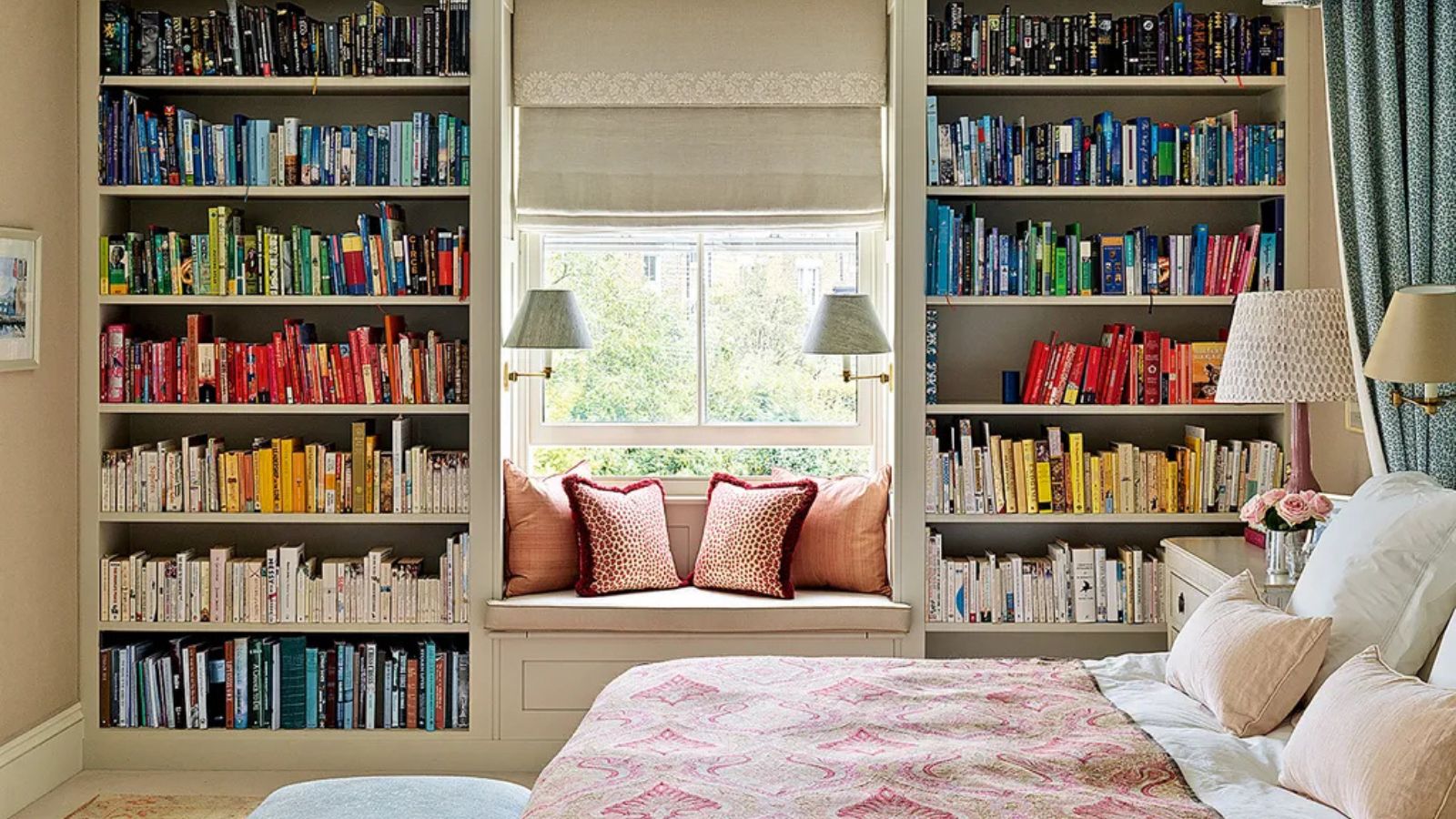
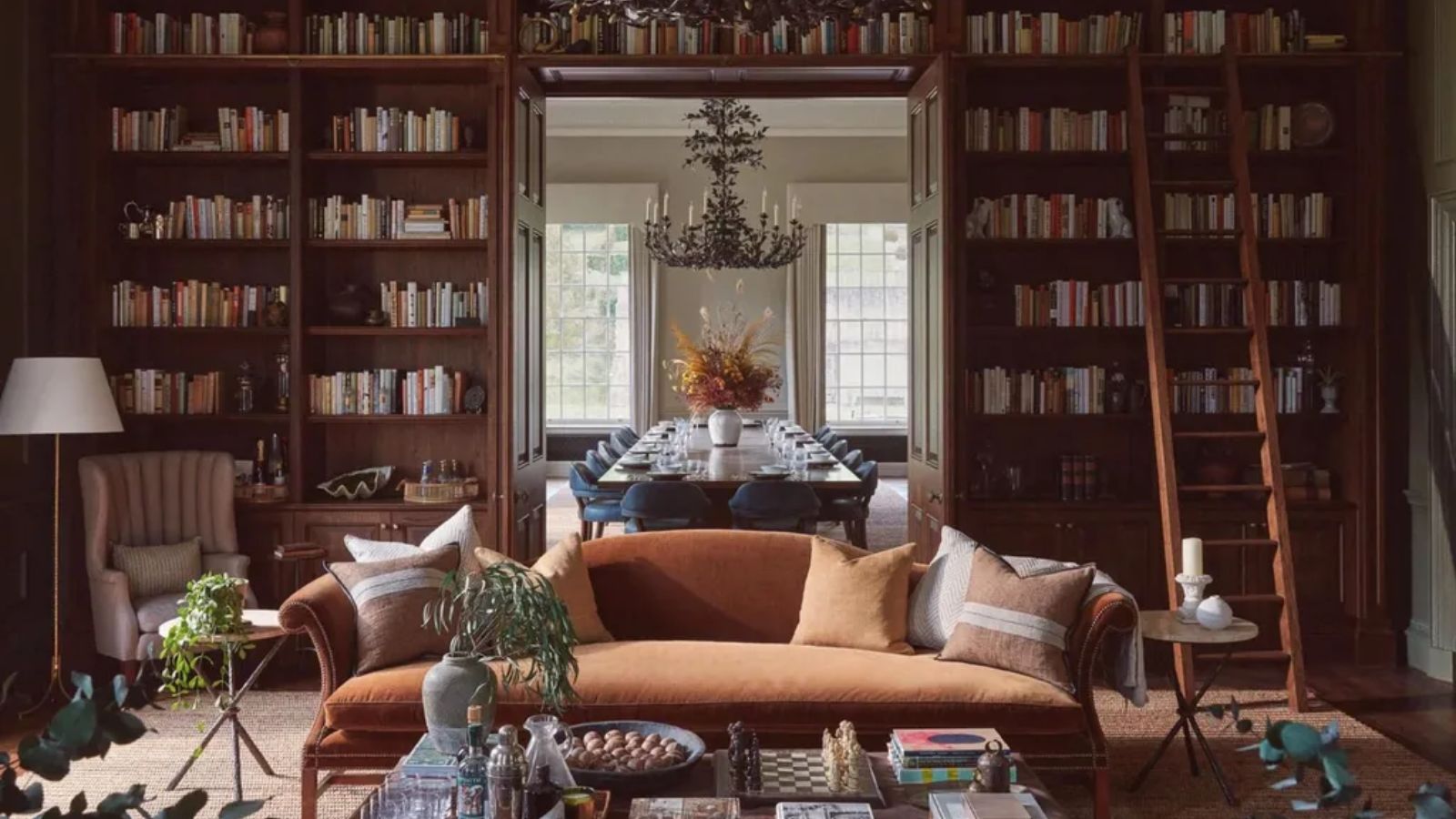
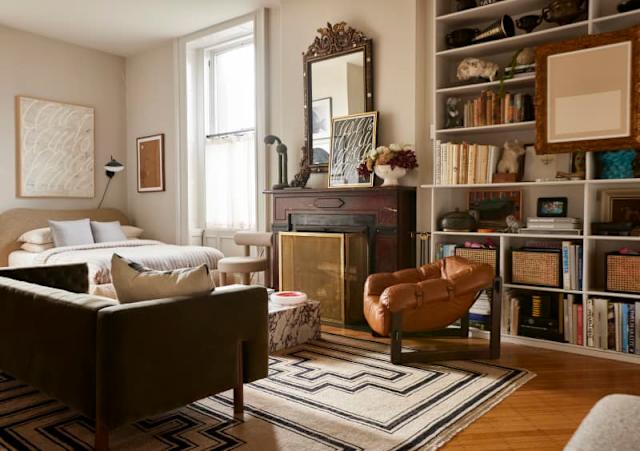
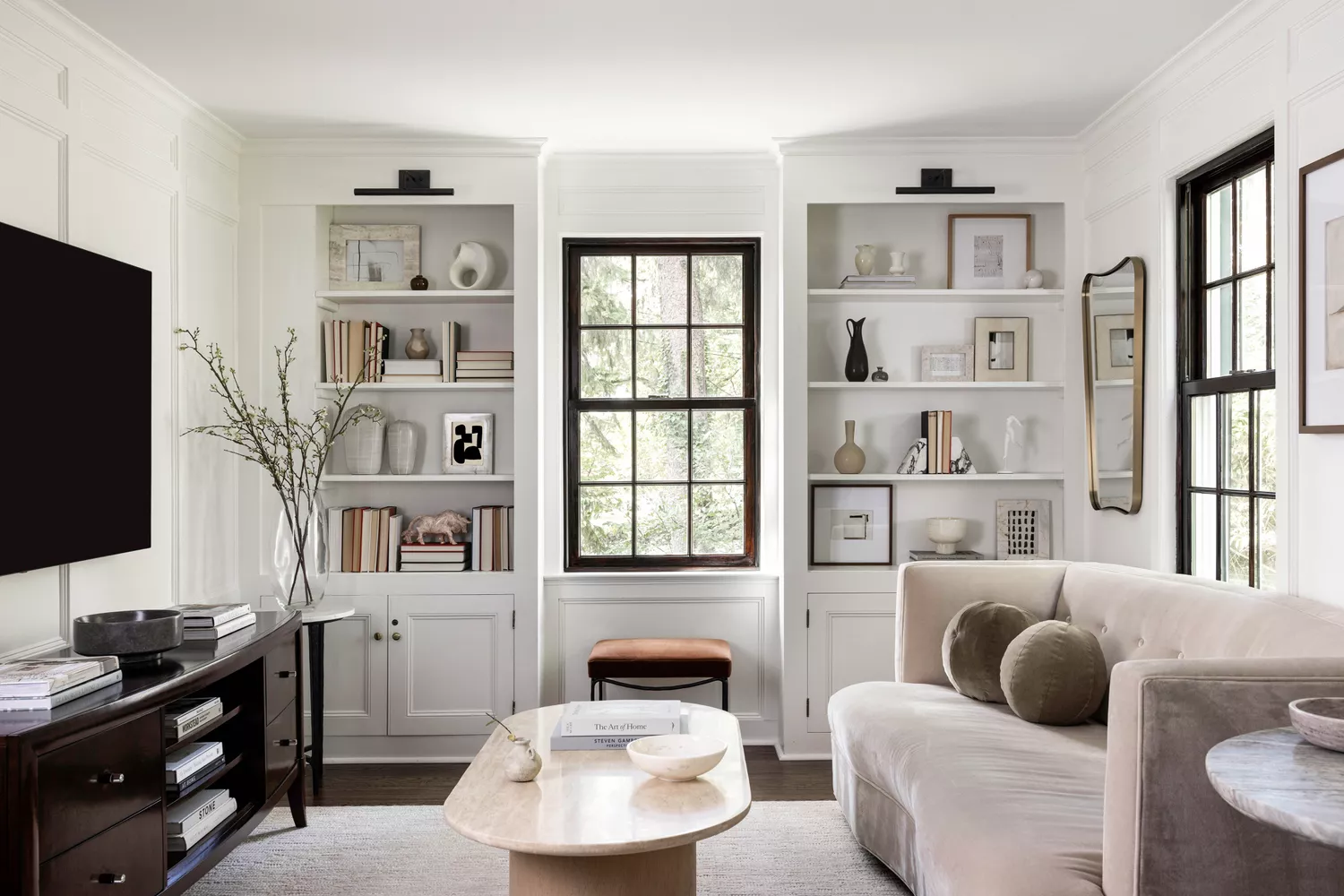
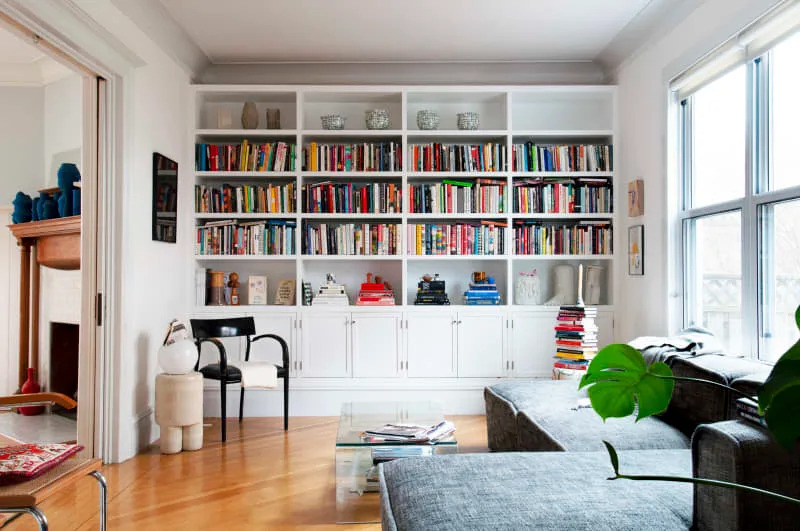
Beyond depth, the room's proportions require careful thought. High ceilings, for instance, necessitate consideration of the bookshelf's height. Going all the way to the ceiling might be overwhelming if there isn't enough to display. Sophie van Winden, Interior Designer and Co-Founder at Owl Design, advises evaluating the thickness of individual shelves. Chunky shelves are more noticeable and can become a focal point, while slim metal shelves can blend more elegantly into the background, depending on the desired effect. The bookshelf's proportions should harmonize with the room's overall architecture. Noz Nozawa emphasizes that custom-fitted built-in bookshelves, aligned with windows, fireplaces, or wall widths, are currently popular because they seamlessly integrate with a home's existing design. This approach ensures the shelves complement the room rather than clashing with it.
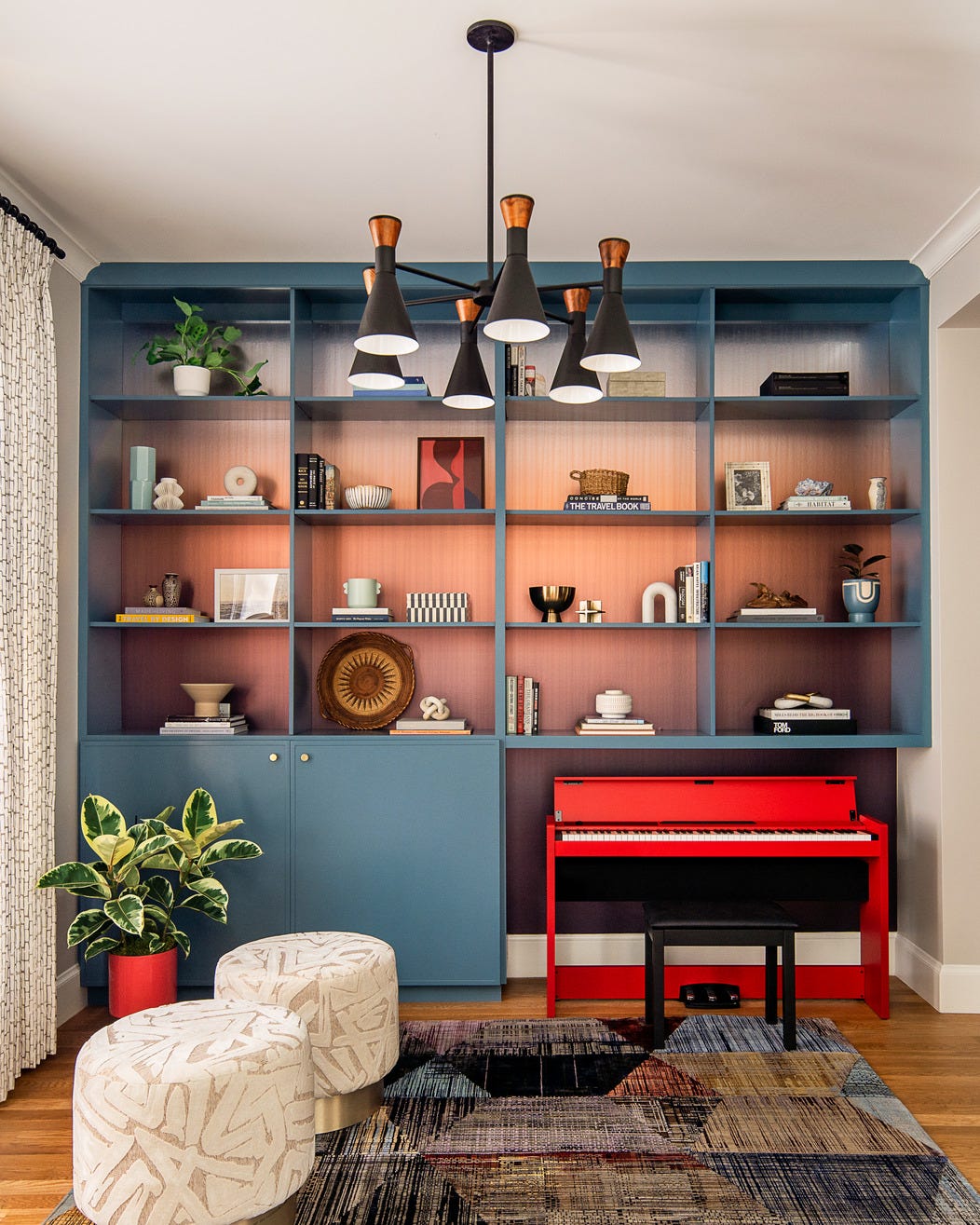
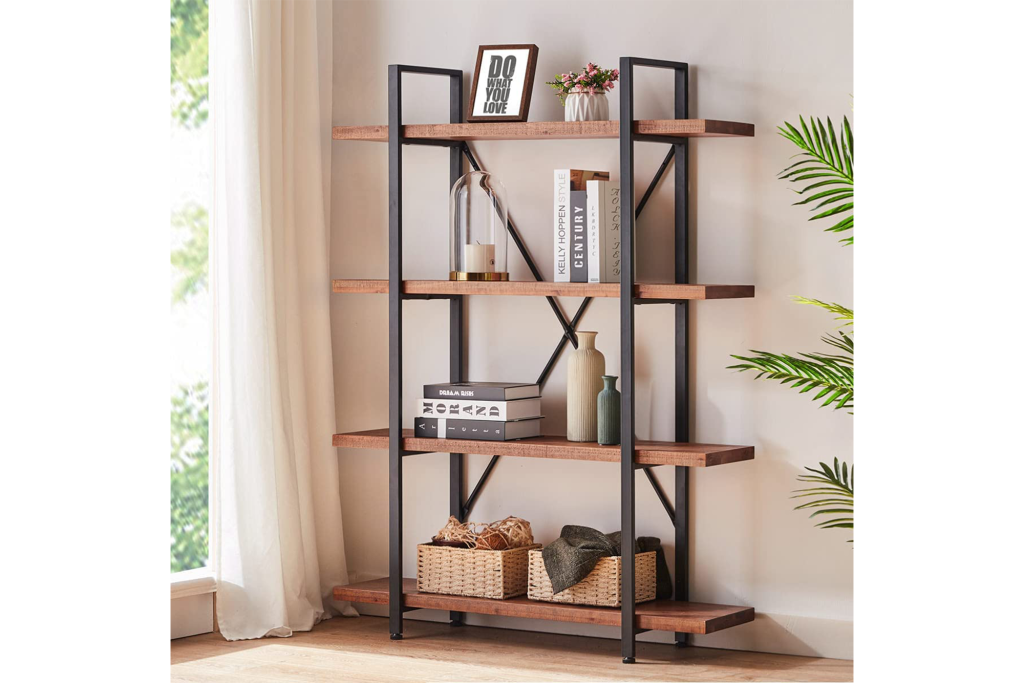
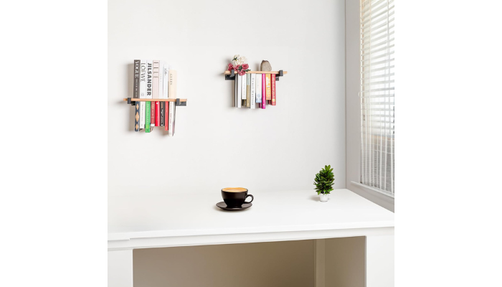
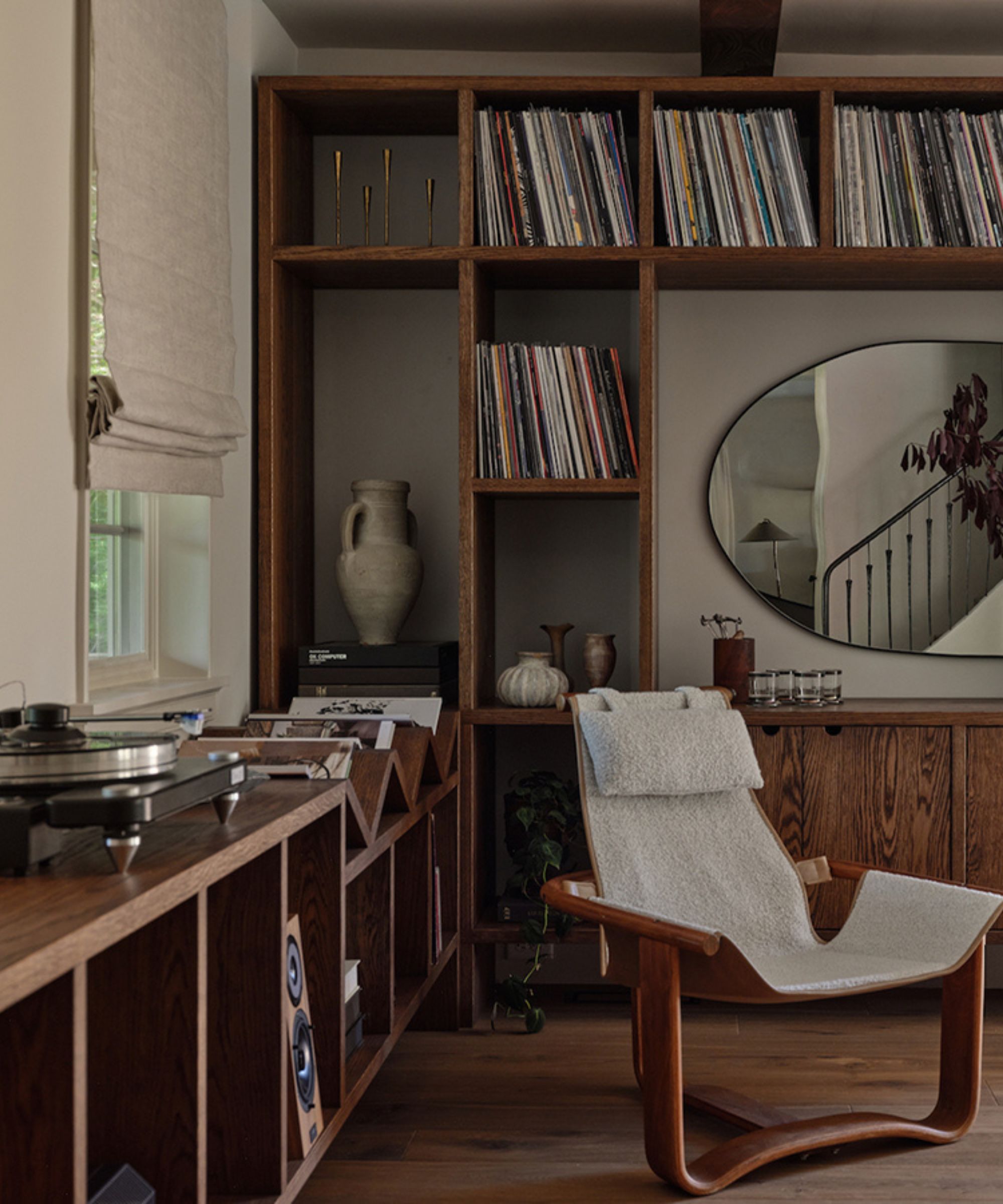
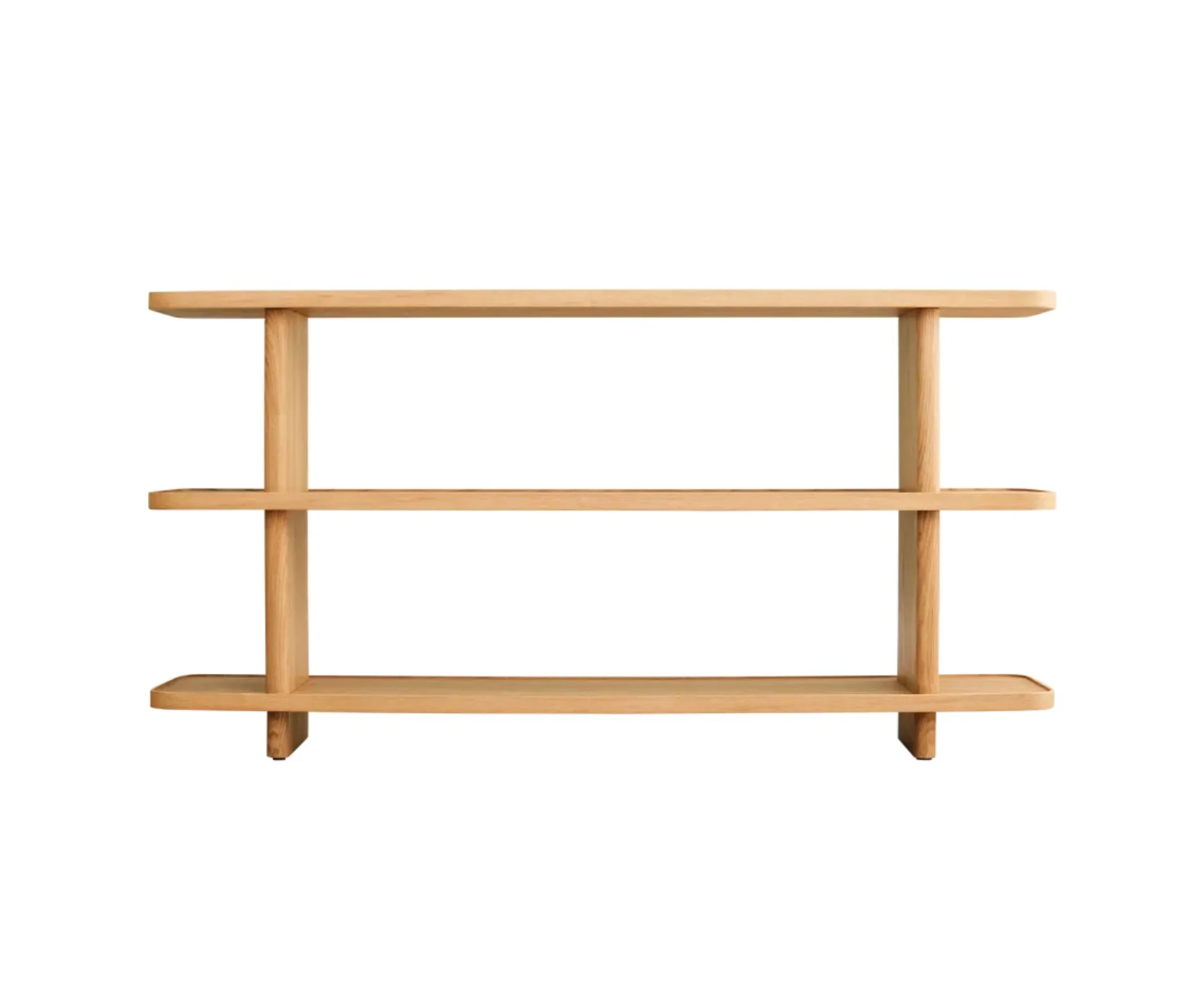
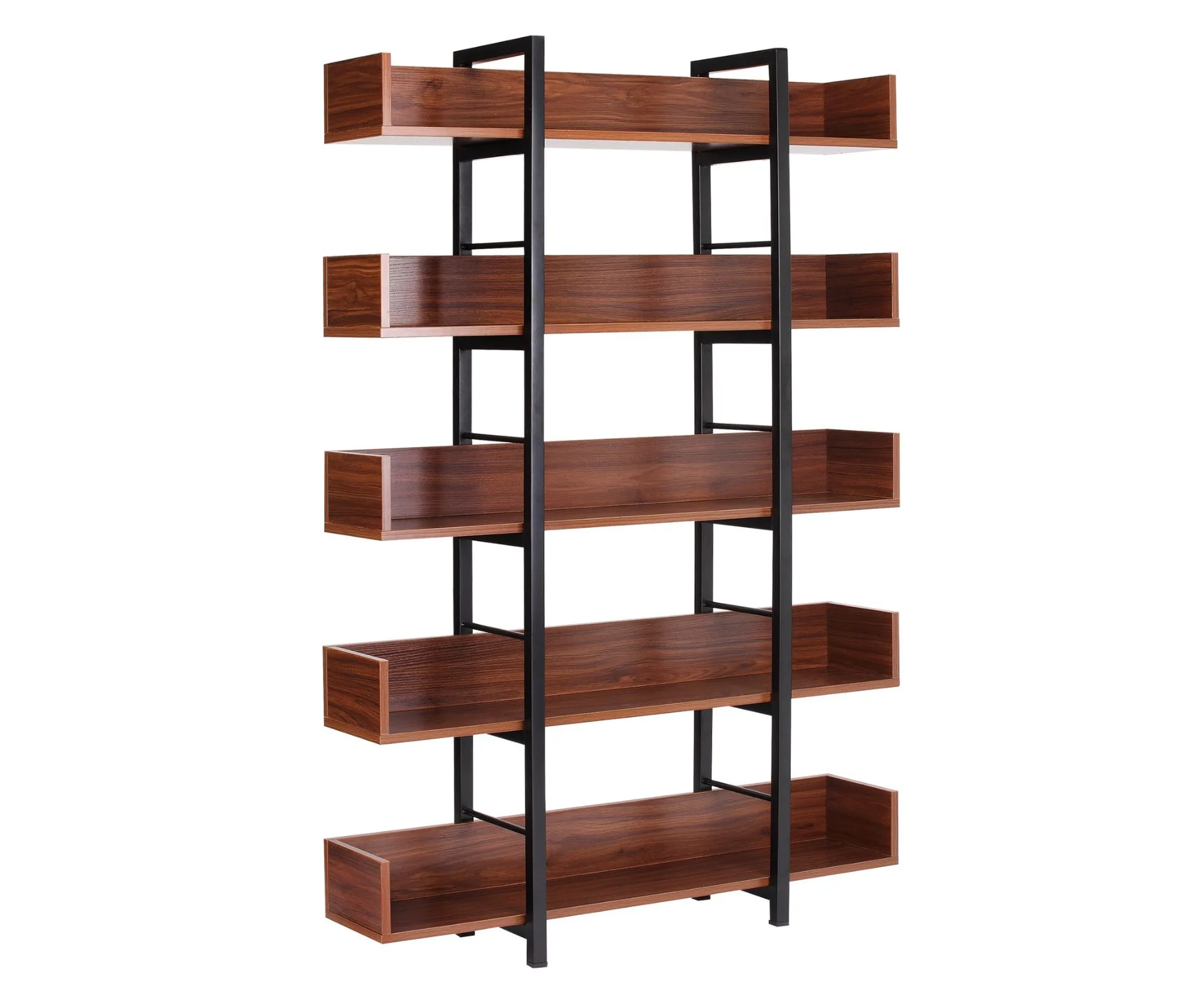
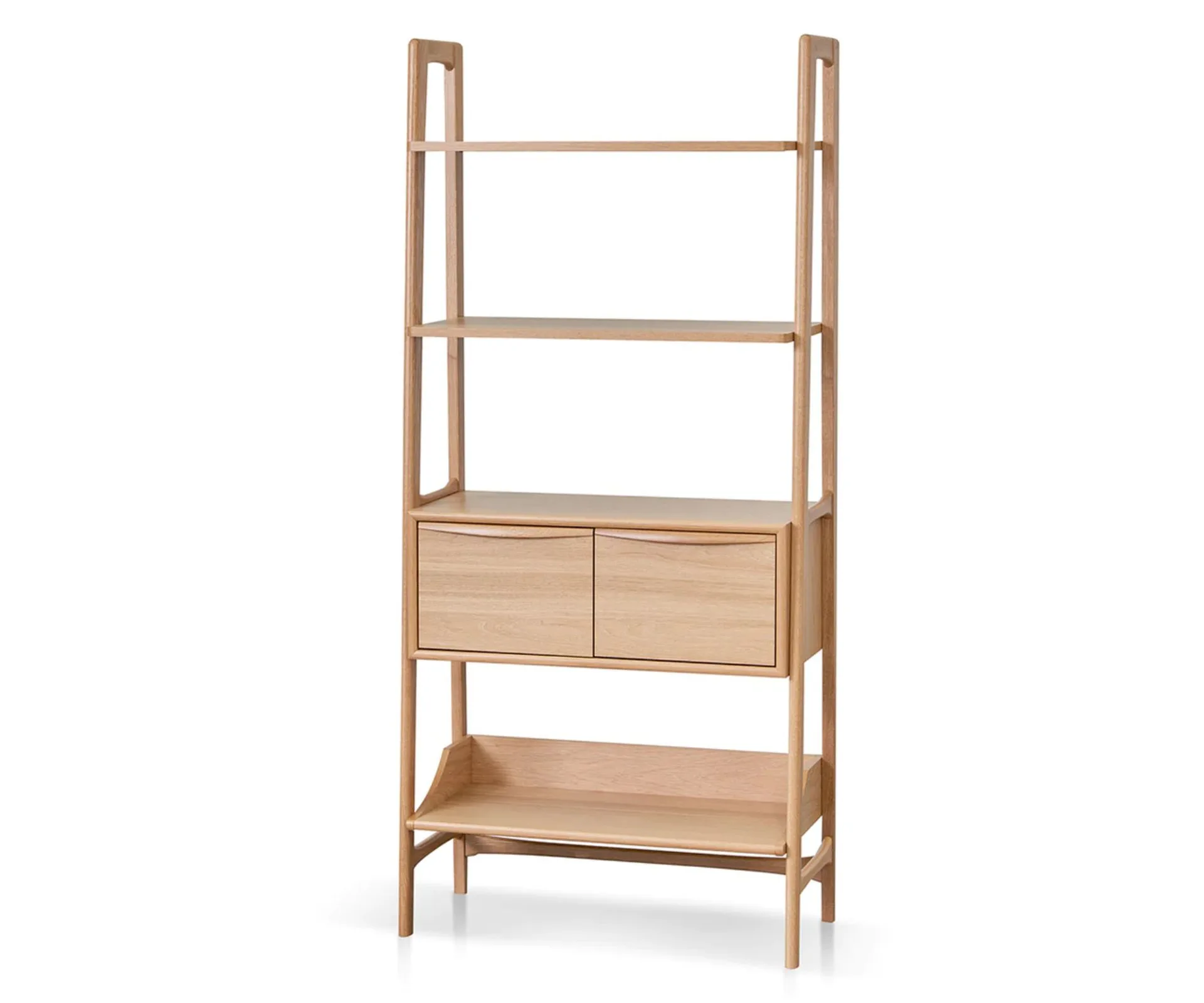
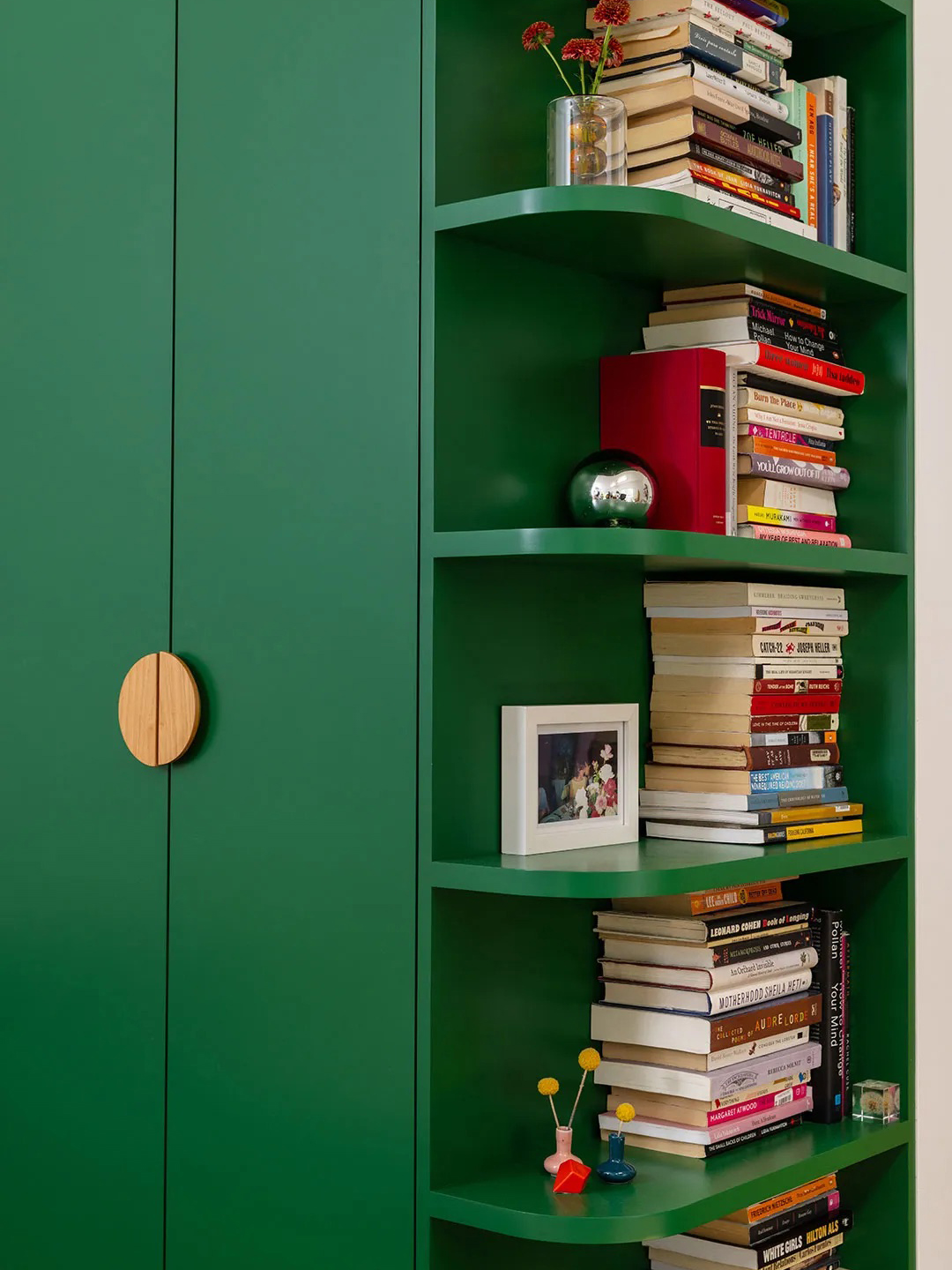
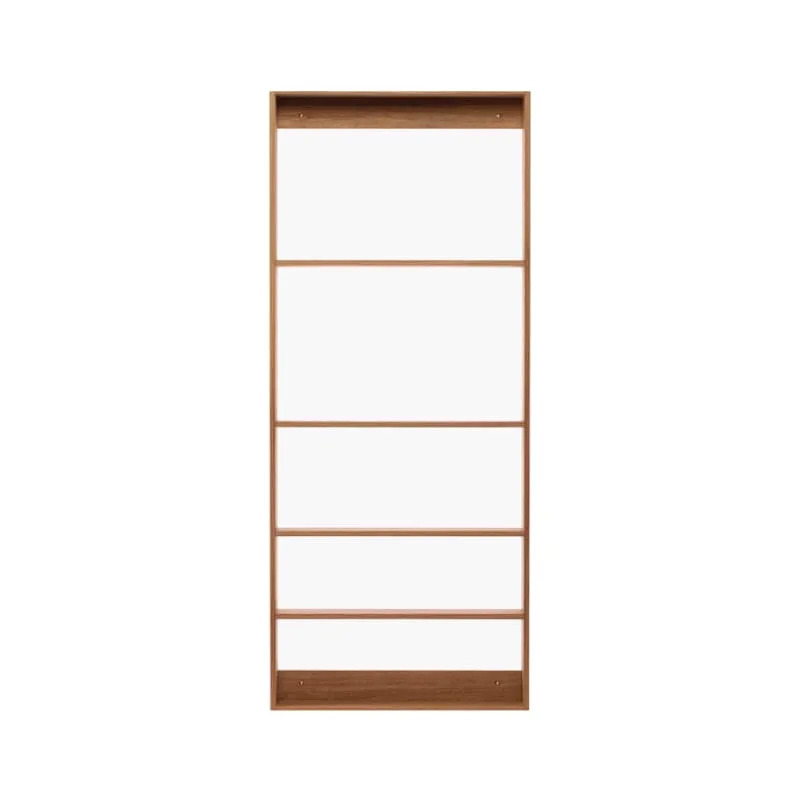
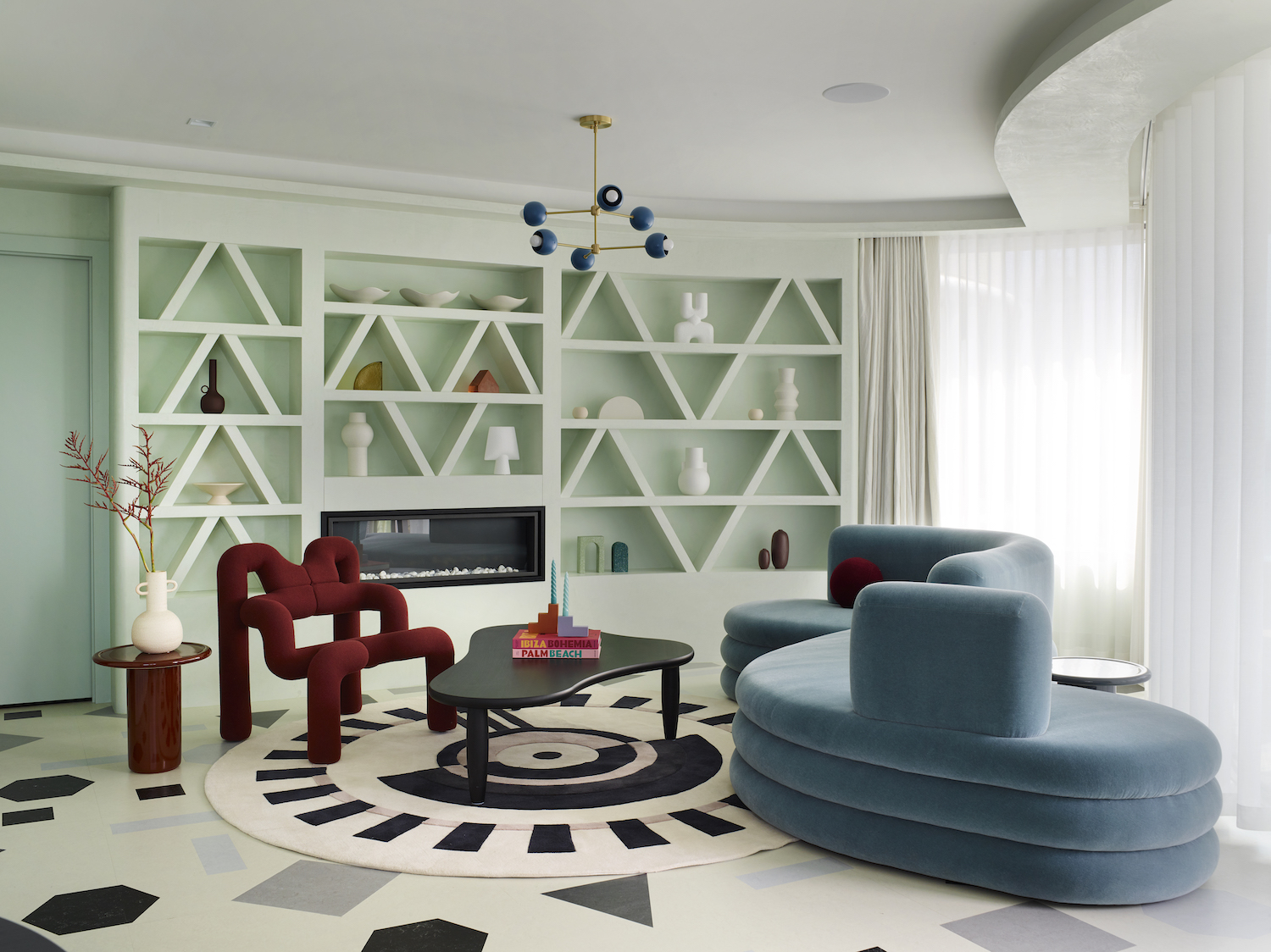
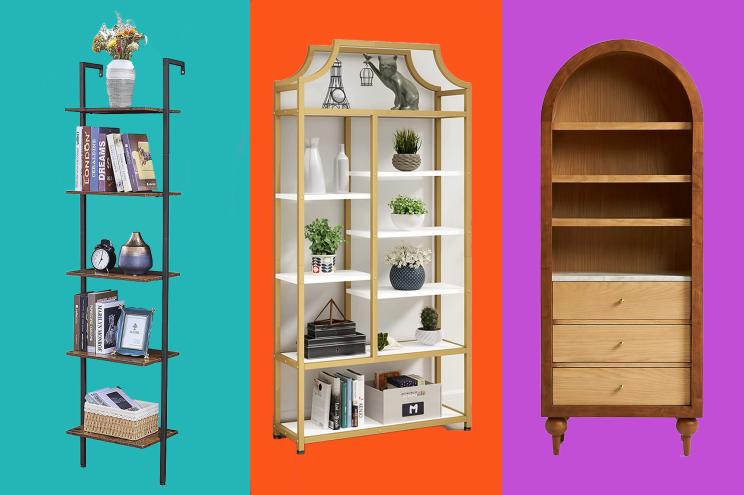
Bookshelves can be instrumental in creating a statement within a space. Options range from robust, chunky shelving to units with contrasting colors or natural wood finishes. Functionality remains key, especially for avid readers with extensive collections, who require sturdy shelves with ample space. For more aesthetic purposes, shelves can incorporate unusual shapes like triangles or circles. Owl Design has experimented with playful, Memphis-style bookshelves, featuring geometric designs or two-tone color blocking to create eye-catching focal points. Natural wood, particularly with an interesting grain, offers a classic, timeless style that adds warmth and texture. Mid-century style 'room divider' shelves have also seen a resurgence, providing a way to segment open-plan rooms without obstructing light. Open-back shelves can create a floating effect, offering functional separation while maintaining an airy feel. The variety of styles and sizes available means that while planning bookshelves requires thought, the result is a functional and aesthetically pleasing addition to any home.
#Bookshelves #InteriorDesign #HomeDecor #StorageSolutions #LivingRoomDesign #HomeImprovement #FurnitureDesign #CustomBuiltIns #Bookshelves #InteriorDesign #HomeDecor #StorageSolutions #LivingRoomDesign #HomeImprovement #FurnitureDesign #CustomBuiltIns
0 comment in total
 No comments yet
You may also like

How To Style Your Bookshelves Perfectly, According to Designers

Master the art of styling bookshelves with these tips from design experts


10 shelving designs that are perfect for book lovers

Jessica Simpson's bookshelves show us how styling is a fine art – but it's one we can master with these simple tips
The 20 best bookshelves, plus tips from an interior designer
Bookshelf trends – 8 stylish ways designers are displaying their books in 2025

How Tall Should Your Nightstand Actually Be? An Expert Explains

Kitchen Designers Weigh In on Deep Drawers vs. Cabinets
'Bookshelf Wealth' has changed the way I style my home – here's everything you need to know about this designer-approved trend
My Favorite Designer Swears By the “4-Inch” Rule for Seating in Every Room of the House

We Are Huge Bookworms—These Are Our Favorite Bookshelves to House Our Growing Collections

How Bookshelf Wealth Became the Ultimate Status Symbol
How to Style Your Bookshelves, According to Interior Designers and Stagers
The Best Bookshelves for Every Kind of Room
'Bookshelf wealth' is all the rage, so this is how you can tap into this design trend for your home

“Bookshelf Wealth” Is the New (Viral!) Way to Style Your Old Books & Trinkets
7 examples of Bookshelf Wealth that are nailing this timeless trend (and styling tips from the designers behind them)
Interior designers warn against these 17 bookshelf styling mistakes – this is what you should avoid
The Space People Struggle to Style the Most—And How to Master It


I’m a Diehard Book Lover, and Walmart Just Dropped My Dream Bookshelf That Looks Three Times the Price