Remove receding bedding plants and refresh the late-summer garden with fall colors
As the long, hot summer draws to a close and fall approaches, gardeners may be eager to revitalize their landscapes by replacing heat-worn annuals. While the full cool-season planting of staples like violas, pansies, and petunias is typically reserved for late October or early November, there are effective strategies to bridge the transitional period. This interim phase, characterized by lingering heat and humidity in regions like Louisiana, calls for the strategic use of 'shoulder crops' to maintain garden vibrancy.
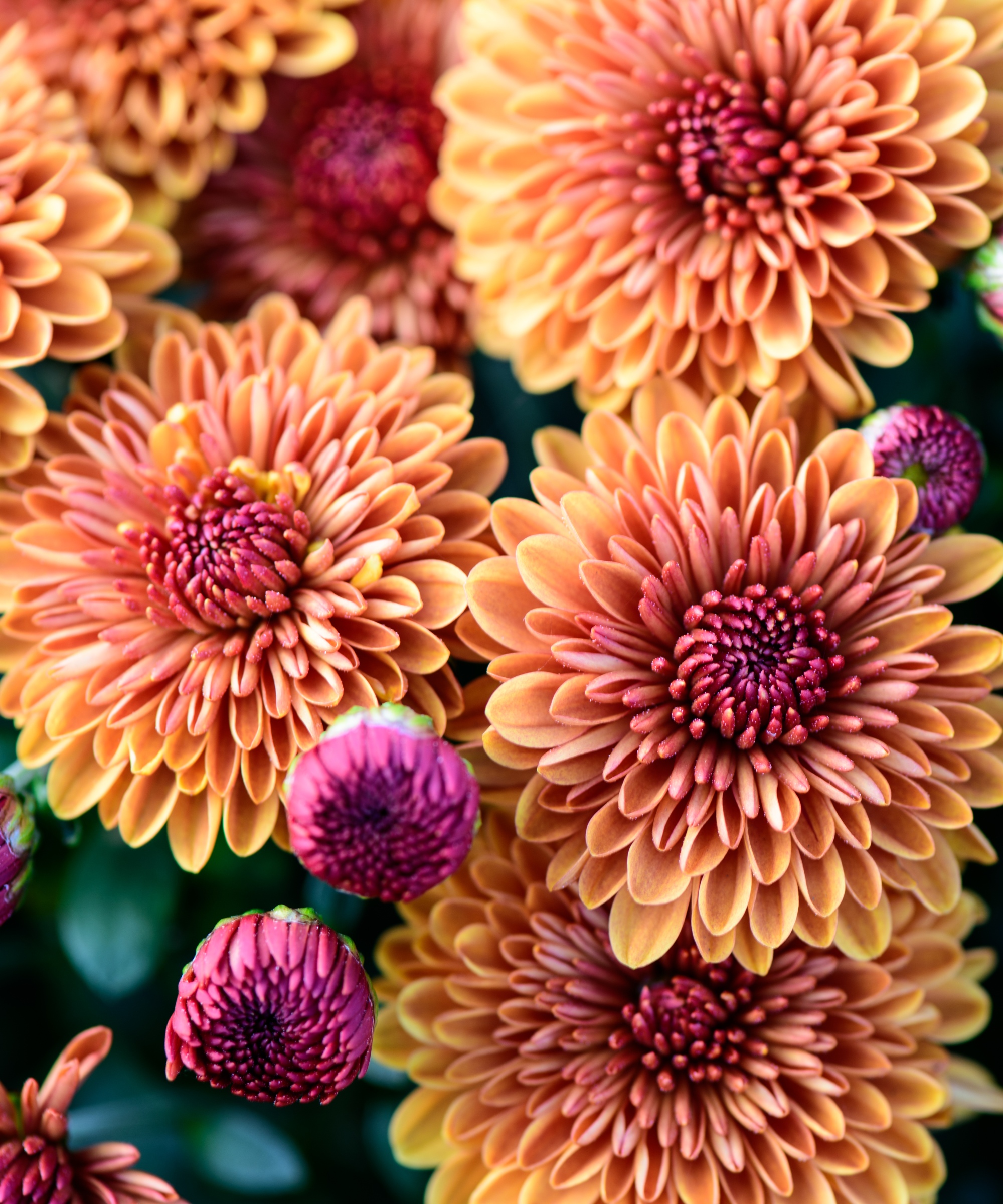
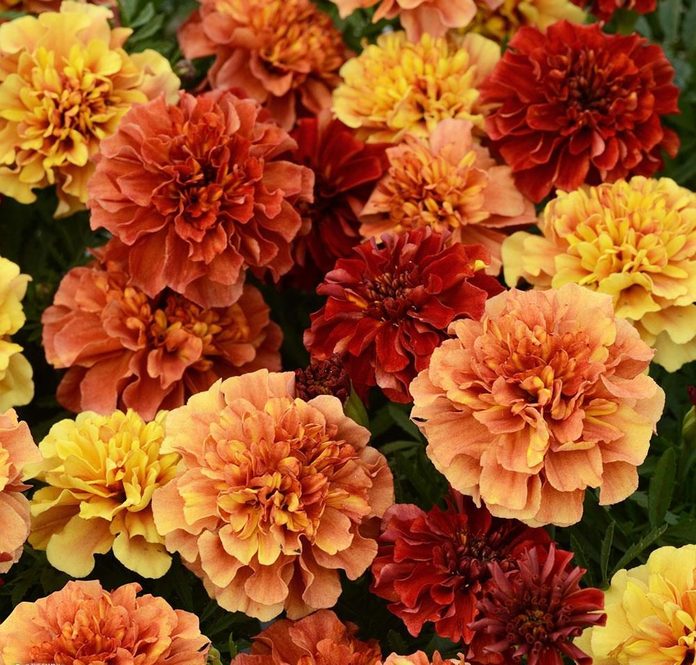
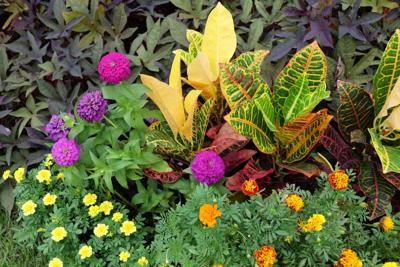
Three excellent choices for sunny locations during this transitional time are marigolds, zinnias, and crotons. These plants are readily available and provide an opportunity to introduce the warm, rich hues of autumn, including yellows, oranges, and reds, into the garden. Before purchasing new plants, it is advisable to assess the current garden beds. Gardeners should remove any bedding plants that have passed their prime due to summer stress, while retaining those that still exhibit healthy growth and aesthetic appeal. This initial assessment helps in determining the available space and the types of plants needed.
When removing existing plants, it is crucial to observe their original placement within the bed, noting whether they were foreground, mid-ground, or background elements. This information guides the selection of replacement plants to ensure proper layering and visual balance in the refreshed garden. For instance, French marigolds are ideal for the front of a bed, forming short mounds with abundant small flowers in a spectrum of fall colors from light yellow to rusty red. For taller accents, African marigolds offer a similar color palette but with larger flowers and an upright growth habit, growing two to three times the height of their French counterparts.
Zinnias also provide versatile options. Branching cultivars such as Profusion and Zahara are suitable for adding dense, vibrant color to the front of a bed. These varieties form neat mounds of bright flowers and do not require deadheading, the process of removing faded blooms to encourage new growth. For creating height and visual interest at the back of a bed, old-fashioned cutting zinnias are effective, although they do benefit from regular deadheading. A newer cultivar, Zesty zinnias, a Louisiana Super Plant, presents a compelling option for the middle of a bed. These combine the large flowerheads typical of cutting zinnias with a more compact, branched form that thrives without deadheading.
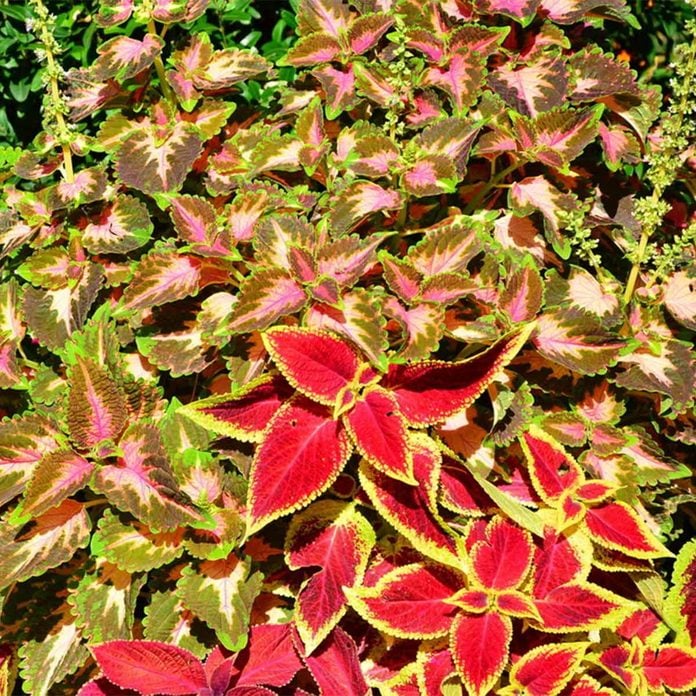
Crotons are an excellent choice for filling larger areas in the landscape. These tropical foliage plants are widely recognized for their striking, multicolored variegated leaves, which inherently evoke an autumnal feel. They perform well as bedding plants, adding a unique texture and color dimension. Crotons can also be grown in partial sun, though their colors and variegation may be less intense in such conditions. After planting, it is important to apply fresh mulch around the newly installed marigolds, zinnias, and crotons. Mulch helps in retaining soil moisture, which is vital for new plants, and provides insulation for their roots. While these 'shoulder crops' are not intended to last through the winter, their purpose is to provide a vibrant, refreshed look to the landscape, offering a burst of color and life as gardeners anticipate the arrival of cooler fall temperatures and the subsequent planting of cool-season annuals.
#Gardening #FallPlanting #BeddingPlants #Marigolds #Zinnias #Crotons #SeasonalGardening #GardenRefresh #LandscapeDesign #Gardening #FallPlanting #BeddingPlants #Marigolds #Zinnias #Crotons #SeasonalGardening #GardenRefresh #LandscapeDesign
0 comment in total
 No comments yet
You may also like
34 Fall Flowers and Plants for a Beautiful Autumn Garden

Fast-Growing Flowers You Can Still Plant In October

We Found the BEST Pink Flowering Trees to Boost Your Curb Appeal

12 Fall Garden Ideas That Will Fill Your Landscape With Autumnal Charm

This DIY Fall Floral Arrangement Is an Instant Show-Stopper

A bold garden design with a hint of nostalgia


How to Transition From Fall Cleanup to Winter Care Tips for a Smooth Seasonal Shift
Spring Decor

Fall Is the Perfect Time to Change Your Garden’s Flow—Here’s How to Do It
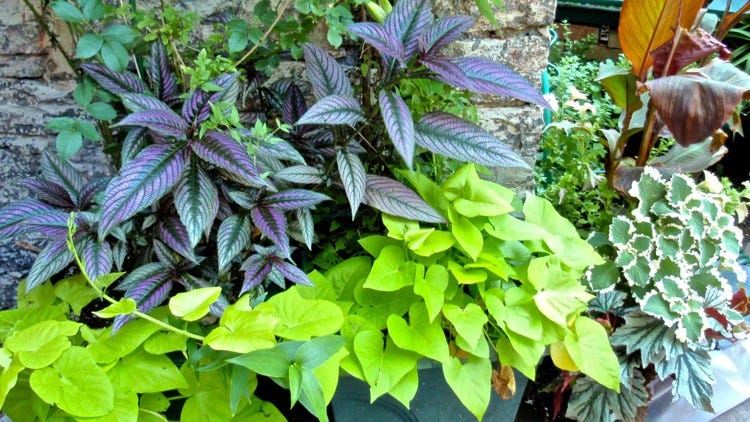
Add color with foliage, not just flowers

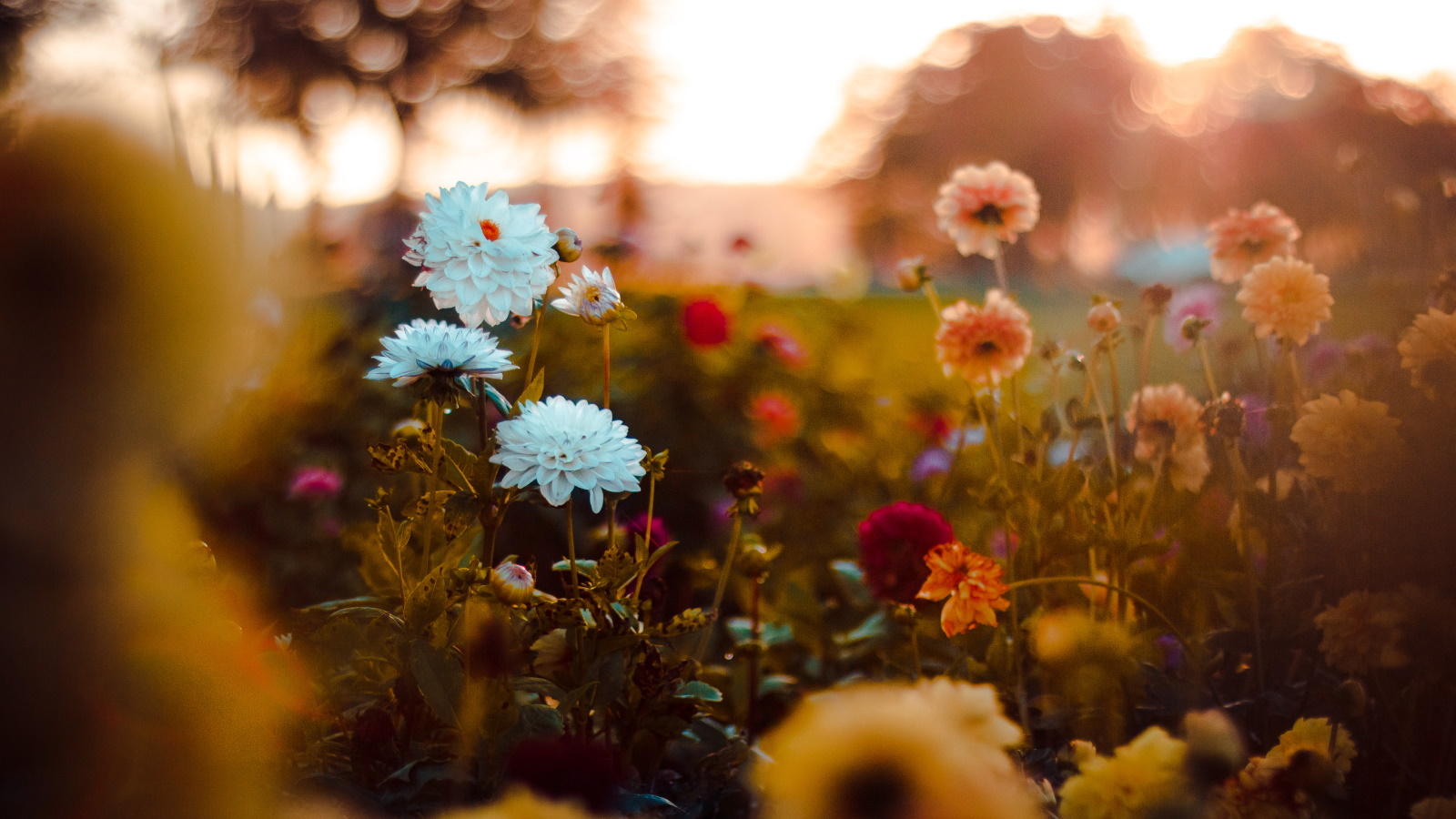
Fall flowers for pots – 12 spectacular blooms to add seasonal color to containers
18 spring decor ideas to help you set the scene this season

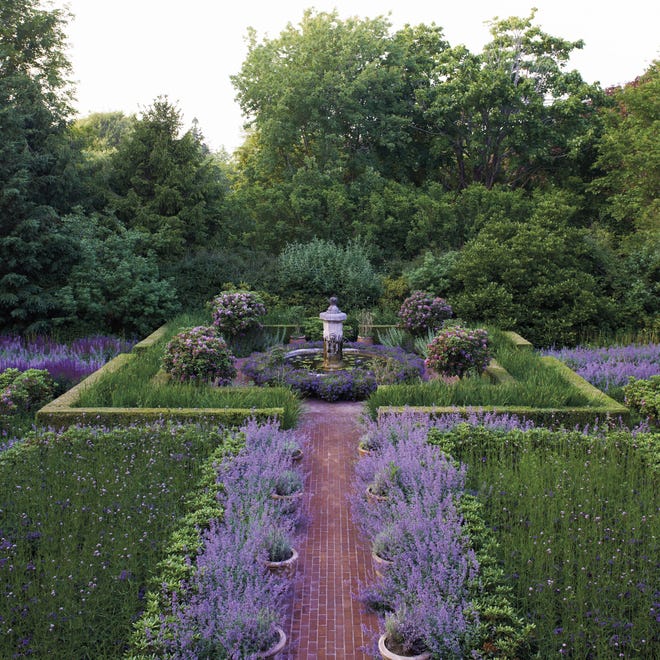
Color block gardens

Make Meadows Wants To Dismantle the Tyranny of Lawns

Living Green Walls of Plants Refresh Brooklyn Homes
15 Colorful Plants to Brighten Up Your Landscape


This Striking "Ombre" Tree Has Unreal-Looking Foliage That Transforms in Fall

Plant These Flowering Shrubs Today If You Want a Vibrant Summer Yard
Purple plants – 5 best to choose for the perfect purple border
10 things to get rid of in your outdoor space, according to designers and gardeners