1/2
Five underfloor heating myths debunked
Underfloor heating systems are becoming an increasingly popular choice for homeowners, offering comfort and aesthetic benefits. Despite their growing appeal, several misconceptions often deter individuals from considering this heating solution. This article addresses and debunks five common myths surrounding underfloor heating to provide a clearer understanding of its capabilities and suitability for various homes.
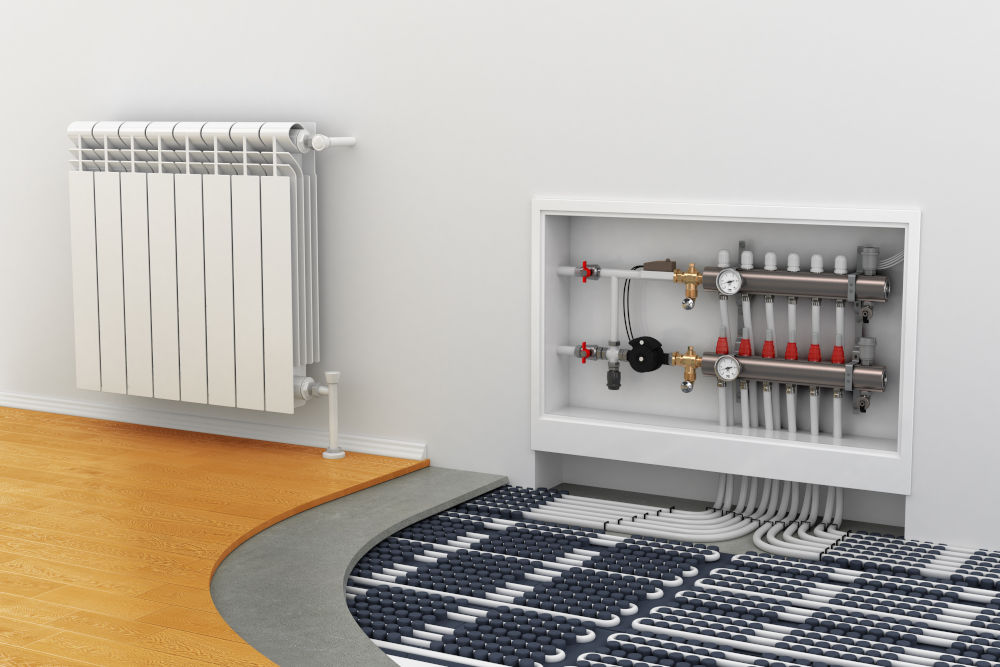
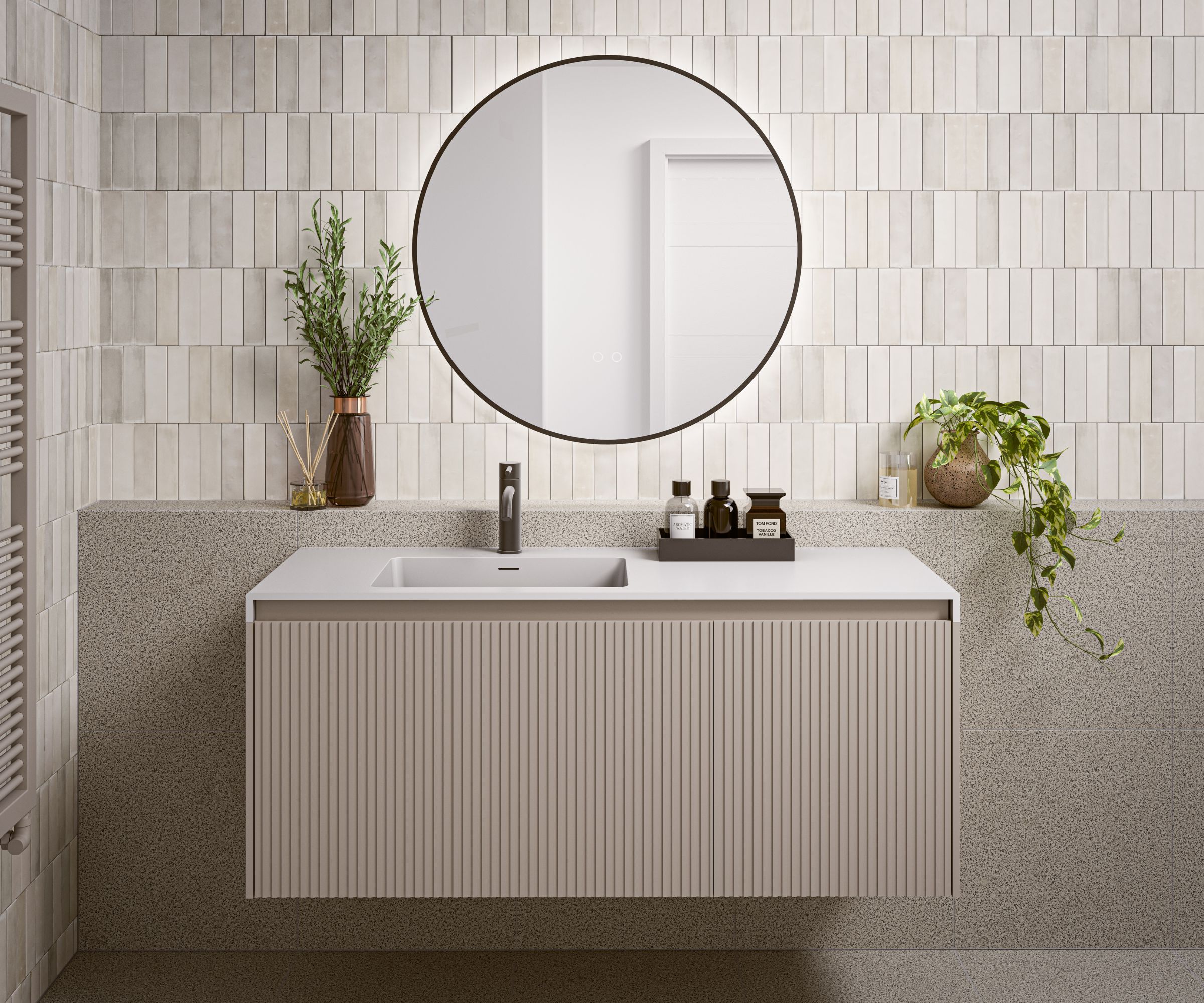
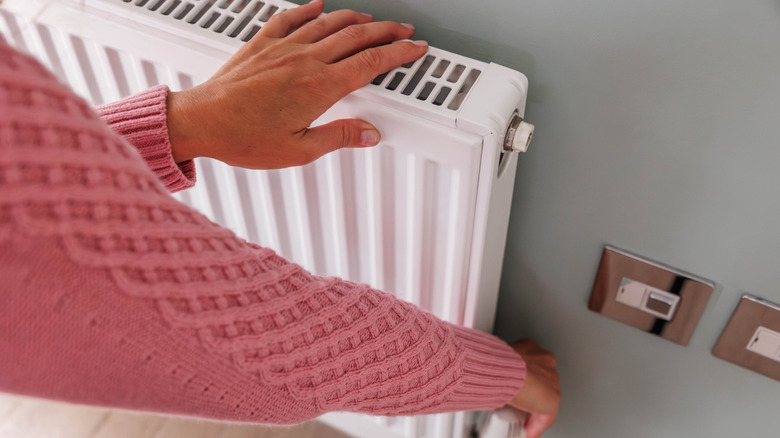
The first myth tackled is the belief that underfloor heating cannot entirely replace radiators. While not universally true for every space, a well-designed underfloor heating system in a properly insulated home can efficiently replace radiators, providing consistent and even warmth. This can be a primary motivator for installation, as it frees up wall space and contributes to a cleaner interior design. However, it is crucial to consult with a professional to determine if underfloor heating alone is sufficient, as some areas might require supplementary heating, such as a small heater or a heated towel rail on colder days.
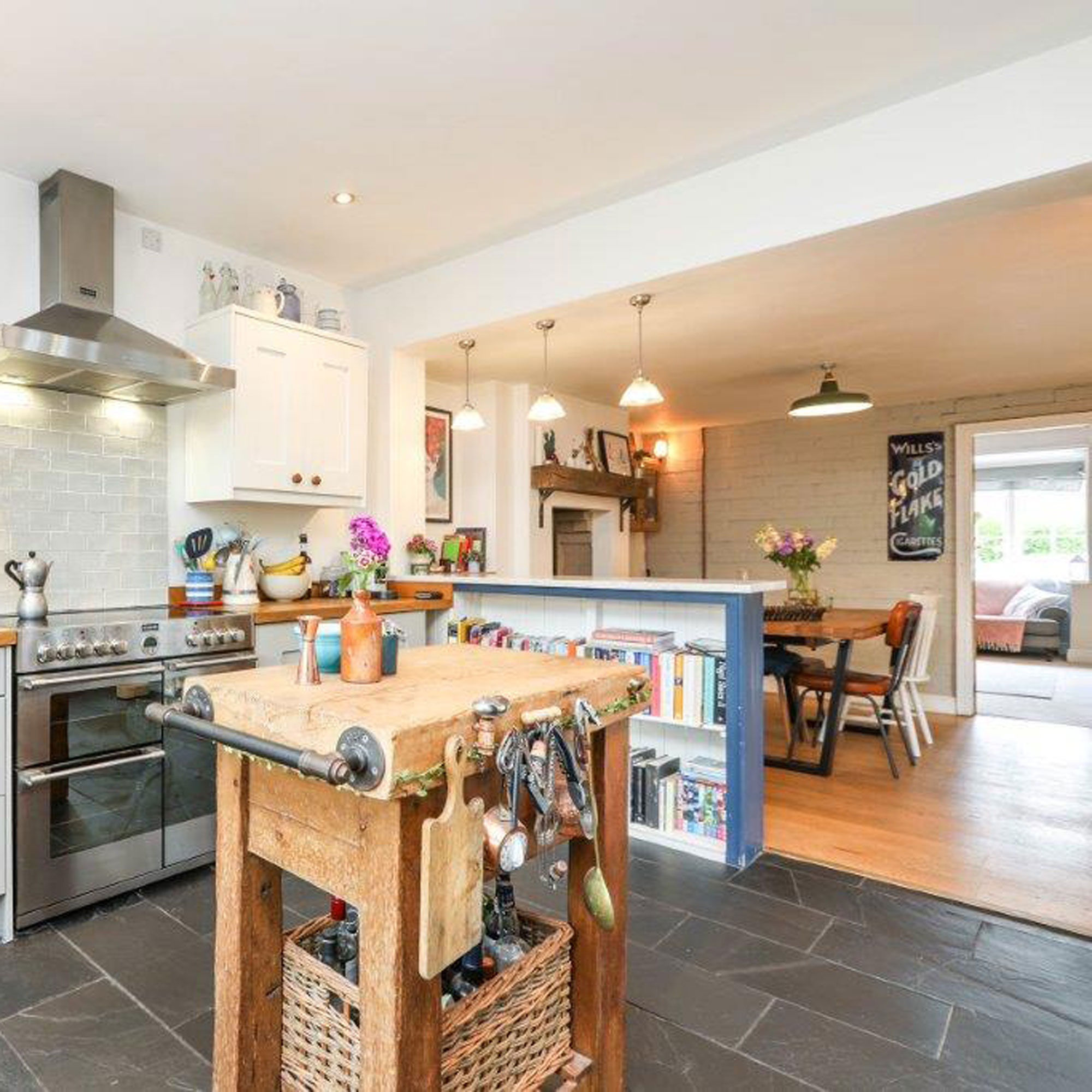
The second misconception is that underfloor heating is only suitable for modern properties. This is incorrect, as these systems can be installed in virtually any home, regardless of its age or style. A variety of systems are available that can be adapted to different home types and heating requirements. Furthermore, underfloor heating can be installed on any floor of a building, including top-floor flats. Seeking professional advice is recommended to select the appropriate type and power level of underfloor heating based on factors such as the size and shape of the area, the home's insulation level, and whether the system is intended to replace or supplement existing radiators. Electric underfloor heating is typically more suitable for smaller areas like a single bathroom, while water-based systems might be a better choice for heating an entire home.
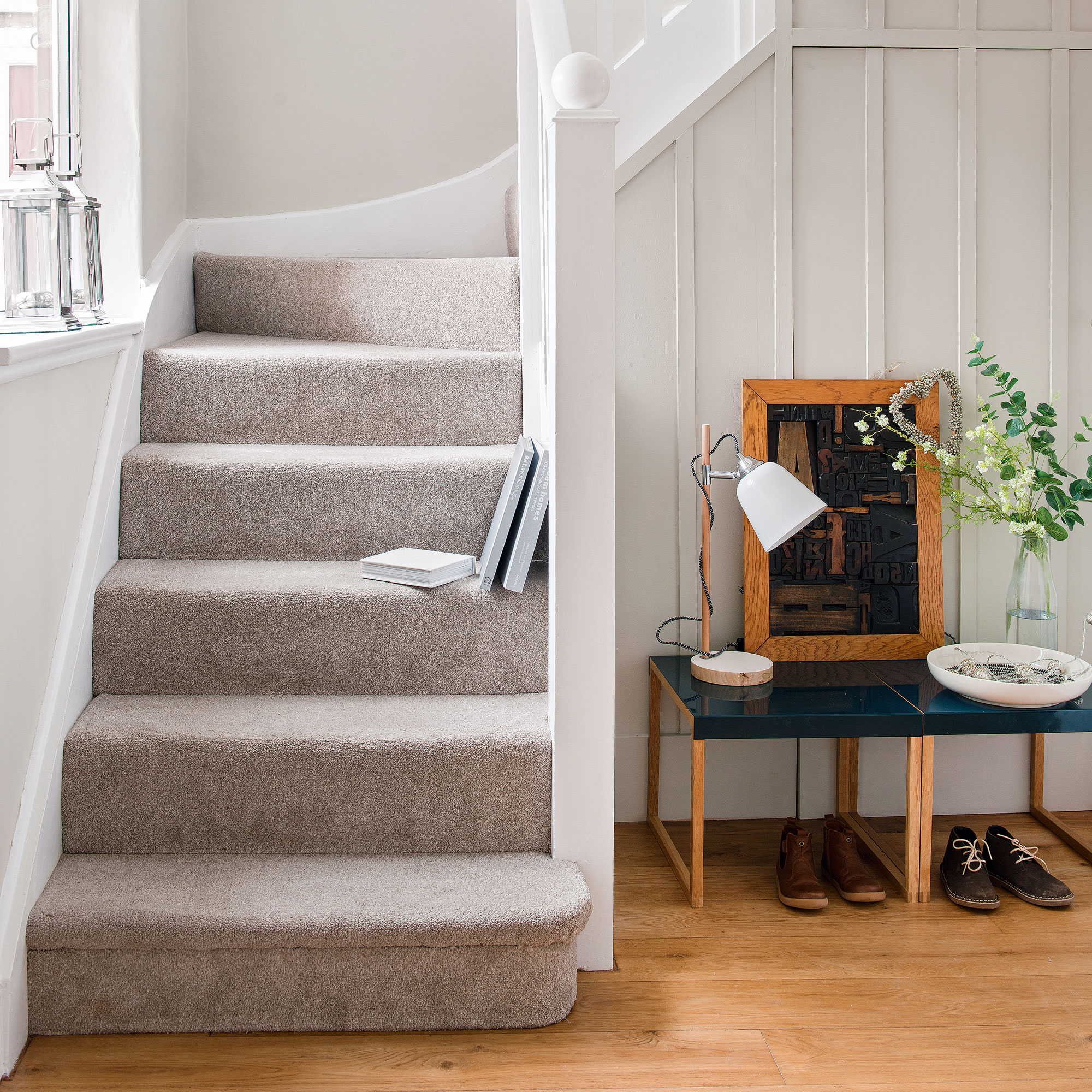
Another common myth is that underfloor heating does not work effectively under carpet. In reality, carpet can work perfectly well with underfloor heating, much like other types of flooring. While it might require setting the temperature slightly higher, the key is to ensure that the combined tog value of the underlay and carpet remains below 2.5 for optimal performance. The choice of flooring should also be considered during the system's design phase.
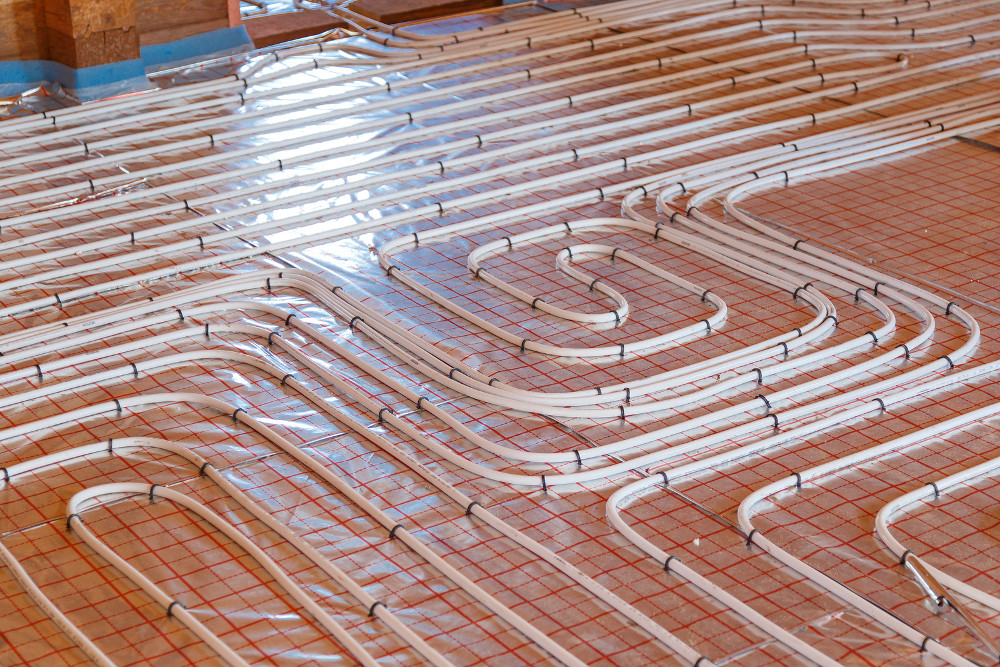
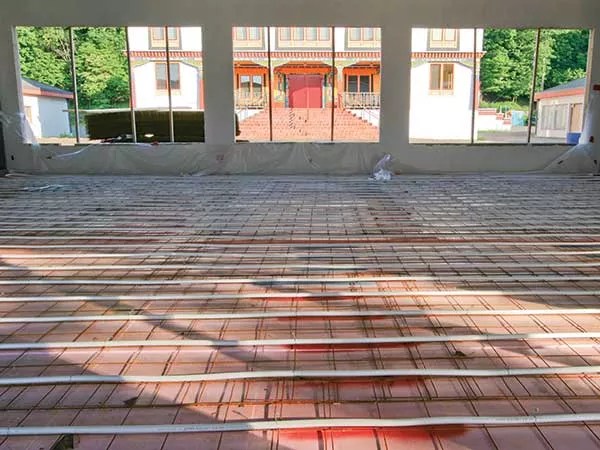
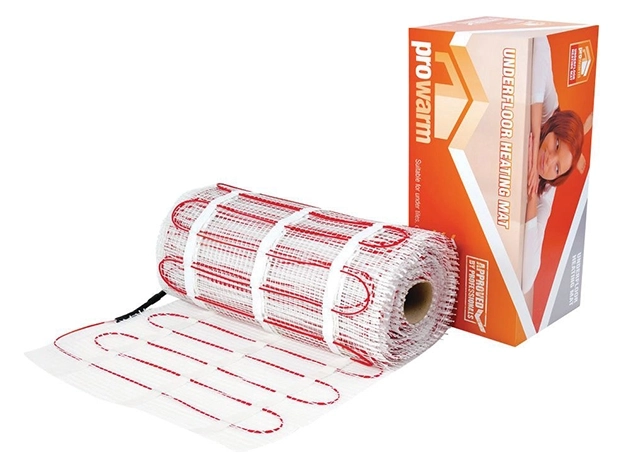
The fourth myth addressed is the concern that installing underfloor heating necessitates significantly raising the floor, potentially requiring modifications like cutting doors or installing half-steps. This is often not the case, especially with electric systems, which are typically less bulky than water-based systems. Heating mats or wire-based systems can be just a few millimeters thick, minimizing floor height increases. While water underfloor heating systems generally require deeper installation due to pipes, low-profile floor systems are now available that can be installed in existing rooms without substantial floor elevation or disruption to fittings. Proper preparation and insulation of the floor remain crucial for efficient system operation.
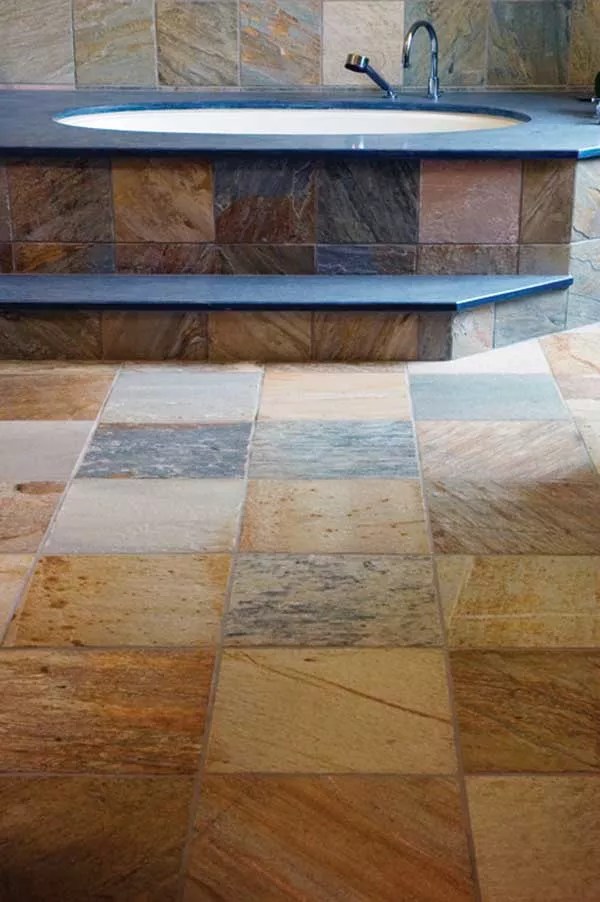
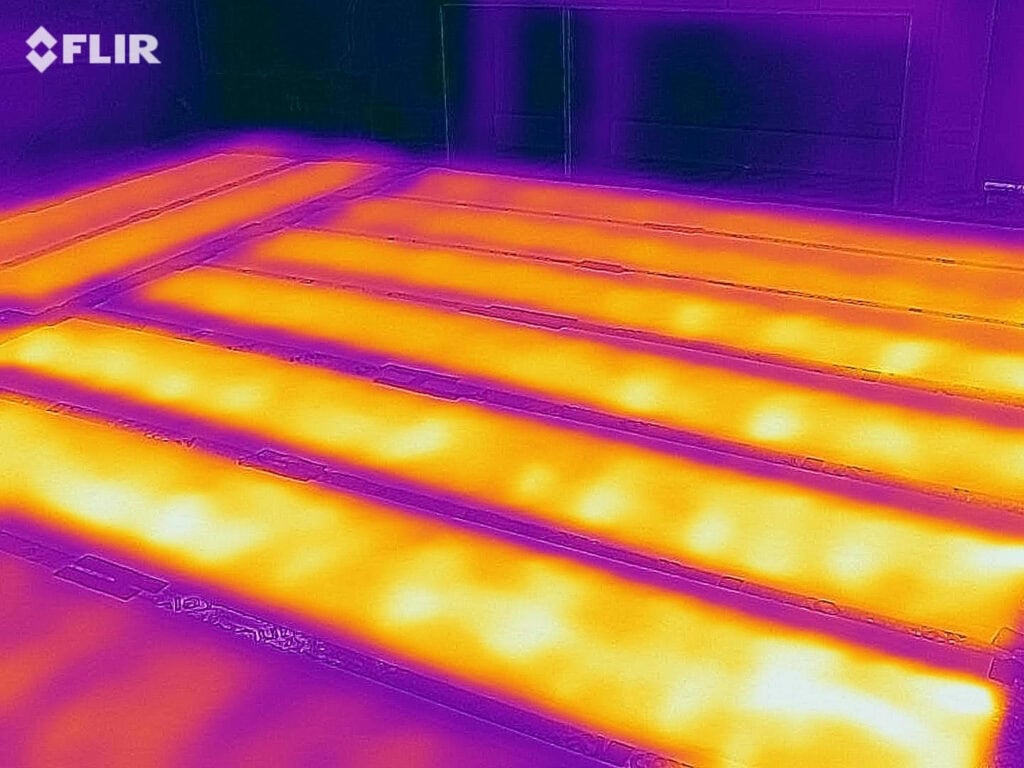
Finally, the article dispels the fear that underfloor heating systems are difficult to repair if they break down. These systems are highly durable and reliable, with faults being rare. To prevent future issues, installers should test electric systems with a multimeter to ensure integrity post-installation. If a fault does occur, it usually does not require lifting the entire floor. Specialist equipment, such as thermal imaging cameras, can pinpoint the fault, allowing for localized repairs, such as lifting only a single tile in a tiled floor. For water underfloor heating, leaks are extremely rare, and pipes typically have a life expectancy of 50 to 75 years.
The article also touches upon the cost of underfloor heating, acknowledging that installation can be a significant investment. However, it notes that in new builds or extensions, it might be more cost-effective than a traditional central heating system. Electric systems are cheaper to install but have higher running costs, while water systems have higher installation costs but lower running costs. Ways to reduce costs include installing during other floor work or, for DIY enthusiasts, laying electric systems themselves (though an electrician is needed for connection). Utilizing linked thermostats is also advised to manage running costs efficiently.
#UnderfloorHeating #HomeImprovements #HeatingSystems #HomeDesign #EnergyEfficiency #InstallationCosts #PropertyMaintenance #Renovation #UnderfloorHeating #HomeImprovements #HeatingSystems #HomeDesign #EnergyEfficiency #InstallationCosts #PropertyMaintenance #Renovation
0 comment in total
 No comments yet
You may also like

4 Common Wall Hanging Myths, Busted


Why electric underfloor heating is gaining popularity in high-end interiors in 2025


How to make a conservatory warmer - ways to heat and insulate for all-year round use
How to retrofit underfloor heating – a complete guide
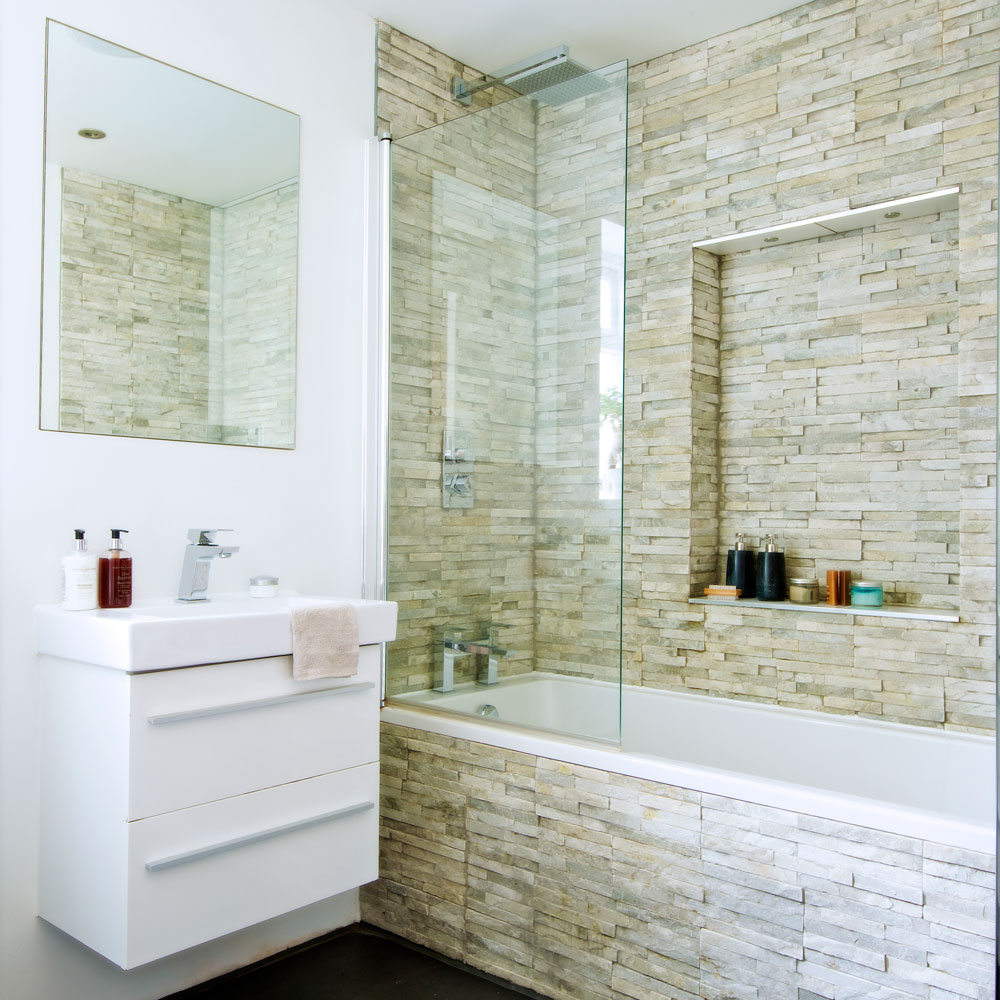
10 tips for using underfloor heating in a bathroom

Experts Urge Homeowners to Avoid This Radiator Mistake That 'Exaggerates' How Well It Will Heat Your Home

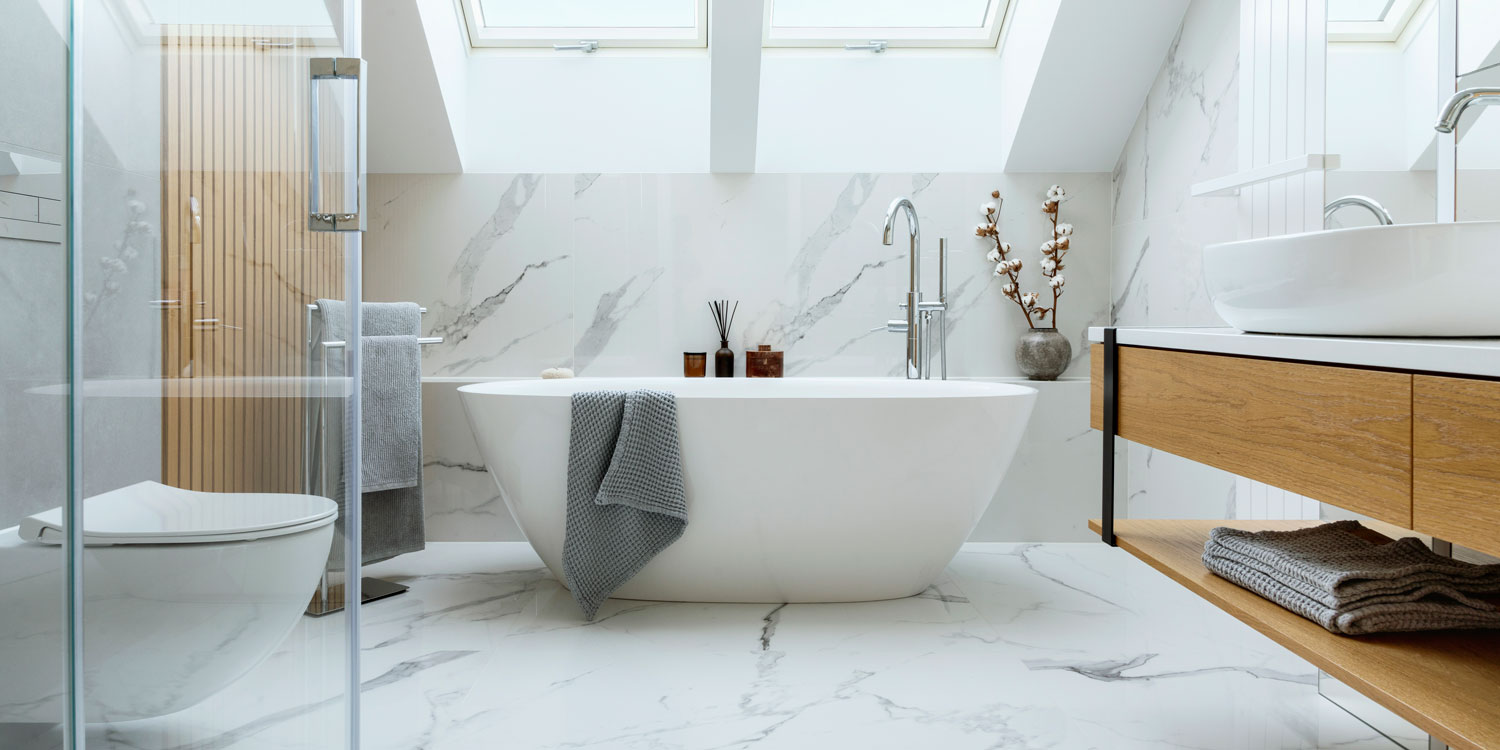
Underfloor heating pros and cons
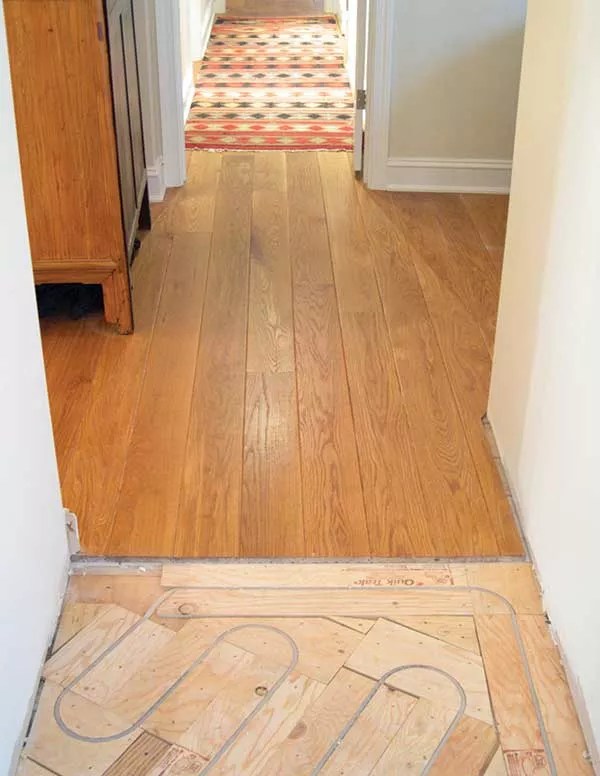
Radiant Heating
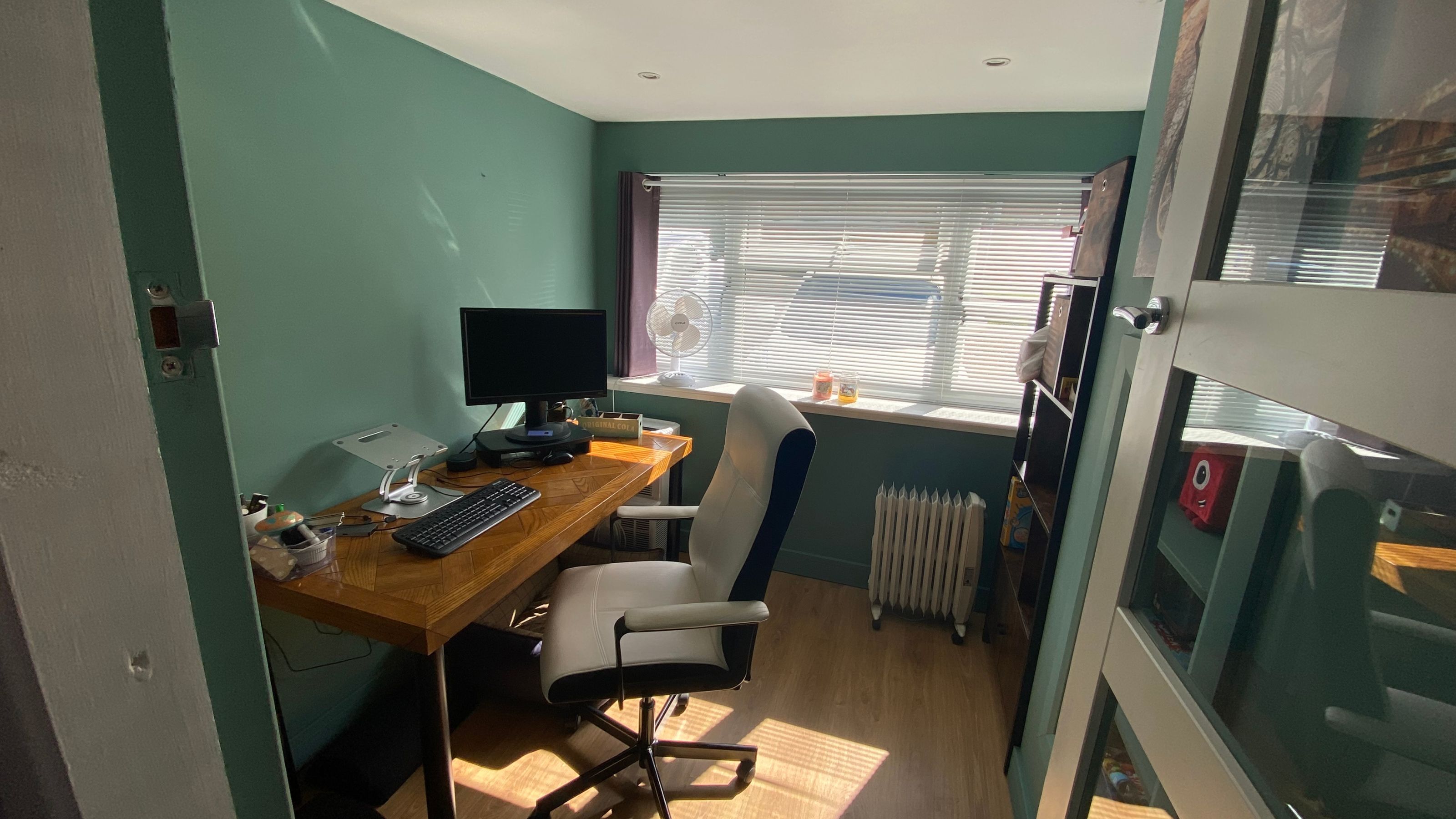
3 reasons I regret not putting underfloor heating in my home office – it’s definitely moving up my priority list
Simple and efficient underfloor heating system

Subfloor Material, Panel Sizes, Moisture-Resistance, & More


Life Kit's most-read stories of 2024: Sleep myths, tipping etiquette, home design tricks
Underfloor Heating


6 bathroom design myths experts say you shouldn't believe

5 cleaning myths that will damage your countertops – and what to do instead

Ways To Heat A Basement Without An Electric Space Heater (And The Pros & Cons To Consider)

How to keep your mudroom warm – 5 expert-recommended tips

I used to struggle to keep my open plan layout warm in winter — but these 4 methods now keep it cosy all day long

The best floor insulation options for your home, explained

Are Heated Floors Worth It? 2 Real Estate Pros Weigh In