1/4
Should you leave an attic open during a freeze? HVAC technicians weigh in
The practice of leaving an attic door or hatch open during freezing weather is a long-standing home heating hack intended to prevent winter-related damage, specifically to avoid issues like freezing pipes. While experts acknowledge its merits, they also caution that its application requires careful consideration to prevent other household problems such as escalated heating bills and accelerated wear on heating systems.
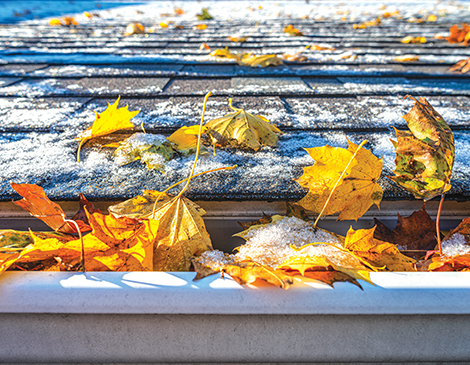
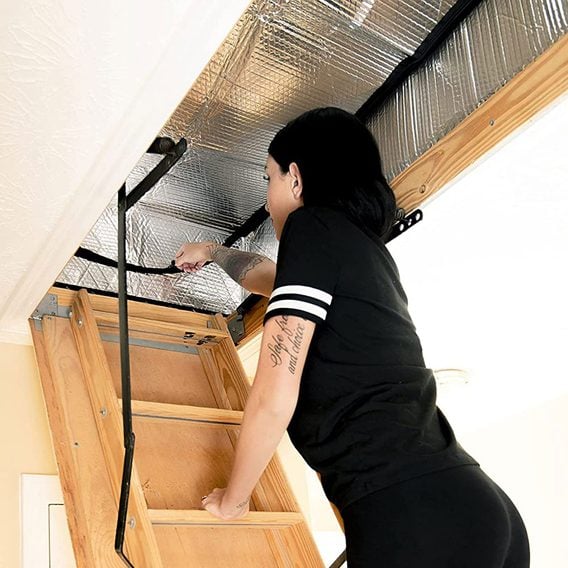
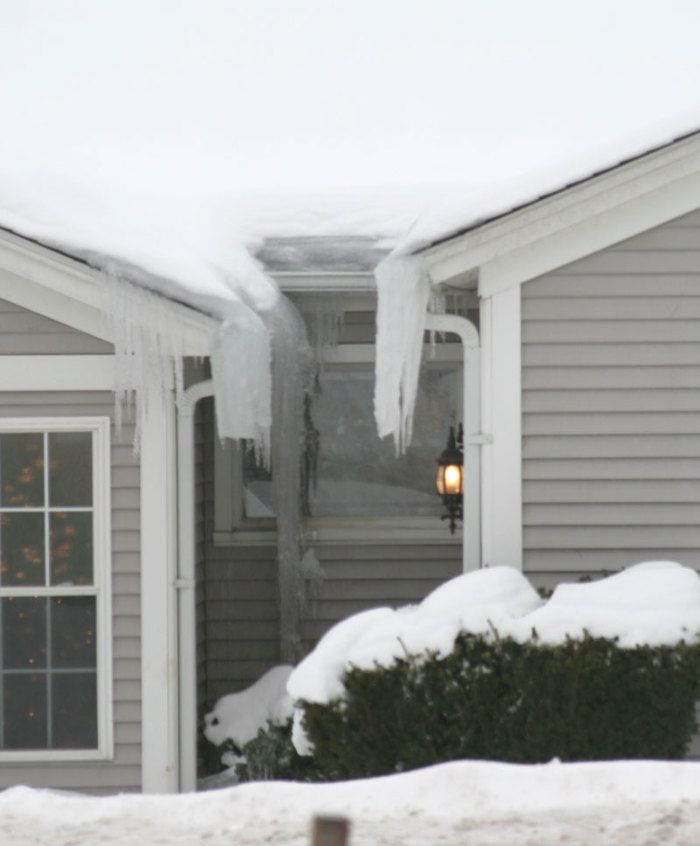
Leaving the attic door open during freezing conditions can prevent several home maintenance issues, including ice dam formation on roofs, frozen pipes, and mold growth. This is primarily because it facilitates the rise of warm air from the living spaces into the attic, thereby mitigating sharp temperature fluctuations. Furthermore, maintaining air circulation within the property helps to prevent musty odors and the development of mildew, safeguarding stored items and contributing to a more pleasant home environment.
This method is particularly beneficial for older homes or those with inadequate roof insulation. Modern homes typically feature attics designed with optimized ventilation and temperature control, which helps maintain a more consistent climate regardless of external weather conditions. However, in older attics lacking contemporary ventilation, keeping the door open can offer protection to HVAC equipment and plumbing.
Despite these benefits, opening the attic door in winter can have drawbacks. It can lead to the rest of the home becoming colder, forcing the HVAC system to work harder to maintain desired temperatures, which subsequently increases energy consumption and heating costs, especially in poorly insulated houses. Additionally, opening the attic can exacerbate moisture migration, particularly in attics with insufficient ventilation. Warm, moist air from the living areas entering a cold attic can condense on exposed surfaces, fostering mold growth and wood rot, which can ultimately compromise the roof and attic structure.
Homeowners are advised to weigh these pros and cons. A possible approach is to open the attic for a few hours daily and close it at night, or to supplement with other heating methods like pipe heaters. It is also important to consider dripping faucets as a measure to prevent pipes in the attic from freezing.
In instances where an attic has been kept shut and freezing has occurred, leading to ice dams or frozen pipes, the space should be heated gradually. Rapid thawing can cause pipes to burst. Initial steps include checking vents for ice dams and debris to restore ventilation. Subsequently, space heaters or hot water-soaked towels can be used to gently thaw frozen pipes, with extreme caution to avoid rupturing them. If a pipe bursts, the water supply should be immediately shut off, and a plumber contacted. Allowing warm air from the rest of the home to circulate gradually also contributes to raising the ambient temperature in the attic.
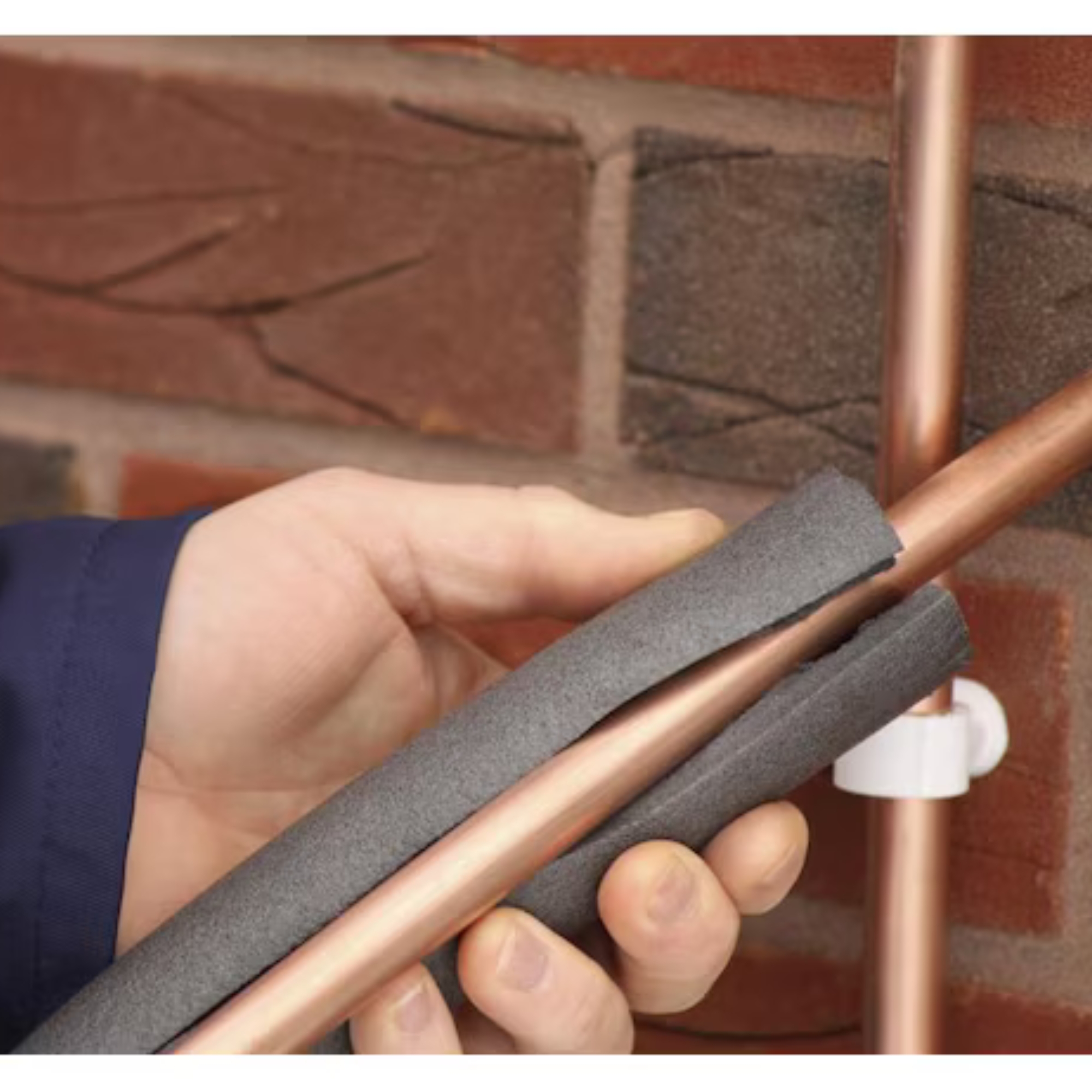
Pipes in attics typically begin to freeze when temperatures drop to 20°F or below, particularly if they are uninsulated and unheated. It usually takes about six to eight hours for attic pipes to freeze, though this can occur faster if pipes are uninsulated and faucets are not dripped. Exterior pipes can freeze even more rapidly under prolonged temperatures below 20°F. Therefore, dripping faucets during freezing weather and installing heating or insulation around pipework are crucial for maintaining pipe integrity.
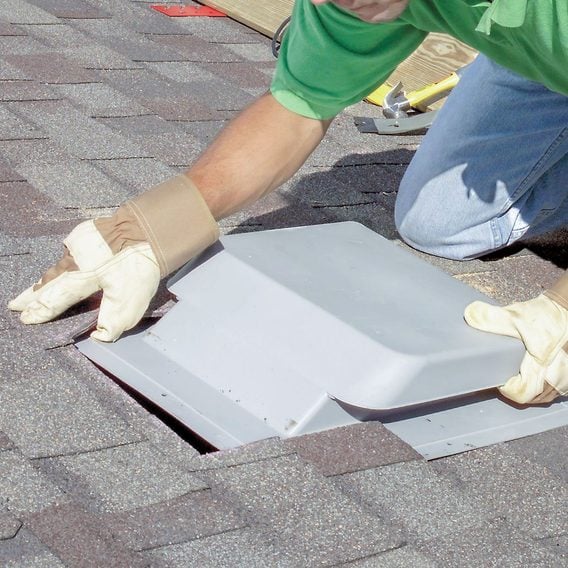
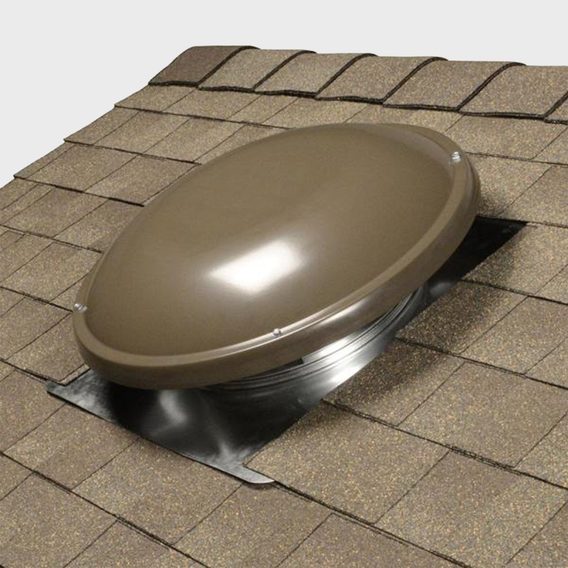
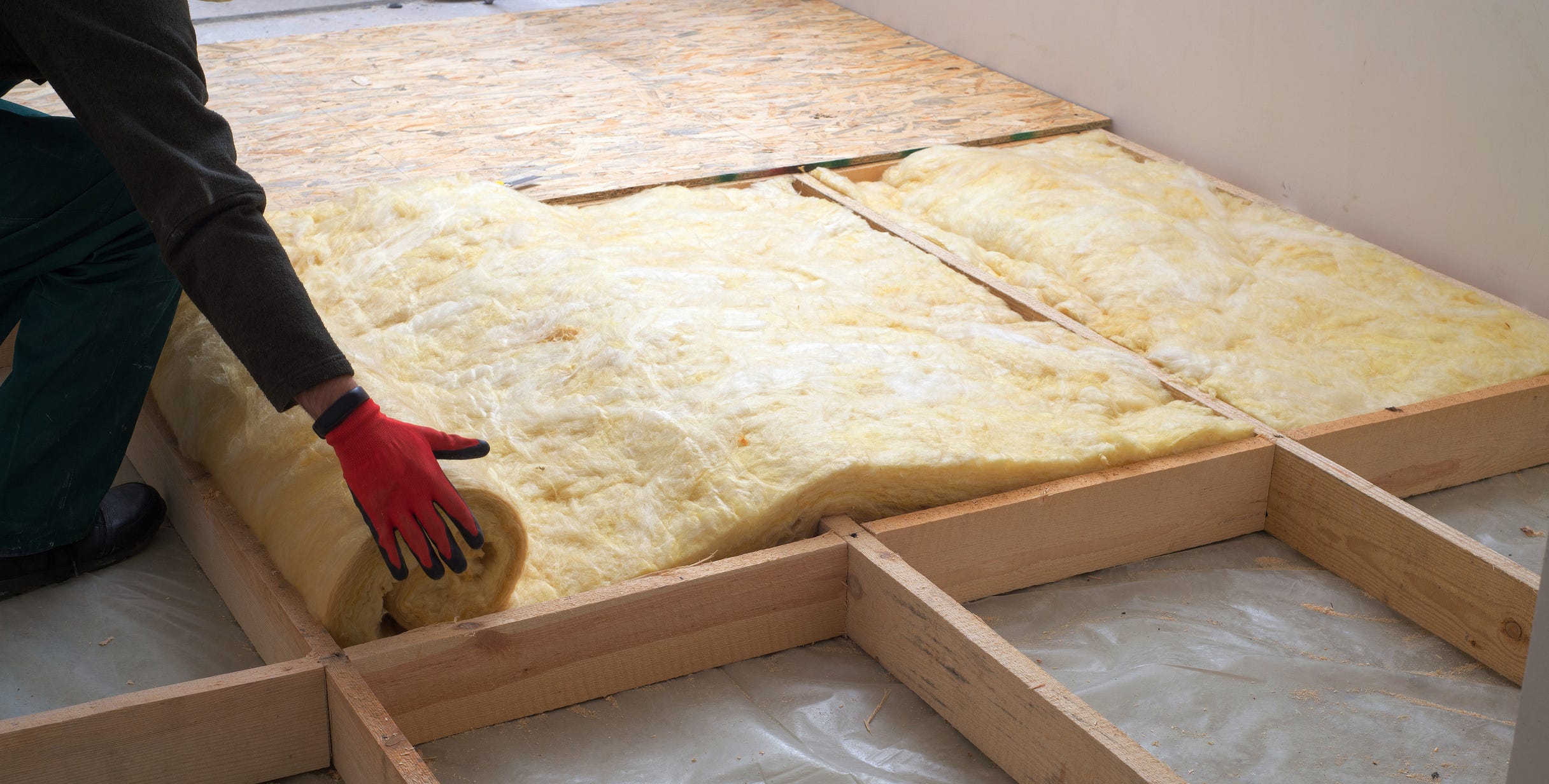
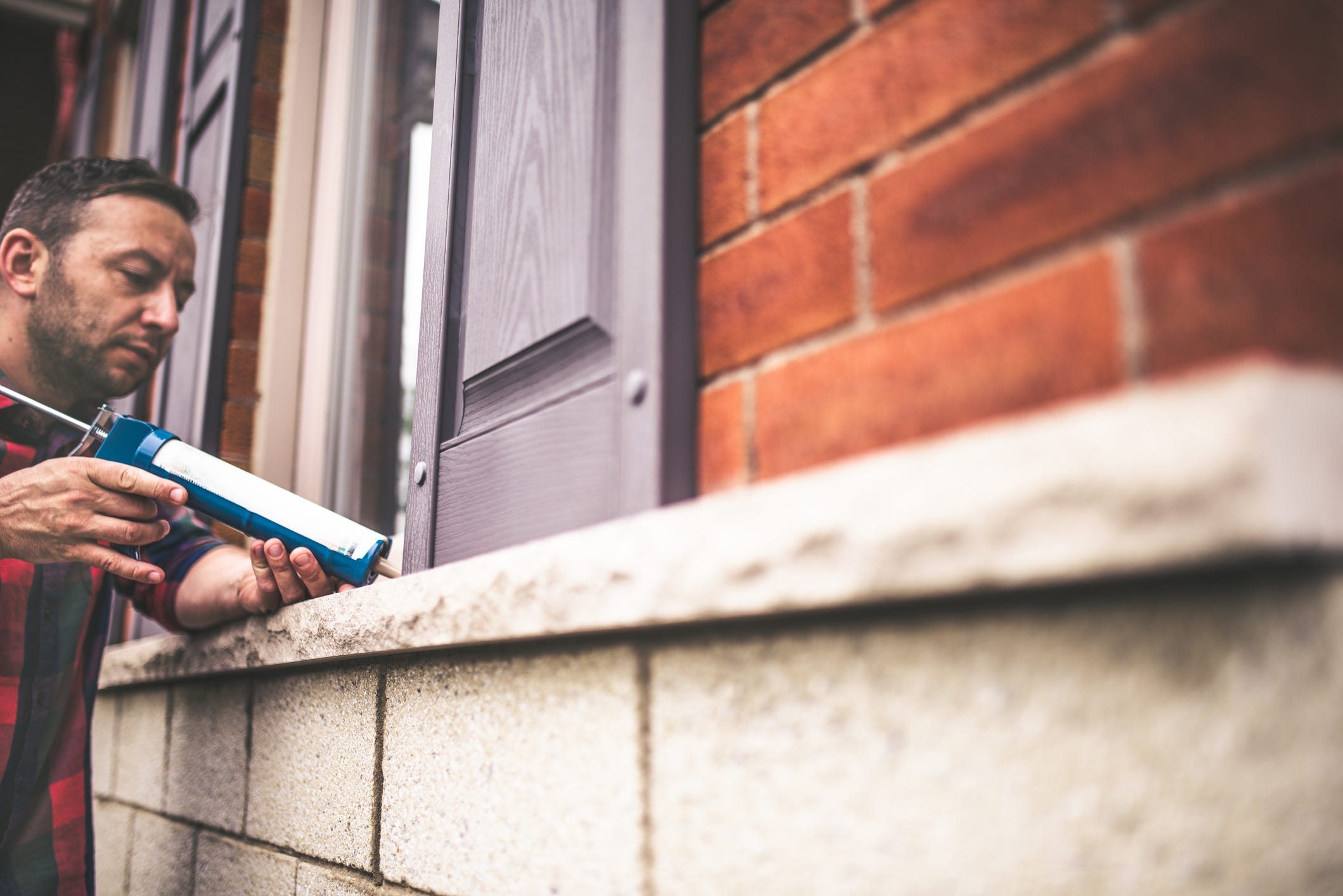
The most effective long-term solution to prevent attics from freezing without increasing heating demands in the rest of the house is proper insulation and ventilation. Sealing air leaks and installing appropriate vents will ensure adequate air movement and help maintain a consistent temperature, reducing the necessity for manual heating intervention during harsh winter conditions.
#AtticFreezing #HomeHeatingHacks #HVACAdvice #WinterHomeCare #FrozenPipes #AtticInsulation #HomeMaintenance #EnergyEfficiency #MoldPrevention #AtticFreezing #HomeHeatingHacks #HVACAdvice #WinterHomeCare #FrozenPipes #AtticInsulation #HomeMaintenance #EnergyEfficiency #MoldPrevention
0 comment in total
 No comments yet
You may also like
Cold-Climate Attic Air-Sealing

Don't Do This—There Are Better Solutions for Cooling Your Garage in the Summer

Tips to Prevent Your Septic System from Freezing


HVAC pros reveal if you should close vents in unused rooms – the answer feels counter-intuitive but it's true

Attic Ideas, Storage and Insulation
Yes, You Should Run Your Ceiling Fan in the Winter—Here's How It Actually Keeps You Cozier

Is Your Home Ready for Another Cleveland Winter? How to Winterize in Northeast Ohio

Should We Keep Ceiling Fan On While Using AC? Let’s Find Out

Should I Vent a Roof Insulated With Spray Foam?
Will Your Pipes Freeze If You Leave The Heating Off?
It's Time to Prepare Your Home for Winter With These 10 Quick, Easy Ways
6 Expert-Backed Ways to Keep Cold Air—and High Energy Bills—Out of Your House This Winter
The perfect temperature to avoid frozen pipes
Should you open windows this winter? Experts weigh in
Ice Dams, Can Lights, Wet Walls, and Water Damage