How to incorporate large rocks and boulders in landscape design
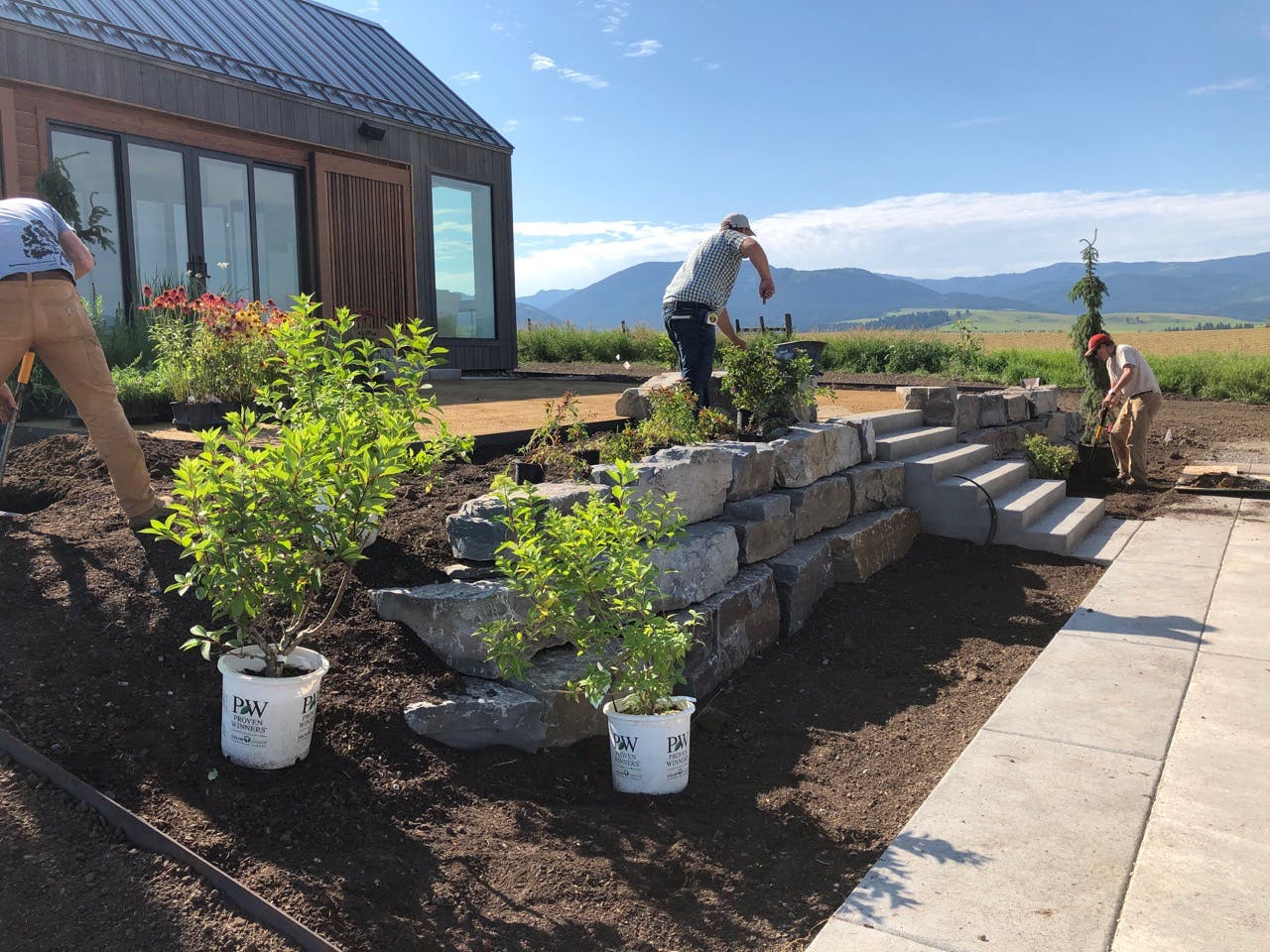
The trend in landscape design is increasingly moving towards a more naturalistic aesthetic, with a notable emphasis on integrating large rocks and boulders. While these natural elements offer significant visual appeal and can harmoniously blend with outdoor environments, their incorporation presents practical challenges, primarily due to their size and weight. Specialized equipment and intricate maneuvering are often necessary to position these heavy materials correctly. However, the effort yields substantial aesthetic and functional benefits when executed skillfully.
Blanchford Landscape Group, based in Bozeman, Montana, exemplifies this approach, frequently utilizing boulders and large stone slabs in their projects. Given their Southwest Montana location, these natural additions complement the regional landscape effectively. The firm's investment in a pneumatic paver lifter has streamlined the handling of these substantial rocks, thereby expanding their capacity to integrate such elements into diverse landscape designs. This technological advancement allows for greater flexibility and creativity in their projects.
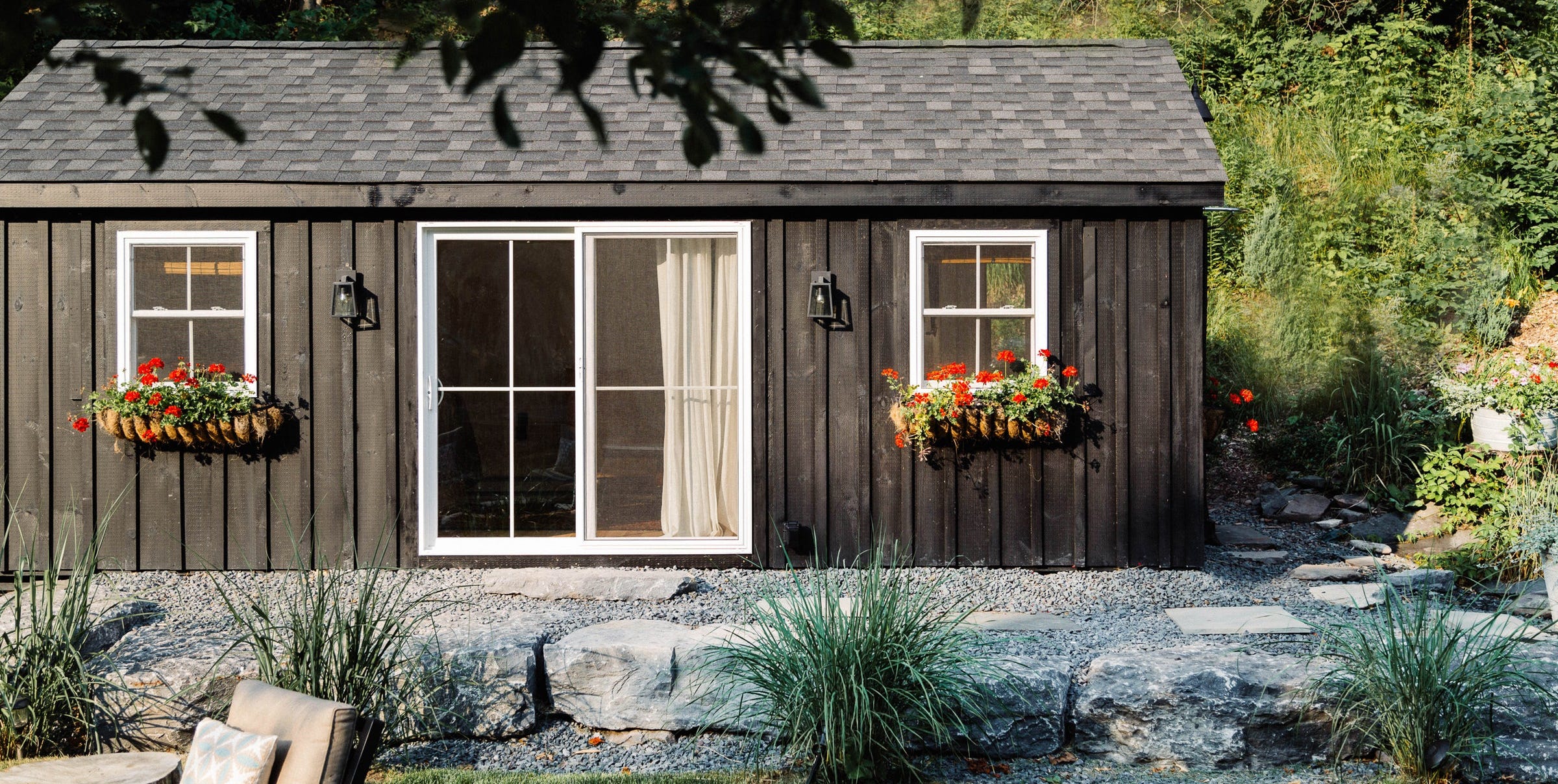
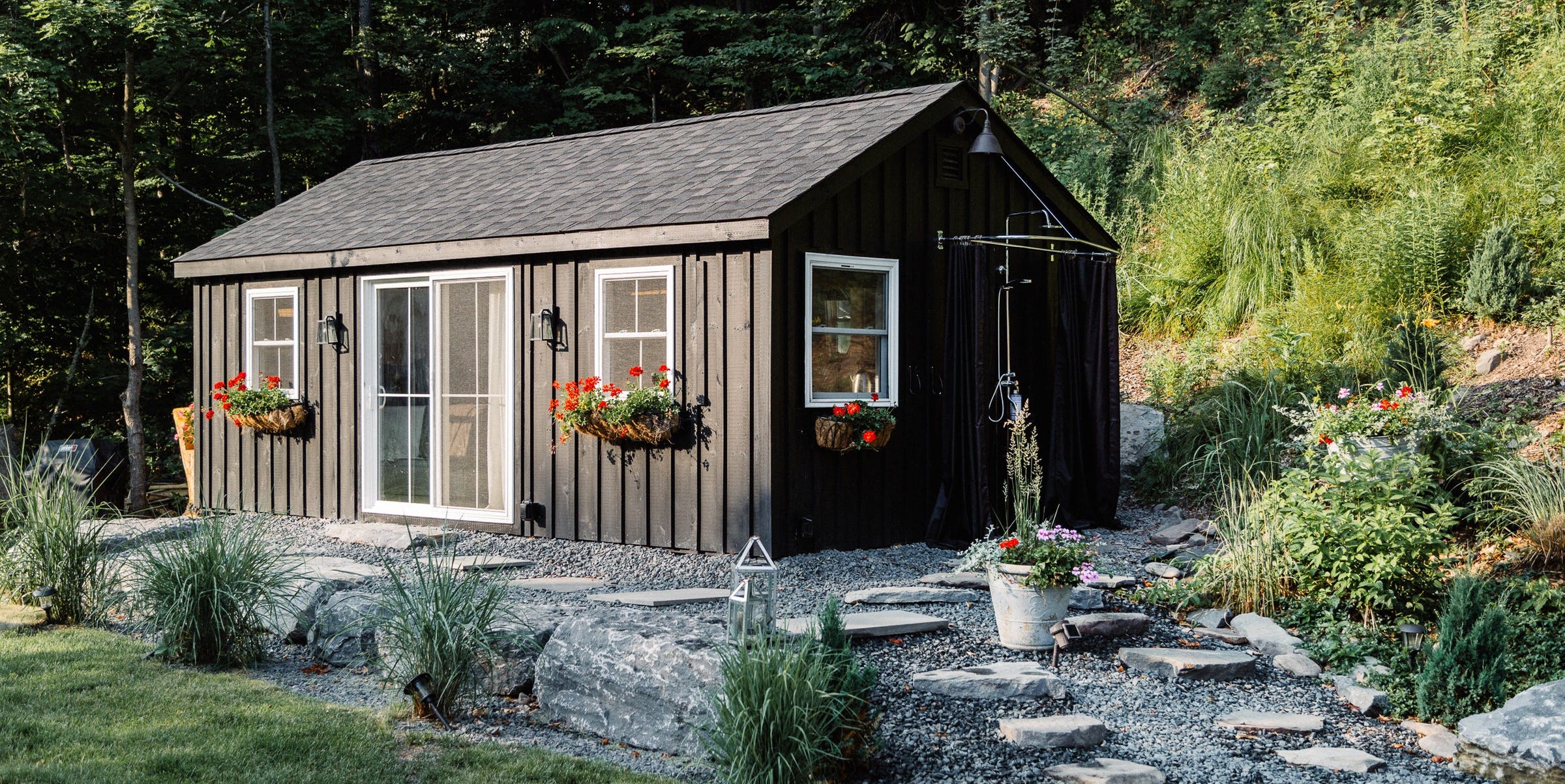
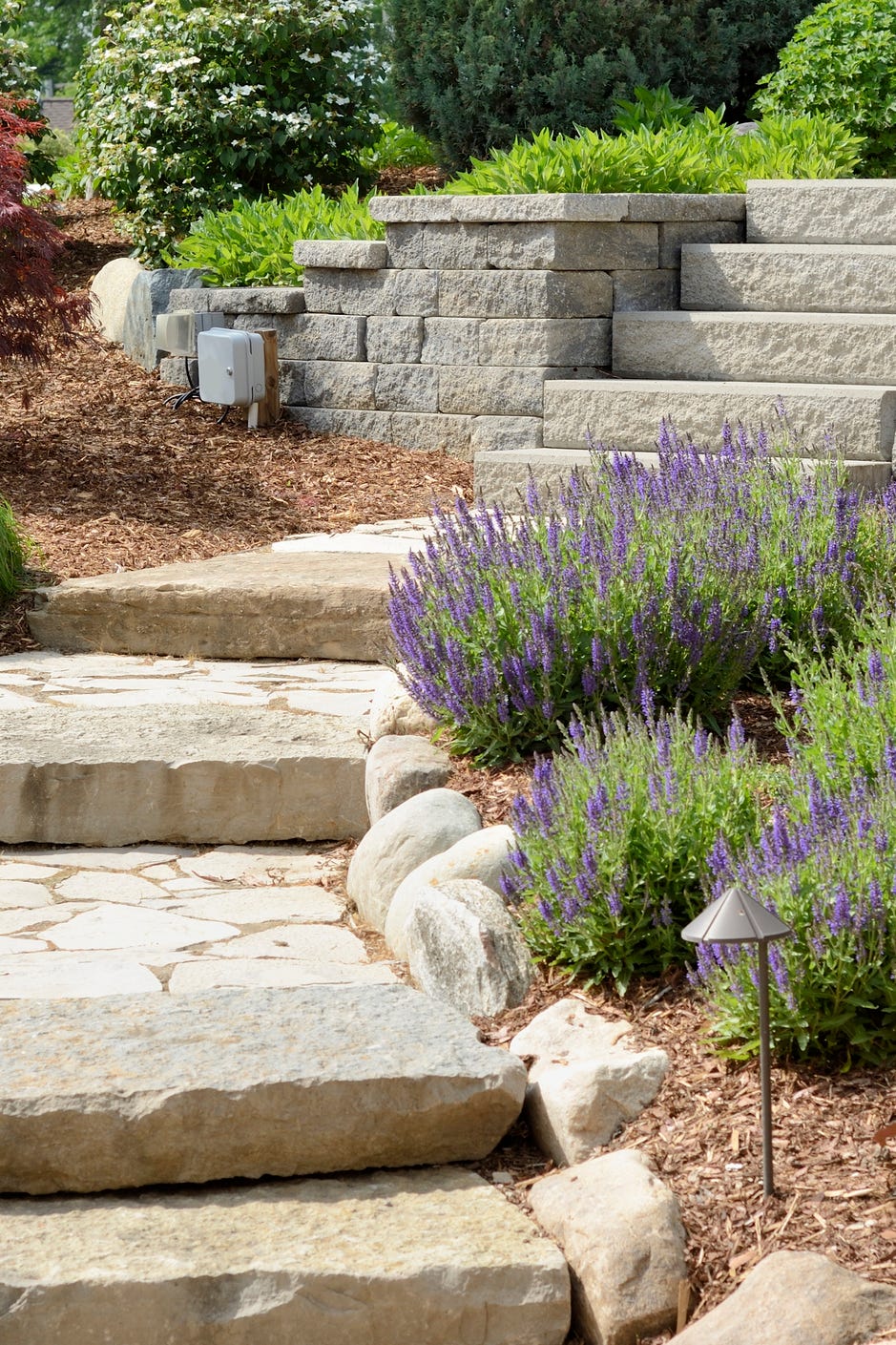
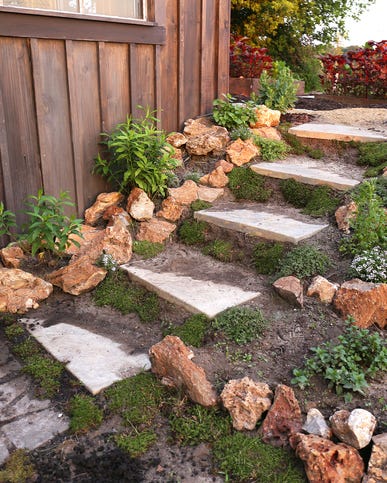
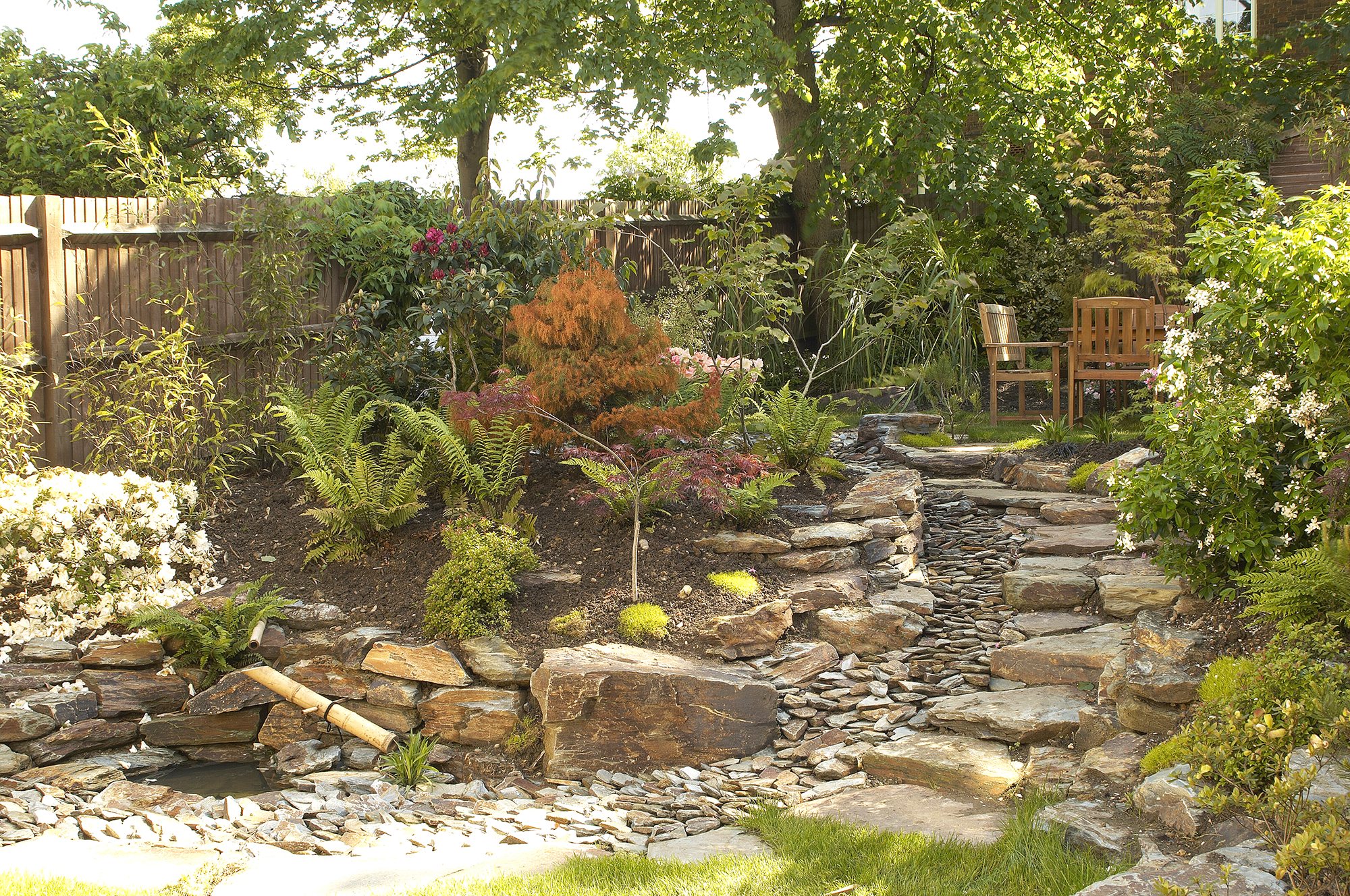
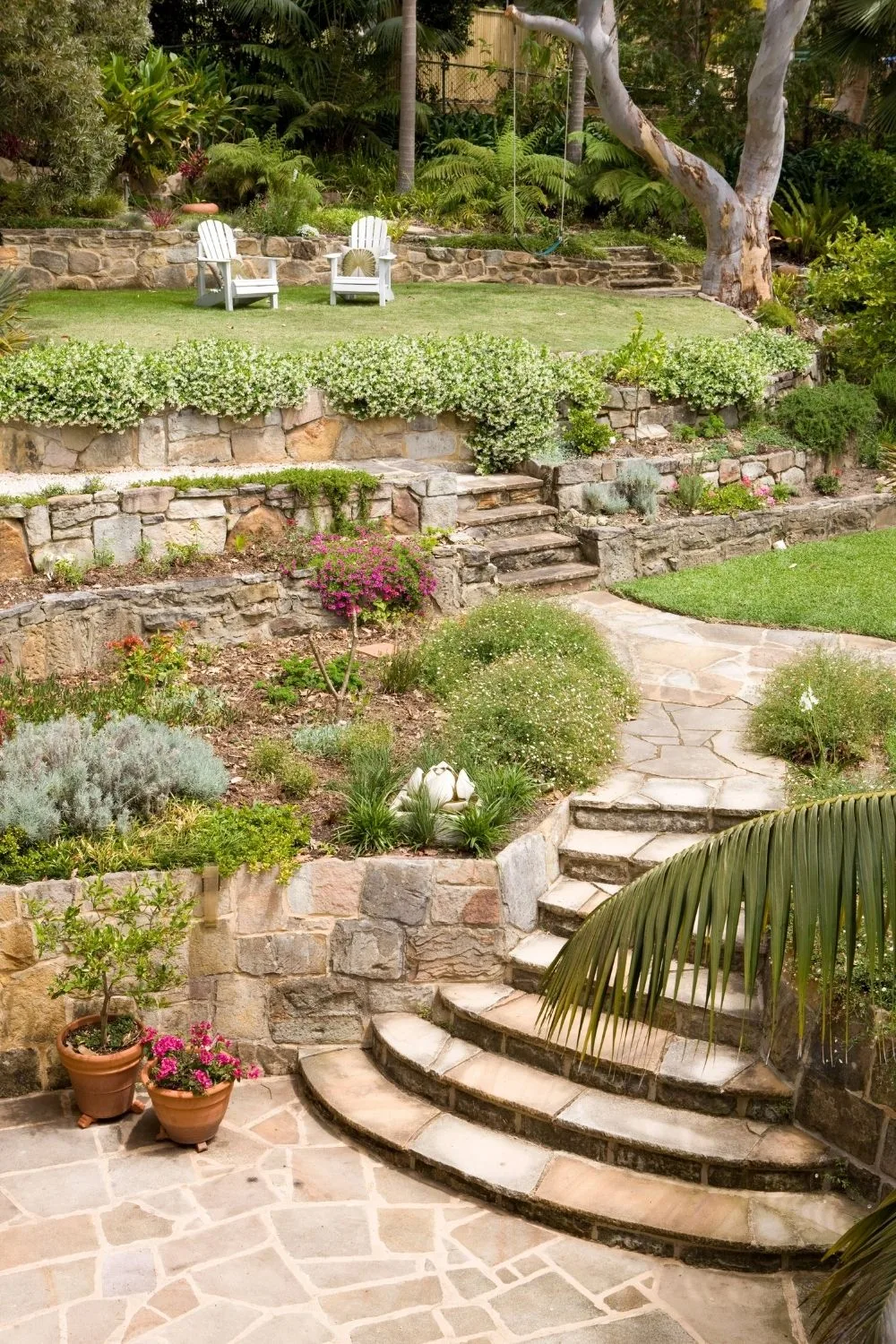
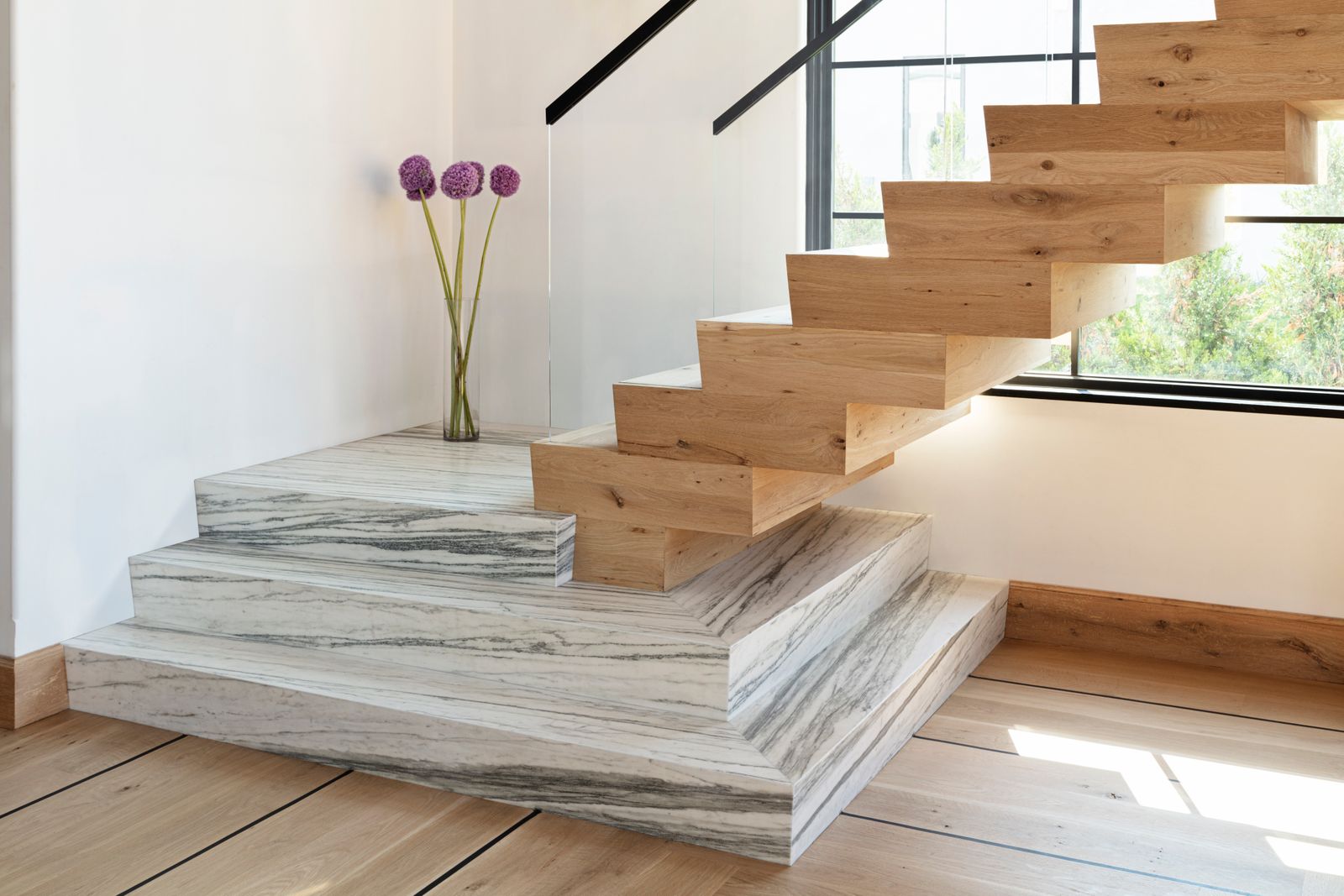
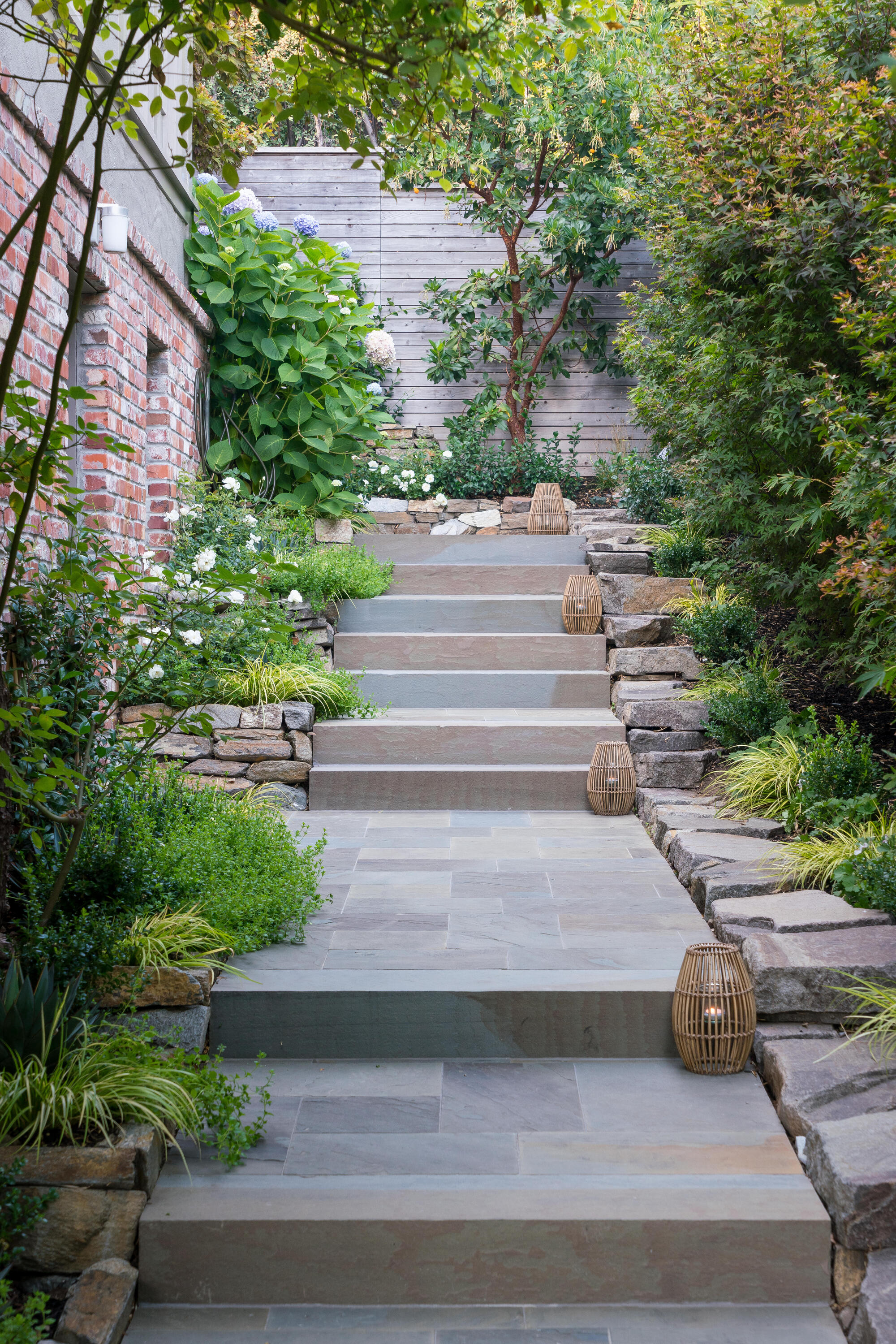
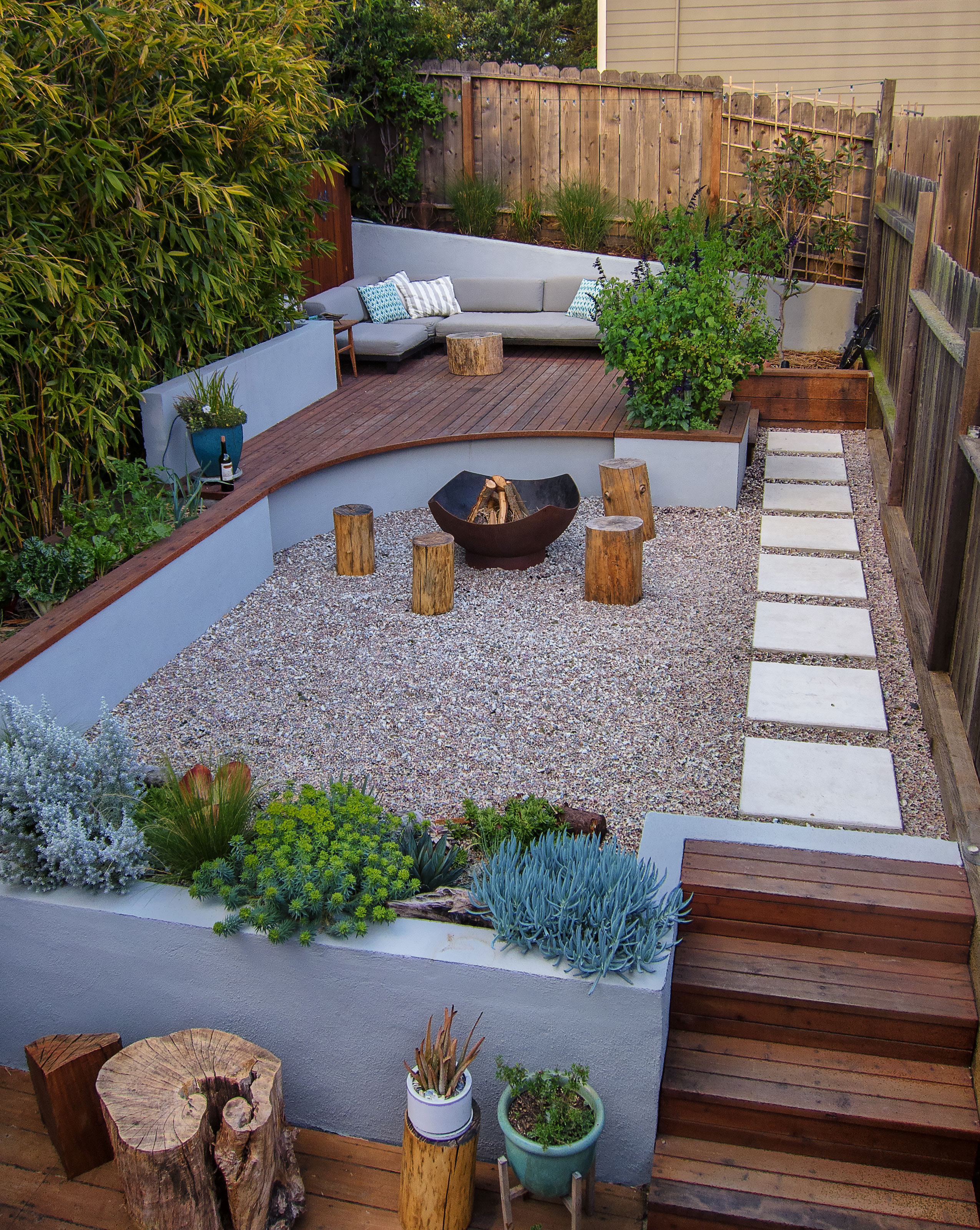
Boulders serve various purposes in landscape design, from forming rock walls to acting as standalone focal points. The Blanchford Landscape Group commonly constructs retaining walls or border walls using large rocks and boulders, appreciating their ability to seamlessly integrate with the natural surroundings. These rock walls offer dual functionality, often serving as overflow seating around patio areas and providing spaces for container gardens, enhancing both utility and aesthetic appeal. Additionally, the company frequently uses large rock slabs for constructing stairs. This method is preferred over man-made pavers as natural stone slabs blend more organically into the environment, contributing to a cohesive and natural look.
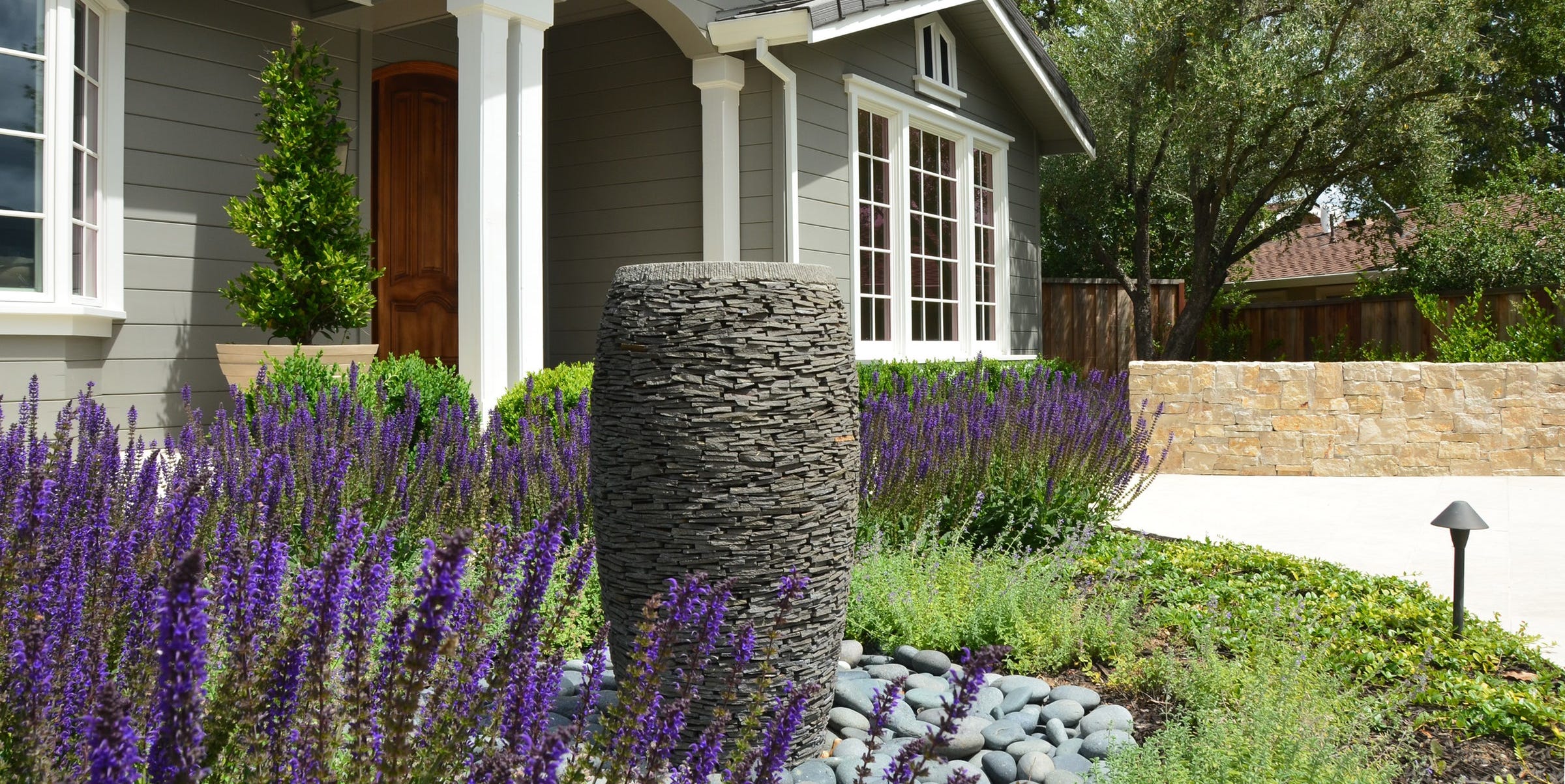
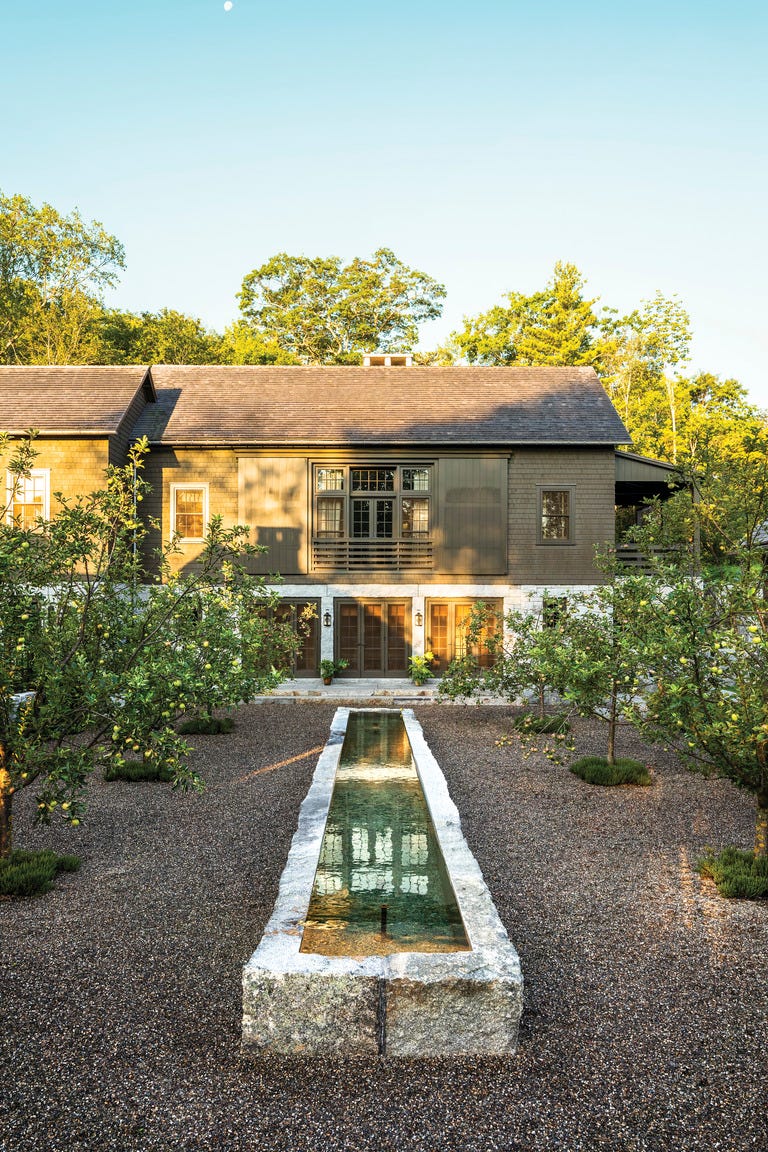
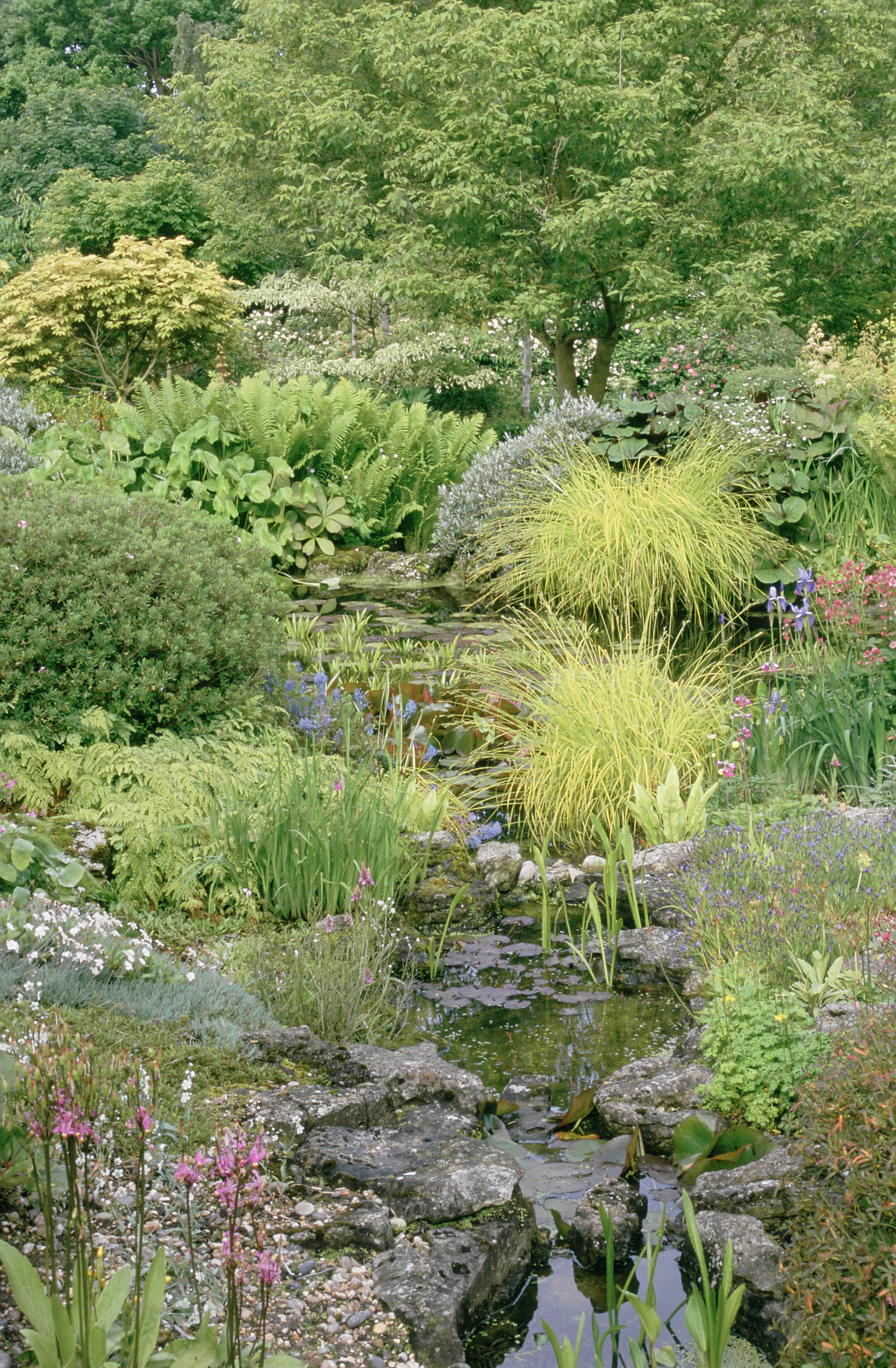
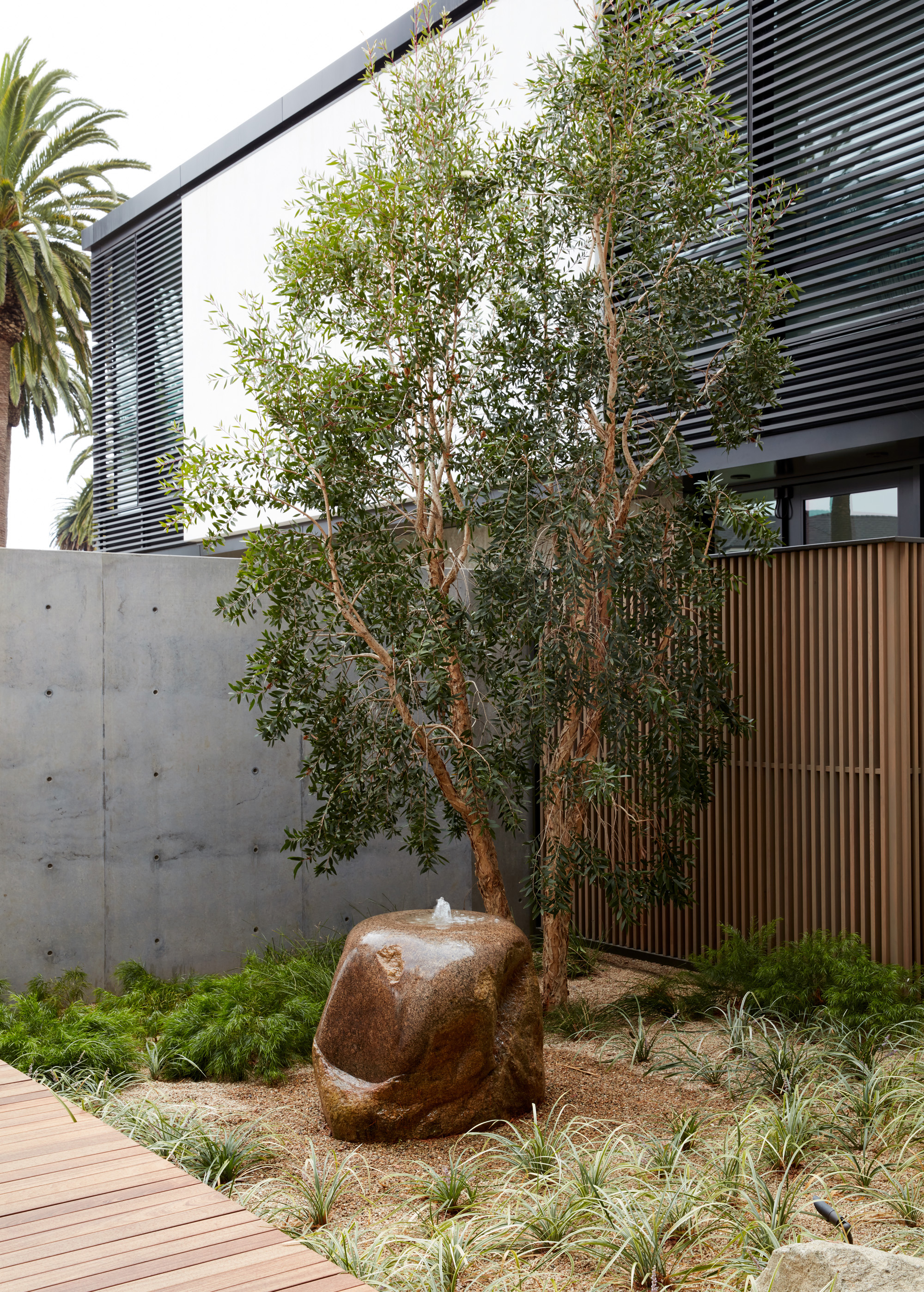
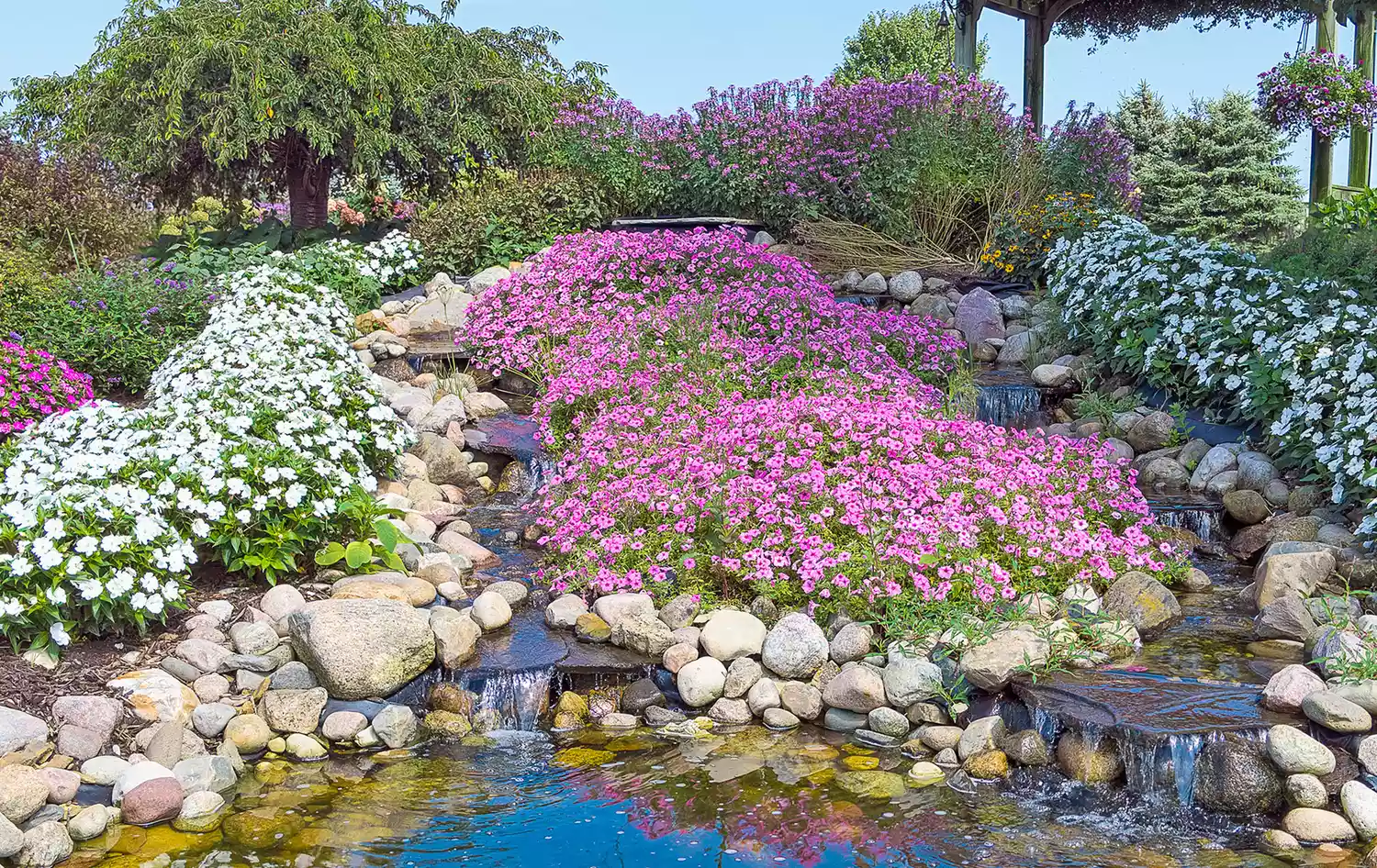
Beyond conventional applications, Blanchford Landscape Group also undertakes custom designs featuring boulders. An example includes a bespoke boulder fire feature crafted for a mountain property, designed to align with the client's desire for a naturalistic aesthetic that contemporary fire features could not provide. Boulders are also adapted into unique water features, such as cored boulders with bubbling water, which introduce a natural aquatic element to the landscape. Pondless waterfalls, where water recedes into an underground reservoir, are another attractive option that maintains a natural appearance. Furthermore, landscape lighting is often integrated within boulders, discreetly illuminating outdoor spaces without detracting from the natural nighttime sky, a particularly important consideration in areas like Montana where celestial views are highly valued. This approach ensures functionality while preserving the natural ambiance.
Ultimately, the deliberate use of boulders and natural rock materials by Blanchford Landscape Group contributes significantly to preserving the natural integrity of the surrounding environment, a critical objective for homeowners in Montana. Employing these natural elements helps create designs that are not only visually appealing but also intrinsically connected to the local habitat, reinforcing the importance of harmonious integration with nature.
#LandscapeDesign #BoulderIntegration #NaturalLandscaping #RockWalls #OutdoorFeatures #CustomDesign #BlanchfordLandscapeGroup #MontanaLandscaping #LandscapeArchitecture #LandscapeDesign #BoulderIntegration #NaturalLandscaping #RockWalls #OutdoorFeatures #CustomDesign #BlanchfordLandscapeGroup #MontanaLandscaping #LandscapeArchitecture
0 comment in total
 No comments yet
You may also like
You Have to See These Rock Garden Ideas for Every Type of Landscape
Rock garden ideas – 20 ways to create a stylish rockery in your backyard

How They Pulled It Off: A Hot Tub Built Into a Boulder

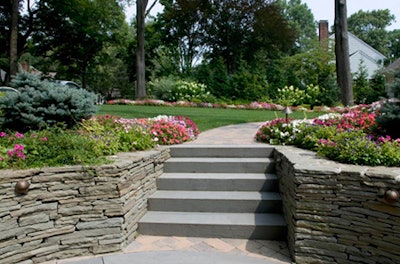
Retaining walls: Helping overcome a multitude of obstacles


Decorative Stones & Gravel

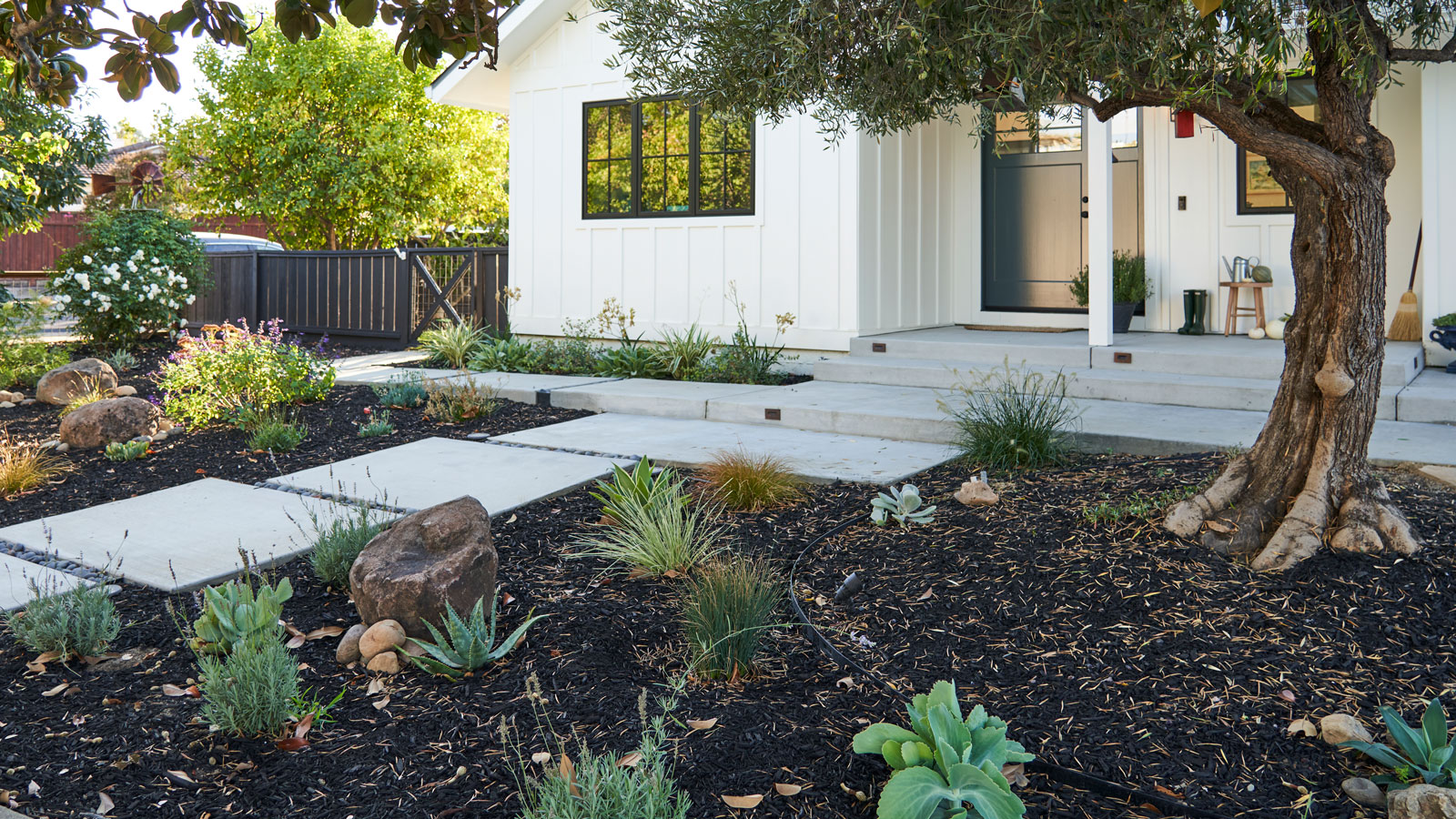
Front yard landscaping with rocks and mulch: 8 expert ideas
ZEN Associates Designs and Builds Inspired North Shore Landscapes


7 Creative Stone Slab Ideas That Go Beyond Countertops

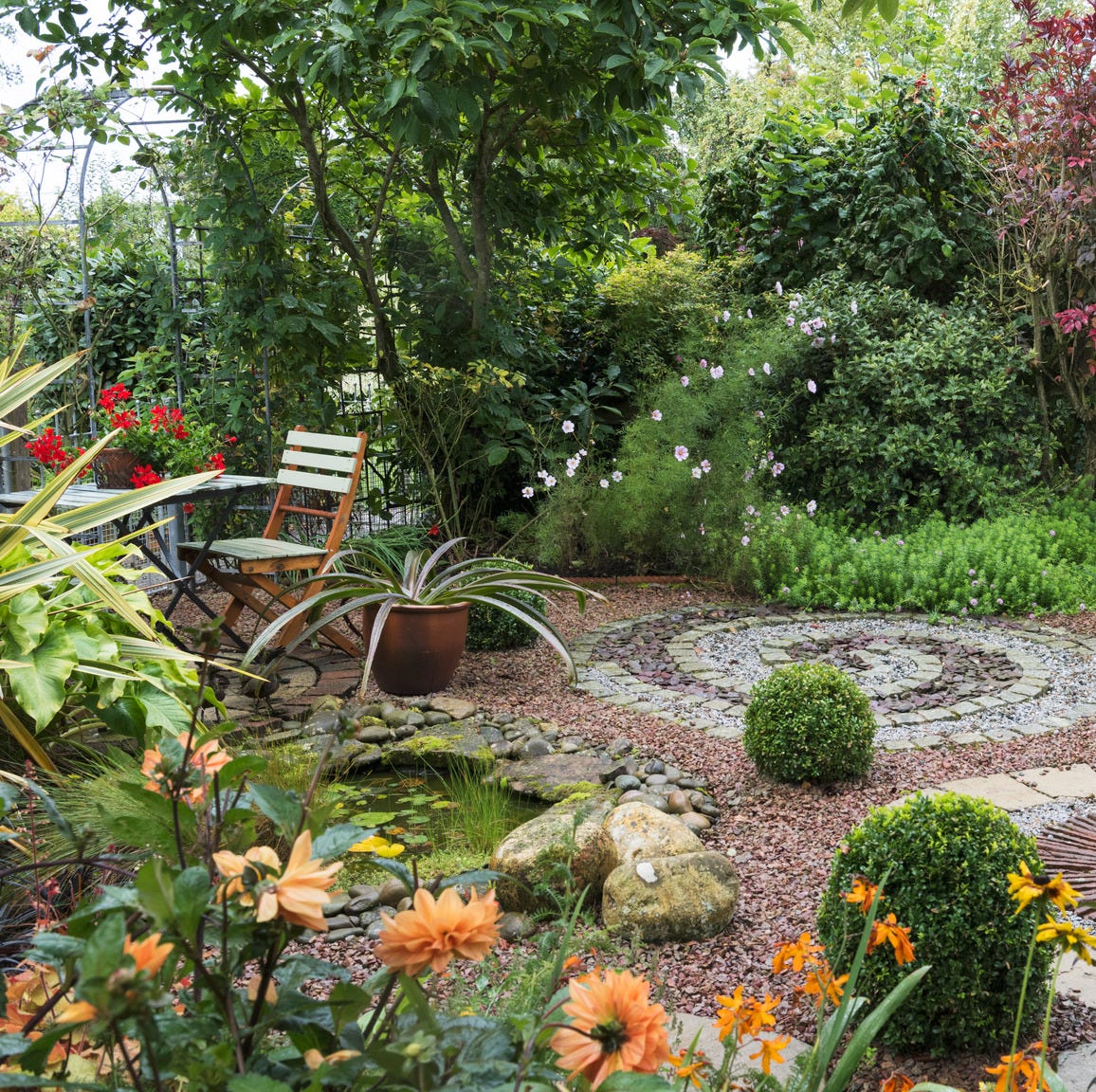
Rock Gardens Are the Ultimate Hack for a Low-Maintenance Lawn
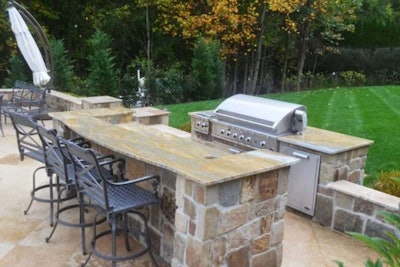
Landscape architects love natural stone -- here's why

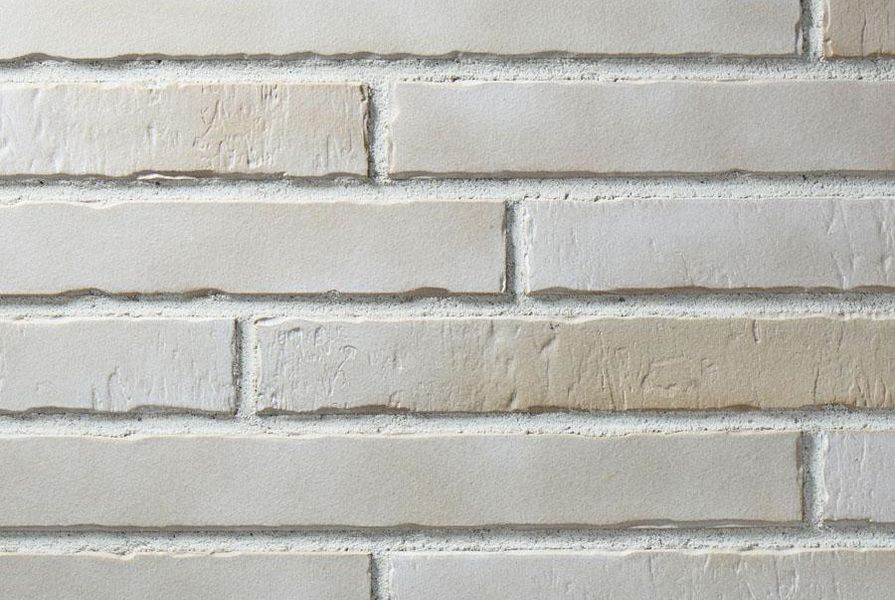
Long-format brick slips from Klay Tiles and Facades

These 10 Trends Will Define Outdoor Design in 2023

Use stone to update, add interest to your landscape

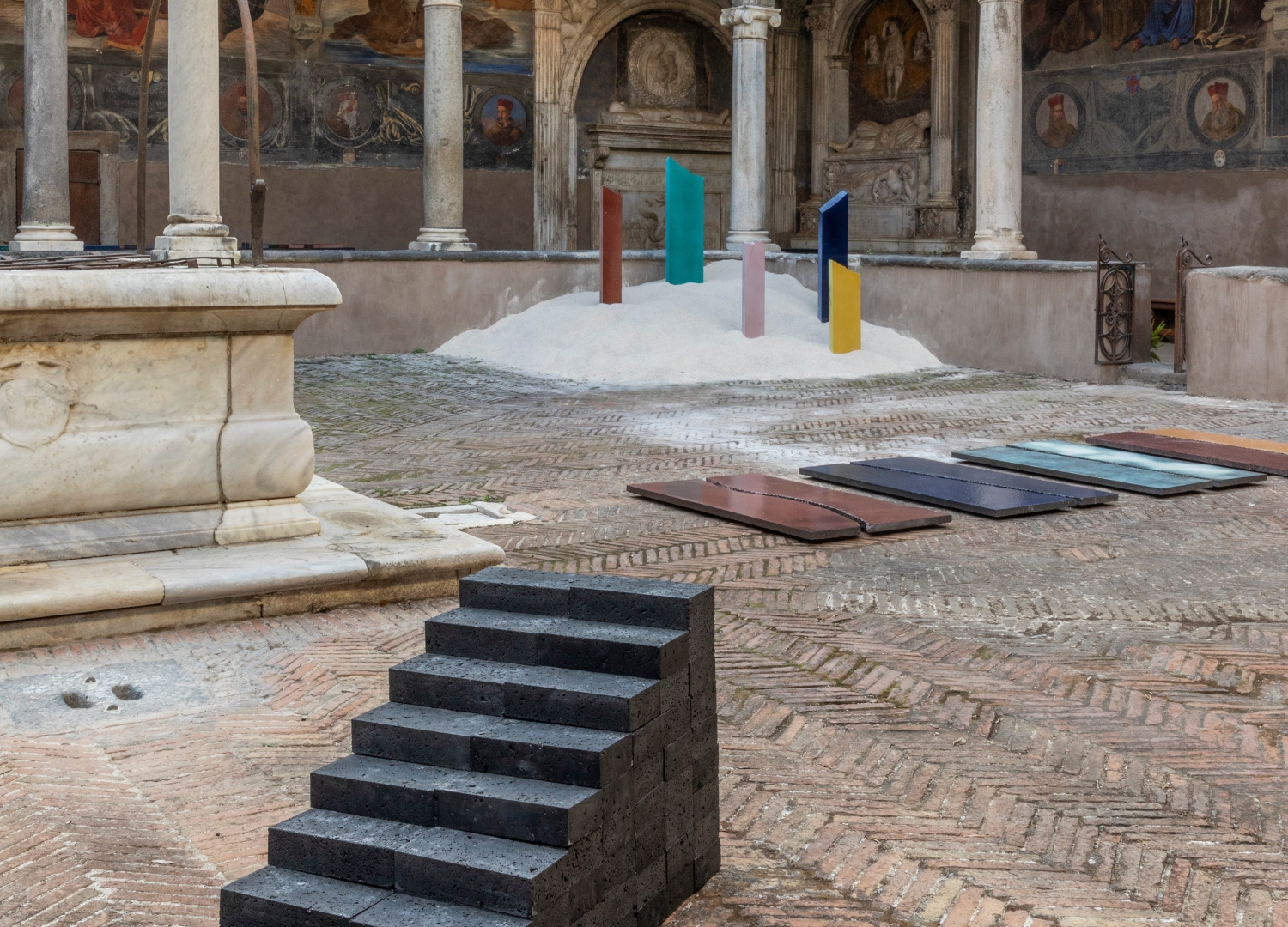
Mastering the artisanal transformation of volcanic rock into contemporary design

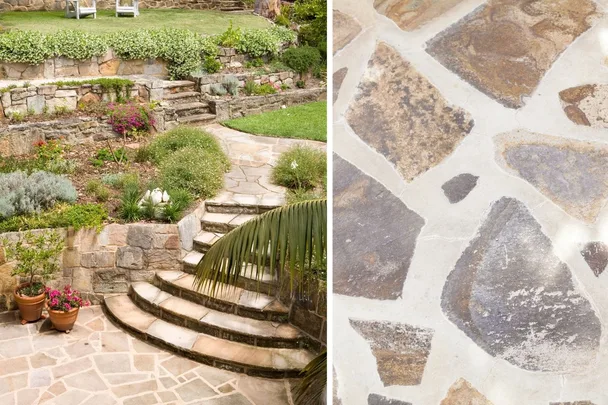
Crazy paving ideas to inspire a garden makeover

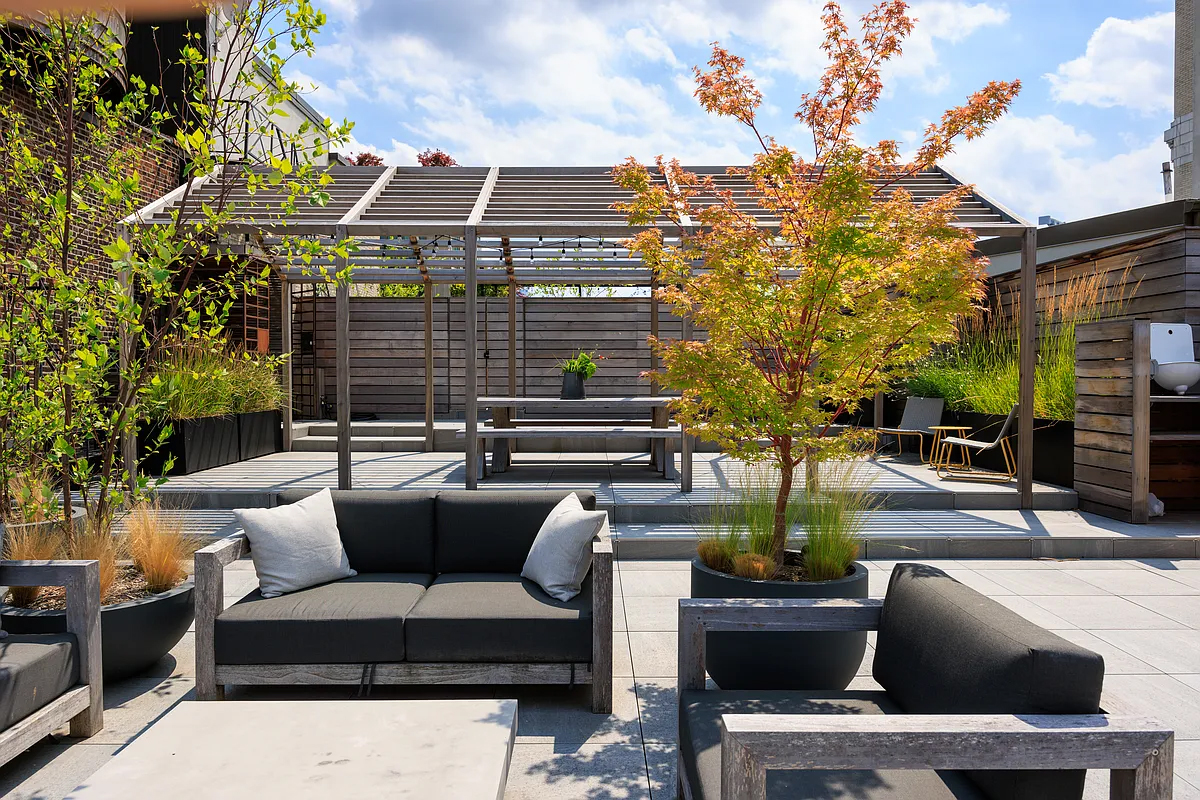
6 Easy Design Ideas to Add Height to a Backyard That Feels Flat

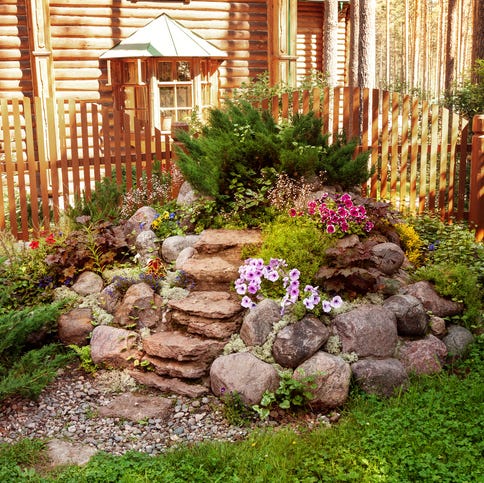
Upgrade Your Backyard with These Creative Rock Garden Ideas

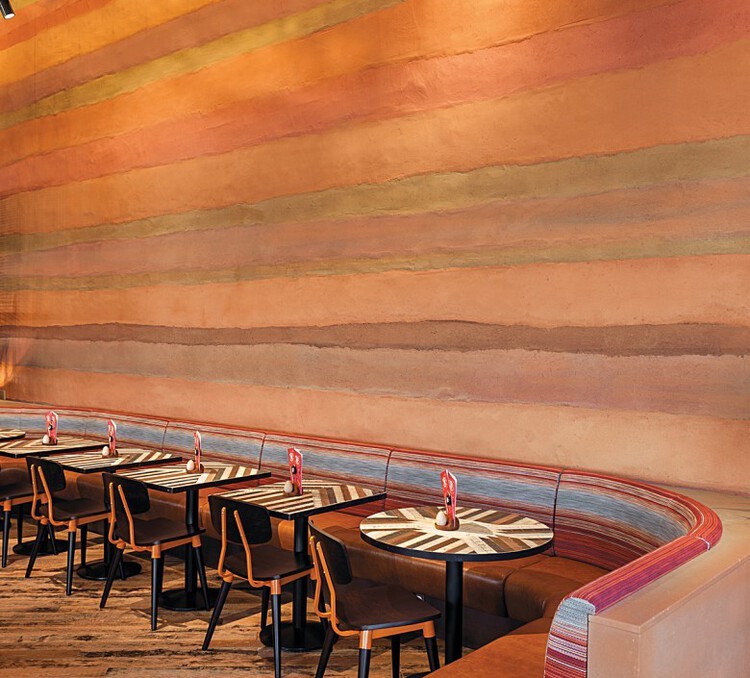
Designing the Appearance of Rammed Earth Walls: The Interplay Between Natural Clay Colors and Pigmentation

Acme Brick, Tile and Stone – Northwest Arkansas
16 Rock Garden Ideas for a Beautiful, Low-Maintenance Landscape