1/6
Five UK landmarks if they were made out of glass
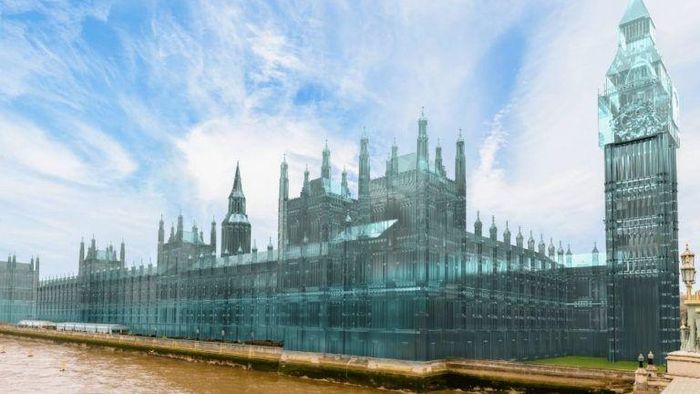
Structural glass is gaining traction as a reliable building material due to its diverse applications and cost-effectiveness. Amidst a 23% surge in interest for 'glass architecture' and a 22% increase in 'sustainability' searches, Specialist Glass Products, a prominent UK glass manufacturer, collaborated with a graphic design student to envision five iconic UK landmarks reimagined entirely in glass. This initiative aims to highlight the suitability of eco-friendly and 100% recyclable glass for various architectural contexts.
The Houses of Parliament, for instance, could benefit significantly from structural glass. The design would incorporate toughened and bomb-proof glass to meet blast performance requirements, enhancing security against severe weather and providing durability in elevated temperatures—a crucial feature in response to the UK’s changing climate. Given the confidential nature of discussions within the building, acoustic and white diffuser glass would be integrated to minimize sound and ensure privacy in meeting rooms and the high court.
For the Palace of Holyroodhouse, the official Scottish residence of the British monarch, energy-efficient coated glass could address the challenge of rising indoor temperatures, especially during the summer months when daily averages reach 21 degrees Celsius. This type of glass would help maintain cooler interiors without relying on open windows or air conditioning. Additionally, energy-efficient glass would maximize natural light, reducing the need for artificial lighting, which is beneficial for health, eyesight, and stress reduction.
Leeds Corn Exchange, a boutique shopping center, could leverage 'Clearsight' glass for its storefronts. This anti-reflective glass would provide an unobstructed view of displays by minimizing glare and reducing light reflection to less than 1%, a substantial improvement over the 8% typically seen with conventional glass. This enhancement would help independent retailers attract foot traffic and remain competitive against online businesses.
Christ Church Cathedral in Dublin, founded in 1030, frequently experiences heat loss due to its age. Installing energy-efficient glass walls, flooring, and roofing would improve indoor comfort, reduce energy bills, and mitigate issues such as mold, leaks, and condensation. This glass would allow sunlight to pass through while reflecting and retaining heat from internal sources, ensuring a more stable and comfortable interior climate.
Conwy Castle, built by Edward I between 1283 and 1289, presents another unique opportunity for glass integration. The manufacturing capability to curve glass up to 3200mm x 5000mm would allow for the recreation of the castle's great towers. Beyond the walls, internal spiral staircases could be constructed from sturdy, toughened glass, offering extended durability and a modern aesthetic. A glass-built castle would also provide panoramic views of Snowdonia, the harbor, and Conwy's narrow streets from every vantage point.
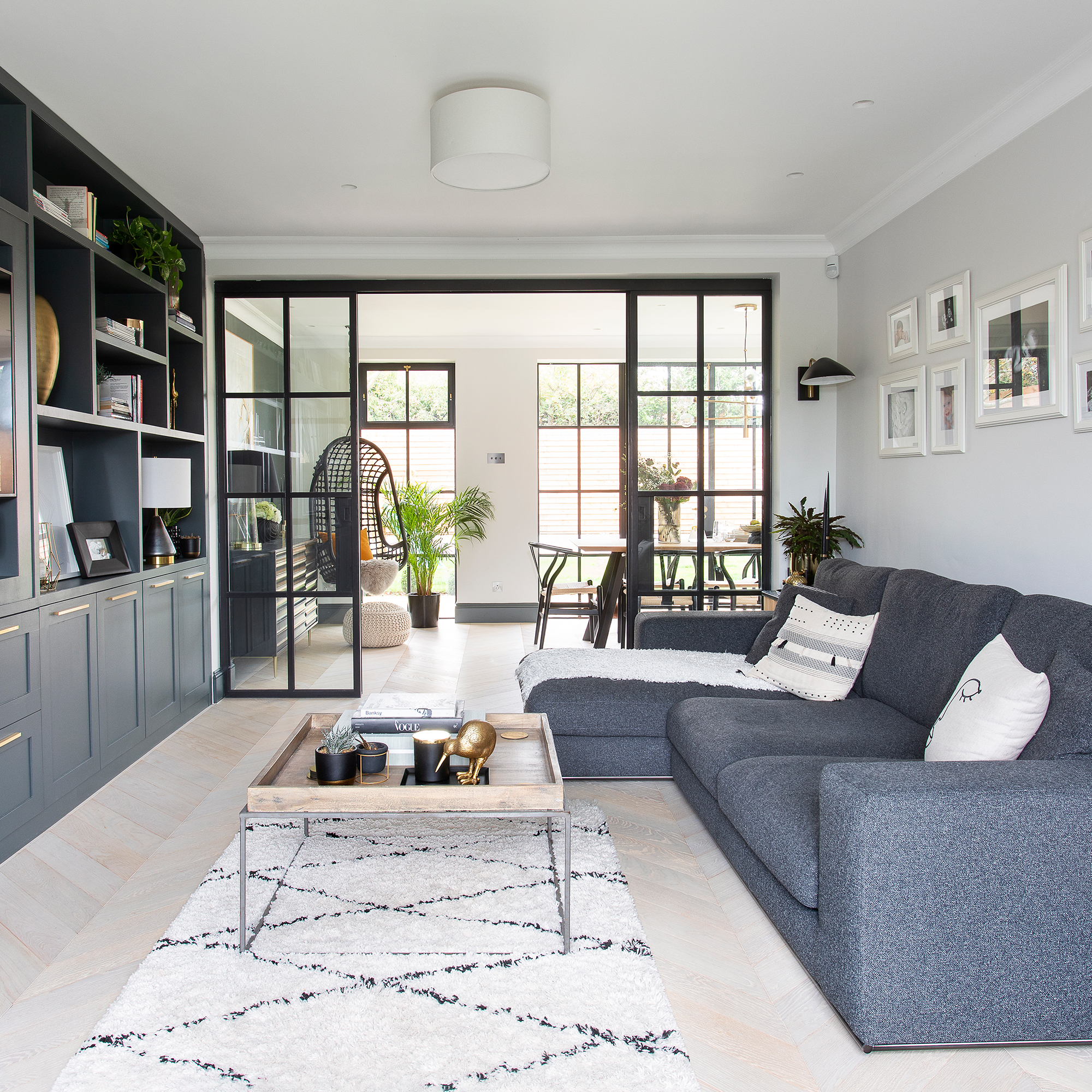
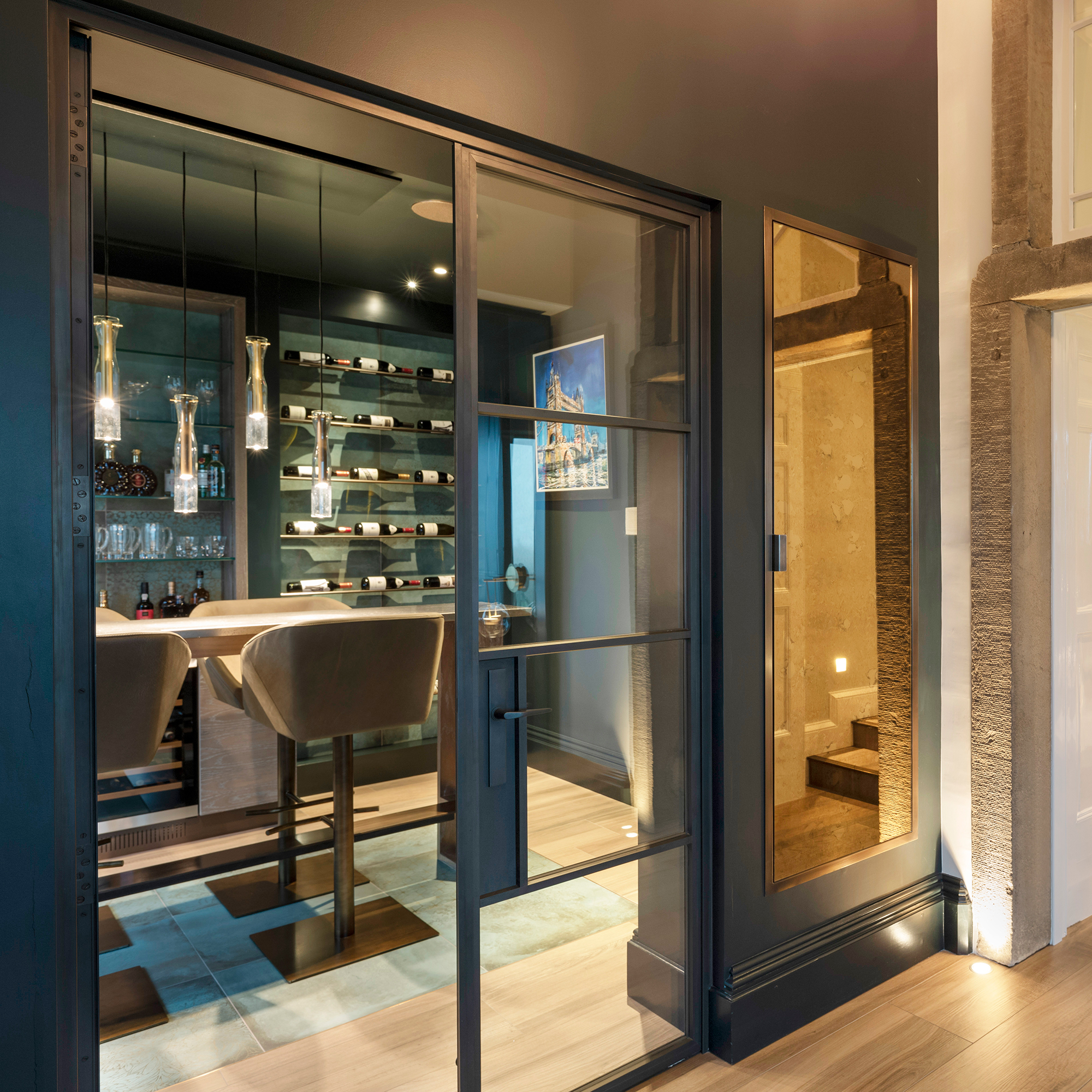
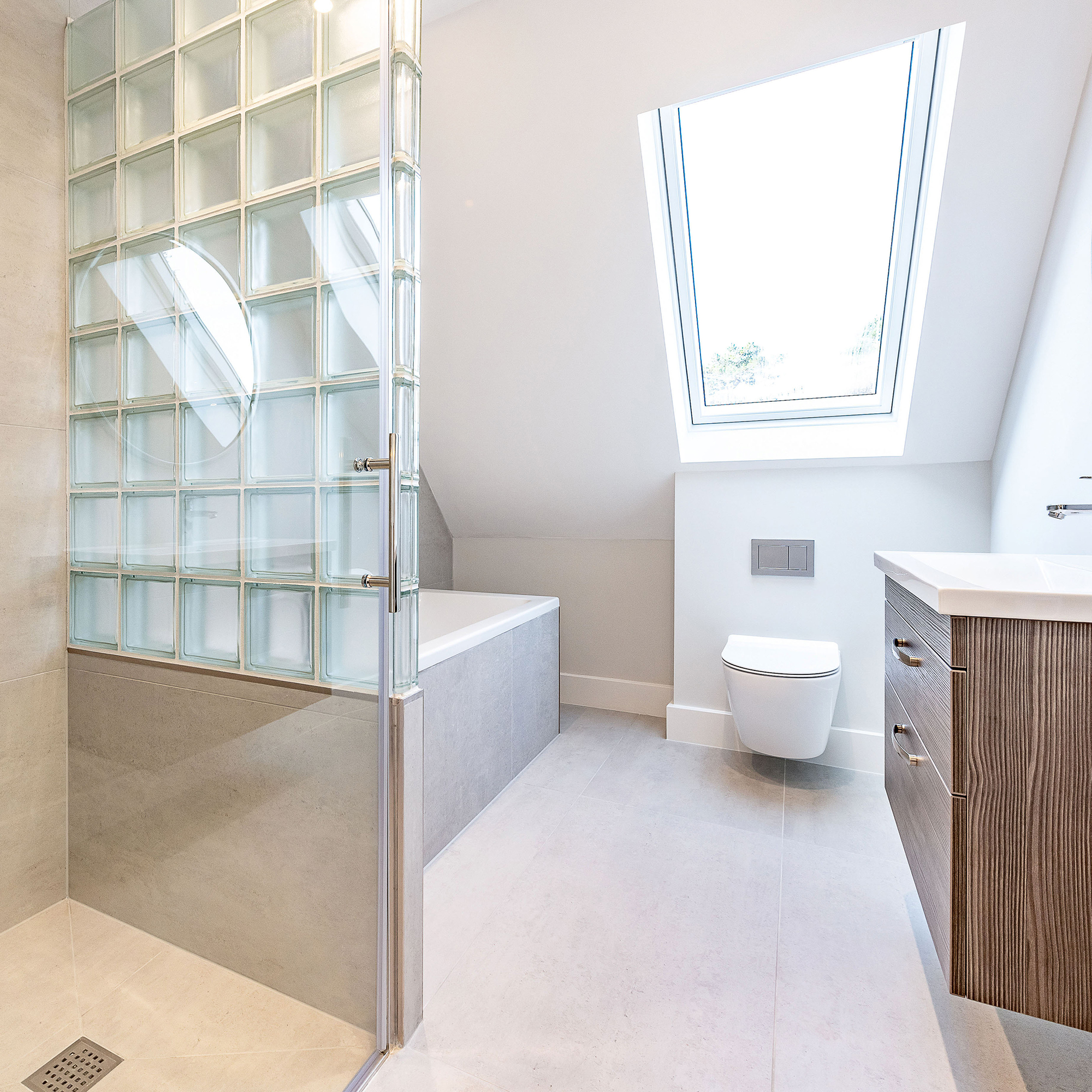
Glass, despite these conceptualizations, is already a versatile material used in homes, offices, and public buildings globally. Its functional and decorative qualities extend beyond aesthetics, offering practical benefits such as natural light diffusion, which saves money and energy by reducing the need for artificial lighting and regulating indoor temperatures—keeping spaces warm in winter and cool in summer. Furthermore, glass is 100% recyclable, meaning it can be reprocessed into new products if removed or replaced, underscoring its sustainability. For those prioritizing energy efficiency, sustainability, and security, glass presents itself as an optimal building material.
#GlassArchitecture #SustainableBuilding #ArchitecturalDesign #UKLandmarks #EnergyEfficiency #BuildingMaterials #GlassManufacturing #ModernDesign #GlassArchitecture #SustainableBuilding #ArchitecturalDesign #UKLandmarks #EnergyEfficiency #BuildingMaterials #GlassManufacturing #ModernDesign
0 comment in total
 No comments yet
You may also like
15 most beautiful glass houses around the world

Eight buildings bejewelled with glass bricks and blocks
Glass Vases That Look Like They're Growing Ice Crystals

Letter of Recommendation: Glass Bricks (Published 2016)

These Glassware Pieces Are Mind-Blowing
Glass Is Red-Hot: Here Are 6 New Collections to Know

Design tips to use glass in interior spaces and decoration | Hindustan Times

How modern designers are transforming glassware with creative touches

Glass Vases - Our Pick of the Best

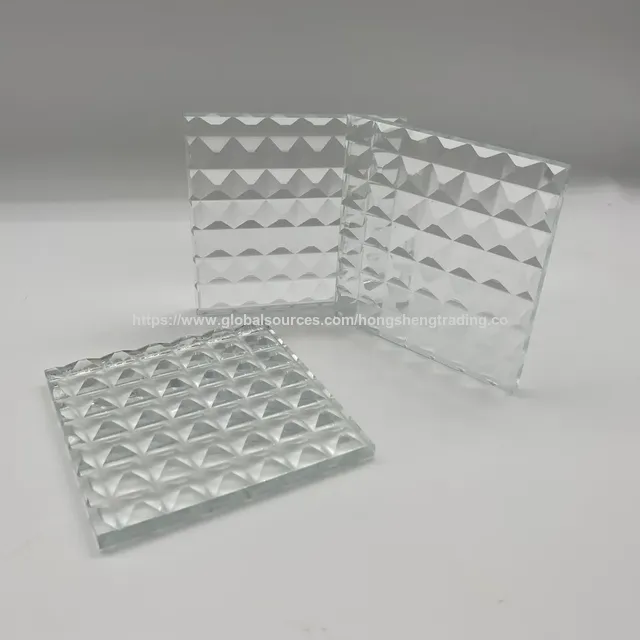
5mm 6mm 8mm 10mm 12mm Customized design Figure Glass Tempered Pattern Decorative Glass

These Playful Glass Tables + Lights Look Like Optical Illusions
Glamorous Glass Bricks Are Booming – Again


Glass Bricks: Top 5 Glass Blocks on the Market
Why glamorous glassware is booming

Made-in-New England gifts

We All Need a Glass Pantry Like the One in This London Townhouse’s Kitchen

glass art and design Archives
Glass wall design ideas - all you need to know about glass partition walls
Ten interiors that use glass-block walls to play with light and shadow

Glass bricks: Love or loathe?