
A product of the circular economy enters the kitchen
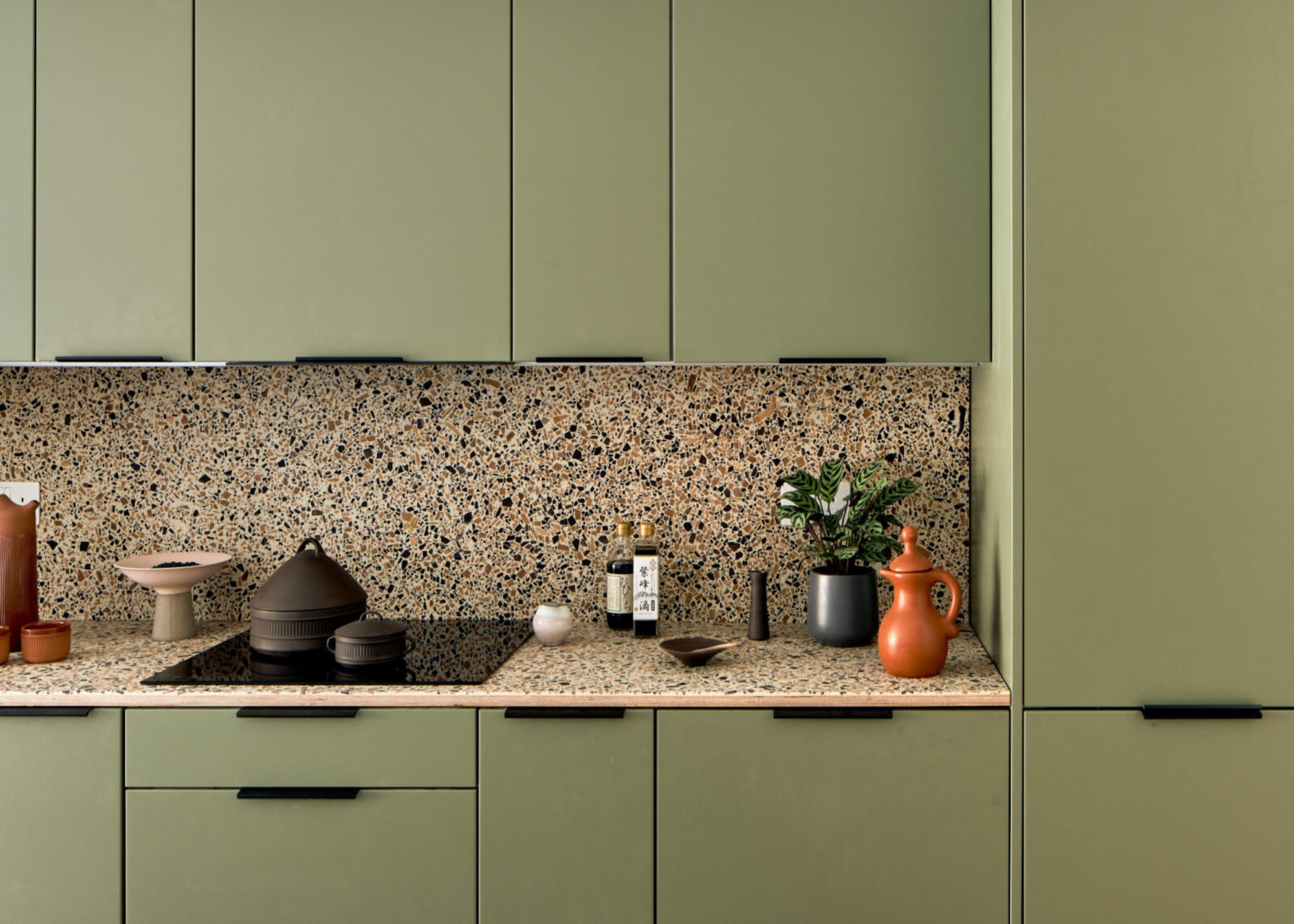
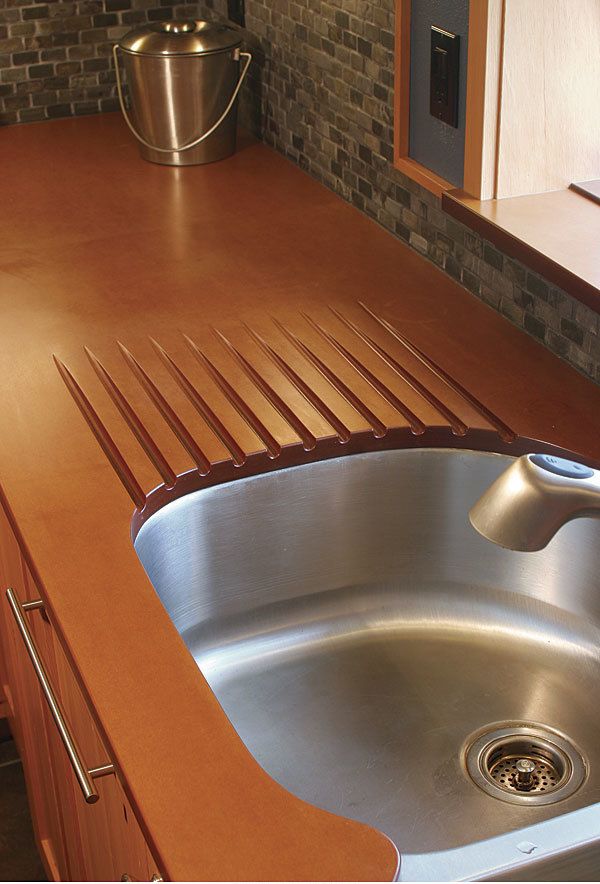
In a pioneering collaboration in France, Castorama, a prominent leader in the home improvement retail sector, partnered with Veolia to transform wood waste generated at its stores into a valuable secondary raw material. This initiative aligns with Castorama's ongoing commitment to offering eco-friendly products that enhance homes. The partnership, which commenced in the spring of 2013, has successfully led to the development of an innovative kitchen countertop. This new product is composed of 35% wood and 65% fully recycled plastic, exemplifying the principles of the circular economy.
Veolia's role in this partnership is crucial, as it contributes to the creation of these secondary raw materials, which are essential for mitigating the increasing scarcity of natural resources. The development process involved close cooperation between the teams from Castorama and Veolia. Their joint efforts focused on several key objectives: ensuring the final product's high quality, establishing a secure supply chain, minimizing the environmental footprint, and guaranteeing that the wood flour could be industrially processed by extruders.
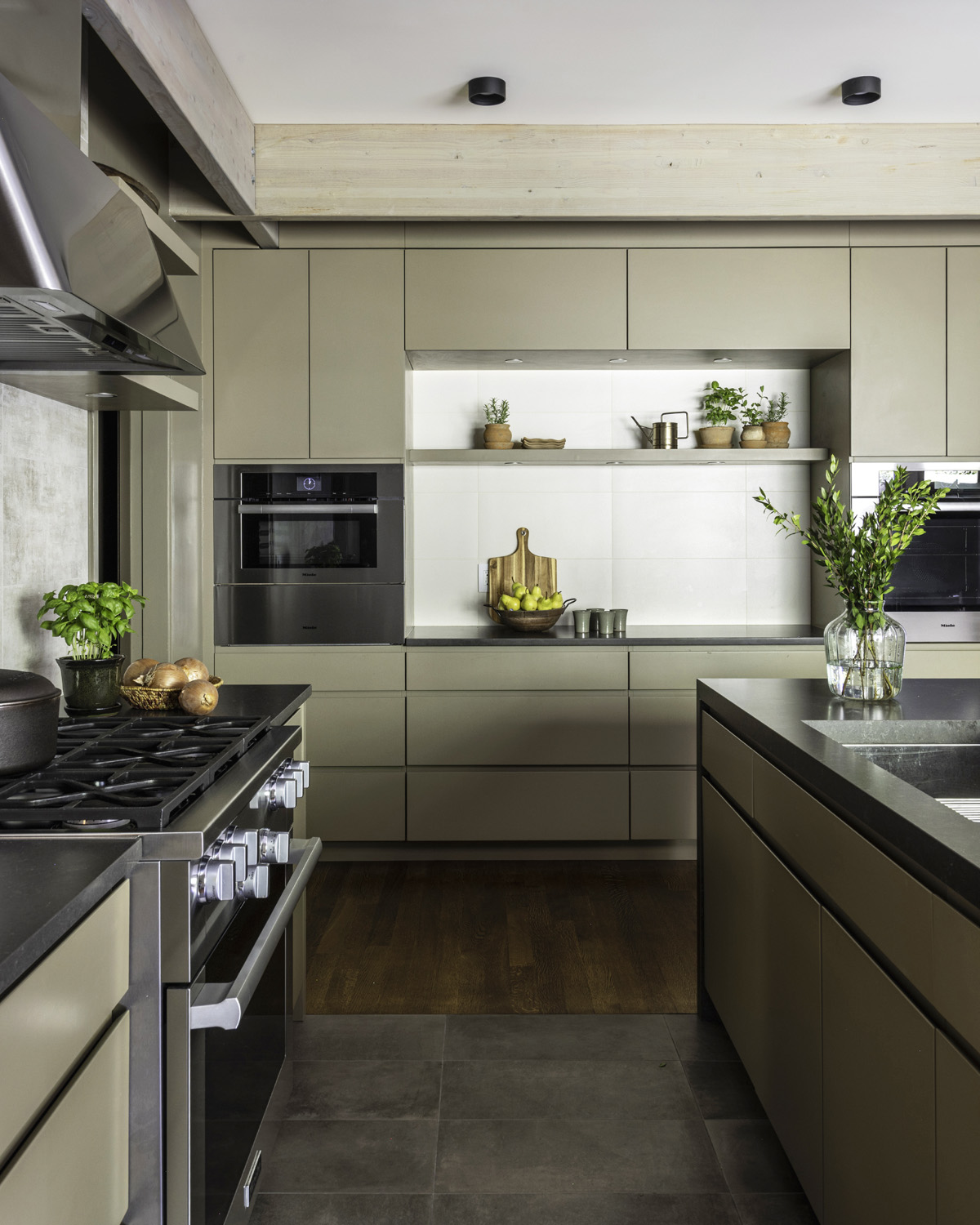
The resulting kitchen countertop offers significant advantages for consumers. It boasts enhanced water resistance, attributed to the use of composite wood. Additionally, the product is 40% lighter than traditional countertops, which simplifies handling, transportation, and installation. A notable feature is its complete recyclability and the fact that it is 100% Made in France, reinforcing its local and sustainable credentials.
Bernard Harambillet, CEO of Waste Solutions for Veolia in France, emphasized the evolving nature of Veolia's business, stating, “Our business is changing from that of a service provider to that of a producer of renewable resources.” This strategic shift underscores Veolia's commitment to developing solutions that conserve resources and advance the circular economy. The collaboration with Castorama is a testament to this new direction.
The initiative has already yielded impressive results, with 1,000 metric tons of secondary raw materials produced annually over five years. This translates into tangible customer benefits, including a reduced environmental footprint and a secondary raw material that is both lighter and more water-resistant. The success of this initial project has prompted Castorama to explore further applications for this new secondary raw material in the development of other products, indicating a promising future for such circular economy models in the home improvement industry. The partnership highlights a successful model for converting waste into valuable resources, promoting sustainability, and delivering innovative products to consumers.
#CircularEconomy #HomeImprovement #Recycling #SustainableProducts #WasteManagement #EcoFriendly #MaterialRecovery #IndustrialPartnership #CircularEconomy #HomeImprovement #Recycling #SustainableProducts #WasteManagement #EcoFriendly #MaterialRecovery #IndustrialPartnership
0 comment in total
 No comments yet
You may also like
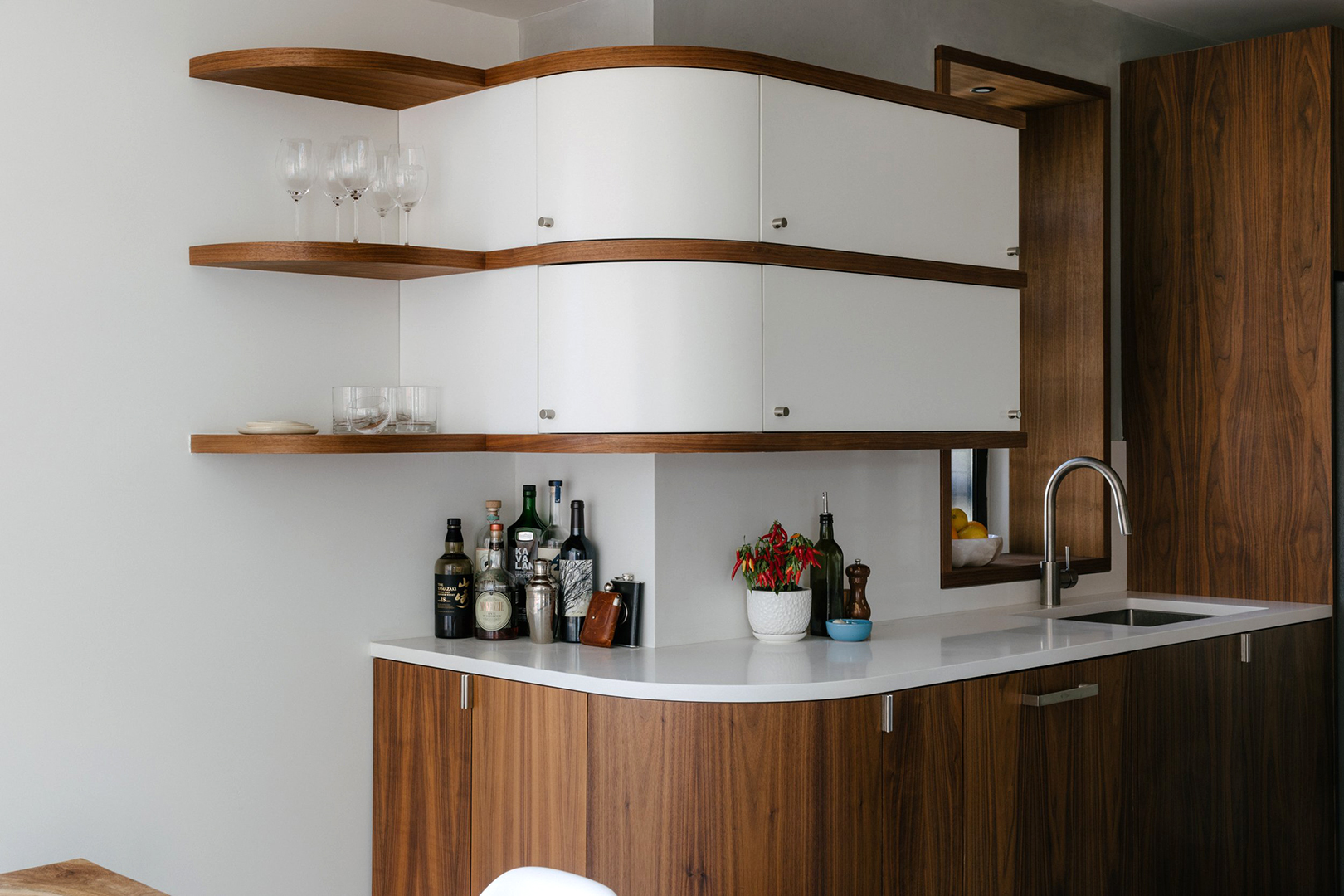
The Curved Trend Has Reached the Kitchen
Kitchen Units

Updated Kitchen Tells a New Story

When she opens the kitchen cabinets, memories spill forth
Kitchen

Clear Out and Grind Up Food Waste With These Tested Garbage Disposals
An Orderly Kitchen Makes an Organized Life
a colourful open-plan kitchen transformation

U-shaped Kitchen With Integrated Dining

Eggs, sticky rice, and transparent wood create new kind of window

4 Kitchen Countertop Materials About to Make a Comeback
The Best Deals of the Week (Including the Le Creuset Pan From Meghan Markle’s Show)
Composite Countertops

I'm Obsessed With These 7 Home Brands Doing Cool Things in the Sustainability Space

Products

Our Kitchen Has Never Been More Functional Thanks to This Simple Product

What Are the Most Eco-Friendly Kitchen Countertops? 6 Materials to Explore for Your Kitchen Plans
Chic, cozy, and practical home gifts for the holidays and beyond
Kitchen Makes an Artful Statement
A Gathering Place Kitchen Tour