1/12
Designing the Appearance of Rammed Earth Walls: The Interplay Between Natural Clay Colors and Pigmentation
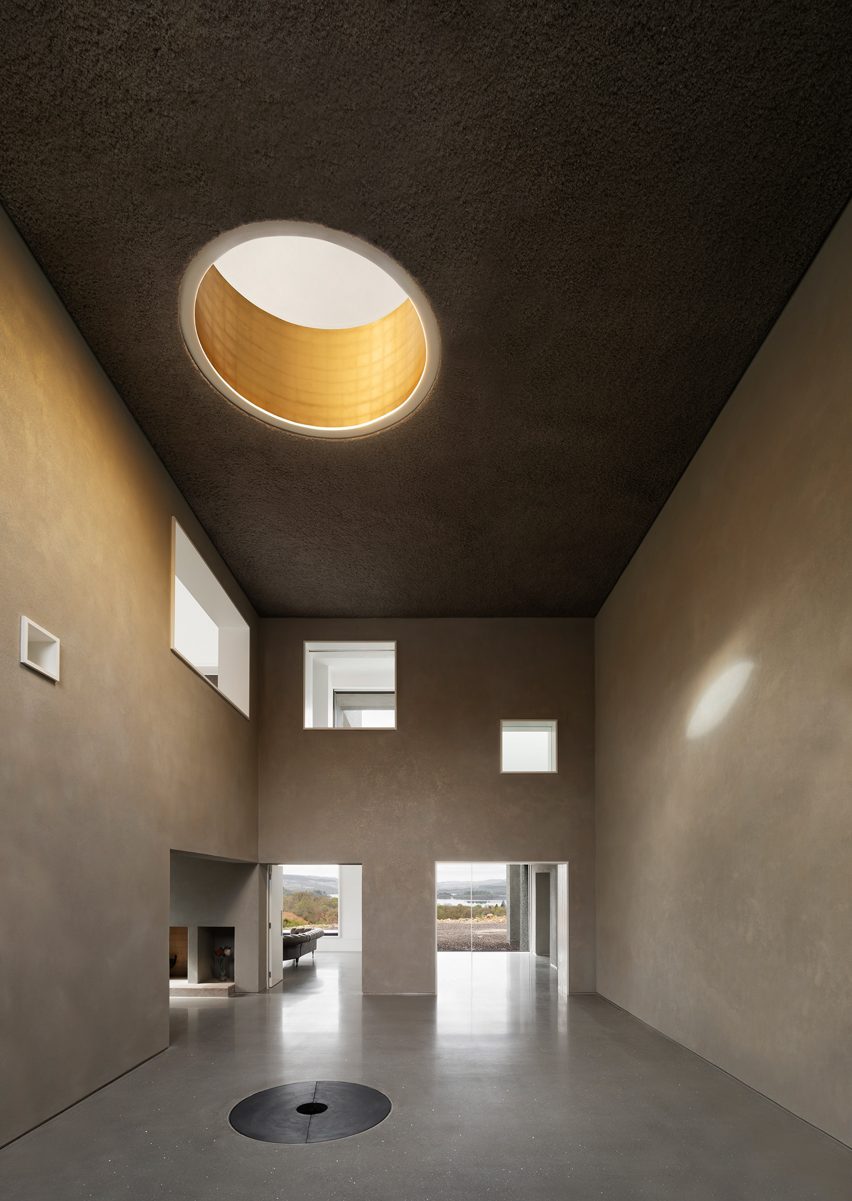
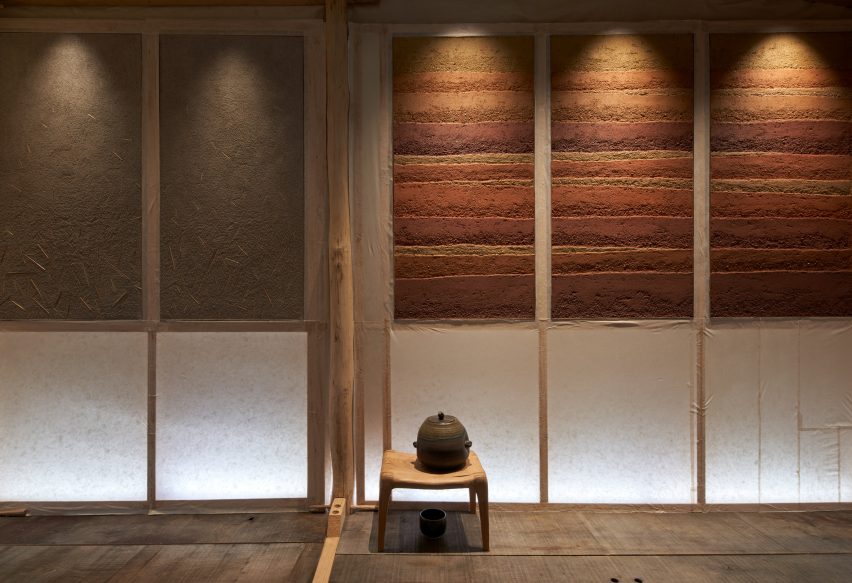
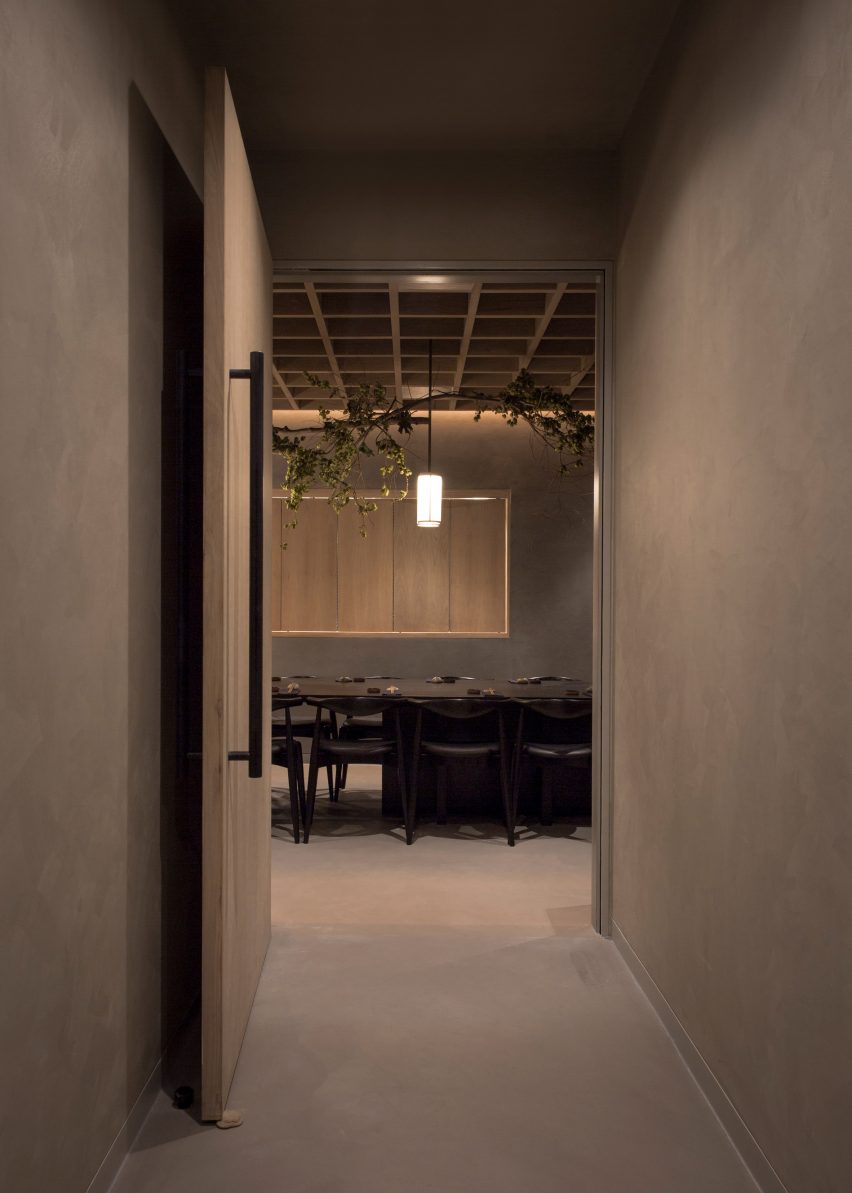
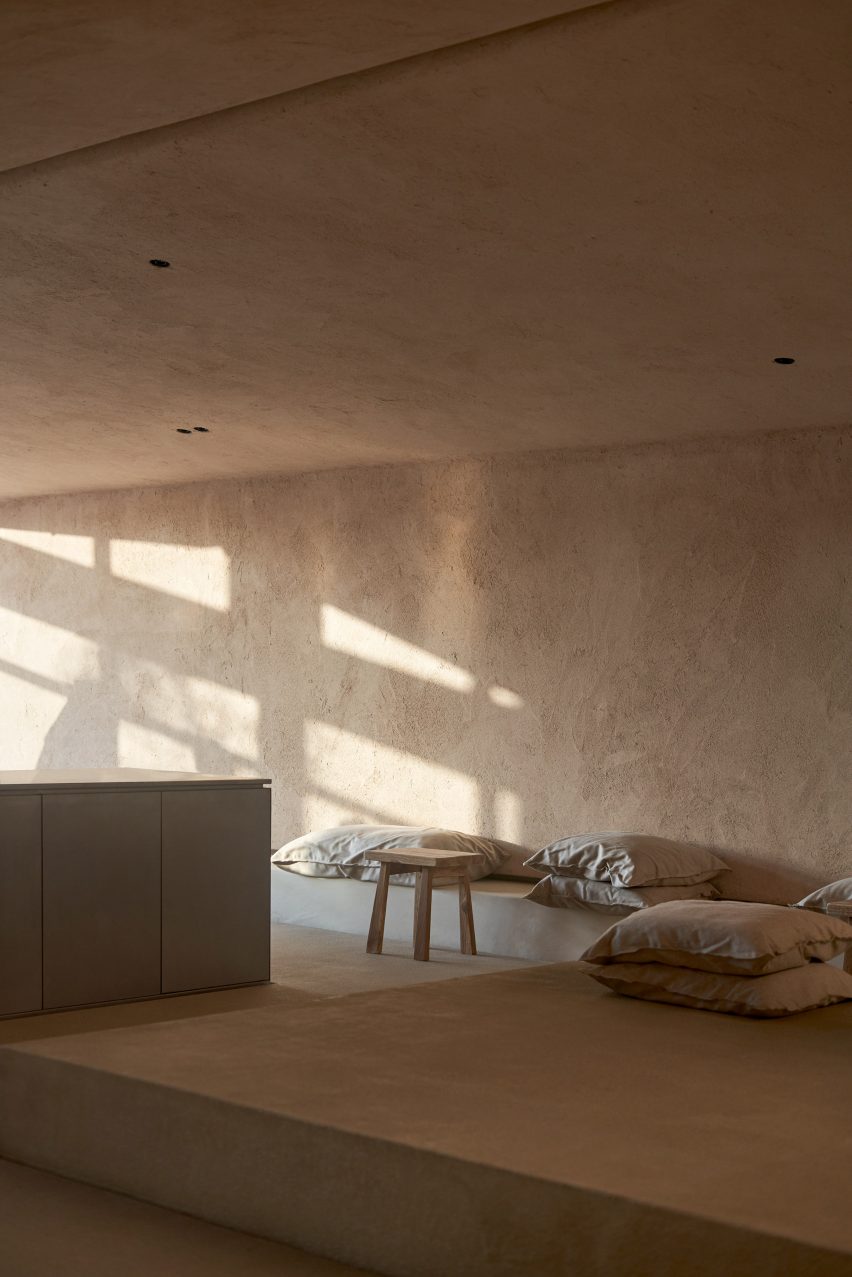
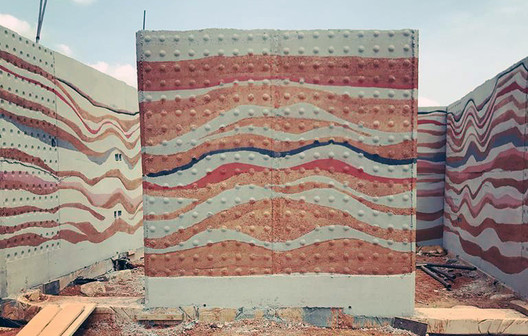
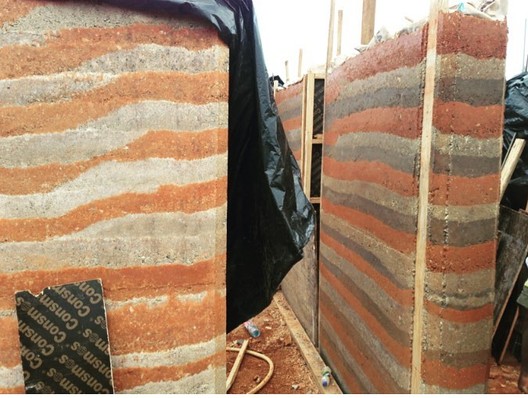
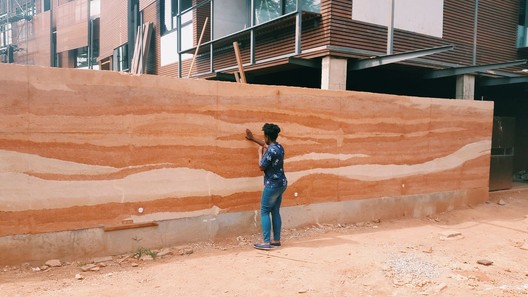
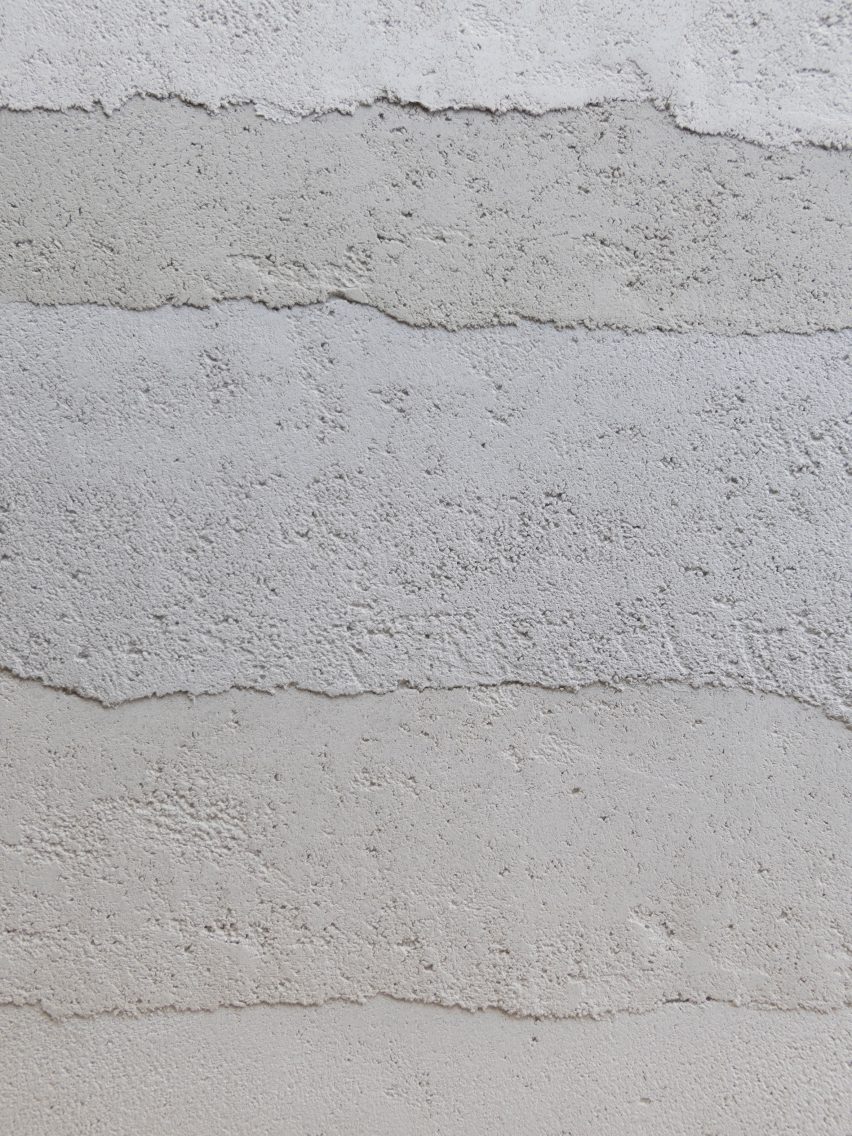
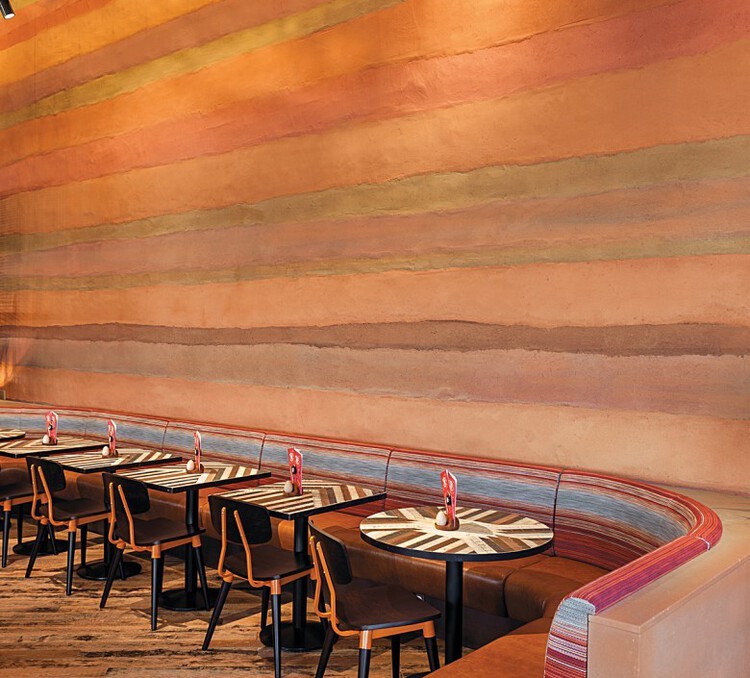
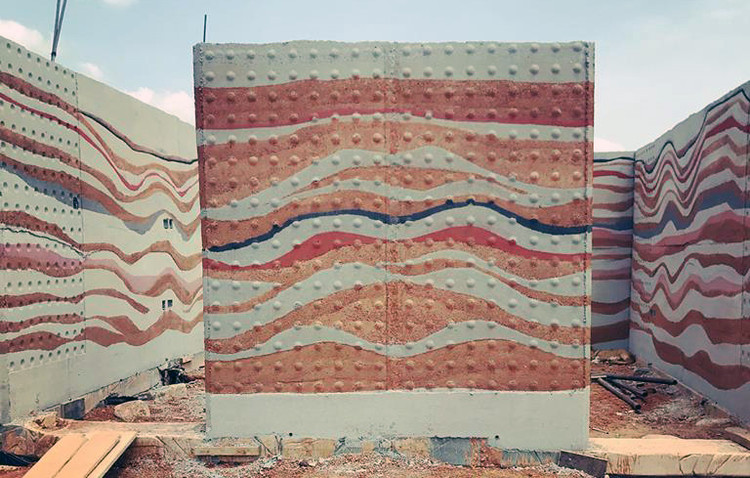
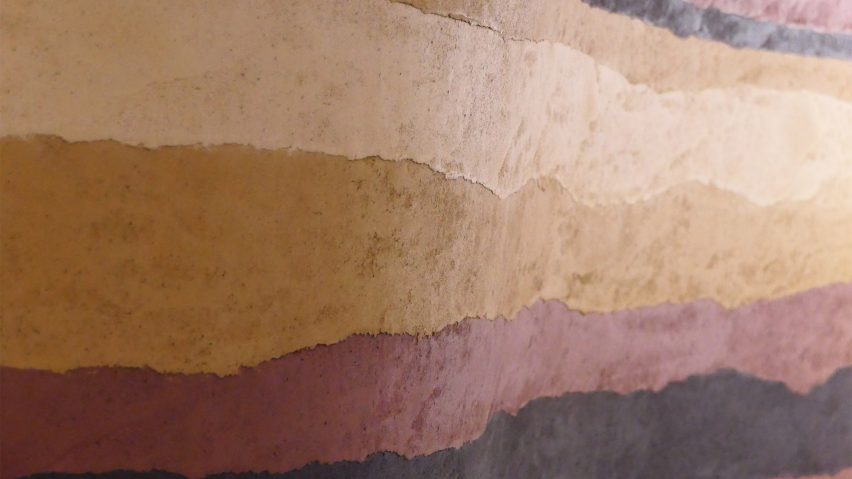
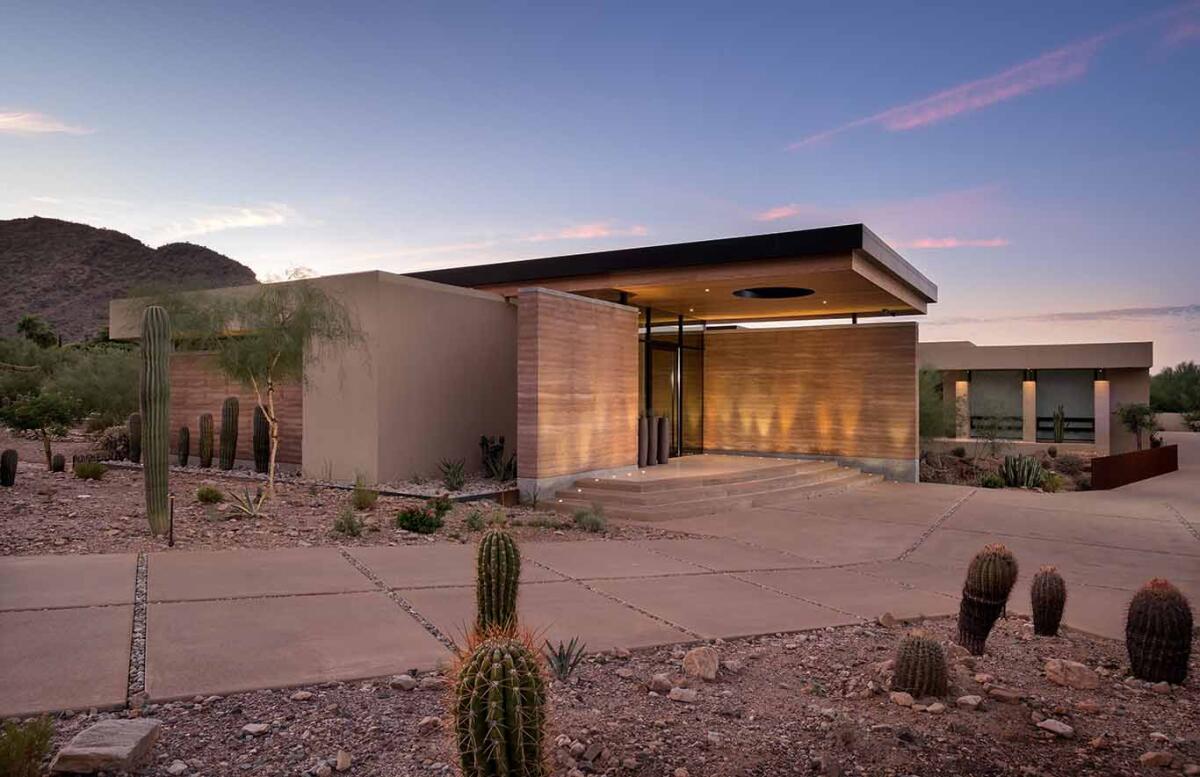
Rammed earth, an ancient construction method, continues to offer significant potential for contemporary earth architecture, particularly regarding its aesthetic qualities. The unique visual characteristic of rammed earth walls, a layered appearance, emerges as formworks are removed, revealing horizontal stratifications of earth tones, varied material content, and nuances from the curing process. This distinctive aesthetic can be intentionally manipulated and enhanced through thoughtful consideration of patterns, textures, pigmentation, and the inherent colors of natural clays. This approach allows architects and designers to expand the creative boundaries of rammed earth in architectural applications.
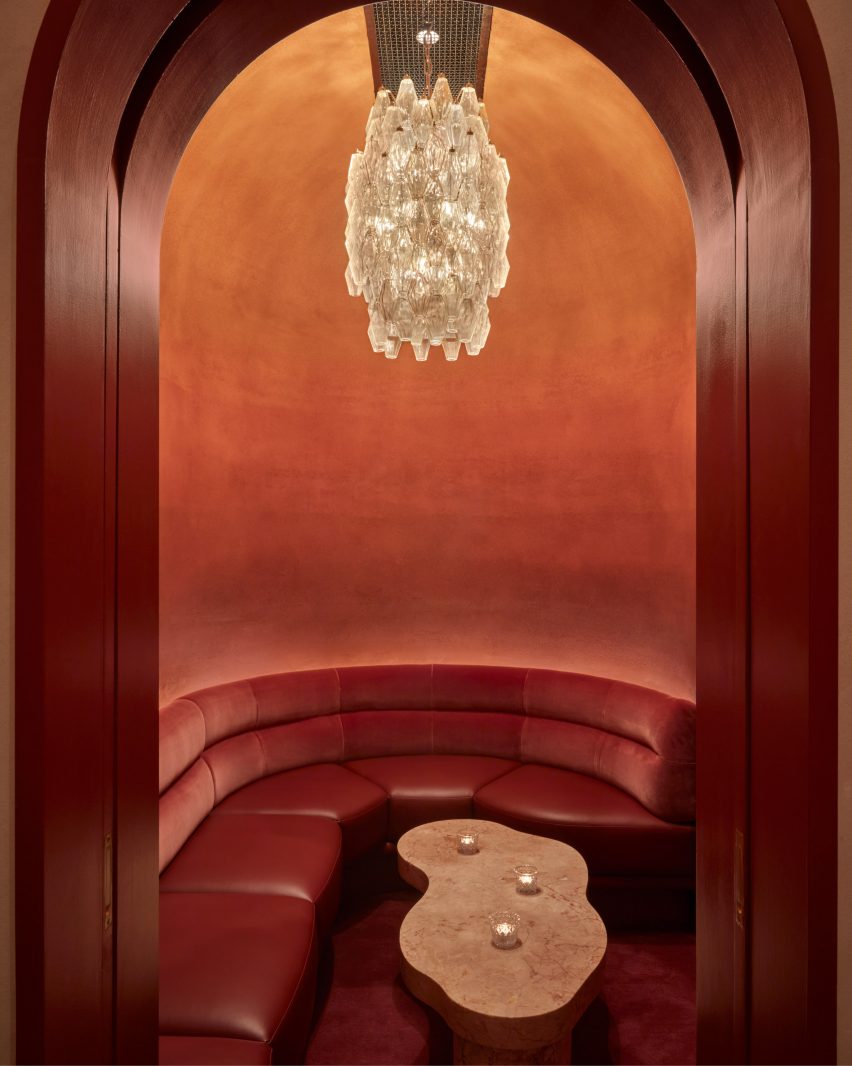
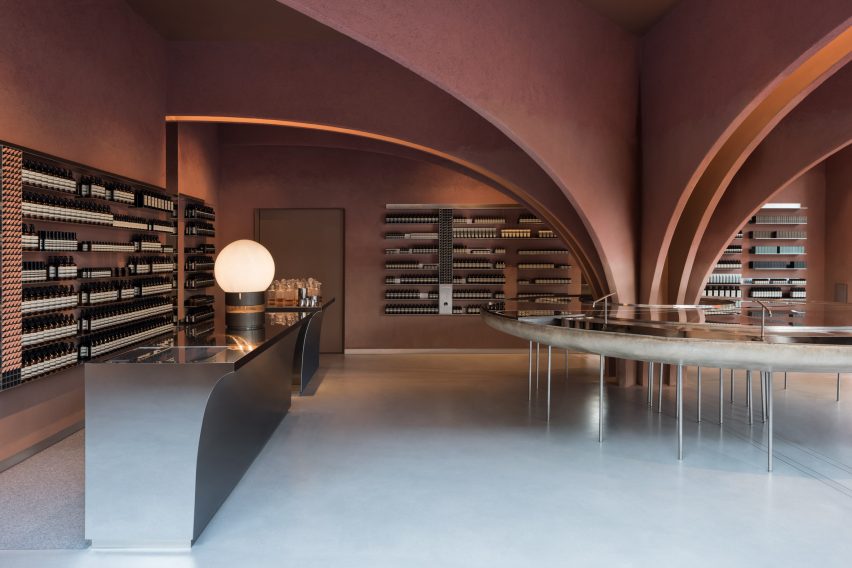
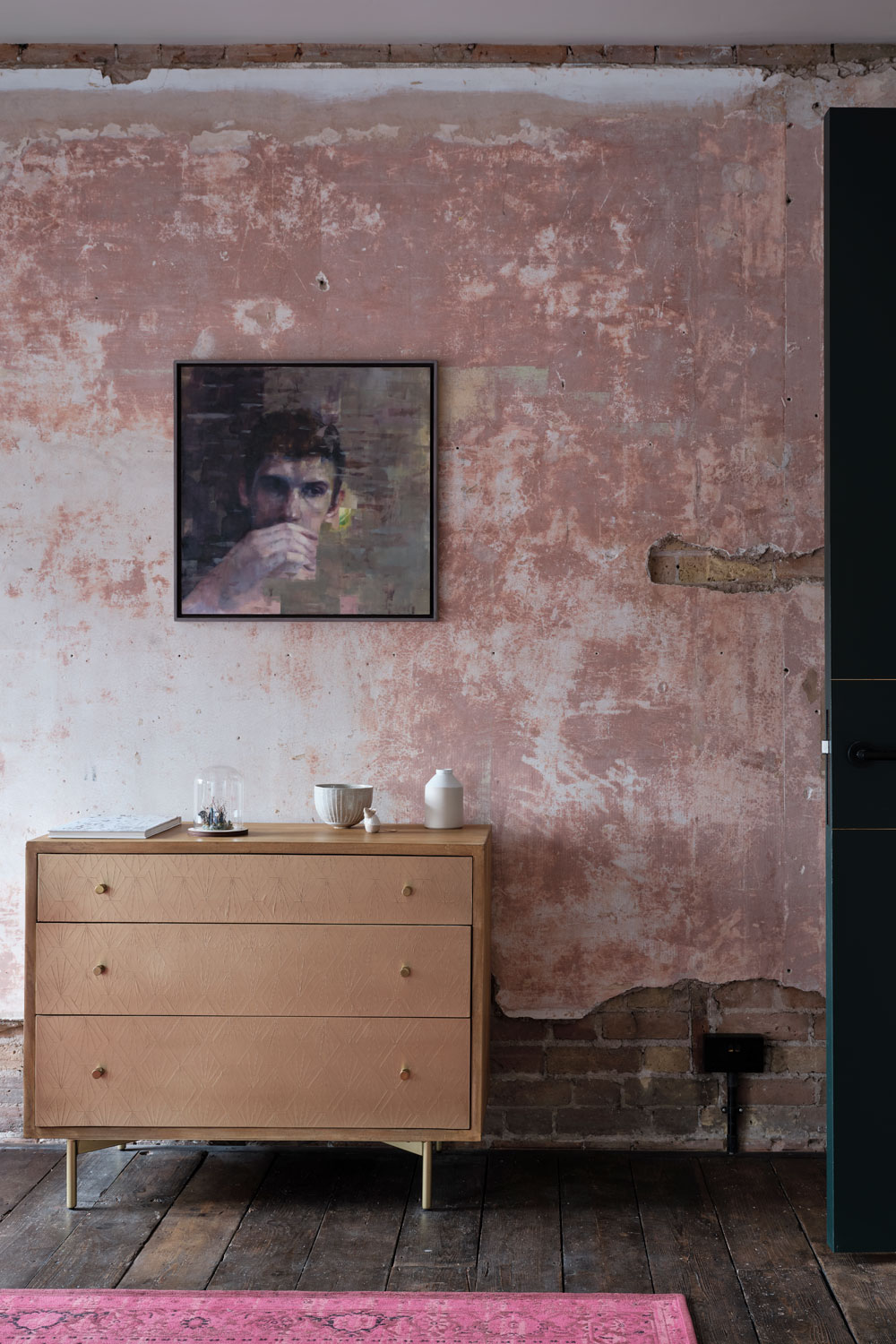
The aesthetic potential of rammed earth walls is deeply rooted in the geological composition of the earth used. The natural color of the clay and aggregates within the earth mixture determines the fundamental hue of the wall. Variations in mineral content, such as iron oxides, manganese, and organic matter, contribute to a diverse palette of natural colors, ranging from reds and browns to yellows and greys. Understanding these natural variations is crucial for predicting and designing the final appearance of the wall. Beyond natural variations, pigmentation offers a direct means of controlling and expanding the color range. Introducing natural or synthetic pigments into the earth mixture can produce a wide spectrum of colors, from subtle enhancements of natural tones to vibrant and bold statements. The amount and type of pigment, along with its dispersion within the mix, directly influence the intensity and uniformity of the resulting color.
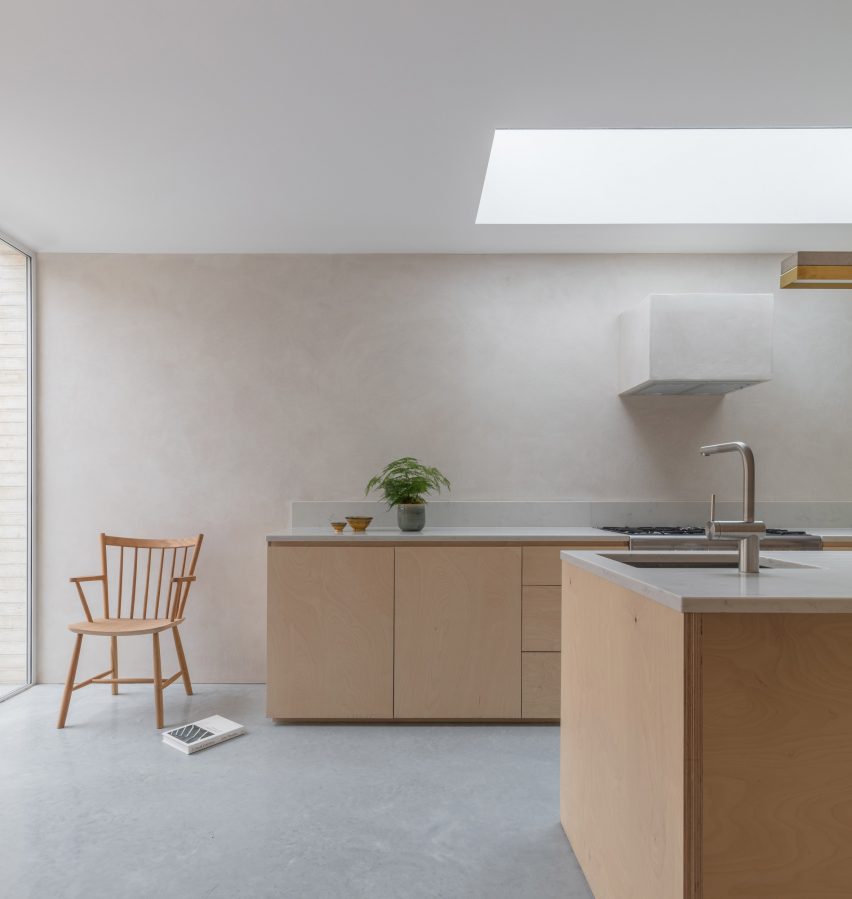
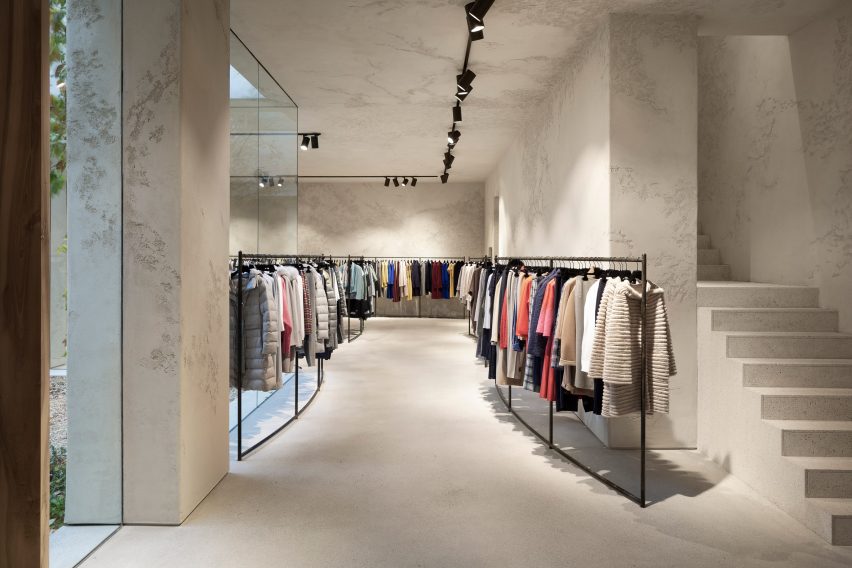
The layered compression process inherently creates patterns within rammed earth walls. Each layer, compacted individually, can differ slightly in material composition, moisture content, or compaction pressure, leading to visible horizontal striations. These layers can be intentionally varied to create distinct patterns, such as alternating colors or textures, introducing a dynamic visual element. The texture of a rammed earth wall is influenced by the aggregate size, the compaction method, and the final finishing. A rougher texture can highlight the material's earthy quality, while finer aggregates and smoother compaction can result in a more refined surface. Both patterns and textures contribute to the tactile and visual richness of the walls.
Exploring the interplay between natural clay colors and pigmentation requires a deep understanding of material science and artistic vision. For example, some projects might leverage the subtle beauty of local earth, allowing its natural variations to dictate the aesthetic. In contrast, others might use pigmentation to achieve a specific brand identity or to integrate the structure with a predetermined color scheme. Careful experimentation and mock-ups are essential to predict the final appearance, as the color of dry rammed earth can differ significantly from its wet mixture. The curing process also plays a role, as moisture evaporation and chemical reactions can slightly alter the final tone. By skillfully combining the inherent beauty of natural earth with controlled pigmentation and intentional layering, the aesthetic versatility of rammed earth construction can be fully realized, providing a sustainable and visually compelling building material.
#RammedEarth #NaturalClayColors #Pigmentation #EarthConstruction #SustainableArchitecture #MaterialDesign #ArchitecturalAesthetics #BuildingMaterials #Clayworks #RammedEarth #NaturalClayColors #Pigmentation #EarthConstruction #SustainableArchitecture #MaterialDesign #ArchitecturalAesthetics #BuildingMaterials #Clayworks
0 comment in total
 No comments yet
You may also like
Ten interiors with textured wall finishes by Clayworks that create visual interest
Eight calming home interiors with earthy finishes
Garden wall paint ideas – 10 ways to add standout color to your outdoor space

atlas concorde harmonizes in & outdoors with sedimentary stone-inspired tiles
Clayworks natural clay plasters offer a variety of interior finishes
Colors Of the Earth: Ghana's Incredible, Rammed Earth Walls
Earth Tone Paint Colors Designers Turn to Again and Again

Vintage view: How old stone and brick walls can benefit from lime render

Ten calm interiors with natural clay wall finishes that don't need painting
Into the palette: Exploring trends in natural stone
7 beautifully exposed walls for your country home
The Melange Tile Collection Showcases Artistic Ombré Effects

Textured Walls Are The Latest Interiors Trend For Adding Warmth To Your Space
Armourcoat creates durable clay wall covering as "ecological alternative to paint"
Designers flip over tile, go for the bold

How to create plaster effect walls – the modern rustic trend everyone's trying

Clay Plasters Rustic Range by Clayworks
I'm a Color Expert, and Here's Why I Think Earthy Color Palettes Always Feel At Home

Decorative Stones & Gravel

Why Desert Colors and Natural Materials Feel So Right Now